
Uncategorised
Most effective air cleaning practices for UAE homes
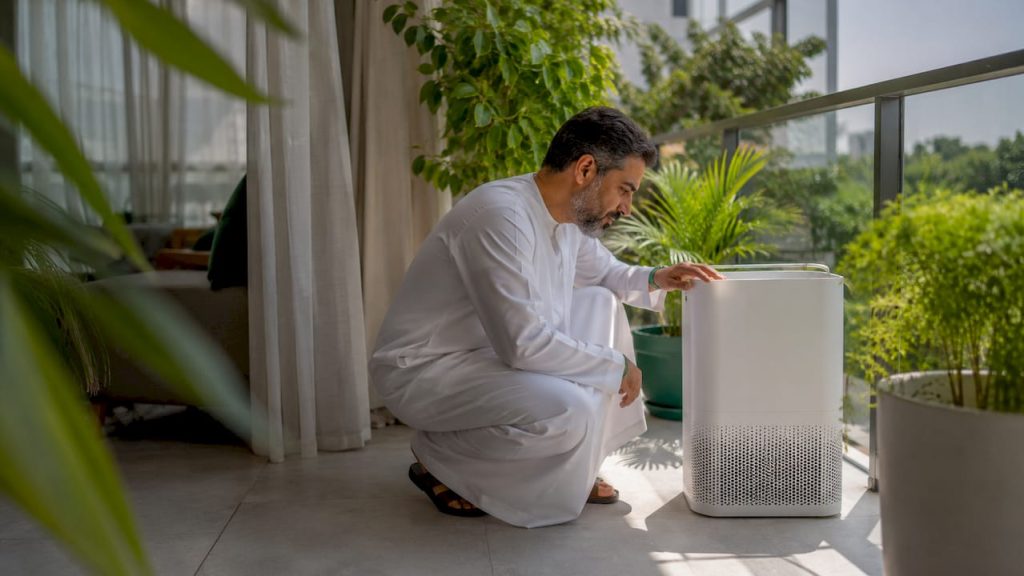
Indoor air quality management is defined as the systematic control of airborne pollutants inside buildings through source control, ventilation, filtration, and monitoring. The most effective air cleaning practices follow this exact hierarchy, with source control ranked first above all other methods. For residents and business owners across the UAE, where fine desert dust, high humidity, and sealed air-conditioned spaces create persistent air quality challenges, getting this hierarchy right is the difference between clean air and costly guesswork. Technologies like True HEPA filtration and active green walls, combined with disciplined maintenance, deliver the best results.
1. What are the most effective air cleaning practices?
The four-step hierarchy of indoor air quality management is source control, ventilation, filtration, and monitoring. Each step builds on the previous one. Skipping source control and jumping straight to an air purifier is the most common and expensive mistake UAE residents and business owners make. A sole reliance on single devices is insufficient. Air cleaning must be treated as a complete process.
The UAE context adds specific pressure points. Sandstorms push fine particulate matter indoors. Air conditioning runs continuously for much of the year, recirculating whatever pollutants are already inside. Humidity fluctuates sharply between seasons. A structured approach that addresses all four steps produces lasting results where a single device cannot.
2. What are the essential first steps in source control?
Source control means stopping pollutants before they enter your indoor air. It is the most cost-effective measure available, and it requires no equipment purchase.
Practical source control measures include:
- Use low-VOC paints, adhesives, and building materials when renovating or furnishing.
- Store cleaning chemicals, solvents, and pesticides in sealed containers outside the main living or working area.
- Enforce a strict no-smoking policy indoors, including balconies that share ventilation with interior spaces.
- Place high-quality doormats at every entrance and remove shoes at the door to reduce dust and particulate ingress.
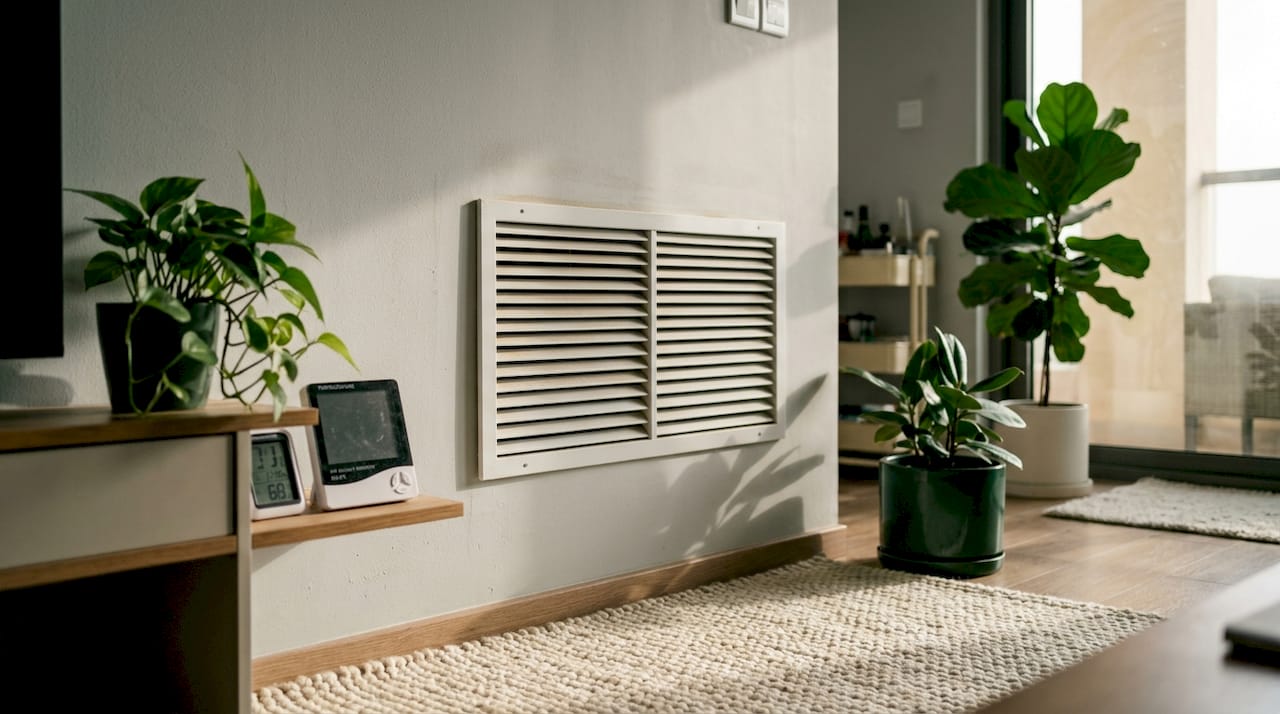
- Maintain indoor relative humidity between 40–50% RH to prevent mould growth and dust mite proliferation. This range is the standard recommendation for UAE indoor spaces.
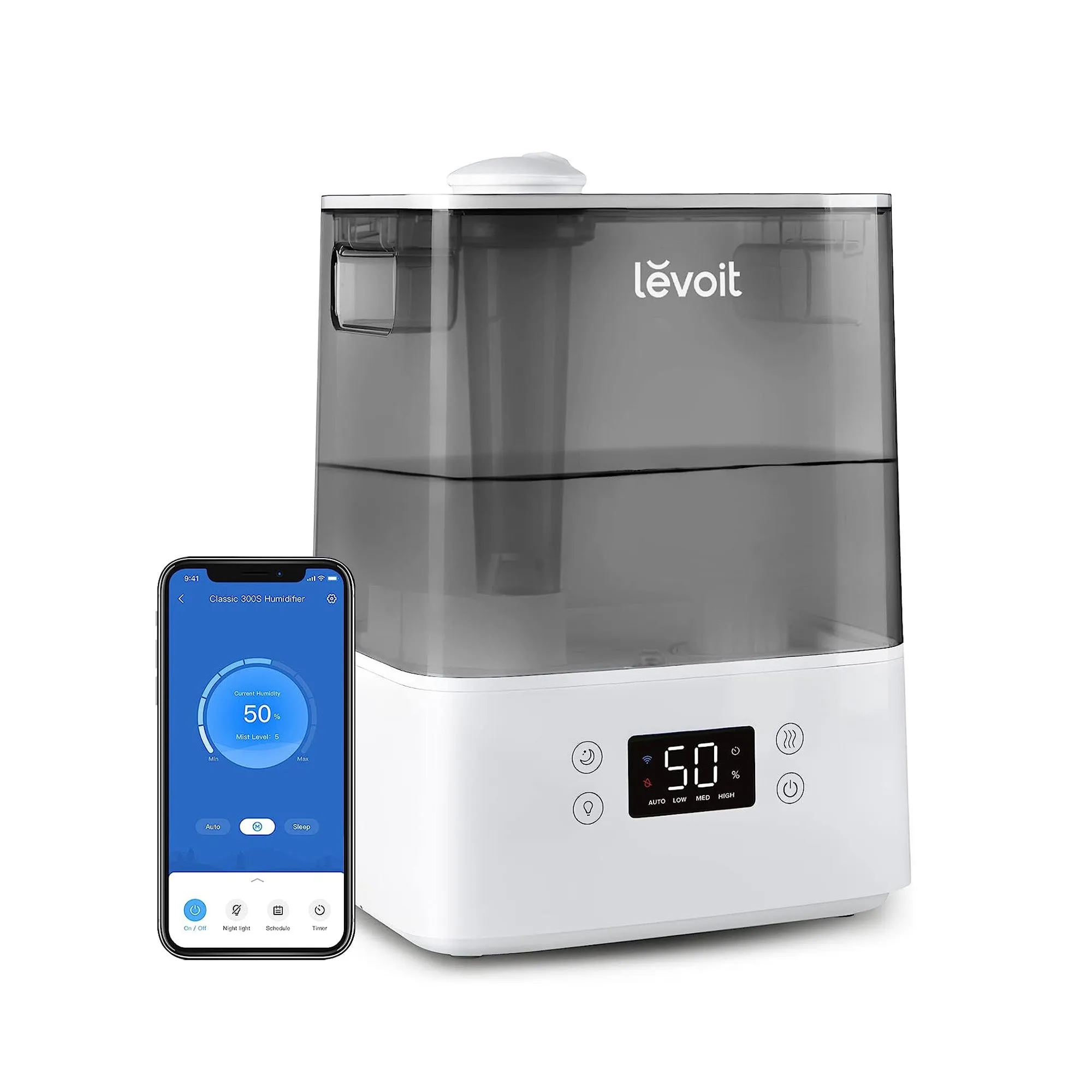
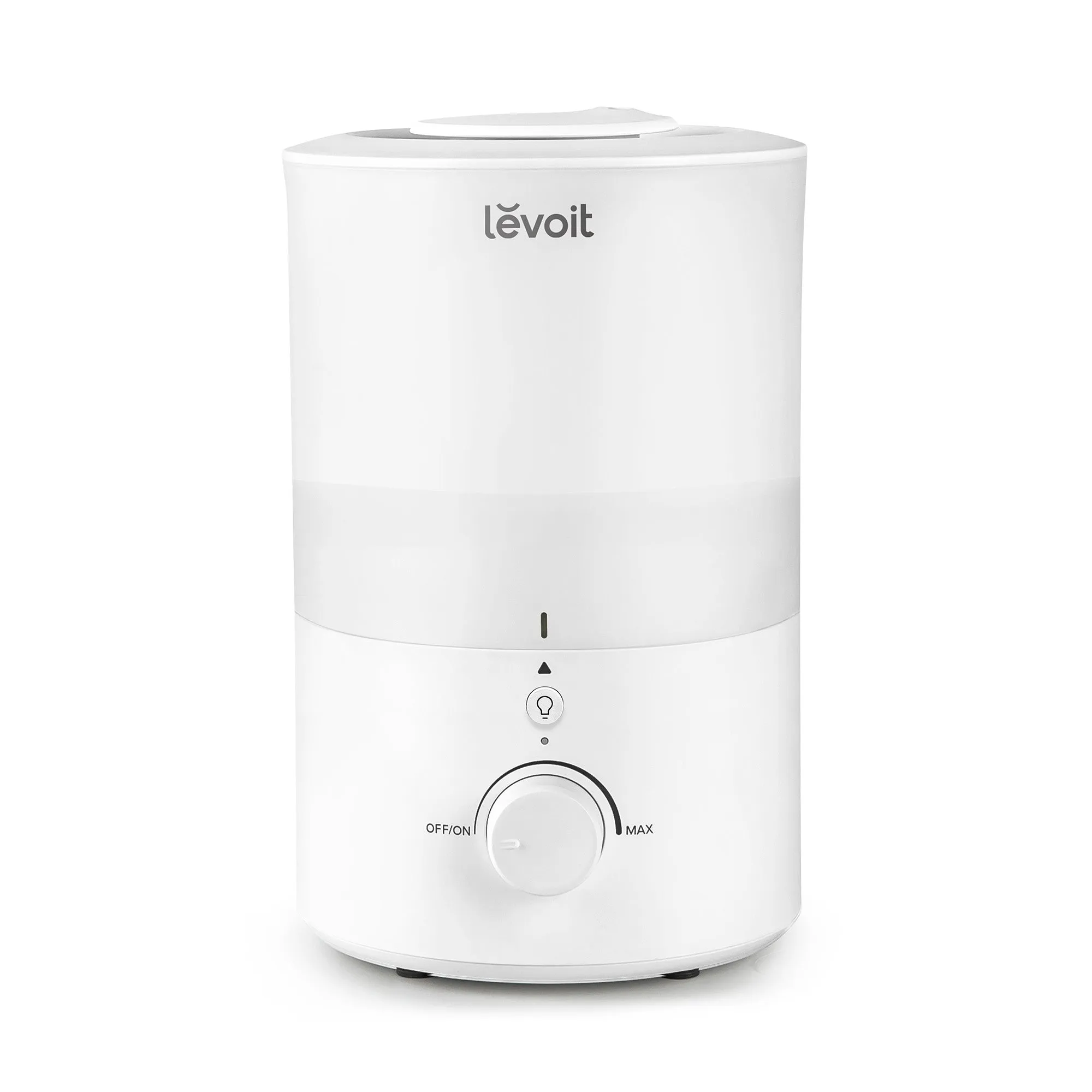
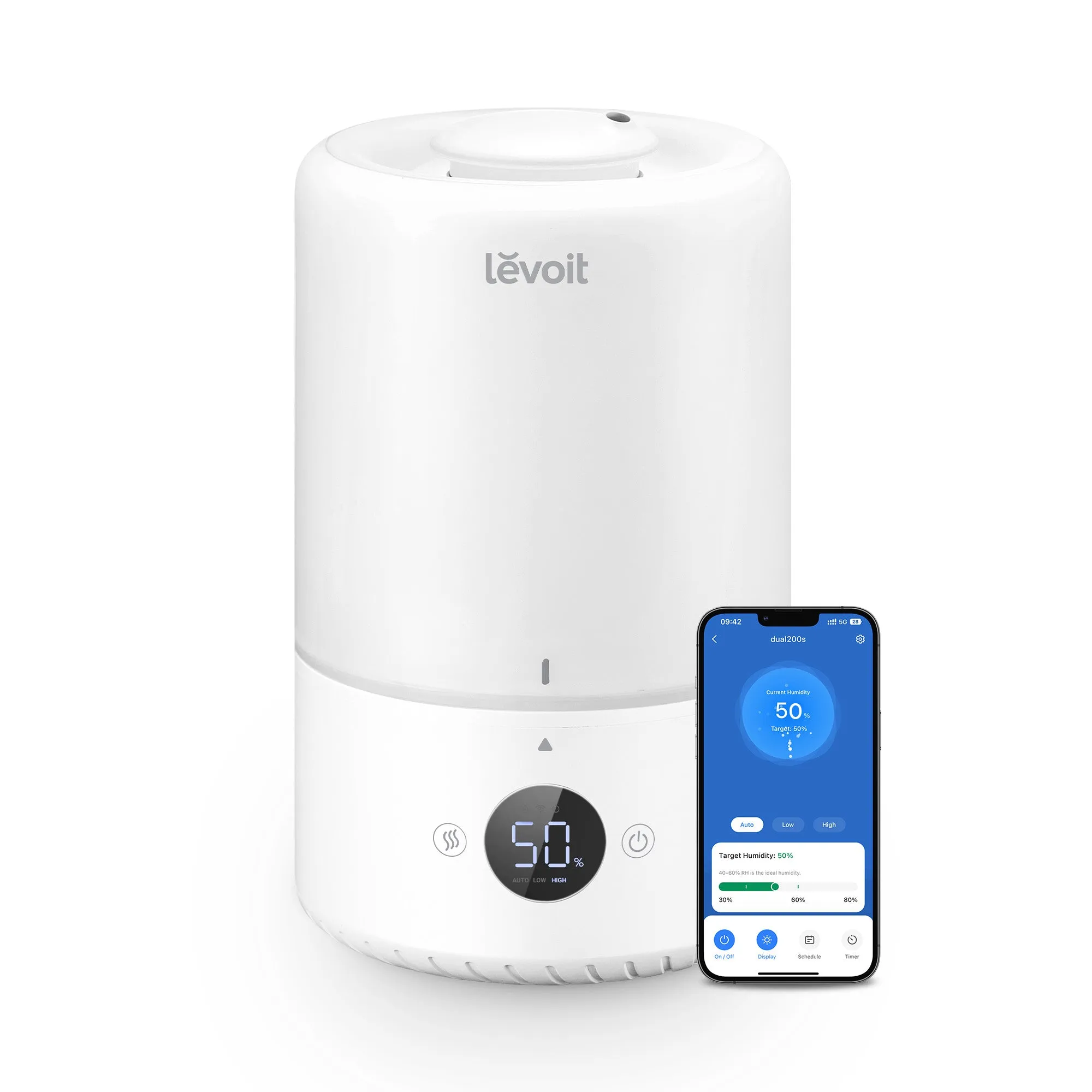
Humidity control deserves particular attention in the UAE. Air that is too dry increases airborne particle suspension. Air that is too humid encourages mould and biological growth. A quality humidifier or dehumidifier, depending on the season, keeps the balance right. Cleanair-ae stocks a range of humidity control products suited to UAE residential and commercial spaces.
Pro Tip: Measure your indoor pollutants before purchasing any equipment. Identifying pollutant sources first prevents wasted expenditure on devices that do not address your actual problem.
3. How does proper ventilation improve indoor air quality in the UAE?
Ventilation dilutes indoor pollutants by replacing stale air with fresher outdoor air. In the UAE, this requires careful timing and method selection because outdoor air quality varies significantly with weather and season.
Smart ventilation strategies for UAE conditions:
- Open windows and vents during early morning hours when outdoor dust levels are lower and temperatures are manageable.
- Avoid ventilating during shamal wind events or peak traffic hours when outdoor particulate matter is elevated.
- Use mechanical ventilation with heat recovery units in commercial spaces to maintain air changes without excessive energy loss.
- Service air conditioning units every three to six months. Dirty coils and blocked filters recirculate contaminated air throughout the building.
Ducting quality directly affects ventilation performance. Flexible foil ducting can kink and reduce airflow significantly. Semi-rigid elbows maintain consistent airflow and are the recommended choice for any permanent ventilation installation. This applies to both residential extraction fans and commercial HVAC connections.
Pro Tip: When installing or upgrading ventilation ducting, specify semi-rigid elbows over flexible foil. The difference in sustained airflow efficiency is substantial, particularly in long duct runs.
4. What filtration technologies are most effective for UAE indoor air?
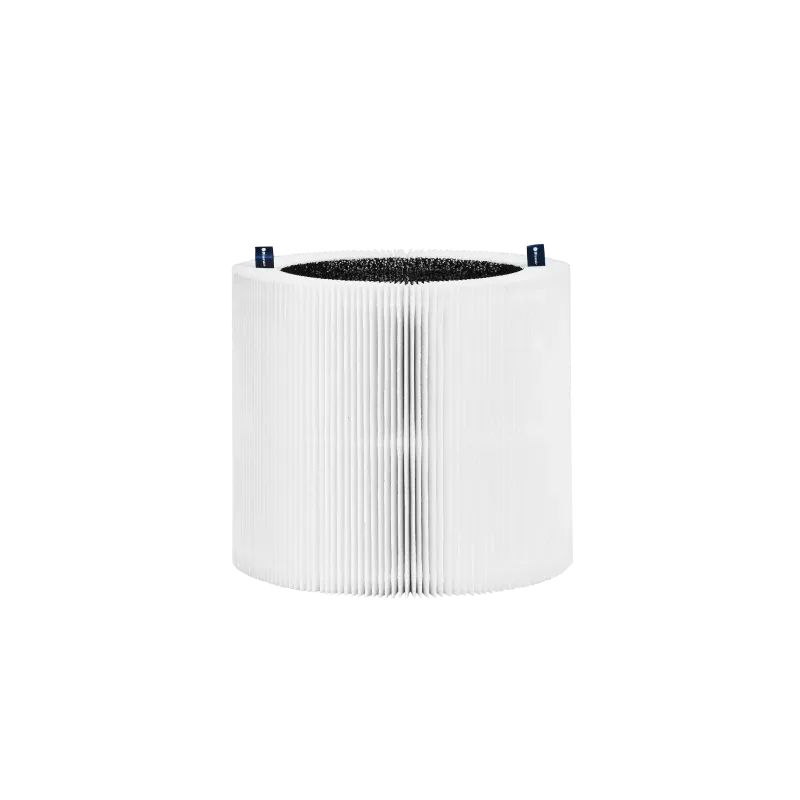
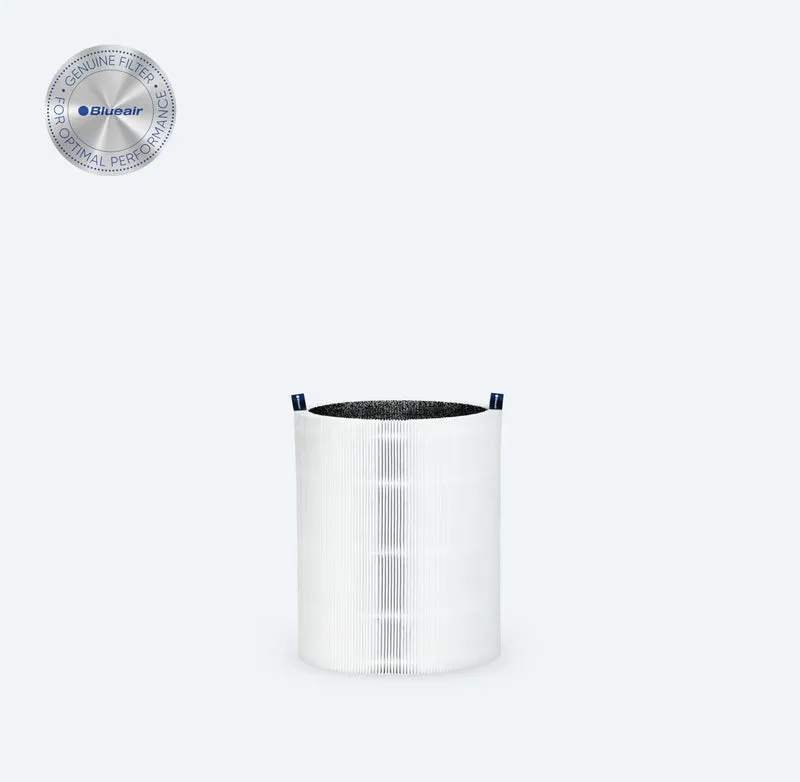
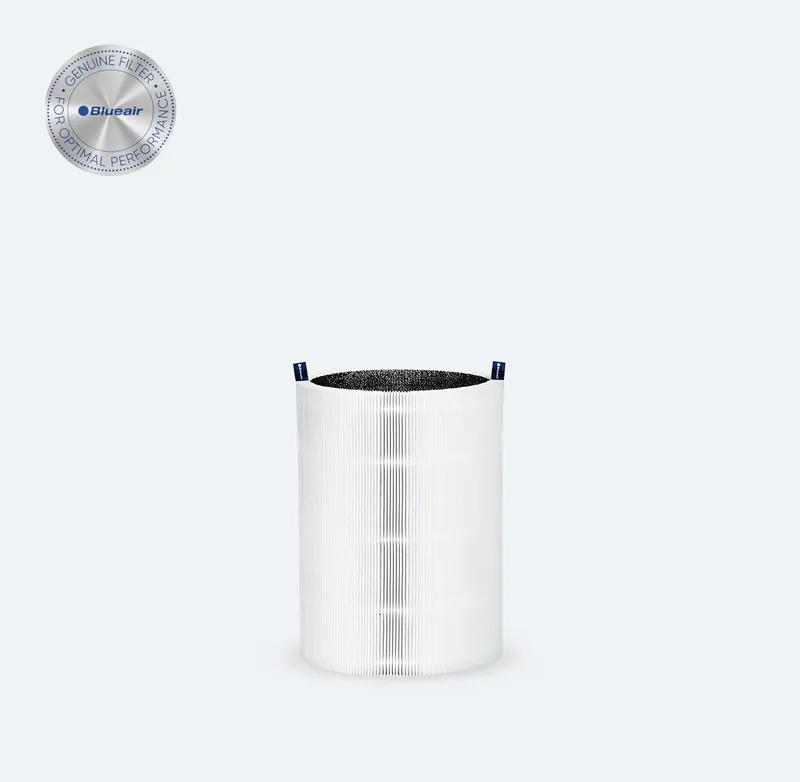
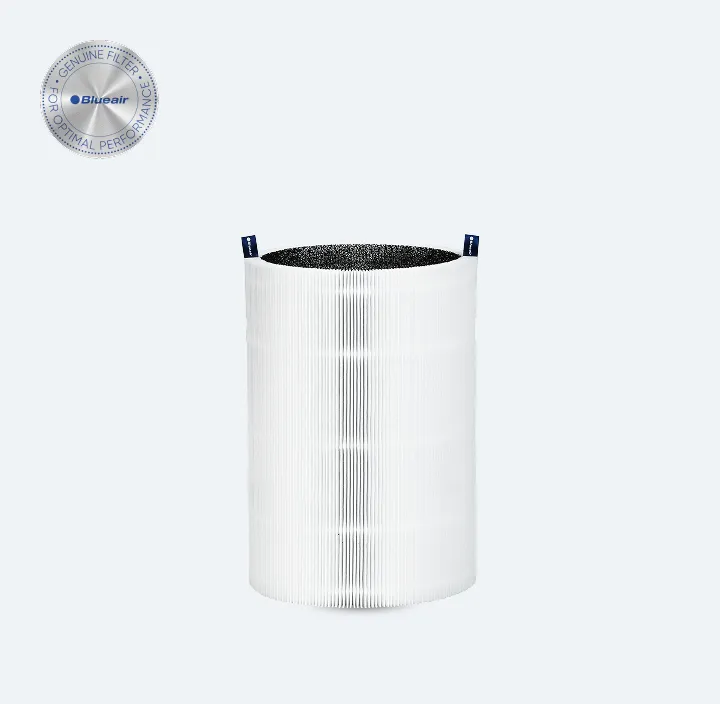
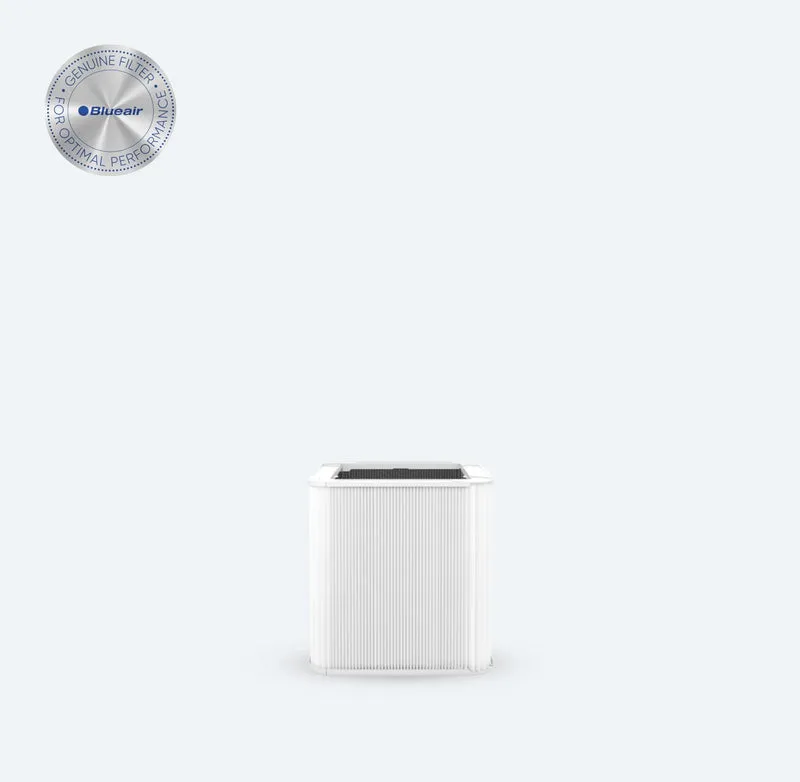
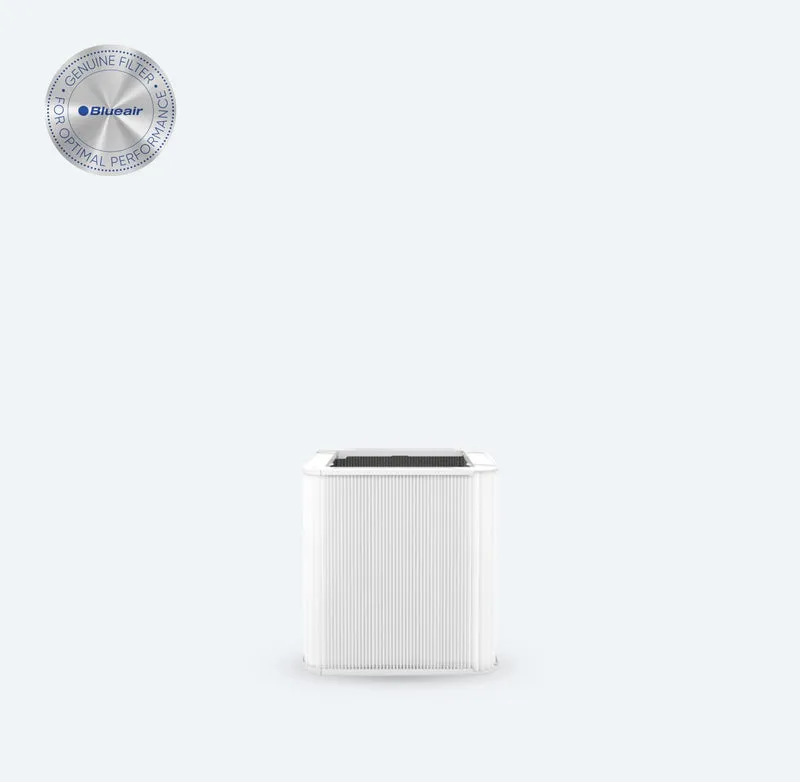
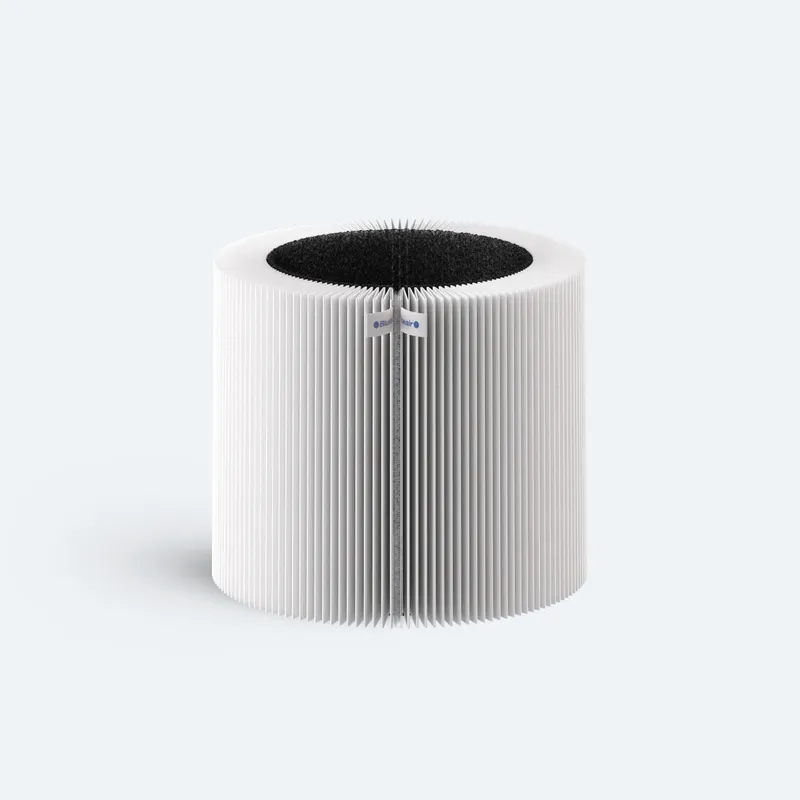
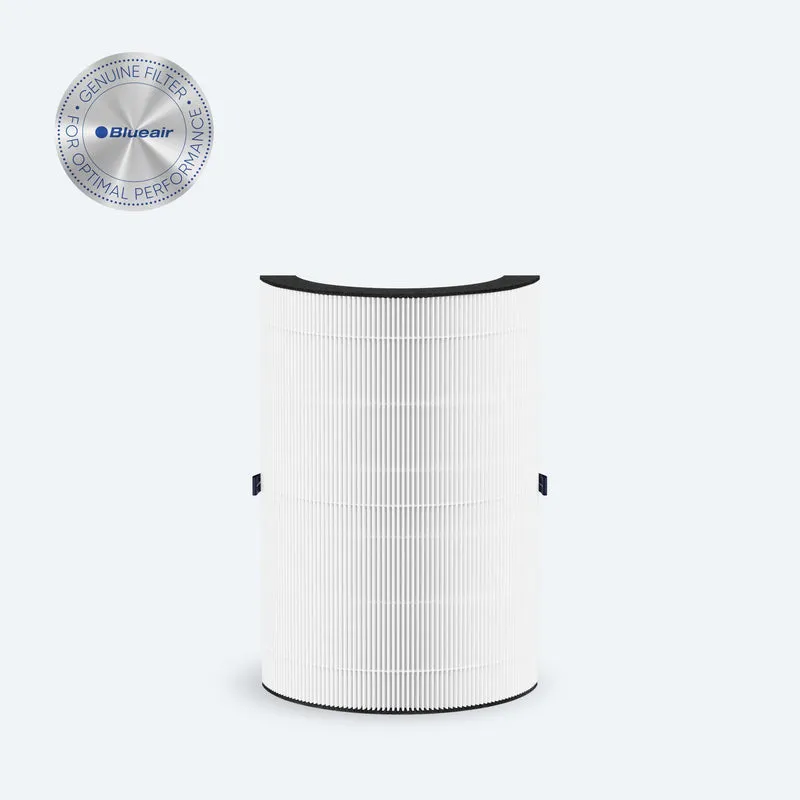
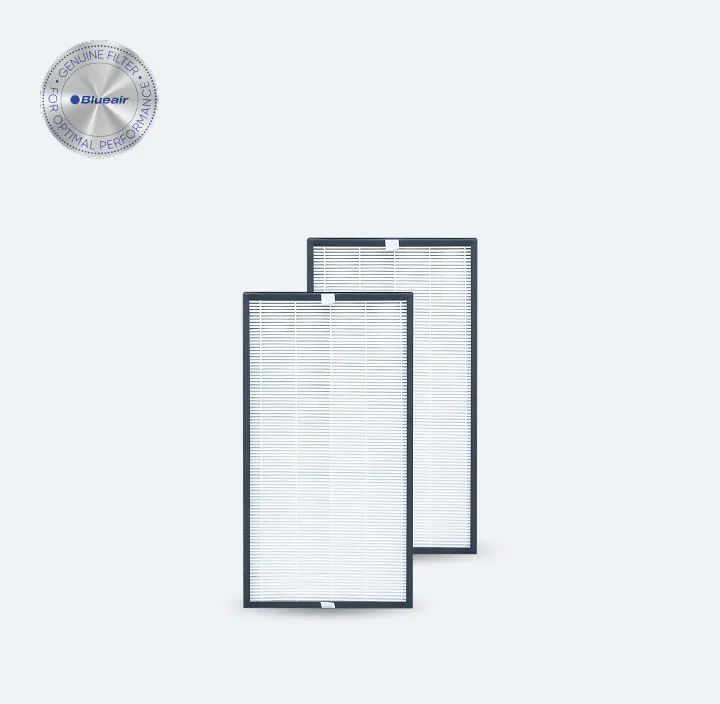
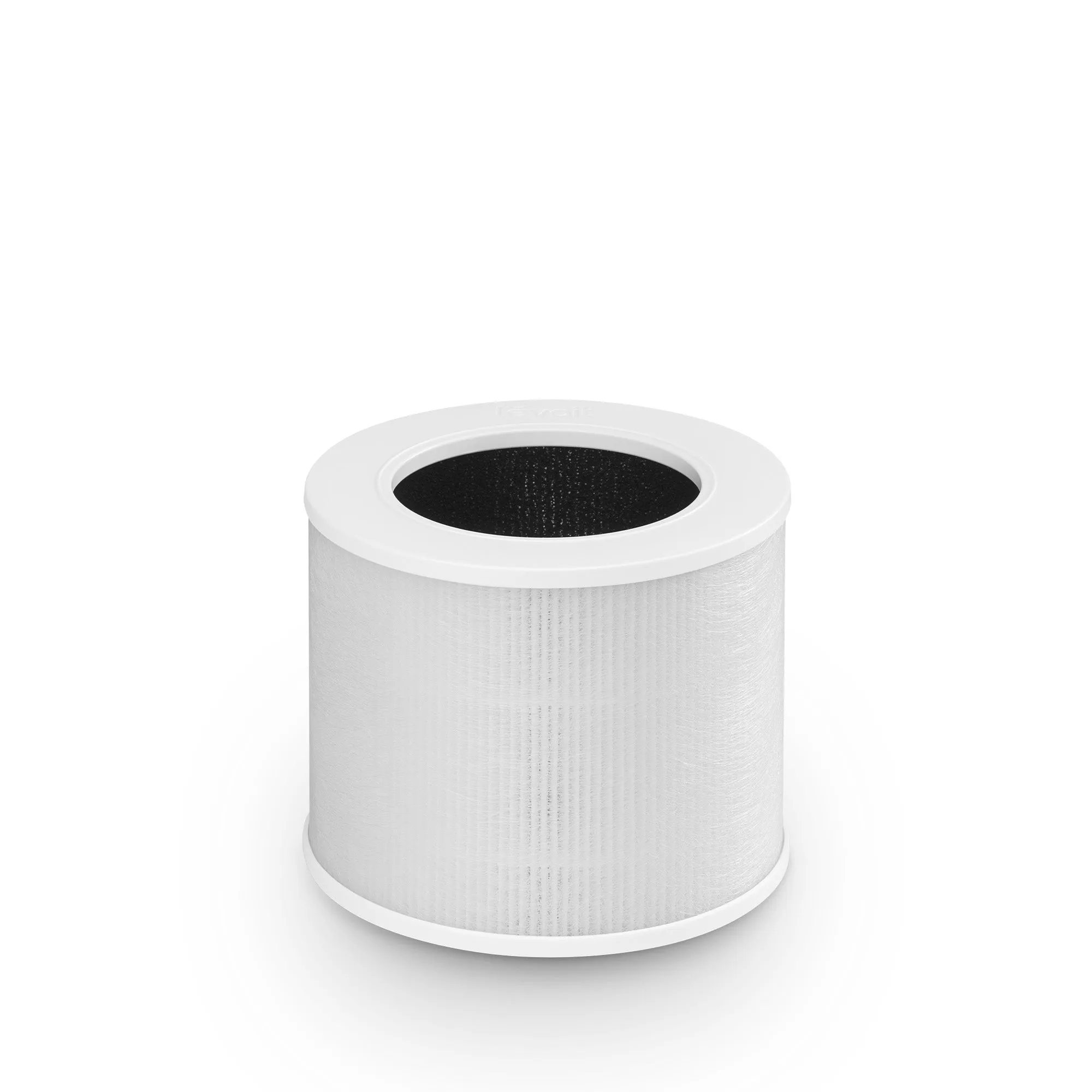
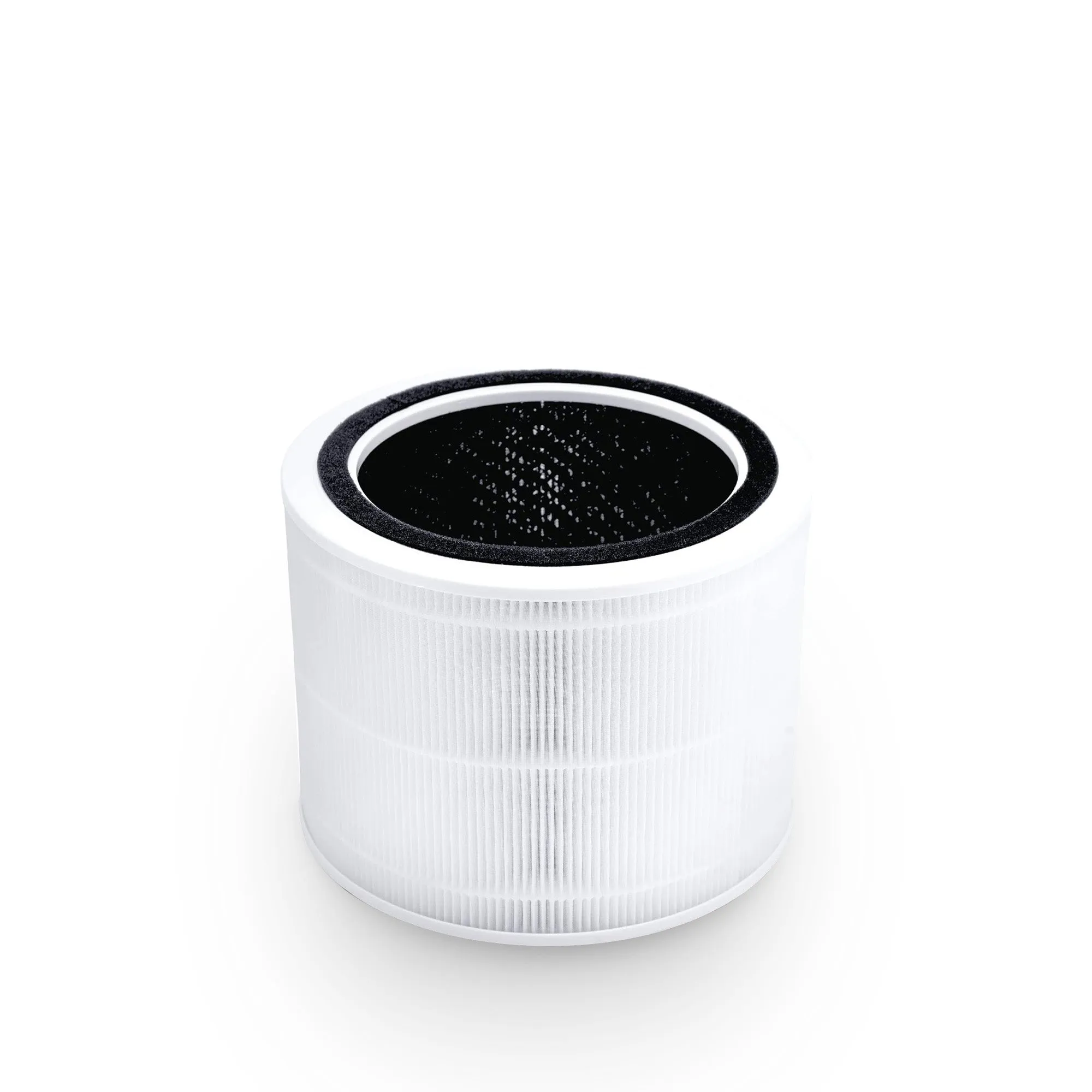
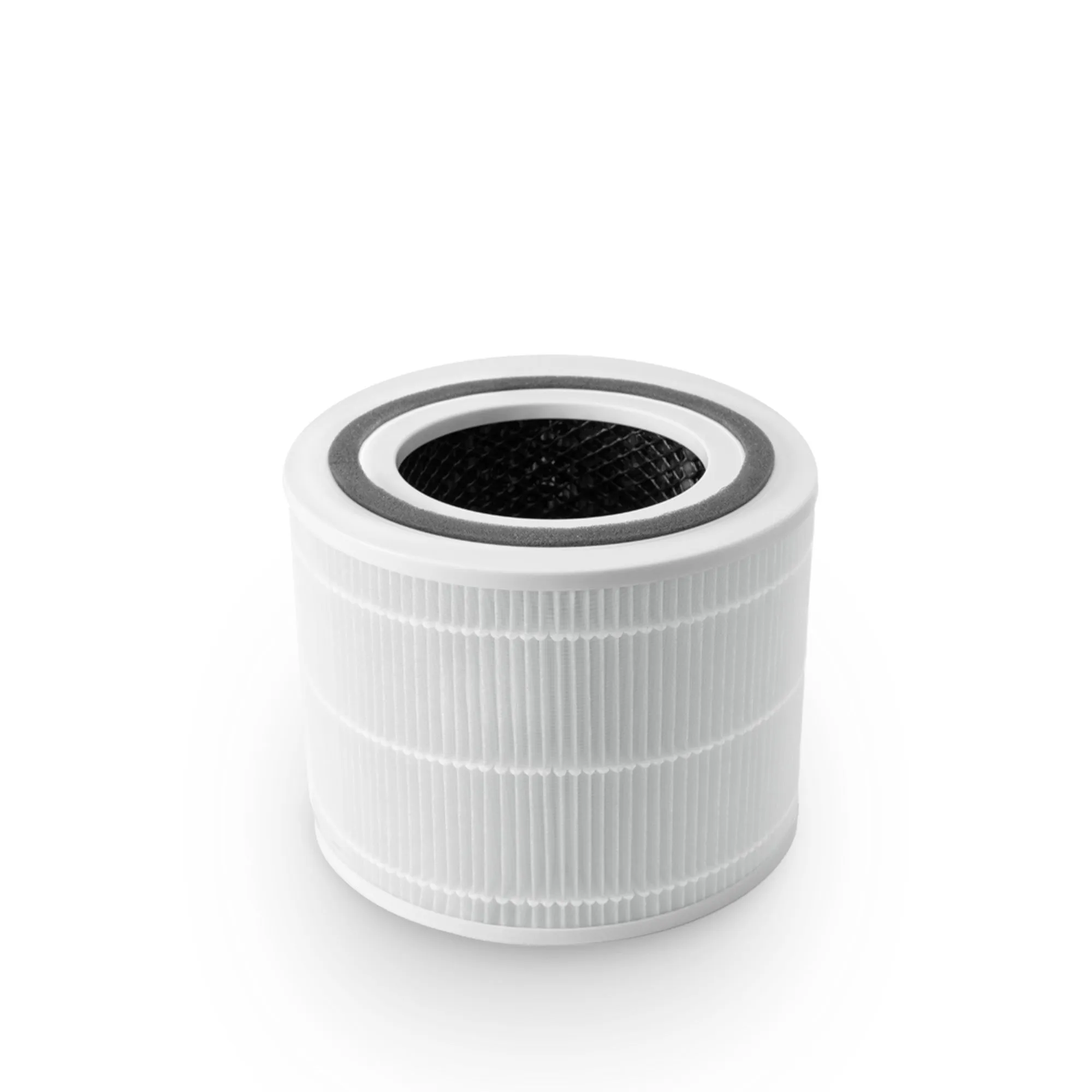
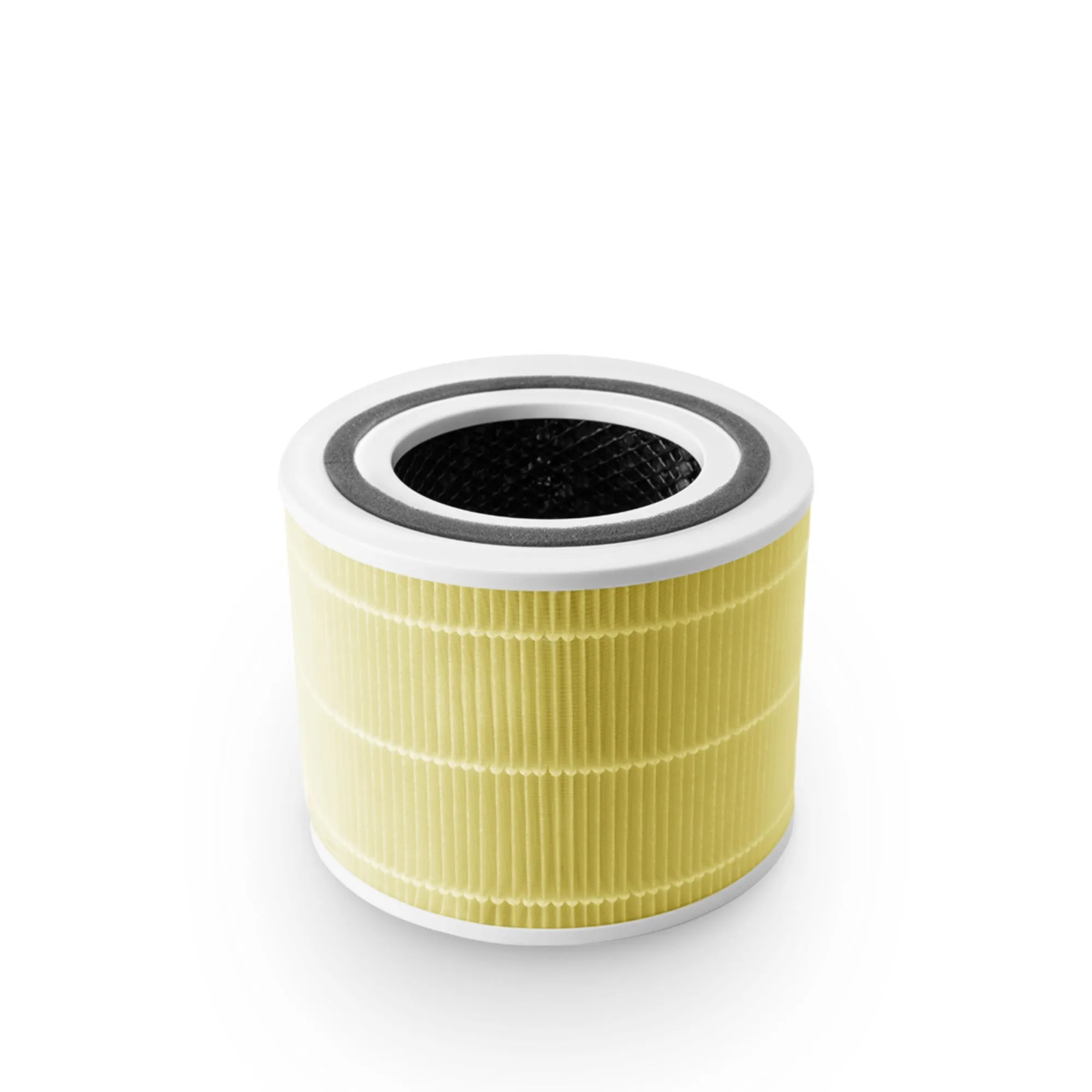
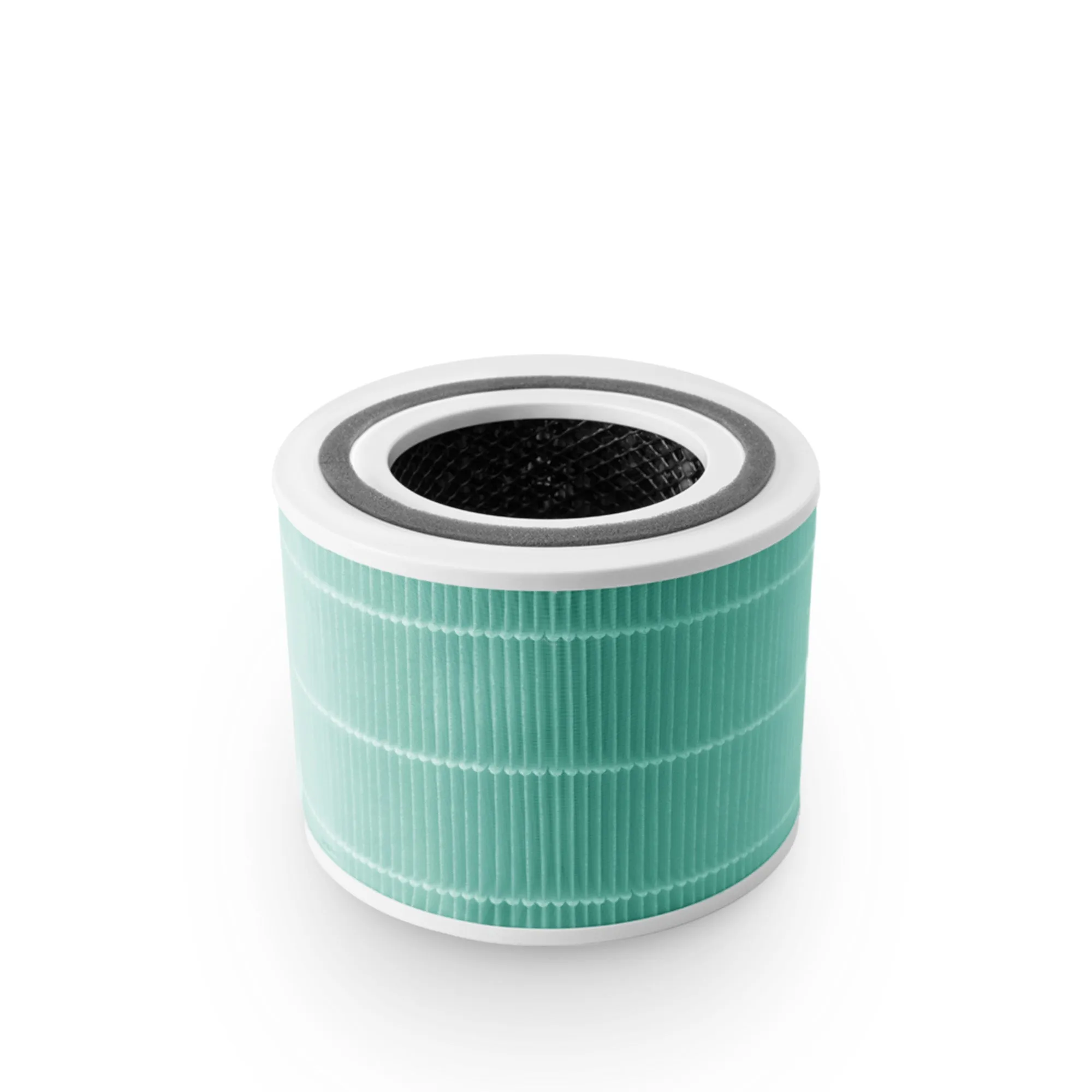
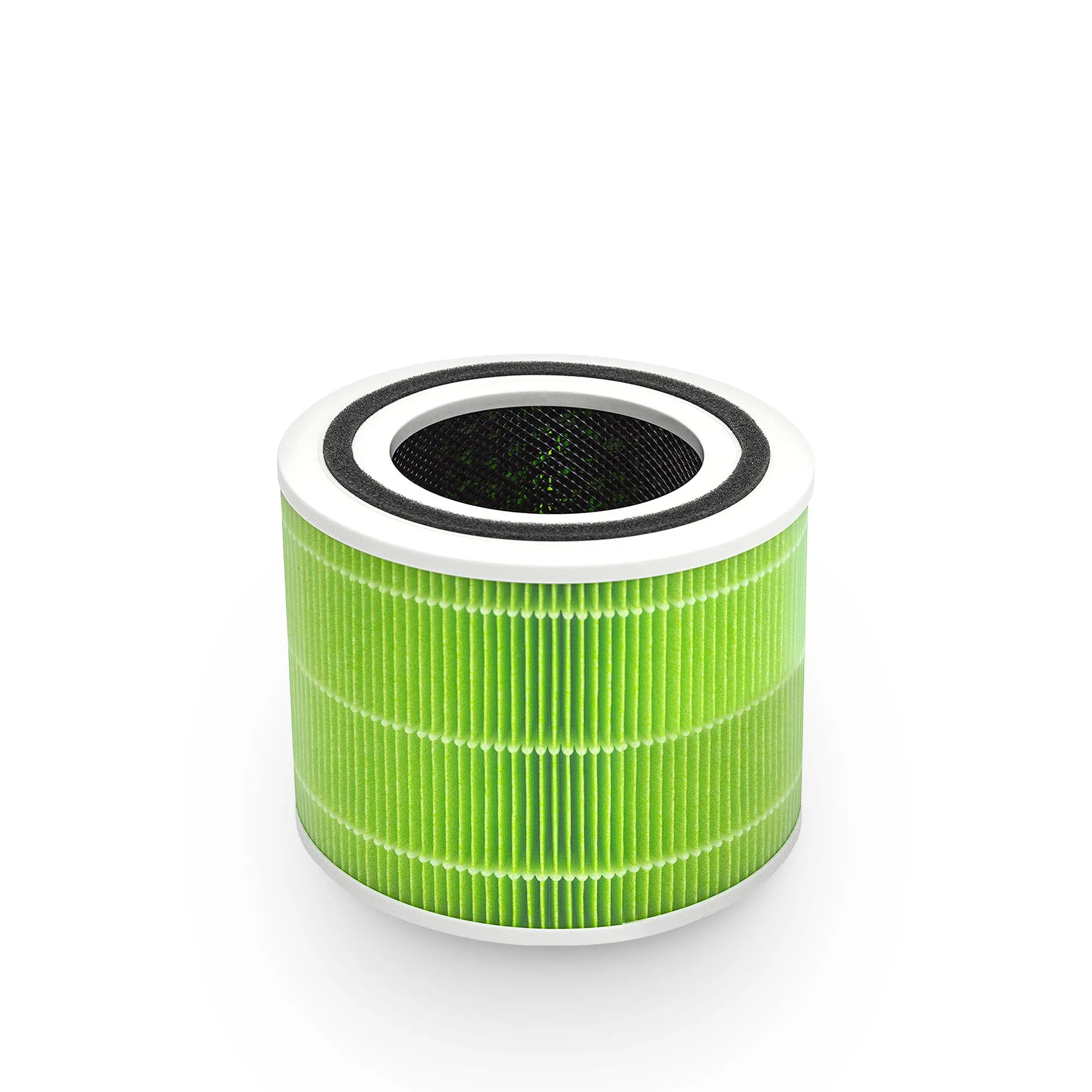
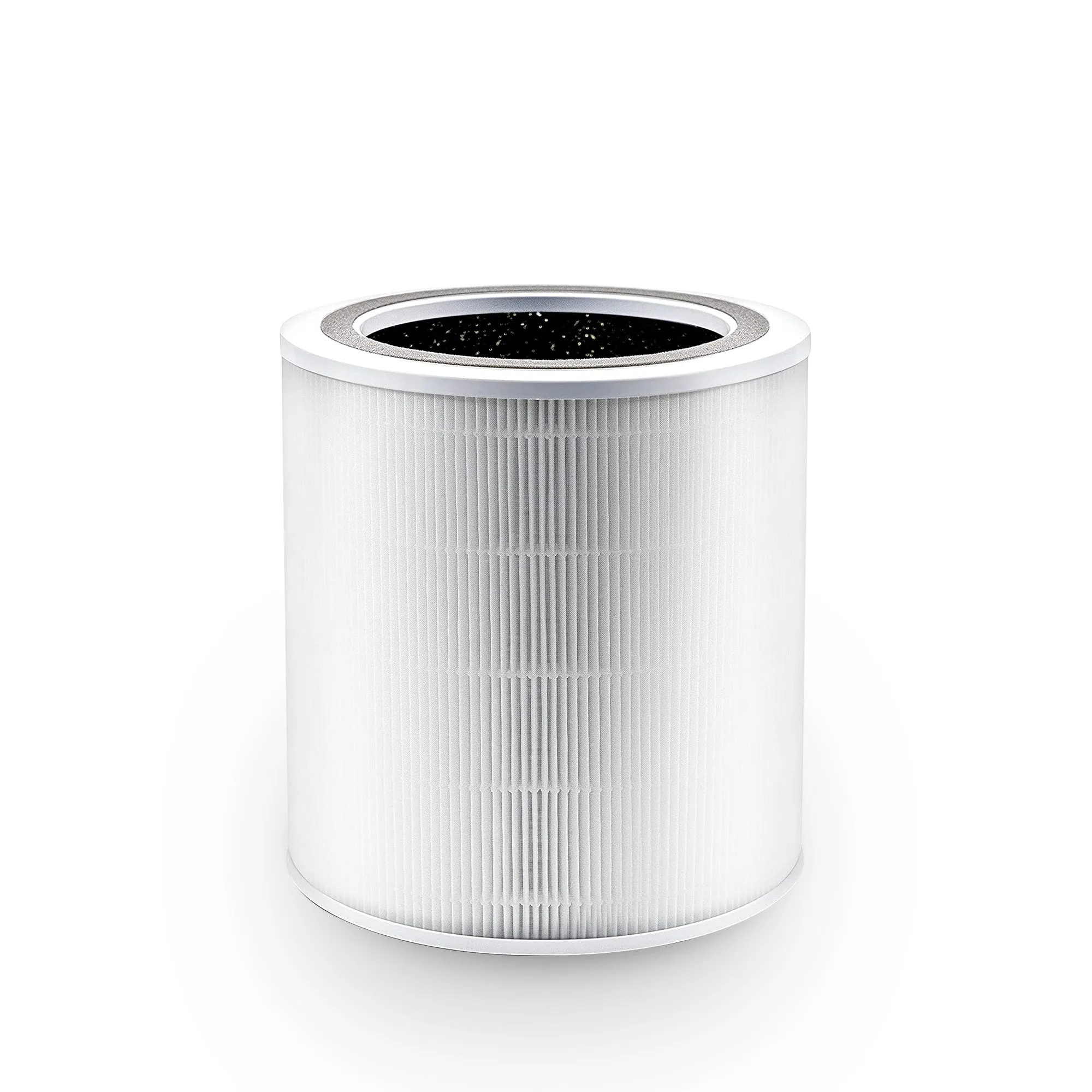
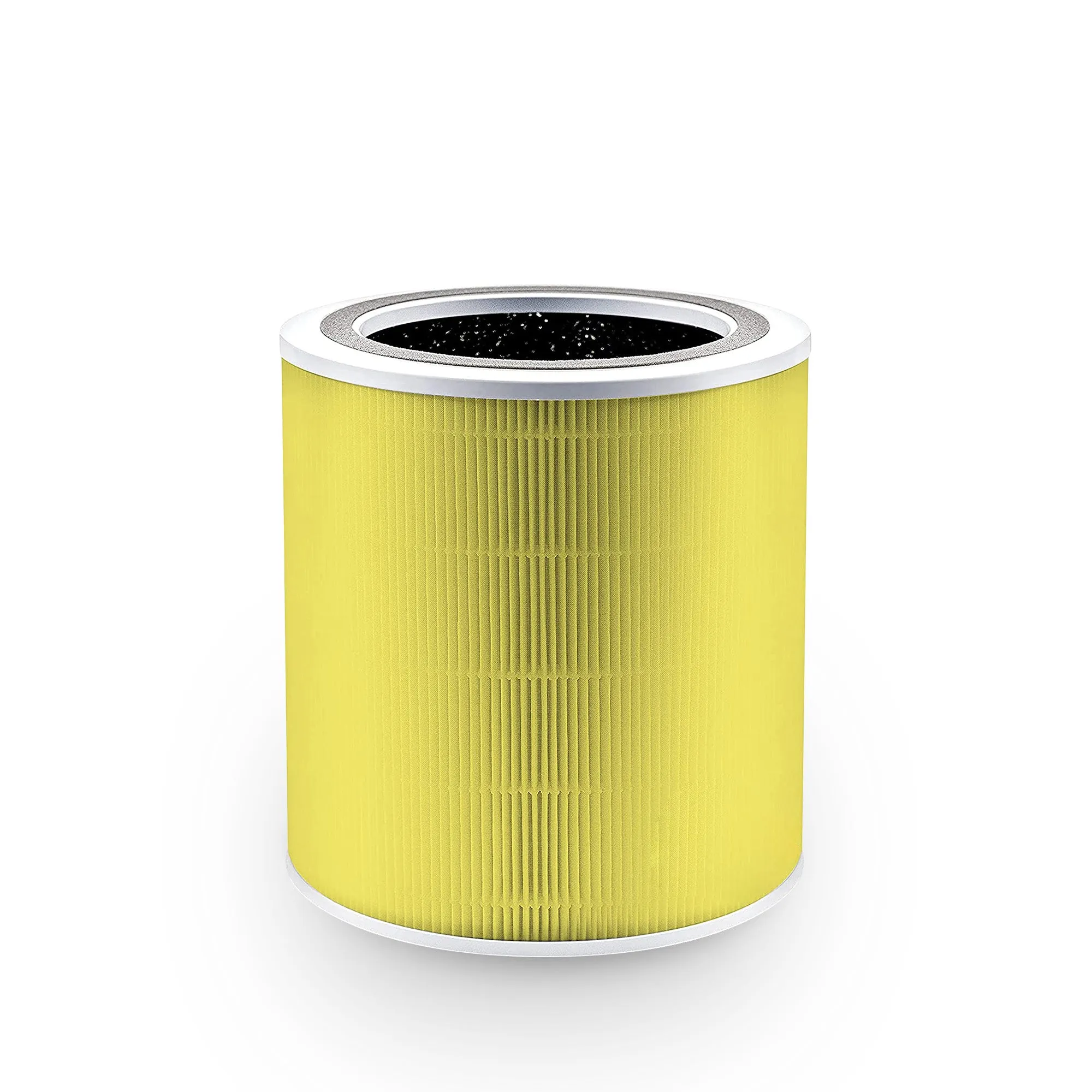
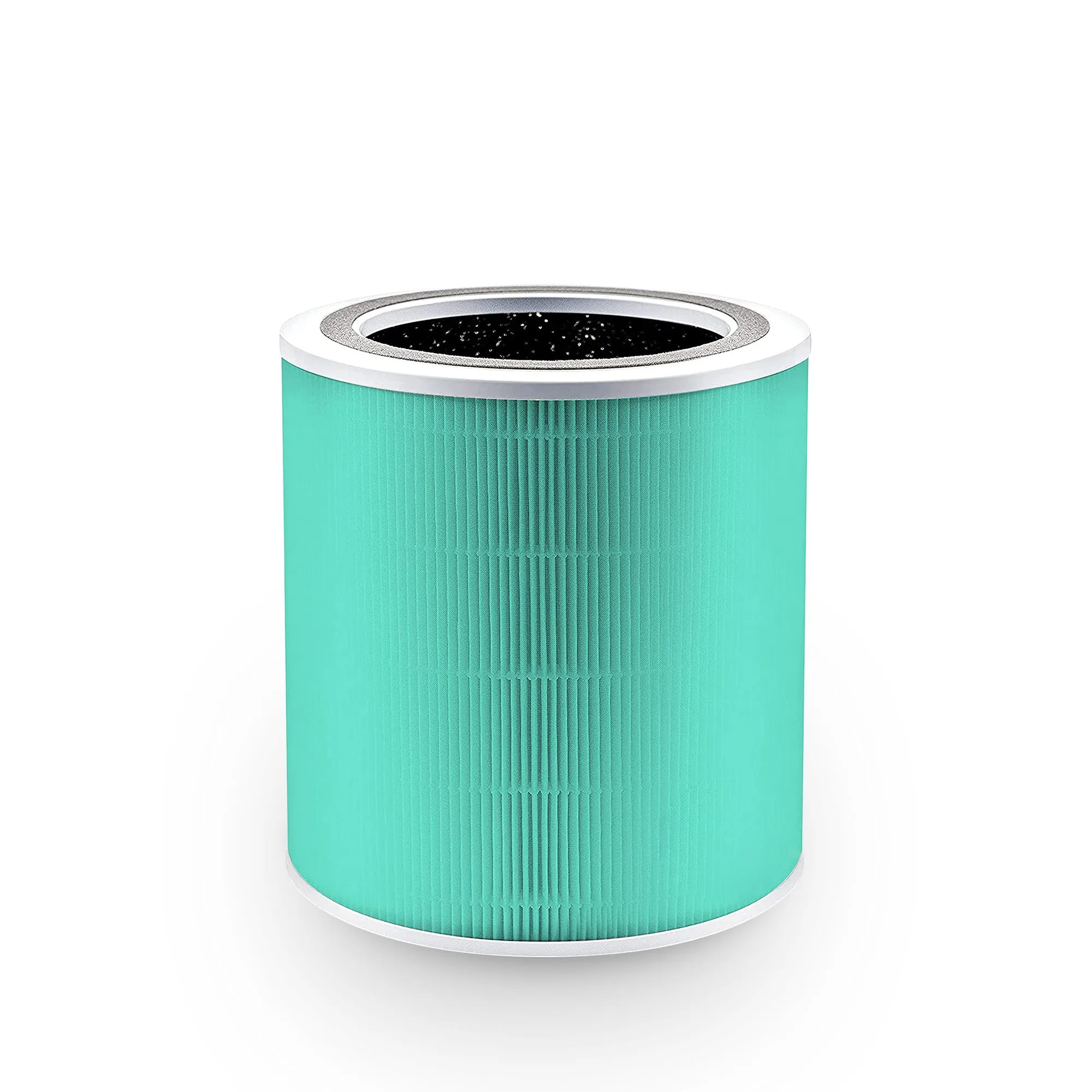
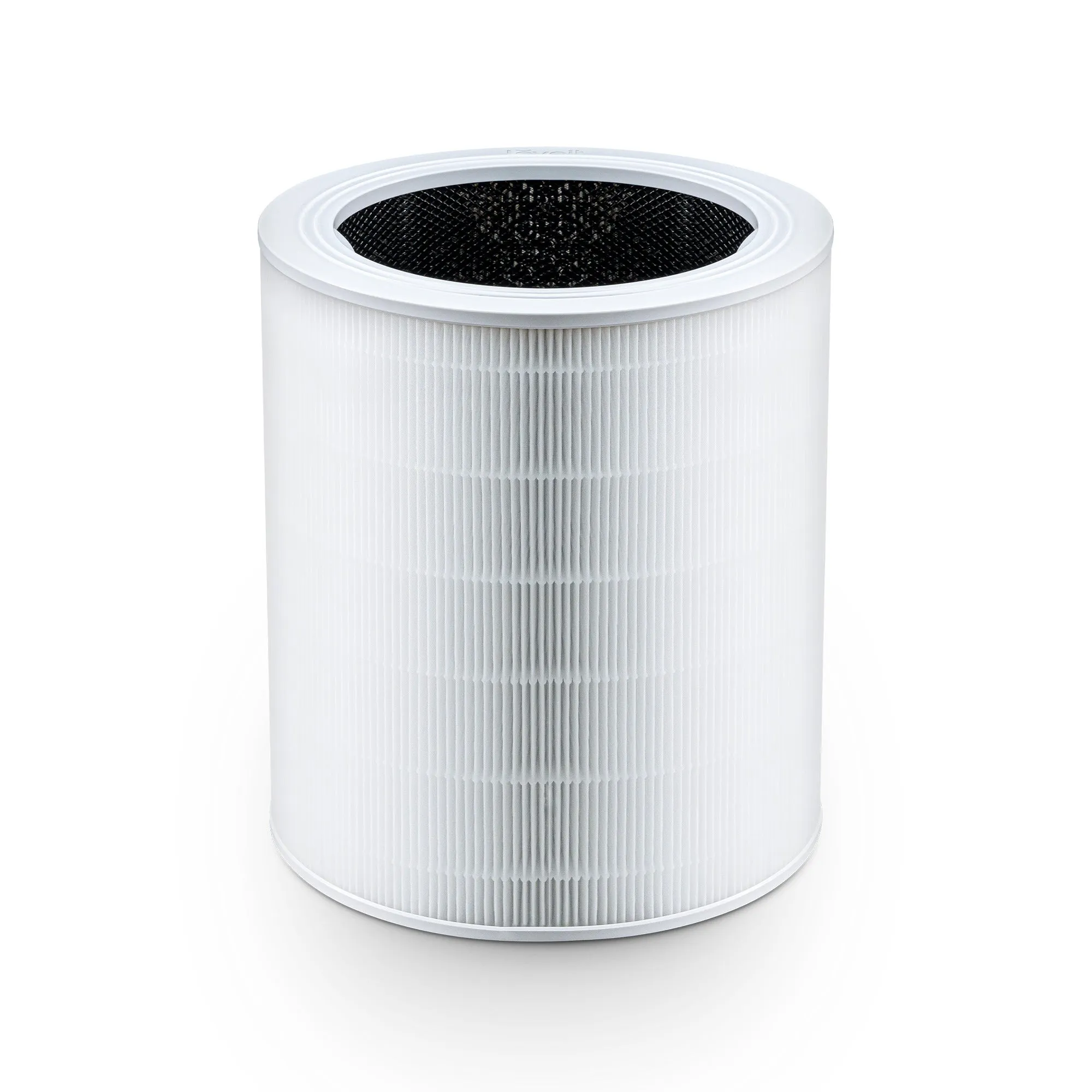
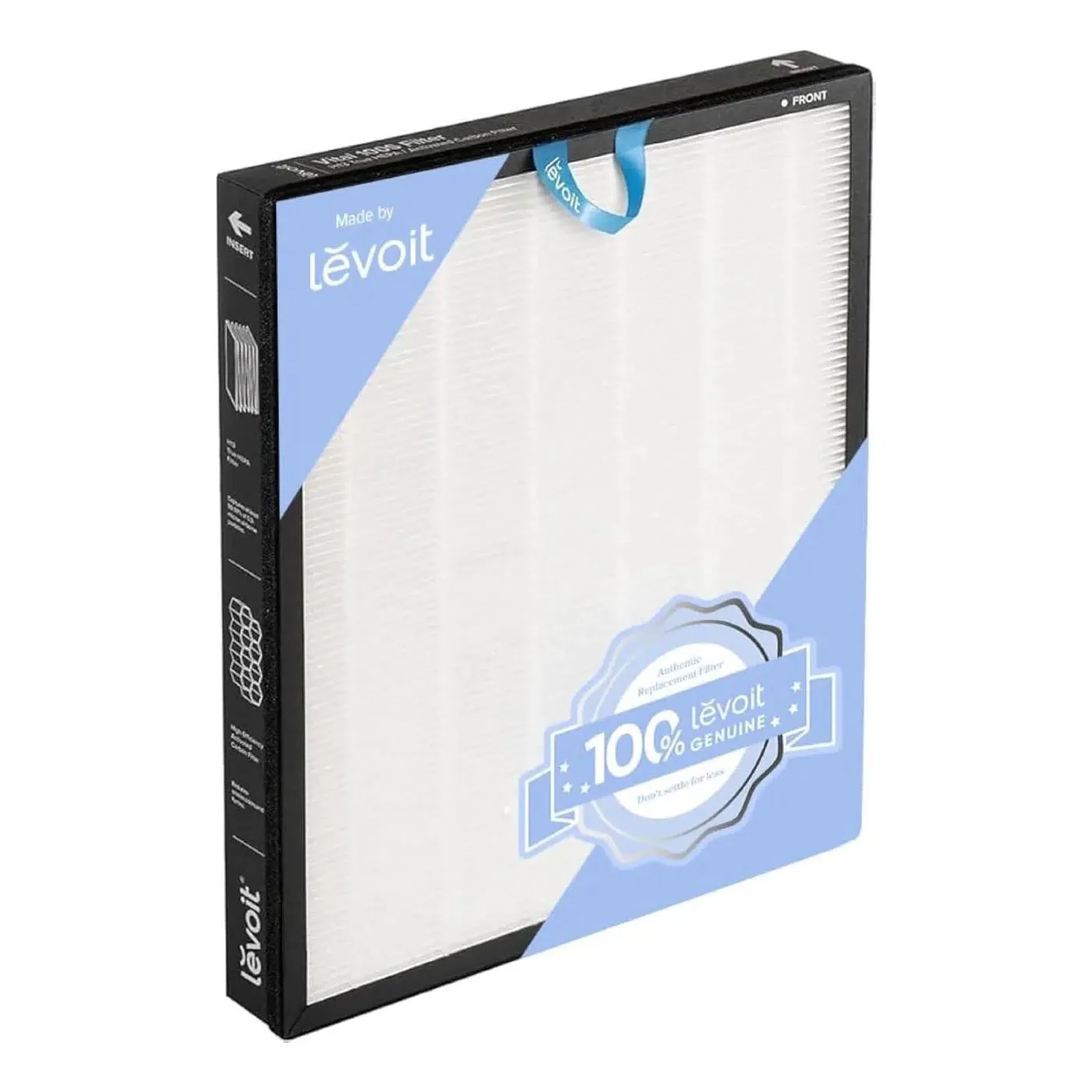
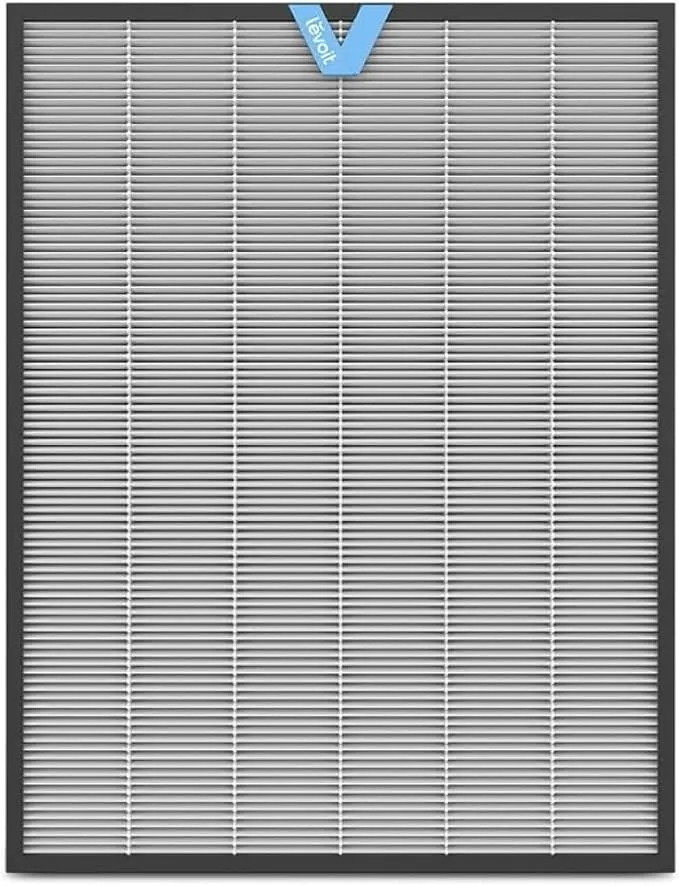
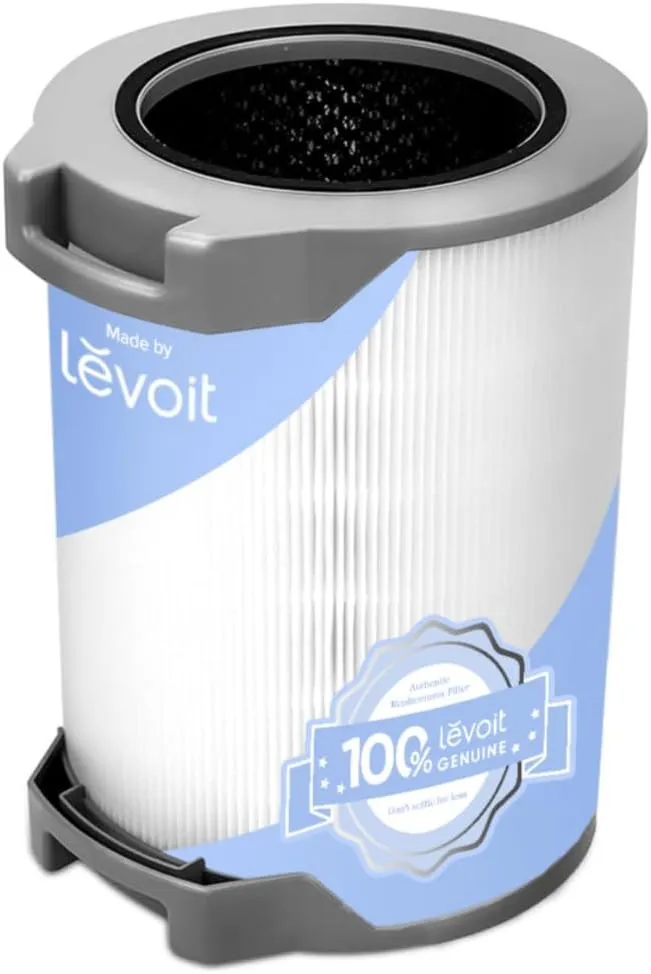
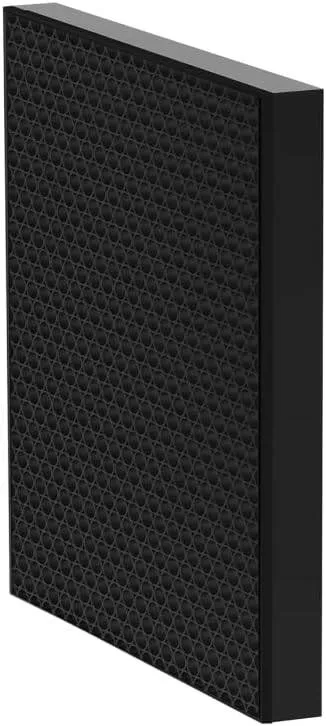
True HEPA filtration is the gold standard for particle removal. HEPA filters capture 99.97% of particles as small as 0.3 microns, including PM2.5, pollen, dust mite debris, and most airborne bacteria. That level of capture efficiency makes HEPA the primary technology for any serious air purification setup in the UAE.
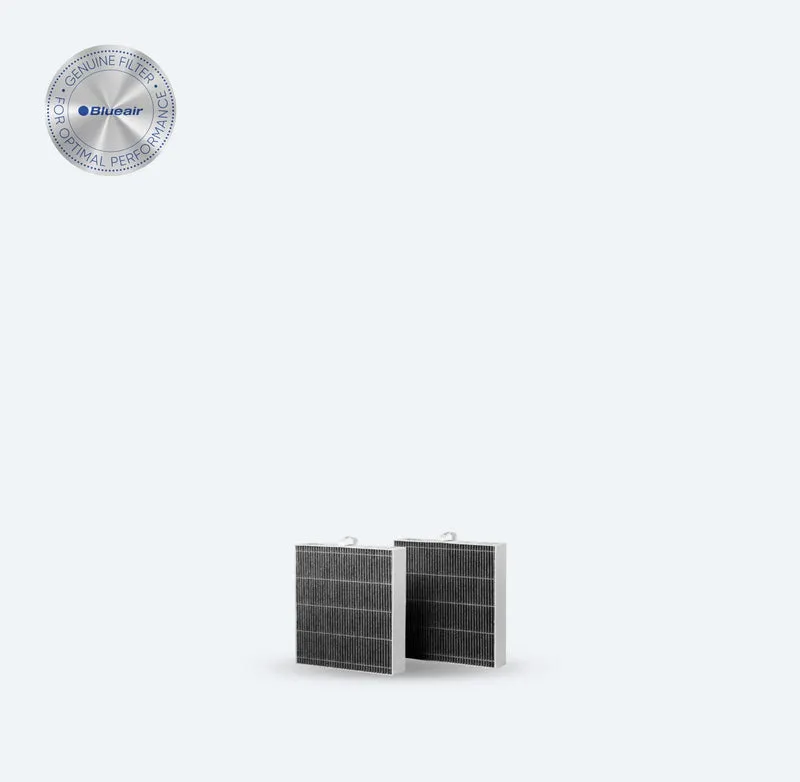
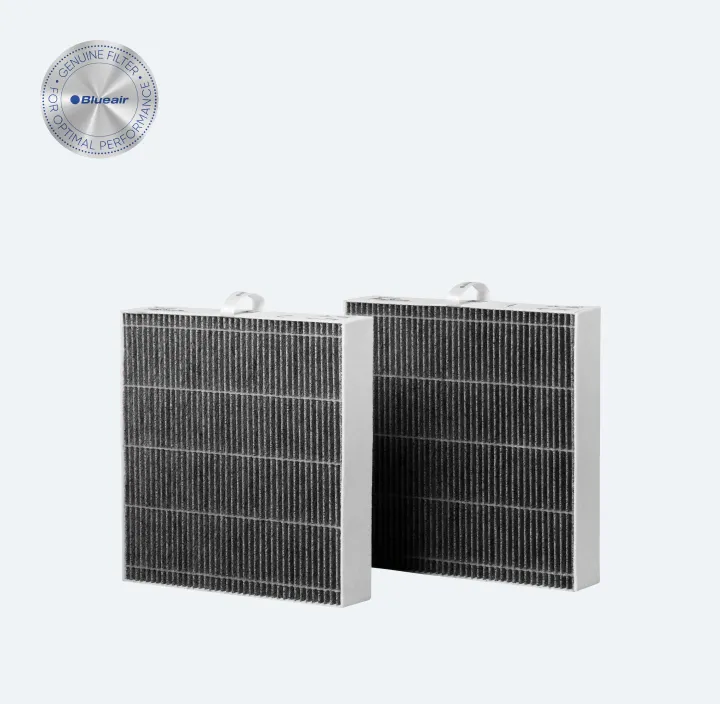
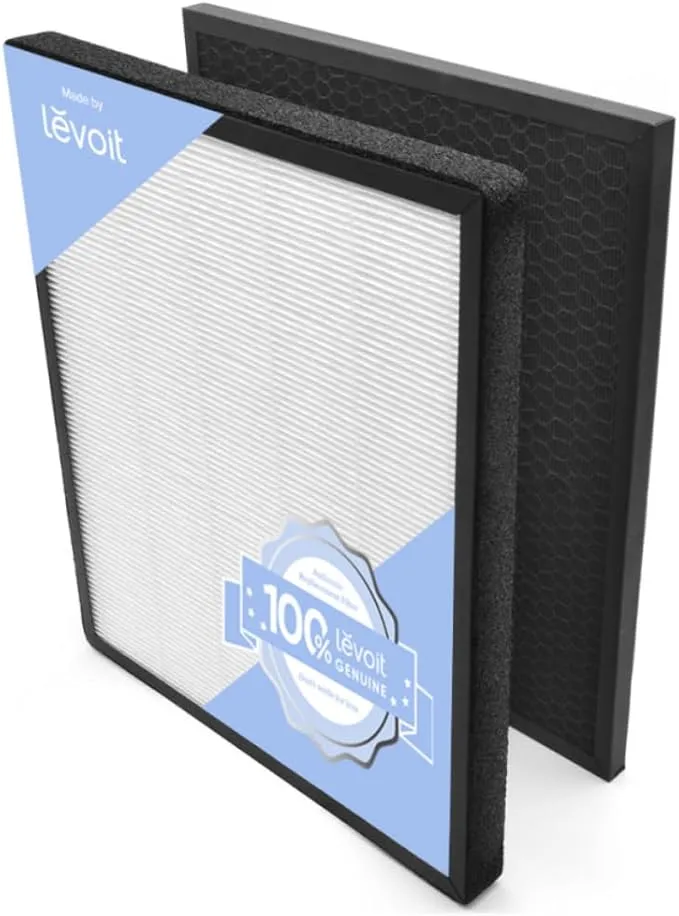
Activated carbon handles what HEPA cannot: gases and volatile organic compounds (VOCs). The critical detail most buyers miss is that thin carbon sheets saturate quickly. A minimum of 2 pounds of activated carbon is required for effective VOC removal. Purifiers with a thin carbon layer offer minimal gas filtration despite their marketing claims.
| Filter type | Best for | Limitation |
|---|---|---|
| True HEPA | PM2.5, dust, allergens, bacteria | Does not remove gases or odours |
| Activated carbon (2 lb+) | VOCs, odours, gases | Does not capture particles |
| UV-C | Surface sterilisation in ducts | Minimal effect on airborne particles |
| Ionisation | Not recommended as primary method | Risk of ozone production |
Ionisation and photocatalytic oxidation (PCO) technologies carry a documented risk of producing ozone as a byproduct. Ozone is a respiratory irritant. CARB-certified True HEPA units are the safest primary choice for homes, offices, and commercial spaces. For a detailed comparison of filter types, the HEPA vs carbon filters guide on Cleanair-ae covers the full breakdown.
Pro Tip: Target approximately 5 air changes per hour (ACH) for effective particle removal. Run your purifier continuously at a mid-range fan speed rather than intermittently at maximum. Continuous operation at a balanced setting outperforms short bursts at full power.
5. What eco-friendly and natural air cleaning methods complement mechanical systems?
Natural and biological methods work alongside mechanical filtration rather than replacing it. They address pollutant categories that standard filters handle less efficiently, particularly CO2 and certain VOCs.
Active green walls are the most effective natural option available. Active green walls remove 96–98% of formaldehyde and sulphur dioxide within 24 hours in controlled conditions. Unlike passive potted plants, active green walls circulate air through the root zone using a small fan, dramatically increasing the rate of biological pollutant absorption. They suit commercial lobbies, offices, and large residential spaces in the UAE.
Eco-friendly air cleaning methods worth considering:
- Active green walls: High-efficacy VOC and pollutant removal with consistent performance over repeated exposures.
- Indoor plants: Modest VOC absorption and CO2 reduction. Effective as a supplementary measure, not a primary solution.
- Algae bioreactors: Emerging bio-technology combining VOC reduction, CO2 absorption, and oxygen generation. Practical for commercial installations aligned with sustainability targets.
- Humidity management: Keeping RH at 40–50% suppresses dust mite activity and mould. A well-maintained humidifier is one of the simplest and most affordable eco-friendly air cleaning methods available.
Pro Tip: Active green walls require regular watering and occasional plant replacement. Factor maintenance time into your decision. A neglected green wall becomes a source of mould rather than a solution to it.
6. How do monitoring and maintenance keep air cleaning systems effective?
Monitoring gives you the data to make decisions. Maintenance keeps your equipment performing at specification. Neither is optional if you want sustained results.
- Measure before you act. Track PM2.5, CO2, and relative humidity using a dedicated indoor air quality monitor. Decisions based on measurement produce better outcomes than decisions based on assumption.
- Replace filters on hours, not dates. Filter life depends on operating hours, particularly in dusty UAE environments. A filter used during a sandstorm period may need replacement far earlier than the calendar suggests.
- Position purifiers correctly. Direct clean air into the room centre rather than against a wall. Wall placement restricts airflow and reduces effective coverage area.
- Vacuum with HEPA-certified equipment. HEPA vacuuming at least twice weekly reduces fine particle resuspension, which undermines purifier performance if left unchecked.
- Clean intake grilles monthly. Blocked grilles reduce airflow into the purifier and force the motor to work harder, shortening unit lifespan.
- Log your maintenance. A simple record of filter changes, cleaning dates, and monitor readings makes it easy to spot patterns and address problems before they affect air quality.
Key takeaways
The most effective air cleaning practices combine source control, ventilation, True HEPA filtration, and consistent maintenance within a structured hierarchy, with source control delivering the greatest return per unit of effort.
| Point | Details |
|---|---|
| Source control comes first | Prevent pollutants at the source before investing in filtration equipment. |
| HEPA is the filtration standard | True HEPA captures 99.97% of particles at 0.3 microns, making it the safest primary filter choice. |
| Active green walls add natural efficacy | Active green walls remove up to 98% of certain VOCs, complementing mechanical systems. |
| Humidity must stay at 40–50% RH | Correct humidity prevents mould and dust mites, two major indoor pollutant sources in the UAE. |
| Maintenance drives long-term results | Replace filters by operating hours, position units correctly, and vacuum with HEPA equipment twice weekly. |
What I have learnt from years of watching UAE air quality setups fail
The most consistent pattern I see is people spending significant money on air purifiers and then placing them in a corner, running them on the lowest setting, and never replacing the filter. The device becomes theatre. It looks like a solution without functioning as one.
Source control is the step almost everyone skips. Switching to low-VOC materials during a renovation, sealing chemical storage, and adding a quality doormat costs very little. Those measures reduce the pollutant load that filtration then has to handle. A smaller load means filters last longer and purifiers work more efficiently.
The humidity point is genuinely underappreciated in the UAE context. Most people associate humidity problems with tropical climates. But air conditioning in the UAE creates very dry indoor air for much of the year, which increases particle suspension and irritates airways. Getting RH to 40–50% with a humidifier often produces noticeable comfort improvements before any purifier is switched on.
Green walls are not a gimmick. The controlled-experiment data on active green walls is strong. For commercial spaces in Dubai or Abu Dhabi where aesthetics and air quality both matter, an active green wall is one of the few solutions that addresses both simultaneously. The maintenance commitment is real, but manageable.
The final point is this: air quality is a system, not a product. The best air purification methods work because they sit within a complete approach. A single device in isolation will always underperform.
— Wojciech
Air quality products and guides from Cleanair-ae
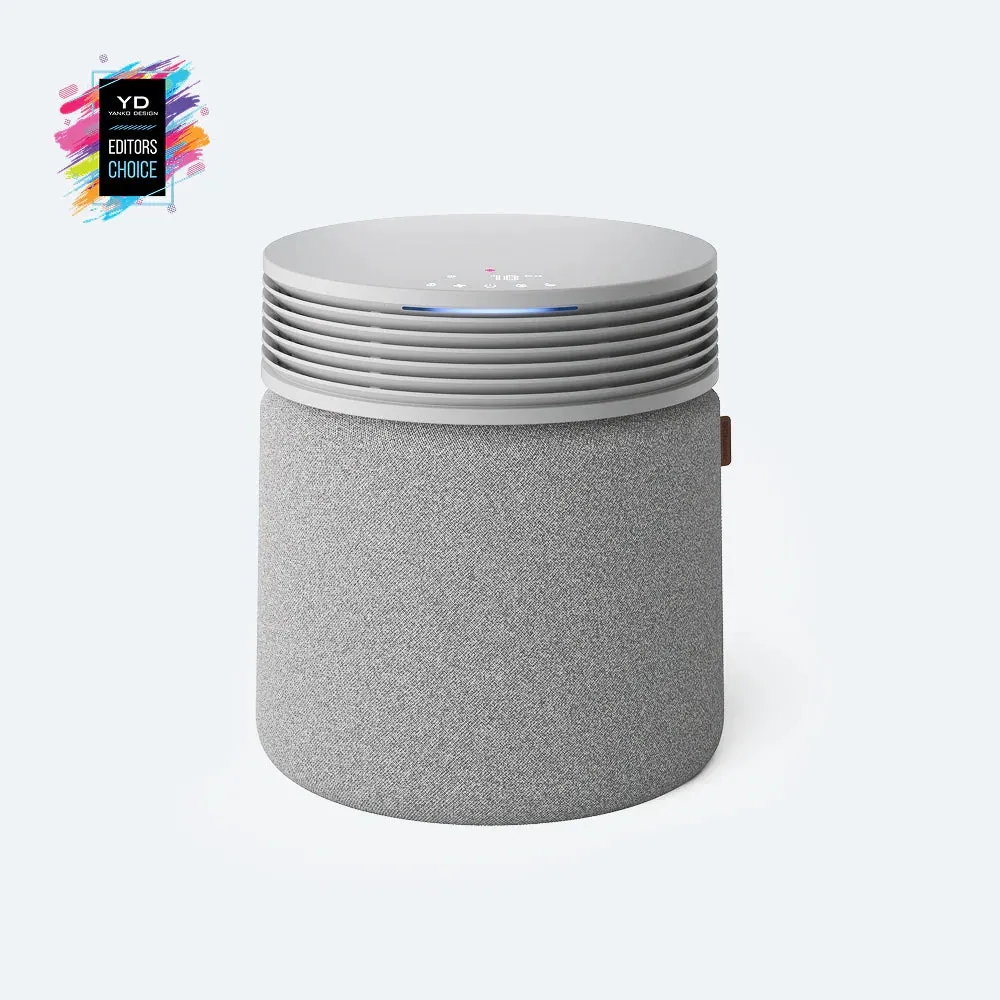
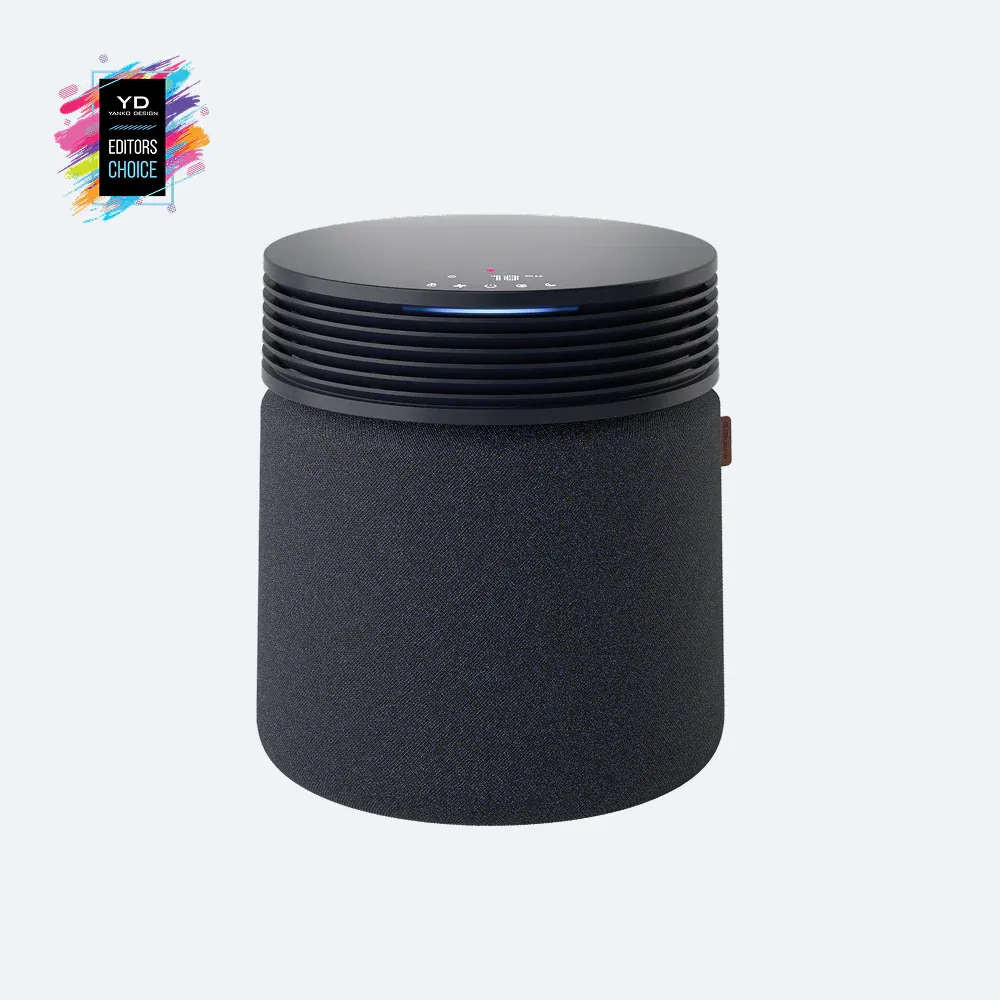
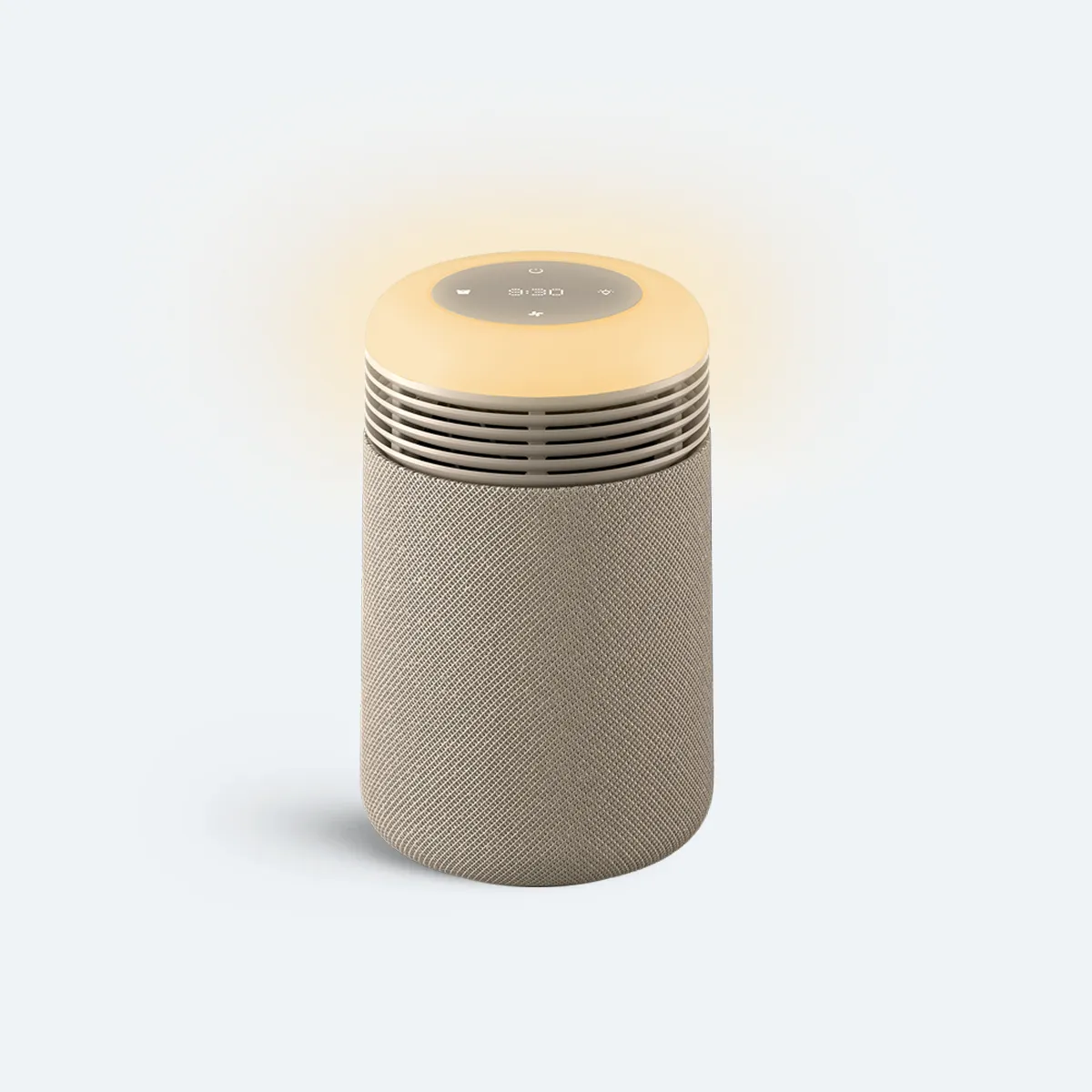
Cleanair-ae supplies air purifiers, humidifiers, replacement filters, and accessories to homes and businesses across Dubai, Abu Dhabi, and the wider UAE, with free delivery on orders over 49 AED.
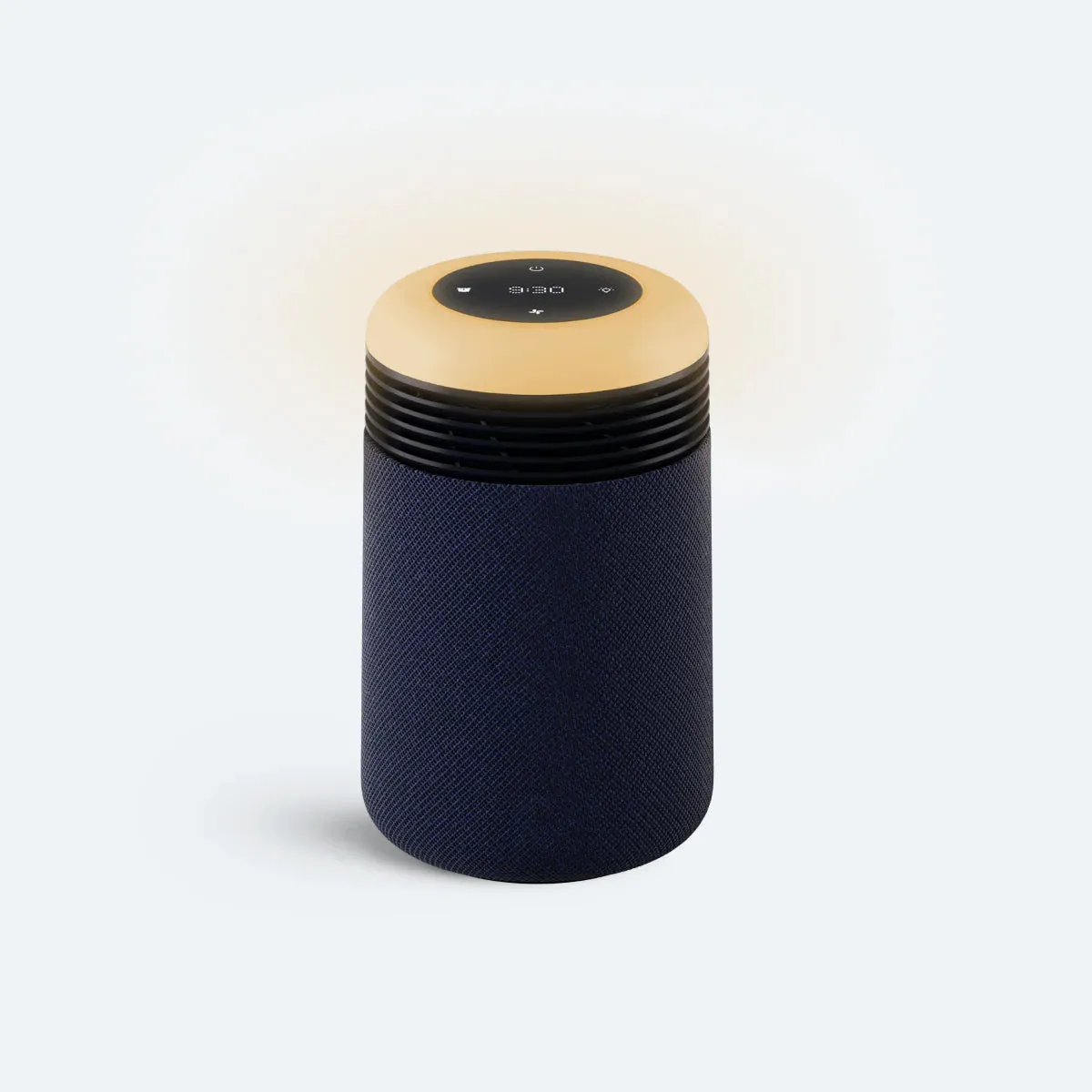
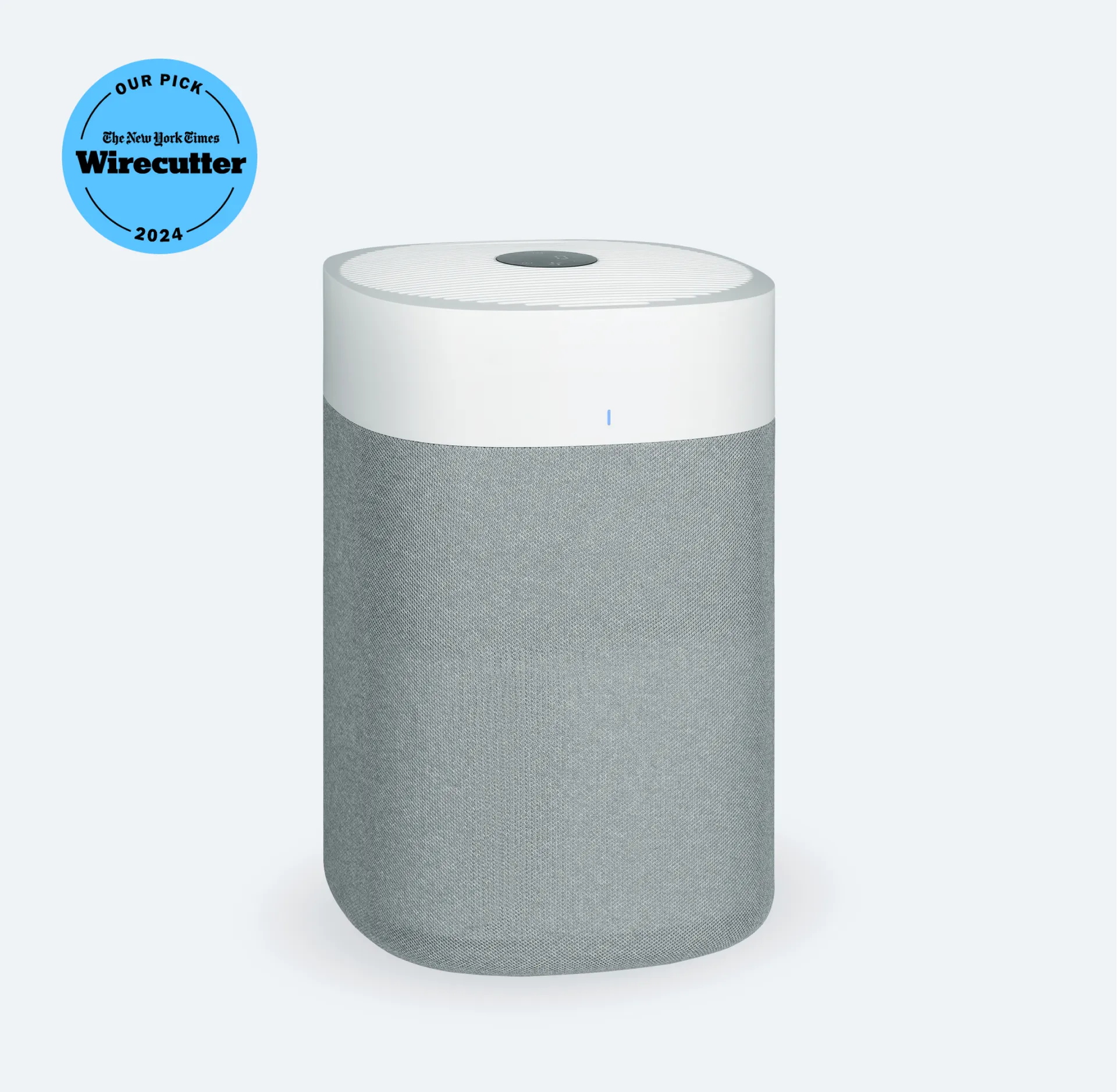
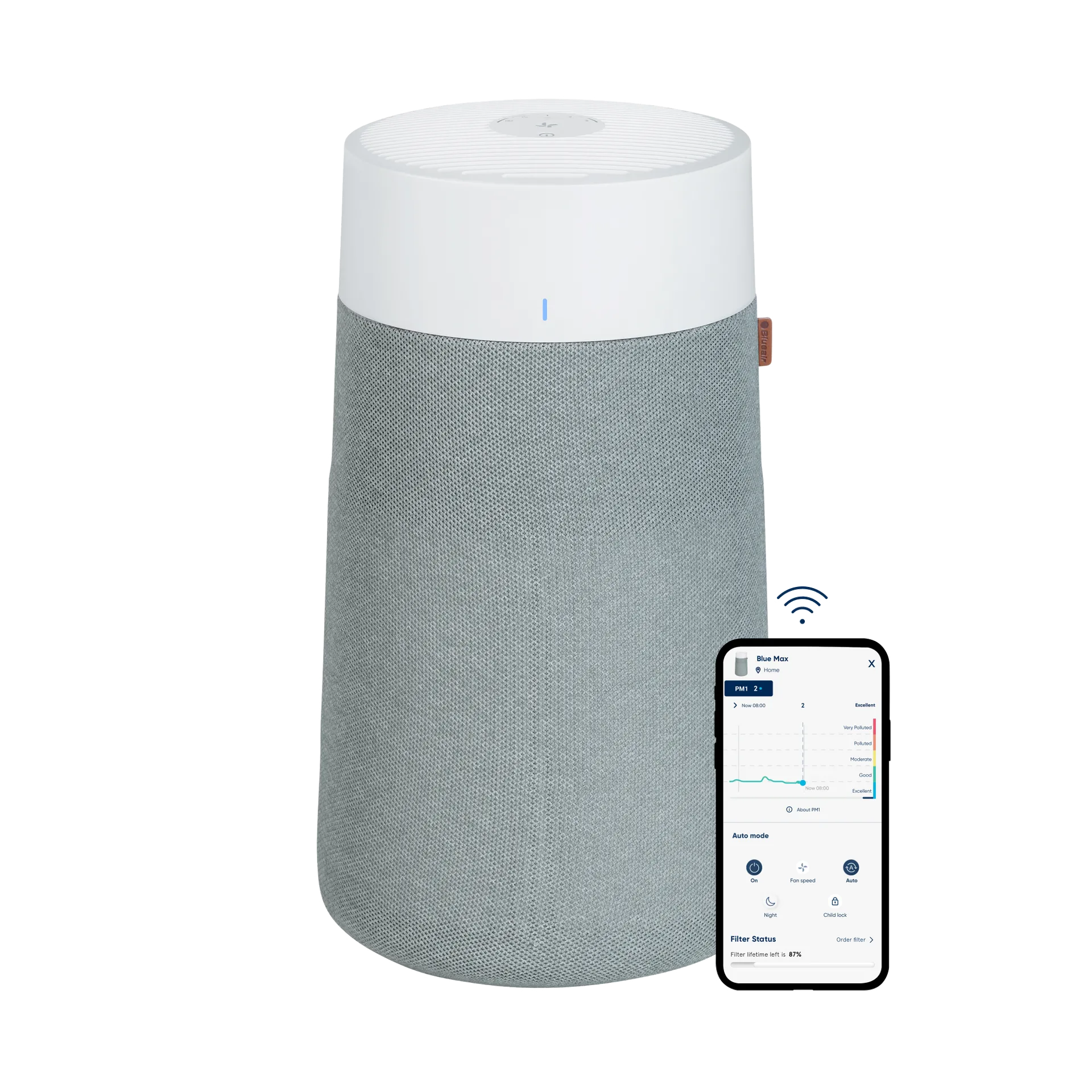
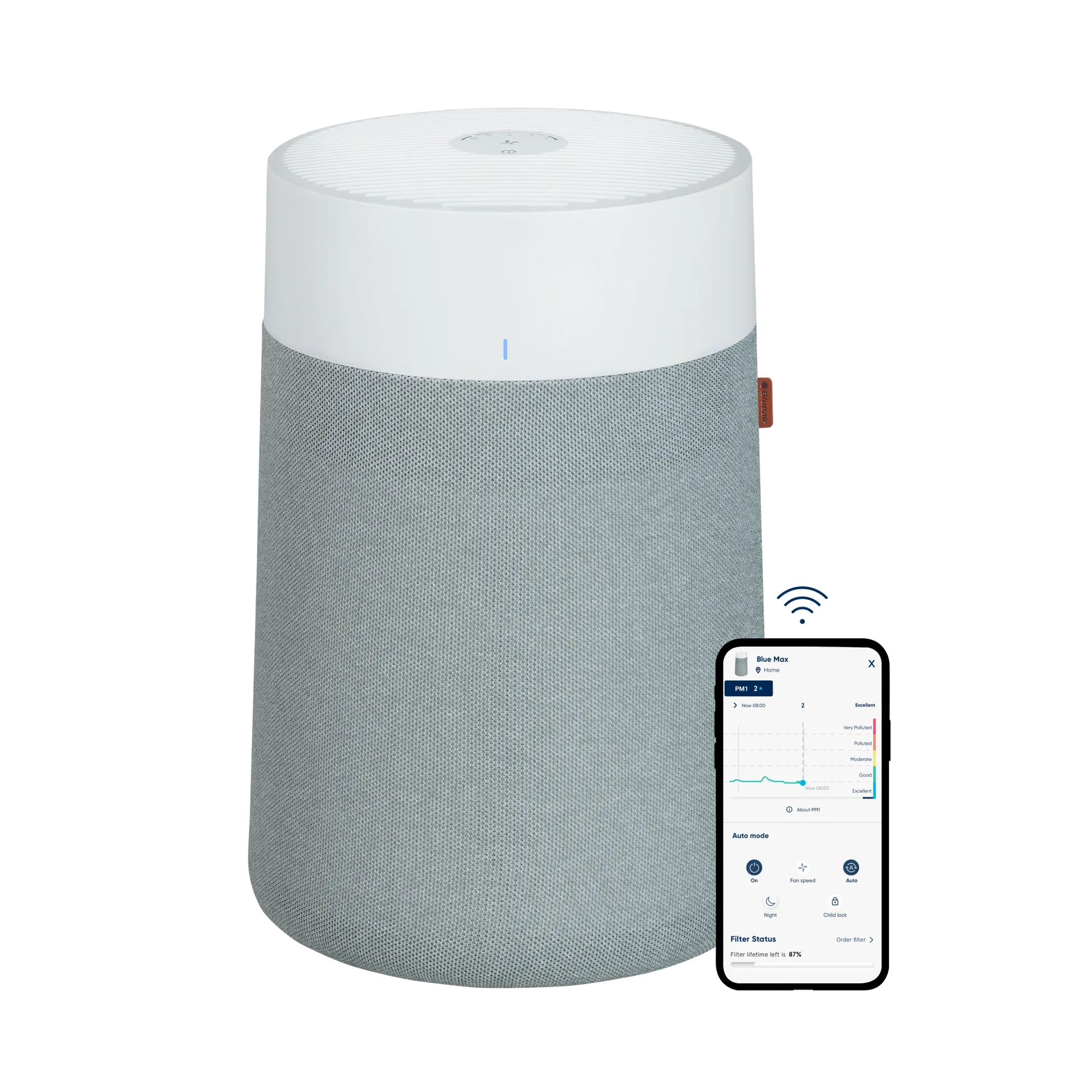
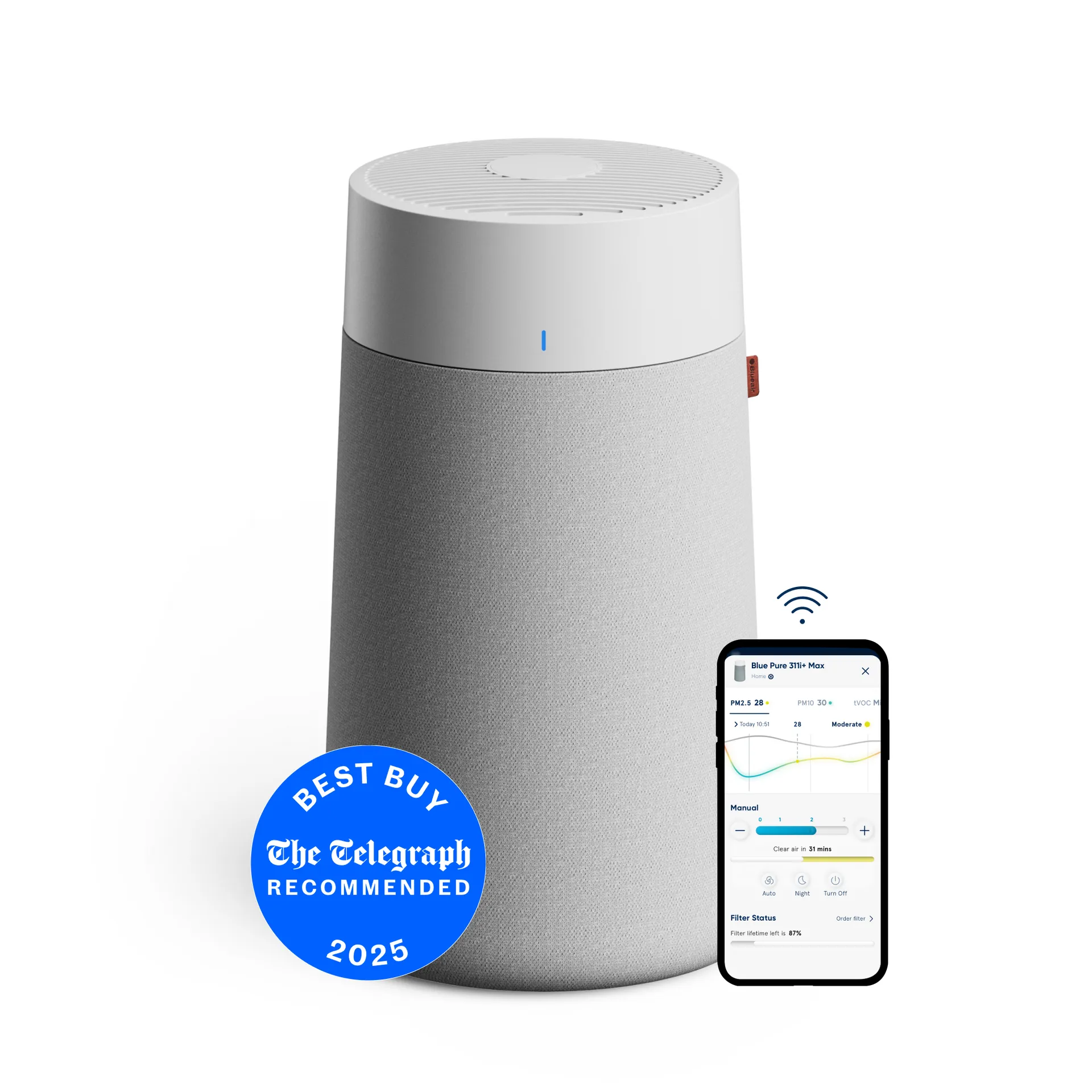
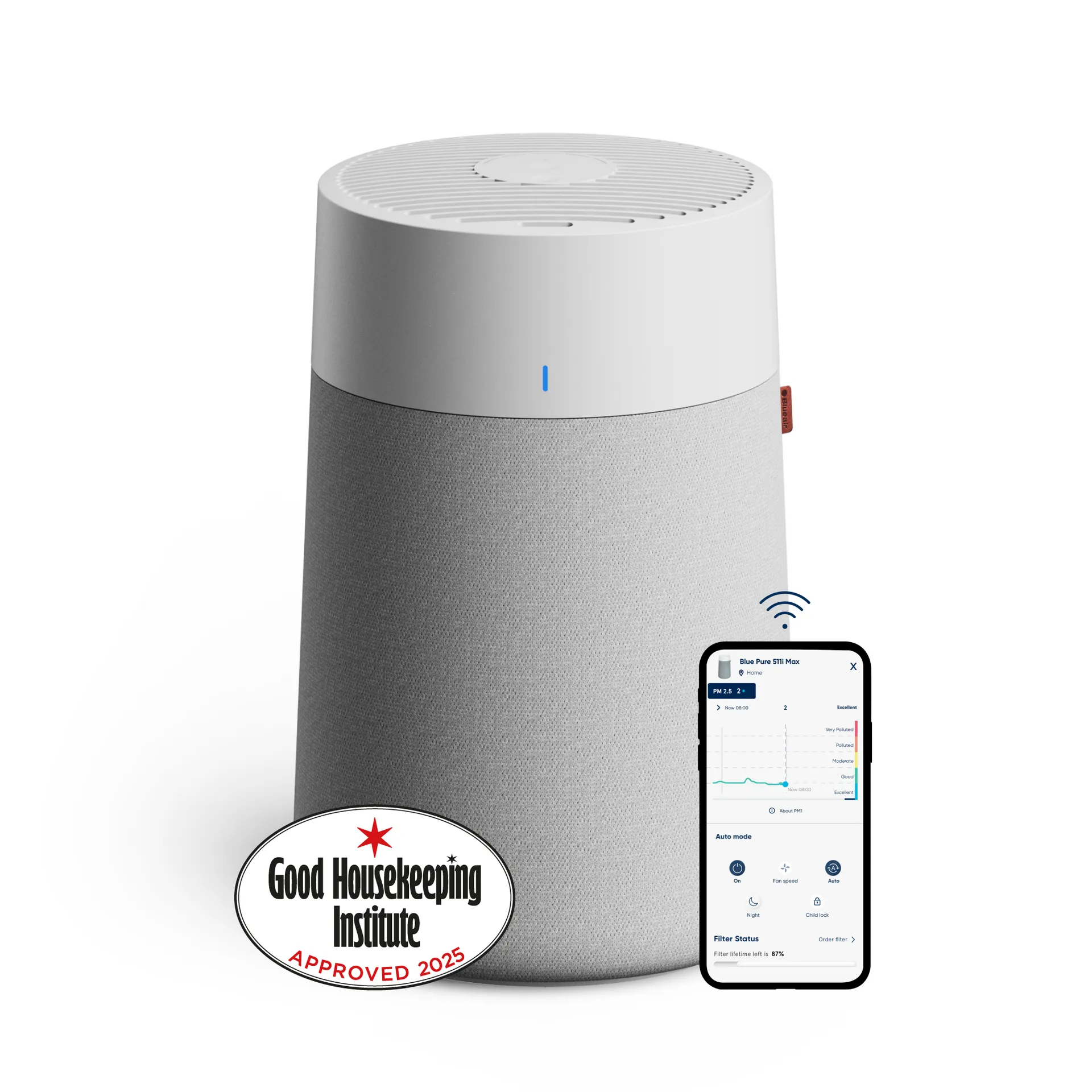
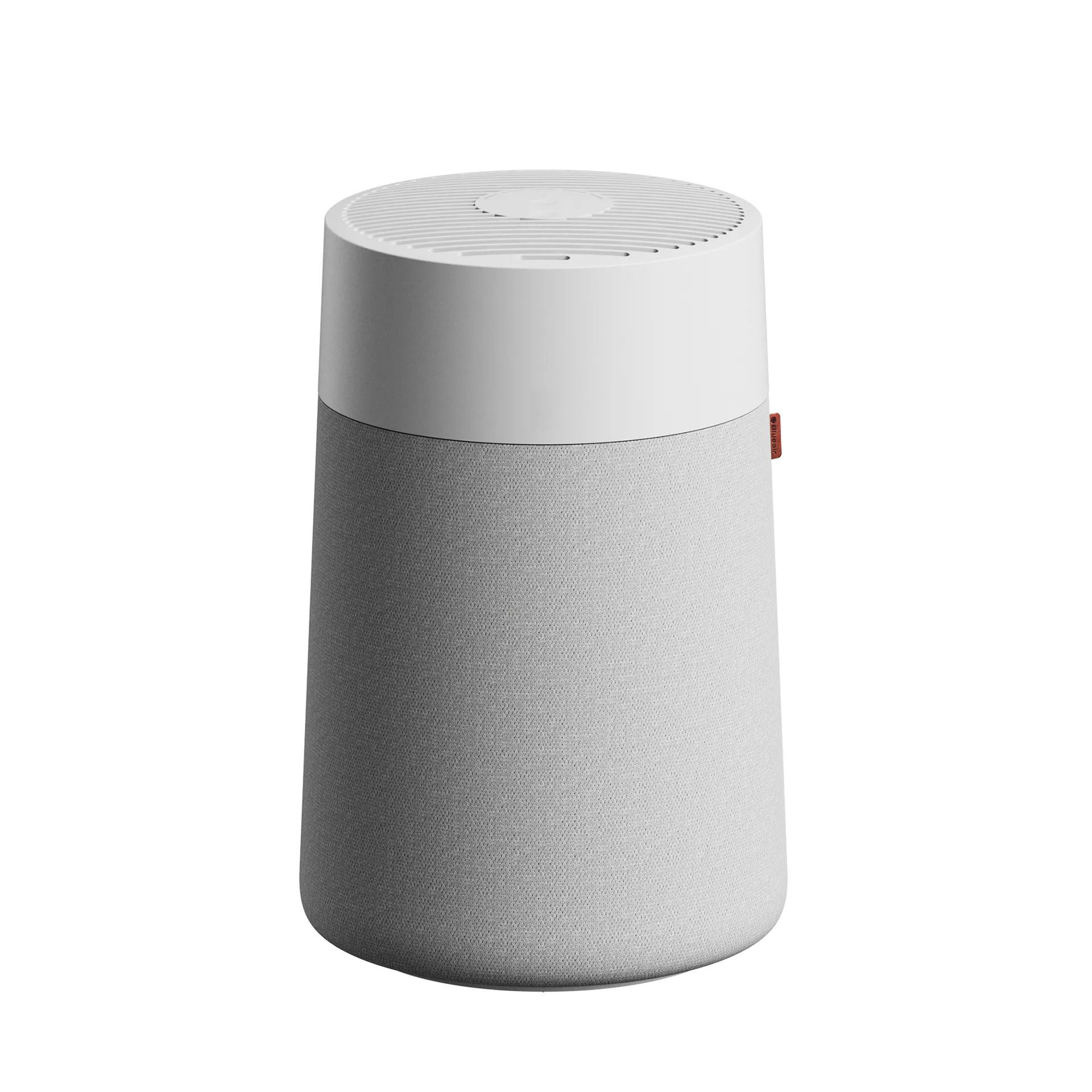
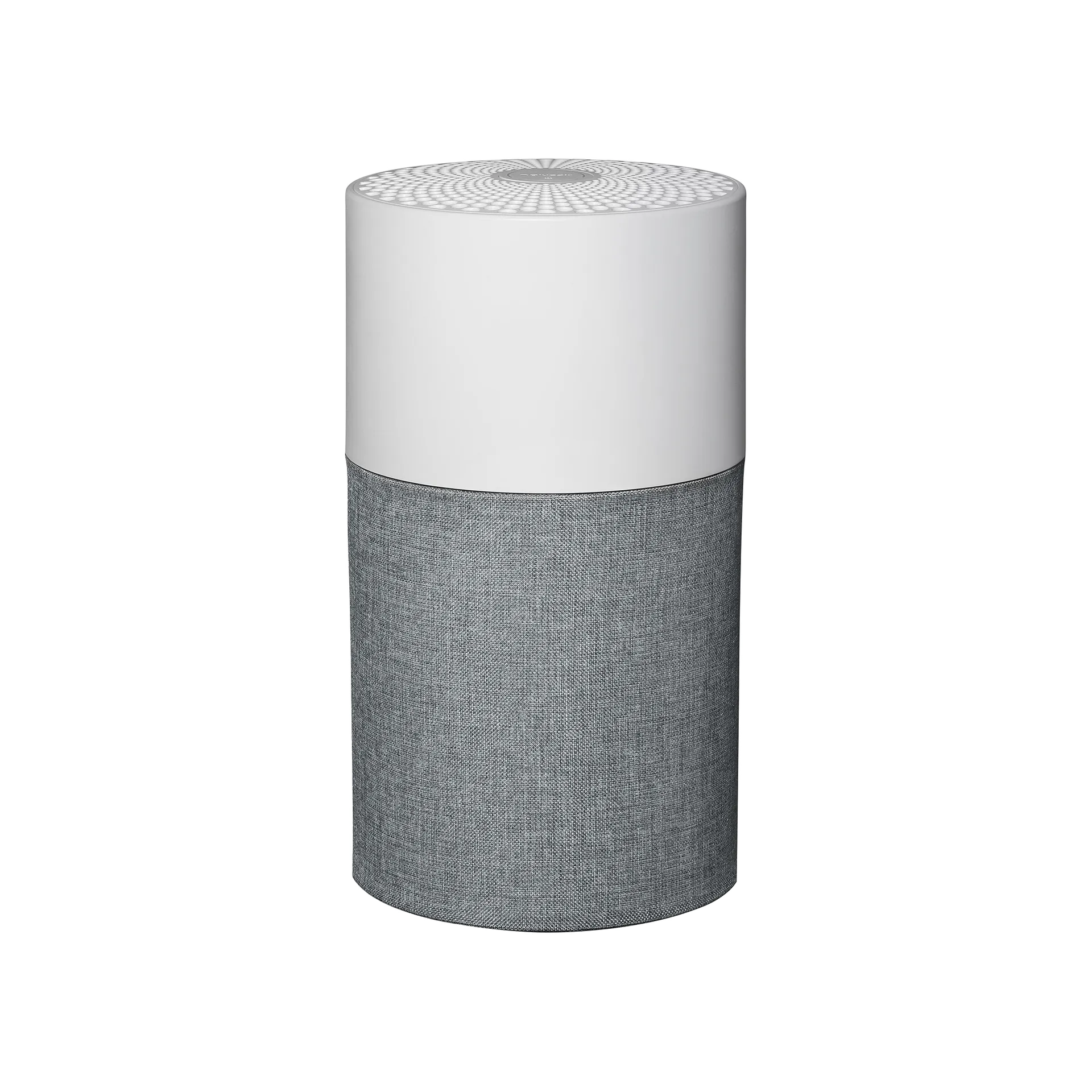
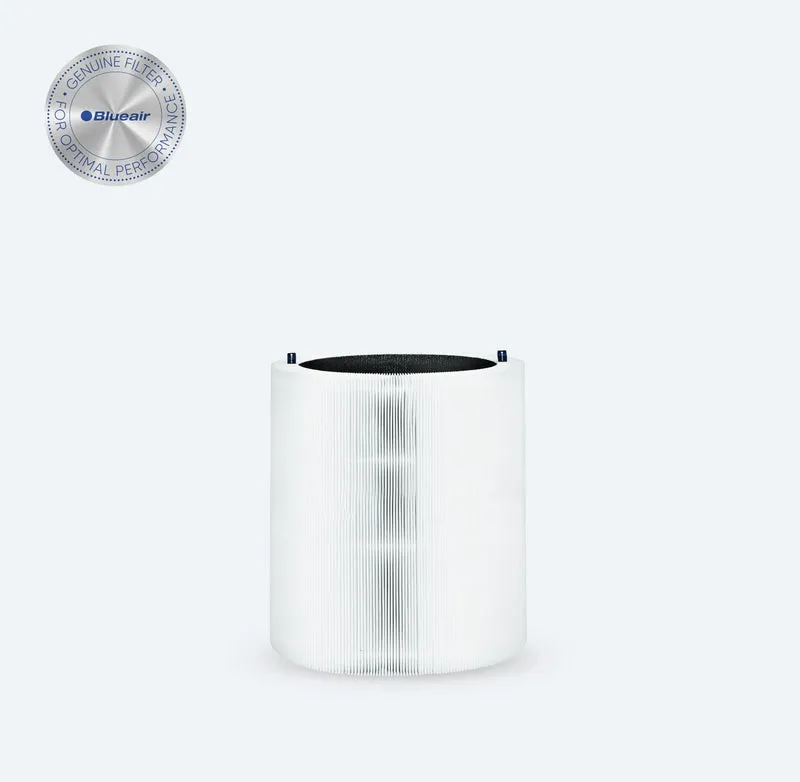
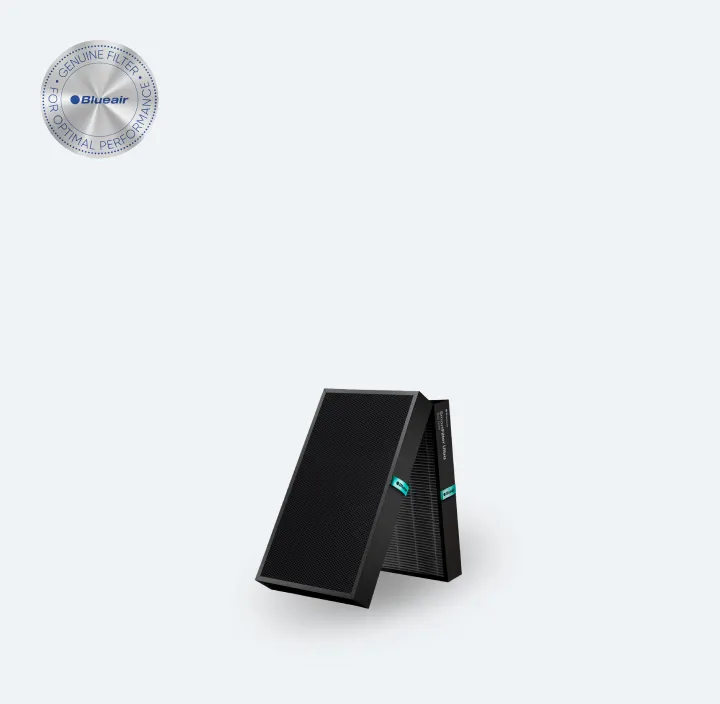
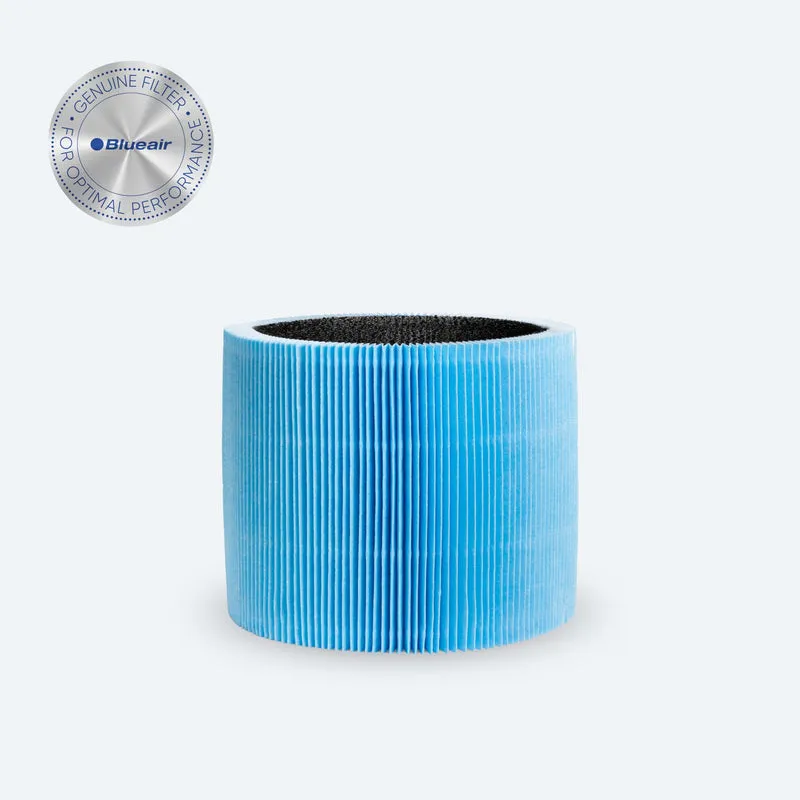
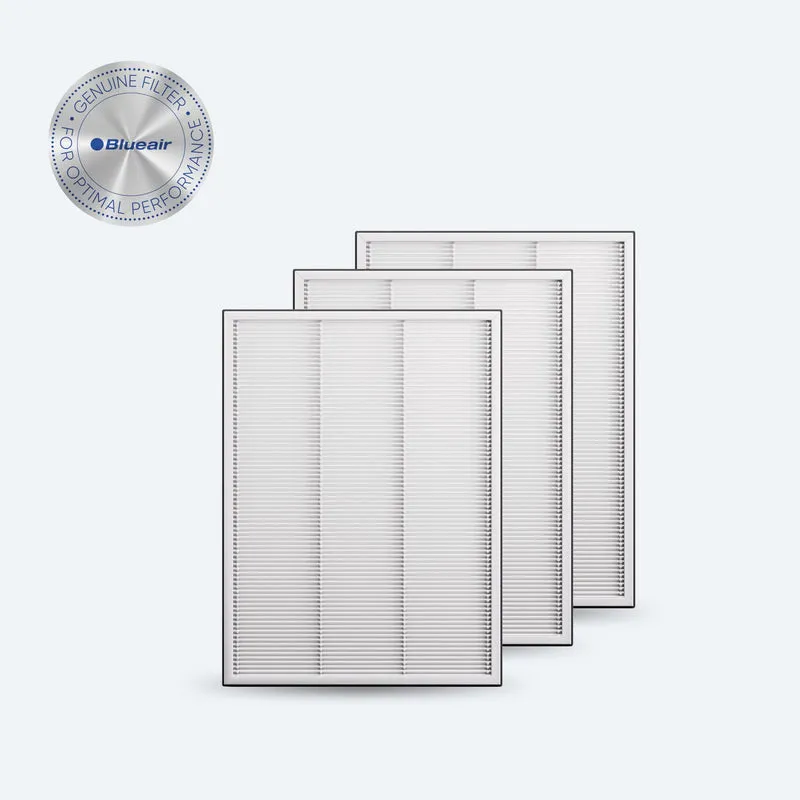
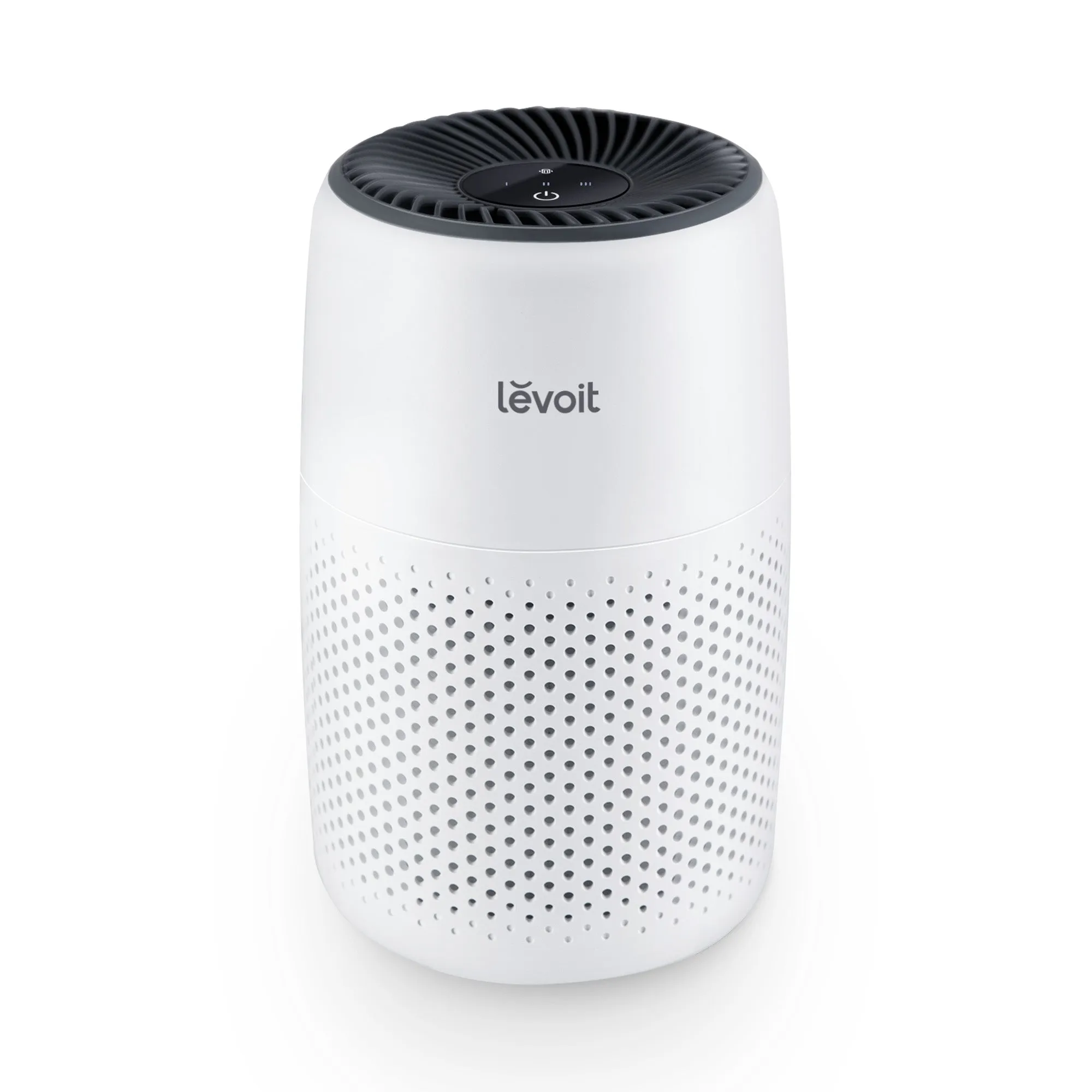
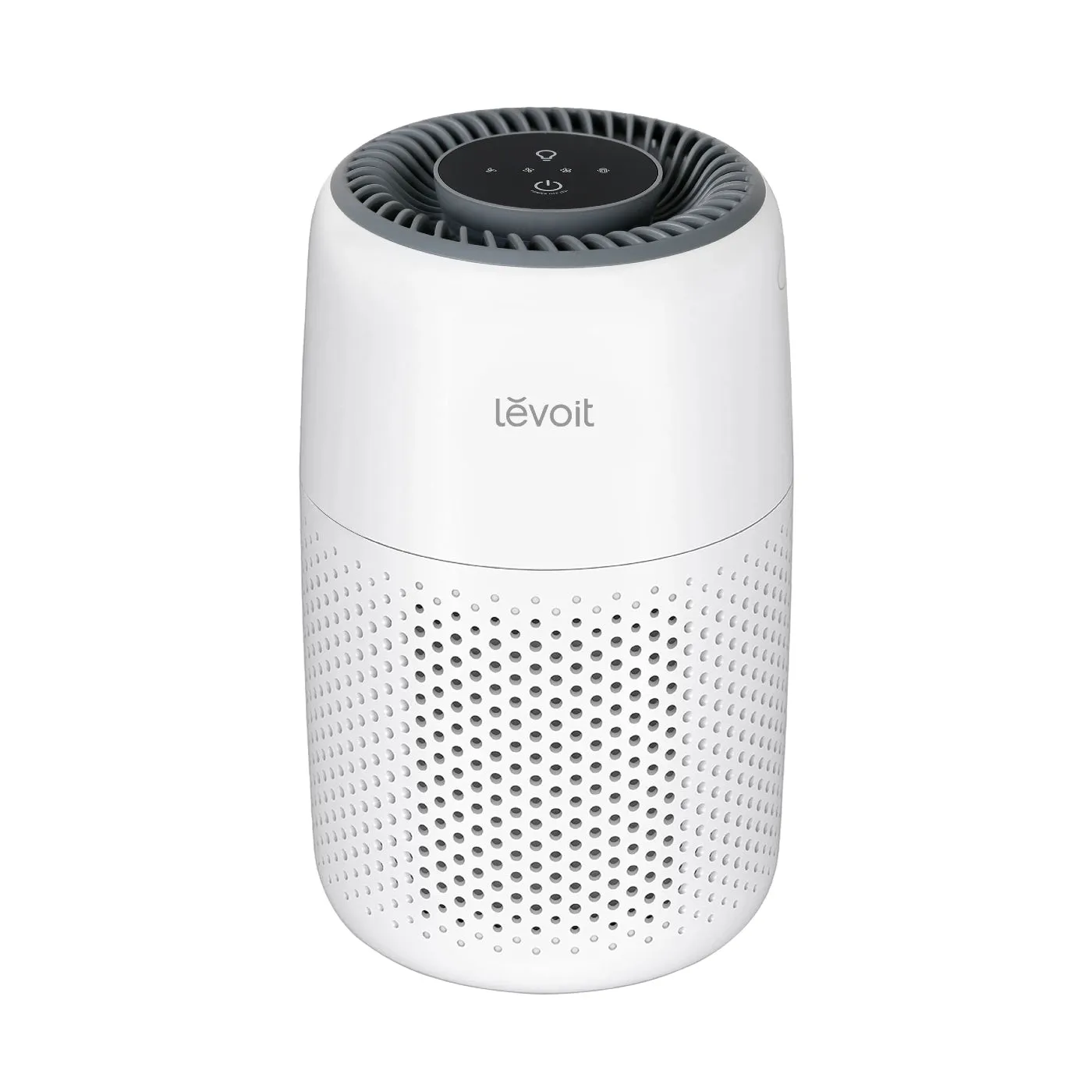
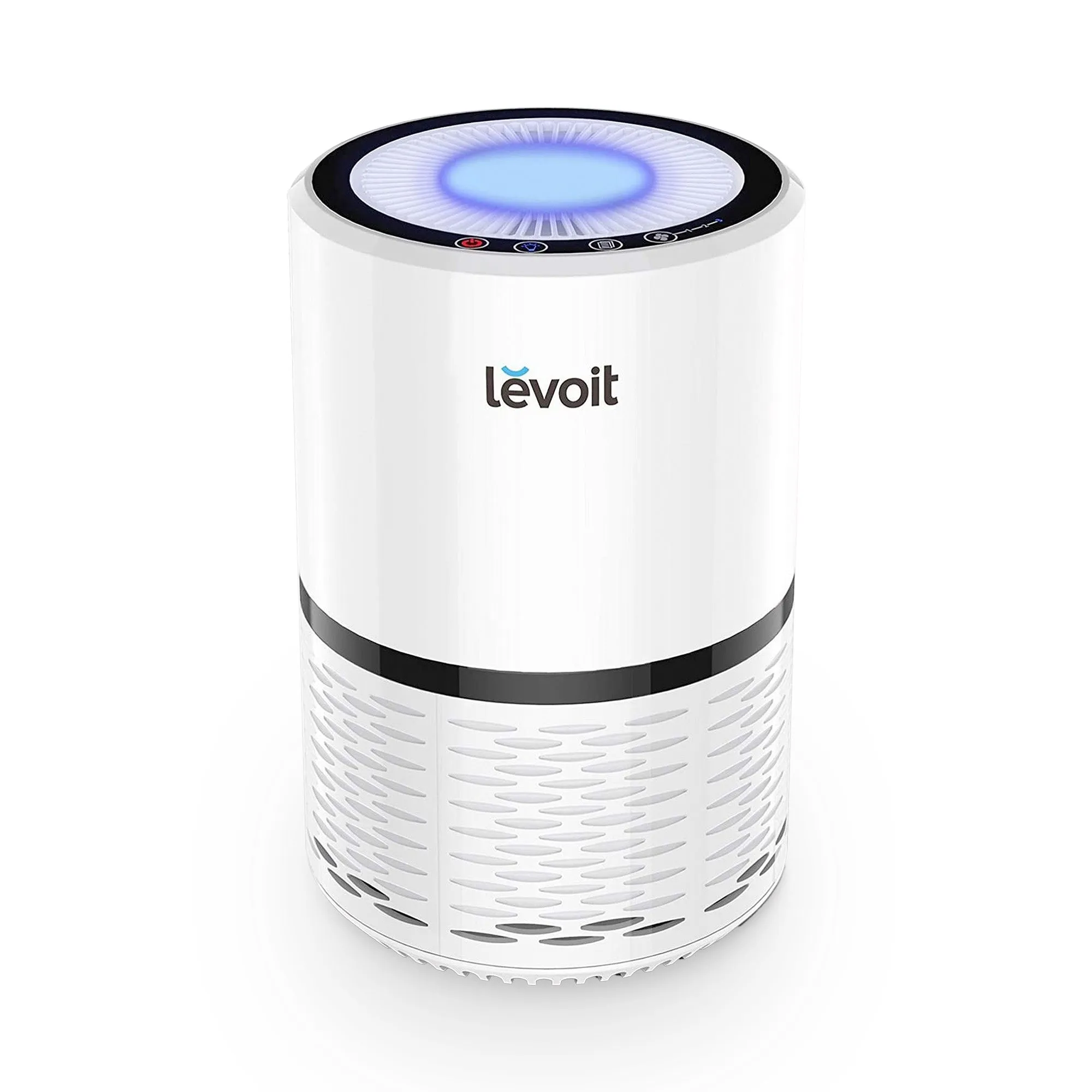
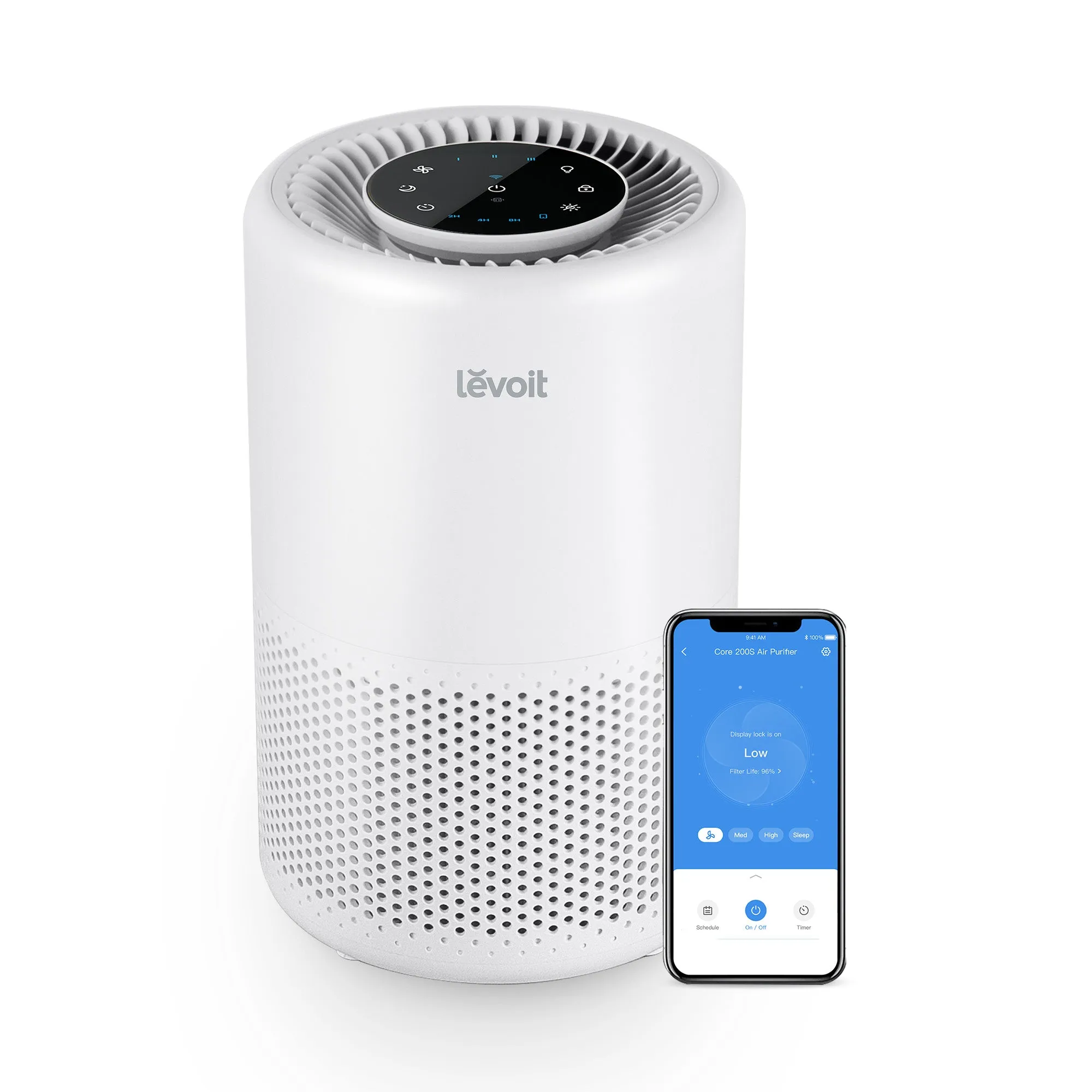
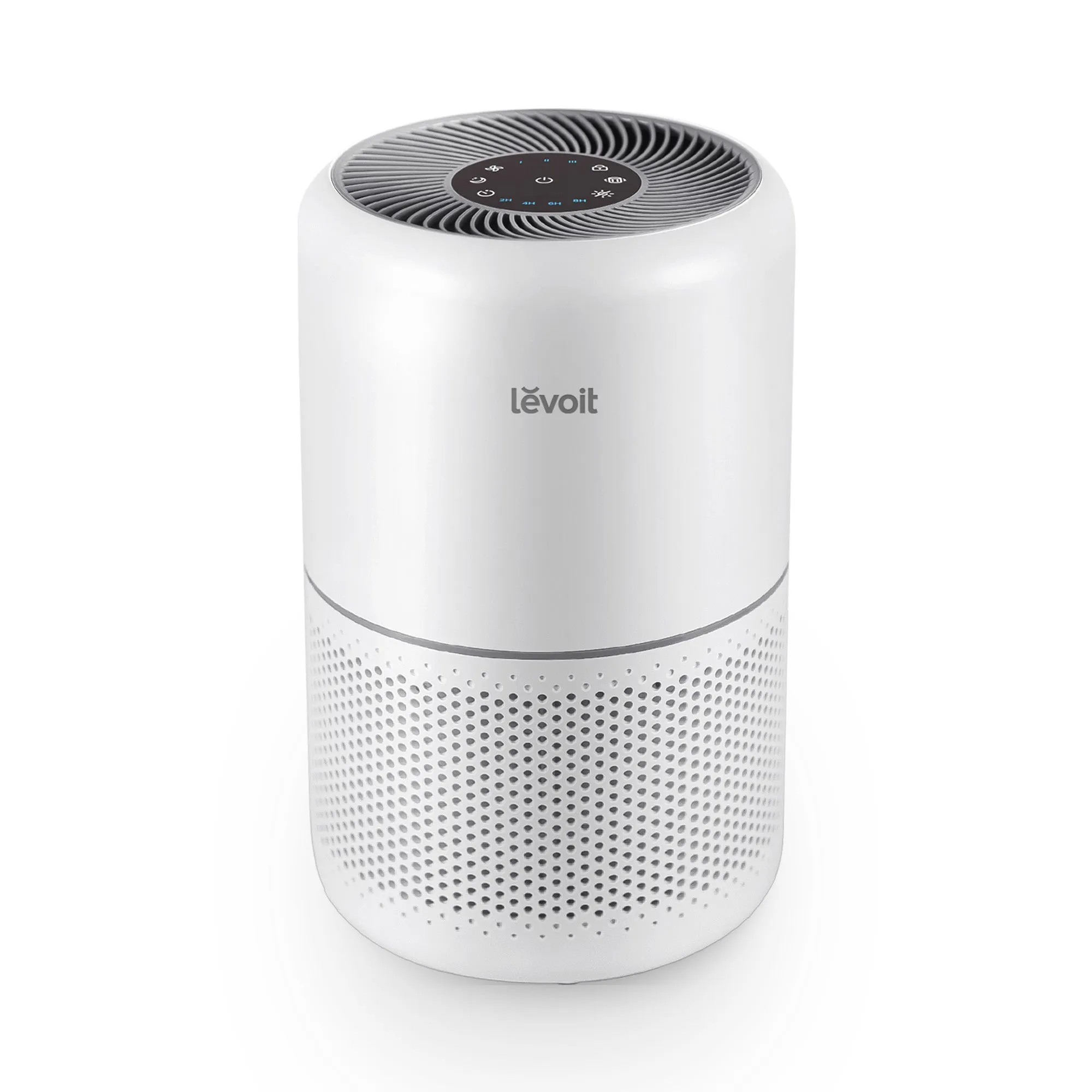
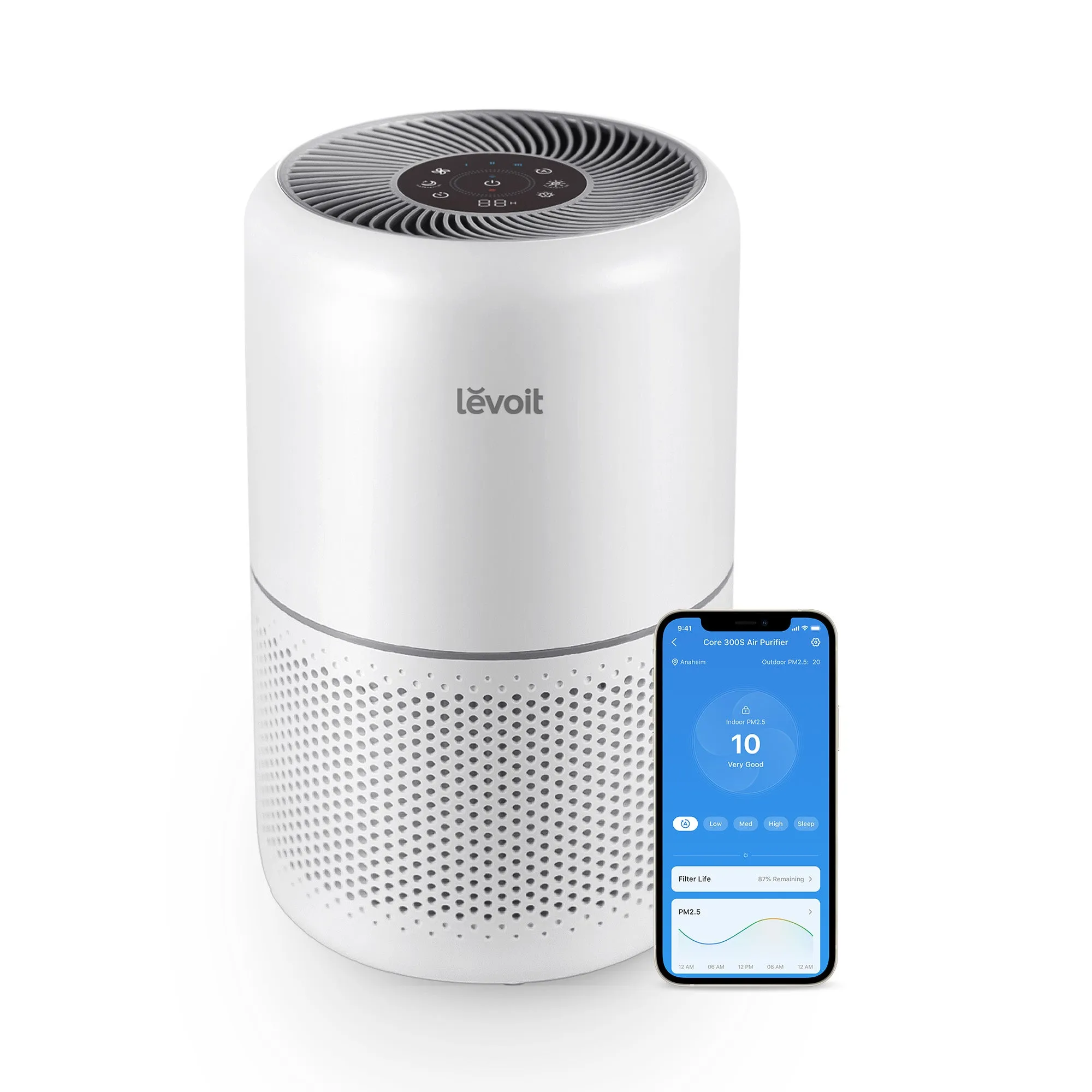
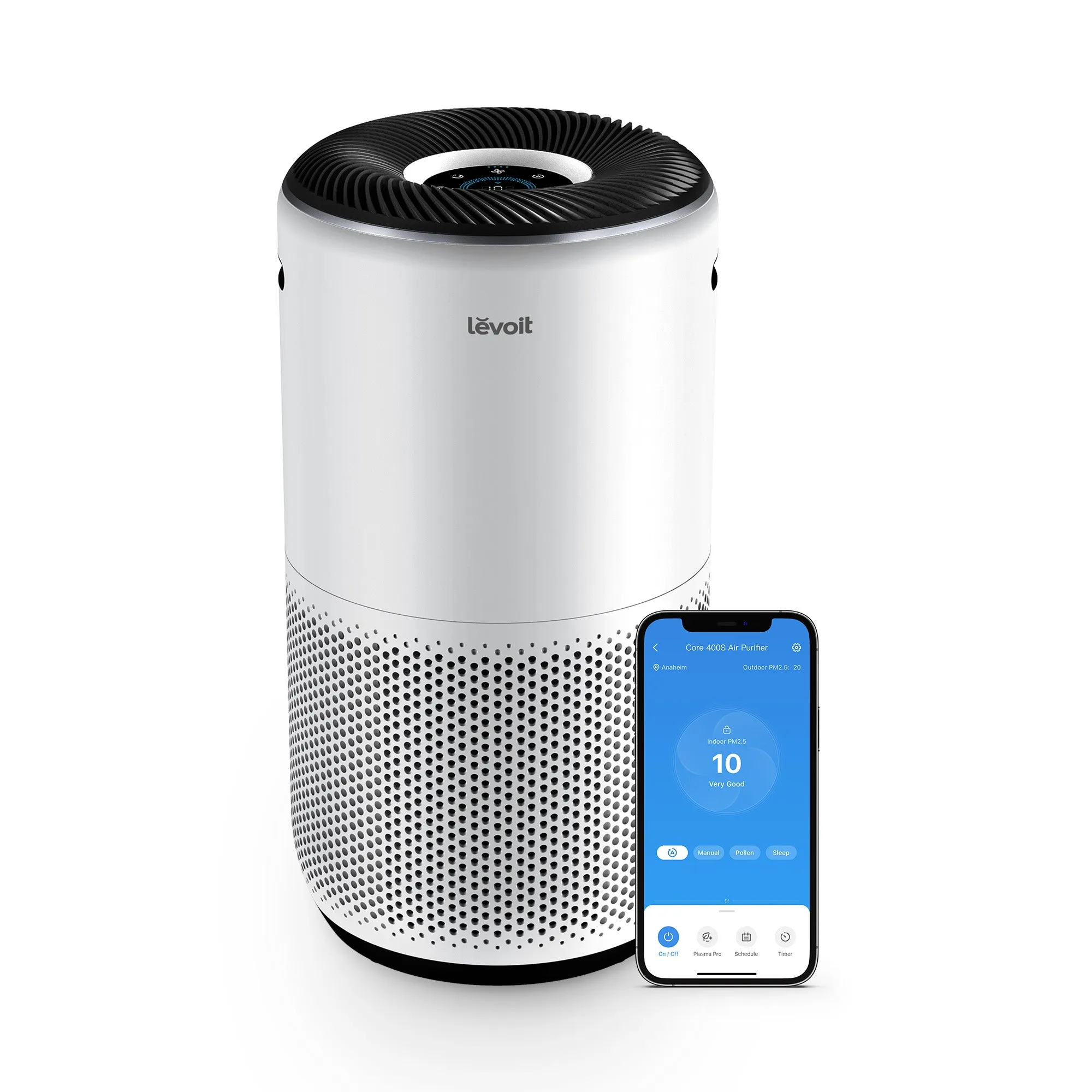
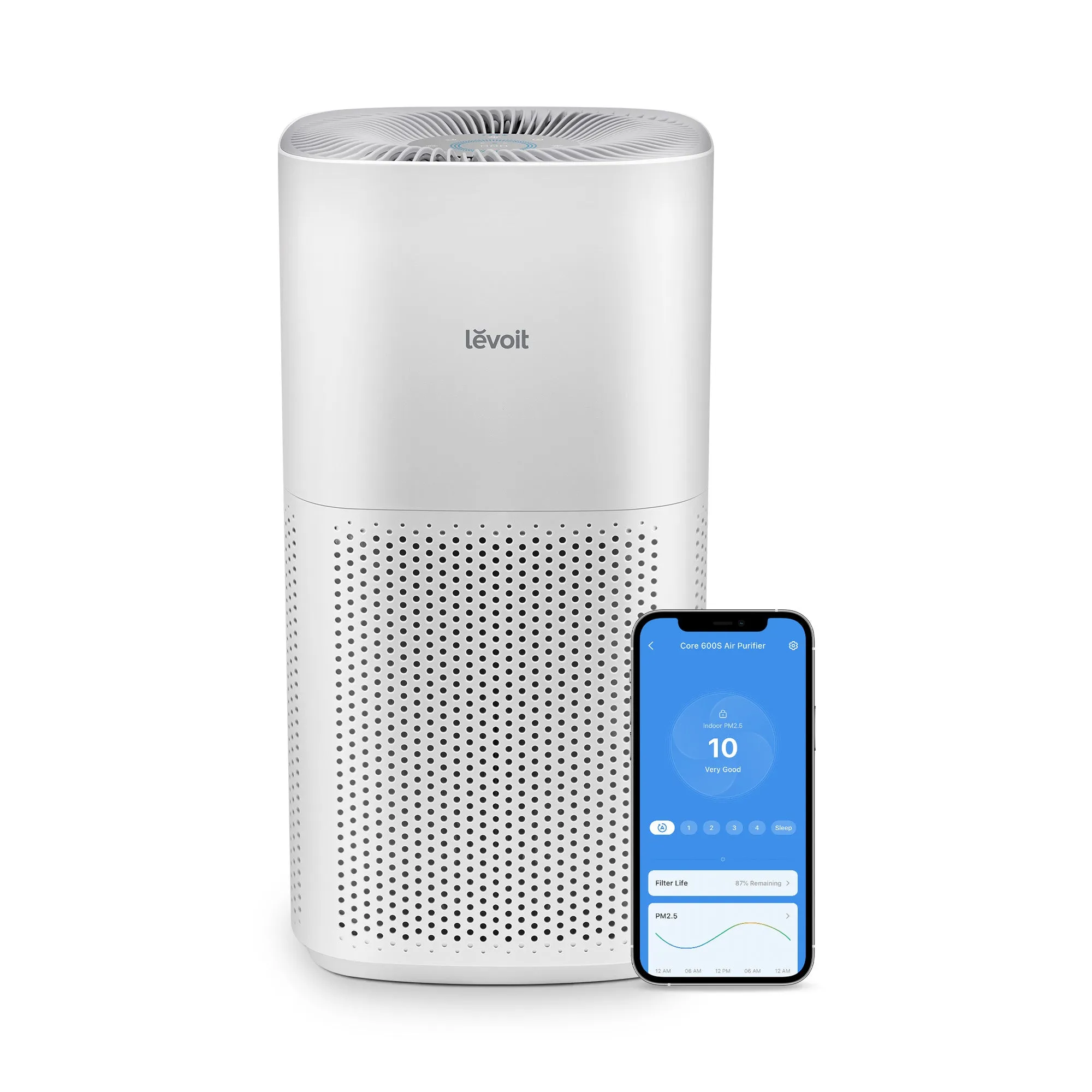
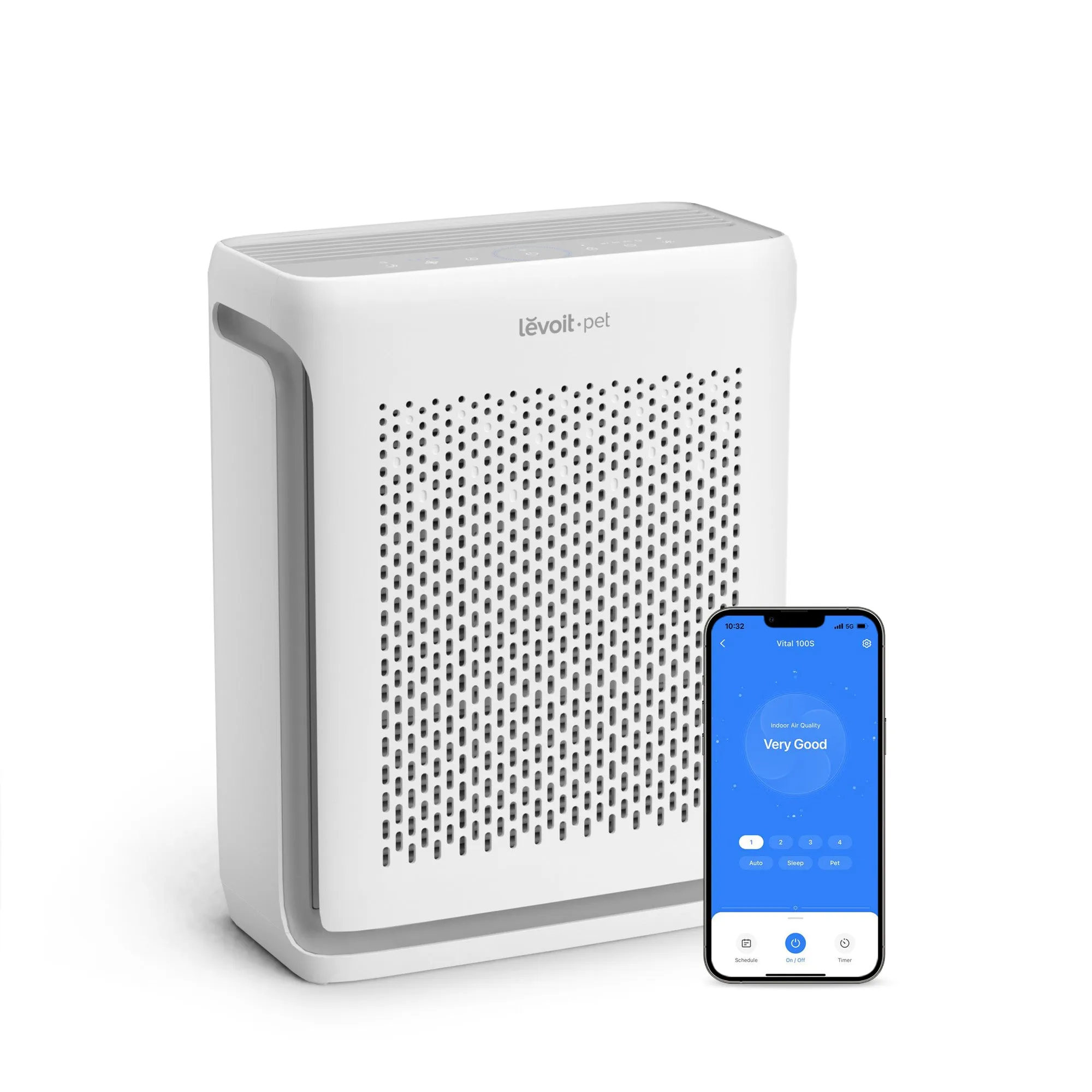
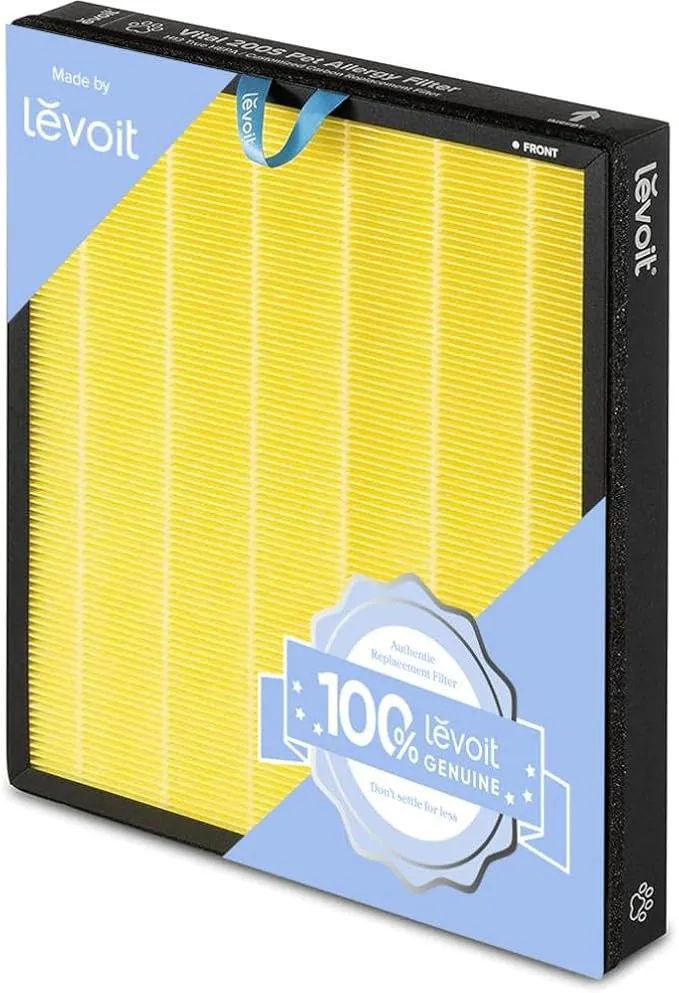
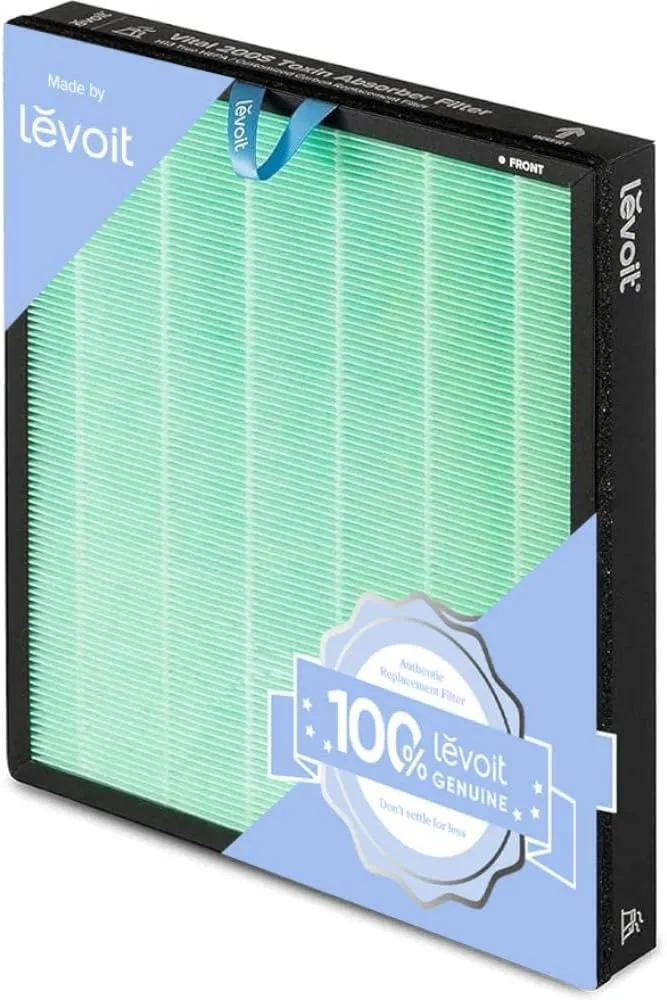
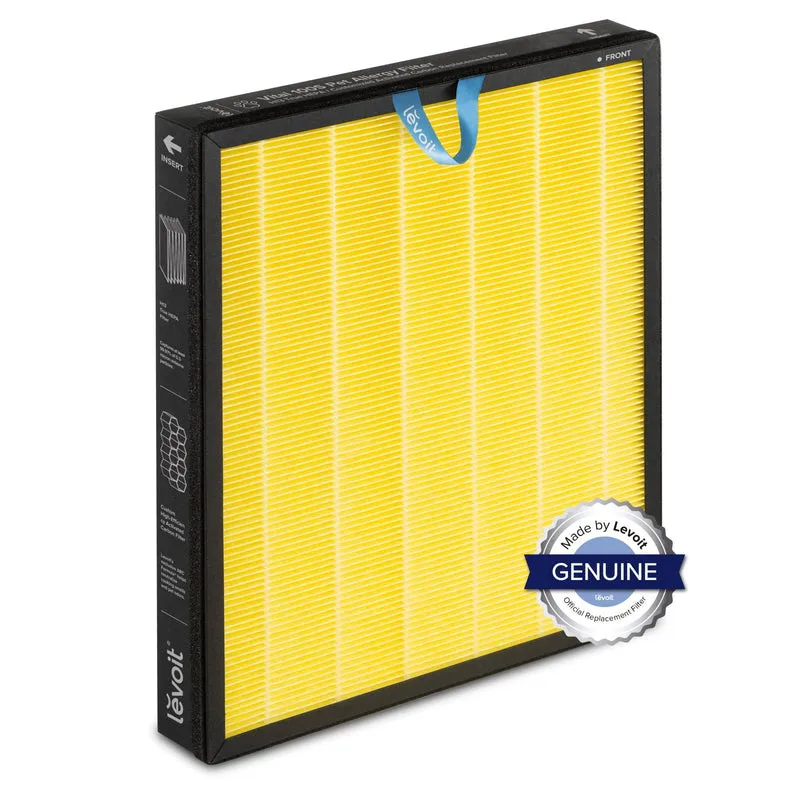
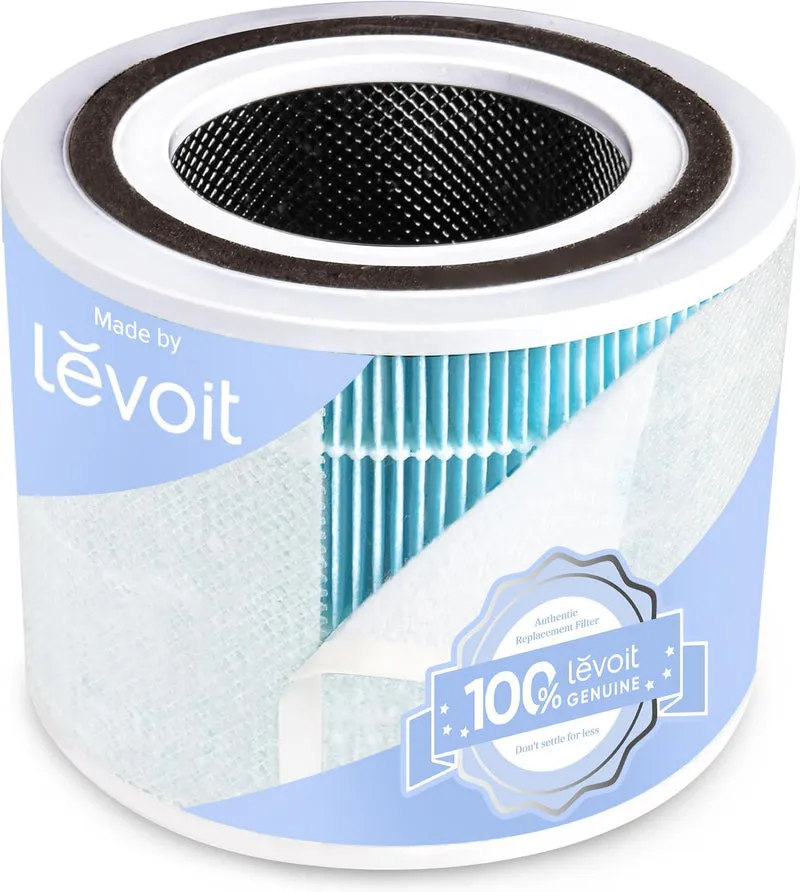
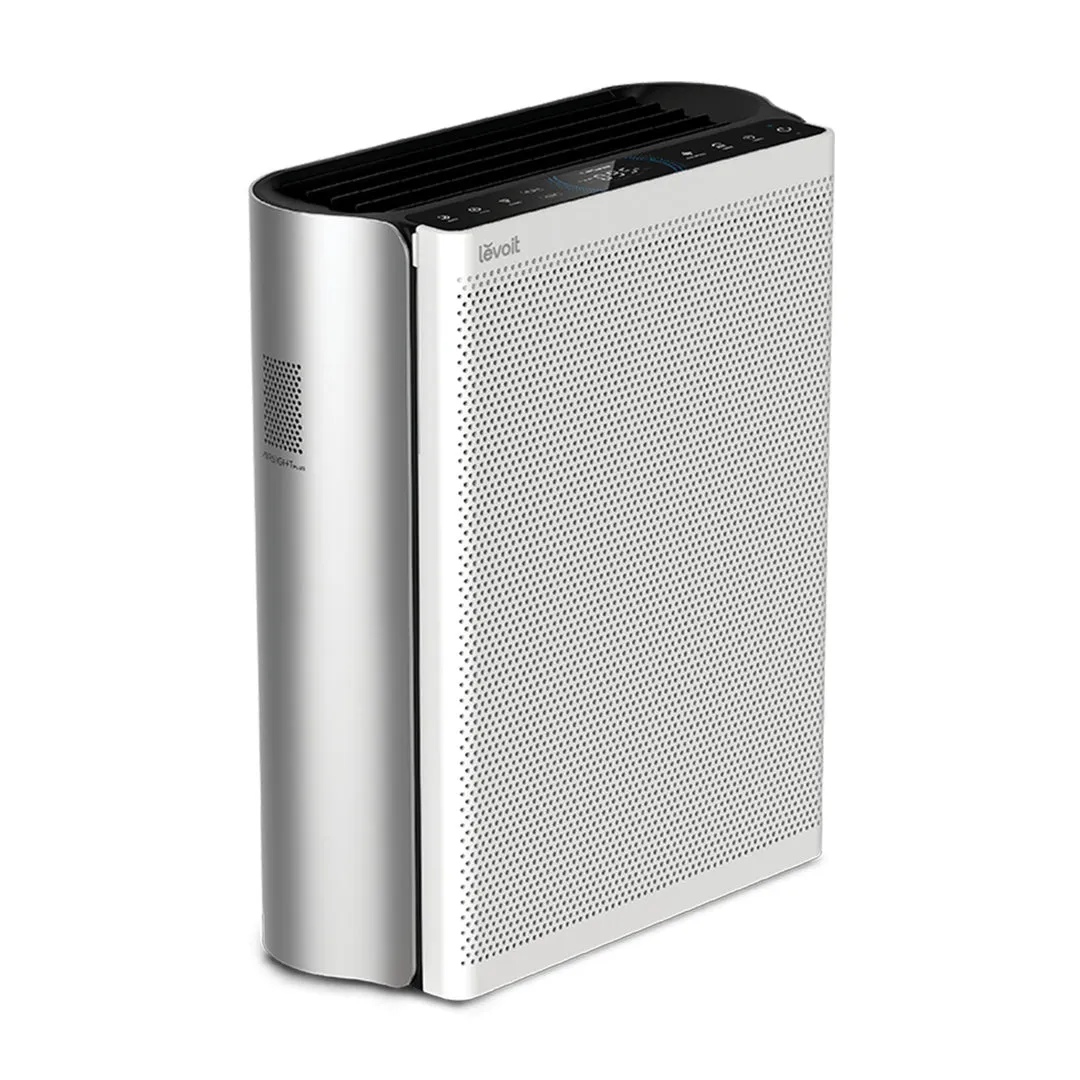
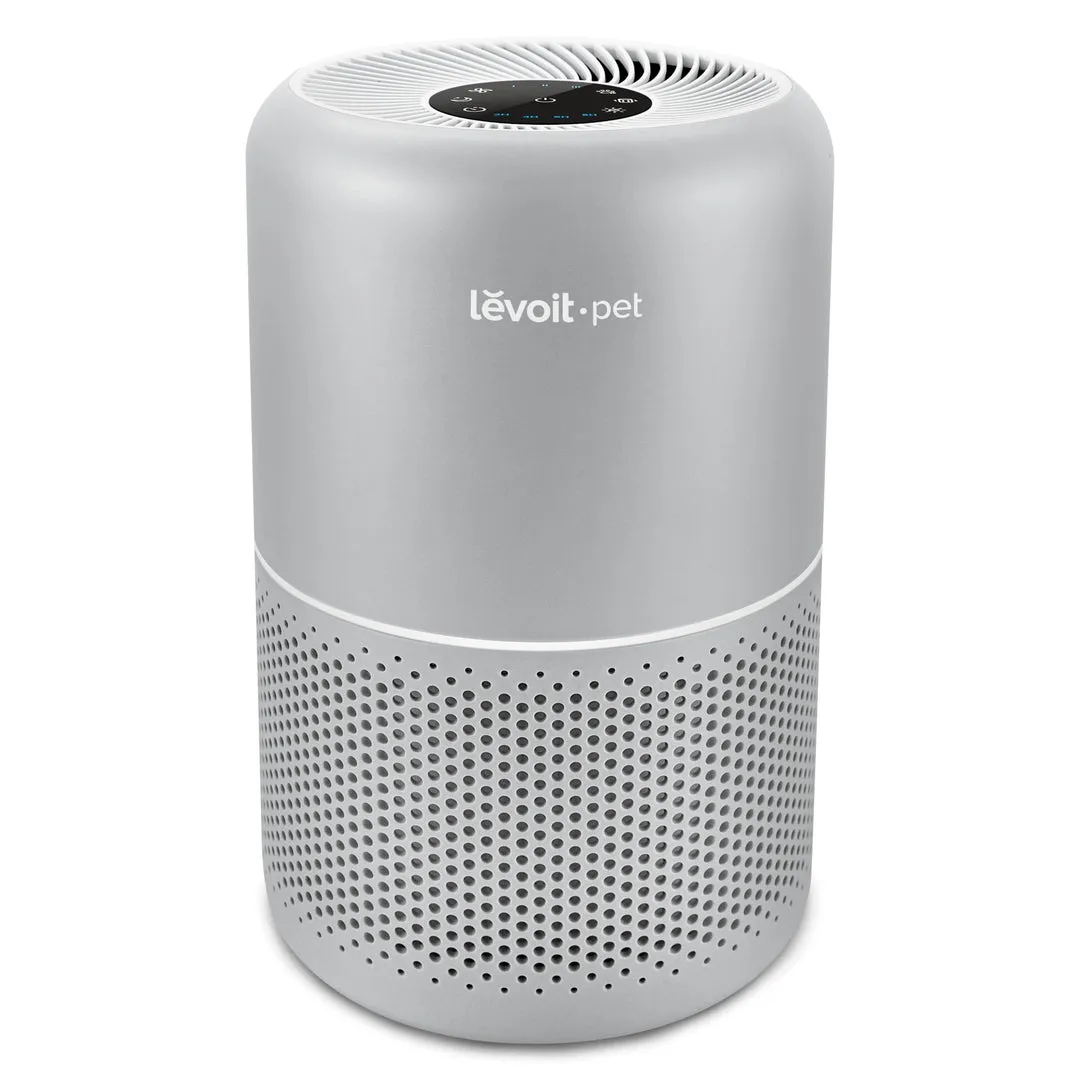
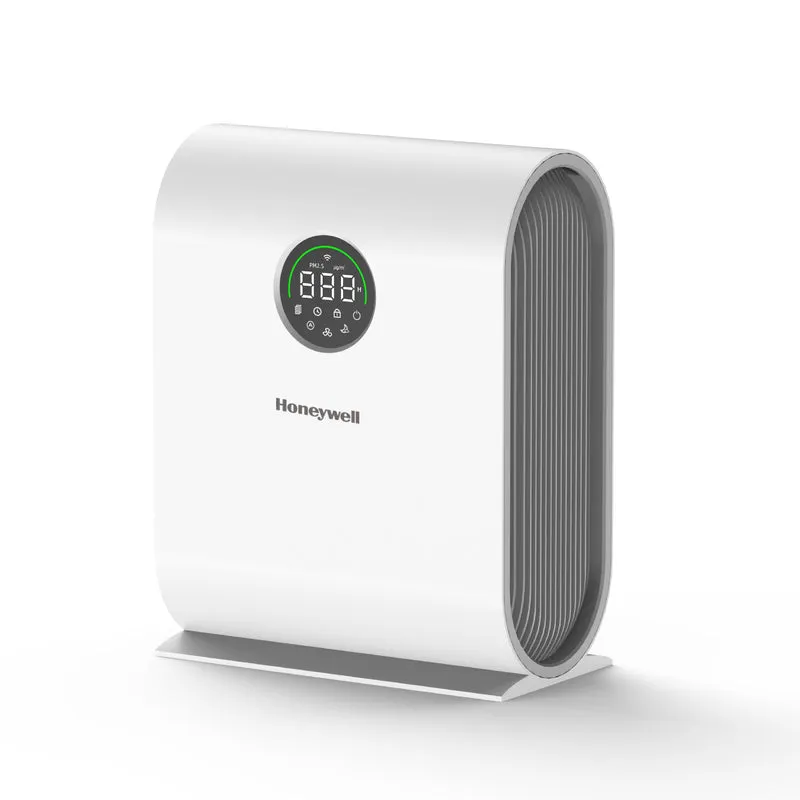
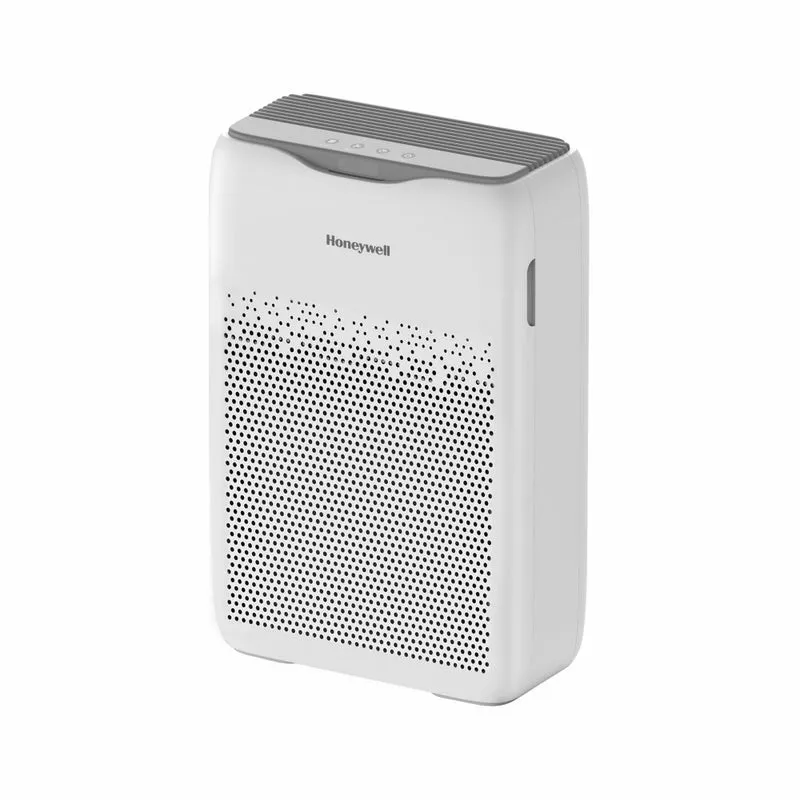
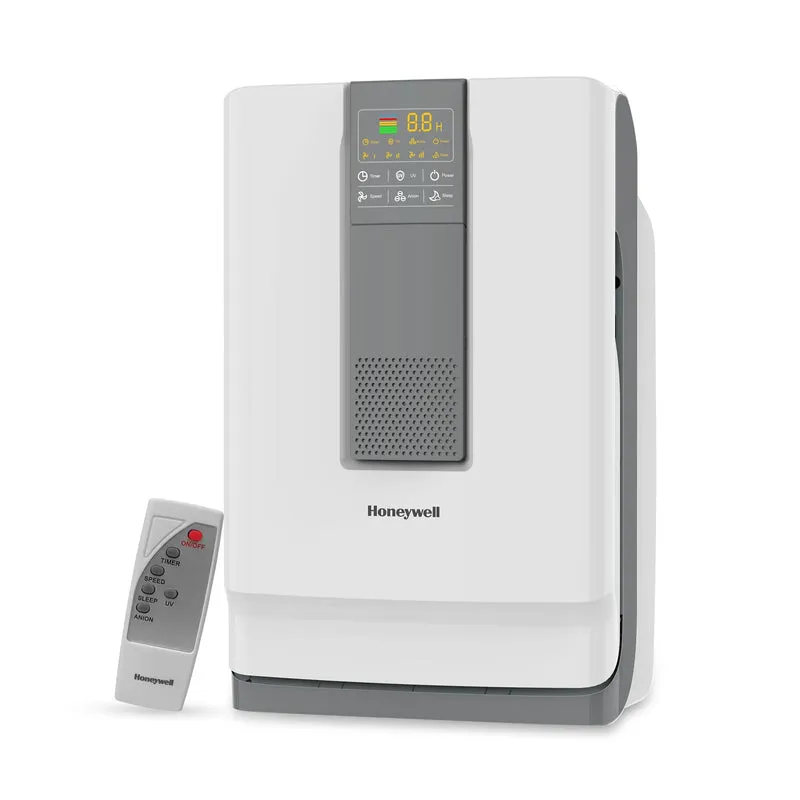
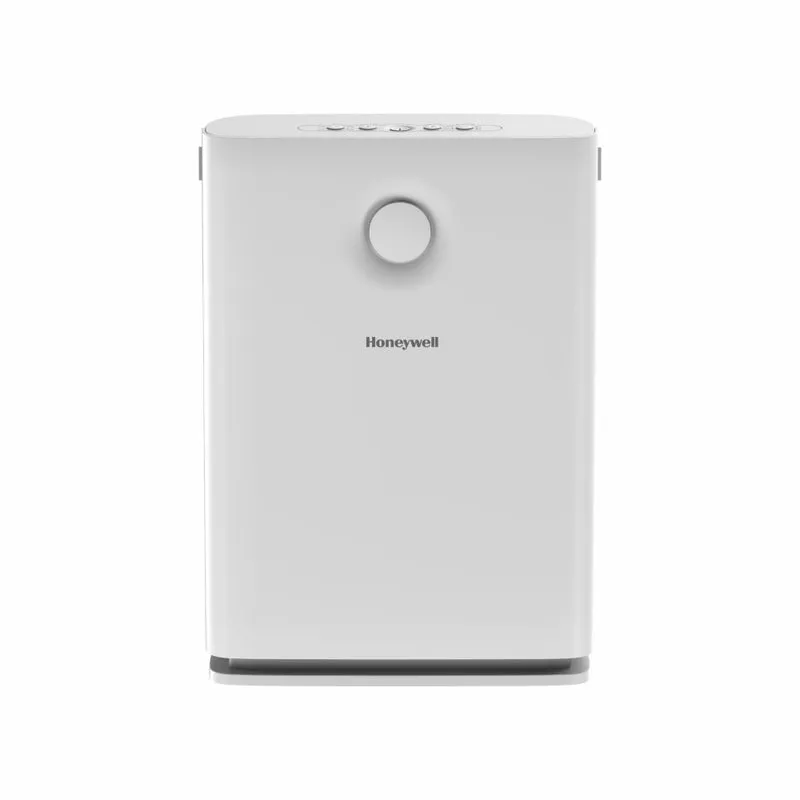
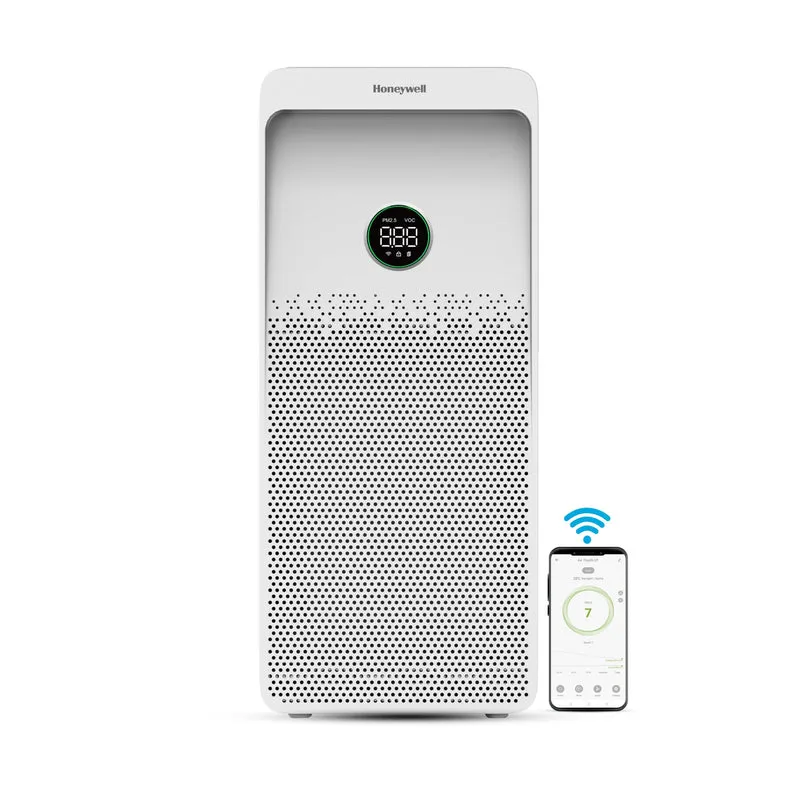
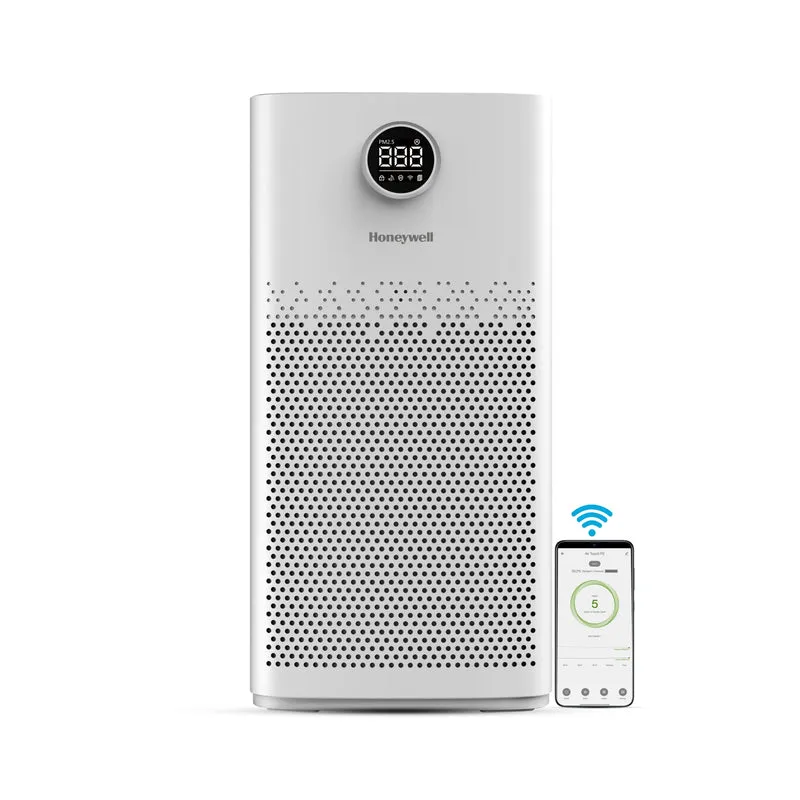
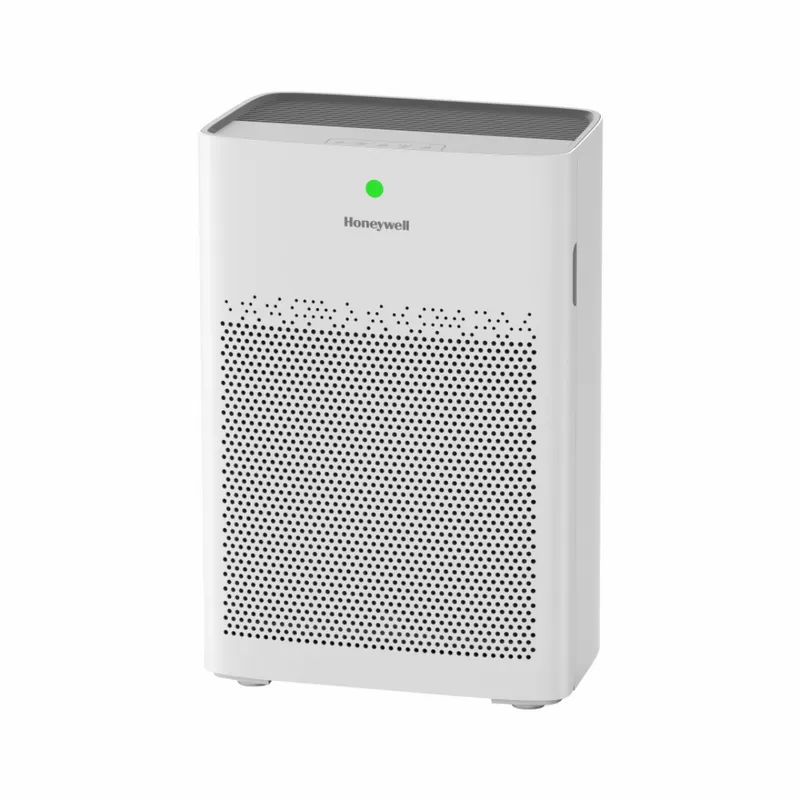
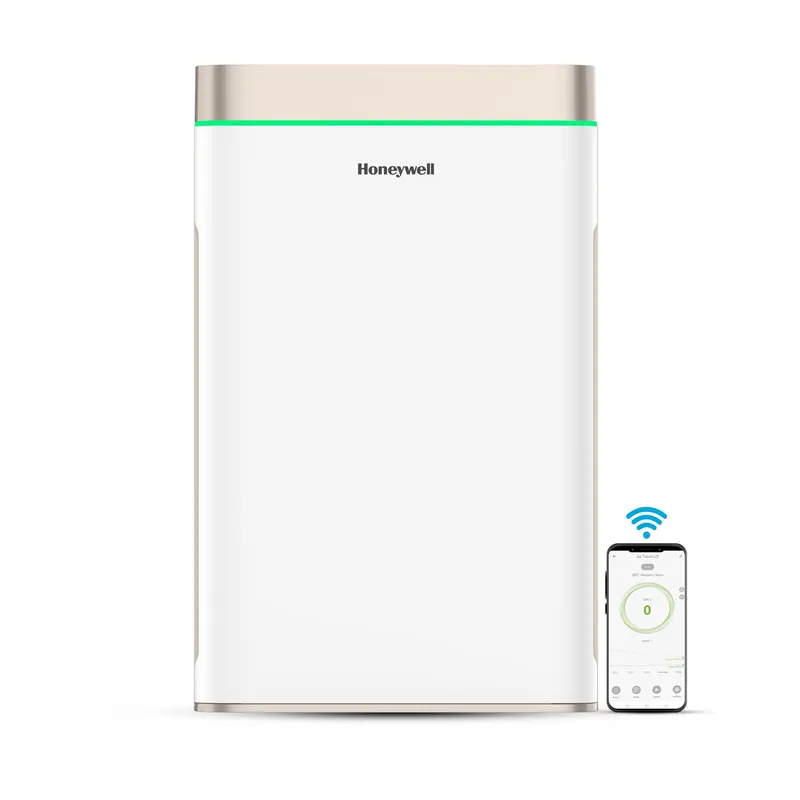
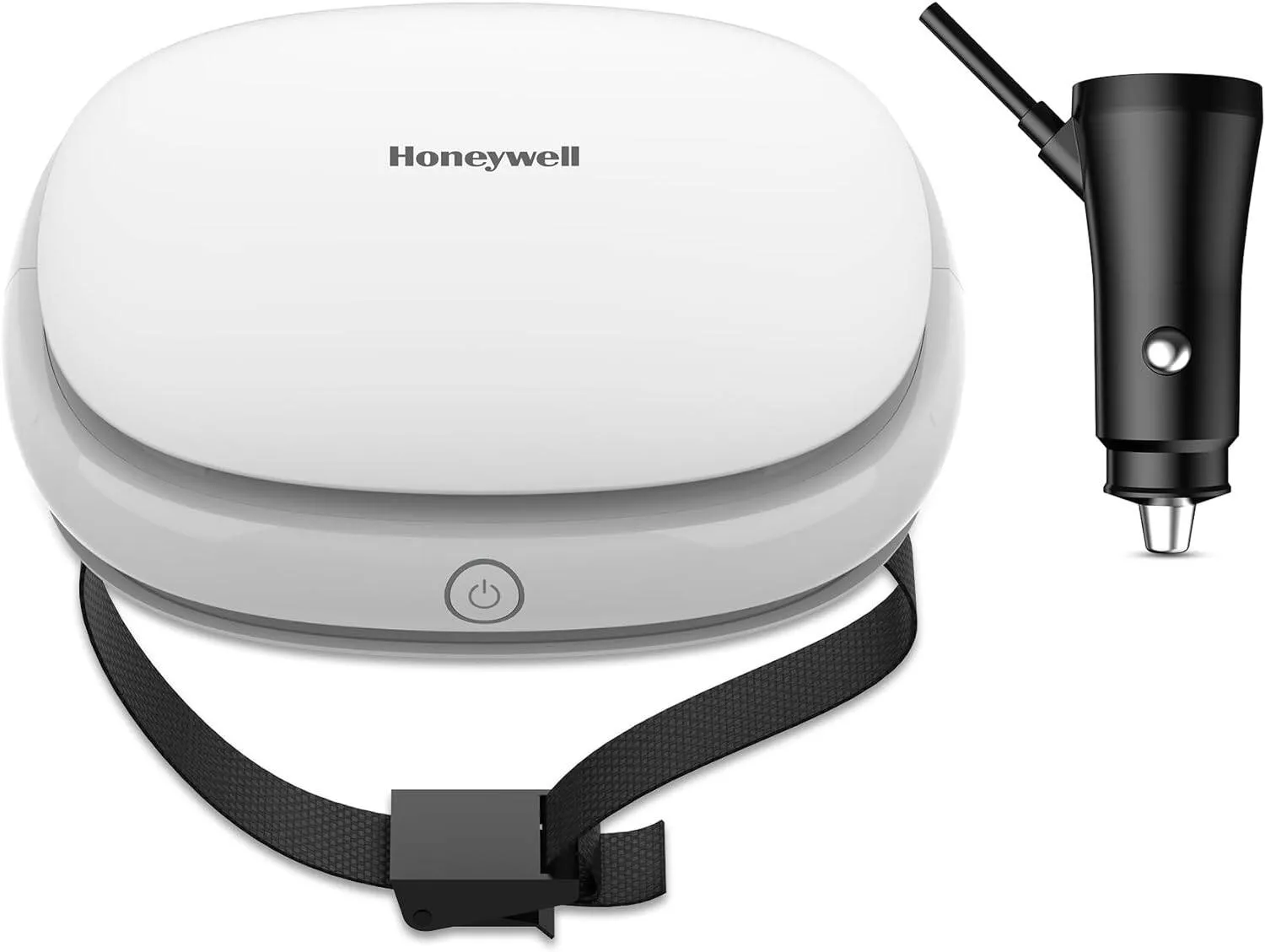
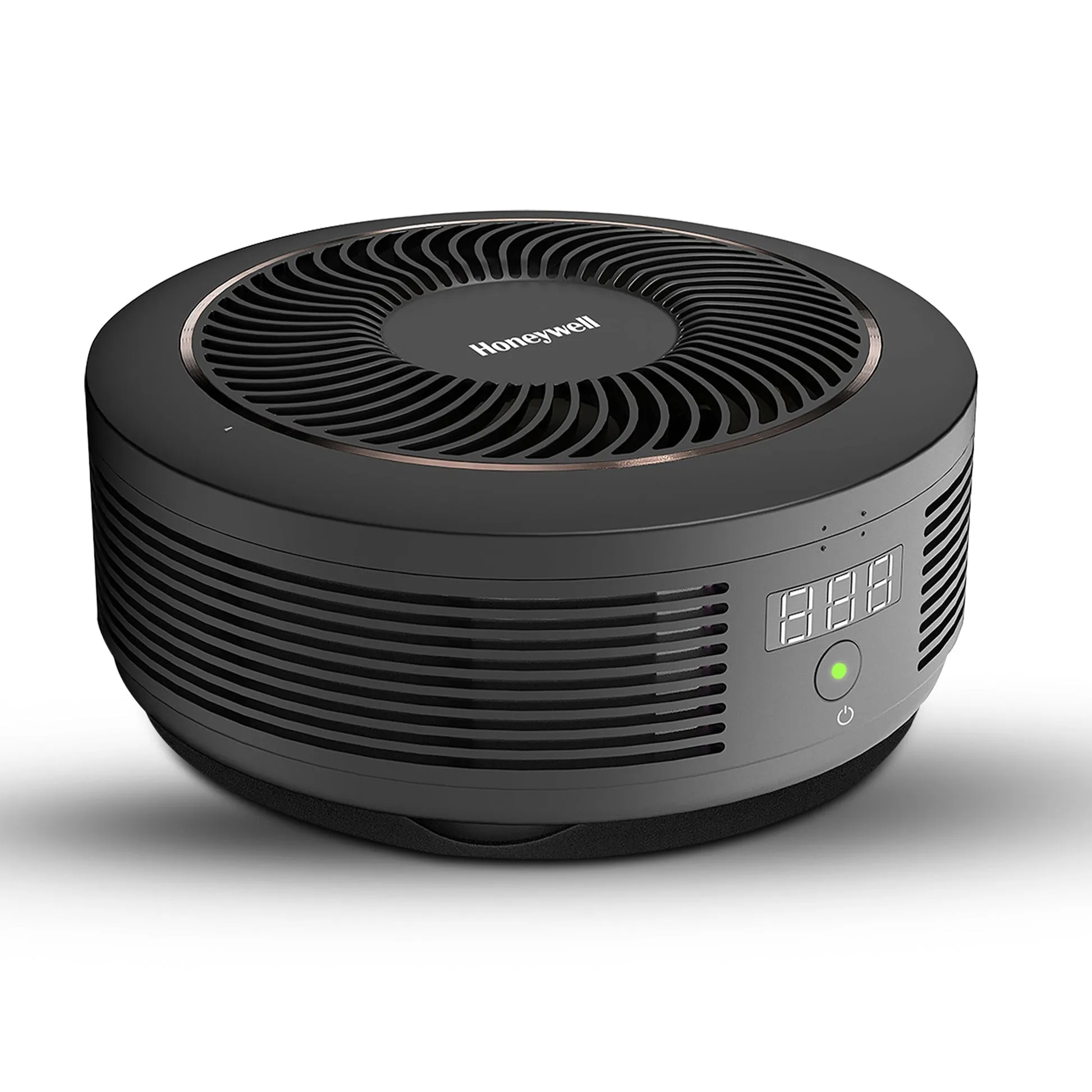
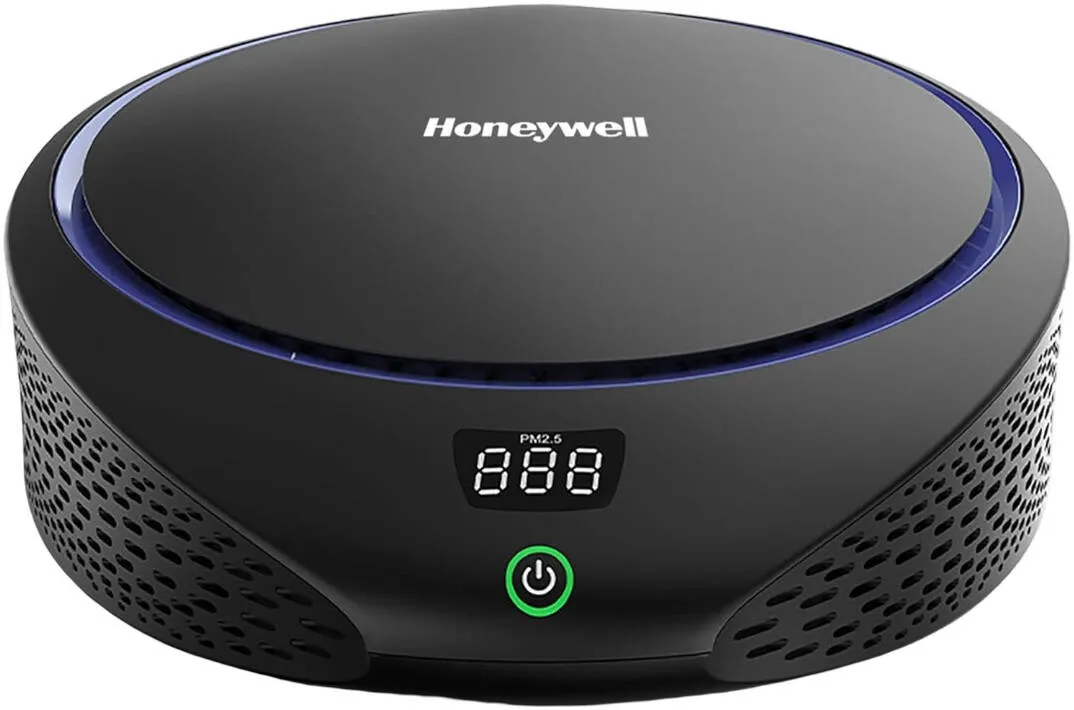
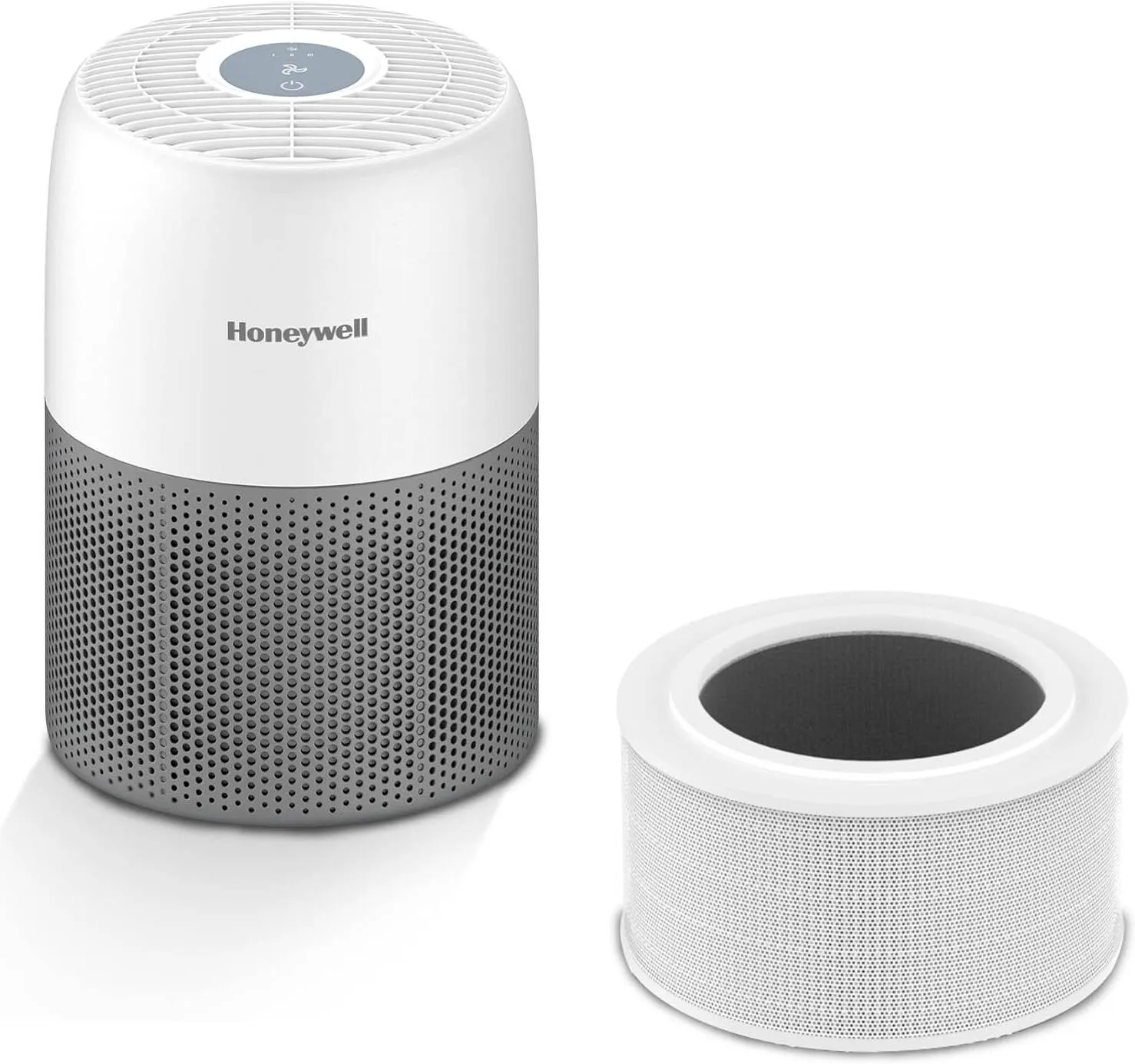
The air purifier buying guide for 2026 covers room size calculations, filter technology comparisons, and CARB certification checks in one place. For those exploring options beyond standalone purifiers, the air purifier alternatives guide covers ventilation, source control, and eco-friendly approaches suited to UAE conditions. Cleanair-ae stocks Blueair, Honeywell, and Levoit units alongside replacement filters and humidity control products, all available for fast UAE-wide delivery.
FAQ
What is the single most effective air cleaning method?
Source control is the most effective method, ranked above ventilation and filtration by the EPA’s indoor air quality hierarchy. Preventing pollutants from entering indoor air is more efficient than removing them after the fact.
Are HEPA air purifiers safe to use continuously?
True HEPA purifiers are safe for continuous operation. Running a HEPA unit at a mid-range fan speed continuously delivers better particle removal than intermittent use at maximum speed.
Do indoor plants clean the air effectively?
Indoor plants provide modest VOC and CO2 reduction but are not sufficient as a primary air cleaning solution. Active green walls, which circulate air through the root zone mechanically, deliver significantly higher pollutant removal rates.
How often should I replace my air purifier filter in the UAE?
Filter replacement should be based on operating hours rather than fixed calendar dates. In dusty UAE environments, particularly during sandstorm periods, filters may need replacement well ahead of the manufacturer’s standard schedule.
What humidity level is recommended for UAE indoor spaces?
The recommended indoor relative humidity for UAE spaces is 40–50% RH. This range prevents mould growth and dust mite proliferation while maintaining comfortable air quality year-round.