

Uncategorised
Office air filtration guide for healthier UAE workplaces

Poor indoor air quality in UAE offices is both a health risk and a legal liability. Employees spend the majority of their working day inside buildings where dust, VOCs, and CO2 levels can climb well beyond safe limits, and the consequences range from reduced productivity to regulatory penalties. UAE regulations mandate annual IAQ testing and record-keeping for offices, meaning compliance is not optional. This guide walks through everything office managers and business owners need to know, from regulation basics to filtration setup and ongoing maintenance.
Table of Contents
- Meeting UAE office air quality regulations
- What you need to filter and monitor office air
- Step-by-step: Setting up air filtration in your office
- Troubleshooting and maintenance for sustained air quality
- Why many UAE offices miss the mark on air quality compliance
- Next steps for UAE office air quality
- Frequently asked questions
Key Takeaways
| Point | Details |
|---|---|
| UAE laws require testing | Annual indoor air quality testing and clear records are mandatory for all UAE offices. |
| Smart tech boosts compliance | IoT sensors and DCV systems make meeting regulatory and wellness standards simpler. |
| Ongoing monitoring matters | Employee health and office compliance both depend on continuous air quality checks and maintenance. |
| Quick fixes can backfire | Short-term solutions without ongoing monitoring and proper records won’t satisfy regulations. |
Meeting UAE office air quality regulations
Understanding the legal framework is the starting point. UAE regulations apply to a wide range of commercial buildings, including offices, schools, and hospitals, and they set specific thresholds for airborne pollutants. Ignorance of these rules is not a defence, and non-compliance carries real financial consequences.
The key legal obligations for UAE offices include:
- Annual indoor air quality testing conducted by an accredited laboratory or certified professional
- Record-keeping of all IAQ measurements, results, and corrective actions taken
- Threshold compliance for pollutants such as PM2.5, CO2, formaldehyde, and total VOCs
- Ventilation standards that meet minimum fresh air supply rates per occupant
- Reporting obligations to local authorities if readings breach permitted limits
UAE mandatory IAQ law requires offices to monitor and record air quality annually, with fines applicable for non-compliance. Integrating IoT sensors and demand-controlled ventilation (DCV) systems supports both compliance and operational efficiency.
Penalties for non-compliance vary by emirate but can include substantial fines and, in severe cases, forced closure orders. Beyond the financial risk, failing audits signals a poor duty of care to employees and can damage an organisation’s reputation.
Best practices for smooth compliance go beyond the annual test. Installing IoT air quality sensors gives continuous, timestamped readings that build a clear compliance record throughout the year. Demand-controlled ventilation, which adjusts fresh air supply based on real-time CO2 readings, keeps ventilation efficient and within legal limits without wasting energy. These systems also reduce the administrative burden at audit time, because the data trail is already there.
Offices in Dubai and Abu Dhabi may face slightly different local authority requirements, so it is worth confirming with the relevant municipality which specific standards apply to your building type and occupancy level before committing to a particular monitoring setup.
What you need to filter and monitor office air
With the regulatory picture clear, the next step is identifying the right equipment and preparing your workspace for installation. Cutting corners here leads to gaps in coverage that show up at the worst possible time: during an official audit.
Core equipment checklist
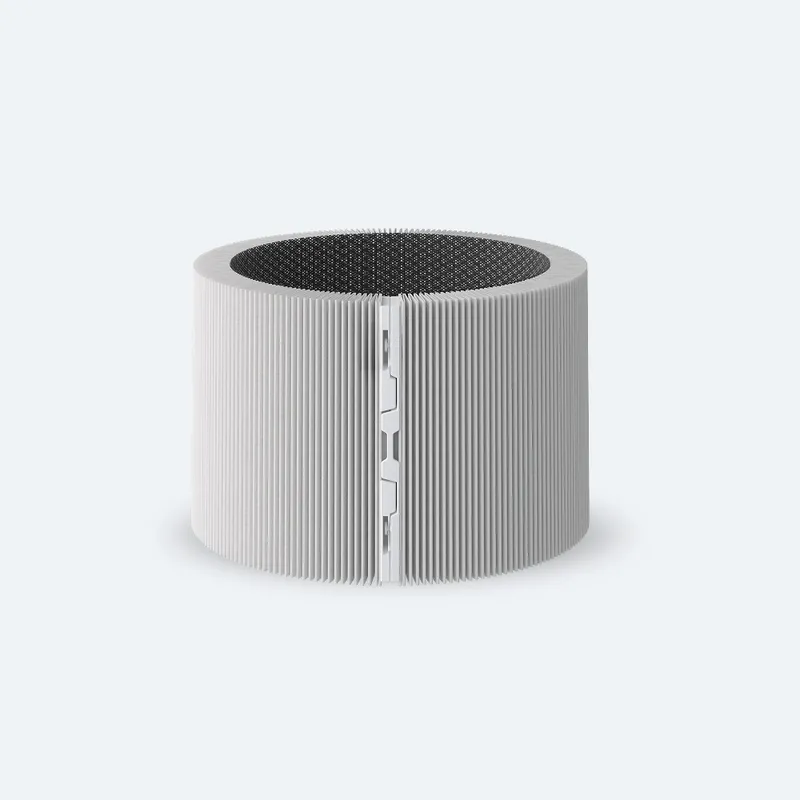
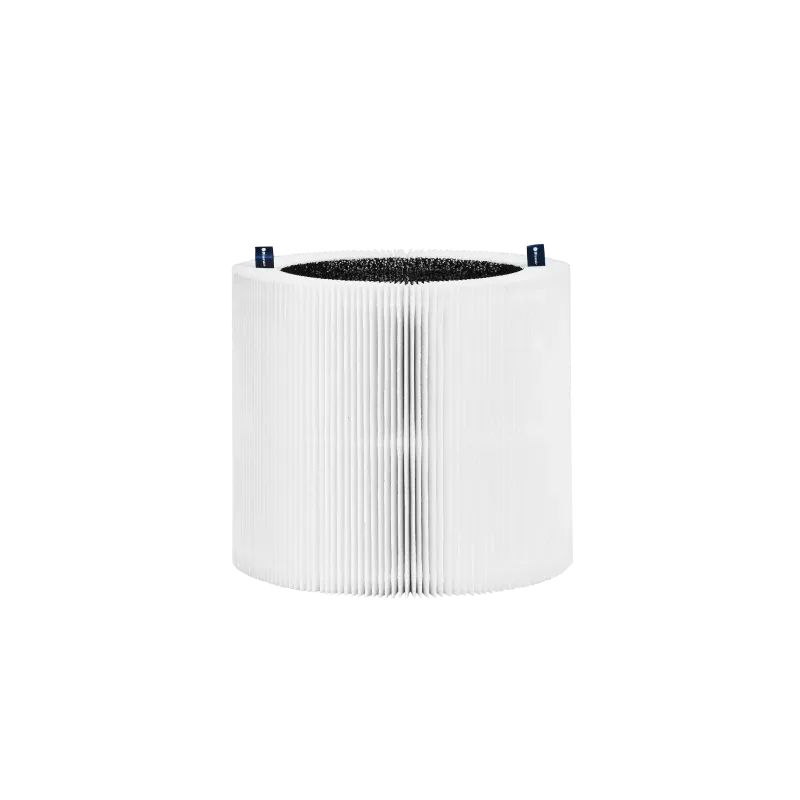
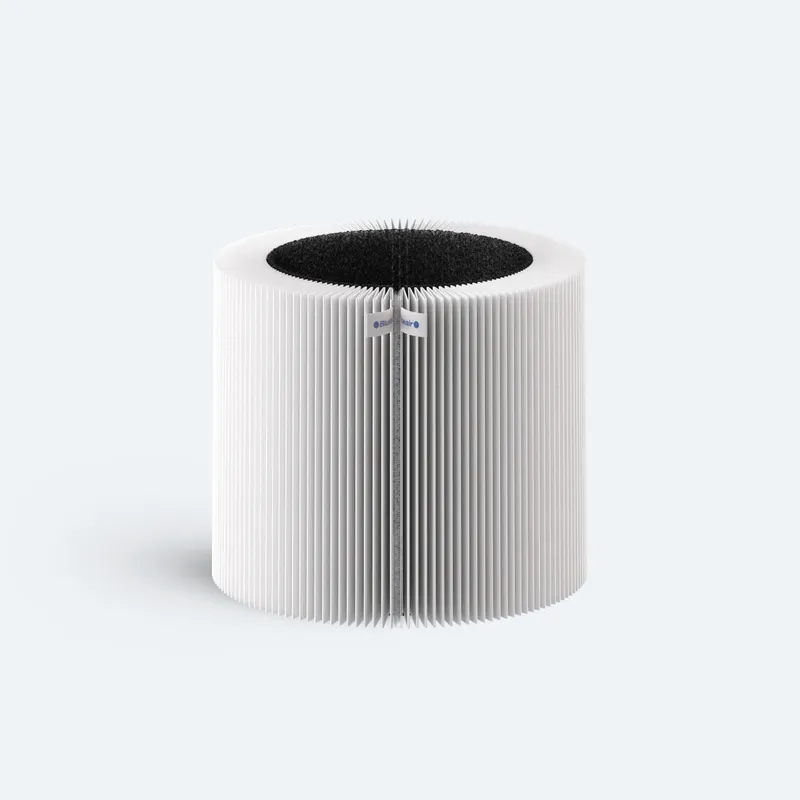
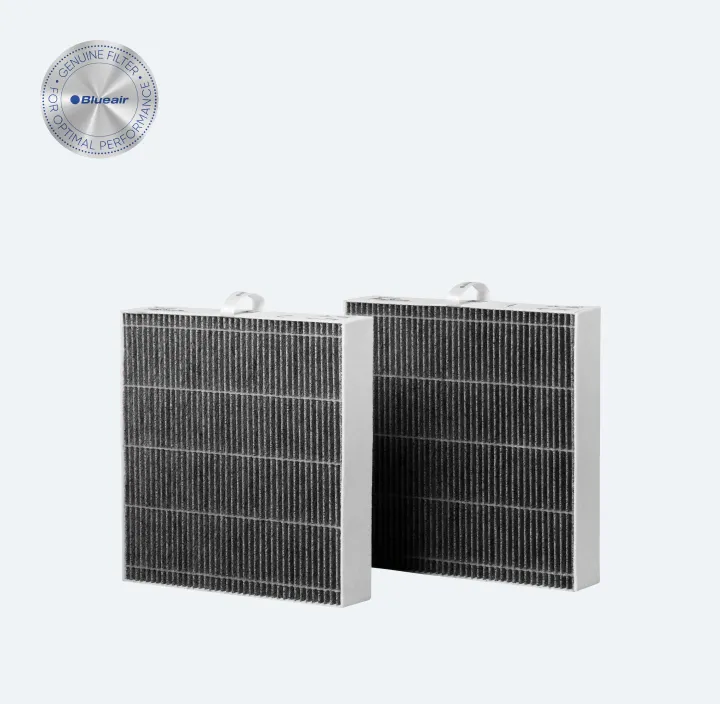
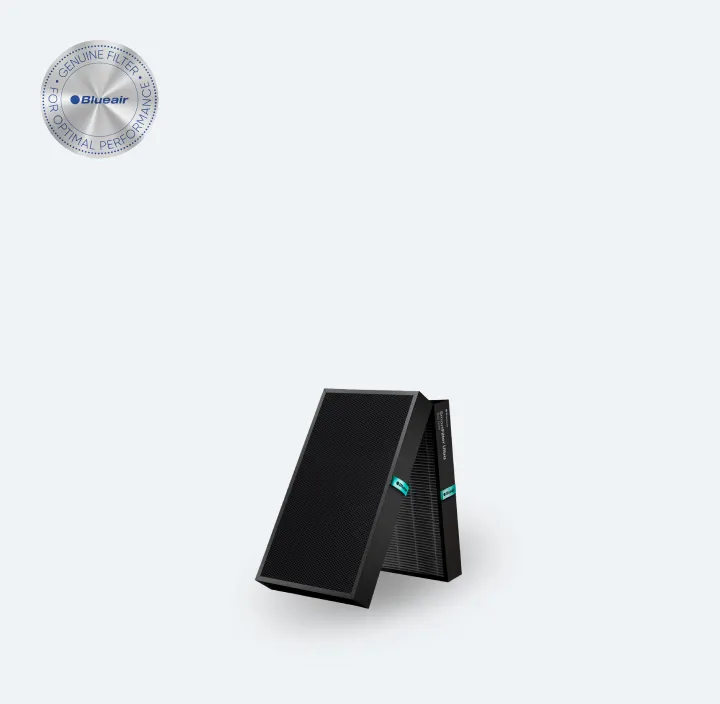
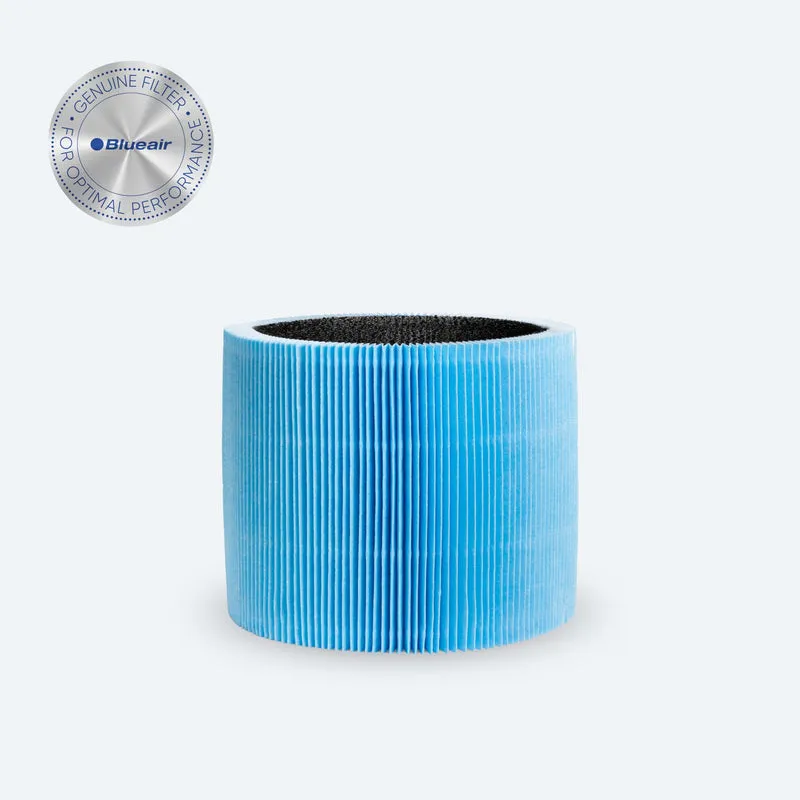
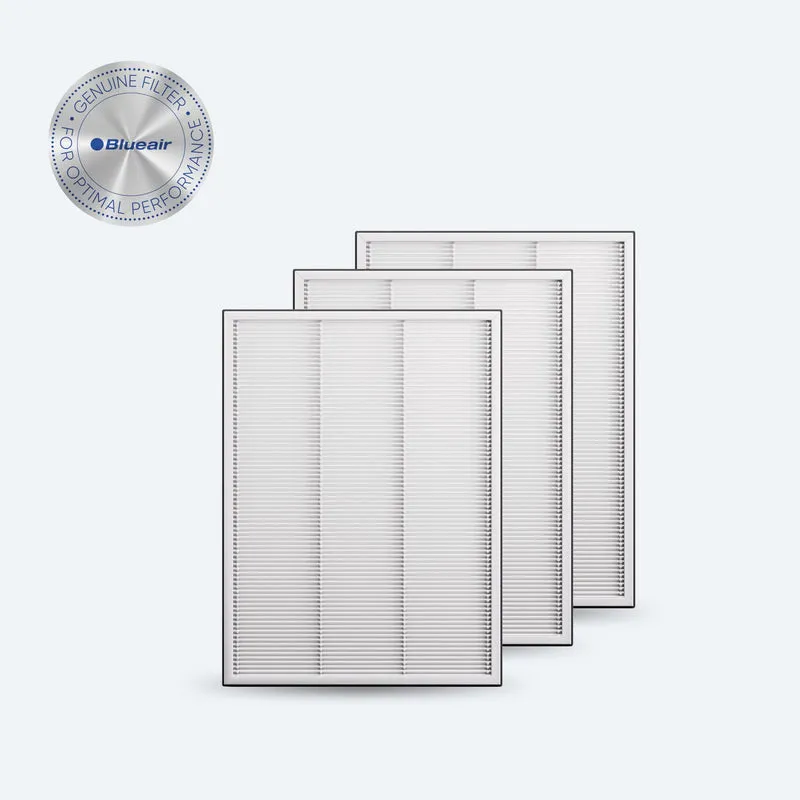
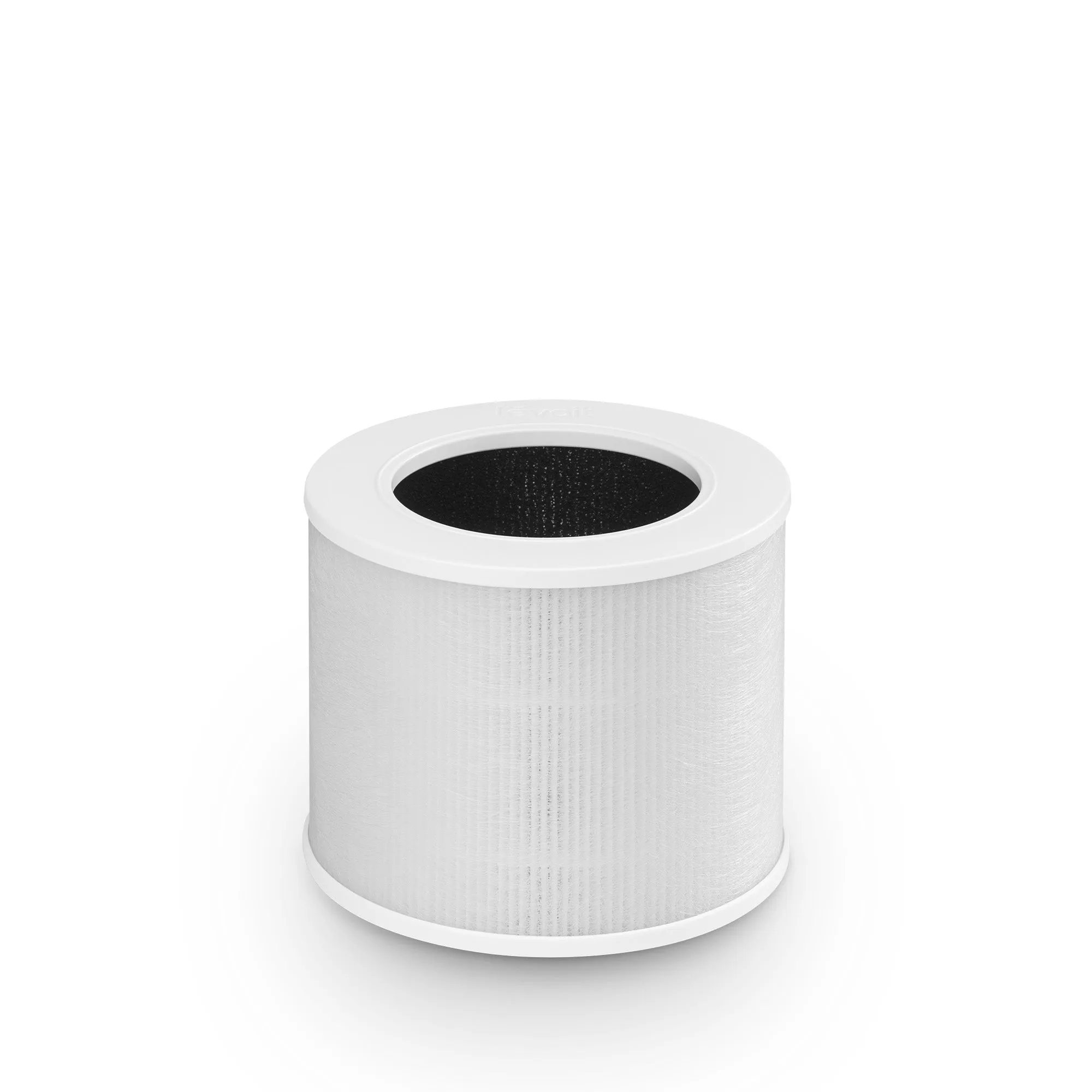
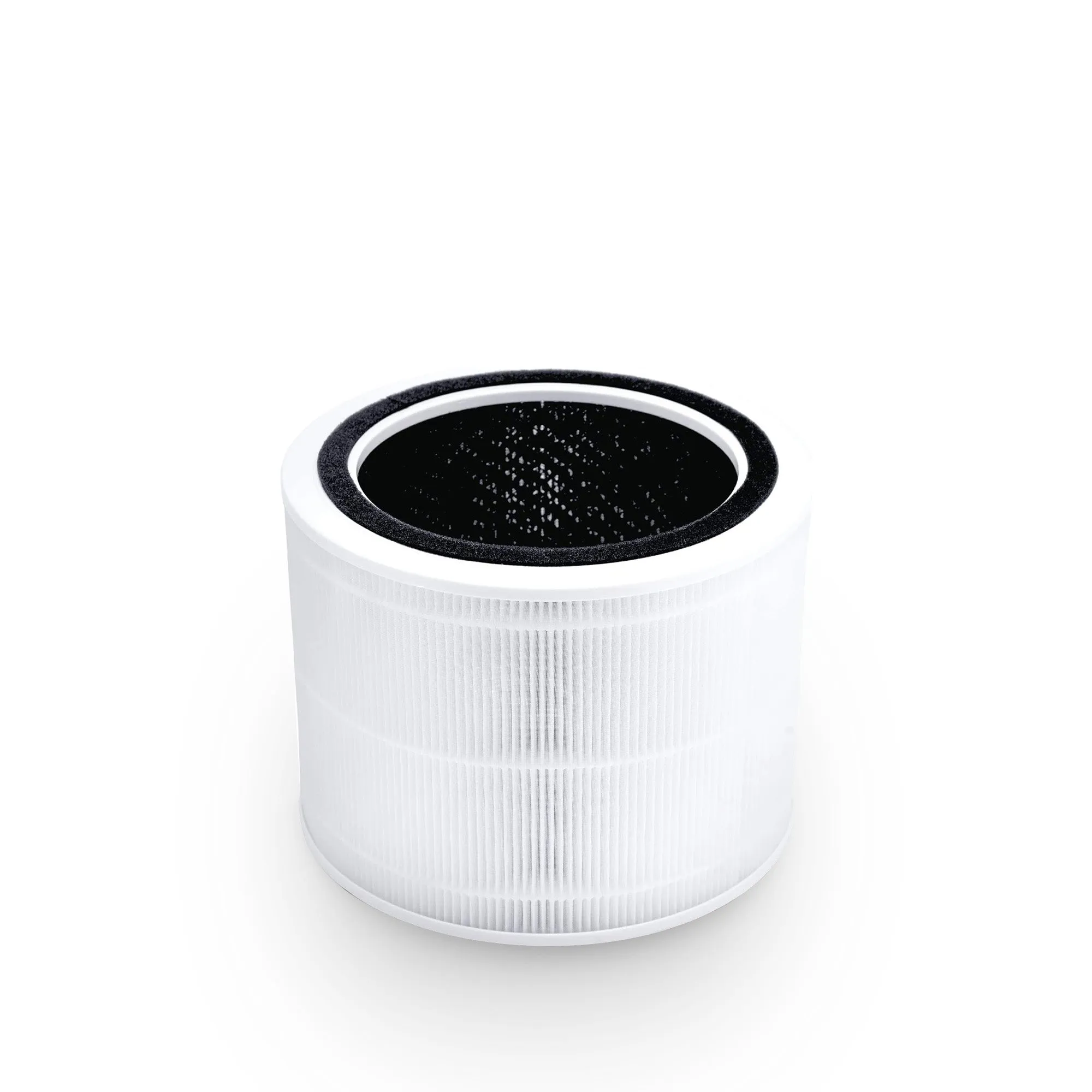
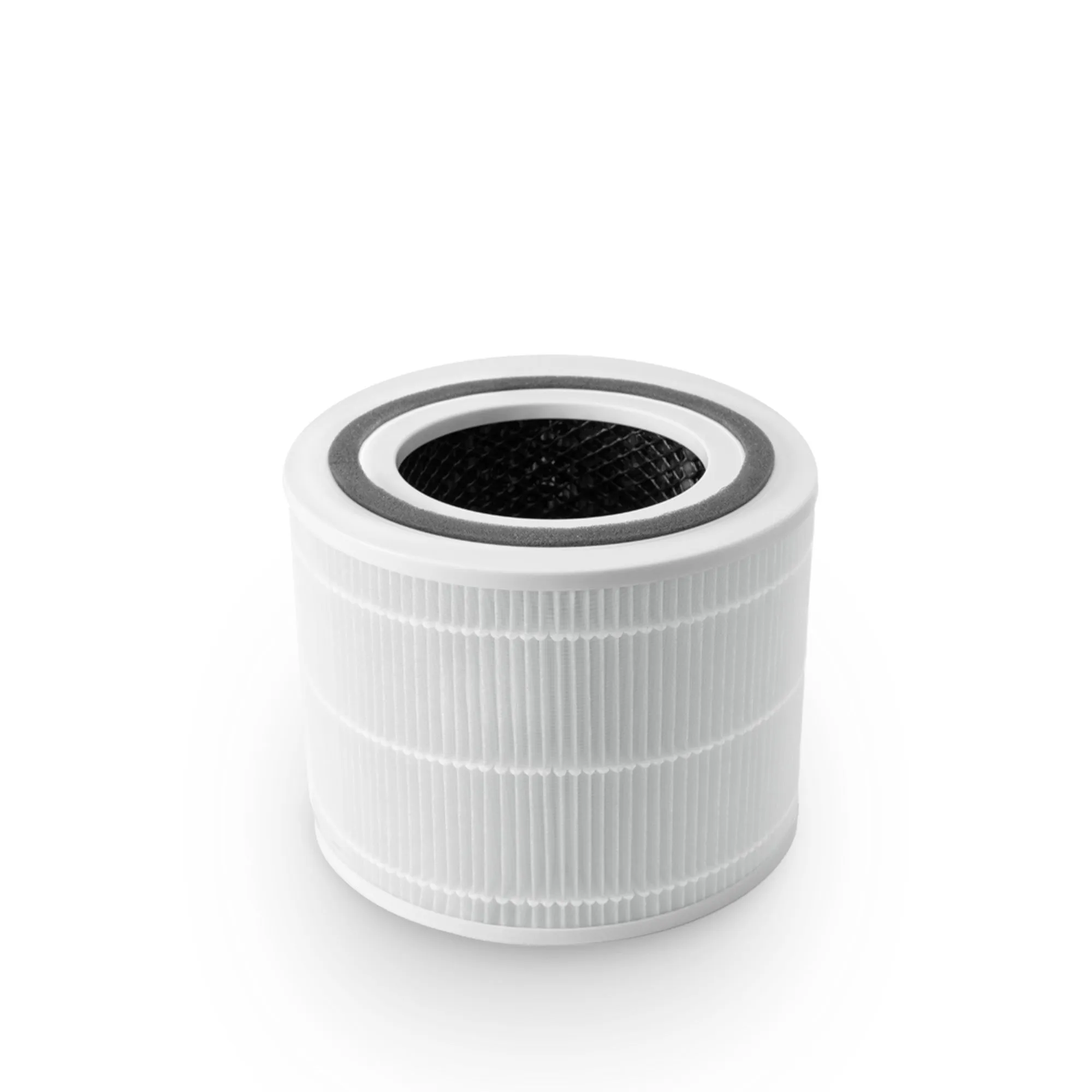
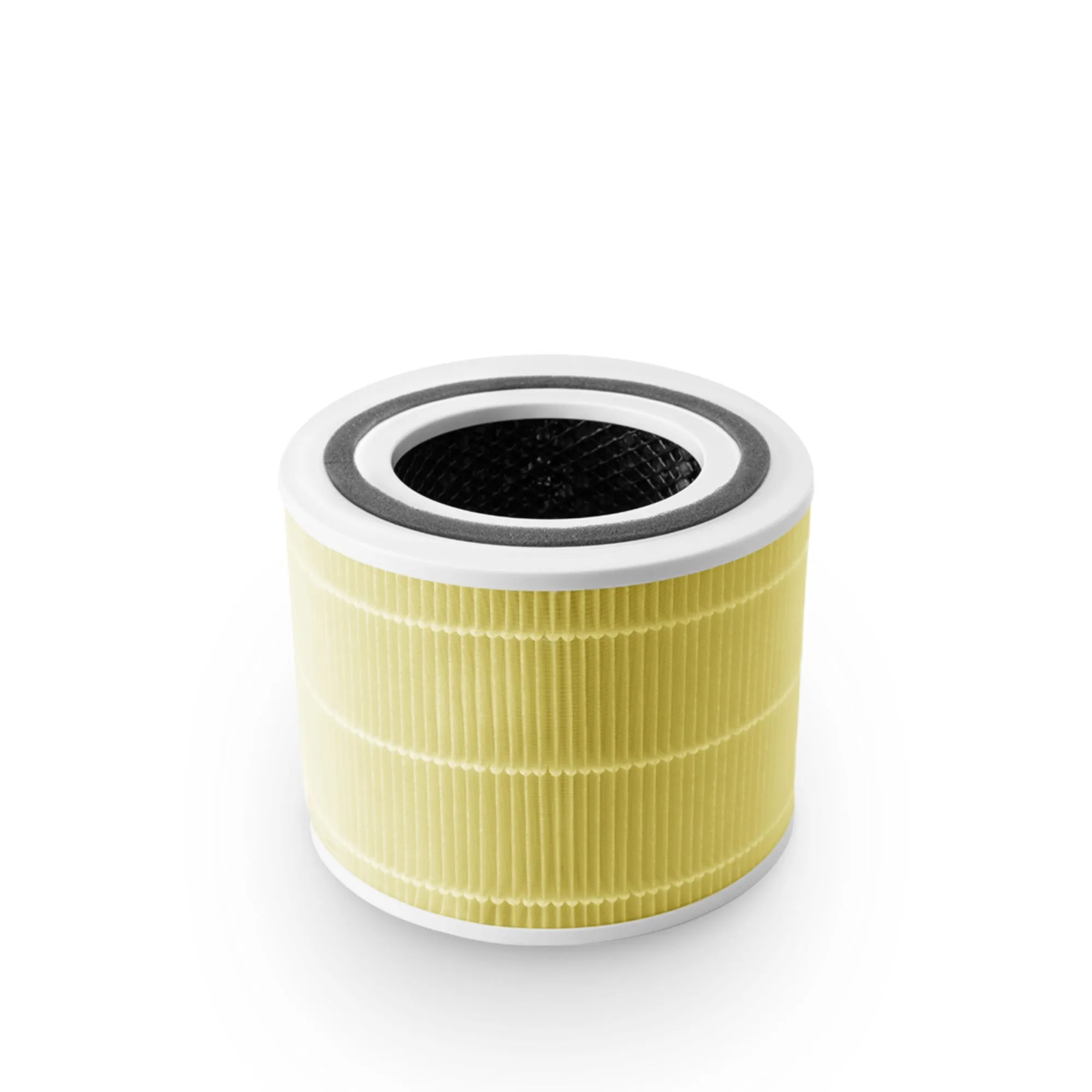
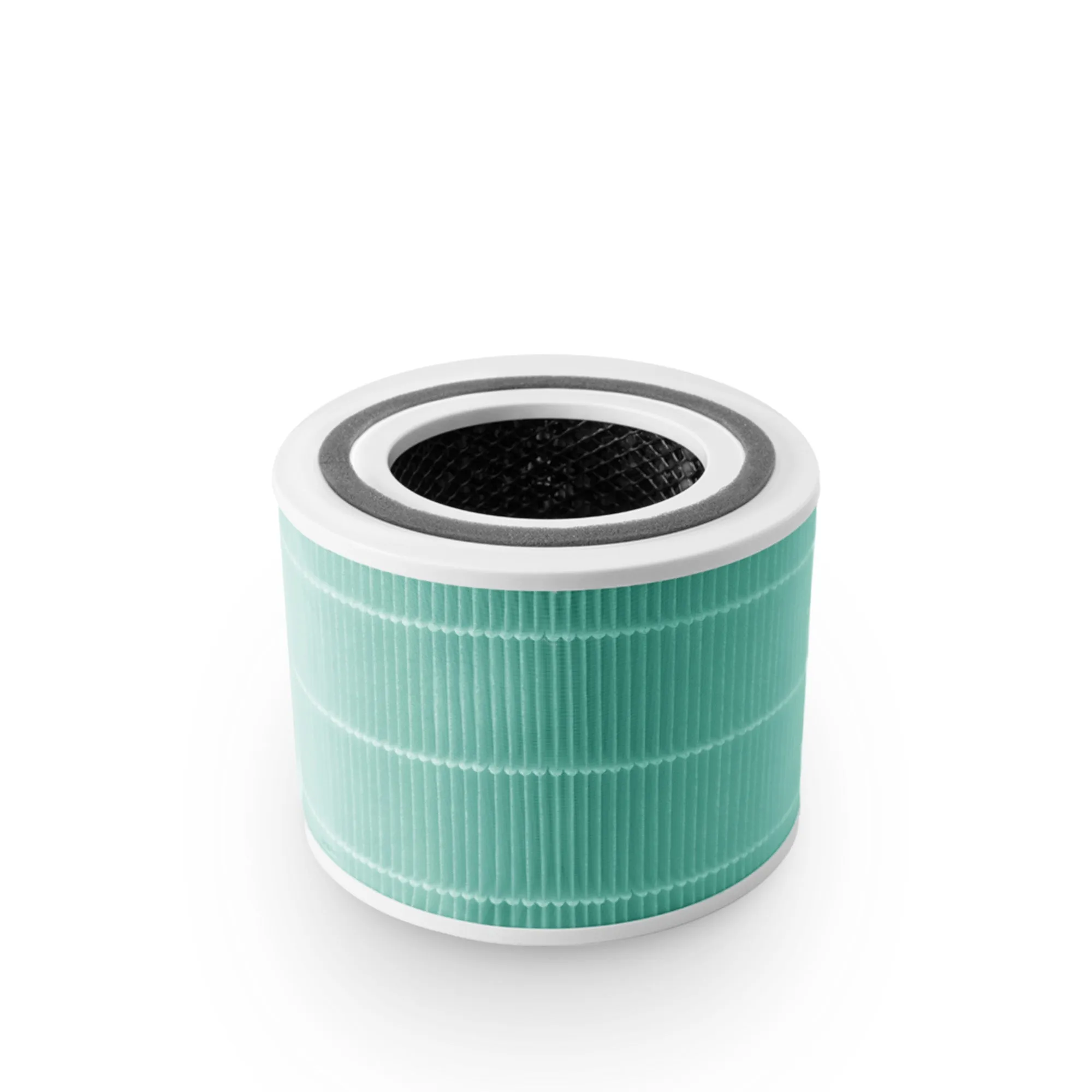
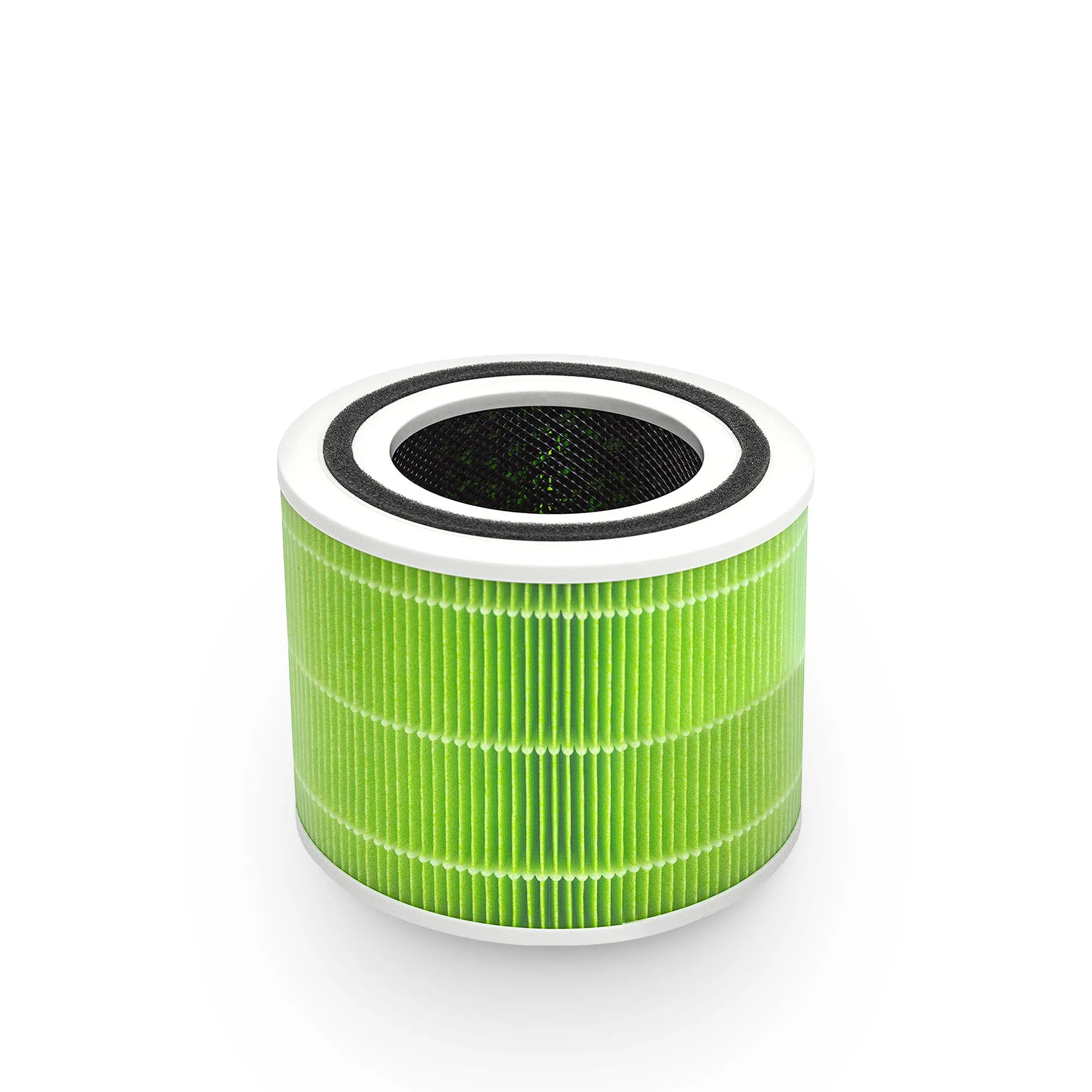
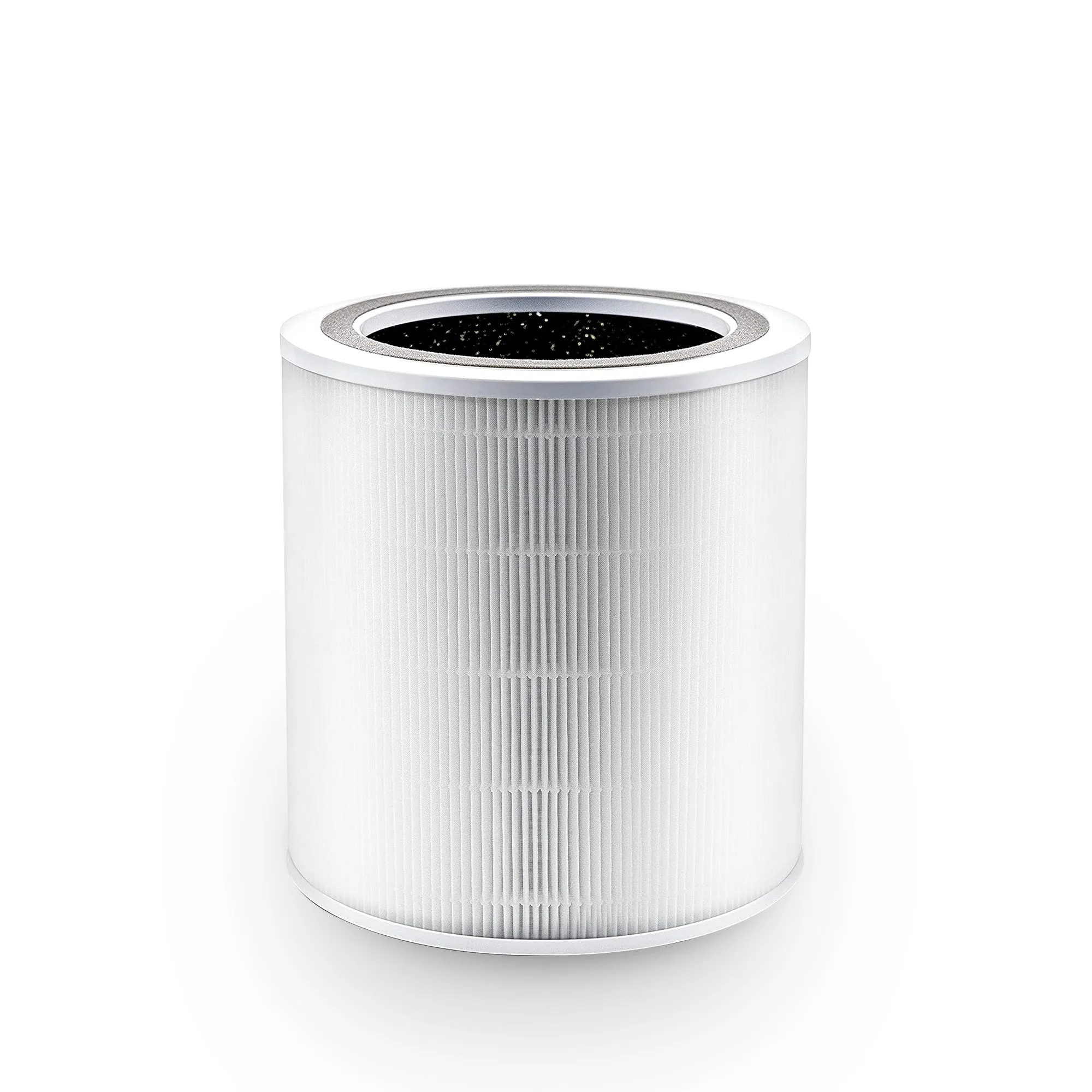
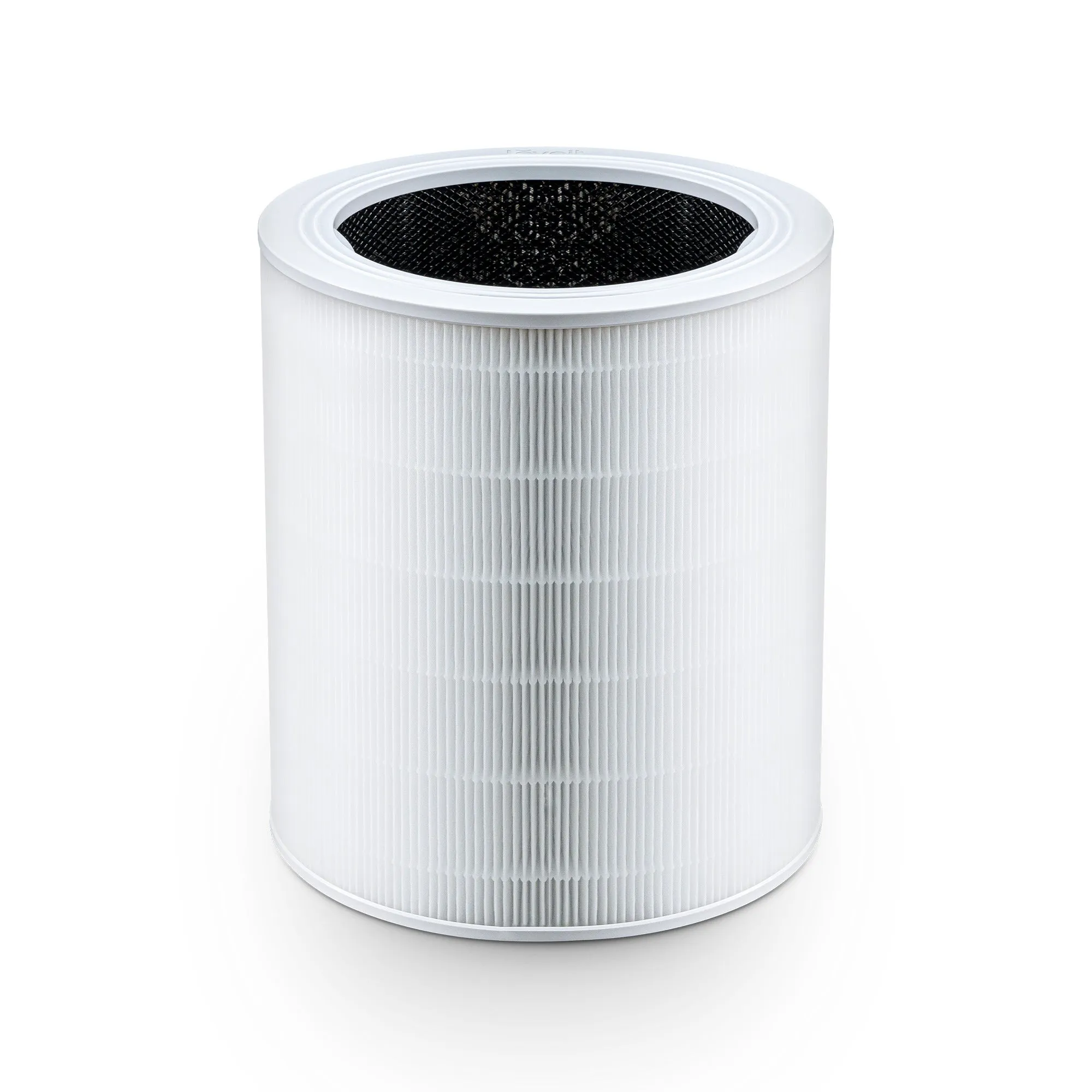
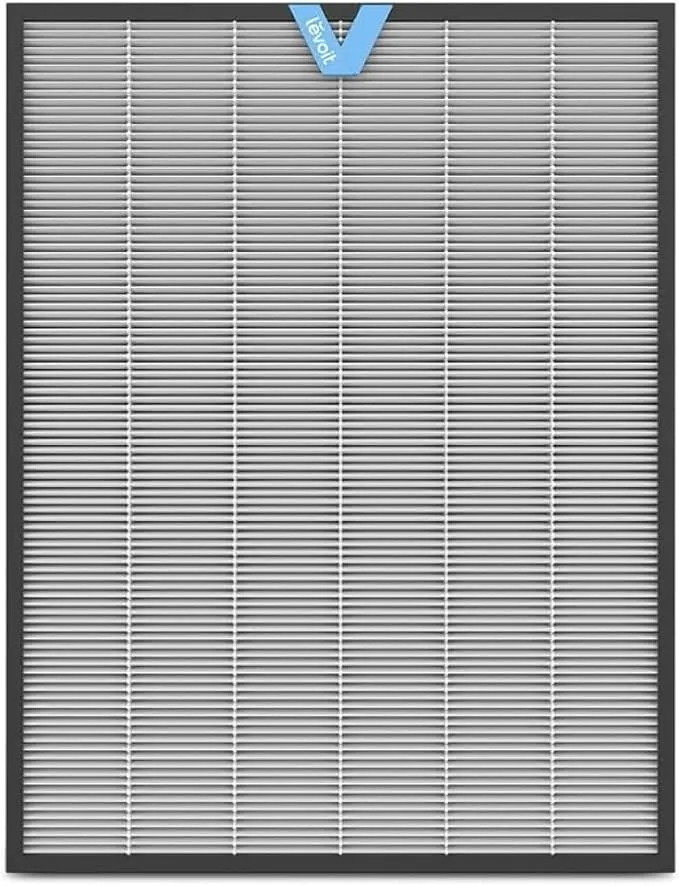
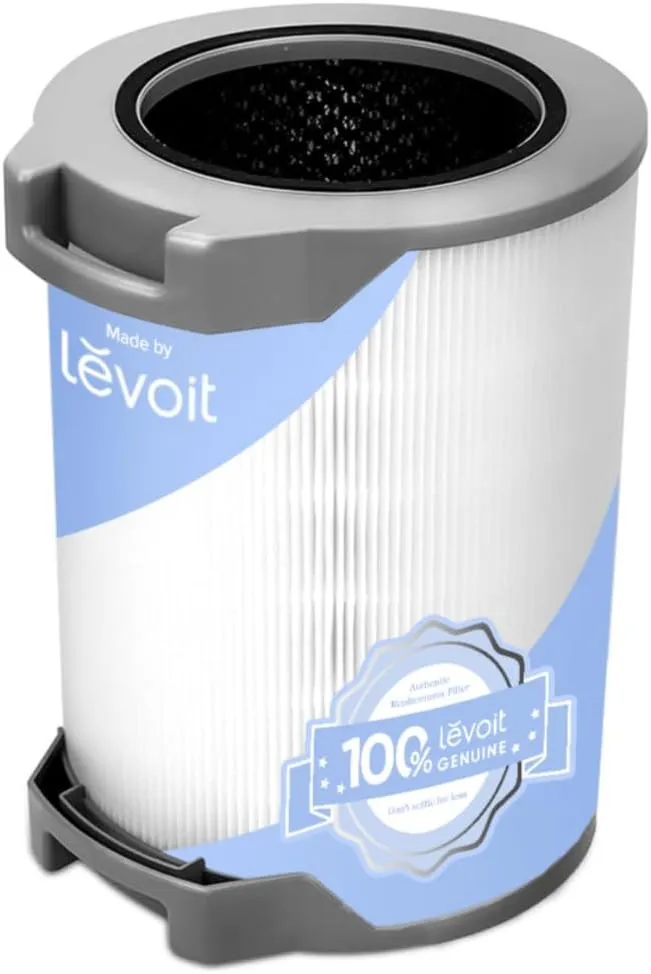
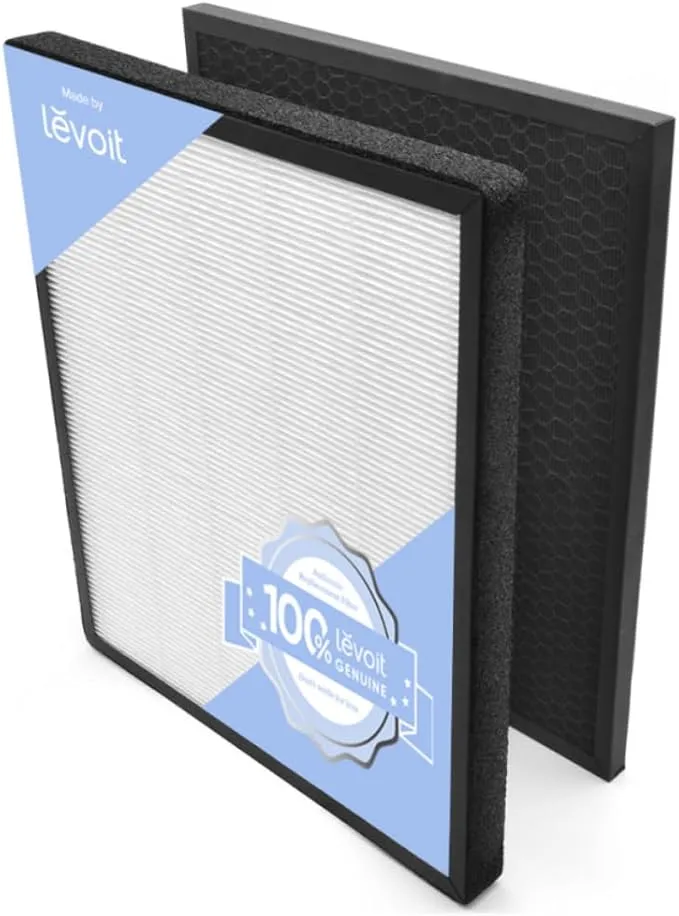
- HEPA filters (H13 or H14 grade): These capture at least 99.95% of particles down to 0.3 microns, covering dust, pollen, mould spores, and fine particulate matter
- Activated carbon filters: Essential for absorbing VOCs and odours from furnishings, cleaning products, and equipment
- Smart air quality sensors: Devices that measure PM2.5, CO2, temperature, humidity, and VOCs in real time
- Demand-controlled ventilation system: Adjusts fresh air intake automatically based on occupancy and CO2 readings, as recommended for compliance and efficiency
- Centralised monitoring platform: Software or a dashboard that logs all sensor data with timestamps for compliance records
- Replacement filter stock: Keeping spares on site avoids compliance gaps caused by delayed deliveries
Key pollutants to measure in UAE offices
| Pollutant | Why it matters | UAE target threshold |
|---|---|---|
| PM2.5 | Respiratory health, fine dust from outside | Below 35 µg/m³ (24-hour average) |
| CO2 | Cognitive function, ventilation indicator | Below 1,000 ppm in occupied spaces |
| VOCs (total) | Emitted by furniture, paints, cleaning agents | Below 300 µg/m³ |
| Formaldehyde | Off-gassing from new fit-outs | Below 0.1 ppm |
| Relative humidity | Mould risk, comfort | 40% to 60% RH |
Preparing your office space
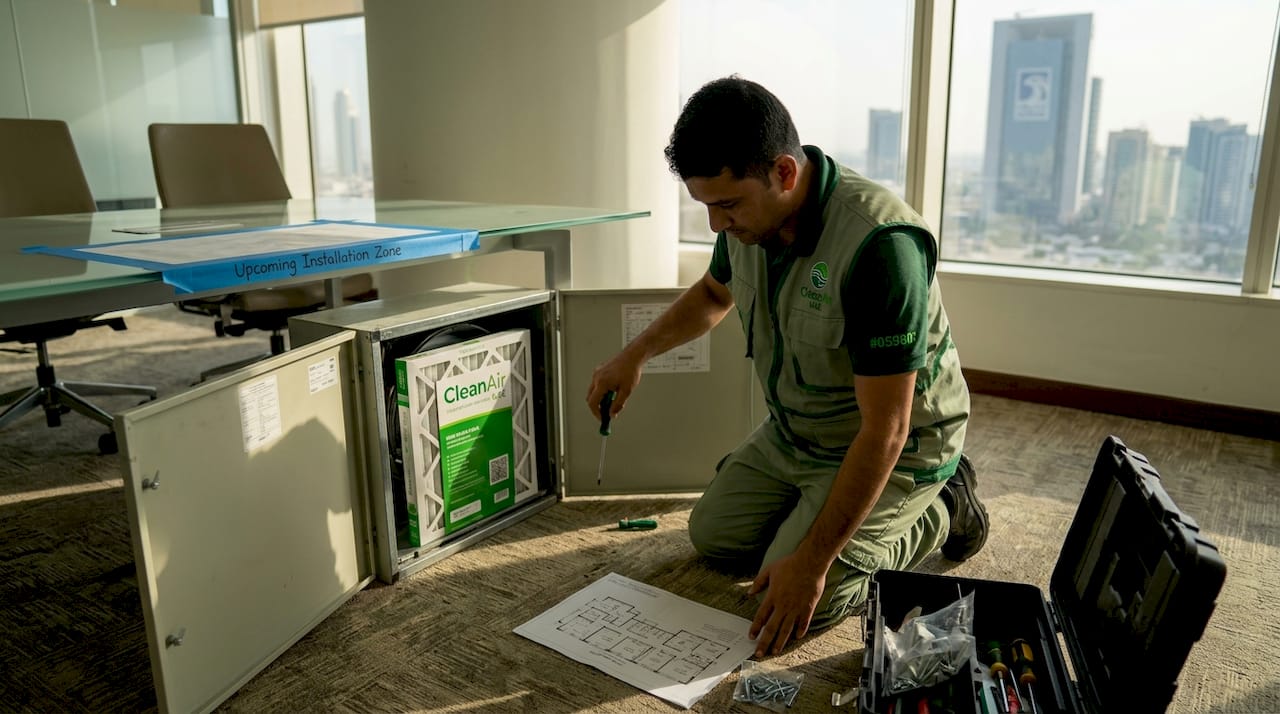
Before installation, check that your air handling units are accessible and serviced. Map the floor plan to identify high-occupancy zones such as meeting rooms, open-plan desks, and reception areas. These spots need sensor placement priority. Confirm that power outlets and network connections are available near intended sensor positions, as wireless sensors still need charging or a power source in many models.
Pro Tip: Select filtration and monitoring systems that offer a centralised dashboard accessible by multiple administrators. If a staff member leaves, compliance records stay with the system, not with an individual’s spreadsheet.
Step-by-step: Setting up air filtration in your office
Now that you have your equipment and your workspace mapped, the installation process follows a logical sequence. Skipping steps here typically creates problems at the validation stage.
Step-by-step setup process
-
Audit existing HVAC and ventilation: Check air handling unit filter slots, existing ductwork condition, and current ventilation rates. Replace any degraded filters before adding new layers of filtration.
-
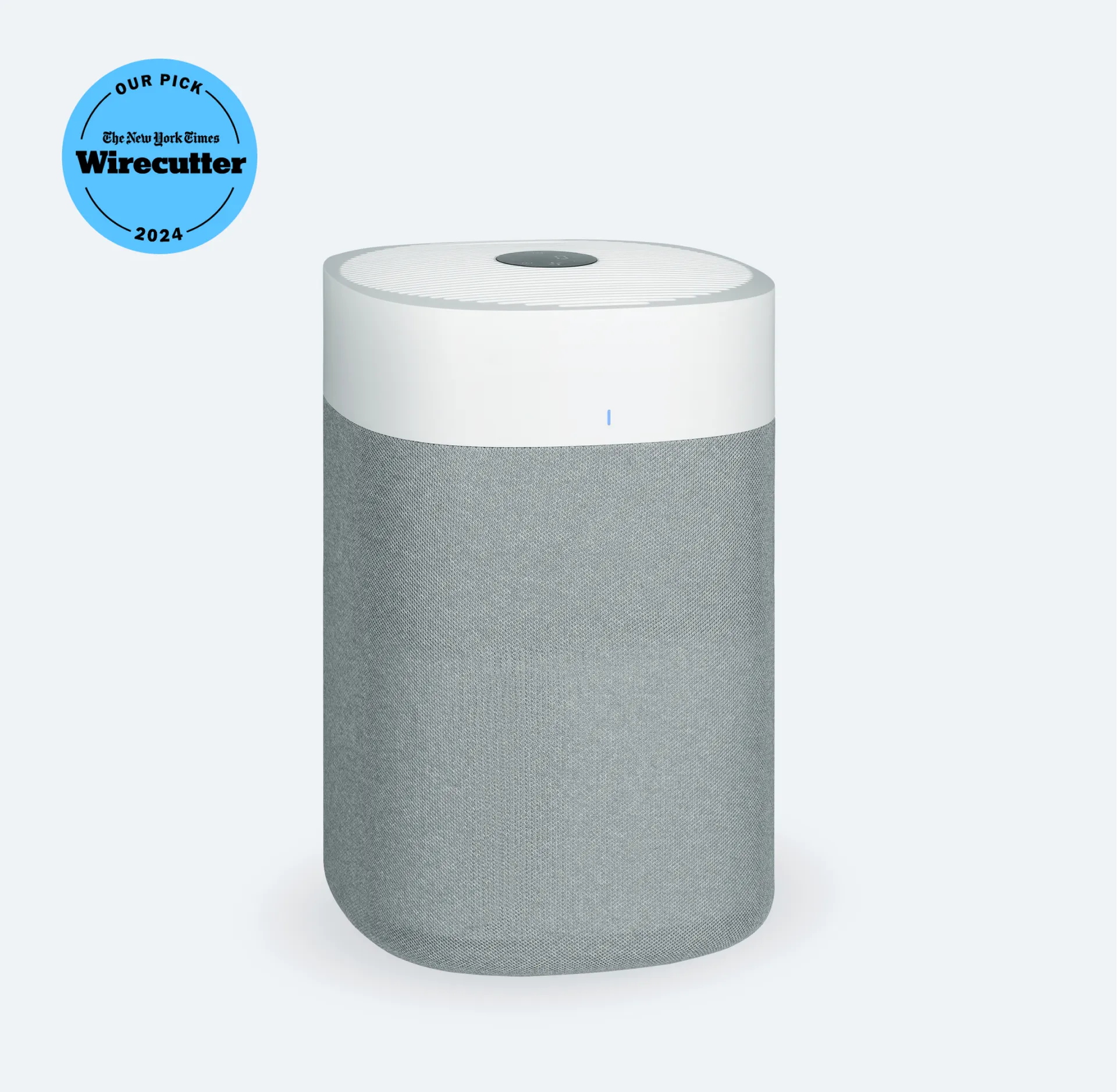
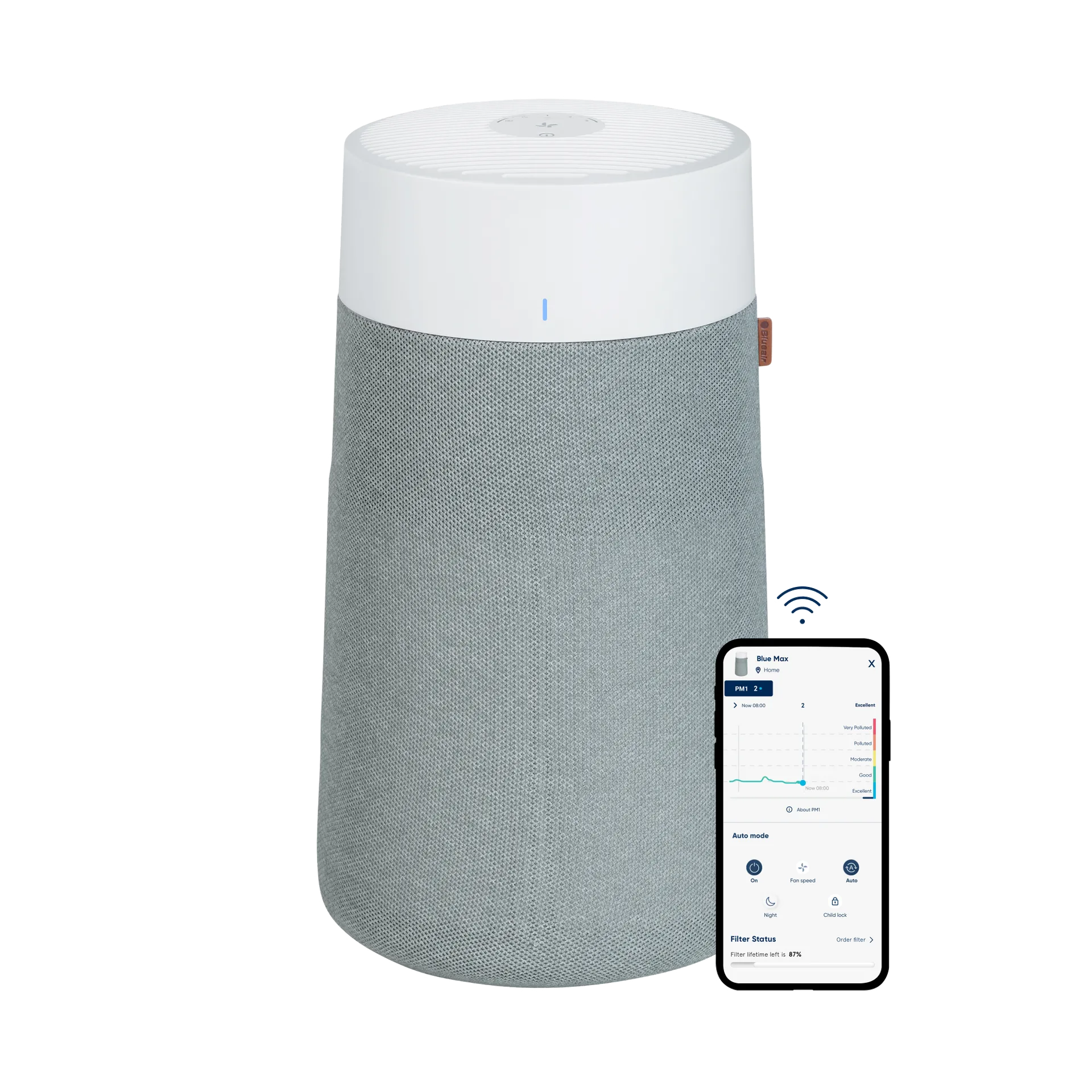
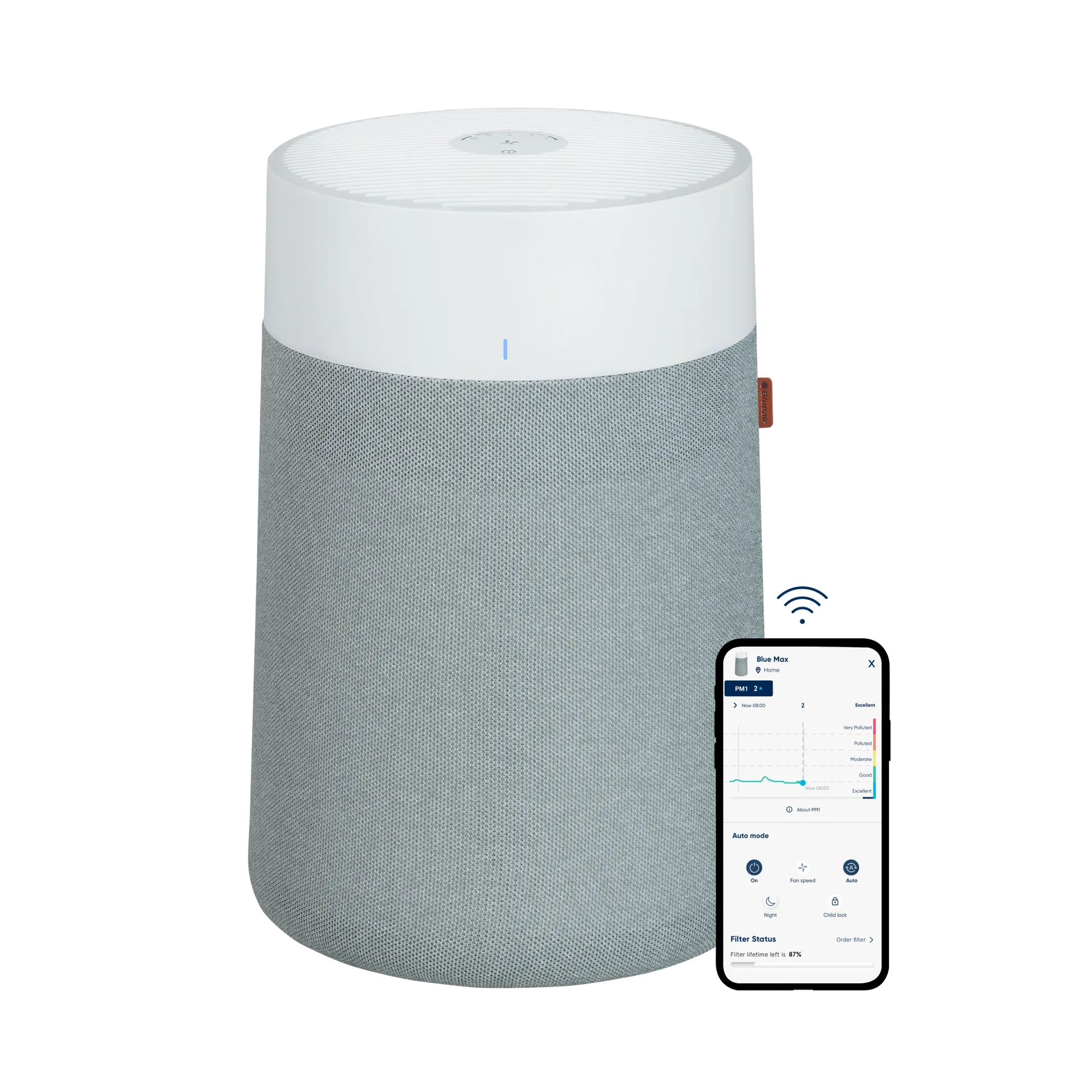
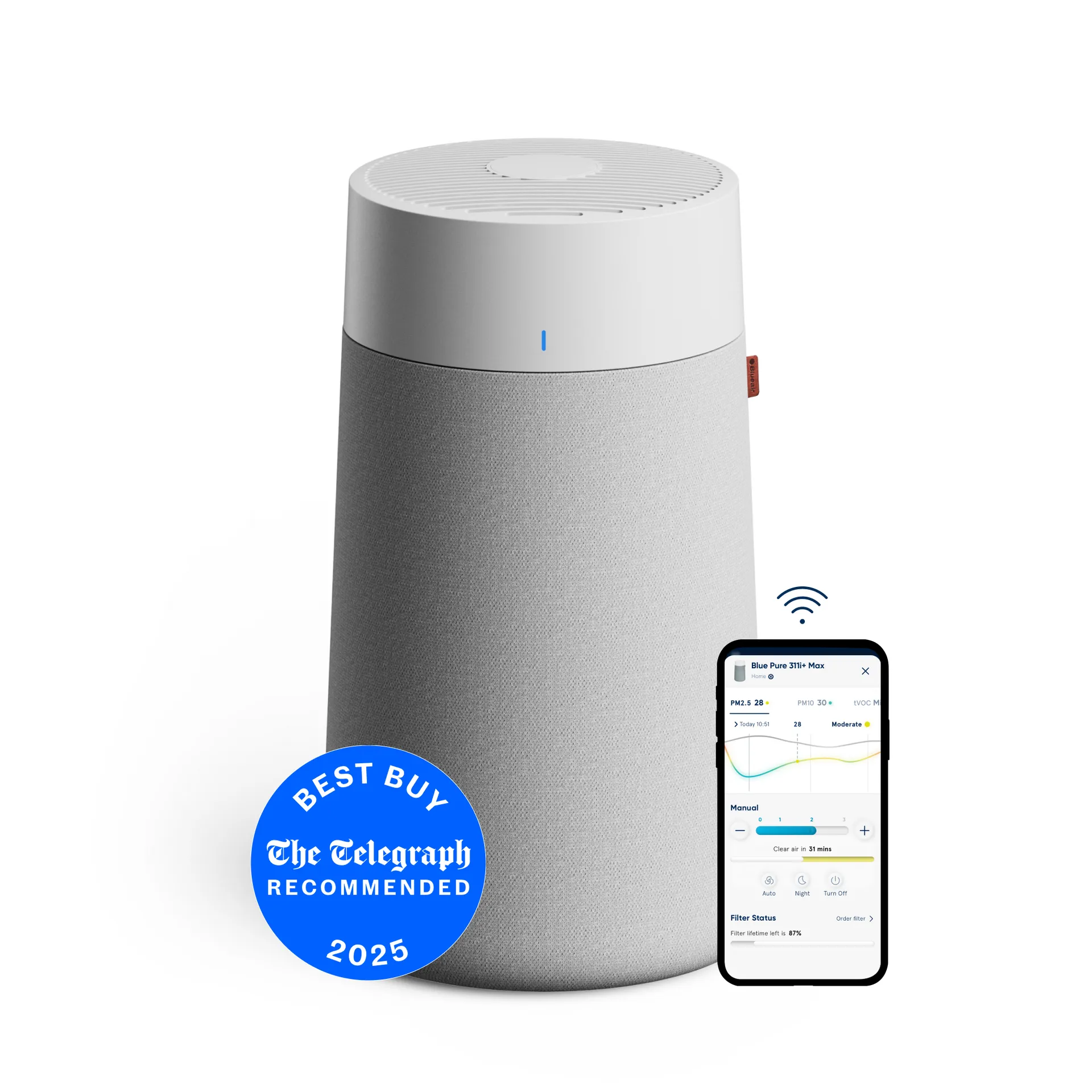
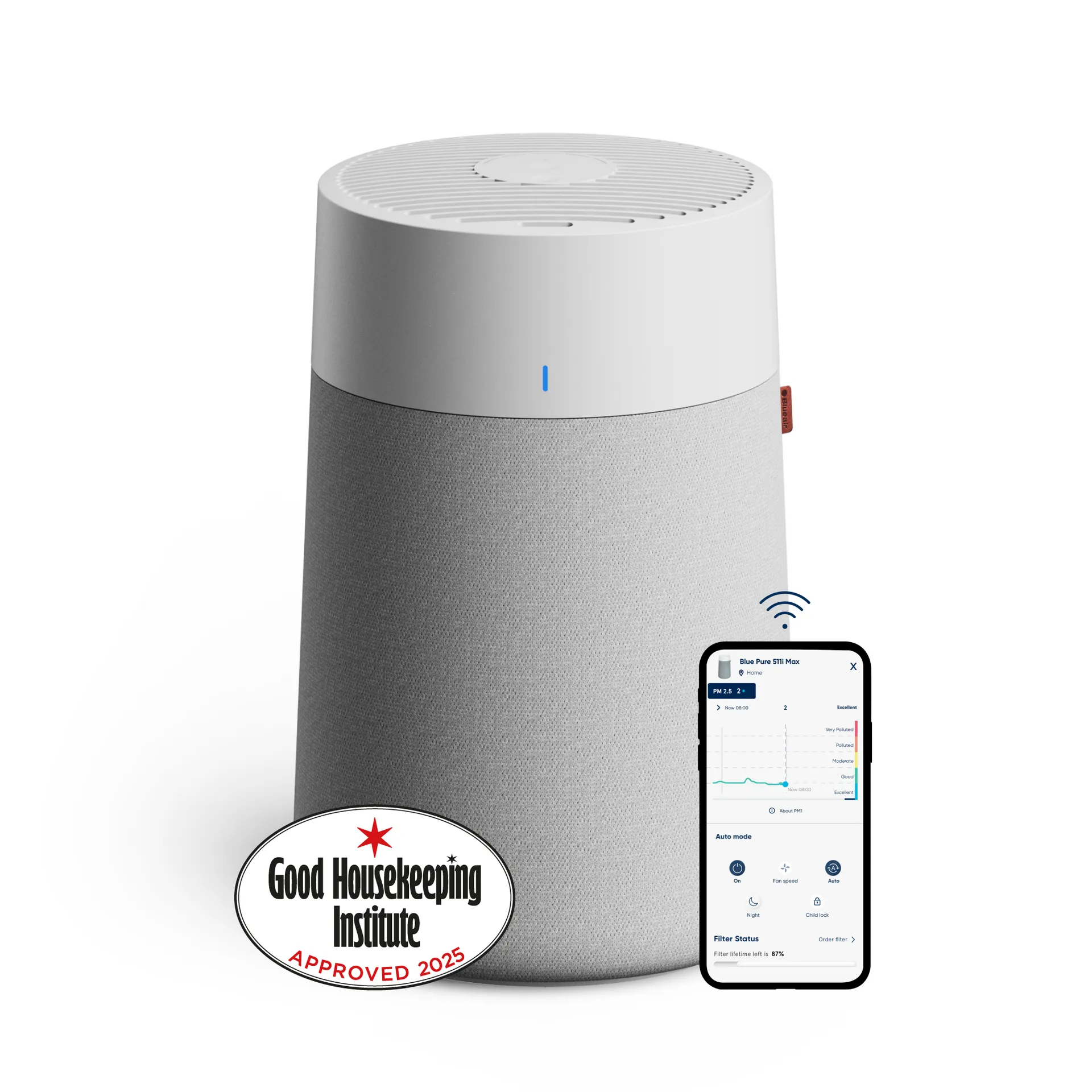
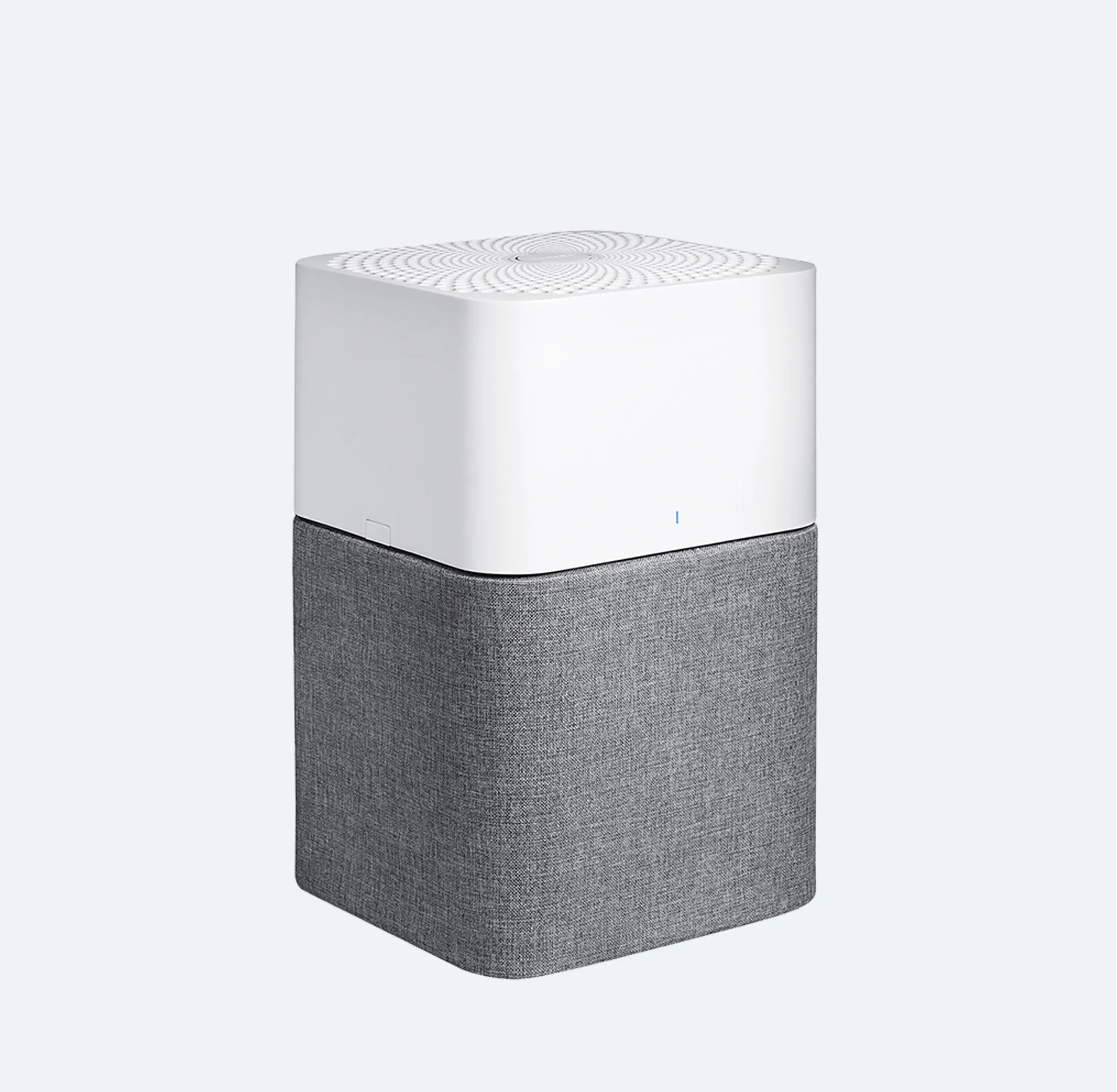
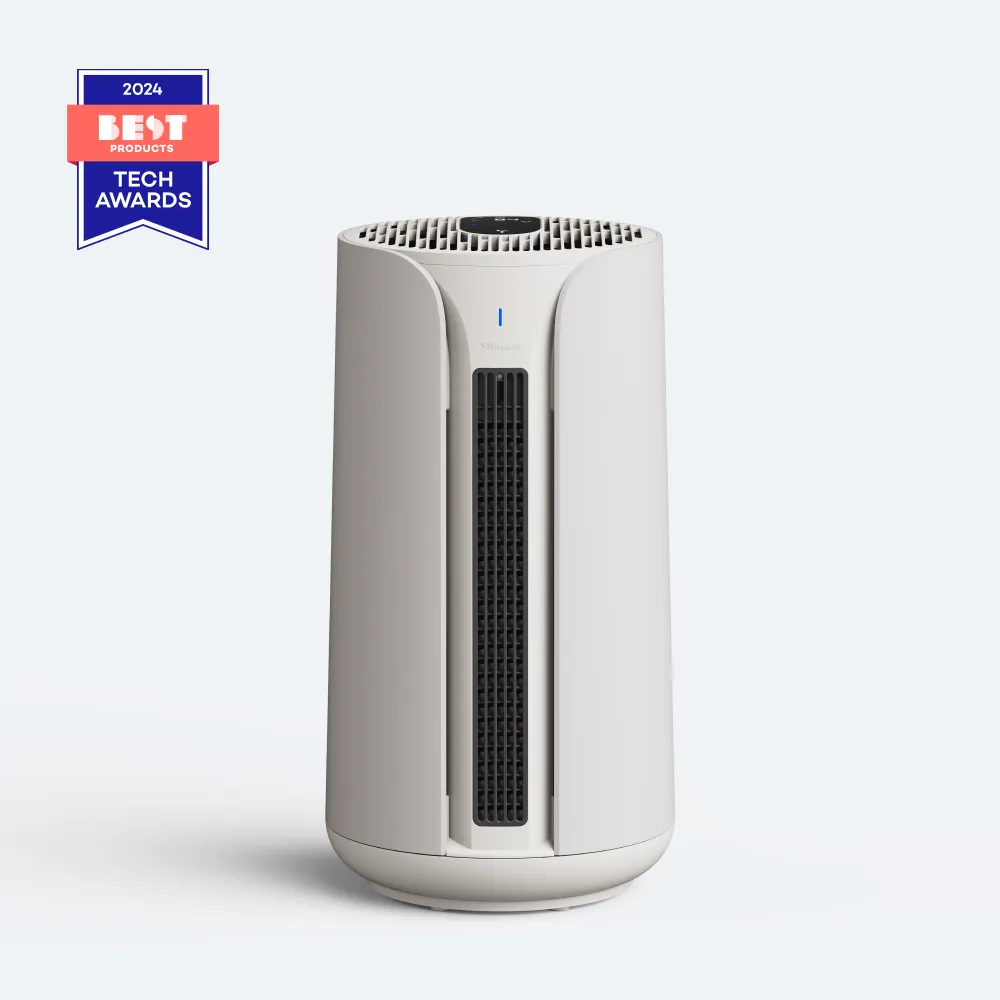
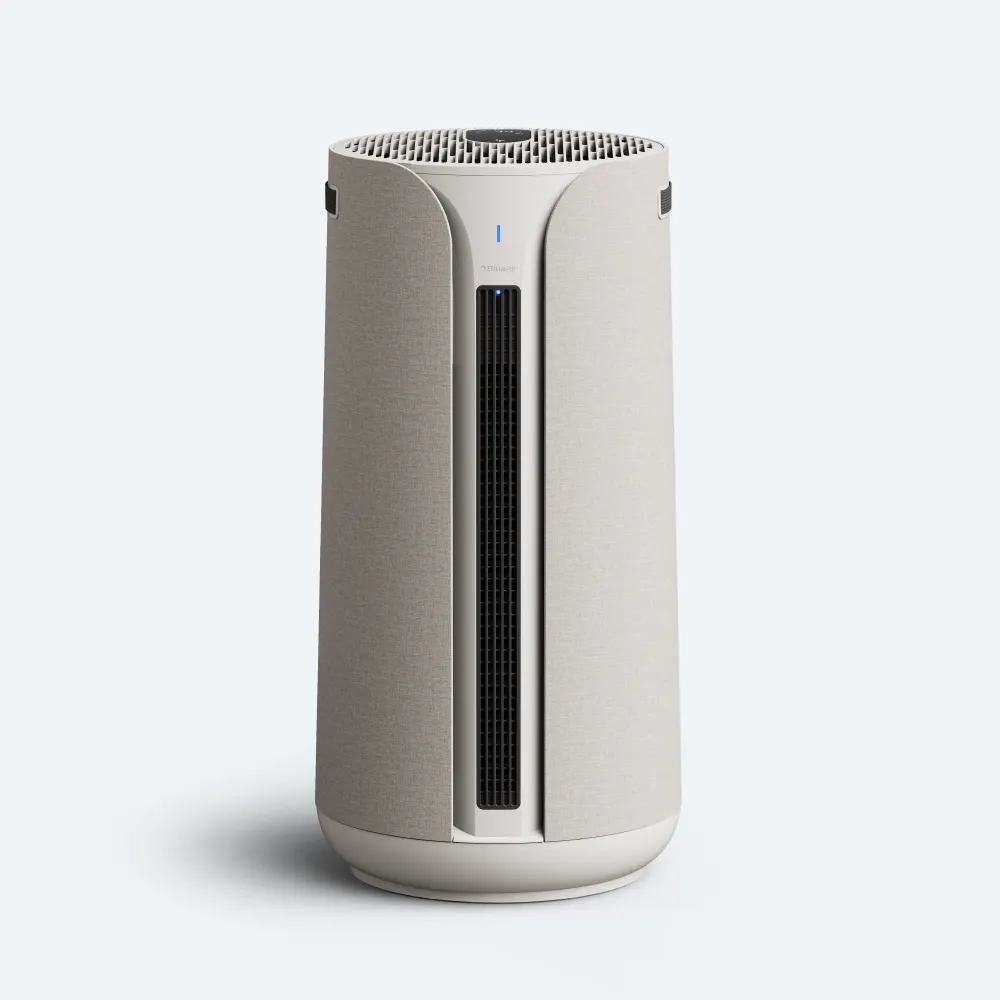
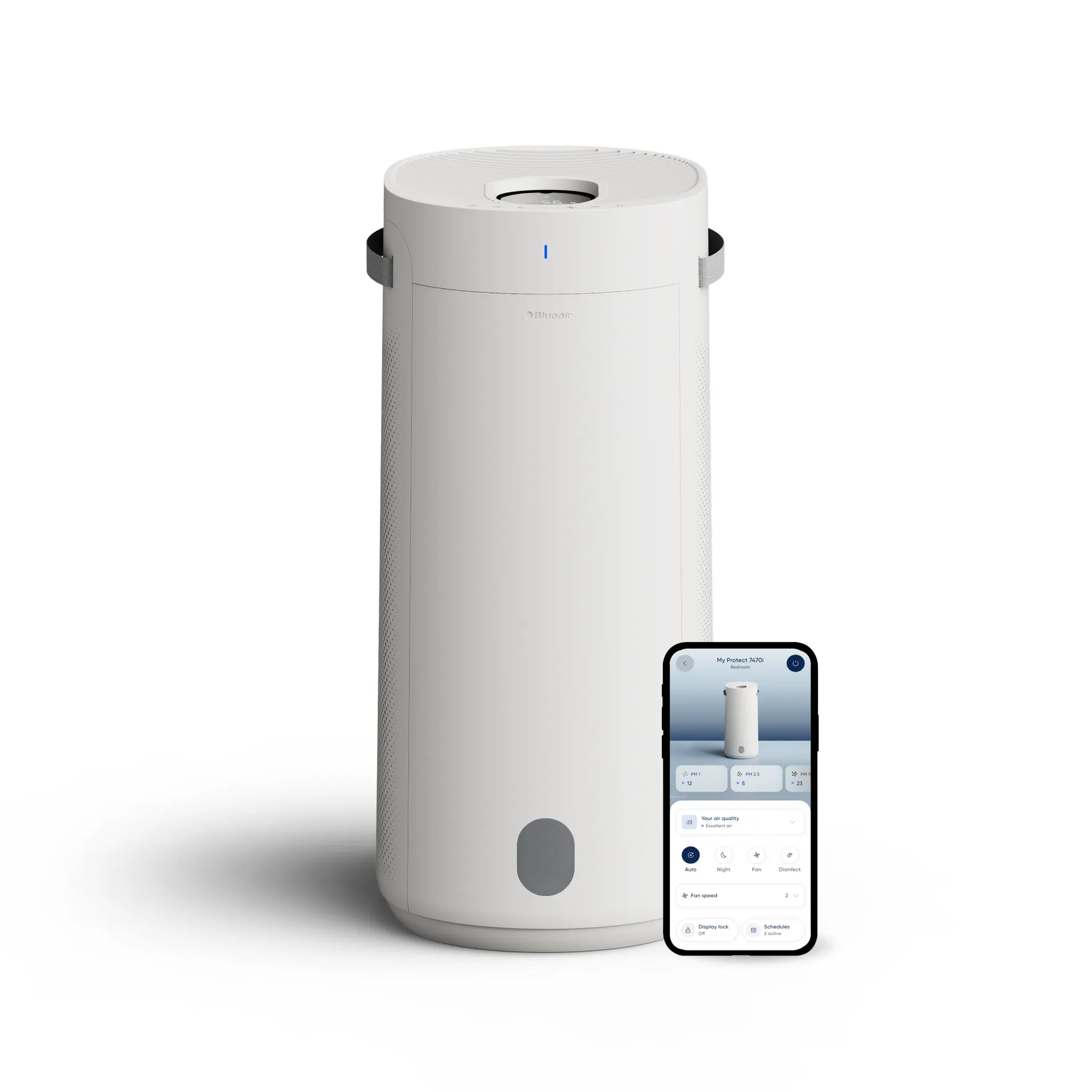
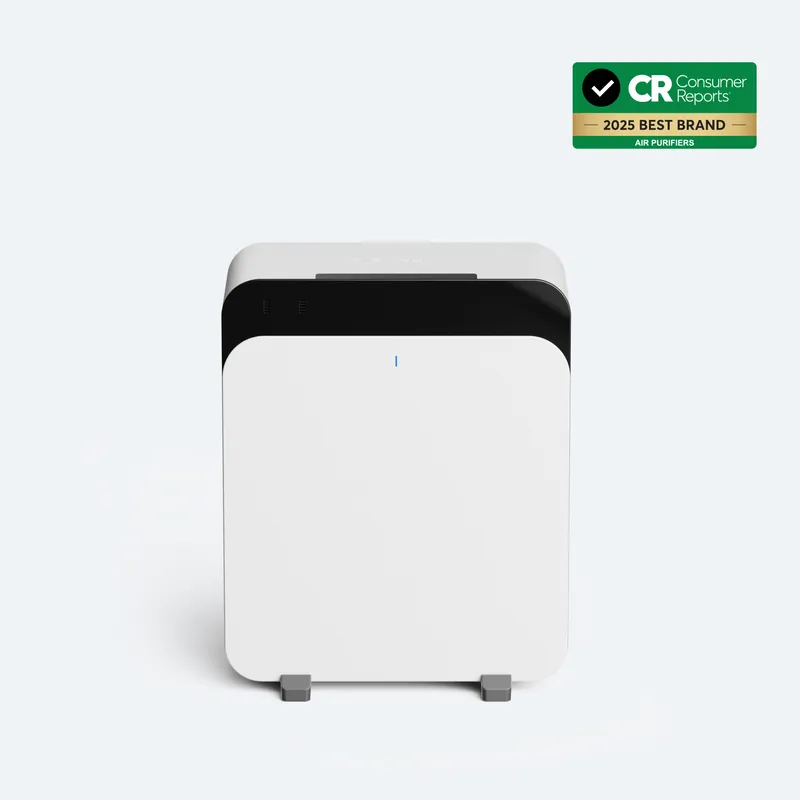
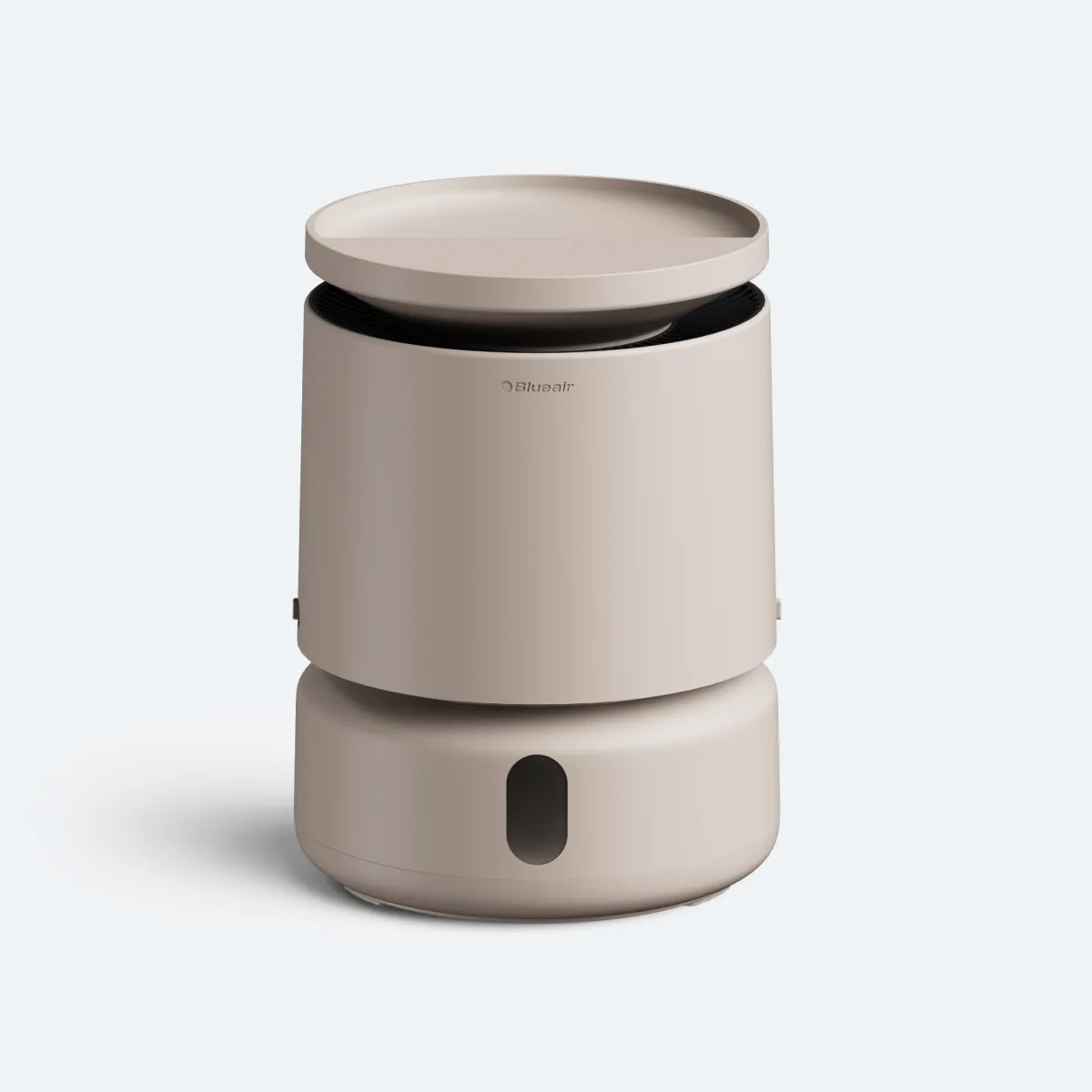
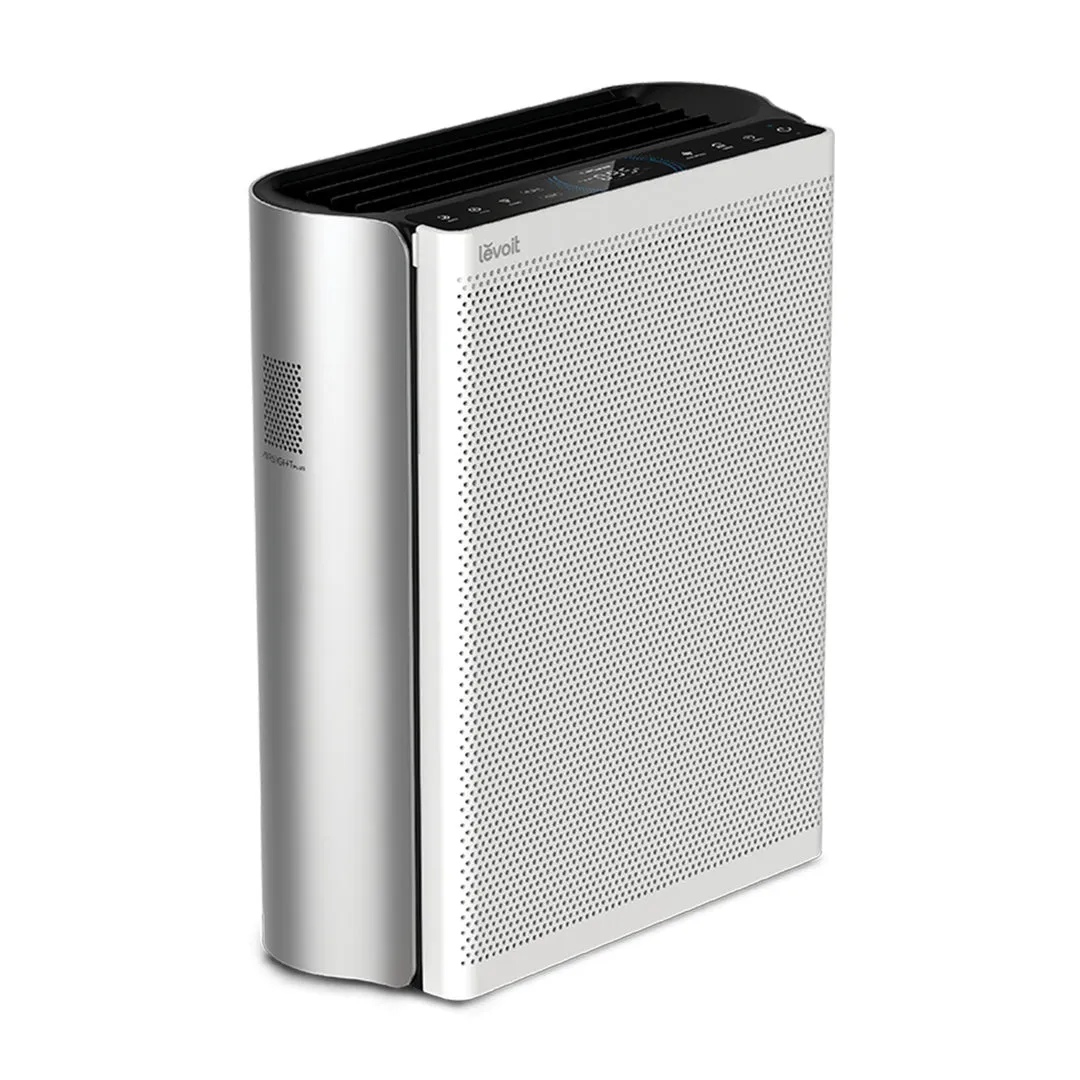
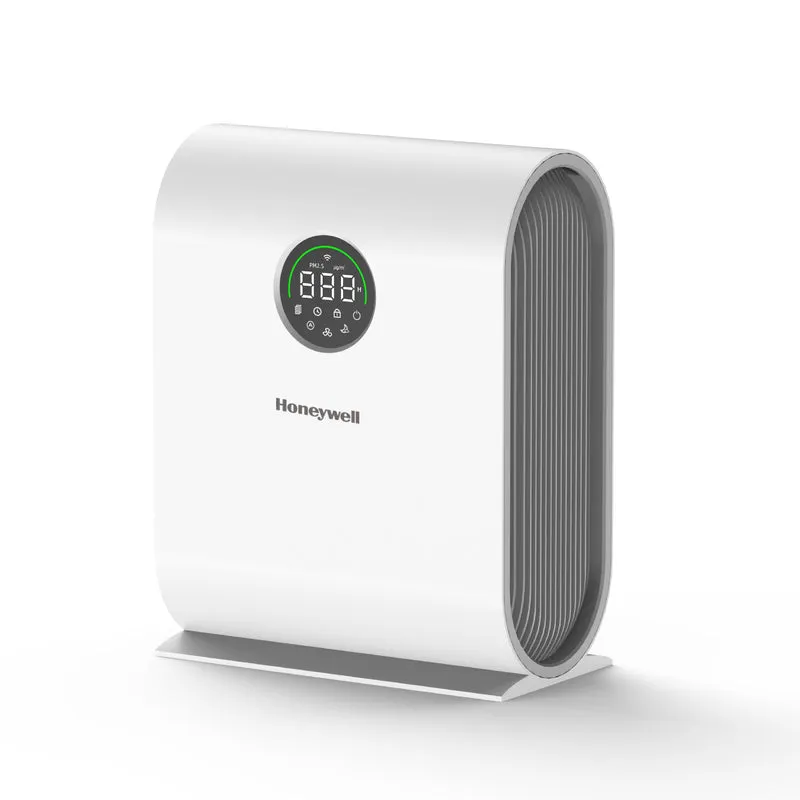
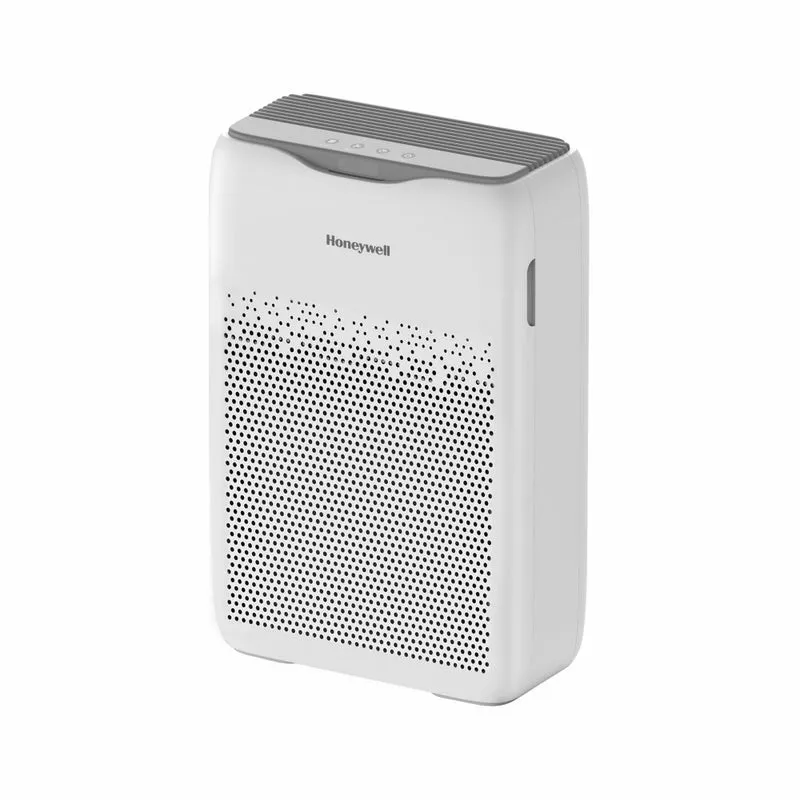
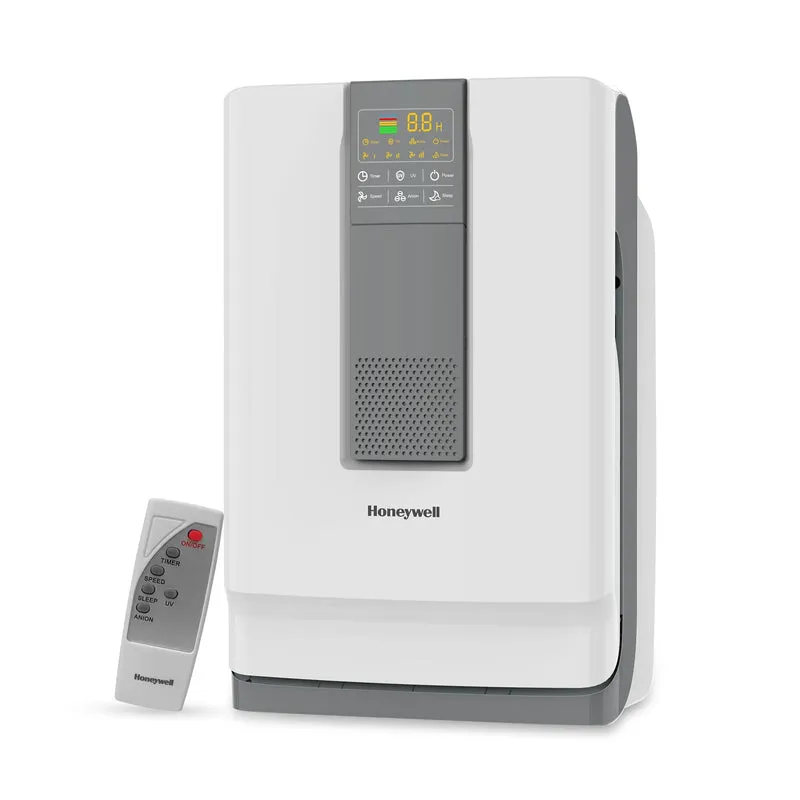
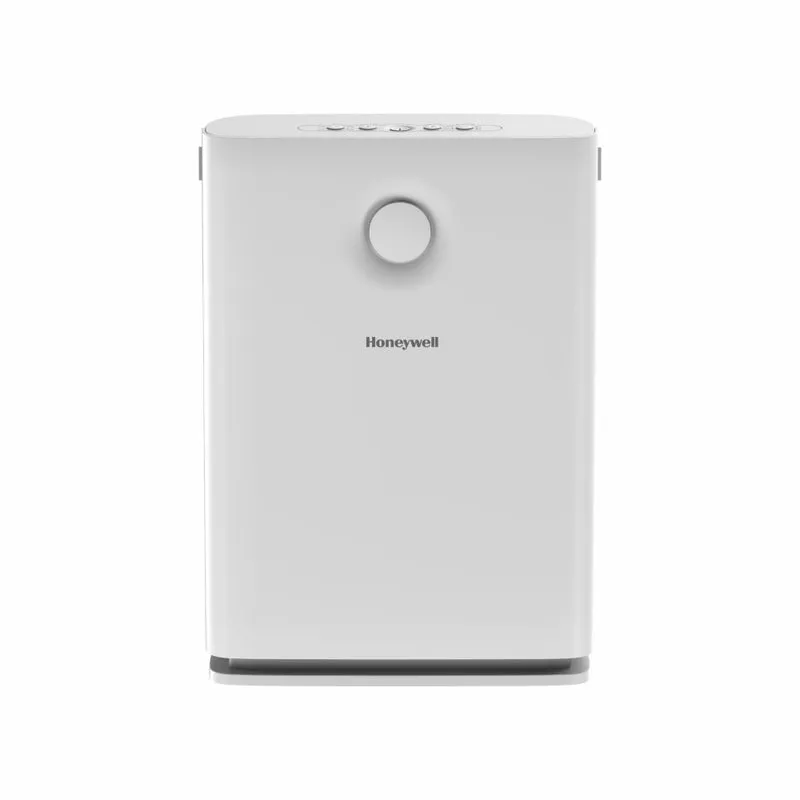
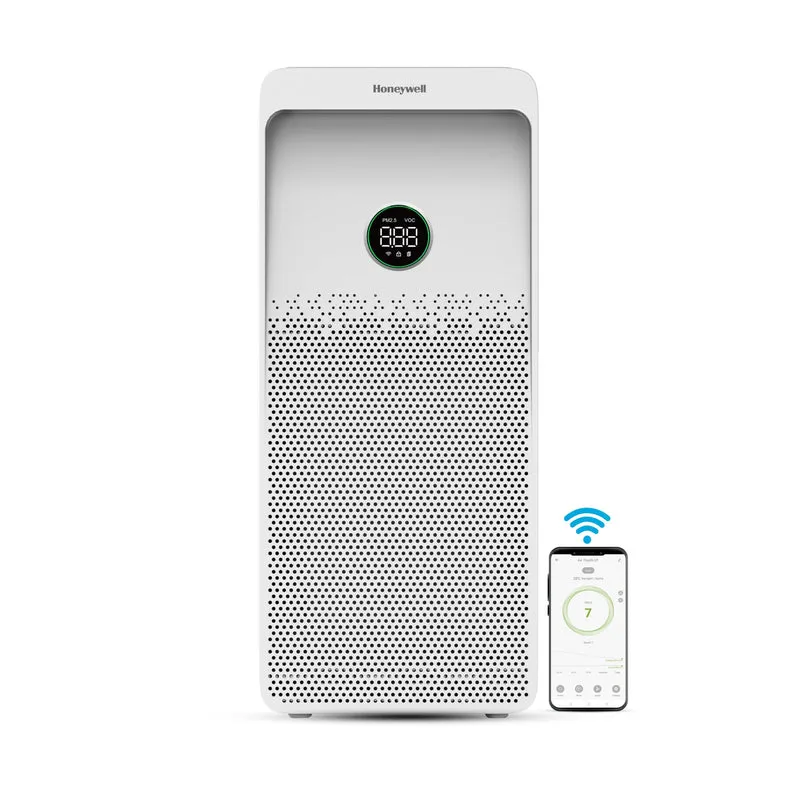
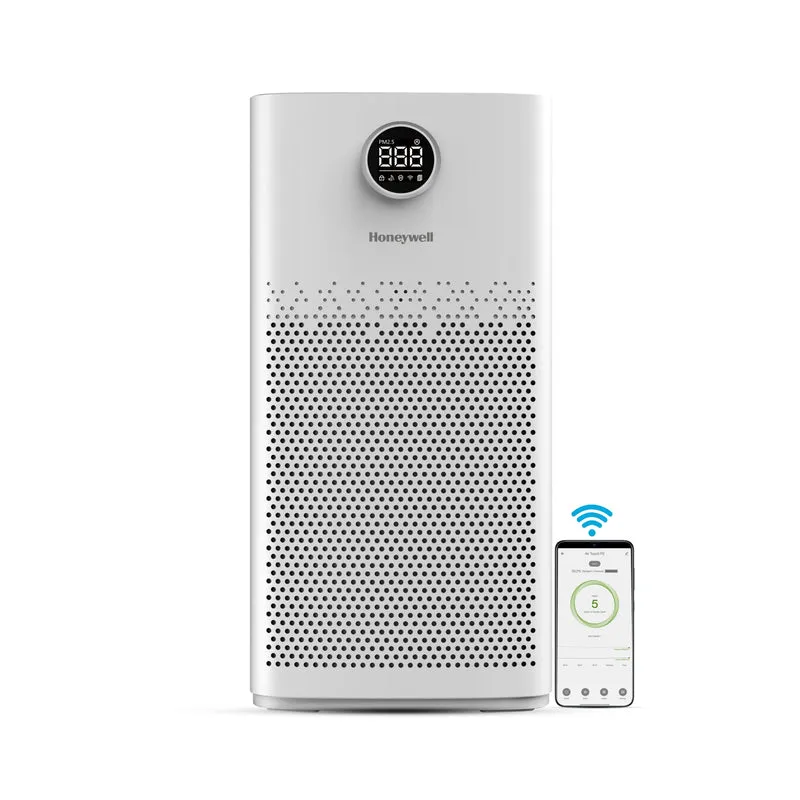
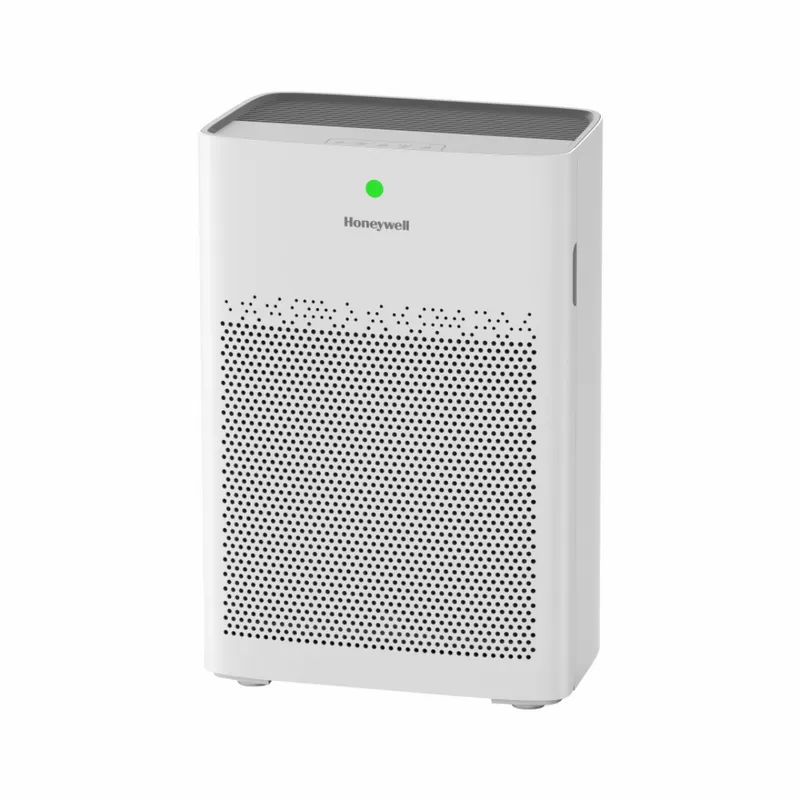
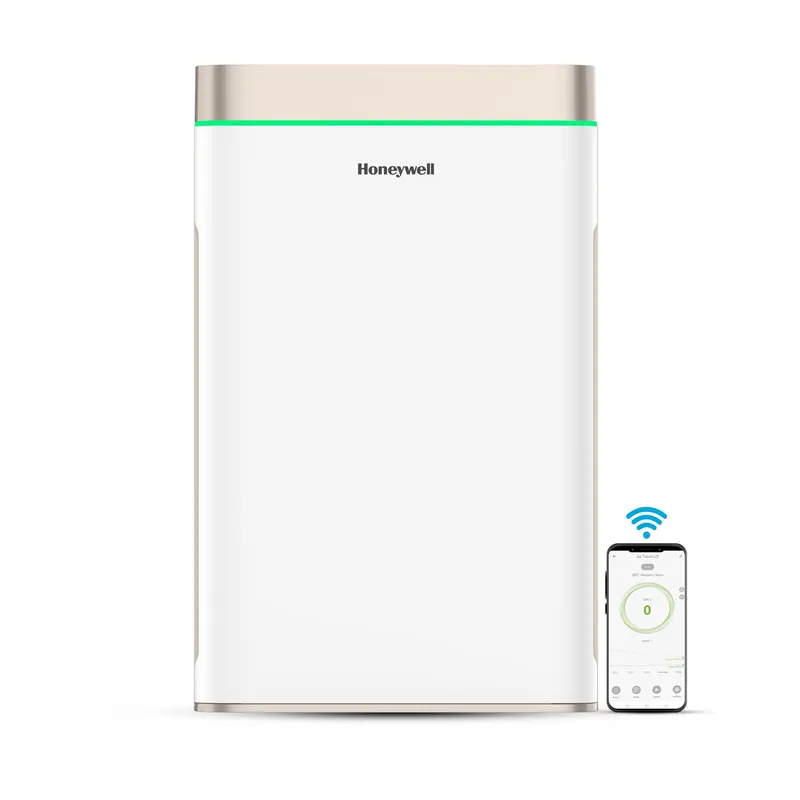
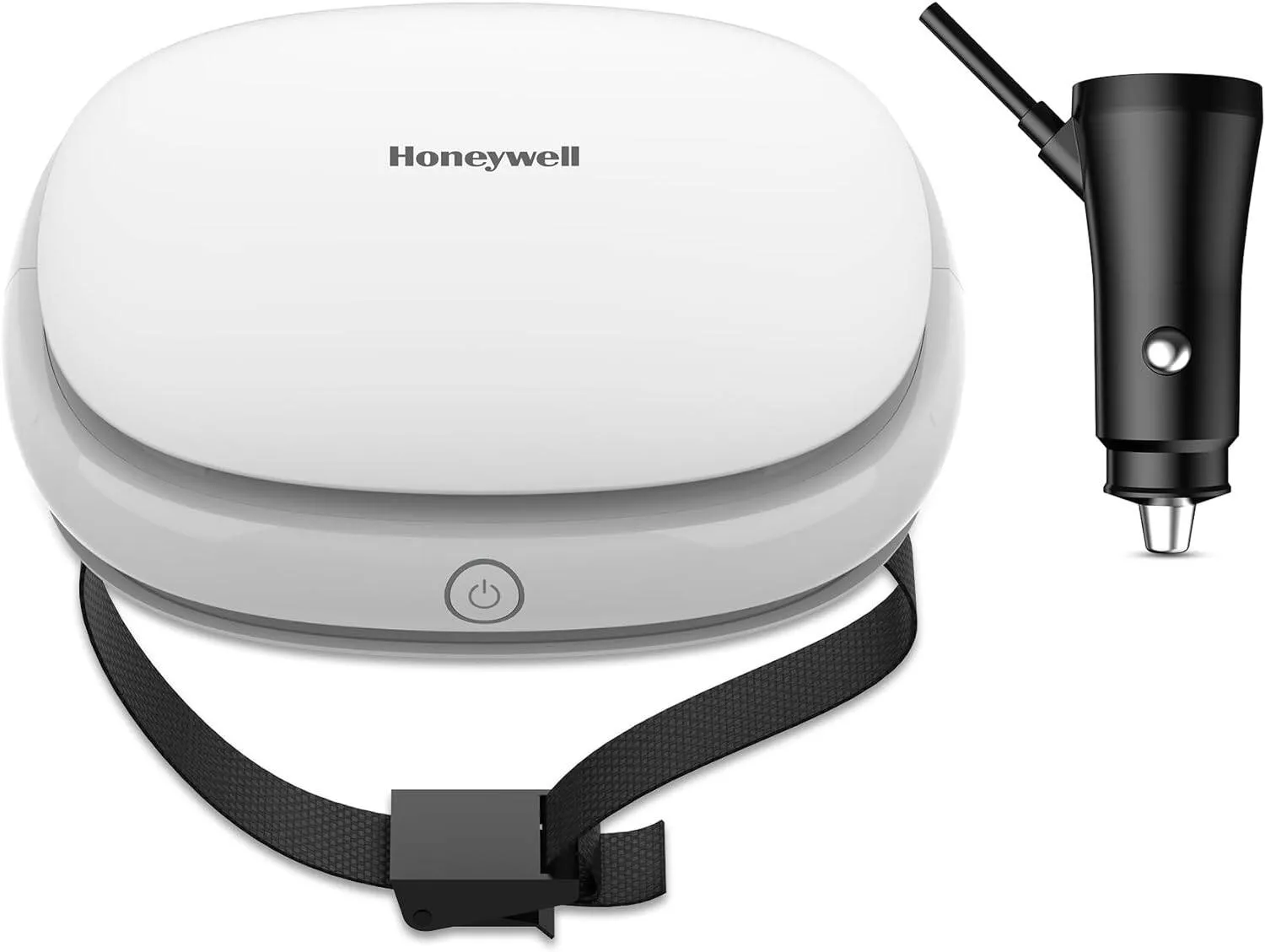
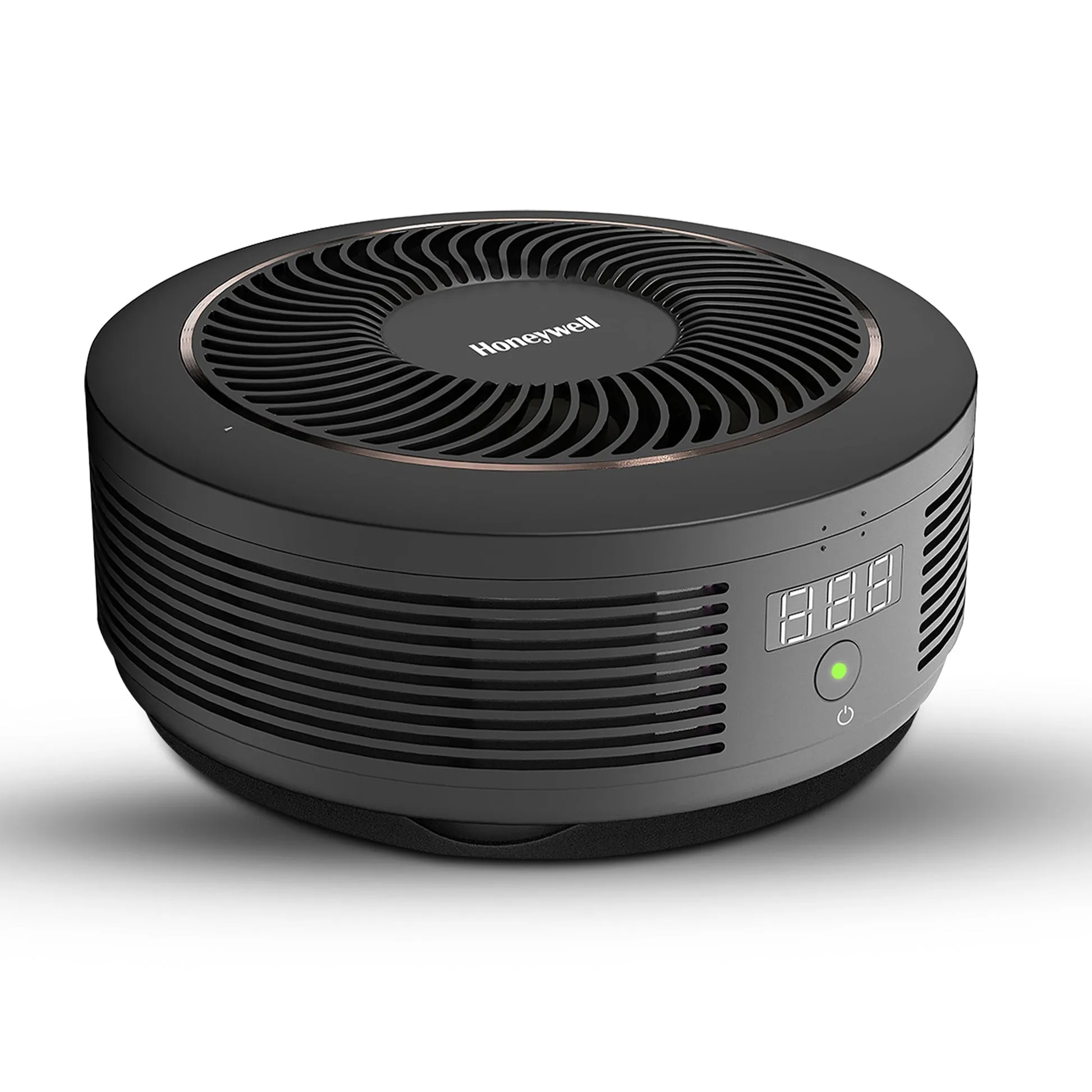
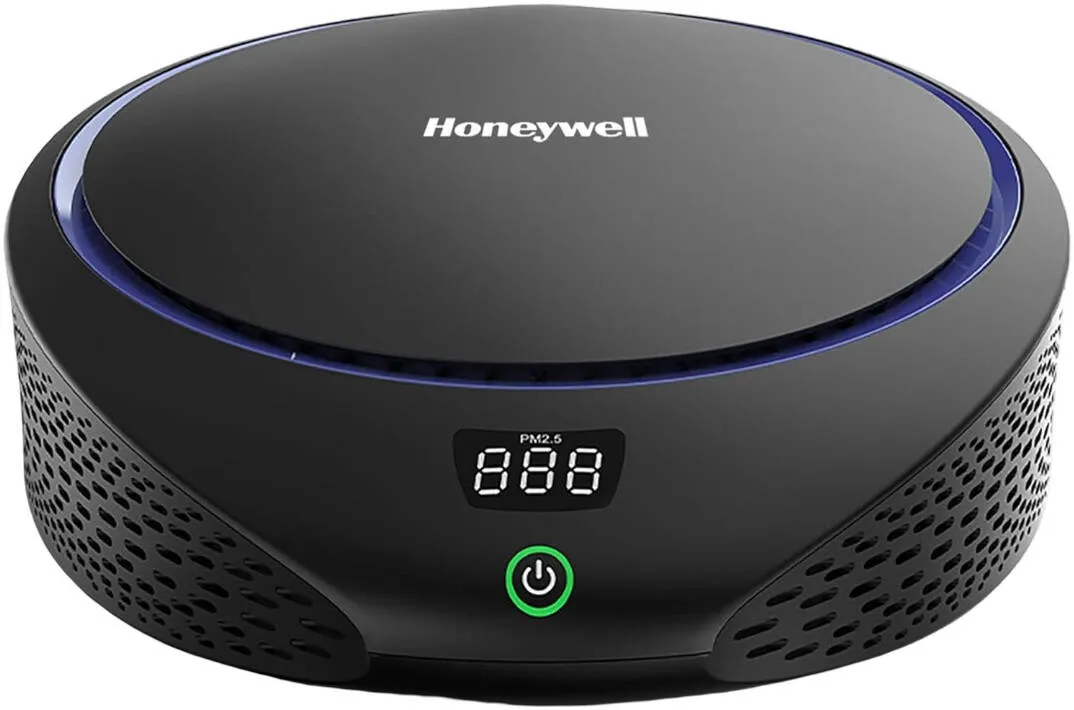
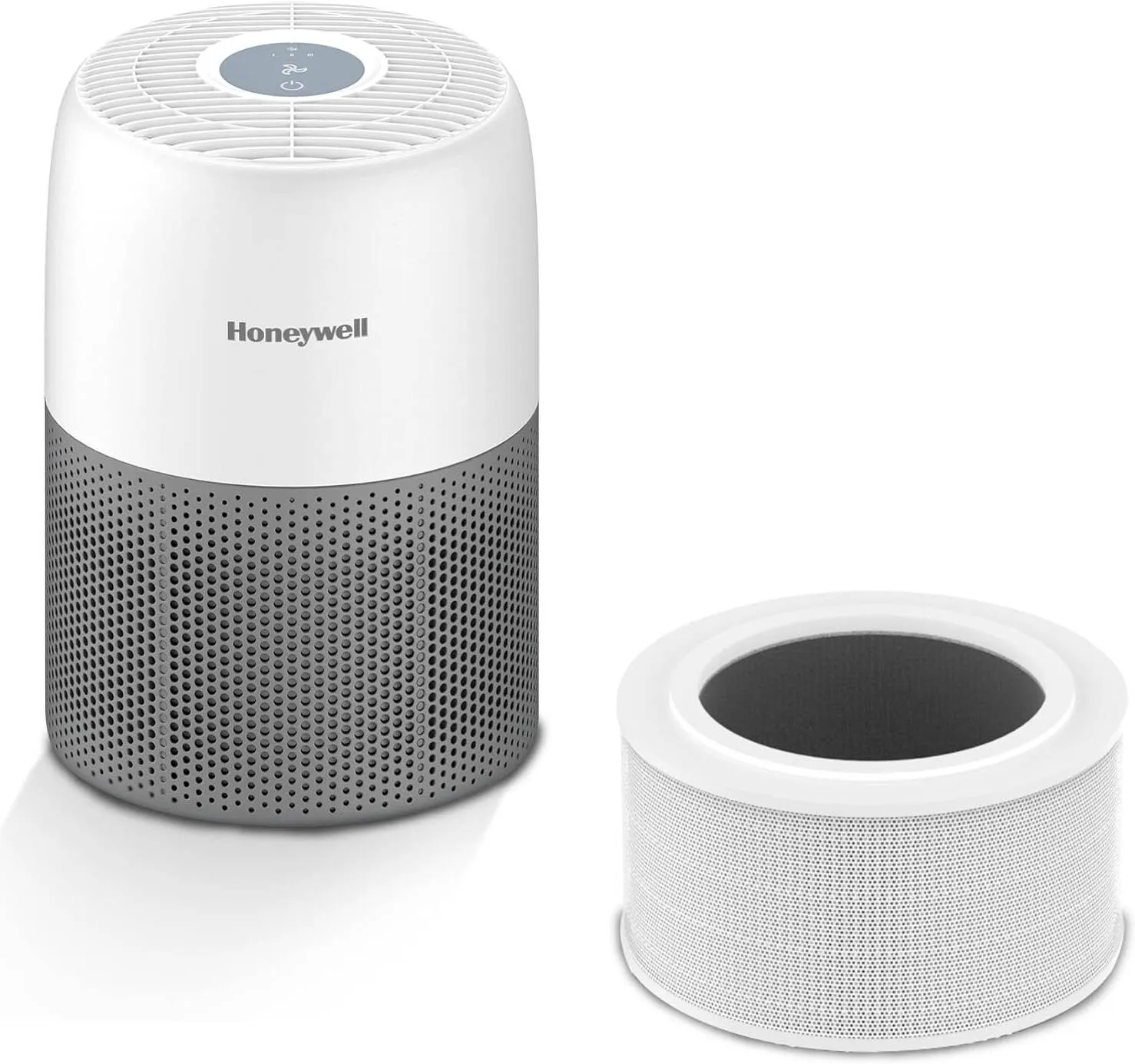
Install HEPA and activated carbon filter units: Fit units at primary air intake points and, where needed, add standalone air purifiers in high-occupancy zones. Position units away from walls and obstructions to ensure full airflow coverage. Brands such as Blueair and Honeywell offer commercial-grade units suited to larger office footprints.
-
Position air quality sensors: Place sensors at breathing height (approximately 1.2 to 1.5 metres from the floor) in representative zones. Avoid placing sensors near doors, windows, or air vents, as these locations give skewed readings. Aim for at least one sensor per 50 to 75 square metres of occupied space.
-
Connect devices to the monitoring platform: Link all sensors to a centralised dashboard. Configure automatic data logging with at least 15-minute reading intervals. Set alert thresholds aligned to UAE regulatory limits so that any breach triggers an immediate notification.
-
Record baseline readings: Before occupants return, run the system for 24 to 48 hours and log initial readings. This baseline becomes your reference point for the annual compliance report and helps identify any immediate problem areas.
-
Schedule the annual certified test: Book an accredited IAQ assessor for your first formal test. The annual testing requirement must be met regardless of how good your continuous monitoring looks, as the official test uses calibrated equipment and produces the legally recognised record.
Pro Tip: Review the comparison table below before choosing between a smart sensor system and manual data collection. The difference in compliance risk is significant.
Smart vs. manual monitoring comparison
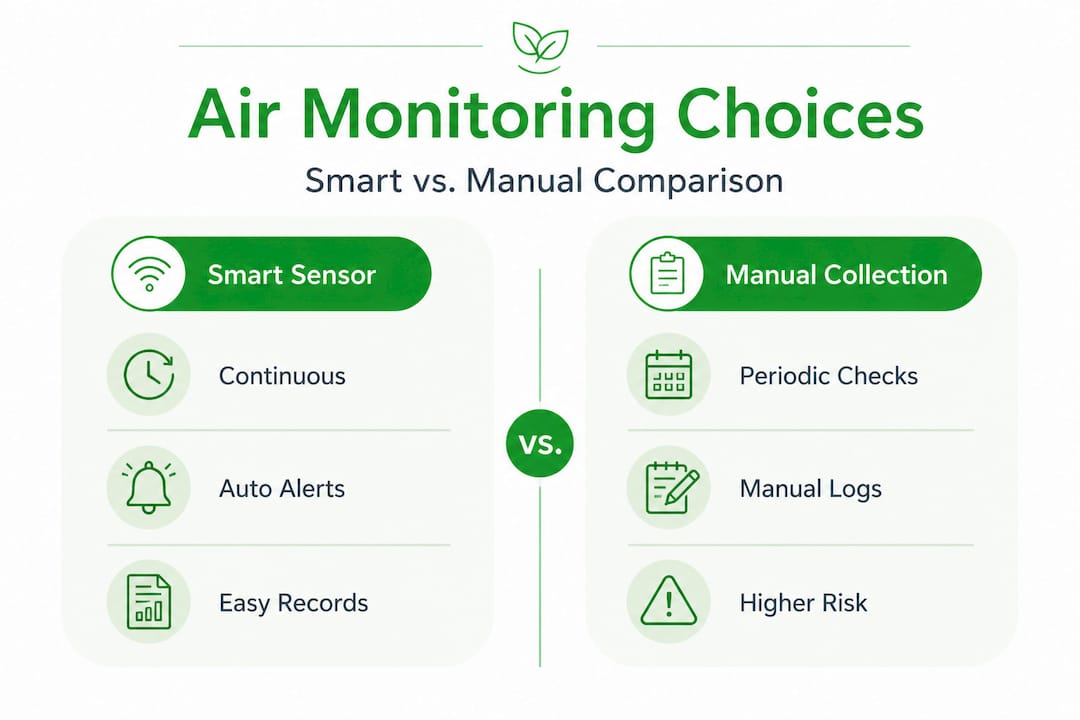
| Feature | Smart IoT sensor system | Manual data collection |
|---|---|---|
| Data frequency | Continuous (every 15 minutes or less) | Periodic (weekly or monthly logs) |
| Compliance records | Automatic, timestamped, cloud-stored | Manual entry, risk of gaps or errors |
| Alert capability | Instant notifications on threshold breach | No real-time alerts |
| Annual audit readiness | Data export ready at any time | Requires manual compilation |
| Upfront cost | Higher | Lower |
| Long-term compliance risk | Low | Moderate to high |
| Staff time required | Minimal | Significant |
The upfront cost of smart systems is higher, but the reduction in compliance risk and staff administration time makes them the practical choice for most UAE offices. Manual systems are acceptable for very small offices with simple layouts, but they leave significant room for record-keeping errors that can trigger fines during an audit.
Troubleshooting and maintenance for sustained air quality
Installation is the beginning, not the end. The most common reason UAE offices fail air quality audits is not a broken system; it is a neglected one. Regular maintenance and staff awareness are what keep compliance intact between annual tests.
Common maintenance failures to avoid
- Ignoring sensor error messages: Sensors alert when readings fall outside expected ranges or when calibration is needed. Dismissing these alerts can mean months of inaccurate data building up in your compliance records
- Skipping scheduled filter replacements: HEPA filters have defined service lives, typically every 6 to 12 months depending on usage and particulate load. Running a clogged filter reduces air throughput and defeats the purpose of the system
- Failing to update compliance records: Every filter change, sensor calibration, and corrective action must be logged. Verbal confirmation is not enough; annual IAQ records must be documented and available for inspection
- Overlooking DCV calibration: Demand-controlled ventilation systems need periodic checks to confirm that CO2 sensors driving the airflow adjustments are still reading accurately
- Neglecting high-risk zones: Server rooms, canteens, and print areas generate specific pollutants and need more frequent checks than open-plan desks
Routine maintenance schedule
Monthly tasks include checking sensor readings for anomalies, cleaning pre-filters if fitted, and confirming that data is logging correctly to the platform. Every three months, inspect HEPA and carbon filter condition against manufacturer guidelines and review CO2 trends in different zones to identify any ventilation shortfalls. Annually, replace filters on schedule, arrange the certified IAQ test, compile the full compliance report, and recalibrate all sensors.
Never ignore sustained high-CO2 or elevated PM2.5 readings. Both represent immediate health risks and, left unresolved, constitute a breach of UAE regulations. Staff headaches, fatigue, and reduced concentration are often early signals that air quality has deteriorated before sensors are formally reviewed.
Keeping staff informed
Brief employees on what the air quality sensors do and where to report concerns. A simple one-page summary posted near sensors or on the internal notice board reduces the chance of sensors being moved, covered, or switched off accidentally. Appointing one team member as the internal air quality co-ordinator, responsible for logging maintenance and monitoring alerts, adds a clear line of accountability without creating a heavy workload.
Why many UAE offices miss the mark on air quality compliance
From experience working with commercial clients across the UAE, a consistent pattern emerges: offices that fail compliance checks are rarely those with broken equipment. They are offices where management assumed that visible cleanliness was equivalent to good air quality. Clean desks and vacuumed floors say nothing about PM2.5 concentrations or CO2 build-up in a closed meeting room after an hour-long session with ten people.
Office managers often focus on visible cleanliness rather than invisible air standards, and this is exactly where compliance gaps form. Regulatory compliance is fundamentally about data and documented systems, not just physical cleanliness.
The second major failure point is the “install and forget” mindset. Businesses invest in good filtration equipment, set it up once, and then treat it like a piece of furniture. Without scheduled maintenance, filter replacements, and sensor calibration, even premium systems drift out of compliance within 12 to 18 months.
Quick-fix approaches, such as placing a single air purifier in reception and calling it done, consistently fail because they do not account for the continuous monitoring and legal paperwork requirements. A purifier in reception does nothing for CO2 levels in a sealed boardroom. Compliance requires a system-wide approach.
The practical takeaway is this: treat air quality compliance the same way you treat financial compliance. It requires regular review, documented records, clear ownership, and periodic professional verification. Wellness and compliance are not separate agendas; they reinforce each other. Offices that invest in proper filtration and monitoring see measurable reductions in sick days and a workforce that reports higher concentration and comfort. That is a return on investment that goes beyond avoiding fines.
Next steps for UAE office air quality
Armed with this guide, you are ready to take practical steps for your workplace air quality. Whether you are starting from scratch or upgrading an existing setup, the right products and support make compliance straightforward.
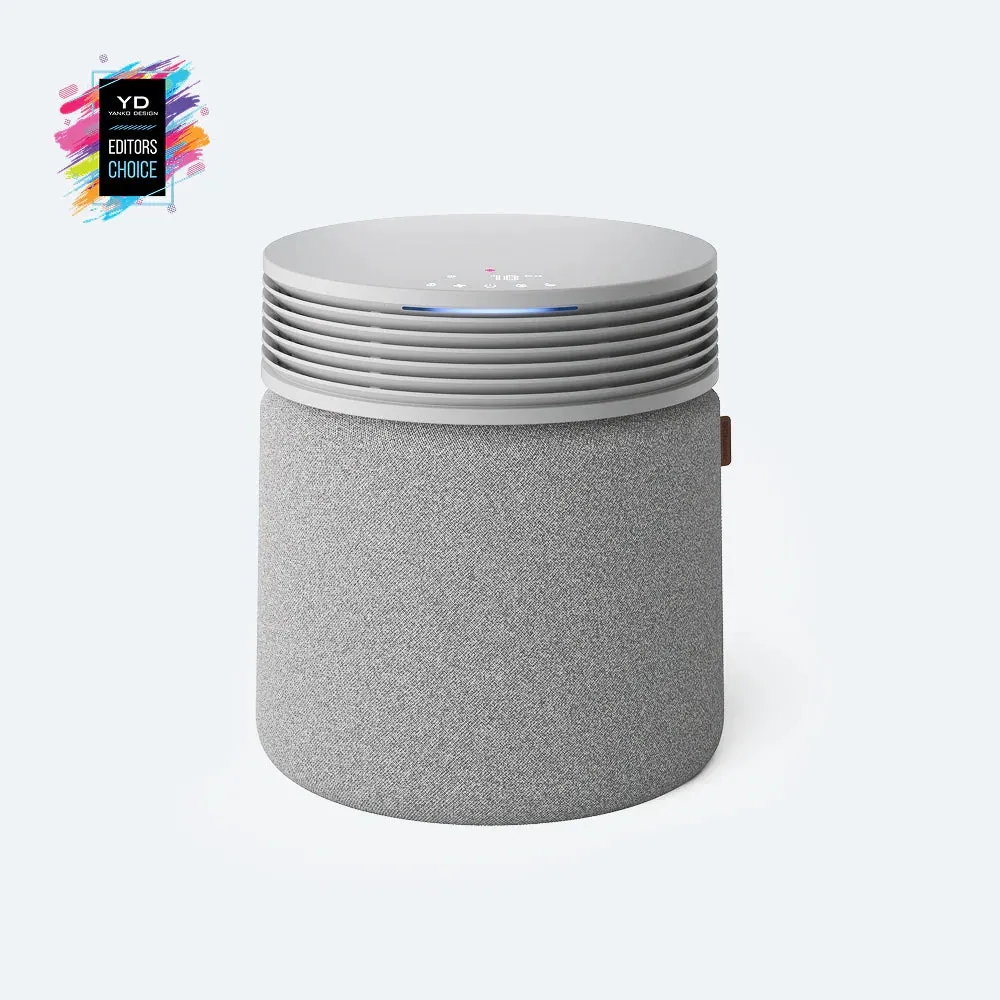
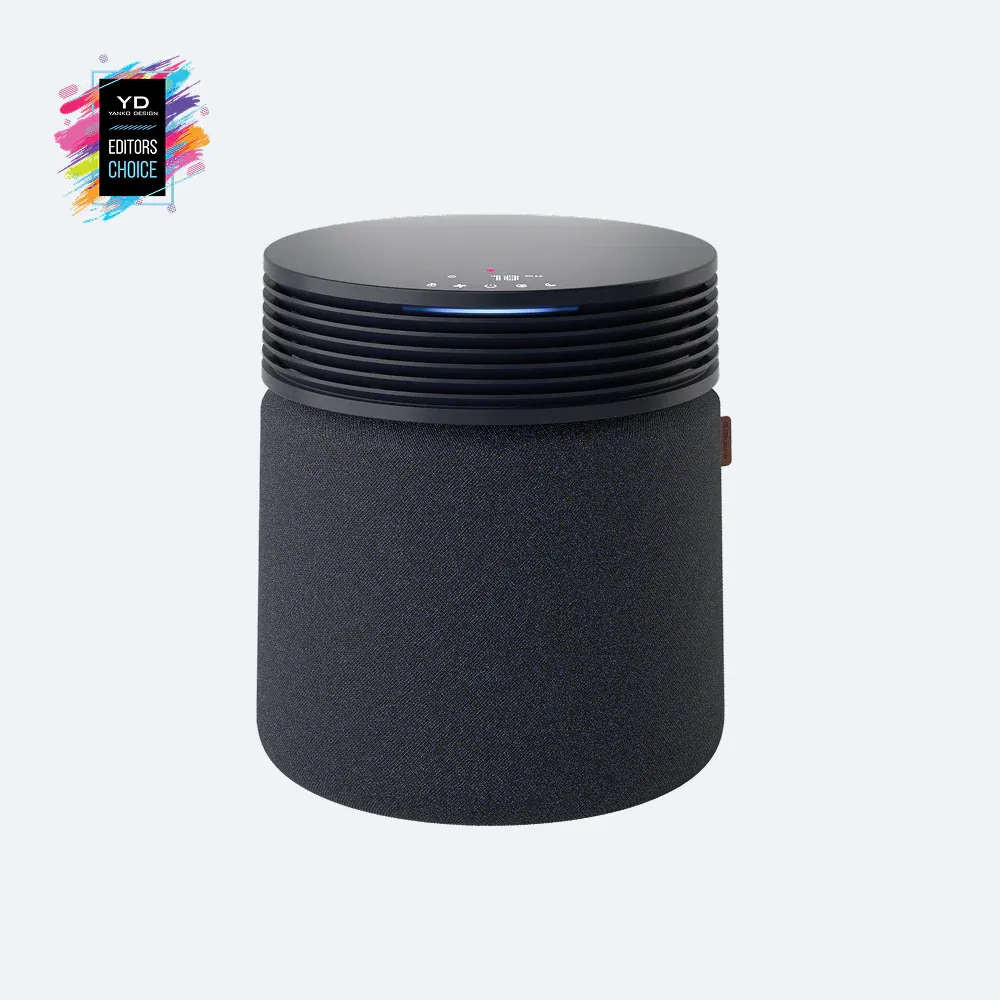
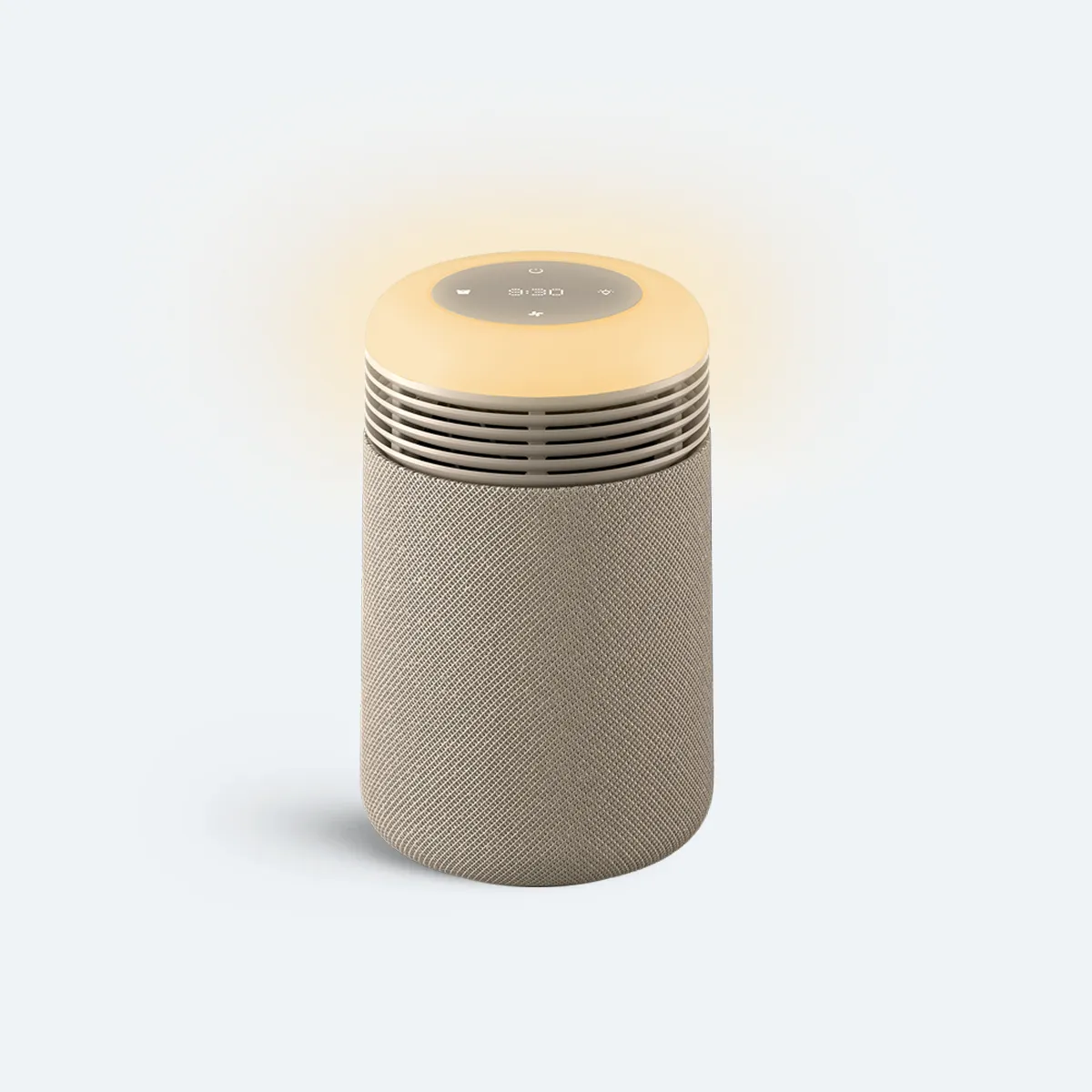
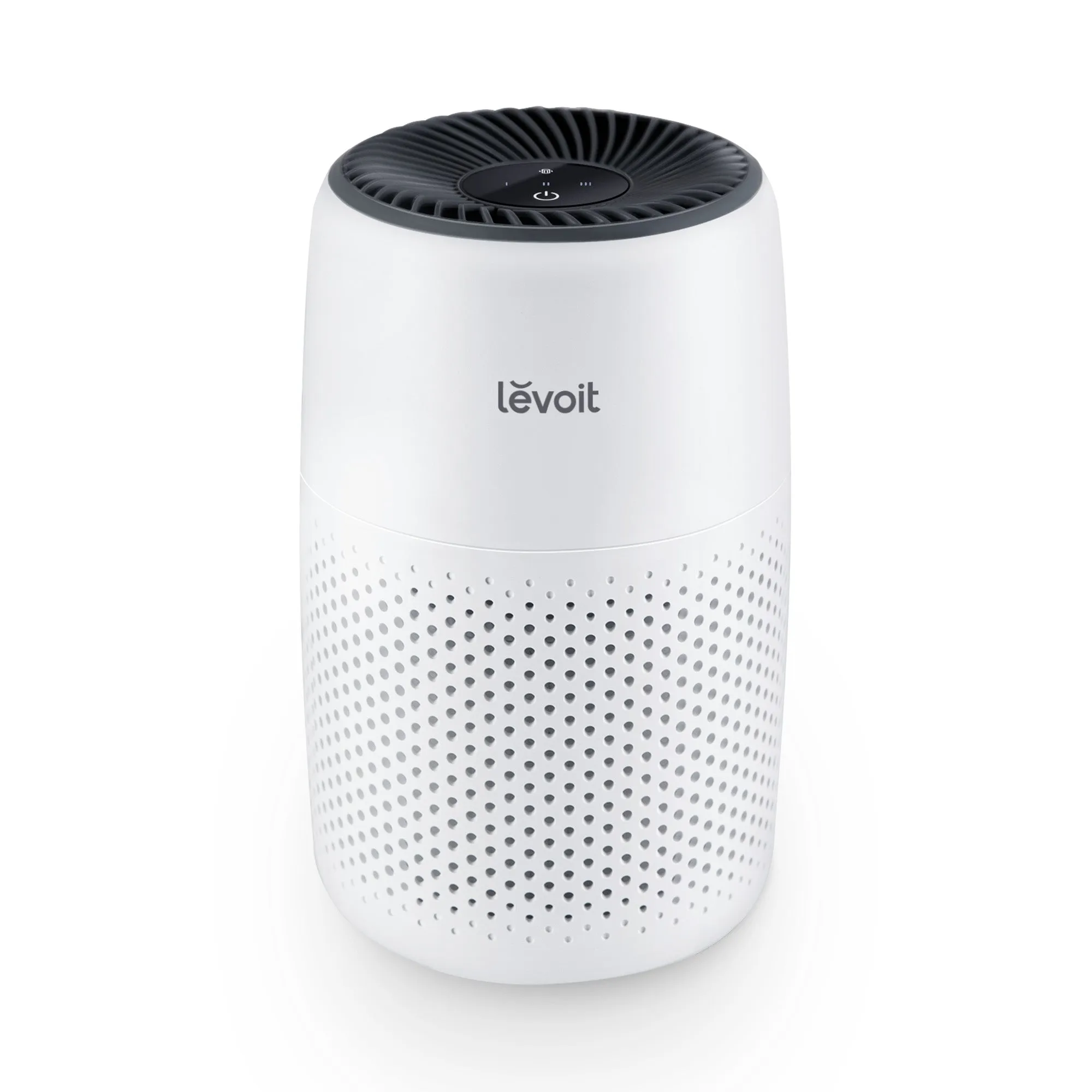
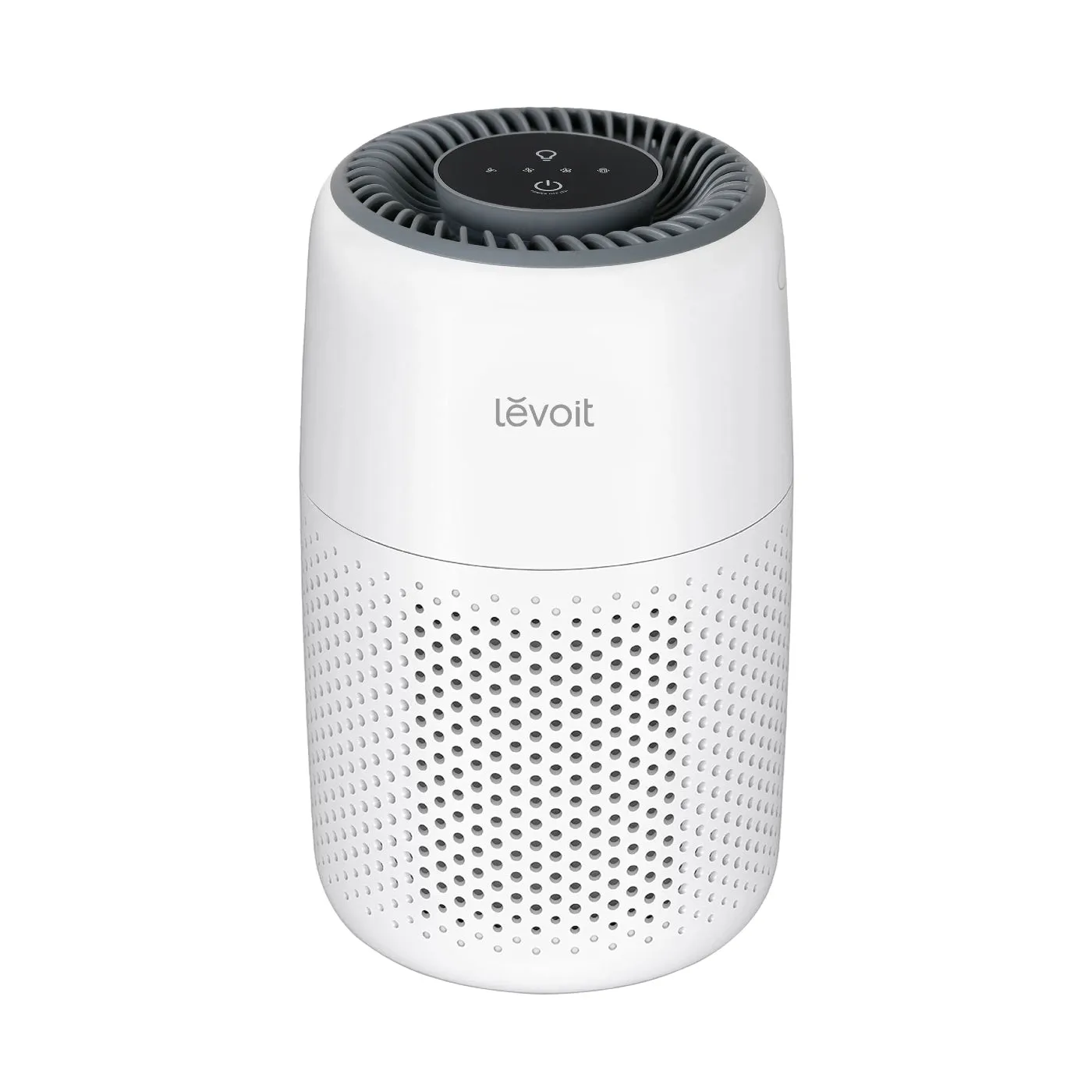
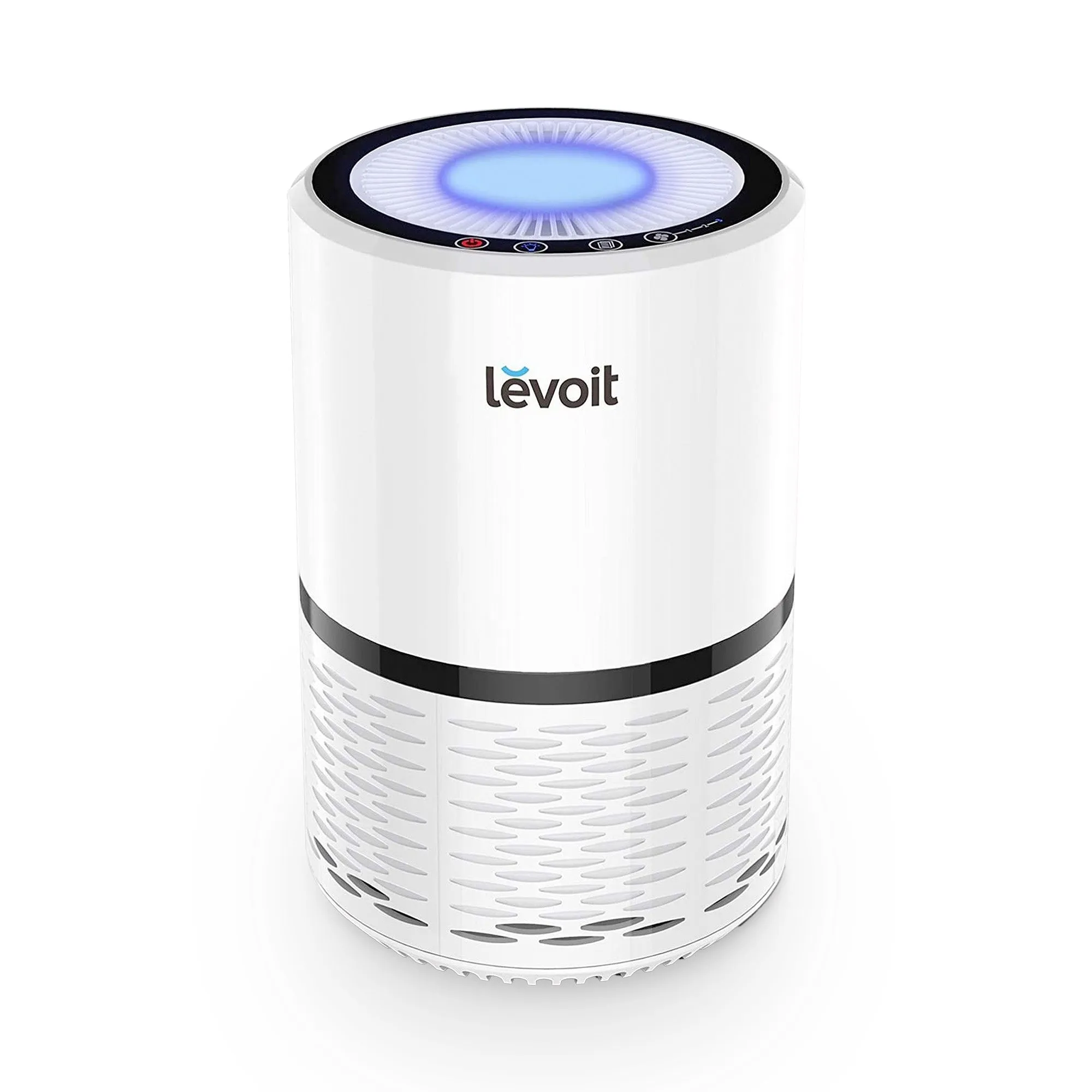
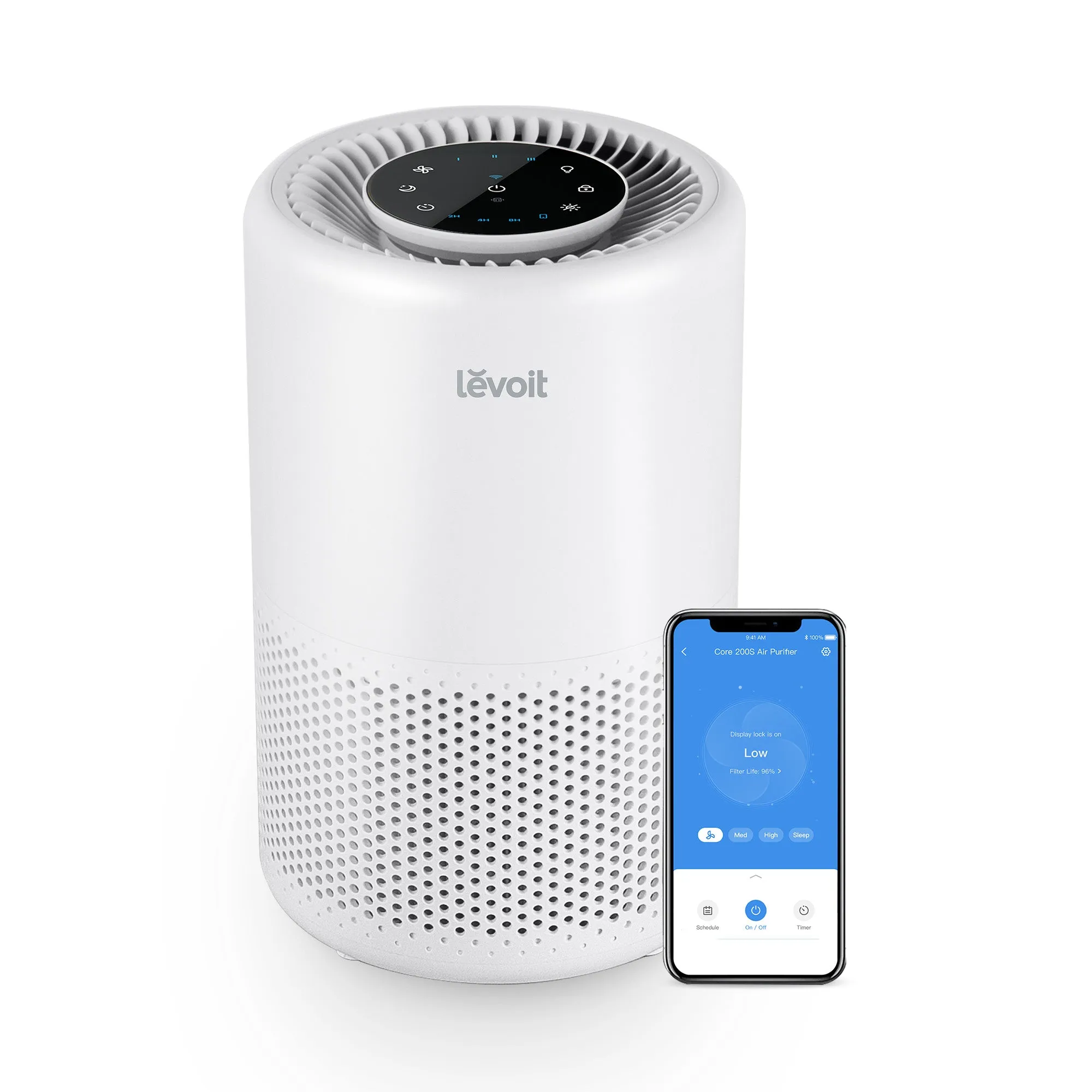
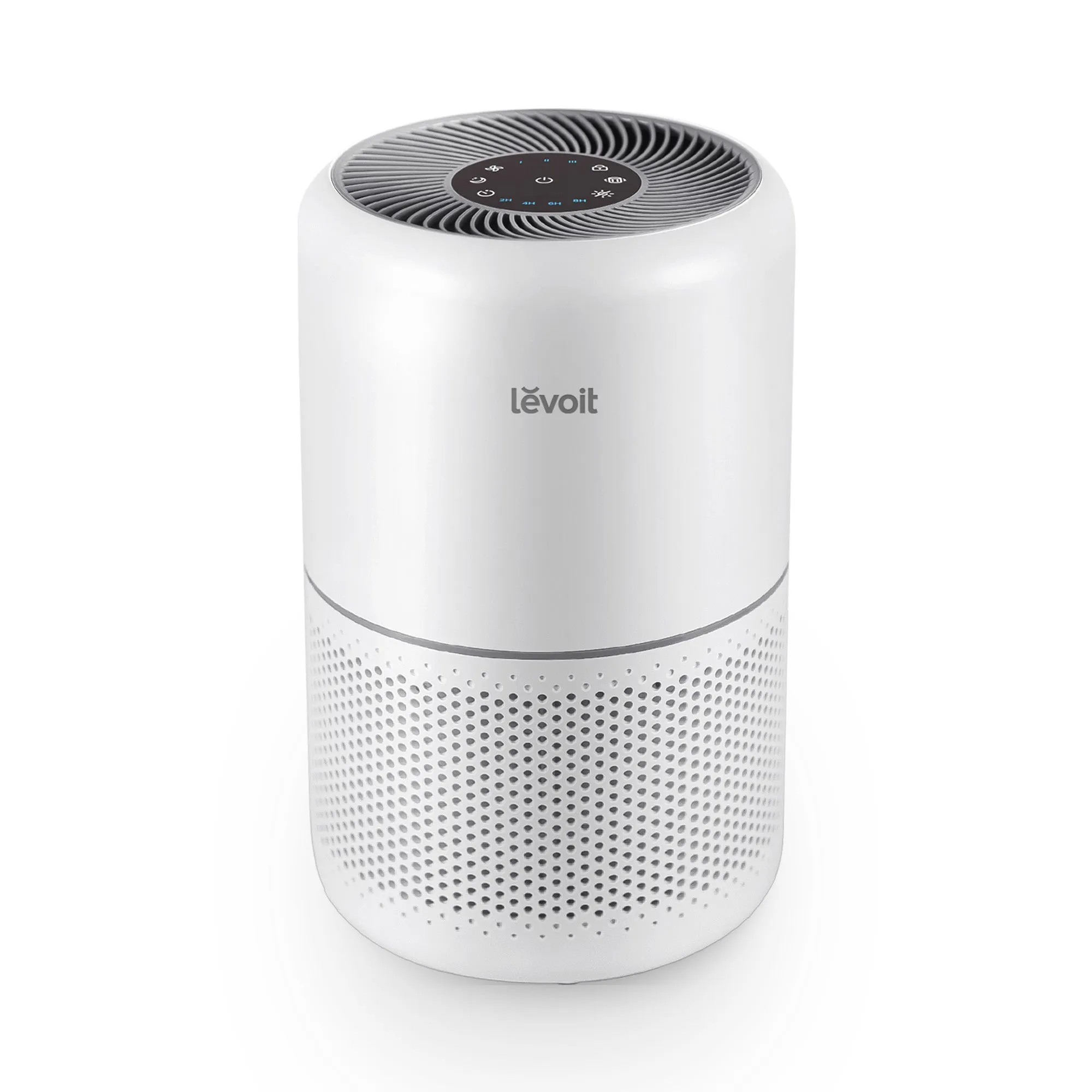
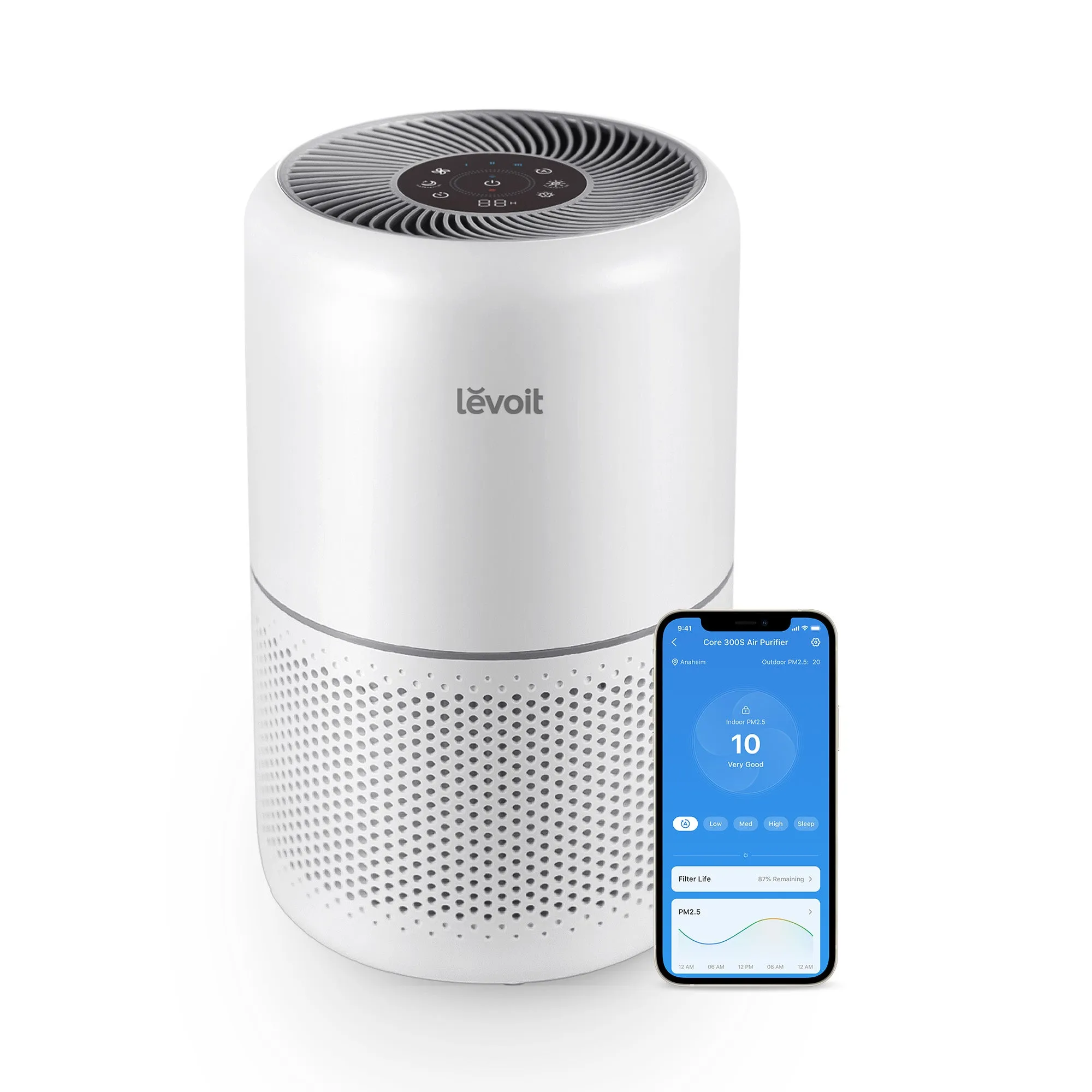
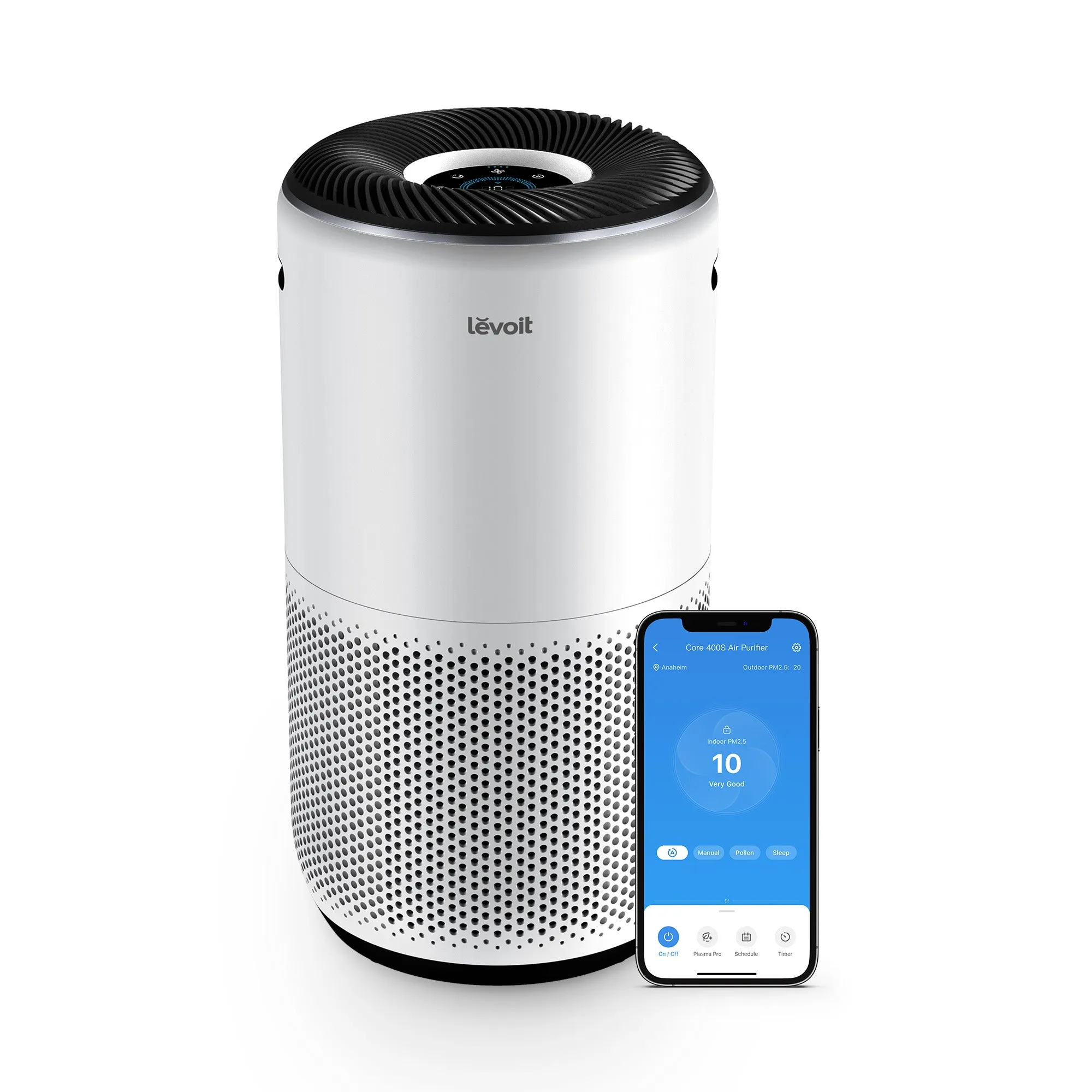
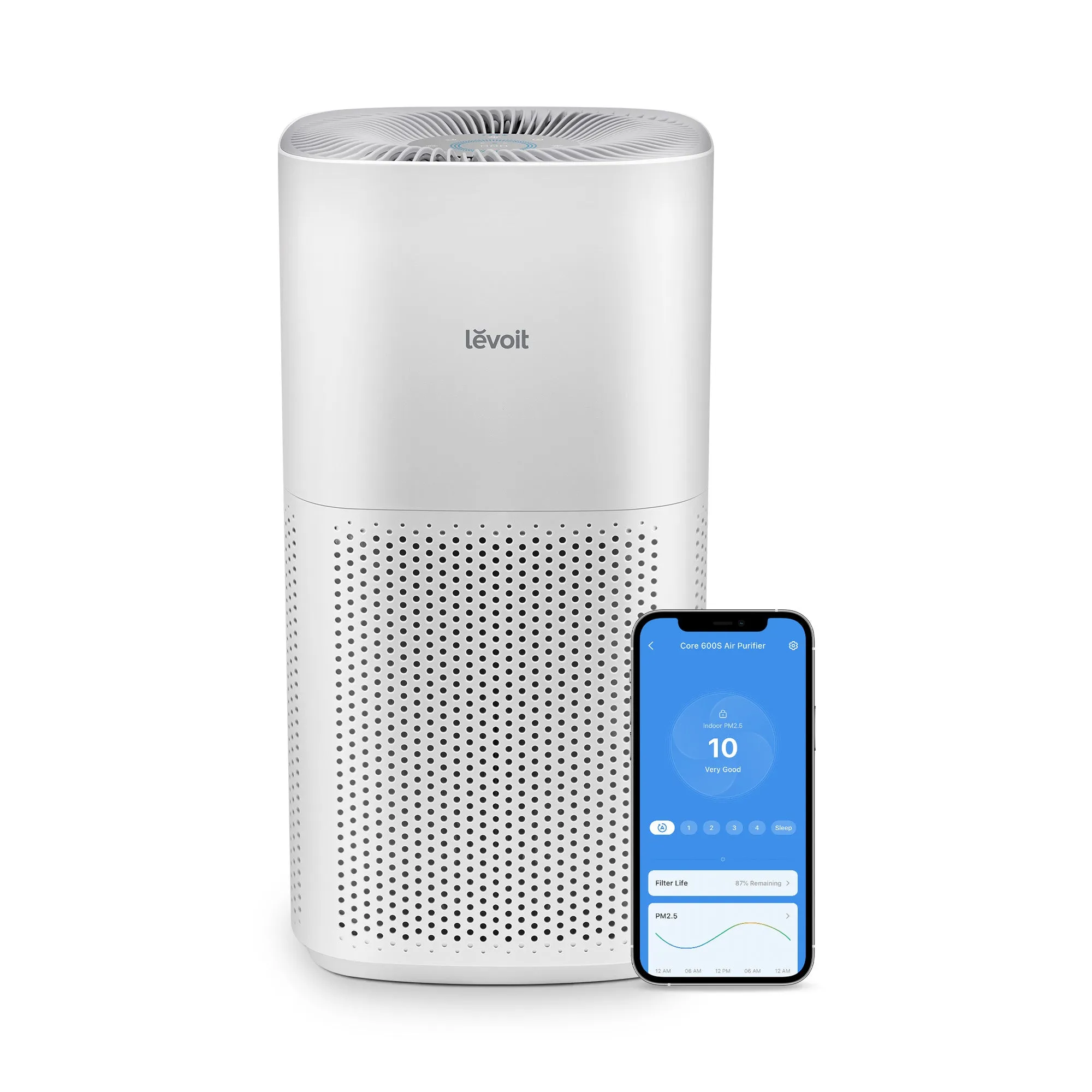
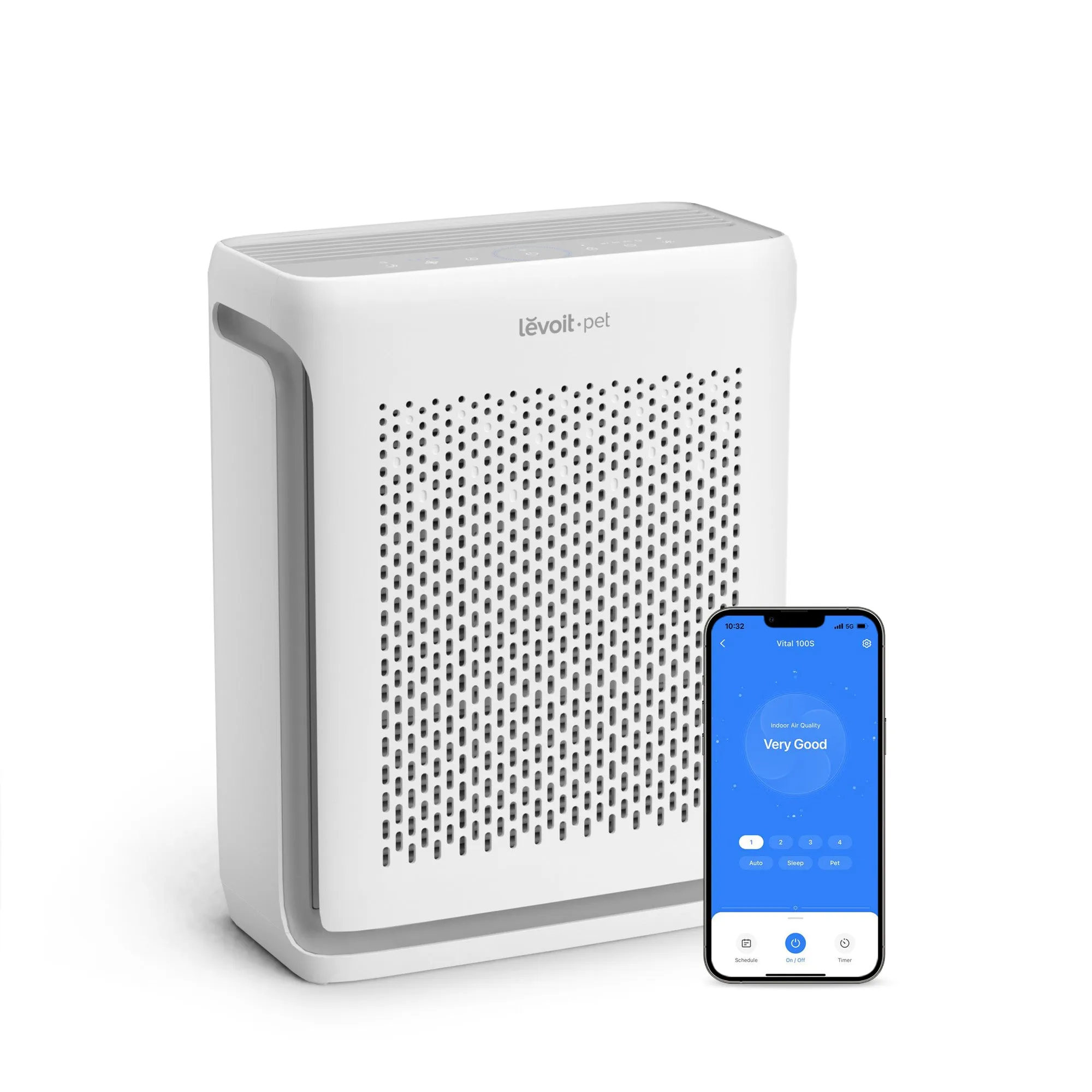
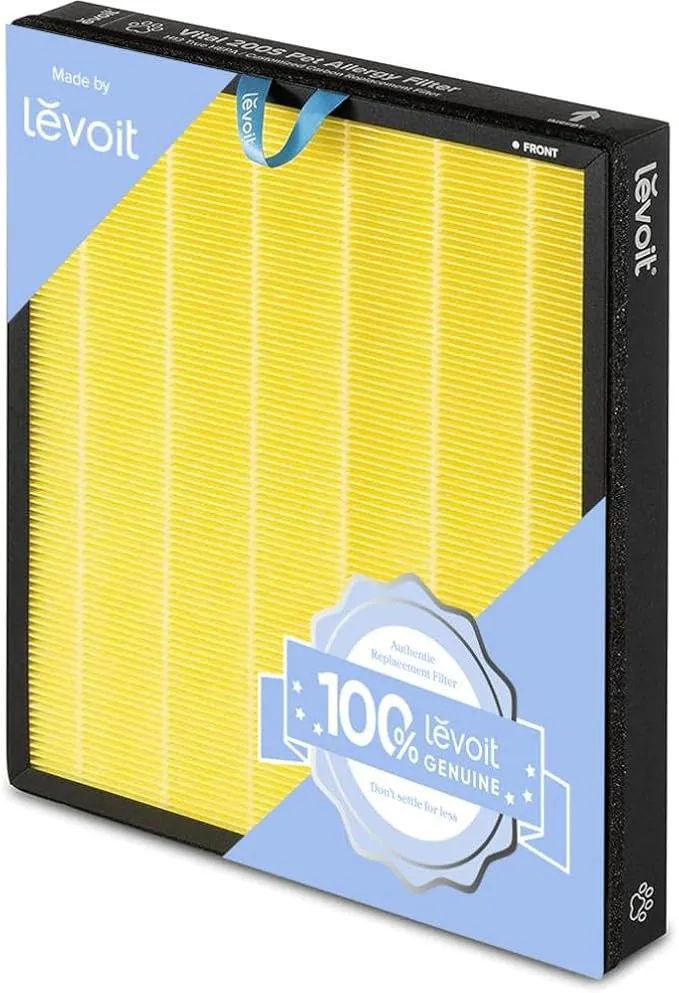
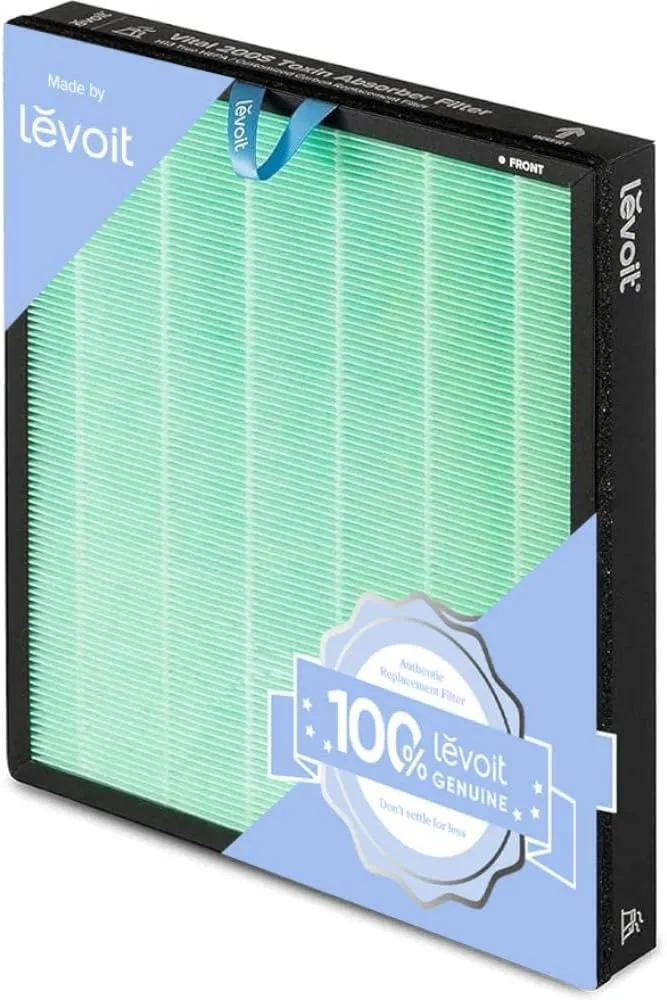
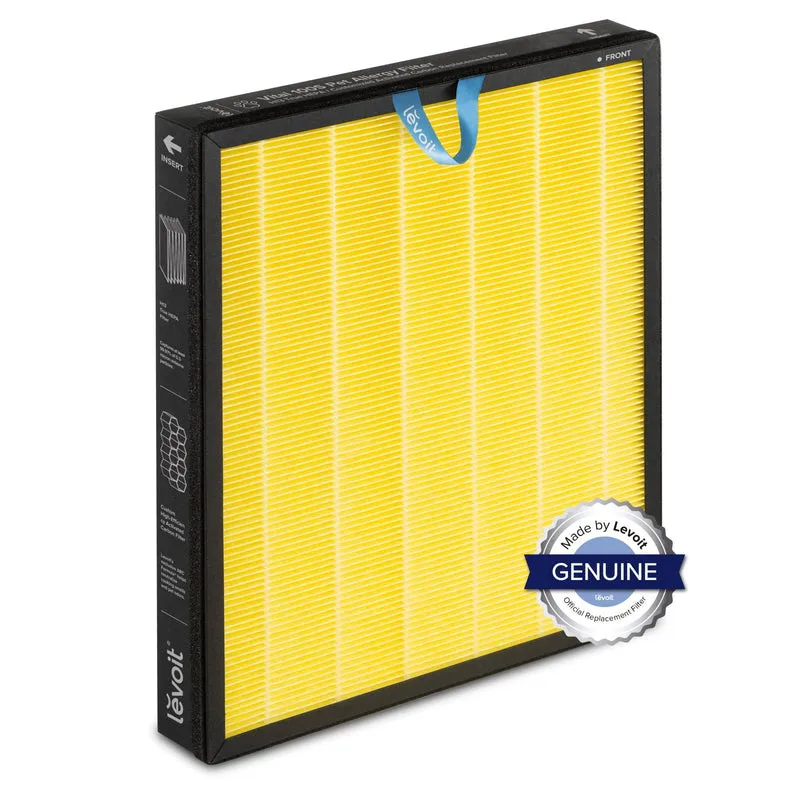
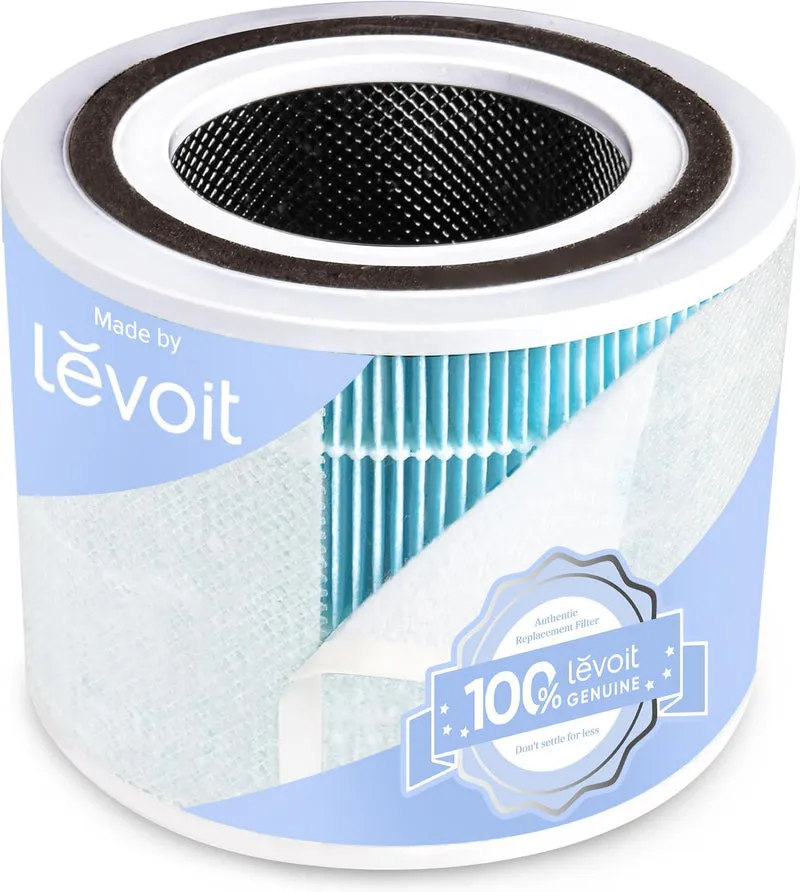
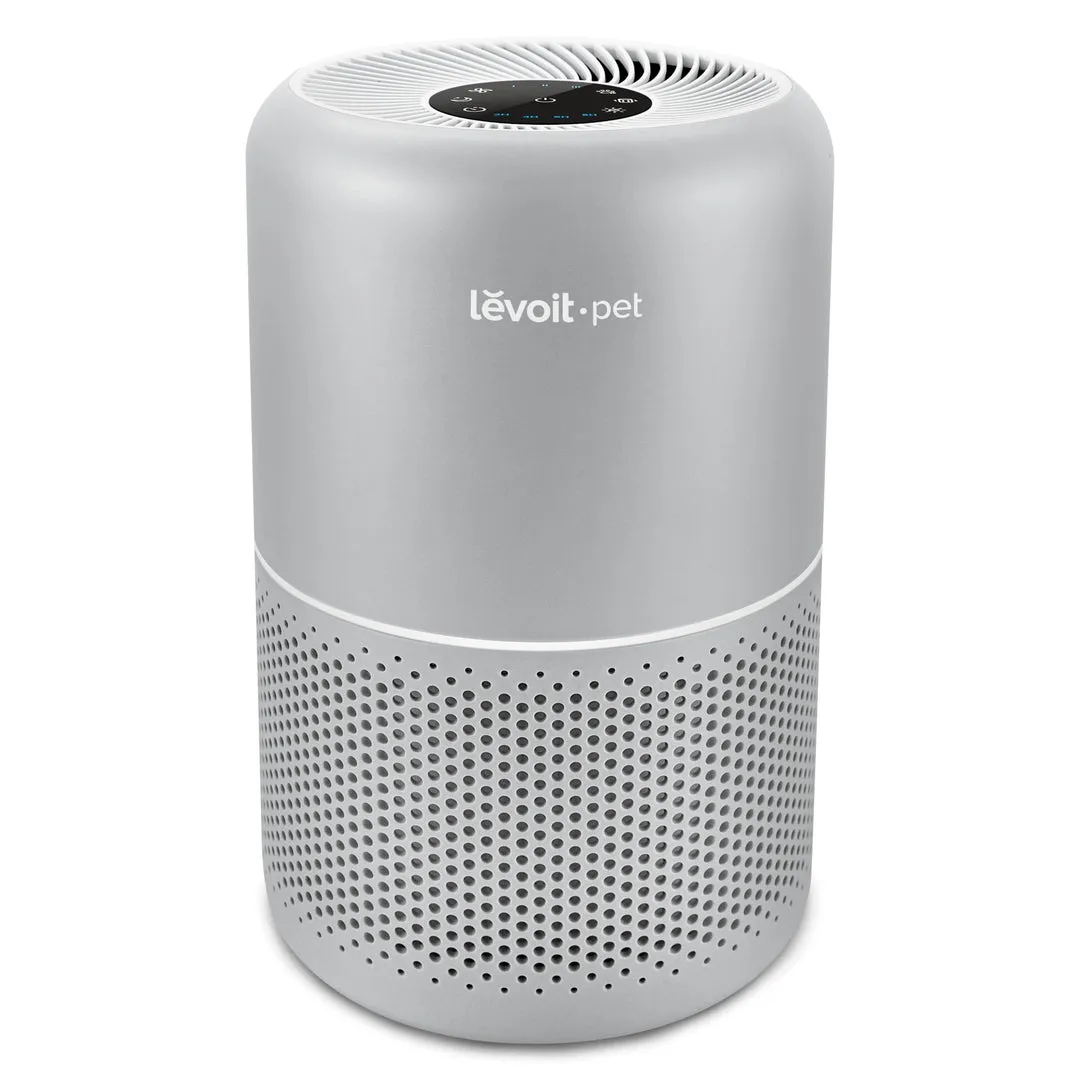
Professional air quality solutions for UAE offices are available through Clean Air AE, covering air purifiers, HEPA filters, and replacement accessories from trusted brands including Blueair, Honeywell, and Levoit. Fast delivery across Dubai, Abu Dhabi, and the wider UAE means your setup does not have to wait. Browse the full range of commercial-grade filtration products, compare specifications, and order replacement filters to keep your compliance records on track all year round.
Frequently asked questions
What are the most important air quality readings for UAE offices?
PM2.5, CO2, and VOCs are the priority measurements for UAE offices, as these directly affect employee health and align with the regulatory thresholds that IoT sensors and DCV systems are designed to monitor continuously.
How often must offices test and record air quality in the UAE?
Annual IAQ testing by an accredited professional is mandatory, and records must be kept and available for inspection by local authorities at any point during the year.
What happens if we fail to comply with office air quality regulations in the UAE?
Non-compliance fines apply to offices that do not meet IAQ requirements, and repeated or serious violations can result in further legal action or operational restrictions imposed by local authorities.
Are smart sensors or manual data collection better for compliance?
Smart sensors automatically generate centralised, timestamped records and trigger real-time alerts, making compliance significantly more reliable than manual data collection, which is prone to gaps and human error. The IoT sensor approach is the recommended standard for offices prioritising audit readiness.