


Uncategorised
Rooms with clean air benefits: 10 proven advantages
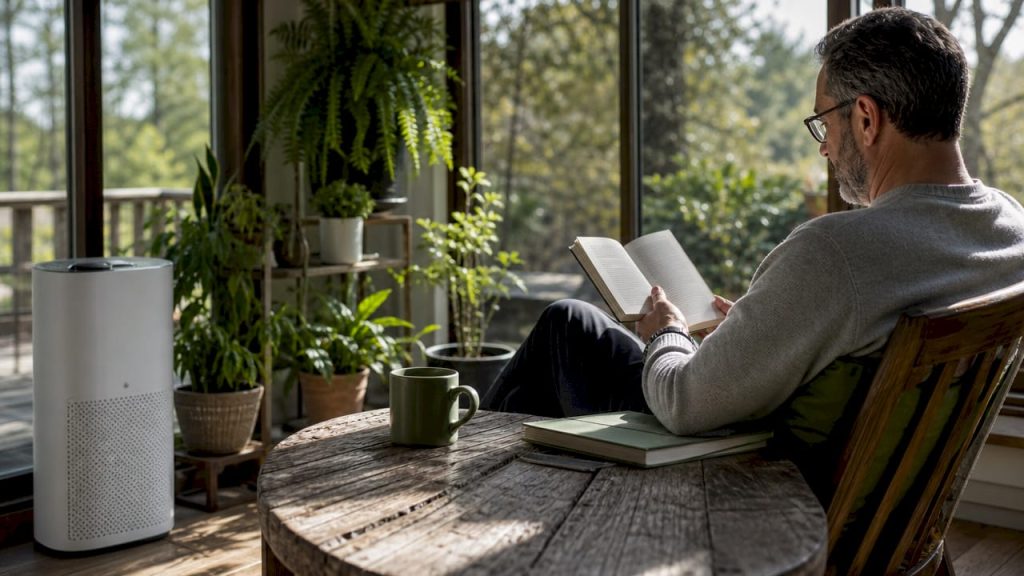
Rooms with clean air benefits are defined as indoor spaces where airborne pollutants, including dust, volatile organic compounds (VOCs), and allergens, are actively reduced through filtration, ventilation, or source control. The industry term for this practice is indoor air quality management, and it applies equally to bedrooms, offices, and commercial premises. Indoor air can be 2–5 times more polluted than outdoor air, which makes the air inside your home or workplace a genuine health concern, not a minor inconvenience. The American Lung Association, Johns Hopkins University, and Texas A&M University have all produced research confirming that cleaner indoor air produces measurable improvements in health, comfort, and performance.
1. What are the primary health benefits of rooms with clean air?
Cleaner indoor air directly reduces the triggers that cause respiratory conditions to worsen. The American Lung Association warns that indoor air can be hazardous without any obvious signs, particularly for people with asthma or allergies. Removing dust, pet dander, and mould spores from the air lowers the frequency and severity of attacks.
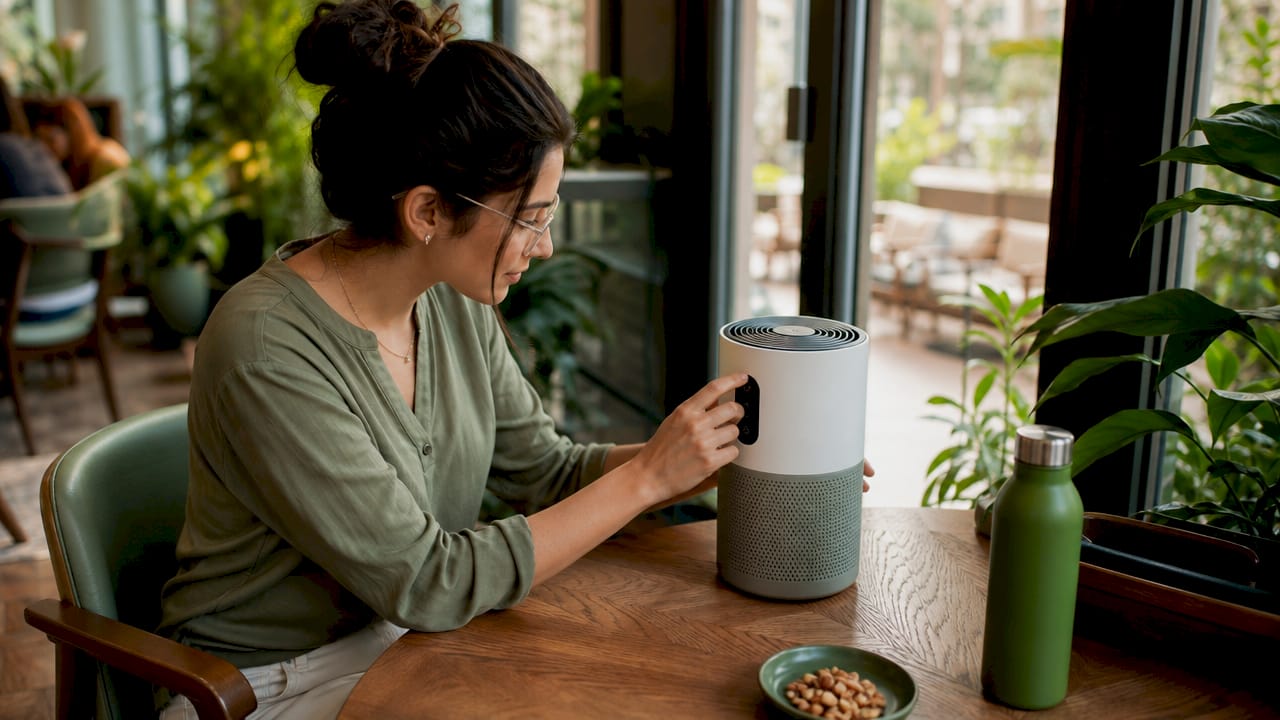
A controlled trial at Johns Hopkins University found that HEPA air cleaners reduced PM2.5 by 64.4% and PM10 by 54.7% in treated rooms. Those are substantial reductions in the fine particles most associated with lung inflammation. The same trial recorded an 11.7% reduction in nitrogen dioxide, a gas linked to airway irritation.
Sleep quality also improves in rooms with lower particulate levels. Reduced airborne irritants mean fewer overnight breathing disruptions, which translates to less fatigue during the day. For parents of children with respiratory conditions, this benefit alone justifies investing in filtration.
“Cleaner indoor air and asthma education together improve adult asthma control and quality of life more than technology alone.” — Texas A&M University, Vital Record
Key health improvements linked to clean-air rooms include:
- Fewer asthma and allergy flare-ups
- Lower rates of respiratory infection
- Improved overnight oxygen levels
- Reduced eye, nose, and throat irritation
- Better long-term lung health for regular occupants
2. How do clean-air rooms enhance cognitive function and productivity?
Air quality affects brain performance more directly than most people realise. Research from the Technical University of Denmark (DTU) found that ventilation quality influences next-day cognitive performance, with poorly ventilated spaces linked to slower reaction times and reduced concentration. Carbon dioxide build-up and VOC exposure are the main culprits.
Common indoor pollutants that impair cognitive function include:
- Carbon dioxide from occupant breathing in poorly ventilated rooms
- VOCs from paints, adhesives, cleaning products, and furniture
- Fine particulate matter from cooking, candles, and outdoor infiltration
- Nitrogen dioxide from gas appliances
For workplaces and study environments, the advantages of clean air environments are measurable. Fewer headaches, better focus, and lower stress levels are all reported in spaces with adequate ventilation and filtration. Property managers running commercial offices in Dubai or Abu Dhabi should treat air quality as a direct input to staff output.
Pro Tip: Place an air purifier near the desk or workstation rather than across the room. Localised filtration reduces the concentration of CO2 and VOCs at the breathing zone, where it matters most.
3. Which technologies create rooms with clean air benefits?
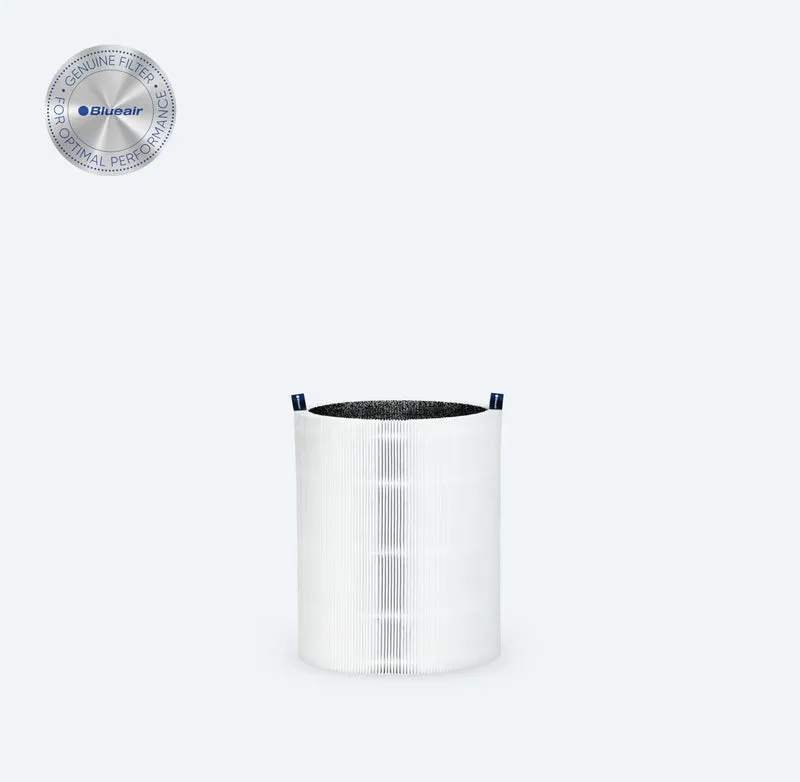
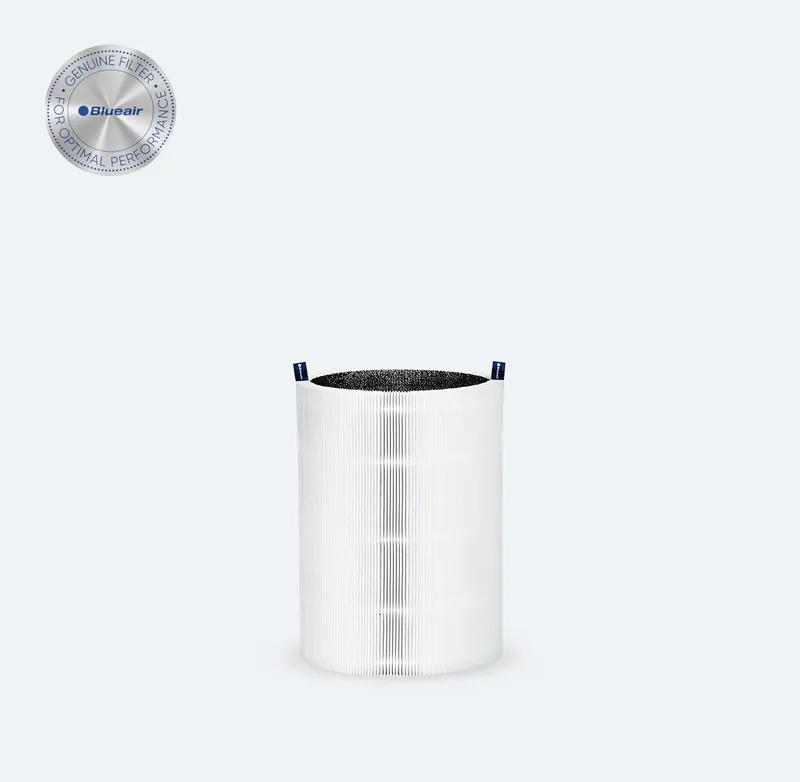
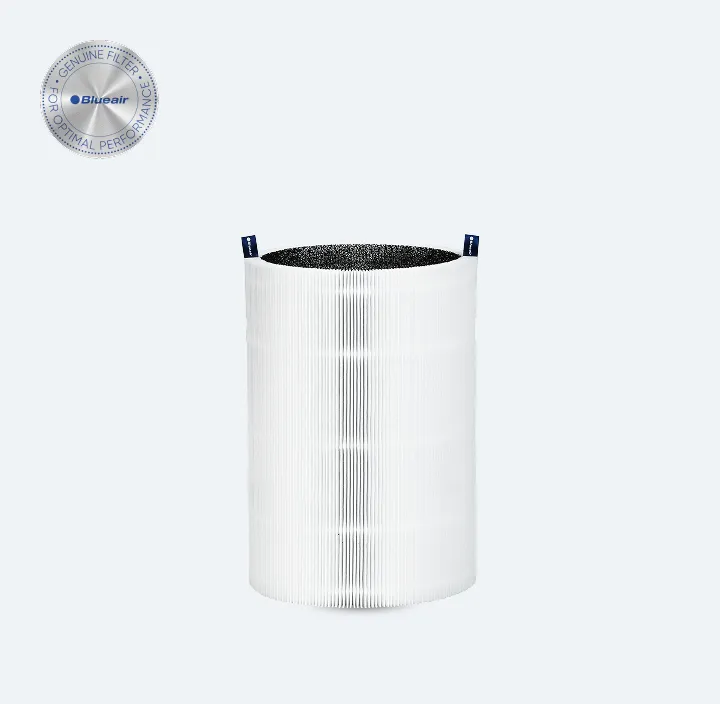
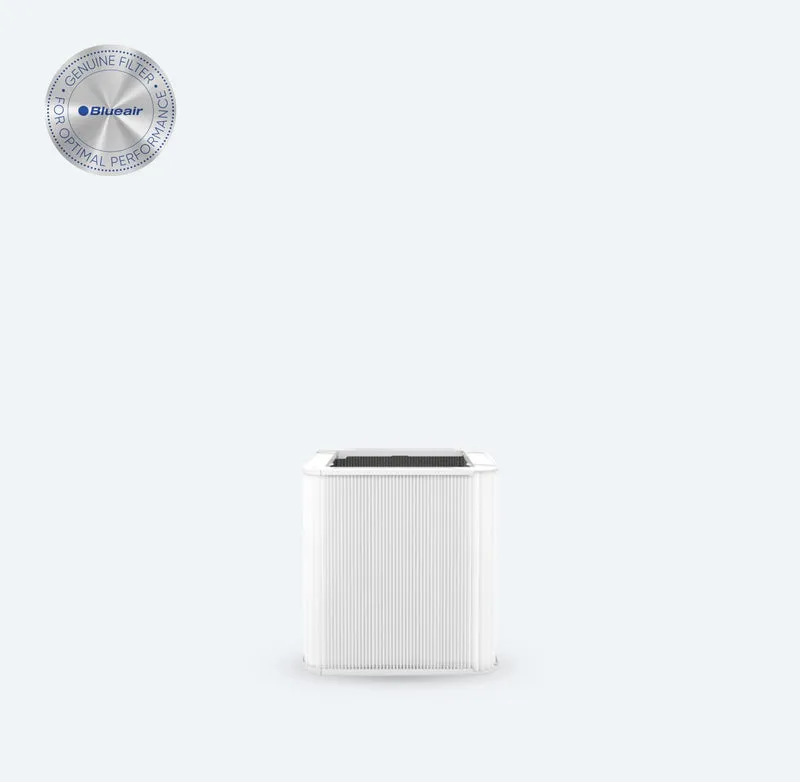
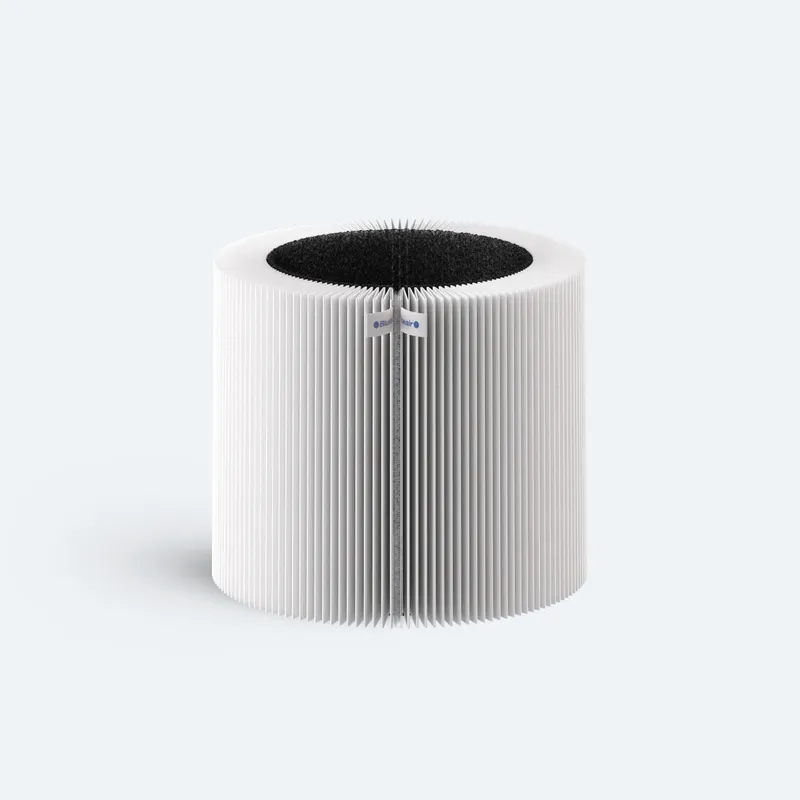
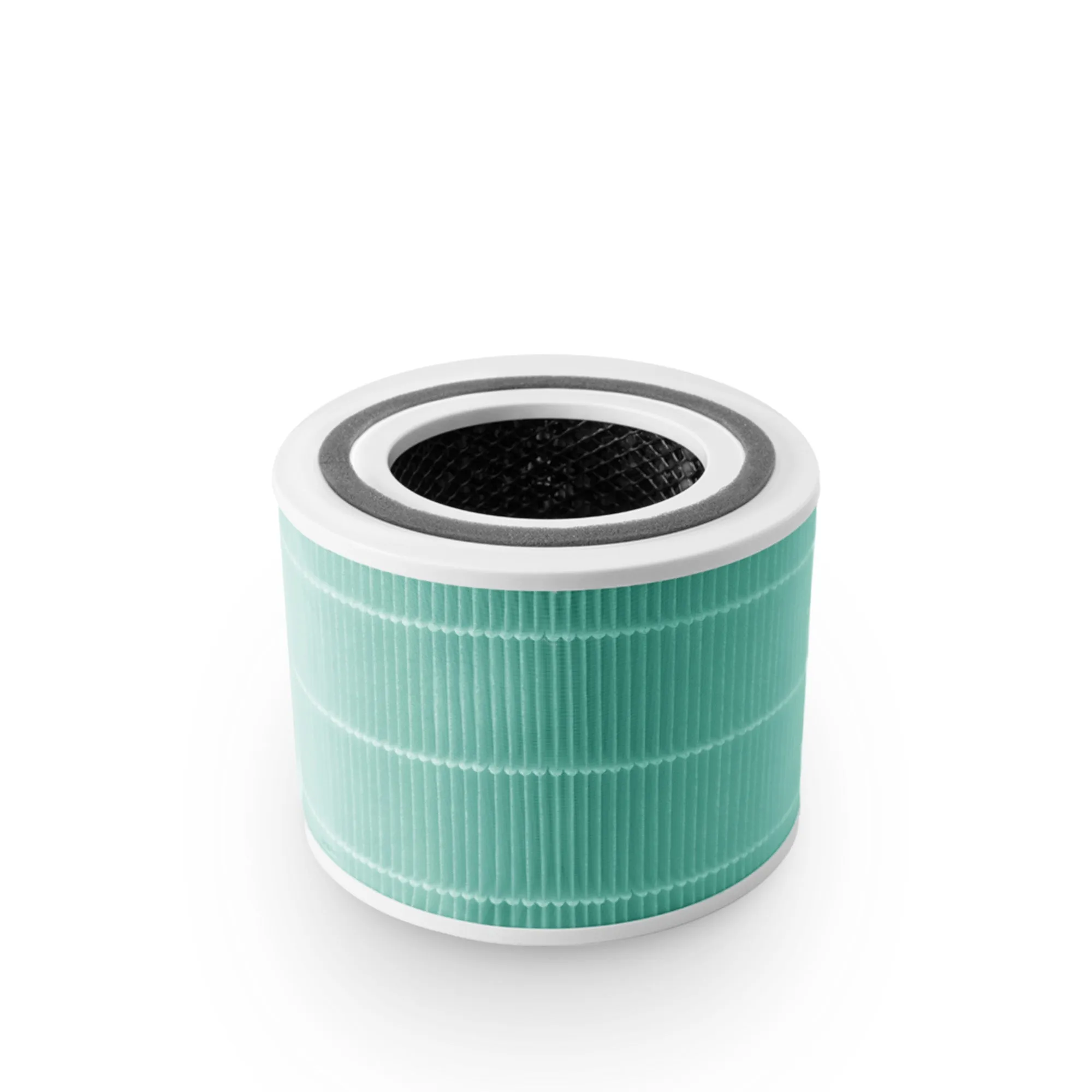
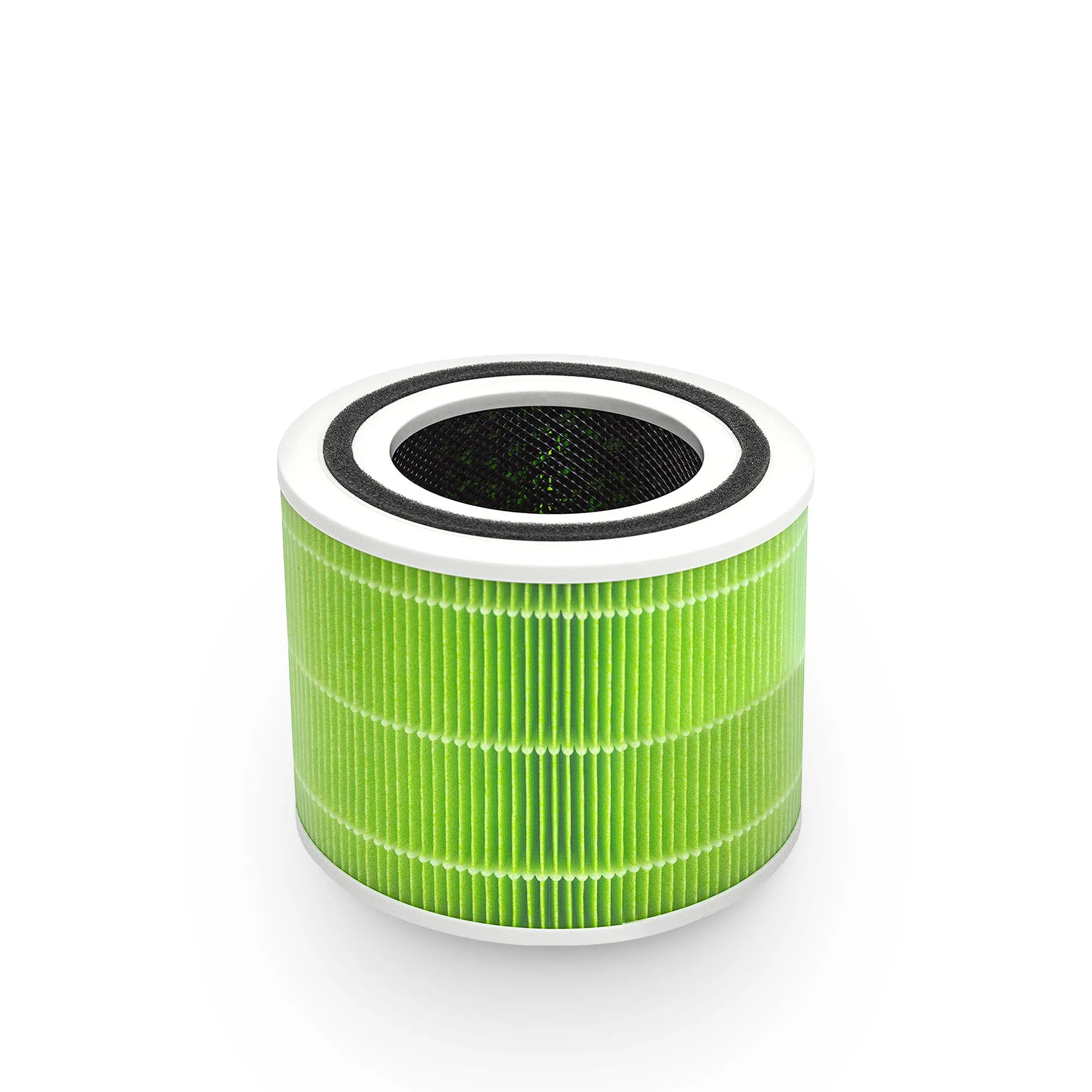
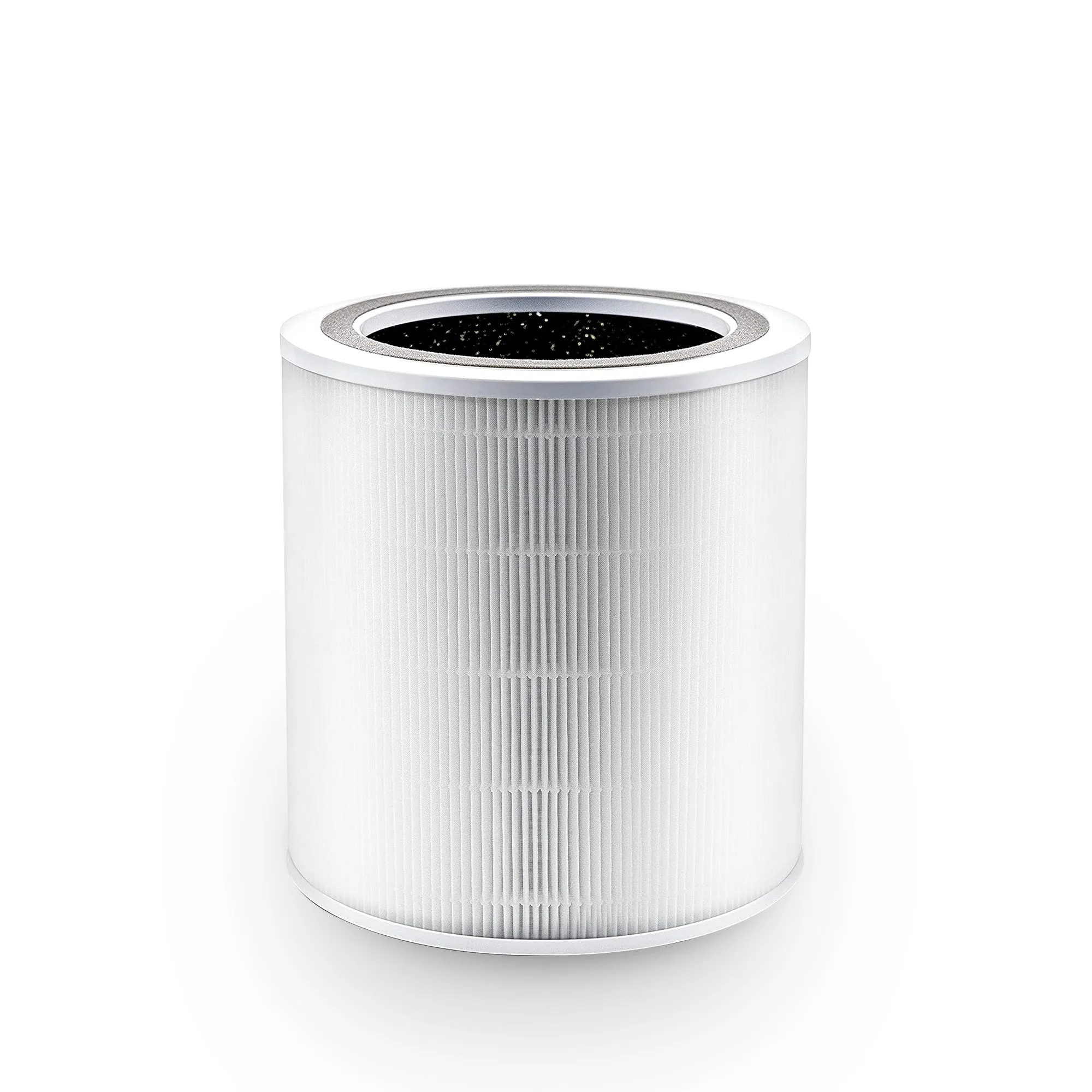
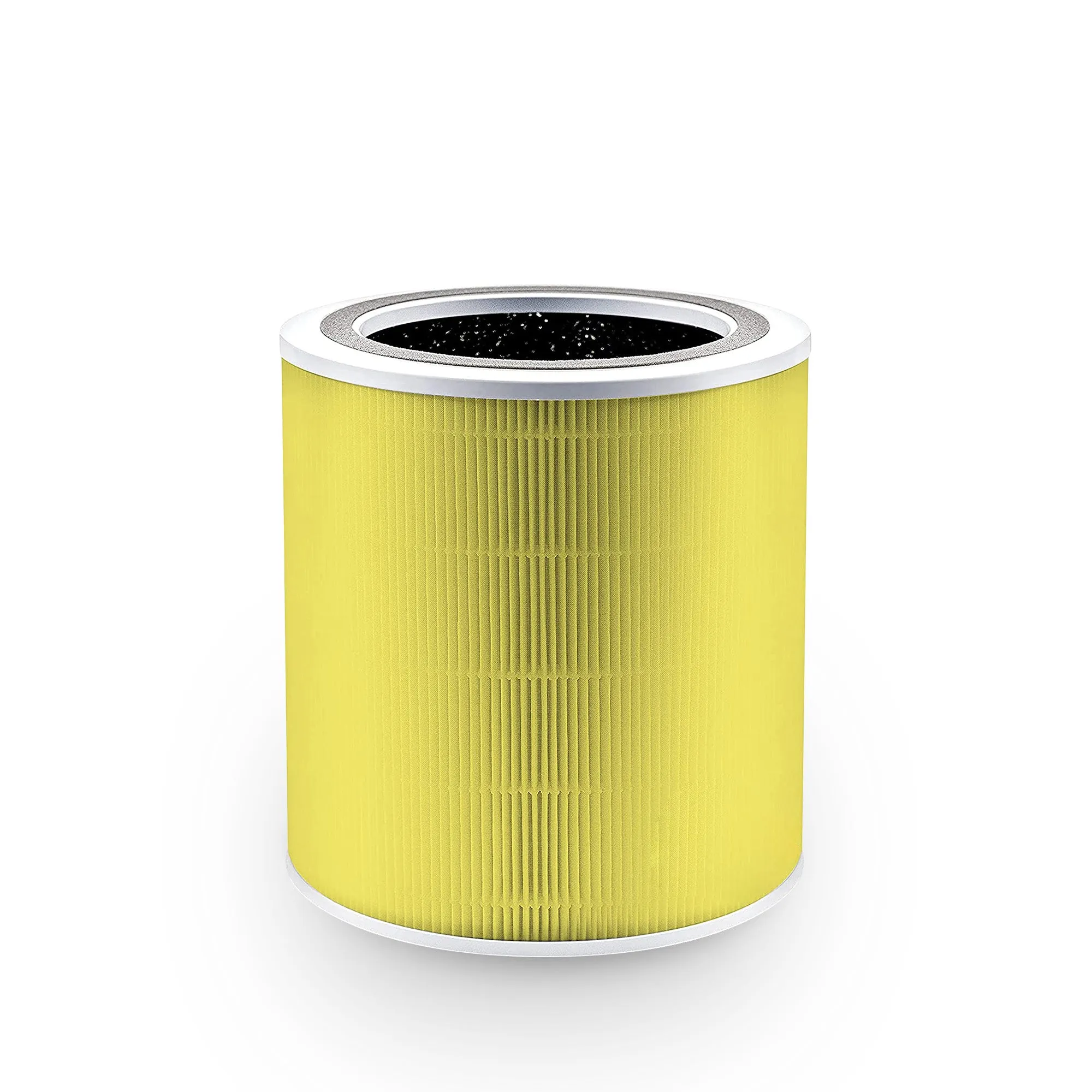
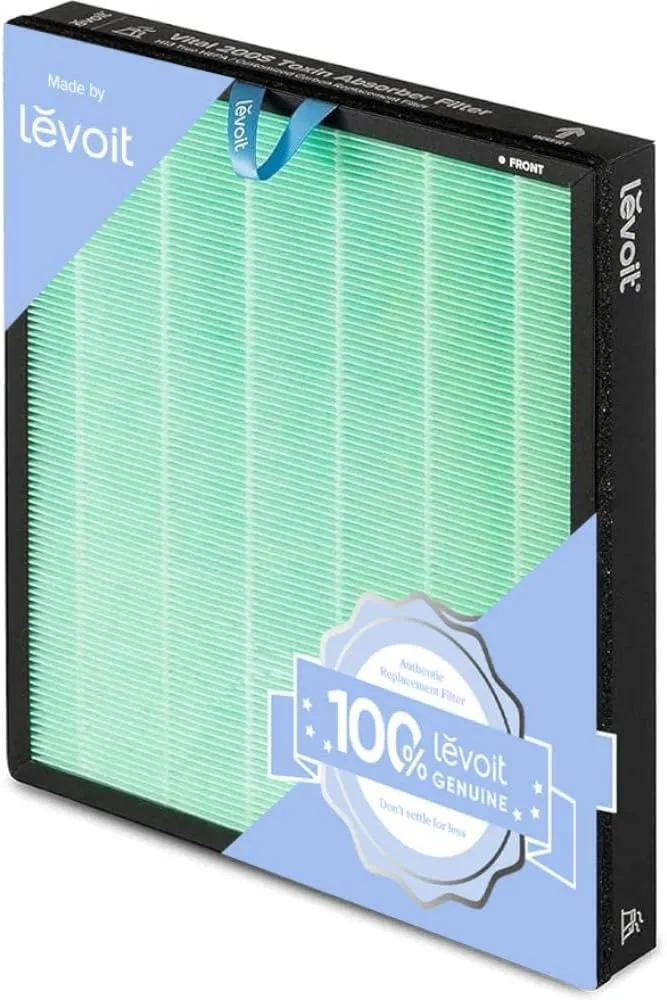
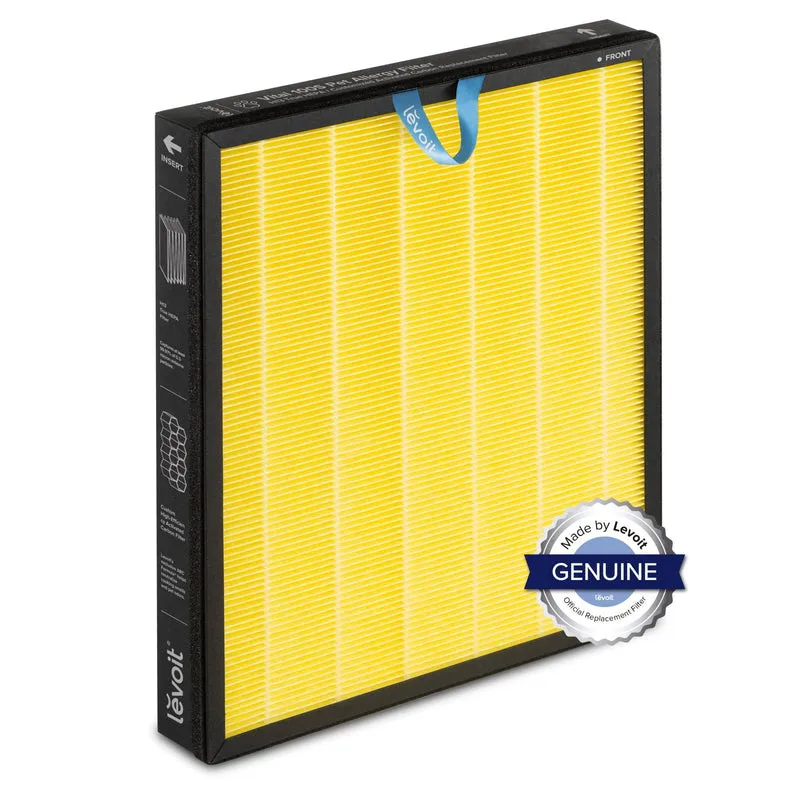
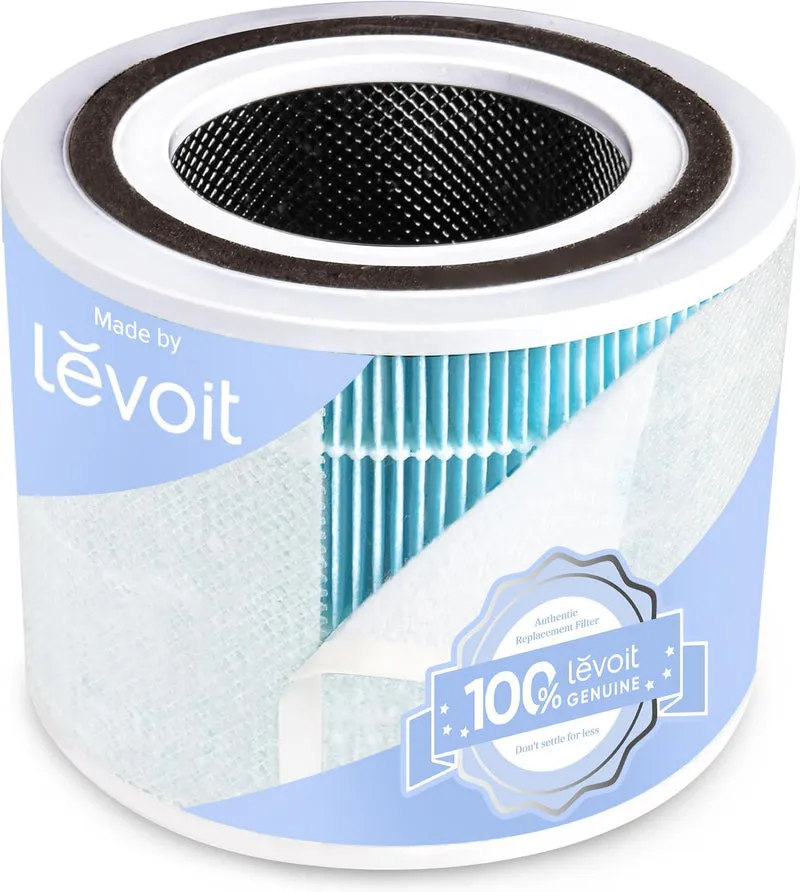
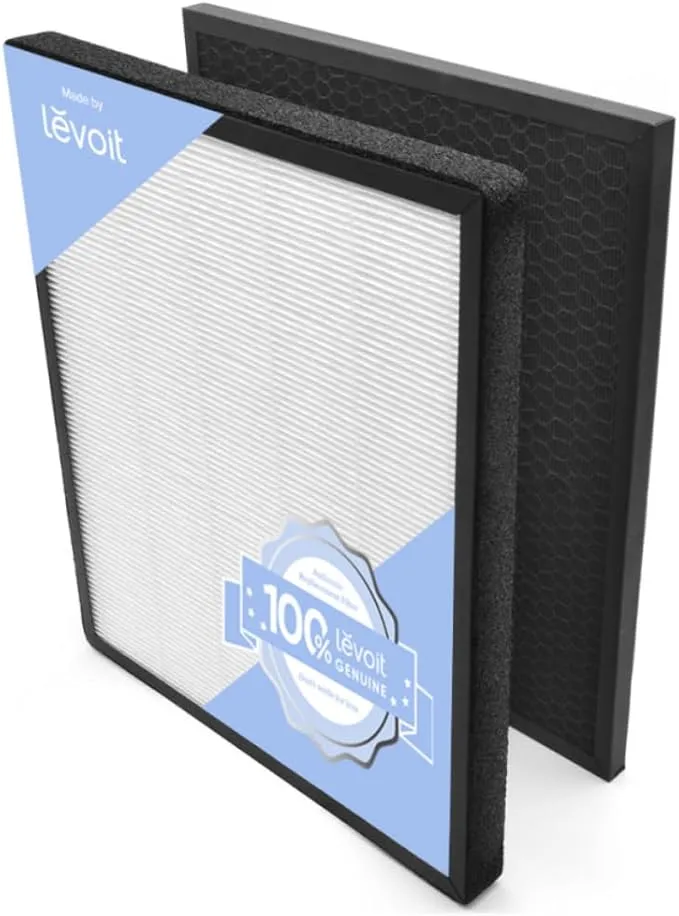
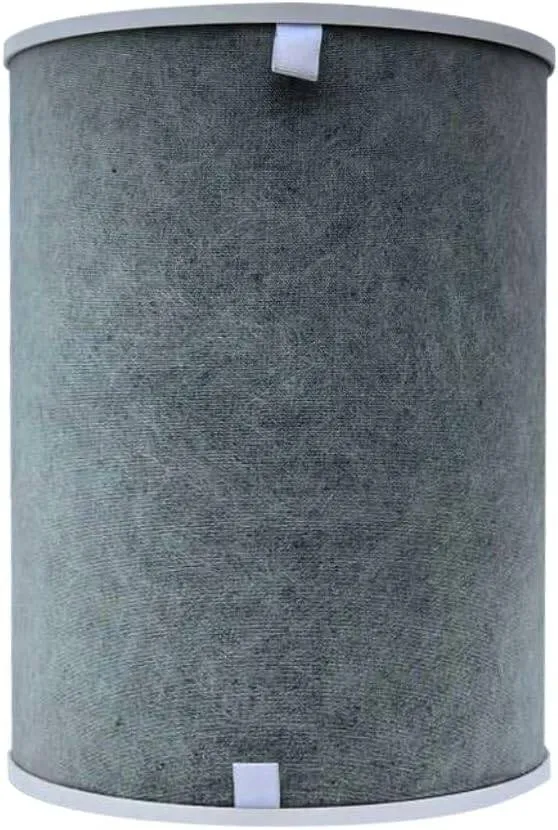
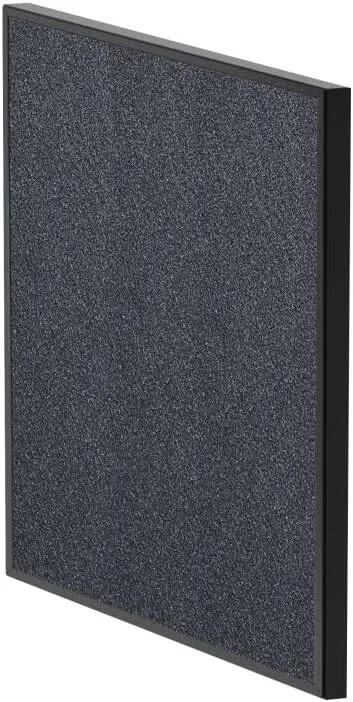
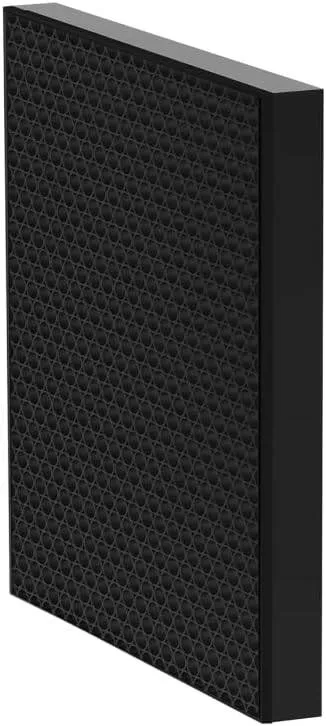
Three technologies form the foundation of effective indoor air quality management: HEPA filtration, activated carbon filtration, and mechanical ventilation. Each targets a different class of pollutant, and the best results come from combining them.
| Technology | Targets | Limitation |
|---|---|---|
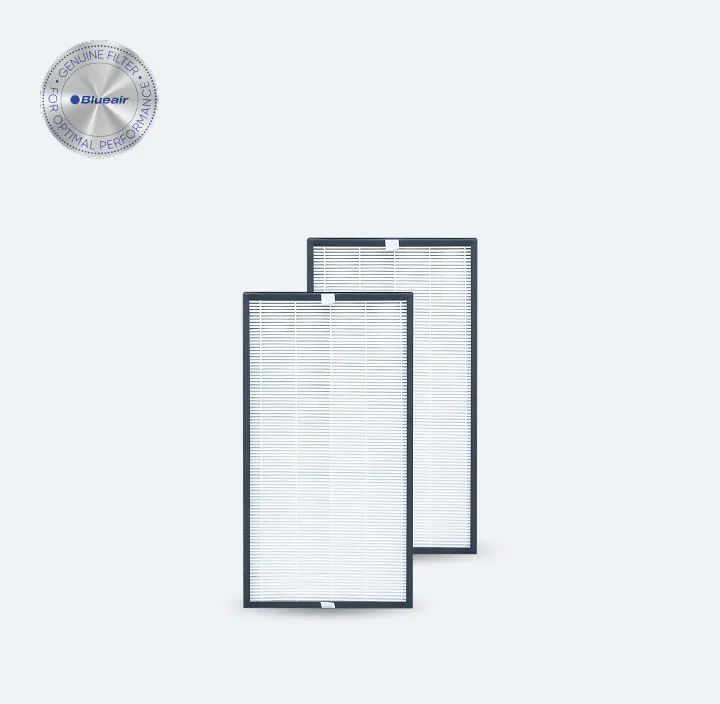
| HEPA filter | Particles: dust, pollen, PM2.5, PM10 | Does not remove gases or odours |
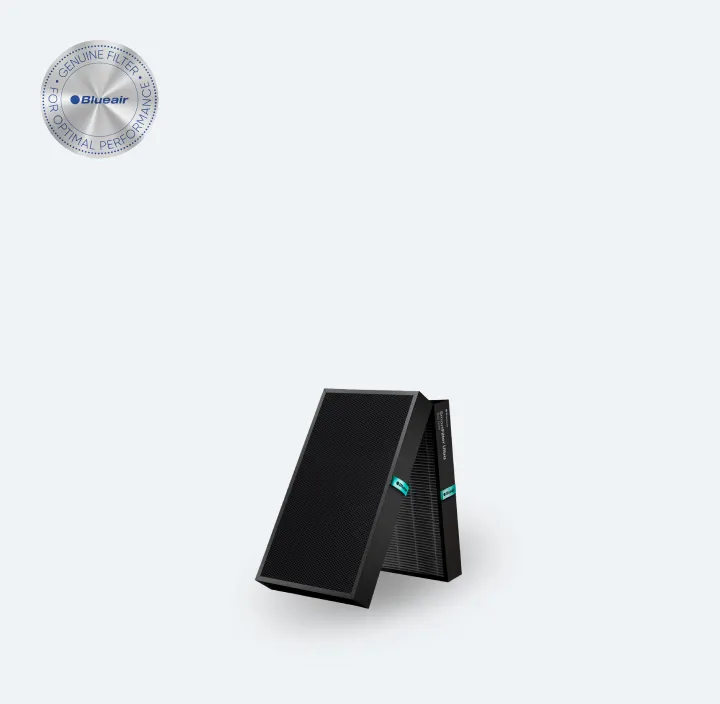
| Activated carbon | VOCs, odours, gases | Does not capture particles |
| Mechanical ventilation | CO2, humidity, stale air | Brings in outdoor pollutants if unfiltered |
| Combined purifier (HEPA + carbon) | Particles and gases | Coverage area limits effectiveness |
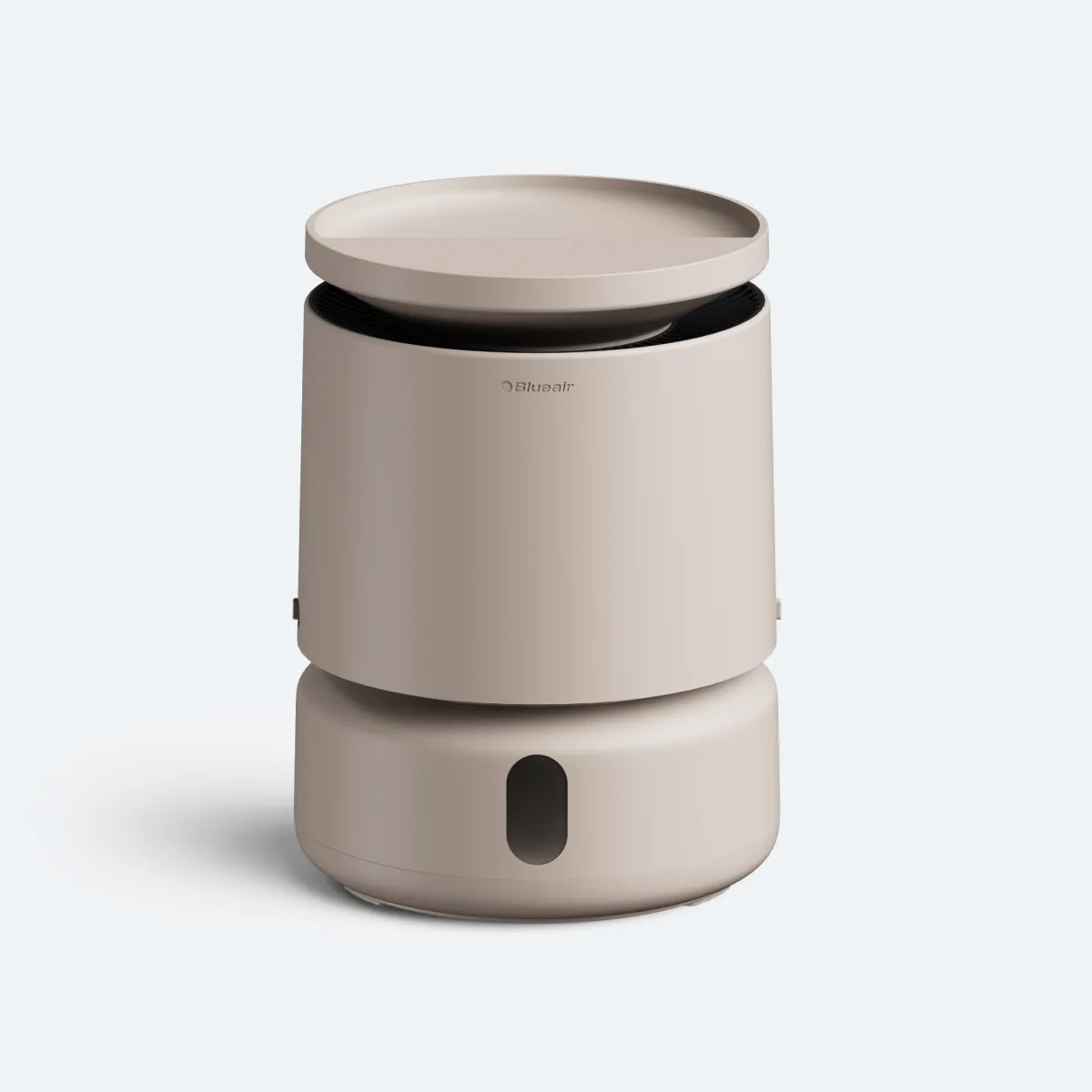
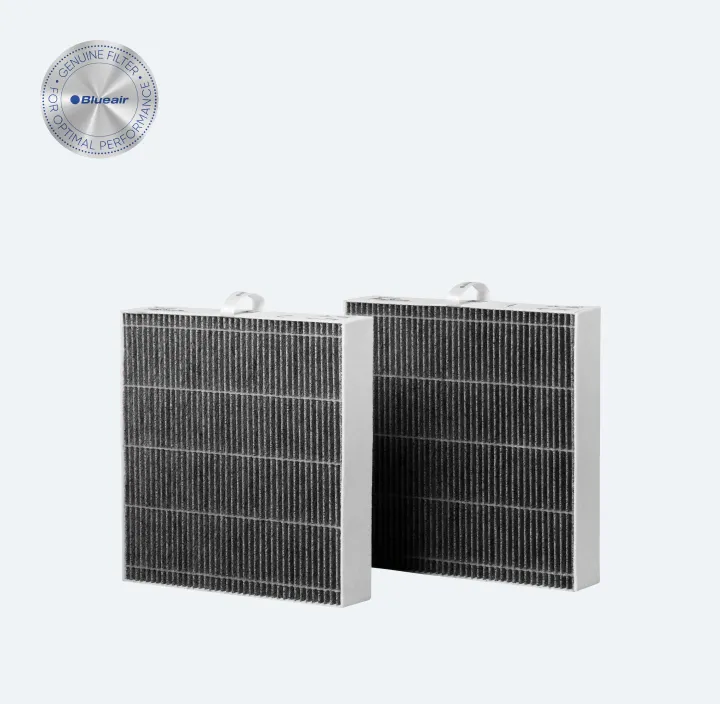
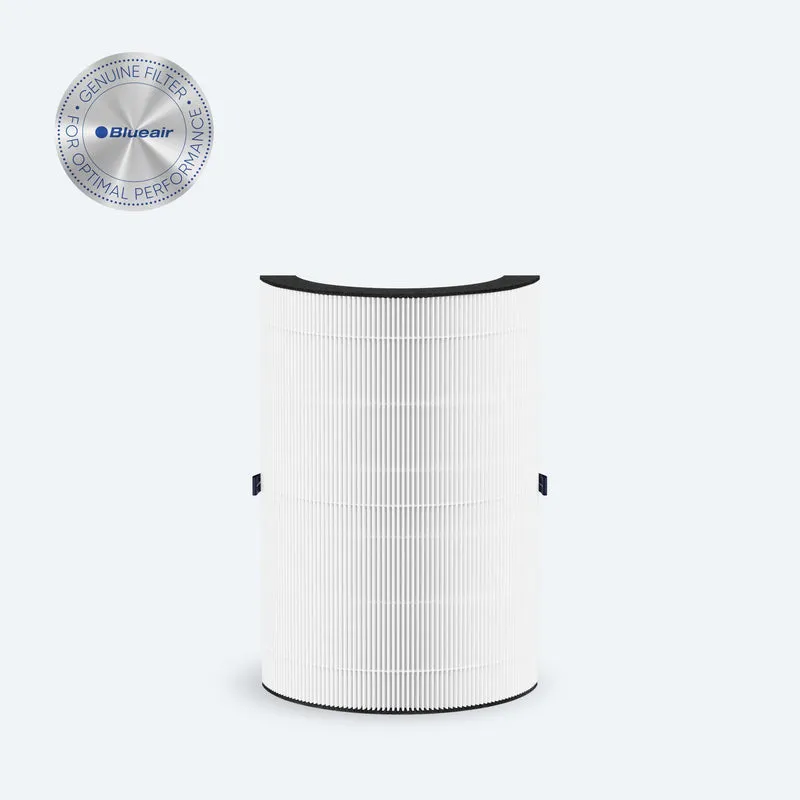
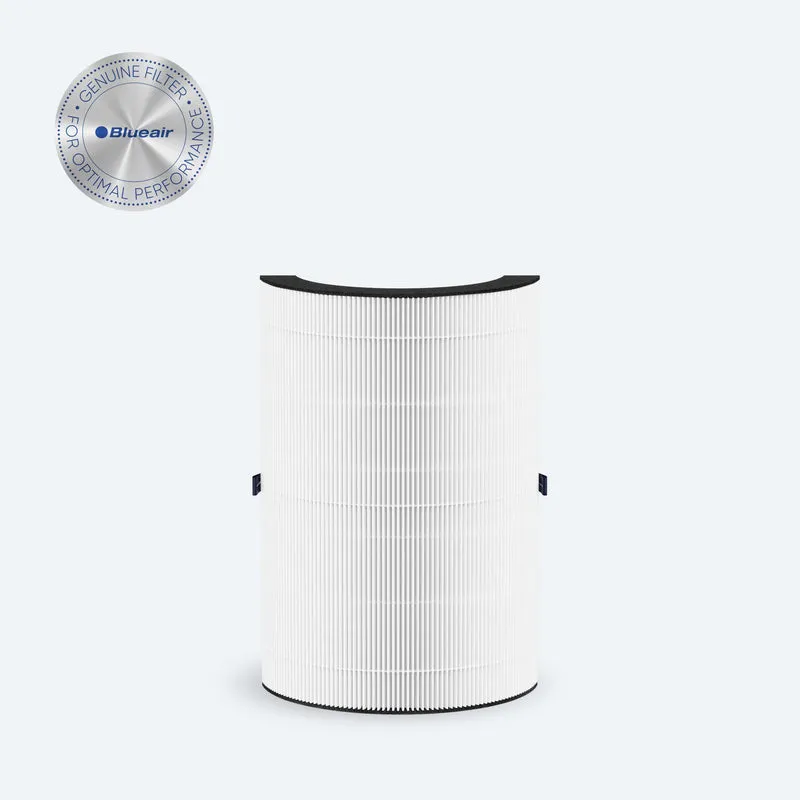
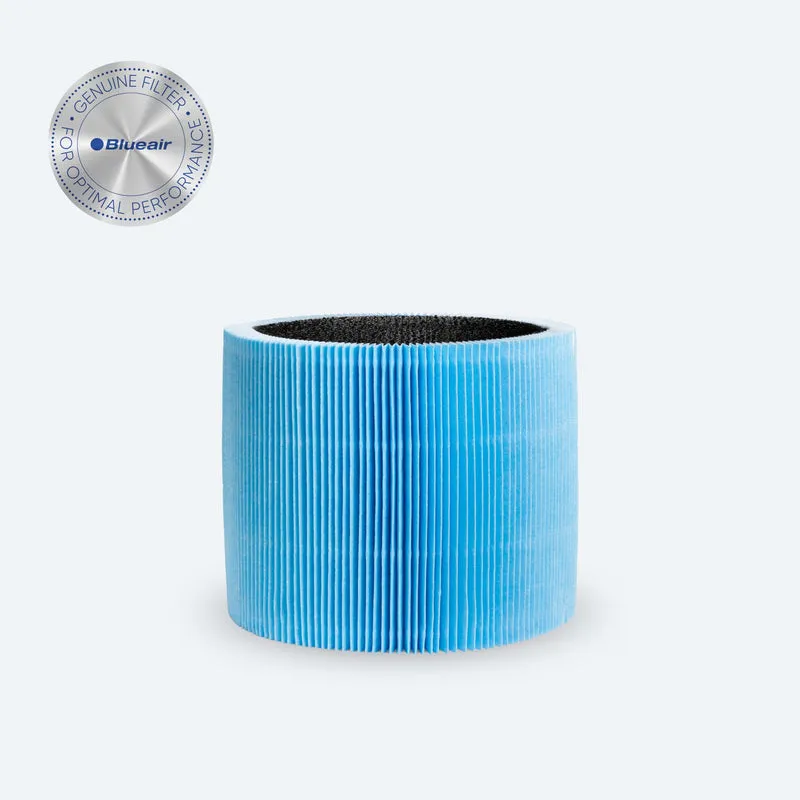
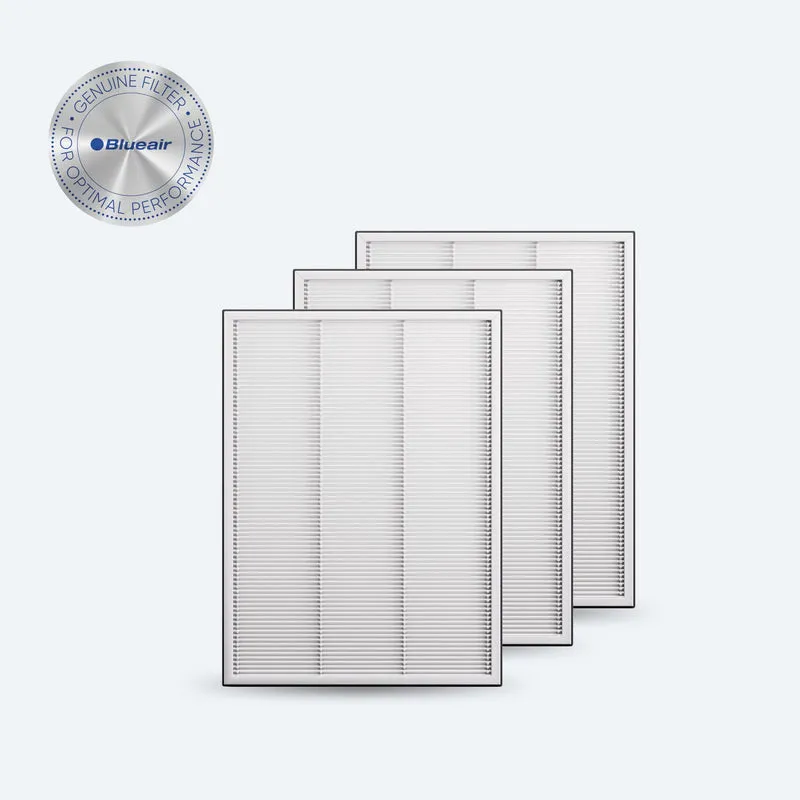
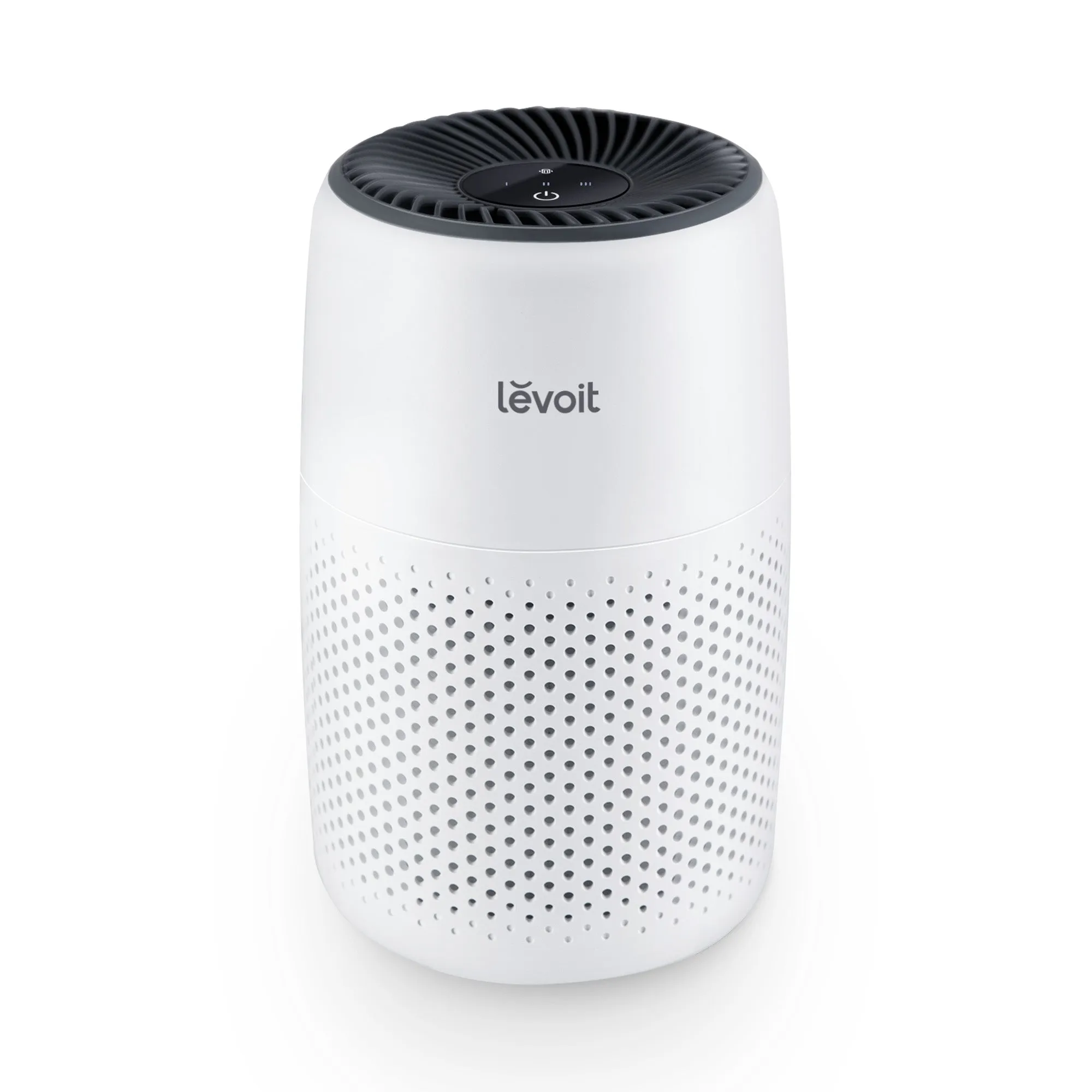
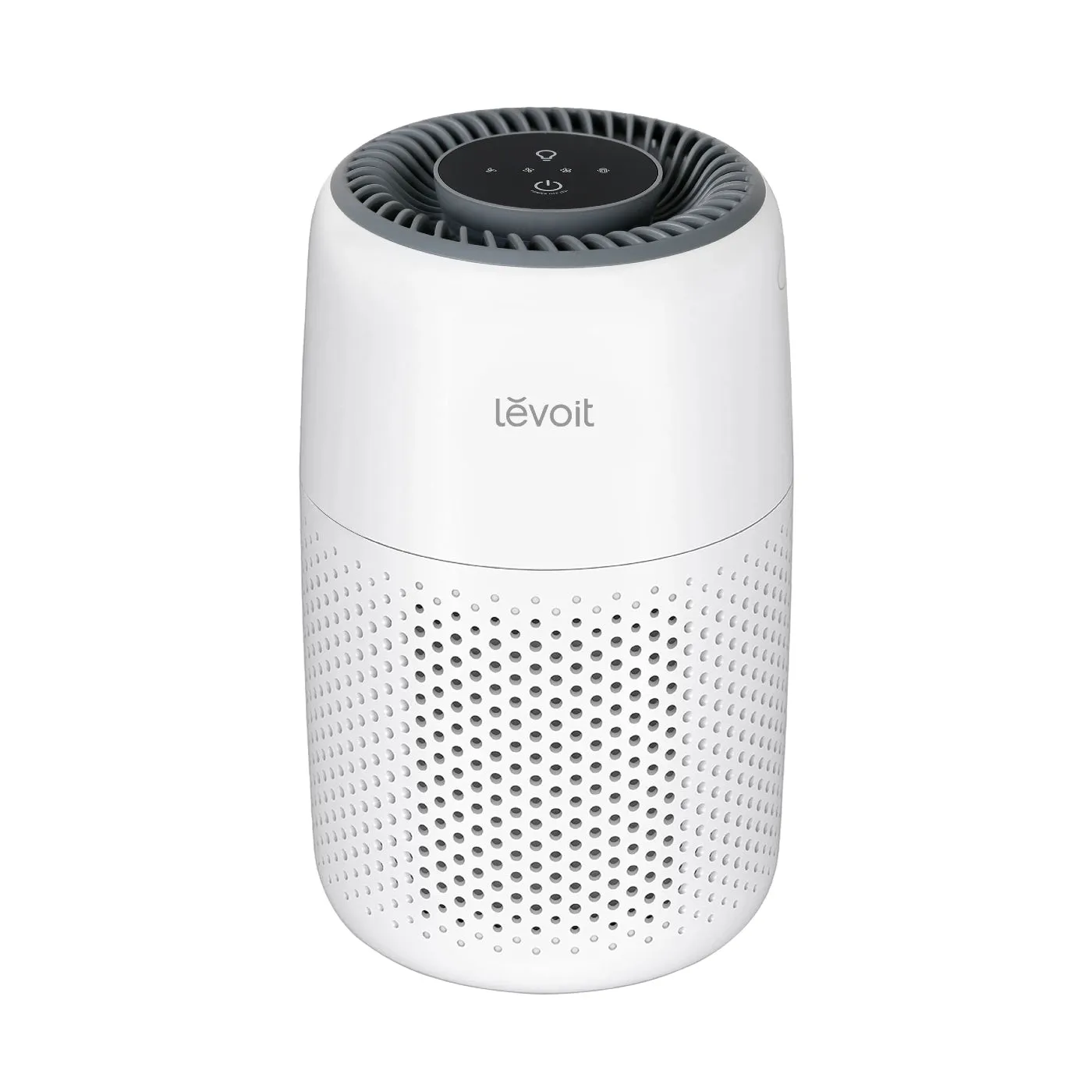
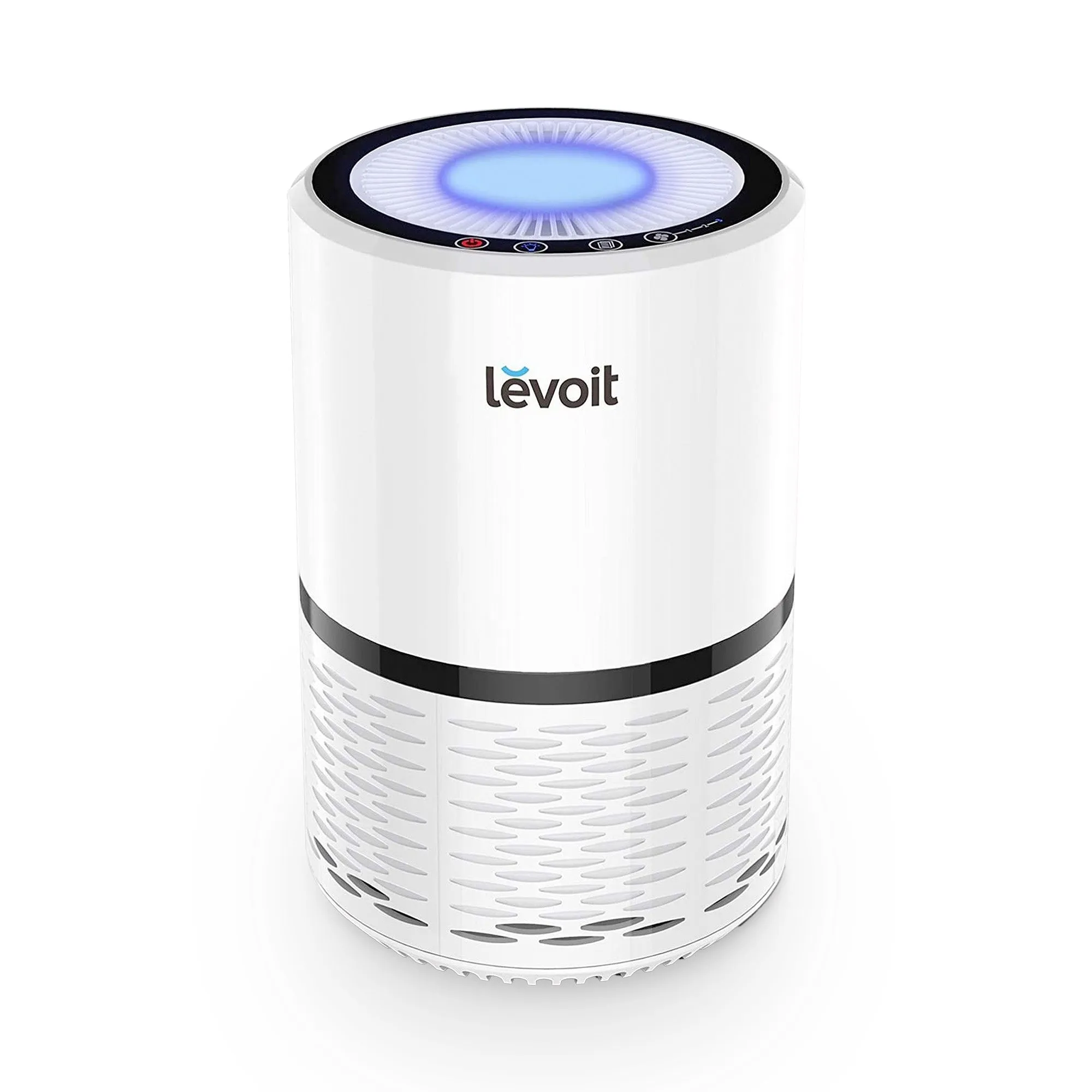
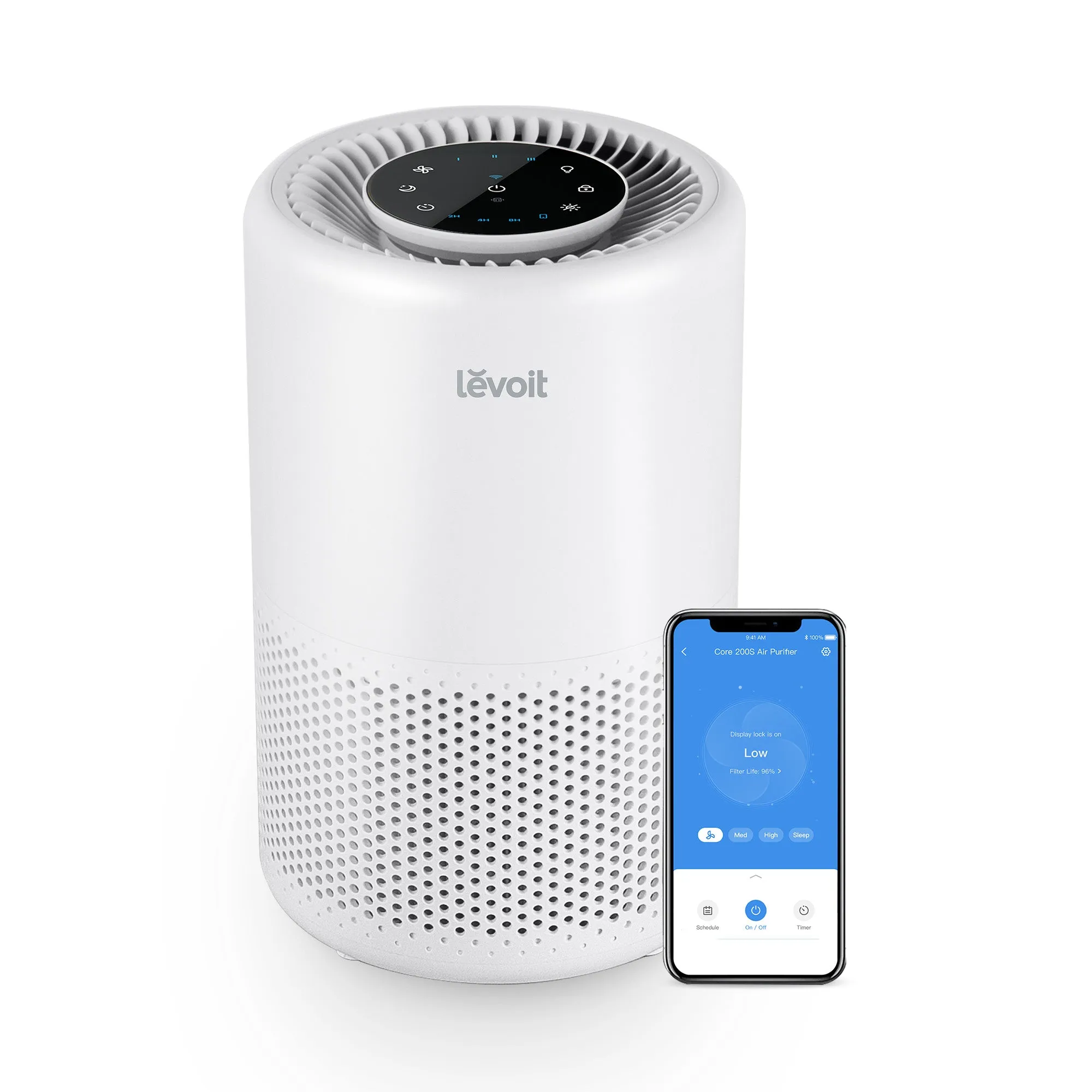
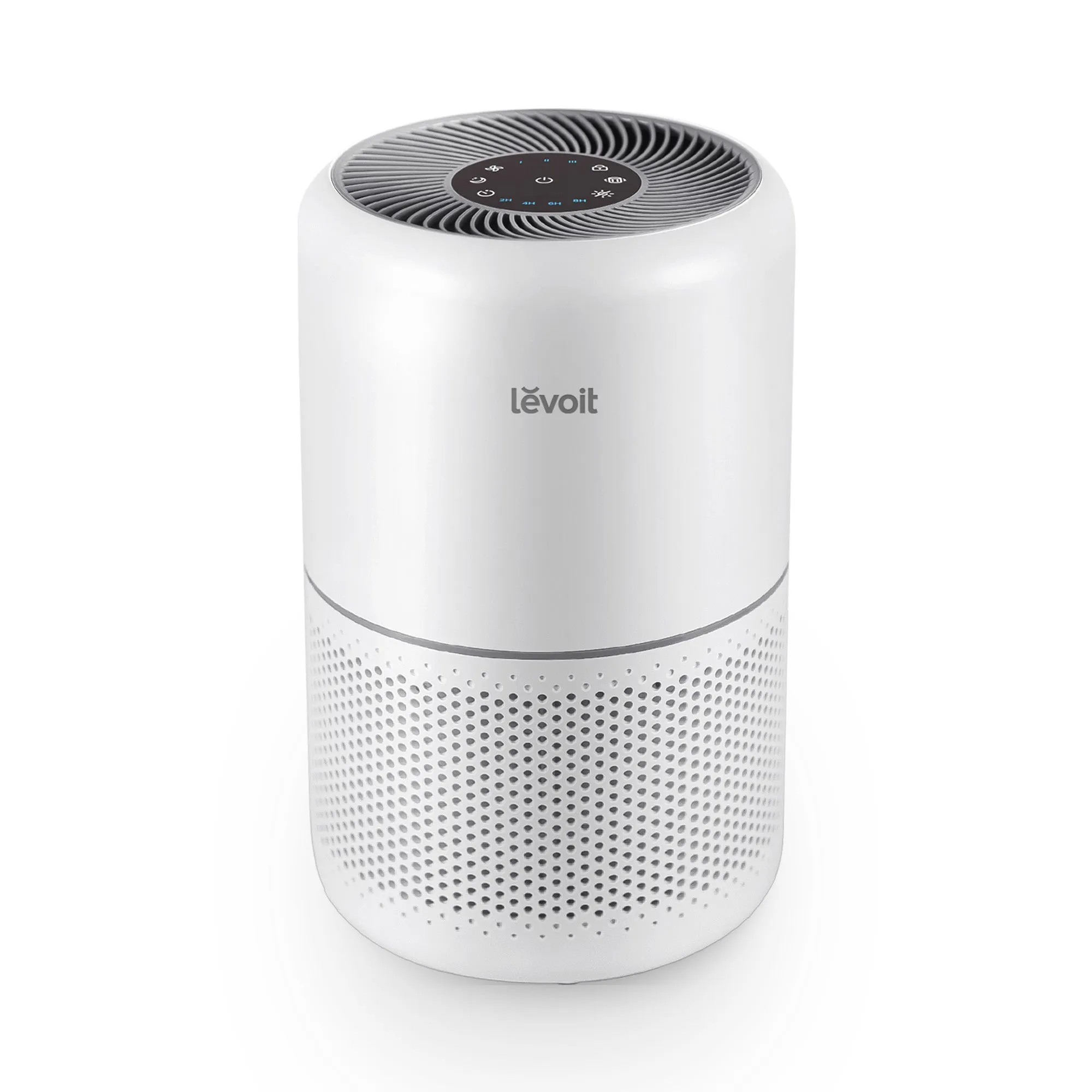
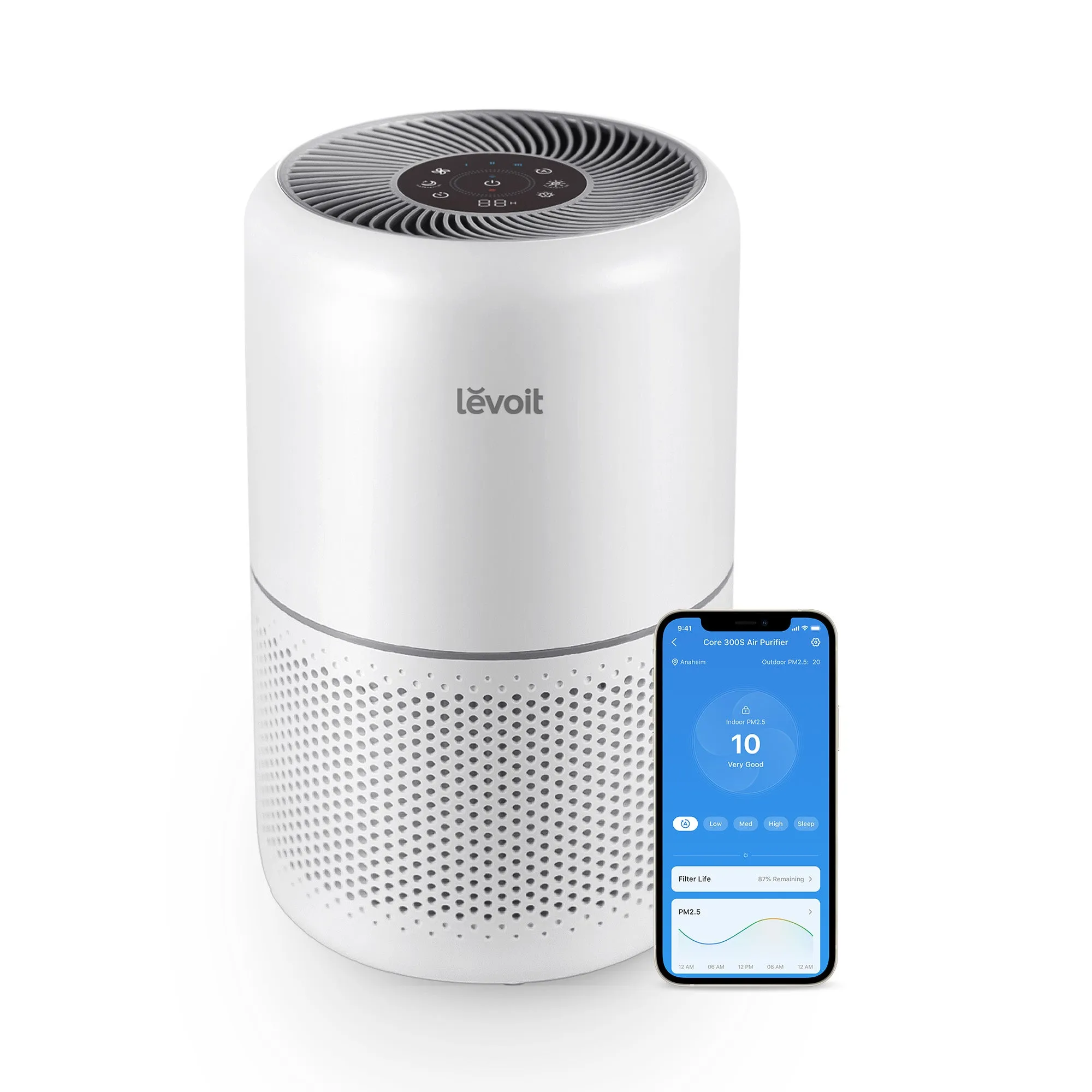
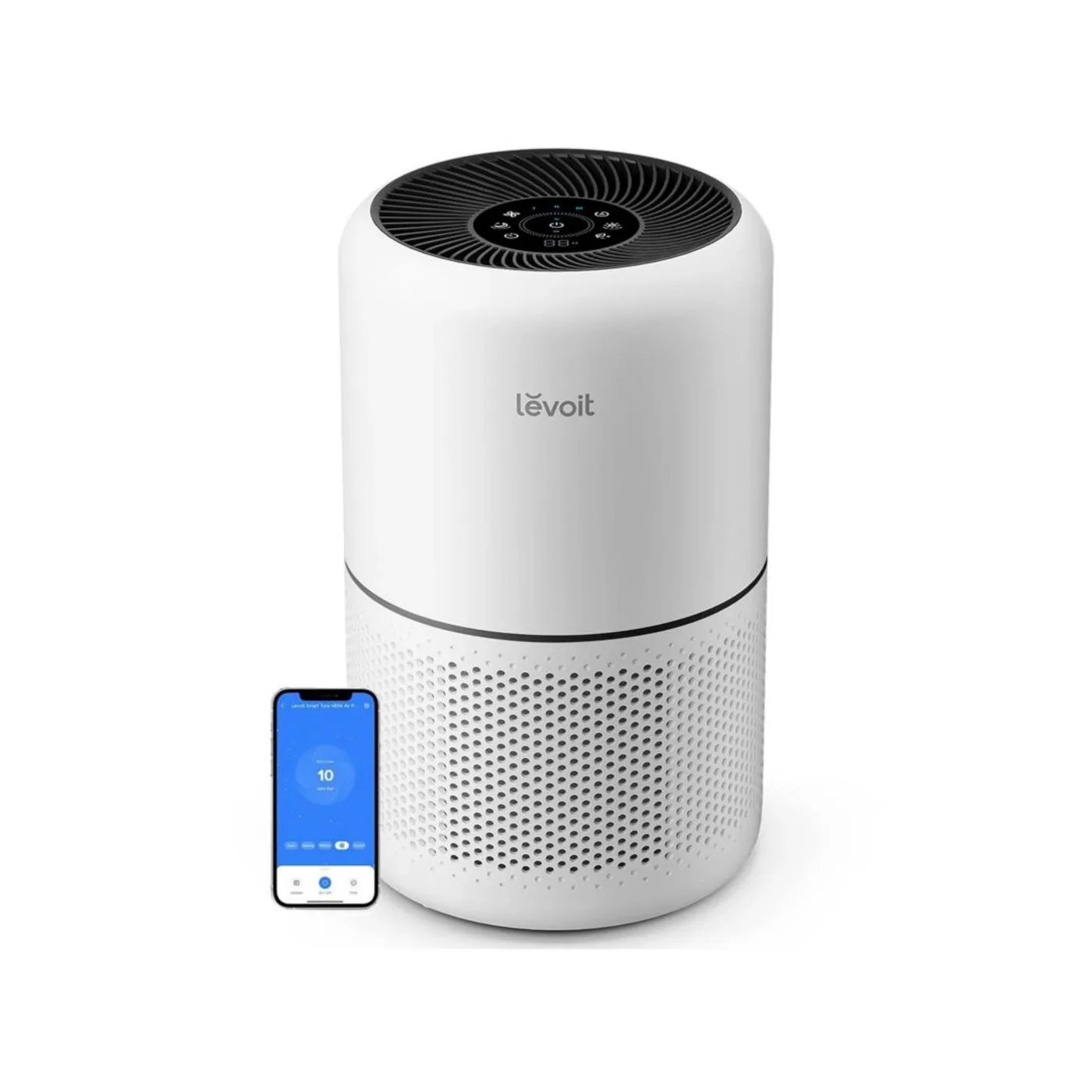
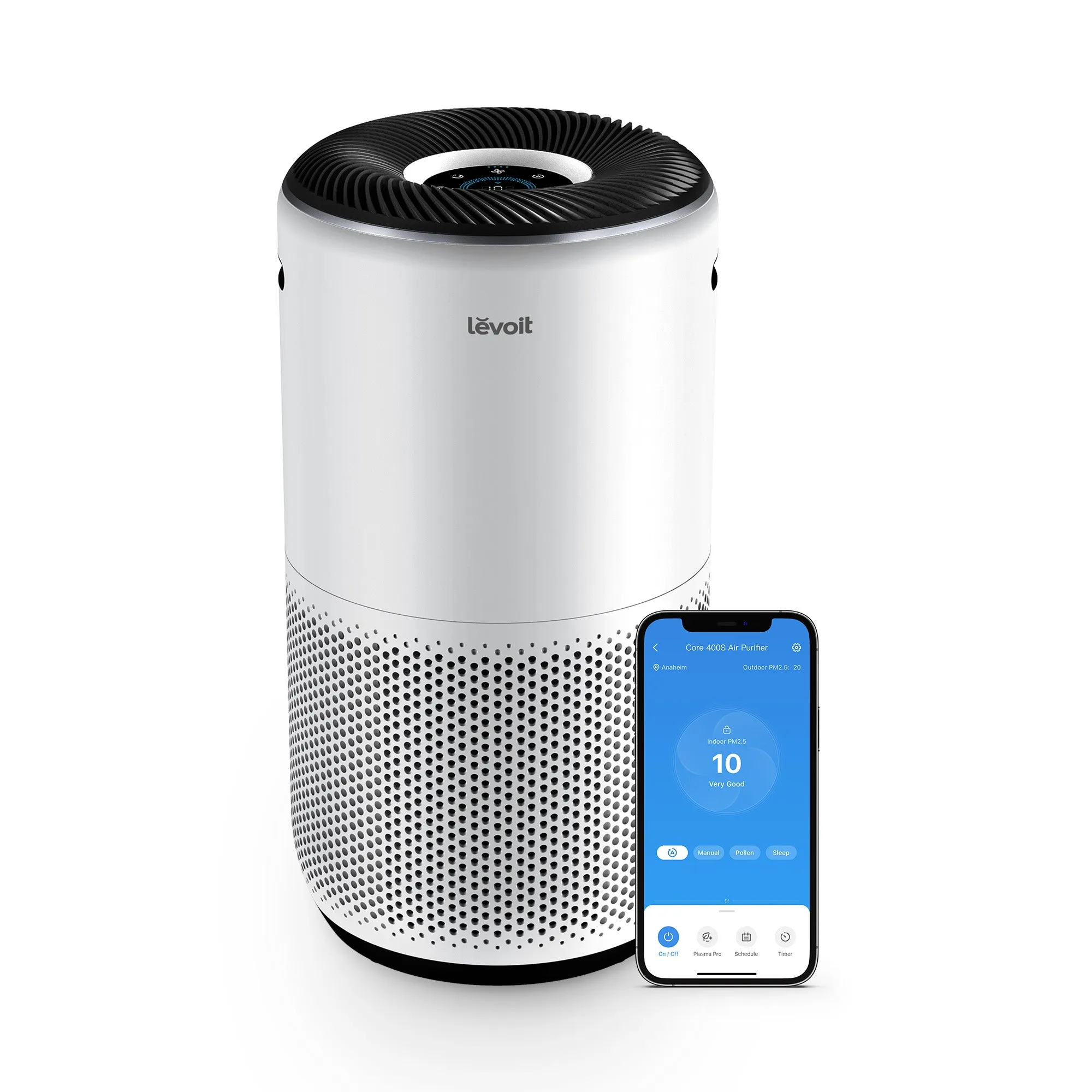
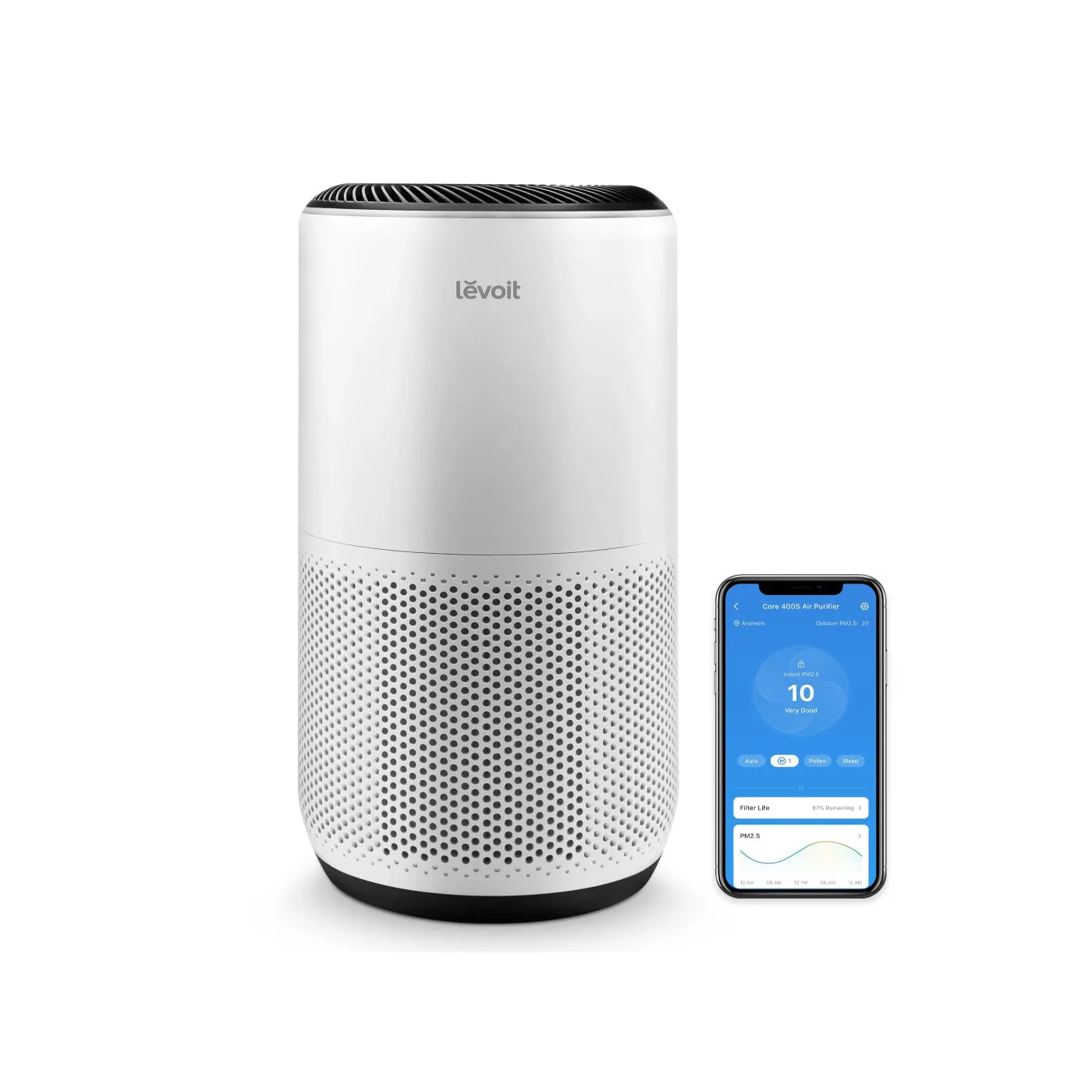
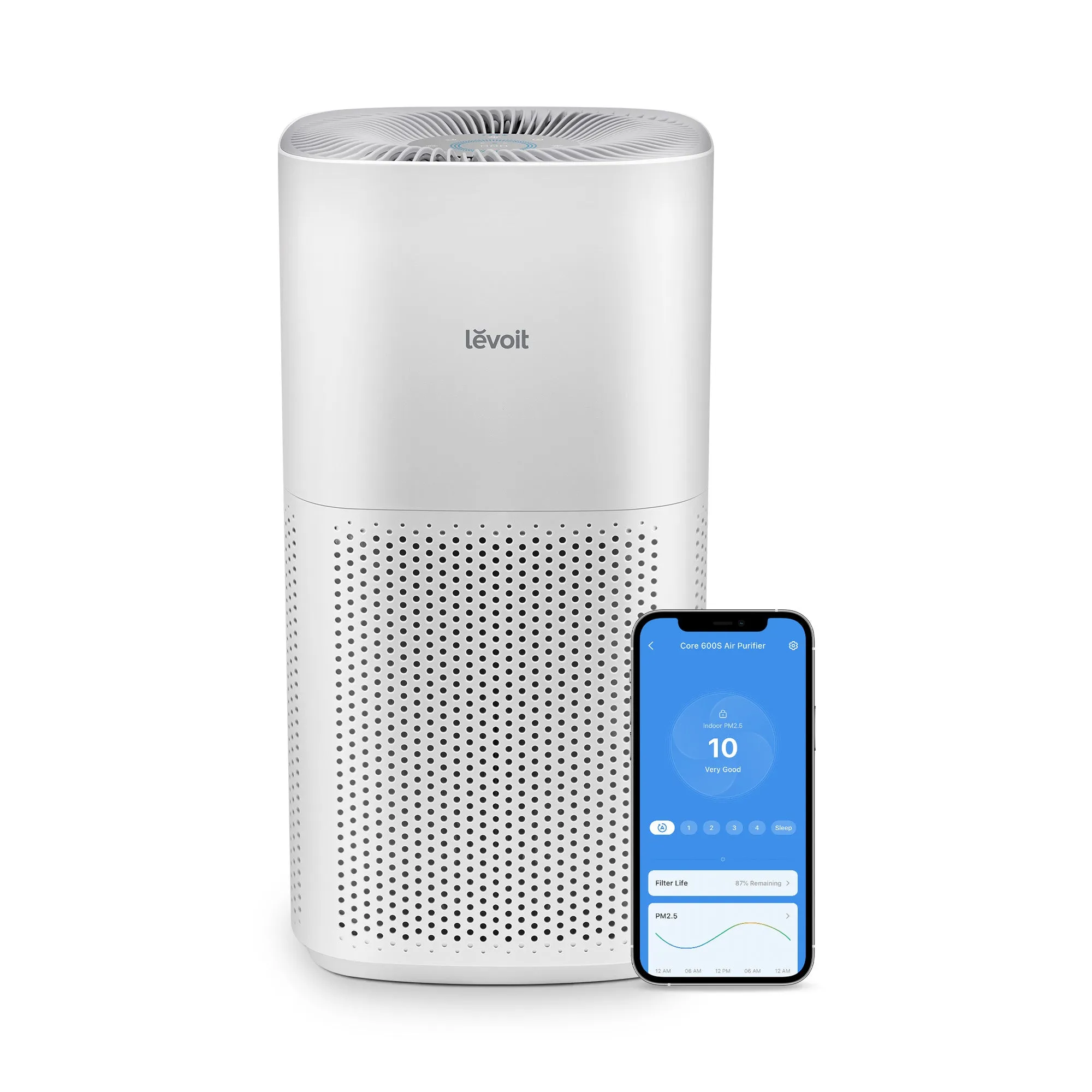
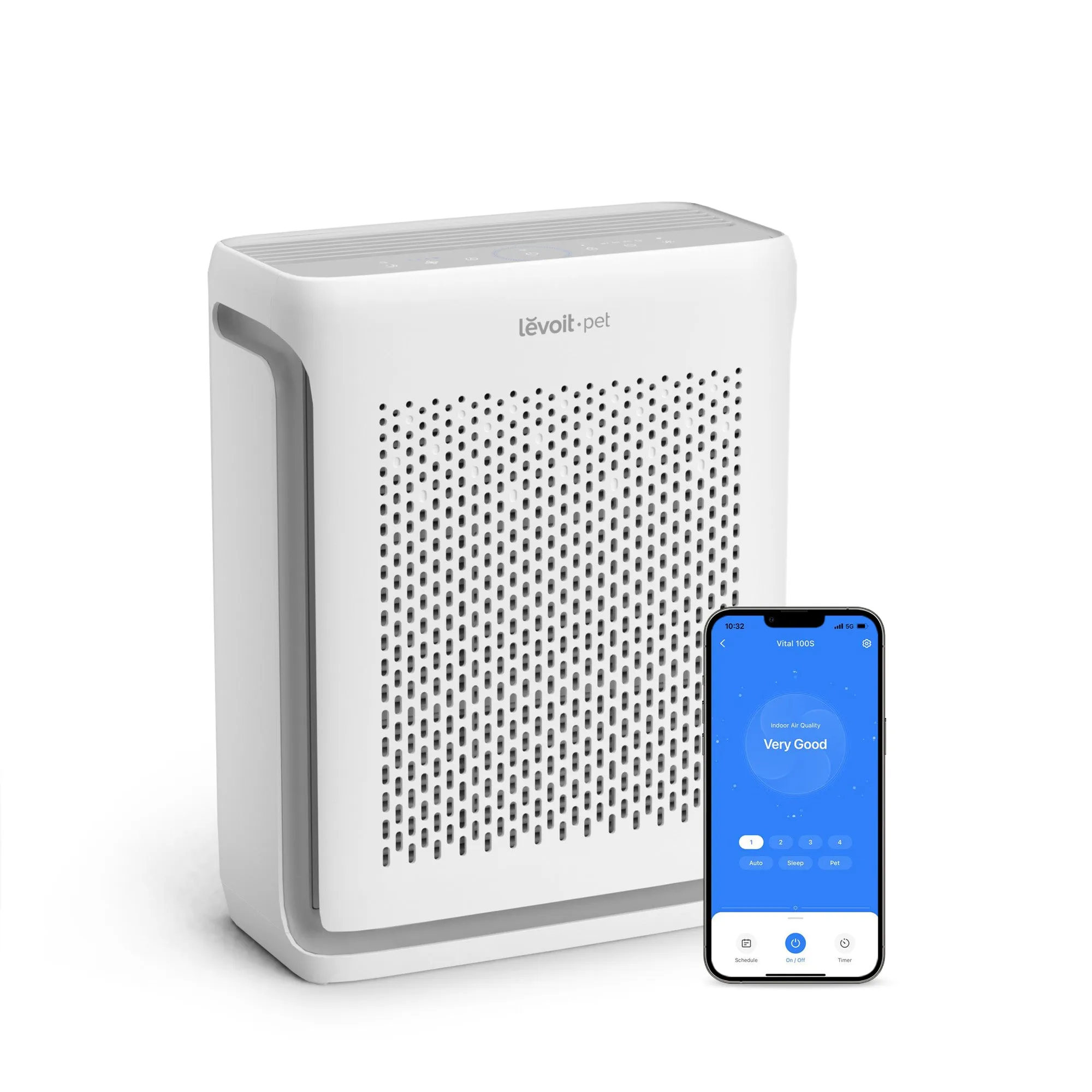
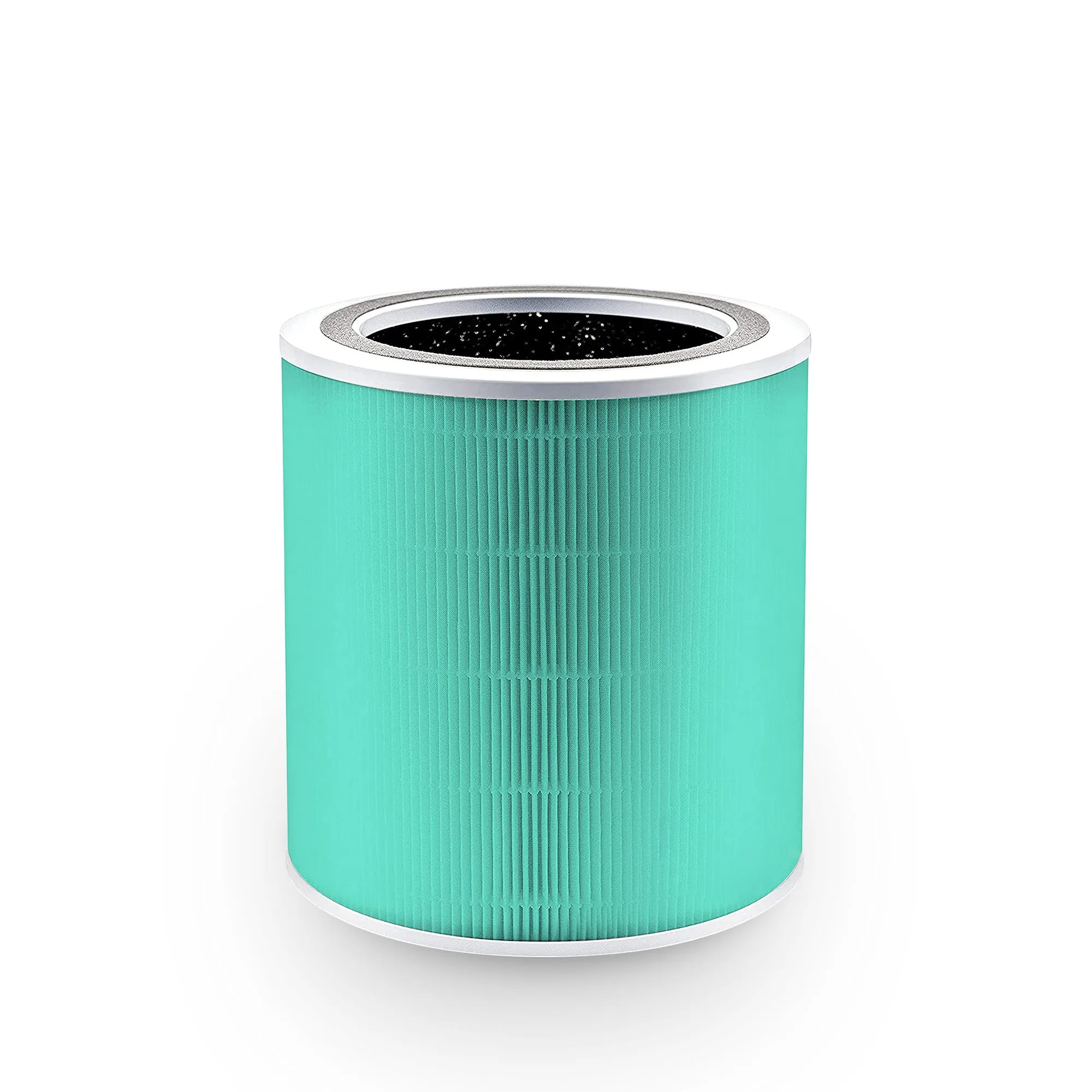
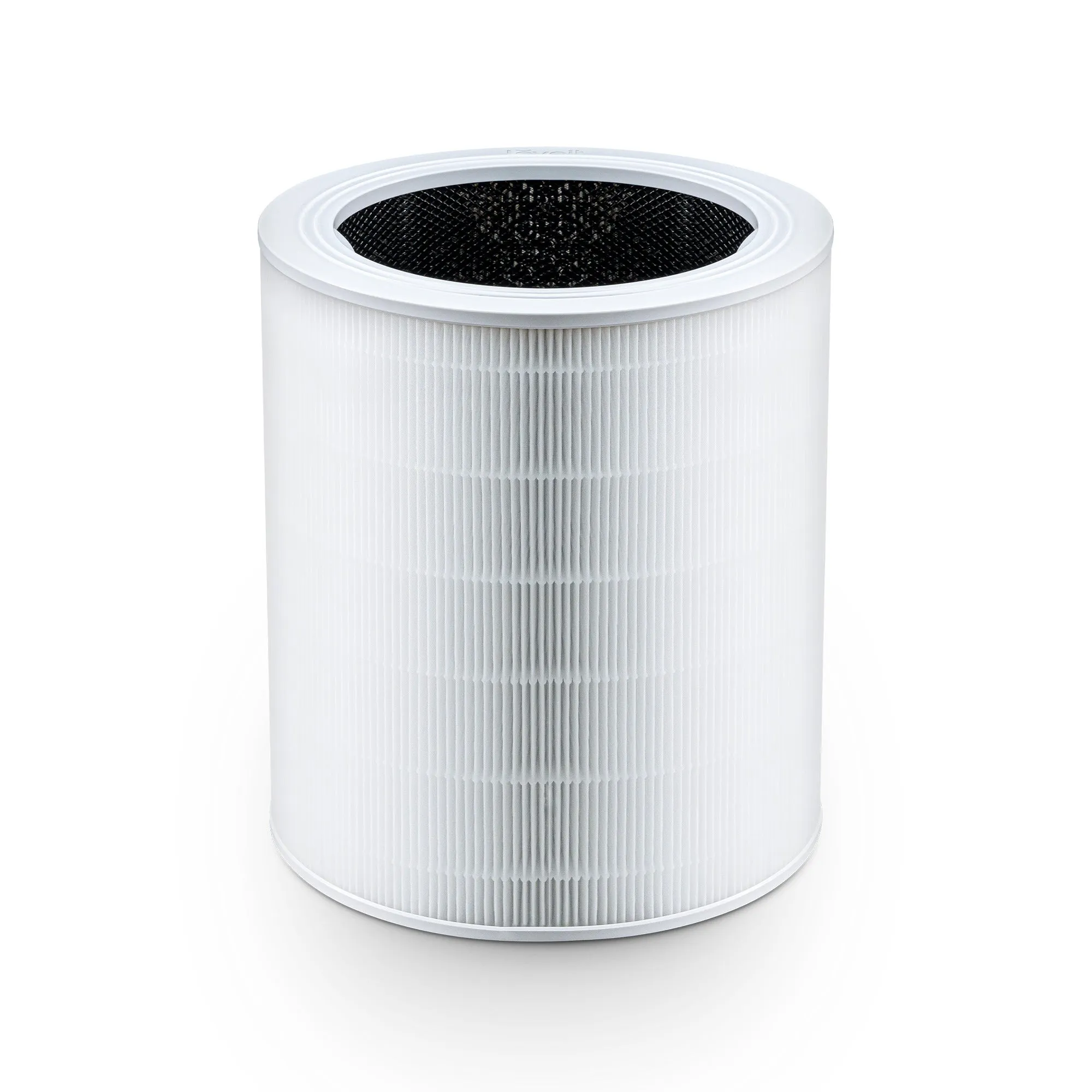
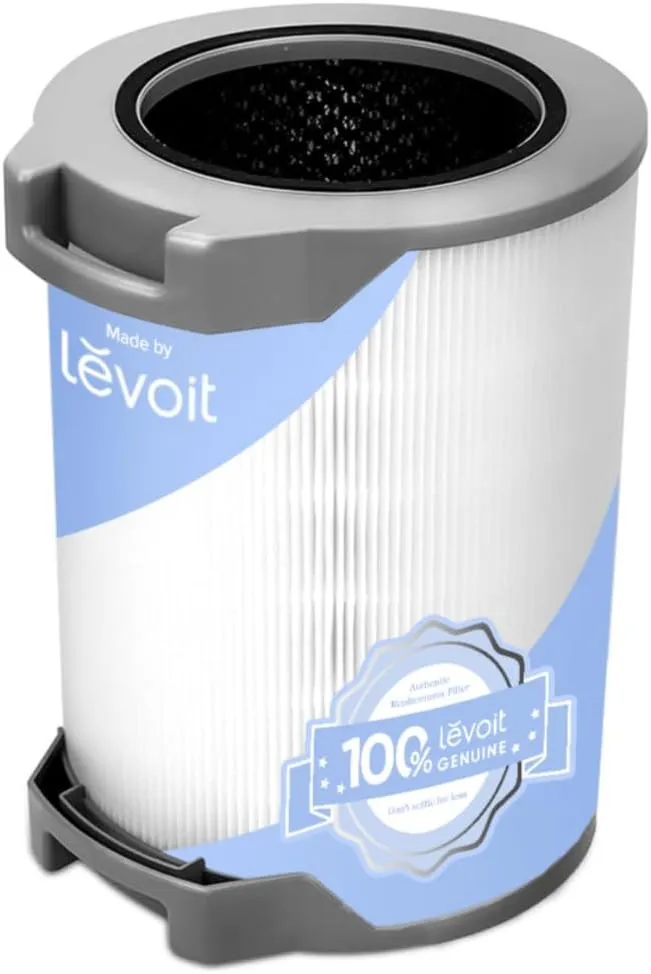
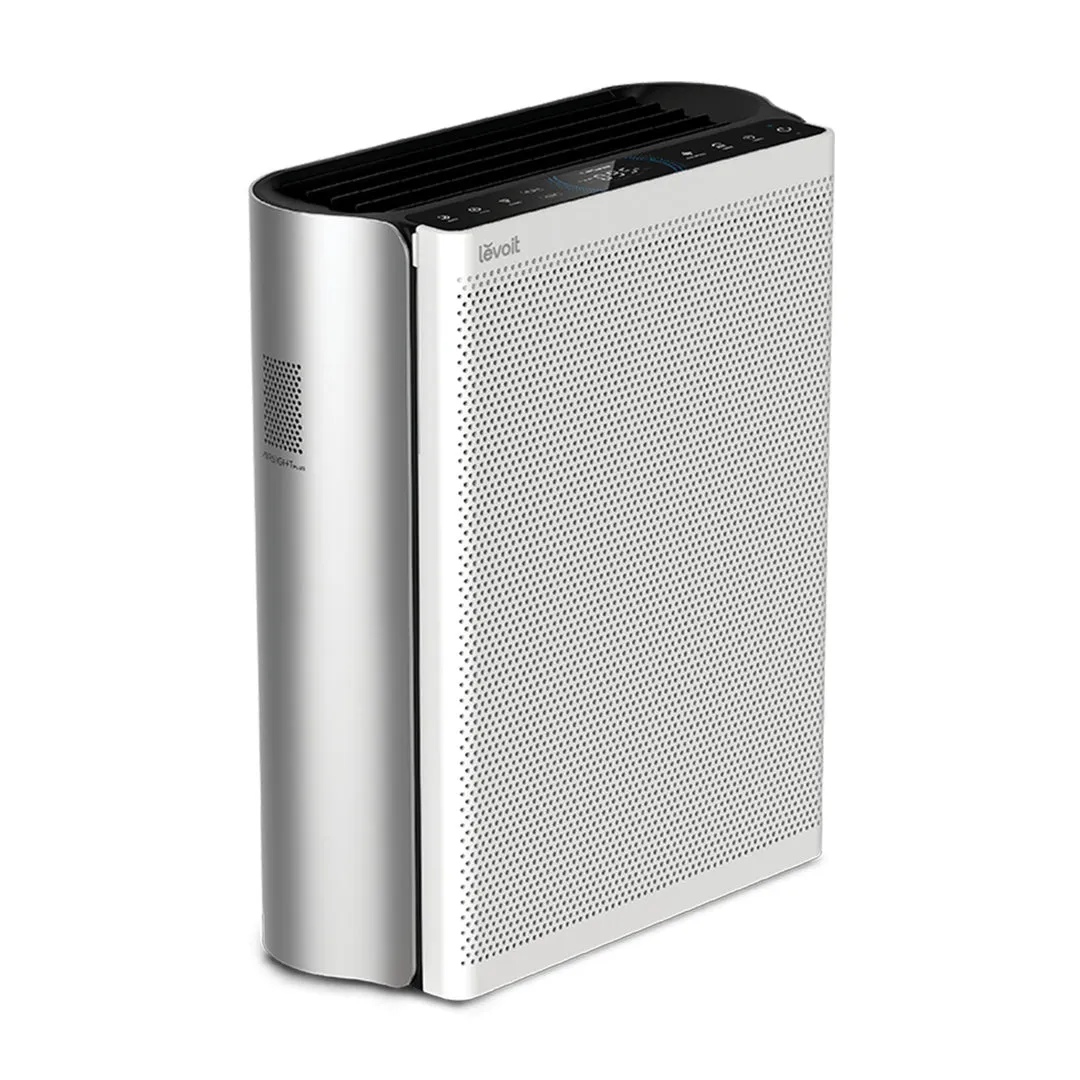
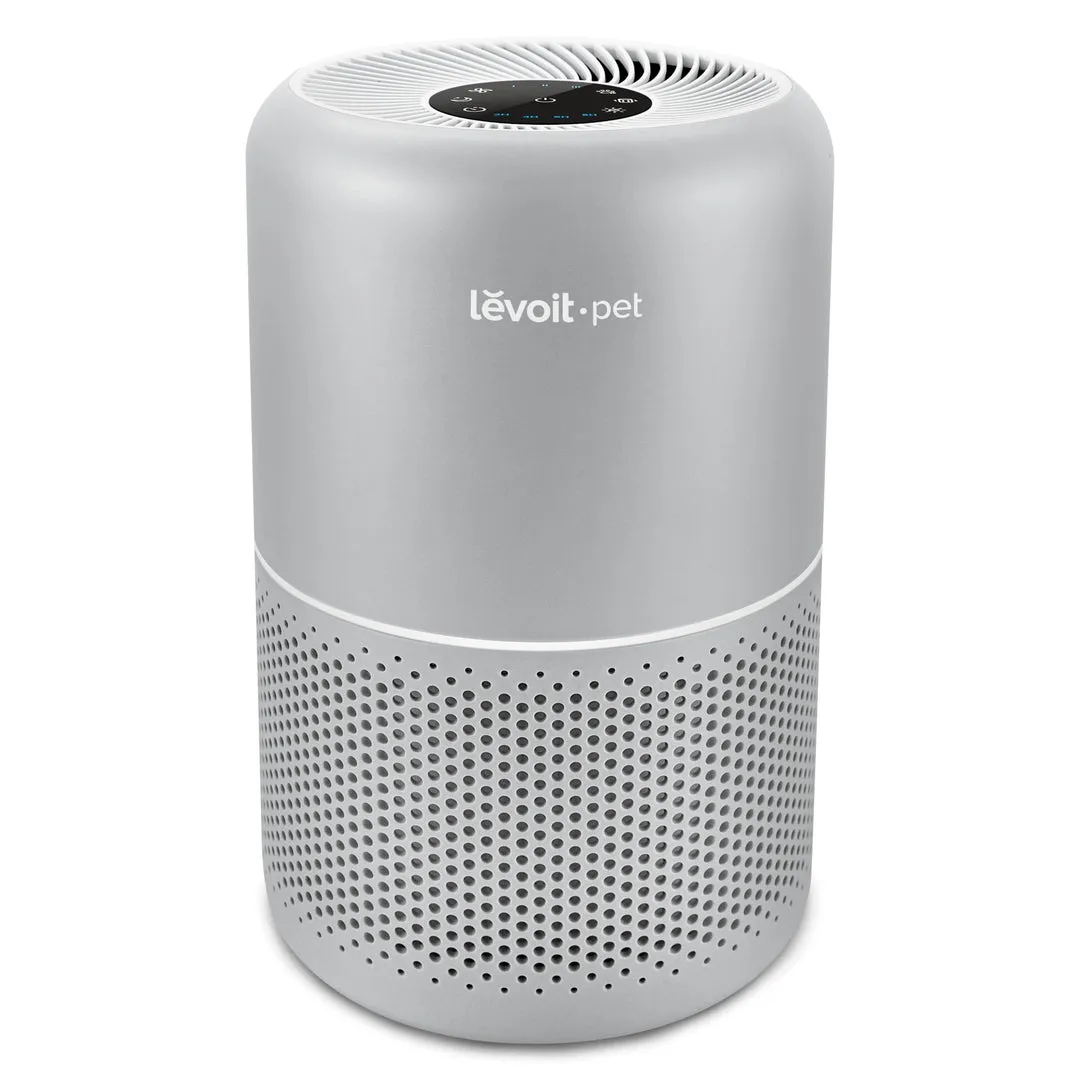
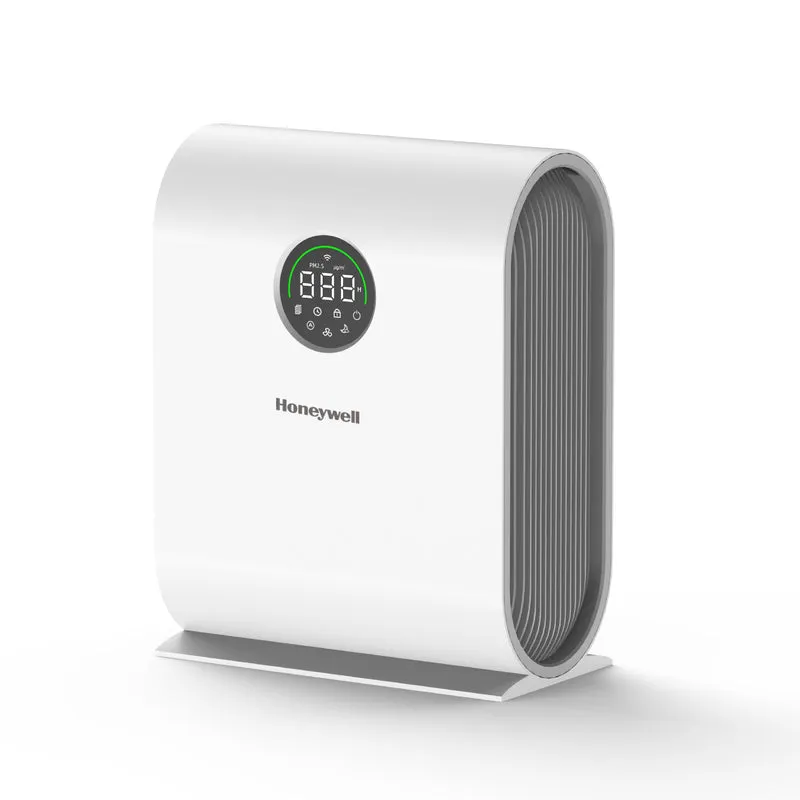
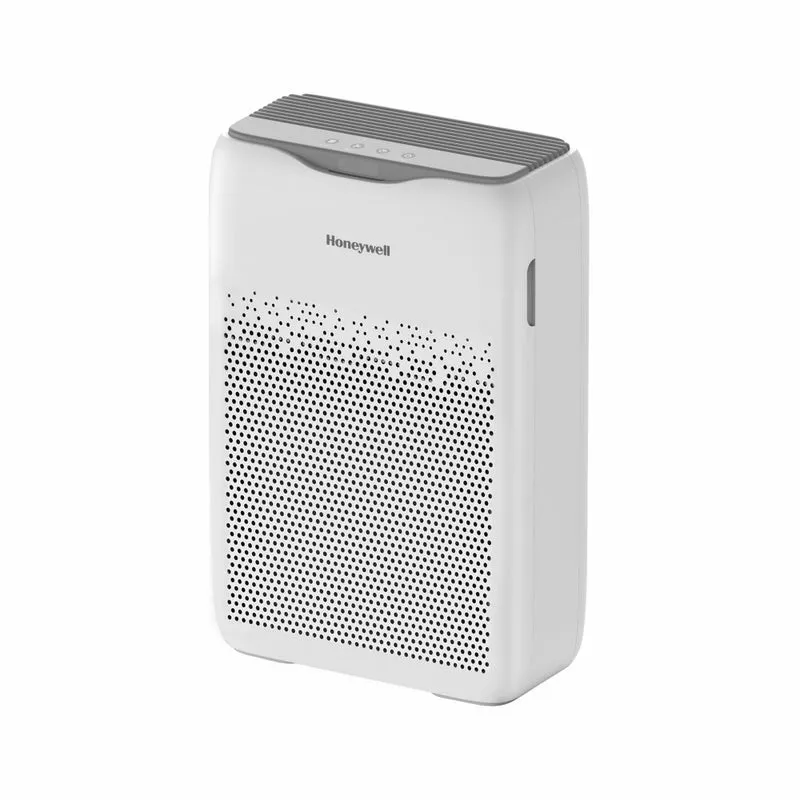
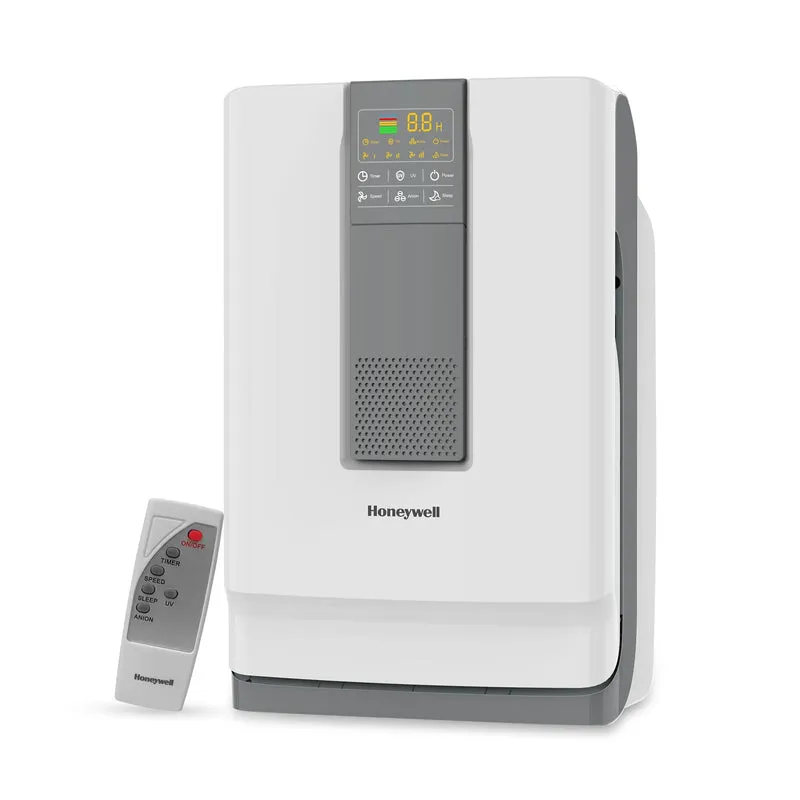
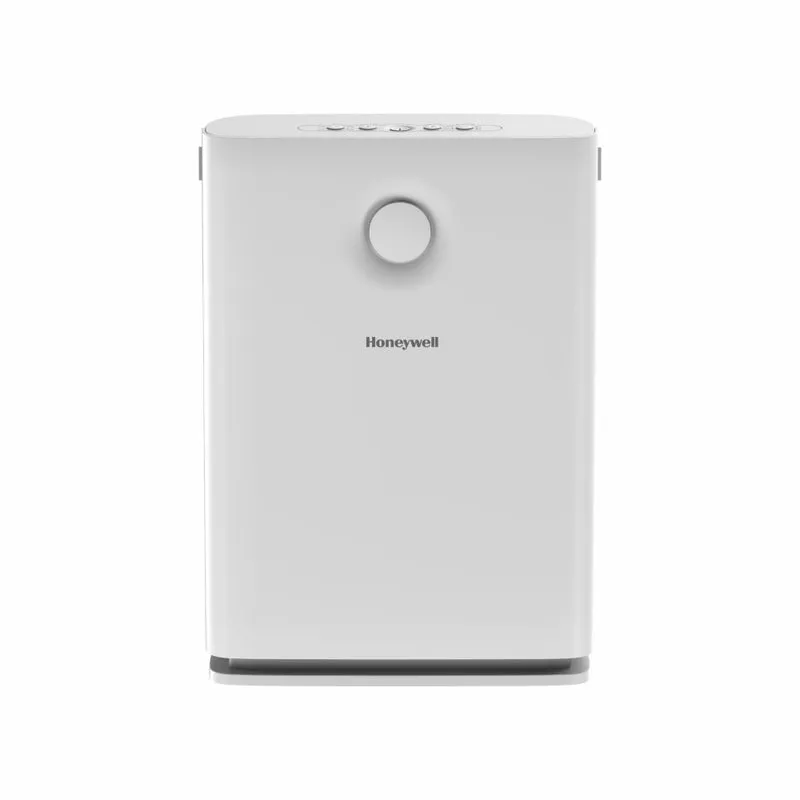
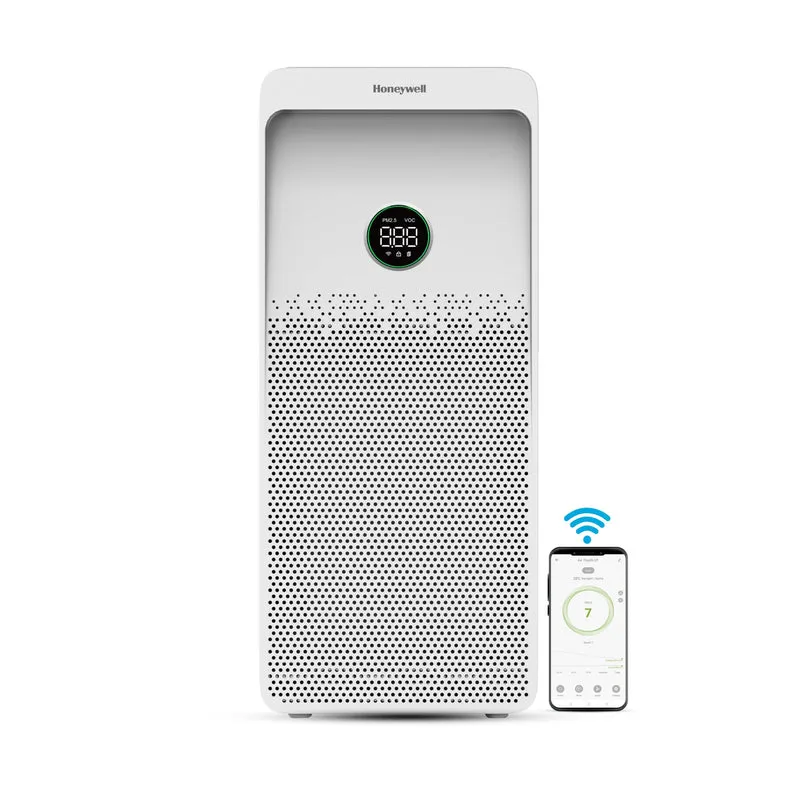
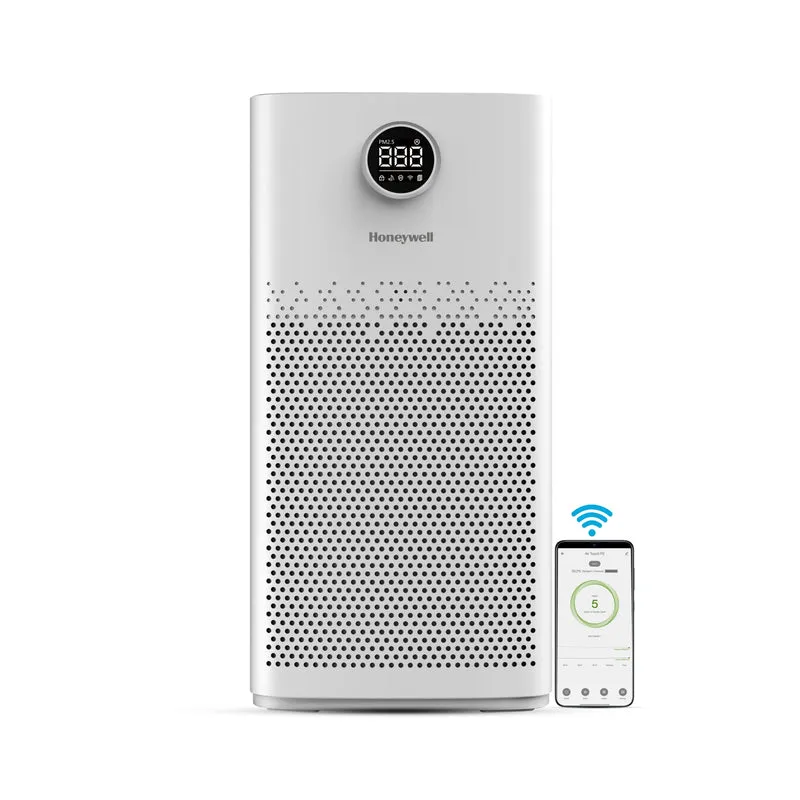
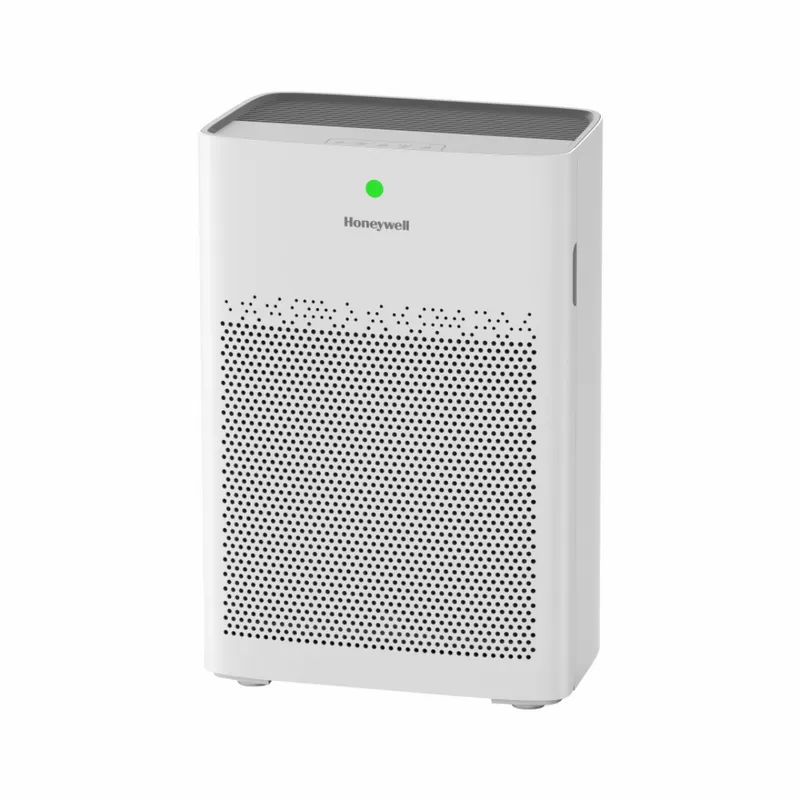
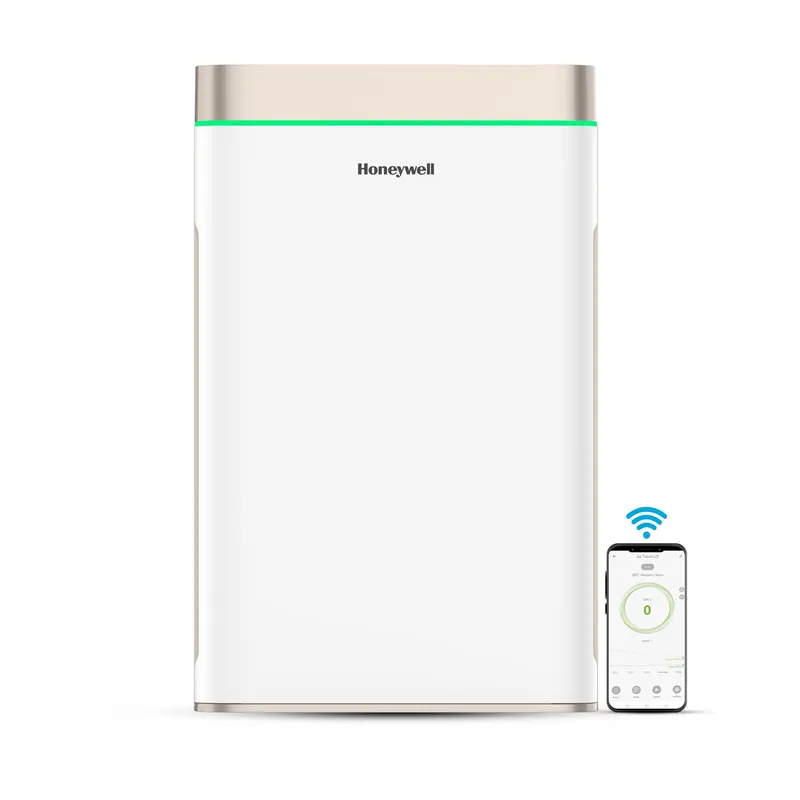
HEPA filters target particulate matter effectively, but activated carbon is required for VOCs. A Texas A&M study found that VOC levels actually rose slightly in rooms using HEPA-only units, because the purifier drew in more air without removing gases. A combined unit from brands such as Blueair, Honeywell, or Levoit addresses both pollutant classes simultaneously.
Sizing matters as much as technology. The EPA recommends a CADR rating at two-thirds of room square footage for effective filtration. A 200 sq ft room requires approximately 133 CFM CADR. Manufacturer room-size claims often overstate coverage, so checking the CADR figure independently is the reliable approach. Cleanair-ae’s CADR sizing guide explains how to calculate this for any room.
Consumer Reports recommends a layered strategy of source reduction first, then ventilation, then portable filtration as a supplementary step. Removing the source of pollution, whether that is candles, smoking, or synthetic fragrances, always outperforms filtering the pollution after it has been released.
Pro Tip: For a full comparison of HEPA and carbon options, Cleanair-ae’s guide on HEPA vs carbon filters breaks down which technology suits each pollutant type.
4. What measurable pollution reductions can clean-air rooms achieve?
The Johns Hopkins AIRWEIGHS trial provides the clearest data on what filtration actually delivers. HEPA air cleaners produced ultrafine particle reductions of 64%, with PM2.5 falling by 64.4% and PM10 by 54.7% in treated rooms compared to controls. These are laboratory-grade reductions achieved in real homes.
“Despite significant particulate reductions, no statistically significant improvement in asthma symptoms was observed in the Johns Hopkins trial, highlighting that pollution reduction and symptom relief are not always directly correlated.” — AIRWEIGHS trial, Johns Hopkins University
A two-year monitoring study in King County found that portable HEPA air cleaners reduced indoor PM2.5 by roughly 4.5% during wildfire smoke periods. That figure is lower than the Johns Hopkins result because real-world conditions include building leakage and occupant behaviour, both of which reduce filtration efficiency.
| Study | Pollutant | Reduction |
|---|---|---|
| Johns Hopkins AIRWEIGHS | PM2.5 | 64.4% |
| Johns Hopkins AIRWEIGHS | PM10 | 54.7% |
| Johns Hopkins AIRWEIGHS | Ultrafine particles | 64% |
| Johns Hopkins AIRWEIGHS | NO2 | 11.7% |
| King County wildfire study | Indoor PM2.5 | ~4.5% |
The gap between controlled and real-world results is explained by building leakage and ventilation capacity. Tighter building envelopes and consistent purifier operation narrow that gap considerably. Filtration alone cannot account for all indoor particulate variability.
5. Where should you place purifiers for maximum clean-air benefit?
Placement determines how much of the clean-air benefit you actually receive. Portable room purifiers provide localised benefits in the rooms where people spend the most time, which makes the bedroom and main living area the two highest-priority locations. Whole-house HVAC filtration distributes cleaner air more broadly but delivers lower concentration benefits in any single room.
Consumer Reports experts recommend placing purifiers in the room you use most frequently, rather than spreading multiple low-capacity units across the home. A single correctly sized unit in the bedroom outperforms three undersized units placed in rooms you rarely occupy. Targeting spaces with longest occupancy yields more exposure reduction than distributing units evenly.
Avoid placing purifiers in corners or behind furniture. Air needs to circulate freely through the unit for filtration to work at rated capacity. Positioning near a doorway or in the centre of the room produces better air turnover than placing the unit against a wall.
6. How to maintain rooms for sustained clean air quality improvements
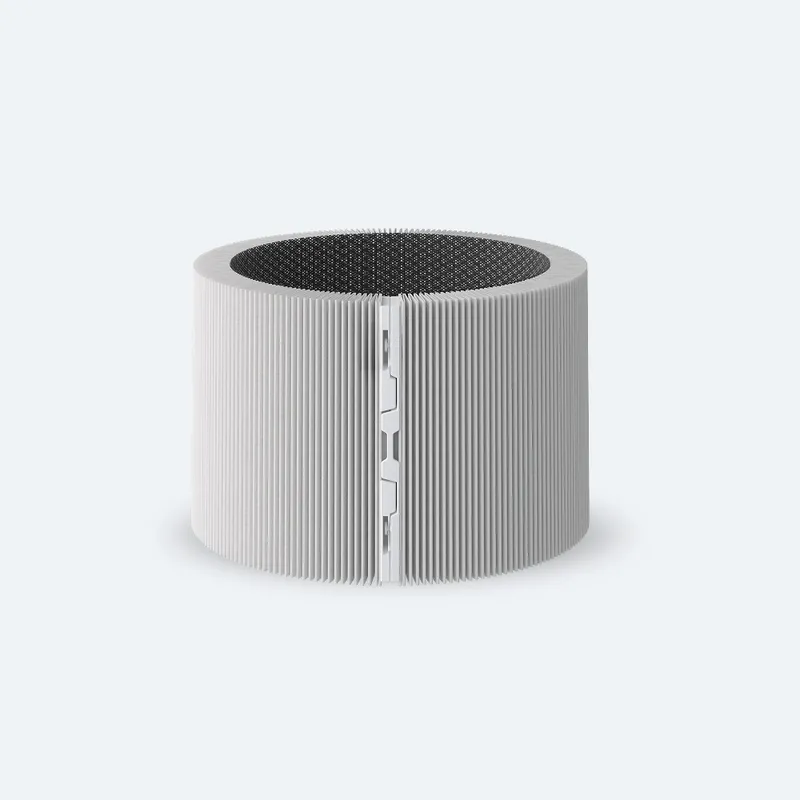
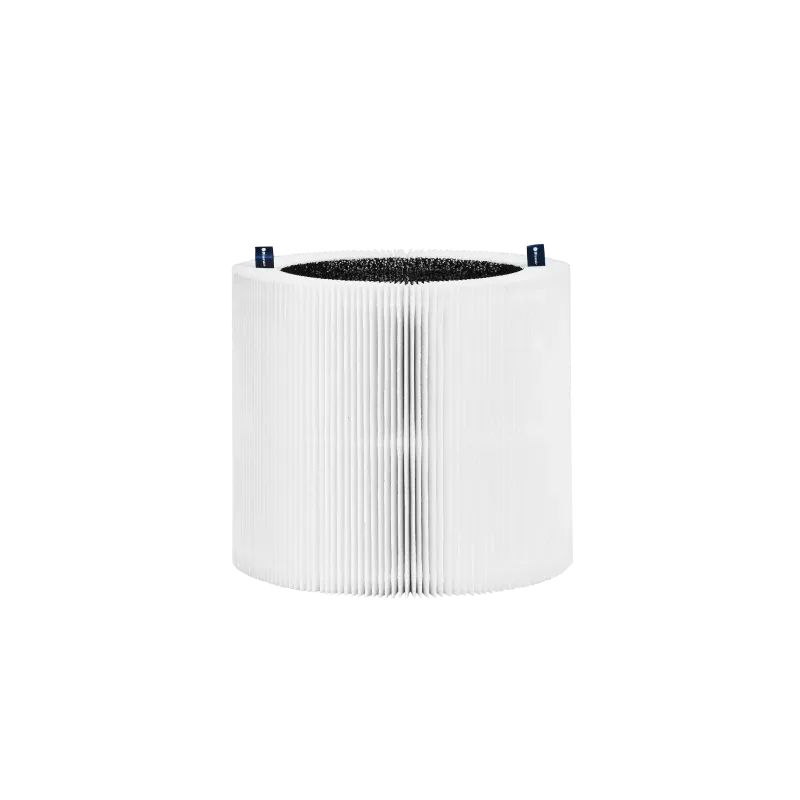
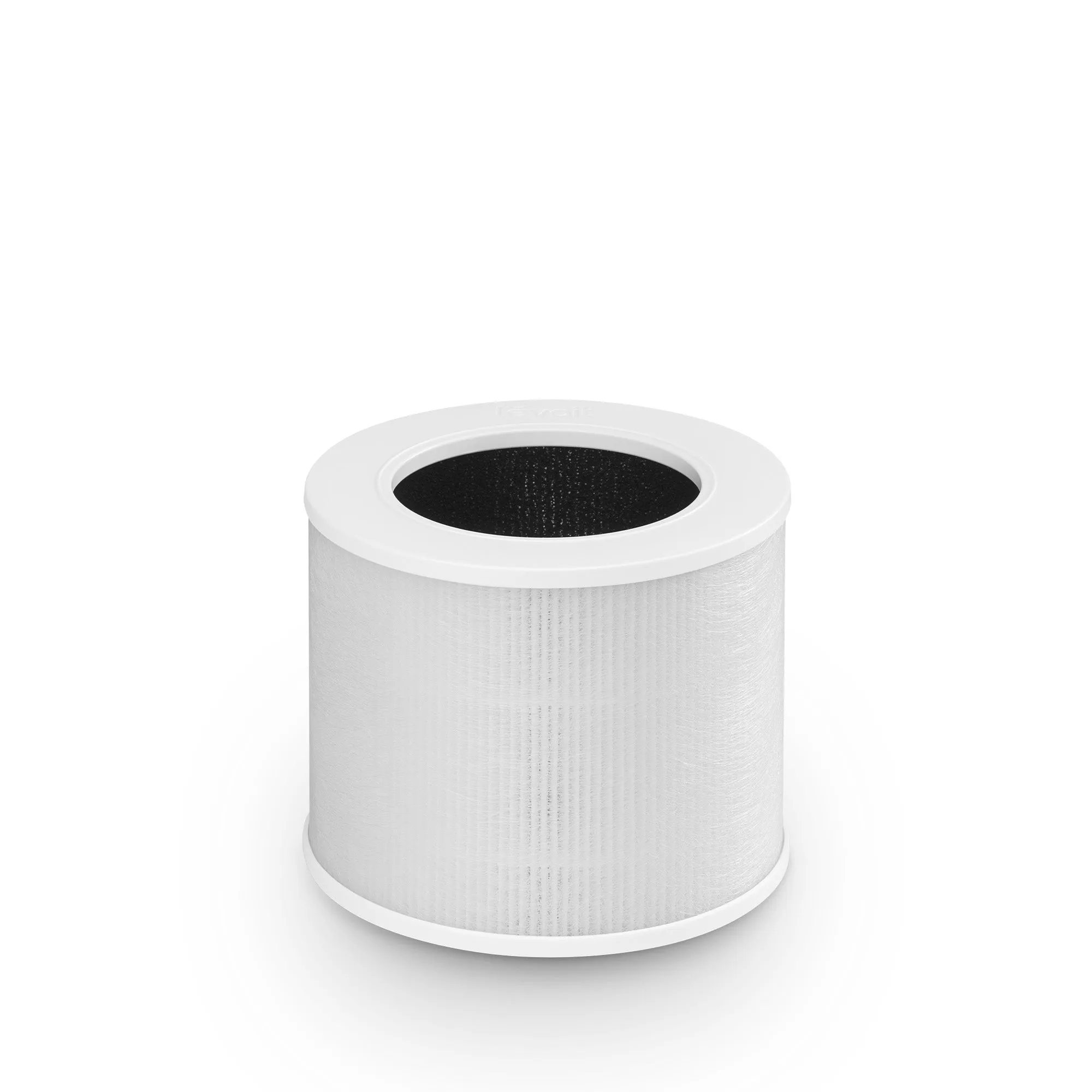
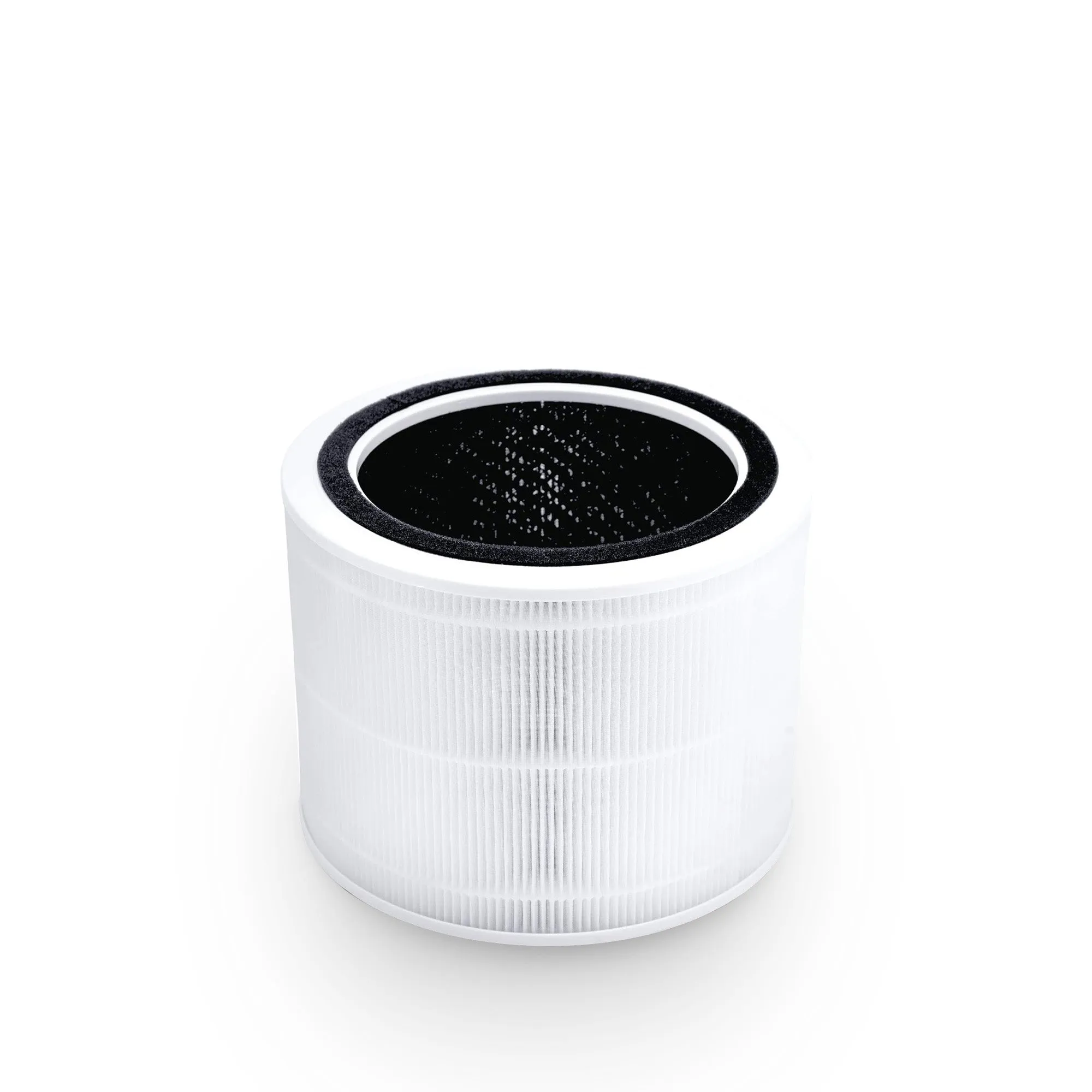
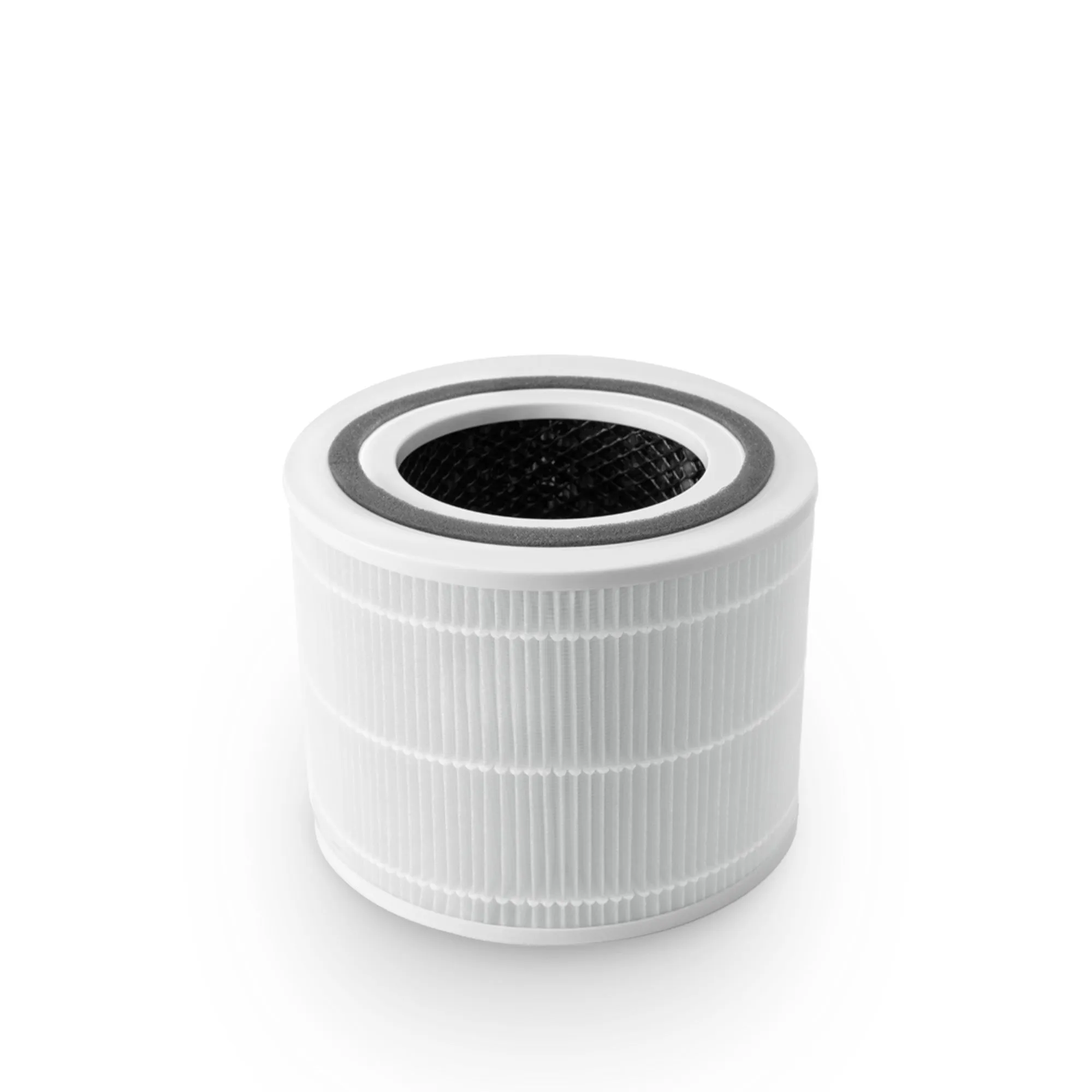
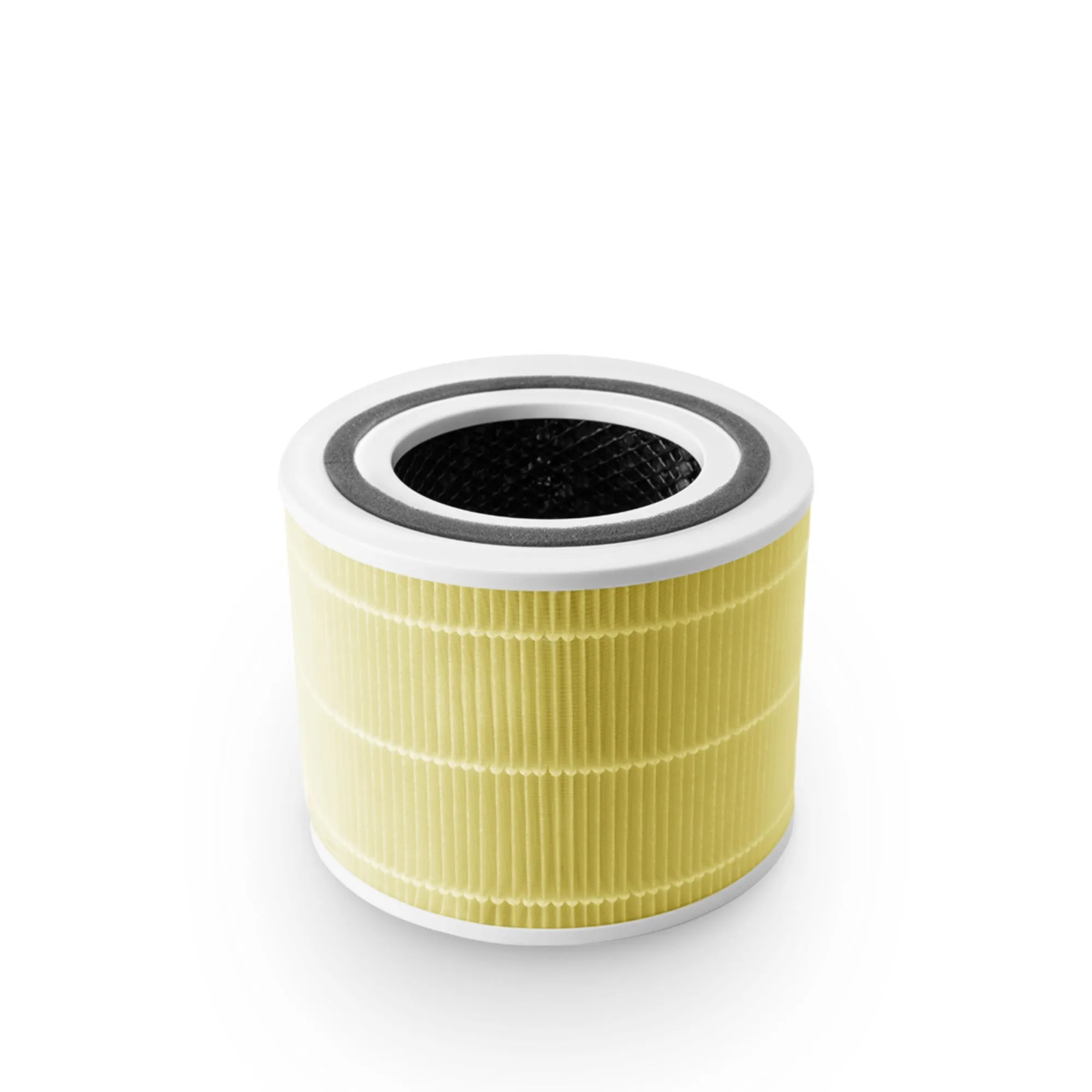
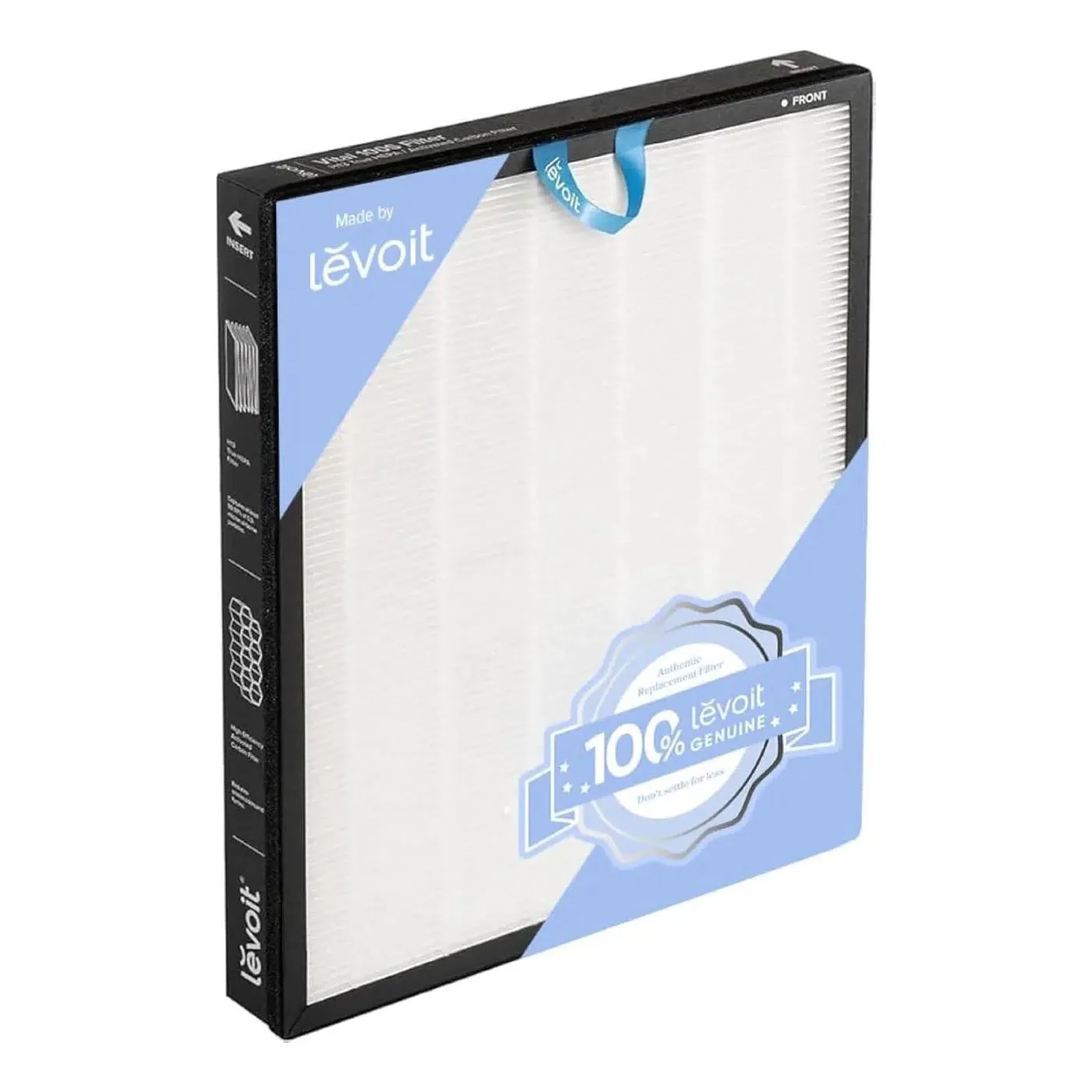
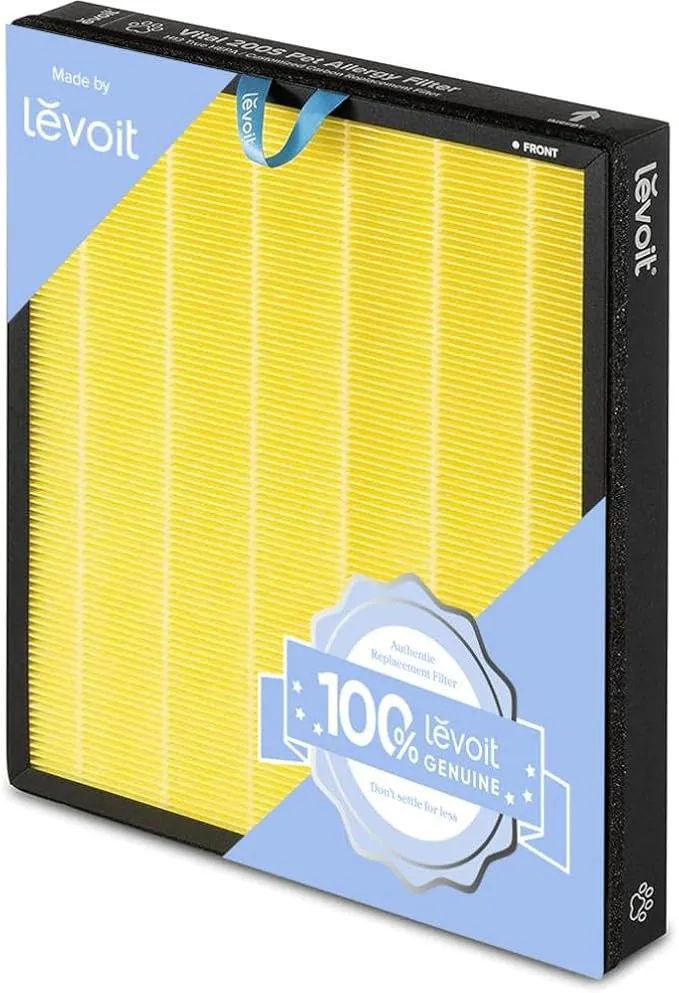
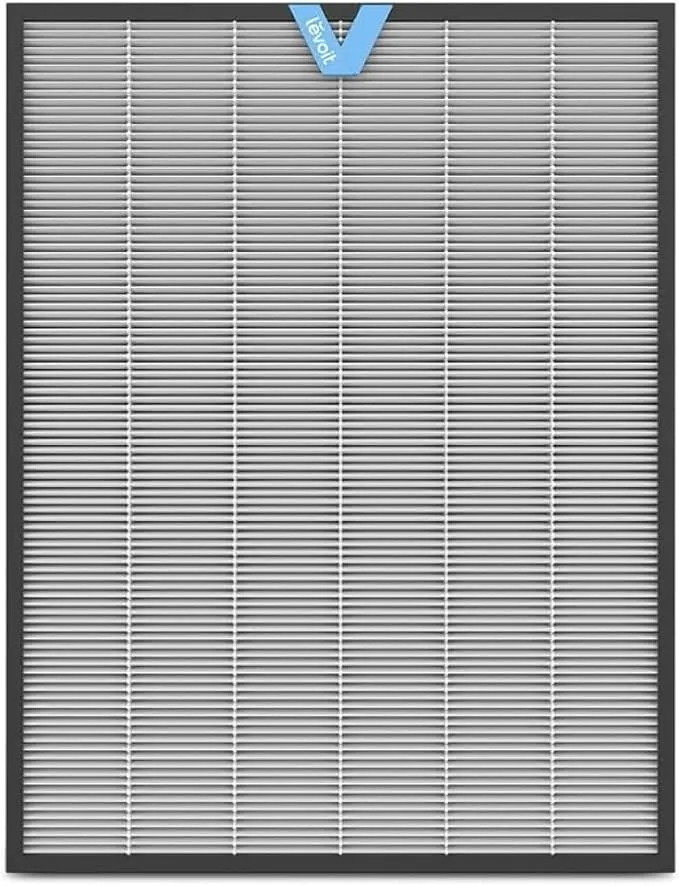
Sustained clean-air benefits require consistent maintenance, not a one-time purchase. Filter replacement is the single most important maintenance task. A clogged HEPA filter does not just underperform; it can restrict airflow and reduce the purifier’s effective CADR below the minimum needed for the room size.
Practical maintenance steps include:
- Replace HEPA filters according to the manufacturer’s schedule, typically every 6–12 months
- Clean pre-filters monthly to extend the life of the main filter
- Check activated carbon filters separately, as they saturate faster in high-VOC environments
- Use an indoor air quality monitor to track PM2.5 and VOC levels in real time
- Open windows when outdoor air quality permits, to flush CO2 and humidity
Using education alongside air purification yields better outcomes than technology alone. Texas A&M researchers found that asthma patients who received both a purifier and structured education about indoor pollution sources showed greater quality-of-life improvements than those who received the purifier without education. Understanding what generates pollution in your space is as useful as filtering it.
Pro Tip: During wildfire smoke events or high outdoor pollution days, keep windows closed and run your purifier on its highest setting. Spending more time in your filtered room during these periods reduces personal exposure significantly, even when building-level PM2.5 reductions are modest.
Low-cost indoor air quality sensors from brands such as Airthings or IQAir provide real-time readings that help you decide when to increase filtration or ventilate. Monitoring removes the guesswork from air quality management. Cleanair-ae’s indoor air quality checklist covers the full range of maintenance and behavioural steps in one place.
Key takeaways
Rooms with clean air benefits deliver the greatest health and performance gains when filtration, ventilation, and source control are combined and applied consistently in the spaces where occupants spend the most time.
| Point | Details |
|---|---|
| Pollutant reductions are measurable | HEPA filtration cuts PM2.5 by up to 64.4% in controlled conditions, per Johns Hopkins. |
| Technology must match pollutant type | HEPA handles particles; activated carbon is required for VOCs and odours. |
| Sizing is non-negotiable | Match purifier CADR to room size using the EPA two-thirds rule, not manufacturer claims. |
| Placement drives real-world benefit | Prioritise the bedroom and main living area over spreading units across unused rooms. |
| Maintenance sustains performance | Replace filters on schedule and monitor air quality with a sensor to maintain rated CADR. |
Why exposure time is the factor most people overlook
People tend to focus on which purifier to buy and forget that where they spend their time matters more than the device itself. I have seen households with three air purifiers running in rooms nobody occupies for more than 20 minutes a day, while the bedroom, where the occupant spends seven or eight hours, has nothing. The research backs this up clearly. Consumer Reports and the King County study both point to occupancy patterns as the primary driver of real-world benefit.
The other misconception I encounter regularly is the expectation of immediate symptom relief. The Johns Hopkins trial is instructive here. PM2.5 dropped by 64.4% in treated rooms, yet no statistically significant improvement in asthma symptoms was recorded. Pollution reduction and symptom change operate on different timescales. Cleaner air is a necessary condition for better health outcomes, but it is not a sufficient one on its own. Combining filtration with education about pollution sources, as the Texas A&M study demonstrated, produces the outcomes people are actually hoping for.
Technology also has hard limits. Building leakage, occupant behaviour, and ventilation capacity all influence what a purifier can achieve. A correctly sized Blueair or Levoit unit in a well-sealed bedroom will outperform an oversized unit in a draughty open-plan space. Realistic expectations and consistent habits matter as much as the specification sheet.
— Wojciech
Cleanair-ae: products and guidance for cleaner indoor air
Cleanair-ae supplies air purifiers, replacement filters, and air quality accessories for homes and commercial premises across Dubai, Abu Dhabi, and the wider UAE. The range includes units from Blueair, Honeywell, and Levoit, covering room sizes from small bedrooms to large open-plan offices.
For those starting out, the air purifier buying guide for 2026 covers technology selection, CADR sizing, and placement in one resource. Residents who prefer alternatives to purifiers can review the 8 proven methods for improving indoor air without a dedicated unit. Free delivery is available across the UAE on qualifying orders, with replacement filters and accessories listed alongside main units for straightforward reordering.
FAQ
What does “rooms with clean air benefits” mean?
Rooms with clean air benefits are indoor spaces where pollutants such as PM2.5, VOCs, and allergens are actively reduced through filtration, ventilation, or source control. The standard industry term is indoor air quality management.
Do HEPA air purifiers actually reduce indoor pollution?
Yes. A Johns Hopkins controlled trial found HEPA air cleaners reduced PM2.5 by 64.4% and PM10 by 54.7% in treated rooms. Real-world reductions are lower due to building leakage and occupant behaviour.
Which room should I put an air purifier in first?
Place the purifier in the room where you spend the most time, typically the bedroom. Consumer Reports and the King County monitoring study both confirm that targeting high-occupancy rooms delivers the greatest reduction in personal exposure.
Do I need activated carbon as well as a HEPA filter?
Yes, if VOCs and odours are a concern. HEPA filters capture particles but do not remove gases. A Texas A&M study found VOC levels rose in rooms using HEPA-only units, confirming that activated carbon filtration is needed for comprehensive indoor air quality management.
How often should I replace air purifier filters?
Replace HEPA filters every 6–12 months, depending on usage and pollution levels. Clean pre-filters monthly. In high-VOC environments, activated carbon filters may need replacing more frequently than the manufacturer’s standard schedule suggests.