

Uncategorised
Step by step clean air routine for healthier homes
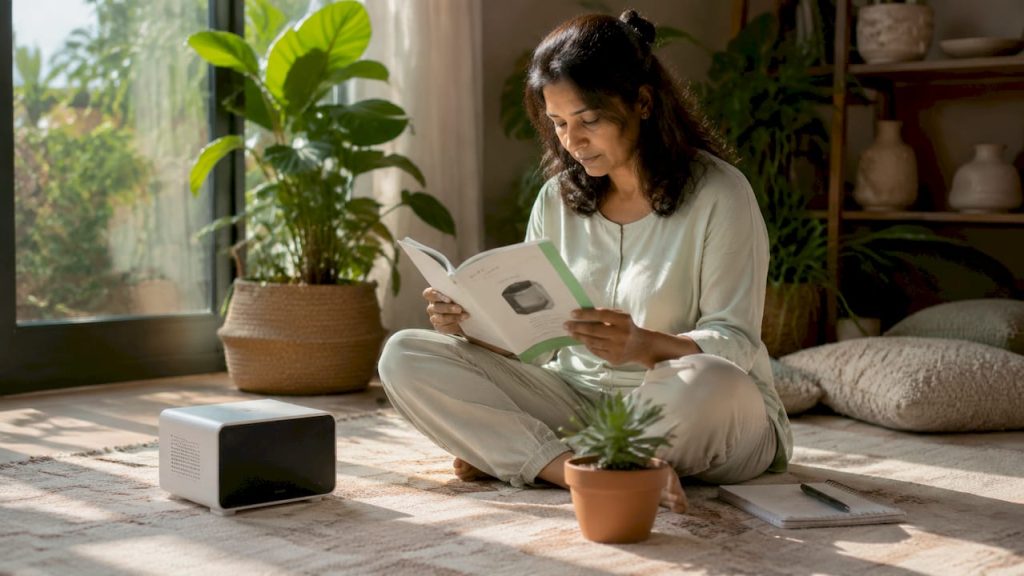
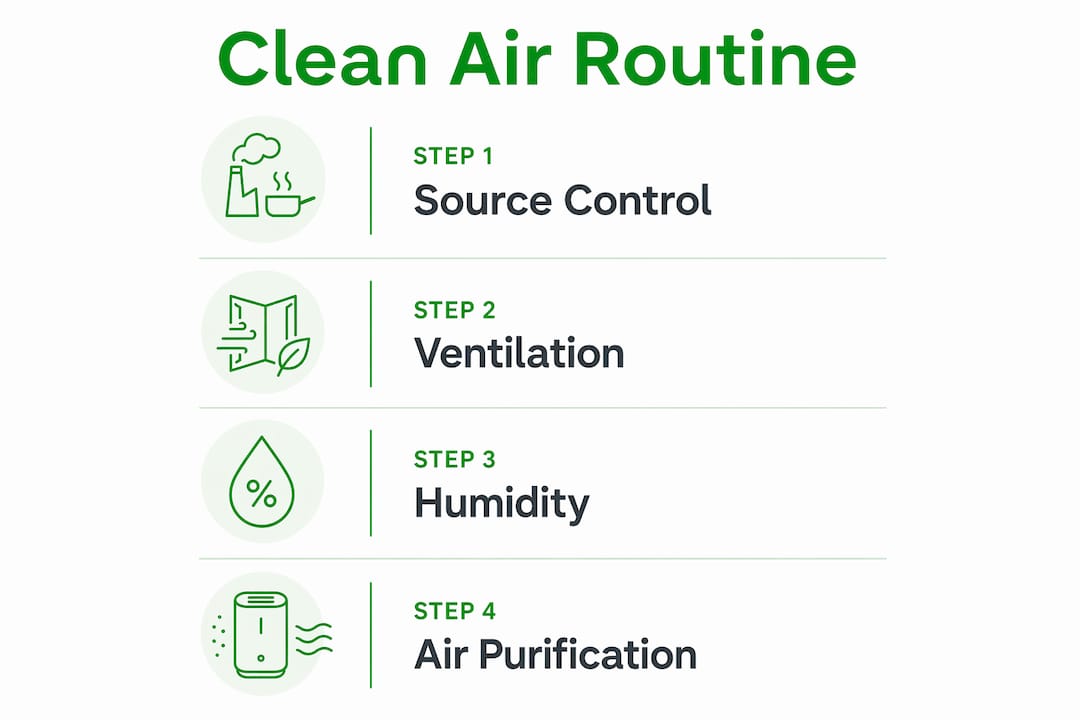
A step by step clean air routine is a structured process that combines source elimination, ventilation, humidity control, and air filtration to improve indoor air quality sustainably. The industry term for this approach is indoor air quality (IAQ) management, and it follows a three-tier hierarchy: source control first, then ventilation, then filtration. Most families skip straight to buying an air purifier. That single mistake costs money and delivers disappointing results. This guide walks you through each tier in order, with the tools, habits, and schedules that actually work.
What tools and measurements do you need before starting?
Baseline measurements come before any equipment purchase. Without them, you are guessing. The three readings that matter most are PM2.5 (fine particulate matter), CO2 concentration, and relative humidity (RH). Baseline PM2.5, CO2, and humidity readings allow you to tailor interventions to your specific home rather than applying generic fixes.
Here is the equipment you need to gather before beginning your clean air checklist:
- Air quality monitor: A device that reads PM2.5, CO2, and RH simultaneously. Models from brands such as Airthings, IQAir, and Temtop cover all three metrics in one unit.
- HEPA vacuum cleaner: A vacuum fitted with a true HEPA filter traps particles rather than recirculating them. Brands such as Dyson, Miele, and Shark offer certified HEPA models.
- Microfibre cloths: Wet-wipe surfaces rather than dry-dusting, which lifts particles into the air.
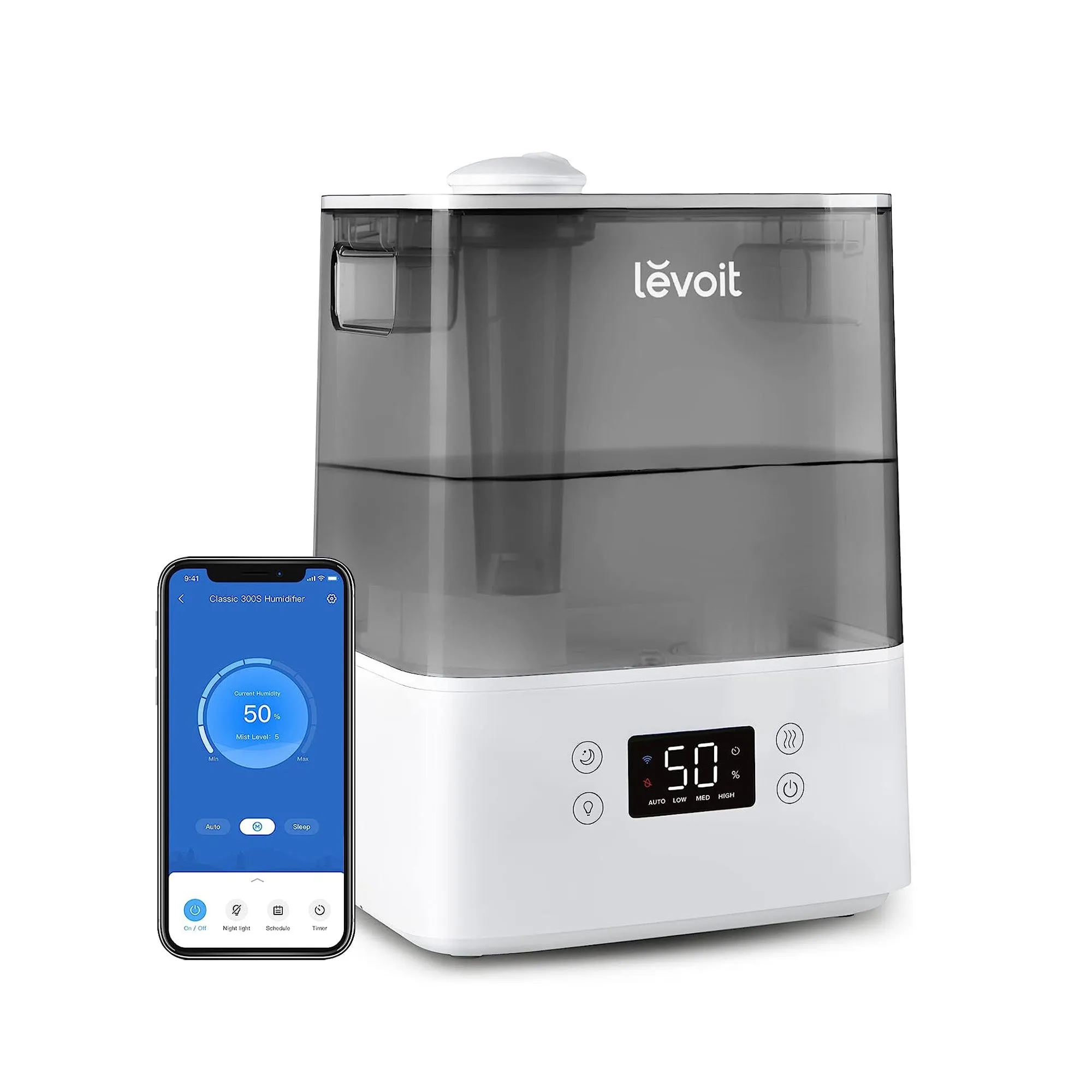
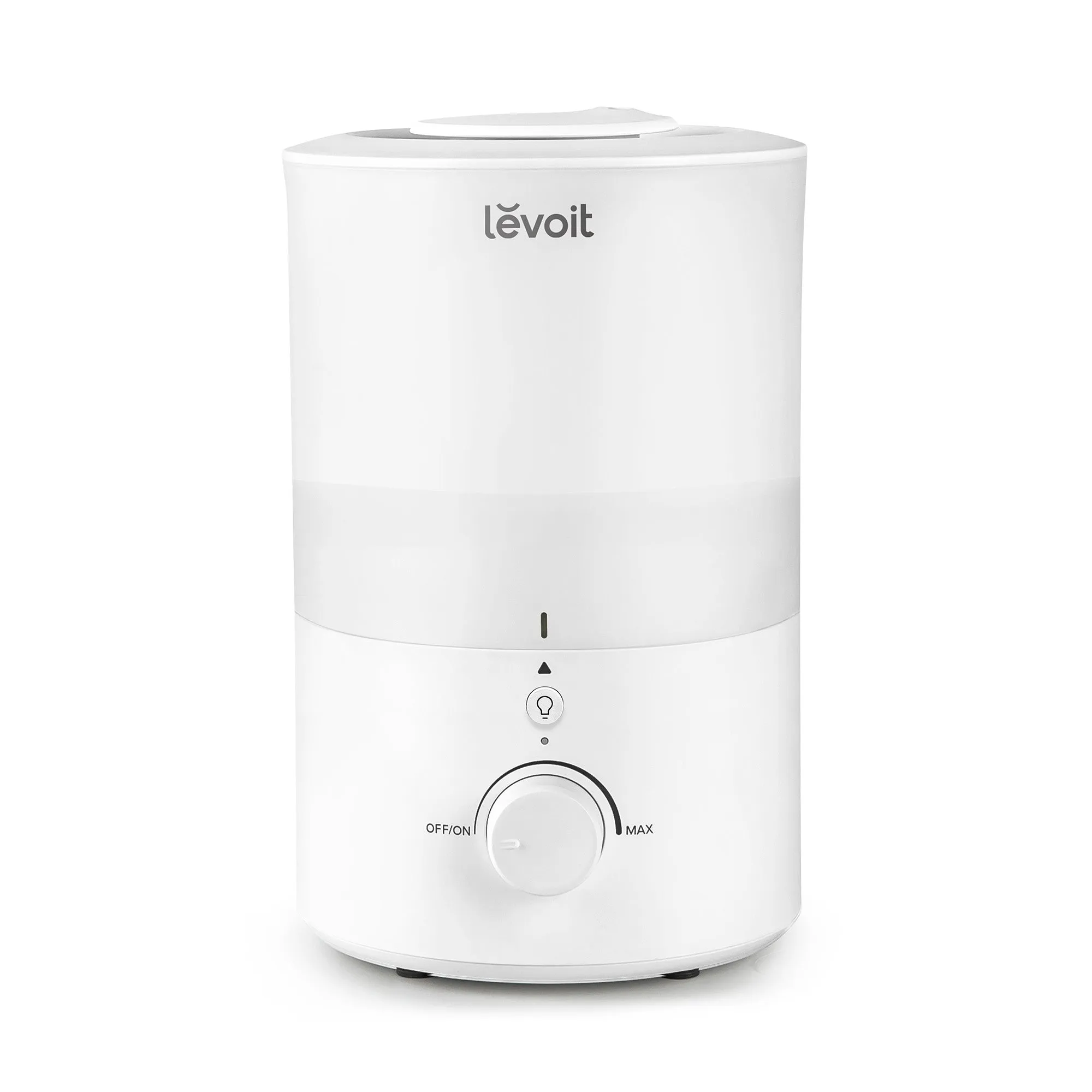
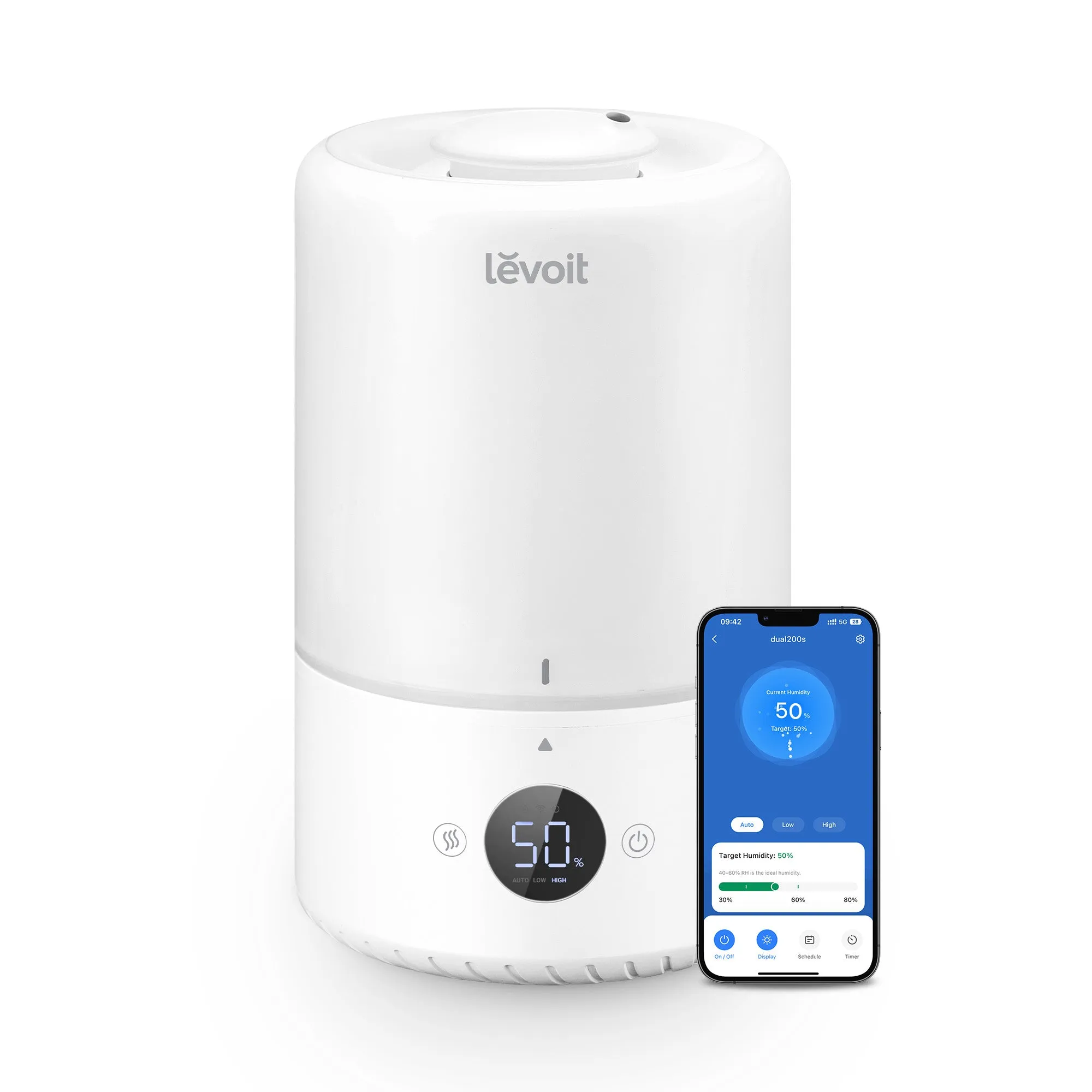
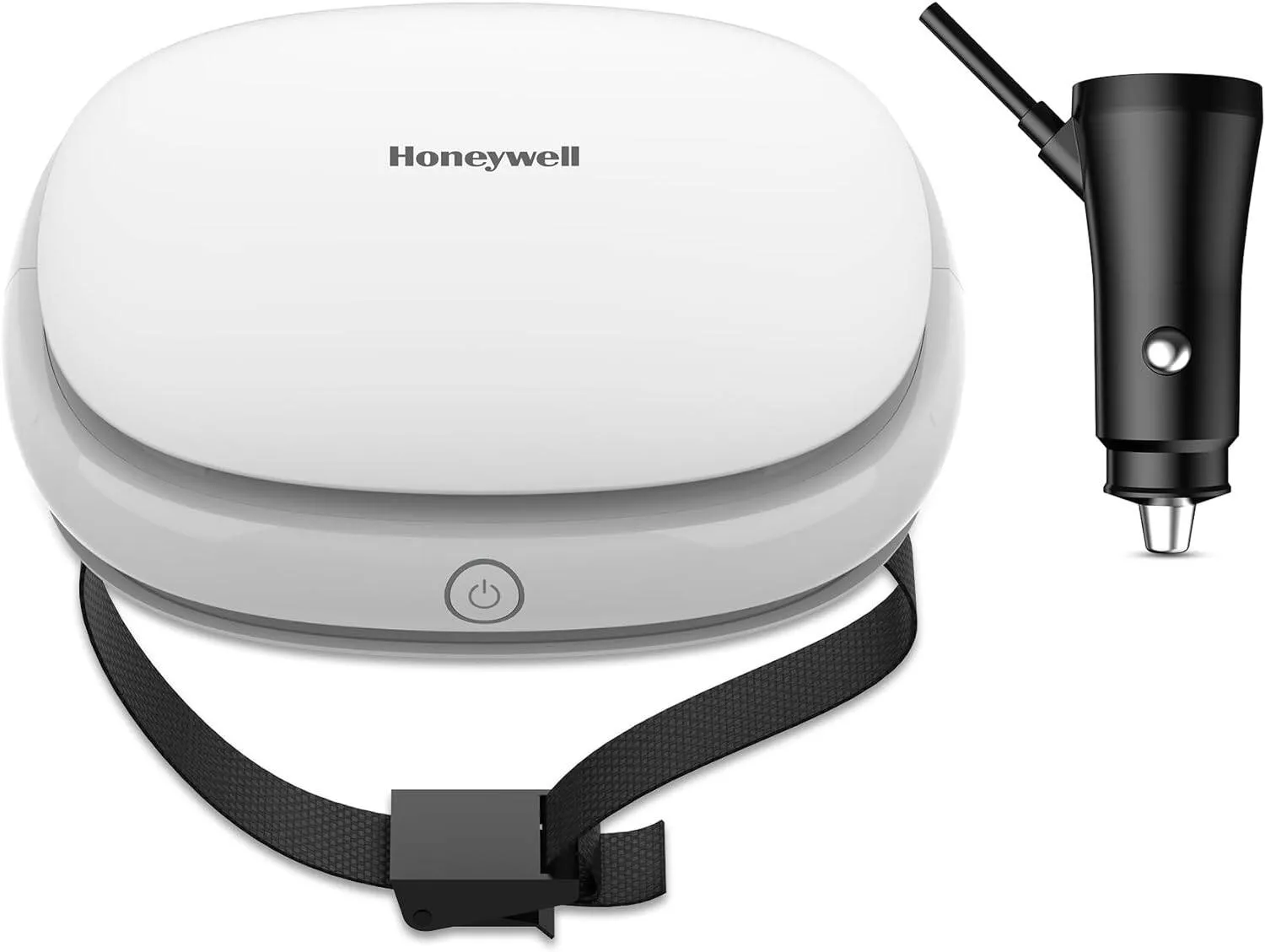
- Humidifier or dehumidifier: Depending on your baseline RH reading, you will need one or the other. Levoit and Honeywell both produce reliable units available through Cleanair-ae.
- Exhaust fans or a heat recovery ventilator (HRV): These support mechanical ventilation when opening windows is not practical.
Pro Tip: Run your air quality monitor for 48 hours before making any changes. Note readings in the morning, midday, and evening. This gives you a genuine baseline, not a snapshot.
Once you have your readings and tools, you are ready to follow the indoor air quality checklist in order. Skipping this preparation stage is the most common reason routines fail within the first month.
How to control pollution sources effectively within your home
Source control is the most cost-effective step in any air quality improvement plan. The EPA, Health Canada, and the American Lung Association all place it first in their guidance for good reason: removing a pollutant at its origin costs nothing compared to filtering it out continuously.
Follow these steps in order to address the most common indoor pollution sources:
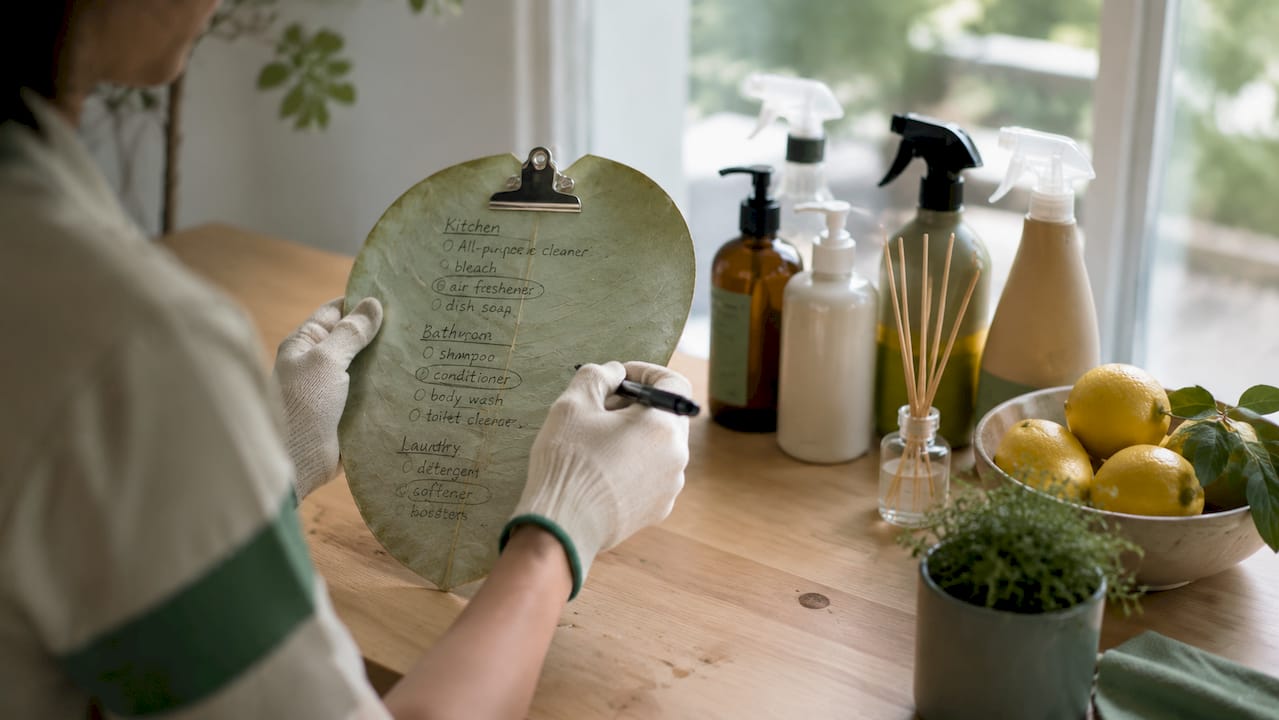
- Identify scented products. Scented candles, incense, and aerosol sprays release volatile organic compounds (VOCs) and fine particles that degrade air quality significantly. Switching to unscented or naturally scented alternatives is one of the highest-impact changes you can make at zero cost.
- Switch cleaning products. Conventional sprays, bleach-based cleaners, and synthetic air fresheners all emit VOCs. Replace them with fragrance-free, plant-based alternatives. Check the common indoor pollution sources guide for a full list of household offenders.
- Address mould and moisture immediately. Mould begins colonising in under 24 hours in humid conditions. Wipe up water spills the same day, fix leaking pipes within 48 hours, and check under sinks and behind appliances monthly.
- Control cooking emissions. Using a range hood correctly during cooking reduces pollutant accumulation in the kitchen significantly. Always run the hood on its highest setting when frying or grilling, and vent it to the outside rather than recirculating internally.
- Vacuum and clean on a schedule. HEPA-filter vacuums and wet-mop techniques reduce dust and allergen resuspension effectively. Weekly vacuuming and biweekly mopping keeps particulate levels low between deeper cleans.
Pro Tip: Do a room-by-room audit with a notebook. Write down every product, appliance, and material that could be a pollution source. Prioritise the kitchen, bathroom, and any room where you burn candles or use sprays regularly.
Source control alone will produce a measurable drop in your PM2.5 readings within one to two weeks. That is the feedback loop that keeps the routine going.
What are the best ventilation practices to enhance indoor air quality?
Ventilation is the second tier of IAQ management, and it is frequently misunderstood. Opening a single window on one side of a room often recirculates stale air rather than flushing it. Cross-ventilation requires opening windows on opposite sides of the home for 10–15 minutes to create a genuine airflow path that pushes pollutants out.
Timing matters as much as technique. Early morning, before traffic peaks, typically offers the cleanest outdoor air in urban areas across Dubai and Abu Dhabi. Avoid ventilating during high-pollution periods such as sandstorm alerts or heavy traffic hours.
The table below compares the main ventilation methods by cost, effectiveness, and seasonal suitability:
| Ventilation method | Cost | Effectiveness | Best season |
|---|---|---|---|
| Cross-ventilation (windows) | Free | High when outdoor air is clean | Spring, autumn |
| Exhaust fans (kitchen, bathroom) | Low | Moderate, localised | Year-round |
| Heat recovery ventilator (HRV) | Medium to high | High, energy-efficient | Winter, summer |
| Mechanical HVAC with fresh air intake | High | Very high, controllable | Year-round |
In the UAE, summer ventilation requires particular care. Outdoor temperatures and humidity levels between june and september make window ventilation impractical for most of the day. During these months, an HRV or a well-maintained HVAC system with a fresh air intake is the practical alternative. Adjust your ventilation strategy by season rather than applying a single method year-round.
How should humidity be managed daily for a healthy indoor environment?
Maintaining indoor relative humidity between 30% and 50% is the single most important environmental control for preventing mould and dust mite growth. Humidity outside this range creates conditions that support microbial growth at the low end and respiratory irritation at the high end.
Daily humidity management involves three habits:
- Check your monitor reading each morning. A reading above 55% RH calls for dehumidifier use. A reading below 30% RH calls for a humidifier. Levoit and Honeywell units both include built-in hygrometers that automate this process.
- Run exhaust fans during and after showers. Bathrooms are the primary source of excess moisture in most homes. Run the fan for at least 20 minutes after showering to clear residual humidity.
- Adjust for season. In UAE winters, indoor air can become dry when air conditioning runs continuously. A humidifier prevents the dry-air symptoms that many families mistake for illness. Read the mould prevention guide for seasonal adjustment advice.
Pro Tip: Place your humidity monitor in the room where you sleep. Bedroom humidity directly affects sleep quality and respiratory health. Aim for 40–50% RH in that room specifically.
Humidity control also protects your home. Wood furniture, flooring, and even electronics last longer within the 30–50% RH range. The health and financial case for daily monitoring is straightforward.
When and how to use air purifiers as part of your clean air routine
Air purifiers are the third tier of IAQ management, not the first. Relying solely on purifiers without addressing source control or ventilation is the most common pitfall families encounter. A purifier cannot compensate for a home full of VOC-emitting products and no fresh air exchange.
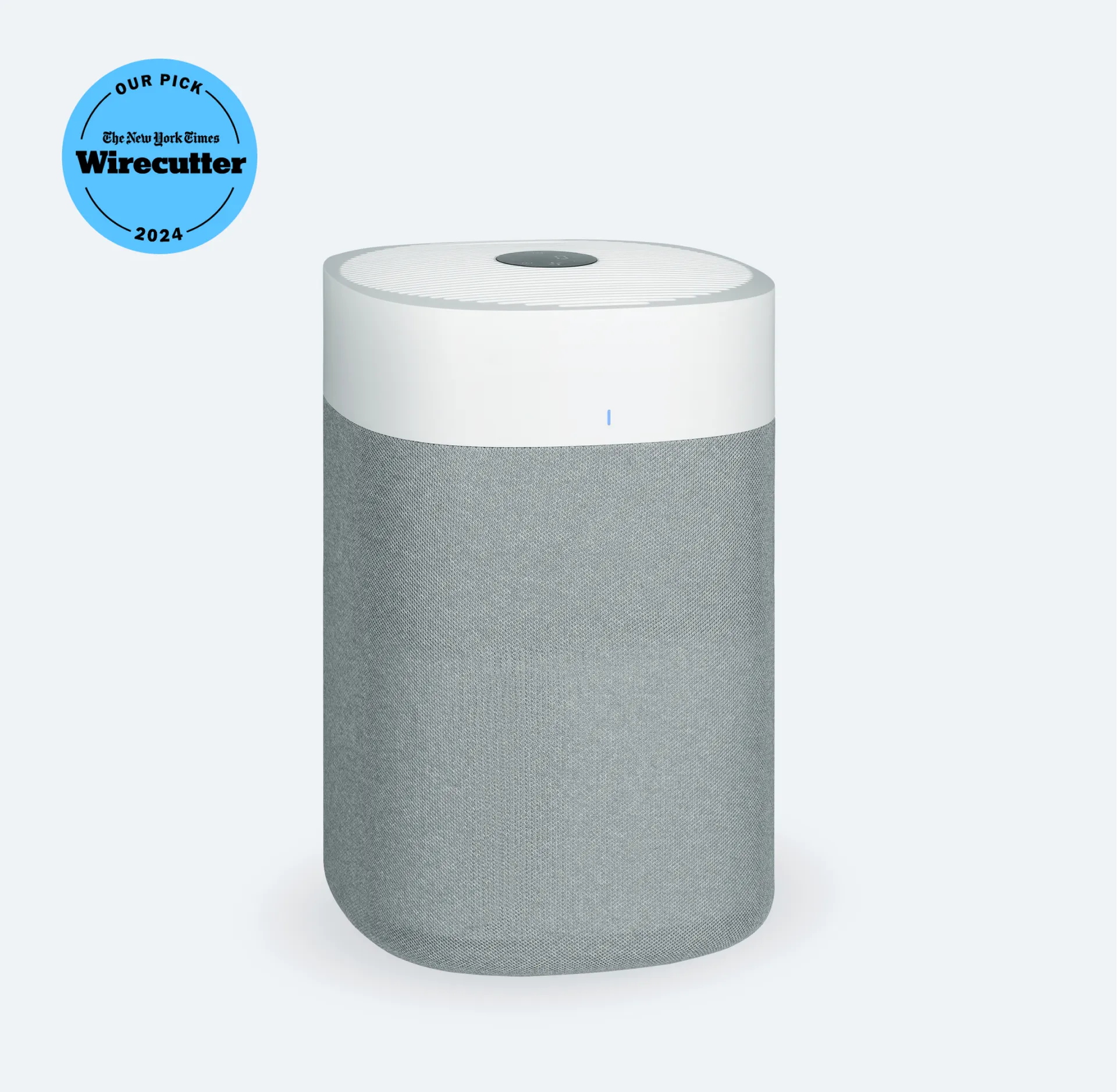
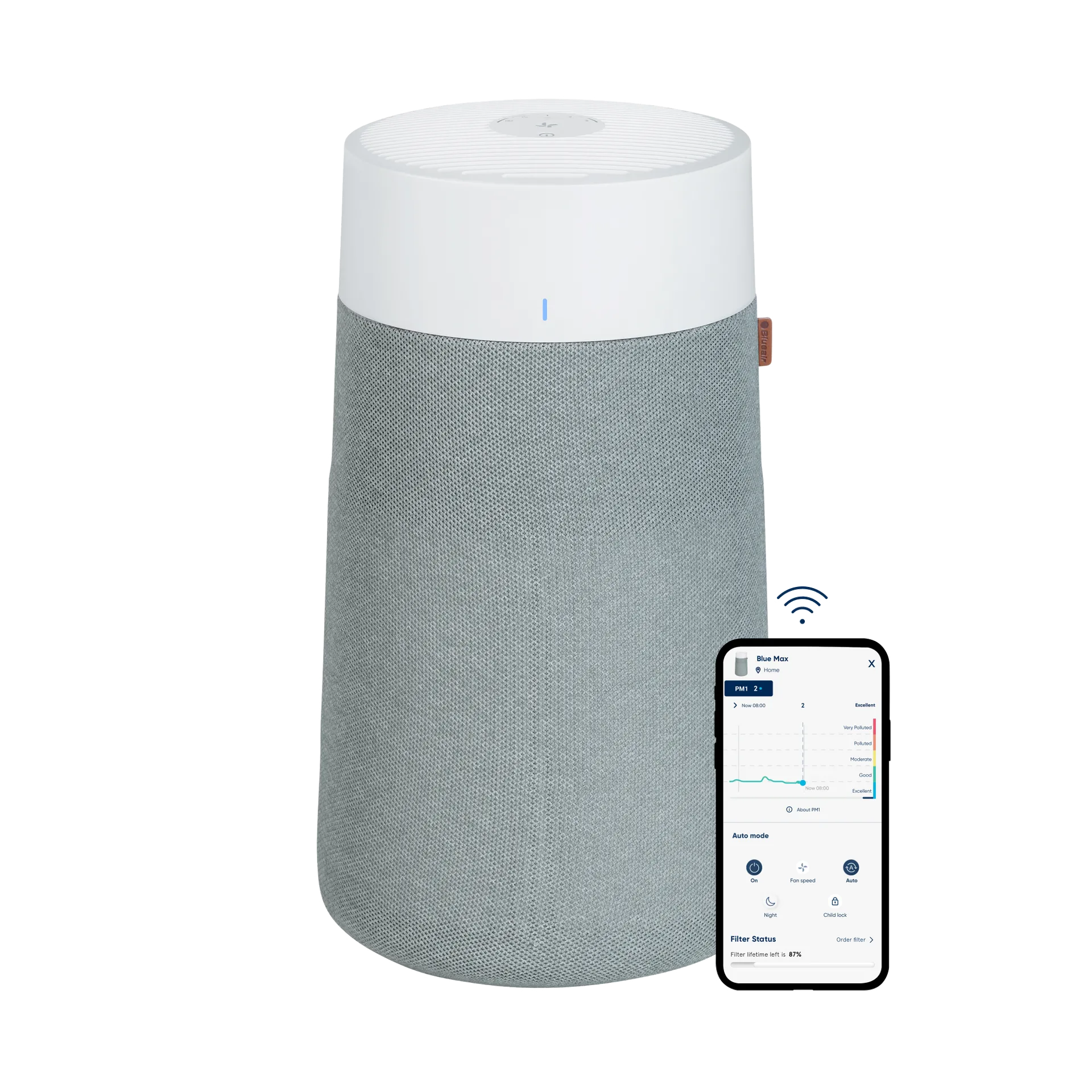
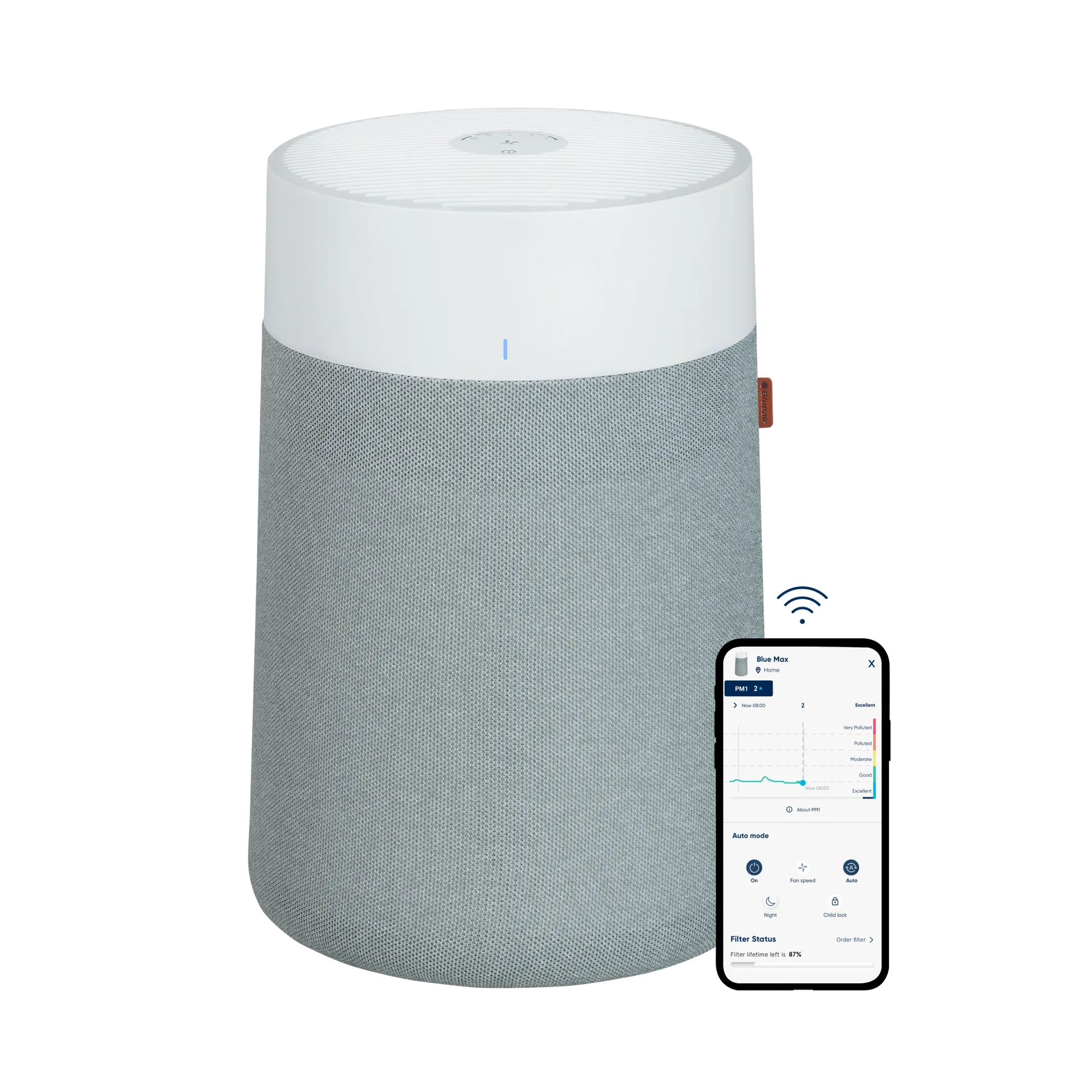
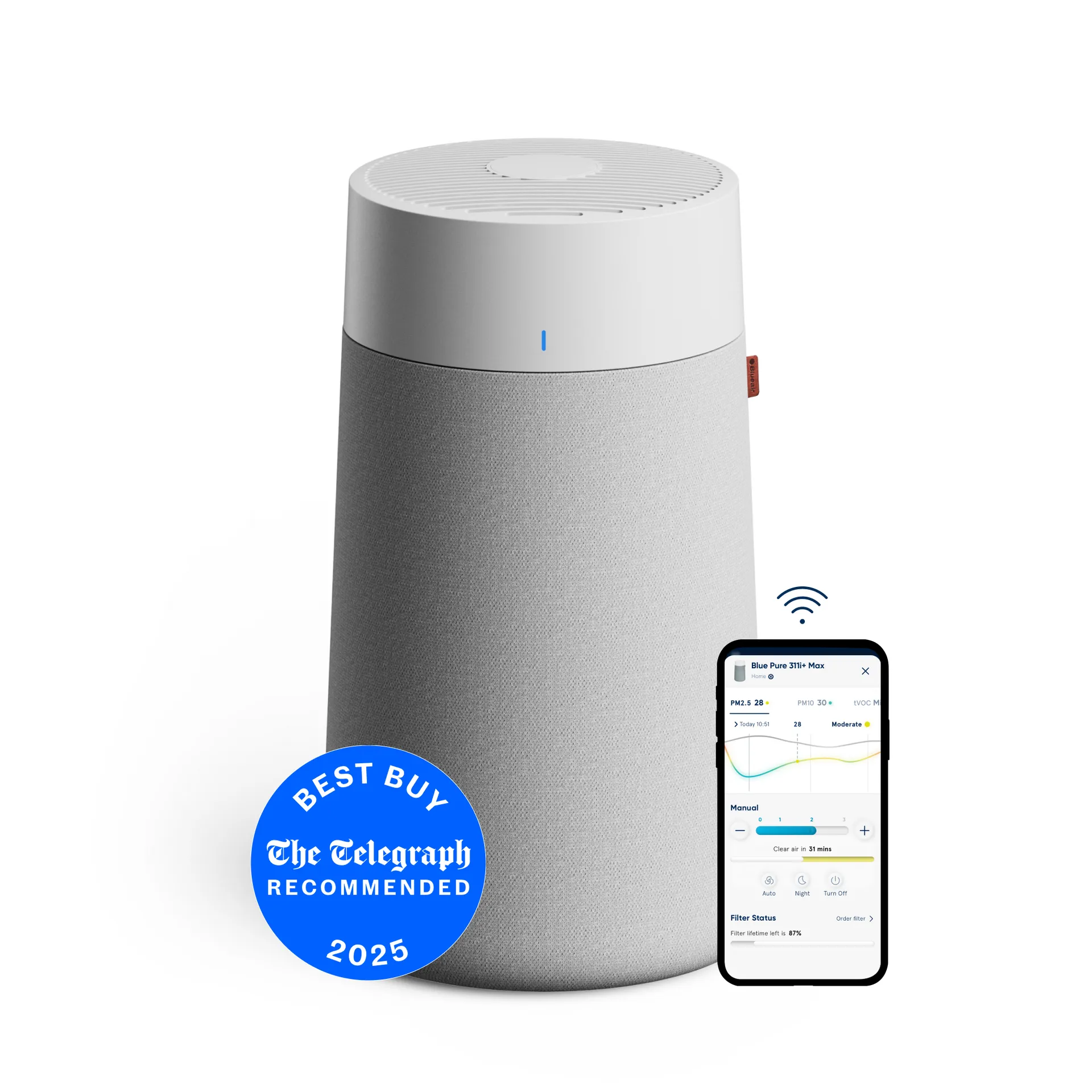
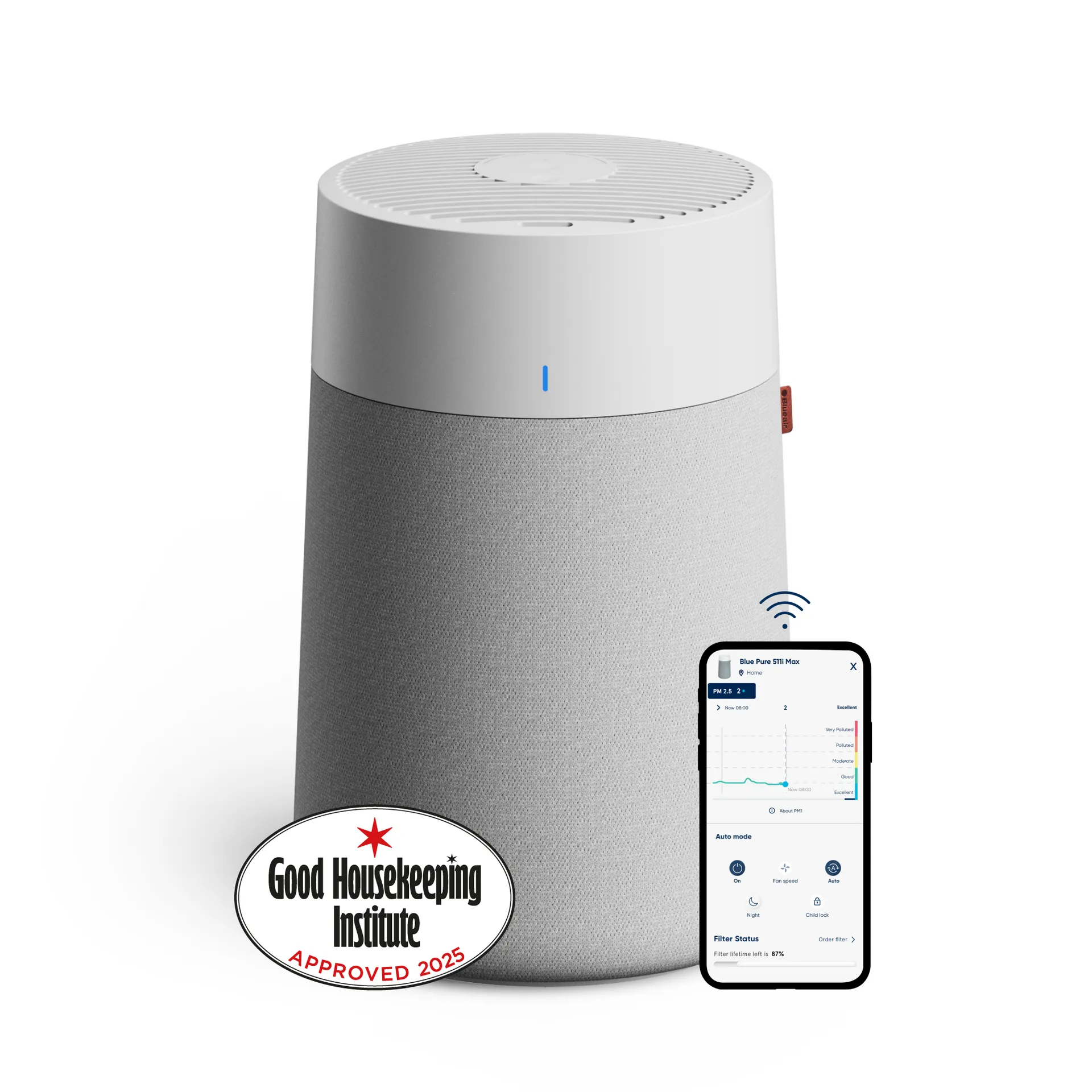
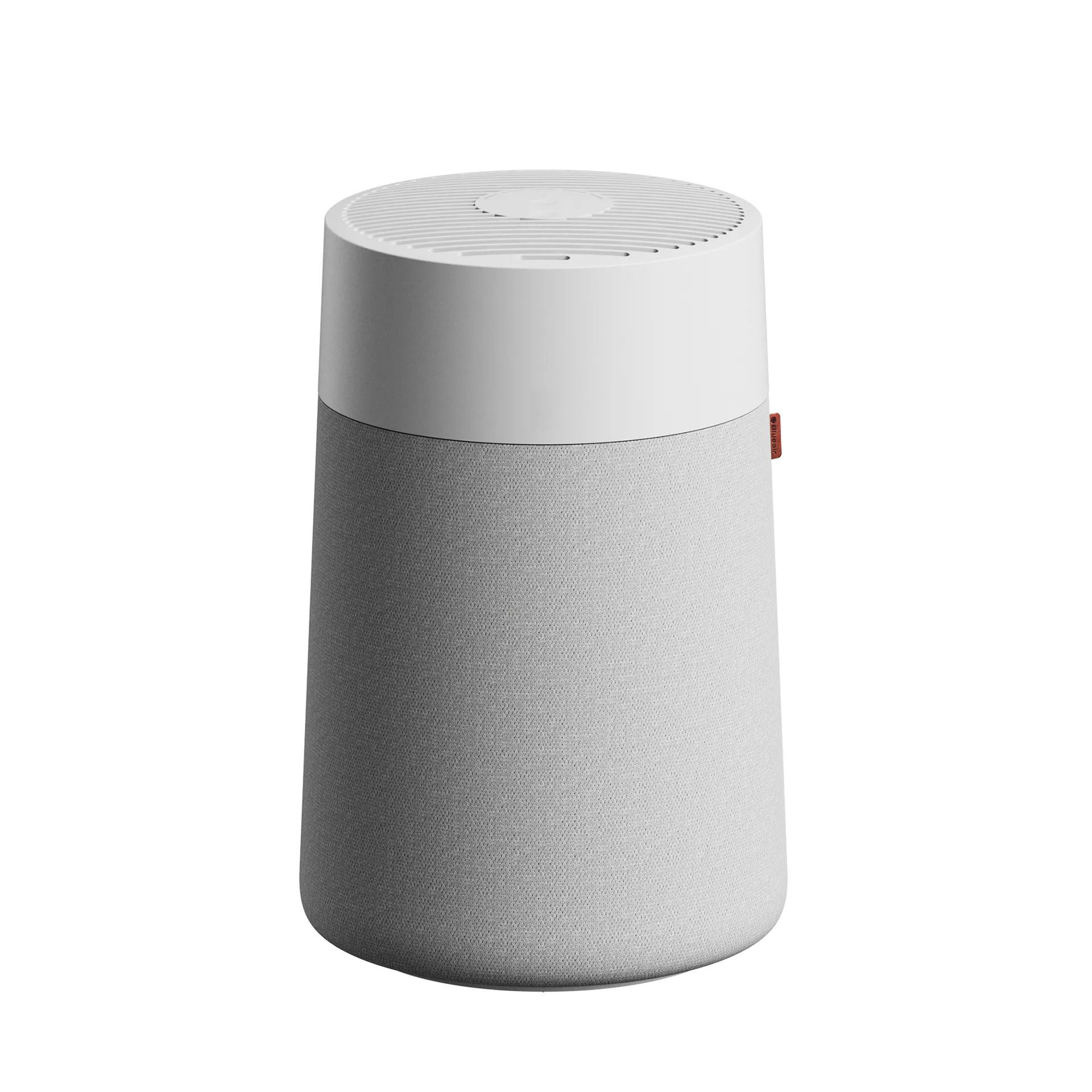
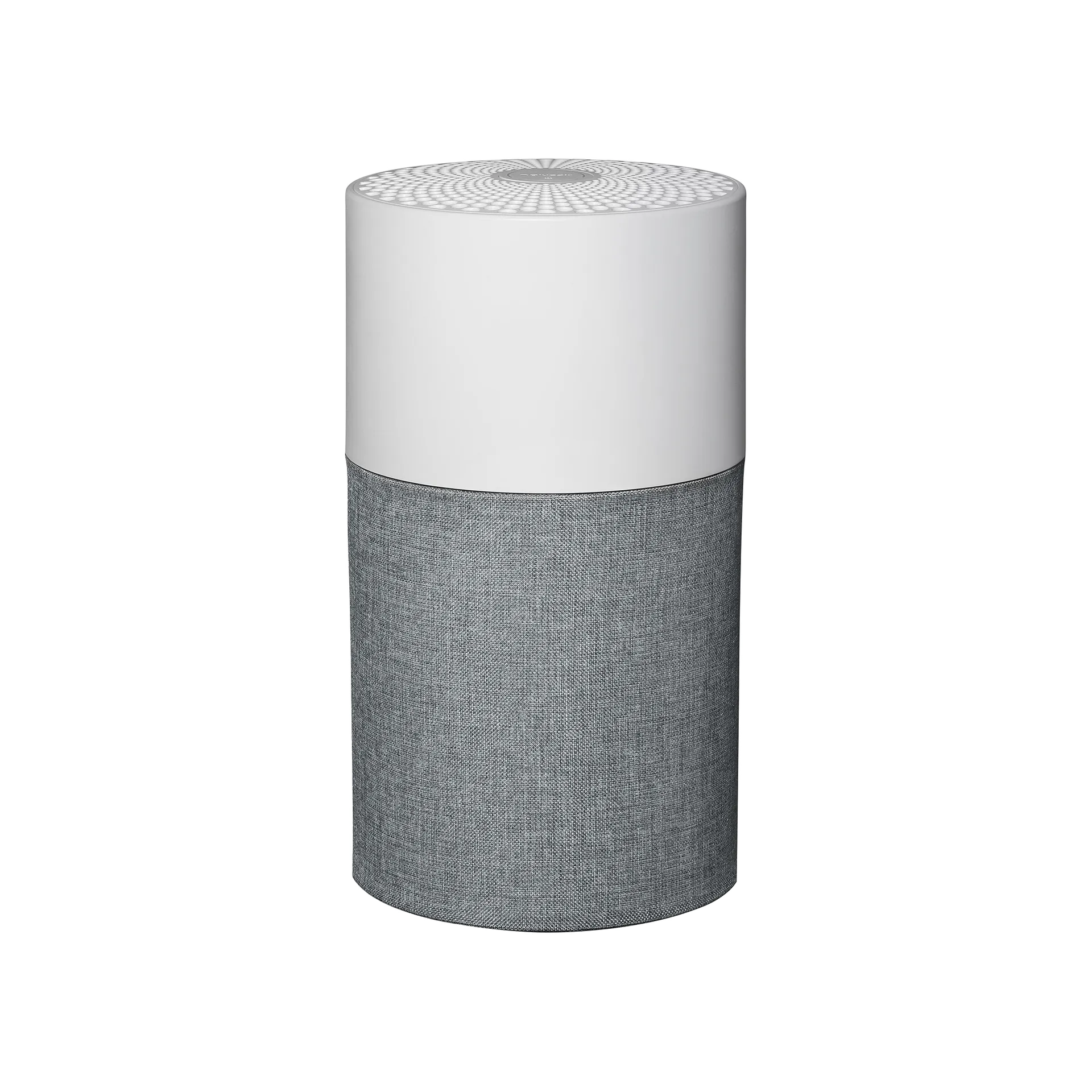
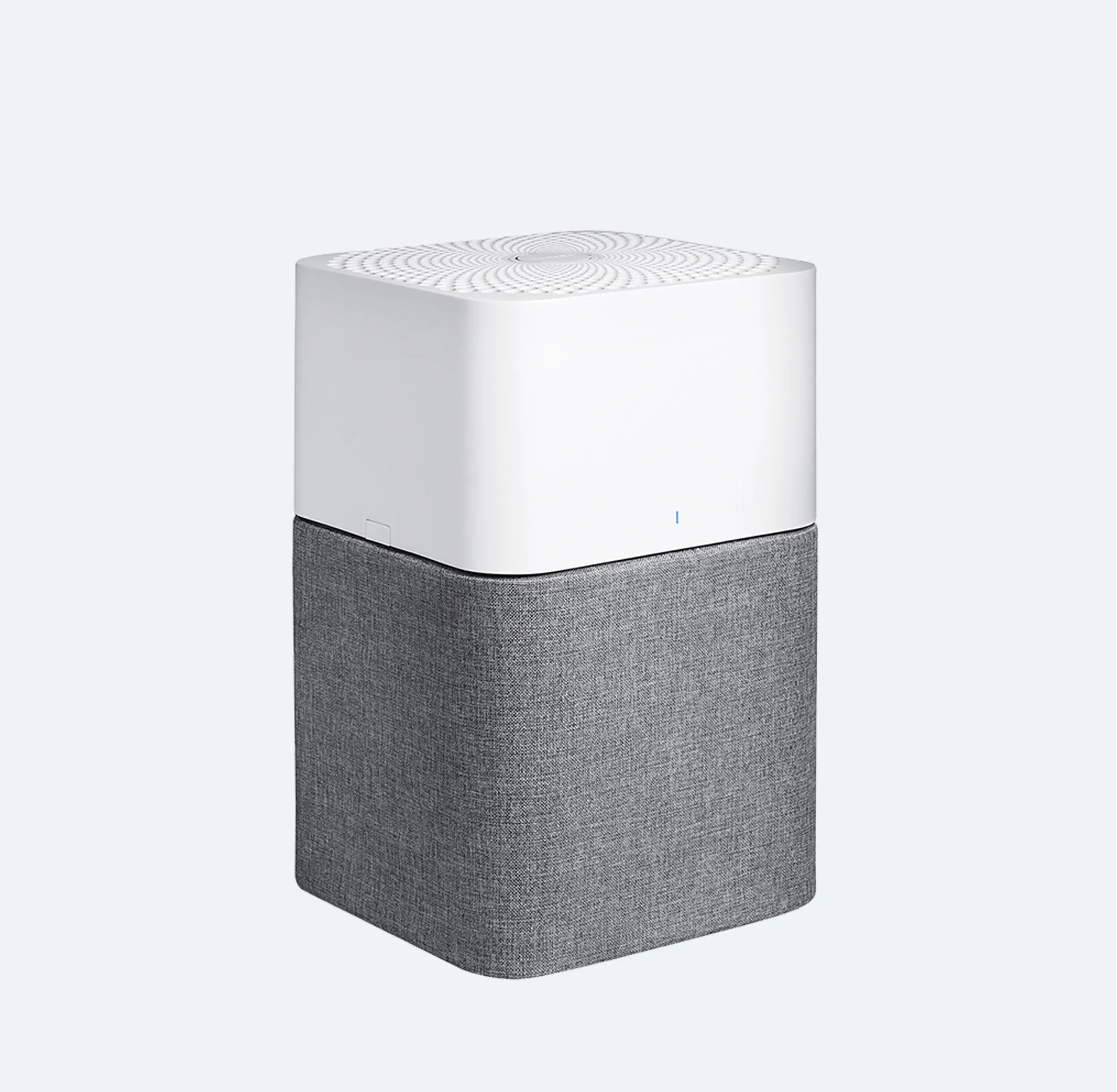
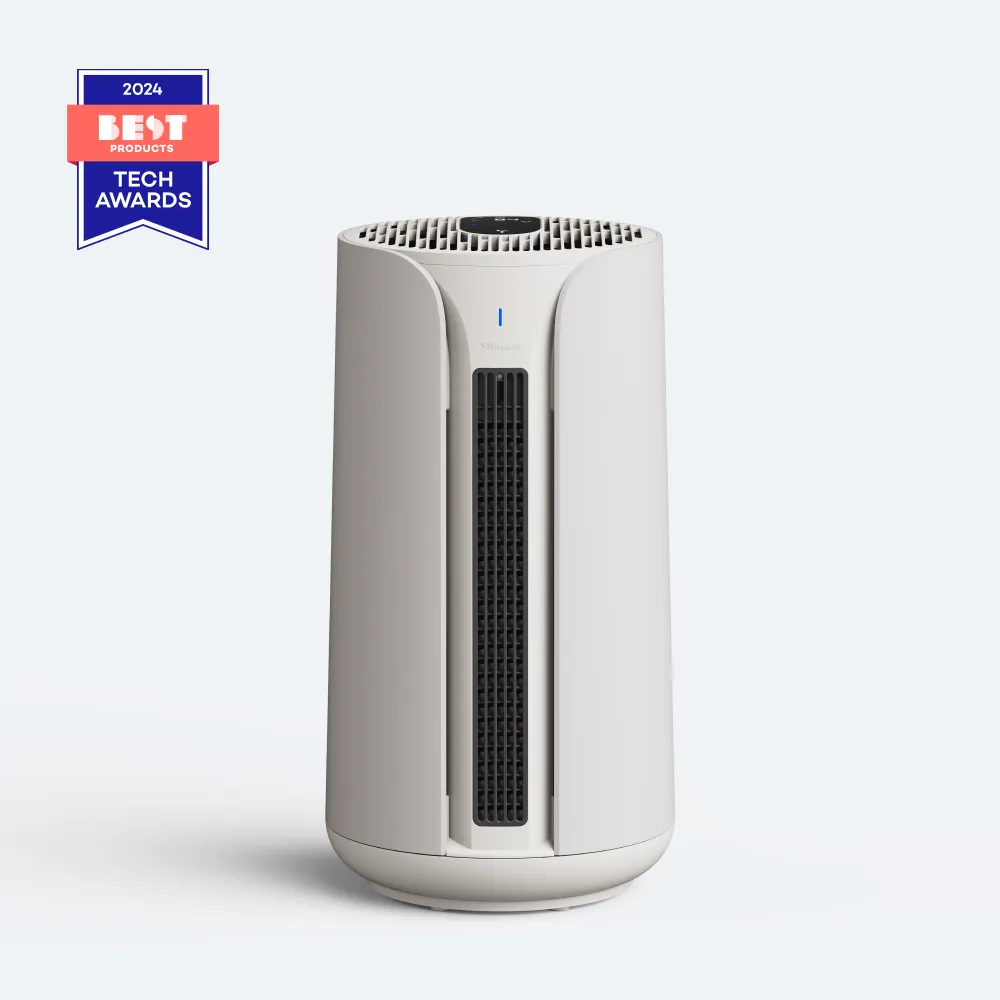
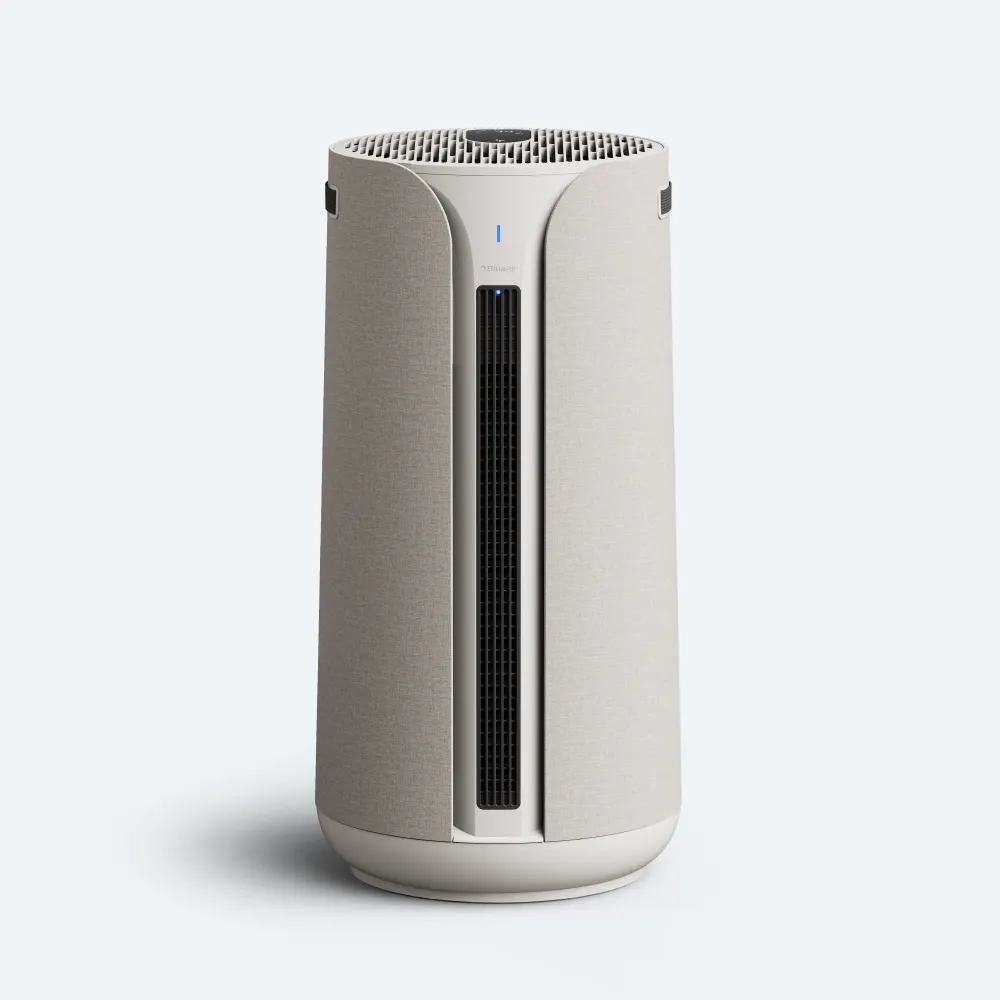
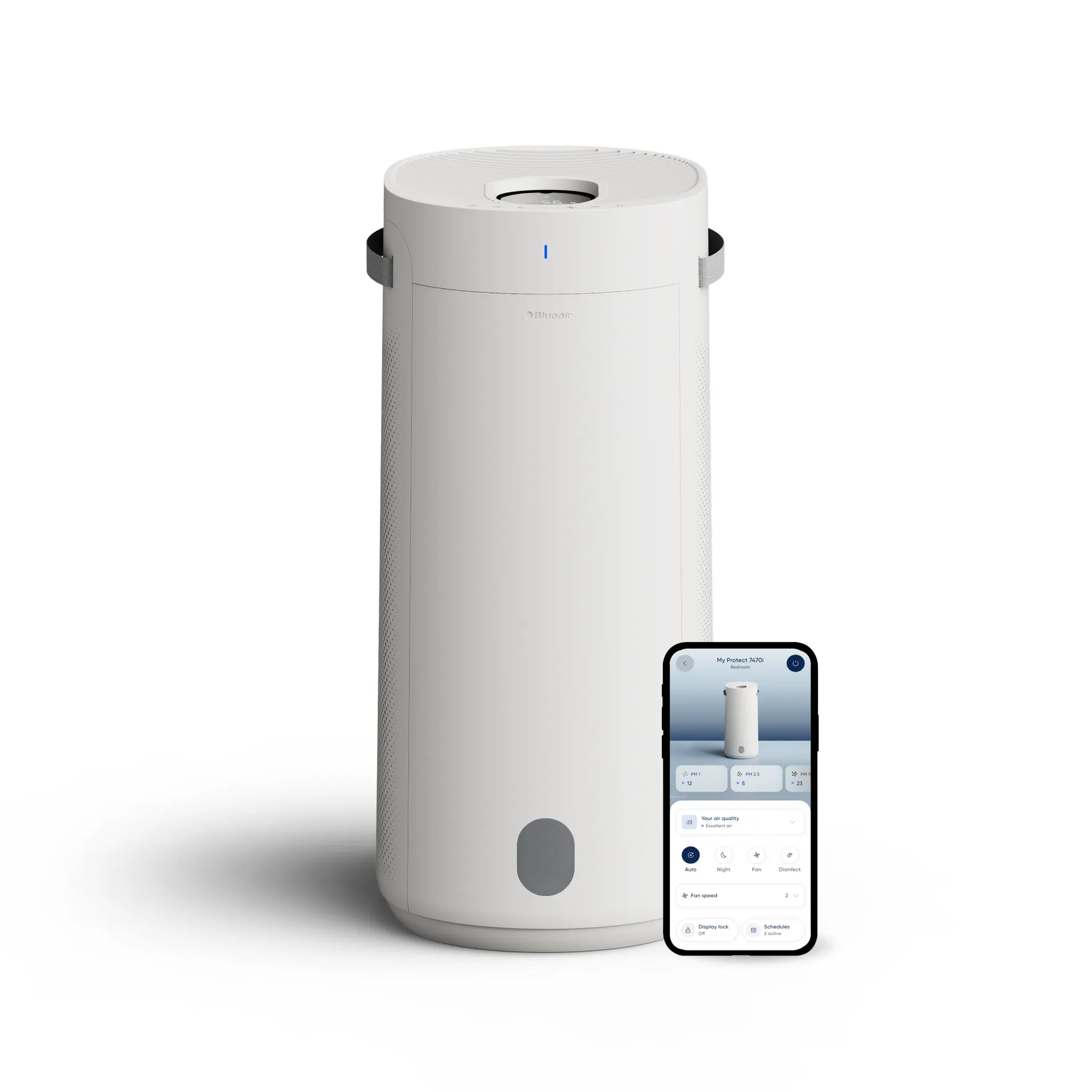
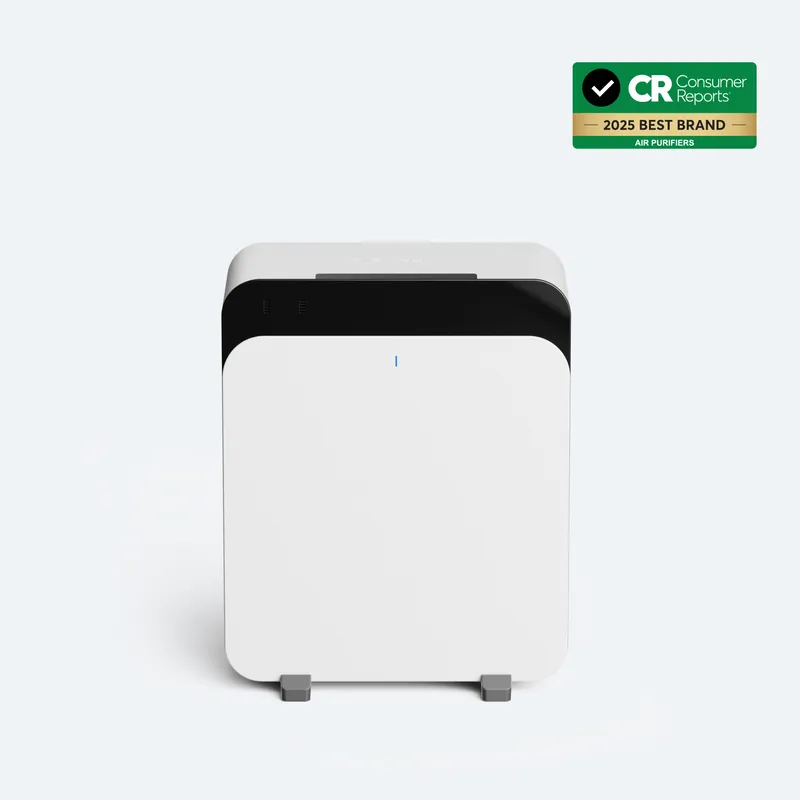
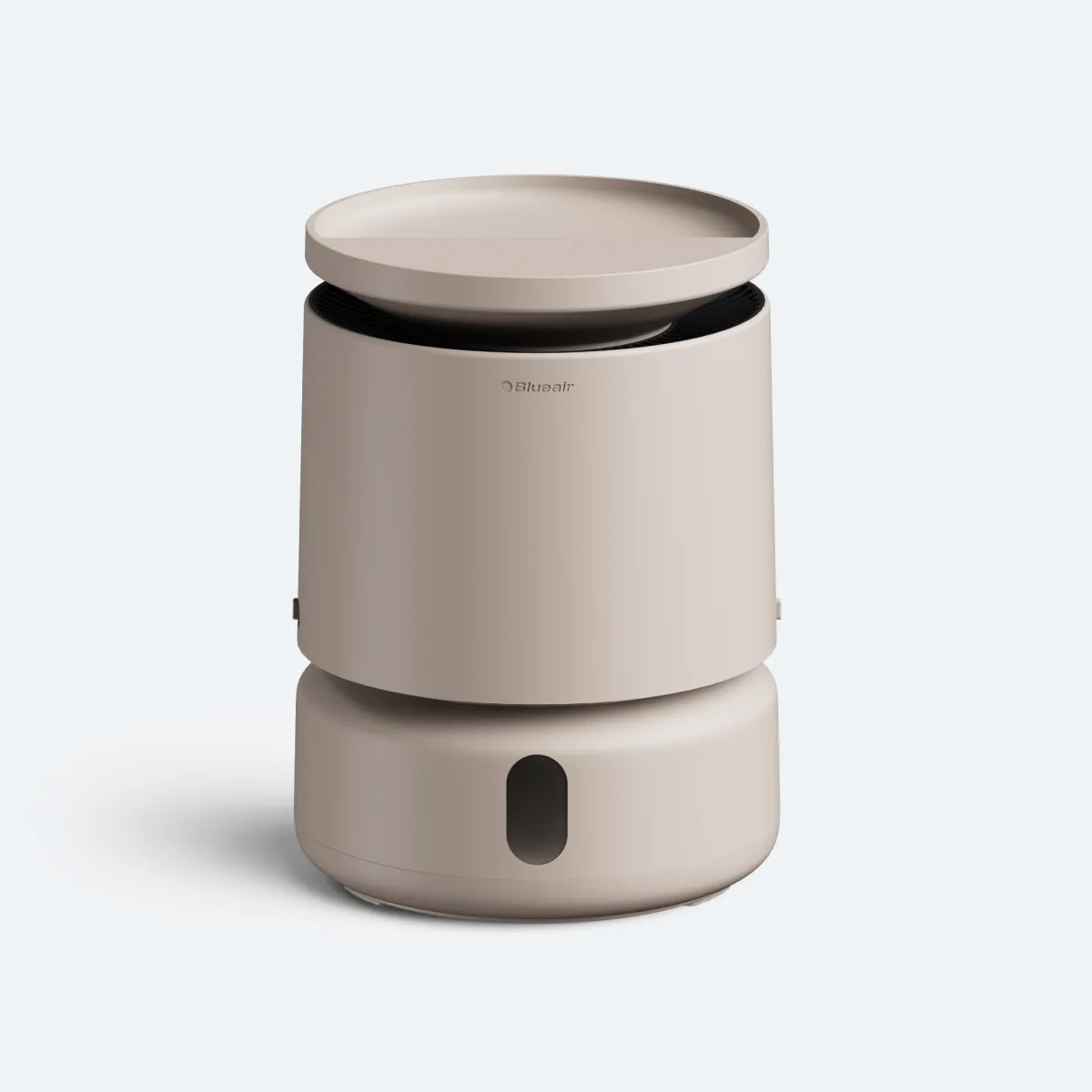
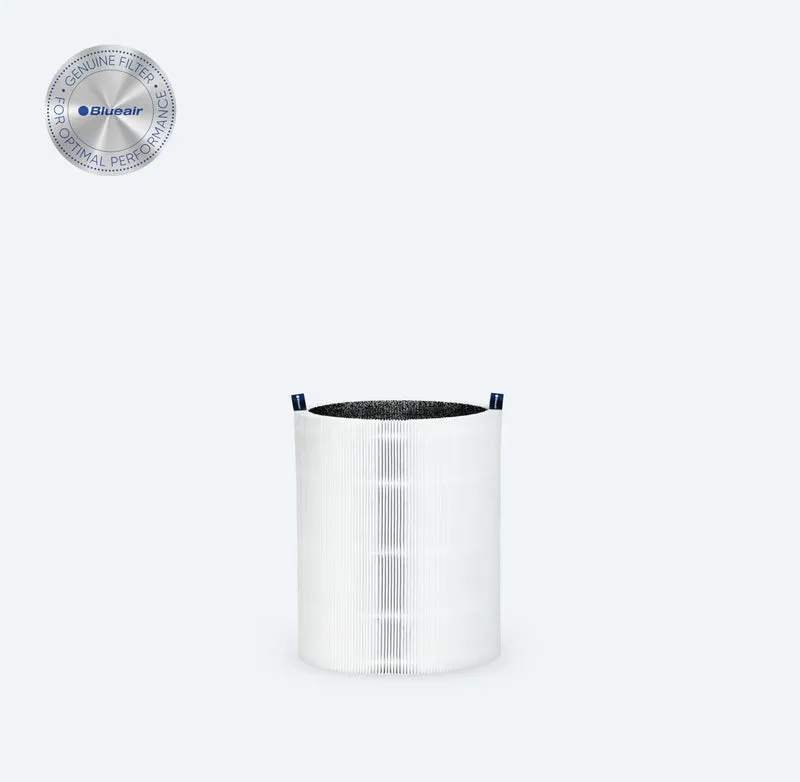
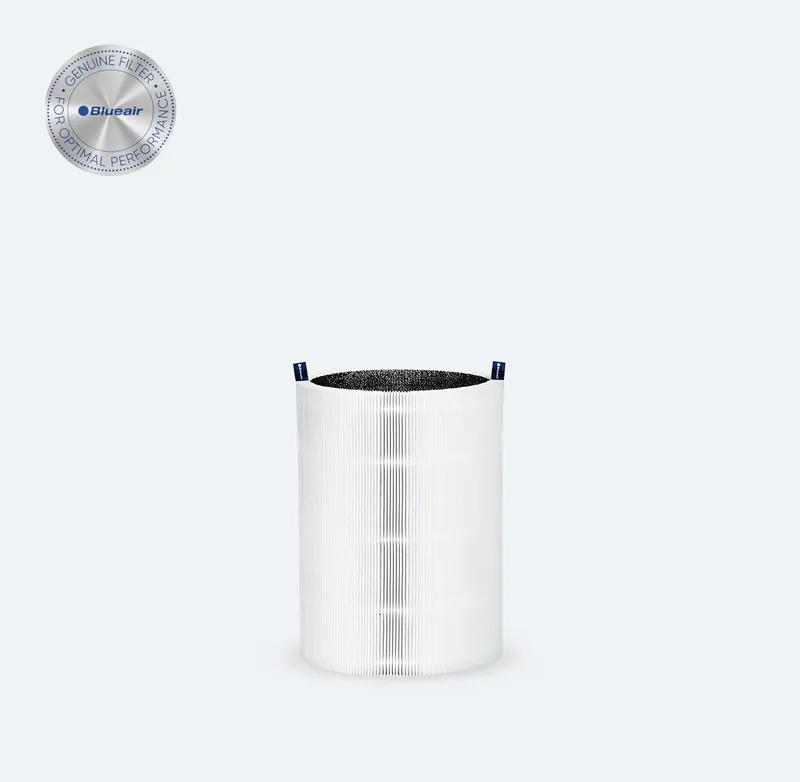
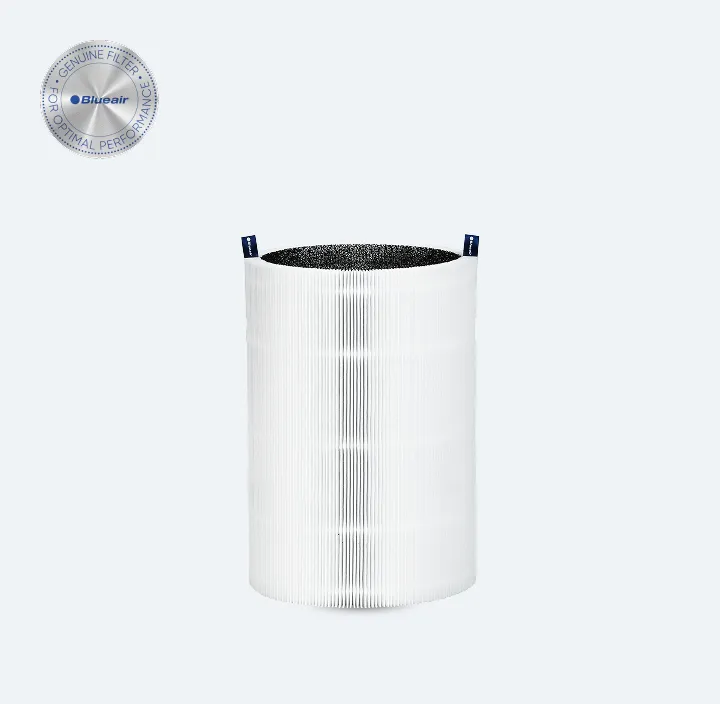
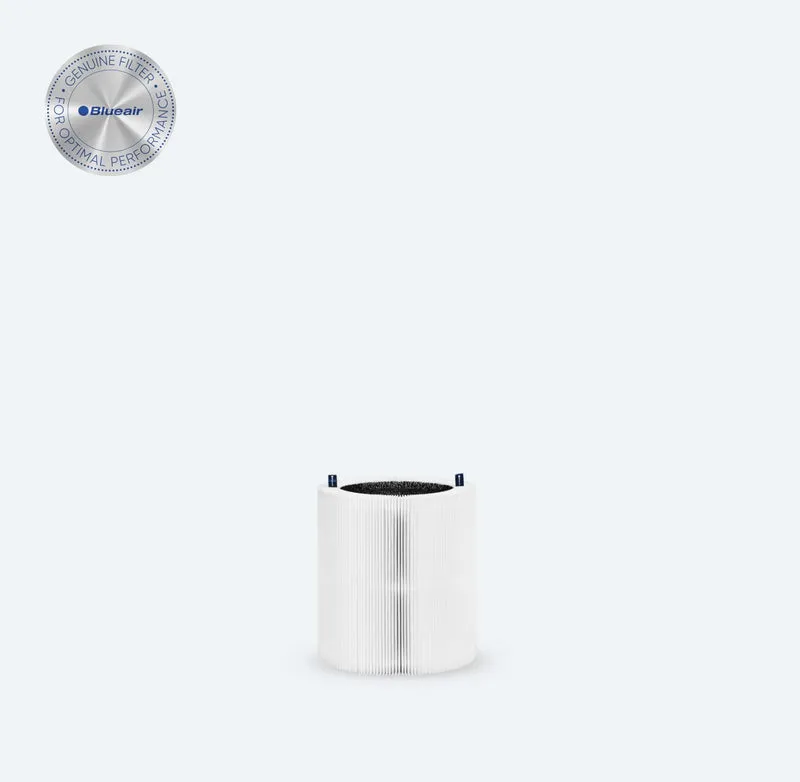
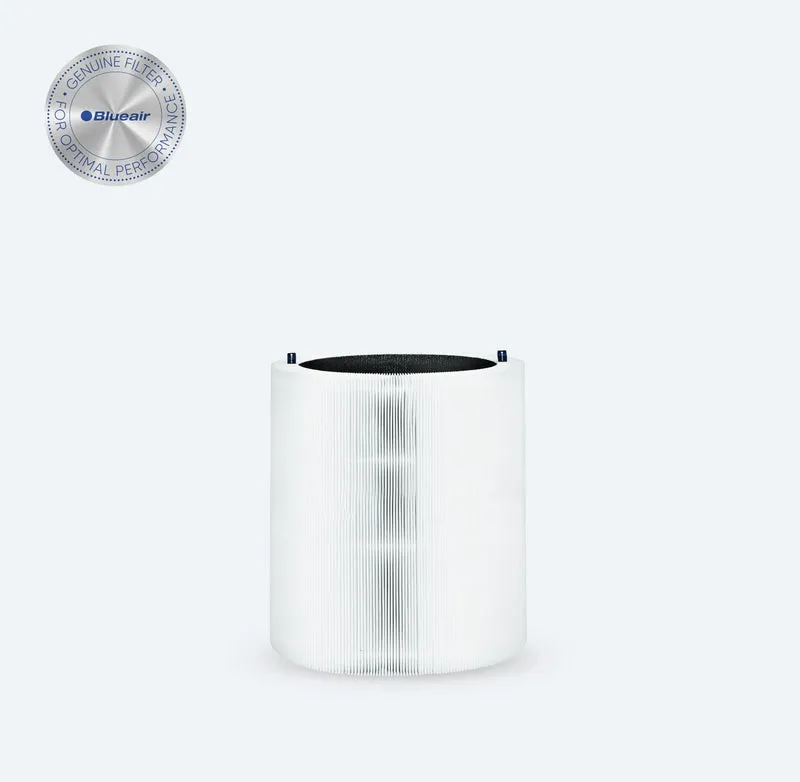
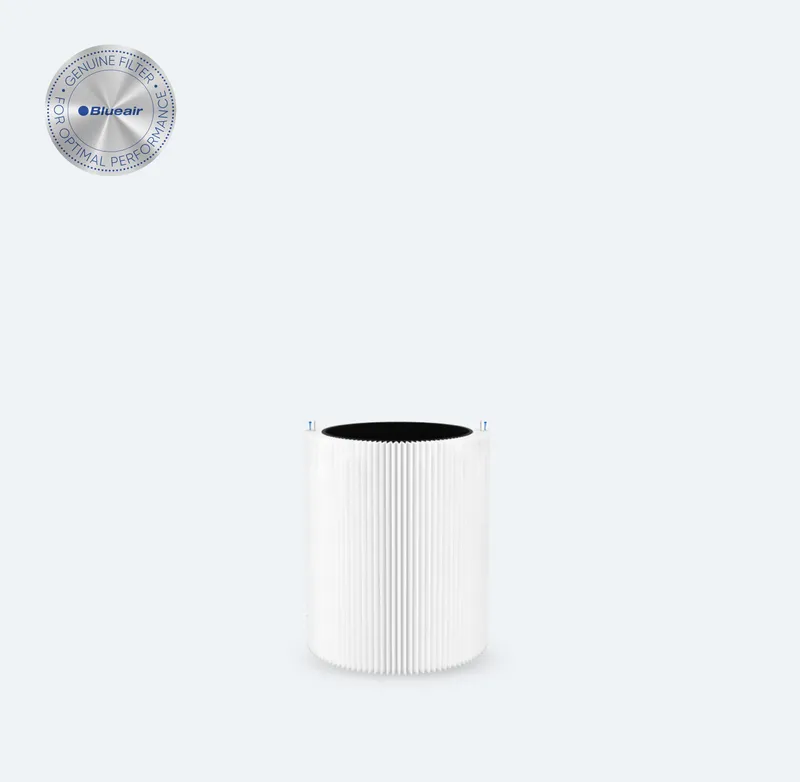
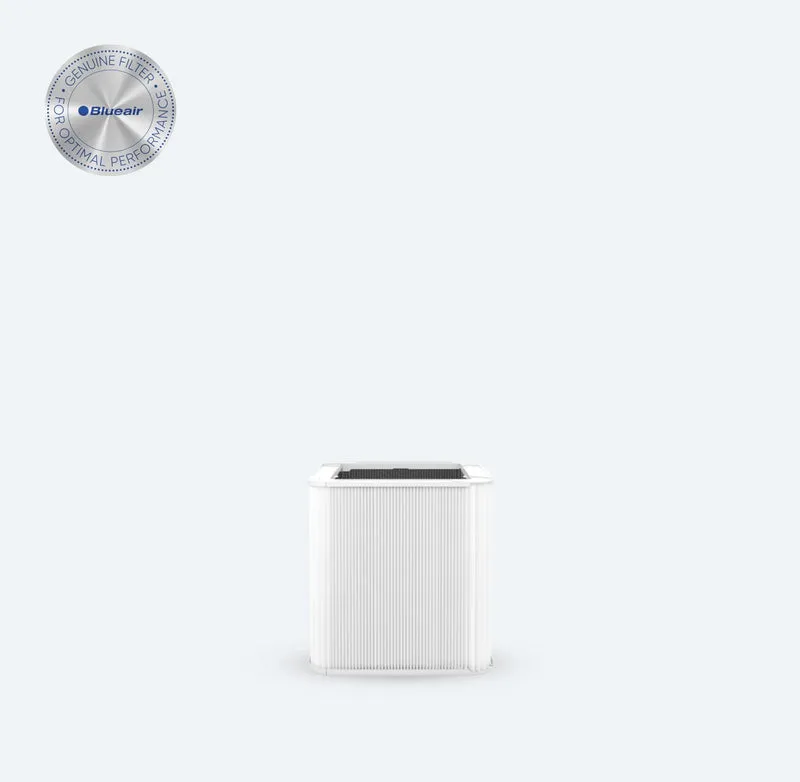
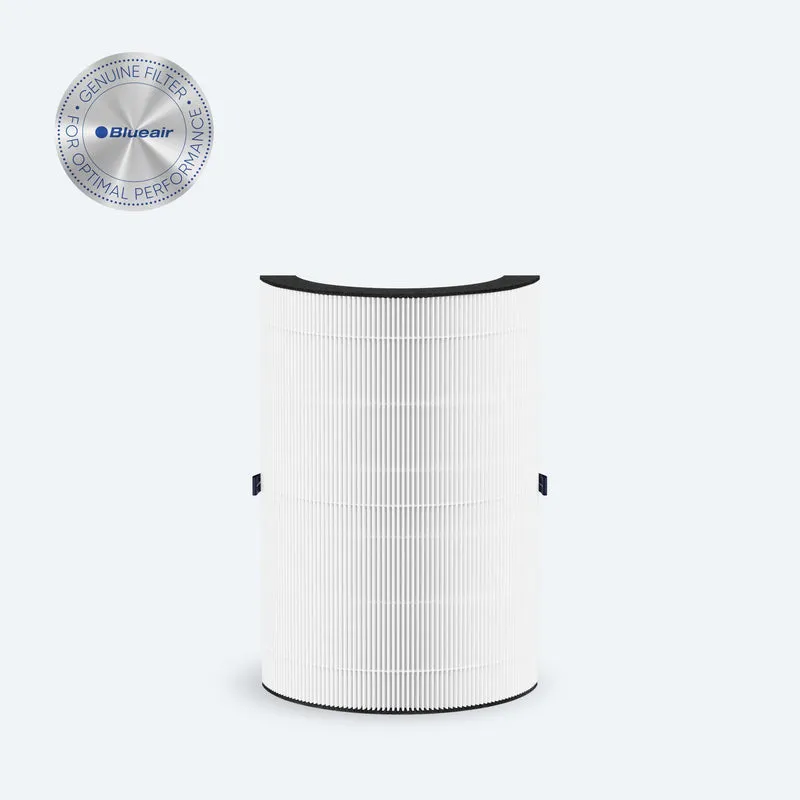
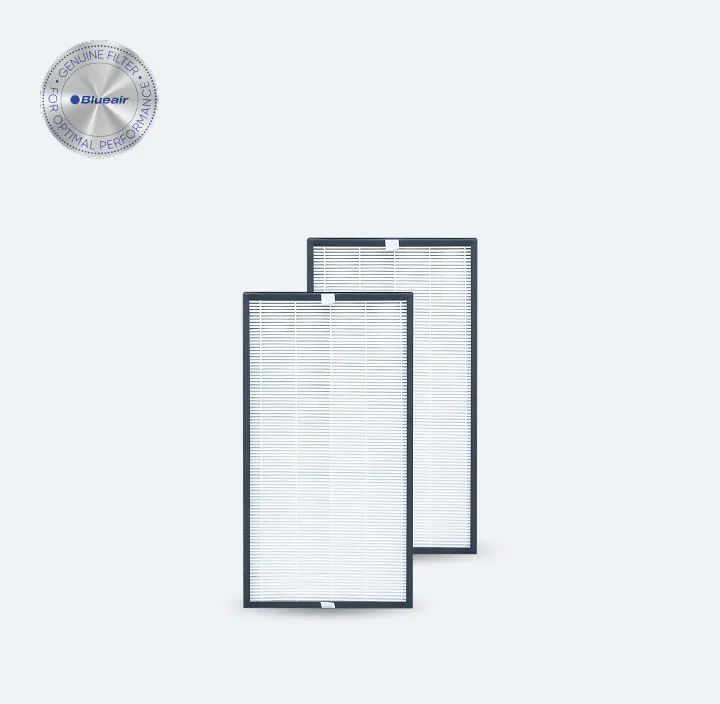
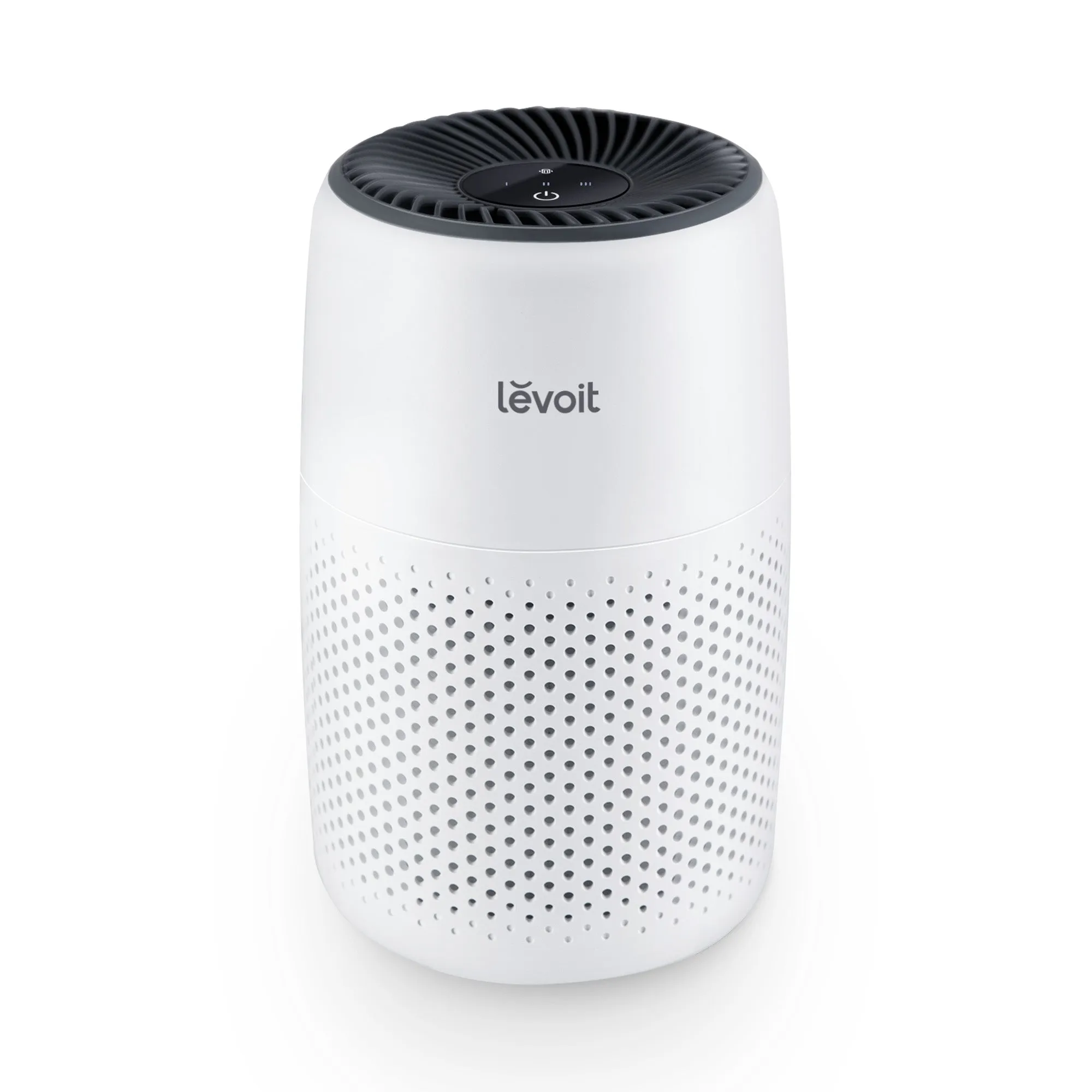
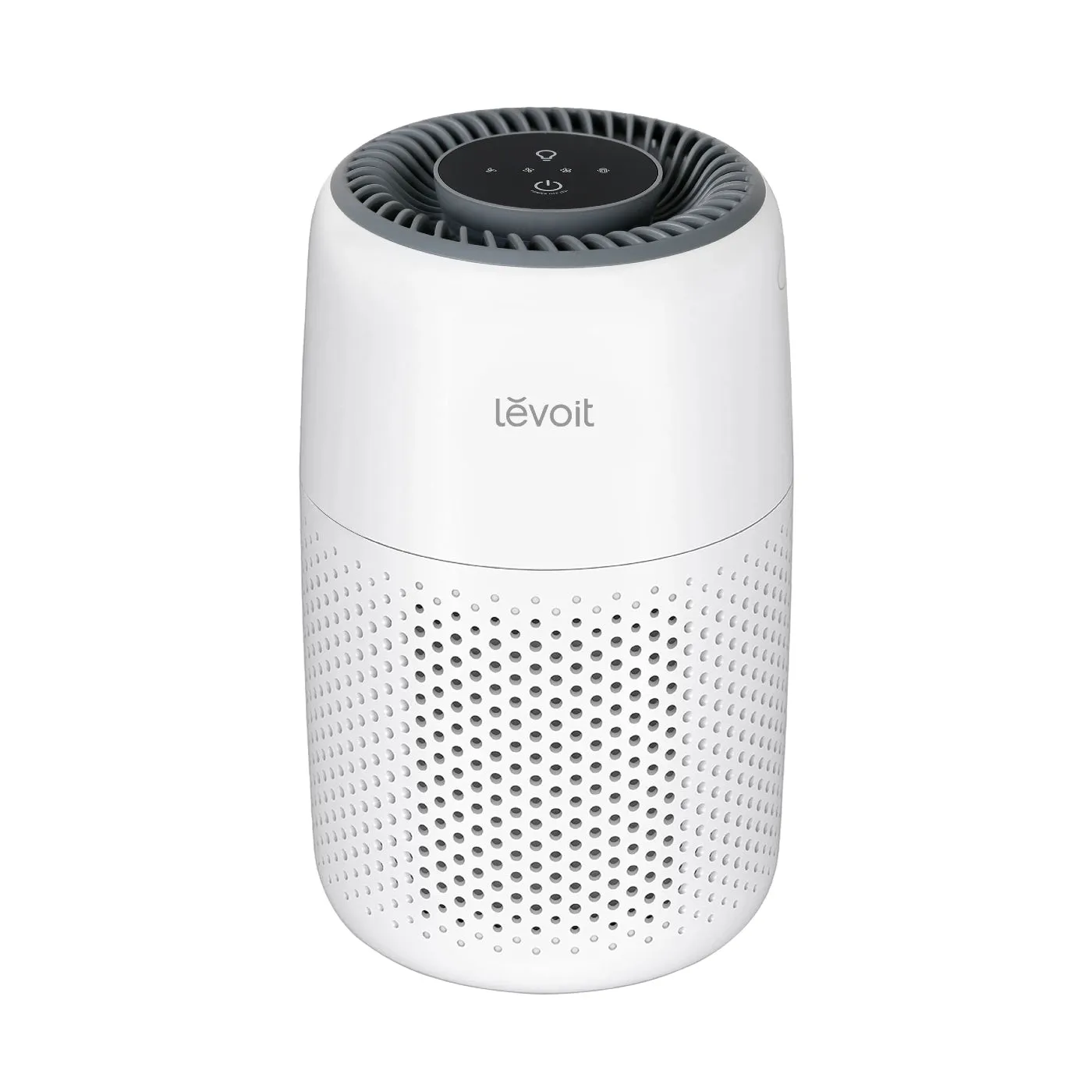
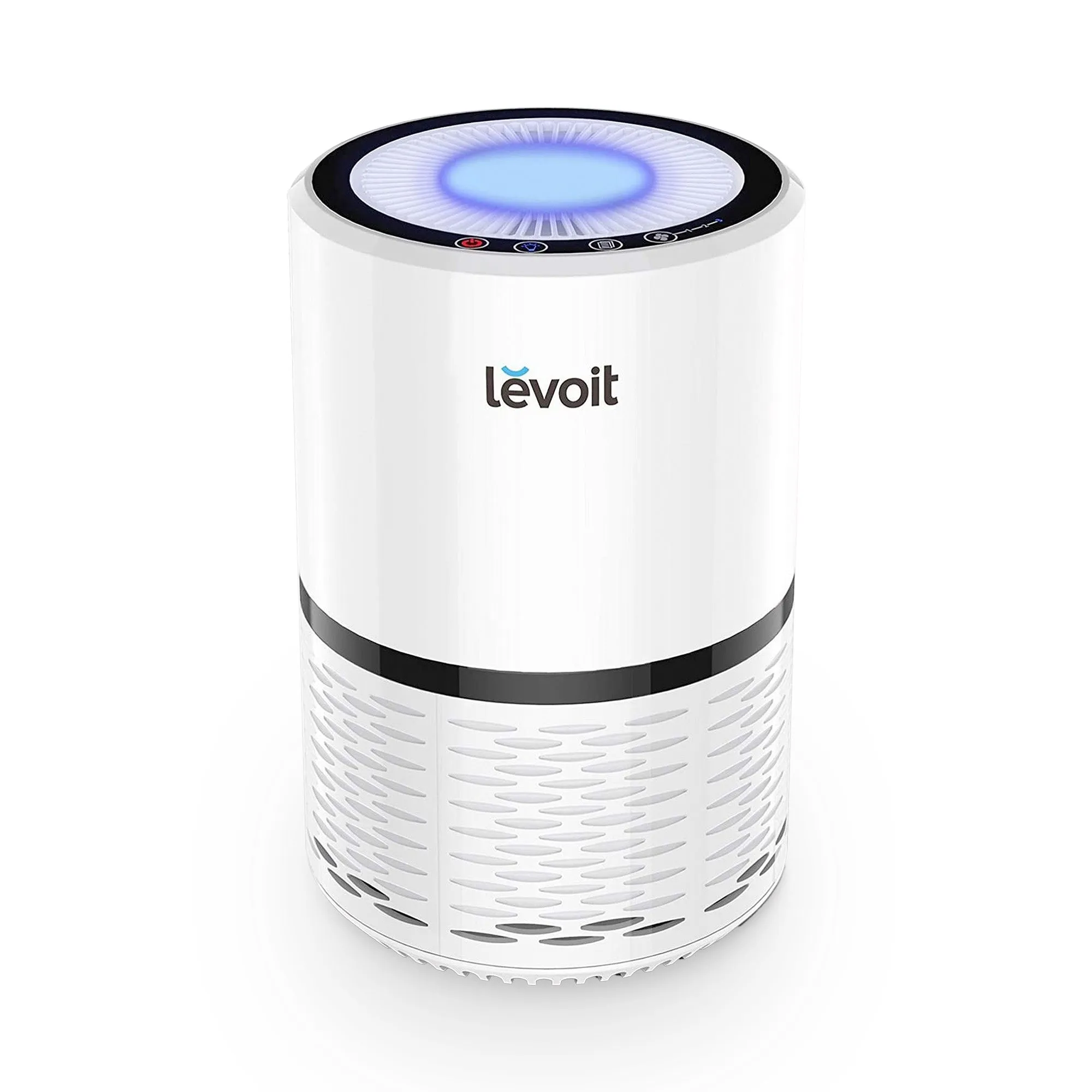
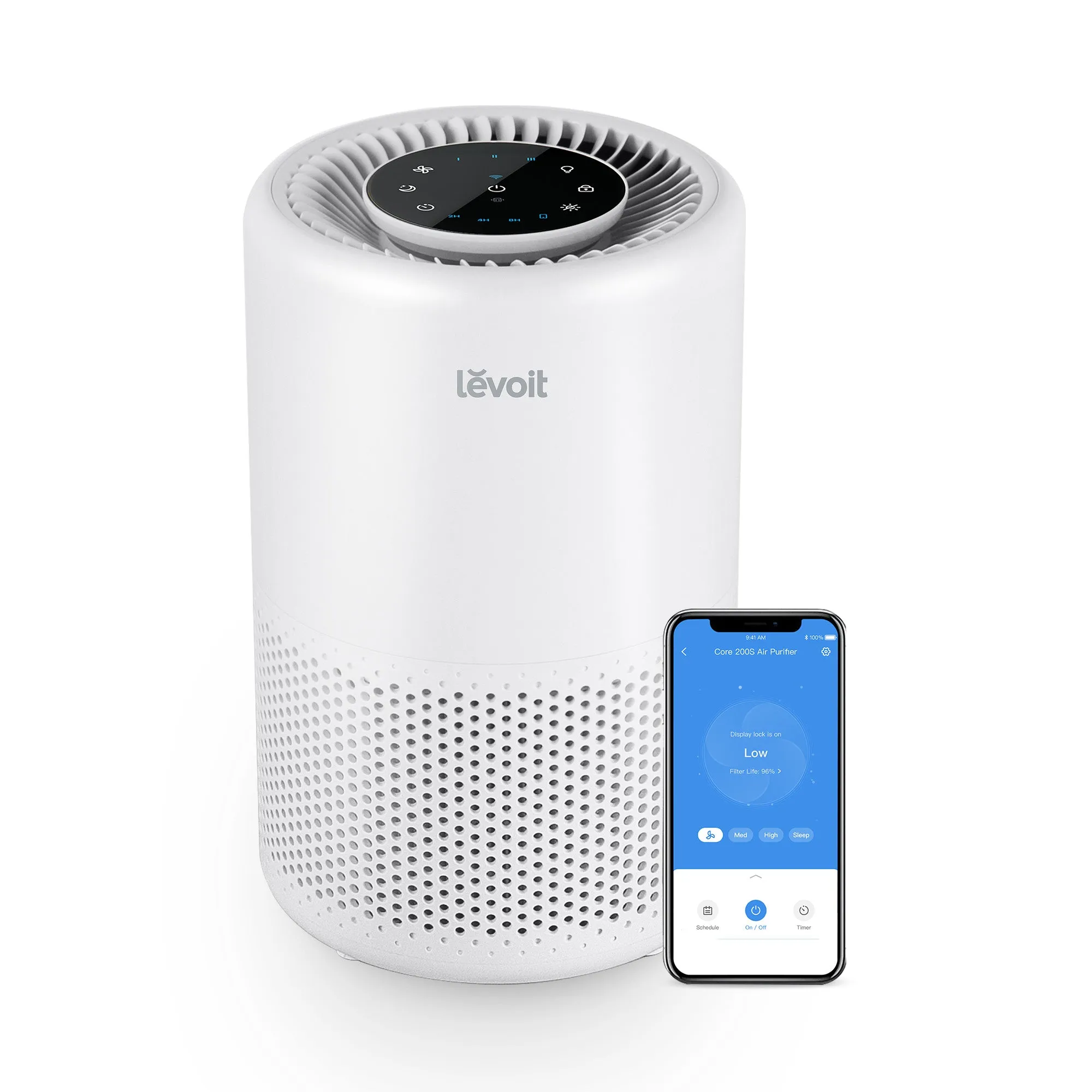
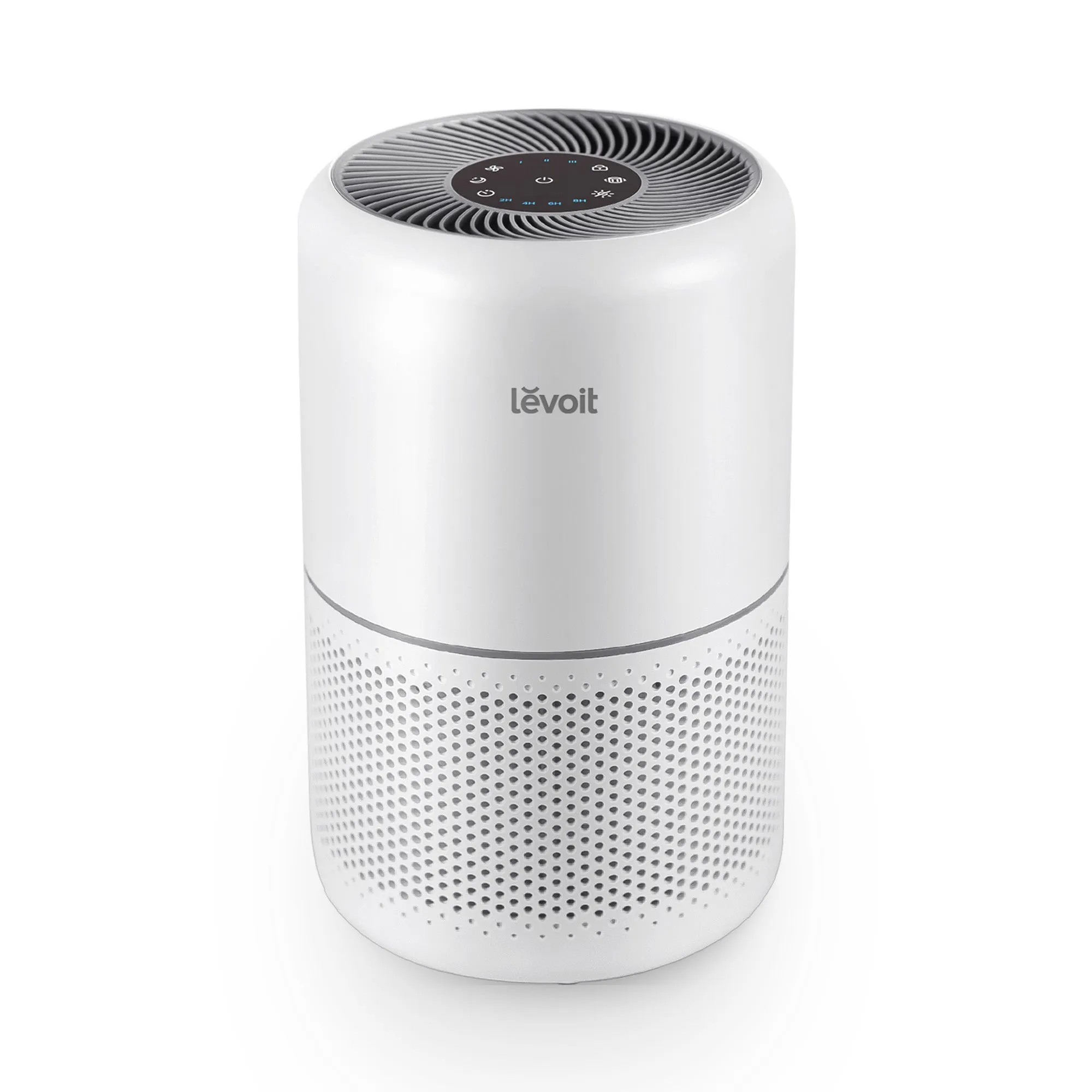
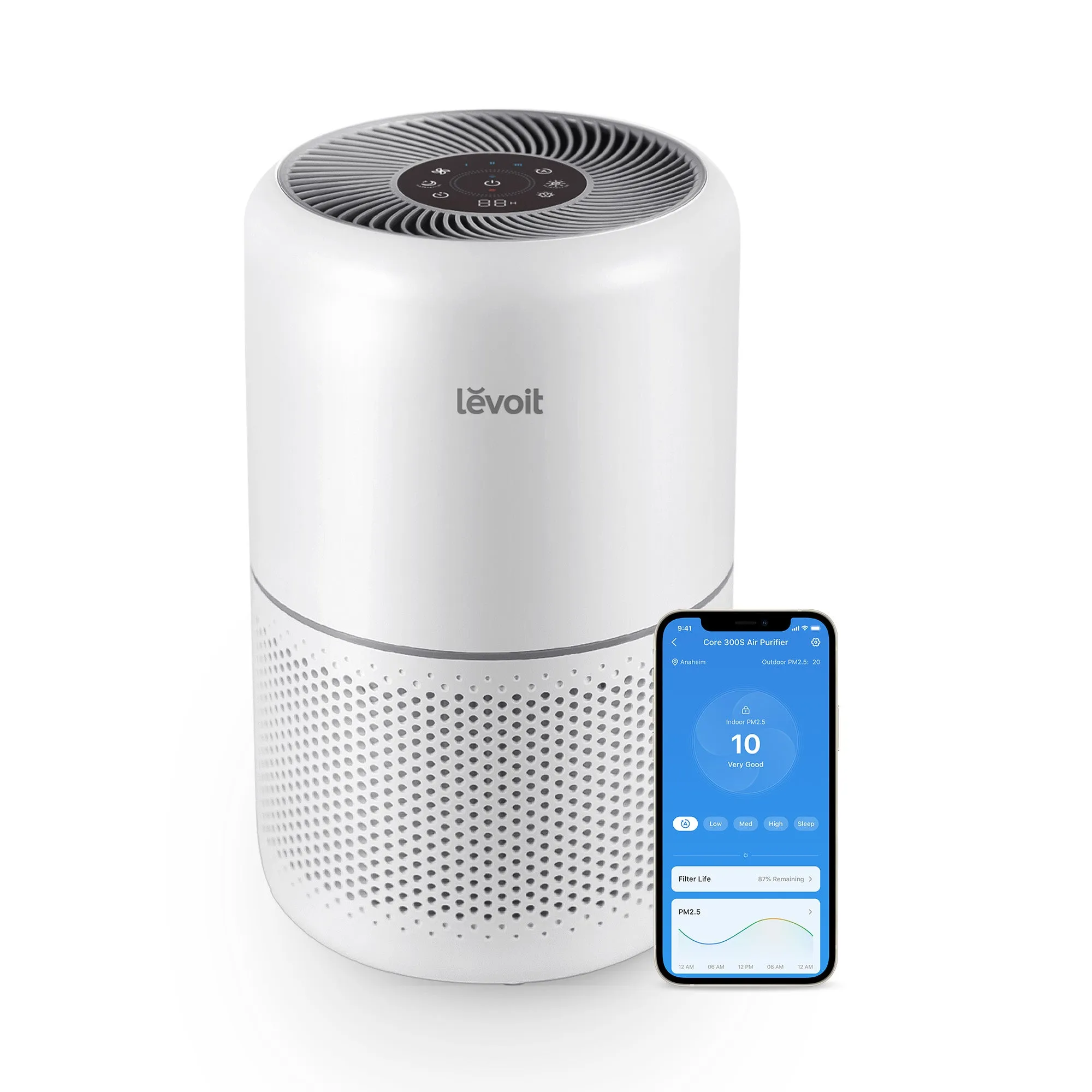
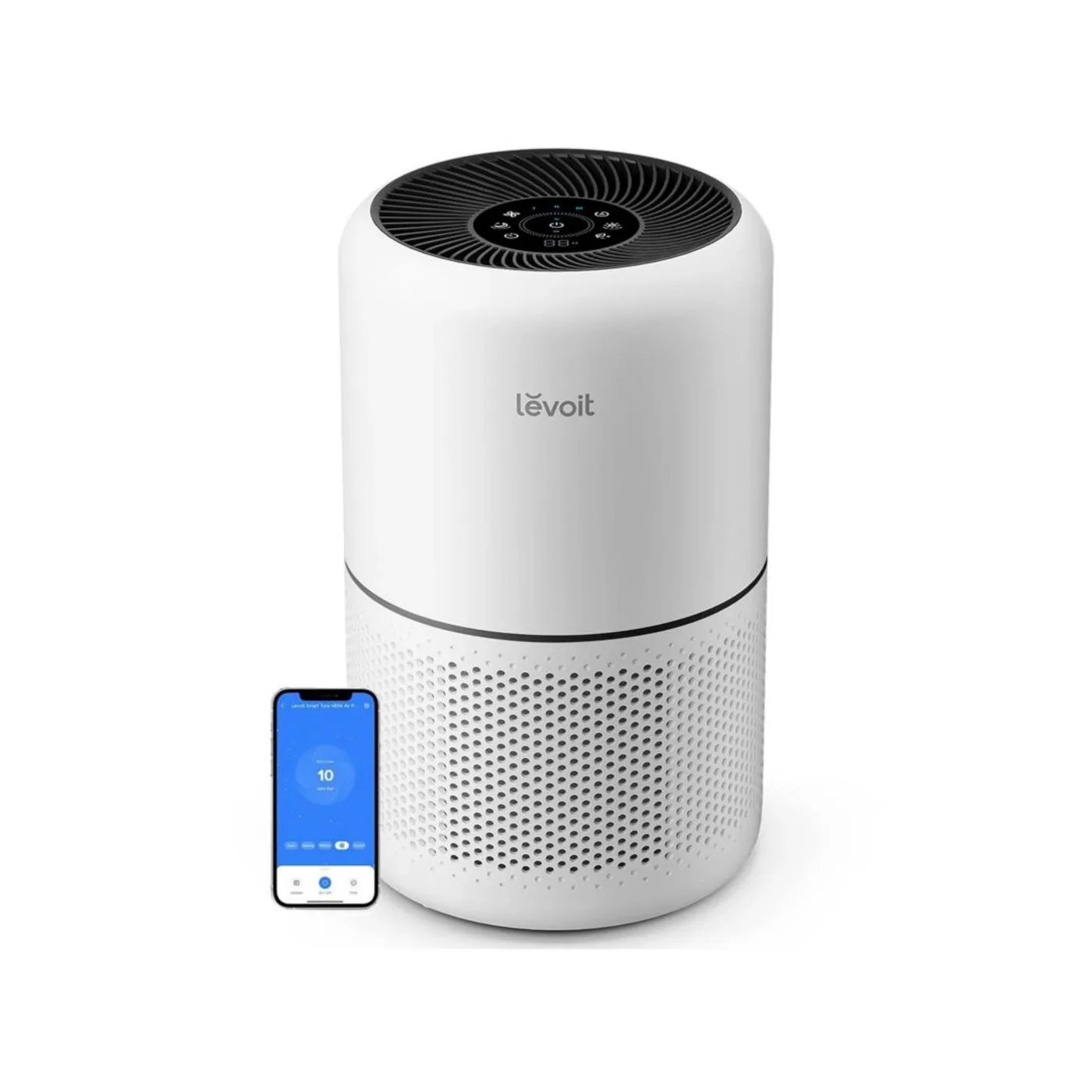
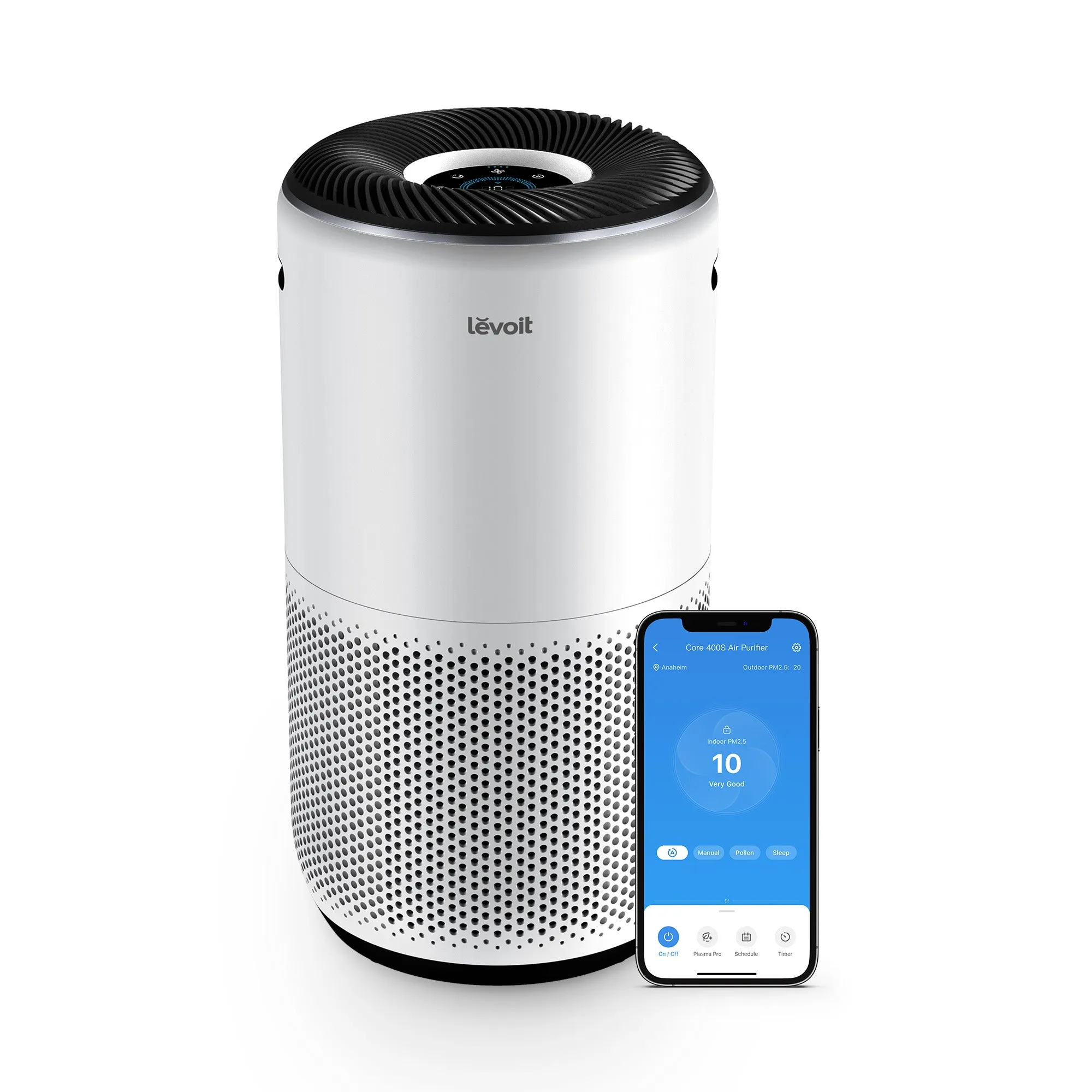
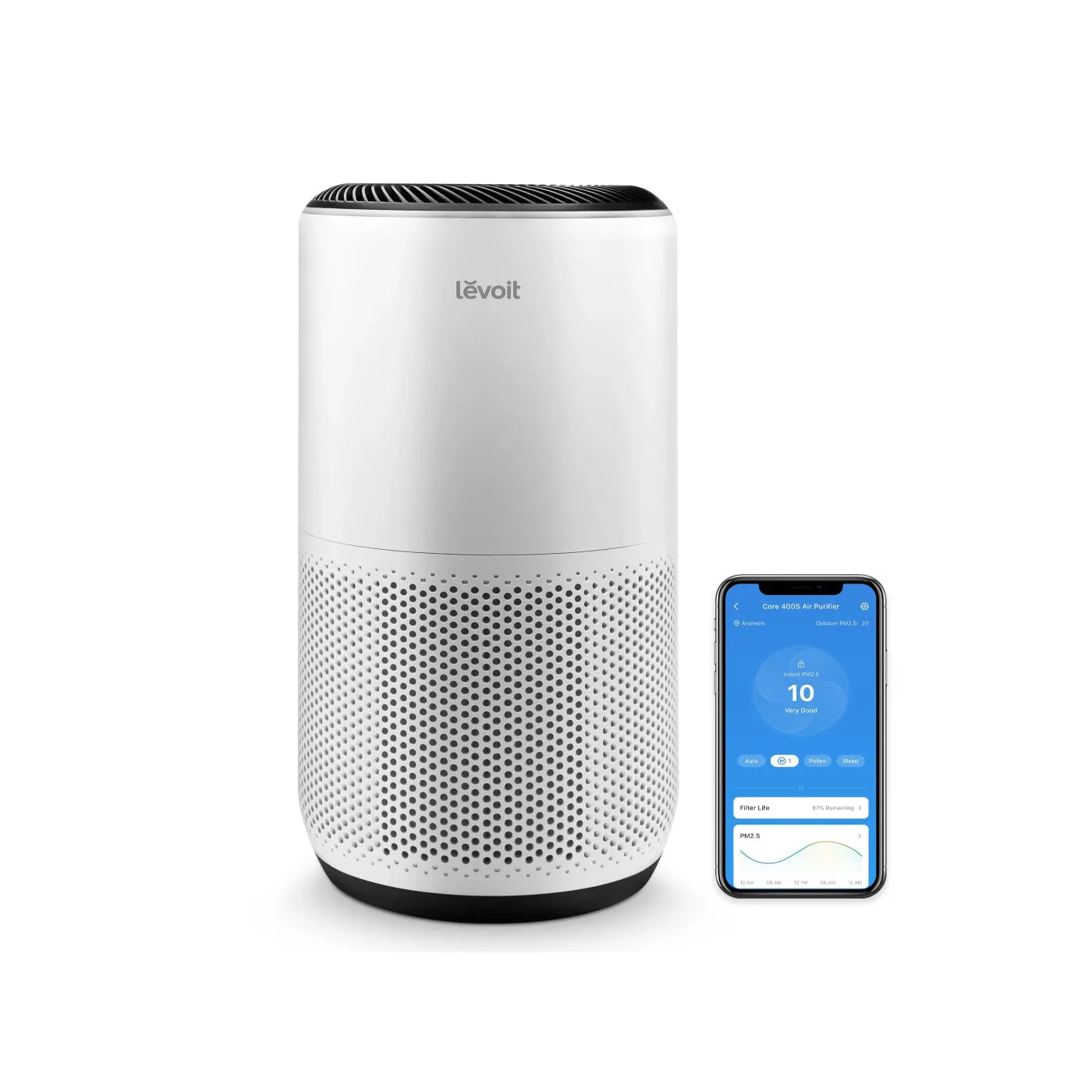
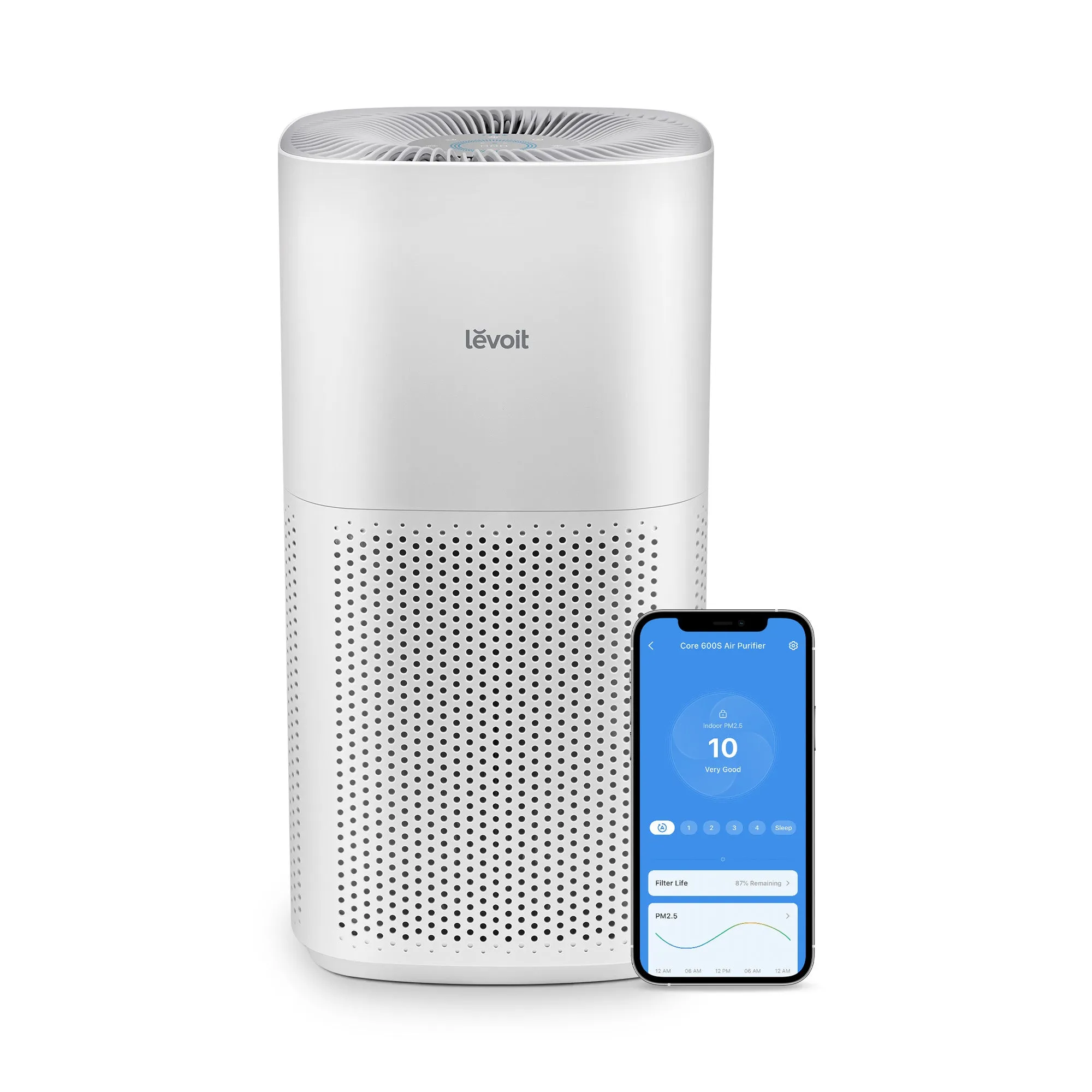
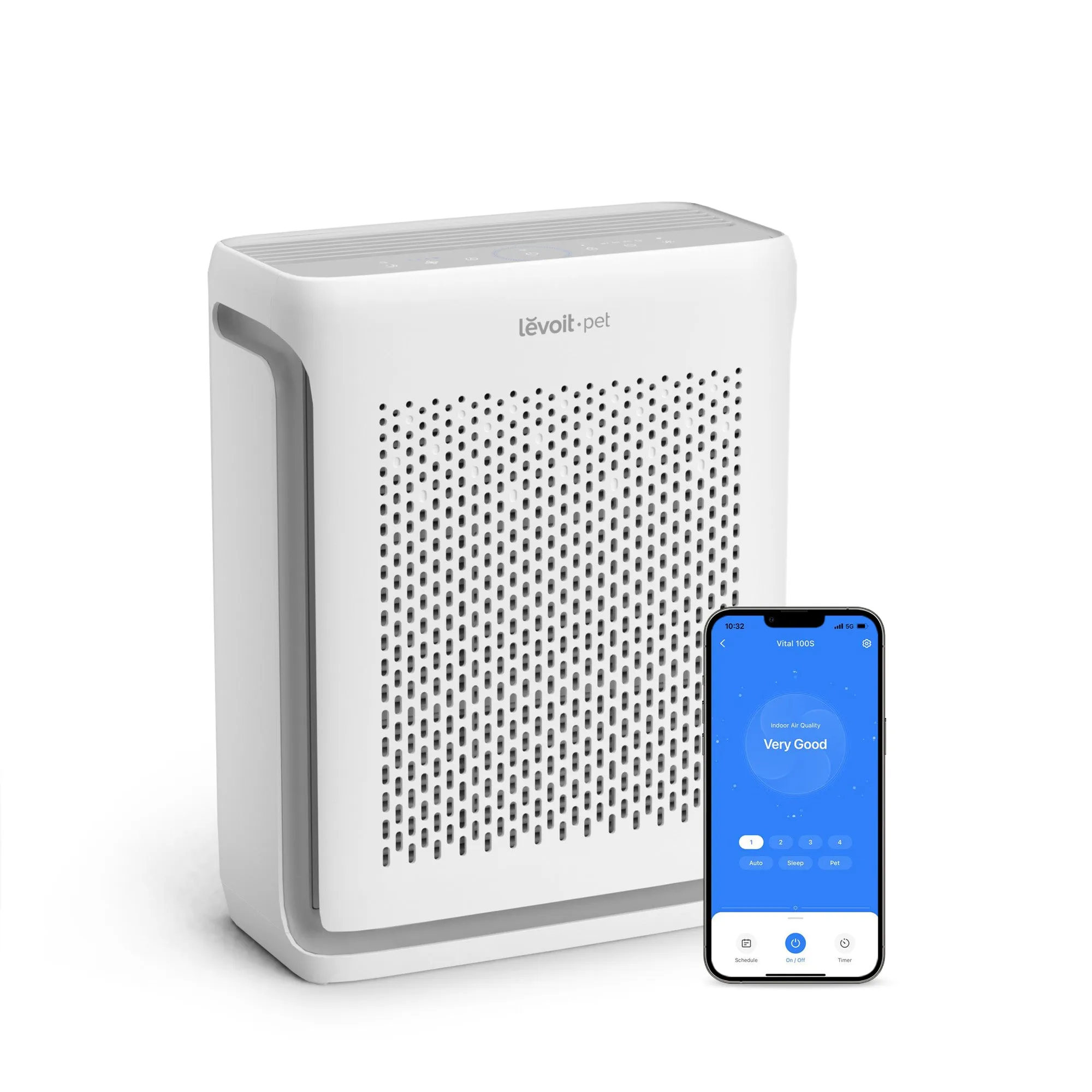
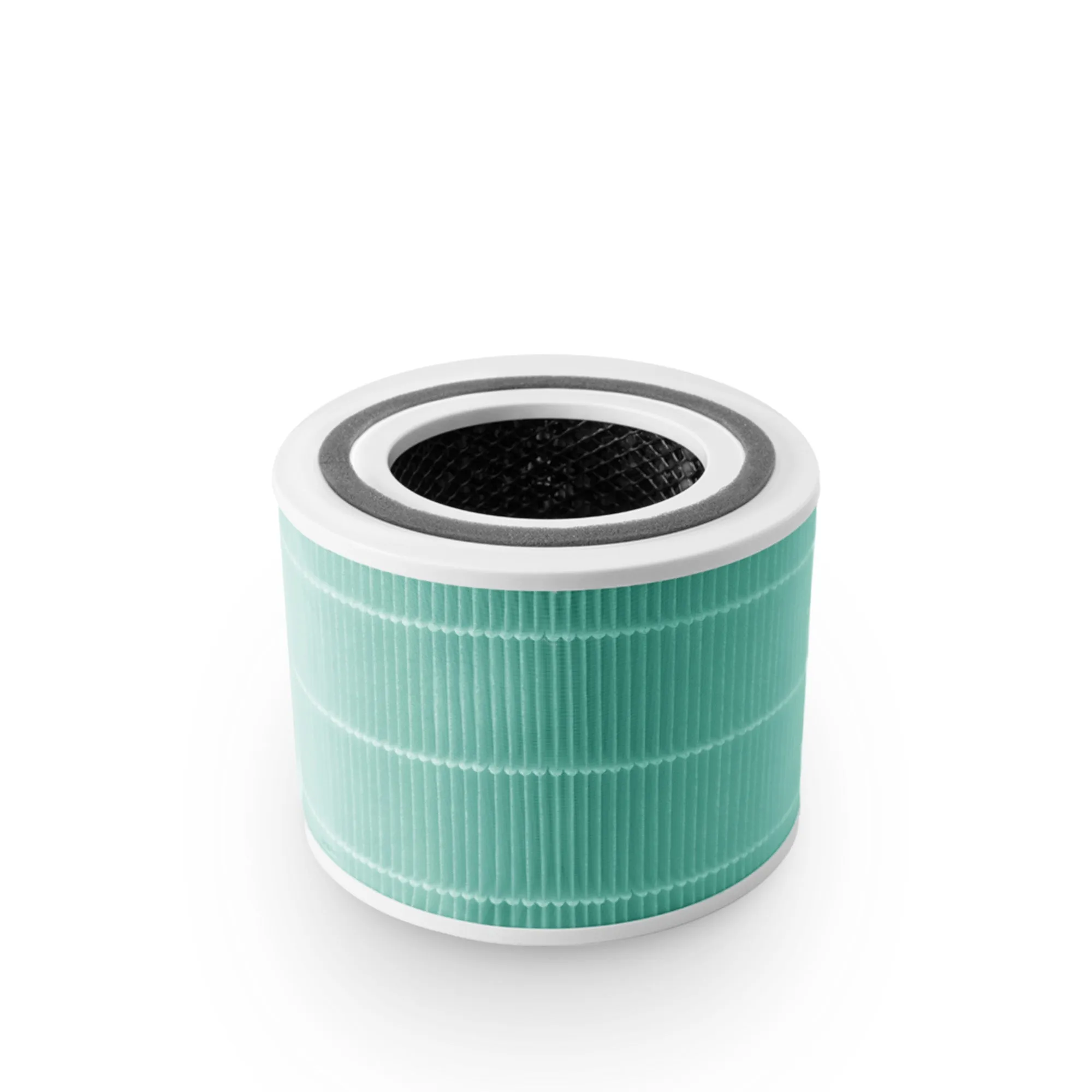
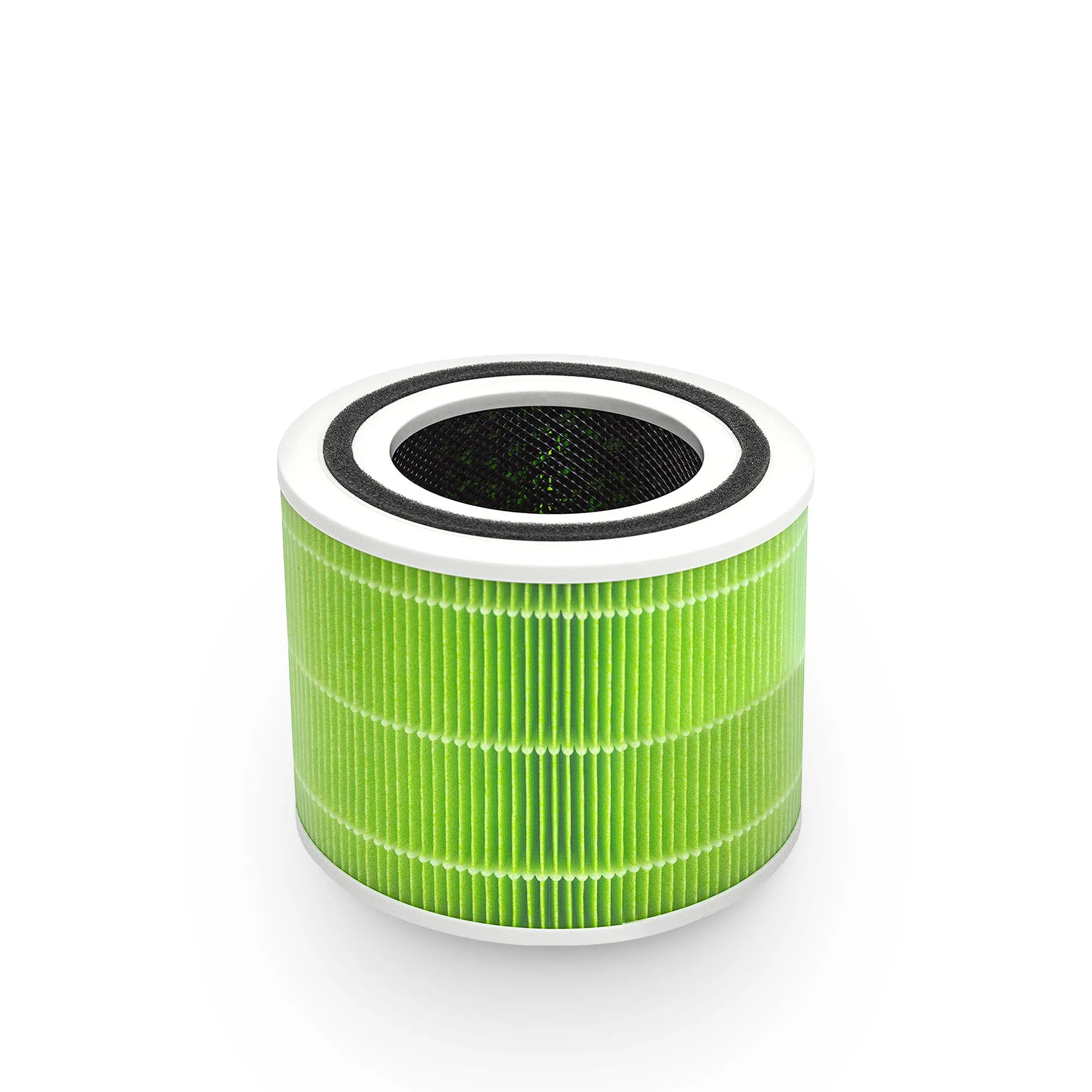
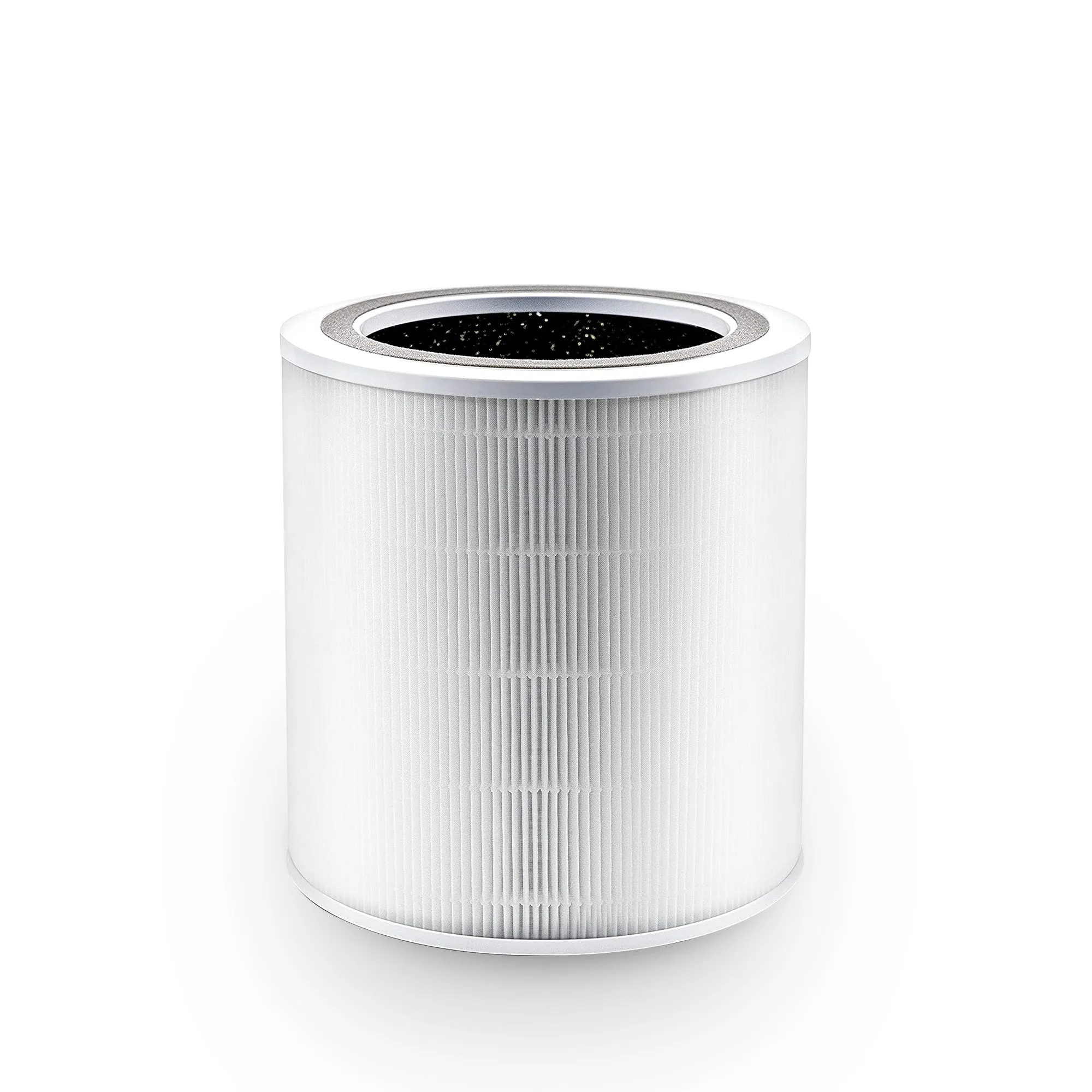
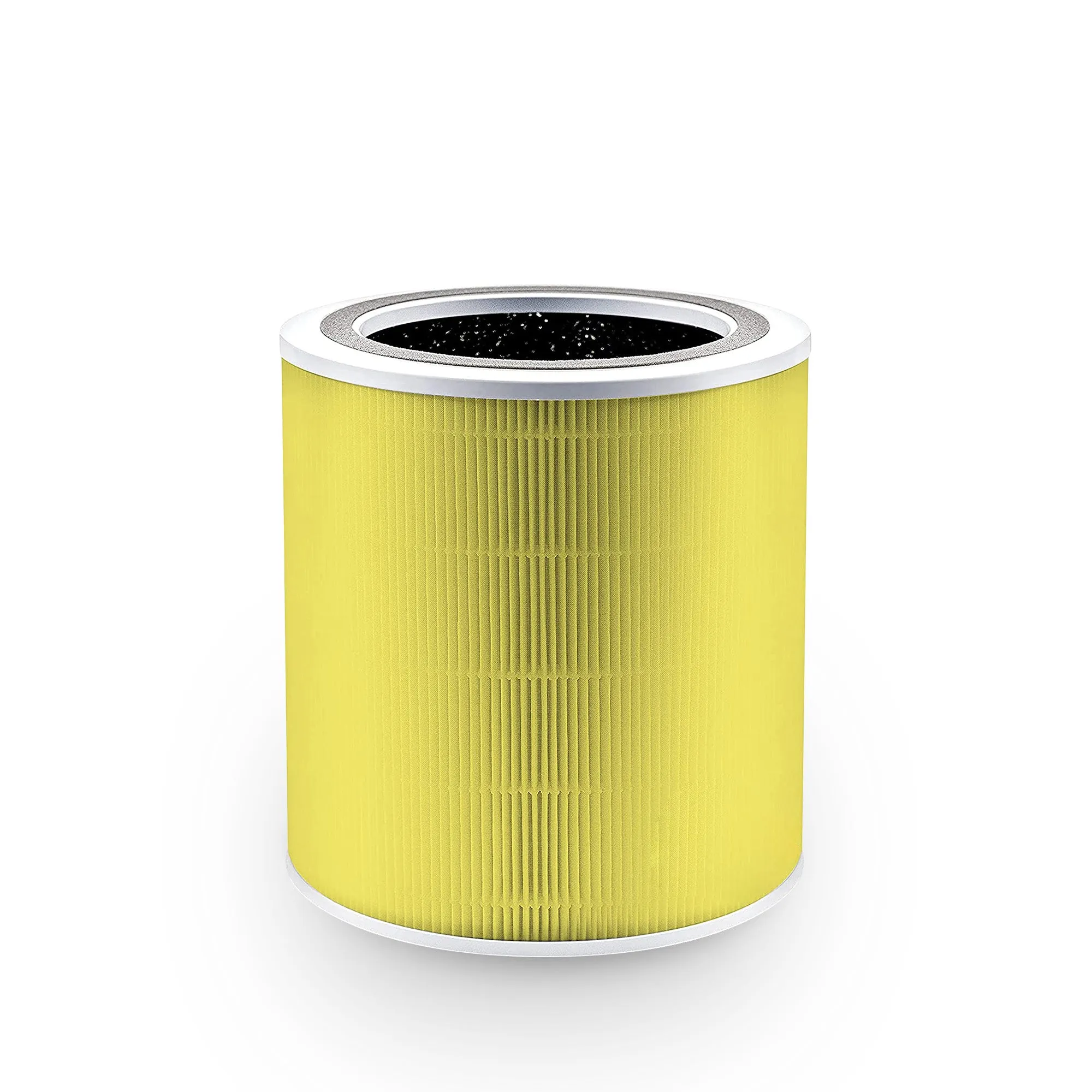
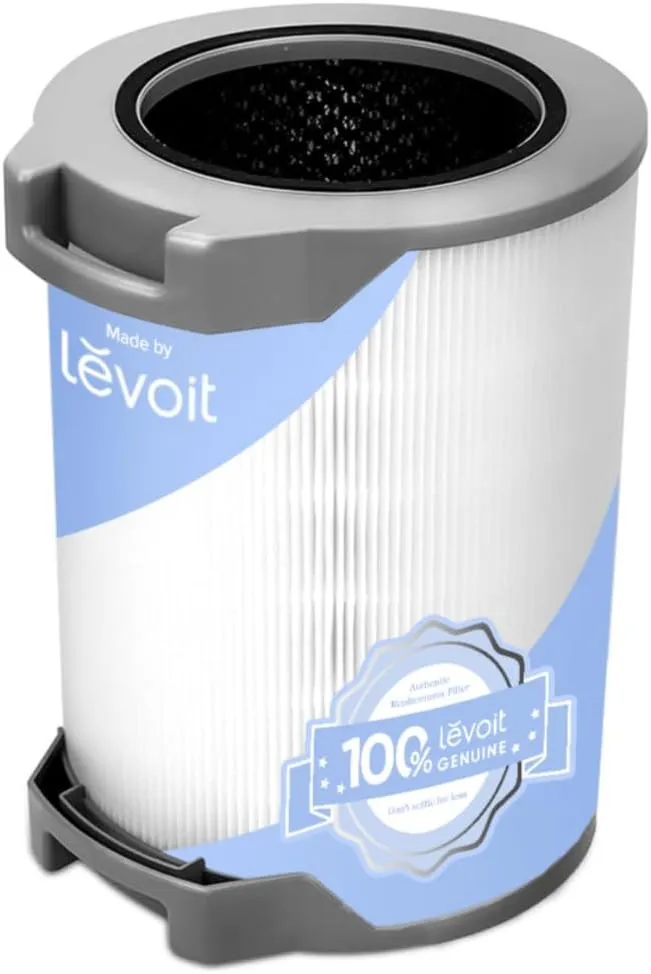
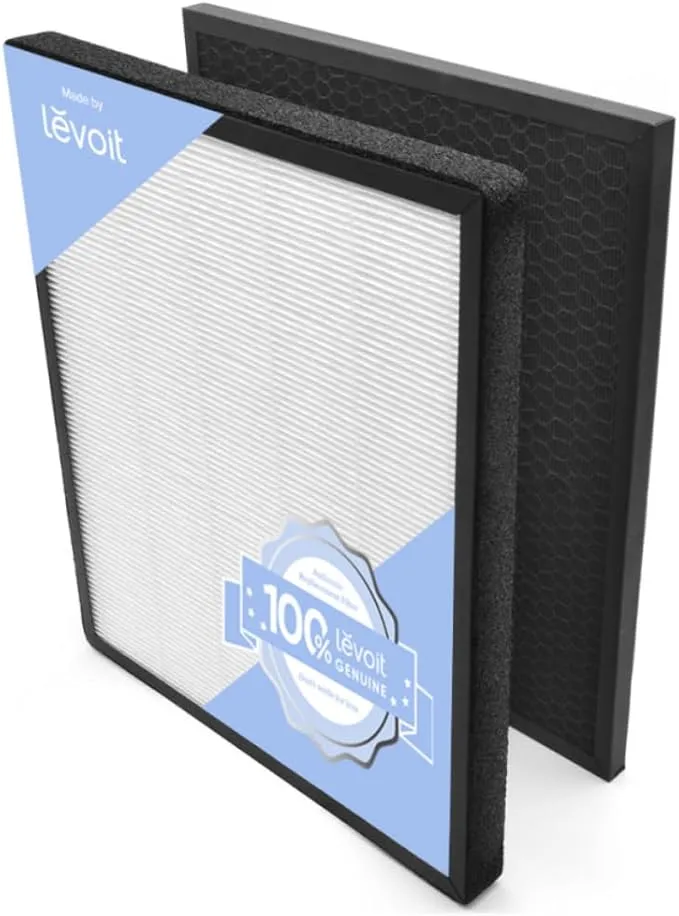
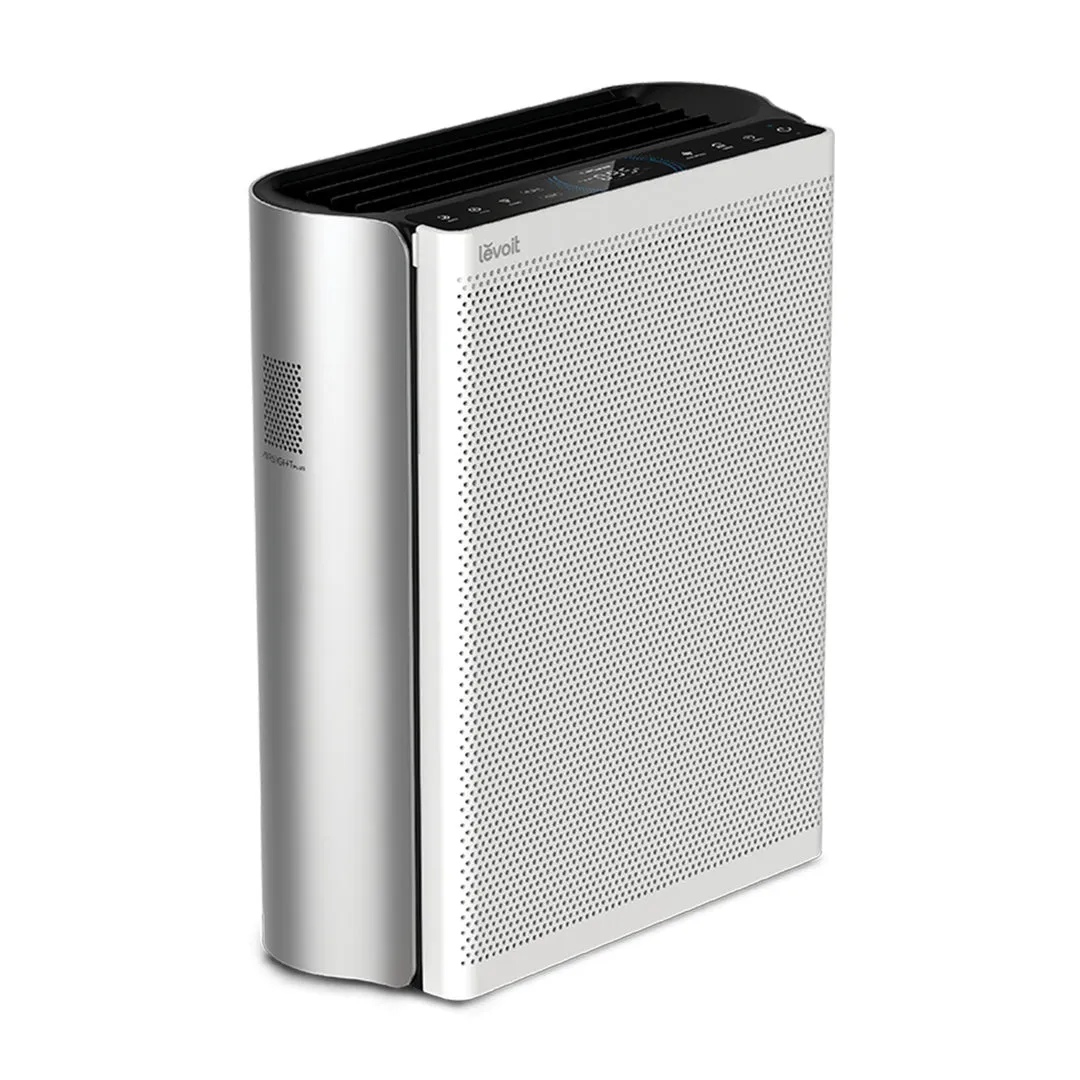
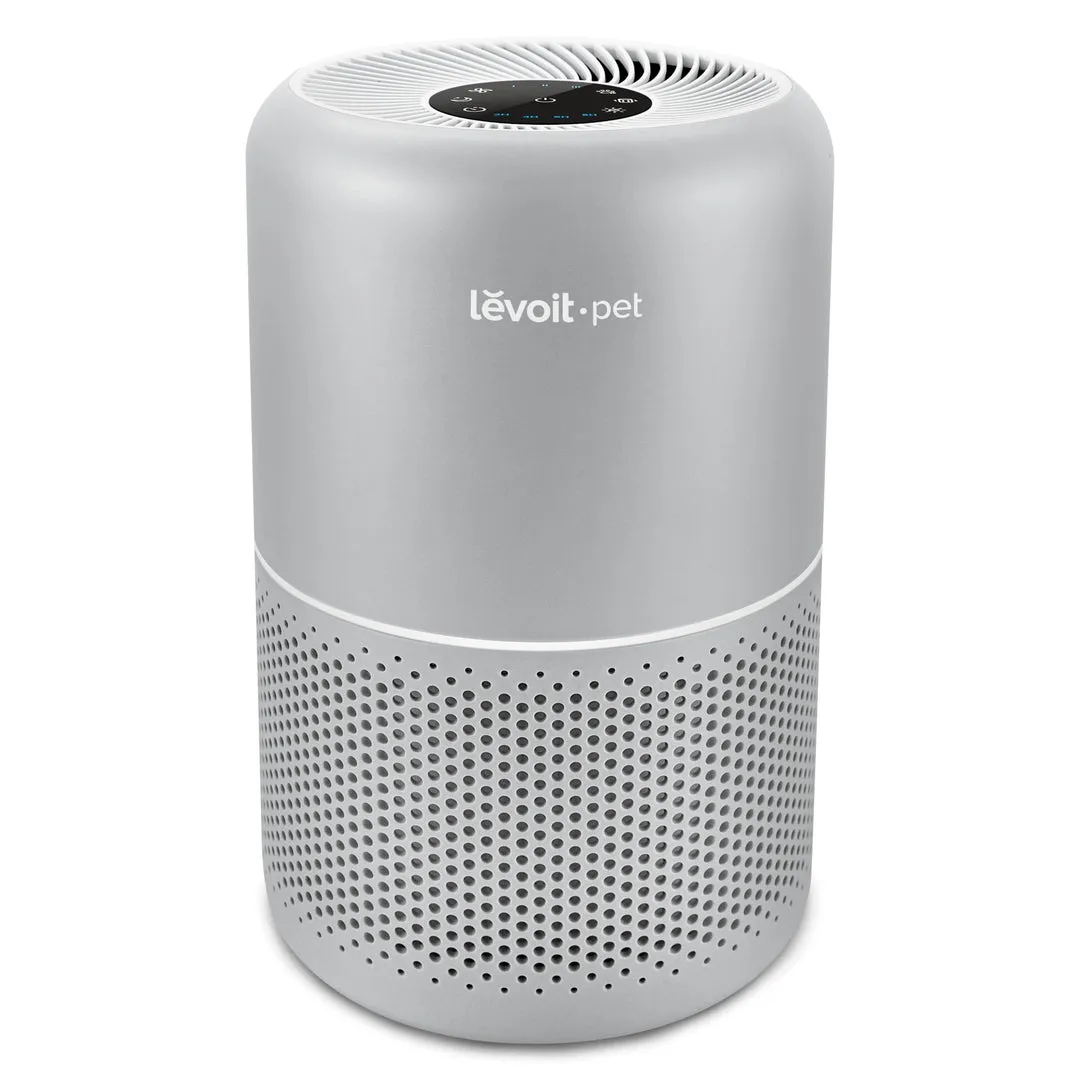
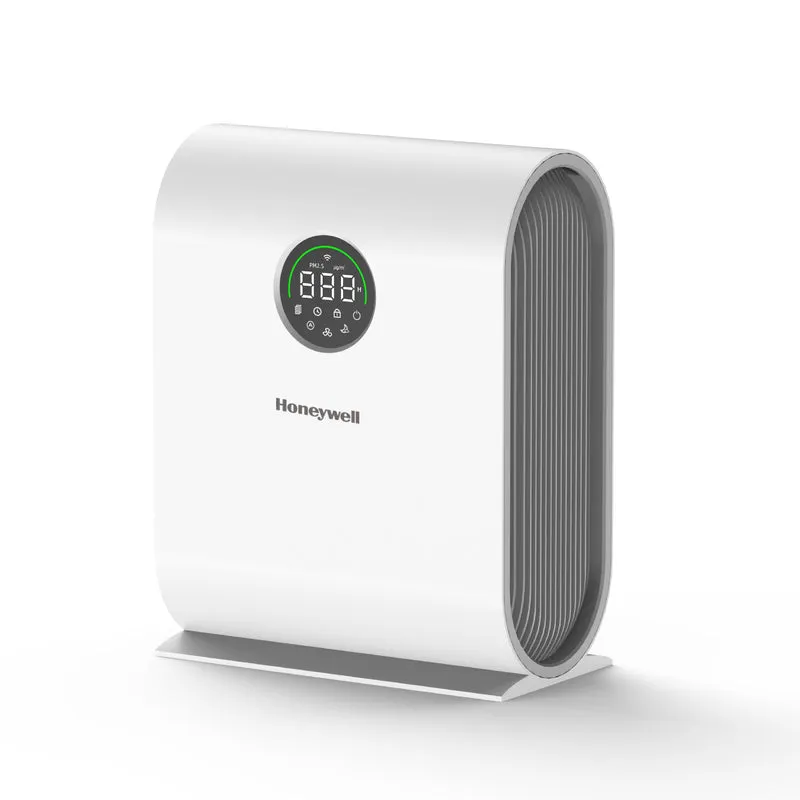
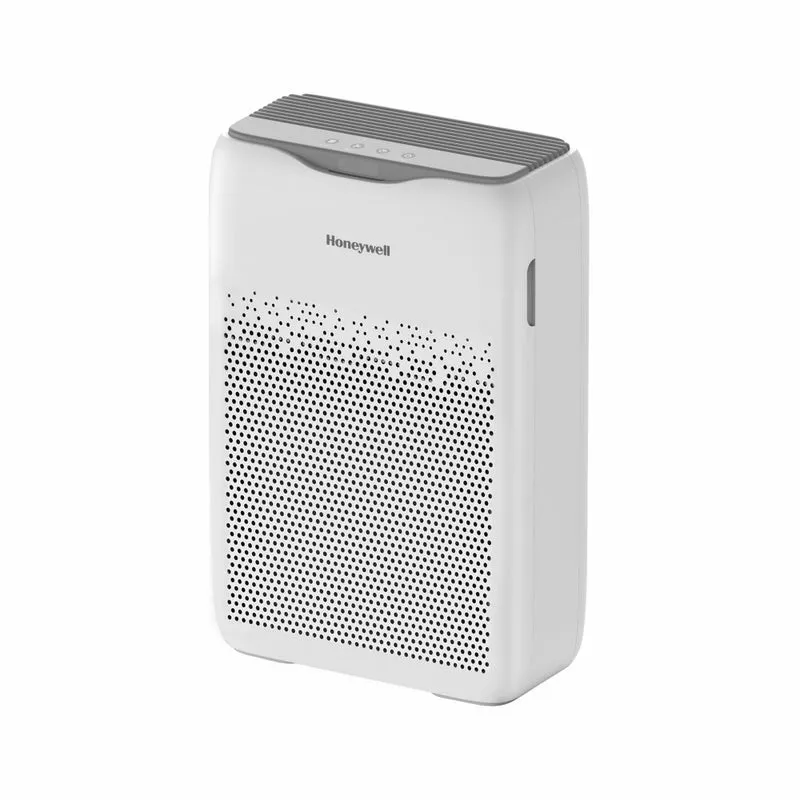
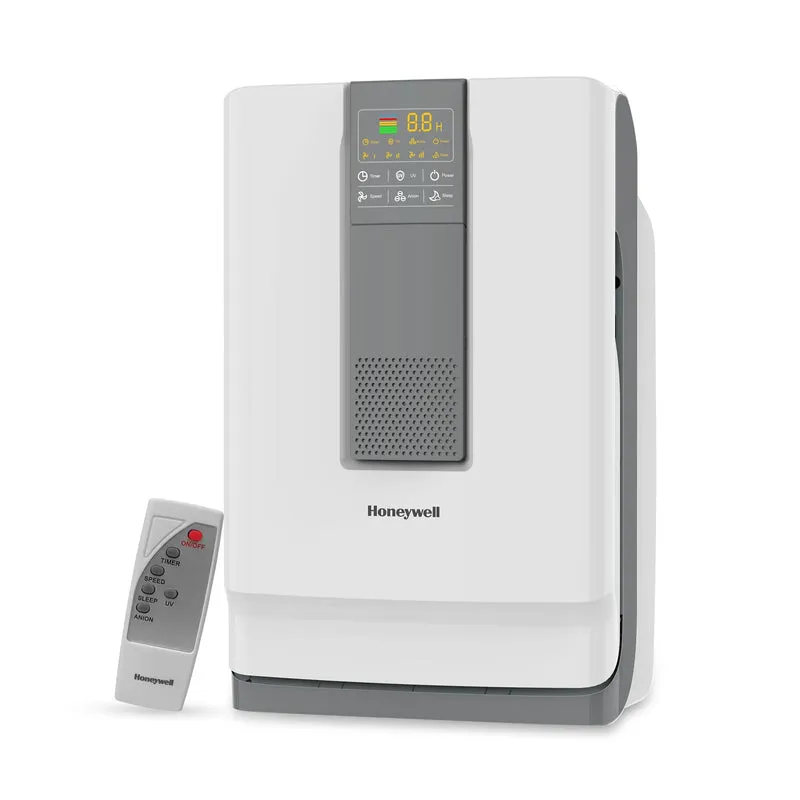
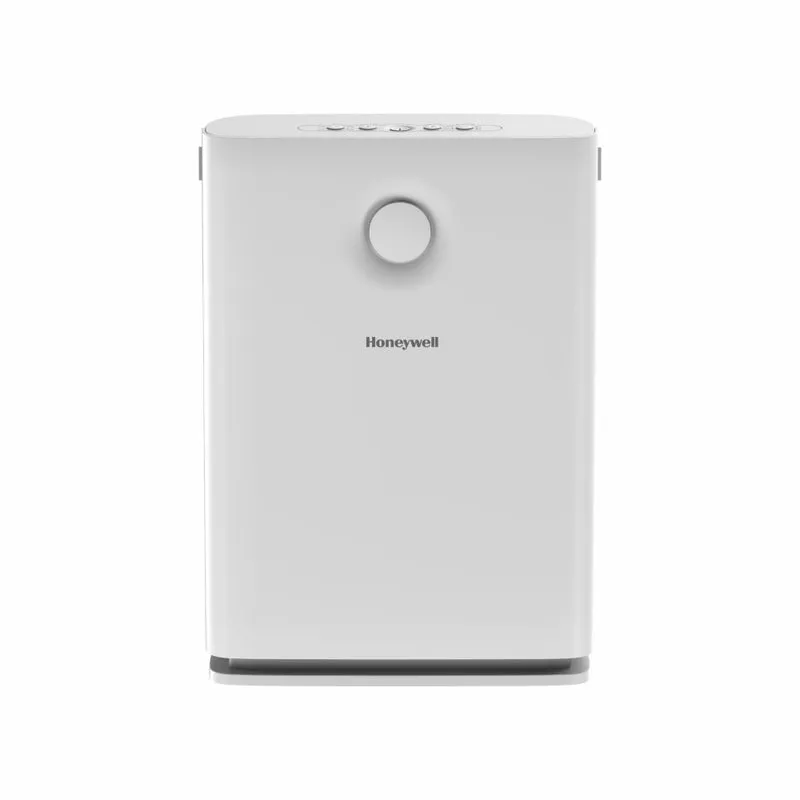
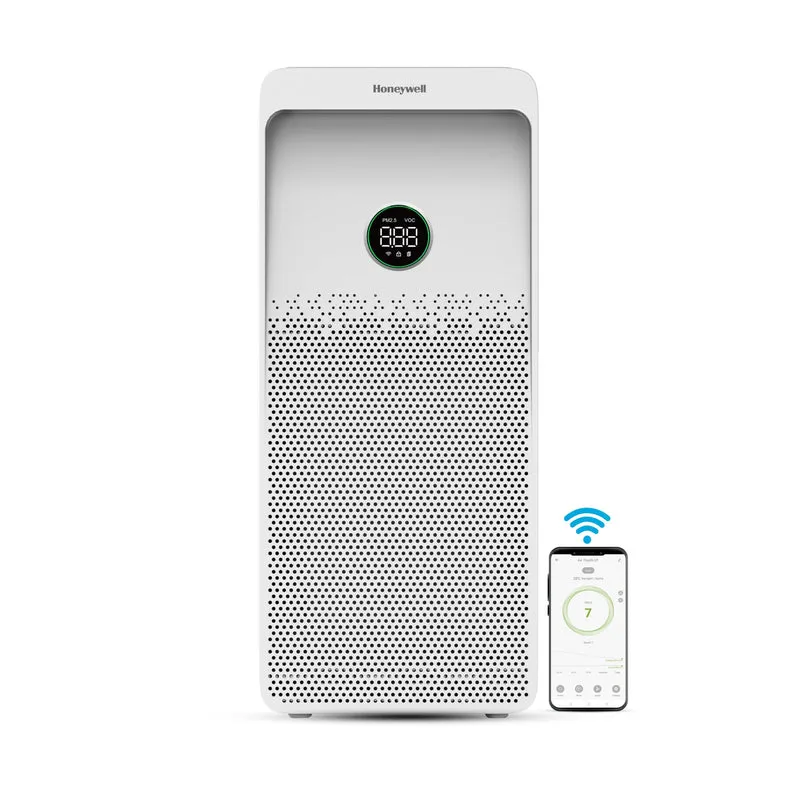
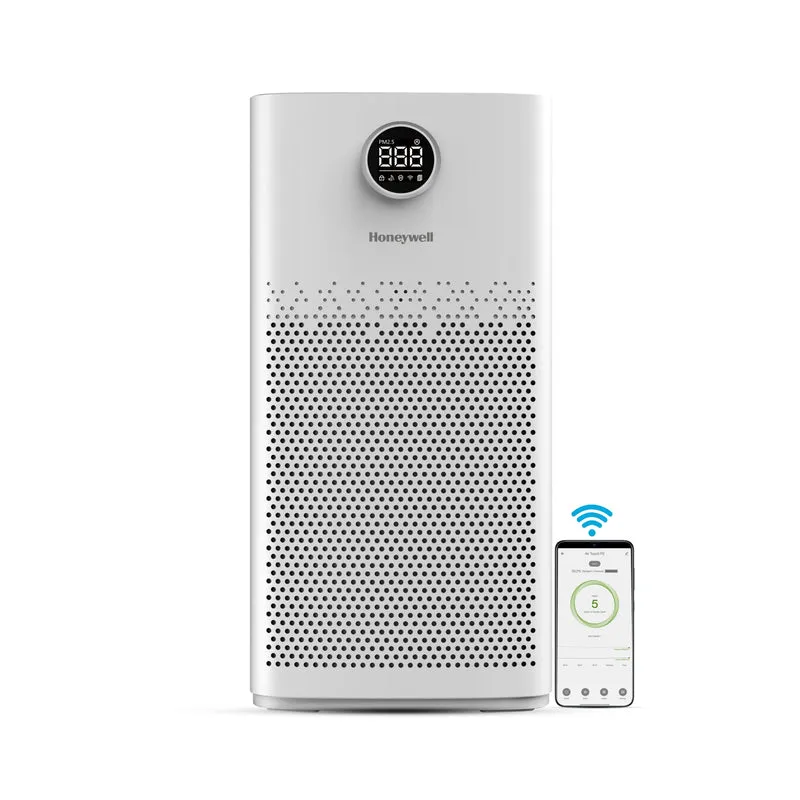
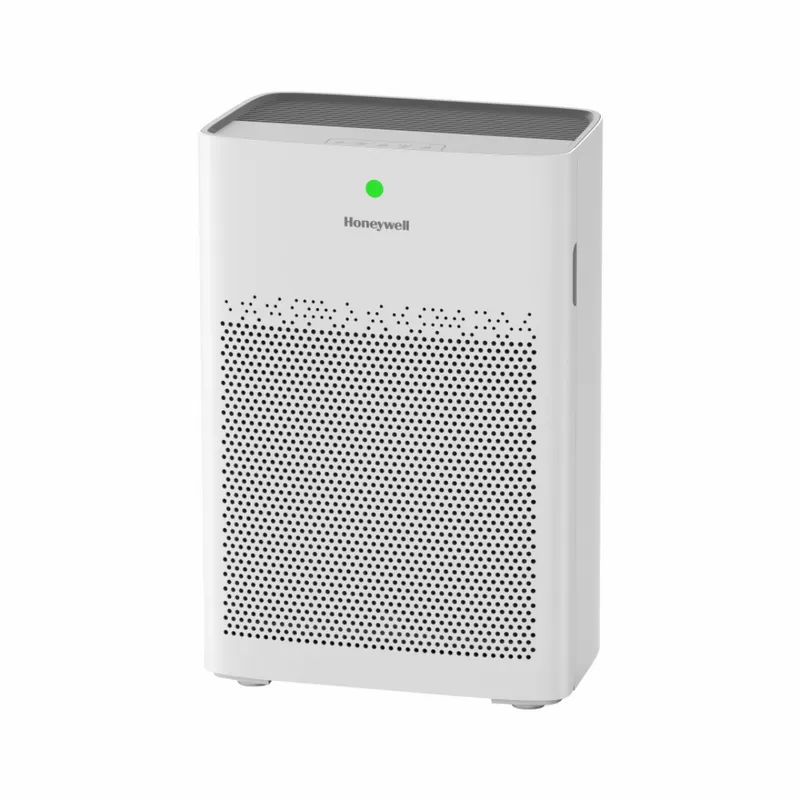
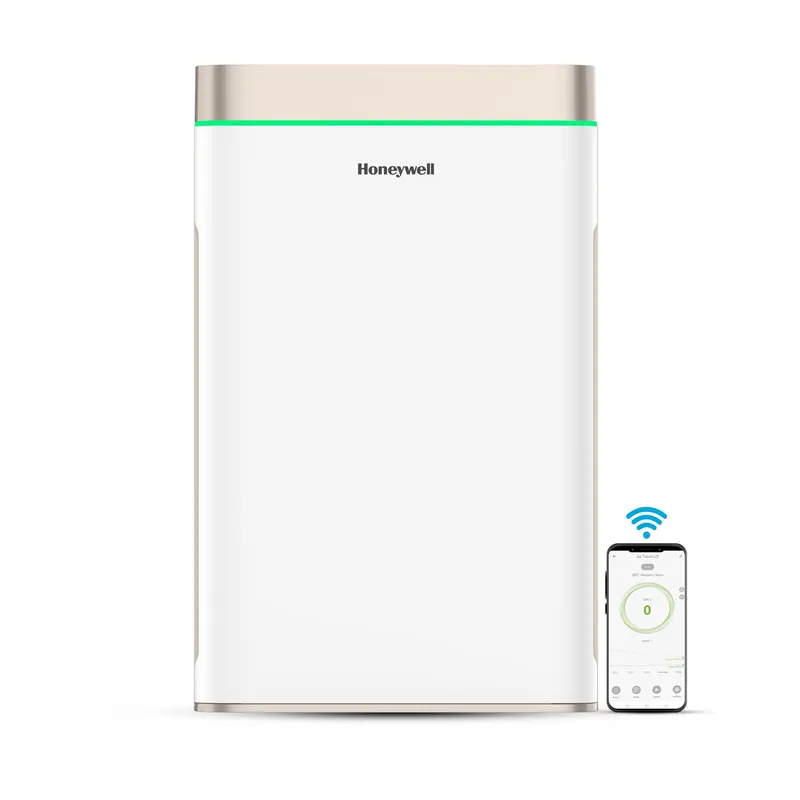
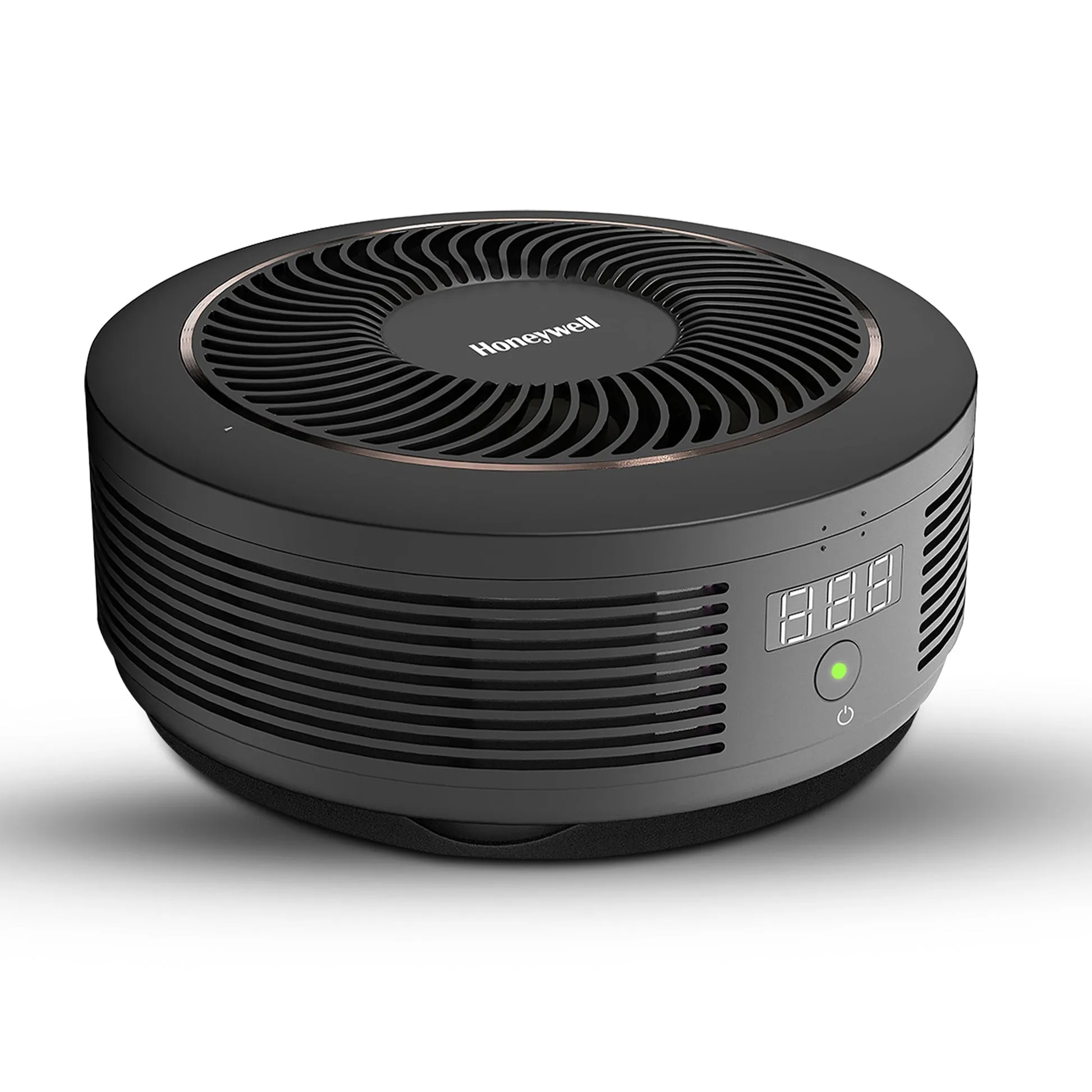
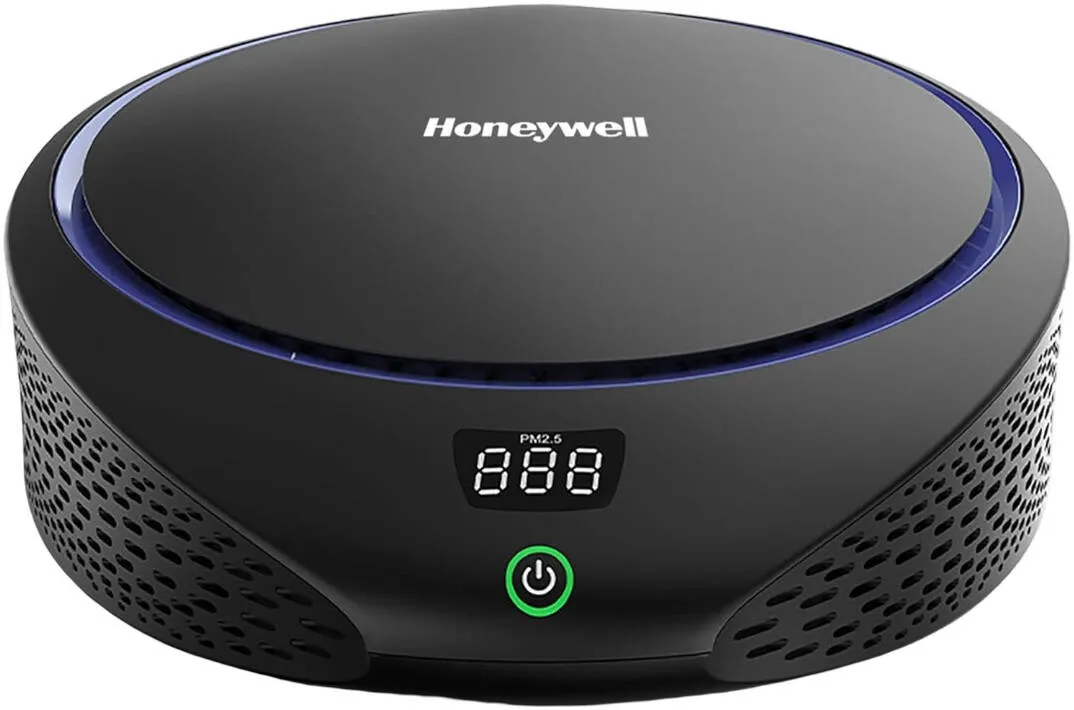
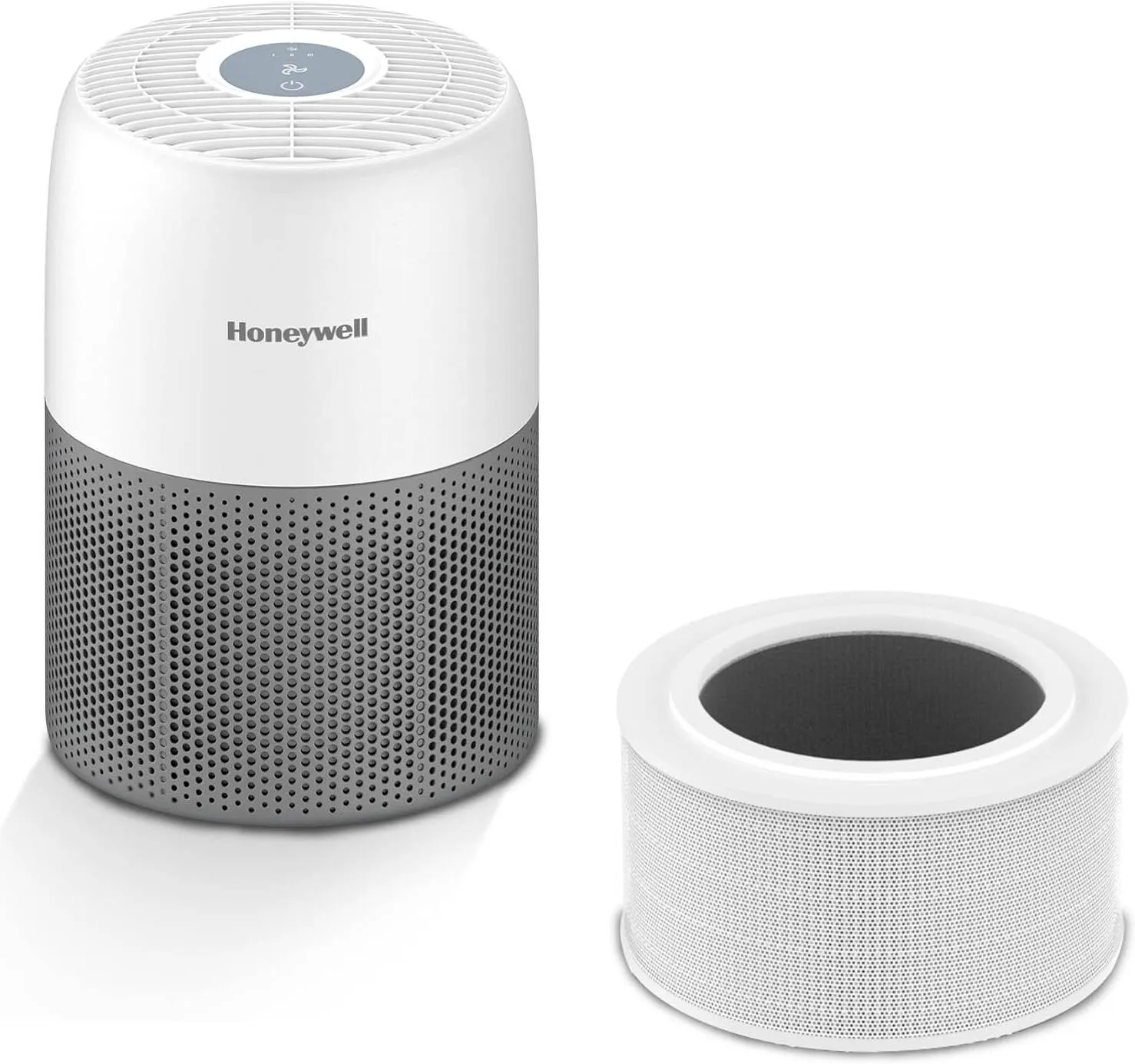
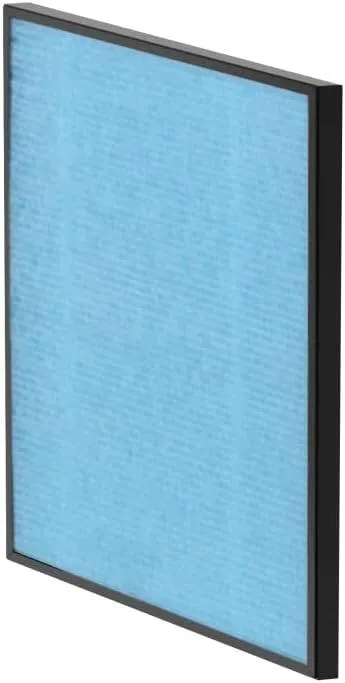
Used correctly, HEPA air purifiers from brands such as Blueair, Levoit, and Honeywell remove particles down to 0.3 microns, capturing dust, pollen, pet dander, and some bacteria. Follow these steps for correct usage:
- Place the purifier strategically. Position it so the clean air stream points toward the centre of the room. Placing it in a corner or against a wall creates stagnant zones where pollutants accumulate. The clean air stream placement principle applies to every room size.
- Run it continuously at a low setting. Intermittent use at high speed is less effective than continuous operation at medium or low. Most HEPA units consume less electricity than a standard light bulb at low speed.
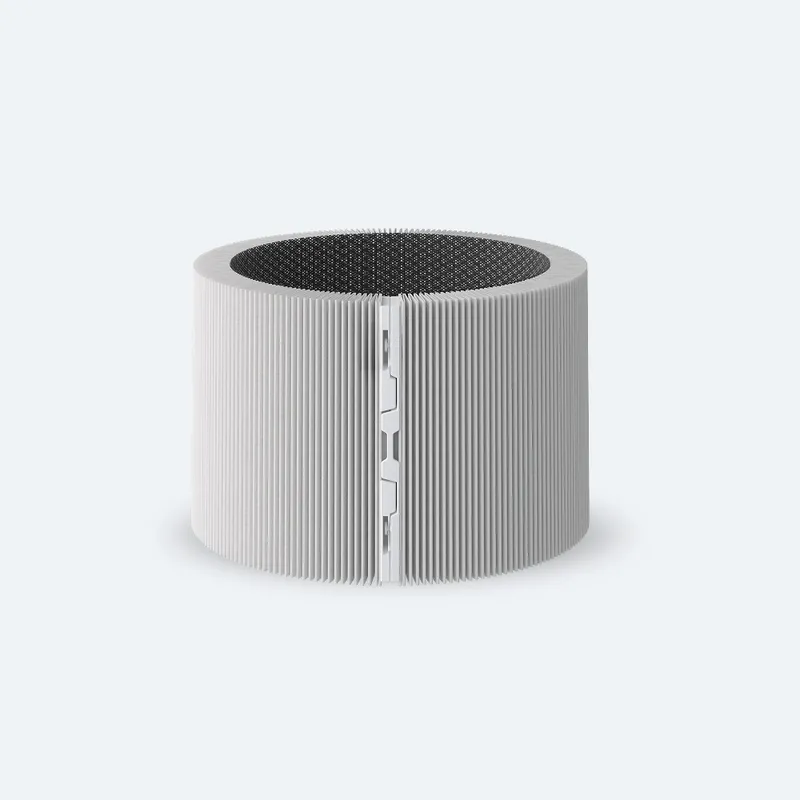
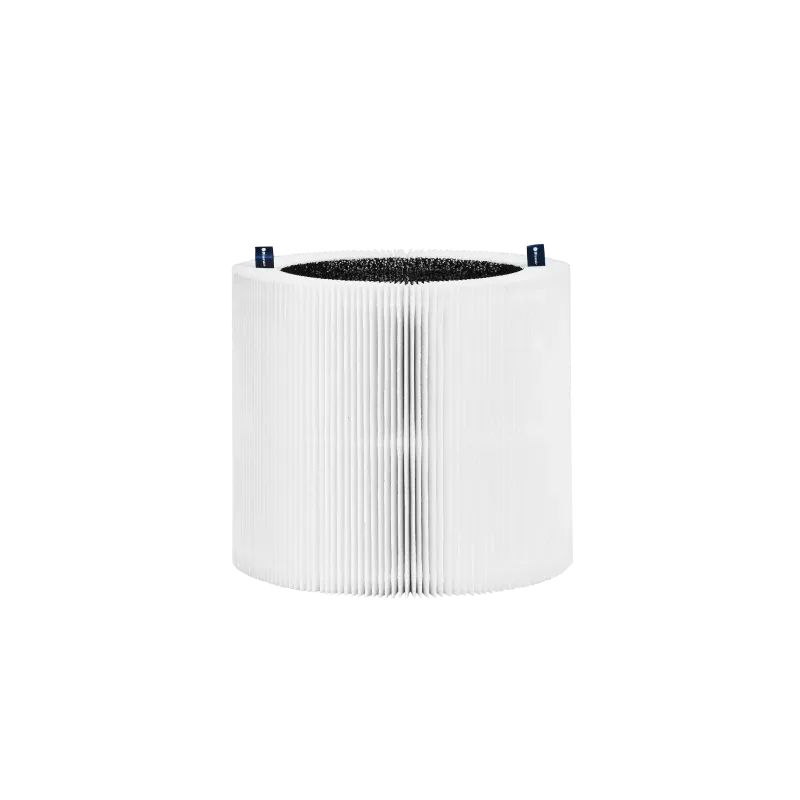
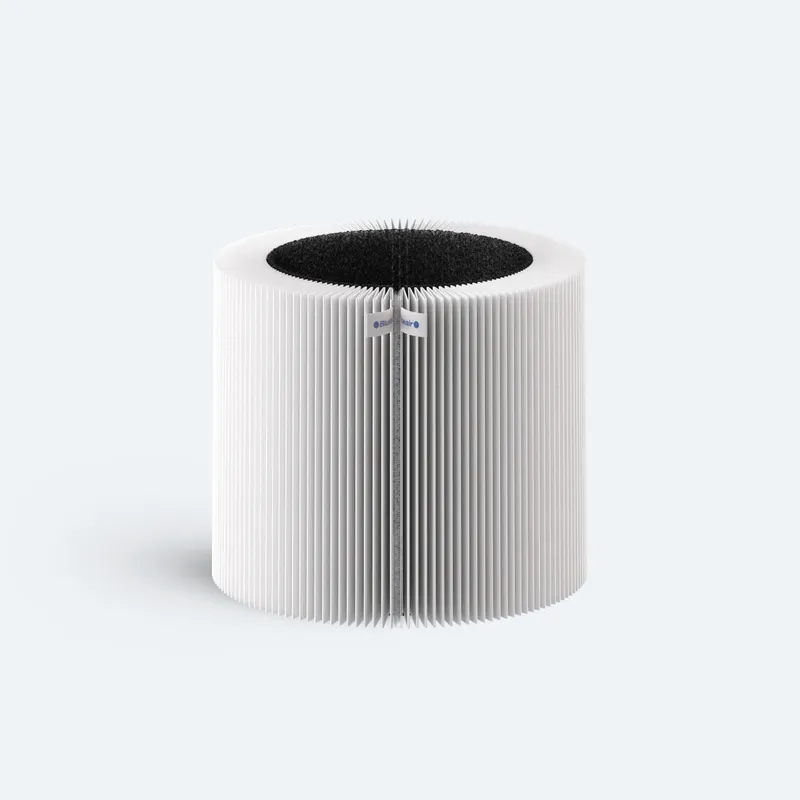
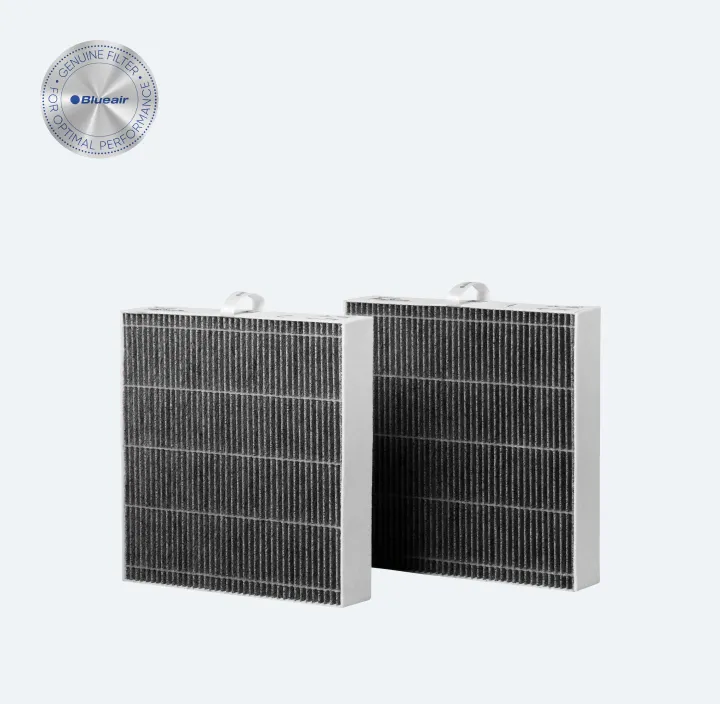
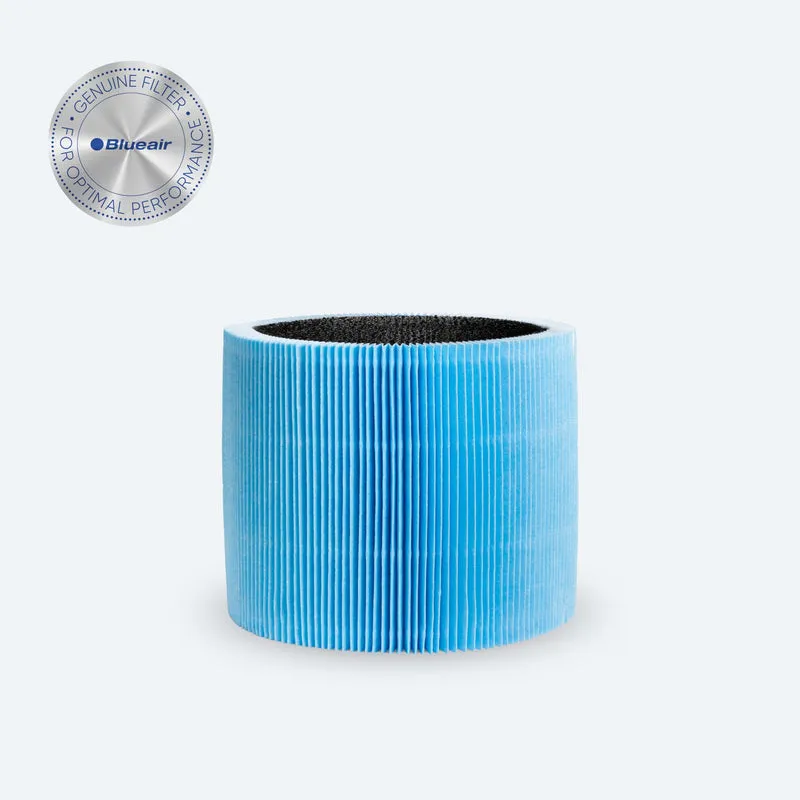
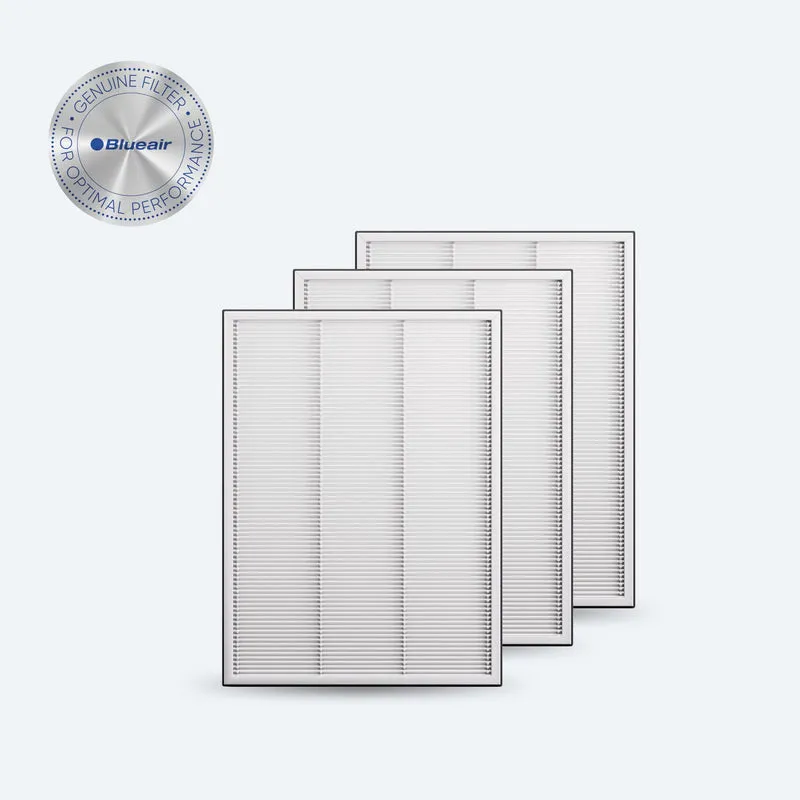
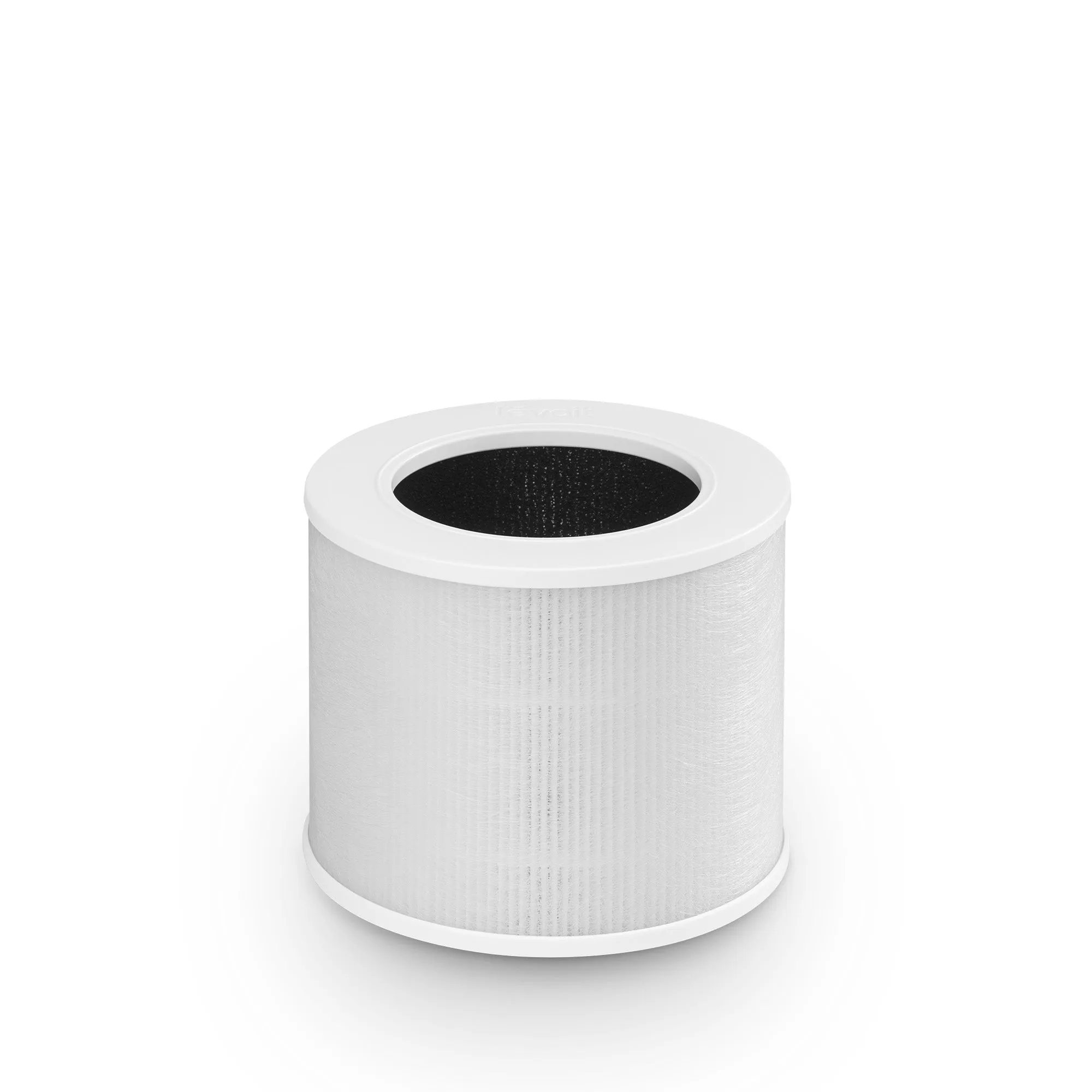
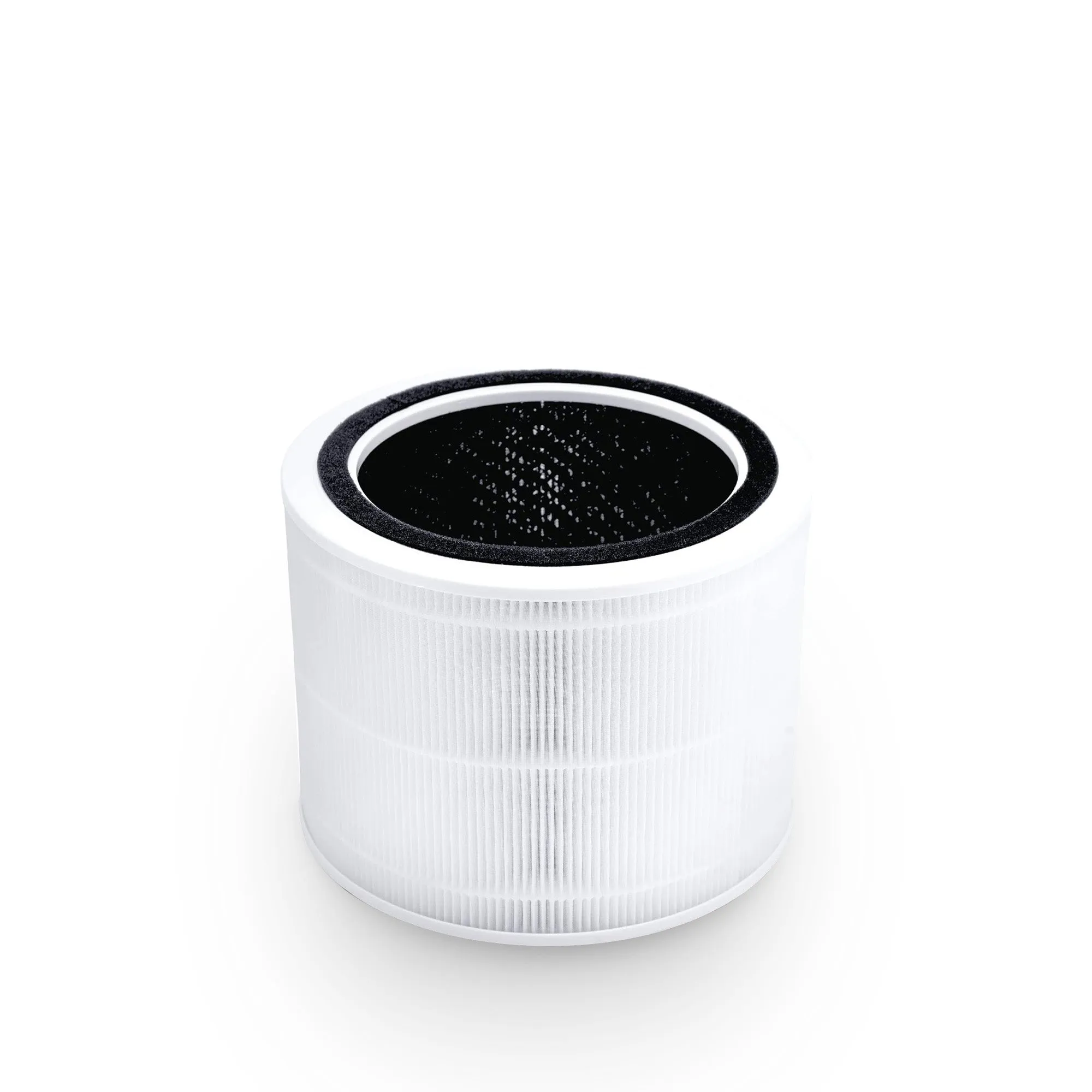
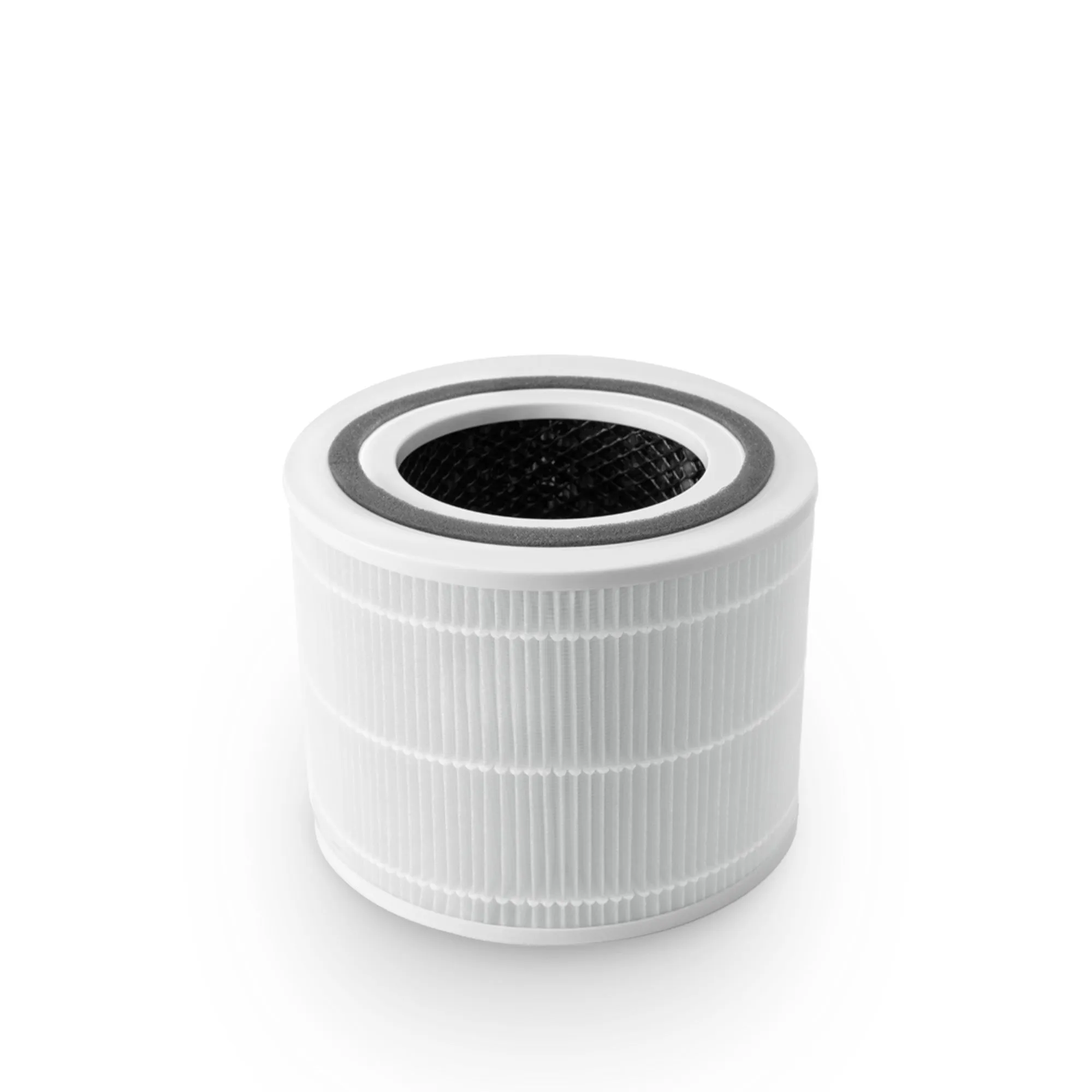
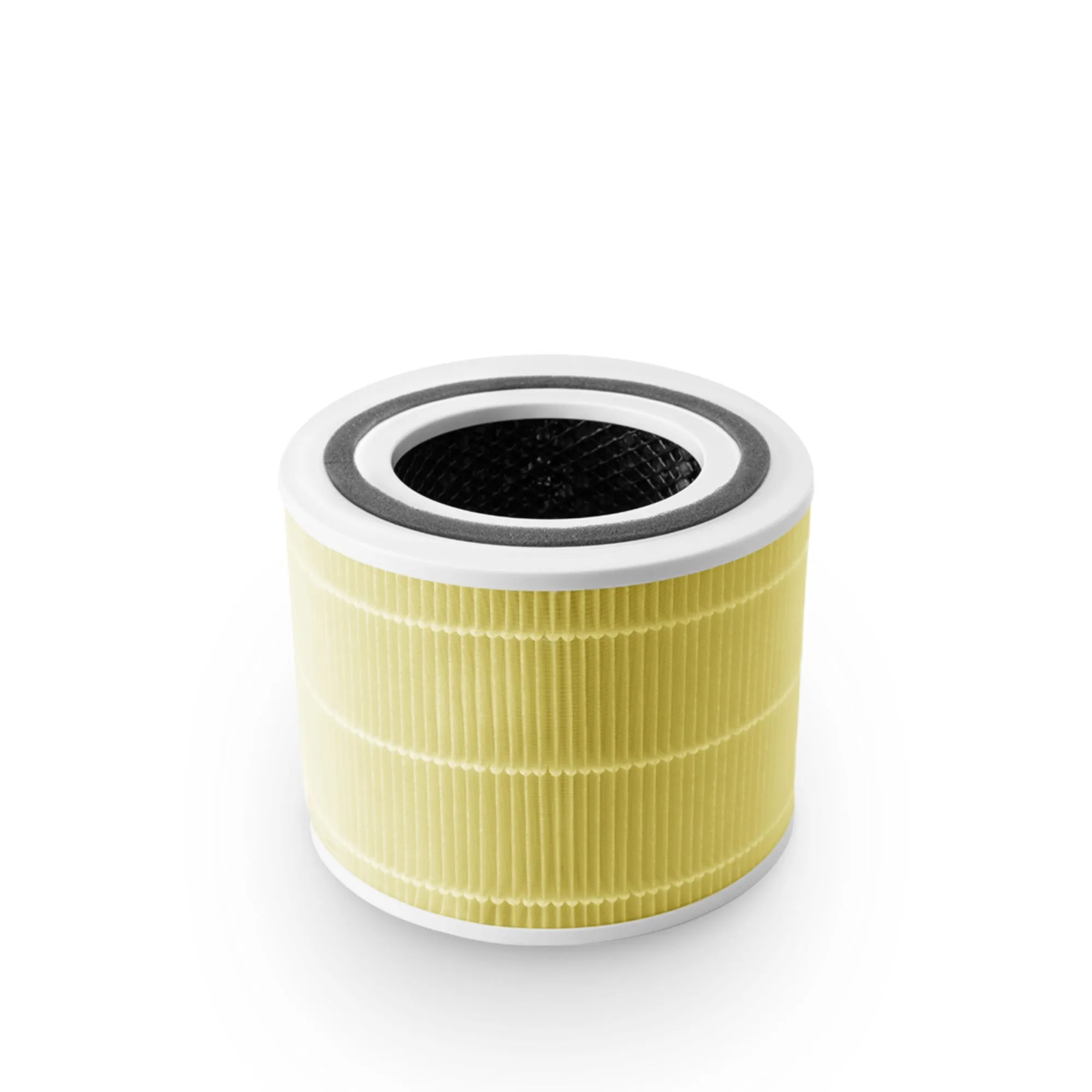
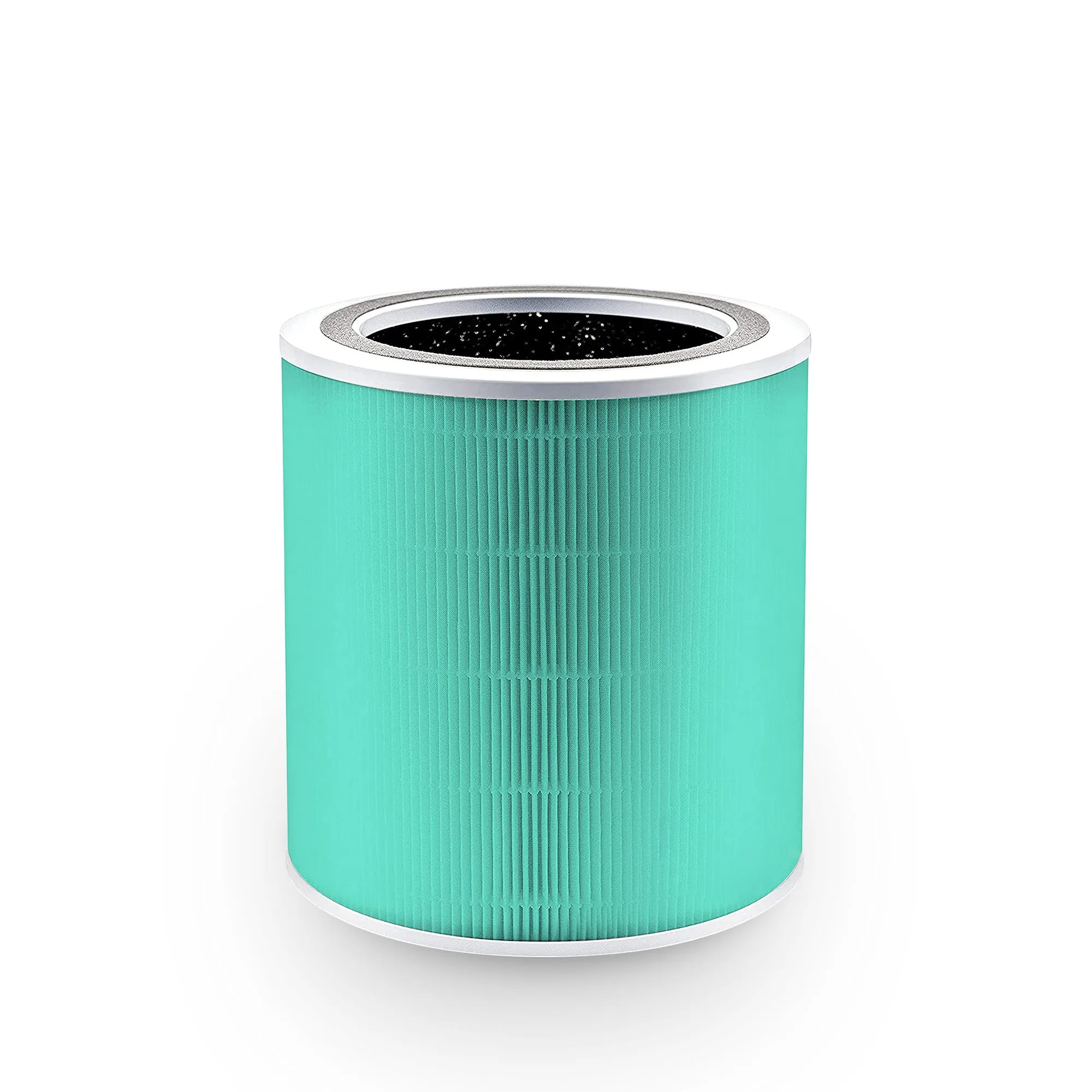
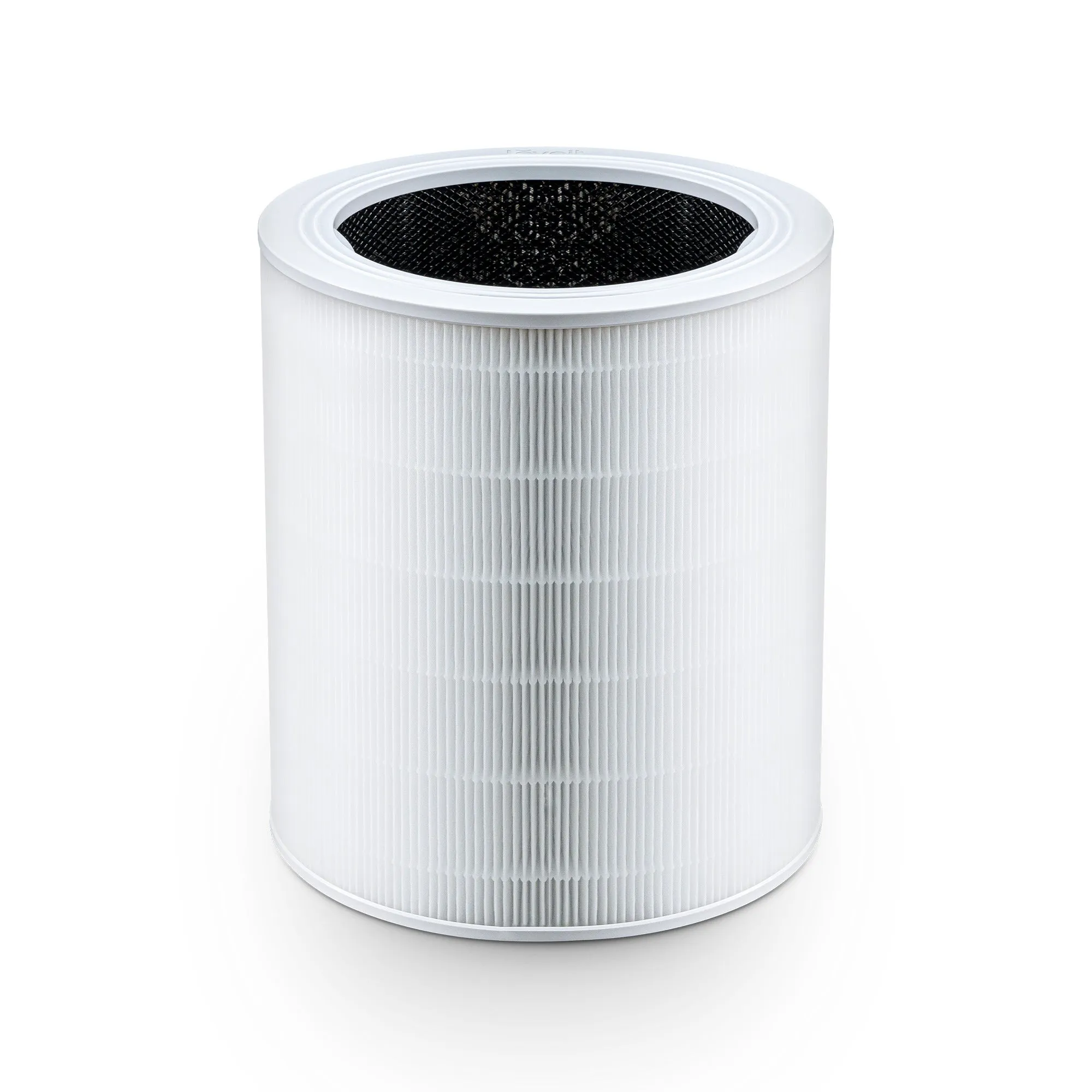
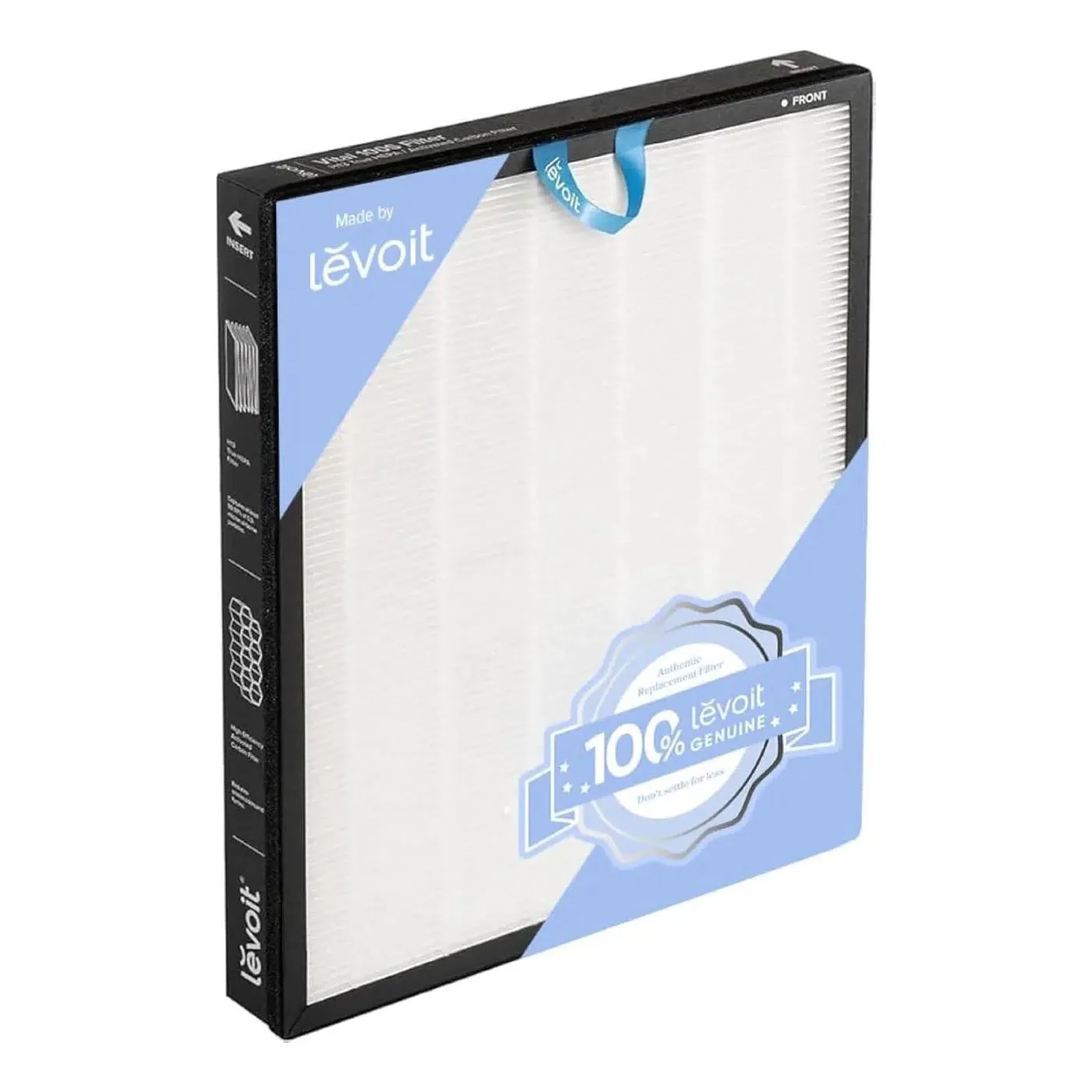
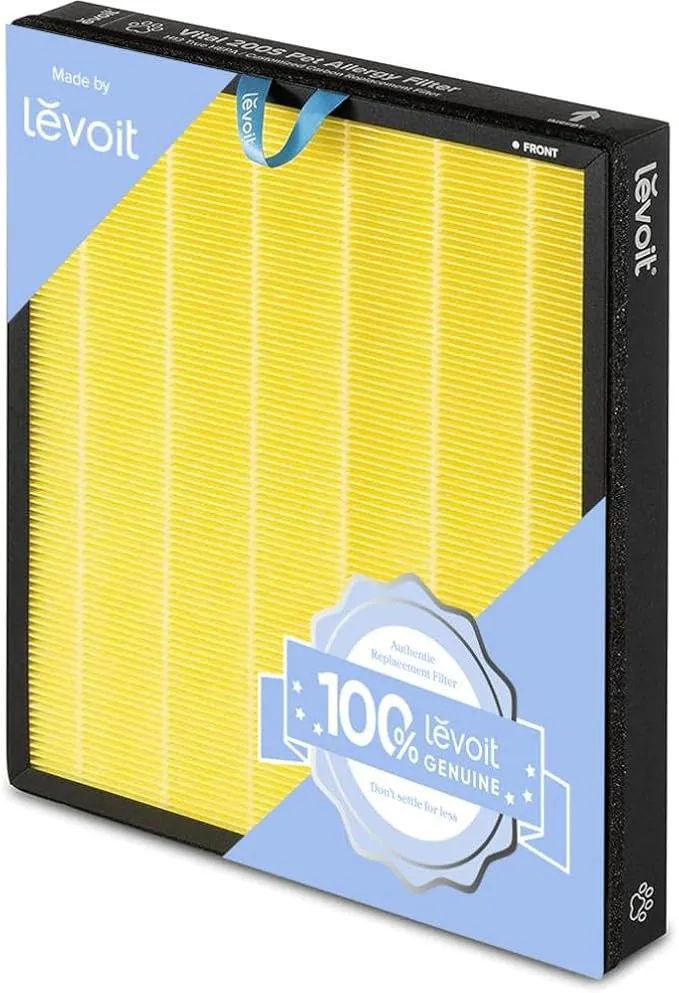
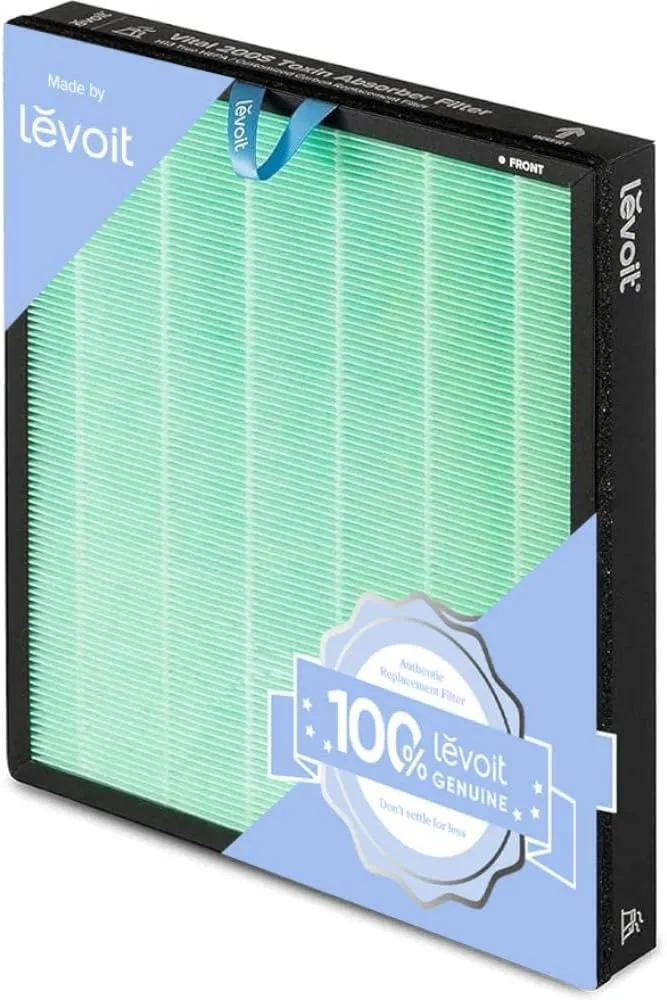
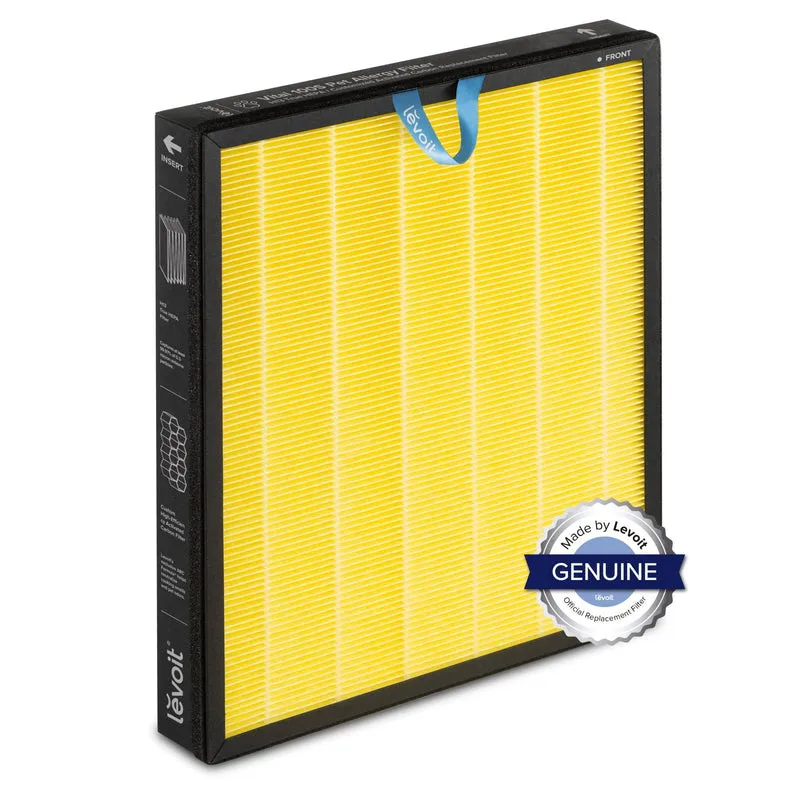
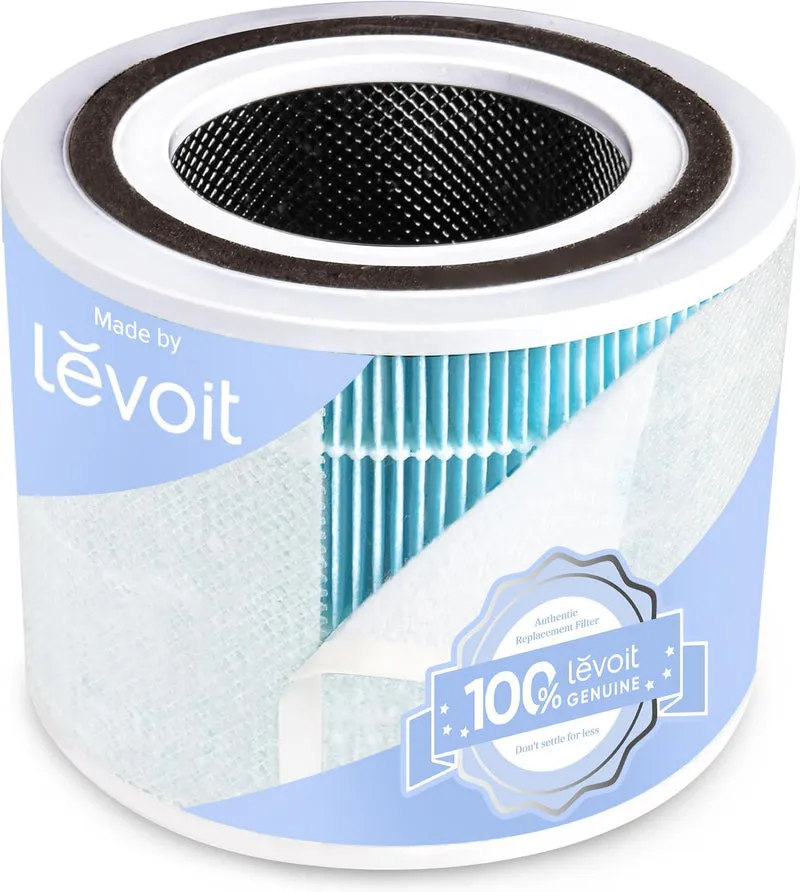
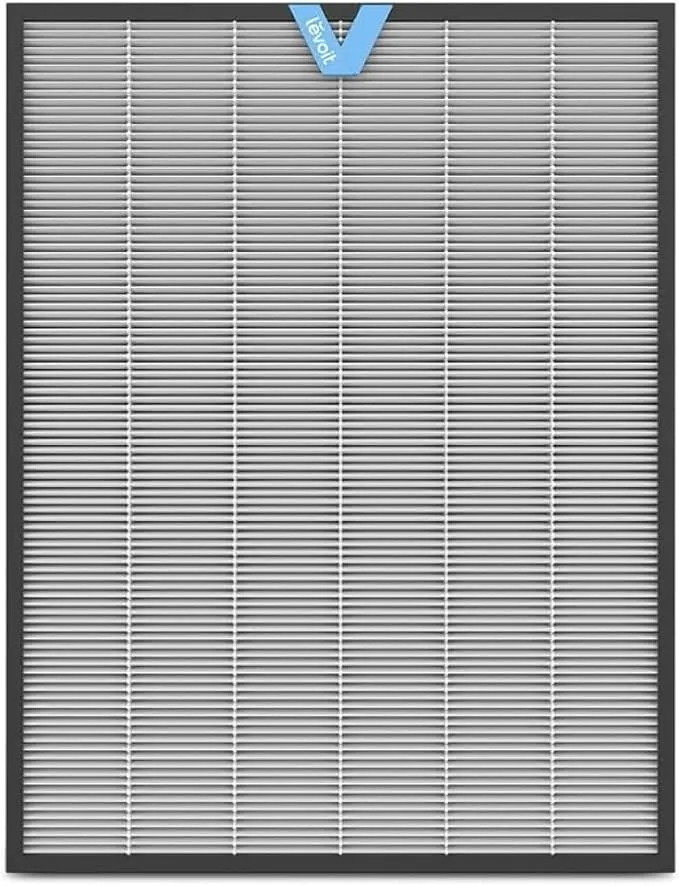
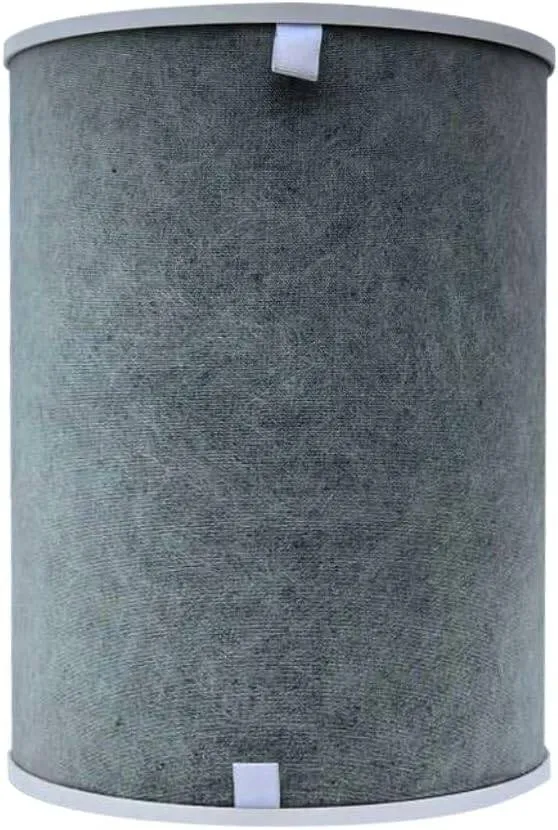
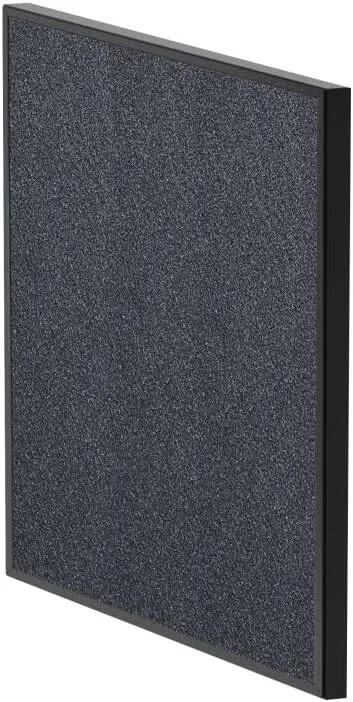
- Schedule filter changes by operating hours, not calendar months. Filter maintenance based on operating hours improves both effectiveness and cost efficiency. A unit running 24 hours a day needs filter replacement far sooner than one running eight hours a day.
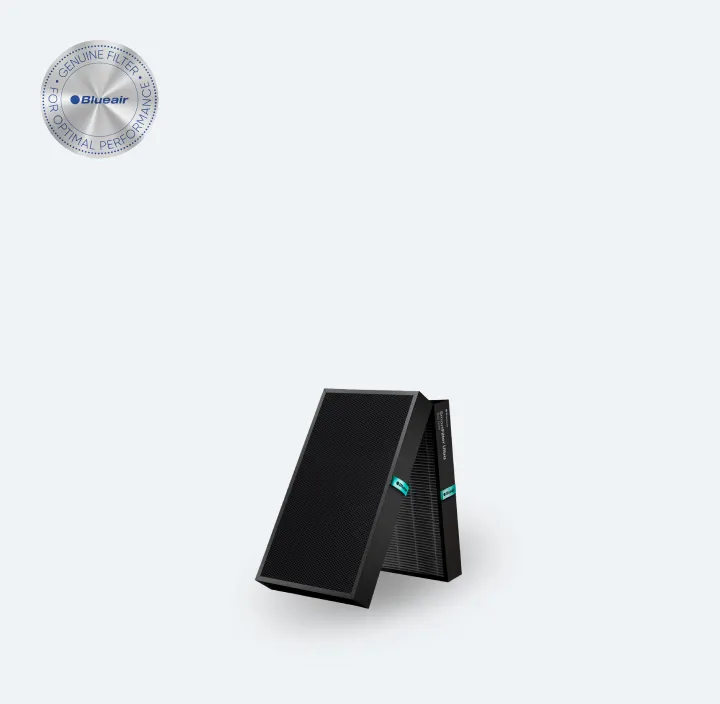
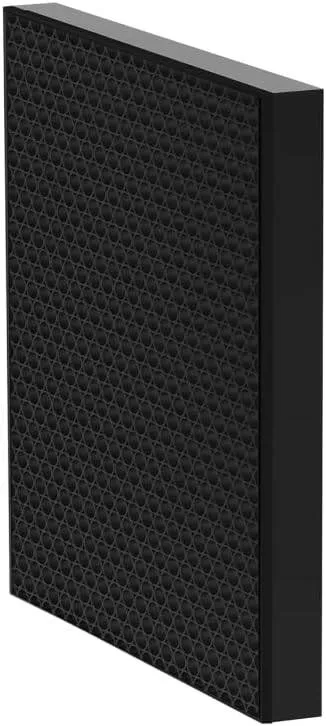
- Do not use ozone-generating purifiers. Ozone is a lung irritant. Stick to HEPA and activated carbon filtration only.
Understanding why air purification matters for long-term health helps you commit to the maintenance schedule. A neglected filter becomes a pollution source in its own right.
Key takeaways
A complete clean air routine works only when source control, ventilation, humidity management, and air filtration are applied in sequence and maintained consistently.
| Point | Details |
|---|---|
| Source control comes first | Removing pollution at its origin is more cost-effective than filtering it continuously. |
| Baseline measurements guide action | Measure PM2.5, CO2, and humidity before buying any equipment. |
| Cross-ventilation beats single windows | Open windows on opposite sides for 10–15 minutes to flush indoor air properly. |
| Humidity target is 30–50% RH | Staying within this range prevents mould, dust mites, and respiratory irritation. |
| Purifiers supplement, not replace | HEPA purifiers work only when source control and ventilation are already in place. |
What I have learned from building clean air routines at home
Most families I speak with start in the wrong place. They buy a Blueair or Levoit purifier, run it for a week, and wonder why their PM2.5 readings barely move. The purifier is doing its job. The problem is that the sources are still active and the ventilation is still poor.
The fix is almost always the same: spend two weeks on source control before touching the purifier. Swap the scented candles, change the cleaning products, and fix the moisture issue under the kitchen sink. Then ventilate properly for a week. By the time you switch the purifier on, it has far less work to do, and the readings drop noticeably.
The other mistake I see consistently is treating this as a one-time project. Indoor air quality is a maintenance routine, not a renovation. Your filter needs changing, your humidity monitor needs checking, and your ventilation habits need adjusting as seasons change. The families who see lasting results are the ones who build these checks into their weekly schedule, the same way they schedule cleaning or grocery shopping.
Measure, adjust, and repeat. That is the whole system.
— Wojciech
Explore Cleanair-ae’s products and guides for your routine
Cleanair-ae stocks the full range of products you need to build and maintain an effective air quality routine, from Blueair, Honeywell, and Levoit purifiers to replacement filters and humidity monitors, with free delivery across Dubai and Abu Dhabi on orders over 49 AED.
If you are still deciding between a purifier and other methods, the air purifier alternatives guide covers eight proven approaches ranked by cost and effectiveness. For those ready to choose a unit, the 2026 air purifier buying guide walks through room size, filter type, and noise ratings in plain language. Cleanair-ae also carries a curated list of air quality accessories including humidity monitors, HEPA replacement filters, and range hood accessories to complete your setup.
FAQ
What is the correct order for a clean air routine?
The correct order is source control first, then ventilation, then air filtration. This sequence follows EPA and Health Canada guidance and delivers the best results at the lowest cost.
How often should I change my HEPA filter?
Schedule filter changes based on operating hours rather than calendar time. A purifier running 24 hours a day needs replacement far sooner than one running eight hours a day. Check the manufacturer’s hour-based guidance for your specific model.
What humidity level should I maintain indoors?
Maintain indoor relative humidity between 30% and 50%. Levels above 55% promote mould and dust mite growth, while levels below 30% cause respiratory irritation and damage to wood furnishings.
Do I need an air purifier if I ventilate well?
Good ventilation reduces the load on a purifier significantly, but a HEPA purifier still adds value by capturing particles that ventilation cannot remove, particularly in urban areas with high outdoor PM2.5 levels.
Which indoor sources cause the most air quality damage?
Scented candles, aerosol sprays, and incense are among the most underestimated sources of indoor VOCs and fine particles. Switching to unscented alternatives is one of the fastest, lowest-cost improvements available.