

Uncategorised
Step by step indoor air detox: family guide 2026
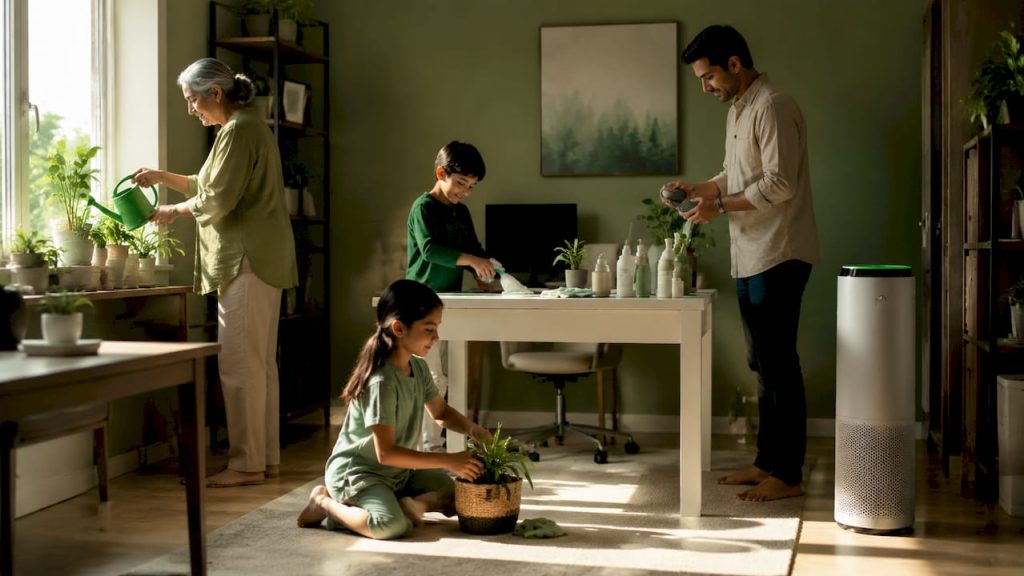
Indoor air detox is defined as a systematic process of reducing household pollutants through three sequential steps: source control, ventilation, and filtration. The U.S. EPA recommends tackling these in strict order, not simultaneously, because skipping source control and relying on purifiers alone consistently produces disappointing results. This step by step indoor air detox guide follows that hierarchy, incorporating 2026 expert guidance from the American Lung Association, Consumer Reports, and the Australian Centre for Disease Control. Whether you are managing allergies, asthma, or simply want cleaner air for your family, the process is practical and repeatable.
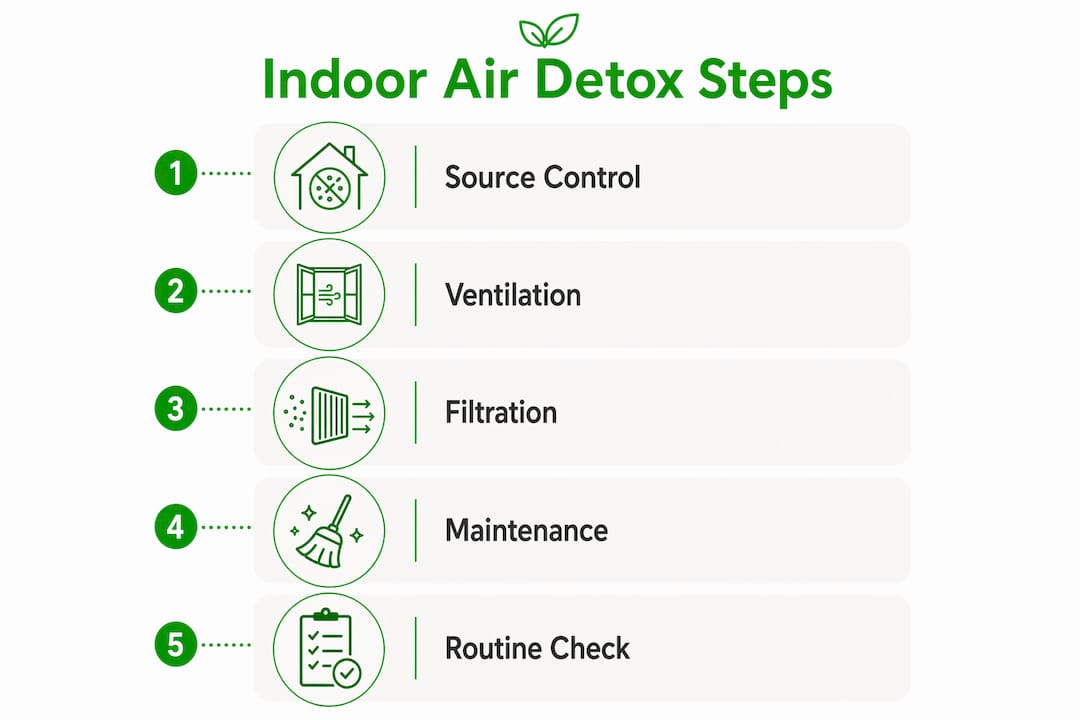
How to identify and control indoor pollution sources
Source control is the first and most critical step in any indoor air purification guide. The EPA is explicit: stopping pollution at its origin is more effective than any amount of ventilation or filtration applied afterwards. Knowing what you are dealing with makes every subsequent step faster and more targeted.
Common pollutants and where they hide
Indoor air carries several distinct pollutant categories, each with different sources and health effects:
- Volatile organic compounds (VOCs): Paints, cleaning sprays, air fresheners, and synthetic furniture all off-gas VOCs. Storage rooms and freshly decorated spaces are the highest-risk zones.
- Dust and allergens: Carpets, soft furnishings, and bedding accumulate dust mites and pet dander. Bedrooms are typically the worst-affected rooms.
- Moisture and mould: Bathrooms, kitchens, and any room with a leak or condensation problem generate mould spores quickly.
- Combustion by-products: Gas hobs, candles, and poorly vented boilers release nitrogen dioxide and carbon monoxide into living spaces.
Treating your home as distinct zones is the most efficient approach. Kitchens and bathrooms need moisture and combustion management. Bedrooms need allergen control. Storage areas need VOC reduction. This room-by-room focus prevents you from applying generic fixes where targeted ones are needed.
Practical source control actions
Start by eliminating scented aerosols, synthetic air fresheners, and chemical cleaning products where possible. Switch to fragrance-free or plant-based alternatives. Fix any water leaks promptly, as mould can establish within 24–48 hours of persistent moisture. Vent all combustion appliances to the outside and never use a gas hob without running the extractor fan. If you want to understand the full range of indoor pollutant sources before taking action, a structured guide helps you prioritise correctly.
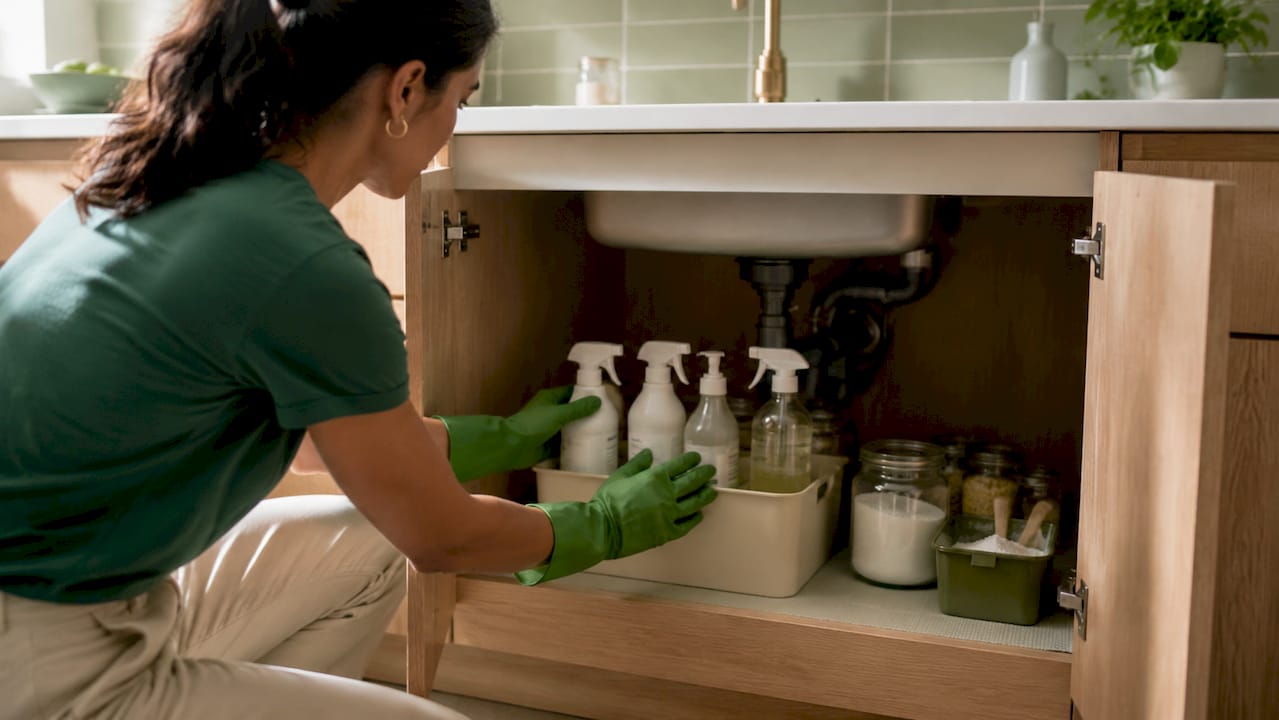
Pro Tip: Walk through each room with a notepad and log every potential source: cleaning products under the sink, damp patches on walls, candles on shelves. A written audit takes 20 minutes and makes your detox plan far more precise.
When and how to ventilate your home effectively
Ventilation is the second step in a stepwise air cleaning process, and it works by diluting and removing pollutants that source control cannot fully eliminate. The EPA advises opening windows and running exhaust fans during and after activities that generate moisture or particles. Timing and method both matter.
A step-by-step ventilation routine
- Check outdoor air quality first. In the UAE, sandstorm events and high-pollution days make outdoor air worse than indoor air. Use a local air quality index app before opening windows.
- Open windows cross-directionally. Opening windows on opposite sides of a room creates a through-draught that moves air out rather than simply circulating it.
- Run kitchen and bathroom exhaust fans during and for 15 minutes after cooking or showering. These activities generate the highest moisture and particle loads in any home.
- Ventilate after cleaning. Vacuuming and mopping stir up settled particles. Open windows for at least 20 minutes after cleaning to clear the air.
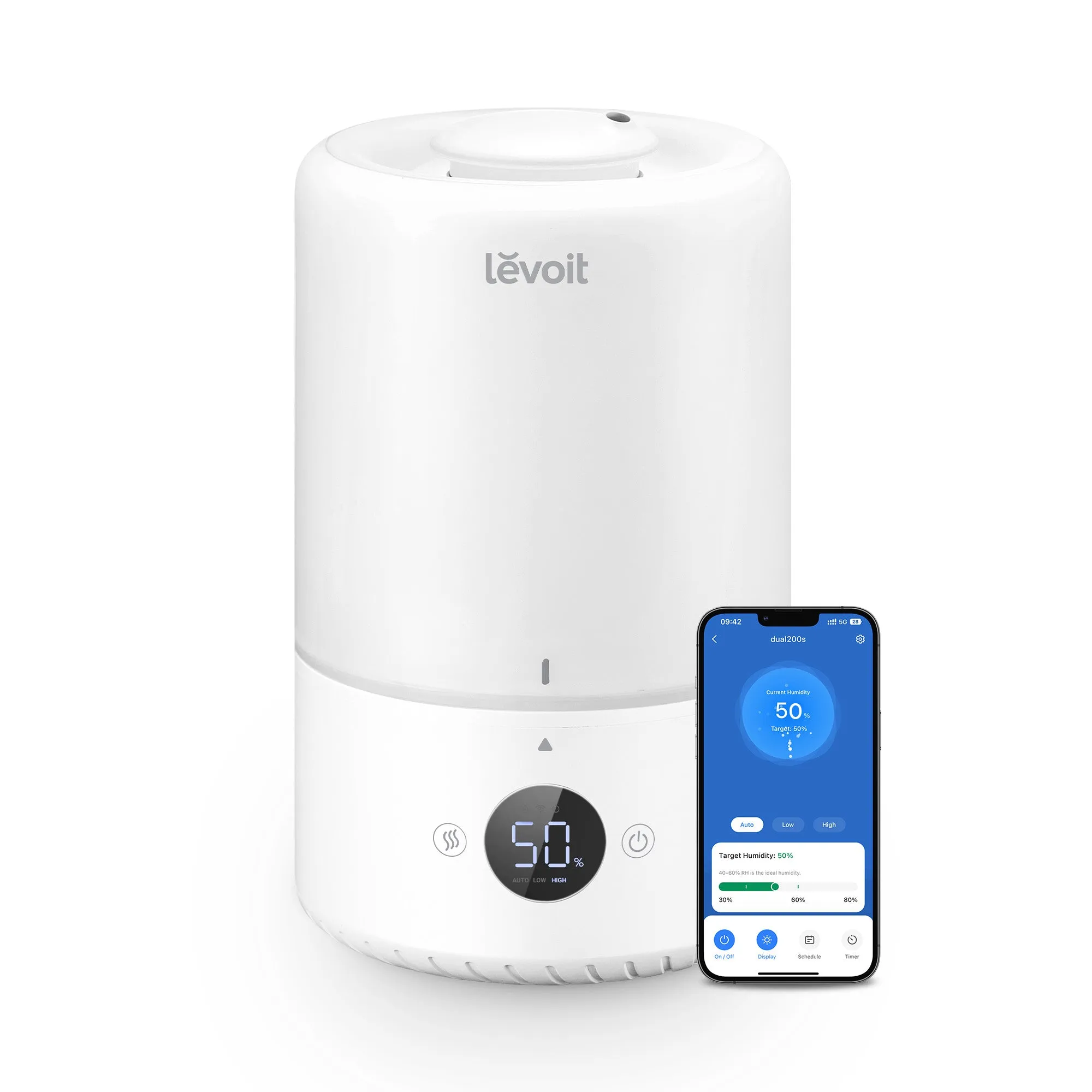
- Control humidity actively. The EPA recommends maintaining indoor humidity between 30–50% to prevent mould growth. A basic hygrometer costs very little and tells you exactly when to act.
Humidity control deserves particular attention in humid climates. When humidity climbs above 50%, mould and dust mites thrive. A dehumidifier in bathrooms or bedrooms keeps levels in the safe range without relying on ventilation alone. For detailed guidance on managing indoor humidity, the relationship between moisture and air quality is worth understanding fully.
Pro Tip: Set a phone reminder to run bathroom and kitchen fans for 15 minutes every morning. This single habit removes overnight moisture build-up before it has a chance to settle on surfaces.
Which air filtration system should you choose?
Air filtration is the third step in how to detox indoor air, and it works best as a supplement to source control and ventilation, not a replacement for them. Relying on purifiers alone consistently leads to disappointing air quality improvement because filtration cannot address ongoing pollution generation. That said, the right filter makes a measurable difference for particles and gases that ventilation cannot fully clear.
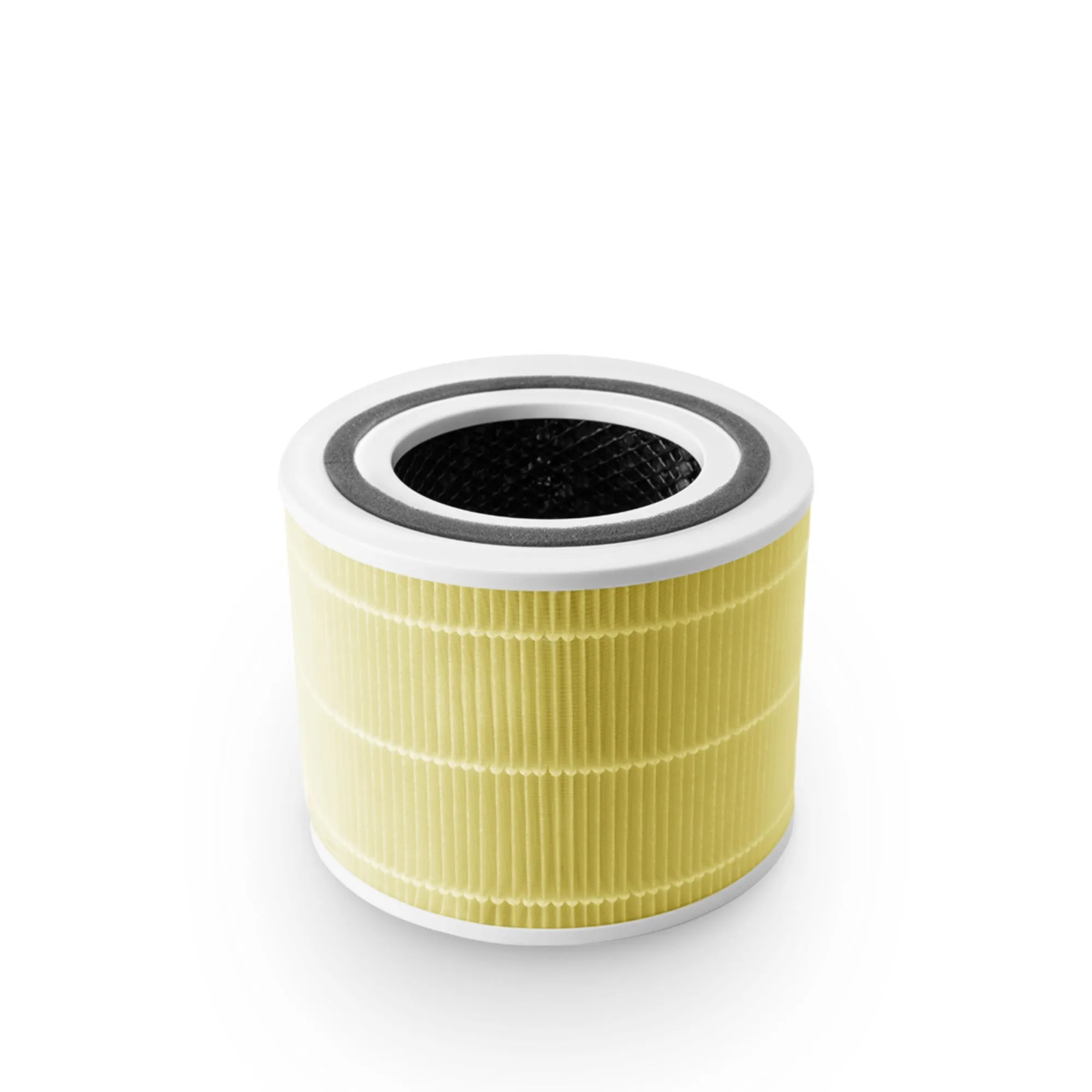
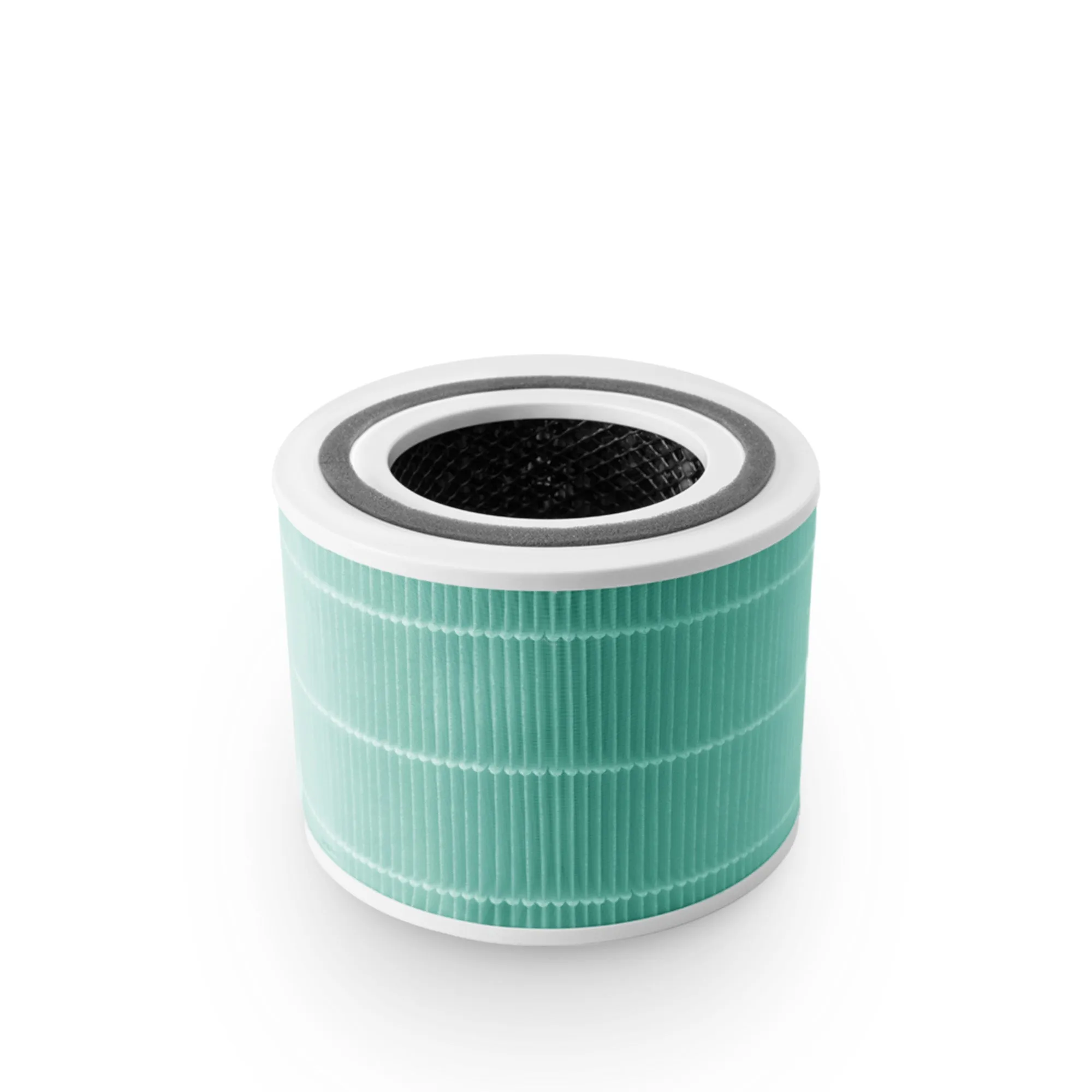
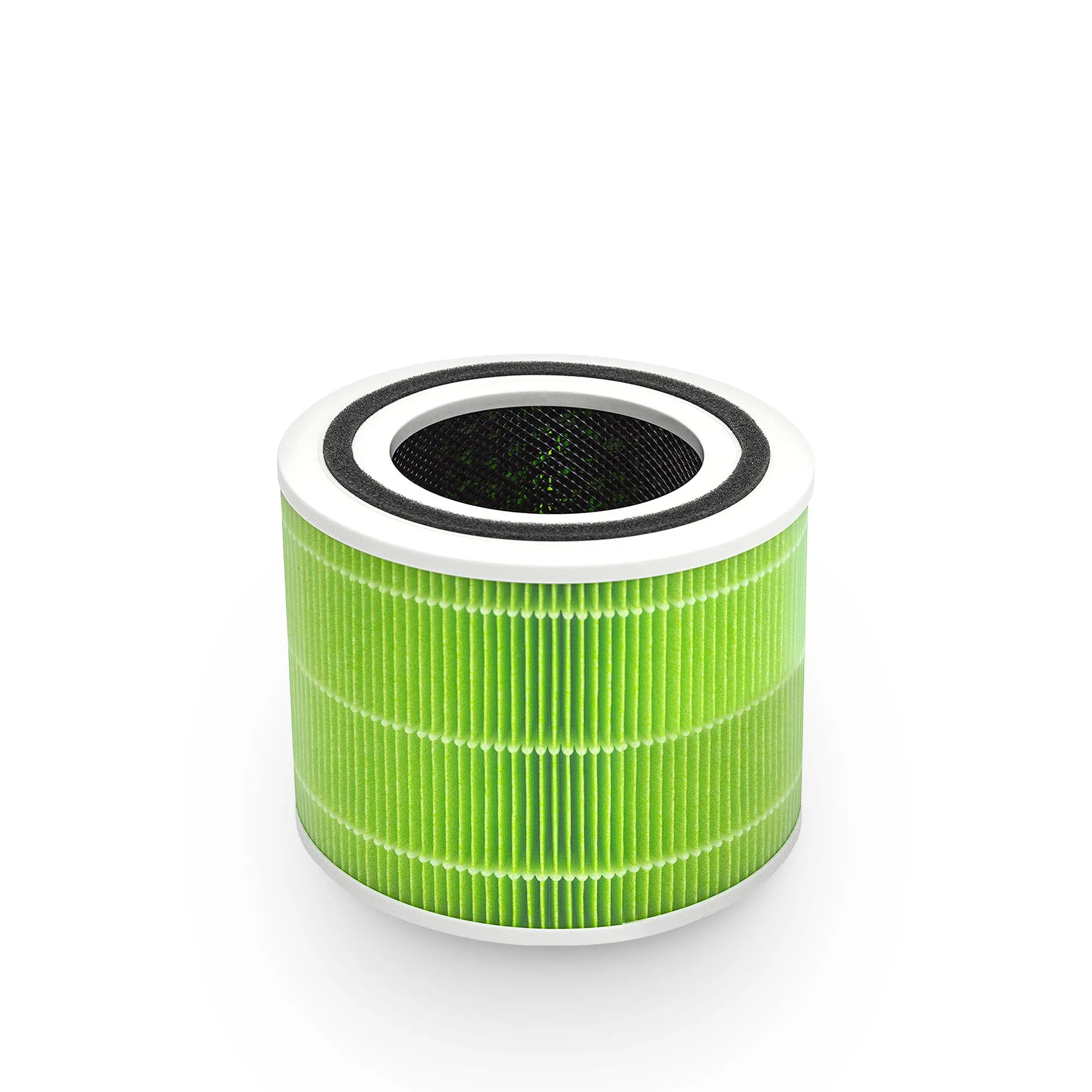
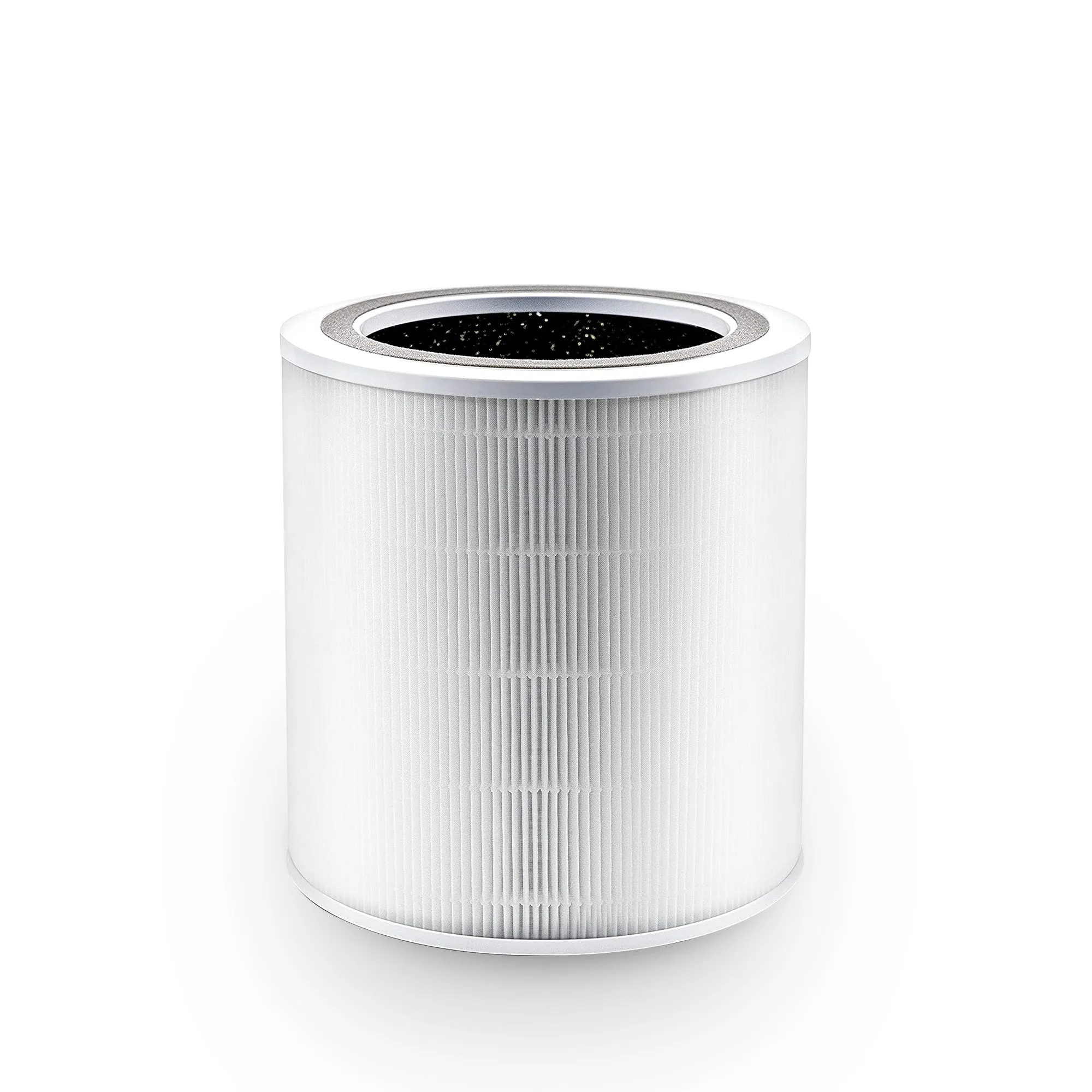
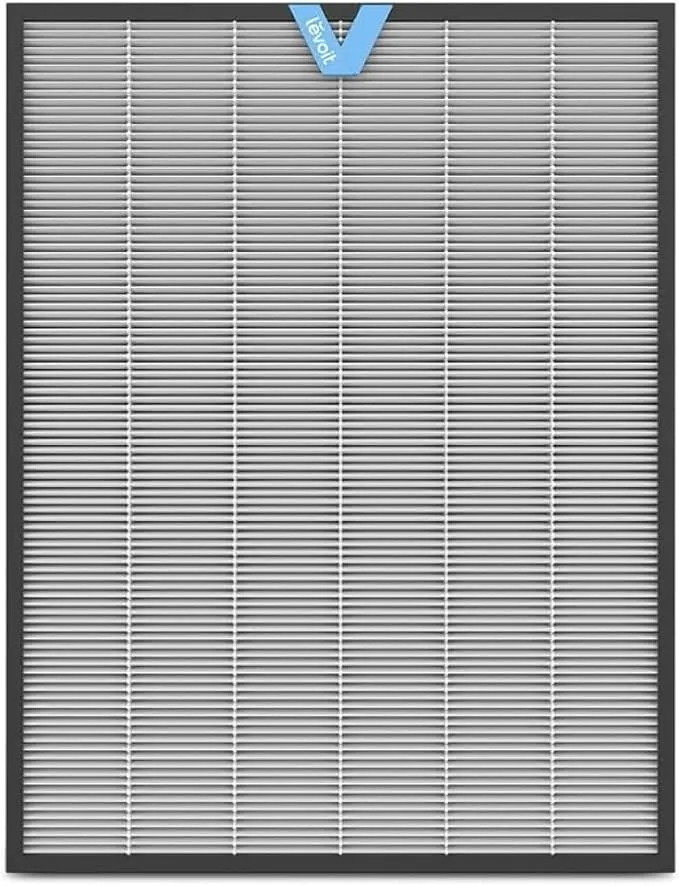
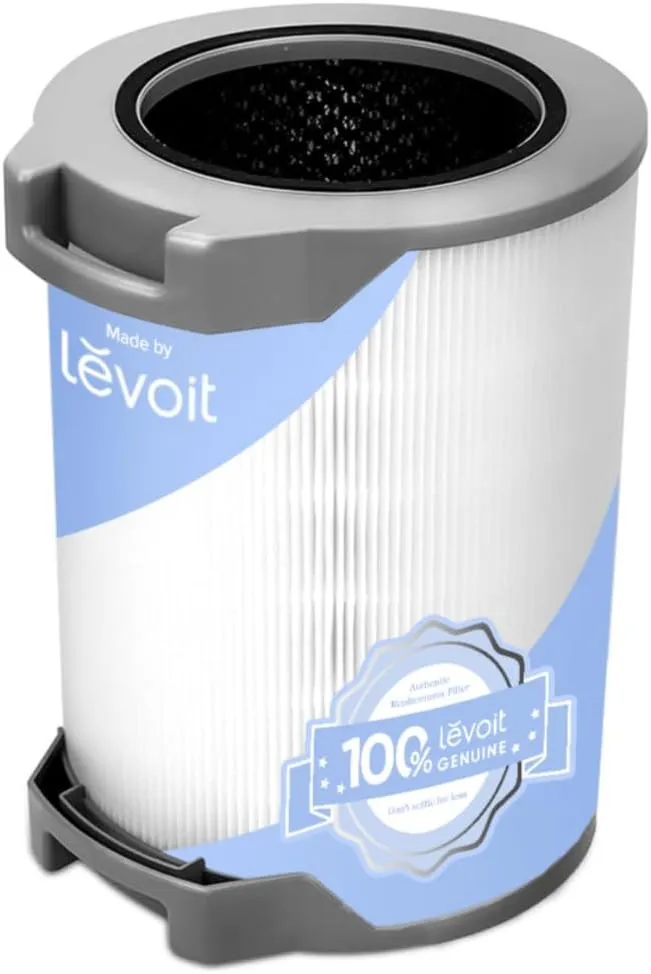
HEPA vs carbon filters: what each one does
| Filter Type | What It Removes | What It Cannot Remove |
|---|---|---|
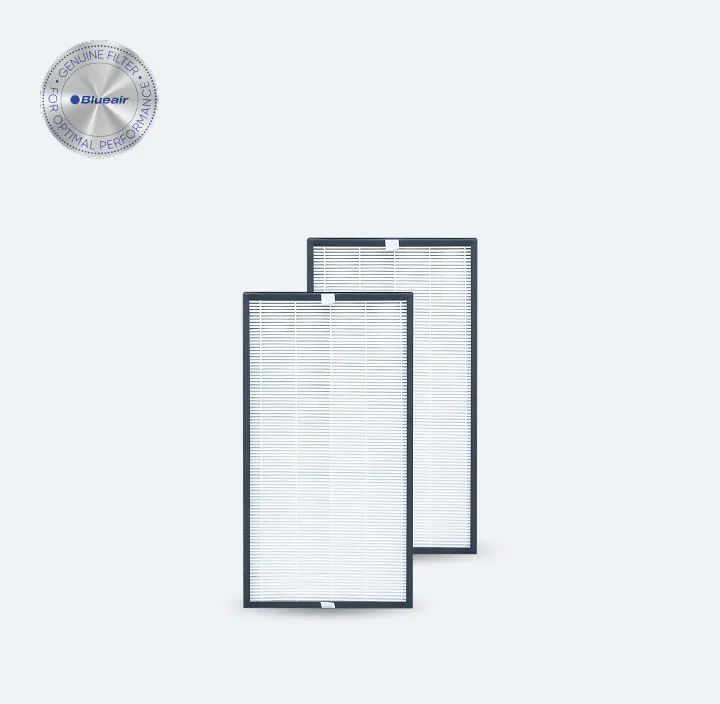
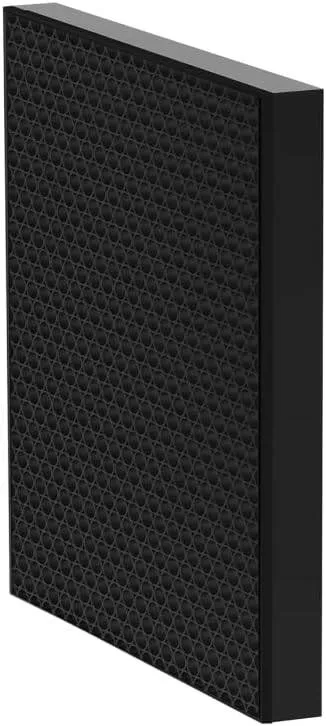
| True HEPA | Particles 0.3 microns and larger: dust, pollen, pet dander, smoke | Gases, odours, VOCs |
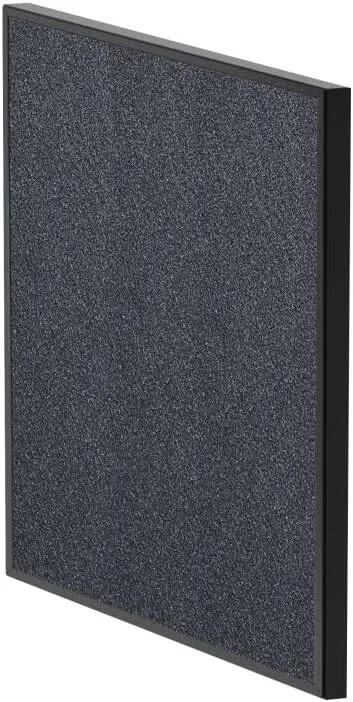
| Activated carbon | VOCs, cooking odours, chemical gases | Particles, allergens, mould spores |
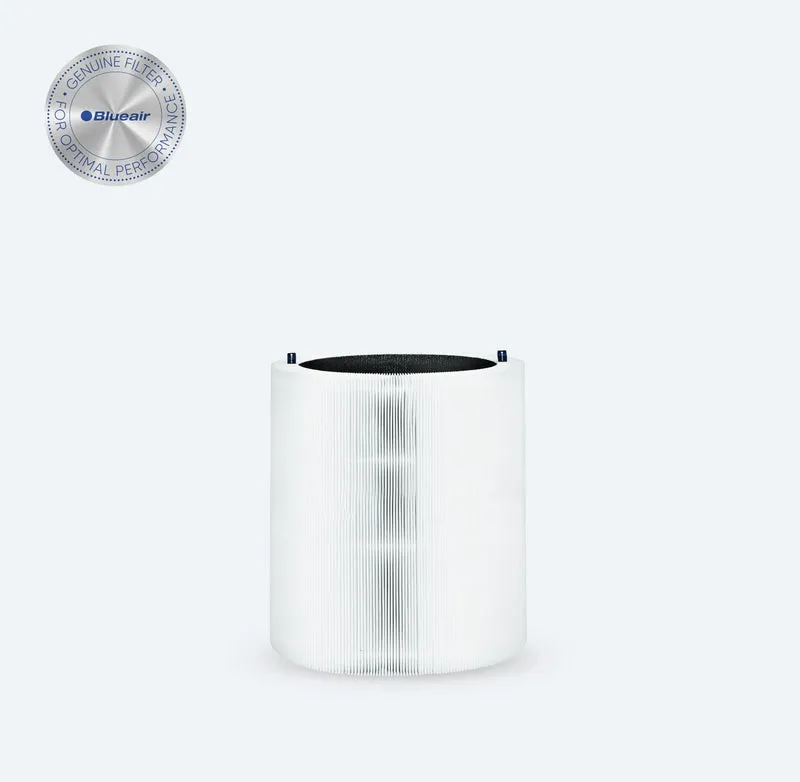
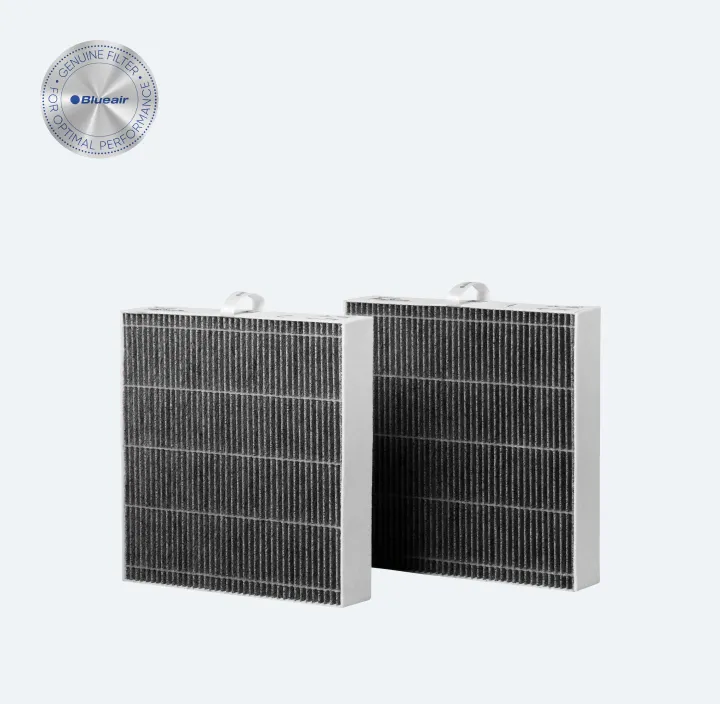
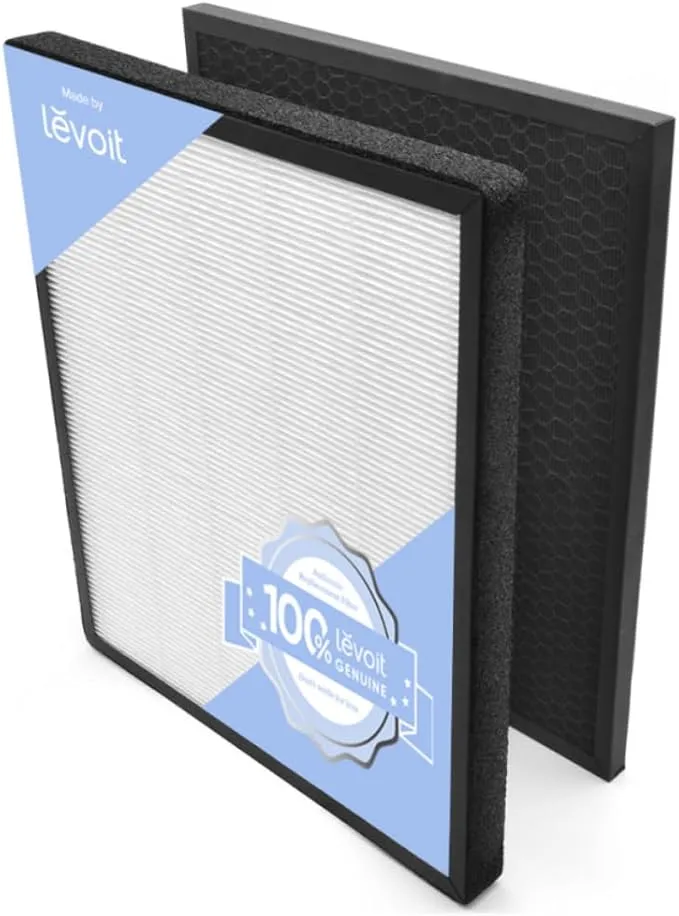
| Combined HEPA + carbon | Particles and gases together | Biological contaminants requiring UV treatment |
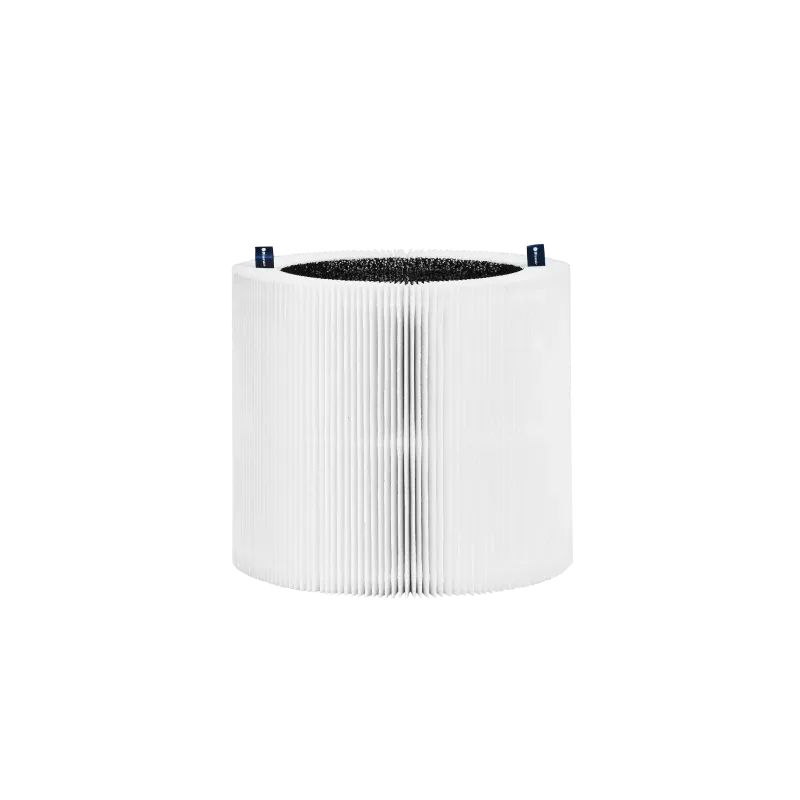
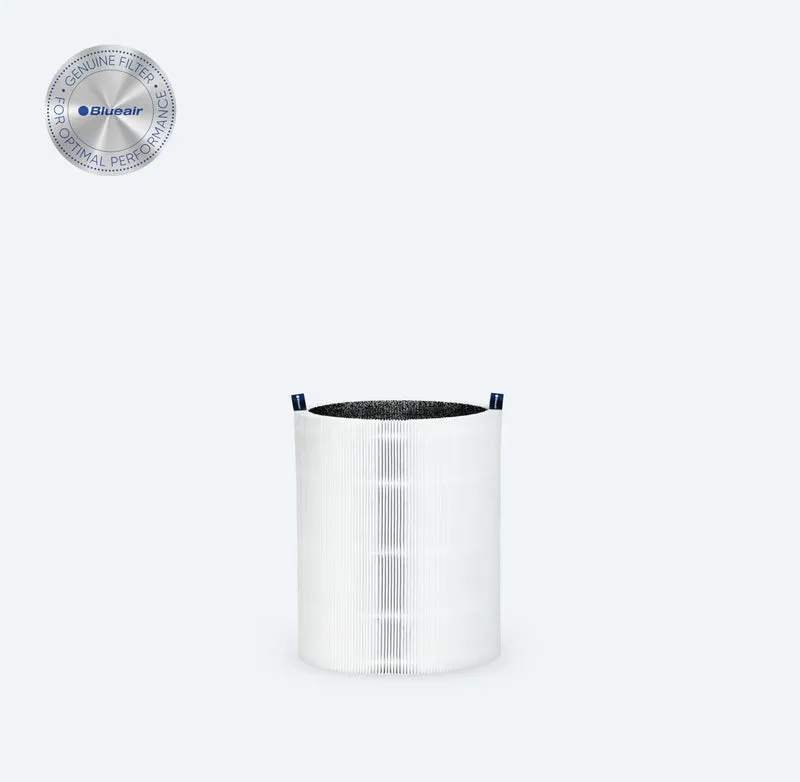
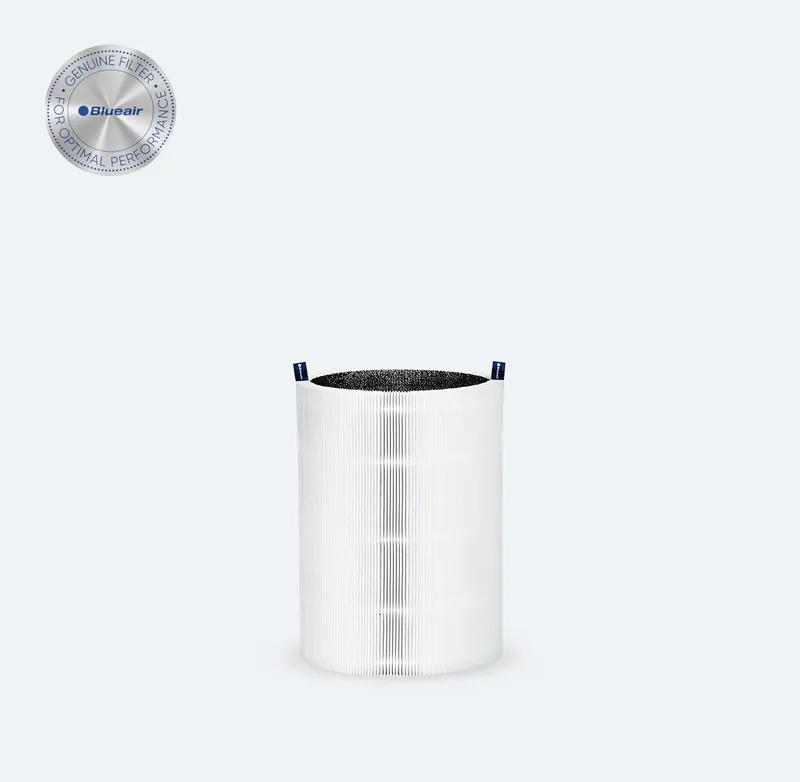
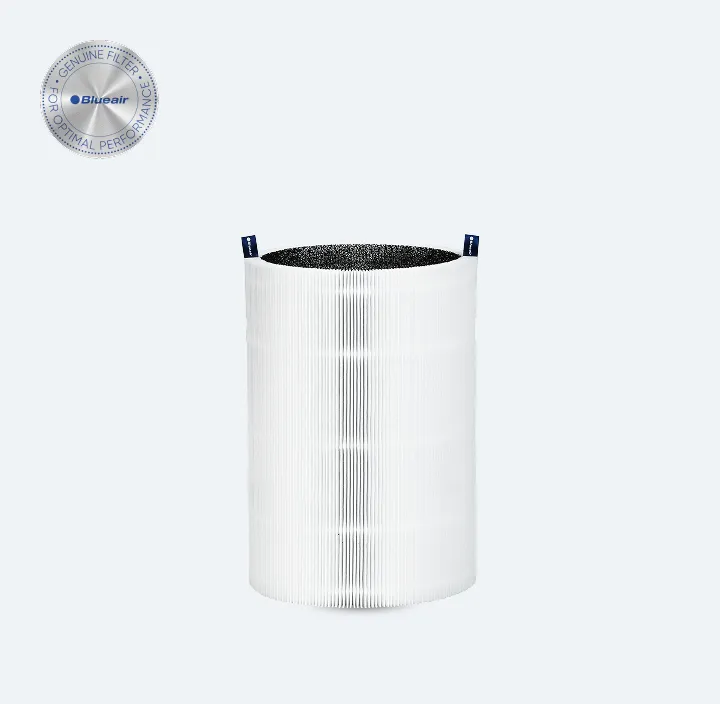
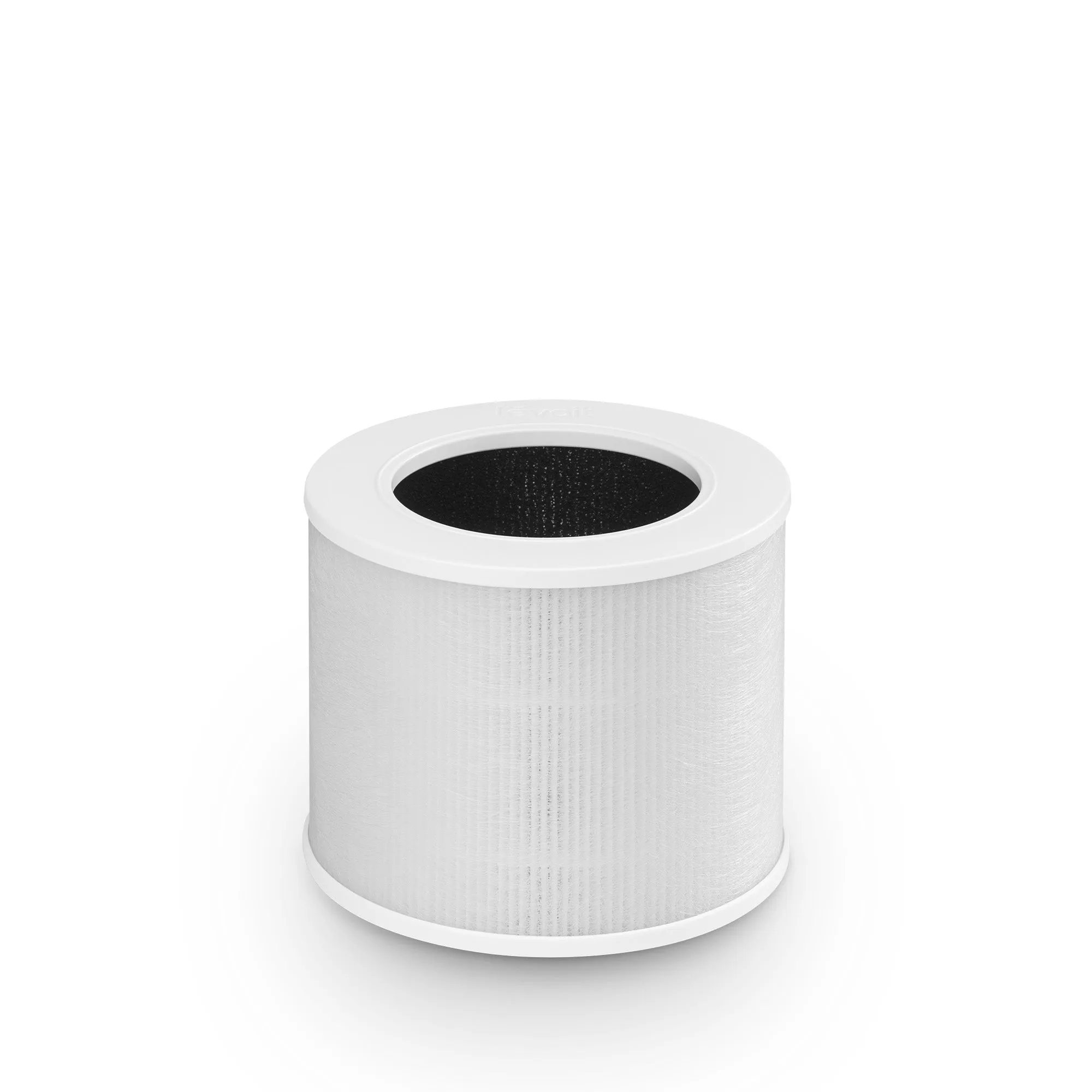
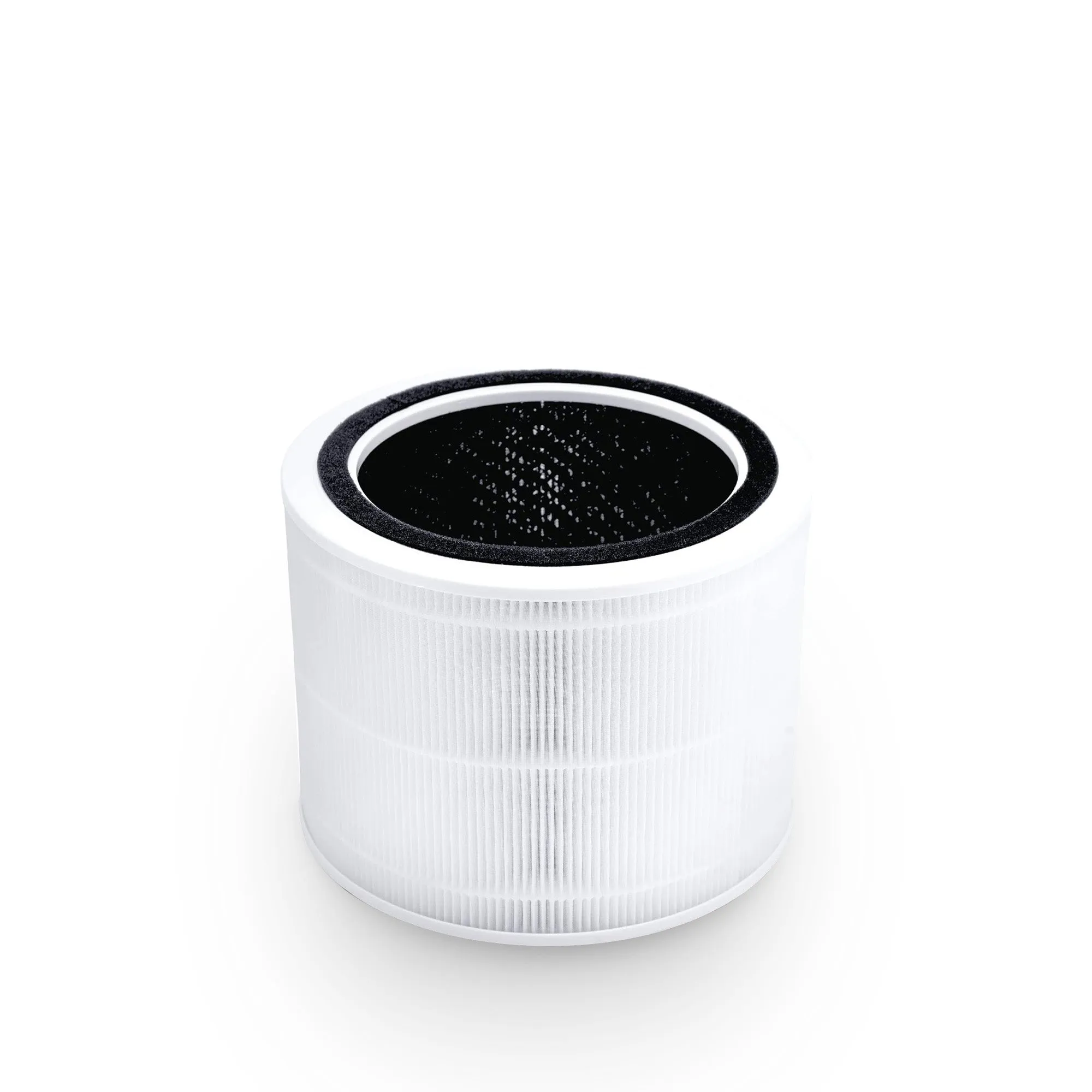
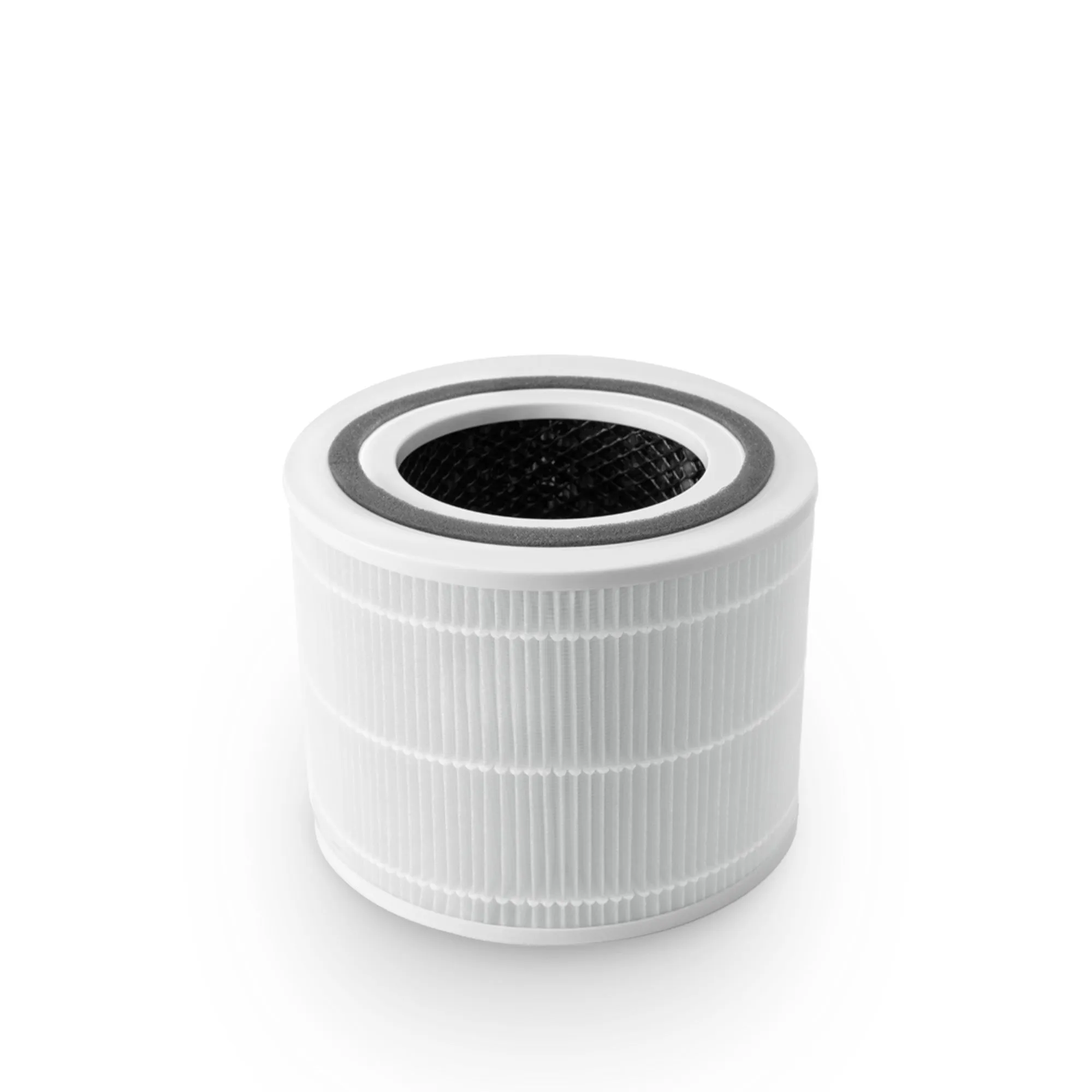
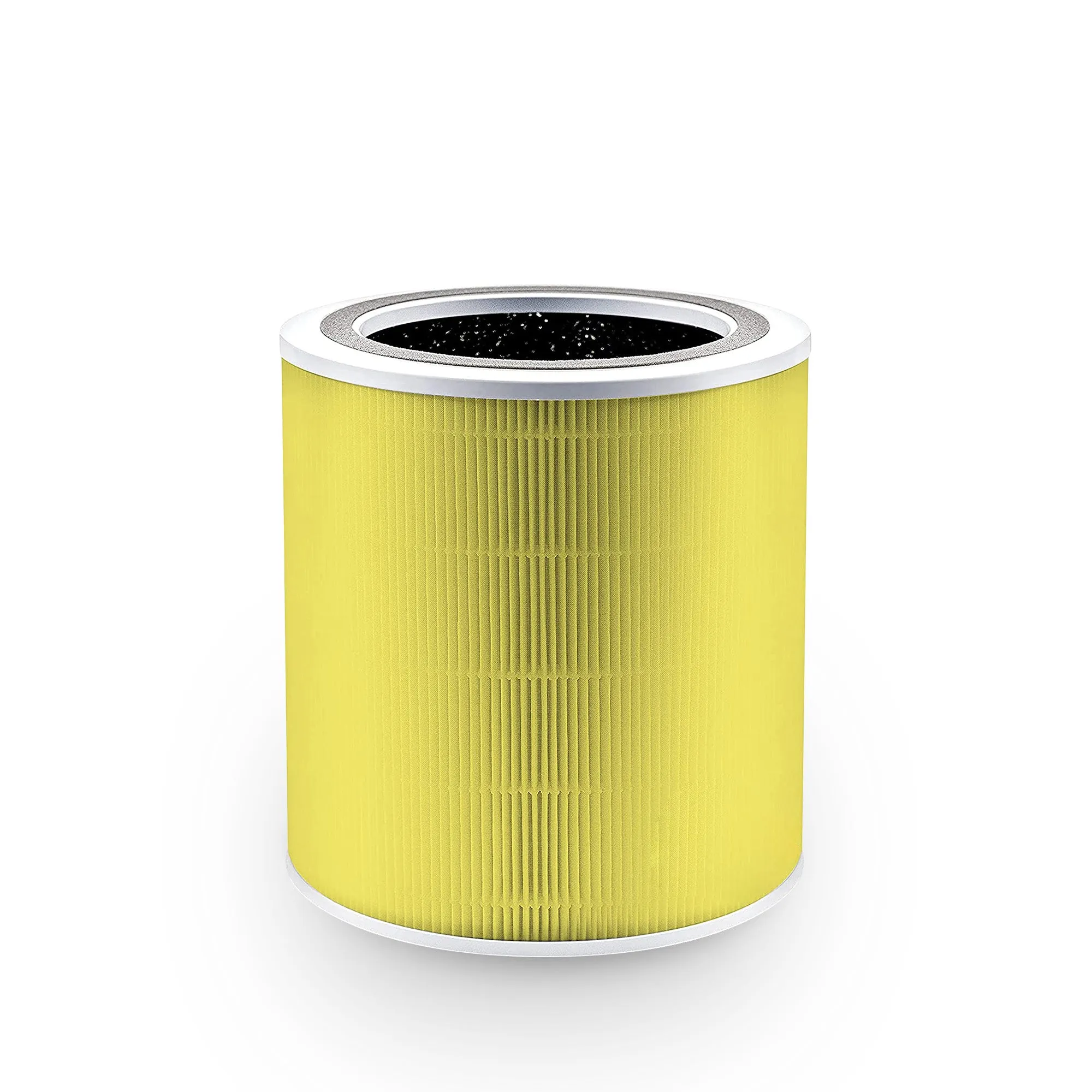
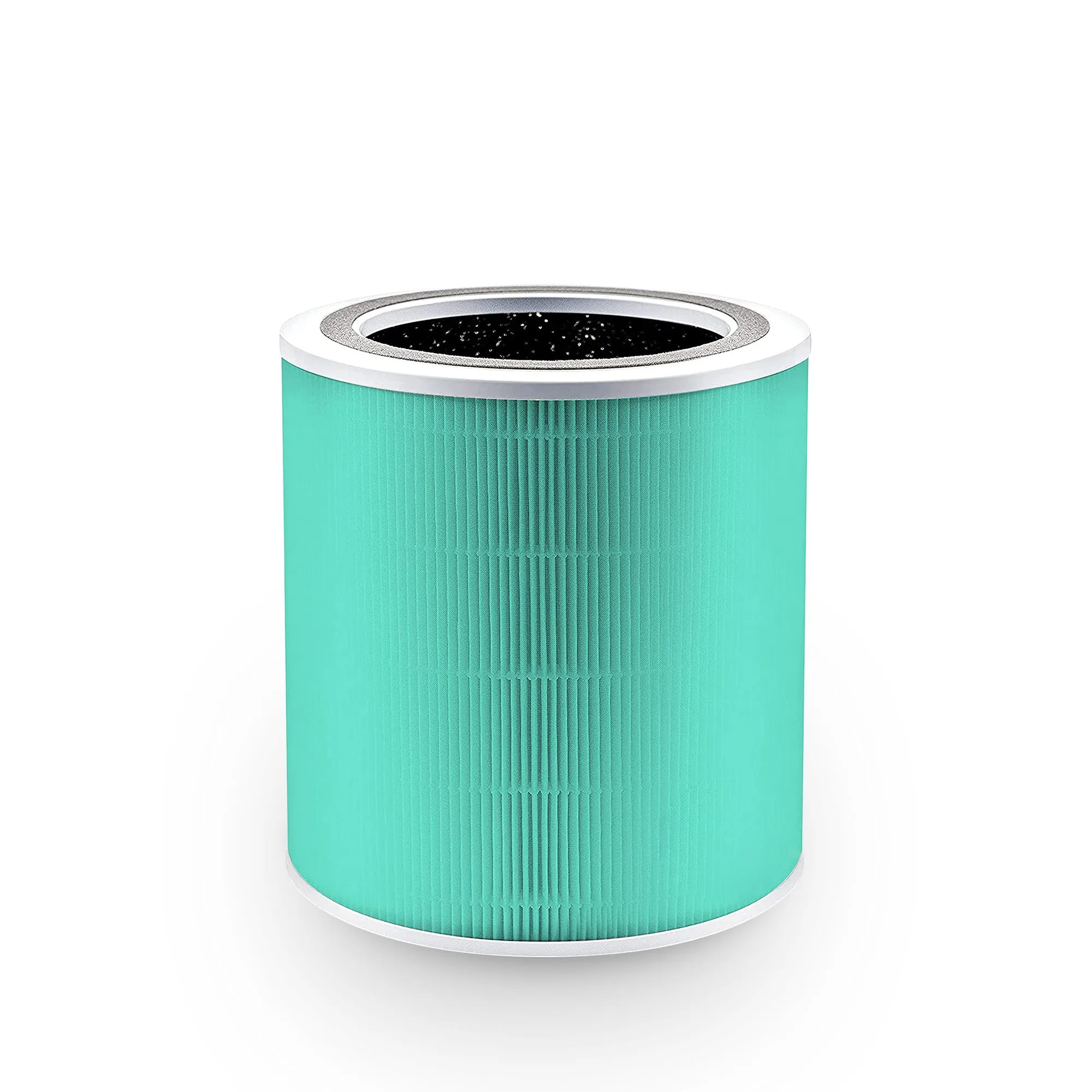
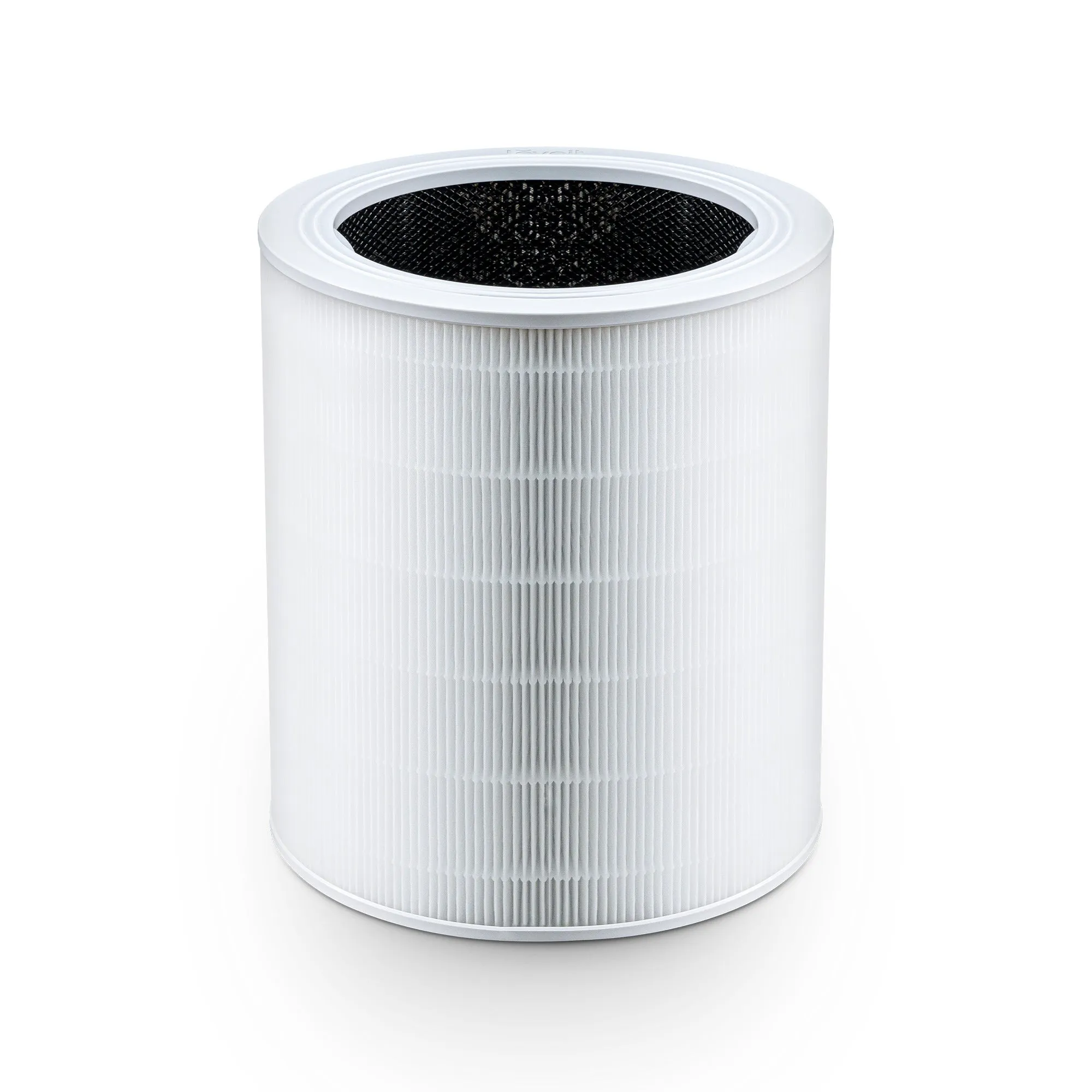
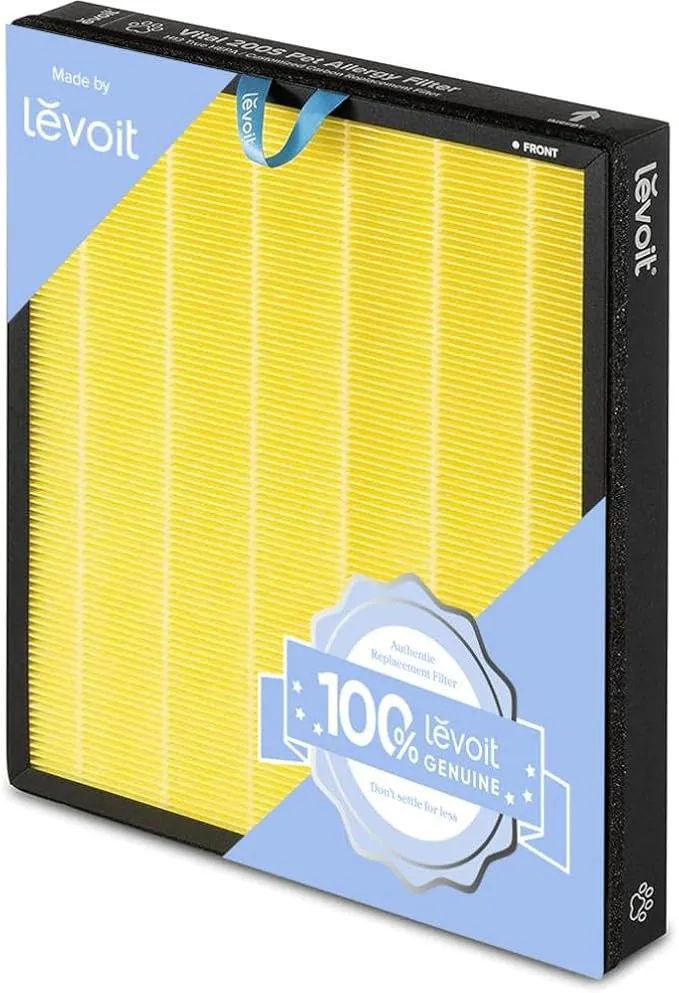
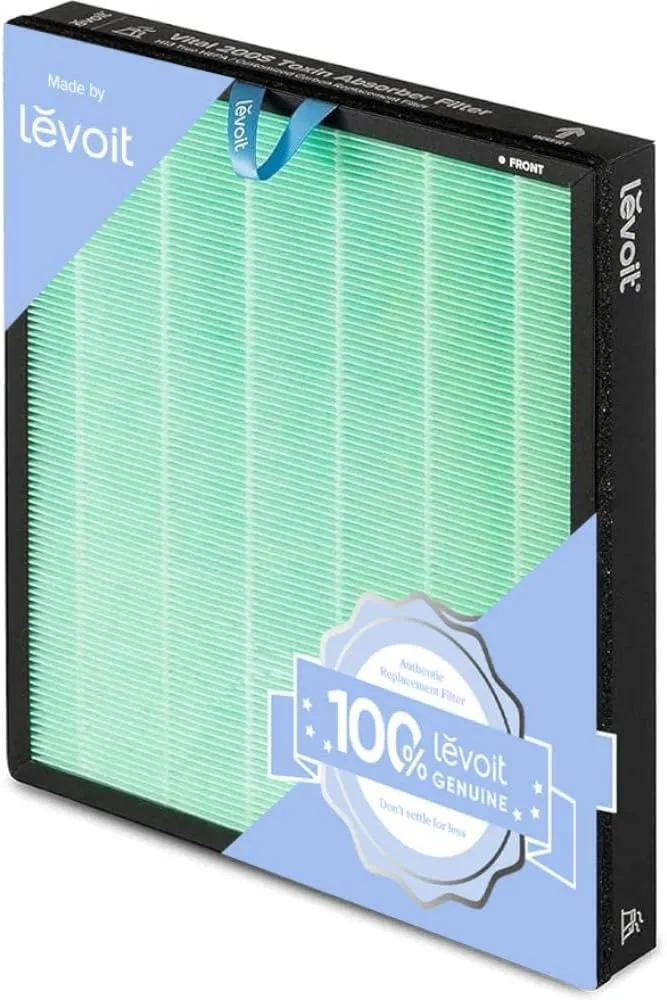
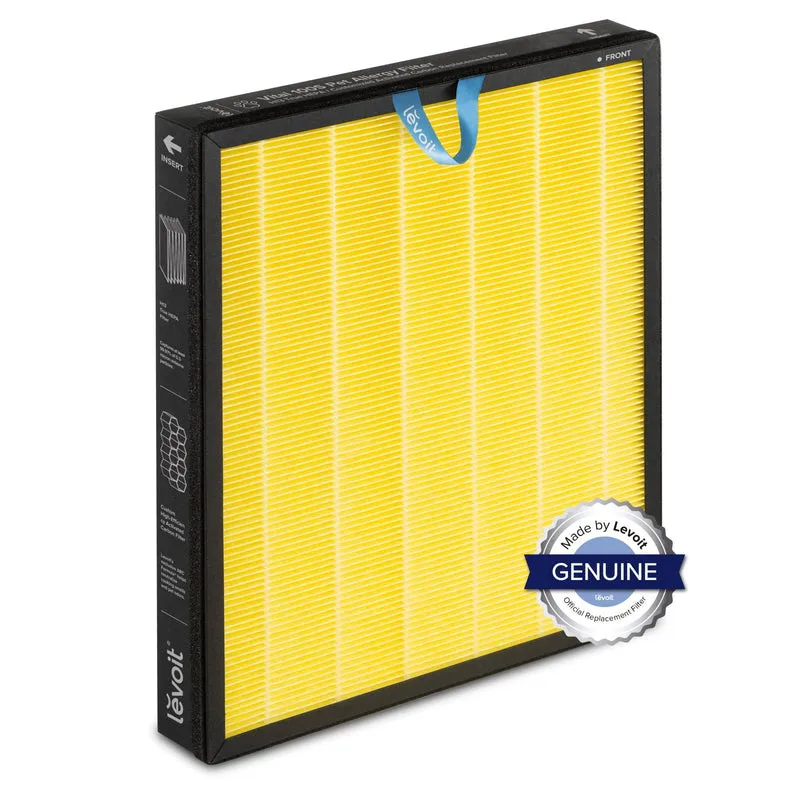
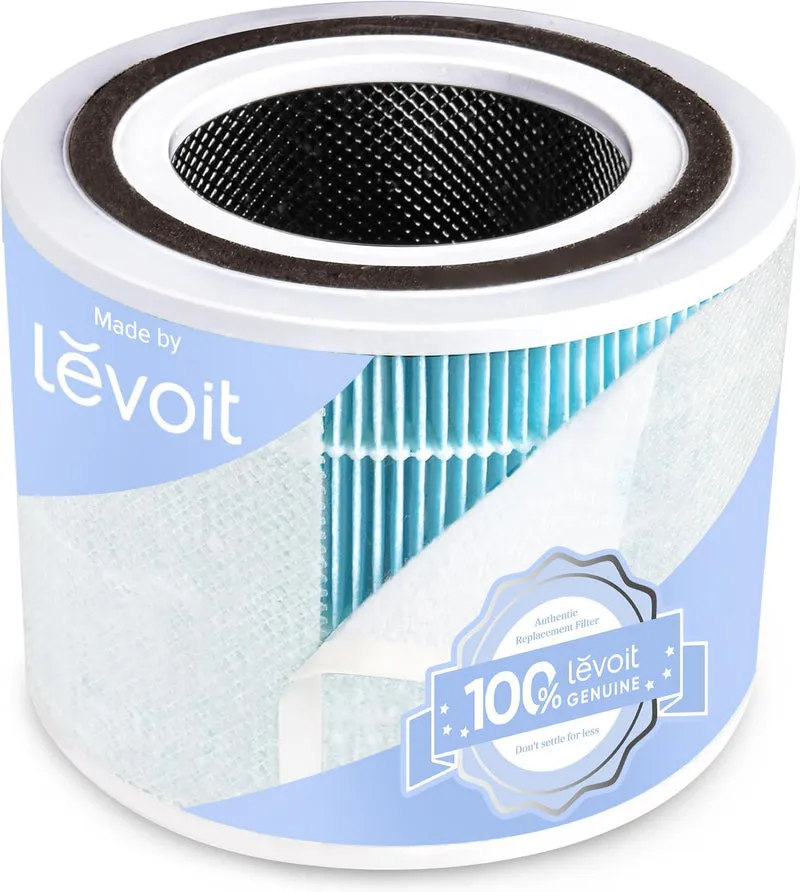
True HEPA filters are certified to remove at least 99.97% of particles at 0.3 micrometres. That certification matters: uncertified filters labelled “HEPA-type” or “HEPA-style” do not meet this standard. For gases and odours, activated carbon media is the only mechanical filter technology that works. A combined unit handles both categories and suits most family homes.
Placement and maintenance rules
- Place the purifier in the room where you spend the most time, typically the bedroom or main living area.
- Position it away from walls and corners to allow full air circulation around the unit.
- Do not run it on the lowest setting continuously and assume it is working. Match the fan speed to the room size and activity level.
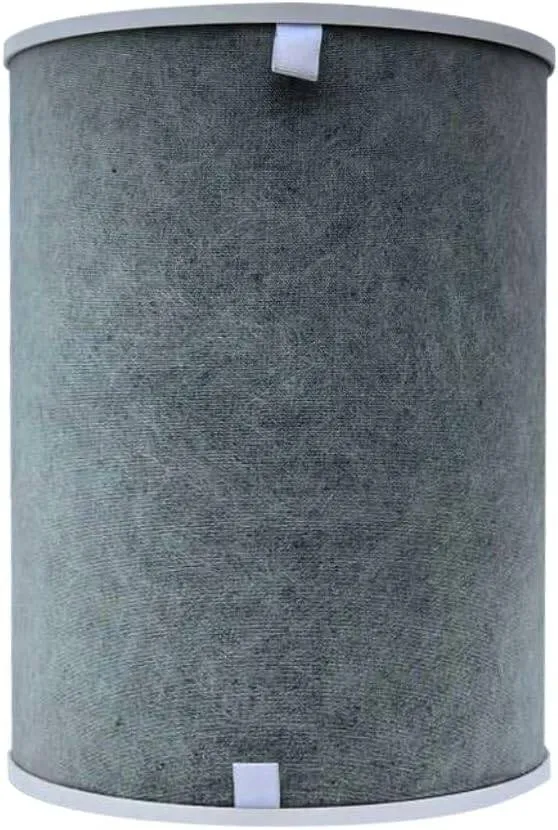
- Replace HEPA filters every 6–12 months. Running a clogged filter reduces effectiveness and can push trapped particles back into the air.
- Pre-filters, which catch larger particles before they reach the HEPA layer, should be cleaned monthly.
For a detailed comparison of filter technologies, the HEPA vs carbon filter guide from Cleanair-ae covers the technical differences in plain language.
How do you build a recurring family air detox routine?
Sustainable indoor air quality depends on habit, not one-off action. The American Lung Association urges proactive, ongoing indoor air care rather than reactive cleaning after problems appear. Families with members who have asthma or respiratory conditions need this consistency most, but every household benefits from a structured schedule.
Room-by-room maintenance checklist
The Australian CDC’s 2026 brochure recommends a checklist covering ventilation, moisture control, and cleaning practices as the backbone of any air detox checklist. Adapt it by room:
- Kitchen: Run the extractor fan every time you cook. Wipe down surfaces weekly to prevent grease build-up, which traps particles and odours.
- Bathroom: Run the exhaust fan during and after every shower. Check grout and sealant monthly for early mould signs.
- Bedroom: Wash bedding at 60°C weekly to kill dust mites. Vacuum mattresses monthly. Consider a dedicated bedroom air purifier if anyone in the room has allergies. The case for purifying bedroom air is particularly strong for children and those with respiratory conditions.
- Living areas: Vacuum carpets and soft furnishings twice weekly using a vacuum with a HEPA filter. Dust hard surfaces with a damp cloth rather than a dry one to avoid redistributing particles.
Pro Tip: Pin a simple air detox checklist to the inside of a kitchen cupboard door. Visible reminders increase follow-through far more reliably than phone apps for household maintenance tasks.
Scheduling filter changes and checks
Write filter replacement dates on the filter itself with a permanent marker when you install it. Set a calendar reminder three months in advance so you can order a replacement before the current one expires. Check your hygrometer reading weekly and log it. If humidity consistently sits above 50%, a dehumidifier is a more reliable fix than increased ventilation alone.
Families with young children, elderly members, or anyone with a respiratory condition should treat indoor air quality as a non-negotiable health priority. The air in a sealed bedroom overnight accumulates CO₂, moisture, and allergens at a rate that makes routine management genuinely protective.
Key takeaways
A successful indoor air detox requires source control first, ventilation second, and filtration third. Skipping the first step and relying on purifiers alone produces consistently poor results.
| Point | Details |
|---|---|
| Source control comes first | Eliminate or reduce pollutant origins before applying ventilation or filtration. |
| Ventilate with timing and method | Open windows cross-directionally and run exhaust fans during and after moisture-generating activities. |
| Match filter type to pollutant | Use certified HEPA for particles and activated carbon for gases; combined units suit most homes. |
| Maintain humidity at 30–50% | A hygrometer and dehumidifier keep mould and dust mites below harmful thresholds. |
| Build a room-by-room schedule | A written checklist with calendar reminders sustains air quality over months and years. |
Why most families get indoor air detox wrong
Most households I have encountered skip straight to buying an air purifier and consider the job done. The purifier runs, the indicator light turns green, and everyone assumes the air is clean. What actually happens is that the VOCs from the synthetic carpet, the mould behind the bathroom tiles, and the gas hob running without extraction continue generating pollutants faster than any purifier can process them.
The stepwise approach feels slower at first. Auditing your home for sources, fixing leaks, swapping out chemical products, and establishing ventilation habits takes more effort than unboxing a device. But the results are categorically different. Families who address source control first report that their purifiers last longer, their filters stay cleaner, and their symptoms improve more noticeably.
The other mistake I see regularly is treating indoor air detox as a one-time project. Air quality is dynamic. Seasons change humidity levels. New furniture off-gasses for weeks. Cooking habits shift. A routine that worked in January may need adjusting by July. The families who maintain genuinely clean air are the ones who treat it as an ongoing practice, not a completed task.
If you have family members with asthma or allergies, the indoor air quality checklist from Cleanair-ae is a practical starting point for building that routine systematically.
— Wojciech
Products to support your air detox routine
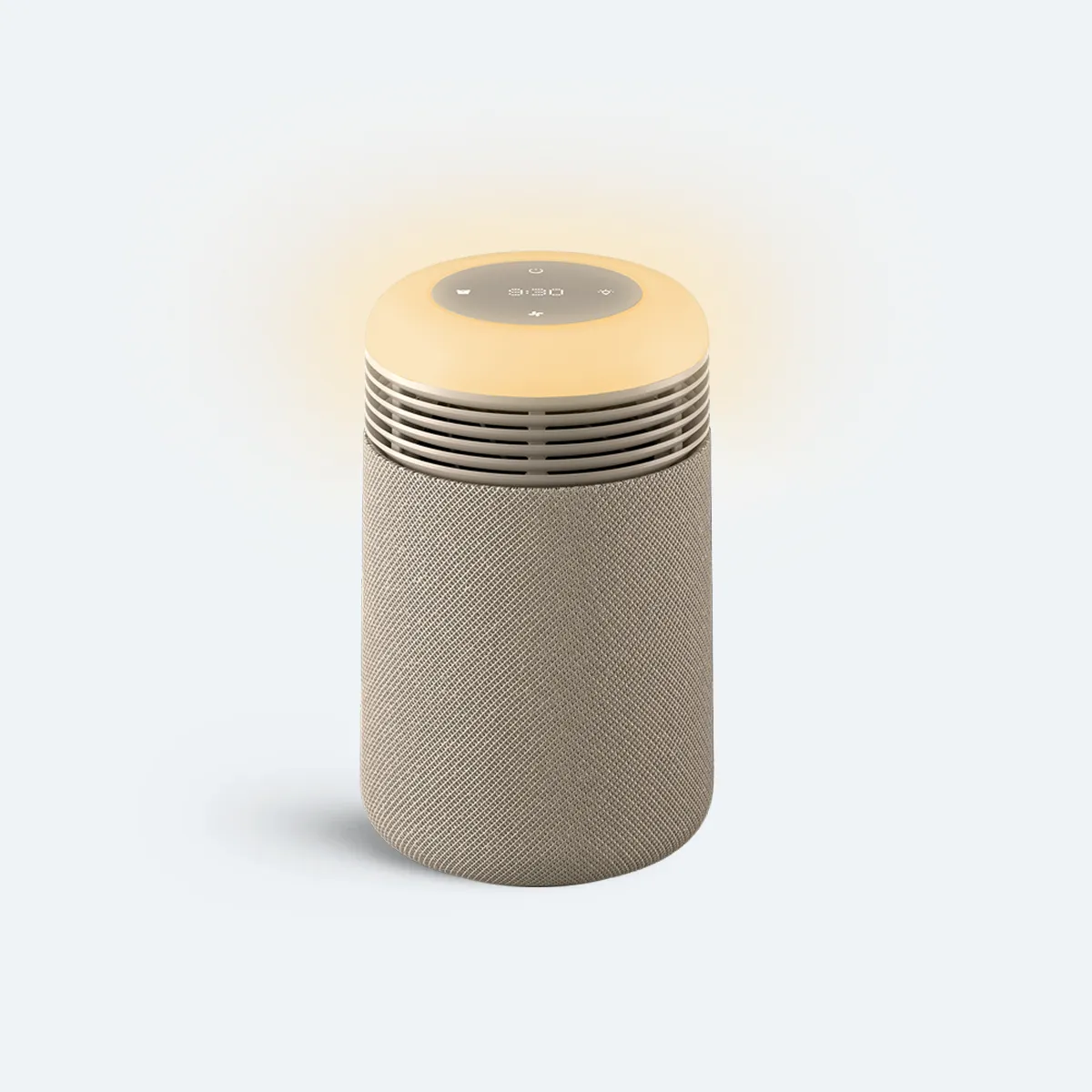
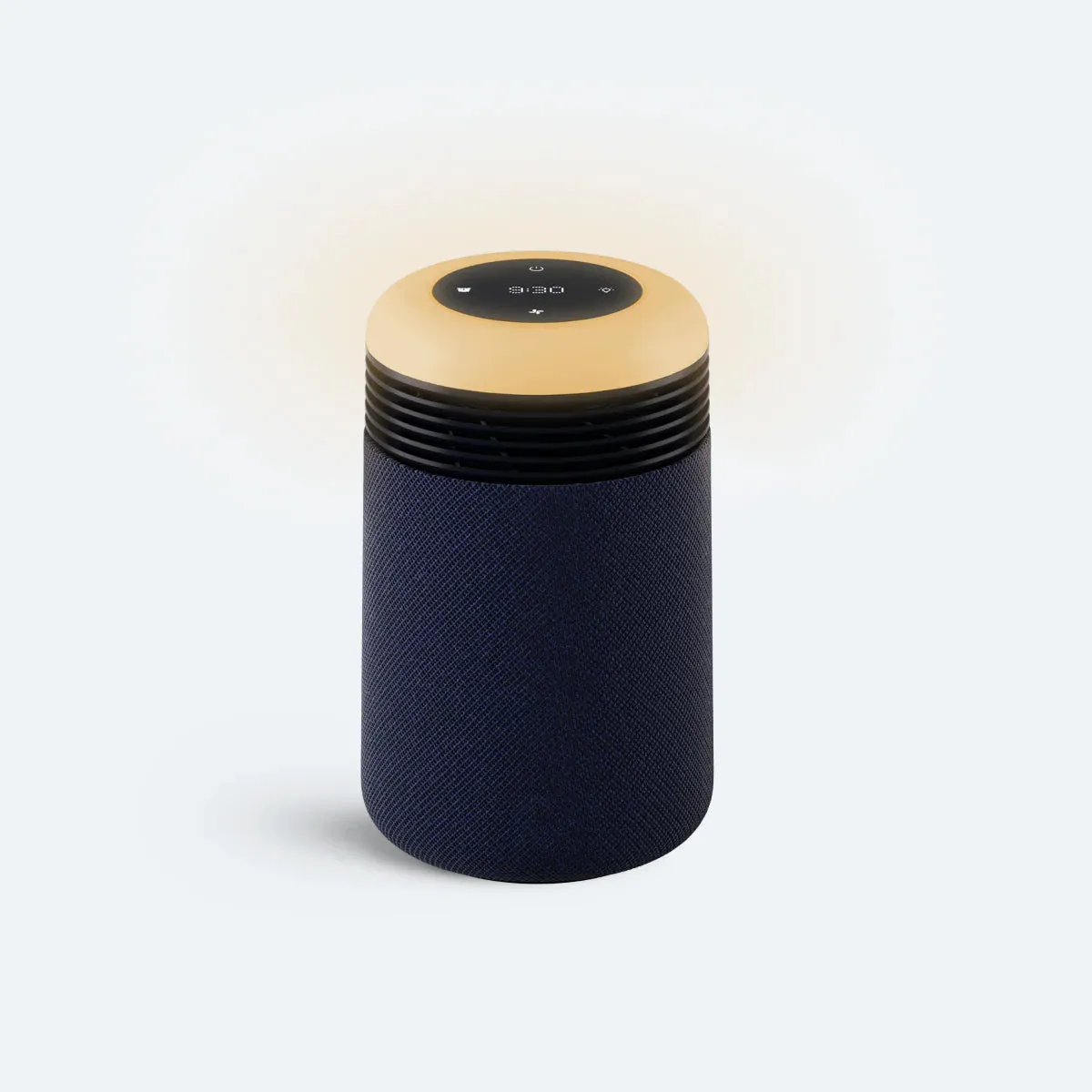
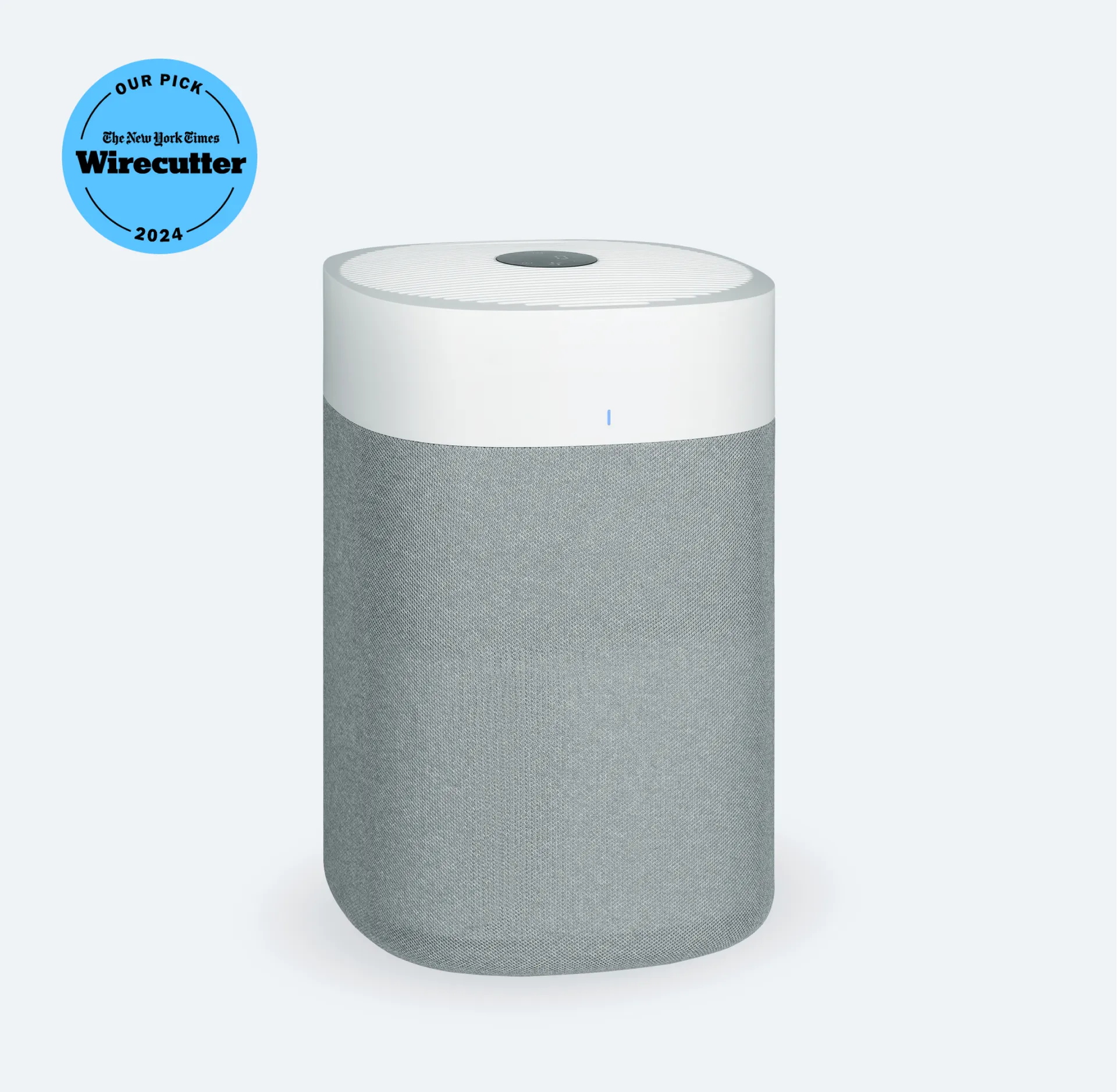
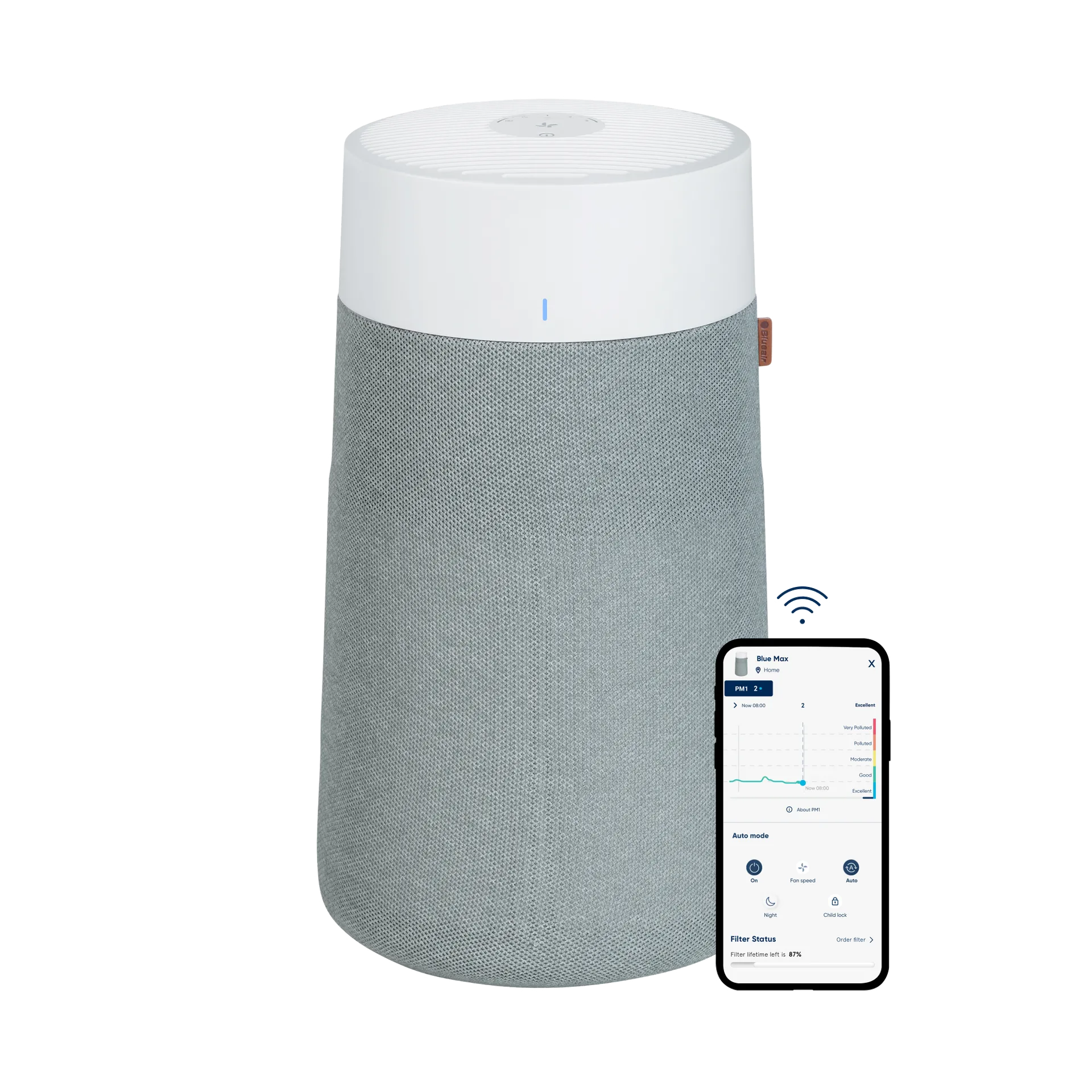
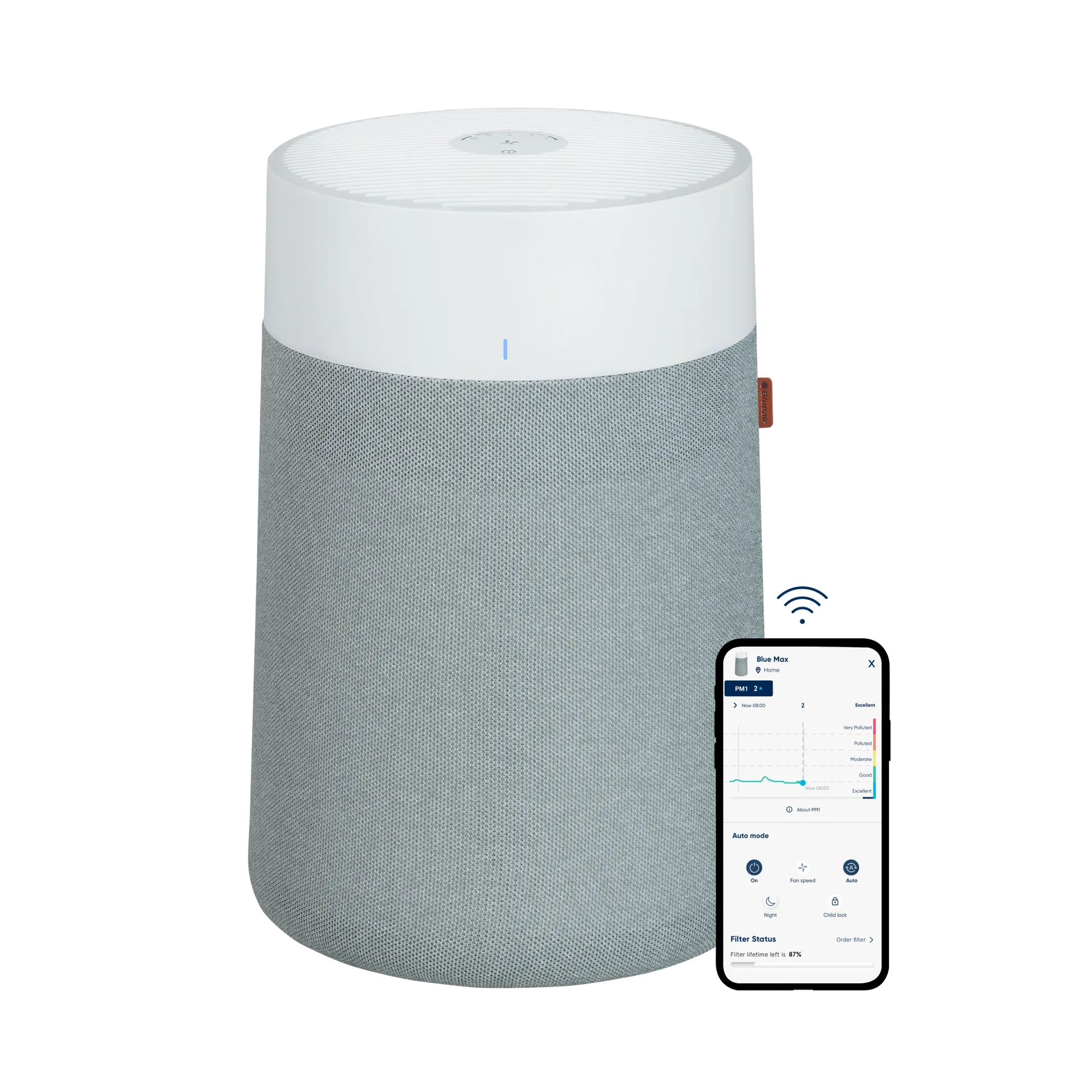
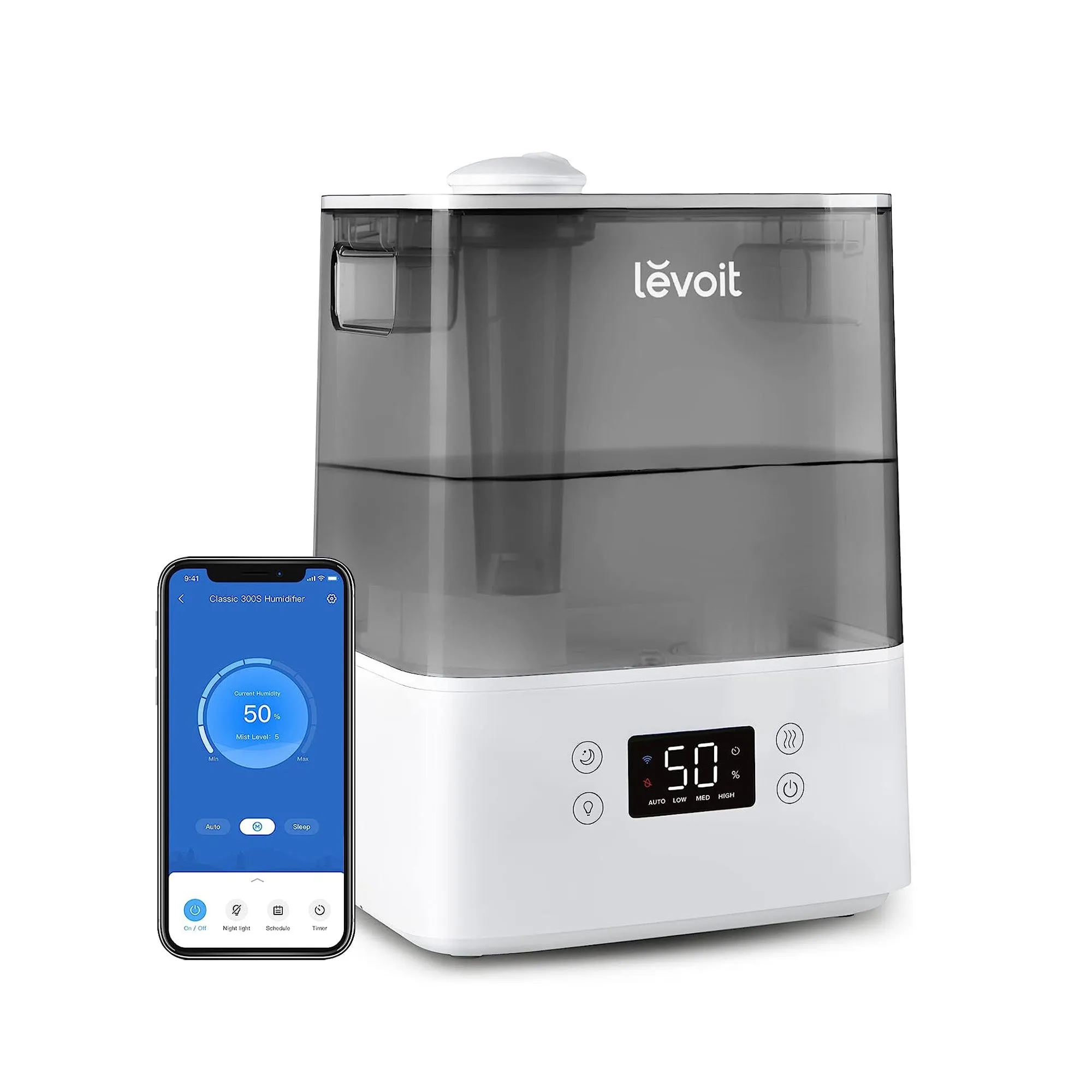
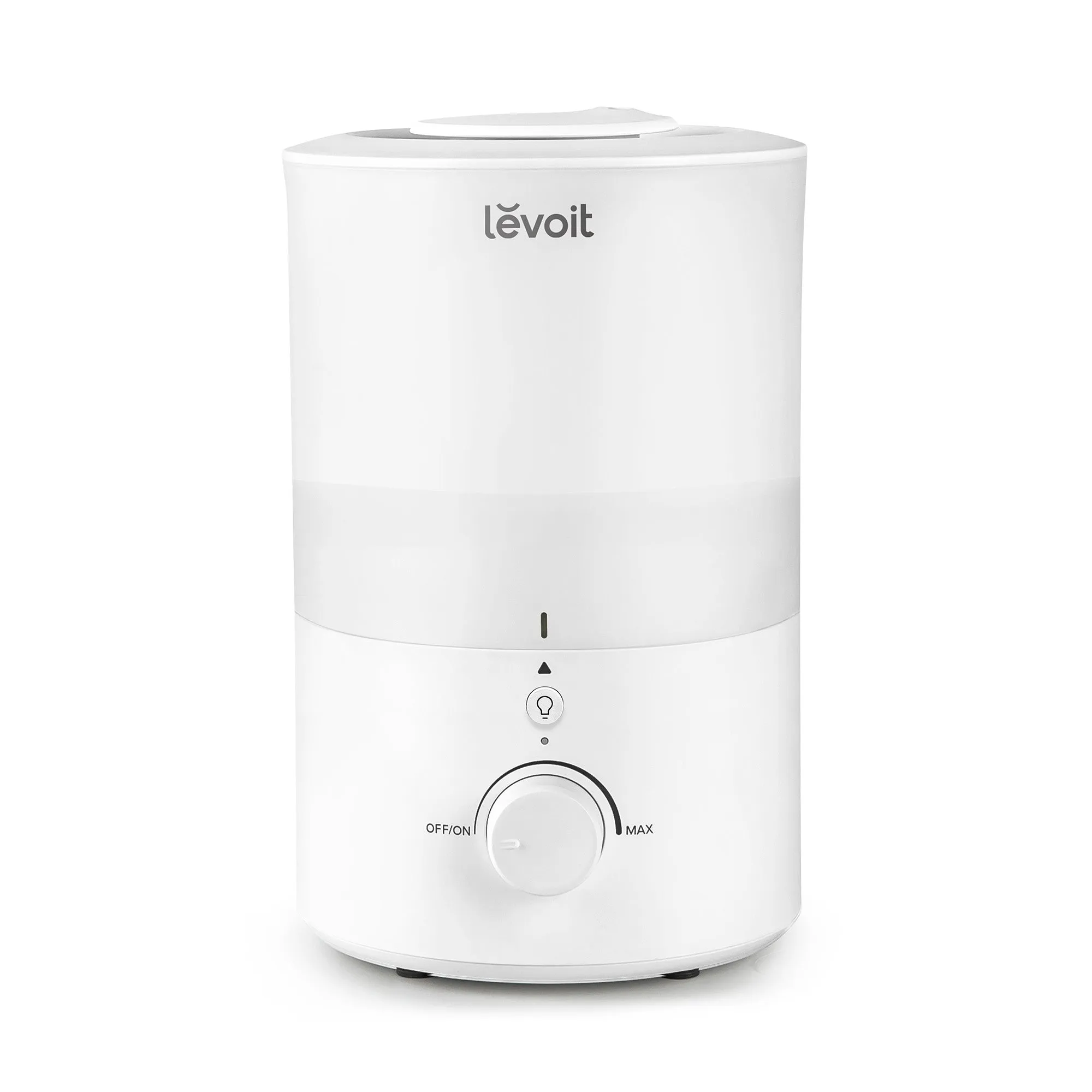
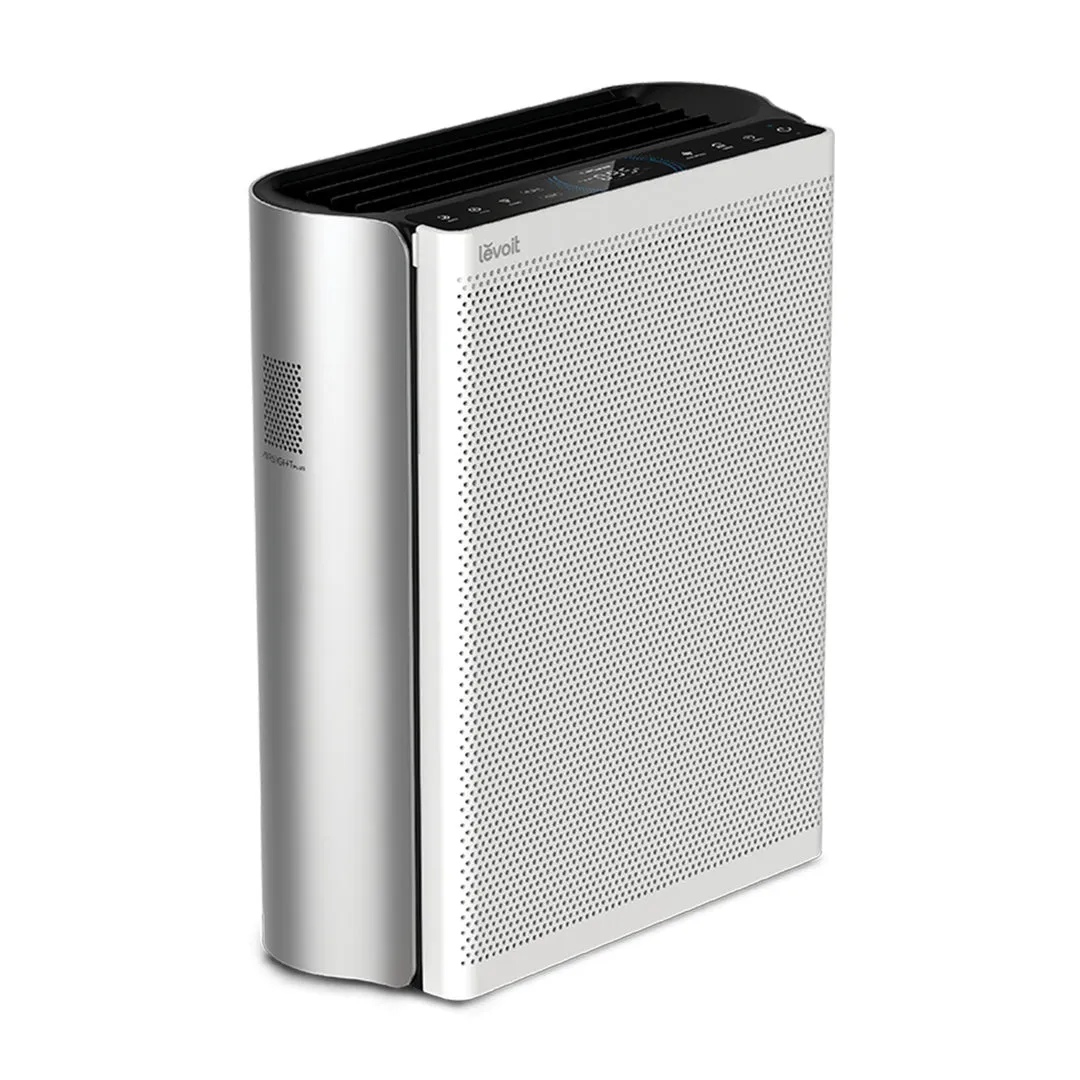
Cleanair-ae stocks a curated range of air purifiers, dehumidifiers, humidifiers, and replacement filters suited to every stage of a home air detox plan.
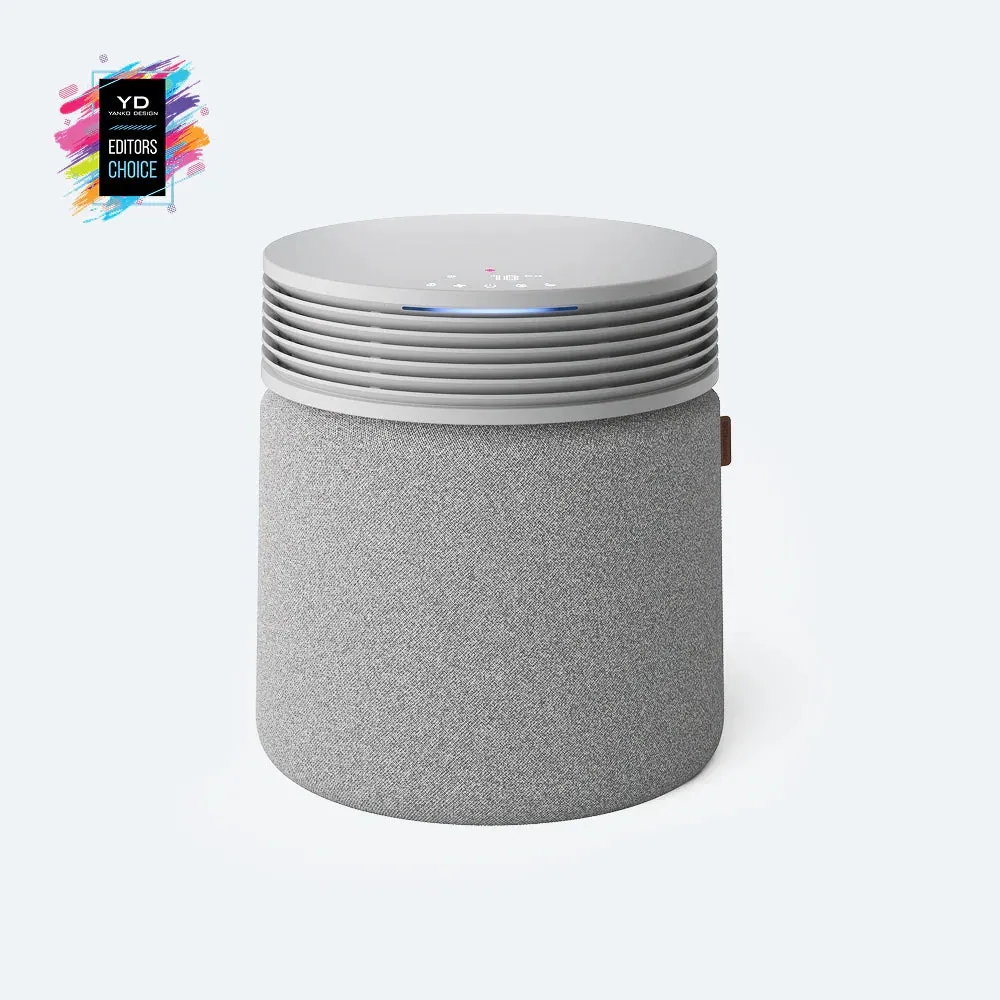
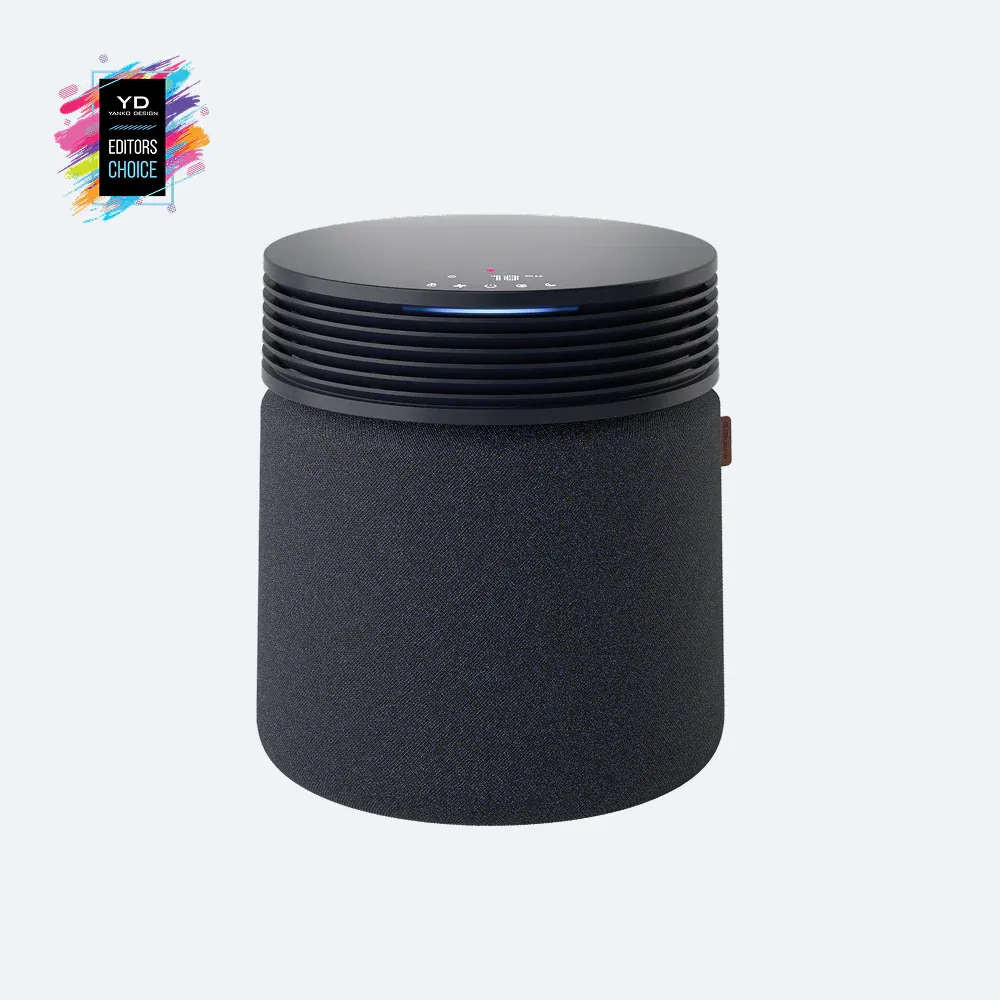
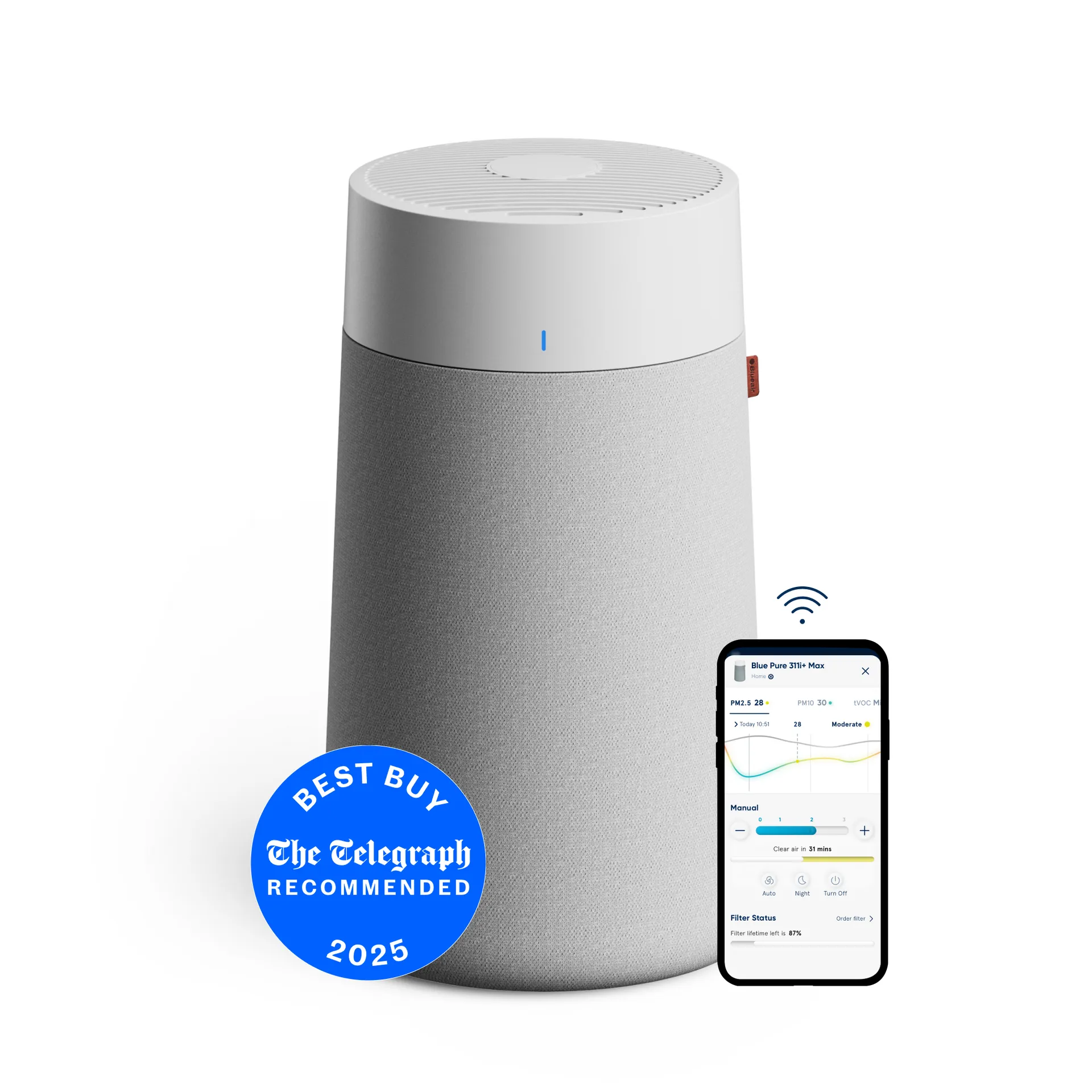
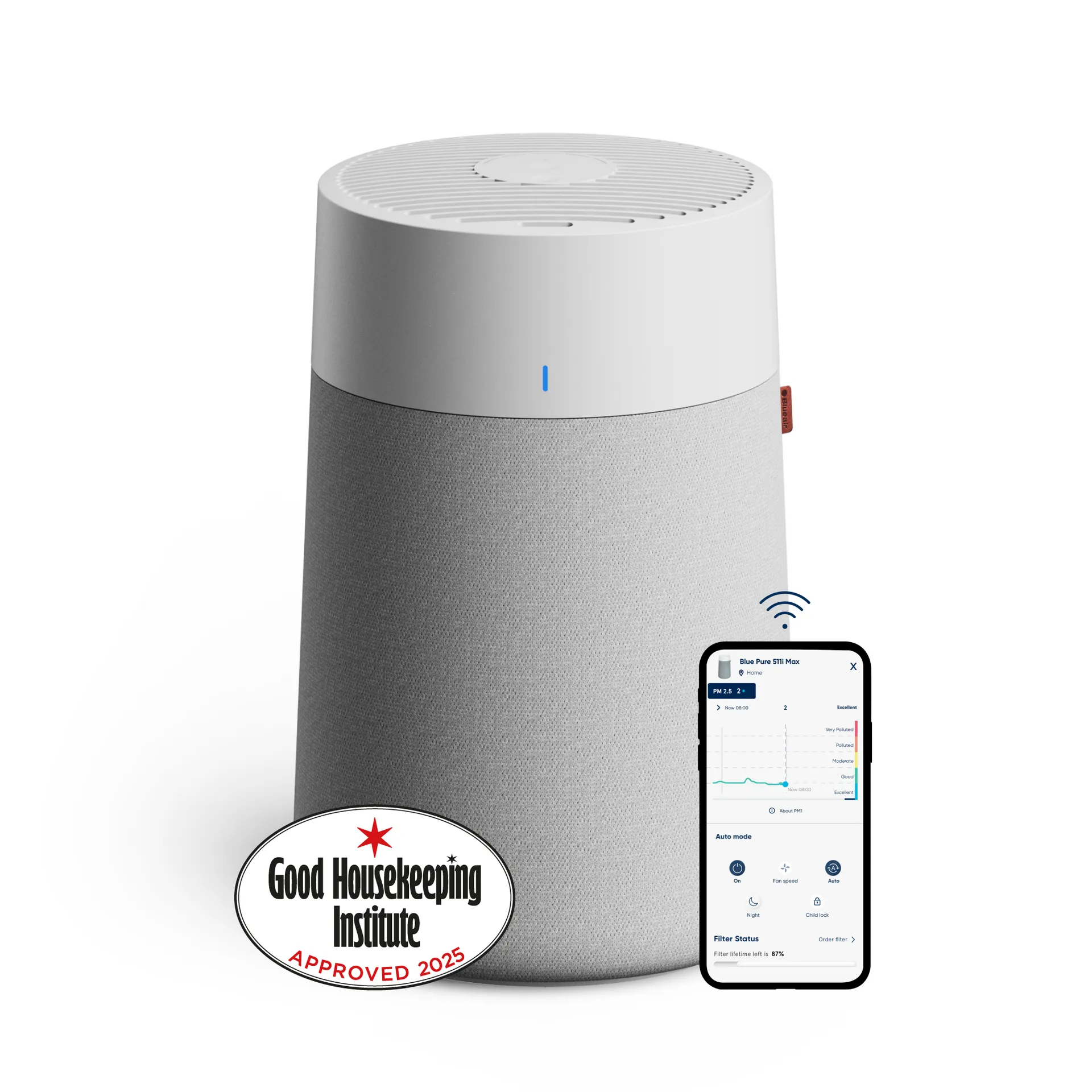
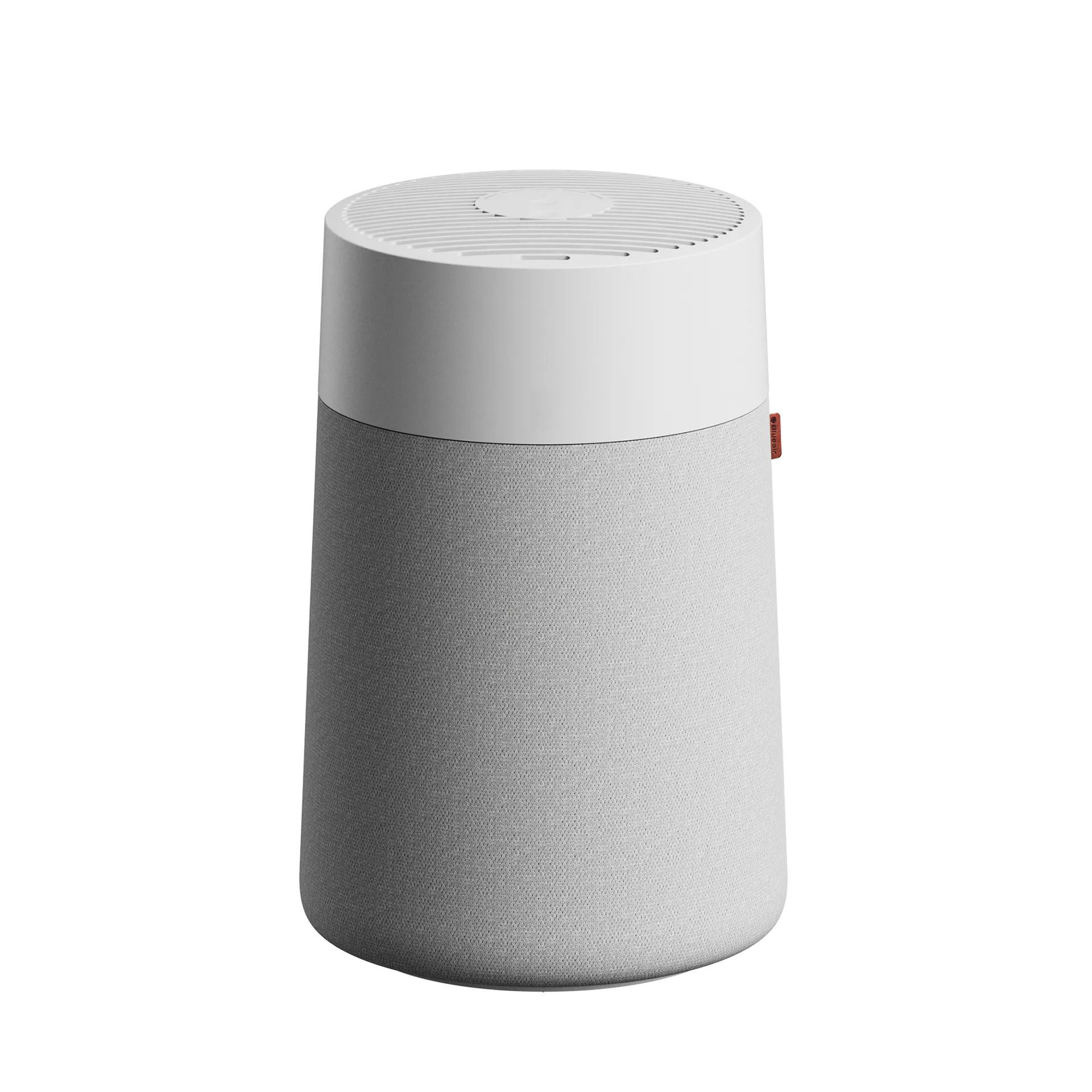
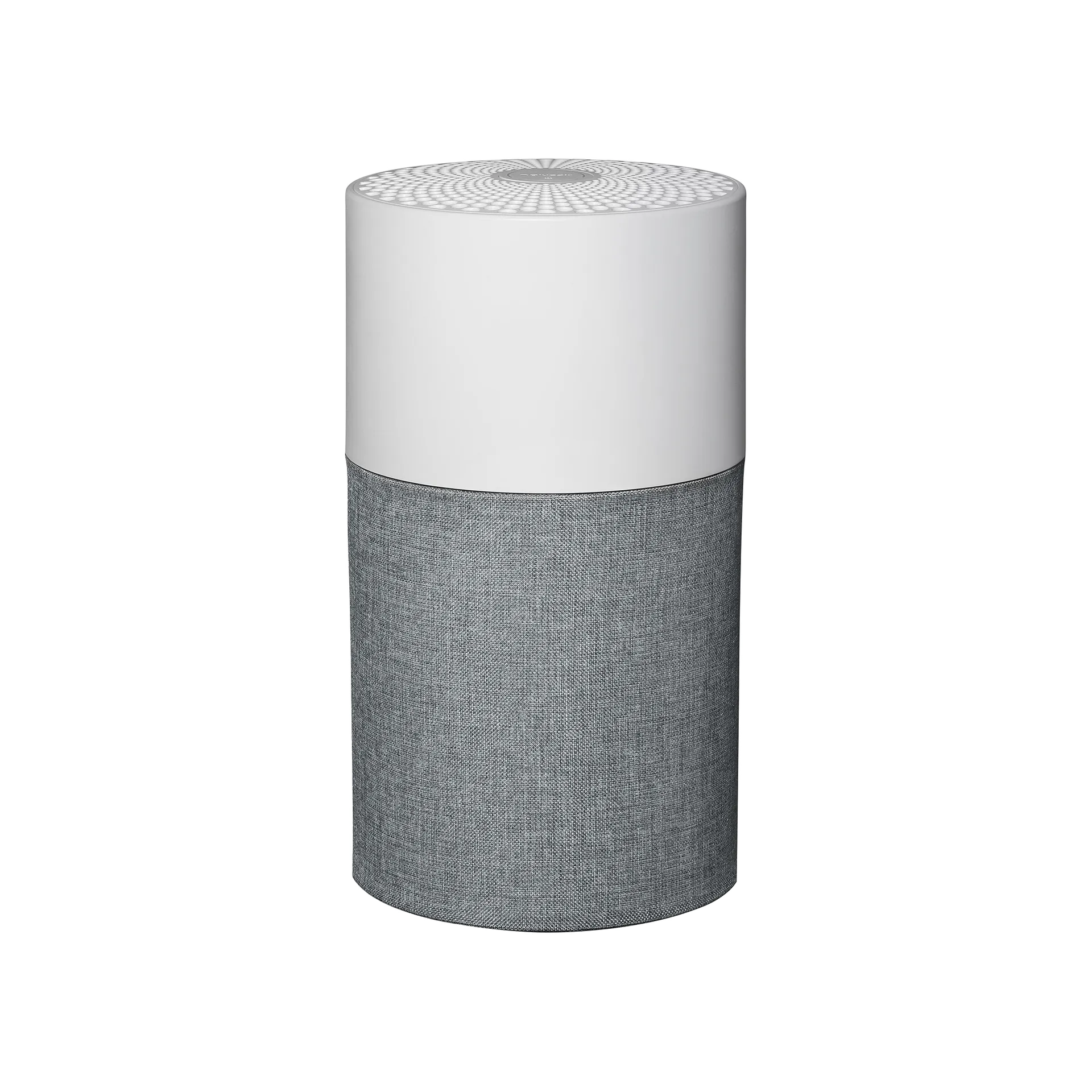
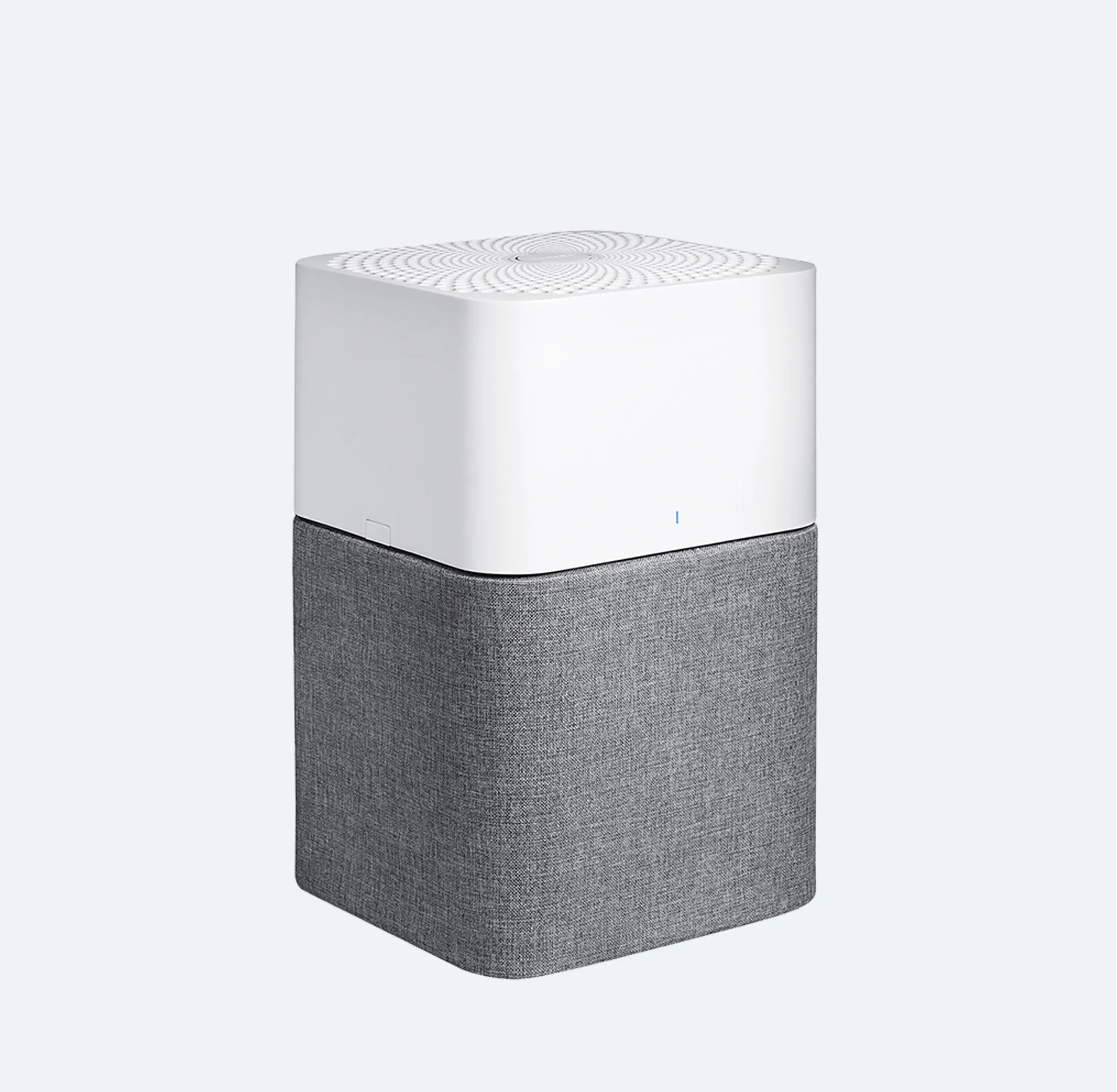
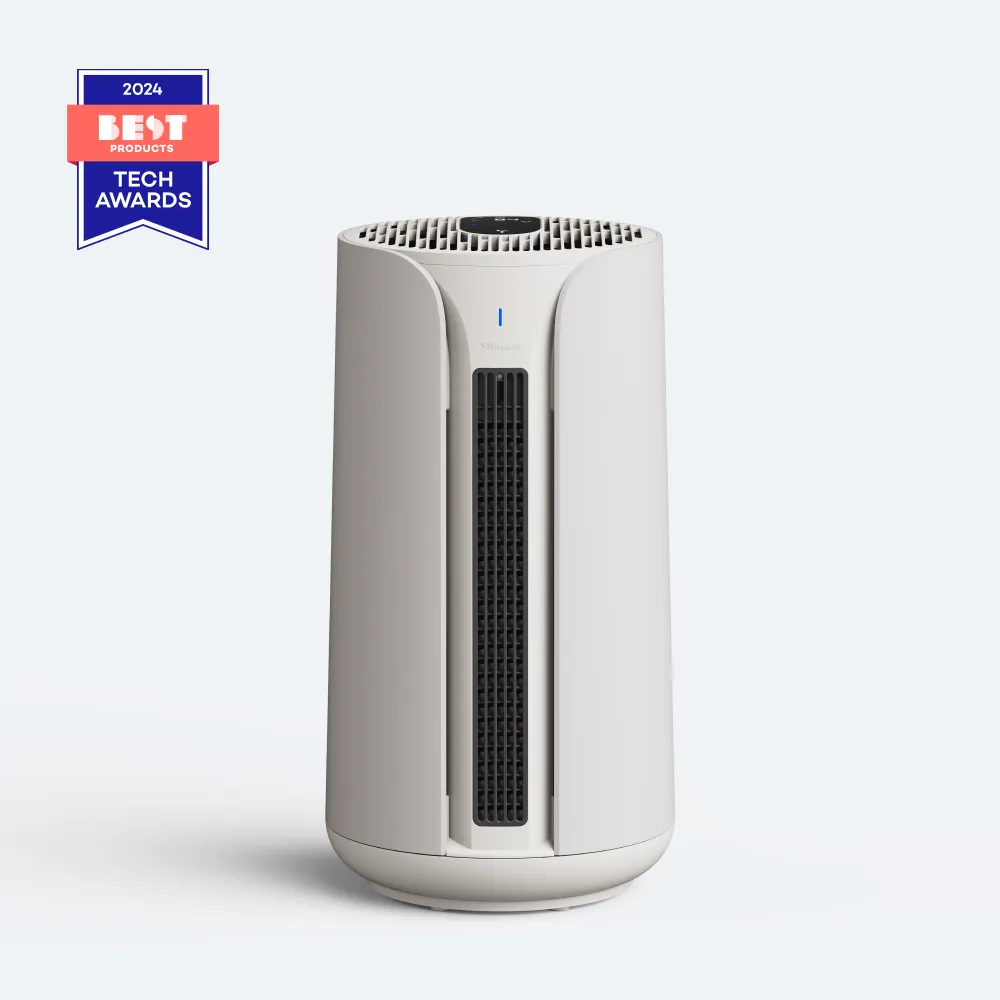
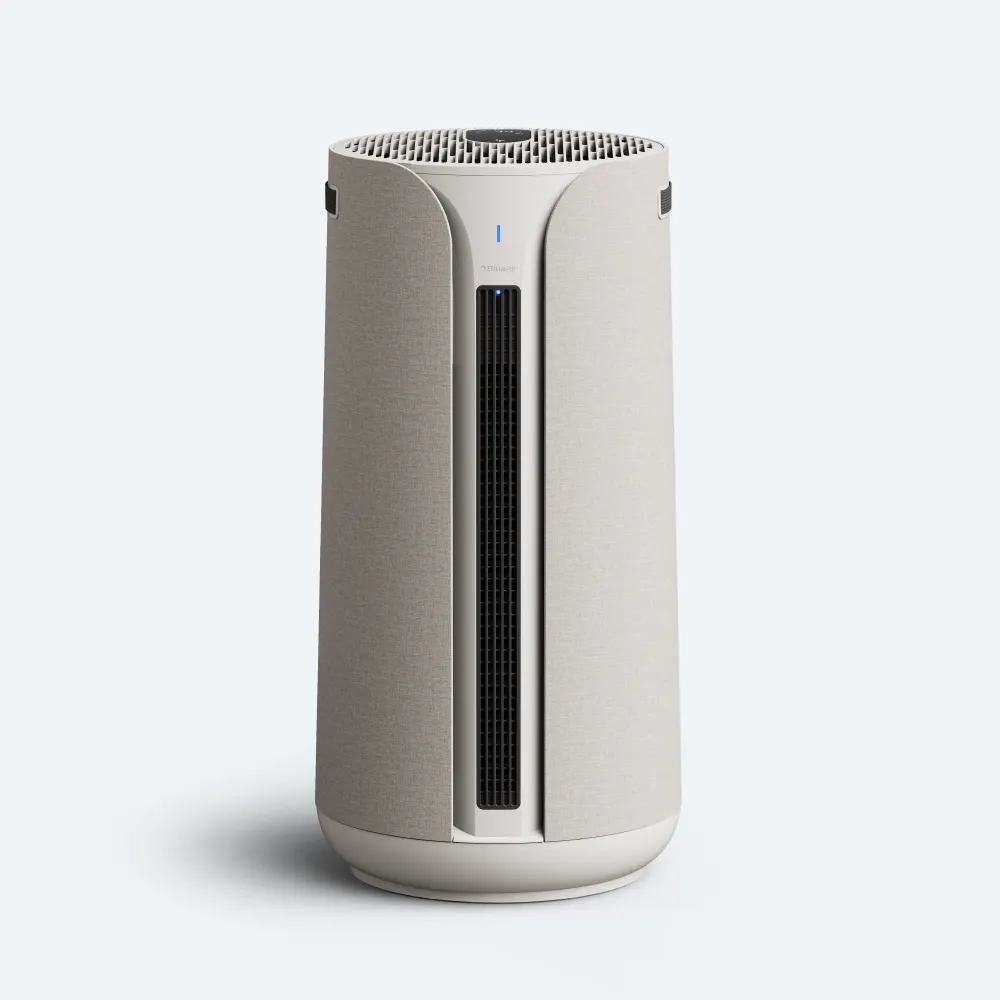
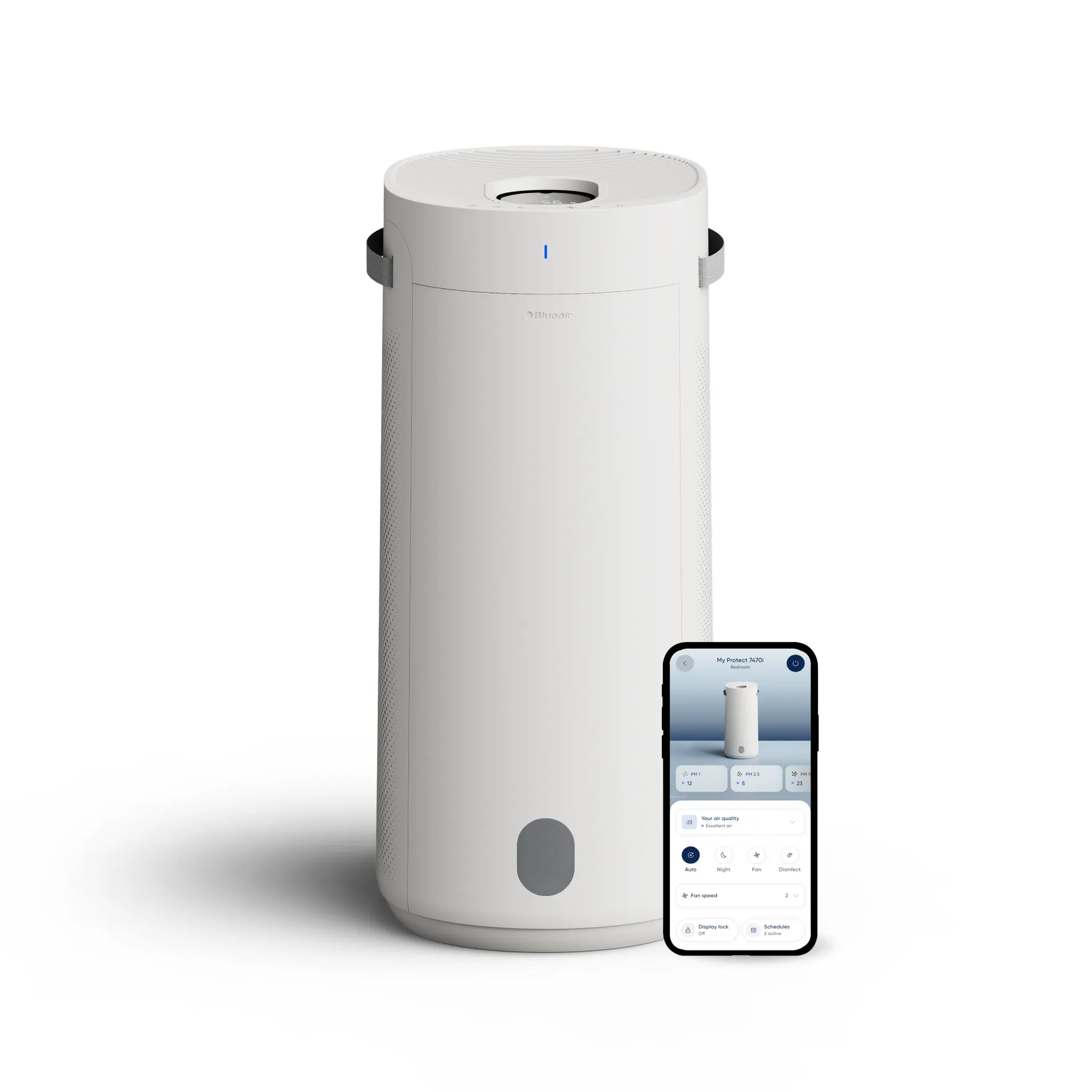
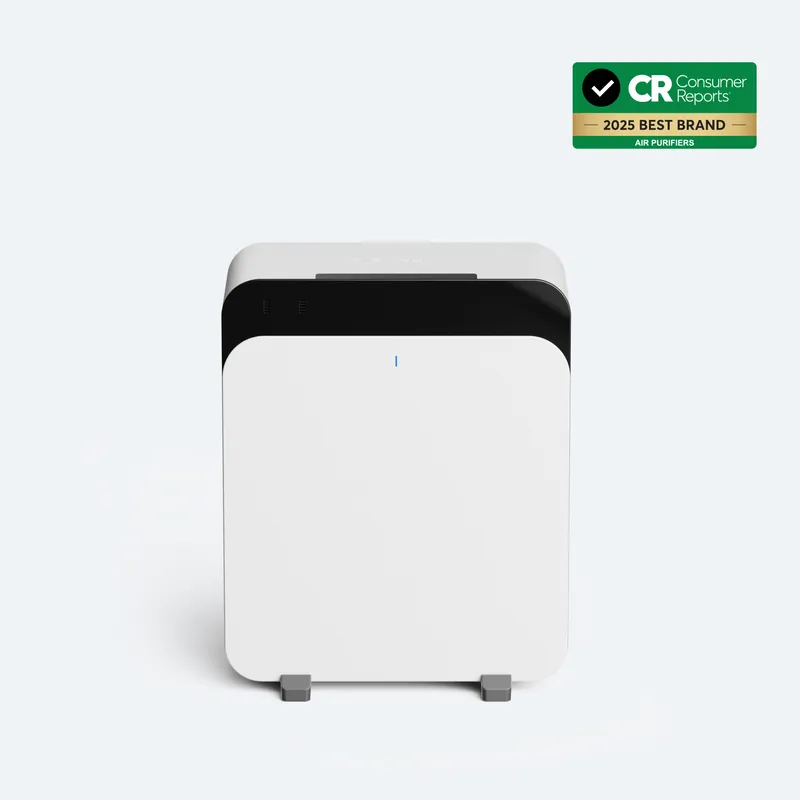
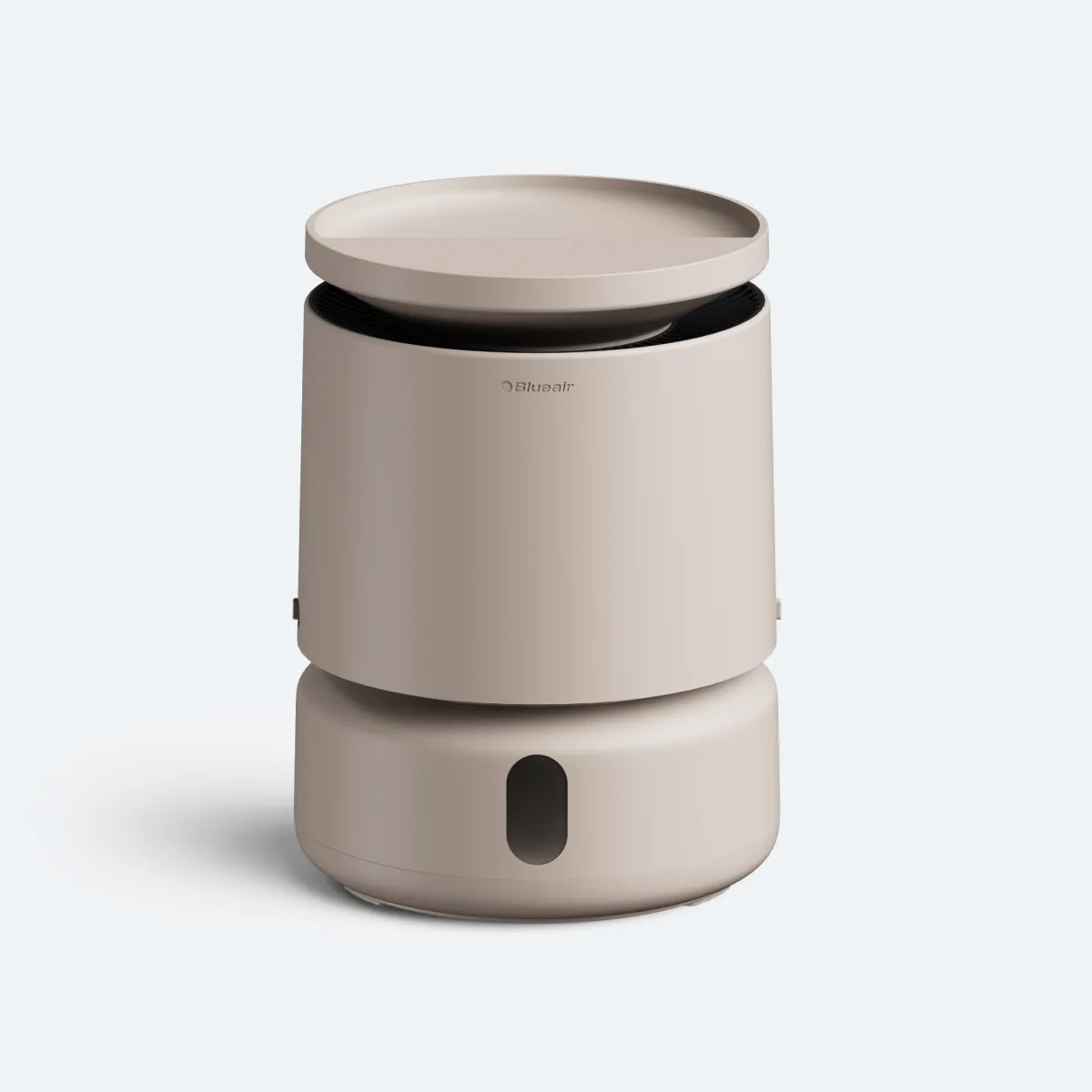
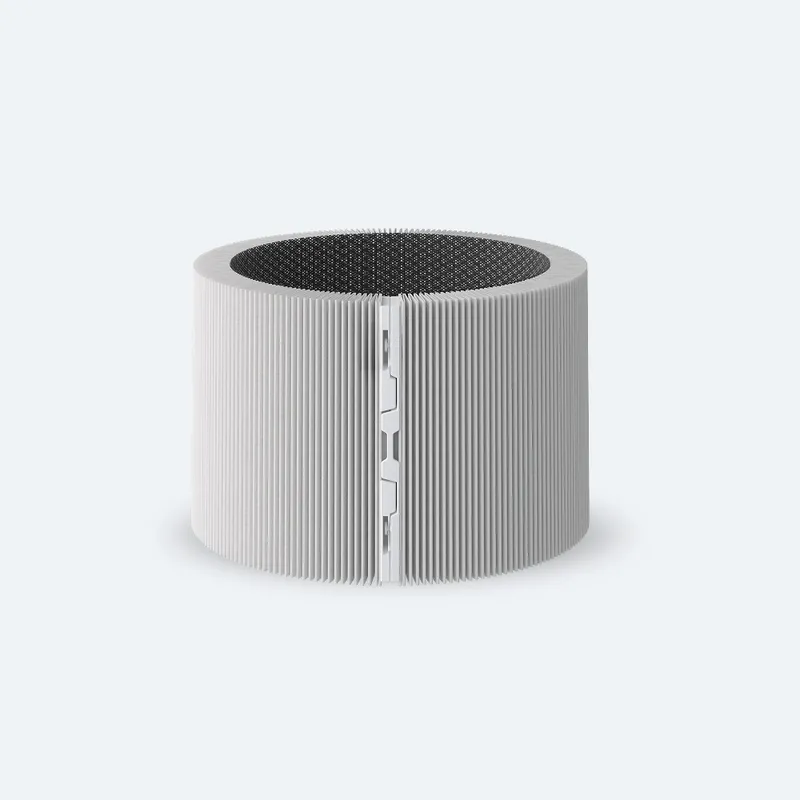
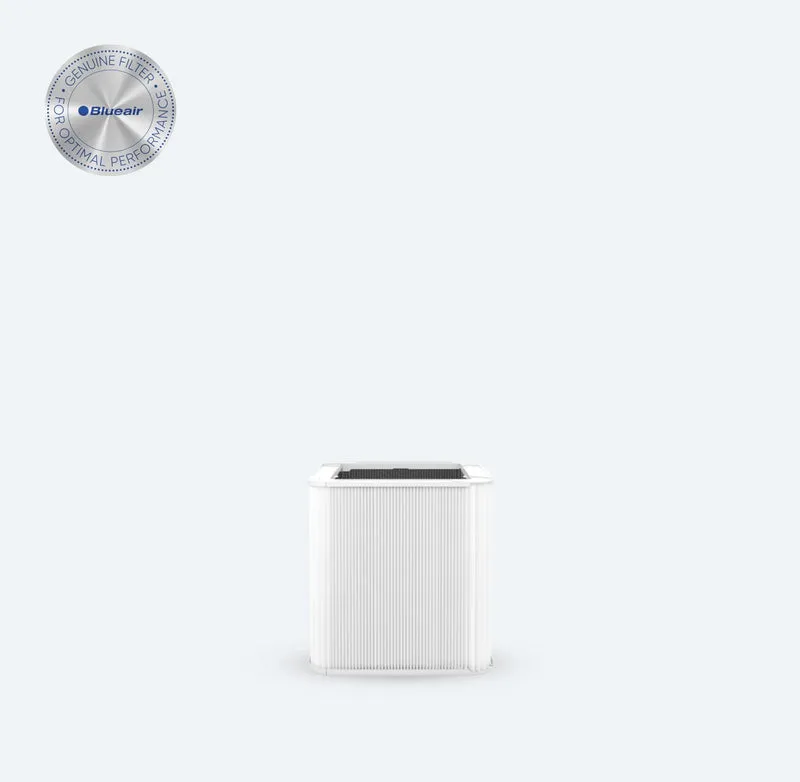
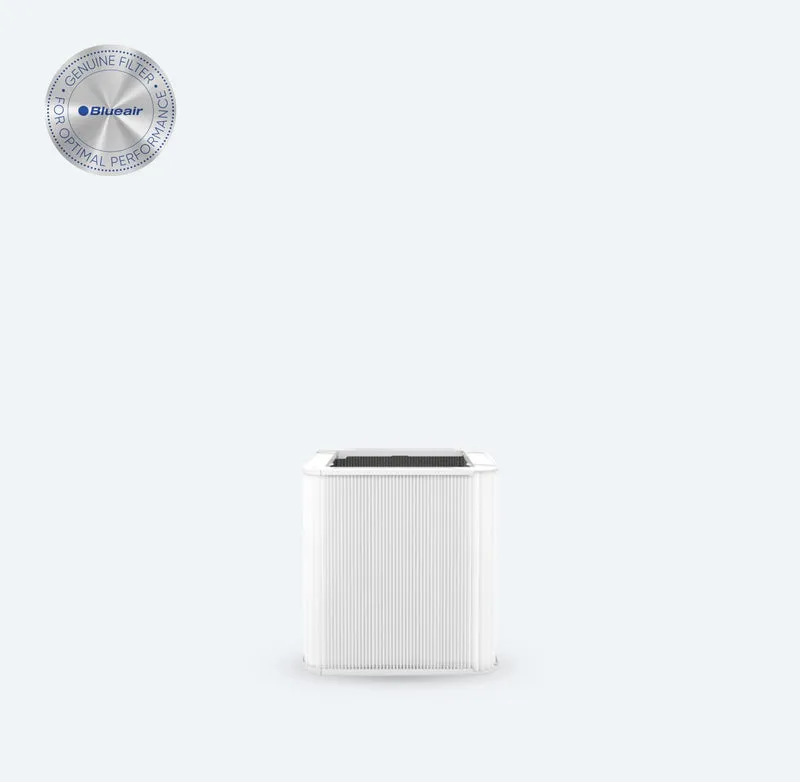
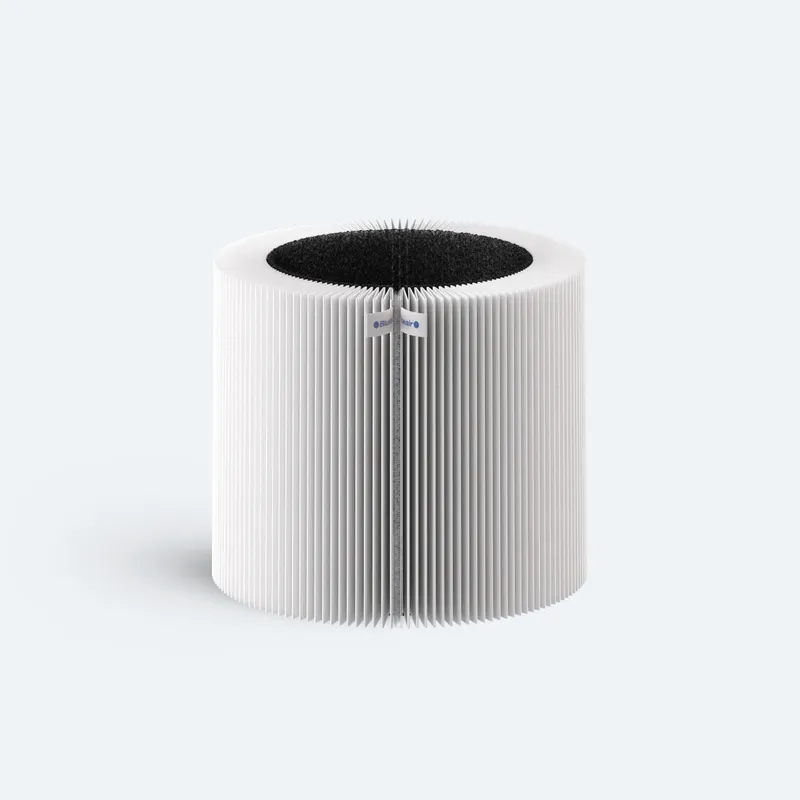
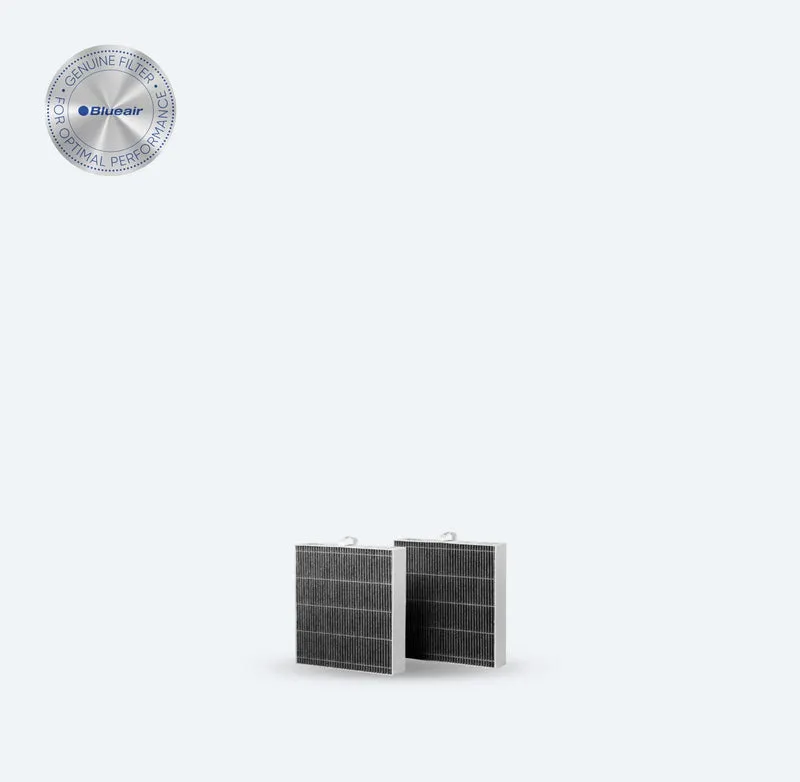
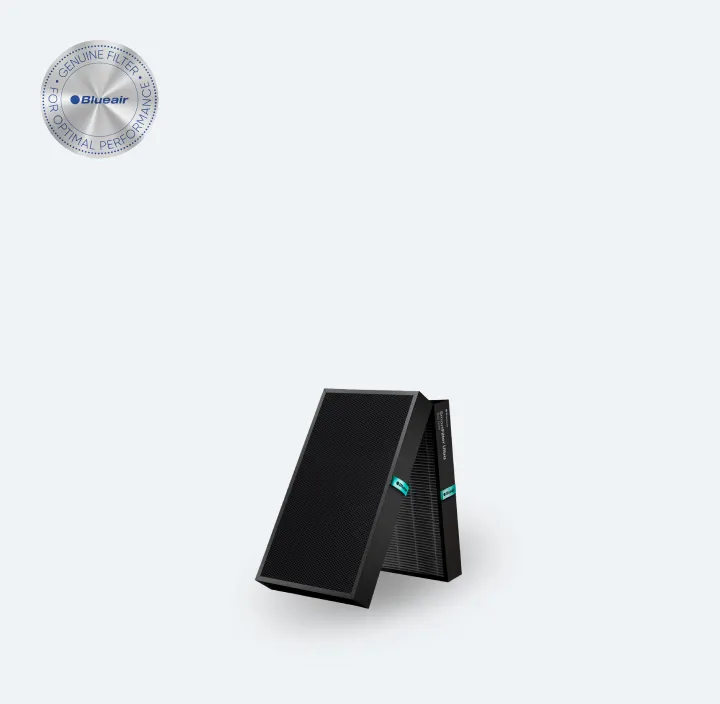
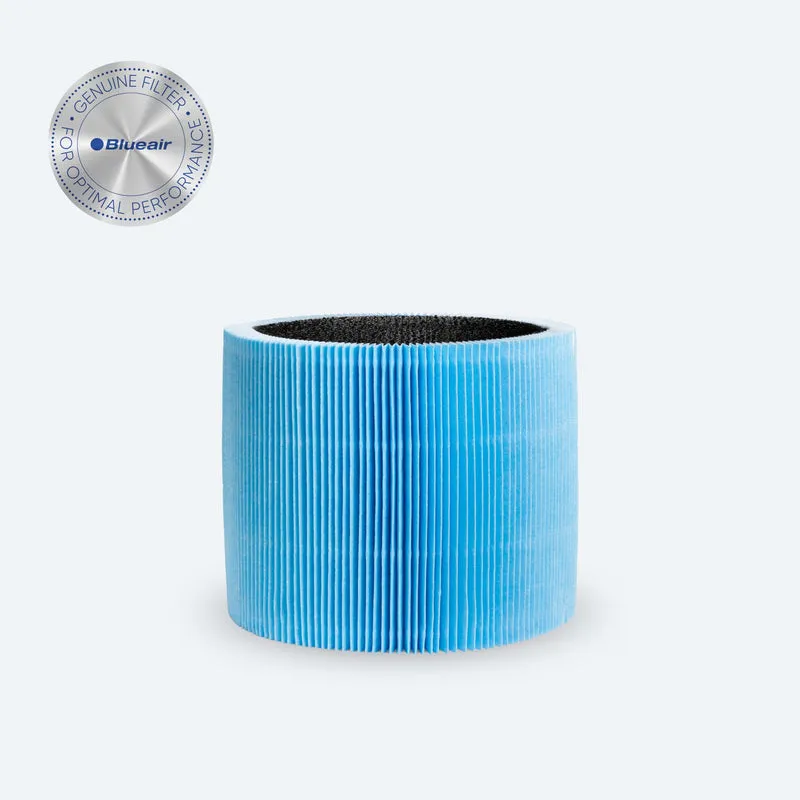
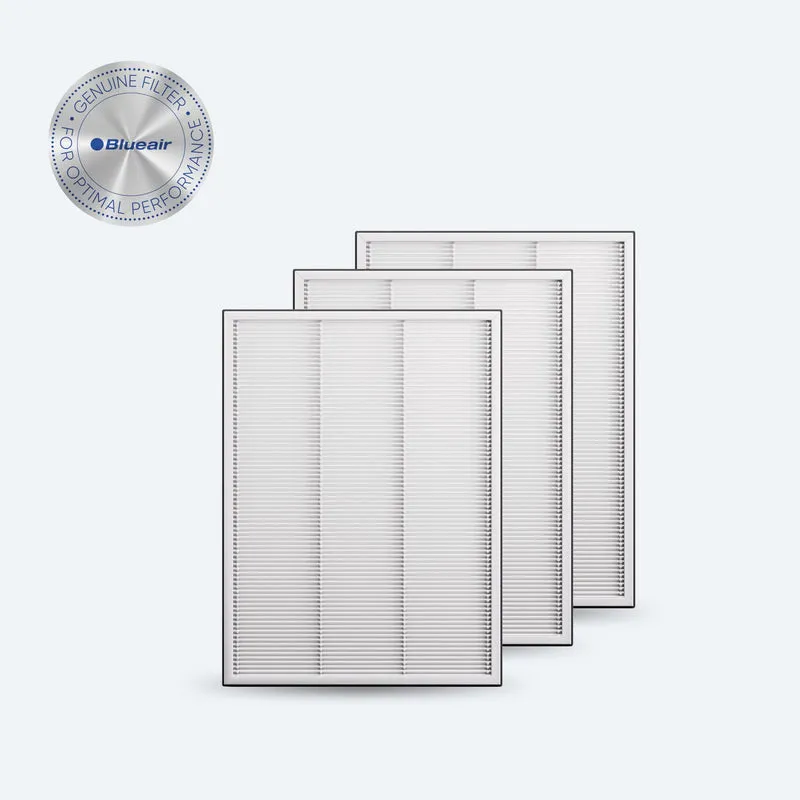
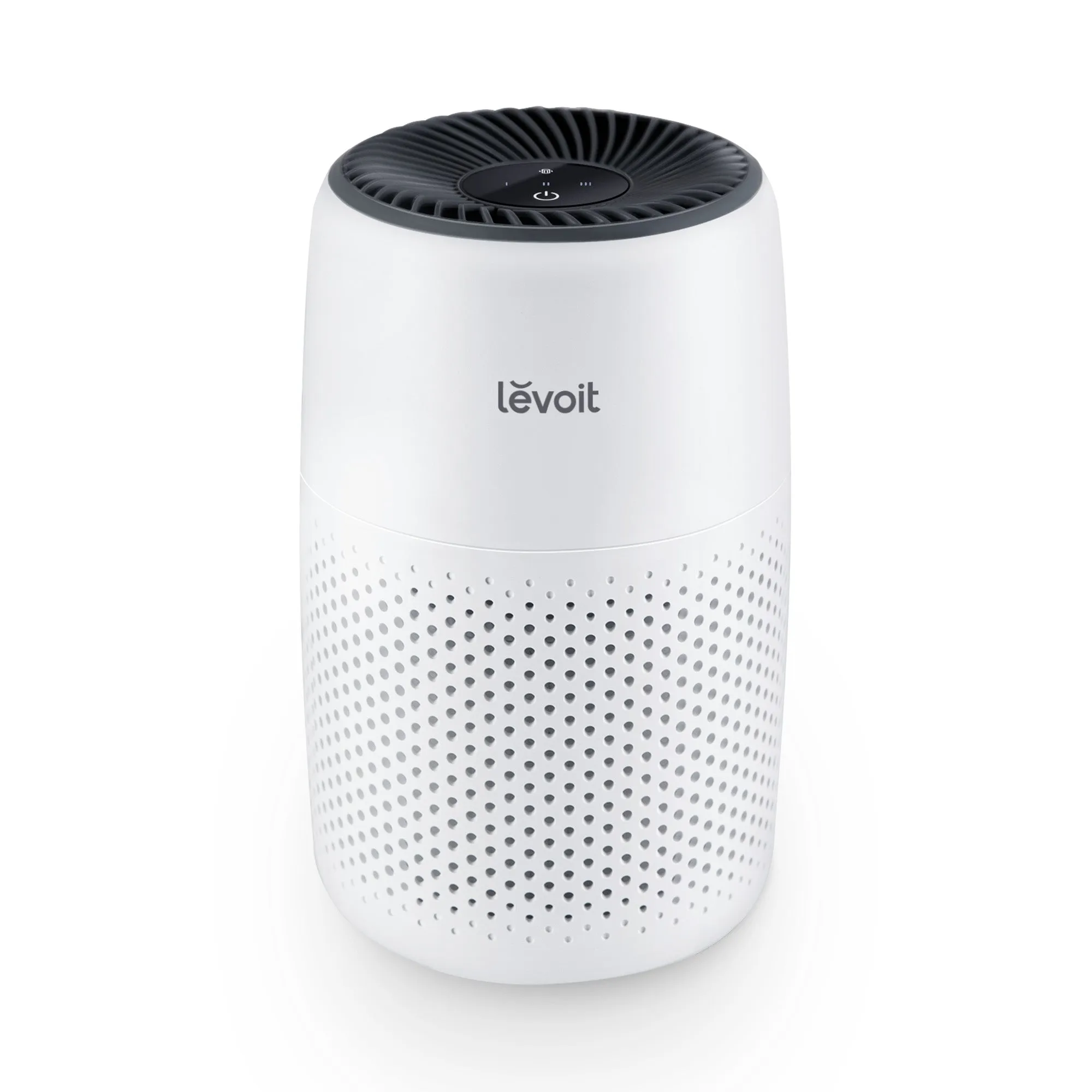
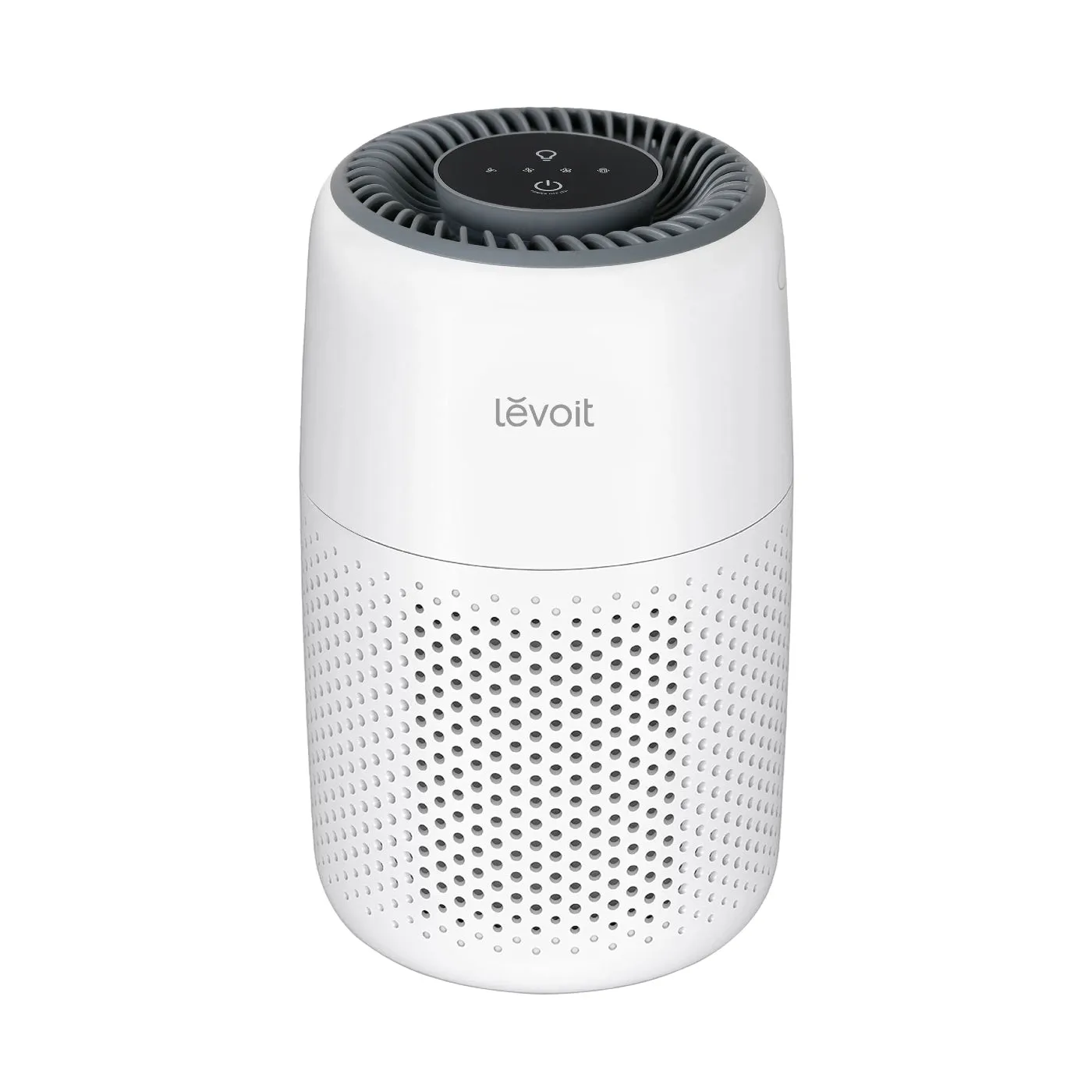
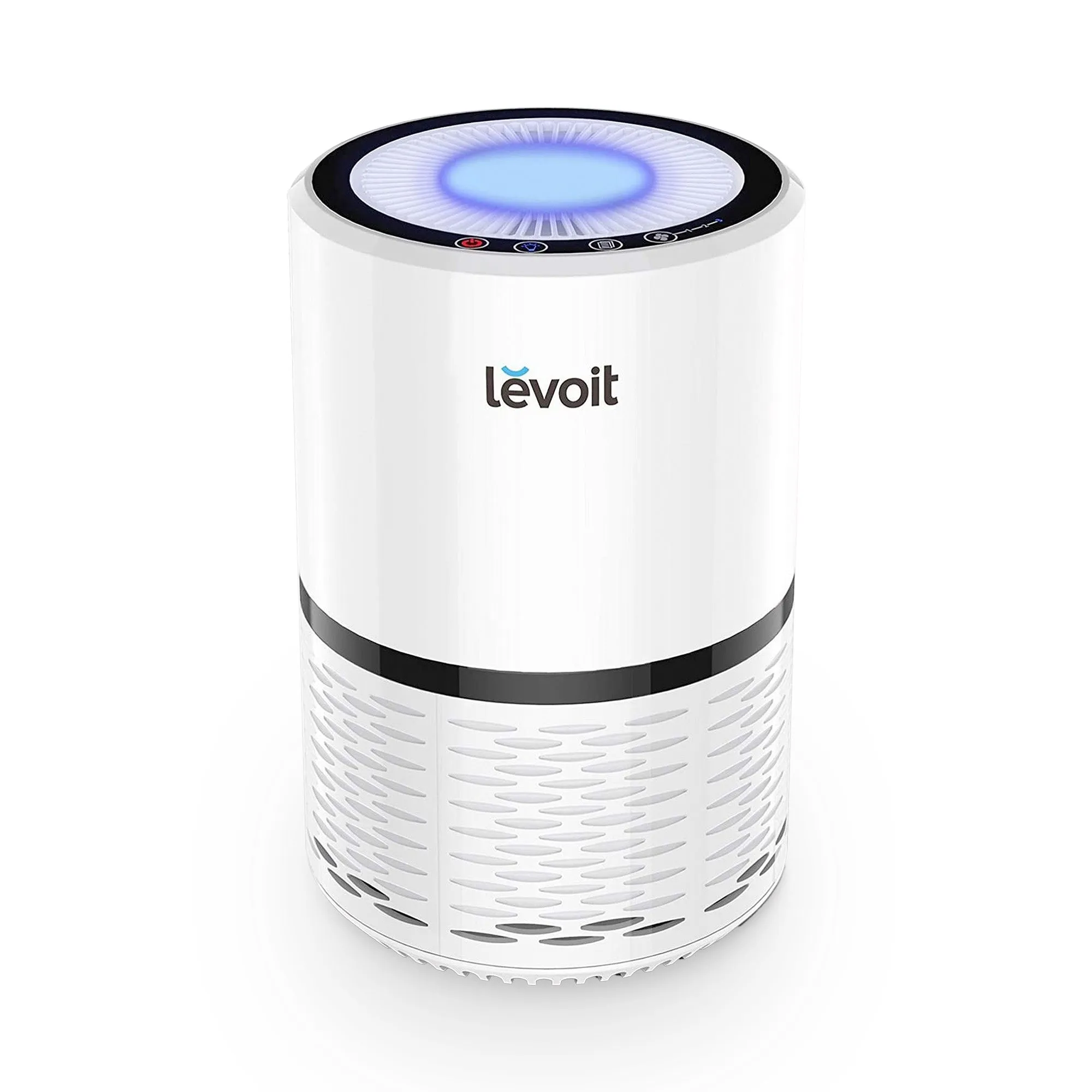
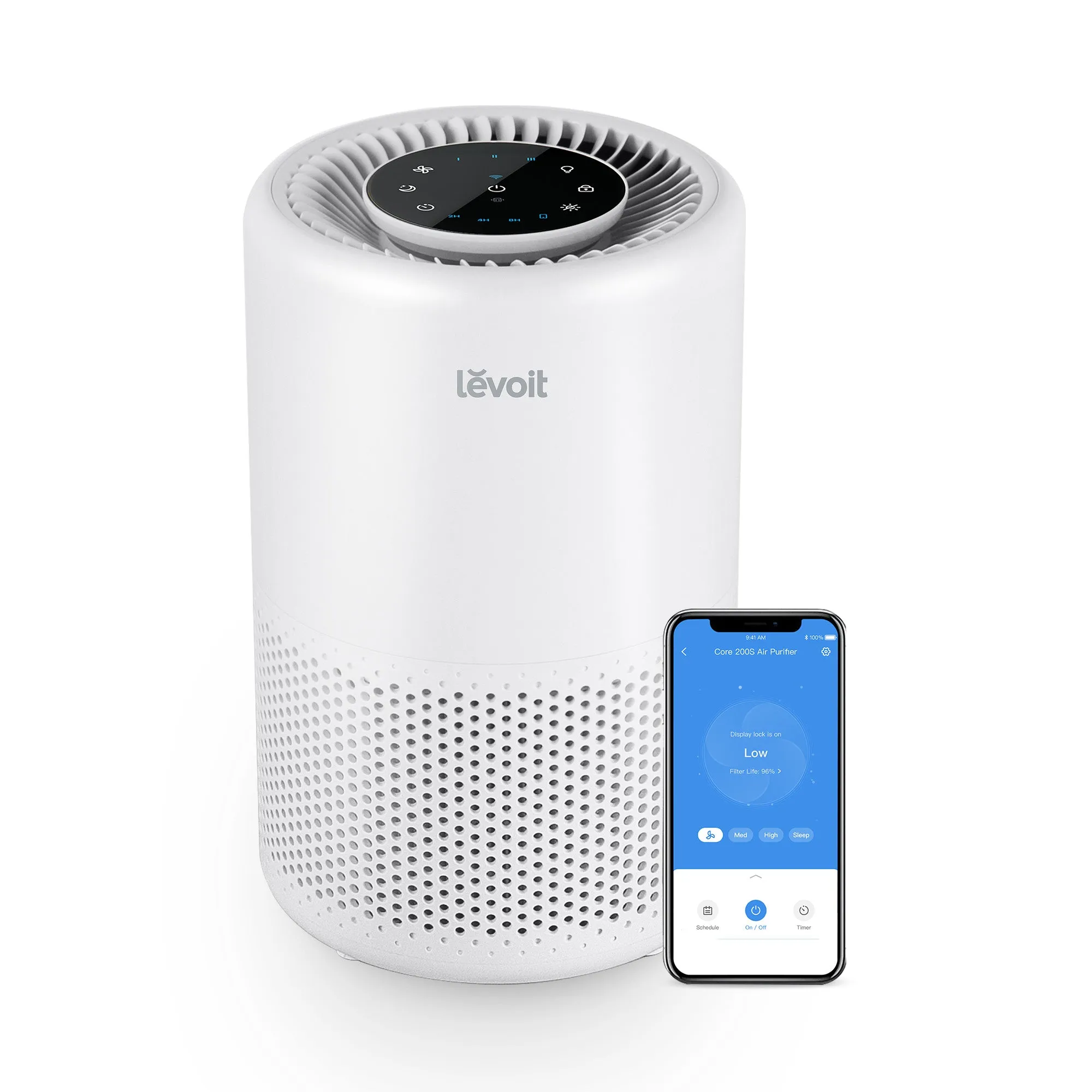
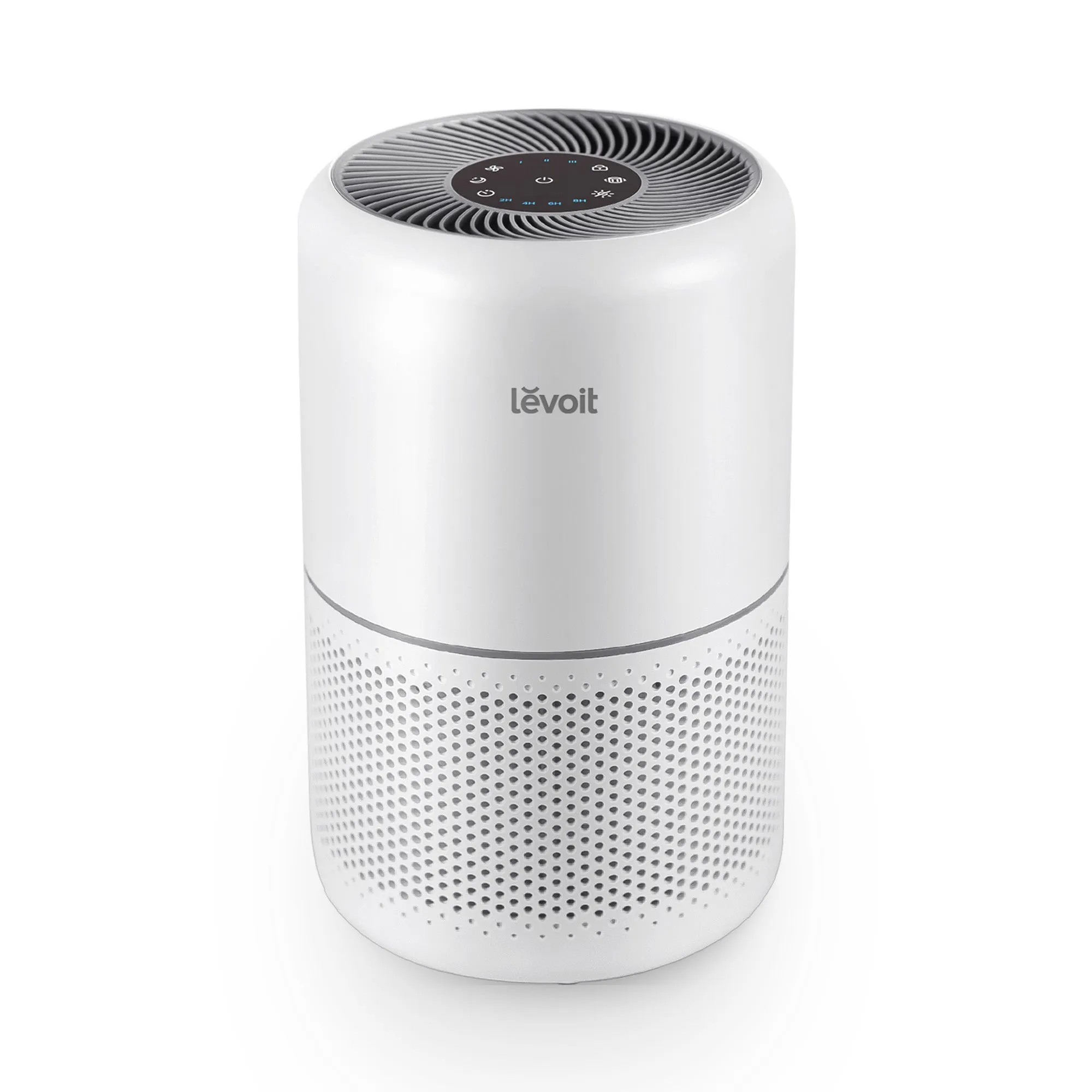
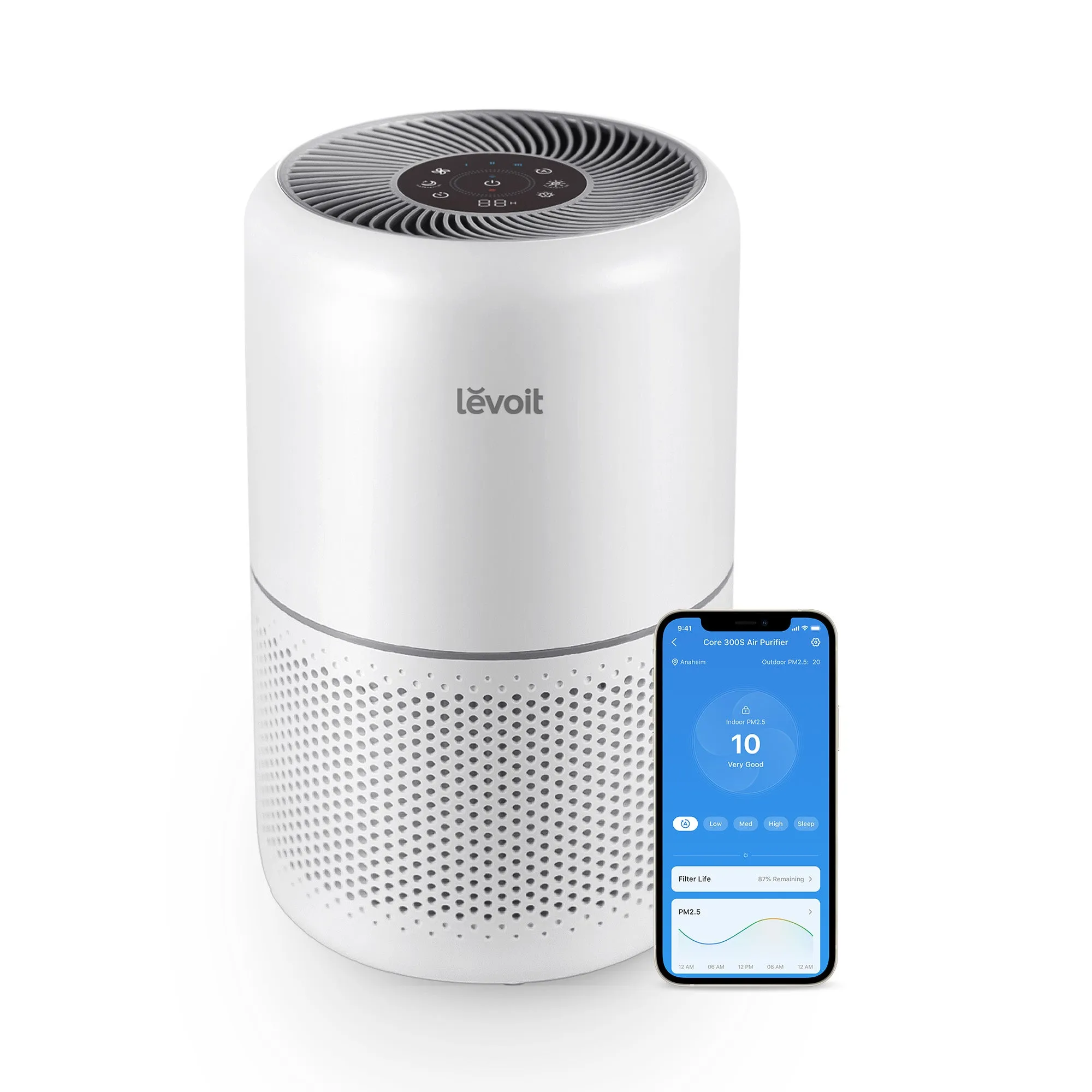
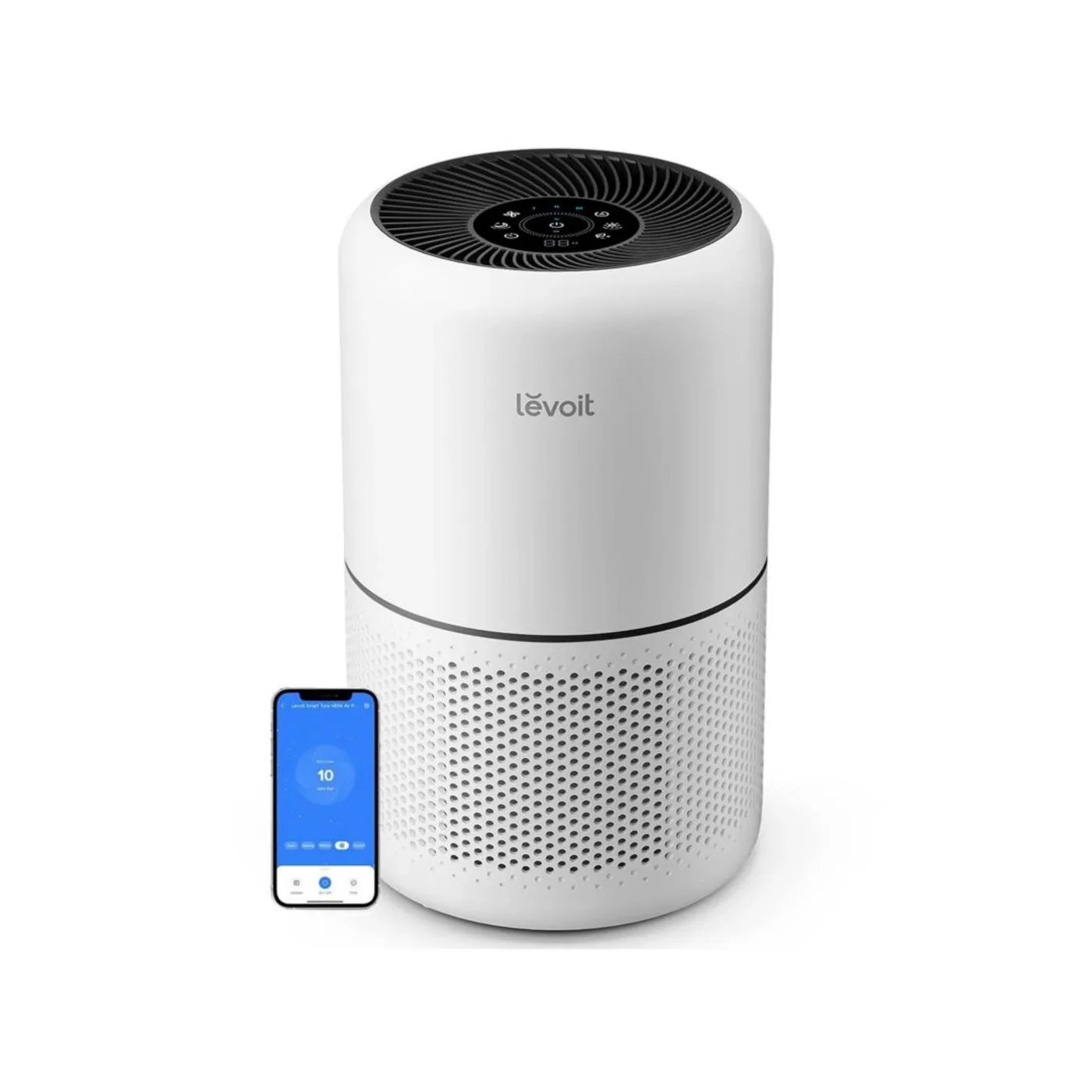
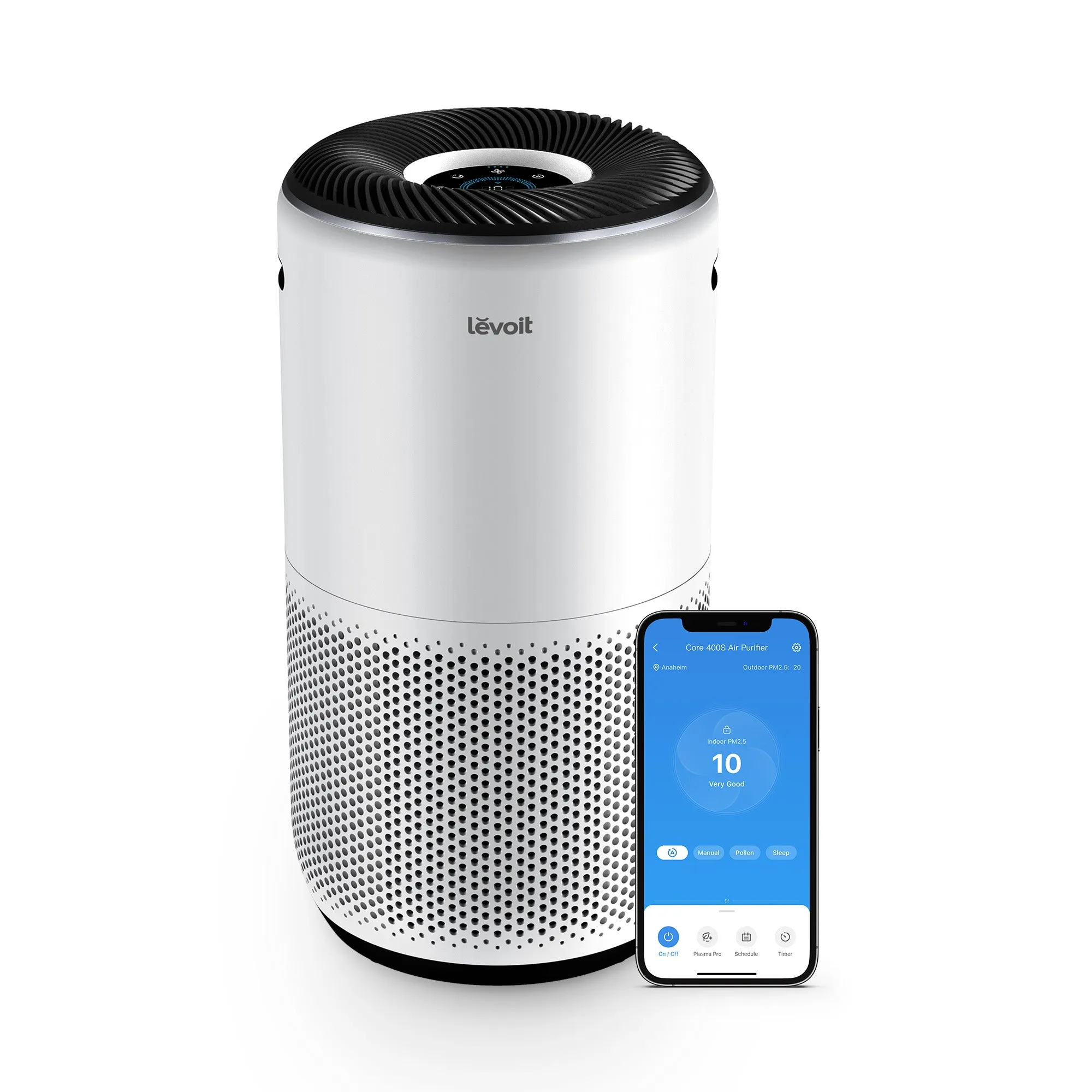
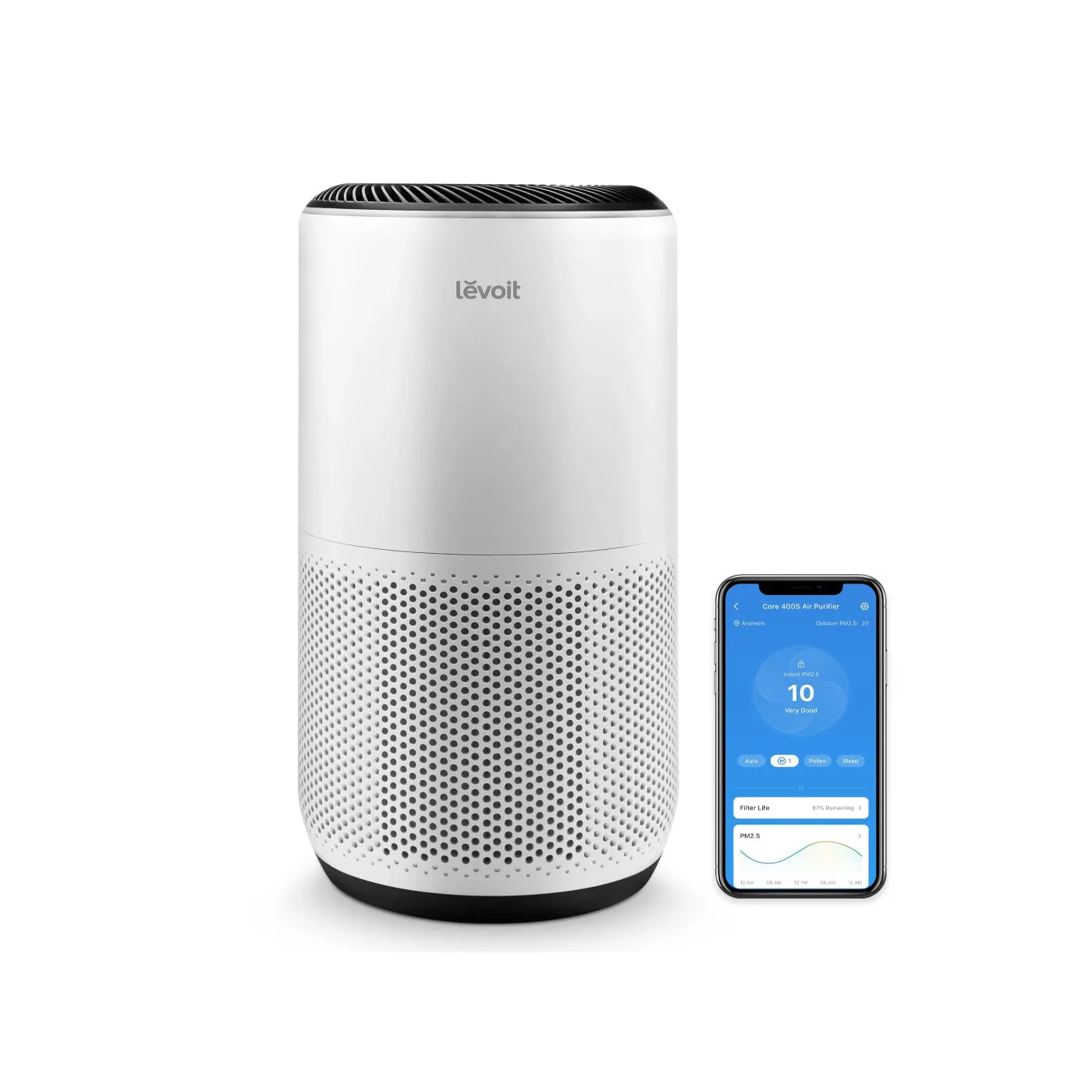
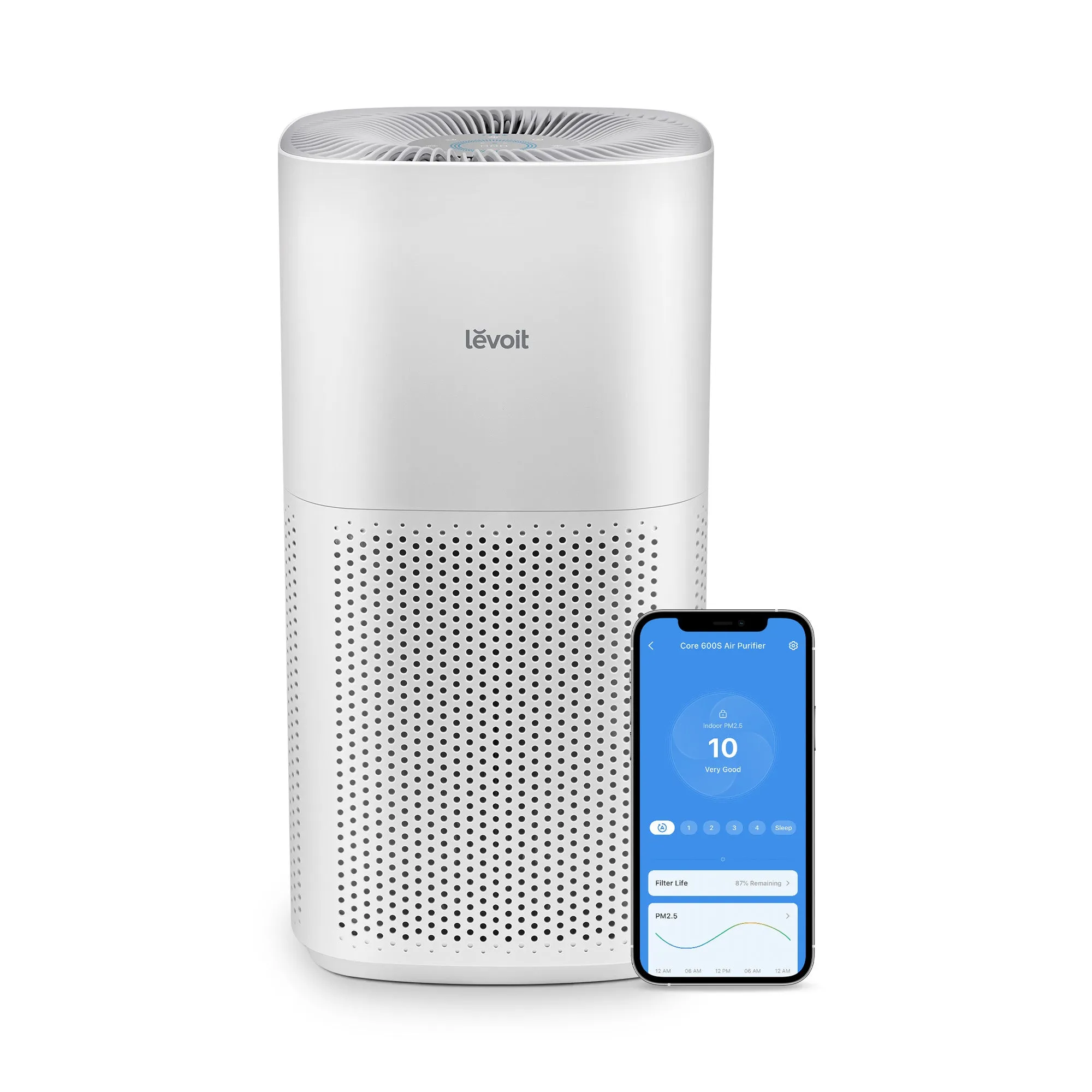
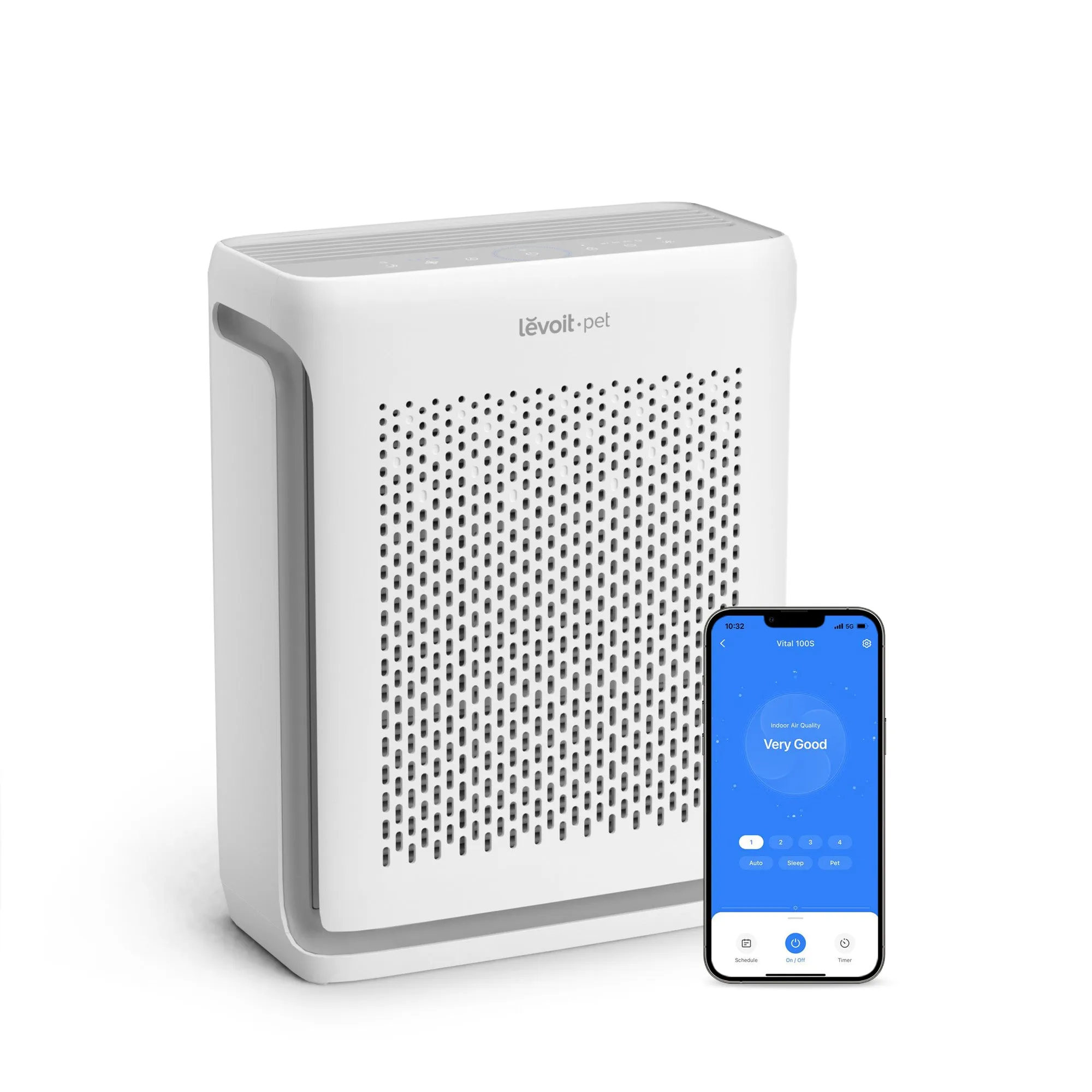
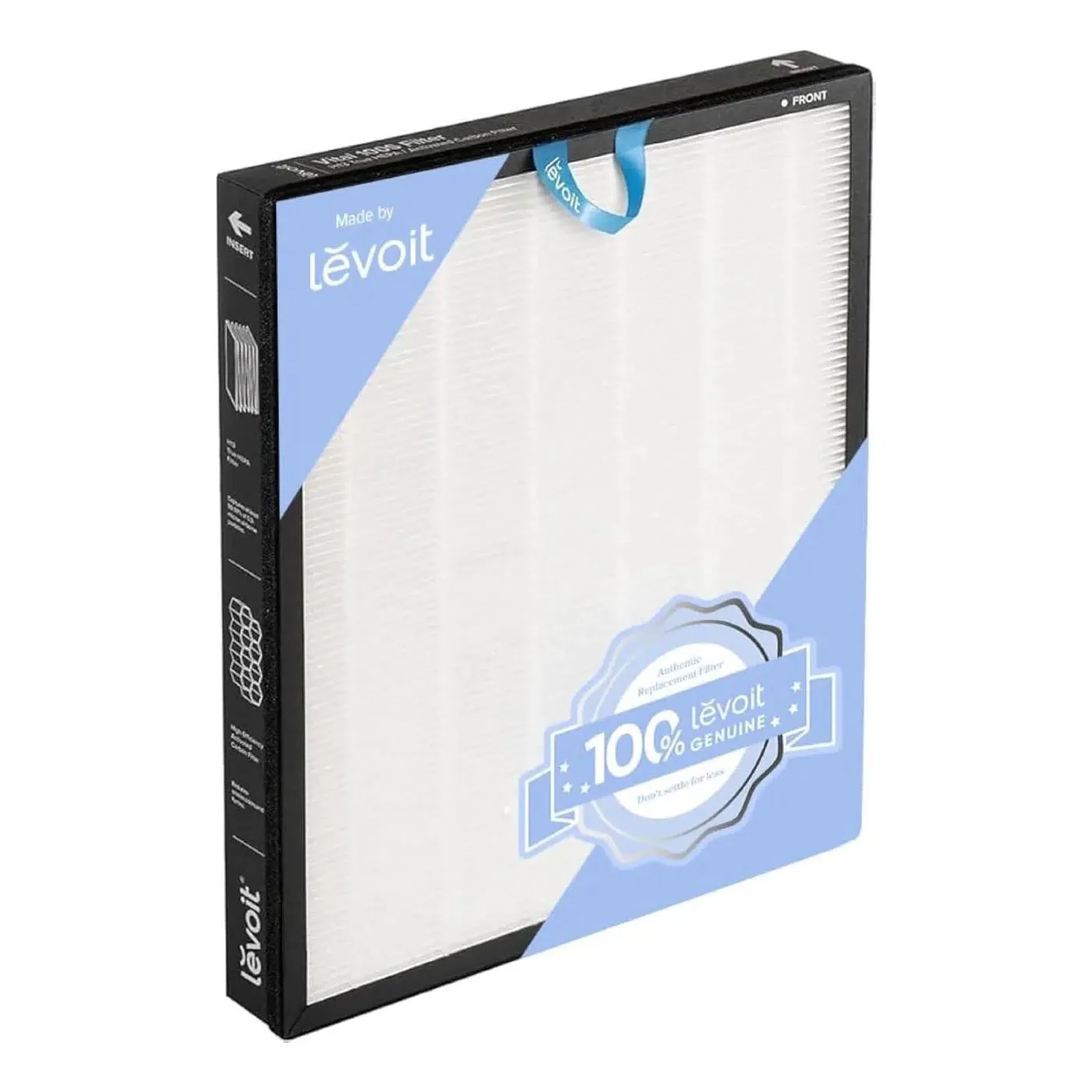
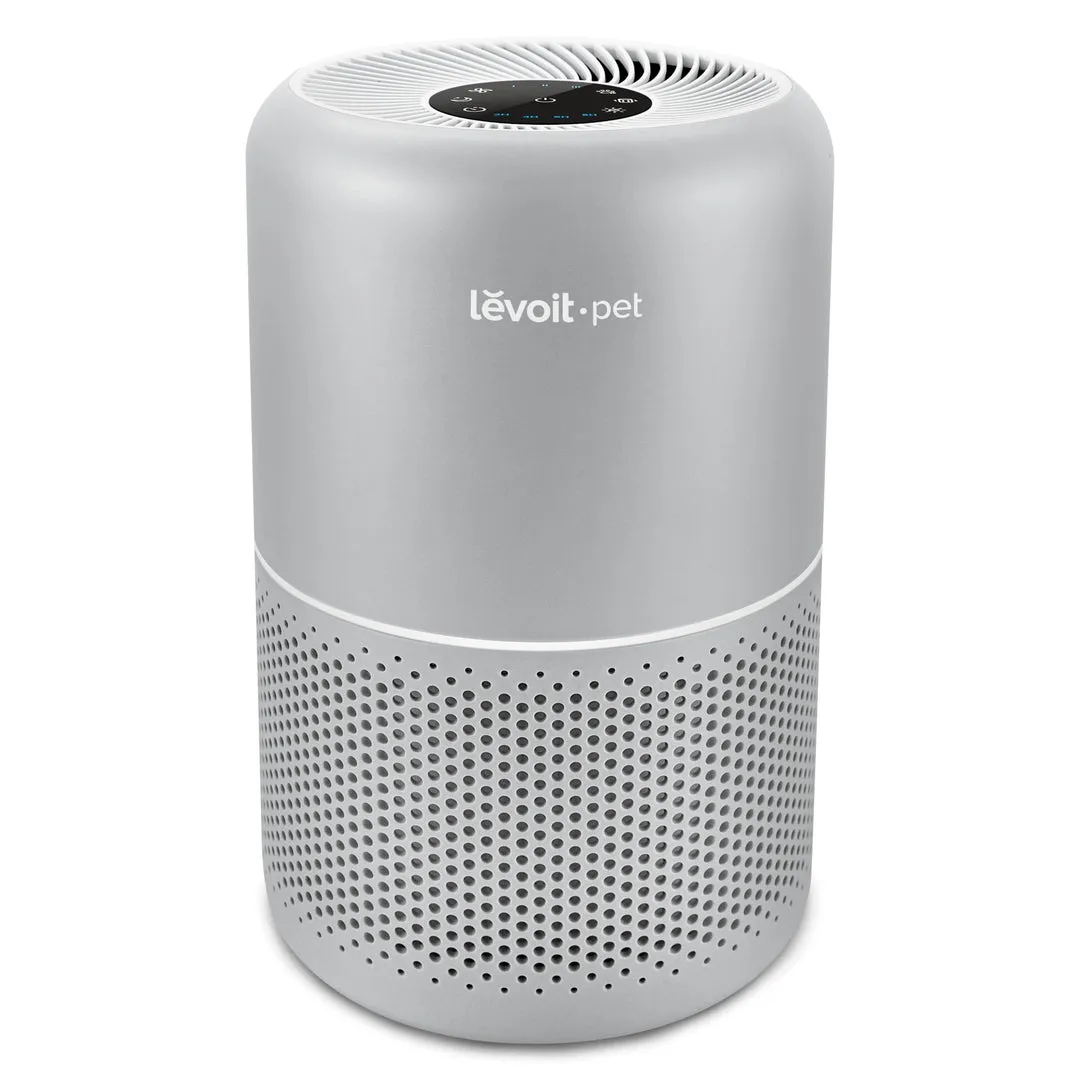
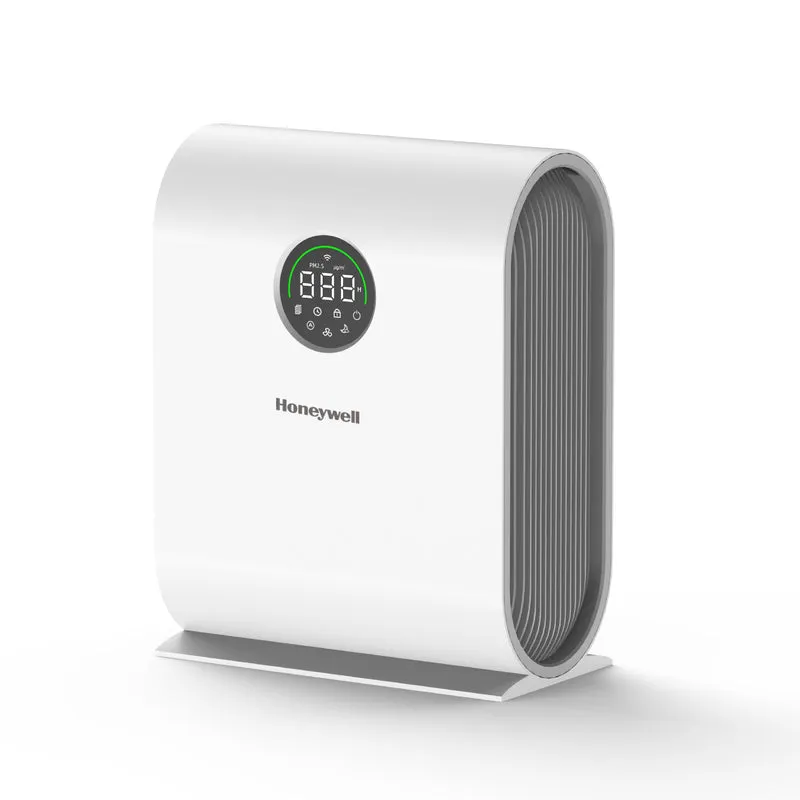
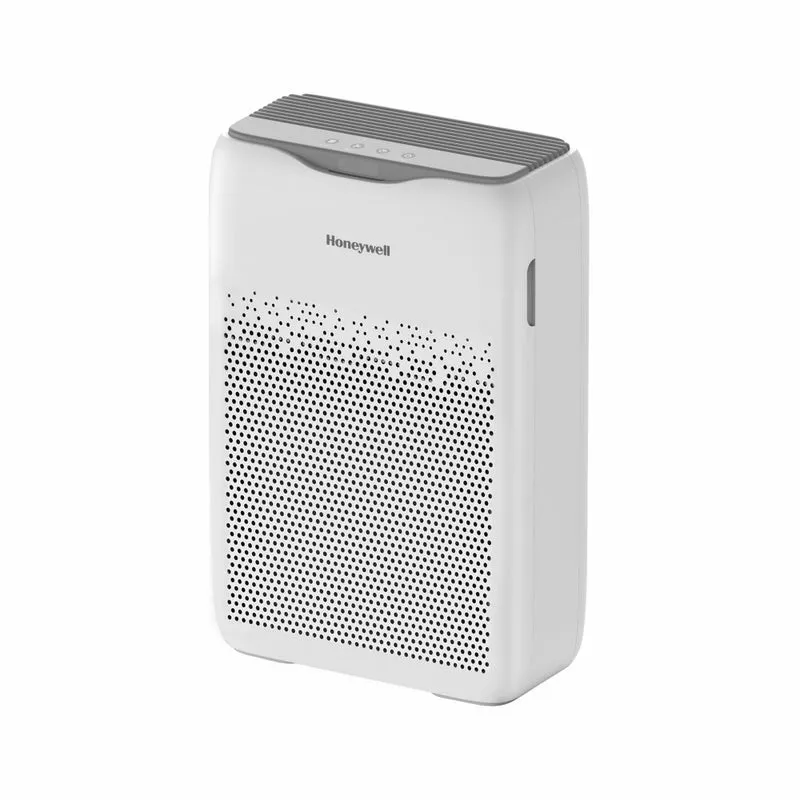
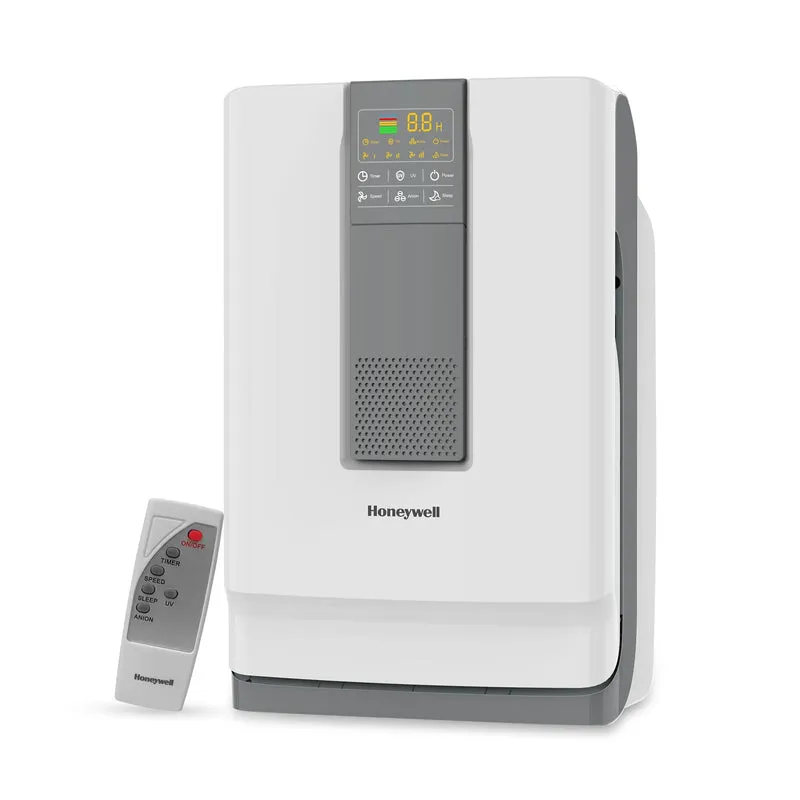
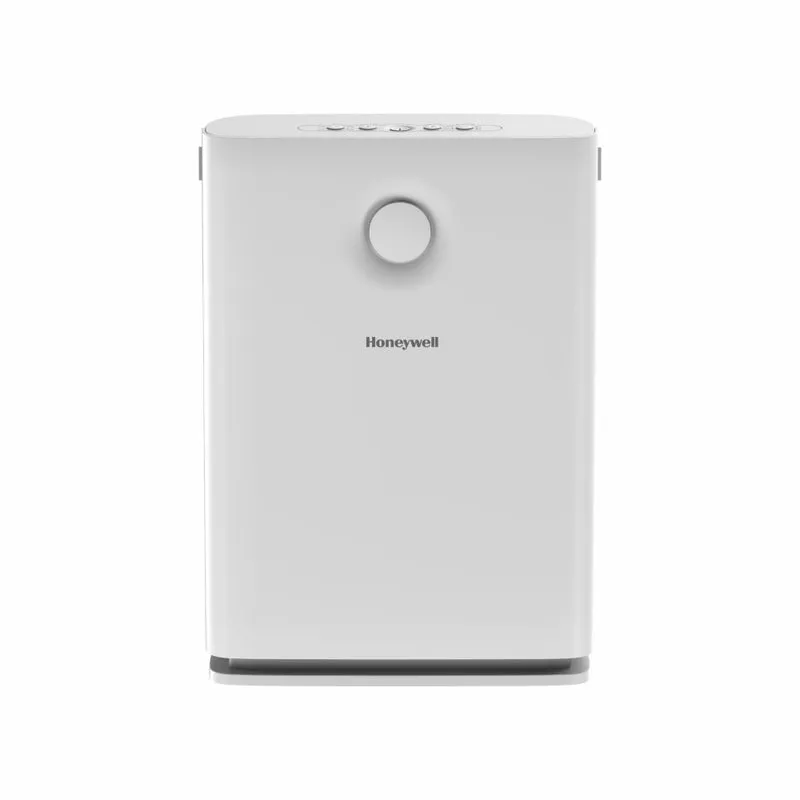
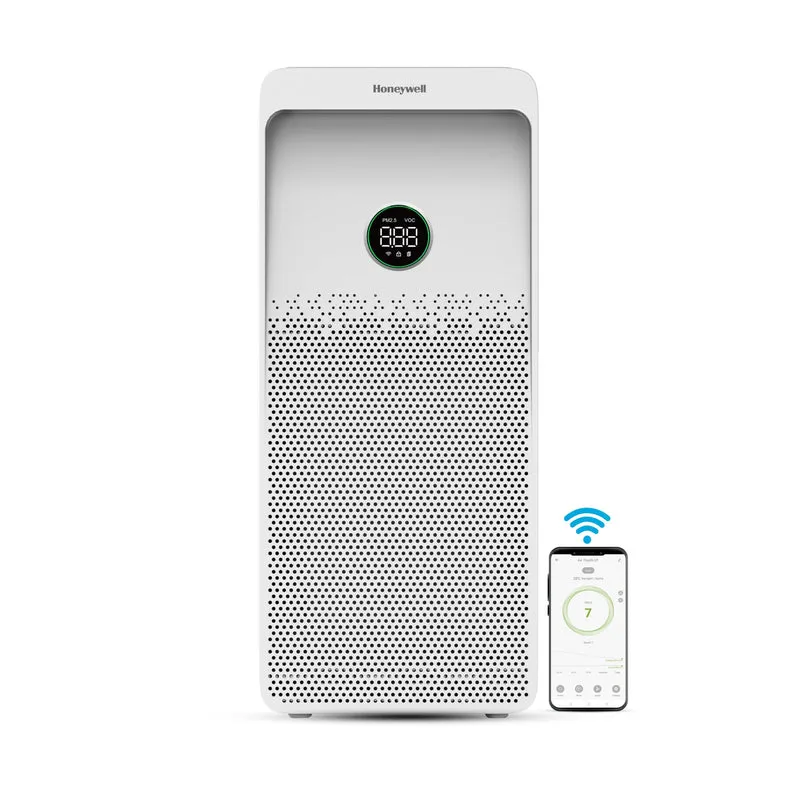
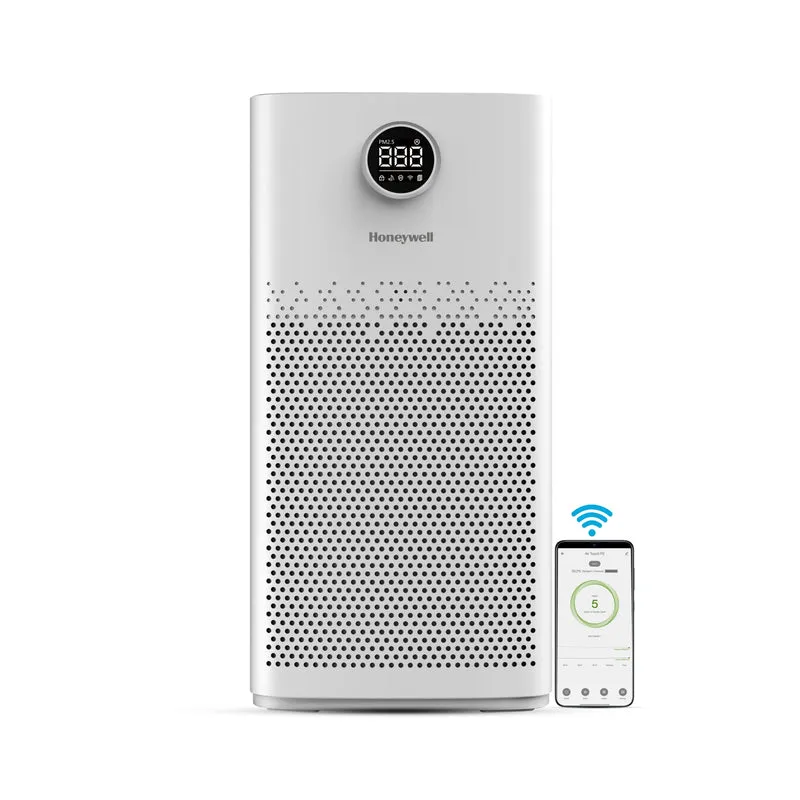
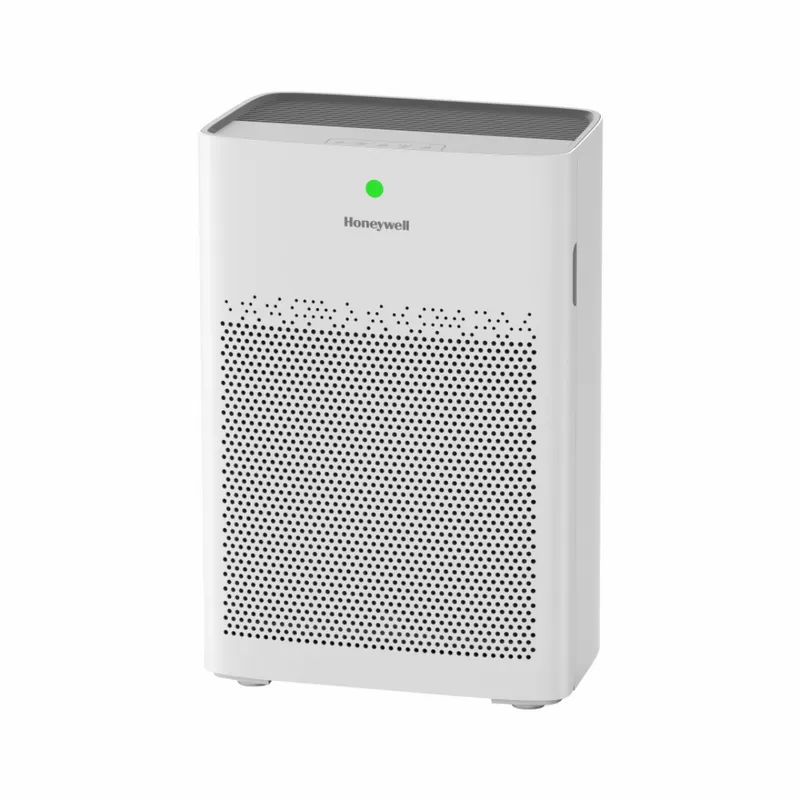
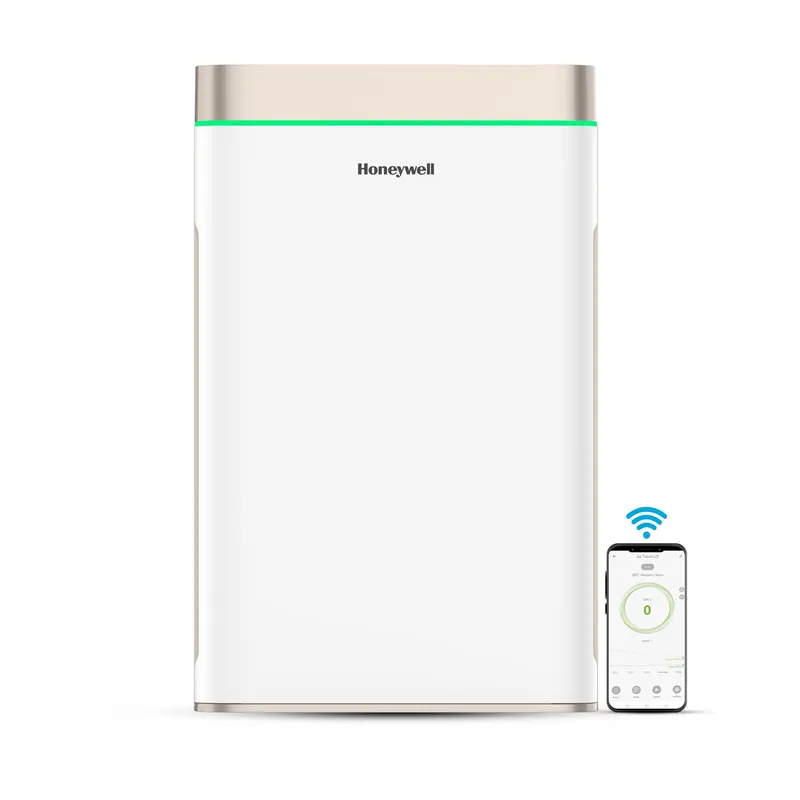
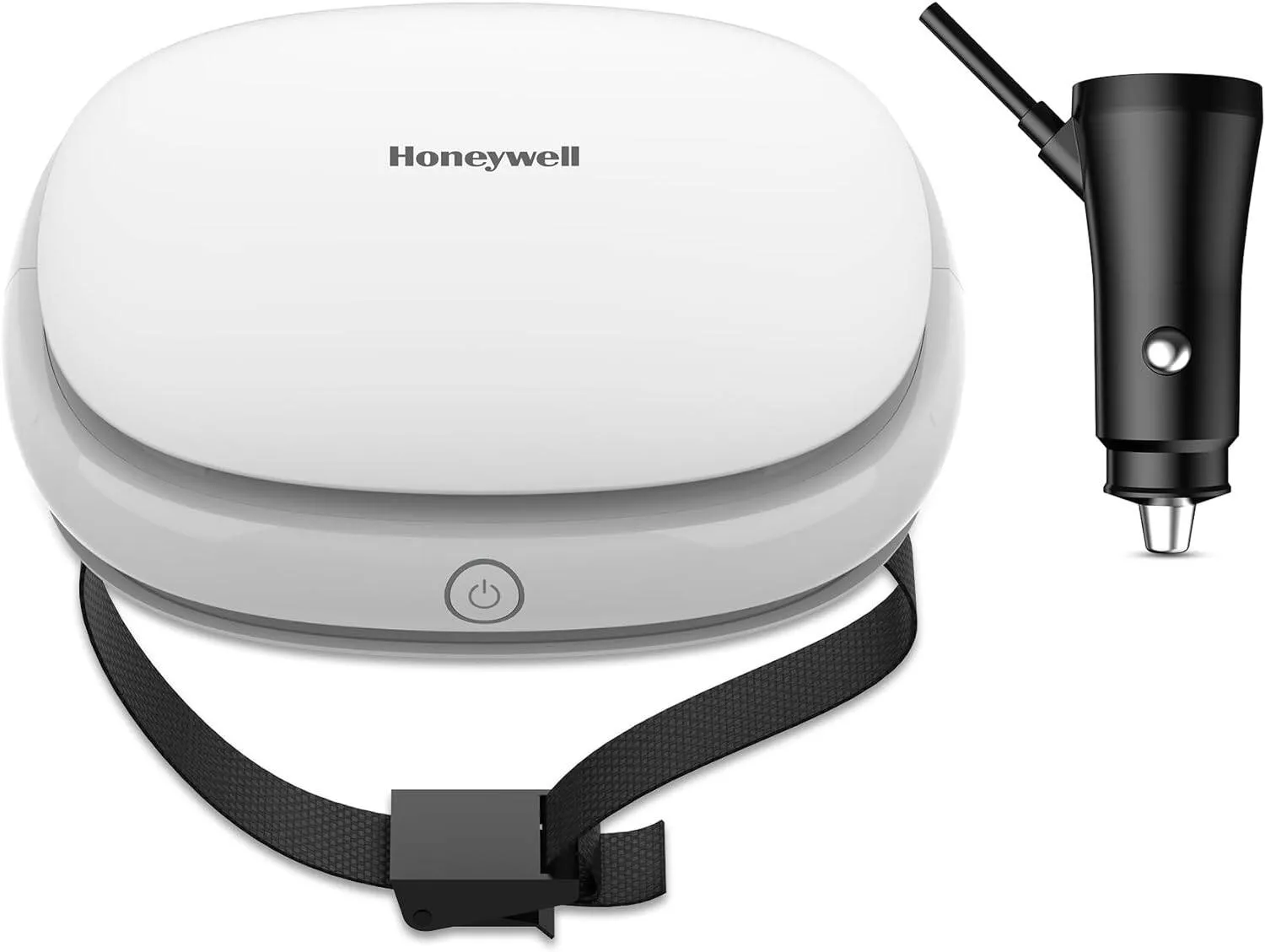
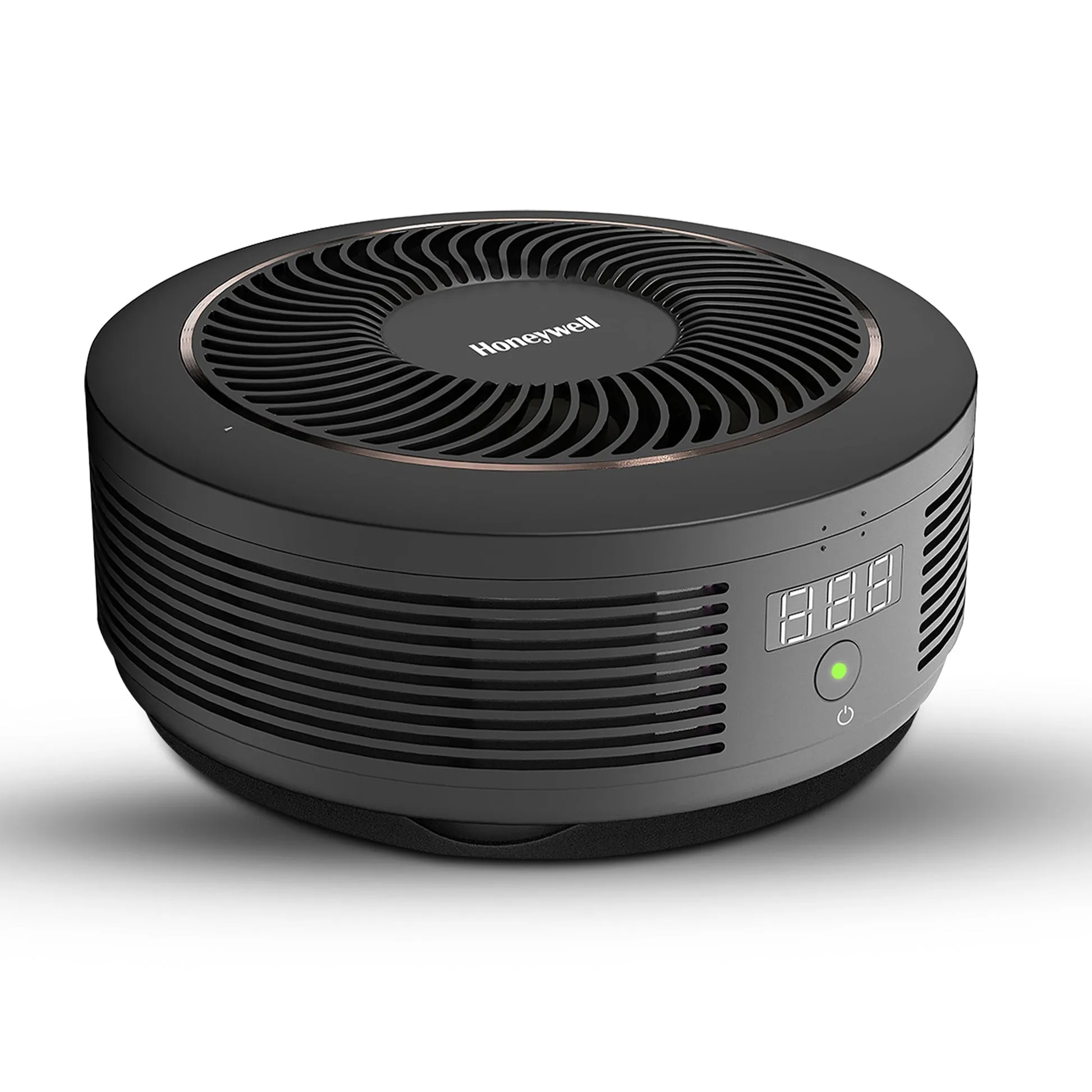
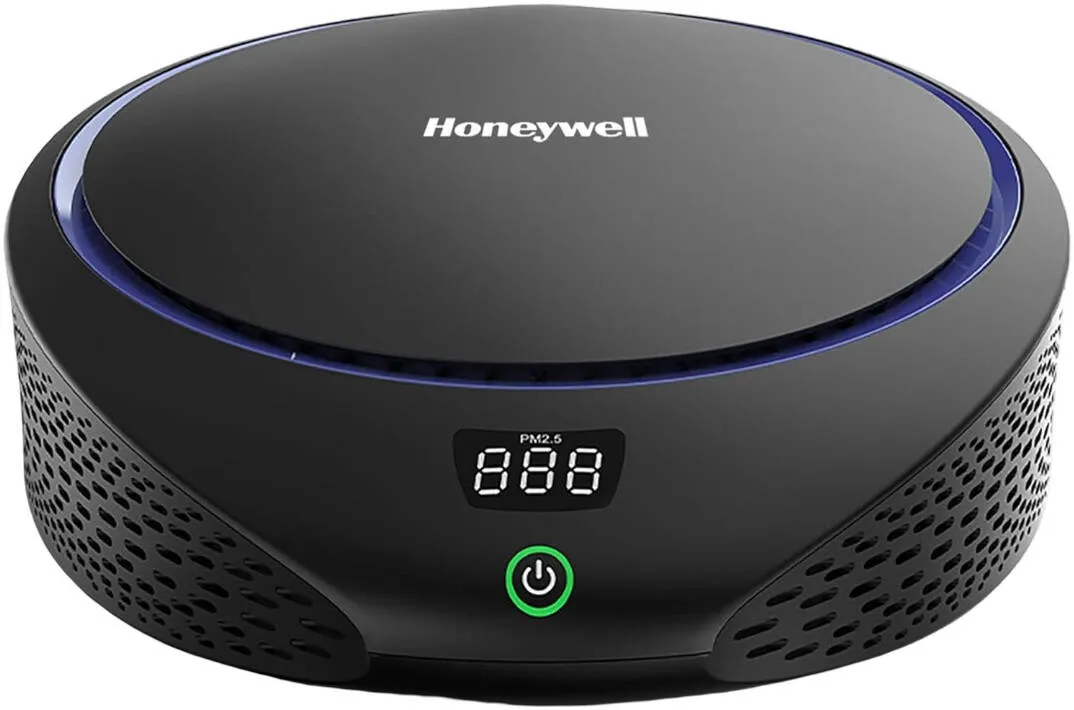
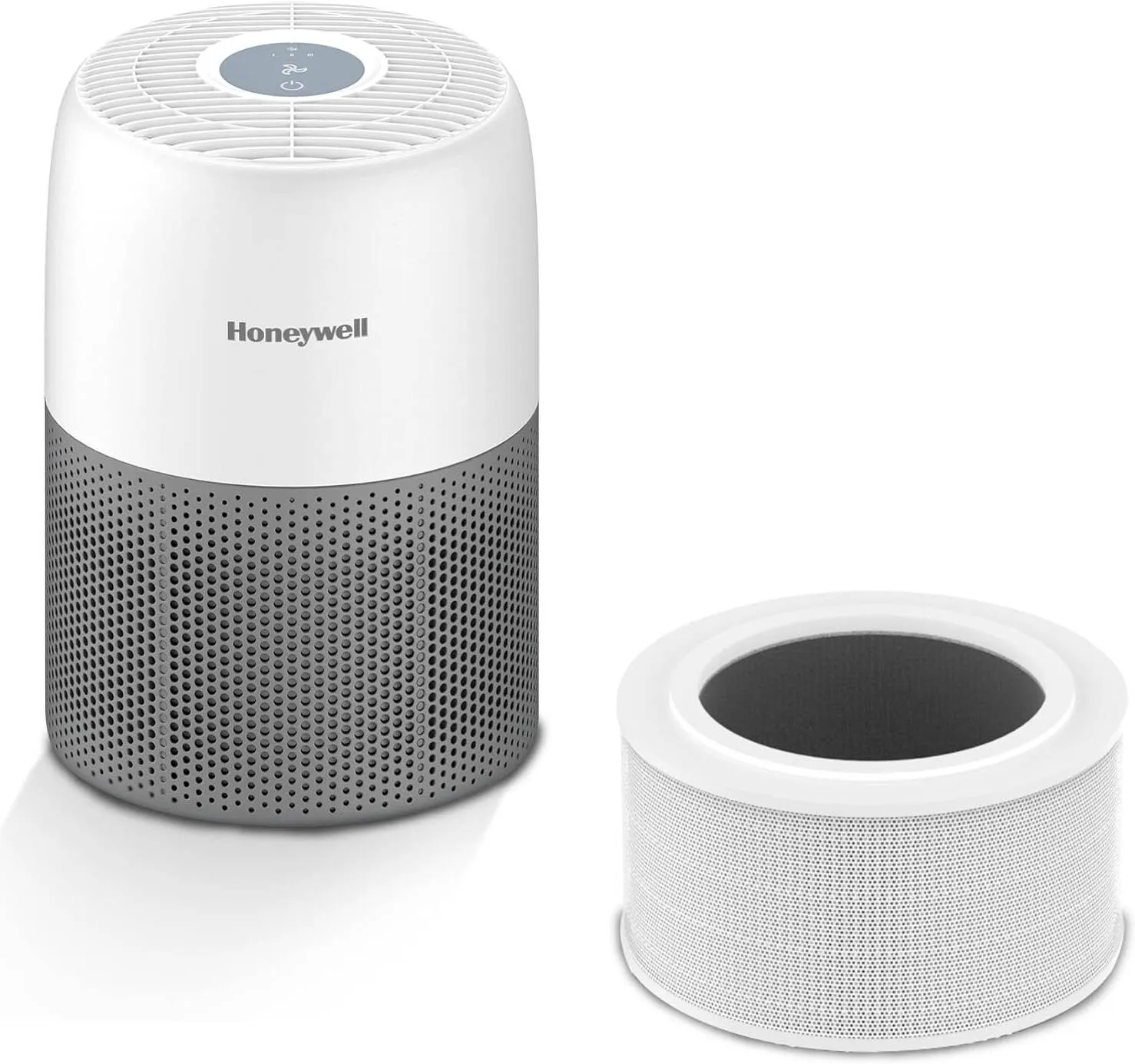
For filtration, Cleanair-ae carries certified HEPA and combined HEPA plus carbon units from Blueair, Honeywell, and Levoit, with models suited to single rooms and open-plan spaces. Replacement filters for all major models are available with free UAE delivery on orders over 49 AED. If you are still deciding on the right unit, the 2026 air purifier buying guide covers HEPA certification, room size matching, and filter costs in detail. For households where filtration is not the right fit, the air purifier alternatives list covers eight proven source control and ventilation methods. Free delivery across Dubai and Abu Dhabi. Use code SAVE10 at checkout.
FAQ
What is the correct order for indoor air detox?
The EPA recommends source control first, ventilation second, and filtration third. Skipping source control and relying on filtration alone produces consistently poor results.
How often should HEPA filters be replaced?
Consumer Reports advises replacing true HEPA filters every 6–12 months. Running a clogged filter reduces effectiveness and can reintroduce trapped particles into the air.
What indoor humidity level prevents mould growth?
The EPA recommends keeping indoor humidity between 30–50%. Above 50%, mould and dust mites establish quickly, particularly in bathrooms and bedrooms.
Do air purifiers remove vocs?
Standard HEPA filters do not remove VOCs. Activated carbon filters are required for gases and chemical odours. A combined HEPA plus carbon unit addresses both particle and gas pollutants in one device.
How do i know if my indoor air quality is poor?
Persistent odours, condensation on windows, visible mould, and recurring respiratory symptoms are the most reliable indicators. A basic hygrometer measuring humidity and a CO₂ monitor provide objective data without requiring specialist equipment.