
Uncategorised
The role of ionizers in air cleaning: 2026 guide
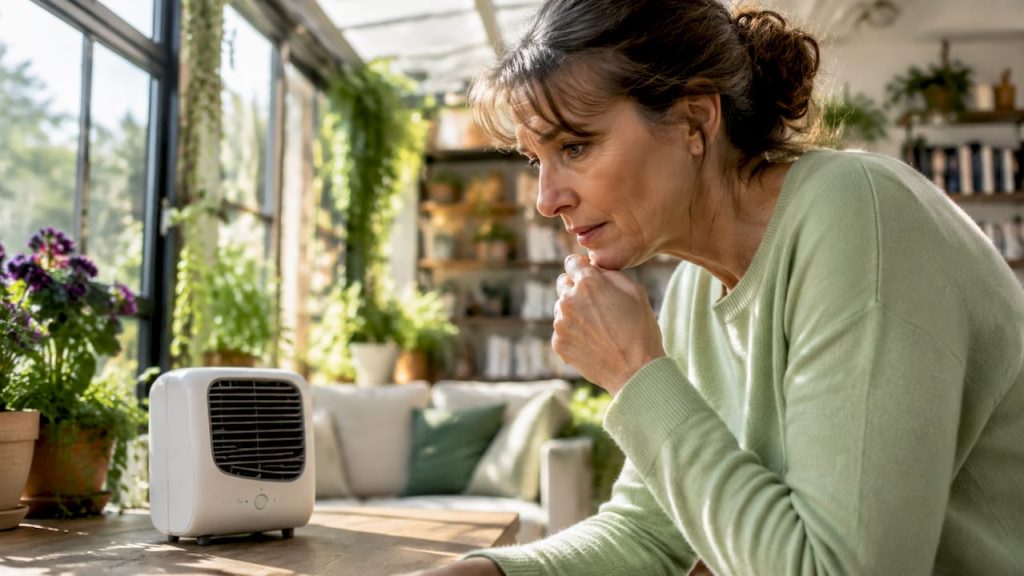
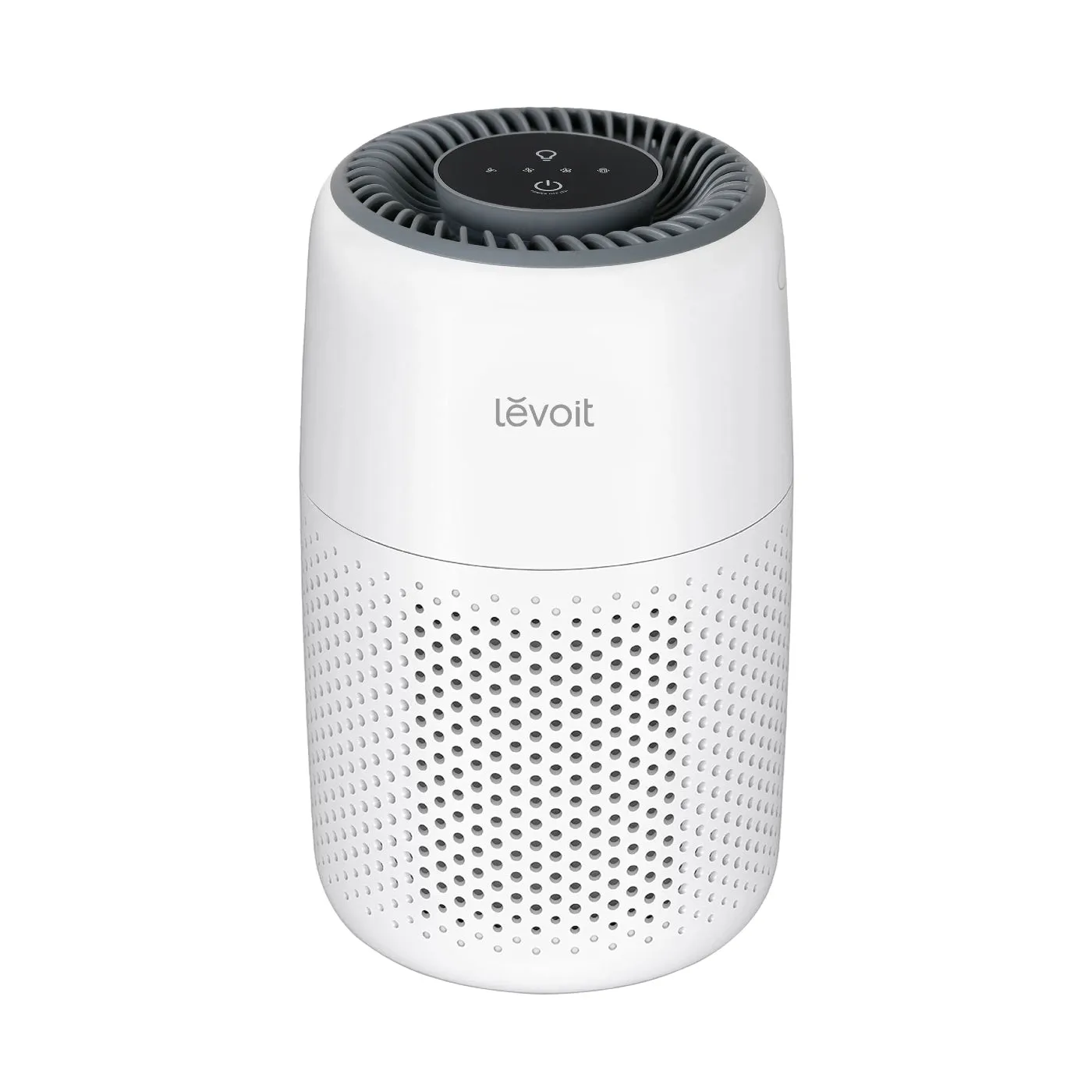
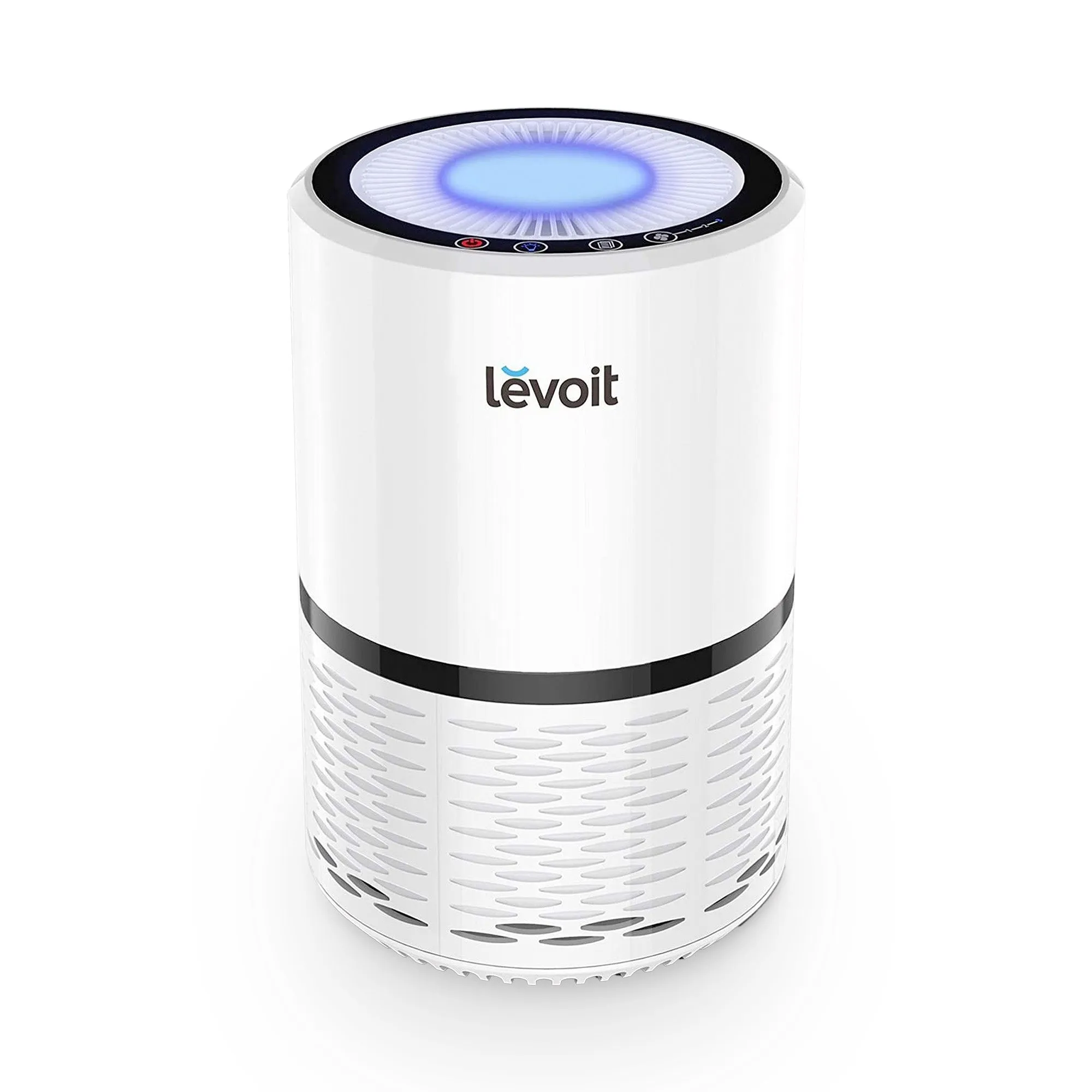
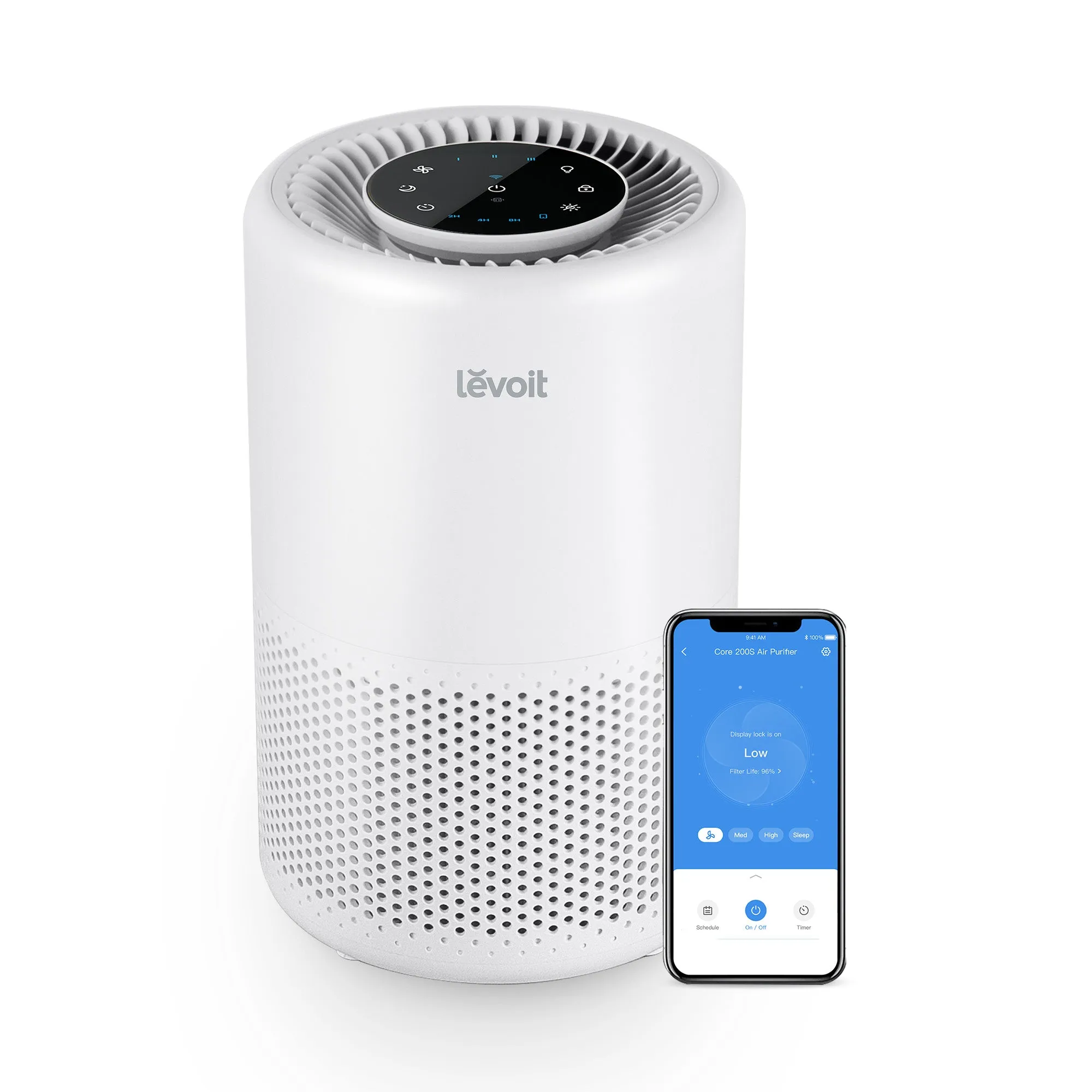
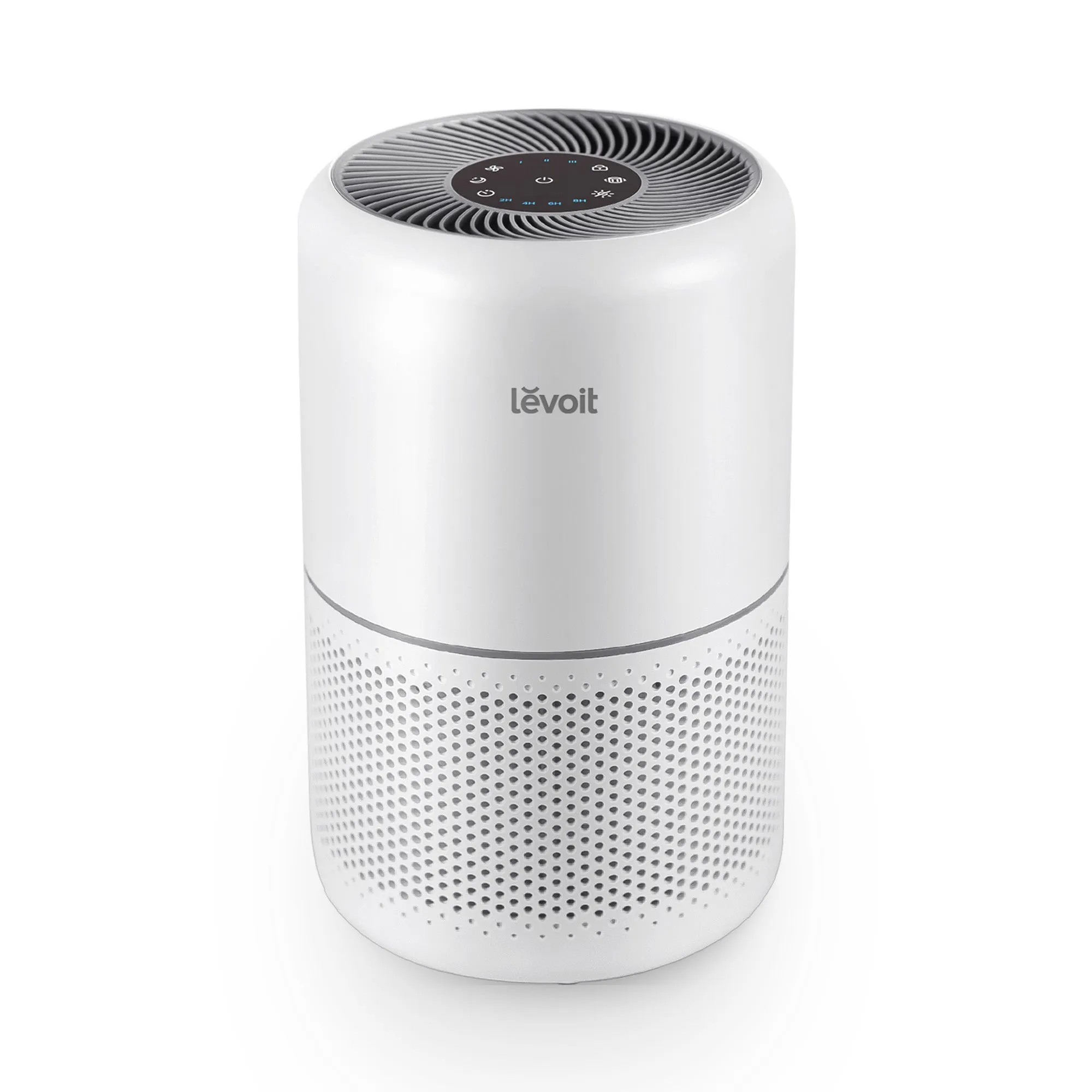
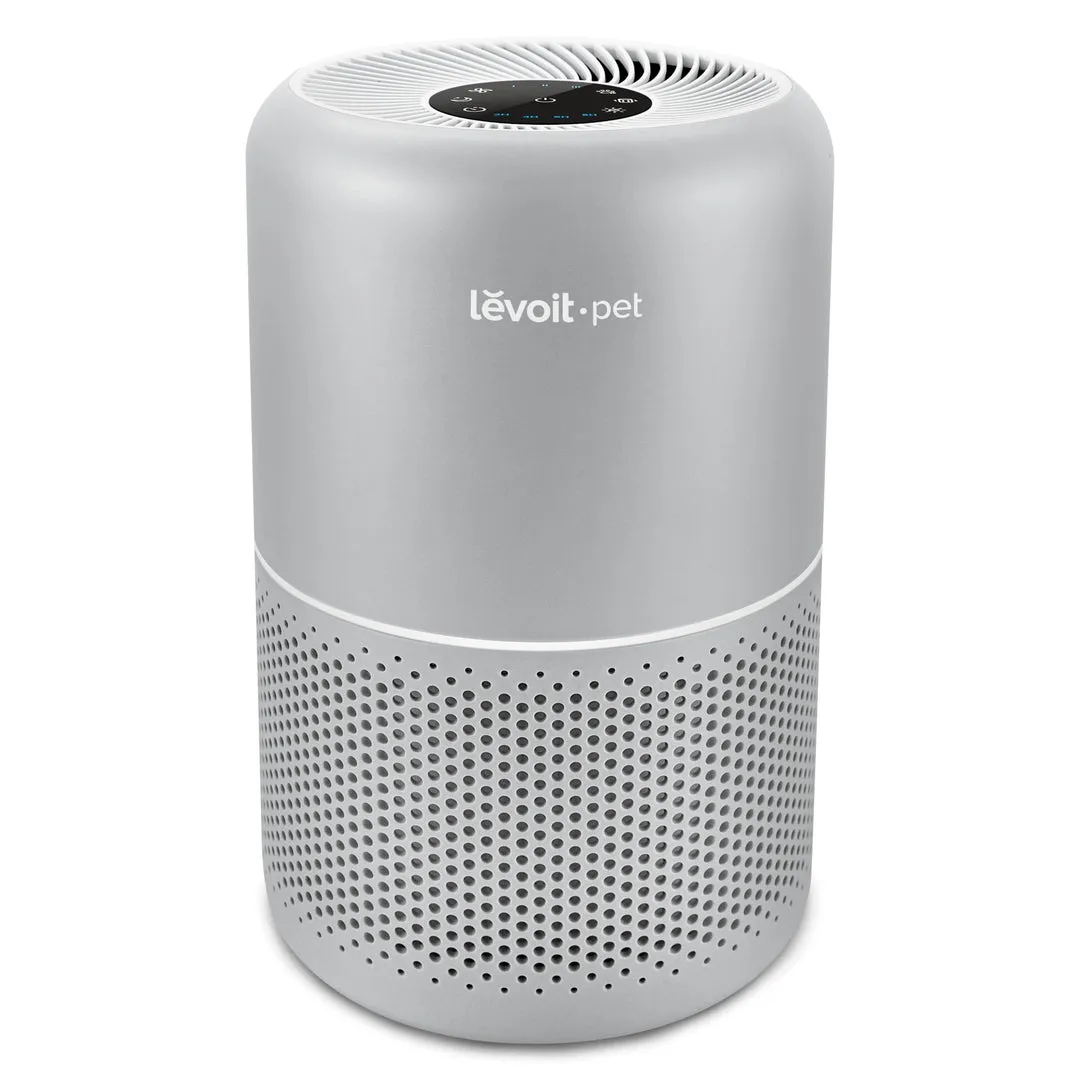
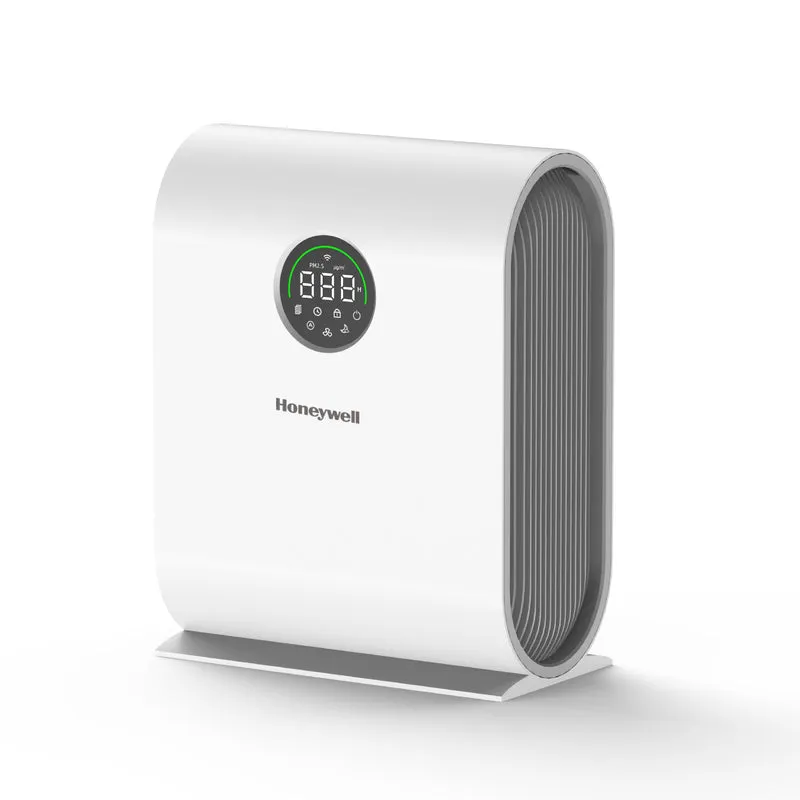
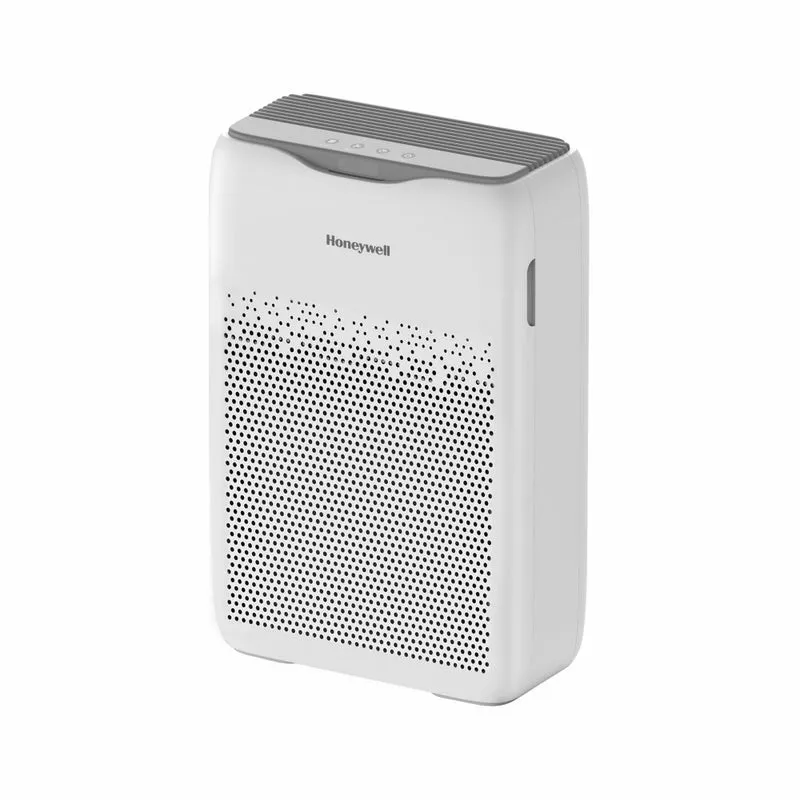
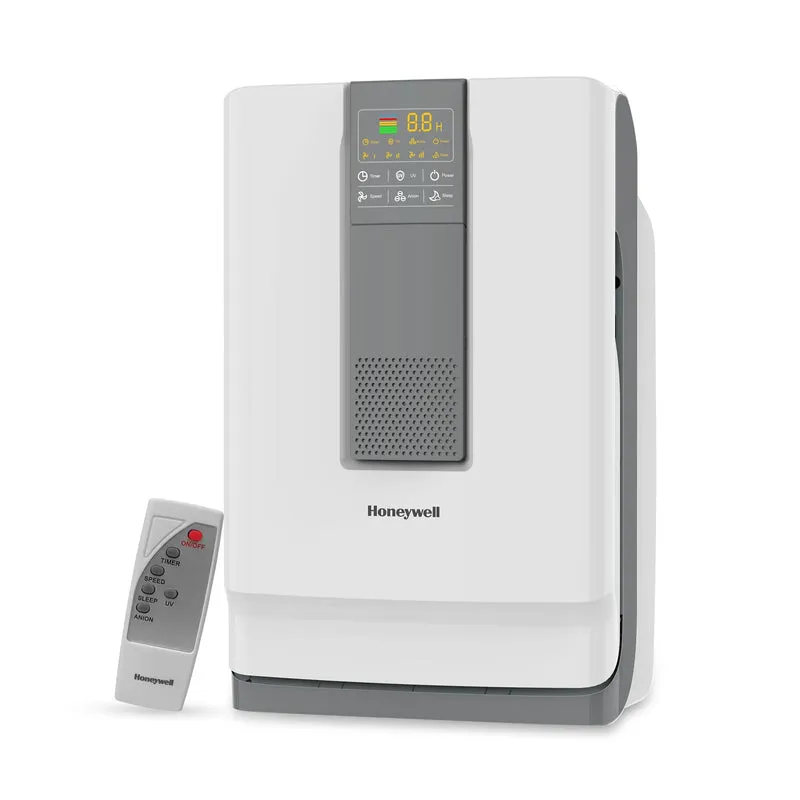
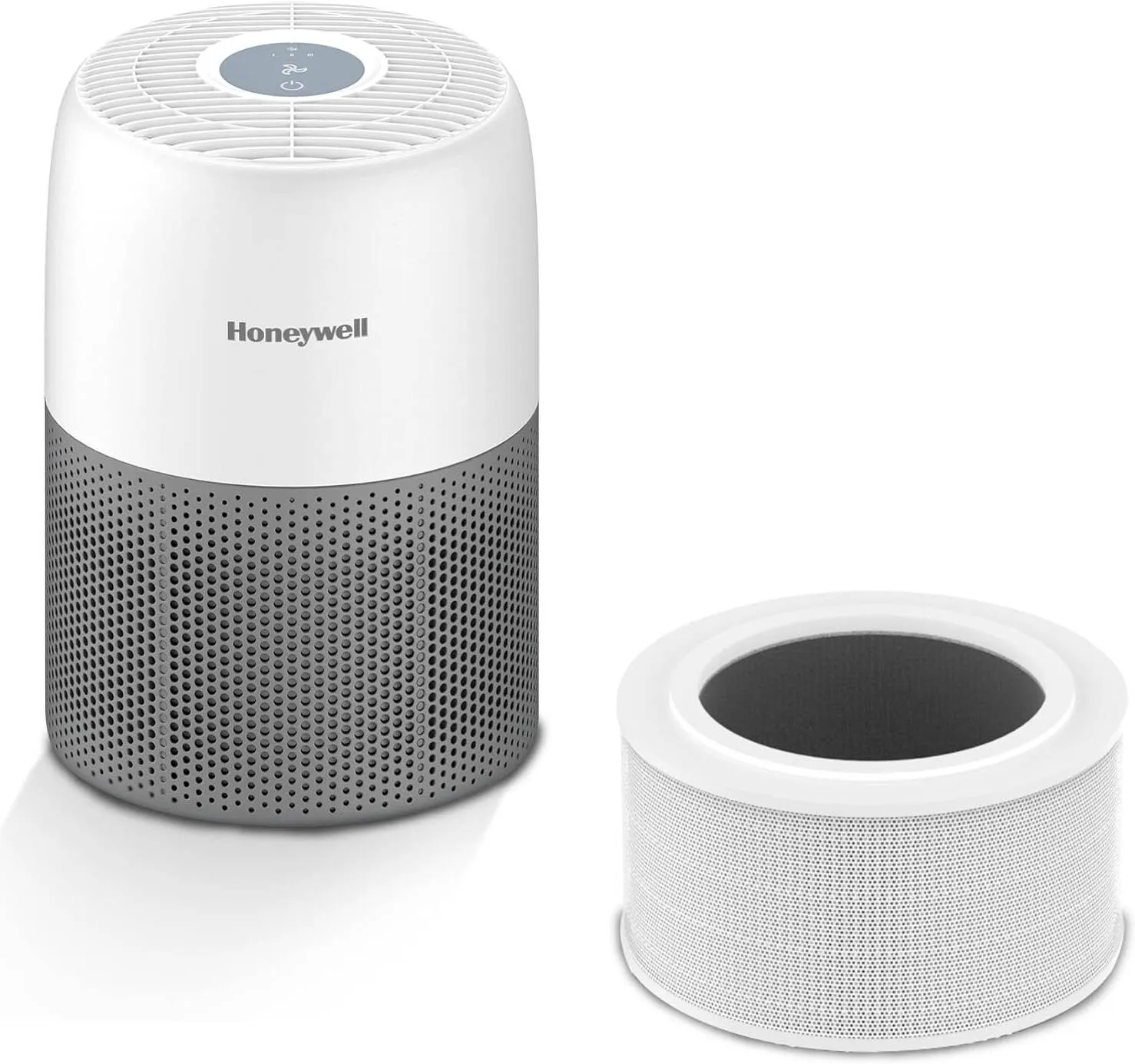
Ionizers are devices that electrically charge airborne particles, causing them to settle out of the air onto nearby surfaces rather than remain suspended. This is the core role of ionizers in air cleaning, and understanding it precisely matters because the technology is widely marketed but frequently misunderstood. Unlike True HEPA filtration, ionizers do not capture or destroy particles. They relocate them. Devices from brands such as Levoit and Honeywell often include an ionizer mode alongside a physical filter, which raises a practical question: does the ionizer function actually help, or does it introduce new risks? This guide answers that question with current evidence.
How do ionizers clean the air?
Ionizers clean the air through a process called corona discharge ionisation. Consumer devices generate ions via a high-voltage electrical field operating at 6,000–20,000 volts. This field strips electrons from surrounding air molecules, producing both positive and negative ions in large quantities.
Those ions attach to airborne particles such as dust, pollen, and bacteria. The particles become electrically charged and are then attracted to surfaces with an opposite charge. Walls, furniture, floors, and even your skin become collection points. The particles settle there rather than circulating in the breathing zone.

This is the ionization process in air, and it is important to understand what it does not do. Ionizers do not physically capture or destroy particles and lack verified Clean Air Delivery Rate (CADR) ratings. CADR is the standard metric used to measure how much filtered air a device delivers per minute. Without it, comparing an ionizer’s performance to a filter-based purifier is not straightforward.
The ionization process in air also produces a secondary effect. Corona discharge ionisation involves high-voltage electrical fields that create ozone as an unintentional byproduct. Ozone at indoor concentrations is a lung irritant, not a cleaning agent.
- Ions are generated at 6,000–20,000 volts via corona discharge
- Positive and negative ions attach to airborne particles
- Charged particles migrate to surfaces rather than staying airborne
- Particles are relocated, not removed or destroyed
- Ozone is produced as an unintentional byproduct of the process
Pro Tip: If you want to understand where ionizers fit among all current air cleaning technologies, the 2026 air cleaning guide from Cleanair-ae covers the full spectrum, from UV-C to activated carbon.
Ionizers vs air purifiers: benefits and drawbacks
The comparison between ionizers and filtration-based air purifiers is not close on most practical measures. True HEPA filters capture 99.97% of airborne particles at 0.3 microns with zero ozone emission. That is a verified, independently tested standard. Ionizers offer no equivalent verified metric.
That said, ionizers do carry some genuine advantages. They operate silently, require no physical filter replacements, and consume minimal electricity. For light-duty use in low-pollution environments, these qualities have appeal. The problem is that their core limitation, relocating particles rather than removing them, undermines their practical value in most homes.
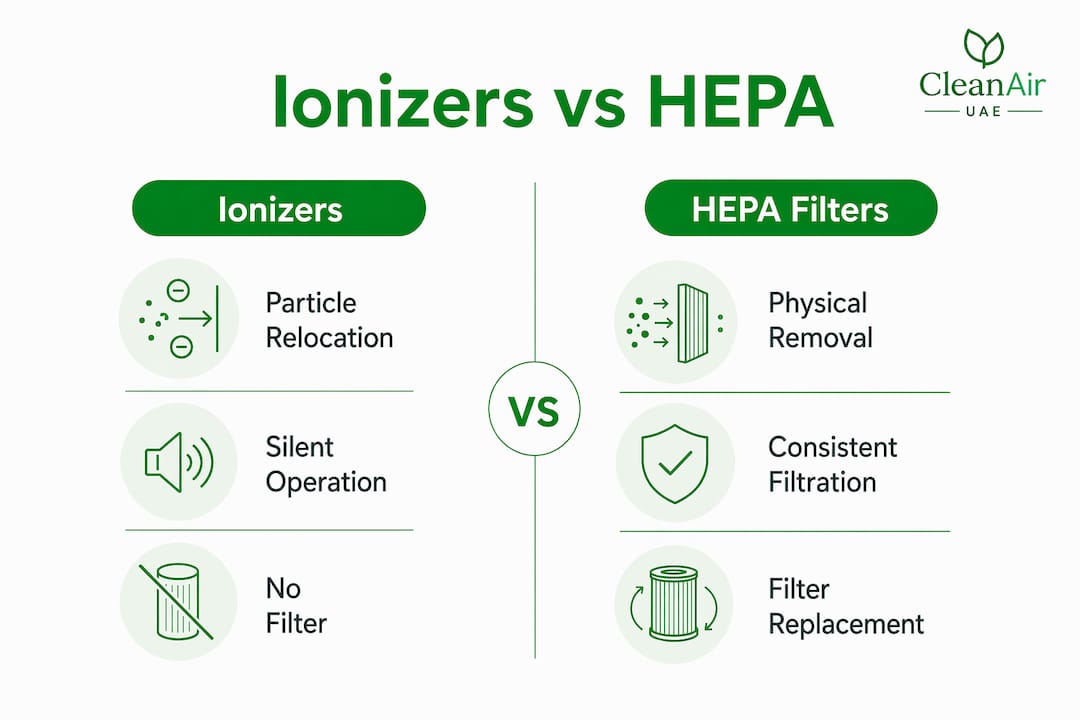
Ionizers primarily relocate airborne particles without removing them, which creates two specific problems. First, particles deposited on surfaces can be re-suspended into the air when disturbed by movement or cleaning. Second, ionizers cannot address gases, volatile organic compounds (VOCs), or odours at all. A HEPA filter combined with an activated carbon layer handles both particles and gases. An ionizer handles neither permanently.
Pro Tip: For a direct comparison of particle removal and health impacts between filtration types, the Cleanair-ae article on HEPA vs carbon filters is a useful reference before making any purchase.
| Criteria | Ionizer | True HEPA filter |
|---|---|---|
| Particle removal method | Deposits on surfaces | Physically captures in filter media |
| Verified CADR rating | No | Yes |
| Ozone production | Yes, as byproduct | None |
| Removes gases and VOCs | No | Only with added carbon layer |
| Filter replacement required | No | Yes, typically every 6–12 months |
| Independently verified standard | None widely adopted | HEPA standard (99.97% at 0.3 microns) |
The table above makes the practical gap clear. Ionizers have a role in specific scenarios, but they are not a substitute for filtration in occupied living spaces.
How safe are ionizers and what do health agencies say in 2026?
Ozone is the central safety concern with ionizers. The EPA recommends UL 2998 certification for zero ozone emissions, and the California Air Resources Board (CARB) sets an ozone limit of 0.050 ppm for consumer air cleaners. Many ionizers on the market do not carry either certification.
Ozone produced even at low levels indoors is a significant concern for respiratory health, particularly for people with asthma and other sensitive groups. Ozone irritates the airways, reduces lung function, and can trigger asthma attacks. These effects occur at concentrations well below what the nose can detect.
Health agencies caution against ionizers due to reactive byproducts that can worsen indoor air quality in occupied spaces. The guidance is consistent: ionizers should not be used as a primary air cleaning strategy in rooms where people spend extended time.
“Ionizers can exacerbate breathing problems in sensitive individuals and are not recommended as a substitute for filtration-based air cleaning in occupied spaces.” — IQAir health guidance
Key safety points to know before using any ionizer:
- Check for UL 2998 certification, which verifies zero ozone emission
- Verify CARB approval if purchasing for use in California or as a quality benchmark
- Avoid using ionizer mode in bedrooms or rooms occupied by children, elderly individuals, or those with respiratory conditions
- Ionizers can worsen symptoms in sensitive individuals, including those with asthma or allergies
- Ozone reacts with other indoor chemicals to form secondary pollutants such as formaldehyde
The ozone risk is not hypothetical. It is documented, measurable, and the reason why major health agencies consistently recommend filtration over ionization for occupied indoor spaces. For a detailed breakdown of ozone risks in air purifiers, the Cleanair-ae guide on ozone in air purifiers covers the topic thoroughly.
Practical advice for choosing and using ionizers safely
The first step before purchasing any ionizer is certification verification. Look for UL 2998 and CARB approval on the product specification sheet. If neither appears, the device has not been independently tested for ozone output. That is a meaningful gap in consumer protection.
- Verify certifications first. Only consider ionizers carrying UL 2998 zero ozone certification and CARB approval. These are the two most reliable independent standards available to consumers in 2026.
- Disable ionizer mode on hybrid devices. The ionisation mode in hybrid HEPA-ionizer devices offers negligible particle capture benefit compared to the HEPA filter alone and adds ozone risk. Turn it off and rely on the HEPA filter.
- Manage surface deposits actively. Charged particles settle on surfaces and cause what is known as “black wall syndrome,” leaving visible dark stains on walls and furniture near the device. Regular wiping of nearby surfaces is necessary.
- Prioritise ventilation and source control. Experts recommend source control and proper ventilation over ionization as primary strategies. Opening windows, using extractor fans, and reducing pollutant sources at origin are more effective than any air cleaning device alone.
- Choose HEPA filtration for occupied rooms. For bedrooms, living rooms, and offices, a standalone True HEPA purifier from brands such as Blueair, Honeywell, or Levoit is the more reliable choice. The air purifier alternatives list from Cleanair-ae outlines eight proven methods if a standard purifier does not suit your situation.
Pro Tip: Most ionizers lack independently verified performance metrics, making consumer evaluation difficult. Always request a CADR rating alongside any ozone certification before committing to a purchase.
Key takeaways
Ionizers relocate airborne particles to surfaces rather than removing them, making verified HEPA filtration the more reliable choice for occupied indoor spaces.
| Point | Details |
|---|---|
| Ionizers relocate, not remove | Charged particles settle on surfaces and can be re-suspended, not permanently eliminated. |
| Ozone is a real risk | Corona discharge produces ozone as a byproduct; check for UL 2998 and CARB certification before buying. |
| HEPA filters outperform ionizers | True HEPA captures 99.97% of particles at 0.3 microns with no ozone output and verified CADR ratings. |
| Disable ionizer mode on hybrids | The HEPA filter does the work; the ionizer mode adds ozone risk with negligible benefit. |
| Source control comes first | Ventilation and reducing pollutant sources at origin outperform any air cleaning device used alone. |
My view on ionizers after years of reviewing air quality products
Ionizers occupy an awkward position in the air quality market. The technology is real, the physics work, and the marketing is persuasive. The problem is that “the physics work” does not mean “the outcome is good for your health.”
I have reviewed enough hybrid devices to say with confidence that the ionizer function on most of them is a feature that sells units rather than one that cleans air. The HEPA filter in those same devices does the actual work. Switching off the ionizer mode and running the HEPA filter alone produces better air quality outcomes with no ozone exposure. That is not a close call.
The “black wall syndrome” issue is also underreported. Consumers buy an ionizer, notice dark marks appearing on the wall behind it within weeks, and assume something is wrong with the device. Nothing is wrong. That is the device working exactly as designed. Particles are being deposited on your walls instead of being captured in a filter. Whether that is acceptable depends on how often you want to repaint.
My position is straightforward. For occupied rooms in UAE homes and offices, where dust, humidity, and urban pollution are persistent concerns, a verified HEPA purifier from Blueair, Honeywell, or Levoit is the correct tool. Ionizers may have a role in unoccupied spaces or as a supplementary function in very specific commercial contexts. They are not a primary air quality solution for families or health-conscious individuals.
— Wojciech
Explore verified air quality solutions with Cleanair-ae
Cleanair-ae stocks a curated range of True HEPA air purifiers from Blueair, Honeywell, and Levoit, all selected for verified performance and zero ozone output. If you are weighing up options after reading about ionizer limitations, the 2026 air purifier buying guide covers the key criteria for choosing the right device for your home or commercial space. For readers who want to explore beyond standard purifiers, the air purifier alternatives list outlines eight proven methods suited to different room types and budgets. Fast delivery across Dubai, Abu Dhabi, and the wider UAE is available on all orders.
FAQ
What is the role of ionizers in air cleaning?
Ionizers electrically charge airborne particles, causing them to settle on surfaces rather than remain suspended in the breathing zone. They relocate particles rather than capturing or destroying them.
Do ionizers reduce allergens effectively?
Ionizers can reduce airborne allergen levels temporarily by causing particles to settle, but those particles remain on surfaces and can be re-suspended. True HEPA filters provide more reliable and permanent allergen removal.
Are ionizers safe to use at home?
Many ionizers produce ozone as a byproduct, which is a lung irritant. The EPA recommends choosing devices with UL 2998 zero ozone certification and CARB approval to minimise this risk in occupied spaces.
Should I turn off the ionizer on my HEPA purifier?
Yes. The ioniser mode on hybrid HEPA-ionizer devices adds ozone risk with negligible additional particle capture benefit. The HEPA filter alone delivers better and safer performance.
How do ionizers differ from HEPA air purifiers?
HEPA filters physically capture 99.97% of particles at 0.3 microns with verified CADR ratings and no ozone output. Ionizers charge particles to deposit on surfaces, lack verified performance metrics, and can produce ozone.