
Uncategorised
Top indoor air solutions for UAE: healthier spaces
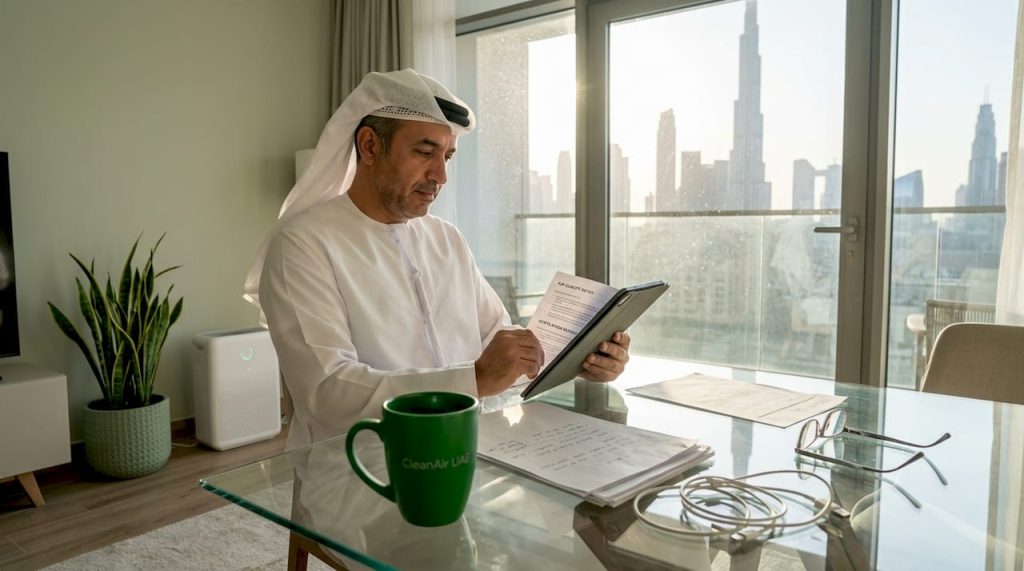
The UAE’s combination of desert dust storms, year-round air conditioning, and rapidly expanding urban construction creates indoor air quality challenges that most residents simply are not prepared for. Sandstorms push fine particulate matter through window seals and ventilation gaps, while sealed, AC-cooled interiors trap chemical emissions from furniture, flooring, and building materials. Choosing the right indoor air solution requires understanding both particle filtration and humidity control, two factors that interact in ways specific to this climate. This article covers the key criteria, leading product types, and a practical comparison framework to help residents and businesses make the right choice.
Table of Contents
- How to choose indoor air solutions for the UAE
- Top indoor air purifiers for UAE homes and businesses
- Managing humidity, chemicals, and air flow for optimal health
- Comparison of leading air solutions for the UAE
- Situational recommendations: tailoring air solutions for UAE spaces
- What many miss about indoor air solutions in the UAE
- Find your ideal indoor air solution
- Frequently asked questions
Key Takeaways
| Point | Details |
|---|---|
| UAE-specific air challenges | Dust storms and AC-driven humidity make air quality management a must for health and comfort. |
| HEPA filter effectiveness | HEPA purifiers are proven to capture fine dust, offering reliable protection for UAE households. |
| Humidity matters | Correct humidity levels prevent dangerous chemical emissions and reduce mould risks indoors. |
| Plants as natural purifiers | Indoor plants can cut formaldehyde and enhance air quality in dry climates. |
| Combine solutions for best results | Mixing purifiers, humidity control, and regular monitoring ensures healthier indoor environments. |
How to choose indoor air solutions for the UAE
Building on the context above, the right starting point is a clear framework for evaluating options. The UAE’s environment is not typical, and generic advice from temperate climates often falls short here.
Filtration for dust and pollutants is the first priority. The Middle East air purifier market is dominated by HEPA-based devices precisely because dust storms and elevated AQI levels are persistent concerns across the region. HEPA filters capture particles down to 0.3 microns with 99.97% efficiency, which covers the fine mineral dust that characterises UAE sandstorms.
Humidity management is equally critical and often overlooked. Research into Dubai housing formaldehyde emissions shows that low relative humidity, common in heavily air-conditioned spaces, increases the release of formaldehyde (HCHO) from building materials. Conversely, humidity that climbs too high risks mould growth in ductwork and wall cavities.
Key criteria to evaluate when selecting an indoor air solution:
- HEPA filtration rating: Look for True HEPA, not “HEPA-type” or “HEPA-style” labels
- Coverage area (CADR rating): Match the device to the room size in square metres
- Humidity range: Aim for 40% to 60% relative humidity in AC-heavy environments
- Technology safety: Avoid ionisers and electrostatic precipitators if anyone in the household has asthma or respiratory conditions
- Sensor quality: Standard pollen sensors may not accurately detect UAE’s mineral-rich dust particles
- HVAC integration: Portable units work well for individual rooms; central filtration handles whole buildings more efficiently
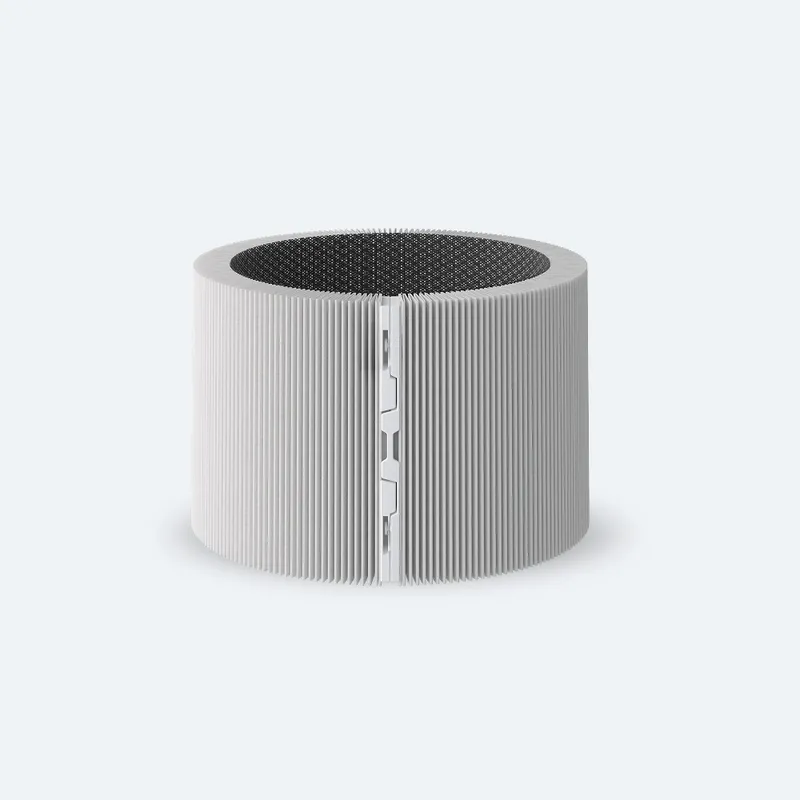
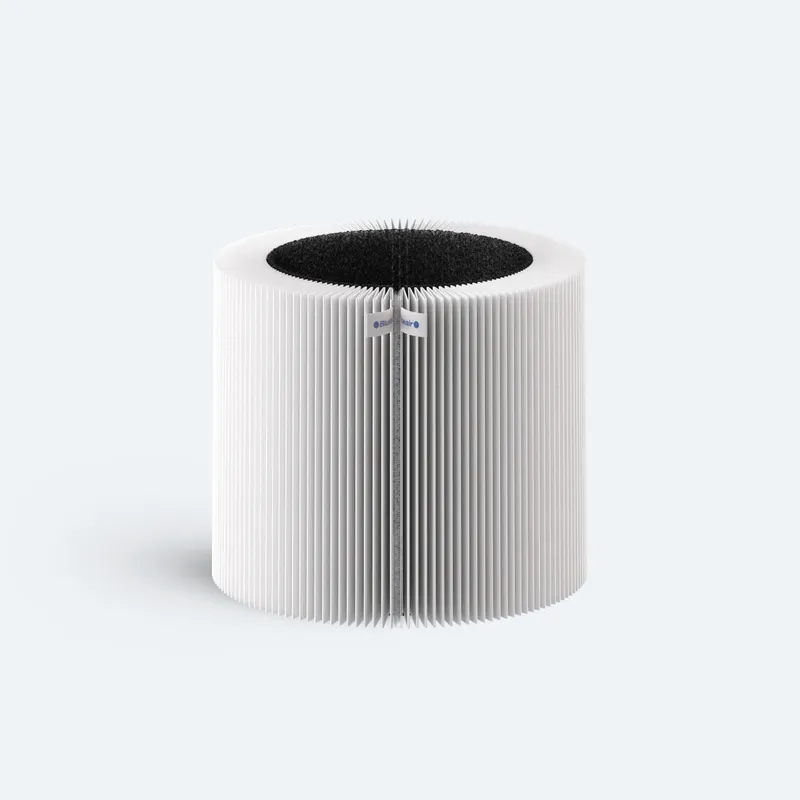
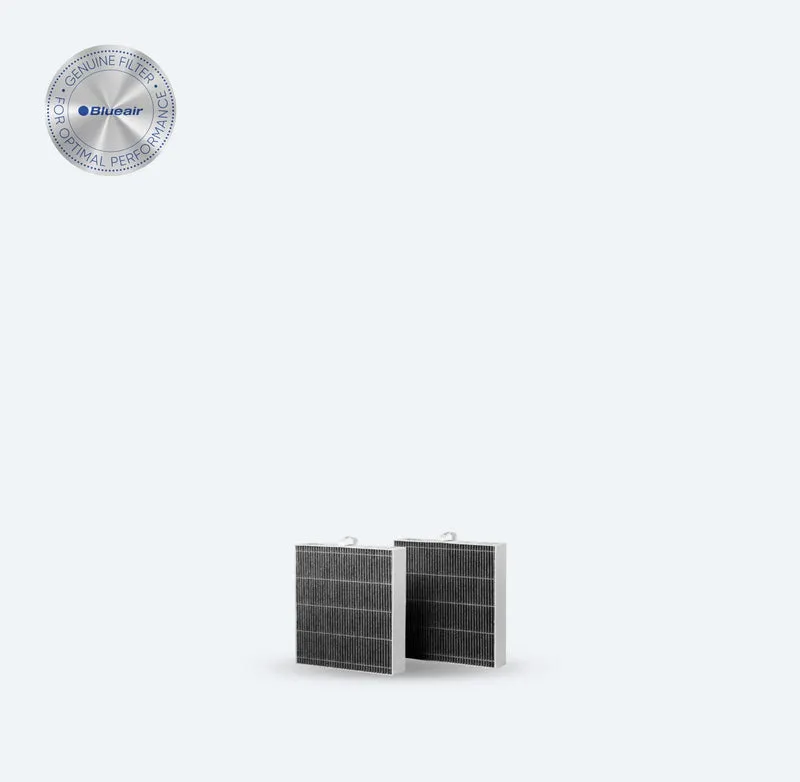
Pro Tip: Before purchasing, check whether the device has an activated carbon filter layer in addition to HEPA. Carbon filters capture volatile organic compounds (VOCs) and chemical emissions that HEPA alone cannot remove.
Top indoor air purifiers for UAE homes and businesses
With clear criteria established, the next step is evaluating the best device types and systems available in the UAE market.
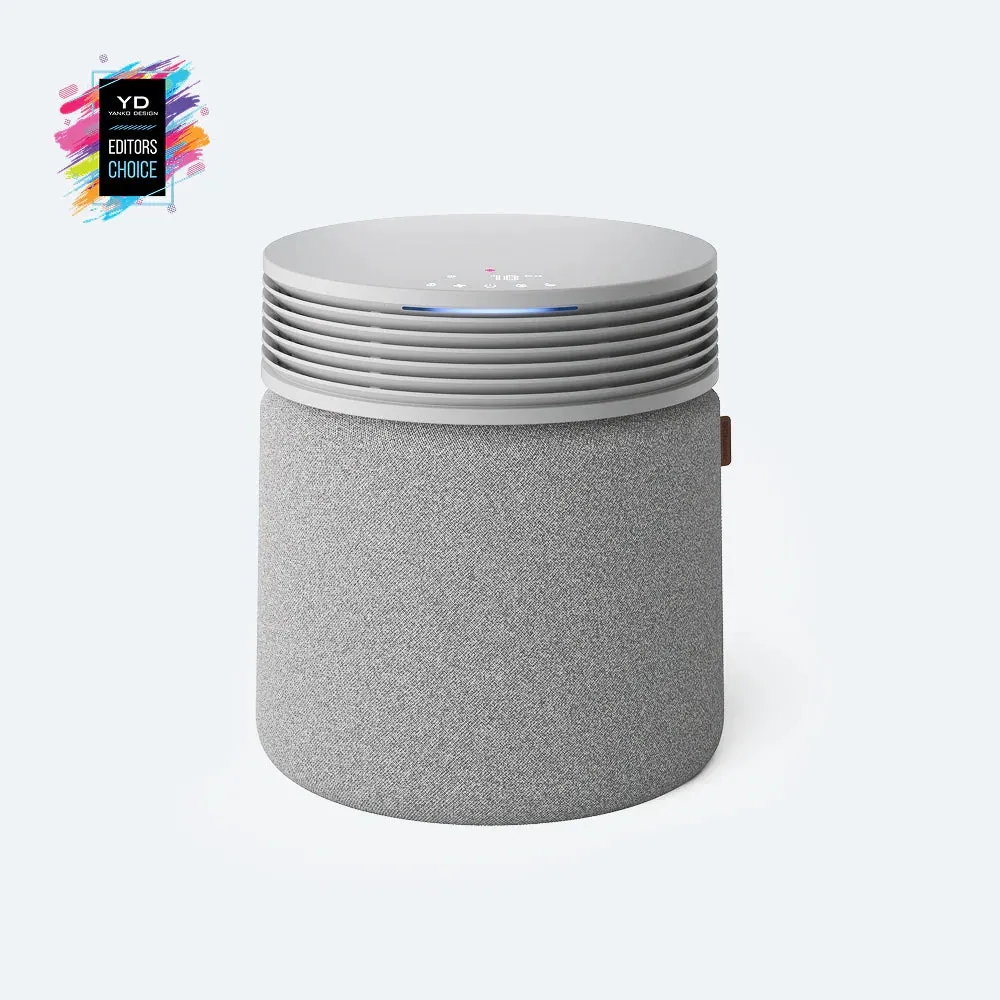
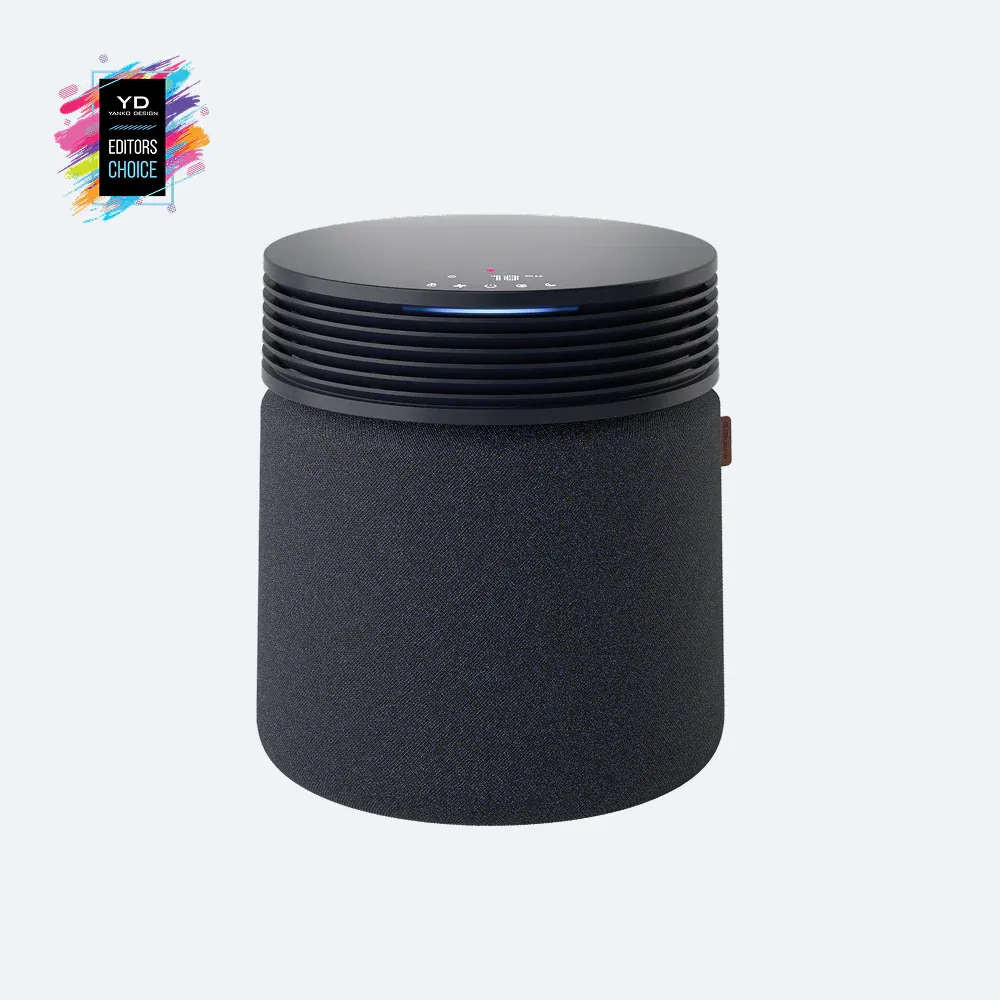
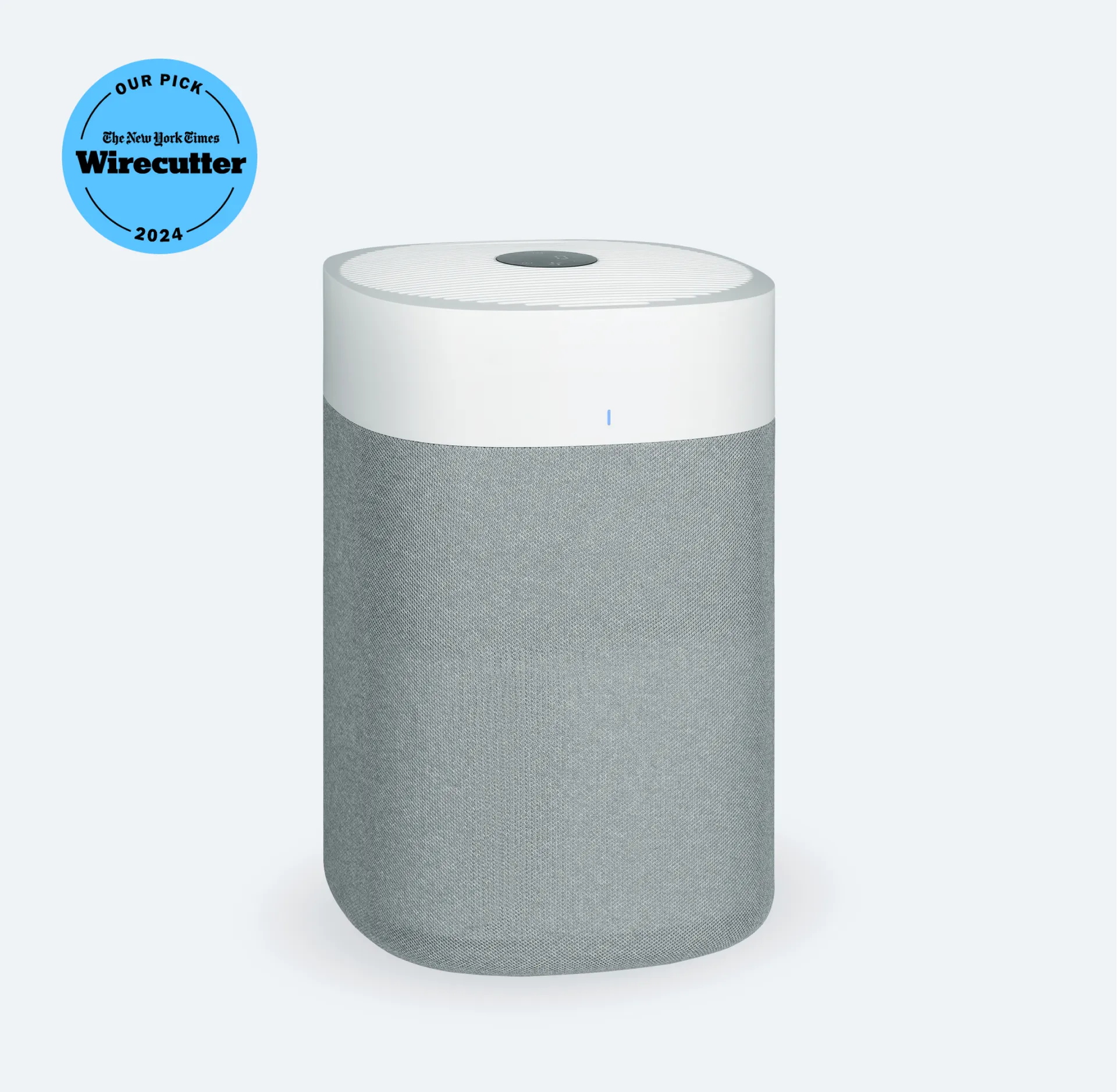
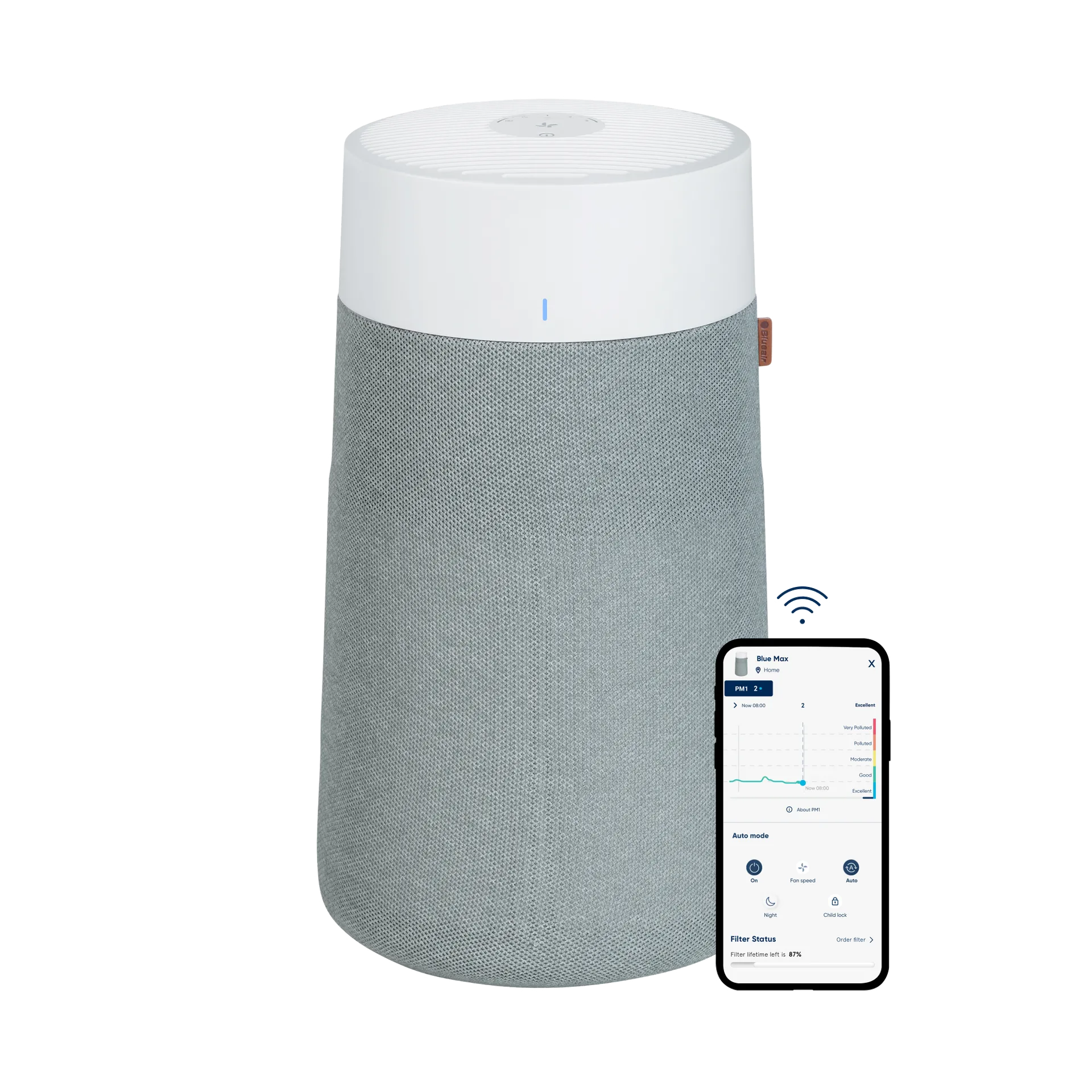
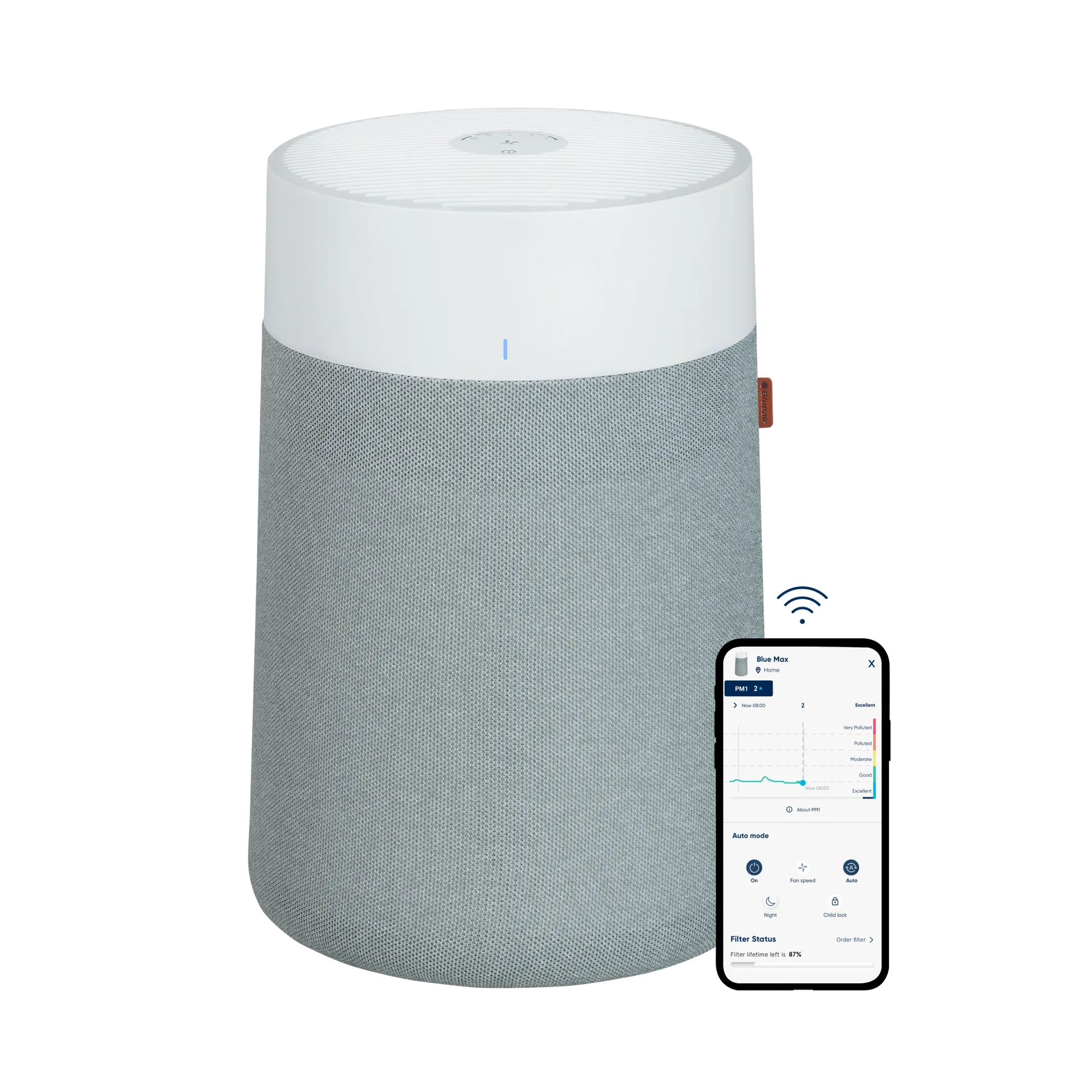
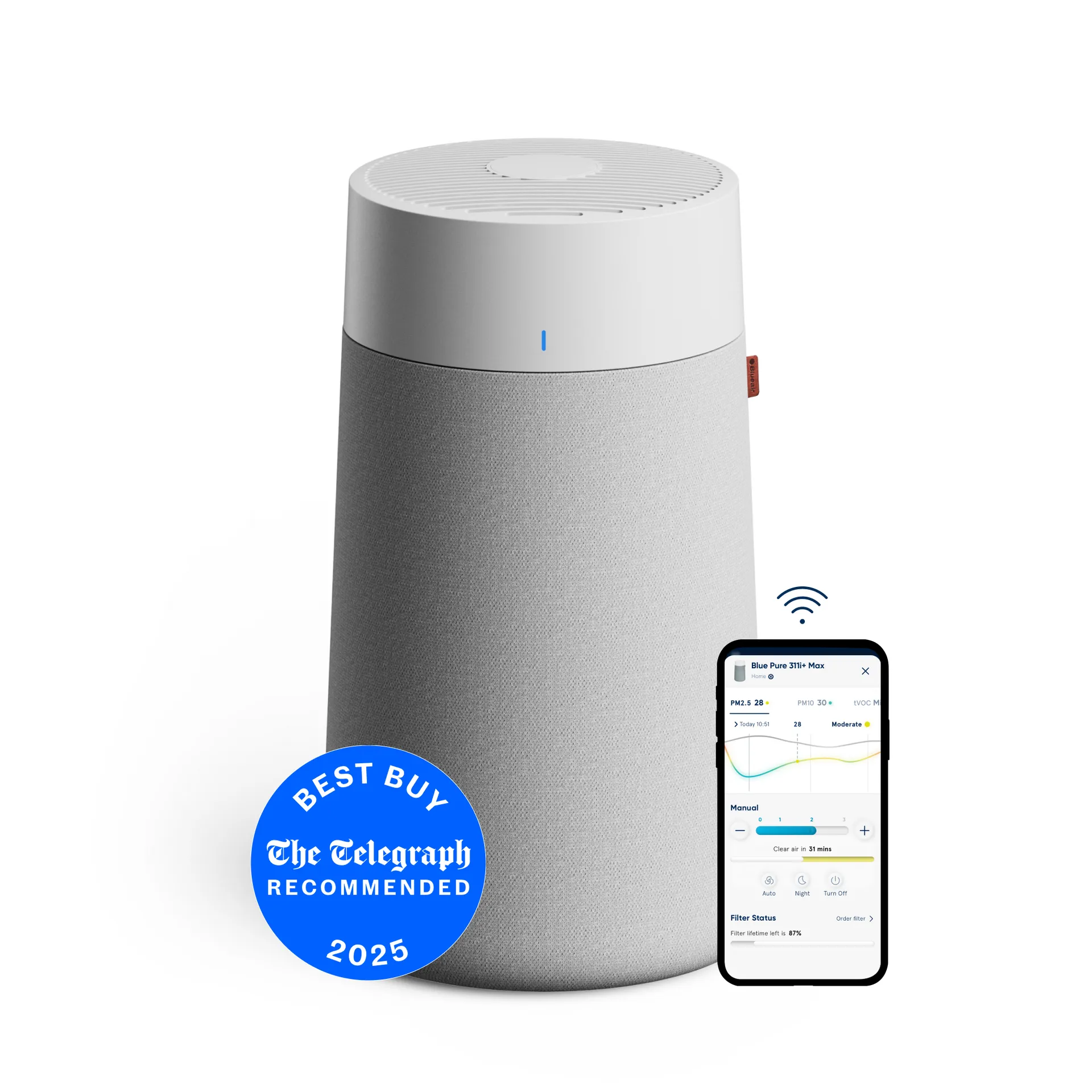
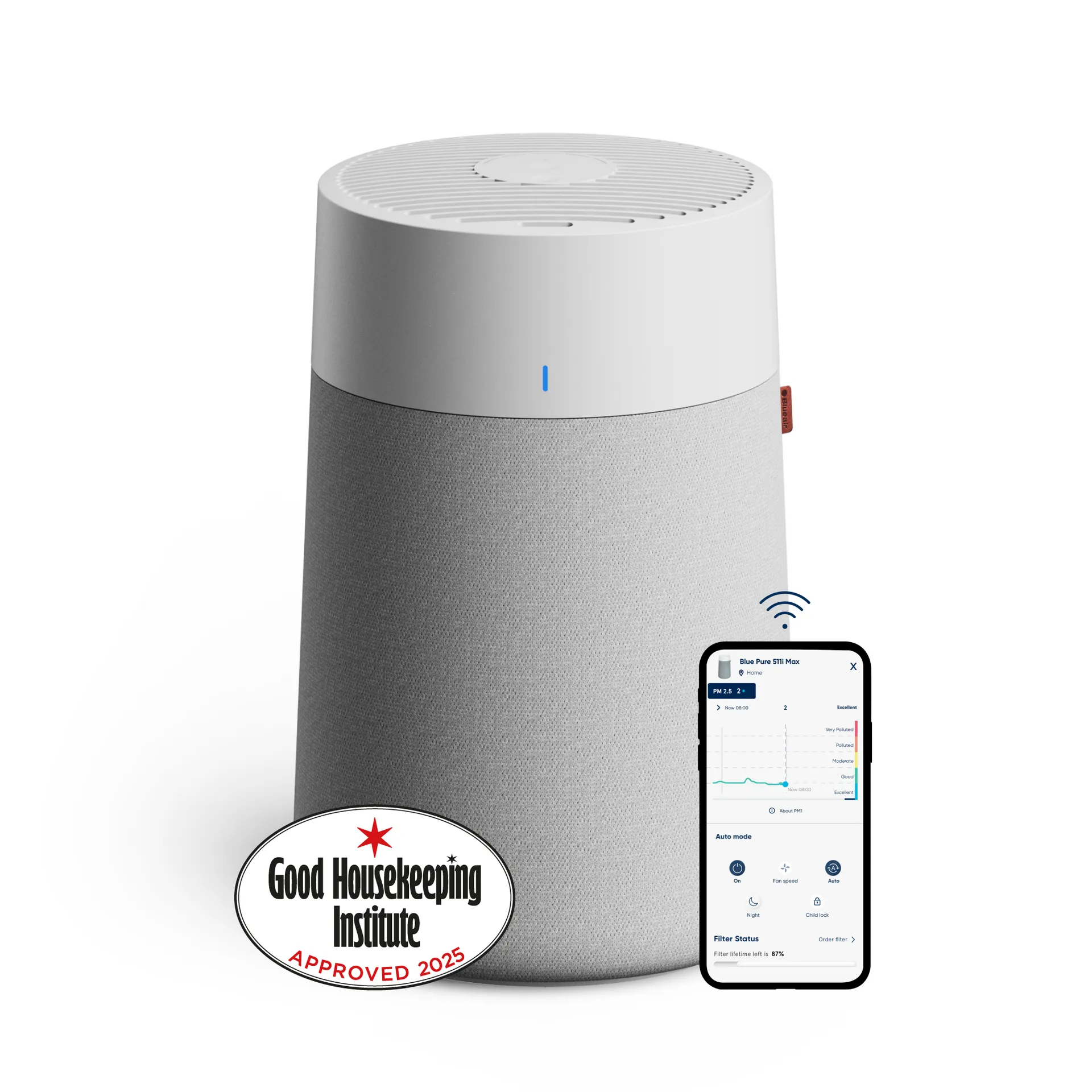
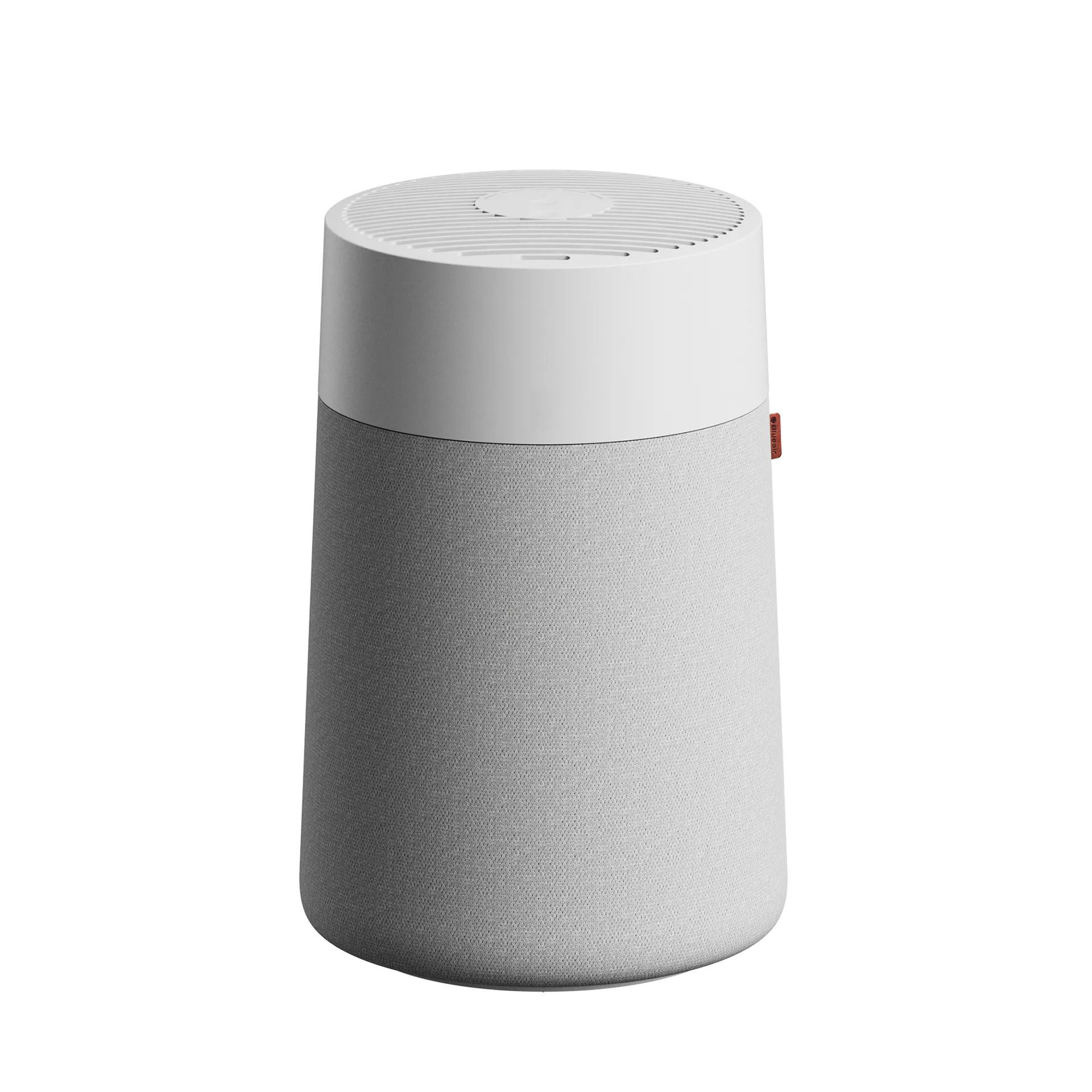
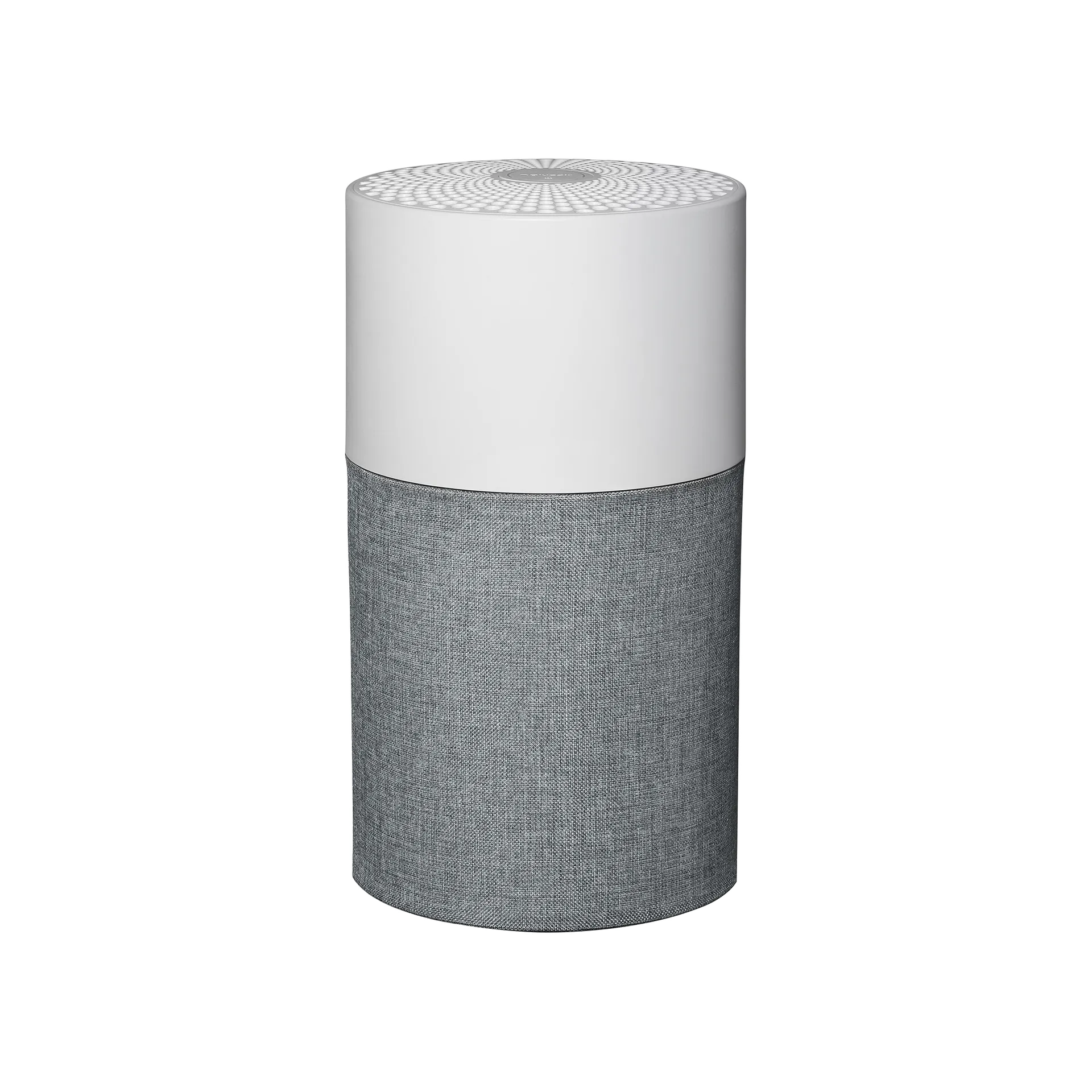
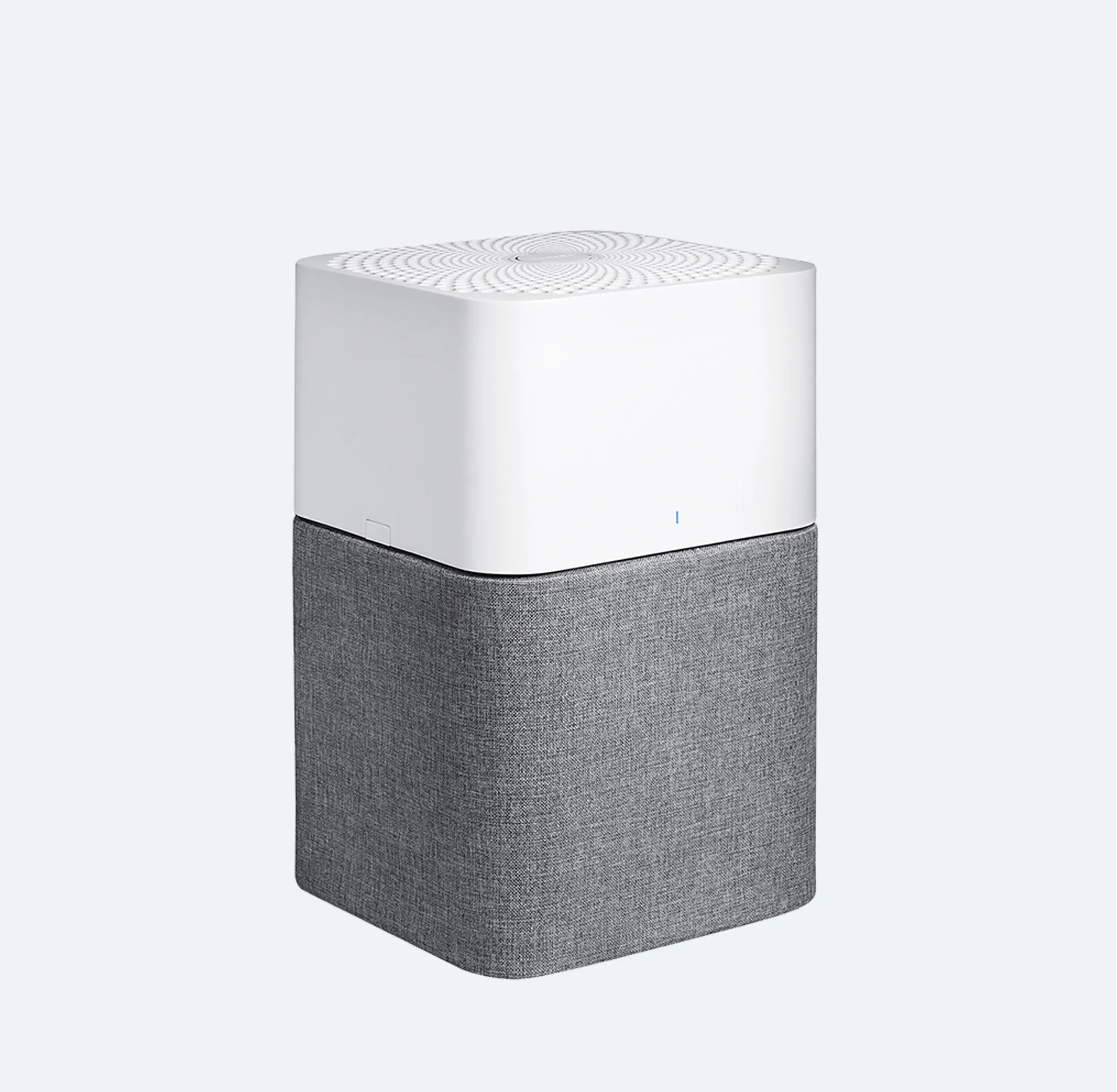
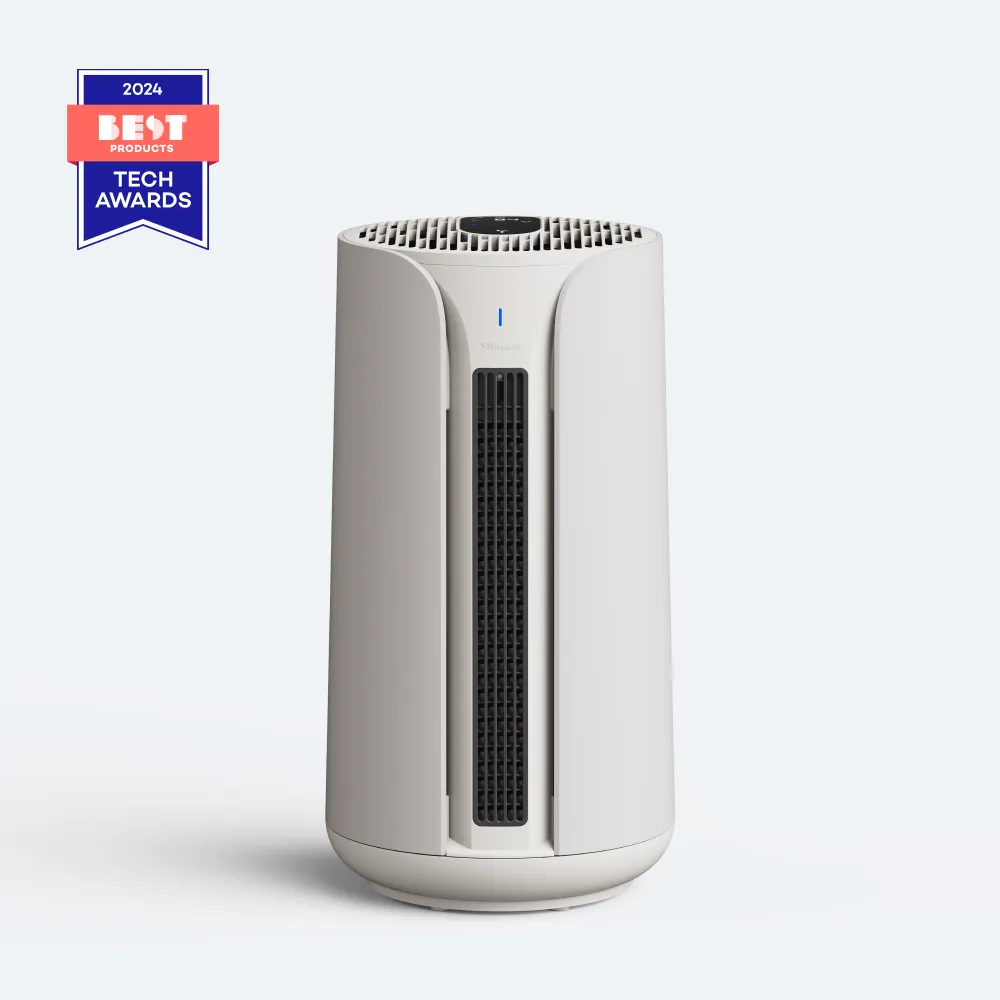
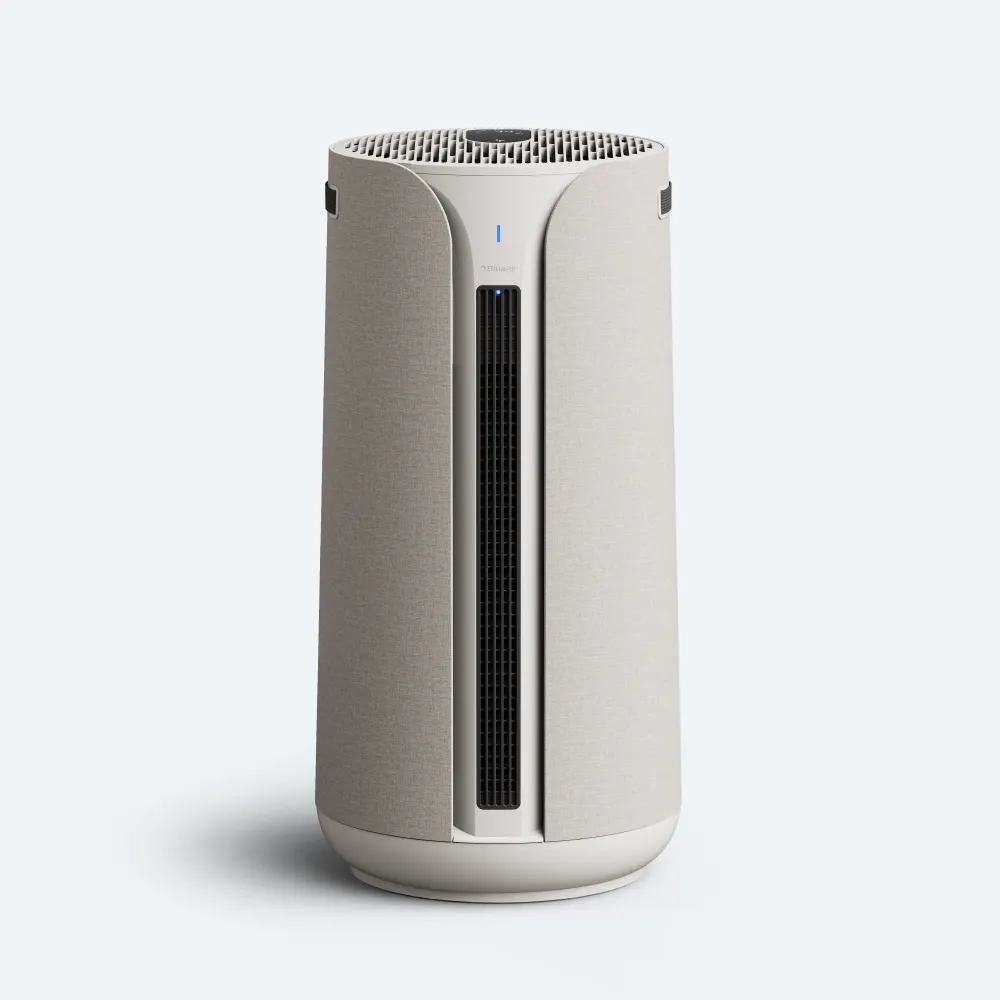
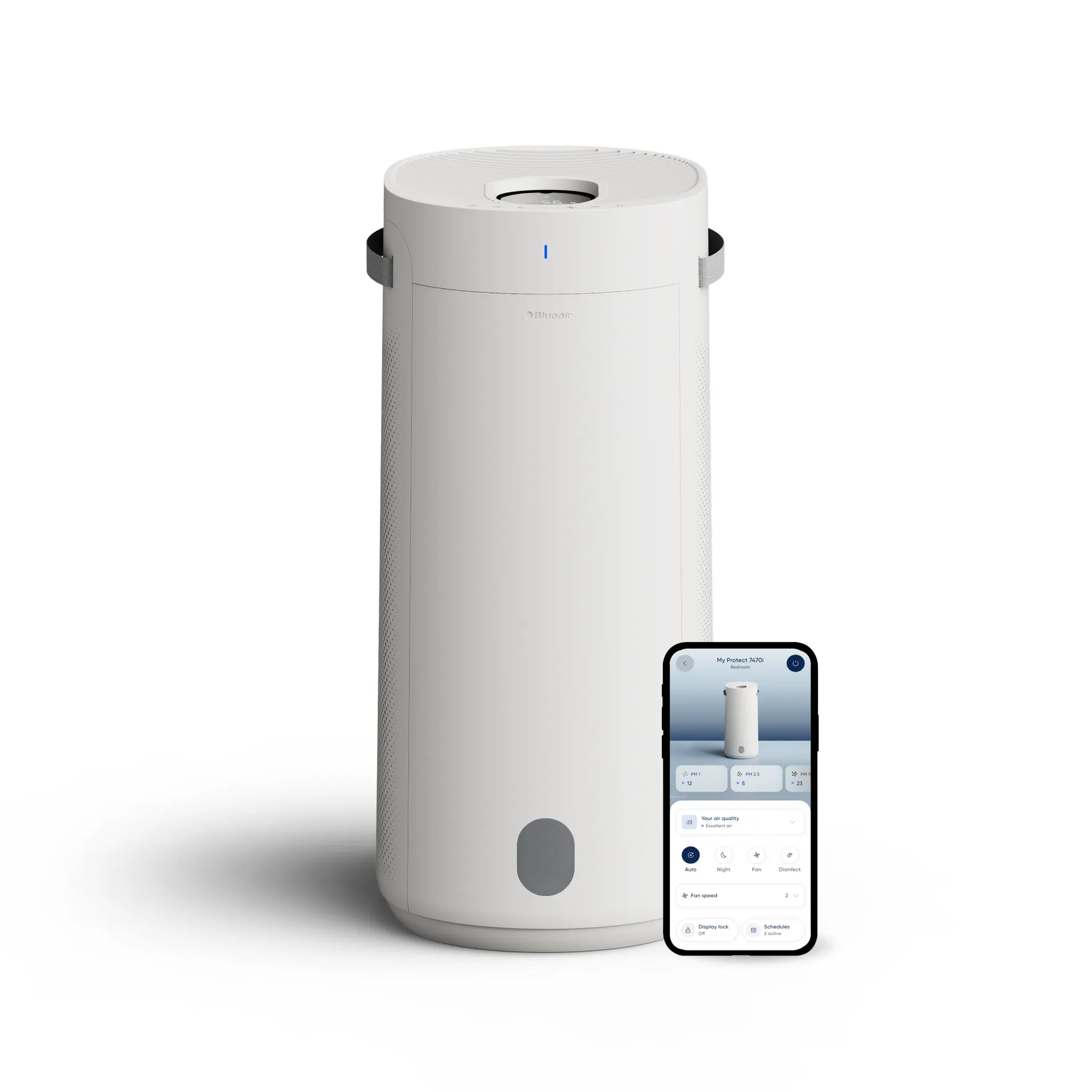
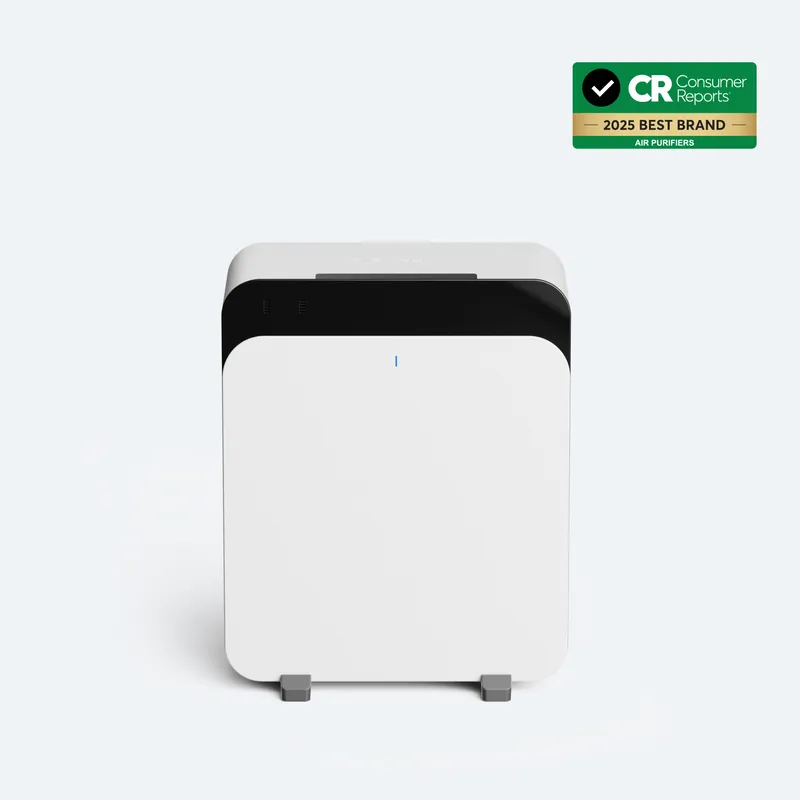
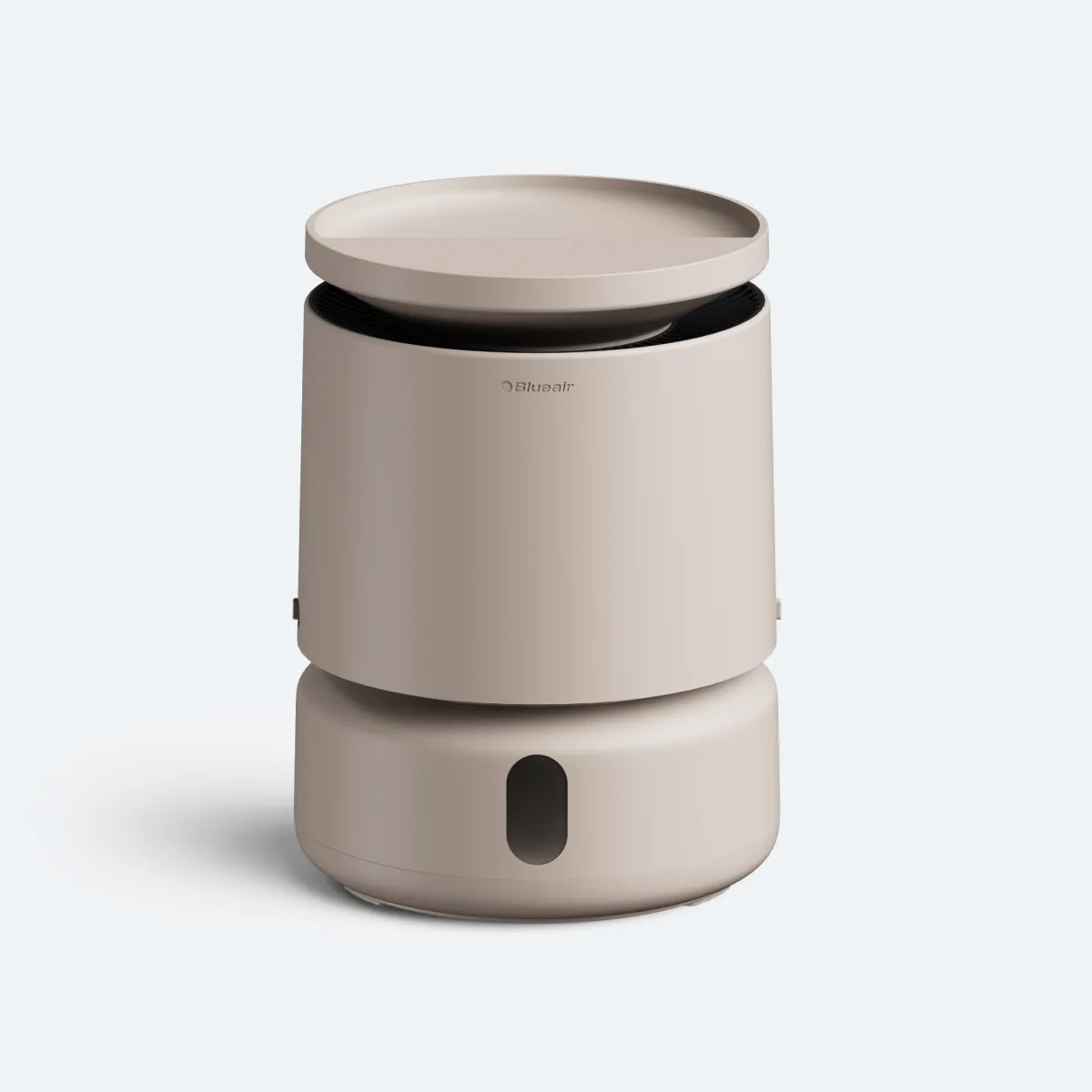
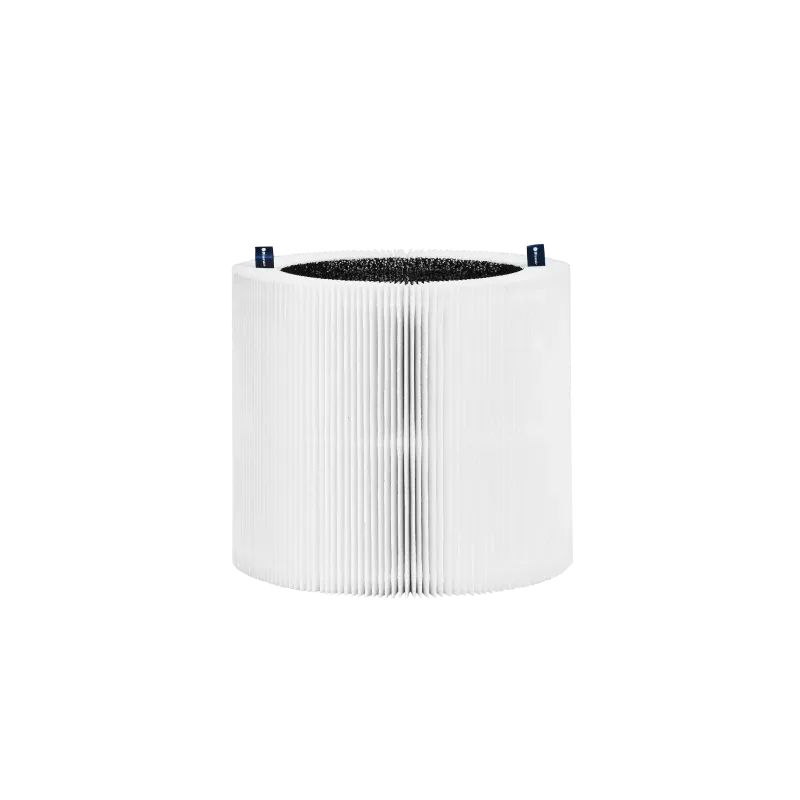
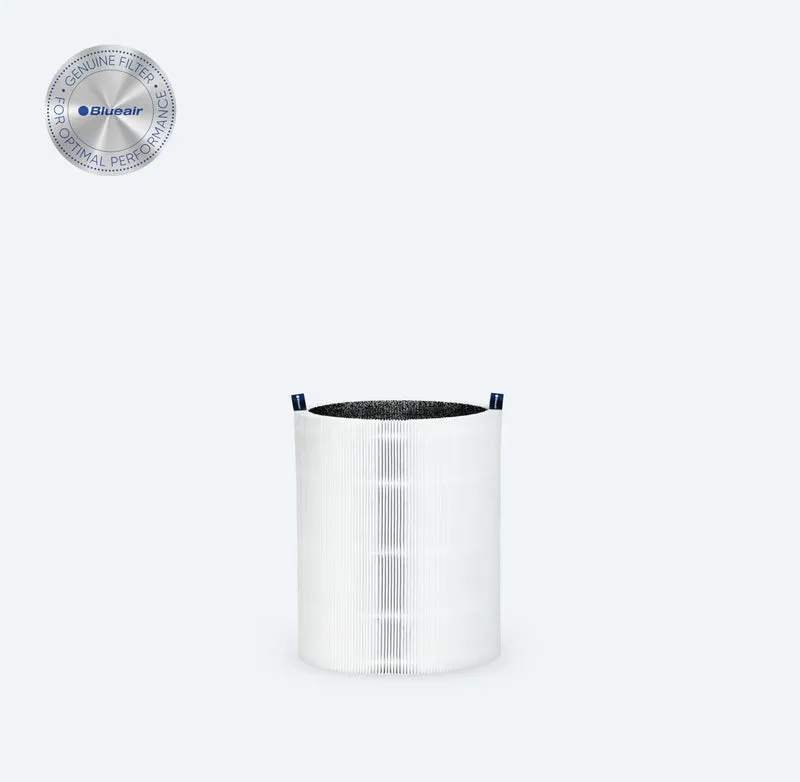
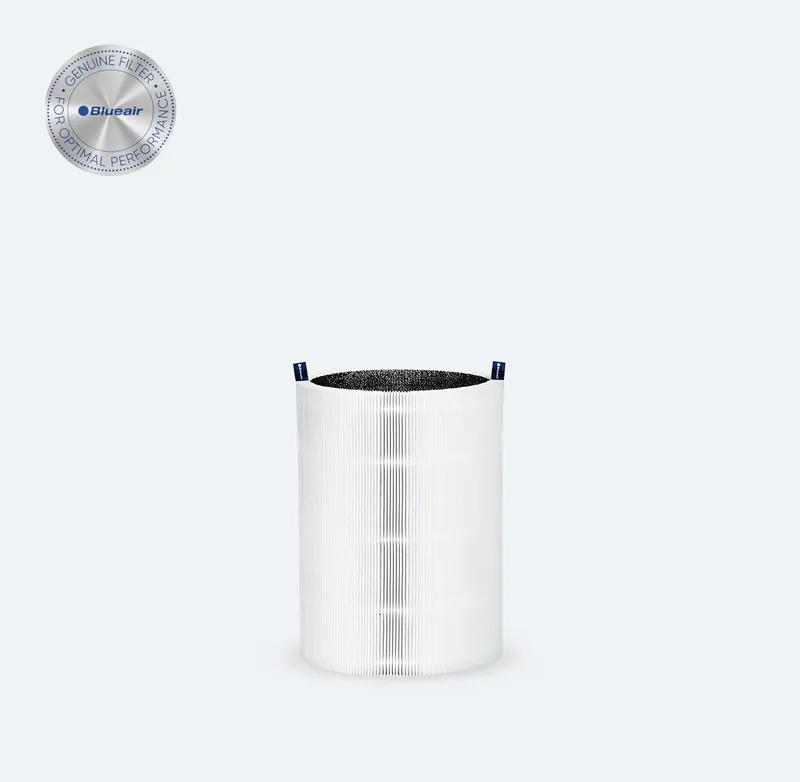
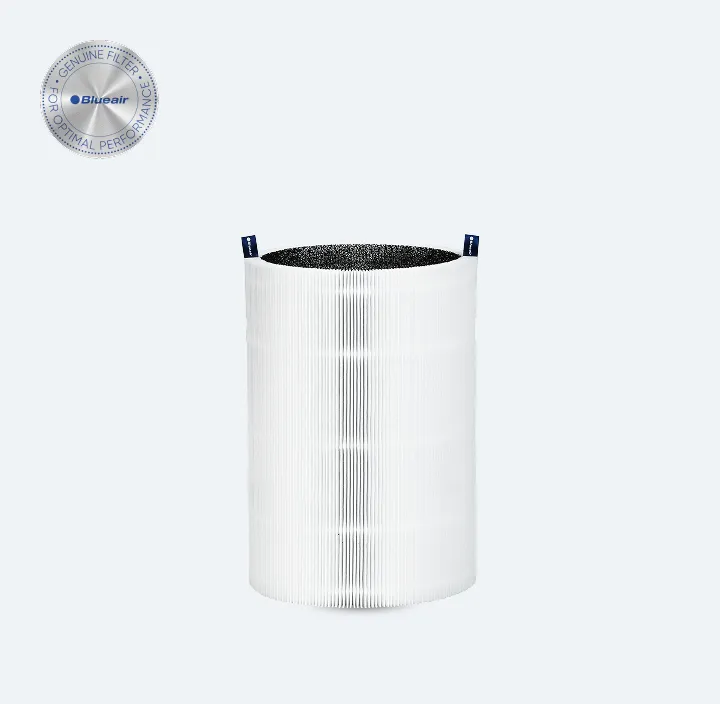
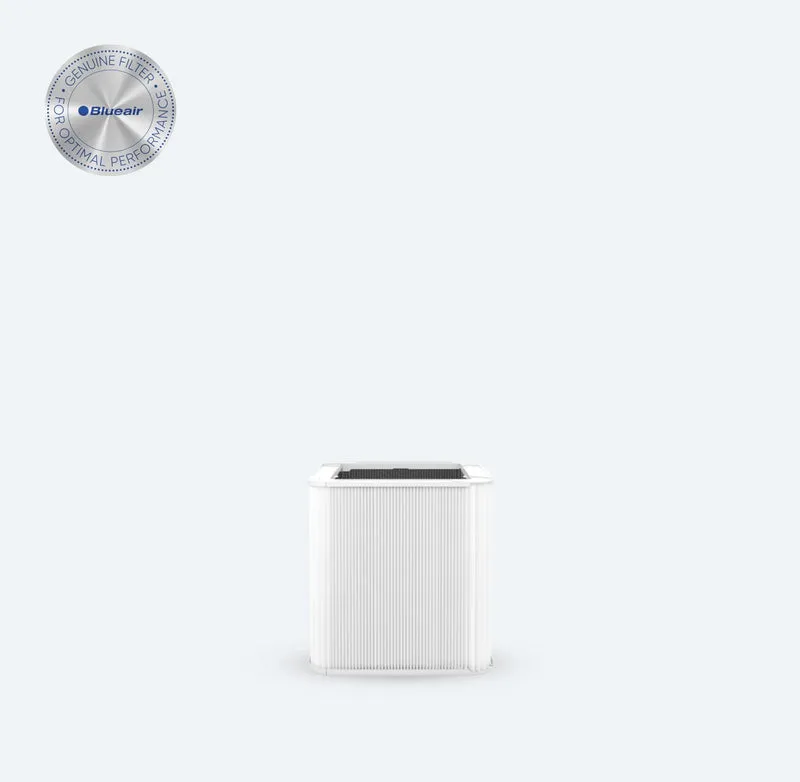
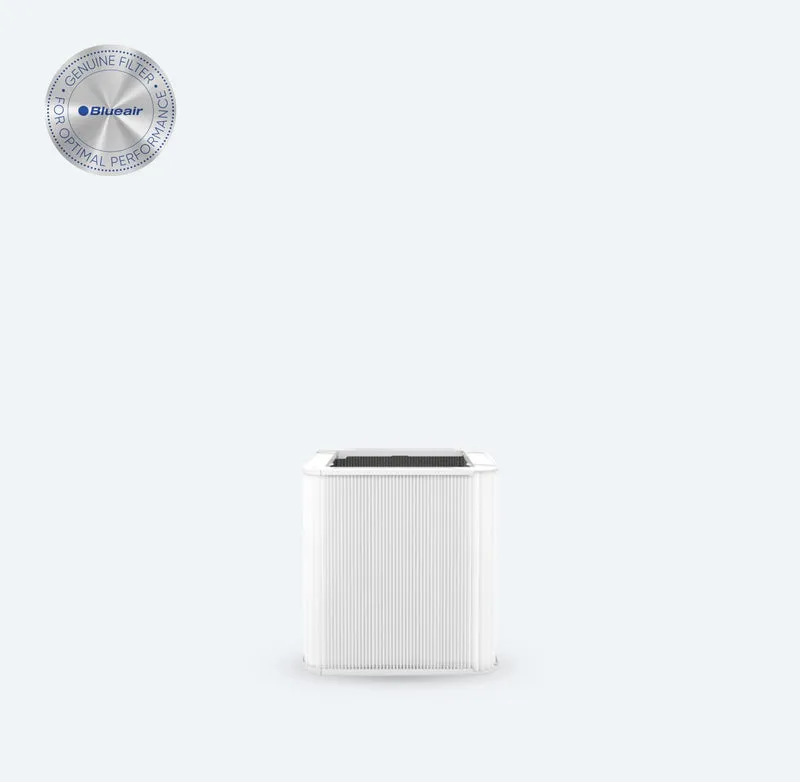
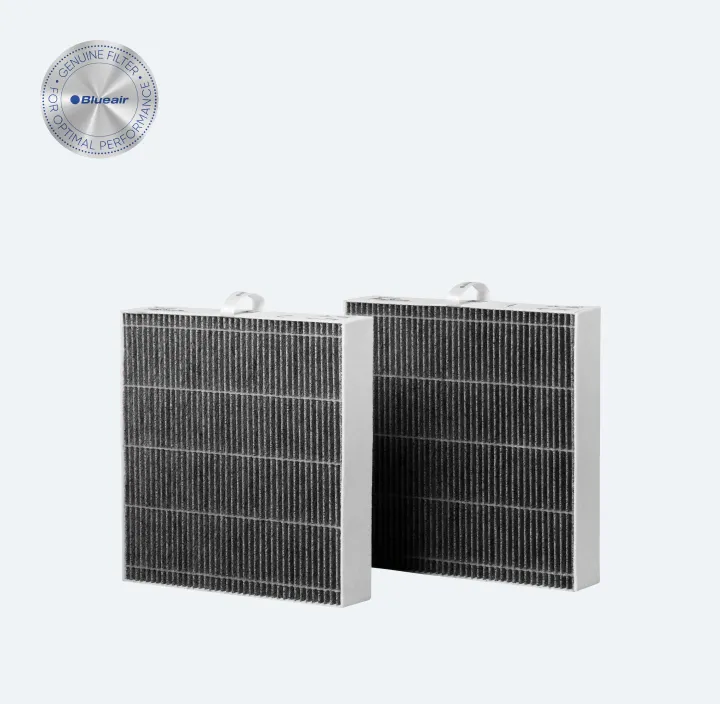
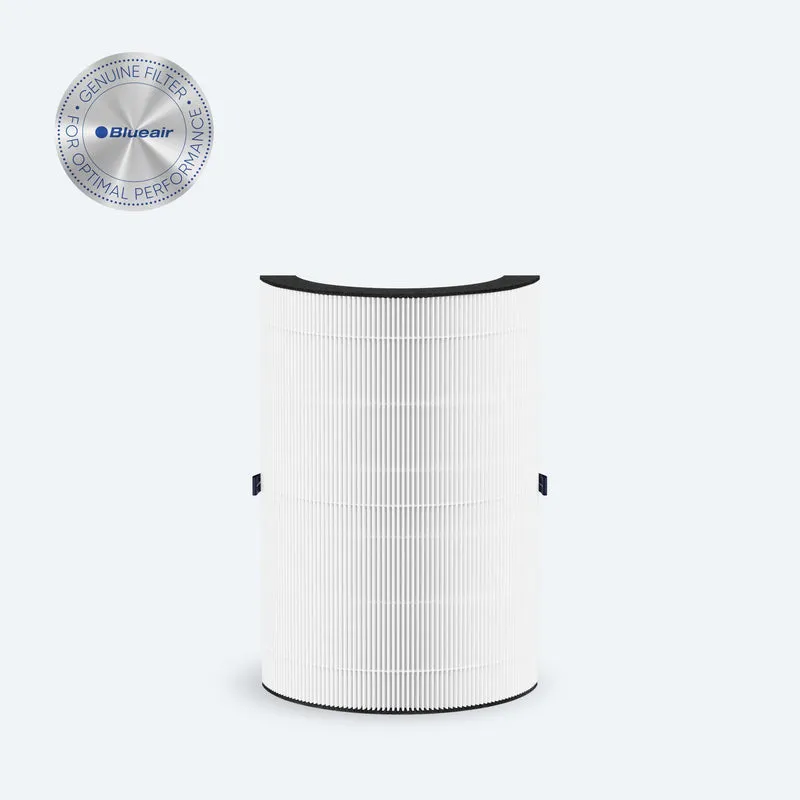
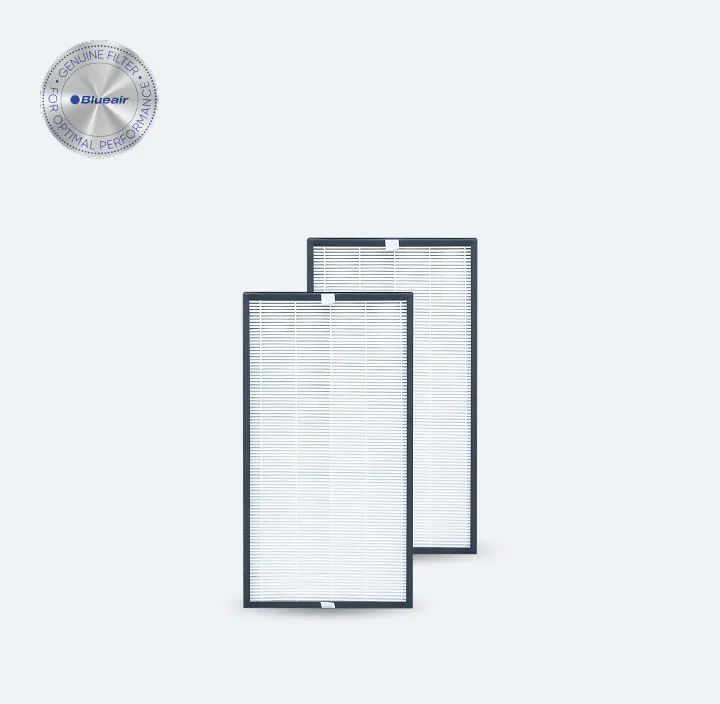
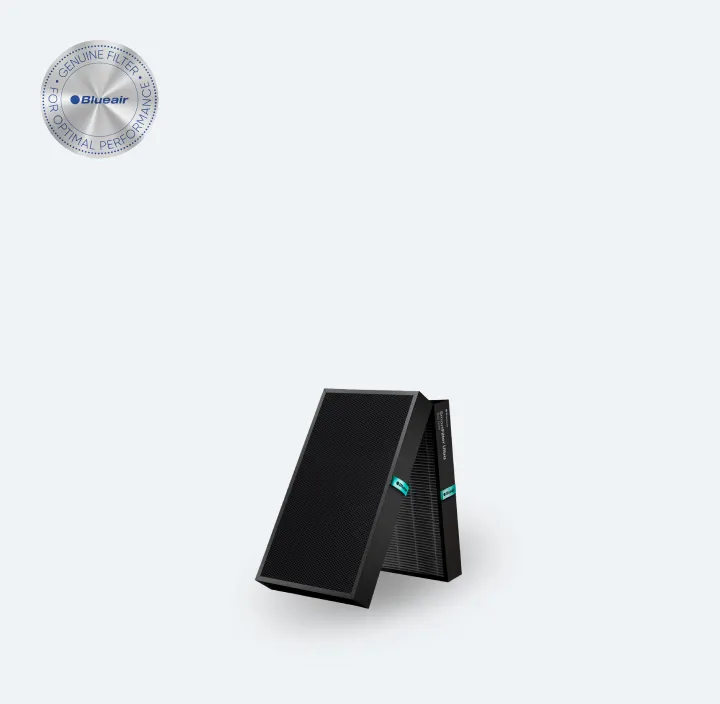
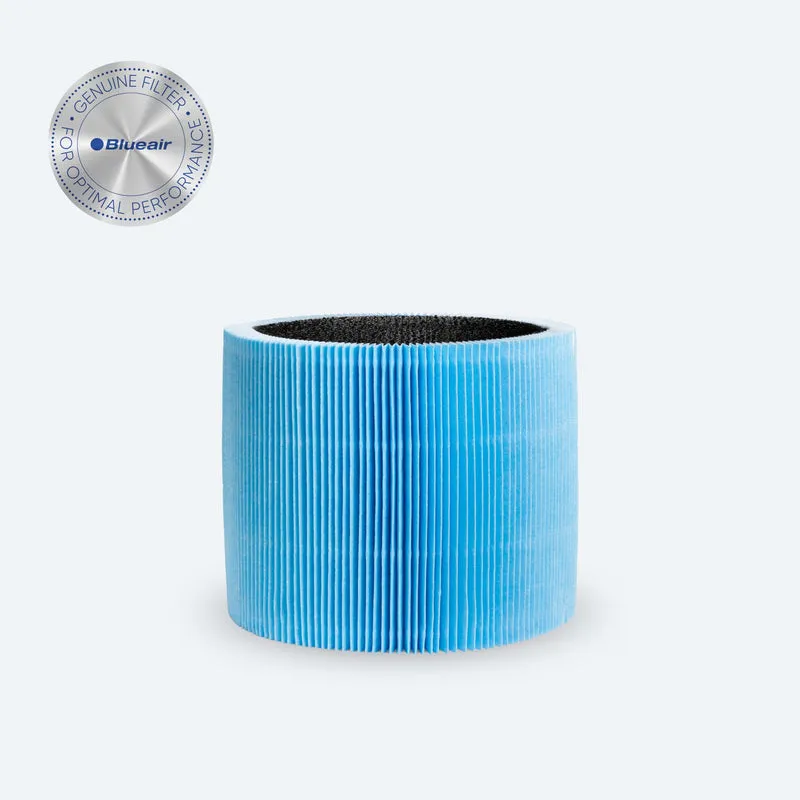
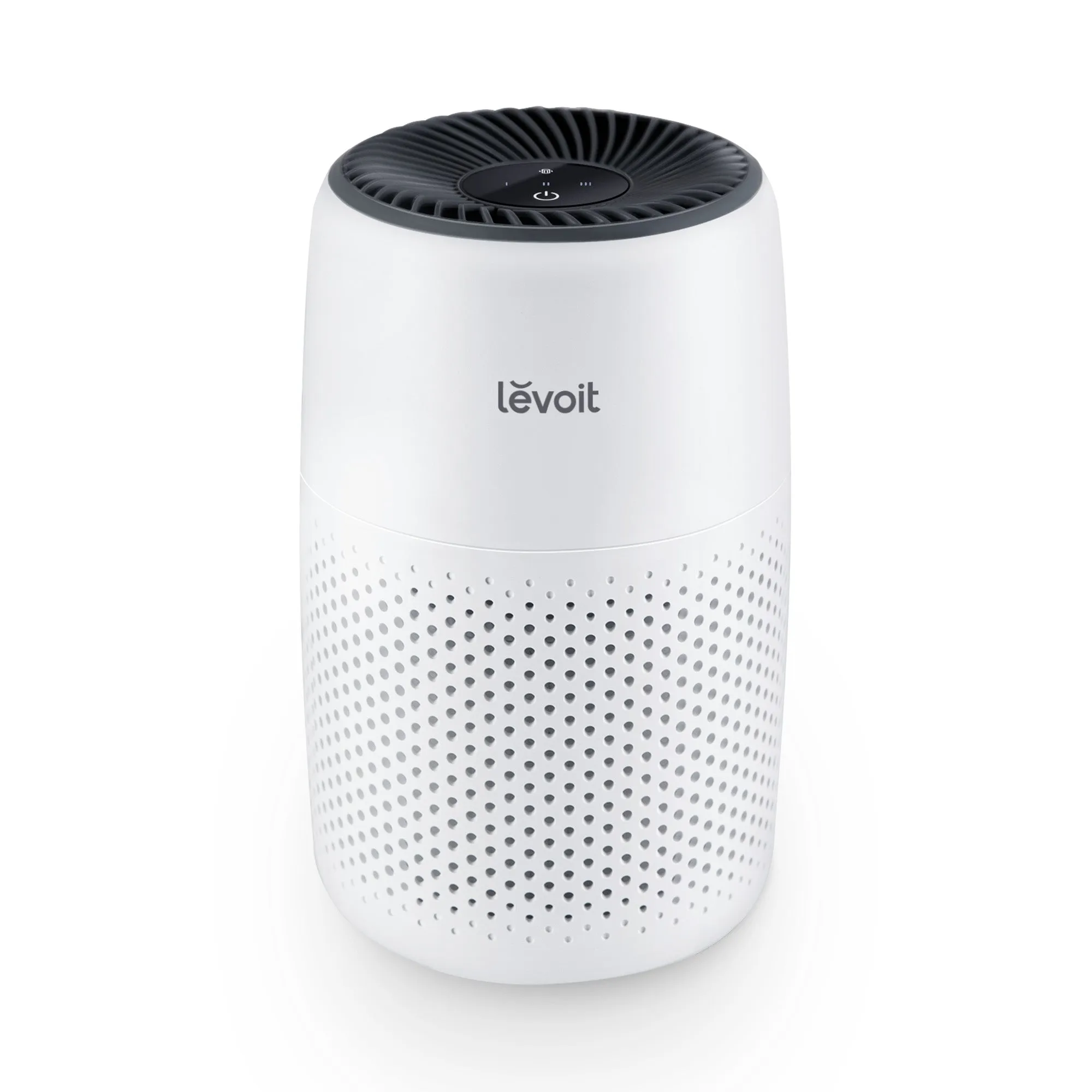
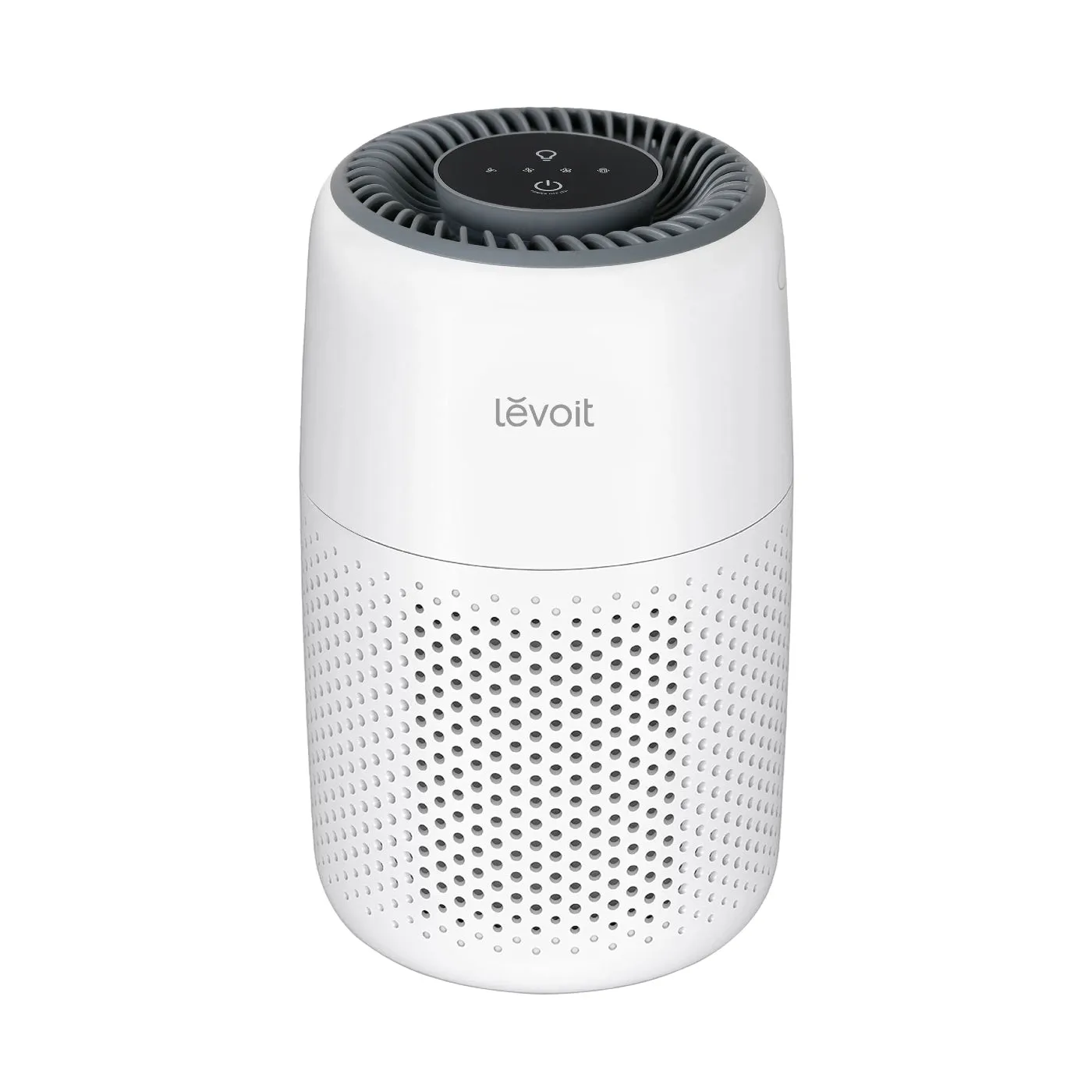
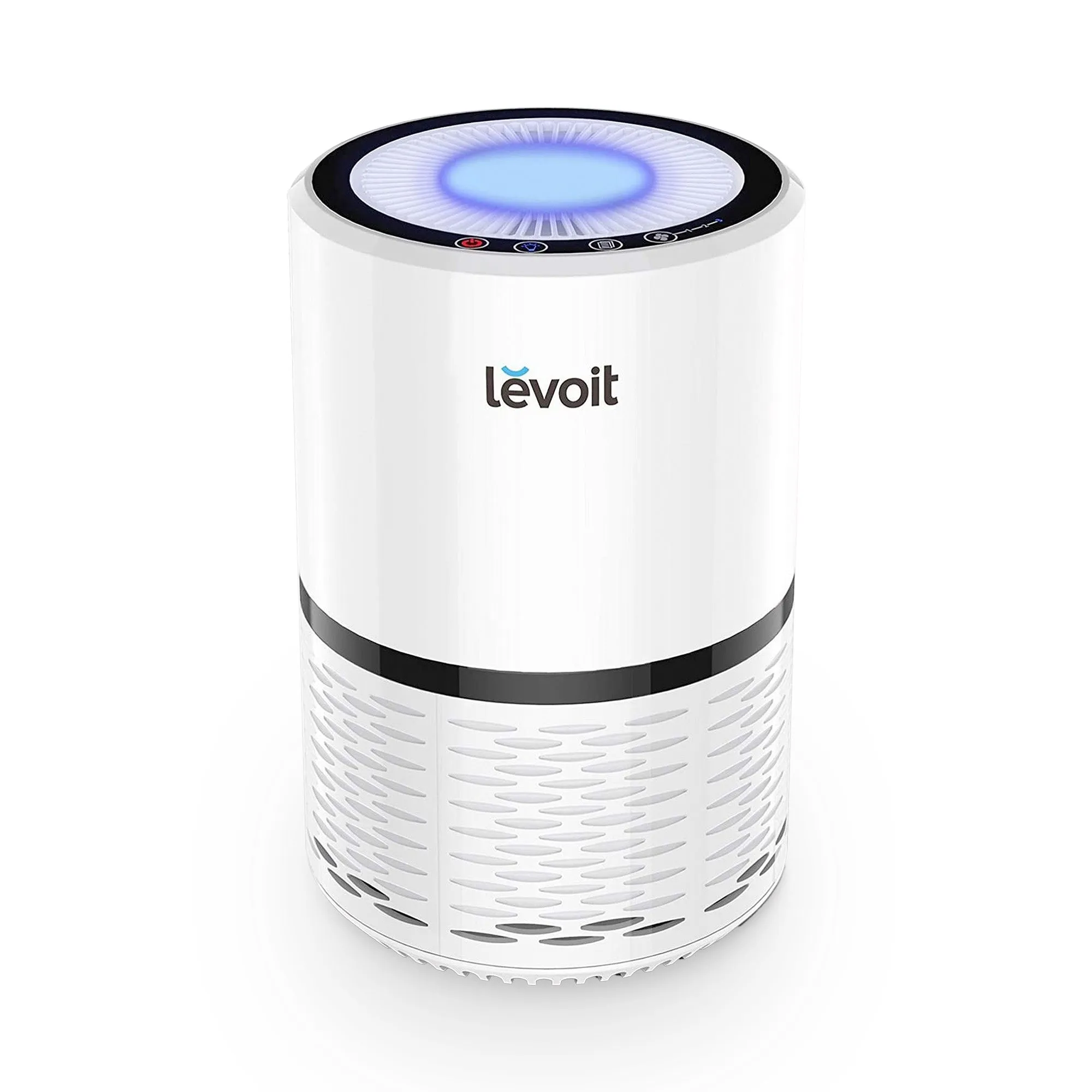
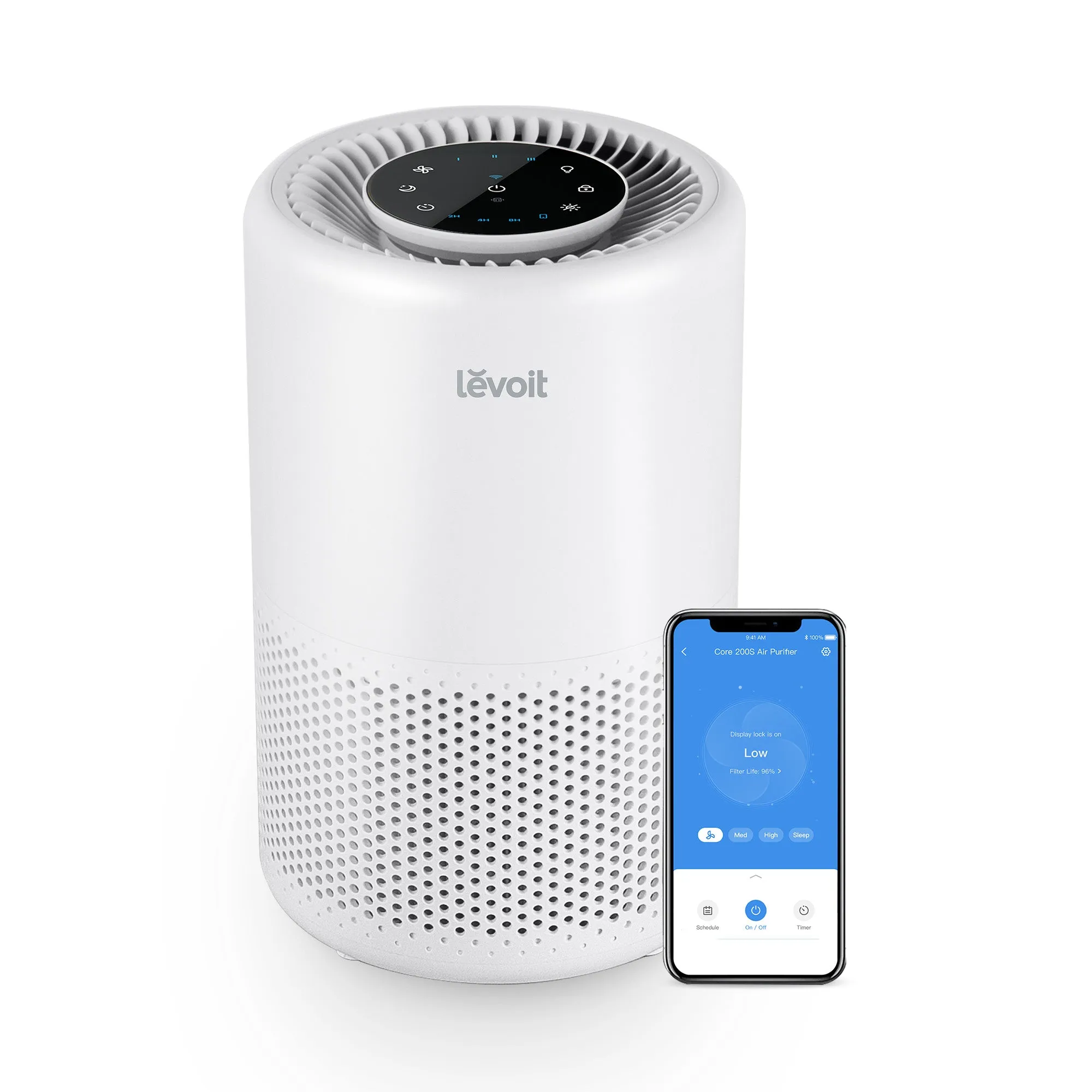
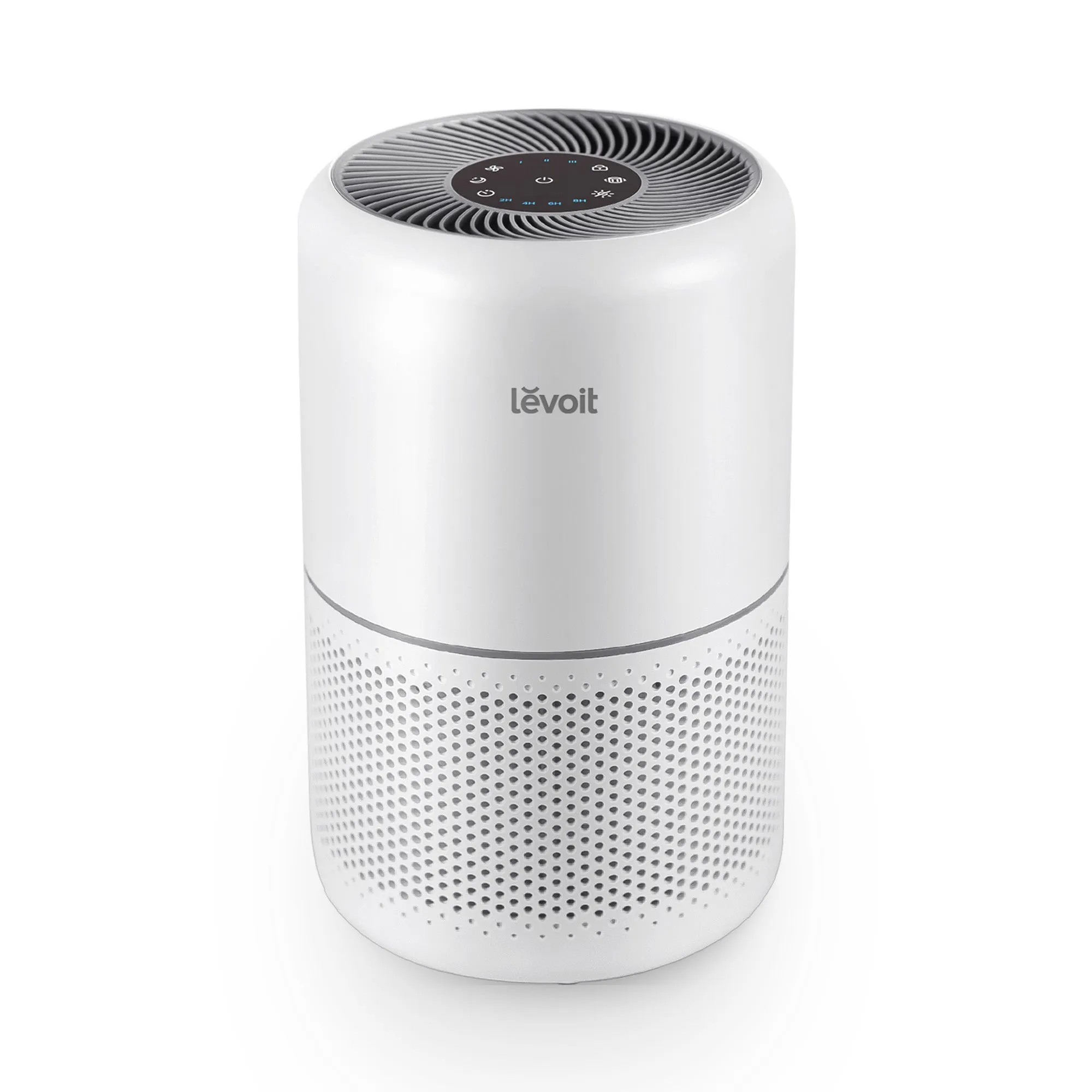
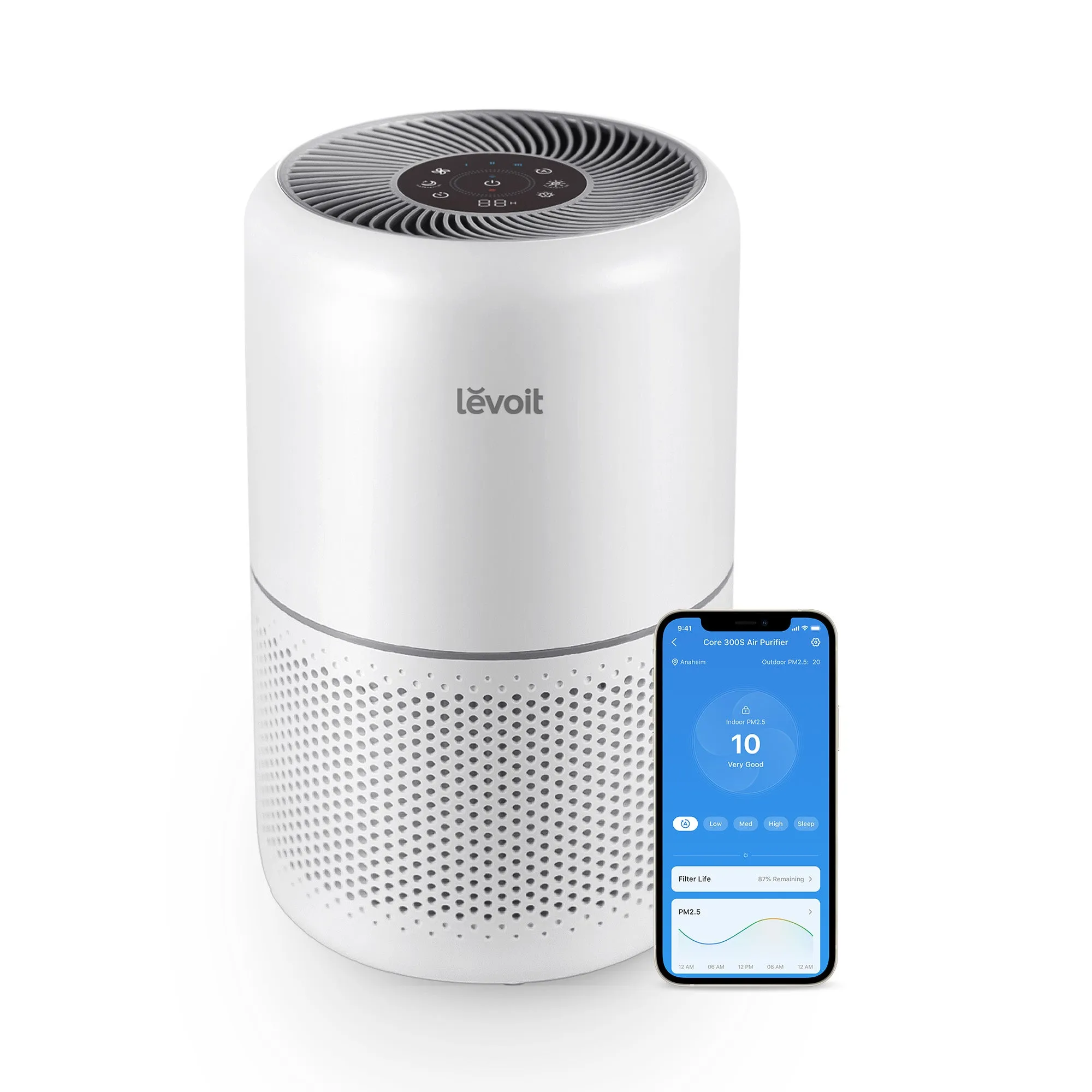
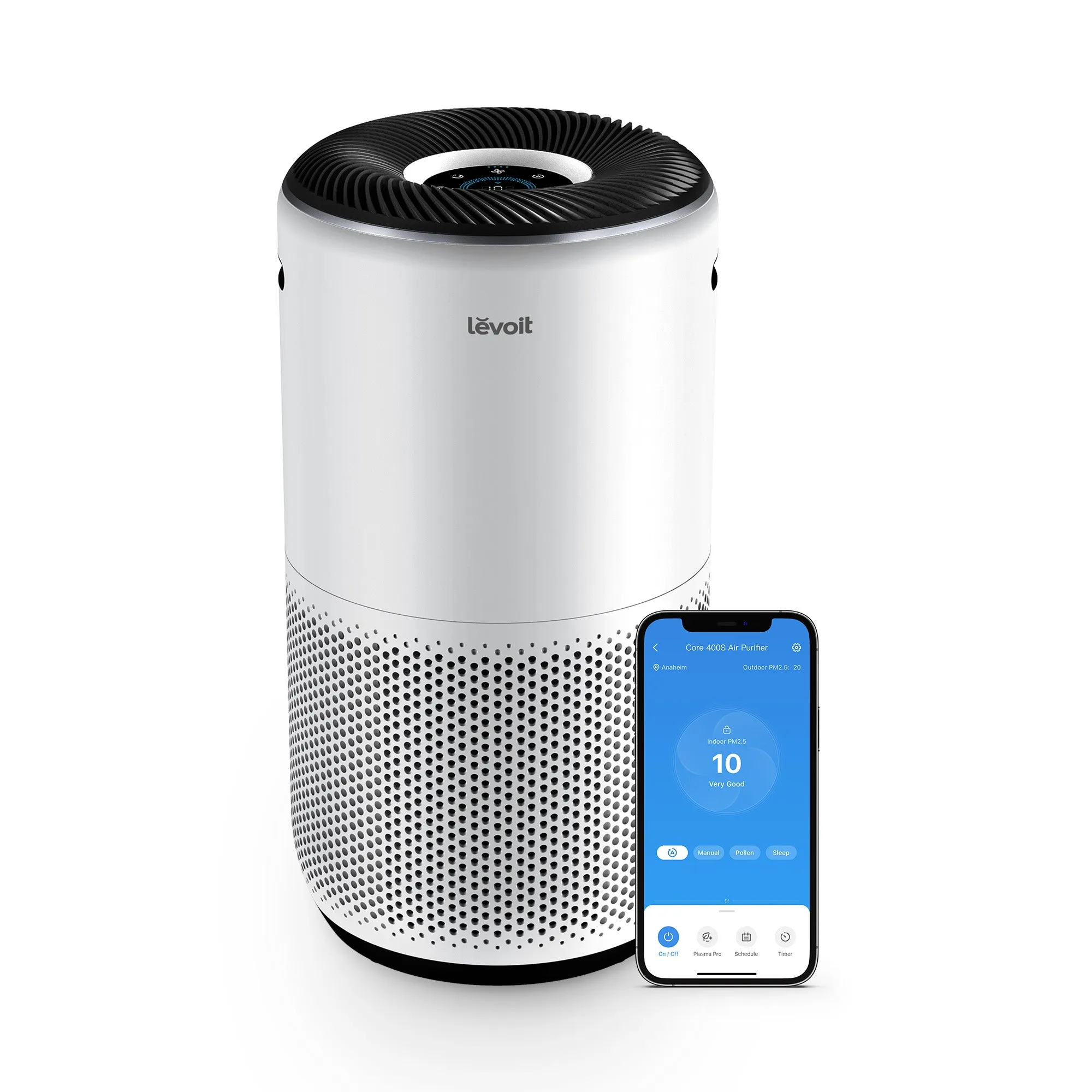
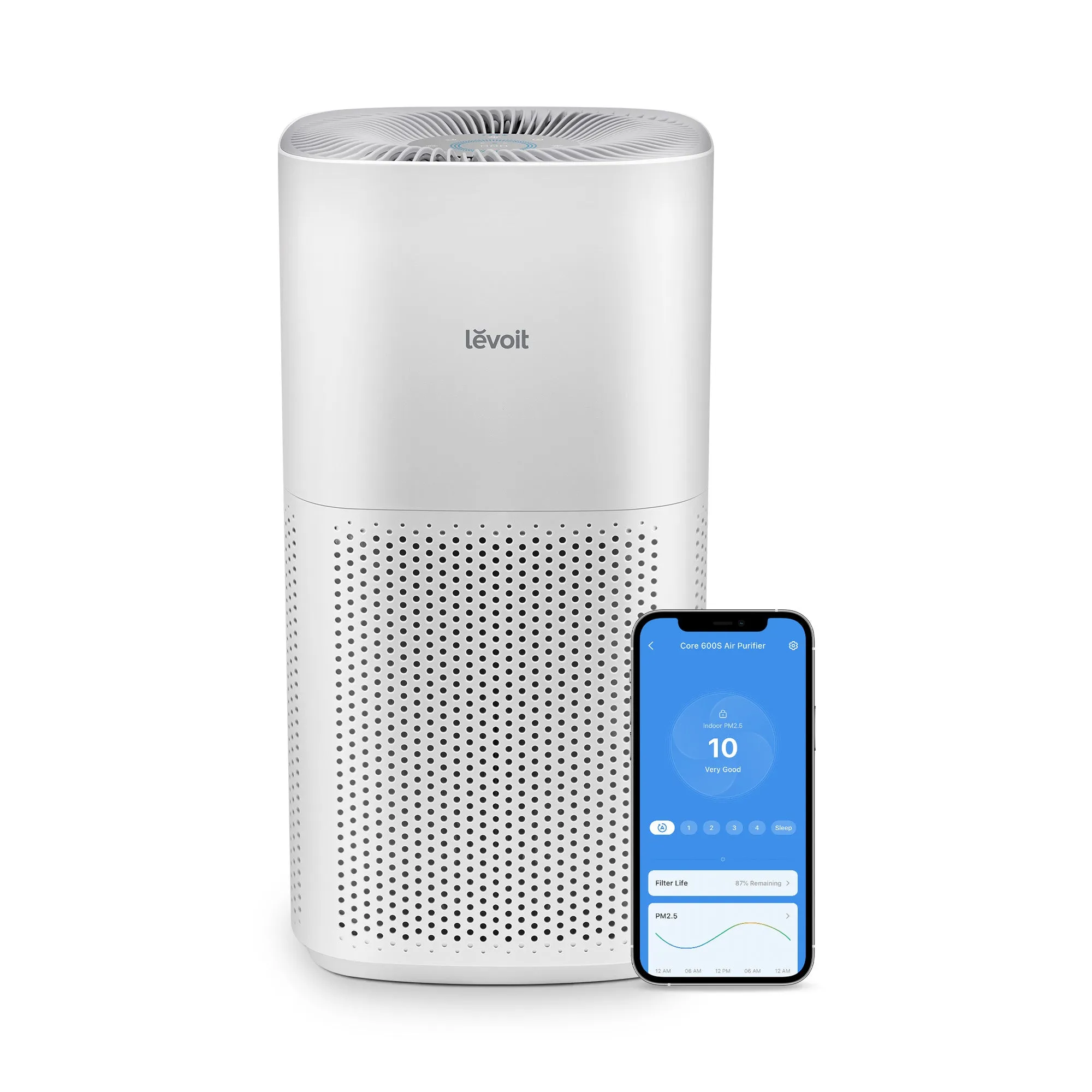
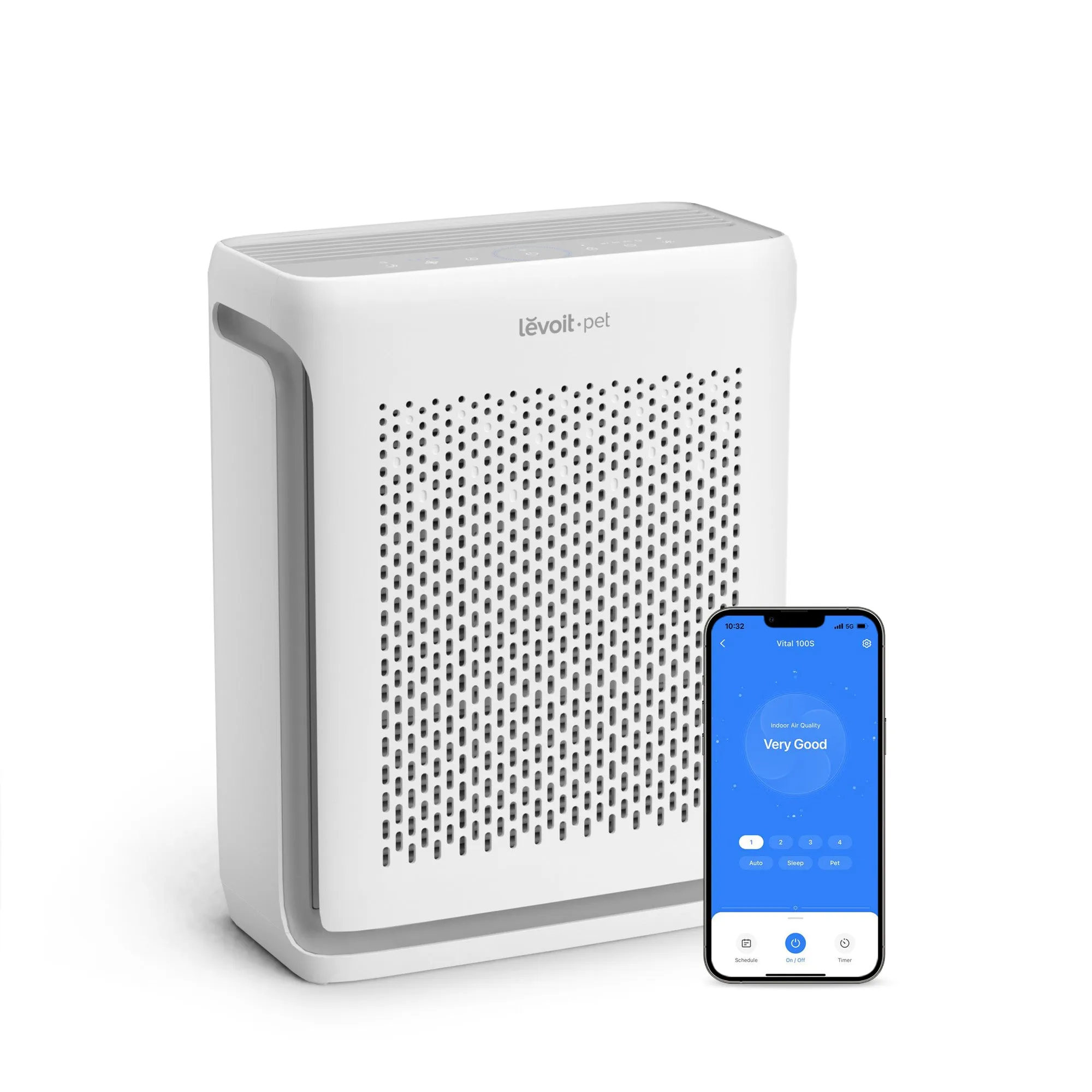
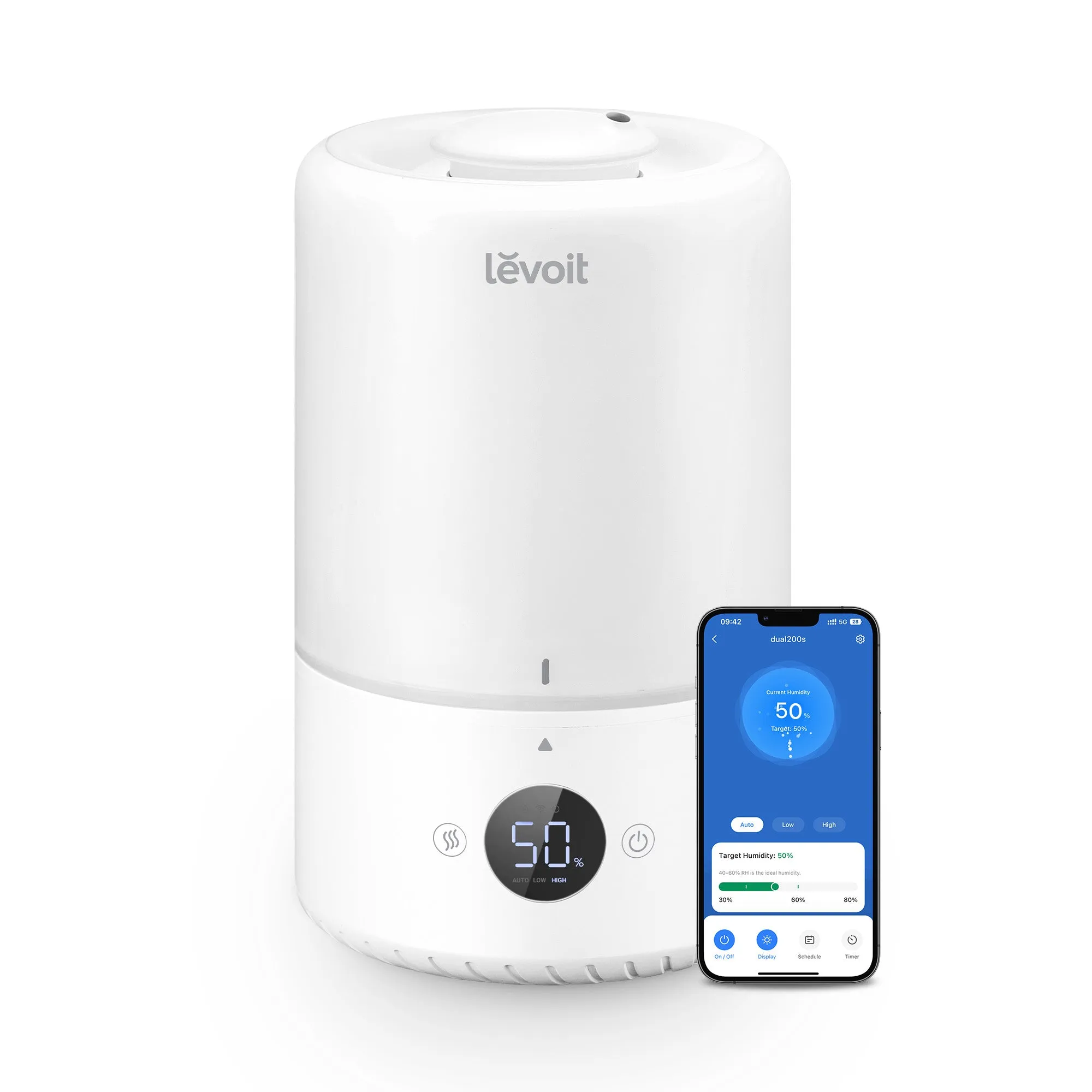
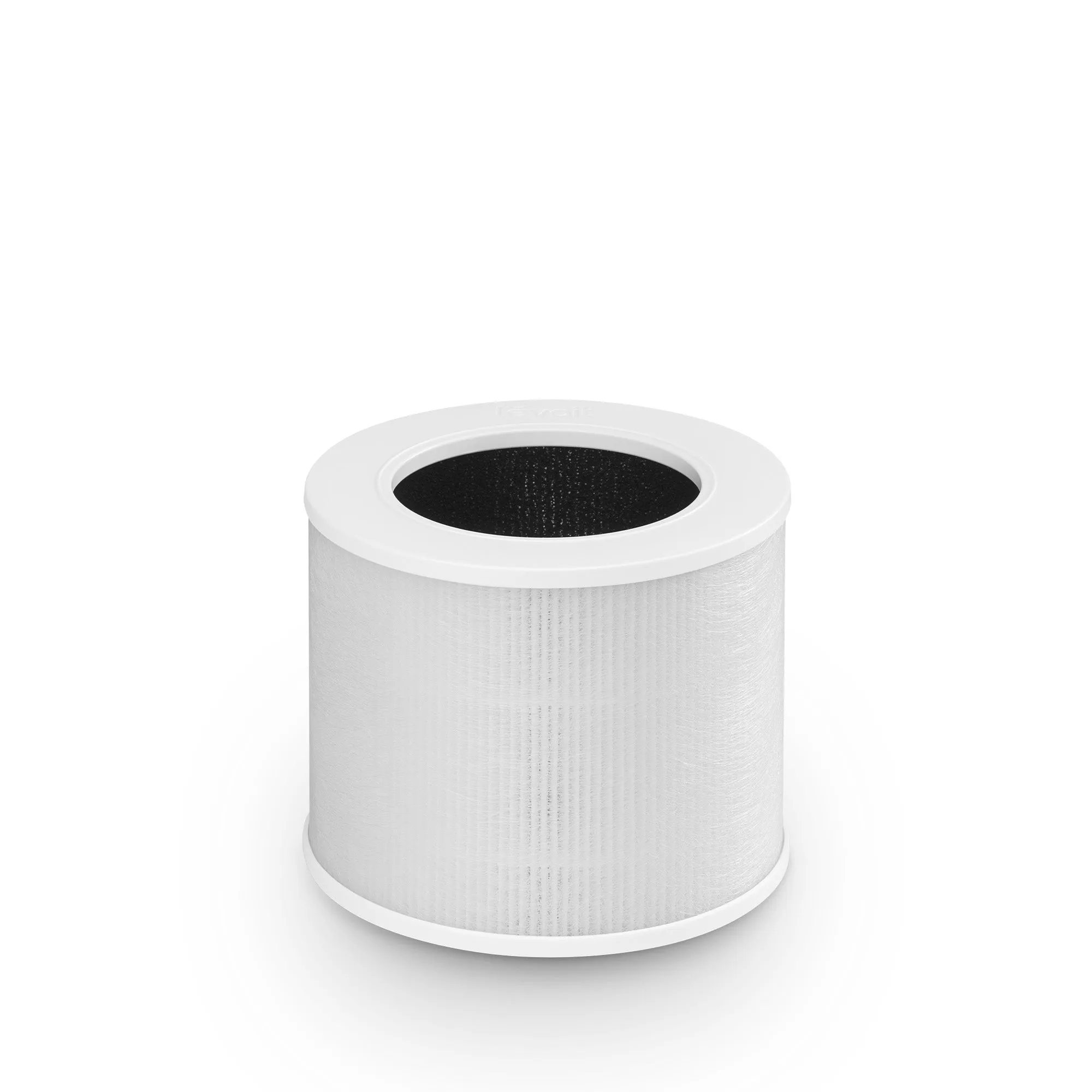
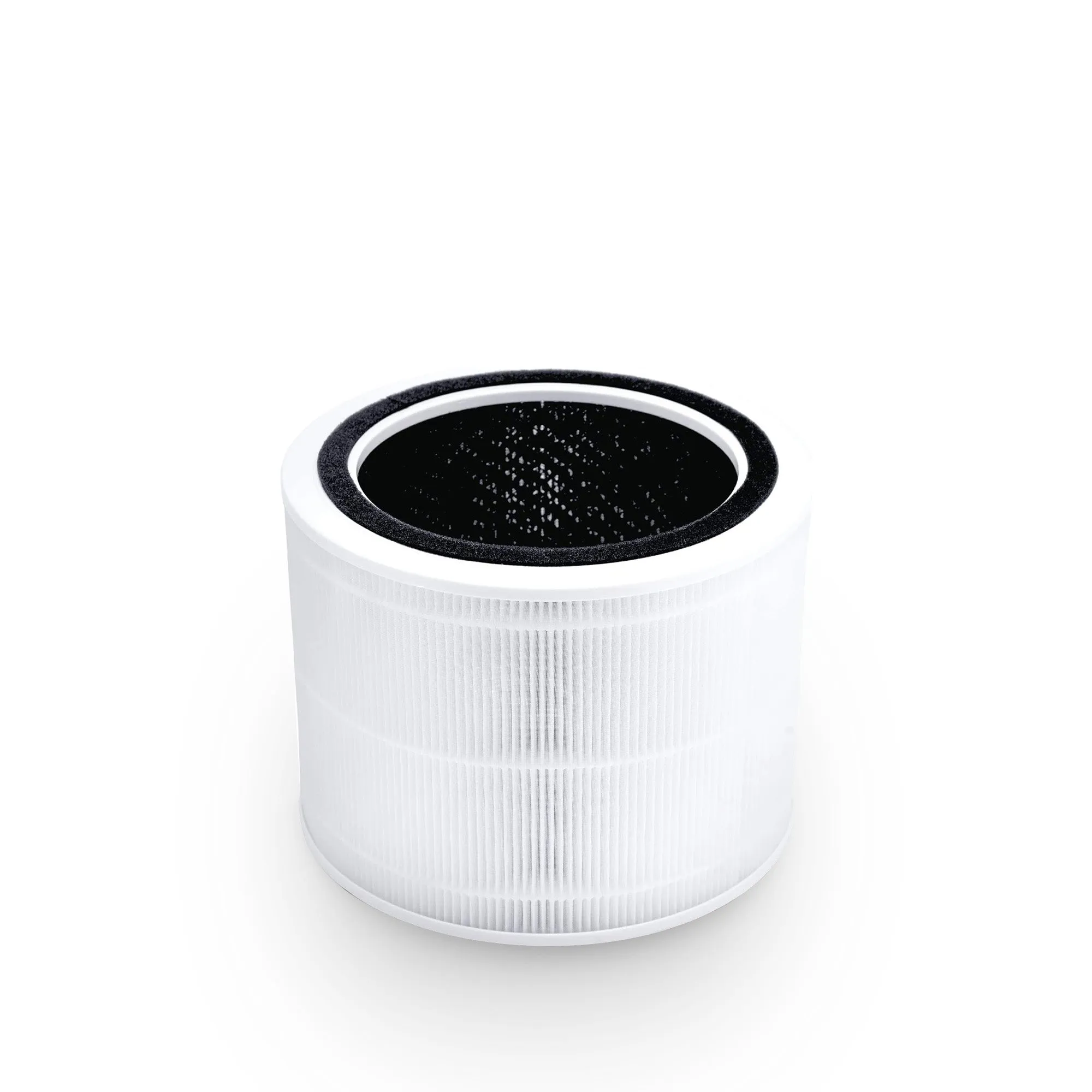
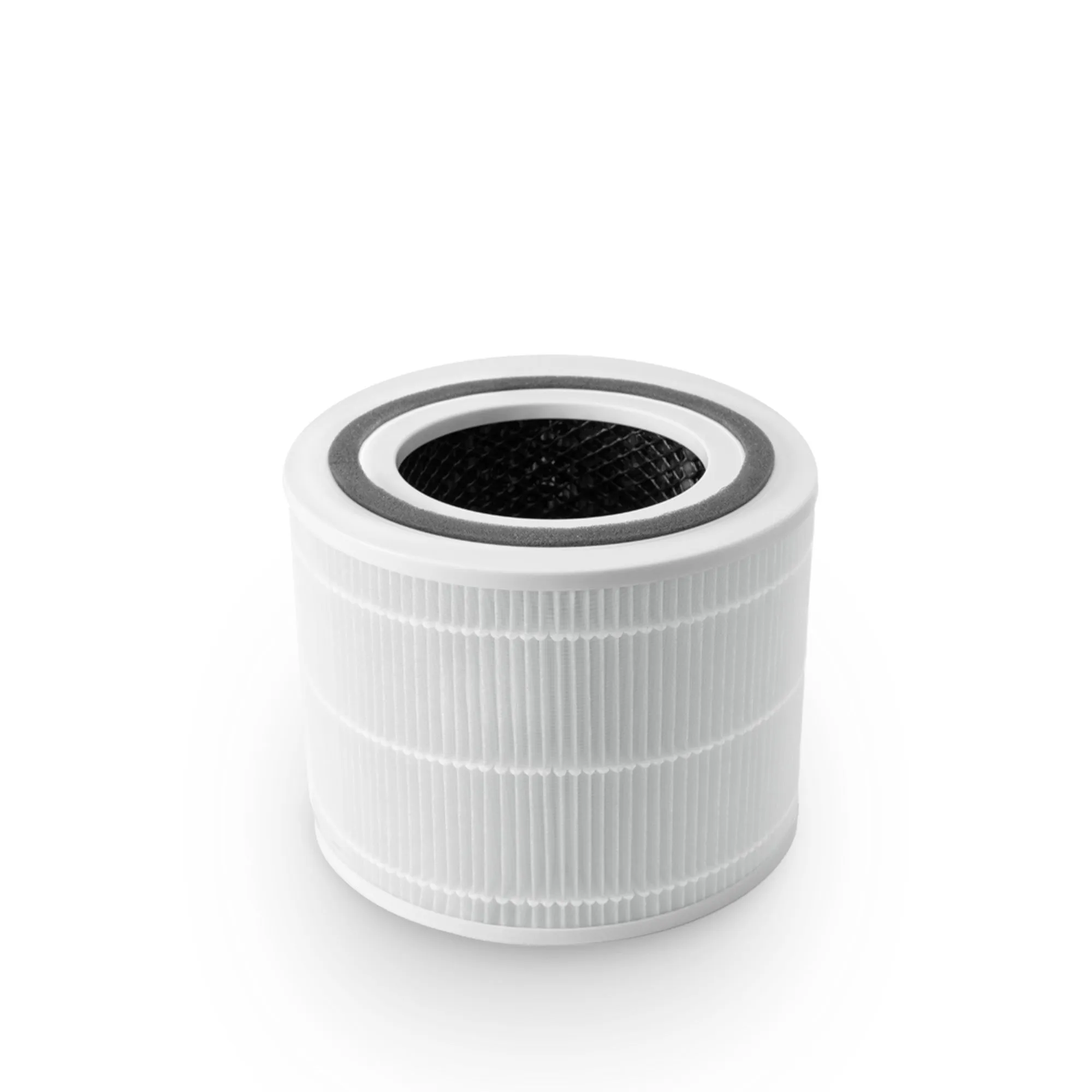
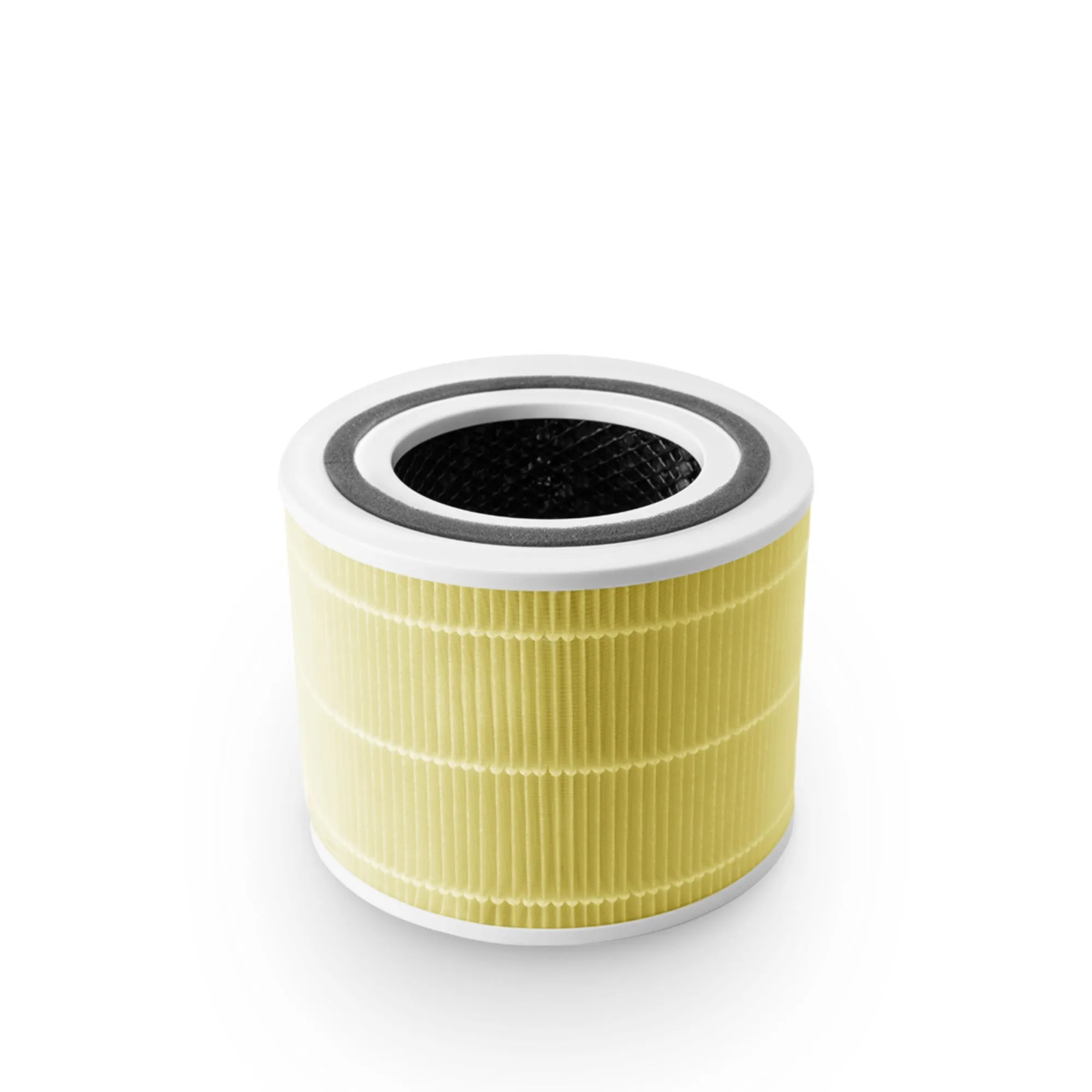
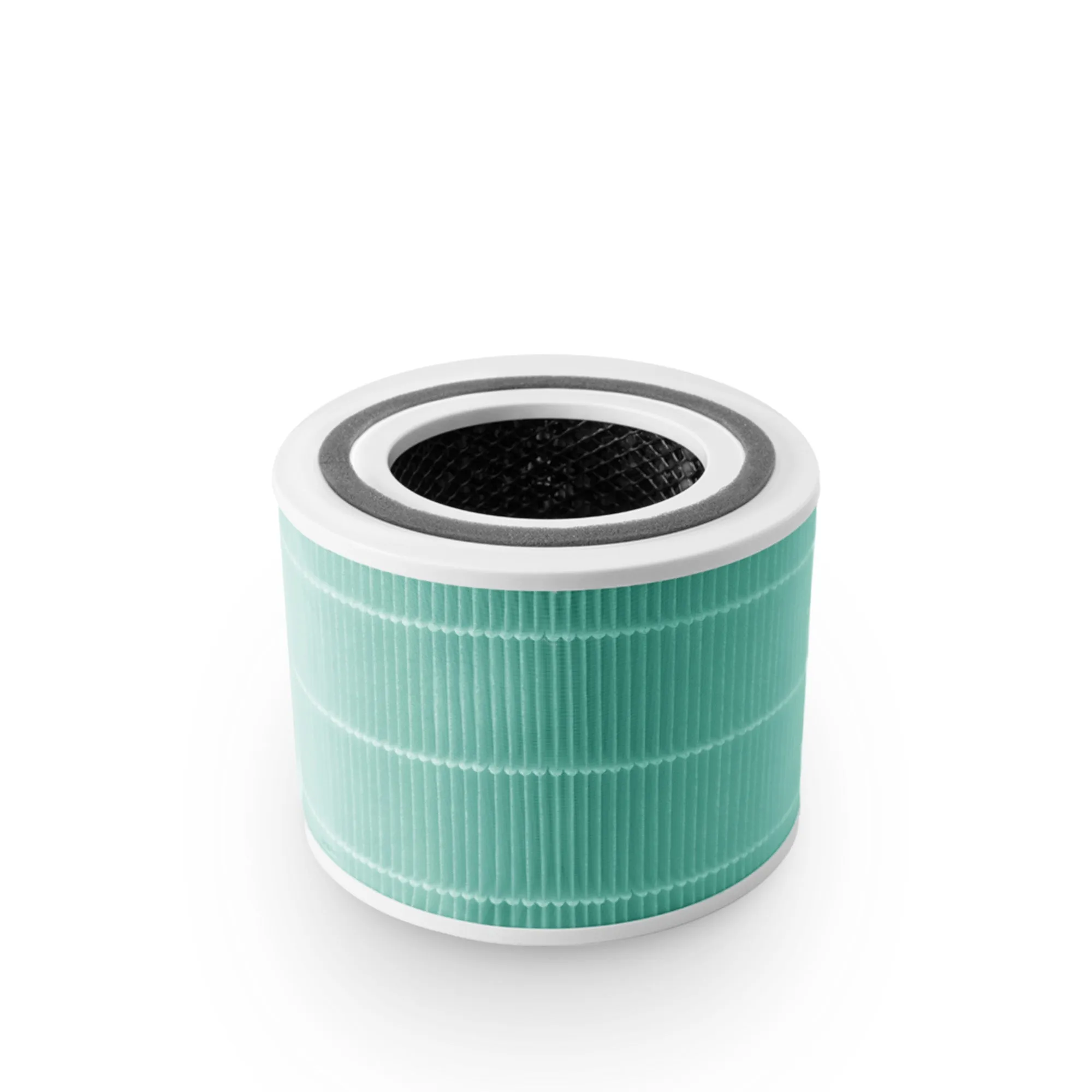
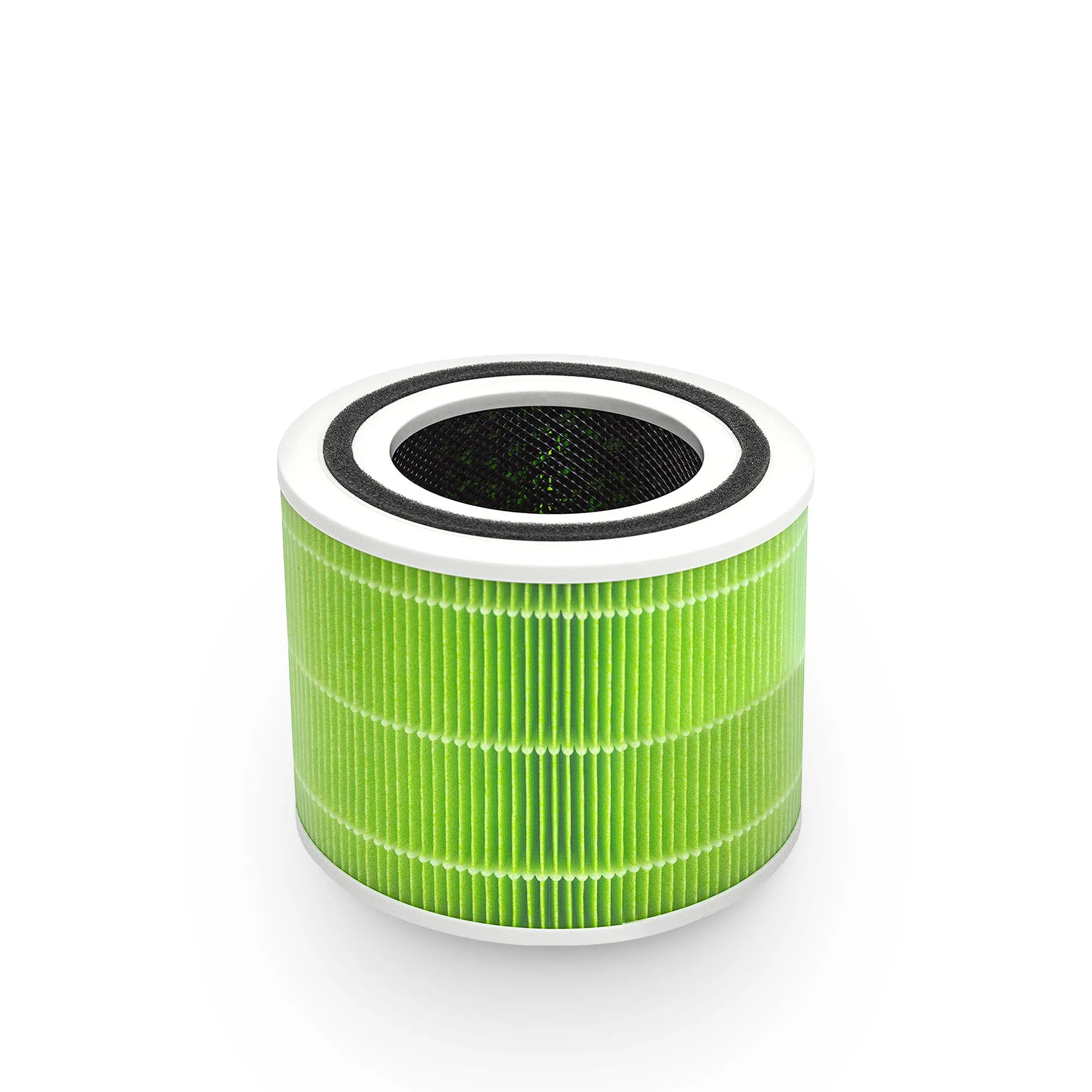
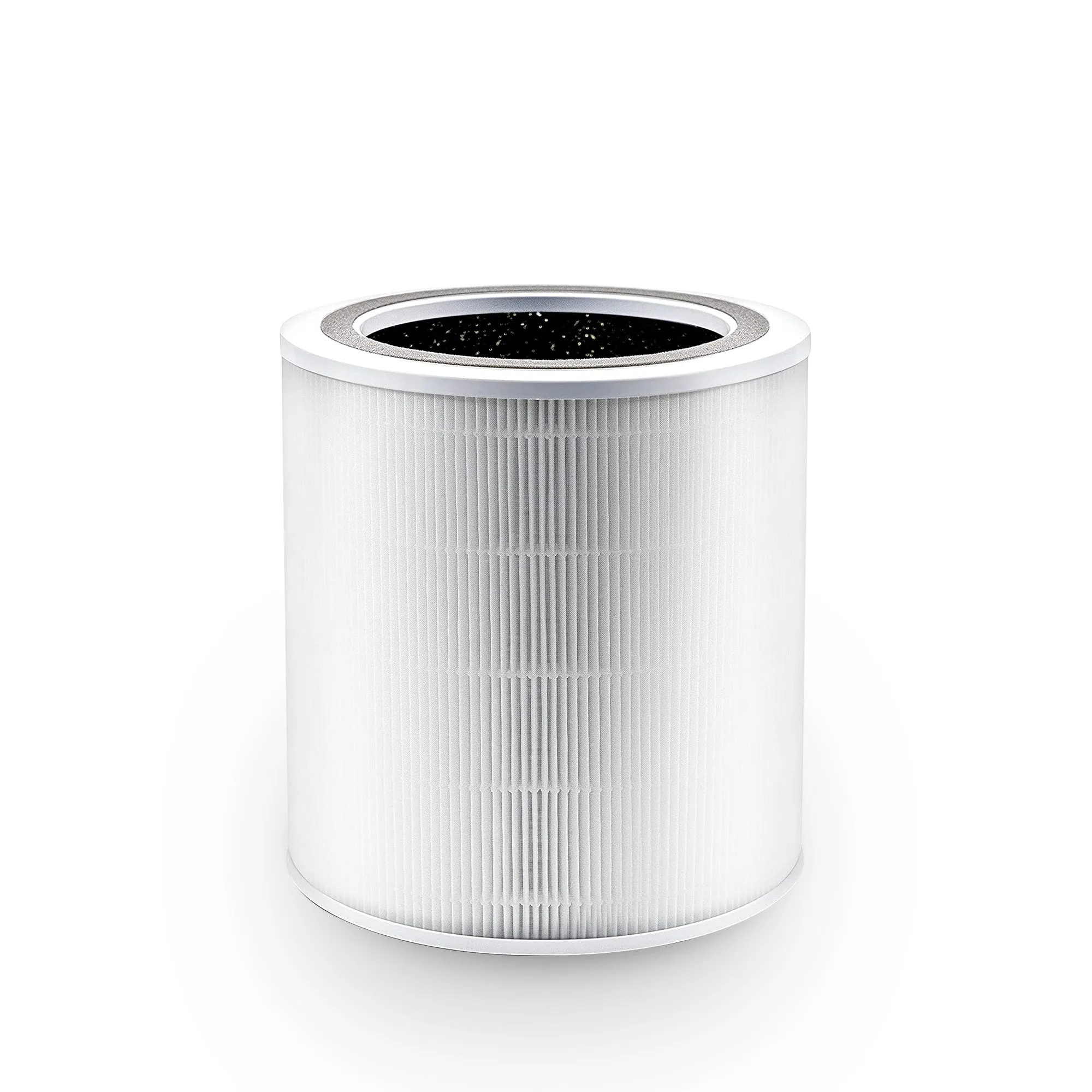
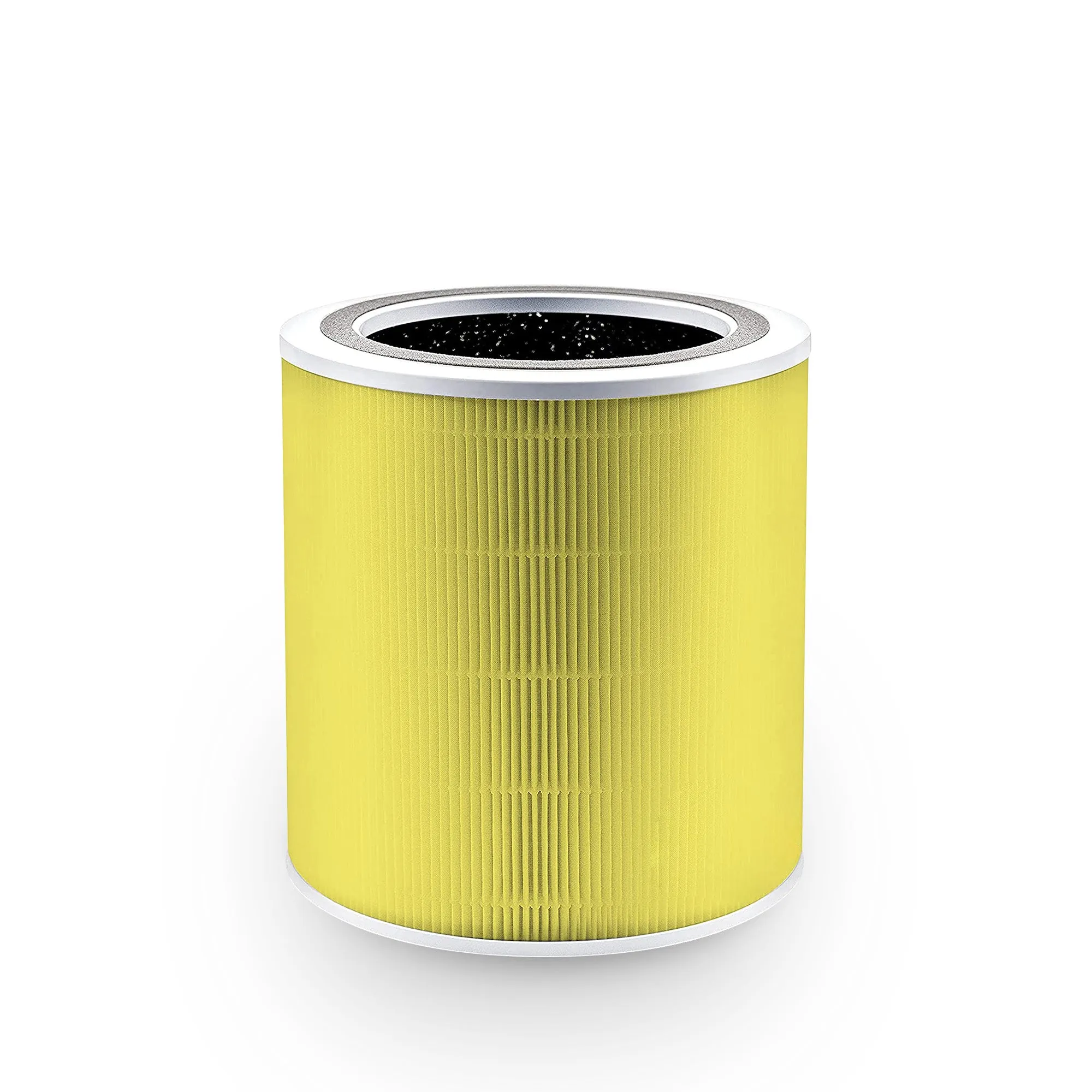
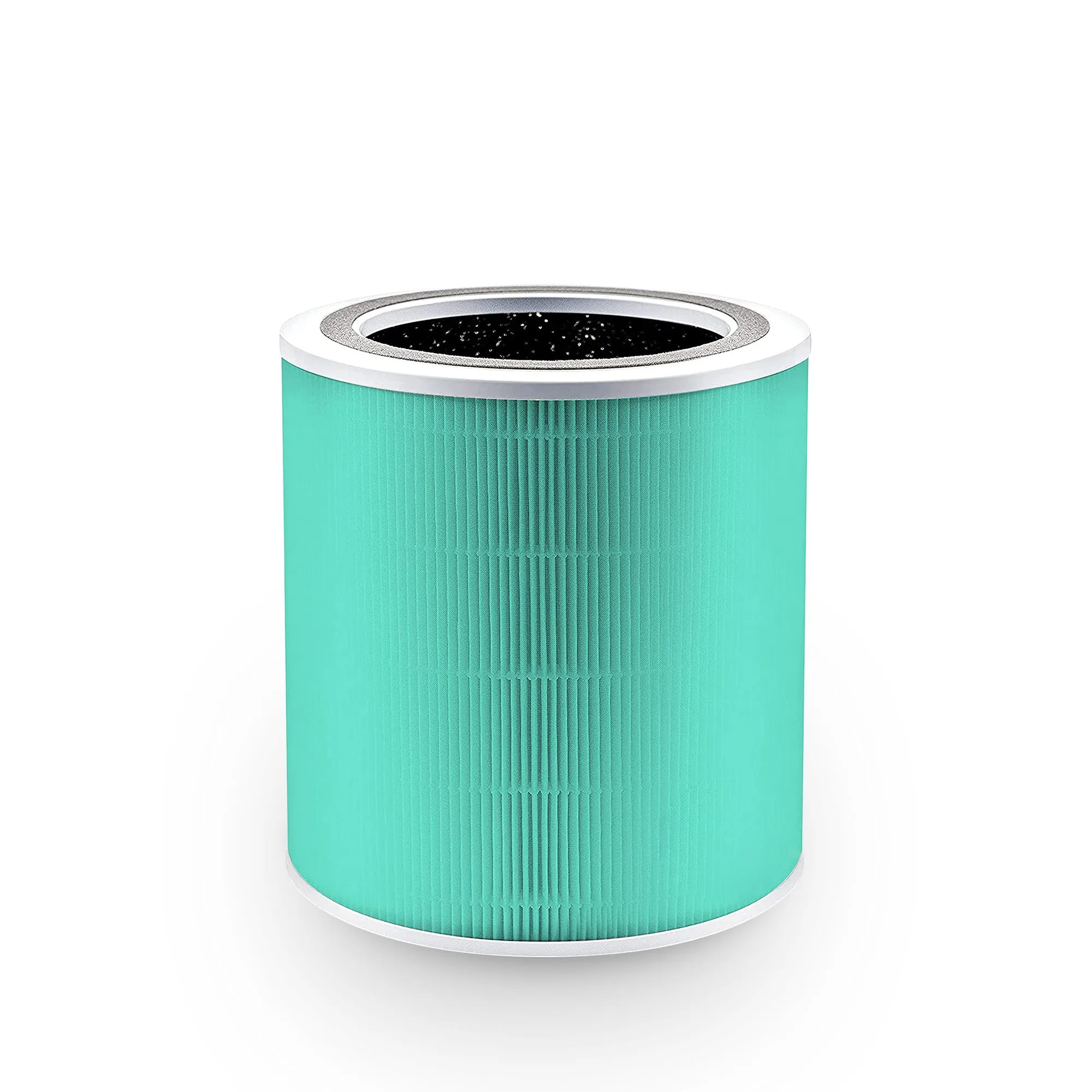
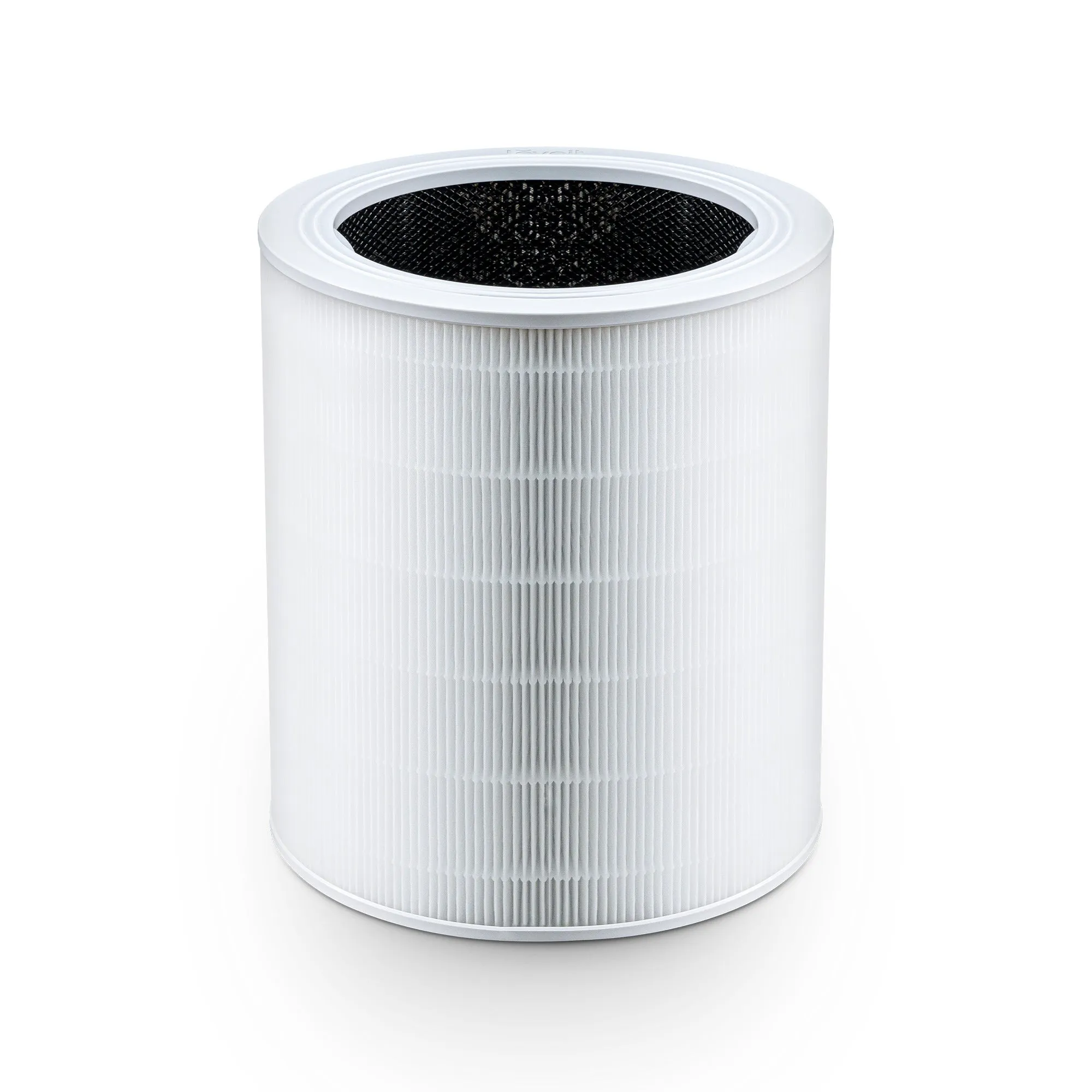
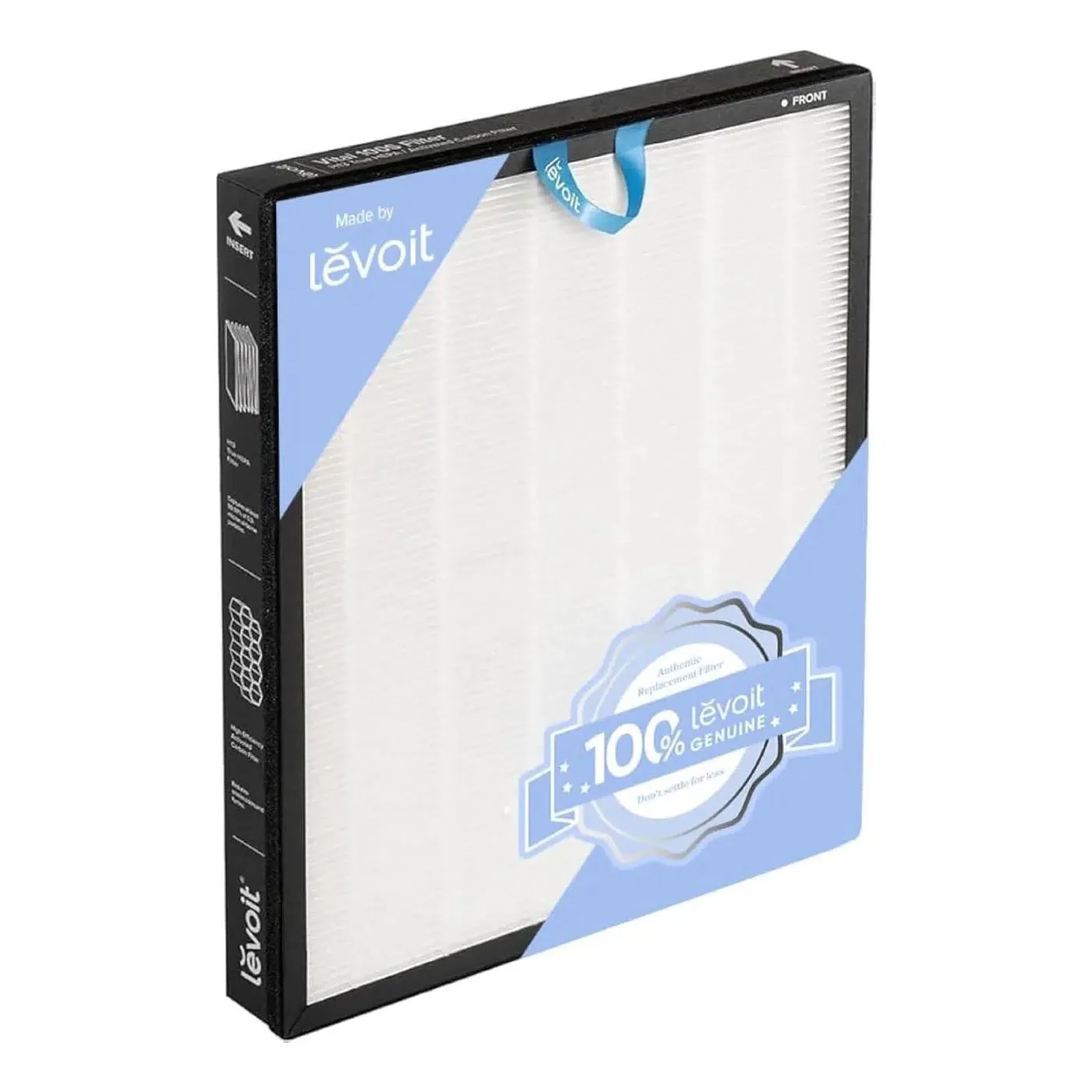
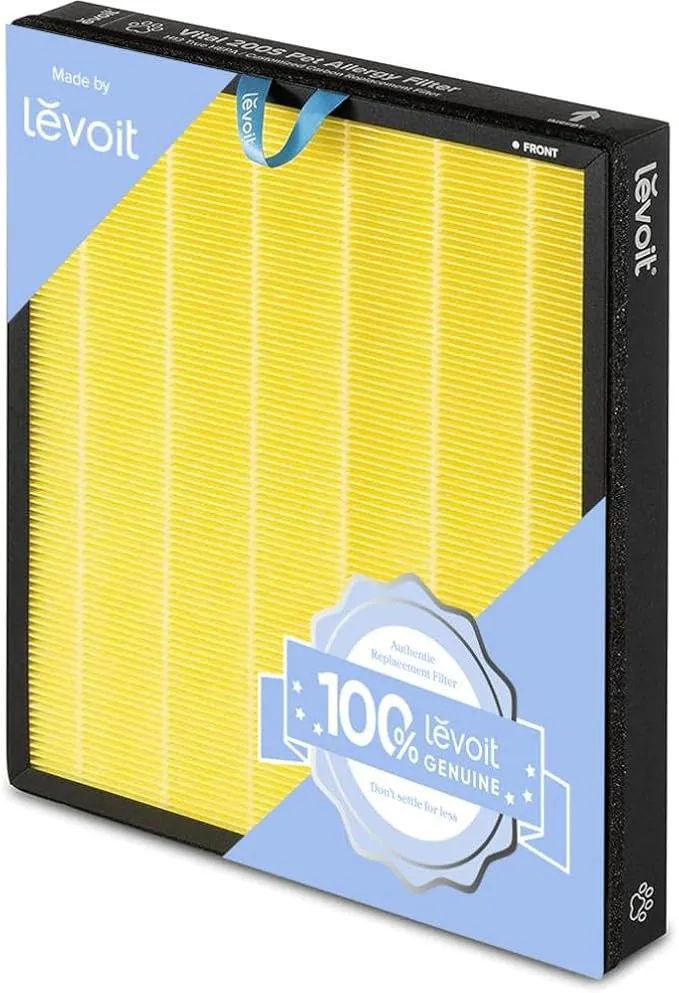
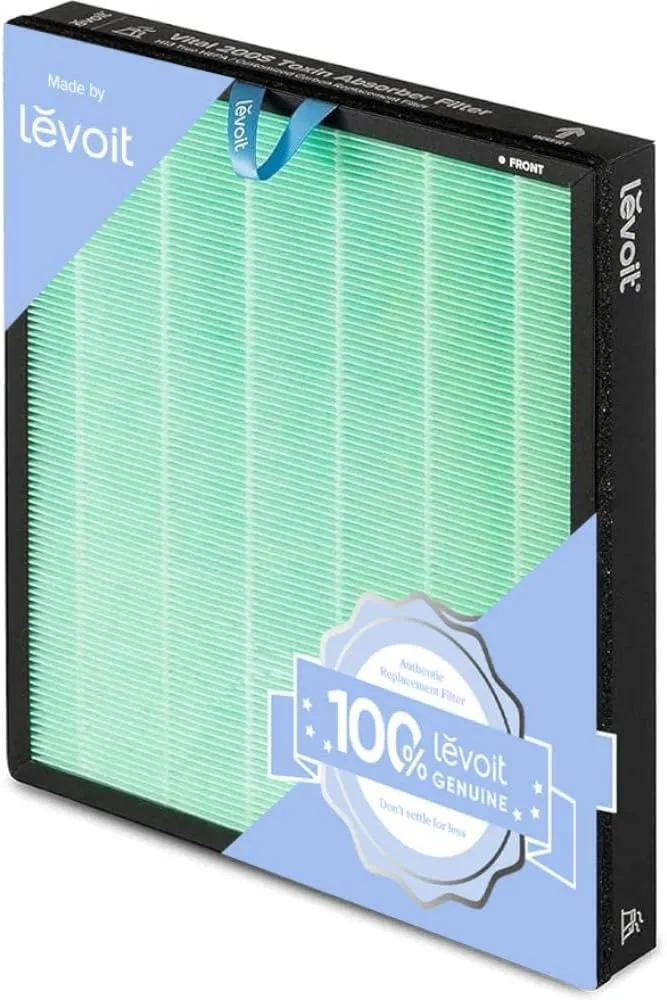
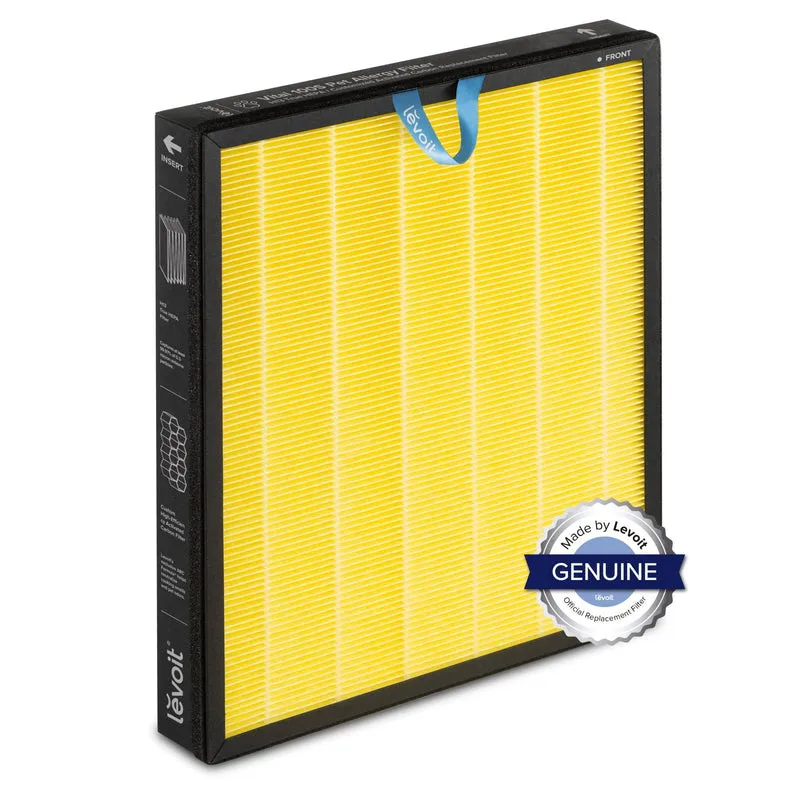
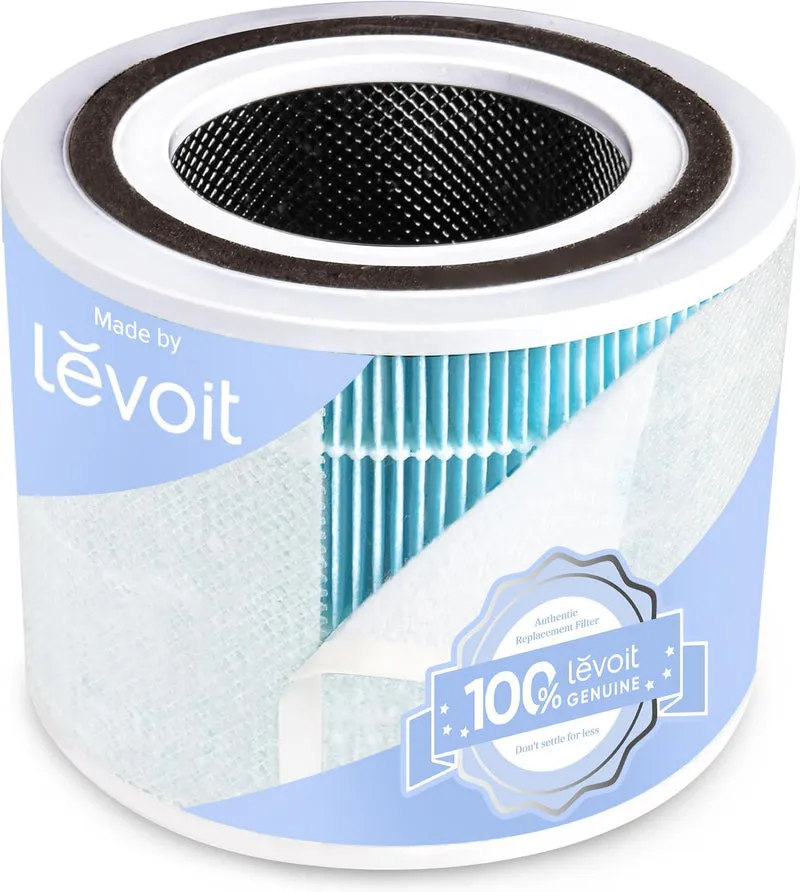
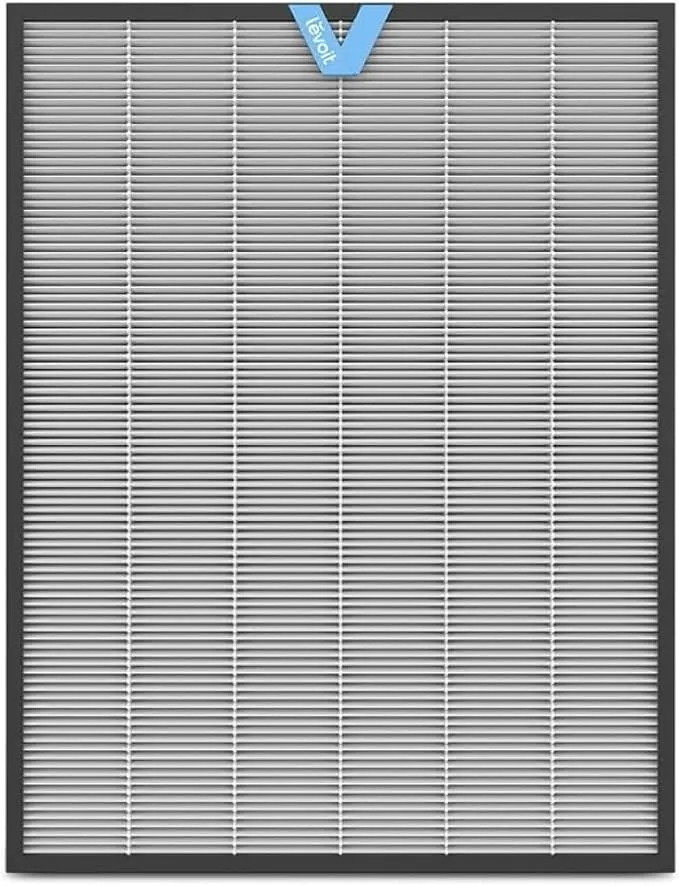
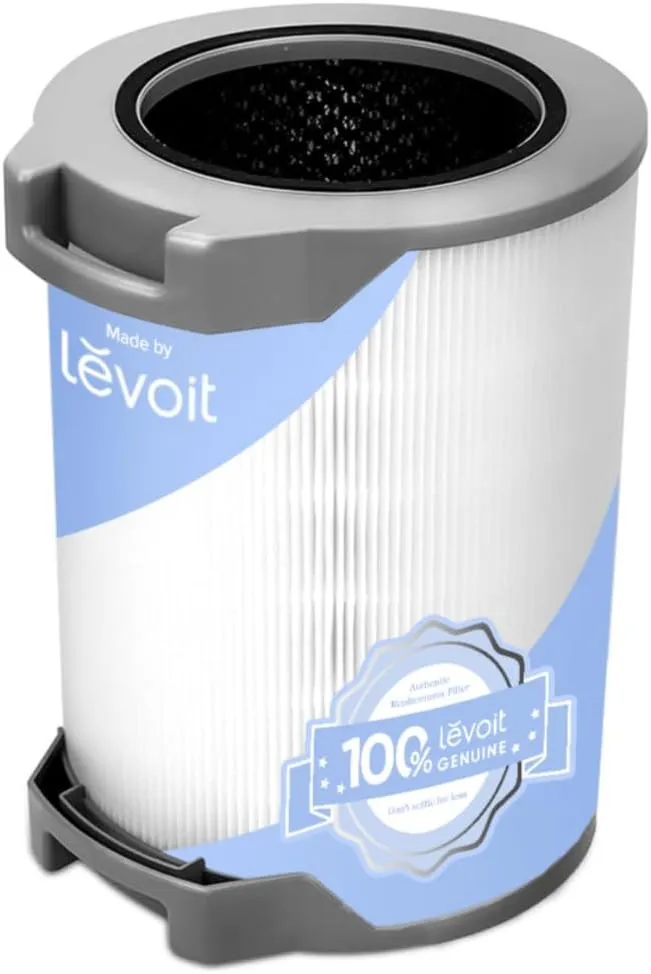
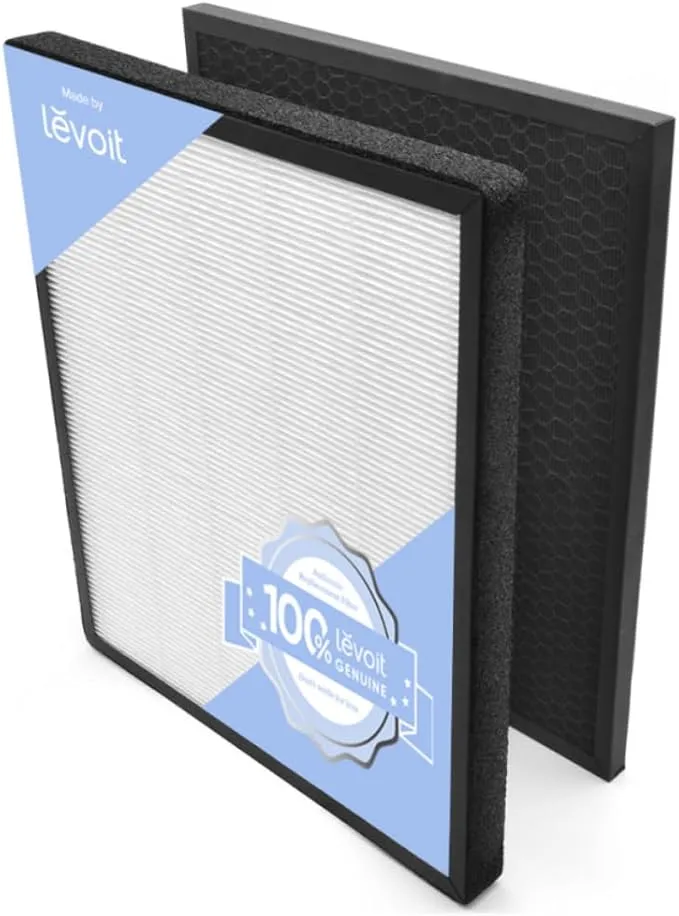
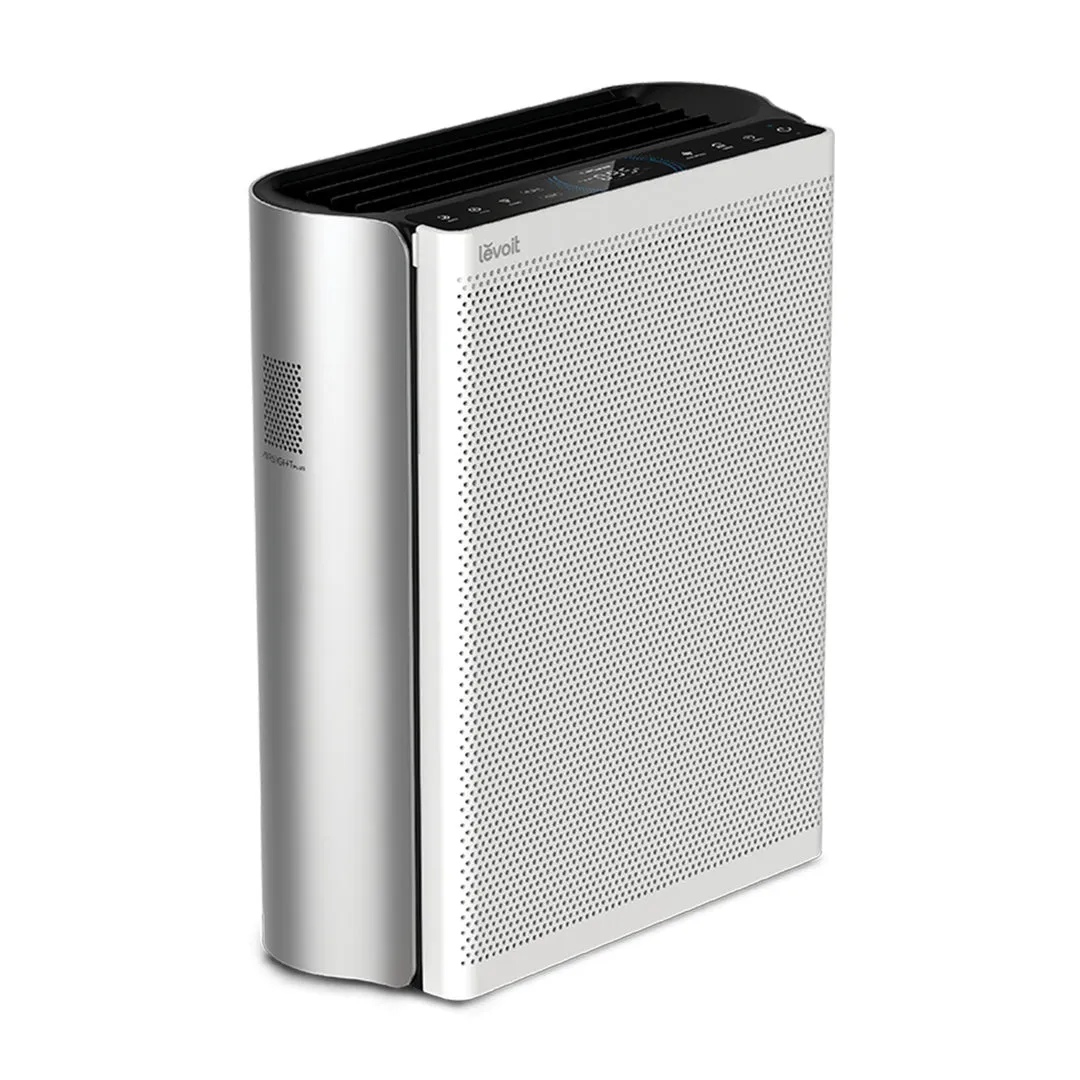
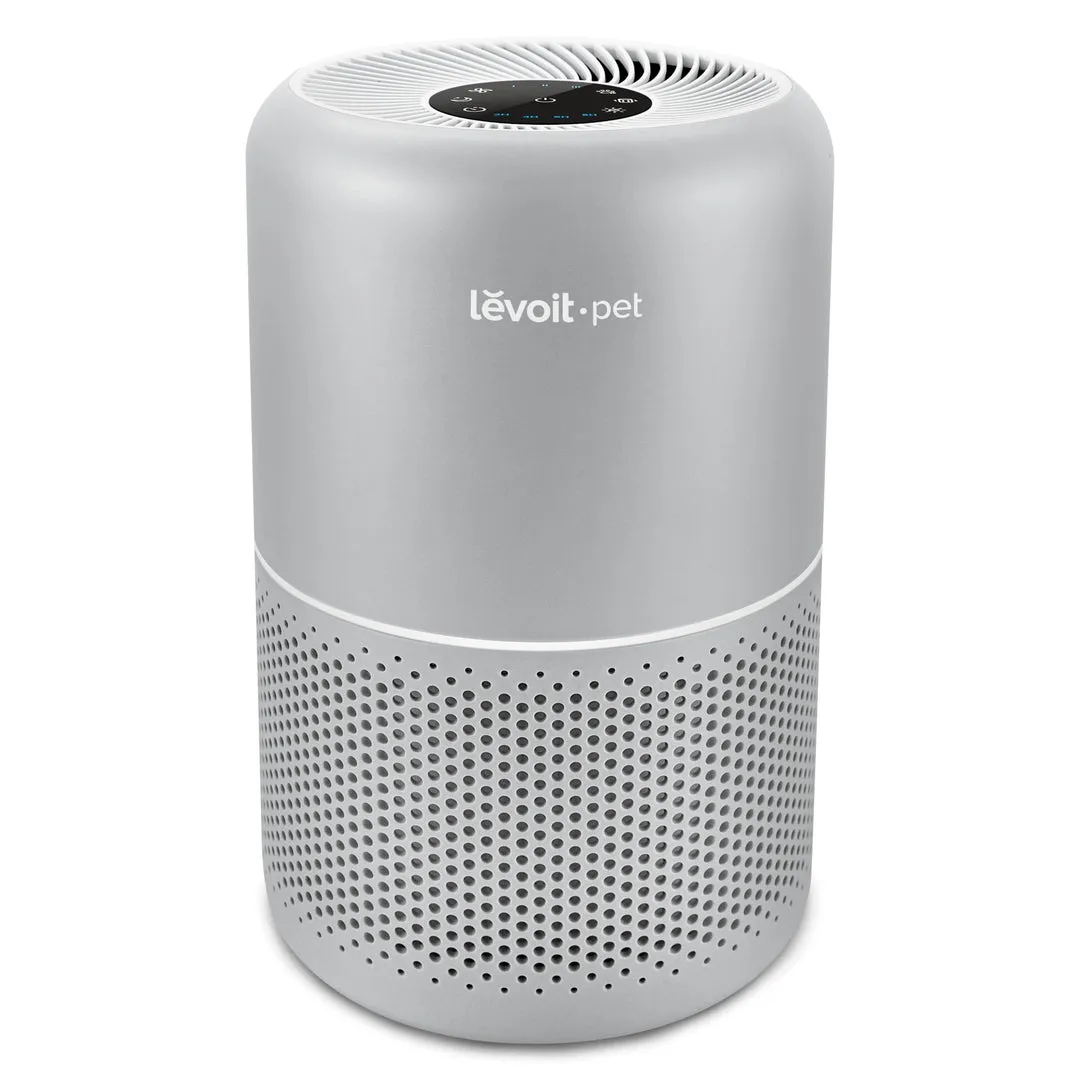
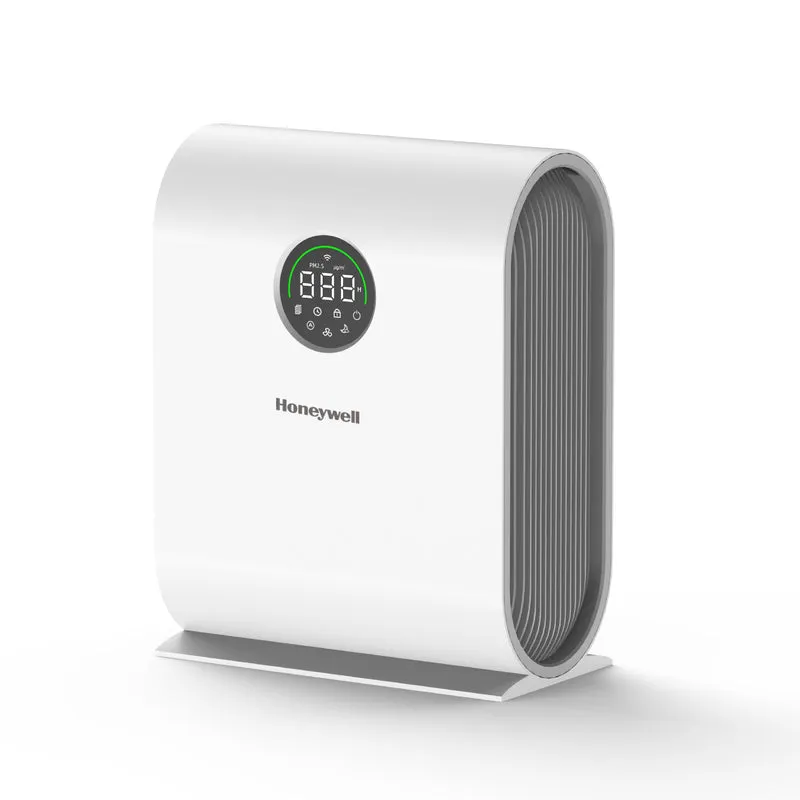
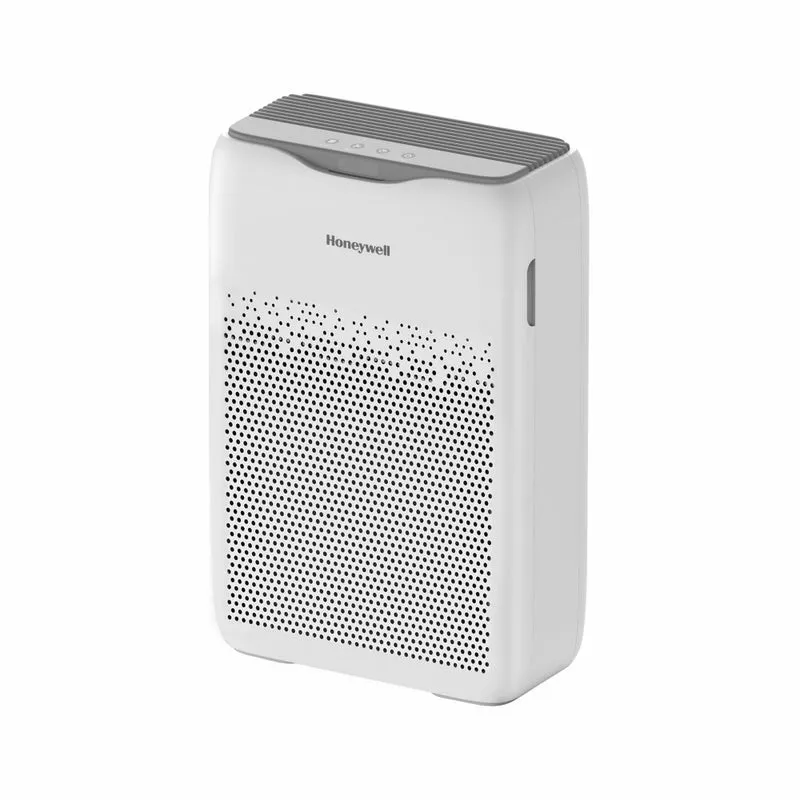
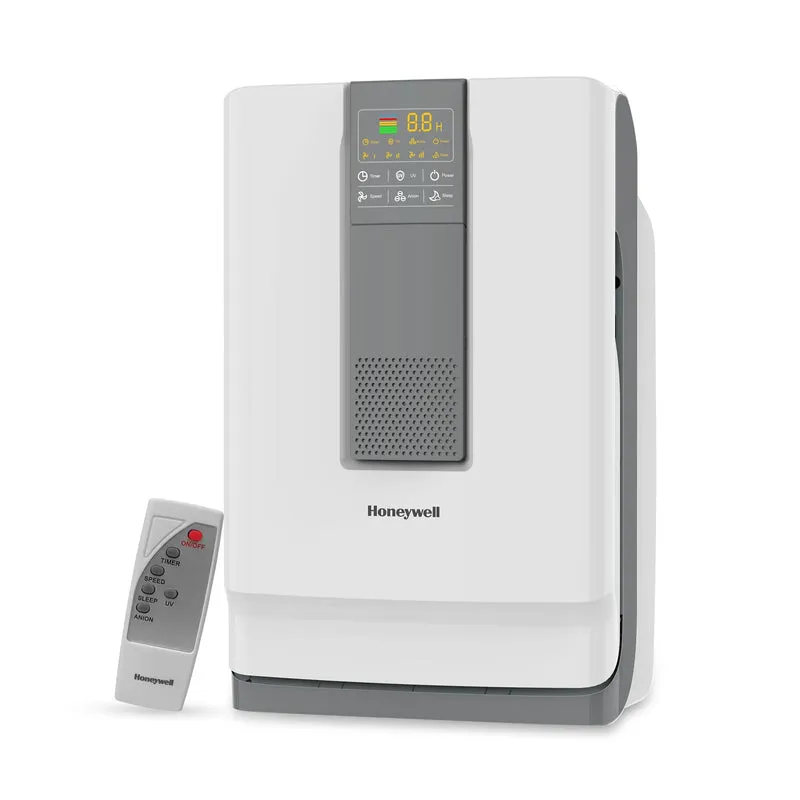
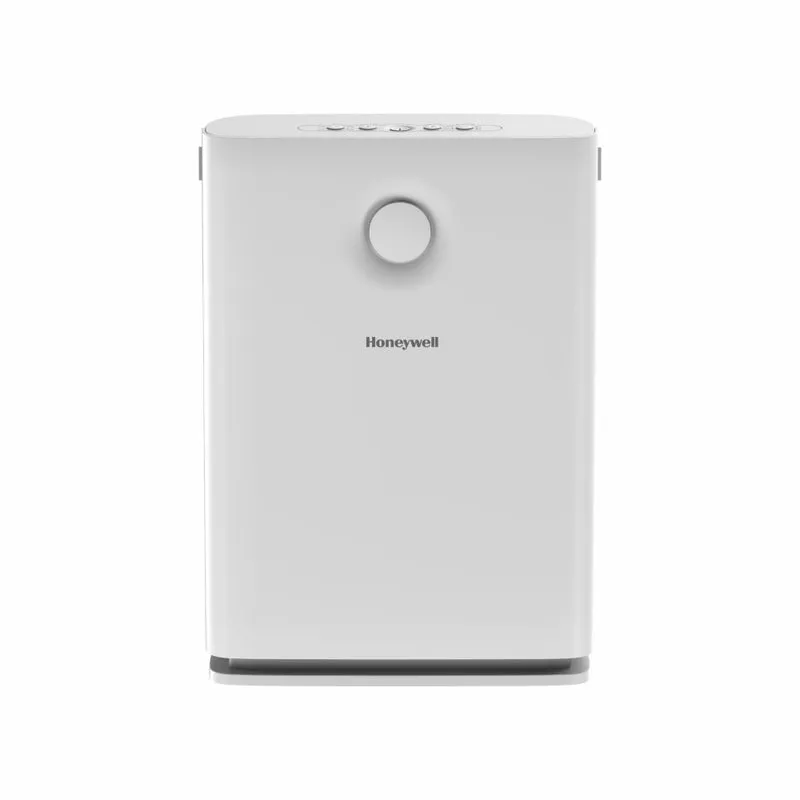
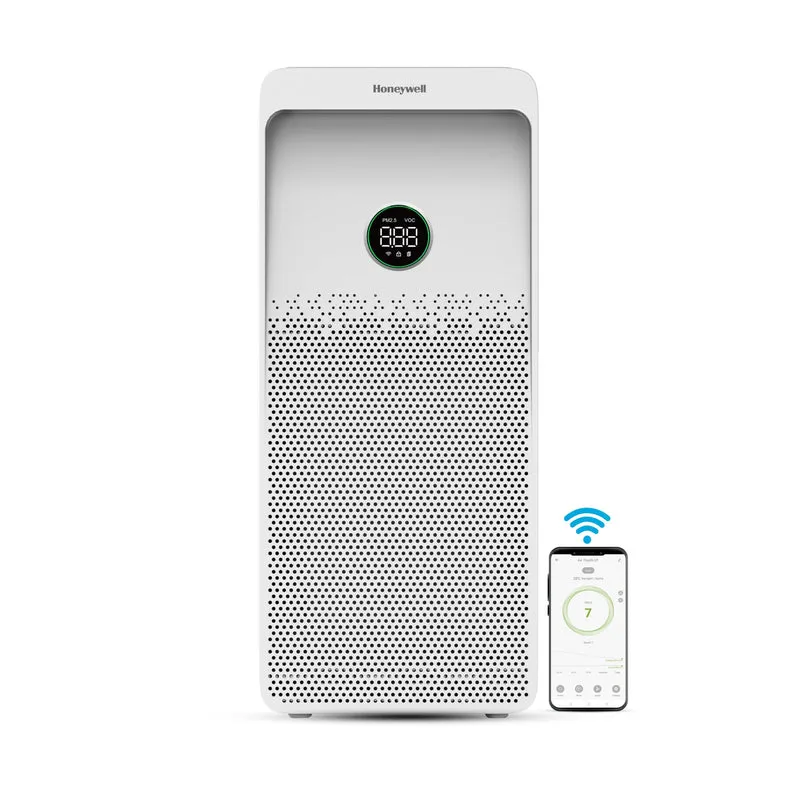
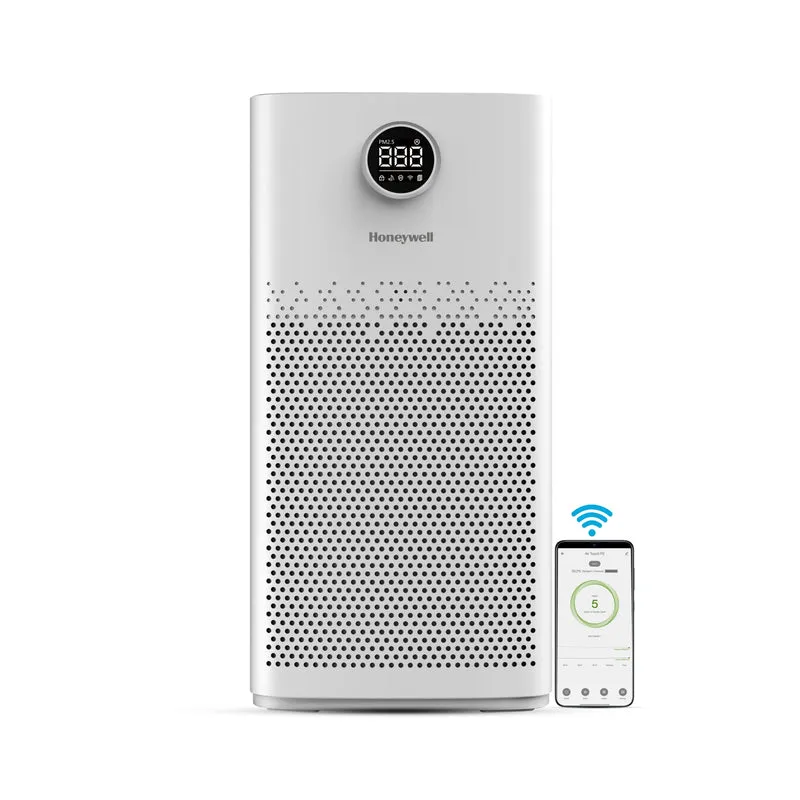
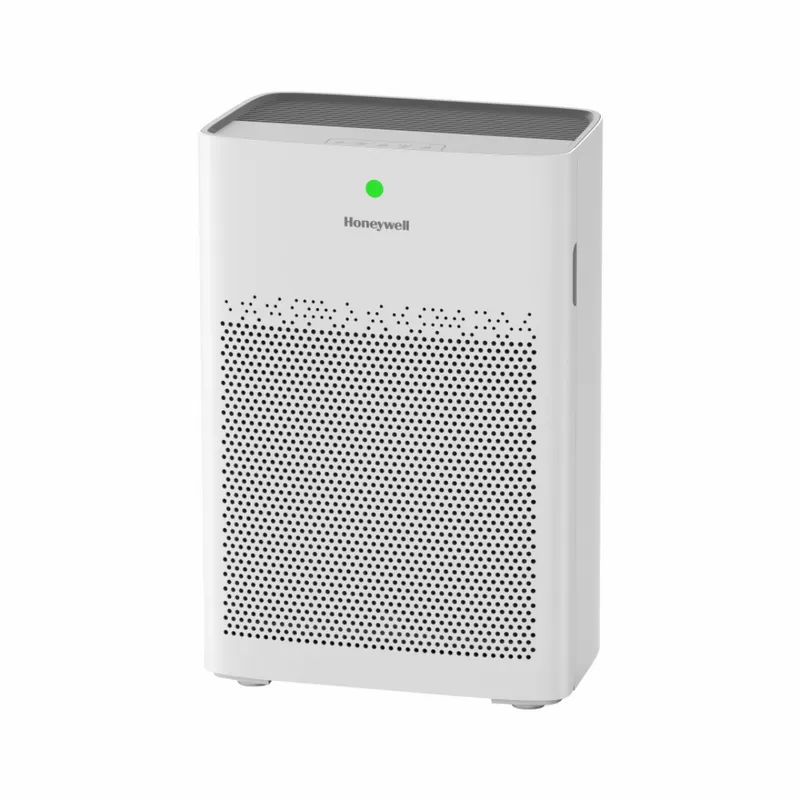
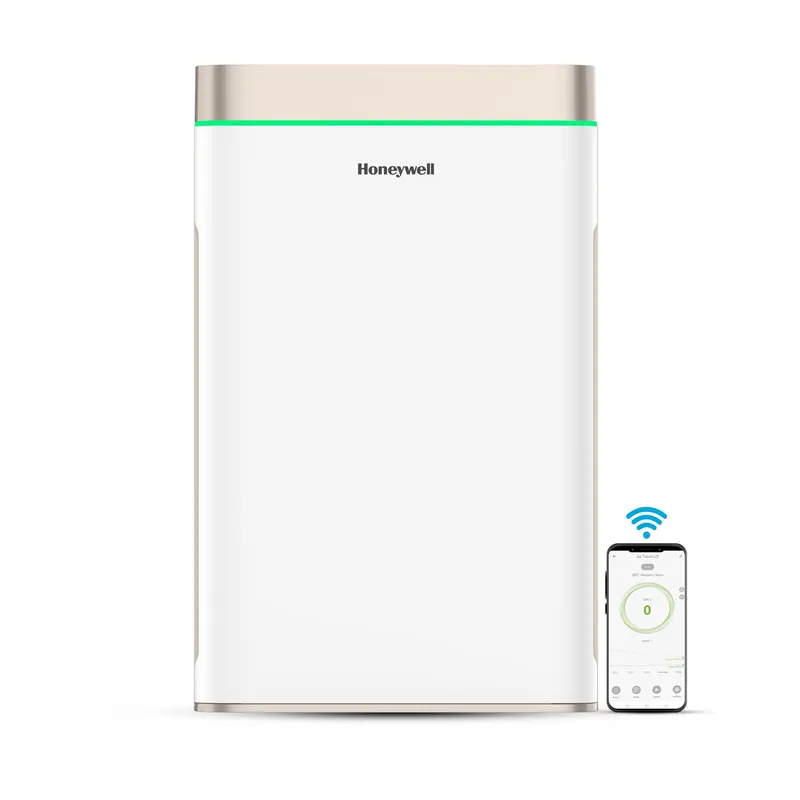
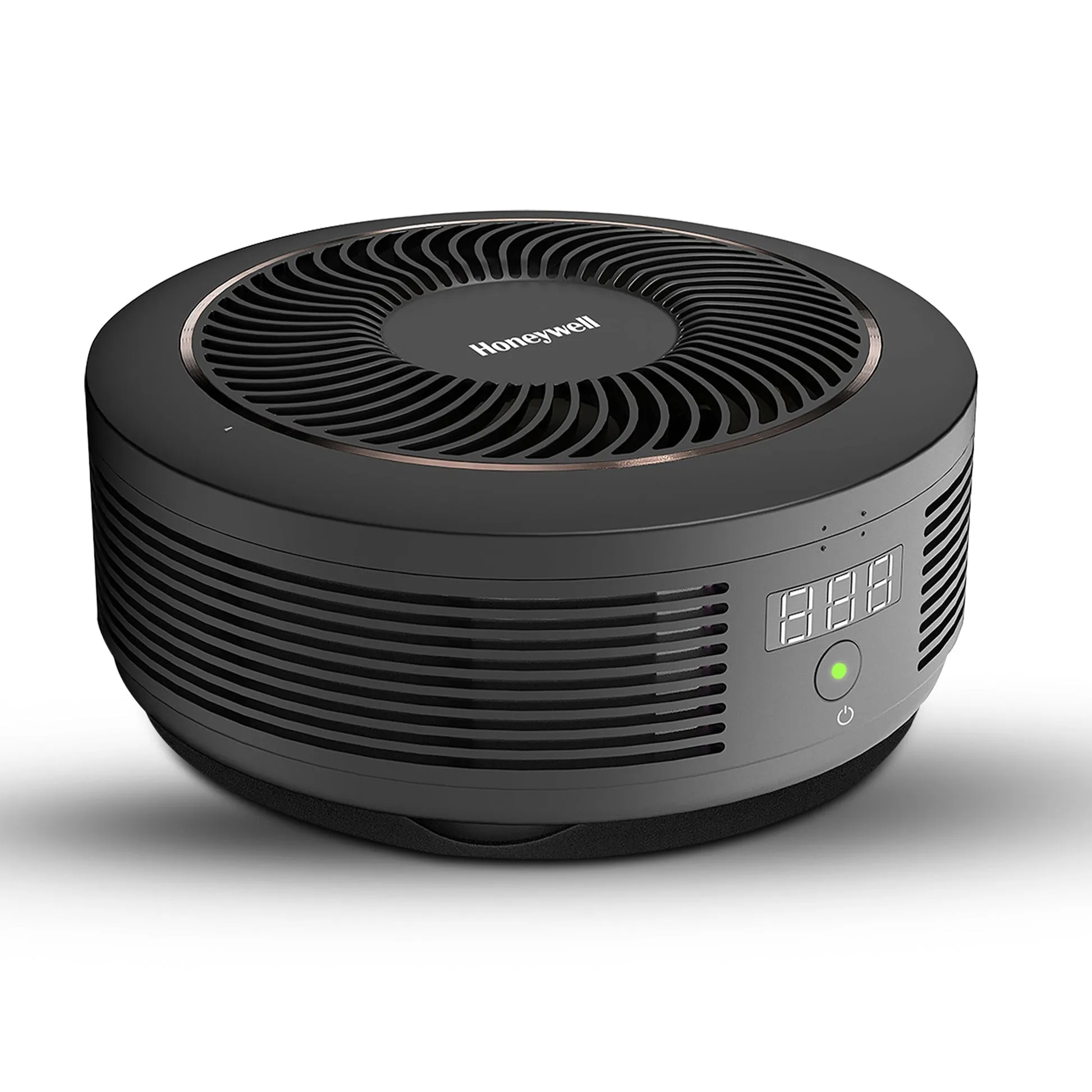
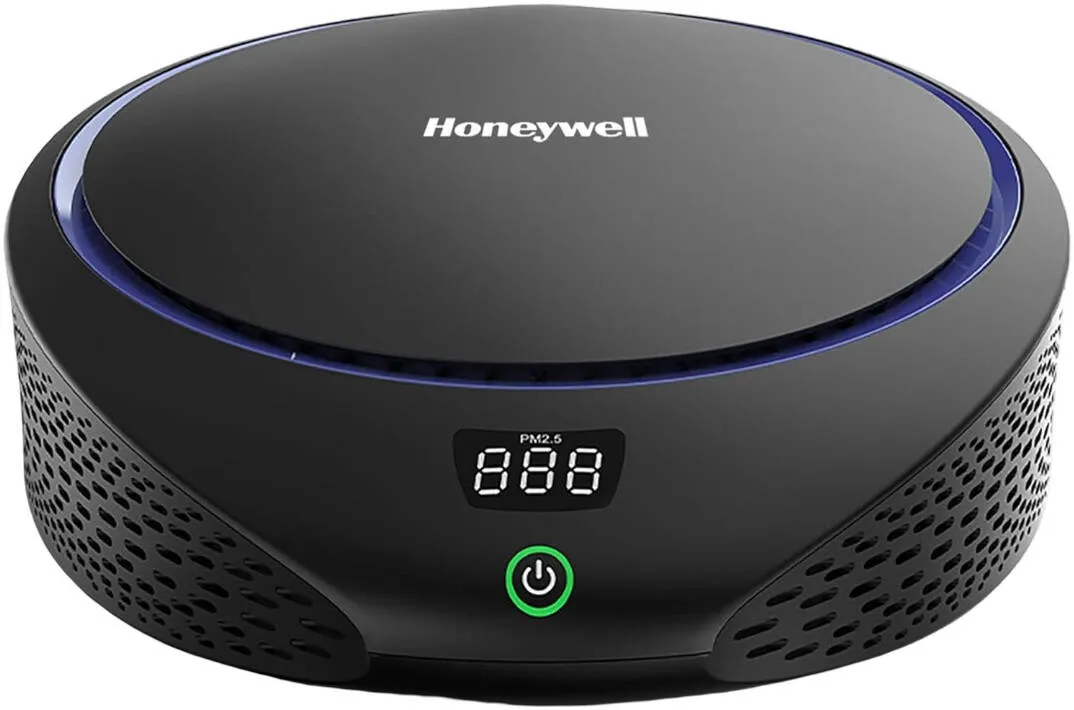
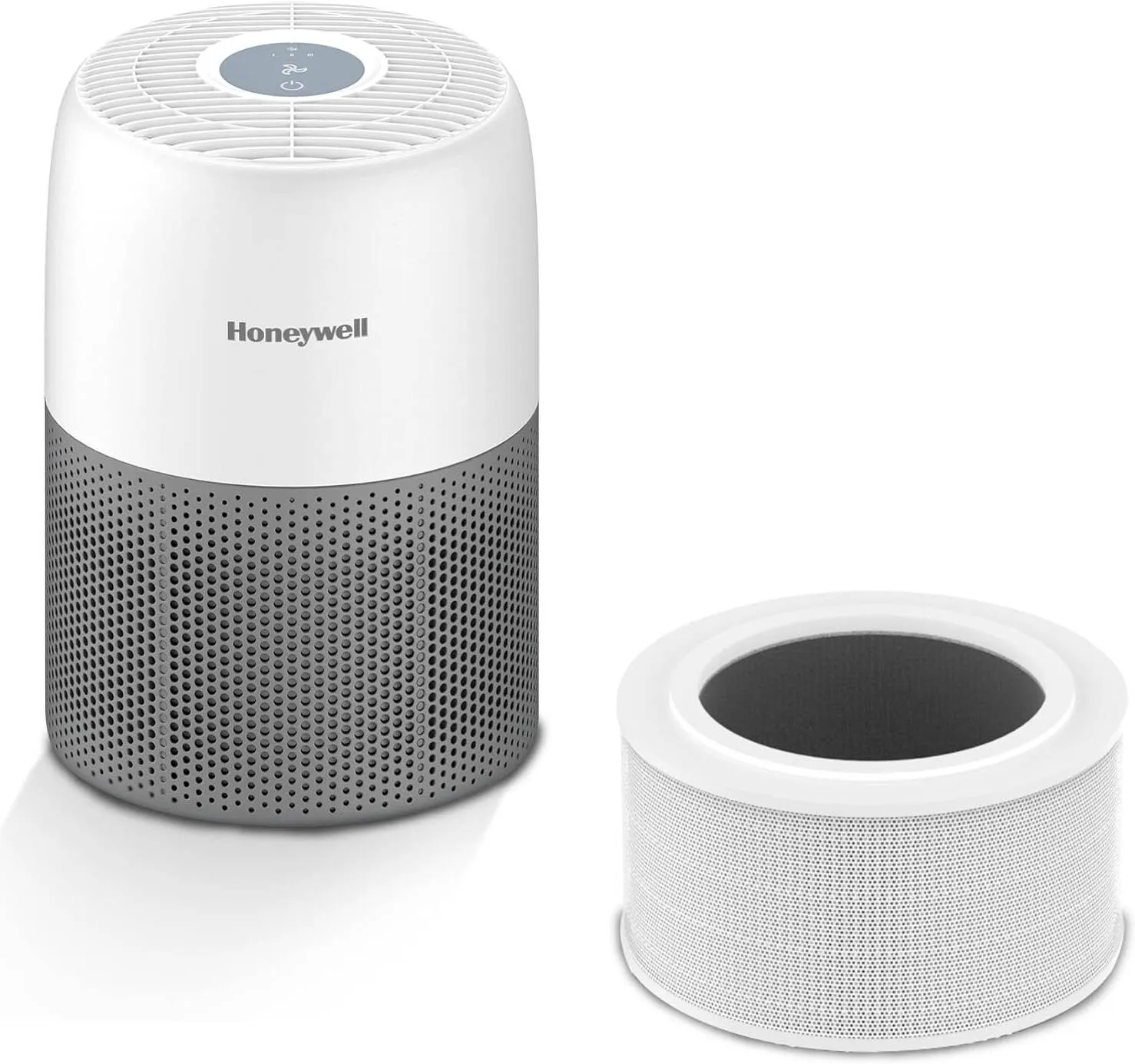
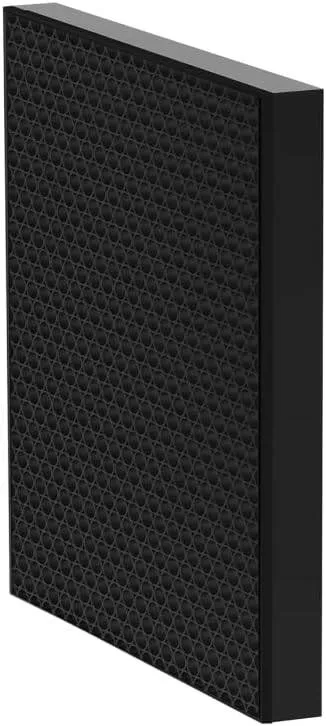
HEPA air purifiers remain the most reliable option for UAE conditions. Demand for HEPA devices is strong across the Middle East, driven directly by dust storm frequency and air quality concerns. Brands such as Blueair, Honeywell, and Levoit offer models with multi-stage filtration that combines pre-filters, True HEPA layers, and activated carbon. The pre-filter is particularly important in the UAE because it captures the coarser sand particles before they clog the main HEPA layer, extending filter life considerably.
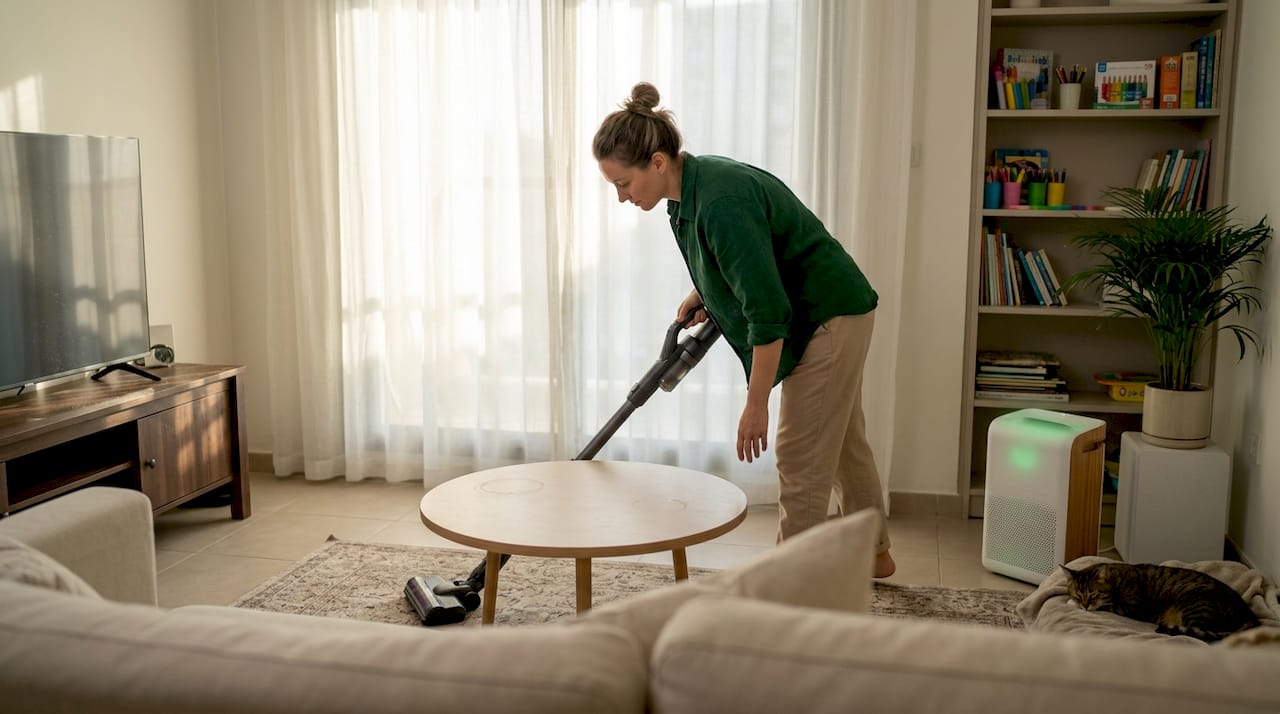
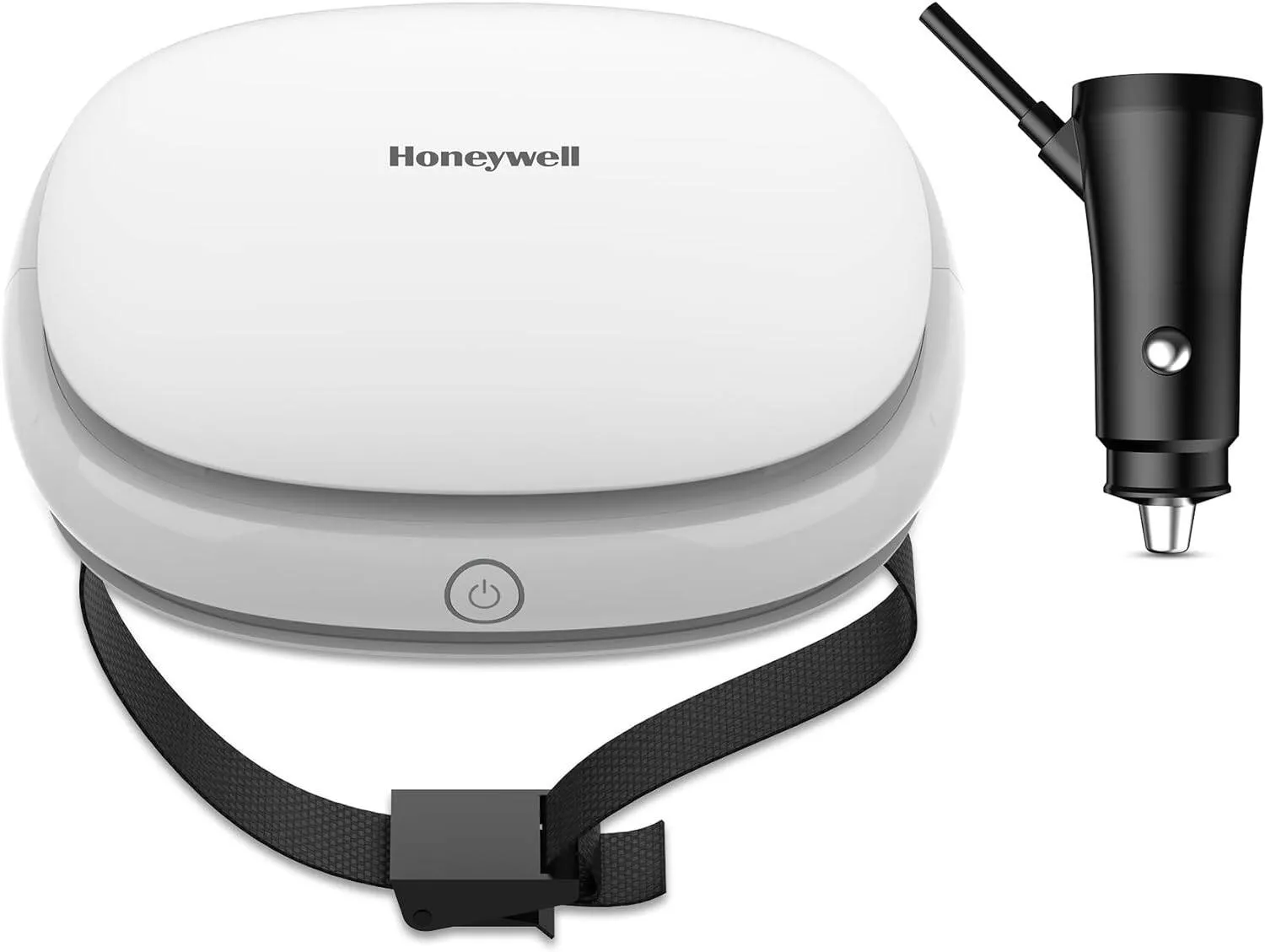
Portable air cleaners offer flexibility that fixed or central systems cannot. Empirical trials in multifamily buildings confirm that portable cleaners meaningfully reduce PM concentrations in occupied spaces. For UAE residents who rent rather than own their properties, portable units are often the only practical option since modifying central HVAC systems requires landlord approval.
Electrostatic precipitators and ionisers are available at lower price points, but carry specific risks in this context. These devices can produce trace ozone, which is a known respiratory irritant. For households with asthma or allergy sufferers, this is a meaningful concern. Additionally, the sensors in many lower-cost ioniser units are calibrated for pollen and biological particles rather than the mineral-rich dust that dominates UAE air quality events.
Standard air quality sensors designed for European or North American pollen seasons may significantly undercount the mineral particulates common in UAE dust storms. A device that reads “good” air quality during a sandstorm is not doing its job.
Indoor plants are a supplementary option worth considering, particularly for arid indoor environments. Certain species actively absorb VOCs from the air, adding a natural layer of filtration alongside mechanical devices. For residents interested in supporting respiratory health through complementary approaches, mushroom extracts for respiratory health represent another avenue worth exploring alongside environmental controls.
Key considerations when selecting a purifier type:
- HEPA portables: Best for most UAE homes and rental properties; flexible and effective
- Central HVAC filters: Ideal for villas and commercial buildings where system access is available
- Ionisers: Lower cost but not recommended for asthma or allergy households
- Multi-stage units: Preferred when VOC and chemical emission control is a priority alongside particle removal
Pro Tip: For large open-plan offices or commercial spaces, consider two or more portable units positioned at opposite ends of the room rather than one large central unit. This creates overlapping clean air zones and avoids dead spots where stale air can accumulate.
Managing humidity, chemicals, and air flow for optimal health
Devices alone are not enough. Ongoing management of the indoor environment is what separates a genuinely healthy space from one that merely looks like it has been addressed.
Formaldehyde (HCHO) emissions are a specific concern in UAE housing. Research on Dubai residential buildings found that HCHO emissions increase when relative humidity drops below 40%, which is common in spaces running AC at full capacity during summer months. At higher temperatures, emissions also rise independently of humidity. The practical implication is that heavily cooled interiors in summer face a double risk: low humidity and high temperature both drive chemical off-gassing from furniture, adhesives, and flooring.
Mould in ductwork is the opposite problem. When humidity climbs above 60%, particularly in coastal areas like Dubai Marina or Abu Dhabi’s Corniche districts, condensation can form inside air conditioning ducts. Mould spores then circulate through the HVAC system into living and working spaces. A basic humidity monitor (hygrometer) placed in the main living area provides the data needed to manage this balance actively.
Indoor plants offer a practical and low-cost supplement. A study conducted in Riyadh confirmed that certain indoor plants reduce formaldehyde concentrations in arid climate interiors. Species such as spider plants, peace lilies, and snake plants are well-suited to indoor UAE conditions and require minimal water.
Ventilation and monitoring complete the picture. Even brief periods of natural ventilation during cooler morning hours (before dust activity peaks) can flush accumulated VOCs from indoor spaces. CO2 monitors and VOC sensors add another layer of visibility, alerting occupants when air quality deteriorates beyond what filtration alone can address.
Key humidity and chemical management strategies:
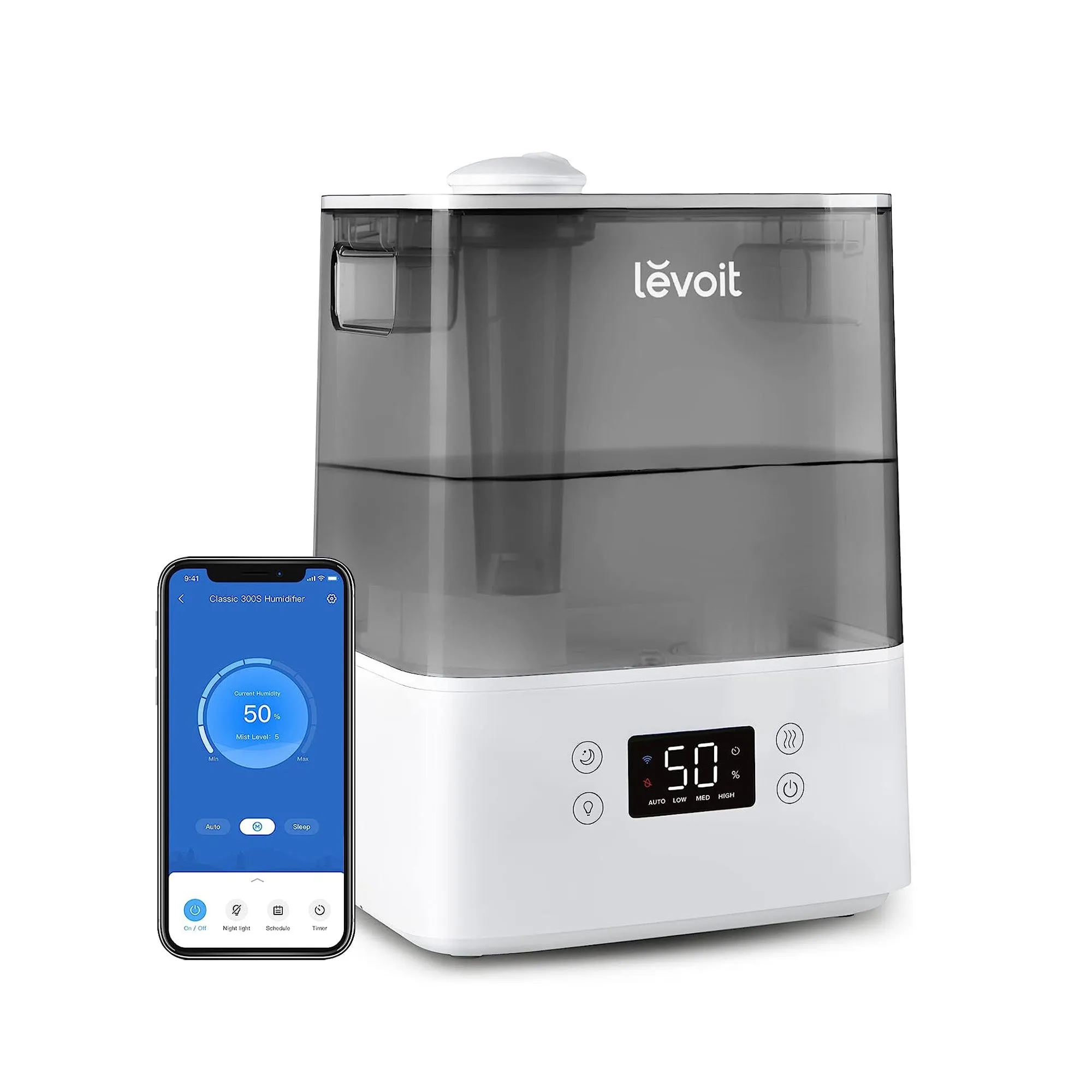
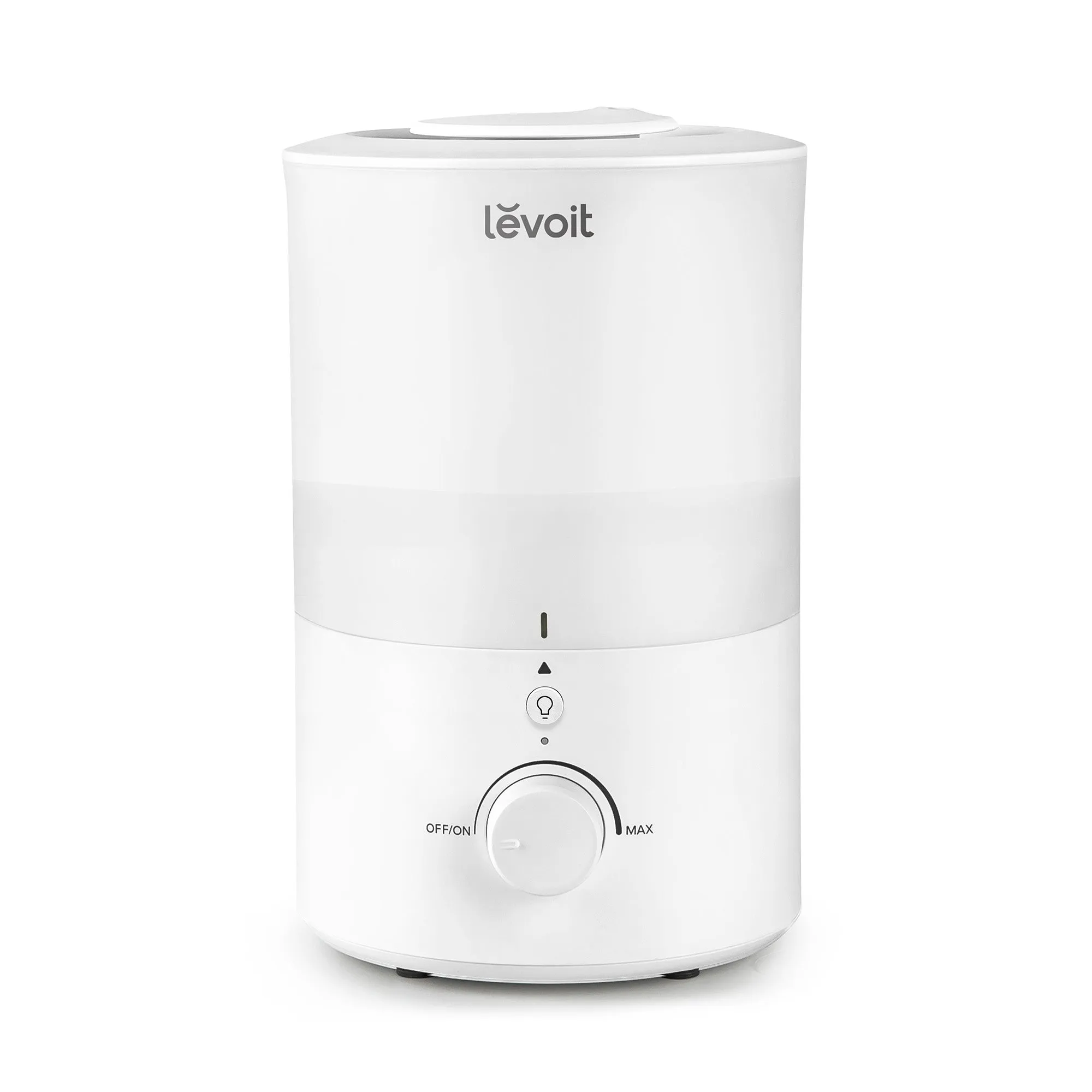
- Maintain relative humidity between 40% and 60% using a humidifier or dehumidifier as needed
- Place a hygrometer in the main living area and check readings daily
- Use activated carbon filters alongside HEPA to capture chemical emissions
- Add two to three indoor plants per room as a supplementary measure
- Schedule brief ventilation during early morning hours when outdoor dust levels are lower
- Service HVAC systems at least twice a year to prevent duct contamination
Pro Tip: If you notice a persistent chemical or “new furniture” smell in an AC-cooled room, it is likely HCHO off-gassing. Running a HEPA plus carbon purifier at medium speed continuously for 48 to 72 hours after introducing new furniture can significantly reduce initial emission peaks.
Comparison of leading air solutions for the UAE
A side-by-side comparison brings the key advantages and limits into focus for practical decision-making.
| Solution | Dust removal | Chemical removal | Mould prevention | Flexibility | Typical cost (AED) |
|---|---|---|---|---|---|
| True HEPA purifier | Excellent | Good (with carbon) | Low | High | 300 to 2,500 |
| Central HVAC filter | Good | Moderate | Moderate | Low | 500 to 5,000+ |
| Ioniser/electrostatic | Moderate | Low | Low | High | 150 to 800 |
| Indoor plants | Low | Moderate | Low | High | 20 to 200 |
| Humidity control device | None | Indirect | Excellent | High | 150 to 1,500 |
| Ventilation management | Moderate | High | Moderate | Very high | Minimal |
Key takeaways from the comparison:
- HEPA captures 99.97% of particles at 0.3 microns, making it the strongest single option for UAE dust conditions
- No single solution addresses all indoor air quality dimensions; combining two or three approaches delivers the best results
- Humidity control is the only solution that directly prevents mould in ductwork, making it non-optional for coastal UAE properties
- Low relative humidity below 40% in cooled spaces actively worsens chemical emissions, which means ignoring humidity management can undermine the benefits of even a high-quality HEPA purifier
Budget-conscious buyers should prioritise a True HEPA portable unit plus a basic hygrometer as a starting combination. Property managers overseeing multiple units or commercial spaces benefit most from central filtration combined with regular HVAC maintenance.
Situational recommendations: tailoring air solutions for UAE spaces
Choosing the right solution depends on the specific space, occupancy, and health requirements involved.
Homes with central AC systems should address both the purifier and the HVAC filter simultaneously. Upgrading to a higher-MERV-rated HVAC filter (MERV 11 or above) captures more particles before they circulate through the system, while a portable HEPA unit handles the living room or bedroom where occupants spend the most time.
Multi-unit offices and commercial spaces face higher occupant density and greater VOC loads from equipment, cleaning products, and building materials. For these environments, combining purifiers with HVAC cleaning and monitoring provides the most consistent results. VOC sensors placed near workstations give facilities managers real-time data to act on.
Households with asthma or allergy sufferers require the most careful selection. Avoid ionisers entirely. Prioritise True HEPA units with sealed filter housings to prevent particle bypass. Keep humidity between 40% and 55% to reduce both chemical emissions and dust mite activity. Adding indoor plants in bedrooms and living areas provides a passive, continuous filtration layer.
High-traffic retail or hospitality spaces benefit from commercial-grade HEPA units positioned near entrances, where outdoor dust is most likely to be tracked in. Activated carbon pre-filters at entry points can also reduce the VOC load introduced by cleaning products and foot traffic.
Recommended combinations by space type:
- Studio or one-bedroom apartment: One portable True HEPA unit plus a hygrometer
- Two to three bedroom villa: Two portable units plus central HVAC filter upgrade plus humidity control
- Small office (up to 20 people): Commercial HEPA unit plus VOC sensor plus HVAC servicing every six months
- Large commercial space: Central filtration system plus portable supplementary units plus real-time air quality monitoring
Pro Tip: For families with young children, place the portable purifier in the child’s bedroom and run it continuously on the lowest setting. Children spend more hours in their bedrooms than any other room, and consistent overnight filtration has a measurable impact on respiratory health over time.
What many miss about indoor air solutions in the UAE
Most residents approach indoor air quality as a single-purchase decision. Buy a purifier, place it in the corner, and consider the problem solved. This is where the most common and costly mistakes happen.
Air purifiers are part of a system, not a complete solution on their own. A high-quality HEPA unit running in a room with 30% relative humidity and new laminate flooring is fighting against chemical emissions it was not designed to neutralise. The purifier handles particles well, but the HCHO off-gassing continues unimpeded unless a carbon filter is present and humidity is managed.
The UAE’s mineral dust is also a factor that most imported product guides do not account for. Sensors calibrated for pollen or biological particles common in European or North American markets may not register the silica-heavy mineral dust that characterises Gulf sandstorms. A device showing green air quality readings during a dust event is a device with the wrong sensor for this environment. Checking whether a product’s sensor technology is validated for mineral particulates, not just biological ones, is a step most buyers skip entirely.
The longer-term risk of ignoring humidity and chemical management is cumulative exposure. Formaldehyde is classified as a Group 1 carcinogen by the International Agency for Research on Cancer. In a heavily AC-cooled Dubai apartment with low humidity and new furniture, background HCHO levels can remain elevated for months without active intervention. A HEPA purifier without carbon filtration does not address this at all.
The practical lesson is to treat indoor air quality as an ongoing management task rather than a one-time purchase. Monitor humidity. Replace filters on schedule. Service HVAC systems regularly. Add plants. These steps cost very little relative to the health benefits they deliver over time.
Find your ideal indoor air solution
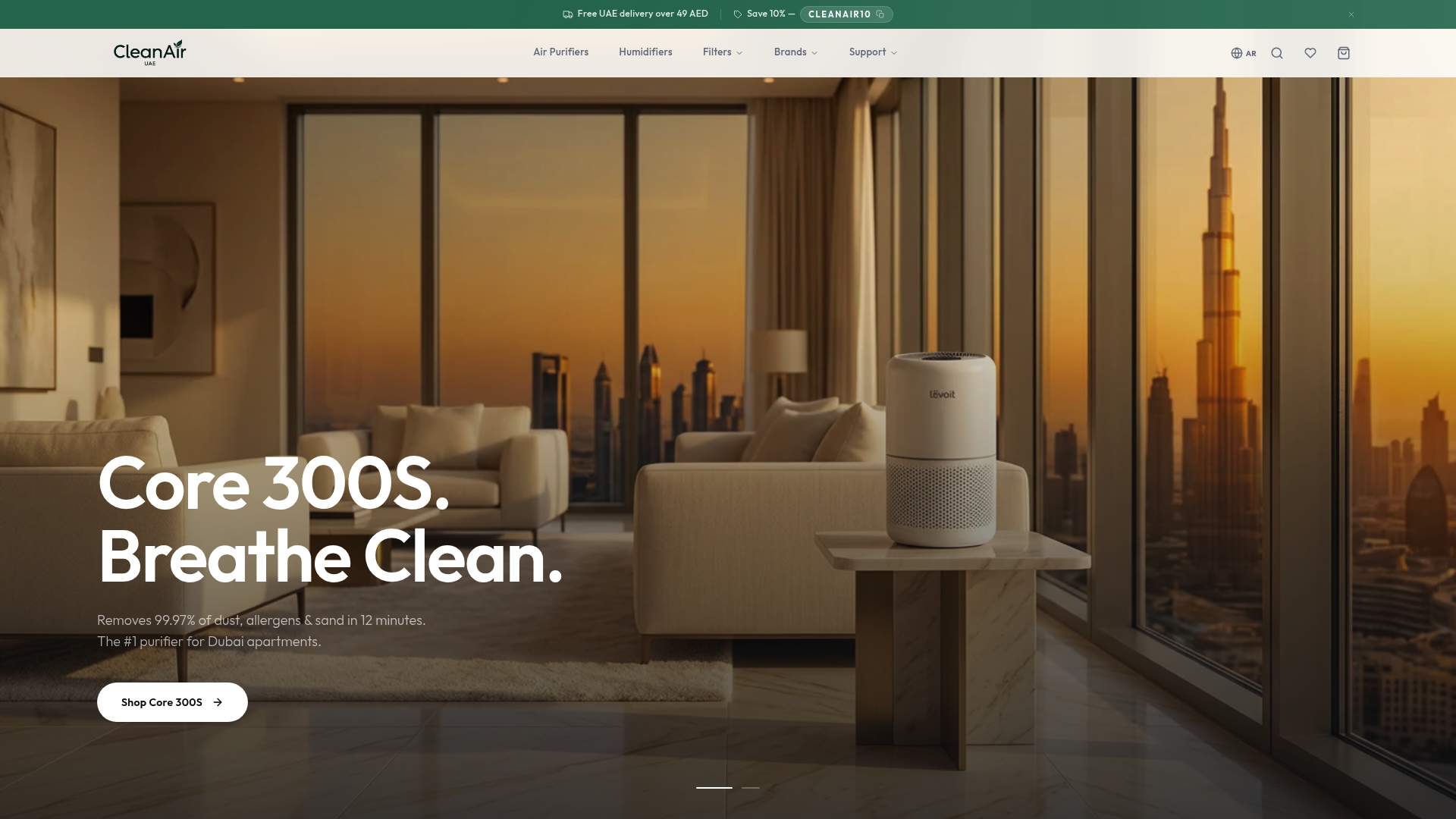
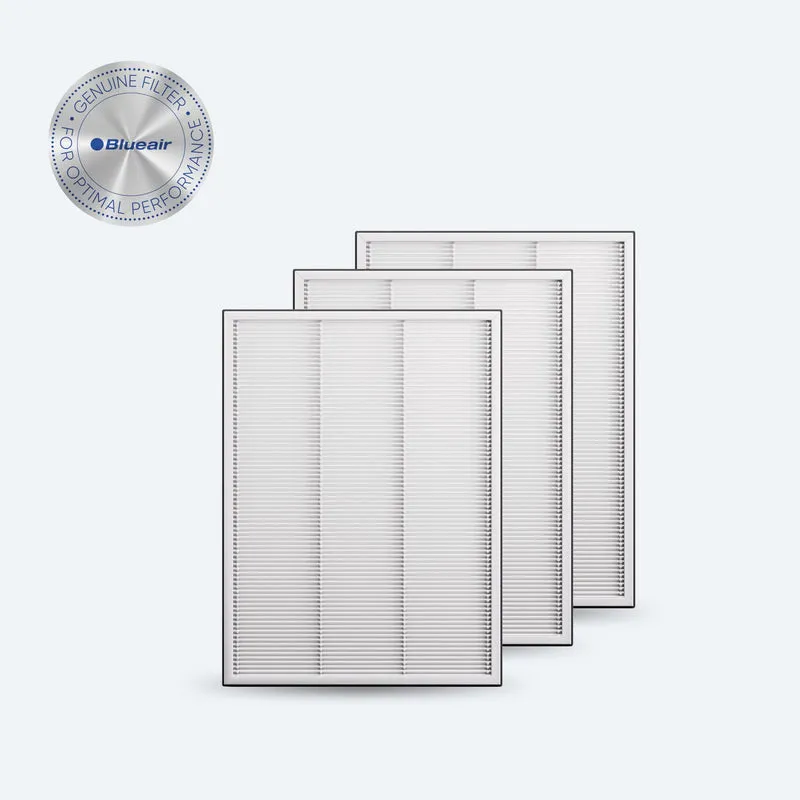
The criteria, comparisons, and recommendations in this article point toward one clear conclusion: effective indoor air quality in the UAE requires the right combination of products, not just a single device. CleanAir AE offers a curated range of air purifiers, humidifiers, and filters from trusted brands including Blueair, Honeywell, and Levoit, all suited to UAE residential and commercial environments. Products are available with fast delivery across Dubai, Abu Dhabi, and the wider UAE. Whether the need is a portable HEPA unit for a bedroom, a commercial-grade purifier for an office, or replacement filters for an existing system, the full range is available with straightforward purchasing and reliable support.
Frequently asked questions
Why are HEPA air purifiers recommended in the UAE?
HEPA purifiers dominate the Middle East market because they efficiently capture the fine mineral dust particles generated by UAE dust storms, making them the most practical option for most households and businesses.
What humidity level is best for UAE homes?
Maintaining relative humidity between 40% and 60% is the recommended range, as low humidity below 40% increases formaldehyde emissions from building materials while high humidity above 60% encourages mould growth in air conditioning ducts.
Are ioniser-type purifiers safe for asthma patients?
Ionisers produce trace ozone as a byproduct of their operation, which can trigger or worsen asthma symptoms, so they are not recommended for households with asthma or respiratory conditions.
Can indoor plants really improve air quality in UAE homes?
Certain indoor plants reduce formaldehyde concentrations in arid climate interiors, as confirmed by research conducted in Riyadh, making them a useful supplementary measure alongside mechanical filtration.
How often should you clean your HVAC system for best indoor air?
HVAC systems in UAE properties should be inspected and cleaned at least twice a year, ideally before and after the peak summer cooling season, to prevent dust accumulation and mould growth in ductwork.