
Uncategorised
Top reasons for air purifier upgrades in 2026
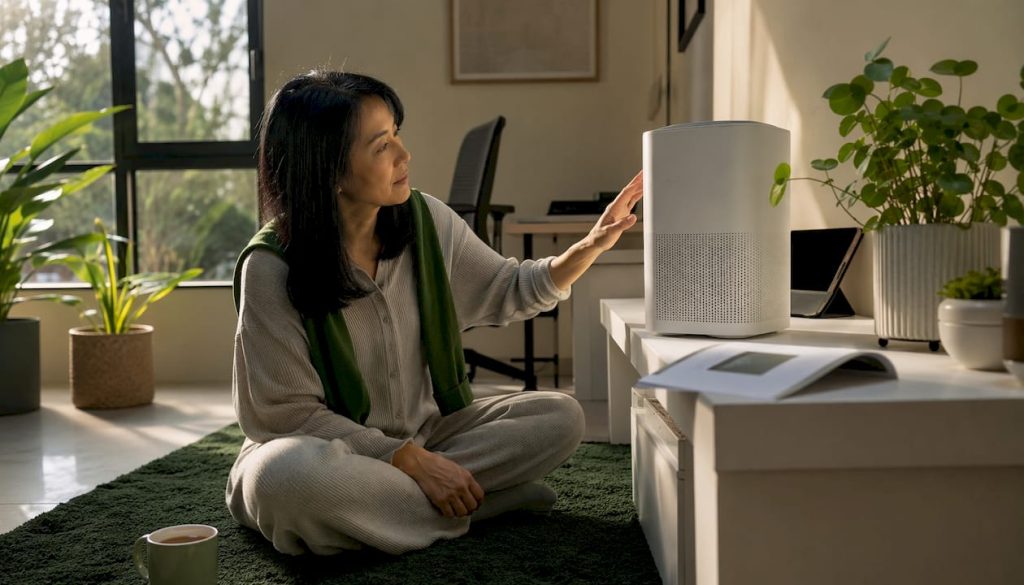
Upgrading your air purifier delivers measurable improvements to indoor air quality, health protection, and running costs. Modern units with true HEPA filtration, activated carbon layers, and real-time air quality sensors outperform older models on every metric that matters. Here is a clear summary of what an upgrade actually gives you:
- Removes volatile organic compounds (VOCs), smoke, and fine particulate matter more effectively
- Reduces allergens including pollen, pet dander, dust mites, and mould spores
- Lowers exposure to airborne viruses and bacteria
- Neutralises cooking, pet, and chemical odours at the source
- Protects children and elderly occupants with adaptive, sensor-driven filtration
- Supports better sleep and improved cognitive function
- Extends the working life of home appliances by reducing dust accumulation
- Reduces long-term medication and healthcare costs
- Incorporates smart controls, app connectivity, and filter replacement alerts
- Simplifies maintenance with longer-lasting filters and clearer service indicators
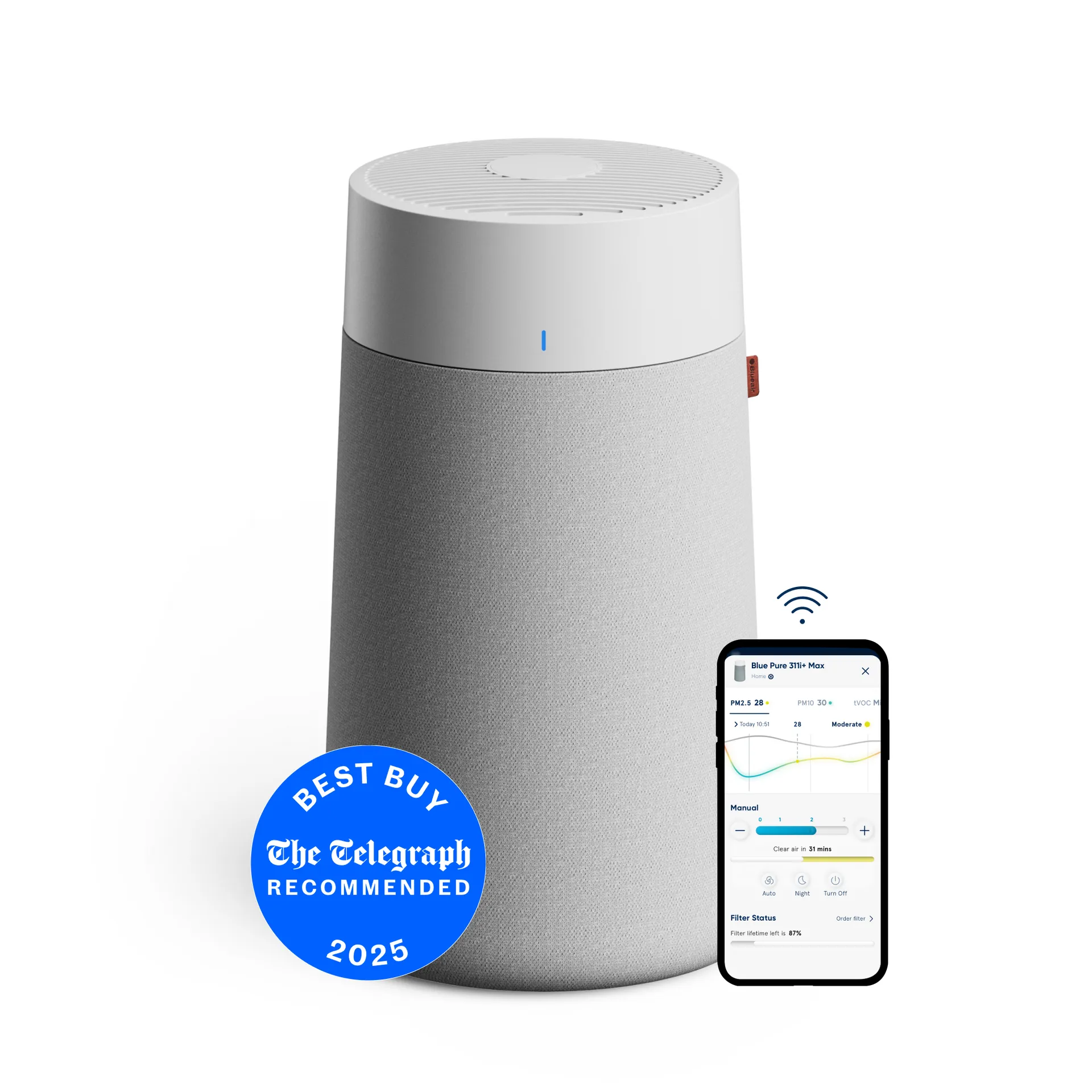
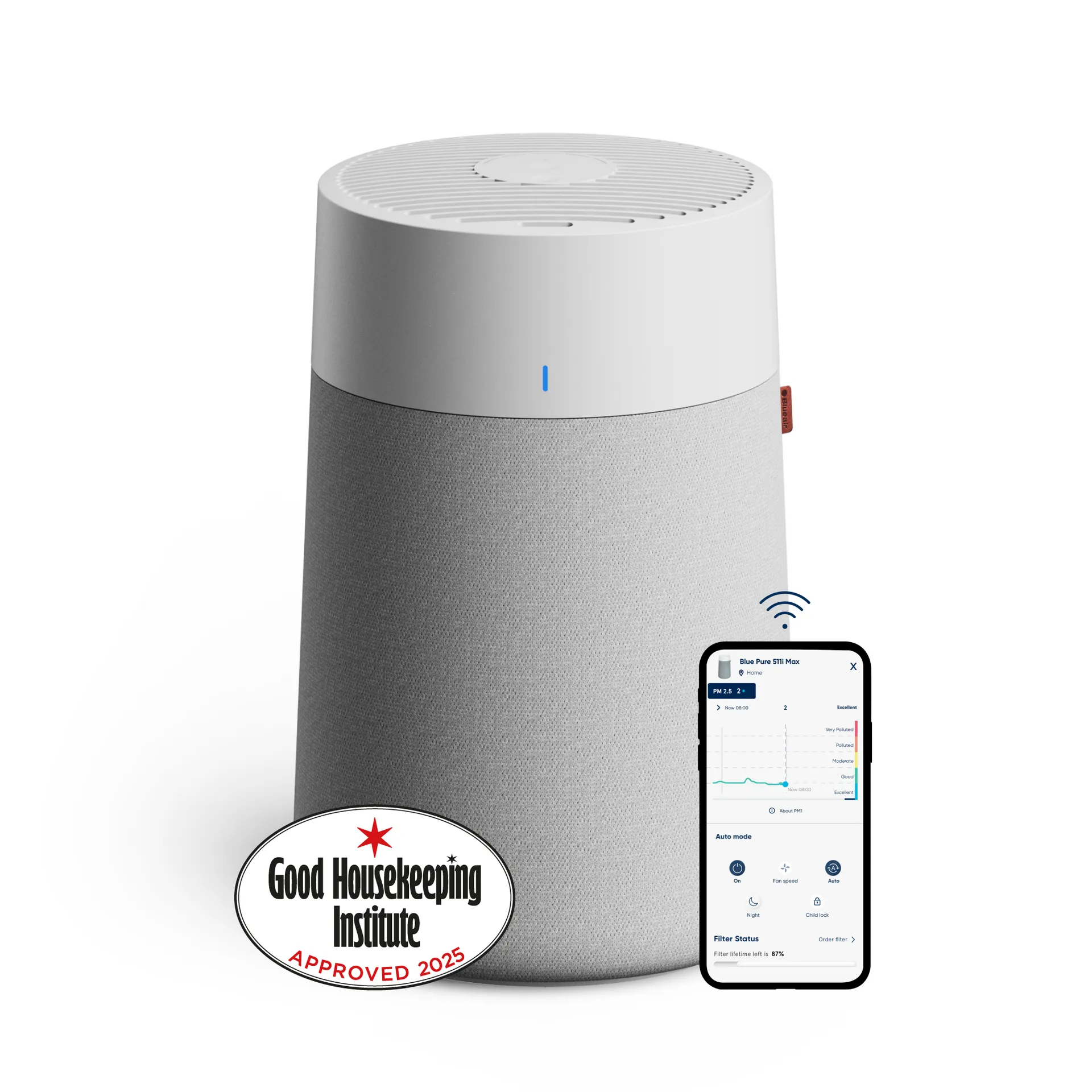
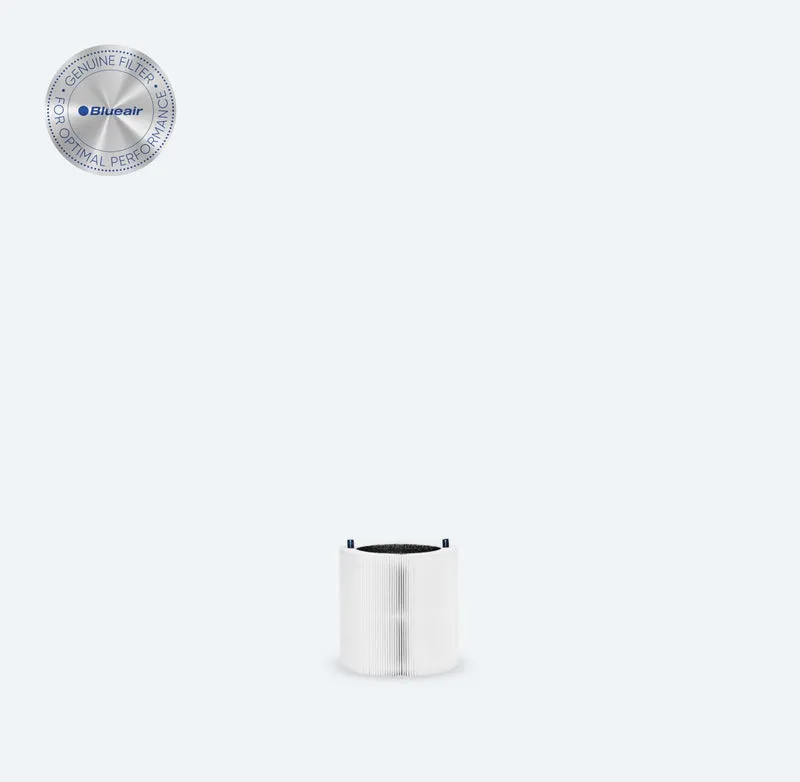
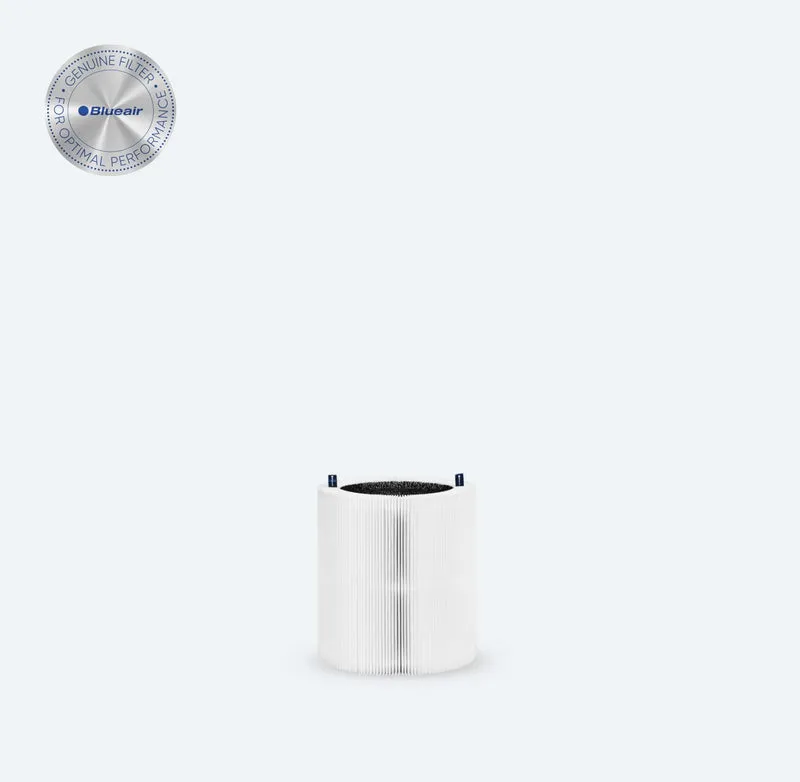
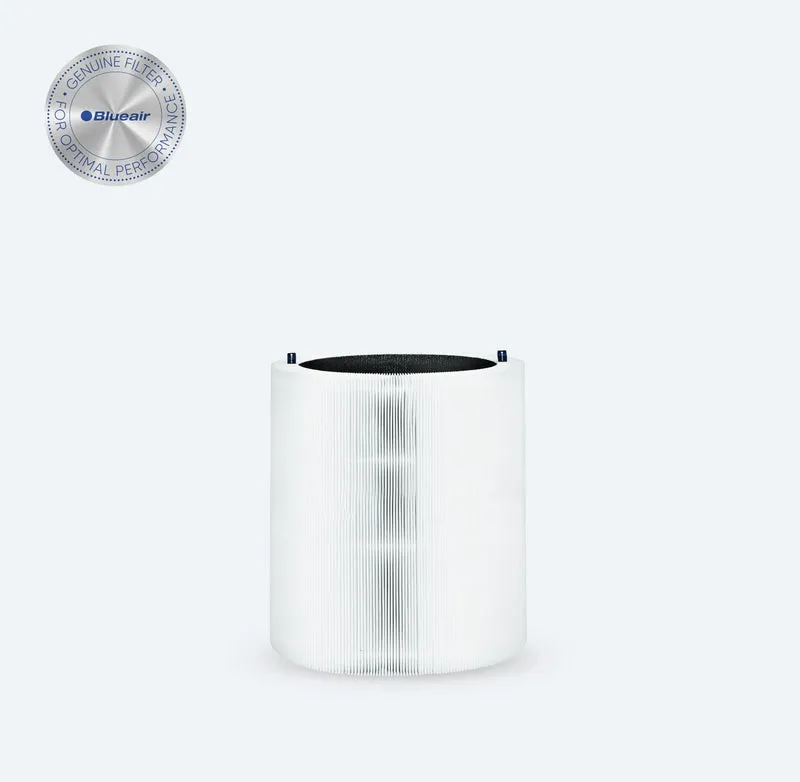
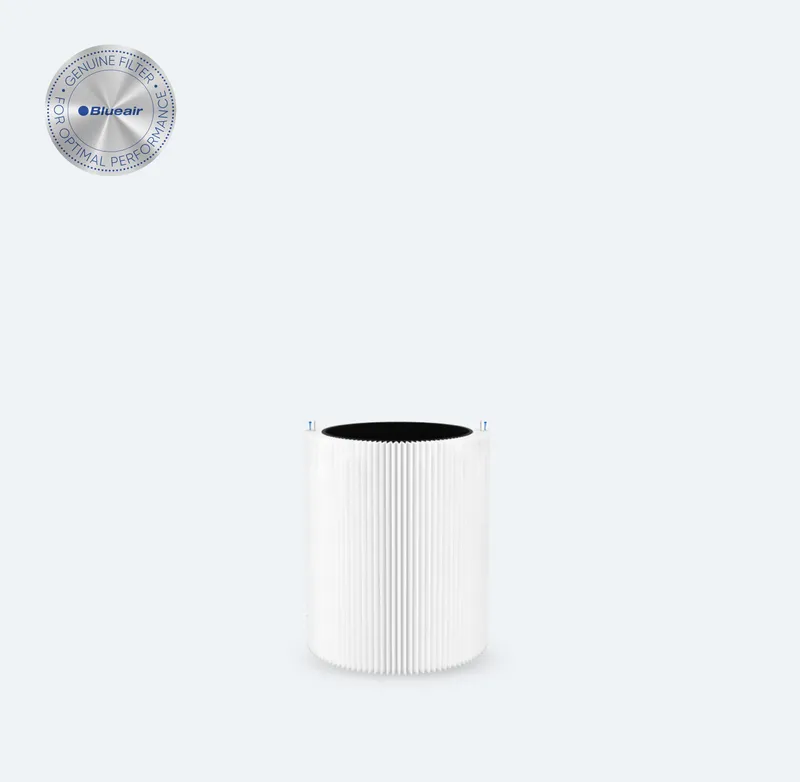
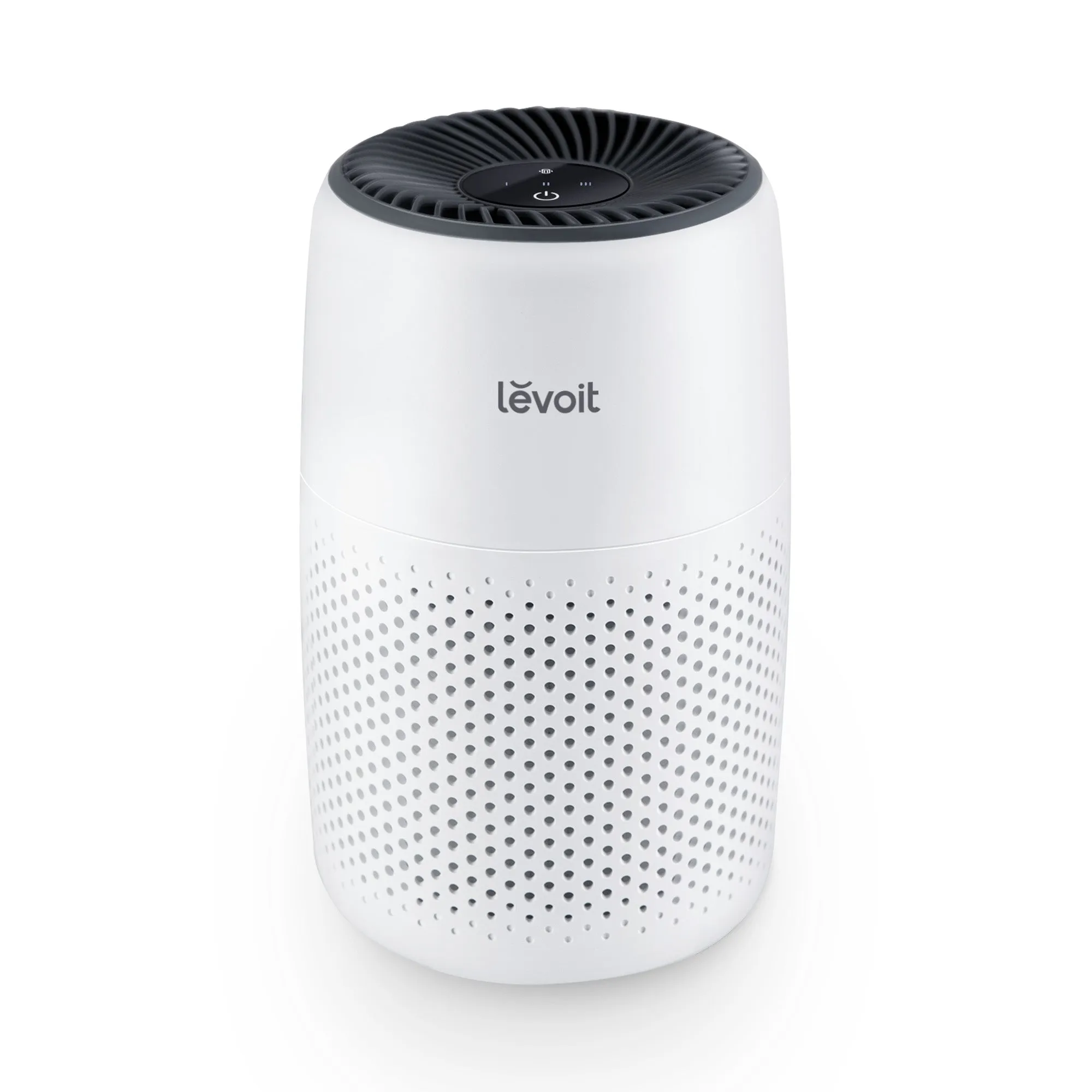
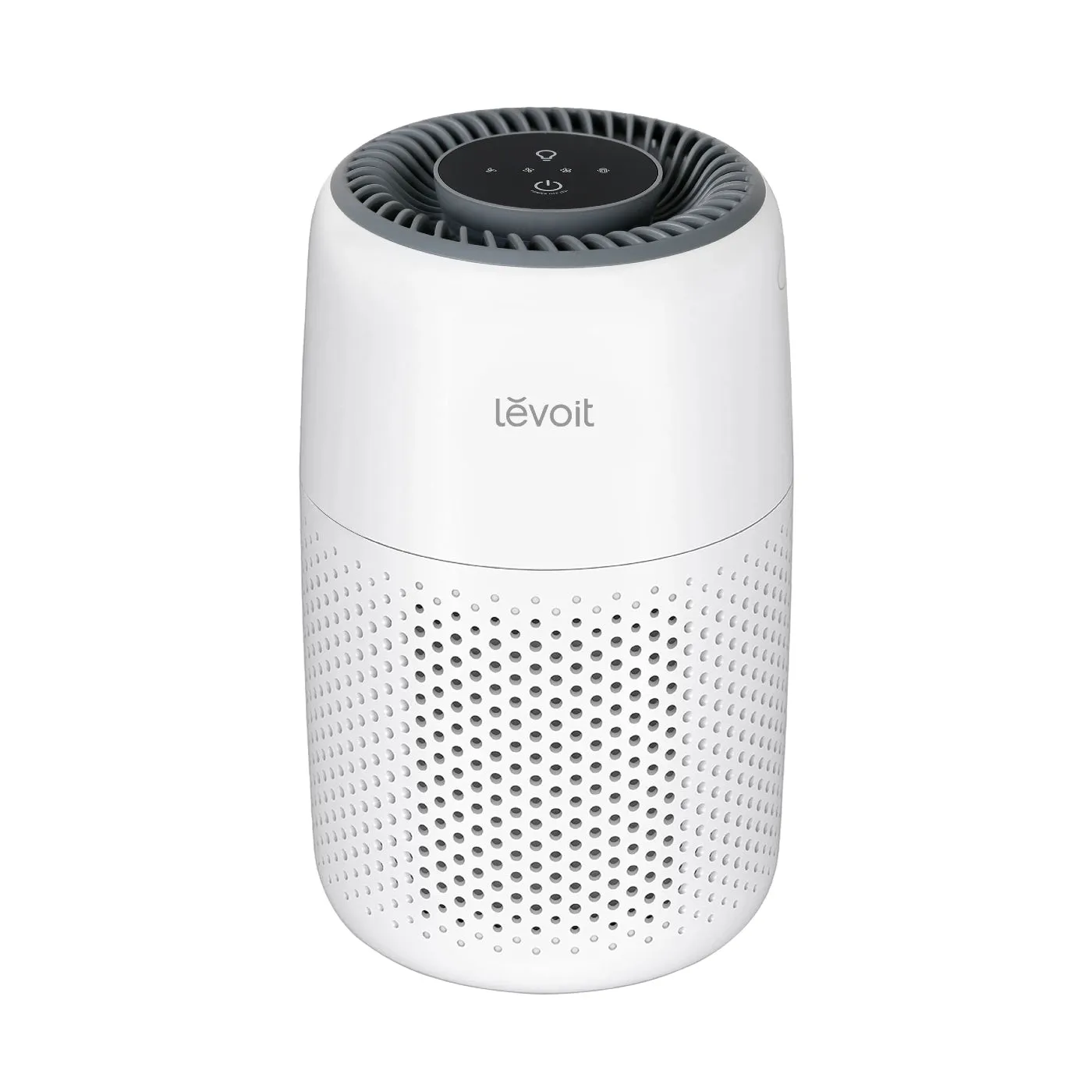
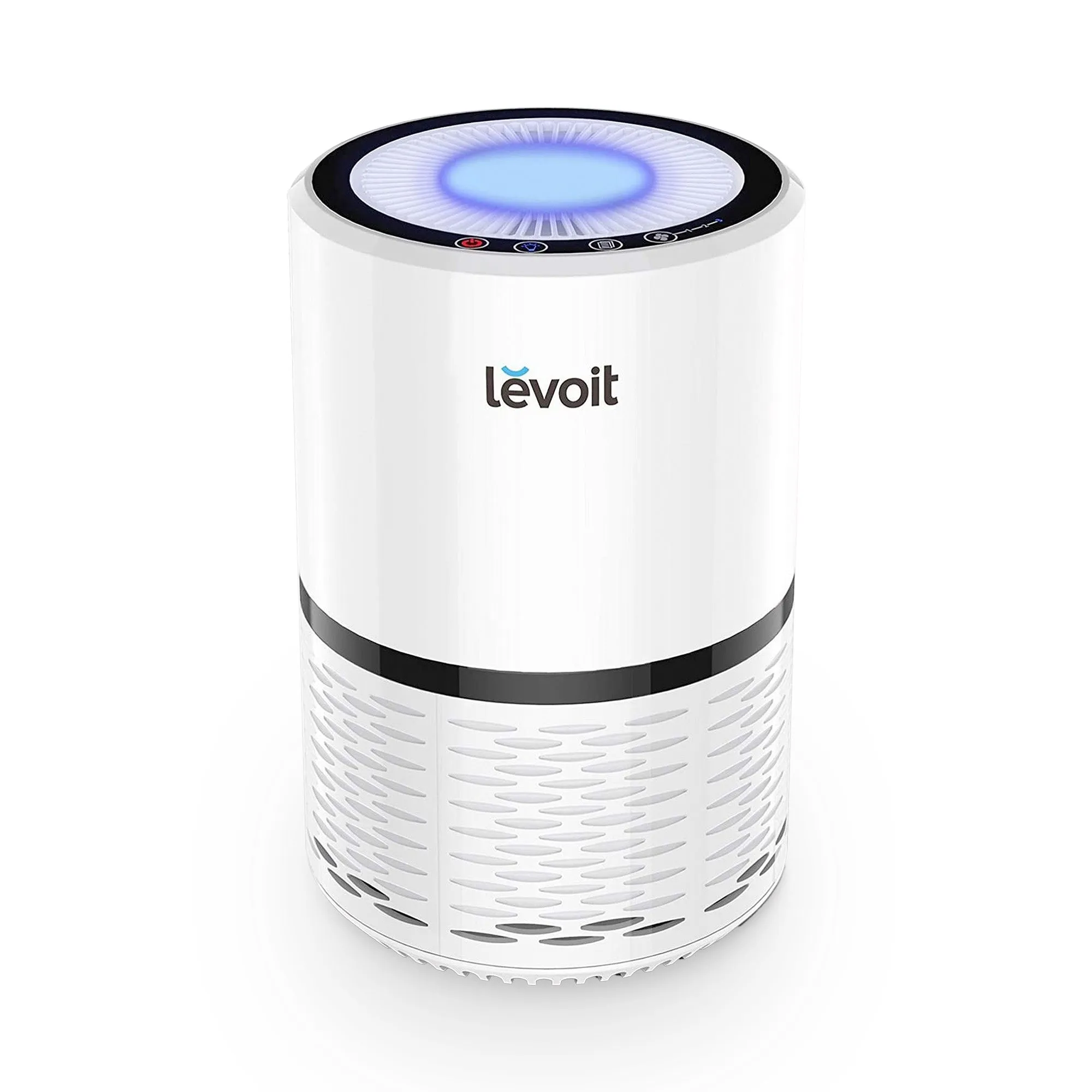
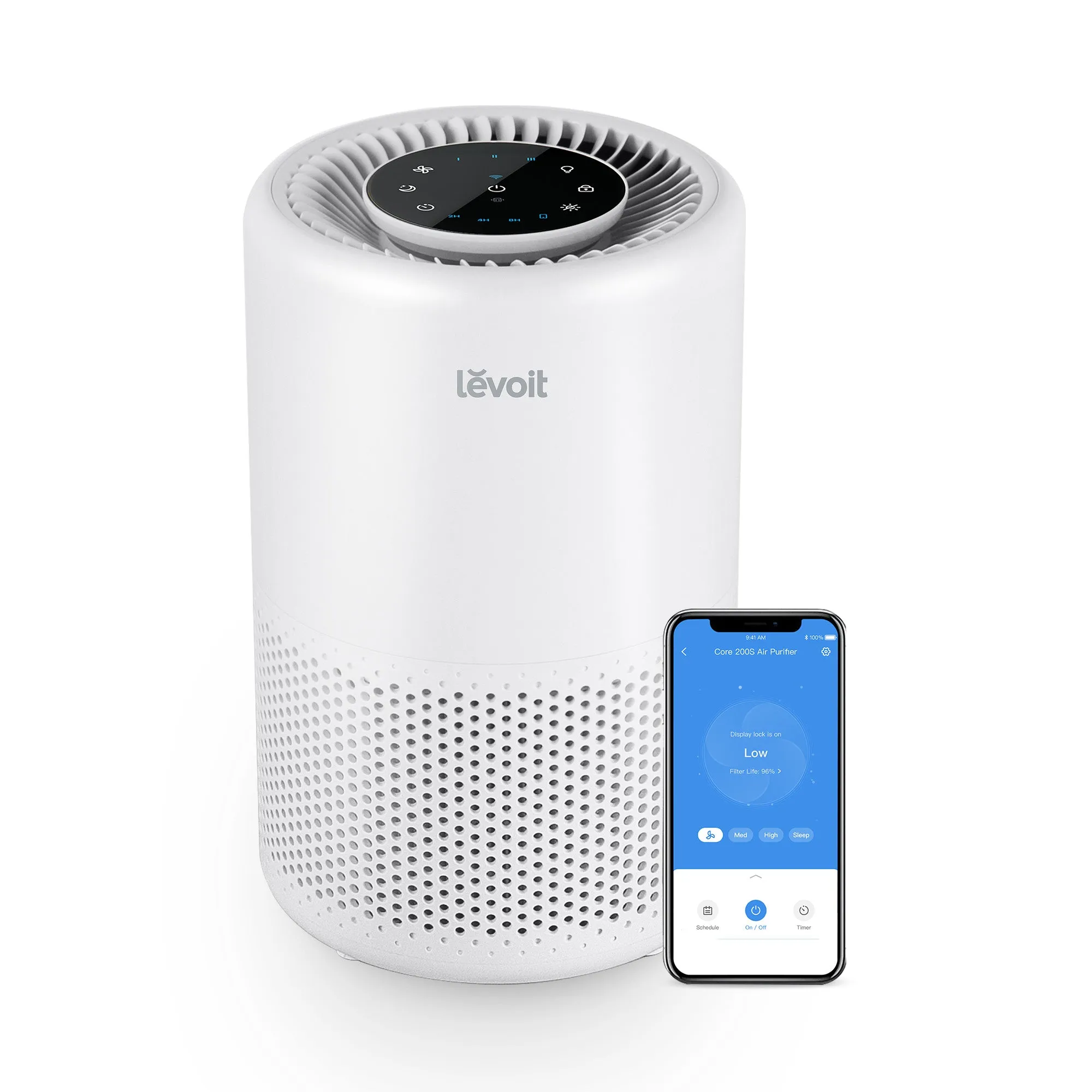
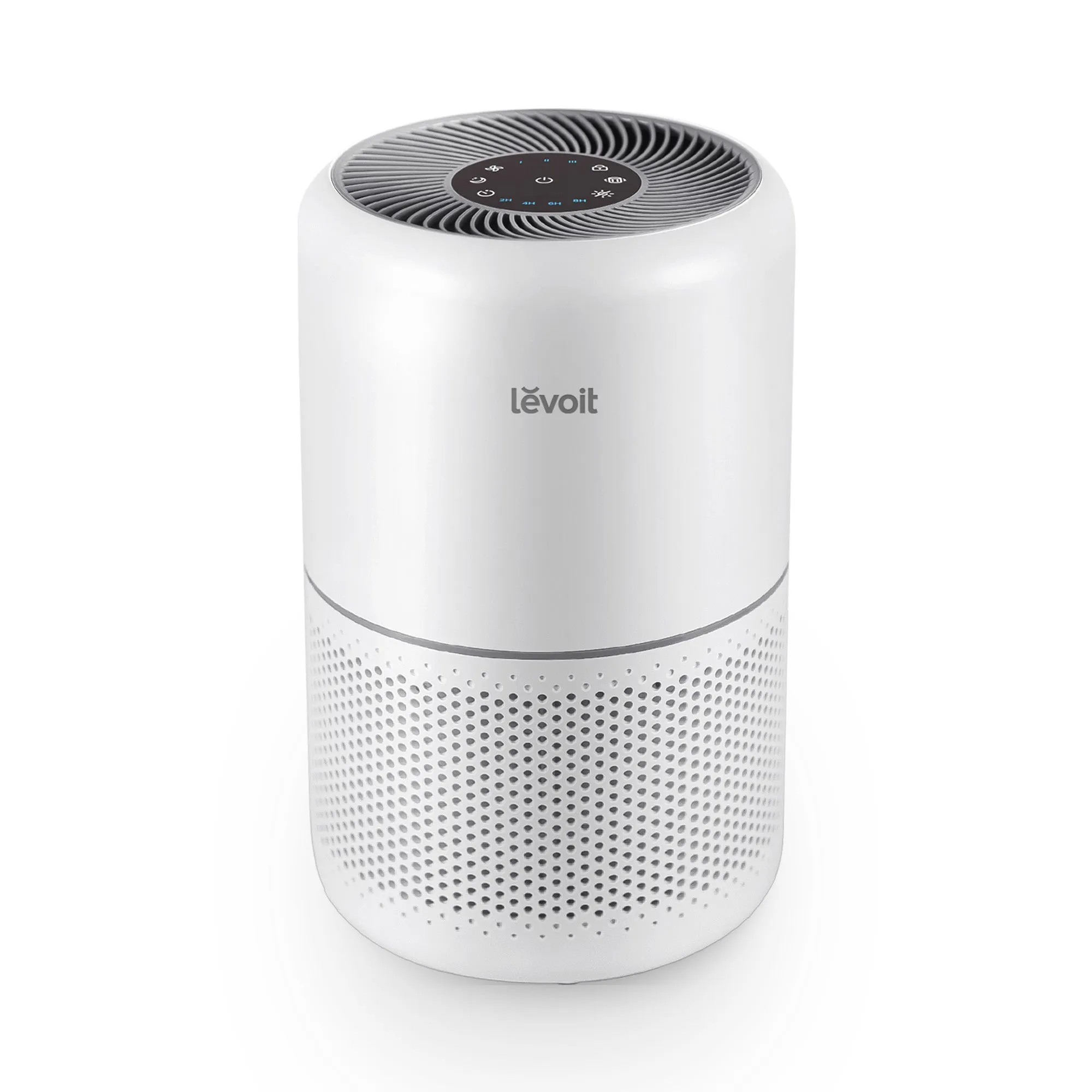
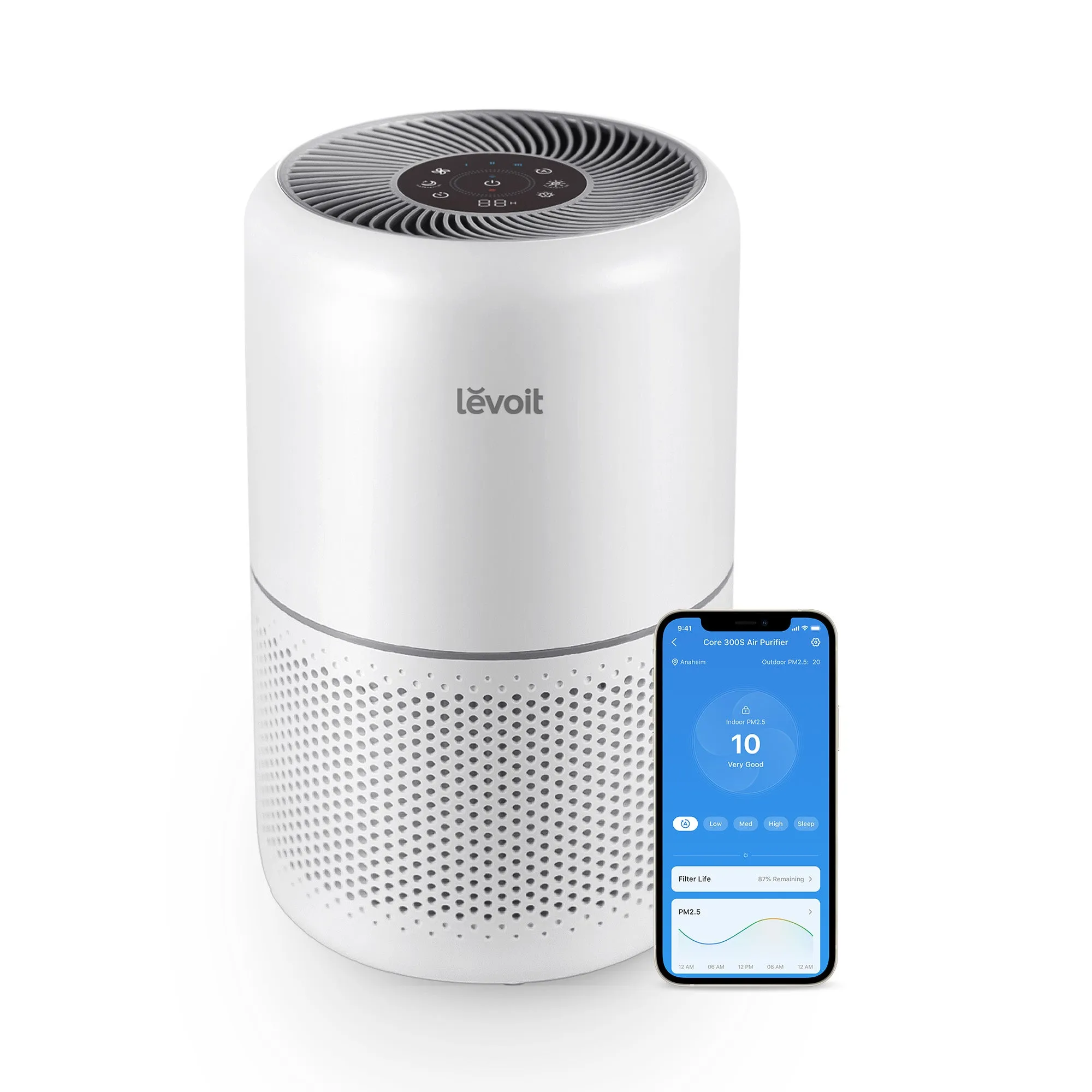
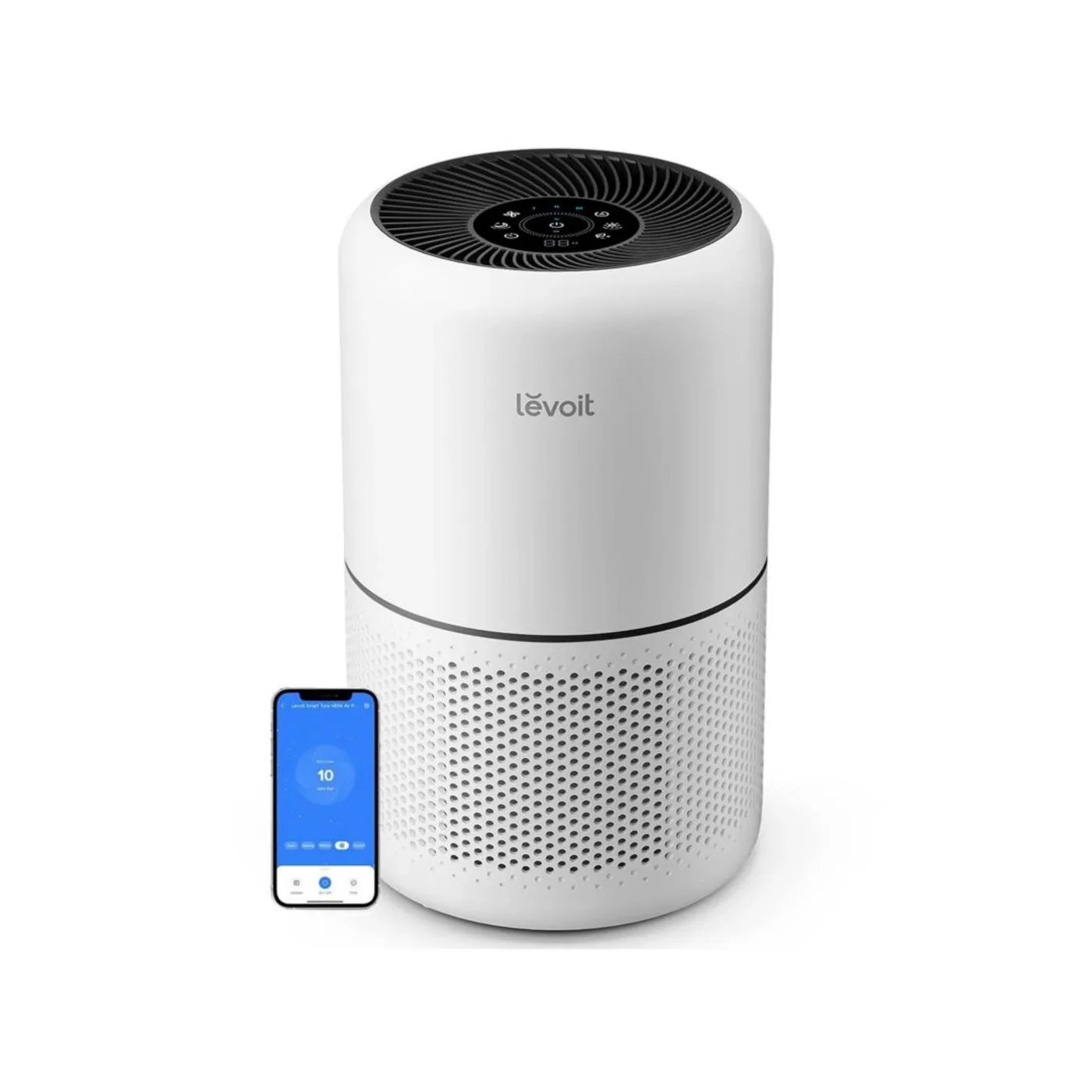
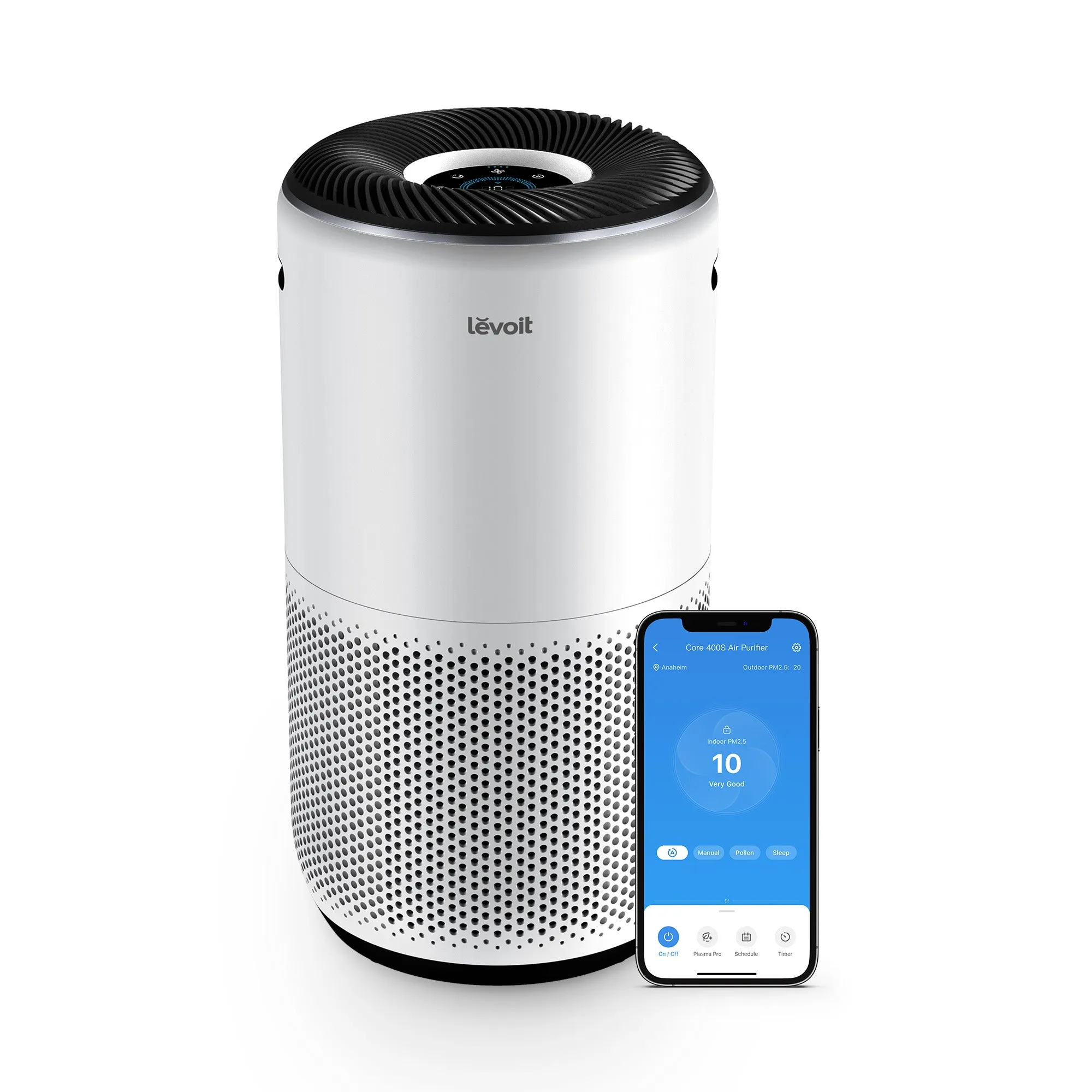
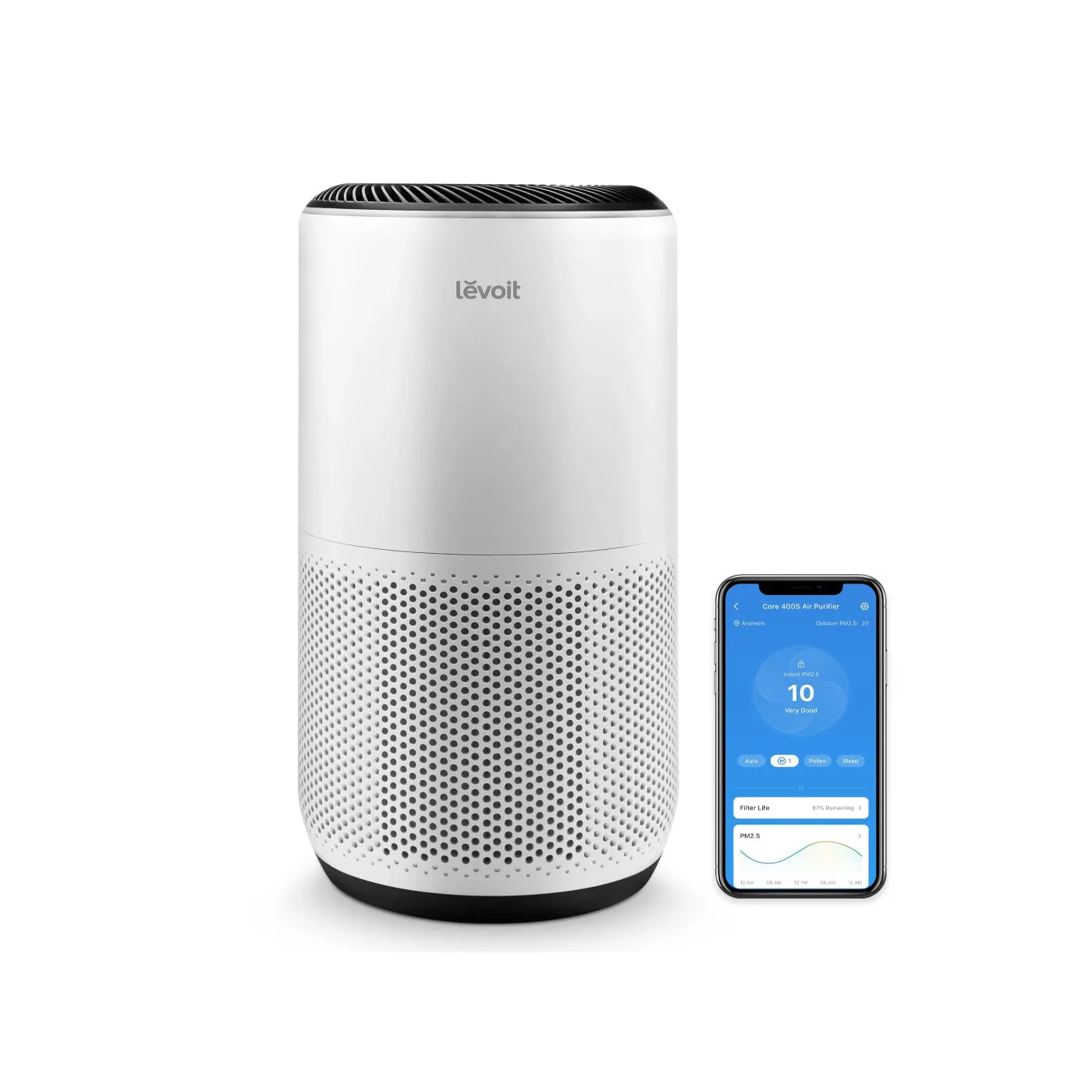
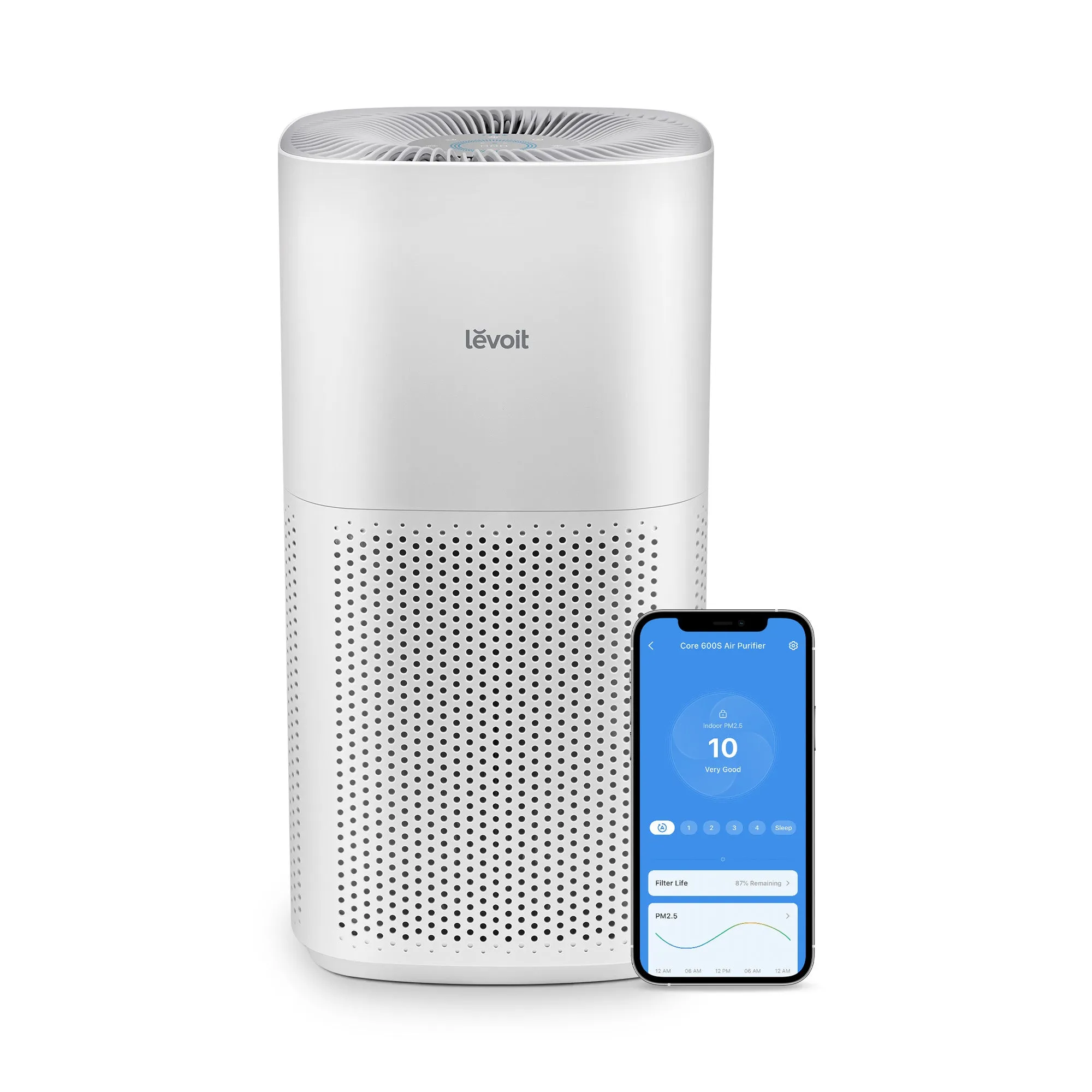
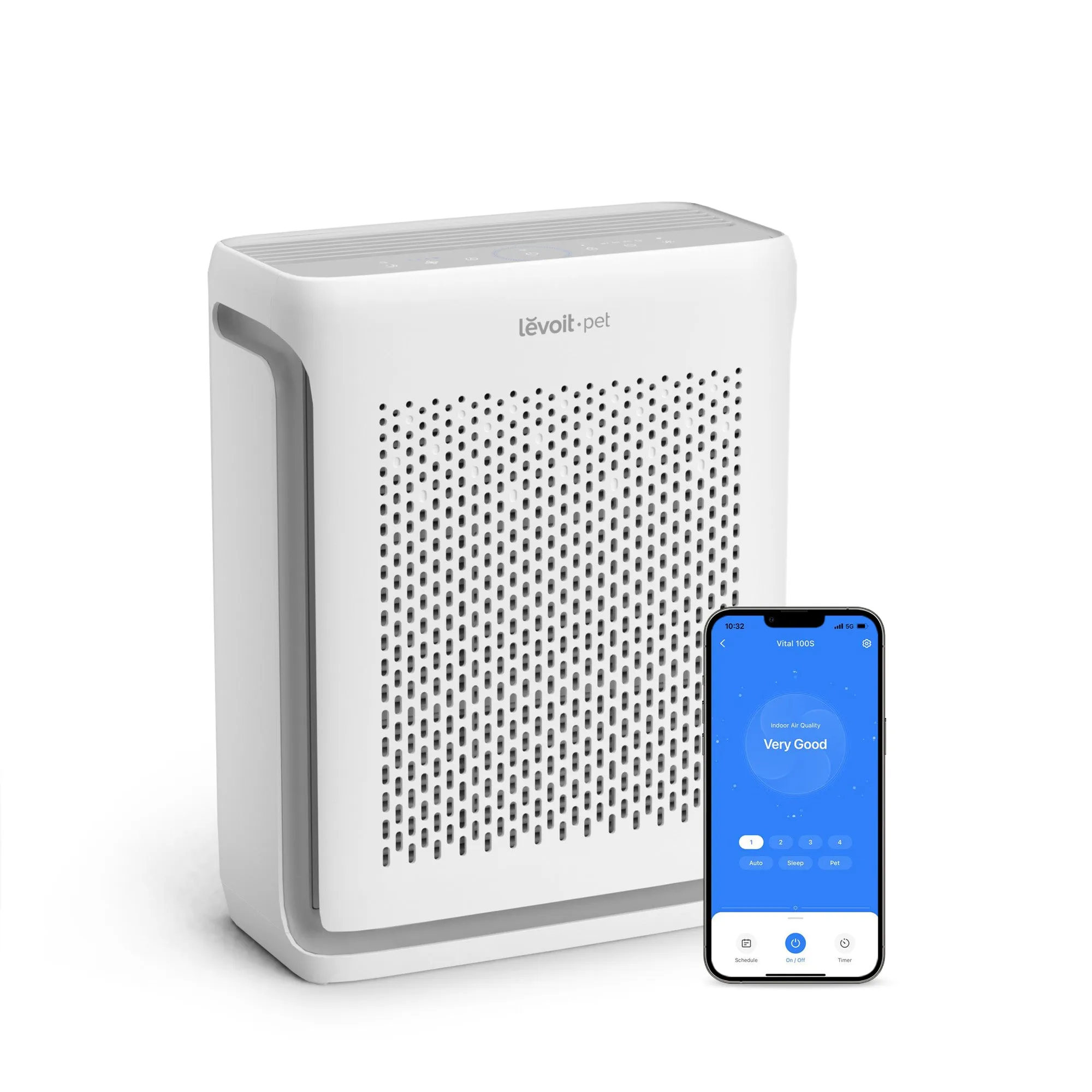
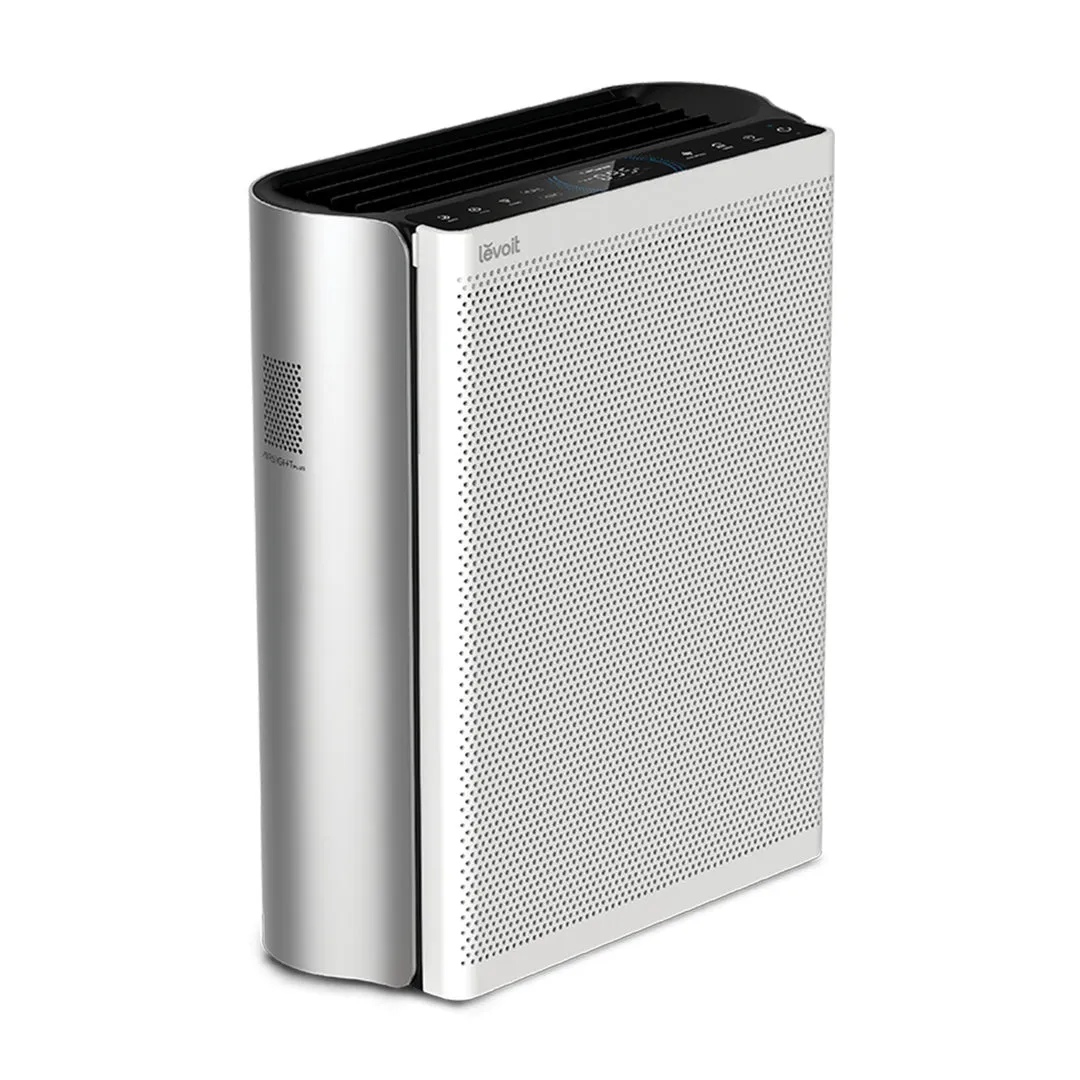
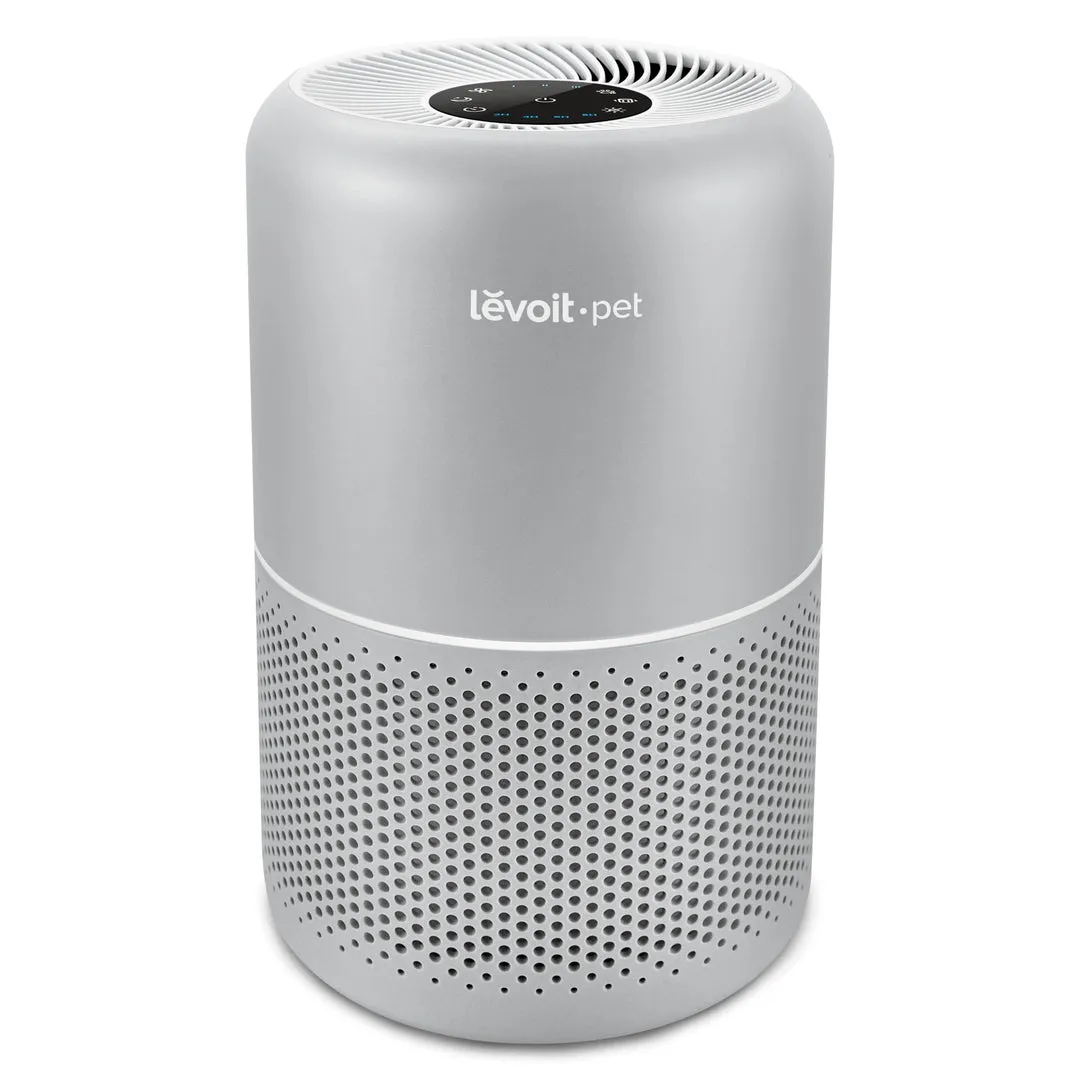
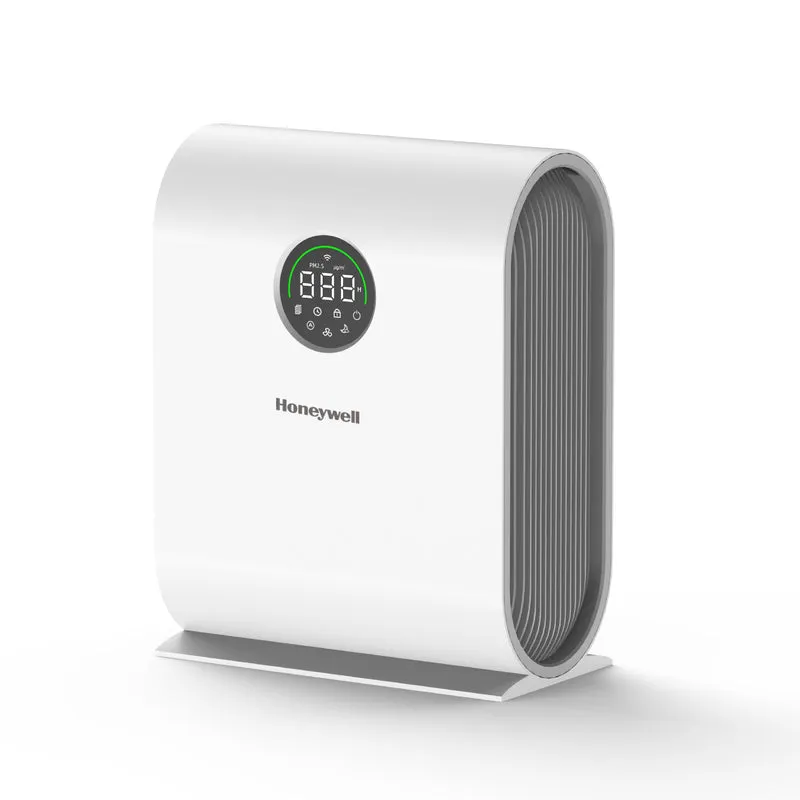
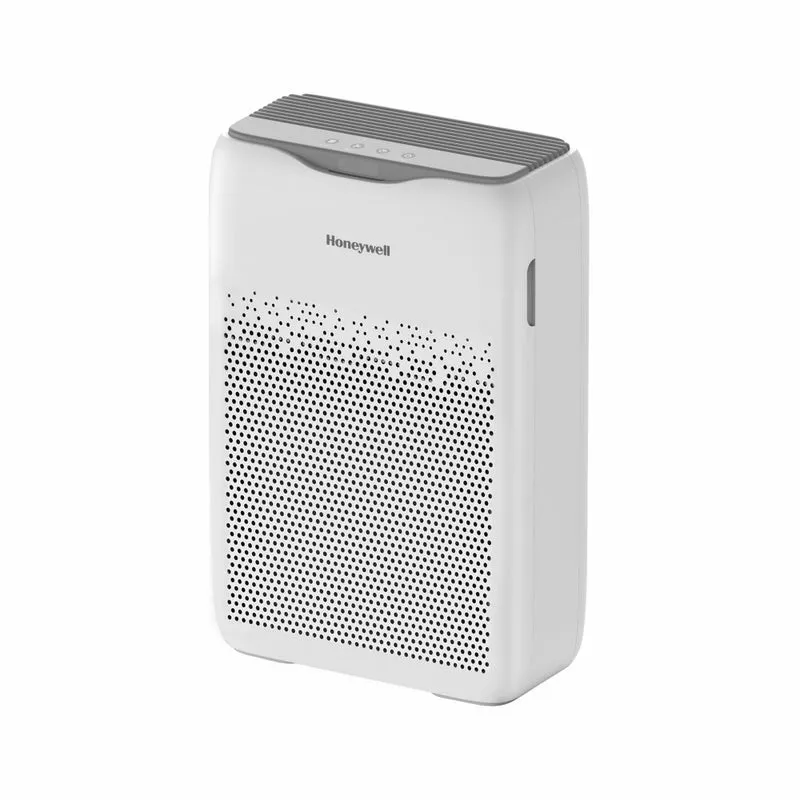
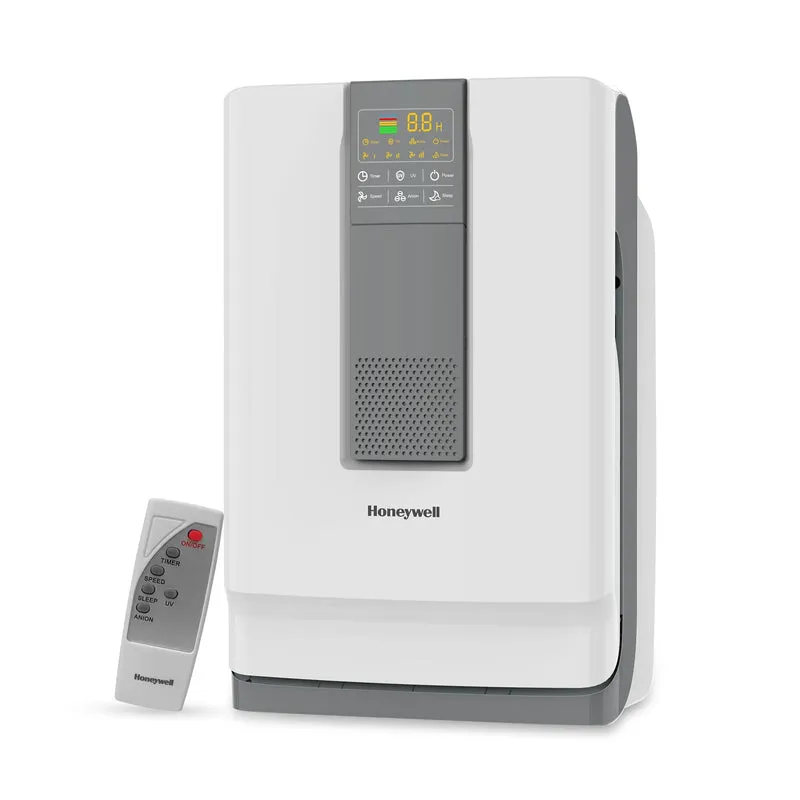
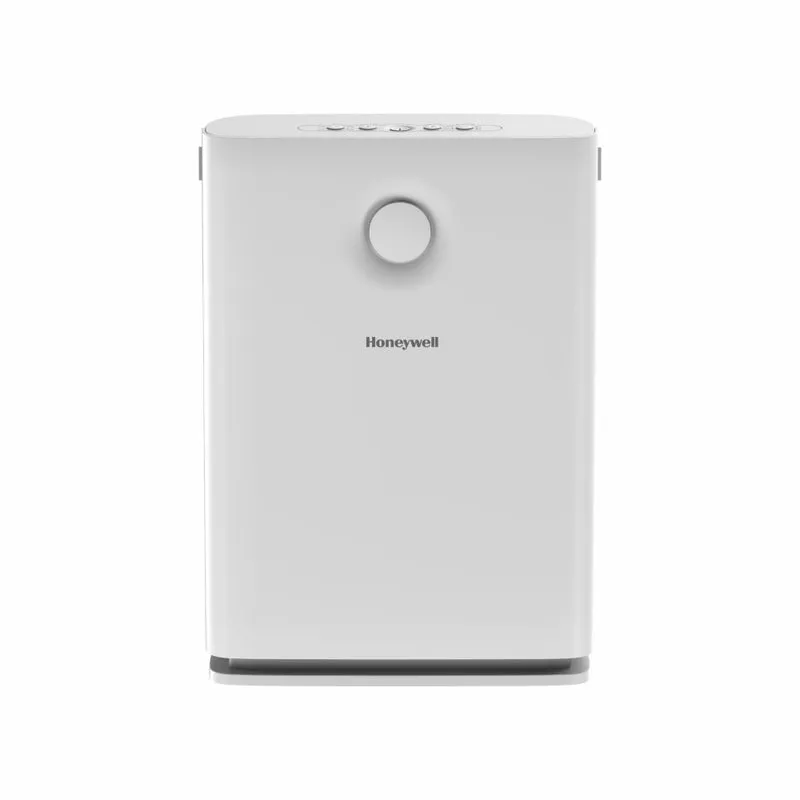
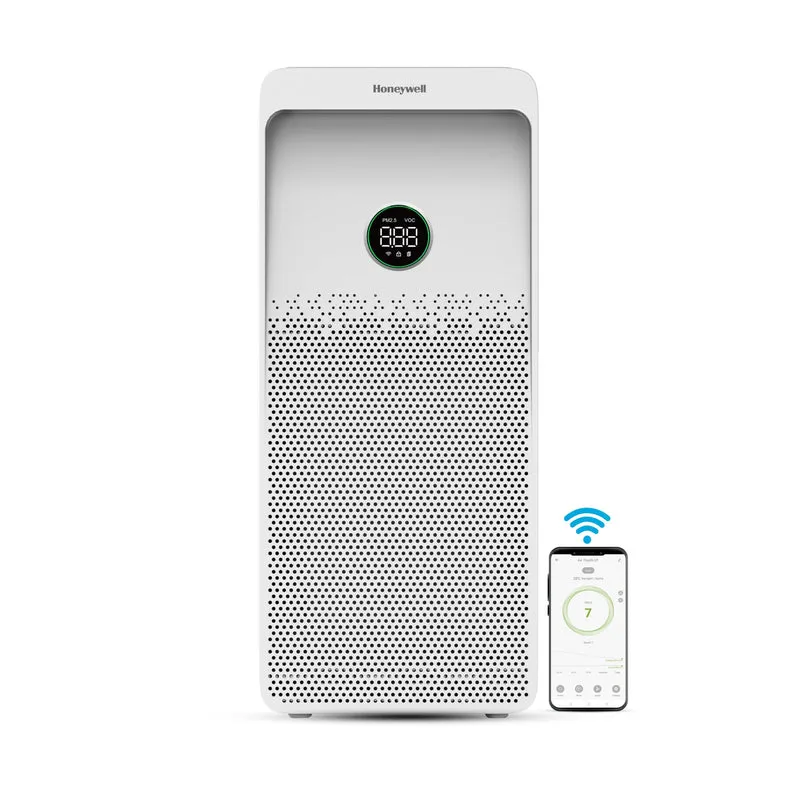
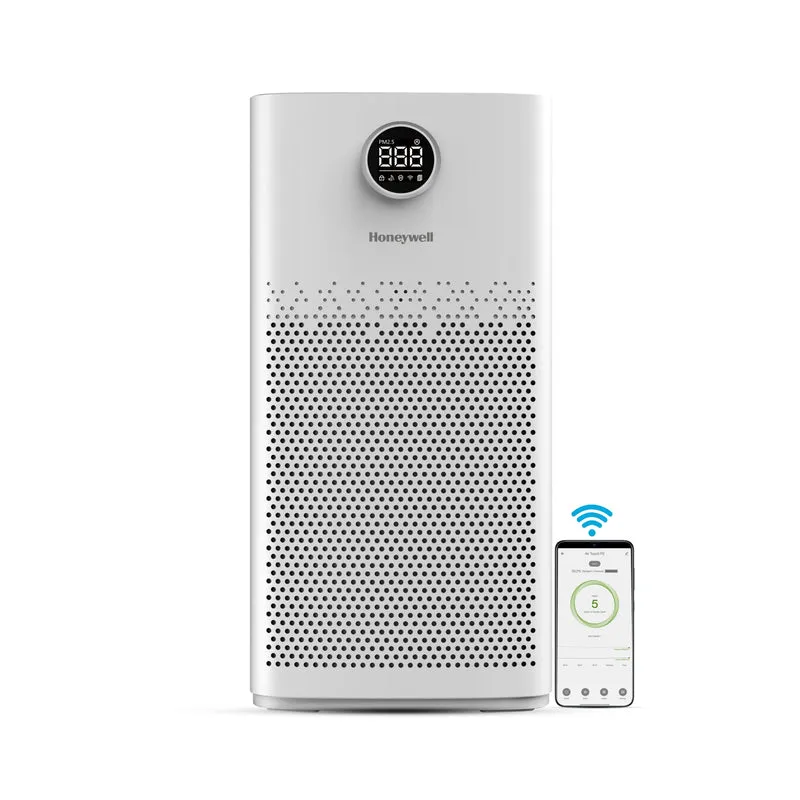
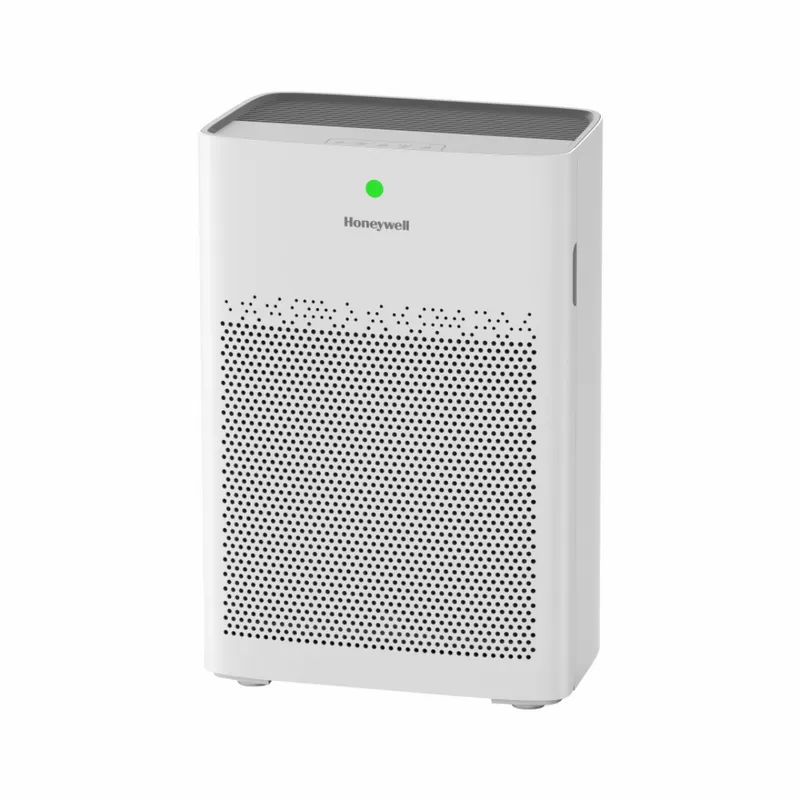
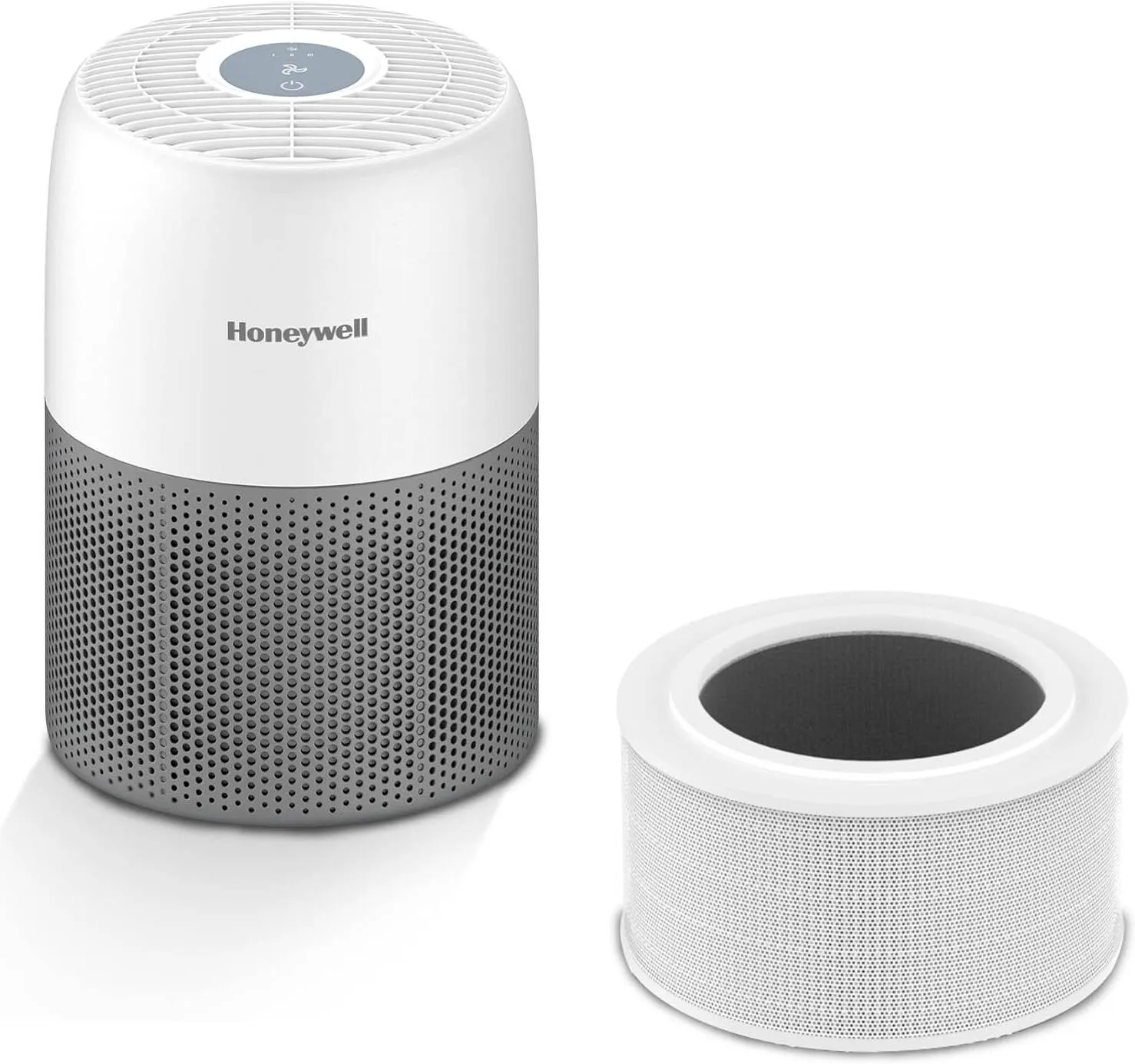
Brands such as Blueair, Coway, Honeywell, and Levoit have all released 2025–2026 models that reflect significant improvements in air purifier technology, making this a practical moment to reassess what your current unit can actually do.
1. Why upgrading removes chemicals and pollutants more effectively
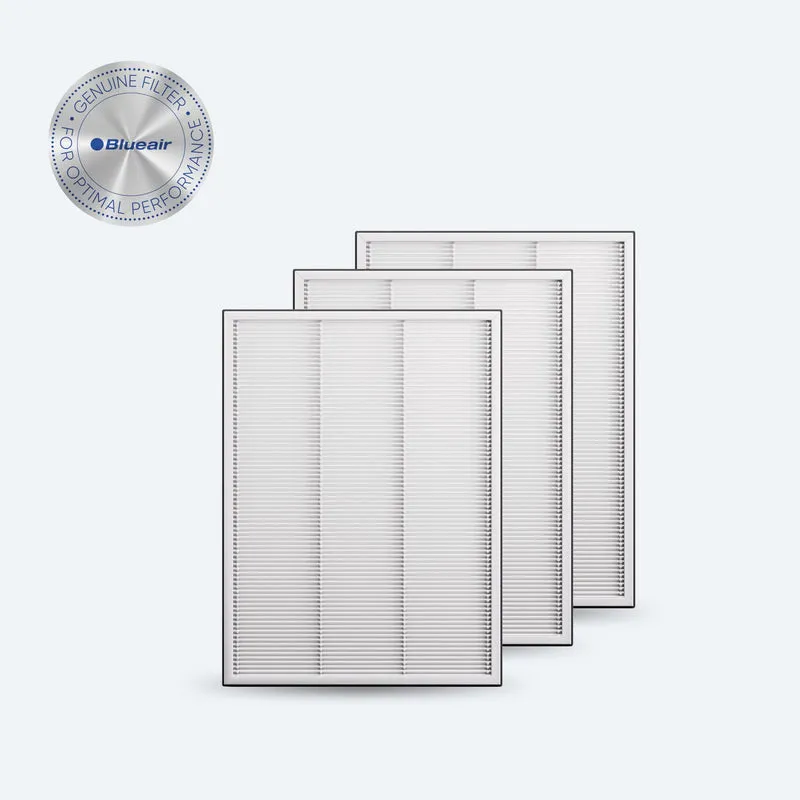
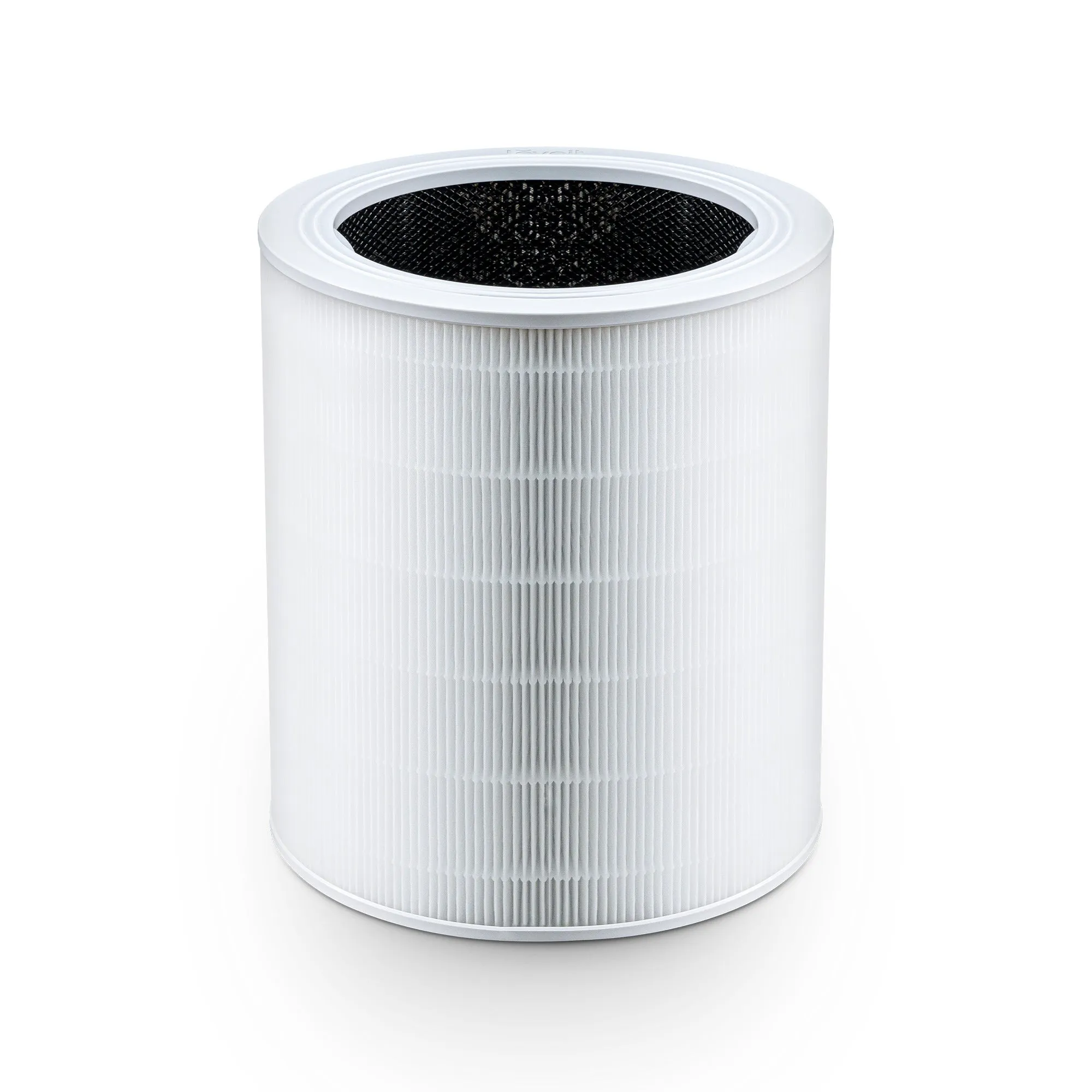
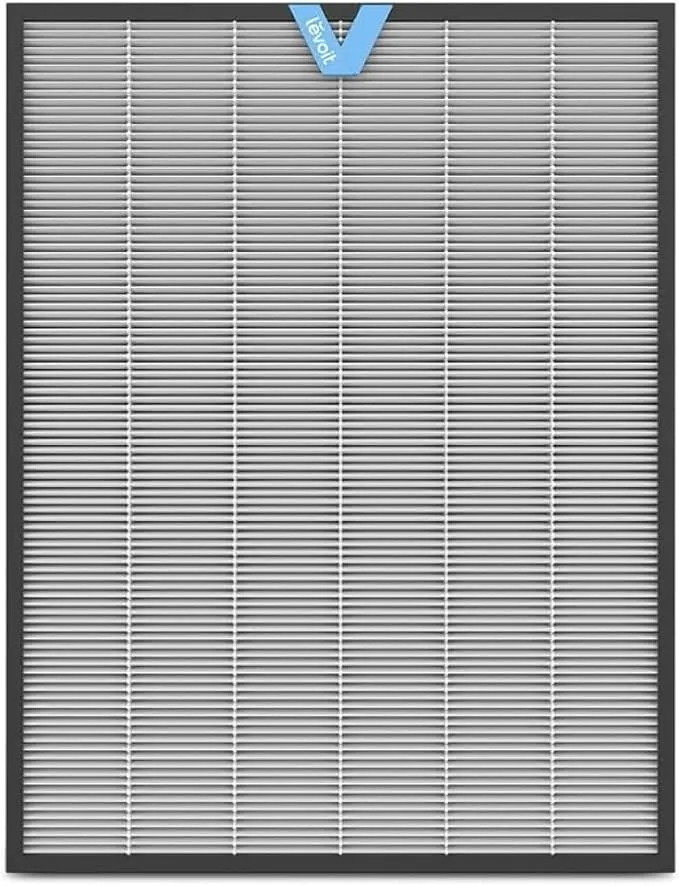
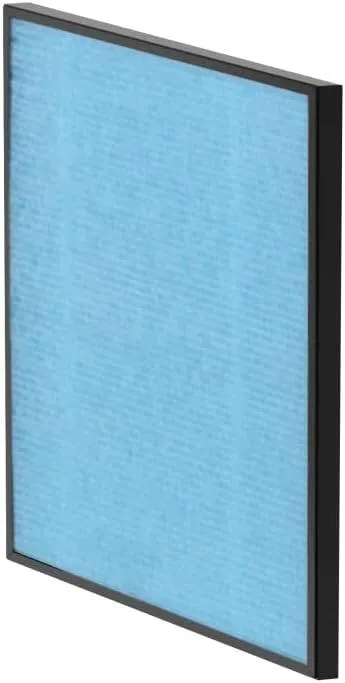
Modern HEPA filters capture 99.97% of particles down to 0.3 microns, including fine particulate matter (PM2.5), tobacco smoke residue, and construction dust. Older units with degraded or lower-grade filters simply cannot match that standard, regardless of how frequently you replace them.
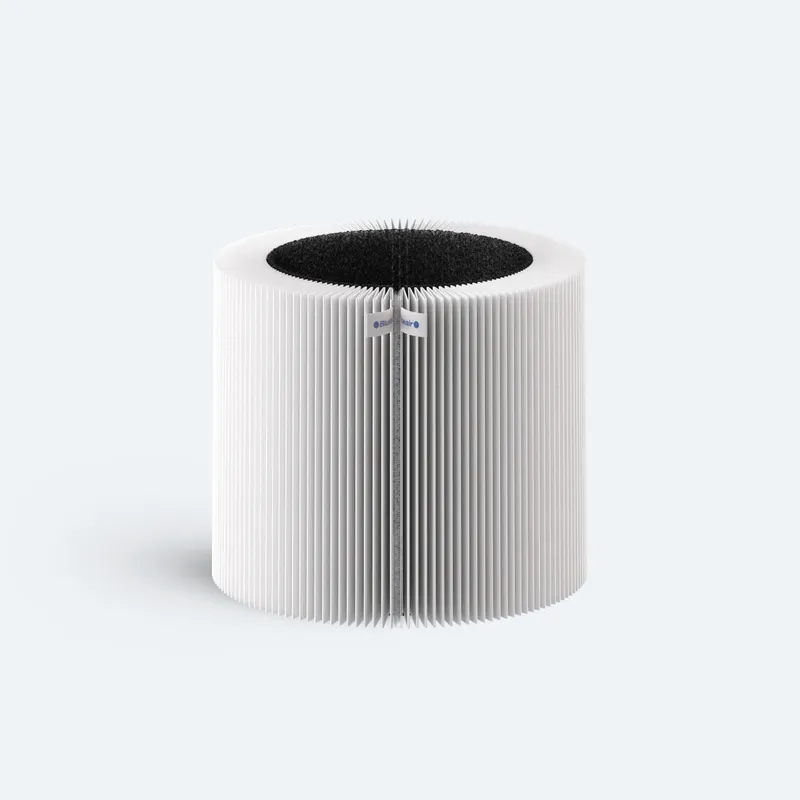
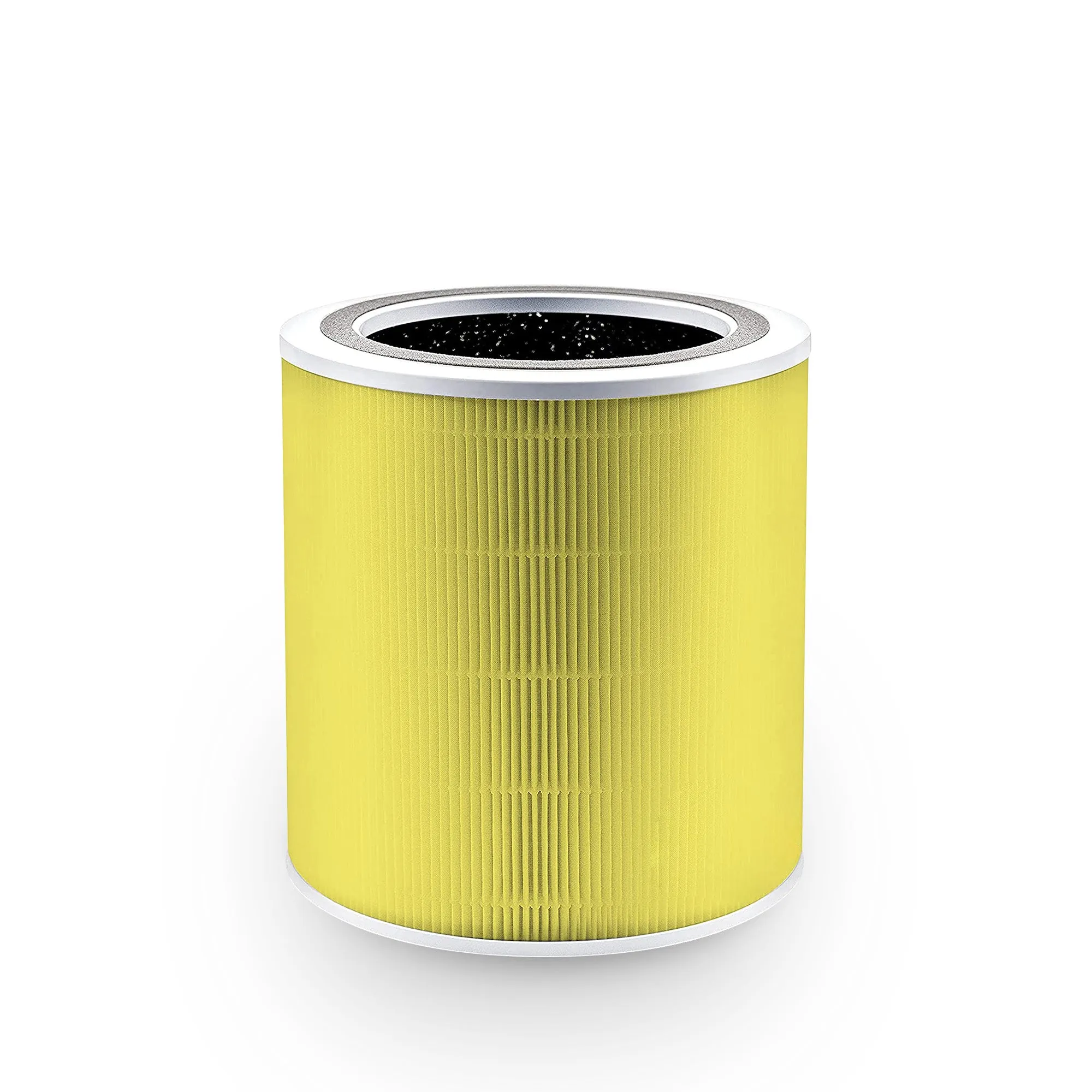
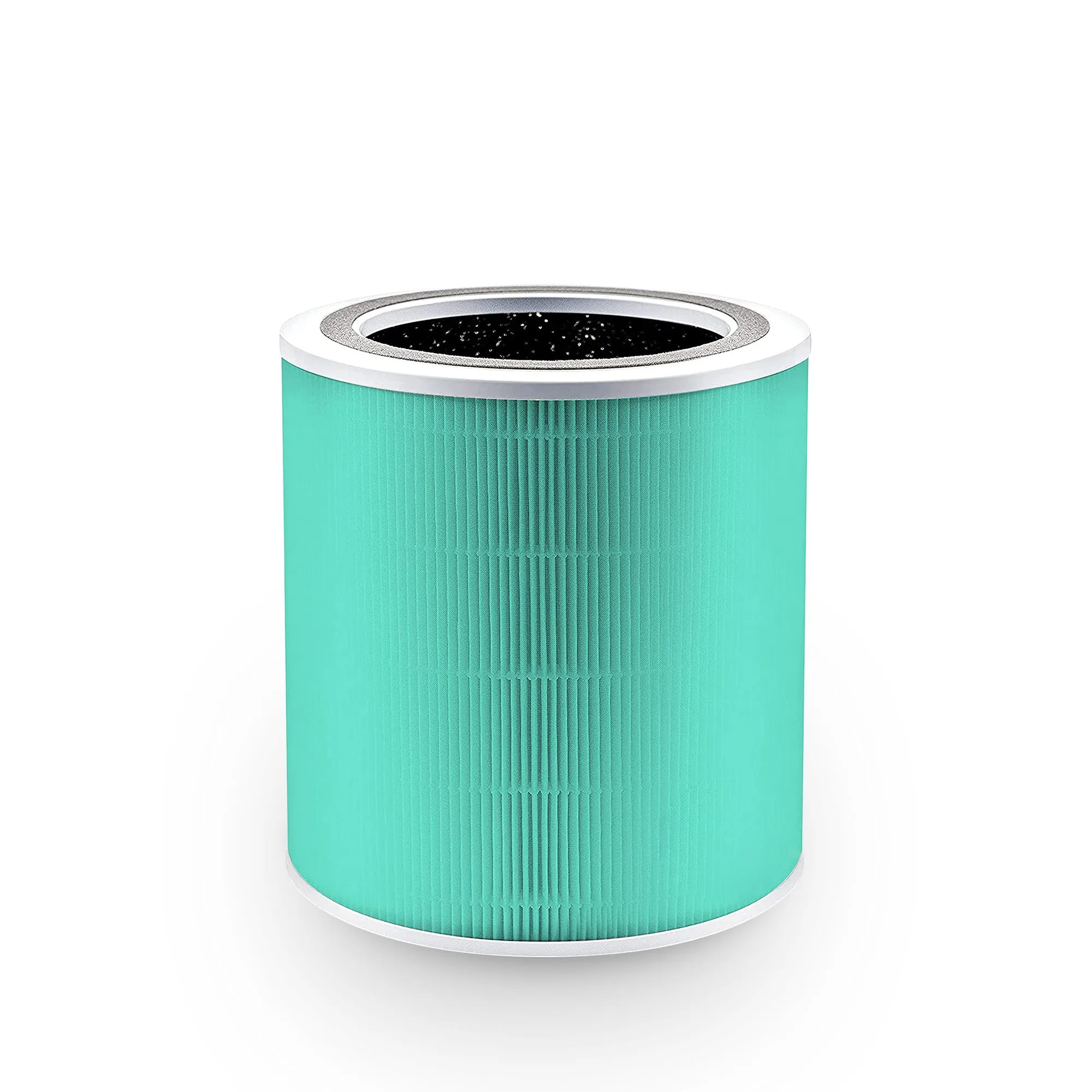
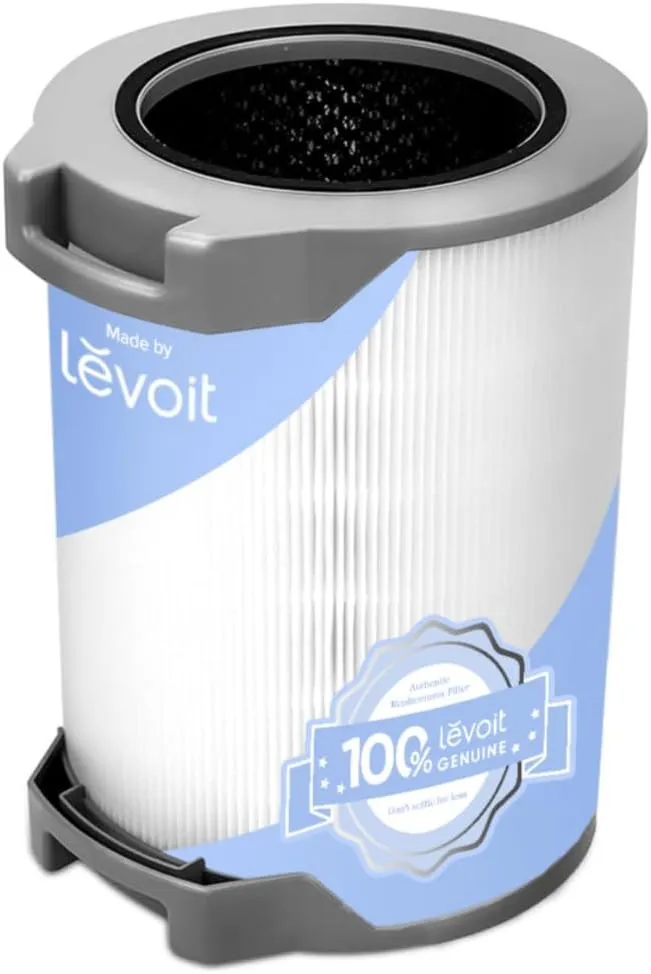
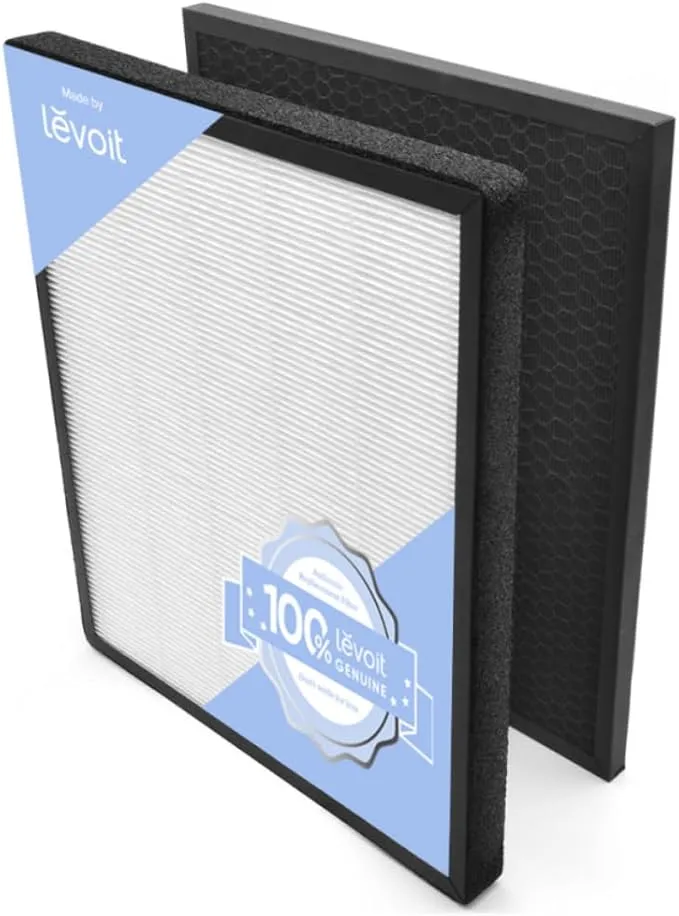
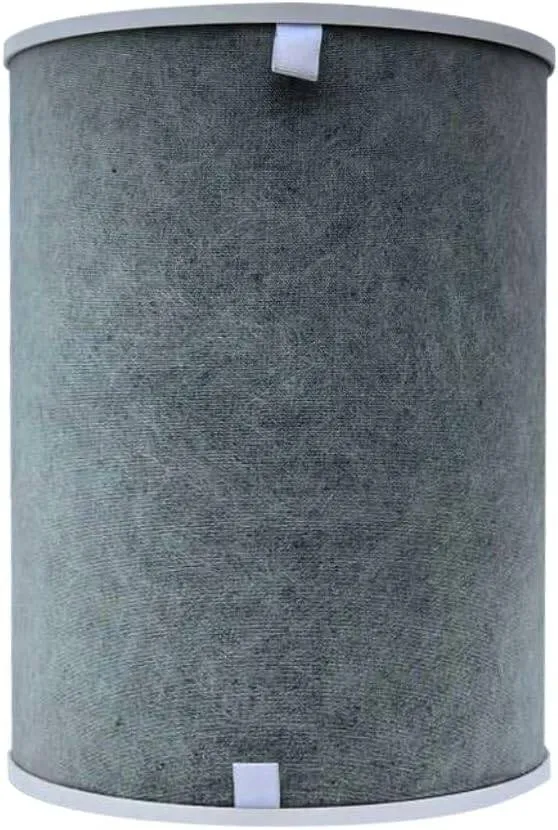
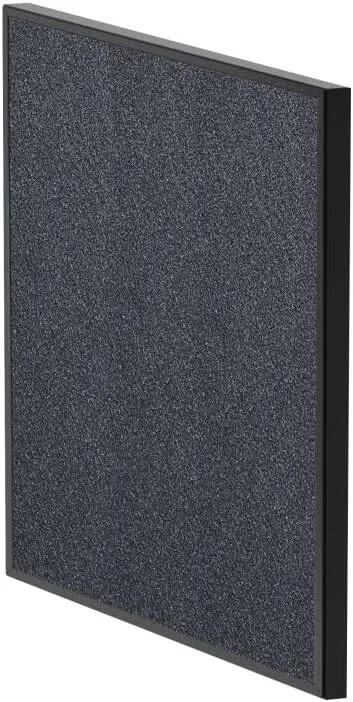
Activated carbon filters work alongside HEPA layers to trap VOCs: paint fumes, cleaning product residues, formaldehyde, and cooking gases. The US EPA confirms that particle and gas filtration require separate filter types, which is why dual-filter designs in current Levoit and Honeywell models represent a genuine functional advance over single-filter predecessors.
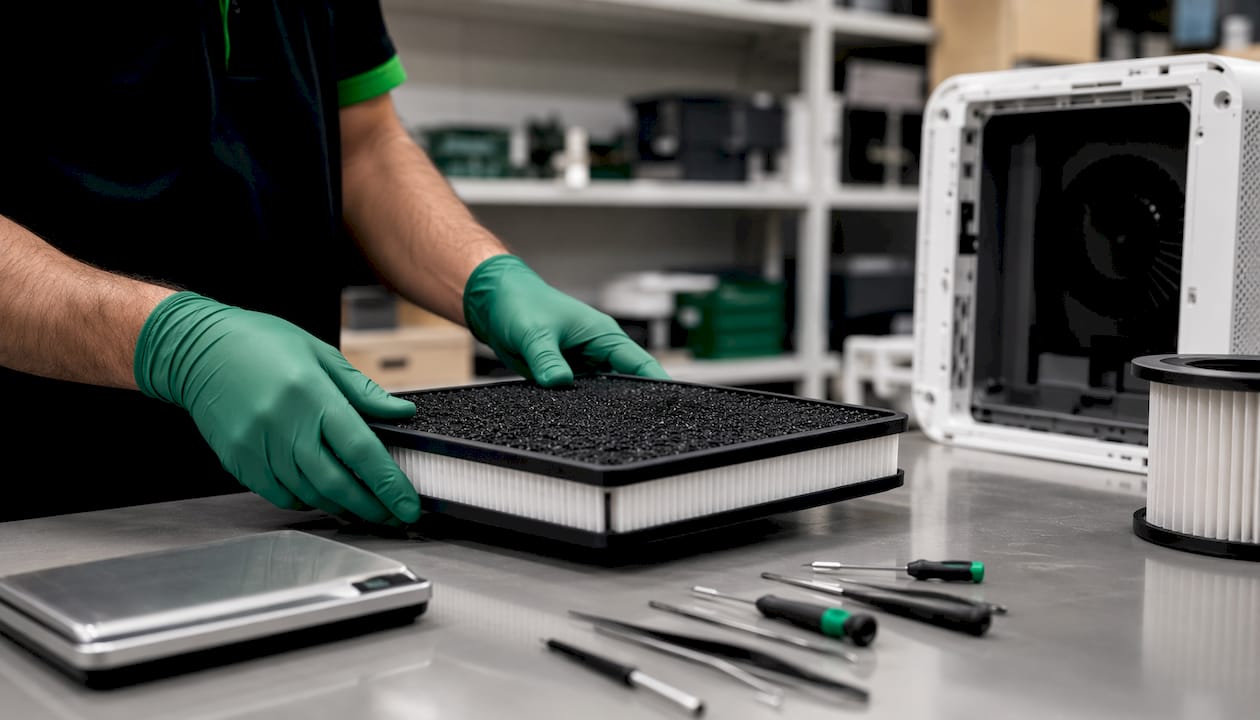
For whole-home coverage, upgrading your HVAC filter to a MERV 13 rating reduces baseline dust and allergen load throughout the property. Portable HEPA units then handle high-priority rooms such as bedrooms. The combination delivers superior protection compared to either approach alone.
Key pollutant categories that upgraded filtration addresses:
- PM2.5 and PM10 fine particles from traffic and cooking
- VOCs from paints, adhesives, and synthetic furnishings
- Wildfire smoke, which contains ultrafine carbon particles
- Pet odours and dander
- Mould spores in humid rooms
2. How upgrades reduce allergens and protect against airborne diseases
Allergen reduction is one of the clearest benefits of upgrading air purifiers. True HEPA filtration captures pollen, dust mite debris, and pet dander at sizes that trigger allergic reactions. Many allergy sufferers who run a HEPA purifier in their bedroom report reduced reliance on antihistamines within weeks, because the unit removes the trigger particles rather than masking the body’s response.
The financial case is direct. Many allergy sufferers spend several hundred pounds per year on antihistamines, nasal sprays, and GP visits. A well-chosen HEPA unit with annual filter replacements can pay for itself within about a year through reduced medication spend alone. For asthma patients, avoiding even one or two acute flares per year produces savings that far exceed the cost of the device.
Upgraded units also reduce pathogen load. Some newer Blueair and Honeywell models now include UV-C germicidal lamps, inactivate airborne bacteria and viruses passing through the filtration chamber. Real-time air quality sensors allow the unit to increase fan speed automatically when particulate levels rise, providing proactive rather than reactive protection. For allergy-specific filtration strategies, pairing a HEPA unit with MERV 13 HVAC filtration delivers the most consistent results.
Common allergens captured by upgraded HEPA systems:
- Pollen (tree, grass, and weed varieties)
- Pet dander and saliva proteins
- Dust mite faecal particles
- Mould spores
- Cockroach allergen fragments
3. How upgrading neutralises odours and supports better sleep
Activated carbon filters remove odour-causing molecules that HEPA layers cannot touch. Cooking smells, tobacco residue, pet odours, and off-gassing from new furniture all pass through carbon media and bind to its porous surface. Consumer Reports notes that activated carbon filters require replacement every three months to maintain effectiveness, compared to six to twelve months for mechanical HEPA filters. Budgeting for both is part of the real cost of odour control.
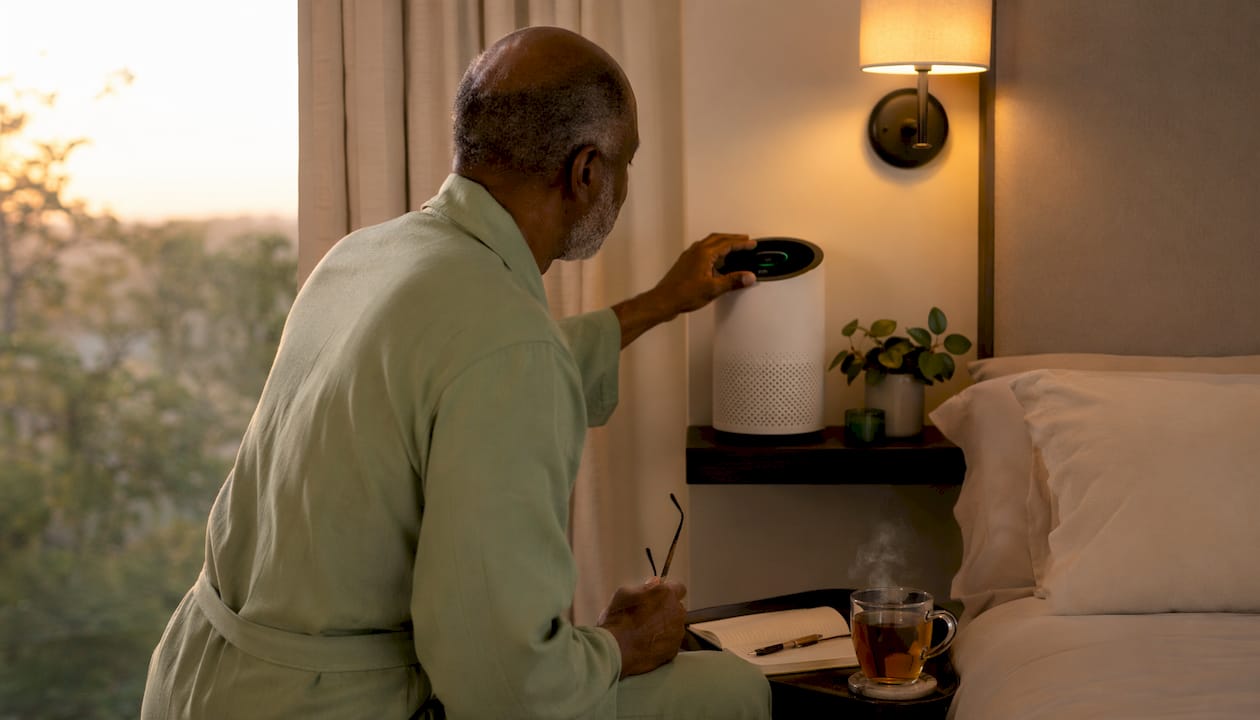
Cleaner air in the bedroom directly affects sleep quality. Nasal congestion from airborne allergens reduces sleep efficiency, and a study cited in the Journal of Clinical Sleep Medicine found that congestion reduces restorative sleep by the equivalent of around 1.5 hours per night during allergy season. Running a purifier on low speed overnight addresses this without creating noise disruption. Blueair and Levoit produce bedroom-rated units designed to operate quietly on low settings.
Pro Tip: Place your air purifier at least two to three feet away from walls and furniture to maintain unrestricted airflow. An obstructed unit circulates less air per hour and uses more energy for the same result.
Practical steps for bedroom odour control and sleep improvement:
- Choose a unit with both HEPA and activated carbon filtration
- Run on low speed overnight to minimise noise
- Replace carbon filters every three months, not just when the indicator light activates
- Position the unit near the breathing zone, not behind furniture
4. Creating safer air for children and elderly occupants
Children’s lungs are still developing, and elderly adults often have reduced respiratory reserve. Both groups are more sensitive to PM2.5, VOCs, and biological contaminants than healthy adults. The EPA links chronic fine particulate exposure to accelerated cognitive decline, reduced lung function, and increased cardiovascular risk, making clean indoor air a genuine health priority rather than a comfort preference.
Upgraded purifiers with adaptive sensors respond to real-time air quality changes rather than running at a fixed speed. When a child brings outdoor pollution in on their clothing, or when cooking raises PM2.5 levels, a sensor-equipped unit detects the spike and increases filtration automatically. Honeywell’s current range and several Coway models include this functionality as standard.
Room placement matters as much as the unit itself. Placing a purifier in the room where vulnerable occupants spend the most time, typically a bedroom or living room, concentrates the benefit where it is needed. For homes with both children and elderly residents, clean air across room types requires either multiple units or a whole-home HVAC upgrade combined with a portable HEPA device.
Benefits for vulnerable occupants from upgraded filtration:
- Fewer asthma attacks triggered by allergen spikes
- Reduced exposure to airborne pathogens during cold and flu season
- Lower VOC levels from household cleaning products and furnishings
- Quieter operation that does not disrupt sleep or rest
- Smart alerts that notify when air quality deteriorates
5. Cognitive performance, appliance longevity, and energy efficiency
Poor indoor air quality affects concentration and decision-making. Research from Harvard T.H. Chan School of Public Health found significant declines in cognitive scores in high-pollution environments compared to clean-air conditions. For anyone working from home, that figure has direct implications for daily output.
Dust accumulation also shortens the working life of electronics, HVAC components, and kitchen appliances. A home with effective air filtration sees less particulate settling on circuit boards, fan blades, and heating elements. The maintenance saving is difficult to quantify precisely, but the mechanism is straightforward: less airborne dust means less dust deposited on surfaces and inside equipment.
Modern purifiers are also significantly more energy-efficient than units from five or more years ago. Energy Star certified air purifiers use 40% less energy than standard models. Sensor-driven auto modes reduce fan speed when air quality is good, cutting electricity consumption further without sacrificing protection. The combination of lower running costs and reduced filter waste makes an upgraded unit cheaper to operate over a three-year period than maintaining an older, less efficient model.
Efficiency and performance benefits from upgrading:
- Auto mode reduces energy use compared to continuous high-speed operation
- Longer filter life in current models reduces replacement frequency and cost
- Quieter motors allow 24-hour operation without disruption
- App connectivity enables remote monitoring and scheduling
- Energy Star certification confirms independently verified efficiency standards
6. Smart features and easier maintenance in current models
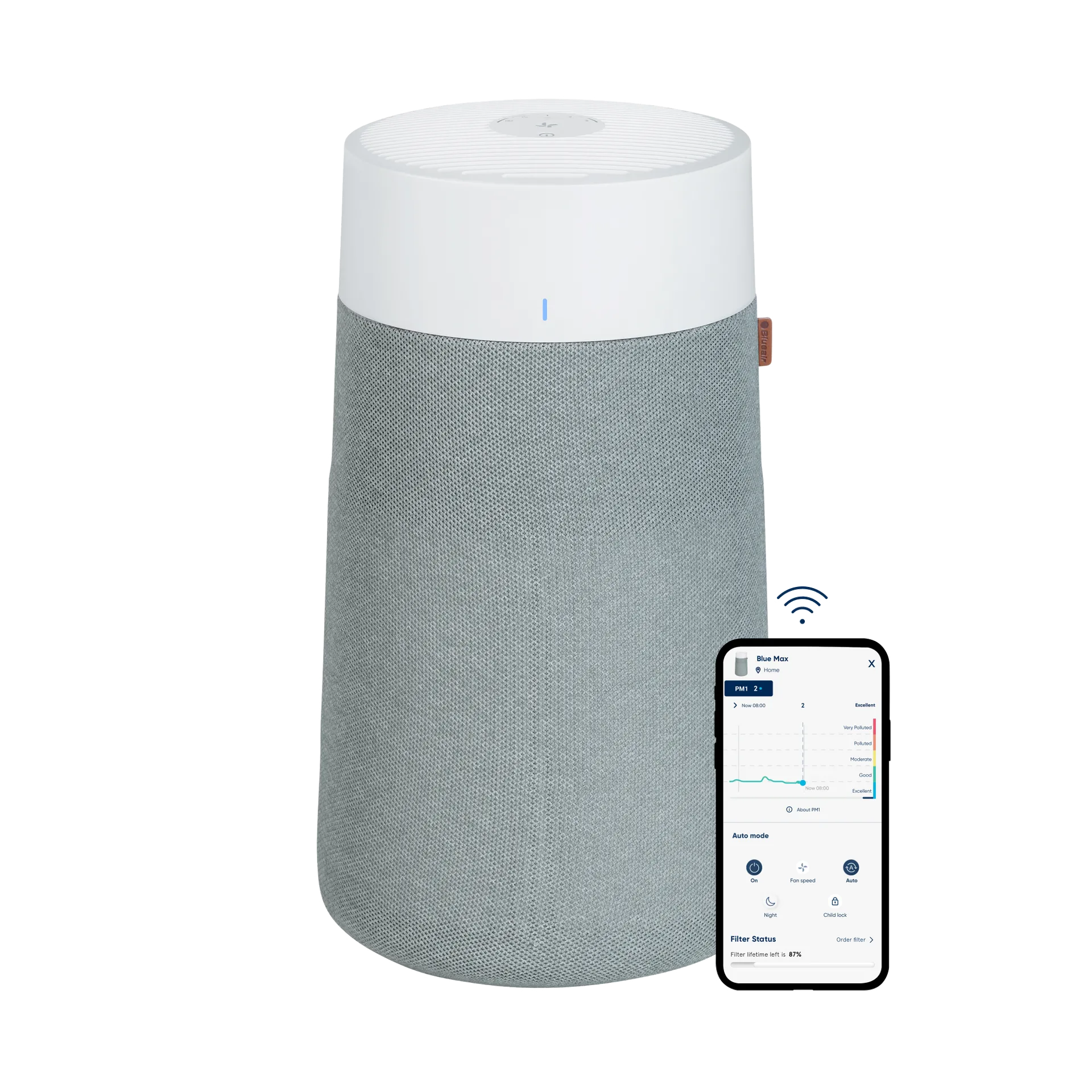
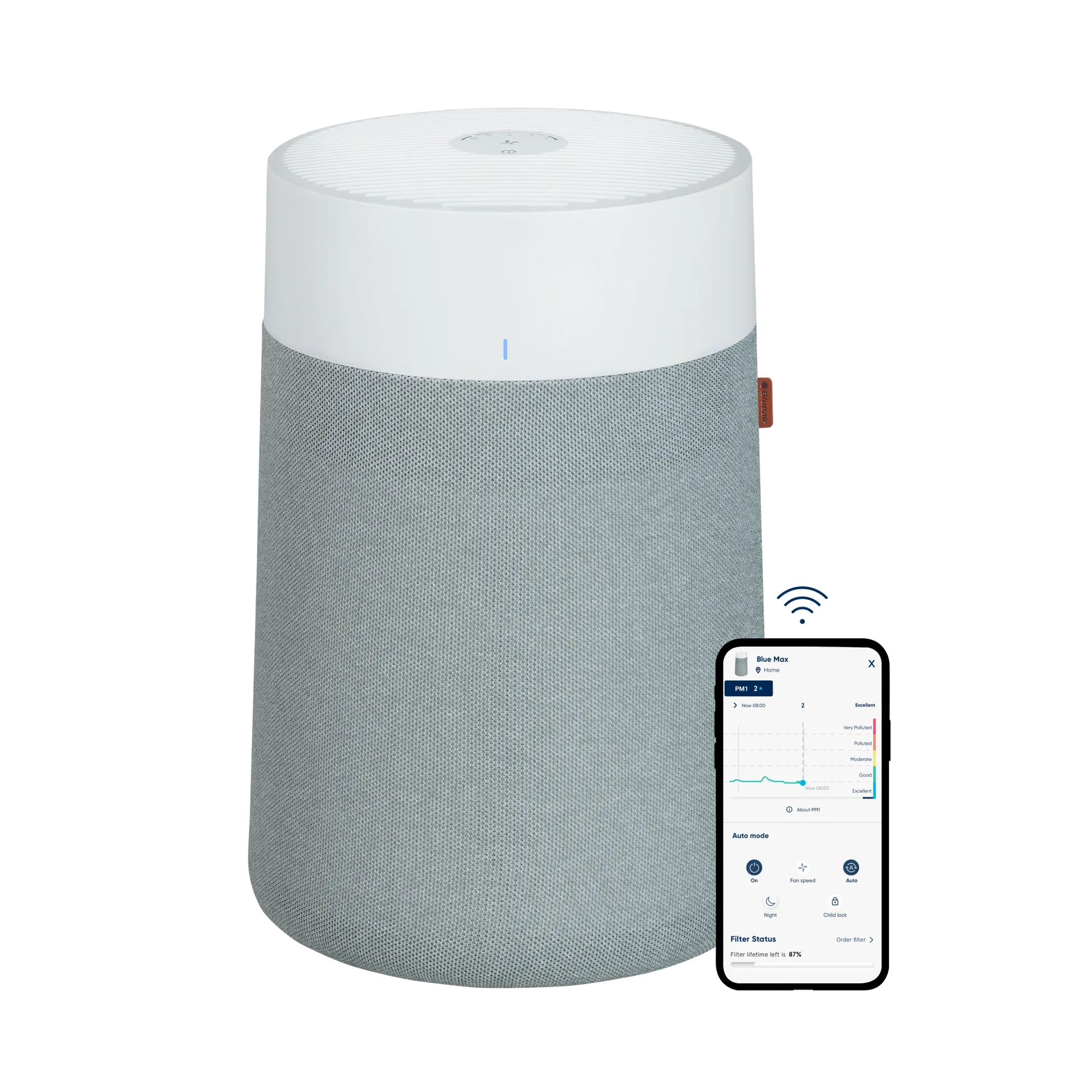
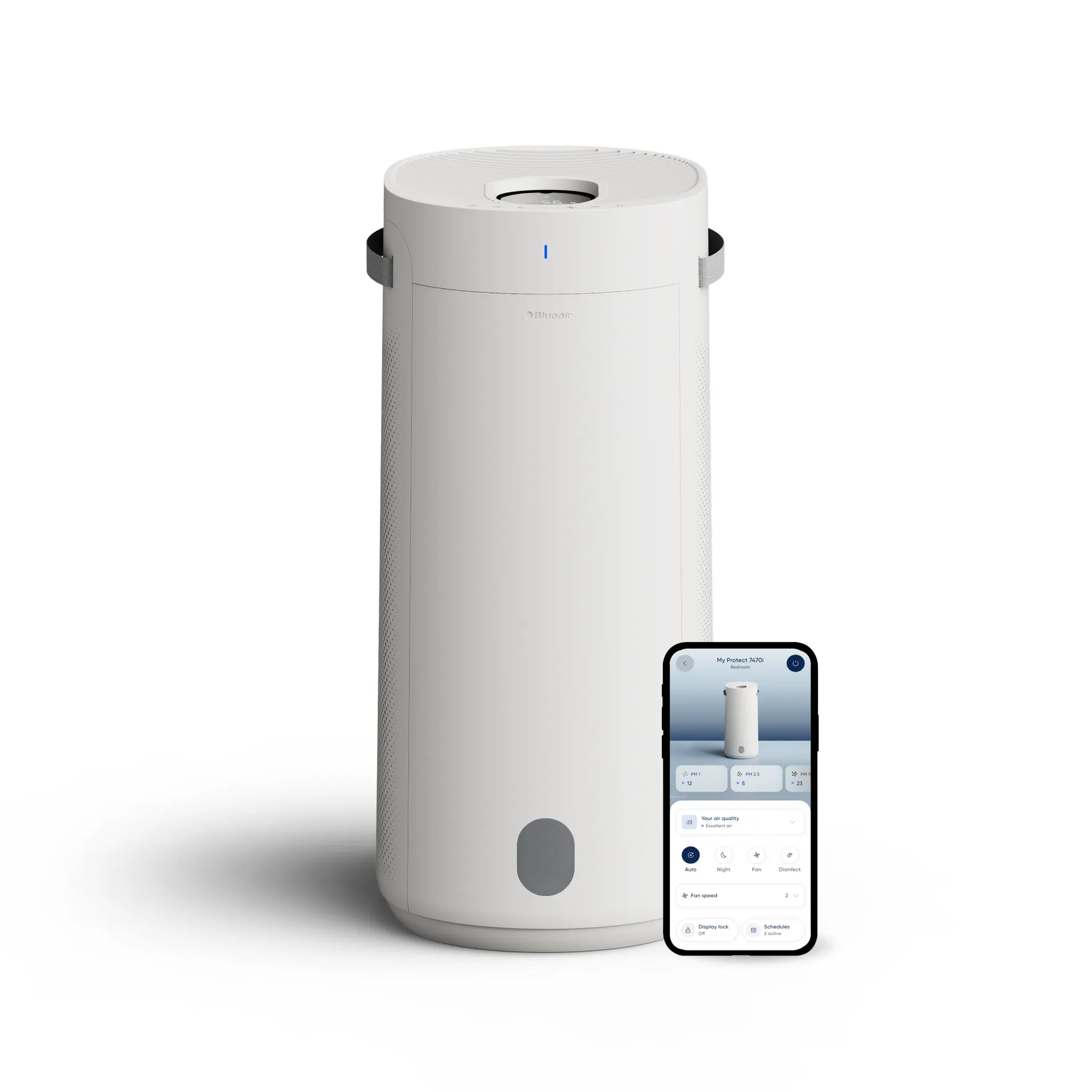
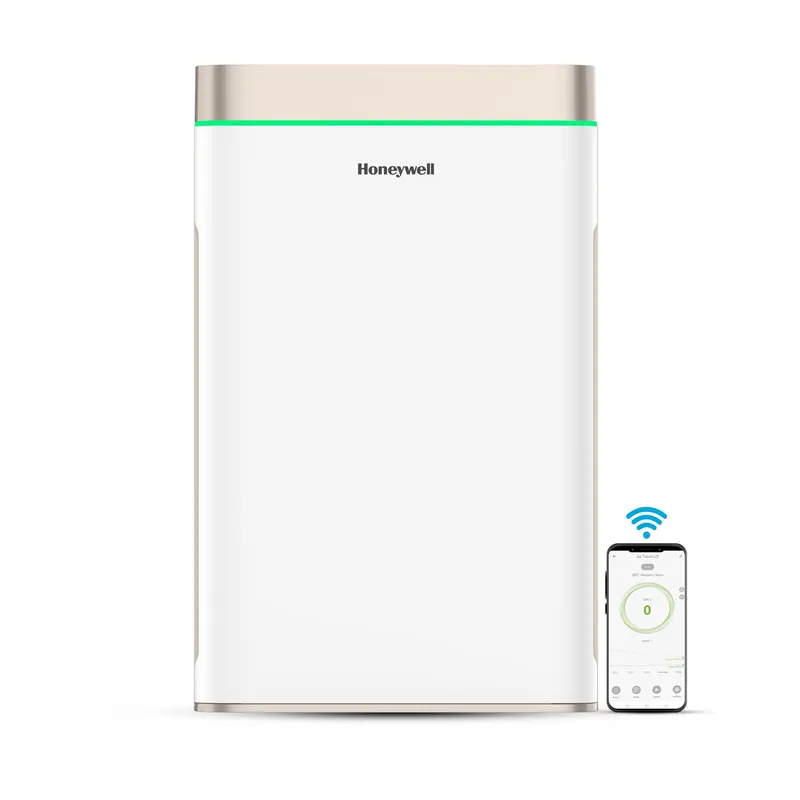
The latest air purifier features go well beyond filtration. App connectivity in current Blueair, Levoit, and Honeywell models allows remote control, historical air quality data, and filter replacement reminders sent directly to a smartphone. For homeowners who travel or manage multiple rooms, this removes the guesswork from maintenance scheduling.
Real-time air quality sensors represent the most practically useful upgrade from older units. Rather than running at a fixed speed regardless of conditions, sensor-equipped purifiers adjust automatically. The result is better air quality during high-pollution events and lower electricity use during clean periods. Coway’s Airmega range and several Levoit models use this approach as their default operating mode.
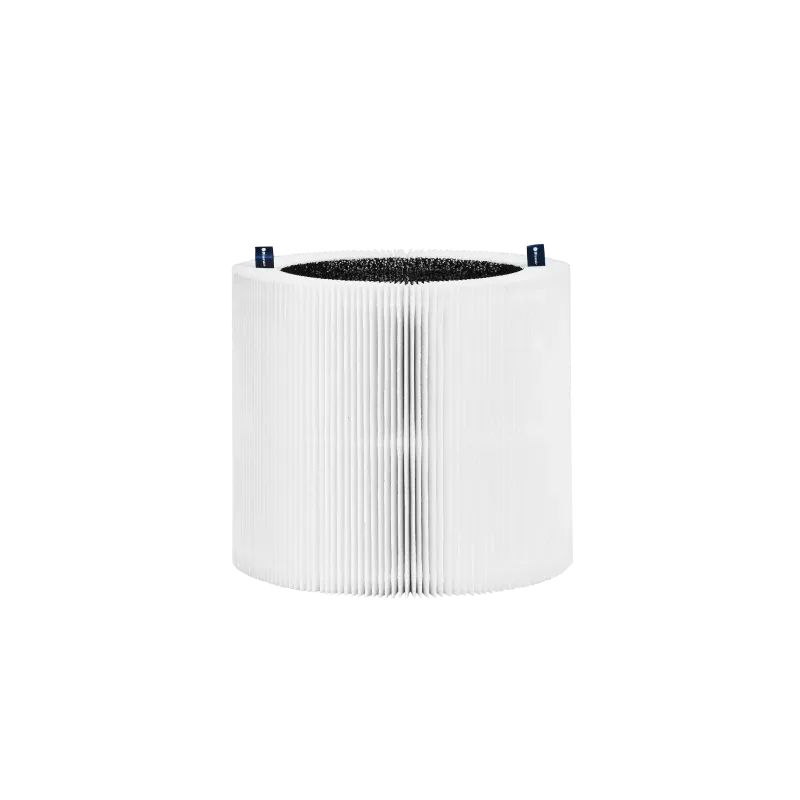
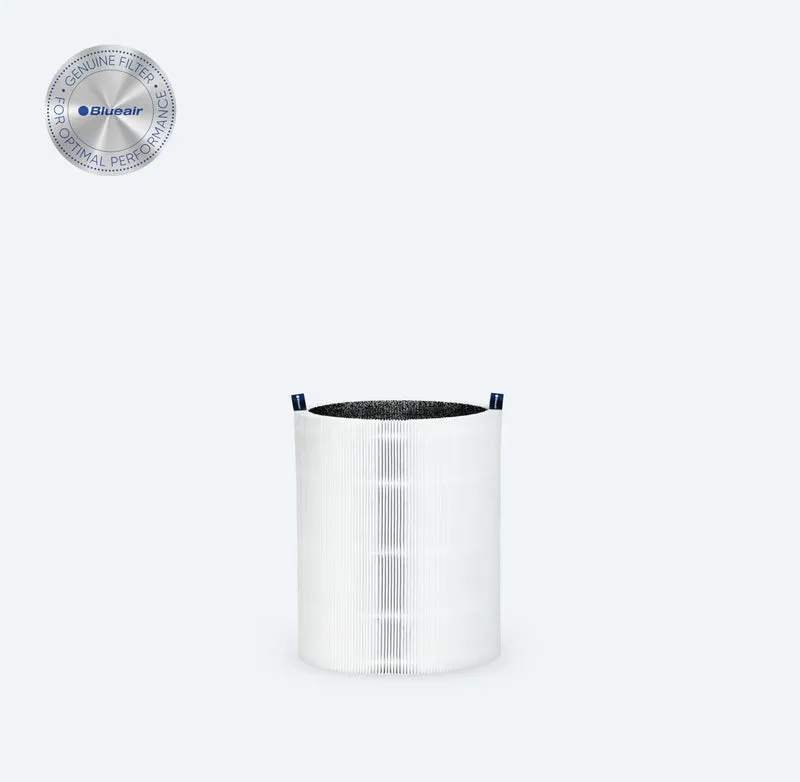
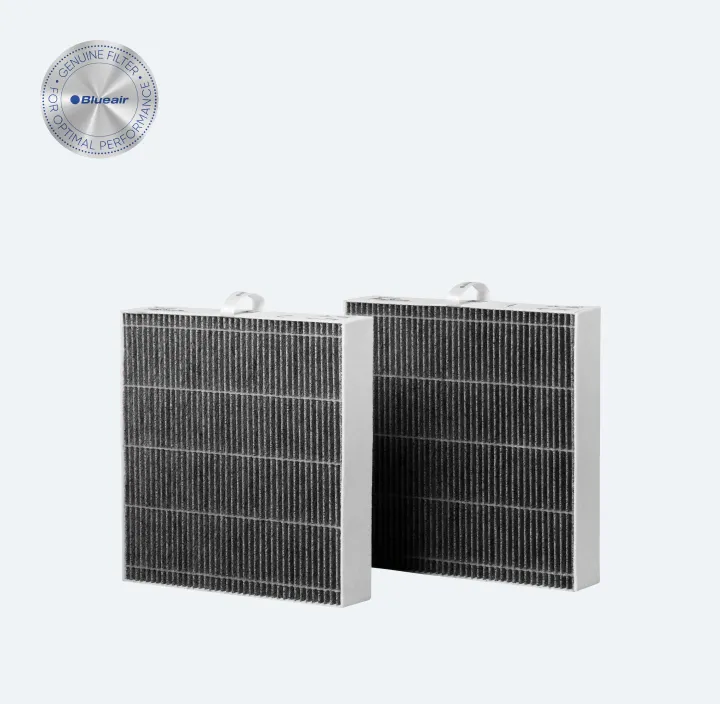
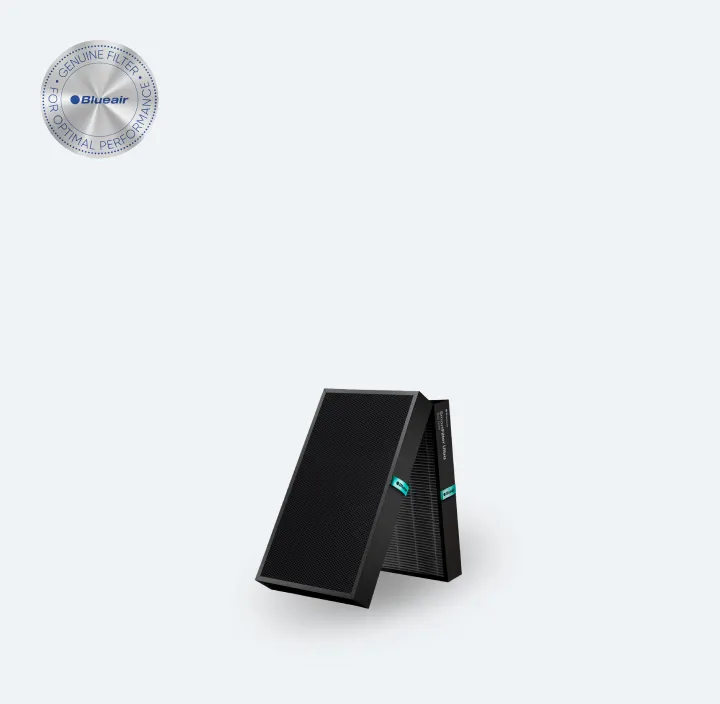
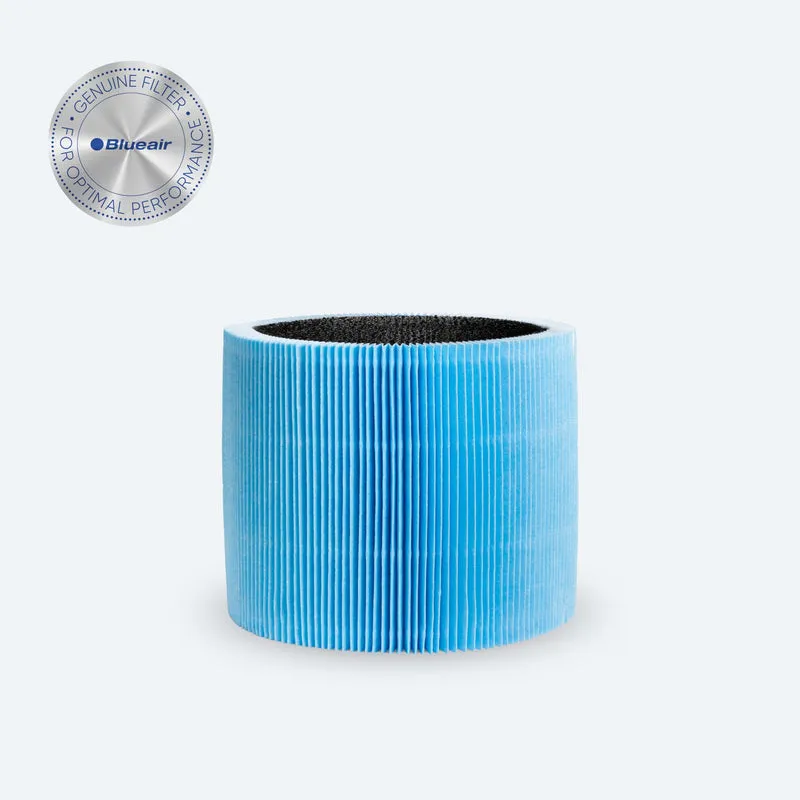
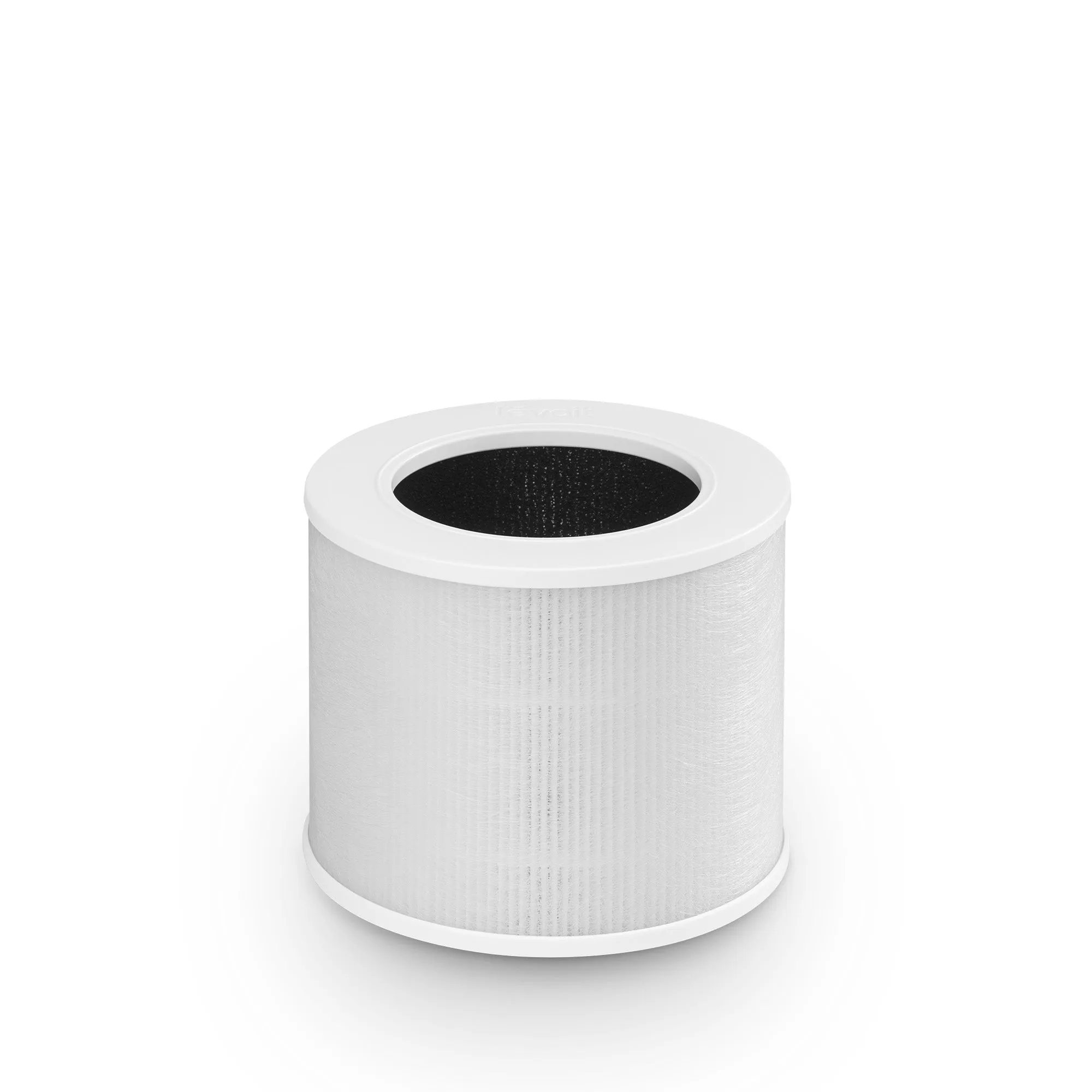
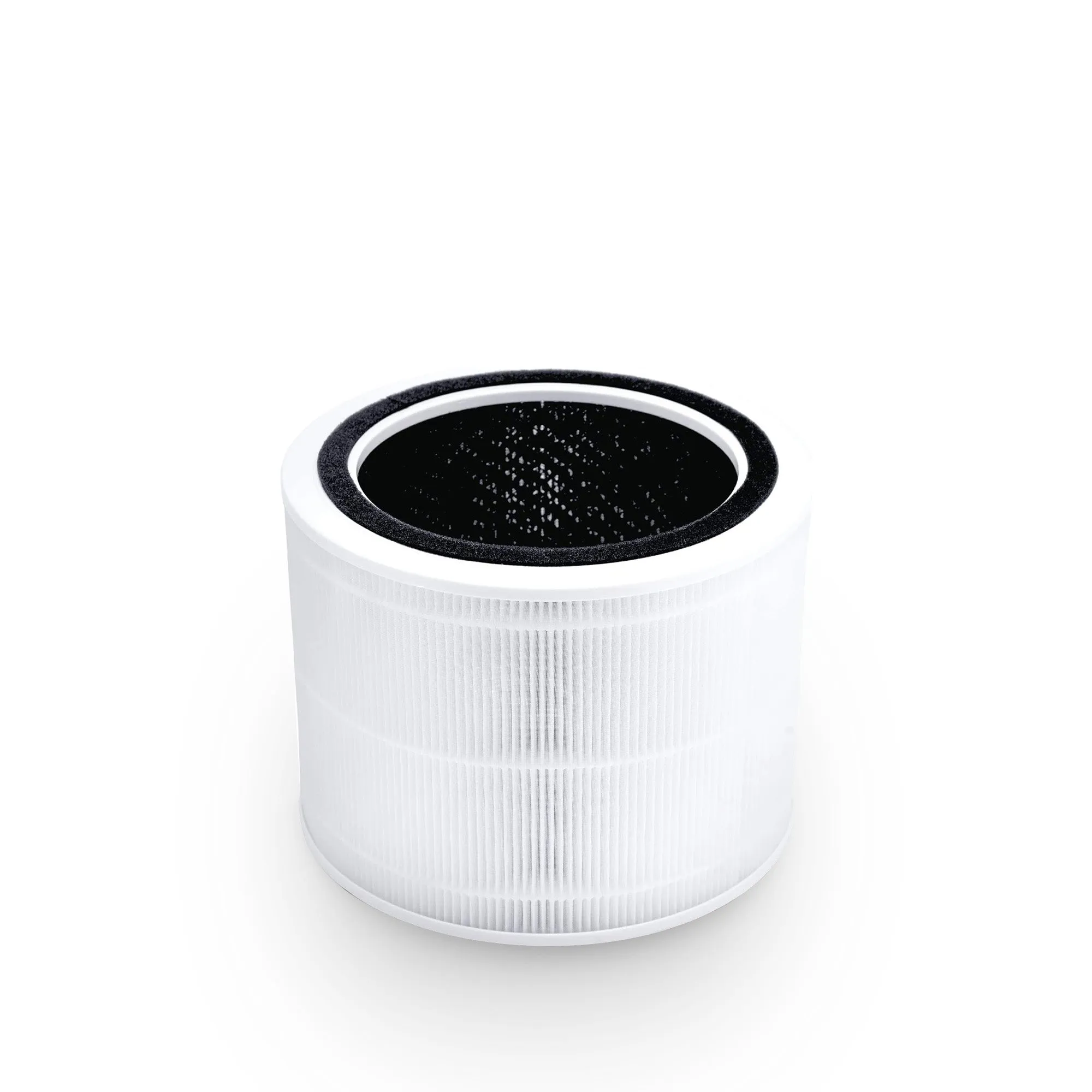
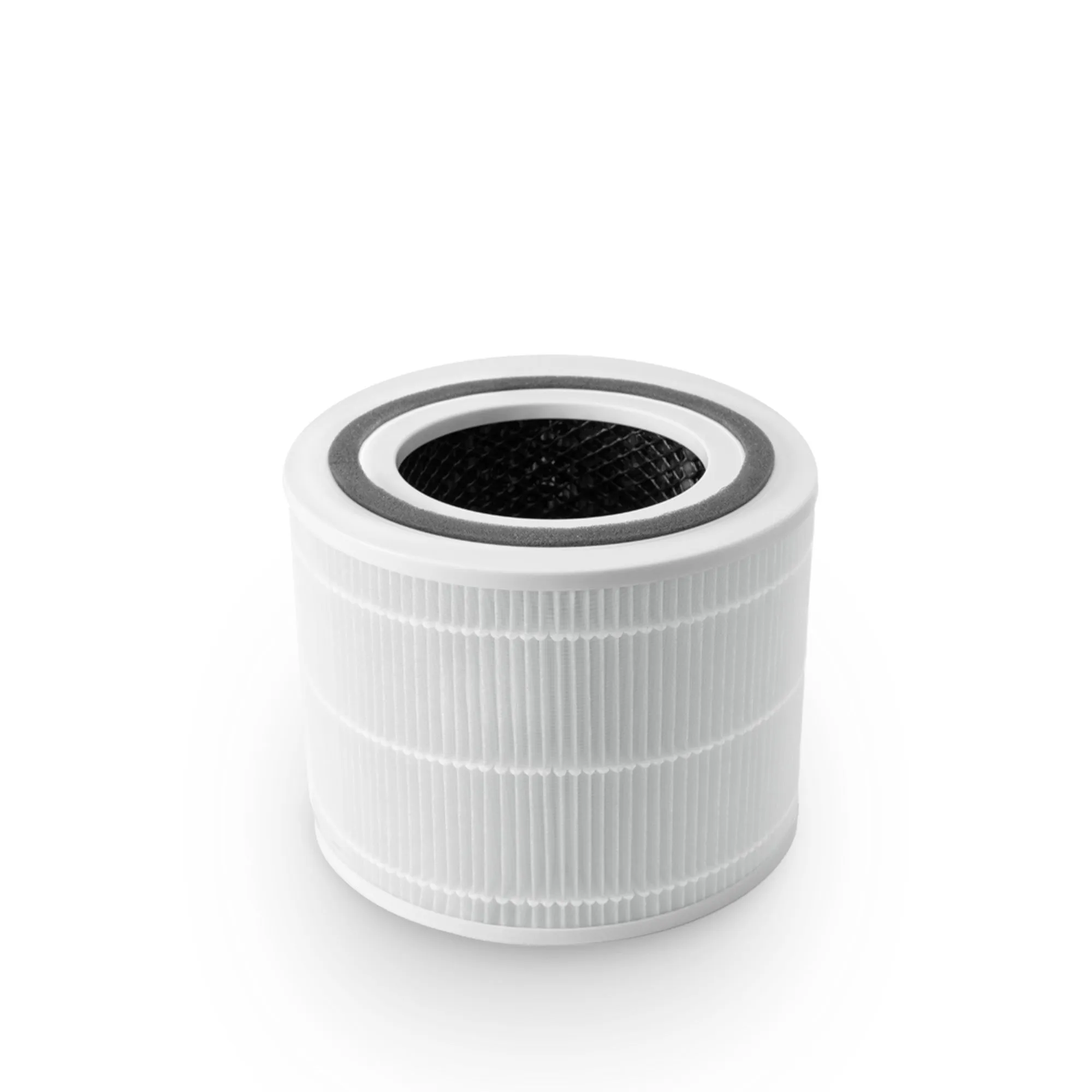
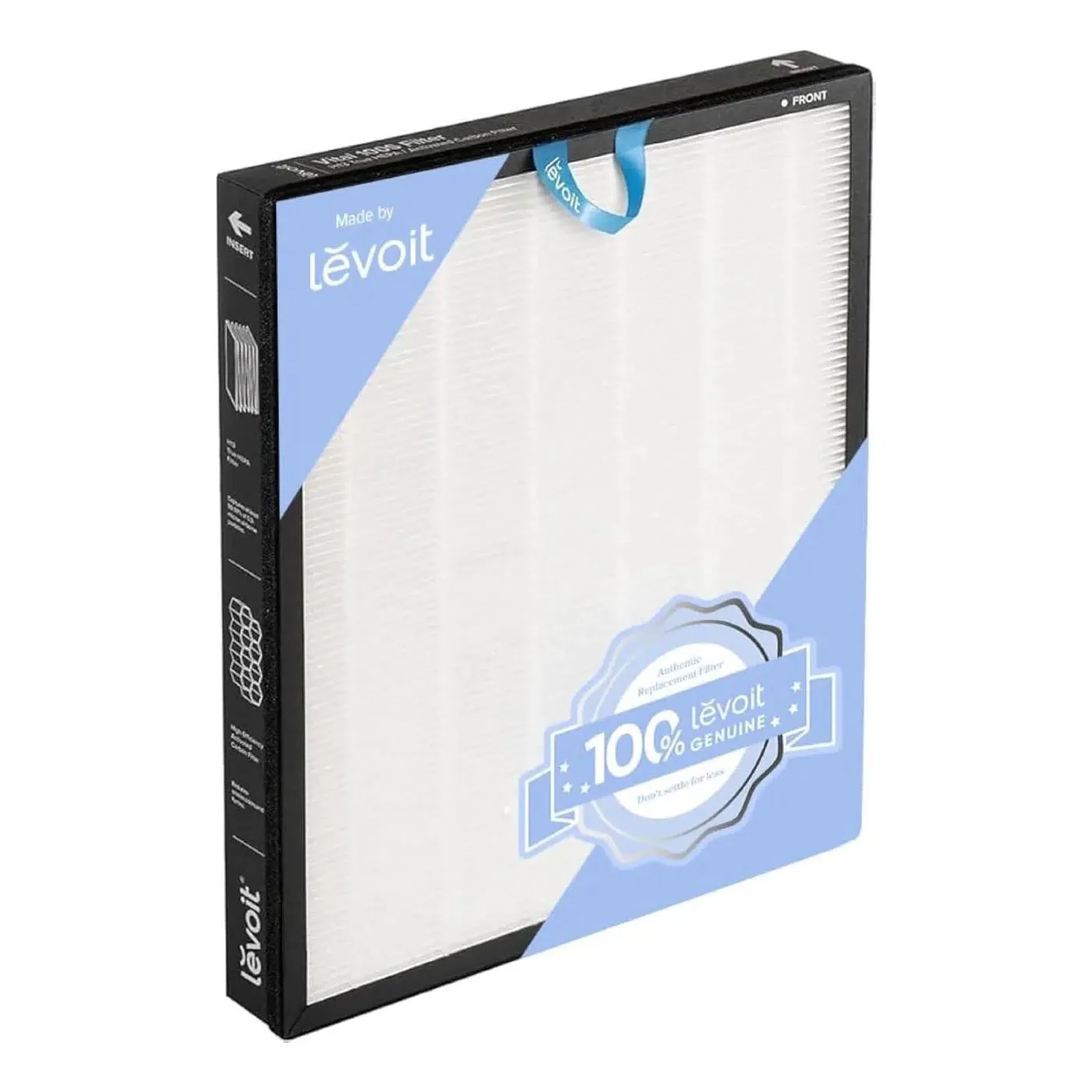
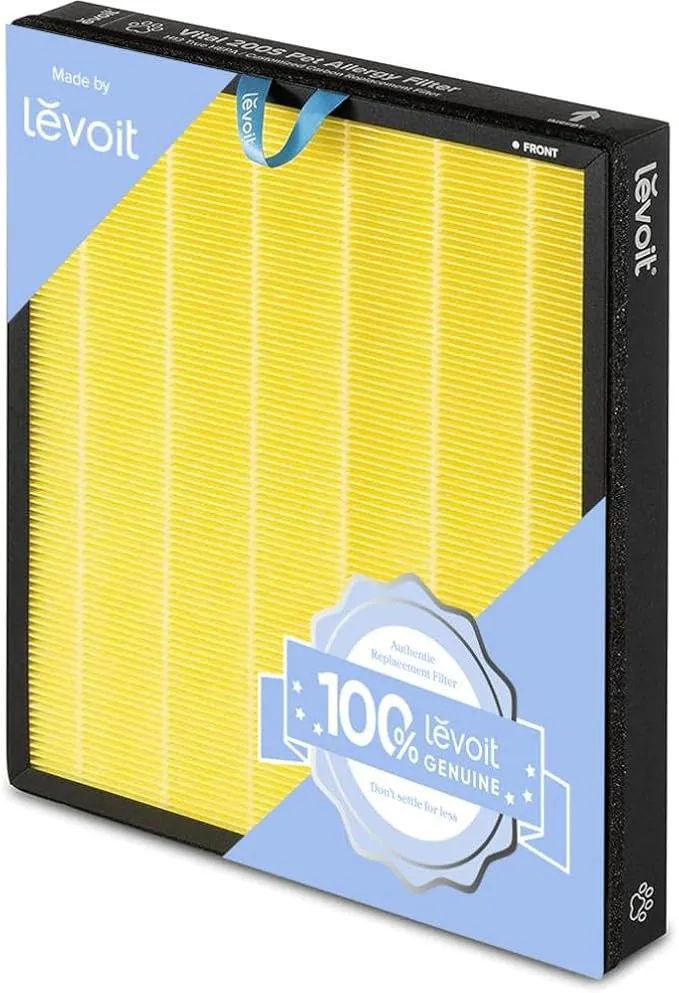
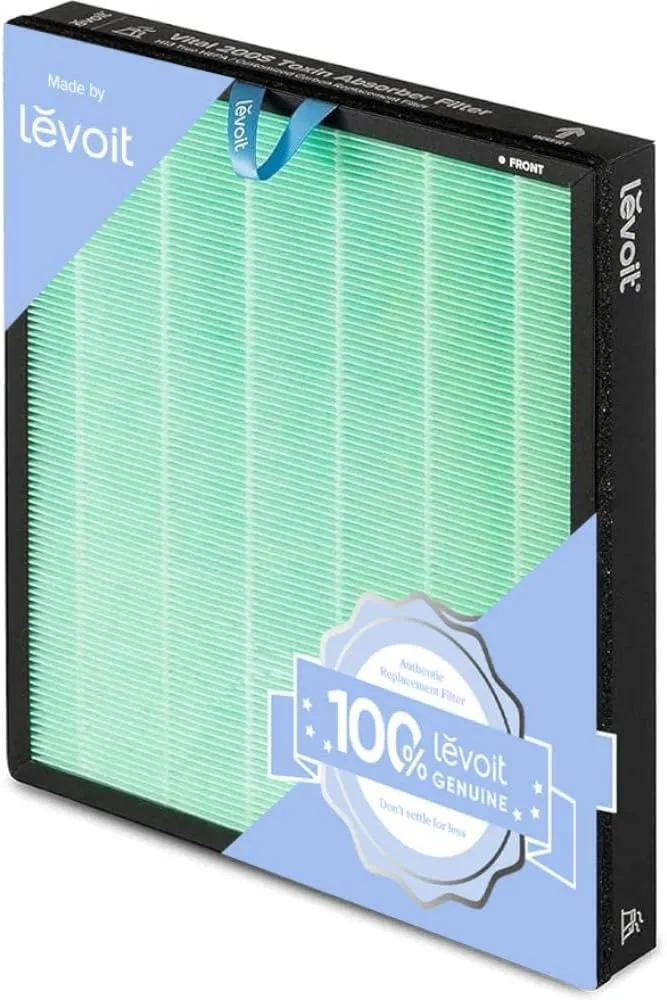
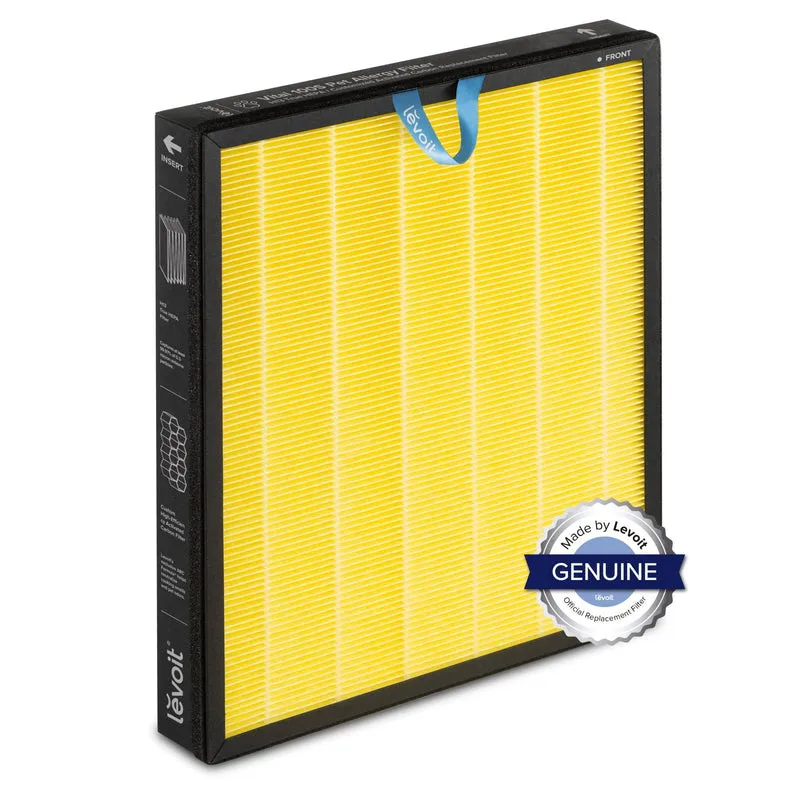
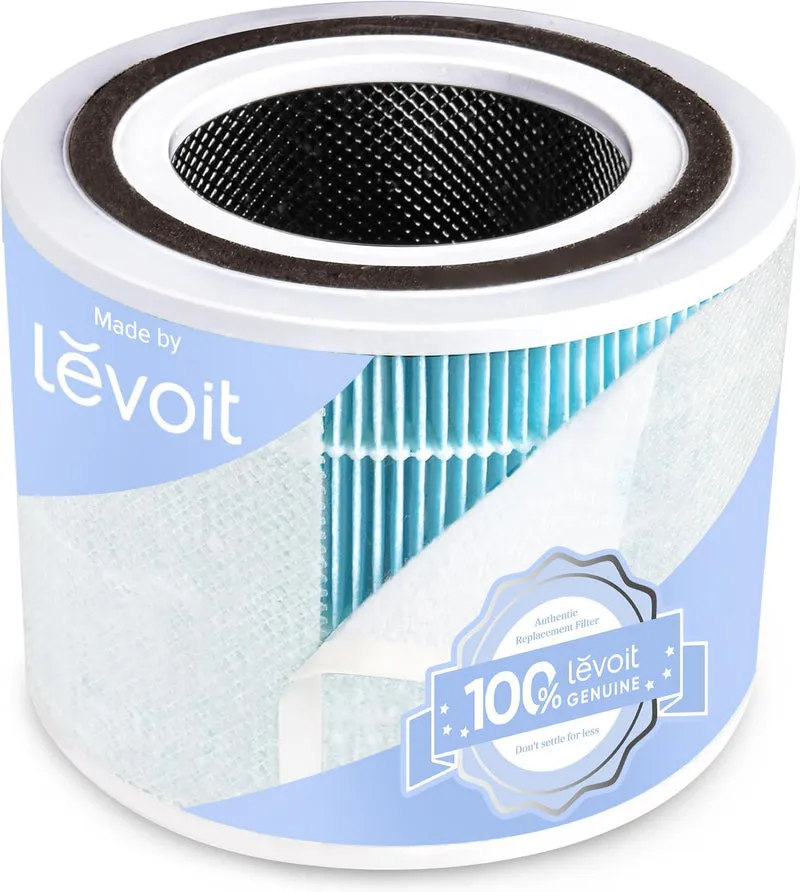
Filter replacement has also become simpler. Current models use tool-free filter access, colour-coded replacement indicators, and modular filter designs that separate HEPA and carbon layers for independent replacement. This matters because activated carbon filters need changing more frequently than HEPA filters. Replacing only the carbon layer every three months, rather than the entire filter assembly, reduces both cost and waste.
7. Expert-backed signs it is time to replace your current unit
Persistent poor air quality despite regular filter changes is the clearest sign that a unit needs replacing, not just servicing. If you are changing filters on schedule and still noticing dust accumulation, allergy symptoms, or lingering odours, the motor or filtration chamber itself has likely degraded. Manufacturers typically recommend replacing units every several years as motor efficiency declines with age.
A clogged or failing filter does not simply stop working. It can release trapped pollutants back into the room, turning a health asset into a liability. Mould can establish itself inside a neglected unit and then circulate spores with every cycle. This is particularly relevant for units in humid rooms or those that have not been serviced for more than twelve months.
Pro Tip: Check your unit’s filter every 30 days rather than waiting for the indicator light. In high-pollution environments or homes with pets, filters reach capacity faster than manufacturer estimates, which are based on average conditions.
Key warning signs that justify an upgrade rather than a repair:
- Reduced airflow even with a fresh filter installed
- Unusual noise from the motor or fan assembly
- Odours persisting within hours of a filter change
- The unit lacks PM2.5 sensors or auto-mode functionality
- Filter replacements are no longer available for the model
Statistic: Allergy sufferers who switch to a current HEPA unit often reduce annual medication costs substantially, with payback on the device achievable within about a year.
Upgrading from an older unit to a current model with true HEPA filtration, activated carbon, and real-time sensors addresses all of these failure points simultaneously. The 2026 air purifier buying guide from Cleanair-ae covers sizing, CADR ratings, and brand comparisons to help you match the right unit to your space.
Ready to upgrade your air purifier?
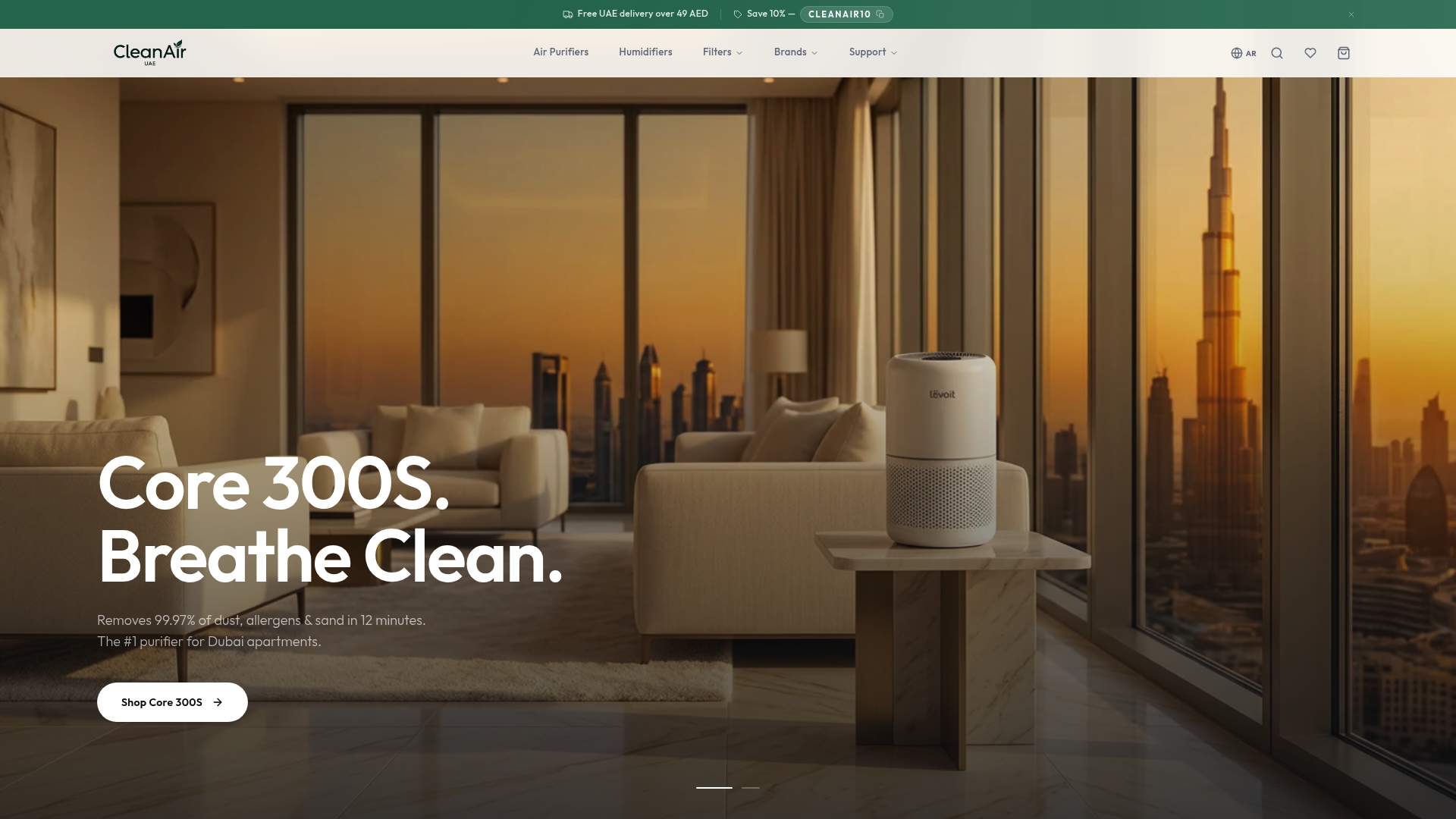
Cleanair-ae stocks a curated range of air purifiers from Blueair, Honeywell, and Levoit, with fast delivery across the UAE. Whether you need a bedroom unit, a whole-home solution, or replacement filters for your current model, the full range is available at cleanair-ae.com. For a structured comparison of current models by room size and filtration type, the 2026 buying guide is the practical starting point.
Key takeaways
Upgrading to a current HEPA air purifier with activated carbon filtration and real-time sensors delivers measurable health, financial, and maintenance benefits that older units cannot match.
| Point | Details |
|---|---|
| HEPA filtration standard | True HEPA captures 99.97% of particles at 0.3 microns, the benchmark older units often fail to meet. |
| Medication cost savings | Allergy sufferers typically save £300–£600 per year, with payback on the device within six to twelve months. |
| Cognitive impact of clean air | Research links high-pollution indoor environments to significant declines in cognitive scores compared to clean-air conditions. |
| Energy efficiency | Energy Star certified purifiers use 40% less energy than standard models, reducing long-term running costs. |
| Maintenance warning | A clogged or failing filter can release trapped pollutants back into the room, worsening air quality rather than improving it. |