Uncategorised
UV-C air purifiers: How they improve air quality and safety
Not all air purifiers work the same way. Filtration-based units trap particles, but airborne viruses and bacteria can pass through or accumulate on filter surfaces and continue to cause harm. UV-C technology takes a different approach, targeting the genetic material of microorganisms directly and rendering them unable to replicate. For residents and businesses across the UAE managing indoor air in sealed, air-conditioned environments, understanding how UV-C works, where it excels, and what to watch out for is genuinely useful.
Table of Contents
- What is UV-C and how does it work in air purifiers?
- How effective is UV-C in air purifiers?
- Safety and regulations: What UAE residents and businesses must know
- Choosing and using UV-C air purifiers: Practical tips for UAE homes and businesses
- The uncomfortable truth about UV-C air purifiers most guides overlook
- Explore safer, smarter air purification options for your space
- Frequently asked questions
Key Takeaways
| Point | Details |
|---|---|
| UV-C kills airborne germs | Short-wavelength UV-C light destroys microbial DNA and RNA, preventing replication. |
| Performance depends on design | Proper UV dose, airflow, and device geometry are crucial for effective germ removal. |
| Safety is achievable | Enclosed or upper-room UV-C systems are engineered to protect human occupants. |
| Combine UV-C with filtration | Using UV-C together with filters boosts overall air purification and health benefits. |
| Careful selection matters | Choose UV-C devices based on technical specs and safety features for best results in UAE contexts. |
What is UV-C and how does it work in air purifiers?
Ultraviolet light sits just beyond the visible spectrum and is divided into three bands: UV-A, UV-B, and UV-C. UV-C occupies the shortest wavelengths, roughly 200 to 280 nanometres, and this is where the germicidal action lies. UV-C air purifiers use short-wavelength ultraviolet light to inactivate airborne microorganisms by damaging their genetic material. That is the core principle, and it separates UV-C from particle-based filtration entirely.
The mechanism is photochemical. When UV-C photons strike microbial nucleic acids, they cause damage to DNA and RNA that prevents the organism from replicating. A virus or bacterium that cannot replicate cannot infect. It does not kill in the way heat kills, and it does not physically trap the particle the way a HEPA filter does. Instead, it neutralises the biological threat at the molecular level.
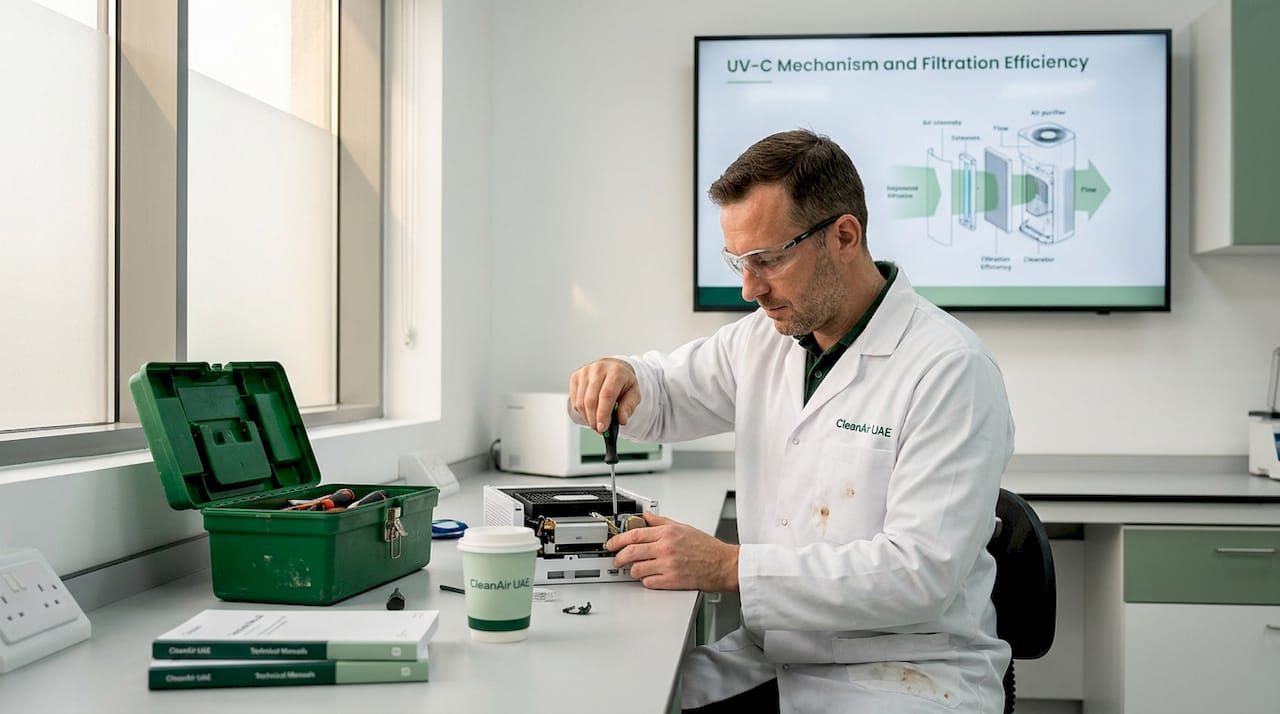
Peak germicidal effectiveness occurs between 250 and 270 nm. Most conventional UV-C lamps operate around 254 nm, which sits squarely in this window. UV-C LEDs are increasingly available at 265 to 275 nm, which also falls within effective range. Wavelengths outside this window, either too low or too high, produce significantly reduced germicidal output.
Key facts about UV-C in air purifiers:
- UV-C does not filter particles; it inactivates biological organisms
- Germicidal action depends on the organism being directly exposed to UV-C photons
- The wavelength must fall between 250 and 270 nm for optimal performance
- Exposure time and UV dose together determine how effectively a microbe is inactivated
- UV-C does not remove chemical pollutants or volatile organic compounds on its own
“UV-C photons are absorbed by microbial nucleic acids, causing DNA/RNA damage that prevents replication. The dose delivered, measured as fluence, determines the degree of inactivation.”
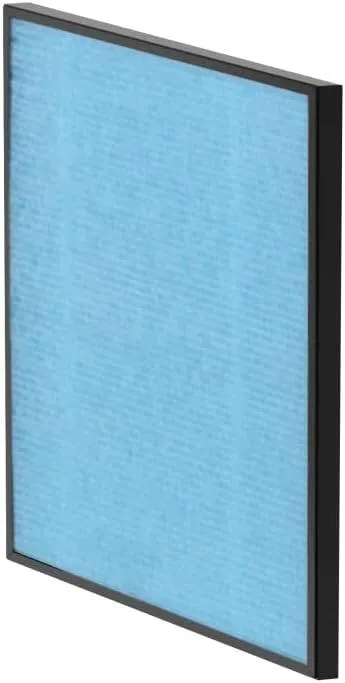
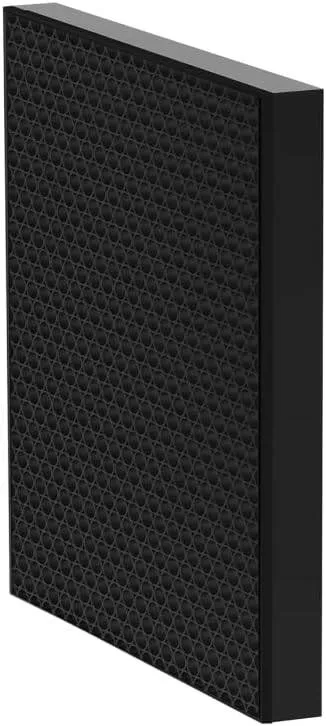
This distinction matters in practice. A UV-C air purifier positioned as a standalone solution may fall short. But paired with HEPA filtration, which captures particles, and activated carbon, which adsorbs chemicals, UV-C becomes a strong third layer of defence against biological threats.
How effective is UV-C in air purifiers?
Understanding the science is one thing. How well does UV-C actually work in real-world conditions? The answer depends on several factors, and the evidence is clear that UV-C effectiveness depends on dose and exposure conditions rather than simply the presence of a UV lamp.
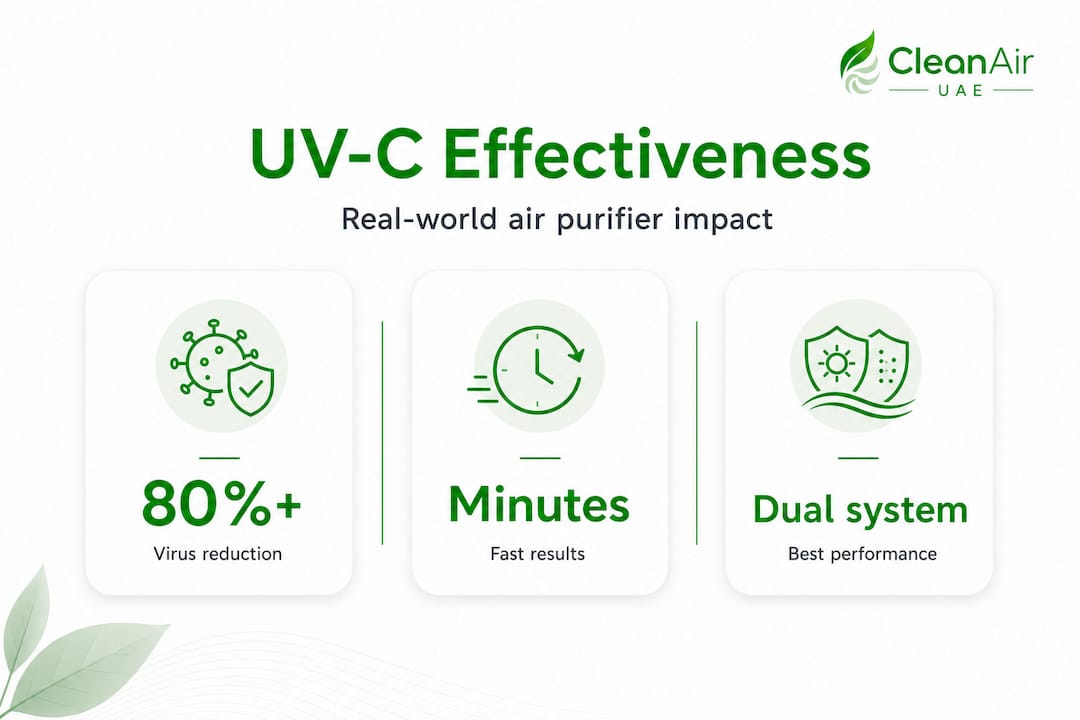
In controlled chamber studies, a 275 nm UVC-LED portable air cleaner produced large reductions in infectious virus concentrations, with performance improving further when filtration was used alongside the UV-C component. This is significant. It confirms that UV-C is genuinely active against viruses, not just a marketing feature, but it also confirms that combining technologies produces better outcomes than UV-C alone.
Factors that affect UV-C performance:
- UV dose (fluence): measured in millijoules per square centimetre; higher doses inactivate a broader range of microbes and achieve higher kill rates
- Exposure time: the longer air remains in contact with the UV-C source, the more complete the inactivation
- Airflow rate: if air moves through the device too quickly, microbes may not receive sufficient UV dose
- Geometry: shadowing inside the chamber can allow microbes to avoid direct UV exposure
- Organism type: some spores and mycobacteria require substantially higher doses than common viruses
| Microbe type | Relative UV-C sensitivity | Typical required dose |
|---|---|---|
| Common respiratory viruses | High | Low to moderate |
| Gram-negative bacteria | Moderate | Moderate |
| Mould spores | Lower | Higher |
| Mycobacteria | Lower | Higher |
This table is not exhaustive, but it illustrates why a device calibrated for viral inactivation may not perform equally well against all biological threats. Matching the device specification to the actual use case matters.
A statistic worth noting: some upper-room UV-C installations tested in occupied spaces achieved greater than 80% reductions in airborne microbial load under appropriate conditions. Results at the lower end of published ranges, around 50 to 60%, typically reflect suboptimal airflow or dose delivery rather than a failure of UV-C technology itself.
Safety and regulations: What UAE residents and businesses must know
While performance is crucial, safety is equally vital, especially in shared indoor environments. UV-C light in the 254 nm range can cause harm to human skin and eyes with sufficient exposure. This is not a reason to avoid UV-C technology, but it is a reason to understand how devices are designed and classified.
There are three primary deployment approaches:
- Enclosed in-duct or portable units: UV-C is contained entirely inside the device. Occupants are not exposed to UV light. These are the most common consumer-facing products and carry the lowest risk of accidental exposure.
- Upper-room UVGI (ultraviolet germicidal irradiation): fixtures are mounted high on walls and emit UV-C above the occupied zone. Properly engineered systems expose only ceiling-level air, not occupants. These require professional installation and are regulated by exposure limits.
- Unshielded or open-space UV-C: used primarily in unoccupied settings such as disinfection of empty rooms. Not appropriate for occupied homes or offices without proper engineering controls.
UV-C systems for occupied spaces must be engineered to control human exposure and avoid harmful exposure levels. This is not optional. Regulatory guidance from bodies including the International Commission on Non-Ionizing Radiation Protection (ICNIRP) sets limits for occupational and general public exposure, and UAE buildings subject to ASHRAE or similar standards are expected to apply appropriate limits.
For residents and business owners in the UAE, the practical implication is straightforward. Verify that any UV-C air purifier you purchase uses an enclosed design, meaning the UV lamp is sealed inside the unit with no direct occupant exposure. Check for published safety certifications and confirm the product complies with relevant standards.
FDA dose guidelines confirm that sufficient fluence is required for microbial inactivation, meaning under-powered units may be both ineffective and, if poorly designed, still present some risk. Both over-exposure and under-dosing are problems to avoid.
Pro Tip: Before purchasing a UV-C air purifier for a commercial space in the UAE, request the product’s technical data sheet. Look for stated UV dose in mJ/cm², confirmation of enclosed lamp design, and third-party certification. If the supplier cannot provide this information, choose a different product.
Choosing and using UV-C air purifiers: Practical tips for UAE homes and businesses
To maximise the benefits and ensure safe operation, it is worth knowing how to choose and use the right UV-C air purifier. The market includes a wide range of products, from basic units with low-output UV lamps added as a secondary feature, to purpose-built germicidal air cleaners with validated performance data.
Device type comparison:
| Device type | UV source | Best suited for | Key consideration |
|---|---|---|---|
| Enclosed portable UV-C purifier | UV-C lamp or LED | Homes, offices, clinics | Verify dose output and safety design |
| Upper-room UVGI fixture | UV-C fluorescent lamp | Larger commercial spaces | Requires professional installation |
| In-duct UV-C system | UV-C lamp | HVAC integration | Needs HVAC compatibility assessment |
| Far-UV-C portable unit | 222 nm LED or lamp | Emerging; potential for occupied use | Limited commercial availability in UAE |
UV wavelength and device type matter when selecting a product. Standard germicidal UV-C operates around 254 nm. UV-C LEDs at 265 to 275 nm are effective and increasingly compact. Far-UV-C at 222 nm is an emerging area with potential safety advantages for occupied spaces, but product availability in the UAE market remains limited in 2026.
Common pitfalls to avoid:
- Insufficient airflow: if a room’s air volume is too large for the device’s rated capacity, air turnover is too slow for meaningful UV dose delivery
- Shadowing: particles and internal geometry can block UV photons from reaching all passing microbes; high-quality devices address this through reflective chambers and optimised lamp positioning
- Short-circuiting: airflow short-circuiting past UV zones allows a portion of processed air to bypass the germicidal zone entirely, reducing effective inactivation rates
- Lamp degradation: UV-C lamps lose output over time; a lamp at 70% of original output delivers 30% less germicidal dose than when new
- Relying on UV-C alone: UV-C does not address dust, pollen, PM2.5, or chemical pollutants; filtration remains necessary for complete air quality management
Maintenance checklist for UV-C air purifiers:
- Replace UV-C lamps or LEDs according to manufacturer schedules, typically every 9,000 to 12,000 hours for lamps
- Clean reflective surfaces inside the unit regularly to maintain UV output efficiency
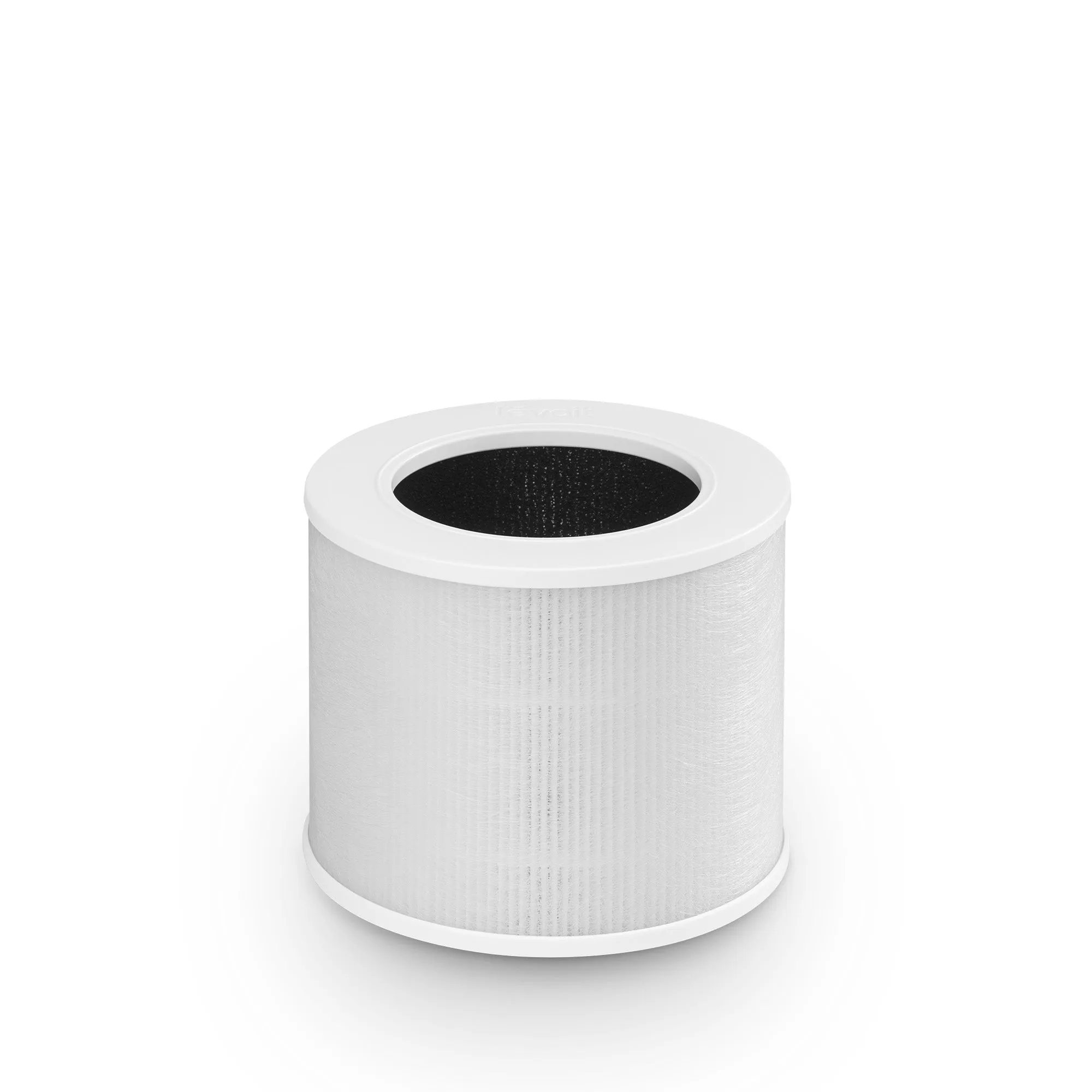
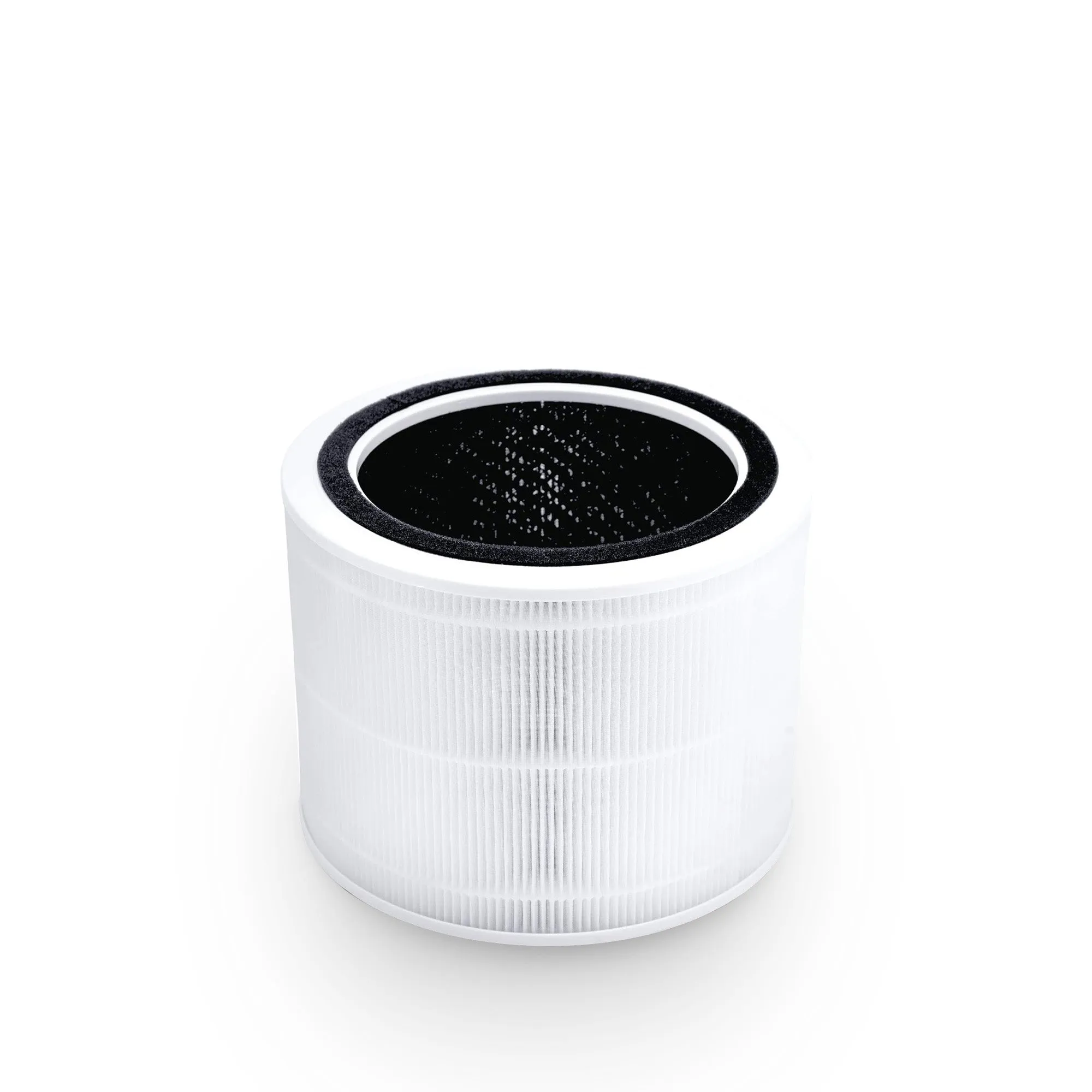
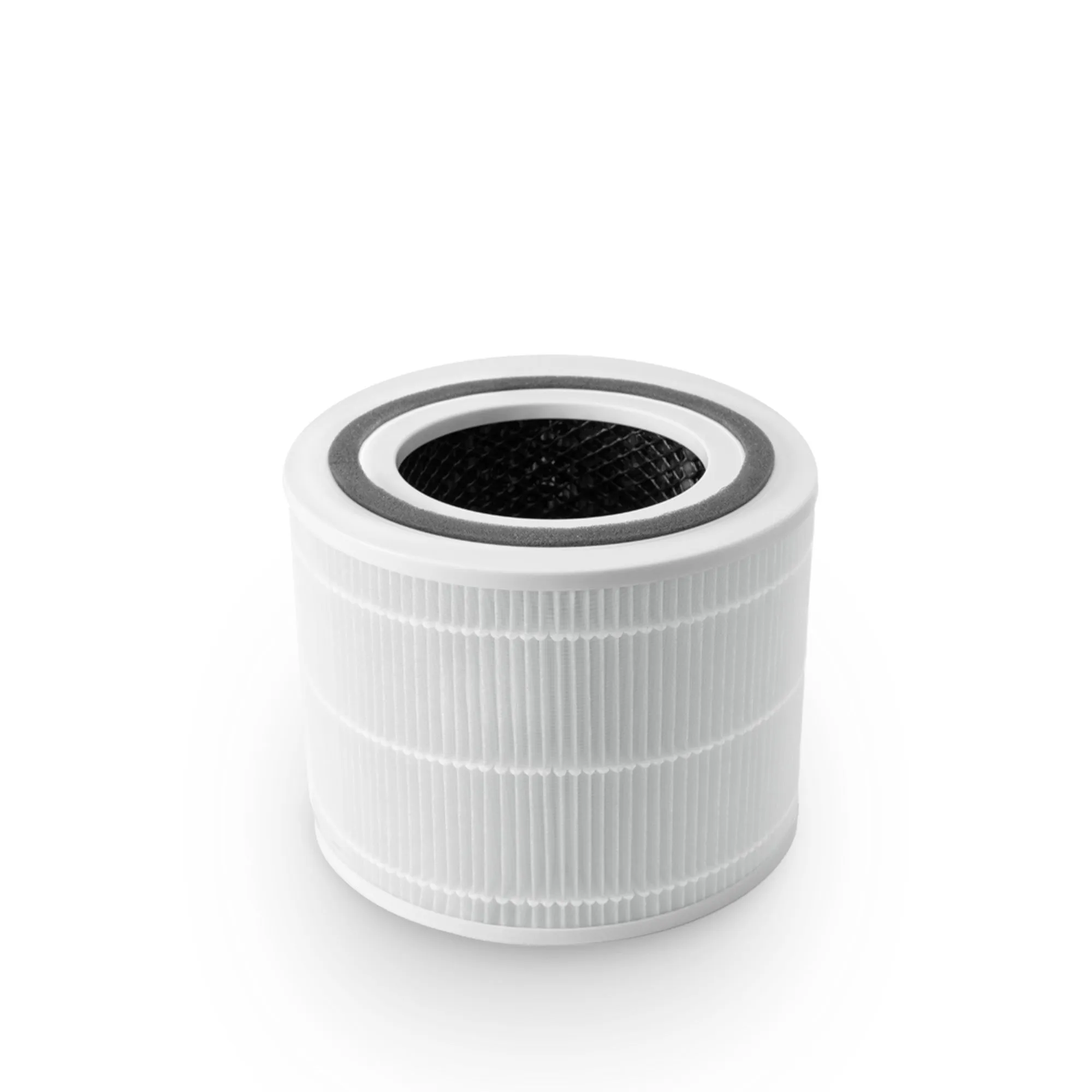
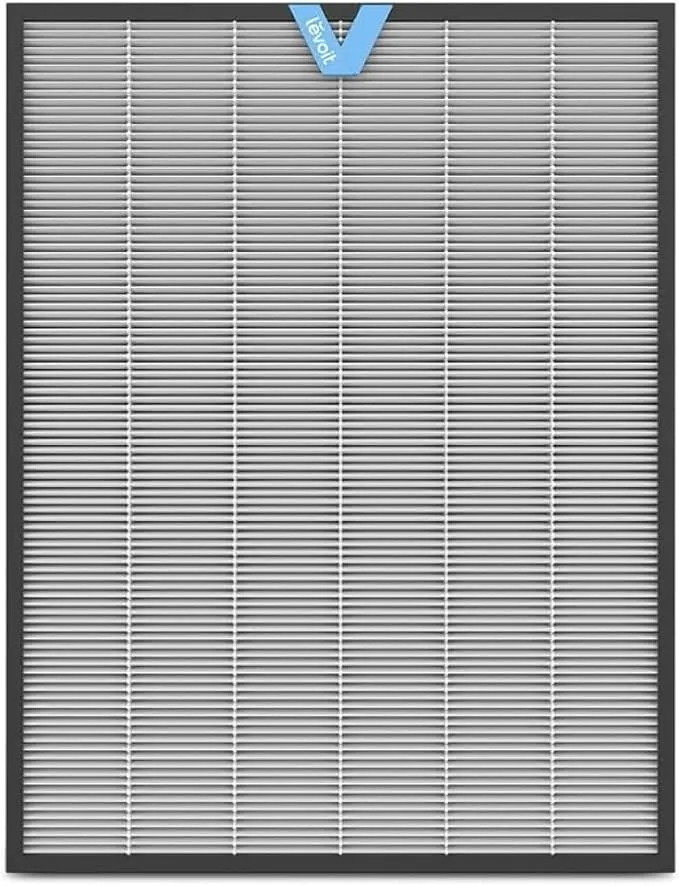
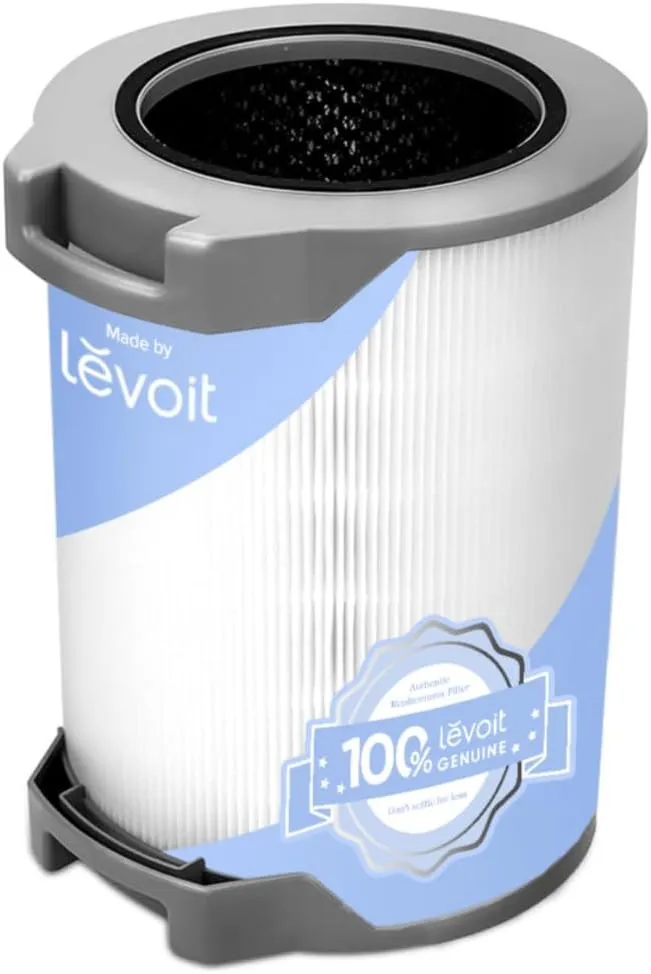
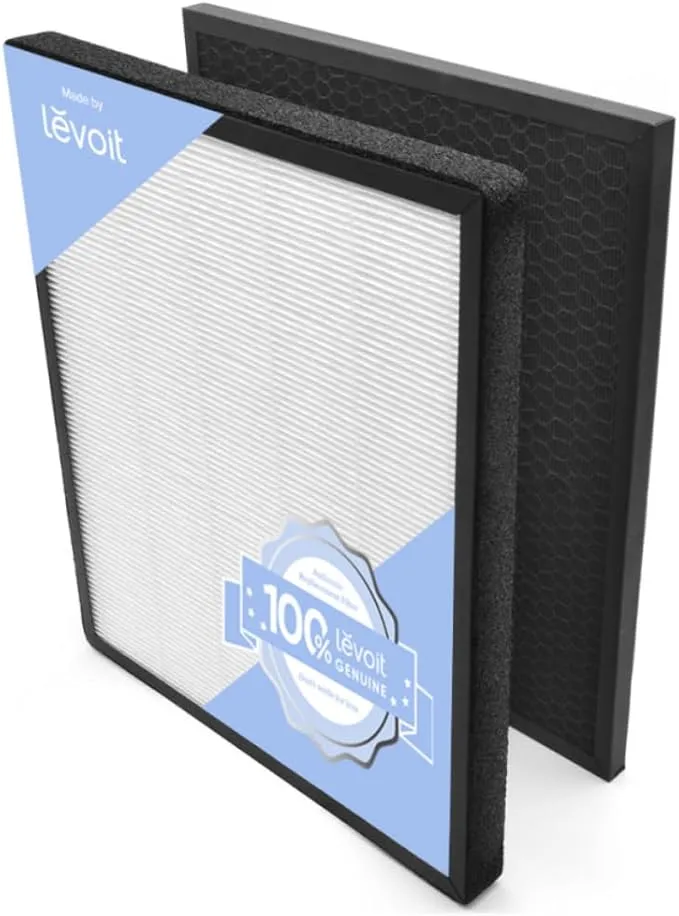
- Check HEPA and carbon filters on schedule; a clogged filter restricts airflow and reduces UV exposure time
- Verify the device is positioned correctly in the room, away from walls and obstructions, to allow full air circulation
- Review device specifications annually against your space requirements, particularly if room usage or occupancy has changed
Pro Tip: For UAE environments where HVAC runs continuously for much of the year, air recirculation rates are high. This can work in your favour with in-duct or portable UV-C systems, since air passes through the purifier more frequently per hour. Calculate air changes per hour (ACH) for your space and confirm your device’s CADR (clean air delivery rate) is rated accordingly.
The uncomfortable truth about UV-C air purifiers most guides overlook
Here is what most product guides and even some industry publications miss: having a UV-C air purifier does not automatically mean your air is being disinfected. The technology works, but the application must be correct for the technology to deliver.
Marketing materials frequently highlight UV-C as a premium feature. A unit with a UV-C indicator light and a germicidal sticker may carry little more than a low-output lamp positioned in a poorly designed chamber. If the UV dose delivered to passing air is below the threshold required to inactivate the target organism, the lamp is essentially decorative.
Underperformance from shadowing and short-circuiting is documented in engineering literature but rarely makes it into consumer-facing product descriptions. A lamp can be outputting rated UV energy, and a microbe can still pass through the device without receiving a meaningful dose if the geometry is poor or airflow is mismatched.
This has a practical implication for buyers. The question is not “does this unit have UV-C?” but “what is the validated UV dose for this device at its rated airflow, and has this been independently tested?” Few products in the consumer market provide this data clearly. Brands and models with published CADR data and independent third-party laboratory validation are worth the additional cost. Products without this information carry real uncertainty about effectiveness.
The second overlooked point is operational. Even a well-engineered device underperforms when lamps are degraded, filters are clogged, or placement is suboptimal. UV-C air purification is not a fit-and-forget solution. It requires the same routine attention as any other mechanical or electrical system in a building. Scheduled maintenance, lamp replacement, and periodic performance verification are part of the operating cost and should be factored in from the outset.
Explore safer, smarter air purification options for your space
When you are ready to take the next step towards healthier indoor air, expert support can make all the difference. Choosing between UV-C portable units, HEPA-only purifiers, or combined systems requires matching product specifications to room size, air quality goals, and occupancy type.
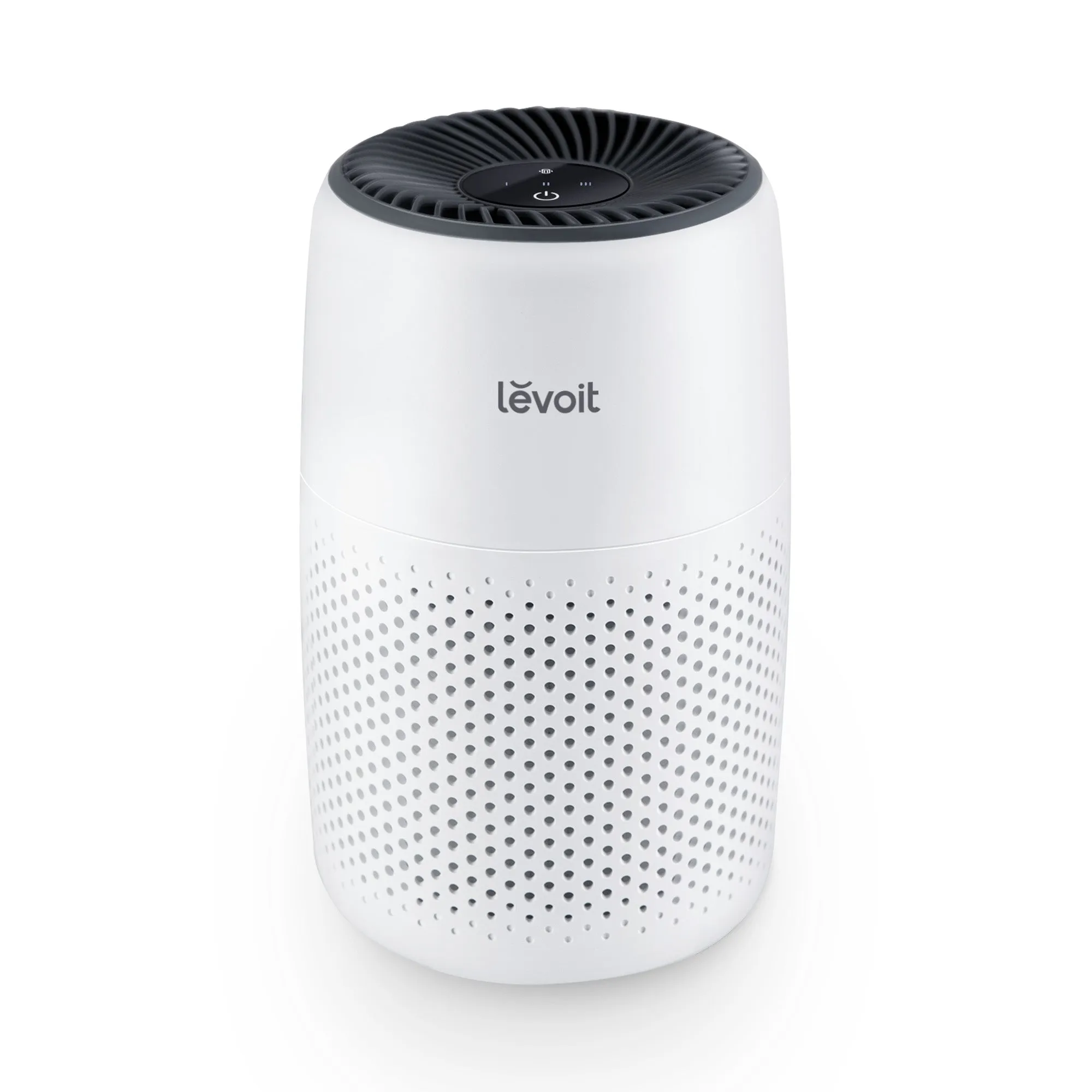
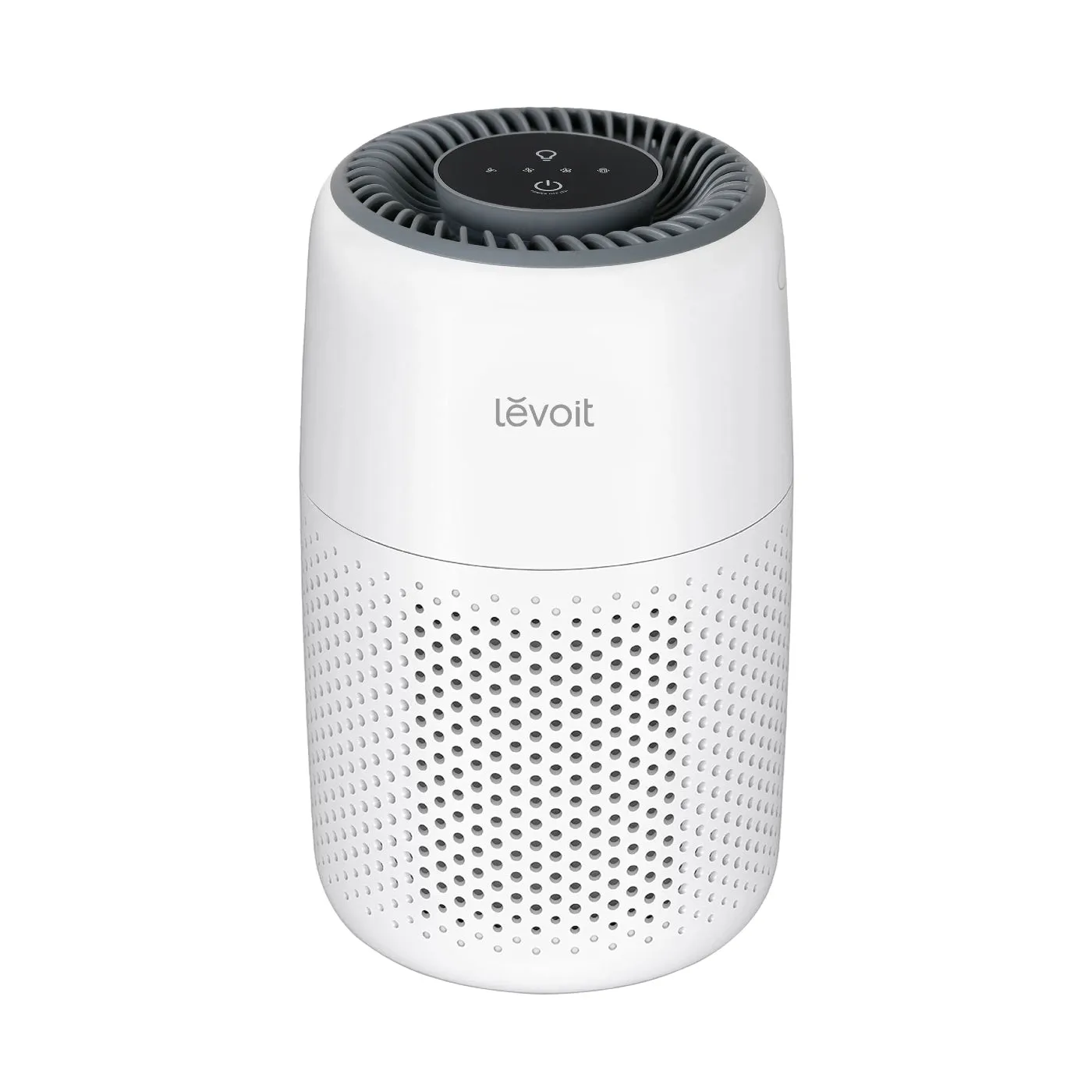
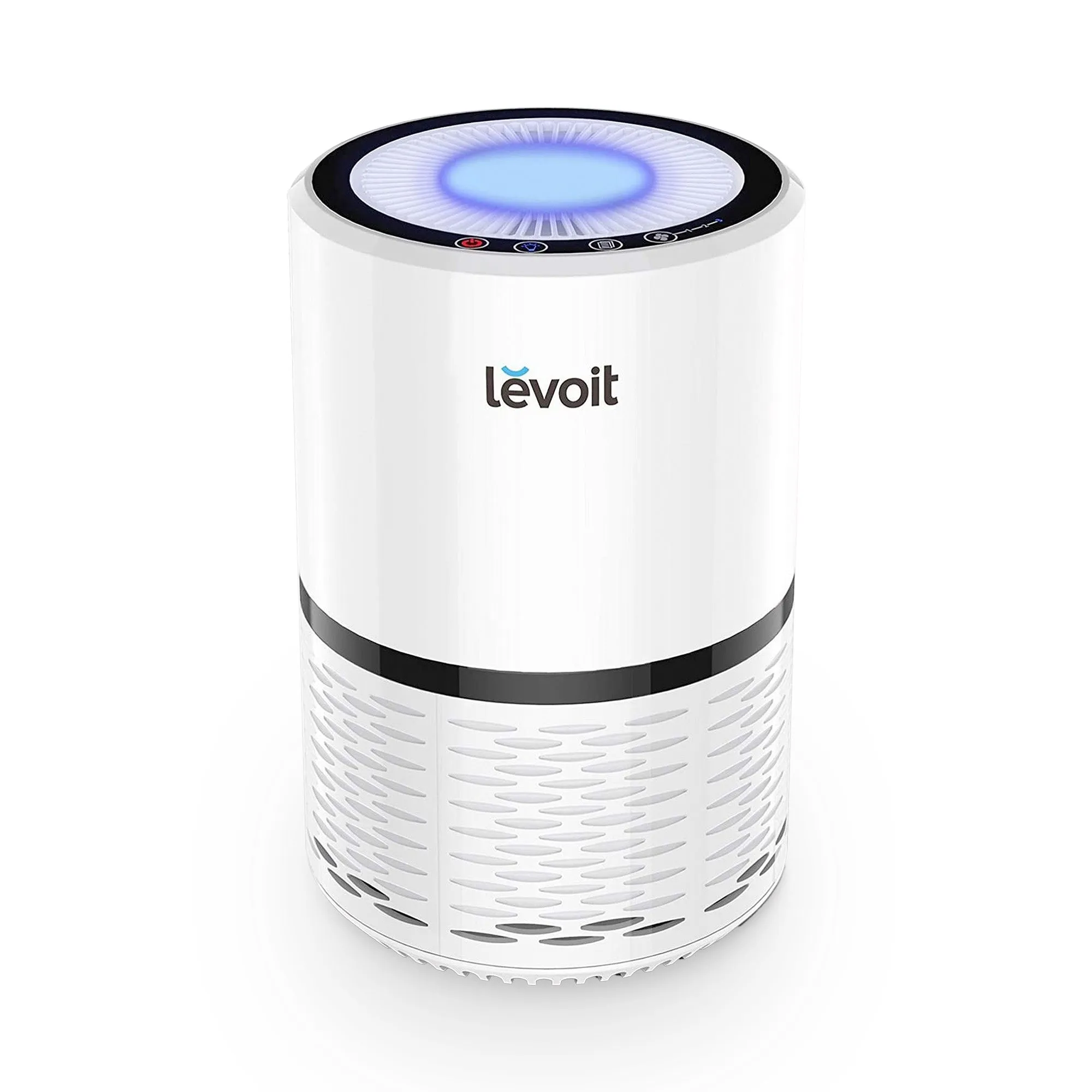
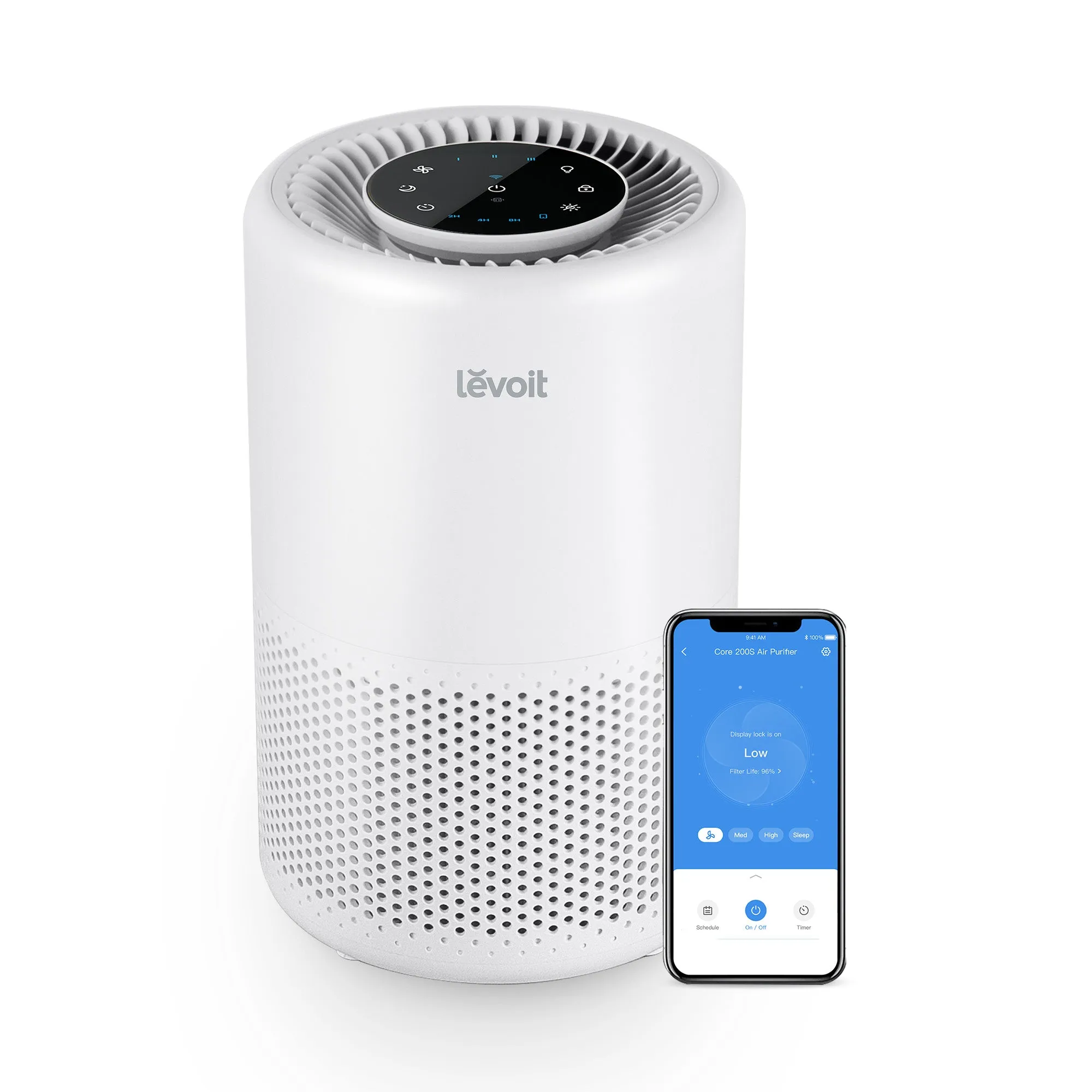
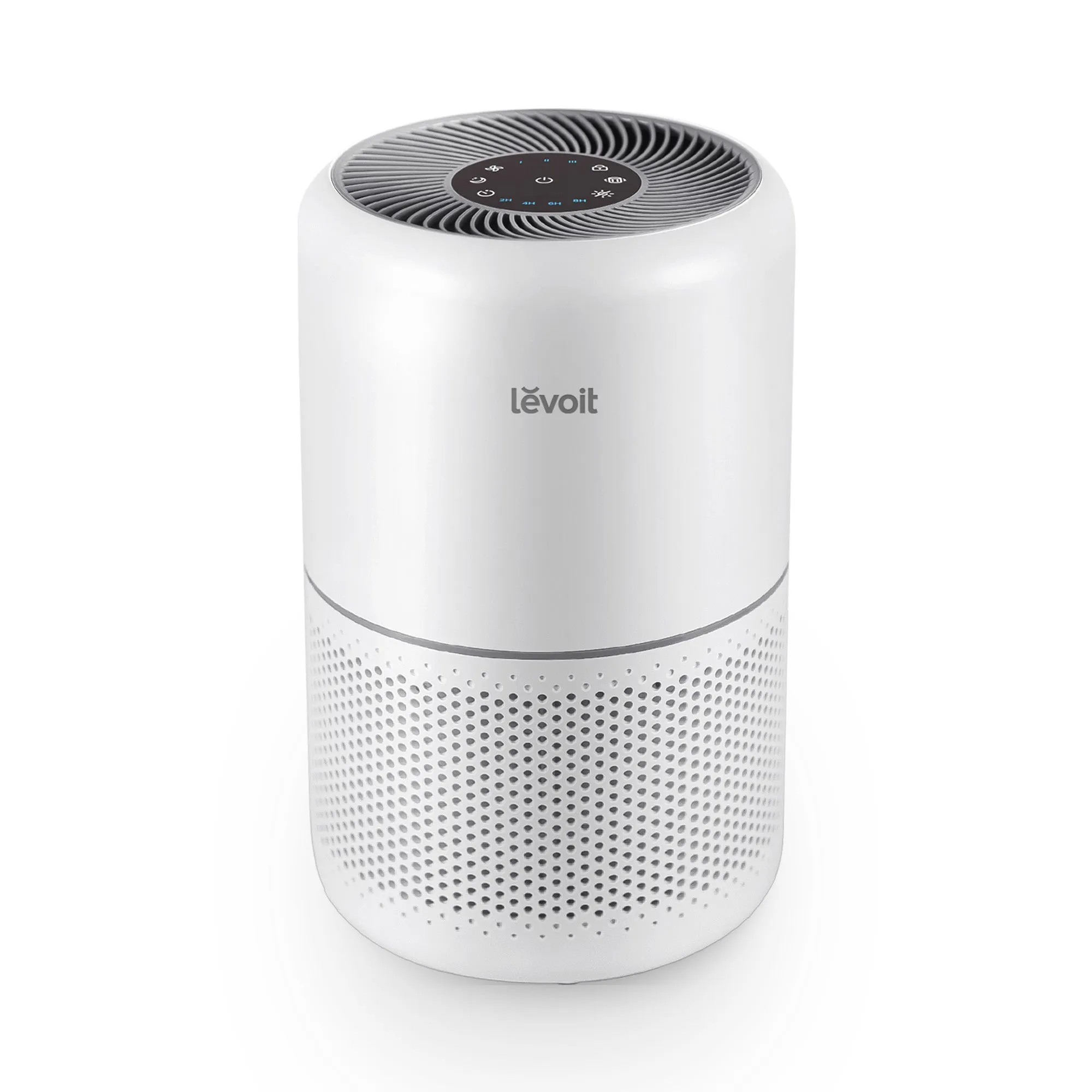
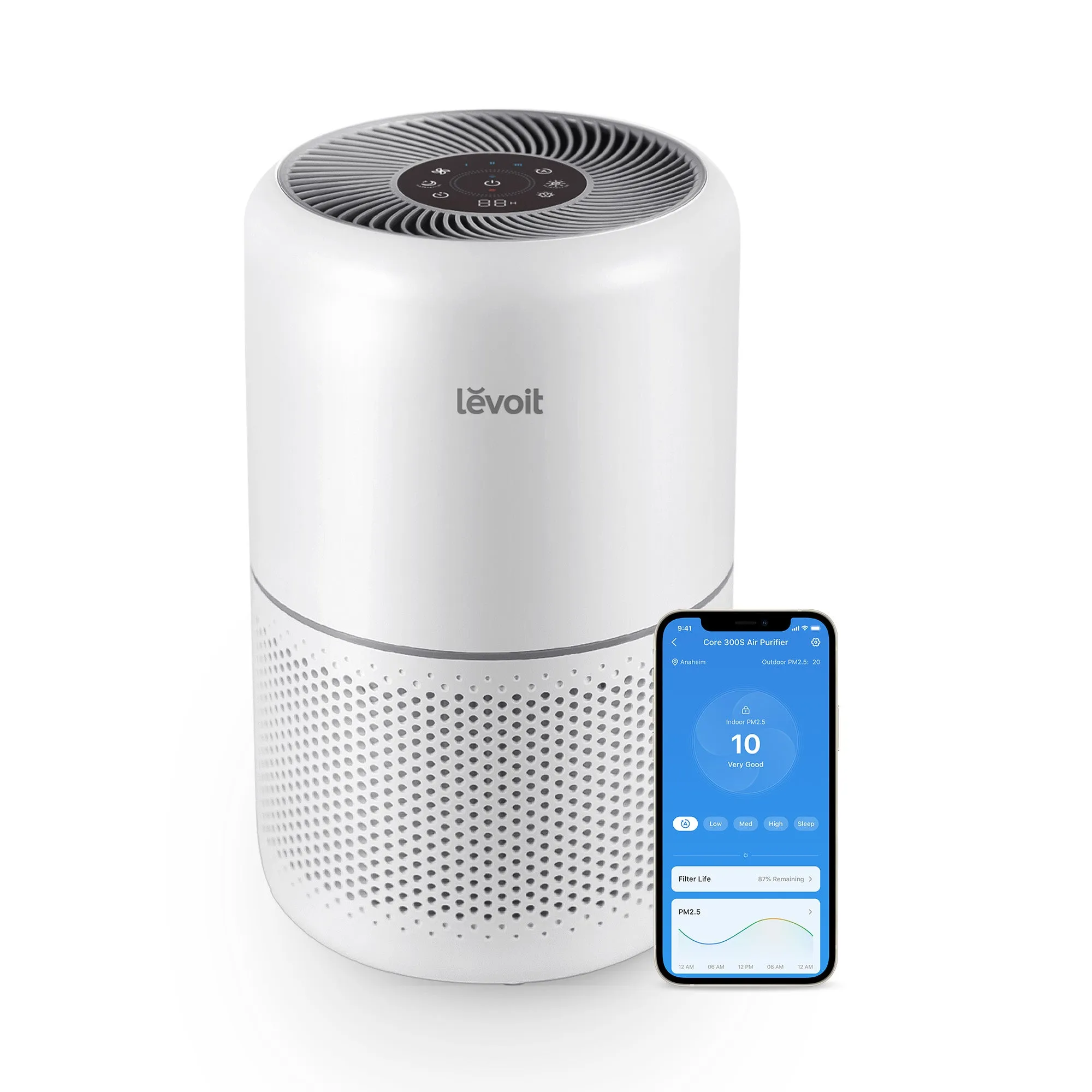
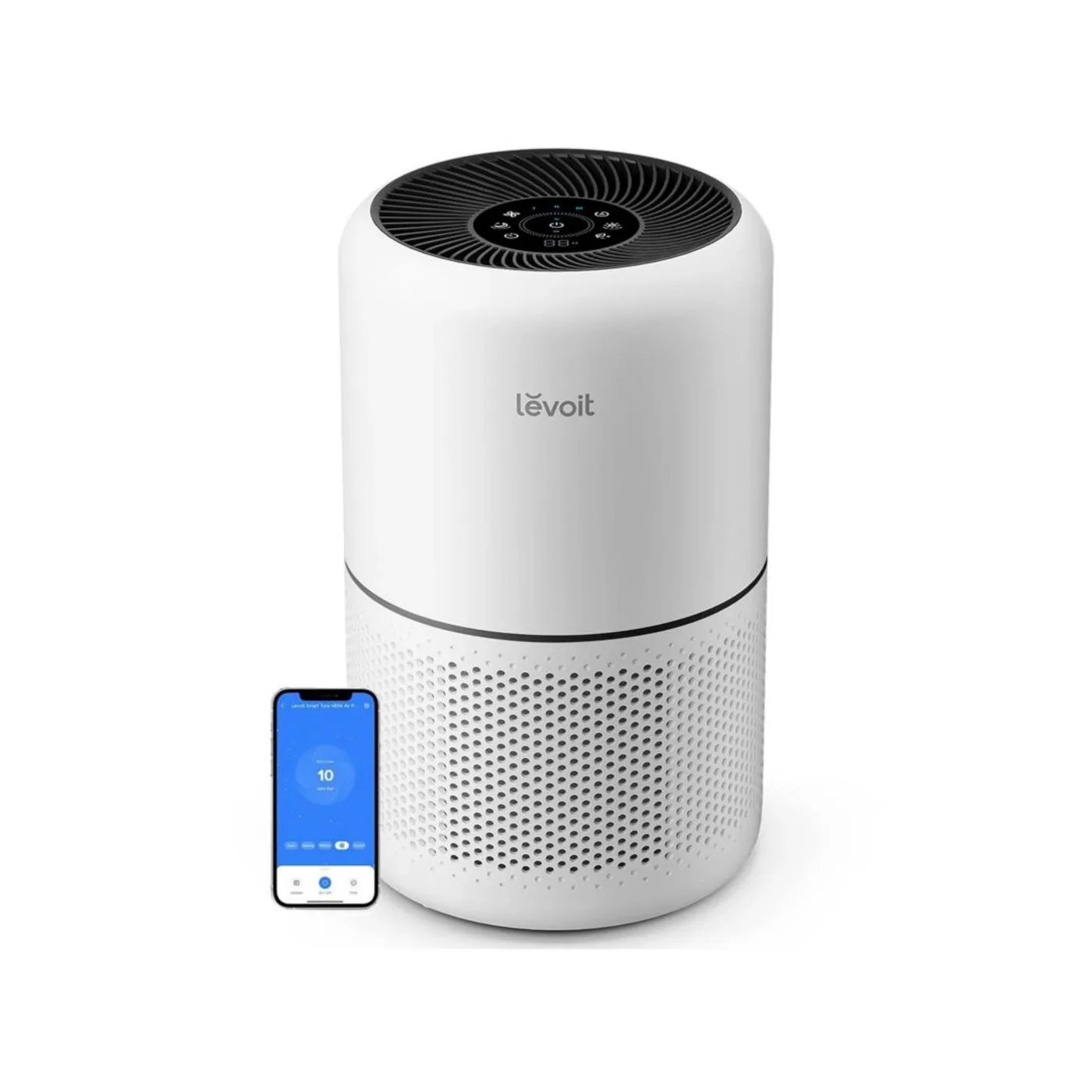
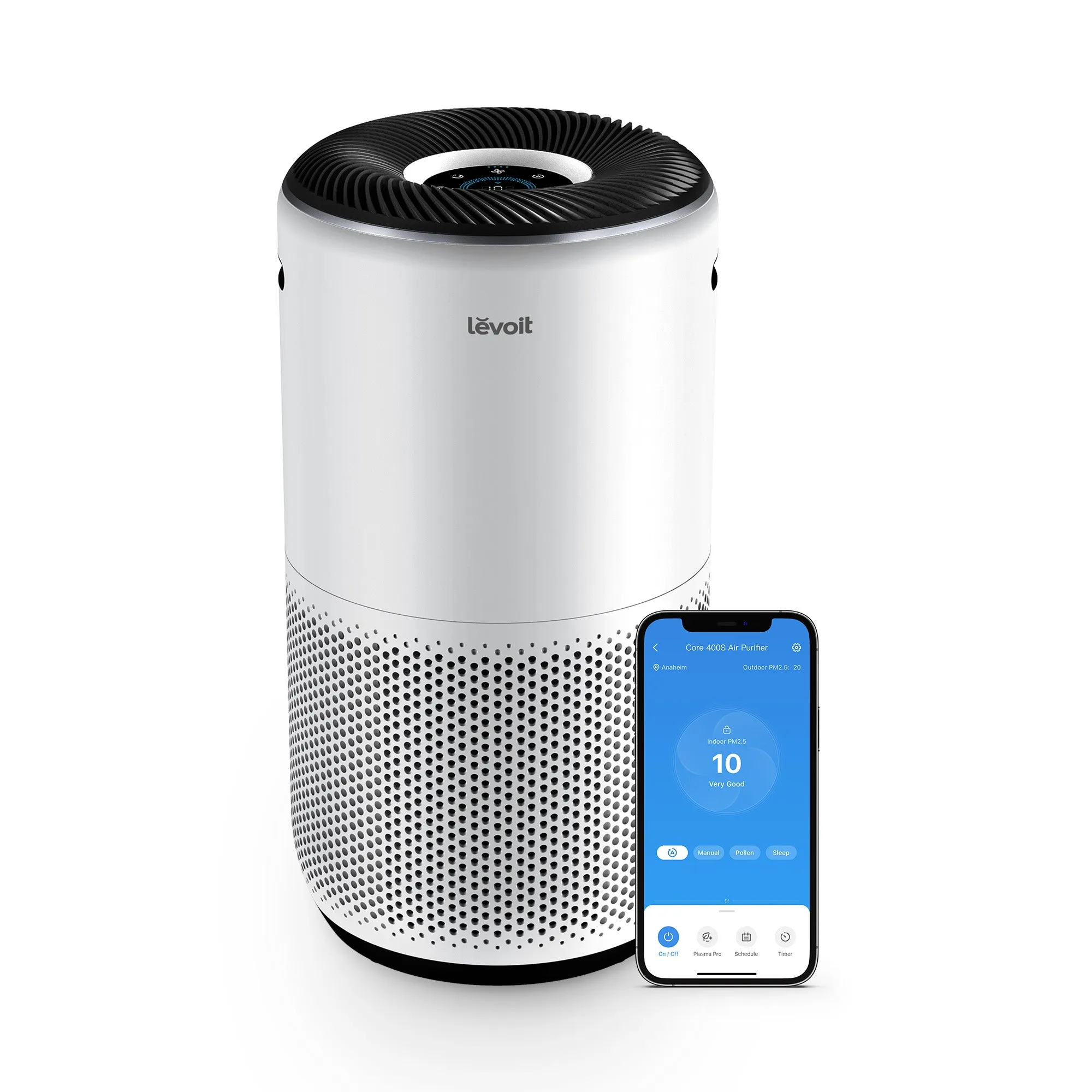
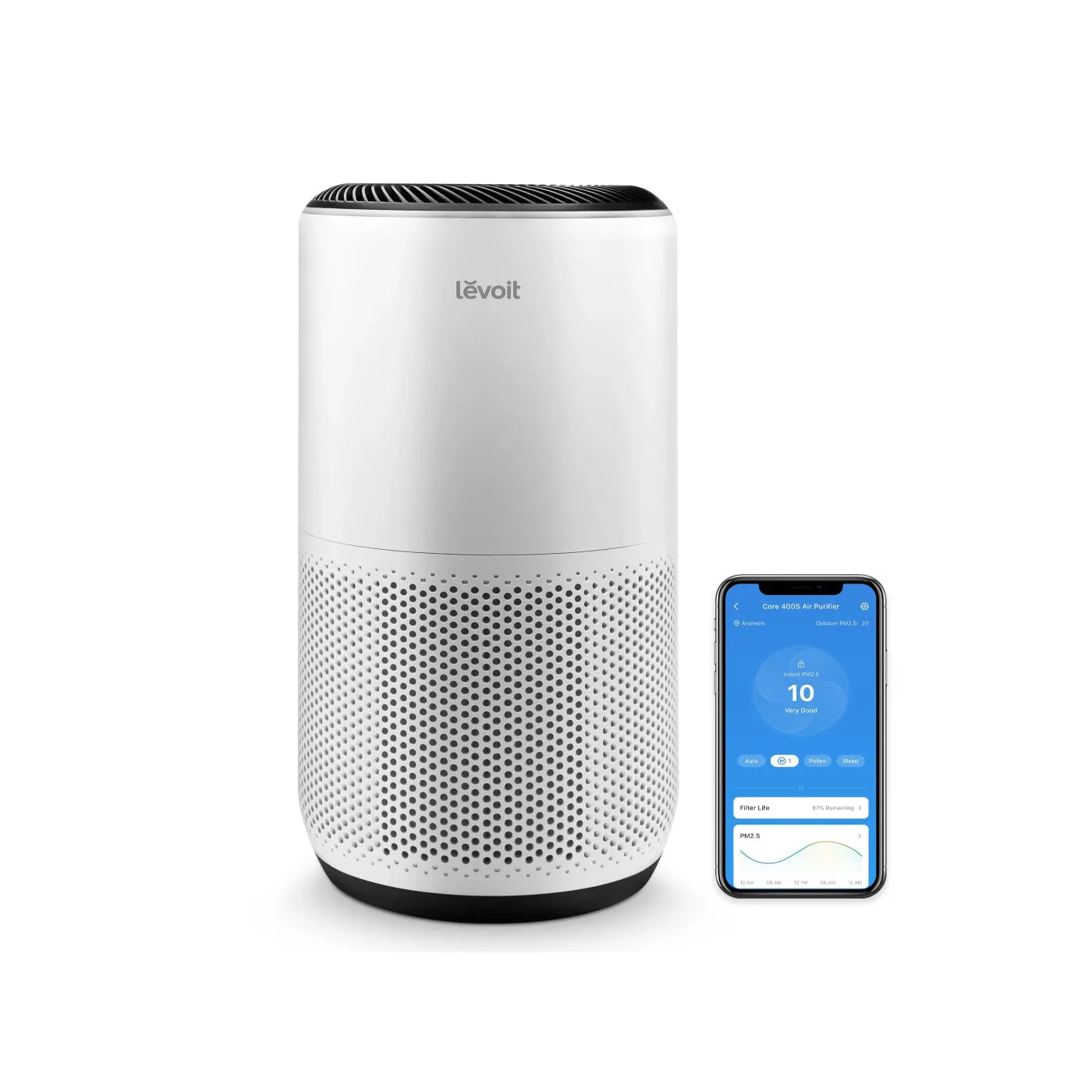
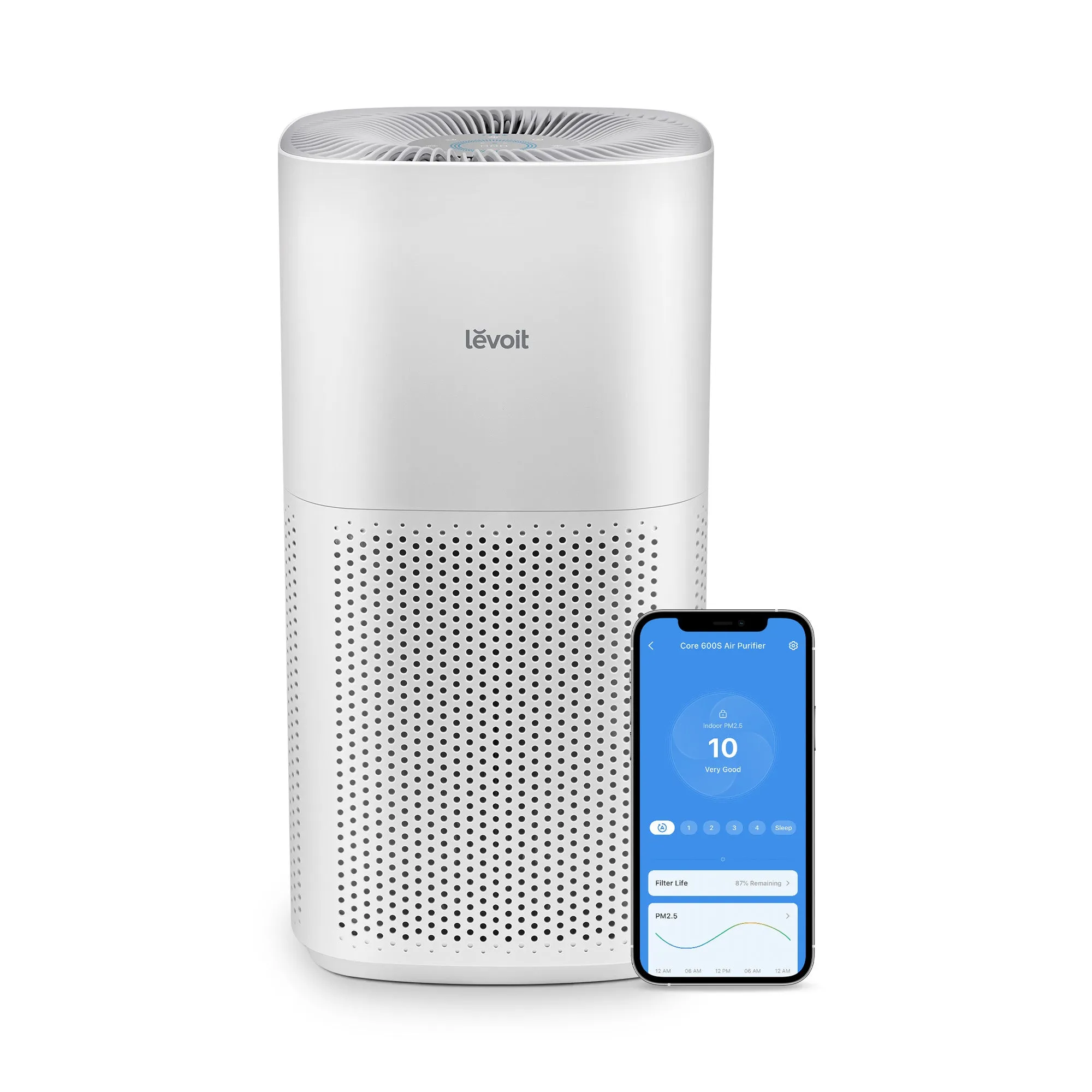
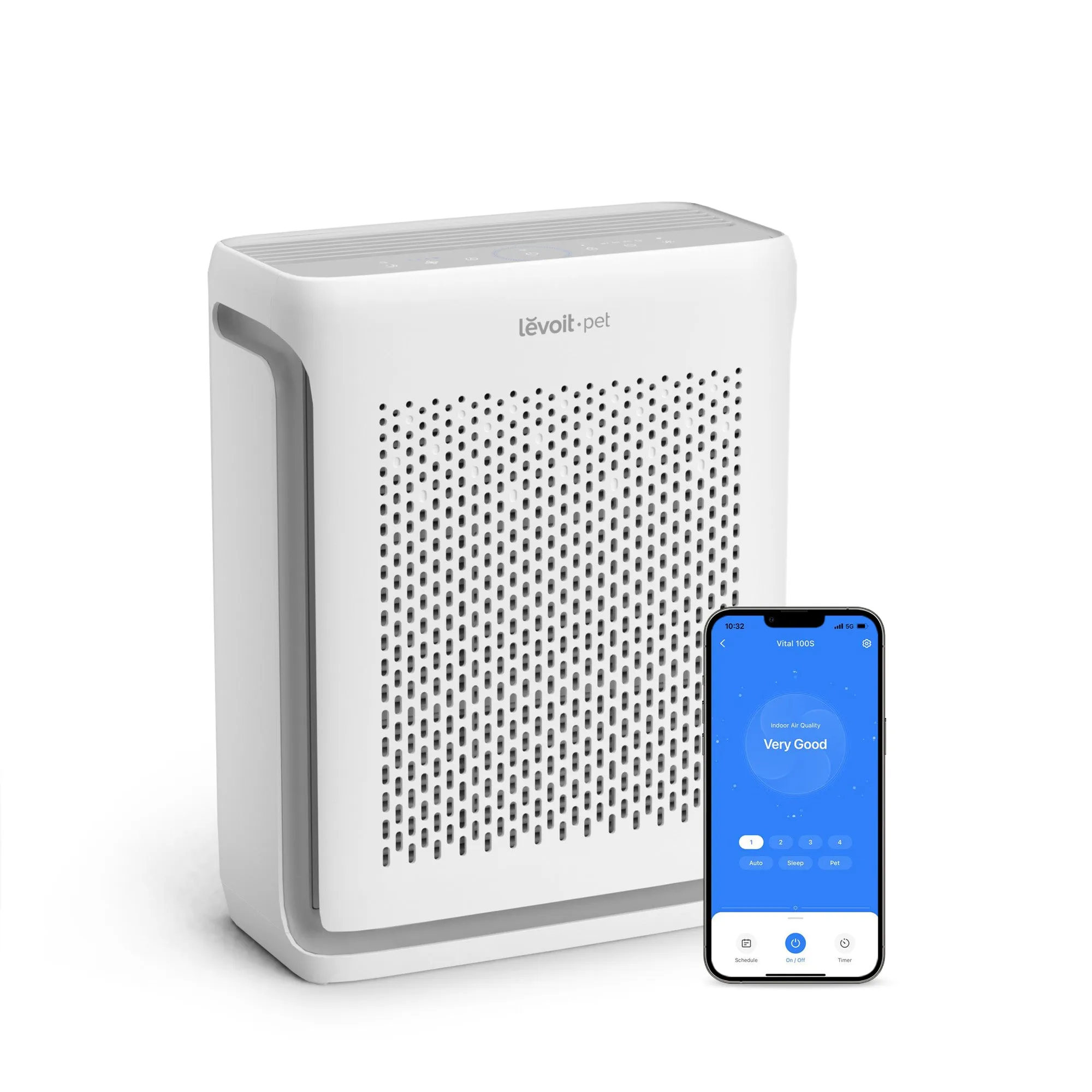
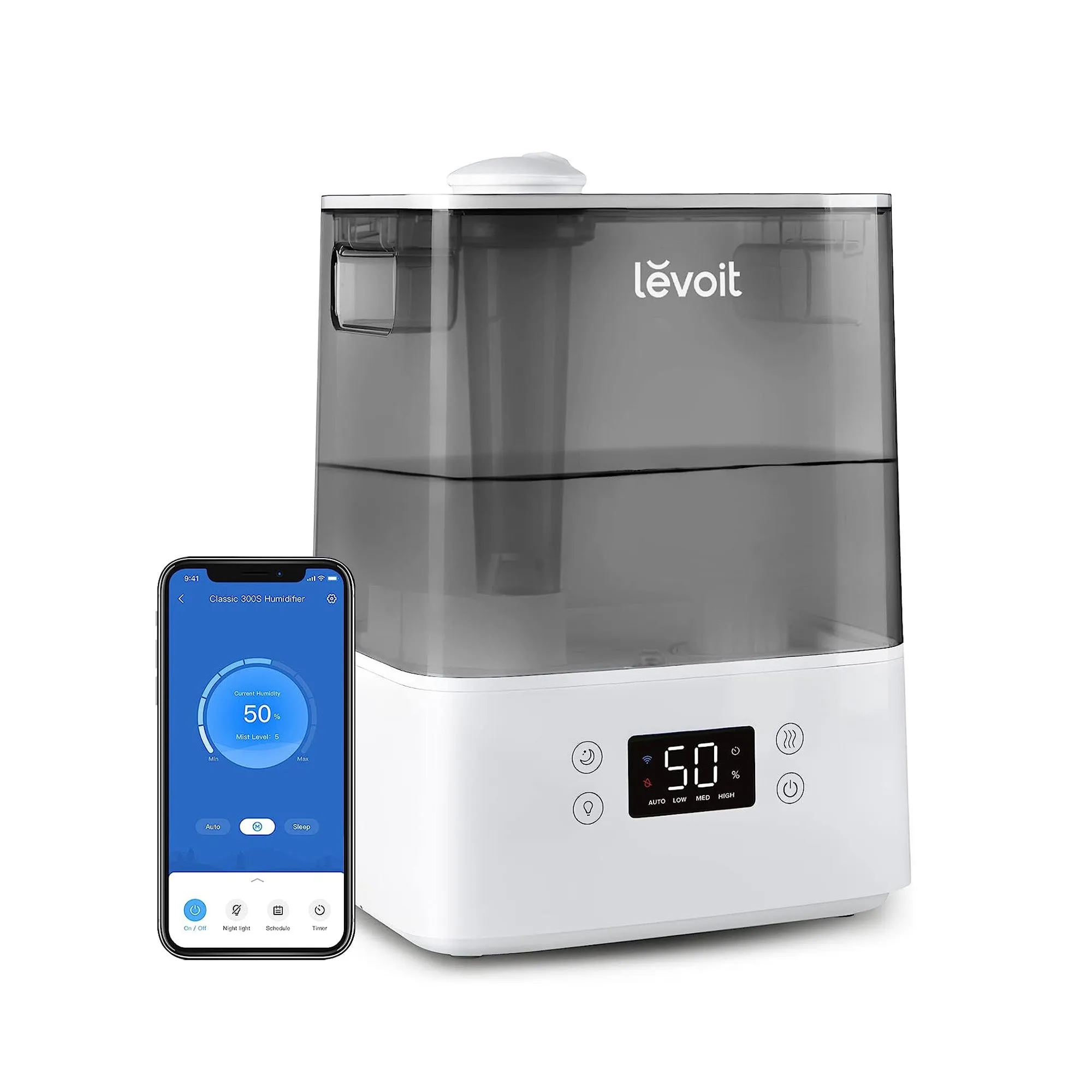
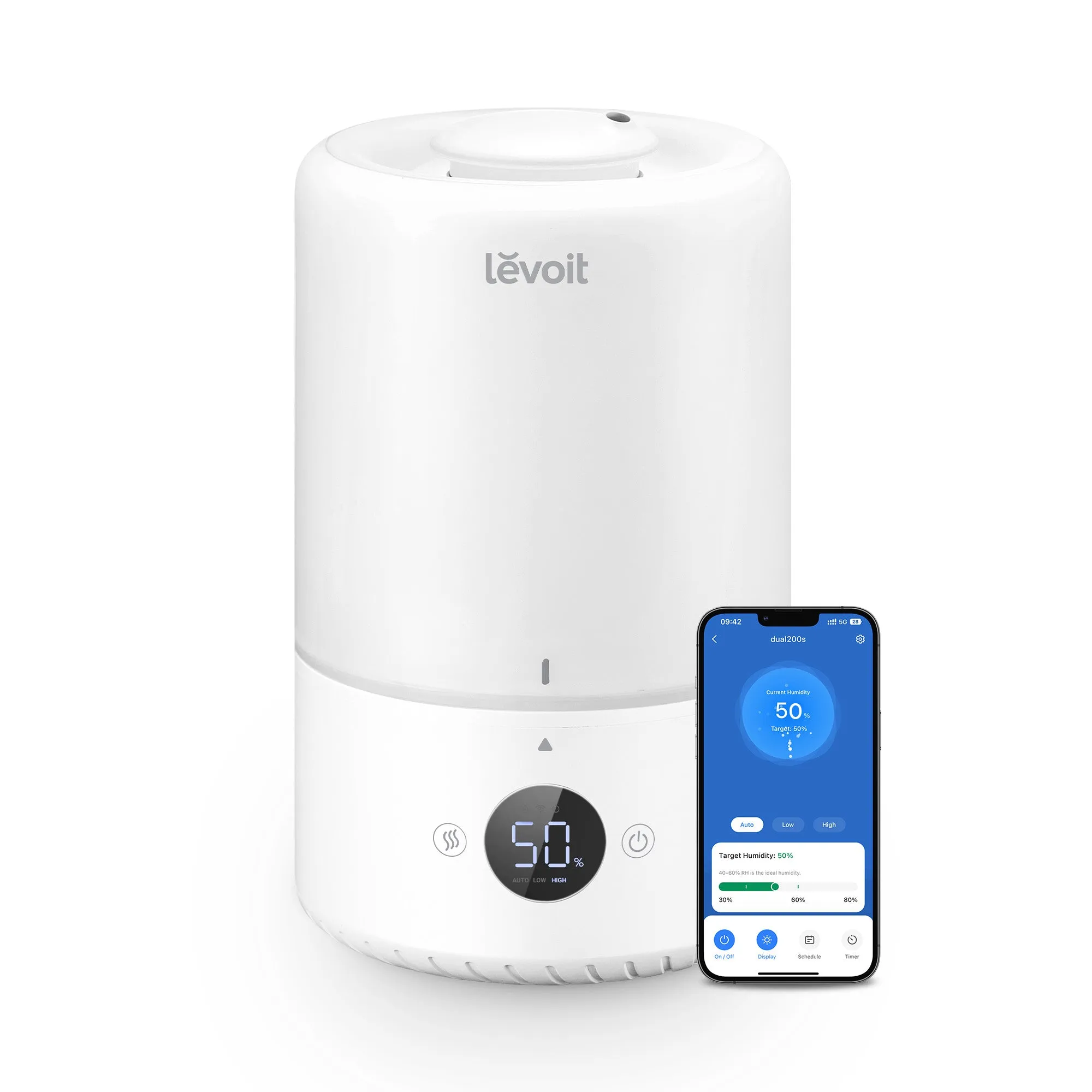
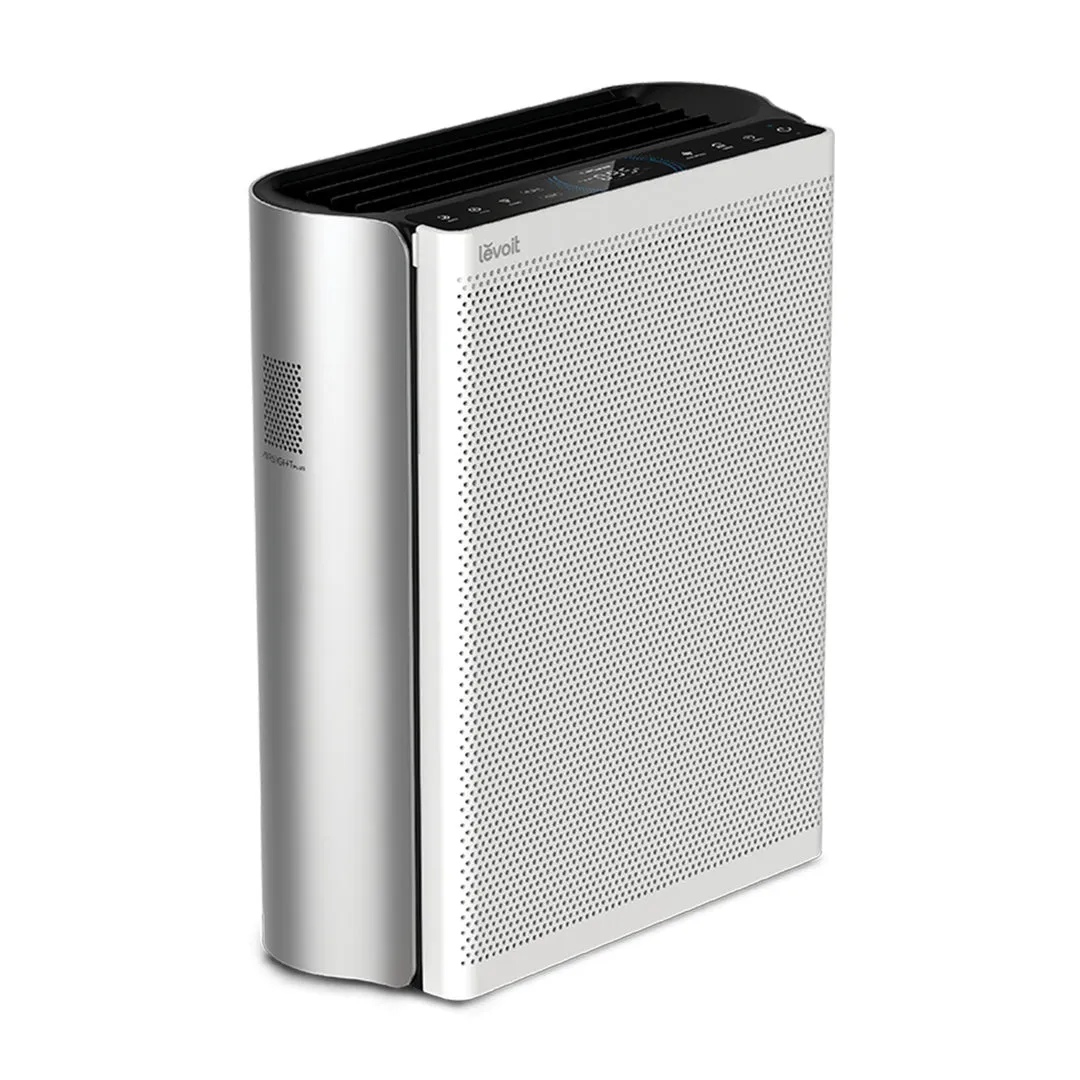
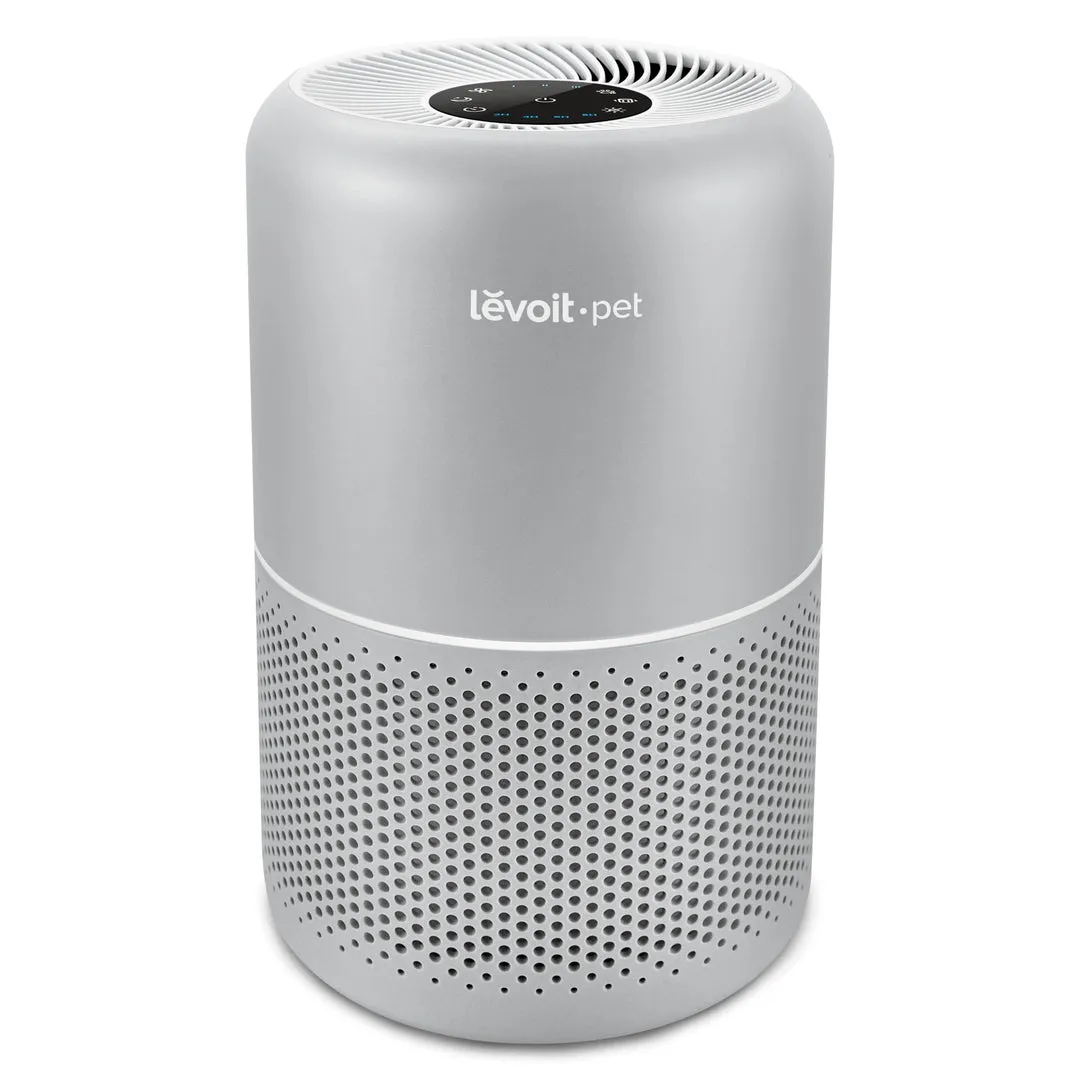
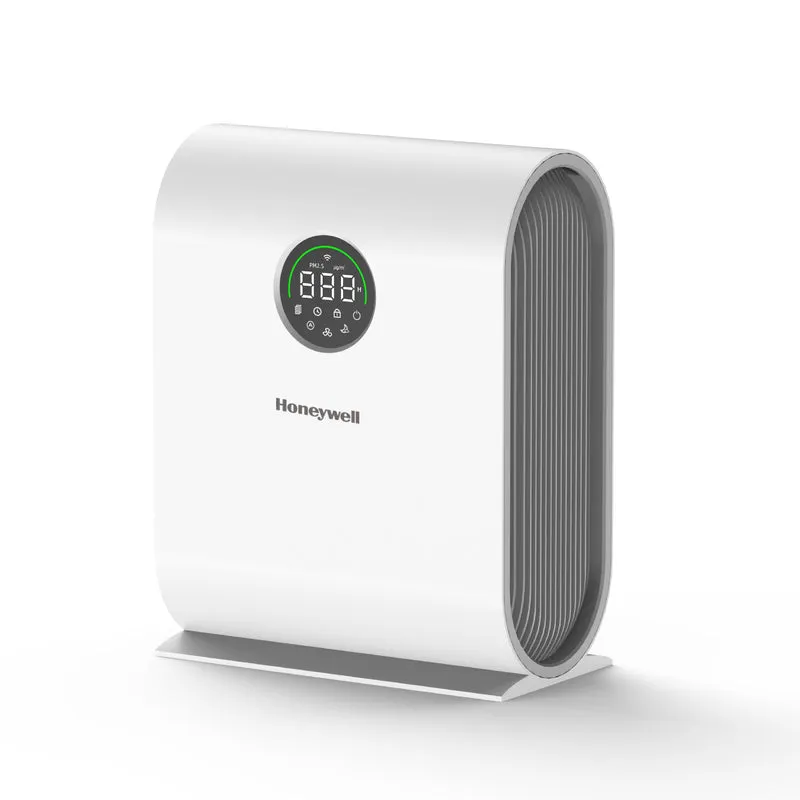
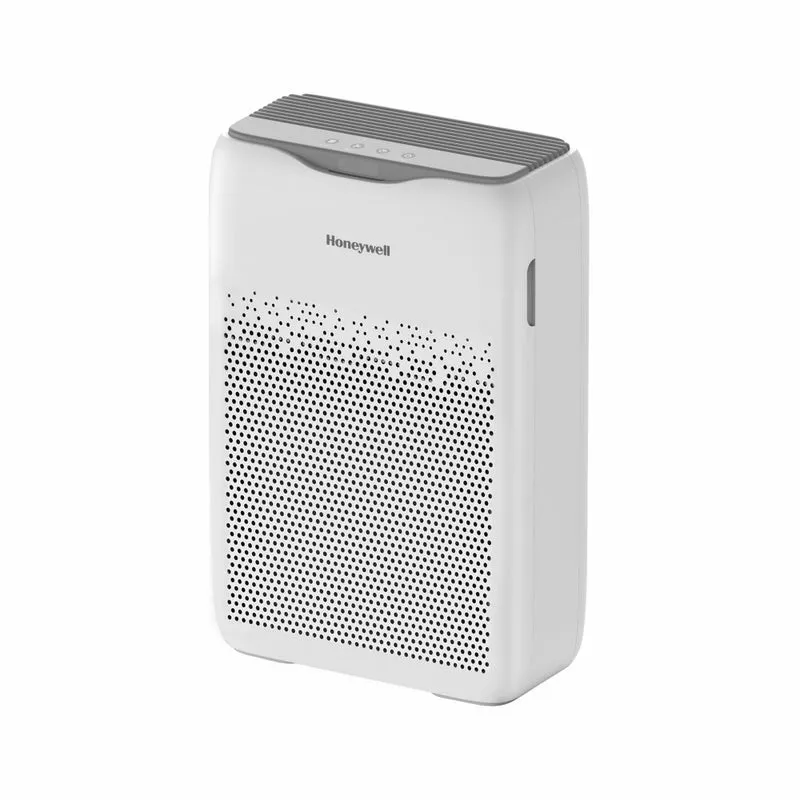
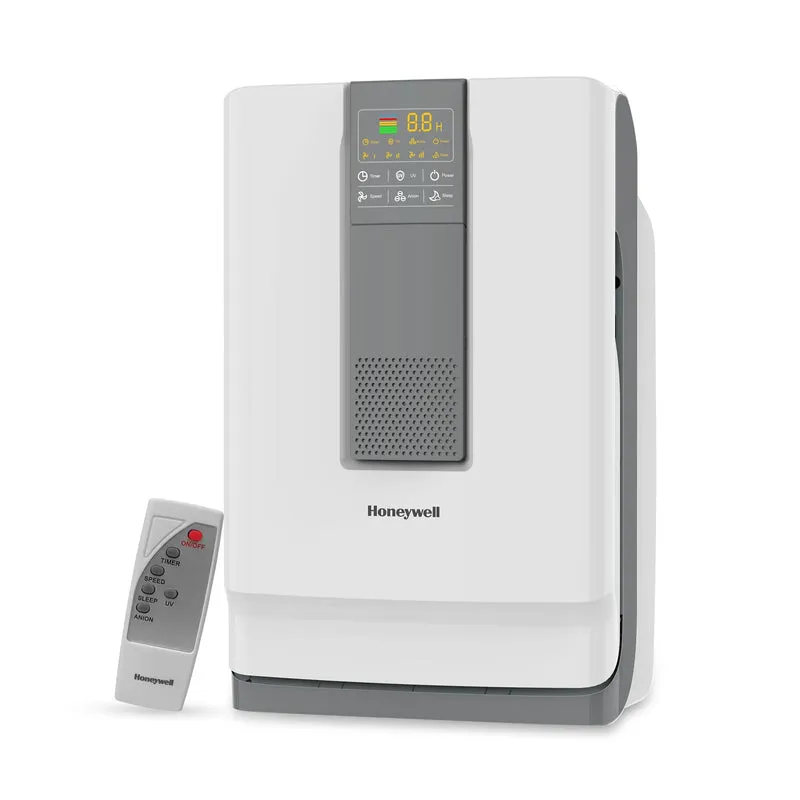
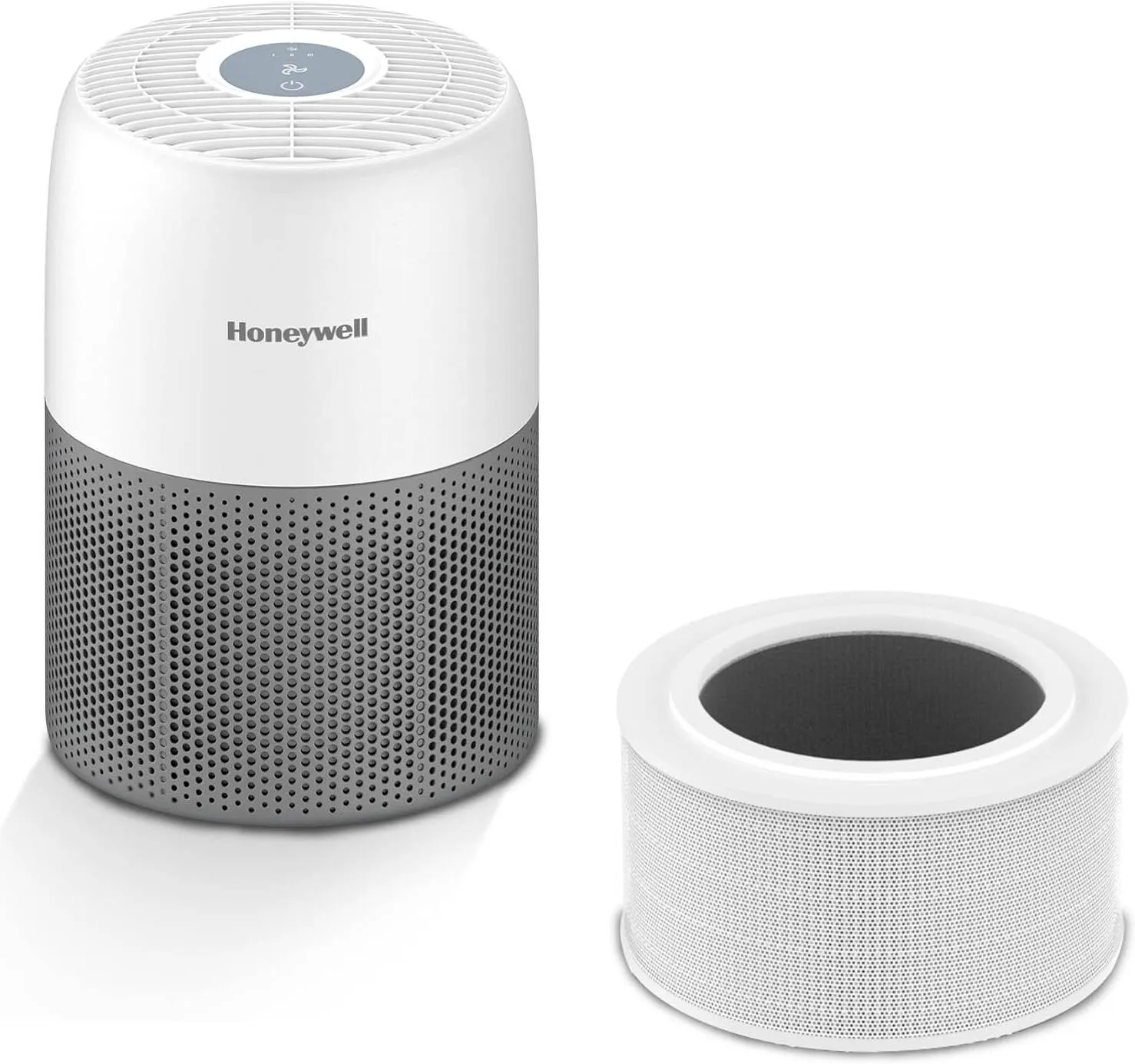
UAE air purification solutions from cleanair-ae.com cover a curated range of trusted brands including Blueair, Honeywell, and Levoit, with delivery across Dubai, Abu Dhabi, and the wider UAE. Whether the priority is virus and bacteria control through UV-C, particle filtration for dust and allergens, or humidity management, the product range supports residential and commercial requirements. Free UAE delivery is available on qualifying orders, and replacement filters and accessories are stocked alongside units for ongoing maintenance.
Frequently asked questions
Is UV-C safe for use in homes and offices?
UV-C is safe in homes and offices when devices are engineered with enclosed lamp designs that prevent direct occupant exposure. Properly designed UV-C systems control human exposure levels and are considered acceptable for occupied spaces under established safety guidance.
How quickly does UV-C air purifiers kill germs?
Significant microbial reductions occur within minutes in well-designed systems, with 275-nm UVC-LED purifiers demonstrating large viral reductions in chamber studies; actual speed depends on device UV dose, airflow rate, and room size.
Can UV-C air purifiers remove dust and allergens?
UV-C technology targets microorganisms, not airborne particles; combining UV-C with filtration addresses both biological threats and particulate matter including dust, pollen, and allergens in a single unit.
How do I know if my UV-C air purifier is working correctly?
Check that UV-C lamps are replaced on schedule and that filters are clean, since sufficient fluence delivery requires both adequate lamp output and proper airflow through the device; verify specifications match your room’s air volume requirements.