


Uncategorised
Ways to enhance bedroom air for better sleep
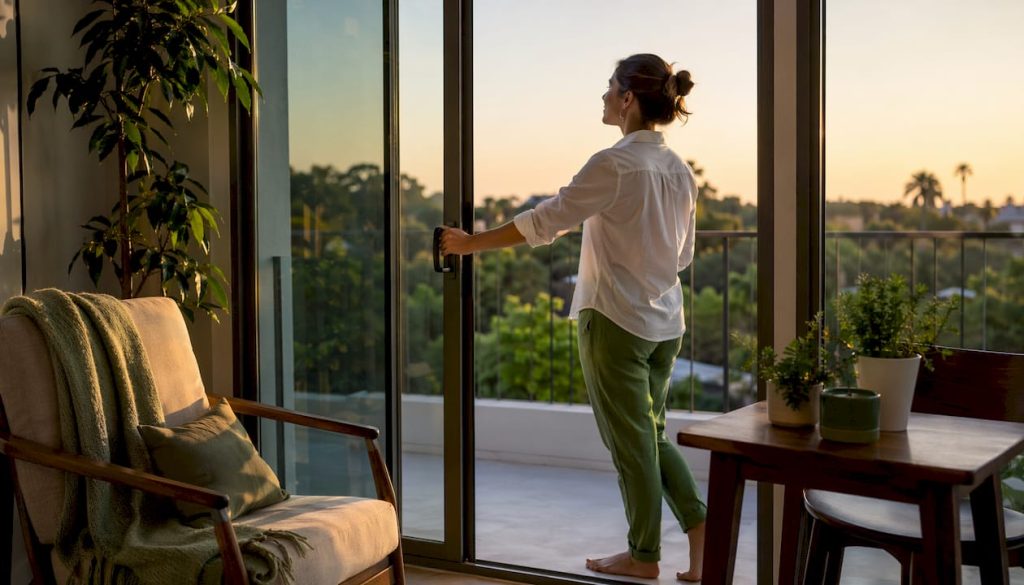
Bedroom air quality is defined by the concentration of CO2, humidity, allergens, and volatile organic compounds (VOCs) present while you sleep. Poor indoor air quality in bedrooms directly disrupts sleep and reduces next-day cognitive performance, as lower CO2 and pollutant levels are linked to deeper, less fragmented sleep. The most effective ways to enhance bedroom air combine ventilation, humidity control, source reduction, and filtration in a layered approach. No single product or habit fixes everything on its own.
1. Ways to enhance bedroom air through ventilation
Ventilation is the single most impactful method for improving bedroom air quality overnight. A sleeping adult exhales approximately 200 ml of CO2 per minute, and in a closed 150 sq ft bedroom, CO2 levels can reach 1,500 ppm or higher within a few hours. That concentration signals poor air exchange and correlates with restless, fragmented sleep.
Practical ventilation methods include:
- Short intensive airing: Open windows fully for 10–15 minutes before bed to flush stale air rapidly.
- Cracked windows overnight: Even a 2–3 cm gap maintains a steady supply of fresh air without causing draughts.
- Cross-ventilation: Open windows on opposite sides of the room to create airflow that moves air through rather than just pooling it near one wall.
- Door position: Leaving the bedroom door slightly ajar allows air to circulate with the rest of the home, particularly useful in flats without opening windows.
- HVAC fan use: Running your HVAC system on fan-only mode circulates filtered air and reduces CO2 build-up without full heating or cooling.
CO2 below 800–1,000 ppm is the practical comfort target. Readings above 1,200–1,500 ppm signal a clear need for more fresh air exchange.
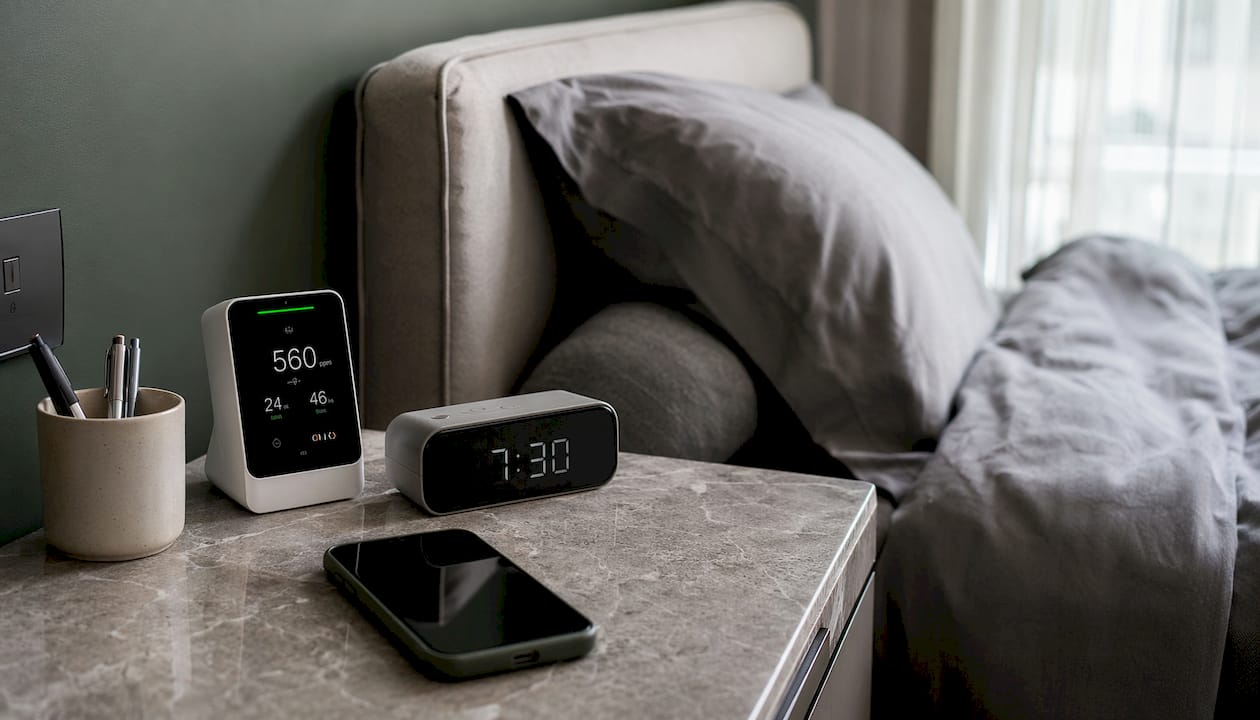
Pro Tip: Fit a CO2 monitor on your bedside table. Run it for a week to see exactly when your bedroom air deteriorates overnight. The data tells you precisely how much ventilation your room needs rather than guessing.
2. Controlling humidity to suppress dust mites and mould
Humidity is the second most critical variable in bedroom air quality. The EPA recommends maintaining relative humidity (RH) between 40% and 50% to suppress dust mite populations, which thrive above 50% RH and temperatures over 21°C. Mould growth accelerates above 60% RH, while air below 30% RH causes dry throat, irritated airways, and disrupted sleep.
Managing bedroom humidity effectively means:
- Use a hygrometer to monitor RH continuously. Guessing humidity levels is unreliable.
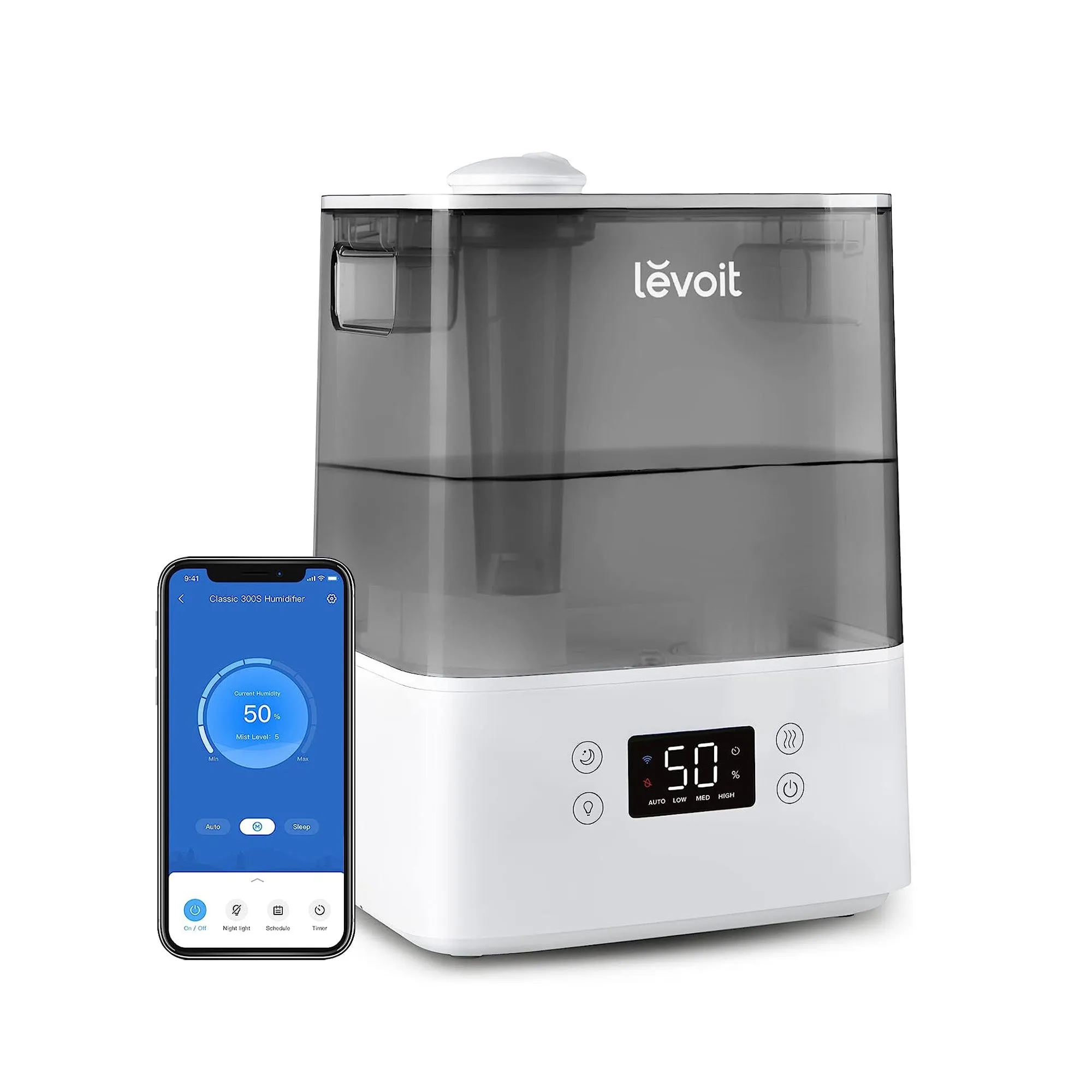
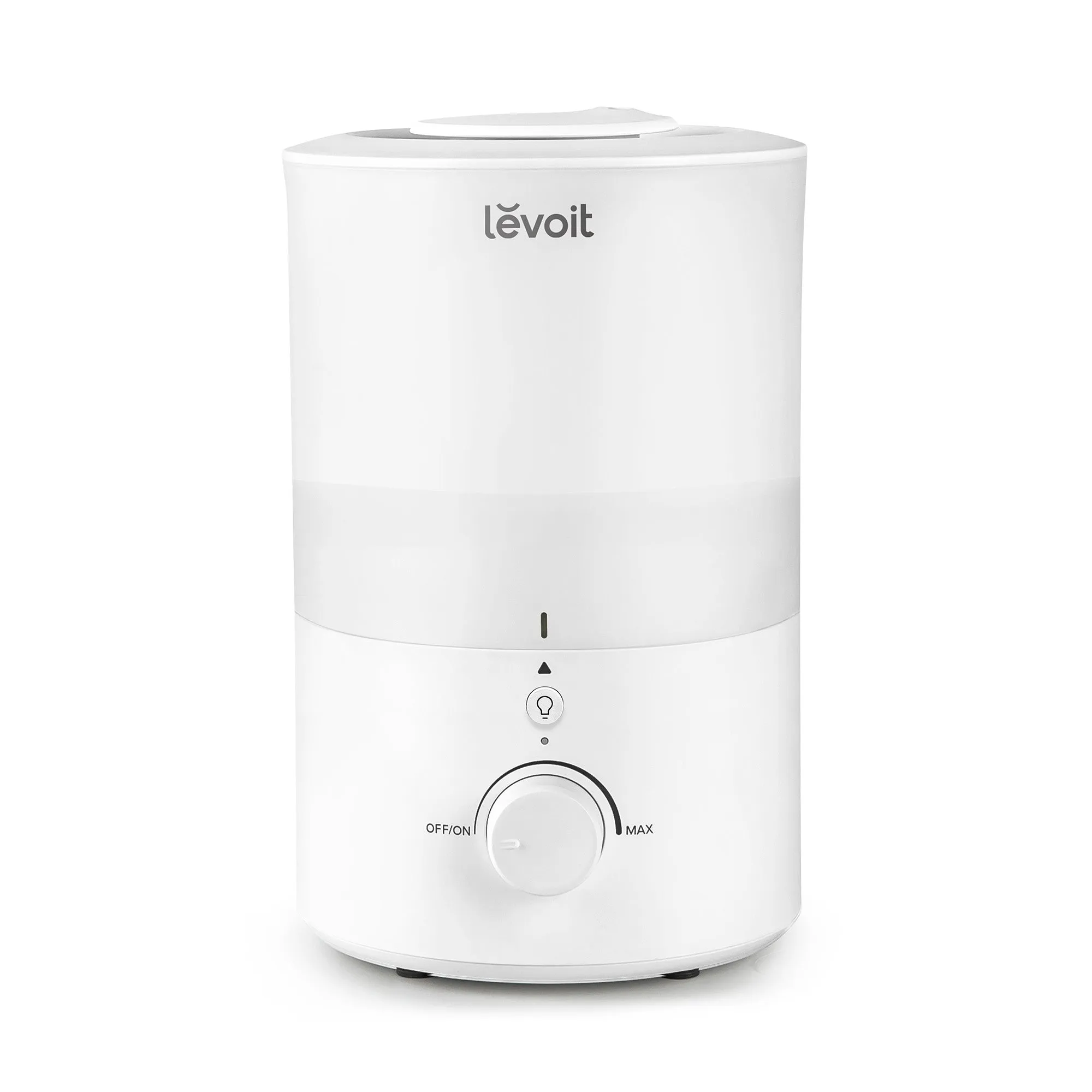
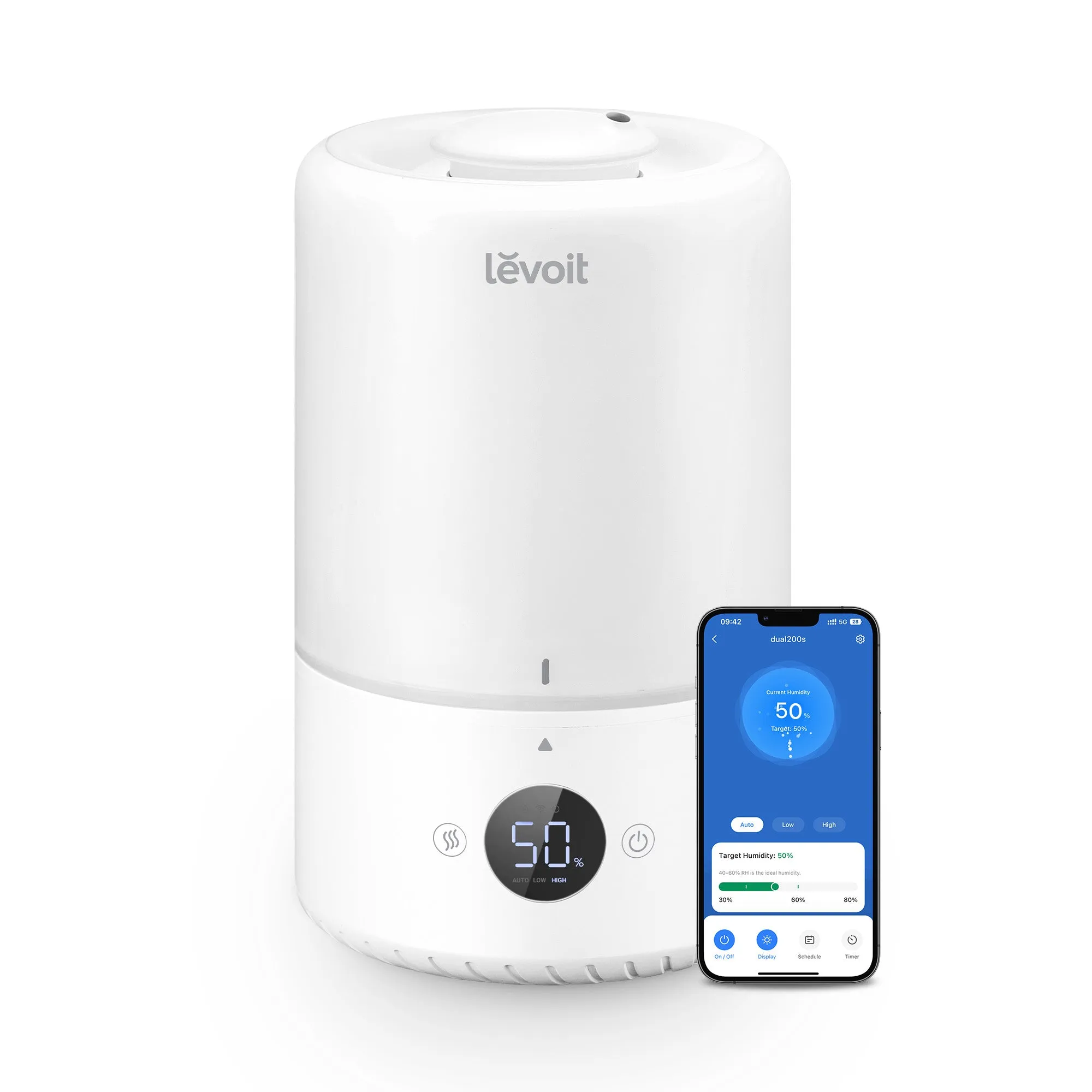
- Run a humidifier during dry winter months or in air-conditioned rooms where RH drops below 35%.
- Use a dehumidifier in humid climates or during summer when RH regularly exceeds 55%. The role of dehumidifiers in humid homes is particularly relevant in UAE conditions where ambient humidity is high.
- Ventilate after showering to prevent moisture migrating from bathrooms into the bedroom.
- Avoid over-running a humidifier overnight without monitoring. Excess moisture feeds the exact allergens you are trying to suppress.
Bedroom humidity management should target 40–50% RH year-round. That range balances allergen control with personal comfort.
Pro Tip: In the UAE, air conditioning typically dries indoor air significantly. A small humidifier set to a fixed 45% RH output prevents both dryness and over-humidification without constant manual adjustment.
3. Cleaning and source control to reduce allergens
Cleaning removes the physical sources of airborne particles before they become a problem. Washing bedding weekly in water at a minimum of 130°F (54°C) kills dust mites and reduces allergen load directly. NIH research confirms hot water laundering as one of the most effective allergen reduction methods available.
Follow a structured cleaning routine:
- Wash all bedding, including pillowcases and duvet covers, weekly at ≥54°C.
- Fit allergen-proof covers to mattresses and pillows. These create a physical barrier against dust mite waste.
- Vacuum floors and soft furnishings weekly using a HEPA-filter vacuum. Standard vacuums recirculate fine particles back into the air.
- Wipe hard surfaces with a damp cloth rather than a dry duster. Dry dusting lifts particles into the air where they stay suspended for hours.
- Remove or limit heavy fabric décor such as thick curtains, excess cushions, and decorative rugs that trap and hold dust.
Source control extends beyond cleaning. Avoid burning candles or using scented aerosol sprays in the bedroom. Both release VOCs and fine particulates directly into the air you breathe while sleeping. Store cleaning chemicals, paints, and solvents outside the bedroom entirely. For a full guide on reducing allergen exposure, the practical guide to allergy solutions covers filtration and bedding maintenance in detail.
4. Air filtration and purifiers: what they do and what they do not
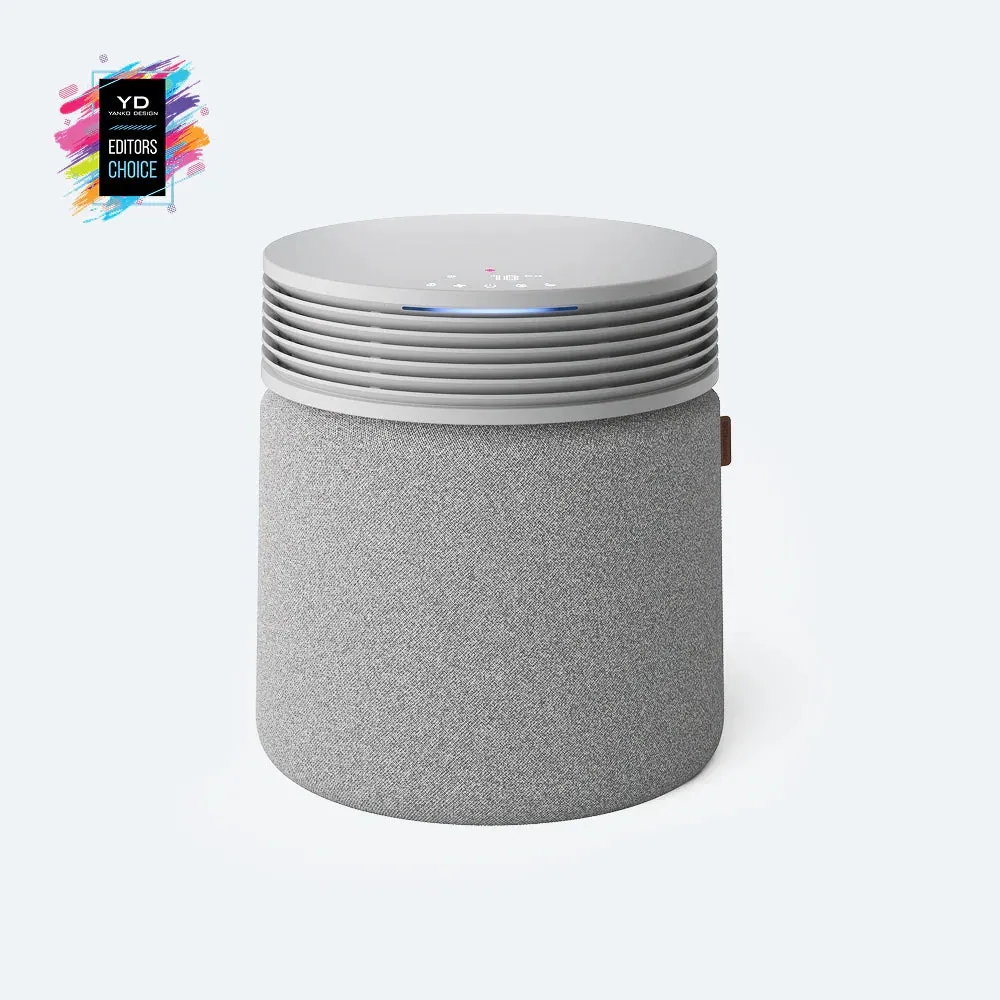
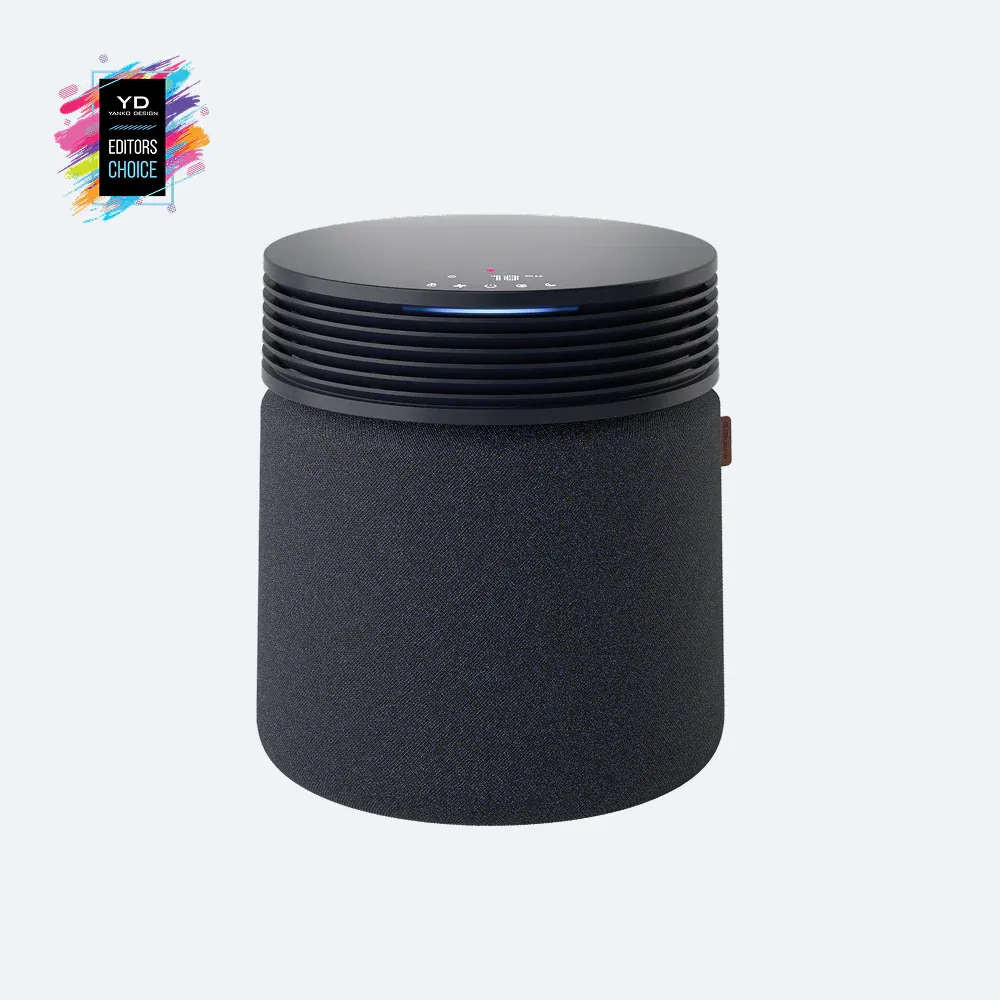
Air purifiers are a targeted complement to ventilation, not a replacement for it. Air purifiers do not remove carbon dioxide. Reducing elevated bedroom CO2 requires fresh air exchange through window opening, HVAC, or mechanical ventilation. This distinction matters because many people buy a purifier expecting it to solve all air quality problems.
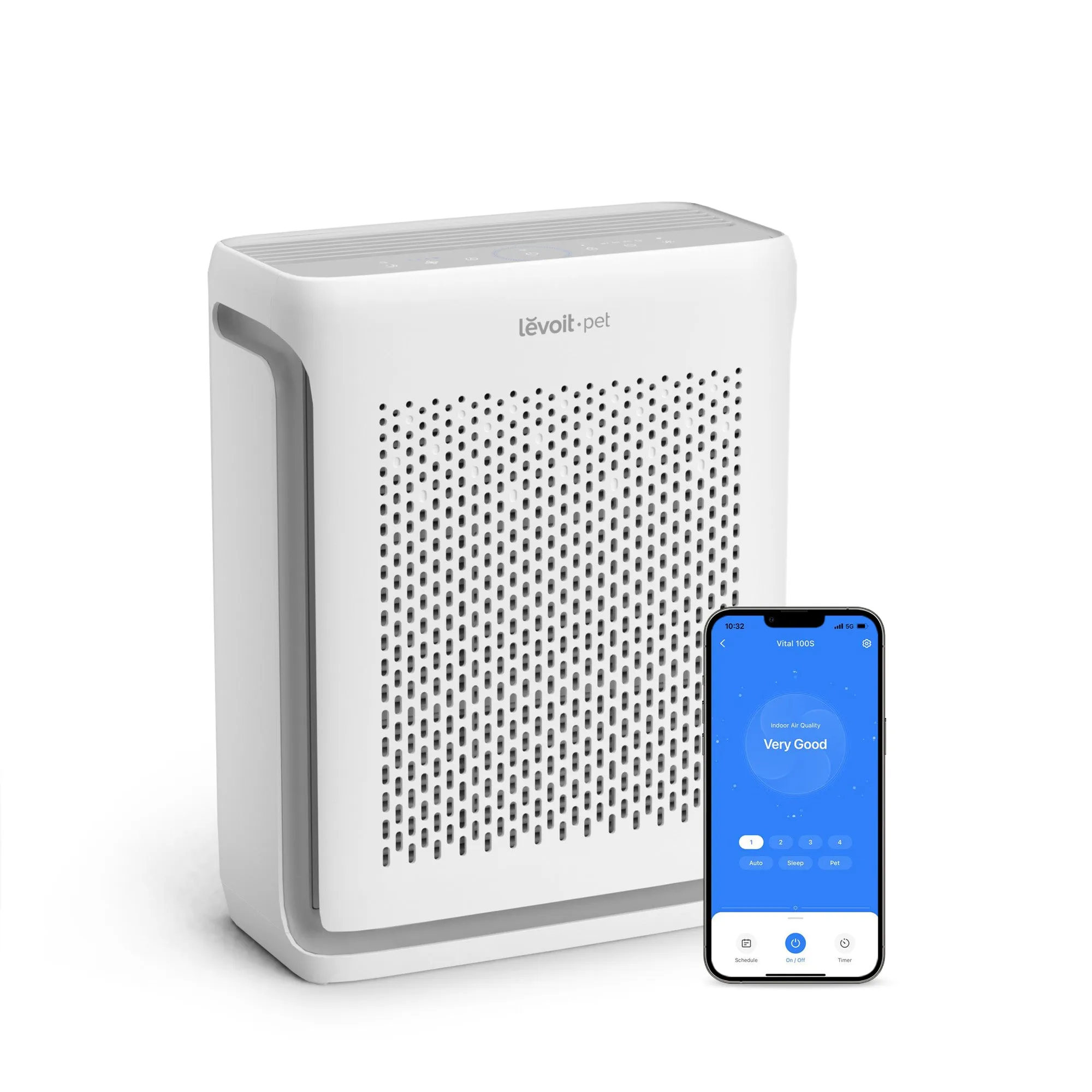
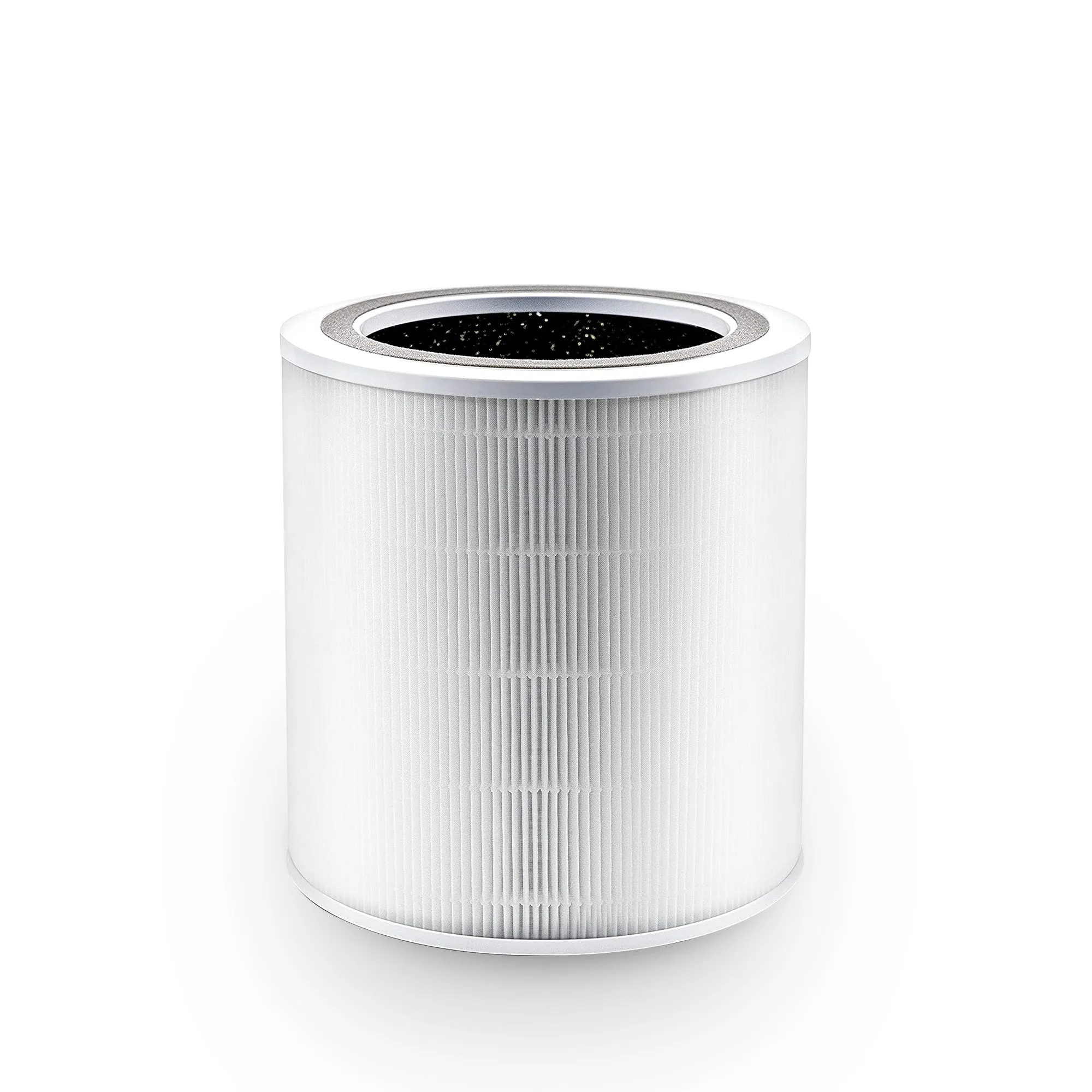
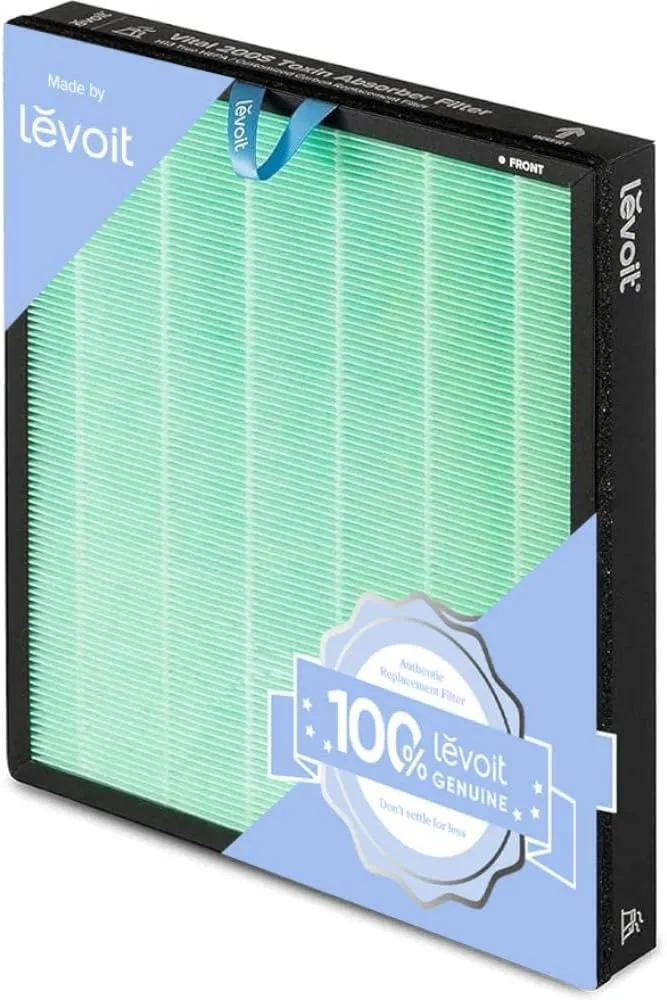
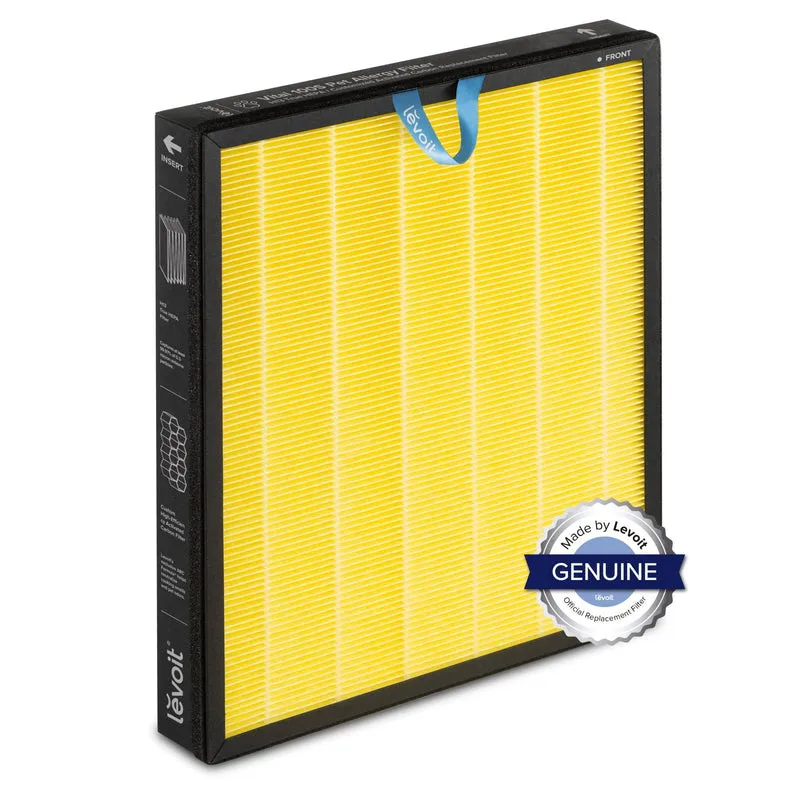
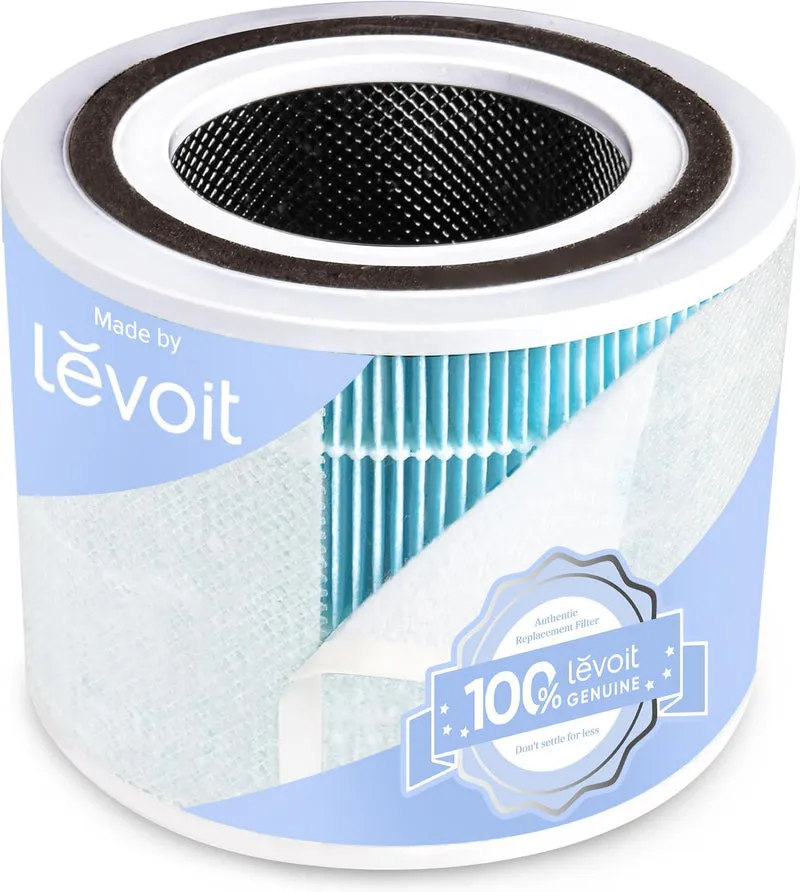
What purifiers do well is particle removal. HEPA H13 filtration removes 99.97% of particles at 0.3 microns, including pollen, pet dander, dust mite allergens, mould spores, and smoke. That level of filtration makes a measurable difference for allergy sufferers and those sensitive to fine particles.
Choosing and using a bedroom air purifier effectively:
- Select a quiet unit. Sleep mode operation at around 24 dB is practical for overnight use without disturbing sleep.
- Match the unit to room size. Check the CADR (Clean Air Delivery Rate) rating against your bedroom’s square footage.
- Position correctly. Place the purifier near the bed with its clean air output directed towards the centre of the room, away from walls. Positioning away from walls optimises particle removal and airflow circulation.
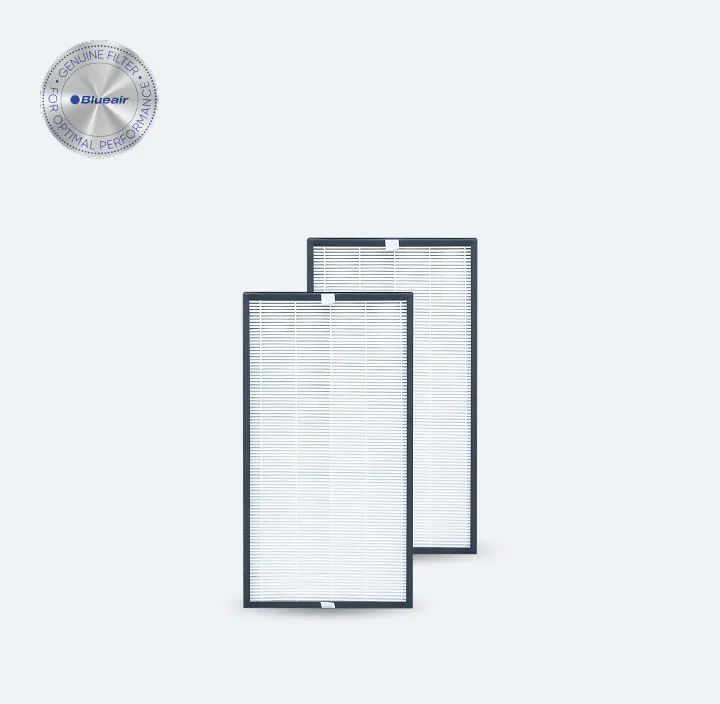
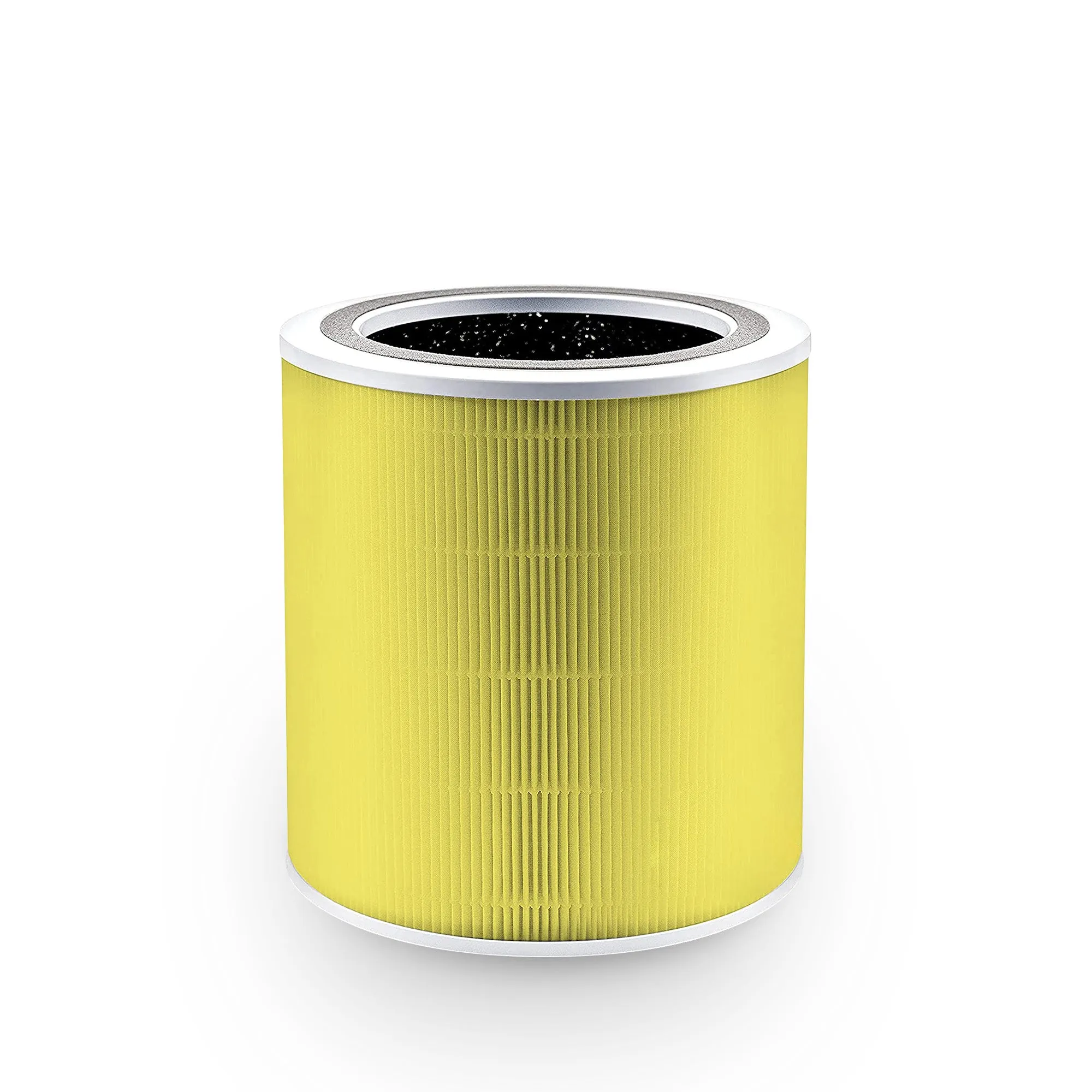
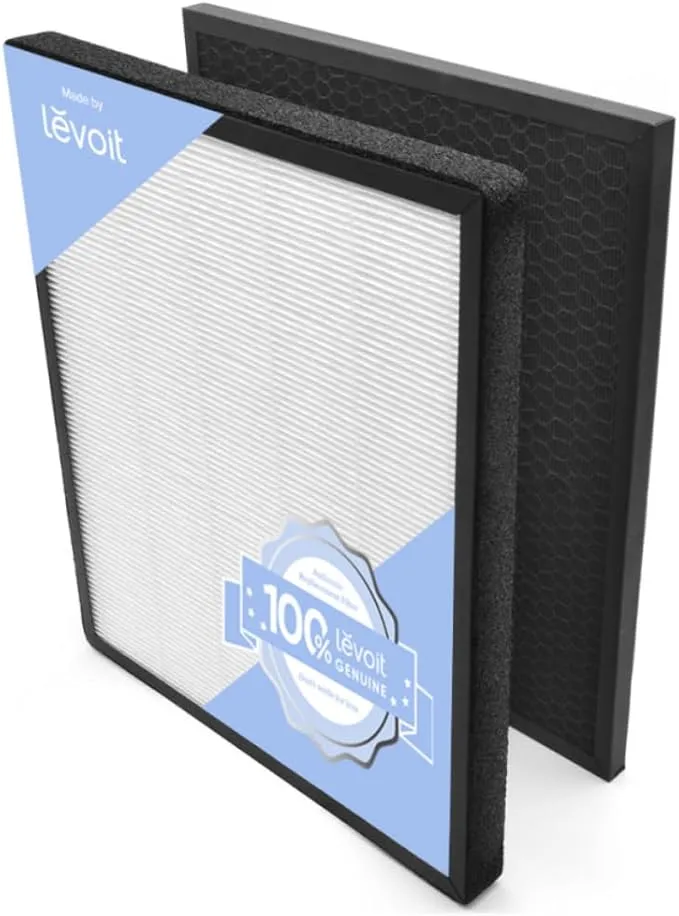
- Replace filters on schedule. A clogged filter reduces performance and can release trapped particles back into the air.
- Run continuously on low. Intermittent use is far less effective than steady low-speed operation throughout the night.
Pro Tip: Check the filter indicator light monthly rather than waiting for the annual reminder. In dusty UAE environments, filters can reach capacity faster than the manufacturer’s standard schedule suggests.
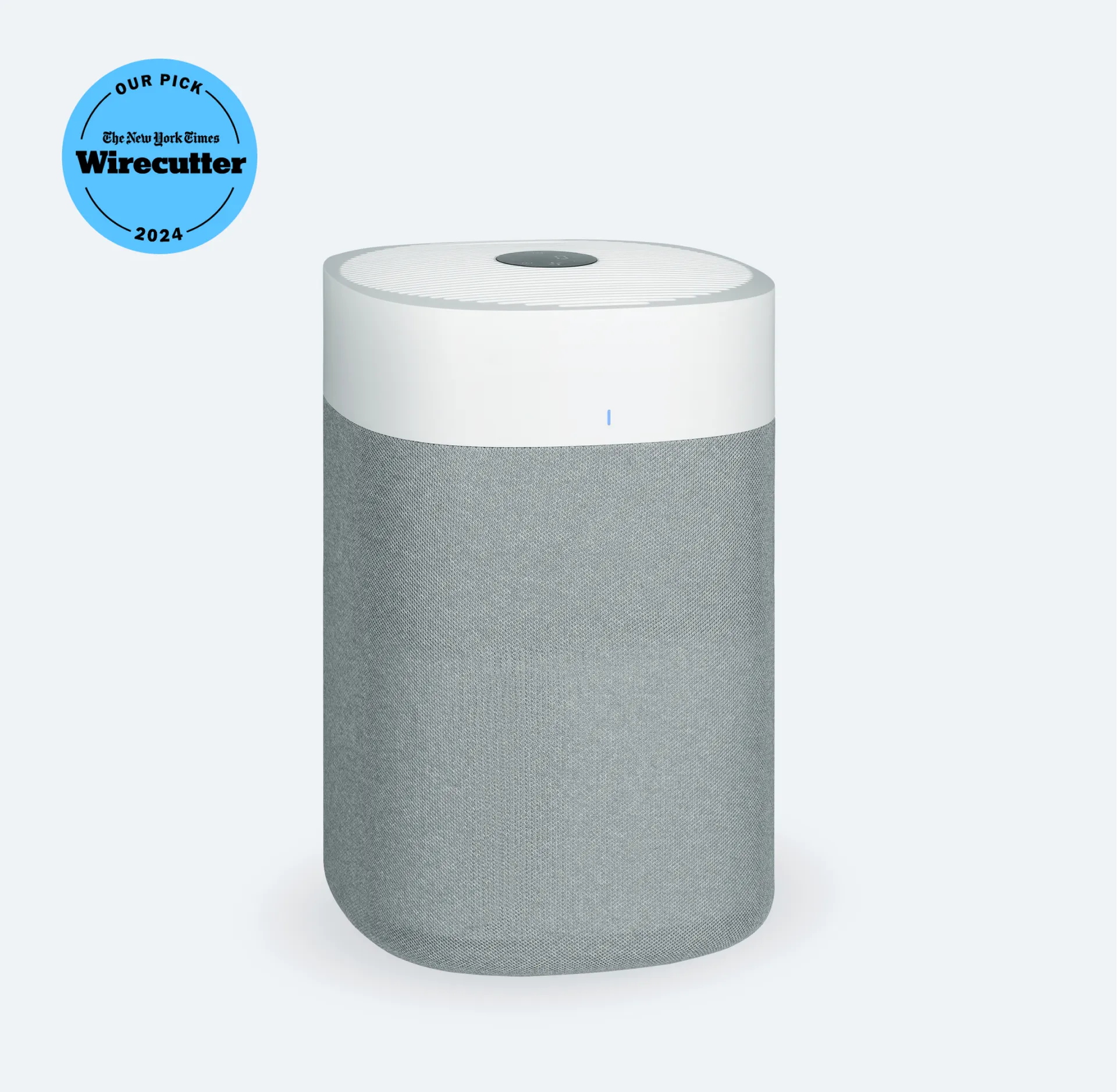
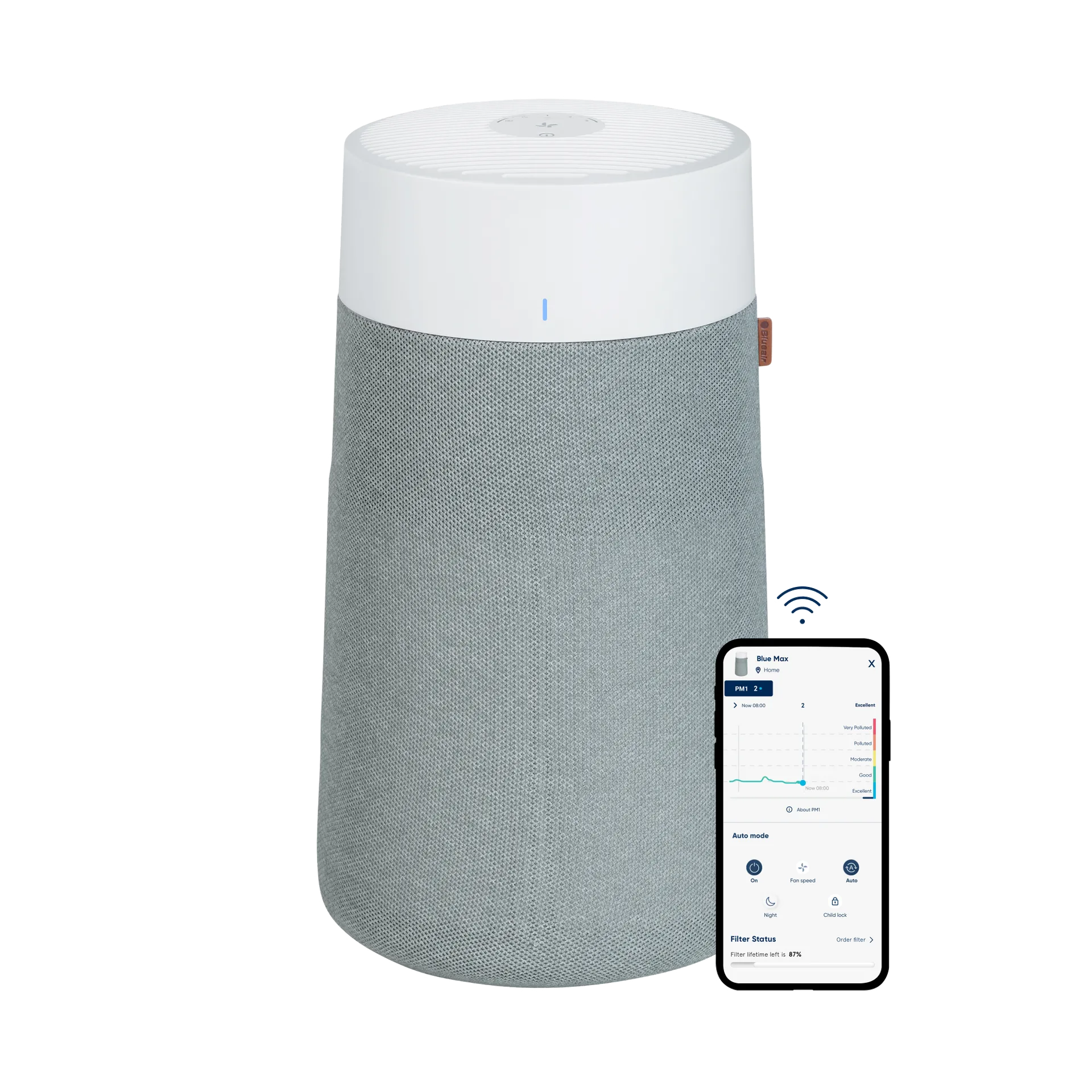
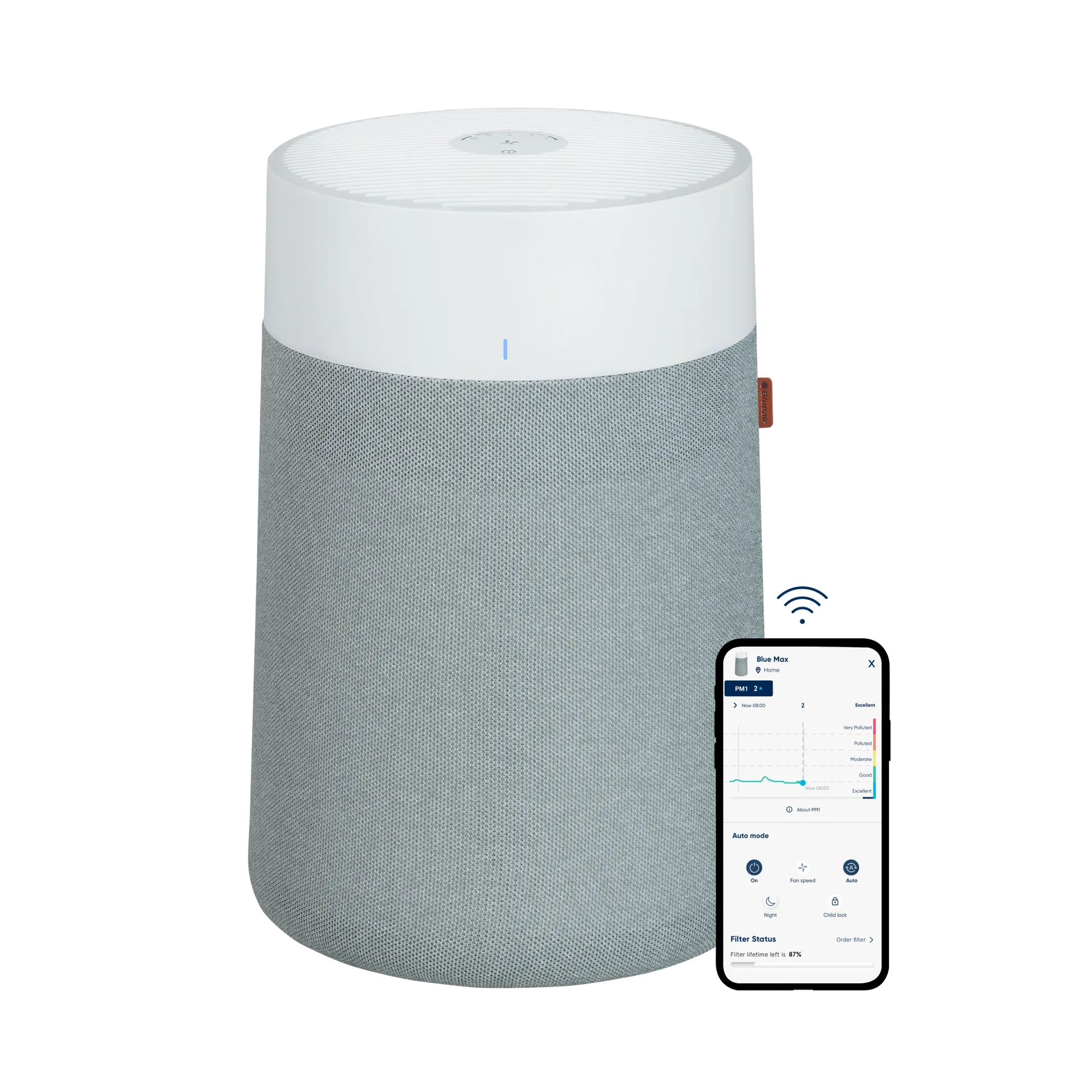
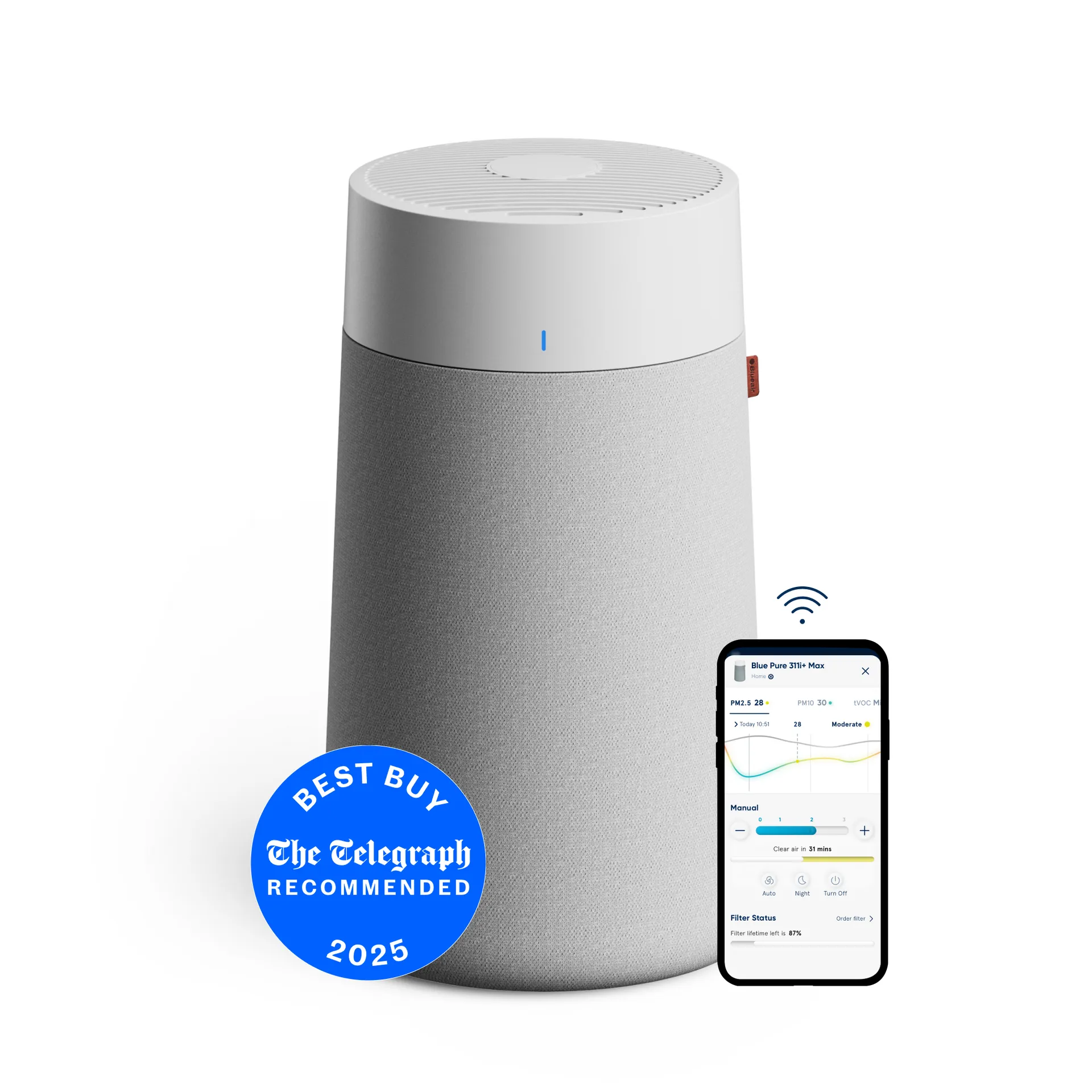
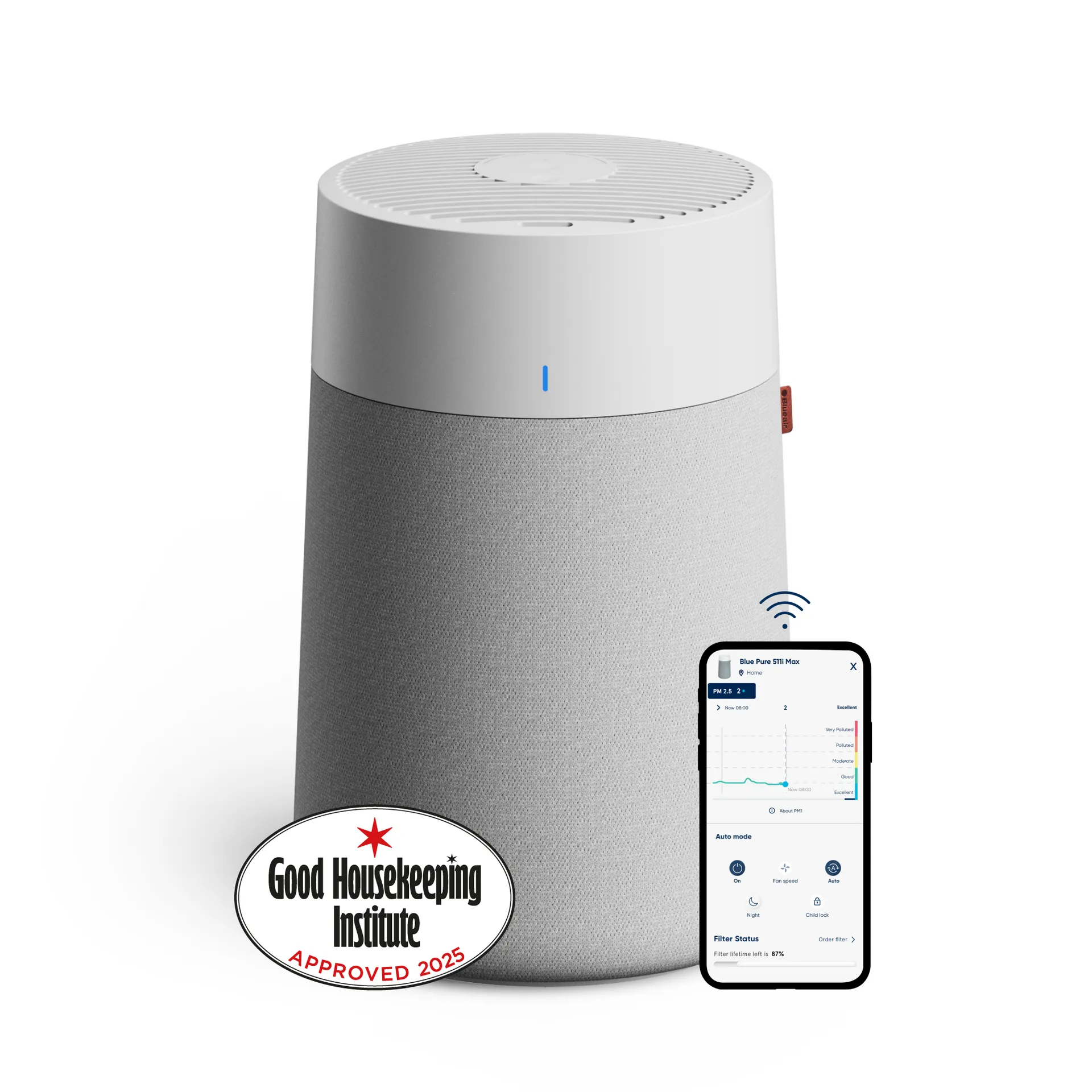
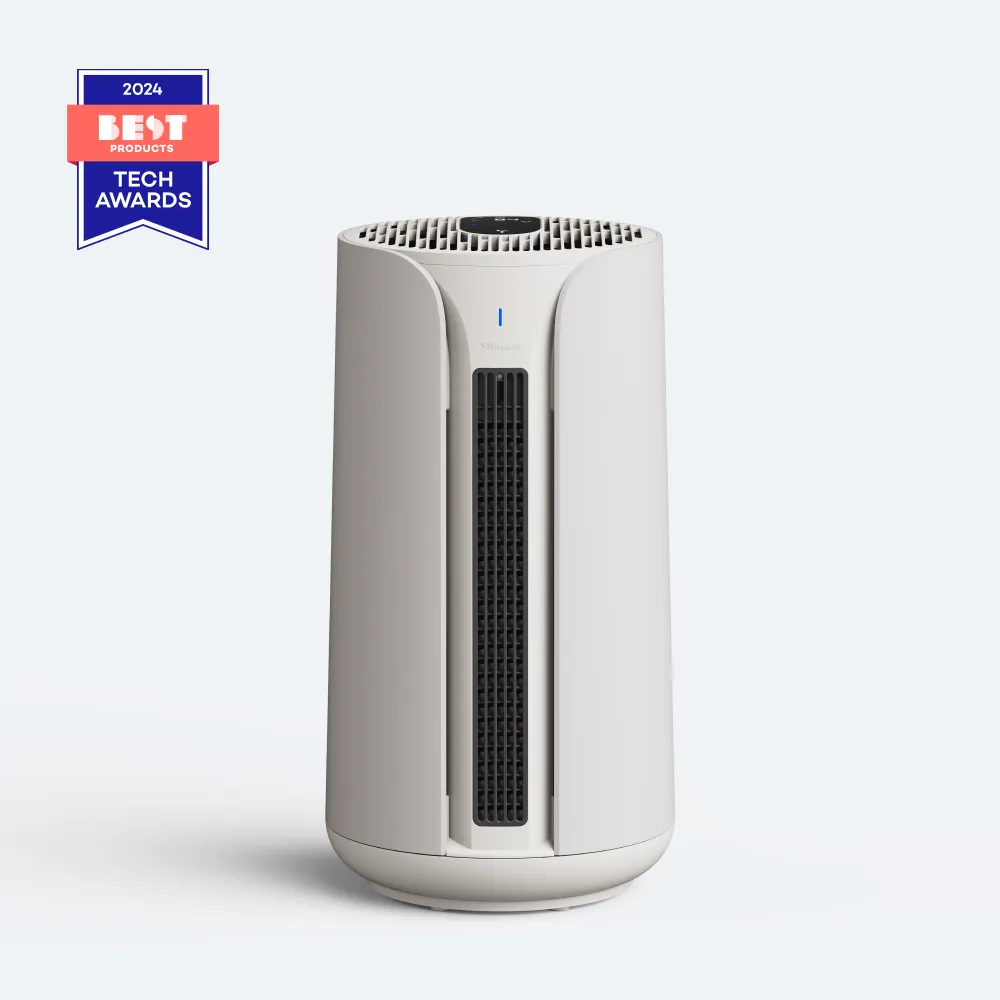
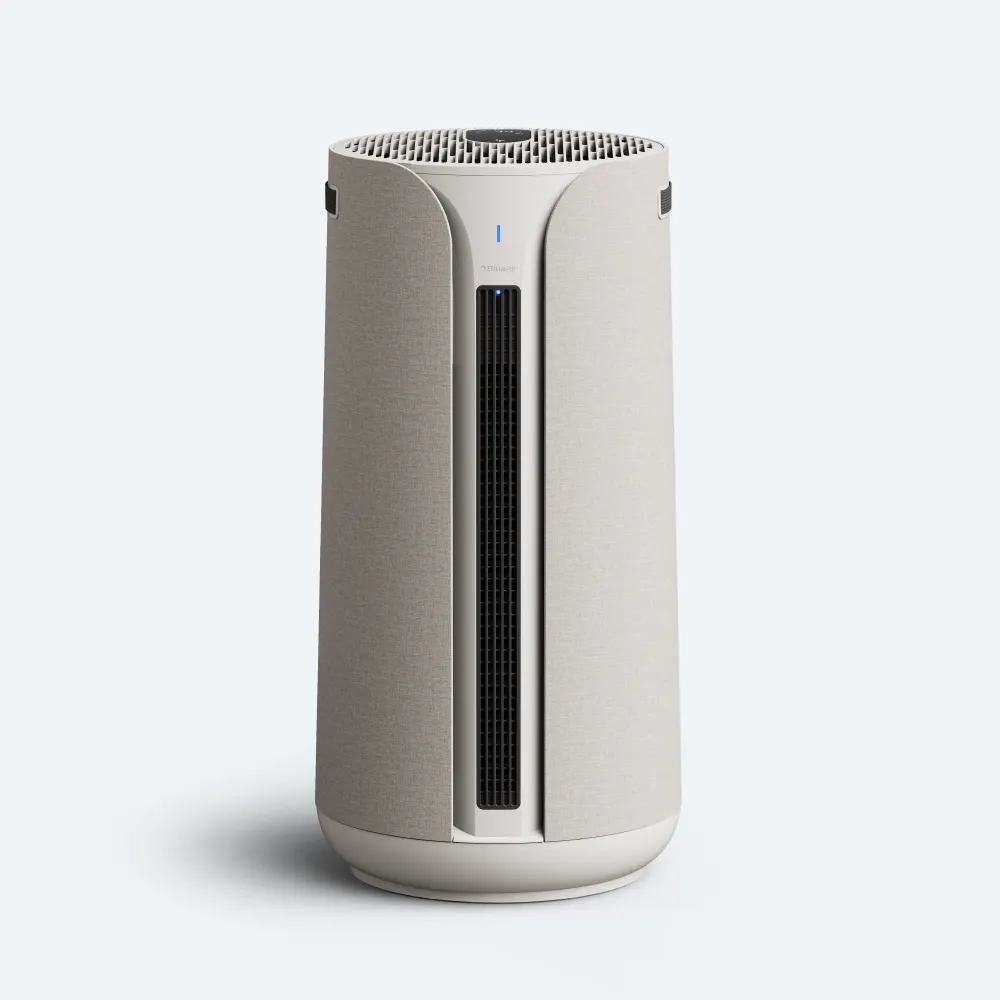
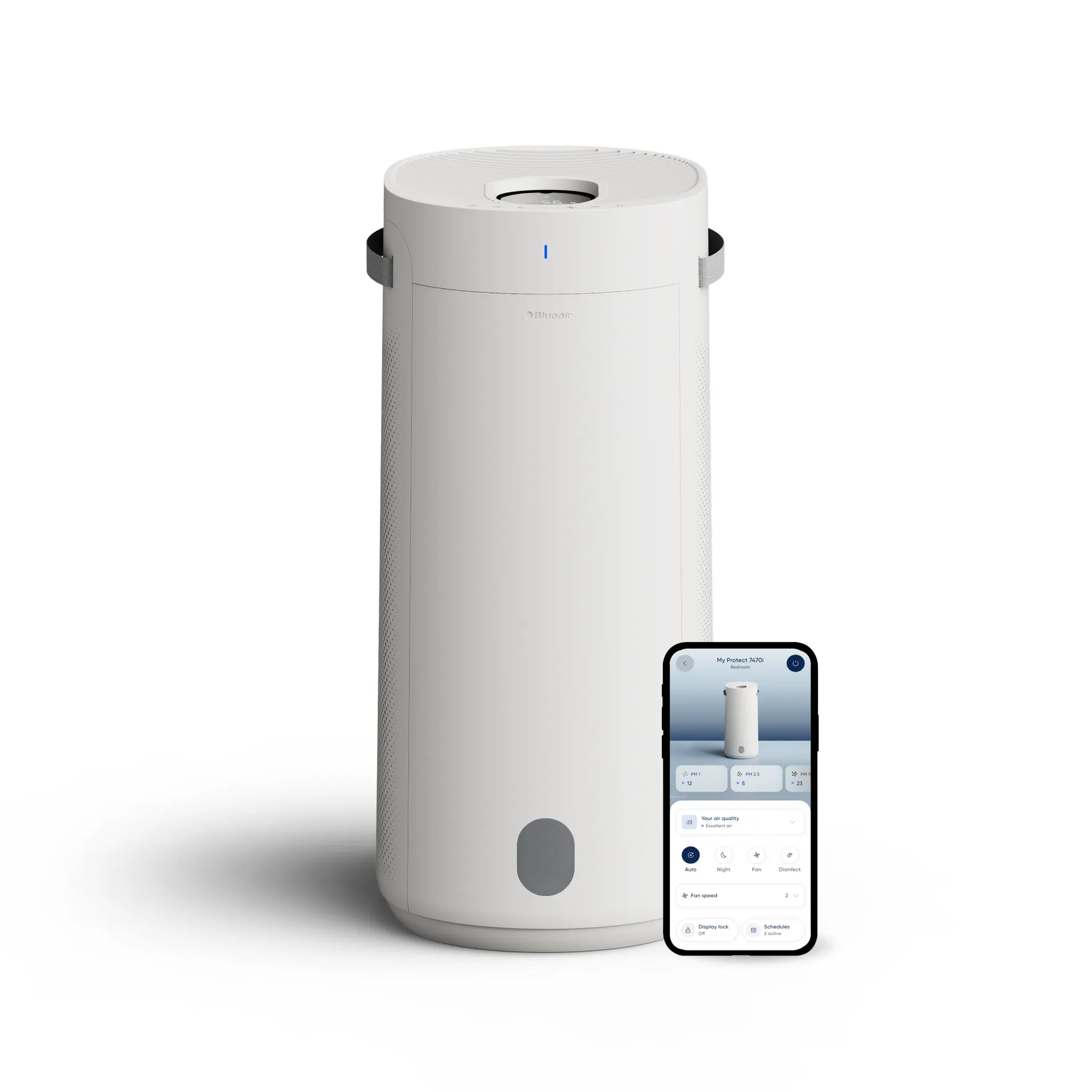
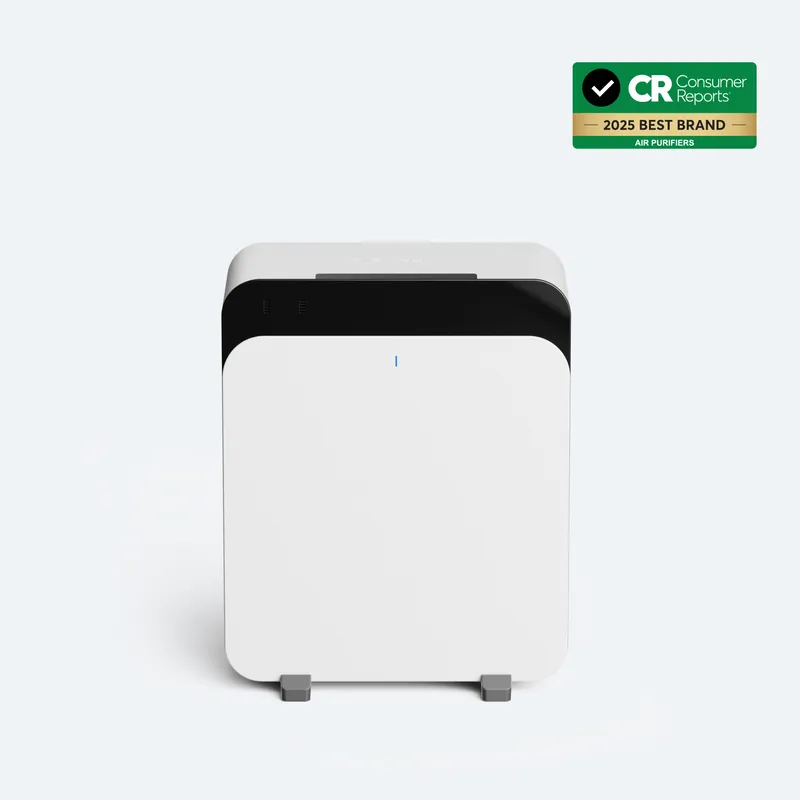
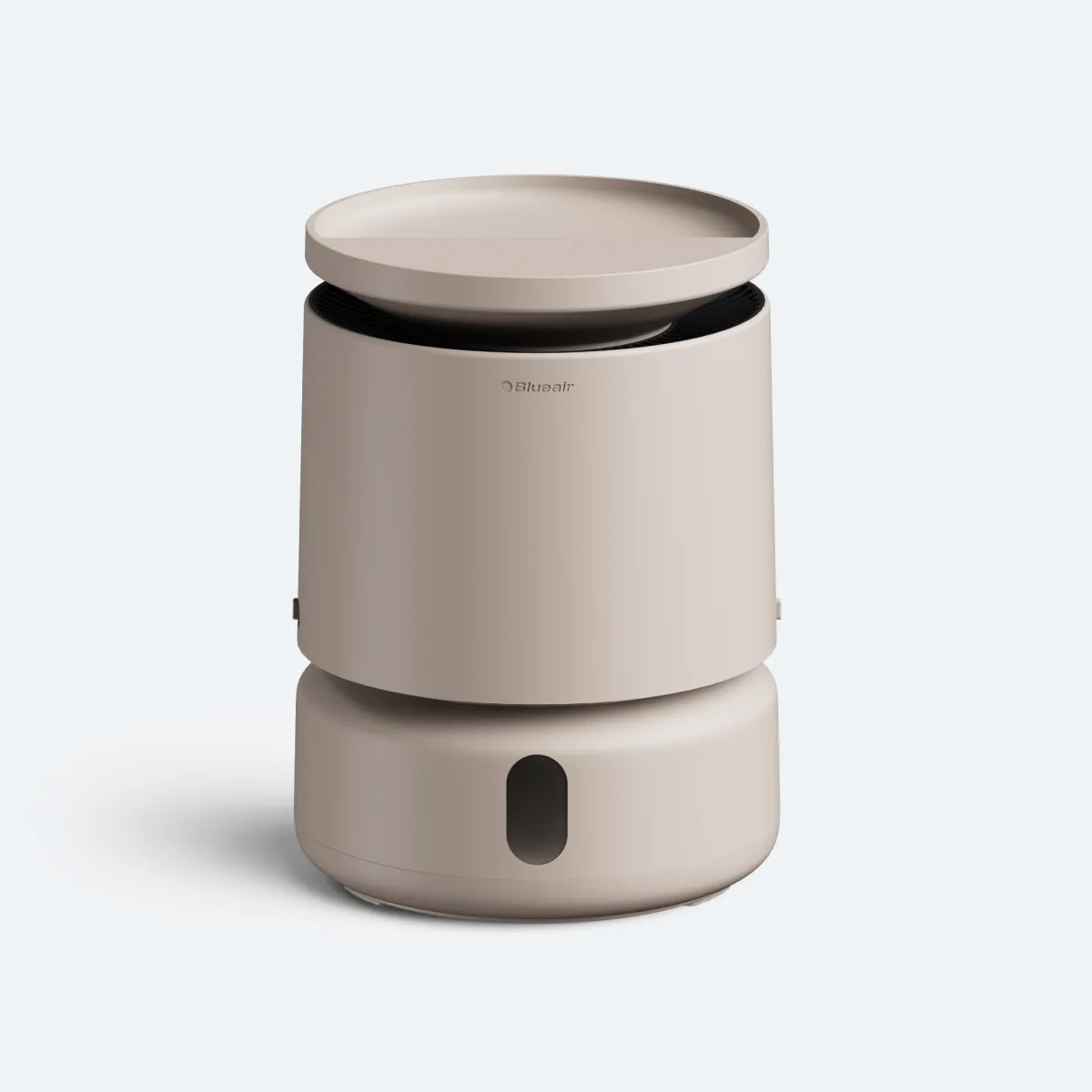
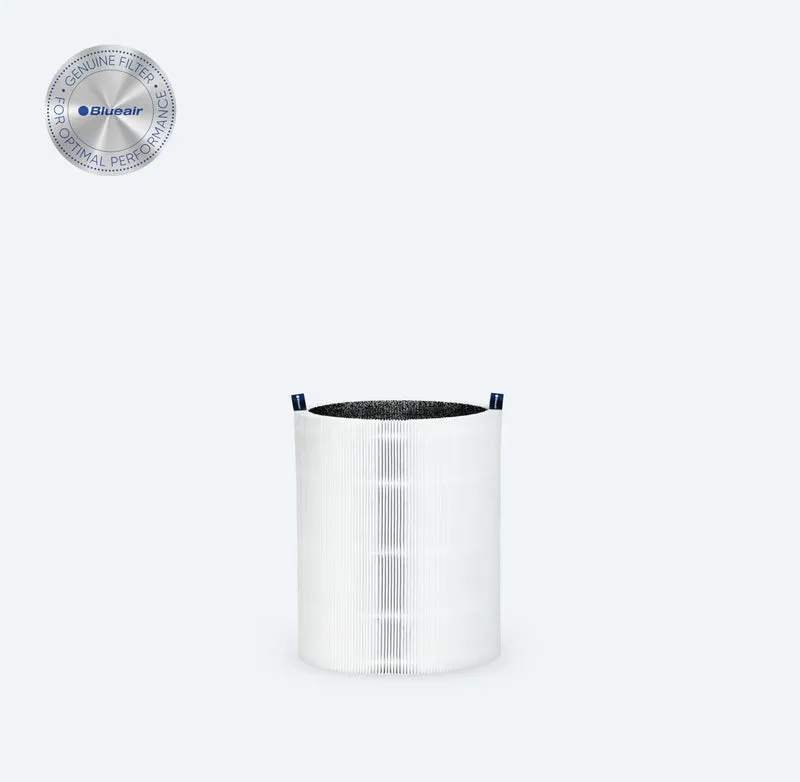
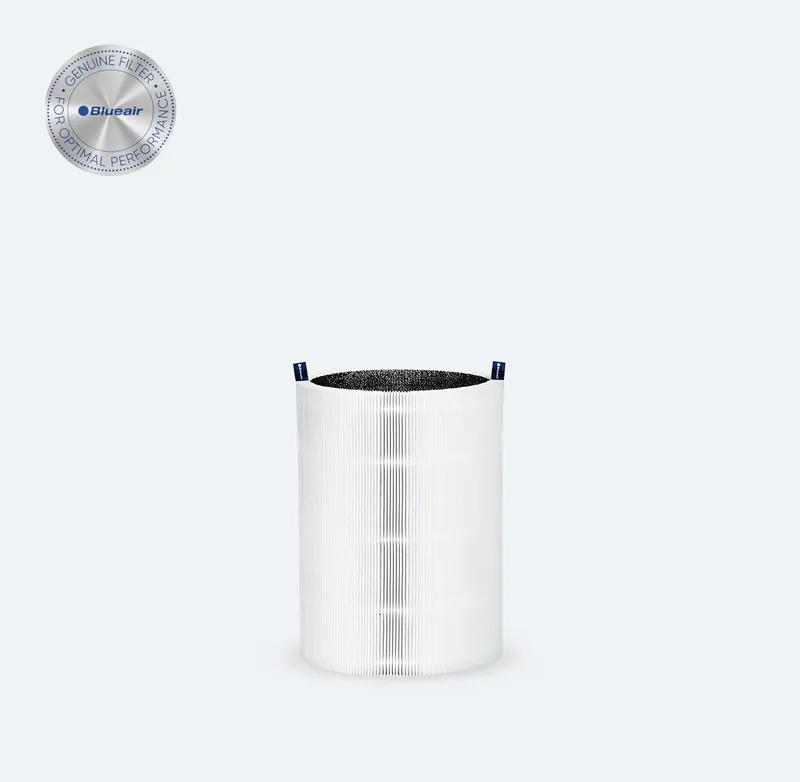
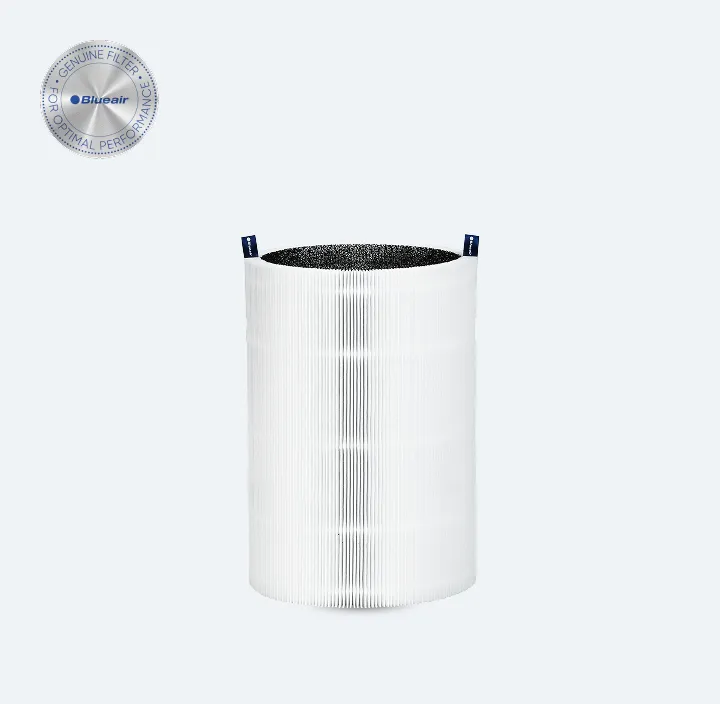
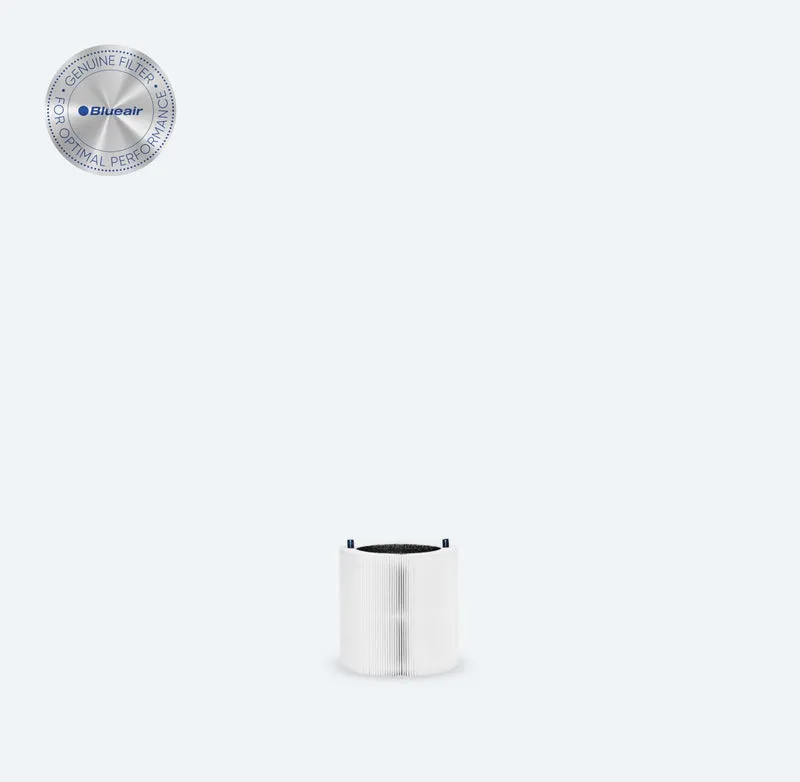
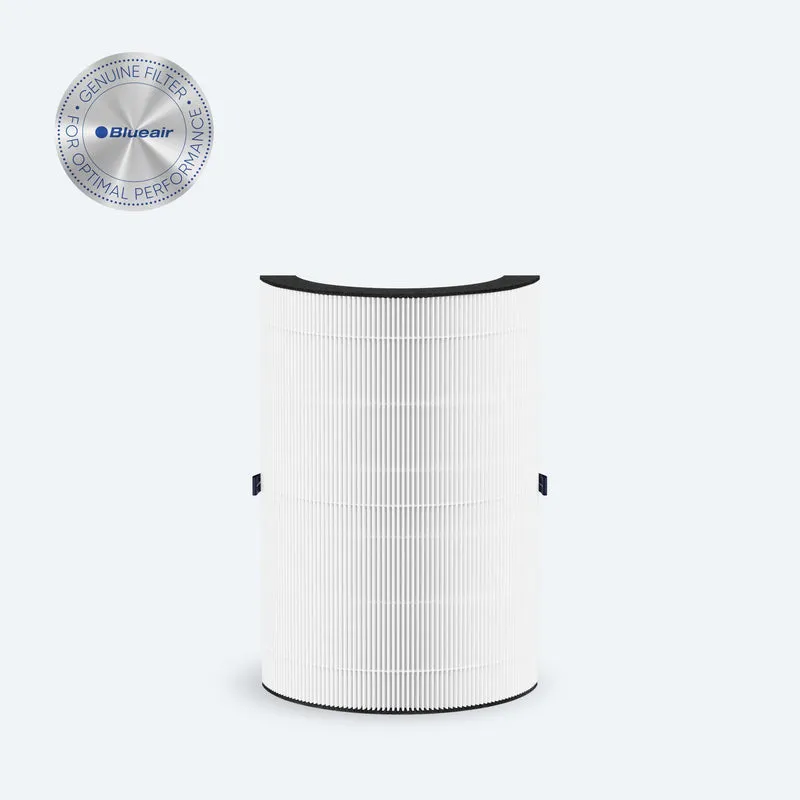
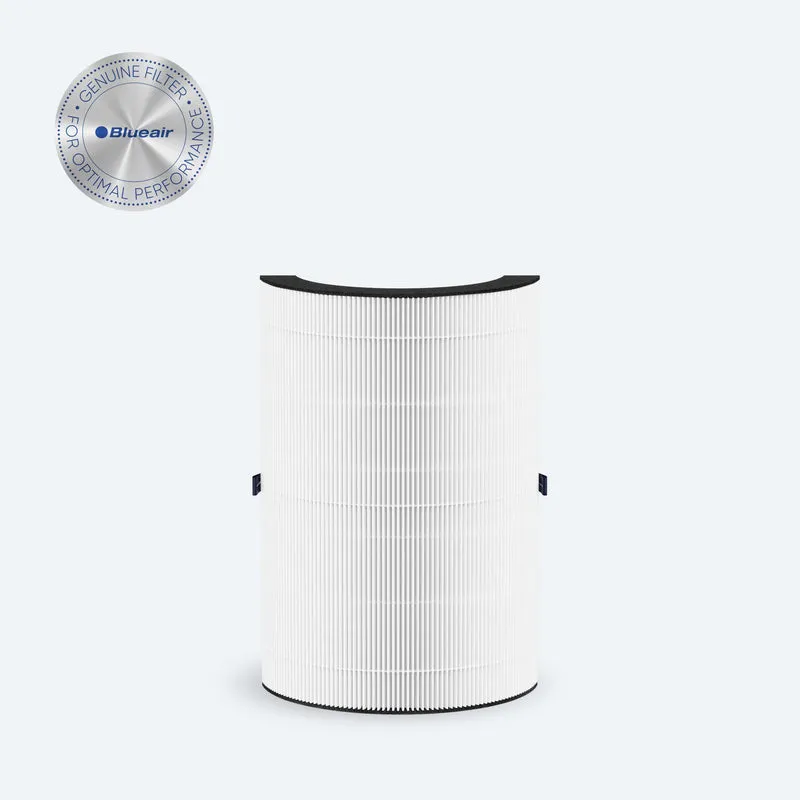
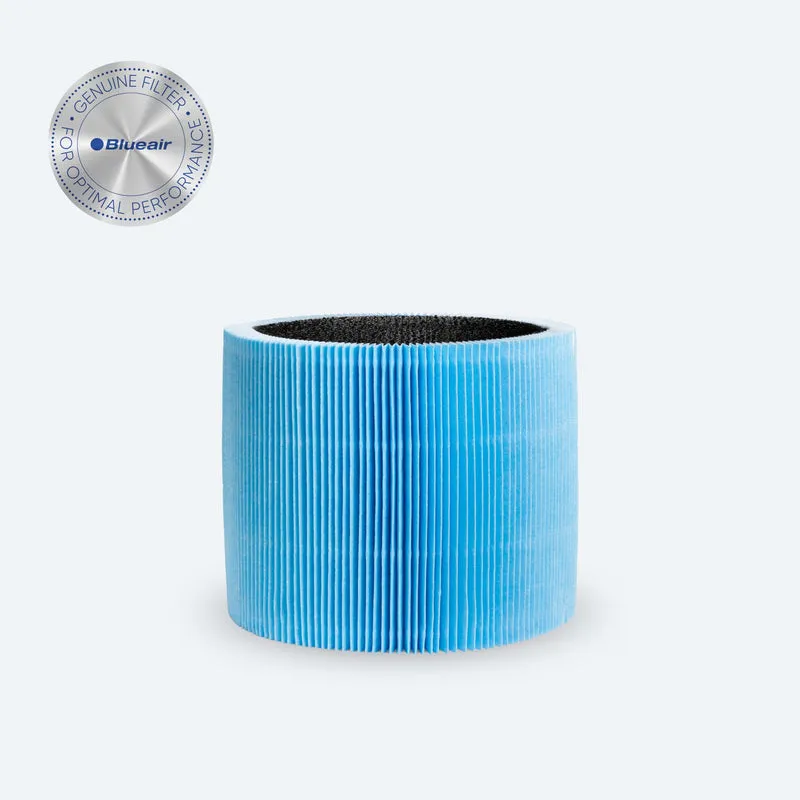
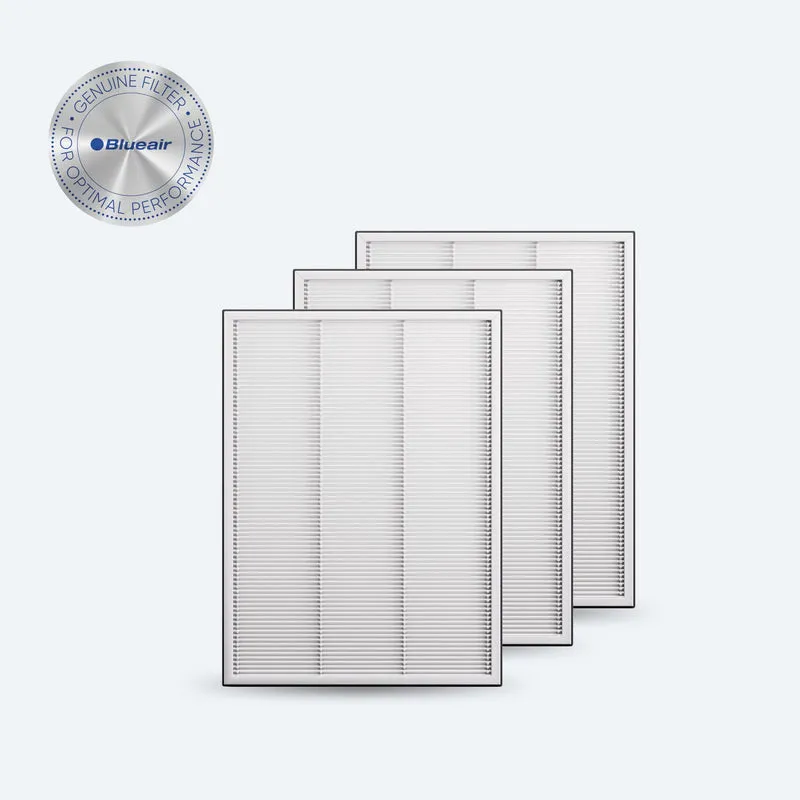
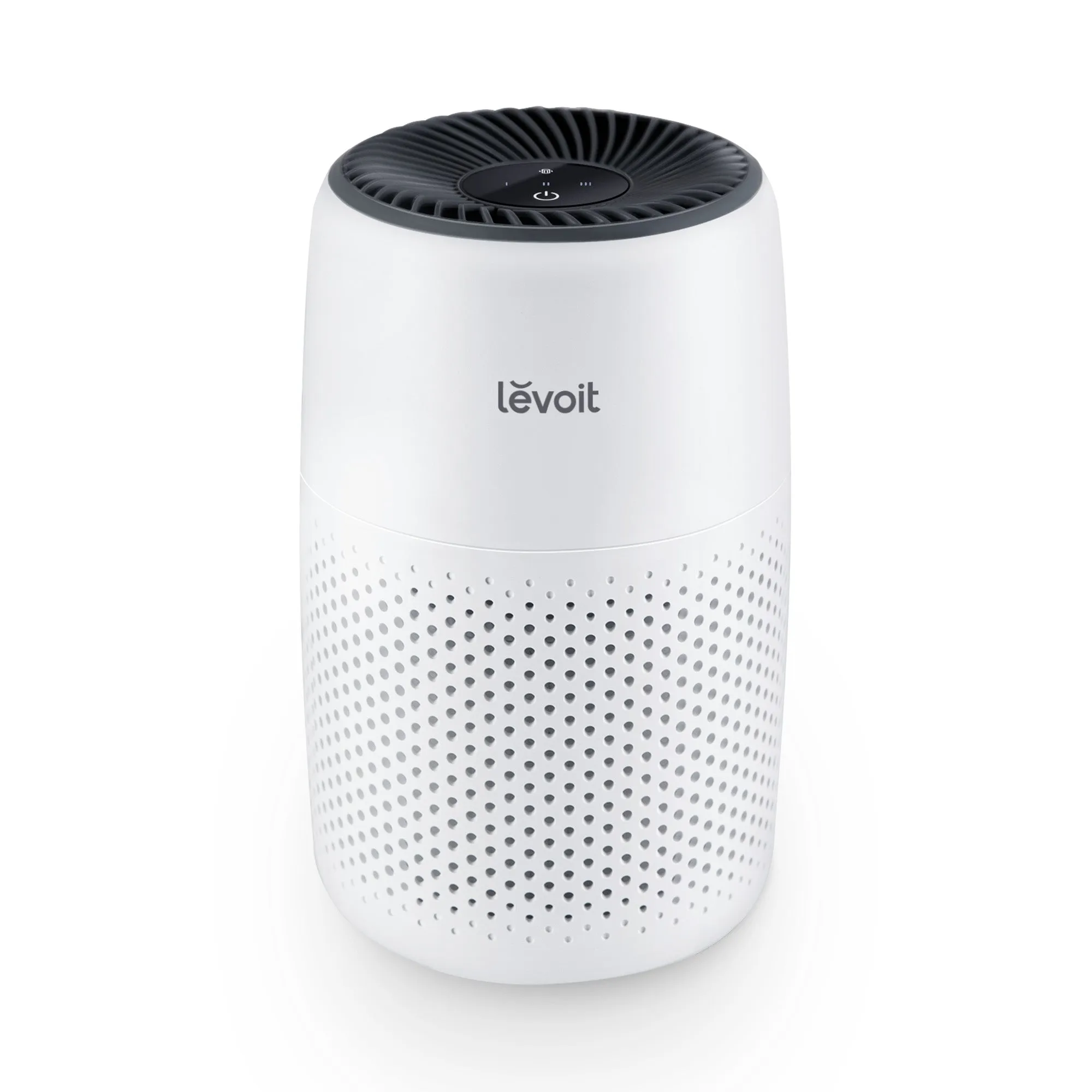
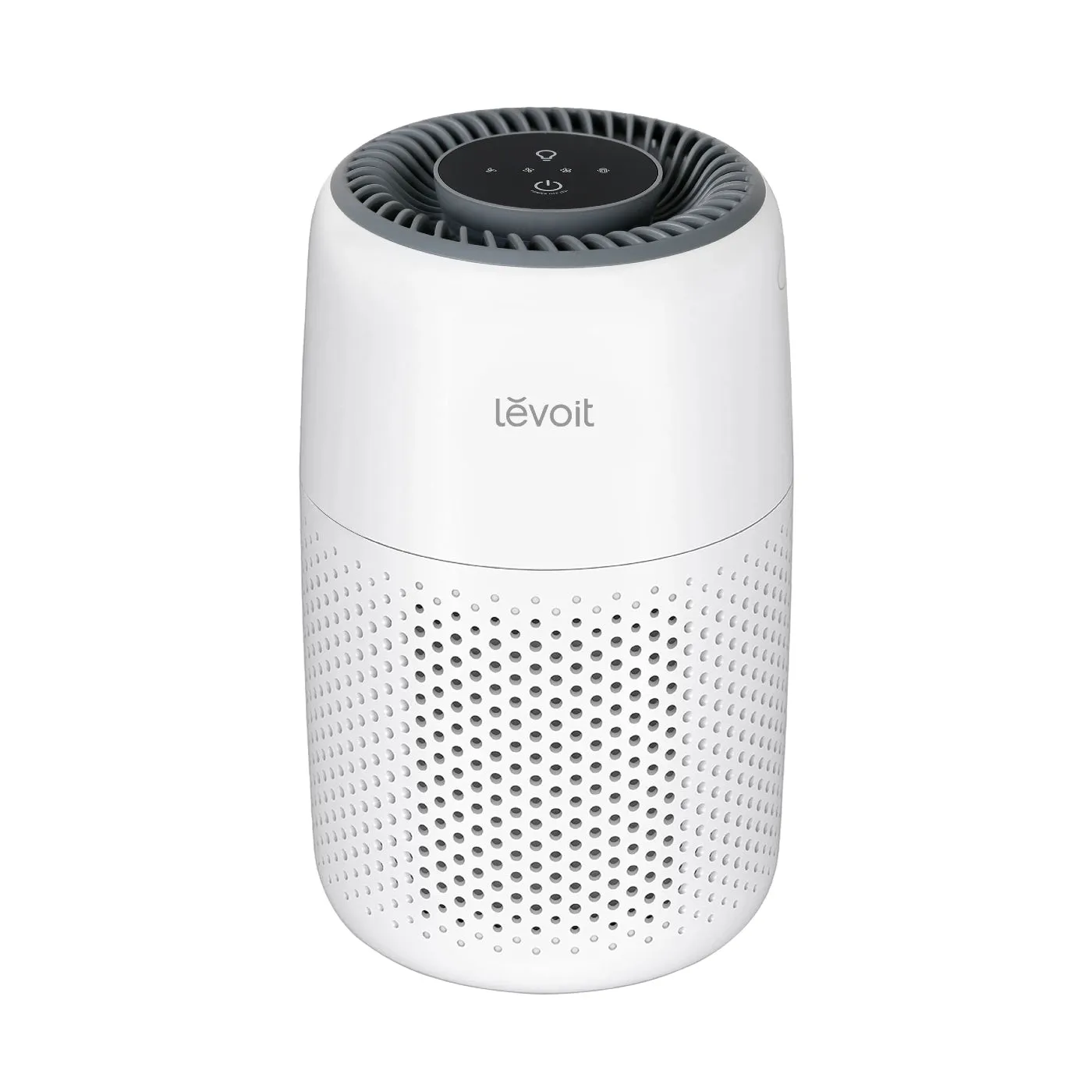
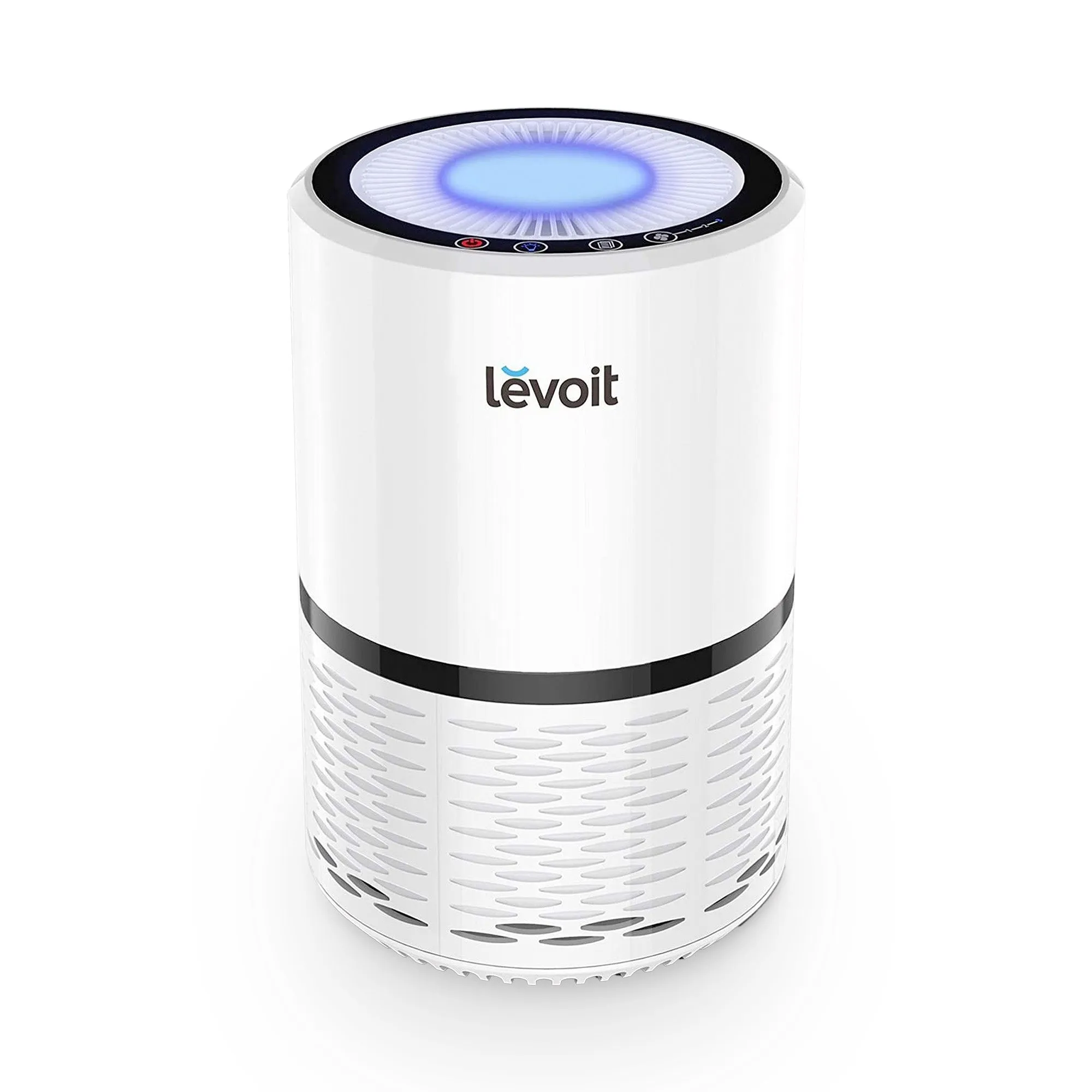
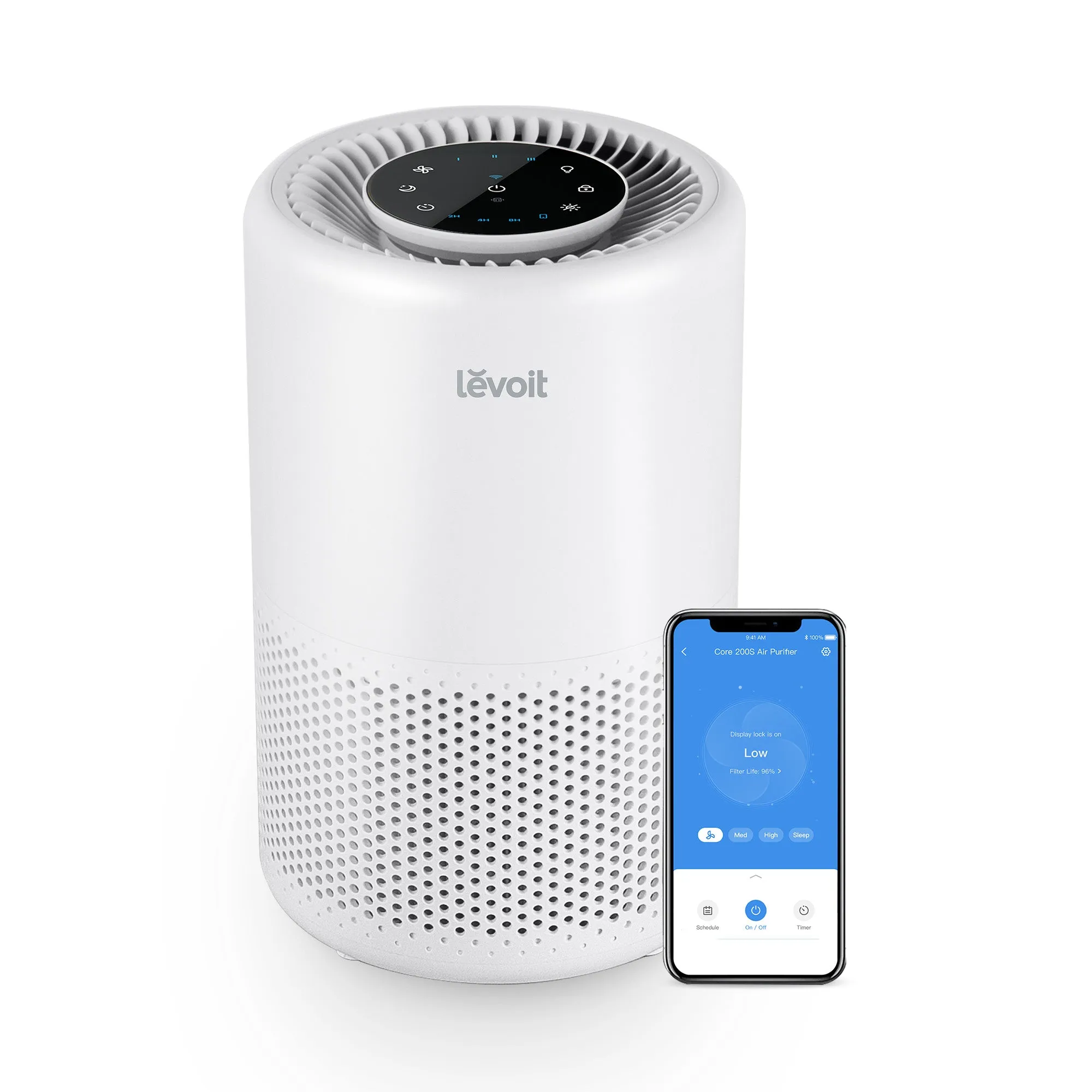
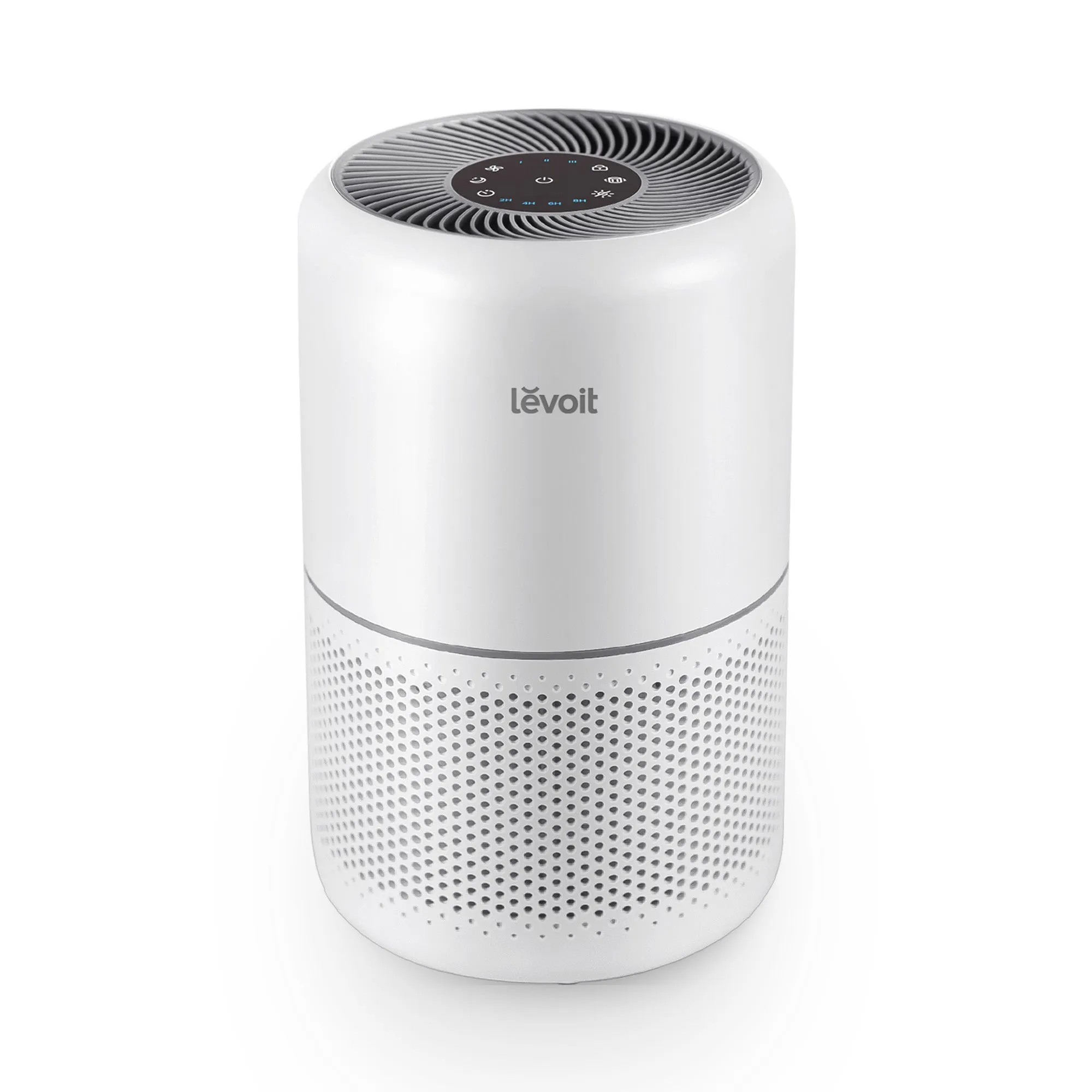
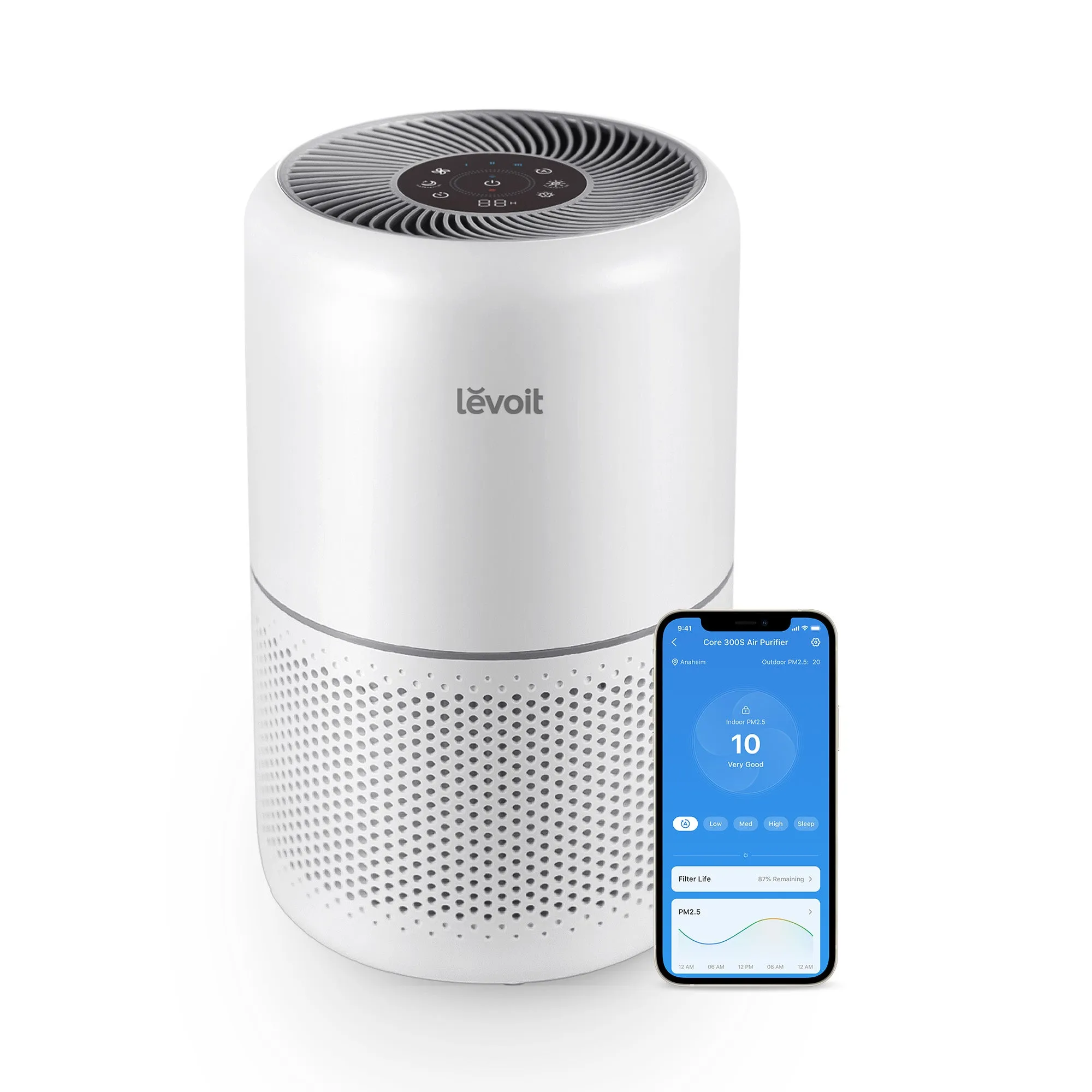
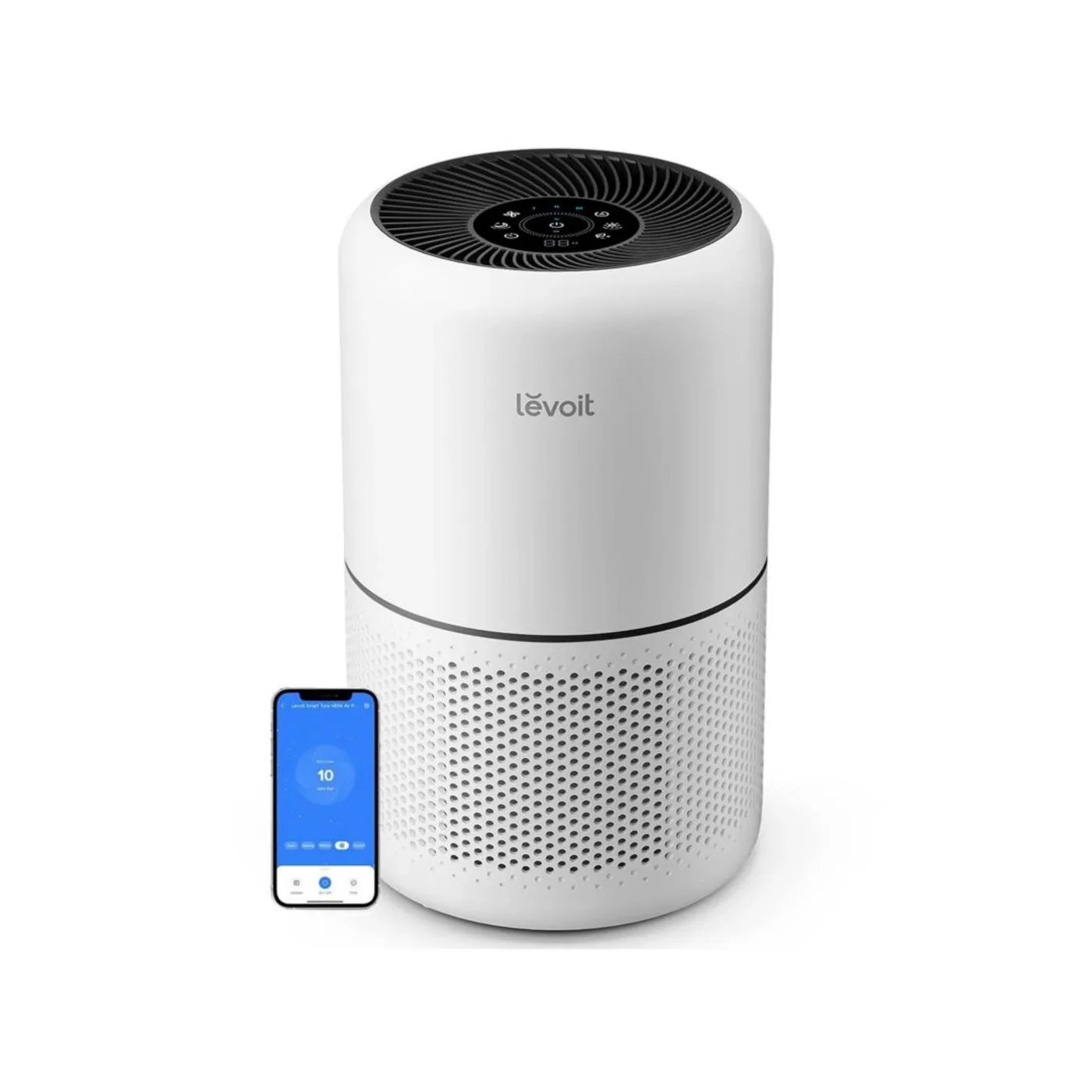
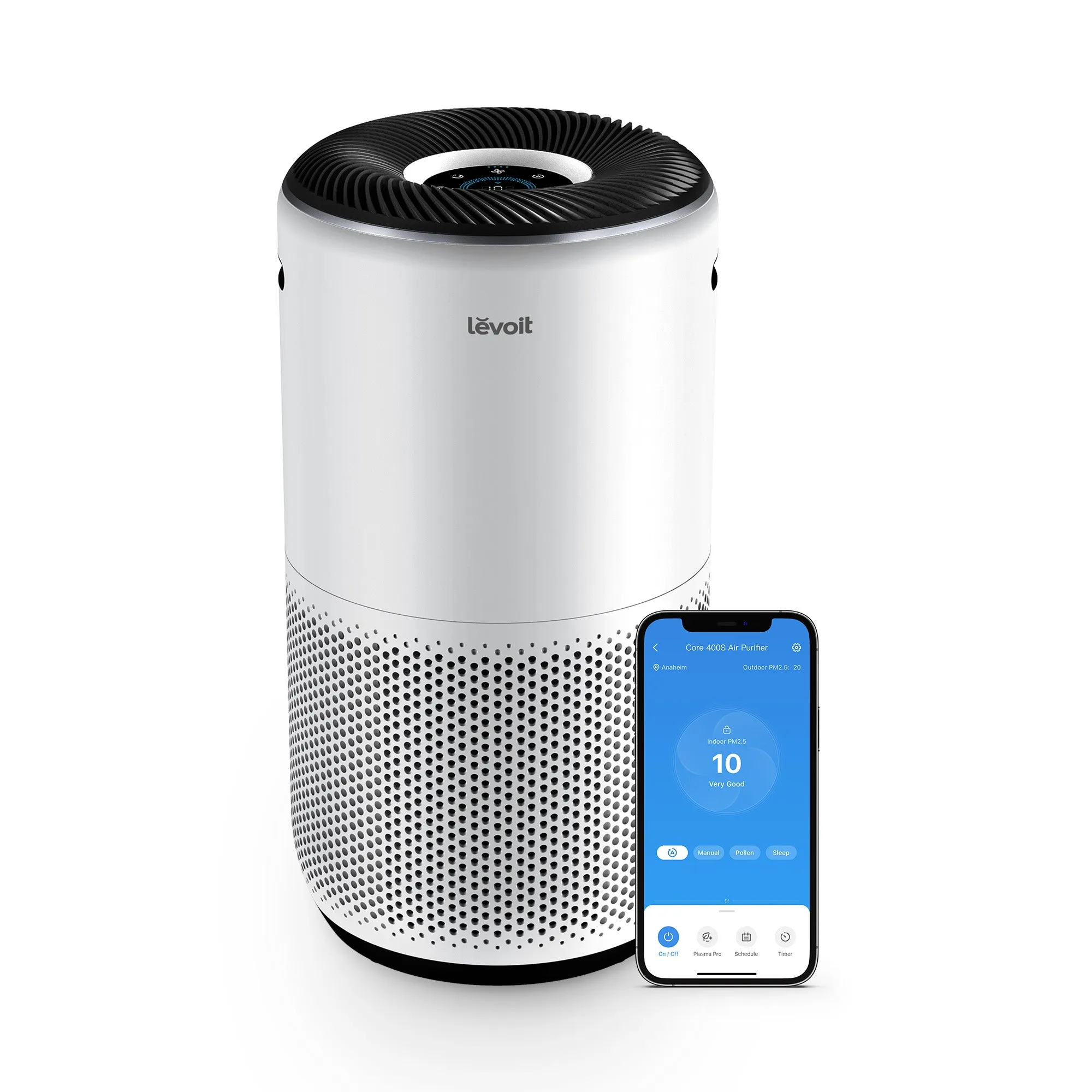
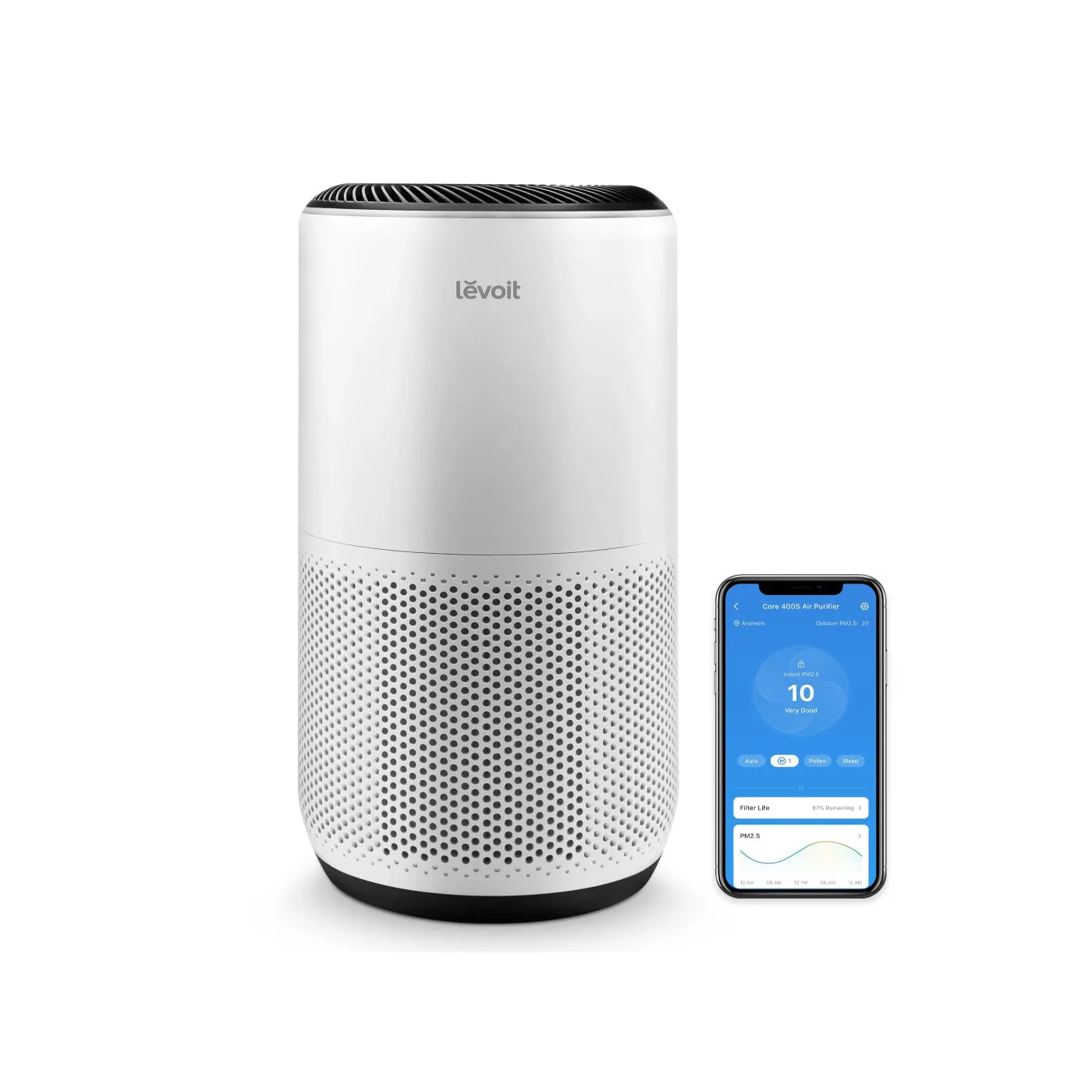
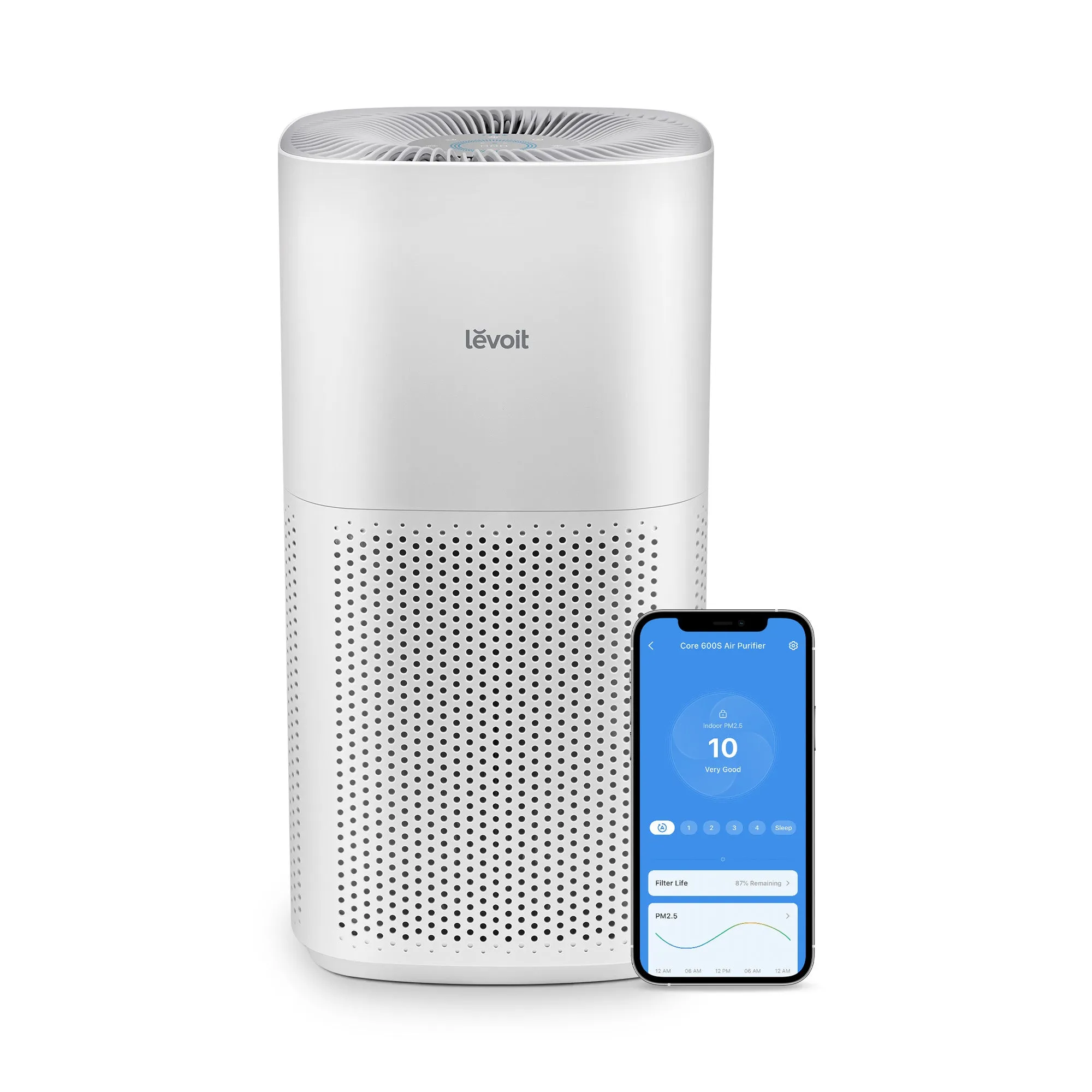
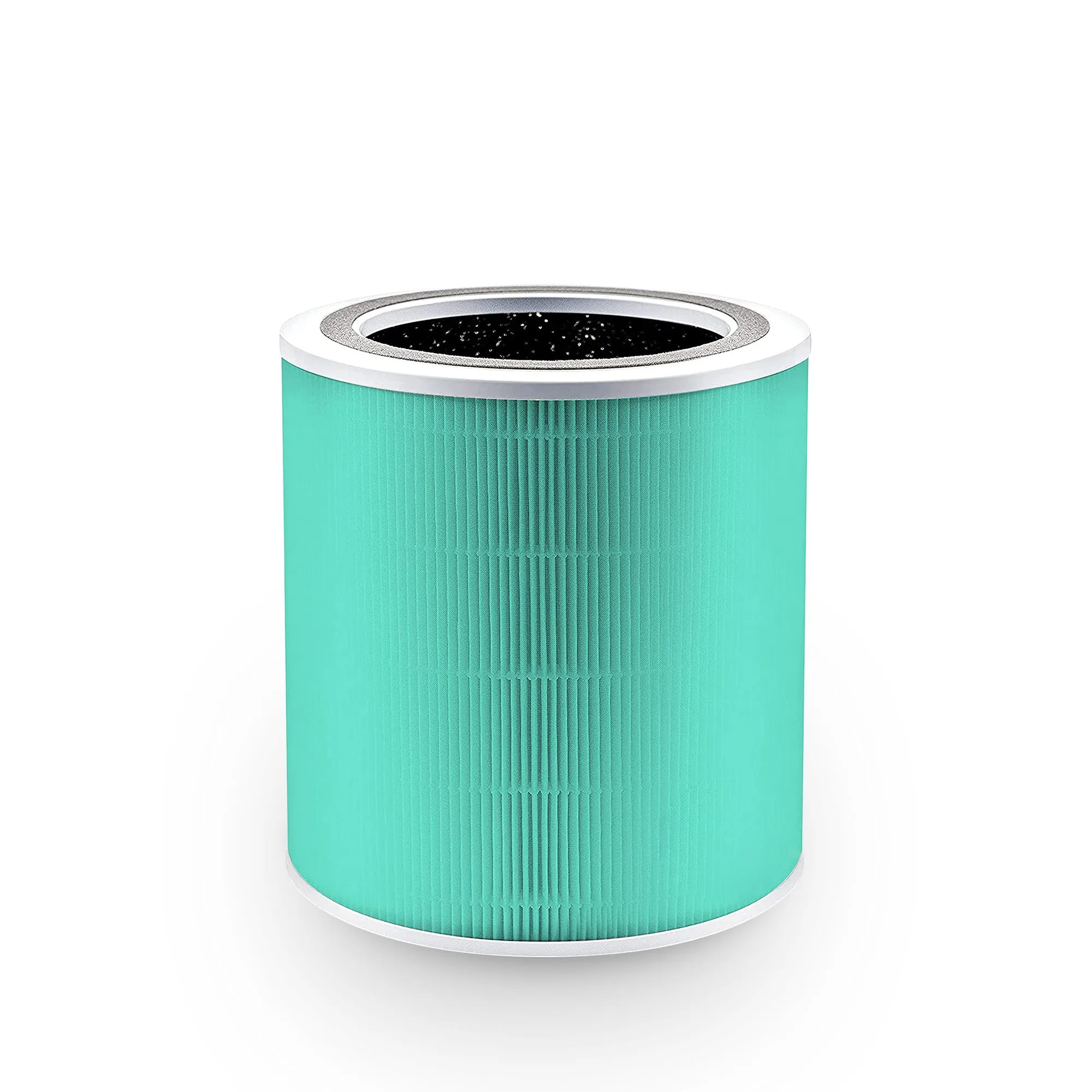
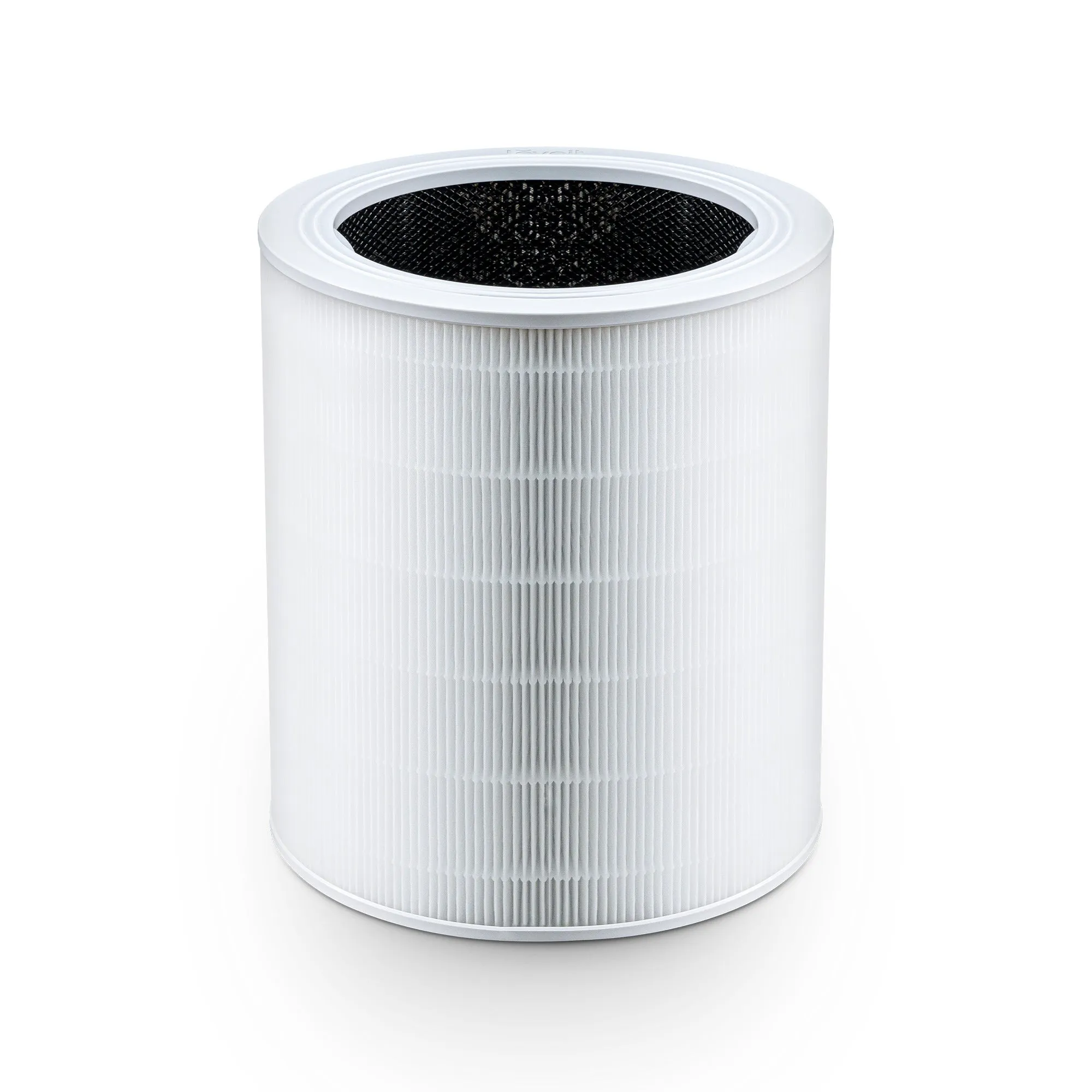
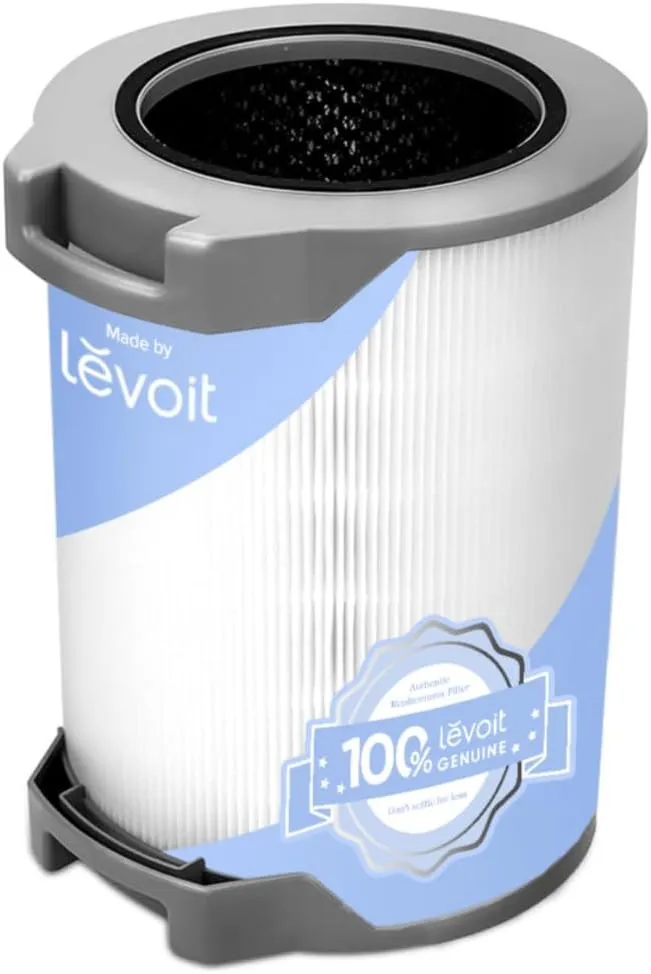
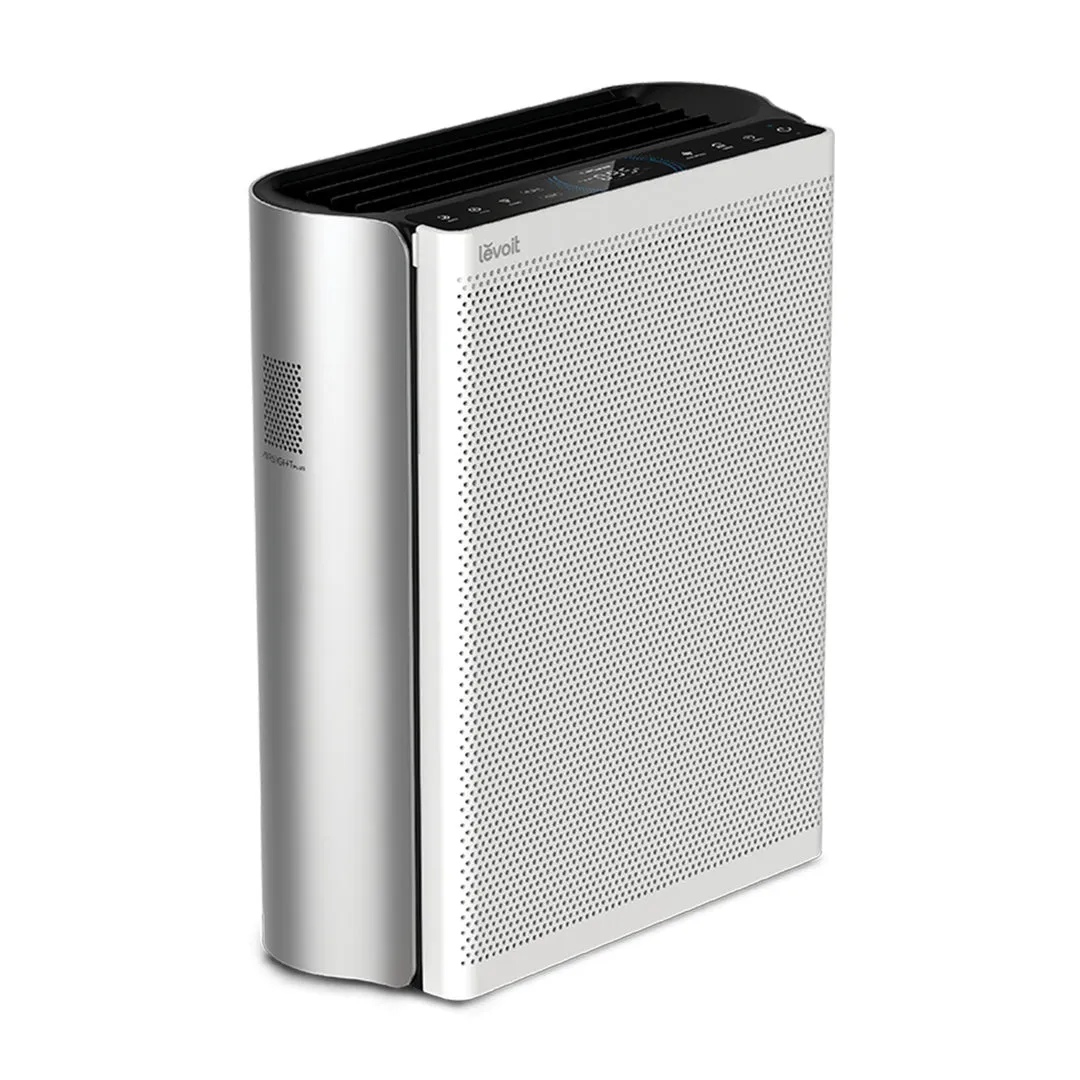
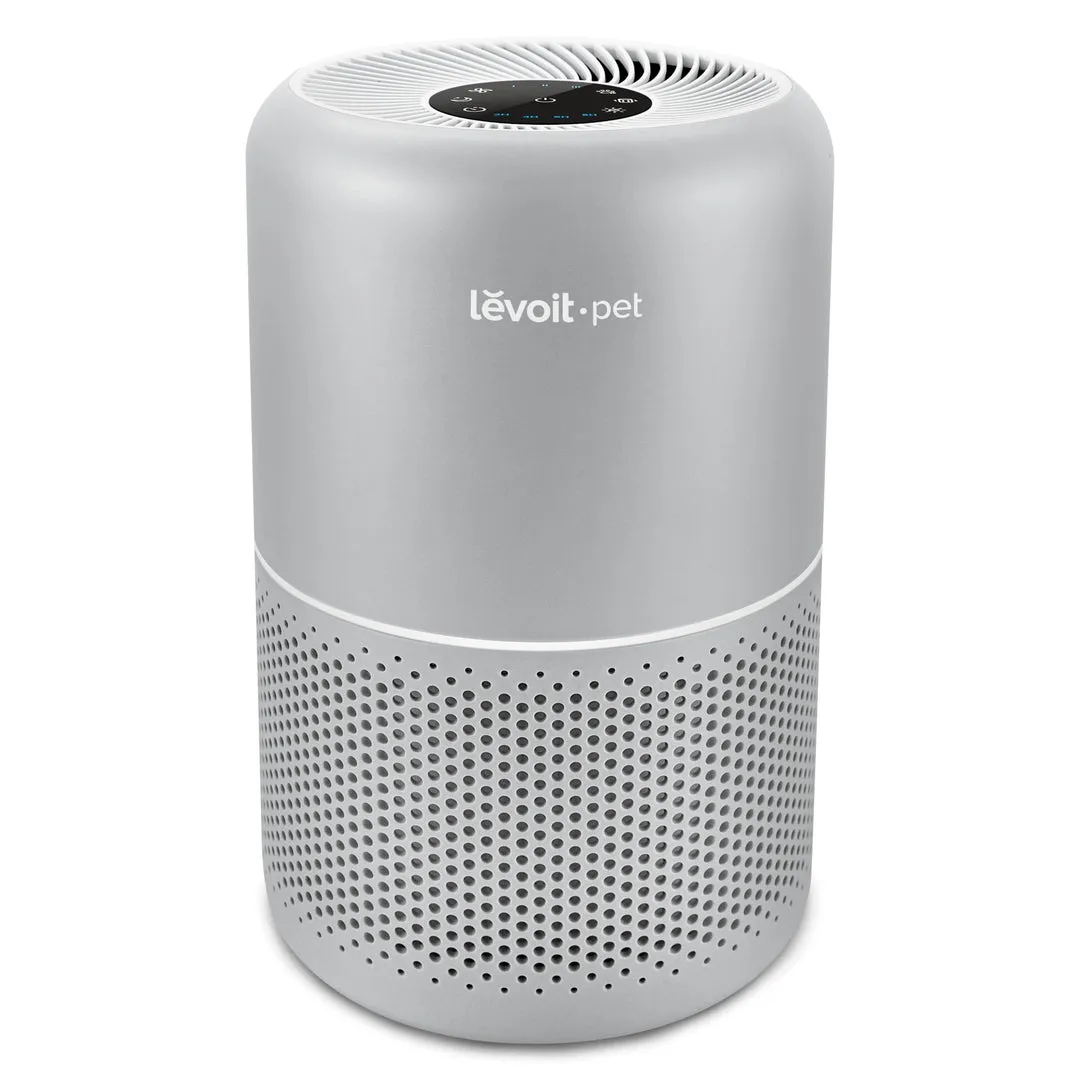
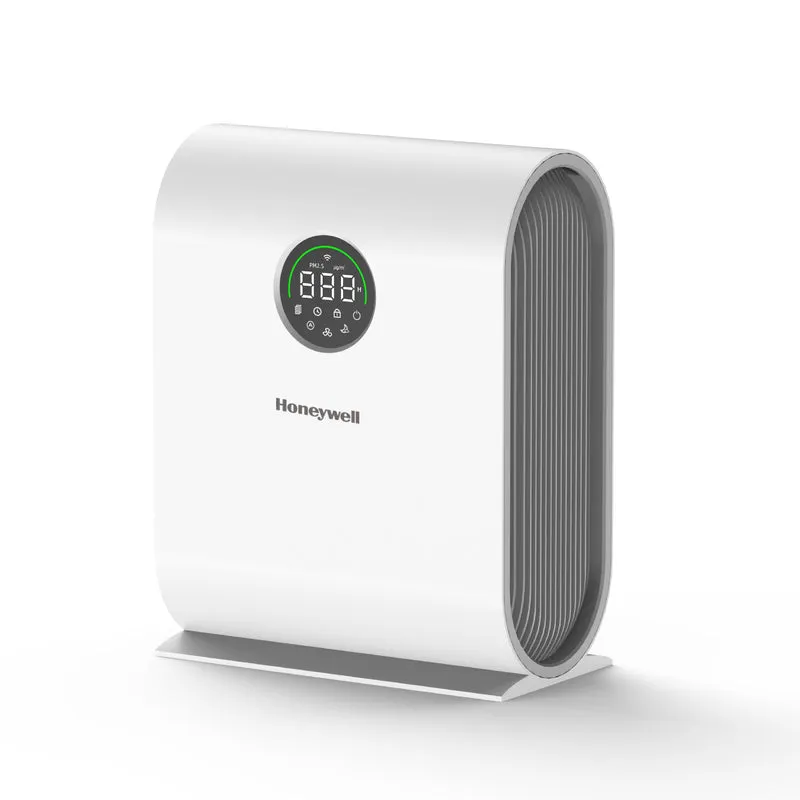
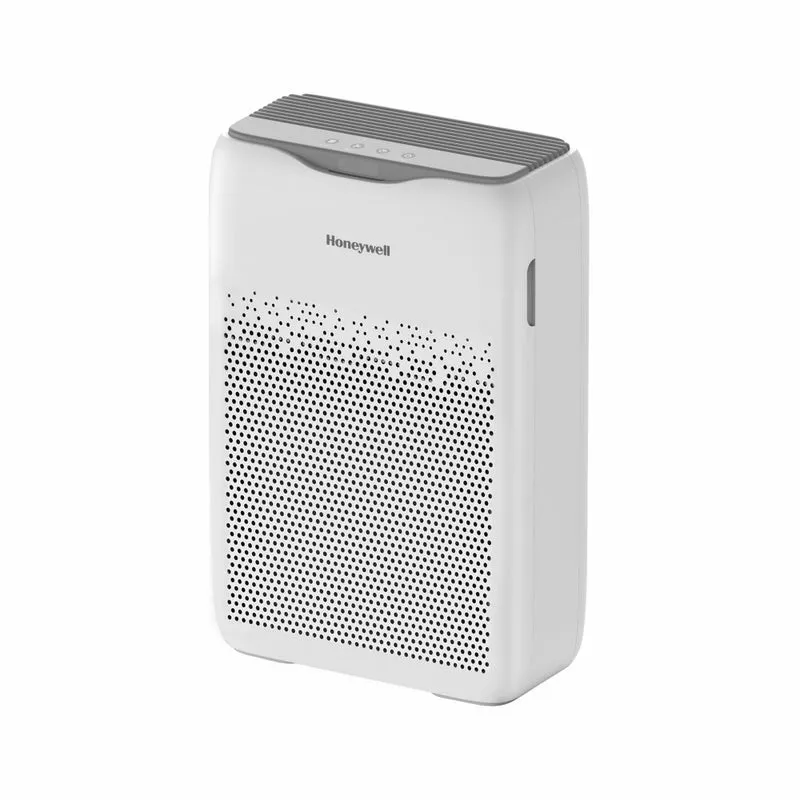
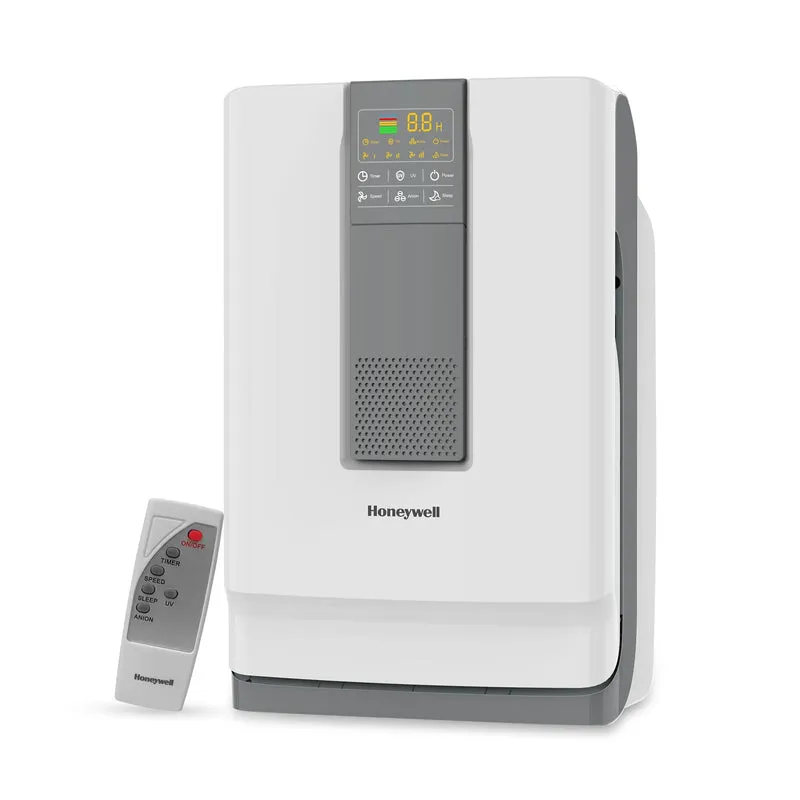
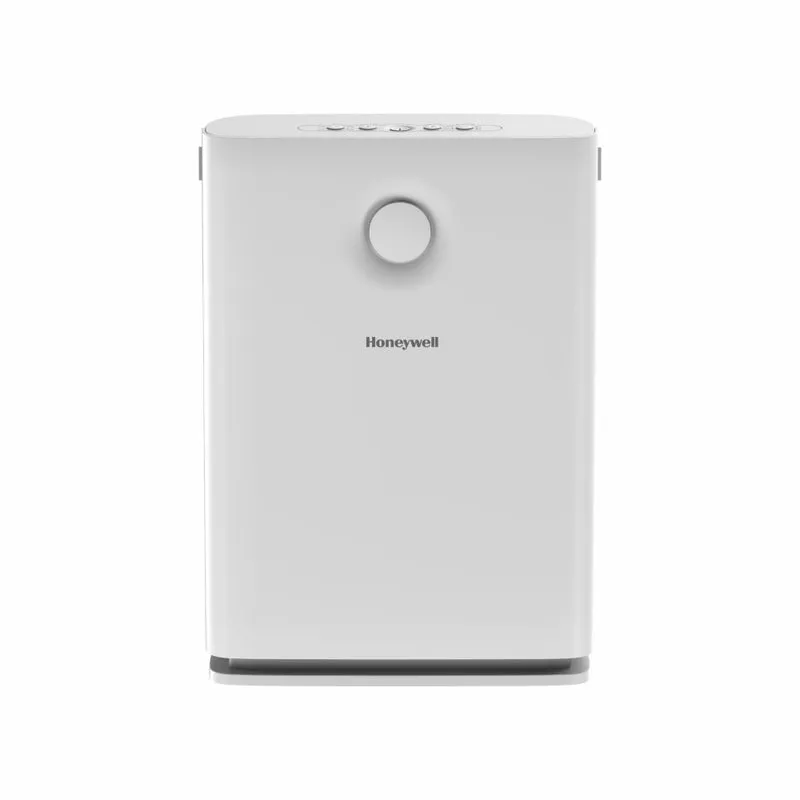
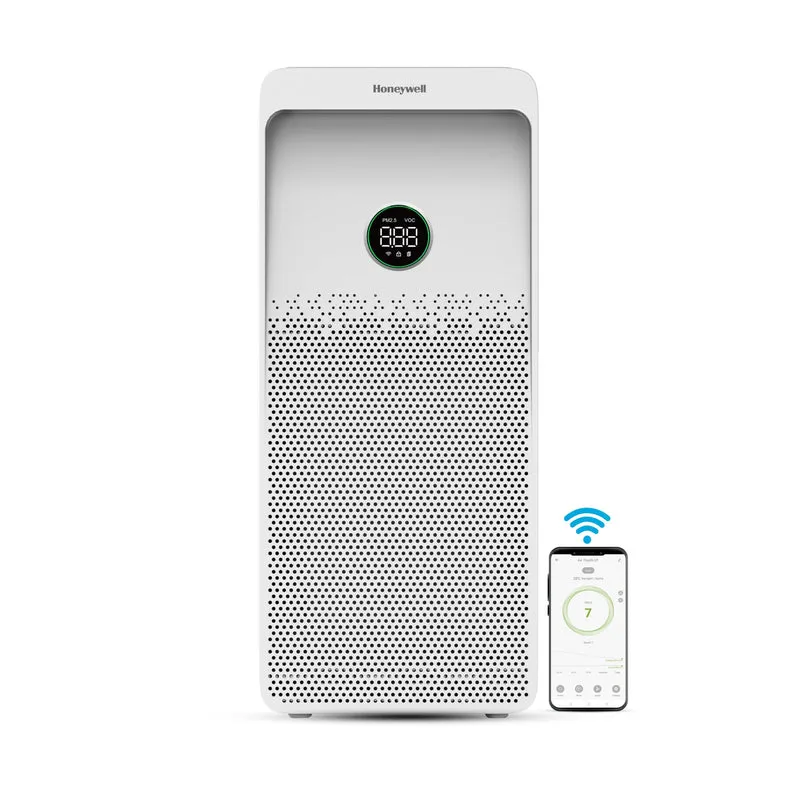
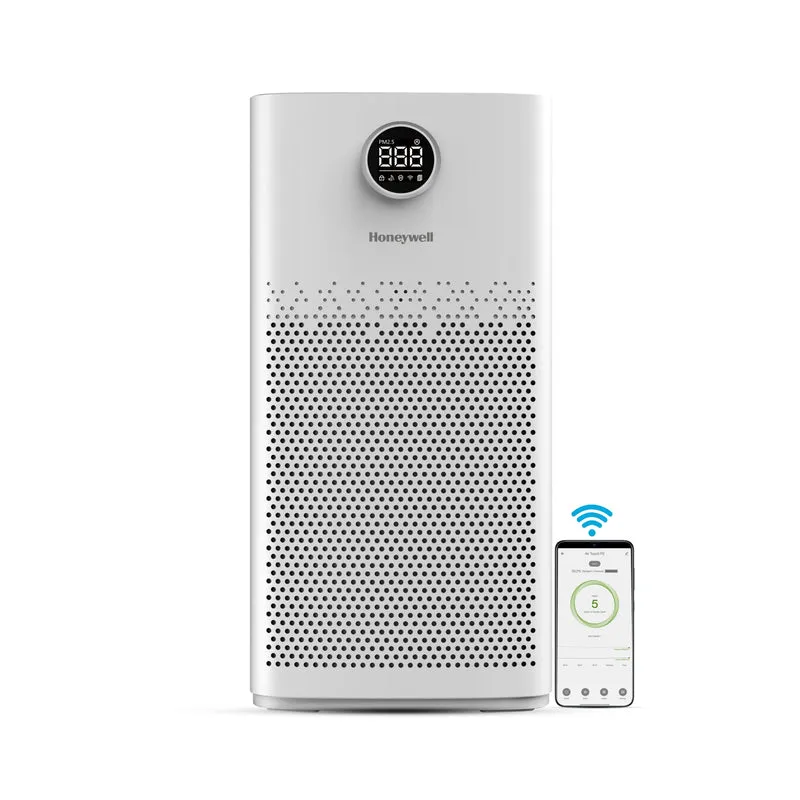
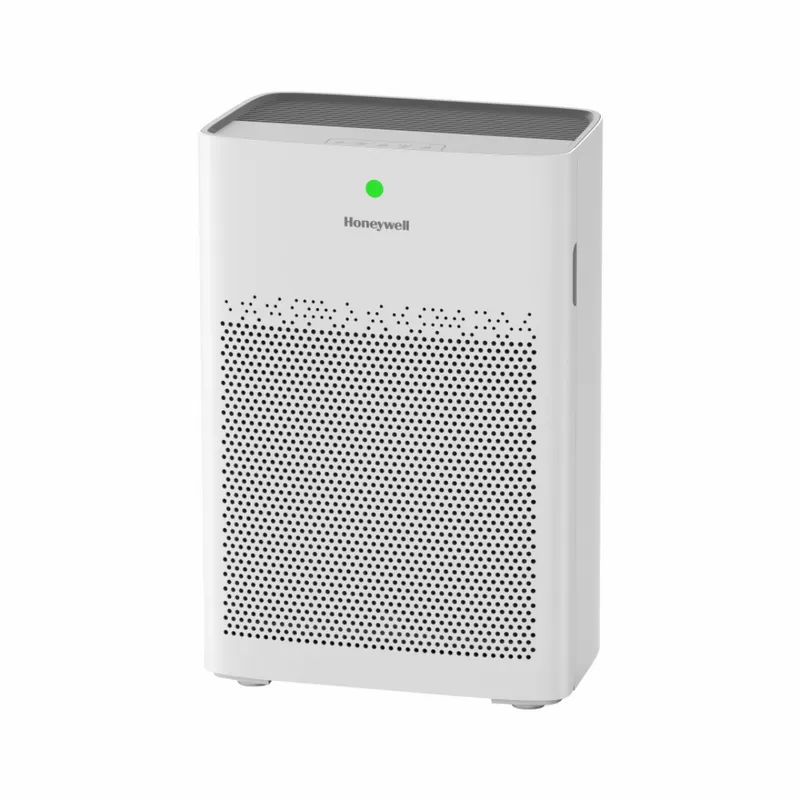
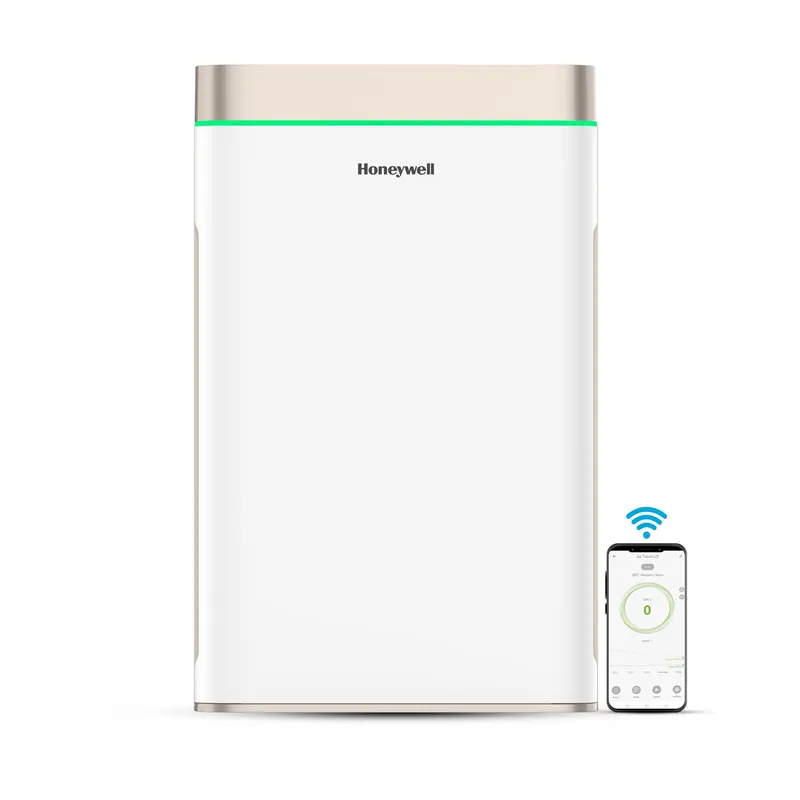
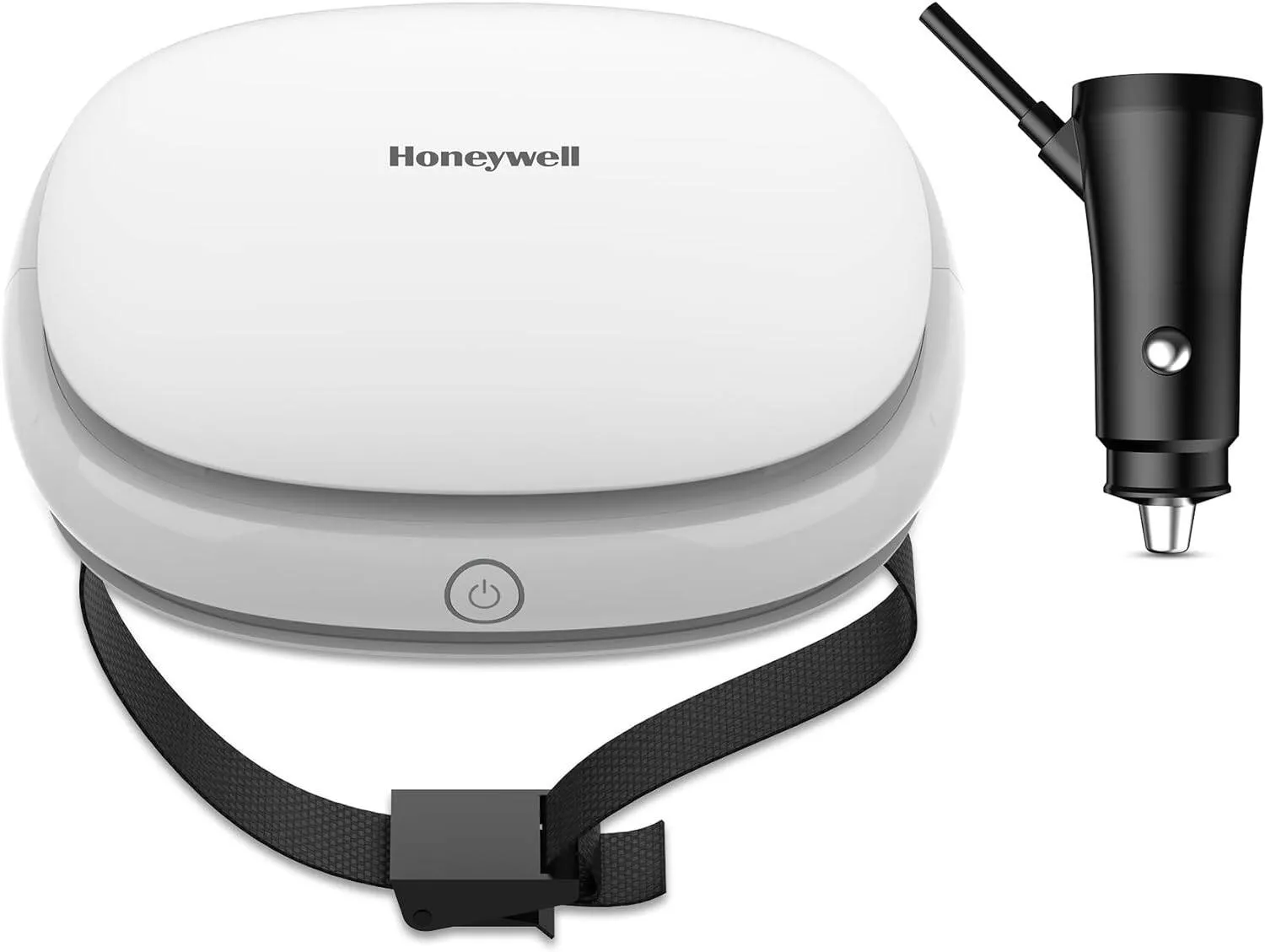
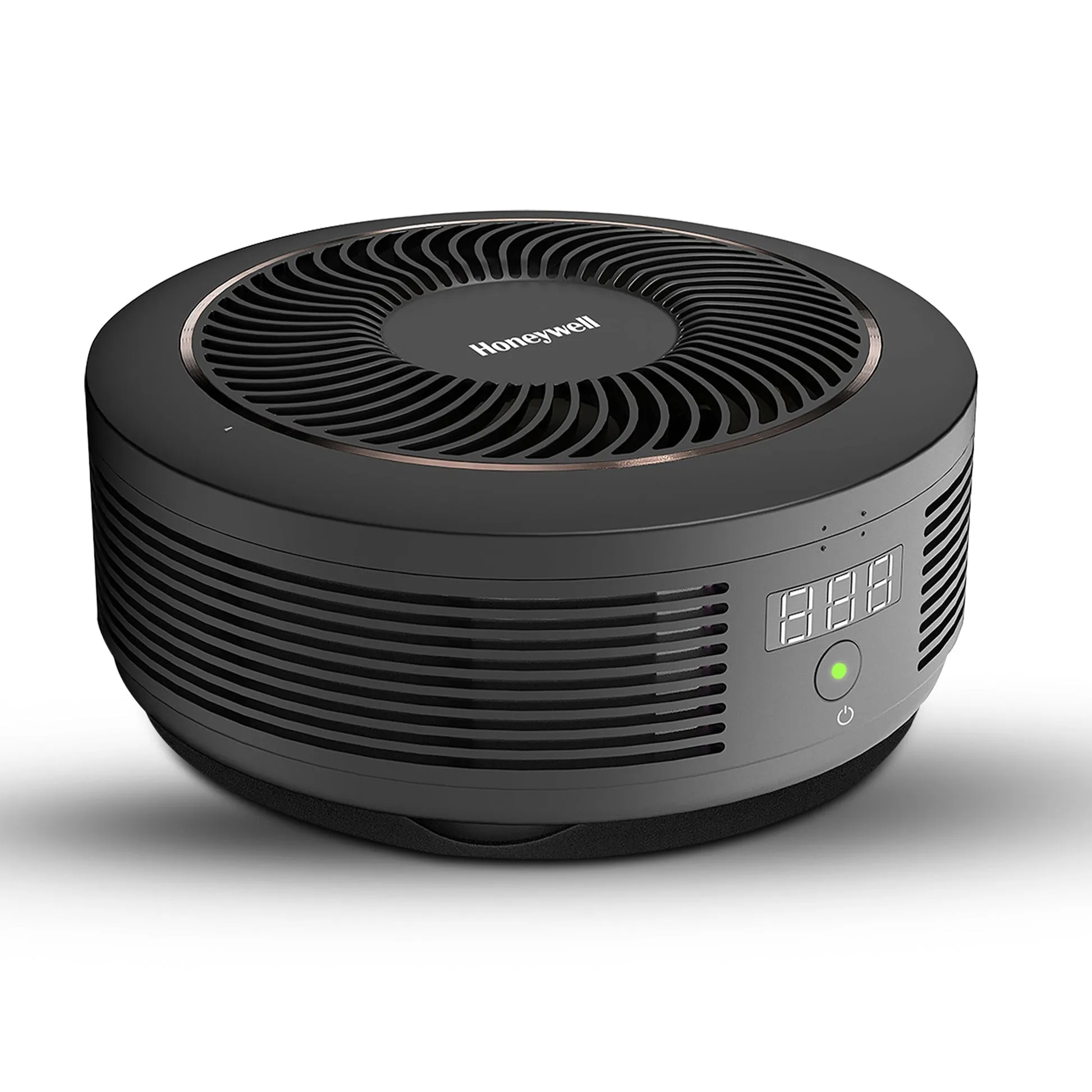
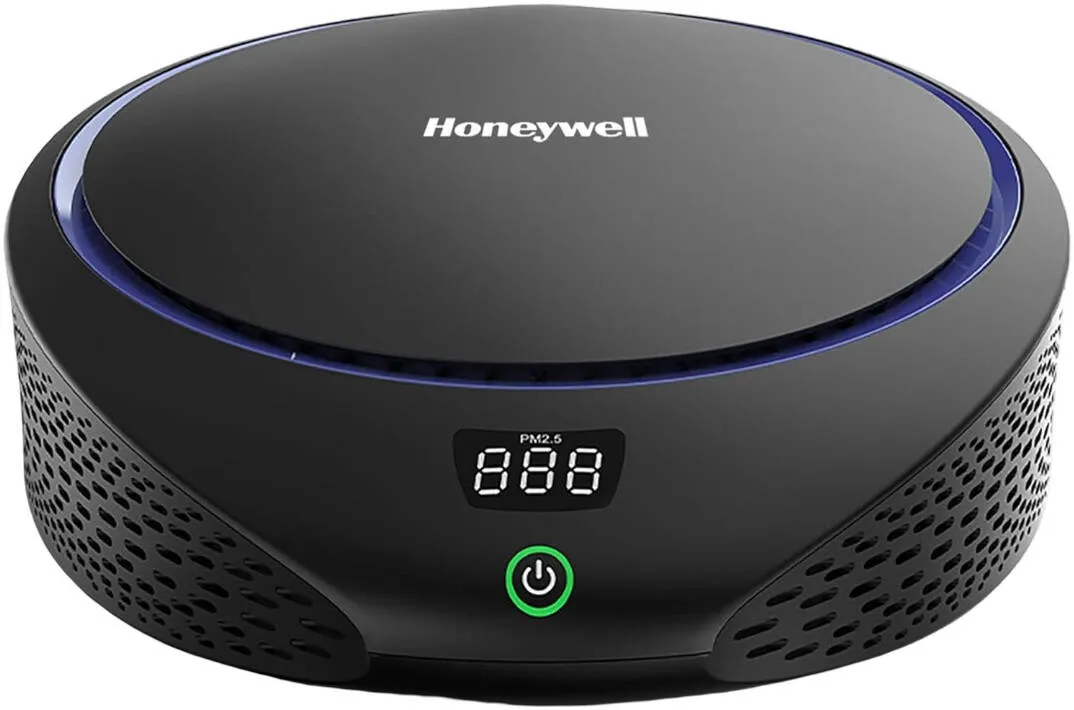
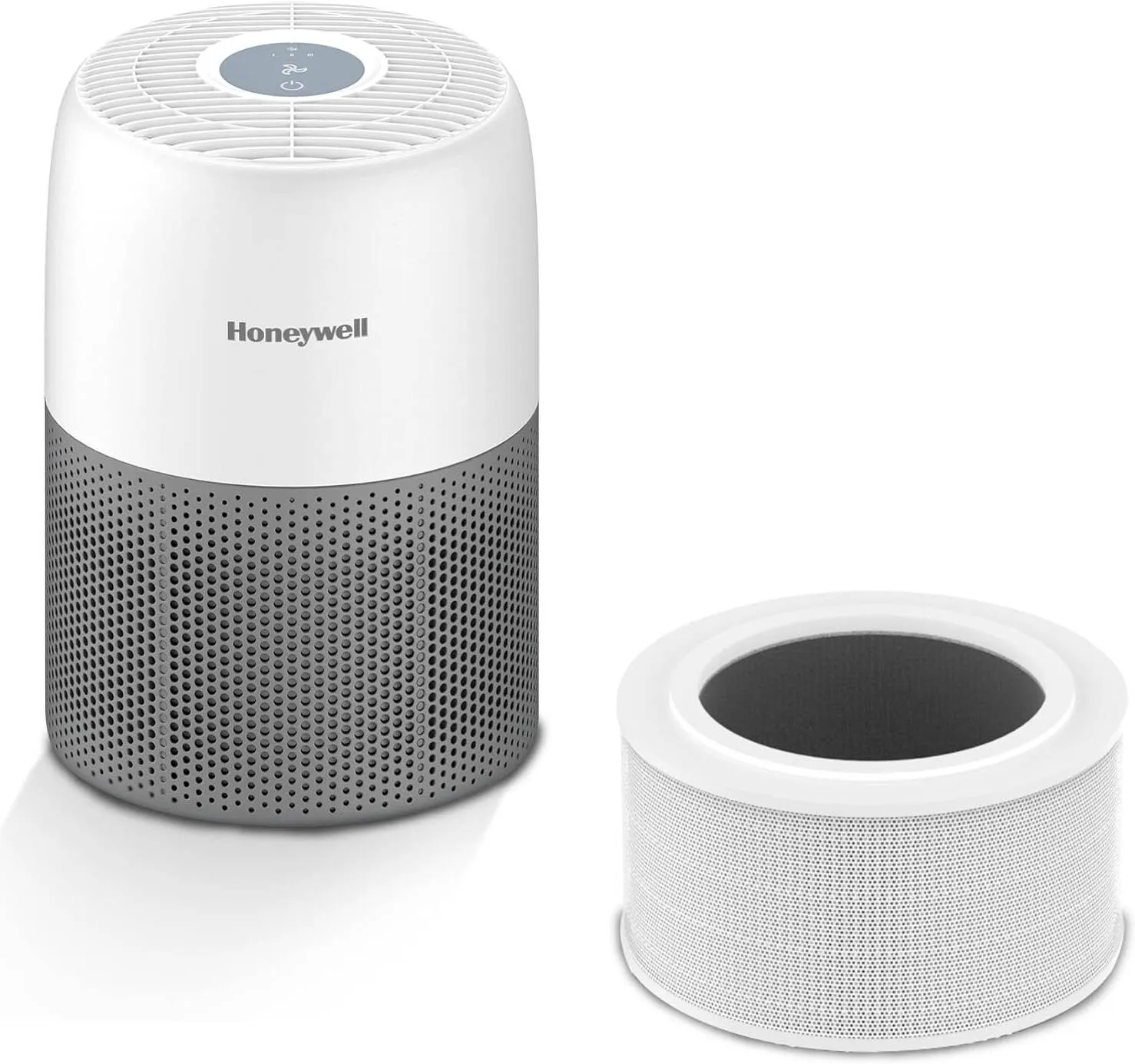
Brands such as Levoit, Blueair, and Honeywell offer bedroom-specific models with sleep modes and HEPA H13 filtration. The air purifier buying guide for 2026 covers current specifications and sizing recommendations in detail.
5. Natural and behavioural methods to freshen bedroom air
Simple behavioural habits support the technical measures above and cost nothing. Ventilation combined with slow diaphragmatic breathing near an open window before sleep reduces core body temperature and improves sleep onset. Fresh air exposure before bed is a low-effort method with measurable physiological benefit.
Additional natural approaches include:
- Air-filtering plants: Species such as spider plants and peace lilies offer mild air-filtering properties. Their effect on VOCs is modest at typical indoor densities, but they add humidity and reduce psychological stress. Avoid them if you have pollen allergies.
- Time window opening carefully: Open windows during low outdoor pollution and low pollen periods. In urban UAE environments, early morning before traffic peaks is often the cleanest outdoor air window.
- Choose breathable bedding: Natural-fibre bedding in cotton or linen reduces moisture build-up around the body overnight. Less moisture means fewer conditions for dust mite proliferation.
- Monitor outdoor air quality: Use a local air quality index app before ventilating. On high-pollution or high-pollen days, mechanical filtration is preferable to opening windows.
The health benefits of indoor air quality extend beyond the bedroom, but the bedroom is where most people spend the largest uninterrupted block of time indoors. Prioritising it first delivers the greatest return.
6. Fragrance and odour control in the bedroom
Bedroom odours are a symptom of poor air quality, not a separate problem. Masking smells with synthetic fragrances adds VOCs to the air rather than removing the source. The correct approach is to eliminate the odour source first, then ventilate.
Common bedroom odour sources include body moisture in bedding, off-gassing from synthetic mattresses and furniture, and mould in humid corners. Addressing each source directly is more effective than any fragrance product. If you want a pleasant scent in the bedroom, a small amount of natural essential oil in a passive diffuser produces far fewer VOCs than aerosol sprays or scented candles.
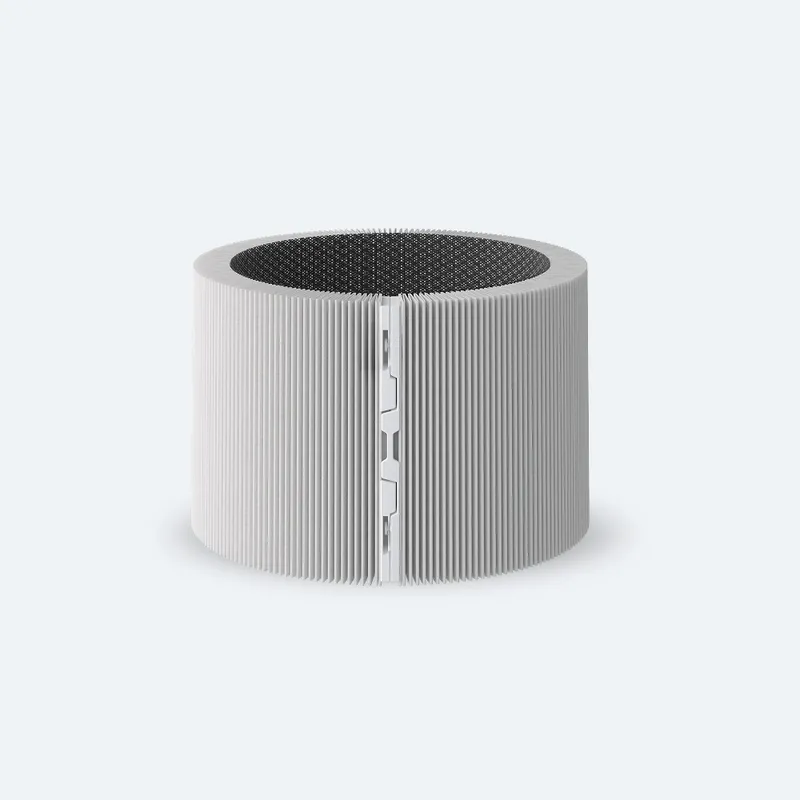
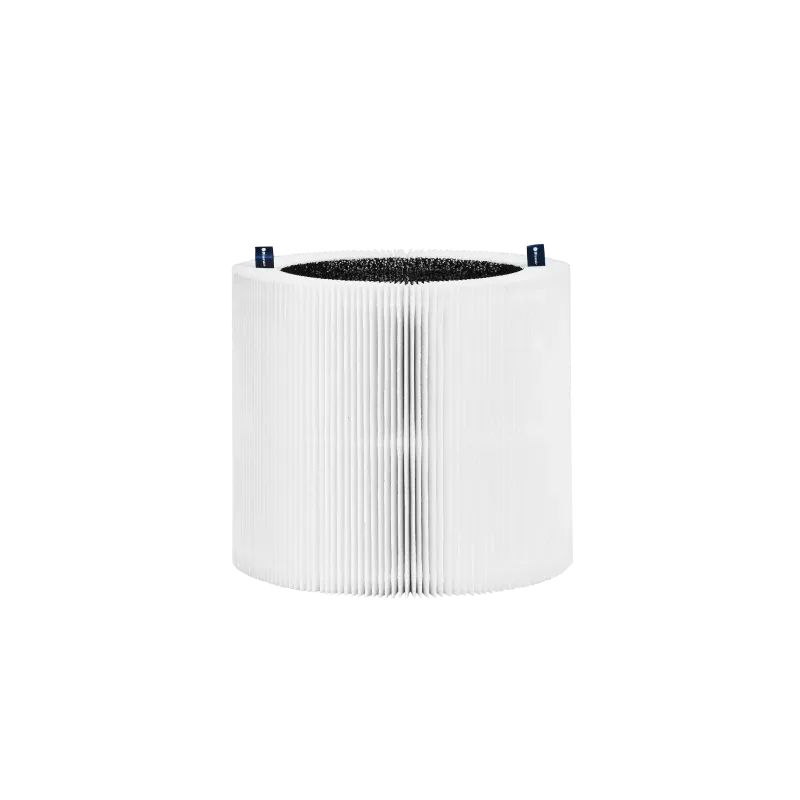
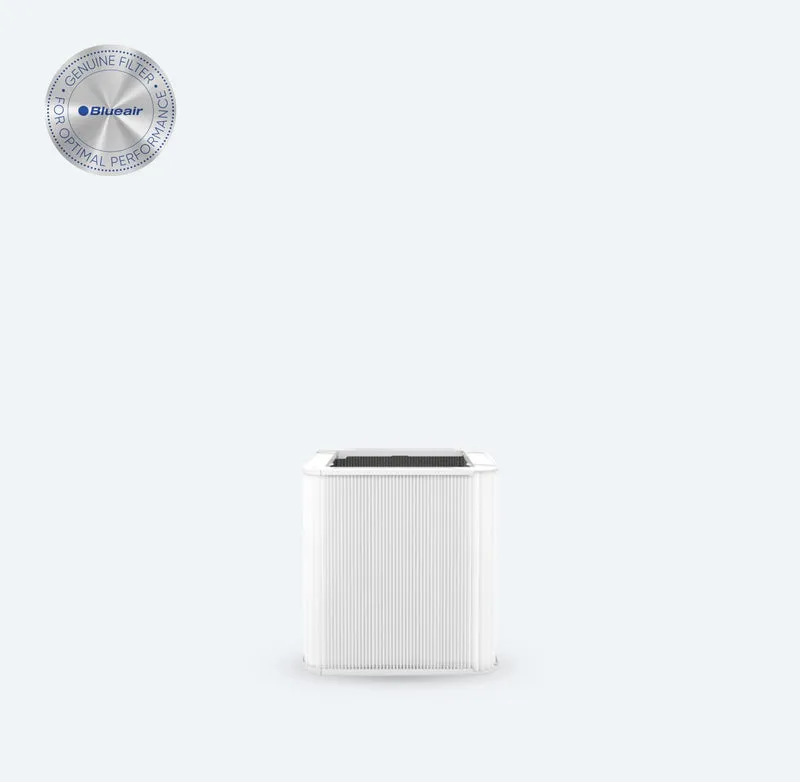
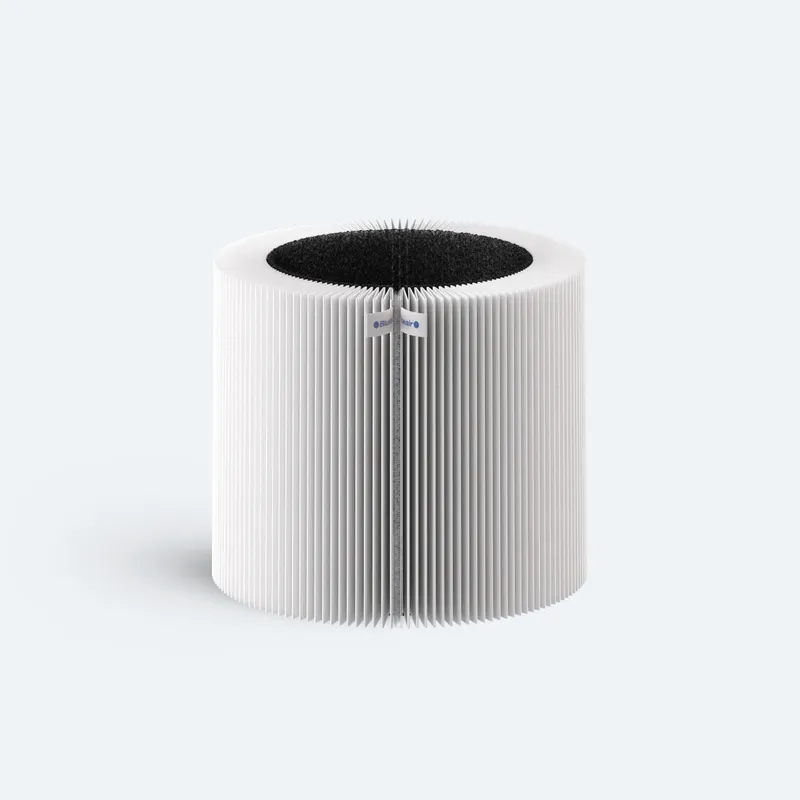
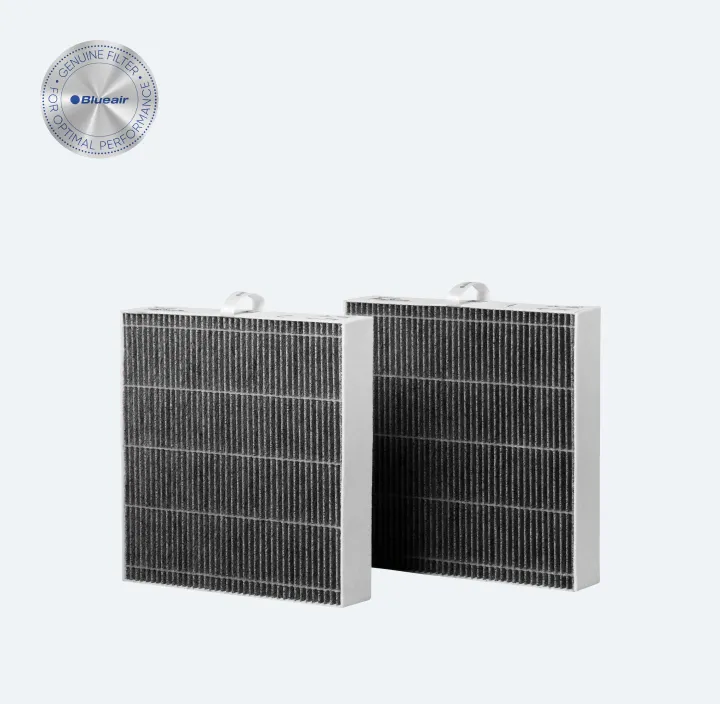
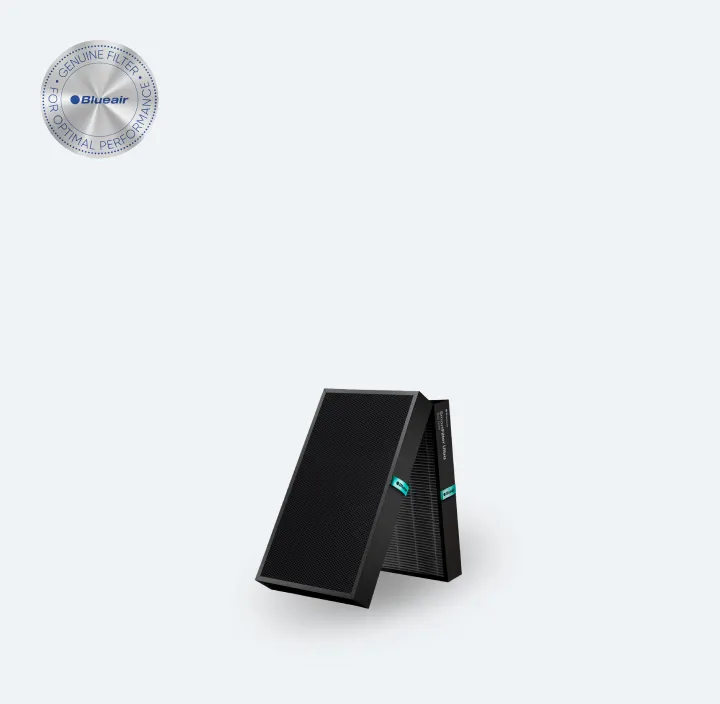
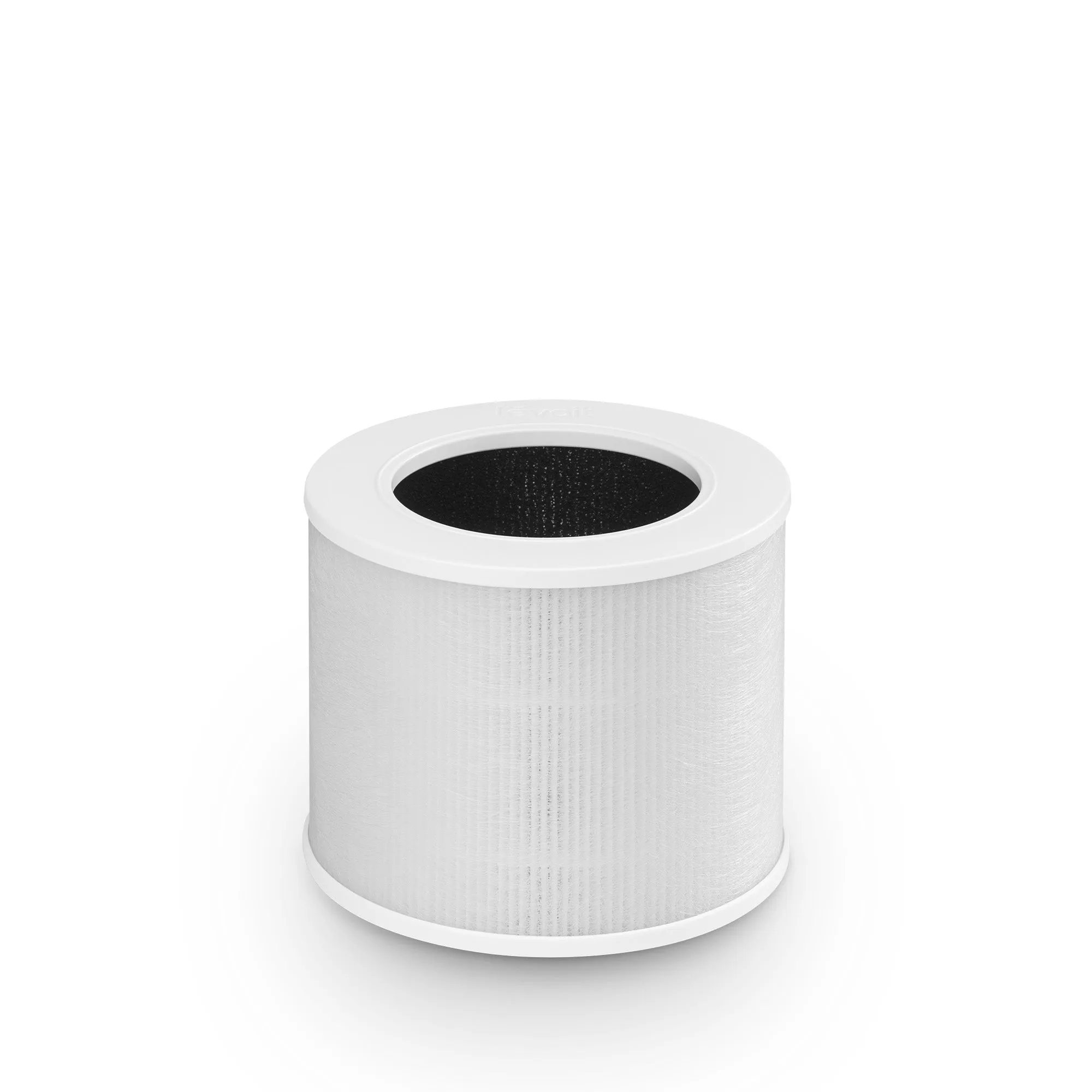
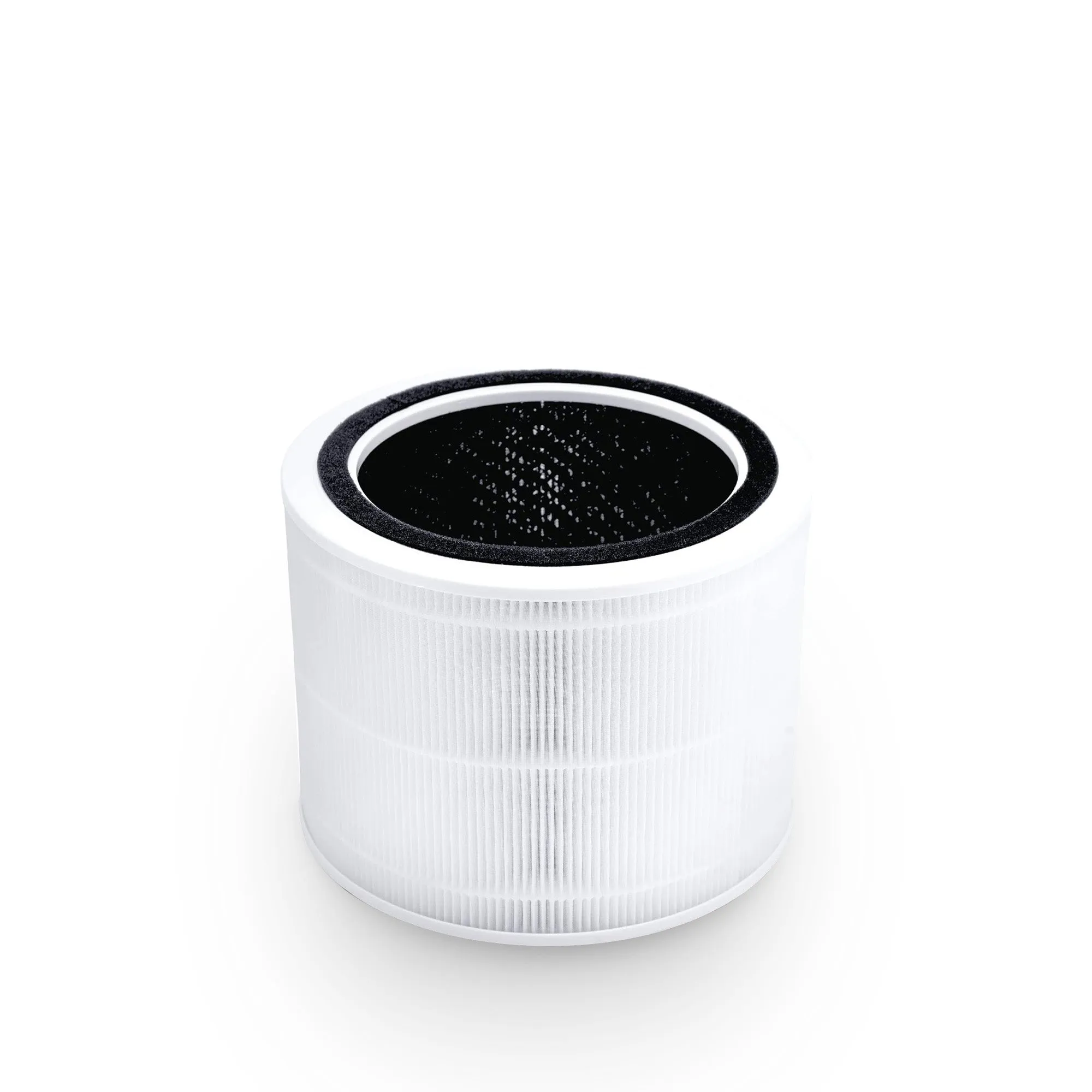
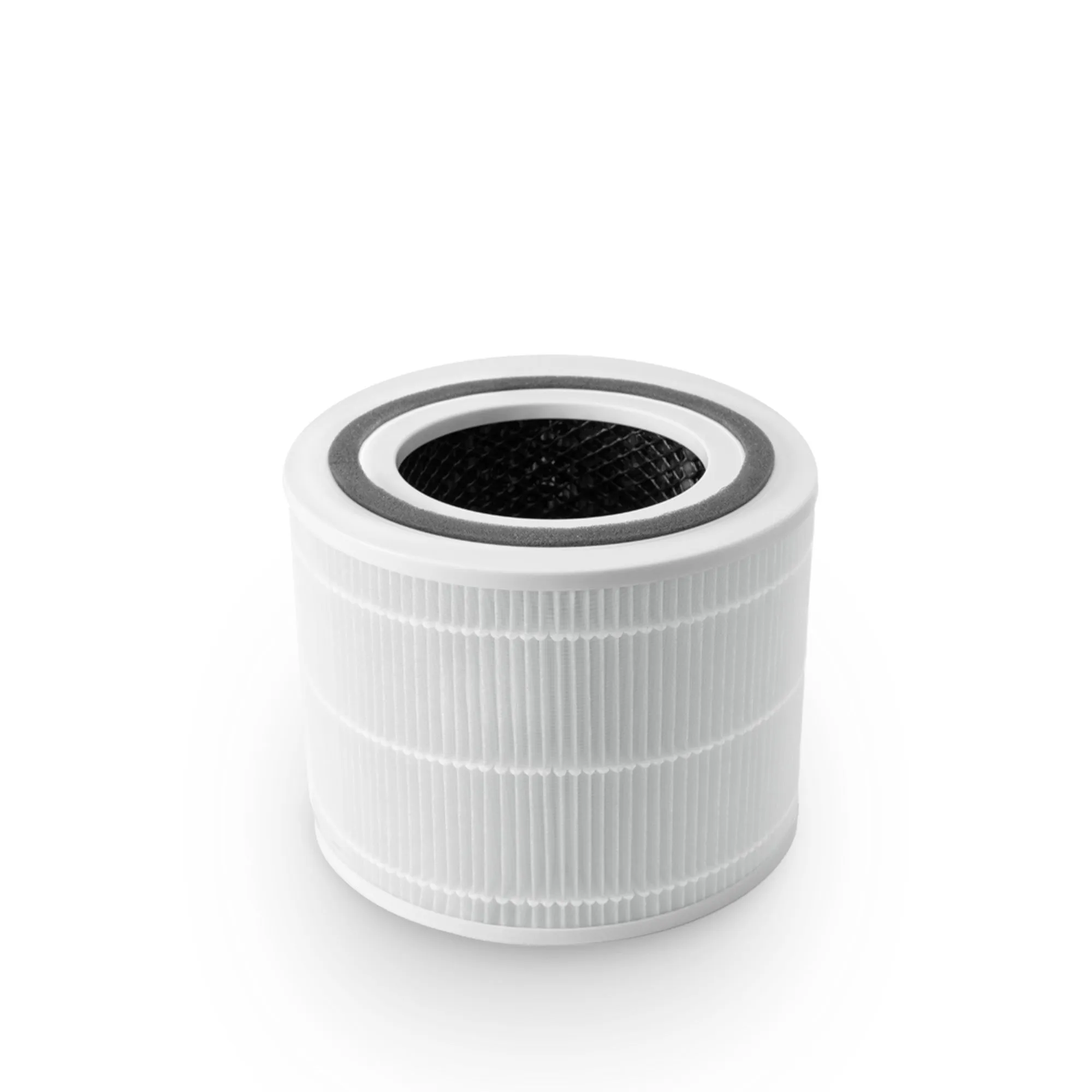
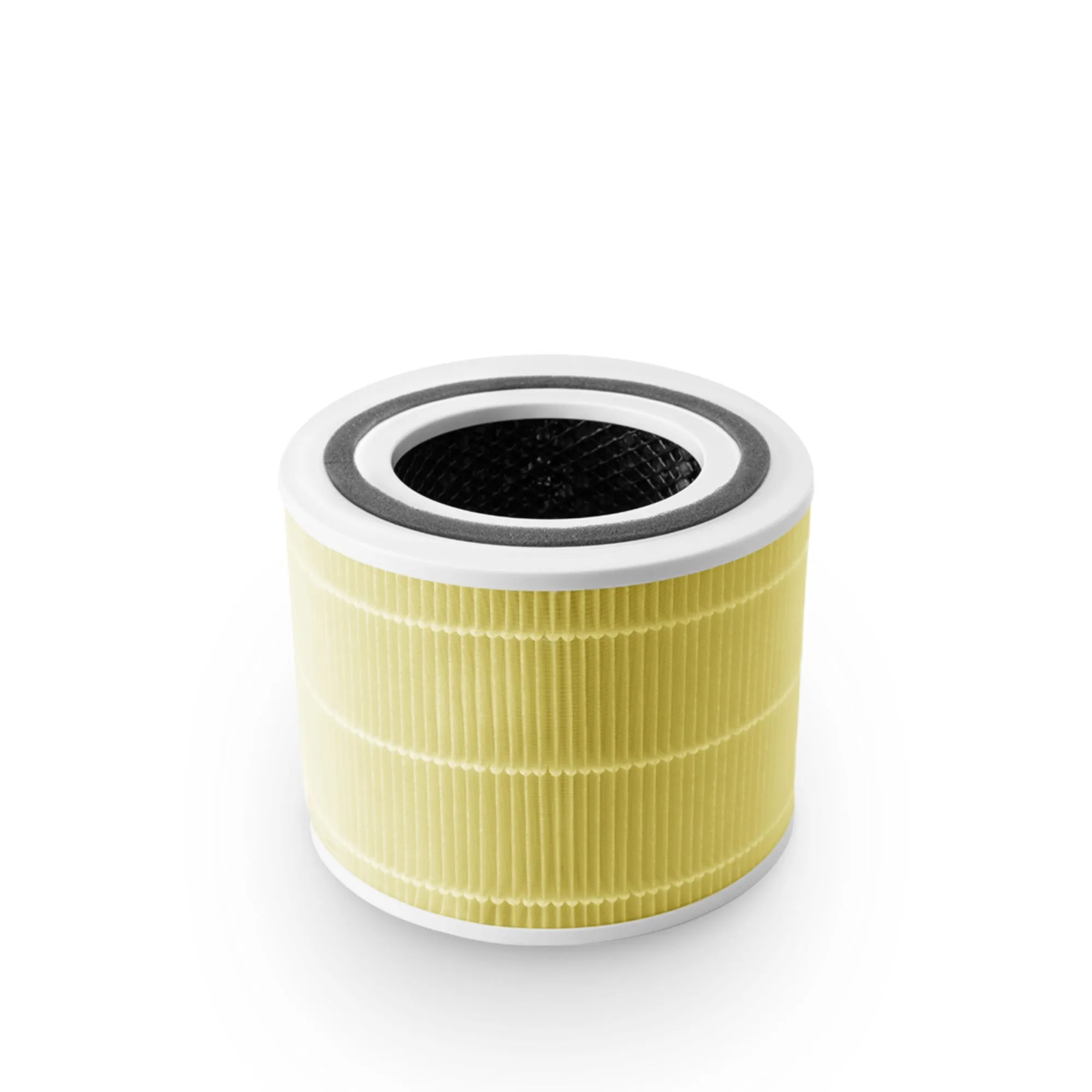
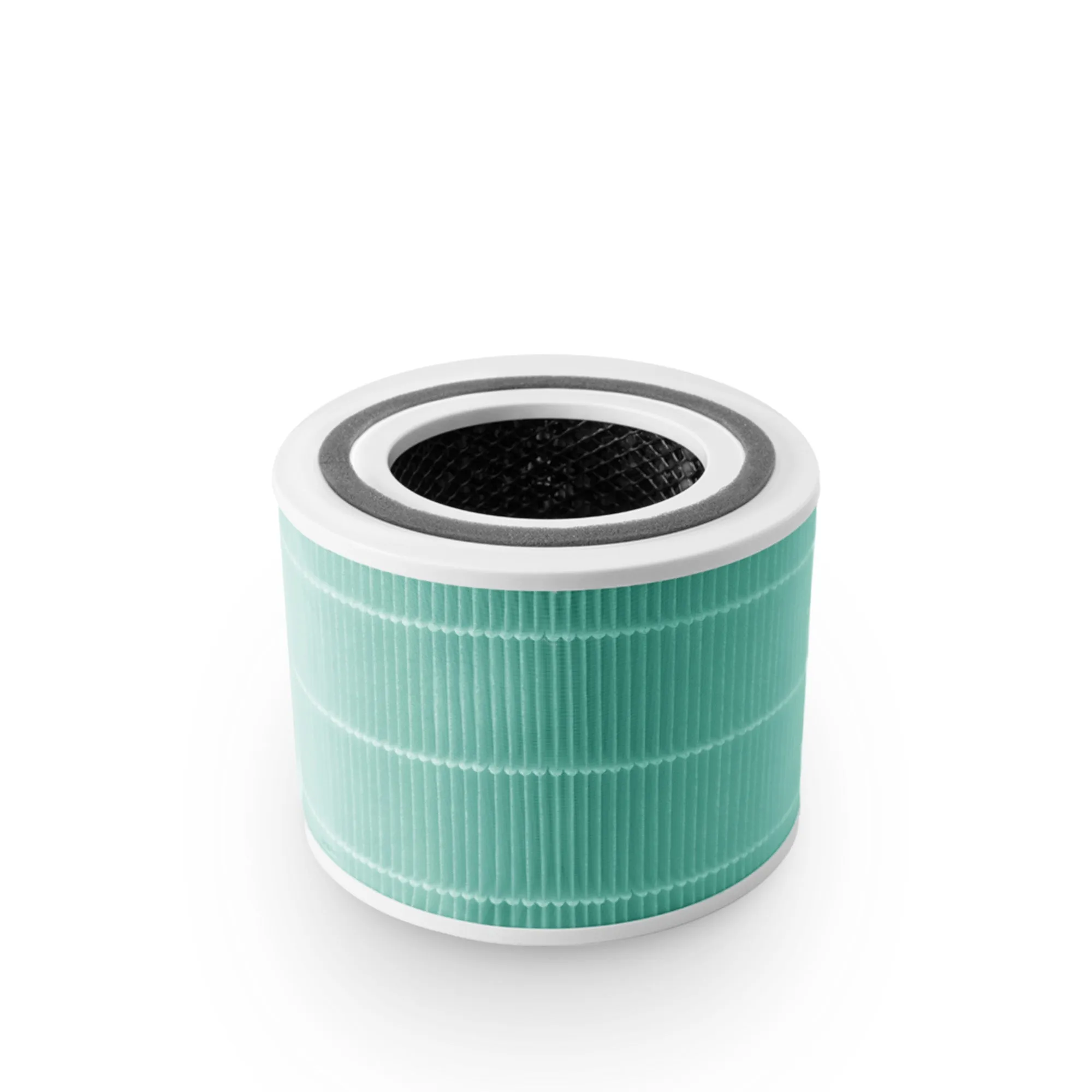
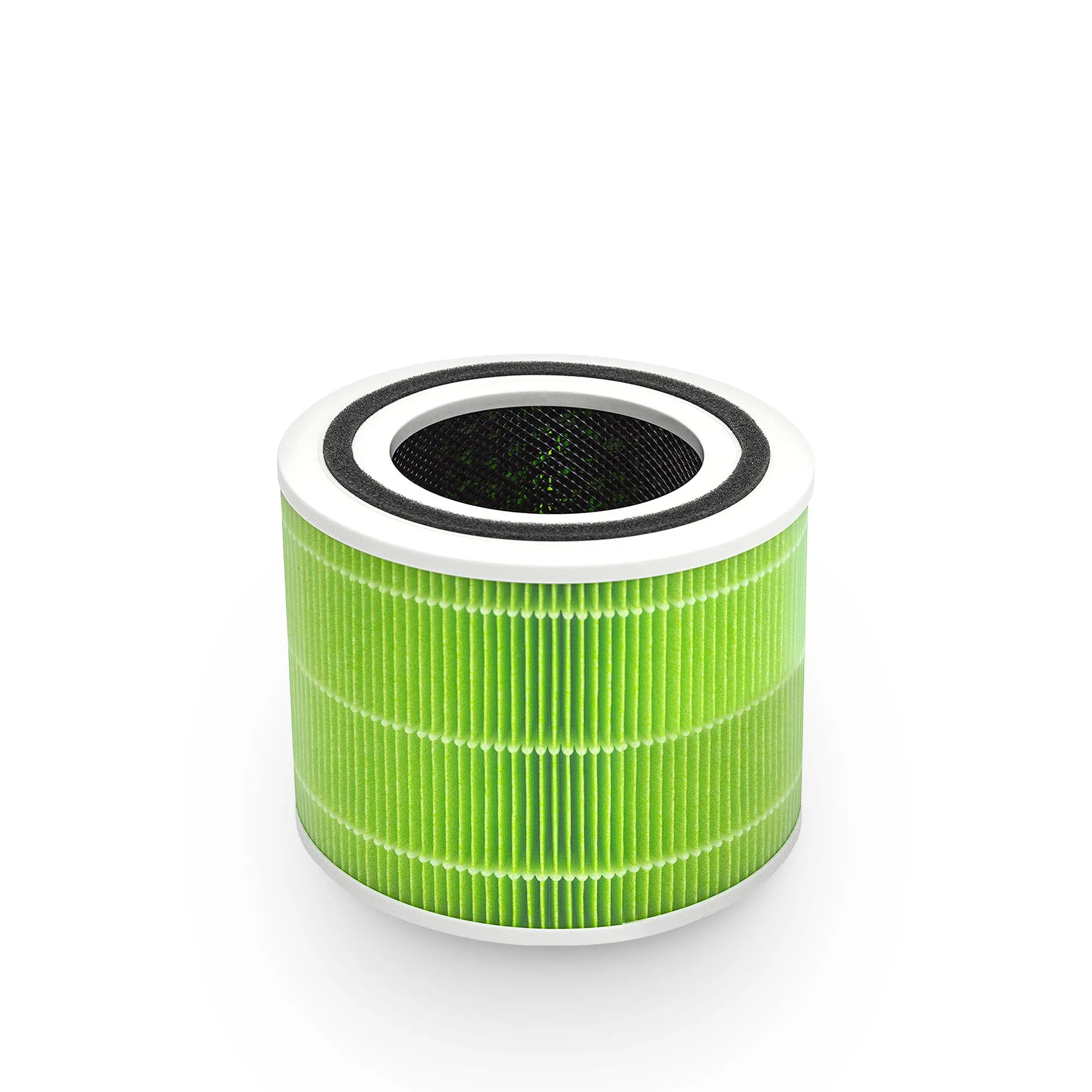
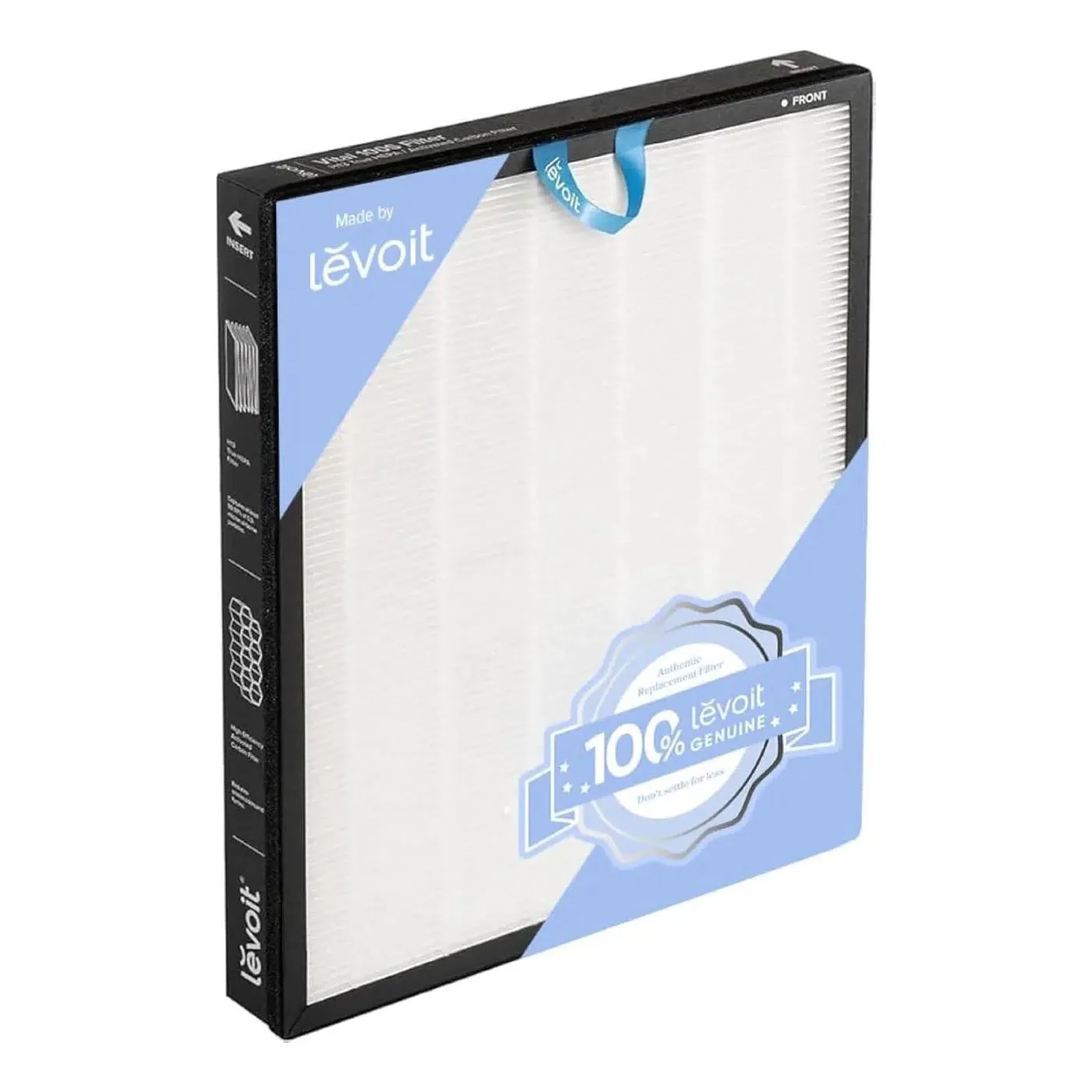
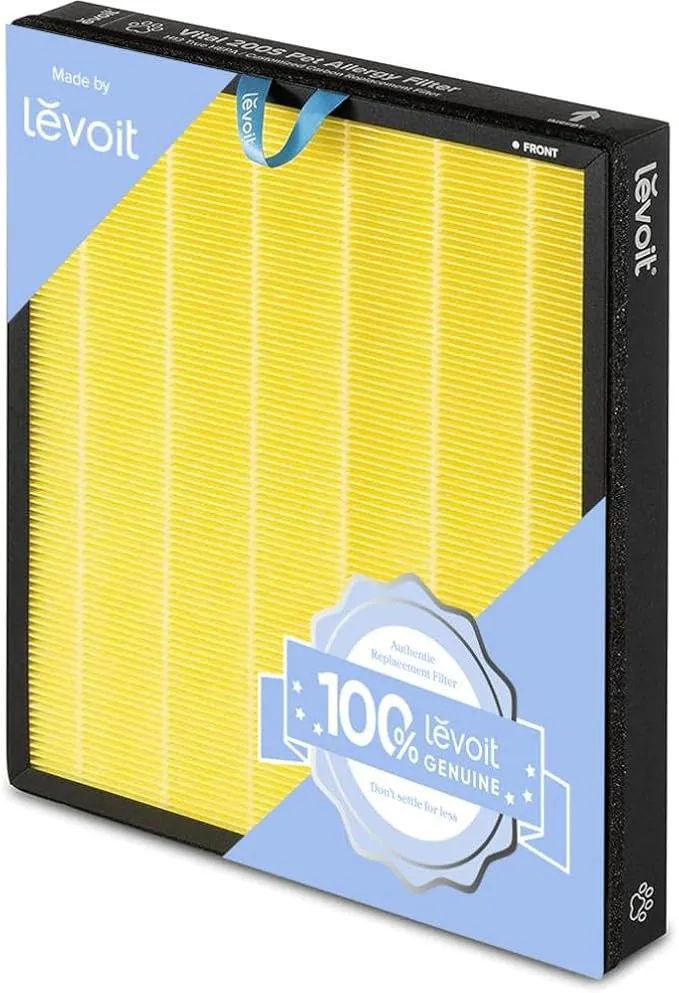
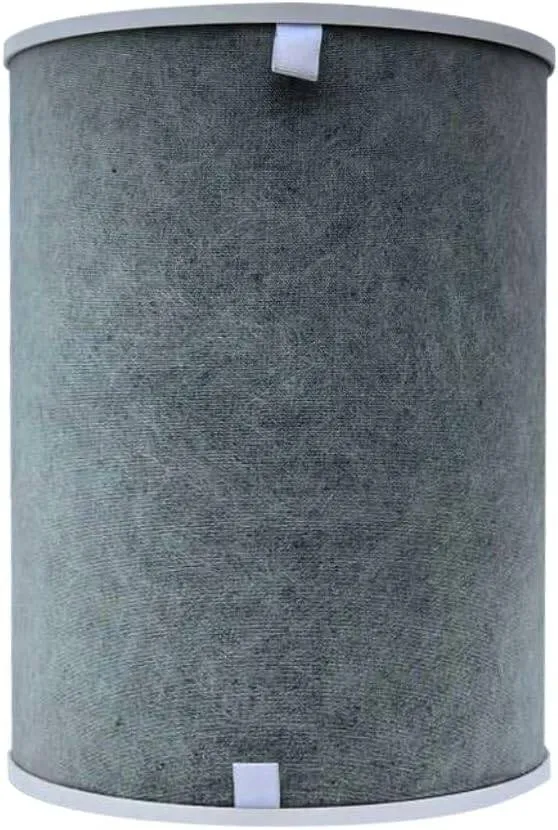
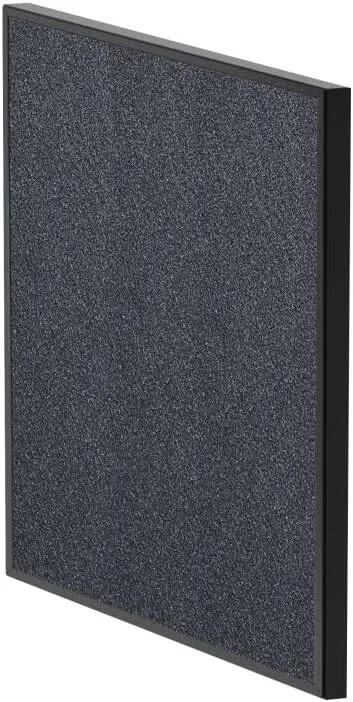
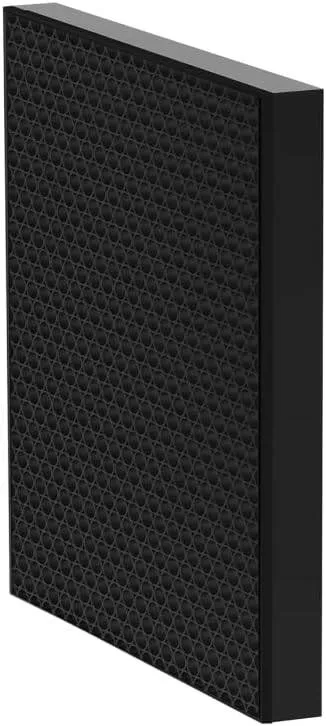
For persistent odours, activated carbon filters in an air purifier adsorb VOCs and odour molecules that HEPA filters alone cannot capture. Many bedroom purifiers combine HEPA and activated carbon layers for this reason. The list of air quality accessories for home in 2026 includes carbon filter options compatible with common bedroom purifier models.
Key takeaways
Effective bedroom air quality management combines ventilation, humidity control, source reduction, and filtration. No single method addresses all indoor air quality factors simultaneously.
| Point | Details |
|---|---|
| Ventilation is the priority | Open windows or use HVAC to keep CO2 below 1,000 ppm overnight. |
| Target 40–50% humidity | Use a hygrometer and humidifier or dehumidifier to stay in the EPA-recommended range. |
| Clean bedding weekly at ≥54°C | Hot water laundering kills dust mites and cuts allergen load directly. |
| Air purifiers remove particles, not CO2 | HEPA H13 filtration captures 99.97% of particles but requires ventilation alongside it. |
| Source control prevents problems | Remove VOC sources, synthetic fragrances, and dust-trapping fabrics from the bedroom. |
What I have learnt from prioritising bedroom air quality
The most common mistake I see is buying an air purifier and assuming the job is done. Purifiers are genuinely useful for particles, but they do nothing for CO2. A bedroom with a running purifier and closed windows all night will still have CO2 levels above 1,500 ppm by 3 AM. That is the number that fragments sleep and leaves you groggy in the morning.
My honest recommendation is to start with a CO2 monitor and a hygrometer before spending anything on filtration equipment. Those two tools cost relatively little and give you a clear picture of what your bedroom actually needs. Most people discover that opening a window slightly is the single biggest improvement they can make, and it costs nothing.
Humidity control is where I see the most errors in UAE homes specifically. Air conditioning dries the air aggressively, and people run humidifiers without monitoring. The result is either too dry or, if the humidifier runs unchecked, too humid. Both extremes worsen air quality. A humidifier with a built-in hygrostat that switches off at 50% RH removes the guesswork entirely.
Consistent cleaning matters more than most people realise, particularly for allergy sufferers. A HEPA vacuum and weekly hot washes make a bigger difference to allergen load than any single product purchase. The why purify air in bedrooms guide covers the sleep health evidence in more depth if you want the full picture.
— Wojciech
Cleanair-ae products for bedroom air quality
Cleanair-ae stocks a curated range of air purifiers, humidifiers, and accessories suited to bedroom use across Dubai, Abu Dhabi, and the wider UAE.

Products available include HEPA H13 purifiers from Levoit, Blueair, and Honeywell with sleep modes designed for overnight operation. Replacement filters, hygrometers, and humidifiers are also listed with fast UAE delivery. For those not yet ready for a purifier, the 8 proven air purifier alternatives guide covers ventilation, humidity, and cleaning methods in detail. The air purifier buying guide for 2026 helps narrow down the right model by room size and filtration need.
FAQ
What is the fastest way to improve bedroom air quality?
Opening windows for 10–15 minutes before bed flushes CO2 and stale air immediately. This single action produces the most rapid improvement in bedroom air quality.
Do air purifiers help with CO2 in the bedroom?
Air purifiers do not reduce CO2. Lowering elevated CO2 requires fresh air exchange through ventilation, either by opening windows or running an HVAC system.
What humidity level is best for a bedroom?
The EPA recommends 40–50% relative humidity. This range suppresses dust mite populations, which thrive above 50% RH, and prevents the dryness that occurs below 30% RH.
How often should bedroom bedding be washed to reduce allergens?
Bedding should be washed weekly at a minimum temperature of 54°C (130°F). NIH research confirms this temperature kills dust mites and reduces allergen exposure effectively.
Are plants useful for improving bedroom air quality?
Plants such as spider plants offer mild air-filtering properties and add modest humidity. Their effect on VOCs is limited at typical indoor densities, and they should be avoided by those with pollen allergies.