

Uncategorised
What are carbon filters: a complete home guide
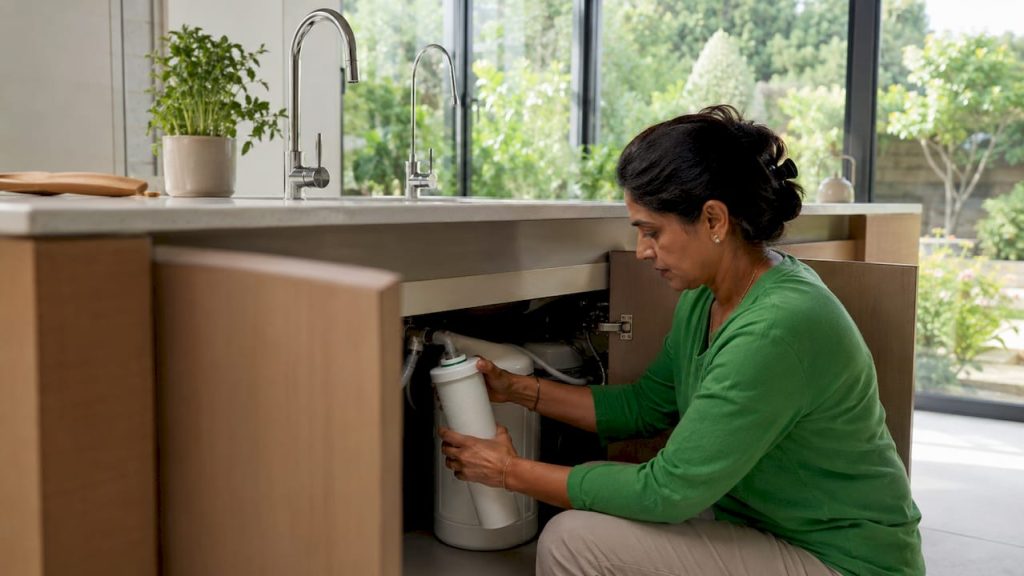
Carbon filters are defined as filtration devices that use activated carbon to remove contaminants from air or water through a process called adsorption. The term “activated carbon” refers to carbon that has been processed to create millions of tiny pores, dramatically increasing its surface area. This structure makes carbon filtration one of the most effective passive methods for removing gases, odours, chlorine, and volatile organic compounds (VOCs). For anyone living in the UAE, where indoor air quality and water taste are everyday concerns, understanding what carbon filters do and how they work is the first step towards making a better choice.
How do carbon filters work through adsorption?
Adsorption is the process that makes carbon filters effective. Activated carbon adsorbs contaminants physically, meaning molecules bind to the surface of the carbon rather than being absorbed into it. Think of it as a molecular magnet: pollutants stick to the enormous internal surface area of the carbon rather than passing through.
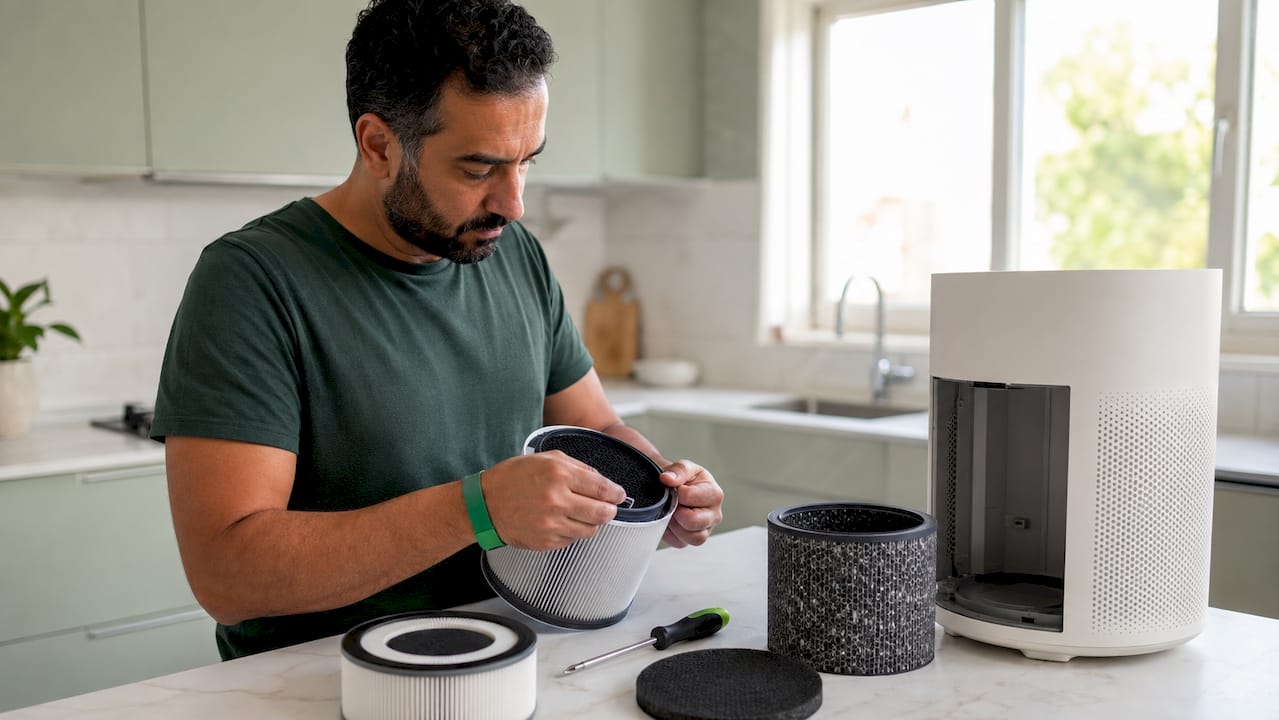
The surface area of activated carbon is extraordinary. A single gram can contain a surface area equivalent to several tennis courts, all created by the network of microscopic pores formed during activation. This pore structure is what gives carbon filters their capacity to trap such a wide range of contaminants.
Carbon filters come in two main designs:
- Granular activated carbon (GAC): Loose carbon granules through which air or water passes. GAC offers fast flow rates but slightly less contact time.
- Carbon block filters: Compressed carbon powder formed into a solid block. These provide longer contact time and finer filtration, making them more effective for smaller contaminant molecules.
Carbon filters physically remove odours rather than masking them. A GAC filter in a kitchen extractor, for example, traps cooking fumes at a molecular level. The smell does not return because the molecules are held on the carbon surface, not neutralised by a fragrance.
Pro Tip: If your carbon filter seems to be losing effectiveness before its scheduled replacement date, check the flow rate through your system. Water or air moving too quickly through the filter reduces contact time and cuts adsorption efficiency significantly.
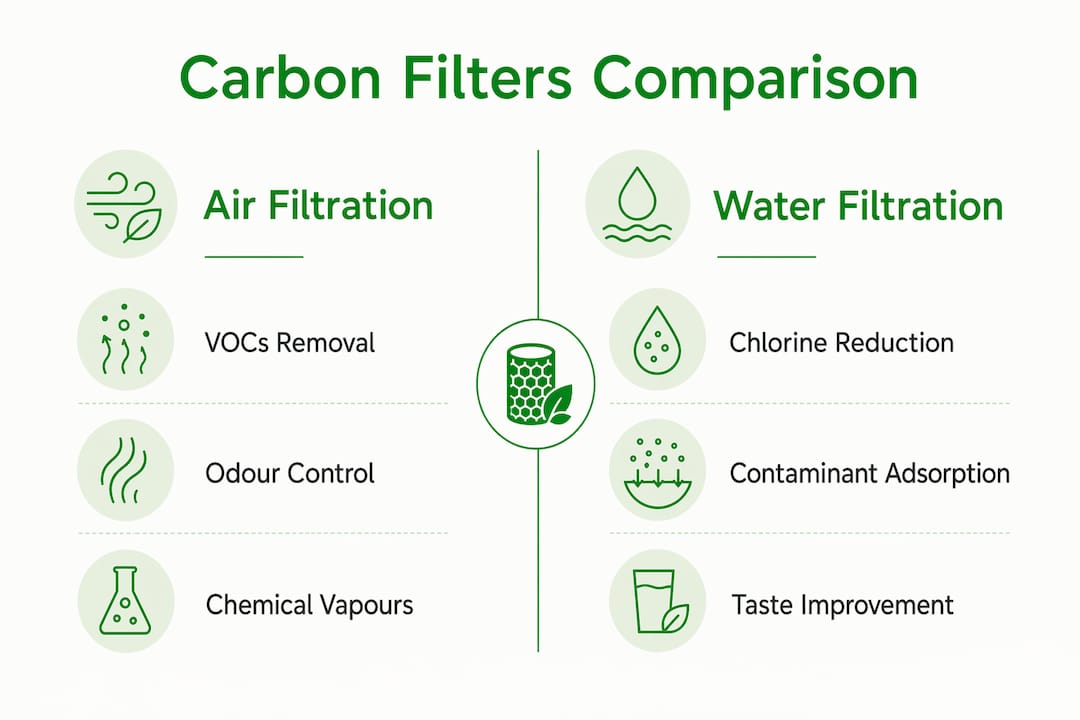
What do carbon filters remove, and what are their limits?
Carbon filters target a specific category of contaminants. They excel at removing gases and chemicals, but they are not a universal solution.
Contaminants carbon filters typically remove:
- Chlorine and chlorine by-products in water
- VOCs such as benzene, formaldehyde, and toluene
- Cooking odours, tobacco smoke, and pet smells
- Chemical vapours from cleaning products and paints
- Pesticides and herbicides in water supplies
Activated carbon reduces free chlorine in water by over 99%, which is why it is the industry standard for improving tap water taste and odour in homes. That single capability alone explains why carbon filters appear in the majority of domestic water filter jugs and under-sink systems.
However, there are clear limits. Standard activated carbon cannot remove every contaminant. Standard GAC fails chloramine removal; catalytic carbon is required to decompose chloramine molecules effectively. Catalytic carbon has an enhanced surface chemistry that enables a chemical reaction rather than simple adsorption, making it a meaningful upgrade for water supplies that use chloramine as a disinfectant.
Contaminants carbon filters do not remove:
- Hardness minerals (calcium, magnesium)
- Bacteria and viruses
- Nitrates and nitrites
- Fluoride
- Heavy metals (unless the filter is specifically certified for them)
The label “carbon filter” is not a performance rating. Filter performance varies by raw material and processing, so a filter’s actual capability depends on how it was manufactured and what it has been tested against. Third-party certifications such as NSF/ANSI standards verify removal claims for specific contaminants including PFAS, lead, and VOCs. Certification validates performance, not the product label alone. Always check for NSF/ANSI certification before purchasing.
Carbon filters in air purification versus water filtration
Carbon filters serve distinct purposes depending on whether they are used in air or water systems. The underlying adsorption process is the same, but the application and pairing requirements differ considerably.
Air purification
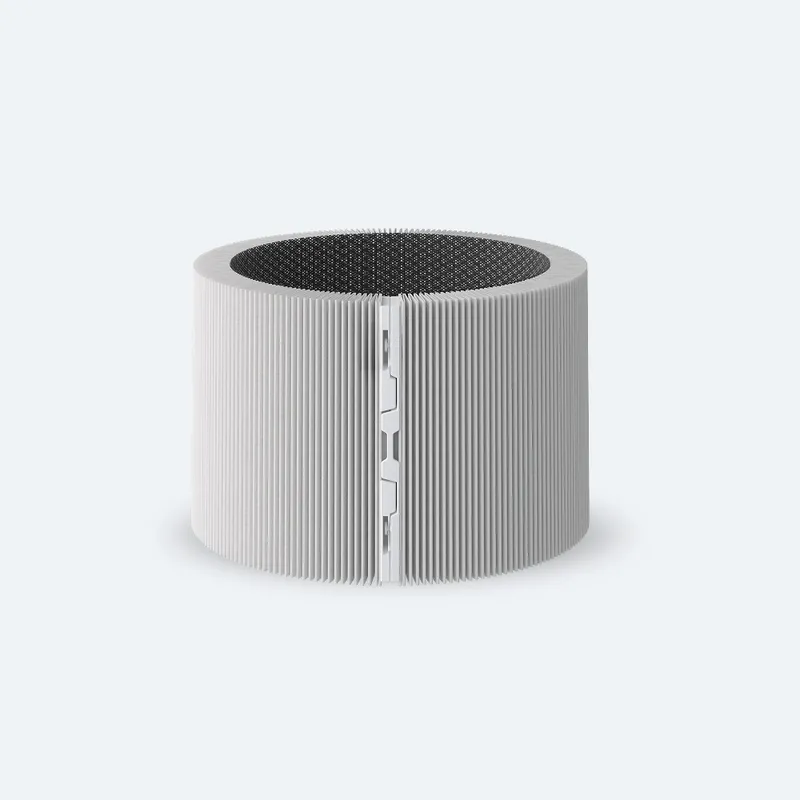
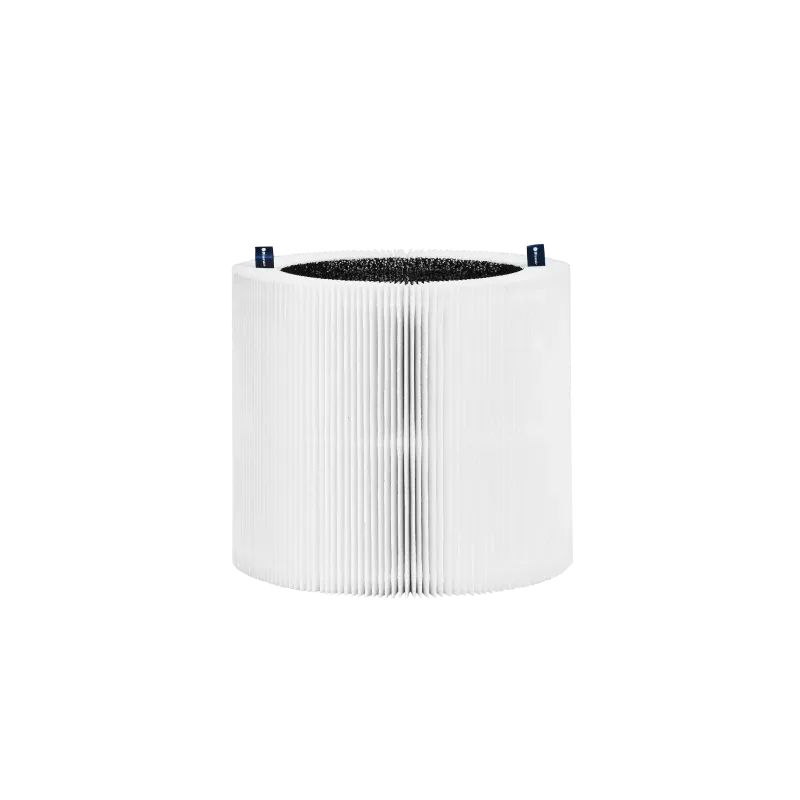
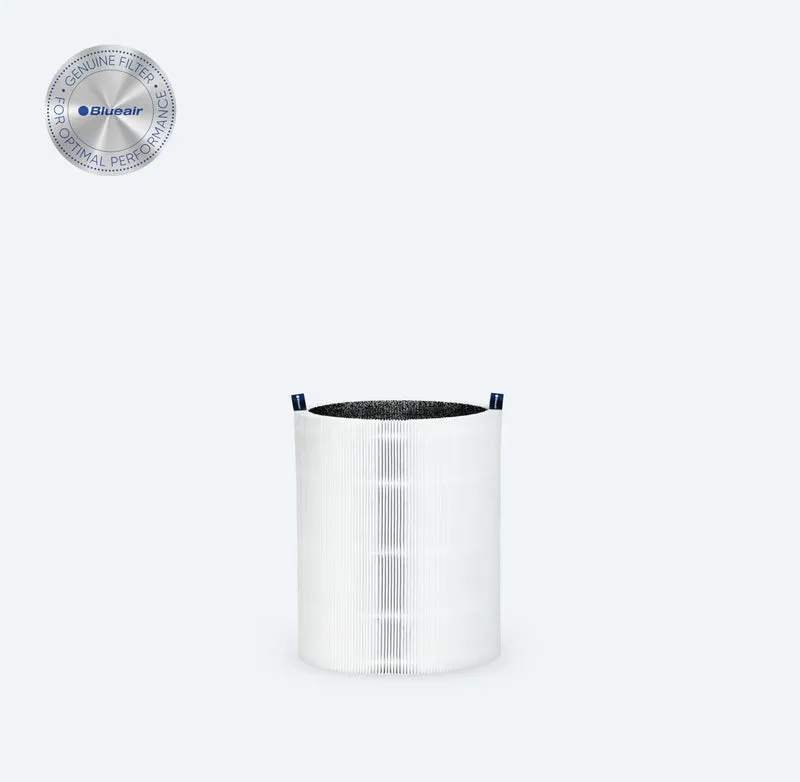
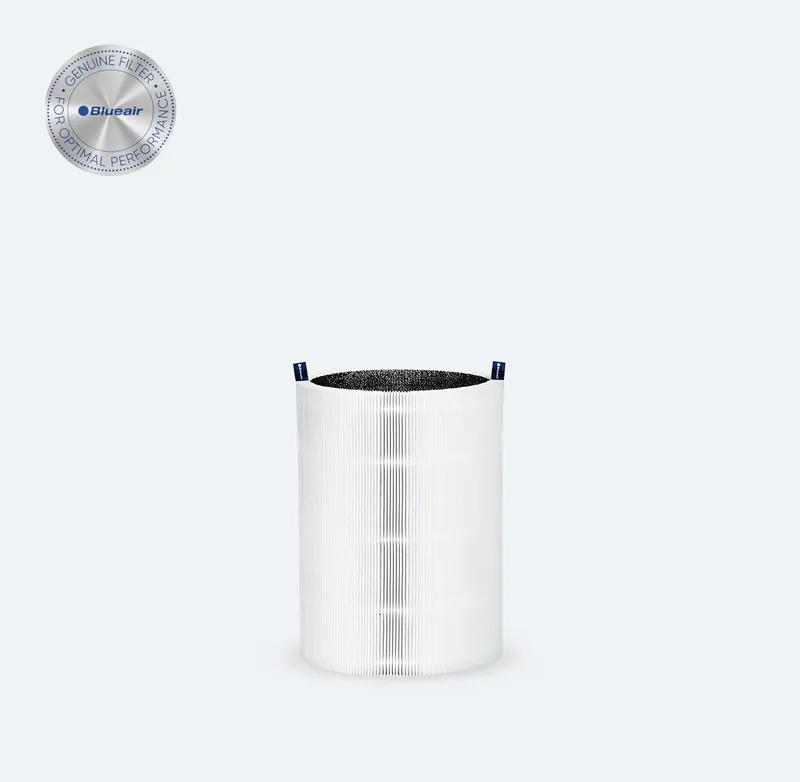
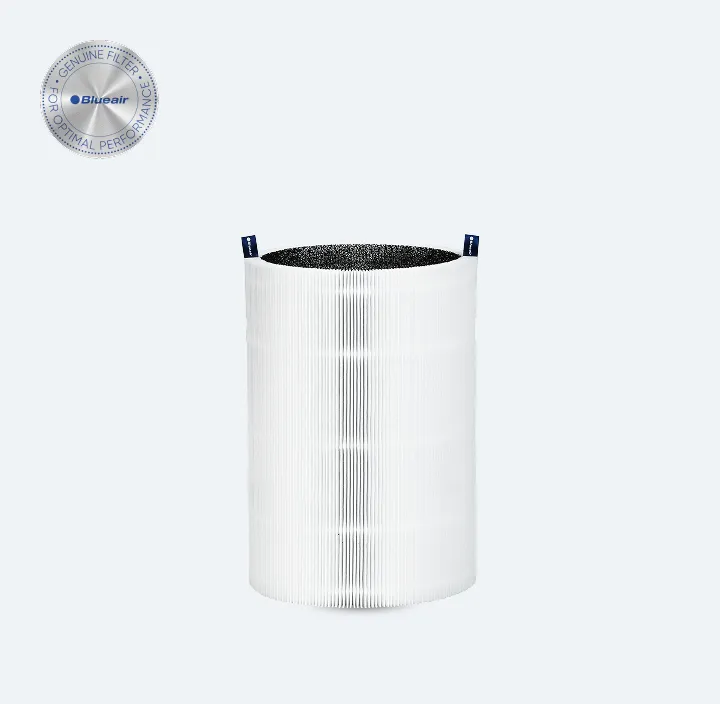
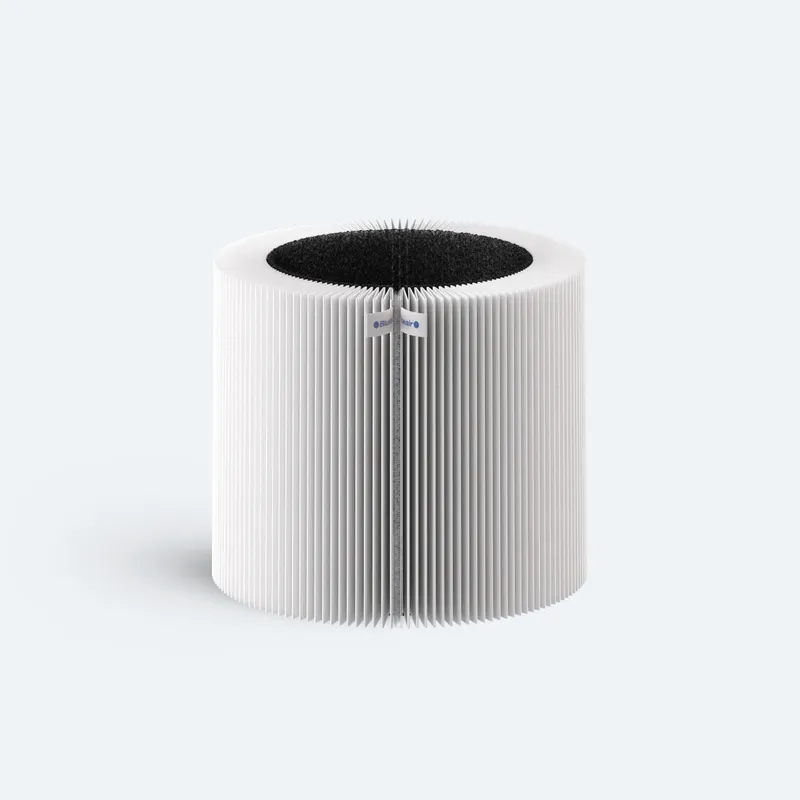
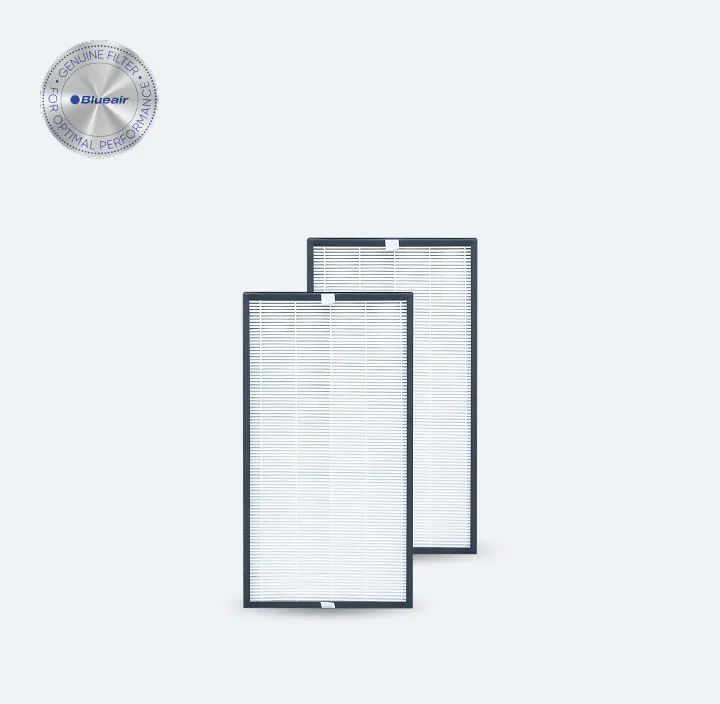
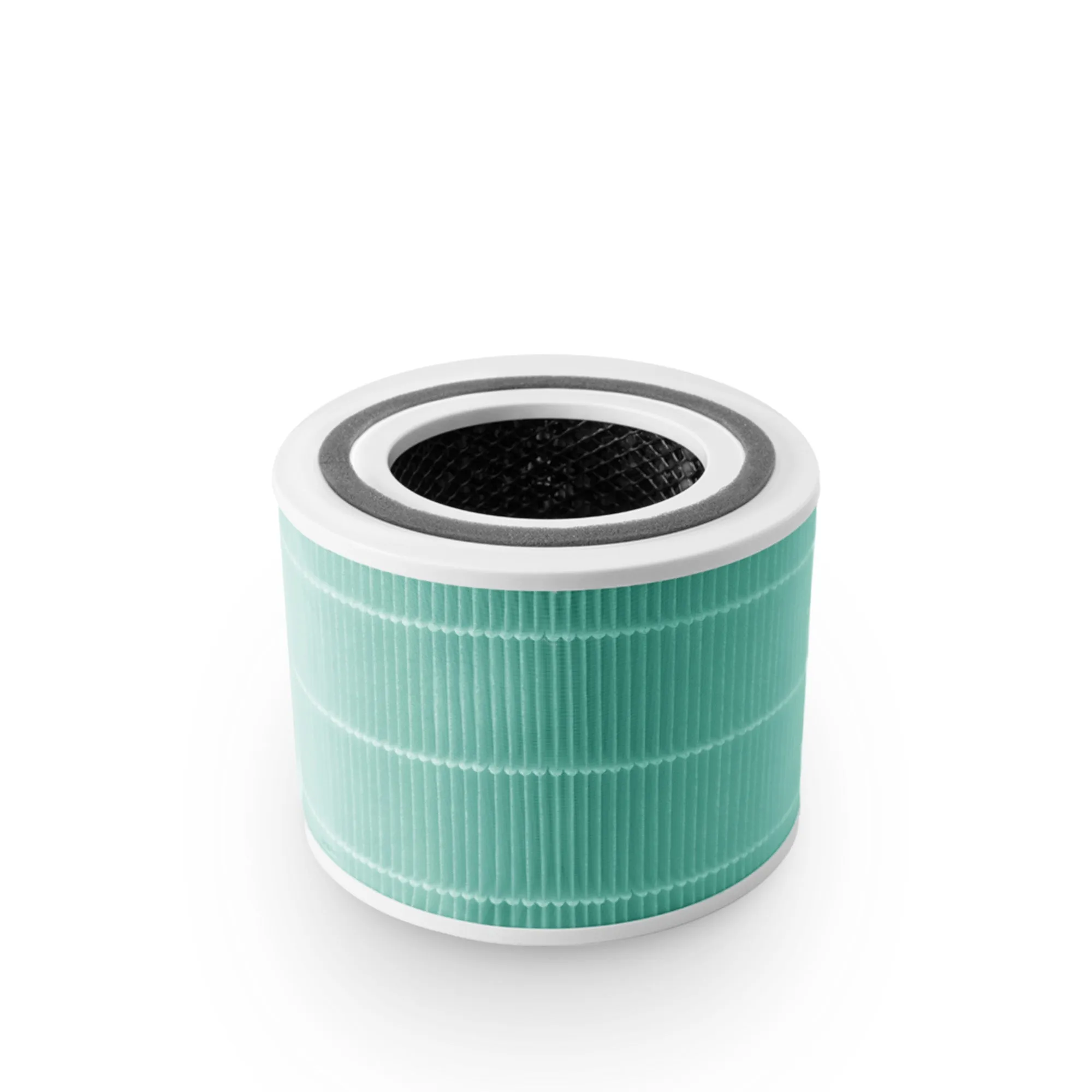
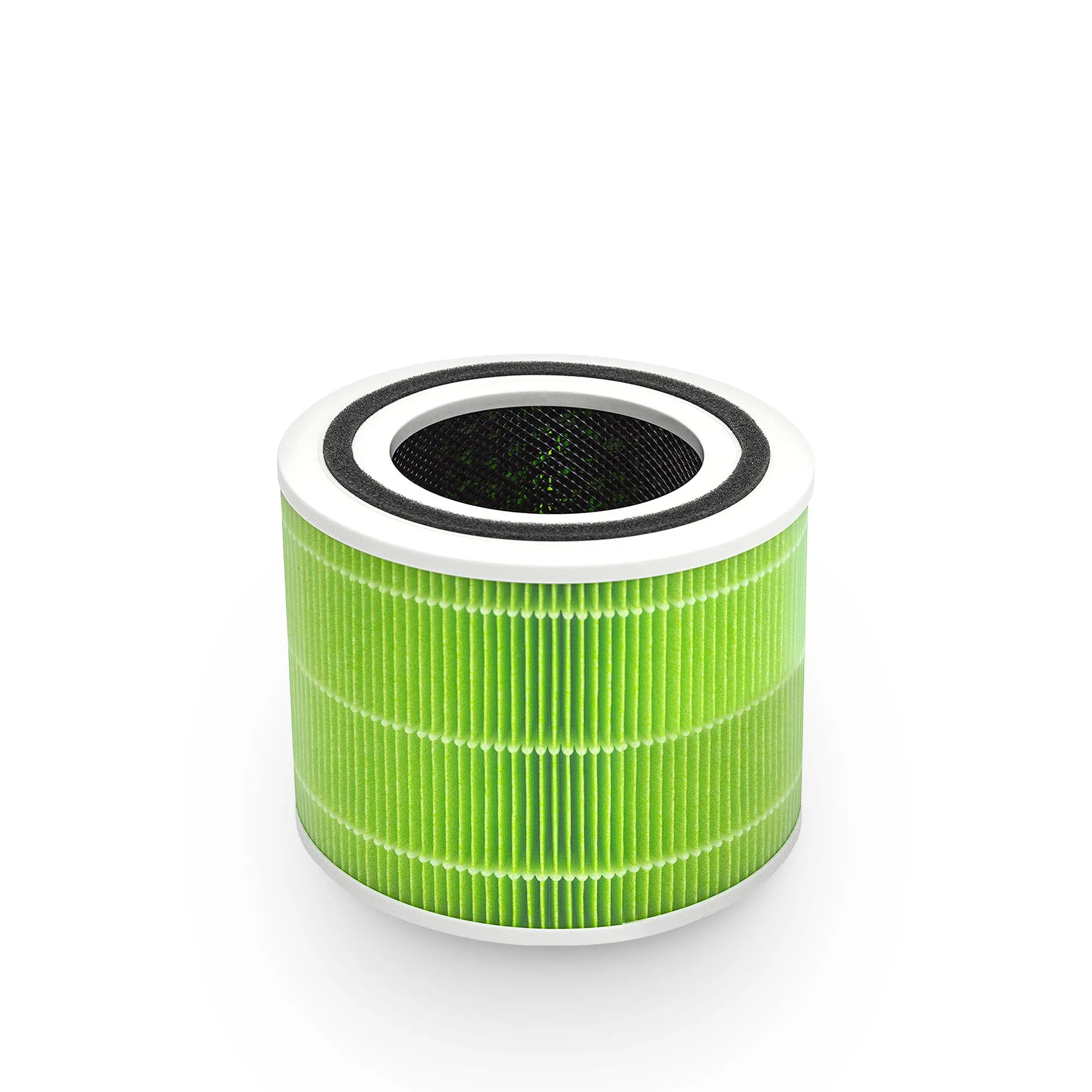
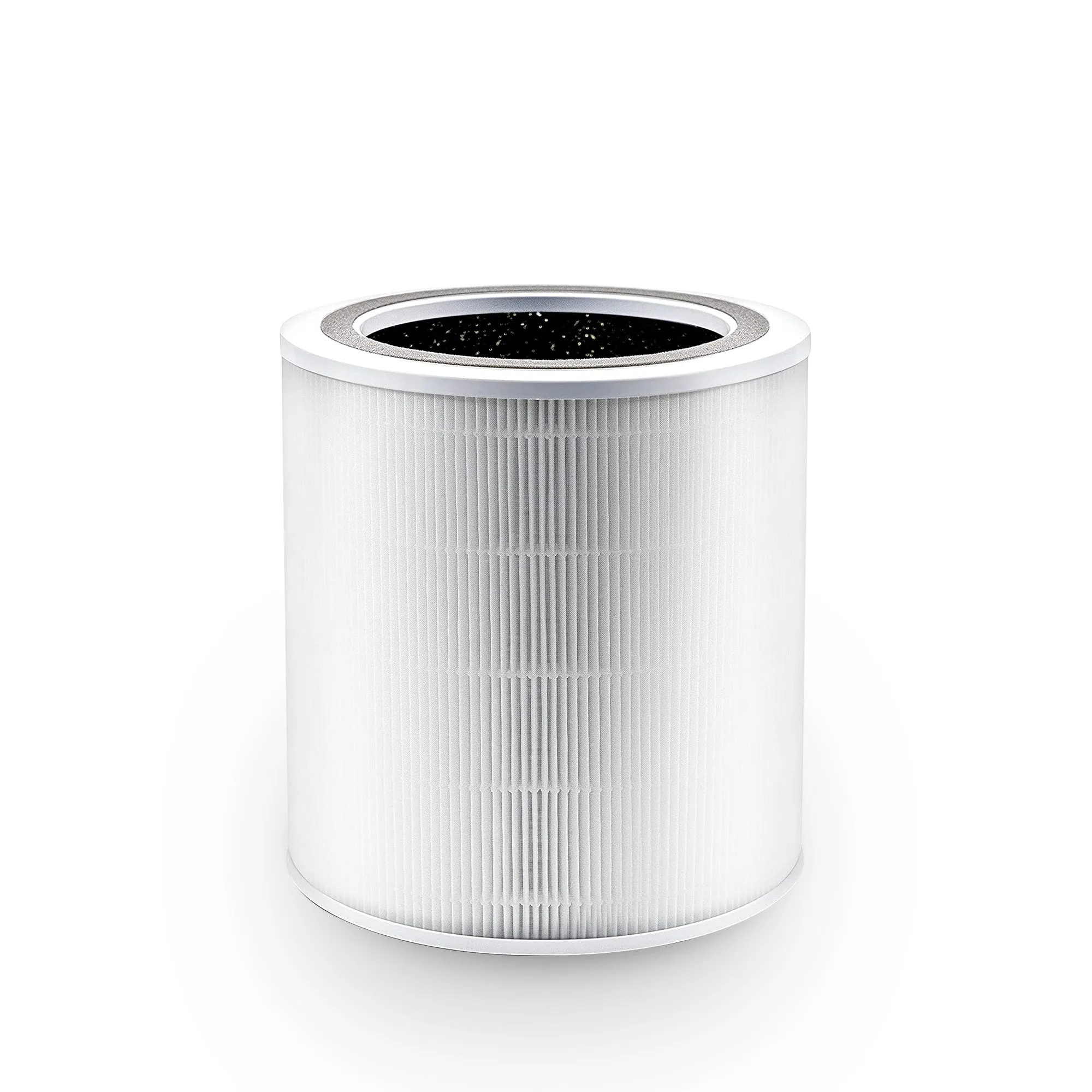
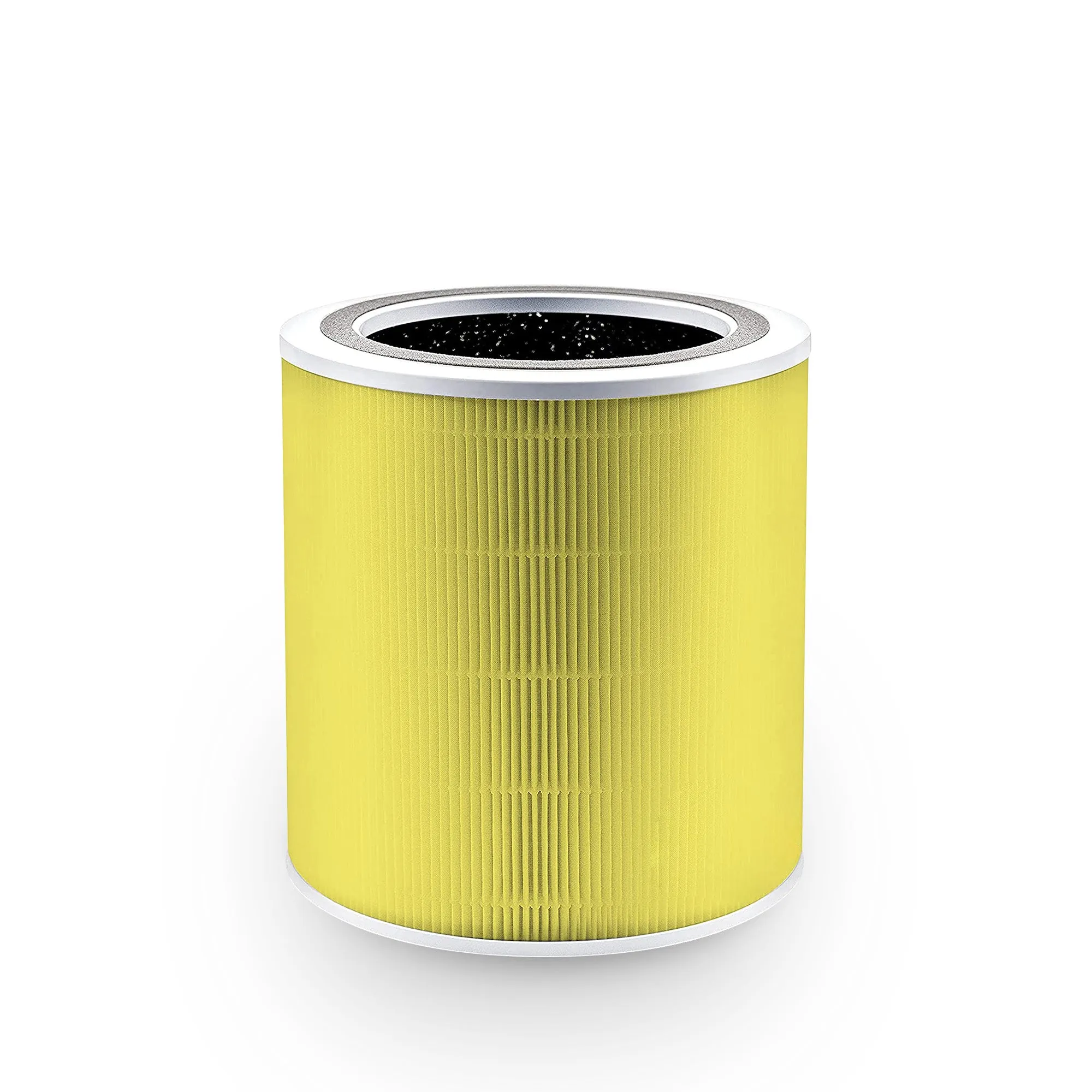
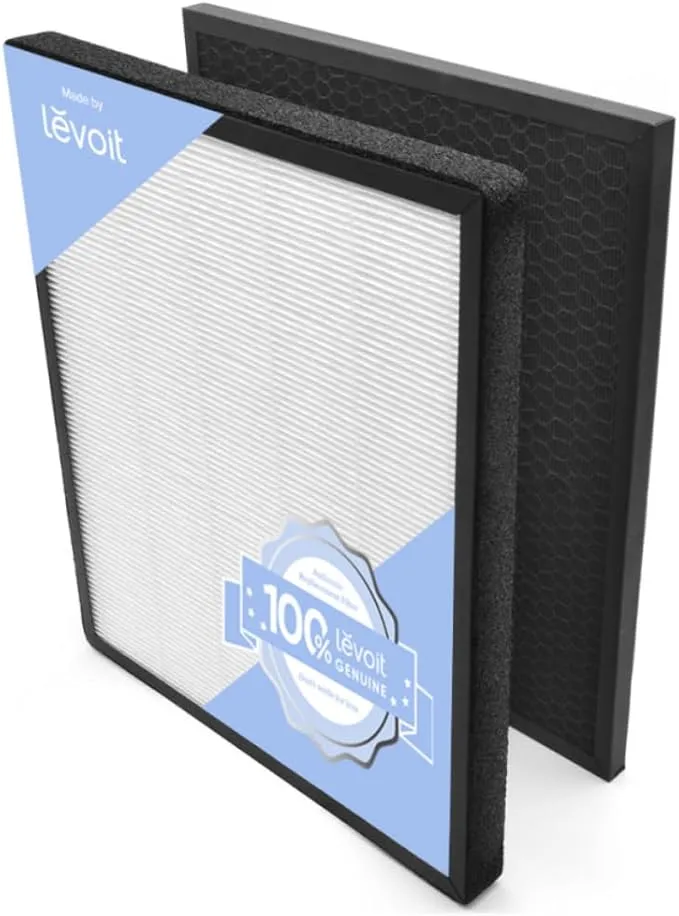
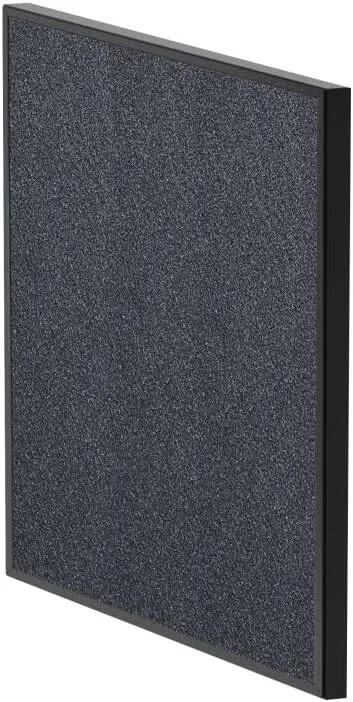
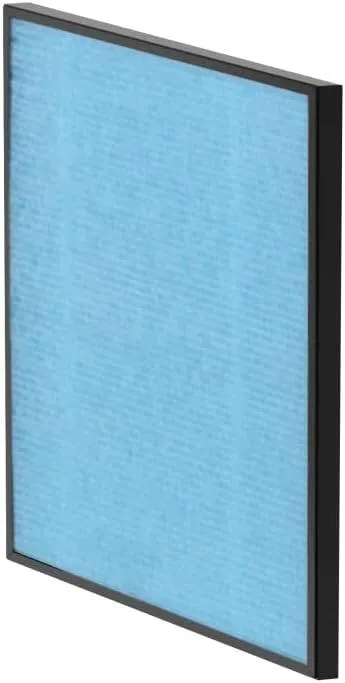
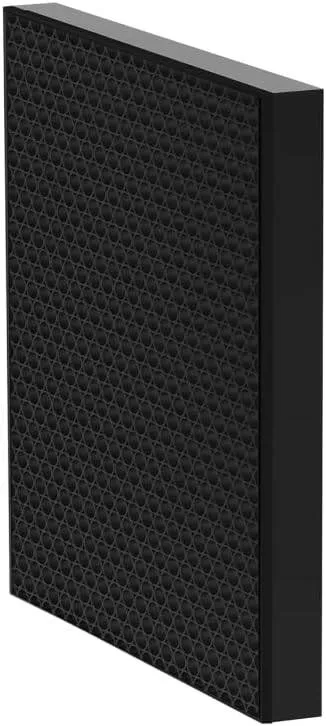
Carbon air filters target VOCs and chemical vapours, which traditional particulate filters cannot capture. A HEPA filter removes particles such as dust, pollen, and mould spores down to 0.3 microns. A carbon filter removes gases and odours. Neither does the other’s job, which is why quality air purifiers pair both technologies. Combining carbon with HEPA addresses both gaseous and particulate pollutants, improving overall indoor air quality in a single unit.
Homes benefit from carbon filters primarily when odours or gaseous pollutants are the concern. In the UAE, this is particularly relevant given the prevalence of cooking odours, construction dust carrying chemical residues, and air conditioning systems that can recirculate stale air. For a detailed comparison of these two filter types, the guide on HEPA vs carbon filters covers their differences in practical terms.
Water filtration
In water systems, carbon filters improve taste and odour by removing chlorine and chemical residues. They are rarely used alone. Carbon filters often act as a polishing step, usually paired with sediment filters or water softeners to improve system efficiency and lifespan. A sediment pre-filter removes physical particles that would otherwise clog the carbon, extending its useful life.
Typical residential water setups include:
- Under-sink carbon block filters: Paired with a sediment pre-filter for clean drinking water.
- Whole-house GAC systems: Treat all water entering the home, protecting appliances and improving shower water quality.
- Filter jugs with GAC cartridges: Entry-level option for improving tap water taste.
Maintenance differs between air and water applications. Air carbon filters in purifiers typically need replacing every 6–12 months depending on air quality and usage. Water carbon filters follow a similar schedule but are also influenced by water volume processed and the level of contamination in the source water.
What factors affect carbon filter performance and lifespan?
Carbon filter effectiveness is not fixed. Several variables determine how well a filter performs and how long it lasts.
- Contact time: The single most critical factor. Water or air must pass slowly enough through the carbon to allow adsorption. High flow rates reduce the time contaminants spend in contact with the carbon surface, cutting effectiveness sharply.
- Raw material source: Activated carbon is produced from coconut shell, coal, or wood. Coconut shell carbon produces a harder, denser material with smaller pores, making it better suited for removing smaller organic molecules. Coal-based carbon has larger pores and suits different contaminant profiles.
- Pore saturation: Over time, the pores fill with adsorbed contaminants and the filter loses capacity. Activated carbon filters require replacement roughly every six months as their pores become saturated. Once saturated, the filter stops removing contaminants and can, in some cases, release previously trapped molecules back into the water or air.
- System design: A poorly designed system with the wrong flow rate or insufficient carbon volume will underperform regardless of filter quality.
- Contaminant load: Higher concentrations of pollutants in the source air or water shorten filter lifespan proportionally.
Pro Tip: Do not rely on taste or smell alone to judge when a carbon water filter needs replacing. Some contaminants, including certain VOCs, are odourless. Follow the manufacturer’s replacement schedule and use NSF/ANSI-certified filters so you know exactly what the filter is rated to remove.
How to choose and maintain carbon filters for home use
Selecting the right carbon filter requires matching the filter’s certified capabilities to your specific concerns. A filter that excels at chlorine removal may not address VOCs, and vice versa.
Key selection criteria:
- Identify your contaminants of concern. Test your water or assess your air quality before purchasing. UAE tap water is treated with chlorine and sometimes chloramines, which require different carbon types.
- Check certifications. Look for NSF/ANSI certification specific to the contaminants you want removed. The certification number tells you exactly what the filter has been independently tested to remove.
- Consider raw material. Coconut shell carbon is generally preferred for drinking water applications due to its purity and pore structure.
- Pair with complementary filters. For air, combine carbon with a HEPA filter. For water, add a sediment pre-filter. Neither carbon nor HEPA alone provides complete purification.
- Plan for replacement. Budget for filter replacements every six months. A filter that is not replaced on schedule provides false reassurance.
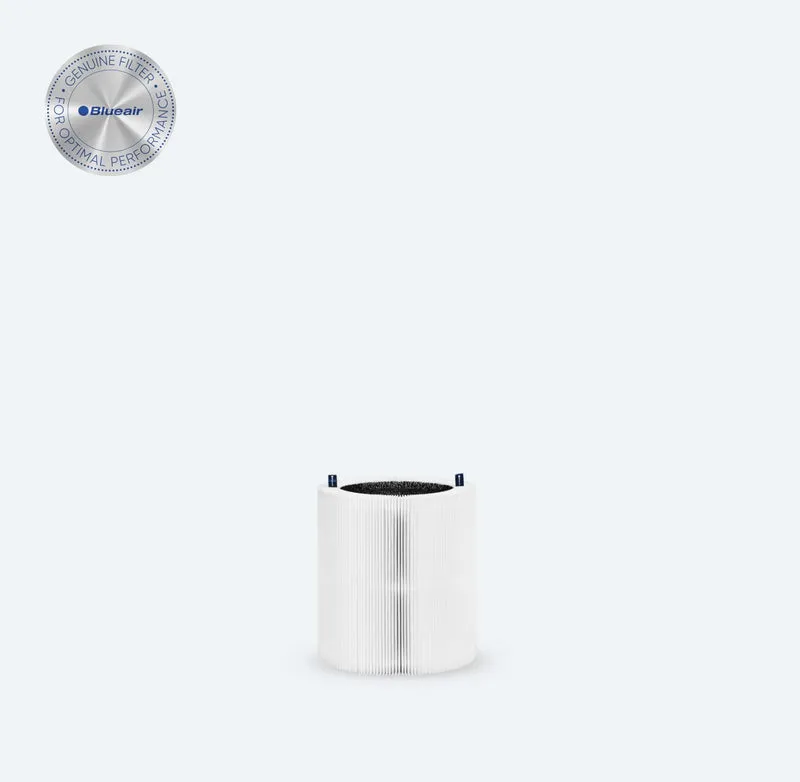
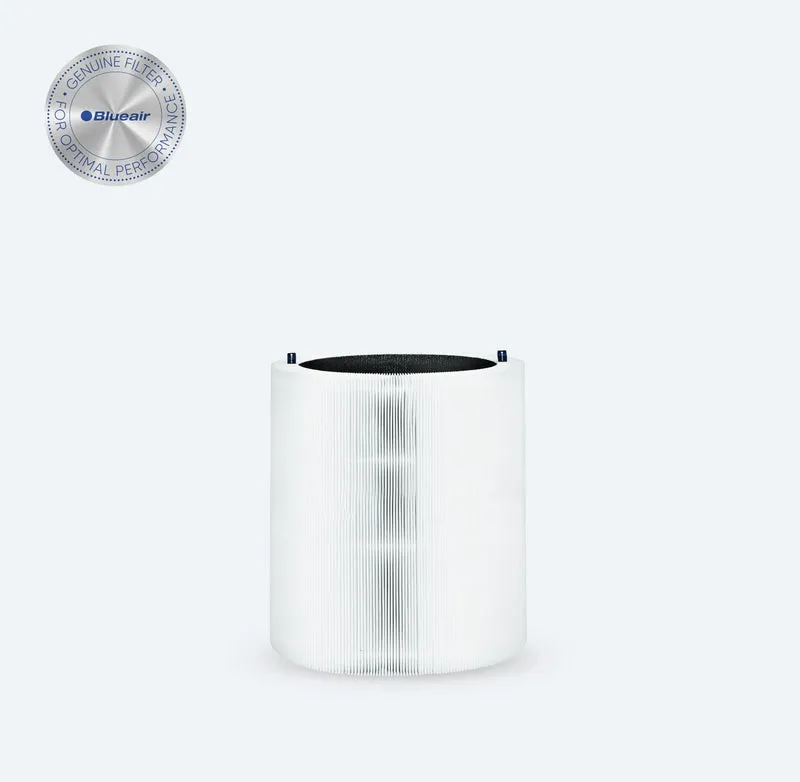
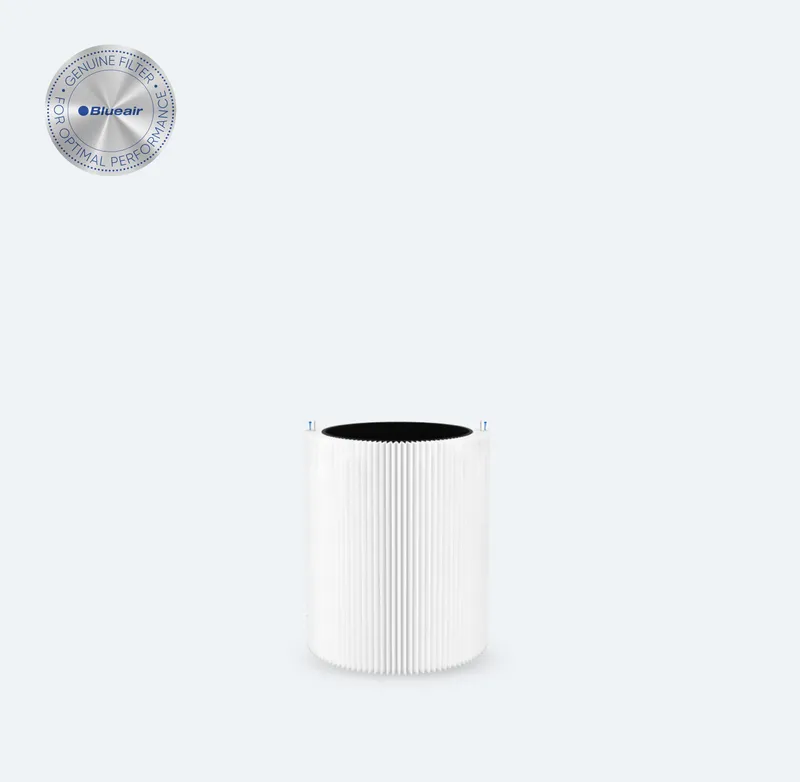
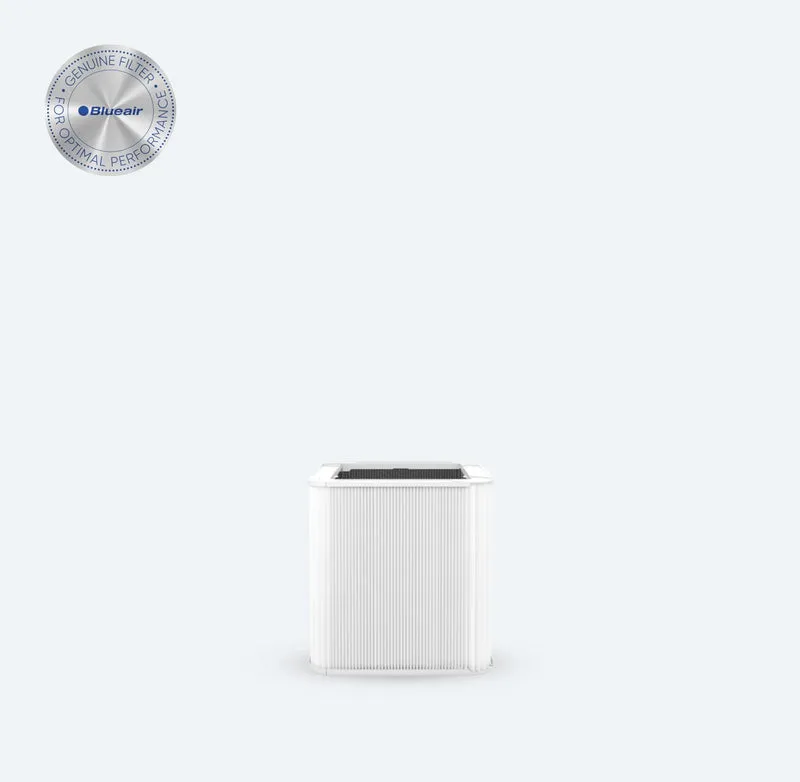
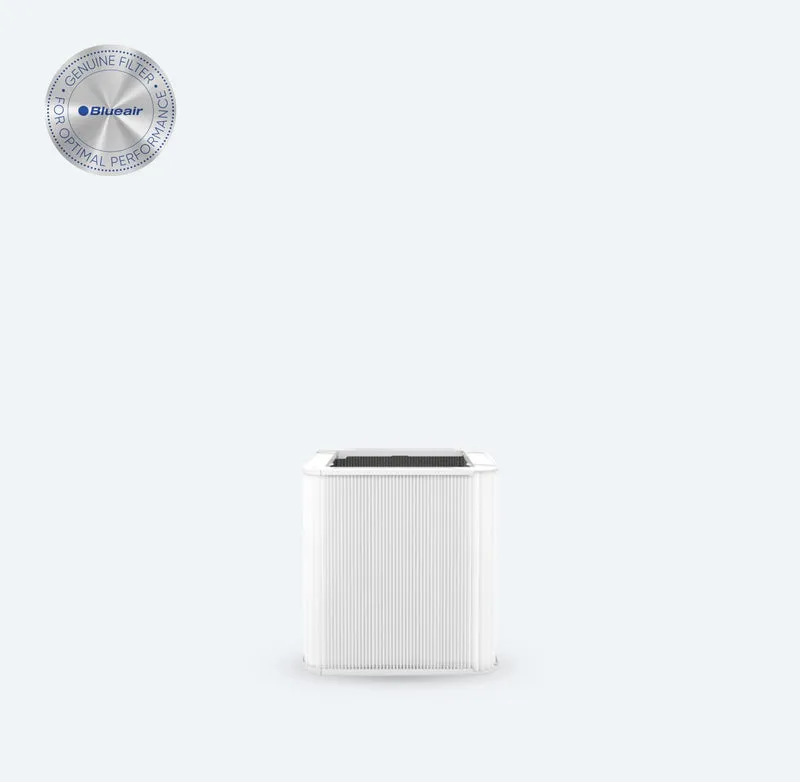
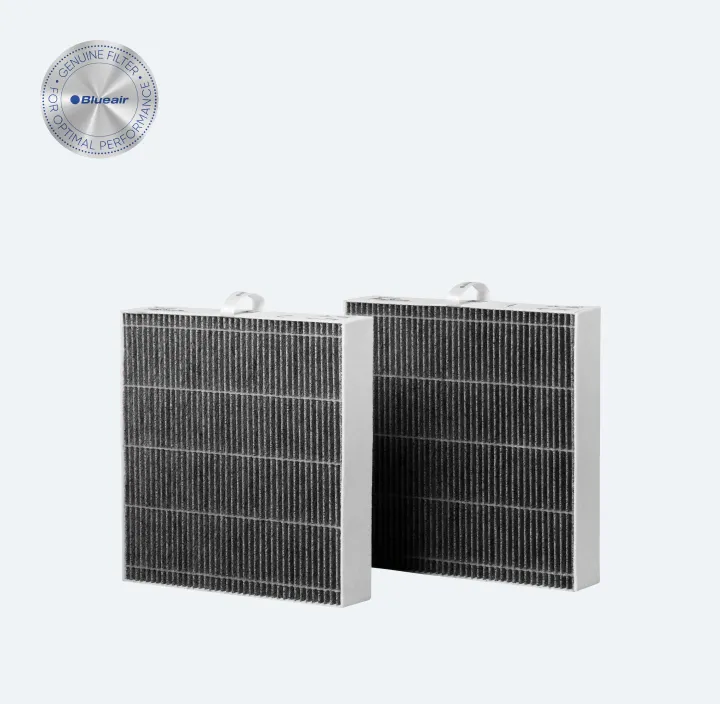
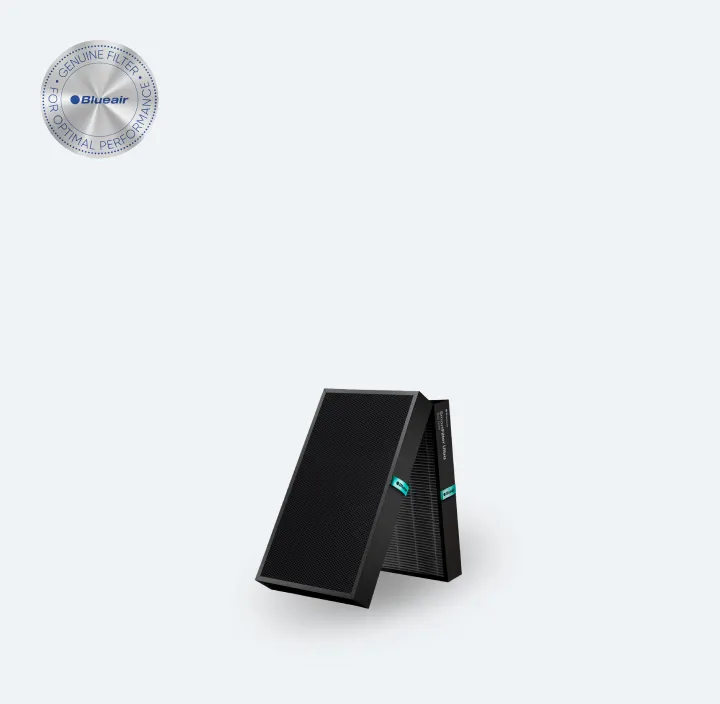
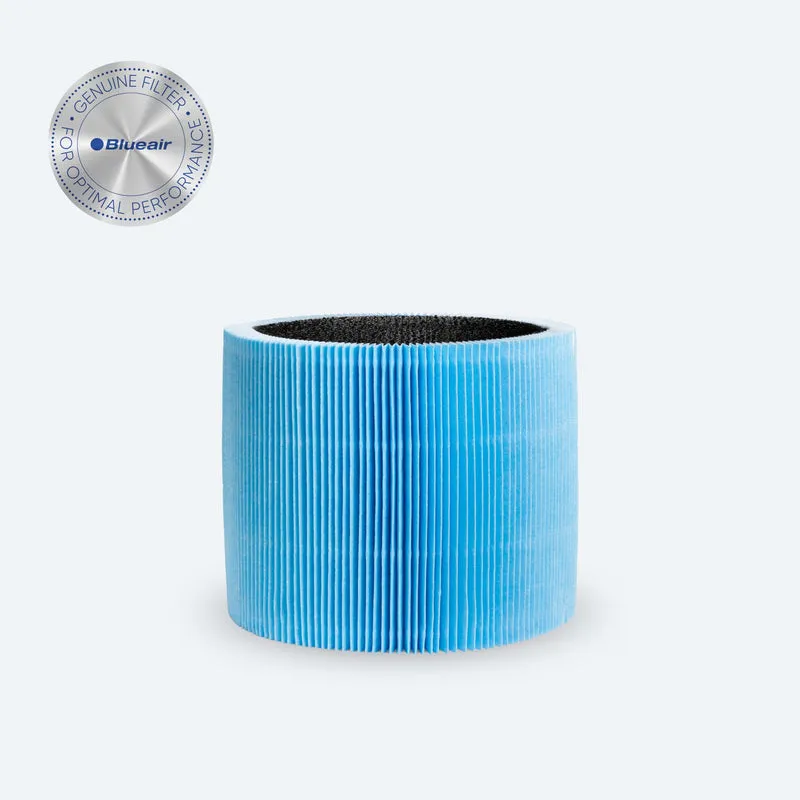
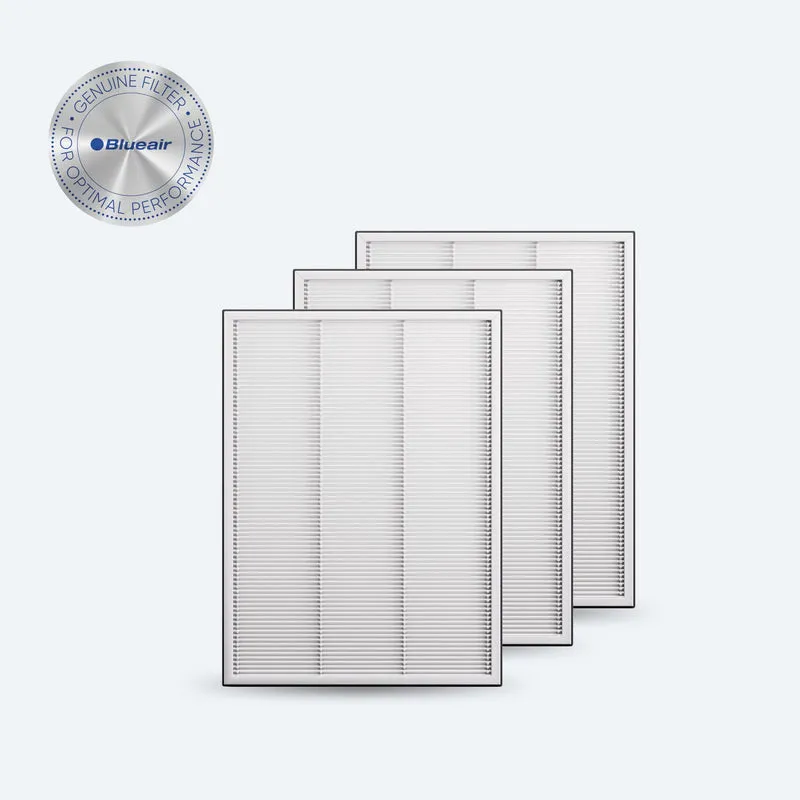
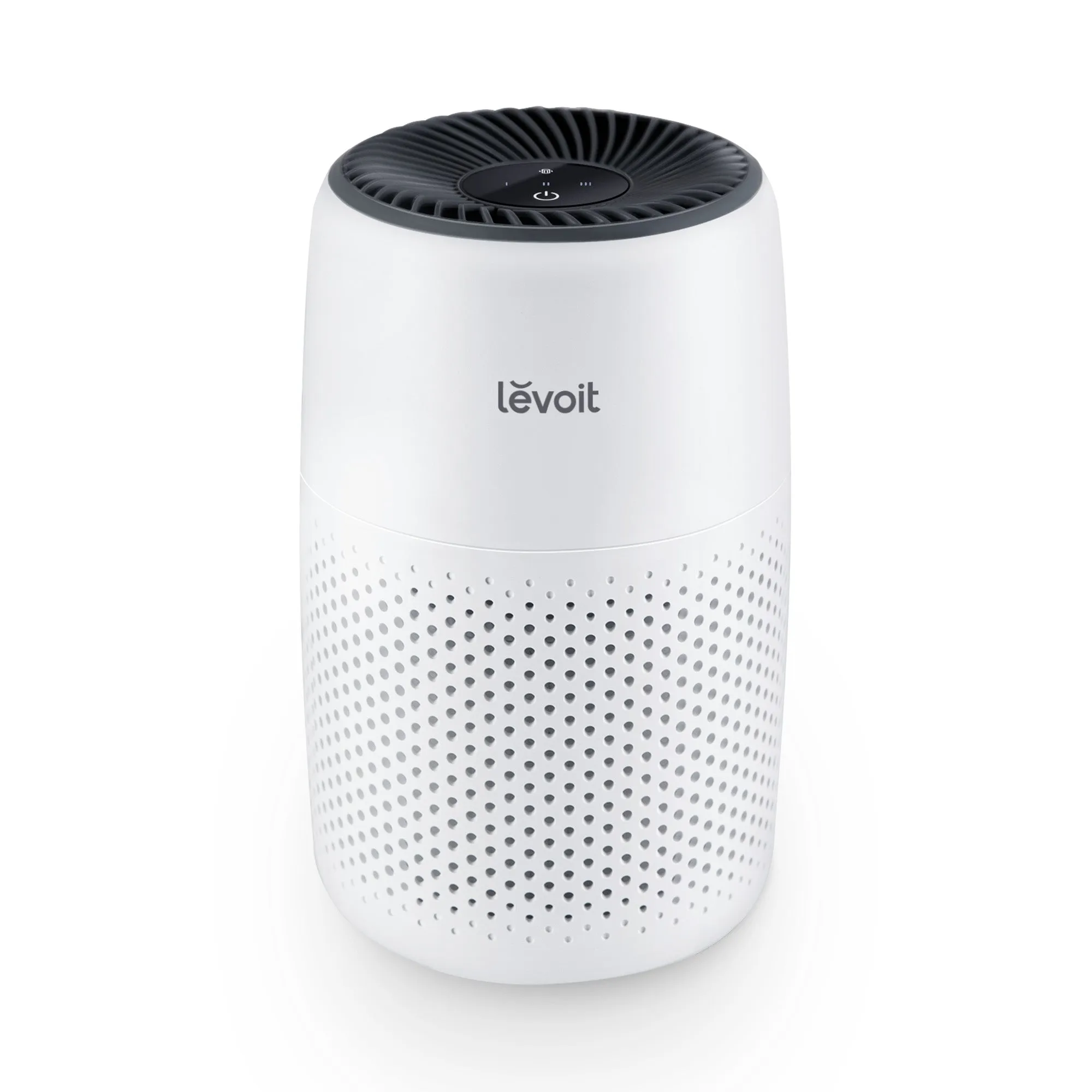
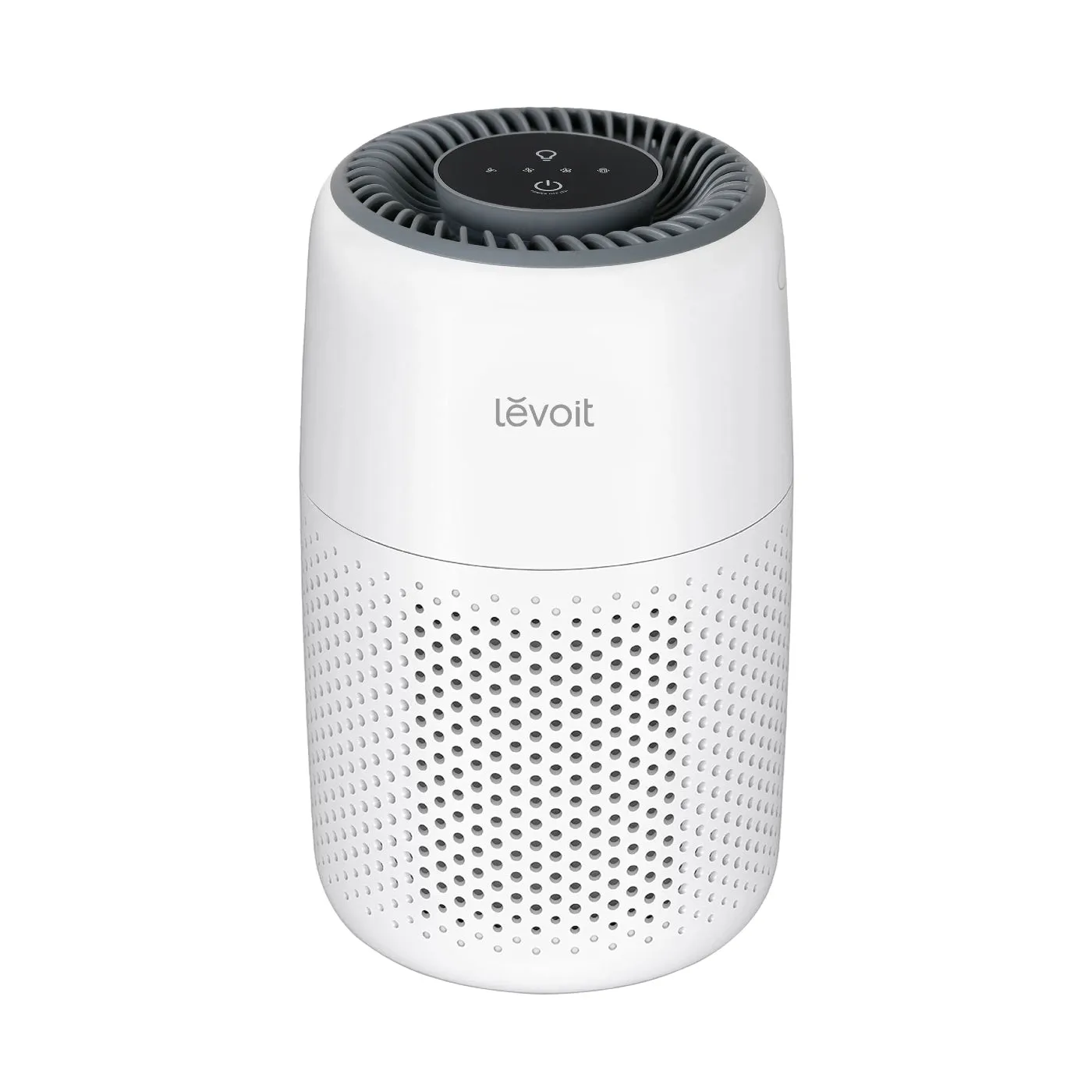
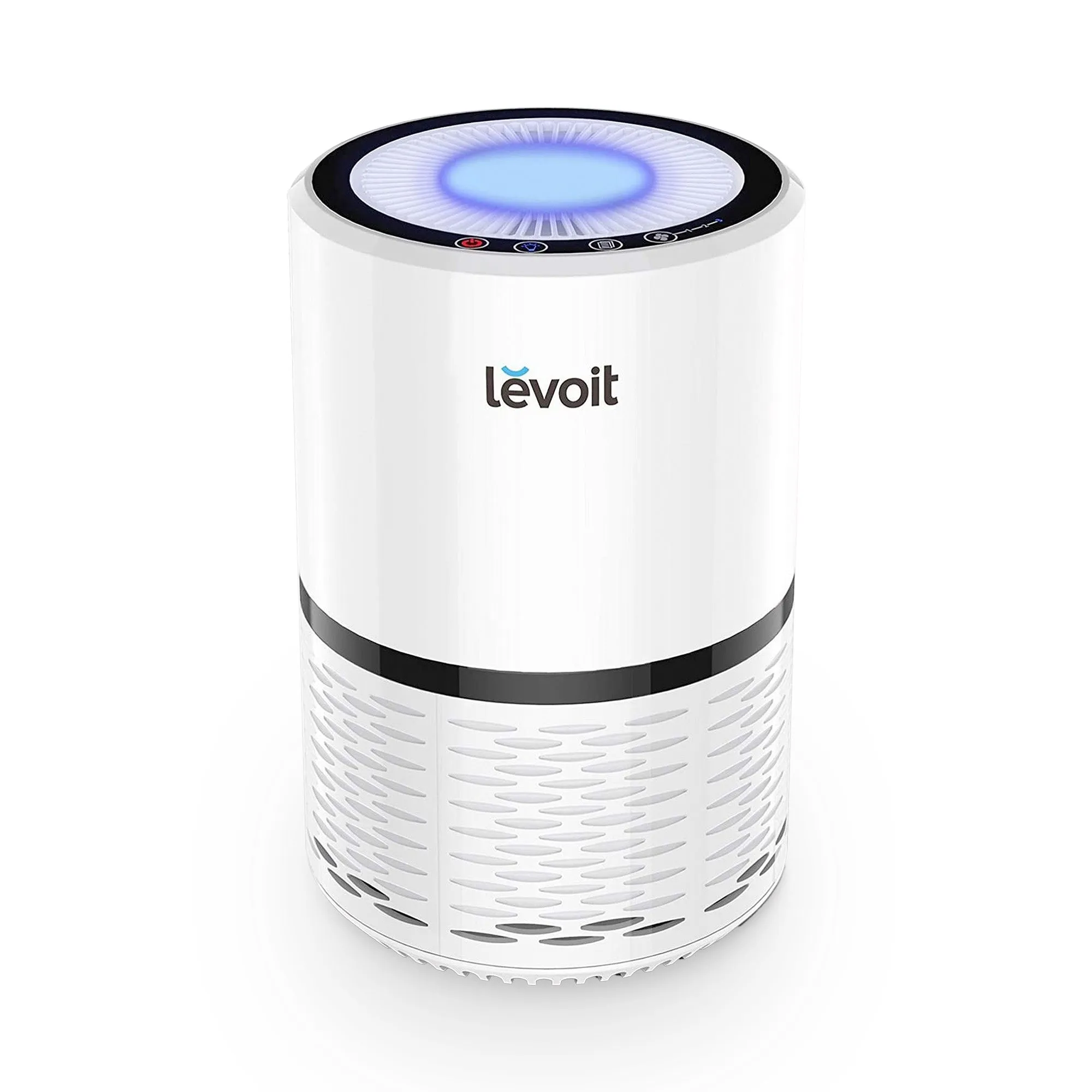
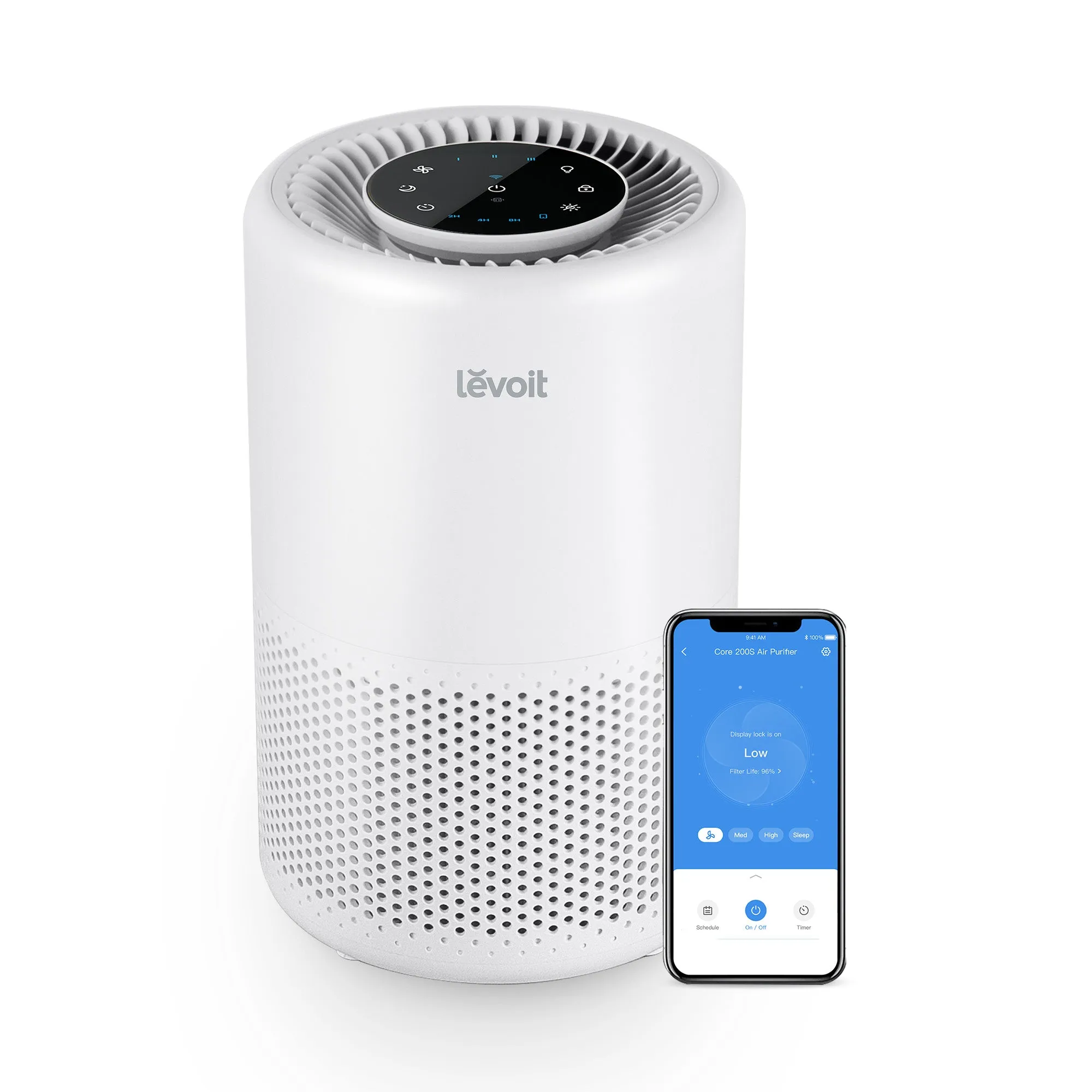
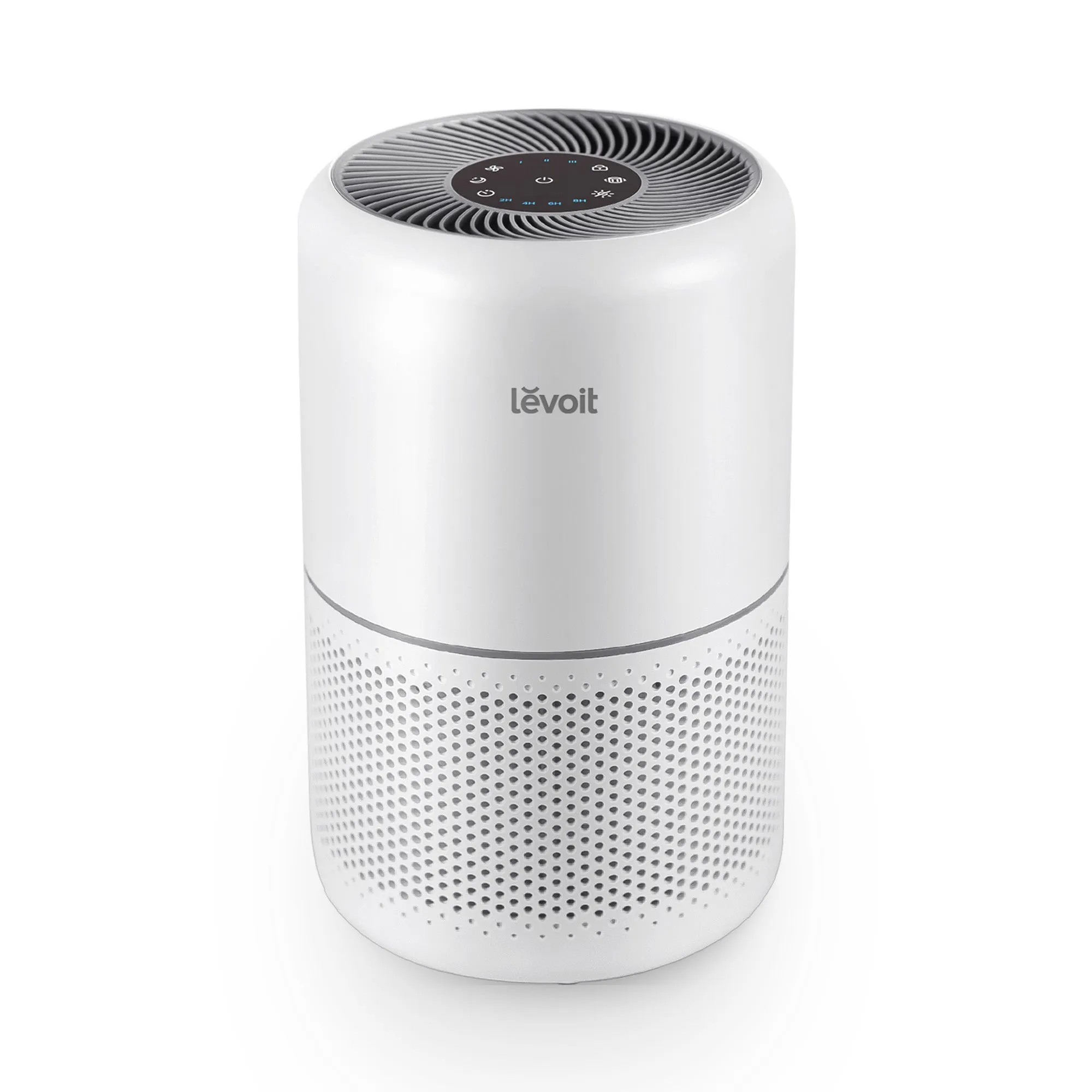
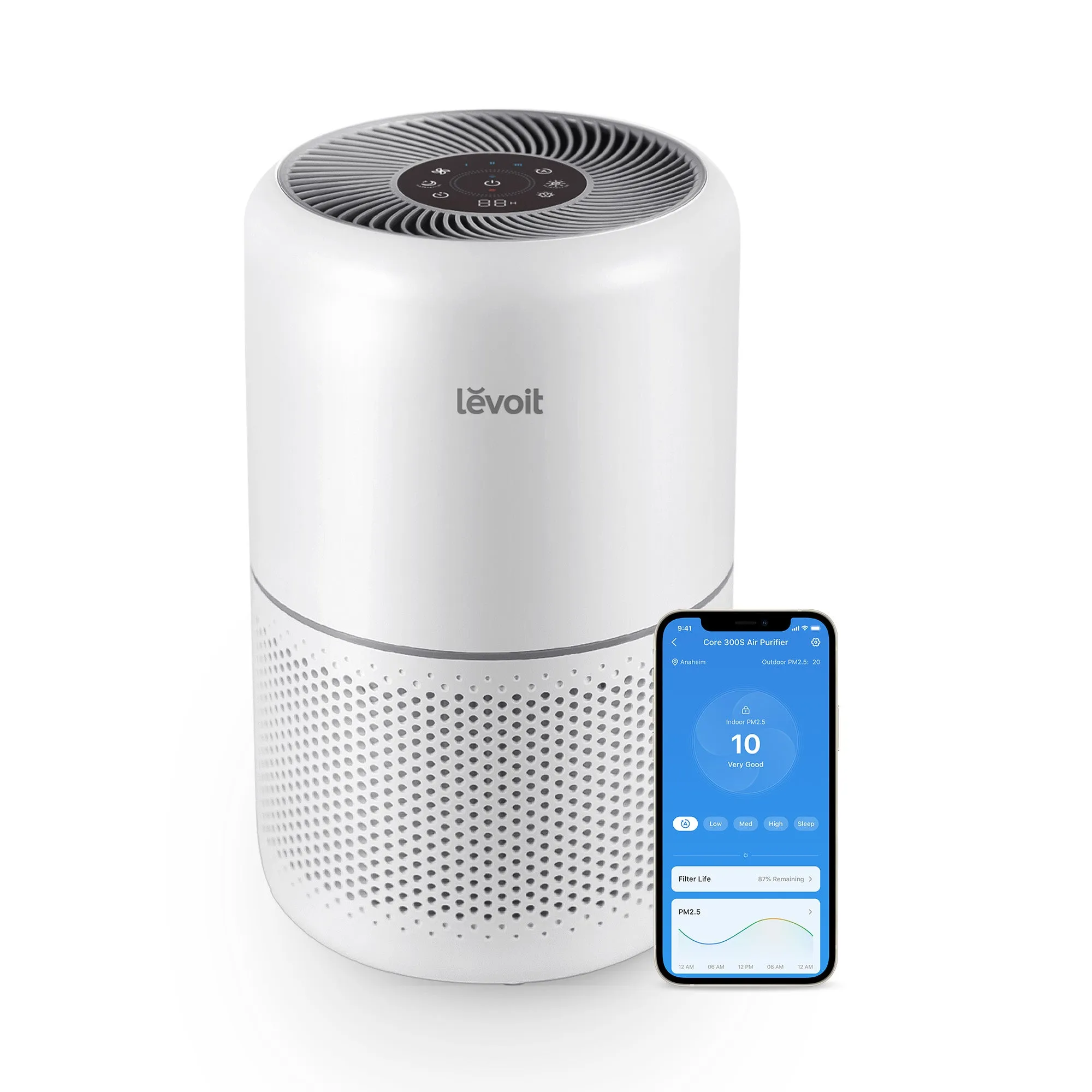
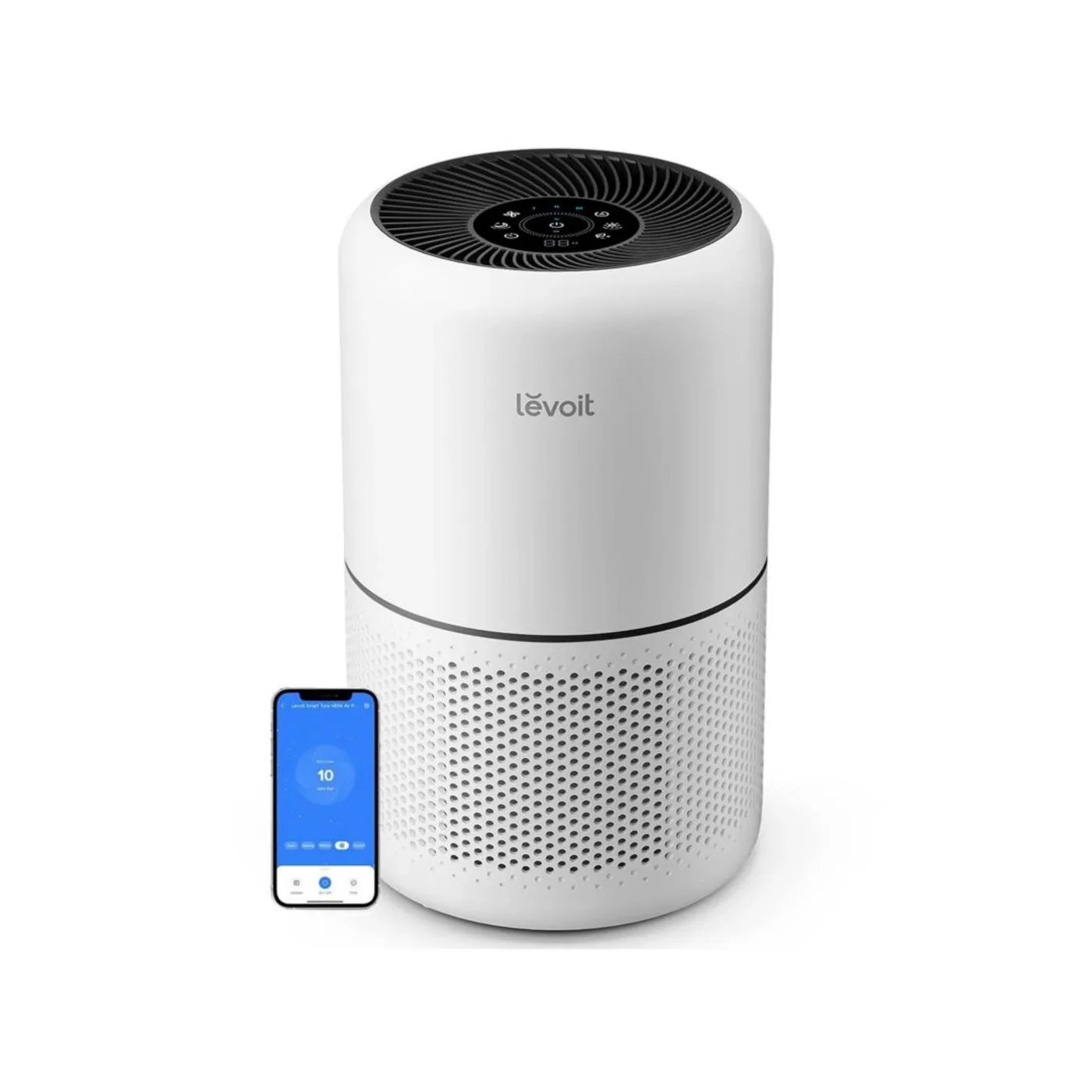
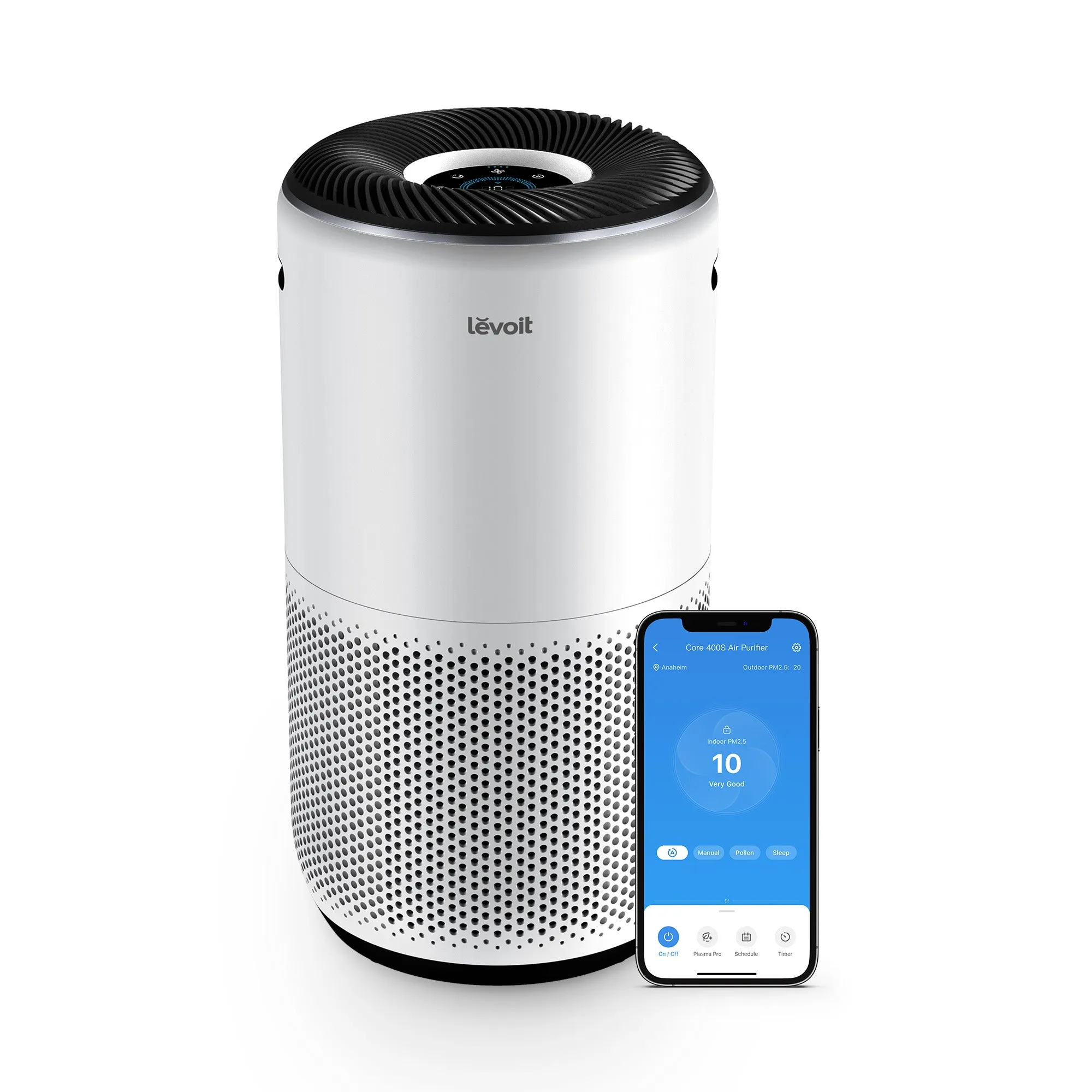
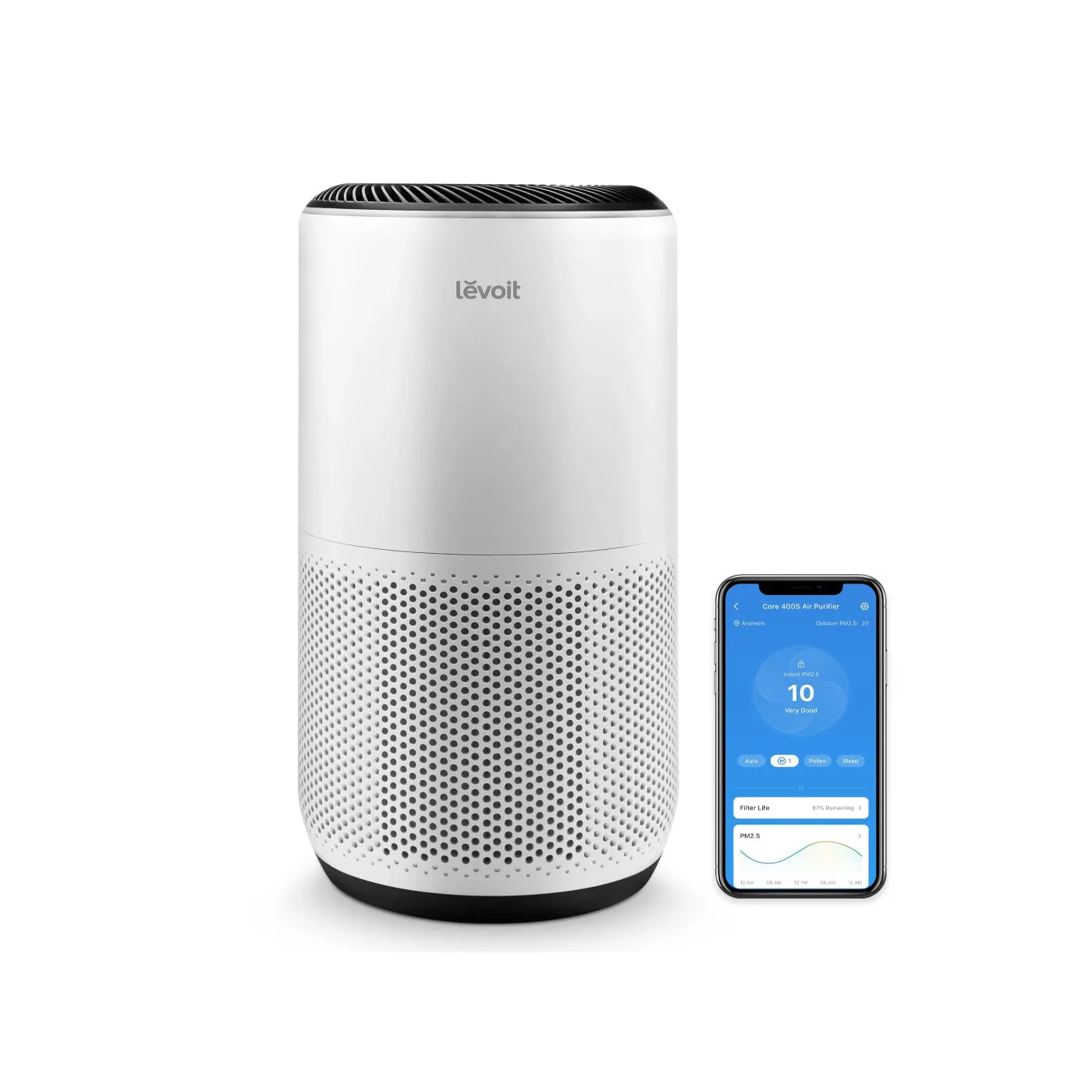
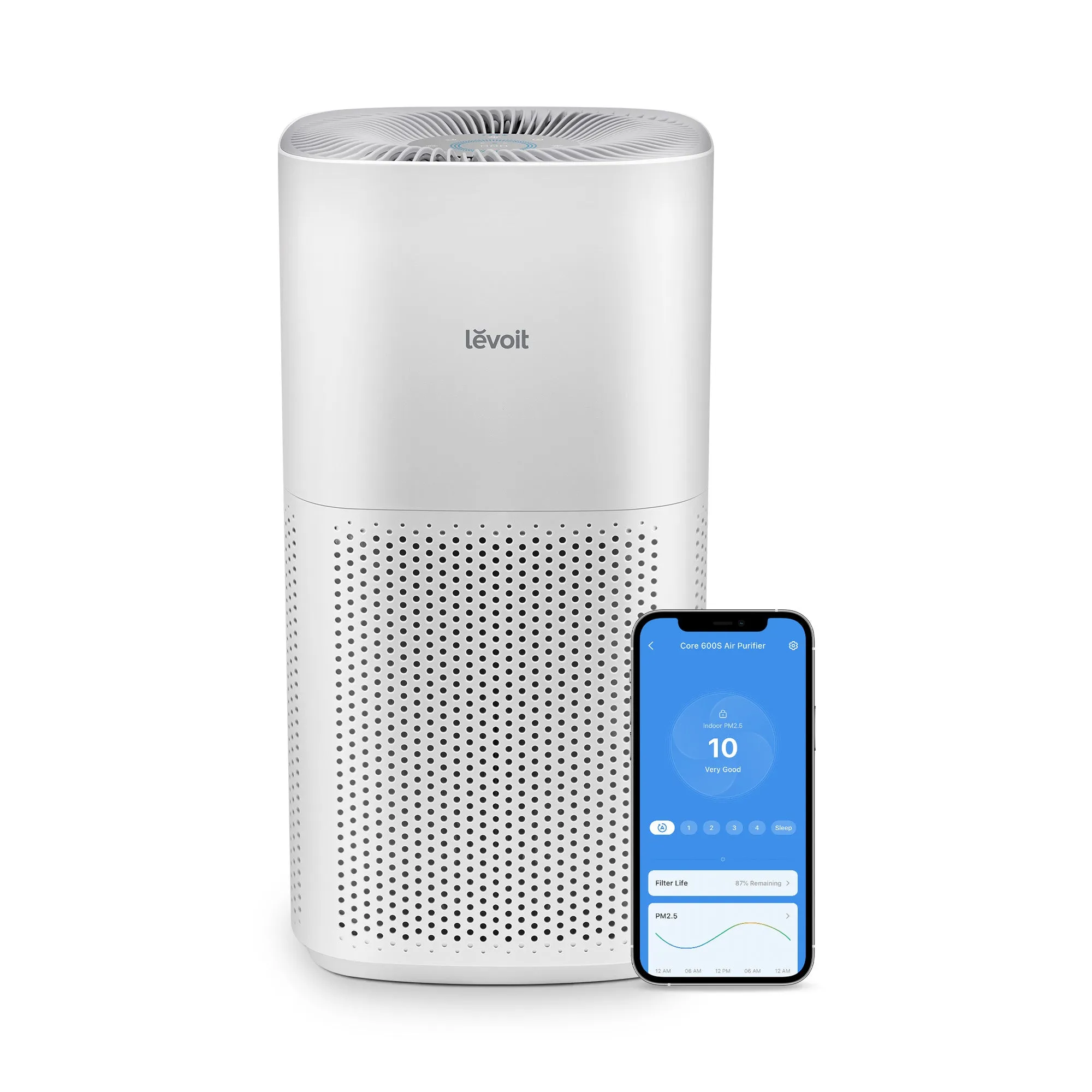
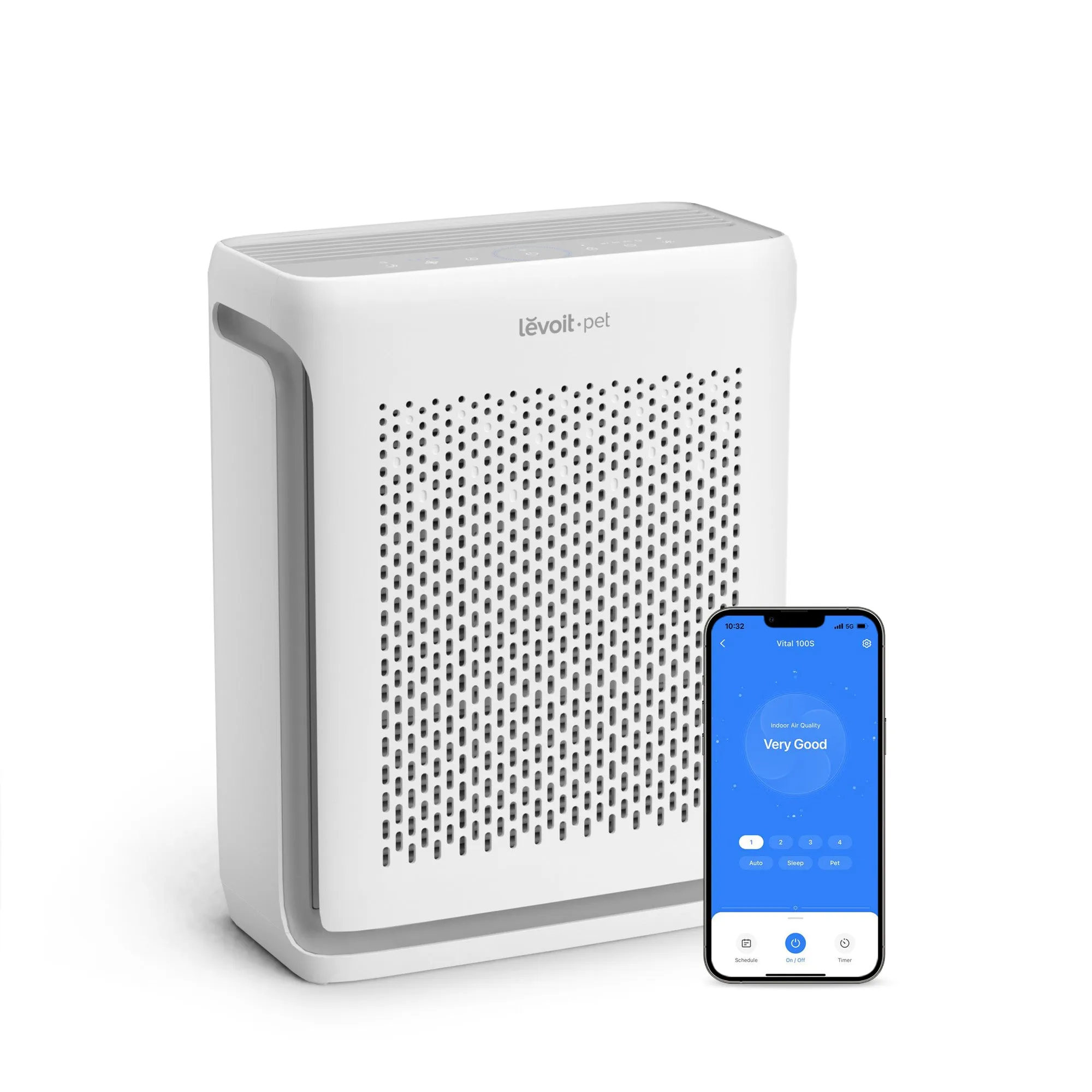
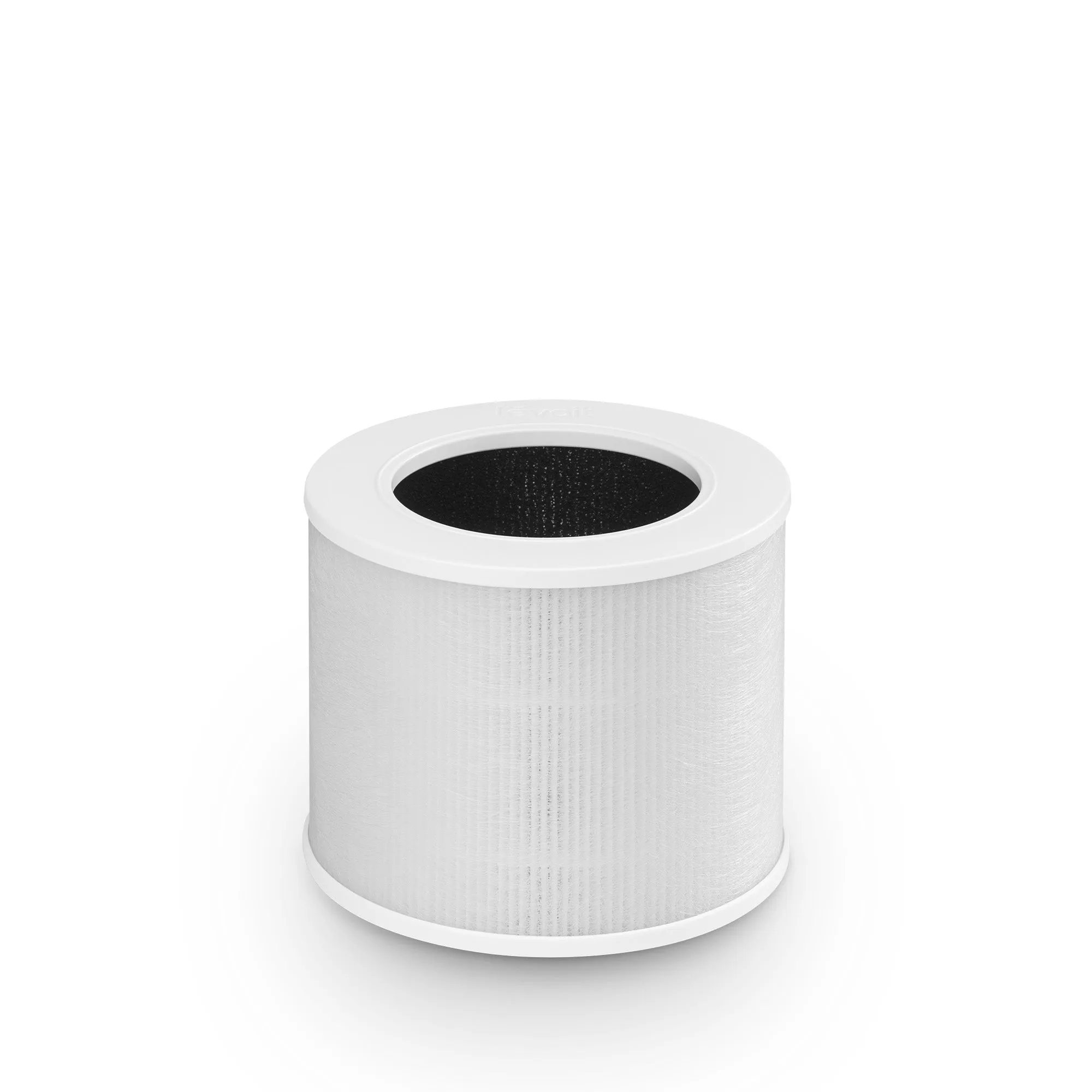
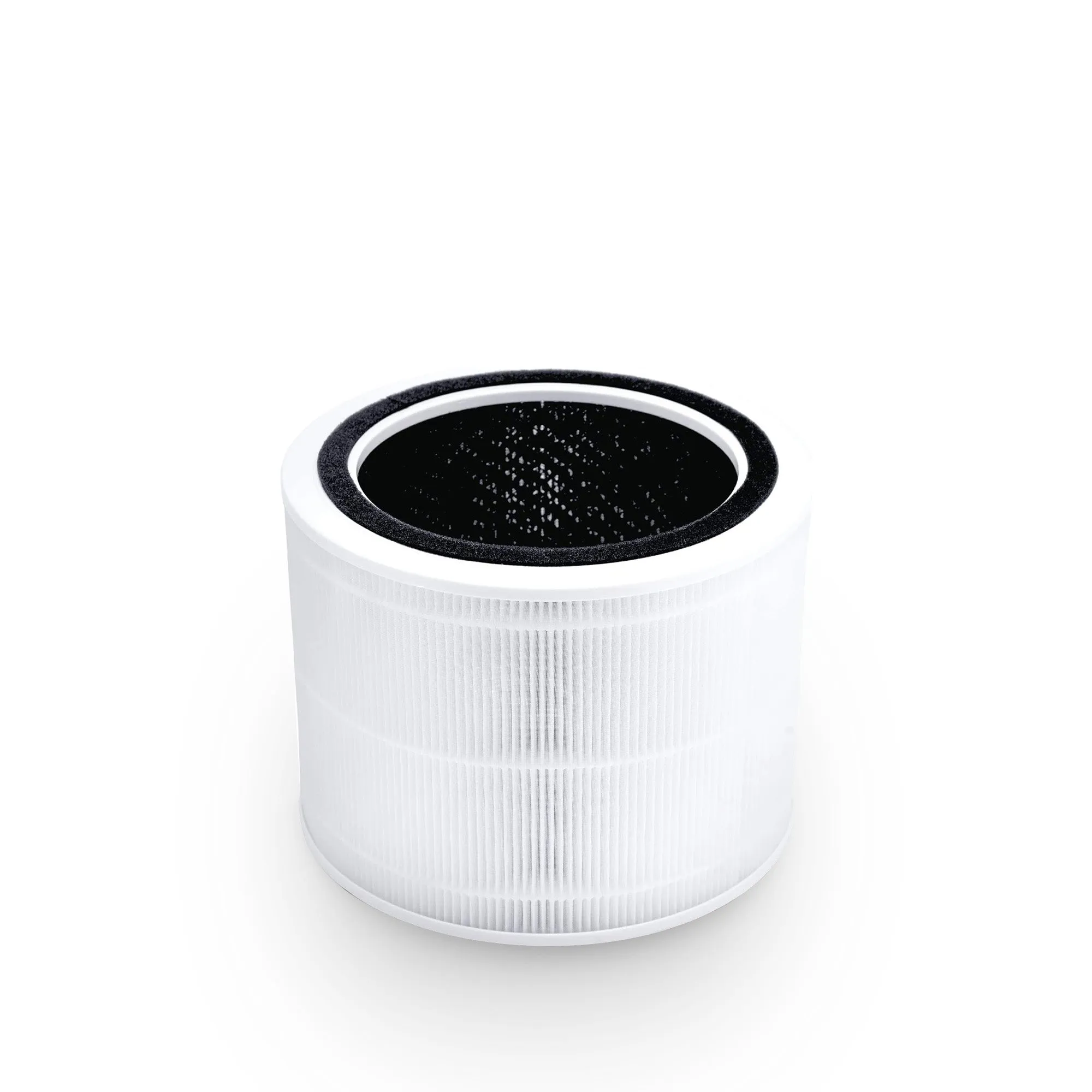
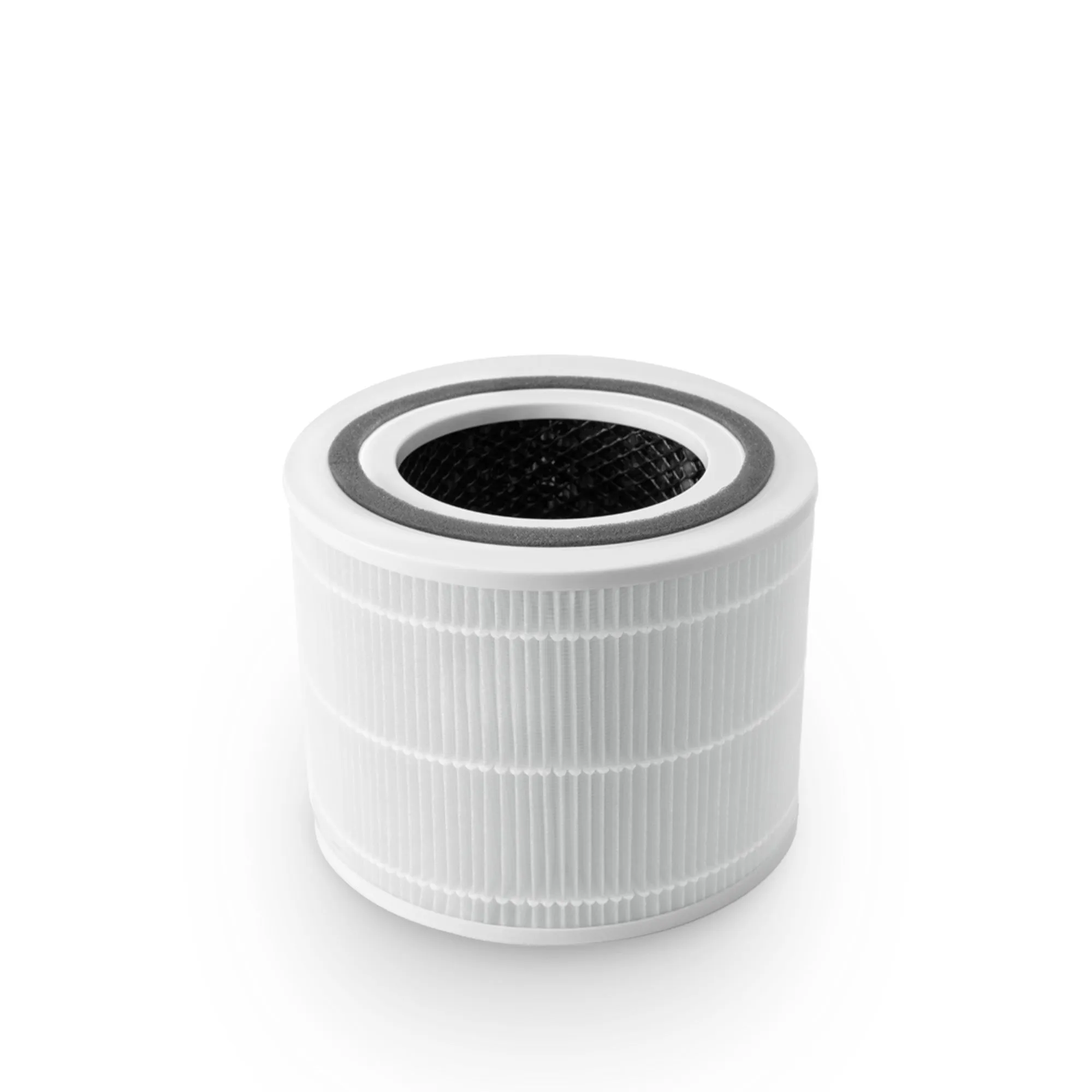
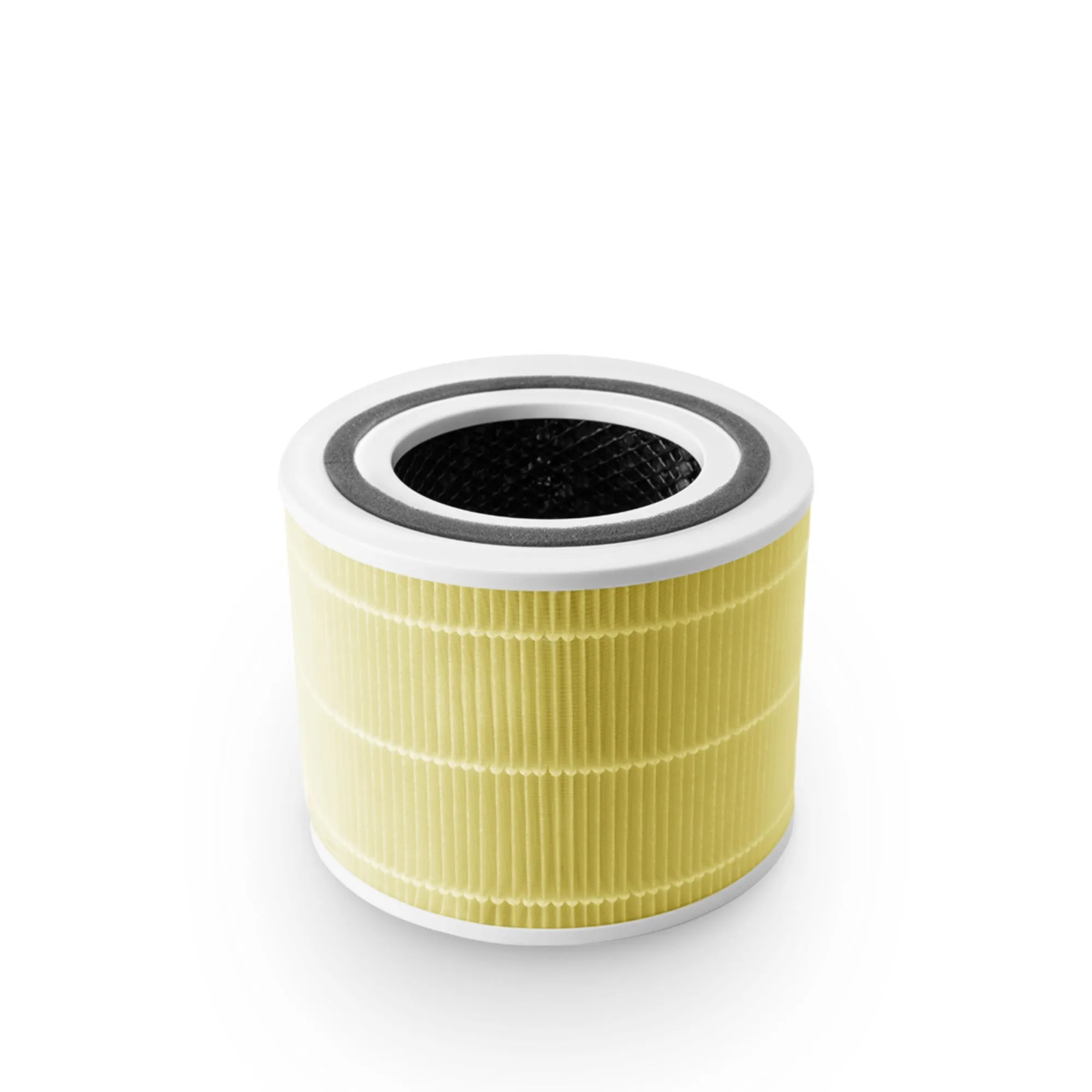
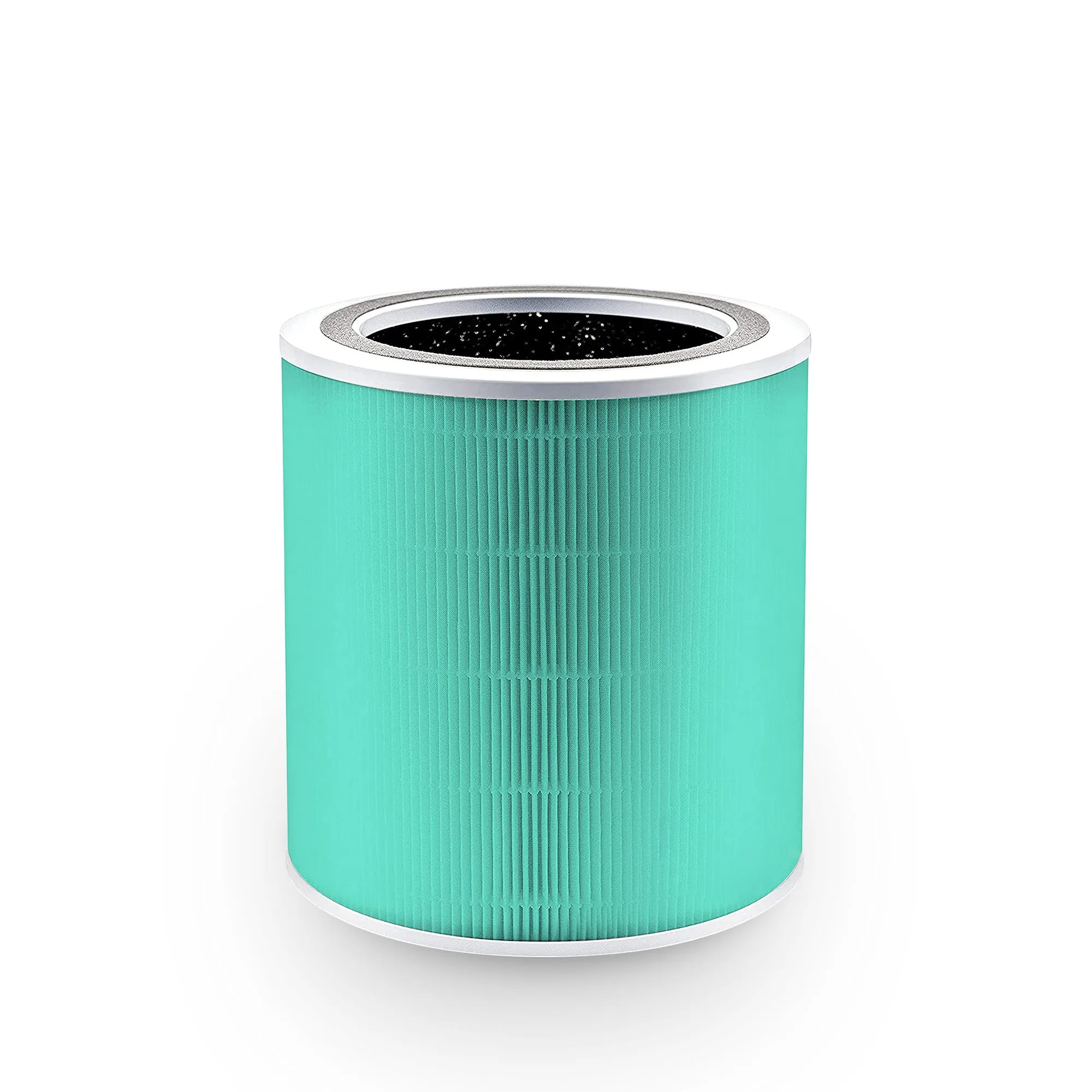
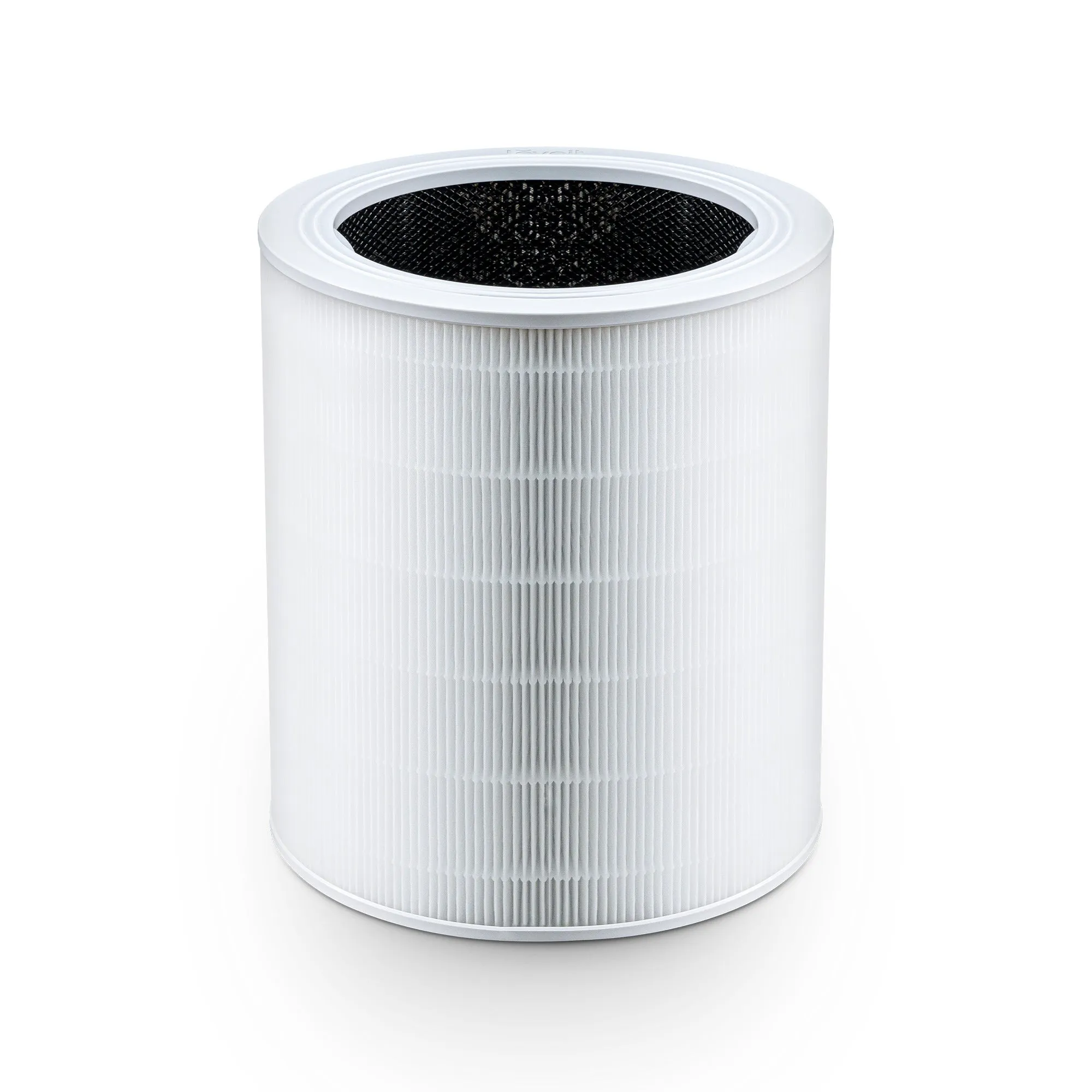
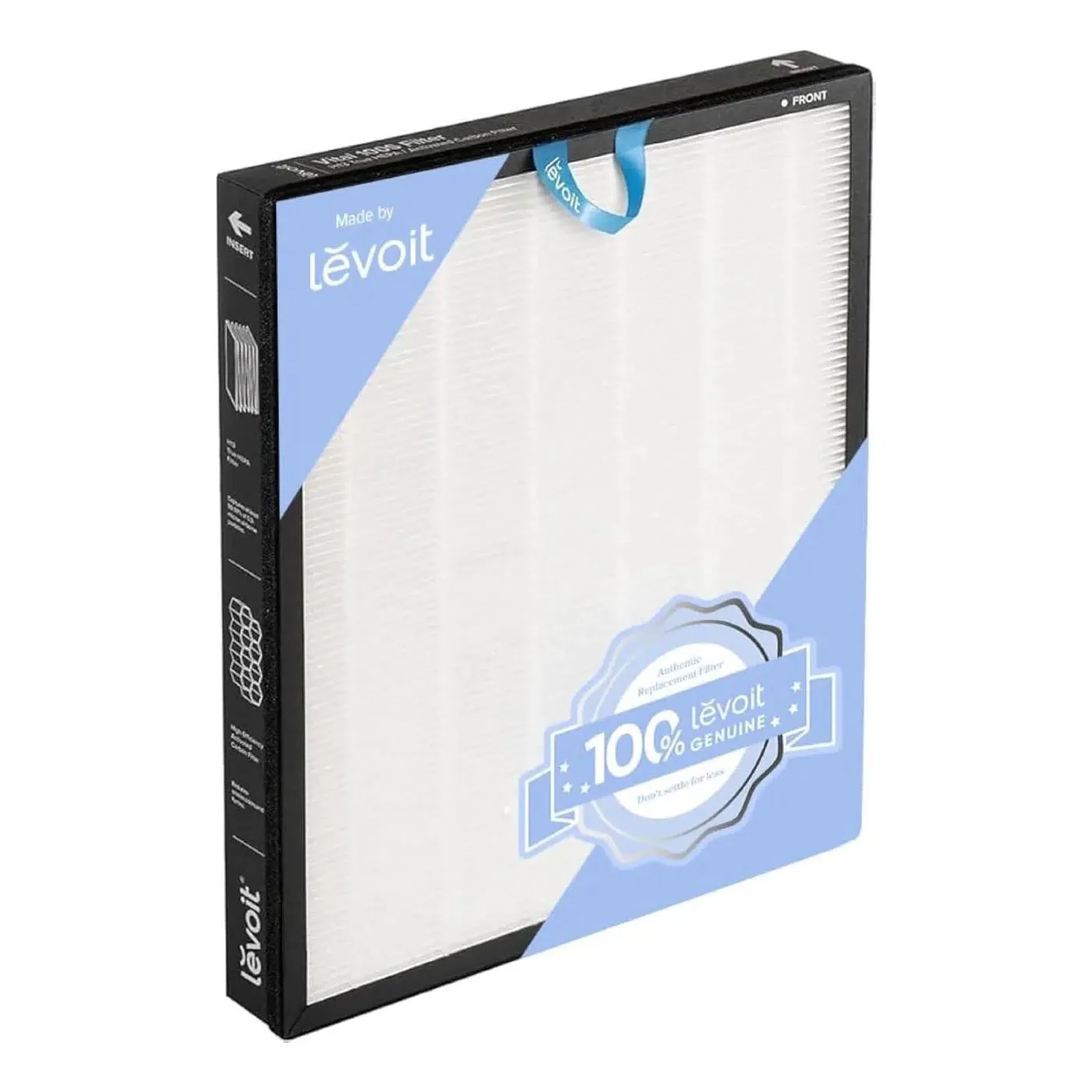
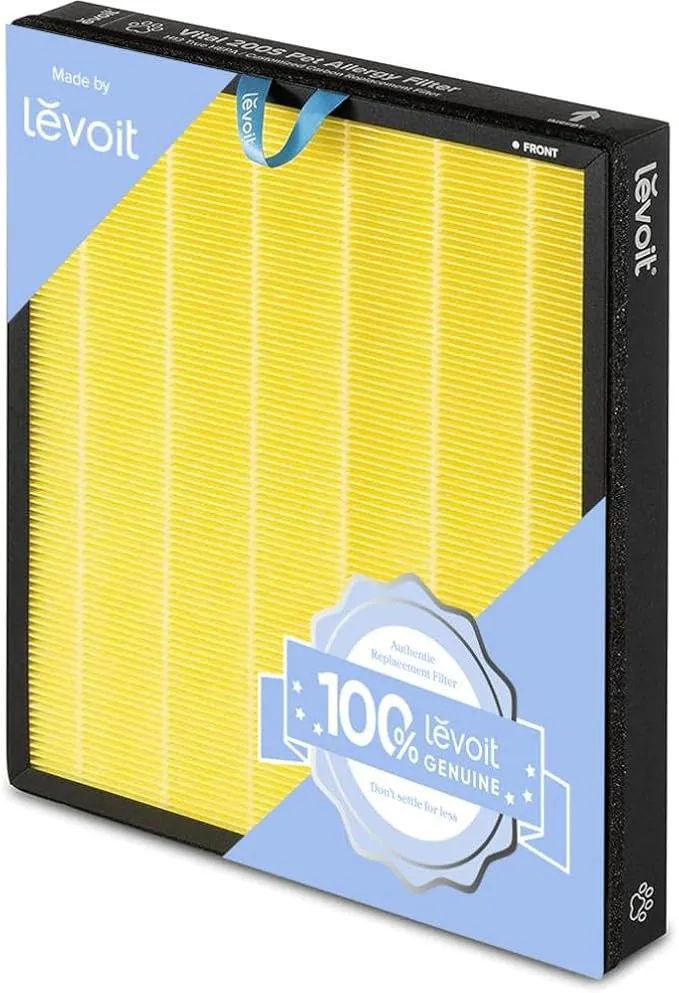
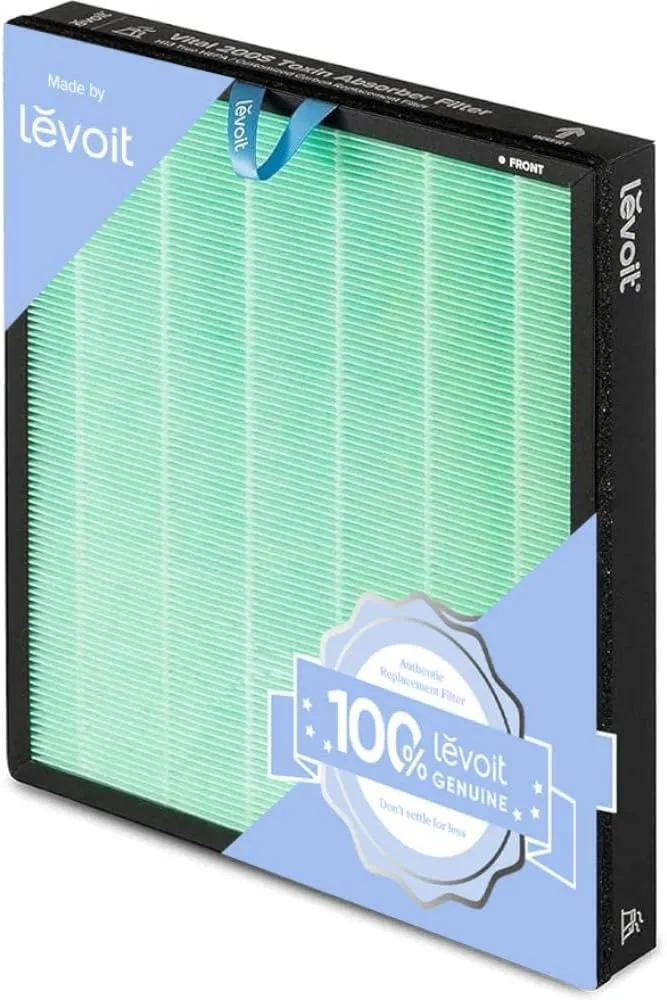
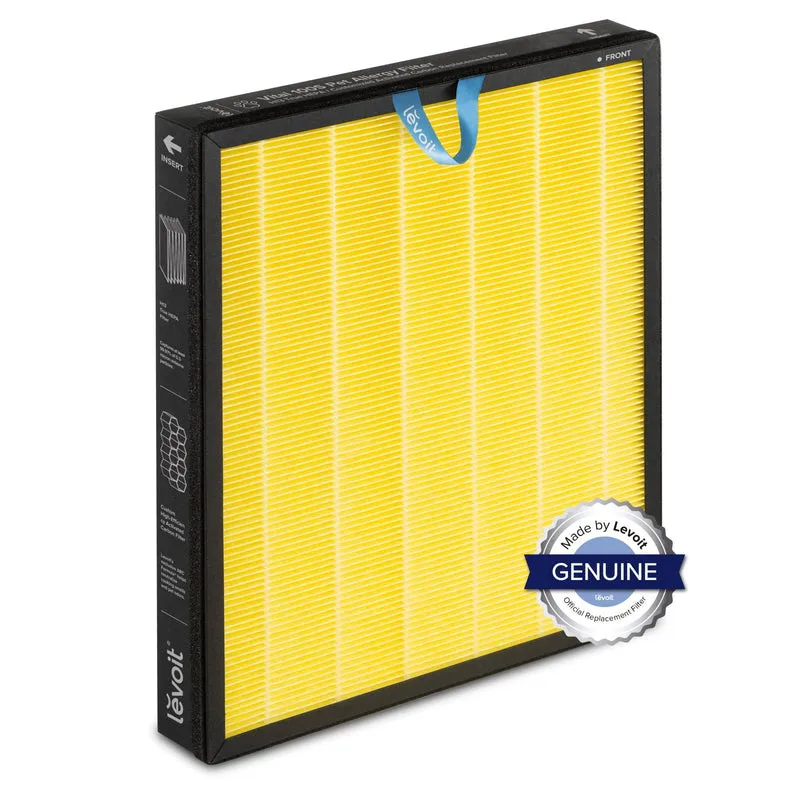
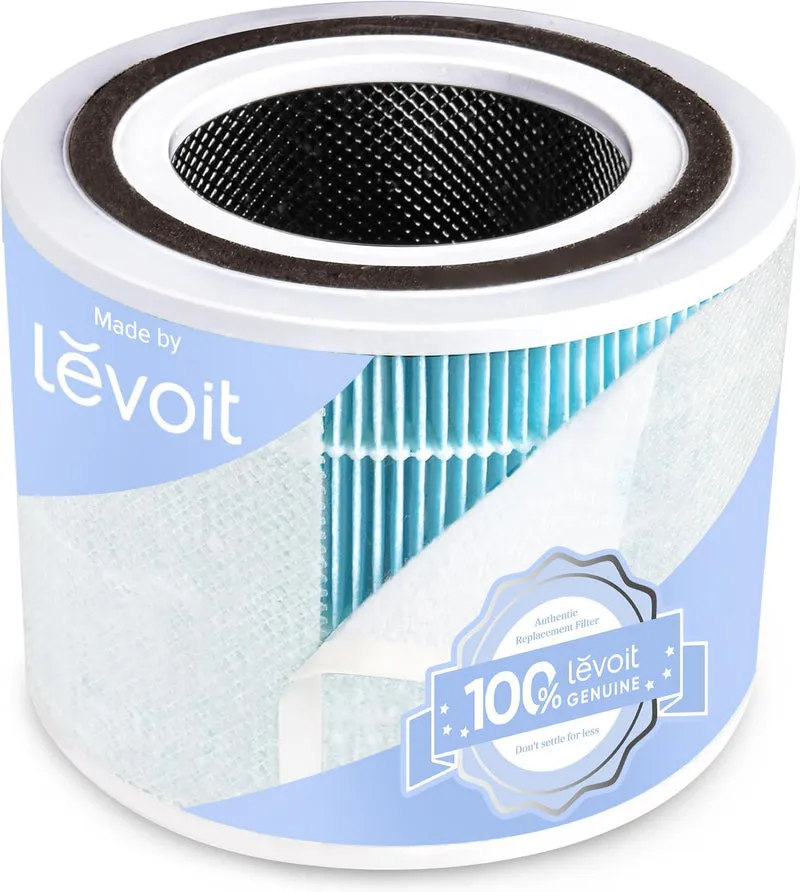
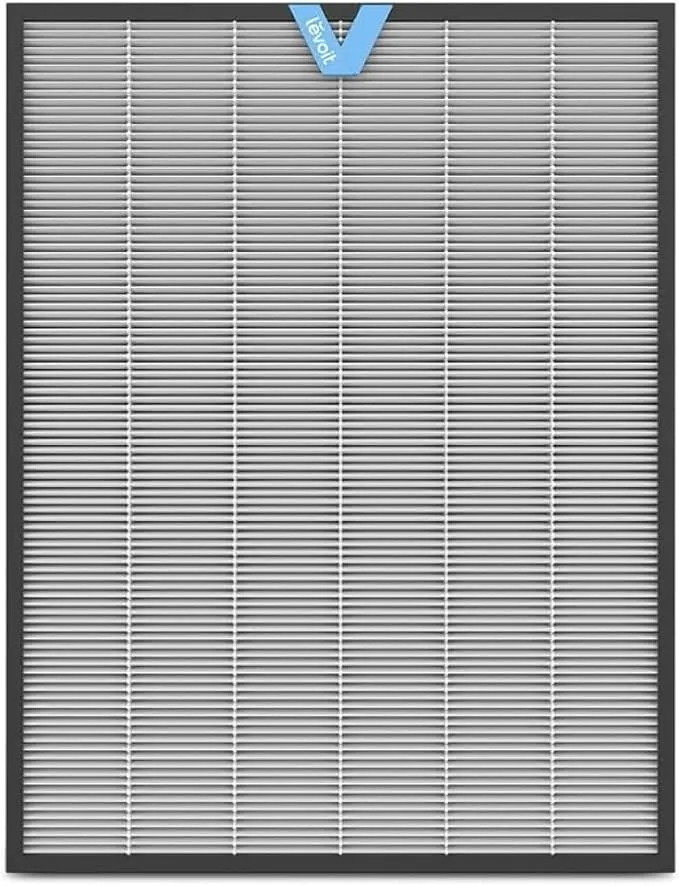
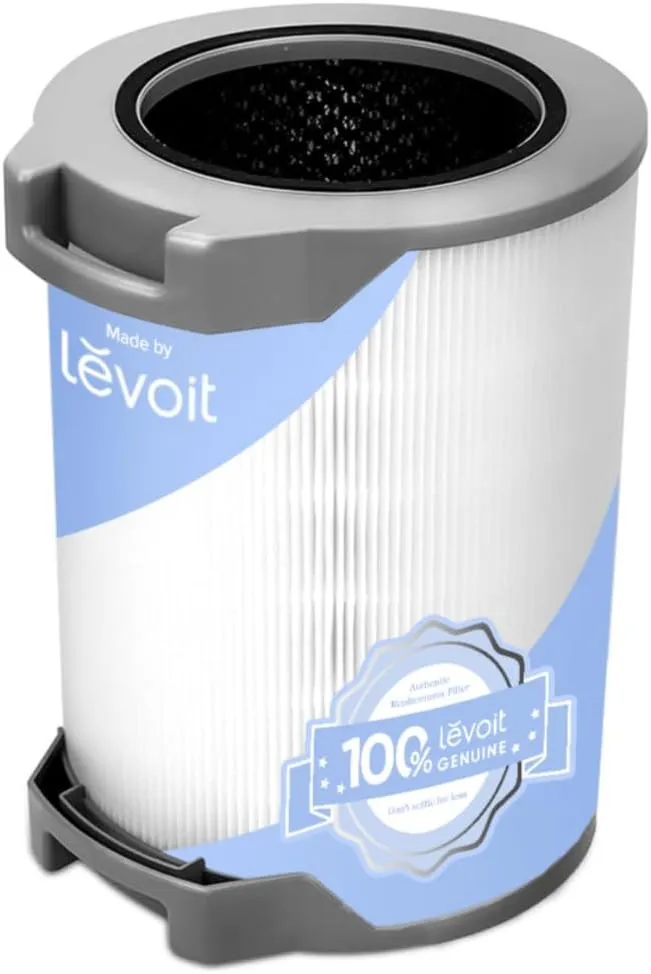
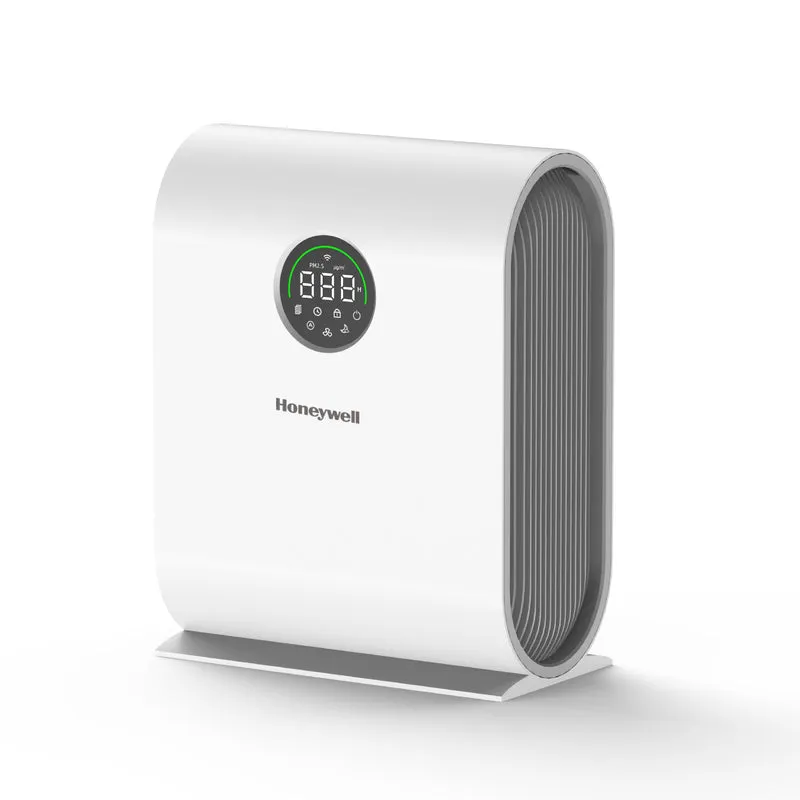
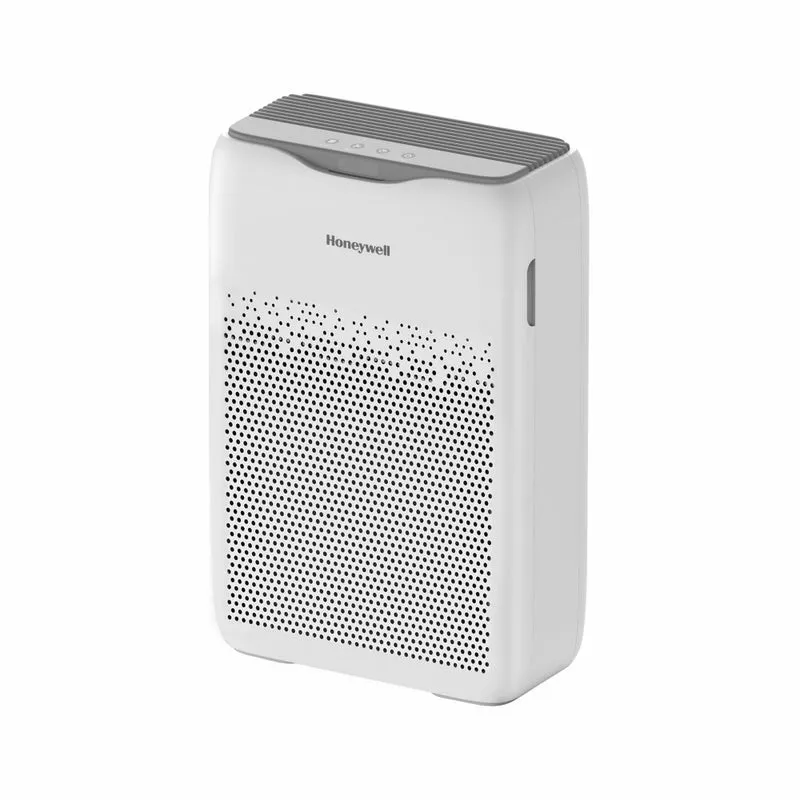
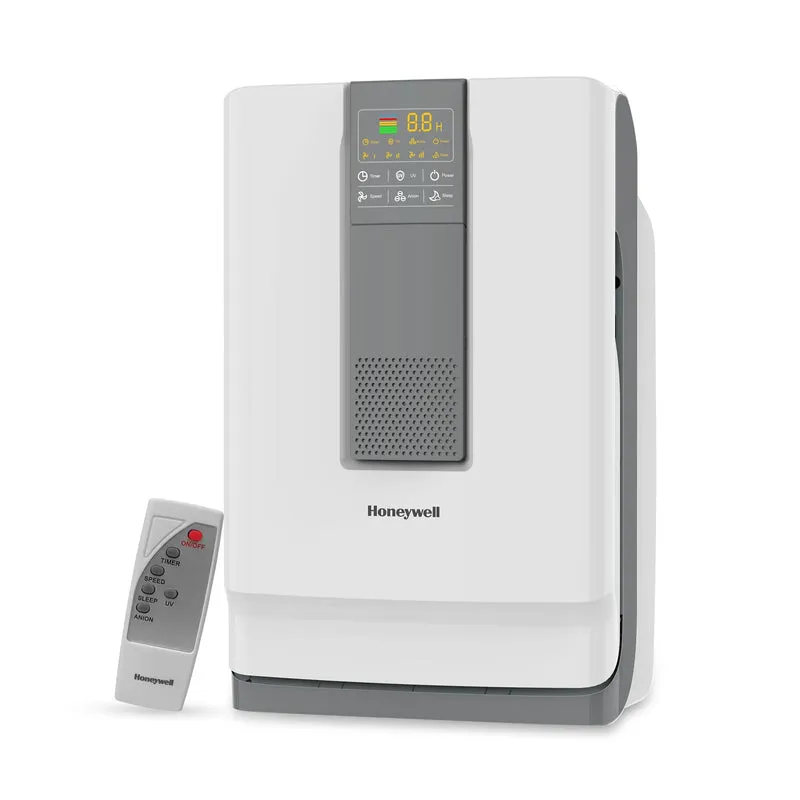
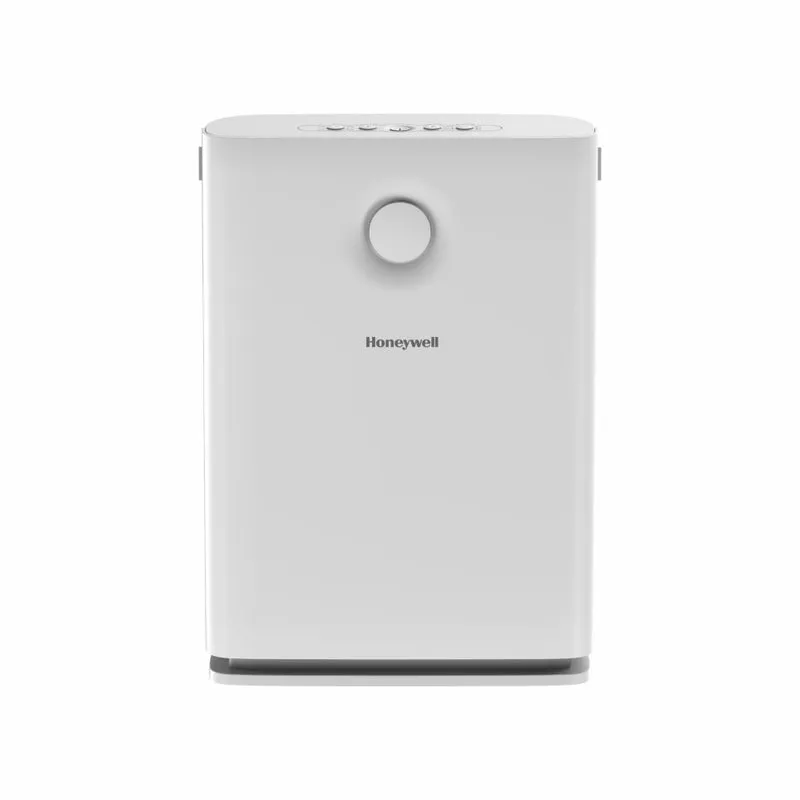
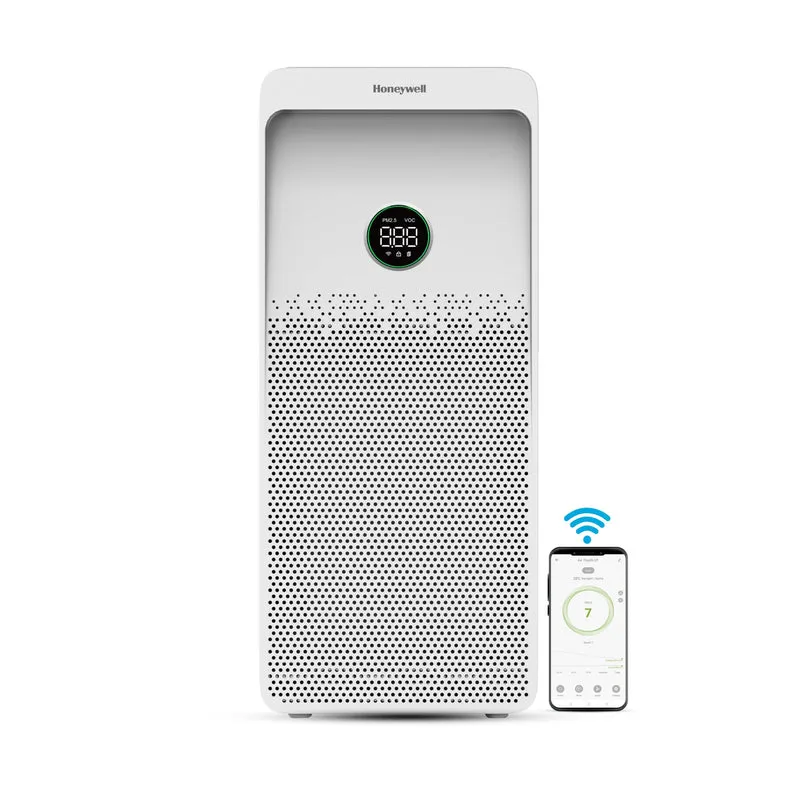
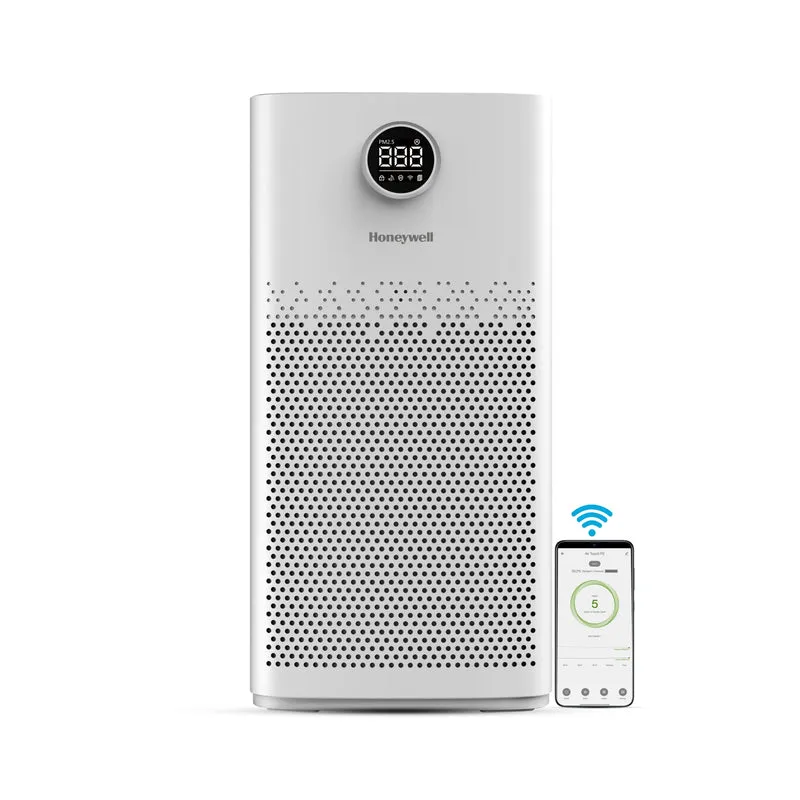
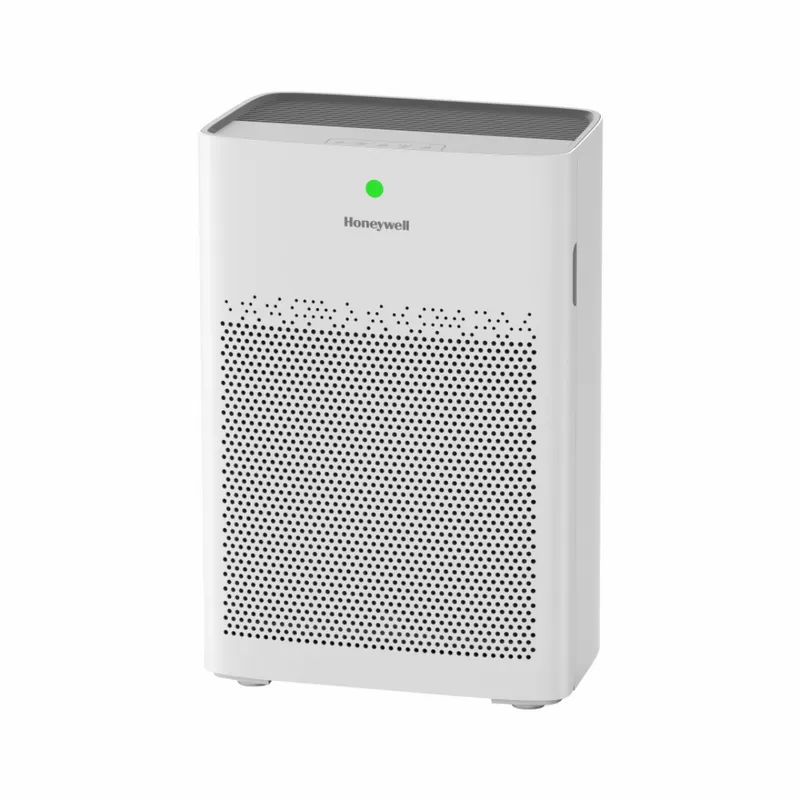
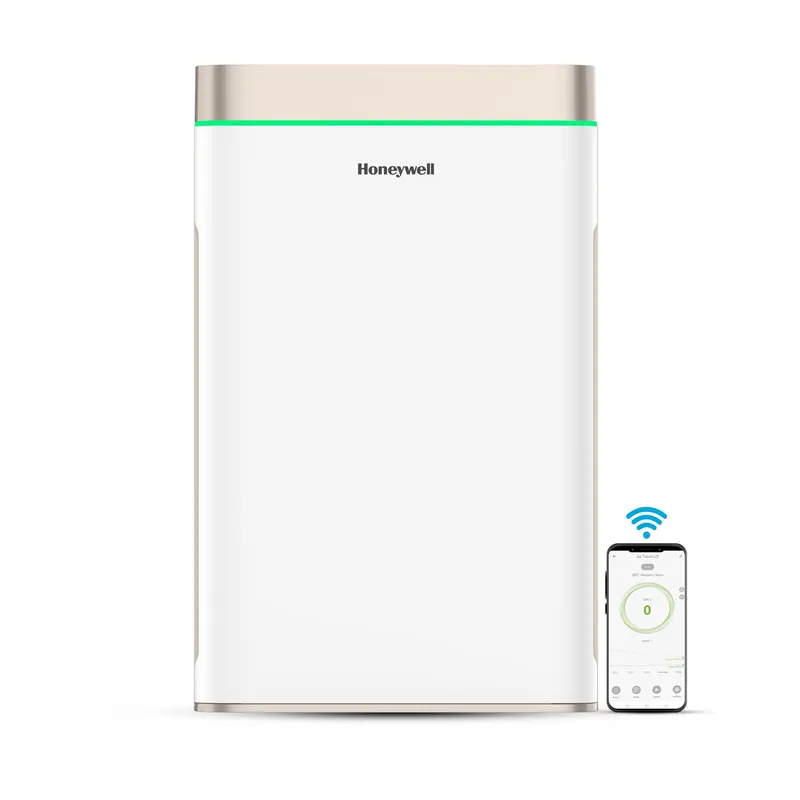
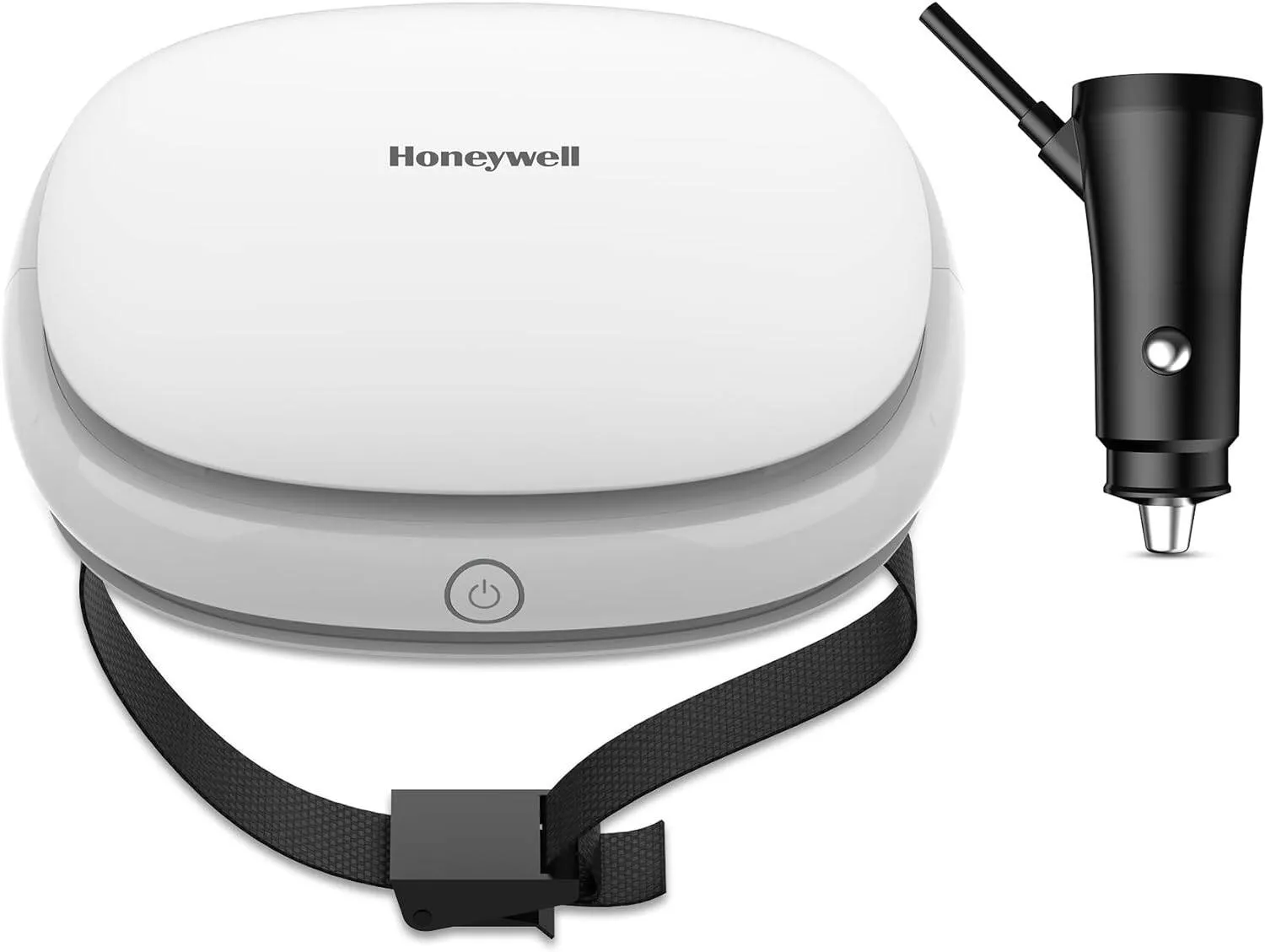
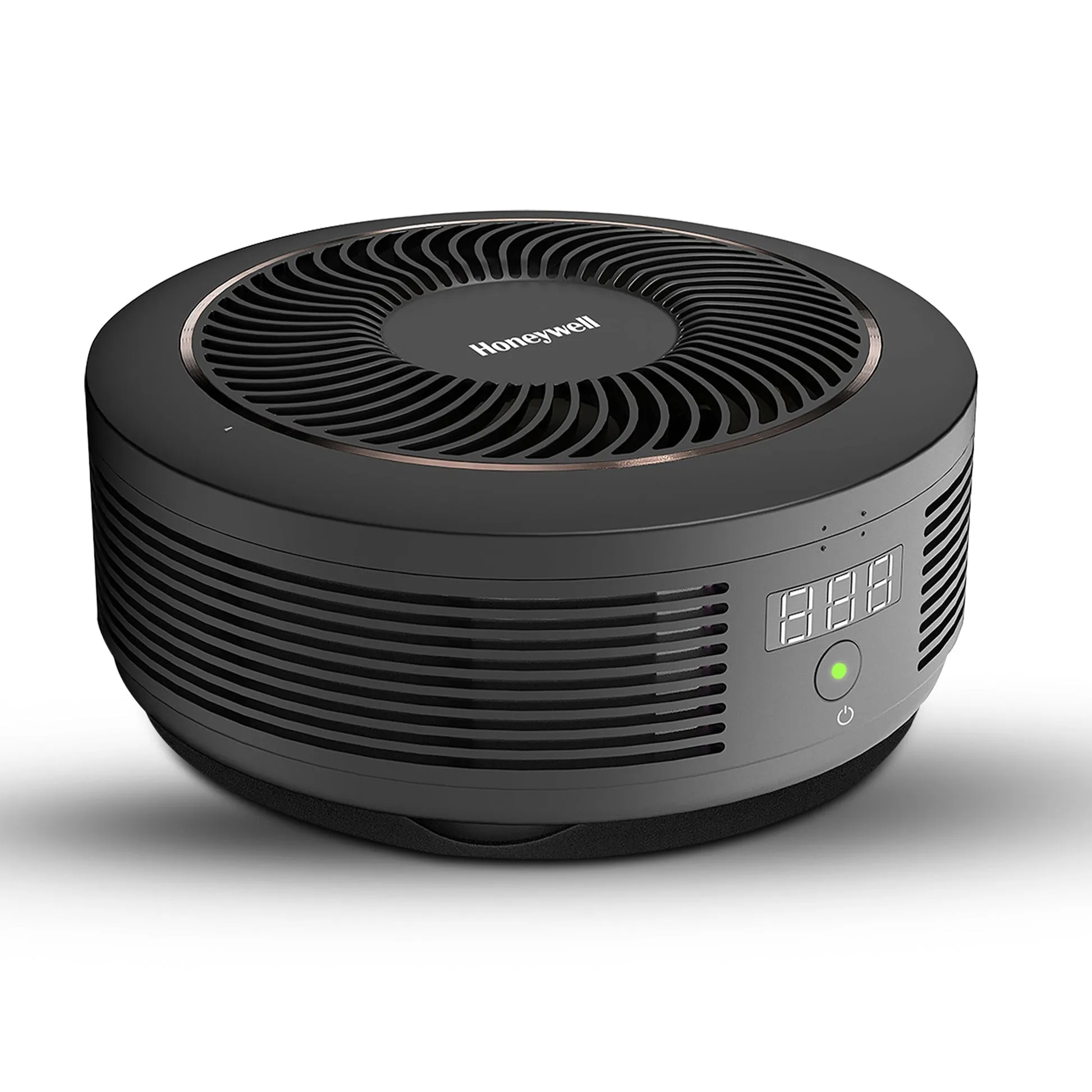
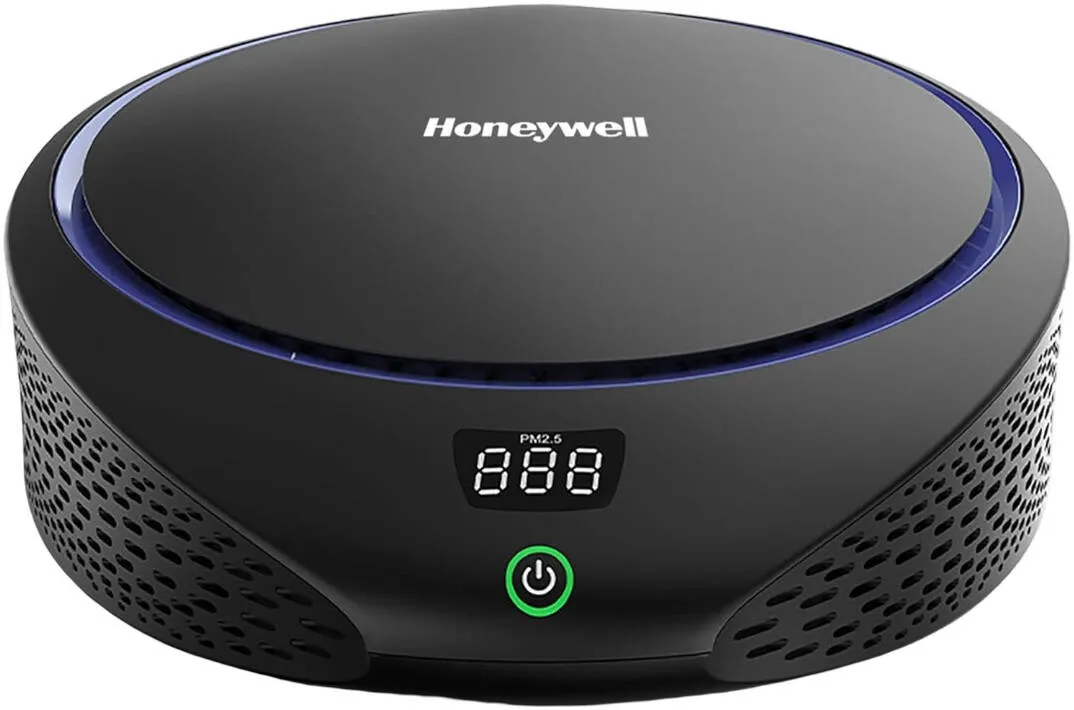
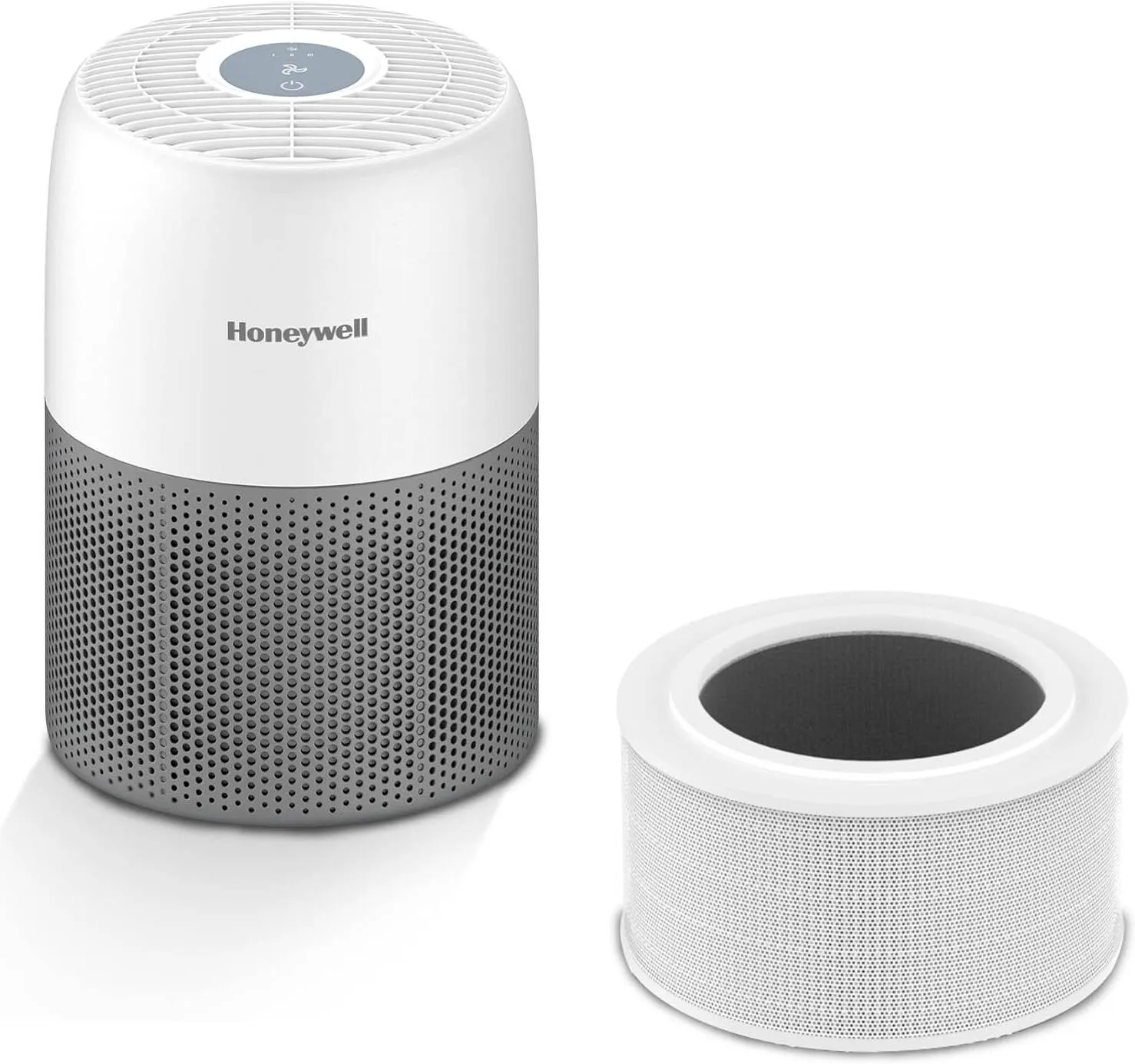
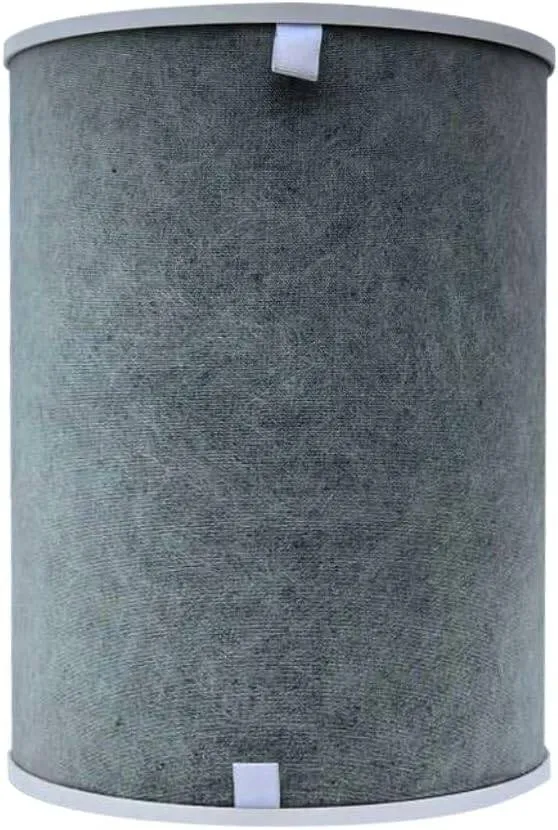
Signs that a carbon filter needs replacing include a return of chlorine taste in water, noticeable odours in filtered air, or a drop in flow rate through a water system. For product options suited to residential use, Cleanair-ae stocks carbon filter replacements for a range of air purifier models, including options compatible with Honeywell and Levoit units.
Key takeaways
Carbon filtration is the most effective passive method for removing gases, odours, and chlorine from both air and water in residential settings.
| Point | Details |
|---|---|
| Adsorption drives performance | Carbon filters bind contaminants to their surface physically, not chemically, making them reliable and passive. |
| Certifications matter | NSF/ANSI certification confirms what a filter actually removes; the label alone does not. |
| Carbon has clear limits | Standard carbon does not remove bacteria, hardness minerals, fluoride, or chloramines without catalytic carbon. |
| Pair with other filters | Combine carbon with HEPA for air and sediment filters for water to achieve complete purification. |
| Replace every six months | Saturated filters stop working and can release trapped contaminants back into the air or water. |
Carbon filters: what I have learned after years of watching people get them wrong
People consistently overestimate what a carbon filter does on its own. I have seen households install a GAC water filter, feel reassured by the improved taste, and assume their water is now fully purified. It is not. Carbon removes chlorine and improves taste. It does not remove bacteria, nitrates, or hardness. That gap between perception and reality is where problems arise.
The other mistake I see regularly is ignoring replacement schedules. A saturated carbon filter is not neutral. It can desorb, meaning it releases previously trapped contaminants back into the water or air. The filter that was protecting you starts working against you. Six months is the standard guidance, but high-pollution environments or heavy water usage can shorten that considerably.
What I find genuinely underappreciated is the importance of raw material. Coconut shell carbon consistently outperforms coal-based carbon for drinking water applications because of its pore structure and lower impurity levels. Most consumers never ask about raw material. They should. It is one of the clearest indicators of filter quality before you even look at certifications.
The balanced approach works: carbon for gases and odours, HEPA for particles in air, sediment pre-filters for water. No single filter type covers everything. The households with the best indoor air quality I have encountered use layered filtration, not a single product. Carbon is a critical layer. It is not the whole answer.
— Wojciech
Carbon filtration products at Cleanair-ae
Cleanair-ae stocks a range of carbon filter options suited for residential and commercial environments across the UAE, with fast delivery to Dubai, Abu Dhabi, and beyond.
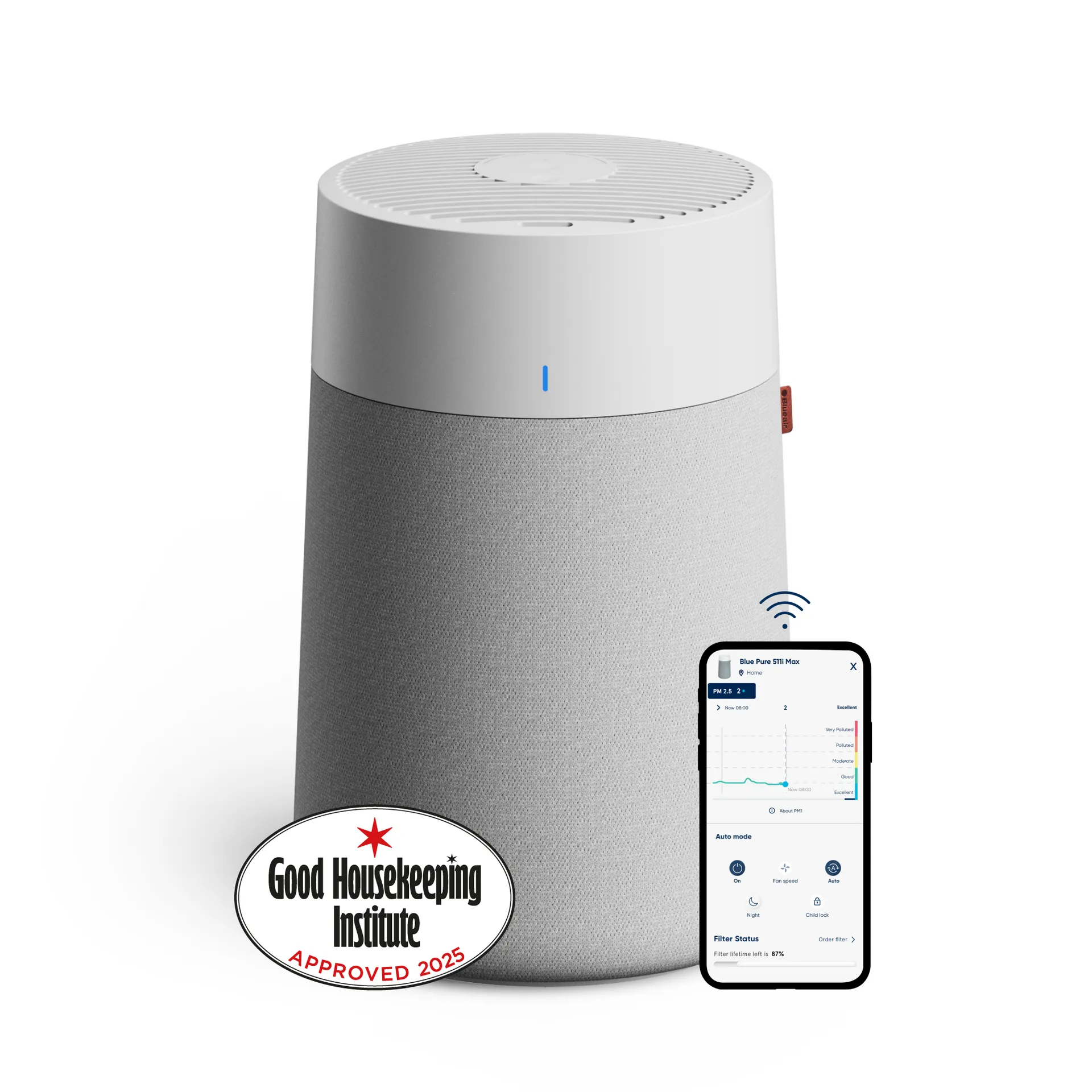
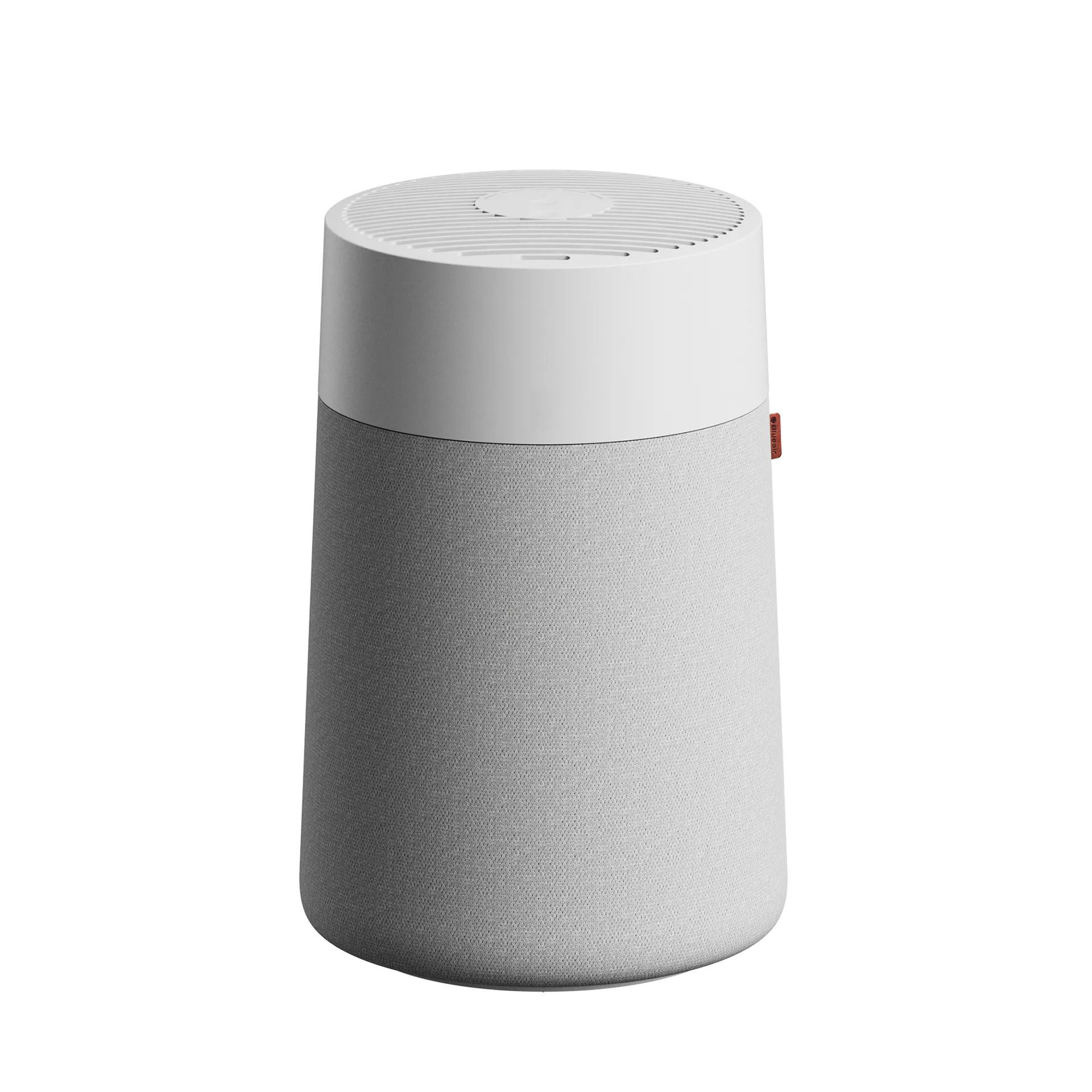
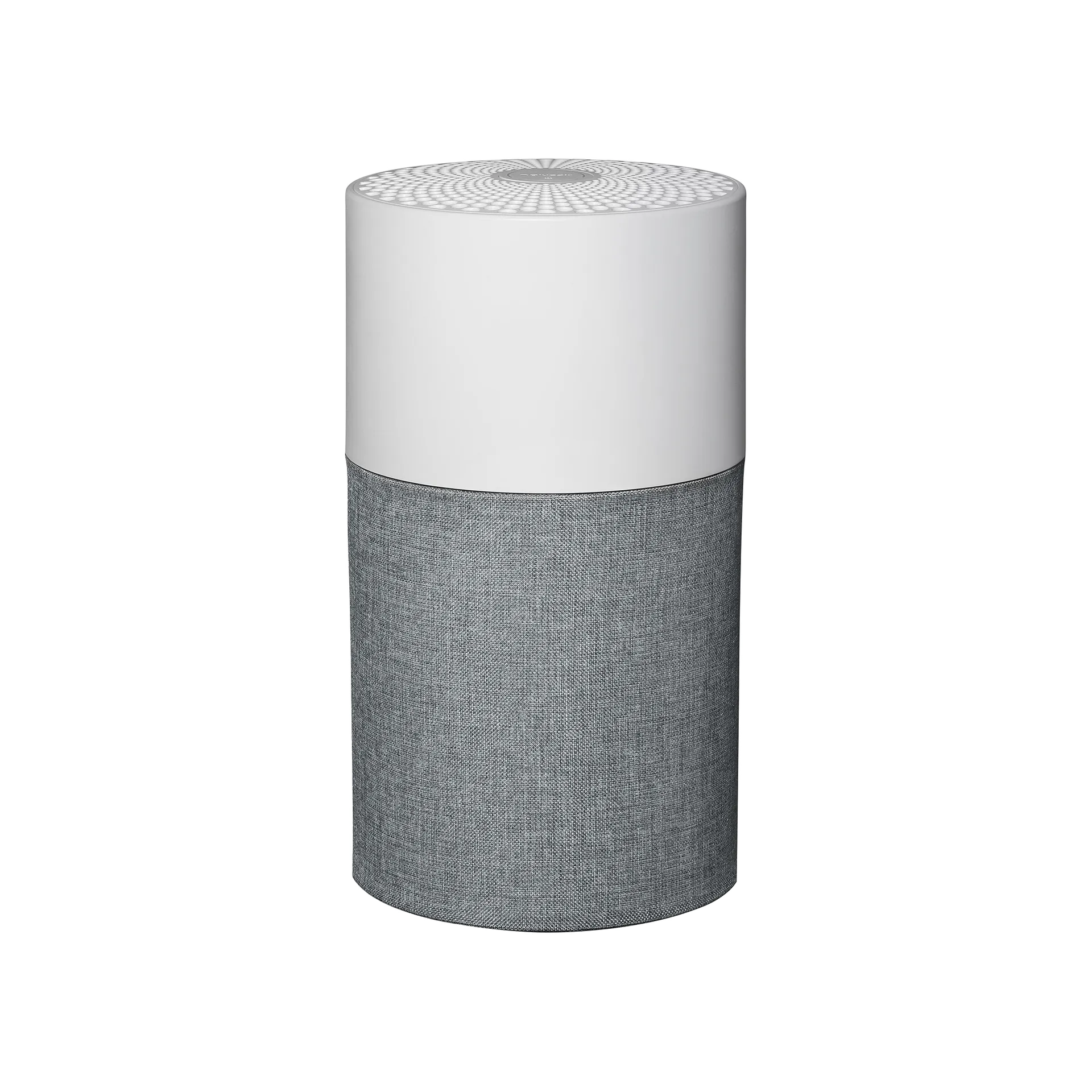
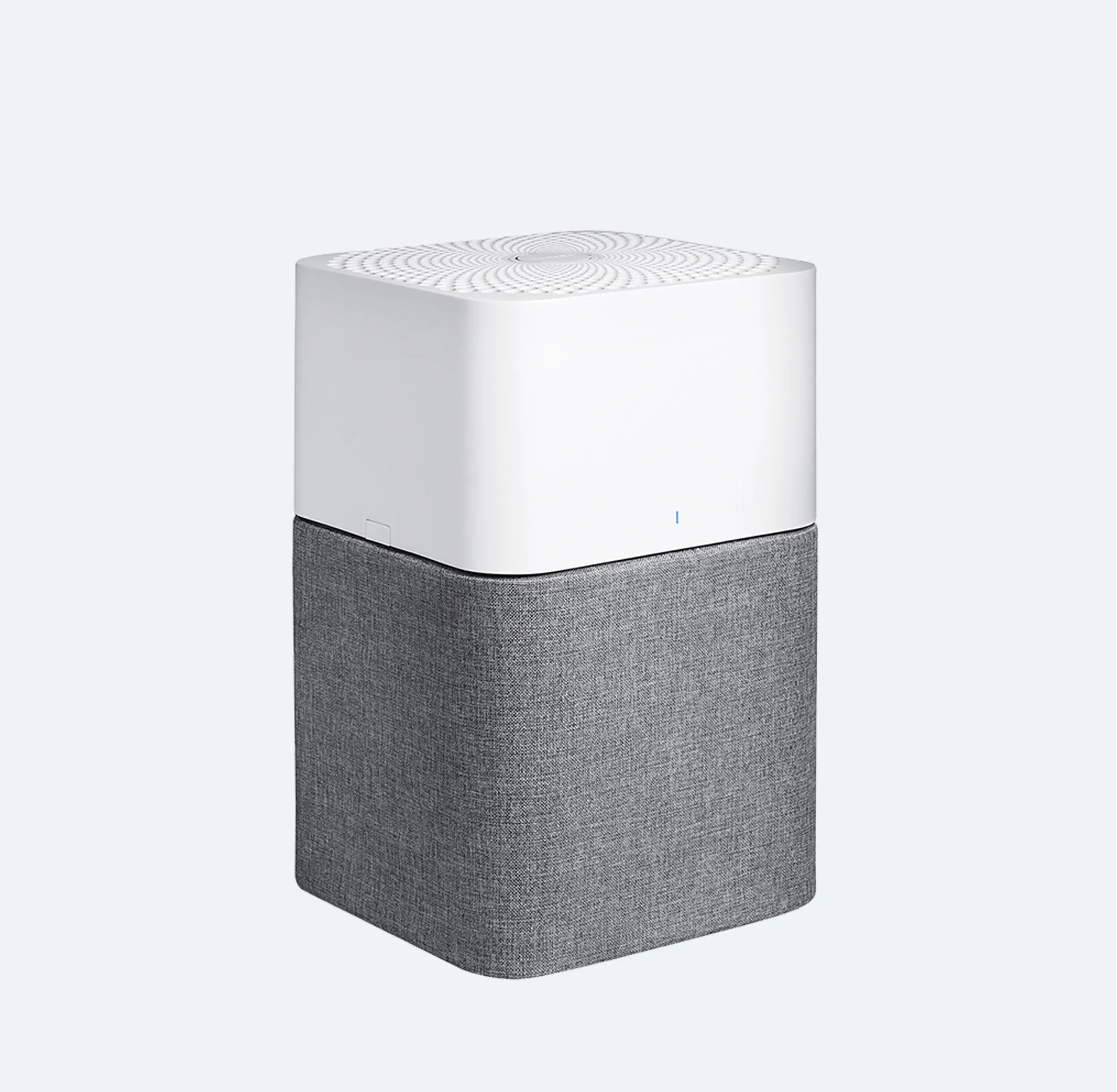
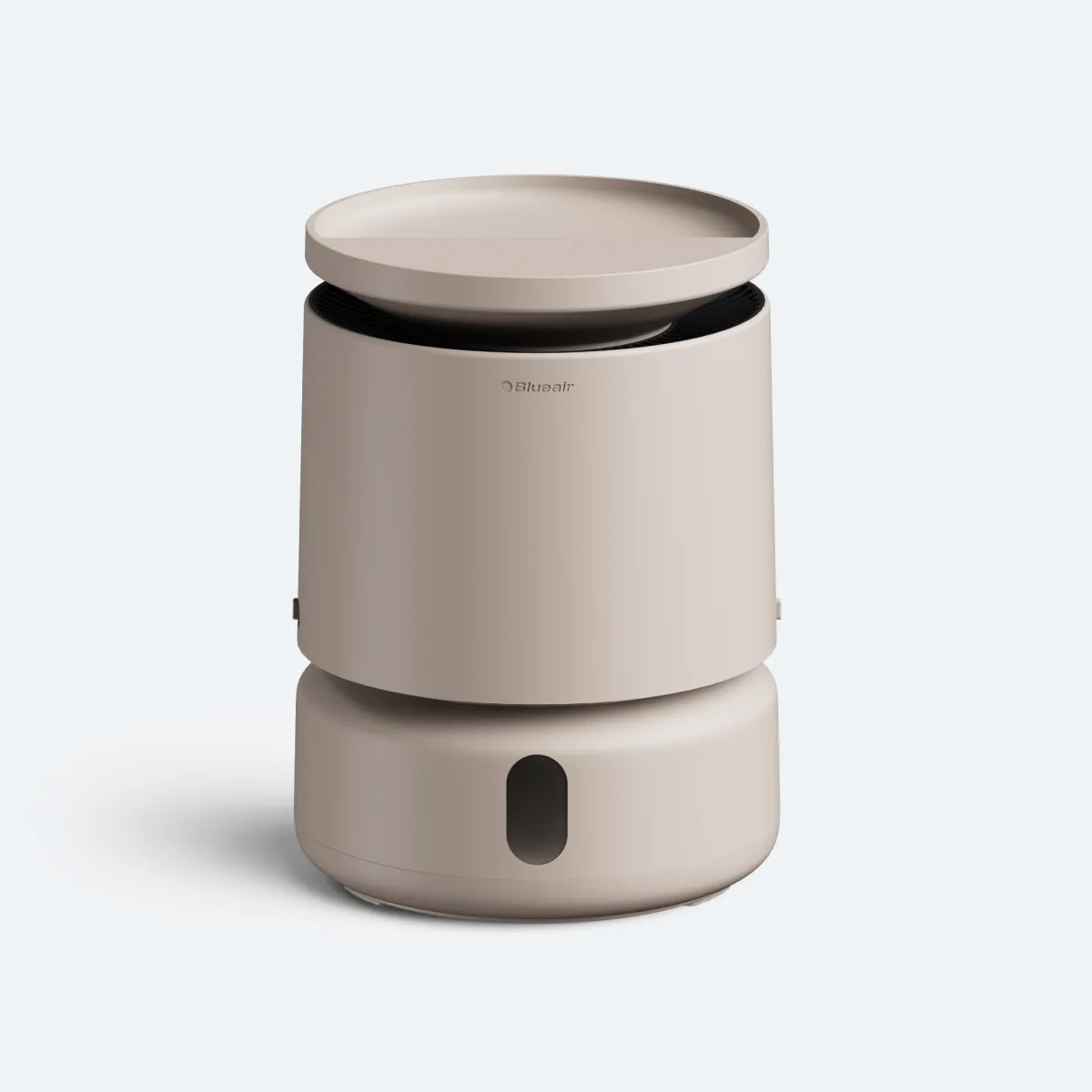
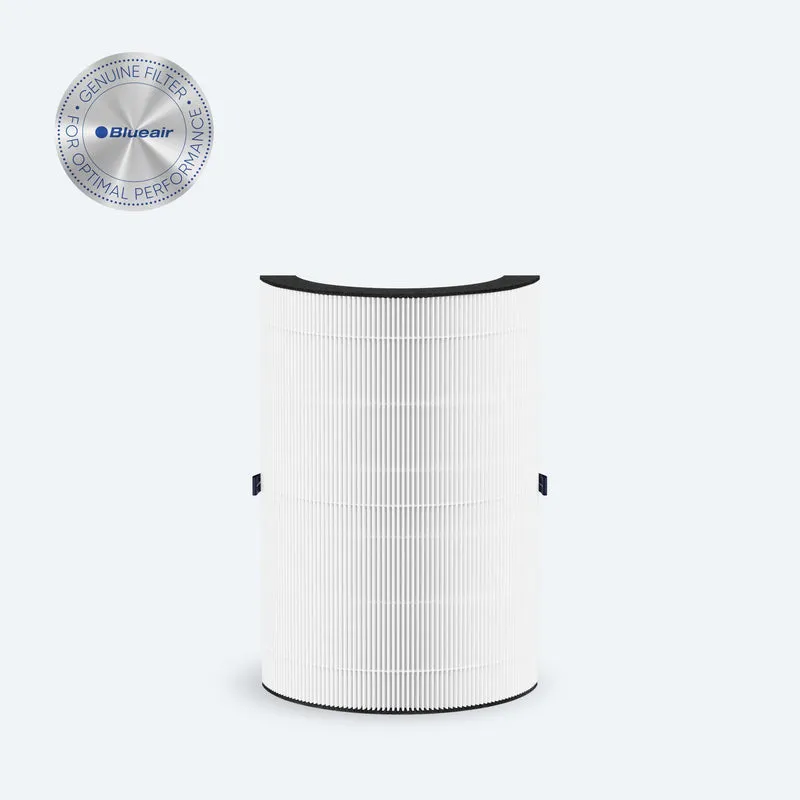
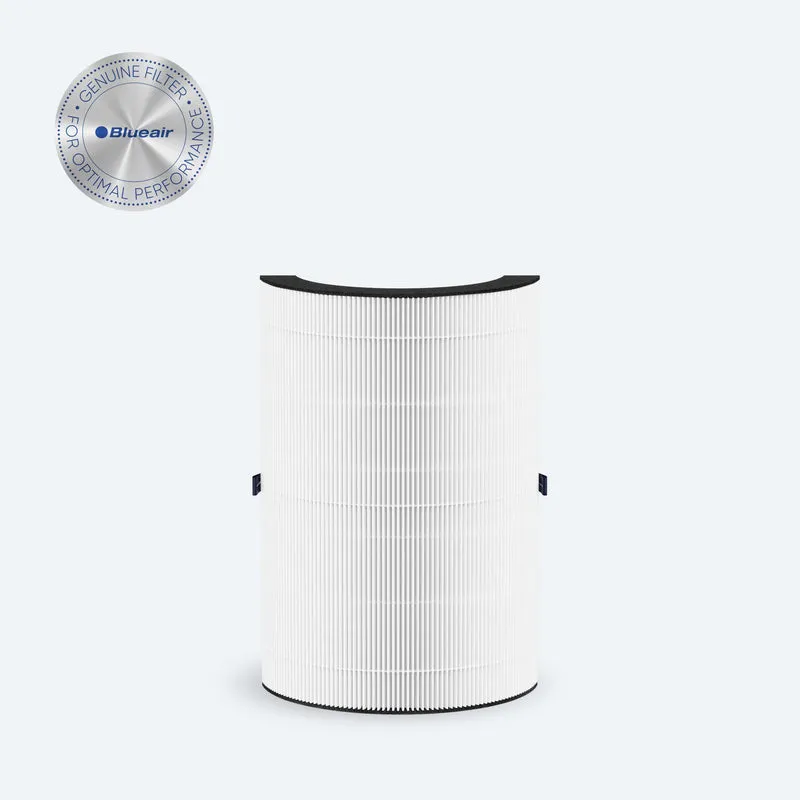
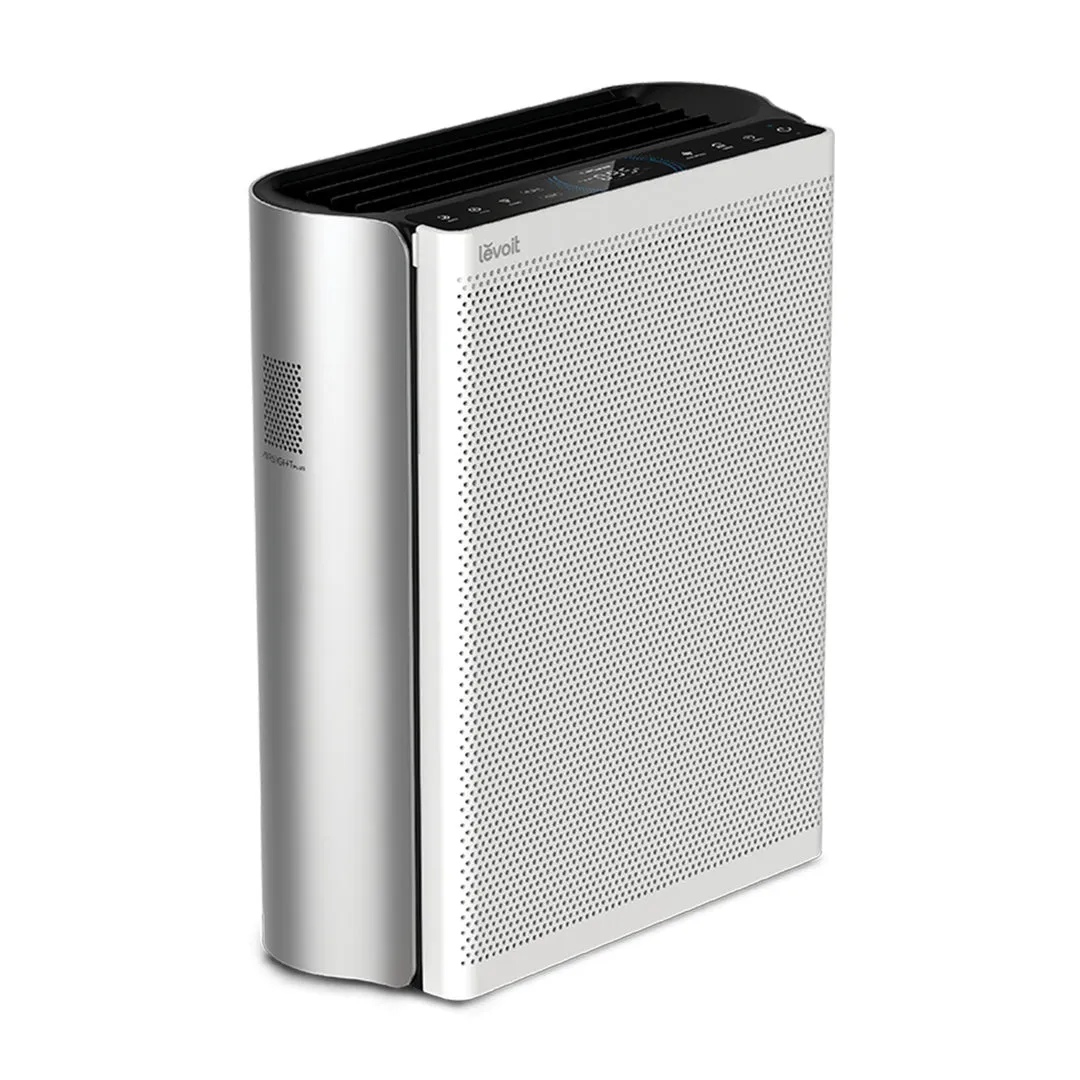
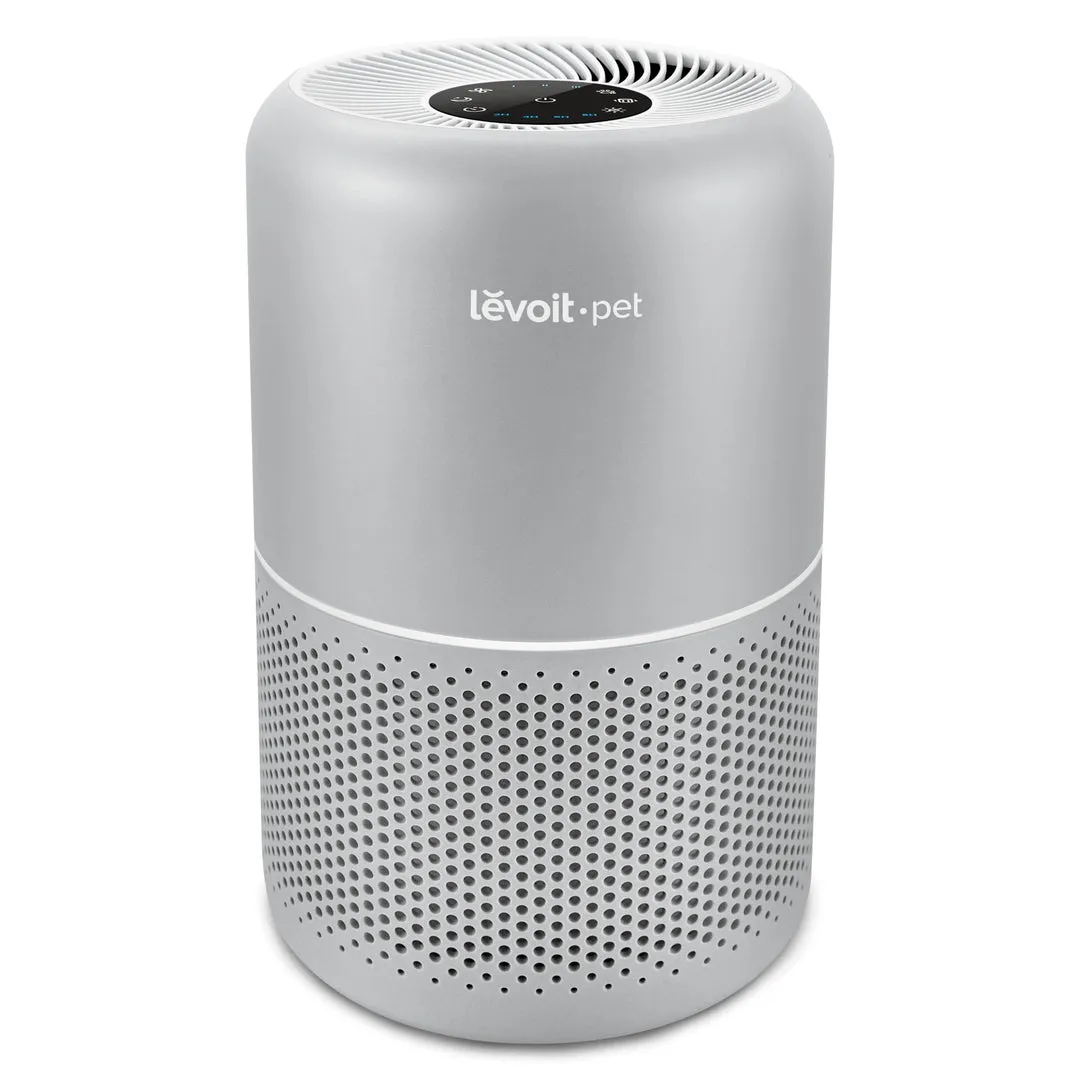
Whether you need a replacement carbon filter for an existing air purifier or are selecting a new unit with built-in carbon filtration, Cleanair-ae carries models from Honeywell, Levoit, and Blueair. The air purifier buying guide for 2026 covers how to match purifier specifications to your space and air quality concerns. For a broader view of purification methods, the air quality accessories guide outlines complementary products that work alongside carbon filtration. Replacement filters are available with free UAE delivery on qualifying orders.
FAQ
What are carbon filters used for?
Carbon filters remove gases, odours, chlorine, VOCs, and chemical vapours from air or water. They are used in domestic water filters, air purifiers, and whole-house filtration systems.
How do carbon filters work?
Carbon filters work through adsorption, a process where contaminant molecules bind to the surface of activated carbon rather than passing through it. The large internal surface area of activated carbon makes this process highly effective.
How often should carbon filters be replaced?
Carbon filters typically require replacement every six months. Once the pores are saturated with adsorbed contaminants, the filter loses effectiveness and can release previously trapped molecules back into the air or water.
Can carbon filters remove bacteria from water?
Standard carbon filters do not remove bacteria, viruses, or nitrates. For microbiological safety, carbon filtration should be combined with a UV purification stage or a certified ceramic filter.
What is the difference between GAC and carbon block filters?
Granular activated carbon (GAC) uses loose carbon granules and offers faster flow rates. Carbon block filters use compressed carbon and provide longer contact time, making them more effective for removing smaller contaminant molecules.