



Uncategorised
What causes indoor pollution: a family health guide
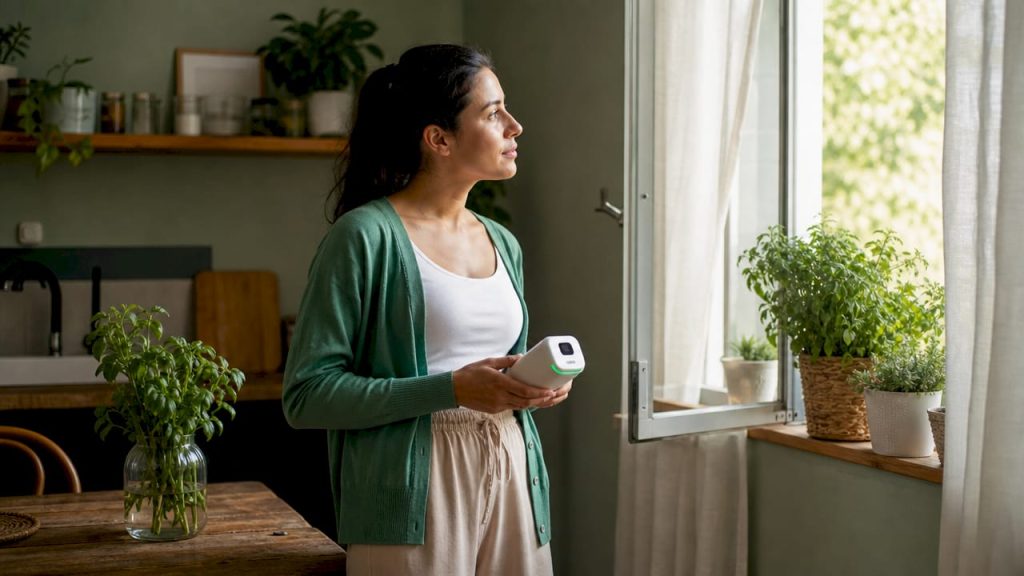
Indoor pollution is defined as the presence of harmful gases, particles, and biological contaminants released from materials and activities within enclosed spaces. The US EPA identifies building materials, household cleaners, and biological pollutants such as dust mites and pet dander as the primary drivers of poor indoor air quality. What makes this particularly significant for families is that pollutant levels indoors can be 2 to 5 times higher than outdoors. Understanding what causes indoor pollution, and where those causes originate, is the first step towards doing something about it.
What are the most common sources of indoor pollution?
Indoor pollution sources fall into two broad categories: continuous emitters and intermittent sources. Continuous emitters release pollutants around the clock regardless of what you are doing. Intermittent sources spike during specific activities and then subside.
Continuous emitters include:
- Building materials such as pressed wood, insulation, and vinyl flooring that off-gas formaldehyde and other volatile organic compounds (VOCs)
- Furniture and carpets treated with flame retardants or stain-resistant coatings
- Air fresheners and scented candles, which release VOCs and fine particulate matter continuously when present in a room
- Gas appliances in standby mode that may emit low-level combustion by-products
Intermittent sources include:
- Cooking on gas or electric hobs, which generates nitrogen dioxide, carbon monoxide, and particulate matter
- Cleaning with spray products, bleach, or aerosol disinfectants
- Painting, varnishing, or using adhesives during home improvement projects
- Hobbies such as 3D printing, which releases ultrafine particles and styrene, or woodworking, which generates fine wood dust
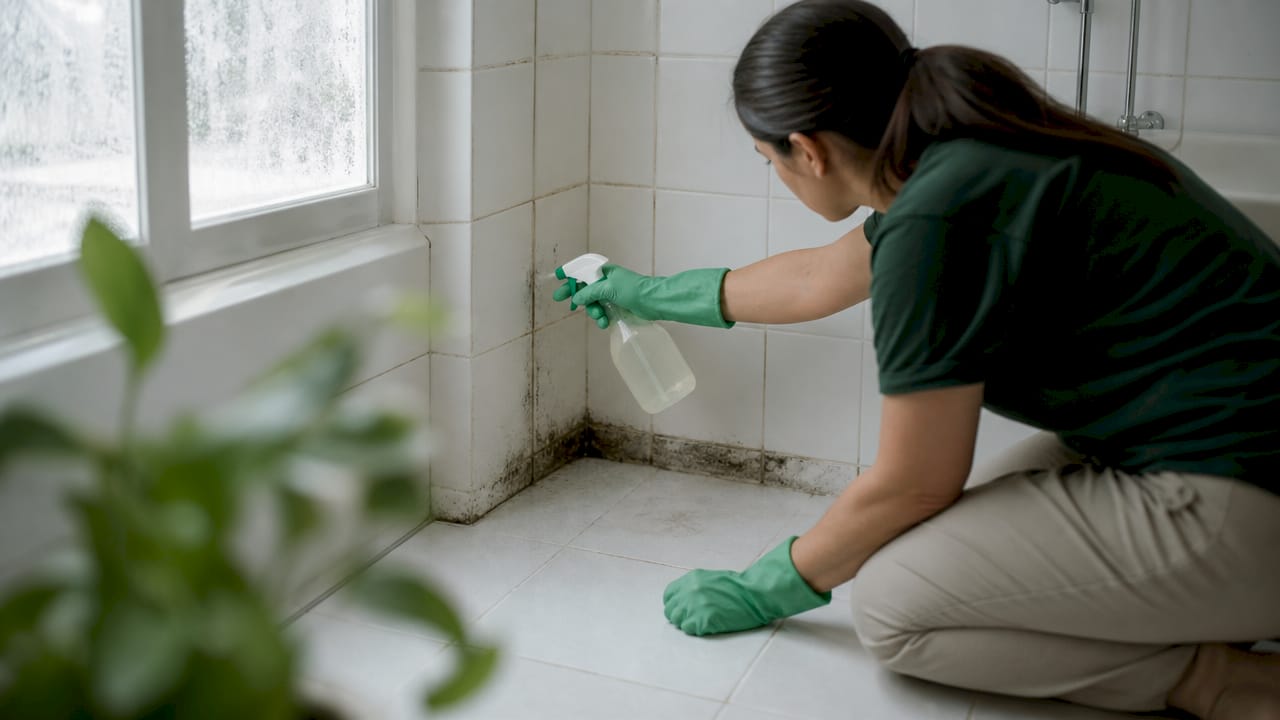
Biological sources represent a third distinct category. Biological indoor pollutants include mould, bacteria, pollen, pet dander, viruses, dust mites, cockroaches, and rodents. These thrive wherever moisture and warmth are present, making bathrooms, basements, and poorly ventilated kitchens the highest-risk zones in most homes. For more on how biological contaminants compare to outdoor threats, the indoor vs outdoor air quality guide from Cleanair-ae covers the distinction in detail.
Pro Tip: Outdoor-origin pollutants such as wildfire smoke and pollen can infiltrate indoors through gaps in windows, doors, and ventilation systems. On high-pollen or high-pollution days in the UAE, keeping windows closed and running an air purifier with a HEPA filter is more effective than relying on natural ventilation.
How does ventilation affect indoor pollutant levels?
Ventilation is not merely a comfort feature. It is the primary mechanism that determines whether indoor emissions accumulate to harmful concentrations or disperse safely. The air exchange rate measures how frequently indoor air is replaced with outdoor air, and a low rate is one of the most reliable predictors of poor indoor air quality.
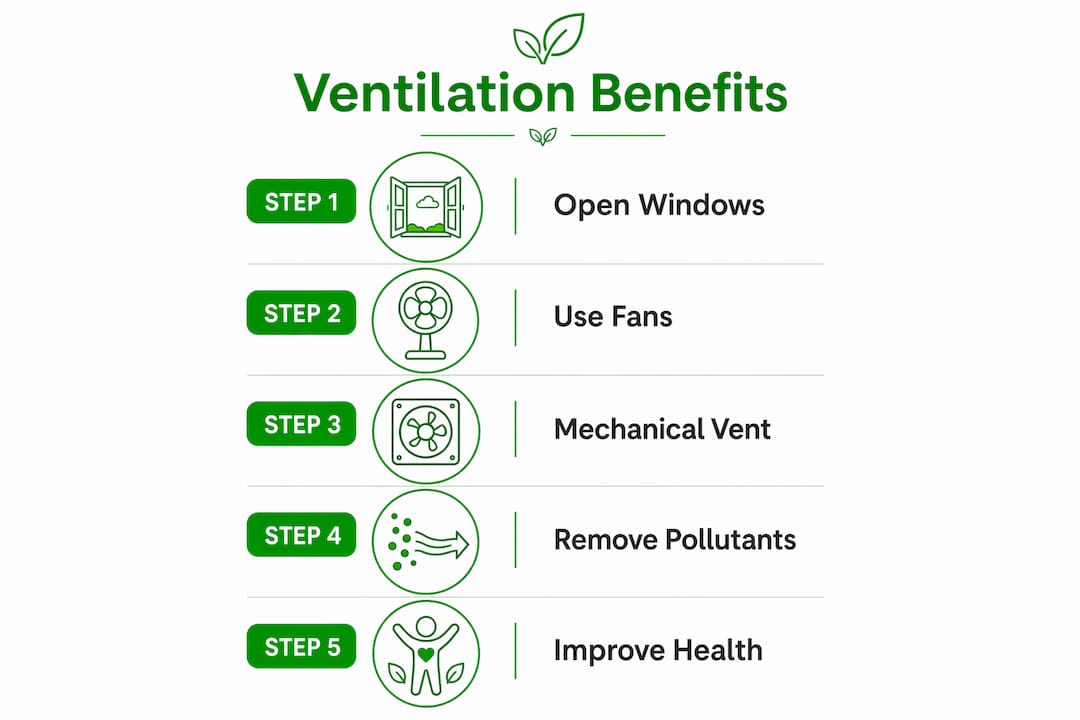
There are three mechanisms by which air enters and leaves a building:
- Infiltration. Air moves passively through cracks, gaps around windows, and structural openings. This is uncontrolled and varies with wind speed and indoor-outdoor temperature differences.
- Natural ventilation. Occupants open windows and doors deliberately to increase air exchange. Effective in mild climates but impractical in Dubai or Abu Dhabi during summer months when outdoor temperatures exceed 40°C.
- Mechanical ventilation. Fans, HVAC systems, and heat recovery units actively move air. The most reliable method, provided the system is maintained and filters are replaced on schedule.
When ventilation is inadequate, higher temperature and humidity accelerate the concentration of certain pollutants. Formaldehyde off-gasses faster from furniture in warm rooms. Mould spore counts rise when relative humidity exceeds 60%. Carbon monoxide from a poorly maintained boiler accumulates rapidly in a sealed room.
“Ventilation determines whether indoor emissions accumulate or disperse. Low air exchange is not a minor inconvenience. It is a direct cause of elevated pollutant exposure for everyone in the building.”
A common mistake in modern, well-insulated homes is assuming that a tightly sealed building is a healthy one. In practice, the opposite is often true. Energy-efficient construction reduces infiltration to near zero, which means mechanical ventilation must compensate entirely. Without it, even low-emission materials can produce measurable pollutant concentrations over time.
What are specific examples of indoor pollutants and their health impacts?
The term “indoor air quality” (IAQ) covers a wide range of contaminants. The most clinically significant for families are listed below, along with their primary indoor sources.
| Pollutant | Primary indoor source | Key health effect |
|---|---|---|
| Volatile organic compounds (VOCs) | Paints, varnishes, glues, cleaning products, air fresheners | Eye and throat irritation, headaches, long-term organ damage |
| Carbon monoxide | Gas cookers, boilers, wood-burning stoves | Headaches, dizziness, fatal at high concentrations |
| Mould spores | Damp walls, bathrooms, basements, poorly sealed windows | Respiratory irritation, asthma exacerbation, allergic reactions |
| Particulate matter (PM2.5) | Cooking, candles, tobacco smoke, 3D printing | Deep lung penetration, cardiovascular stress |
| Radon | Soil and rock beneath buildings | Leading cause of lung cancer in non-smokers |
| Lead | Older painted surfaces, outdoor industrial sources | Neurological damage, particularly in children |
Children face disproportionate risk from all of these. Because children breathe faster and spend more time indoors than adults, their effective dose of any given pollutant is higher relative to body weight. Carbon monoxide, mould, radon, pet dander, VOCs, and tobacco smoke are the six pollutants most frequently cited as health concerns for children in residential settings.
Lead in indoor air can derive from outdoor industrial sources as well as indoor activities such as smoking and sanding old painted surfaces. Although nationally reduced in many countries, localised exposures remain a genuine risk, particularly in older buildings or those near industrial zones.
Pro Tip: If your home was built before 1990, treat any renovation work that disturbs painted surfaces as a potential lead exposure event. Wet-sand rather than dry-sand, wear an FFP3 respirator, and ventilate the space thoroughly during and after the work. Testing your indoor air quality before and after renovation gives you a measurable baseline.
How do household activities contribute to indoor pollution?
Everyday behaviour is one of the most underestimated drivers of why indoor air gets polluted. The same home can have dramatically different air quality depending on what the occupants are doing at any given hour.
- Cooking is the single largest activity-based source of indoor particulate matter in most homes. Gas hobs produce nitrogen dioxide and carbon monoxide in addition to fine particles. Using a vented range hood that exhausts directly outdoors reduces pollutant levels significantly. Leaving the hood running for 10 to 20 minutes after cooking clears residual emissions that linger after the hob is switched off. Recirculating hoods that filter and return air to the kitchen do not remove combustion gases and are far less effective for this purpose.
- Cleaning products are a major source of VOCs and respiratory irritants. Spray disinfectants, bleach-based cleaners, and aerosol polishes release compounds including chlorine, ammonia, and synthetic fragrances. Switching to fragrance-free or low-VOC alternatives reduces the chemical load substantially.
- Tobacco smoke introduces over 7,000 chemical compounds into indoor air, including formaldehyde, benzene, and hydrogen cyanide. Thirdhand smoke, the residue that settles on surfaces and re-releases into the air over weeks or months, is a persistent source of exposure for children who touch contaminated surfaces.
- Home improvement activities such as painting, floor sanding, and applying adhesives cause sharp, short-term spikes in VOC and particulate levels. Opening windows and using a portable air purifier with an activated carbon filter during these tasks reduces peak exposure.
- Specialist hobbies generate specific pollutants that most families do not anticipate. 3D printing with ABS filament releases styrene and ultrafine particles. Welding indoors produces metal fumes and ozone. Even burning incense or scented candles in an enclosed room contributes measurable particulate matter to the air.
For a structured approach to reducing these activity-based sources, the indoor air quality checklist from Cleanair-ae covers room-by-room actions with practical priorities.
Key takeaways
Indoor pollution is caused by a combination of continuous material emissions, activity-based spikes, biological growth, and inadequate ventilation, with children and vulnerable individuals facing the highest health risk.
| Point | Details |
|---|---|
| Continuous vs intermittent sources | Building materials emit pollutants constantly; cooking and cleaning cause short-term spikes requiring targeted responses. |
| Ventilation is the primary control | Low air exchange rates allow all pollutant types to accumulate regardless of source strength. |
| Children face higher exposure | Children breathe faster and spend more time indoors, making pollutant dose higher relative to body weight. |
| Biological pollutants need moisture control | Mould, dust mites, and bacteria are managed primarily through humidity control, not air filtration alone. |
| Outdoor air enters indoors | Pollen, wildfire smoke, and industrial pollutants infiltrate through gaps and ventilation, requiring combined strategies. |
Why I think most families are looking in the wrong place
Most people who ask what causes indoor pollution assume the answer is something dramatic: a gas leak, a mould infestation, or a faulty boiler. Those are real risks, but they are not the everyday reality for most homes. The more common problem is the accumulation of low-level emissions from dozens of ordinary sources, none of which individually triggers concern.
What I have found most useful is categorising sources into three operational groups: things that emit constantly, things that spike during activities, and things that fail at the ventilation or pathway level. Each group needs a different response. Continuous emitters require source substitution or removal. Activity-based spikes require timing, ventilation, and source capture. Ventilation failures require mechanical solutions, not just open windows.
The mistake I see most often is treating air purification as a substitute for source control. A HEPA air purifier will capture particulate matter effectively, but it will not remove carbon monoxide from a poorly maintained boiler or formaldehyde from new furniture. The purifier addresses symptoms. Source control and ventilation address causes.
Moisture control is the other area that gets underestimated. Most families respond to visible mould. The more important intervention is controlling relative humidity before mould appears, particularly in bathrooms and basements where biological pollutants recur predictably. A hygrometer costs very little and tells you immediately whether conditions are suitable for biological growth.
Finally, do not overlook the outdoor-indoor pathway. In the UAE, outdoor particulate levels and pollen counts can be significant, and they enter through every gap in the building envelope. Addressing indoor allergen sources without considering what is coming in from outside gives you an incomplete picture.
— Wojciech
Air purifiers and humidity control from Cleanair-ae

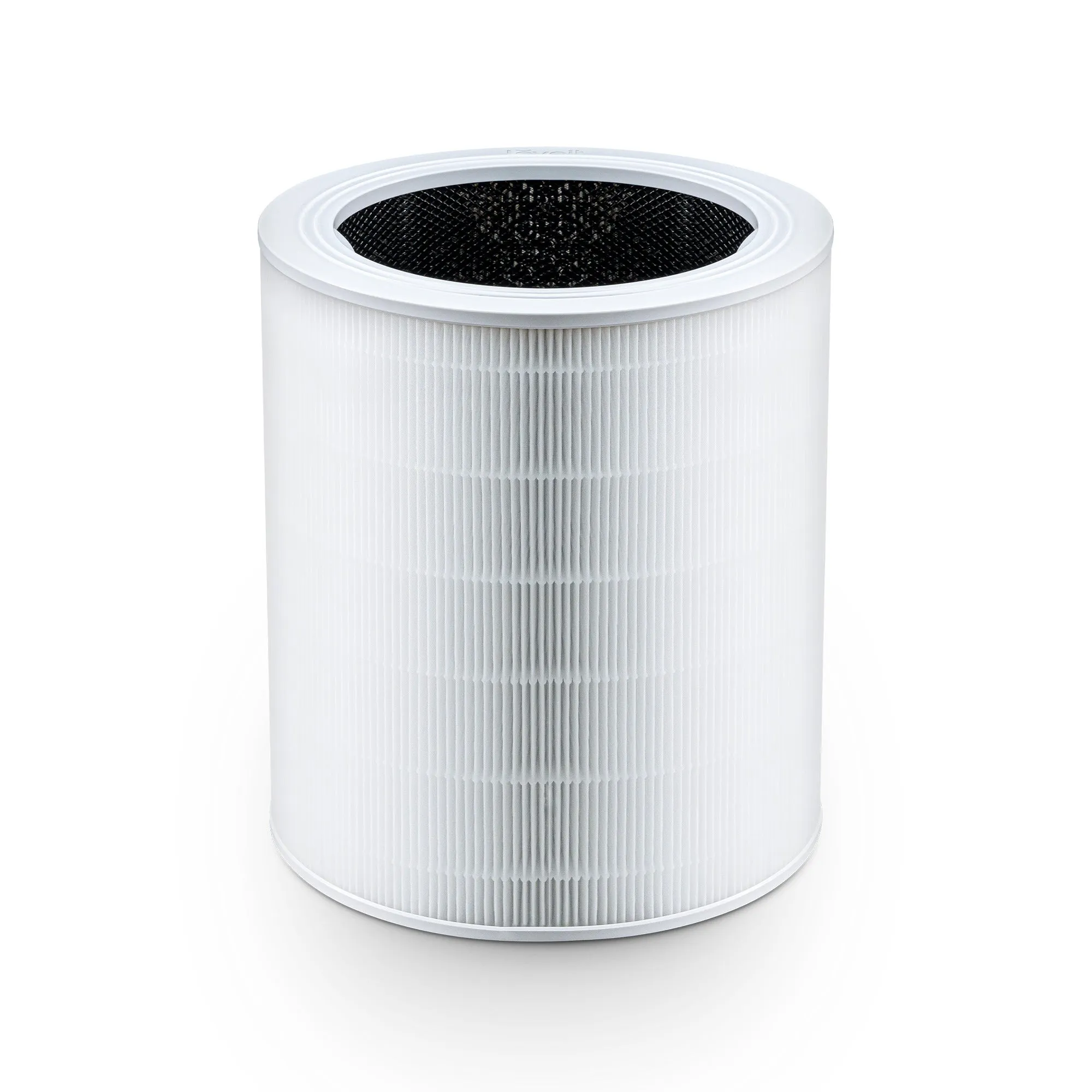
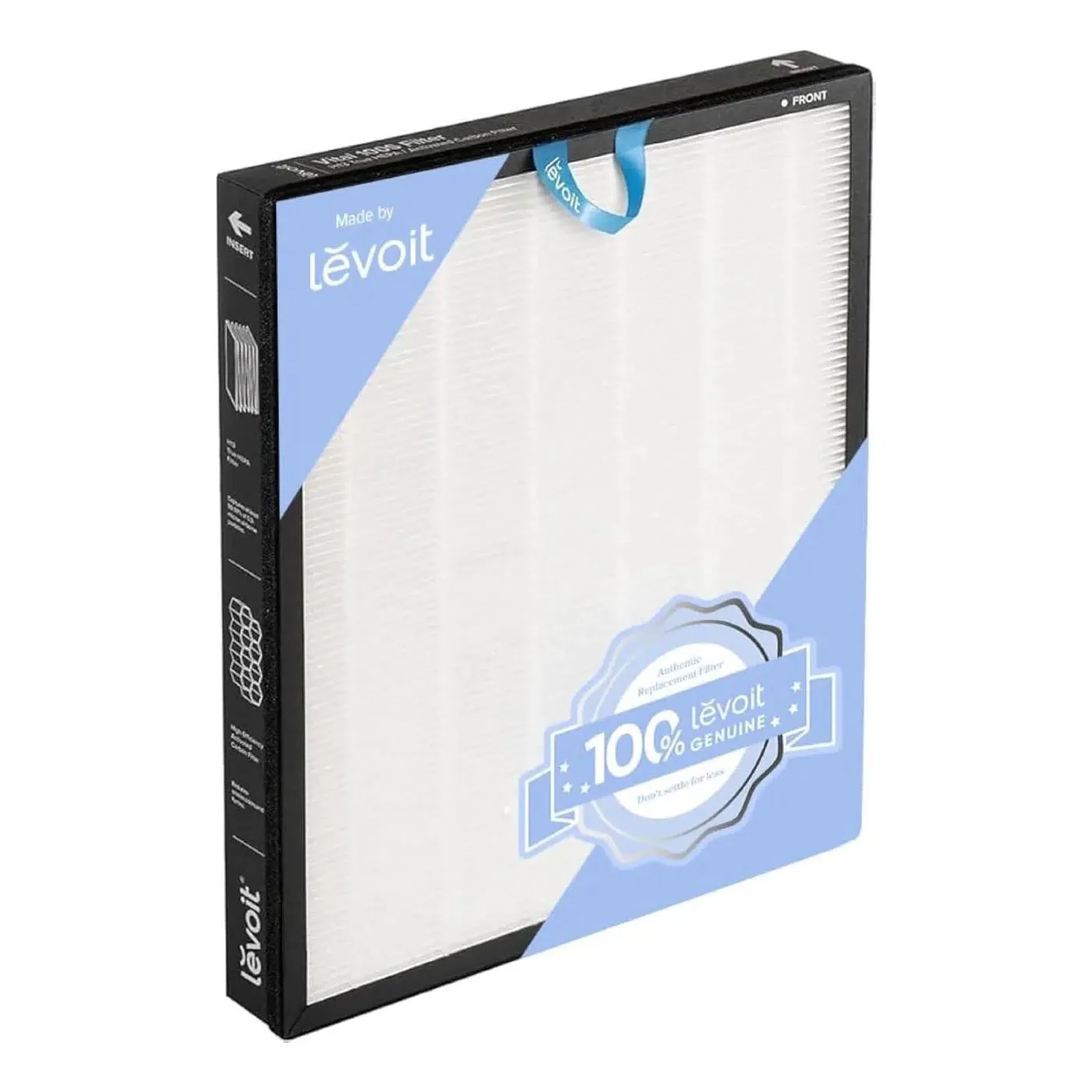
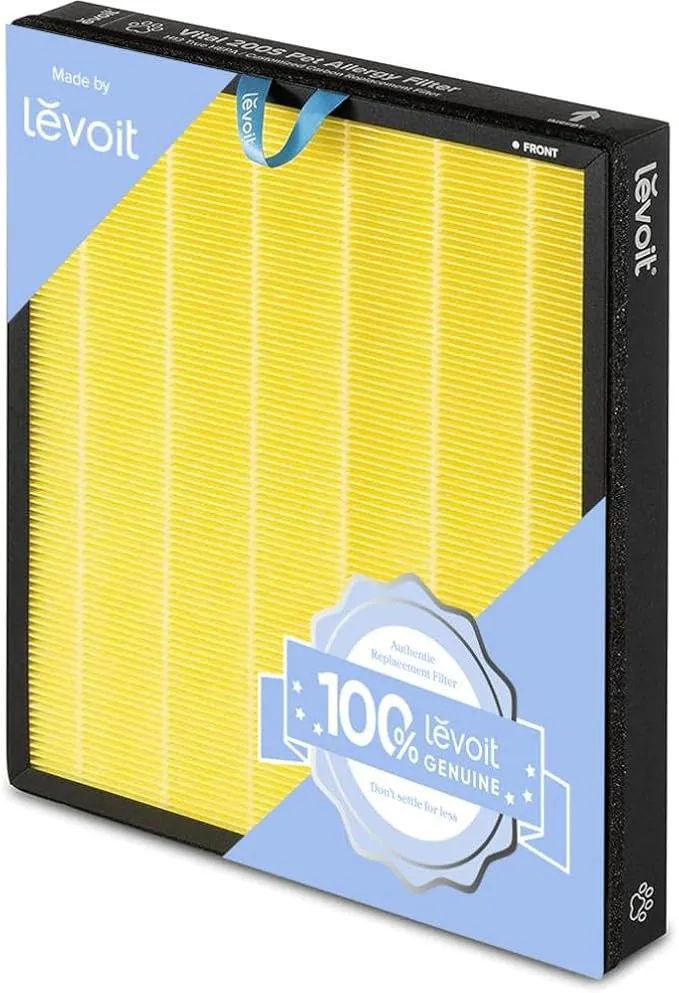
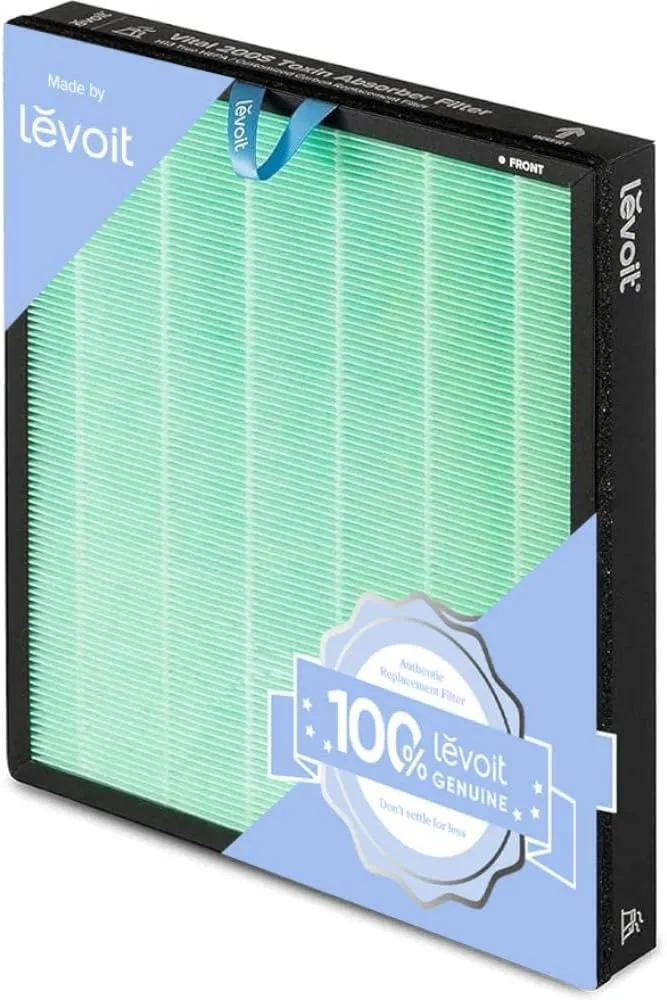
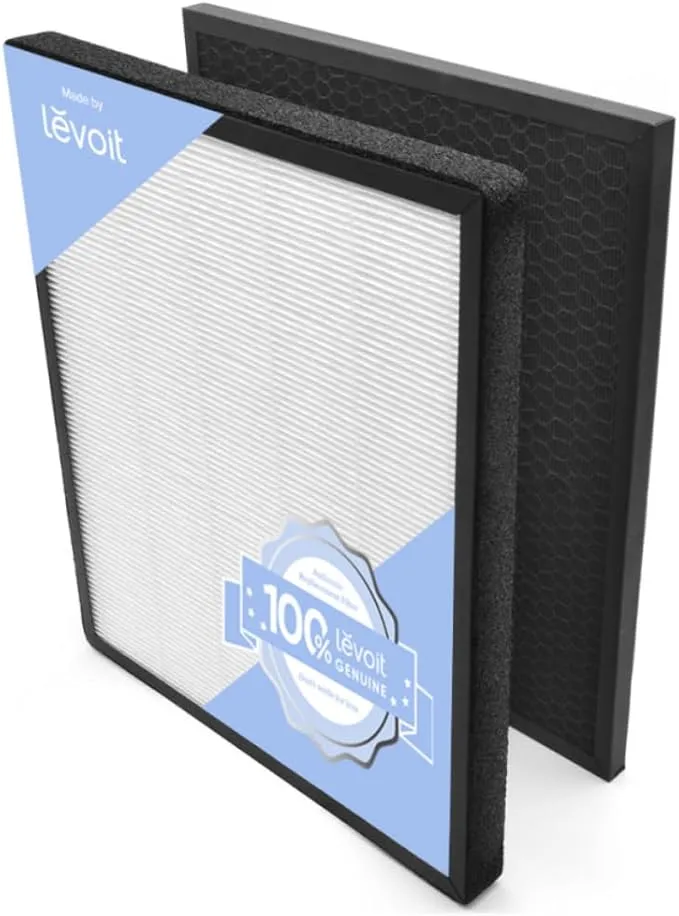
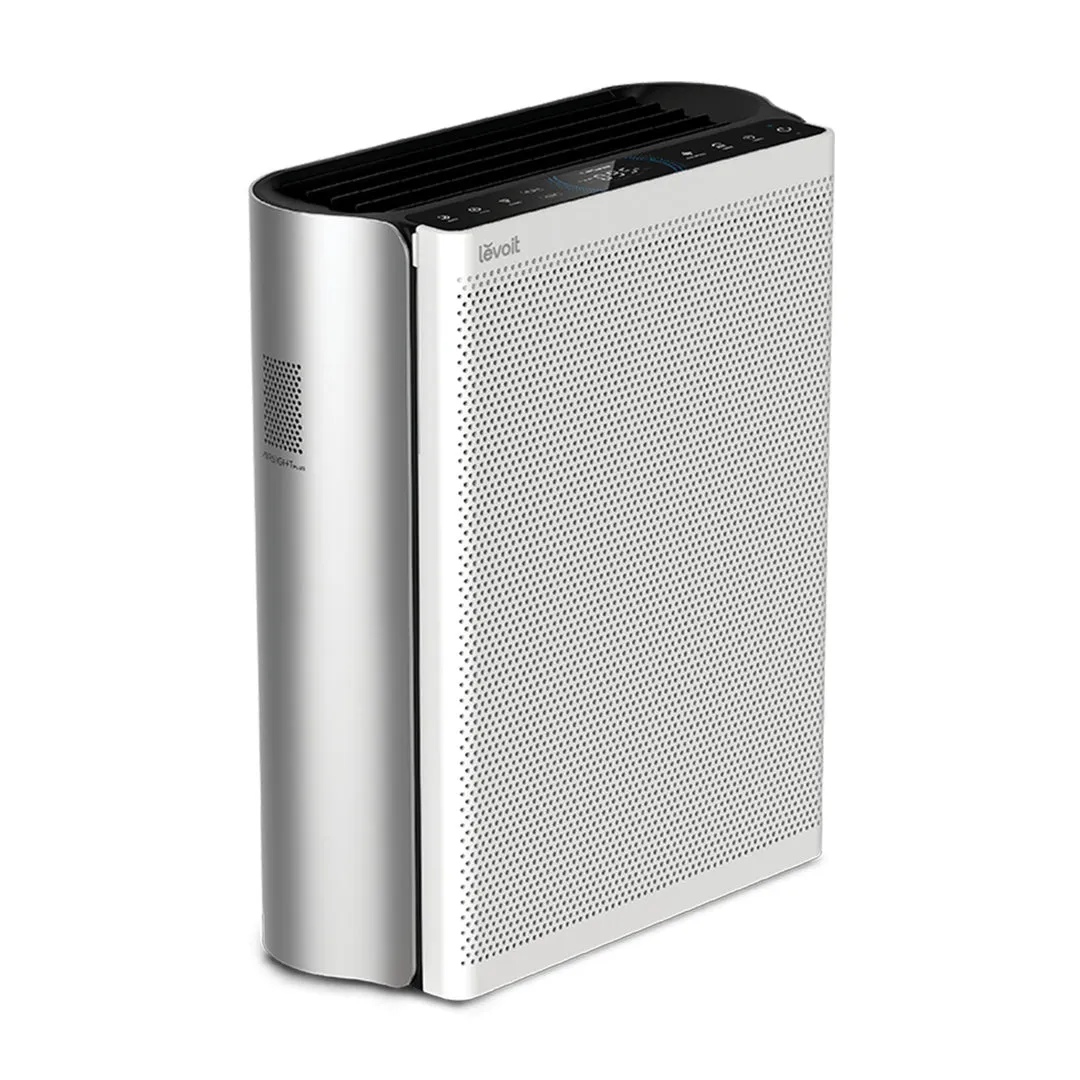
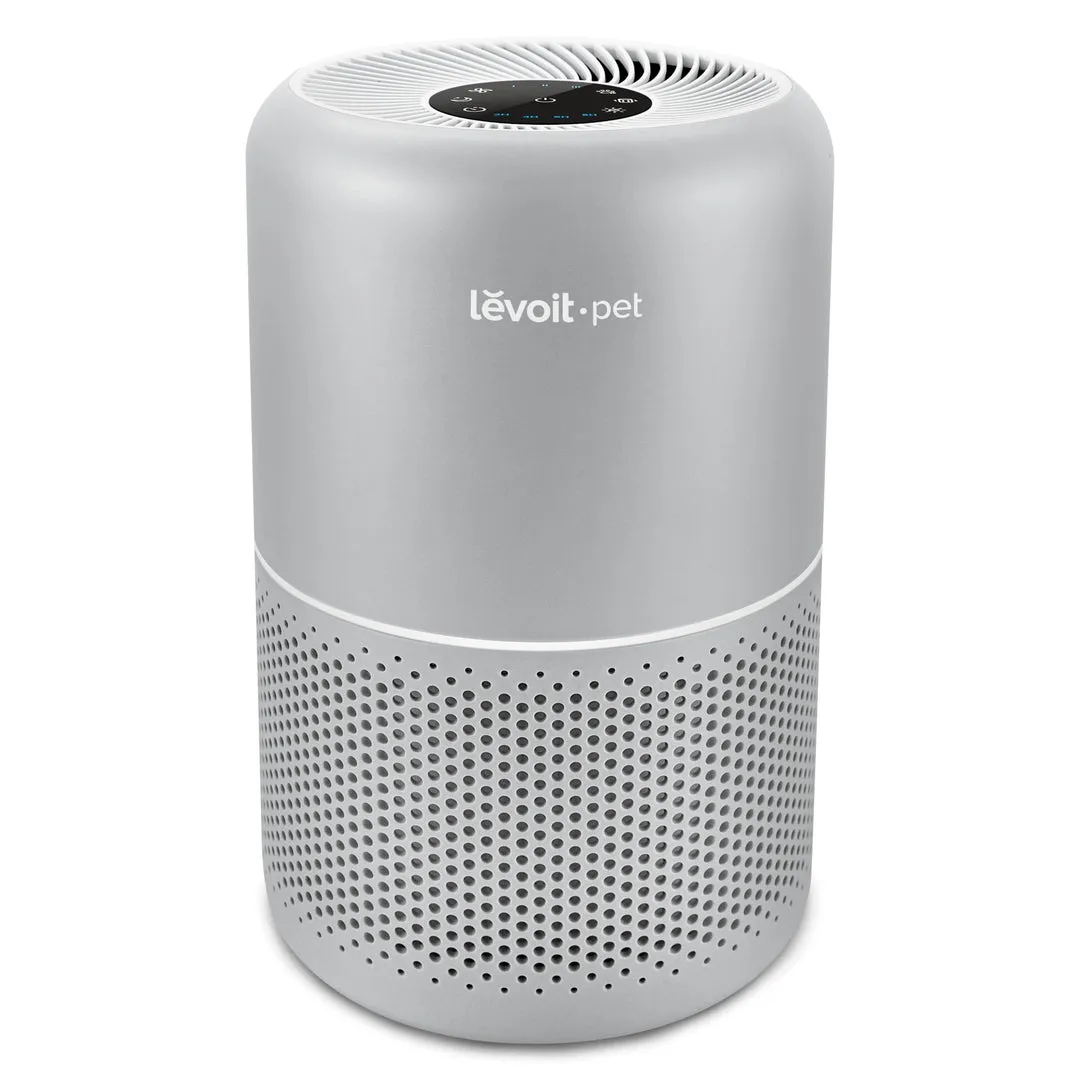
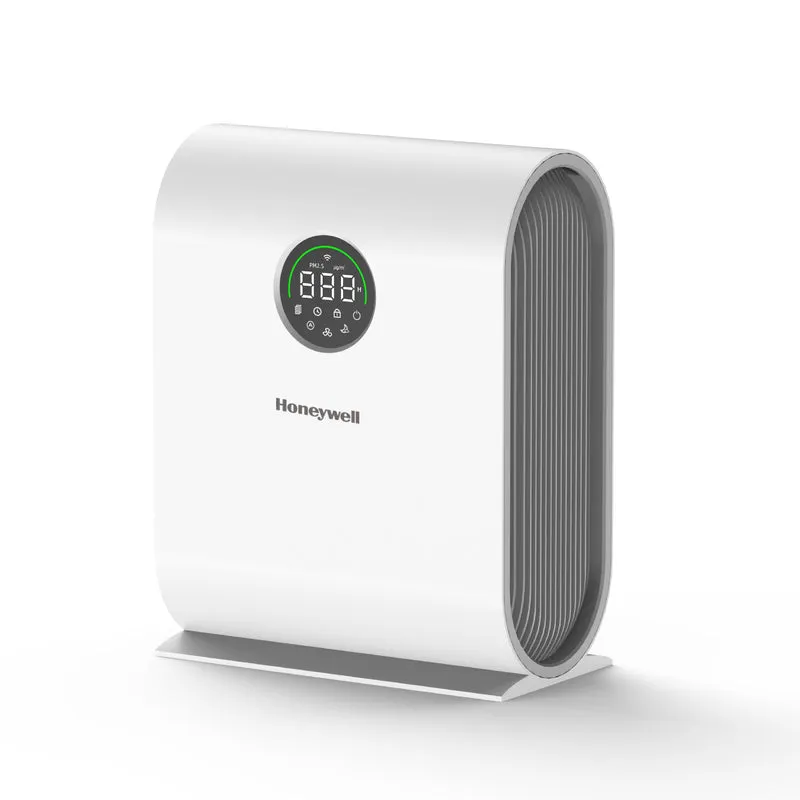
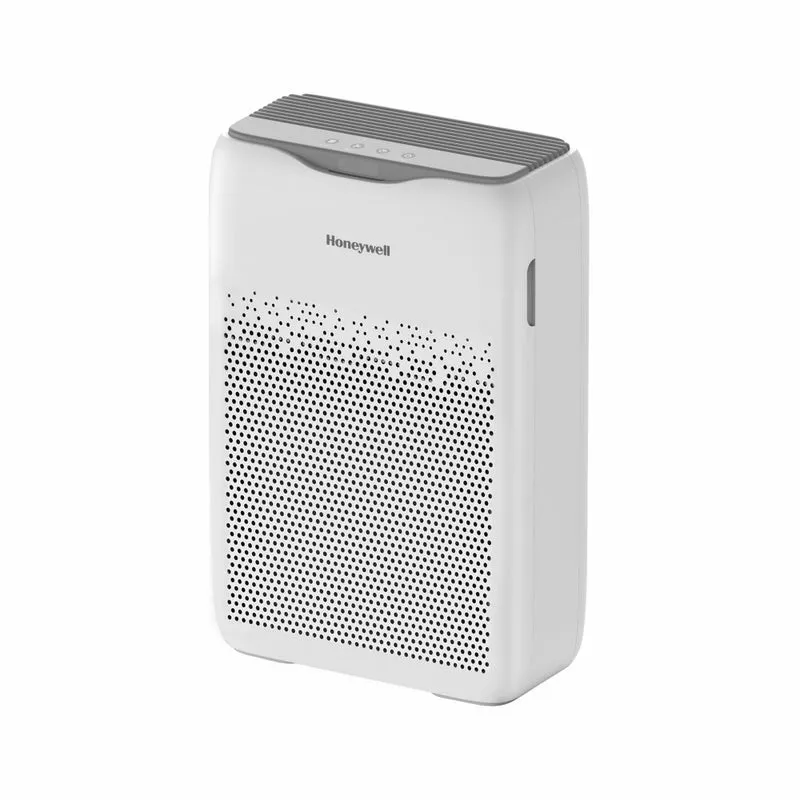
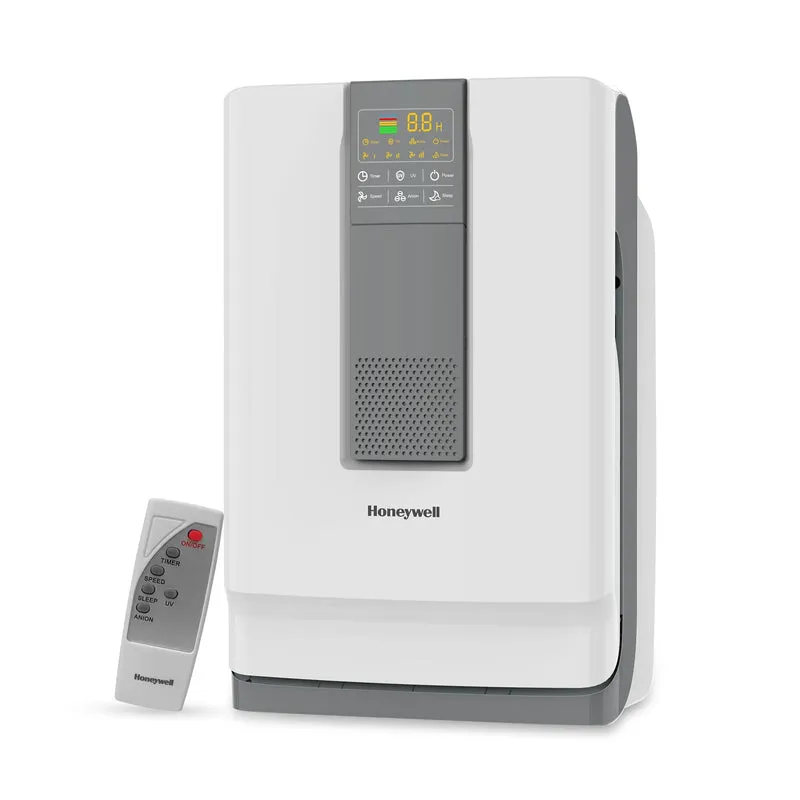
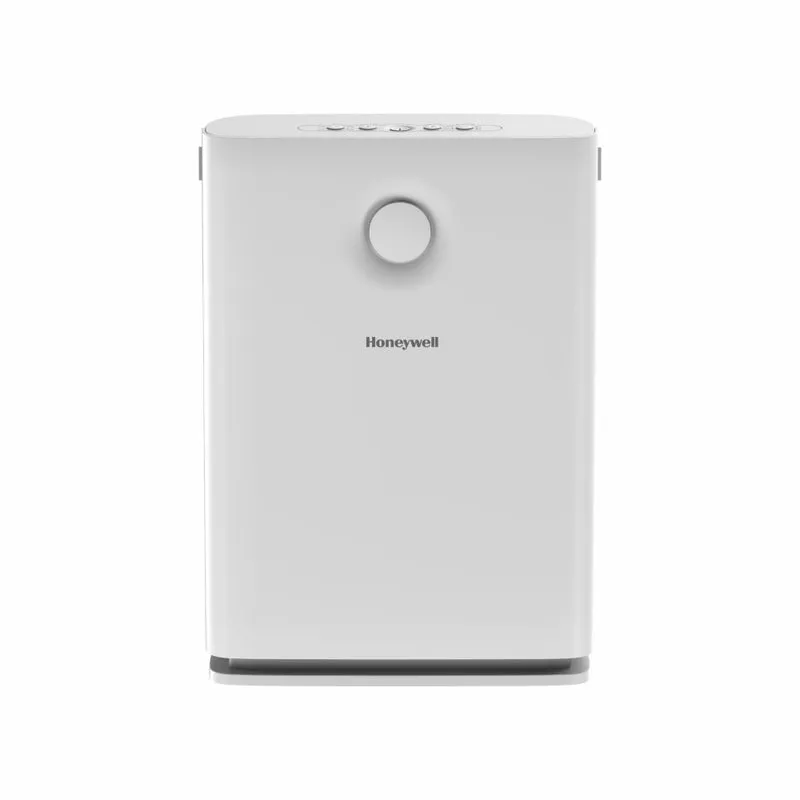
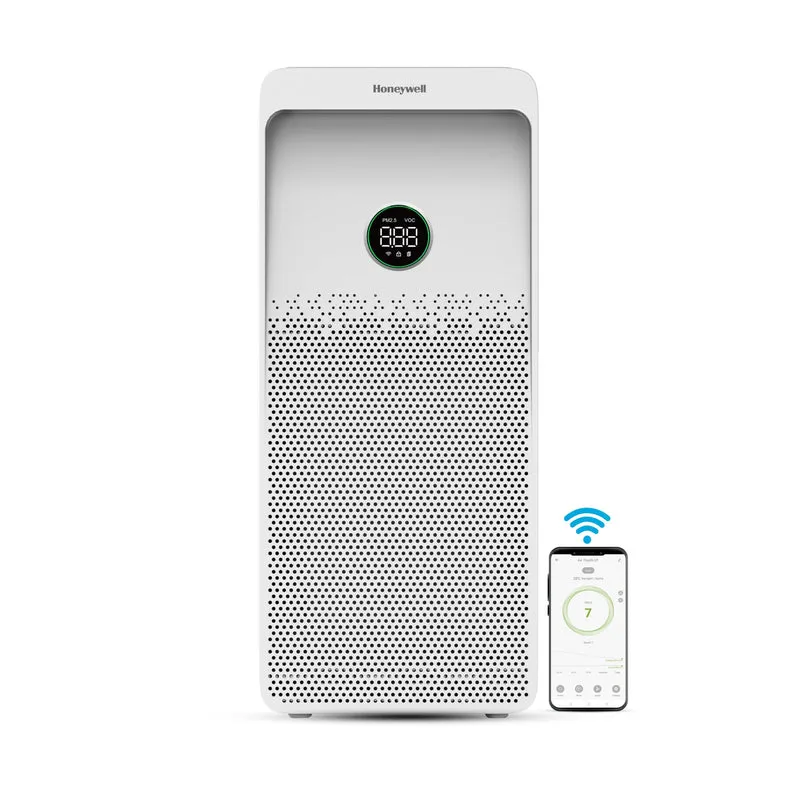
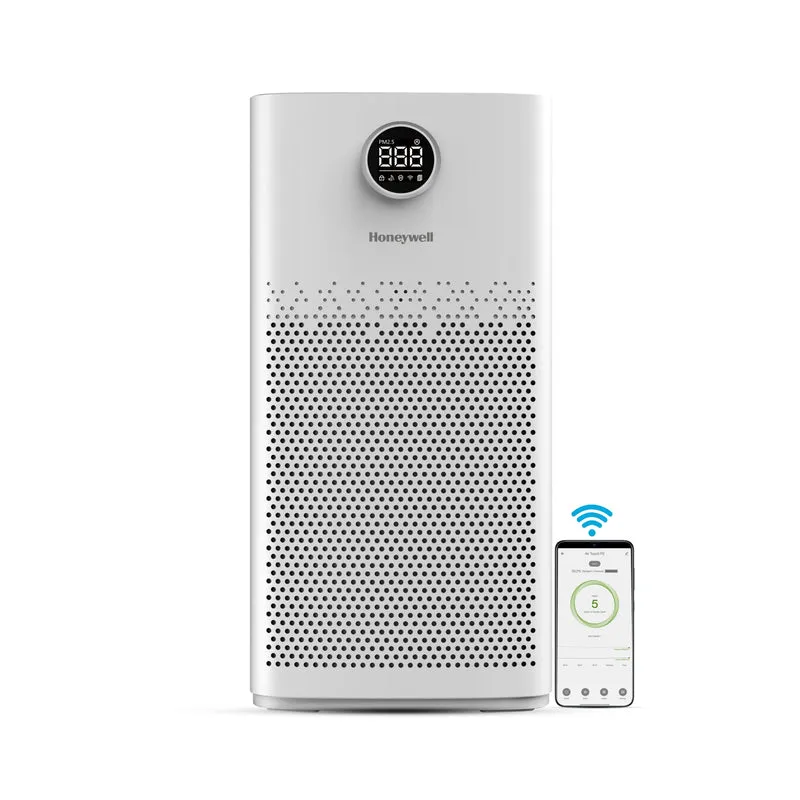
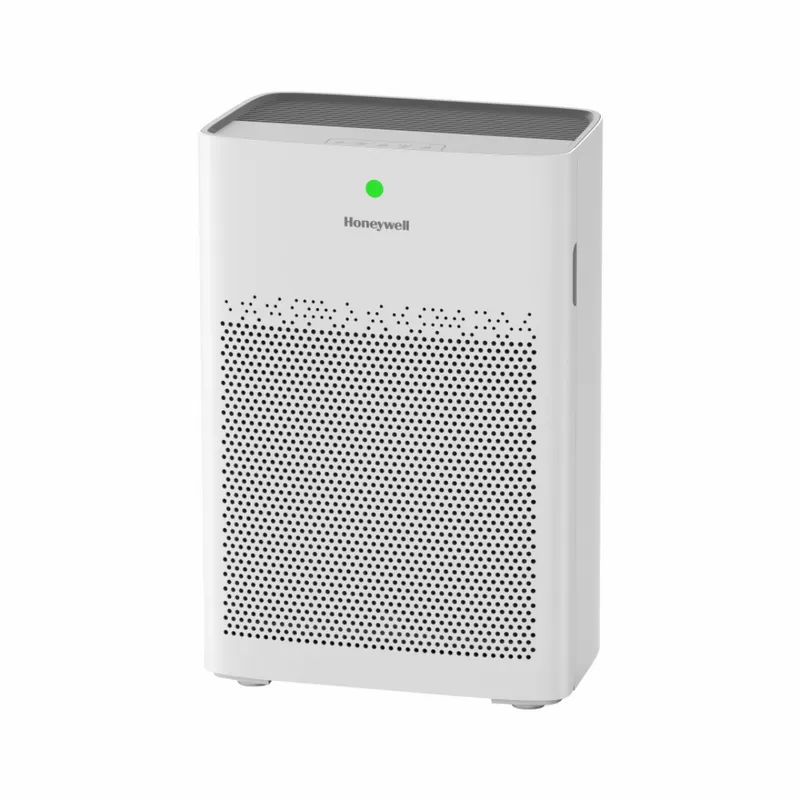
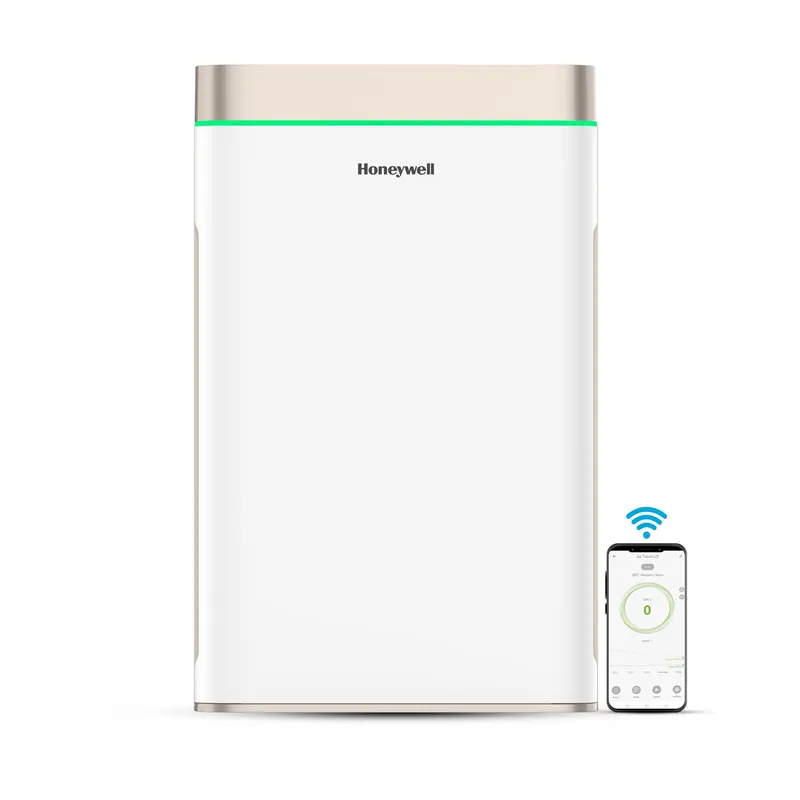
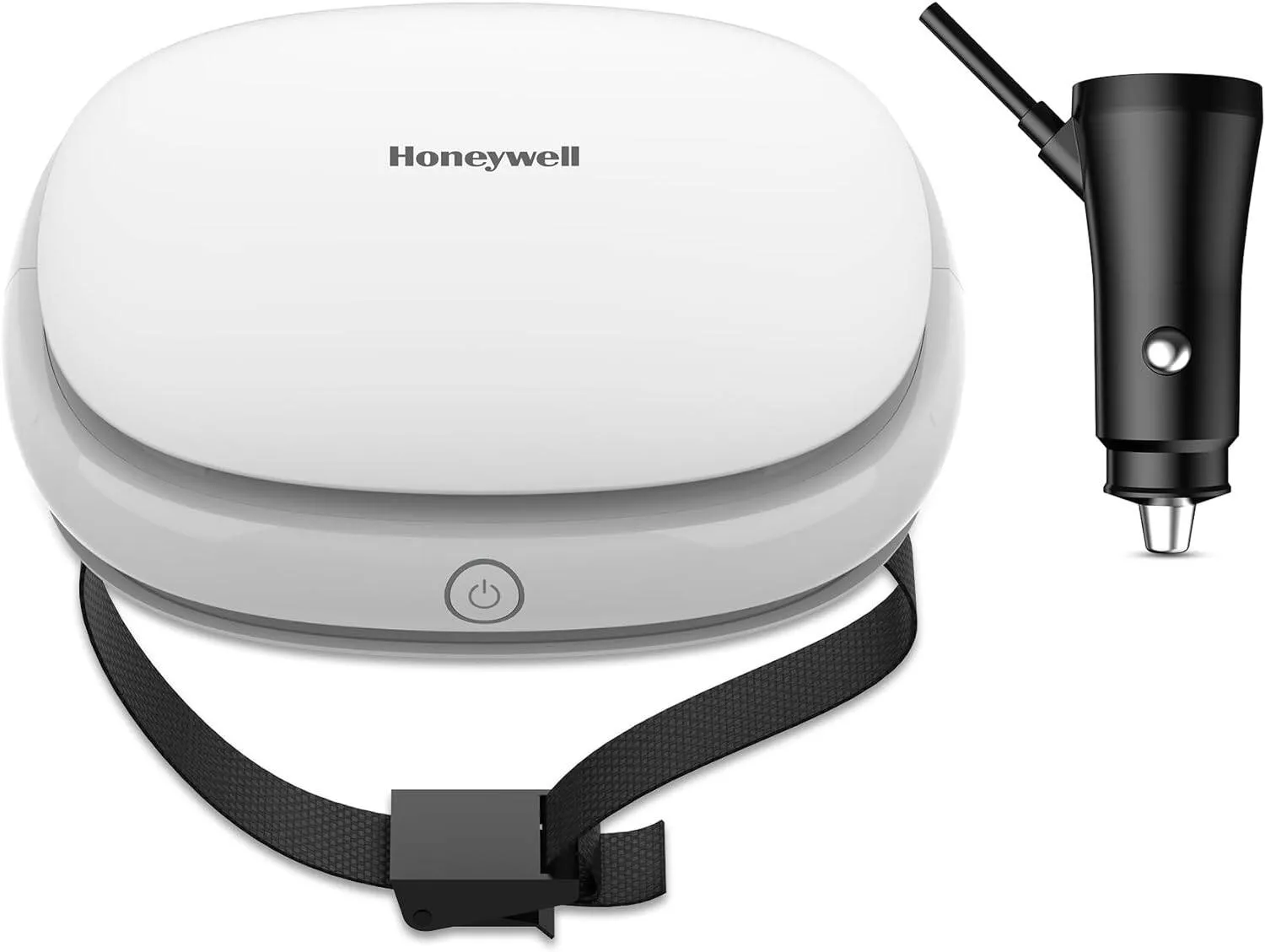
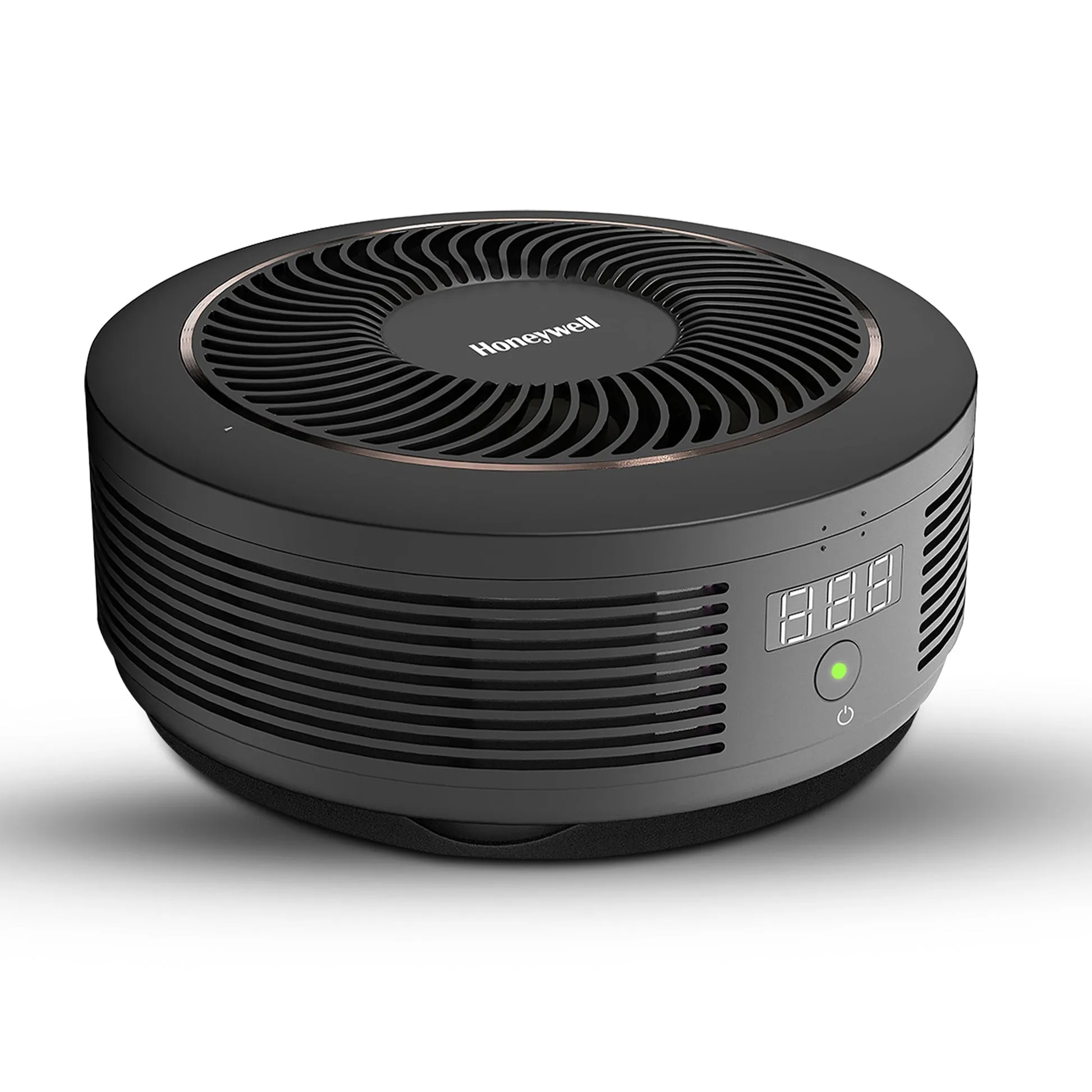
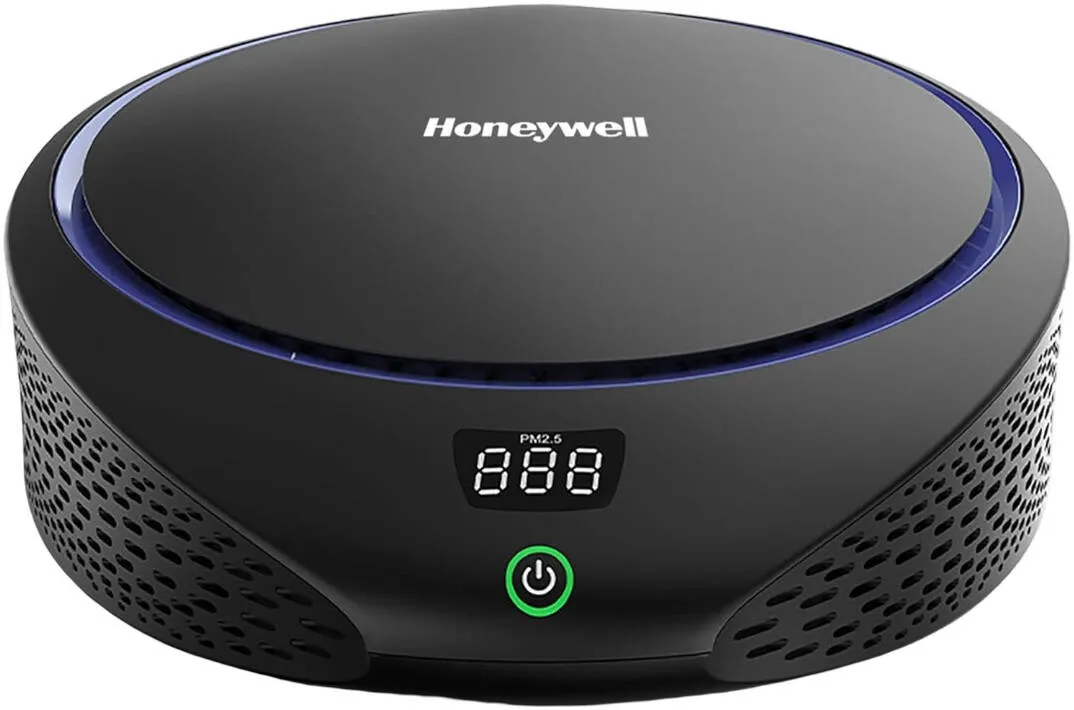
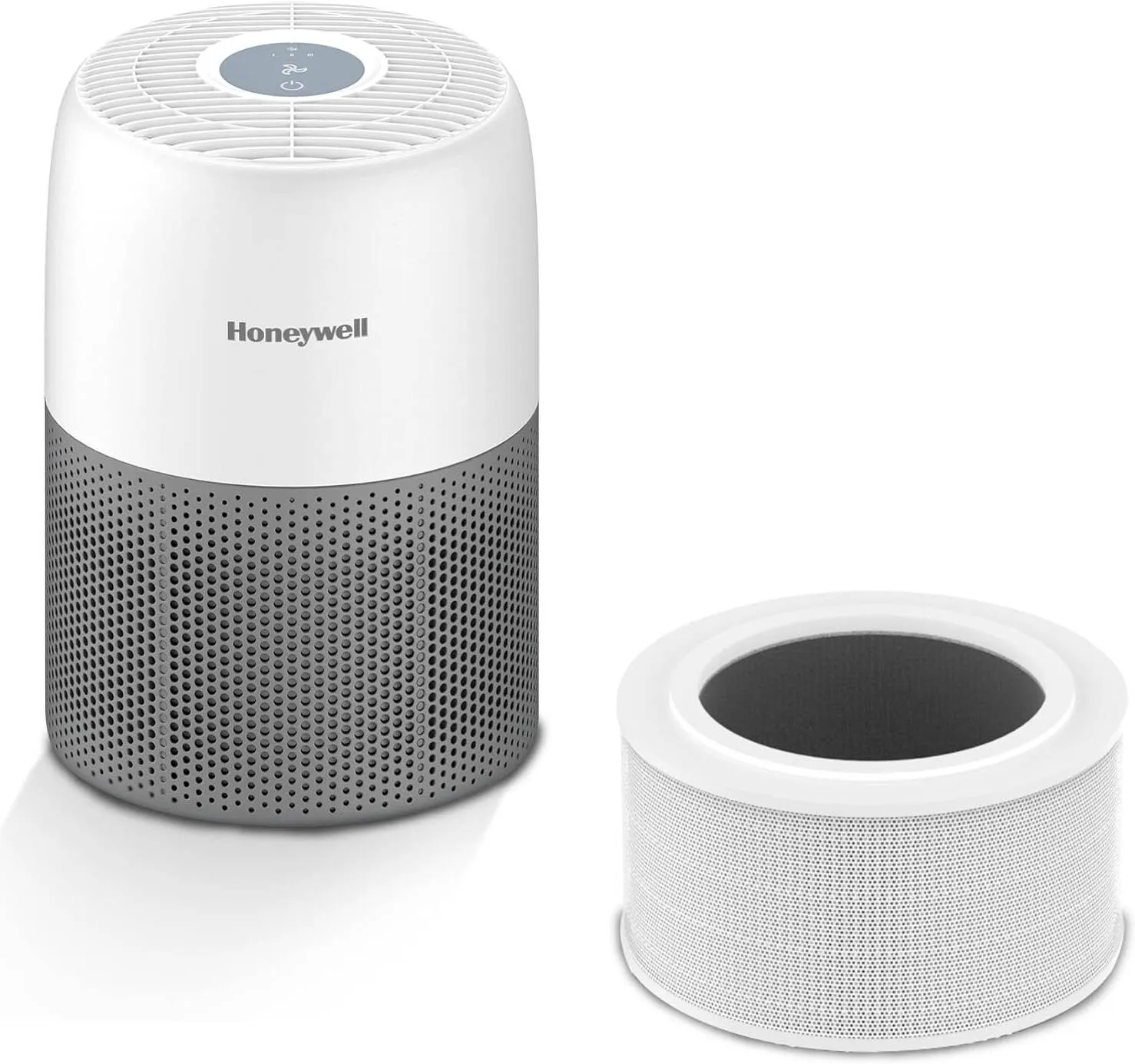
Cleanair-ae stocks a curated range of air purifiers, humidifiers, and replacement filters suited to residential and commercial spaces across Dubai, Abu Dhabi, and the wider UAE. Brands include Blueair, Honeywell, and Levoit, covering room sizes from personal spaces to large open-plan areas. For families working through the sources covered in this article, the air purifier buying guide for 2026 matches specific pollutant types to appropriate filtration technologies. For moisture-related biological pollutants, the air purifiers vs humidifiers guide explains which device addresses which problem. Free UAE delivery is available on orders over 49 AED.
FAQ
What is the main cause of indoor air pollution?
The main cause is indoor pollution sources releasing gases or particles, including building materials, household products, and biological contaminants such as dust mites and mould. Inadequate ventilation prevents these emissions from dispersing, causing concentrations to rise.
Why does indoor air quality matter for children?
Indoor pollutant levels can be 2 to 5 times higher than outdoors, and children breathe faster and spend more time indoors than adults, increasing their effective pollutant dose. Carbon monoxide, VOCs, mould, and tobacco smoke pose the greatest documented risks to children’s health.
What are common examples of indoor pollutants?
Common indoor pollutants include VOCs from paints and cleaning products, carbon monoxide from gas appliances, mould spores, particulate matter from cooking and candles, radon from soil, and pet dander. Each has distinct sources and requires a targeted control strategy.
How can ventilation reduce indoor pollution?
Ventilation dilutes and removes indoor emissions by replacing contaminated indoor air with outdoor air. Mechanical ventilation is the most reliable method, particularly in well-insulated homes or in climates where opening windows is impractical for much of the year.
Do everyday activities really affect indoor air quality?
Cooking, cleaning with spray products, burning candles, and home improvement work all cause measurable spikes in indoor pollutant levels. Using vented extraction, choosing low-VOC products, and running an air purifier during and after these activities reduces peak exposure significantly.