
Uncategorised
What is a replacement filter? Your 2026 guide
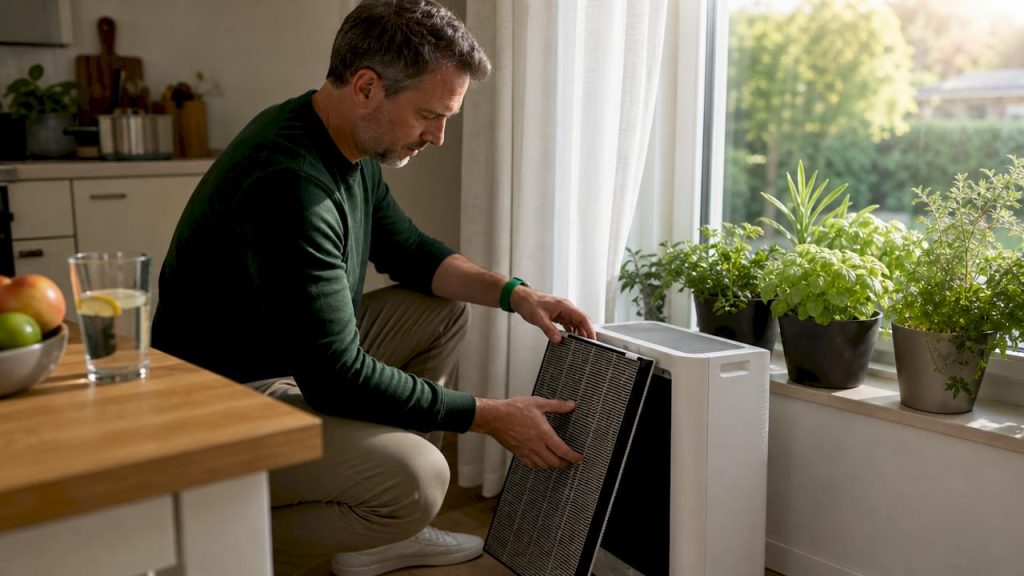
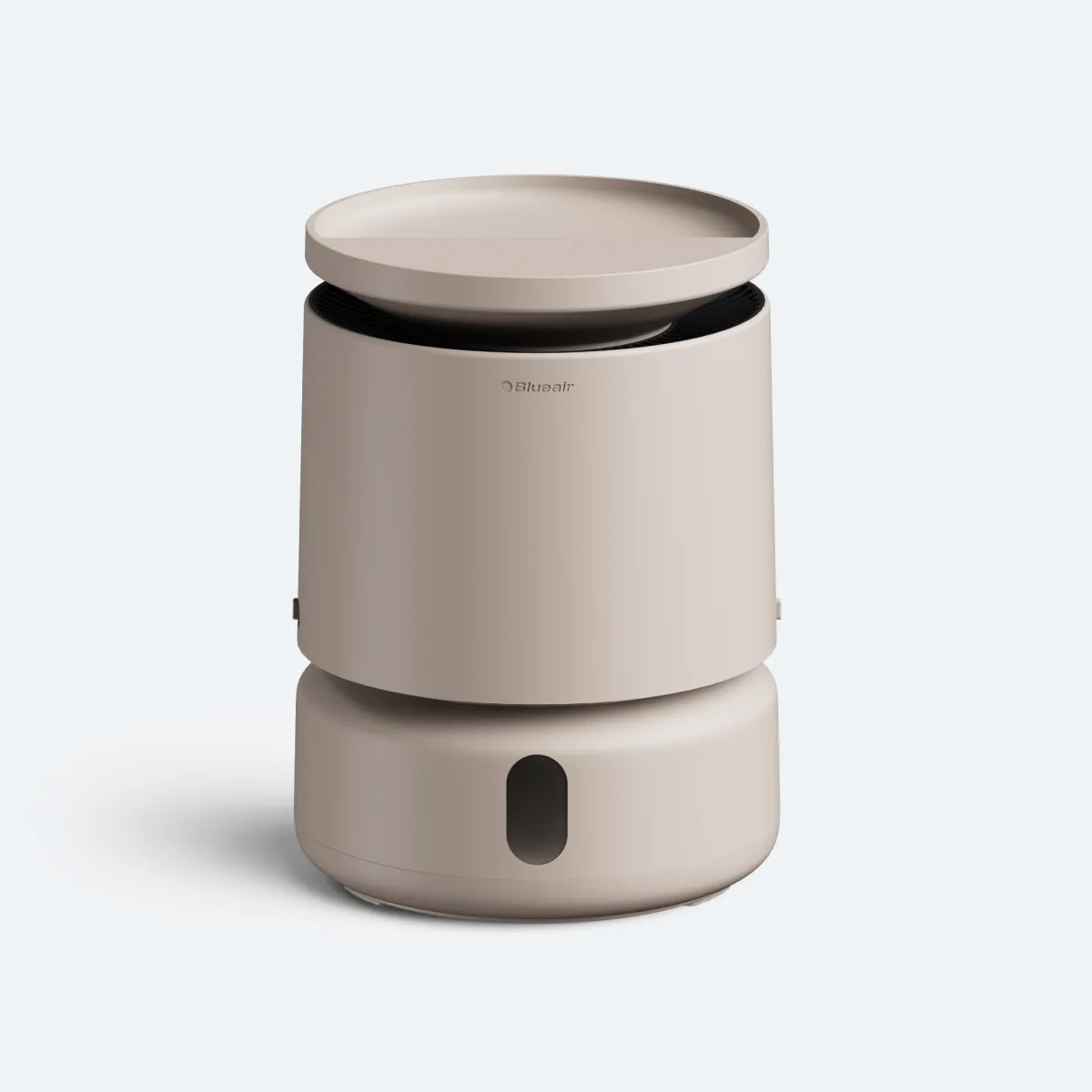
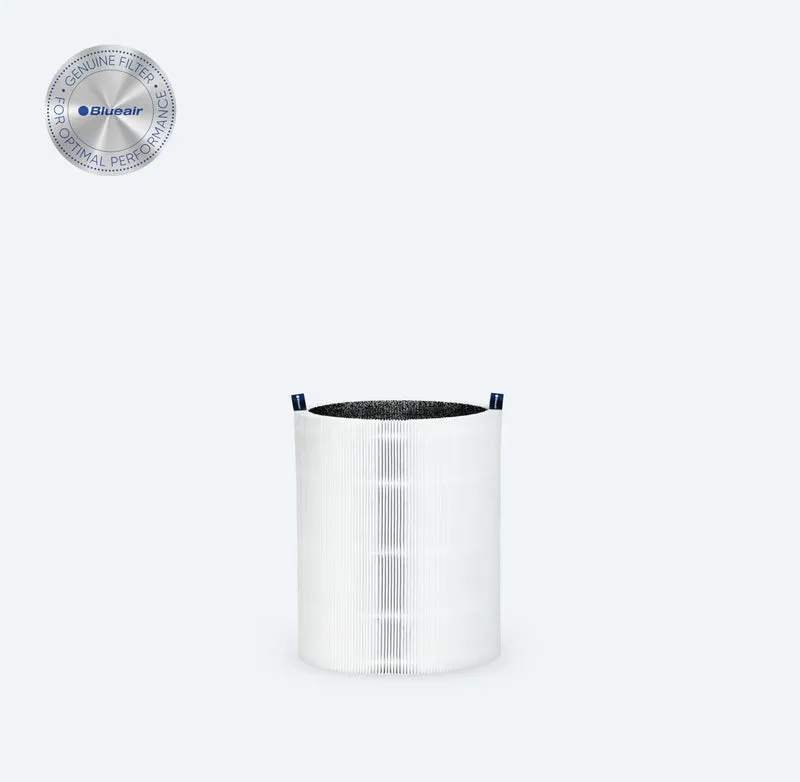
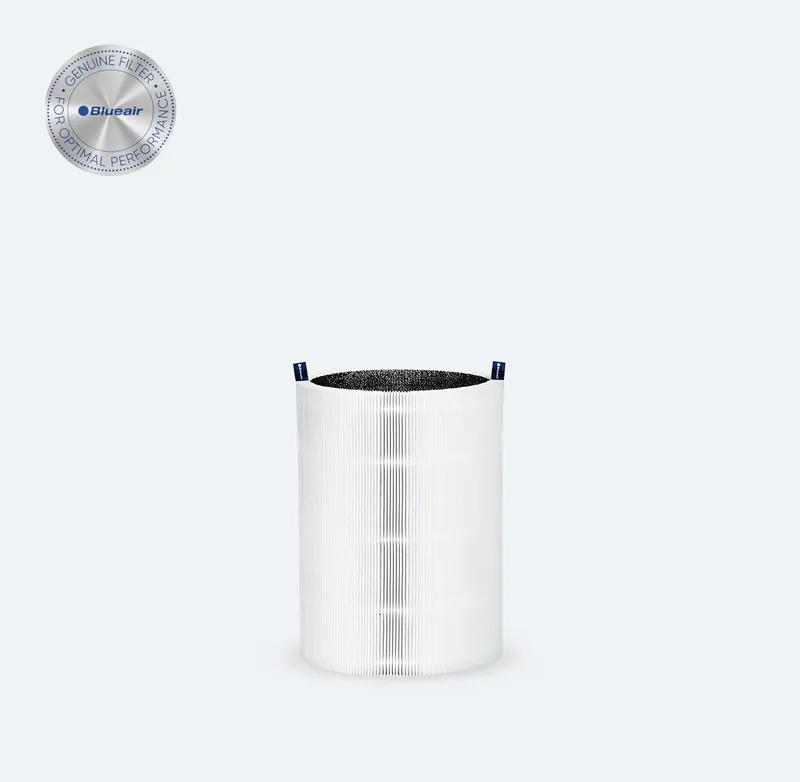
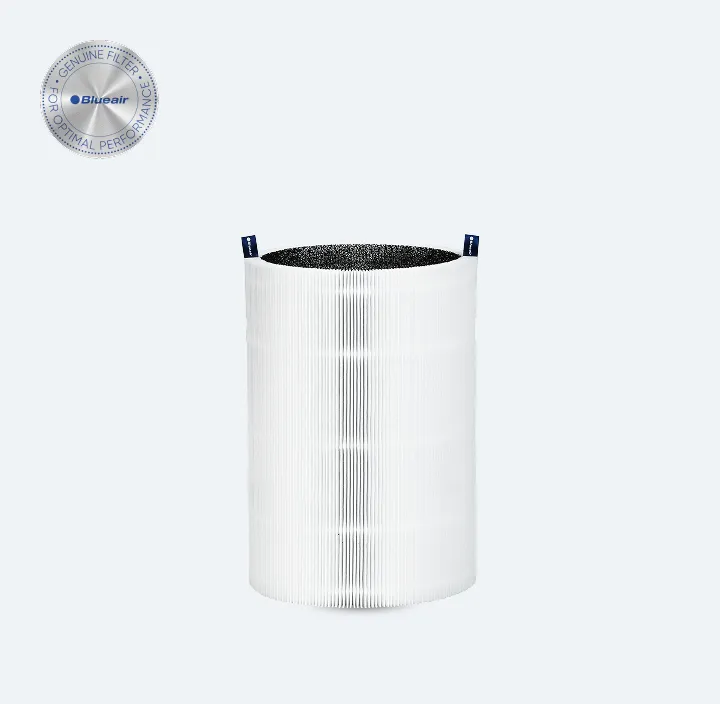
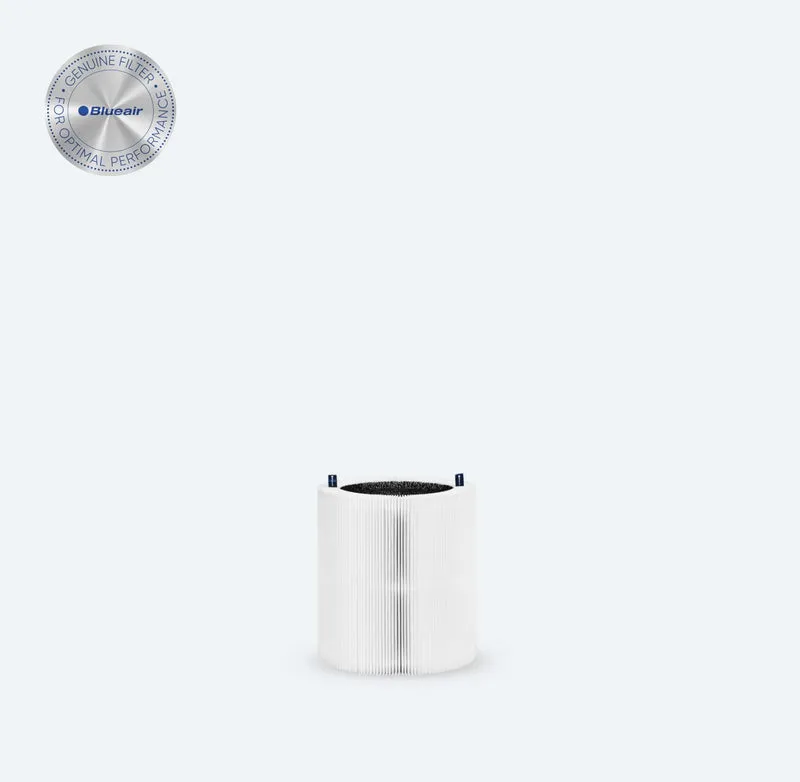
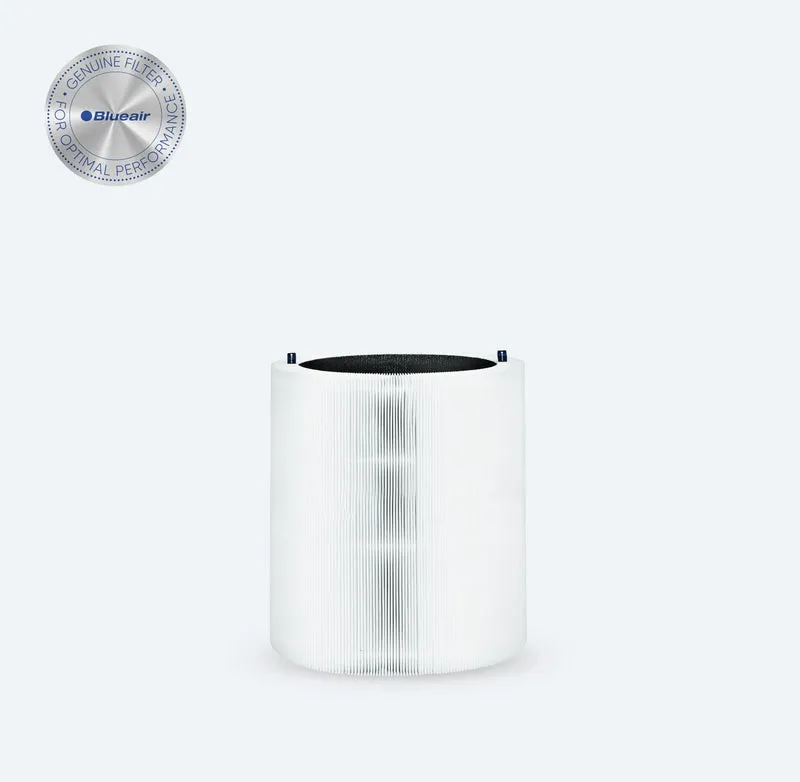
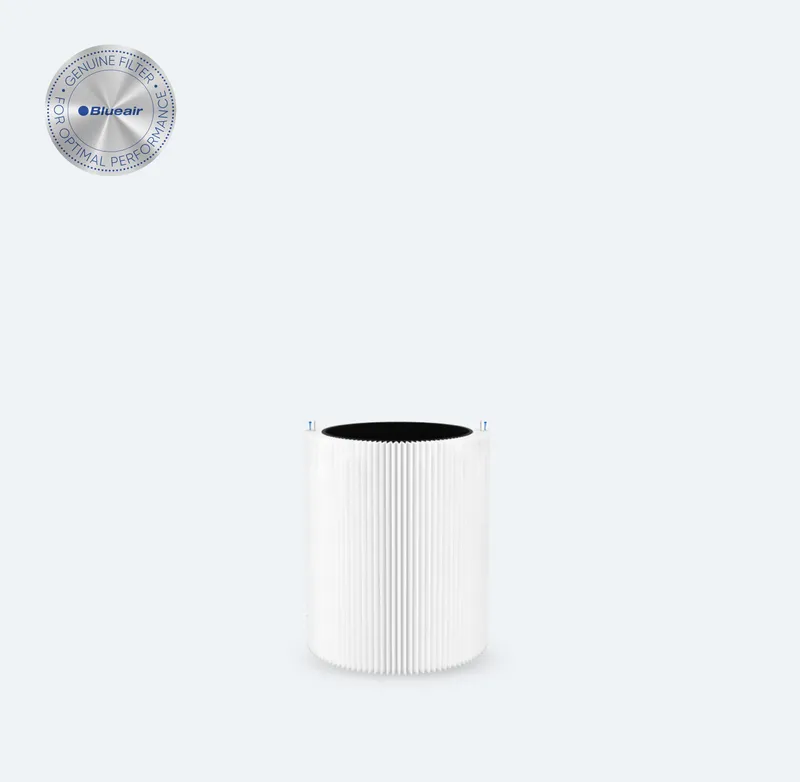
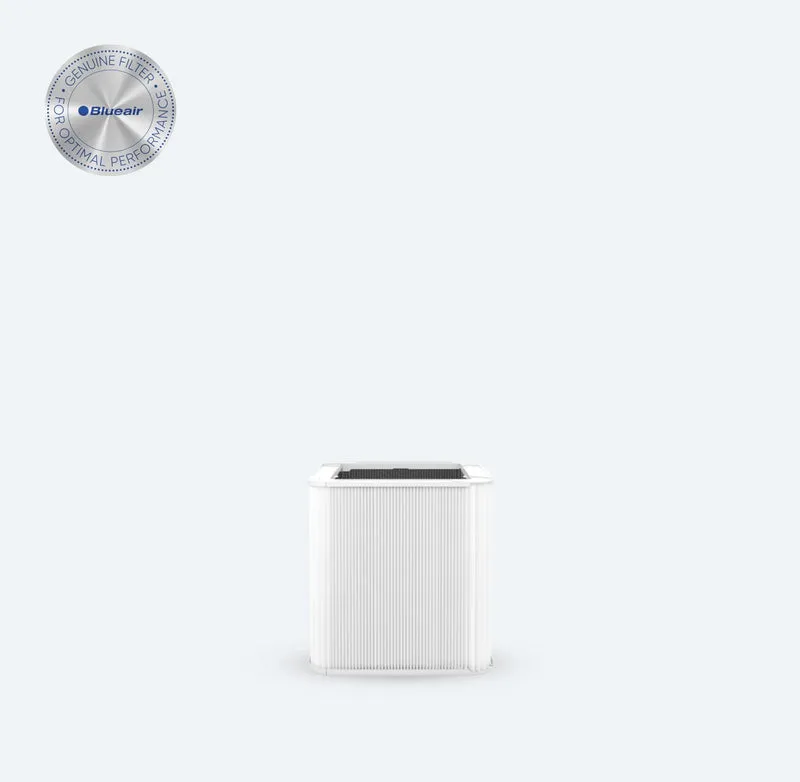
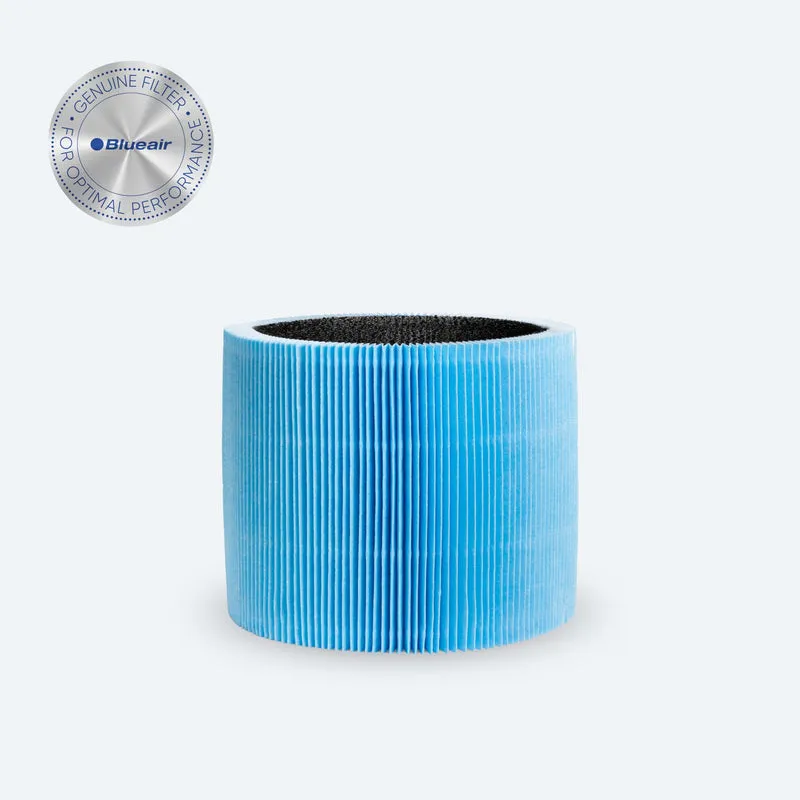
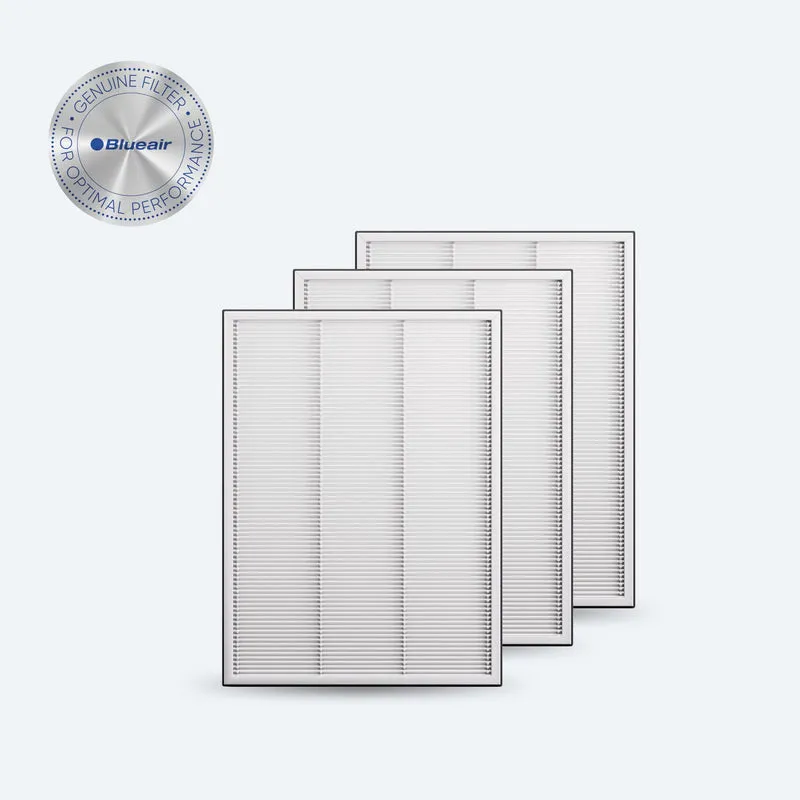
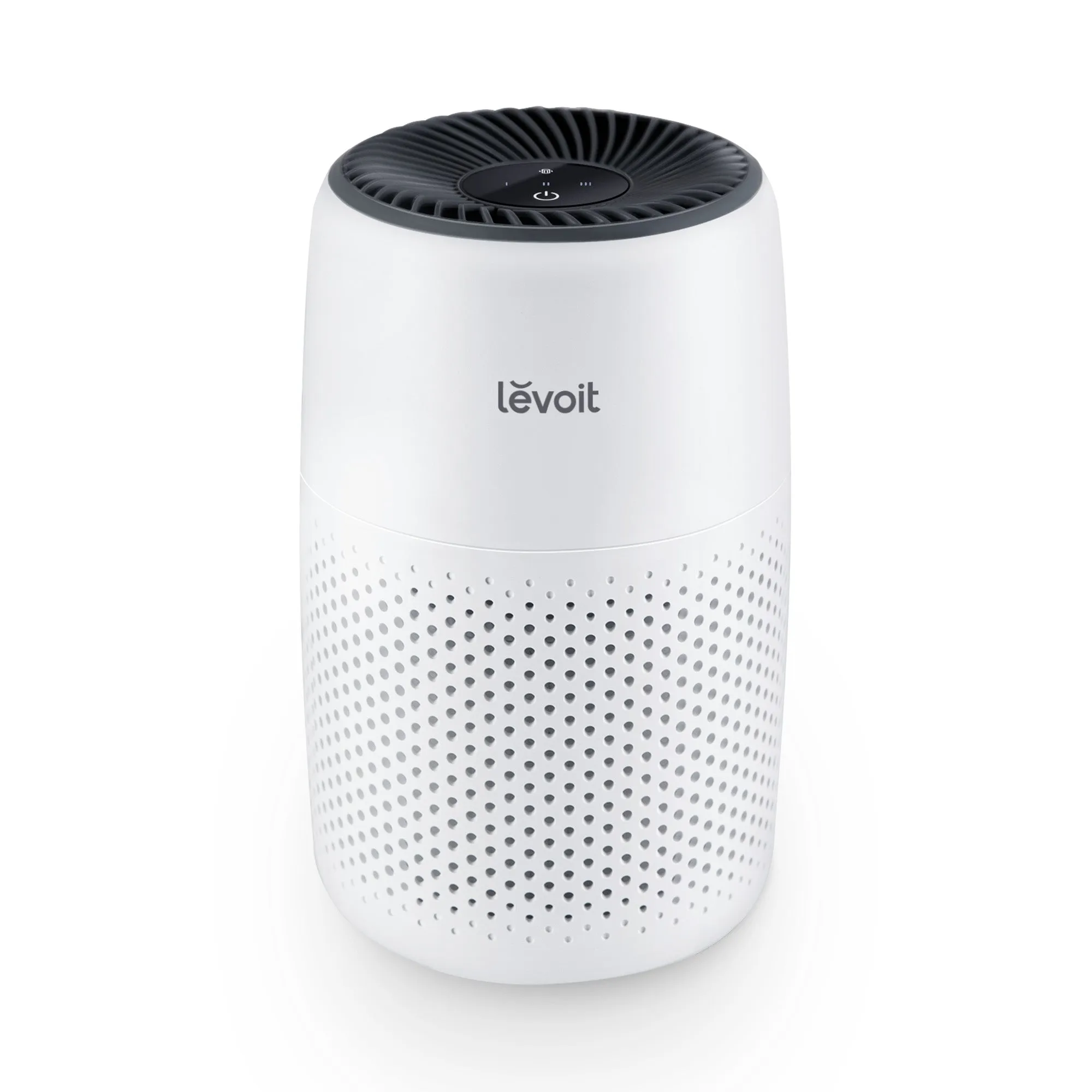
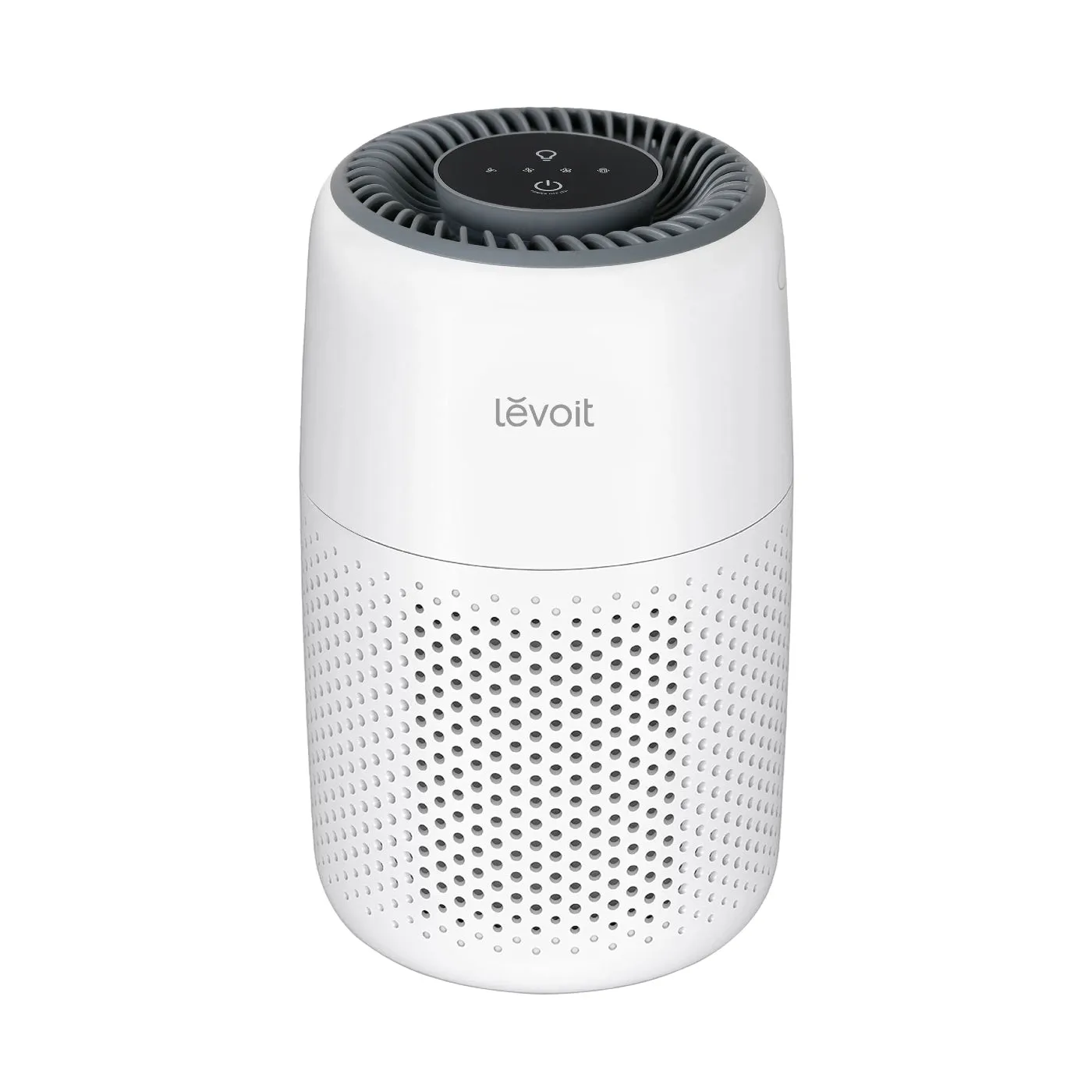
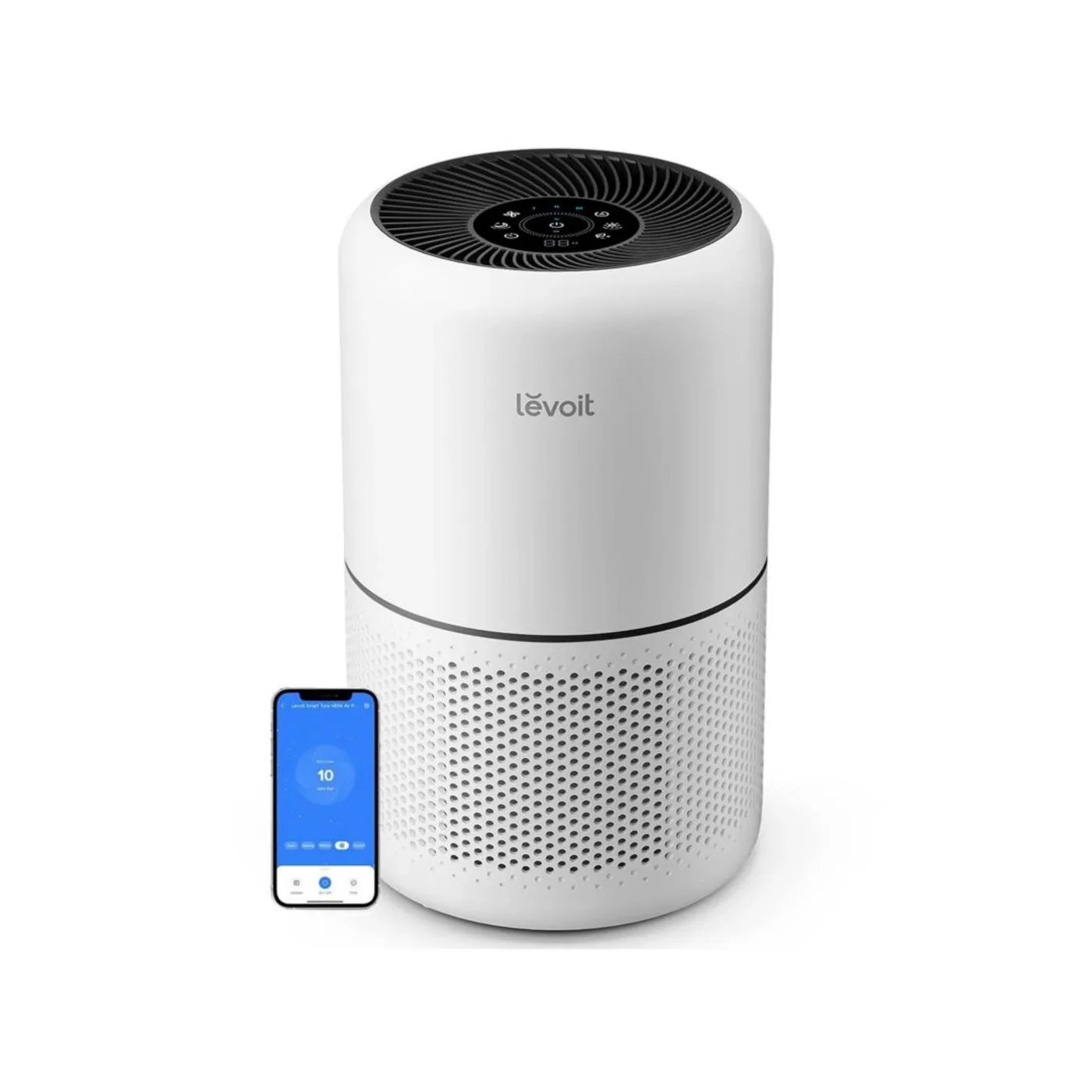
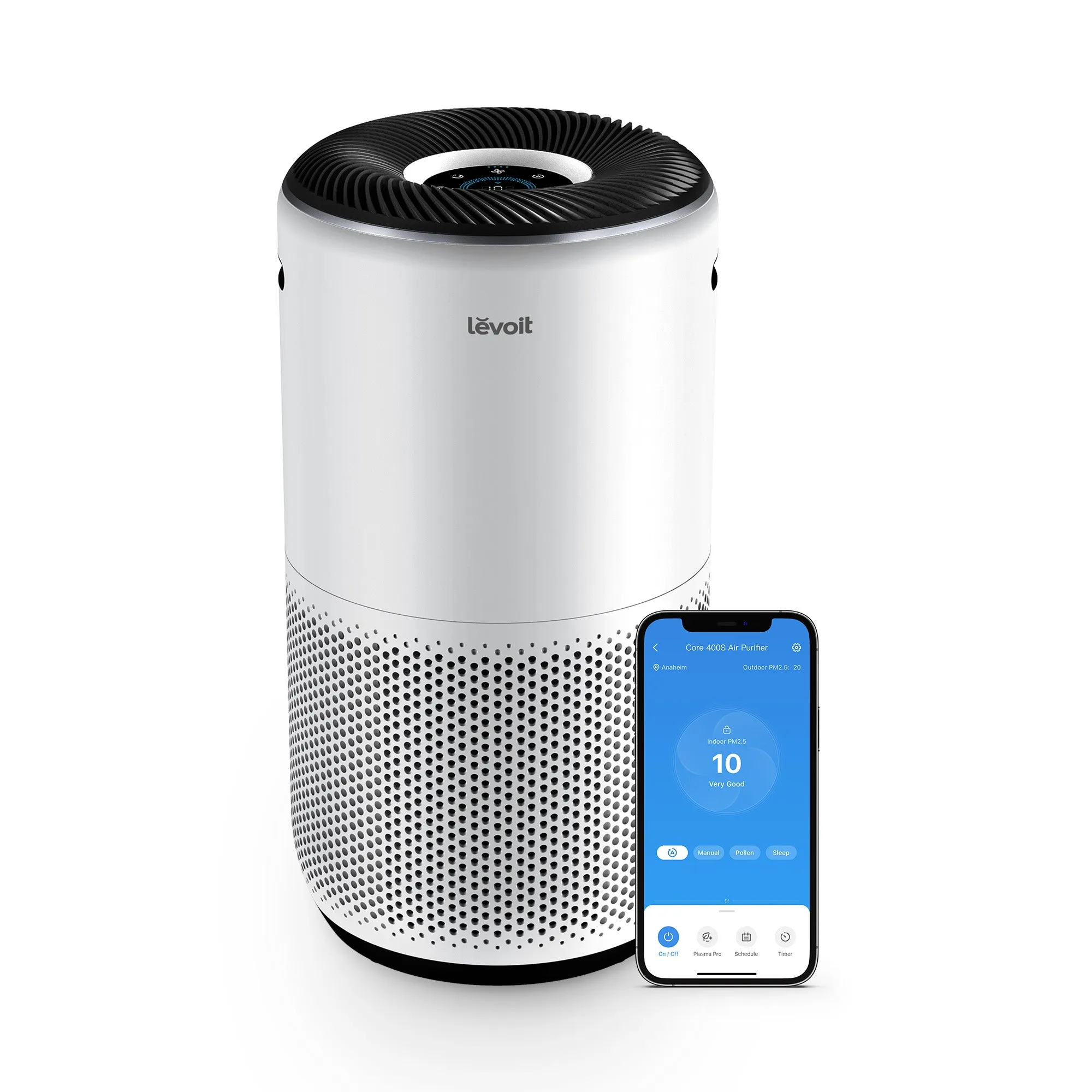
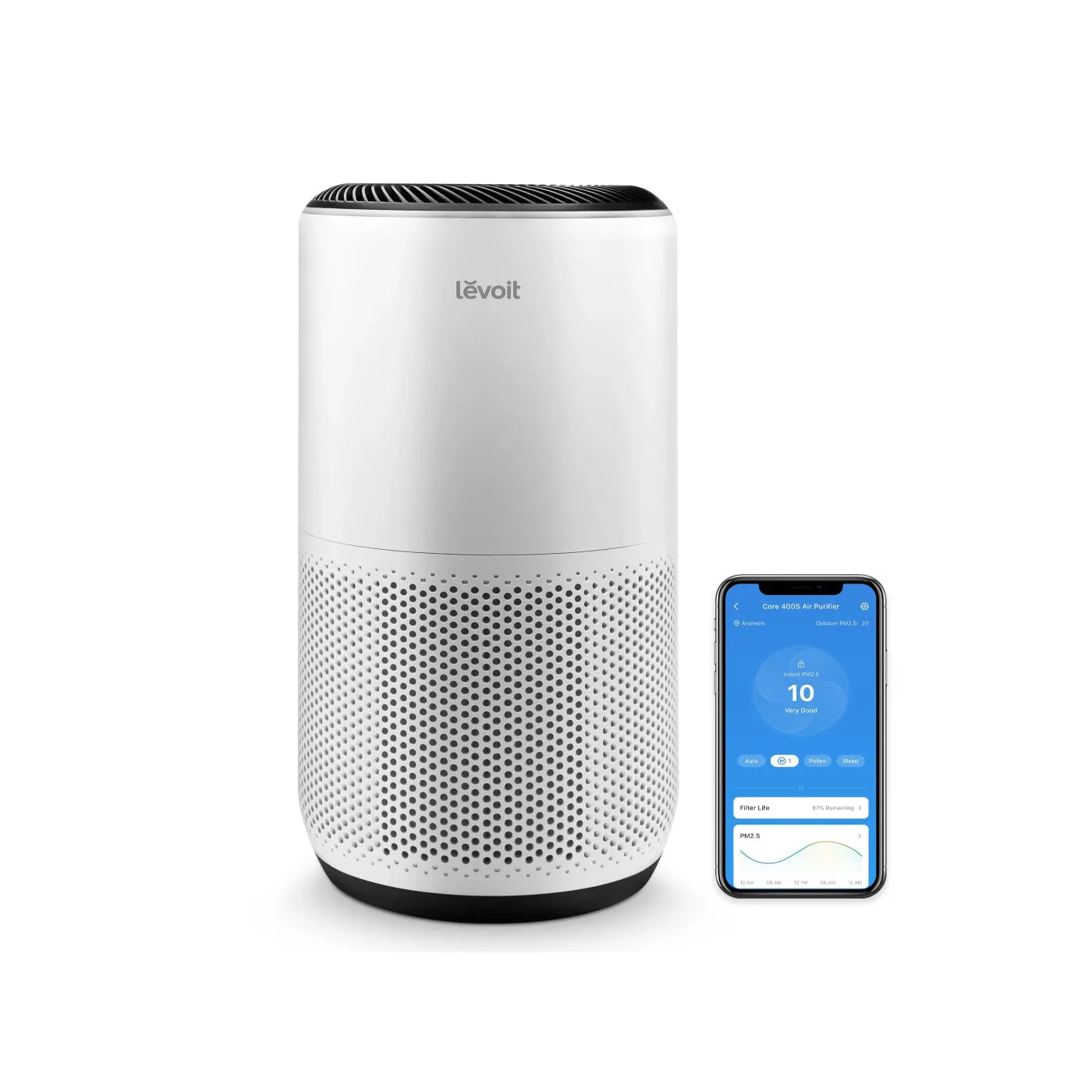
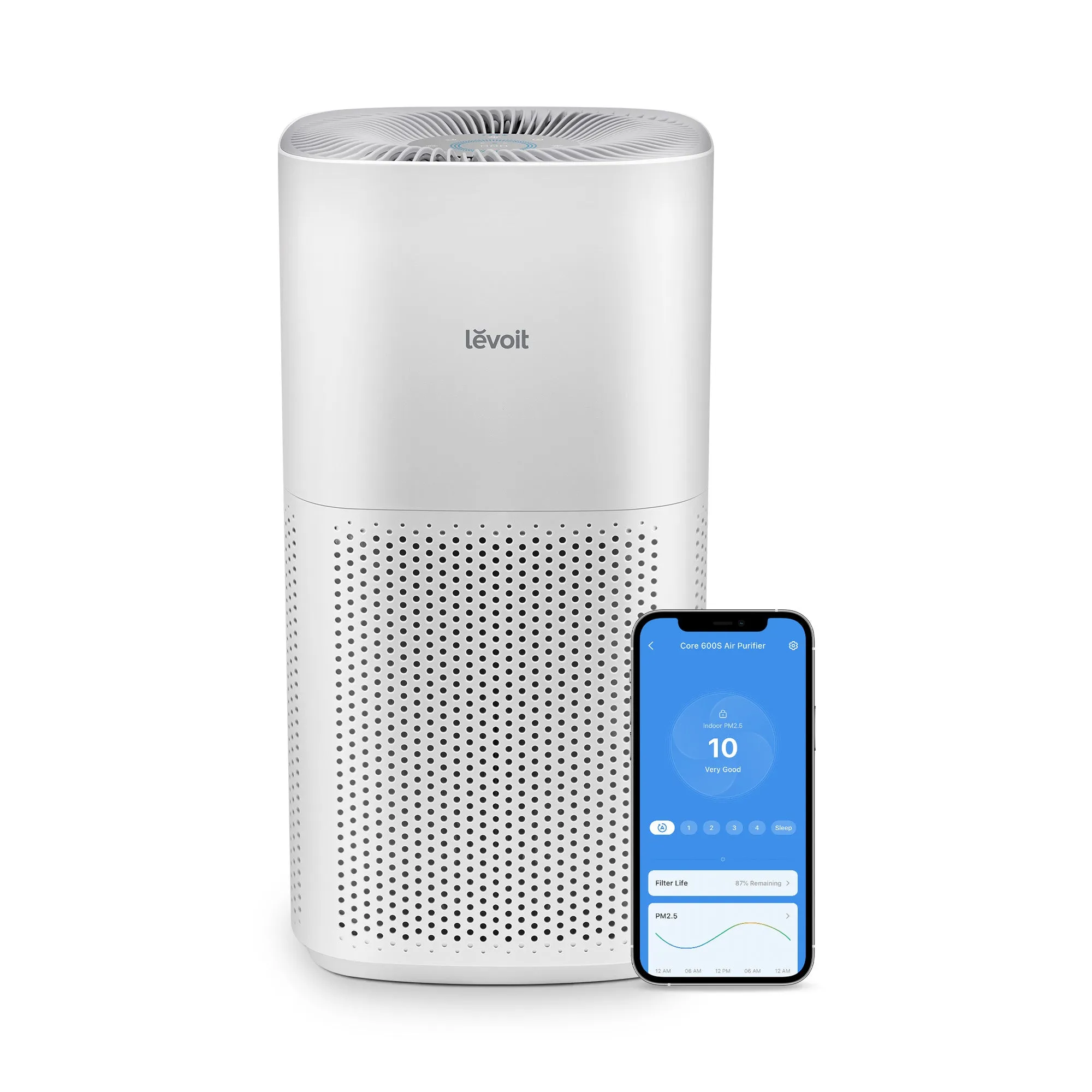
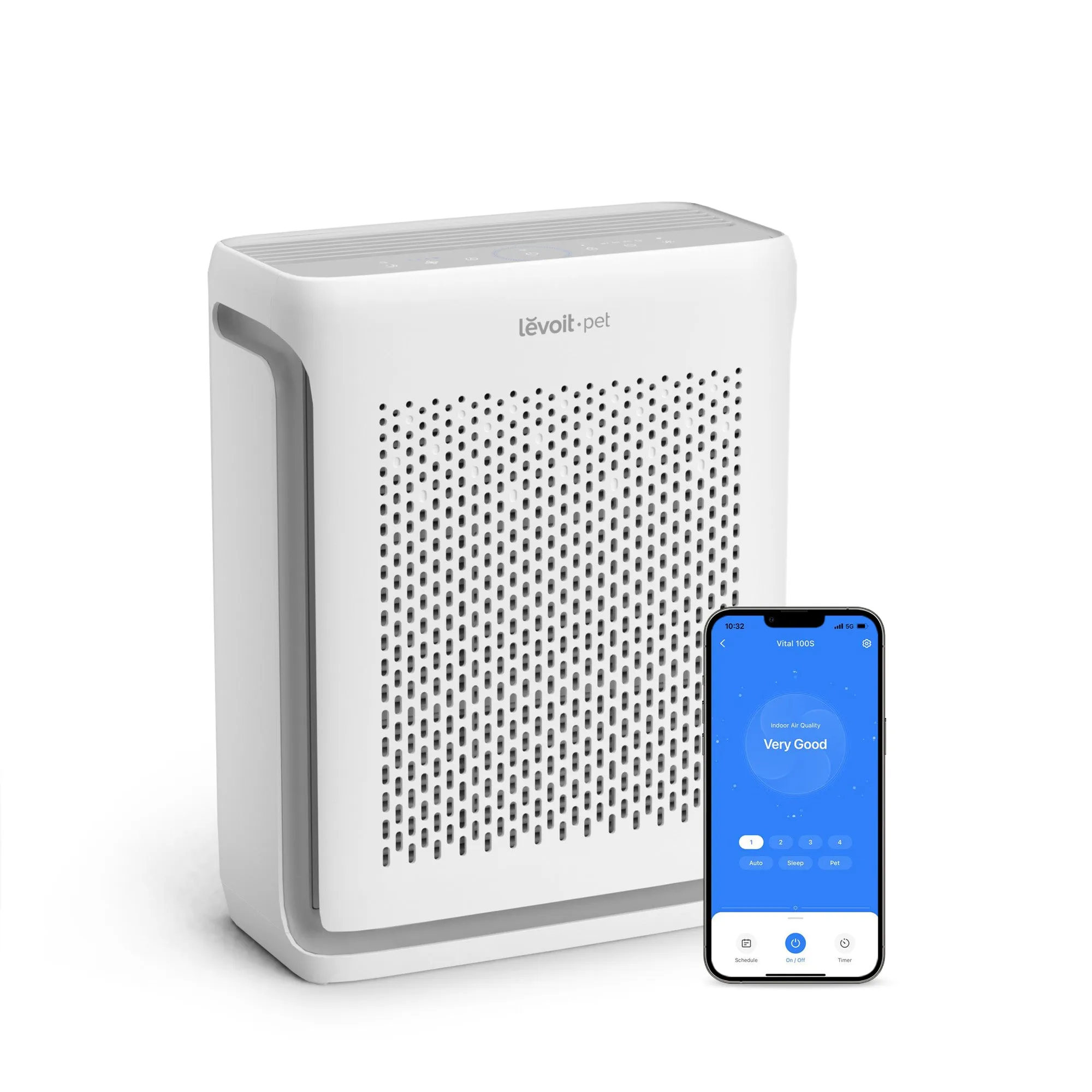
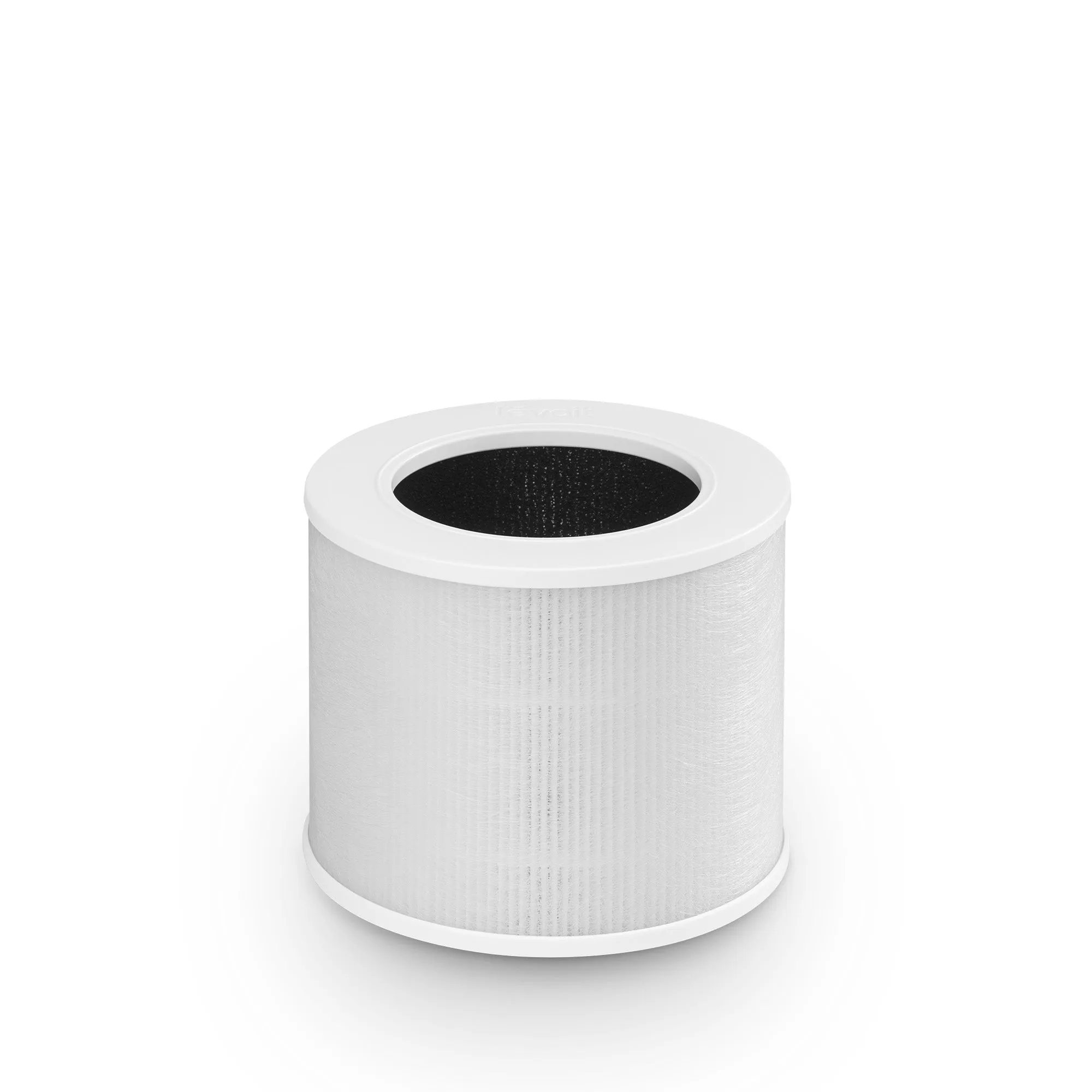
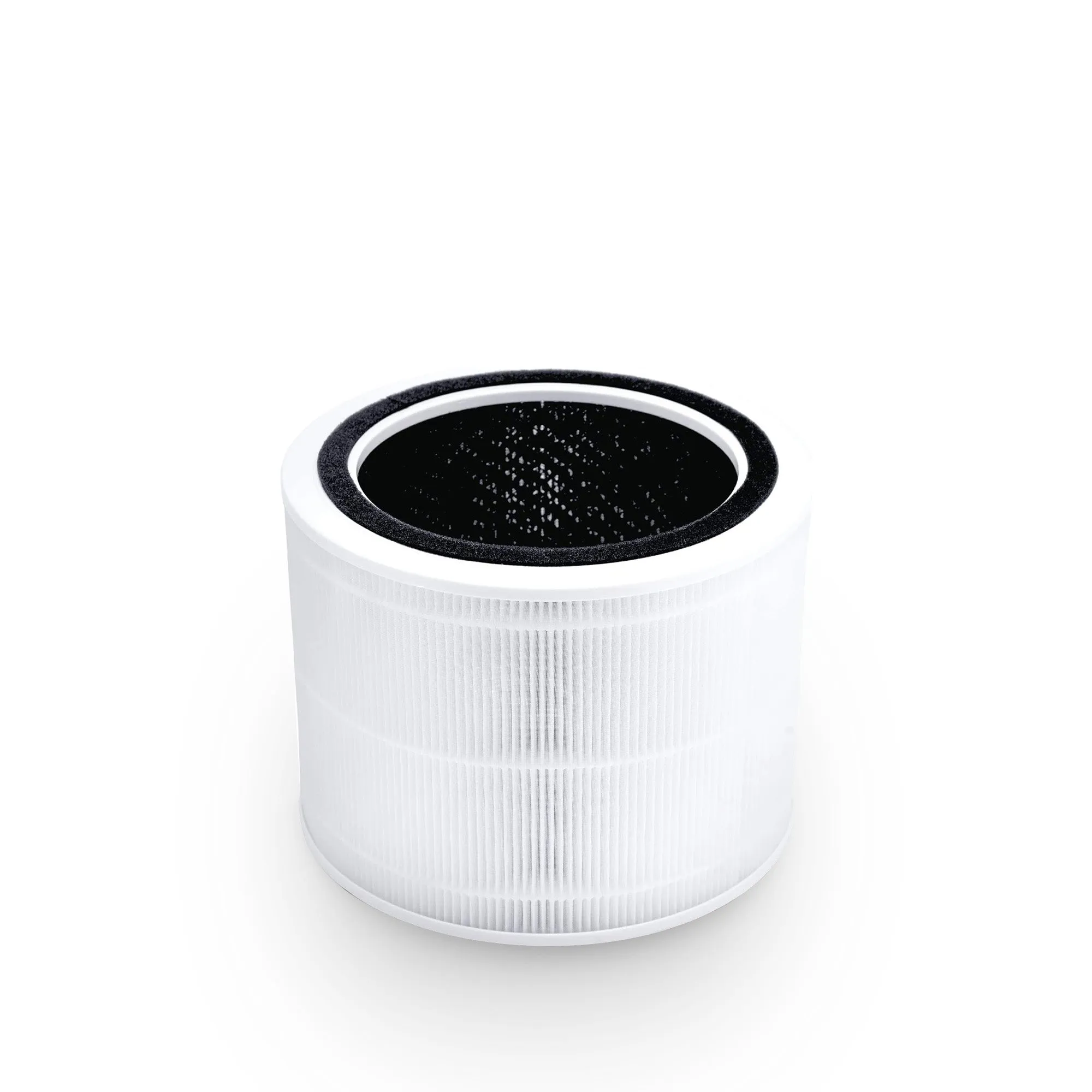
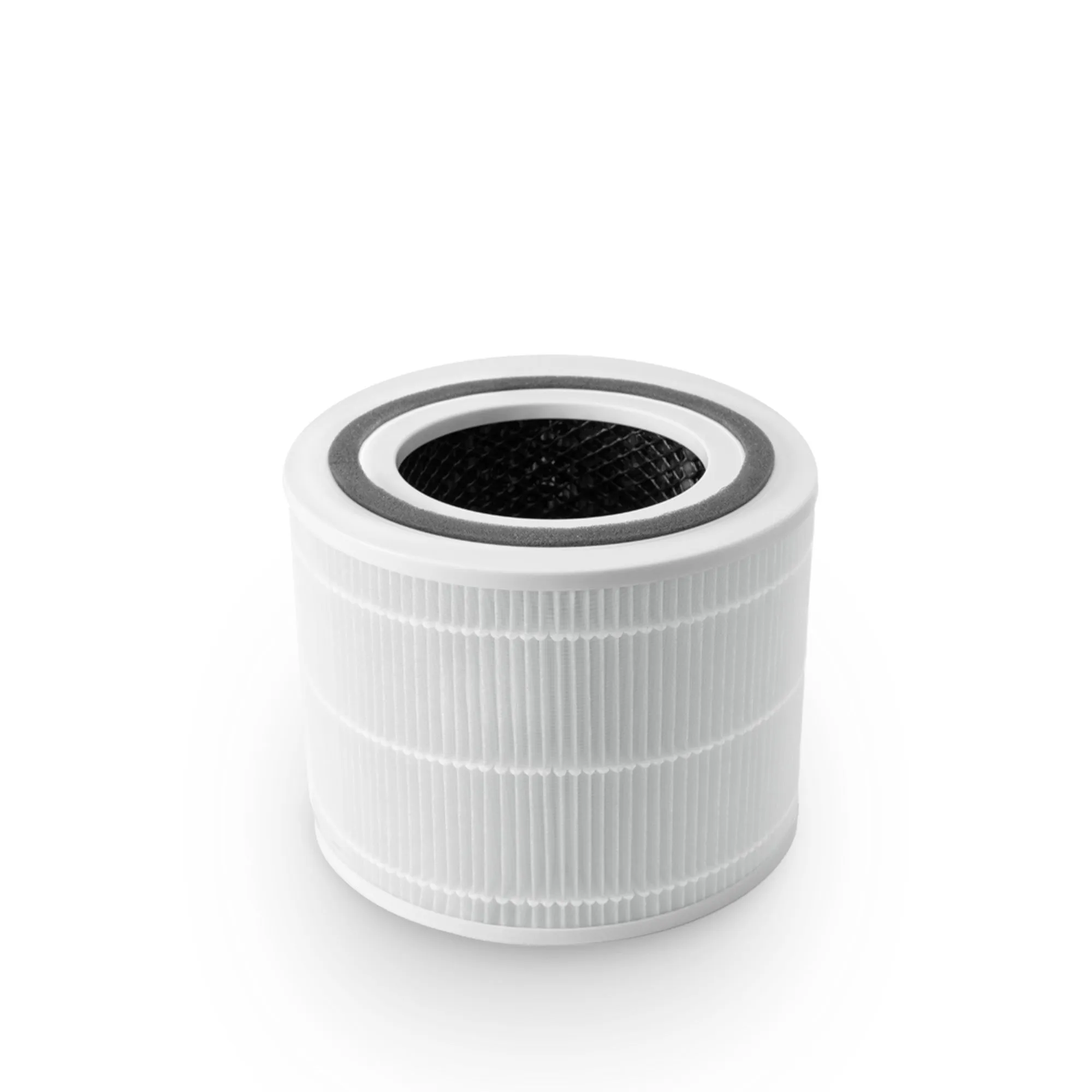
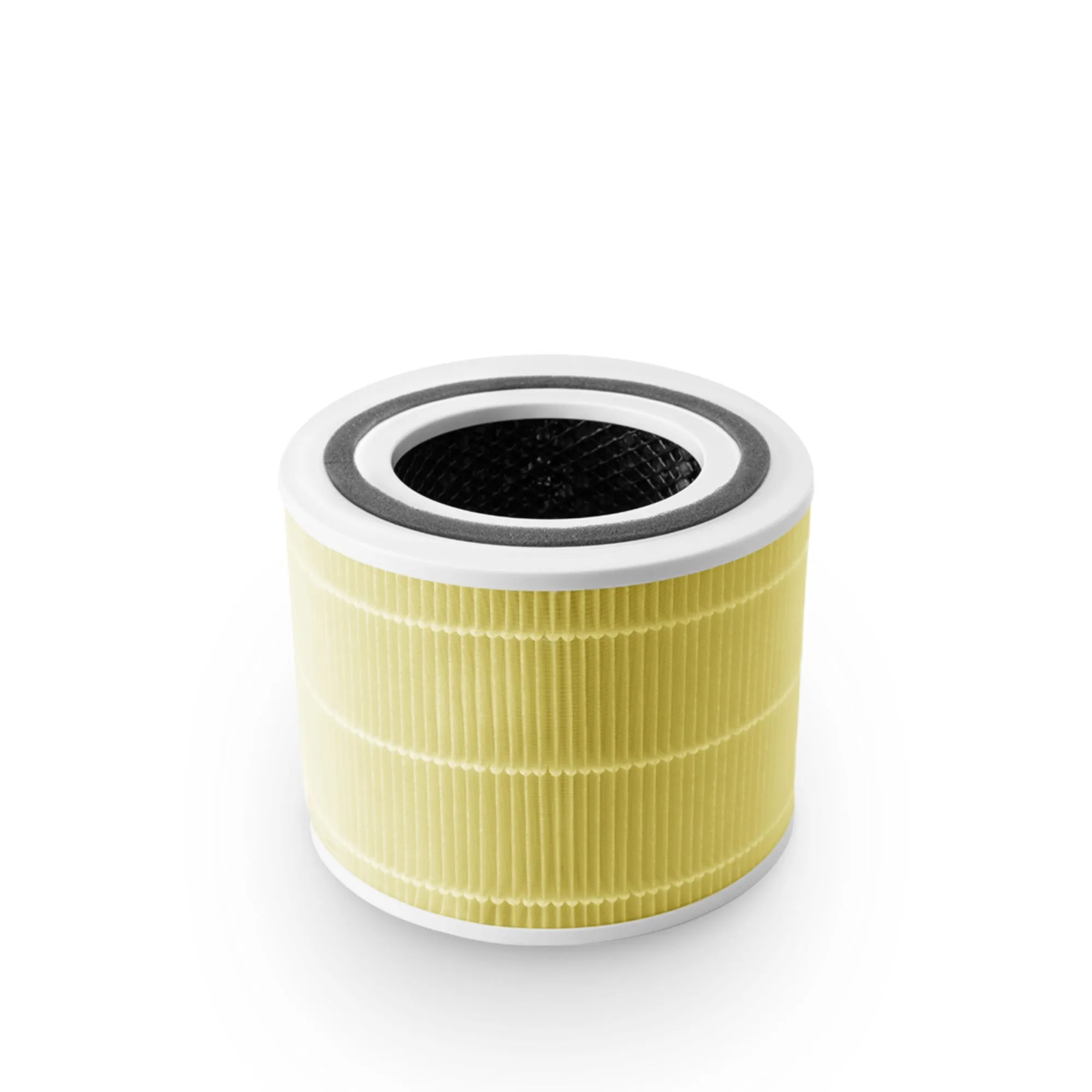
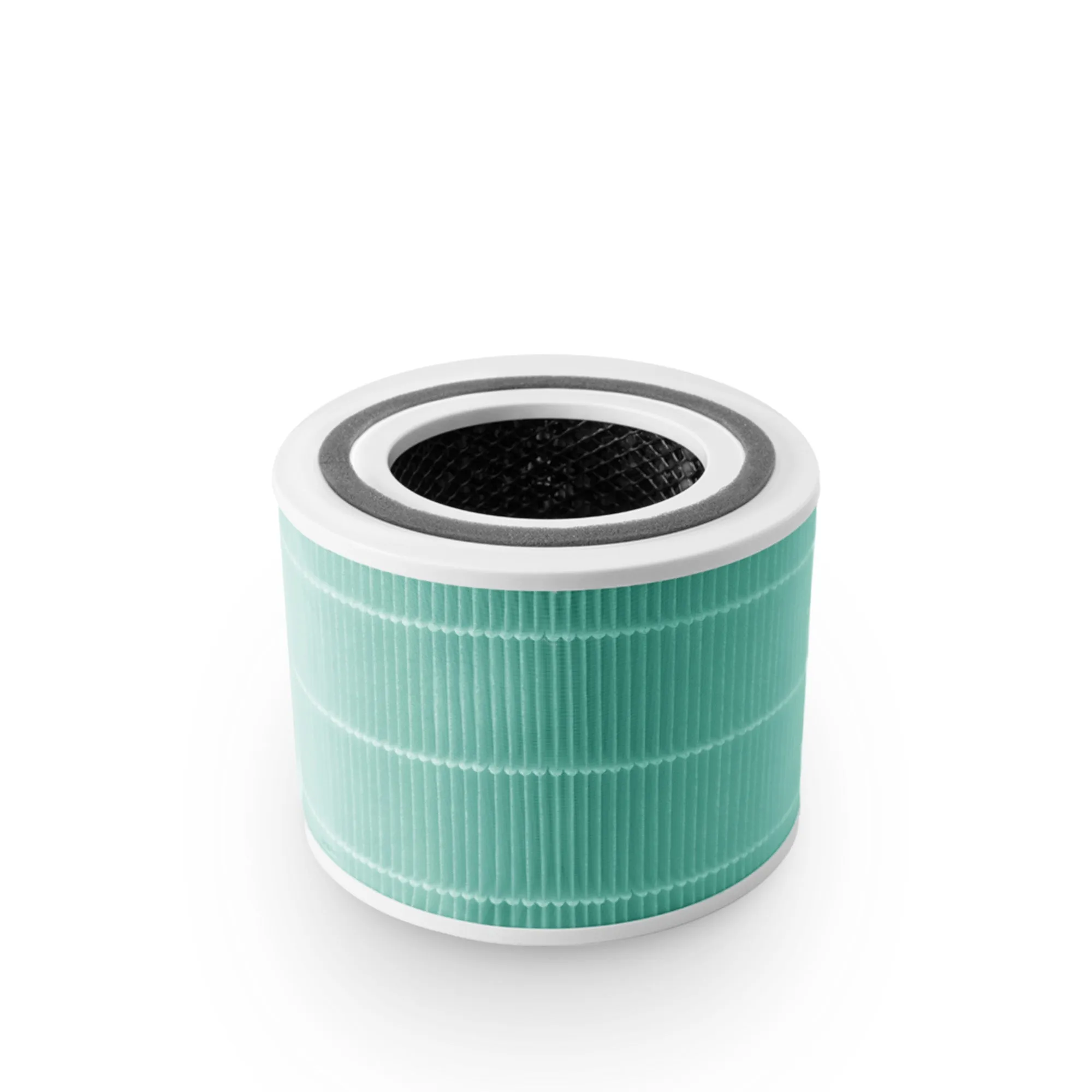
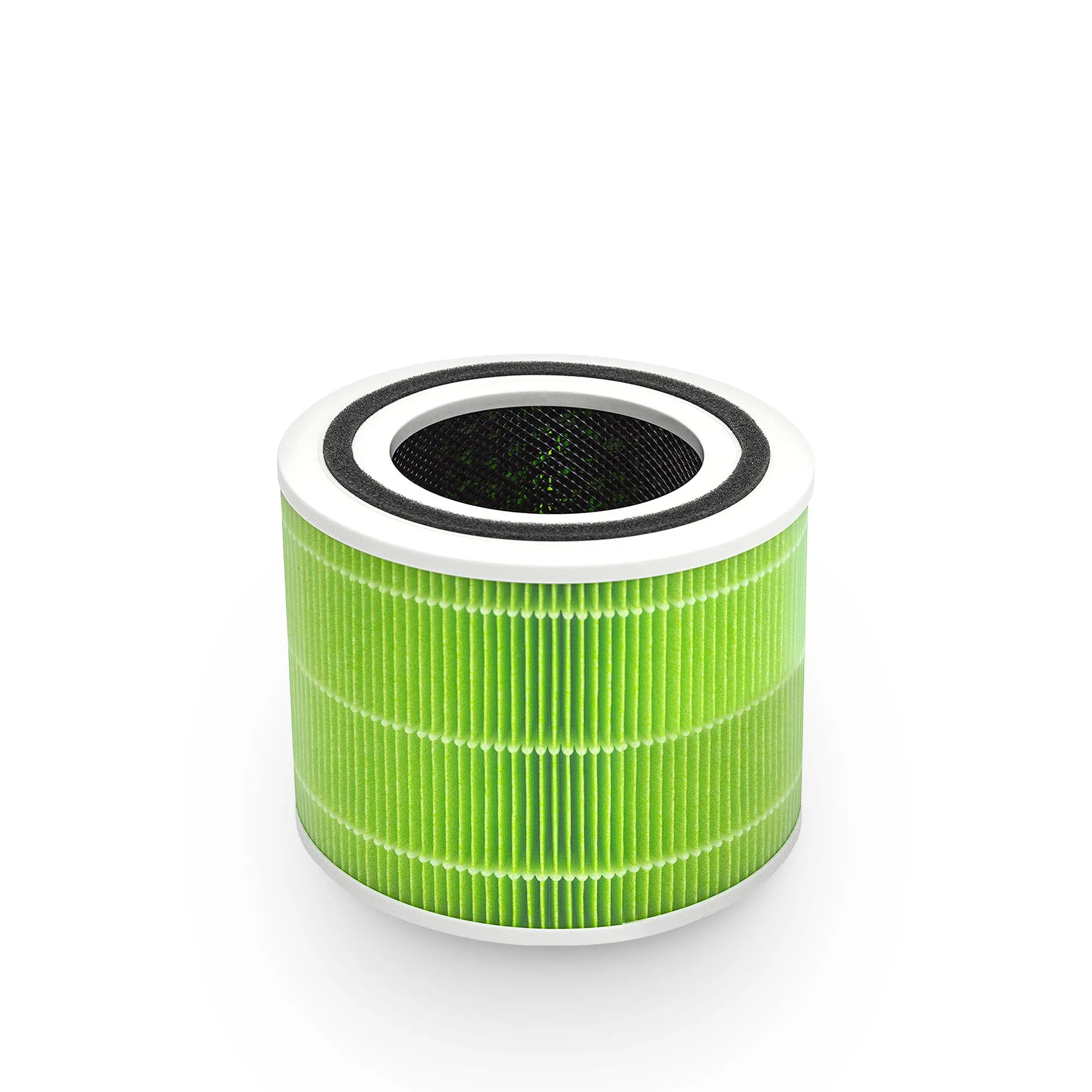
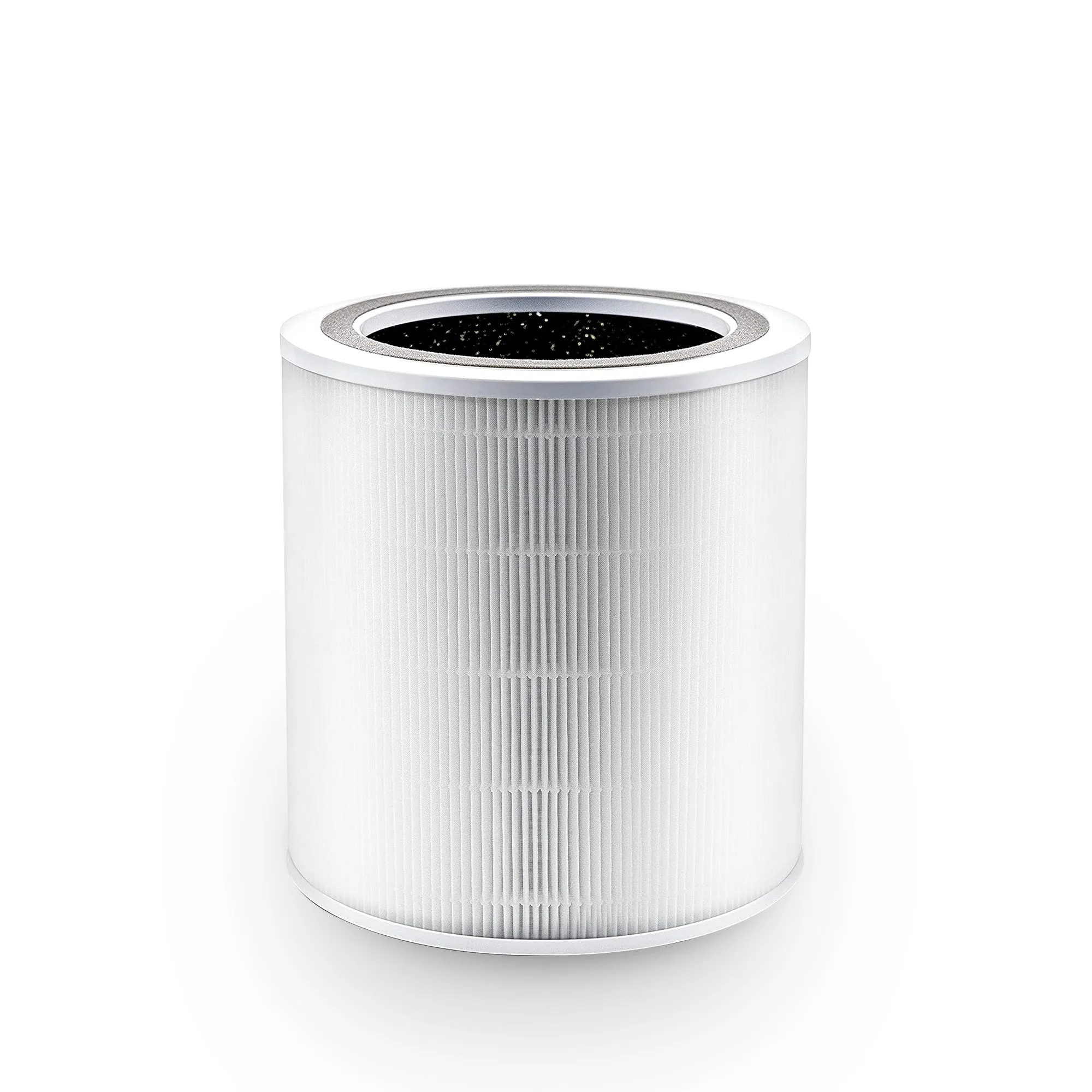
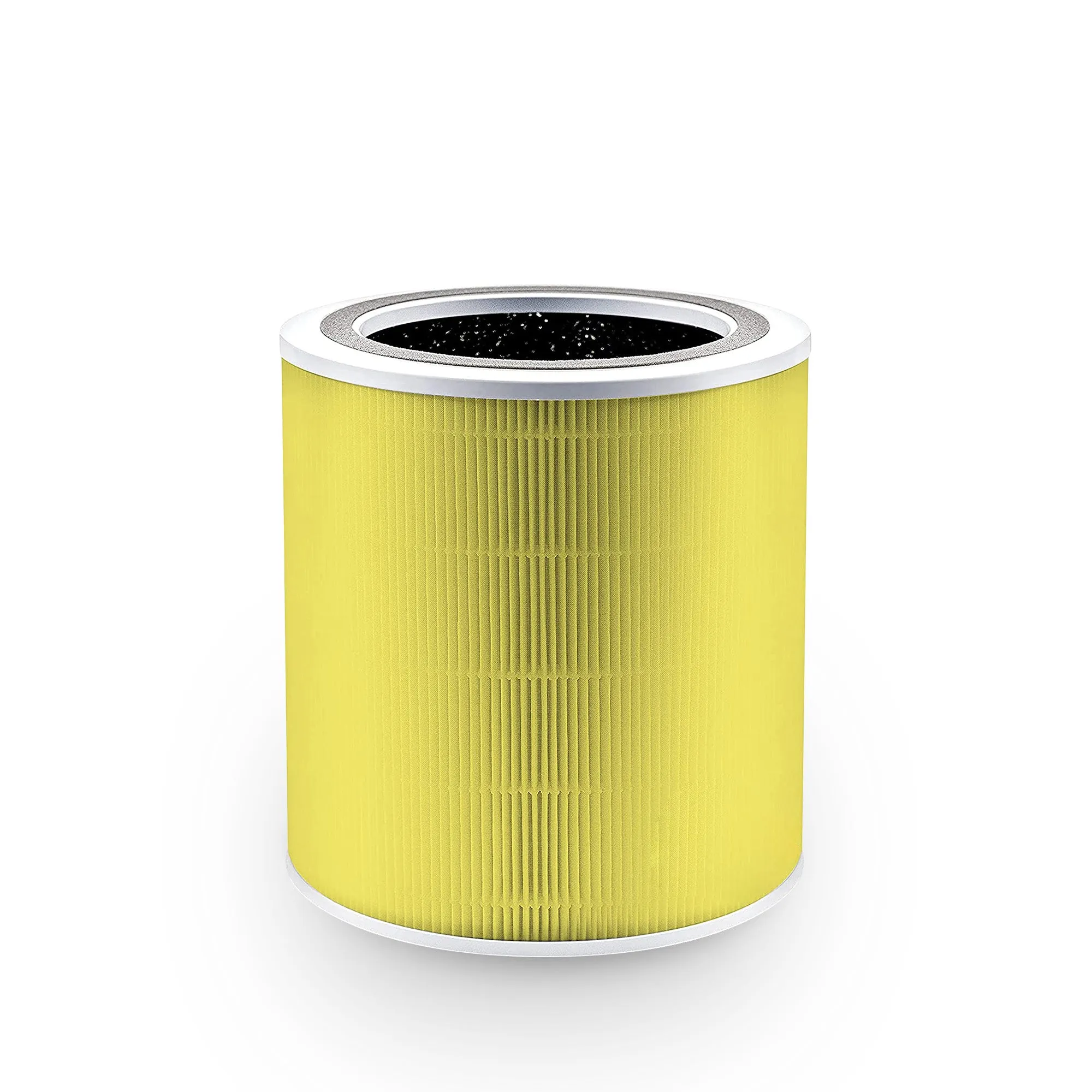
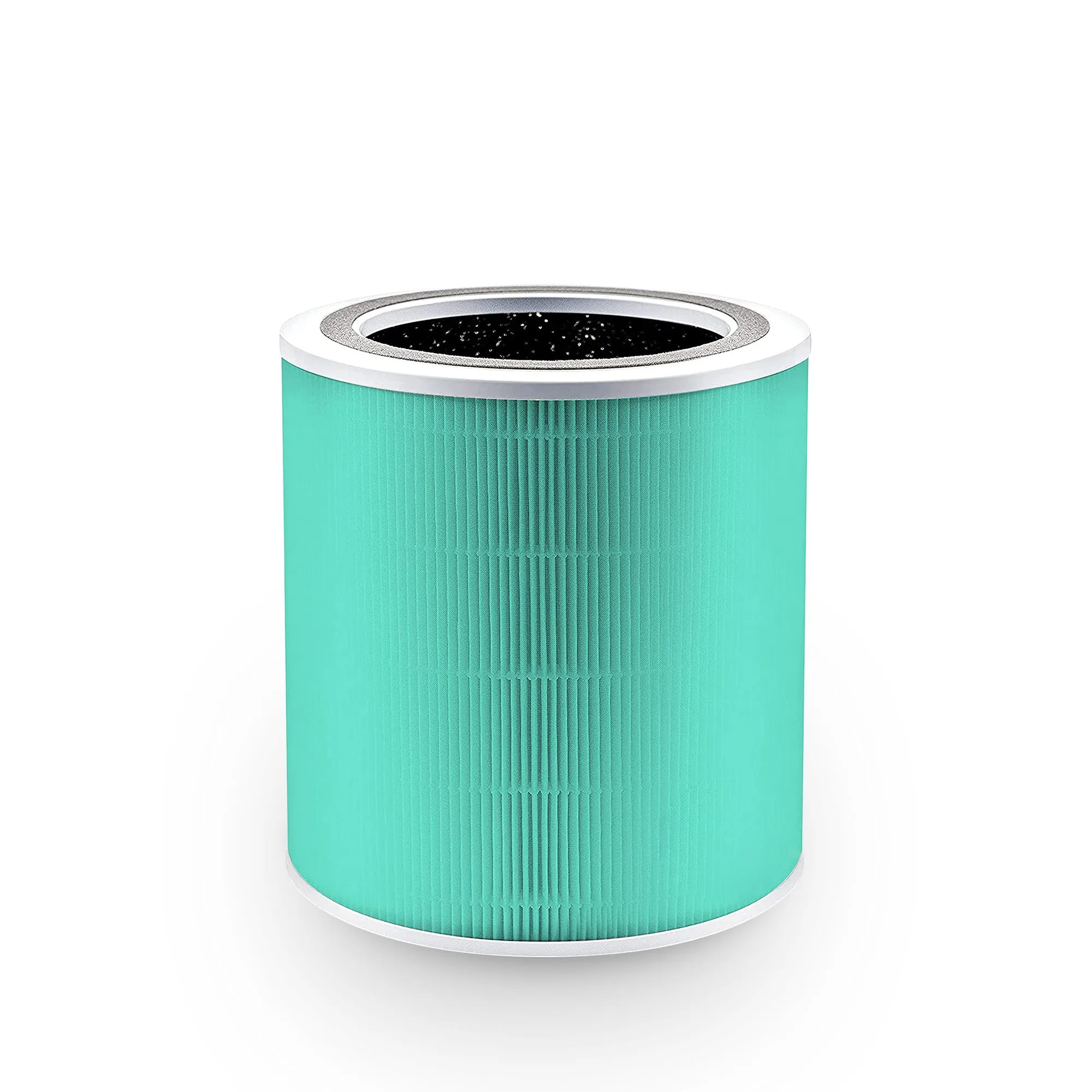
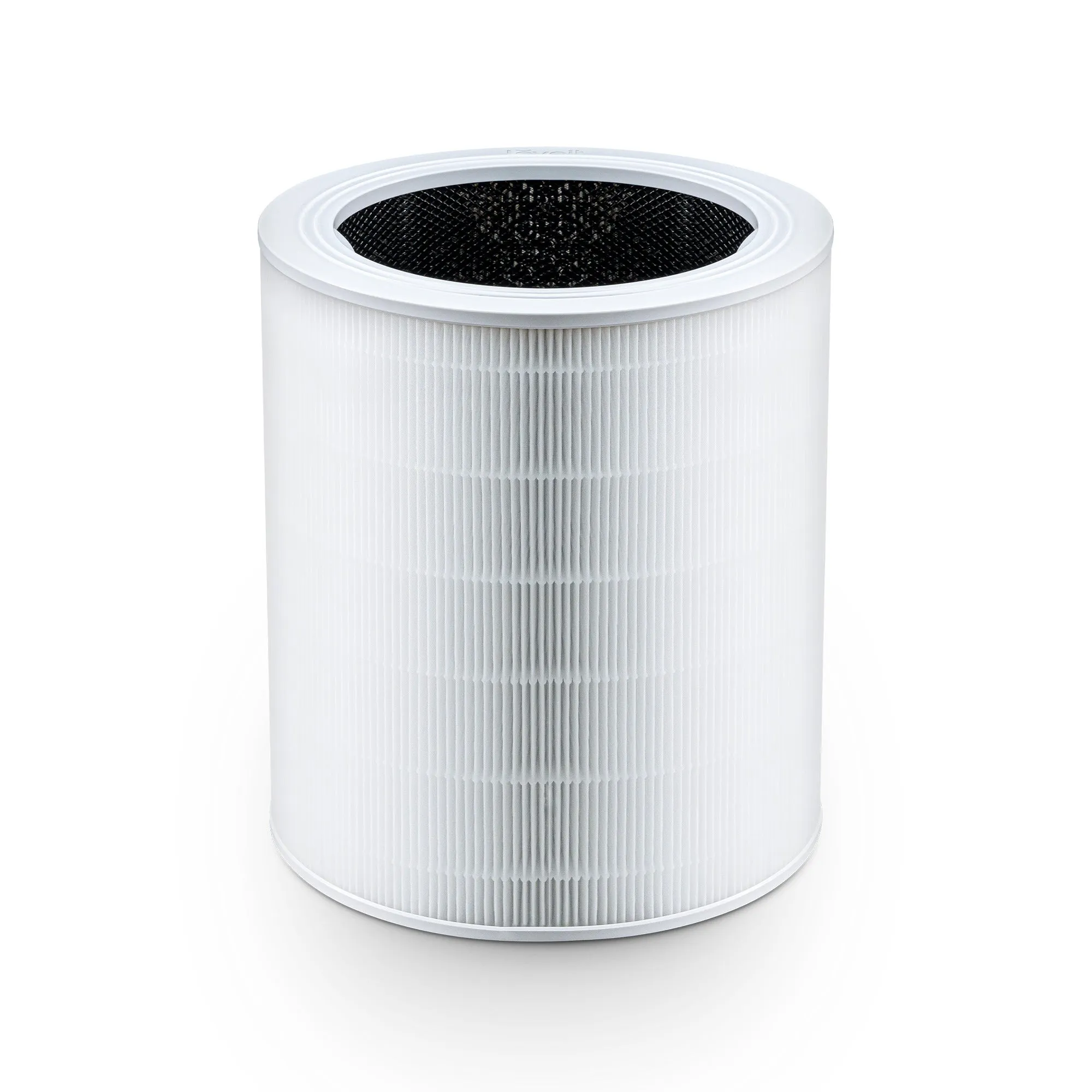
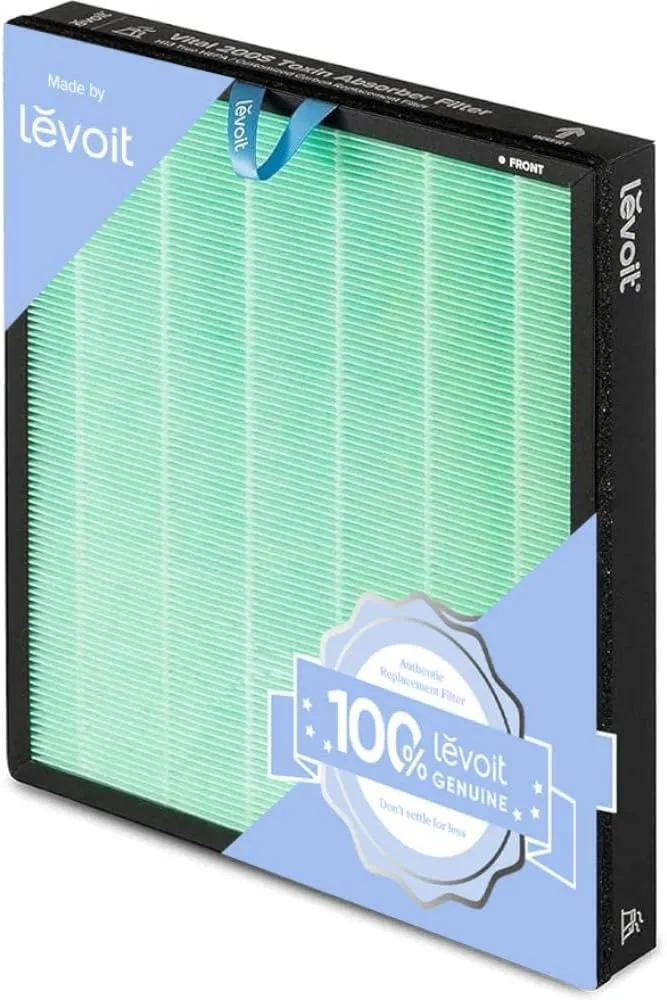
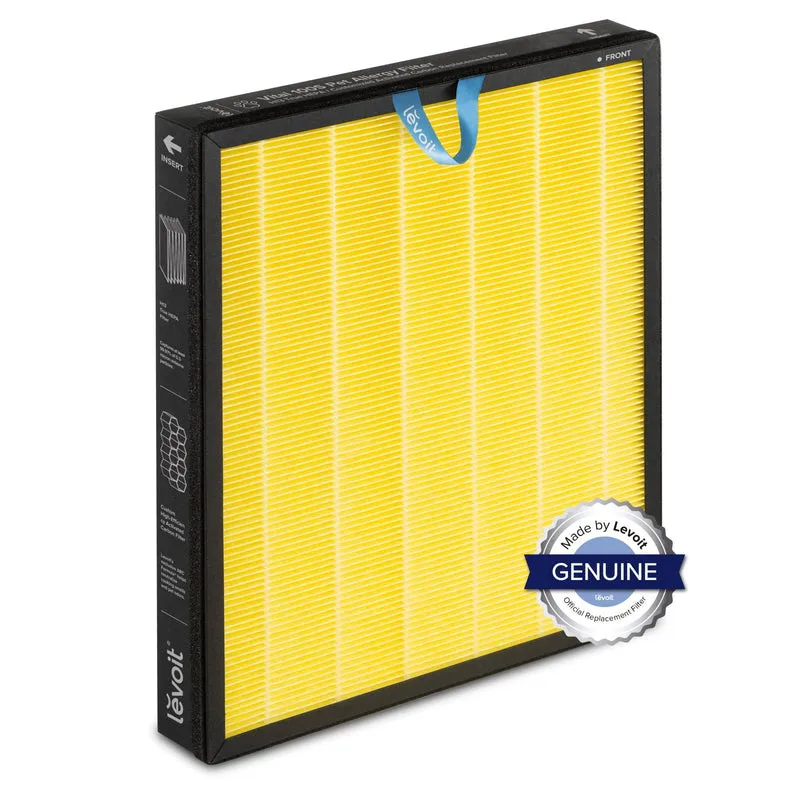
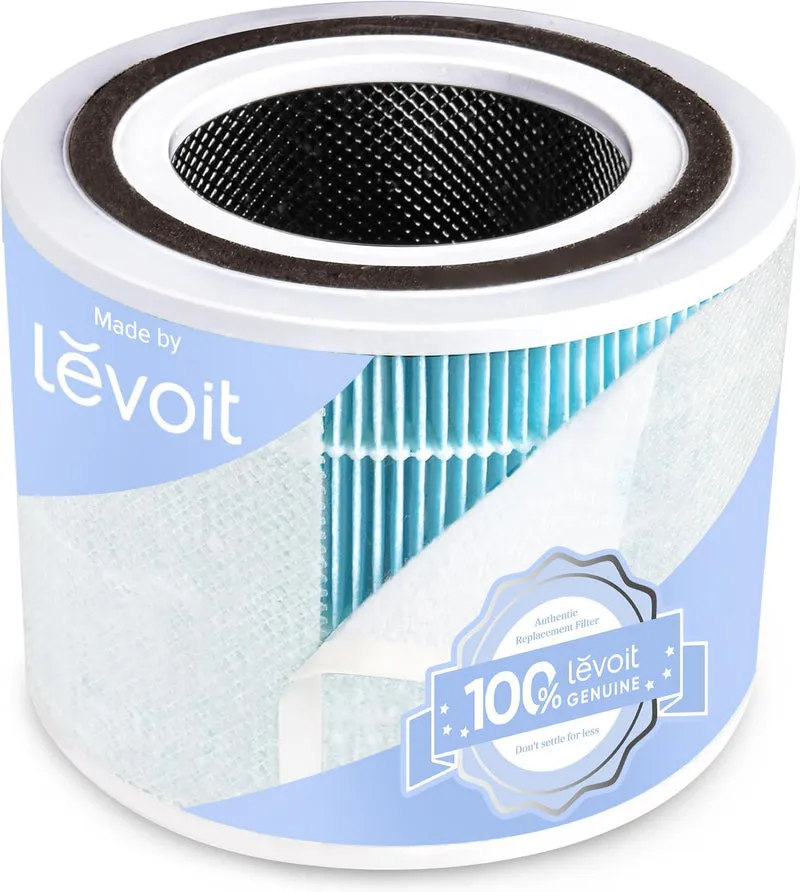
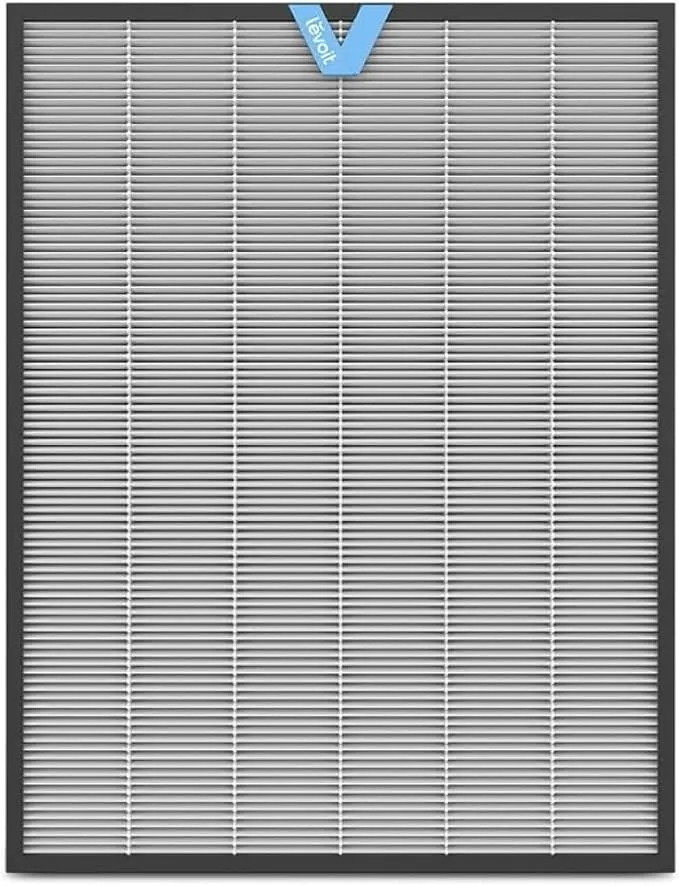
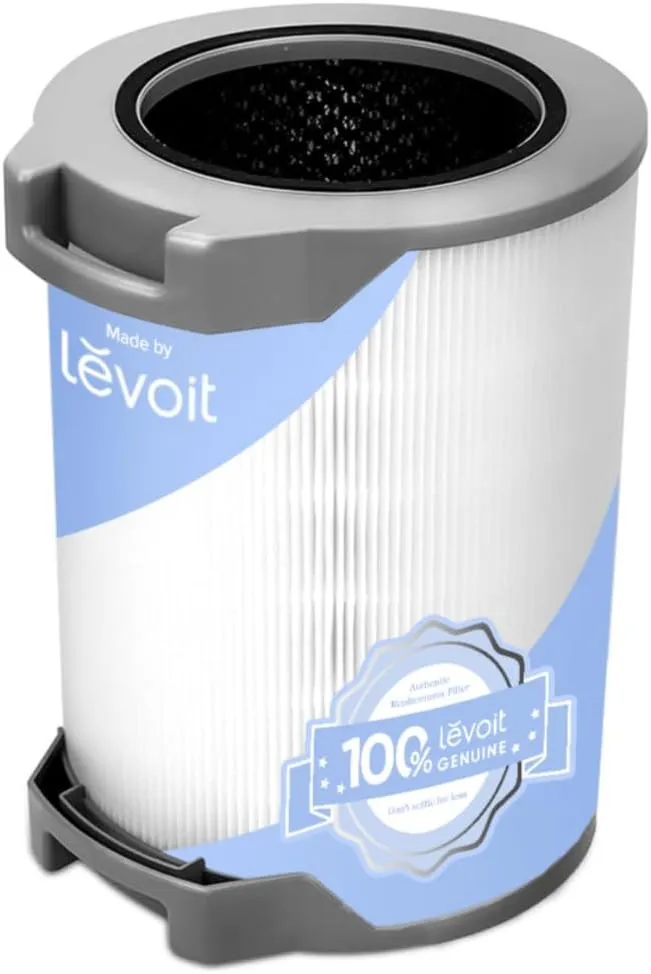
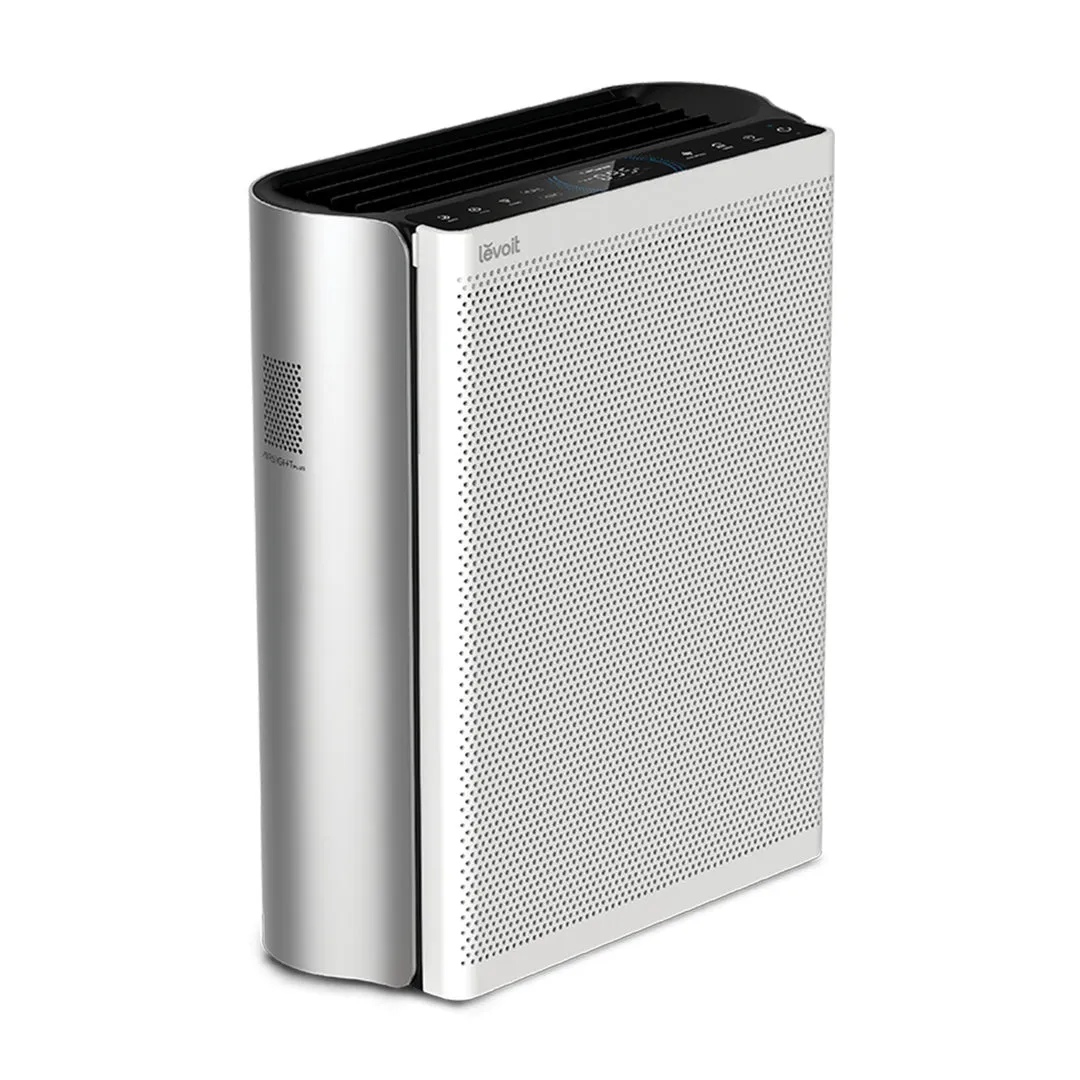
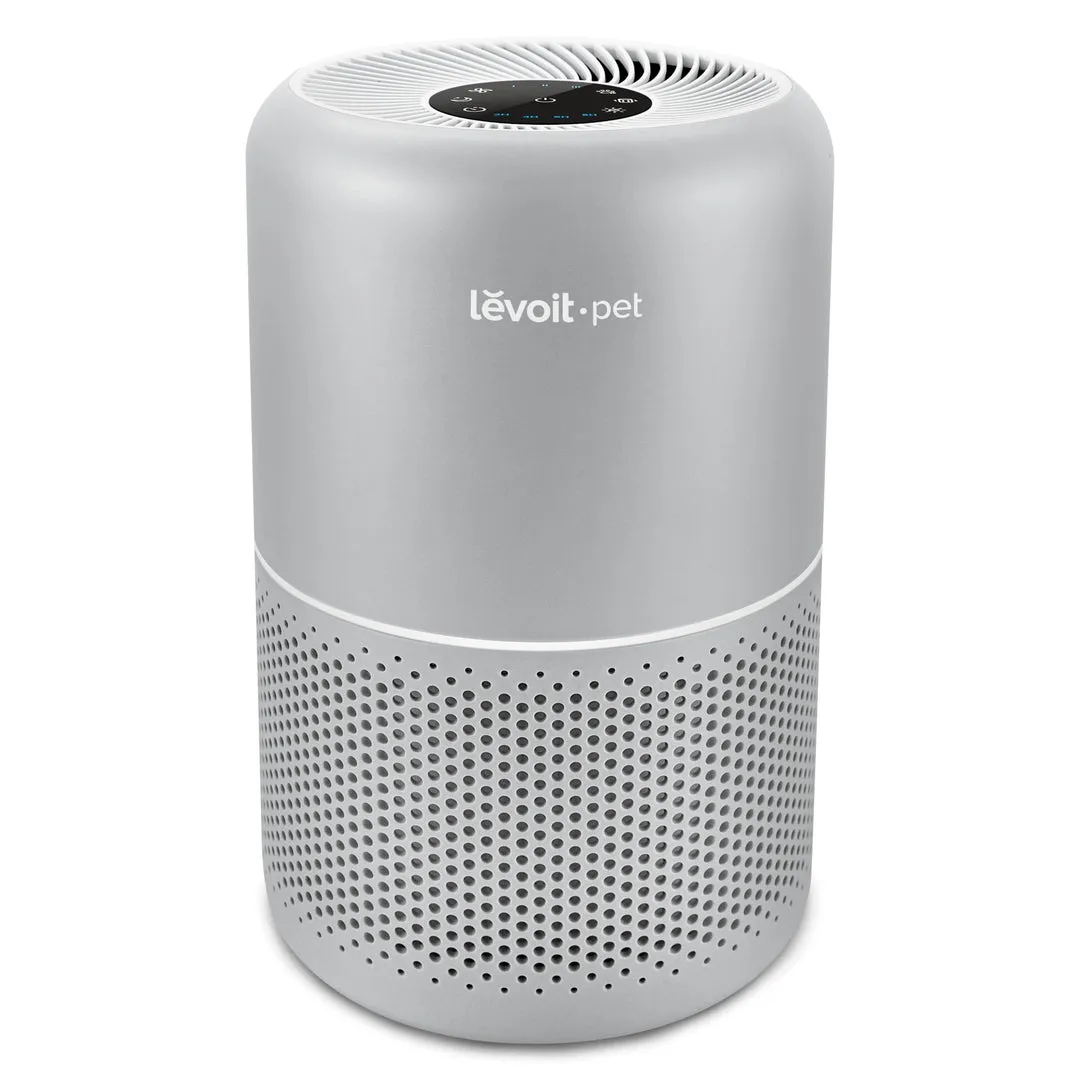
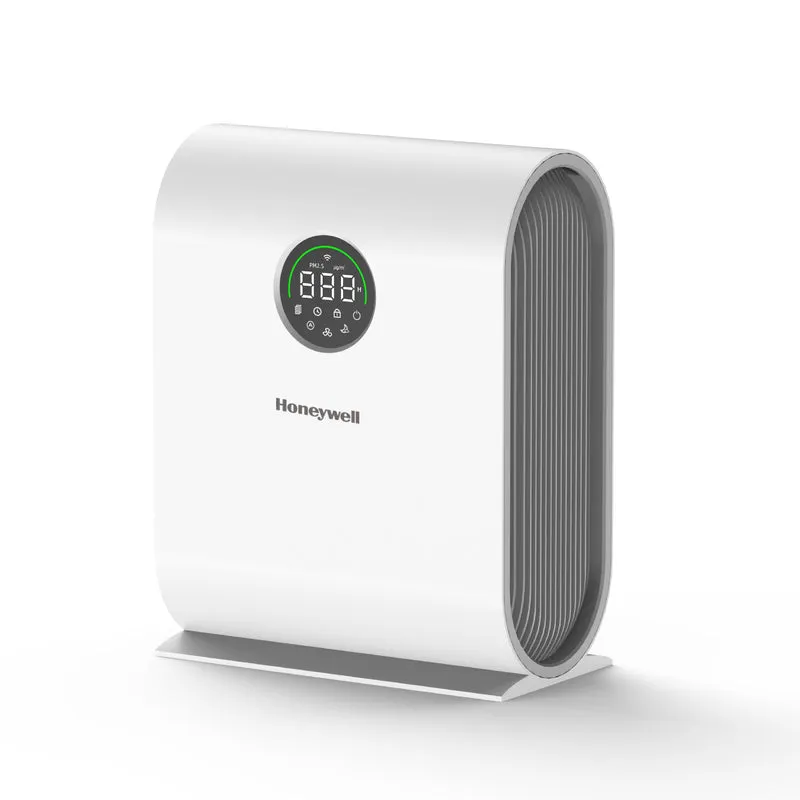
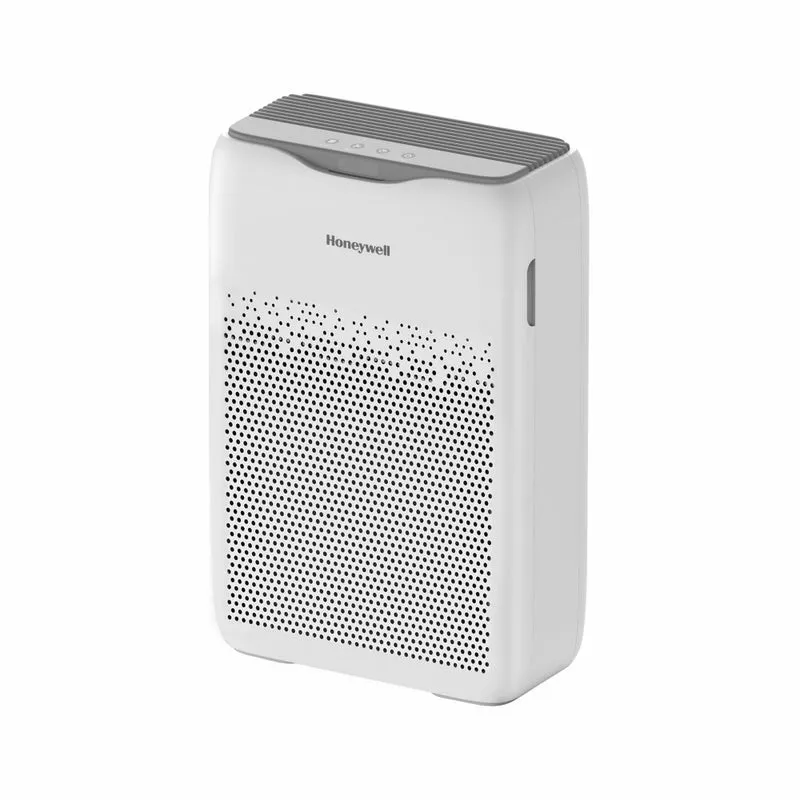
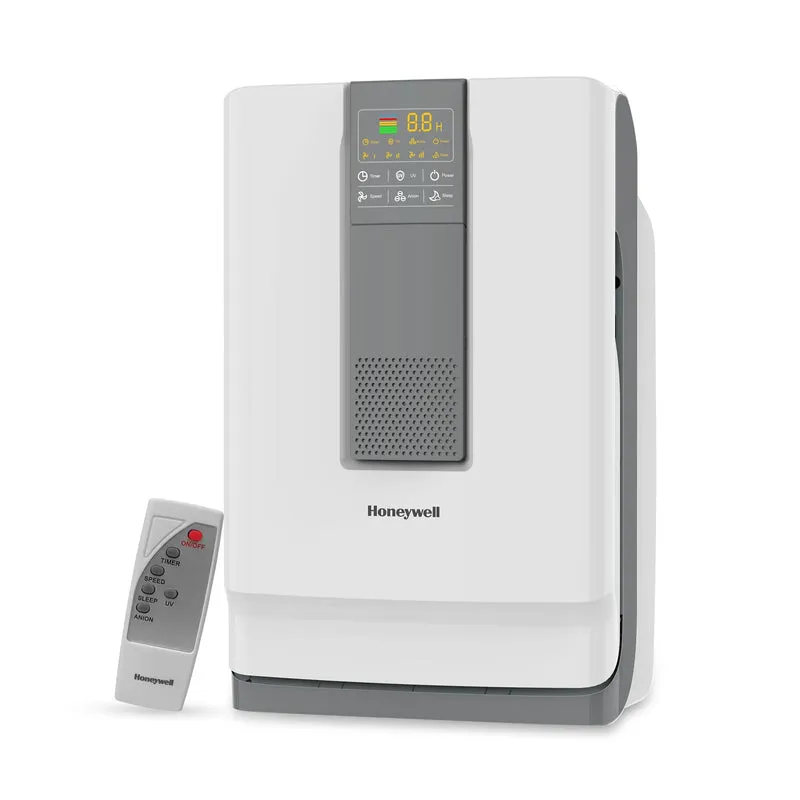
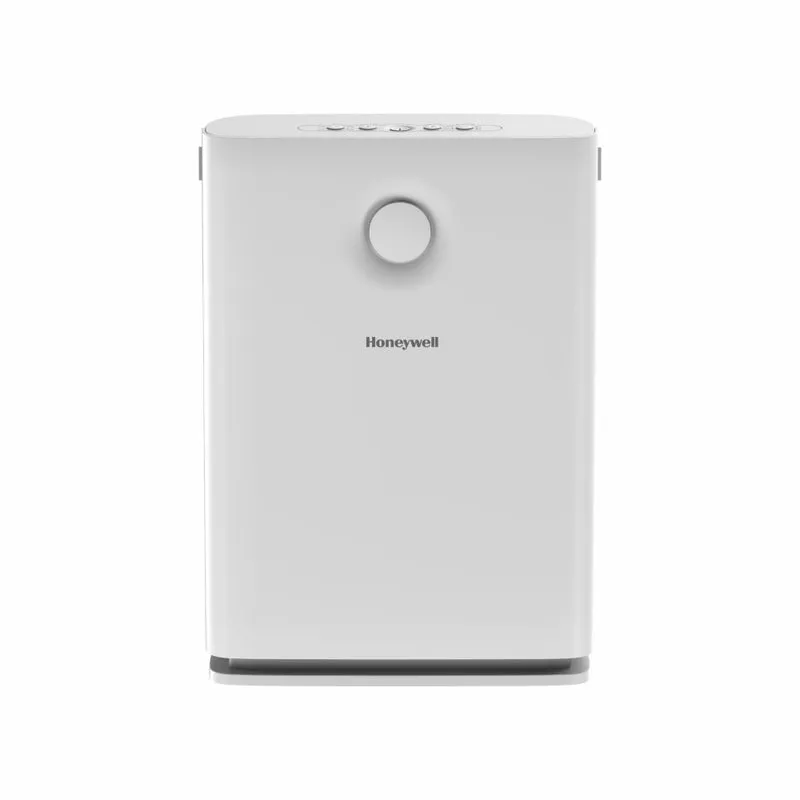
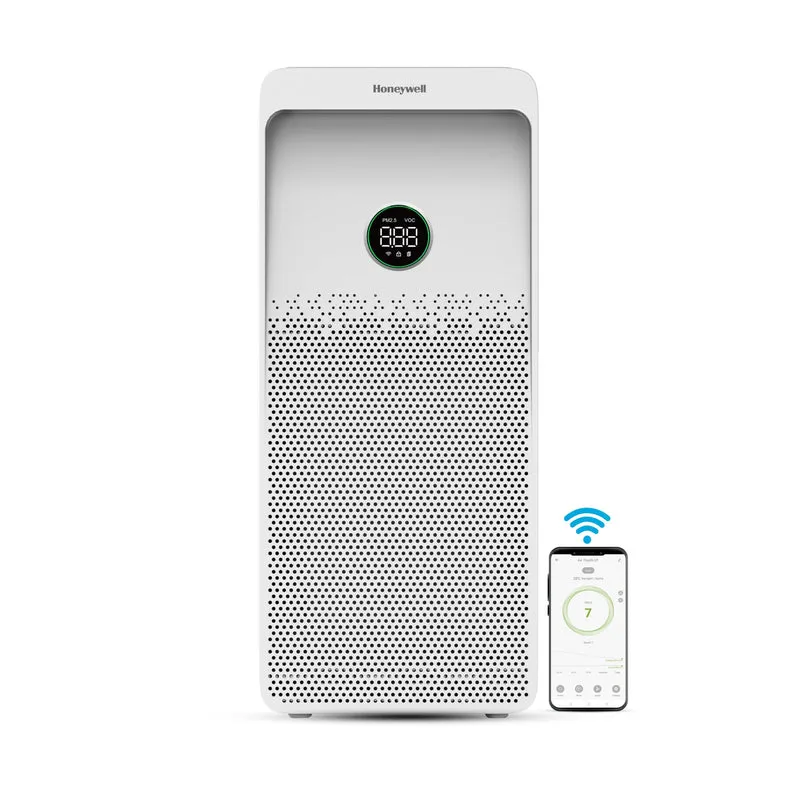
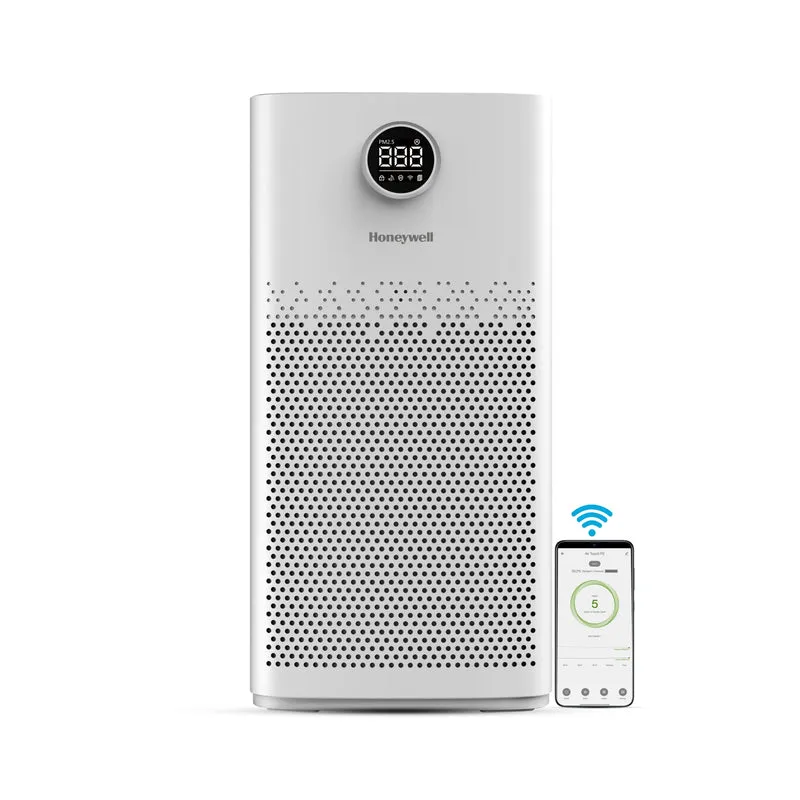
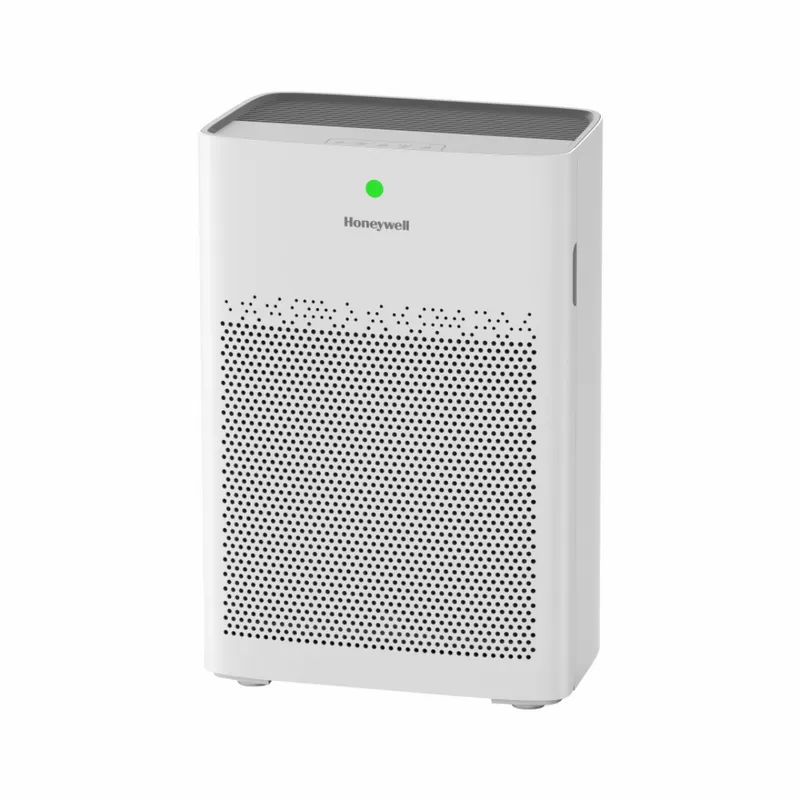
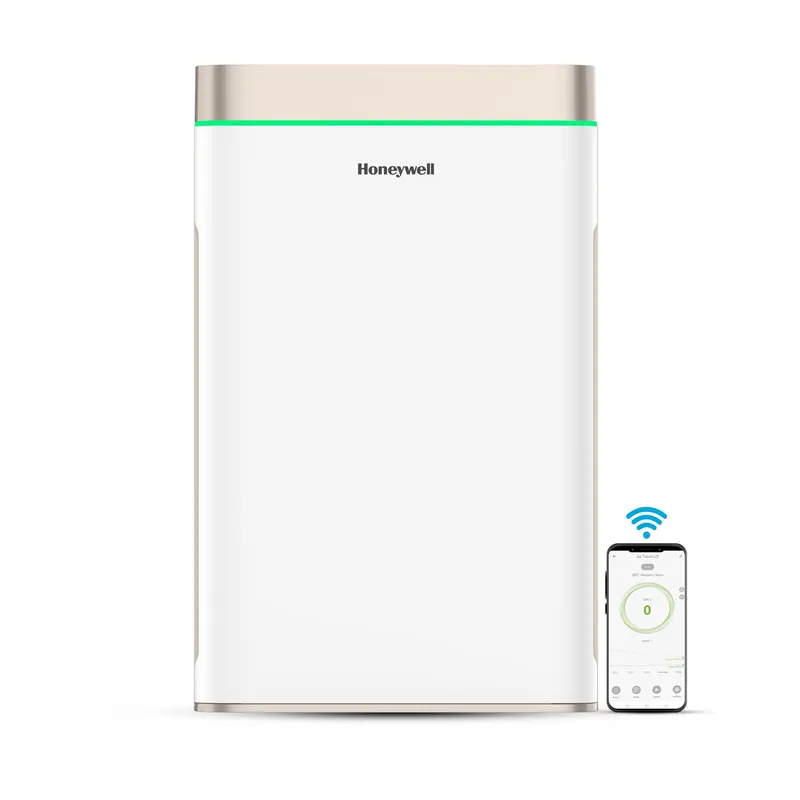
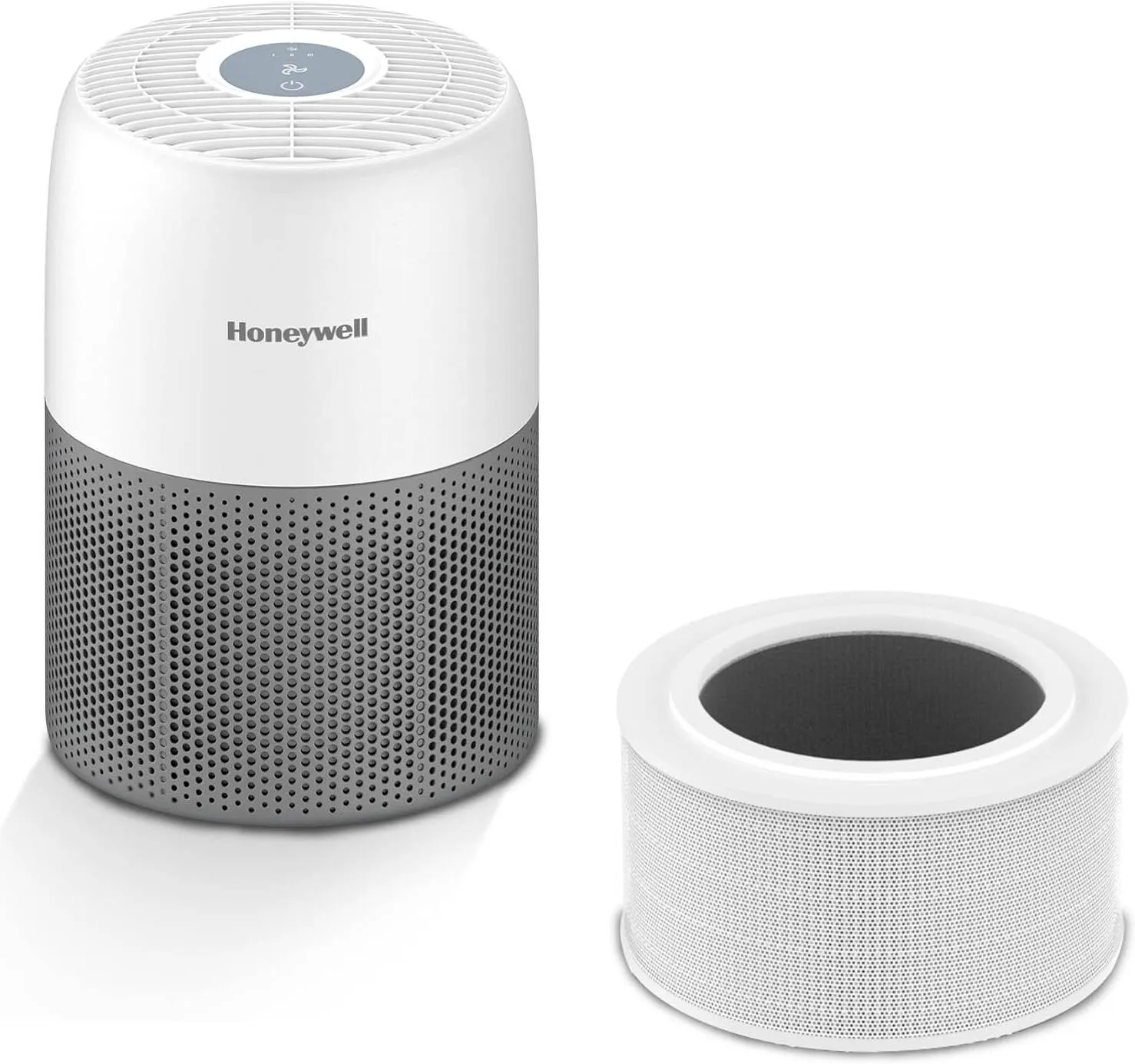
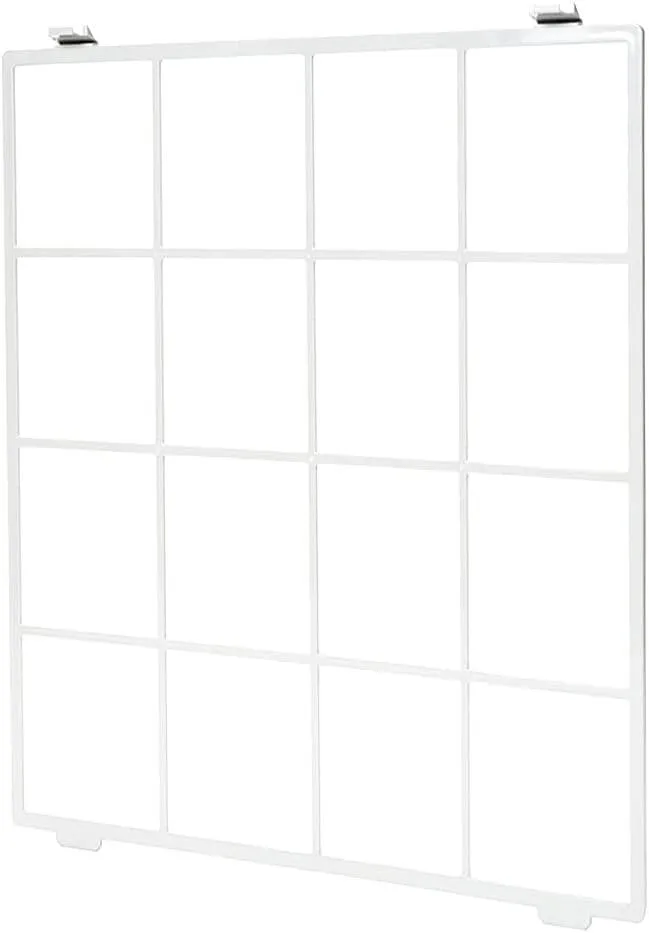
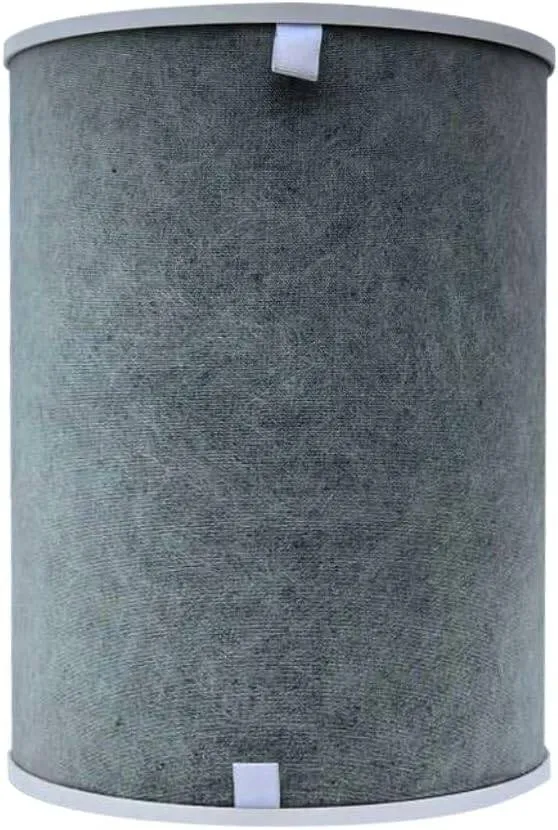
A replacement filter is a consumable filtration component designed to be periodically swapped out in air purifiers, HVAC systems, and water filtration units to restore full contaminant-removal performance. Unlike the housing or frame of a filtration system, the filter media itself degrades over time. Once saturated or clogged, it no longer captures pollutants effectively. Brands such as Levoit, Honeywell, and Blueair build their air purifiers around this principle: the device is the long-term investment, and the filter is the regularly renewed working part. Understanding what a replacement filter is, and how to manage it, directly determines the air quality you breathe and the lifespan of your equipment.
What is a replacement filter and how does it differ from a standard filter?
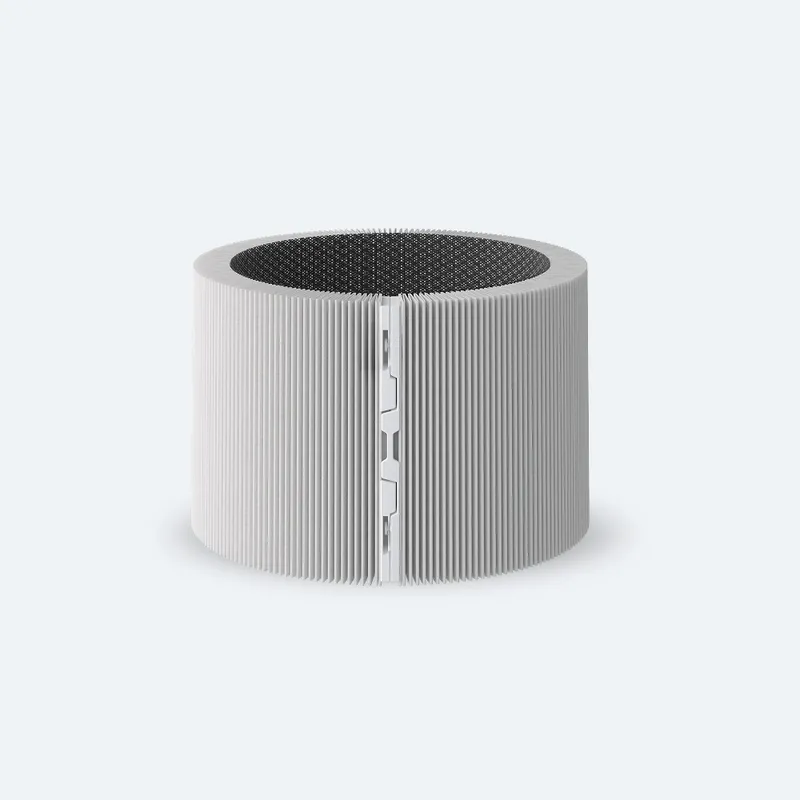
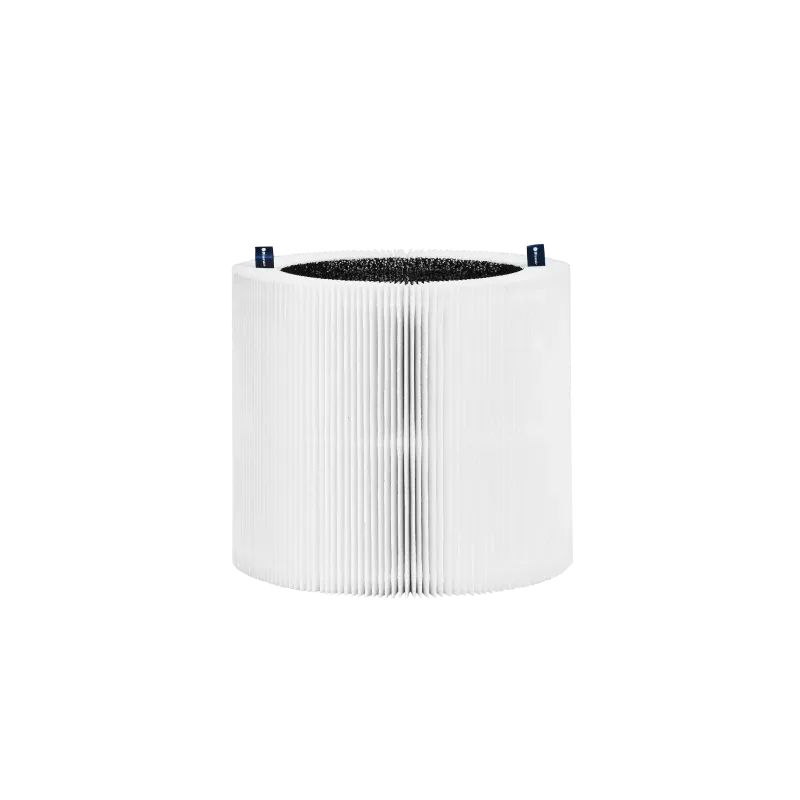
A replacement filter is the industry-standard term for any filter cartridge, pad, or media unit that substitutes a spent or exhausted filter in an existing system. The word “replacement” signals function rather than technology. It describes the maintenance role of the component, not its filtration method. A HEPA filter in a brand-new air purifier and a HEPA filter purchased as a spare two years later are technically the same product. The distinction matters because it affects how you search for compatible parts, interpret manufacturer specifications, and budget for ongoing maintenance.
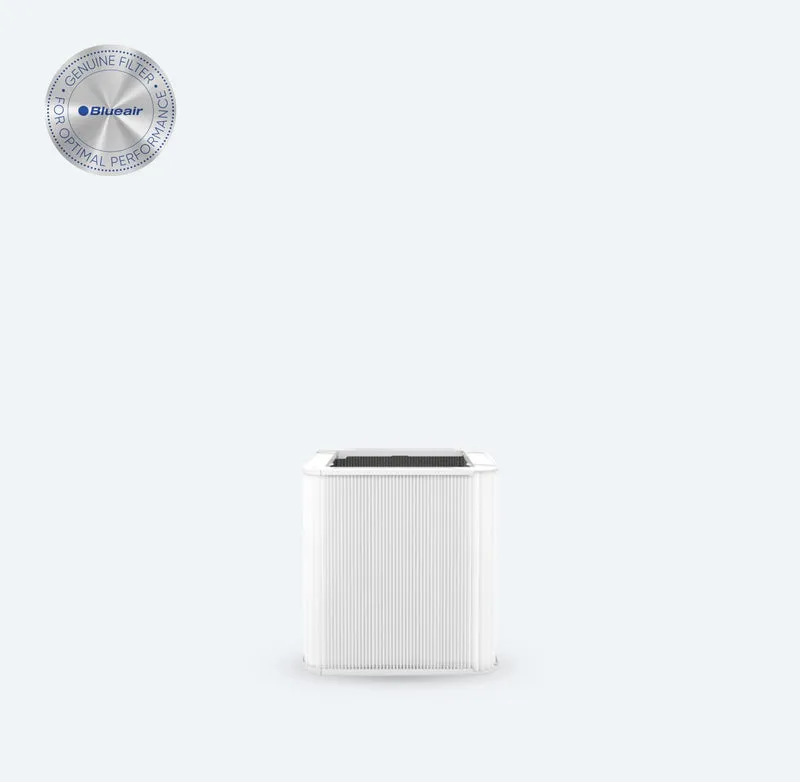
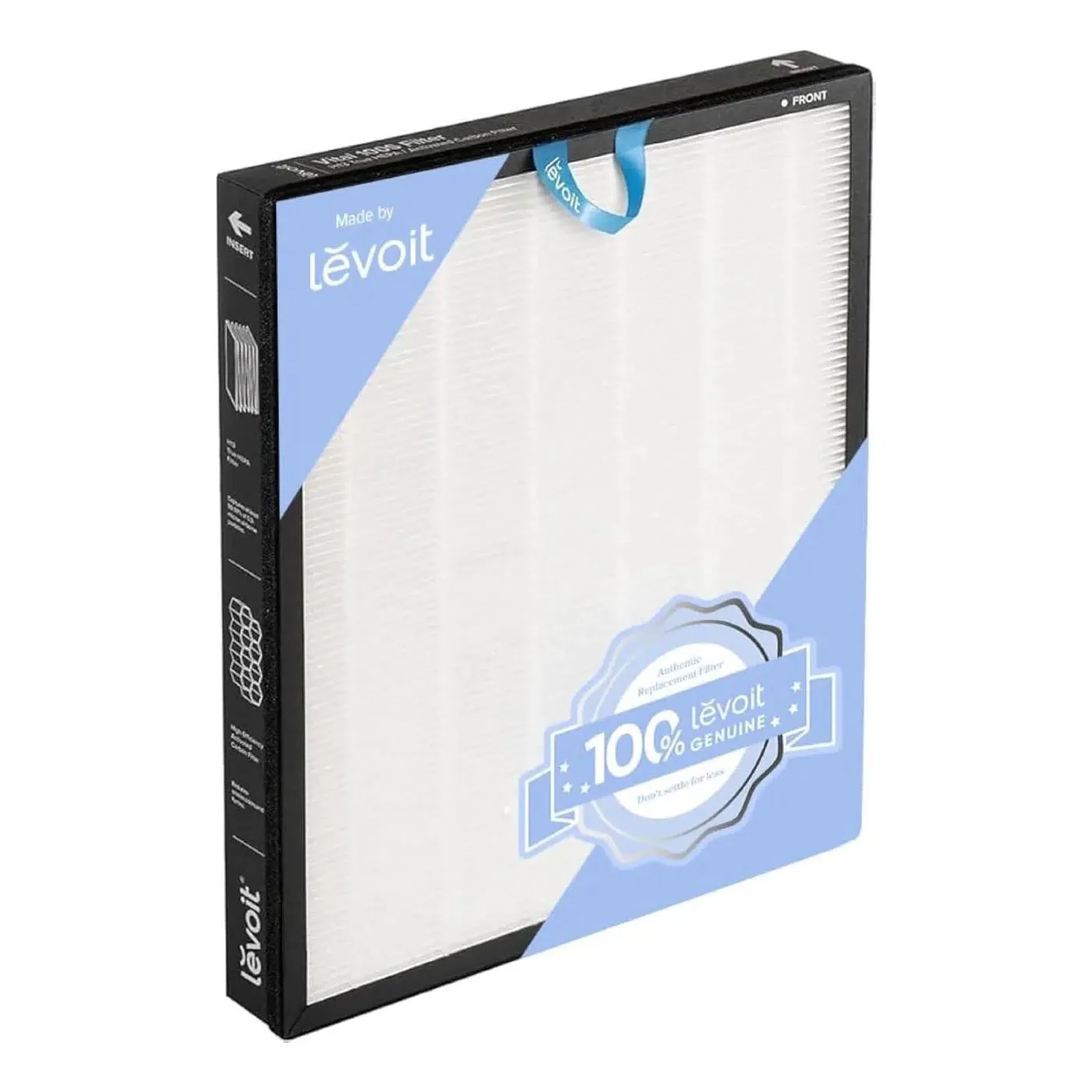
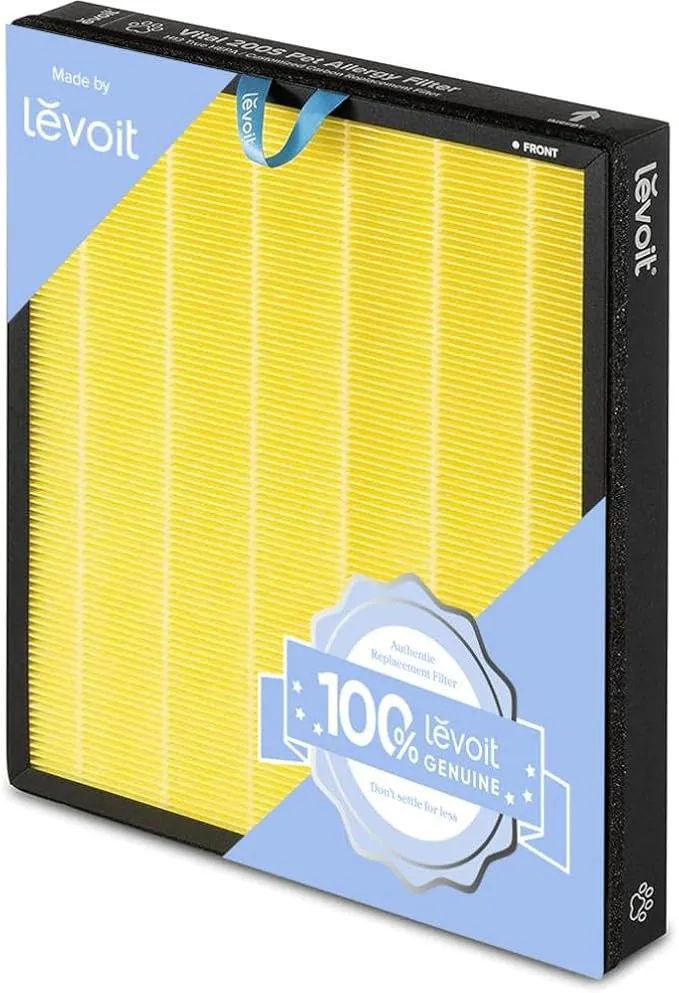
The practical difference between a replacement filter and the original filter installed at the factory is often nothing at all. What changes is context. The original ships with the device; the replacement is purchased separately to restore performance. Some manufacturers label their spares as “genuine replacement filters” to distinguish OEM parts from aftermarket alternatives. Aftermarket replacements can perform identically to OEM at 20 to 50% lower cost, provided dimensions and filtration ratings match precisely.
What types of replacement filters are used in air purifiers, HVAC, and water systems?
Replacement filters span several distinct technologies, each targeting different contaminants and suited to different systems. Choosing the wrong category is a common and costly mistake.
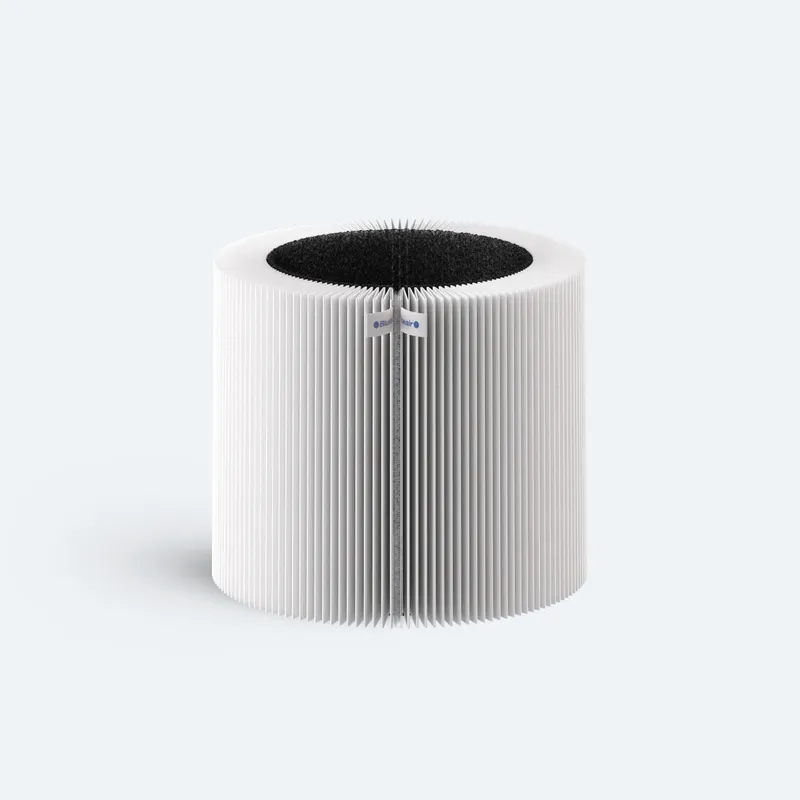
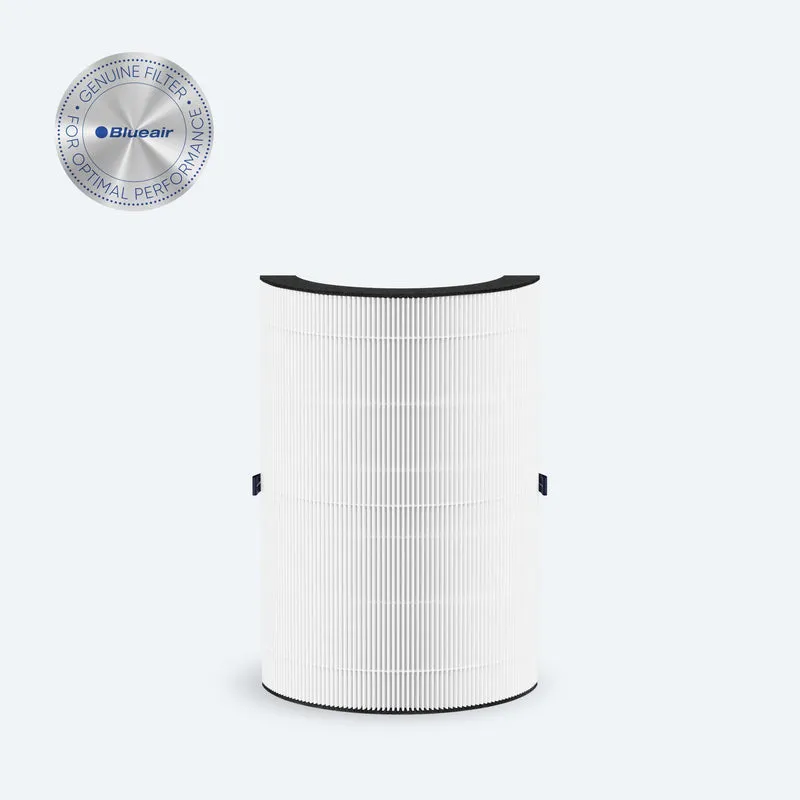
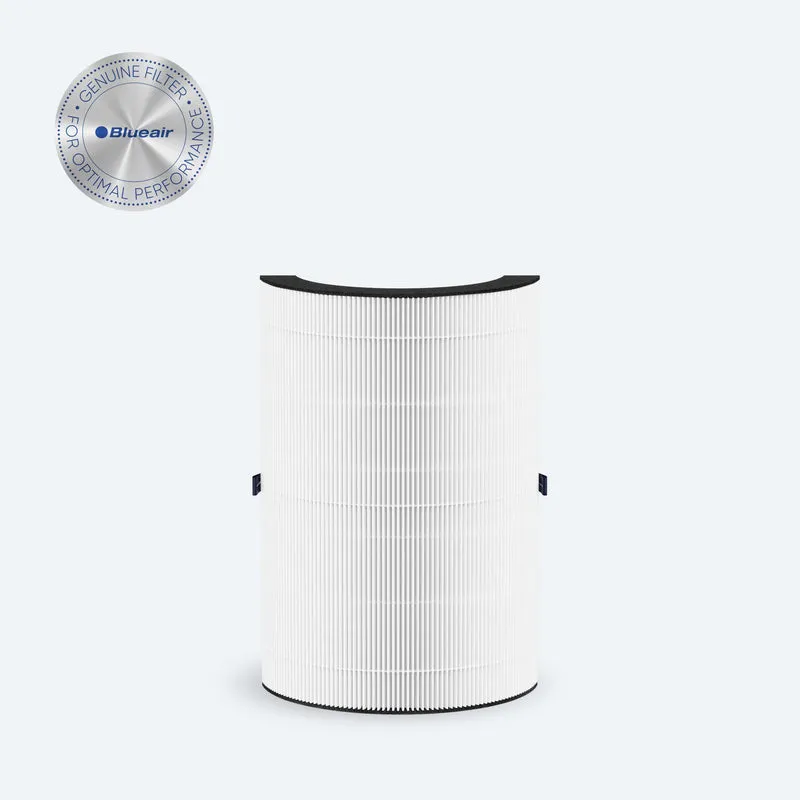
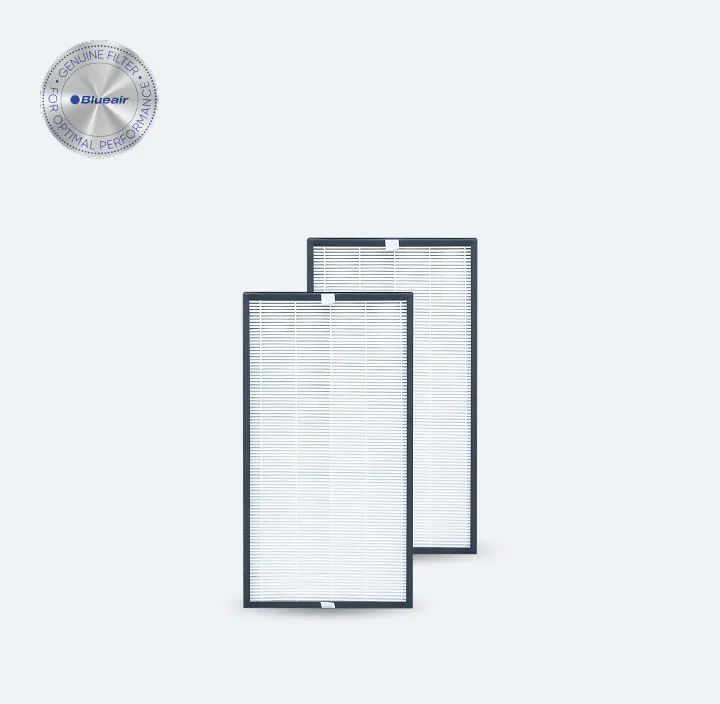
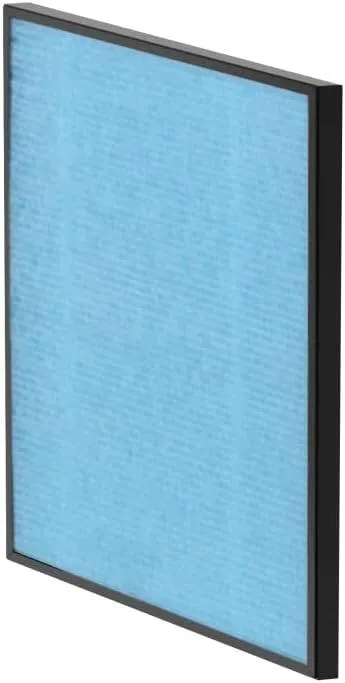
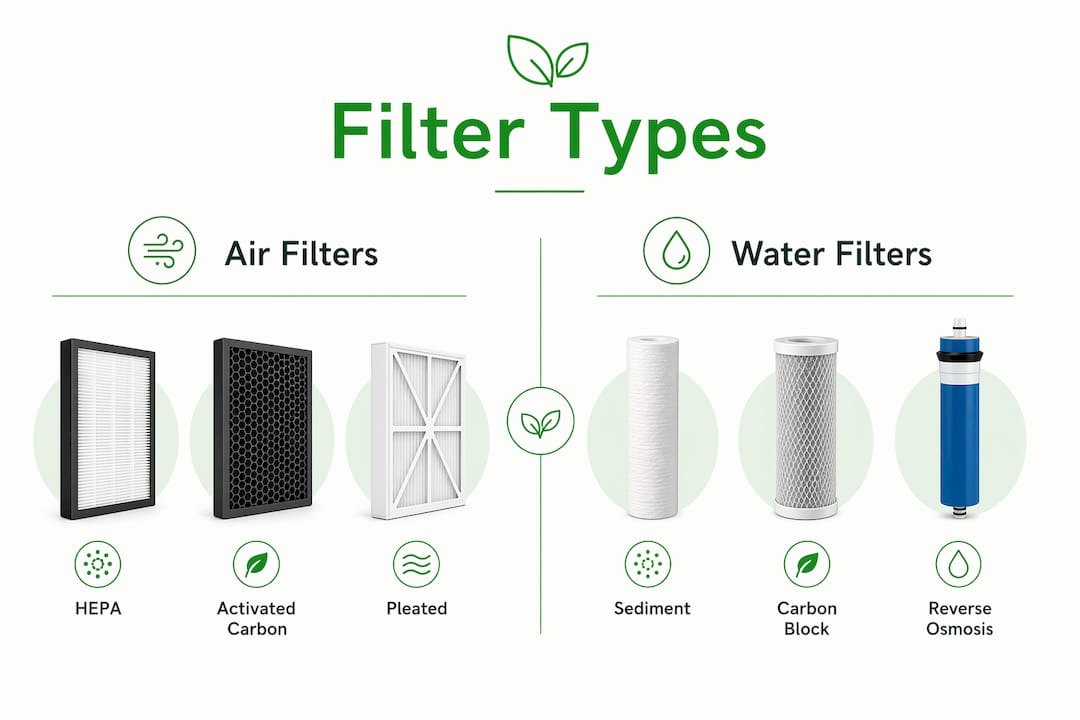
HEPA filters are the benchmark for air purification. A HEPA filter captures 99.97% of particles as small as 0.3 microns, including dust, pollen, pet dander, and airborne bacteria. They are standard in residential air purifiers from Levoit and Blueair, as well as in commercial HVAC units. Typical replacement interval: 6 to 12 months, depending on usage and indoor air quality.
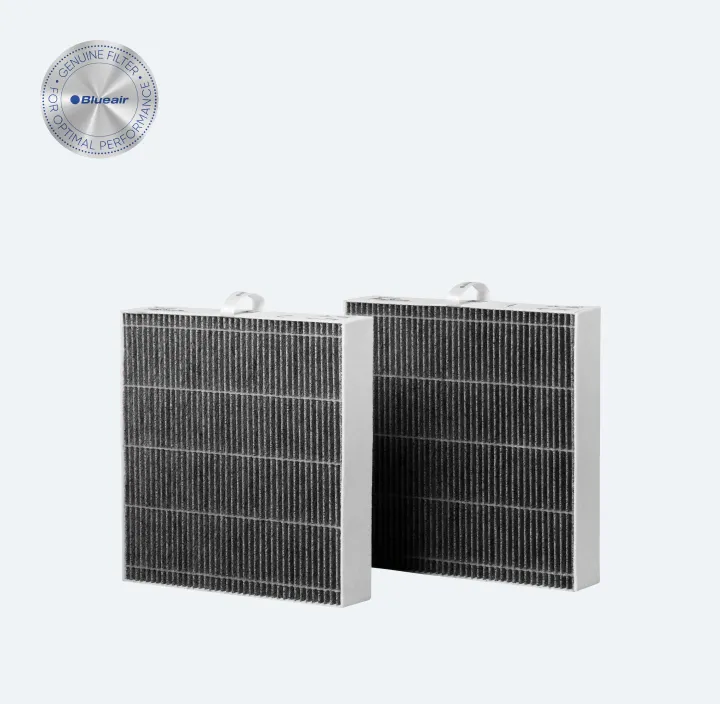
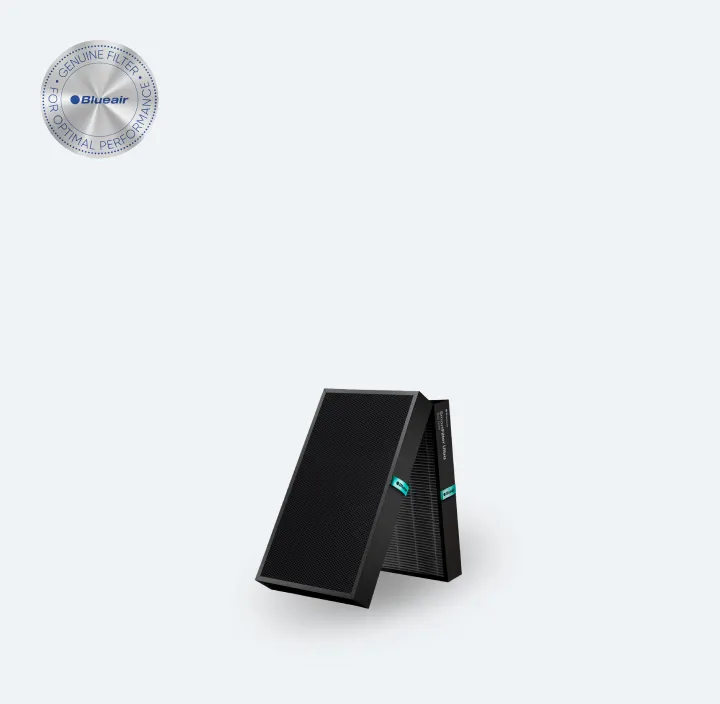
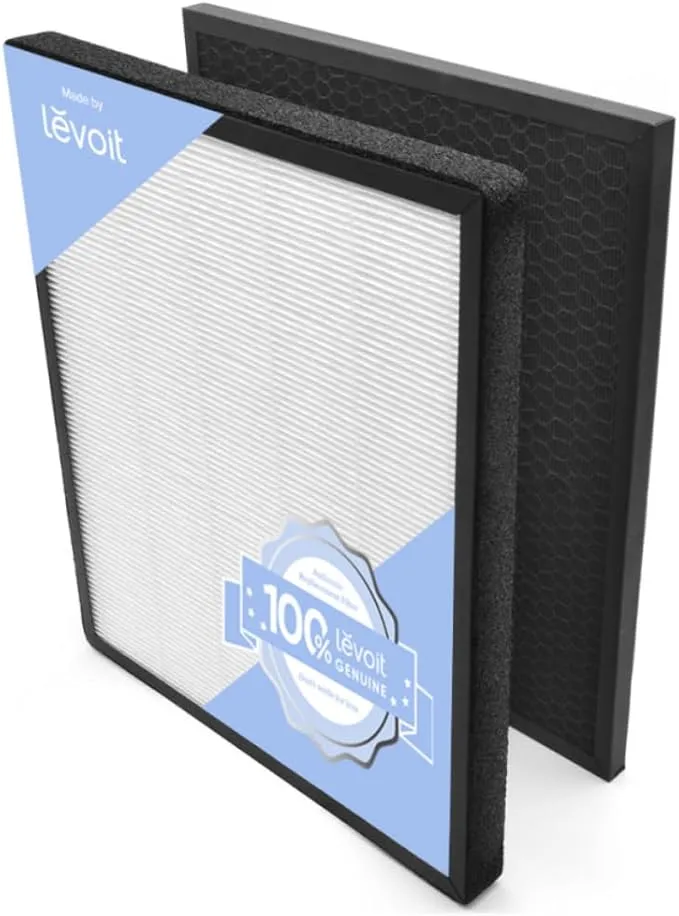
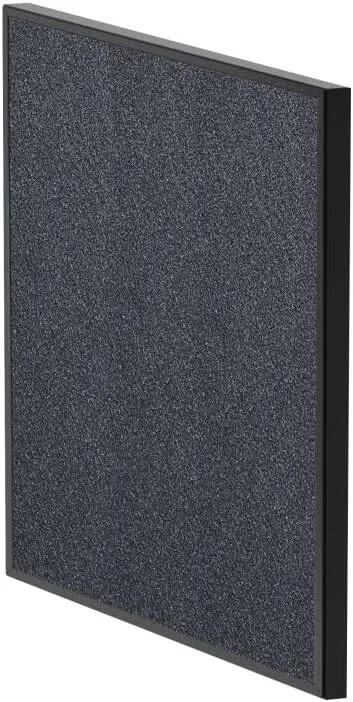
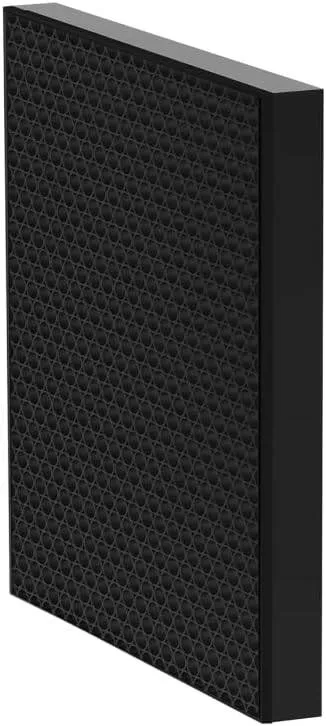
Activated carbon filters work differently. Rather than physically trapping particles, they adsorb gases, volatile organic compounds (VOCs), and odours onto a porous carbon surface. They are frequently paired with HEPA filters in combination units. The critical detail: activated carbon filters saturate invisibly, losing adsorption capacity without any visible sign of clogging. You cannot judge their effectiveness by appearance alone.
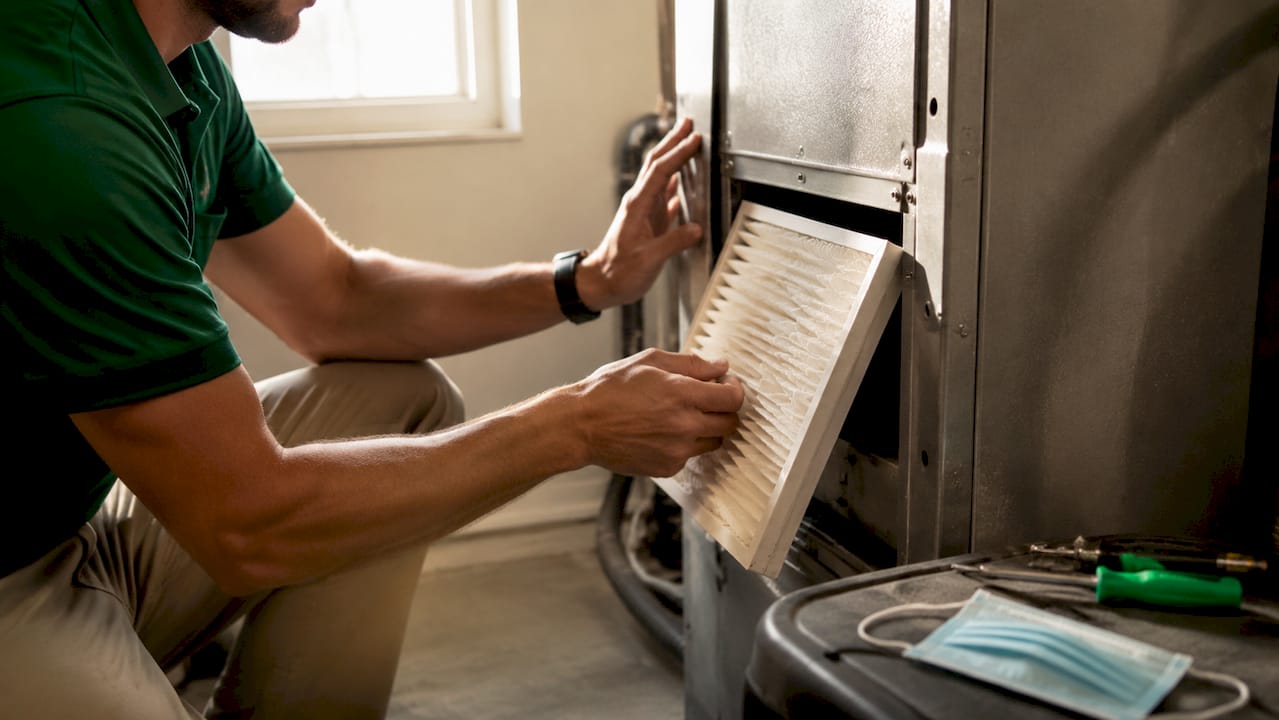
Pleated and fibreglass filters are the workhorses of residential and commercial HVAC systems. Pleated filters offer higher surface area and better particle capture than flat fibreglass panels. They are rated using the MERV scale (Minimum Efficiency Reporting Value), with MERV 8 to 13 covering most residential needs and MERV 14 and above used in hospitals and clean rooms.
For water filtration, the main replacement filter types include sediment pre-filters, carbon block filters, reverse osmosis (RO) membranes, and UV lamp assemblies. Sediment pre-filters require replacement every 3 to 6 months, carbon filters every 6 to 12 months, and RO membranes every 2 to 5 years.
| Filter type | Primary application | Typical lifespan | Target contaminants |
|---|---|---|---|
| HEPA | Air purifiers, HVAC | 6–12 months | Dust, pollen, bacteria, PM2.5 |
| Activated carbon | Air purifiers, HVAC | 3–6 months | VOCs, odours, gases |
| Pleated (MERV rated) | Residential/commercial HVAC | 1–3 months | Dust, allergens, mould spores |
| Sediment pre-filter | Water filtration | 3–6 months | Sediment, rust, particulates |
| Carbon block | Water filtration | 6–12 months | Chlorine, taste, odour |
| RO membrane | Water filtration | 2–5 years | Heavy metals, dissolved solids |
For a detailed comparison of HEPA and carbon technologies, the HEPA vs carbon guide on Cleanair-ae covers the functional differences clearly.
Why is timely filter replacement essential for air quality and system performance?
Neglecting filter replacement does not simply reduce filtration quality. It creates a cascade of problems that affect health, energy bills, and equipment longevity simultaneously.
A clogged HVAC filter increases energy consumption by 5% to 15% and can shorten system lifespan from the expected 15 to 20 years down to 10 to 12 years. That is a significant financial consequence for what is, in most cases, a filter costing between £10 and £25. The energy penalty alone often exceeds the cost of the replacement filter within a single billing cycle.
The health implications are equally direct. A saturated HEPA filter no longer captures PM2.5 particles or allergens at its rated efficiency. In UAE environments where outdoor dust and sand infiltration are persistent, a degraded filter can actively worsen indoor air quality rather than improve it. For households with children, elderly residents, or anyone with respiratory conditions, this is not a theoretical risk.
“35 to 40% of AC repair calls relate to clogged filters causing expensive motor or capacitor failures.” — VENTA HVAC technician data
The replacement filter cost of approximately $15 to $20 represents the highest return on investment of any routine HVAC maintenance action. Skipping it to save money is, in practice, one of the most expensive decisions a property owner can make. A failed capacitor or evaporator coil repair runs into hundreds of pounds. The filter costs a fraction of that.
One detail that surprises many people: leaving the filter slot empty, even briefly during a changeover, allows unfiltered air to bypass the system entirely. This deposits dirt directly onto evaporator coils, which is both difficult and expensive to clean. Never run a system without a filter in place, even for a short period.
How to select the right replacement filter for your system
Selecting a replacement filter requires more than finding a product that looks similar to the original. Four criteria determine whether a replacement will actually perform as intended.
Physical dimensions and seal type. Filter dimensions must match the housing exactly. However, physical fit alone is insufficient. The end-style seals must also match to prevent air or water bypass around the filter media. A filter that fits loosely allows unfiltered air or water to circumvent the media entirely, defeating the purpose of the replacement.
Performance ratings. For HVAC filters, check the MERV rating specified by the manufacturer. For air purifiers, verify that the replacement meets the same H13 or H14 HEPA classification as the original. For water filters, confirm micron ratings and NSF certifications where applicable.
OEM versus aftermarket. Genuine manufacturer parts guarantee compatibility but carry a price premium. Quality aftermarket filters from reputable suppliers match OEM performance at lower cost, provided you verify dimensions and ratings carefully. Poor selection, not aftermarket status itself, is what risks performance.
Environment and usage intensity. A household with pets, smokers, or high outdoor pollution in Dubai or Abu Dhabi will exhaust filters faster than a low-occupancy office. Commercial settings with continuous operation need more frequent changes than residential ones. Factor your actual conditions into the replacement schedule, not just the manufacturer’s standard recommendation.
Pro Tip: Always cross-reference the model number printed on your existing filter against the manufacturer’s compatibility list before purchasing. A single digit difference in a model code can mean an incompatible seal type.
How often should you change a replacement filter?
Replacement intervals vary significantly by filter type, system, and environment. The table below provides standard guidance, but treat these as starting points rather than fixed rules.
| Filter type | Standard interval | Accelerated interval (pets, pollution, heavy use) |
|---|---|---|
| HEPA (air purifier) | 6–12 months | 4–6 months |
| Activated carbon | 3–6 months | 2–3 months |
| HVAC pleated (MERV 8–11) | 1–3 months | Monthly |
| Sediment pre-filter (water) | 3–6 months | 2–3 months |
| Carbon block (water) | 6–12 months | 4–6 months |
| RO membrane | 2–5 years | 1–2 years |
Beyond calendar schedules, several physical signs indicate a filter needs changing before its scheduled date. Reduced airflow from vents or purifier outlets is the most reliable indicator for particle filters. Changes in water taste or pressure signal water filter exhaustion. Persistent odours in a room with an active air purifier suggest the activated carbon component is saturated. Many modern Levoit and Honeywell units include filter replacement indicator lights, which monitor actual usage hours rather than calendar time.
A proactive approach based on actual air quality and occupancy is more effective than fixed calendar changes. In the UAE, where seasonal dust storms and high ambient particulate levels are common, filters in air purifiers and HVAC systems often need replacement at the shorter end of the recommended range. Monitoring airflow and air quality readings from a smart purifier gives you real data rather than guesswork.
Key takeaways
Replacement filters are the single most cost-effective maintenance action for air purifiers, HVAC systems, and water filtration units, and neglecting them costs significantly more in repairs and energy than the filters themselves.
| Point | Details |
|---|---|
| Definition is functional | A replacement filter restores filtration performance; the technology type is separate from its replacement role. |
| Filter type determines interval | HEPA filters last 6 to 12 months; activated carbon lasts 3 to 6 months; RO membranes last 2 to 5 years. |
| Clogged filters cost money | A blocked HVAC filter raises energy use by 5% to 15% and shortens system lifespan by years. |
| Seal compatibility is critical | Physical fit alone does not guarantee performance; end-style seals must match to prevent bypass. |
| Adjust for your environment | UAE dust levels and pet ownership accelerate filter exhaustion beyond standard manufacturer intervals. |
What I have learned from managing filters in real environments
By Wojciech
After working with air quality systems across residential and commercial settings, the pattern I see most consistently is this: people invest in a quality air purifier or HVAC system, then treat the filter as an afterthought. They wait until the unit smells odd or airflow noticeably drops. By that point, the filter has been underperforming for weeks, sometimes months.
The subtler issue is with activated carbon filters specifically. Because they do not clog visibly, there is no obvious prompt to change them. I have tested rooms where the air purifier was running continuously but the carbon filter had been in place for over a year. VOC levels were elevated despite the unit appearing to function normally. The machine was running; the filtration was not.
In commercial settings, the mistake I see most often is purchasing replacement filters based on price alone without verifying seal compatibility. A cheaper filter that bypasses the housing seal provides zero filtration benefit and can damage downstream components. The 20 to 50% cost saving from a quality aftermarket filter is real and worth pursuing. But “cheaper” and “quality aftermarket” are not the same thing.
My practical recommendation: set a calendar reminder one month before the manufacturer’s suggested replacement date. Use that month to order the replacement so you are never running an exhausted filter simply because the new one has not arrived yet. In the UAE context specifically, check your filters at the start and end of the summer season, when dust loading is at its highest.
— Wojciech
Replacement filters from Cleanair-ae
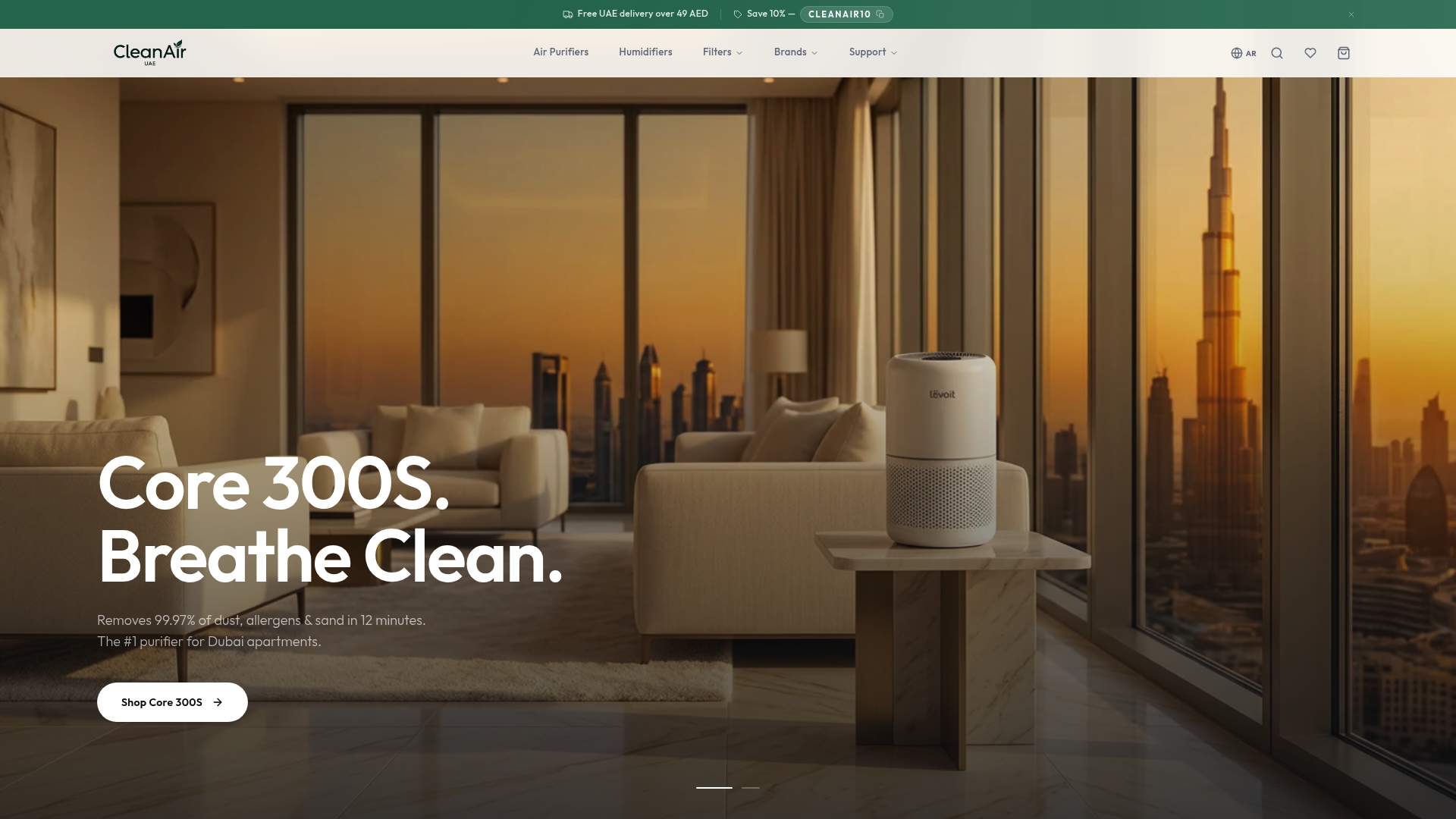
Cleanair-ae stocks a curated range of genuine and compatible replacement filters for Levoit, Honeywell, Blueair, and other leading brands, with fast delivery across Dubai, Abu Dhabi, and the wider UAE. Whether you need a HEPA replacement filter for a residential air purifier or a commercial-grade filter for an HVAC unit, the product pages include full compatibility details and model cross-references. For guidance on matching a filter to your specific system, the air purifier buying guide for 2026 covers selection criteria in detail. The Cleanair-ae team is available to assist with compatibility queries before purchase.
FAQ
What is a replacement filter used for?
A replacement filter restores the contaminant-removal performance of an air purifier, HVAC system, or water filtration unit once the original filter media is saturated or clogged. It is the consumable component that must be periodically renewed to maintain system effectiveness.
How do I know when to change my replacement filter?
The clearest signs are reduced airflow, persistent odours despite the unit running, or a change in water taste or pressure. Many modern air purifiers from Levoit and Honeywell include indicator lights that track actual usage hours rather than calendar time.
Are aftermarket replacement filters as good as OEM?
Quality aftermarket filters perform identically to OEM at 20 to 50% lower cost when dimensions, MERV or HEPA ratings, and seal types match the original specification. The risk comes from poor selection, not from aftermarket status itself.
What happens if I do not replace my filter on time?
A clogged HVAC filter raises energy consumption by 5% to 15% and accelerates equipment wear. In air purifiers, an exhausted filter stops capturing allergens and pollutants at its rated efficiency, directly reducing indoor air quality.
Do all replacement filters fit all systems?
No. Replacement filters must match both the physical dimensions and the end-style seal of the original. A filter that fits the housing but uses the wrong seal type allows unfiltered air or water to bypass the media entirely, providing no filtration benefit.