


Uncategorised
What is a smart air purifier? A clear guide
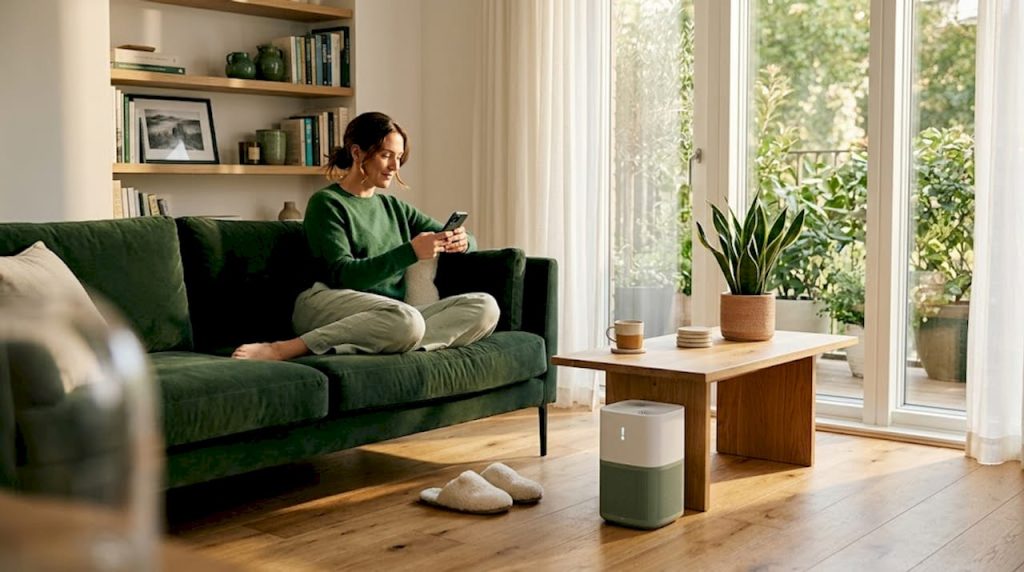
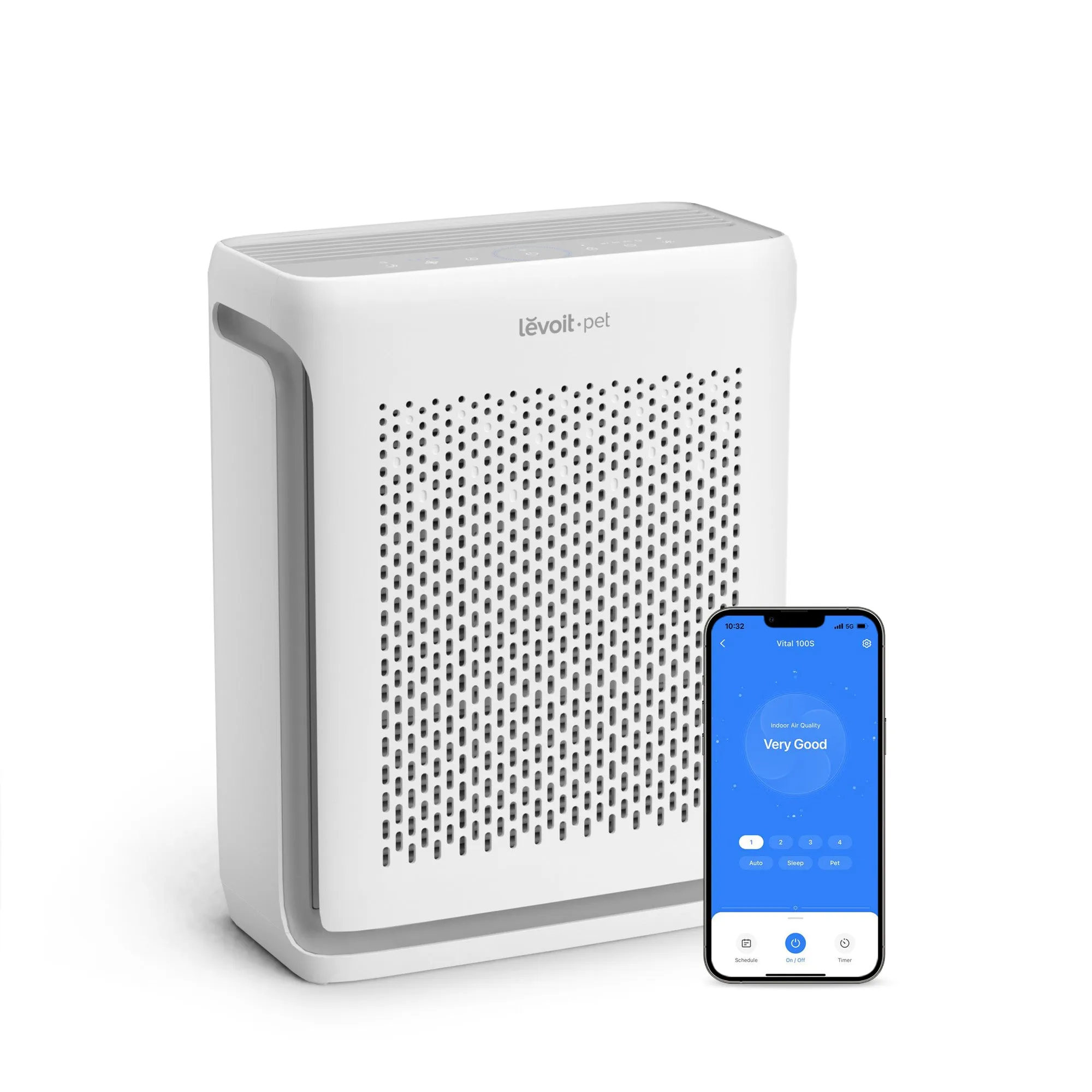
Most people assume any air purifier with a Wi-Fi logo qualifies as “smart.” That assumption leads to poor purchases and disappointing results. A smart air purifier combines proven filtration technology with sensors, automation, and app connectivity to actively manage your indoor air quality, not just passively filter it. Understanding what is a smart air purifier means knowing how these two elements work together. HEPA air purifiers reduce indoor PM2.5 by 29 to 55%, delivering measurable health benefits. But only when the right features are matched to your actual needs.
Table of Contents
- Key takeaways
- What is a smart air purifier and how does it work?
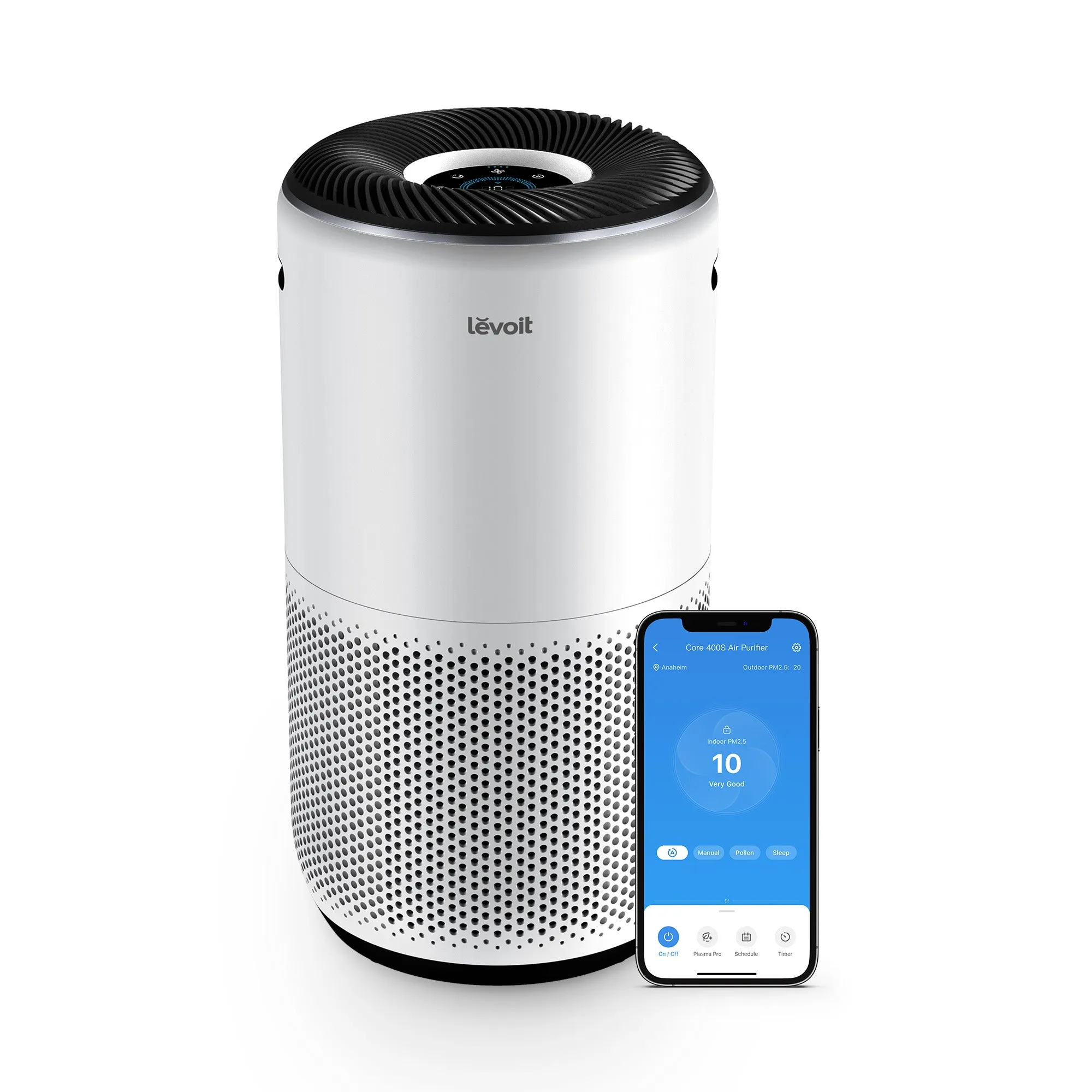
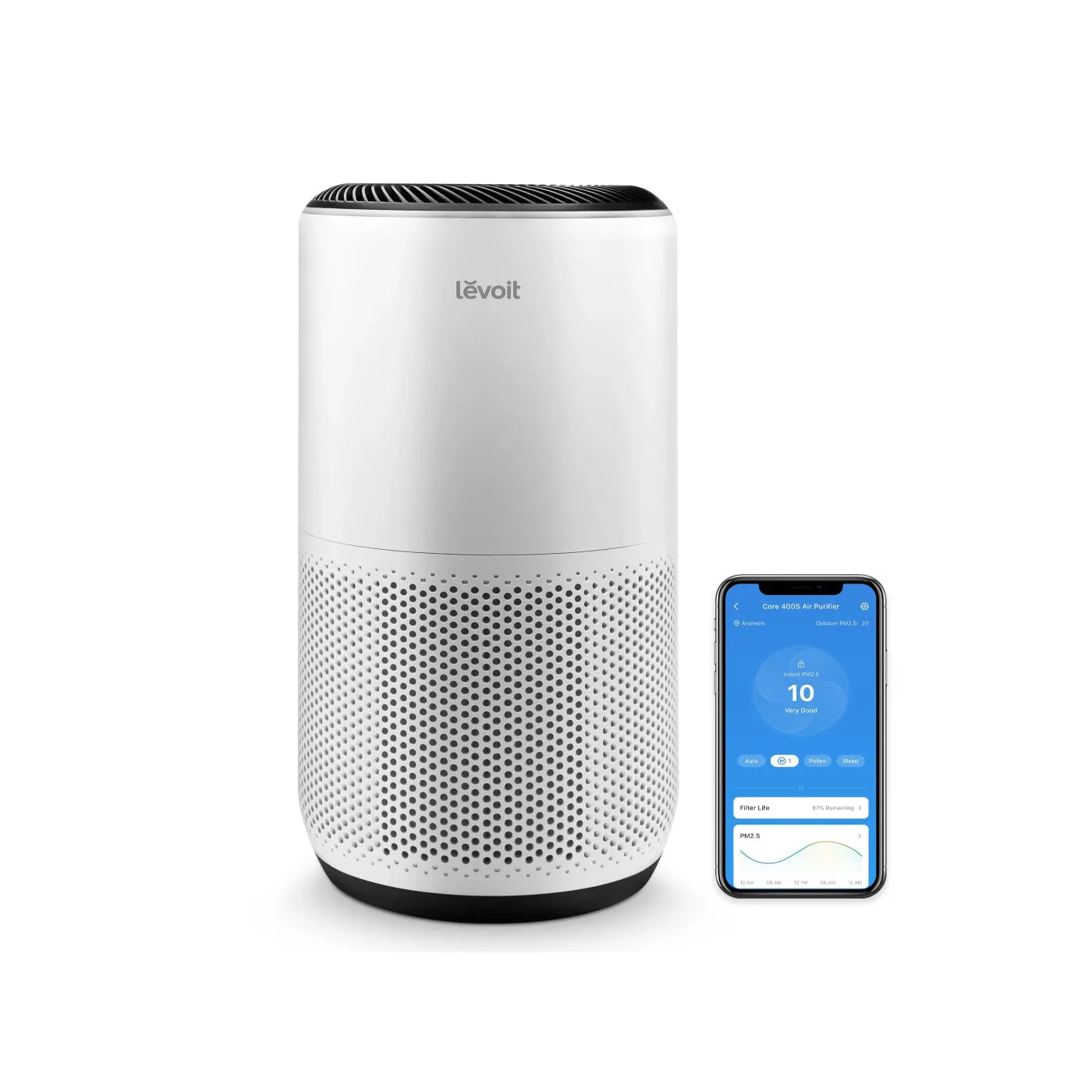
- Smart features explained: apps, voice control, and scheduling
- Choosing and maintaining your smart air purifier
- When is a smart air purifier worth it?
- Popular smart purifier models: what they offer
- My take on smart purifiers after years in the category
- Smart purifiers available from Cleanair-ae
- FAQ
Key takeaways
| Point | Details |
|---|---|
| Smart means active, not passive | Sensors and automation adjust filtration in real time, before air quality visibly deteriorates. |
| Filtration quality comes first | True HEPA filters and correct CADR ratings matter more than app features alone. |
| Maintenance is non-negotiable | Filters need replacing every 5 to 7 months; neglecting this cancels all smart benefits. |
| Filter costs add up | Proprietary replacement filters can cost 2 to 3 times more than standard ones over time. |
| Match size to your room | Under-sizing a unit is one of the most common and costly mistakes buyers make. |
What is a smart air purifier and how does it work?
At its core, a smart air purifier is a filtration device that uses onboard sensors, software, and network connectivity to monitor and respond to your indoor air quality automatically. The word “smart” refers to this feedback loop, not to any single feature in isolation.
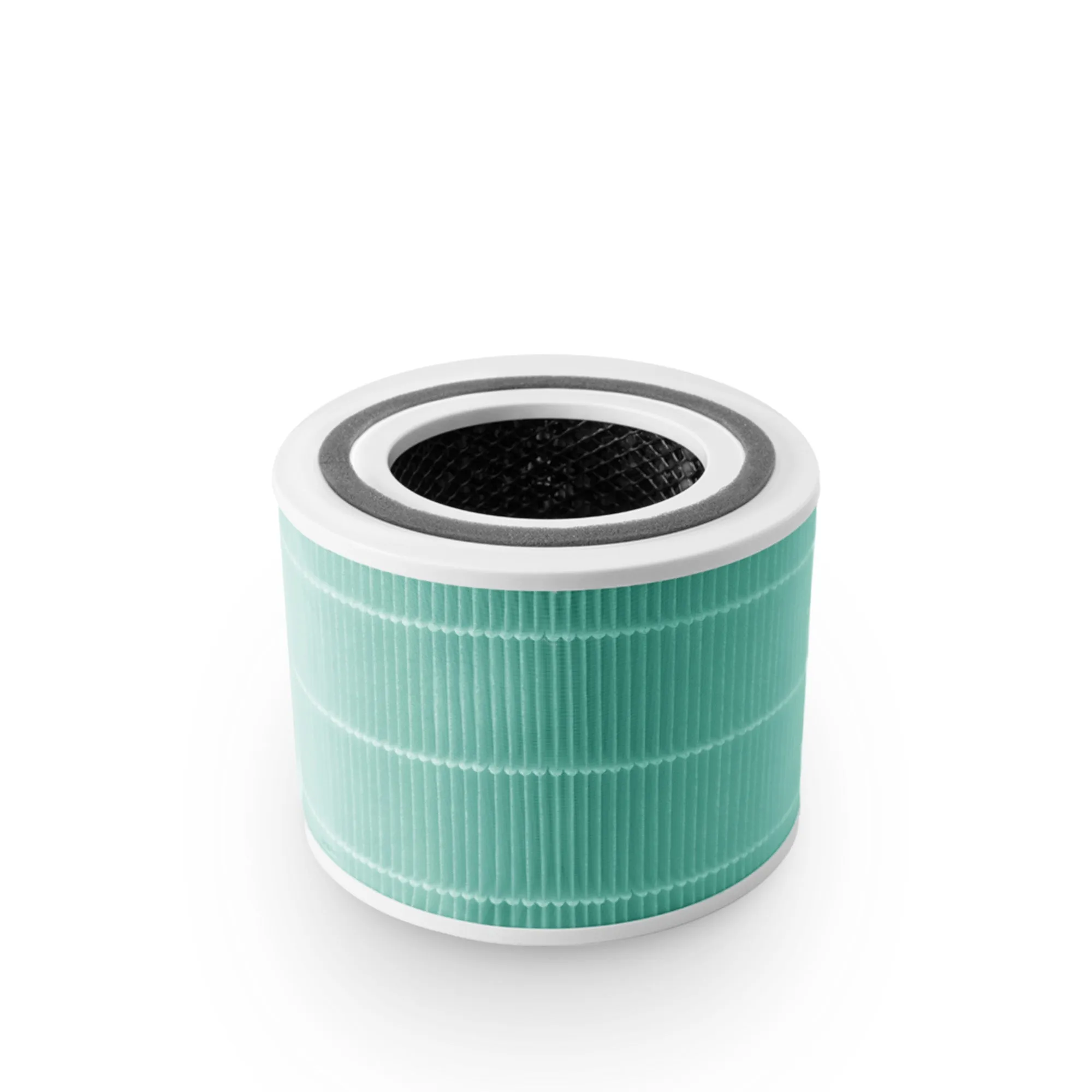
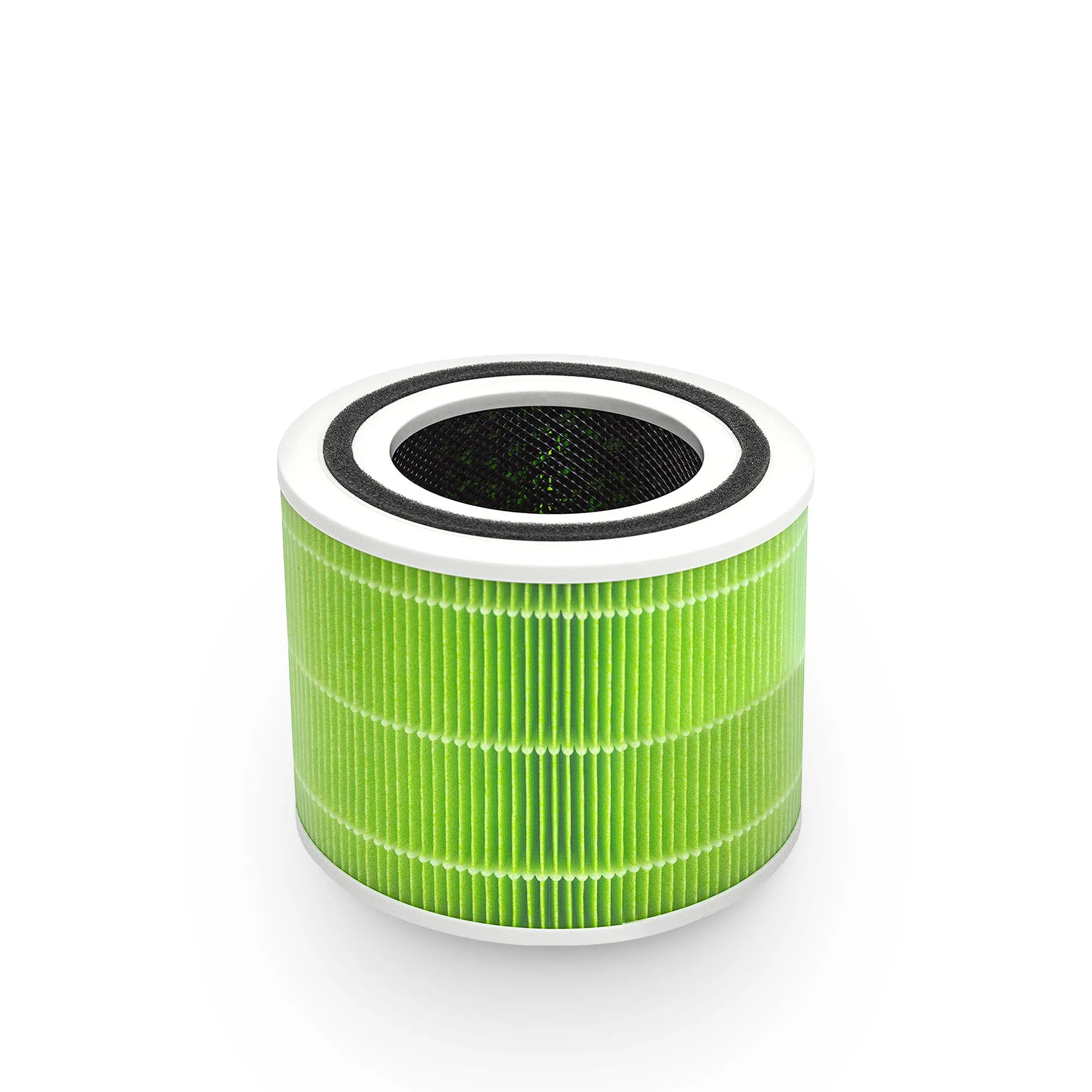
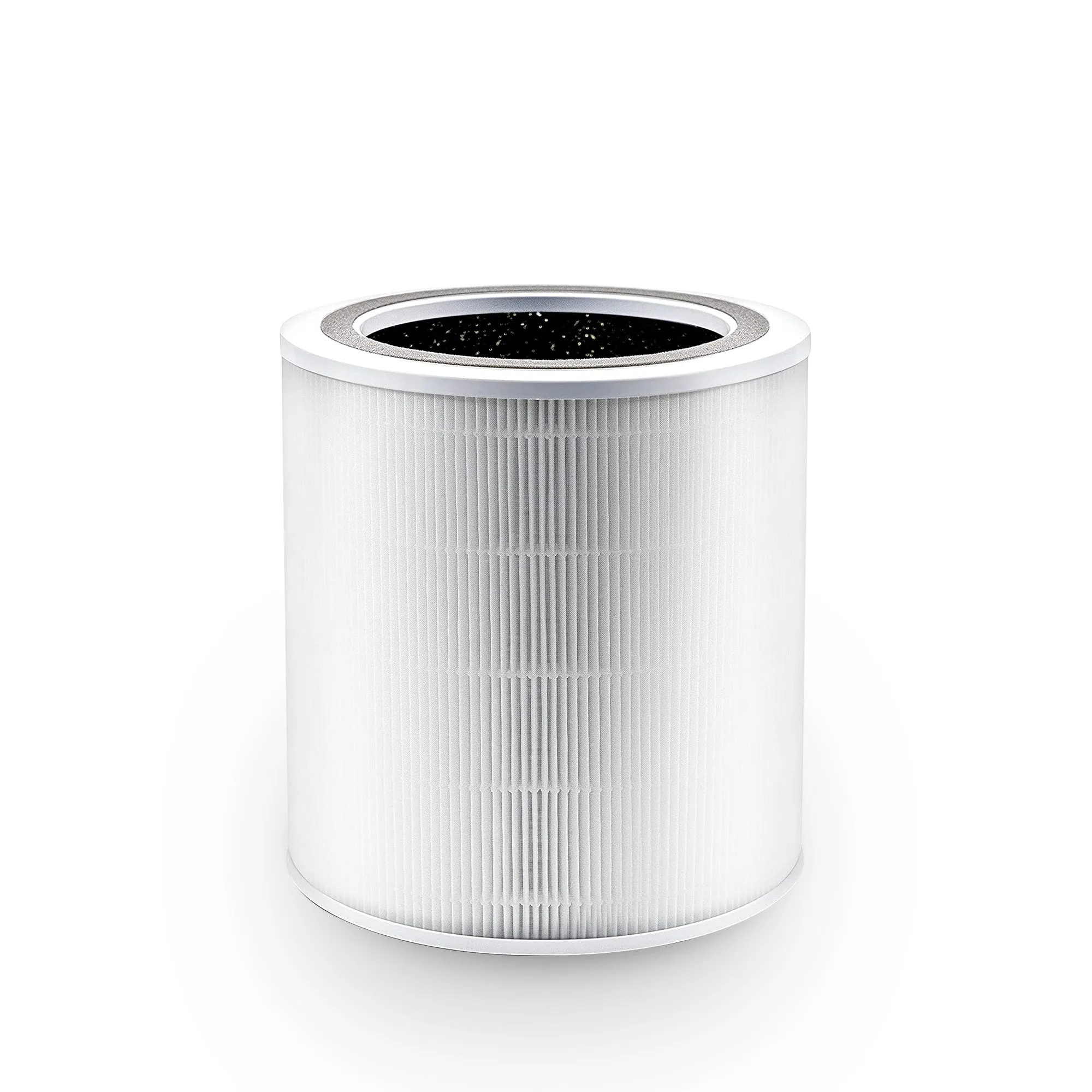
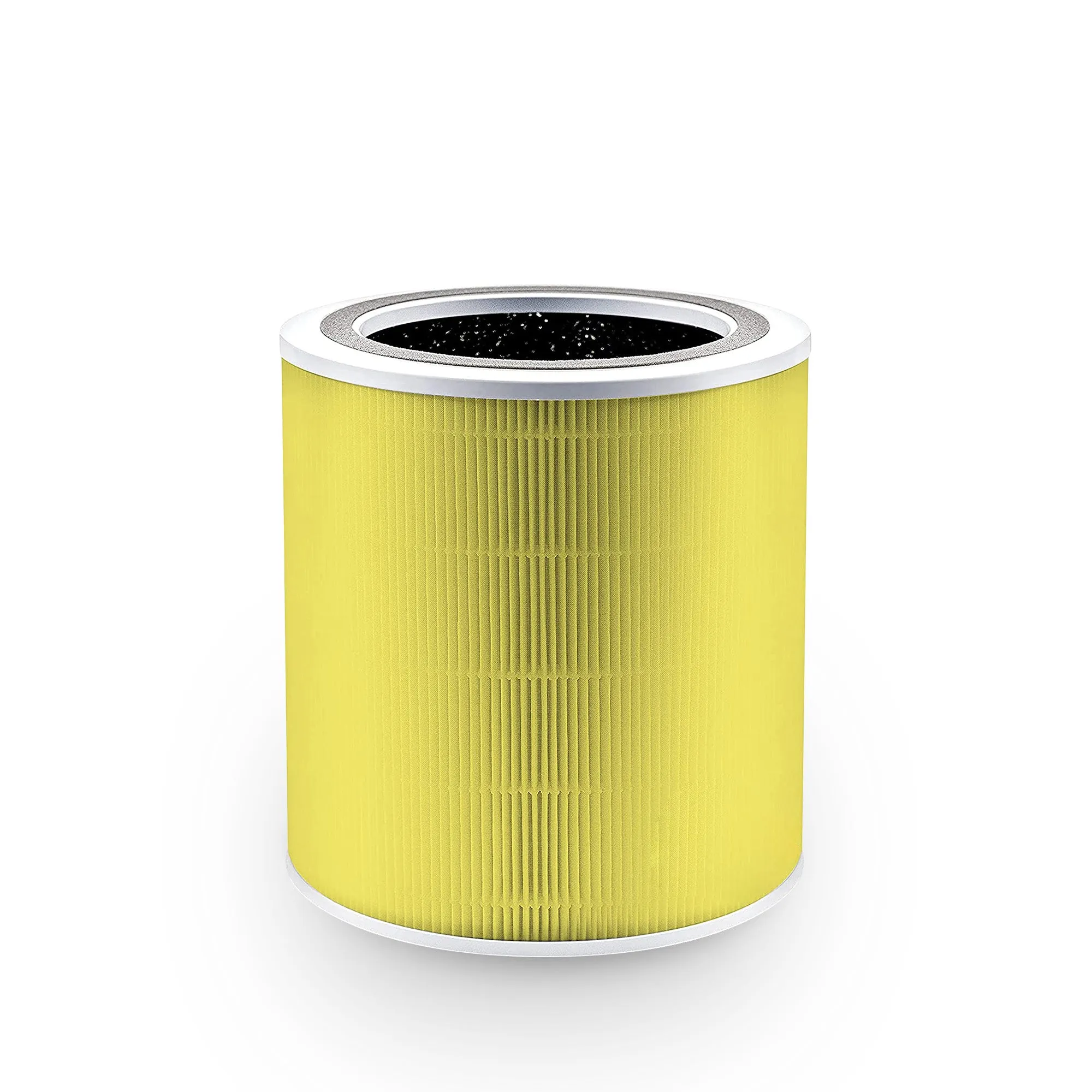
The foundation remains the filter. True HEPA filters capture 99.97% of particles at 0.3 microns, covering dust, pollen, mould spores, and fine particulate matter. Without this, no amount of app integration makes a purifier genuinely effective. CARB certification is also worth checking; it confirms the unit does not emit harmful ozone as a byproduct.
Alongside the filter sits the CADR rating. CADR stands for Clean Air Delivery Rate and tells you how quickly a unit cleans a specific volume of air. The 2026 standard recommends that your purifier’s smoke CADR should be at least two thirds of your room’s square footage. For allergy and asthma sufferers, five air changes per hour is the target, which demands even higher CADR values relative to room size.
How smart air monitoring creates a feedback loop
What separates a smart purifier from a conventional one is its ability to sense and respond. Particle sensors measure PM2.5 and PM10 concentrations. Gas sensors detect volatile organic compounds and odours. When levels rise, the unit increases fan speed automatically. When air is clean, it dials back to save energy. This automated adjustment means the unit responds to air quality changes before you notice them yourself.
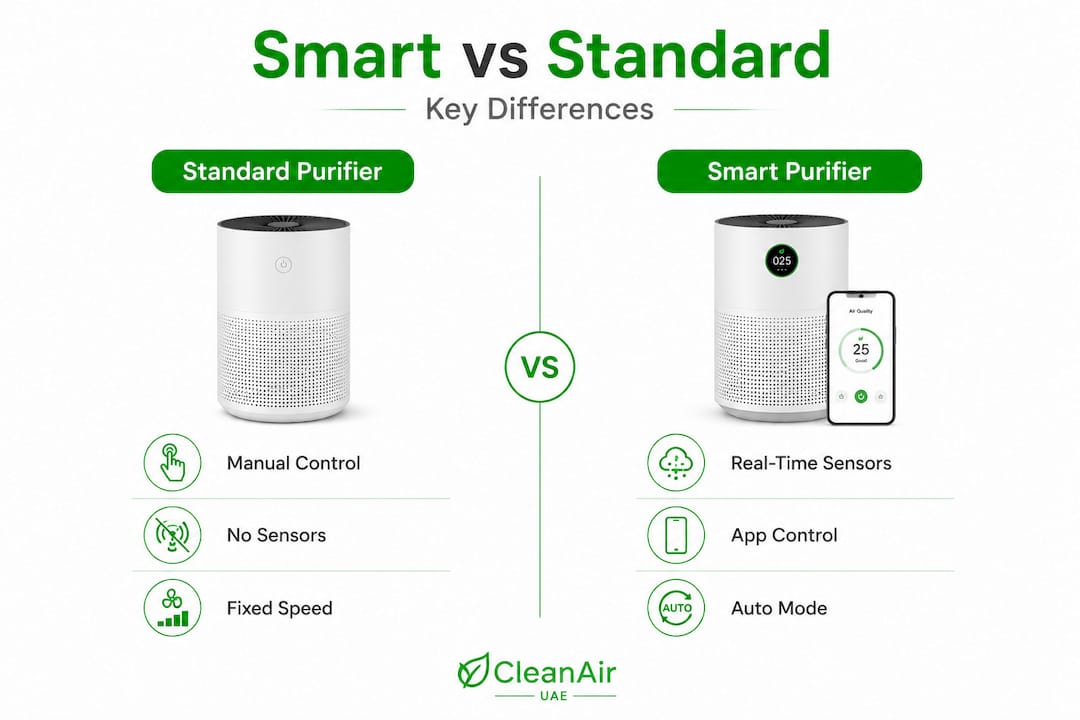
| Feature | Conventional purifier | Smart air purifier |
|---|---|---|
| Air quality monitoring | None | Real-time particle and gas sensors |
| Fan speed control | Manual | Automatic based on sensor data |
| App connectivity | None | Remote control and scheduling via smartphone |
| Filter status | Check manually | App notification when replacement is due |
| Energy tracking | None | Usage data visible in app |
Pro Tip: When evaluating a smart purifier, check whether the air quality sensor is a laser particle counter or a basic infrared sensor. Laser sensors are significantly more accurate, especially for detecting fine PM2.5 particles common in UAE urban environments.
Smart features explained: apps, voice control, and scheduling
Once you understand the filtration core, the smart features become easier to evaluate. These are the tools that give you control, insight, and convenience. They do not replace good filtration. They complement it.
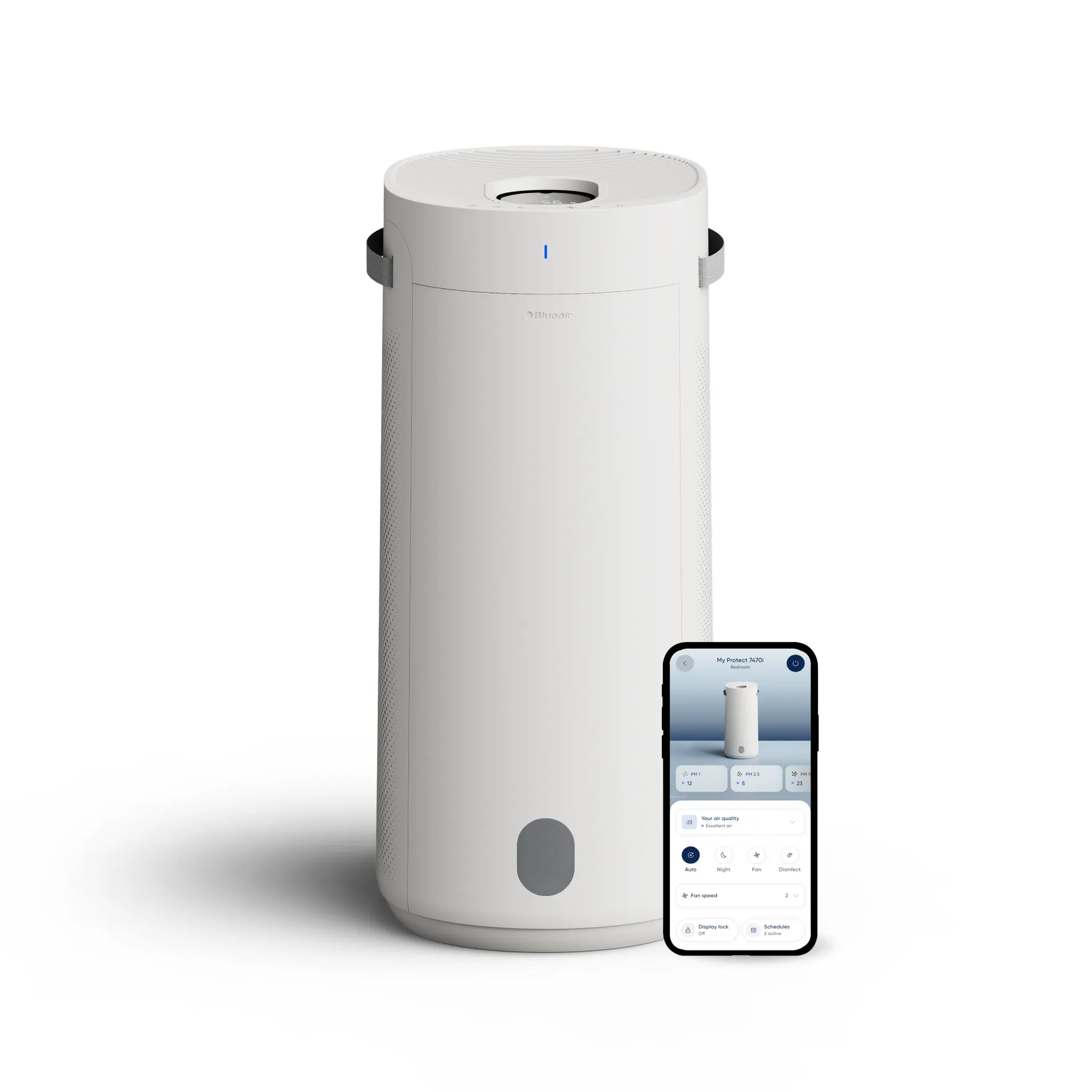
Most smart purifiers connect to a dedicated smartphone app. Through the app, you can:
- Adjust fan speed remotely, useful if you leave a room running and want to turn it down
- Set schedules so the unit runs at full power before you wake up or return home
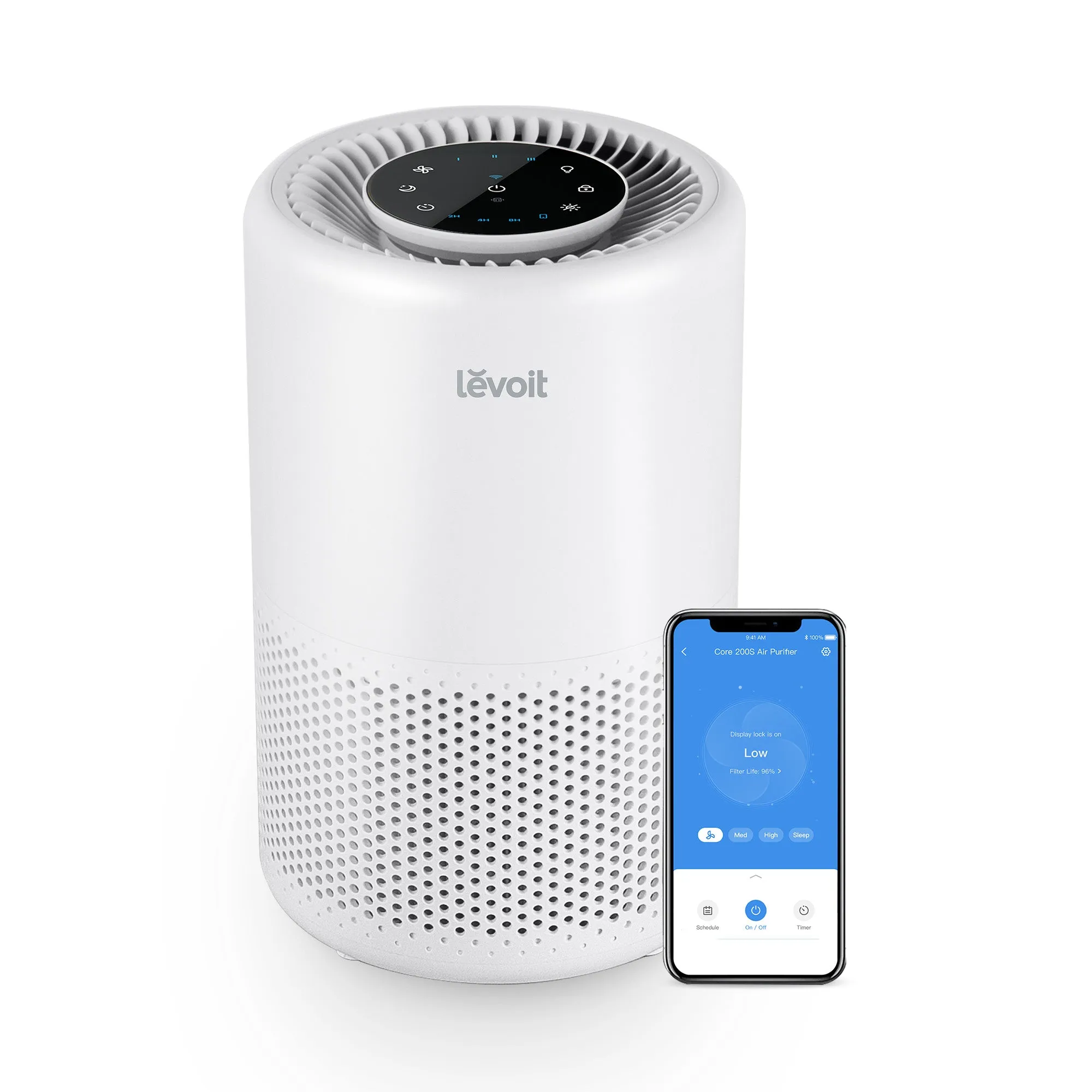
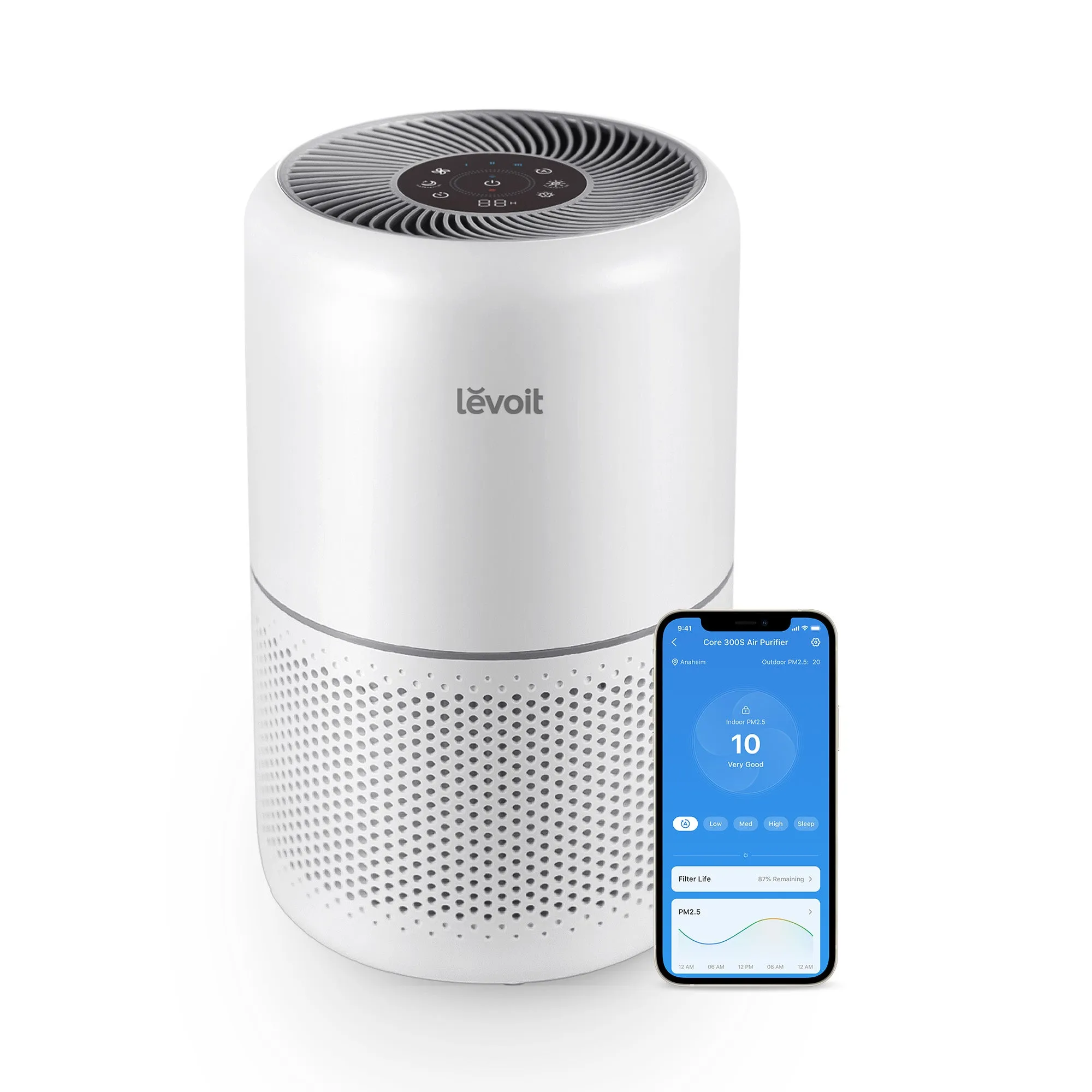
- View real-time air quality readings and historical trend data
- Receive alerts when filter life drops below a set threshold
- Monitor energy consumption, with some apps displaying estimated running costs
Voice assistant integration is common across mid-range and premium models. Linking to Amazon Alexa or Google Home lets you adjust settings without touching your phone. For households with children or elderly members, this hands-free control is genuinely practical rather than a novelty.
Real-time data is where smart air monitoring earns its value. Seeing a spike in particulate readings after cooking, or noticing persistently poor air quality near a window during sandstorm season, gives you specific information you can act on. Apps showing filter life and air quality trends give users both cost control and peace of mind.
Pro Tip: Use your app’s historical data to identify patterns. If air quality consistently drops at a particular time of day, adjust your schedule rather than running the unit at full power continuously. This extends filter life and reduces energy use.
That said, smart features should not overshadow the fundamental question of whether the unit filters effectively. A purifier with a sophisticated app but a weak CADR rating for your room size will still leave your air uncleaned.
Choosing and maintaining your smart air purifier
Getting the right unit involves more than reading the spec sheet. Here is a practical order for making a sound decision.
- Measure your room. Calculate square footage and apply the CADR formula. For a 30 square metre room, target a smoke CADR of at least 200. For allergy sufferers, go higher.
- Confirm True HEPA certification. Terms like “HEPA-type” or “HEPA-style” do not meet the 99.97% capture standard. Only “True HEPA” or “H13 HEPA” qualifies.
- Check filter replacement costs before buying. Proprietary filters can cost two to three times more than standard alternatives. Calculate annual running costs, not just the device price.
- Position the unit correctly. Place it away from walls and corners, at least 30 cm of clearance on all sides. Central placement in the room improves airflow efficiency significantly.
- Set a filter replacement reminder. Filters require replacement every 5 to 7 months in average use. In dusty environments like Abu Dhabi or Dubai, expect the shorter end of that range.
- Use the energy monitoring feature. Running a unit at maximum power continuously costs more than needed. Auto mode, guided by sensors, delivers better results at lower cost.
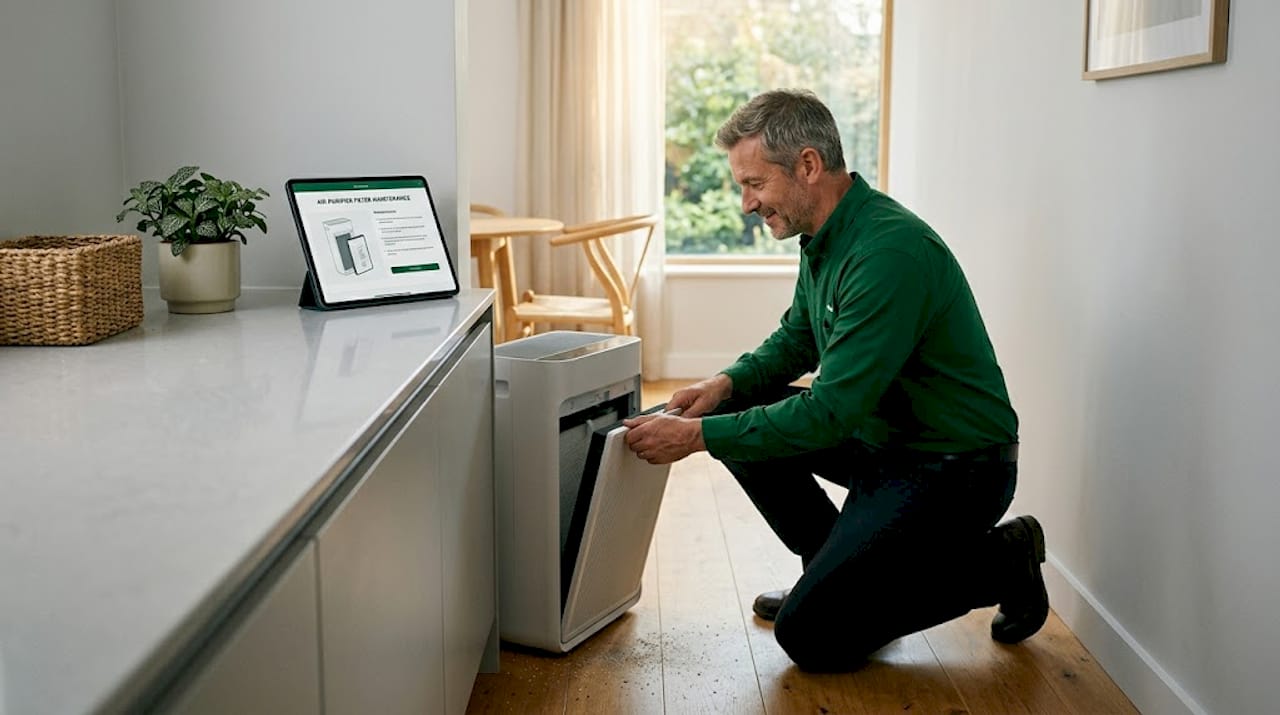
Maintenance is the single most neglected aspect of air purification. Even advanced units fail when filters are overdue. The smart features that remind you about filter status exist precisely because most owners forget to check manually.
When is a smart air purifier worth it?
Smart air purifiers deliver the clearest benefits for specific groups and living situations. Understanding where they genuinely add value helps you decide whether the premium is justified for your circumstances.
You will get measurable benefit from a smart purifier if you:
- Suffer from allergies, asthma, or respiratory conditions and need consistent air quality management
- Own pets and deal with persistent dander and odours
- Live in an urban area with high outdoor PM2.5 or near construction zones, both common across UAE cities
- Work from home and spend long hours in a single room where air quality directly affects concentration and wellbeing
- Have young children, whose developing respiratory systems are more sensitive to particulate exposure
There are situations where the smart premium adds less value. If you live in a small, well-ventilated flat and simply want occasional odour removal, a quality conventional purifier at a lower price may serve you just as well. The automation features matter most when your schedule is variable or when you cannot monitor air quality manually throughout the day.
Balancing cost against benefit requires looking at total ownership cost. A lower-priced smart device with expensive proprietary filters may cost more over two years than a slightly pricier unit with widely available replacements. Consumers frequently underestimate these running costs when comparing models at point of purchase.
Popular smart purifier models: what they offer
The market offers smart purifiers across a wide range of price points, each with different trade-offs between features, filtration performance, and noise levels.
| Model | CADR (approx.) | Smart features | Best for |
|---|---|---|---|
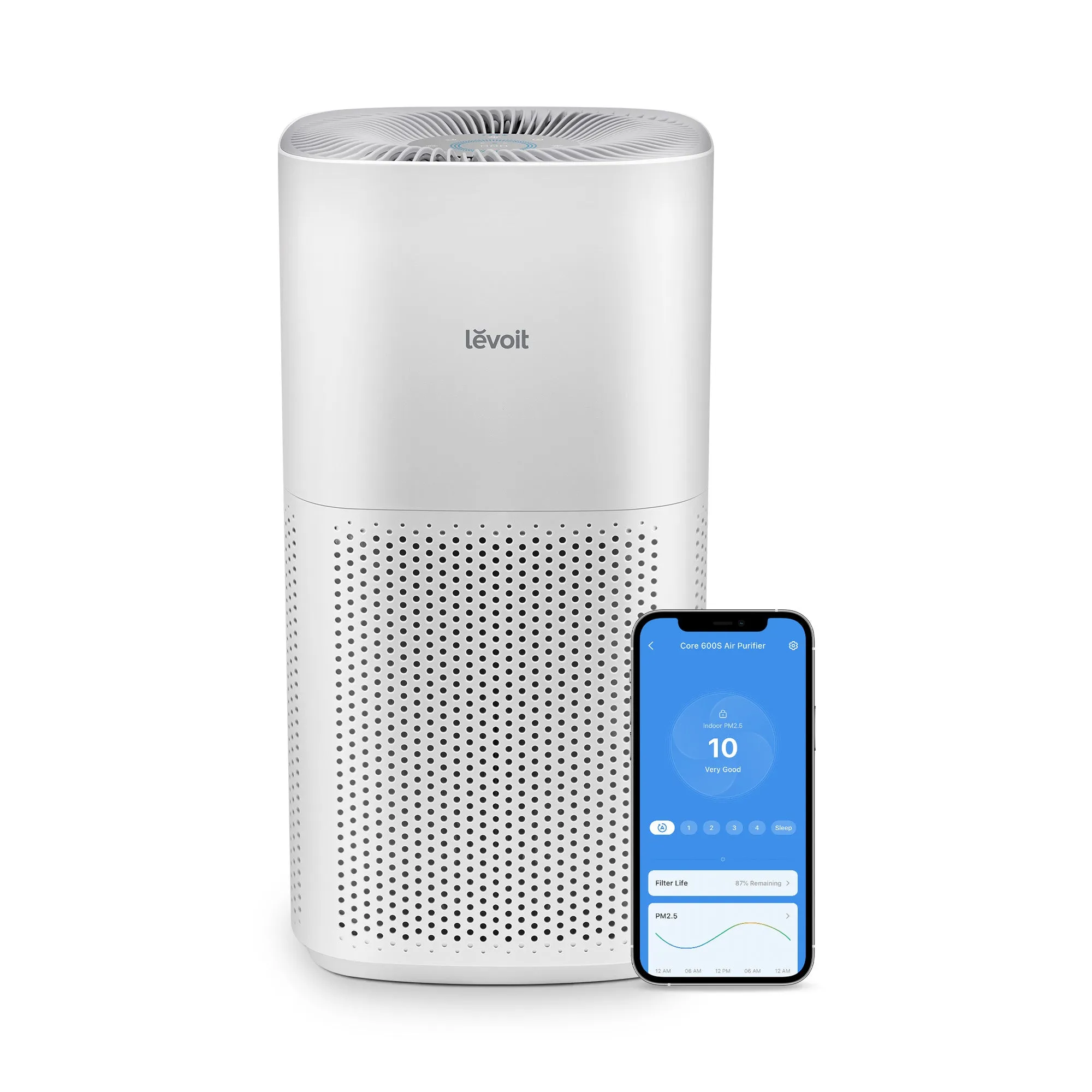
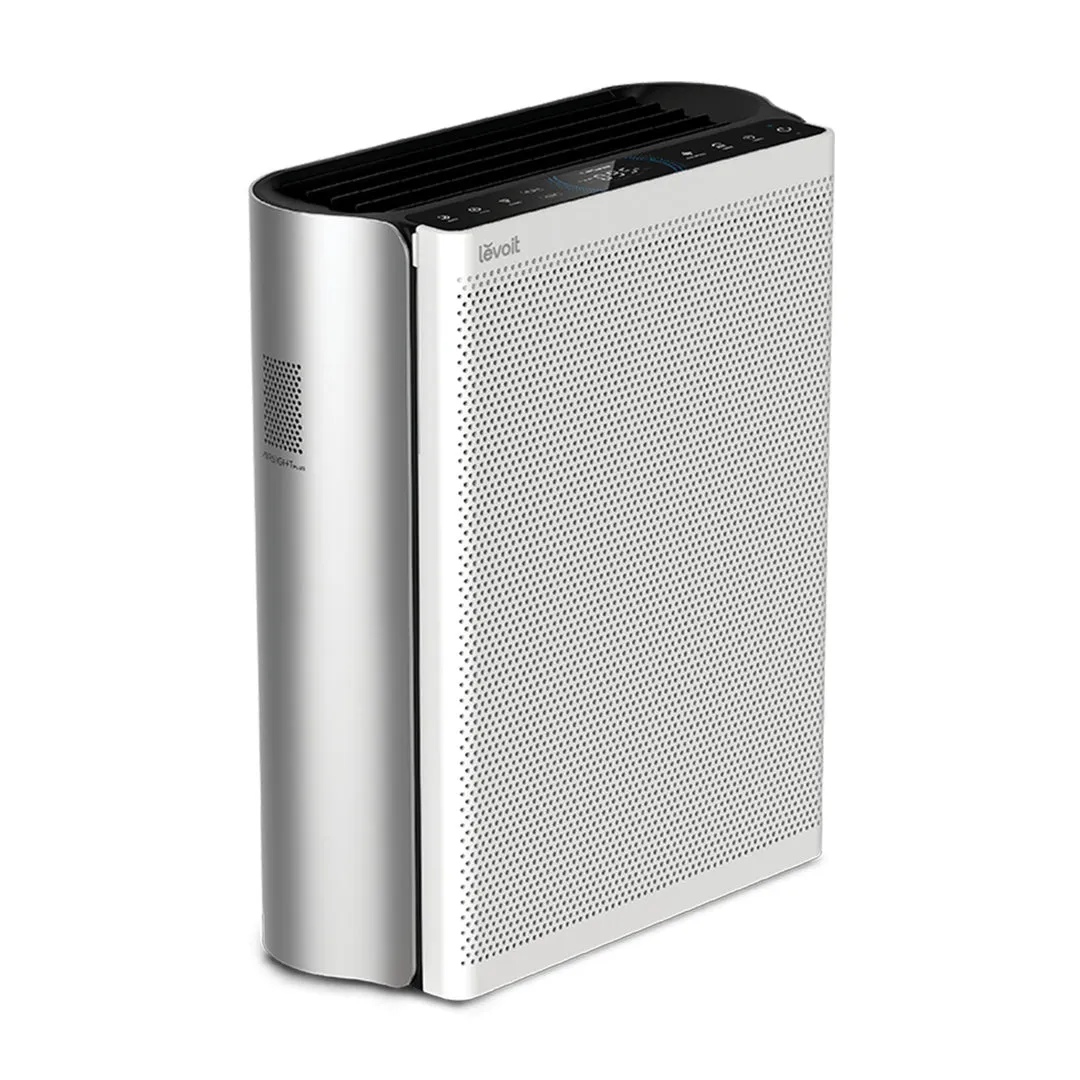
| Levoit Core 600S | 410 m³/h | App, voice, auto mode, scheduling | Large rooms, offices |
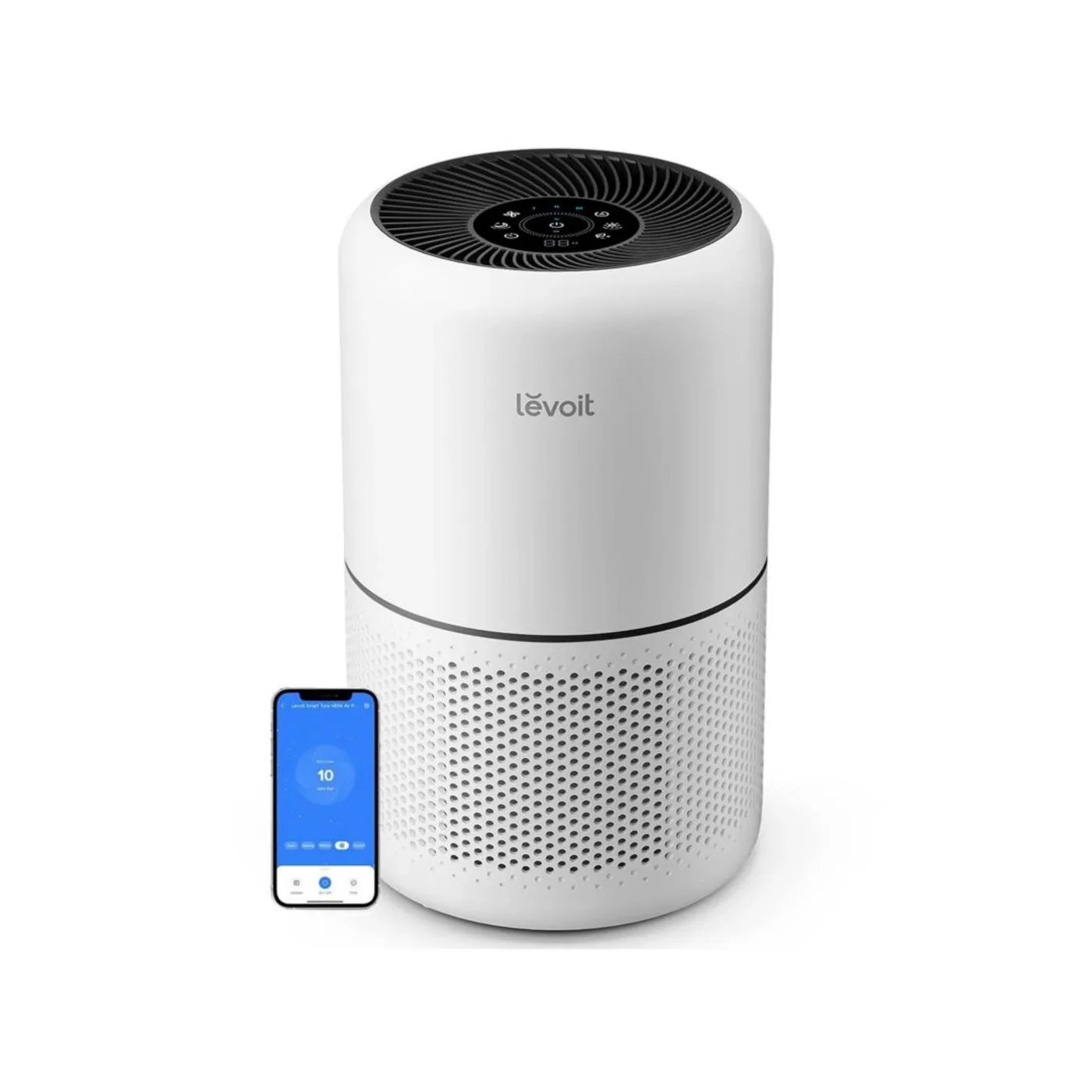
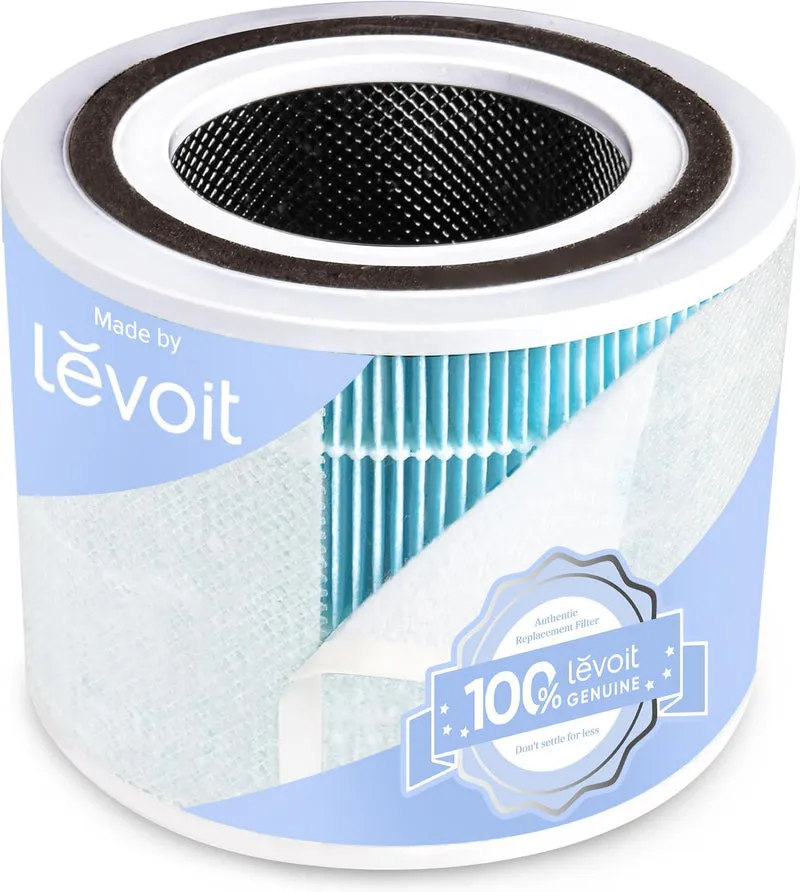
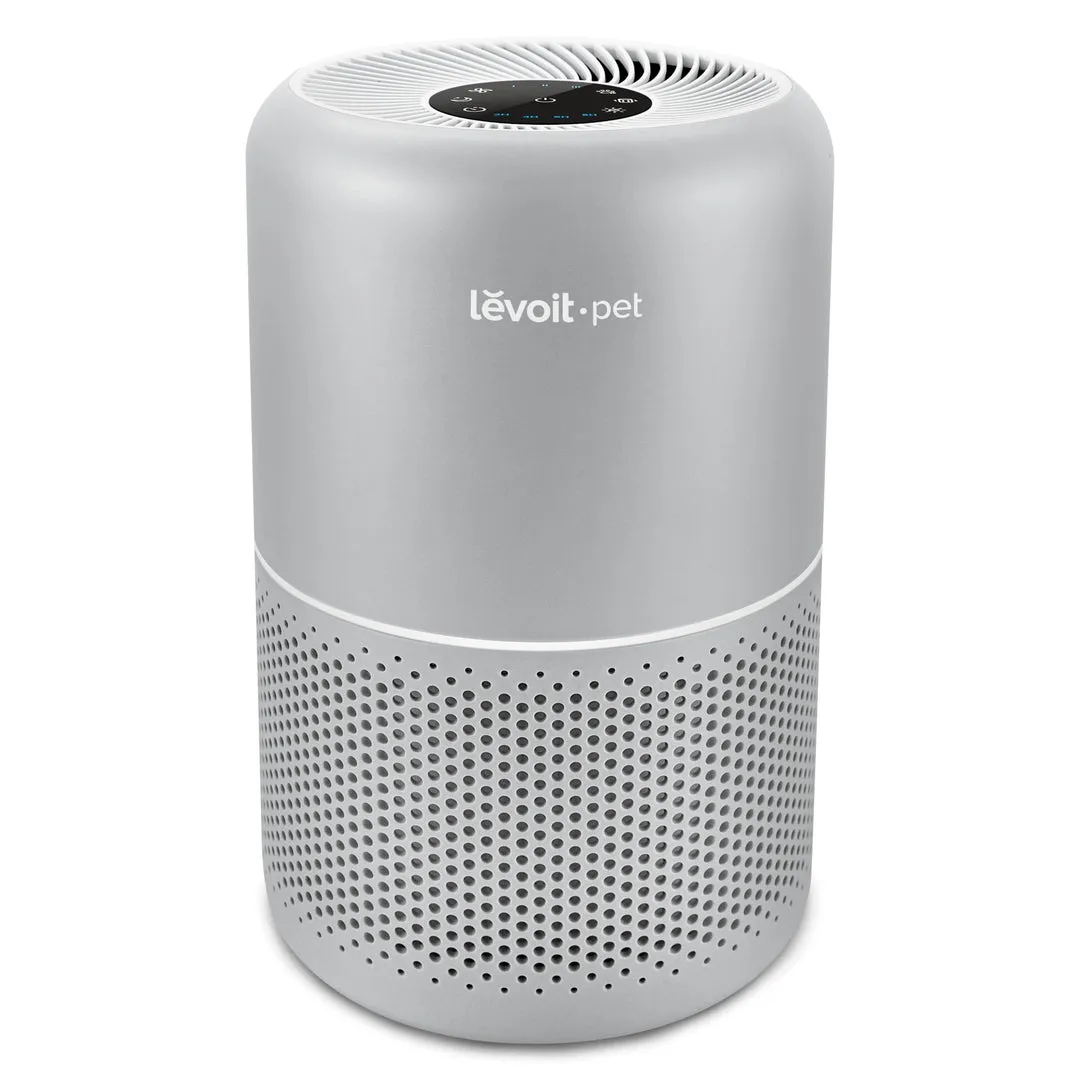
| Levoit Core Mini | 95 m³/h | App control, filter alerts | Small rooms, personal spaces |
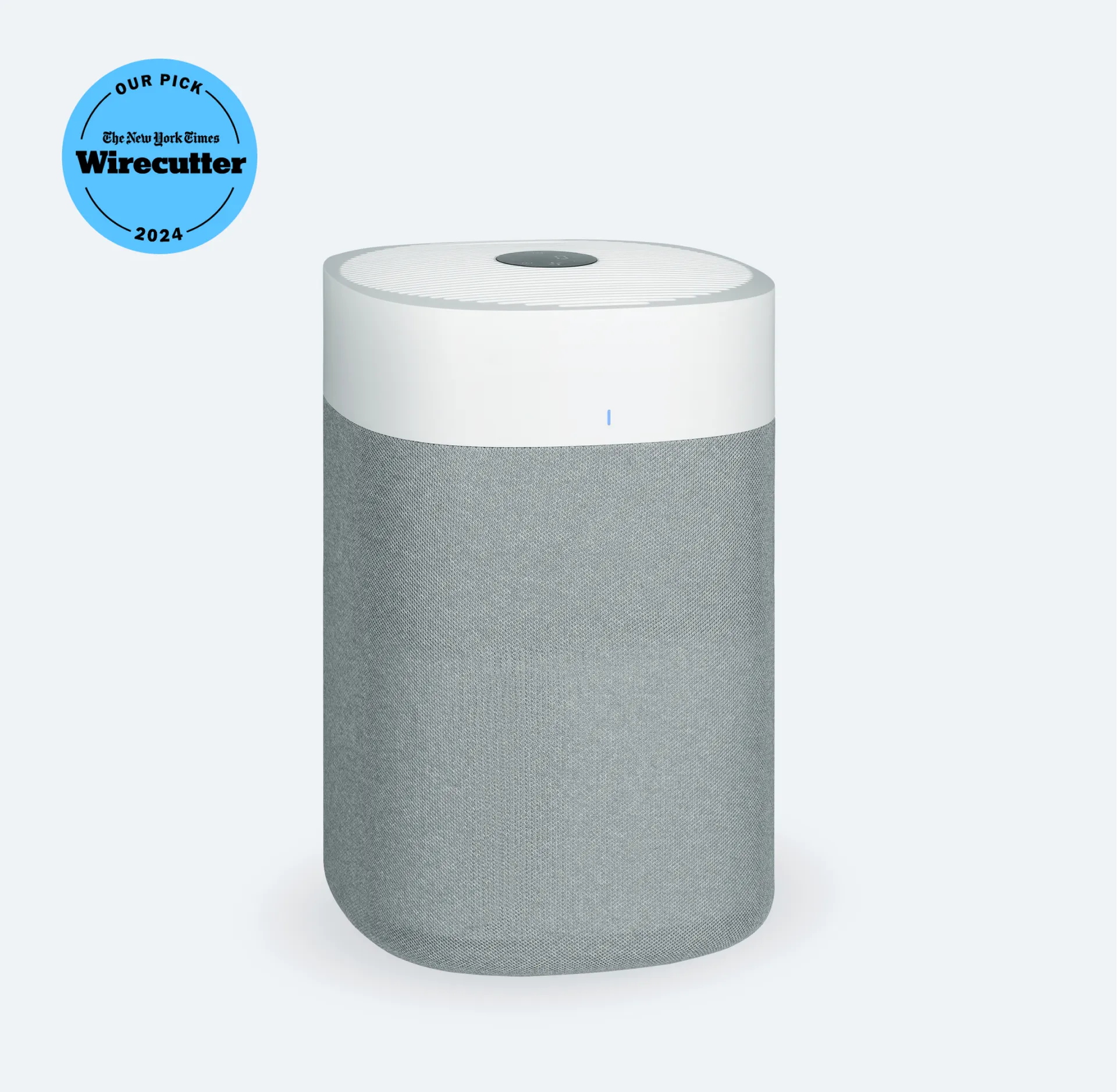
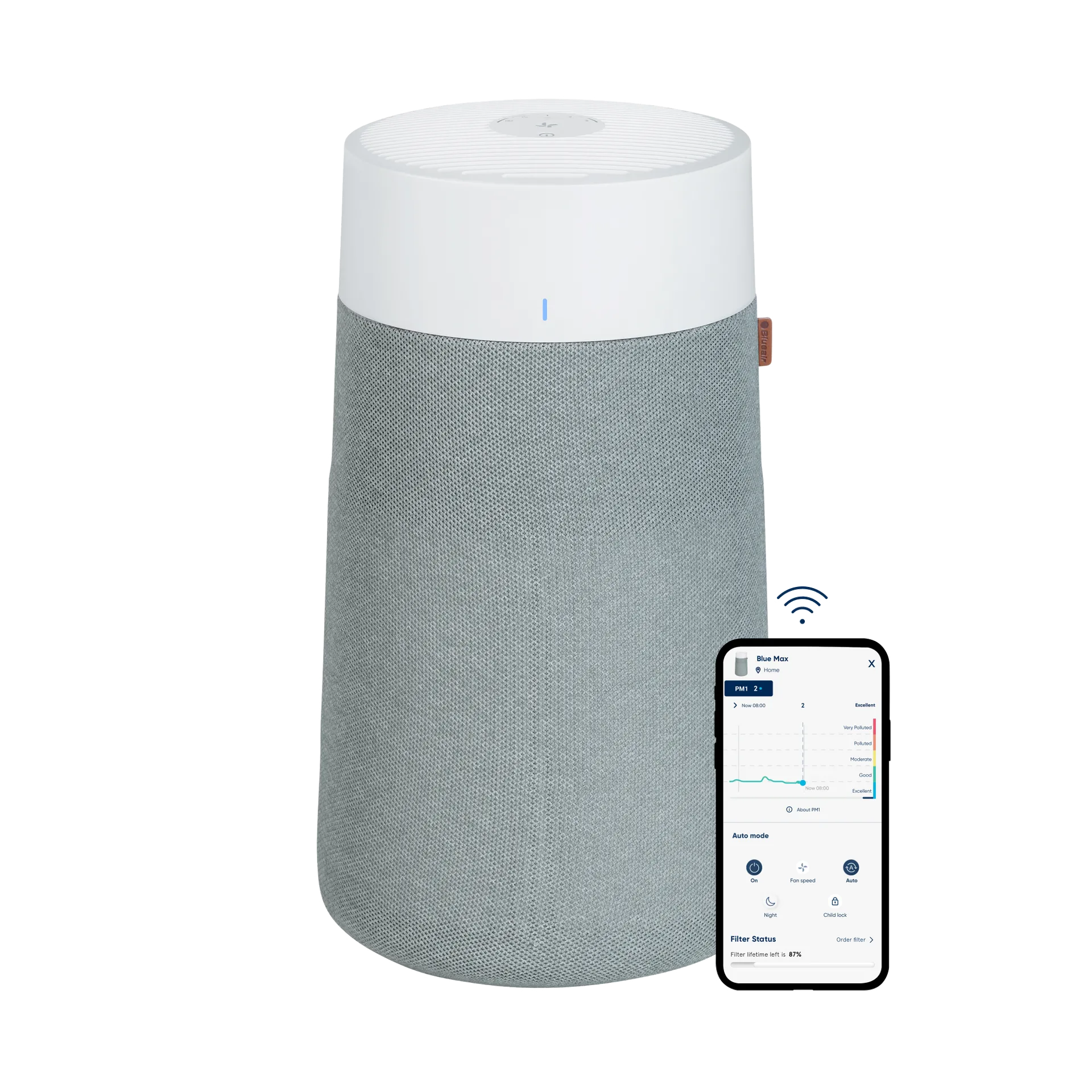
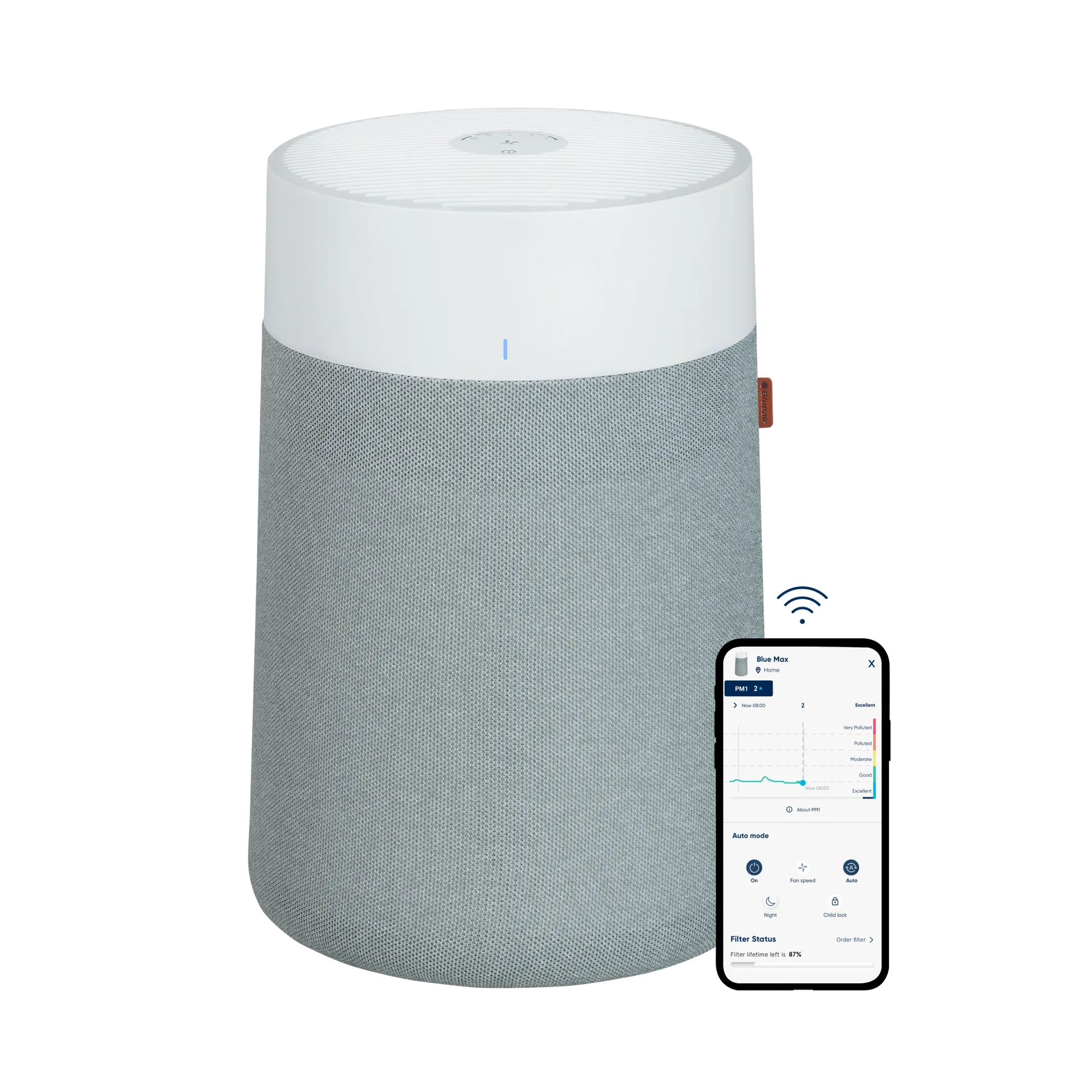
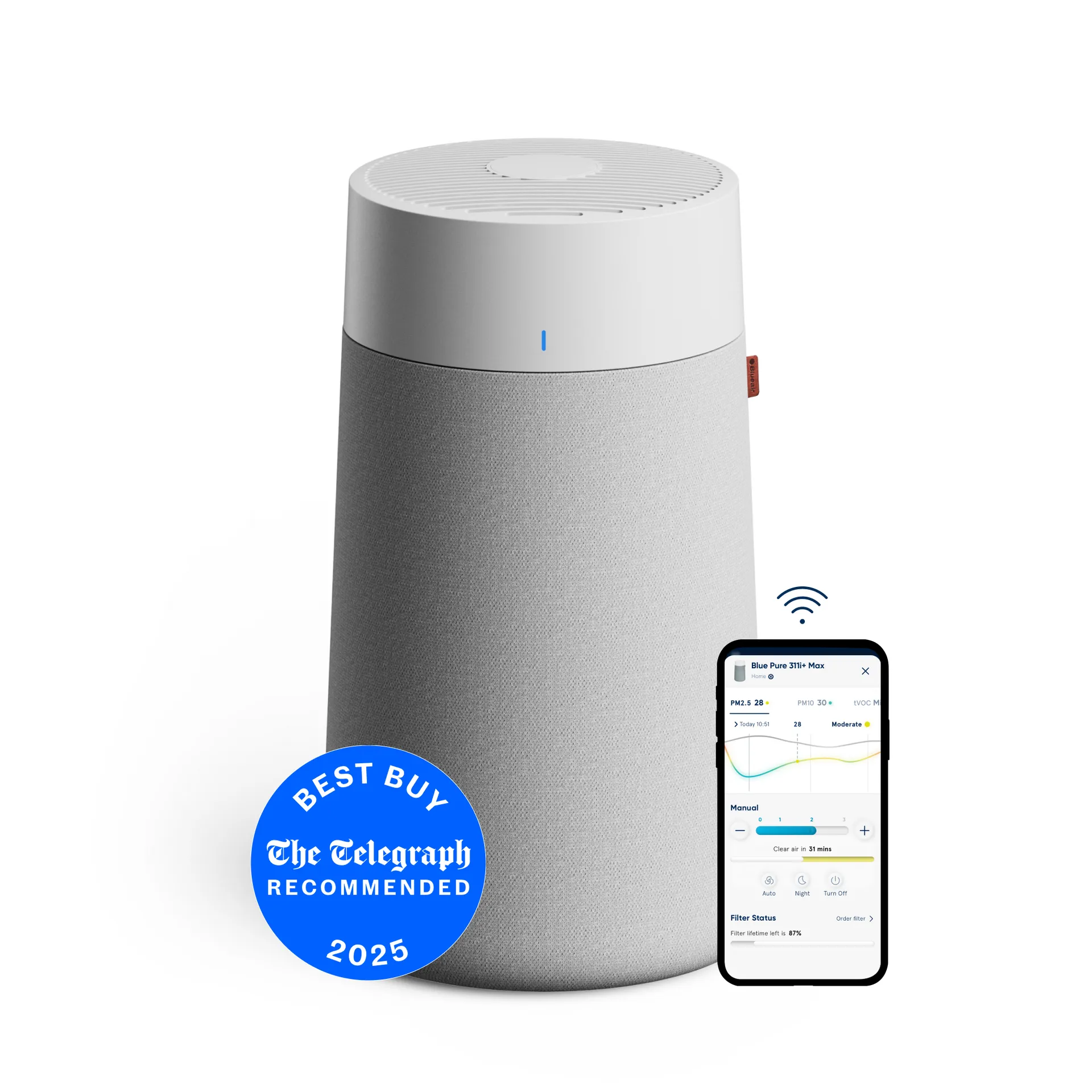
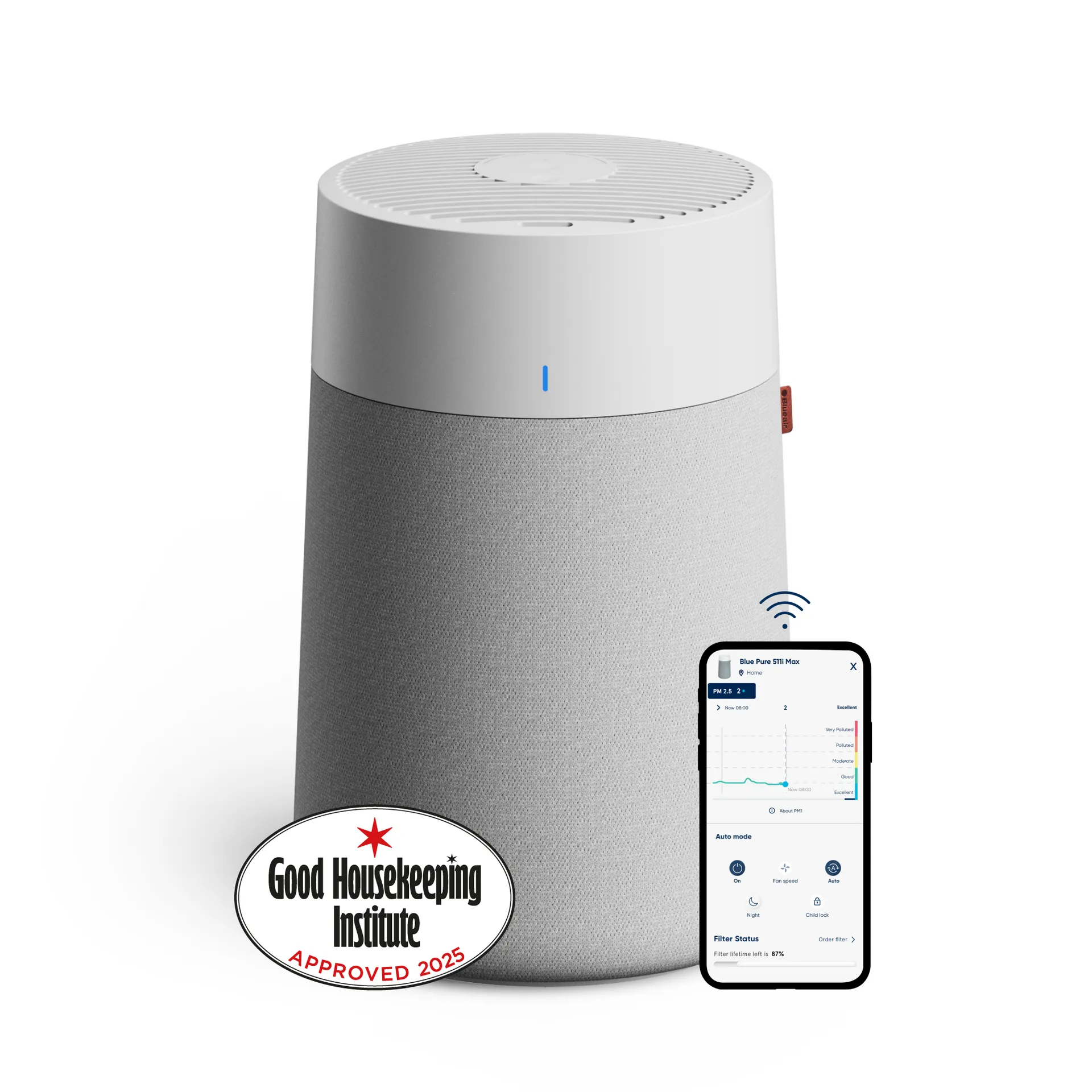
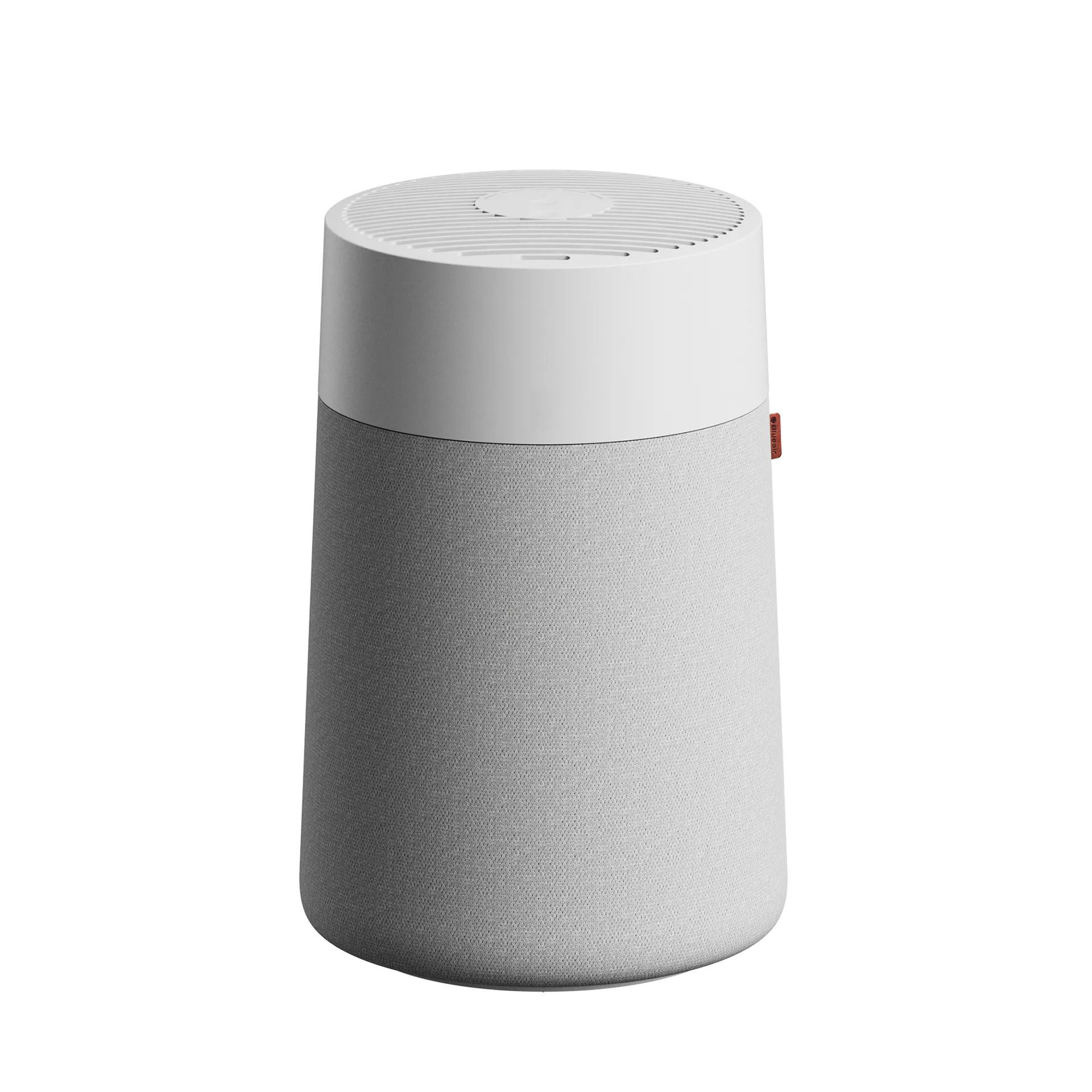
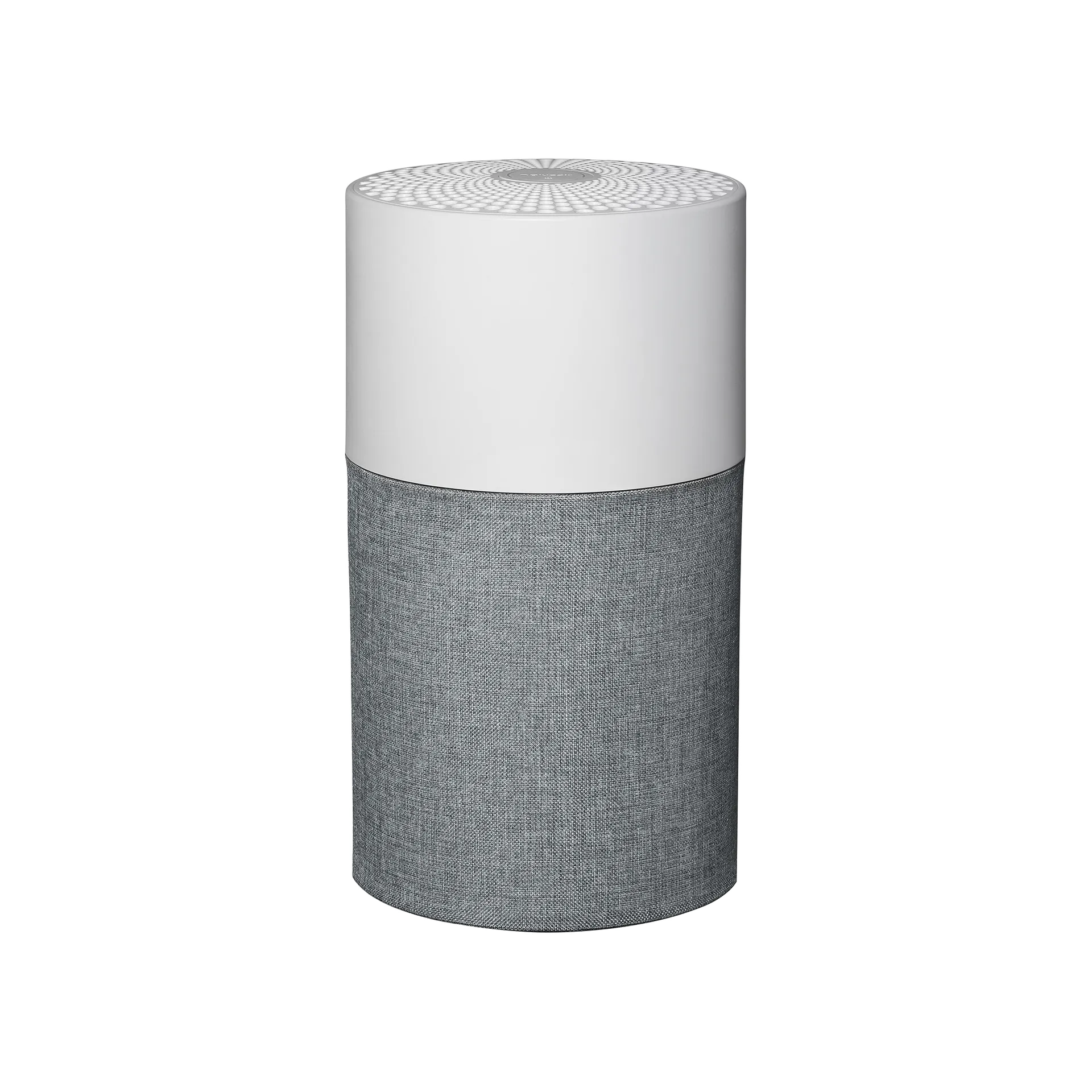
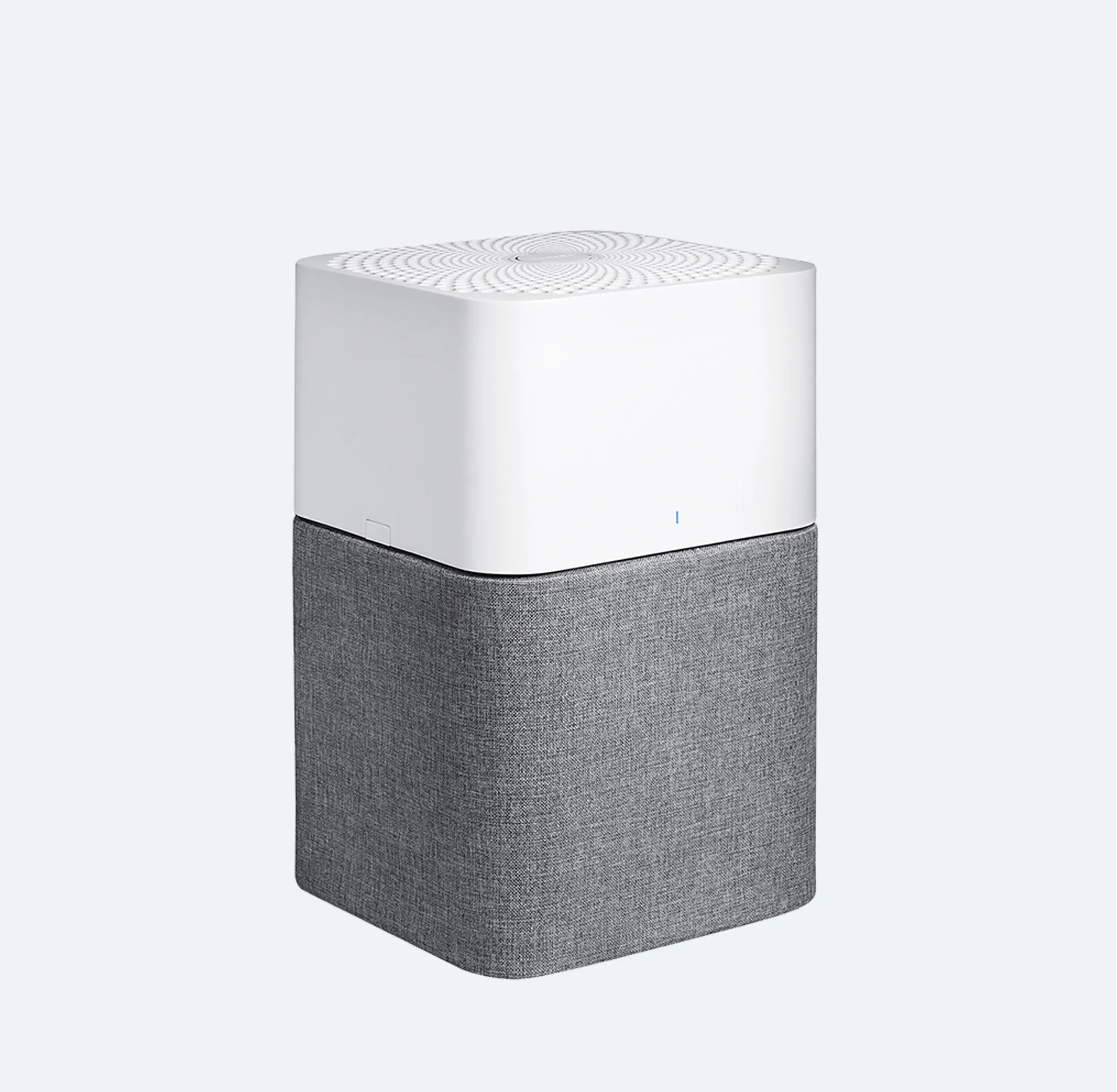
| Blueair Blue Pure 211i+ | 400+ m³/h | App, auto mode, energy monitoring | Open-plan spaces |
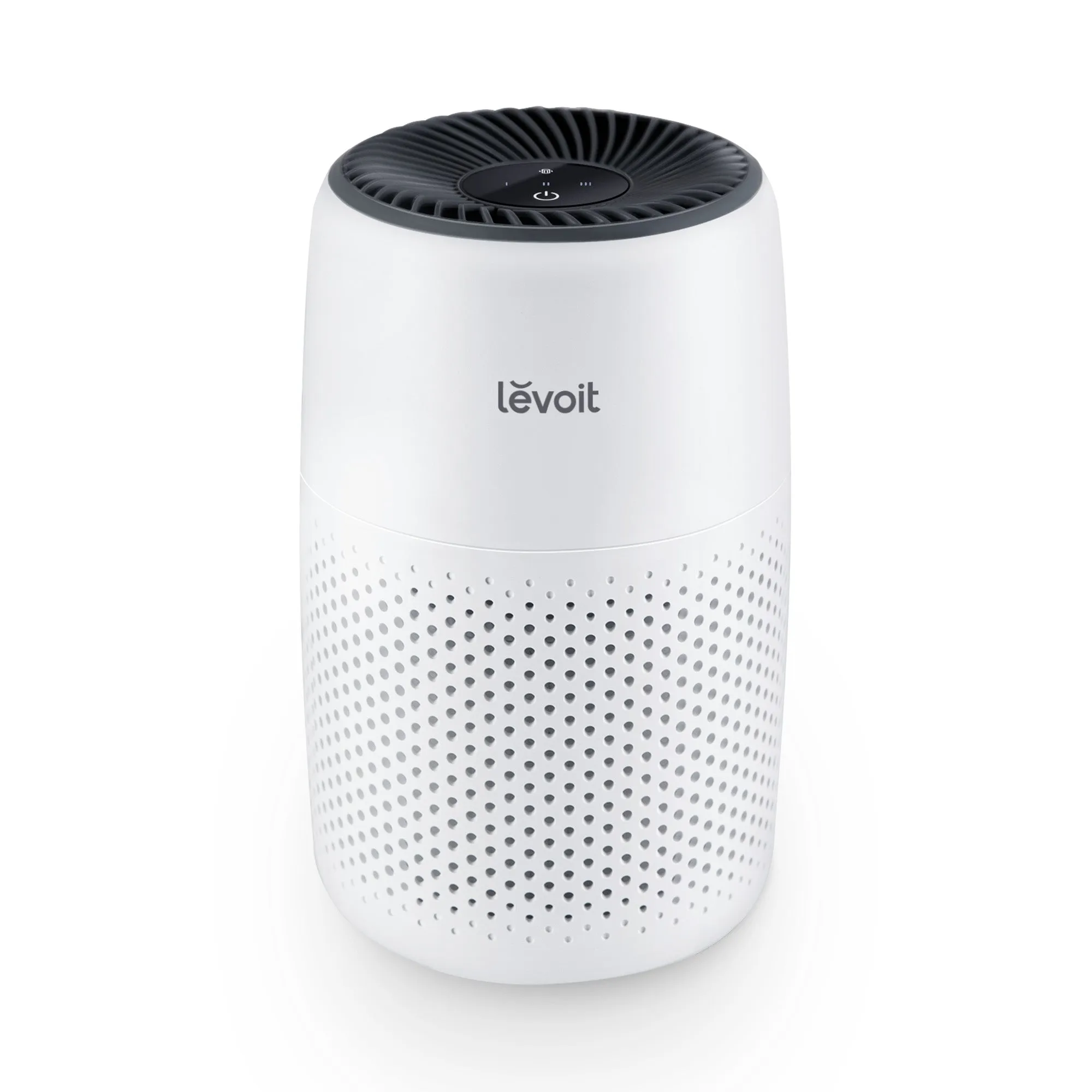
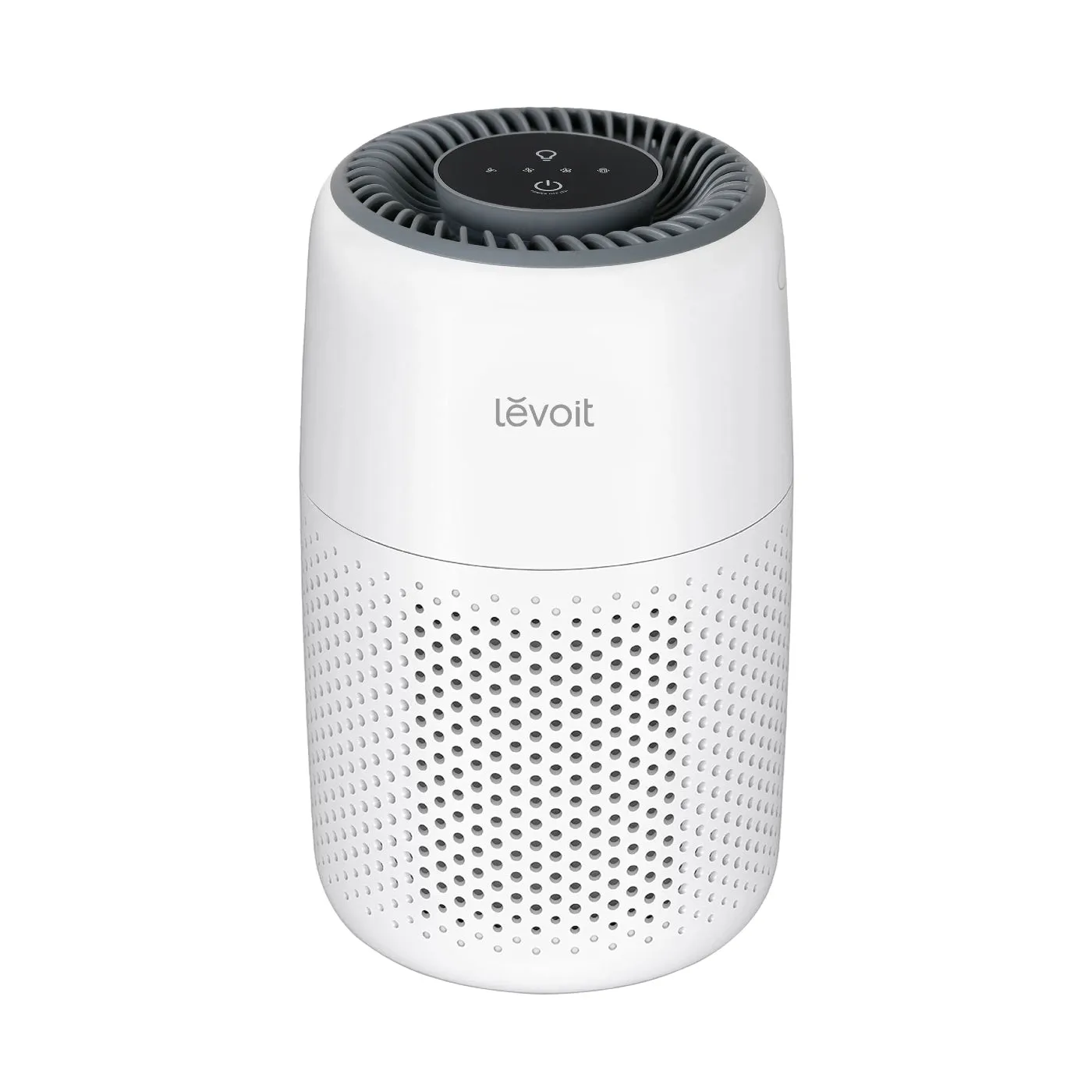
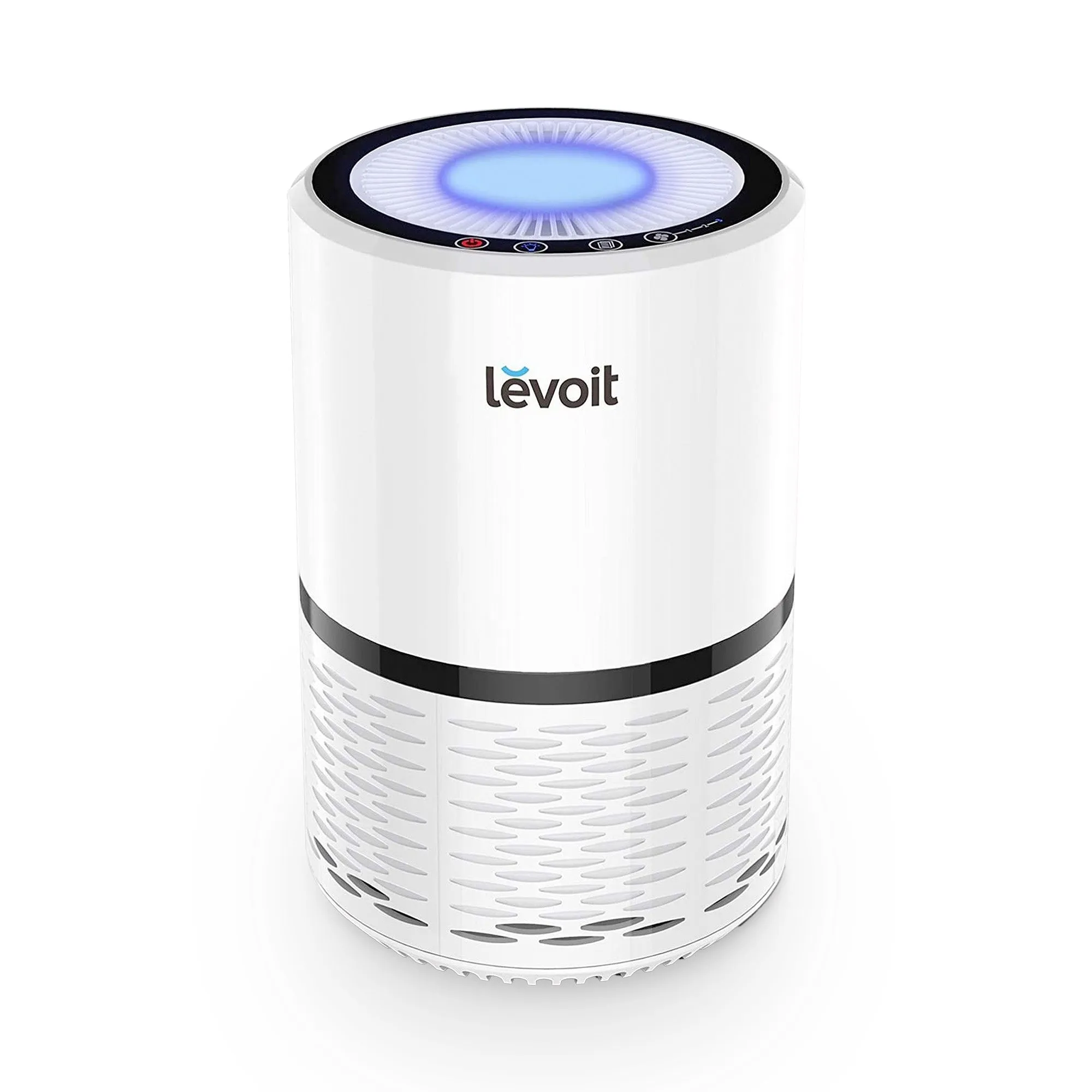
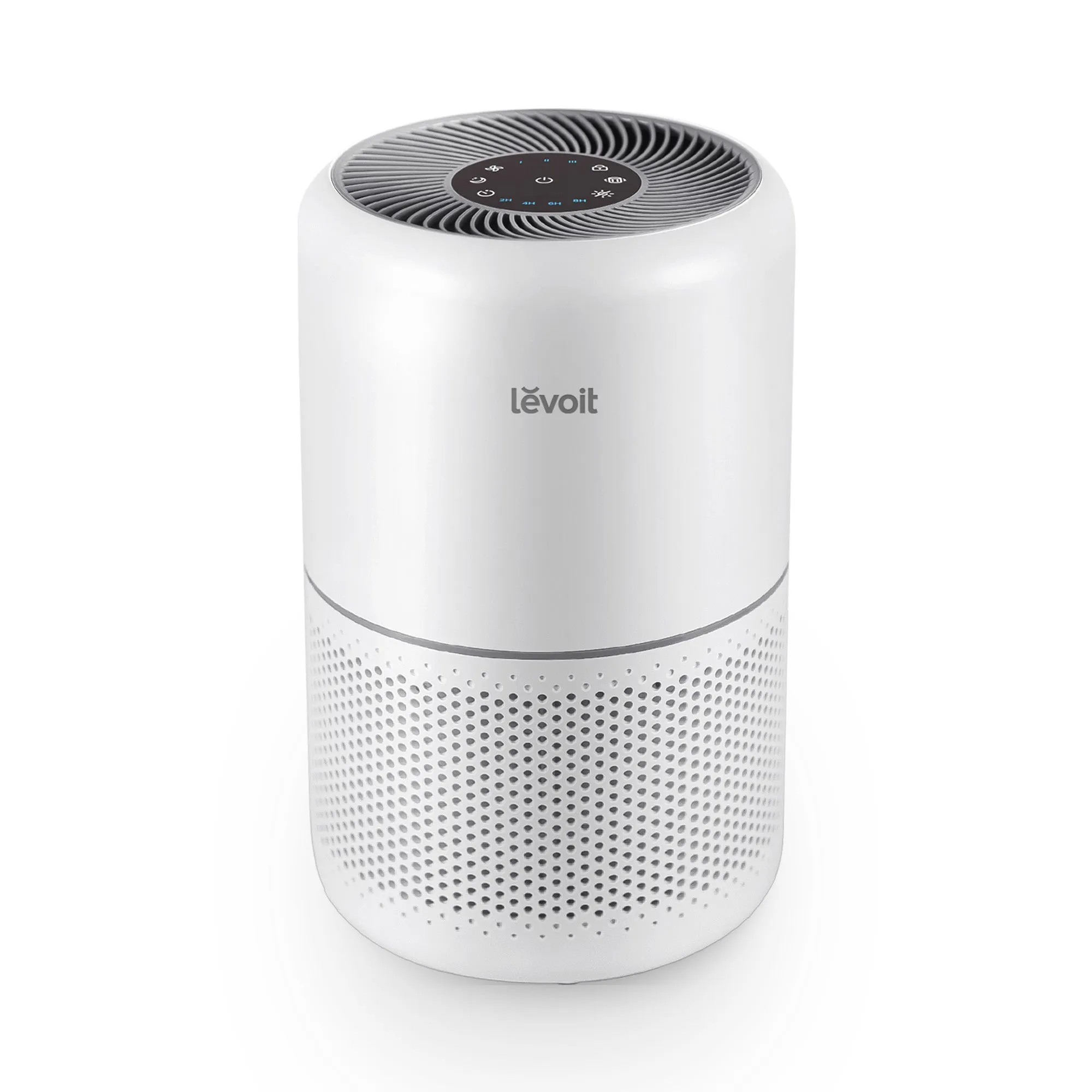
The Levoit Core 600S is a practical example of optimised smart purifier design, balancing sensor sensitivity, motor efficiency, and quiet operation for a room up to 60 square metres. The Core Mini targets the opposite end. Compact and portable, it is suited to desks, bedrooms, or travel, with app-based controls and filter notifications in a device that draws minimal power.
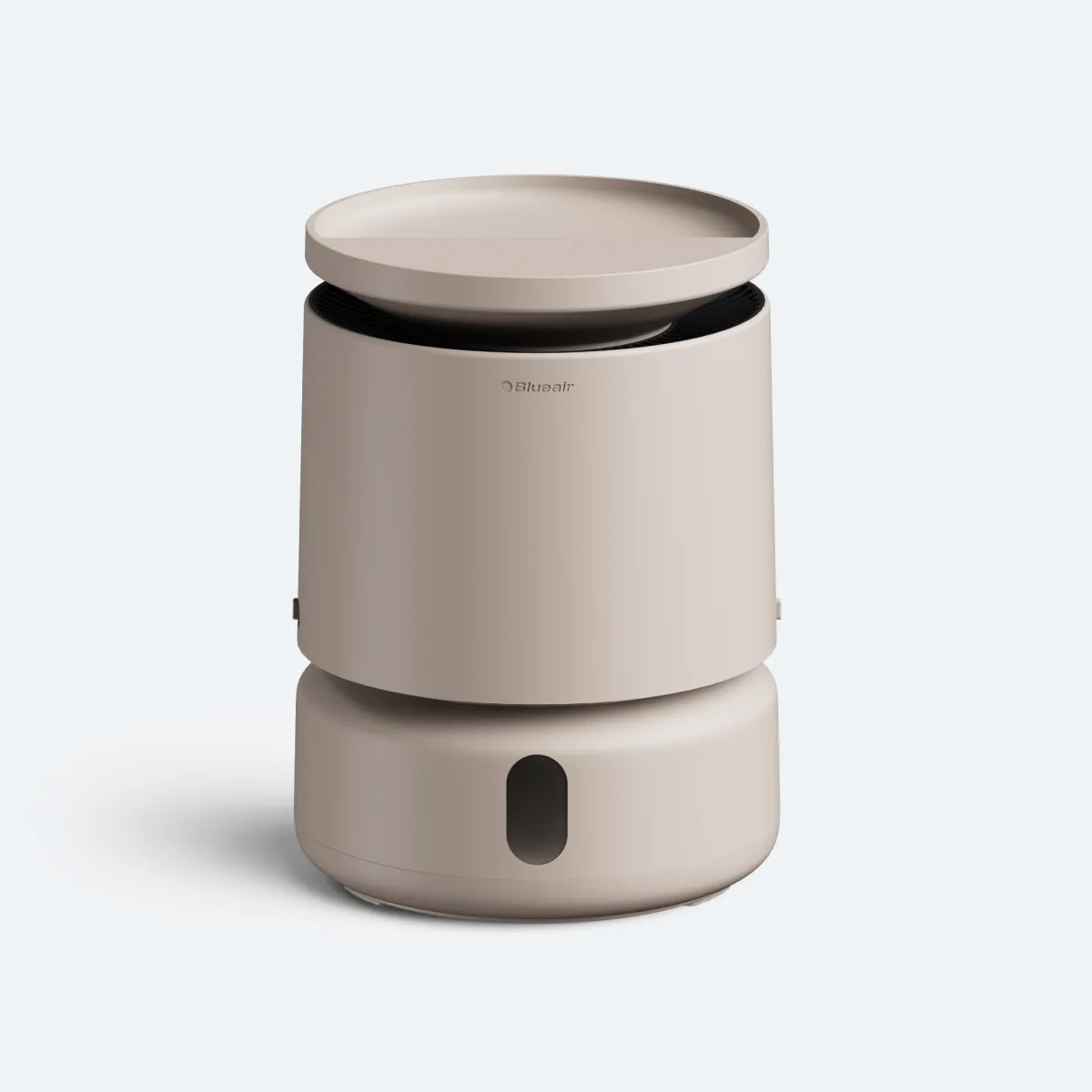
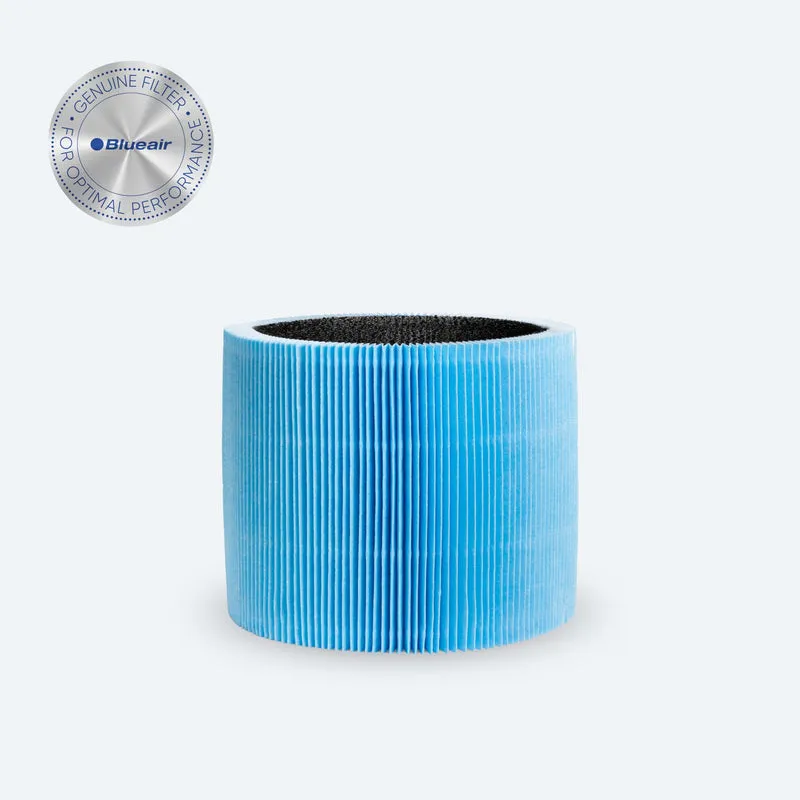
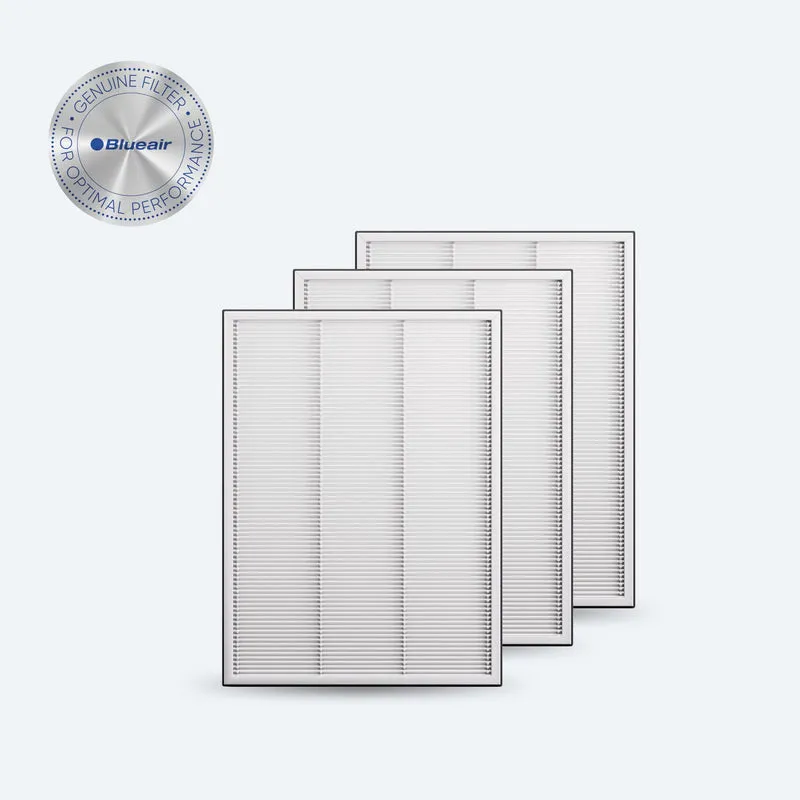
The Blueair range demonstrates that smart air technology can be applied at scale without sacrificing noise performance. Their fabric pre-filter design is also user-washable, which reduces some of the ongoing filter replacement cost burden.
My take on smart purifiers after years in the category
I have spent years evaluating air quality products, and one pattern stands out consistently. Buyers focus on the app and ignore the CADR. They choose a smart purifier for the wrong room size, then wonder why their air quality readings remain poor despite the device running constantly.
My view is that smart features are a genuine evolution in home air management. Autonomous air quality responses mean the device protects you even when you are not paying attention. That matters in a region like the UAE where outdoor air quality can deteriorate rapidly and unpredictably.
But I have also seen the filter cost trap catch buyers who went bargain-hunting. They save 150 AED on the device and then pay 200 AED more per year on proprietary replacement filters. It negates the saving entirely within twelve months. Prioritising core filtration over flashy app features is advice I give to anyone starting their research.
For allergy sufferers or parents with young children, I would not hesitate to recommend a smart purifier with a proper True HEPA filter and an accurate sensor. For someone wanting basic odour control in a small space, a simpler unit may be the more practical choice.
— Wojciech
Smart purifiers available from Cleanair-ae
Cleanair-ae stocks a curated range of smart air purifiers suited to homes and offices across Dubai, Abu Dhabi, and the wider UAE.
The Levoit Core Mini portable purifier is a practical first choice for personal spaces, bedrooms, or anyone managing allergy symptoms. It connects via app, sends filter replacement alerts, and is quiet enough for nighttime use.
For office or larger living spaces, the Levoit Core 600S for offices combines a CADR rating suitable for rooms up to 60 square metres with full app and voice assistant integration. Auto mode adjusts fan speed based on real-time sensor readings without any manual input.
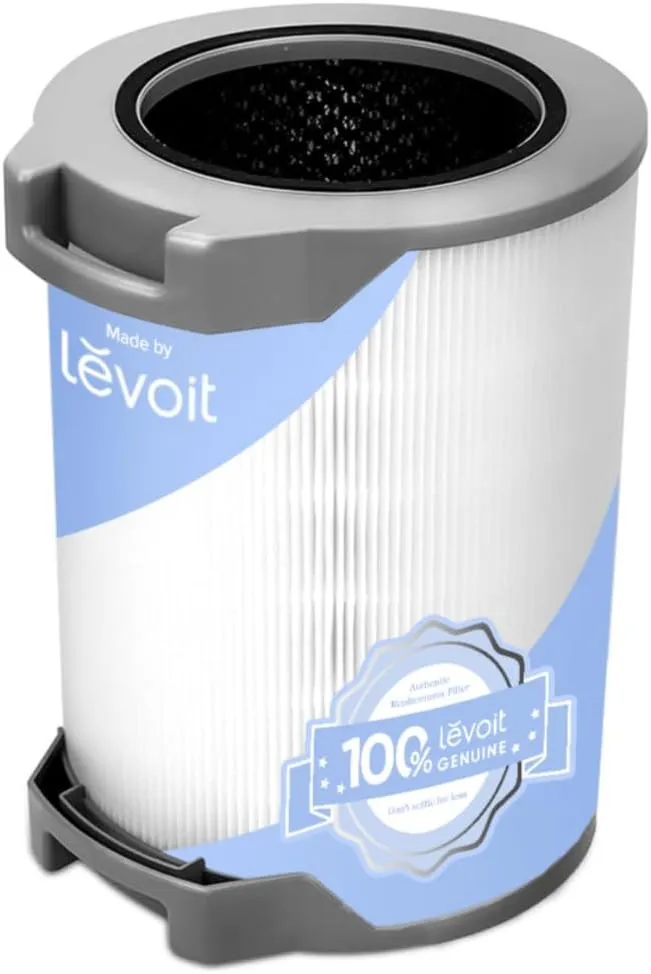
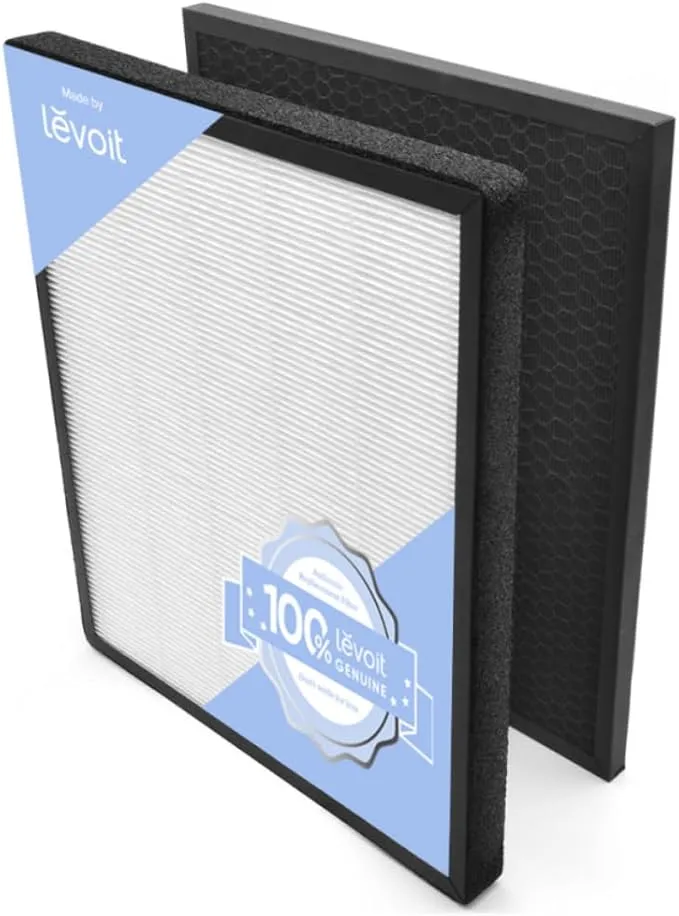
Cleanair-ae offers free UAE delivery on orders over 49 AED, with fast dispatch to Dubai, Abu Dhabi, and surrounding areas. Replacement filters for all listed models are available directly on the site.
FAQ
What makes a purifier “smart” rather than standard?
A smart air purifier includes onboard sensors that measure air quality in real time and connectivity features such as app control, scheduling, and voice assistant integration. These allow automatic adjustments to filtration without manual input.
Do smart features actually improve air quality outcomes?
Smart features improve consistency and convenience, not the filters themselves. The filtration quality, True HEPA rating, and correct CADR for your room size determine how clean your air becomes. Smart controls help you maintain that performance reliably.
How often do smart purifier filters need replacing?
Most filters require replacement every 5 to 7 months under average conditions. In dusty environments or with high daily use, replacement may be needed closer to the 5-month mark. Most smart purifiers notify you via app when filter life is low.
Is a smart air purifier worth the extra cost?
For allergy sufferers, pet owners, and people in urban environments with variable air quality, the automation and monitoring features justify the premium. For basic odour control in small, well-ventilated spaces, a standard purifier may offer better value.
What is the difference between a HEPA filter and a smart sensor?
A HEPA filter physically captures particles from the air. A smart sensor measures particle concentration and tells the purifier how hard to work. Both are needed for an effective smart purifier. Neither replaces the function of the other.