
Uncategorised
What is air ionization: a family health guide
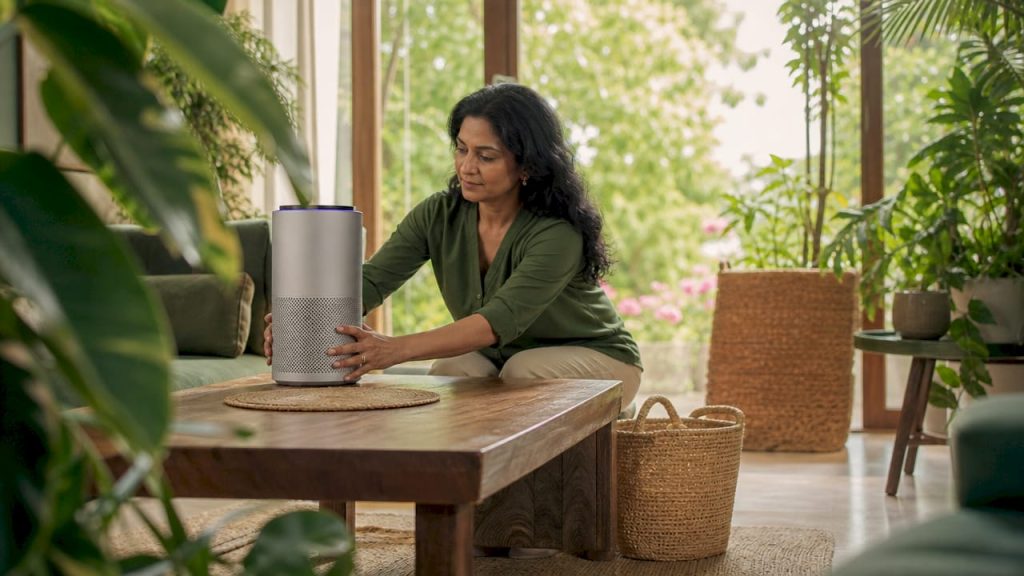
Air ionization is defined as the process of electrically charging air molecules to cause airborne particles to cluster together and settle out of the breathing zone. Consumer ionizers generate negative ions that attach to dust, pollen, smoke, bacteria, and mould spores, making those particles heavy enough to fall from the air. The technology sits alongside HEPA filtration, activated carbon filters, and UV-C systems as one of several air cleaning technologies available to families. Understanding what air ionization does, and what it cannot do, is the most practical starting point for any household air quality decision.
What is the air ionization process and how does it work?
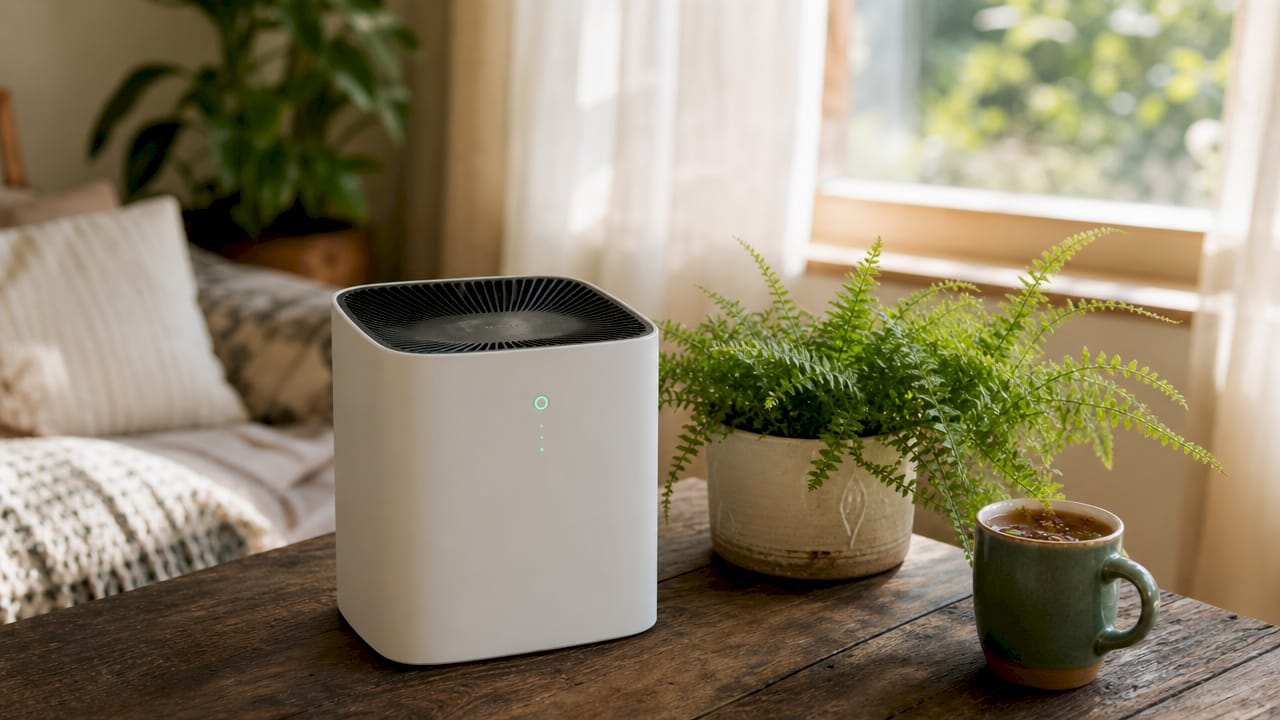
Air ionization works by applying a high-voltage electrical field to needle-point electrodes inside the device, stripping electrons from nearby air molecules and producing charged ions. Consumer ionizers use corona discharge technology with electrical fields ranging from 6,000 to 20,000 volts to generate this effect. That voltage sounds alarming, but the current involved is extremely low and poses no direct shock risk during normal use.
The process works in four steps:
- Ion generation. The device applies high voltage to electrodes, ionising surrounding air molecules and releasing a stream of negative ions.
- Particle attachment. Negative ions collide with airborne particles such as dust, pollen, and bacteria, transferring their charge.
- Agglomeration. Charged particles attract one another and clump into larger, heavier clusters.
- Settling. The heavier clusters fall onto nearby surfaces, floors, and walls rather than remaining suspended in the breathing zone.
A secondary effect called ionic wind occurs when the movement of ions creates a gentle airflow. This spreads ions across the room without a fan, which is why many ionizers operate in near-silence. Ionization also improves HVAC filter efficiency by promoting agglomeration before air reaches the filter, making particles easier to trap.
Pro Tip: Place a standalone ionizer near the centre of the room rather than against a wall. Central placement allows ionic wind to distribute ions more evenly across the space.
What are the benefits and limitations of air ionization?
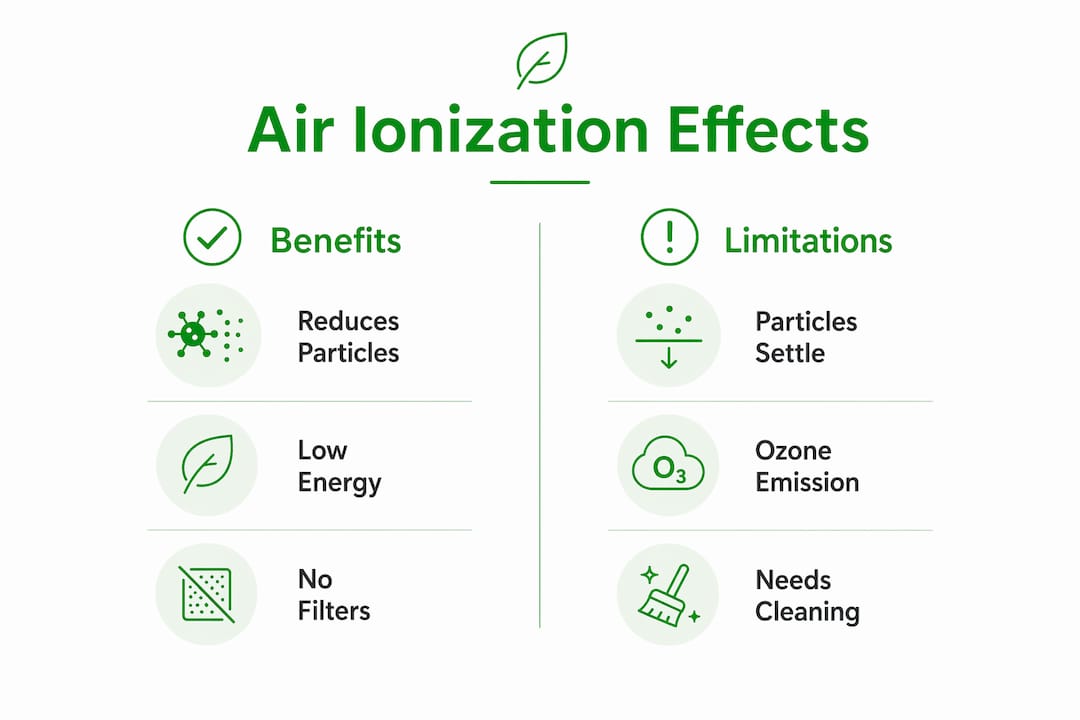
Ionization reduces the concentration of fine particles, allergens, and bacteria in the air by causing them to settle. Families with dust sensitivity or pet dander concerns often notice a measurable reduction in airborne particle levels. The technology works without replacement filters, runs quietly, and uses relatively little power compared with fan-driven purifiers.
The limitations are equally real and worth understanding clearly:
- Gases and VOCs are unaffected. Ionizers act only on particulate matter, not gas molecules. Cooking odours, paint fumes, and chemical off-gassing require activated carbon filtration.
- Particles are not removed from the room. Settled particles remain biologically active on surfaces until physically cleaned. This is sometimes called “black wall syndrome” when dark deposits appear near the device.
- Re-suspension is a real risk. Movement, vacuuming, or opening windows can lift settled particles back into the air, causing recurring allergen exposure.
- HEPA filtration outperforms ionization on particle capture. HEPA filters capture 99.97% of particles at 0.3 microns and larger, physically removing them from the room. Ionization cannot match that capture rate.
- Odour control is absent. Without a carbon stage, ionizers leave household odours entirely untouched.
Ionization works best as a supplementary technology alongside a HEPA or carbon filter, not as a standalone solution. Families with asthma, young children, or elderly members should treat ionization as one layer in a broader indoor air quality strategy, not the primary defence.
Pro Tip: If you run an ionizer, vacuum floors and wipe surfaces more frequently than usual. Settled particles need physical removal to stay out of the air permanently.
What safety considerations apply to air ionization?
Ozone is an unavoidable byproduct of corona discharge ionization. The same electrical process that generates negative ions also produces ozone as a secondary reaction. Ozone production is inherent to corona discharge and must be managed carefully, particularly in enclosed spaces.
The California Air Resources Board (CARB) sets the recognised consumer safety standard: ozone emissions must not exceed 0.050 ppm for any air cleaning device sold to the public. Devices exceeding this limit pose documented health risks including coughing, throat irritation, asthma exacerbation, and reduced lung function. The CARB limit is the benchmark families should verify before purchasing any ionizer.
| Safety factor | What to check |
|---|---|
| Ozone emission level | Must be at or below 0.050 ppm (CARB standard) |
| Third-party certification | Look for independent lab test results, not manufacturer claims |
| NPBI technology | Needlepoint bipolar ionization produces less ozone than older corona discharge models |
| Sensitive occupants | Disable ionization features for households with asthma or COPD |
| Room ventilation | Ensure adequate airflow to prevent ozone accumulation |
“Consumers often misunderstand ozone-free claims made by ionizer manufacturers. Independent third-party certification is the only reliable standard for verifying that a device stays within safe ozone limits. Self-declared claims carry no regulatory weight.”
Needlepoint bipolar ionization (NPBI) represents a newer approach that reduces ozone output compared with older models, but lab certification remains the only way to verify those claims. For families with respiratory conditions, the safest course is to disable the ionization feature entirely and rely on certified HEPA filtration. More detail on ozone risks is available in Cleanair-ae’s ozone health and safety guide.
How does air ionization compare with HEPA filtration?
The core difference is physical removal versus surface redistribution. HEPA filters trap particles inside a dense fibre matrix and hold them there until the filter is replaced. Ionizers redistribute particles onto surfaces rather than removing them from the living space. That distinction matters significantly for households managing allergies or respiratory conditions.
| Feature | HEPA filtration | Air ionization |
|---|---|---|
| Particle removal method | Physical capture in filter media | Electrostatic settling onto surfaces |
| Particle capture rate | 99.97% at 0.3 microns | Variable; no certified capture rate |
| Gas and VOC removal | Requires added carbon stage | None |
| Ozone production | None | Present in corona discharge models |
| Filter replacement | Required regularly | Not required |
| Noise level | Moderate to high (fan-driven) | Near-silent |
| Best use case | Primary air cleaning | Supplementary particle reduction |
Ionization does offer practical advantages in specific scenarios. It uses less power, requires no consumable filters, and operates silently, making it suitable for bedrooms or offices where fan noise is disruptive. The technology also aids HVAC systems by clumping particles before they reach the filter, extending filter life.
The best approach for most families is a hybrid system: a certified HEPA purifier as the primary unit, with ionization as a secondary layer where appropriate. Cleanair-ae’s guide to HEPA vs carbon filters covers how to combine these technologies effectively. For a broader view of available options, the air purifier alternatives list outlines eight proven methods families can consider.
What practical advice should families follow when using air ionizers?
Selecting and using an ionizer safely requires a few non-negotiable checks before and after purchase.
- Verify CARB certification. Only buy devices that carry documented CARB approval or equivalent third-party ozone testing. Manufacturer claims alone are insufficient.
- Use ionization alongside HEPA filtration. Treat the ionizer as a supplement, not a replacement. A certified HEPA unit should handle primary particle removal.
- Clean surfaces regularly. Settled particles accumulate on floors, walls, and furniture. Increase vacuuming and surface wiping frequency to prevent re-suspension.
- Assess room size and airflow. Ionizers have effective coverage limits. Check the manufacturer’s stated room coverage and match it to the space. Poor airflow reduces ion distribution.
- Disable ionization for sensitive occupants. If anyone in the household has asthma, COPD, or a respiratory condition, turn off the ionization function and rely on filtration alone.
- Position the device thoughtfully. Central placement improves ion distribution. Avoid corners or positions directly against walls where ionic wind cannot circulate freely.
Pro Tip: Check whether your existing air purifier already includes a built-in ionizer. Many hybrid units include an ionization stage that can be switched on or off independently, giving you control without buying a separate device.
Key takeaways
Air ionization reduces airborne particles by causing them to settle on surfaces, but it does not remove them from the room and cannot address gases, VOCs, or odours without additional filtration.
| Point | Details |
|---|---|
| Ionization settles, not removes | Particles fall onto surfaces and must be cleaned manually to stay out of the air. |
| HEPA filtration is more effective | HEPA captures 99.97% of particles at 0.3 microns; ionization has no certified equivalent rate. |
| Ozone is a real safety concern | Devices must stay at or below 0.050 ppm (CARB standard); always verify third-party certification. |
| Ionization cannot address gases | Activated carbon filtration is required for VOCs, odours, and chemical off-gassing. |
| Hybrid systems work best | Combining HEPA filtration with ionization gives families the broadest particle and allergen coverage. |
Why I think most families misread what ionizers actually do
I have spent years looking at how families make air quality decisions, and the same misunderstanding comes up repeatedly. People buy an ionizer, notice the air smells fresher, and conclude the device is cleaning the air. What they are actually experiencing is a reduction in airborne particles, combined with the faint smell of ozone, which many people associate with cleanliness. The particles have not gone anywhere. They are on the floor, the walls, and the furniture.
The technology is genuinely useful when you understand its role. Ionization as a secondary layer in an HVAC system, or paired with a certified HEPA purifier, does add measurable value. It reduces the particle load reaching the filter, extends filter life, and handles the fine particle fraction that fans sometimes miss. That is a legitimate contribution.
What concerns me is the marketing around standalone ionizers positioned as complete air cleaning solutions. For a family with a child who has asthma, or an elderly parent with reduced lung function, relying on an ionizer alone is not just insufficient. It may actively worsen conditions if the device produces ozone above safe thresholds. The CARB 0.050 ppm limit exists for a reason, and not every device on the market respects it.
My practical recommendation is straightforward. Start with a certified HEPA purifier as your foundation. If you want to add ionization, choose a NPBI device with documented third-party ozone testing, and keep the ionization feature switchable. Clean surfaces more often than you think you need to. And if anyone in your home has a respiratory condition, leave the ionizer switched off entirely.
— Wojciech
Air purification solutions from Cleanair-ae
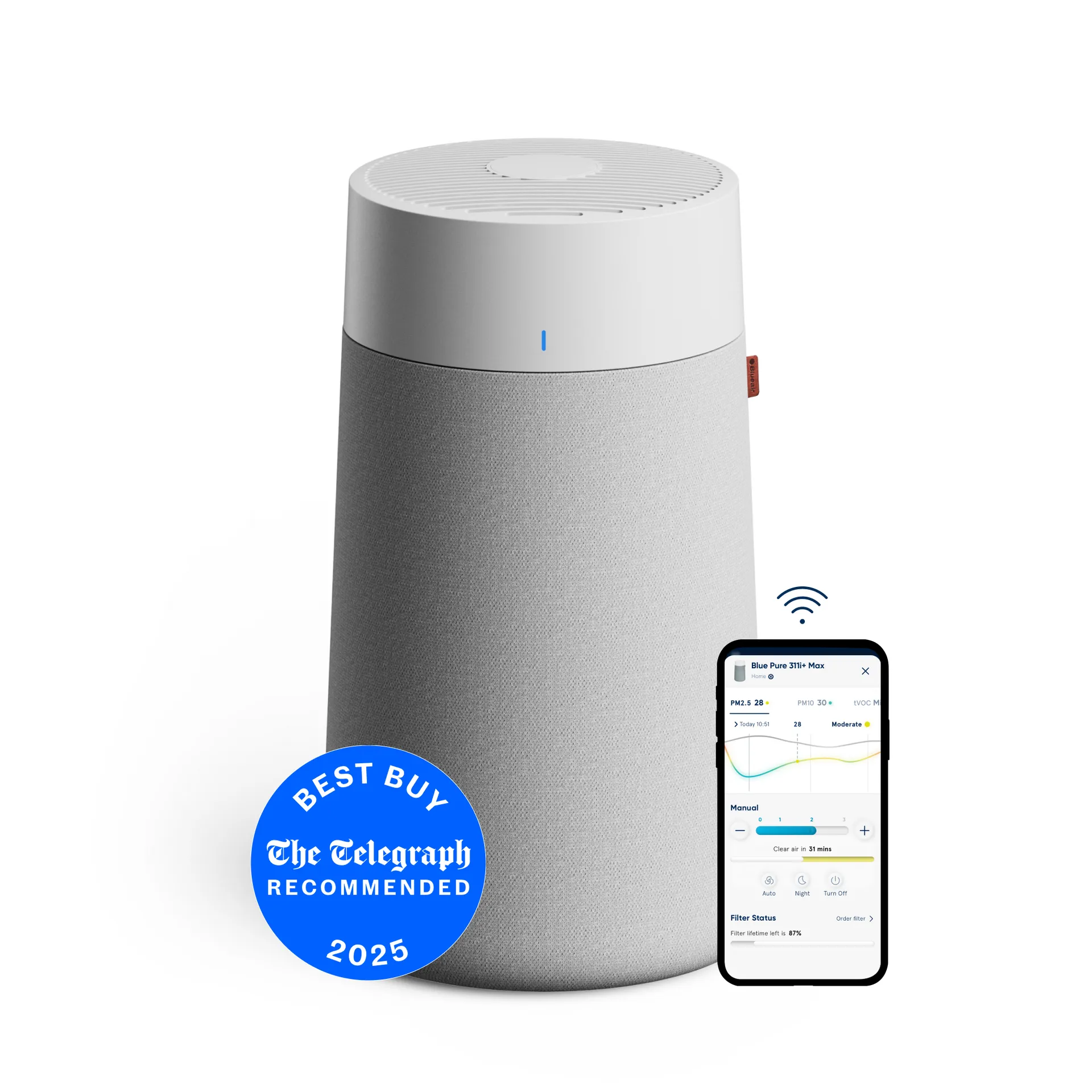
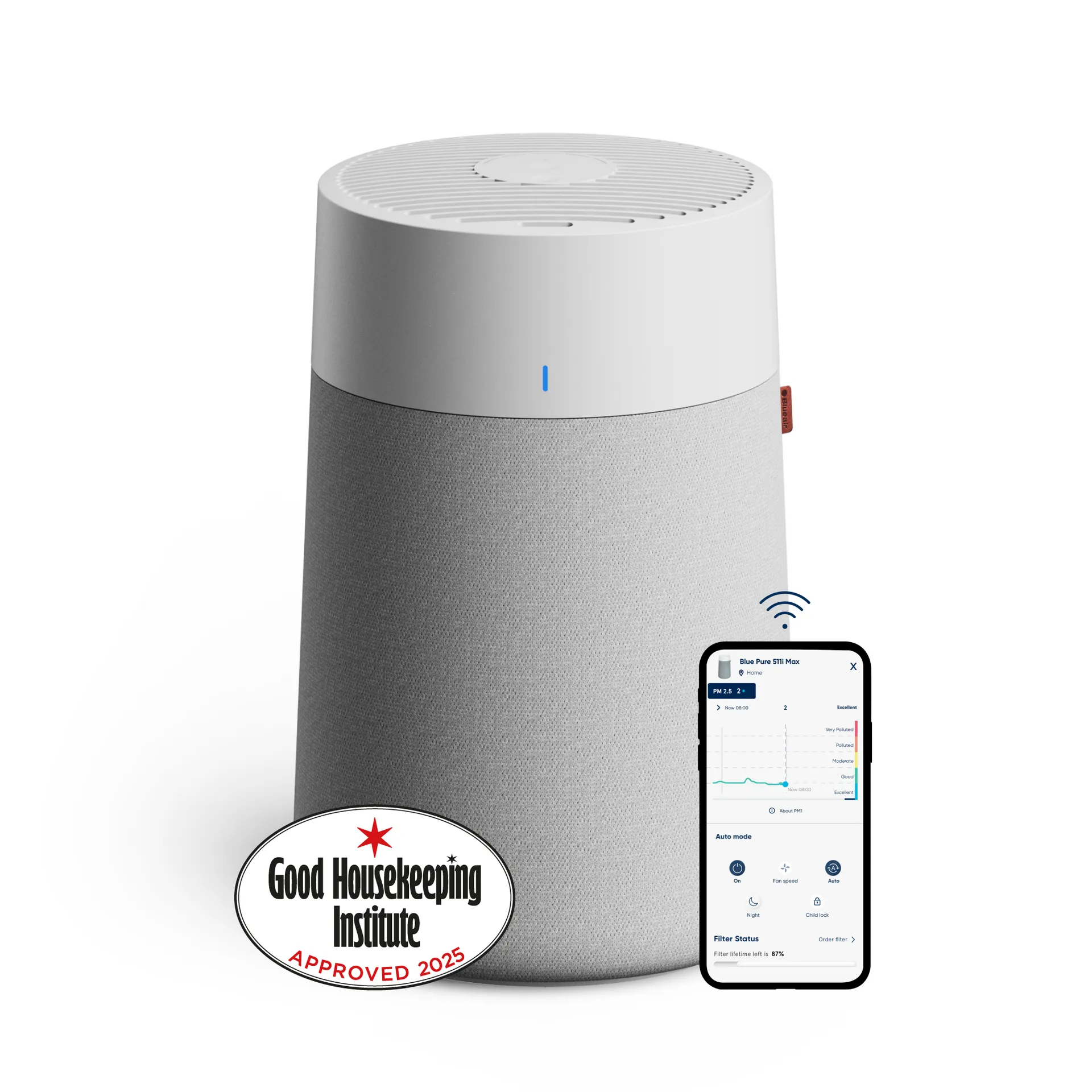
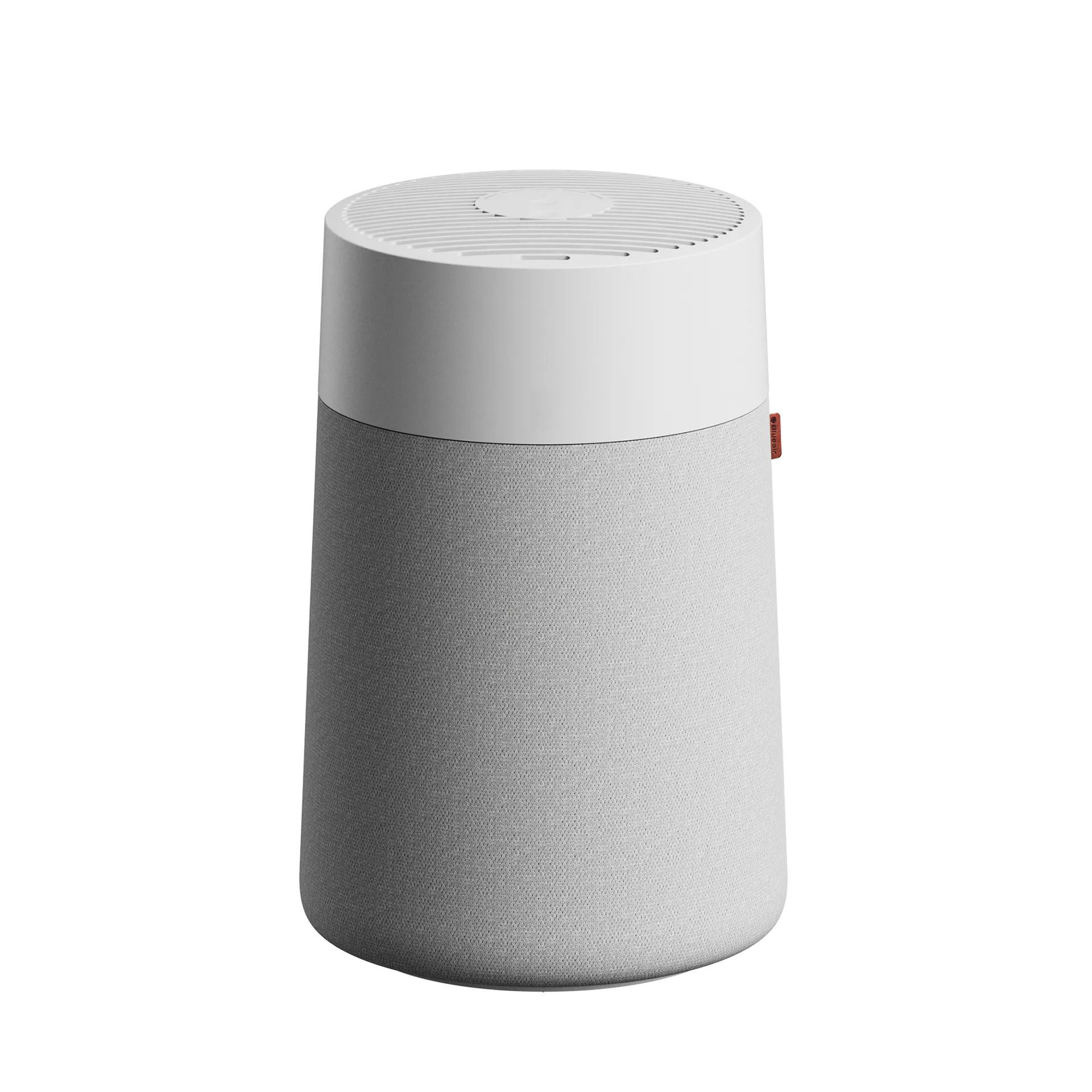
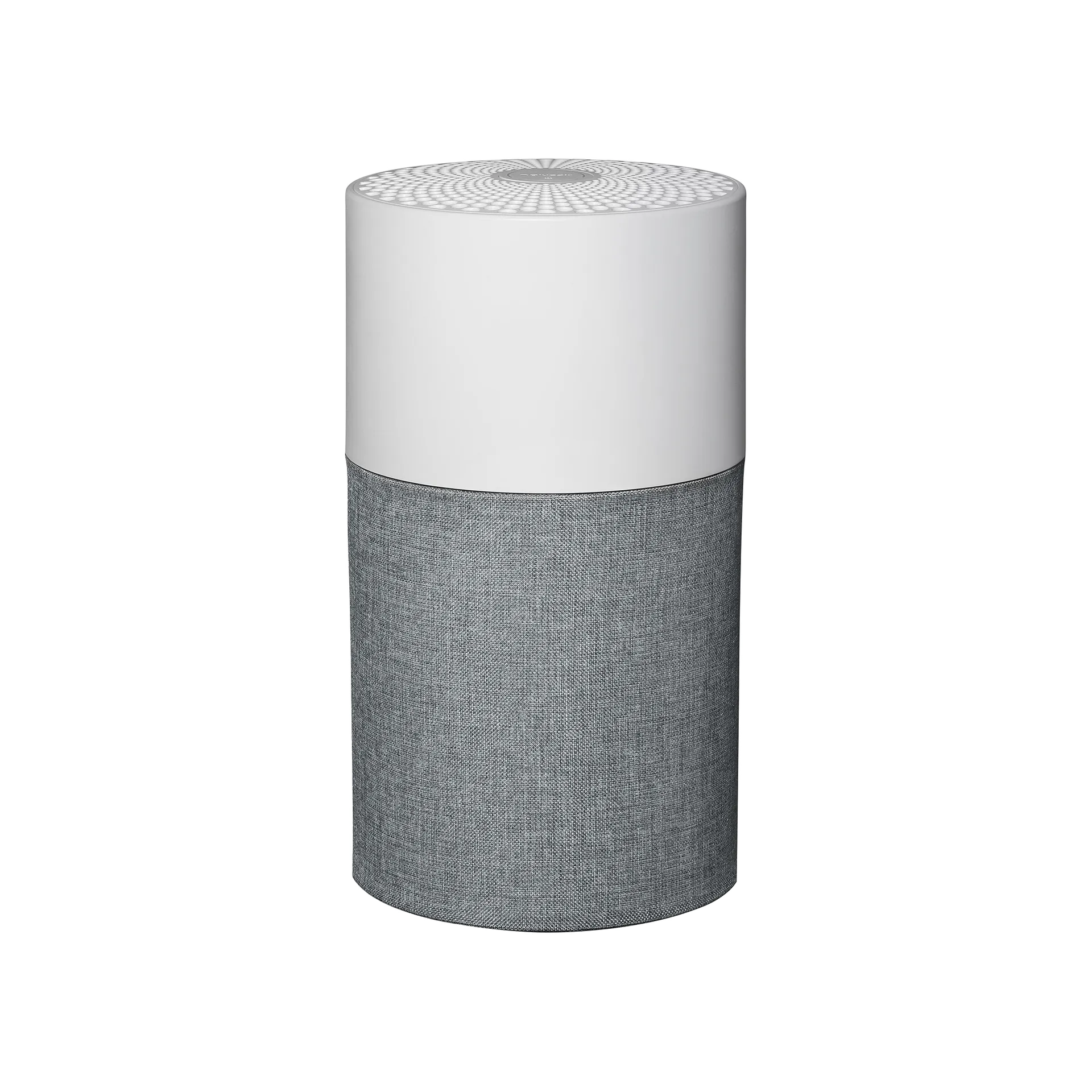
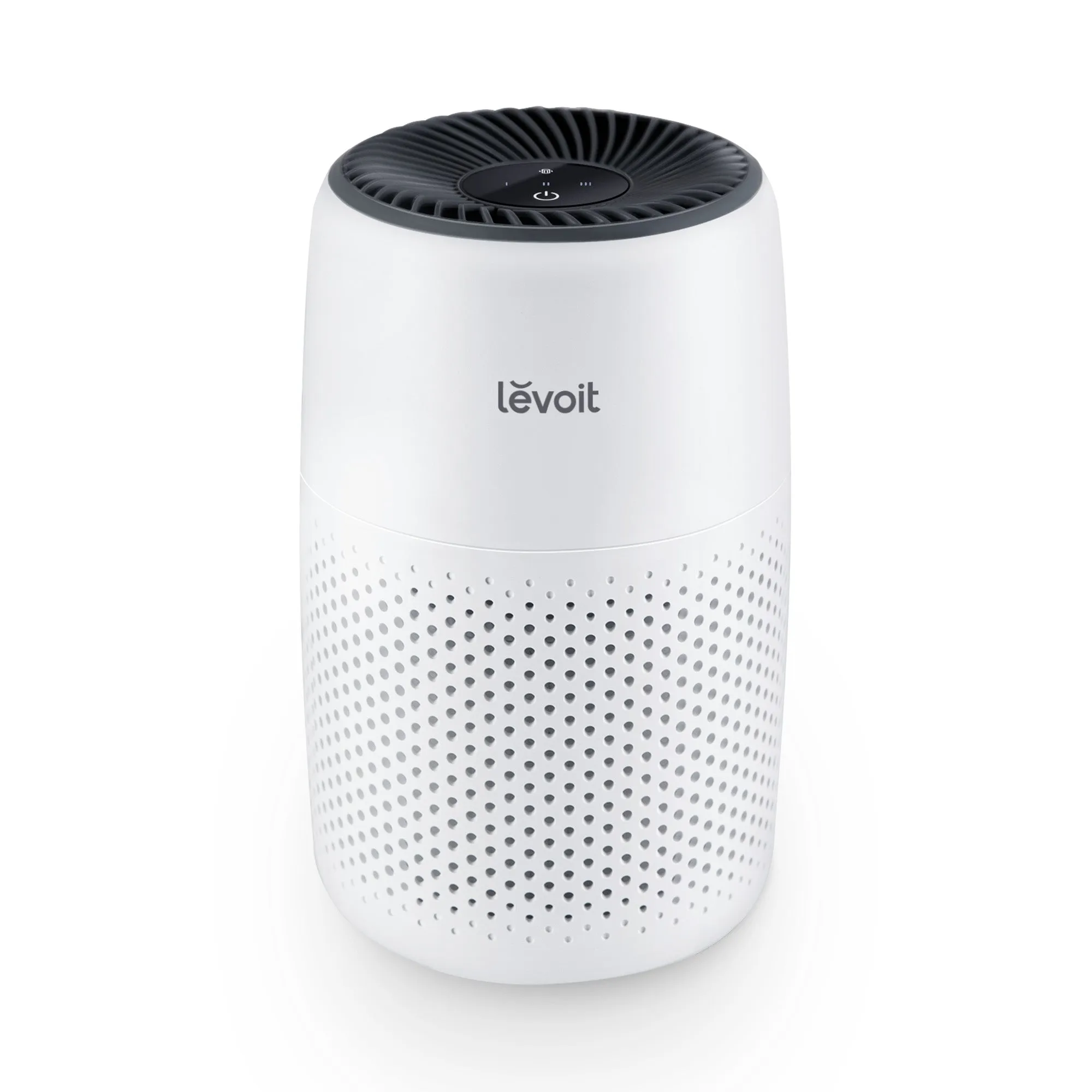
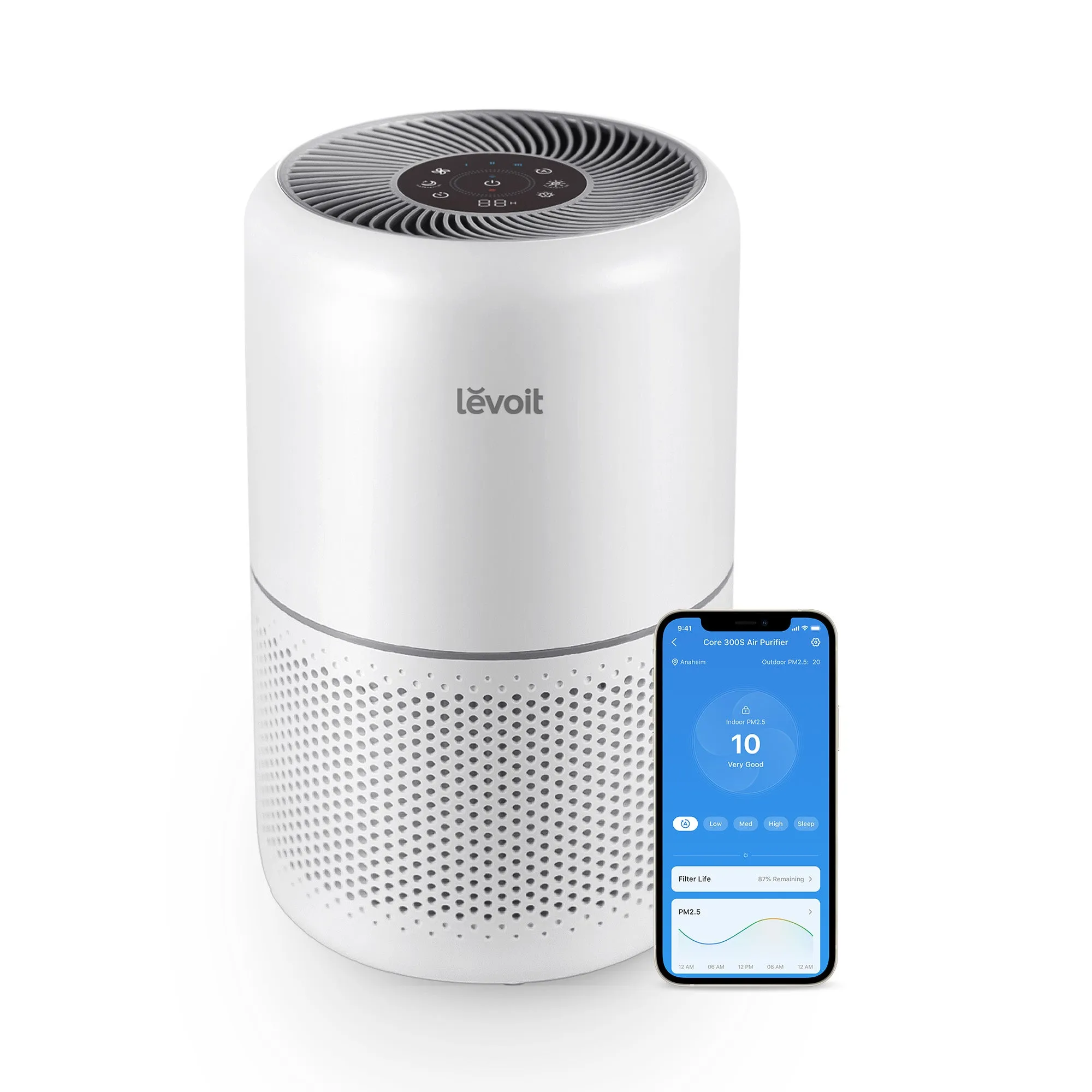
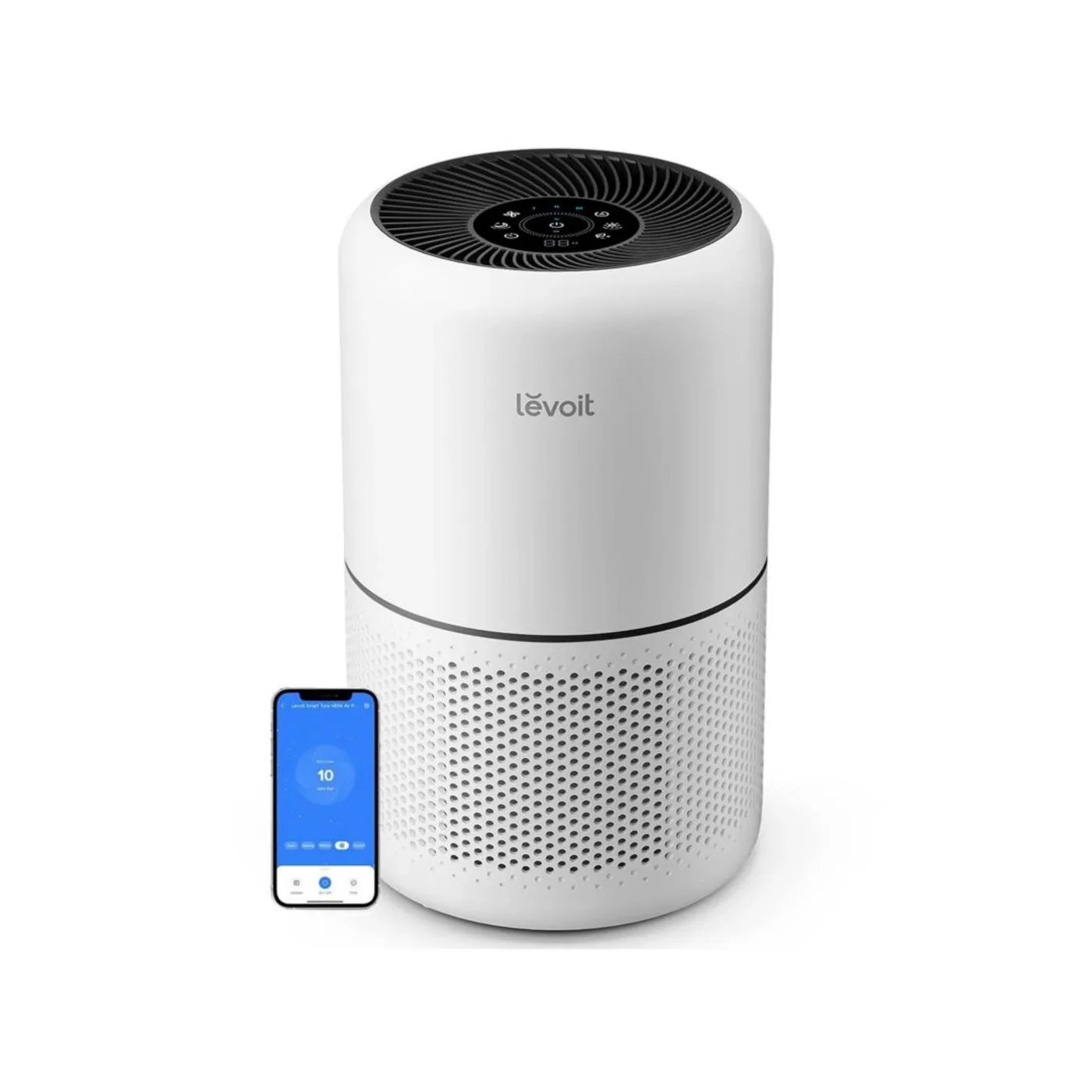
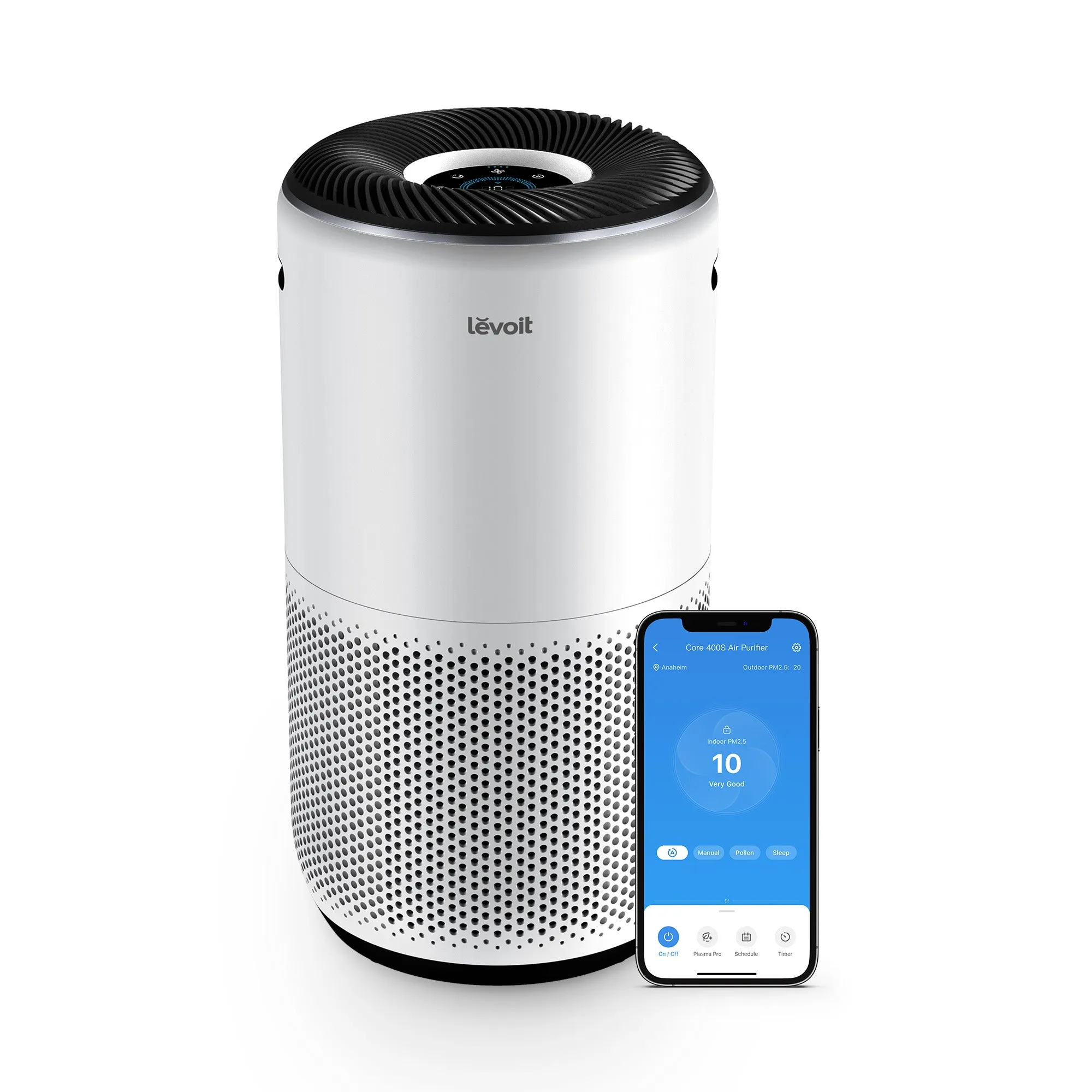
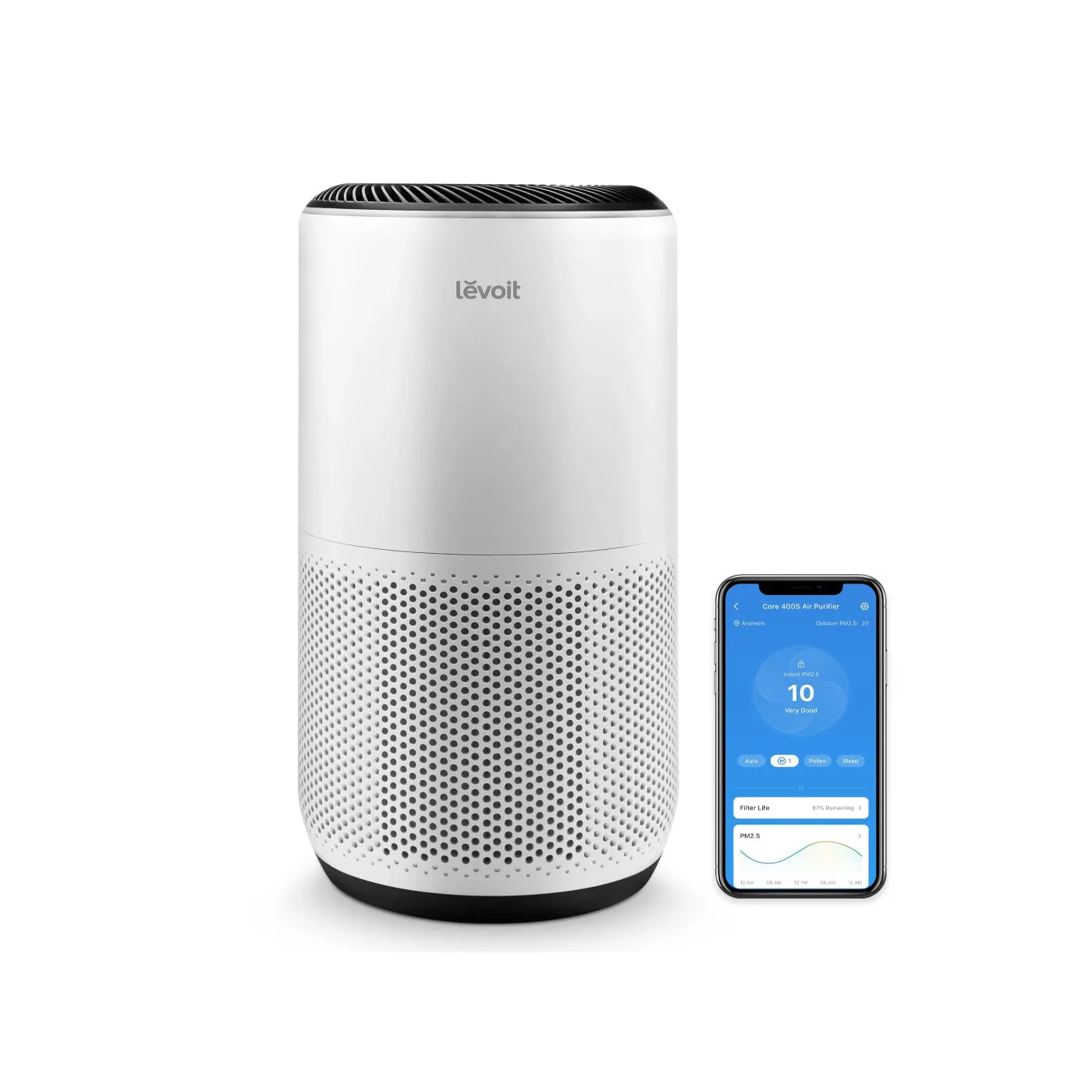
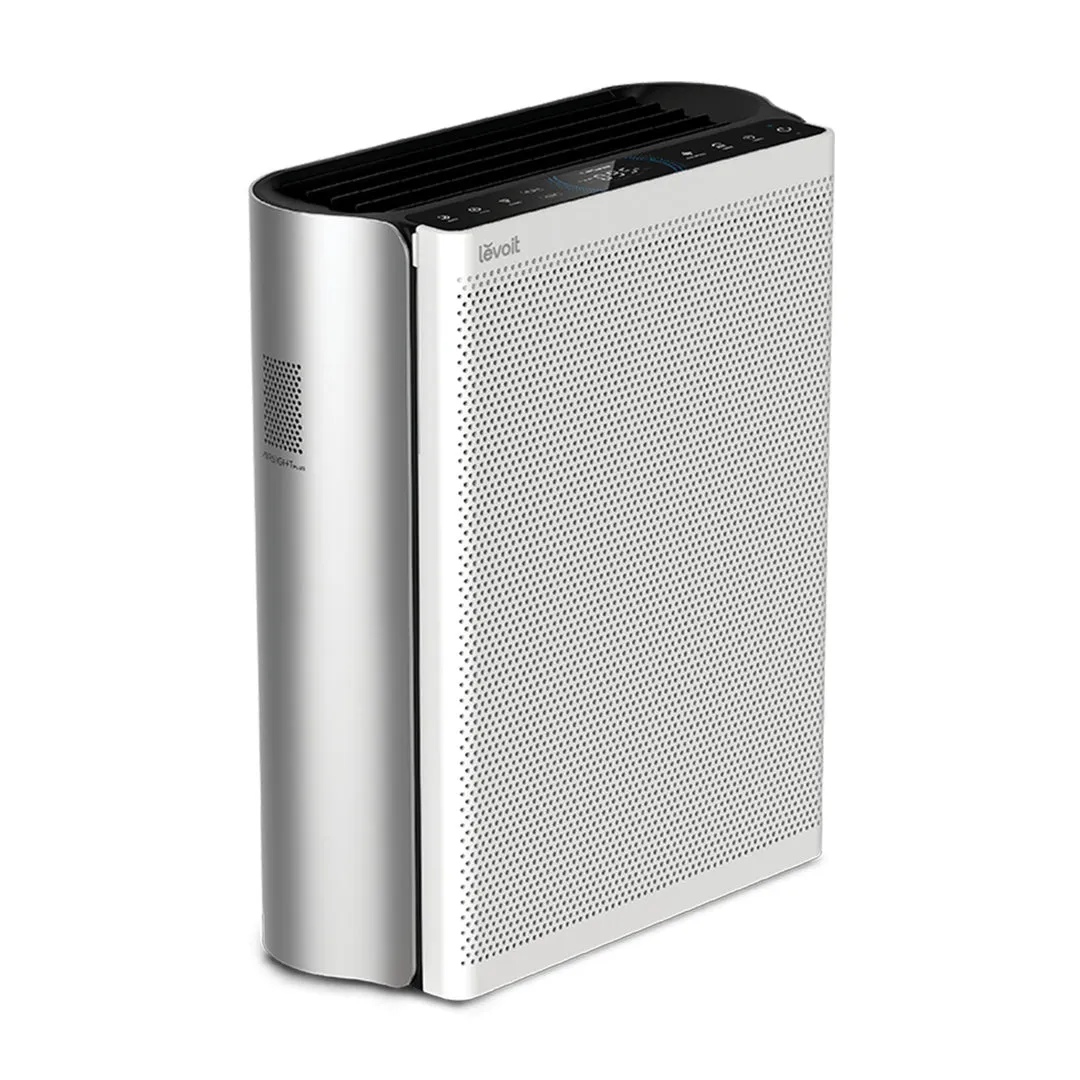
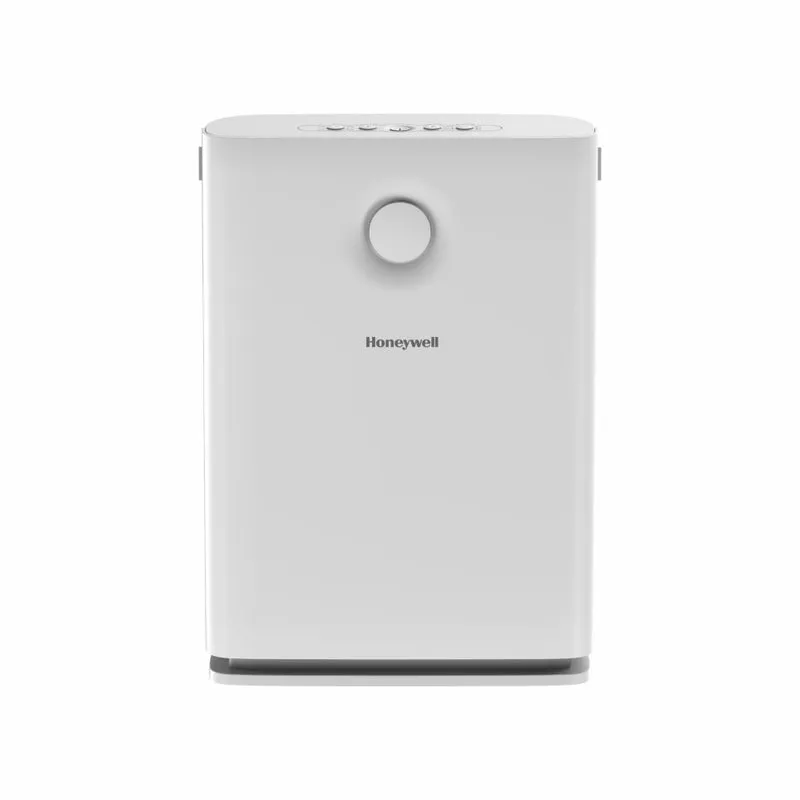
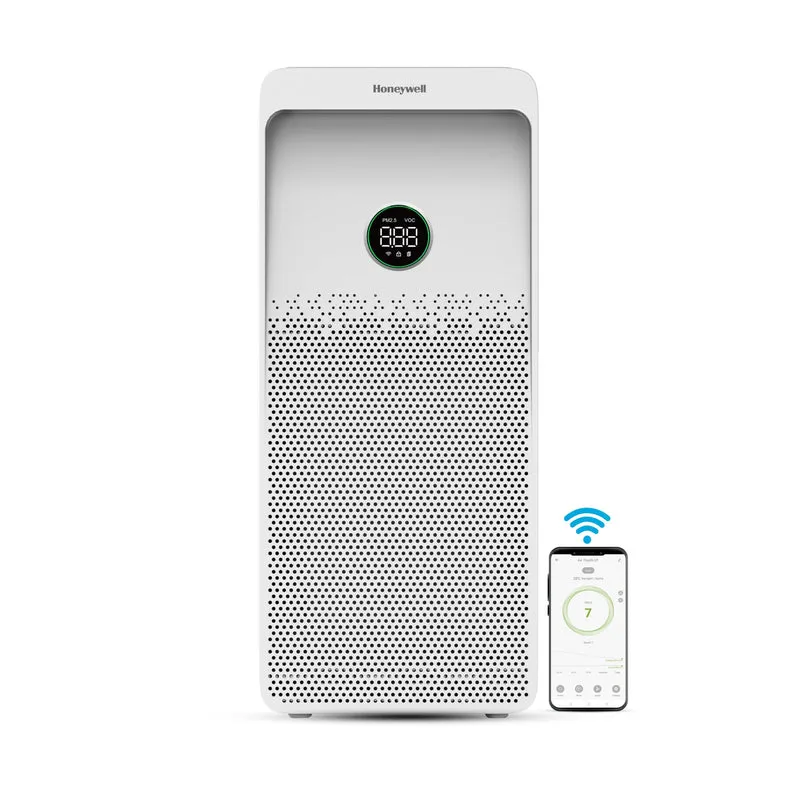
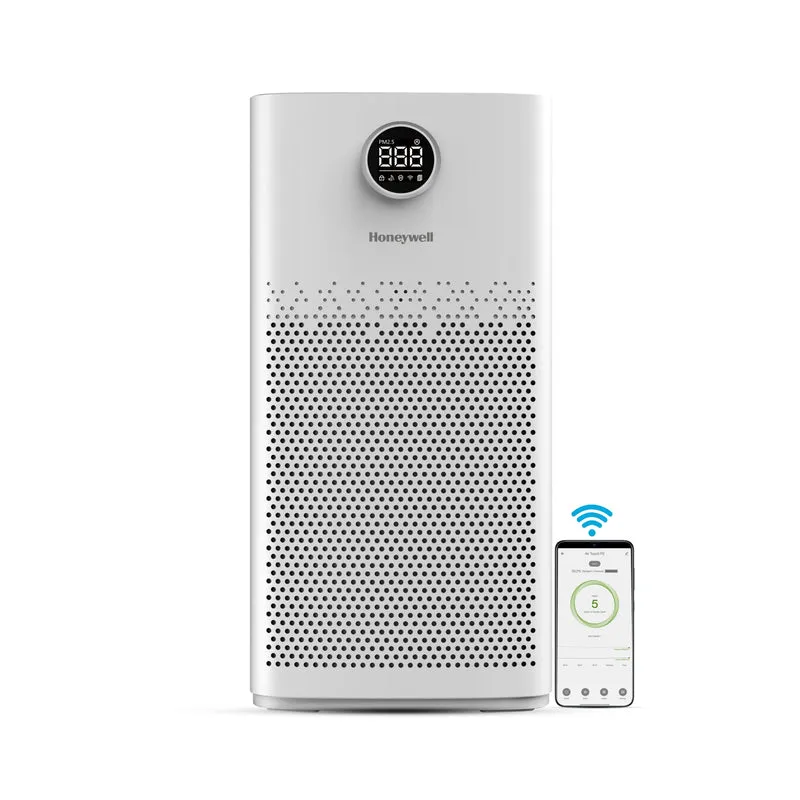
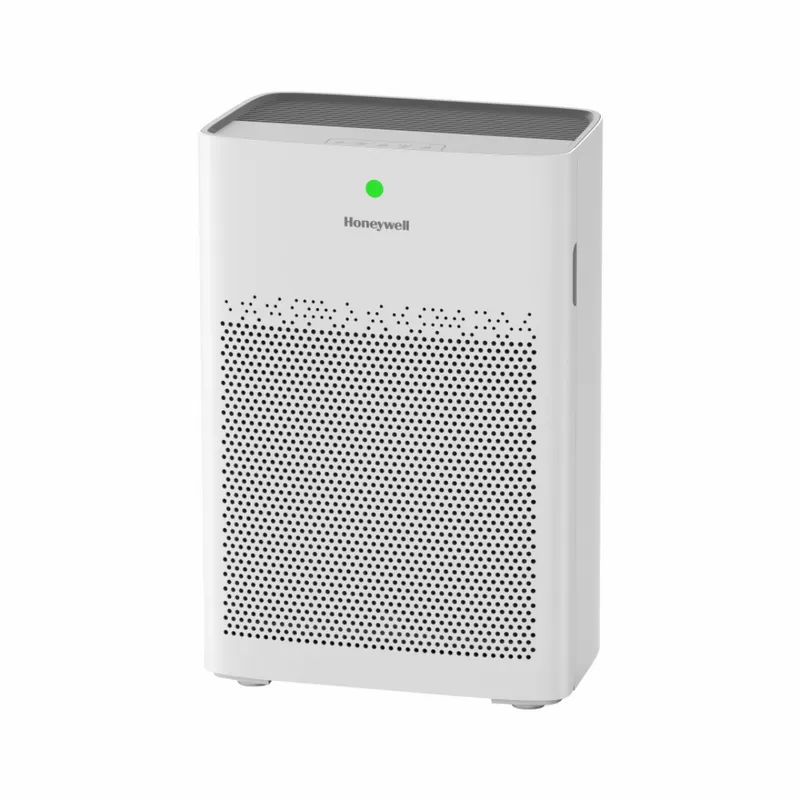
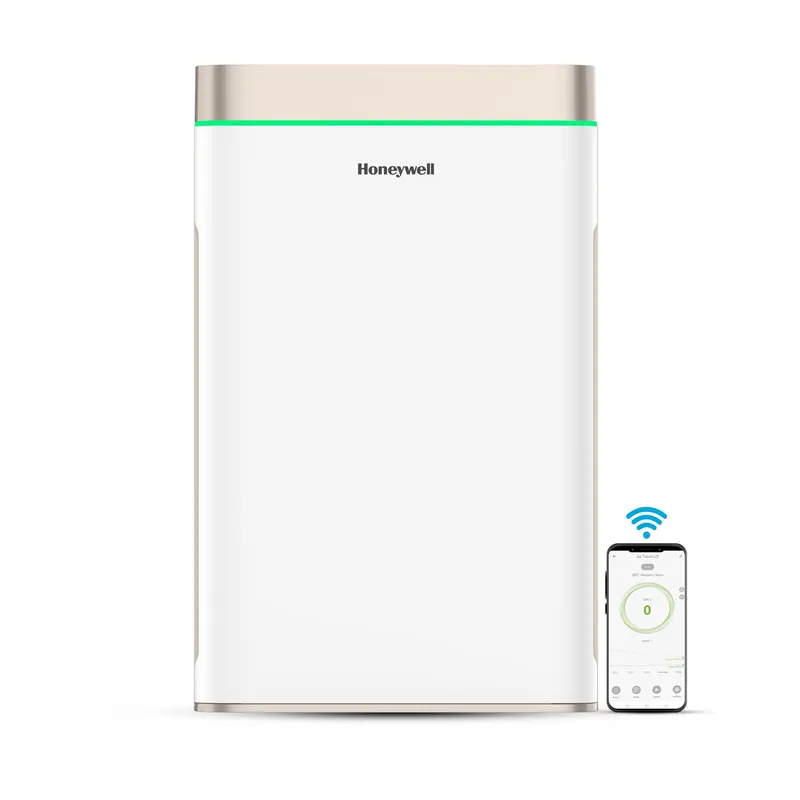
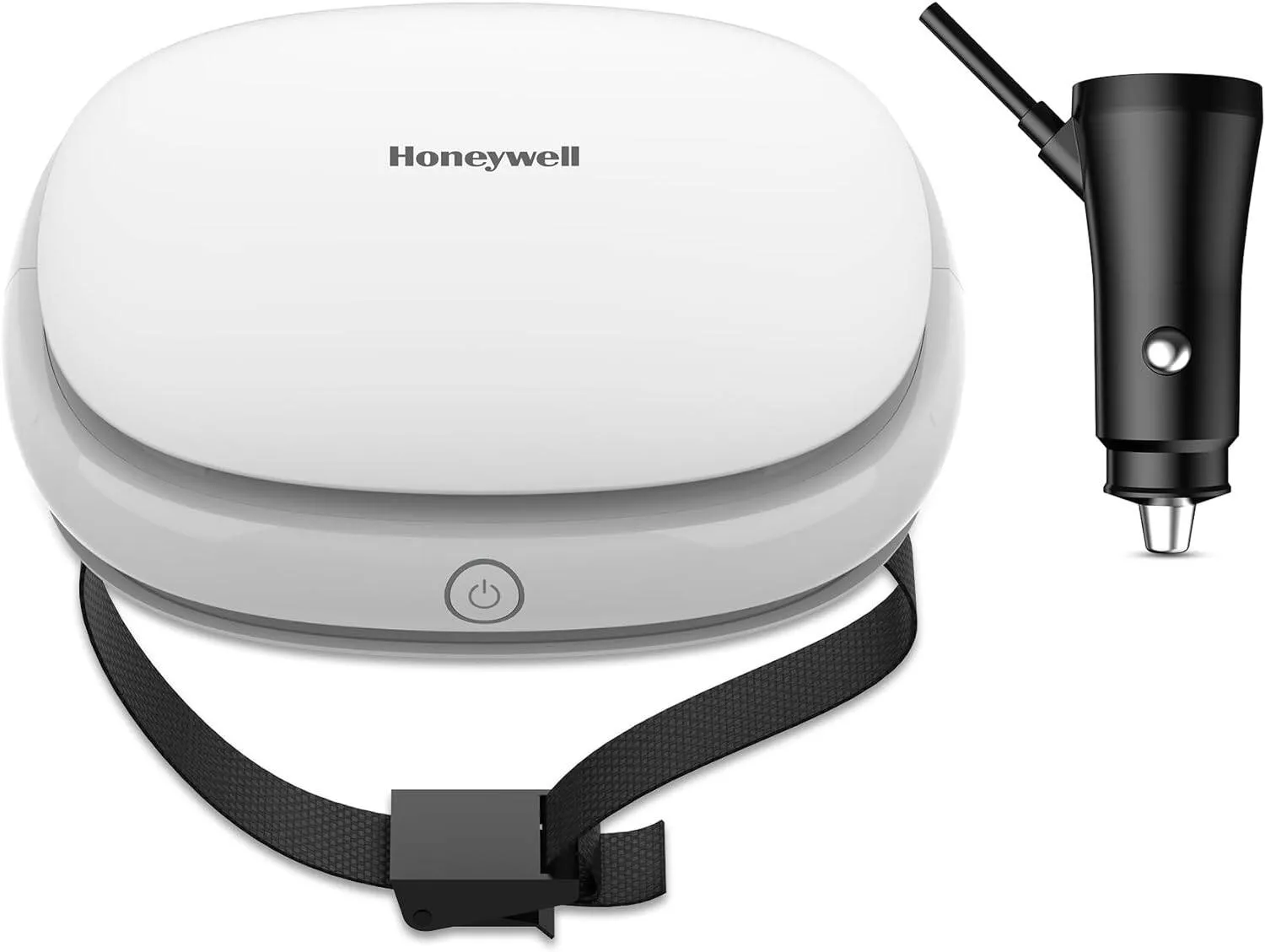
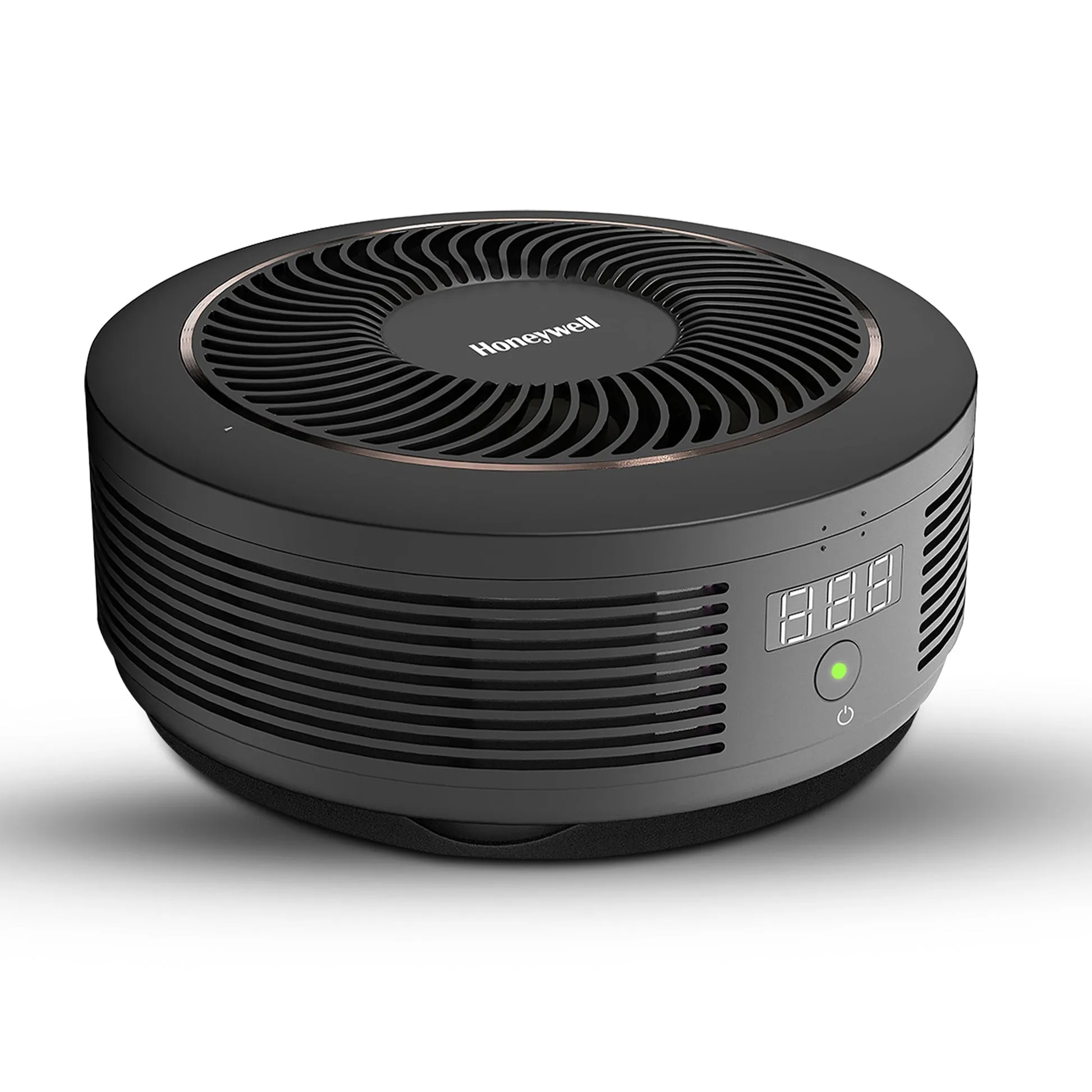
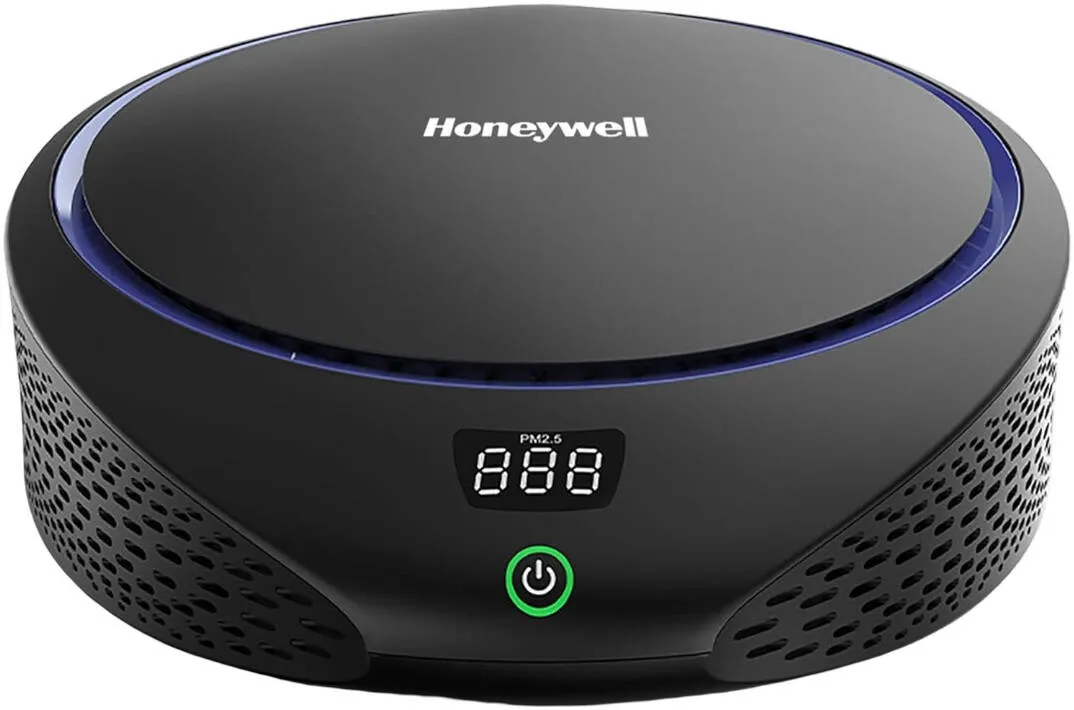
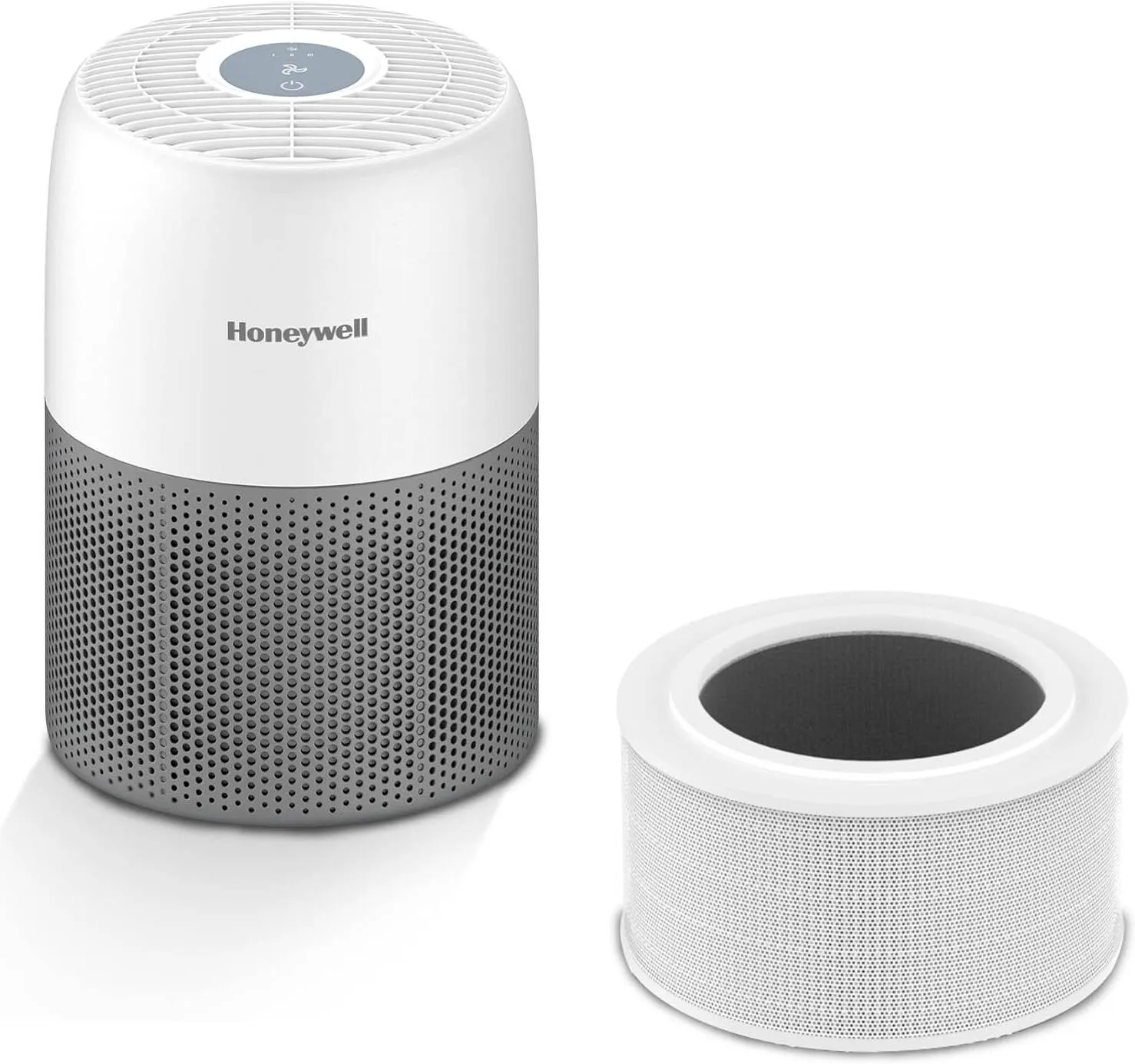
Ionization is one piece of a larger picture. Cleanair-ae stocks a curated range of certified air purifiers, HEPA filters, and hybrid systems suited to UAE homes and commercial spaces, with brands including Blueair, Honeywell, and Levoit available for fast delivery across Dubai and Abu Dhabi.
For families weighing up their options, the air purifier alternatives guide on the Cleanair-ae site covers eight proven air cleaning methods with clear comparisons. All products in the Cleanair-ae catalogue are selected for documented performance and safety credentials, including ozone compliance where relevant. The 2026 air purifier buying guide is a practical next step for anyone ready to choose a primary unit.
FAQ
What is air ionization in simple terms?
Air ionization is the process of electrically charging air molecules so that airborne particles clump together and fall out of the air. It reduces particle levels in the breathing zone but does not remove particles from the room.
Are air ionizers safe to use at home?
Most certified ionizers are safe when ozone emissions stay at or below the CARB limit of 0.050 ppm. Families with asthma or COPD should verify third-party ozone certification before use and consider disabling the ionization function if symptoms worsen.
Do air ionizers remove odours and gases?
No. Ionizers act only on particulate matter and cannot remove gases, VOCs, or odours. Activated carbon filtration is required for those pollutants.
What is the difference between an air ionizer and an air purifier?
An air purifier with a HEPA filter physically captures and removes particles from the room. An ionizer causes particles to settle onto surfaces, where they remain until cleaned. HEPA filtration is the more effective primary solution for particle removal.
Can I use an air ionizer alongside a HEPA purifier?
Yes, and this is the recommended approach. Using ionization as a supplementary layer alongside a certified HEPA purifier gives broader coverage, with the HEPA unit handling primary particle removal and the ionizer reducing the fine particle load reaching the filter.