

Uncategorised
What is CADR in purifiers: your 2026 guide
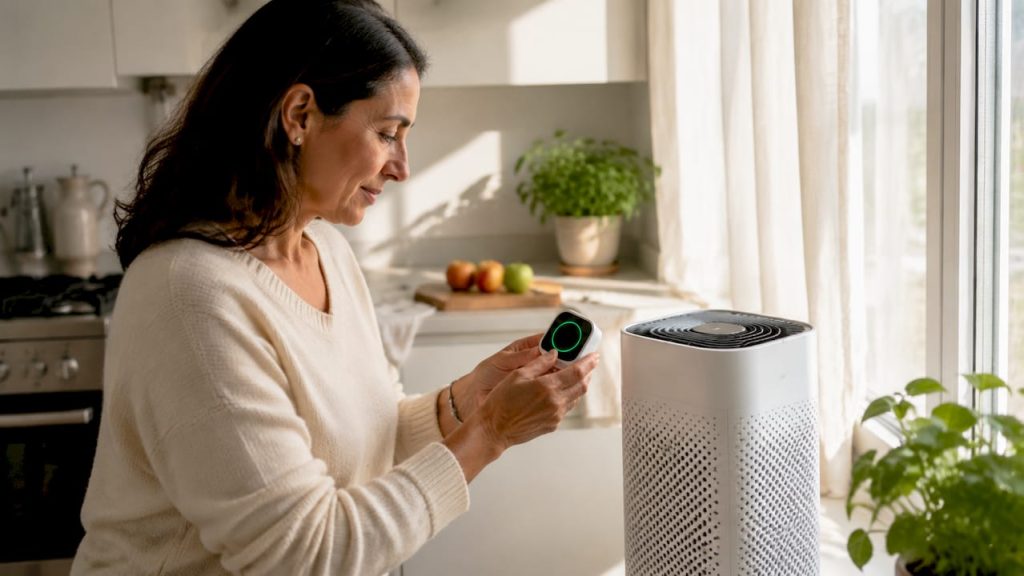
Clean Air Delivery Rate (CADR) is defined as the volume of filtered air an air purifier delivers per minute, expressed in cubic feet per minute (CFM). It is the primary performance metric for air purifiers, combining airflow speed with filter efficiency into a single, testable number. Developed and standardised by the Association of Home Appliance Manufacturers (AHAM), CADR tells you how quickly a unit cleans a room of specific pollutants: smoke, dust, and pollen. Consumer Reports and AHAM both treat CADR as the most reliable indicator of real-world purifier performance. Understanding what is CADR in purifiers is the first step to buying a unit that actually works for your space.
What does CADR measure in air purifiers?
CADR measures how much air a purifier cleans of a specific pollutant per minute. The CADR rating typically ranges from 10 to over 400 CFM depending on the model’s speed and capacity. A higher number means more clean air delivered in less time.
The metric covers three distinct pollutant categories, each tied to a specific particle size range. According to Consumer Reports, smoke covers particles 0.09–1.0 microns, dust covers 0.5–3.0 microns, and pollen covers 5.0–11.0 microns. Each category receives its own CADR value because filters perform differently across particle sizes.
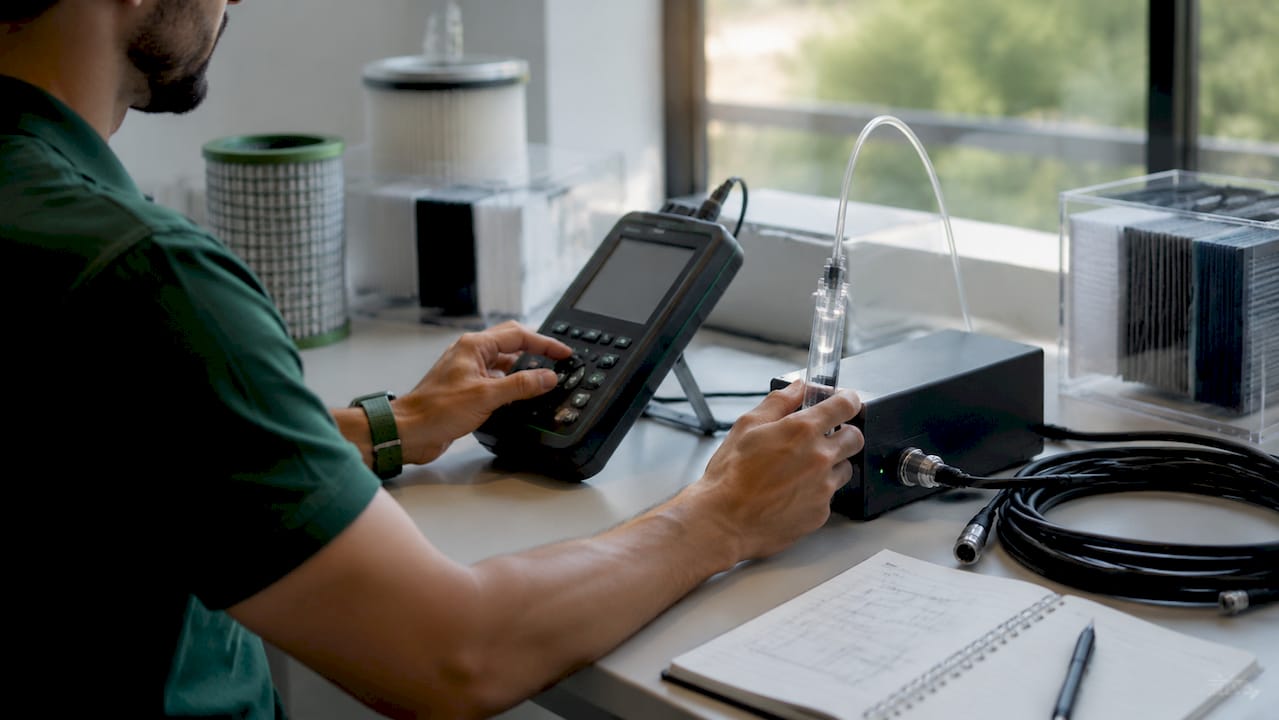
CADR is calculated by multiplying airflow (the volume of air moved through the unit) by single-pass removal efficiency (the percentage of particles the filter captures in one pass). A purifier moving 100 CFM with 50% particle removal efficiency produces a CADR of 50 CFM for that pollutant. This means two purifiers with identical filters can produce very different CADR values if their fans differ.
CADR does not measure removal of gases, volatile organic compounds (VOCs), or bioaerosols. A unit with activated carbon may remove VOCs, but that performance is not reflected in its CADR particle rating. Always check product claims separately for chemical contaminant removal.
- Smoke CADR: Targets fine particles from cigarette smoke, cooking fumes, and wildfire haze (0.09–1.0 microns).
- Dust CADR: Targets household dust, pet dander, and mould spores (0.5–3.0 microns).
- Pollen CADR: Targets larger airborne allergens such as grass and tree pollen (5.0–11.0 microns).
- PM2.5 CADR: A newer combined metric addressing fine particulate matter, relevant for urban air quality concerns.
Pro Tip: If allergies are your primary concern, prioritise the pollen CADR value. If you live near traffic or cook frequently, focus on the smoke CADR instead.
Is CADR more reliable than room size ratings?
Room size ratings printed on packaging are marketing simplifications. Square footage claims assume ideal sealed spaces with 8-foot ceilings and moderate pollutant loads. CADR delivers a direct, testable performance metric that allows true comparison across brands like Blueair, Honeywell, and Levoit.
The most practical tool for matching a purifier to a room is the two-thirds rule. The two-thirds rule states that a purifier’s dust CADR should be at least two-thirds of the room’s square footage to achieve two full air changes per hour. A 300 sq. ft. room requires a minimum dust CADR of 200 for effective cleaning.
Follow these steps to calculate the CADR you need:
- Measure your room. Multiply length by width to get square footage. A 15 ft. x 20 ft. room equals 300 sq. ft.
- Apply the two-thirds rule. Multiply square footage by 0.67. For 300 sq. ft., the minimum dust CADR is 200 CFM.
- Adjust for ceiling height. Standard calculations assume 8-foot ceilings. If your ceilings are higher, multiply the result proportionally. A 10-foot ceiling in the same room requires a dust CADR of at least 250 CFM.
- Account for open layouts. Open-plan spaces connect to adjacent areas, effectively increasing the volume of air the purifier must clean. Add 20–30% to your calculated CADR for open layouts.
- Match to your main pollutant. Use the dust CADR as your baseline, then check smoke and pollen values against your specific concerns.
Pro Tip: For rooms with high ceilings common in UAE villas and commercial spaces, always recalculate your required CADR rather than relying on the box coverage figure.
How do CADR and filtration technology work together?
CADR is the product of two factors: airflow and filter efficiency. Neither factor alone determines performance. A purifier with high airflow but a low-quality filter, or one with an excellent HEPA filter but a weak fan, will both produce a poor CADR. The metric forces both factors to be strong simultaneously.
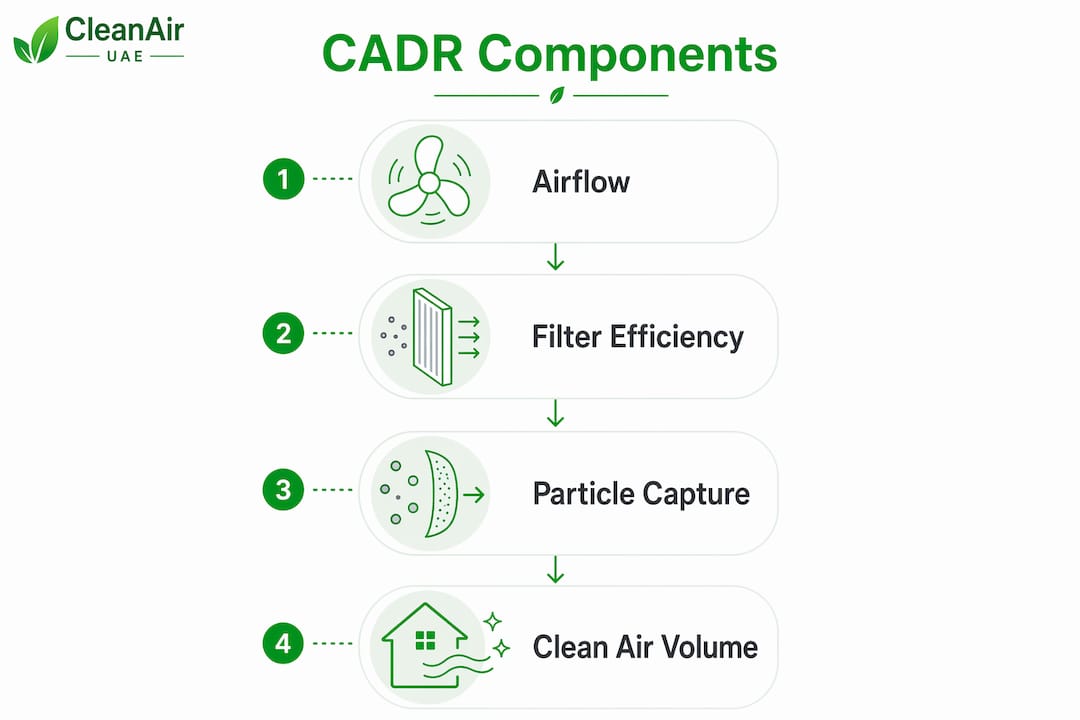
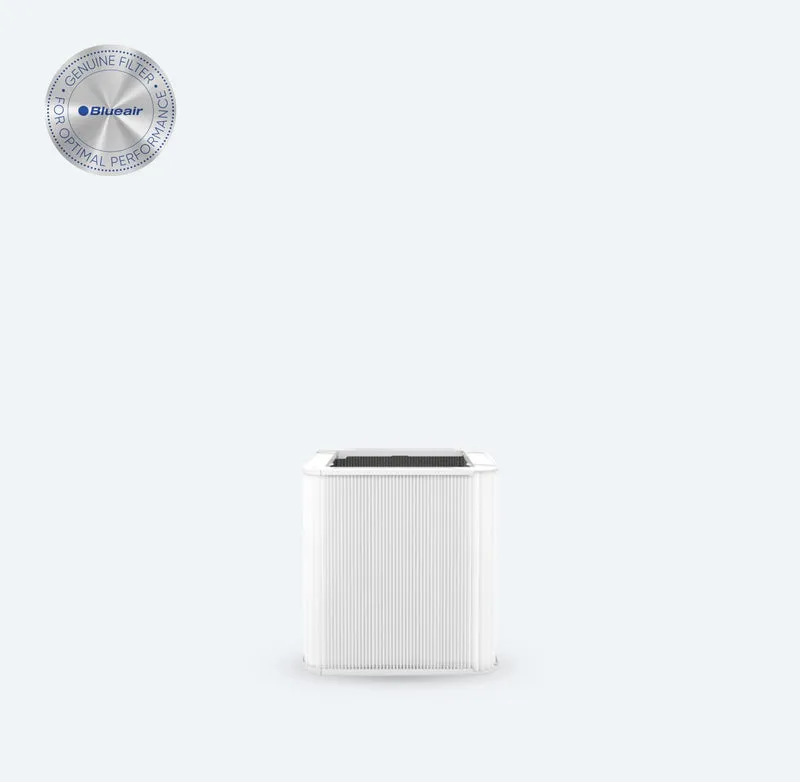
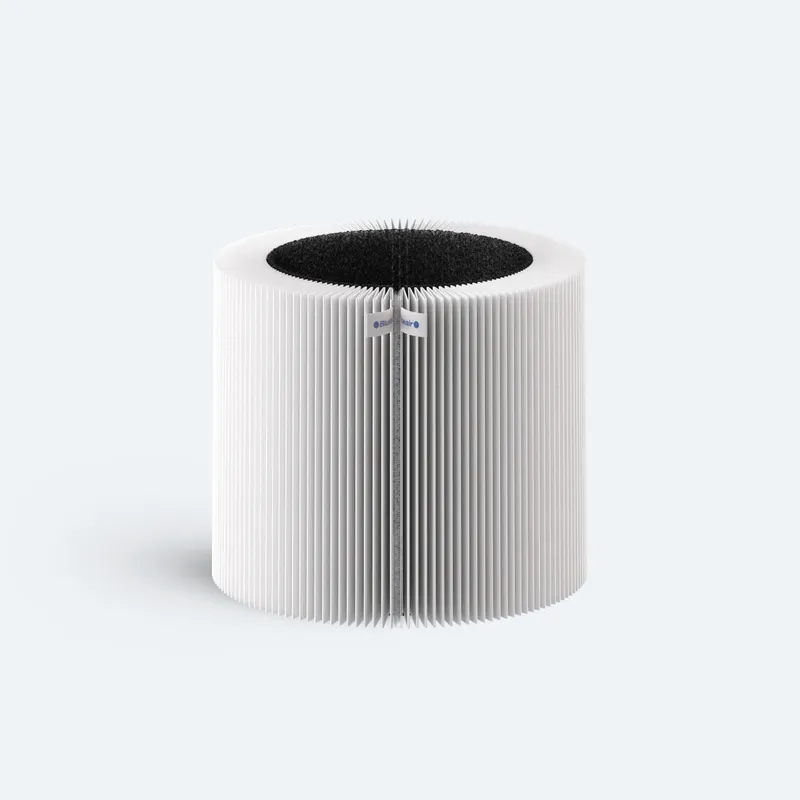
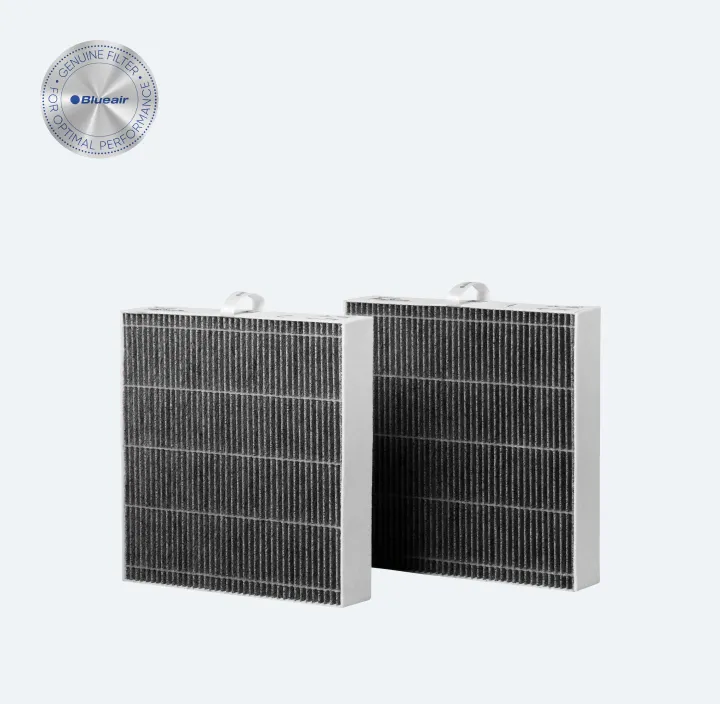
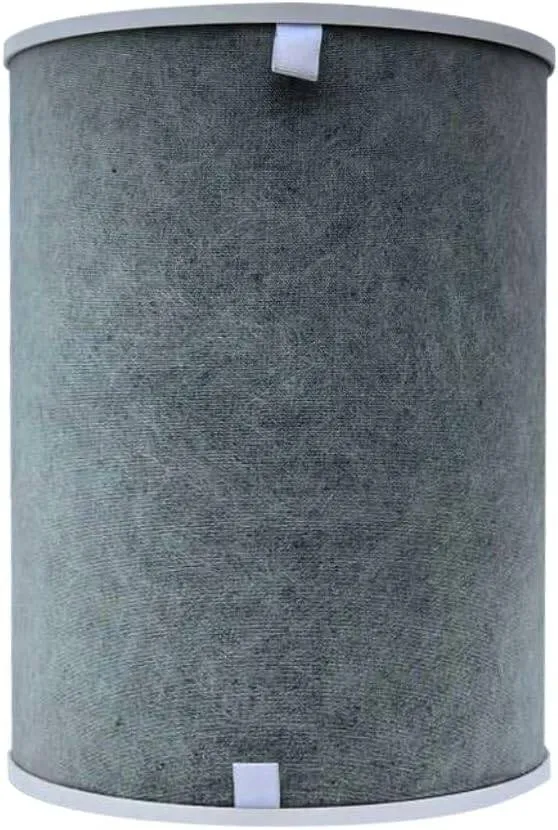
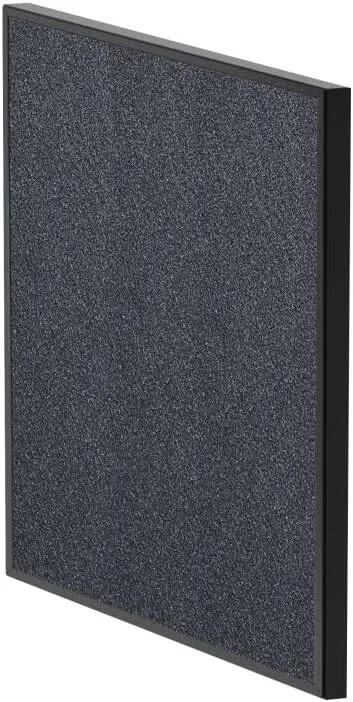
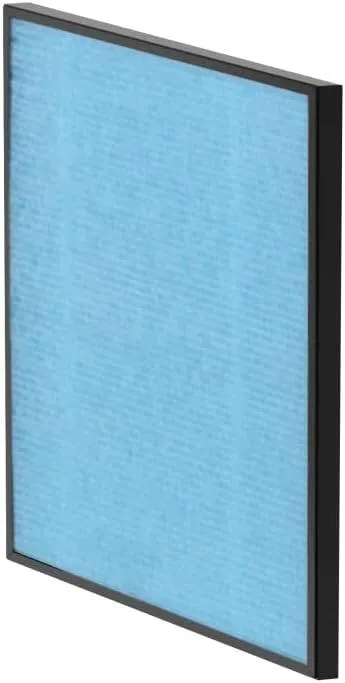
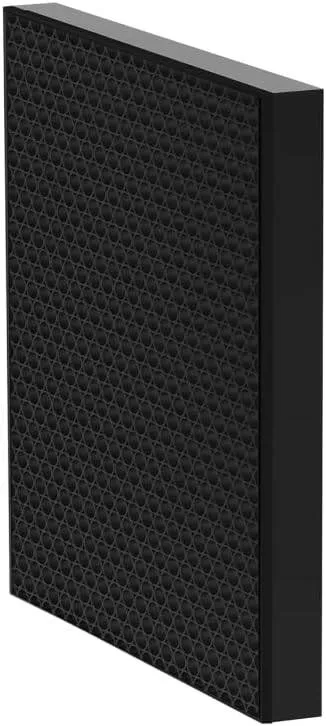
HEPA filtration captures particles down to 0.3 microns at a minimum efficiency of 99.97%. Activated carbon targets gases and odours but does not contribute to CADR. Understanding this distinction matters when you are choosing a purifier for a specific indoor air quality problem.
| Filtration type | What it removes | Reflected in CADR? |
|---|---|---|
| True HEPA | Particles ≥ 0.3 microns (dust, pollen, smoke) | Yes |
| Activated carbon | VOCs, odours, gases | No |
| Pre-filter | Large debris, hair, fibres | Partially |
| UV-C light | Some bacteria and viruses | No |
| Ioniser | Fine particles (variable efficiency) | Only if tested |
The table above shows why CADR alone does not tell the full story. A purifier with a strong CADR for smoke and a built-in activated carbon layer addresses both particle and chemical pollutants. Brands such as Blueair and Levoit offer units combining HEPA and carbon filtration, which is why checking both the CADR value and the filtration specification matters.
- Prioritise smoke CADR for households with smokers, frequent cooking, or urban pollution exposure.
- Prioritise dust CADR for pet owners, allergy sufferers, and dusty climates like the UAE.
- Prioritise pollen CADR for seasonal allergy sufferers or homes near green spaces.
- Check for activated carbon if VOCs from paint, cleaning products, or furniture are a concern.
For a detailed breakdown of how different air cleaning technologies compare, Cleanair-ae provides a dedicated 2026 guide covering filtration methods and their applications.
What are the limitations of CADR you should know?
CADR is a reliable metric, but it has clear boundaries. CADR certification is voluntary; the AHAM Verifide seal confirms independent laboratory testing, but its absence does not automatically mean poor performance. It does mean the manufacturer’s stated CADR has not been verified by a third party.
Real-world conditions differ from laboratory tests. Lab tests use sealed rooms with controlled pollutant concentrations. Actual rooms contain furniture, people, open doors, and continuous pollutant sources. These variables reduce effective performance compared to the tested CADR value.
- Ceiling height: Rooms taller than 8 feet require proportionally higher CADR to maintain the same air changes per hour.
- Open spaces: Open-plan layouts increase the effective volume the purifier must clean.
- Pollutant sources: Continuous sources such as cooking or smoking require higher CADR than occasional pollutant events.
- Gases and VOCs: CADR does not measure removal of chemical contaminants. A high CADR purifier without activated carbon will not address VOCs.
- Noise and maintenance: A unit running at maximum speed to achieve its rated CADR may be too loud for a bedroom. Filter replacement frequency also affects long-term performance.
Pro Tip: Always check whether a CADR figure was measured at the unit’s highest fan speed. Running a purifier at a lower, quieter speed will reduce its effective CADR significantly.
A high CADR does not automatically make a purifier the best choice. Filtration technology, noise levels, filter replacement costs, and energy consumption all affect the overall value of a unit. CADR is the starting point for comparison, not the final verdict. For buyers weighing up all these factors, Cleanair-ae’s air purifier buying guide covers the full specification checklist for 2026.
Key takeaways
CADR is the single most reliable metric for comparing air purifier performance, combining airflow and filter efficiency into one testable number tied to specific pollutants.
| Point | Details |
|---|---|
| CADR definition | Clean Air Delivery Rate measures filtered air volume in CFM, covering smoke, dust, and pollen separately. |
| Two-thirds rule | A purifier’s dust CADR should equal at least two-thirds of your room’s square footage for effective cleaning. |
| CADR and filtration | CADR reflects both airflow and filter efficiency; neither factor alone produces a strong rating. |
| CADR limitations | CADR does not measure gases or VOCs, and lab results may not match real-world conditions. |
| Certification check | The AHAM Verifide seal confirms independent testing; its absence means no third-party verification. |
CADR in practice: what the numbers actually tell you
Most buyers focus on the CADR number as if it were a single quality score. That misses the point. CADR is a compound metric, and understanding what drives it changes how you shop.
I have seen buyers choose a unit with a dust CADR of 250 for a 200 sq. ft. room, assuming the surplus means better protection. What they did not check was that the unit hit that rating only at its highest fan speed, which generates significant noise. In a bedroom, that unit ran at 40% speed, producing an effective CADR closer to 100 CFM. The room was not being cleaned adequately at night, when it mattered most.
The more useful approach is to check CADR at medium fan speed, not maximum. Some manufacturers publish this; many do not. If the data is not publicly listed, treat the stated CADR as a ceiling, not a working figure. For UAE residents dealing with dust and sand ingress, the dust CADR is the most relevant number. Smoke CADR matters more in kitchens and urban apartments. Pollen CADR is less critical in the Gulf climate but relevant for households with imported plants or specific allergies.
One more thing buyers overlook: CADR degrades as filters clog. A unit with a strong CADR on day one will perform noticeably worse after six months without a filter change. The CADR rating assumes a clean filter. Build filter replacement into your budget before you buy.
— Wojciech
Air purifiers with verified CADR ratings, available from Cleanair-ae
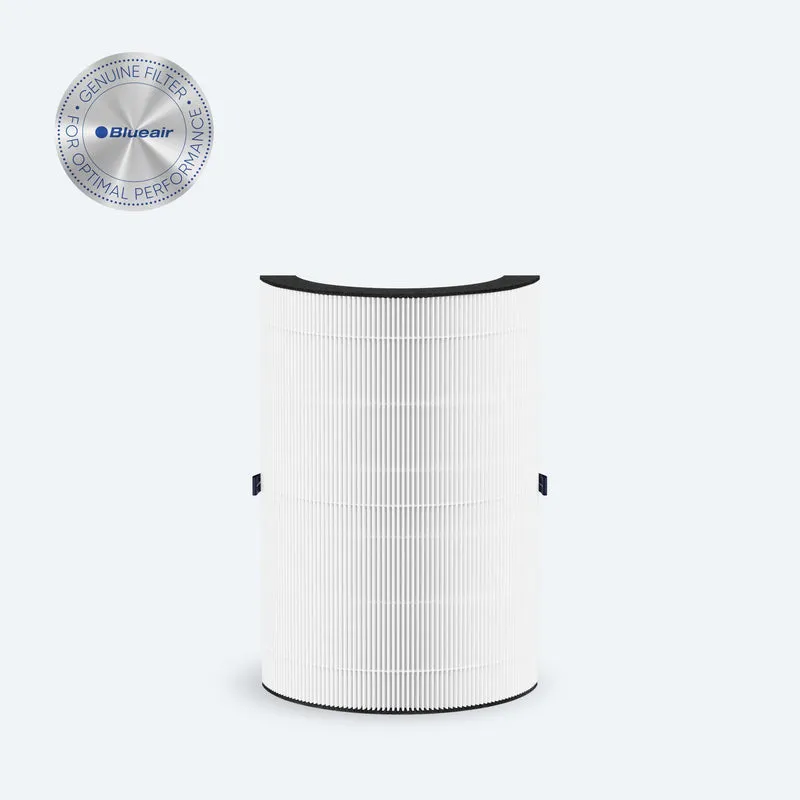
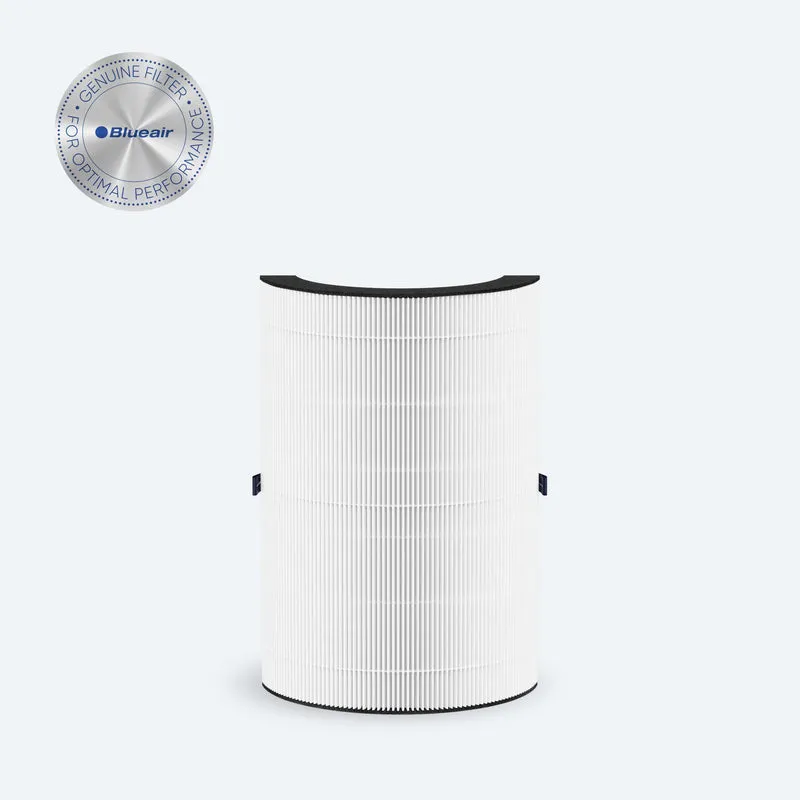
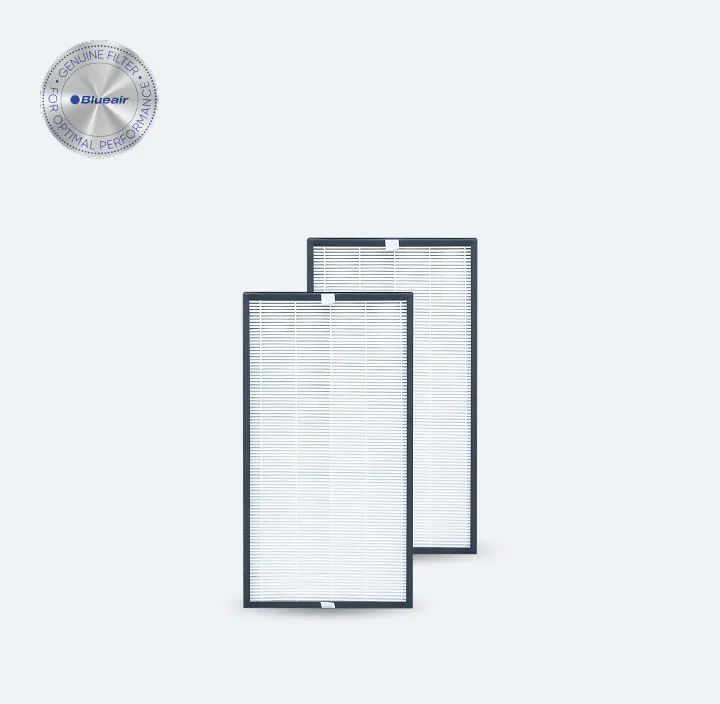
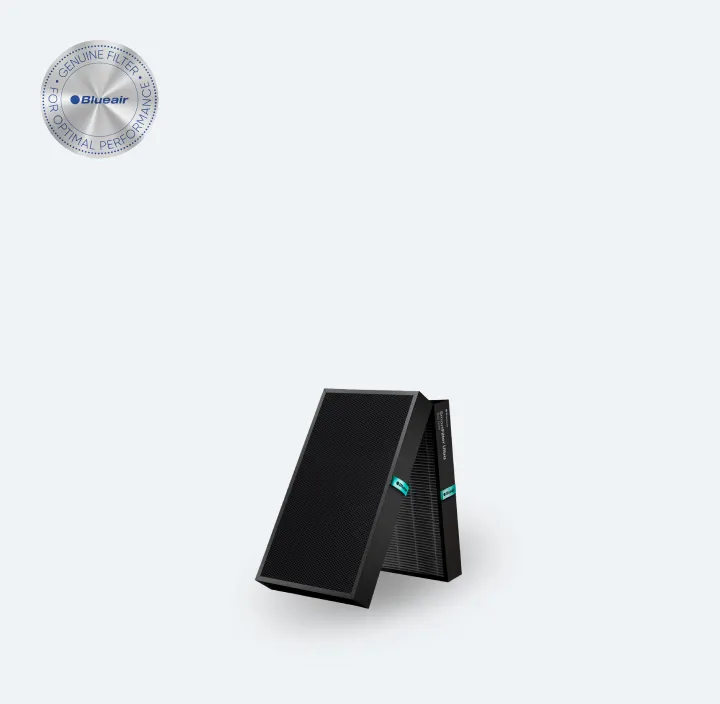
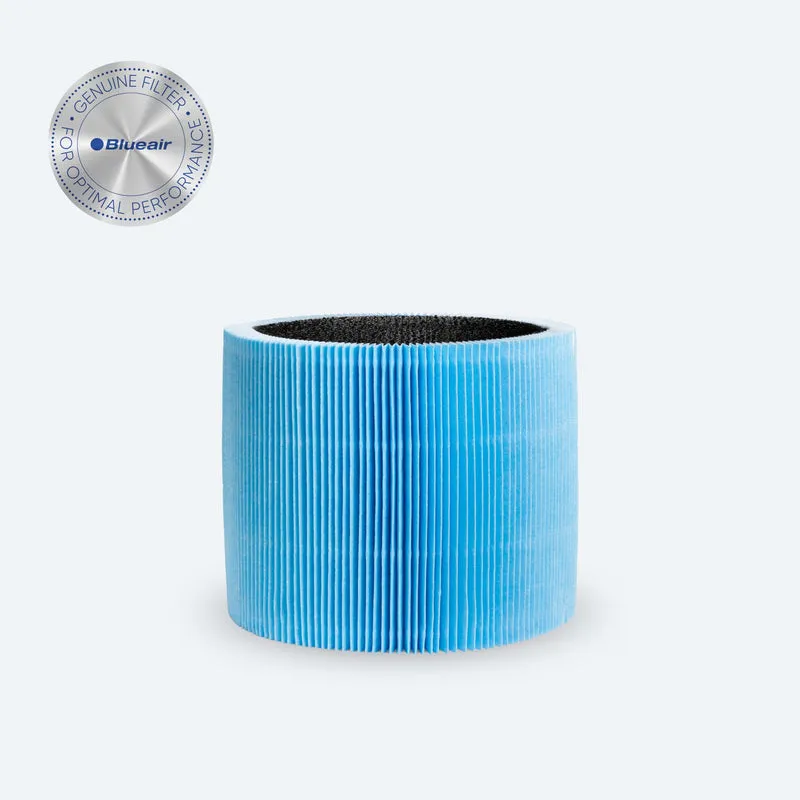
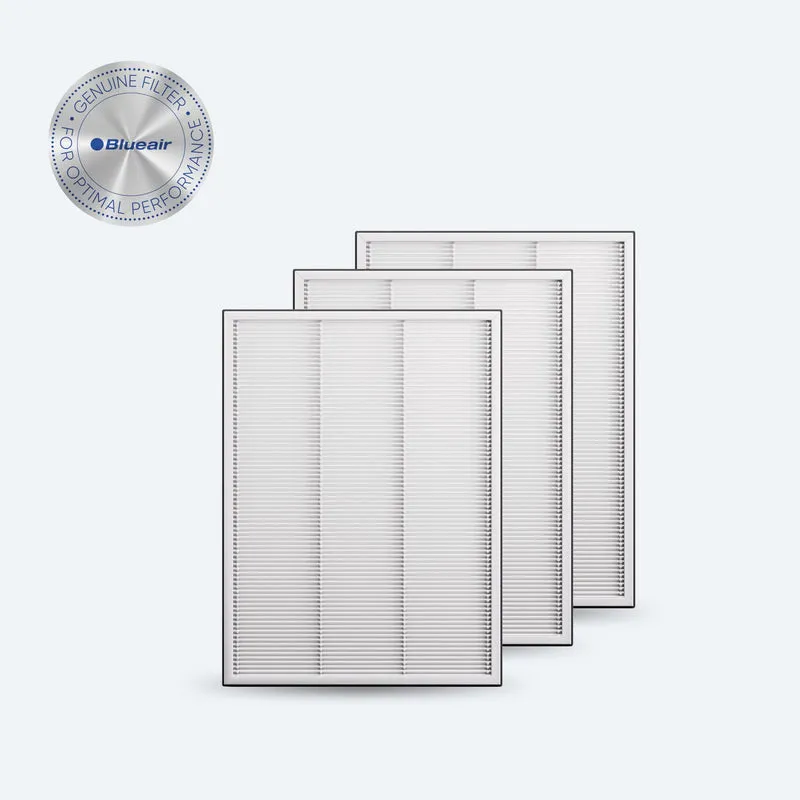
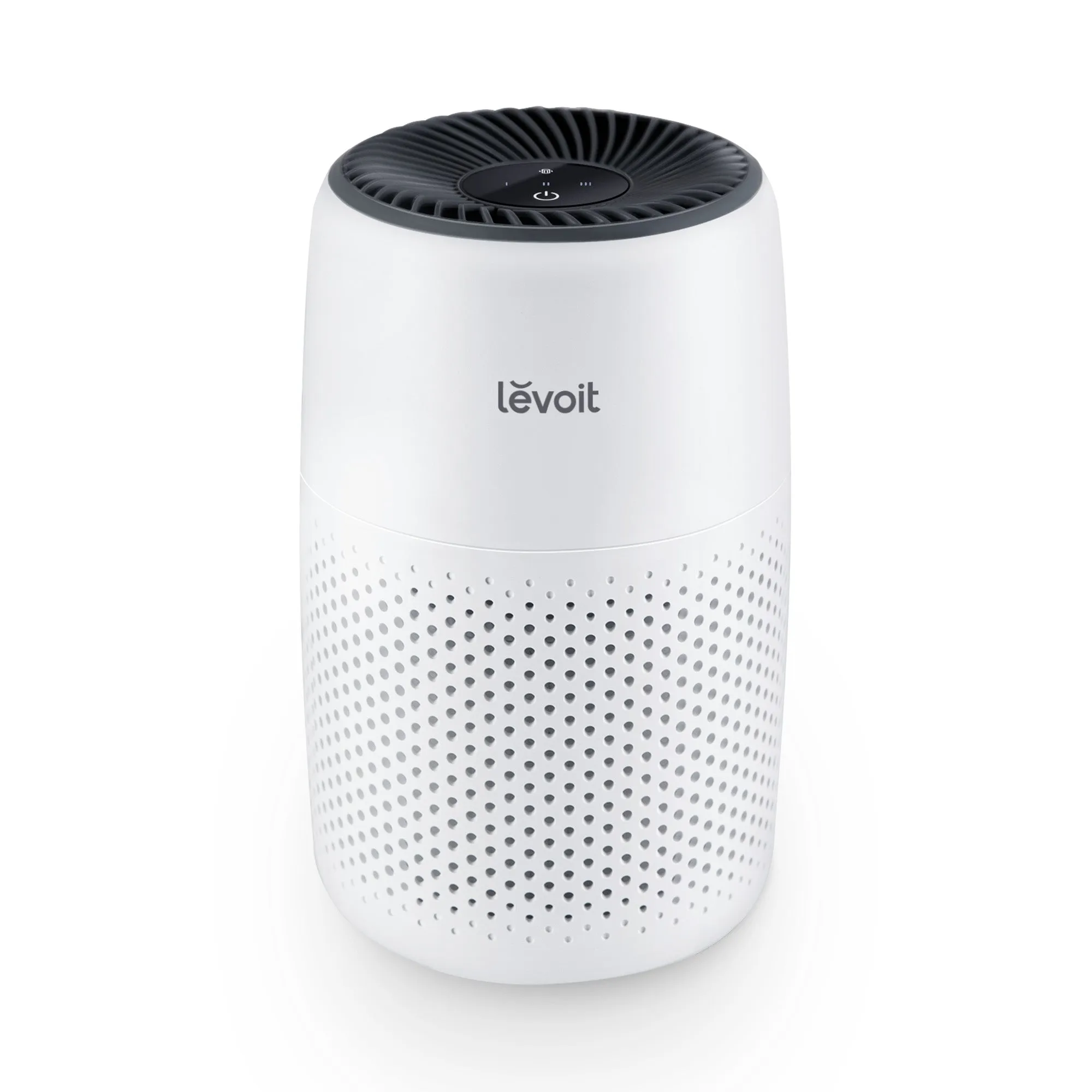
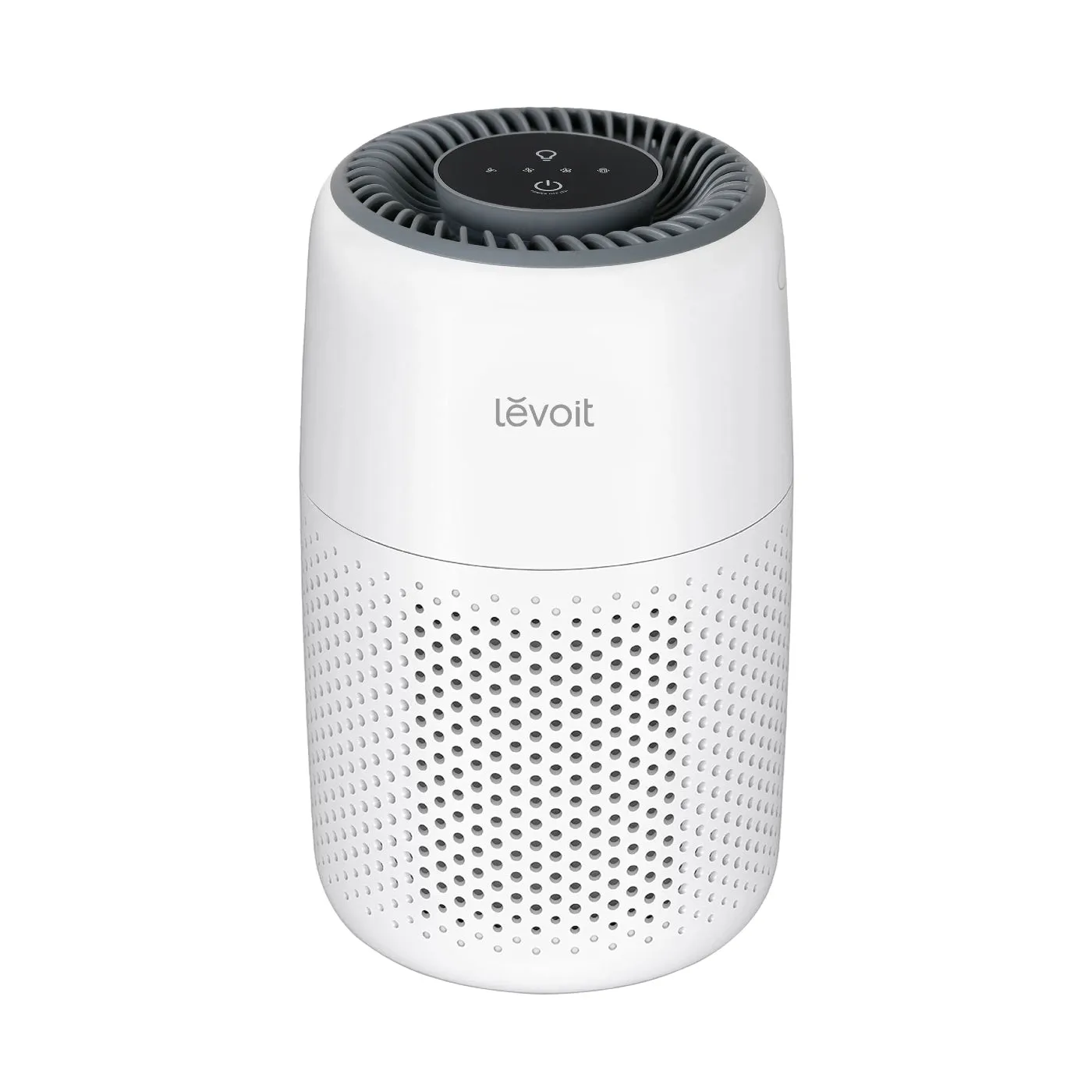
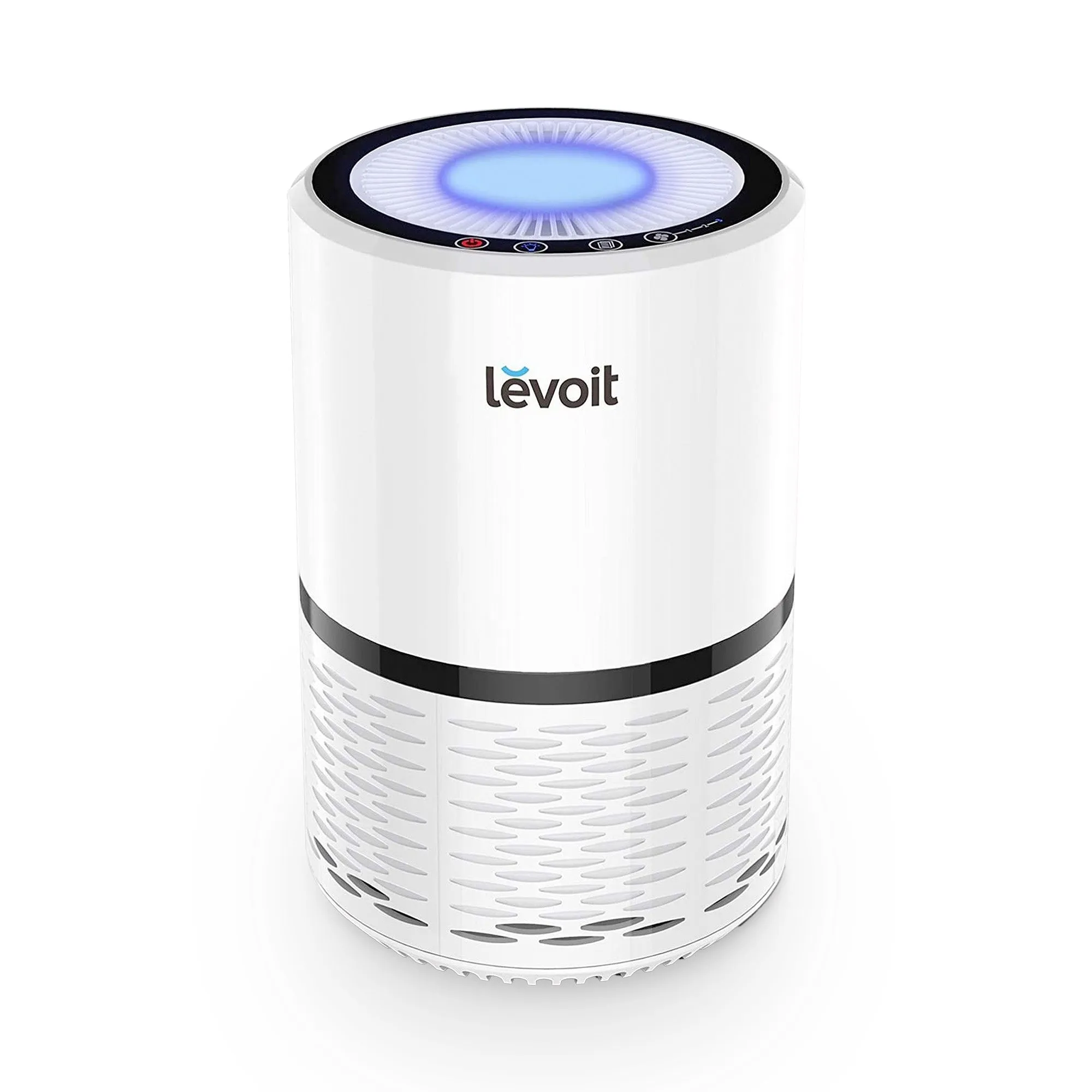
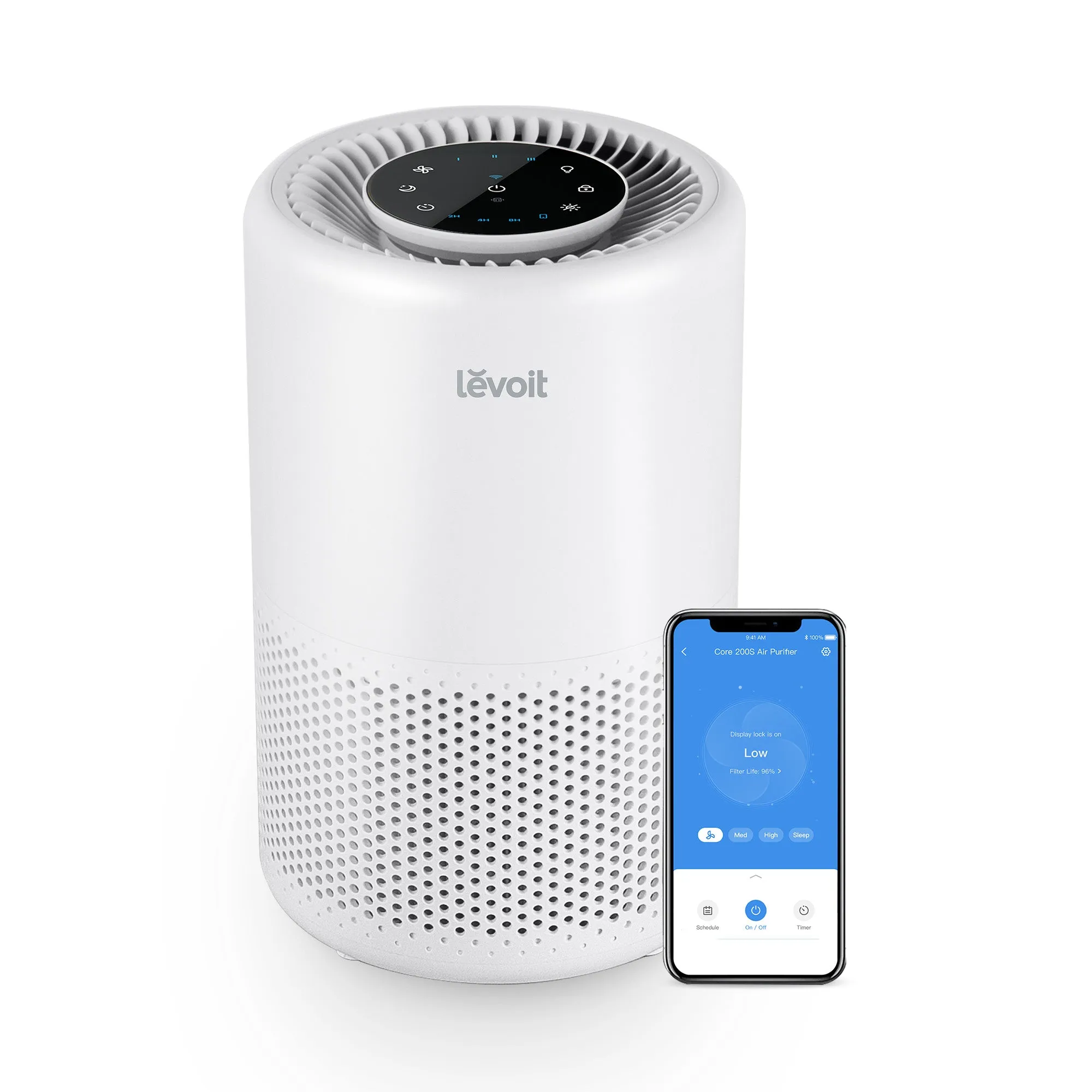
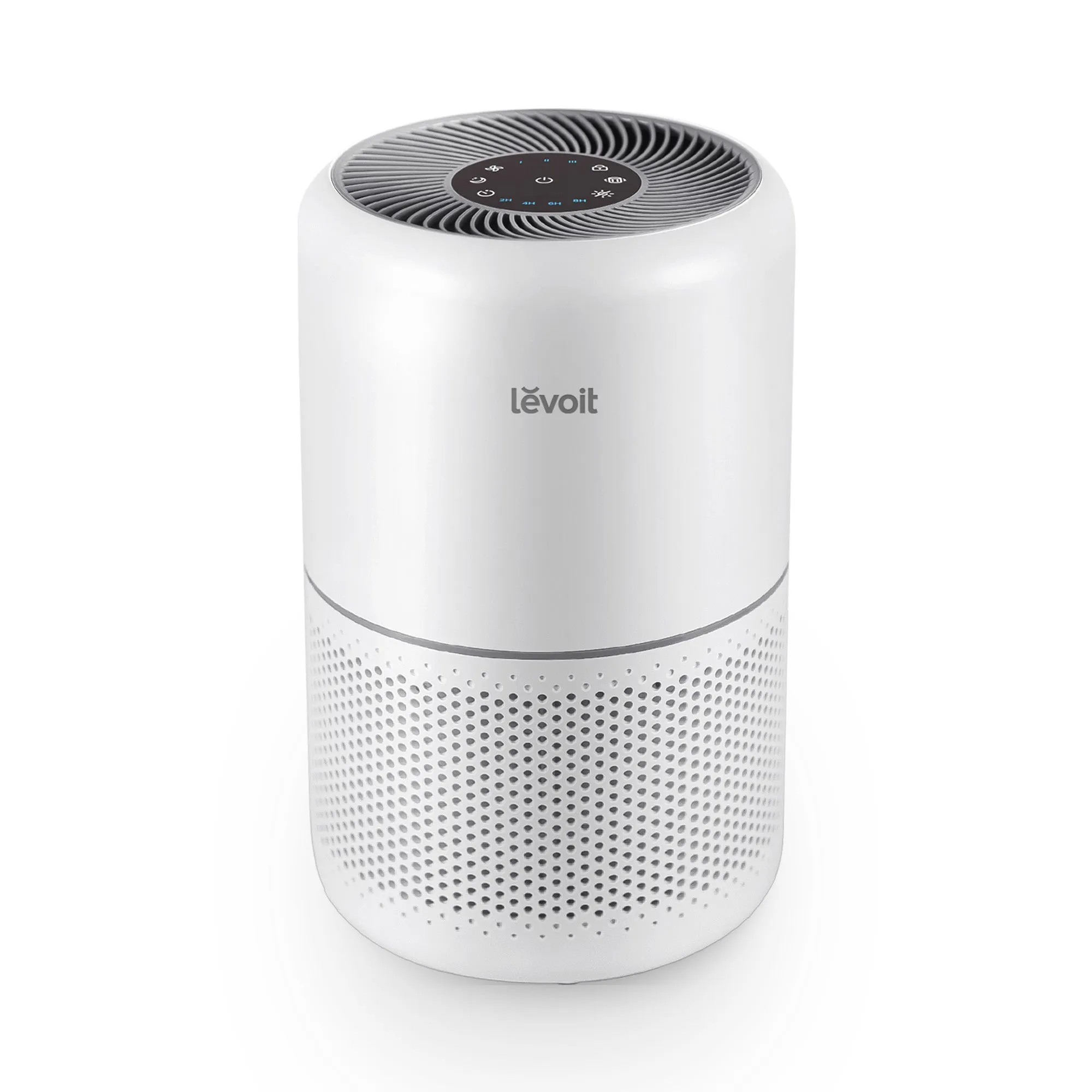
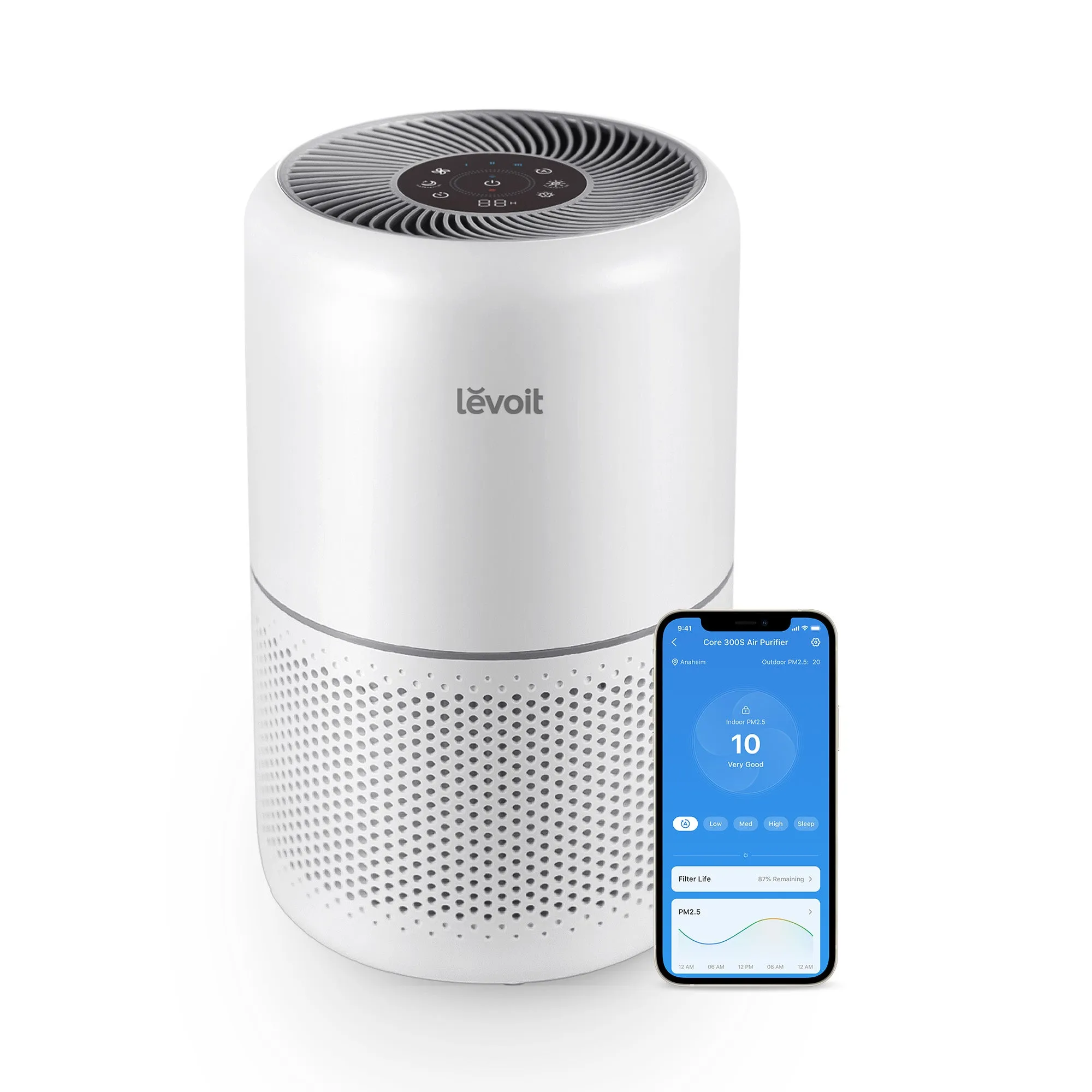
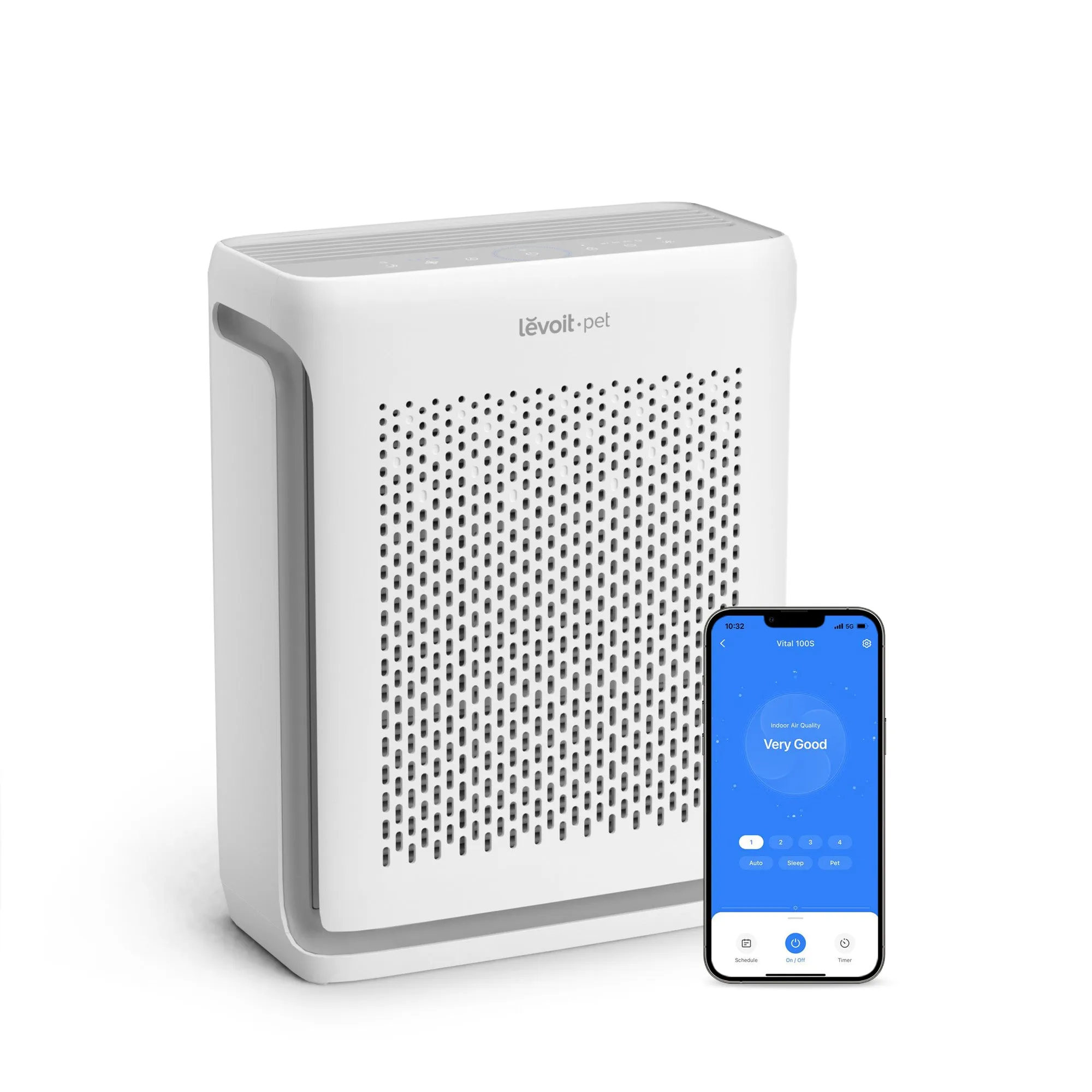
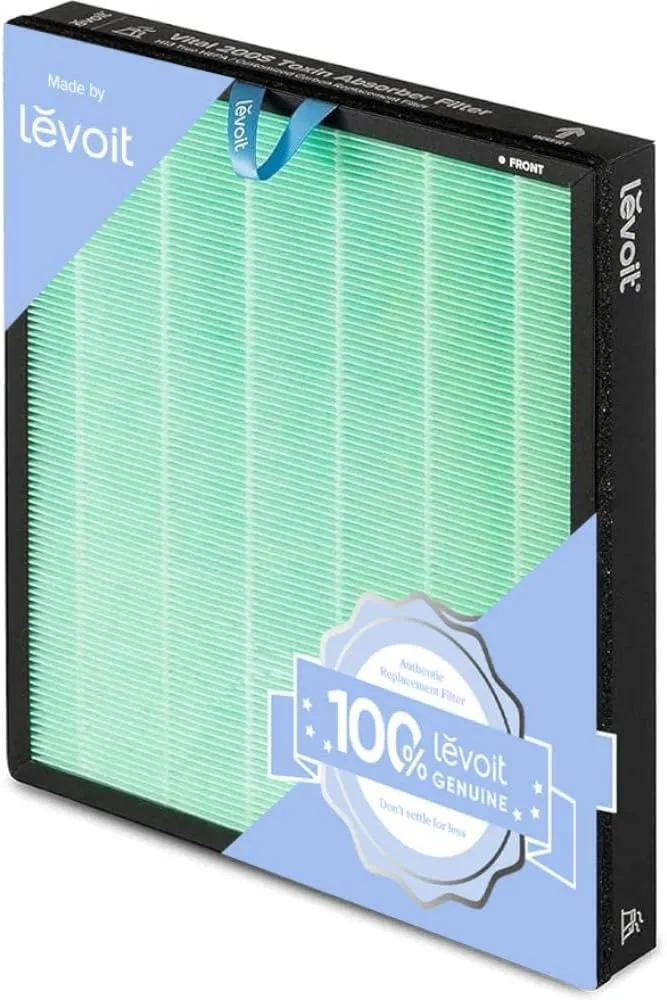
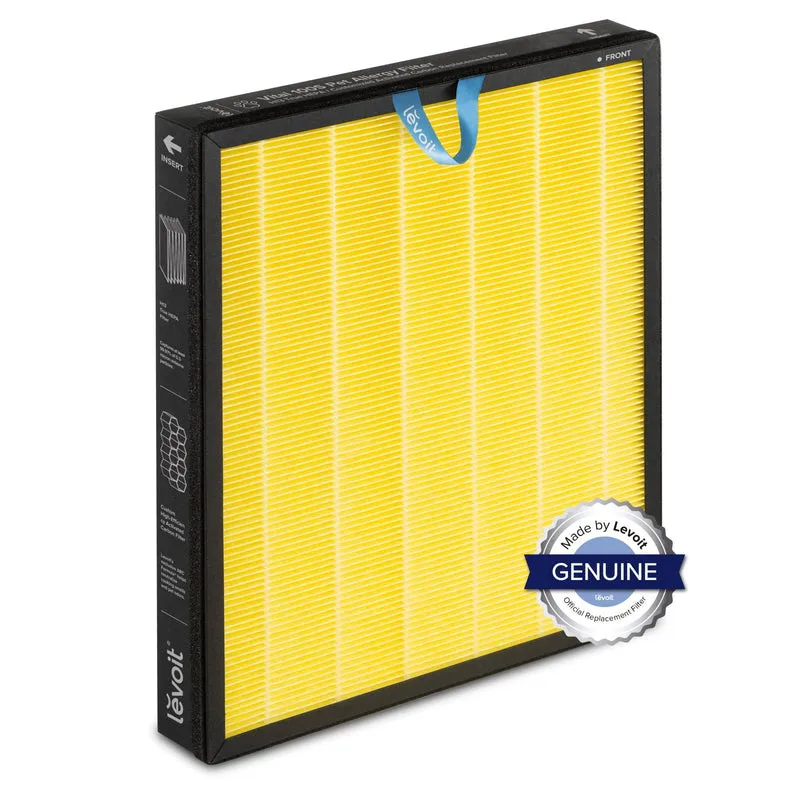
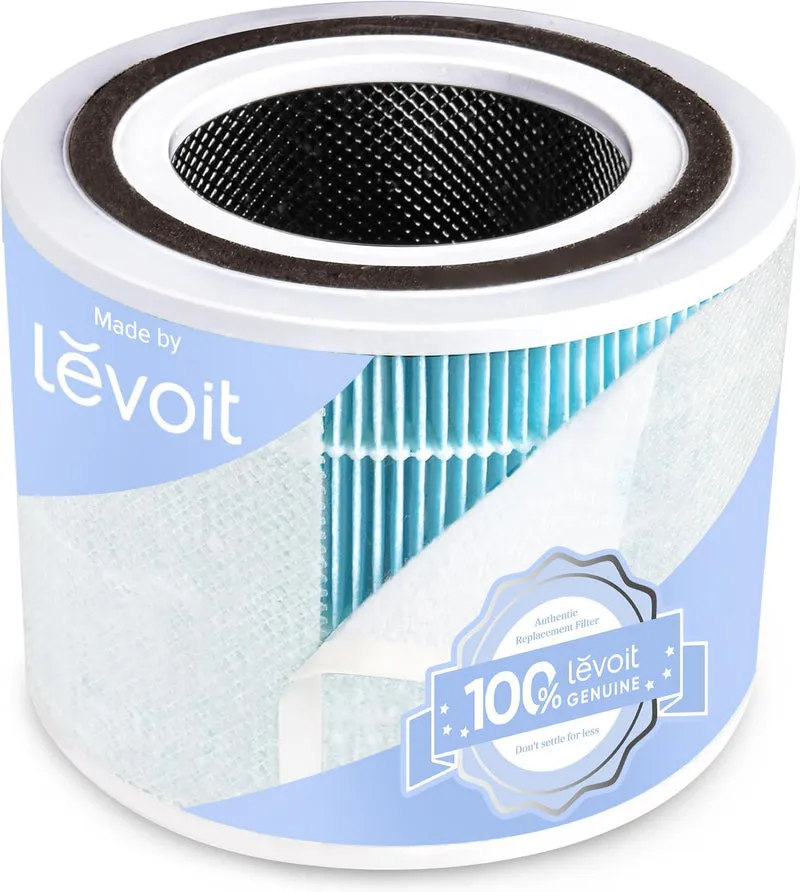
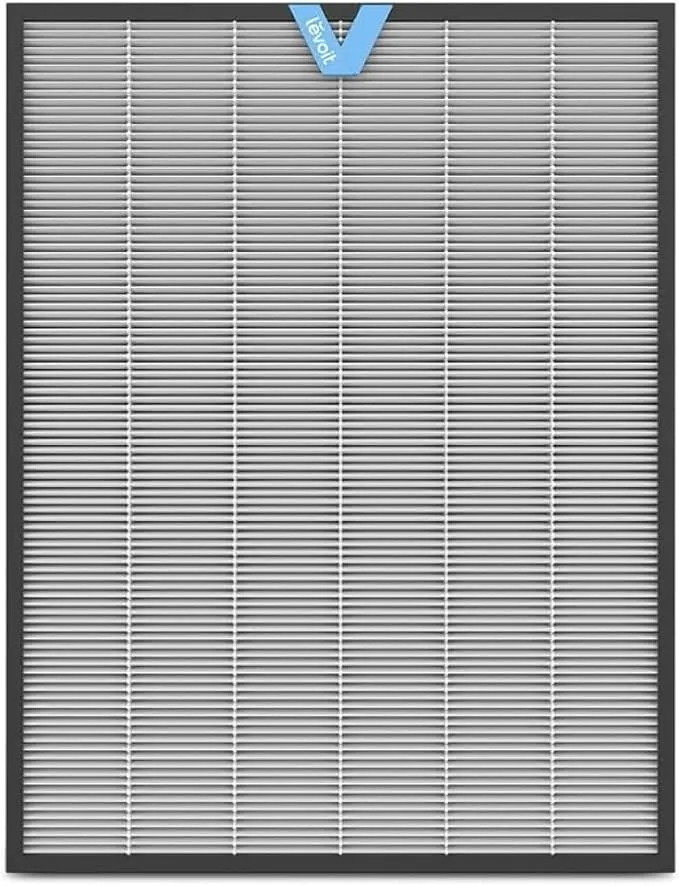
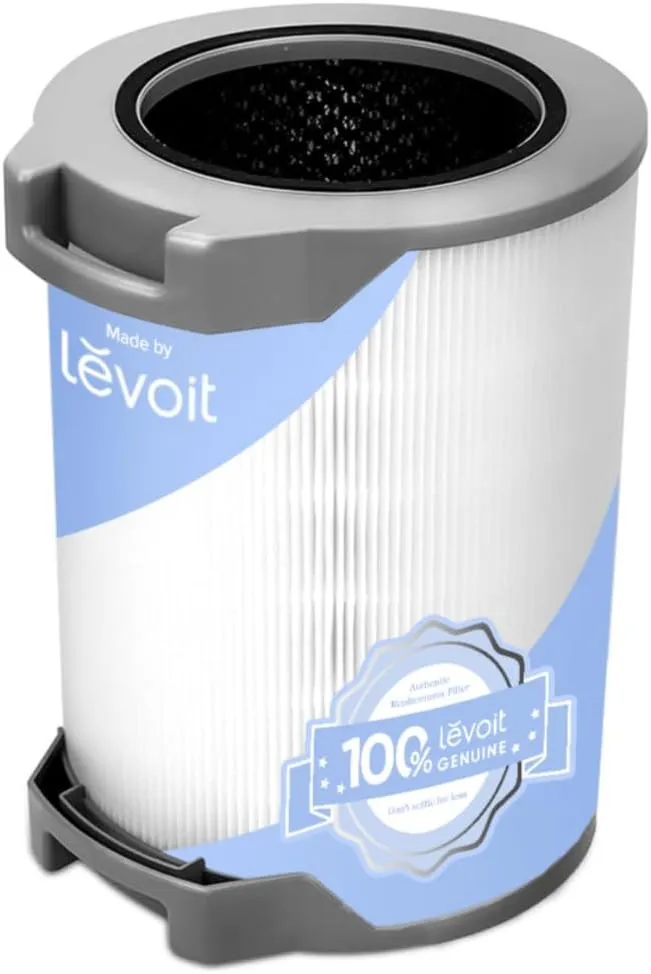
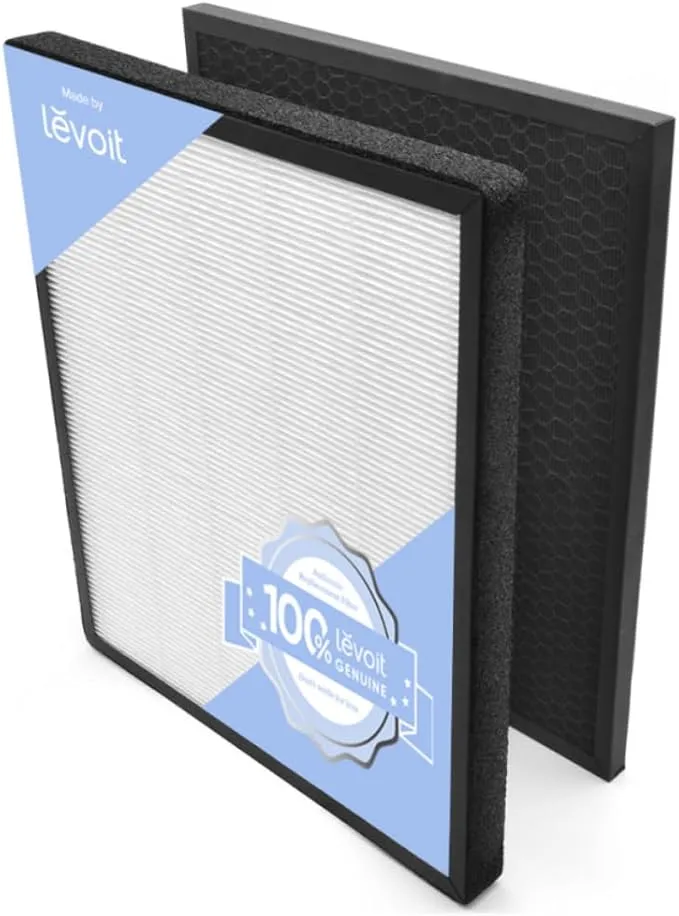
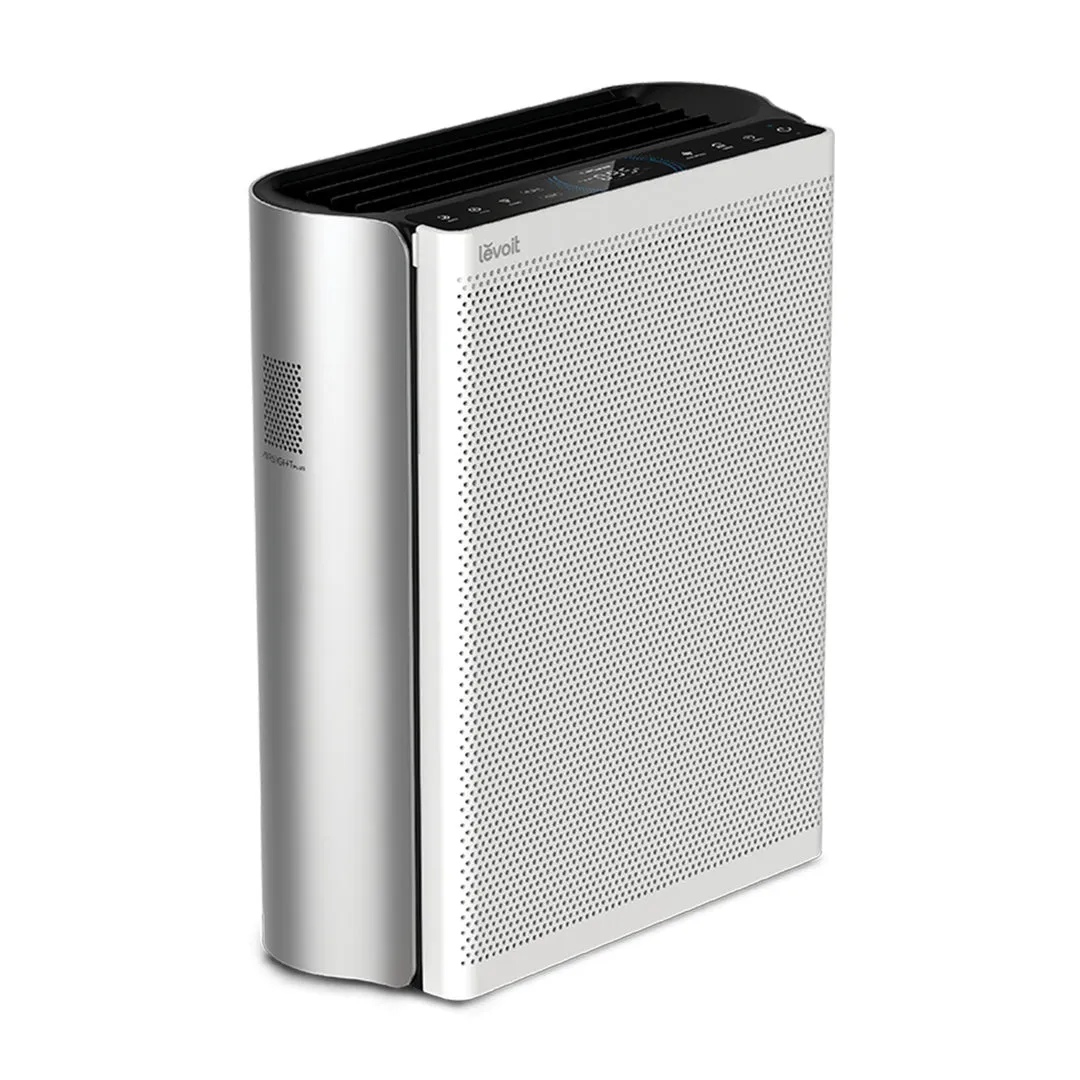
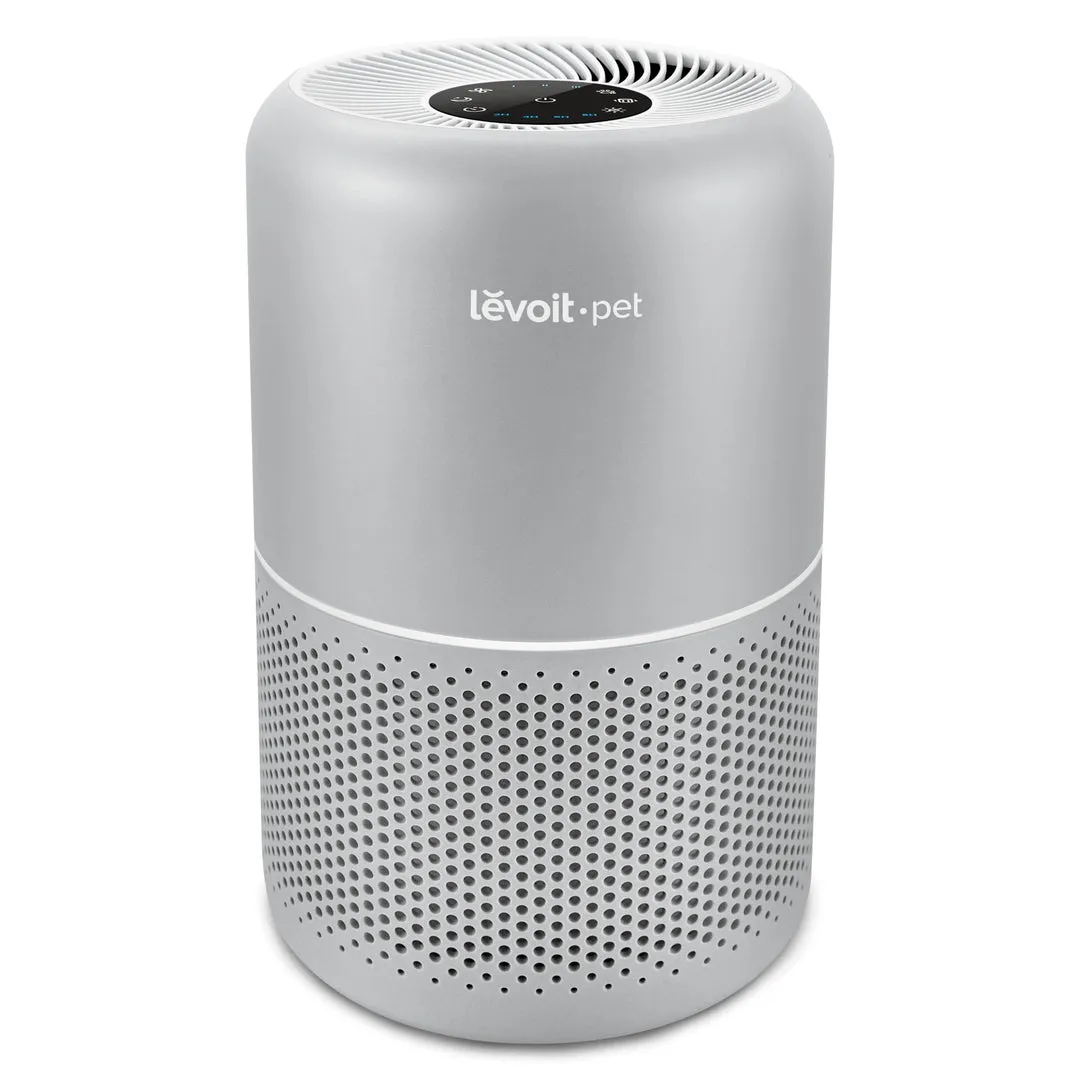
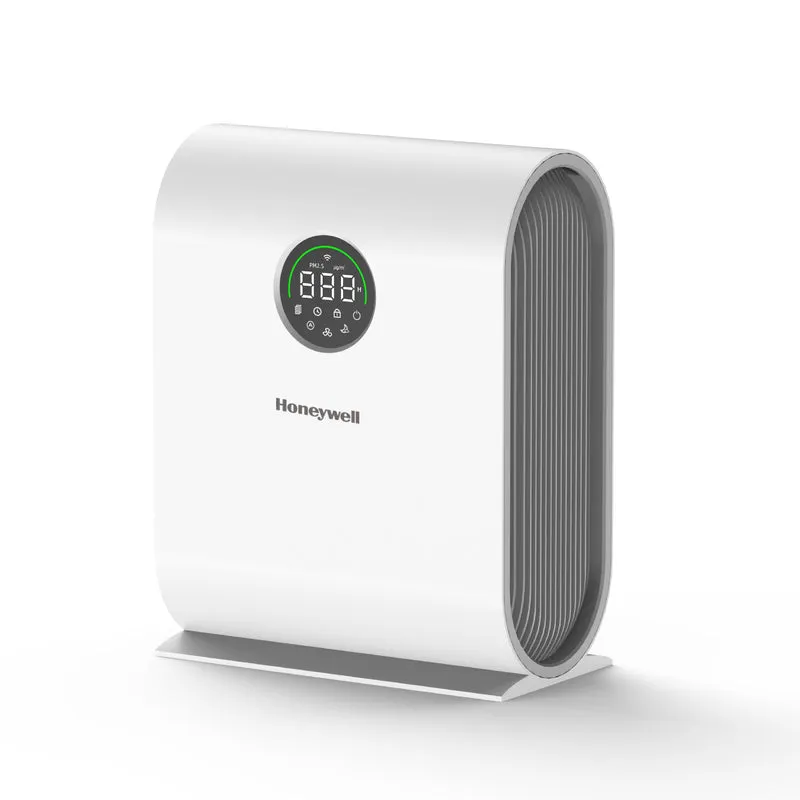
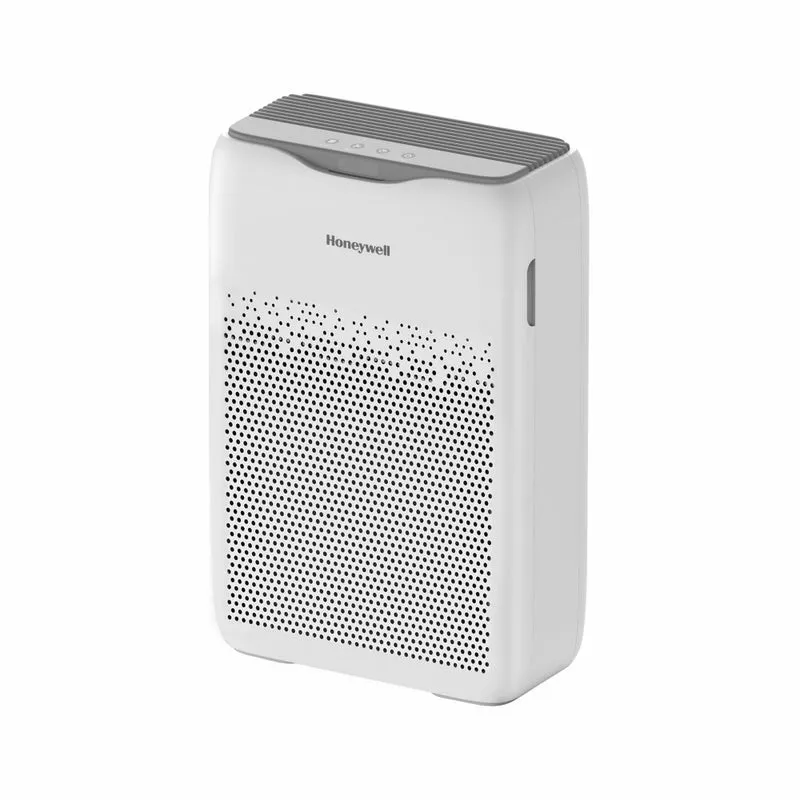
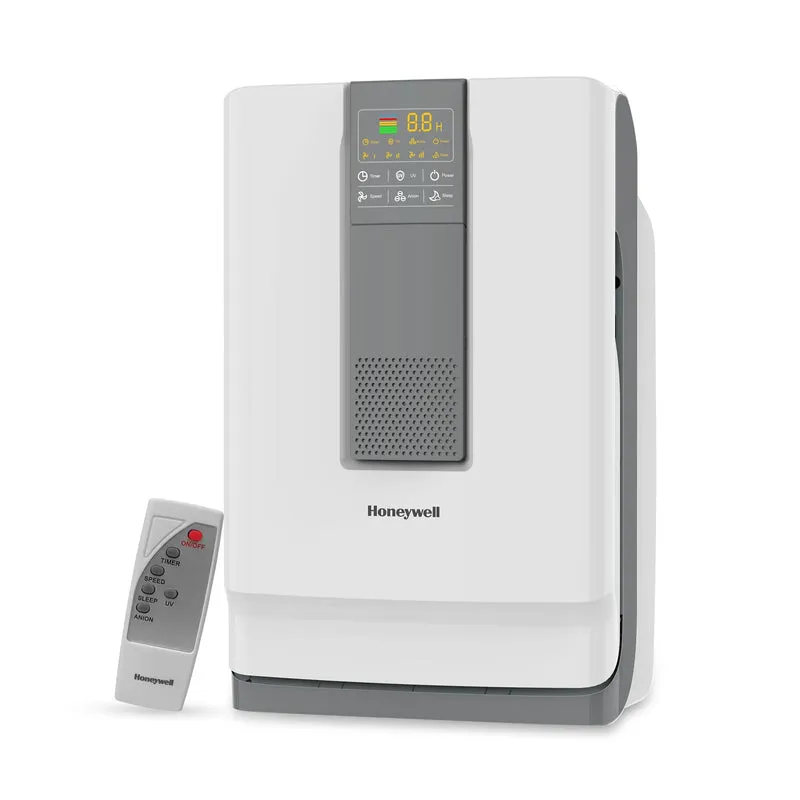
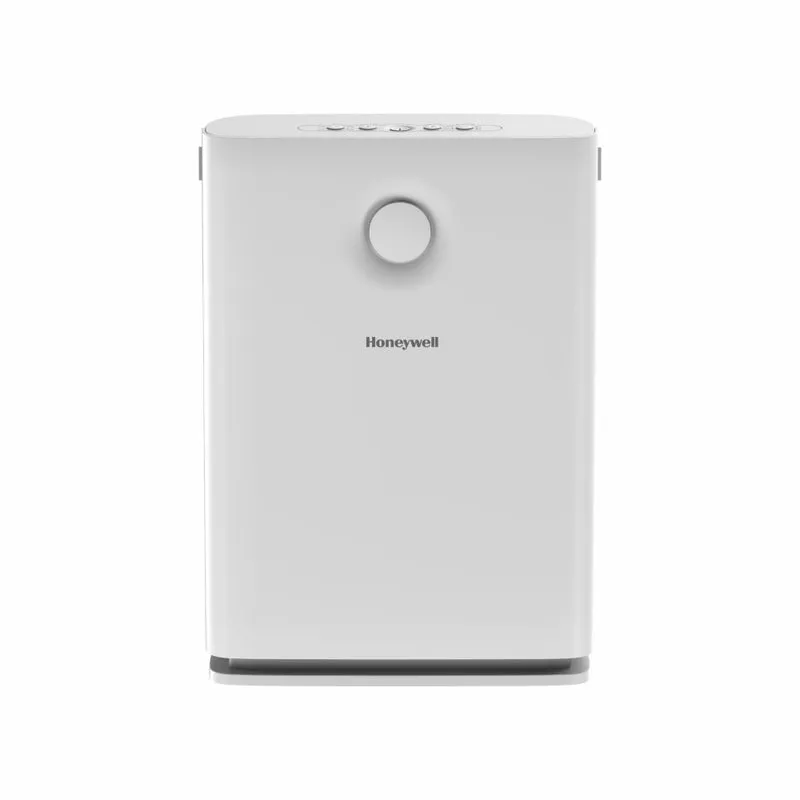
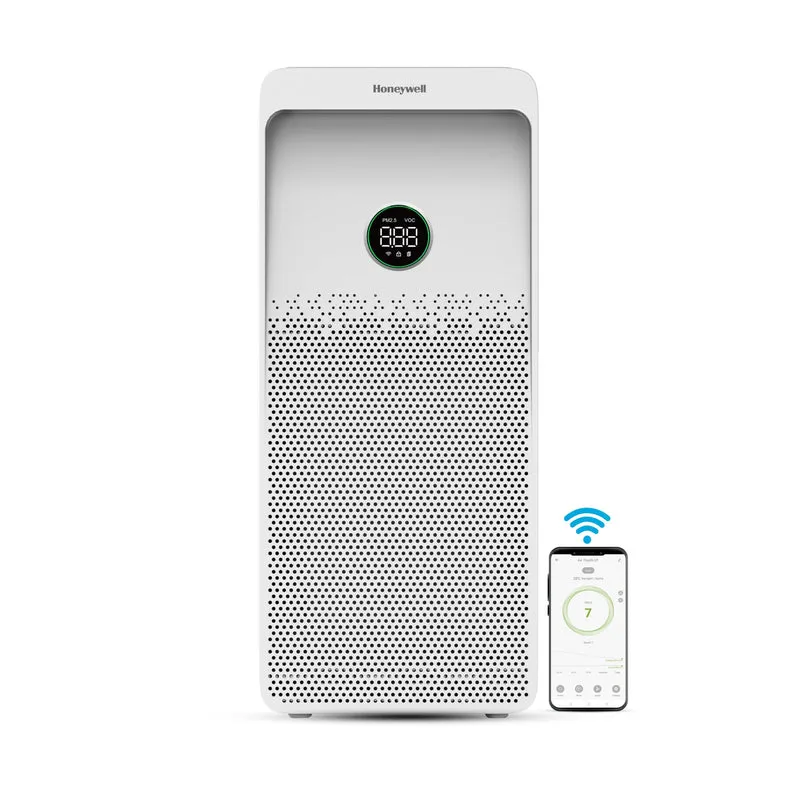
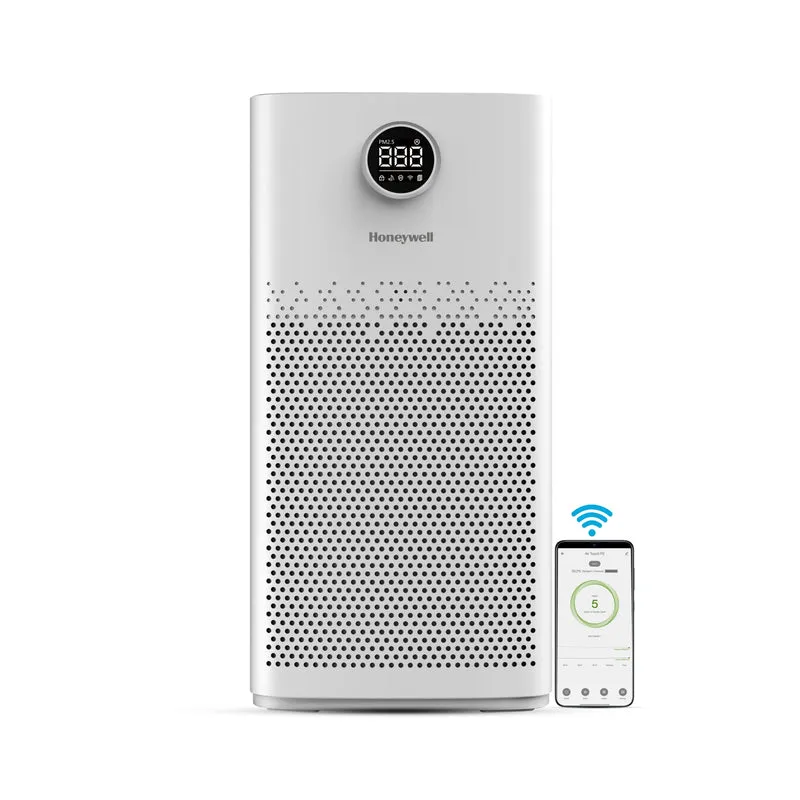
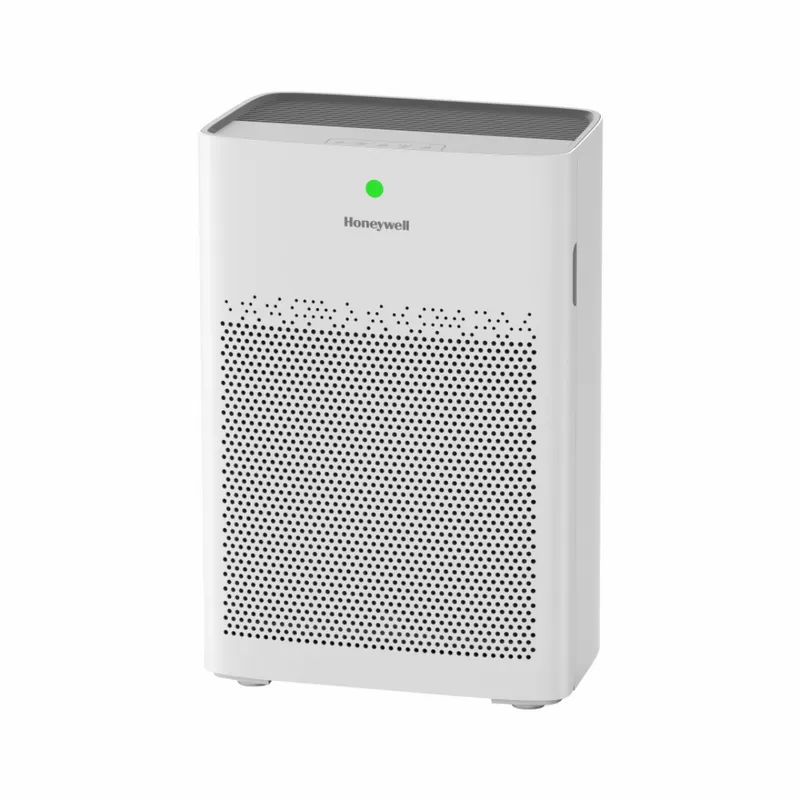
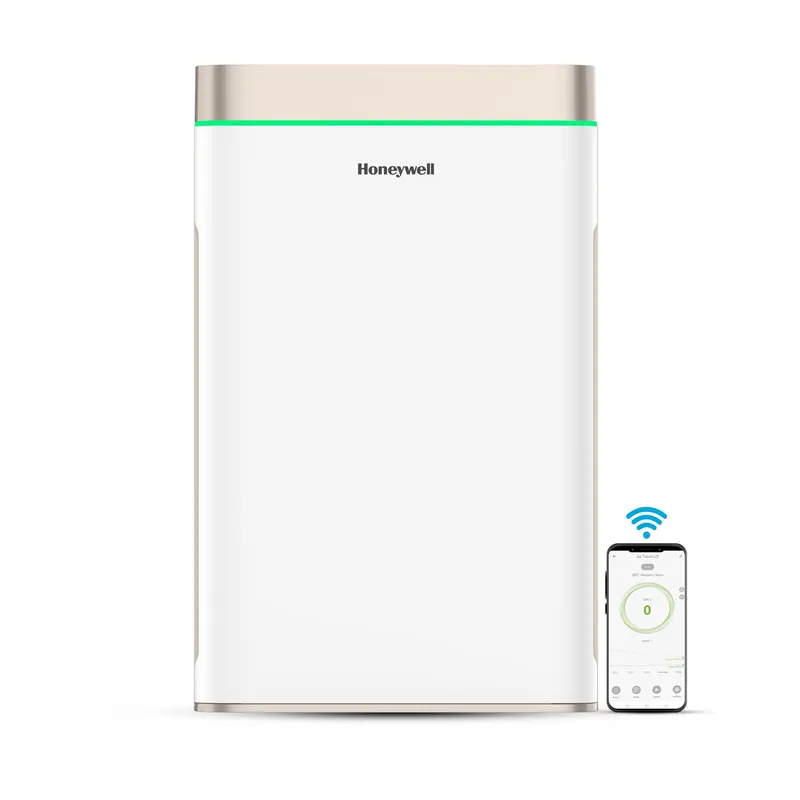
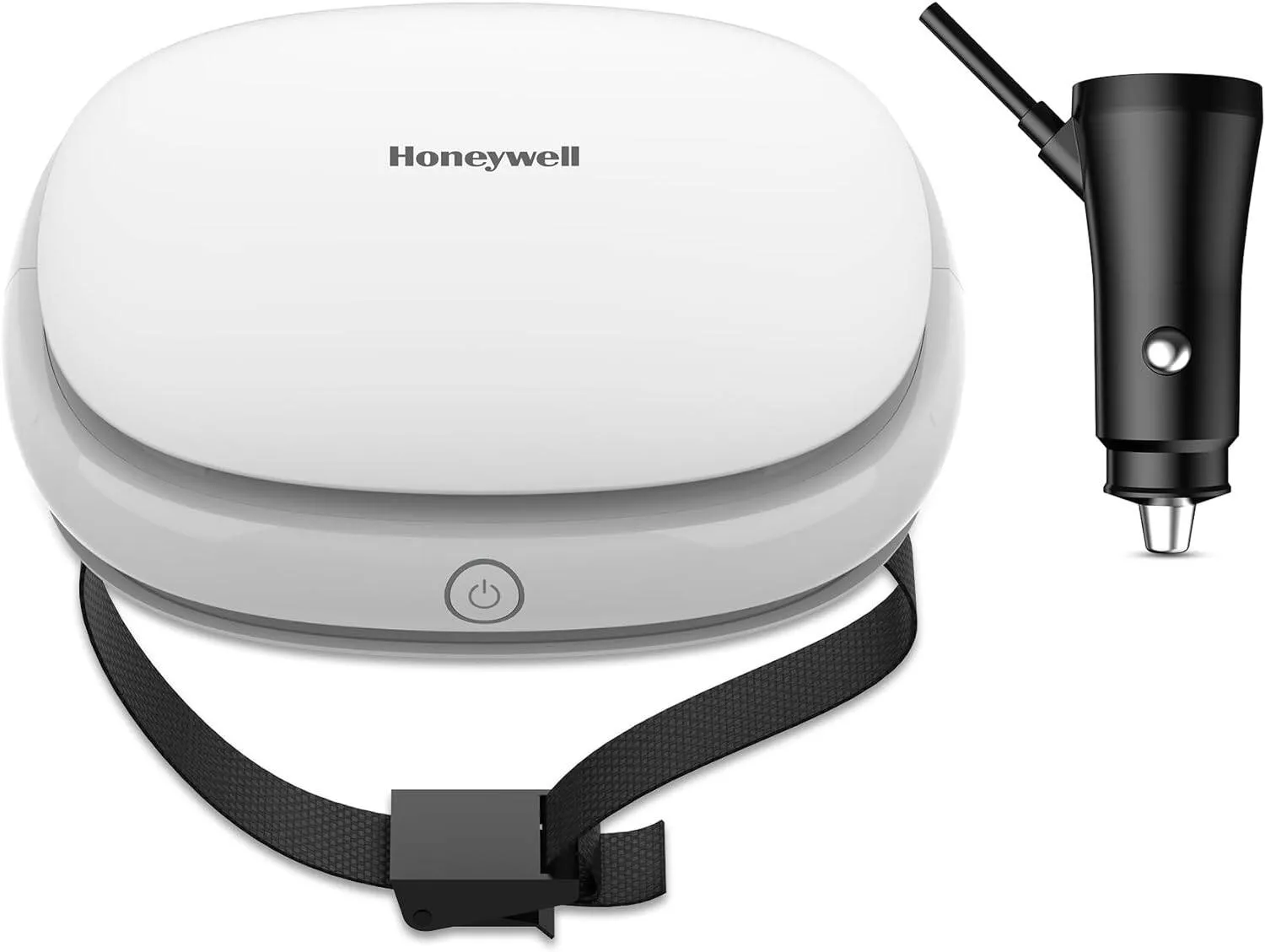
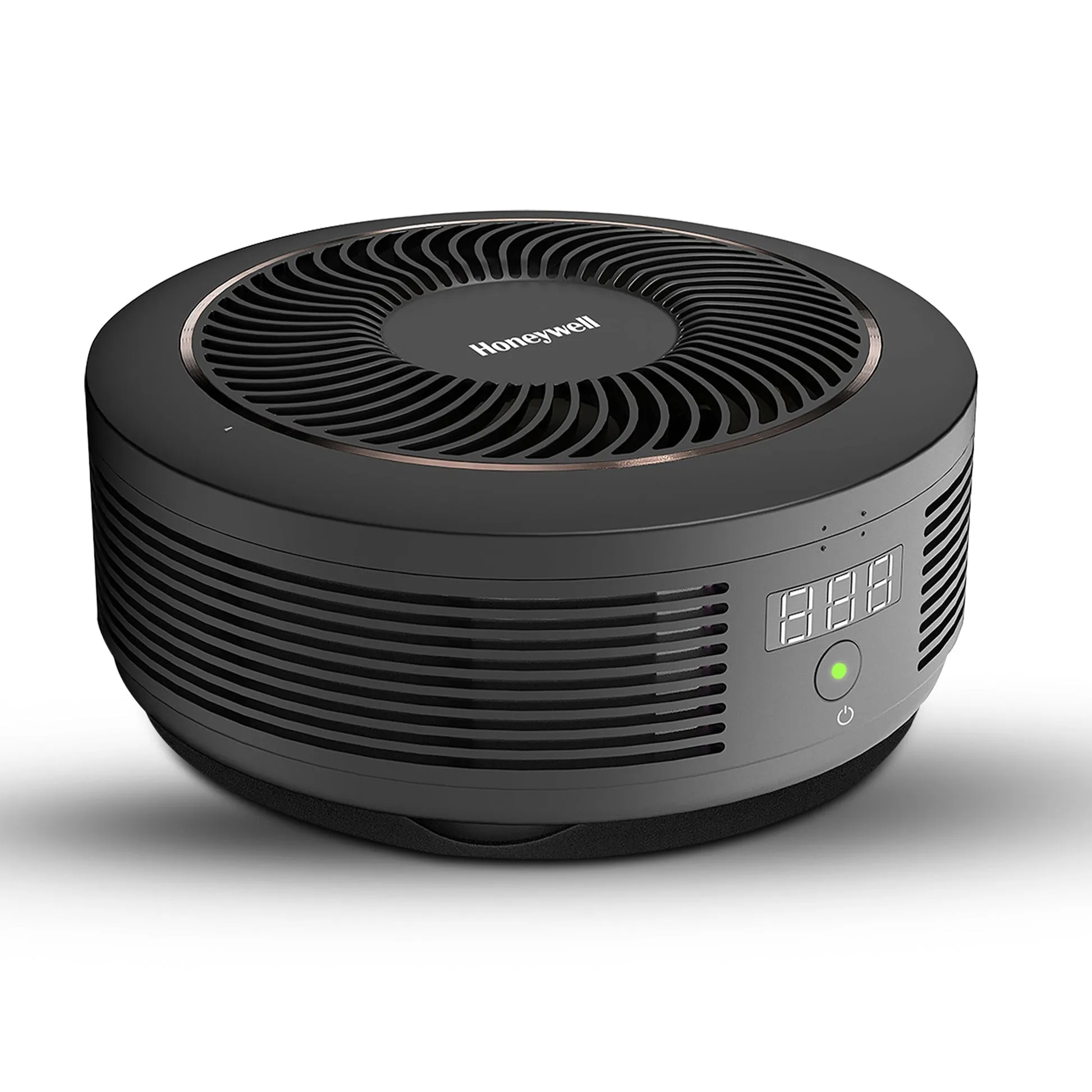
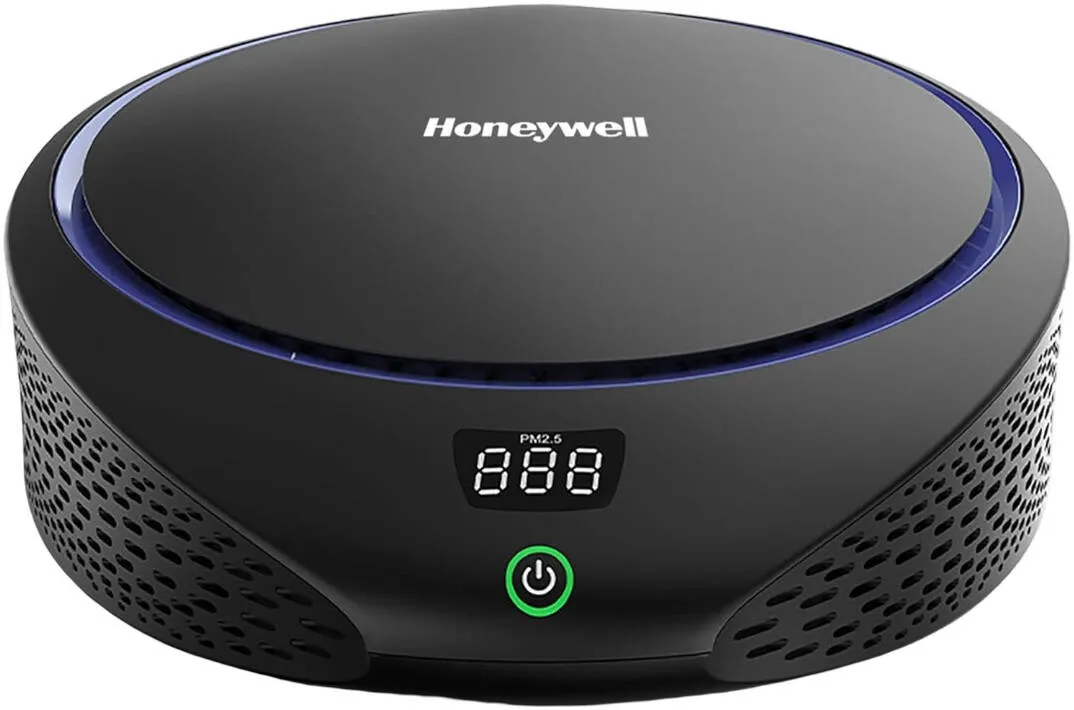
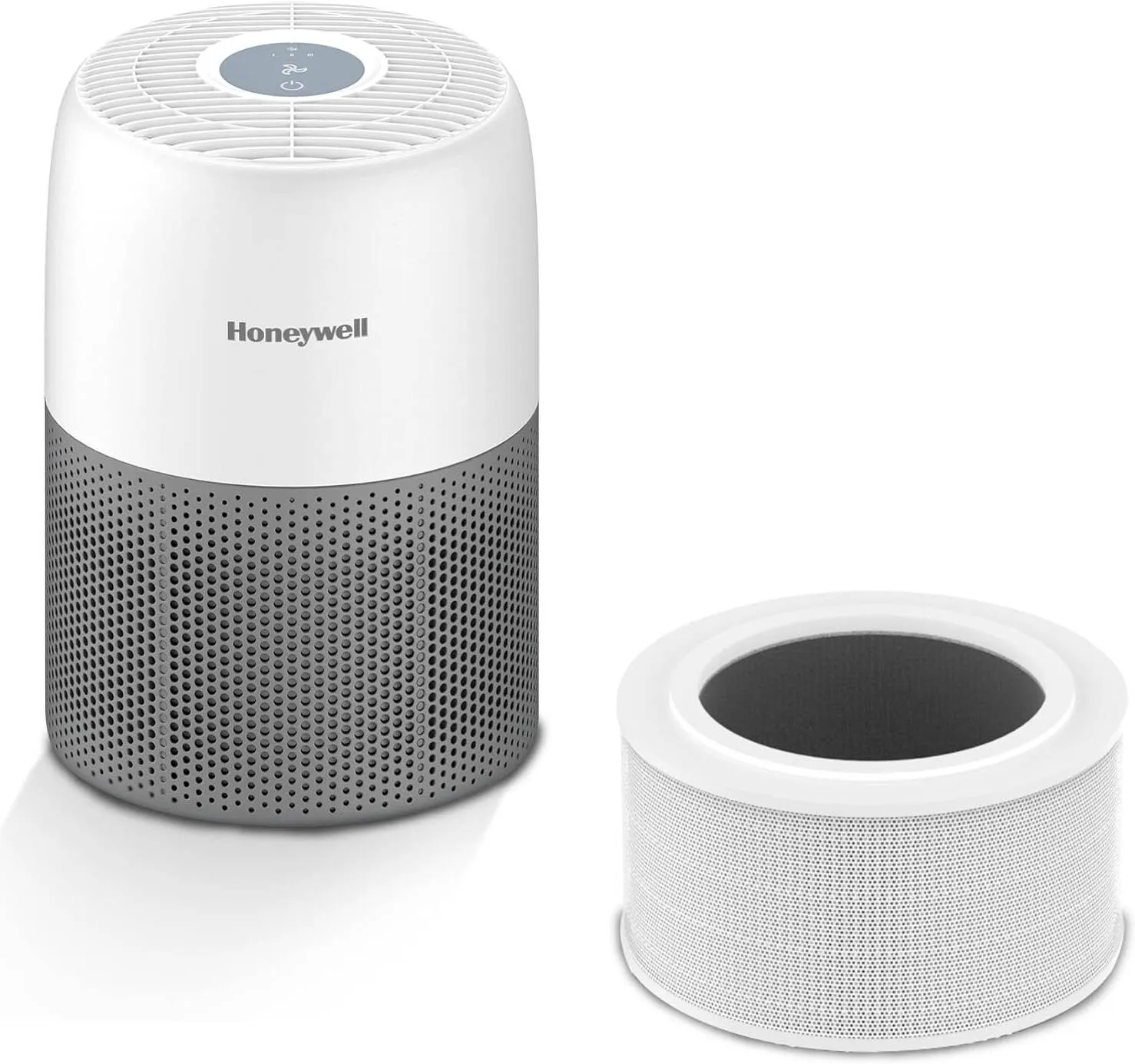
Cleanair-ae stocks a curated selection of air purifiers from Blueair, Honeywell, and Levoit, each with published CADR ratings matched to room sizes across the UAE.
The 2026 buying guide on Cleanair-ae walks through CADR values, filtration types, and room size calculations for residential and commercial spaces in Dubai and Abu Dhabi. For buyers comparing models by room size, the Levoit purifier range is ranked by CADR and coverage area. Free UAE delivery is available on orders over 49 AED, with replacement filters stocked for all major models.
FAQ
What does CADR stand for in air purifiers?
CADR stands for Clean Air Delivery Rate. It measures the volume of filtered air a purifier delivers per minute, expressed in cubic feet per minute (CFM).
What is a good CADR rating for a room?
A dust CADR of at least two-thirds of your room’s square footage is the standard benchmark. For a 300 sq. ft. room, a minimum dust CADR of 200 CFM is recommended for two air changes per hour.
Does a higher CADR always mean a better purifier?
Not necessarily. A high CADR confirms strong particle removal performance, but it does not account for noise levels, energy use, filter costs, or the removal of gases and VOCs.
Is CADR testing mandatory for air purifiers?
CADR testing is voluntary. The AHAM Verifide seal confirms that a unit has been independently tested. Without it, the manufacturer’s stated CADR has not been verified by a third party.
Does CADR measure VOC or gas removal?
No. CADR measures particle removal only, covering smoke, dust, and pollen. Removal of gases, VOCs, and bioaerosols requires separate evaluation of filtration technology such as activated carbon.