
Uncategorised
What is humidity control and why it matters
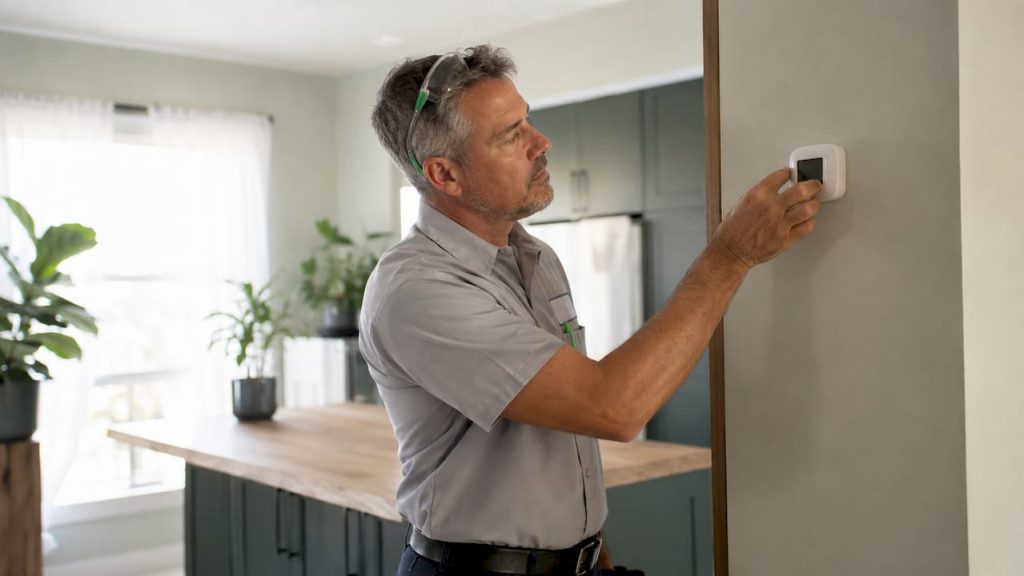
Humidity control is defined as the active management of moisture levels in indoor air to maintain a safe and comfortable environment. The industry term for this practice is “indoor relative humidity (RH) regulation,” and it covers everything from preventing mould growth to protecting respiratory health. Recommended indoor RH sits between 30% and 60%, with the EPA advising below 50% to limit mould and dust mite growth, and ASHRAE 55 permitting up to 60% for comfort. Getting this balance right affects occupant health, building materials, and energy costs in equal measure.
What is humidity control and how does it affect indoor air quality?
Humidity control is the process of keeping indoor relative humidity within a range that supports health, comfort, and structural integrity. When RH falls outside the 40%–60% band, both the air quality and the people breathing it suffer measurable consequences.
High humidity creates conditions where mould, dust mites, and bacteria thrive. Asthma affects 262 million people globally, and elevated RH above 60%–70% amplifies allergic responses through the TRPV4-MAPK pathway, a biological mechanism that intensifies airway inflammation. That figure underlines why moisture management is not a comfort preference but a clinical concern.
Low humidity brings a different set of problems. Dry indoor air irritates the mucous membranes lining the nose and throat, reduces the body’s ability to filter airborne particles, and causes static electricity that can damage electronics. Dry indoor air also dries out wooden furniture, flooring, and structural timbers, leading to cracking and warping over time.
There is also a measurement problem that most people overlook. High humidity inflates PM2.5 sensor readings by up to 80% through hygroscopic particle growth, where airborne particles absorb moisture and appear larger than they are. This means an uncorrected air quality monitor in a humid room may trigger false alarms, leading to unnecessary concern or, worse, masking a real pollution event.
“Humidity should be managed as a core building system, just as temperature is. Occupant comfort and structural integrity both depend on keeping RH within a defined range. Ignoring moisture means accepting hidden damage and avoidable health risks.”
The role of humidity in respiratory health is particularly significant in the UAE, where outdoor air can swing between extreme dryness in air-conditioned spaces and intense outdoor humidity. UAE humidity effects on air quality are compounded by dust and sand particles, making indoor RH regulation a priority for residents and businesses alike.
How to control humidity indoors: methods and systems
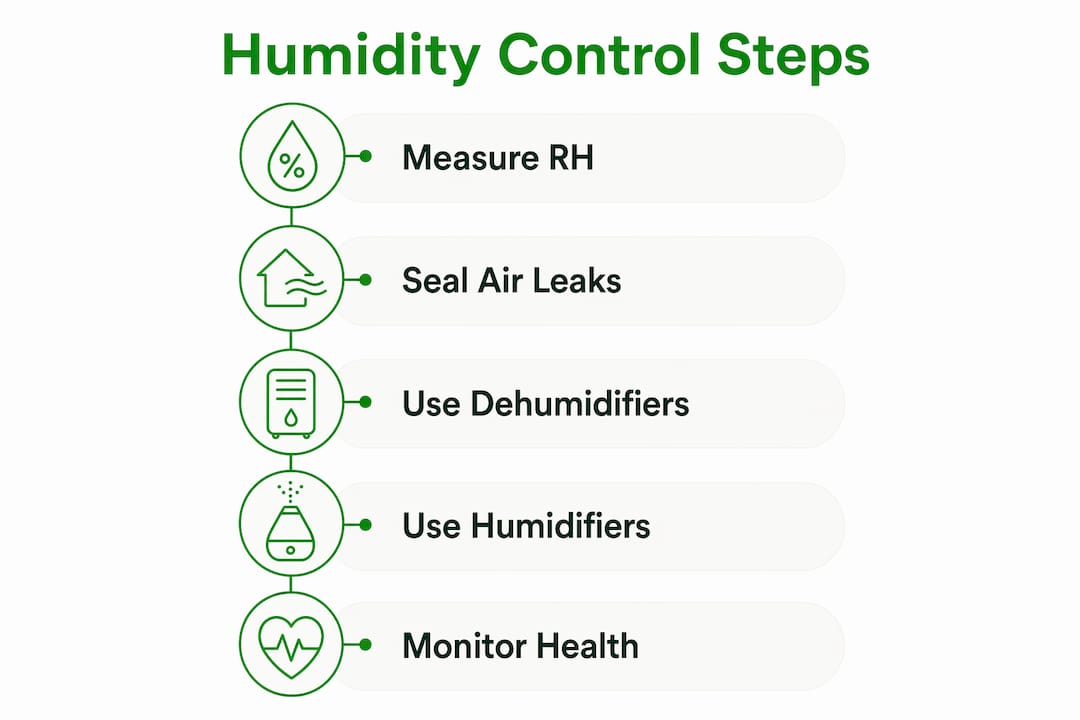
Effective humidity regulation combines active mechanical systems with passive building strategies. Neither approach alone is sufficient for most homes or commercial spaces.
Active mechanical systems
-
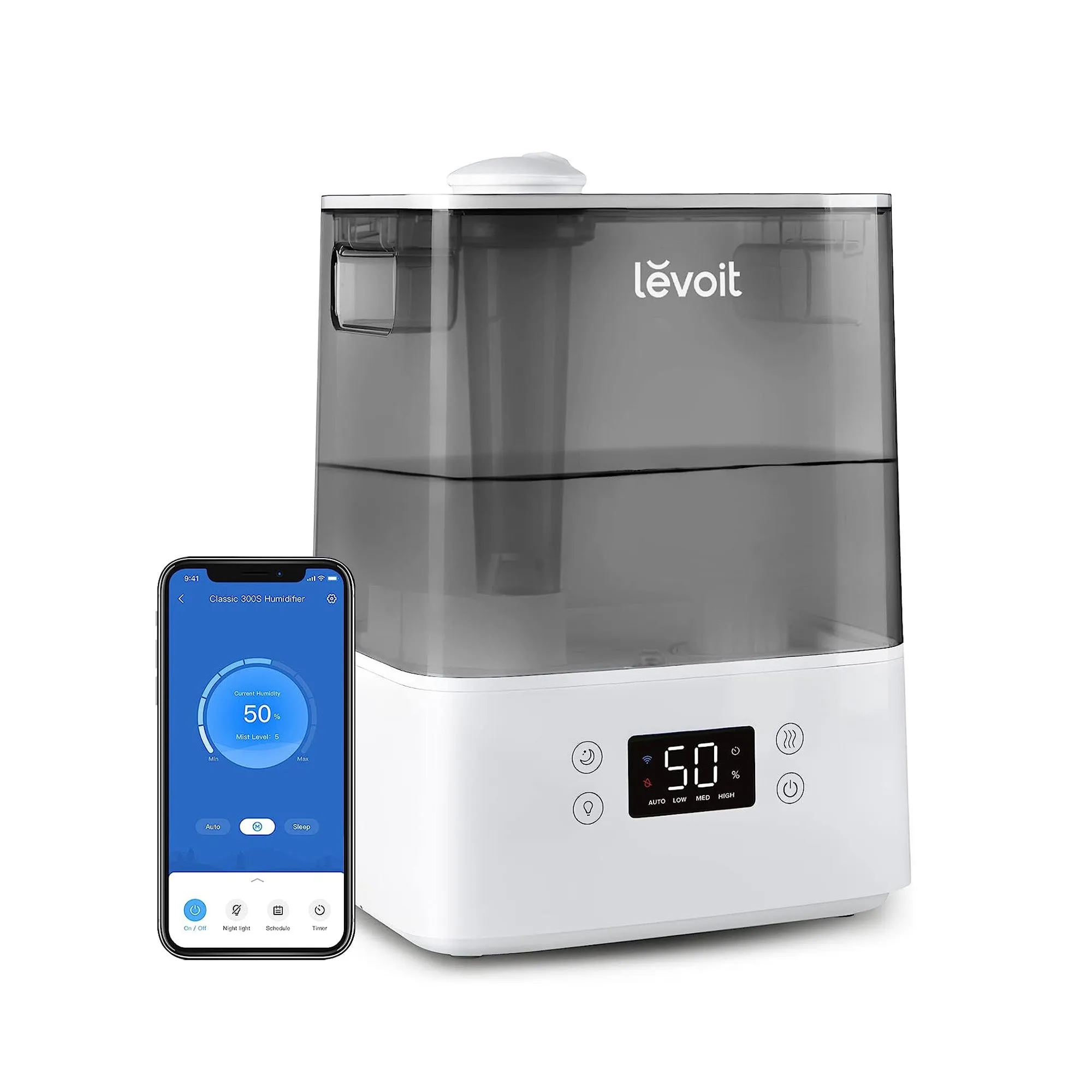
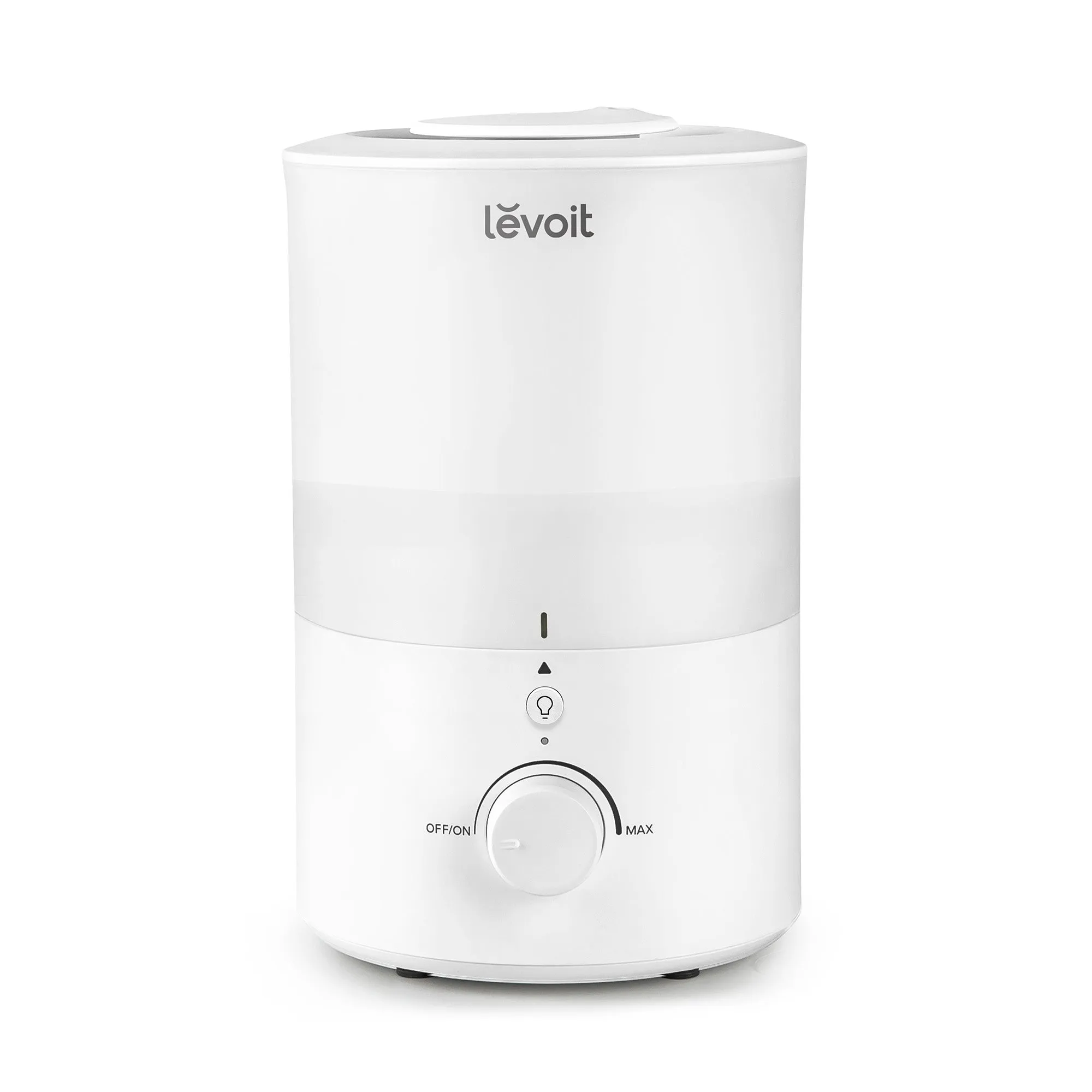
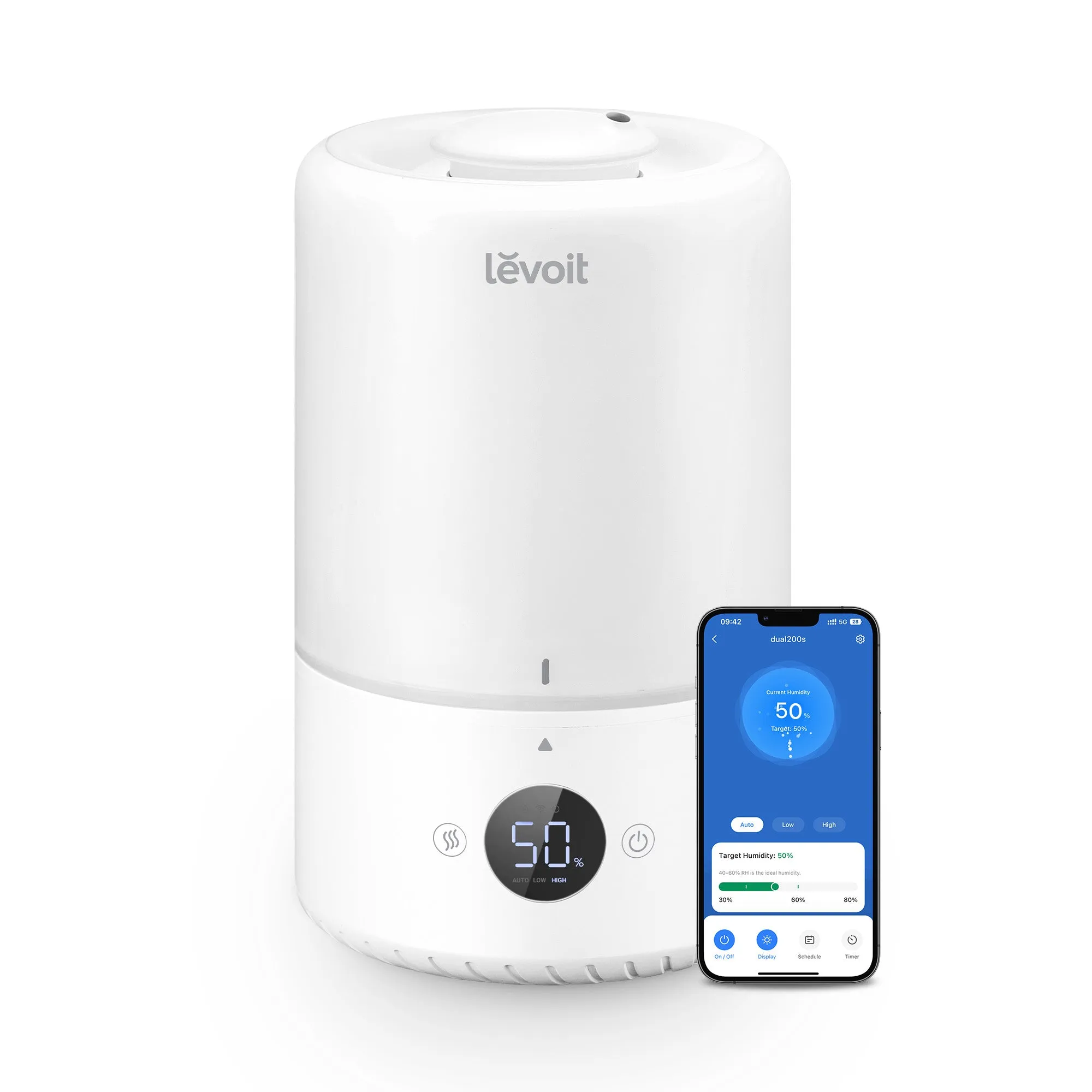
Humidifiers add moisture to dry indoor air. Whole-home humidifiers connect directly to HVAC systems, while portable units suit single rooms. Levoit humidifiers, for example, use ultrasonic technology to produce a fine mist without excessive energy use. Humidification for health is particularly relevant during winter months when heating systems strip moisture from indoor air.
-
Dehumidifiers extract excess moisture from humid spaces. Dehumidifiers in humid homes are the primary defence against mould in bathrooms, basements, and poorly ventilated rooms. Commercial-grade units include reheat coils that remove moisture without overcooling the space.
-
Smart thermostats and humidity sensors automate the entire process. Smart thermostats regulate humidity by controlling HVAC runtime based on real-time RH readings, removing the need for manual adjustment. Pairing a calibrated humidity sensor with a smart controller gives you continuous, hands-off regulation.
-
HVAC systems with integrated dehumidification handle large spaces efficiently. Standard residential air conditioners do dehumidify as a side effect of cooling, but they often shut off at the temperature setpoint before removing sufficient moisture. Dedicated dehumidification modes or supplemental equipment close that gap.
-
Ventilation and air exchange dilute humid indoor air with drier outdoor air. Mechanical ventilation with heat recovery (MVHR) systems do this without wasting energy on heating or cooling the incoming air.
Passive building strategies
Air sealing is the single most effective passive measure. Most moisture enters buildings via air leakage, not through wall diffusion, which means vapour barriers alone are insufficient. Sealing gaps around windows, doors, and service penetrations reduces uncontrolled moisture ingress at the source. Insulation then prevents cold surfaces where condensation forms.
Pro Tip: Place humidity sensors at mid-height on interior walls, away from windows and cooking areas. Sensors near cold surfaces or steam sources give skewed readings that lead to incorrect system responses.
Safe humidity thresholds: balancing health, comfort, and energy use
The right indoor RH target depends on the season, the building type, and the occupants’ health needs. No single number applies universally, but the research points to a clear working range.
| RH Level | Health Risk | Structural Risk | Energy Impact |
|---|---|---|---|
| Below 30% | Respiratory irritation, dry skin, increased virus survival | Wood shrinkage, cracking | Higher heating costs |
| 30%–40% | Low risk; acceptable in winter | Minimal | Moderate |
| 40%–60% | Optimal for respiratory health | Minimal | Balanced |
| 60%–65% | Mould risk rises if condensation occurs | Condensation on cold surfaces | Lower cooling costs possible |
| Above 65% | High mould, dust mite, and asthma risk | Structural moisture damage | Increased cooling load |
The EPA recommends staying below 50% to minimise mould and dust mite growth. ASHRAE 55 extends the upper comfort limit to 60%. A newer body of research suggests that indoor RH up to 65% is manageable during the cooling season, provided insulation and airflow prevent condensation on surfaces. That distinction matters because preventing condensation is the real objective, not simply chasing a lower RH number.
Condensation forms when warm, moist air contacts a surface below its dew point. In practice, this means a room at 63% RH with well-insulated walls carries less risk than a room at 55% RH with cold, poorly insulated surfaces. Energy efficiency and health protection align when the building envelope is tight and well-insulated, allowing slightly higher RH without moisture damage.
For UAE residents, the challenge runs in both directions. Outdoor humidity peaks in summer, pushing moisture into buildings. Air conditioning then overcools interiors, sometimes dropping RH below 30% and causing the dry-air problems described above. A smart air quality system that monitors both temperature and RH simultaneously gives the clearest picture of what is actually happening indoors.
Common misconceptions about humidity control
Several widely held beliefs about moisture management lead to poor decisions and hidden damage.
-
“My air conditioner handles humidity.” Standard residential ACs often fail as dehumidifiers because they cycle off at the temperature setpoint before removing adequate moisture. The result is a cool room that still feels clammy. Commercial systems use reheat coils to dehumidify independently of cooling, but most homes lack this feature.
-
“A vapour barrier is enough.” Vapour barriers slow diffusion through walls, but air leakage carries far more moisture than diffusion. Sealing the building envelope addresses the dominant pathway; a vapour barrier alone does not.
-
“I would notice if humidity were wrong.” Humans are insensitive to small humidity changes. RH can shift from 40% to 65% without most people noticing until mould appears or respiratory symptoms develop. Accurate sensing technology is the only reliable way to track RH continuously.
-
“Building codes cover this.” Current building codes often overlook humidity, meaning a building can pass inspection while harbouring moisture damage inside walls and roof cavities. Regulatory gaps place the responsibility on the building owner.
-
“High humidity only affects comfort.” Elevated RH accelerates corrosion of metal components, degrades insulation, and weakens structural timbers. The damage accumulates silently before any visible sign appears.
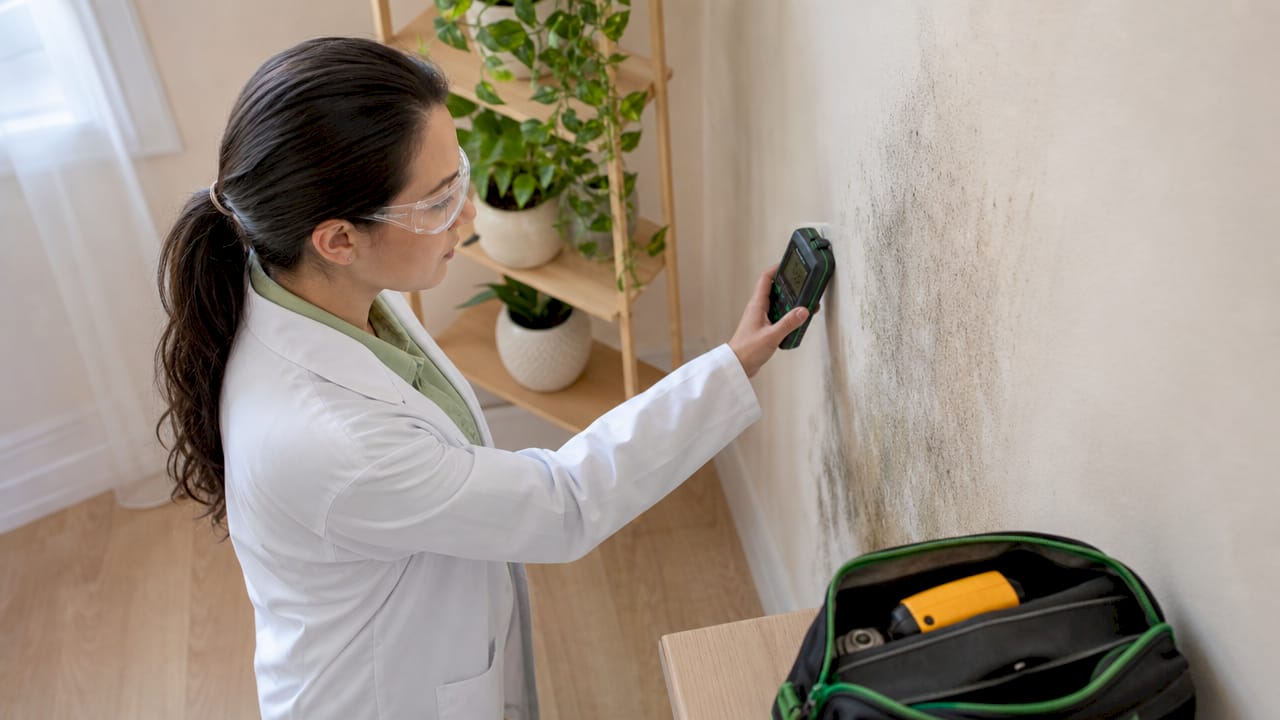
Pro Tip: If you suspect hidden moisture damage, use a thermal imaging camera or a calibrated wall moisture meter before opening walls. Early detection costs far less than remediation after mould has established itself.
Key takeaways
Effective humidity control requires accurate sensing, the right combination of active and passive systems, and a target RH of 40%–60% to protect both respiratory health and building integrity.
| Point | Details |
|---|---|
| Target RH range | Keep indoor relative humidity between 40% and 60% for optimal respiratory health and minimal structural risk. |
| Active systems needed | Humidifiers, dehumidifiers, and smart sensors work together; no single device covers all conditions. |
| Air sealing beats vapour barriers | Most moisture enters via air leakage, so sealing gaps is more effective than relying on diffusion barriers. |
| AC alone is insufficient | Standard air conditioners often stop before removing enough moisture; supplemental dehumidification fills the gap. |
| Sensing is non-negotiable | Humans cannot reliably detect RH changes; calibrated sensors are the only accurate way to monitor and respond. |
Why I treat humidity as seriously as temperature
Most people think about air quality in terms of dust or pollutants. Humidity rarely gets the same attention, and that gap is where the real damage happens.
Over the years, I have seen properties where mould had been growing inside walls for months before anyone noticed. The occupants had no idea because the rooms felt comfortable. The RH was sitting at 68%, the building code had been met, and the vapour barrier was intact. None of that prevented the problem because the air leakage was never addressed.
The technology has improved significantly. Integrated smart systems now monitor RH, temperature, and particulate levels simultaneously, adjusting HVAC and humidifier output without any manual input. That kind of automation removes the human sensitivity problem entirely. You do not need to notice a 5% RH shift if your system already has.
My practical advice for anyone managing a property in the UAE is to treat humidity regulation as a year-round task, not a seasonal one. The outdoor conditions change dramatically between summer and winter, and your indoor systems need to respond to both extremes. A role of air quality sensors guide is a good starting point for understanding what to measure and where to place sensors for accurate readings.
The regulatory picture will likely tighten over the next few years as building performance standards catch up with the research. Getting ahead of that now means fewer retrofits later.
— Wojciech
Humidity control products and guides from Cleanair-ae
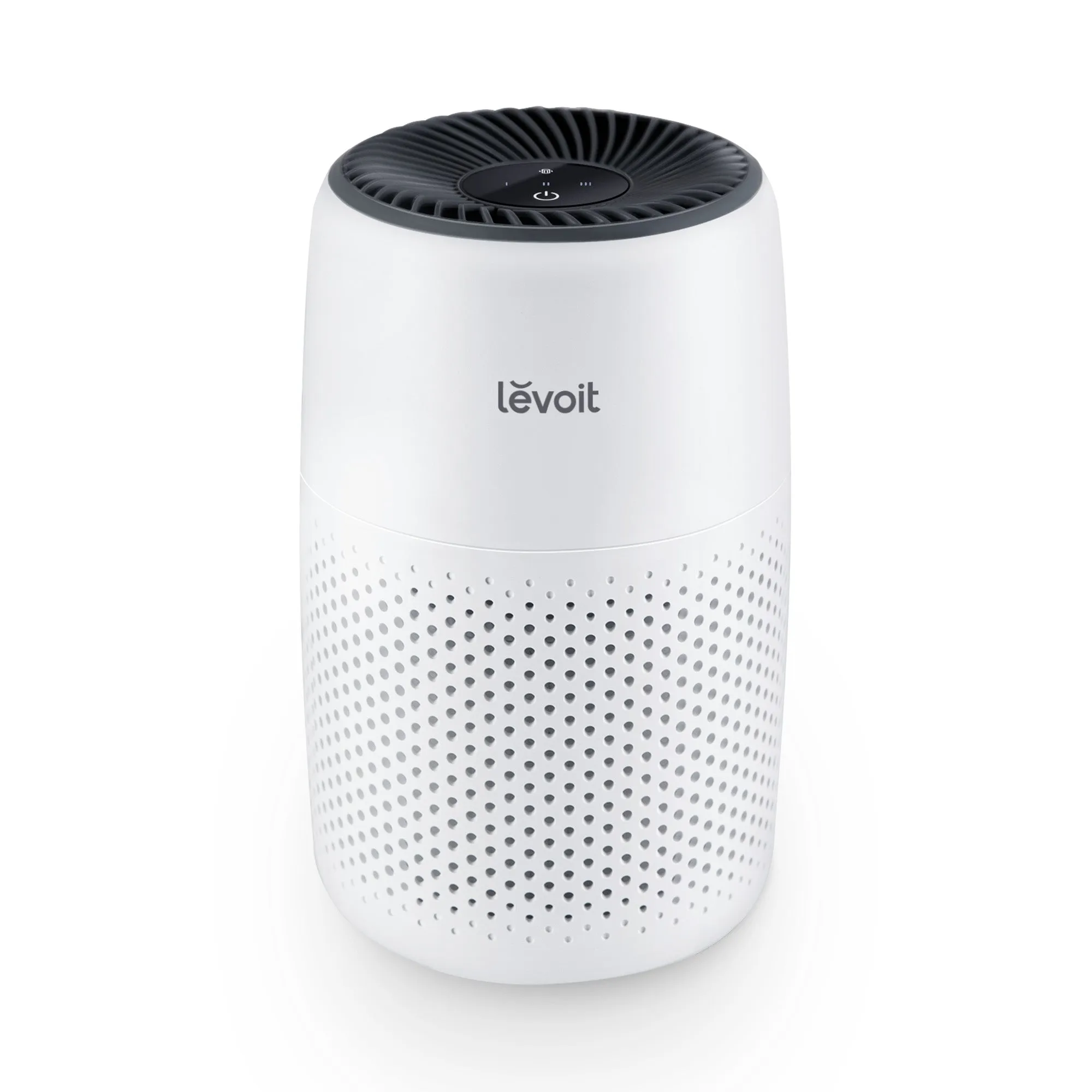
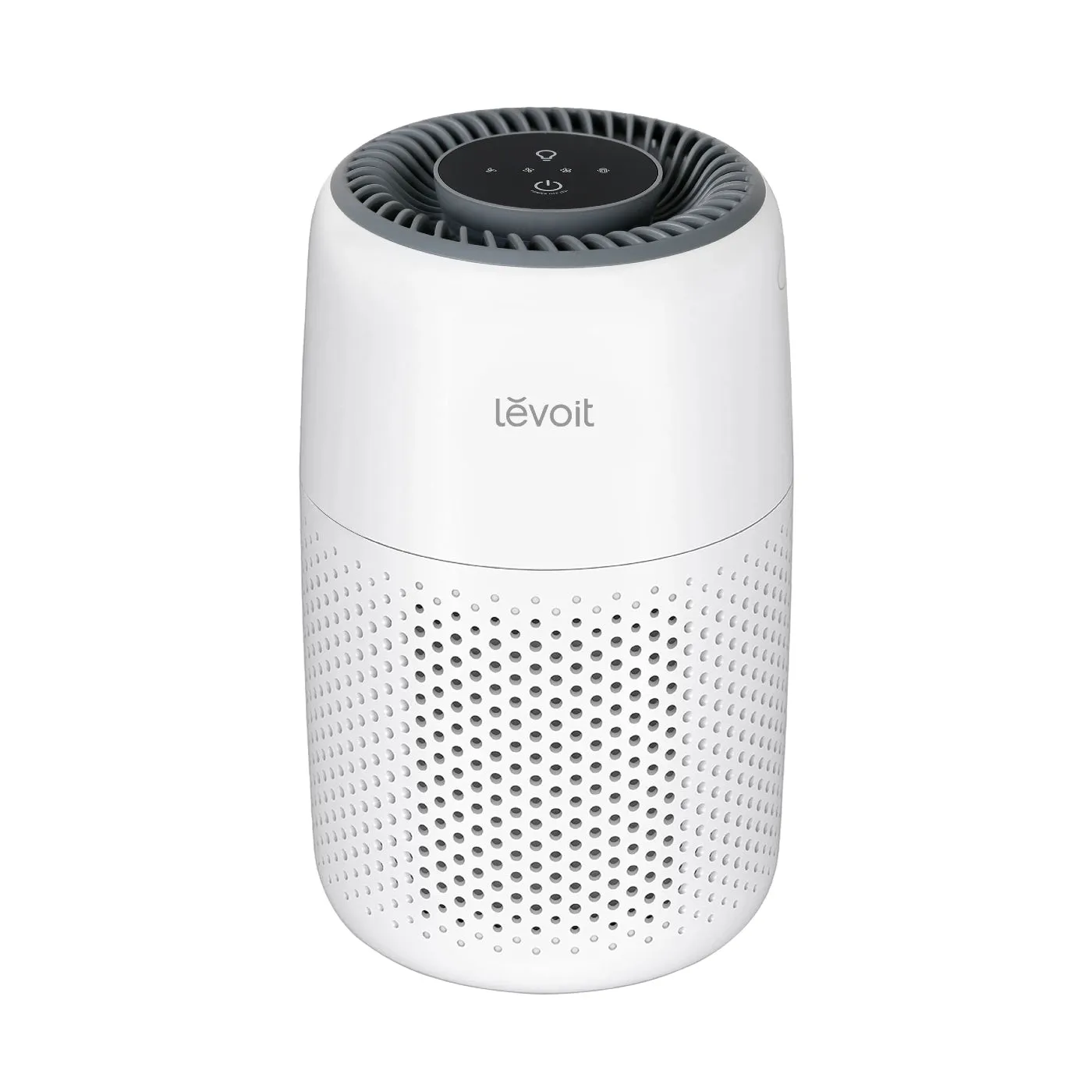
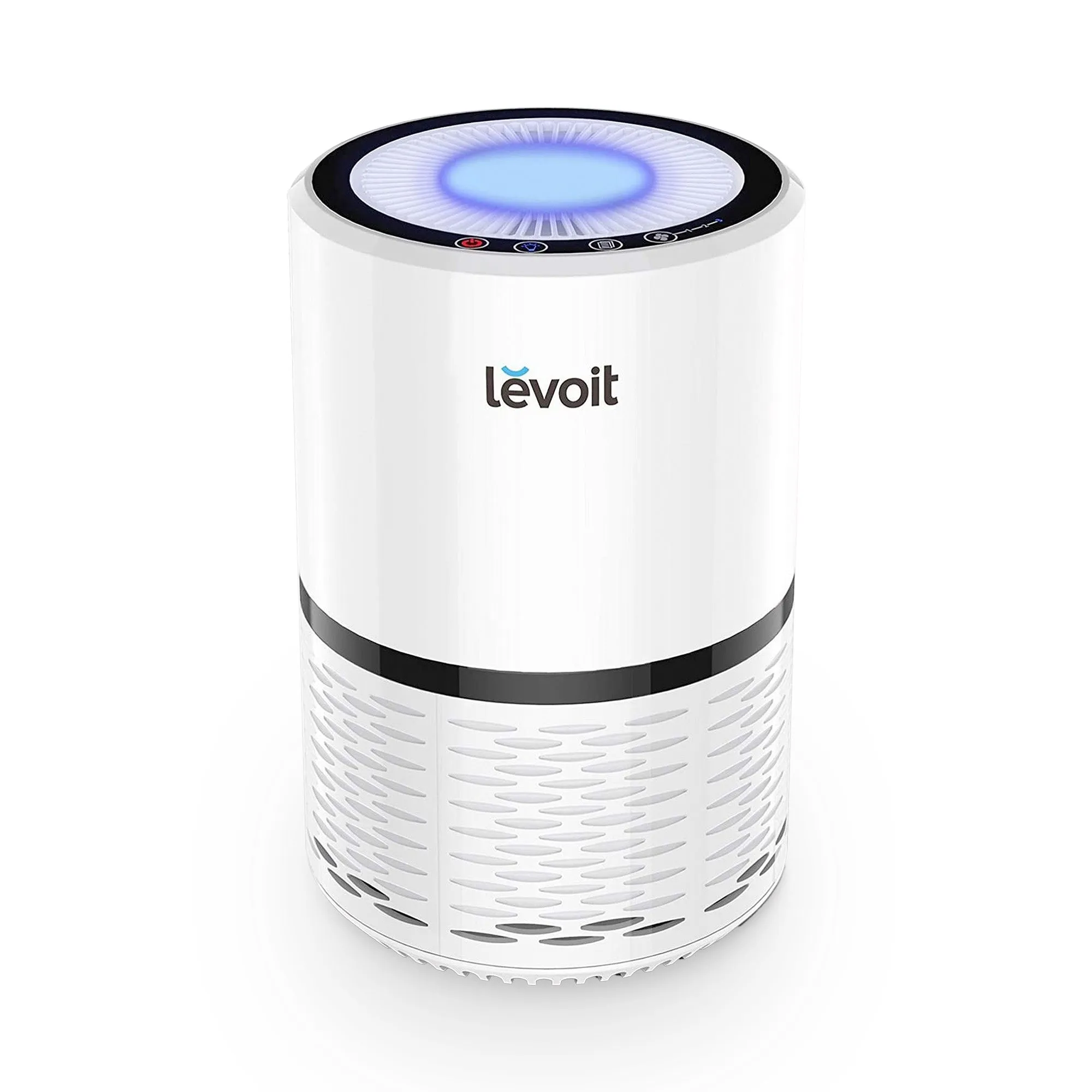
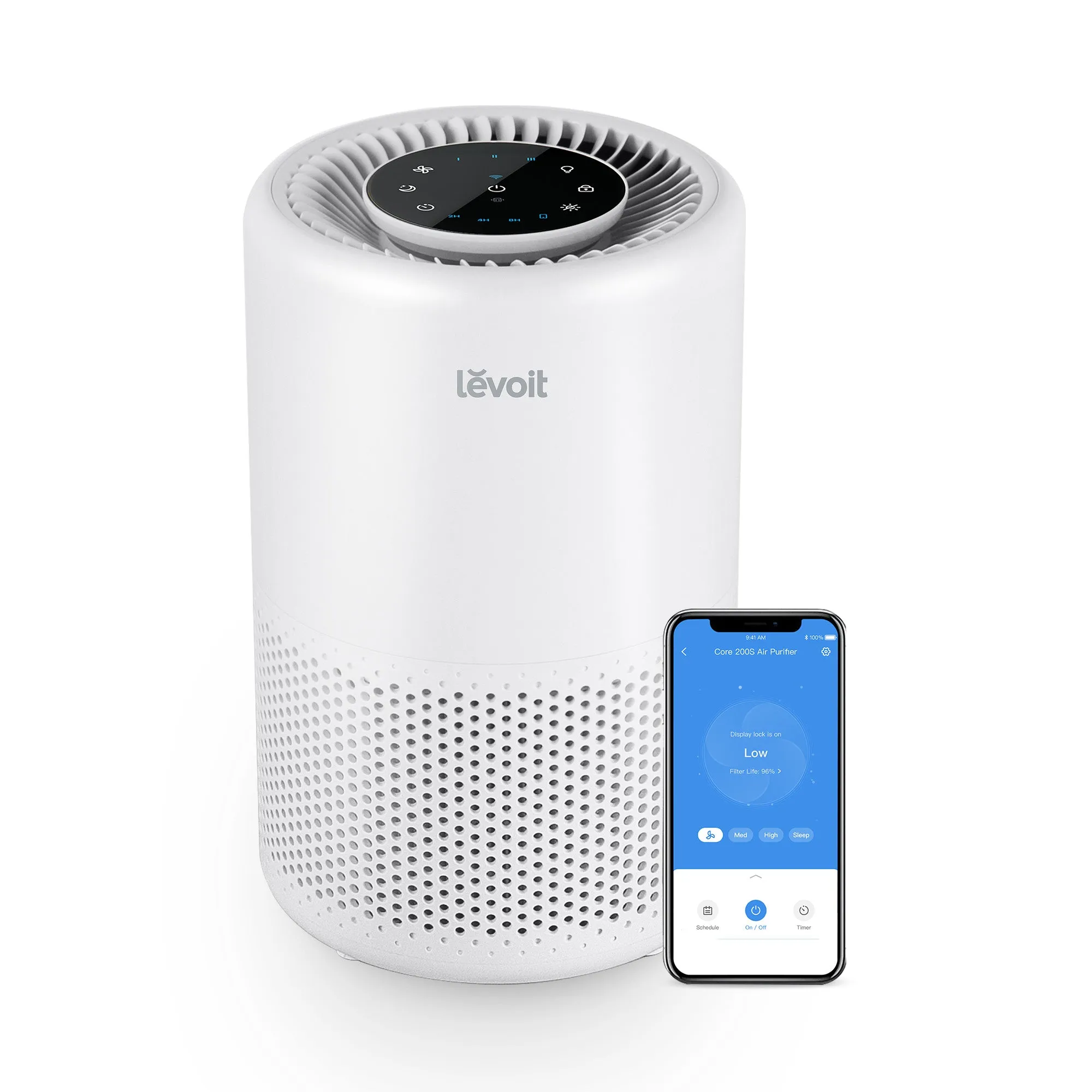
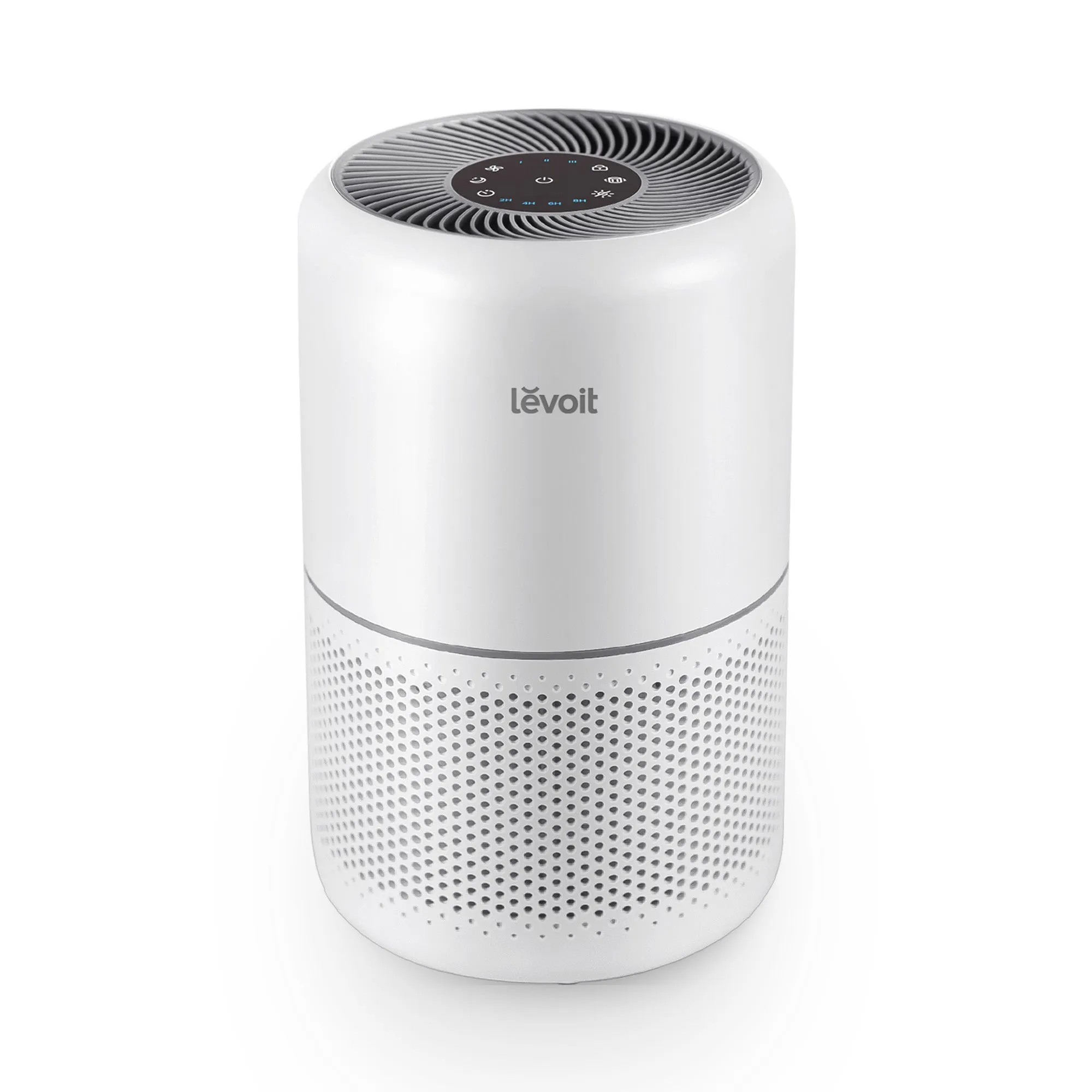
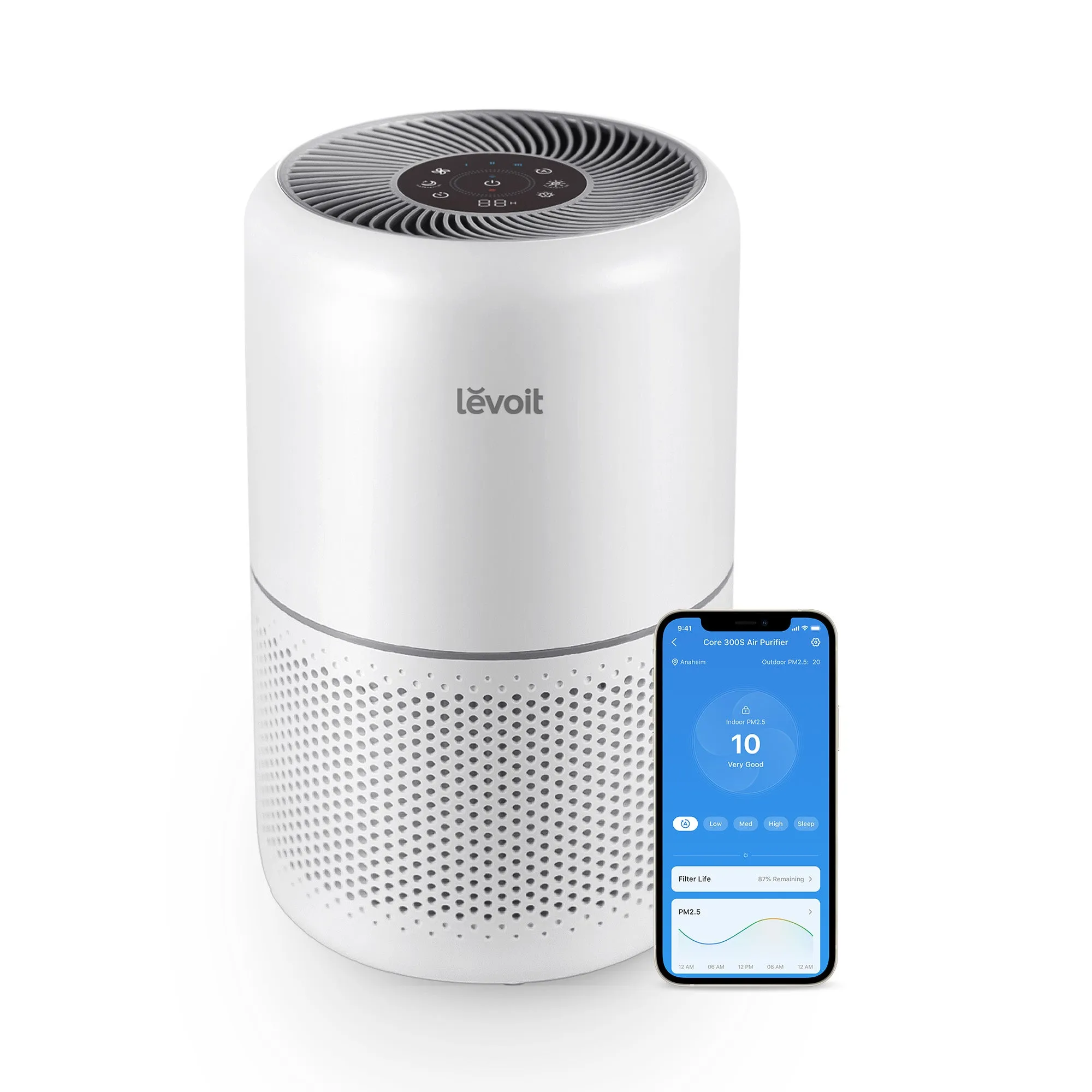
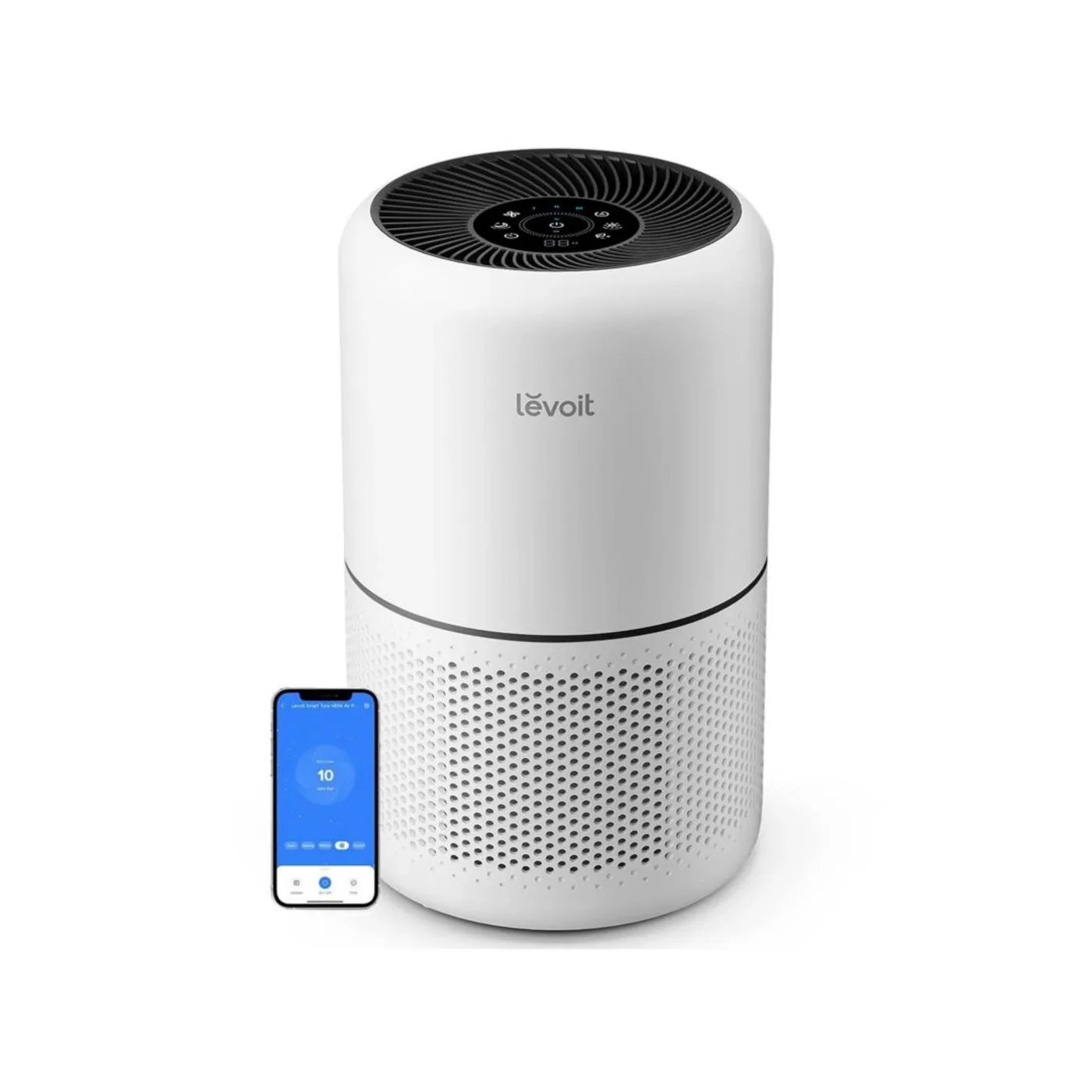
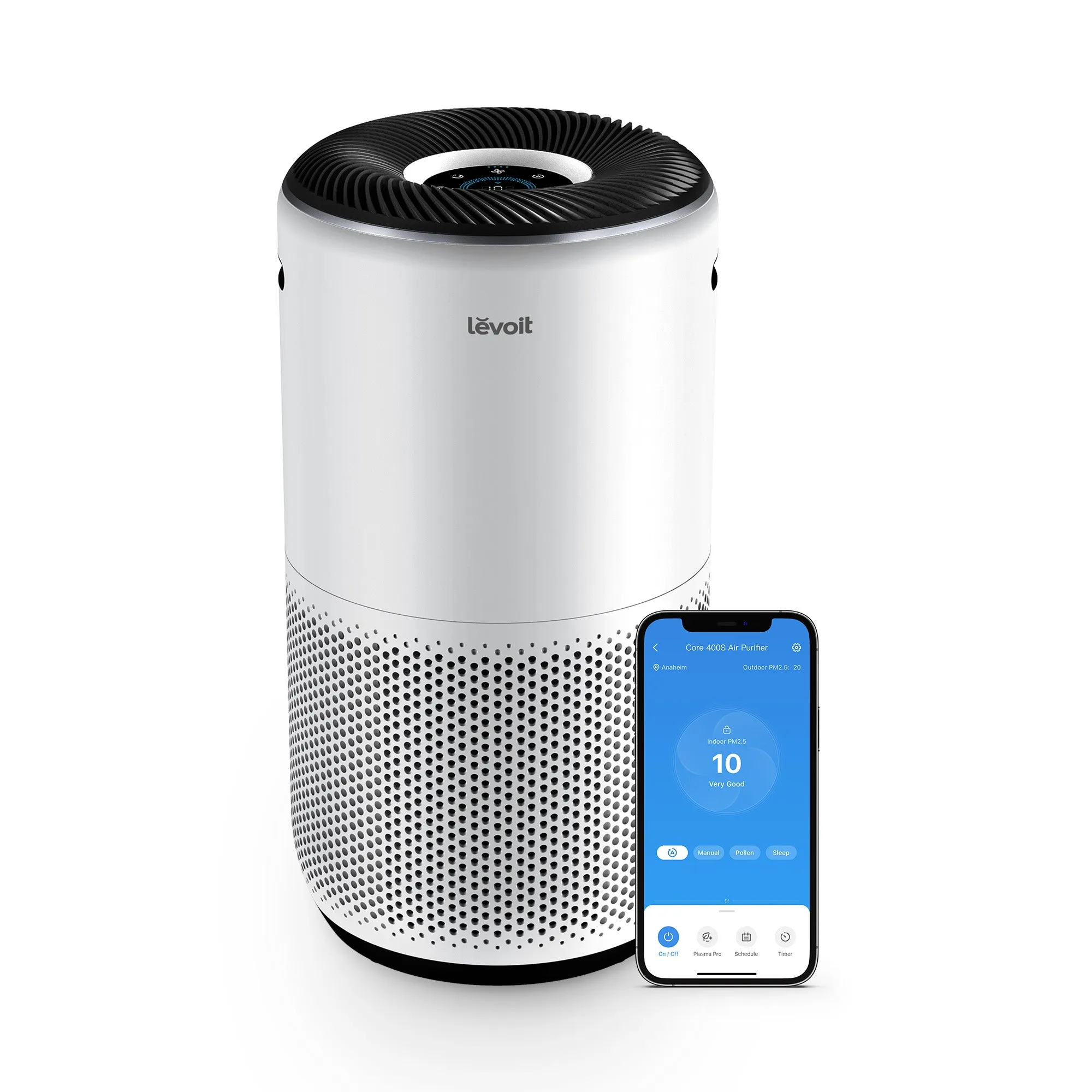
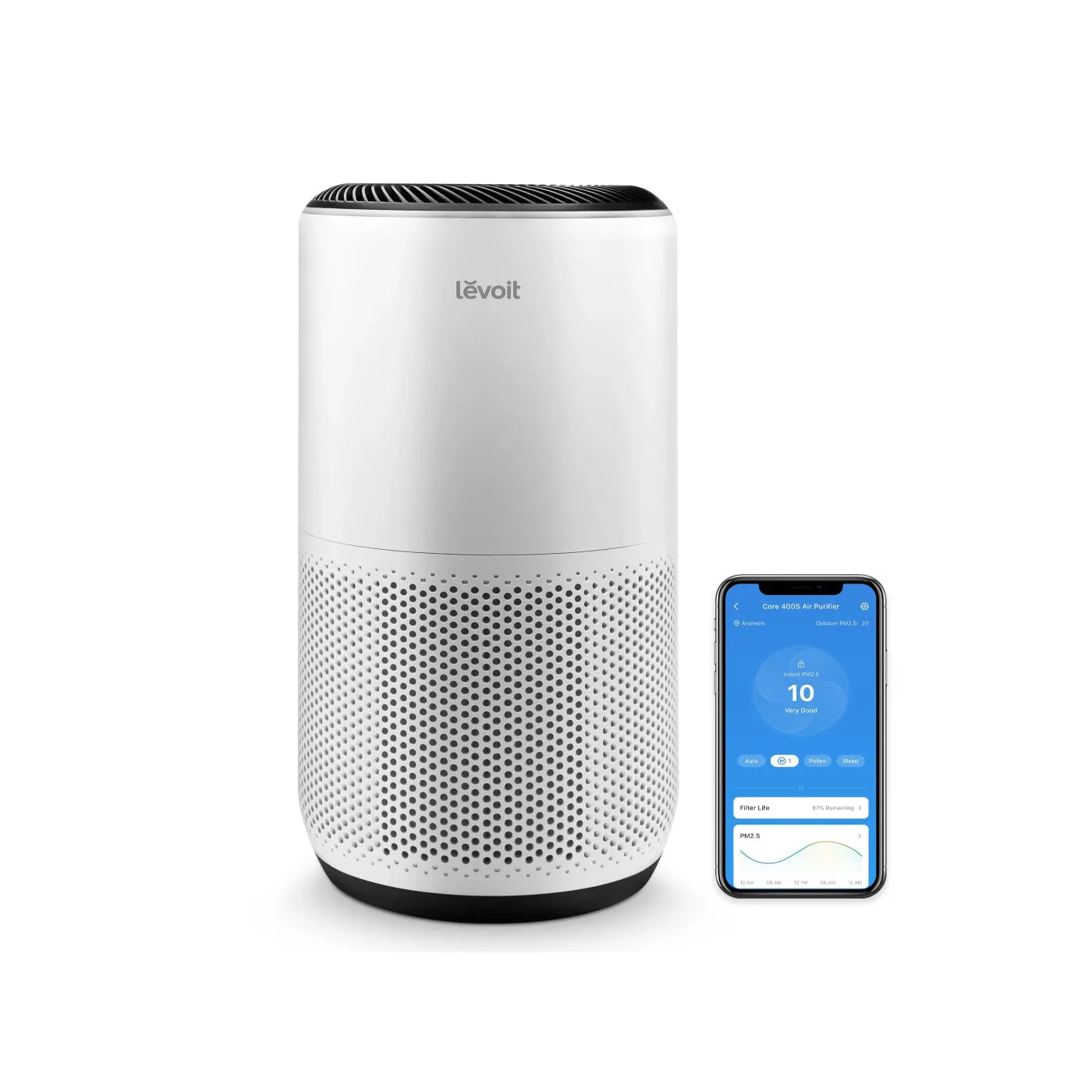
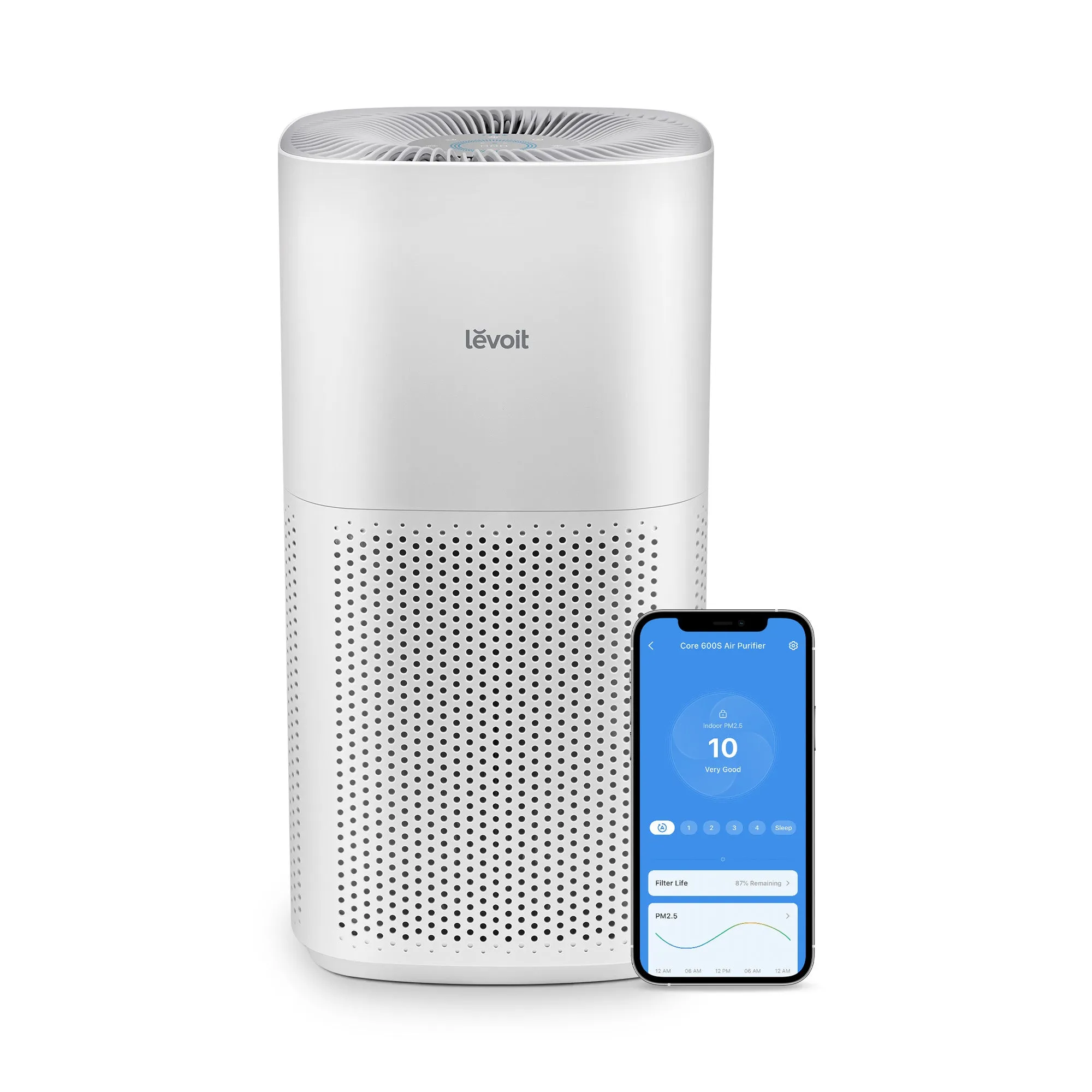
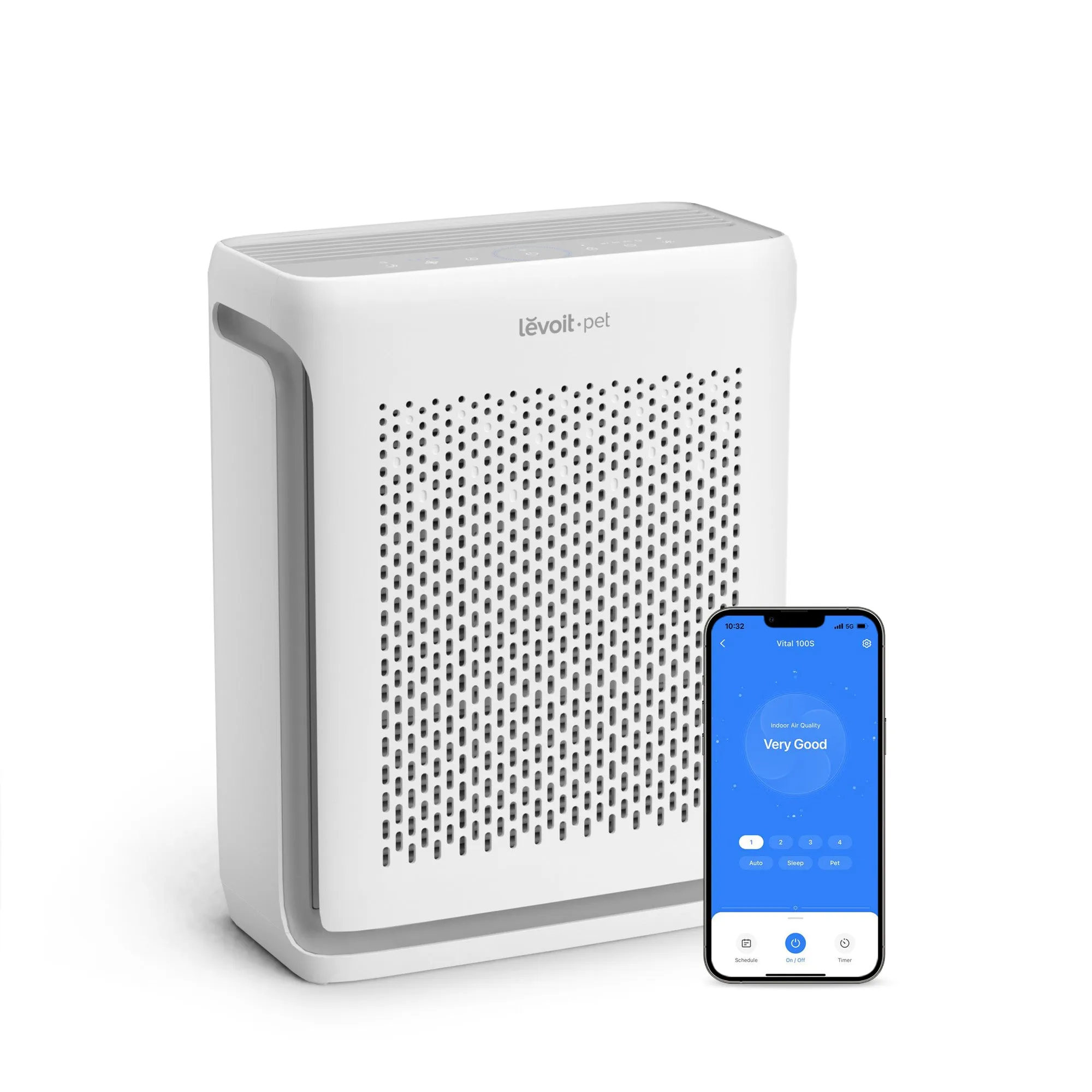
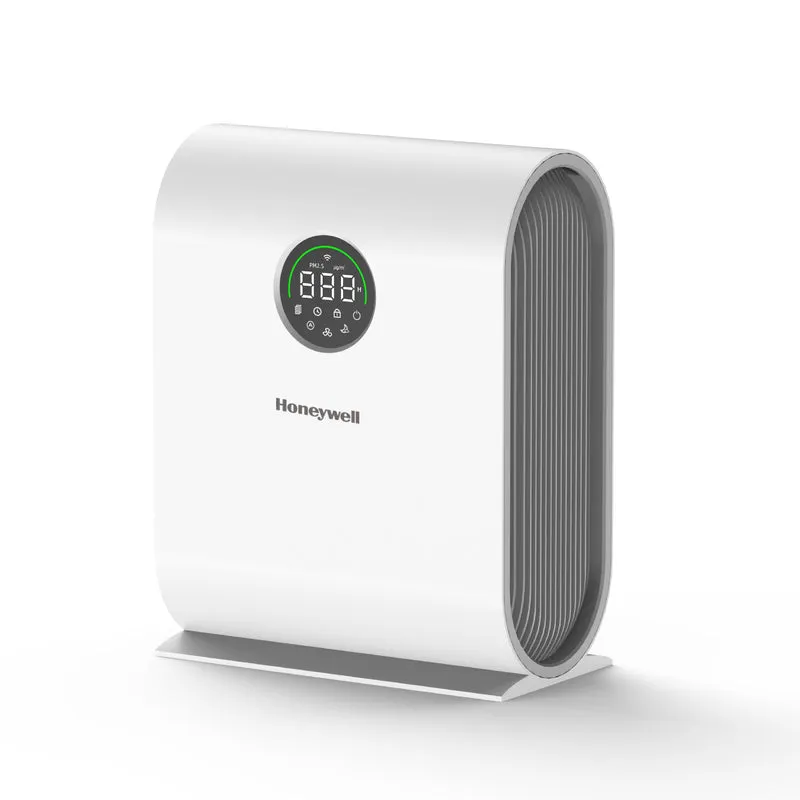
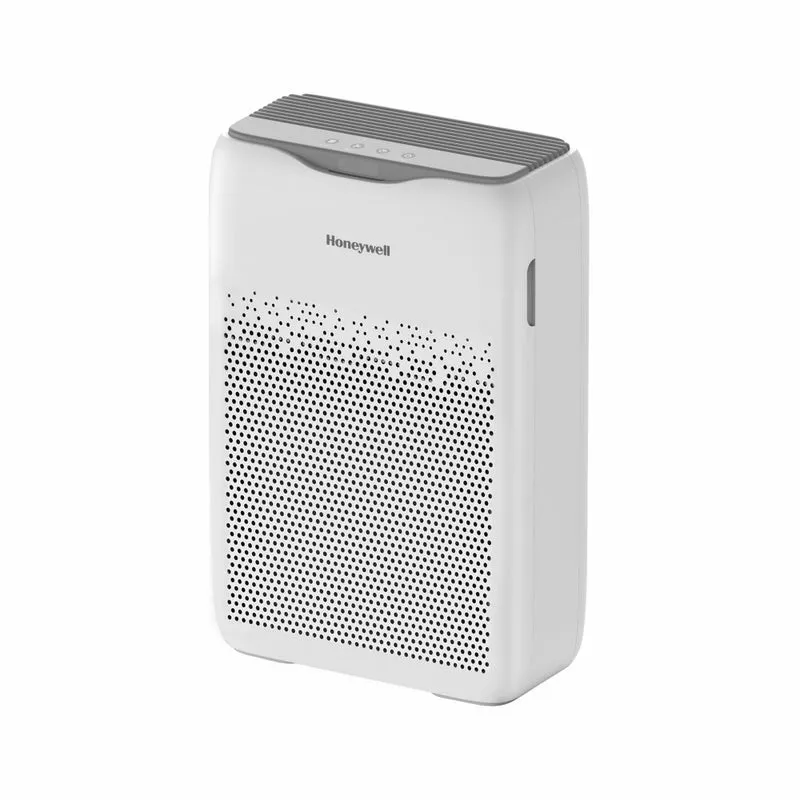
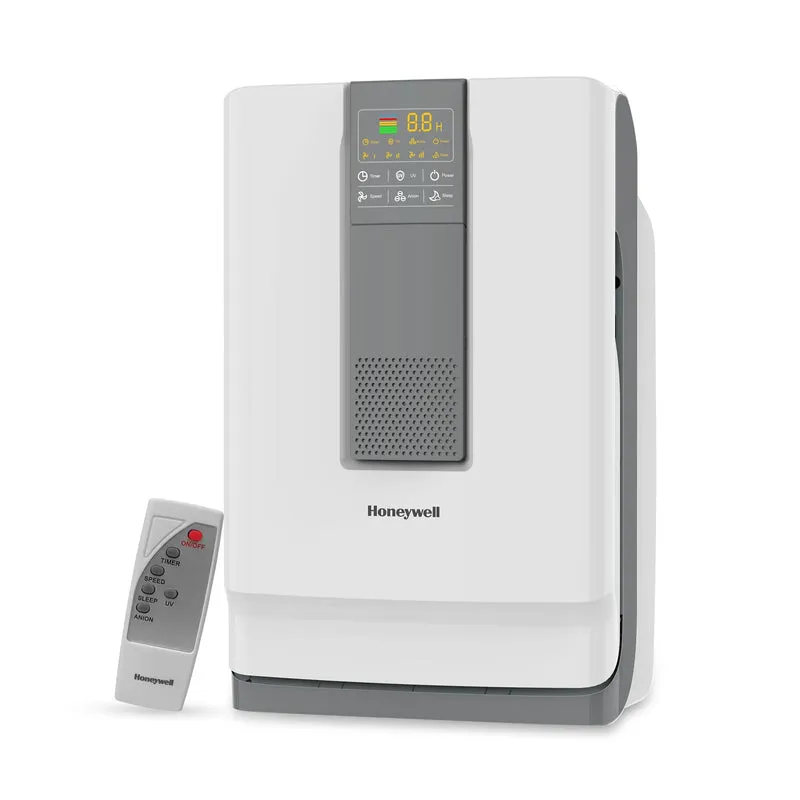
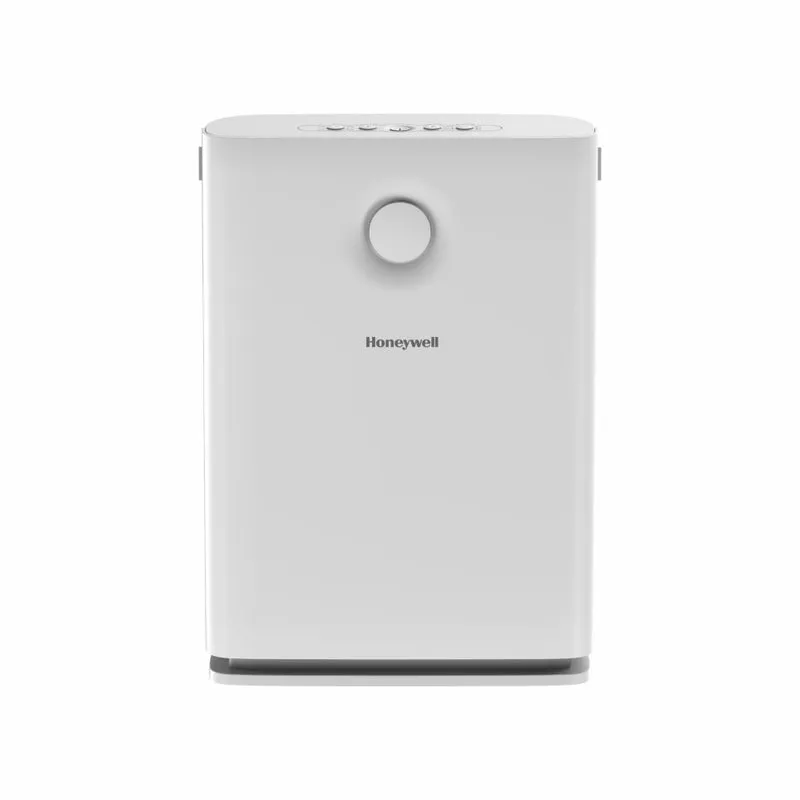
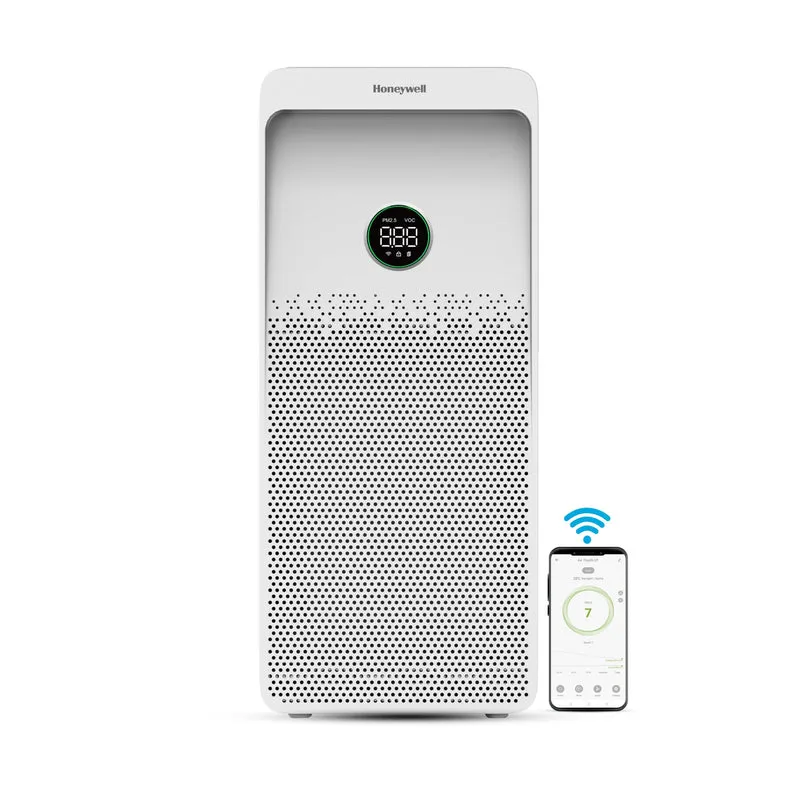
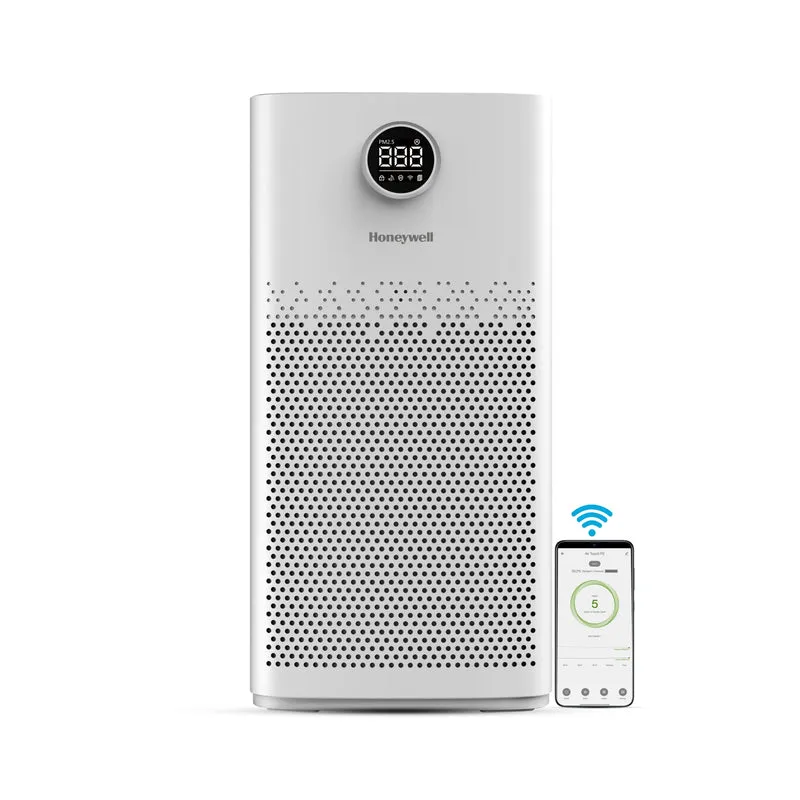
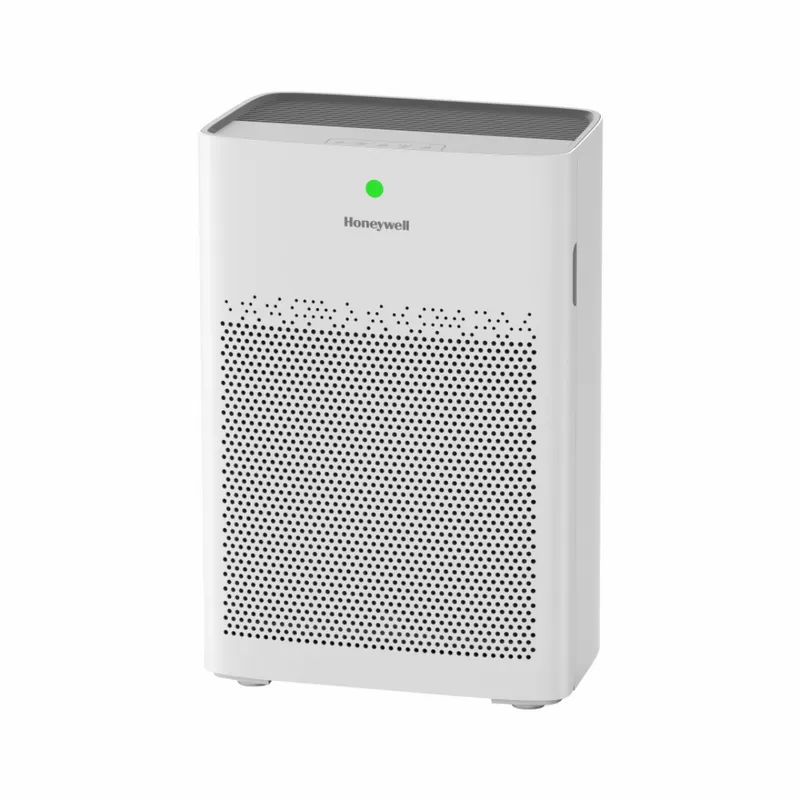
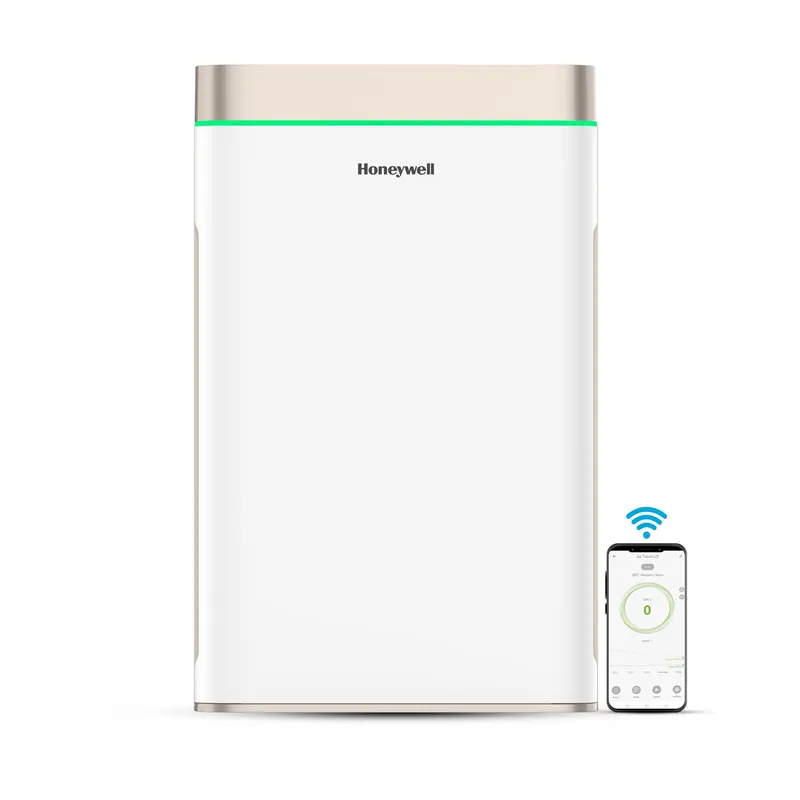
Cleanair-ae stocks a range of humidifiers, dehumidifiers, and air quality accessories suited to UAE homes and commercial spaces, from compact Levoit units for single rooms to Honeywell models for larger areas.

The air purifier buying guide for 2026 covers how to select the right combination of air quality devices, including humidity control tools, for different room sizes and budgets. For spaces where excess moisture is the primary concern, the dehumidifiers for humid homes guide explains which specifications matter and how to size equipment correctly. Free delivery across Dubai and Abu Dhabi is available on orders over 49 AED.
FAQ
What is the ideal indoor humidity level for health?
The ideal indoor relative humidity for respiratory health is 40%–60%, with the EPA recommending below 50% to minimise mould and dust mite growth. ASHRAE 55 permits up to 60% for comfort in most occupied spaces.
How does humidity affect indoor air quality?
High humidity above 60%–70% promotes mould, dust mites, and bacterial growth, and inflates PM2.5 sensor readings by up to 80% through hygroscopic particle growth. Low humidity below 30% irritates airways and reduces the body’s ability to filter airborne particles.
Can a standard air conditioner control humidity?
A standard residential air conditioner dehumidifies as a side effect of cooling but typically shuts off at the temperature setpoint before removing sufficient moisture. Supplemental dehumidifiers or commercial systems with reheat coils are needed for reliable humidity control.
Why is humidity control particularly important in the UAE?
UAE outdoor humidity peaks sharply in summer, pushing moisture into buildings, while air conditioning can drop indoor RH below 30% in winter months. This dual extreme makes year-round RH monitoring and active control more critical than in more temperate climates.
What is the difference between a humidifier and a dehumidifier?
A humidifier adds moisture to dry indoor air, raising RH when it falls below the healthy range. A dehumidifier extracts excess moisture, lowering RH when it rises above safe levels. Most well-managed indoor environments require both devices at different times of year.