

Uncategorised
What is negative ion purification: a clear guide
Negative ion purification, also called air ionisation, is a process that releases negatively charged ions into the air. These ions attach to airborne particles, causing them to clump together and settle onto surfaces or collector plates. The technology can reduce small particulate matter, particularly ultrafine PM2.5, but it does not remove gases or odours. As a supplement to HEPA filtration it has practical value; as a standalone replacement for mechanical filtration, the evidence does not support it. Two risks are worth knowing upfront: ozone production and inconsistent clinical health benefits. EPA guidance confirms that ionisers can produce ozone, a lung irritant, and systematic reviews note that therapeutic health claims remain controversial.
Table of Contents
- How does negative ion purification work?
- What types of ionisation technology are there?
- What does the science say about effectiveness?
- What are the practical benefits and drawbacks?
- What are the health risks and UK safety considerations?
- How to choose and use an ioniser safely at home
- How can you increase negative ions naturally at home?
- What does the research actually show?
- Key takeaways
- The case for caution over enthusiasm
- Air purifiers and ionisers from Cleanair-ae
- Useful sources and further reading
How does negative ion purification work?
Negative ions charge airborne particles, which then clump together through agglomeration and deposit onto surfaces or internal collector plates. This is the core mechanism, and it differs fundamentally from mechanical filtration, where a physical medium traps particles as air passes through it.
The process follows a clear sequence:
- Ion generation: A high-voltage electrode (corona discharge) strips electrons from air molecules, creating free electrons that attach to oxygen and other gas molecules, forming negative ions.
- Particle charging: Negative ions collide with airborne particles, transferring a negative charge to dust, pollen, smoke, and bacteria.
- Agglomeration: Charged particles attract each other and clump into larger masses, which are heavier and settle faster.
- Deposition: Particles land on nearby surfaces, walls, furniture, or internal collector plates if the device has them.
The key difference from HEPA filtration is where particles end up. A HEPA filter physically captures particles inside the unit, removing them from the room entirely. An ioniser without a collector plate deposits charged particles onto room surfaces, where they remain until cleaned. Think of it as moving the problem rather than eliminating it.
Pro Tip: After running a standalone ioniser, wipe down surfaces regularly. Charged particles settle on walls and furniture, and any disturbance — walking past, opening a window — can resuspend them into the air you breathe.
What types of ionisation technology are there?
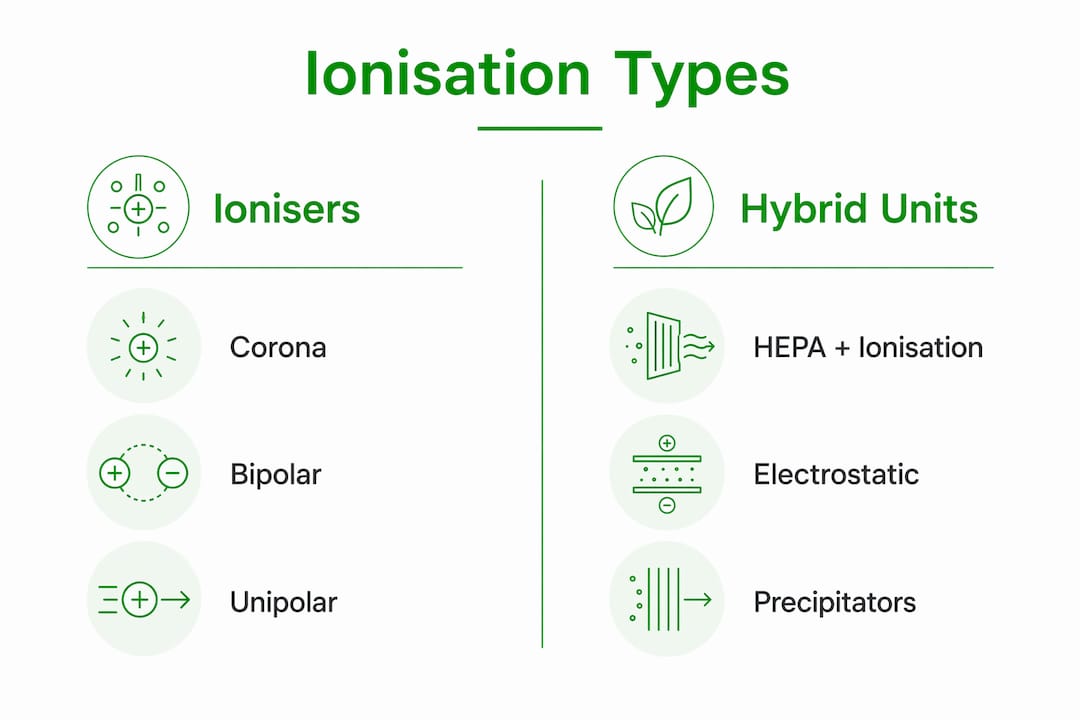
Not all ionisers work the same way, and the differences matter for both performance and safety. The four main device families each carry different trade-offs.
Corona discharge ionisers
The most common type. A high-voltage needle or wire creates a corona discharge that ionises surrounding air molecules. These units are inexpensive and widely available, but they tend to produce the most ozone of any ioniser type, particularly when the electrode is dirty or worn.
Bipolar and unipolar ionisers
Bipolar units release both positive and negative ions simultaneously, which can neutralise charges on particles more effectively and reduce electrostatic build-up on surfaces. Unipolar units emit only negative ions. Both types are used in HVAC-integrated systems for larger spaces. Ozone output varies by design and voltage level.
Electrostatic precipitators (ESPs)
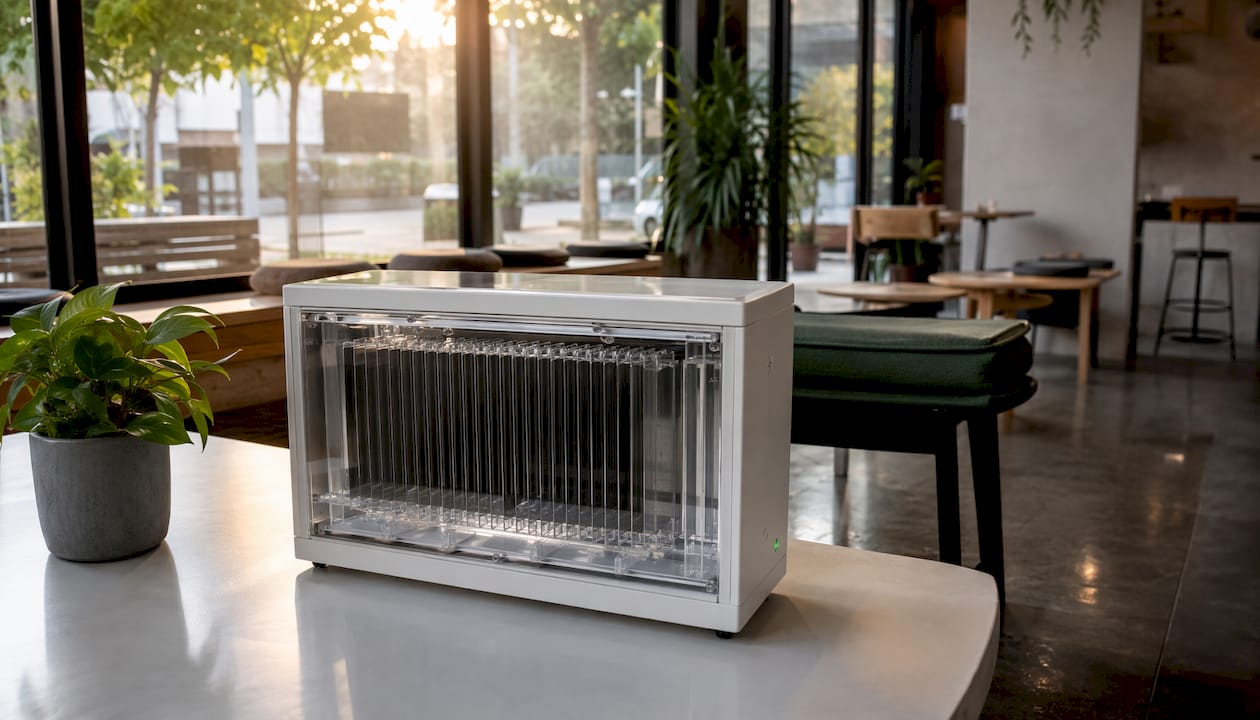
ESPs use charged internal plates to collect particles rather than depositing them on room surfaces. According to Wikipedia’s air ioniser entry, properly maintained precipitators can avoid surface deposition, but they require regular plate cleaning and some designs still produce ozone. They are more effective at keeping particles out of the room air than basic ionisers.
Hybrid HEPA + ionisation units
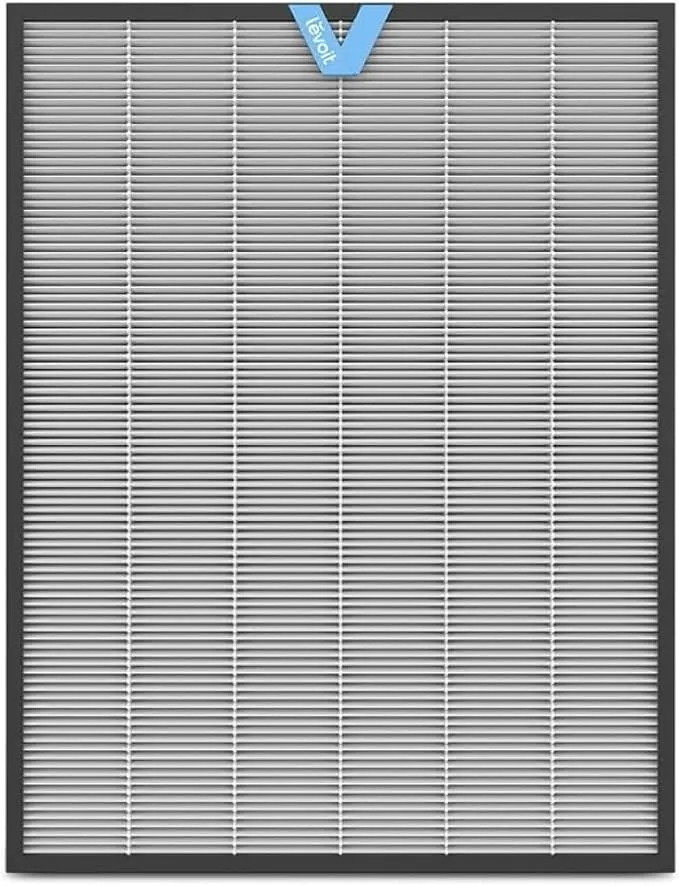
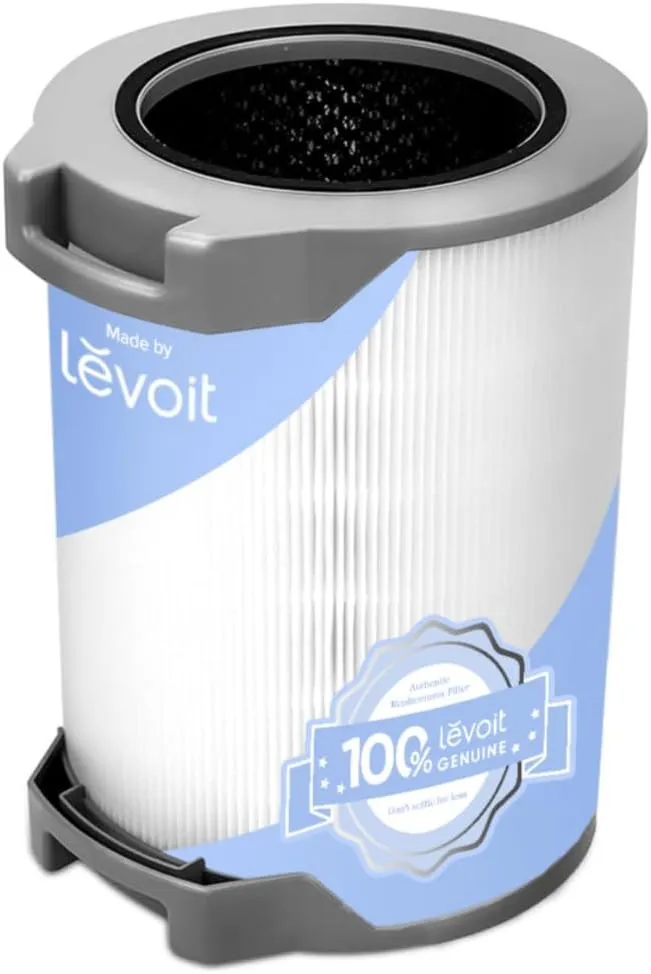
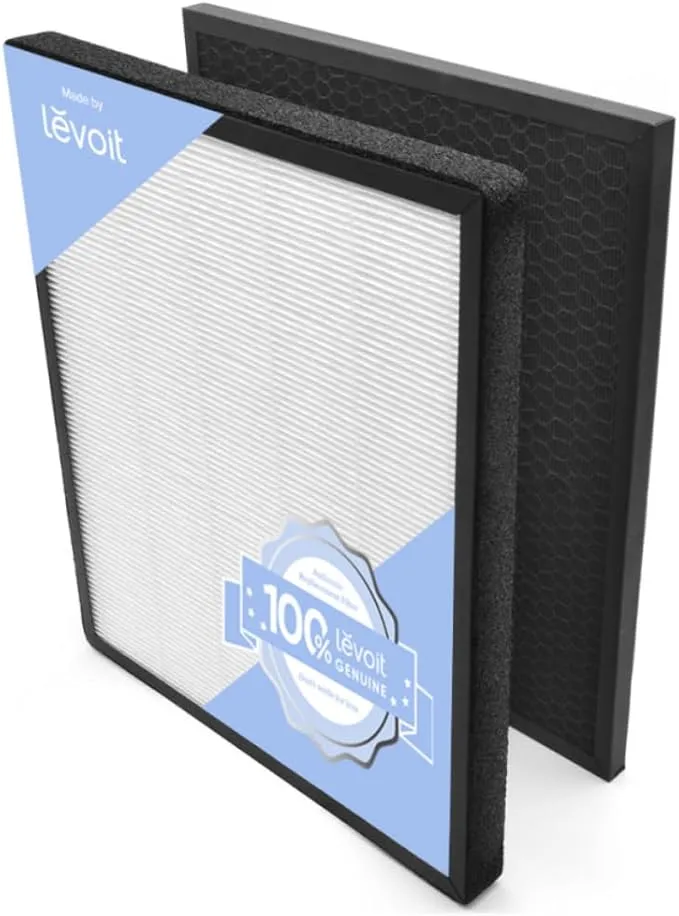
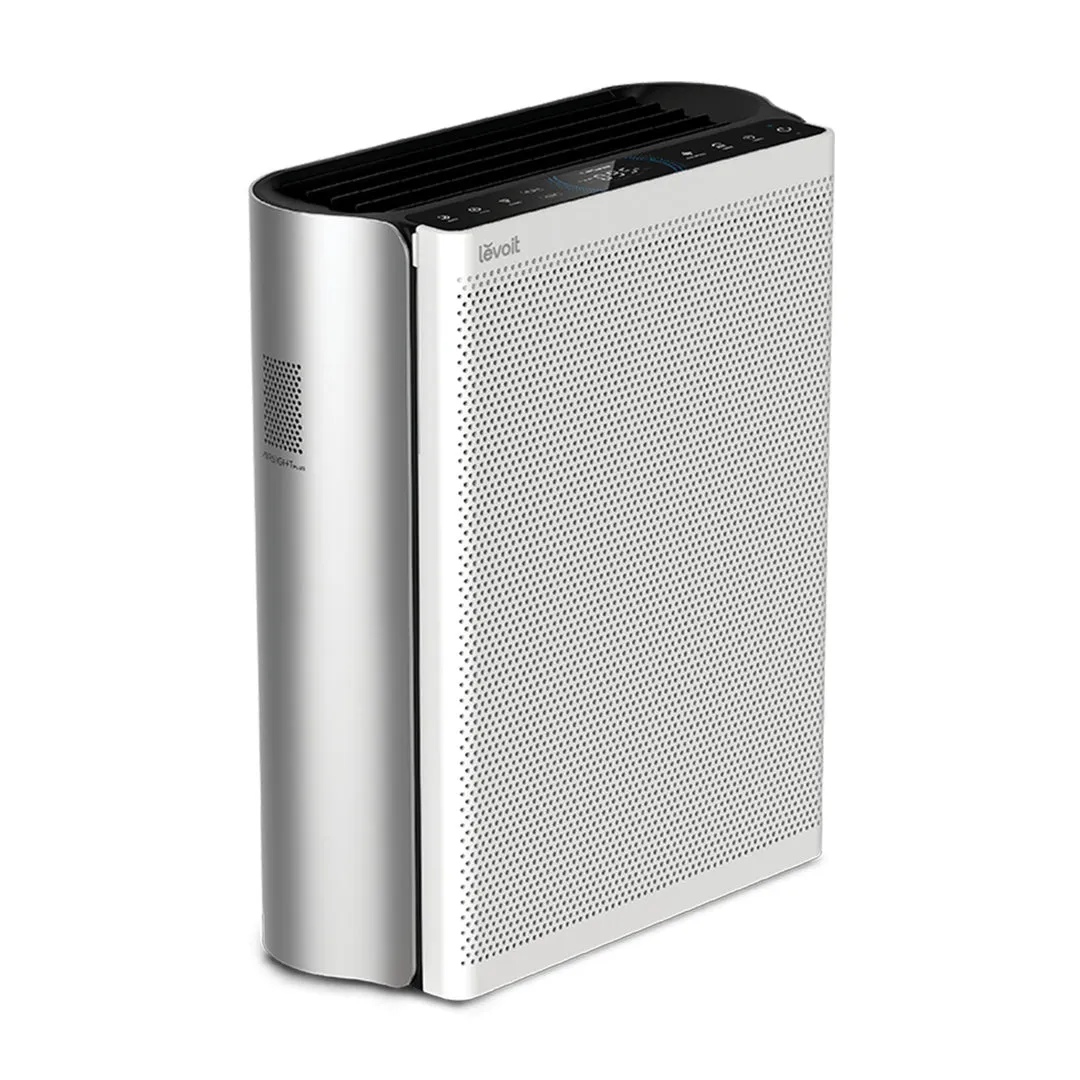
These combine a mechanical HEPA filter with an ionisation stage. The HEPA captures the bulk of particles; the ioniser helps aggregate ultrafine particles that might otherwise pass through. This is the configuration most frequently recommended by independent guidance, including the EPA, because mechanical filtration handles the primary workload and ionisation is genuinely supplementary.
| Device type | Ozone risk | Particle removal method | Notes |
|---|---|---|---|
| Corona discharge ioniser | Higher | Surface deposition | Cheapest; electrode maintenance critical |
| Bipolar/unipolar ioniser | Moderate | Surface deposition or HVAC capture | Common in commercial HVAC |
| Electrostatic precipitator | Moderate | Internal collector plates | Plates need regular cleaning |
| Hybrid HEPA + ioniser | Lower (when well-designed) | Filter capture + deposition | Recommended configuration |
What does the science say about effectiveness?
Lab evidence for particulate removal is reasonably strong. Clinical evidence for health benefits is not.
Chamber and field tests show that negative air ionisers can produce substantial reductions in airborne particulate matter under controlled conditions. A comprehensive PMC review covering over a century of use found efficient PM removal in experimental settings, while noting that effectiveness varies with room ventilation, particle size, and surface materials. One intervention study cited in a PMC multiomics review found that using an ionisation air purifier reduced particulate matter and black carbon levels alongside a measurable increase in negative air ion concentration. Those results come from a single controlled study and should not be treated as typical real-world performance.
The clinical picture is more complicated. A PMC meta-analysis on air ions and mood found that higher concentrations of negative ion exposure were associated with lower depression scores, with stronger effects observed at greater exposures. Evidence for benefits to anxiety, sleep, or general respiratory function was inconsistent across studies.
“Systematic reviews show particulate removal is reproducible in controlled tests, but clinical benefits for general health, sleep and anxiety remain unsupported by consistent evidence — only some depression measures show larger effects at high exposures.”
— PMC meta-analysis
Key limitations across the research base:
- Small sample sizes in most clinical trials reduce statistical reliability.
- Variable ion concentrations make cross-study comparisons difficult; a dose that shows an effect in one study may not match real-world device output.
- Older studies dominate the literature; the PMC multiomics review notes that much of the research is relatively old and little new work has been pursued recently.
- Lack of control groups in some trials and variable device designs mean results cannot be generalised.
- Confounding factors such as simultaneous PM reduction make it hard to isolate the effect of ions alone.
The honest summary: ionisation reliably moves particles out of the air in controlled settings. Whether that translates into measurable health improvements for the average person at home is not yet established.
What are the practical benefits and drawbacks?
Benefits
- Ultrafine particulate reduction: Ionisers are particularly effective at targeting PM2.5 and smaller particles that HEPA filters can sometimes miss at lower air flow rates.
- Perceived air freshness: Many people report air feeling cleaner or fresher after ionisation, likely linked to reduced particle load and the sensory effect of negative ions.
- Potential mood effects at high densities: The meta-analysis evidence suggests some benefit for depression scores at high ion concentrations, though this is not a clinical recommendation.
- No replacement filter costs for standalone ionisers (though collector plates still need cleaning).
- Silent operation in many models, making them suitable for bedrooms.
Drawbacks
- Ozone production: The primary hazard. EPA guidance confirms that ionisers can produce ozone at harmful levels under some conditions.
- Ineffective for gases and odours: Ionisation does not break down volatile organic compounds (VOCs), cooking smells, or chemical gases.
- Particle redeposition: Without a collector plate, particles land on surfaces and can be resuspended. The PMC review notes electrostatic build-up and surface deposition as operational downsides that increase cleaning burden.
- Surface staining: Heavy use of corona discharge ionisers can leave dark marks on walls near the unit.
- Limited clinical evidence: Most therapeutic claims go beyond what peer-reviewed evidence currently supports.
Ozone warning: Ozone is a lung irritant. Even at concentrations below the threshold of smell, prolonged exposure can irritate airways, worsen asthma, and reduce lung function. If a device produces a noticeable sharp smell, ventilate the room immediately and check the unit’s emissions data.
What are the health risks and UK safety considerations?
Ozone is the primary health concern with ionisation technology. It is produced either directly by the device’s high-voltage components or indirectly through reactions between ions and other indoor air chemicals. The EPA classifies it as a lung irritant capable of causing respiratory harm at elevated concentrations.
A commonly cited benchmark is the FDA medical device ozone limit of 0.05 ppm. This is a US-specific standard for medical devices, not a UK regulatory requirement, but it is widely used as an informal reference point when evaluating air cleaner emissions. UK buyers should note that no equivalent mandatory ozone emission limit for domestic air cleaners currently exists under UK consumer product regulations, making independent emissions testing the most reliable verification method. For a detailed look at how ozone behaves indoors, the ozone in indoor air guide covers the health impacts and measurement approaches.
Safety checklist for UK buyers
- Ask the manufacturer or retailer for independent third-party ozone emissions test results, not just marketing claims.
- Check whether the device carries a recognised safety certification (e.g., CE marking for electrical safety; look for any independent air quality certification).
- Confirm the ionisation function can be switched off independently of the fan, so you can use HEPA filtration alone if needed.
- Verify the device has been tested for PM removal efficiency, not just ion output.
- Avoid using high-output ionisers in small, poorly ventilated rooms.
- Keep the room ventilated during operation, particularly with corona discharge models.
Pro Tip: If you or anyone in your household has asthma, COPD, or another respiratory condition, consult a GP or respiratory specialist before using any ionising device. Children and elderly people are more sensitive to ozone exposure, even at low concentrations.
How to choose and use an ioniser safely at home
Buying checklist
- Prefer hybrid HEPA + ionisation units. Mechanical filtration handles the bulk of allergens and larger particles; ionisation then addresses ultrafine PM. EPA and review literature consistently recommend this configuration.
- Request independent emissions data. Marketing claims are not sufficient. Ask for third-party lab test results showing ozone output under realistic operating conditions.
- Check for CADR or PM removal data. Clean Air Delivery Rate (CADR) figures give a standardised measure of how much air the unit cleans per hour. Prefer units with published CADR data over those that only quote ion output.
- Verify a switchable ion function. You should be able to run the HEPA filter without the ioniser active.
- Check replacement filter availability before buying. A unit with no accessible filter supply becomes unusable once the original filter degrades.
Usage checklist
- Placement: Position units away from where people sit or sleep directly in front of the ion output. Avoid placing them in corners where ion concentration can build up.
- Ventilation: Keep a window slightly open during operation, particularly with corona discharge models, to prevent ozone accumulation.
- Surface cleaning: Wipe down walls, shelves, and furniture near the unit regularly to remove deposited particles before they are resuspended.
- Collector plate maintenance: If the unit has internal collector plates, clean them according to the manufacturer’s schedule. Dirty plates reduce efficiency and can increase ozone output.
- Filter replacement: For hybrid units, replace HEPA and carbon filters on schedule. A clogged filter forces the unit to work harder and reduces overall performance.
- Humidity: Keep indoor humidity between 40% and 60%. Very dry air increases ion dissipation; very humid air can reduce ion output and encourage mould growth.
For broader guidance on air cleaning for allergy sufferers, mechanical filtration remains the primary recommendation.
How can you increase negative ions naturally at home?
Devices are not the only route to higher indoor ion levels. Natural sources produce negative ions without the ozone risk associated with corona discharge technology.
Natural sources of negative ions include:
- Outdoor air: Concentrations in forests, near waterfalls, and at the coast can reach 500–10,000 ions/cm³ according to the PMC multiomics review, far higher than typical indoor levels.
- Running water: Waterfalls, rain, and even a running shower generate negative ions through the Lenard effect, where water droplets break apart and release electrons.
- Sunlight and aeration: Solar radiation and cosmic rays ionise atmospheric molecules naturally; rooms with good natural light and airflow tend to have higher ion counts.
- Indoor water features: Small fountains can modestly raise local ion levels, though the effect is limited in larger rooms.
- Plants: Some research suggests plants contribute marginally to indoor ion levels through tip discharge and photosynthesis, though the effect is small compared to ventilation.
Practical steps to raise indoor ion levels without a device:
- Open windows for at least 20 minutes daily to bring in outdoor air, particularly after rain.
- Use a shower or run a kitchen tap with good ventilation to benefit from water-generated ions.
- Position seating near windows where natural airflow is highest.
- Refer to chemical-free housing guidance for broader strategies on reducing indoor pollutants without relying on electrical devices.
One important caveat: natural methods raise ion counts modestly and do not replace filtration for allergens, PM2.5, or gaseous pollutants. They are complements, not substitutes.
What does the research actually show?
The research base on negative air ionisation spans over a century, but the quality and consistency of evidence varies considerably across outcomes.
Particle removal: The strongest evidence. Chamber tests and field studies consistently show that ionisers reduce airborne particulate matter, particularly PM2.5 and smaller fractions. The PMC comprehensive review confirms efficient PM removal in experimental settings, with the caveat that real-world performance depends heavily on room size, ventilation rate, and surface materials.
Mood and depression: A meta-analysis published in PMC found an association between high-density negative ion exposure and lower depression scores. The effect was stronger at higher ion concentrations. Evidence for anxiety, sleep quality, and other mood outcomes was inconsistent.
Respiratory function: The PMC multiomics review notes that older studies found no significant improvement in respiratory function or asthma symptoms from negative ion exposure alone. A more recent intervention study found improvements in forced expiratory volume alongside PM reduction, but it is difficult to separate the ion effect from the PM reduction effect.
“Much of the research in this arena is relatively old, and very little new research on this topic has been pursued in recent years.”
— PMC multiomics review
Why results are inconsistent:
- Studies use widely different ion concentrations, making comparisons unreliable.
- Many trials lack proper control groups or blinding.
- Device designs vary significantly, producing different ion outputs and ozone levels.
- Sample sizes in clinical trials are typically small, reducing statistical power.
- Confounding from simultaneous PM reduction makes isolating the ion effect difficult.
Independent emissions testing remains the only reliable way to verify whether a specific device keeps ozone below safe thresholds under realistic conditions. Manufacturer claims alone are not sufficient, a point reinforced by Healthline’s consumer overview and consistent with EPA guidance.
Key takeaways
Negative ion purification reduces airborne particulate matter through ion-driven agglomeration and deposition, but clinical health benefits remain inconsistent across studies, and ozone production is a genuine safety concern that requires independent verification before purchase.
| Point | Details |
|---|---|
| Core mechanism | Negative ions charge particles, causing them to clump and settle on surfaces or collector plates. |
| Lab vs clinical evidence | PM removal is well-supported in controlled tests; health benefits beyond some depression measures are not consistently proven. |
| Primary safety risk | Ozone production, particularly from corona discharge models, can reach harmful concentrations indoors. |
| Best configuration | Hybrid HEPA + ionisation units offer safer, more effective performance than standalone ionisers. |
| Cleanair-ae recommendation | Cleanair-ae stocks tested hybrid units and replacement filters, with options suited to home and commercial use. |
The case for caution over enthusiasm
The marketing around negative ion technology tends to run well ahead of the evidence. Devices are sold with claims about mood, immunity, sleep, and respiratory health that the peer-reviewed literature simply does not consistently support at the concentrations a domestic device produces. The particle removal data is real and reproducible in lab conditions, but translating that into a meaningful health outcome for a person sitting in a living room is a different claim entirely.
What the evidence does support is this: ionisation is a useful supplementary mechanism for ultrafine particles, particularly in hybrid units where HEPA filtration does the primary work. The ionisation stage helps aggregate particles that might otherwise pass through the filter at lower air flow rates. That is a specific, bounded benefit, and it is worth having in a well-designed unit.
The ozone question is where most buyers underestimate the risk. A device that produces ozone at 0.06 ppm in a small, poorly ventilated room is not a minor inconvenience. Ozone at those levels irritates airways, and for anyone with asthma or reduced lung function, the risk is not theoretical. The fact that no mandatory UK ozone emission limit exists for domestic air cleaners makes independent testing data more important, not less.
The practical recommendation is straightforward: choose a hybrid unit with published independent emissions data, keep the ionisation function switchable, and clean surfaces regularly. Standalone ionisers without collector plates are the weakest option in the category, and the role of ionisers in air cleaning is best understood as a supporting one.
Air purifiers and ionisers from Cleanair-ae
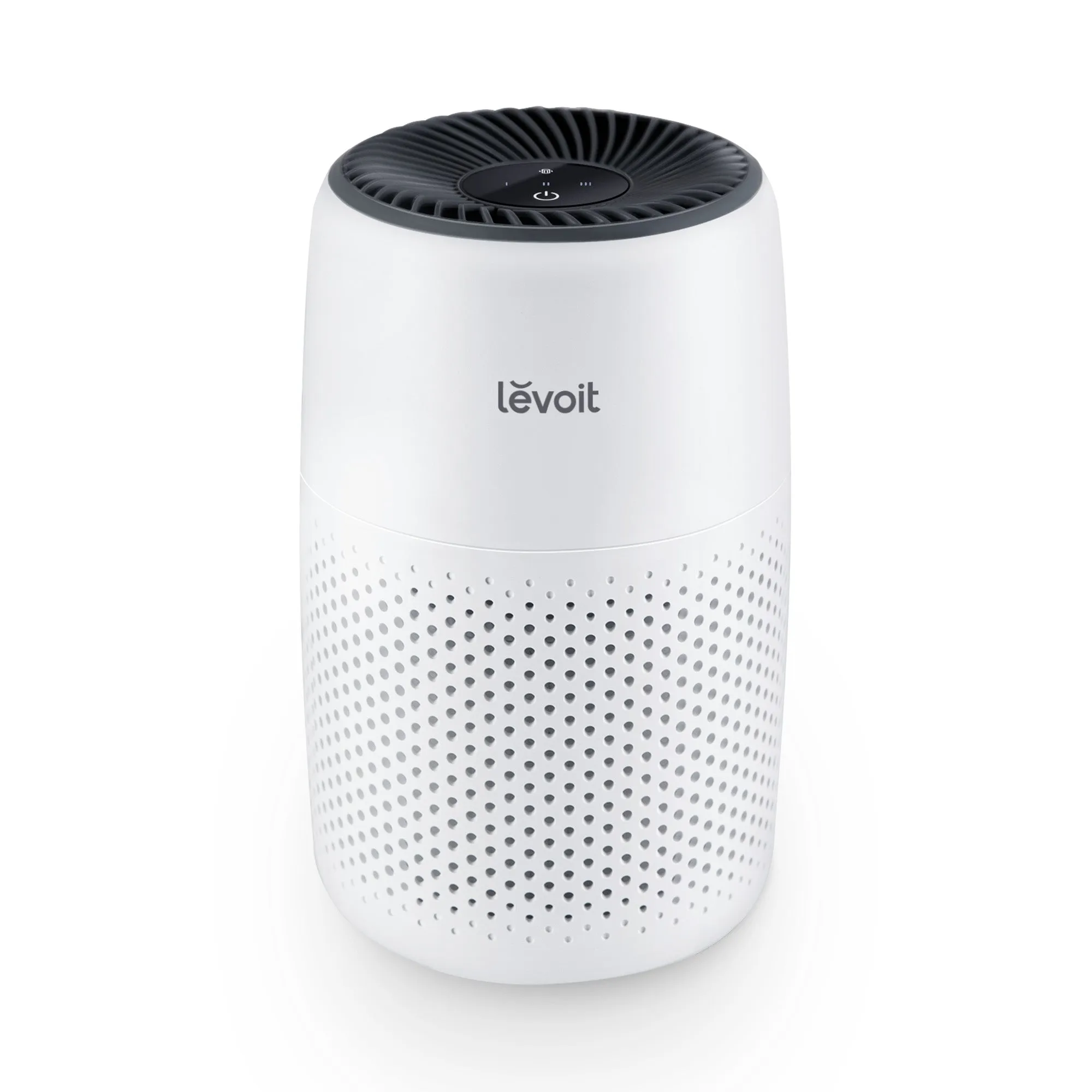
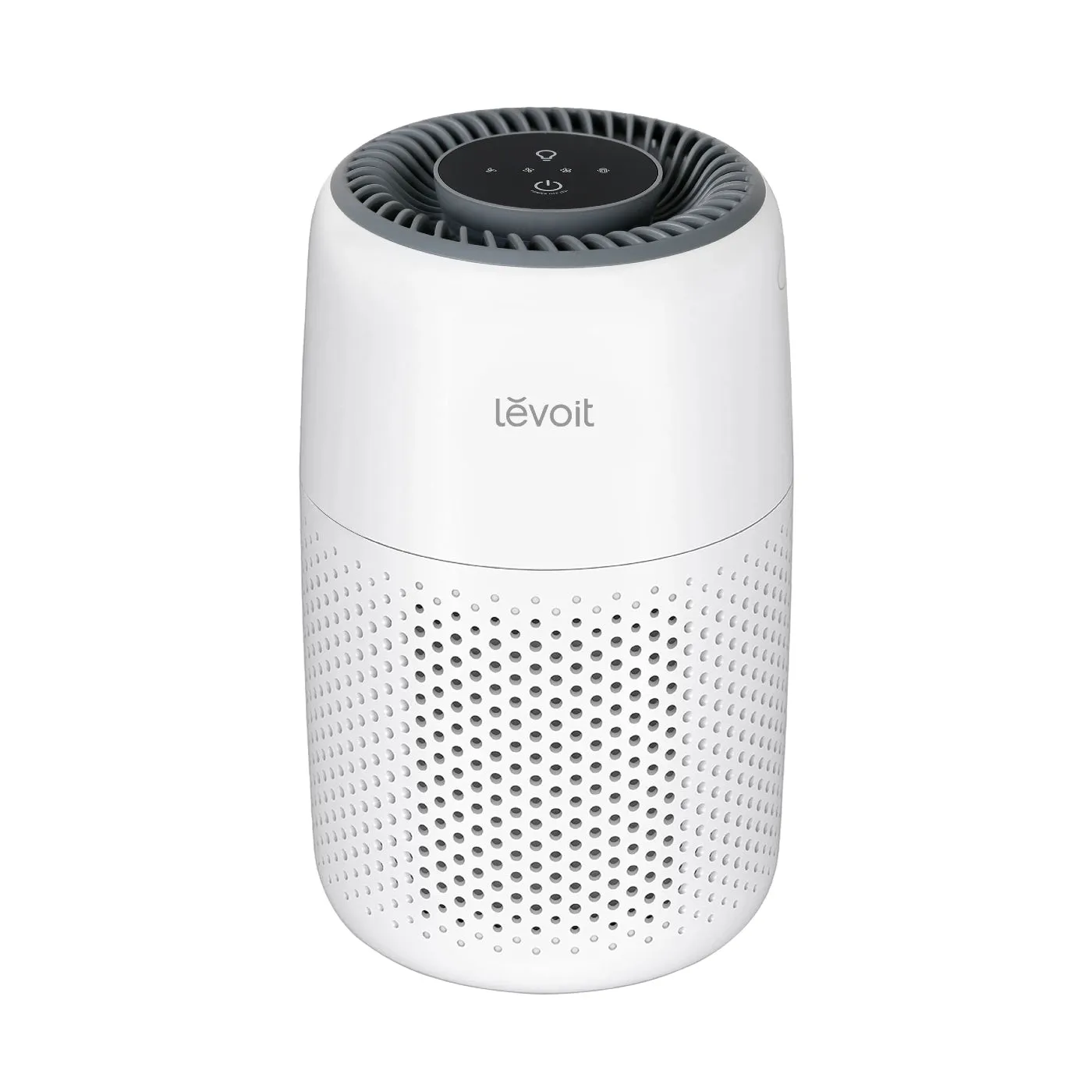
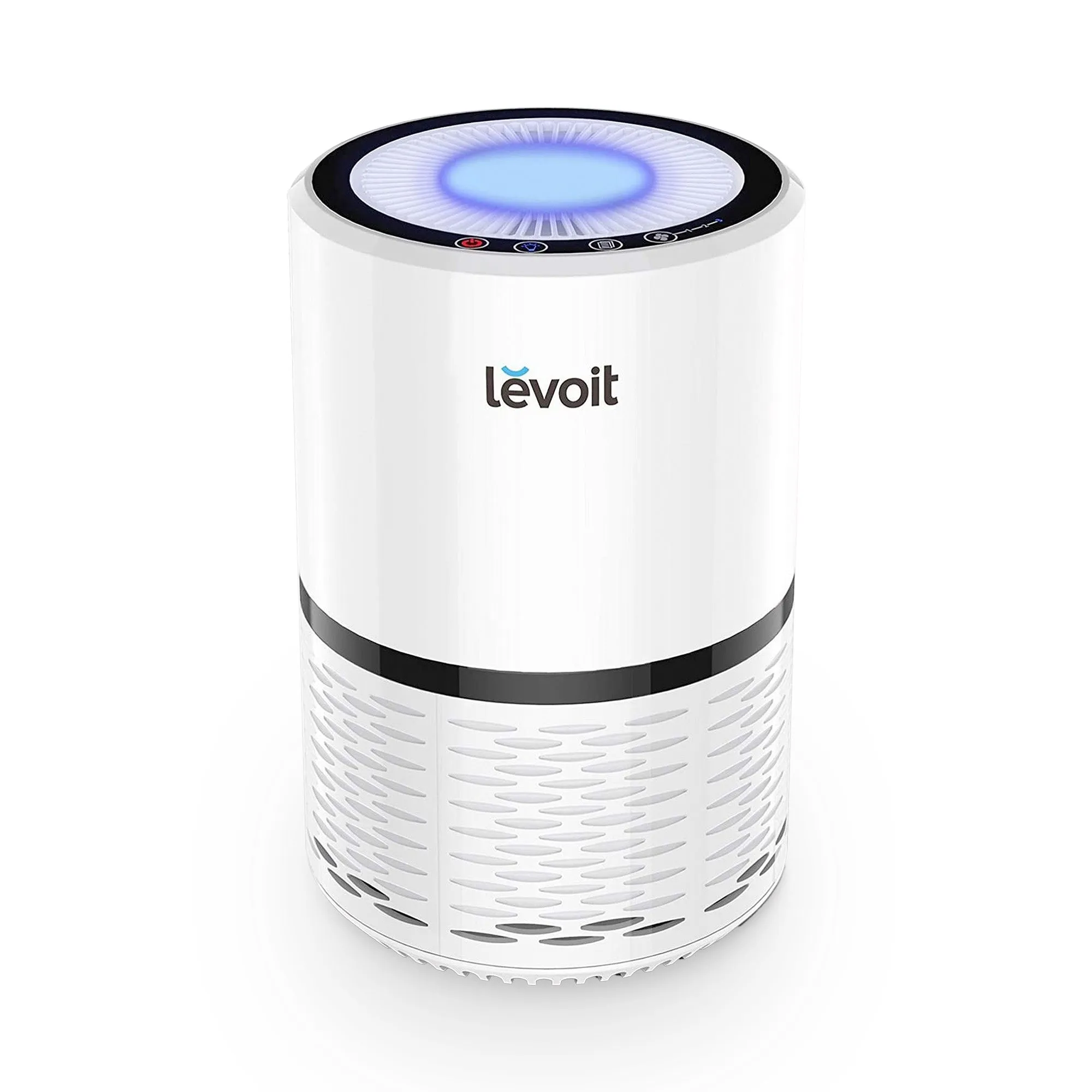
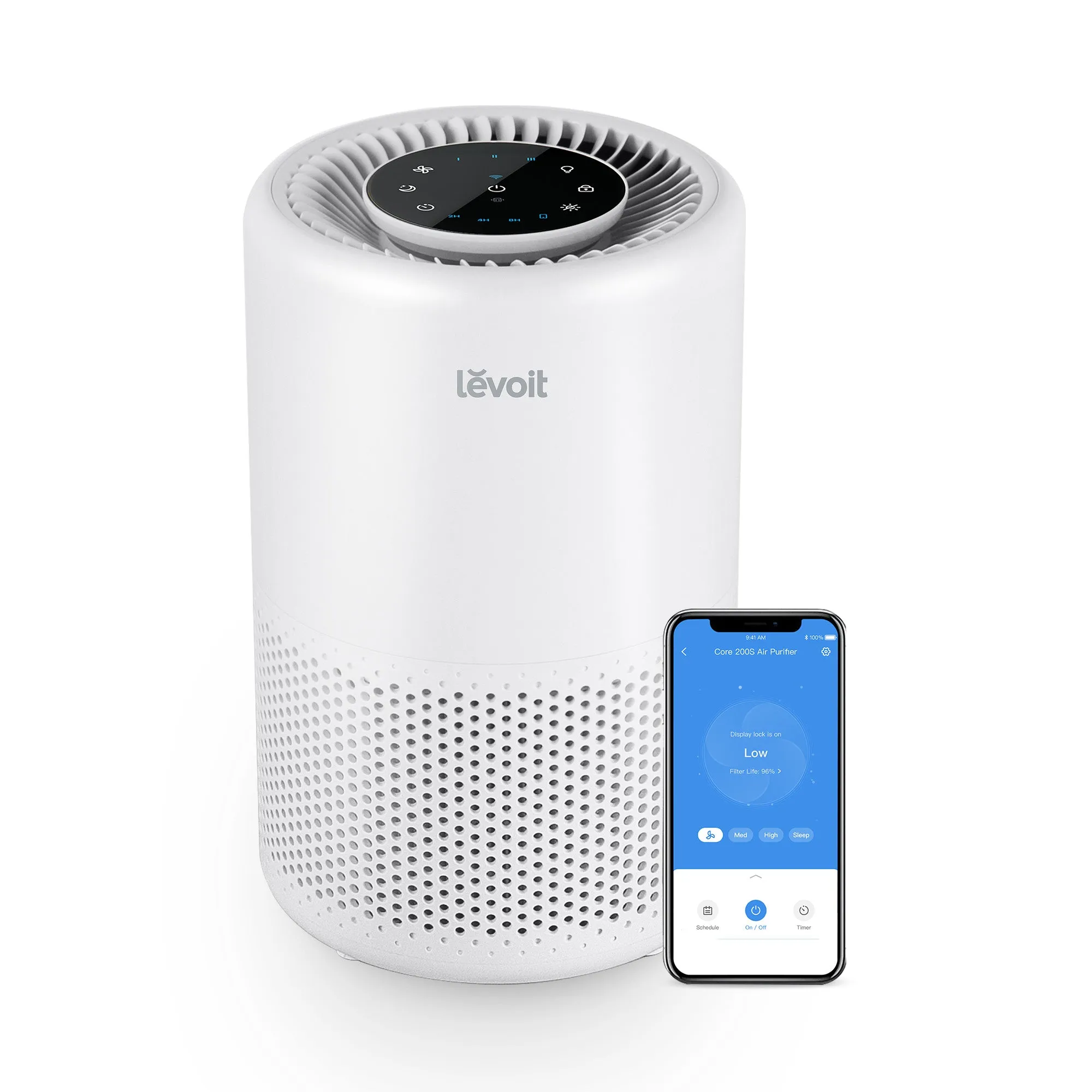
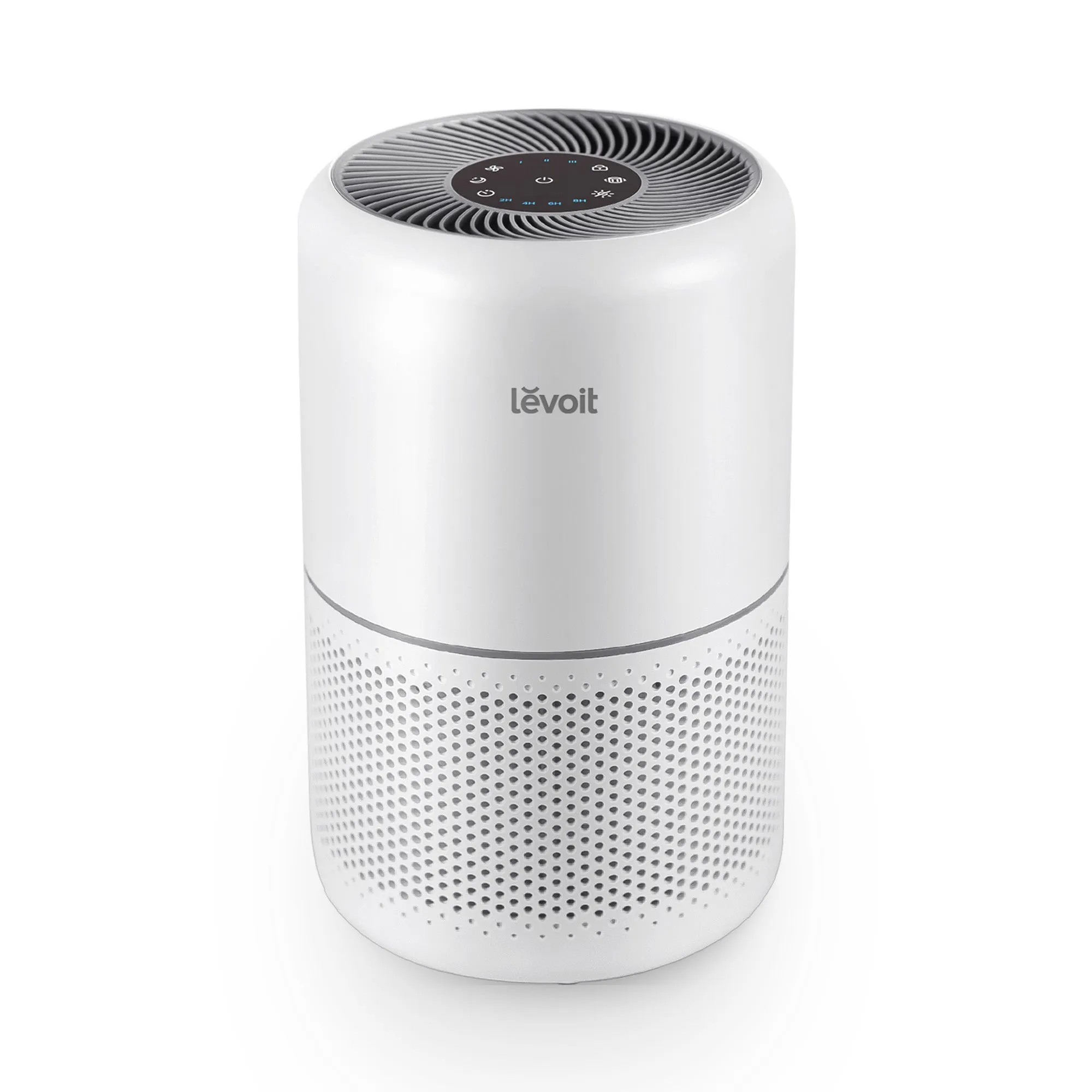
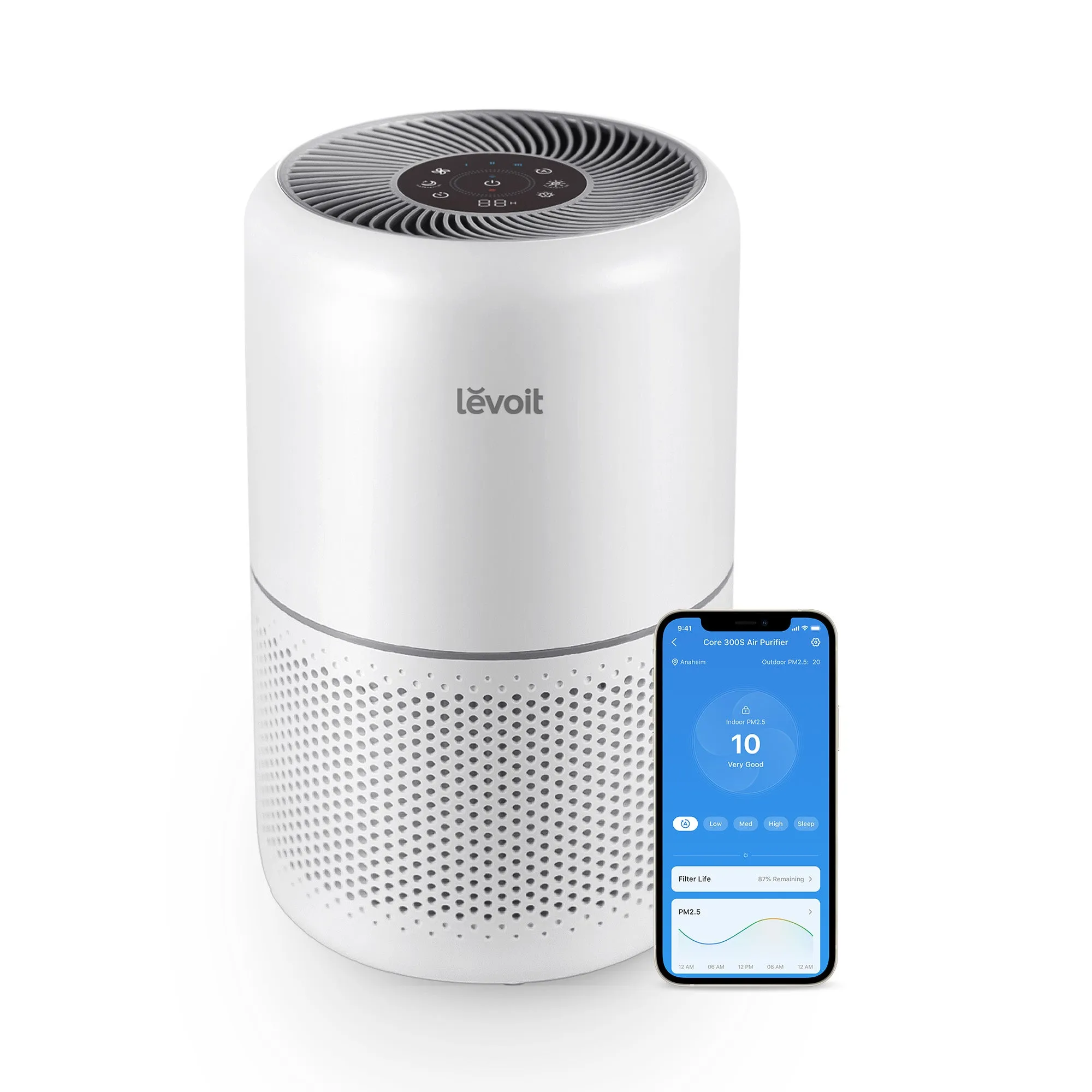
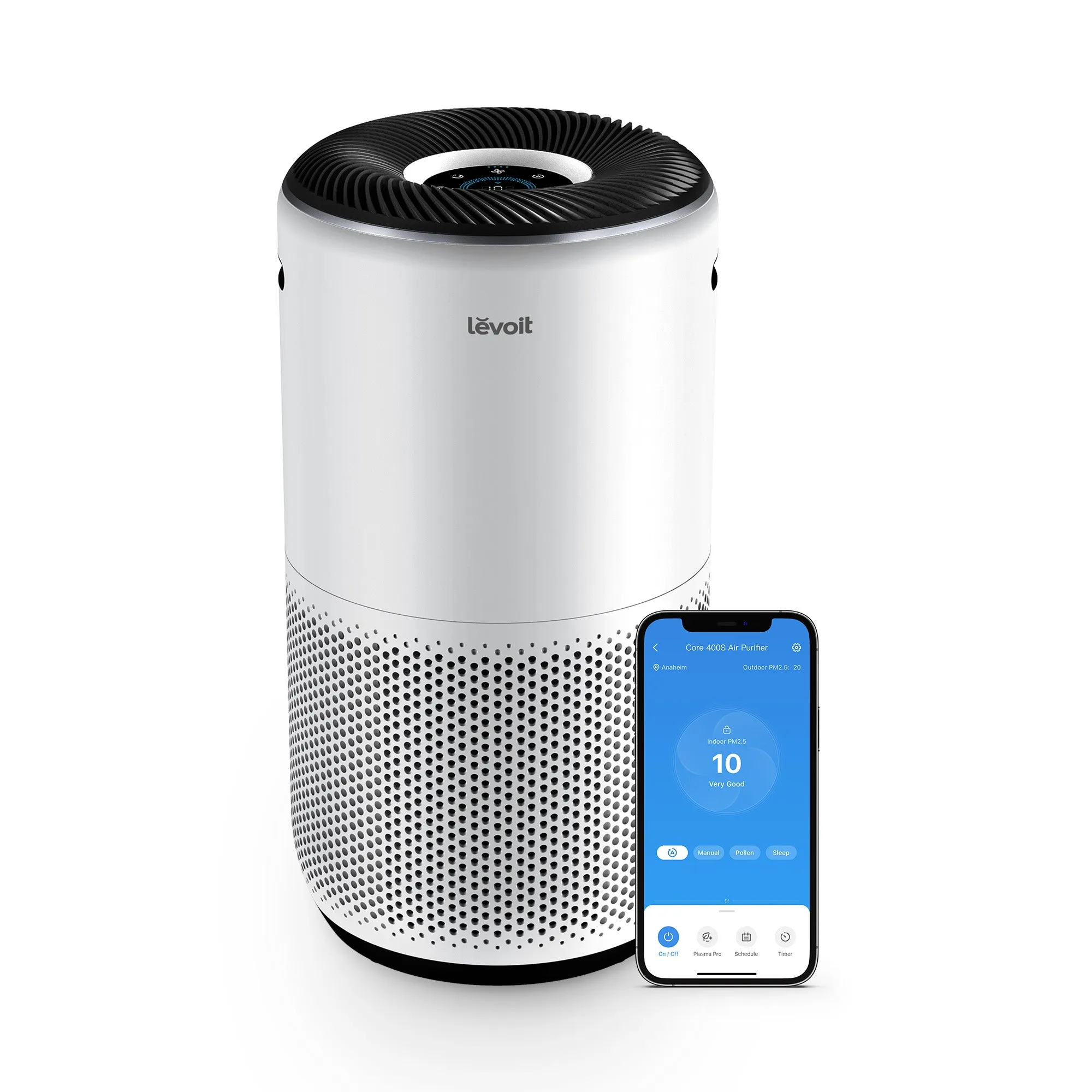
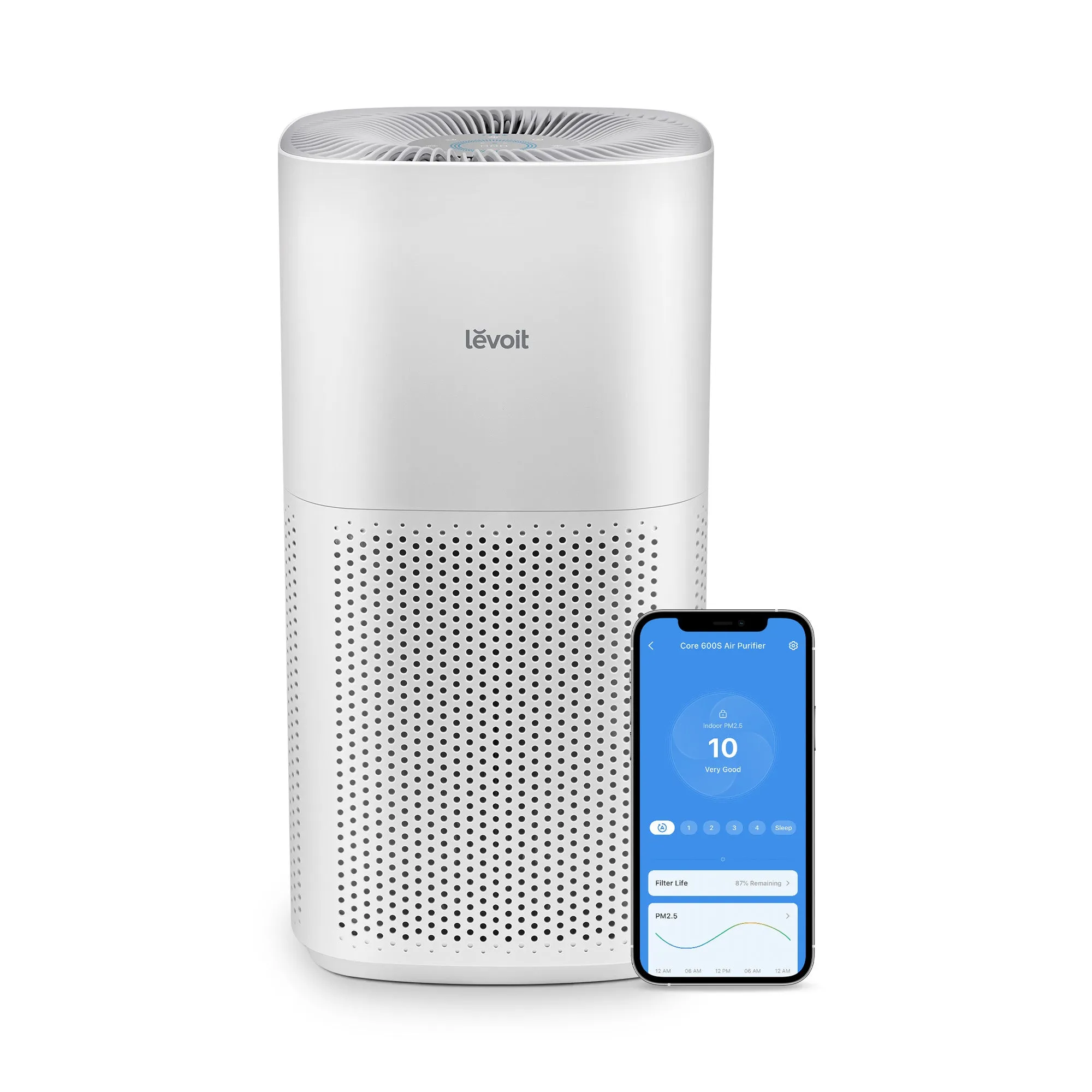
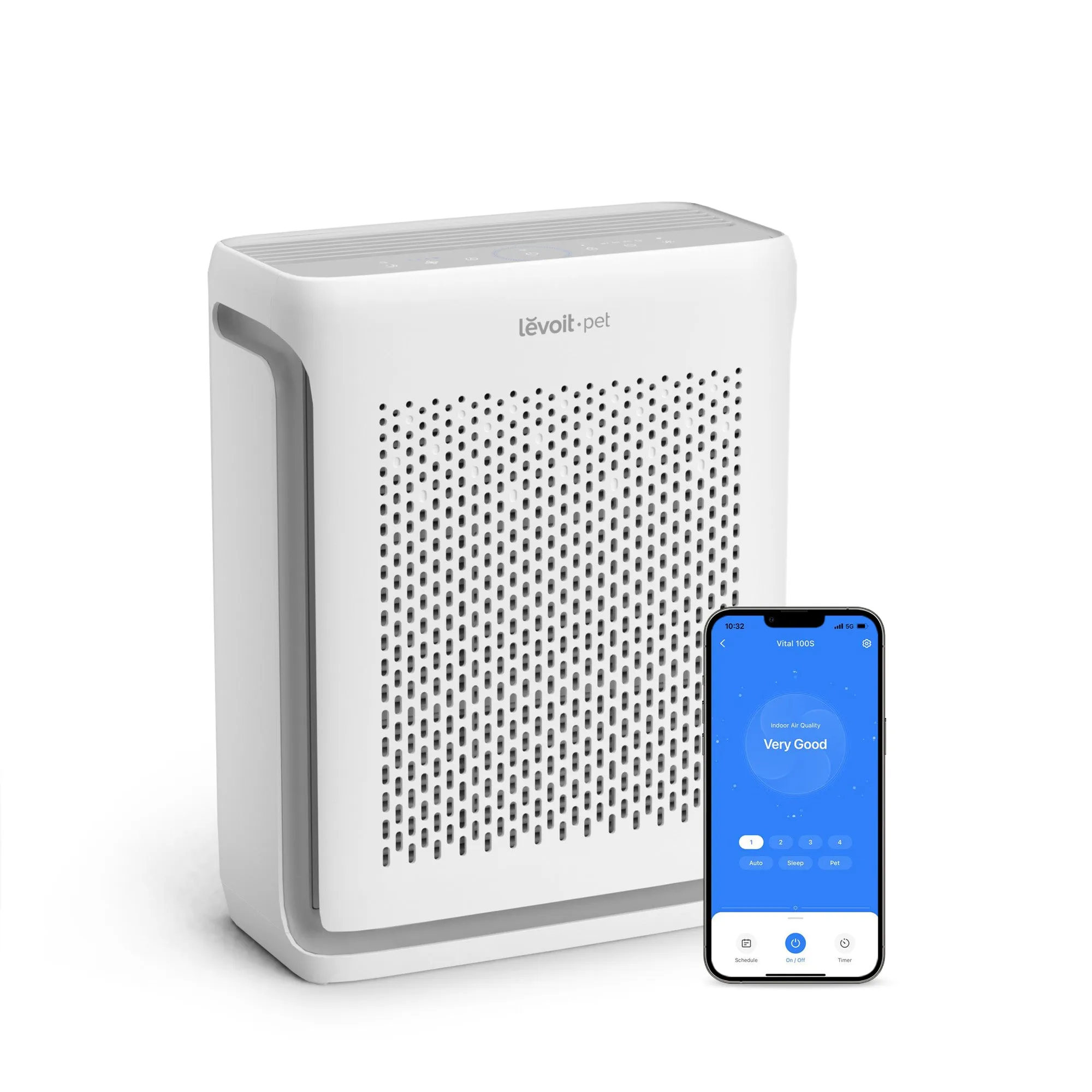
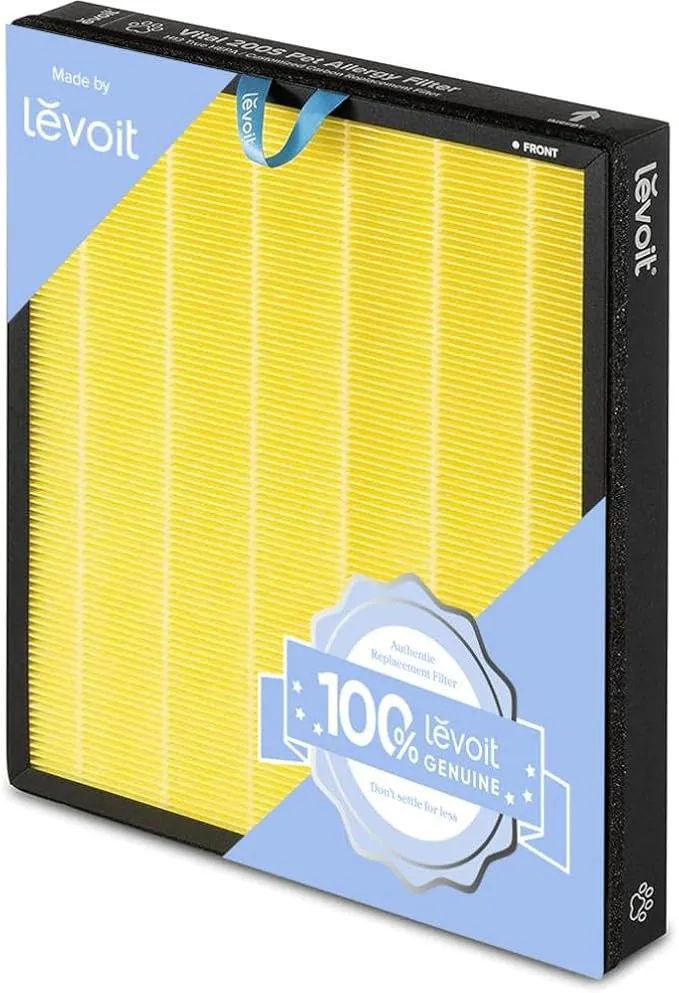
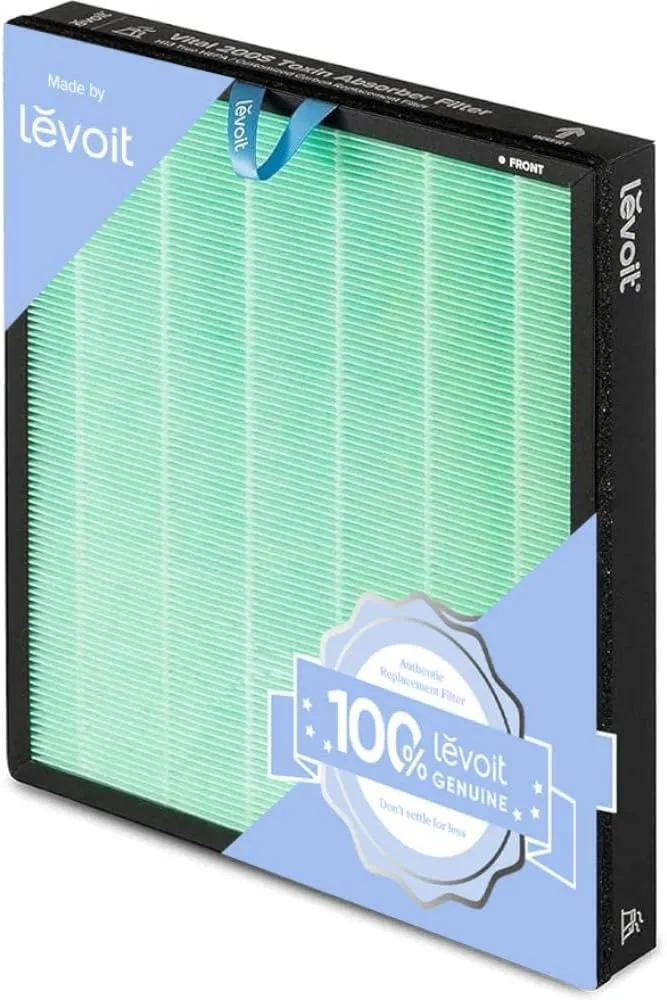
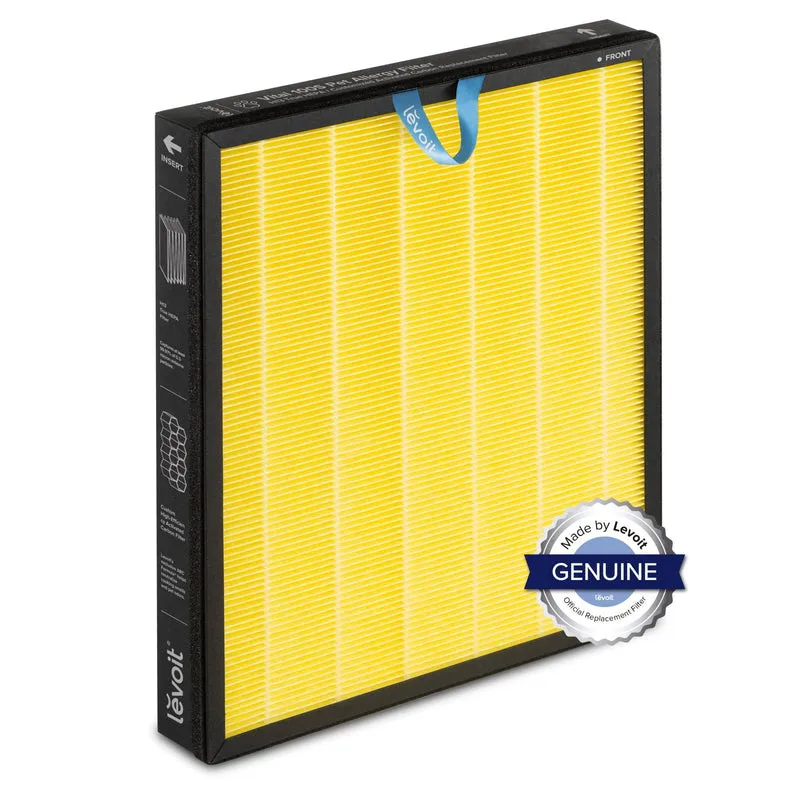
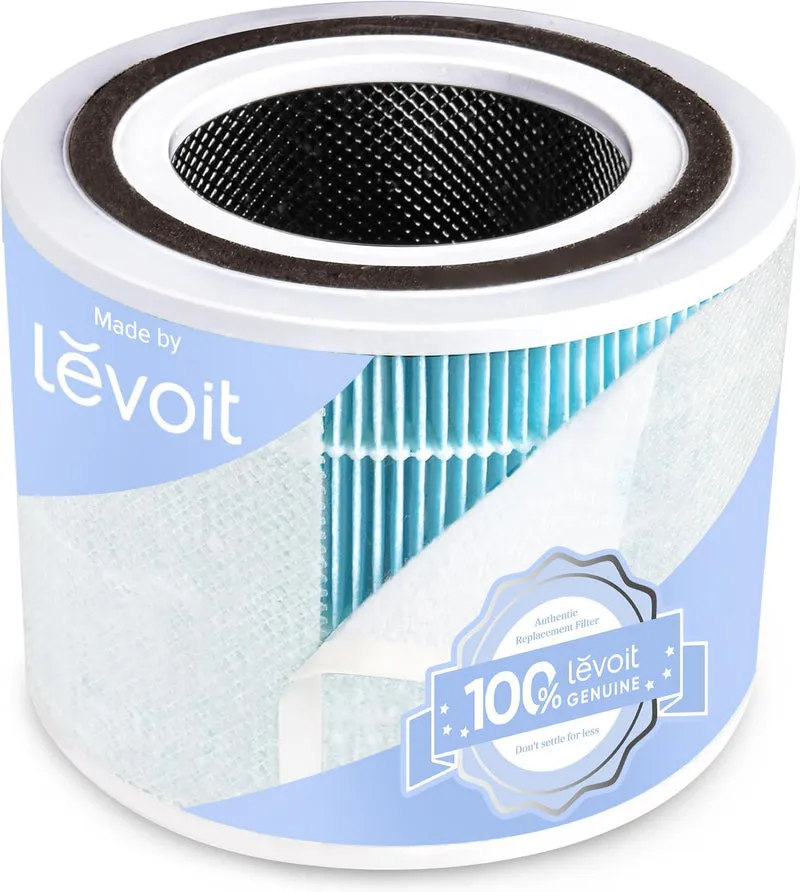
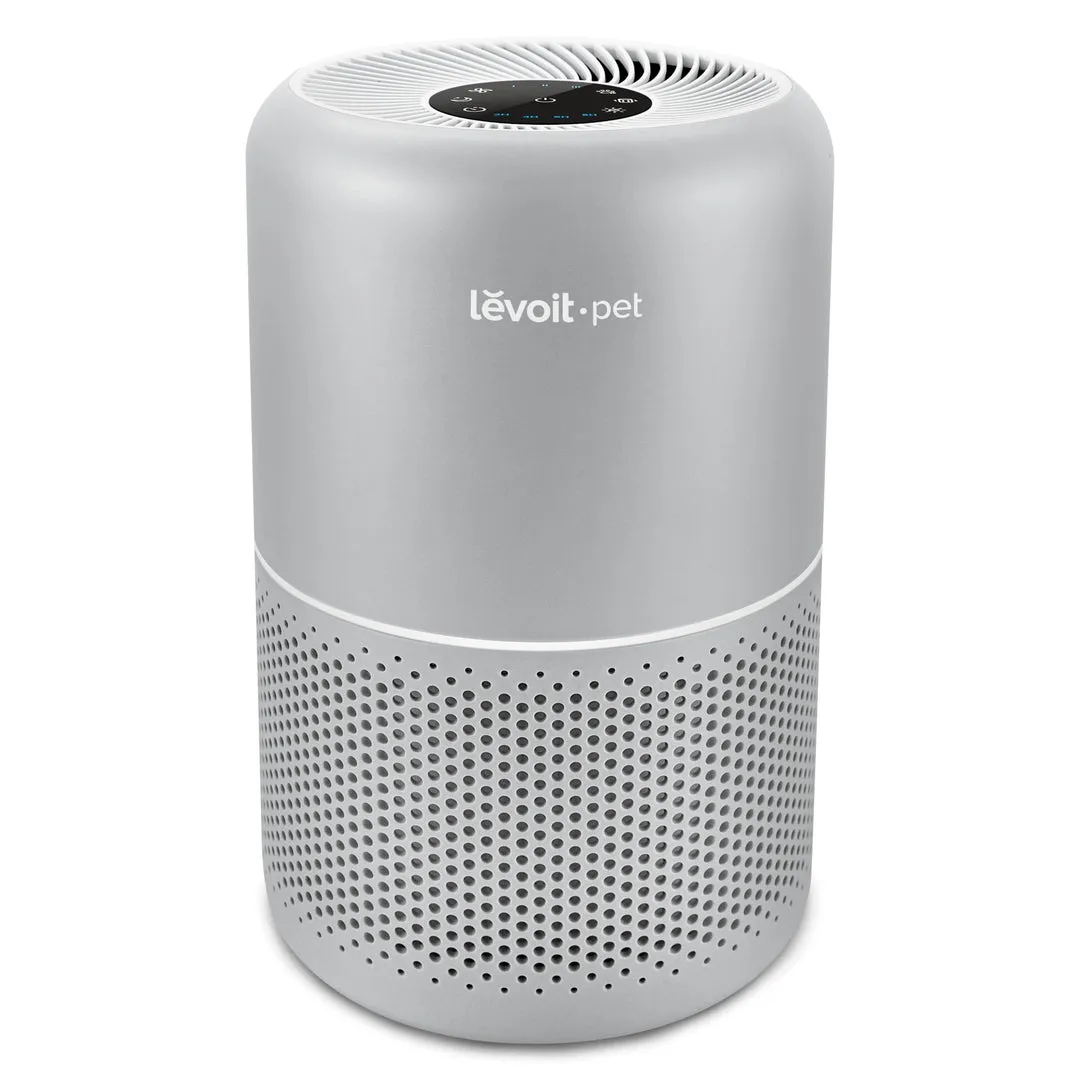
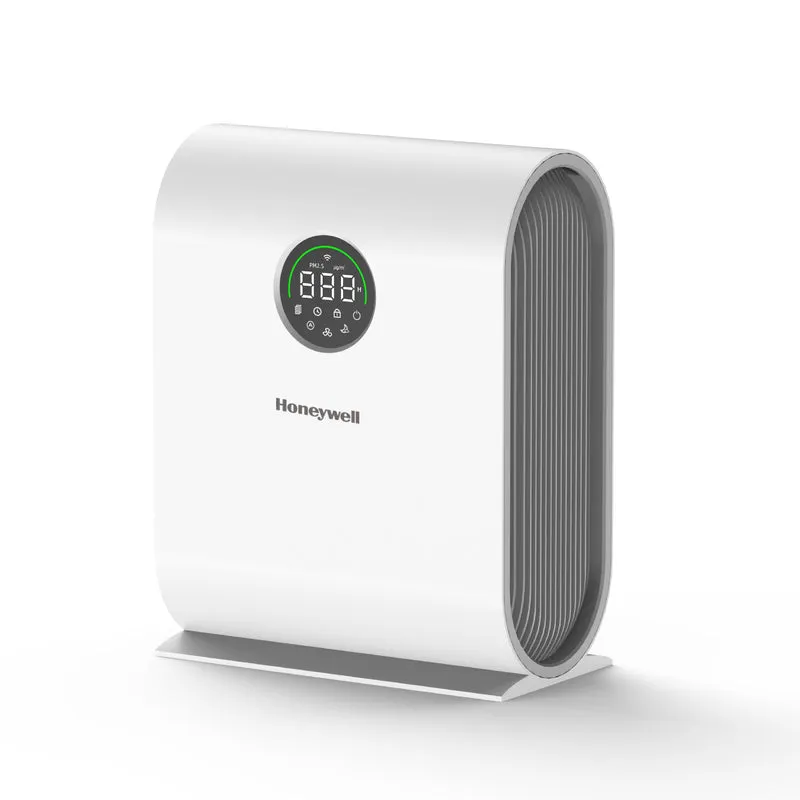
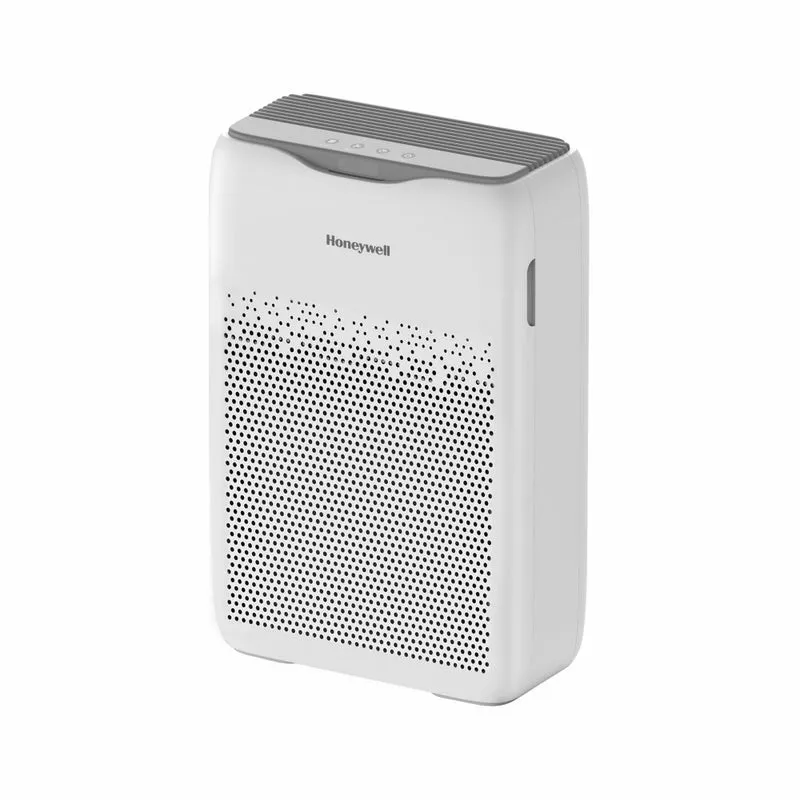
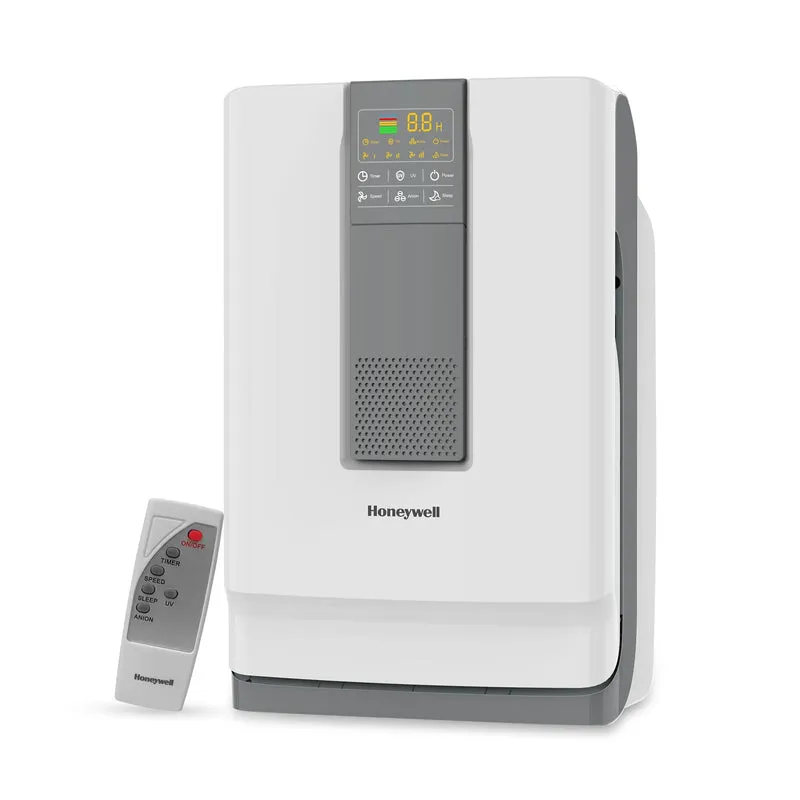
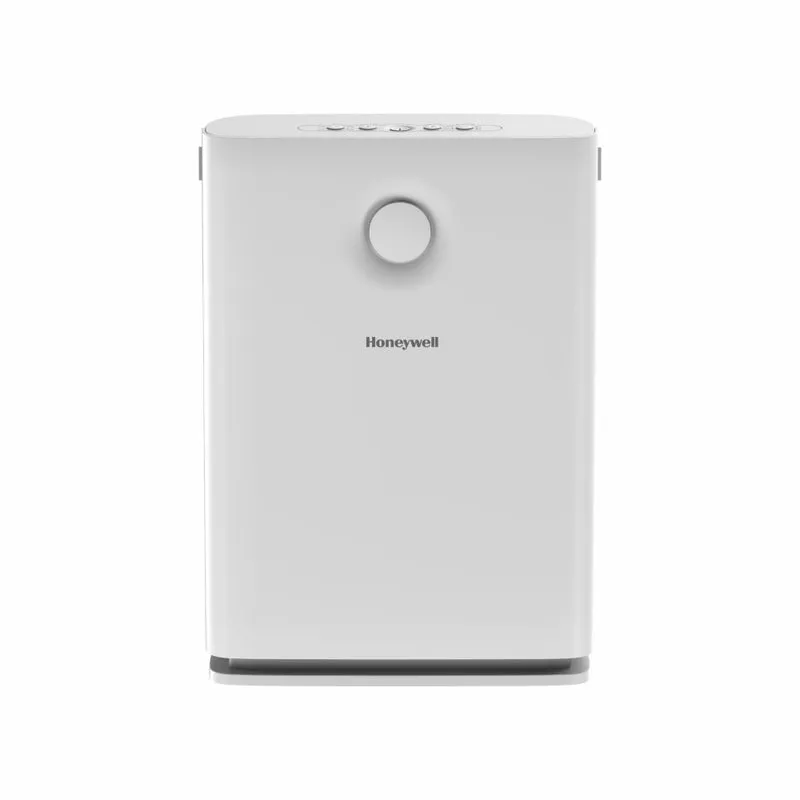
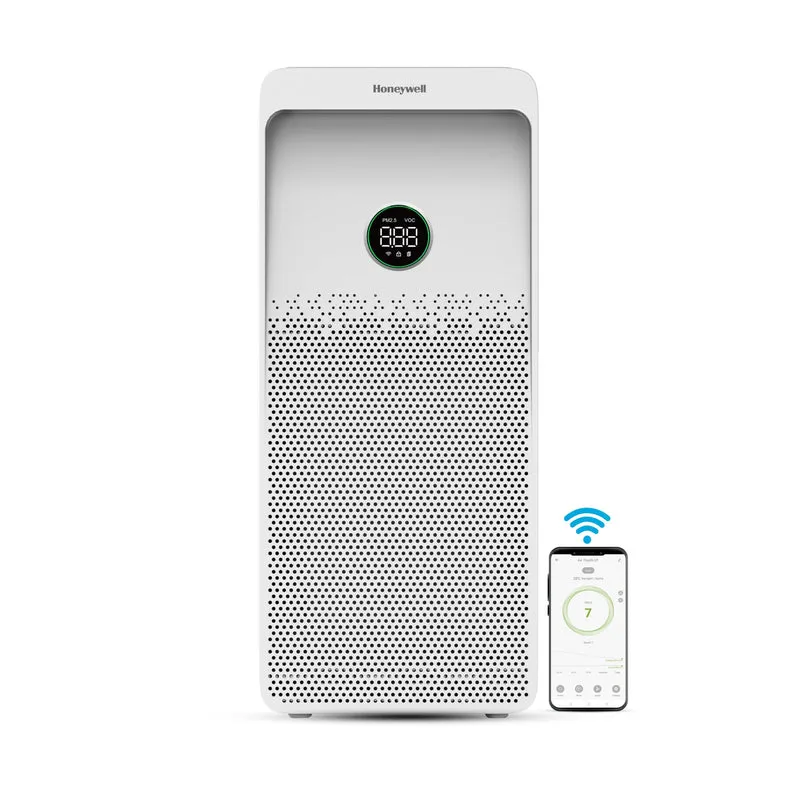
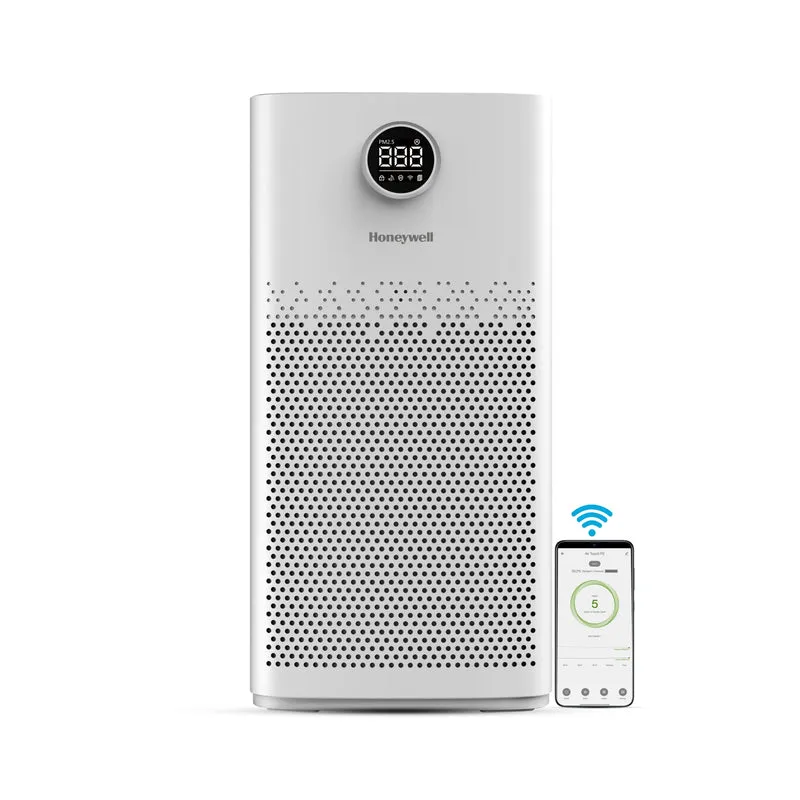
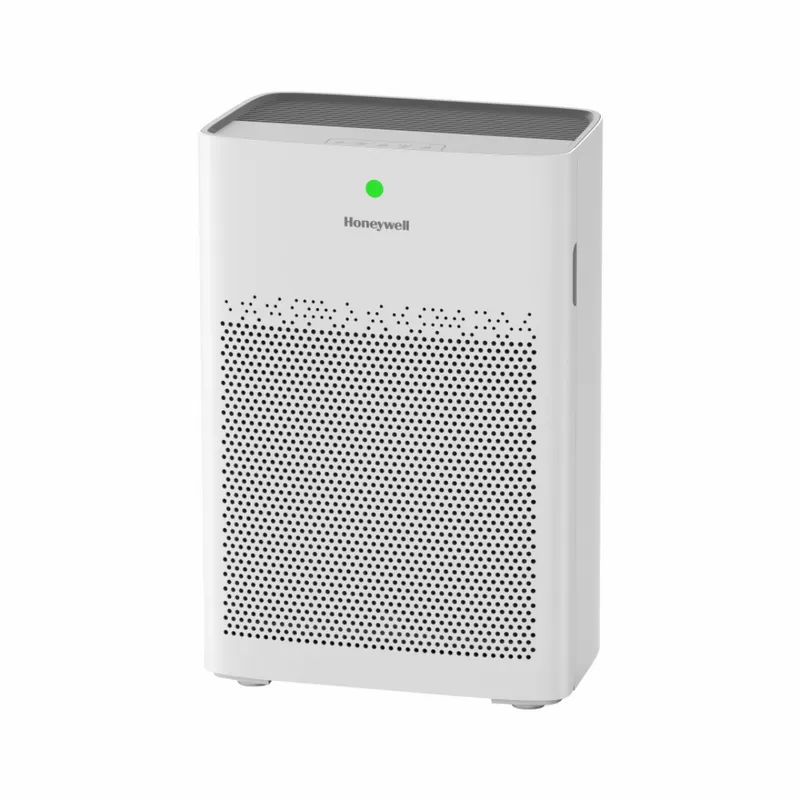
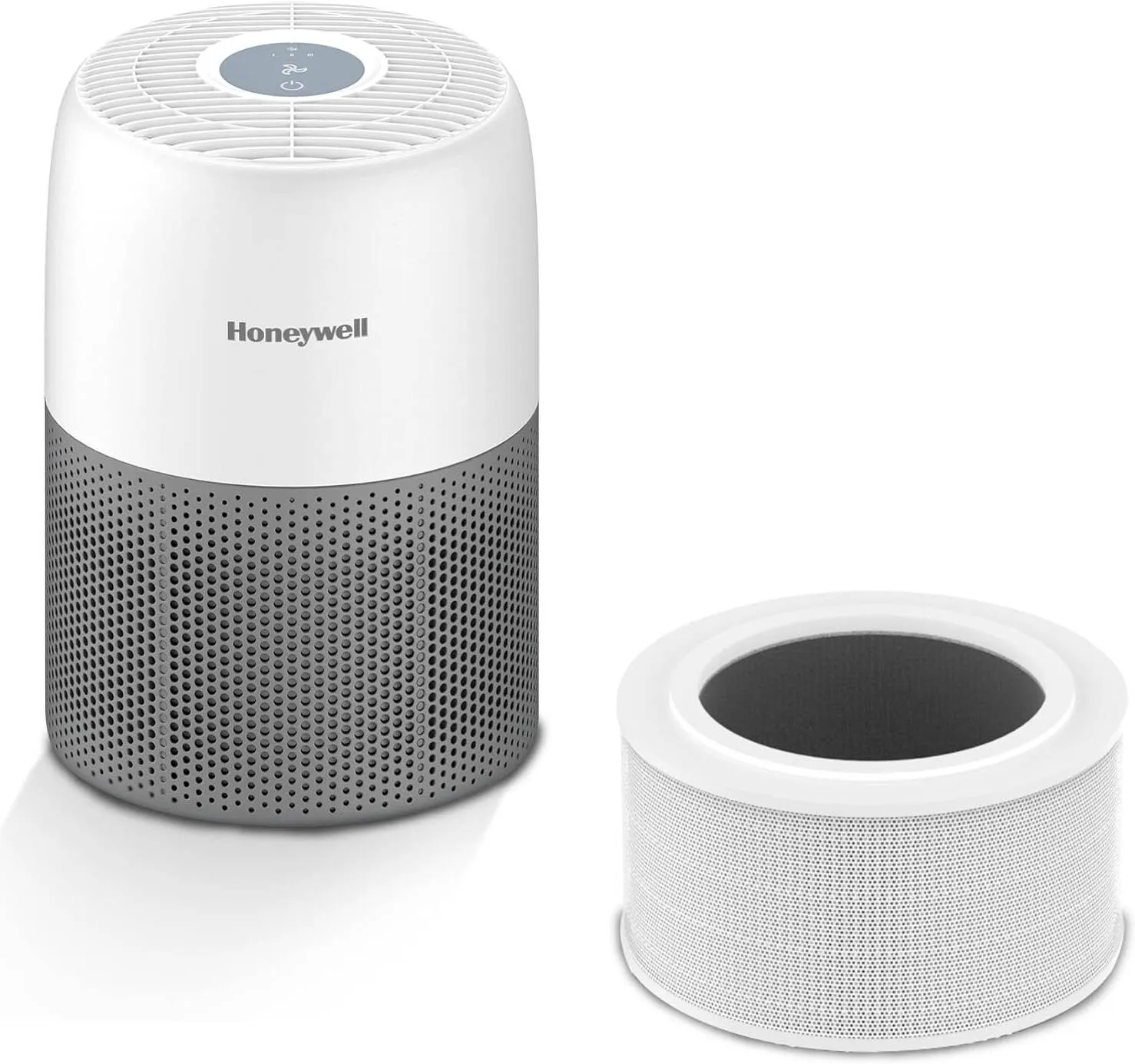
If you are ready to move from research to purchase, Cleanair-ae offers a range of tested air purifiers, including hybrid HEPA + ionisation models from Blueair, Honeywell, and Levoit, alongside replacement filters and accessories. Every listed unit comes with product specifications and filter availability, so you are not left searching for consumables after the initial purchase.
The 2026 air purifier buying guide covers device selection by room size, filter type, and use case, with clear guidance on which models include switchable ionisation. For readers who want to compare approaches before committing to a device, the air purifier alternatives guide sets out eight complementary methods for improving indoor air quality. Browse the full range at Cleanair-ae and filter by technology type to find a unit that matches your space and safety requirements.
Useful sources and further reading
The following sources were used in preparing this article. Each is listed with a short note on what it covers and why it is useful.
-
Air ions and mood outcomes: a review and meta-analysis (PMC) — Systematic meta-analysis covering clinical evidence for mood, depression, anxiety, and sleep outcomes from negative ion exposure. The most rigorous source for clinical health claims.
-
Negative air ions and their effects on human health and air quality improvement (PMC) — Comprehensive review of over a century of research on negative air ions, covering PM removal, therapeutic claims, and operational considerations. Carries both lab and field evidence.
-
Biological effects of negative air ions: a literature review (PMC) — More recent narrative review (covering studies from 2013 to 2023) with multiomics analysis. Useful for understanding the current state of the research base and its limitations.
-
What are ionisers and other ozone-generating air cleaners? (US EPA) — Primary regulatory guidance on ozone risks from ionisers. The authoritative source for safety benchmarks and the recommendation to use hybrid systems. Note: US-specific, but widely applicable.
-
Air ioniser (Wikipedia) — Technical background on device operation, corona discharge, electrostatic precipitators, and historical context. Useful as a technical primer; not a primary research source.
-
Air ionisers: how they work, benefits and drawbacks (Healthline) — Consumer-facing explainer covering mechanism, pros, cons, and safety considerations. Useful for accessible language and a summary of common buyer questions.
This article is general information only, not medical or regulatory advice. Confirm current UK safety standards and consult a qualified health professional for advice specific to your circumstances.