
Uncategorised
What is ozone in air purifiers: health and safety guide
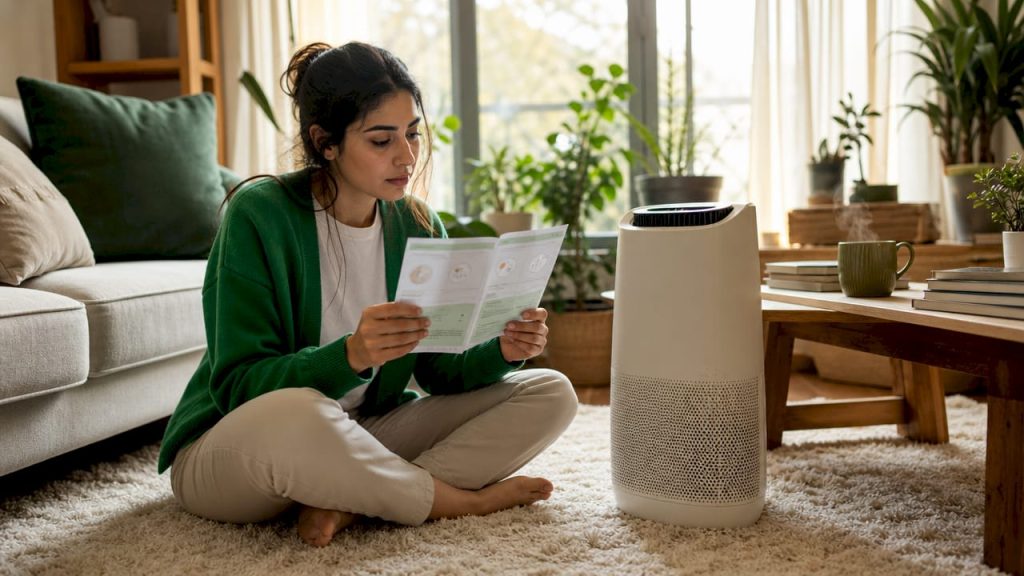
Ozone in air purifiers is defined as a triatomic oxygen molecule (O3) that certain devices produce either intentionally or as an unintentional byproduct during the air cleaning process. In the upper atmosphere, ozone shields the planet from ultraviolet radiation. At ground level, and particularly indoors, it behaves as a respiratory irritant with measurable health consequences. Understanding how ozone is generated, what it does to your lungs, and which purifier technologies avoid it entirely is the most practical step you can take before buying or using an air cleaning device in your home or workplace.
What is ozone in air purifiers and how is it produced?
Ozone generation in air purifiers occurs through two main routes: intentional design and incidental byproduct. Knowing which category your device falls into determines the level of risk it carries.
Devices that produce ozone as a byproduct
Ionisers and electrostatic precipitators are the most common sources of incidental ozone indoors. Both technologies work by applying a high-voltage electrical charge to particles or to the surrounding air, a process called corona discharge. This electrical activity splits oxygen molecules (O2), which then recombine into ozone (O3). Ionisers can produce between 0.1 and 1.0 ppm of ozone, while electrostatic precipitators typically emit between 0.05 and 0.5 ppm. Both figures can exceed the regulatory safety limit of 0.05 ppm set by the California Air Resources Board and the US Environmental Protection Agency.
Devices designed specifically to generate ozone
Dedicated ozone generators are marketed for odour removal and mould remediation. These are commercial tools, not consumer air purifiers. Ozone generators should never be used in occupied indoor spaces because their ozone output is far above any safe threshold. They are used in unoccupied rooms, then ventilated thoroughly before re-entry.
UV-C purifiers and HEPA filters
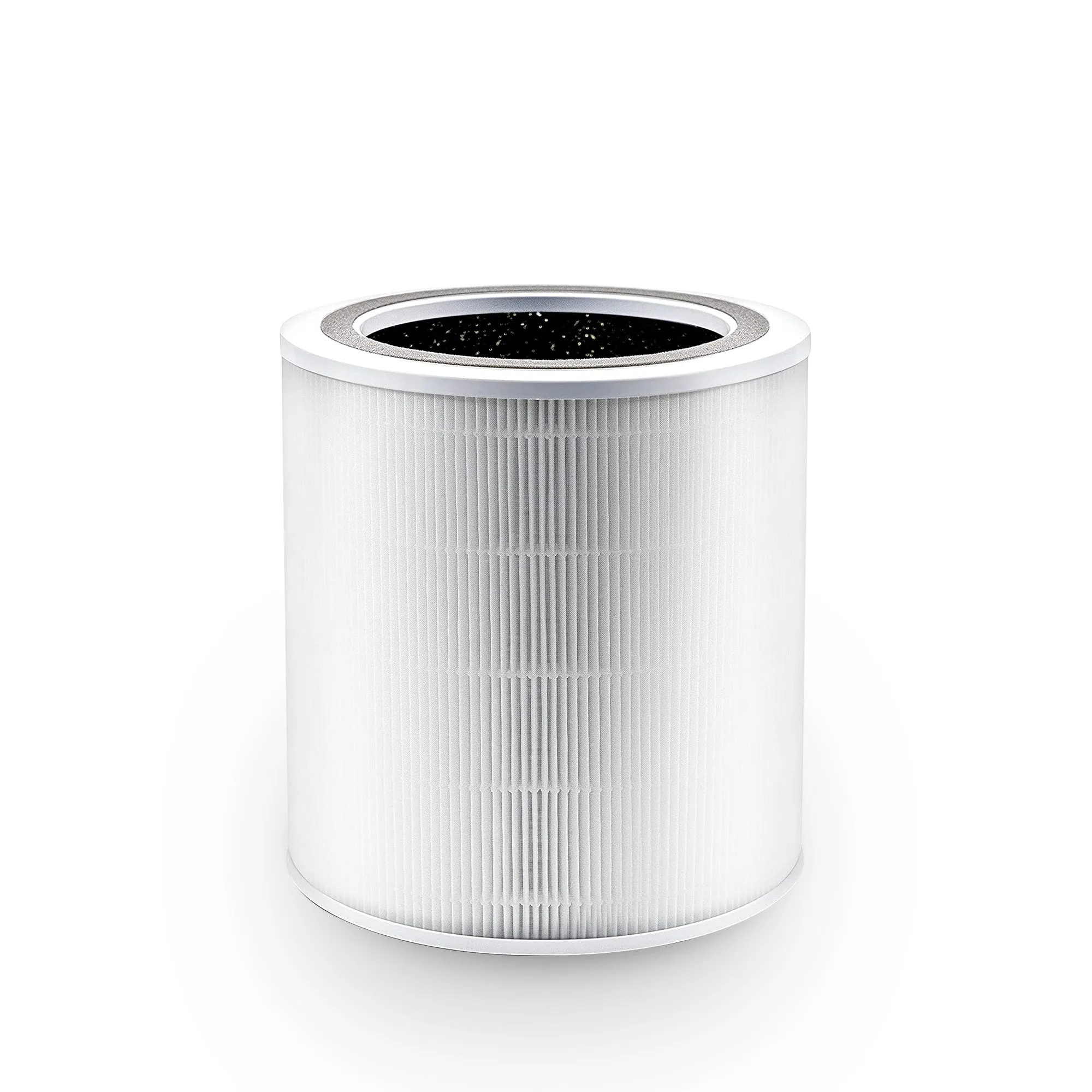
UV-C light purifiers can produce trace amounts of ozone if the lamp emits wavelengths below 200 nanometres, though most modern consumer models are designed to avoid this. You can read more about UV-C purifier safety to understand which specifications to check. HEPA filters, by contrast, work entirely mechanically. They trap particles through a dense fibre matrix and produce negligible ozone, making them the baseline standard for safe air purification.
Pro Tip: Always check the product specification sheet for ozone emission data before purchasing any air purifier. If the manufacturer does not publish this figure, treat that as a red flag.
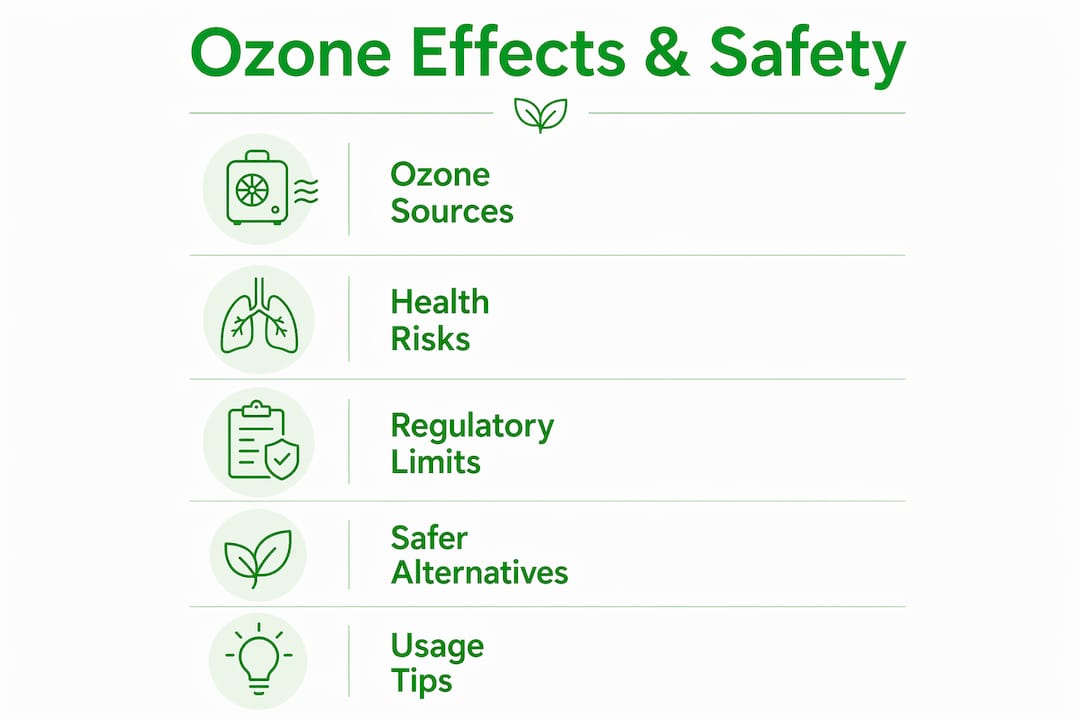
What are the health effects of ozone from indoor air purifiers?
Ozone is a potent respiratory irritant. Even at concentrations close to the regulatory limit, it causes measurable damage to the airways. The effects are not subtle, and they are not limited to people with pre-existing conditions.
Short-term symptoms of ozone exposure include:
- Coughing and throat irritation
- Chest tightness and shortness of breath
- Worsening of asthma symptoms
- Headaches and eye irritation
- Reduced lung function during physical activity
Symptoms typically resolve within 48 hours once exposure ends in otherwise healthy adults. That recovery window is longer for vulnerable groups. Children, elderly individuals, and those with asthma or COPD face a more serious risk profile. Ozone worsens respiratory inflammation in these groups and has been linked to increased emergency visits during high-ozone periods.
“Ozone can cause the muscles in the airways to constrict, trapping air in the alveoli. This leads to wheezing and may increase susceptibility to respiratory infections.” — US Environmental Protection Agency
A less obvious but equally serious concern is secondary pollution. Ozone reacts with household chemicals such as cleaning sprays, air fresheners, and scented candles to produce formaldehyde and ultrafine particles. These secondary pollutants are often more harmful than the original substances the purifier was meant to address. A device running in a kitchen or bathroom, where cleaning products are stored or used, creates a particularly high-risk environment for this type of chemical reaction.
It is also worth noting that devices labelled “low-ozone” may still emit amounts close to regulatory limits. For chemically sensitive individuals, even sub-threshold concentrations can trigger symptoms. The label offers less protection than it implies.
What regulations govern ozone levels in air purifiers?
The regulatory framework for indoor ozone emissions is specific and, in some jurisdictions, legally binding. The California Air Resources Board sets the most widely referenced standard: indoor air cleaners must not emit more than 0.05 ppm of ozone during normal operation. The US EPA endorses the same threshold. These limits apply to devices sold for use in occupied spaces.
| Device type | Typical ozone output | Compliance with 0.05 ppm limit |
|---|---|---|
| HEPA filter purifier | Negligible (near zero) | Fully compliant |
| UV-C purifier (modern) | Trace amounts | Generally compliant |
| Ioniser | 0.1 to 1.0 ppm | Frequently non-compliant |
| Electrostatic precipitator | 0.05 to 0.5 ppm | Borderline to non-compliant |
| Ozone generator | Very high (variable) | Not designed for occupied spaces |
Compliance with these limits is not always self-evident from product labelling. Many manufacturers publish marketing claims without independent laboratory verification. The safest approach is to look for devices certified by the California Air Resources Board’s approved product list, or those carrying third-party certifications from organisations such as UL or AHAM.
Room size and ventilation directly affect actual ozone exposure. A device emitting ozone at the regulatory limit in a well-ventilated 40-square-metre room poses a different risk than the same device running in a sealed 10-square-metre bedroom. Poor airflow allows ozone to accumulate, pushing concentrations above safe levels even when the device itself is technically compliant.
Pro Tip: Run any ozone-emitting device in the largest, best-ventilated room available, and never in a bedroom or nursery where people spend extended hours in a confined space.
Ozone-producing purifiers vs. safer alternatives: which should you choose?
The core question for most buyers is straightforward: does the purifier clean the air without adding a new pollutant? The answer depends entirely on the technology inside the device.
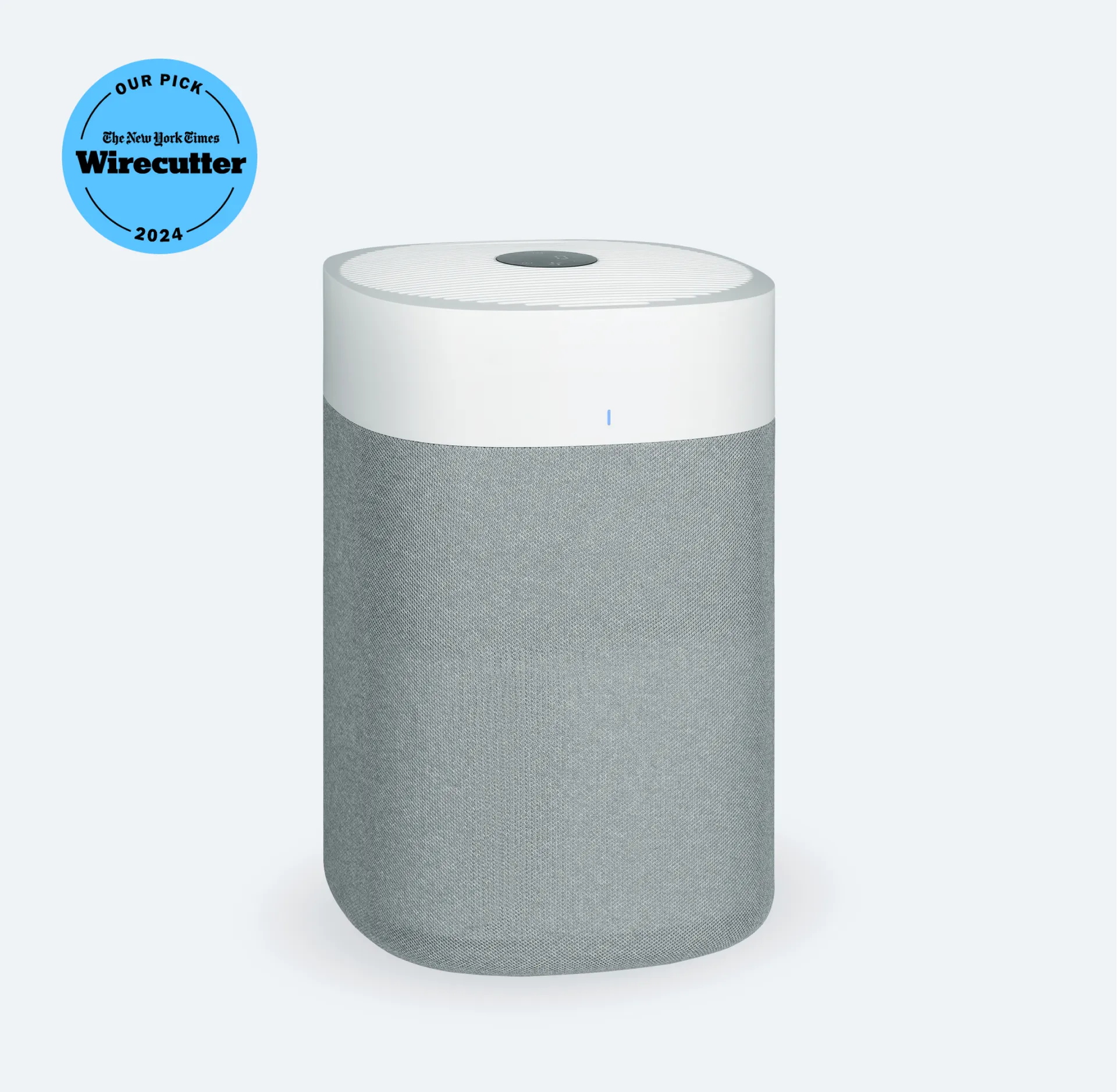
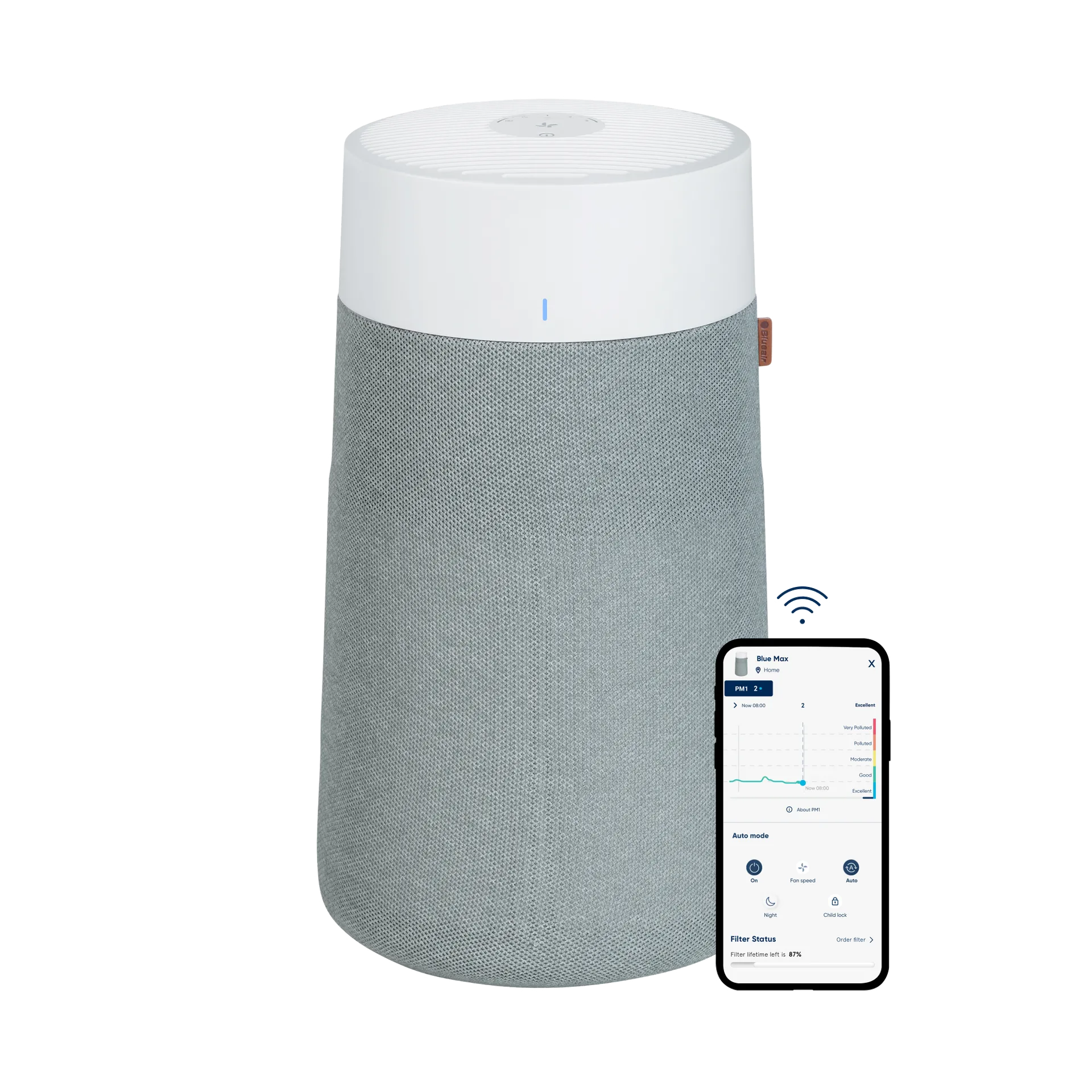
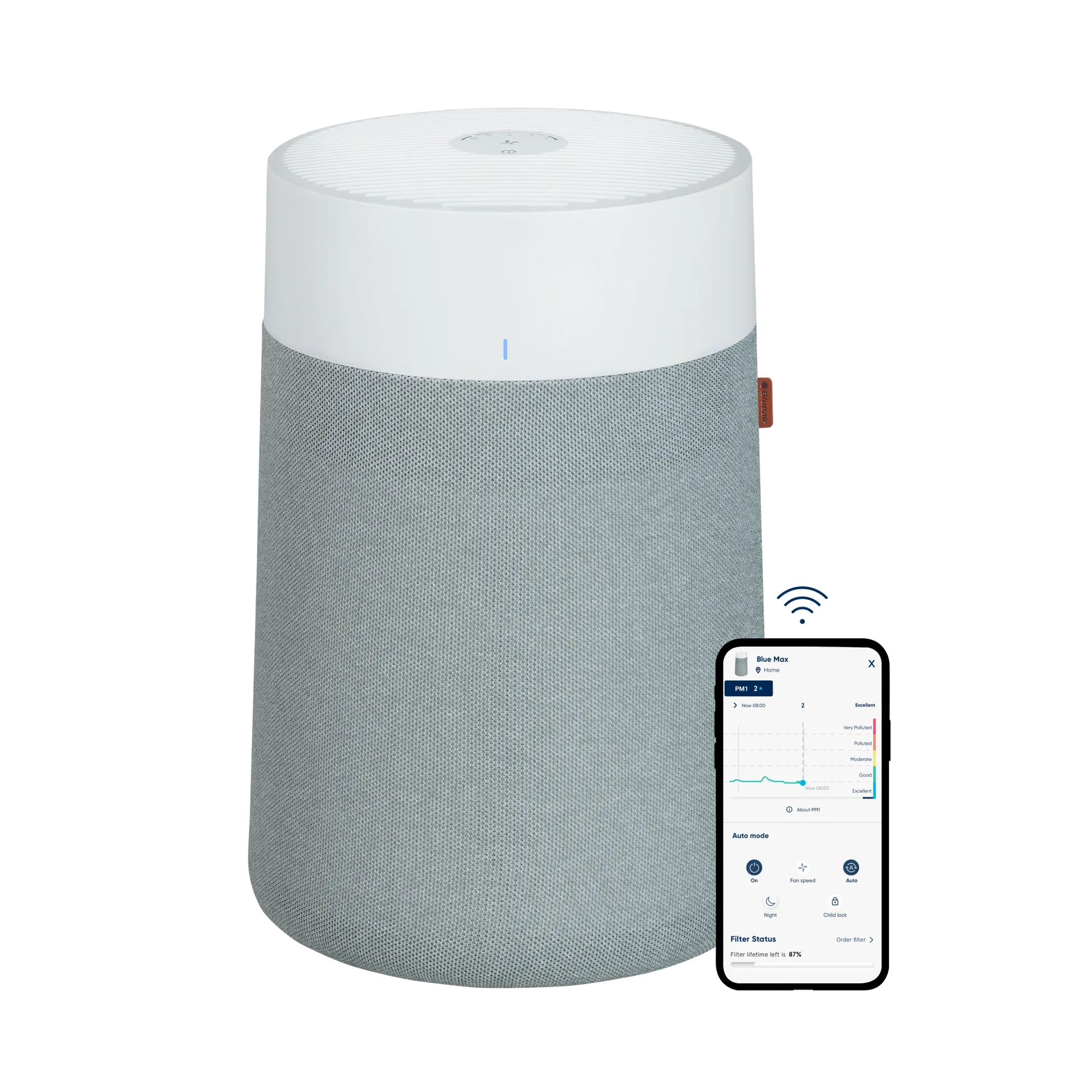
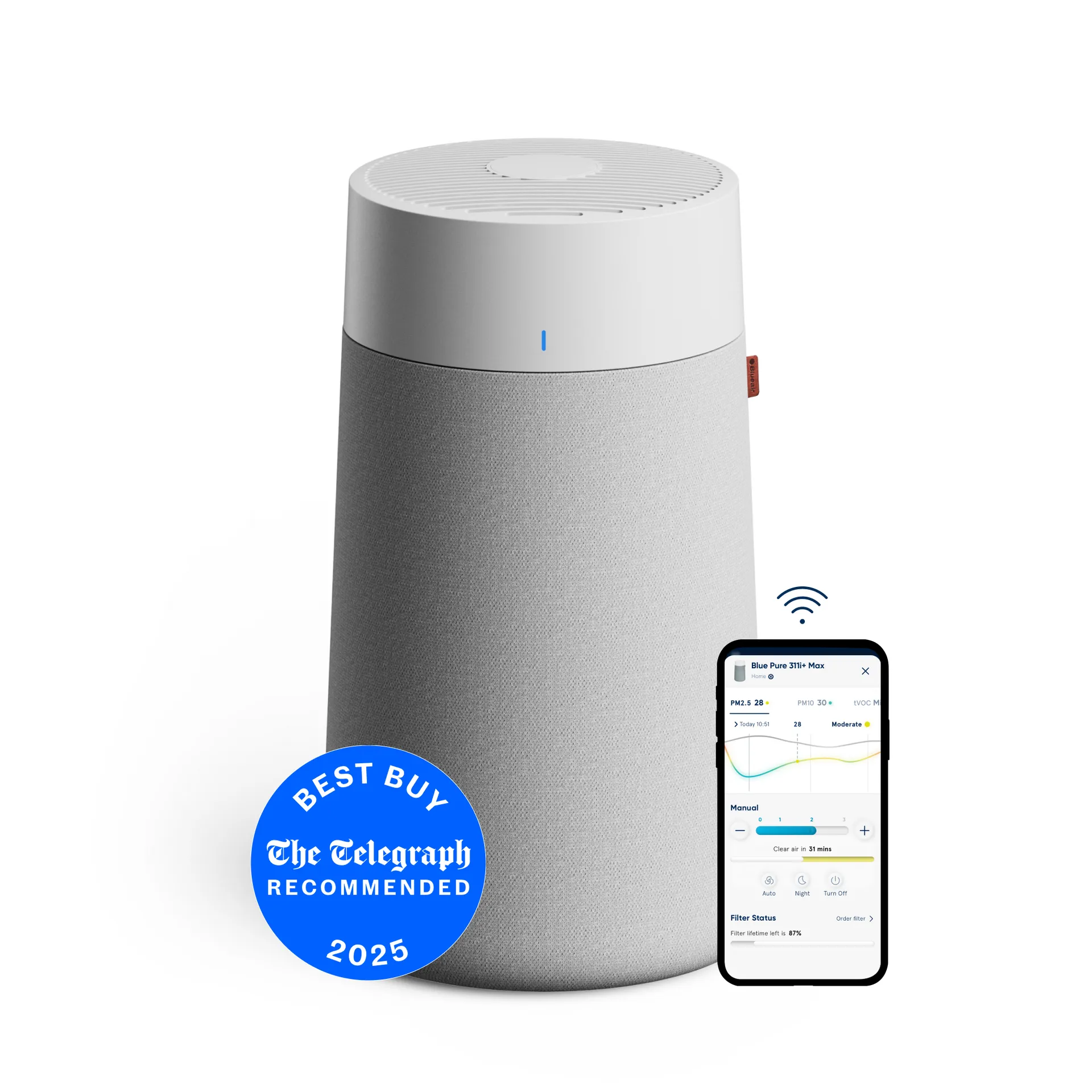
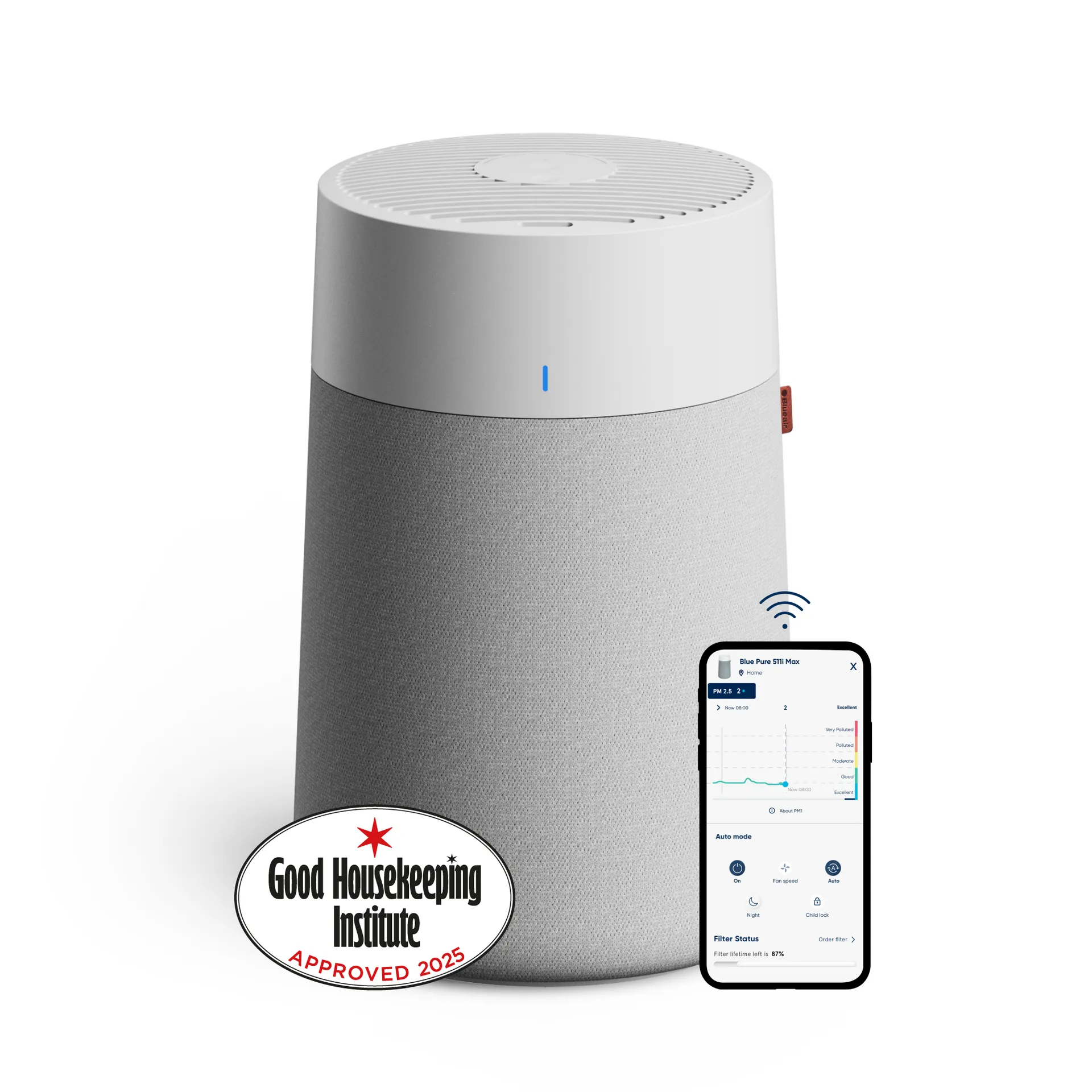
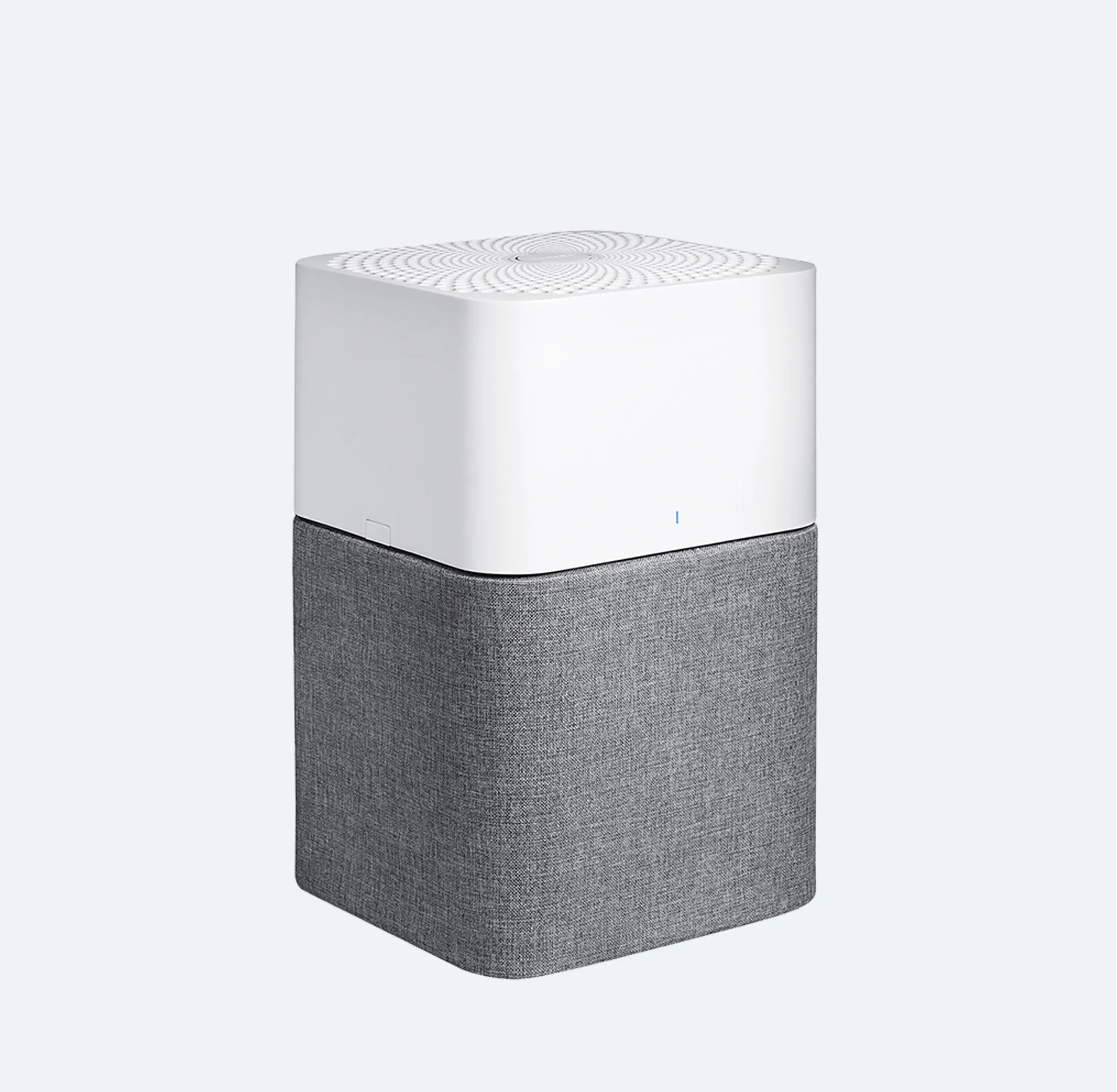
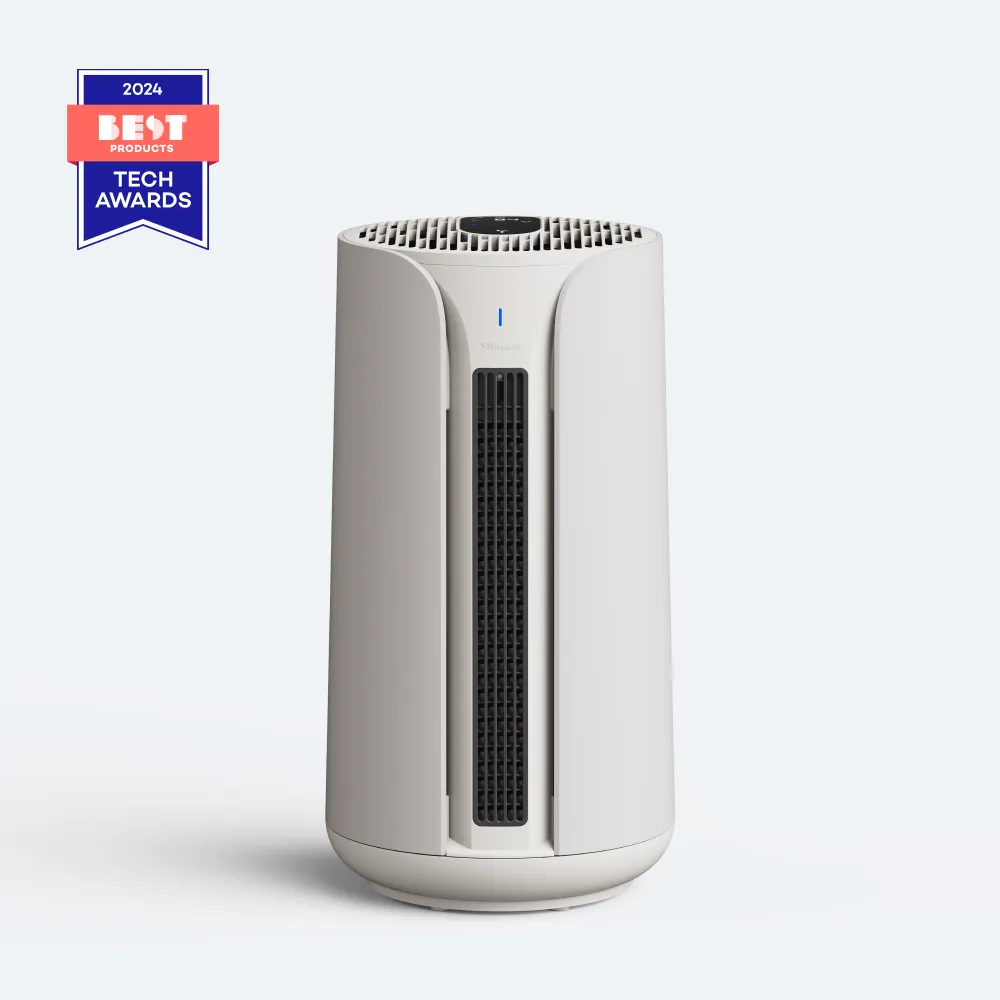
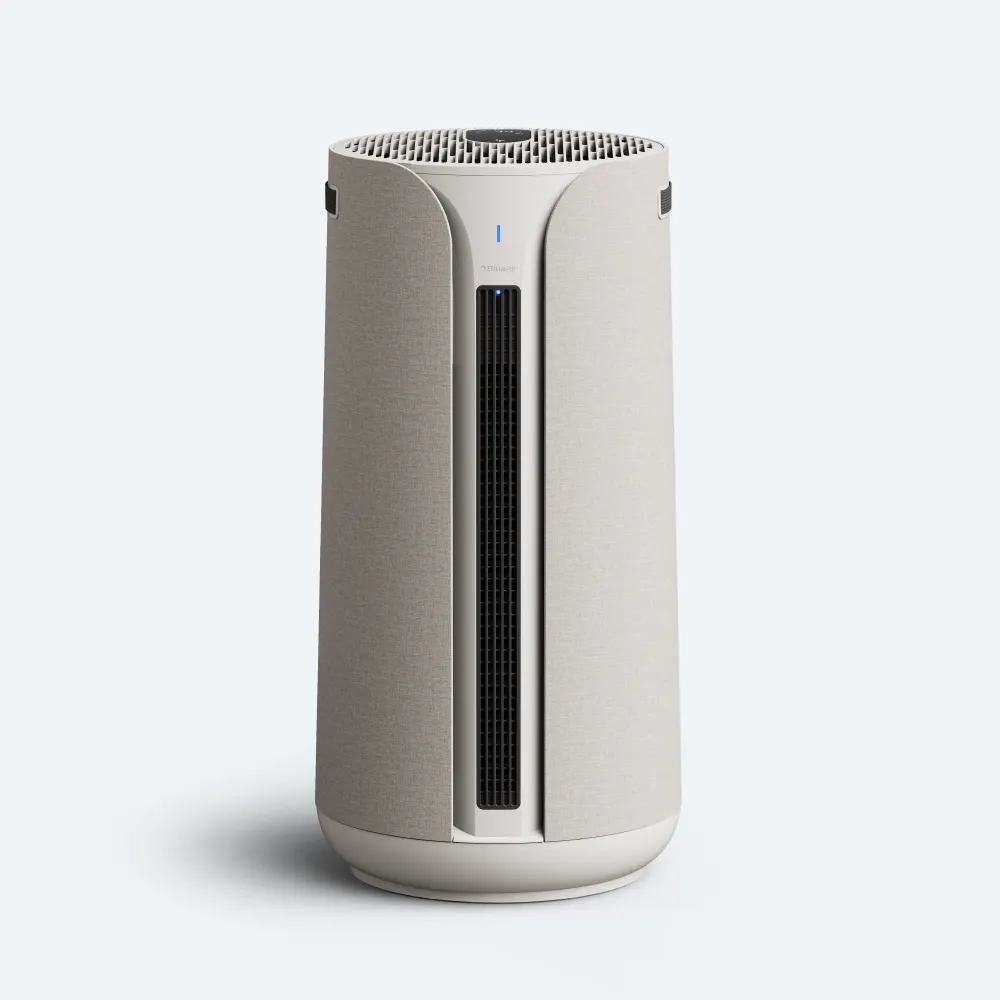
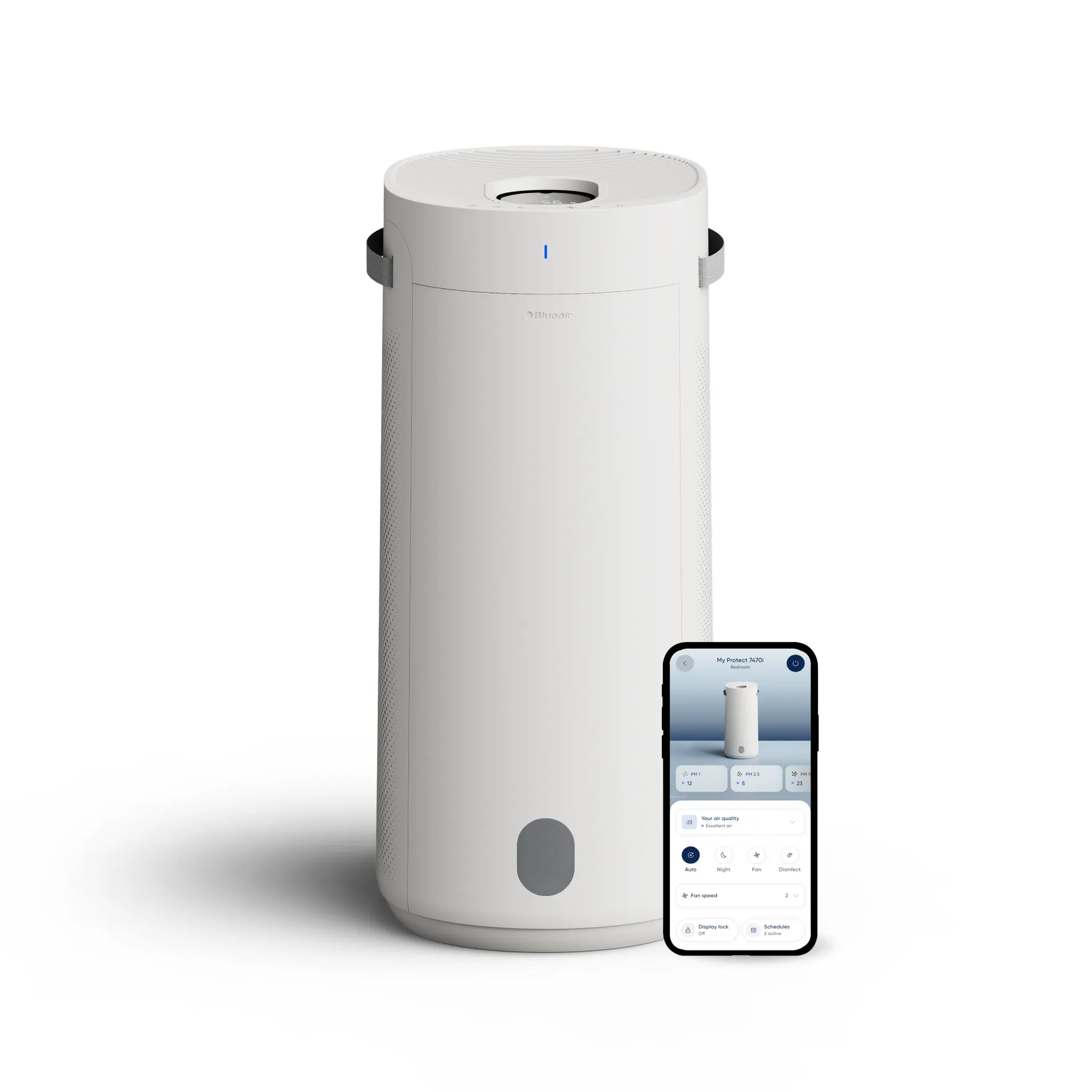
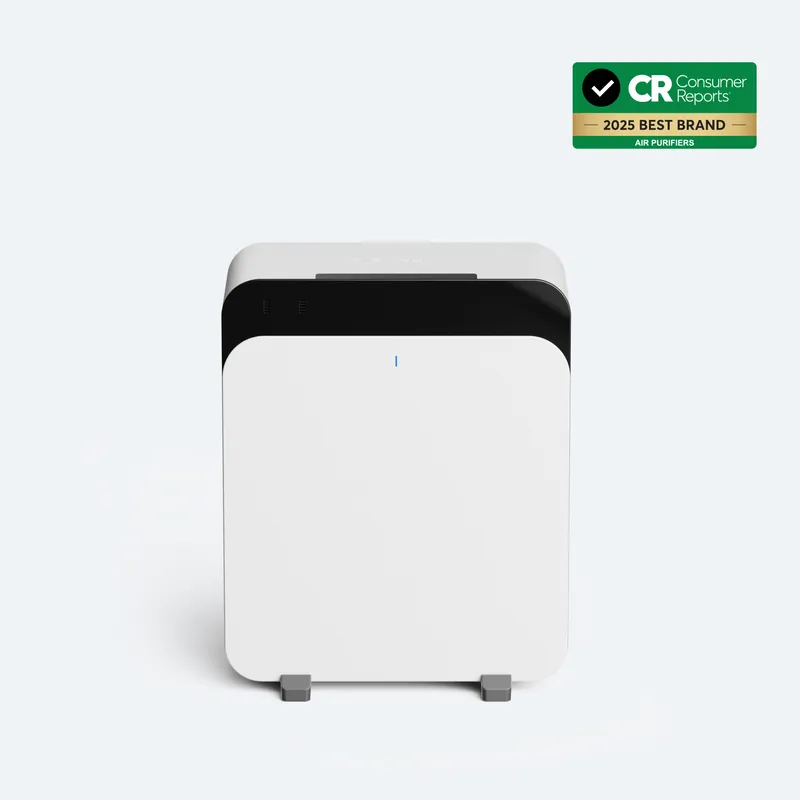
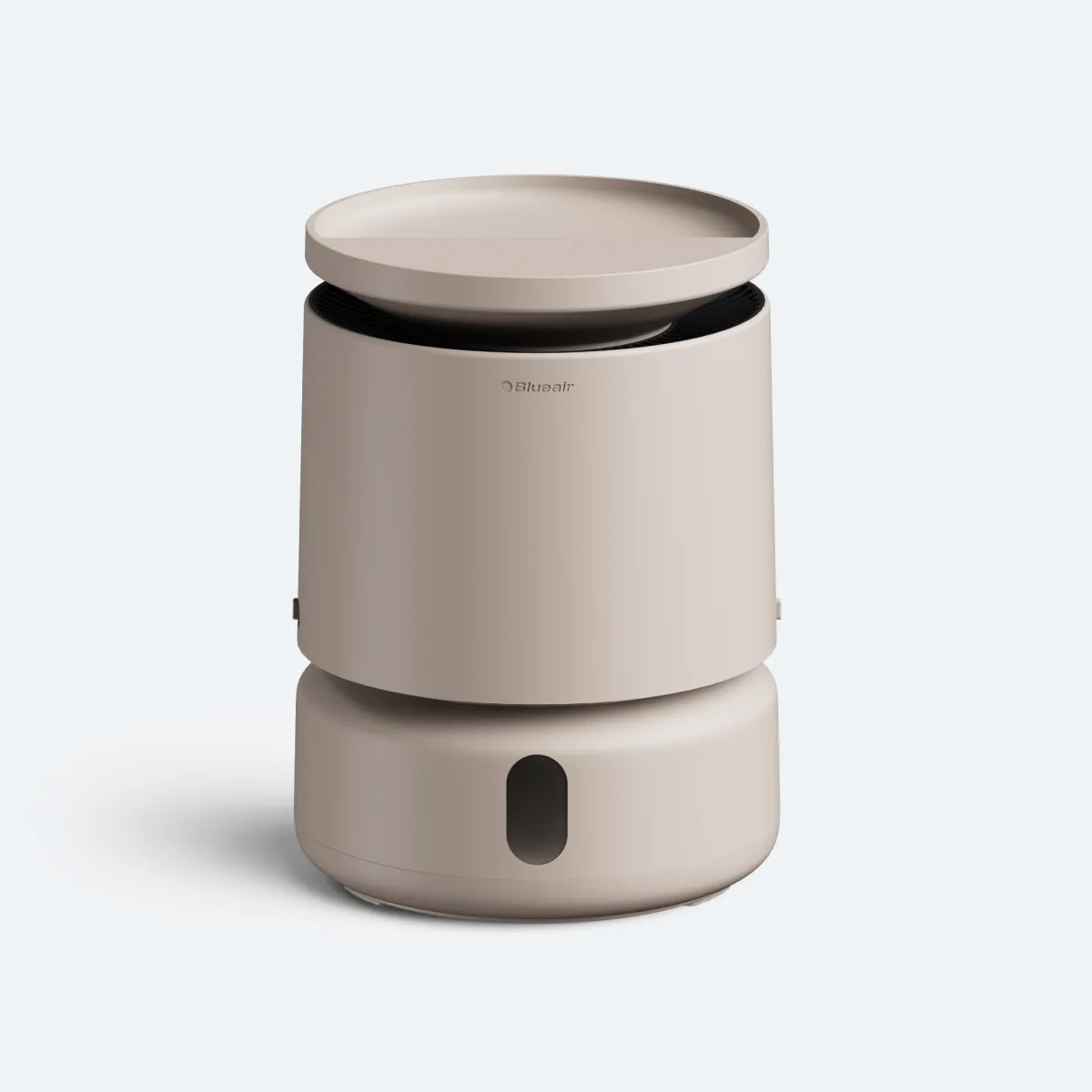
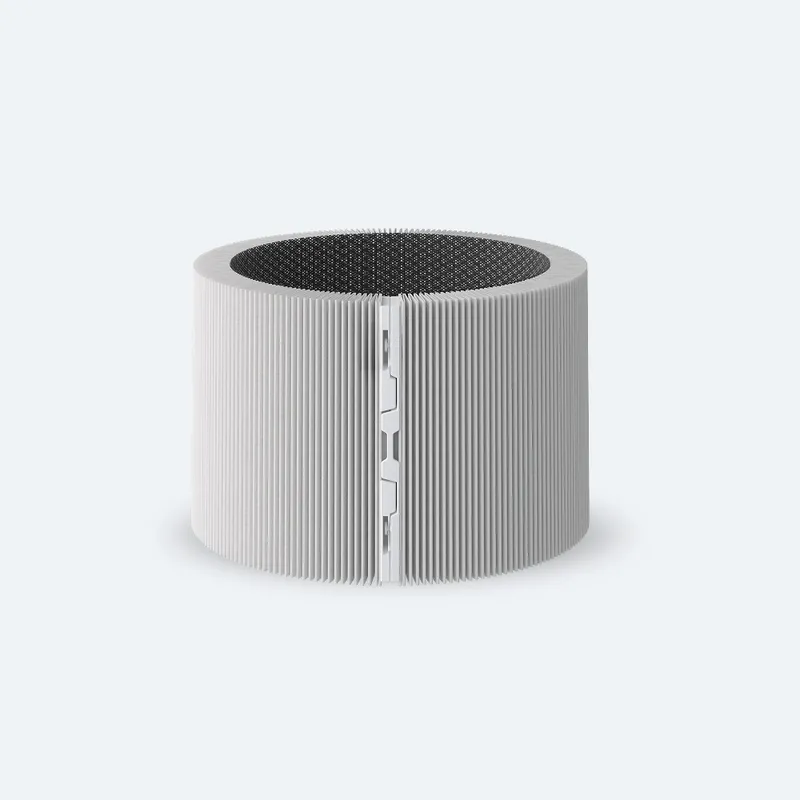
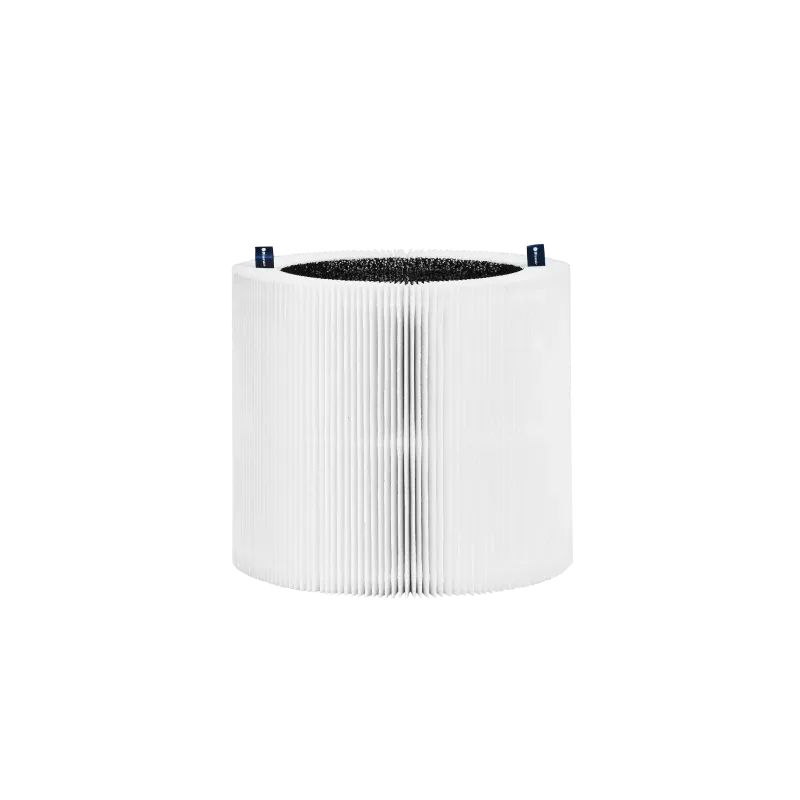
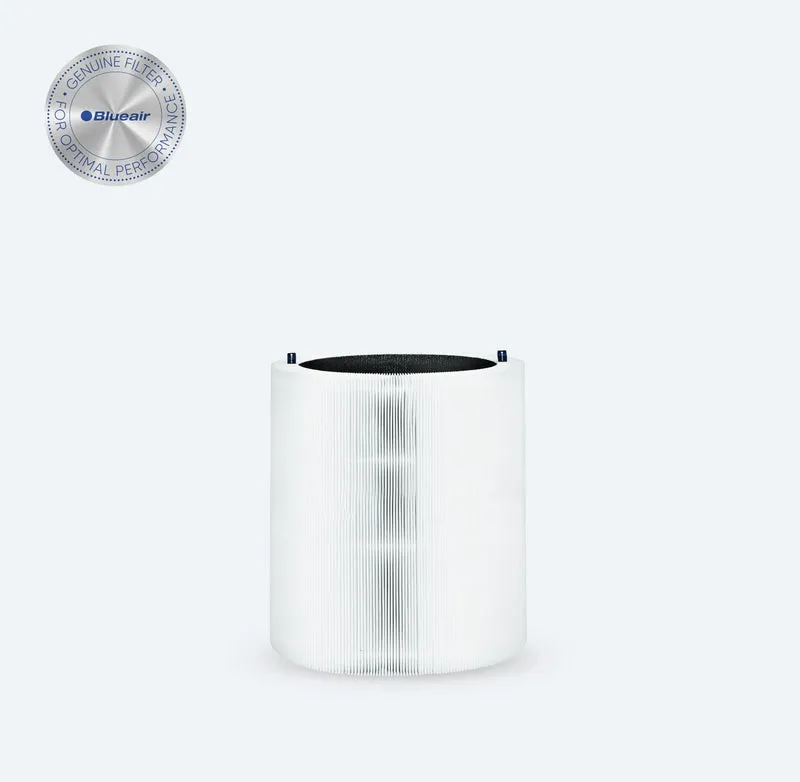
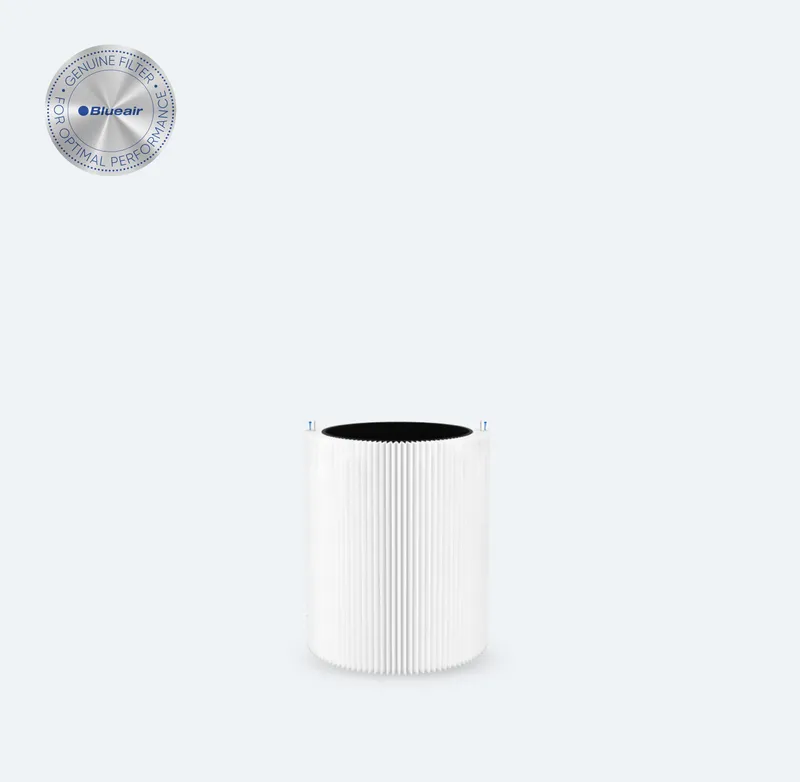
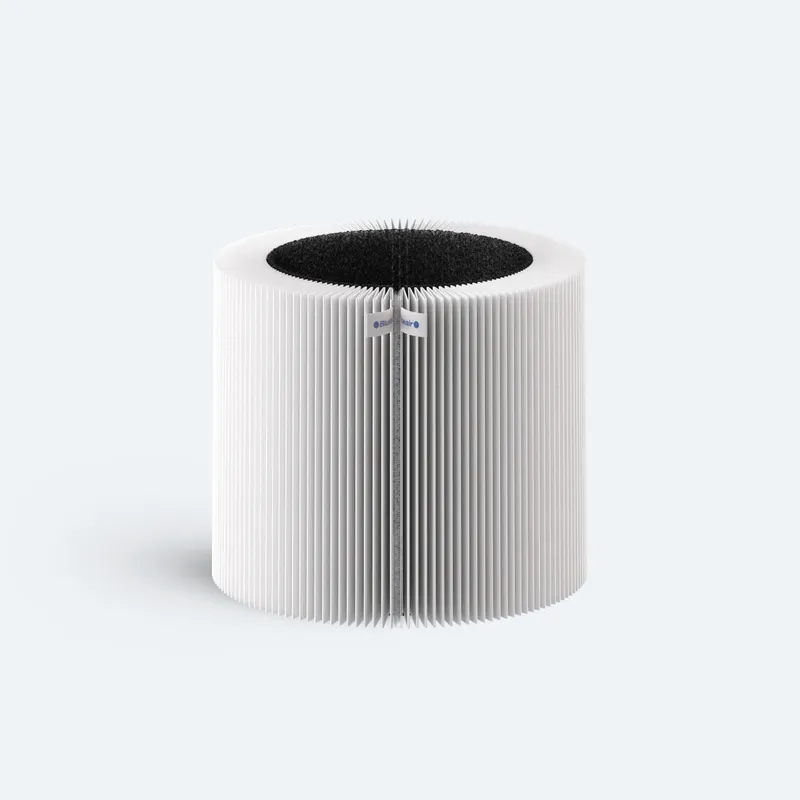
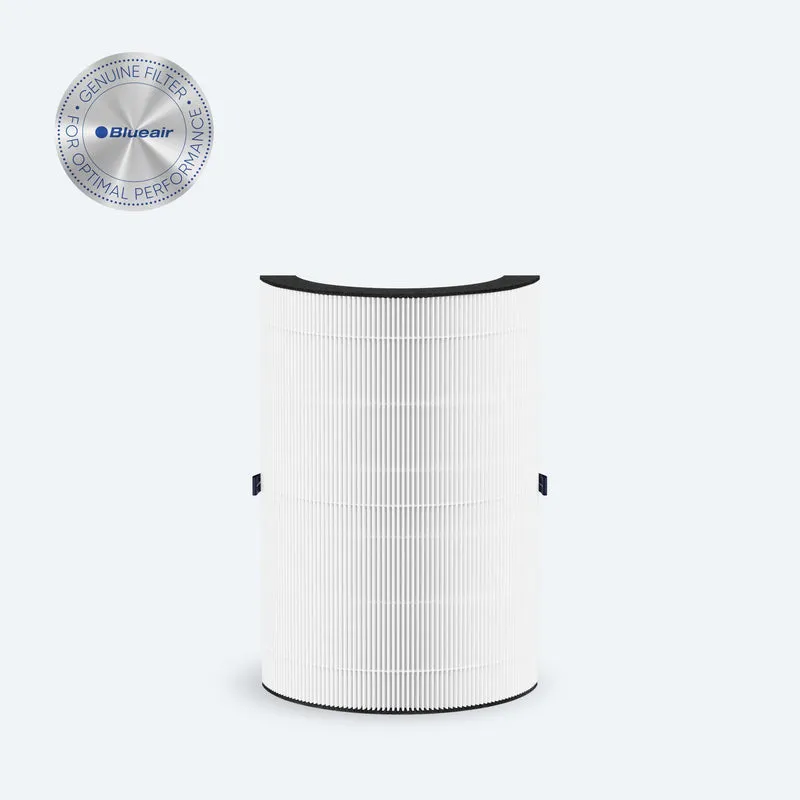
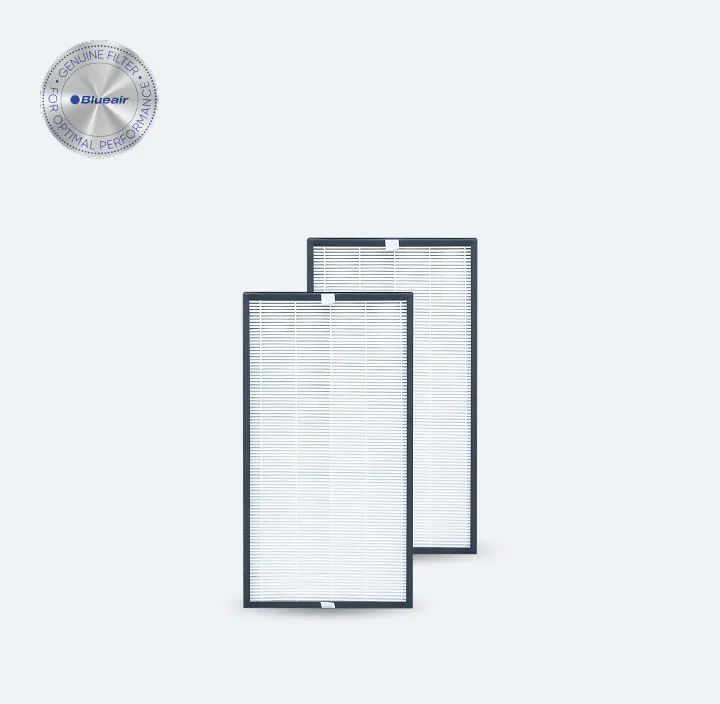
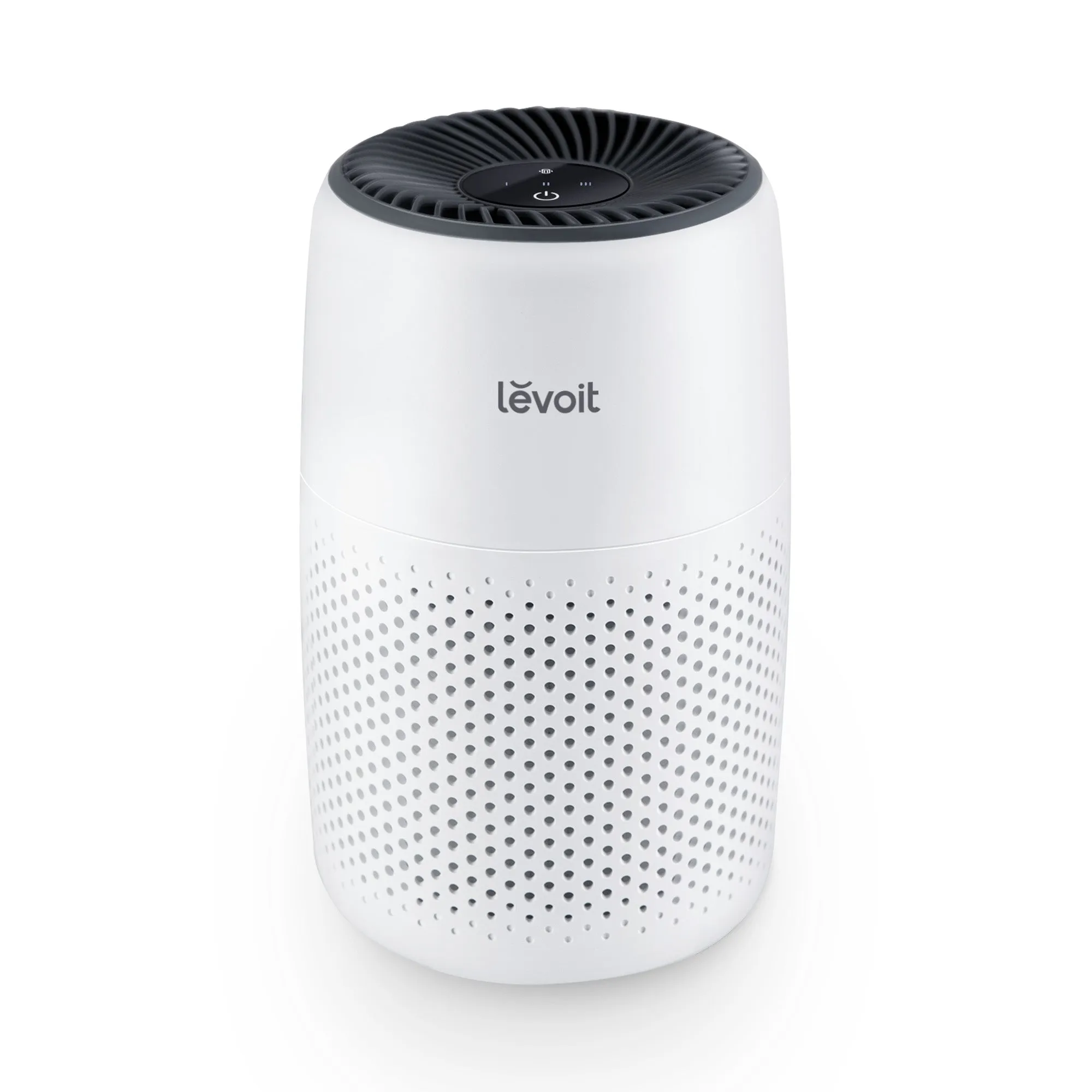
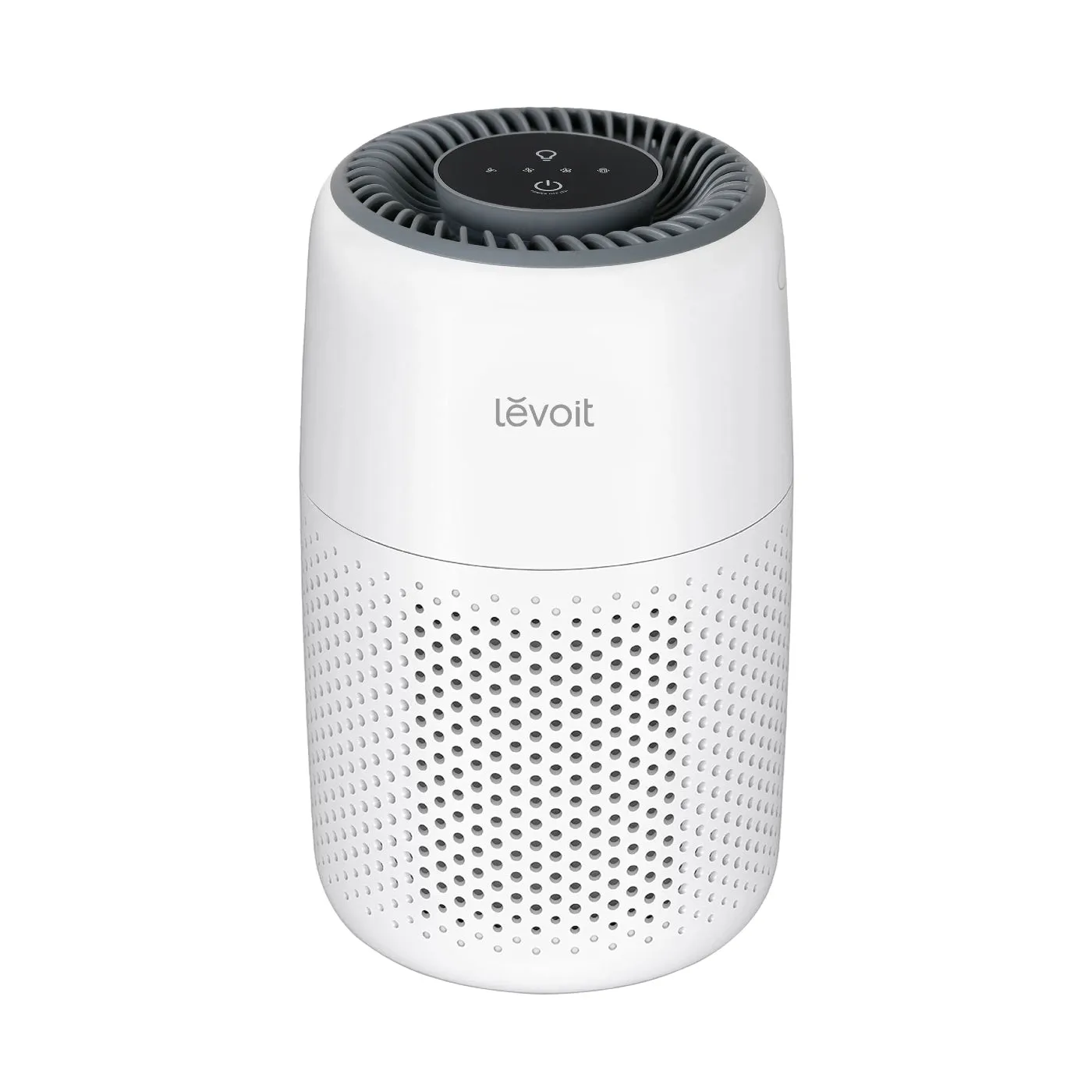
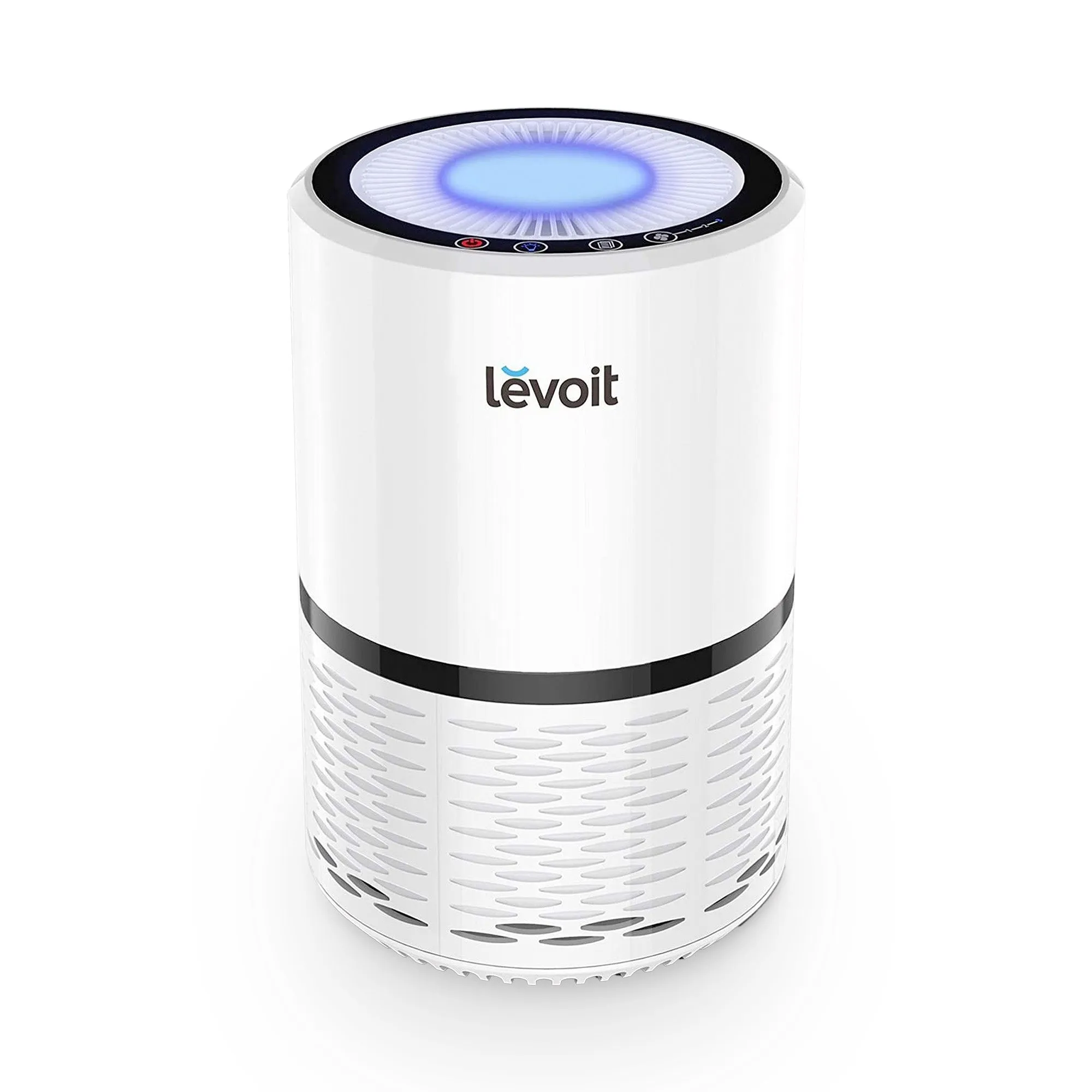
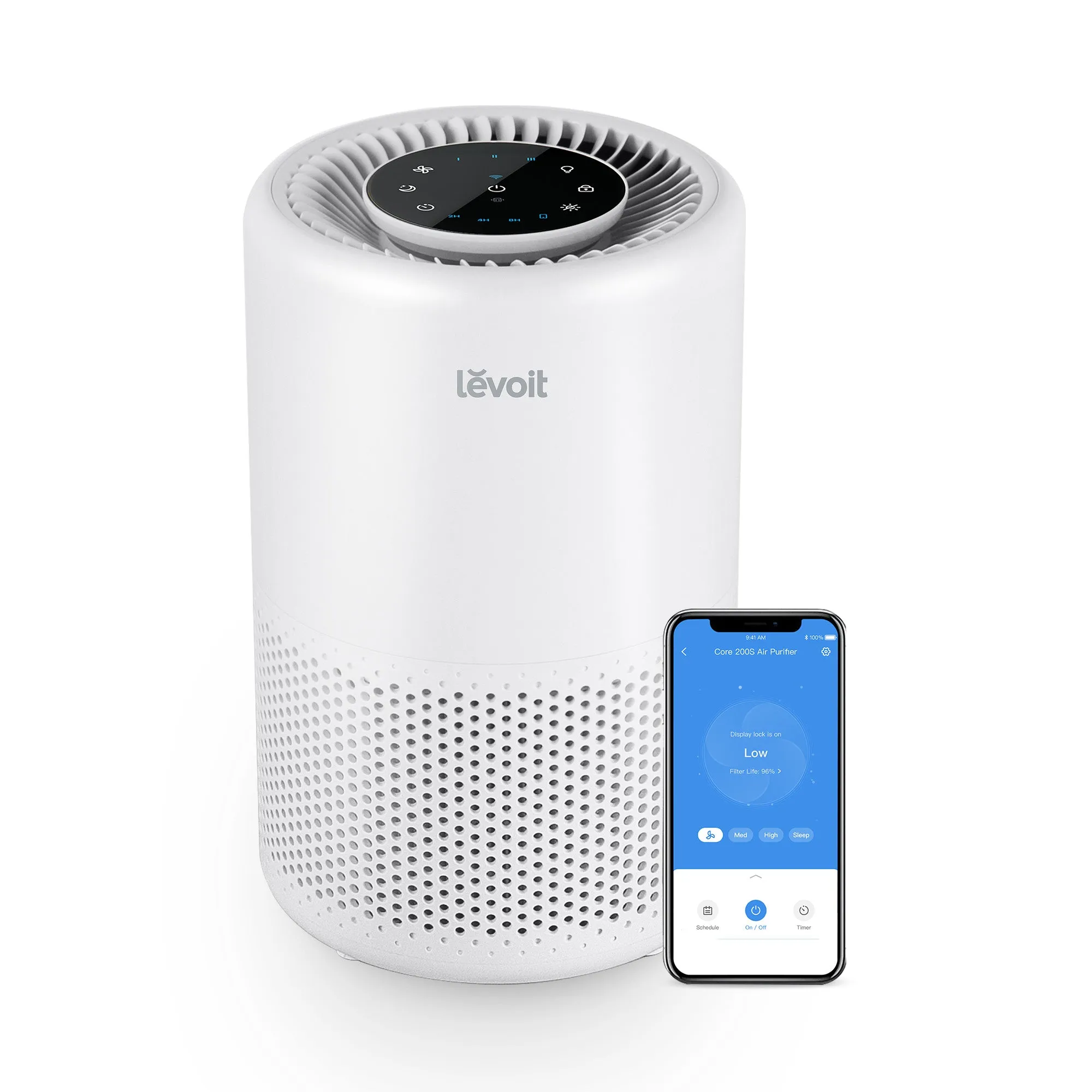
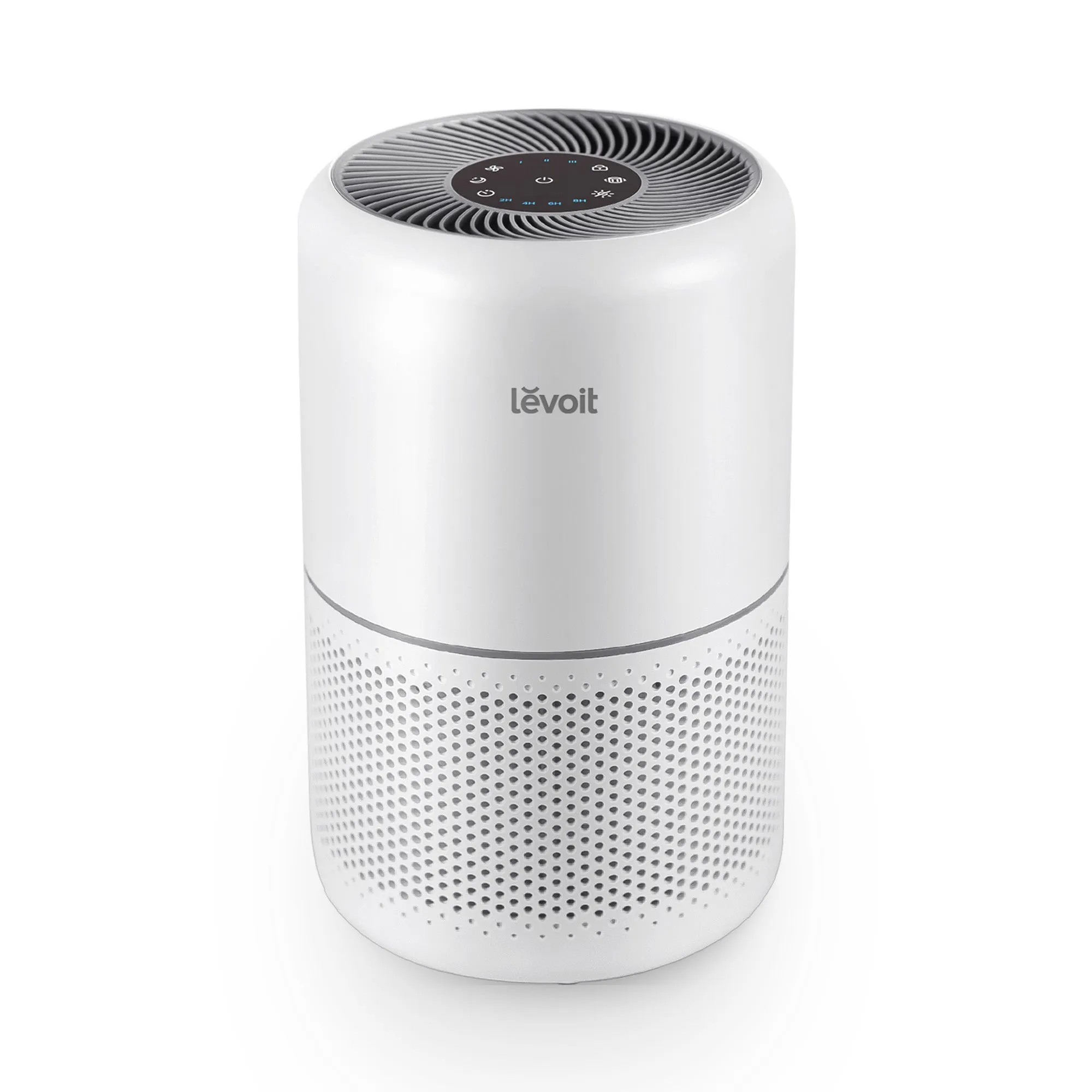
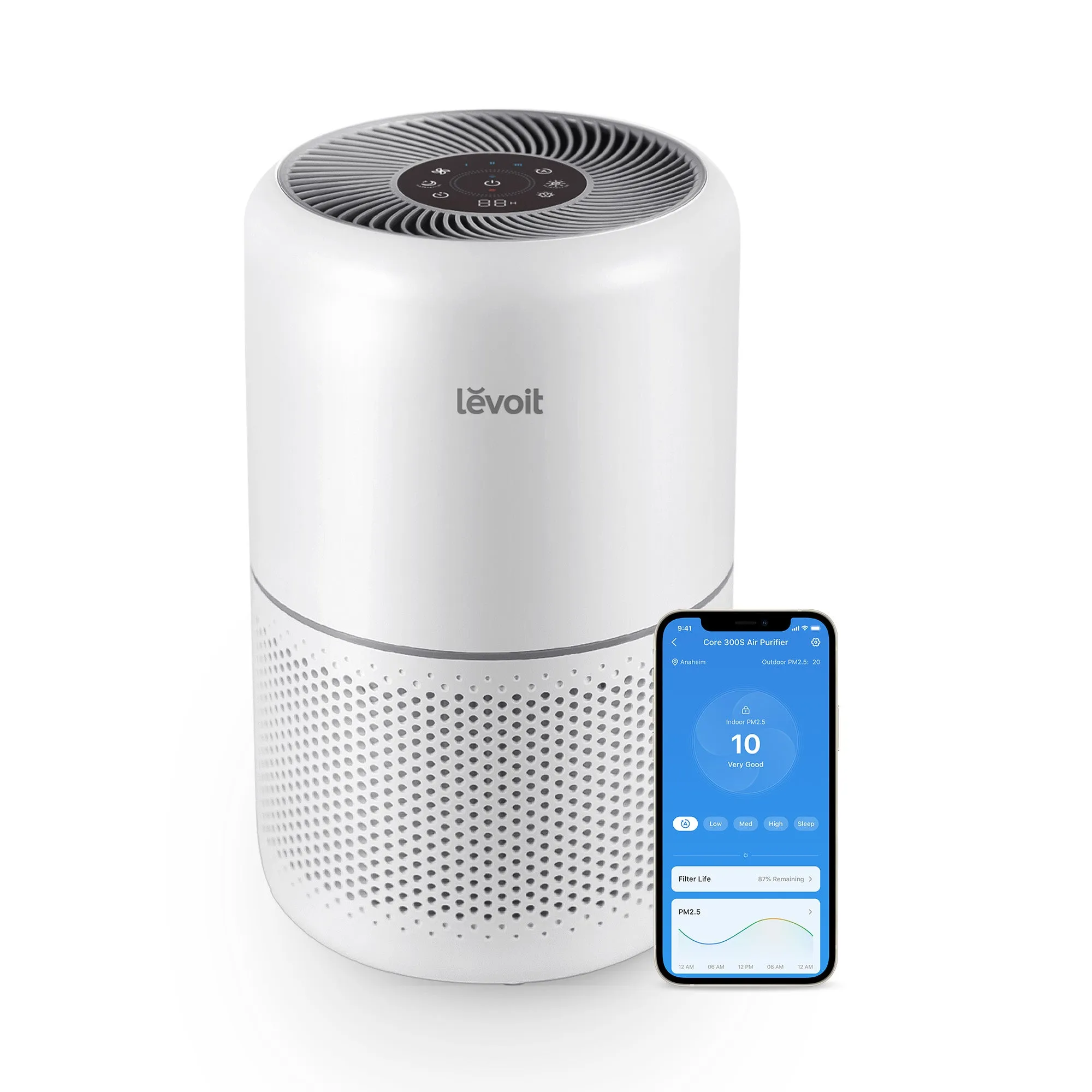
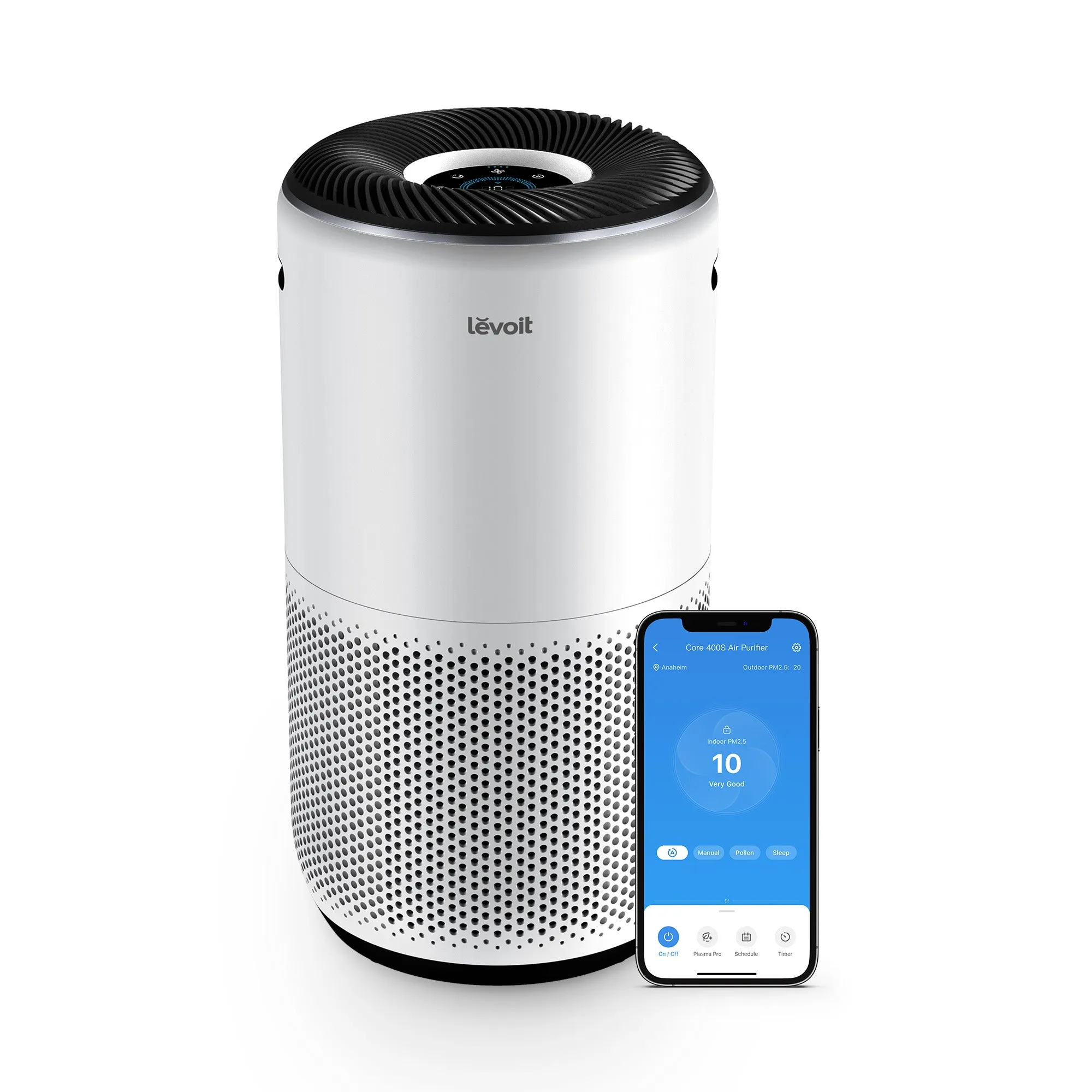
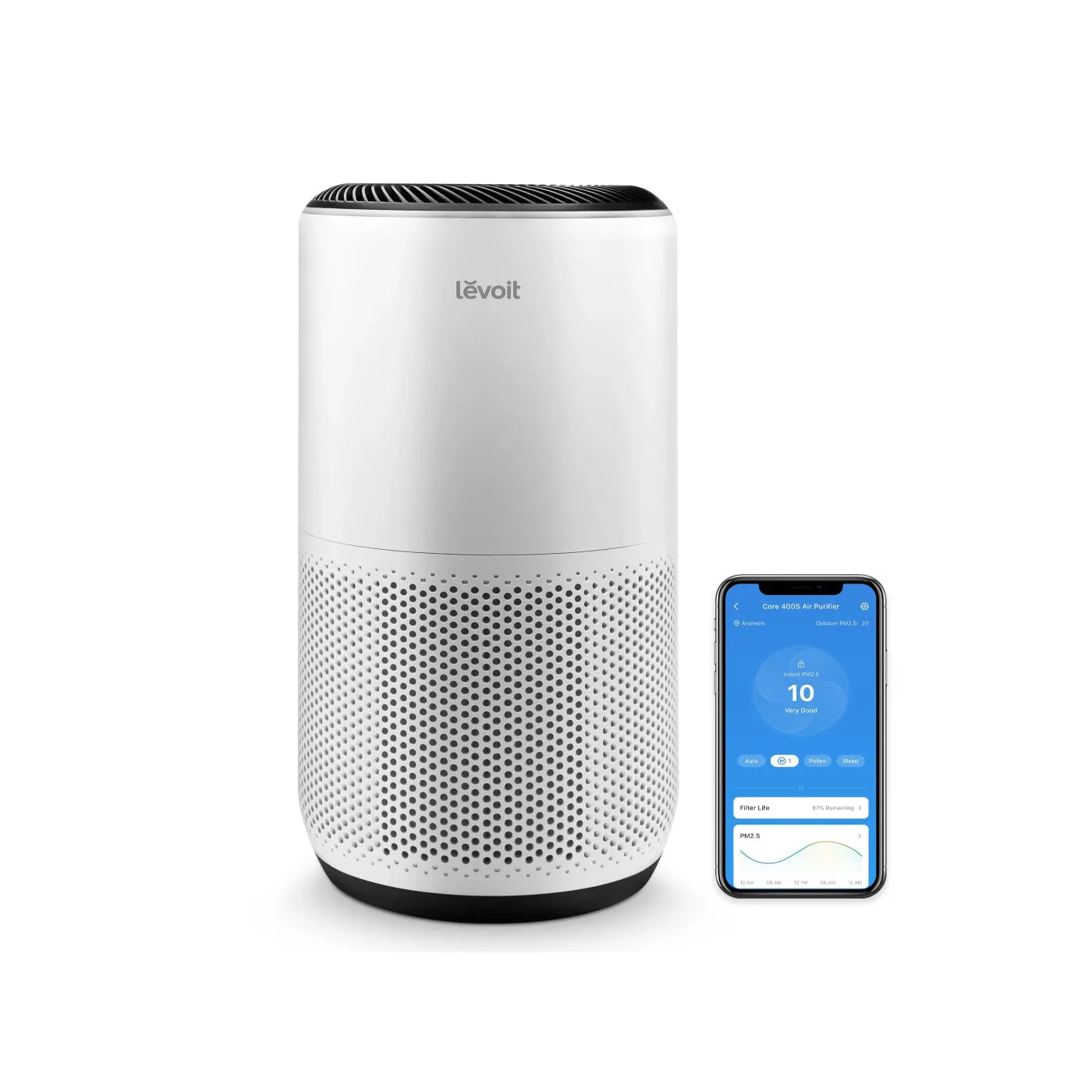
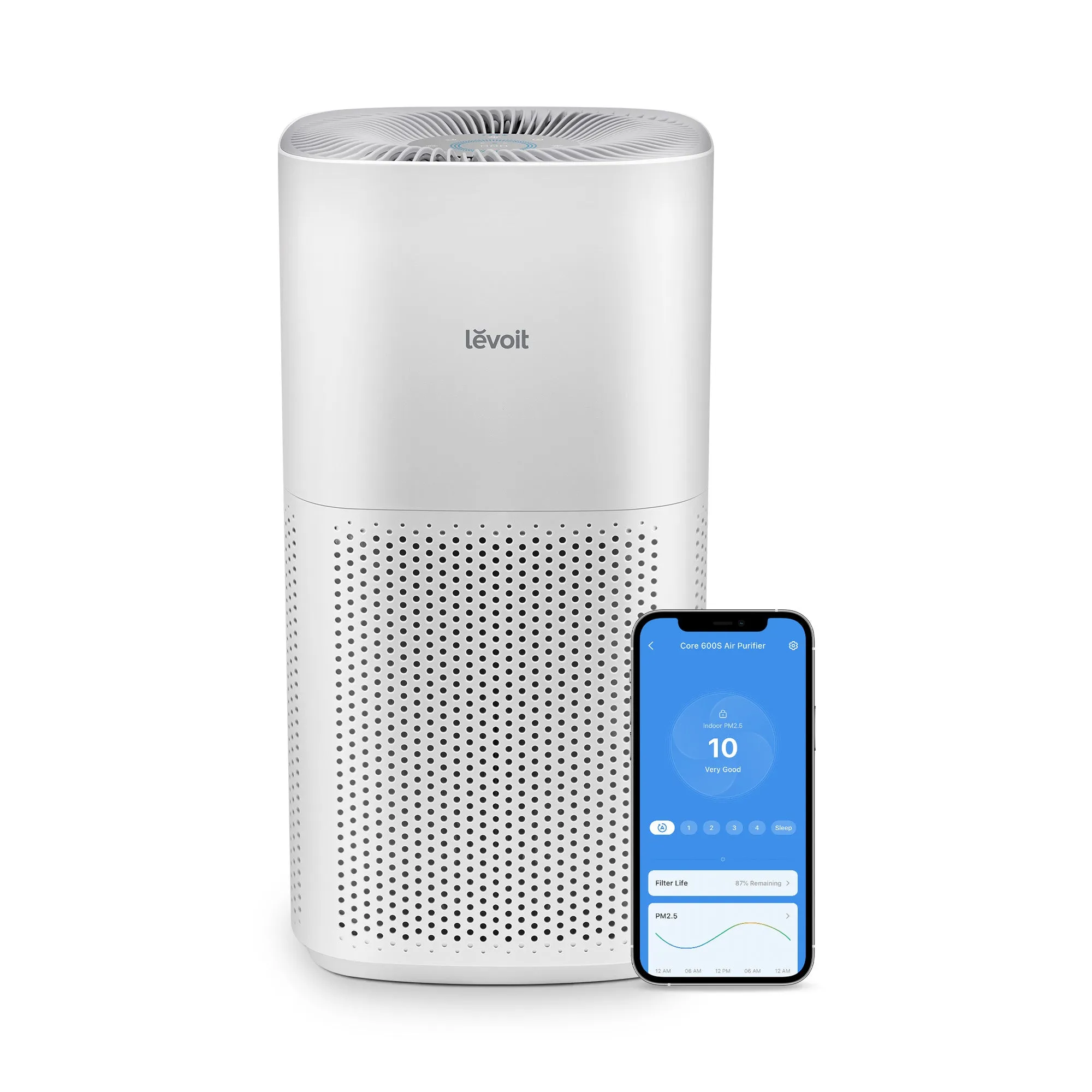
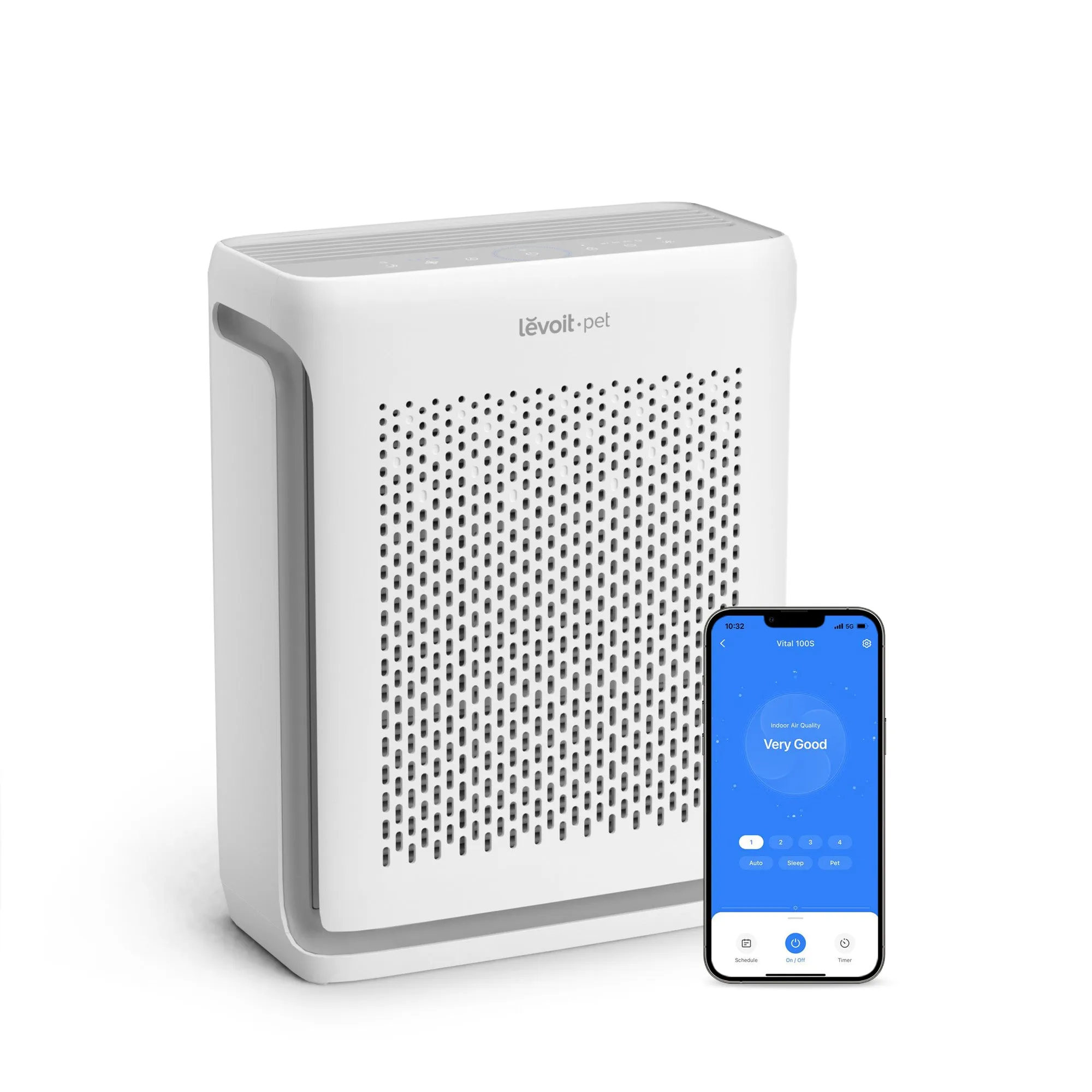
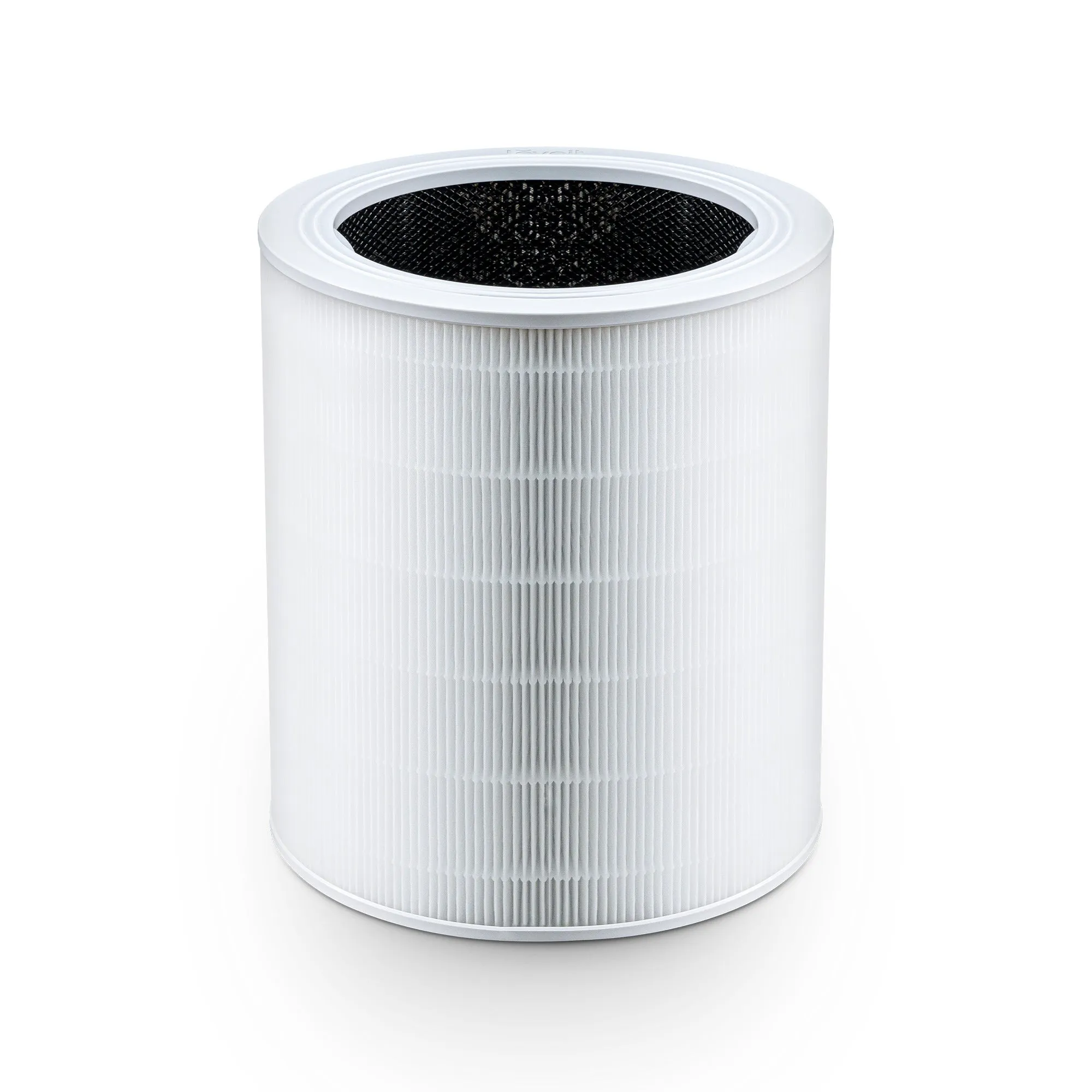
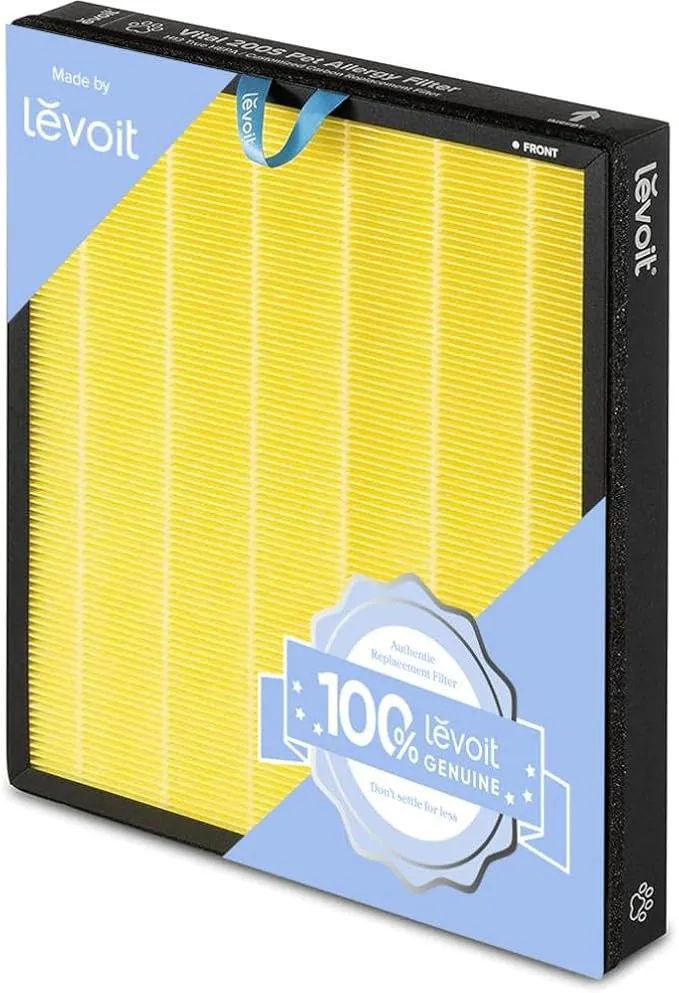
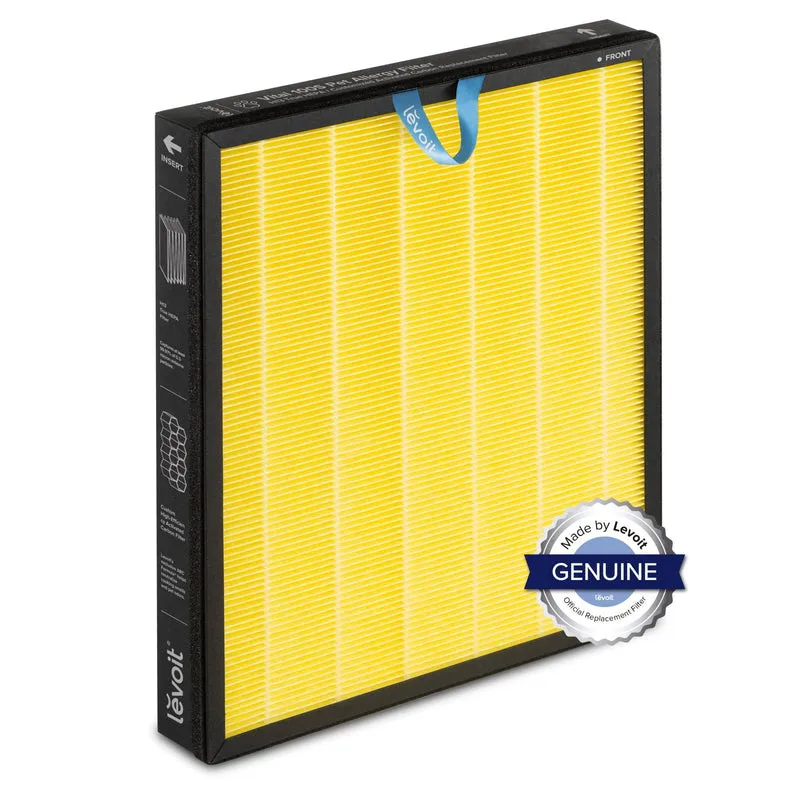
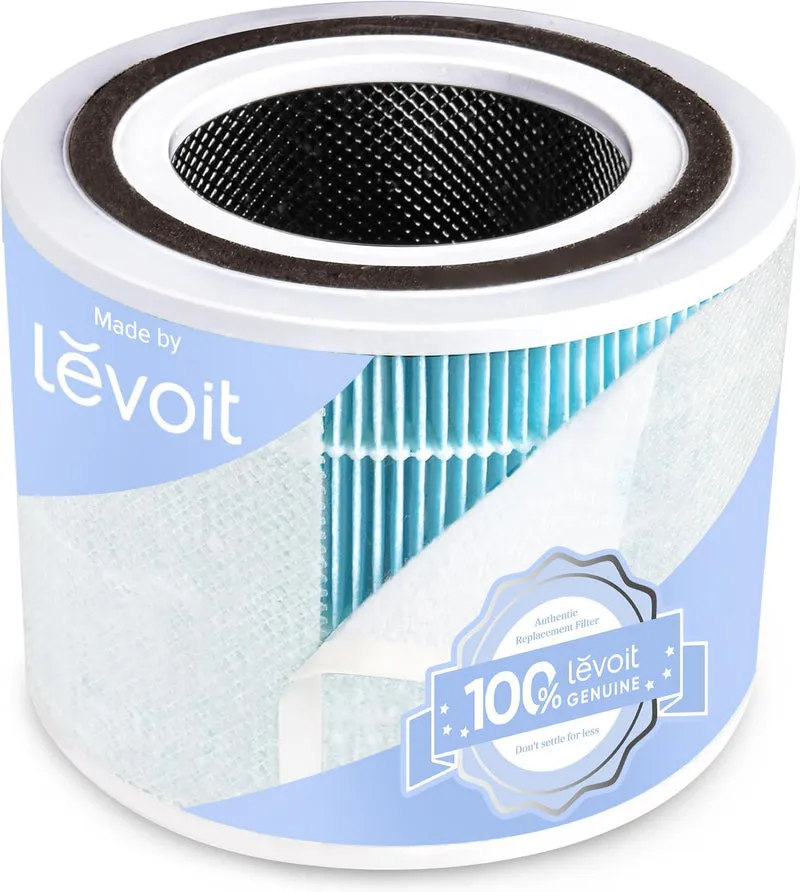
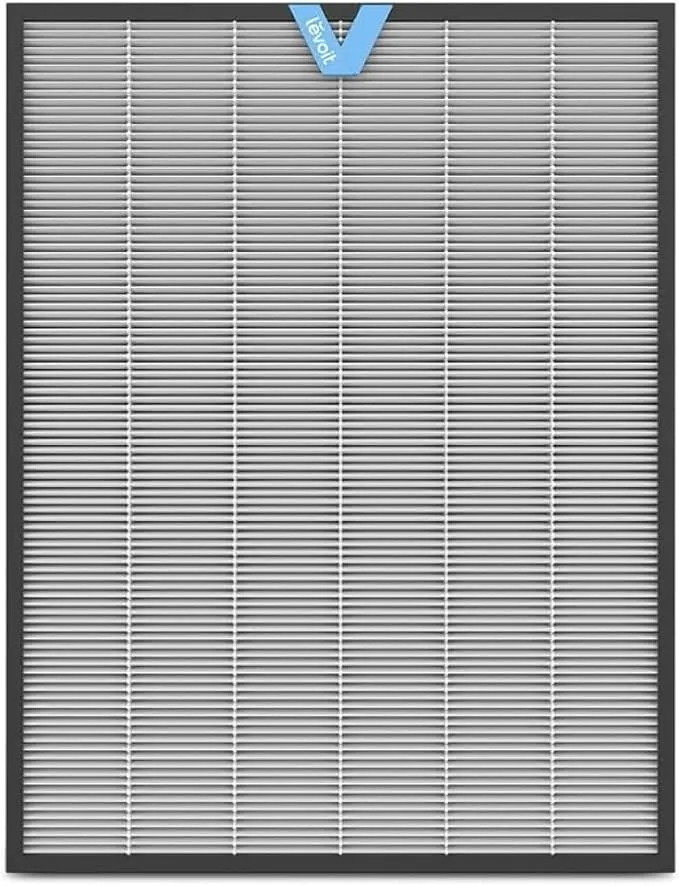
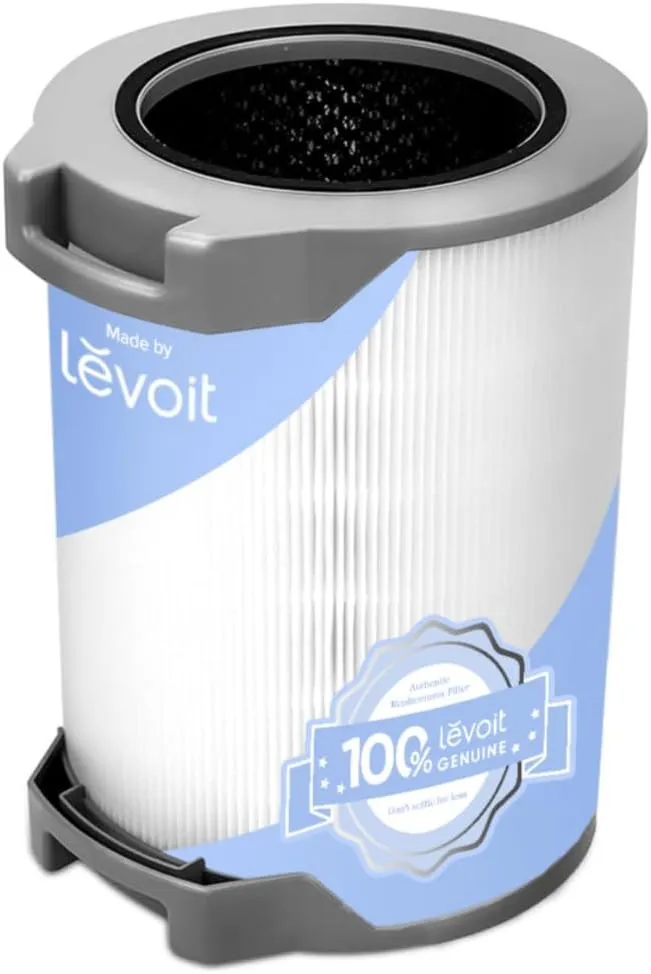
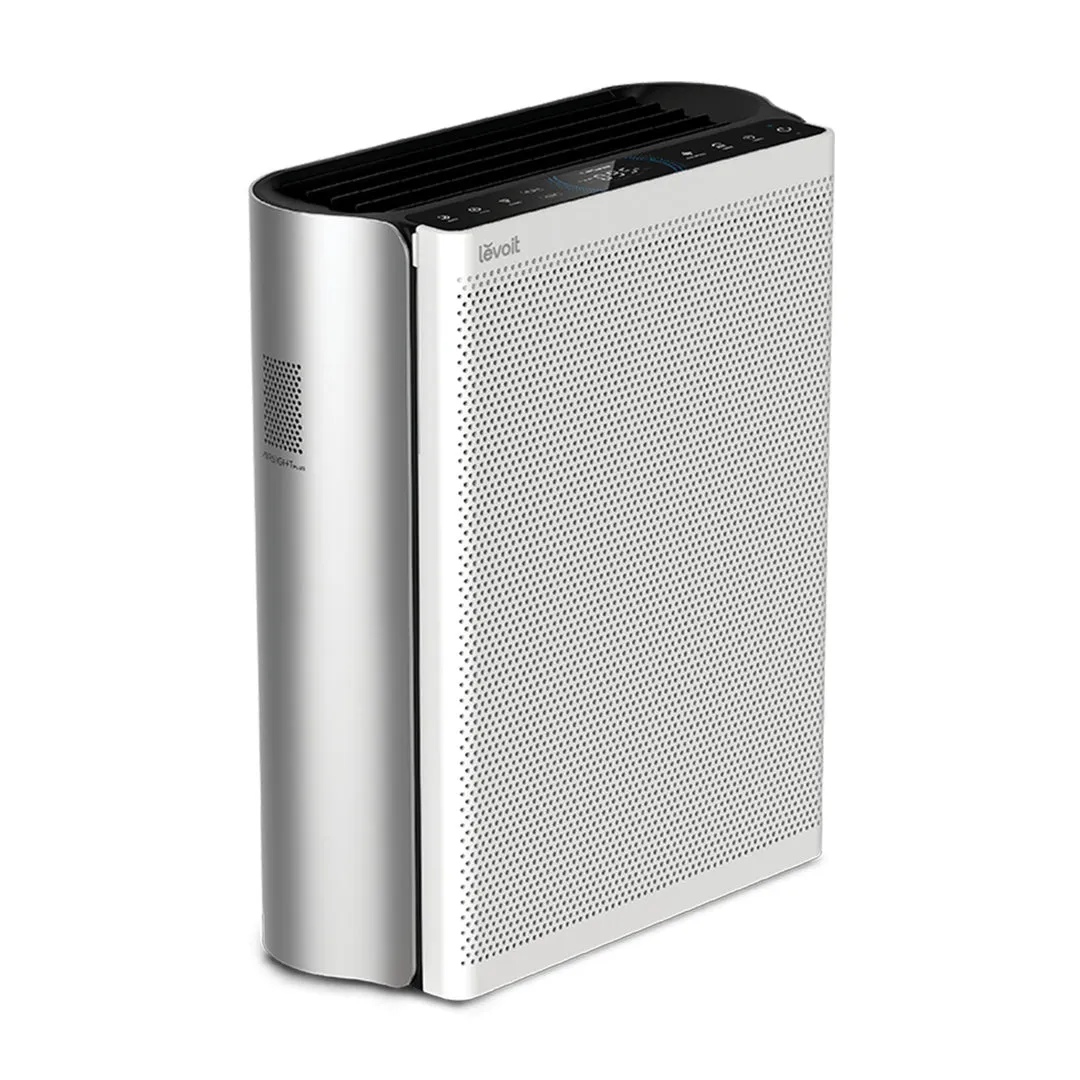
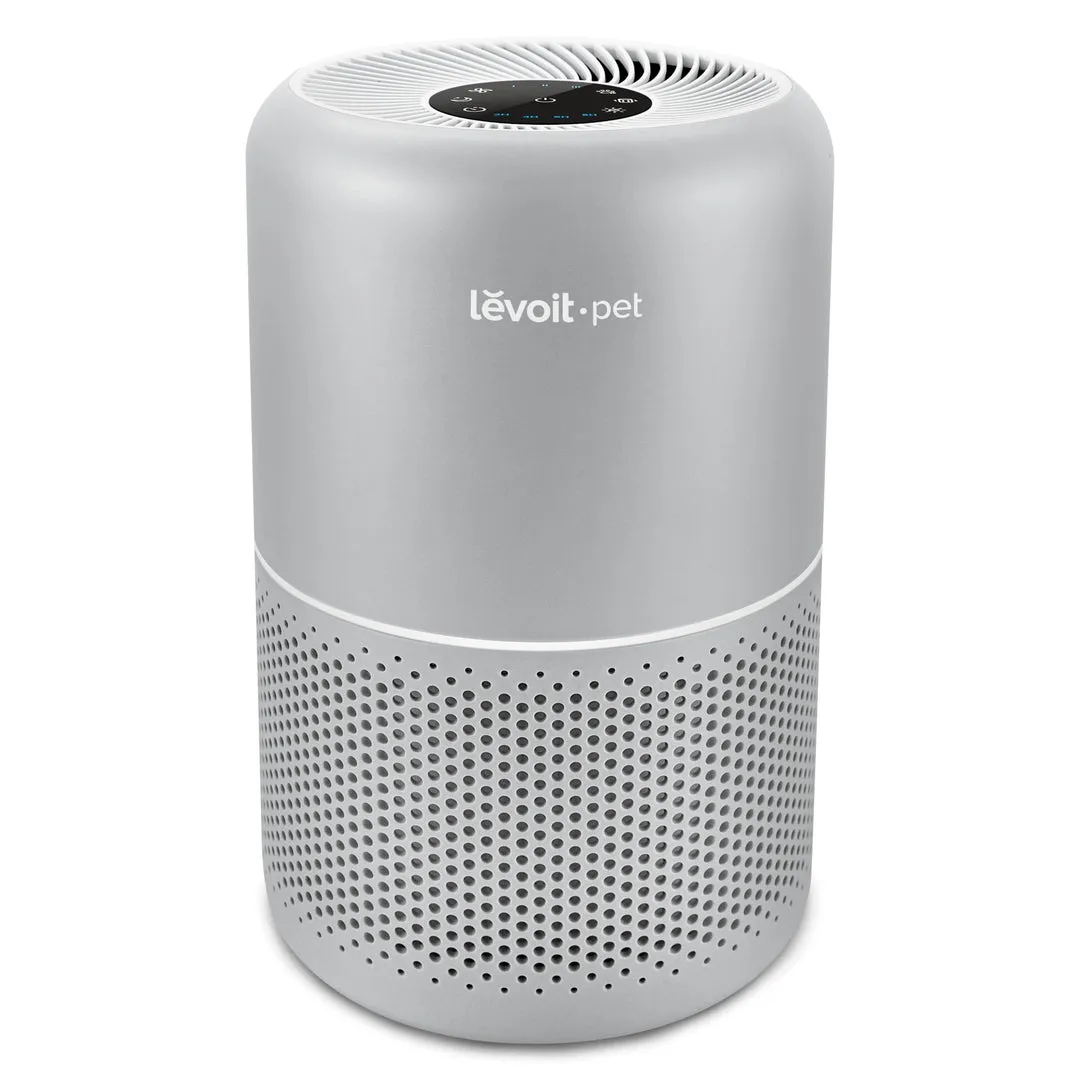
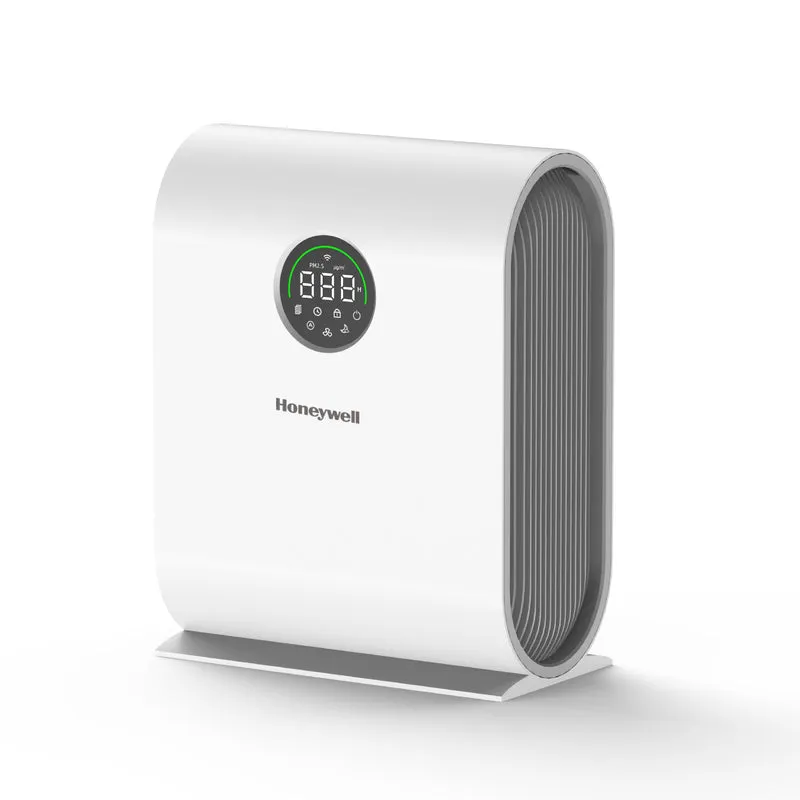
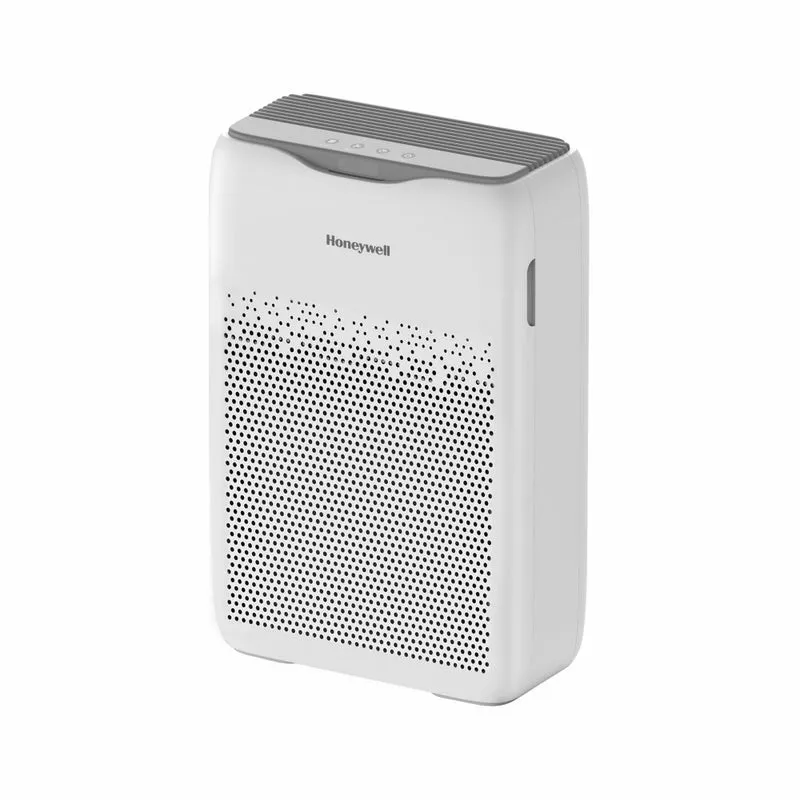
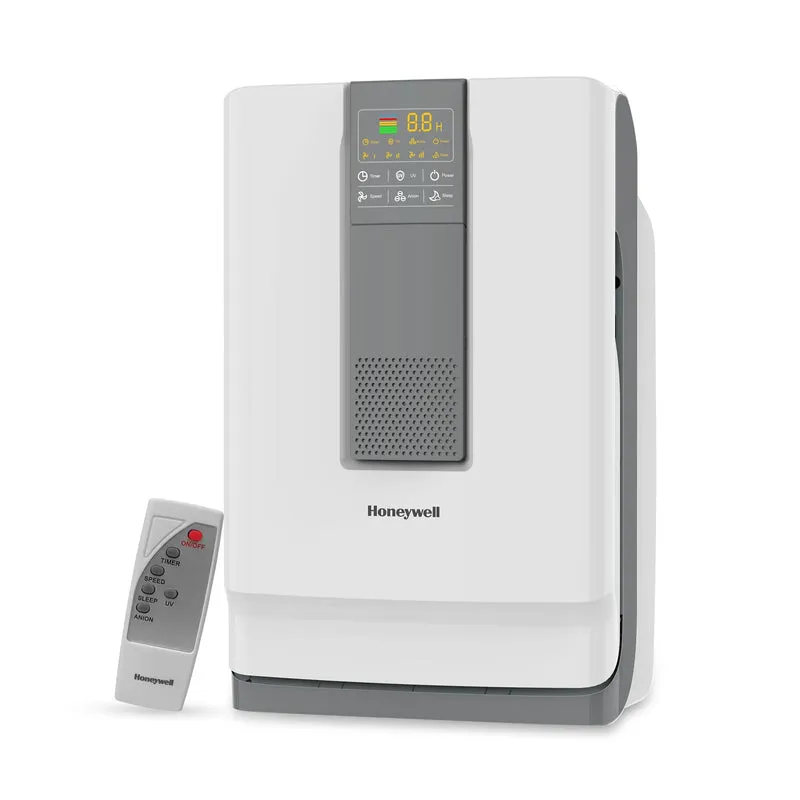
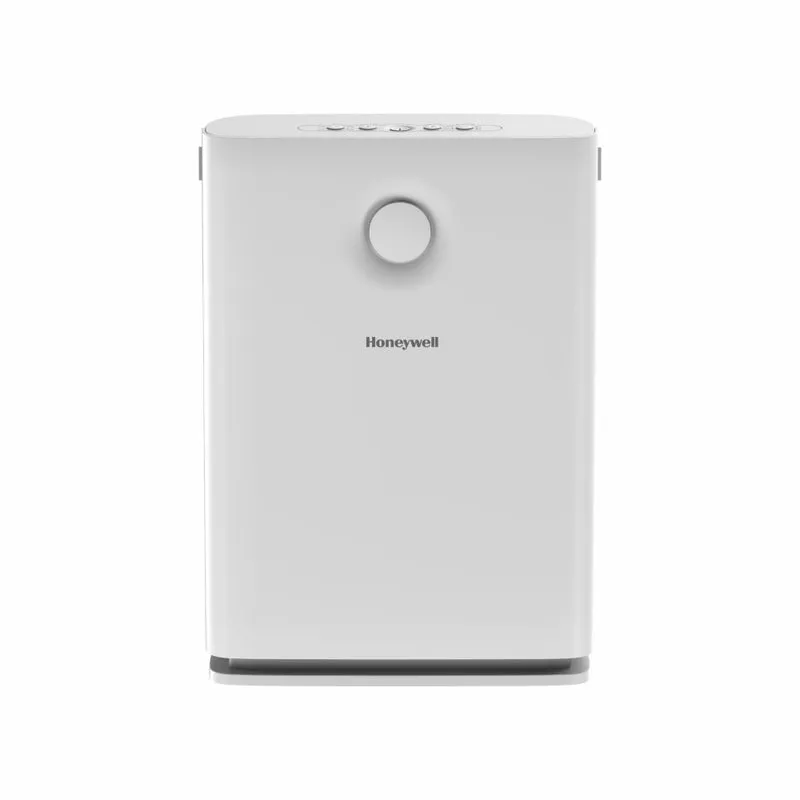
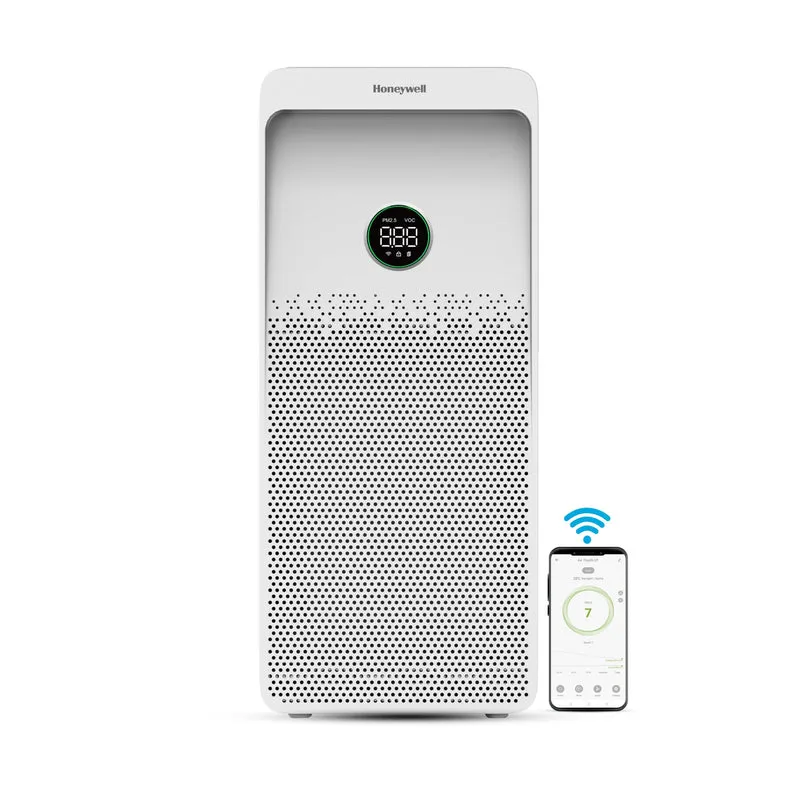
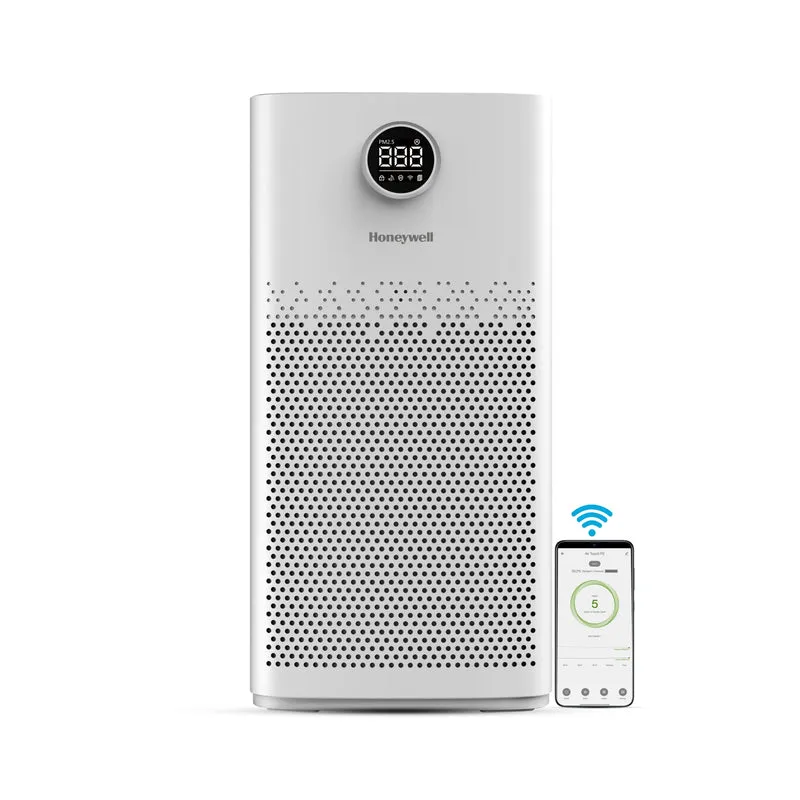
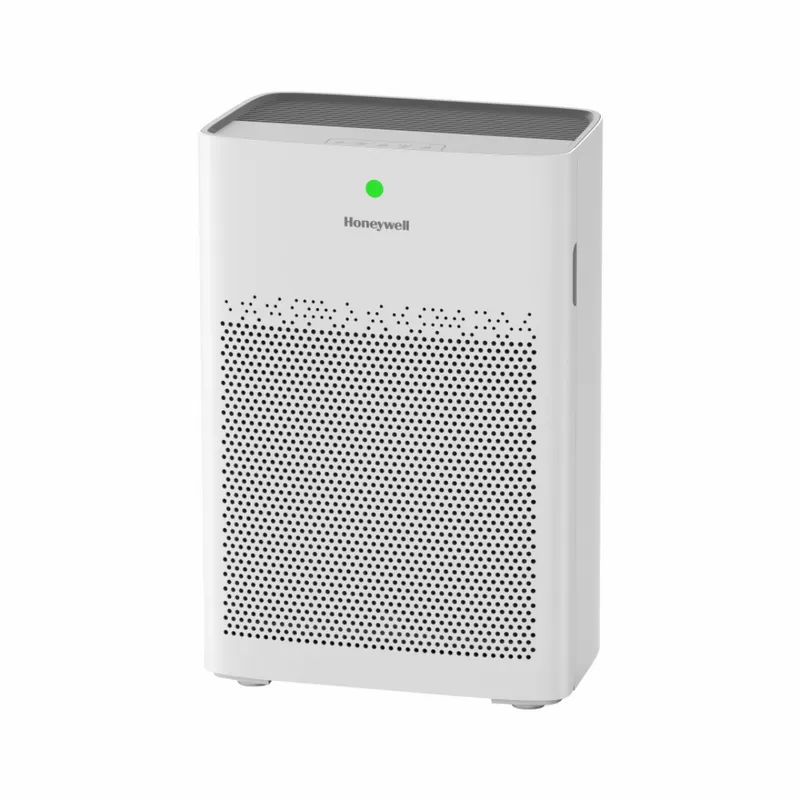
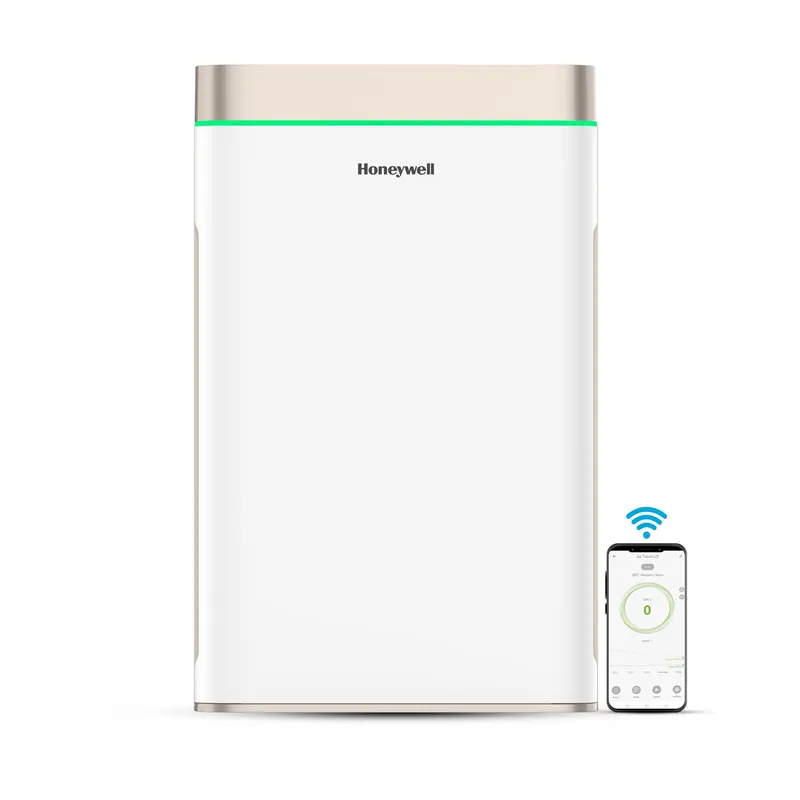
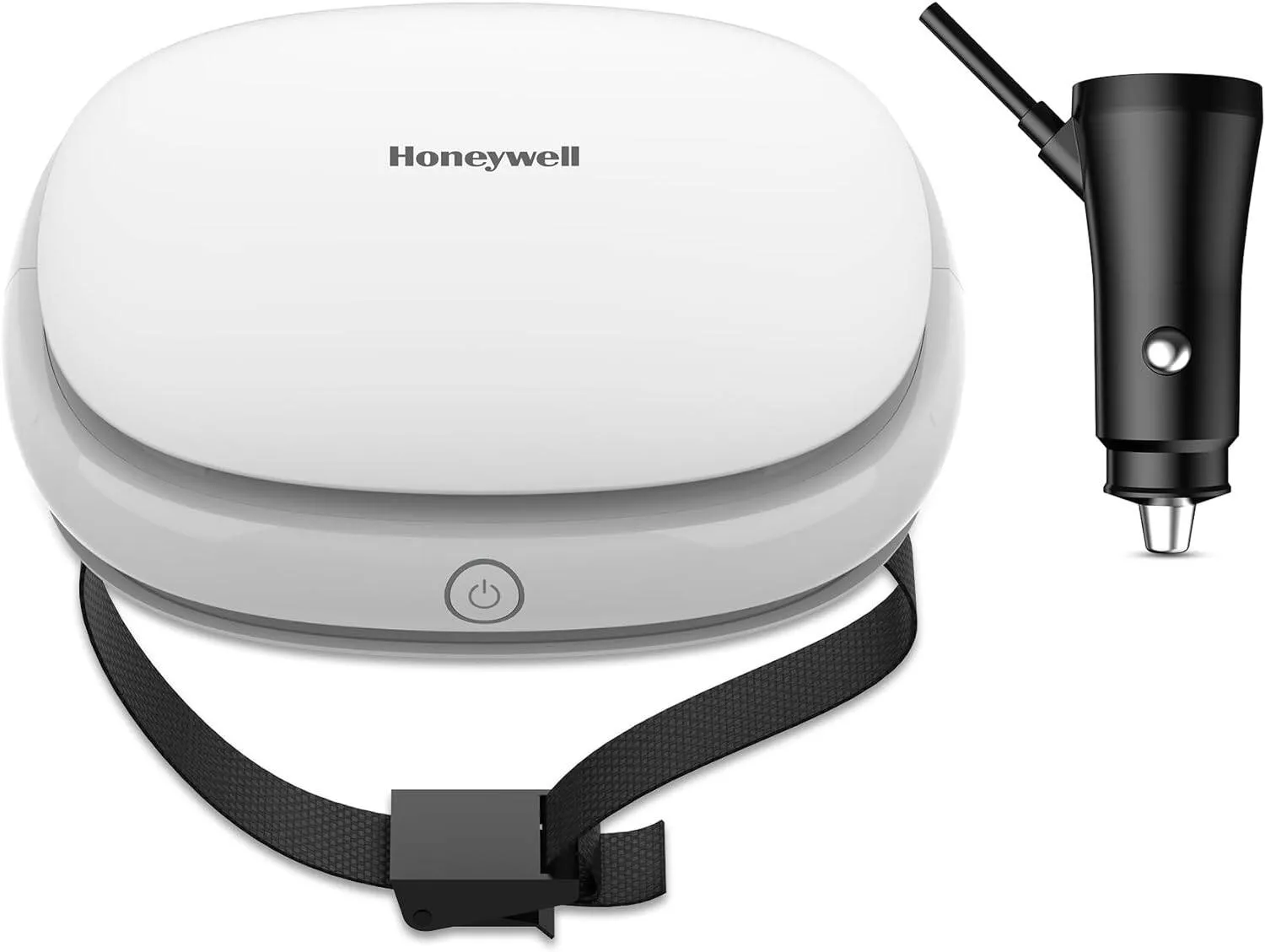
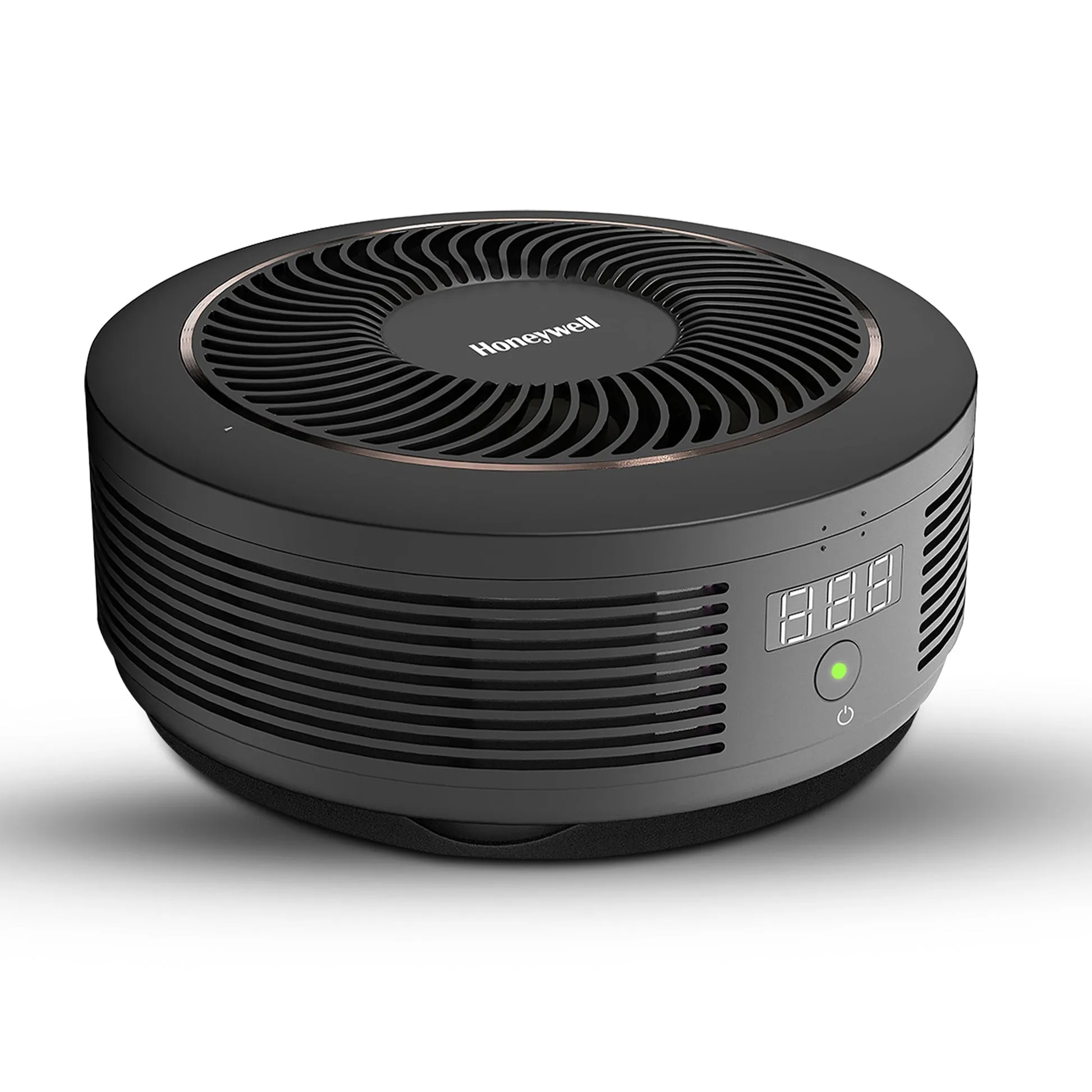
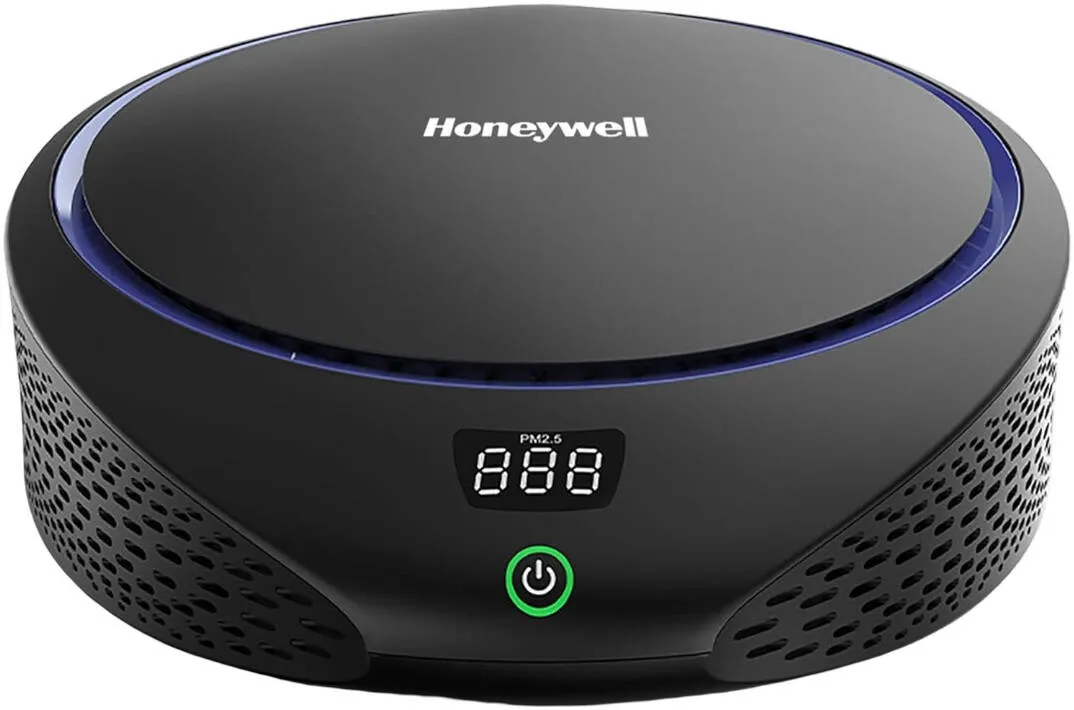
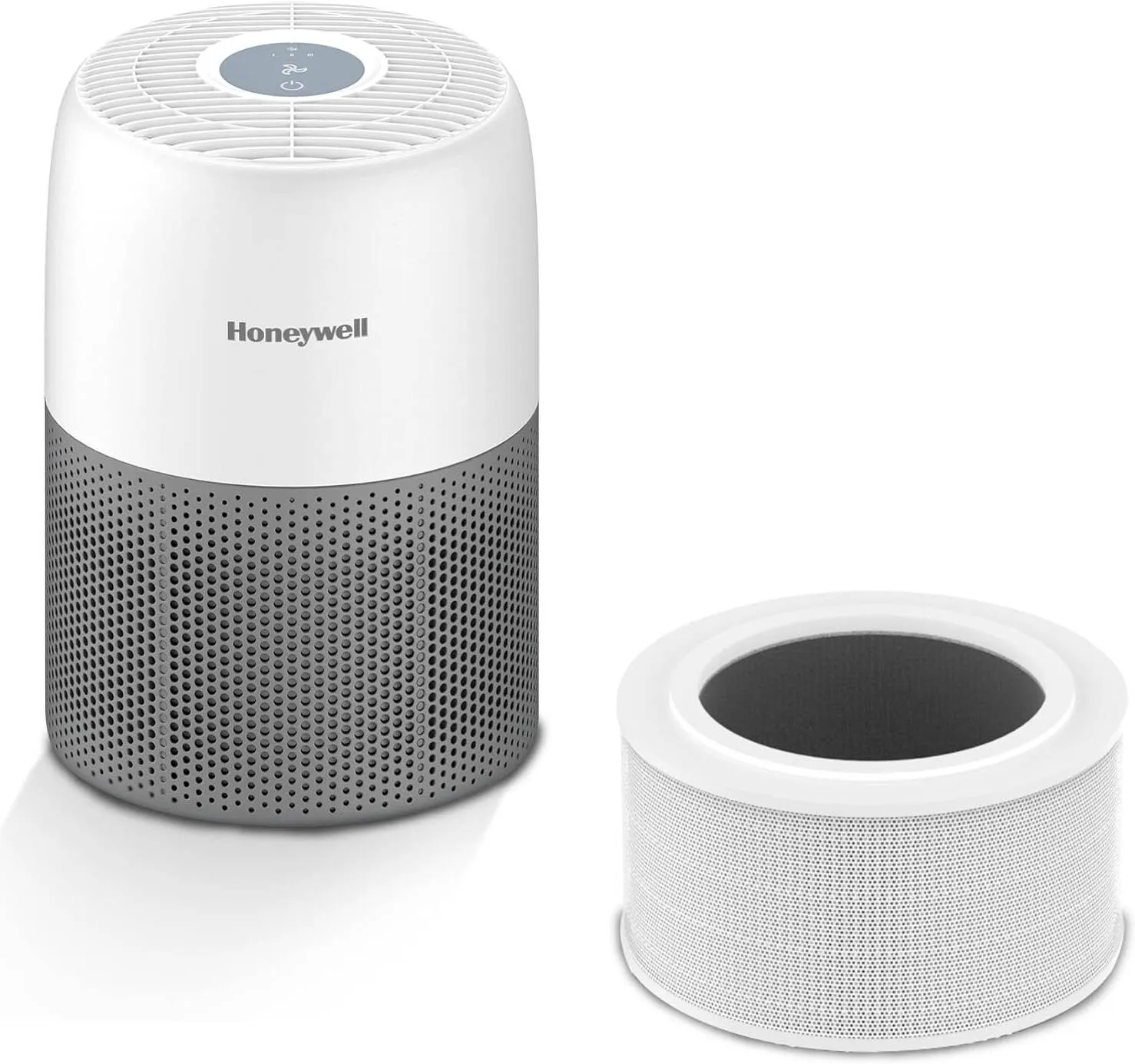
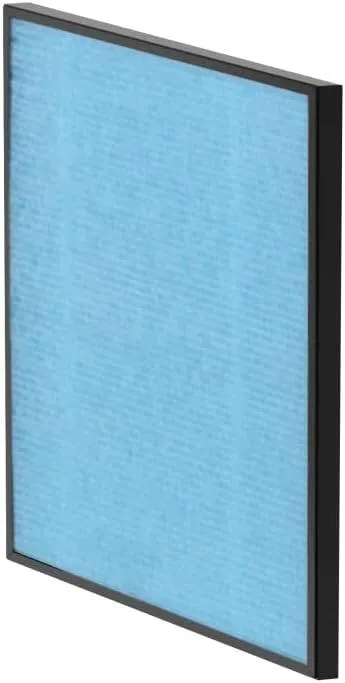
HEPA filter purifiers are the established standard for particle removal. They trap 99.97% of particles at 0.3 microns, covering dust, pollen, pet dander, mould spores, and most airborne bacteria. They produce no ozone and no secondary pollutants. Brands such as Blueair, Honeywell, and Levoit all offer HEPA-based models across a range of room sizes and price points. For a detailed breakdown of how HEPA technology compares to other filtration methods, the HEPA vs carbon filter comparison covers the key differences clearly.
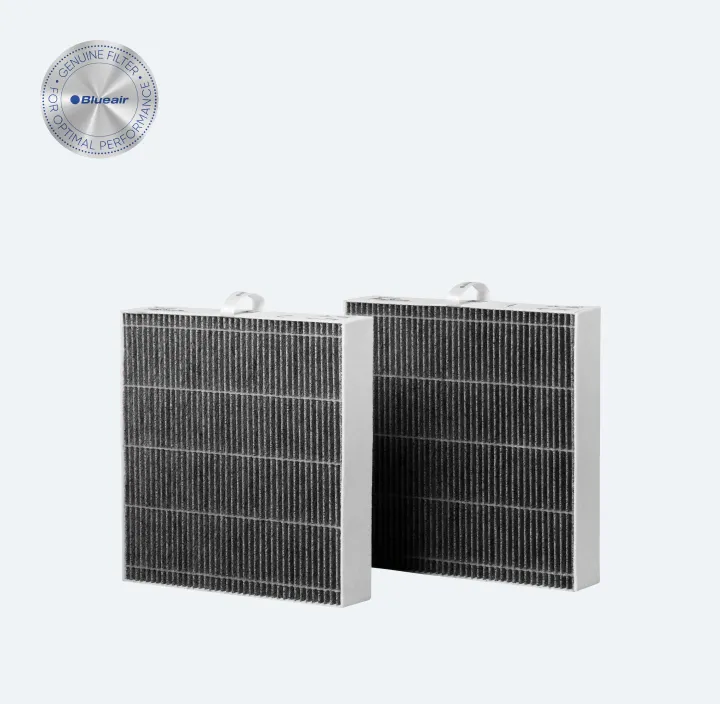
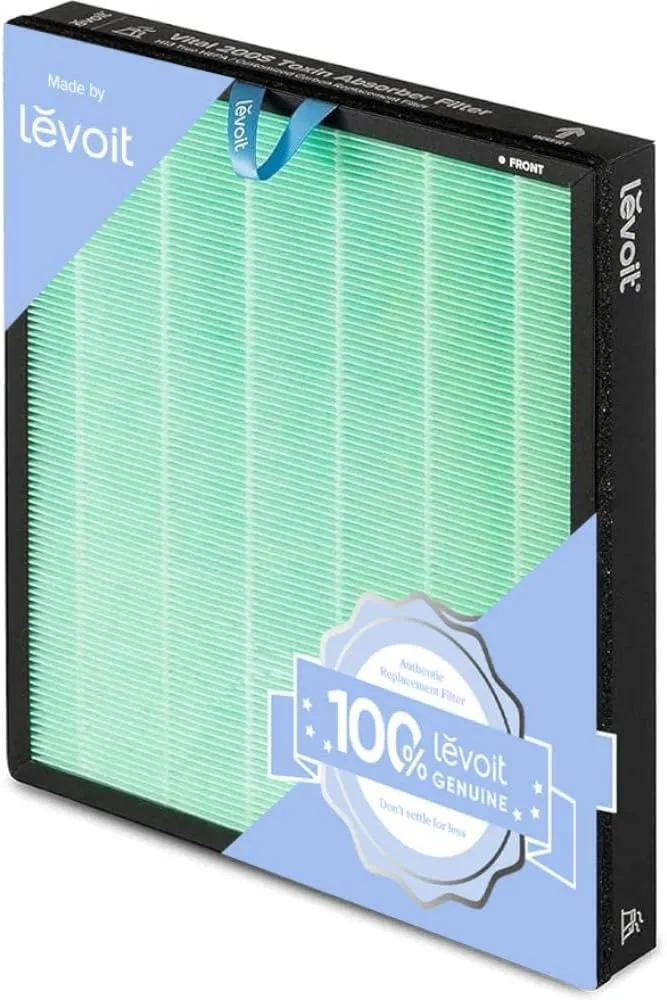
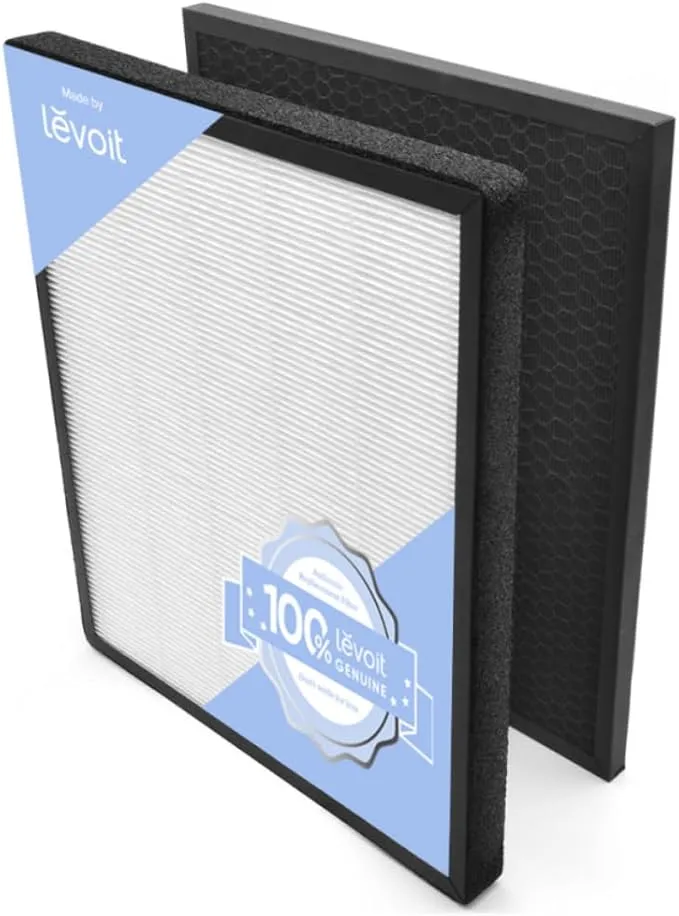
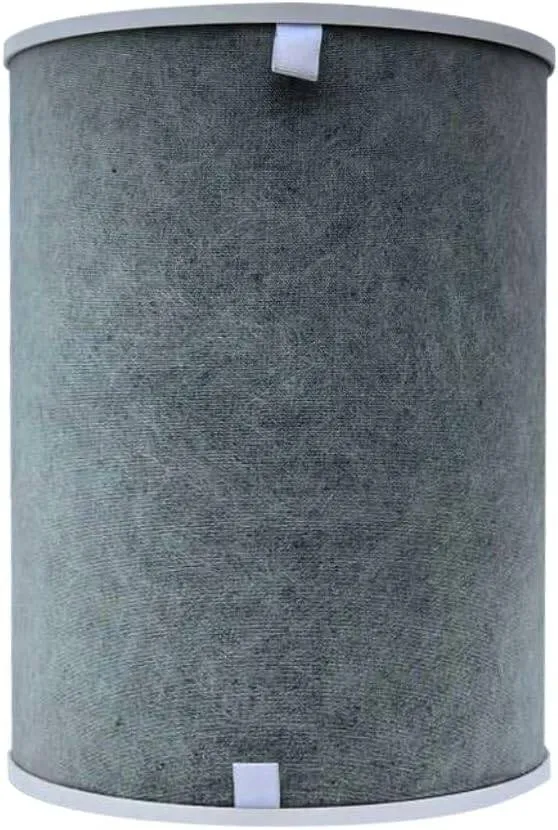
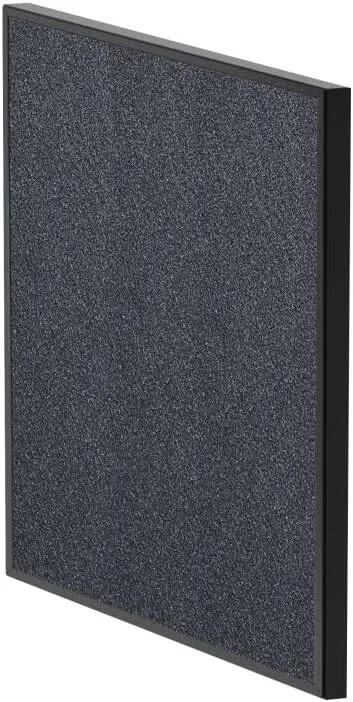
Activated carbon filters address a different category of pollutant: volatile organic compounds (VOCs), odours, and gases. They work through adsorption, binding gas molecules to a porous carbon surface without producing ozone. Combined with a HEPA layer, activated carbon delivers broad-spectrum air cleaning without the respiratory risks associated with ionisers or electrostatic precipitators.
The limitations of ozone-based technologies are significant:
- Ozone does not remove particles. Safe ozone concentrations have no measurable effect on particulate allergens such as pet dander or dust mite debris.
- Ozone reacts with VOCs to form secondary pollutants, potentially making air quality worse rather than better.
- Ionisers deposit charged particles onto surfaces rather than capturing them, meaning pollutants remain in the room and can be re-suspended.
- The safest indoor air quality approach combines mechanical filtration with adequate ventilation, not ozone generation.
For a broader view of which technologies are worth considering in 2026, the air cleaning technologies guide from Cleanair-ae covers the full range with practical guidance on what to prioritise.
Key takeaways
Ozone in air purifiers poses a genuine health risk at concentrations produced by ionisers and electrostatic precipitators, and HEPA filtration remains the safest and most effective alternative for occupied indoor spaces.
| Point | Details |
|---|---|
| Ozone sources in purifiers | Ionisers and electrostatic precipitators produce ozone as a byproduct; ozone generators do so intentionally. |
| Regulatory limit | The California Air Resources Board and EPA set a 0.05 ppm ceiling for indoor air cleaners. |
| Health risks | Ozone causes respiratory irritation and can trigger secondary pollutants like formaldehyde when reacting with household chemicals. |
| Vulnerable groups | Children, elderly individuals, and those with asthma or COPD face the highest risk from indoor ozone exposure. |
| Safer technology | HEPA filters trap 99.97% of particles at 0.3 microns with negligible ozone output, making them the preferred choice. |
Ozone marketing is the real problem, not just the molecule
I have reviewed dozens of air purifier specifications over the years, and the pattern that concerns me most is not the ozone itself. It is the language used to sell it. Terms like “activated oxygen,” “energised air,” and “plasma ionisation” appear on packaging for devices that are, in plain terms, ozone generators. Manufacturers use these terms deliberately to make ozone sound beneficial rather than hazardous.
I have spoken with individuals who developed persistent coughs and throat irritation after running an ioniser in a small bedroom for several weeks. In each case, the device was marketed as an air purifier with no mention of ozone on the front of the box. The fine print told a different story.
My position is straightforward: for residential use, there is no scenario where an ioniser or electrostatic precipitator offers a meaningful advantage over a quality HEPA filter. The particle removal performance of HEPA is superior, the ozone output is negligible, and the secondary pollution risk is absent. The airborne pollutants guidance from environmental health sources consistently supports this conclusion.
If you are shopping for an air purifier and a product description mentions “ions,” “plasma,” or “activated oxygen” without publishing independent ozone emission data, look elsewhere. The burden of proof sits with the manufacturer, not with you.
— Wojciech
Find a safer air purifier for your home or office
Cleanair-ae stocks a curated range of HEPA and activated carbon air purifiers from Blueair, Honeywell, and Levoit, all selected for verified low-ozone performance and suitability for UAE homes and commercial spaces. Every product listing includes filter type and emission specifications so you can compare before you buy. If you are unsure which technology fits your space, the 2026 air purifier buying guide covers room size, filter type, and ozone compliance in practical detail. For those exploring alternatives to traditional purifiers, the air purifier alternatives list outlines eight proven methods for improving indoor air quality without ozone risk. Fast delivery across Dubai, Abu Dhabi, and the wider UAE is available on all orders.
FAQ
Do all air purifiers produce ozone?
No. HEPA filter purifiers produce negligible ozone because they work mechanically. Ionisers, electrostatic precipitators, and ozone generators are the primary sources of indoor ozone from air cleaning devices.
What ozone level is safe indoors?
The California Air Resources Board and the US EPA set the indoor air cleaner limit at 0.05 ppm. Ionisers frequently exceed this, producing between 0.1 and 1.0 ppm under normal operating conditions.
Can ozone from an air purifier make you ill?
Yes. Ozone causes coughing, throat irritation, chest pain, and reduced lung function. Symptoms resolve within 48 hours in healthy adults after exposure ends, but vulnerable groups including children and those with asthma face more serious and prolonged effects.
Is an ioniser the same as an ozone generator?
Not exactly, but the distinction matters less than the output. Ionisers produce ozone as a byproduct of their charging process. Dedicated ozone generators produce it intentionally at much higher concentrations and must never be used in occupied spaces.
What is the safest type of air purifier to use at home?
HEPA filter purifiers are the safest option for occupied residential spaces. They remove 99.97% of particles at 0.3 microns, produce no ozone, and do not generate secondary pollutants through chemical reactions with household substances.