
Uncategorised
What is PM2.5 pollution and why does it matter?
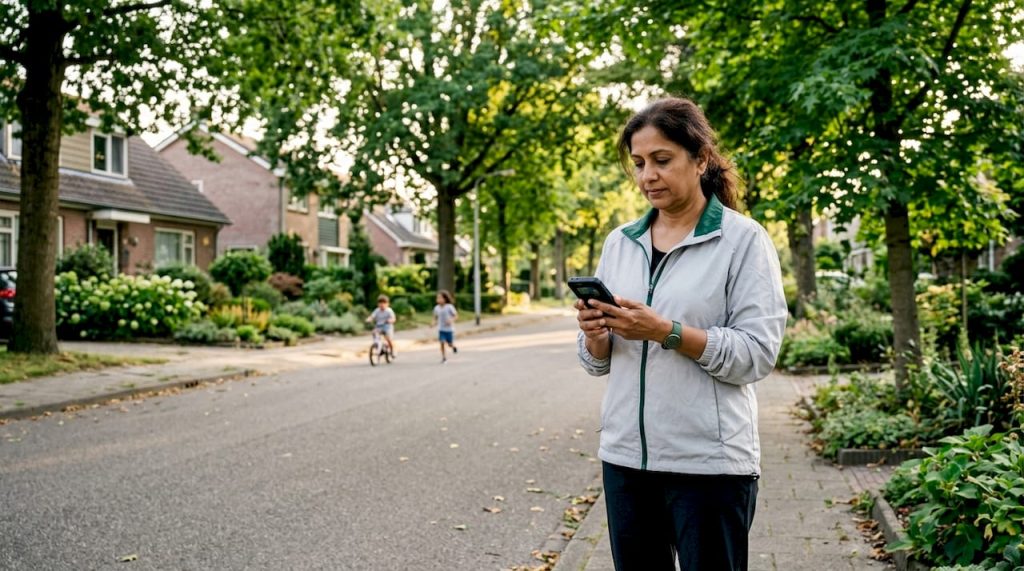
PM2.5 pollution is defined as airborne particulate matter with a diameter of 2.5 micrometres or less. To put that in perspective, PM2.5 particles are 20 to 28 times smaller than a single human hair. That microscopic scale is precisely what makes fine particulate matter so dangerous. Particles this small bypass the nose and throat entirely, travelling deep into the lungs and entering the bloodstream. The UK’s Daily Air Quality Index (DAQI) and the US Environmental Protection Agency (EPA) both classify PM2.5 as the air pollutant requiring the closest public health monitoring. Understanding what PM2.5 pollution is, where it comes from, and how to reduce your exposure is the first practical step toward protecting your health.
What is PM2.5 pollution and where does it come from in cities?
PM2.5 originates from a wide range of combustion sources, many of which are unavoidable features of urban life. Vehicle engines, fossil fuel power plants, and industrial activity are the most significant contributors in most cities. What surprises many people is how much fine particulate matter comes from sources they would not immediately associate with air pollution.
Common urban sources of PM2.5 include:
- Vehicle exhaust from petrol and diesel engines
- Brake and tyre wear, which releases particles directly onto road surfaces and into the air
- Domestic cooking, particularly frying and grilling at high temperatures
- Wood burning stoves and open fires used for home heating
- Industrial emissions from manufacturing and construction sites
- Wildfires and agricultural burning, which can affect air quality hundreds of miles from the source
Natural sources also contribute. Sea spray, windblown dust, and pollen all add to the total particle count. In the UAE, desert dust is a particularly significant natural source that compounds the effects of urban emissions.
Pro Tip: Cooking is one of the most overlooked indoor sources of PM2.5. Frying food at high heat generates fine particle concentrations that can exceed outdoor pollution levels within minutes. Running an extractor fan or opening a window while cooking makes a measurable difference.
Urban PM2.5 sources are diverse, including non-obvious contributors like domestic cooking and tyre wear, making fine particulate matter a ubiquitous urban air quality marker that is present regardless of whether you live near a motorway or a park. Understanding this helps explain why exposure is effectively constant for city residents, not just an occasional problem during rush hour.

What are the health effects of PM2.5 exposure?
PM2.5 is the most critical air pollutant to monitor because of its ability to penetrate deep into the lungs and enter the circulatory system. Once in the bloodstream, particles can reach the brain, heart, and other organs. This mechanism explains why the health effects of PM2.5 extend well beyond respiratory disease.
An increase of 10 µg/m³ of PM2.5 is associated with a 10% increase in heart disease mortality risk. That figure means even modest rises in ambient PM2.5 concentration carry a measurable and significant cardiovascular cost.
The documented health effects of PM2.5 exposure include:
- Cardiovascular disease — increased risk of heart attack, stroke, and irregular heart rhythm
- Respiratory illness — aggravated asthma, chronic obstructive pulmonary disease (COPD), and reduced lung function
- Lung cancer — long-term exposure is classified as a Group 1 carcinogen by the International Agency for Research on Cancer (IARC)
- Neurological effects — emerging research links PM2.5 exposure to cognitive decline and increased dementia risk
- Premature birth and low birth weight — pregnant women face elevated risks from sustained exposure
- Premature death — chronic exposure shortens life expectancy even at concentrations below current regulatory limits
No level of PM2.5 exposure is fully safe. Even low doses accumulate over time and contribute to long-term health damage. This is a critical point that regulatory thresholds do not always communicate clearly. A reading that falls within the “Low” category on the DAQI does not mean zero risk. It means the risk is lower, not absent.
PM2.5 can bypass human respiratory defences, reaching the bloodstream and brain. This is what separates fine particulate matter from larger particles like PM10, which the body’s natural filtration systems can trap more effectively. Children, older adults, and people with pre-existing heart or lung conditions face the greatest risk, but no demographic is immune.
How is PM2.5 measured and regulated in the UK and globally?
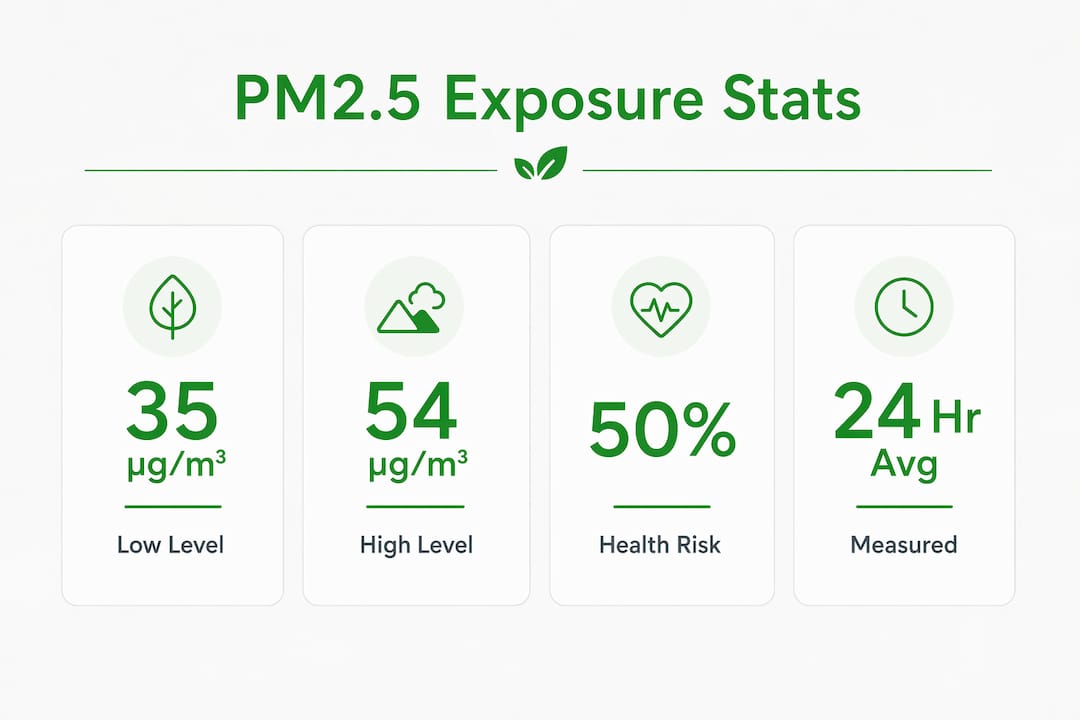
The UK uses the Daily Air Quality Index to communicate PM2.5 risk to the public. The DAQI assigns a number from 1 to 10 across four broad categories, each linked to specific health guidance. You can learn more about how air quality is measured and what the numbers mean in practice.
| DAQI Category | PM2.5 Concentration (µg/m³) | Health Guidance |
|---|---|---|
| Low | 0–35 | No action needed for most people |
| Moderate | 36–53 | Sensitive groups should reduce prolonged outdoor exertion |
| High | 54–70 | Sensitive groups should avoid outdoor exertion; others should reduce it |
| Very High | 71+ | Everyone should avoid outdoor exertion |
The UK DAQI categorises PM2.5 from Low to Very High to guide public health decisions. These thresholds inform everything from school outdoor activity policies to public health alerts issued by local councils.
Globally, the EPA sets its own annual and 24-hour PM2.5 standards under the Clean Air Act framework. The World Health Organisation (WHO) revised its PM2.5 guidelines in 2021, setting an annual mean target of 5 µg/m³, which is stricter than most national standards. Most major cities worldwide currently exceed this WHO target on a regular basis.
The concept of a “safe” threshold is increasingly contested in public health research. Regulatory limits reflect what is politically and economically achievable, not what is biologically harmless. This distinction matters when you are making personal decisions about ventilation, outdoor exercise, and indoor air quality.
How can you reduce PM2.5 exposure in urban environments?
Reducing PM2.5 exposure requires action both indoors and outdoors. Indoor air is often as polluted as outdoor air during high PM2.5 events, because fine particles penetrate through gaps around windows, doors, and ventilation systems. Sealing your home is not enough on its own.
Effective strategies for reducing exposure include:
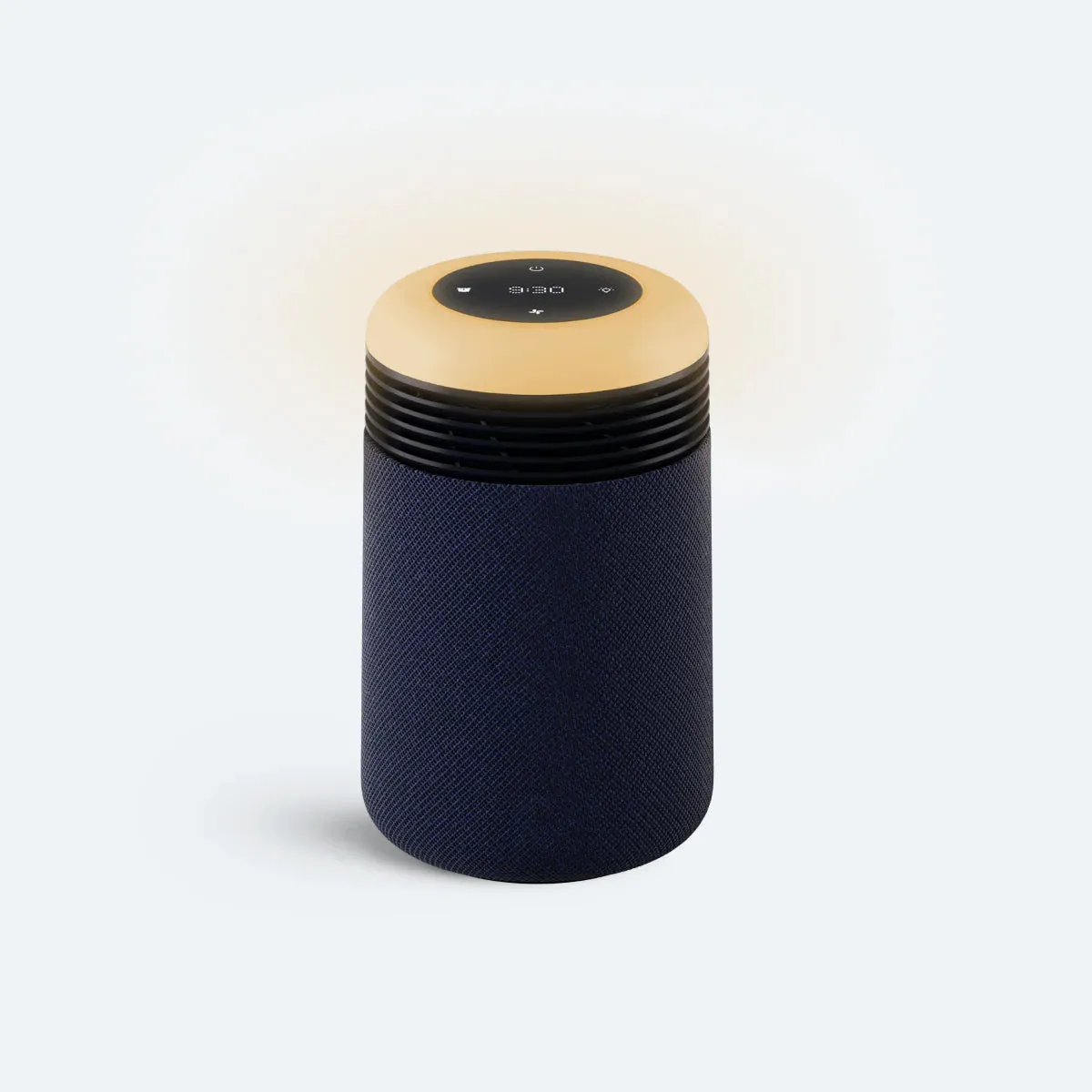
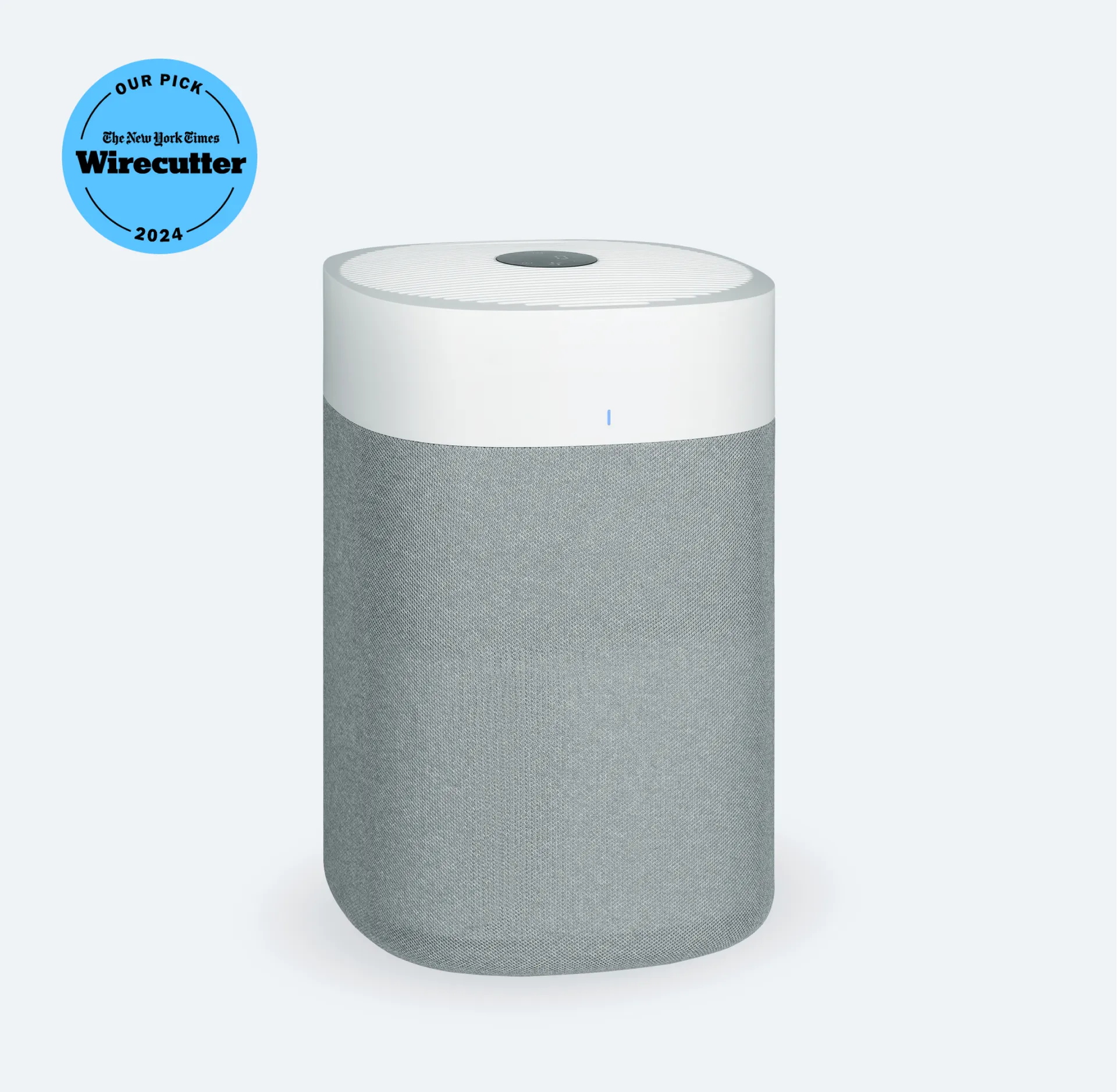
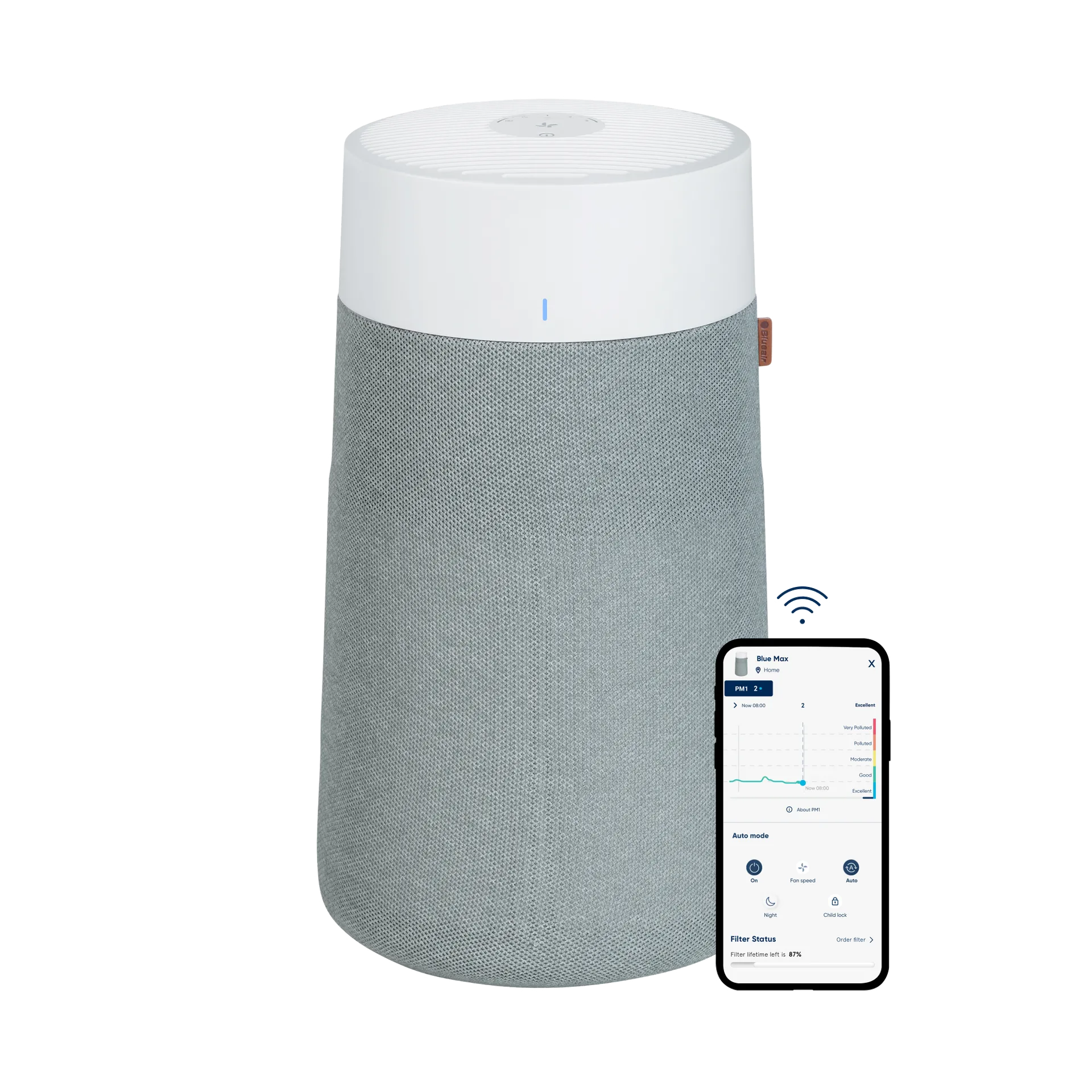
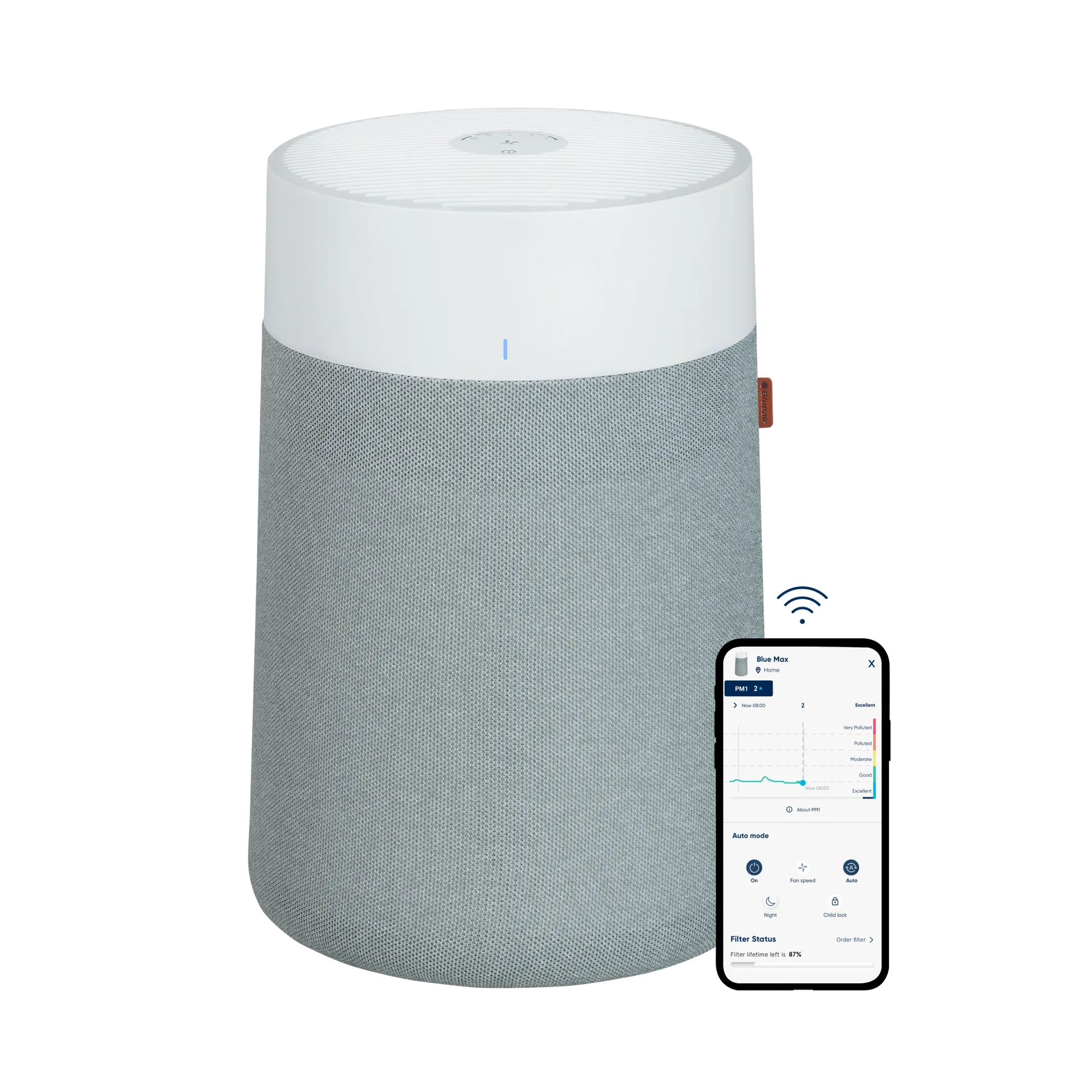
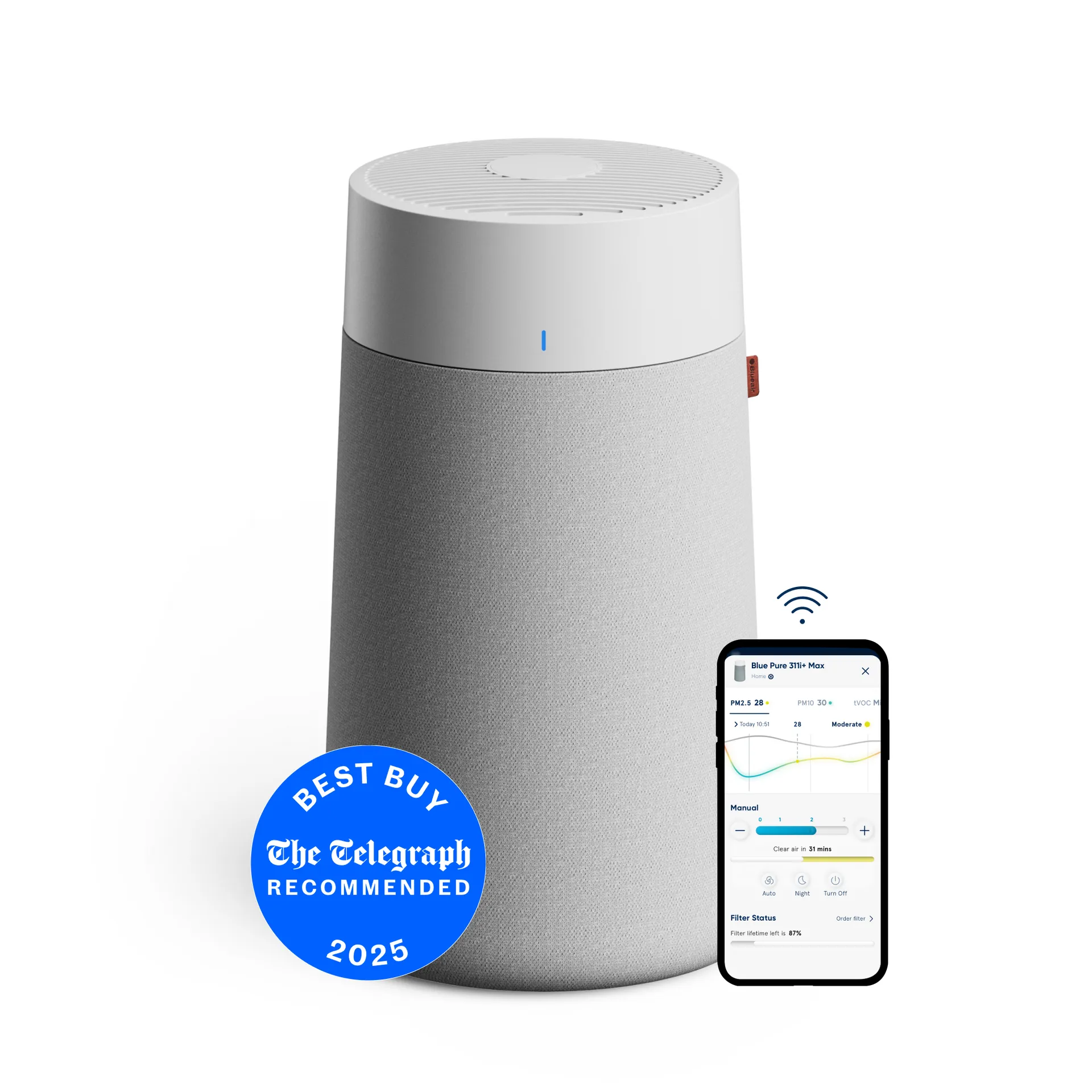
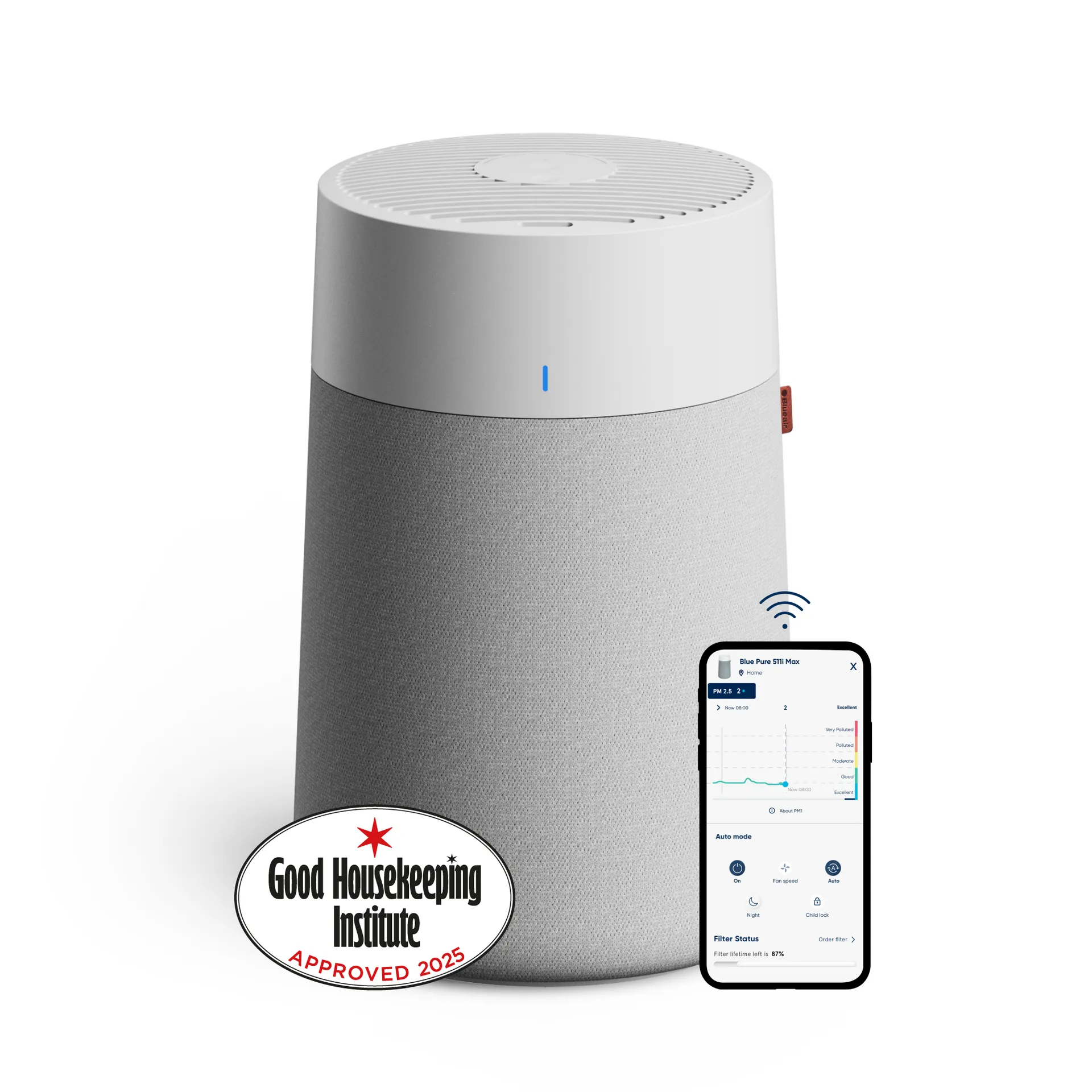
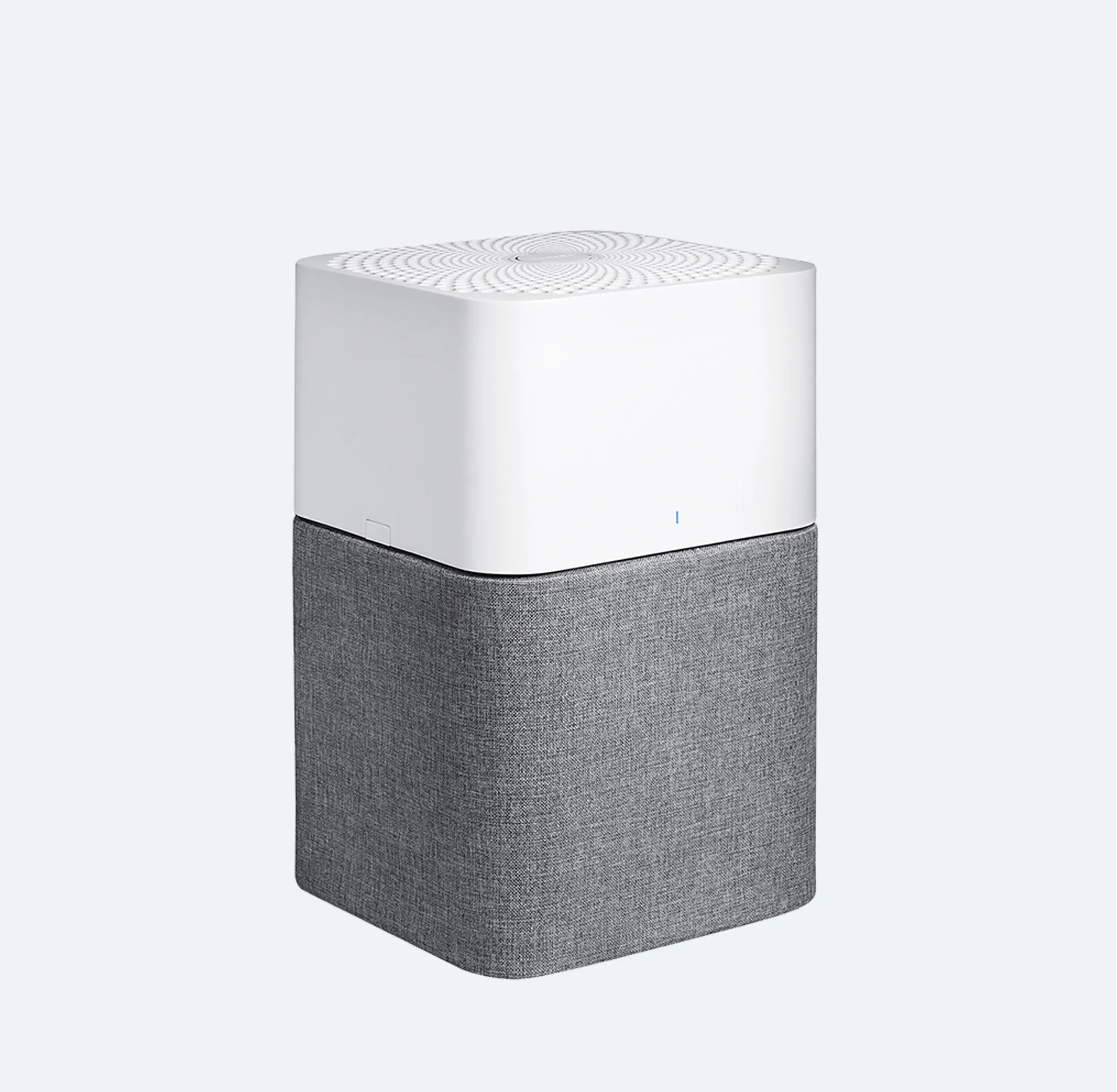
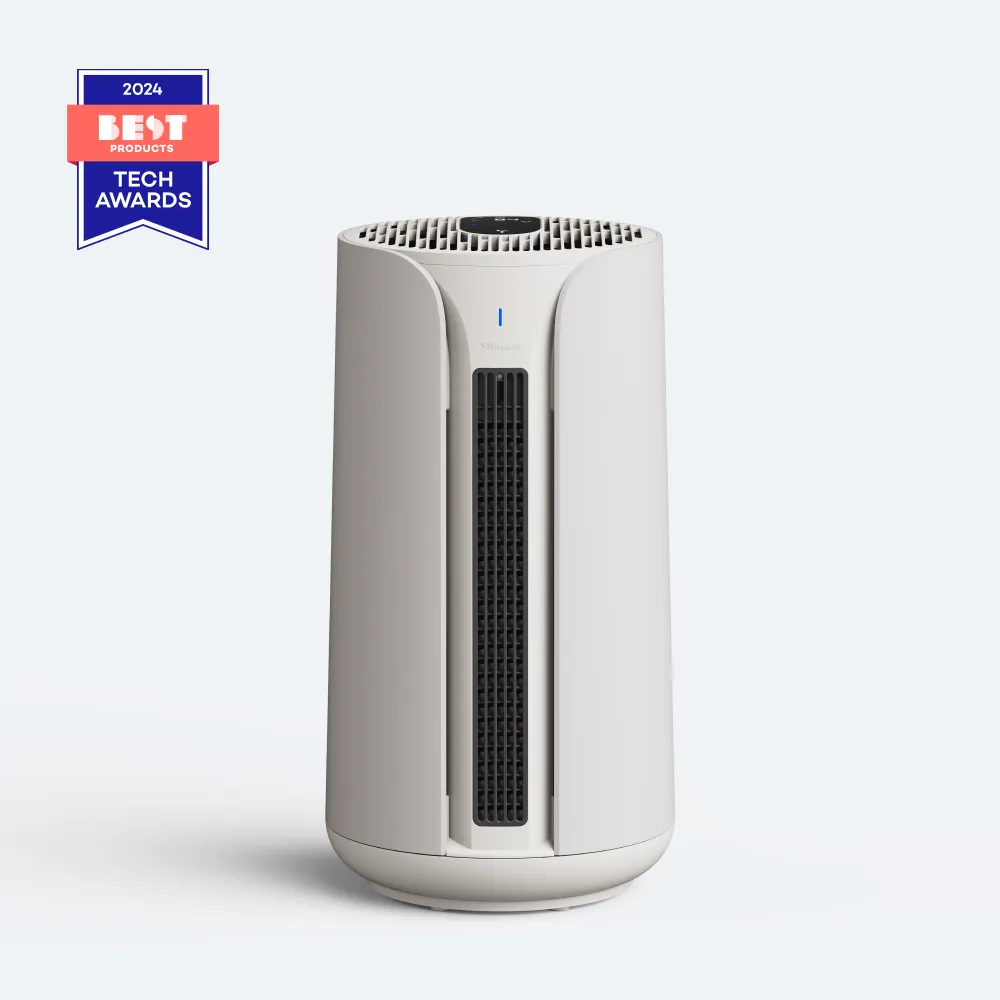
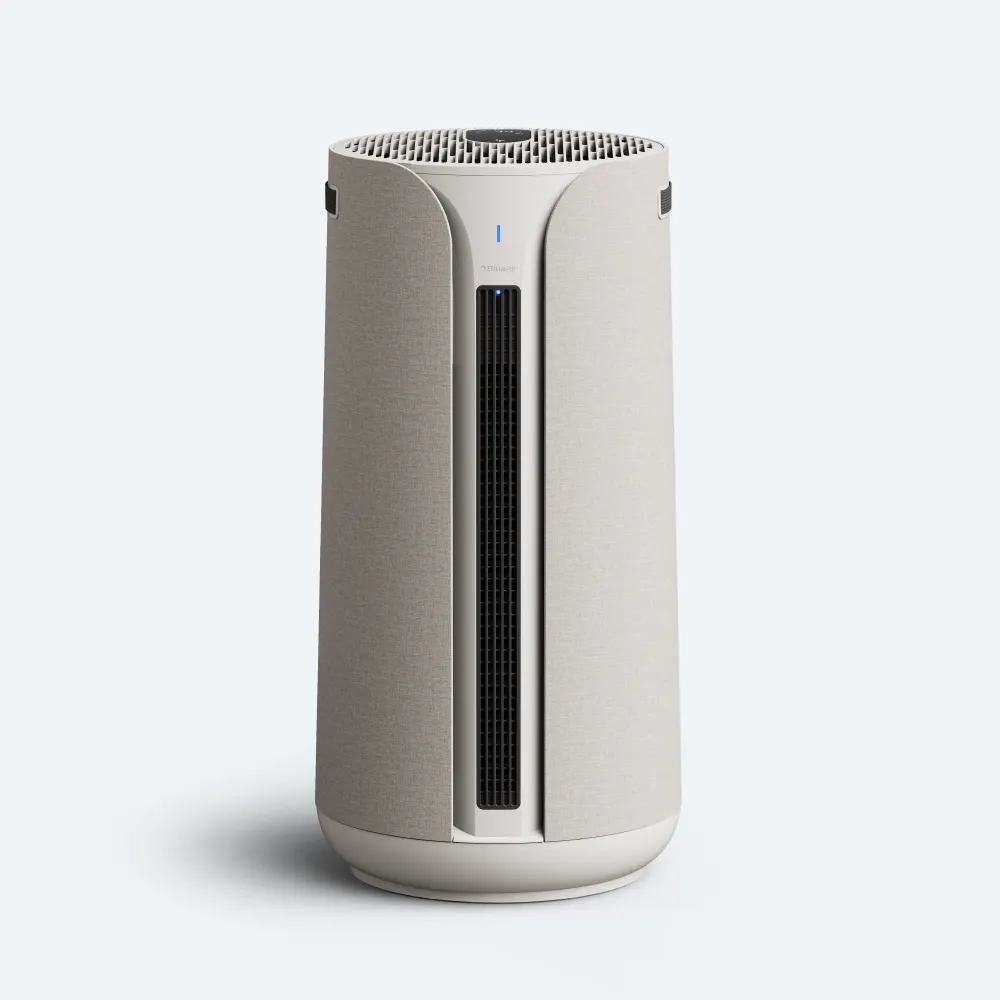
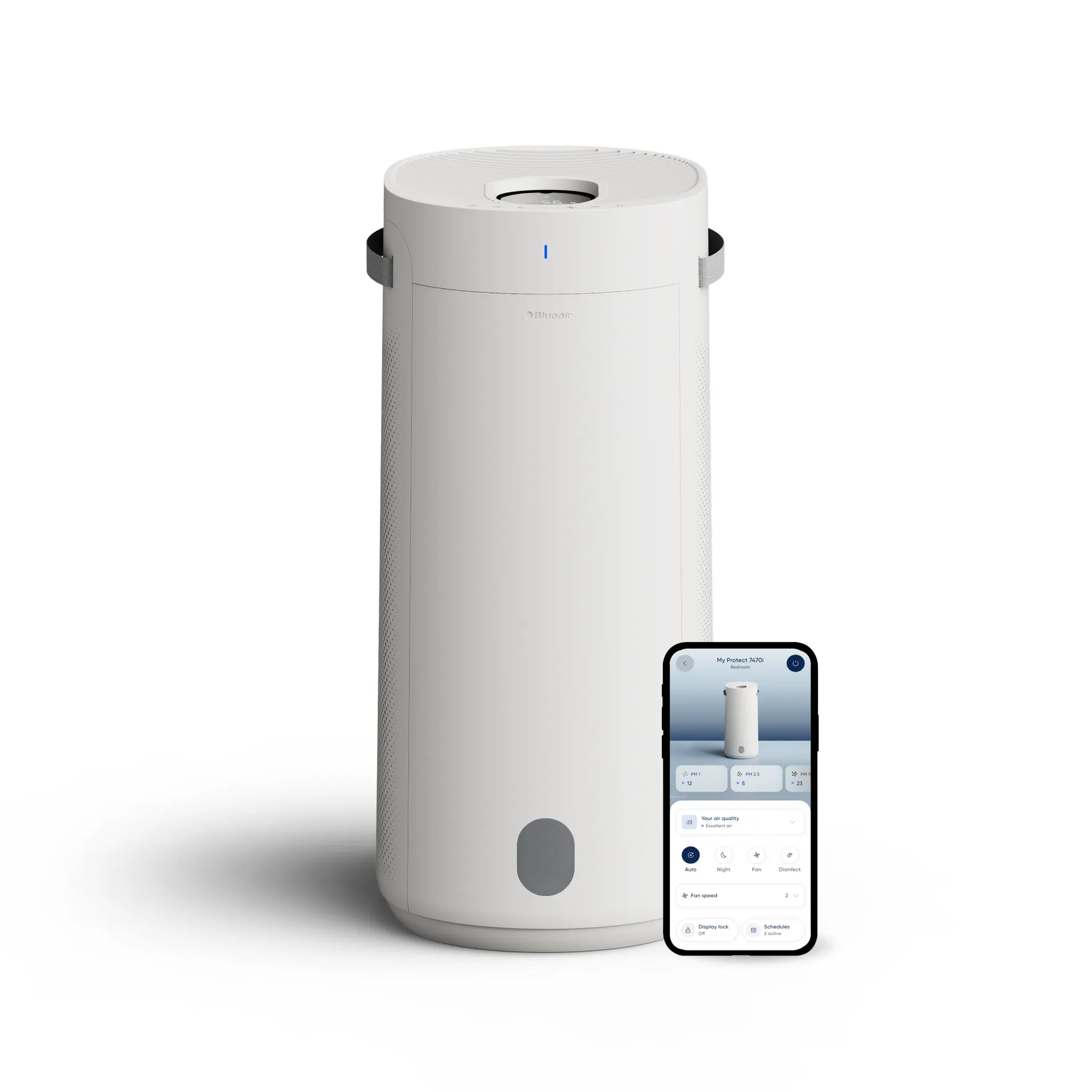
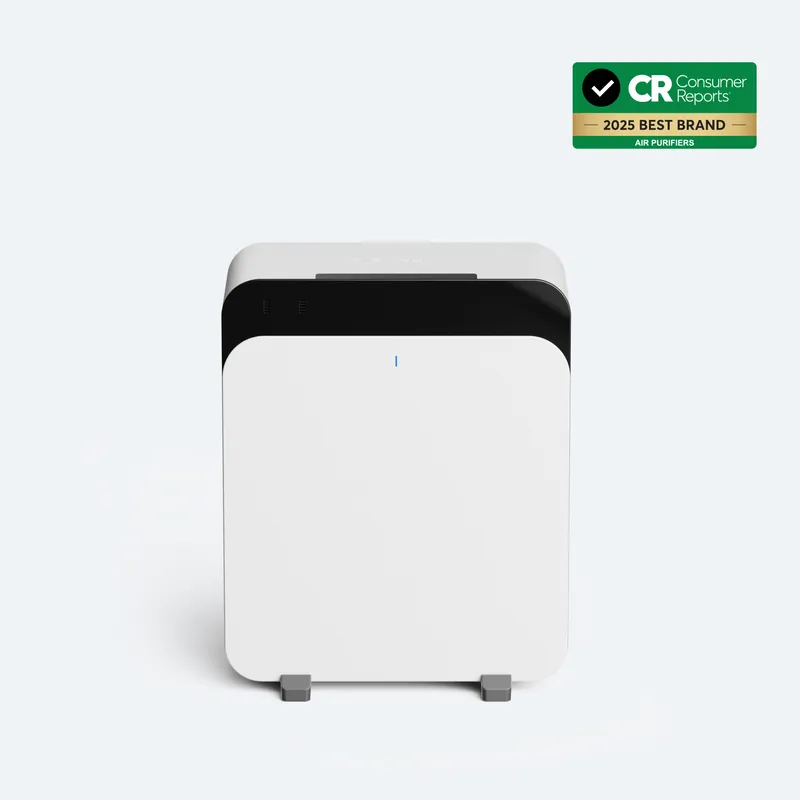
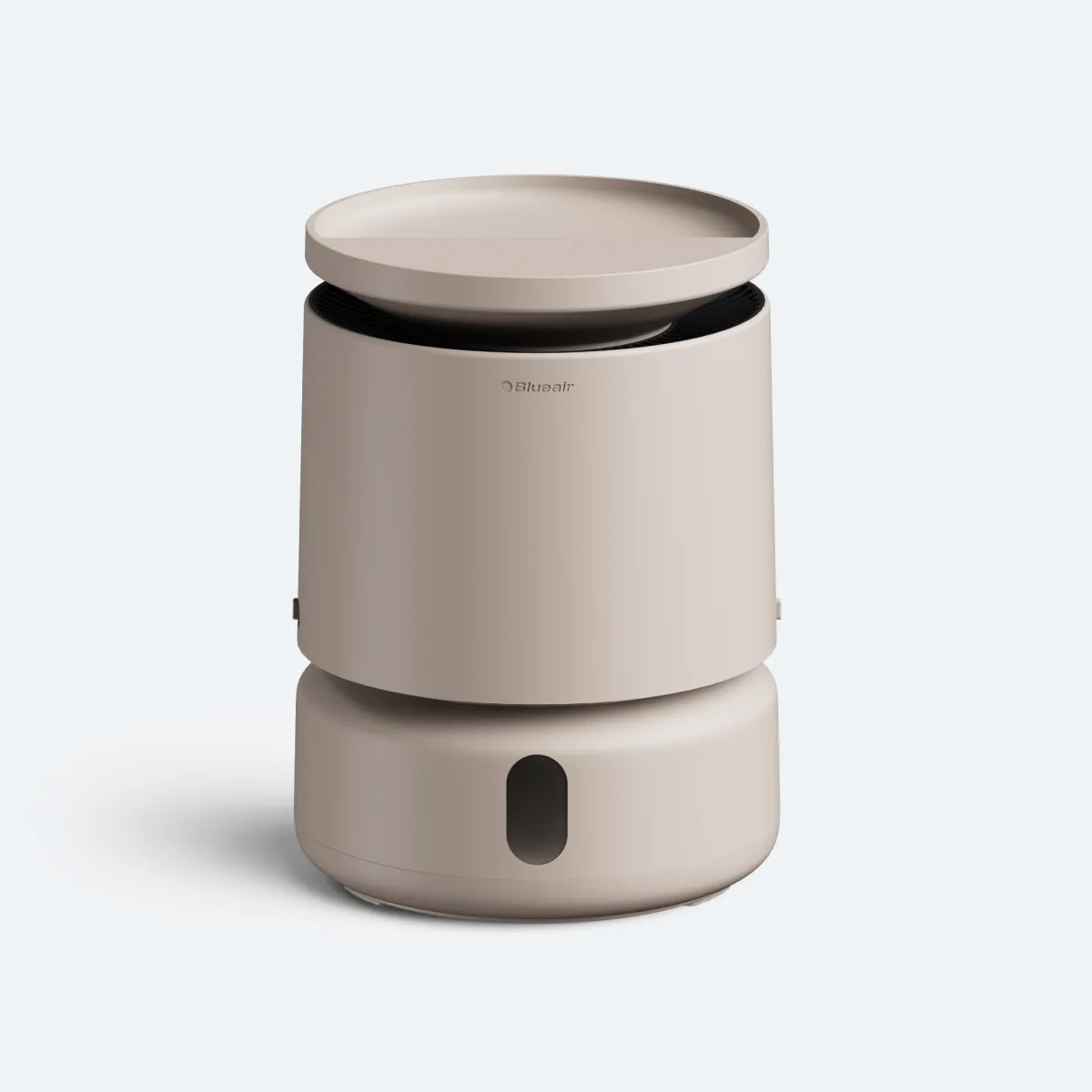
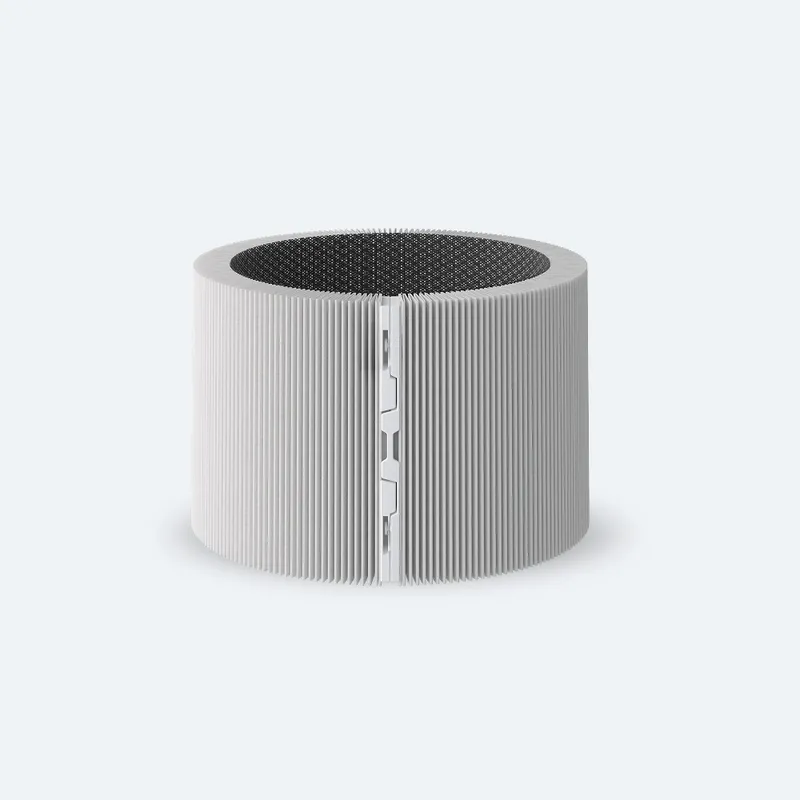
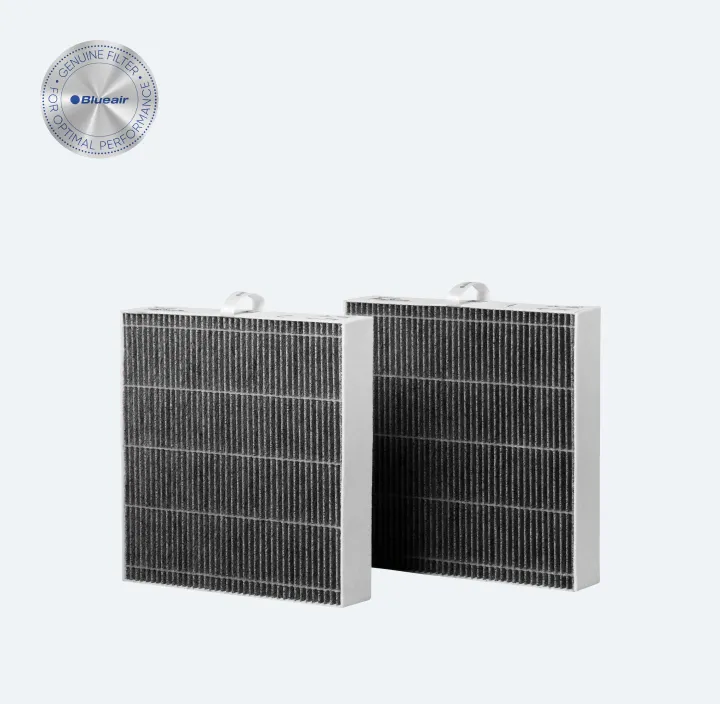
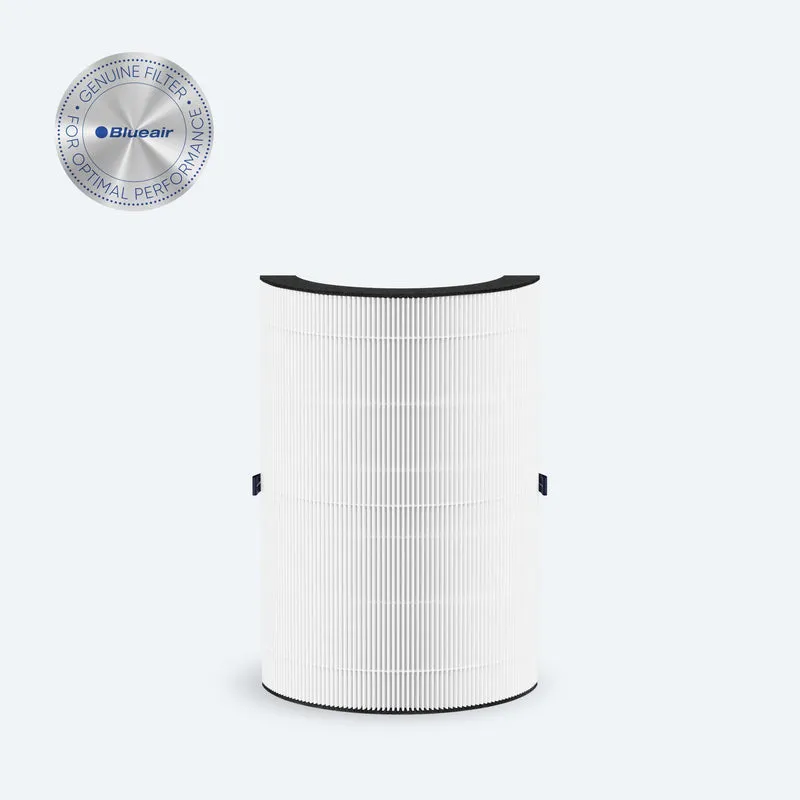
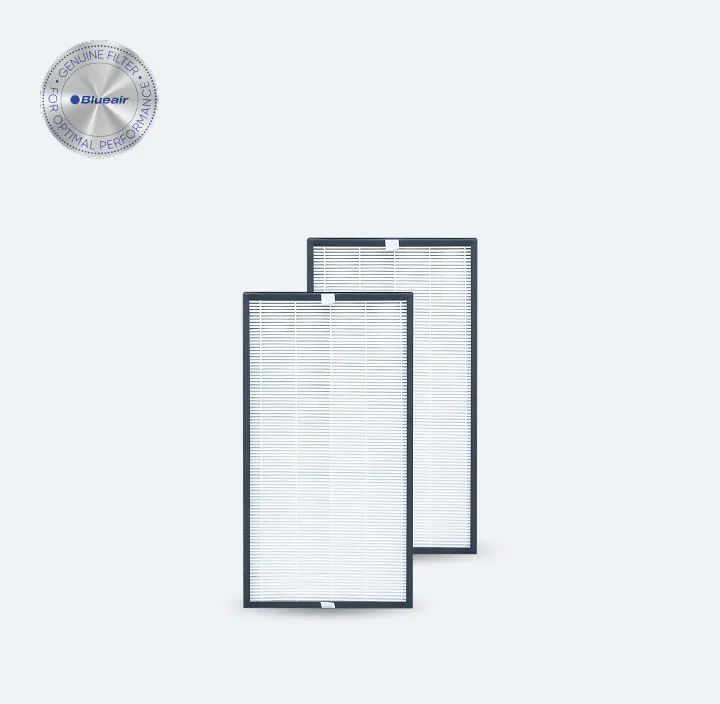
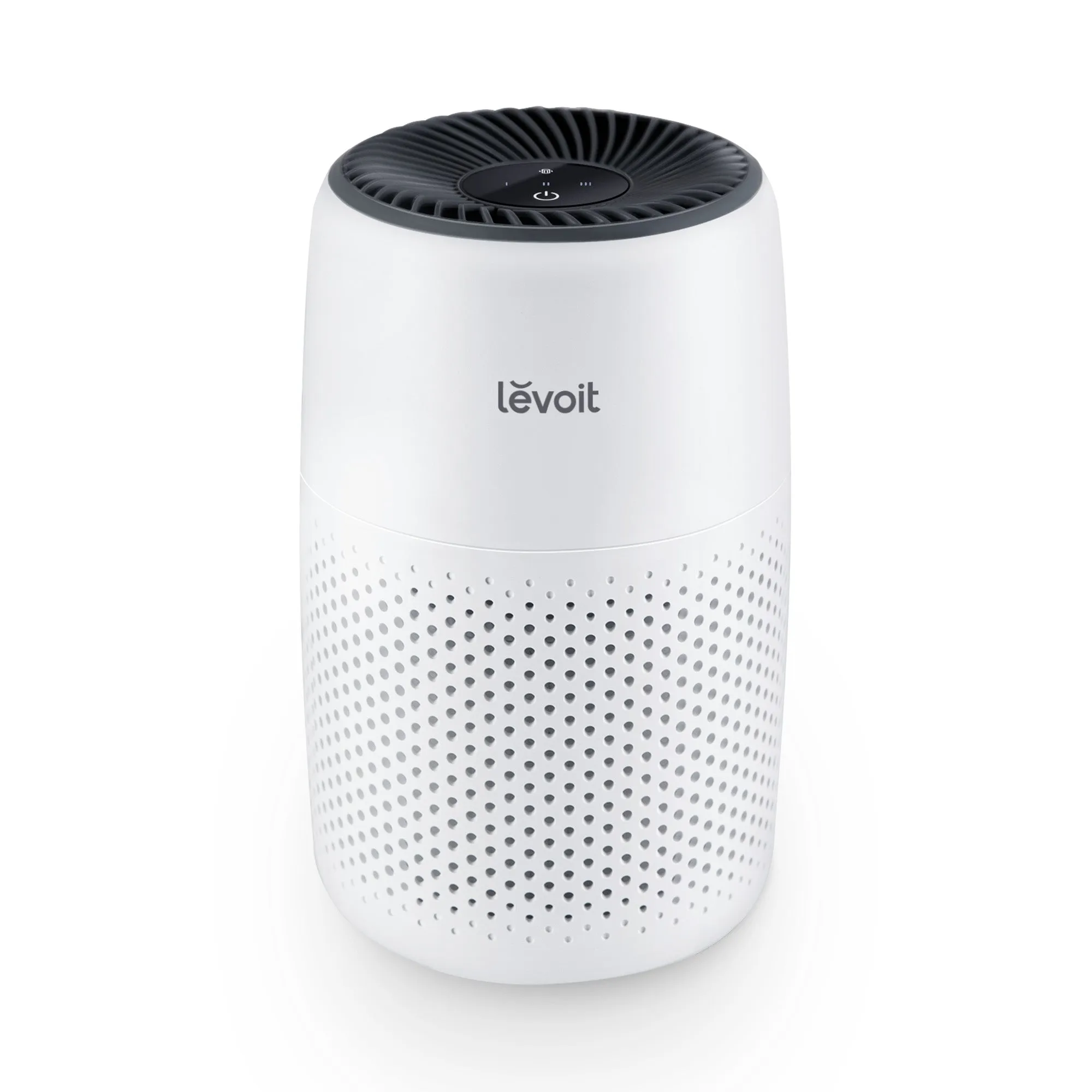
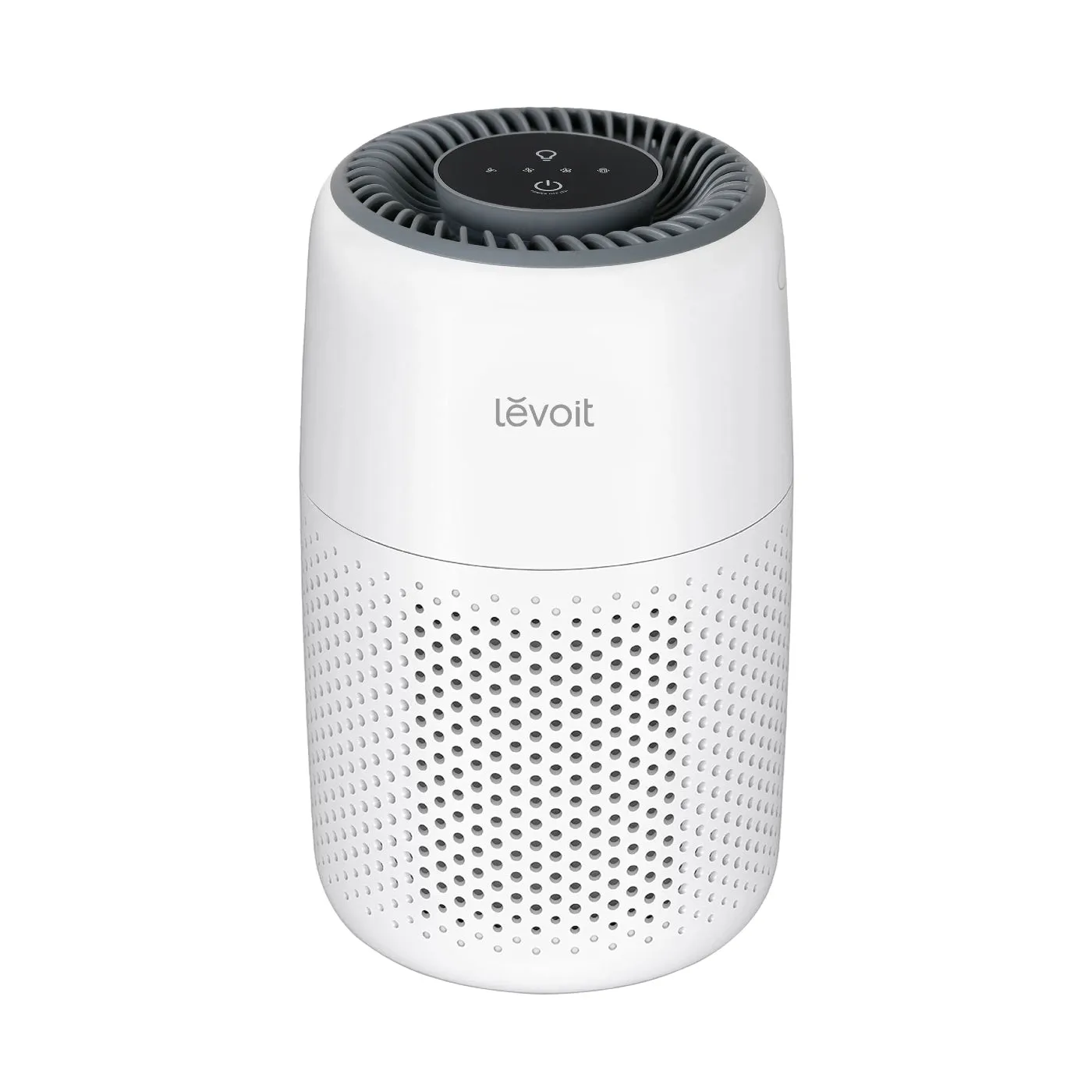
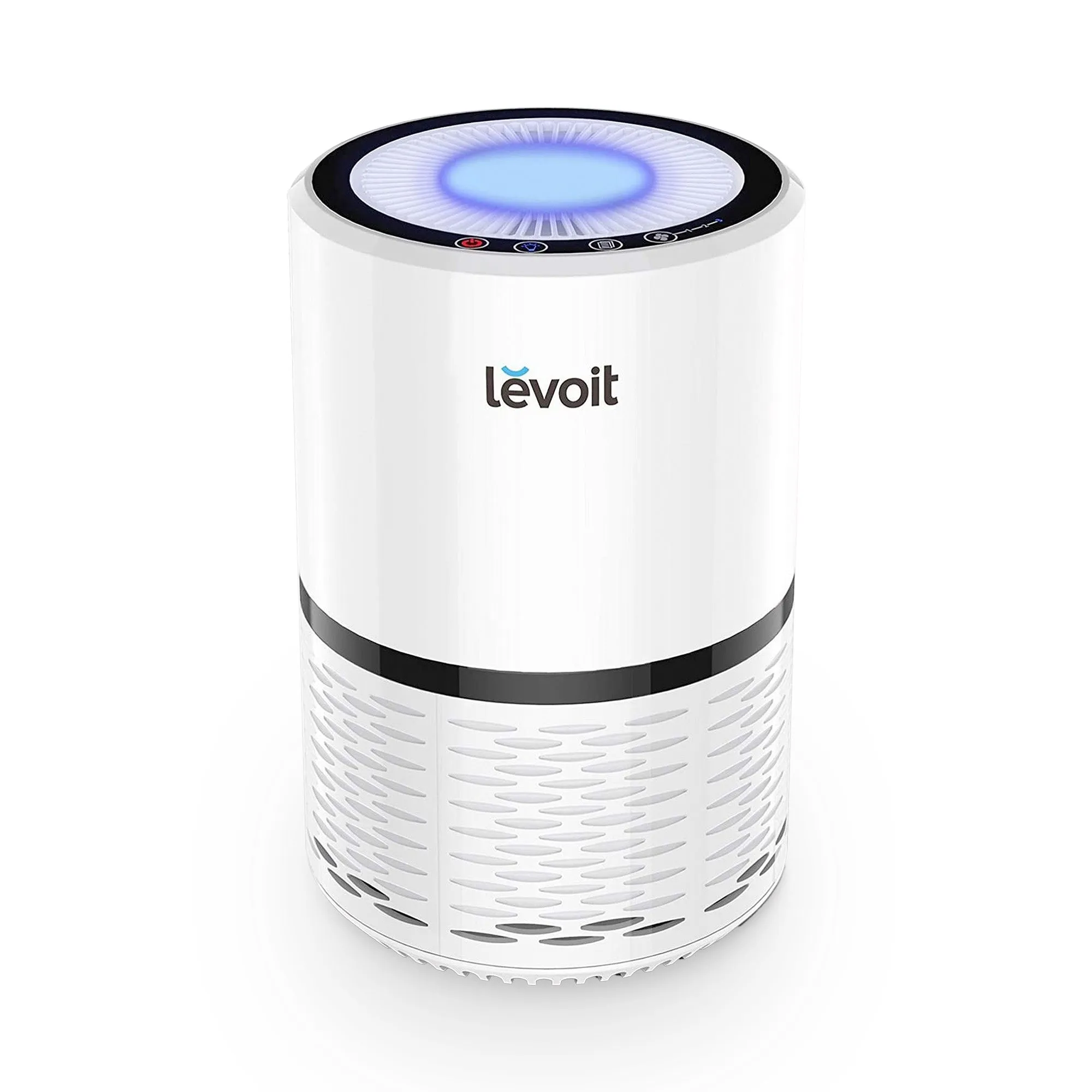
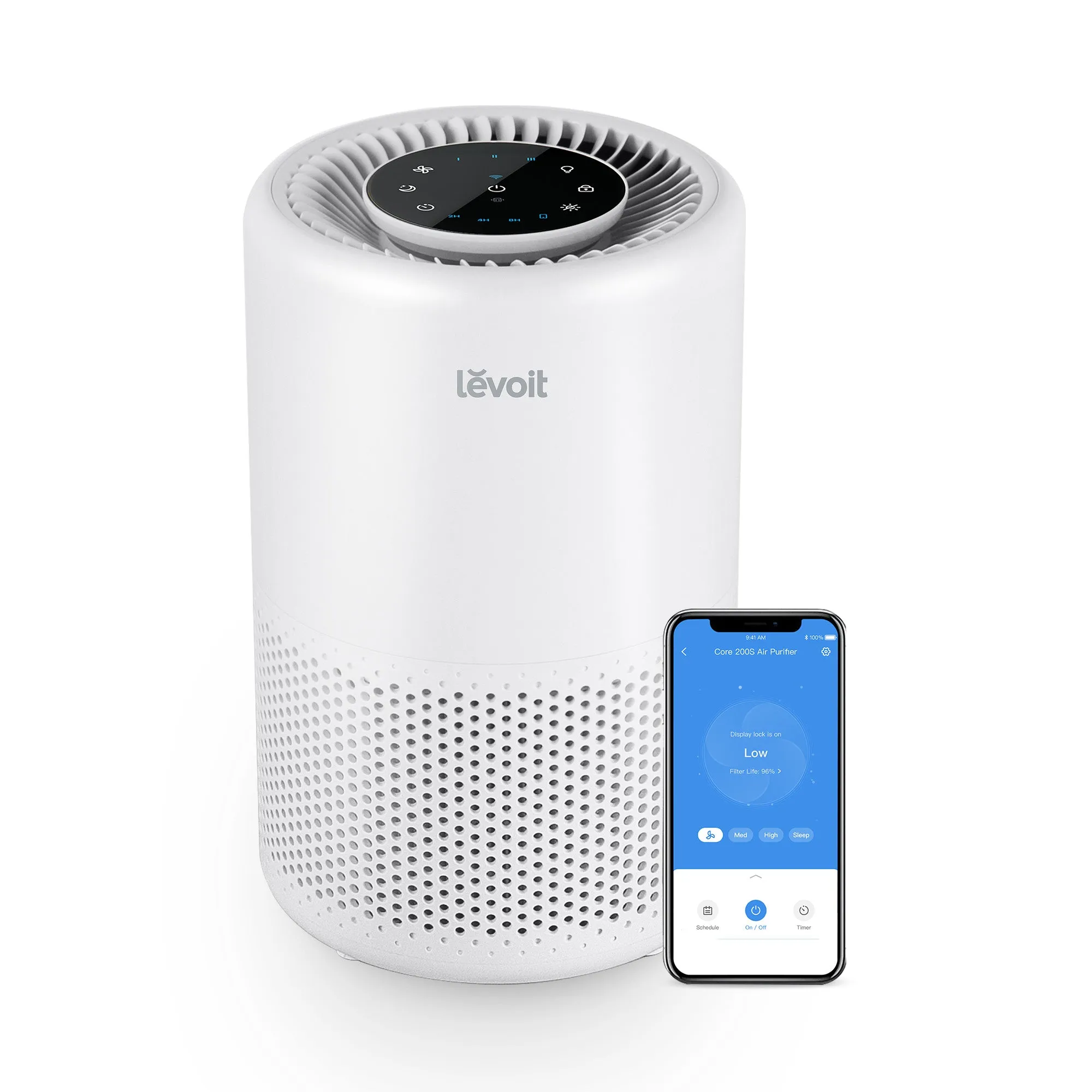
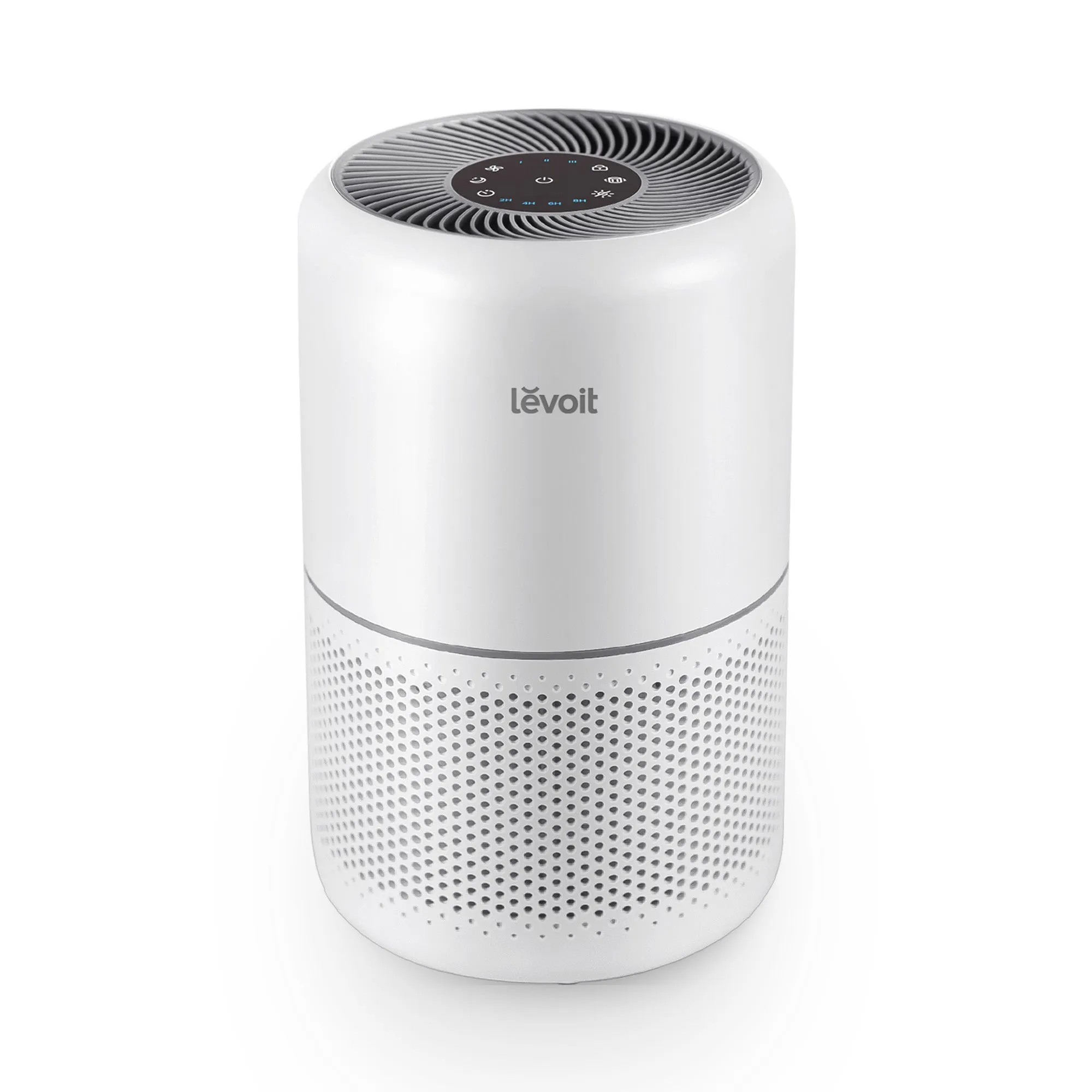
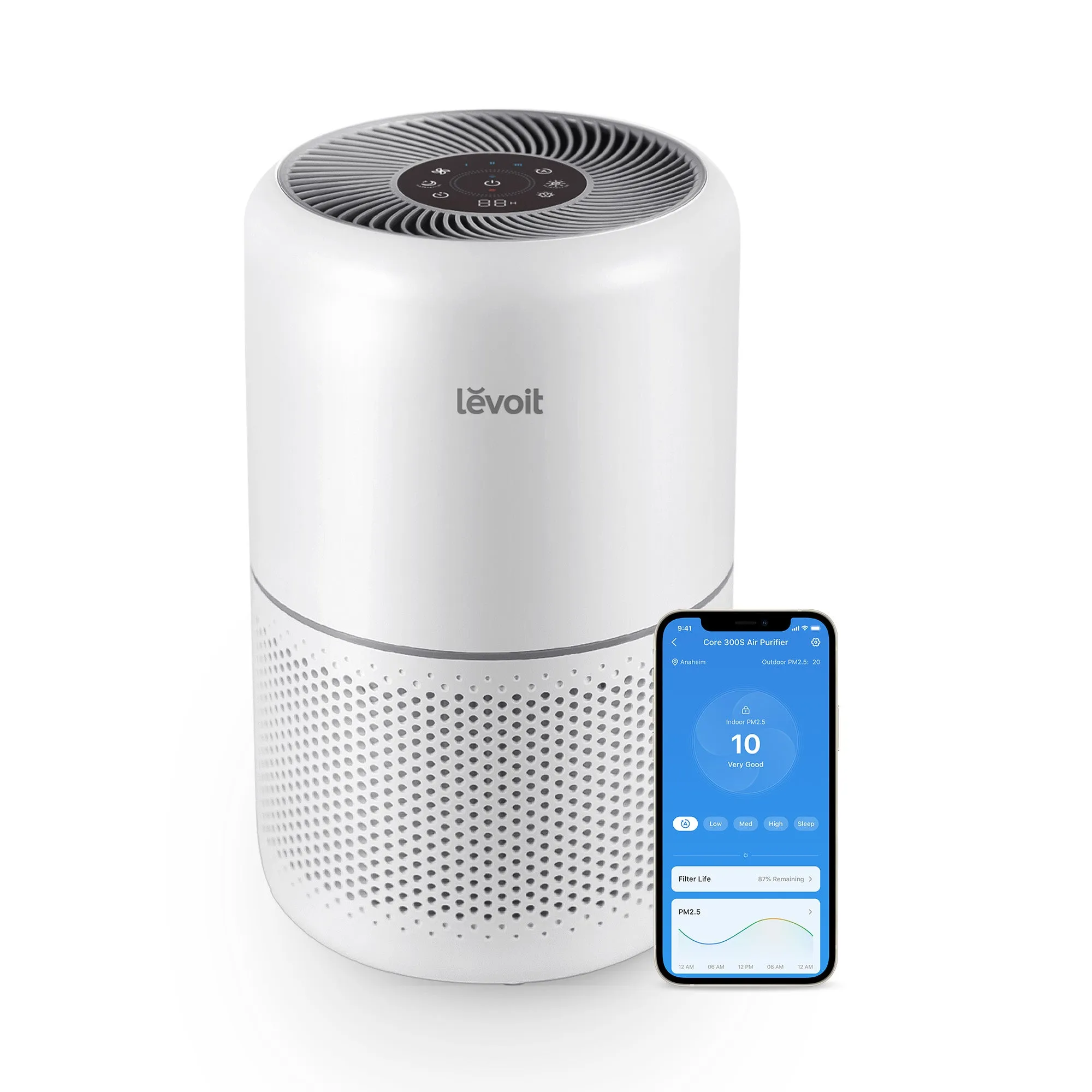
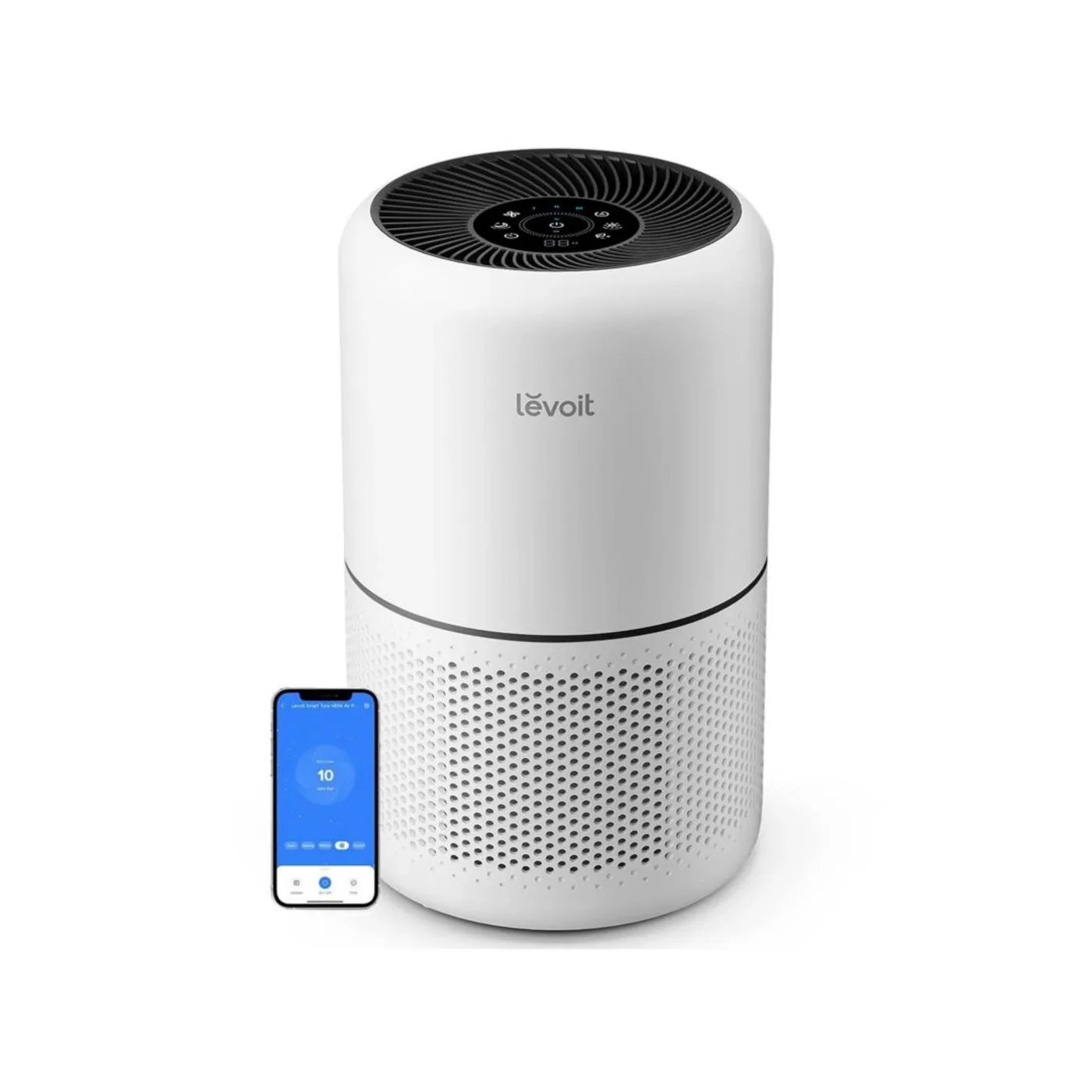
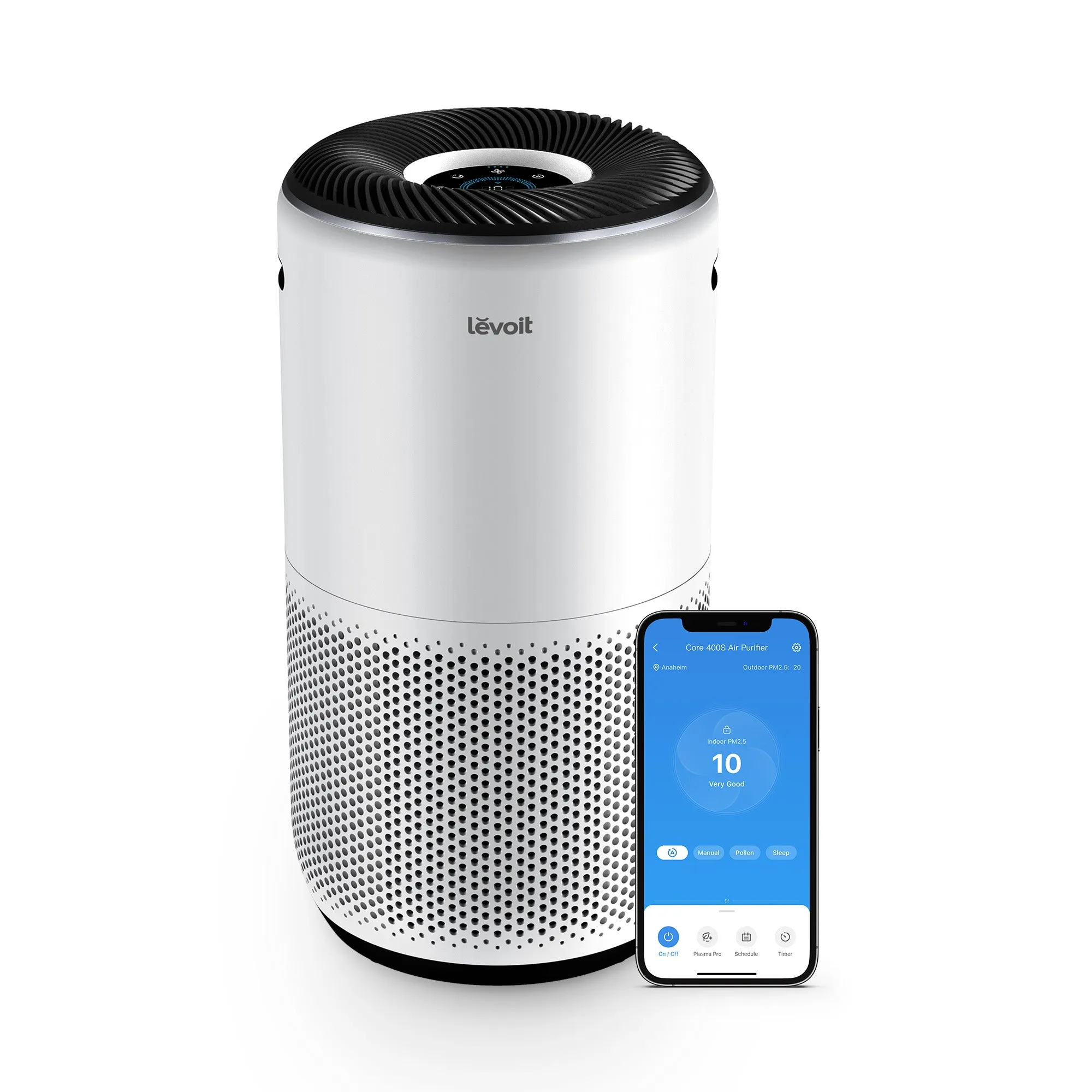
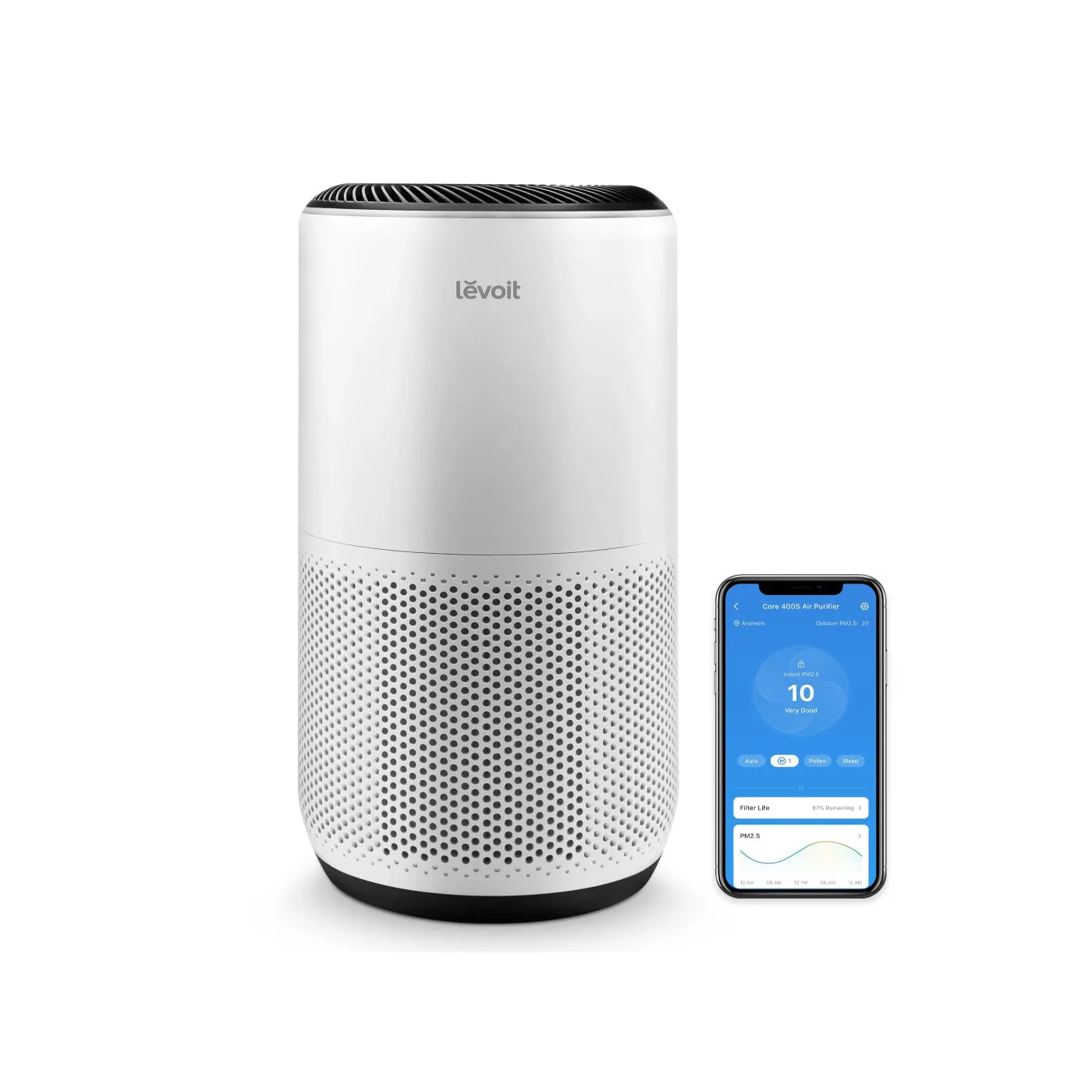
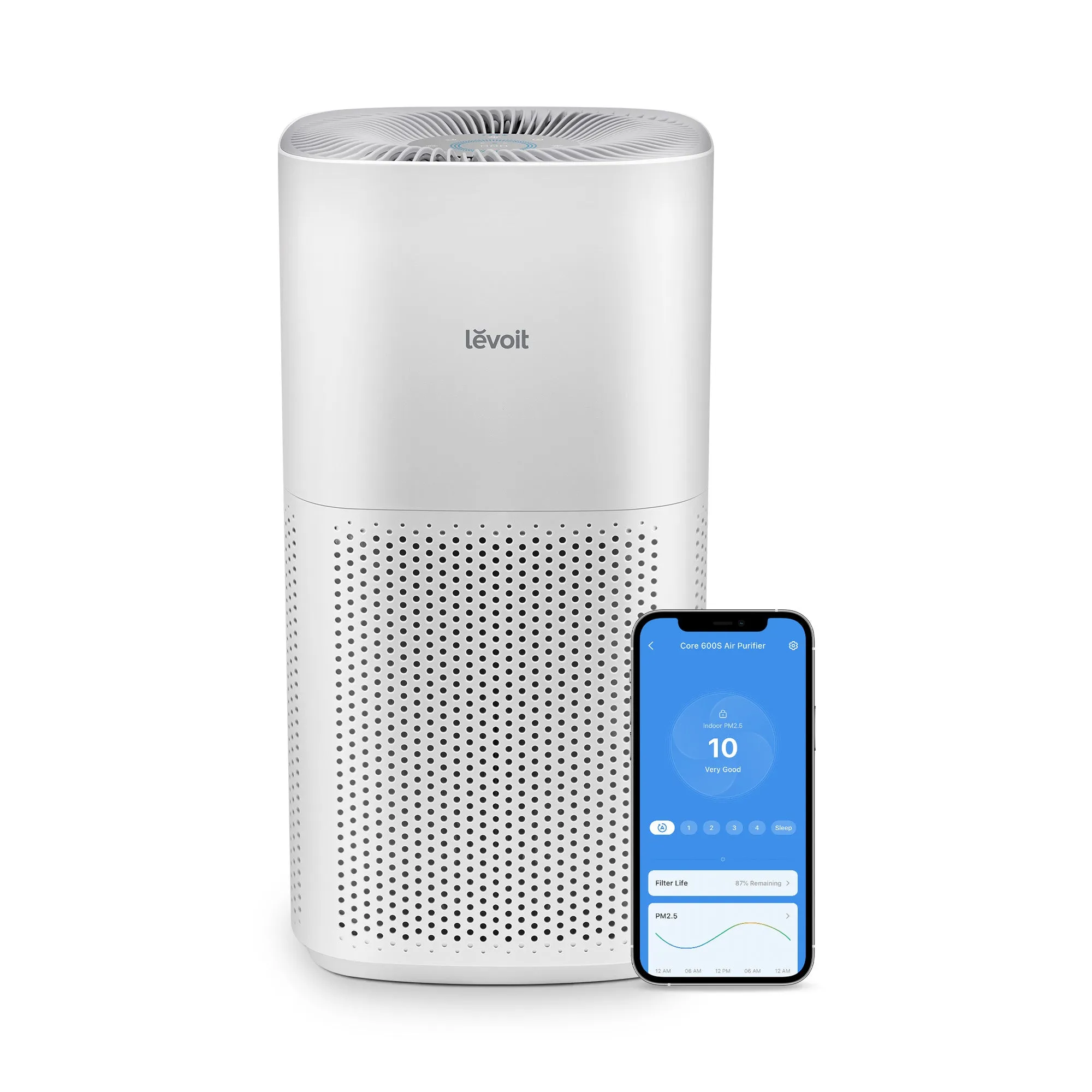
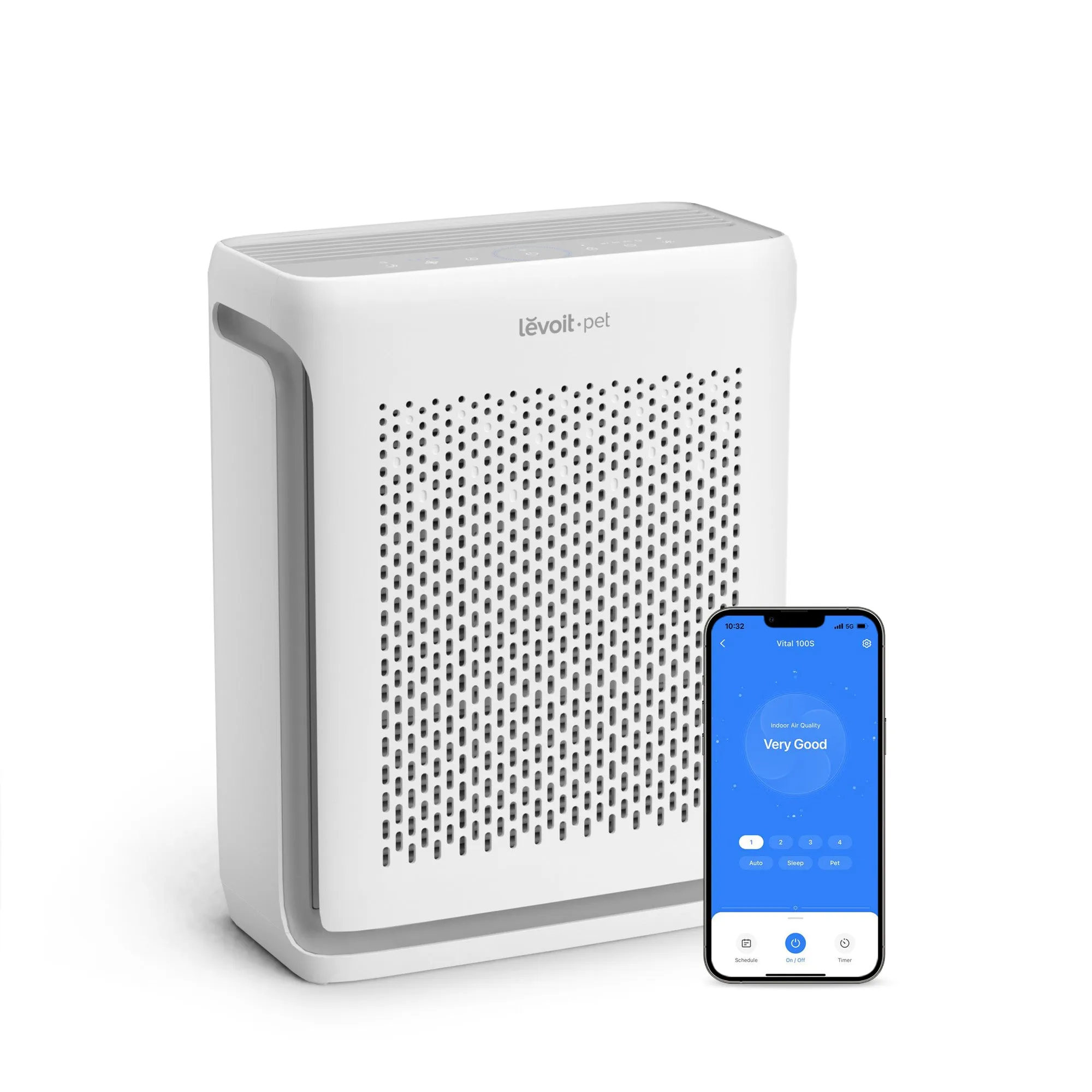
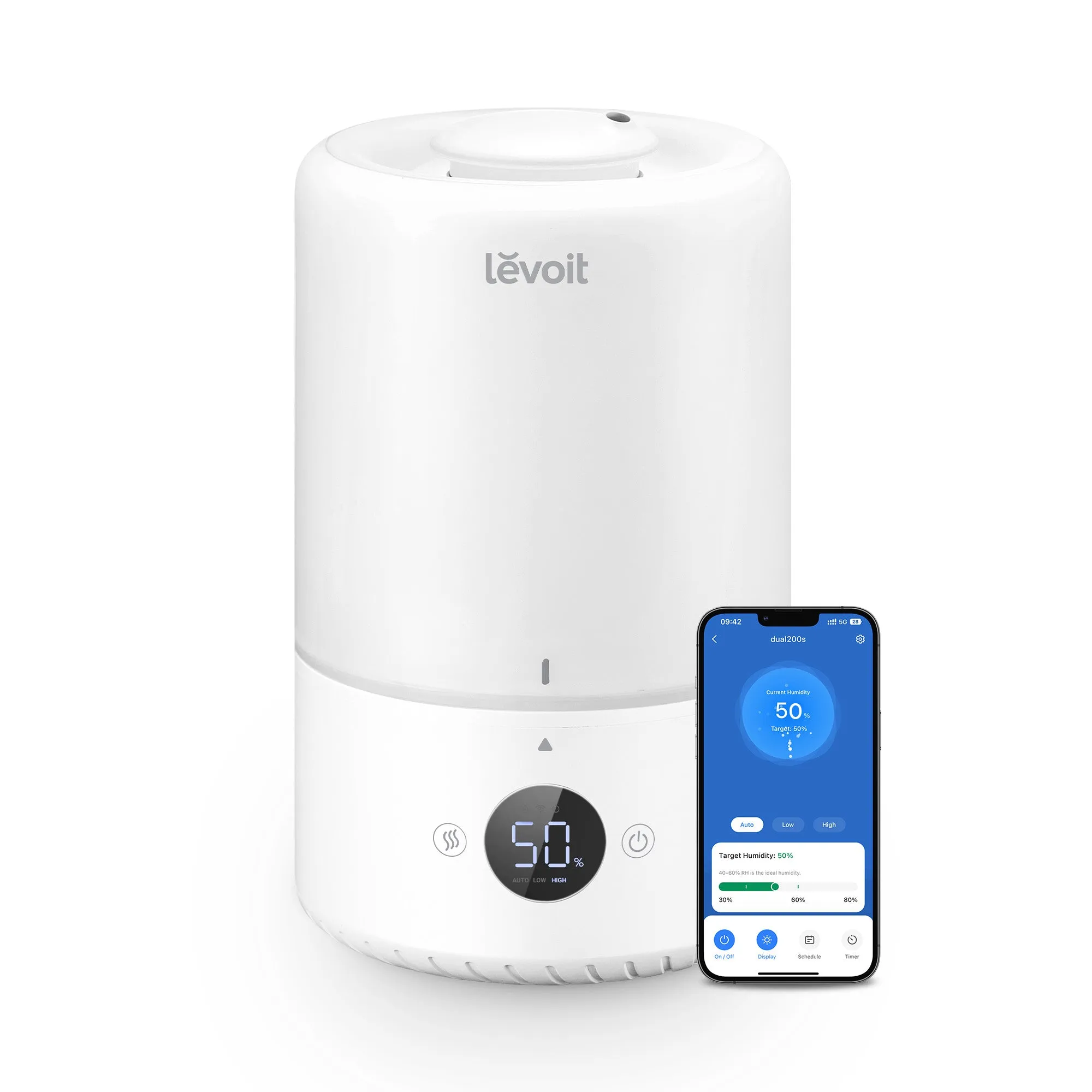
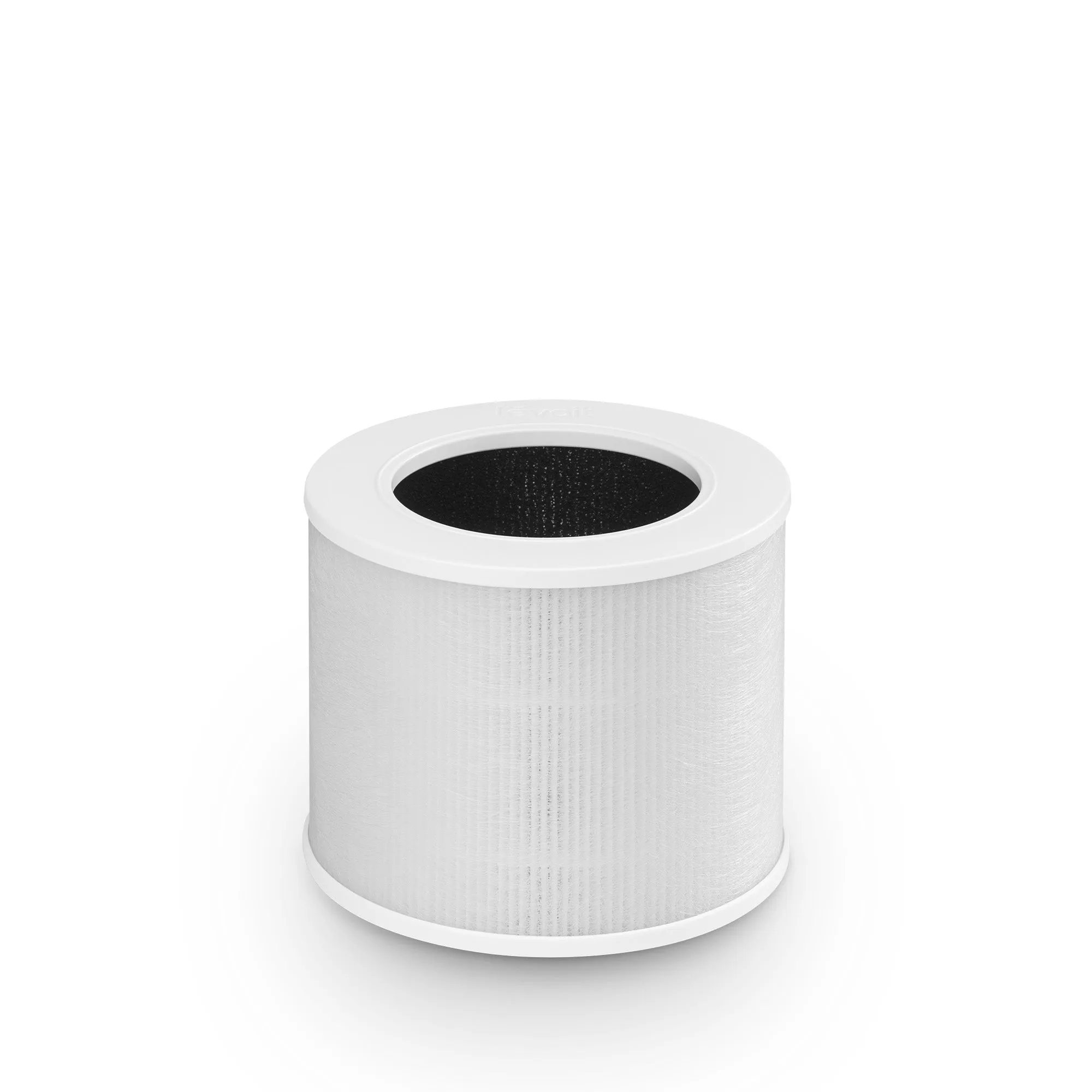
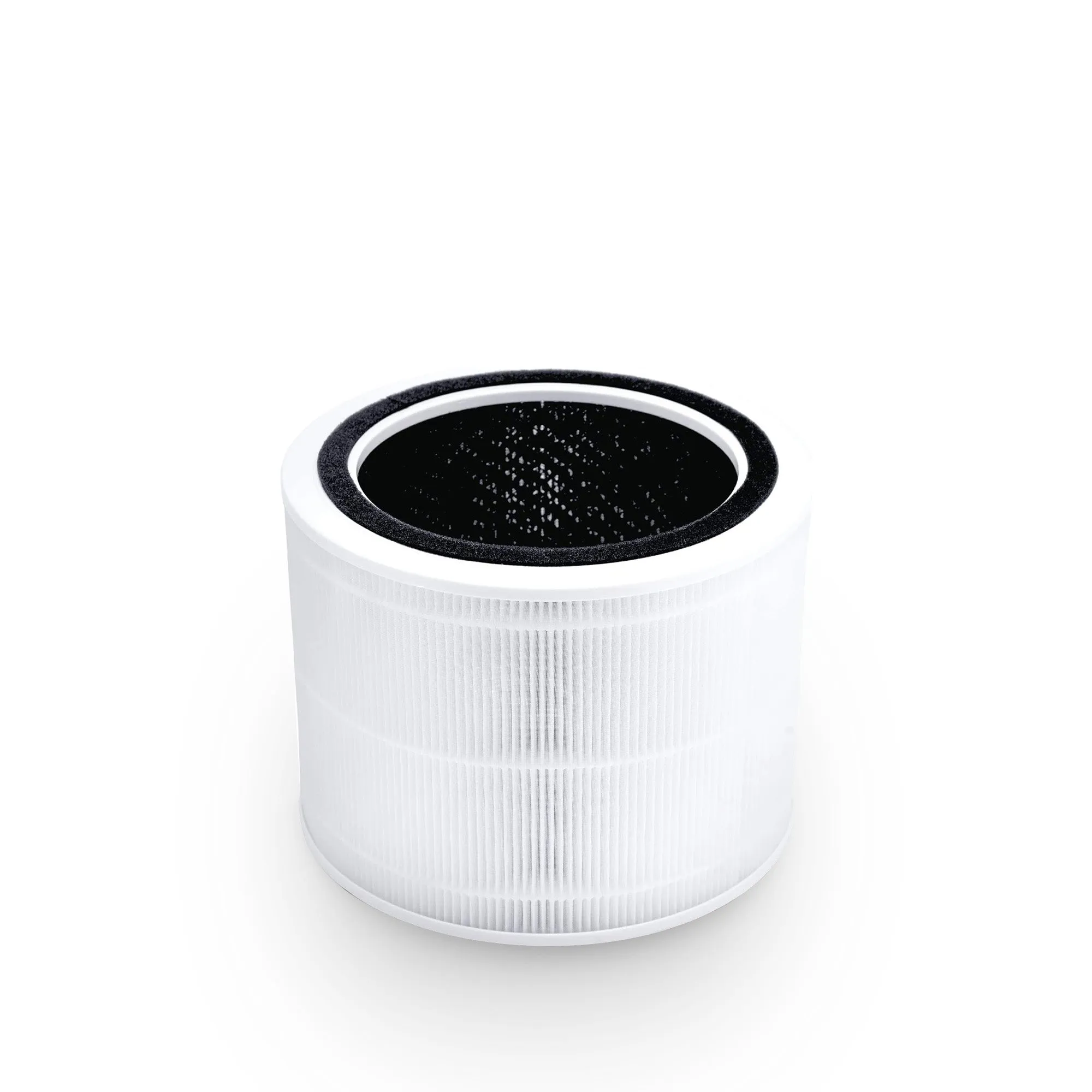
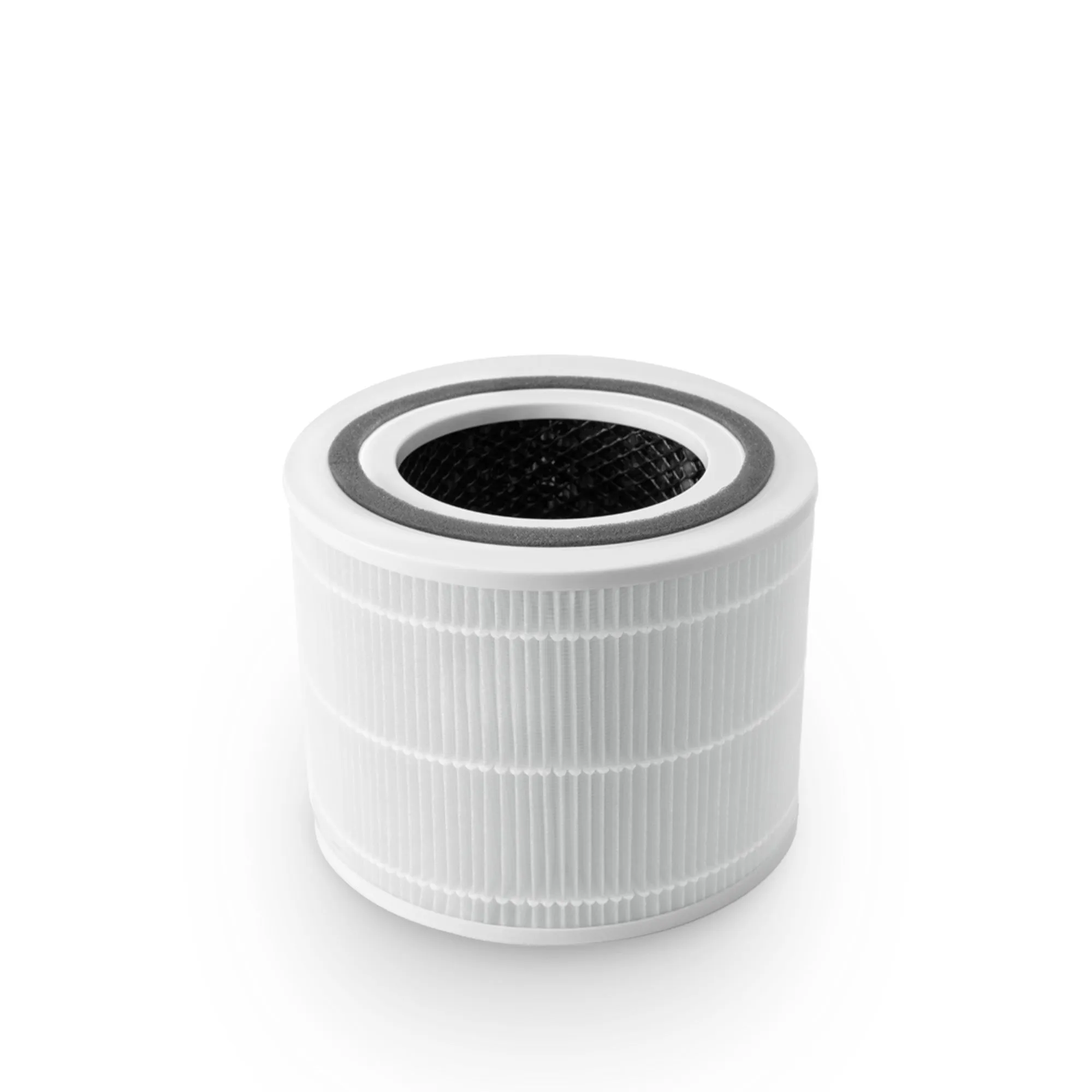
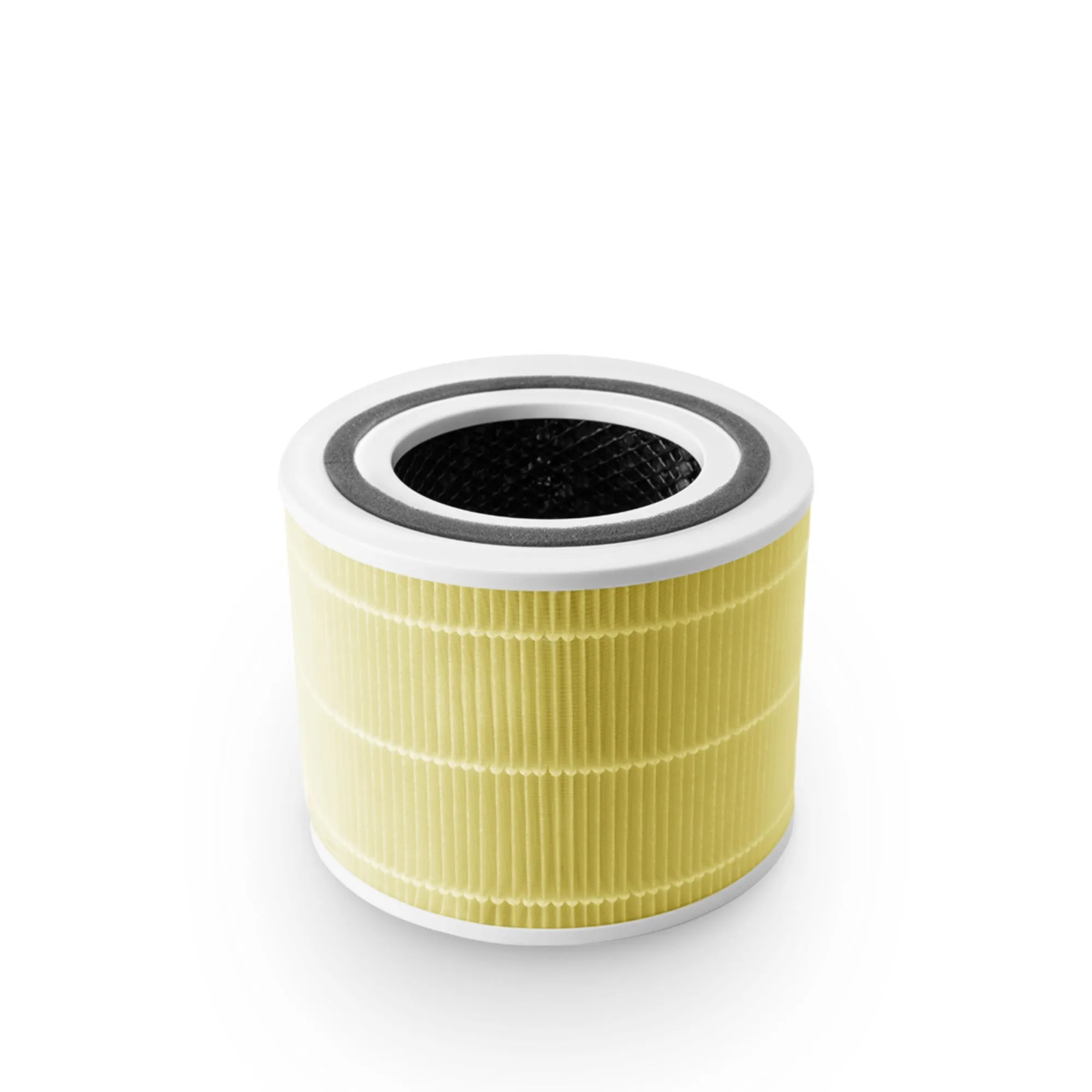
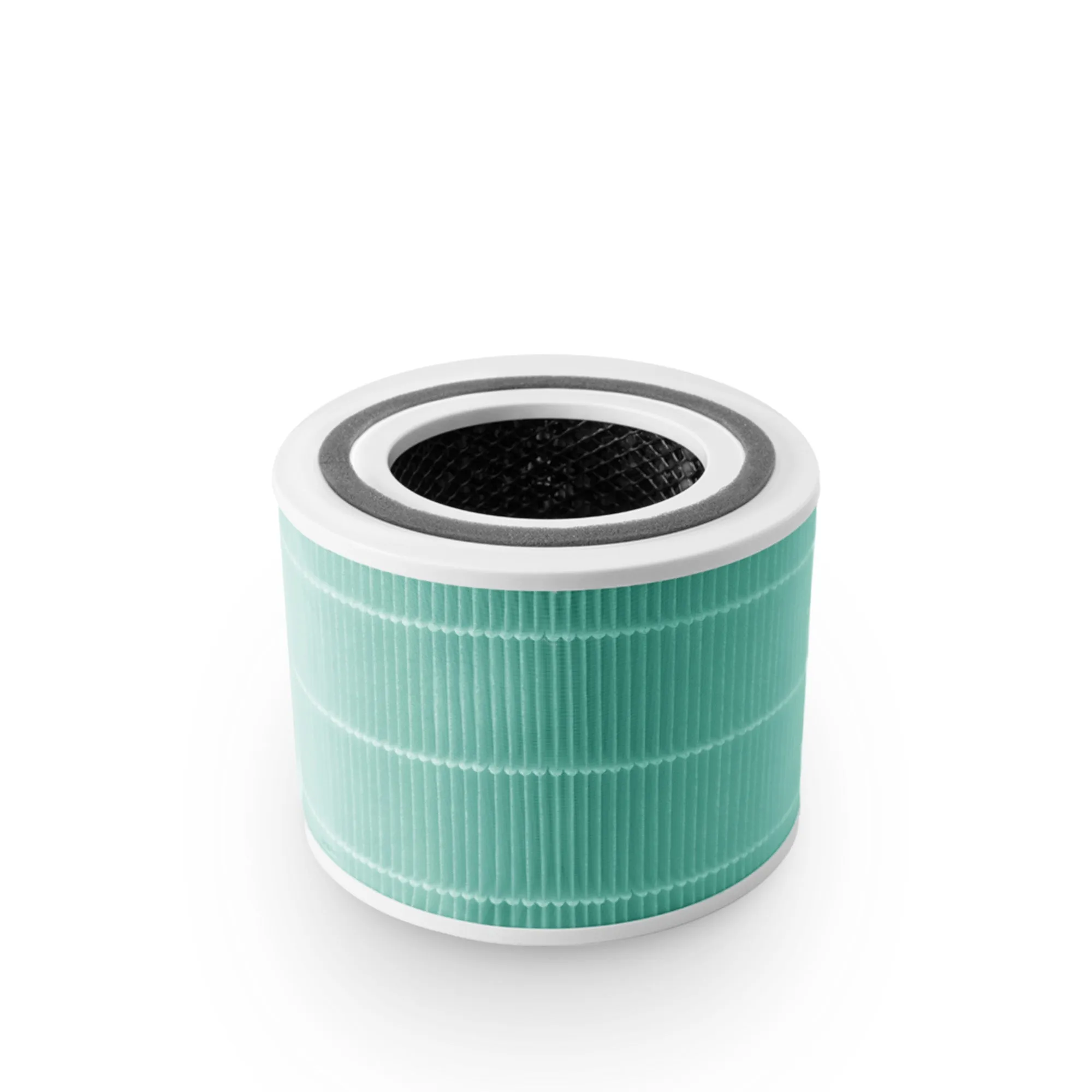
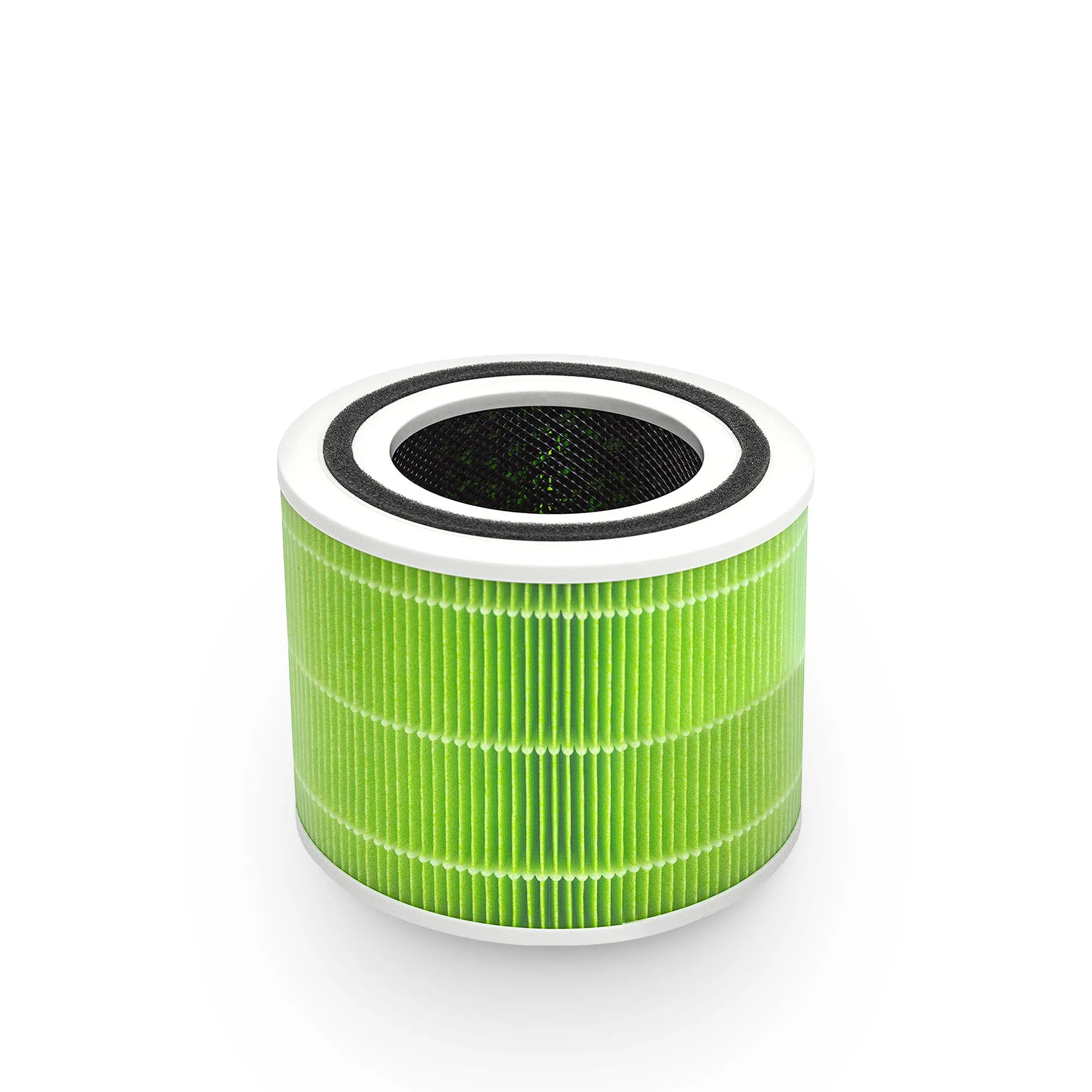
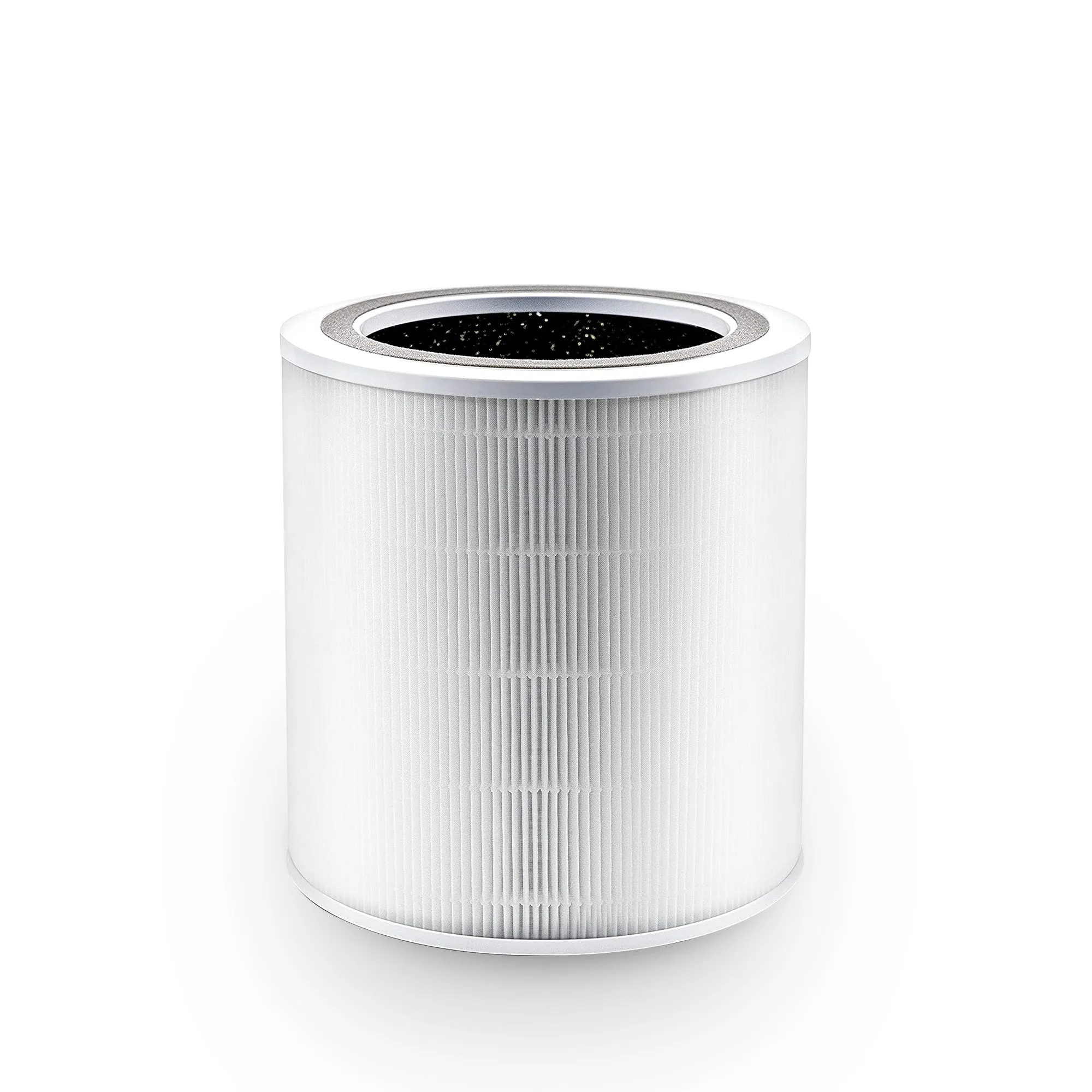
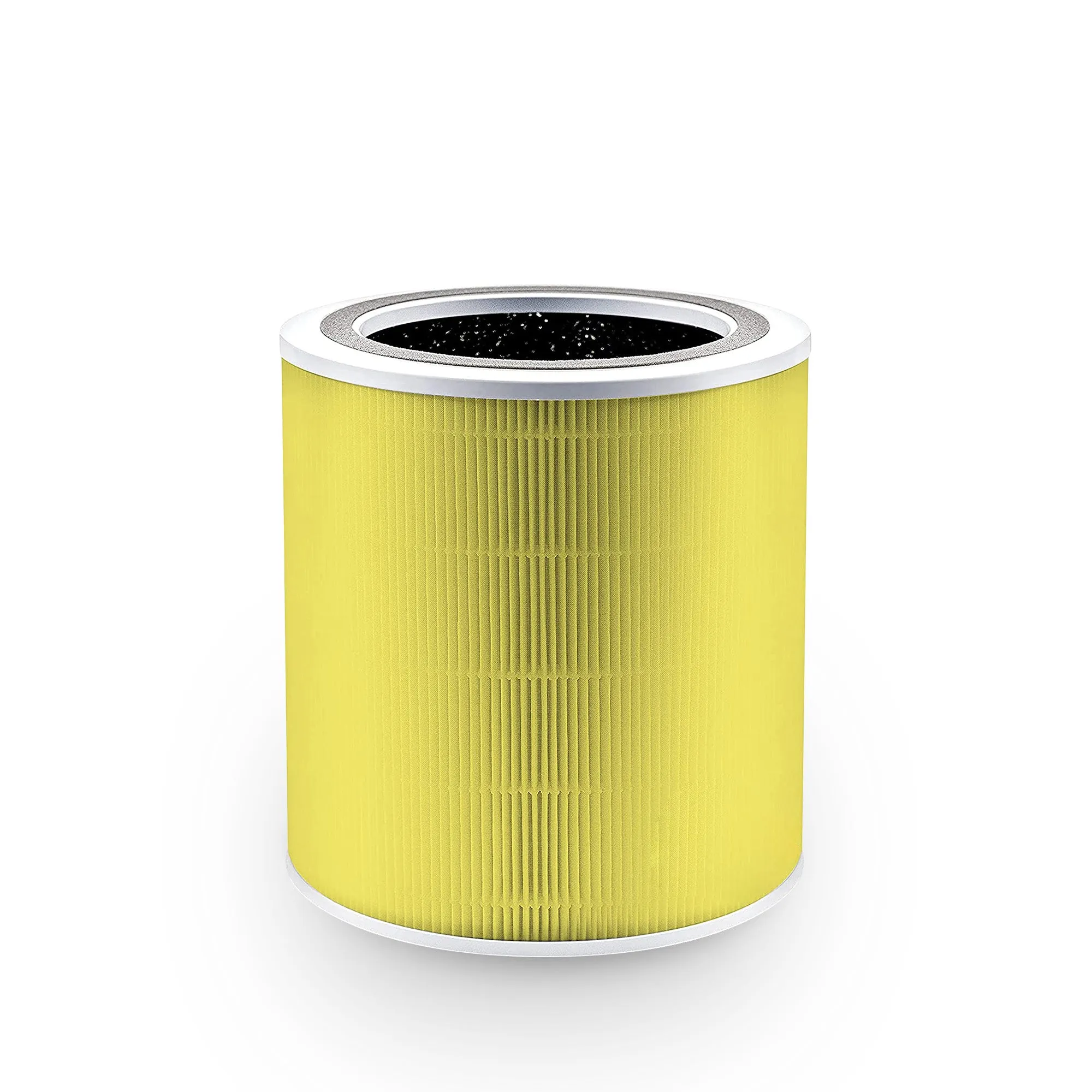
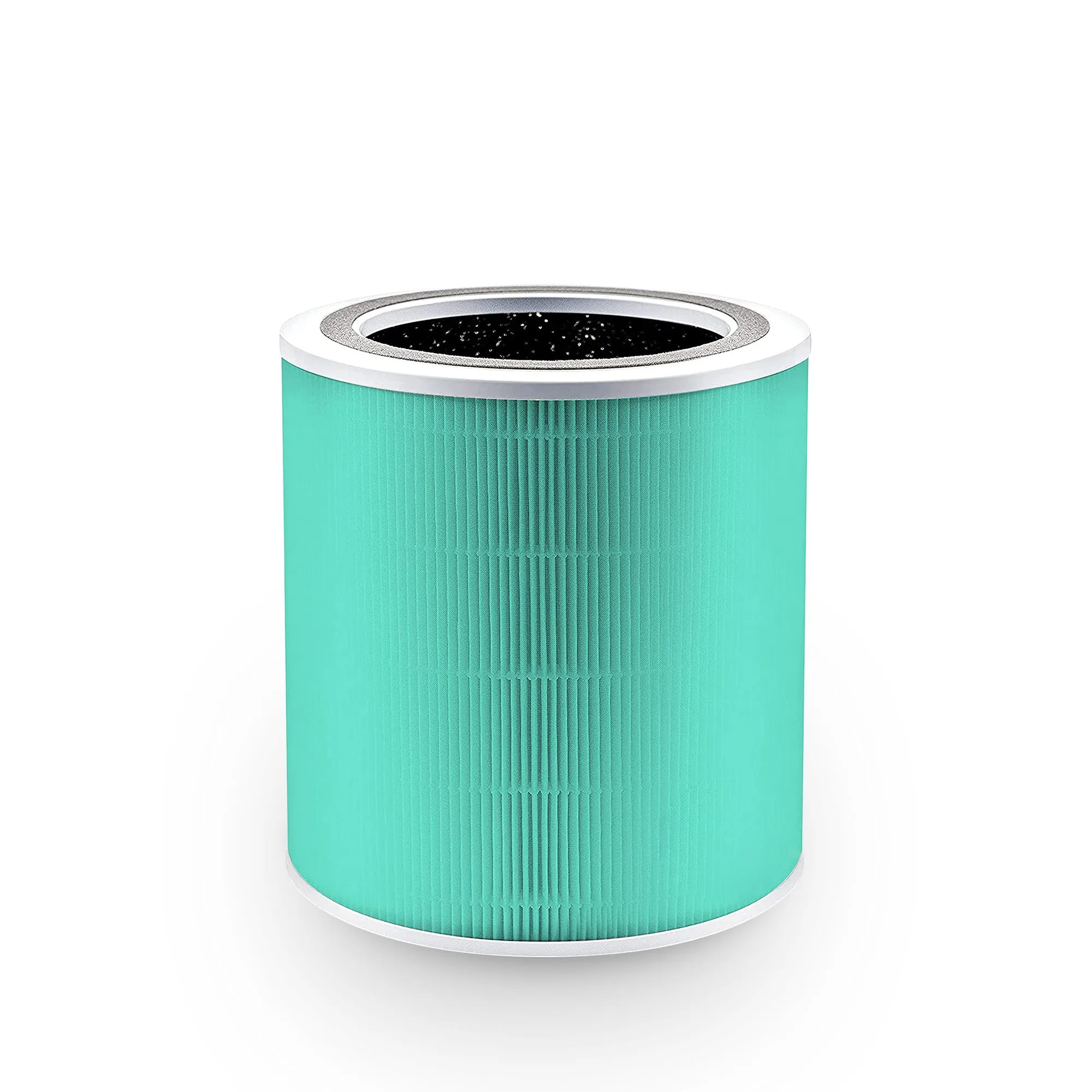
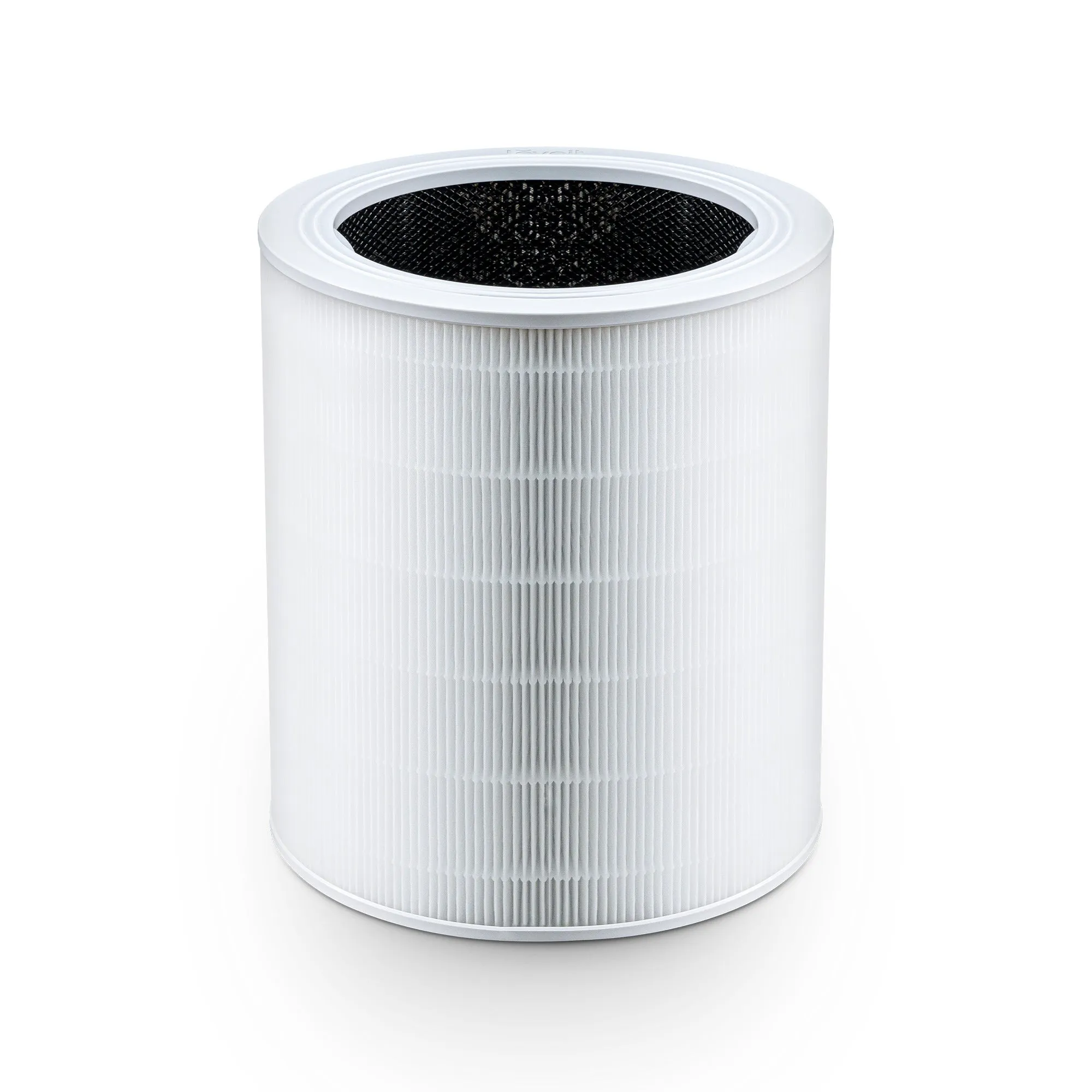
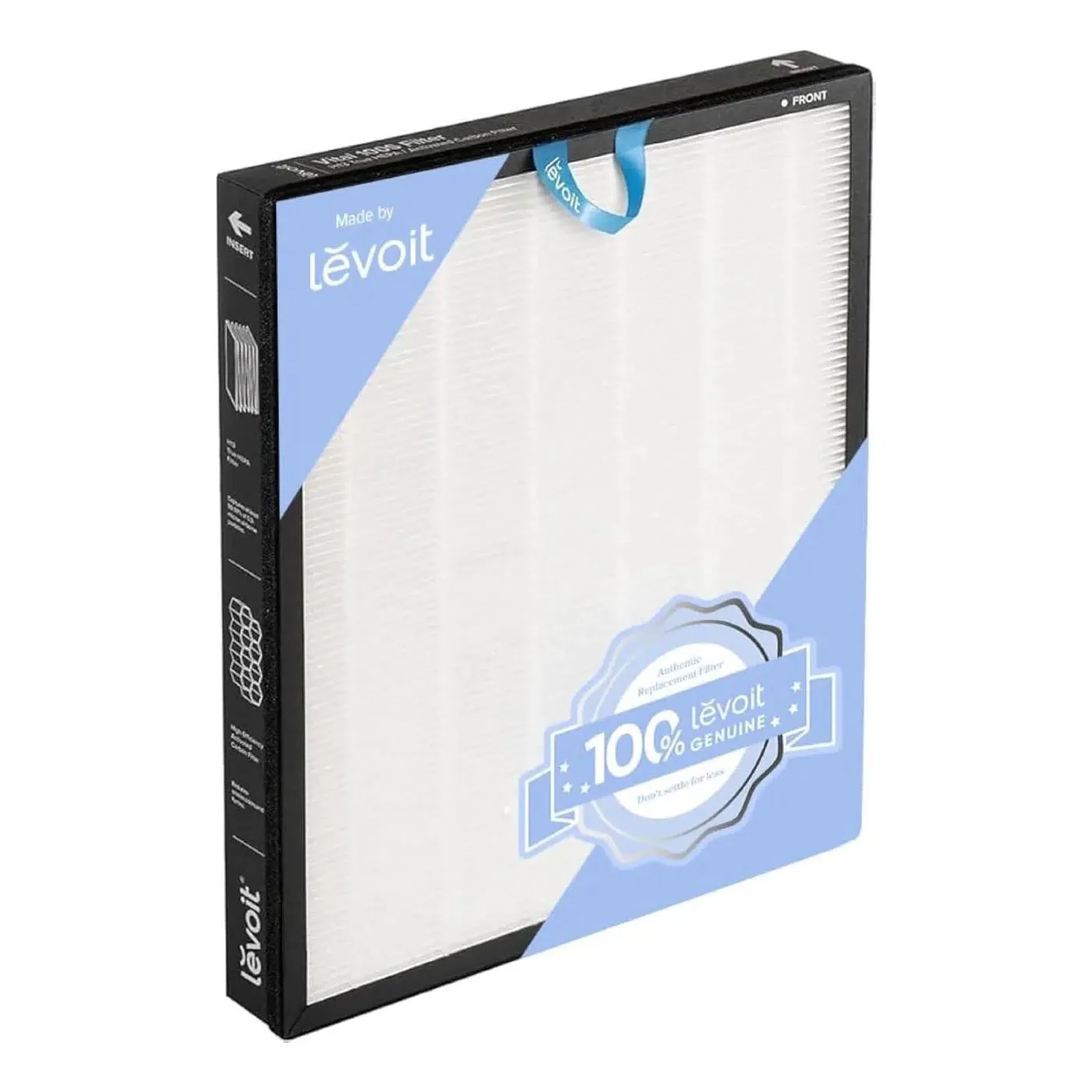
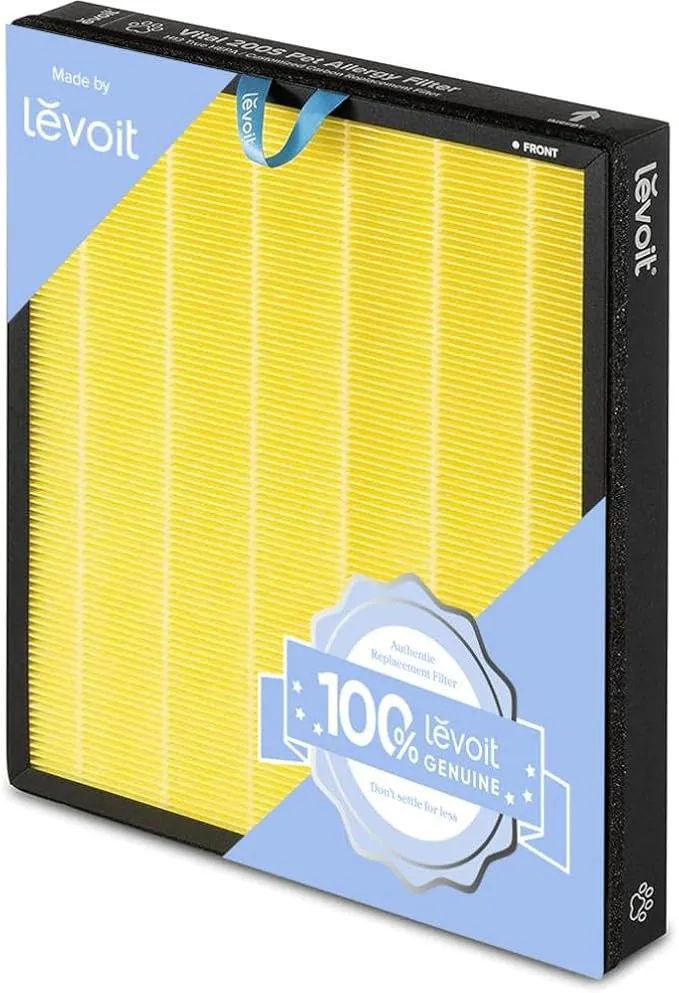
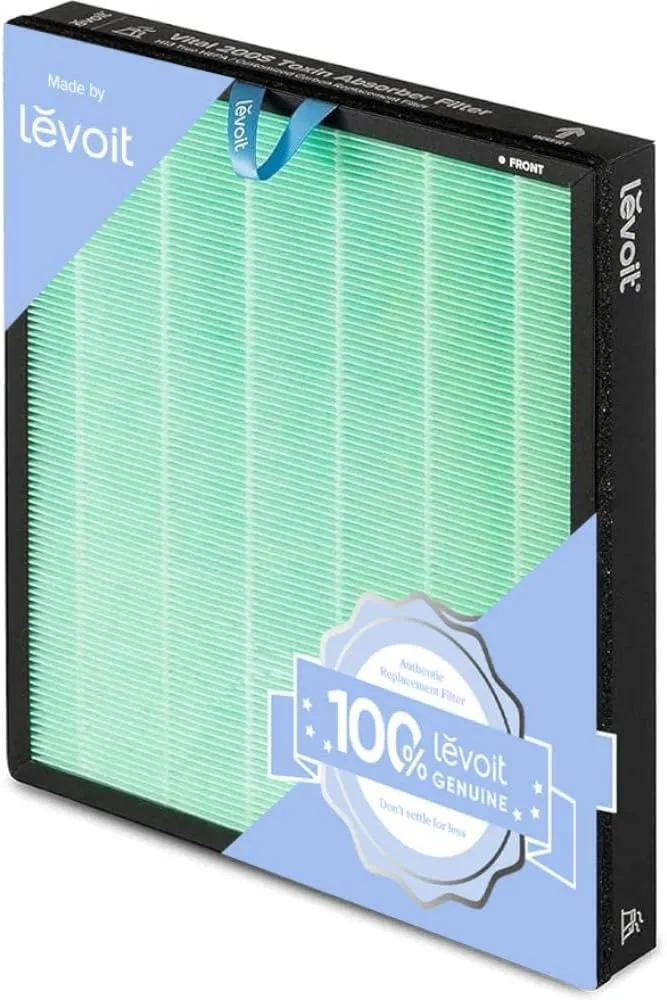
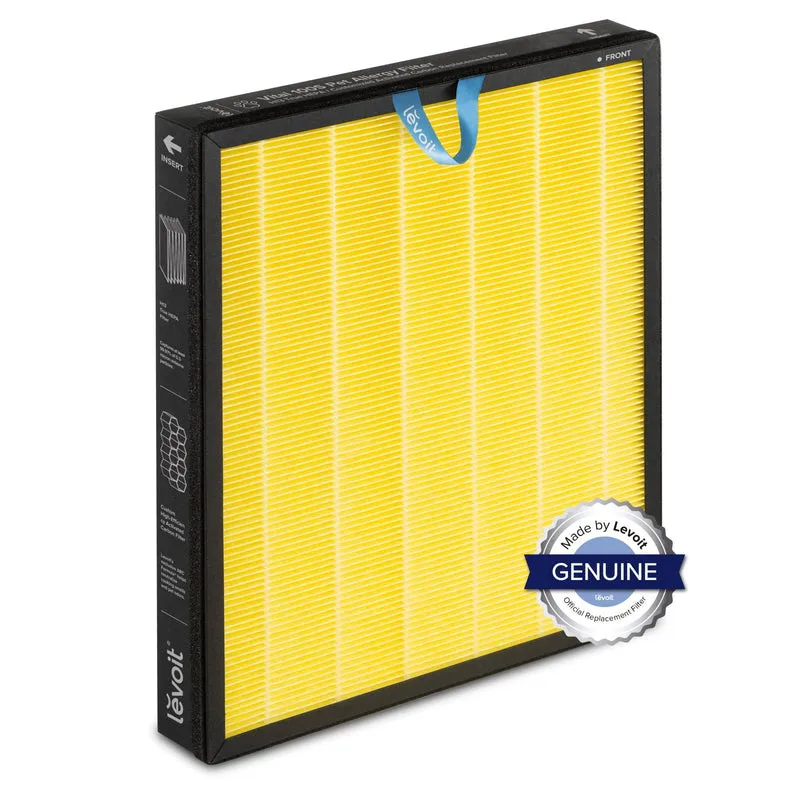
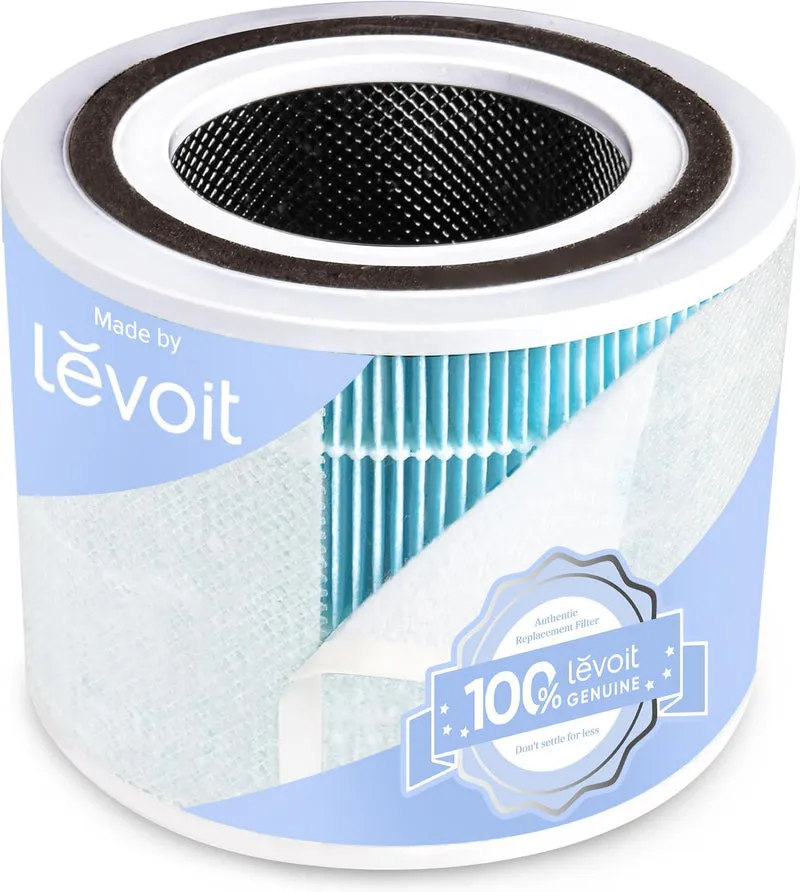
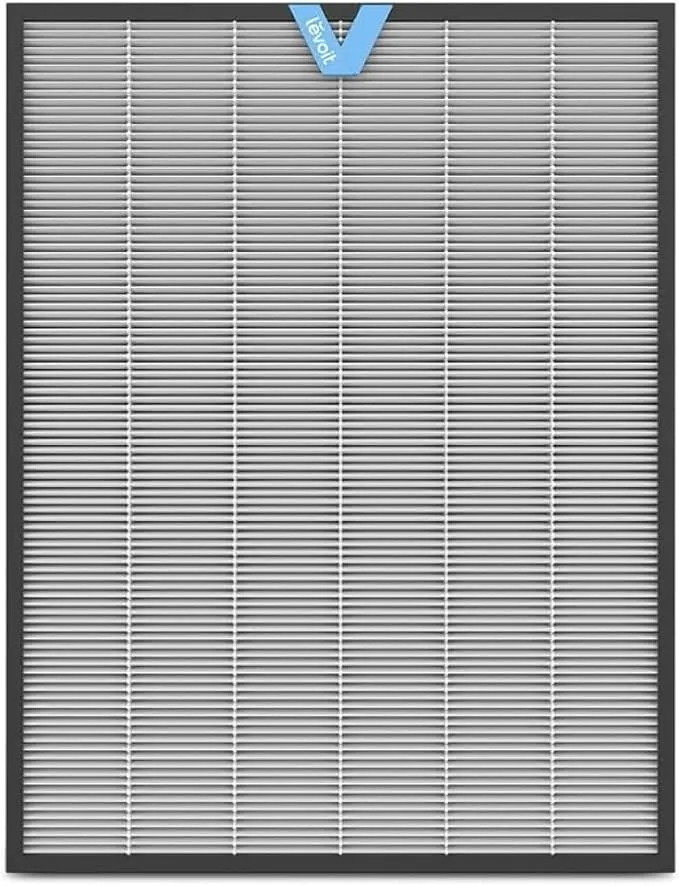
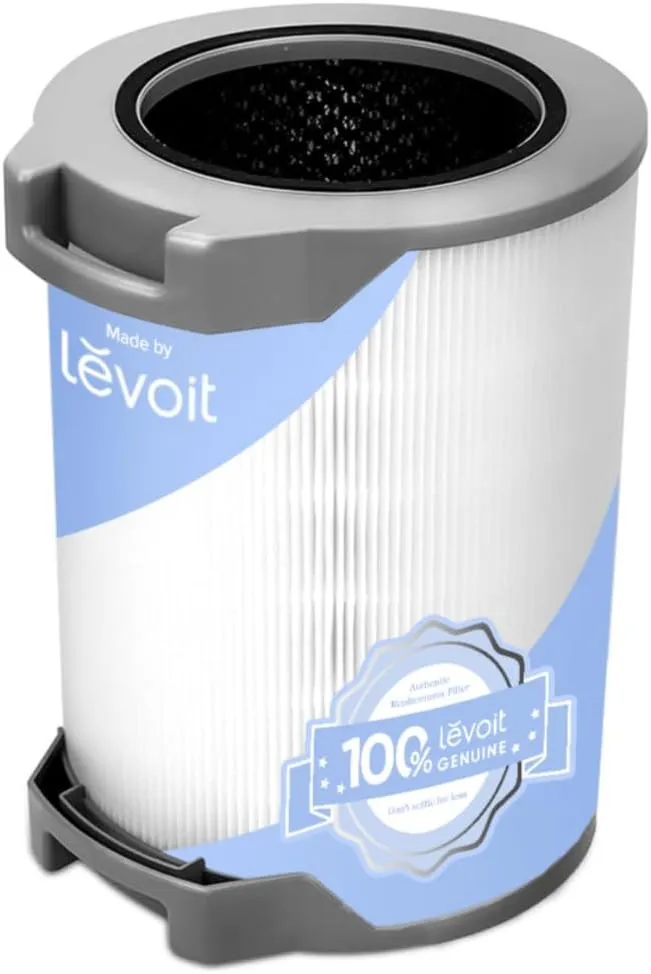
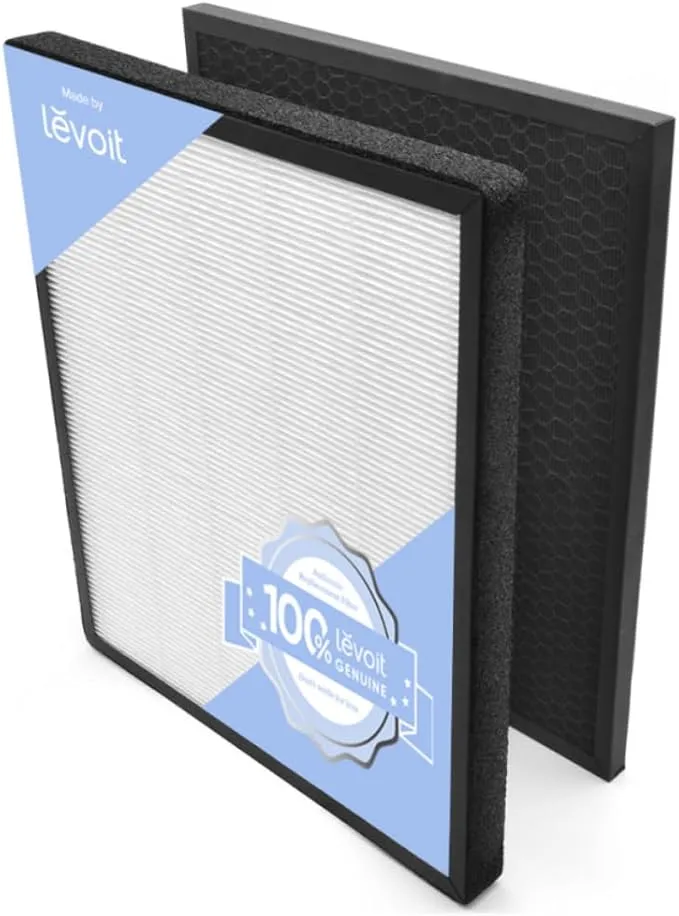
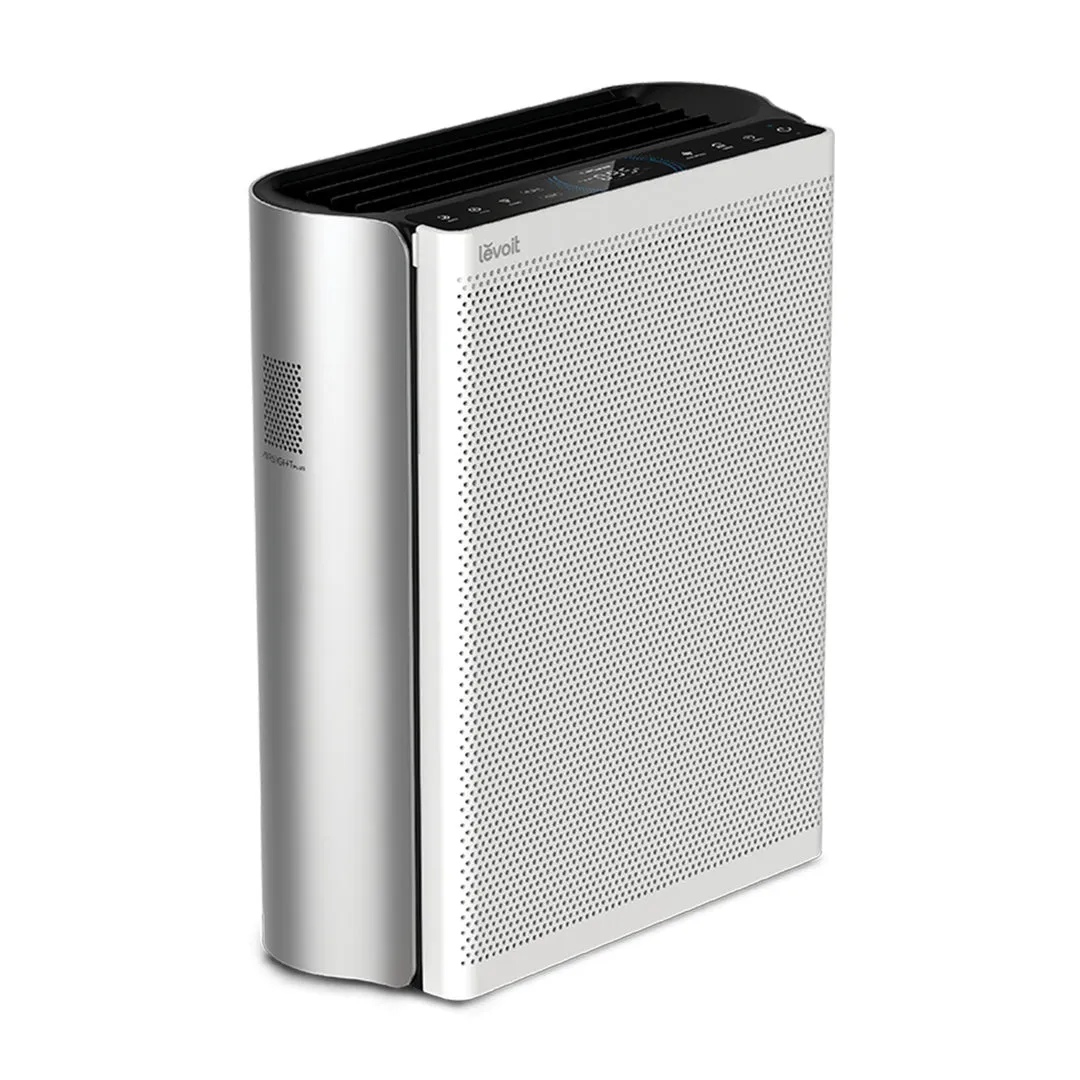
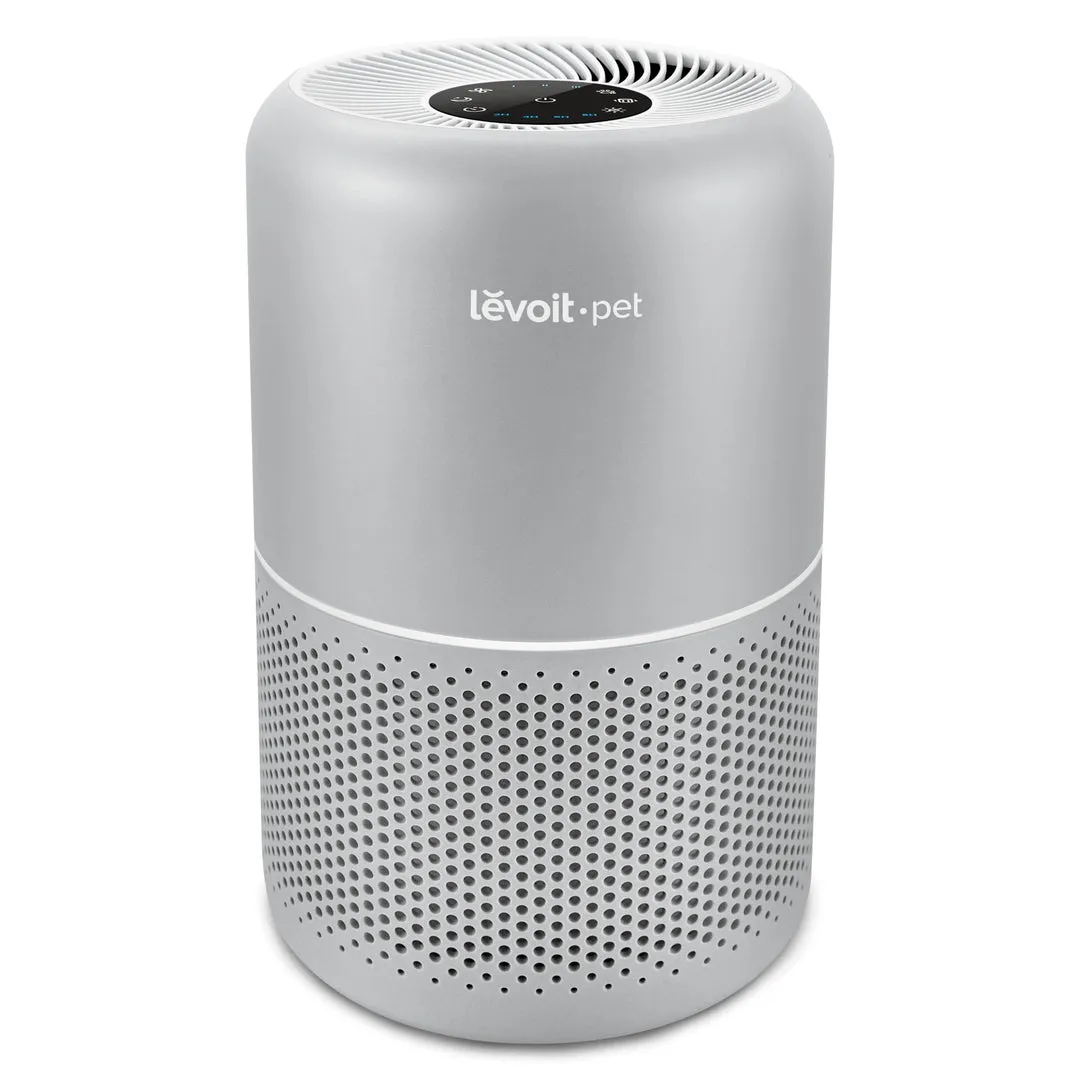
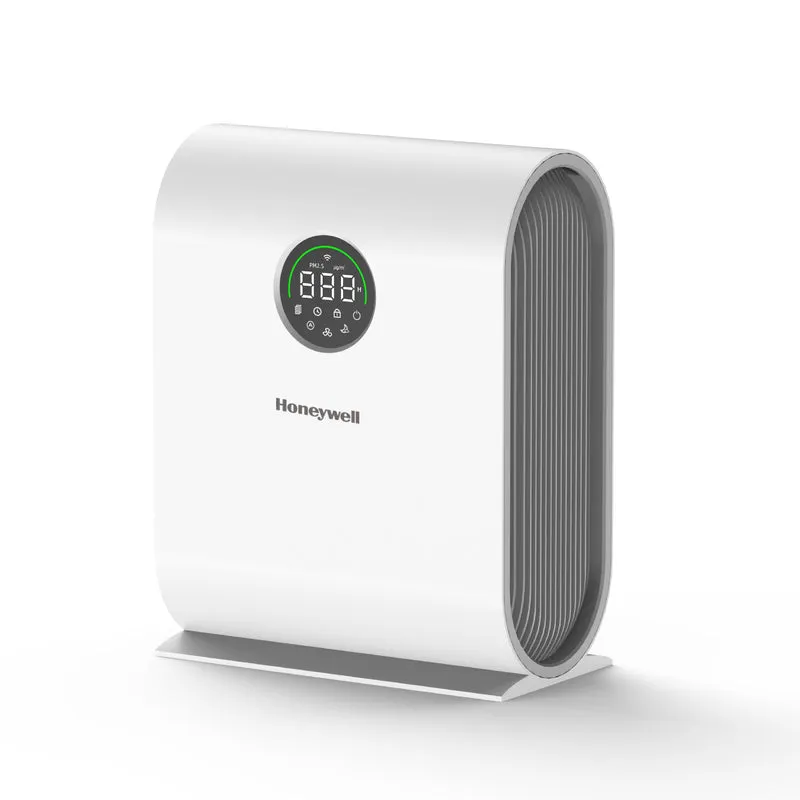
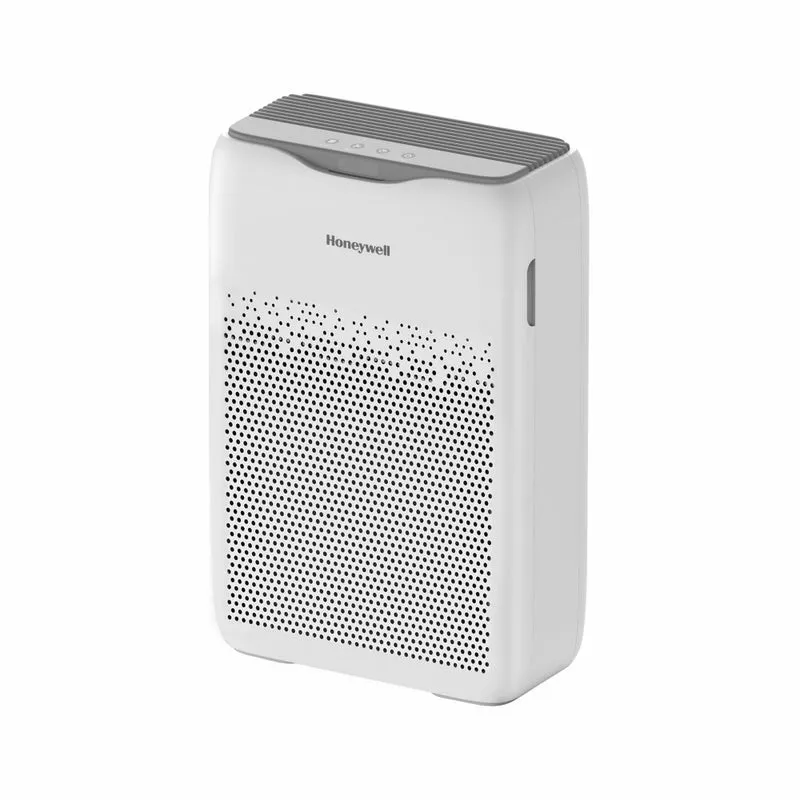
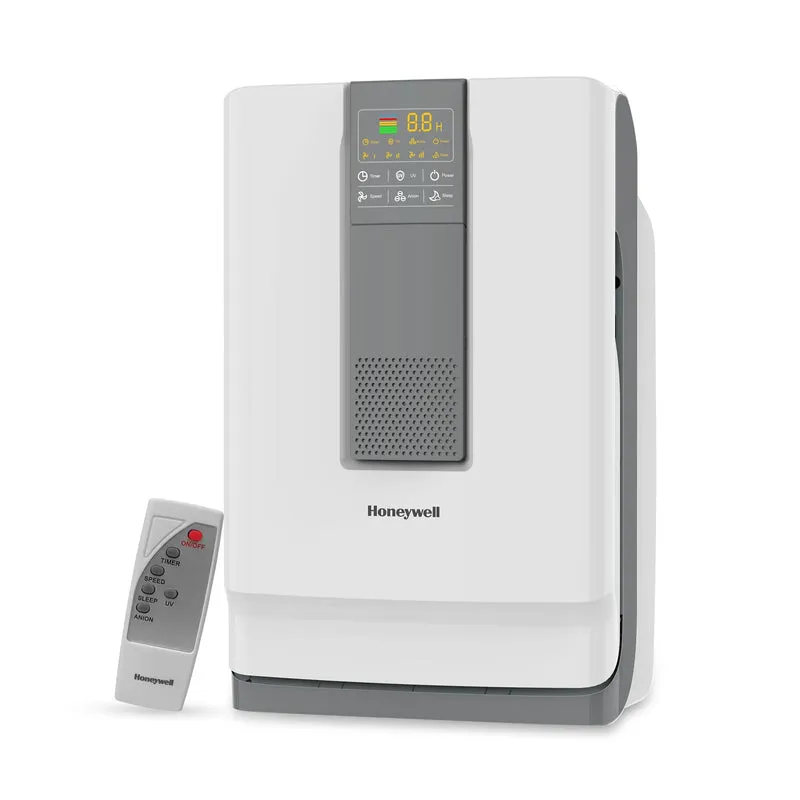
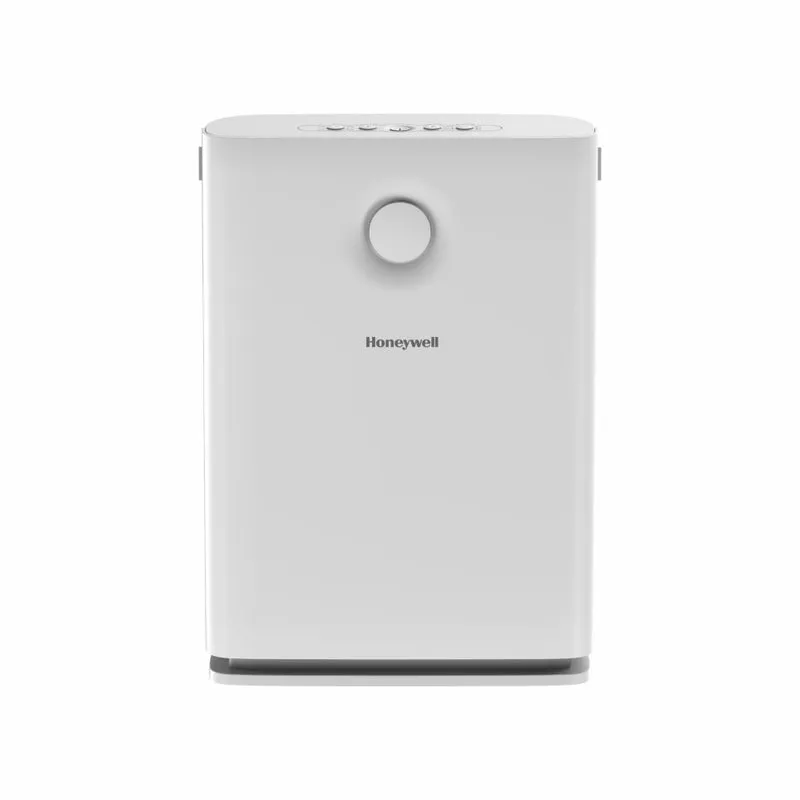
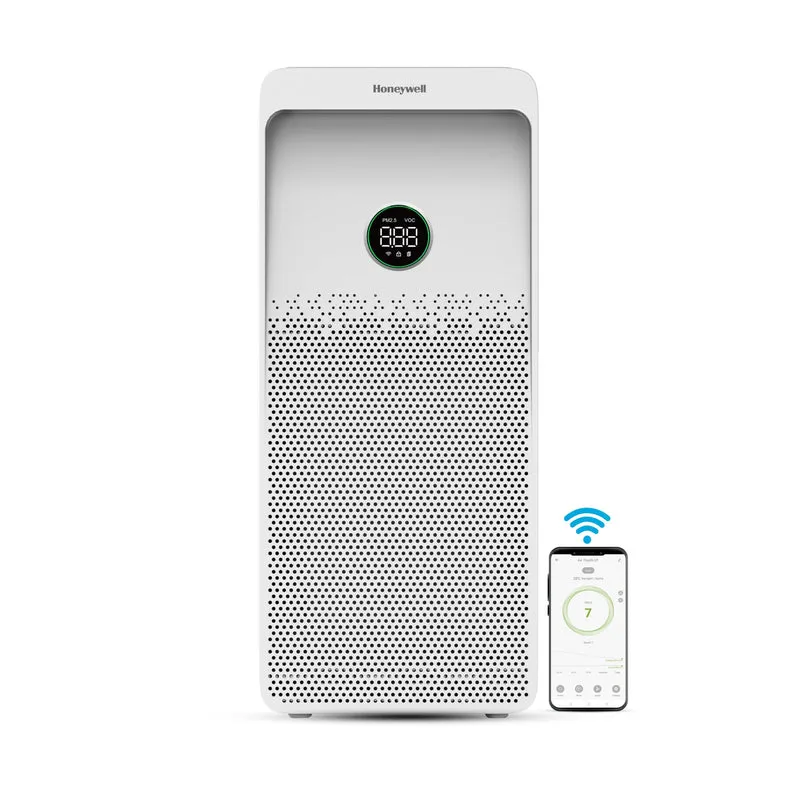
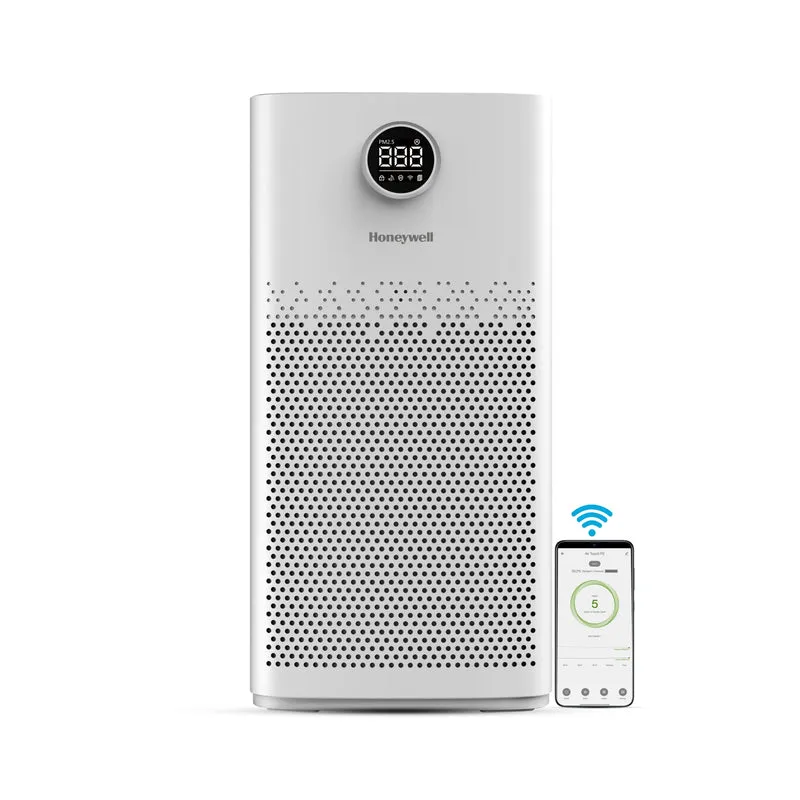
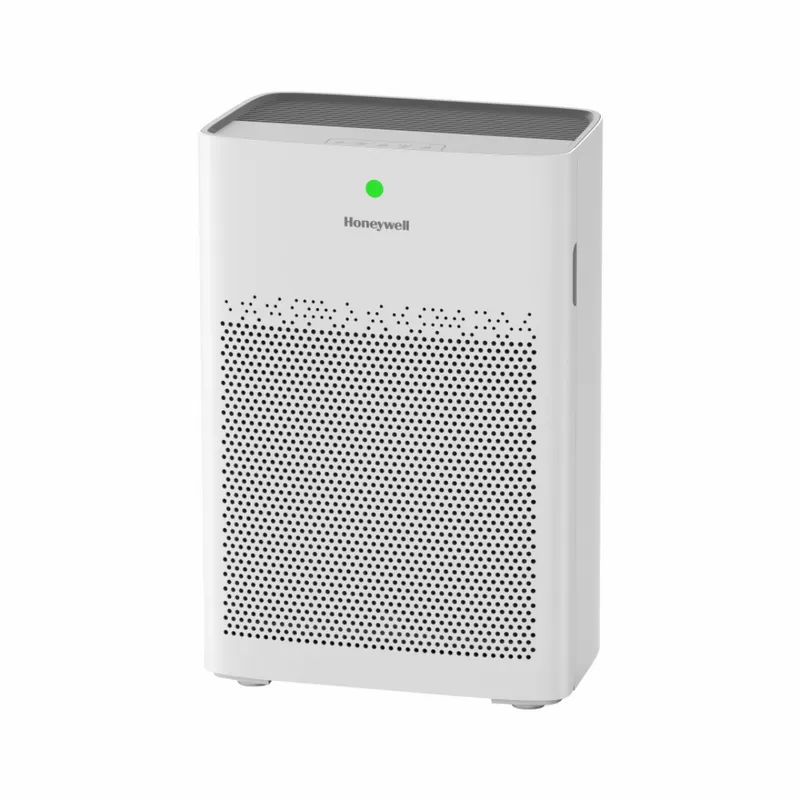
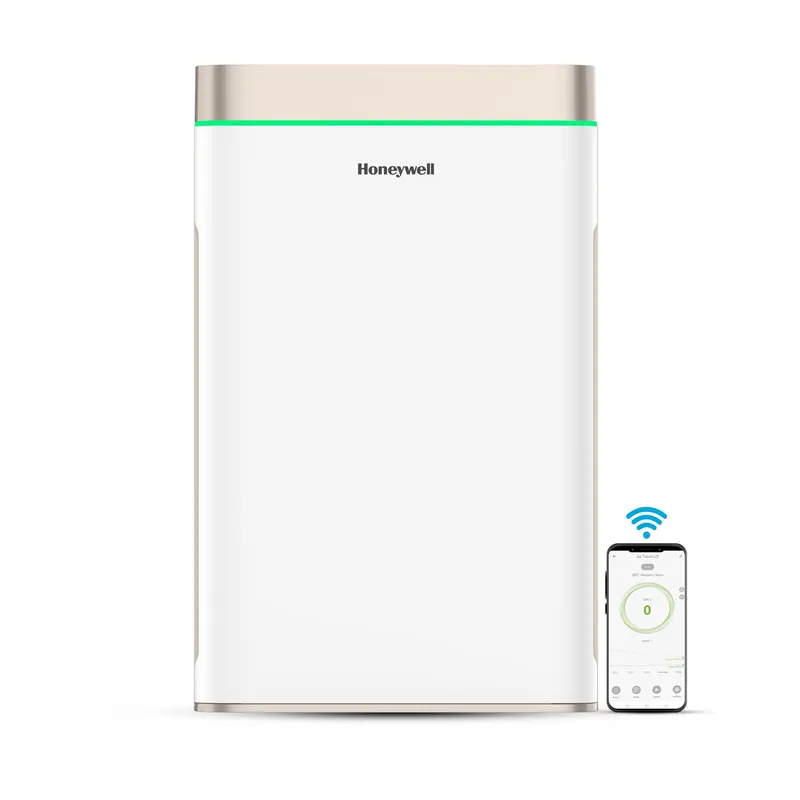
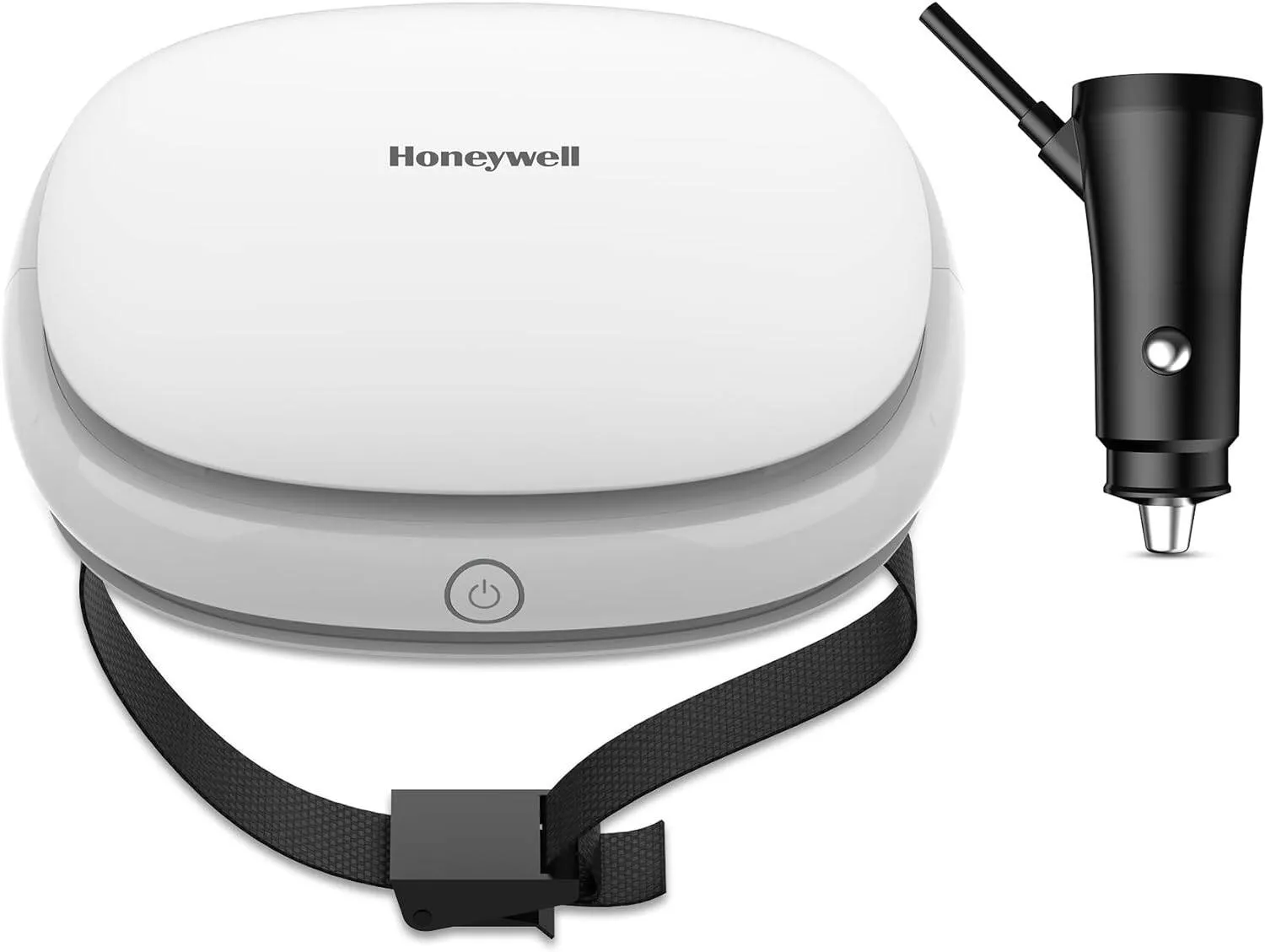
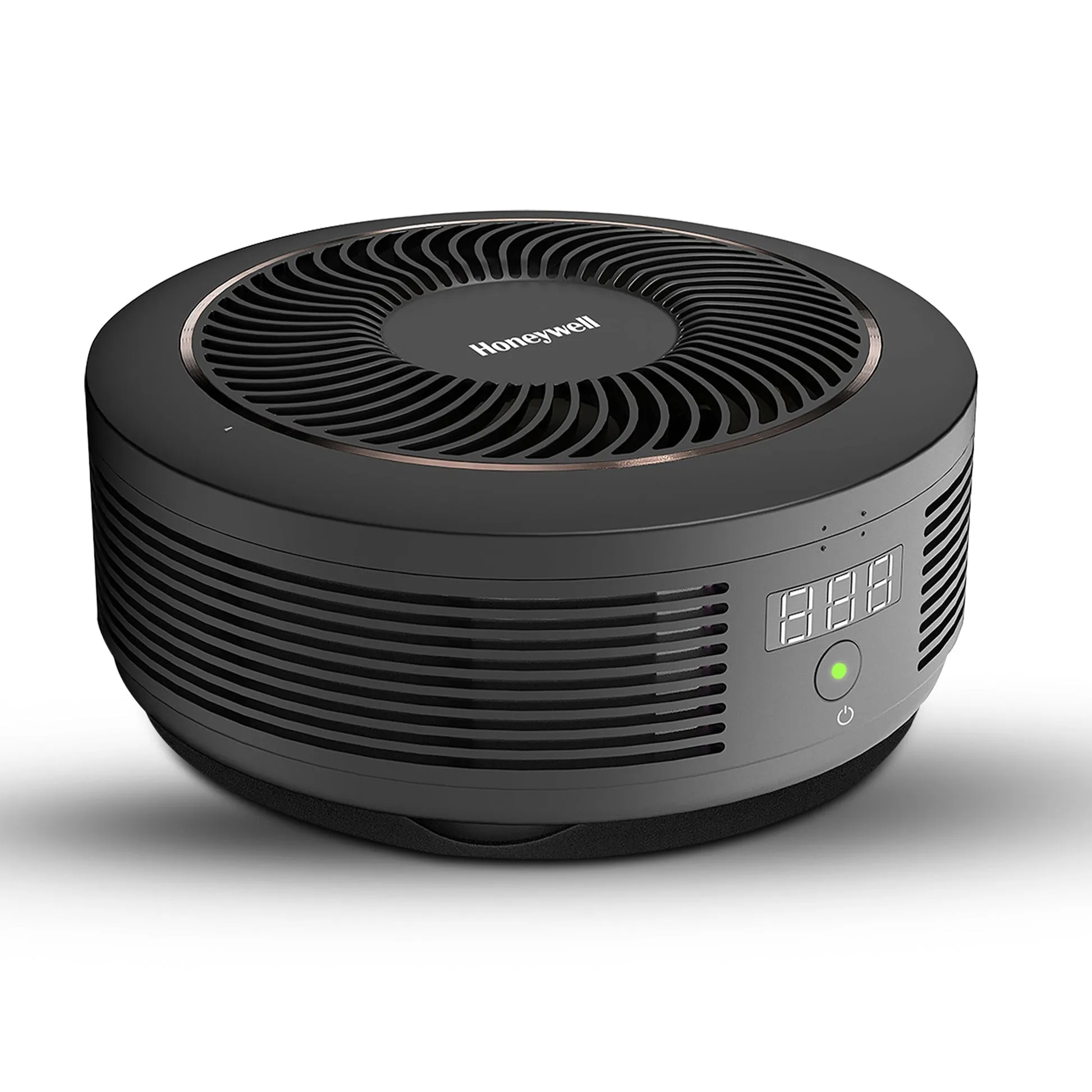
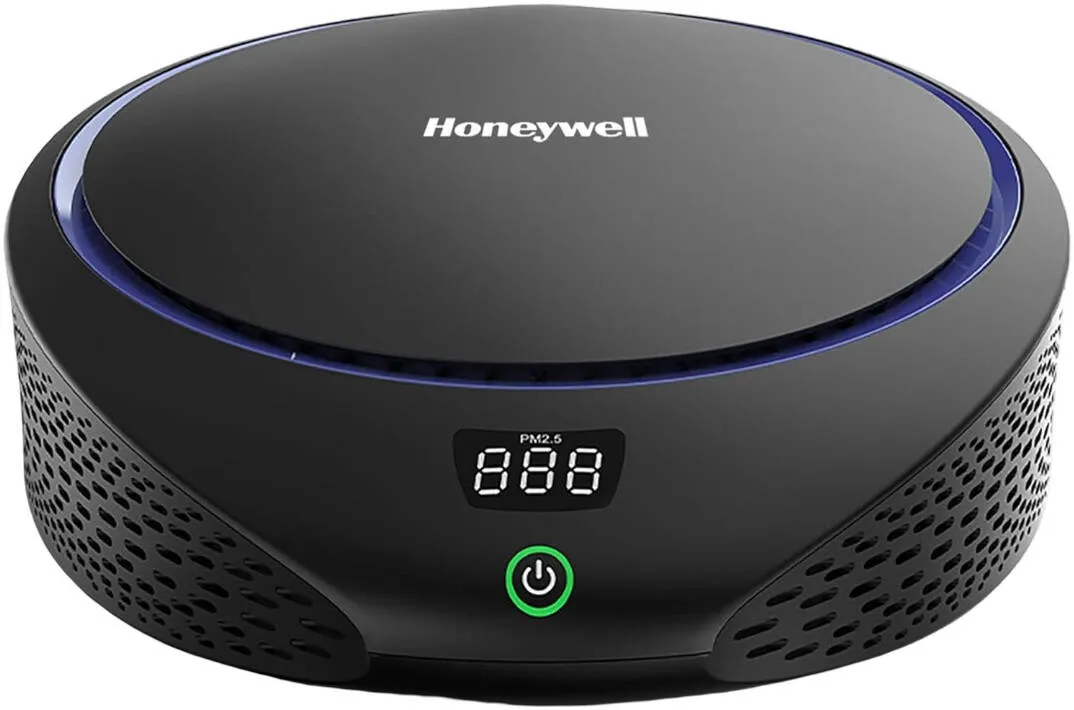
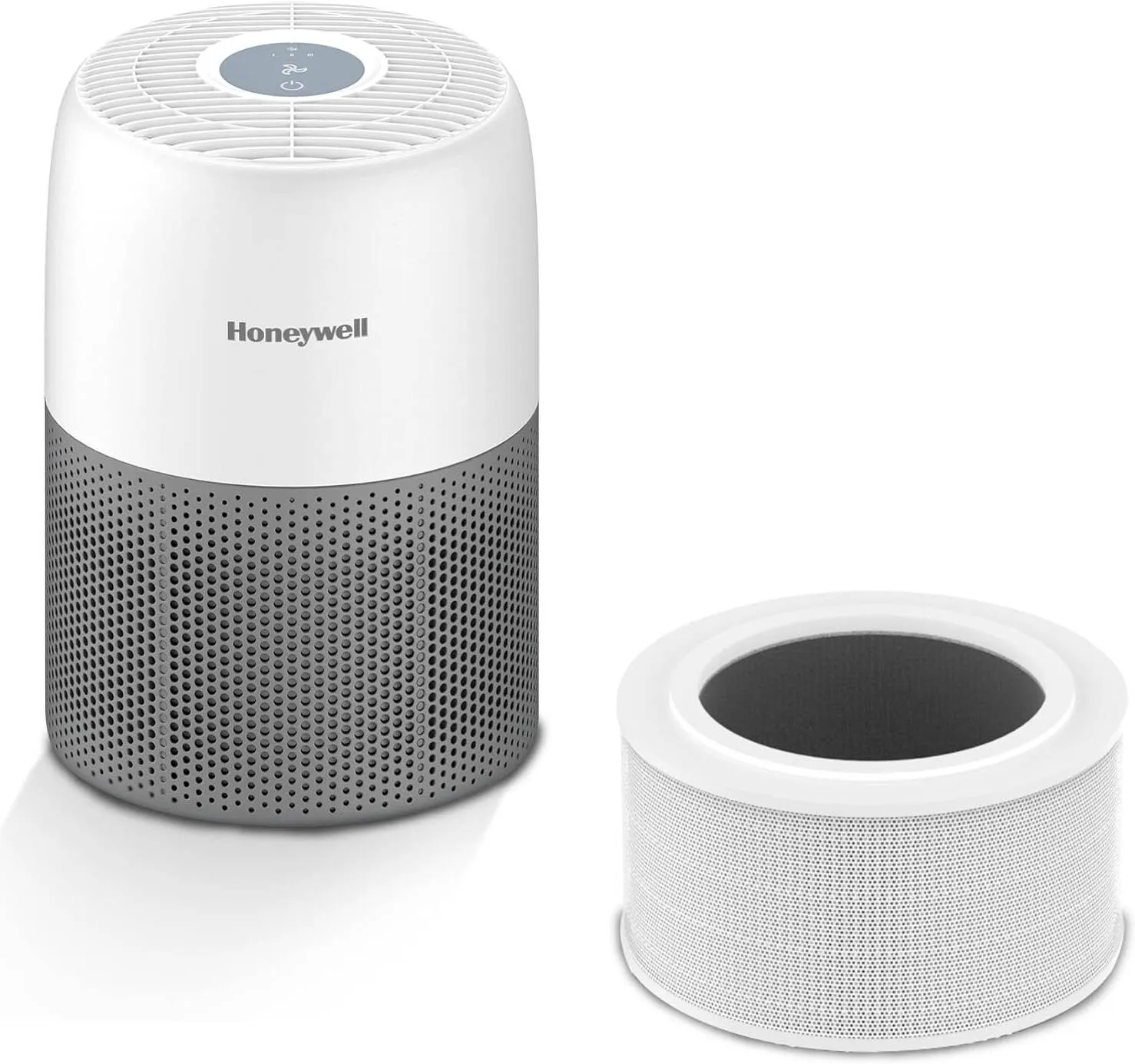
- Use a HEPA air purifier indoors. High-efficiency particulate air (HEPA) filtration captures particles as small as 0.3 micrometres, making it highly effective against PM2.5. Brands such as Blueair, Honeywell, and Levoit offer units suited to different room sizes.
- Time your ventilation carefully. PM2.5 concentrations fluctuate hourly, so opening windows during low-pollution periods, typically mid-morning on calm days, reduces the amount of outdoor pollution you bring inside.
- Avoid high-traffic areas during peak hours. Walking or cycling along back streets rather than main roads significantly reduces your inhaled dose.
- Reduce indoor cooking emissions. Use extractor fans, keep cooking temperatures lower where possible, and consider an indoor air quality accessory such as a kitchen air monitor to track particle levels in real time.
- Check real-time air quality data before outdoor exercise. Daily averages mask dangerous hourly spikes. Use an hourly monitoring service rather than a daily summary.
Pro Tip: Only NIOSH-certified N95 or P100 masks that have been properly fit-tested reliably filter PM2.5 particles. Standard surgical masks and cloth face coverings do not provide adequate protection against fine particulate matter. If you are exercising outdoors during a high-pollution episode, mask selection matters significantly.
Outdoors, the combination of real-time monitoring and appropriate mask use gives you the most control. Indoors, a HEPA purifier running continuously in the rooms where you spend the most time, particularly bedrooms, delivers the greatest reduction in cumulative exposure. You can also review indoor versus outdoor air quality to understand which environment poses the greater risk in your specific situation.
Key takeaways
PM2.5 pollution is the most health-critical urban air pollutant because its microscopic size allows it to enter the bloodstream and cause harm across multiple organ systems, with no exposure level confirmed as fully safe.
| Point | Details |
|---|---|
| PM2.5 definition | Fine particles measuring 2.5 micrometres or less, 20–28 times smaller than a human hair. |
| Health risk | A 10 µg/m³ rise in PM2.5 increases heart disease mortality risk by 10%. |
| No safe threshold | Even low-level chronic exposure accumulates and causes long-term health damage. |
| Indoor exposure | PM2.5 penetrates building gaps; HEPA purifiers are the most effective indoor control. |
| Mask selection | Only fit-tested N95 or P100 masks reliably filter fine particulate matter outdoors. |
The misconception that costs people most
The single biggest mistake I see is treating PM2.5 as a problem for “bad air days.” People check the daily average, see a Low or Moderate rating, and assume they are fine. They are not accounting for the hourly spikes that occur during morning traffic, during cooking, or when a neighbour lights a wood-burning stove. Chronic low-level exposure is where the real damage accumulates, and daily averages hide it entirely.
The second misconception is about indoor safety. People close their windows during a pollution event and feel protected. In reality, PM2.5 permeates most buildings within 30 to 60 minutes through gaps that are invisible to the eye. A sealed room without a HEPA purifier running is not a clean room. It is just a slower-filling one.
On masks: I have seen people wearing thin fabric masks during wildfire smoke events and believing they are protected. Only a properly fit-tested N95 or P100 provides genuine filtration. The fit matters as much as the rating. A poorly fitted N95 leaks around the edges and offers little more protection than a surgical mask.
The practical implication is straightforward. Combine real-time hourly monitoring with a HEPA purifier indoors and a fit-tested mask outdoors during high-pollution periods. That combination addresses the actual exposure pathway, not just the visible or obvious one. Awareness without action changes nothing, but action without accurate data is equally ineffective.
— Wojciech
Air purifiers and PM2.5 protection from Cleanair-ae
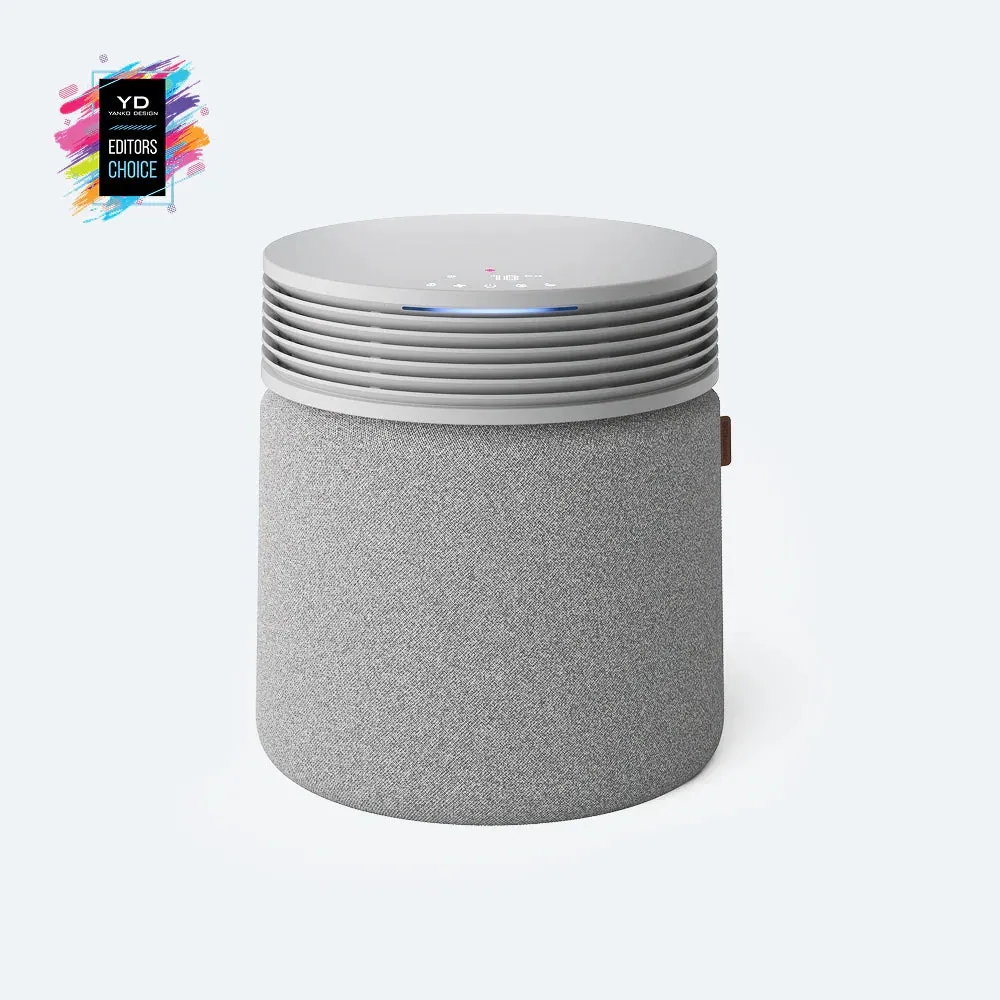
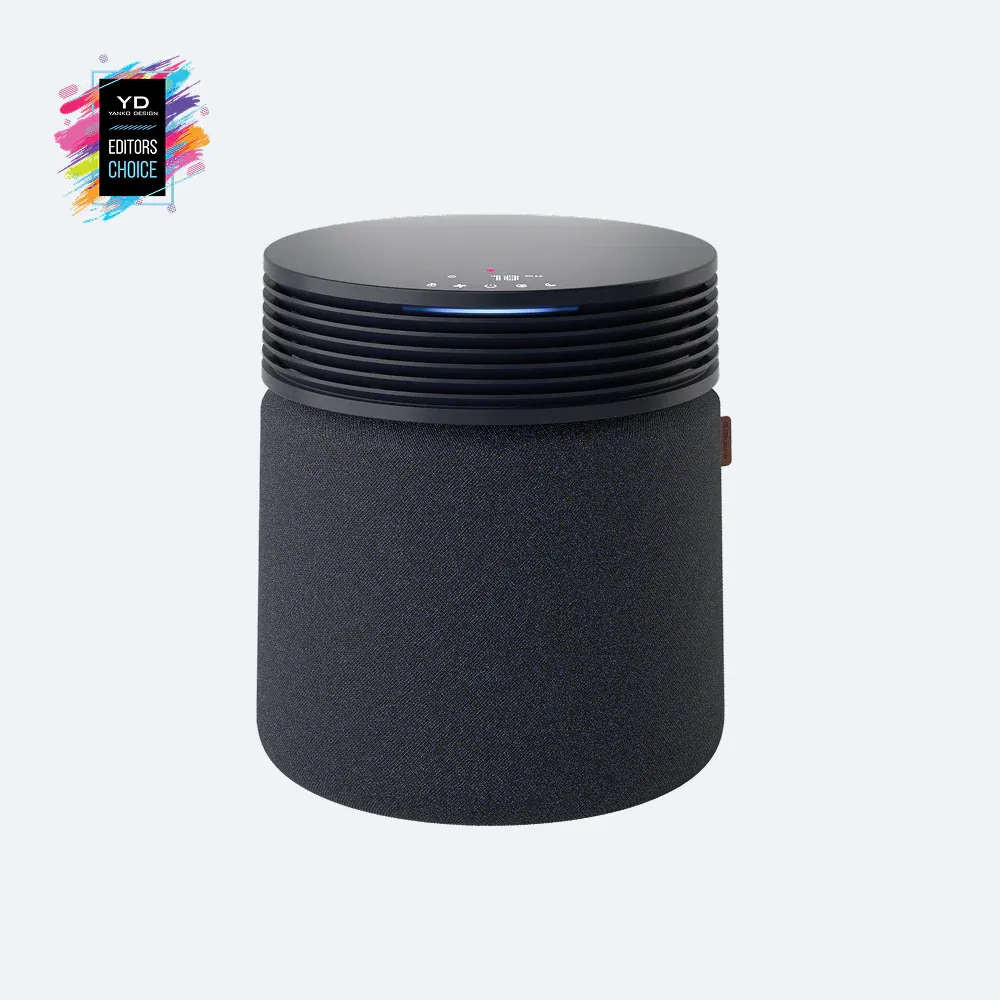
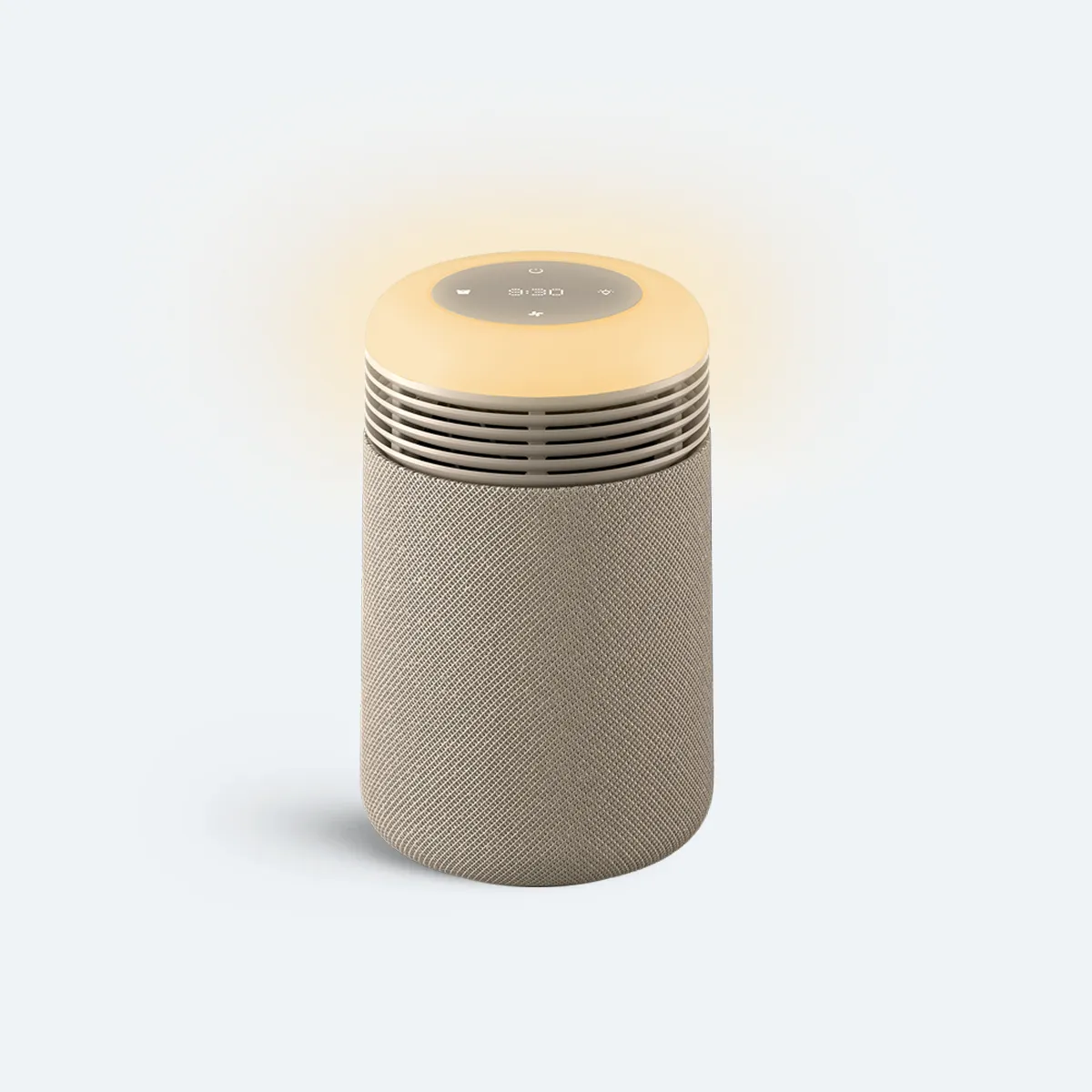
Cleanair-ae stocks a curated range of air purifiers, filters, and accessories designed to address PM2.5 exposure in homes and commercial spaces across the UAE. Products from Blueair, Honeywell, and Levoit cover room sizes from compact bedrooms to open-plan offices, with HEPA filtration rated to capture fine particulate matter effectively.
The air purifier buying guide for 2026 covers how to match a unit to your room size, filter type, and pollution profile. For readers who want to go beyond purifiers, the air purifier alternatives list details eight proven methods for improving indoor air quality. Free delivery across Dubai and Abu Dhabi is available on orders over 49 AED.
FAQ
What is PM2.5 in simple terms?
PM2.5 refers to airborne particles with a diameter of 2.5 micrometres or less. These particles are so small they pass through the nose and throat and reach deep into the lungs and bloodstream.
What are the main sources of PM2.5 pollution?
The primary sources are vehicle exhaust, industrial emissions, domestic cooking, wood burning, and brake and tyre wear. Natural sources such as desert dust and wildfires also contribute significantly, particularly in regions like the UAE.
What PM2.5 level is considered dangerous?
The UK DAQI classifies PM2.5 above 54 µg/m³ as High, at which point sensitive groups should avoid outdoor exertion. The WHO annual guideline of 5 µg/m³ is stricter, and no level is confirmed as entirely without risk.
Does an air purifier remove PM2.5?
Yes. Air purifiers fitted with a HEPA filter capture particles as small as 0.3 micrometres, which includes PM2.5. Running a HEPA purifier continuously in occupied rooms is the most effective indoor mitigation method.
Do standard face masks protect against PM2.5?
Standard surgical masks and cloth coverings do not reliably filter PM2.5. Only NIOSH-certified N95 or P100 masks that are properly fit-tested provide adequate protection against fine particulate matter.