
Uncategorised
Why air quality affects health: practical steps for UAE homes
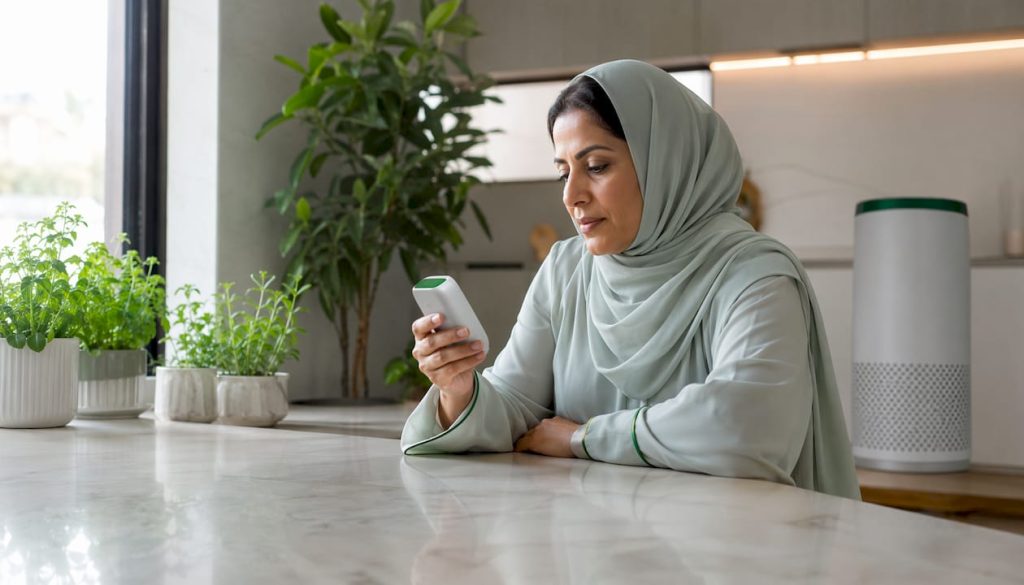
Poor air quality causes both immediate and long-term harm to the body, from respiratory irritation and cardiovascular stress to systemic inflammation and chronic disease. The first action to take is source control: stop the pollutant at its origin. In a UAE home or office, that means running the extractor fan every time you cook, keeping windows closed during sandstorm alerts, and eliminating indoor smoking entirely.
This article covers:
- How pollutants enter and damage the body
- Which people face the highest risk
- Common indoor sources in UAE buildings
- How to measure indoor air quality
- Prioritised mitigation steps (source control → ventilation → filtration → humidity)
- How to choose and size an air purifier
- Costs, timelines, and workplace responsibilities
Table of Contents
- How poor air quality damages the body
- Who is most at risk from poor air quality?
- What are the most common indoor pollution sources?
- How to measure indoor air quality
- Prioritised steps to reduce indoor exposure
- How to choose an air purifier that will actually help
- Typical costs and how quickly you will see improvements
- What employers and building managers should prioritise
- A quick checklist: what to do this week and this month
- Practical insights that most guides overlook
- Filtration and ventilation upgrade costs at a glance
- UK air quality regulations relevant to indoor environments
- Urban vs rural indoor air quality: what actually differs
- Key takeaways
- A note from the Cleanair-ae editorial team
- Authoritative sources and further reading
How poor air quality damages the body
PM2.5 penetrates deep into lung tissue and crosses into the bloodstream, triggering systemic inflammation that affects the heart, brain, and metabolic system, not just the lungs. That is why the role of air quality in health extends well beyond breathing difficulties.
Key pollutant types and their effects:
- PM2.5: Fine particles (30 times thinner than a human hair) that reach deep lung tissue, impair blood vessel function, and accelerate arterial calcification.
- NO2: Linked to airway inflammation and increased asthma severity; elevated near roads and in poorly ventilated kitchens.
- Ozone: Irritates airways at ground level; worsens asthma and reduces lung function even at moderate concentrations.
- VOCs: Emitted by cleaning products, paints, and furnishings; cause headaches, eye irritation, and at high exposure, organ damage.
- Bioaerosols: Mould spores, bacteria, and allergens that trigger allergic reactions and respiratory infections.
Combined ambient and household air pollution-air-quality-and-health) is associated with approximately 6.7 million premature deaths annually, with 68% of those deaths due to ischaemic heart disease and stroke. Short-term spikes cause immediate symptoms; long-term exposure raises the risk of heart disease, stroke, lung cancer, and diabetes.
Pro Tip: If anyone in your household has unexplained headaches or fatigue that ease when they leave the building, poor indoor air quality is a likely factor worth investigating before assuming illness.
Who is most at risk from poor air quality?
Children, pregnant people, older adults, and those with chronic conditions face the greatest harm from air pollution, and the reasons differ by group.
- Children: Developing lungs are more permeable to fine particles. PM2.5 exposure is linked to reduced lung development, increased asthma incidence, and changes in brain structure that raise the risk of cognitive and emotional problems later in life.
- Pregnant people: Prenatal PM2.5 exposure is associated with pre-term birth, low birth weight, and increased risk of cerebral palsy. Exposure to traffic-related air pollution also raises the risk of hypertensive disorders during pregnancy.
- Older adults: Reduced immune function and existing cardiovascular or respiratory conditions amplify the impact of every exposure. Long-term PM2.5 exposure is linked to increased dementia risk.
- People with chronic disease: Asthma, COPD, and heart disease are all worsened by elevated particulate and gas concentrations indoors.
- Workers in poorly ventilated buildings: Prolonged daily exposure in offices or warehouses without adequate filtration accumulates risk over years.
A significant portion of the global population is exposed to dangerous levels of household air pollution. For vulnerable groups, even low concentrations of indoor pollutants can trigger adverse health effects.
What are the most common indoor pollution sources?
Cooking is the single largest indoor source in most UAE homes: gas hobs and high-heat cooking release NO2, CO, and fine particles directly into living spaces. Tobacco smoke, incense, and scented candles add VOCs and PM2.5. Cleaning chemicals, paints, and adhesives off-gas VOCs. Building materials, particularly older ones, can release formaldehyde. Damp and mould produce bioaerosols that persist in air-conditioned environments where condensation collects.

Outdoor pollution also enters. Desert dust episodes-air-quality-and-health) introduce mineral particulates, including sulfates and black carbon, through gaps around doors, windows, and HVAC intakes. In UAE coastal cities, humidity-driven mould compounds the problem.
Building factors that worsen indoor air: recirculating HVAC systems without adequate filtration, fabric furnishings that trap allergens, and persistent damp in bathrooms or around air-conditioning units. For more detail on common indoor pollutant sources, the Cleanair-ae family guide covers each category.
Pro Tip: Symptoms that ease when you leave the building and return when you come back are a reliable sign of a building-related source. Check for visible mould, blocked vents, or a recently installed product before assuming an external cause.
How to measure indoor air quality
The four most actionable metrics are PM2.5, CO2 (as a ventilation proxy), relative humidity, and VOCs. Air quality measurement for families is covered in detail on the Cleanair-ae blog, but the table below gives the essentials.
| Metric | What it indicates | Action threshold | What to do |
|---|---|---|---|
| PM2.5 | Fine particle concentration | Above 12 µg/m³ (annual mean) | Improve filtration; reduce sources |
| CO2 | Ventilation adequacy | Above 1,000 ppm | Increase fresh air supply |
| Relative humidity | Mould and comfort risk | Below 30% or above 50% | Use humidifier or dehumidifier |
| VOCs | Off-gassing from materials/products | Elevated readings | Identify and remove source; ventilate |
Consumer PM2.5 monitors, standalone CO2 monitors, and combined IAQ monitors with smartphone connectivity are all available at accessible price points. During desert dust events, outdoor PM2.5 spikes transfer indoors within minutes through gaps and HVAC intakes, so monitoring during and after sandstorm alerts is particularly useful in the UAE.
- PM2.5 monitors: portable, battery-powered, suitable for any room
- CO2 monitors: most useful in meeting rooms and bedrooms
- Combined IAQ monitors: measure PM2.5, CO2, humidity, and VOCs in one unit
Prioritised steps to reduce indoor exposure
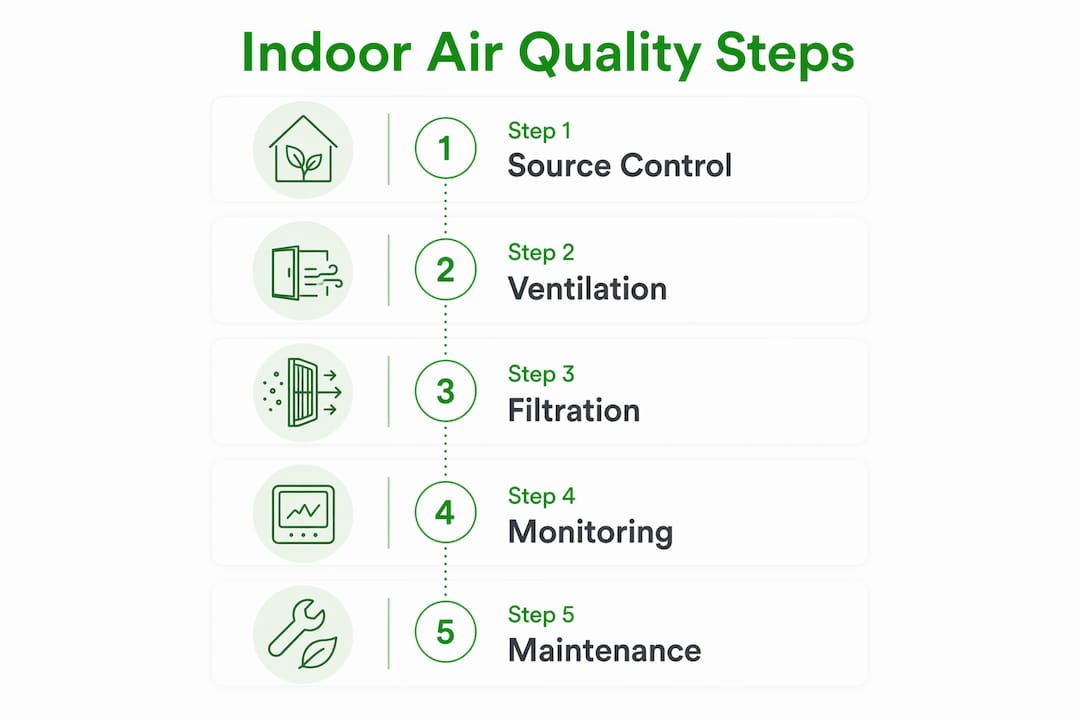
Source control delivers the largest gains, followed by ventilation, then filtration, with humidity management and behaviour changes supporting all three. Relying on a single device without addressing the source is the most common mistake.
- Source control: Run extractor fans during and after cooking. Ban indoor smoking. Switch from gas to induction where possible. Choose low-VOC cleaning products and paints.
- Ventilation: Open windows strategically when outdoor air quality is good. Use localised exhaust fans in bathrooms and kitchens. Ensure HVAC systems bring in fresh outdoor air rather than recirculating only.
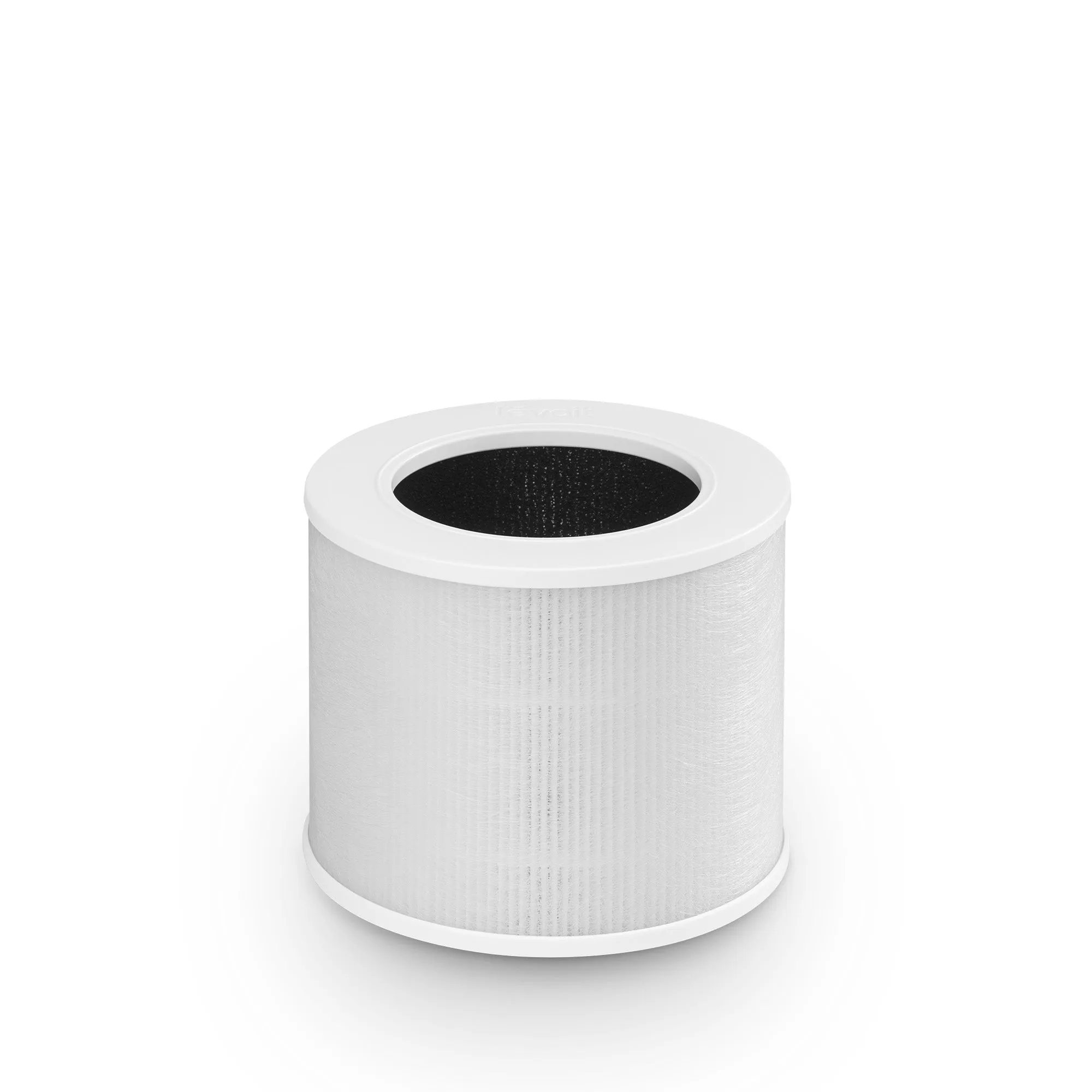
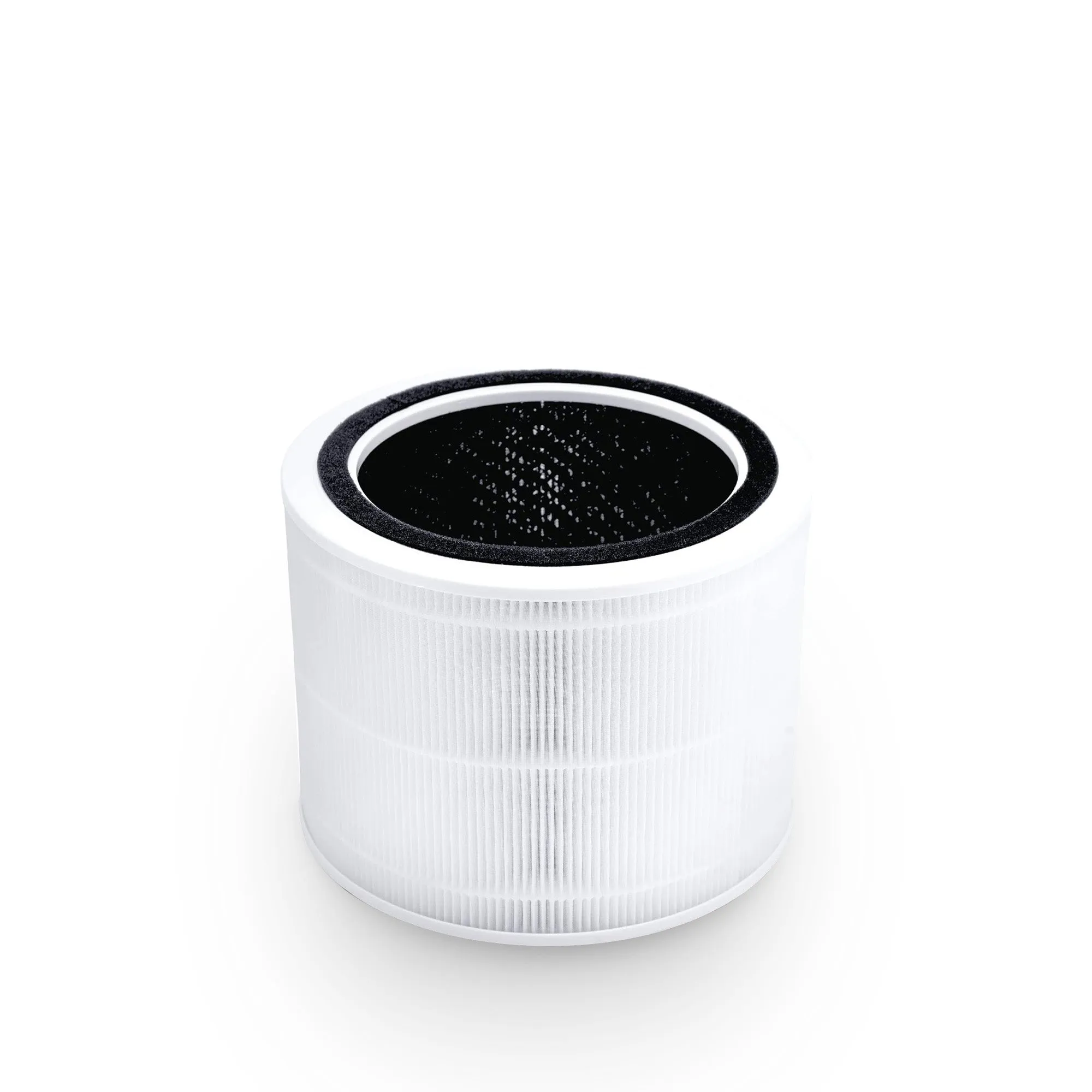
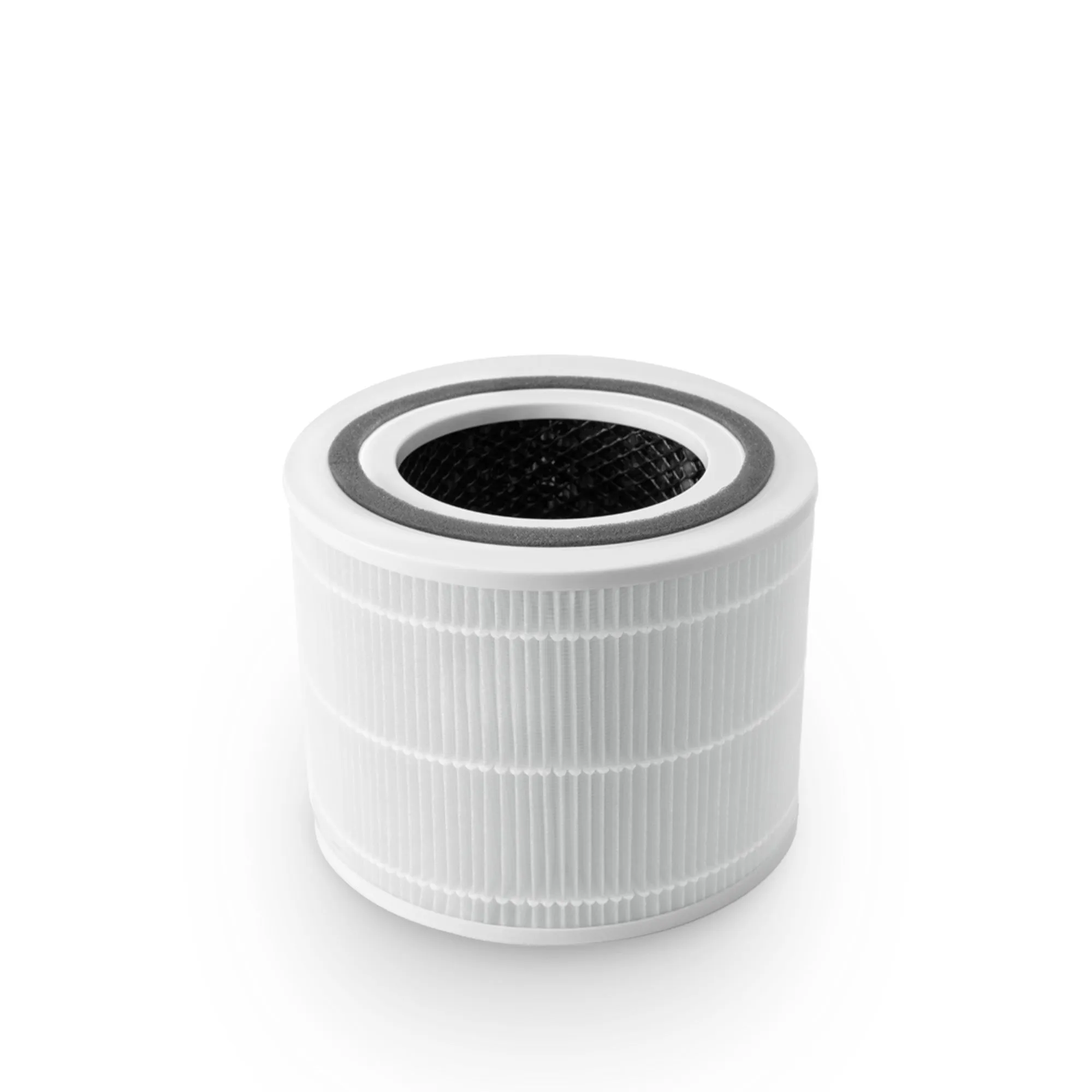
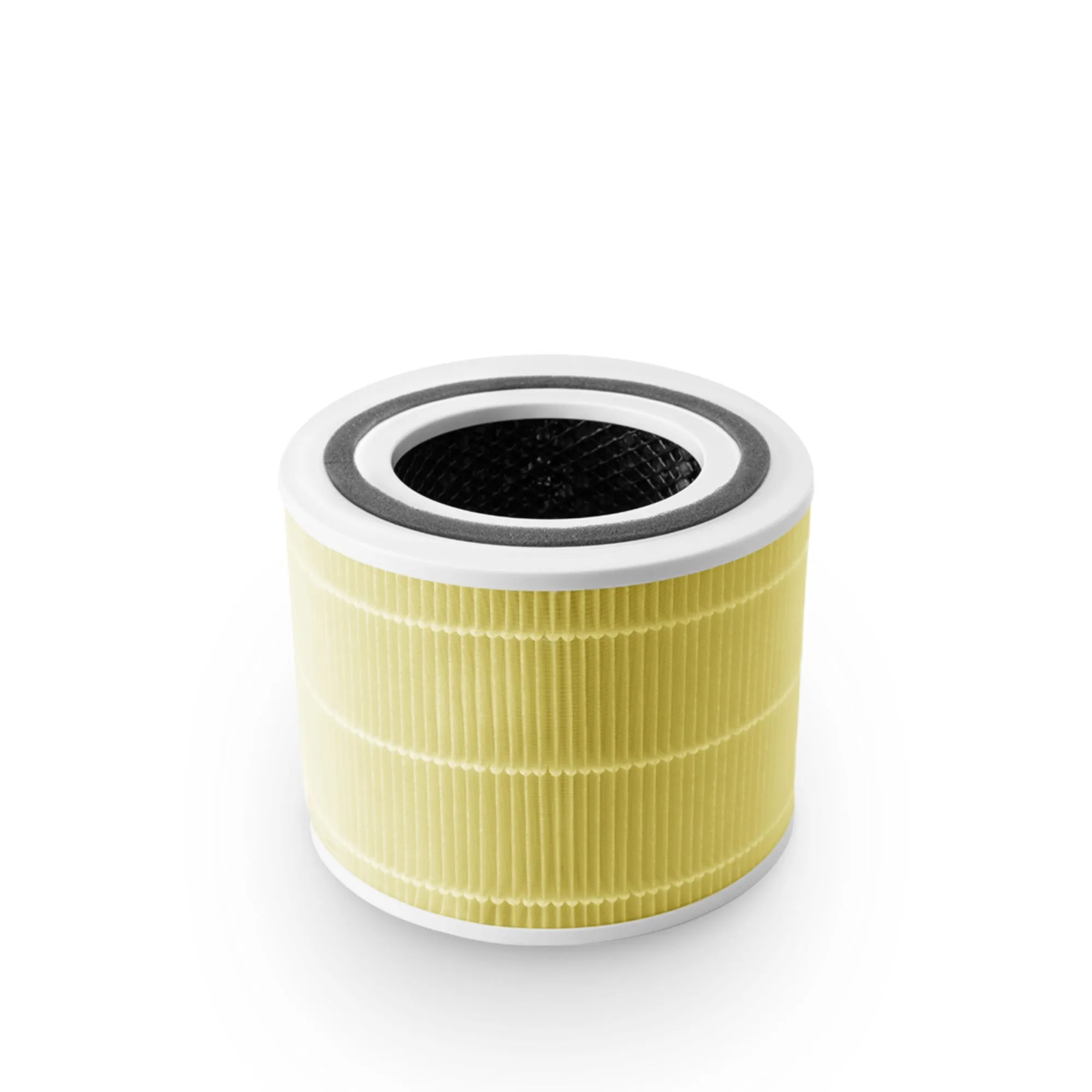
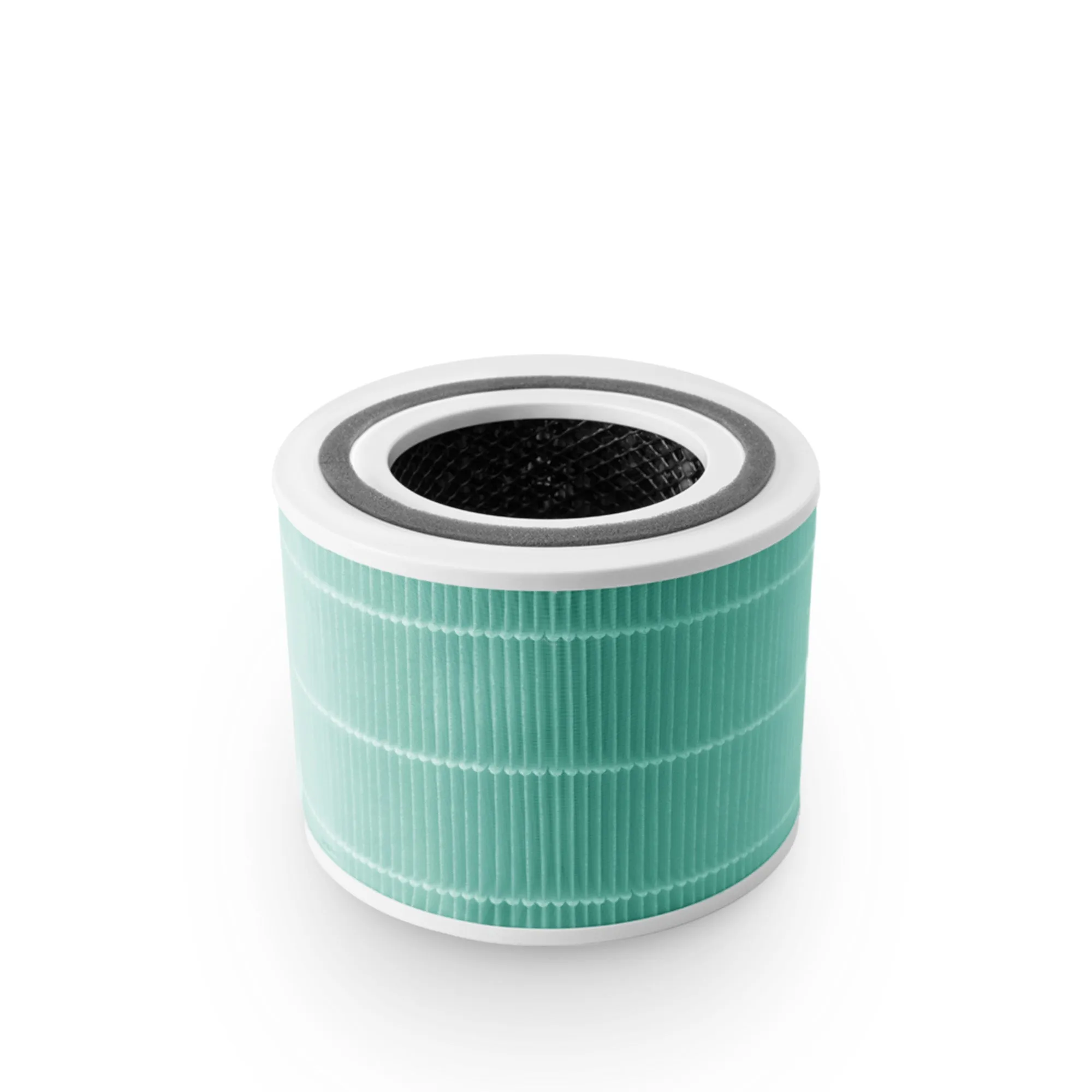
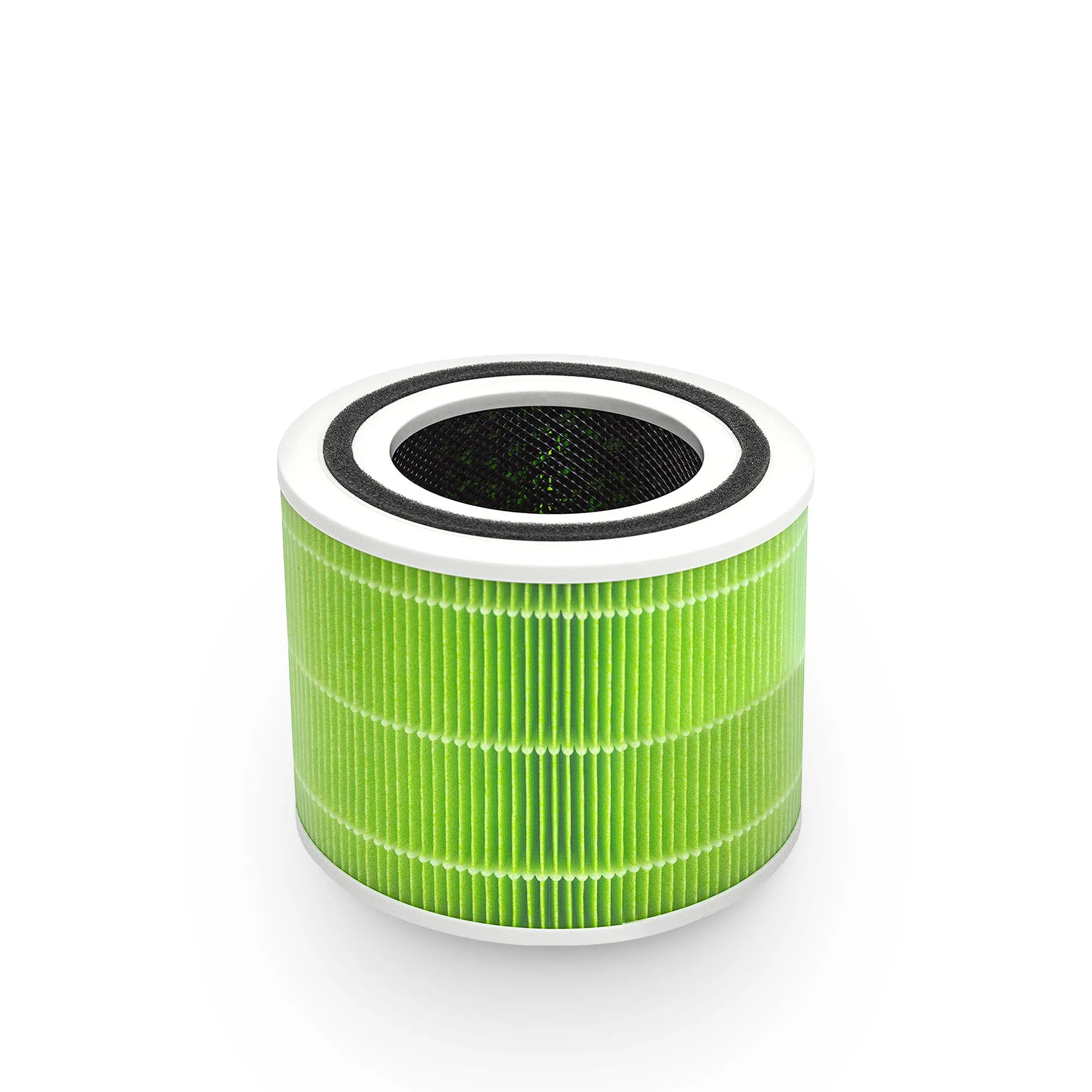
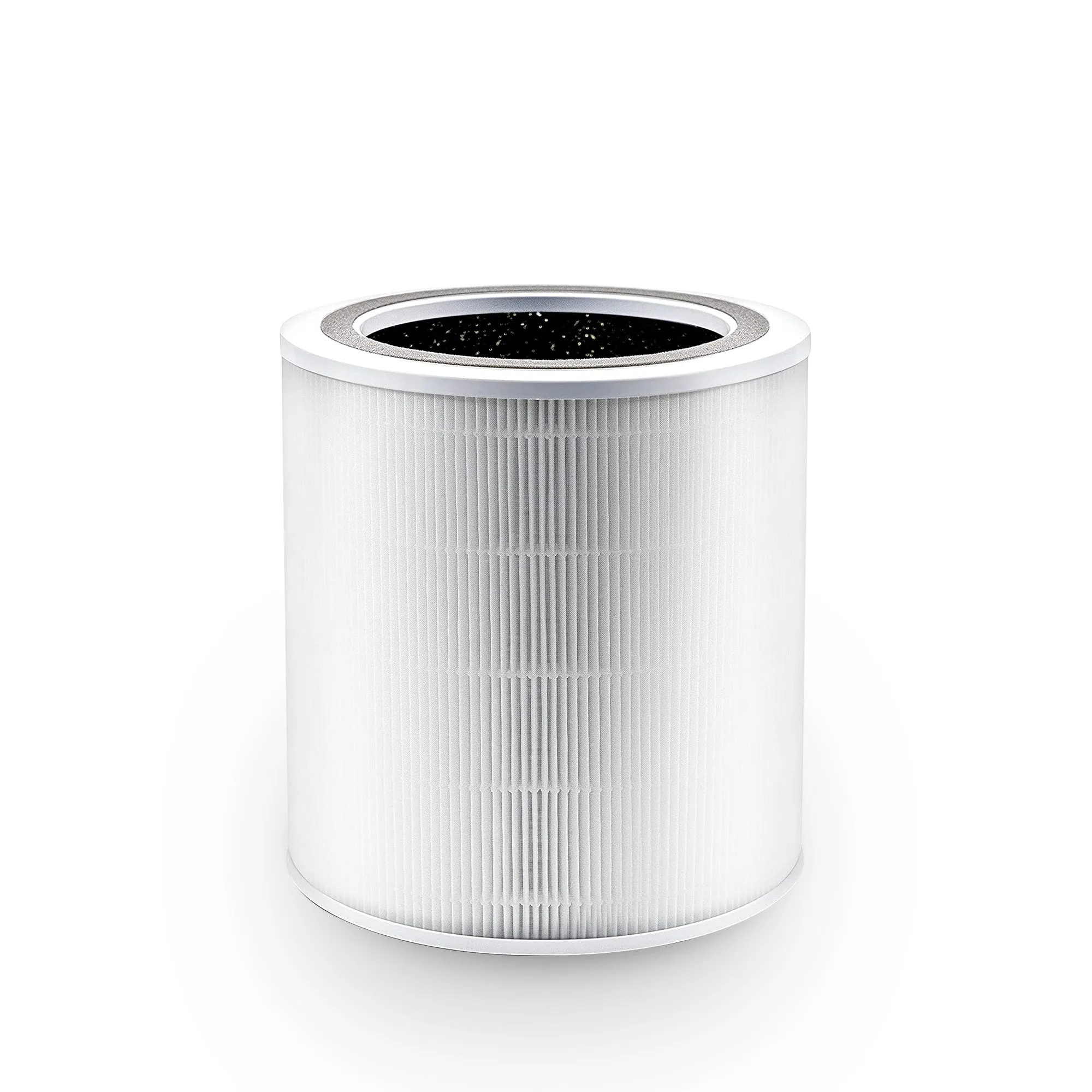
- Filtration: Upgrade HVAC filters to MERV-13 or higher. Add portable HEPA purifiers in bedrooms and main living areas.
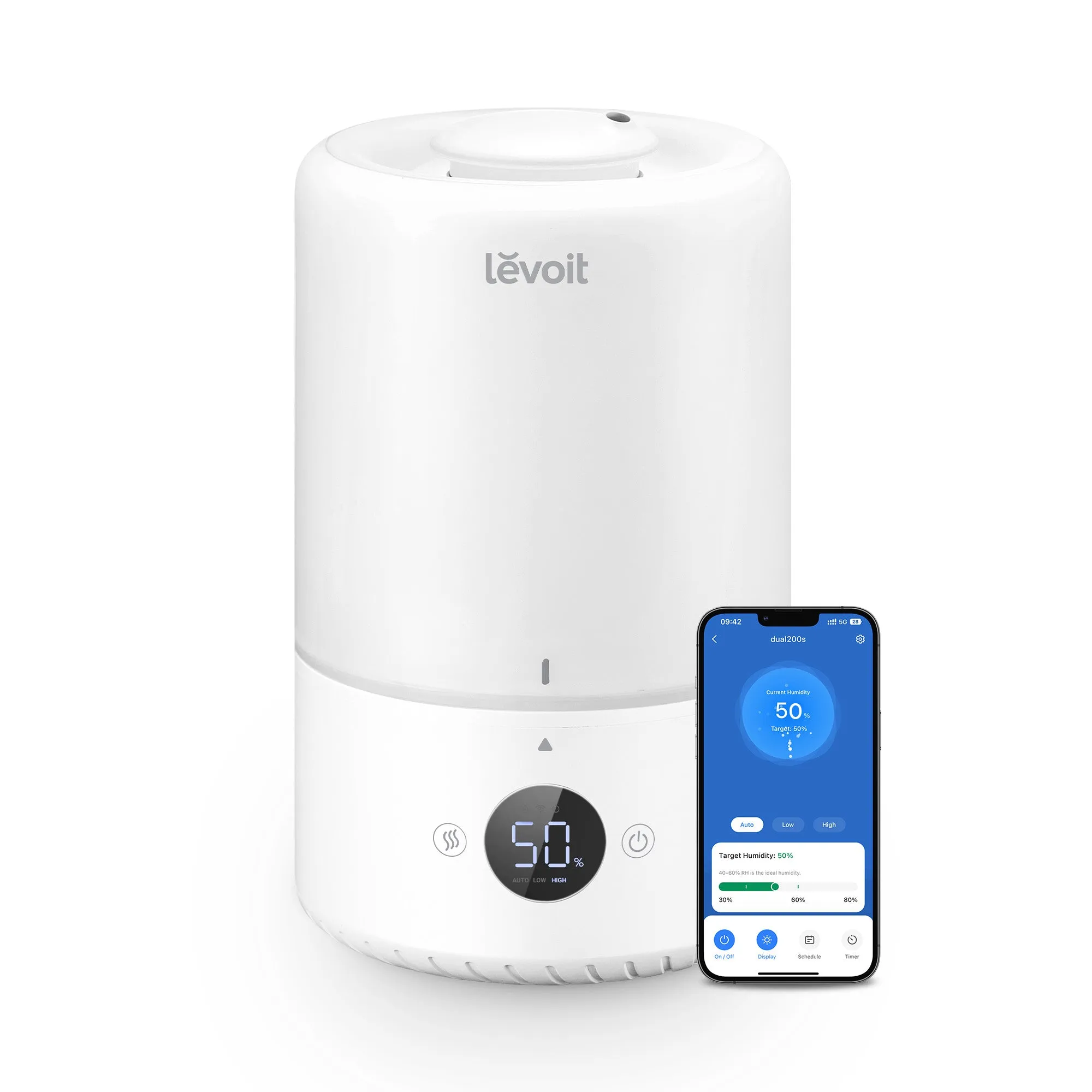
- Humidity control: Keep relative humidity between 40% and 50%. In UAE coastal buildings, air conditioning often over-dries the air in winter; a humidifier corrects this. In summer, condensation around AC units can drive mould growth. Guidance on preventing dry indoor air and on mould prevention with humidifiers covers both scenarios.
Pro Tip: Combining source control with engineering controls (filtration and ventilation) consistently outperforms filtration alone in trials. An air purifier cannot fix a mould problem or compensate for a blocked exhaust vent.
How to choose an air purifier that will actually help
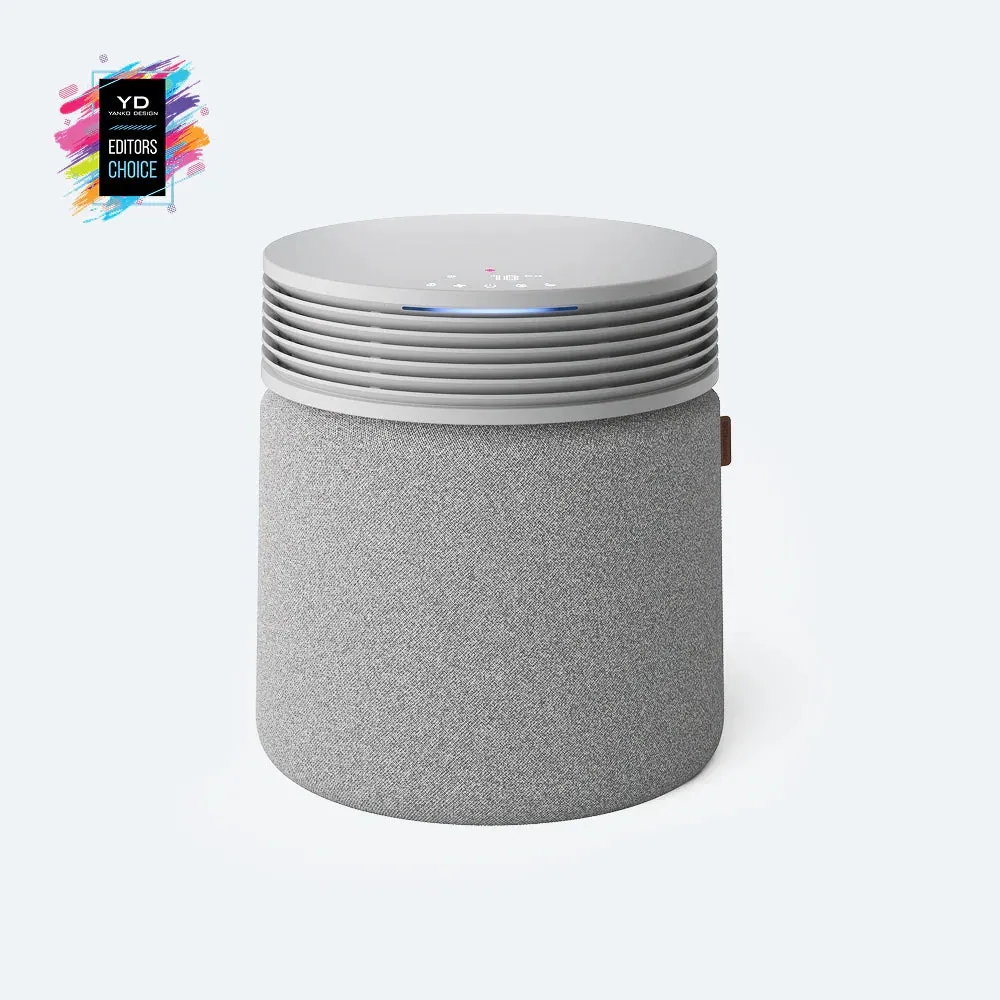
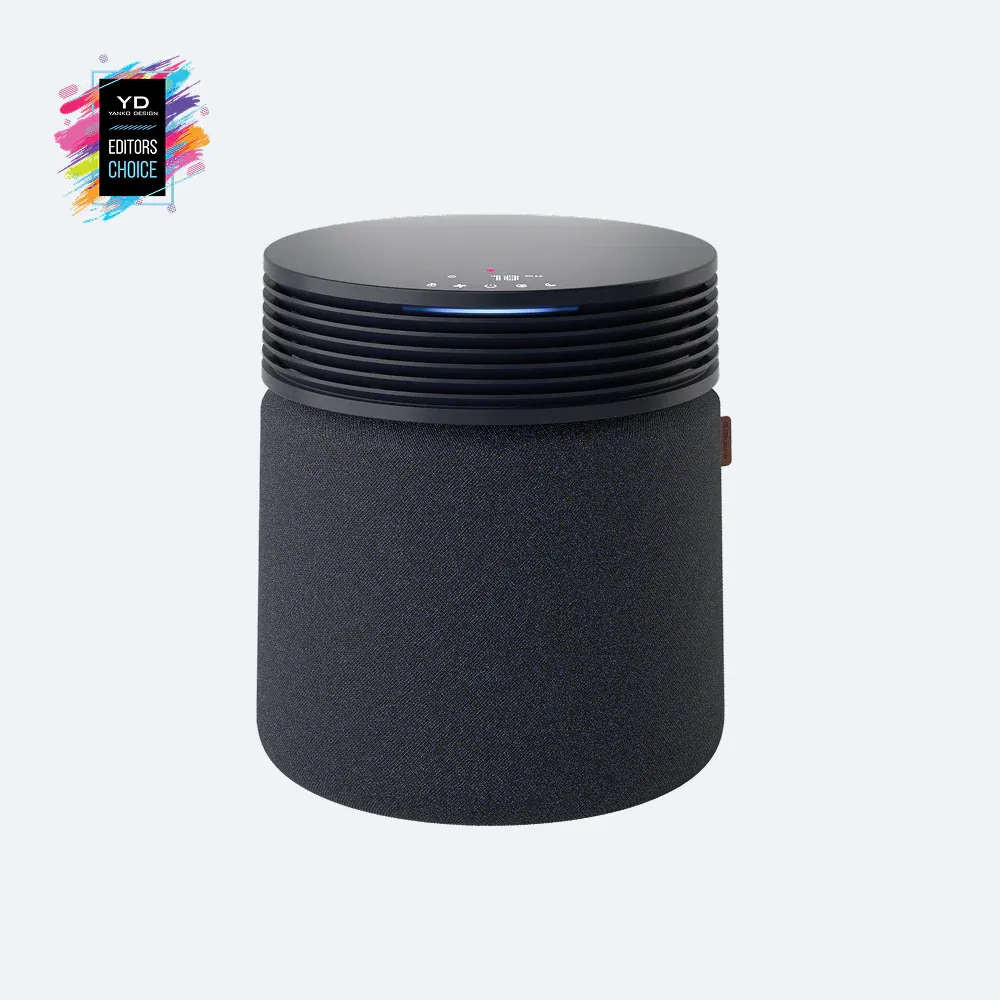
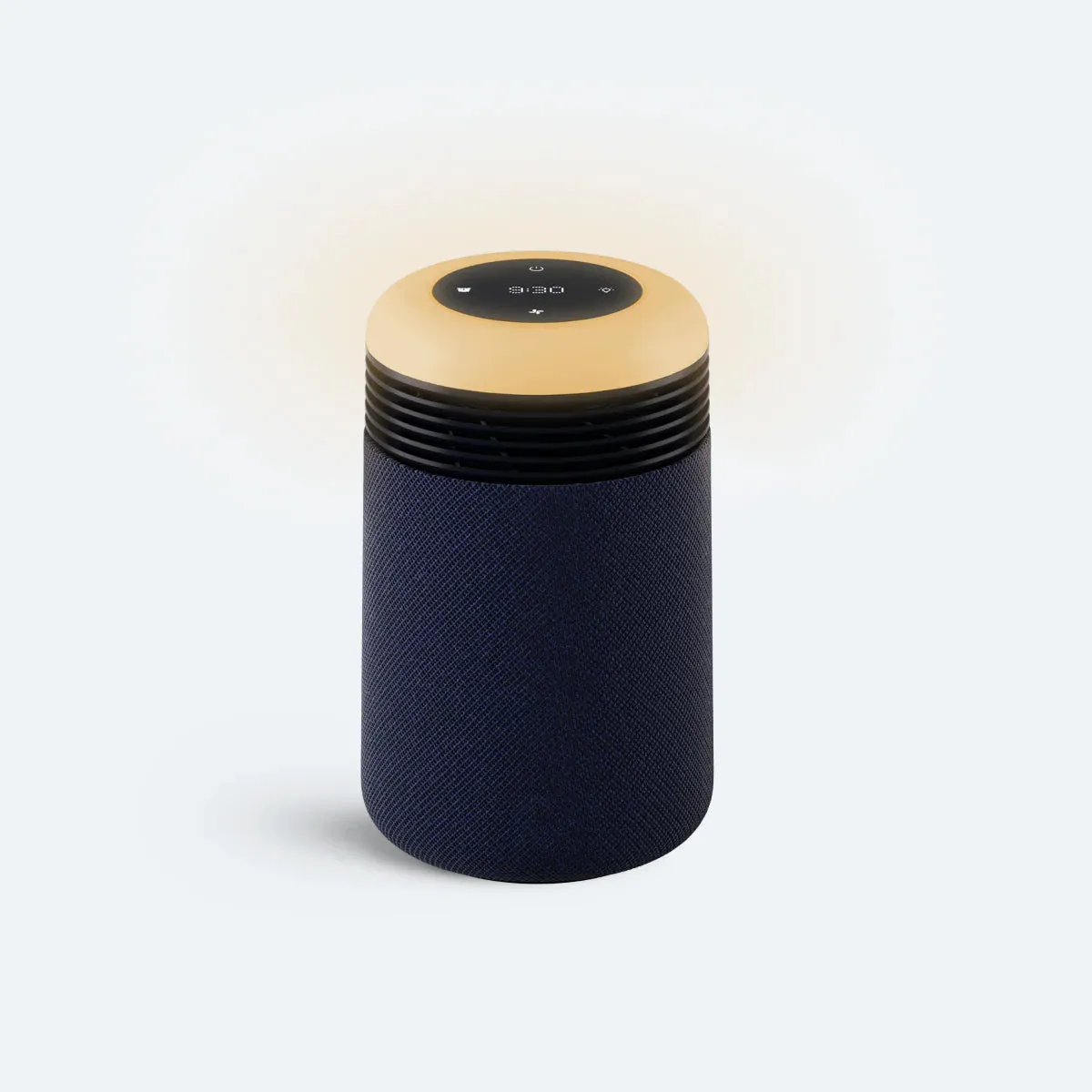
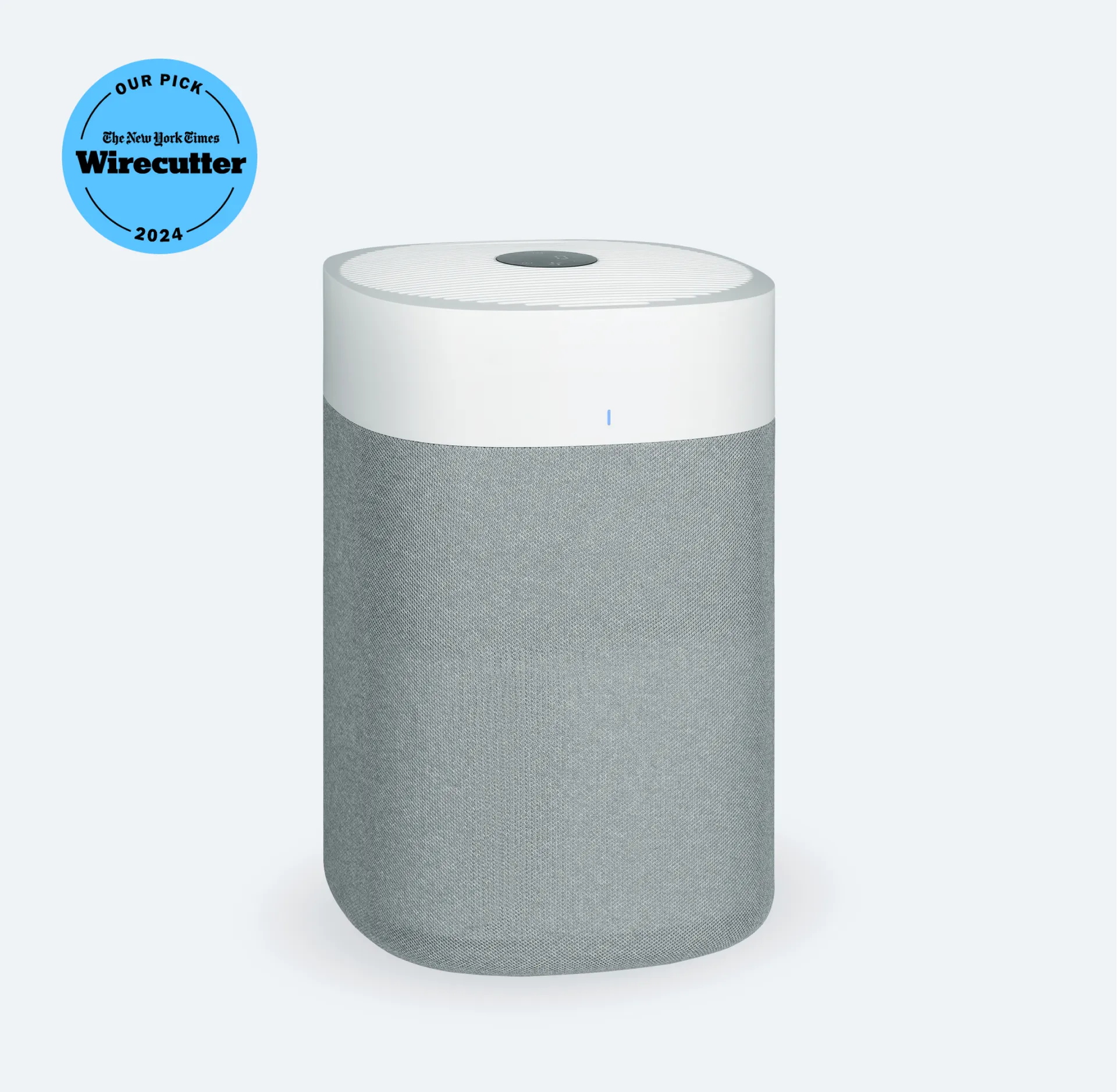
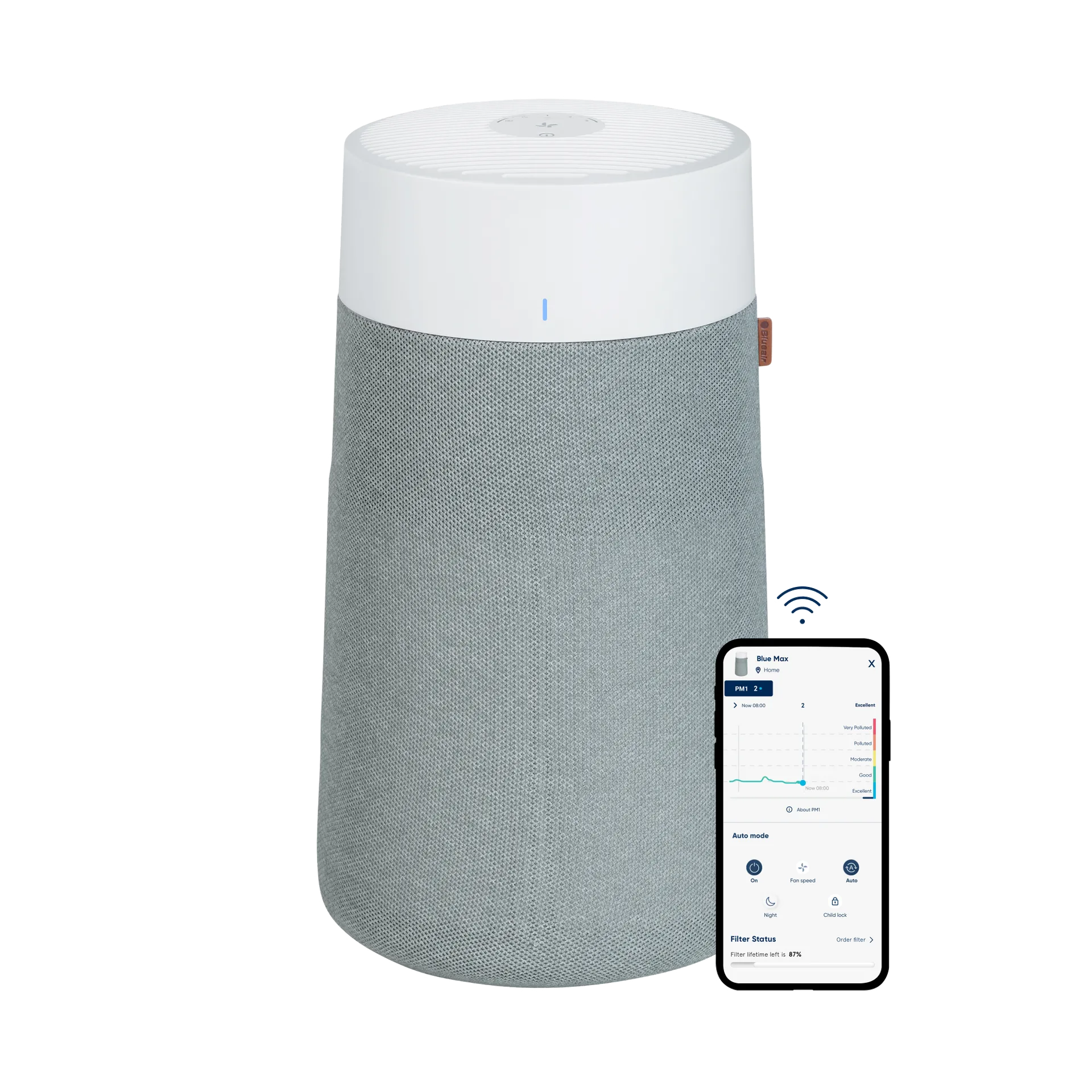
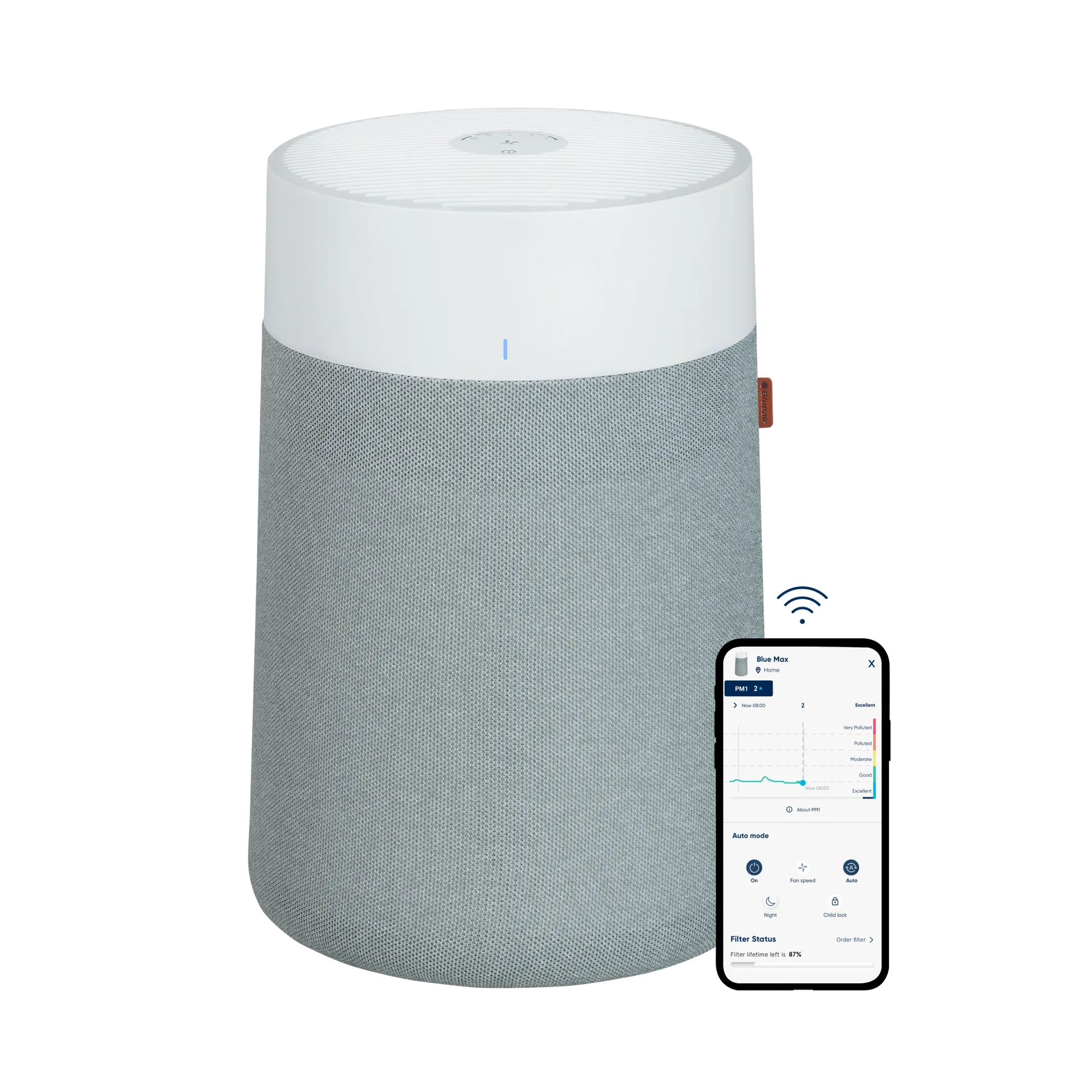
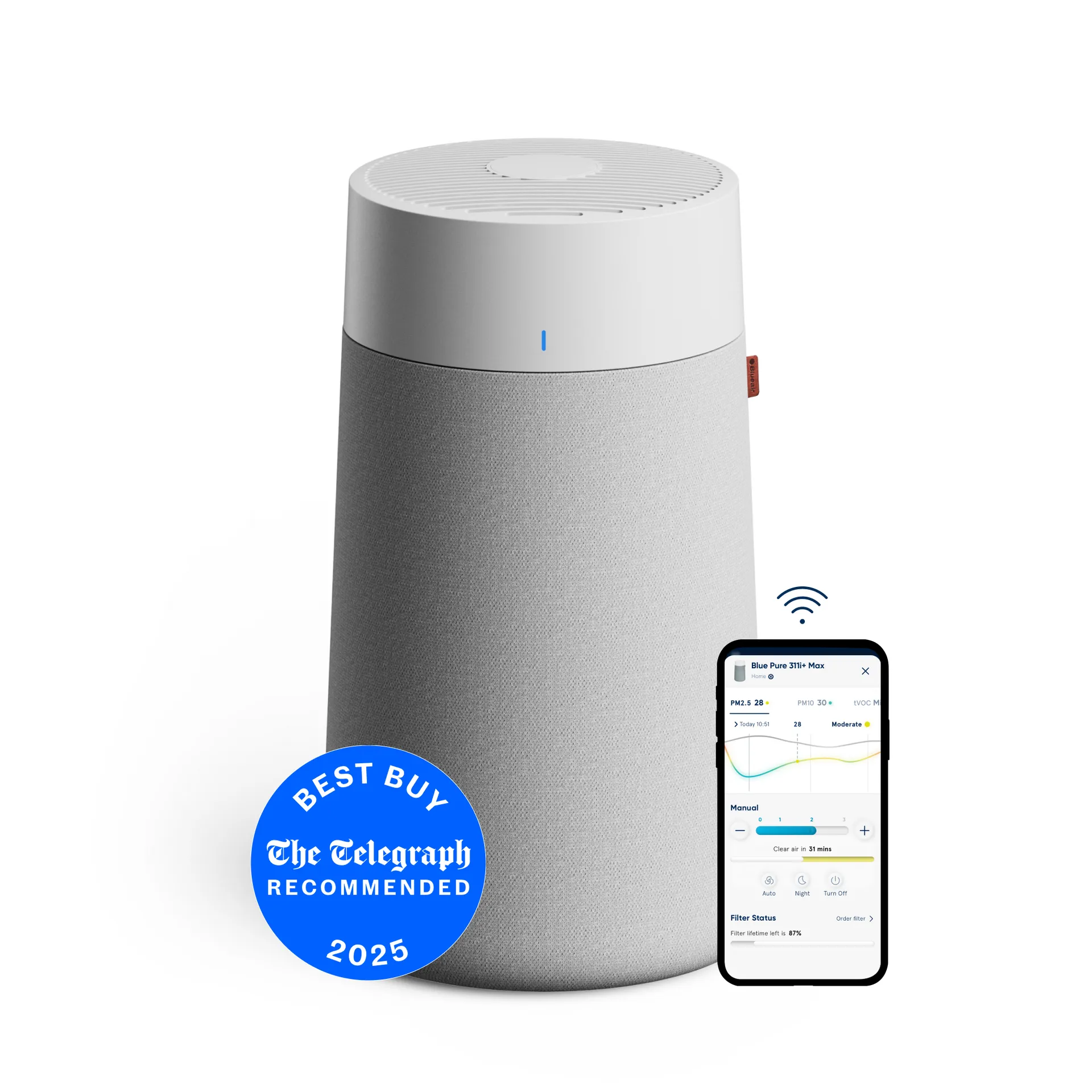
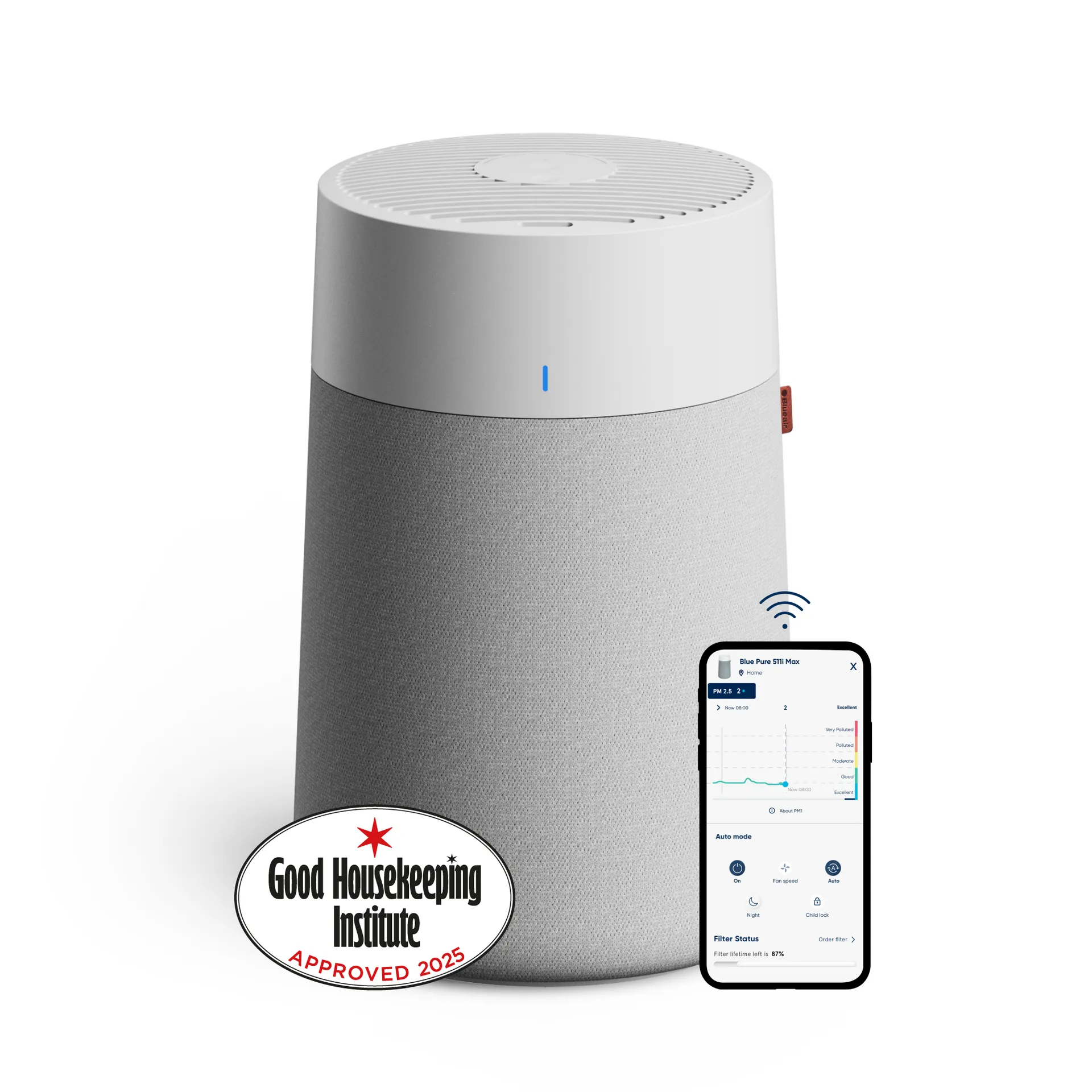
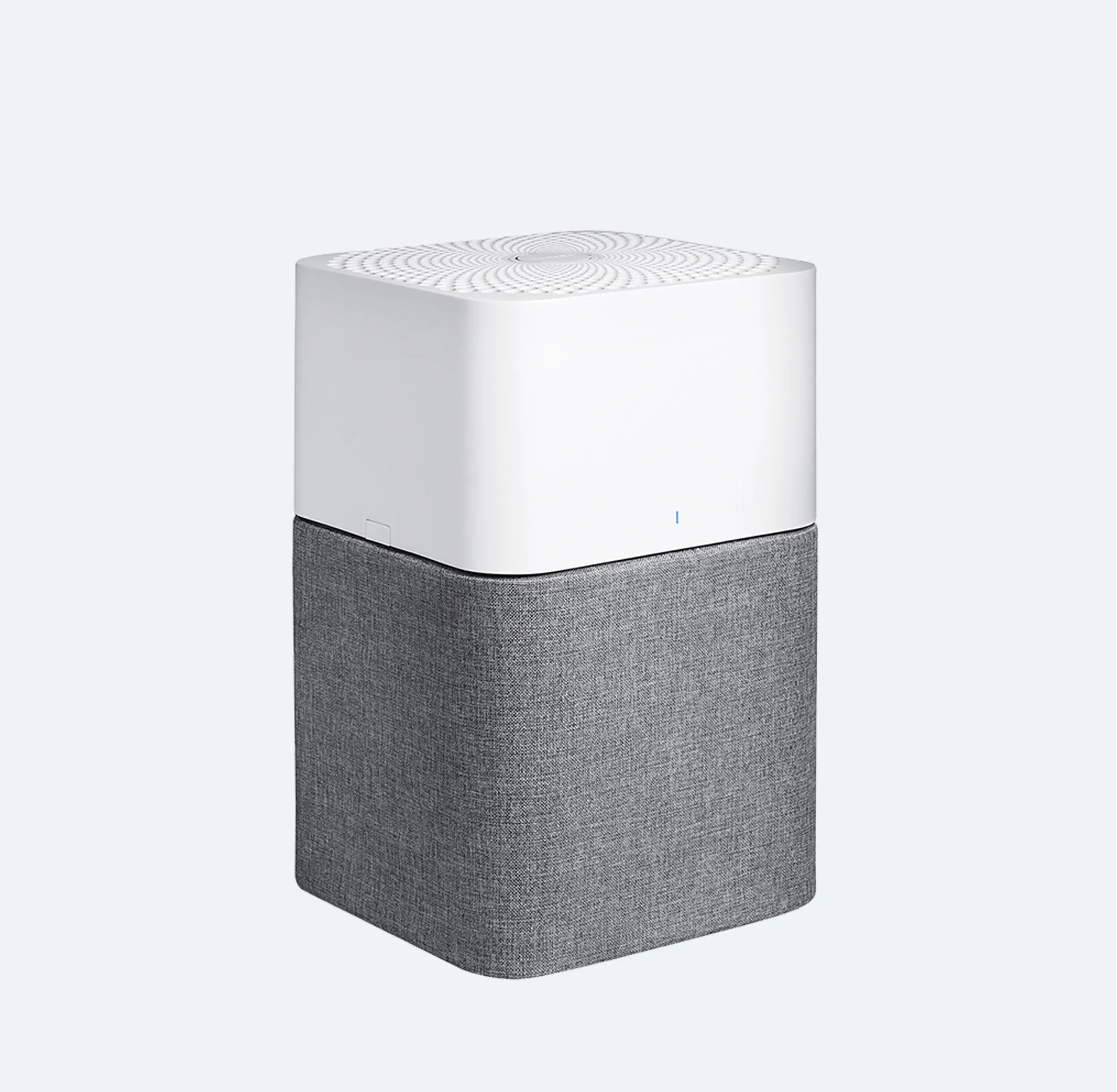
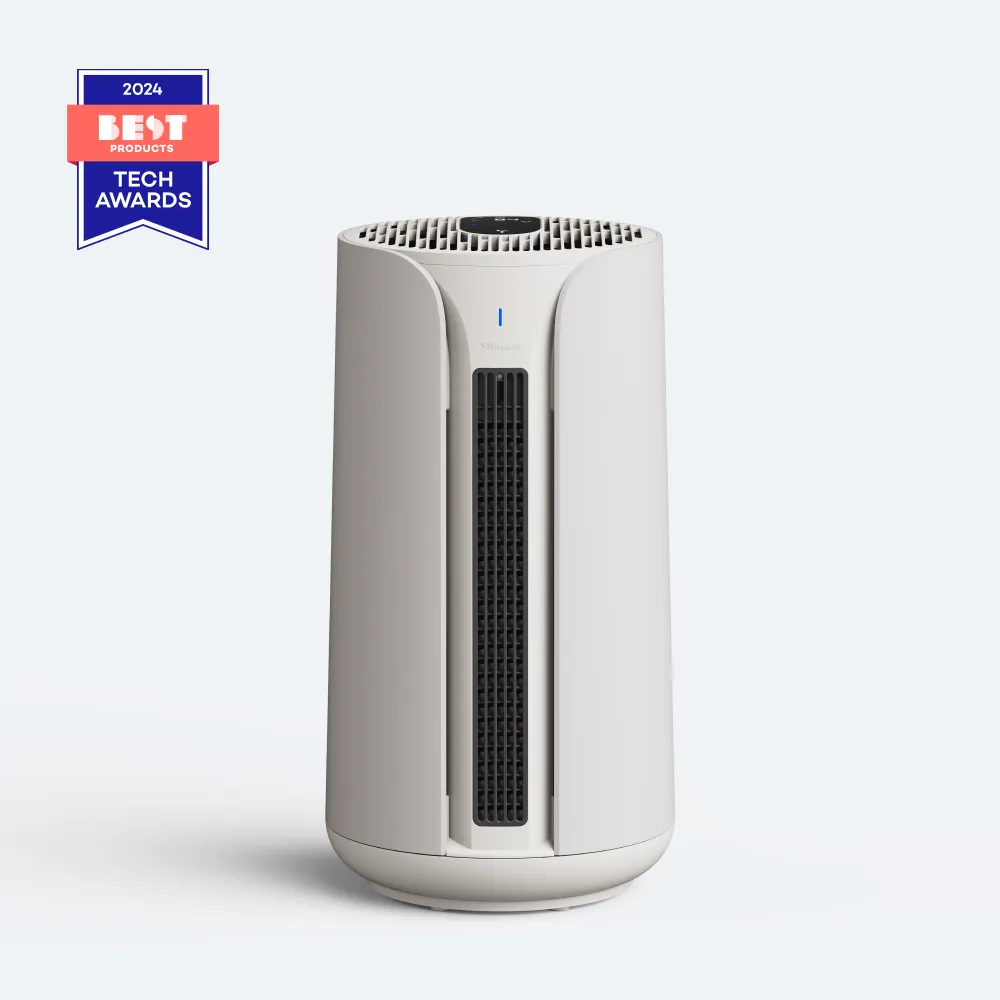
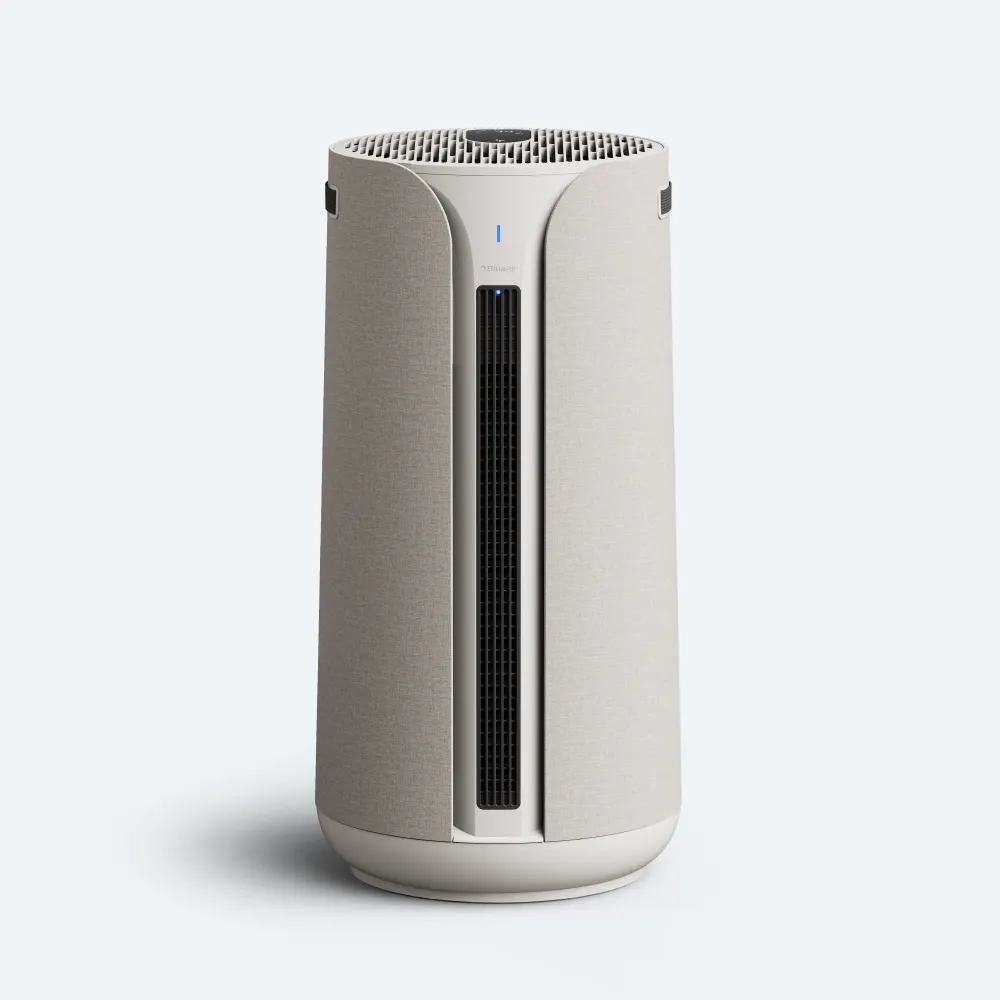
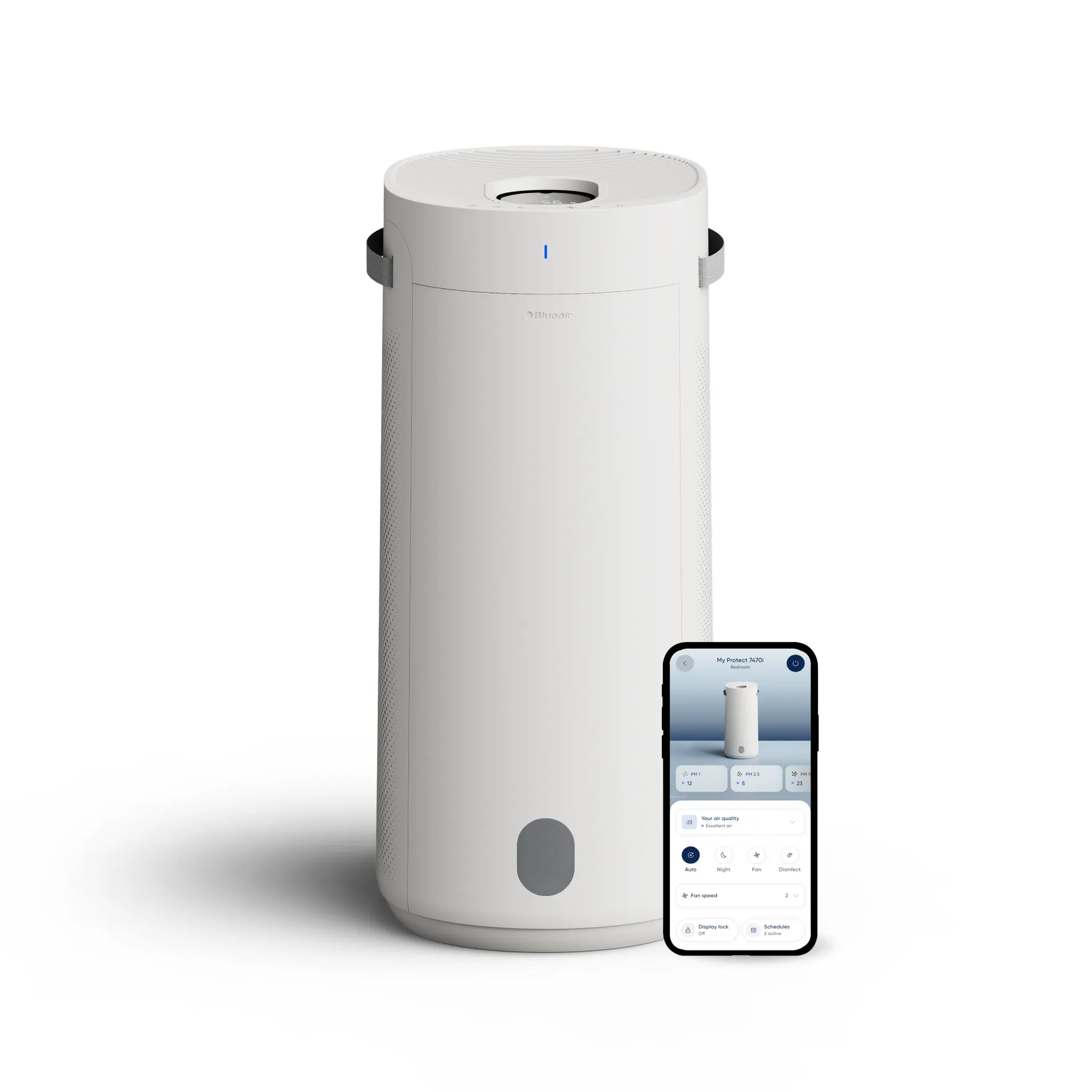
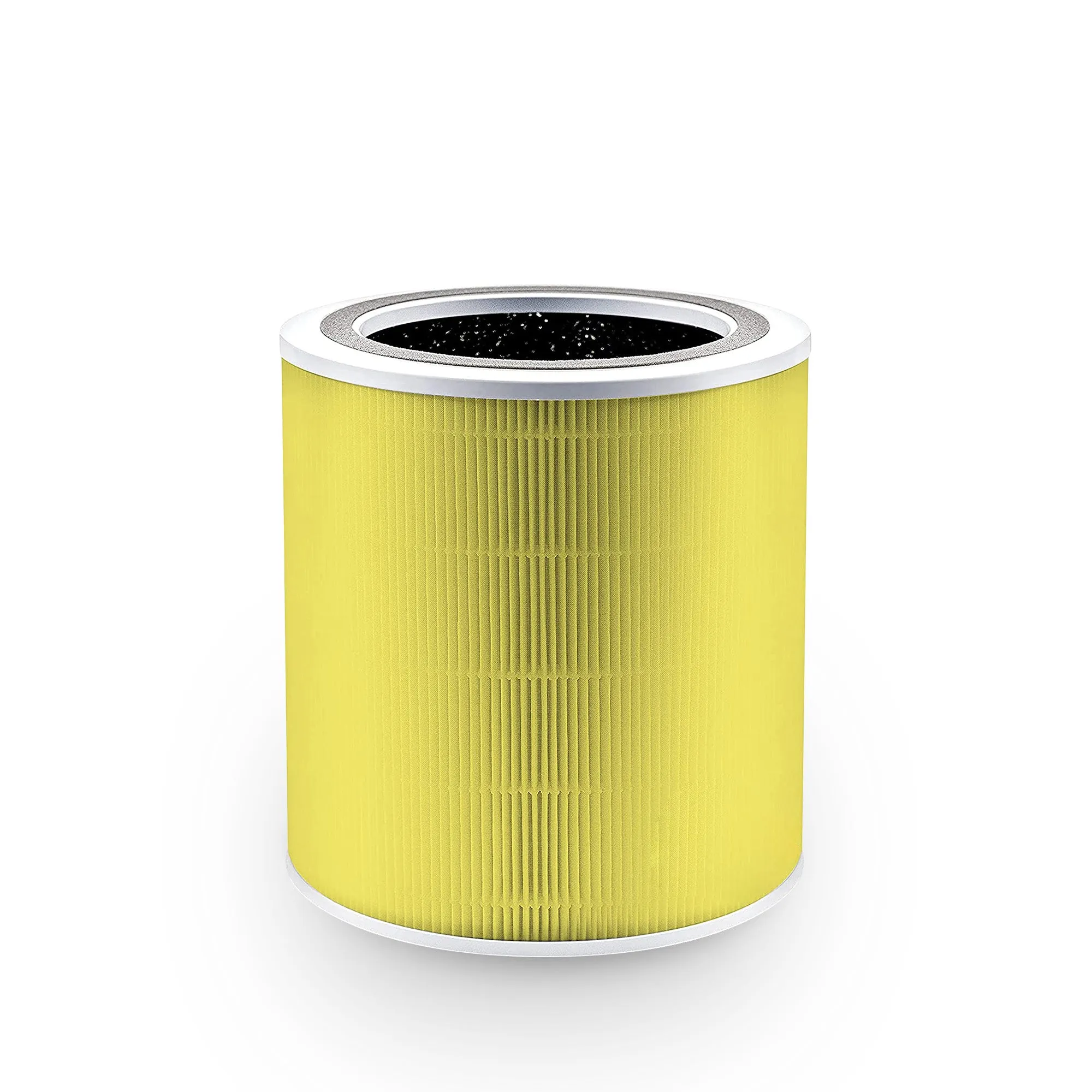
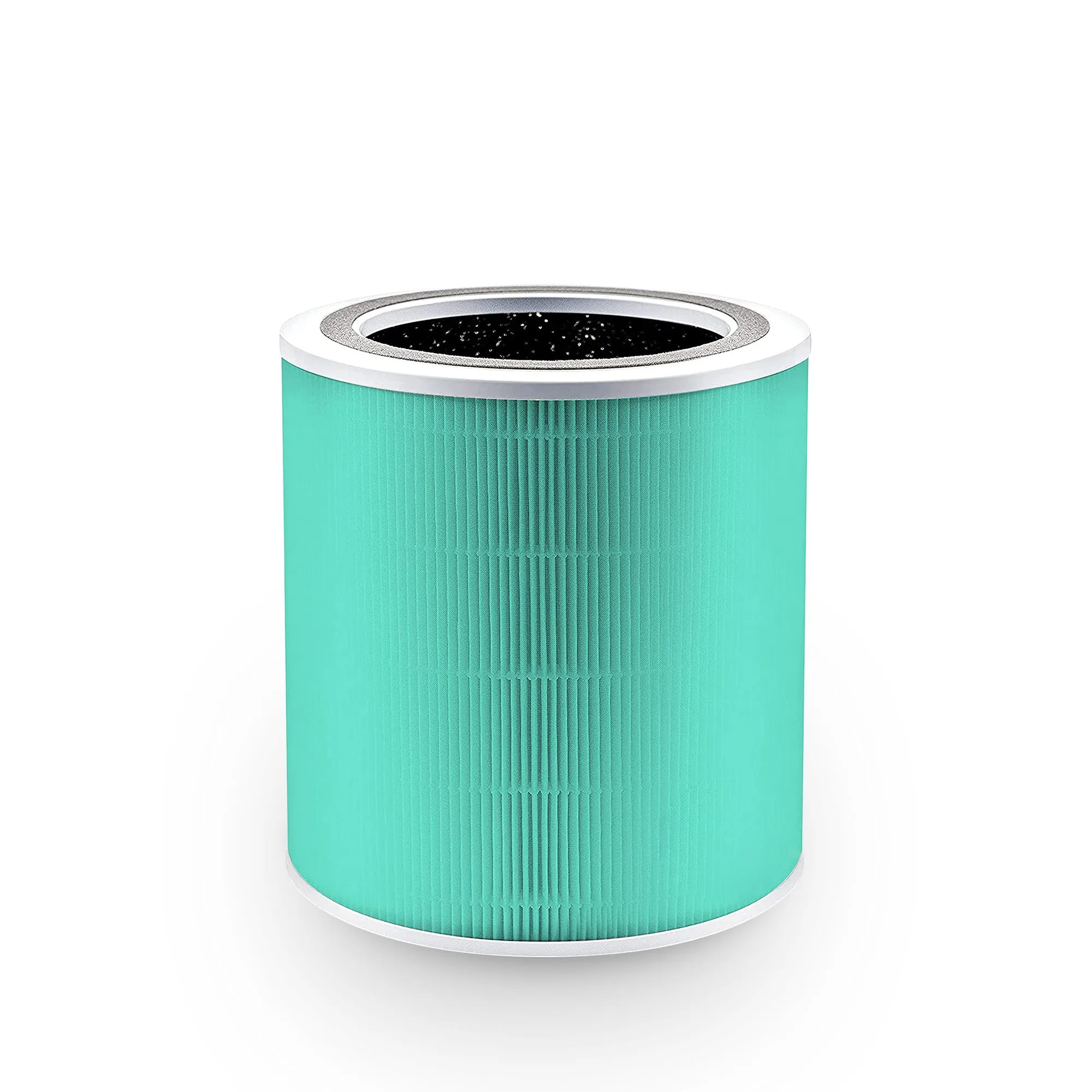
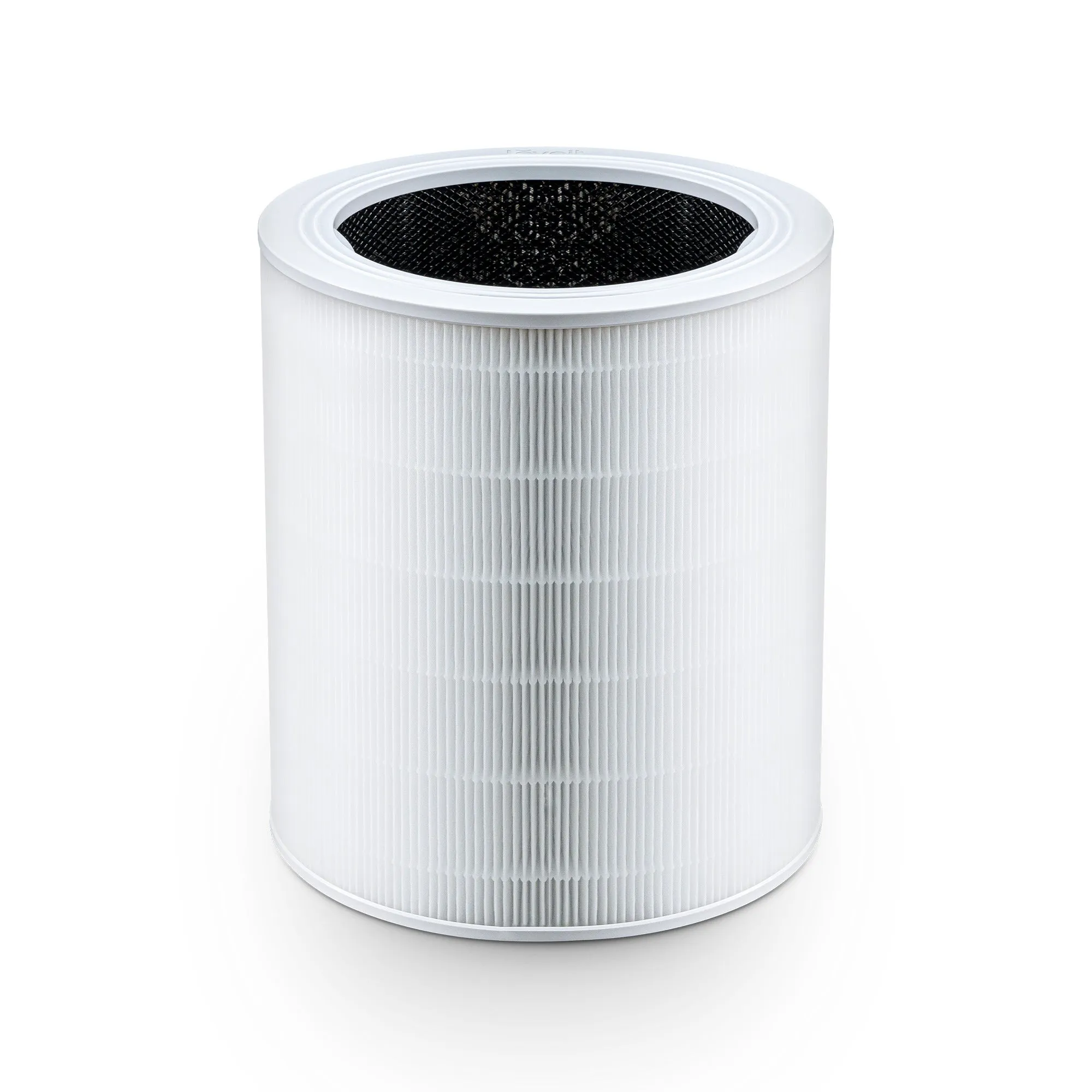
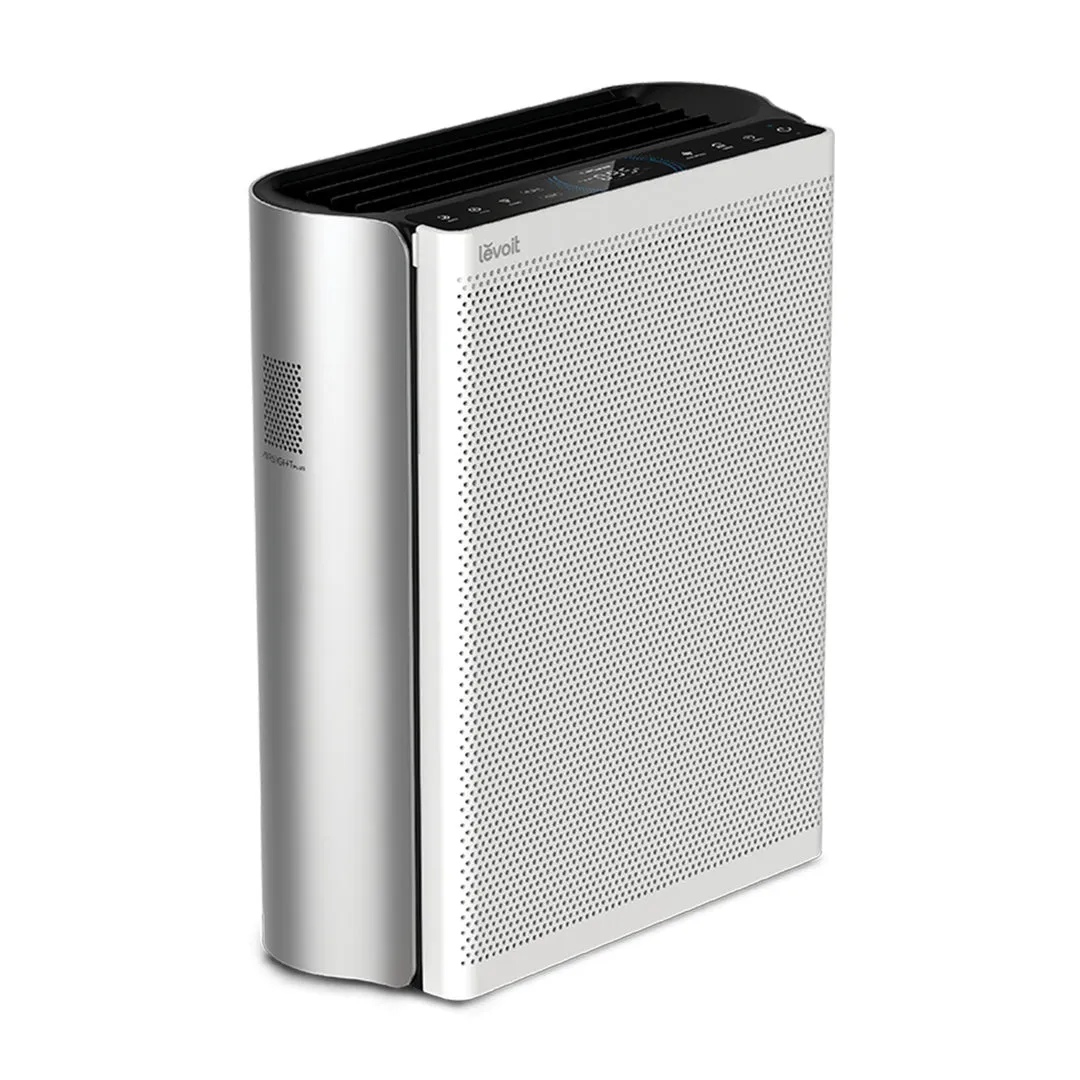
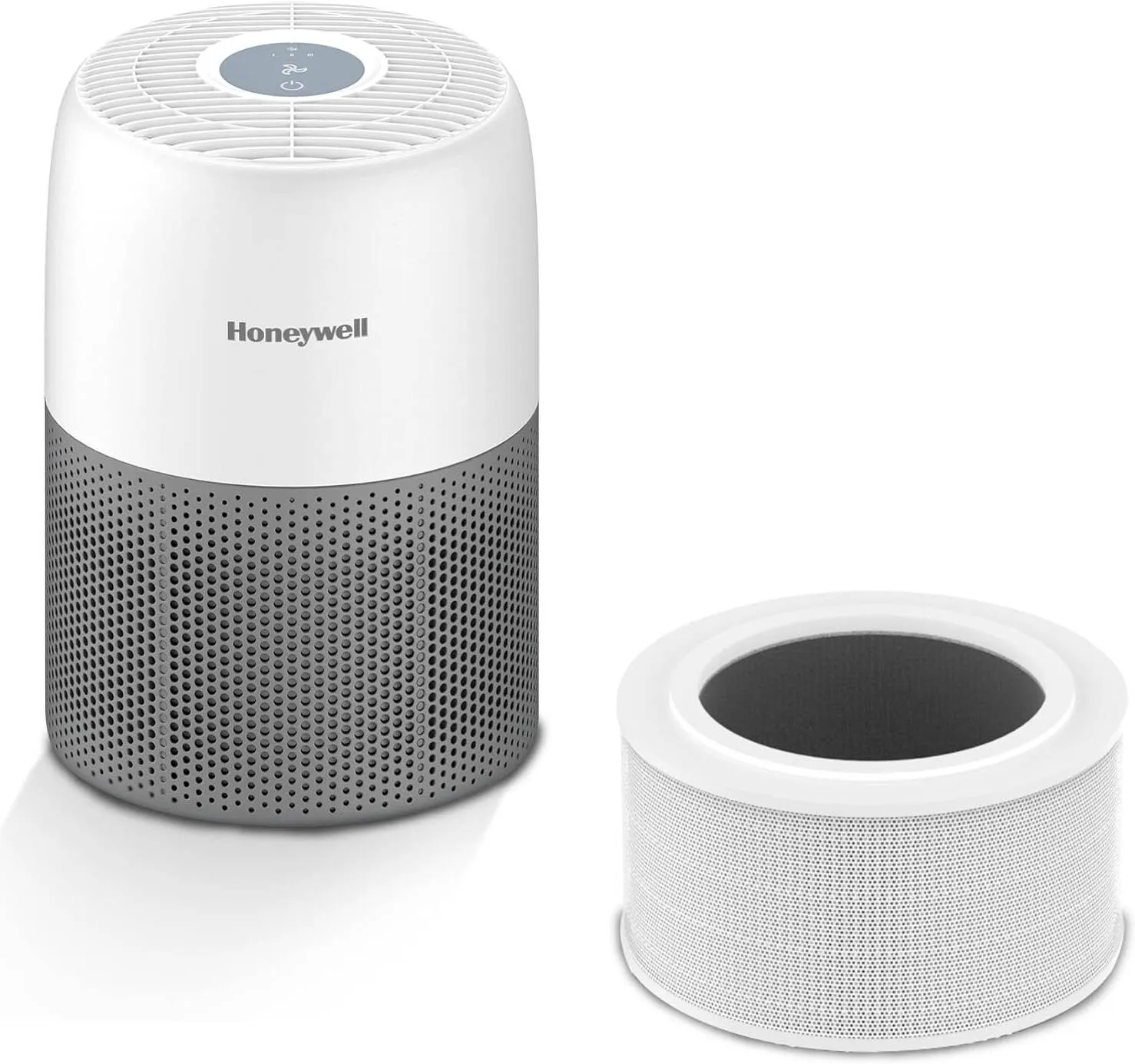
The key checks are true HEPA filtration, a CADR (Clean Air Delivery Rate) matched to your room size, verified removal for your specific pollutants, and realistic maintenance costs. The Cleanair-ae air purifier buying guide walks through each step in full.
- Calculate required CADR: Multiply room area (m²) by ceiling height (m) to get volume, then aim for a purifier that cycles that volume at least 4–5 times per hour.
- Check filter type: True HEPA captures particles down to 0.3 µm. Add an activated carbon layer for VOCs and odours. Avoid units that produce ozone as a by-product.
- Check noise: Bedroom units should run below 35 dB on the lowest setting.
- Factor in running costs: Filter replacement frequency and electricity draw matter as much as the purchase price.
- Verify certifications: Look for independently tested CADR figures rather than manufacturer claims alone.
Pro Tip: A purifier sized for a 20 m² room placed in a 50 m² open-plan office will not deliver meaningful air quality improvement. Size first, then buy.
Typical costs and how quickly you will see improvements
Entry-level portable purifiers suitable for a single bedroom start from around AED 200–400. Mid-range units with true HEPA and activated carbon, appropriate for living rooms up to 40 m², typically cost AED 600–1,200. High-end models for larger spaces or commercial use range from AED 1,500 upwards. HVAC filter upgrades to MERV-13 add a modest cost at the next scheduled service.
| Intervention | Typical upfront cost | Recurring cost | Time to measurable IAQ change |
|---|---|---|---|
| Portable HEPA purifier (bedroom) | AED 200–400 | Filter every 6–12 months | Hours to days |
| Mid-range purifier (living room) | AED 600–1,200 | Filter every 6–12 months | Hours to days |
| HVAC filter upgrade (MERV-13) | AED 100 per filter | Every 3–6 months | Days |
| CO2 or PM2.5 monitor | — | None (or calibration) | Immediate readings |
Pollutant concentrations drop within hours of running a correctly sized purifier. Symptom relief for allergy and asthma sufferers typically follows within days to weeks. Reductions in chronic disease risk from sustained lower exposure take months to years, consistent with the long-term exposure data in cardiovascular and respiratory research.
What employers and building managers should prioritise
Ventilation rates and source control come first; filtration and monitoring follow. Better ventilation and lower pollutant concentrations are directly linked to reduced absenteeism and higher productivity in occupational health guidance. The role of air quality in employee health is measurable: workers in adequately ventilated offices report better health and fewer sick days than those in poorly ventilated spaces.
Practical actions for managers:
- Install CO2 monitors in meeting rooms and high-occupancy areas; act when readings exceed 1,000 ppm.
- Schedule HVAC maintenance and filter changes on a fixed calendar, not just when complaints arise.
- Combine filtration with operational changes: smoke-free policies, staggered shifts to reduce occupancy peaks, and low-VOC cleaning products.
- For schools and public buildings, the importance of clean air for children’s health makes clean air in schools a priority worth reviewing separately.
Pro Tip: Occupants often judge air quality by thermal comfort, noise, and lighting rather than by actual pollutant levels. Addressing all three alongside IAQ improvements increases perceived and actual wellbeing.
A quick checklist: what to do this week and this month
This week:
- Stop indoor smoking immediately.
- Run extractor fans during and after every cooking session.
- Check bathrooms and AC units for visible mould.
- Place a PM2.5 or CO2 monitor in the main bedroom or most-used room.
- Review the indoor air quality checklist for a room-by-room guide.
This month:
- Schedule an HVAC filter change; upgrade to MERV-13 if not already in place.
- Choose and size a portable HEPA purifier for the bedroom and main living area.
- Seal gaps around external doors and windows to reduce desert dust ingress.
- Switch to low-VOC cleaning products and check for any recently installed materials off-gassing.
Practical insights that most guides overlook
Three points that consistently separate effective IAQ management from ineffective:
Maintenance is the primary failure point. A HEPA filter that has not been replaced on schedule can become a source of particulates rather than a sink. Check manufacturer guidance; most filters need replacement every 6–12 months depending on usage and local dust levels.
Consumer monitors vary in accuracy. Optical PM2.5 sensors can over-read during desert dust events because mineral dust scatters light differently from combustion particles. Cross-check readings against local air quality data when spikes seem unusually high.
Plants are supplementary, not primary remediation. Houseplants remove trace VOCs under controlled laboratory conditions, but the volumes required to make a measurable difference in a real room are impractical. Use them for wellbeing; rely on ventilation and filtration for air quality.
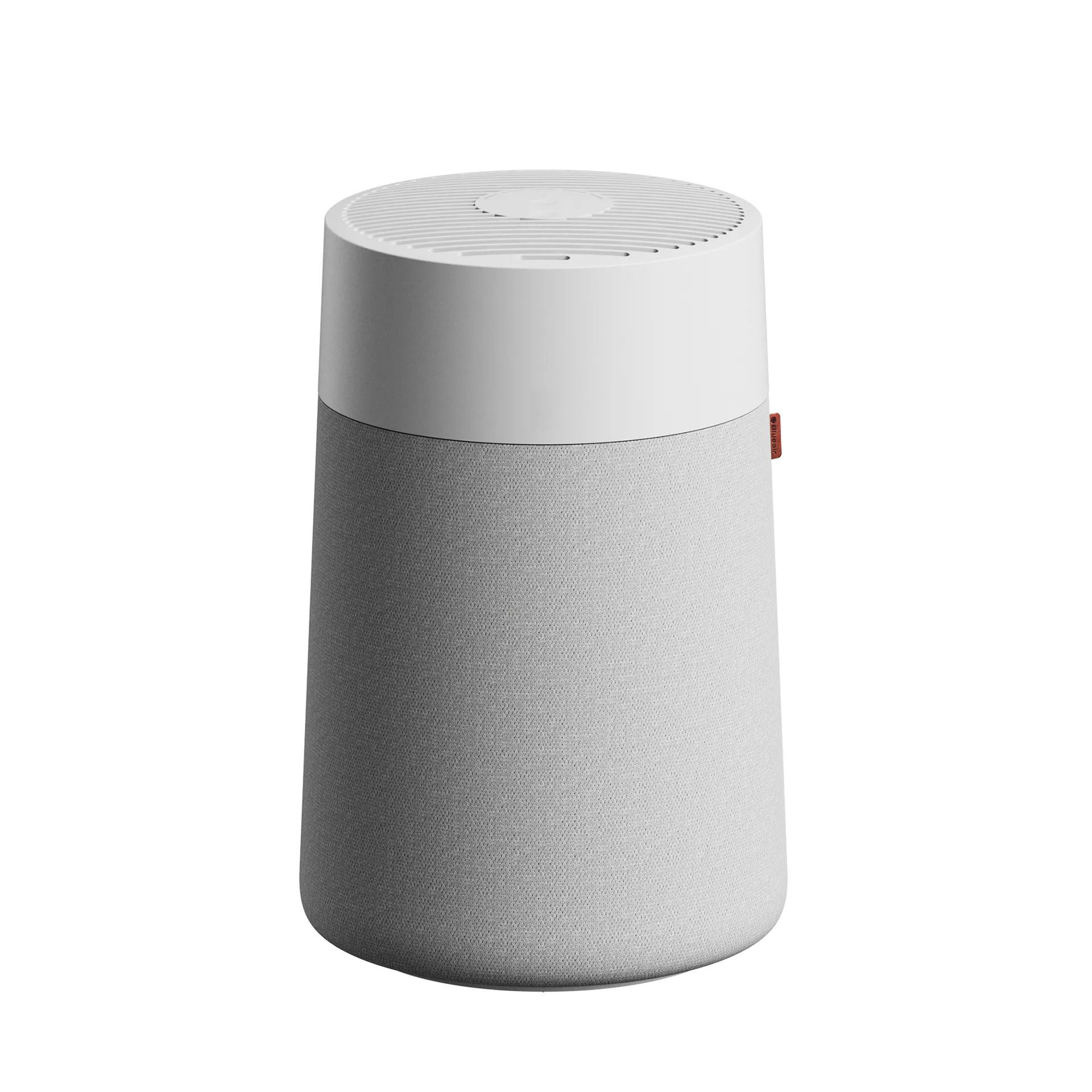
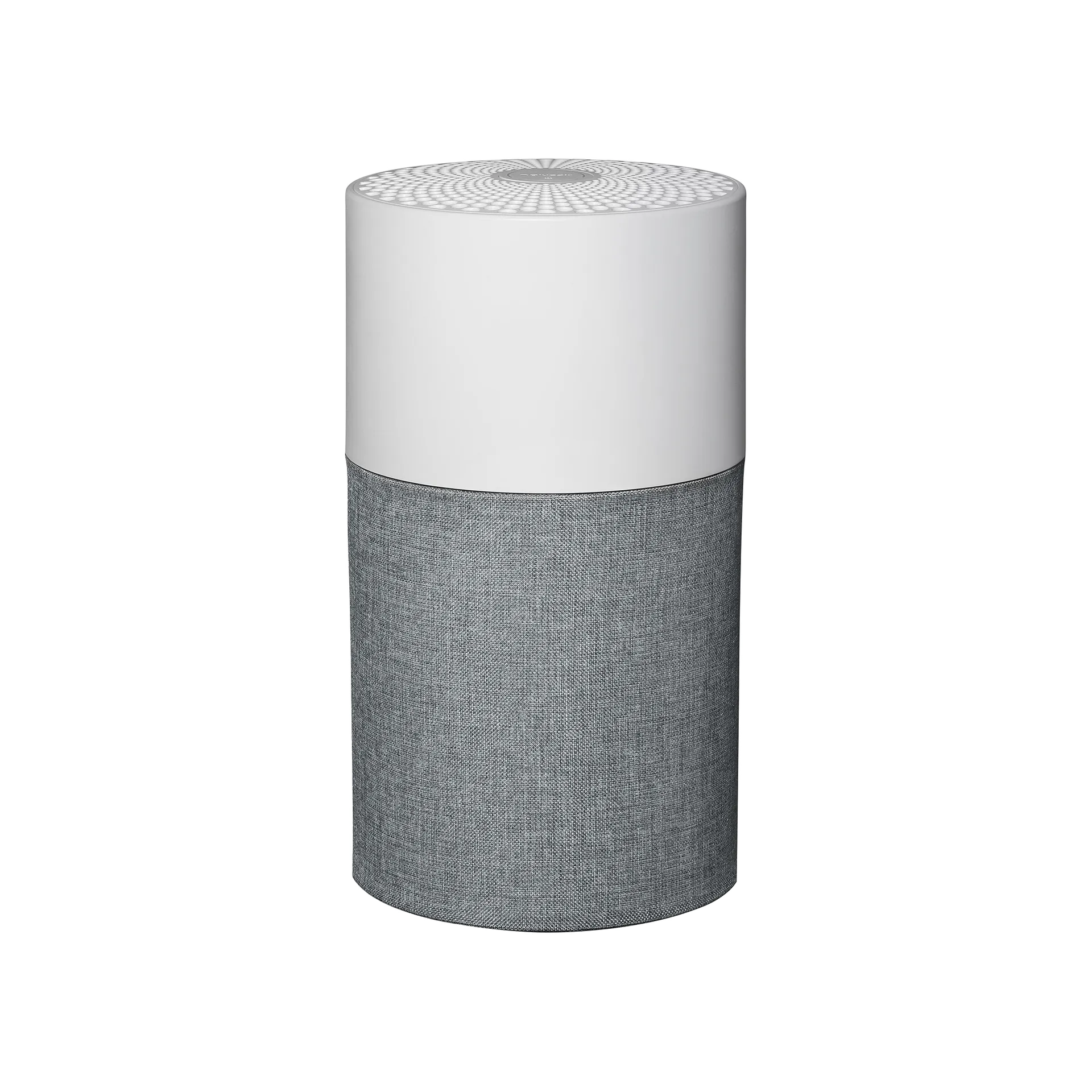
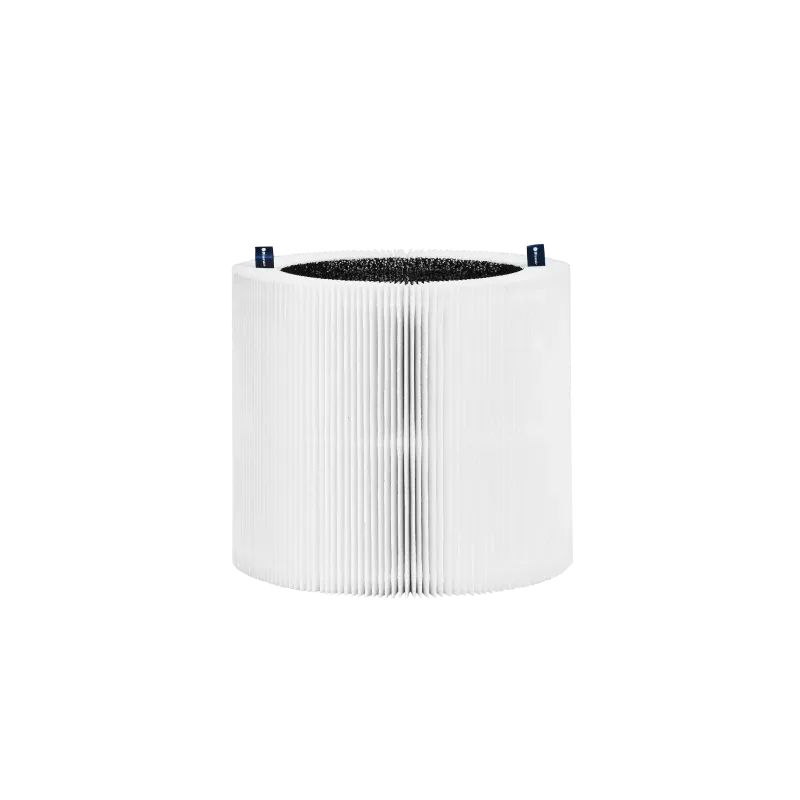
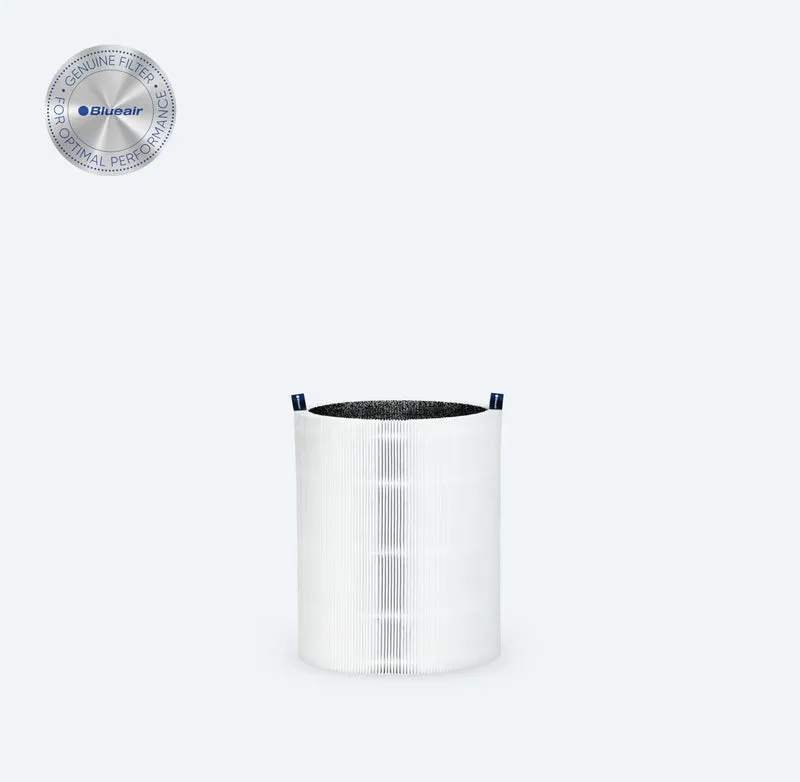
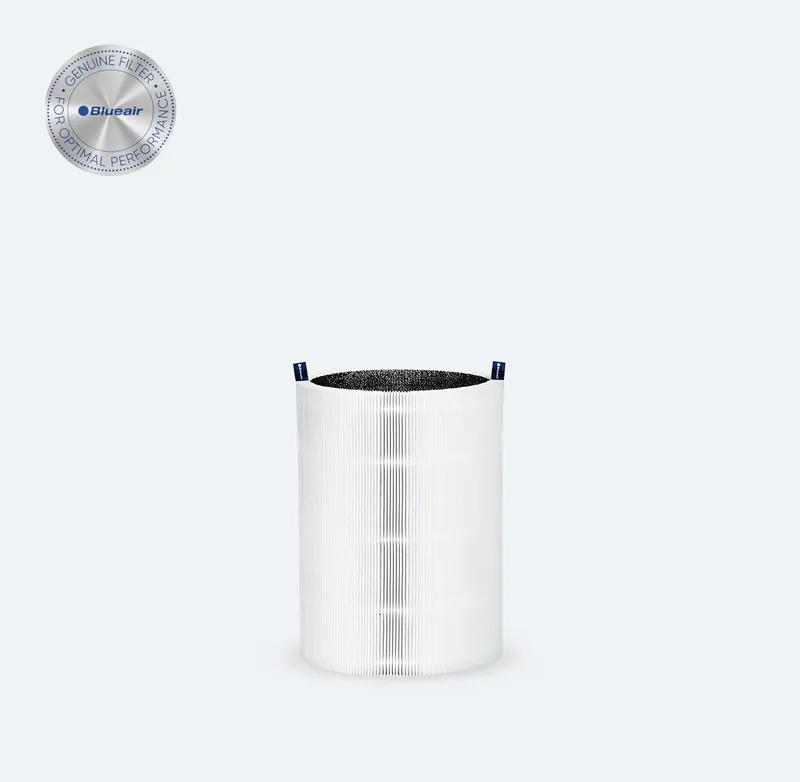
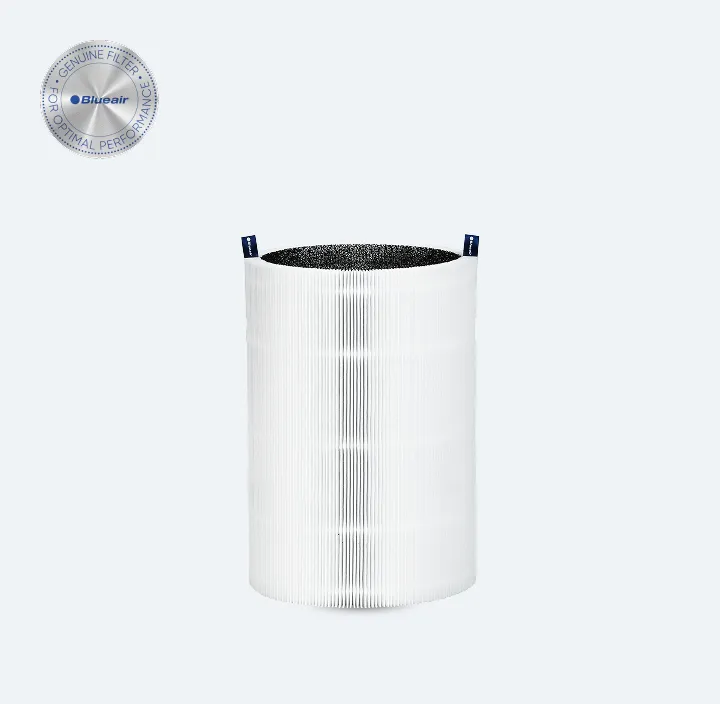
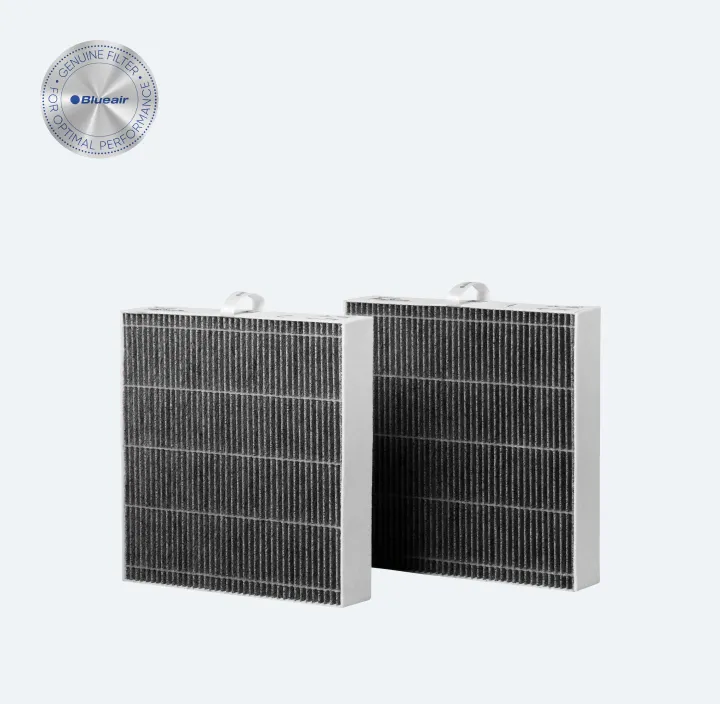
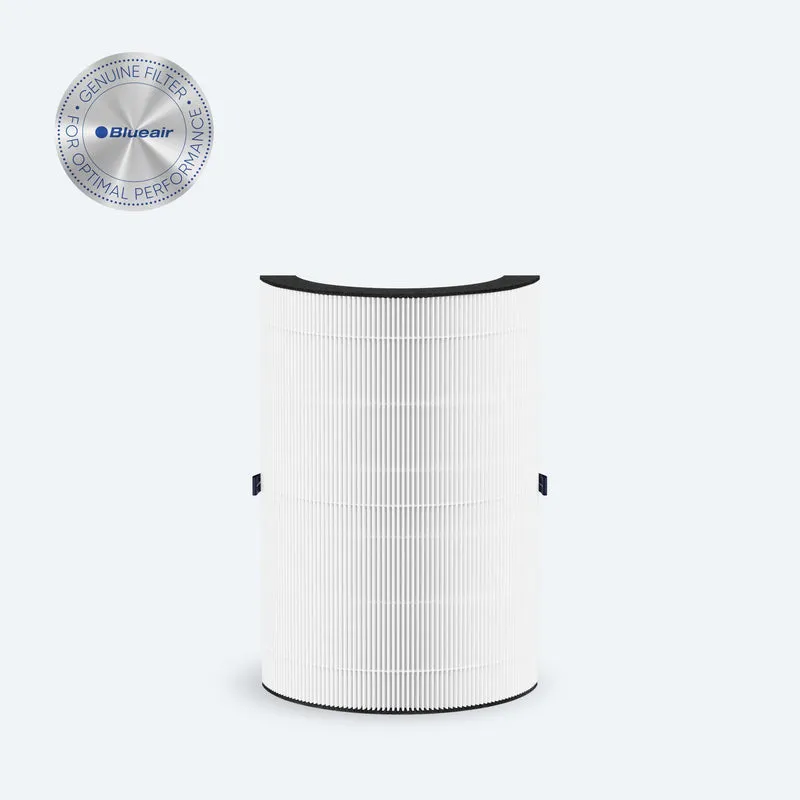
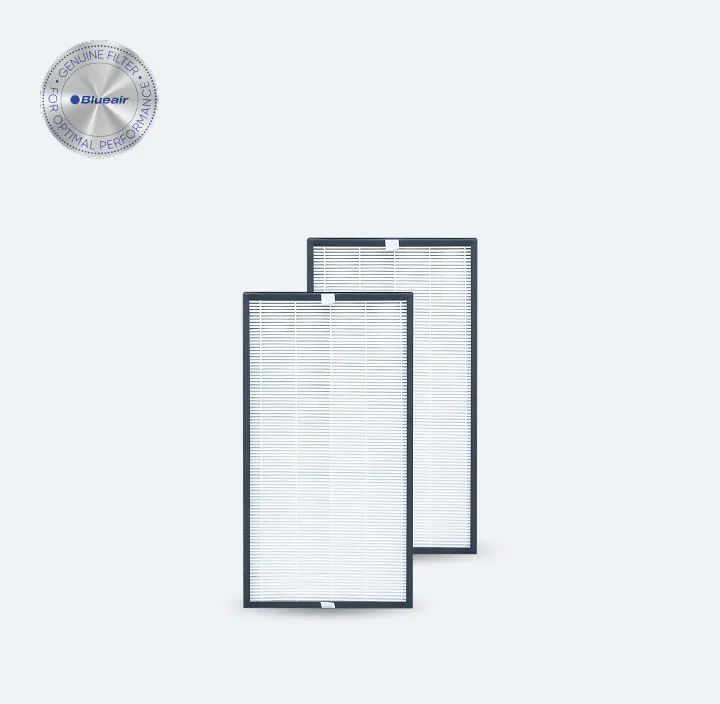
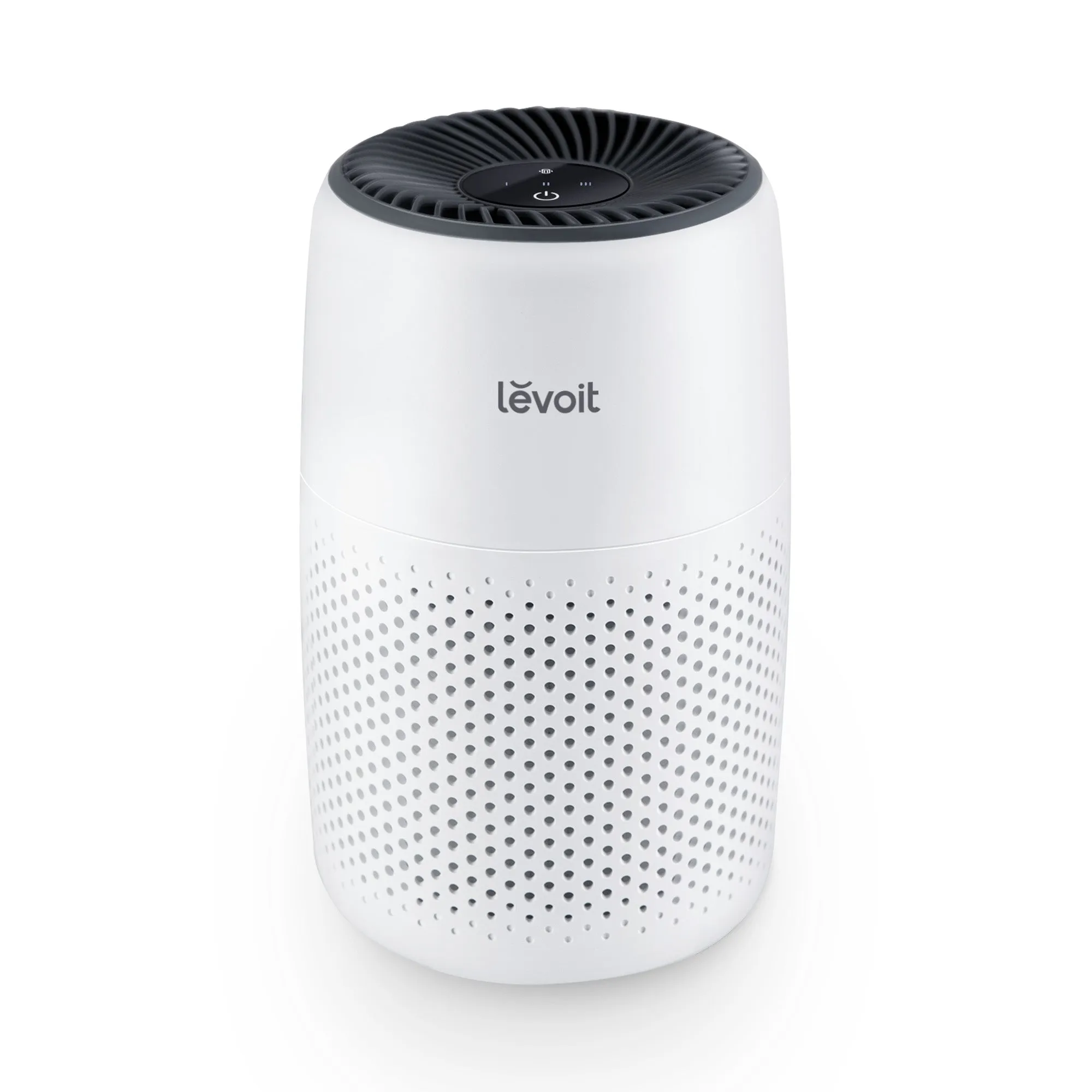
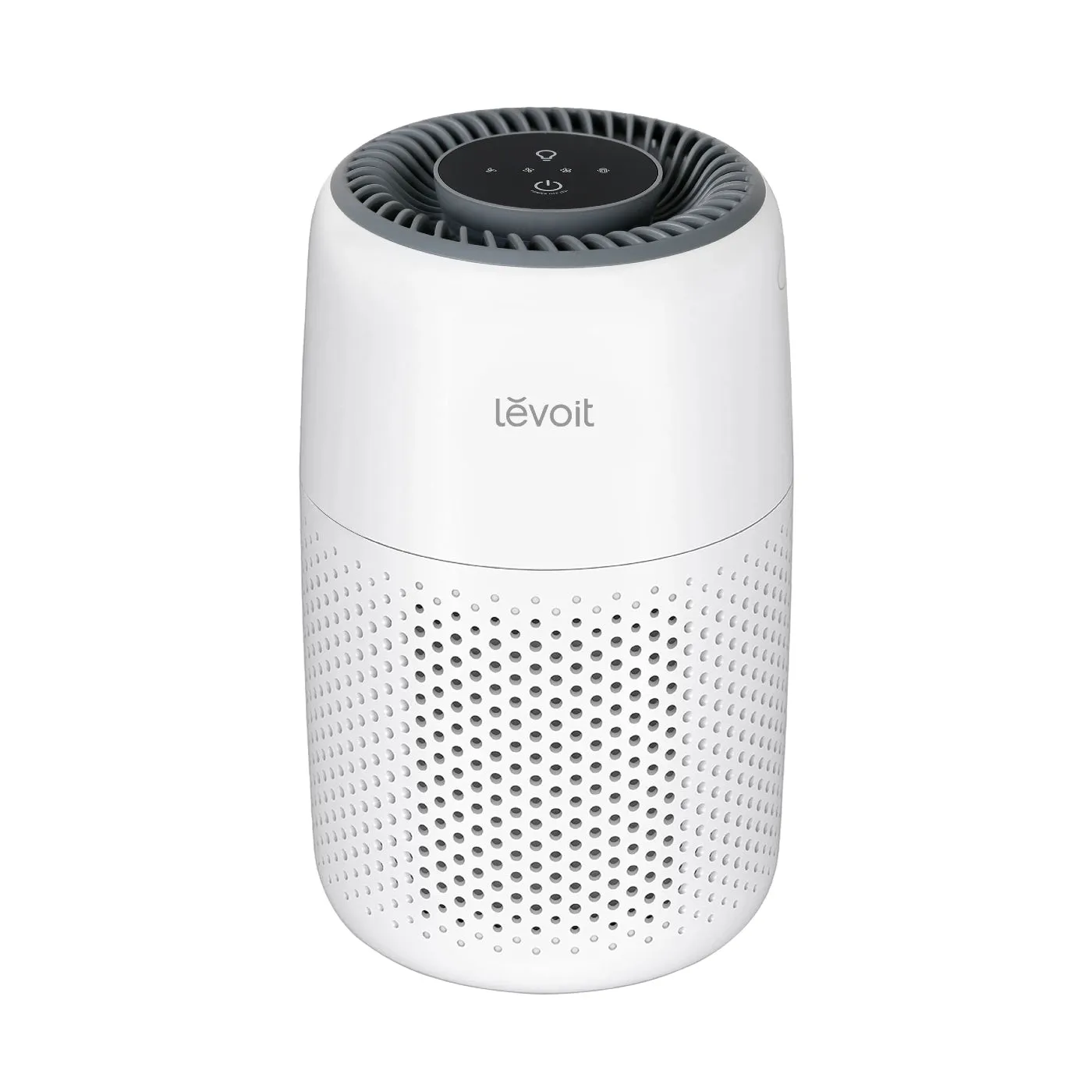
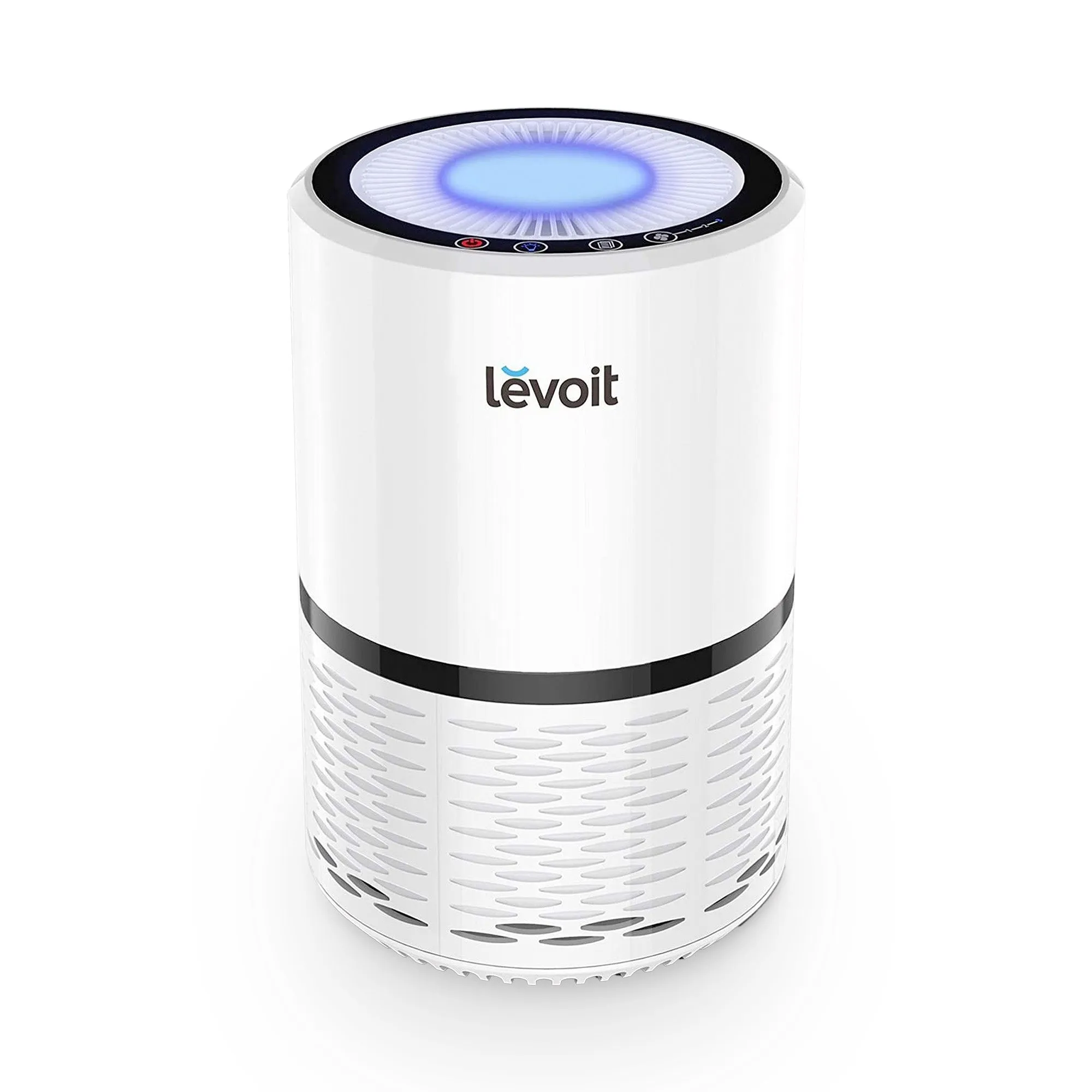
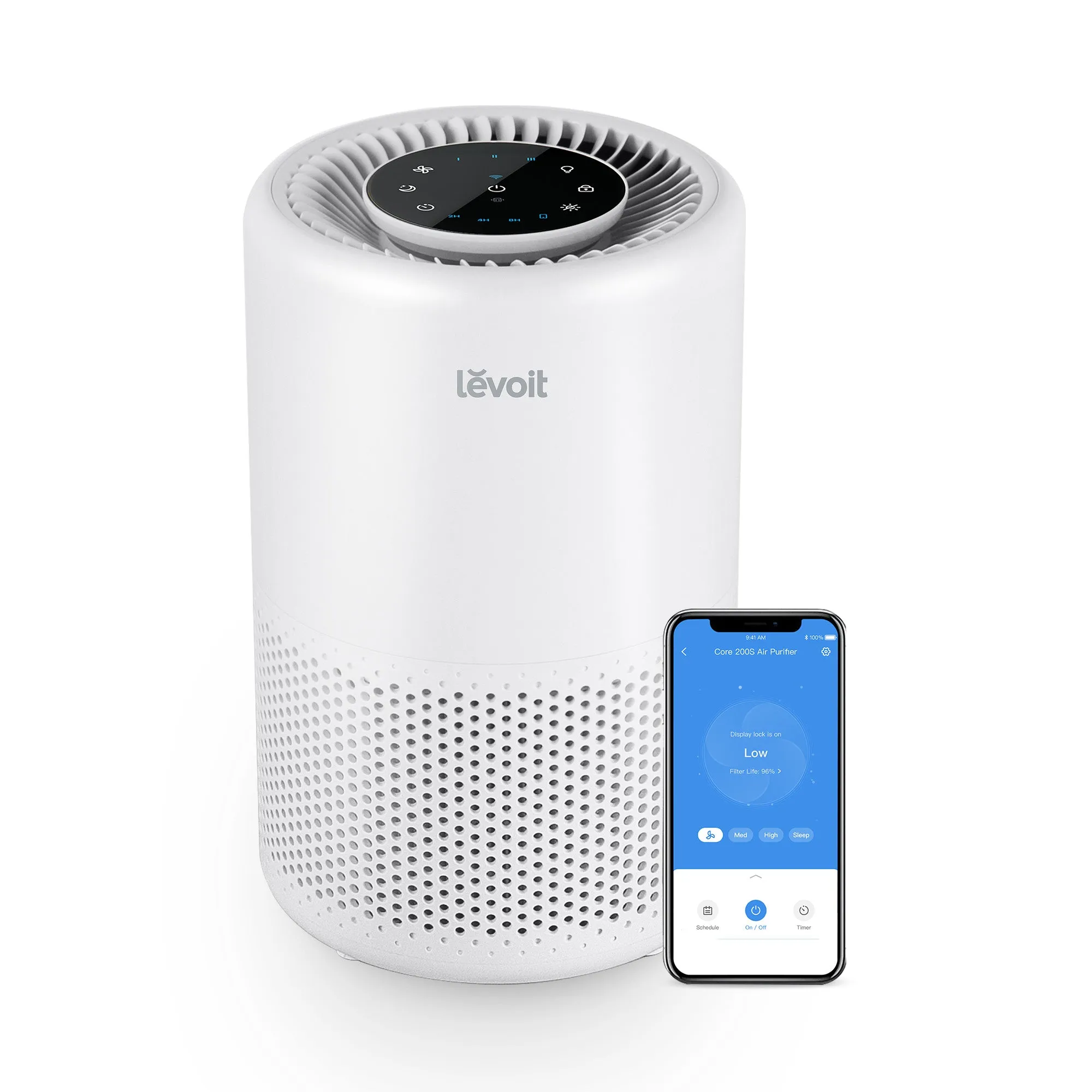
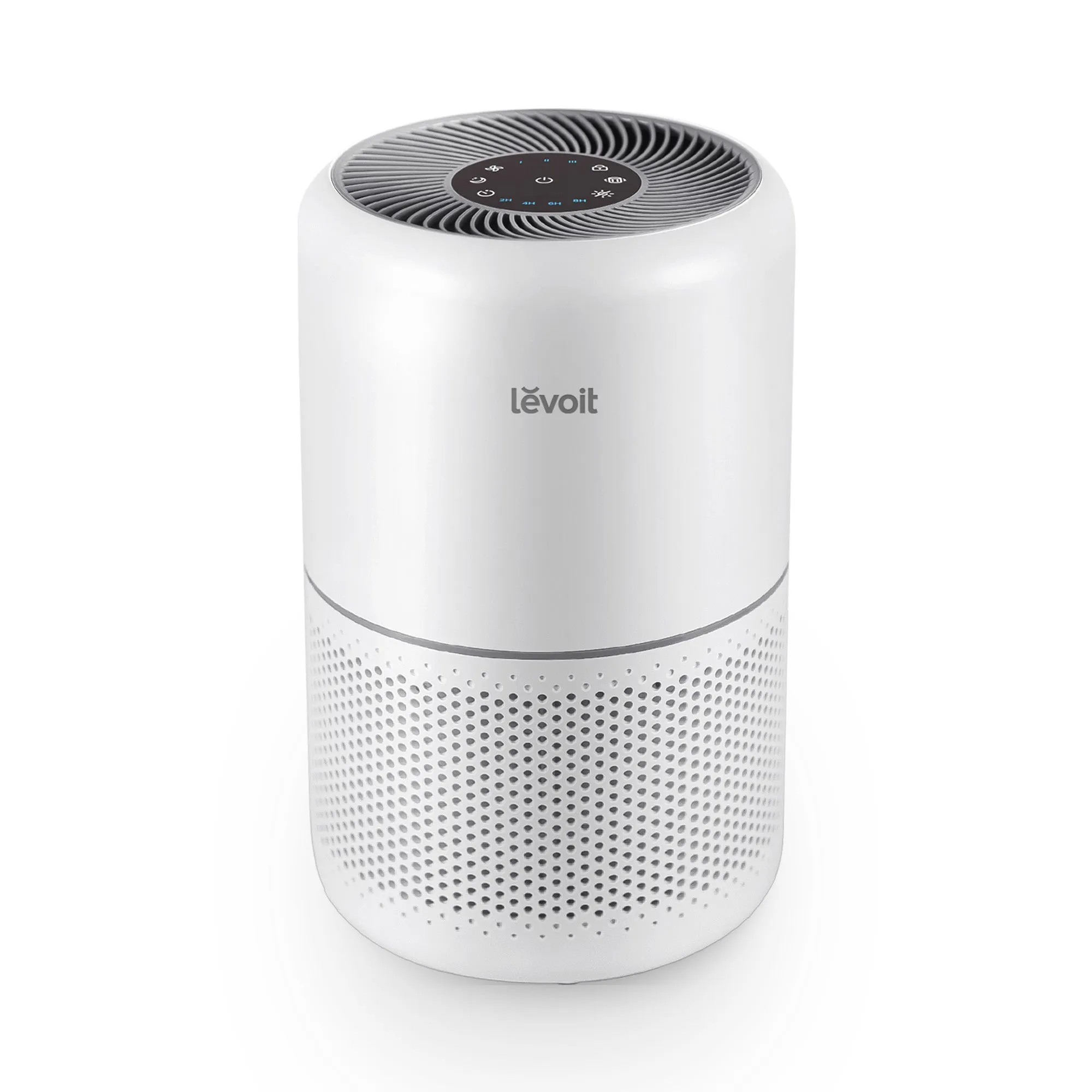
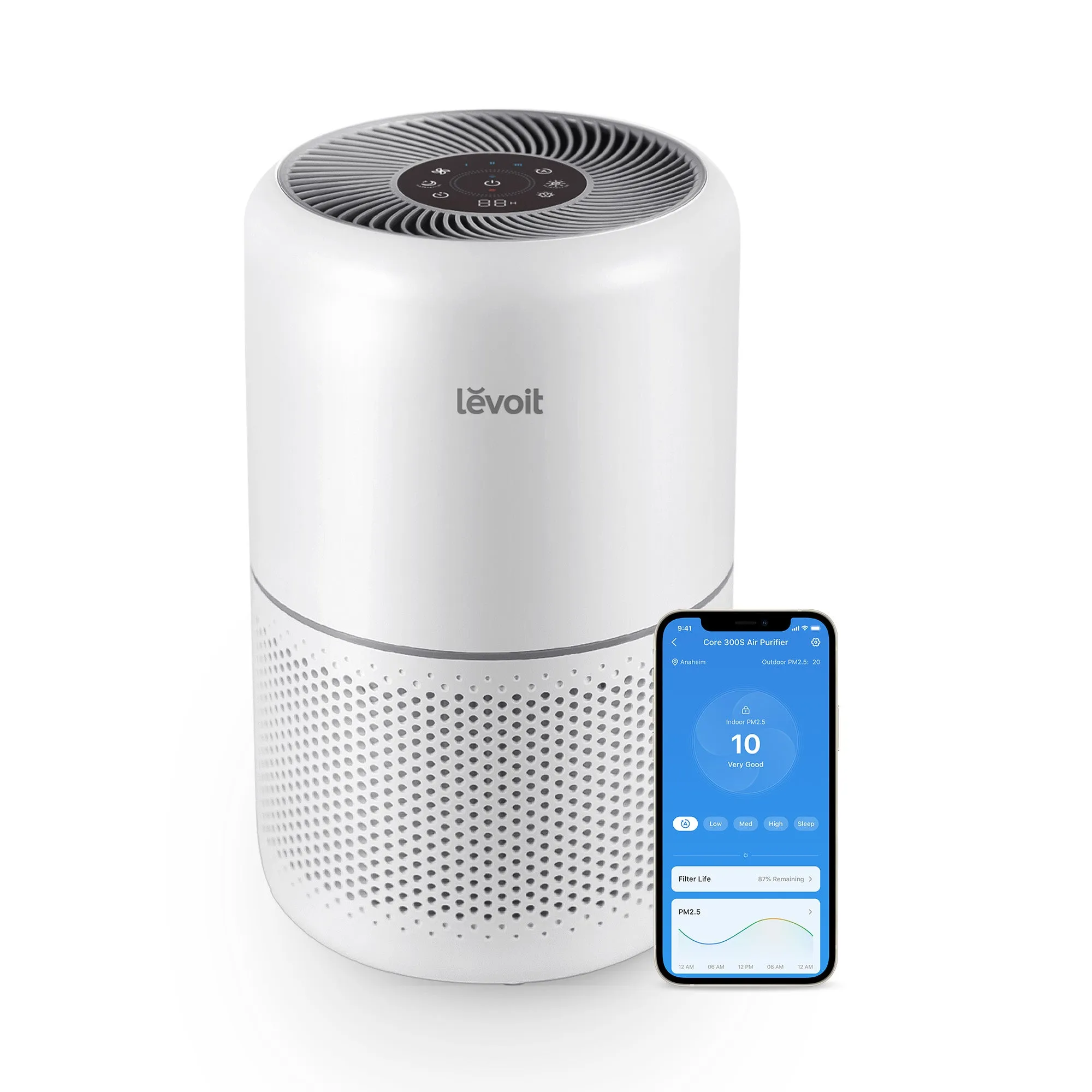
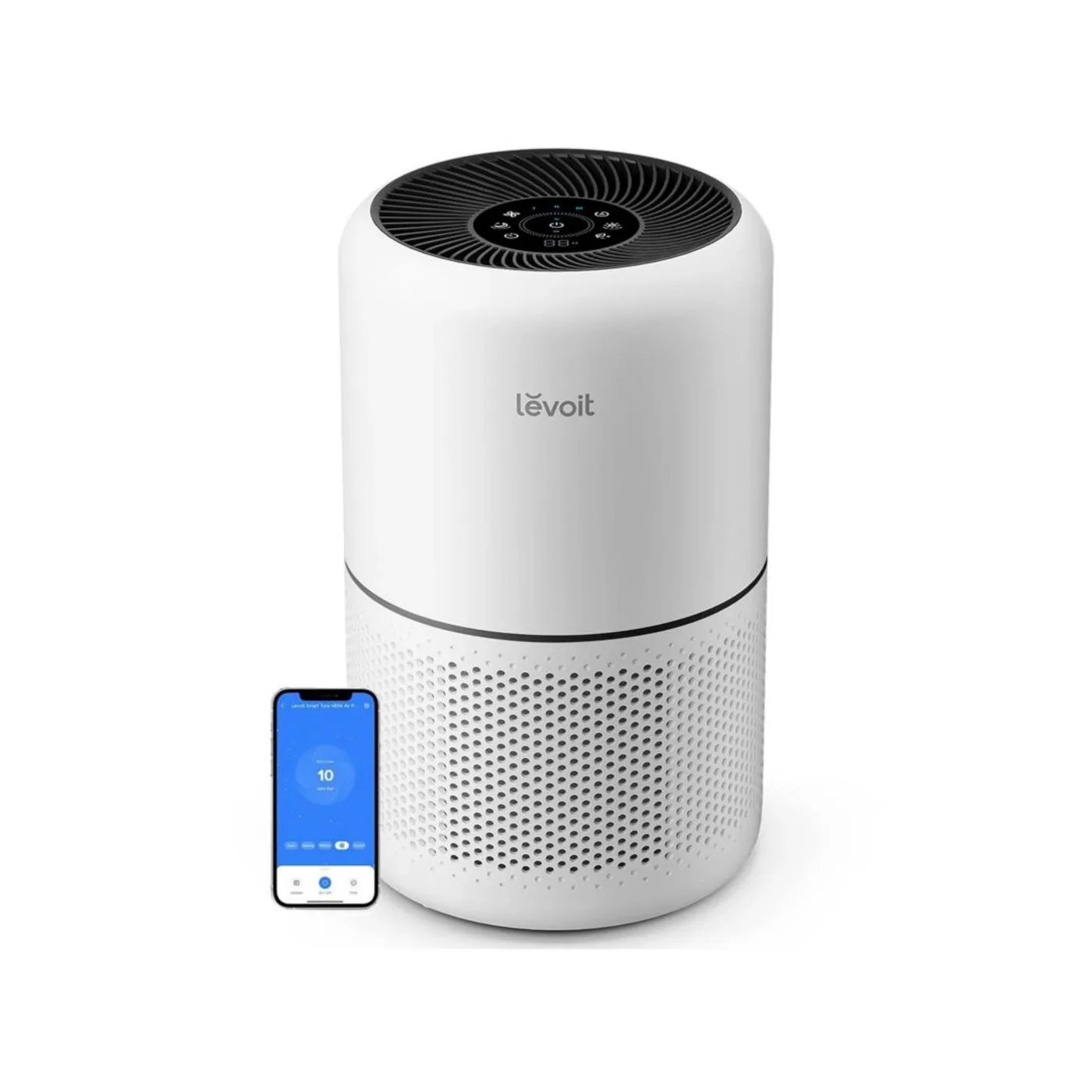
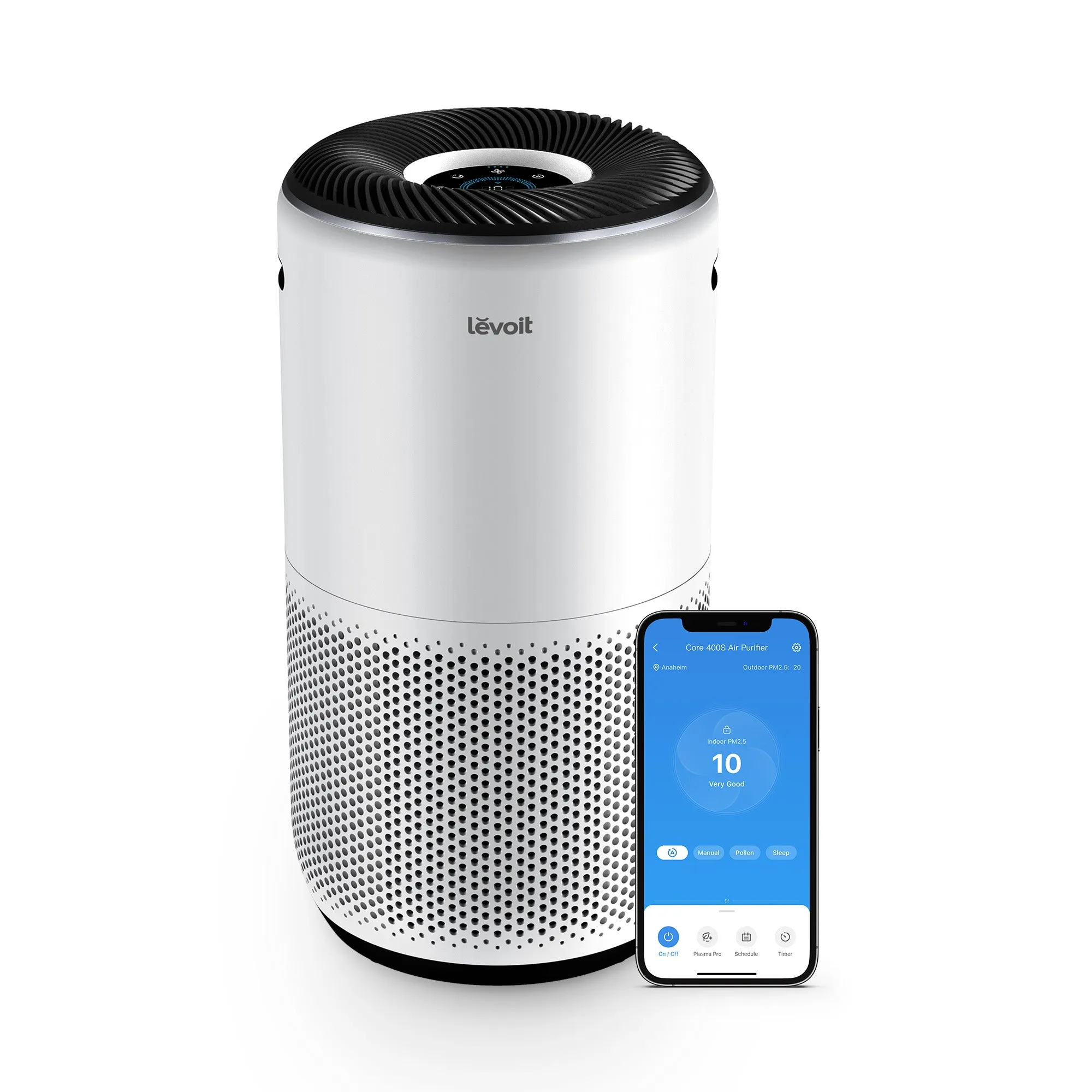
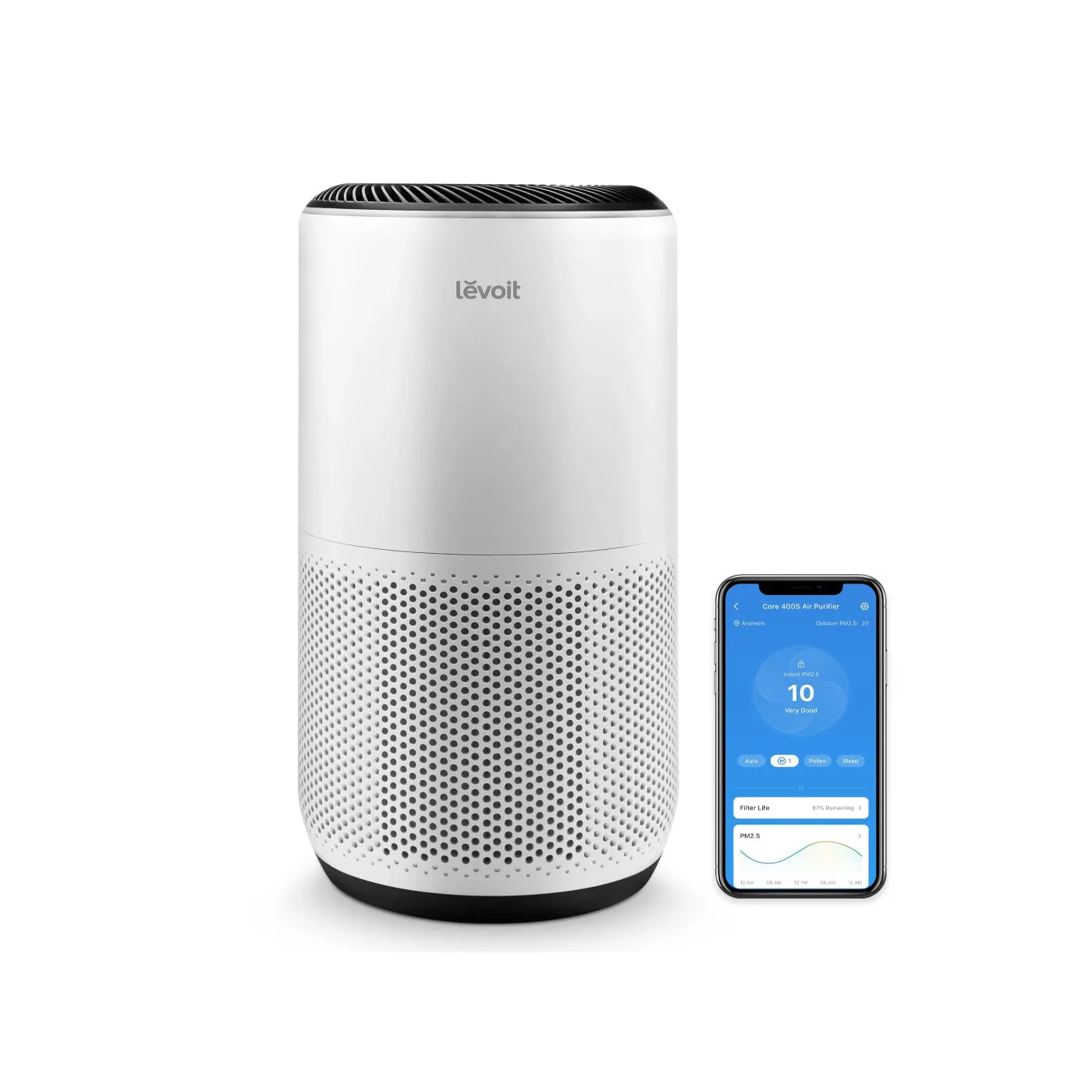
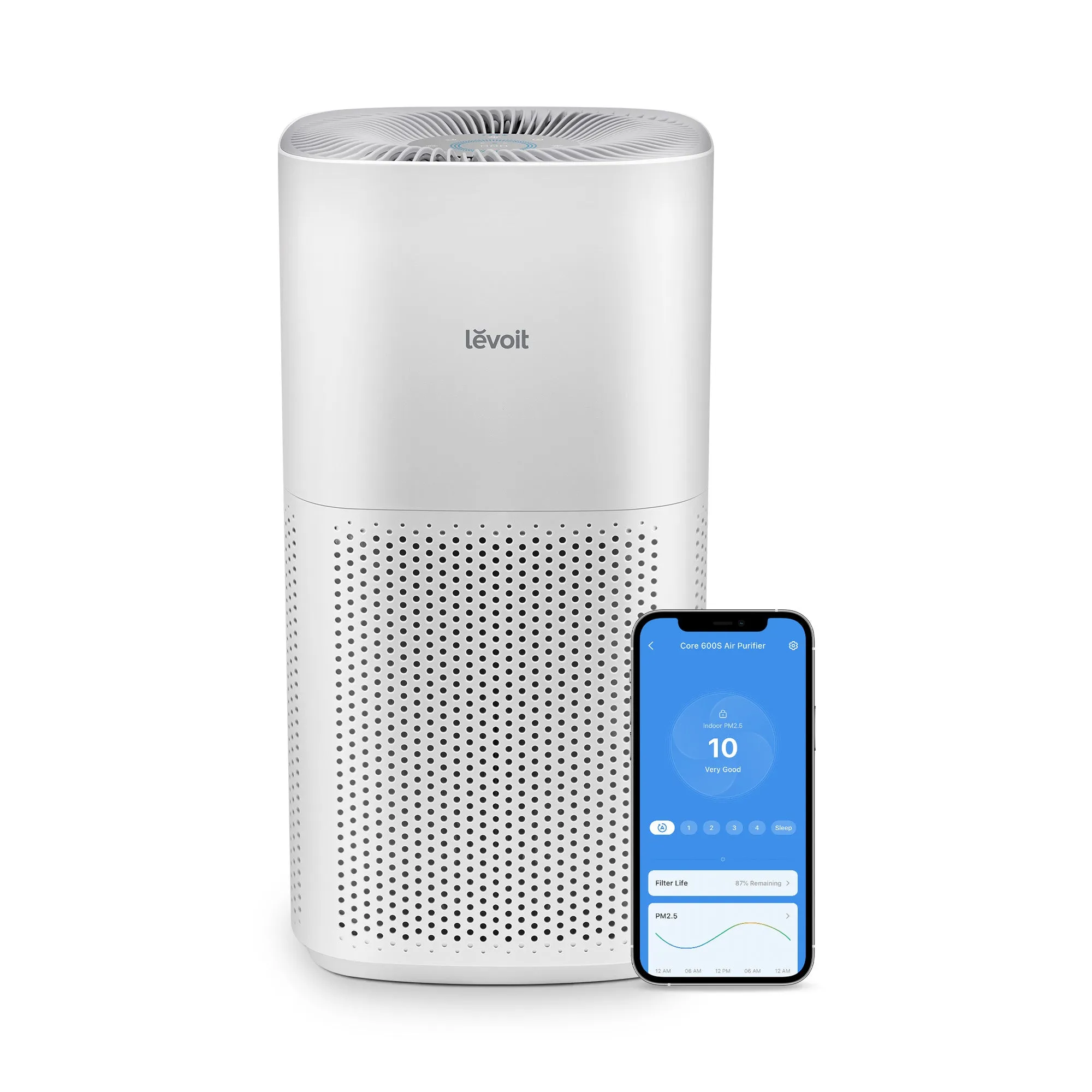
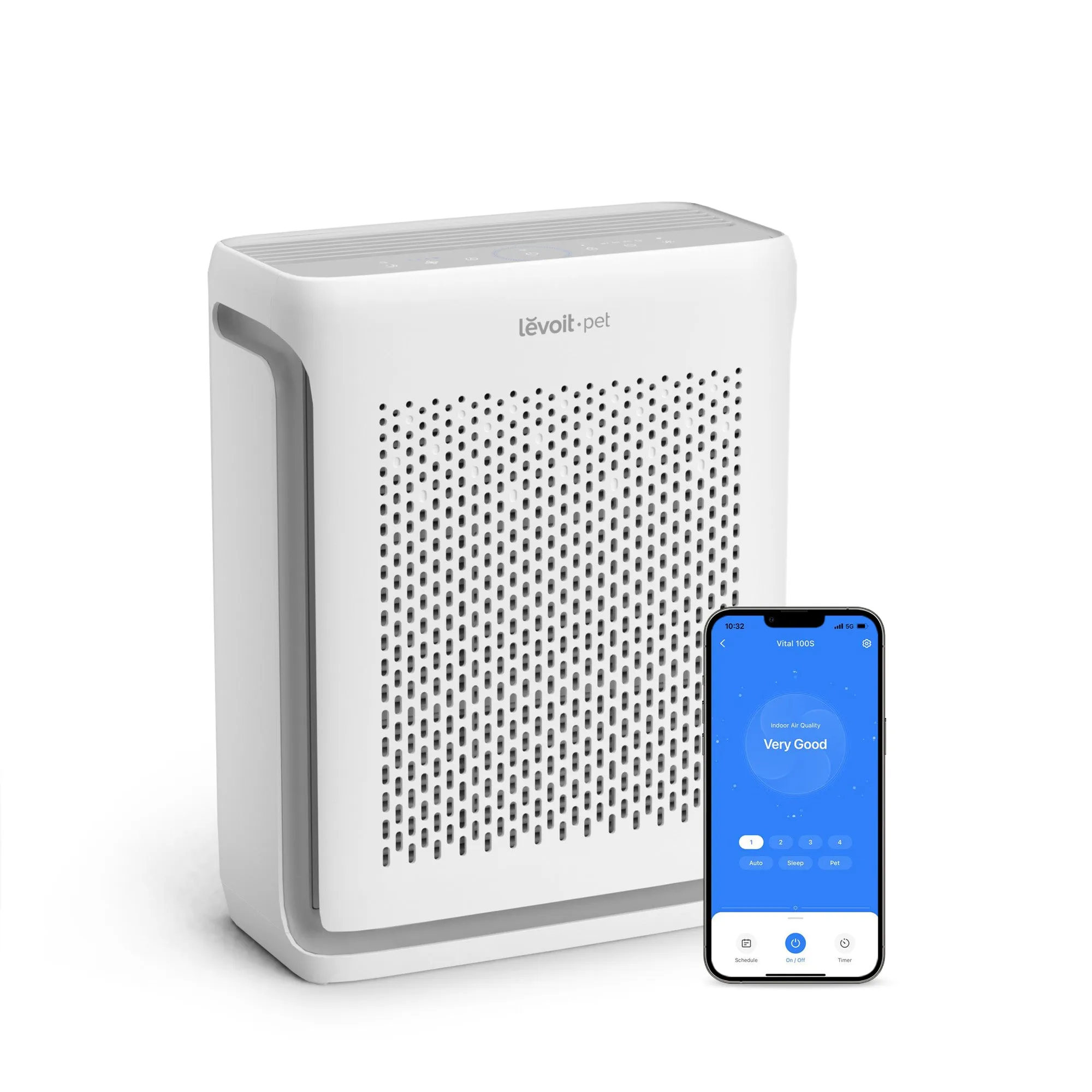
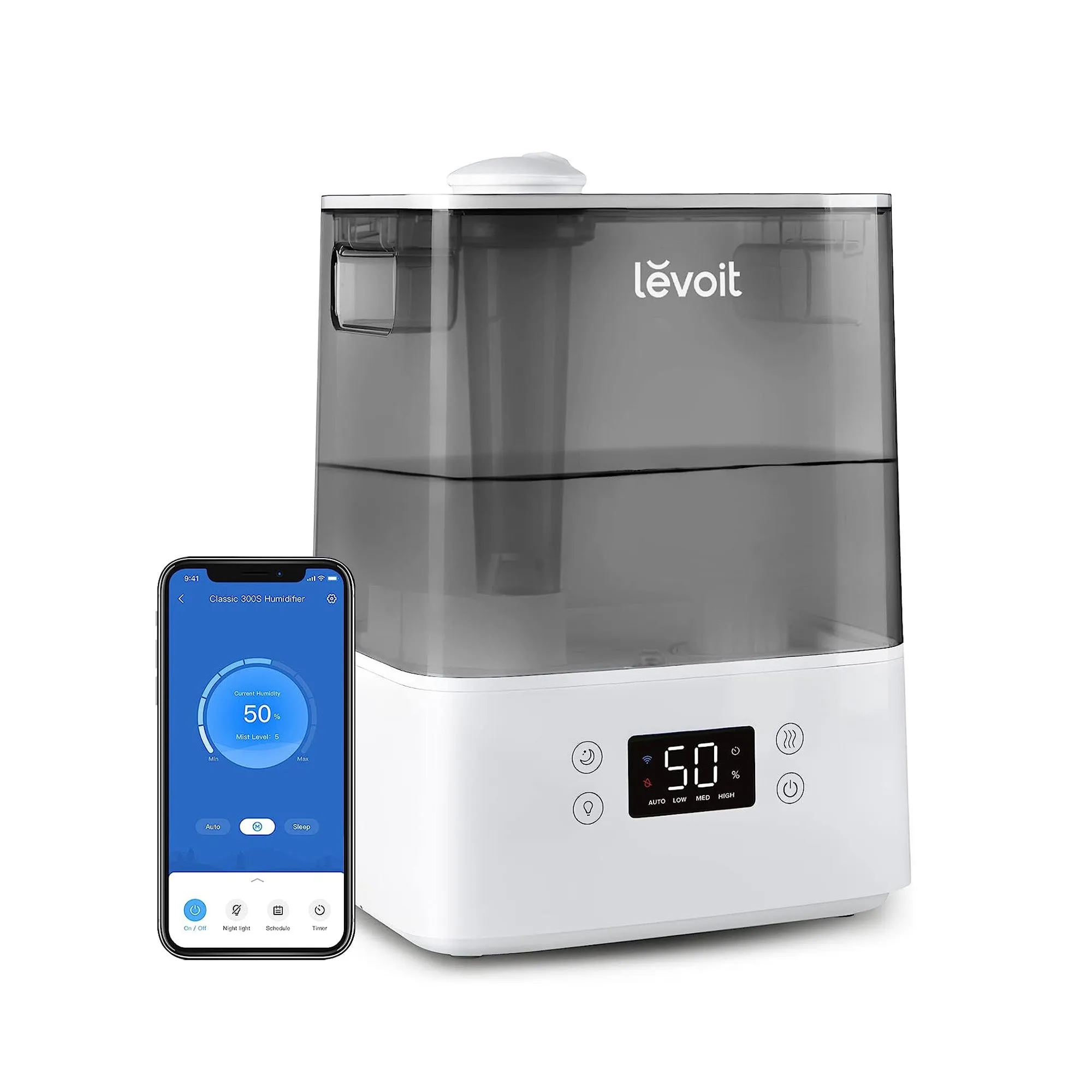
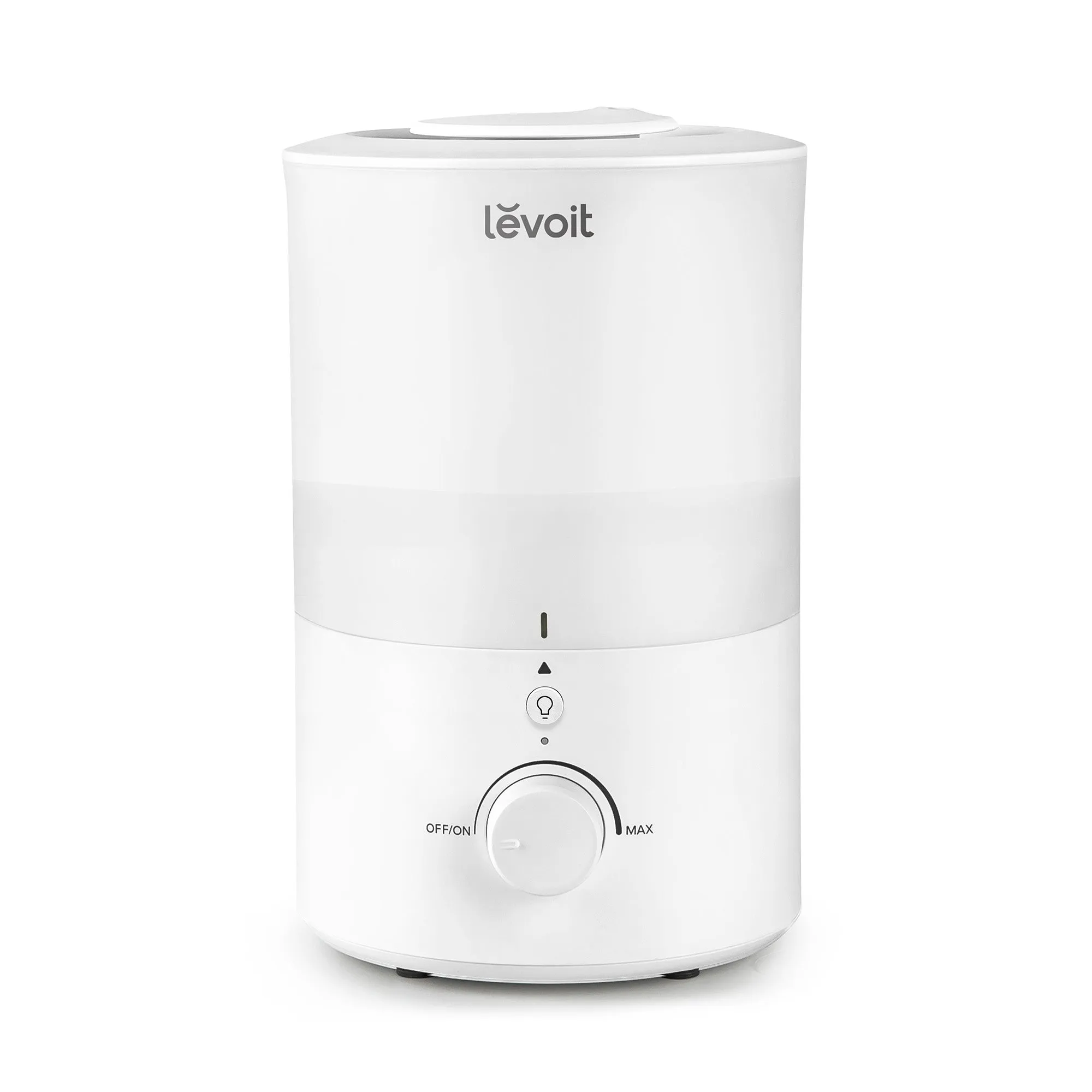
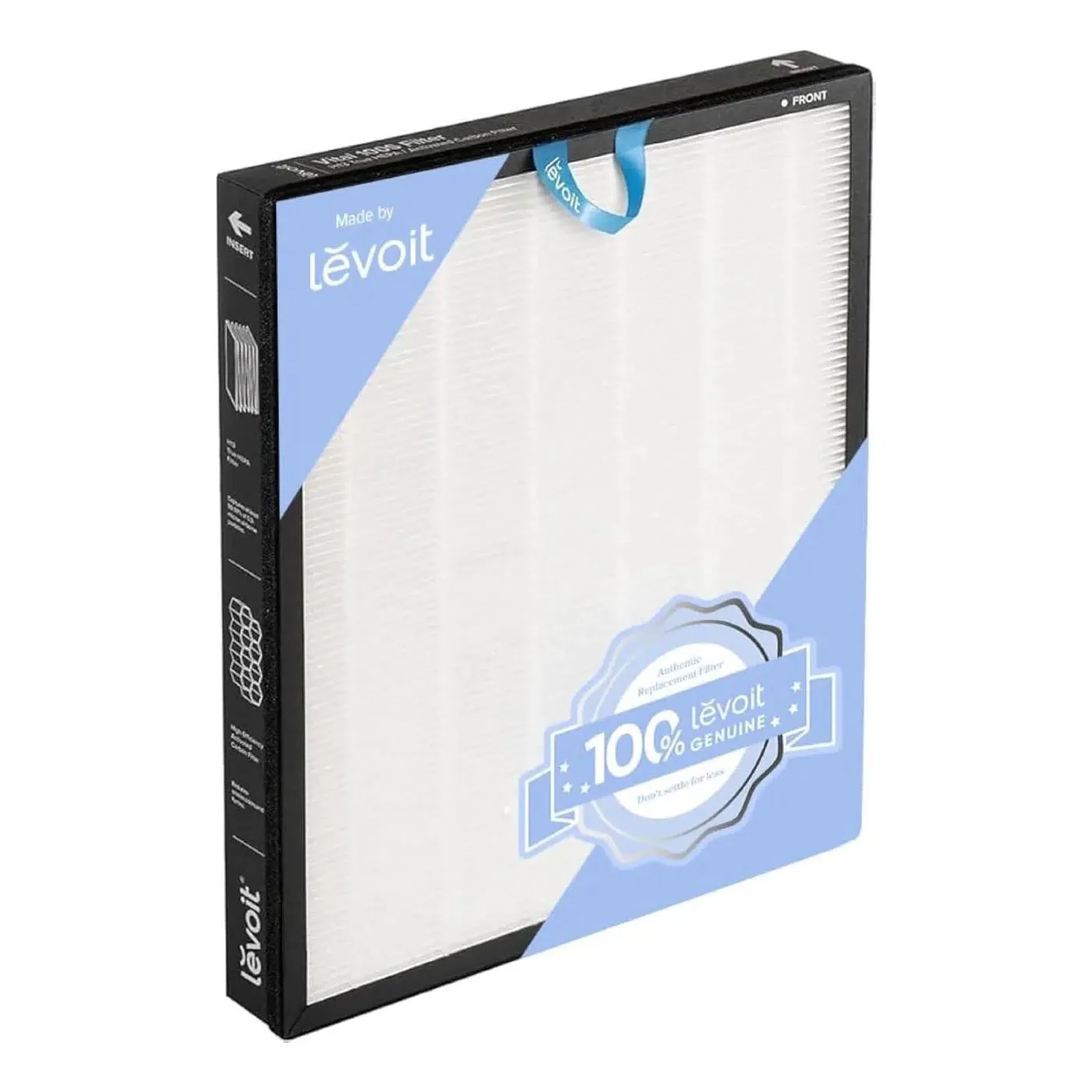
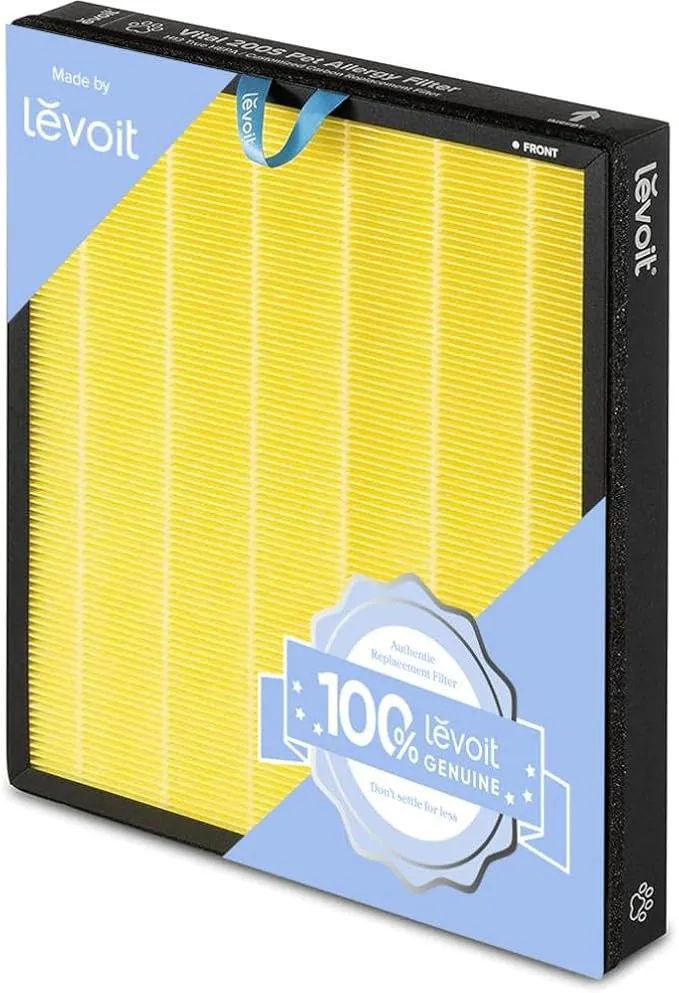
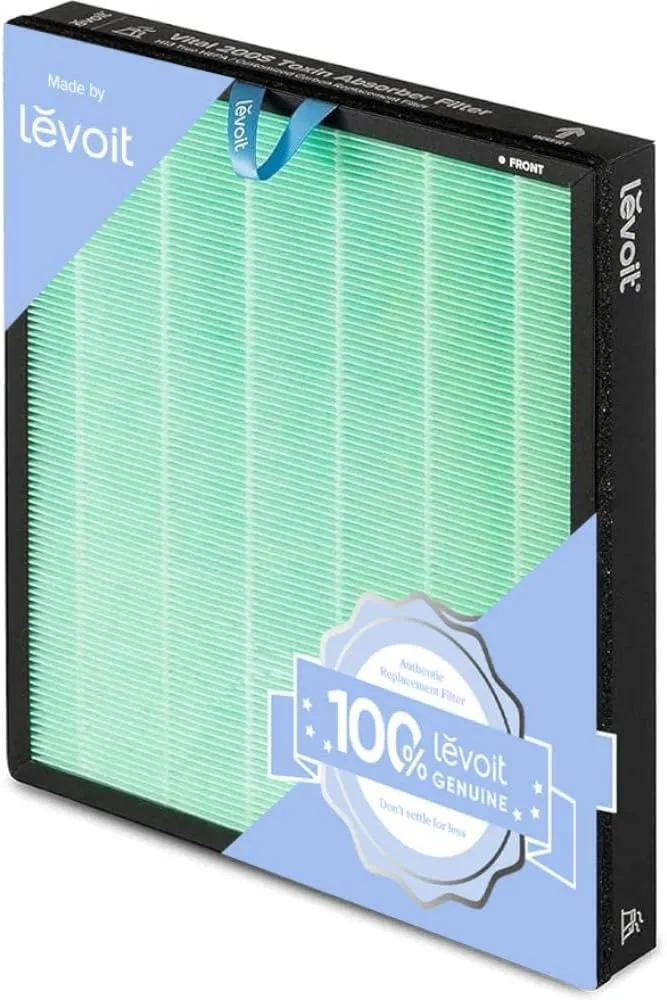
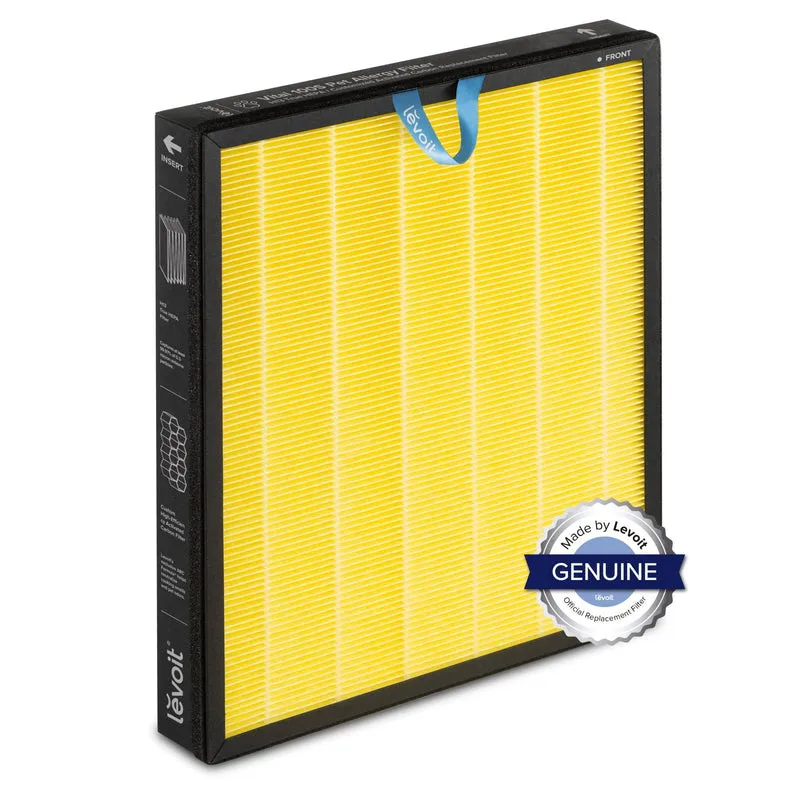
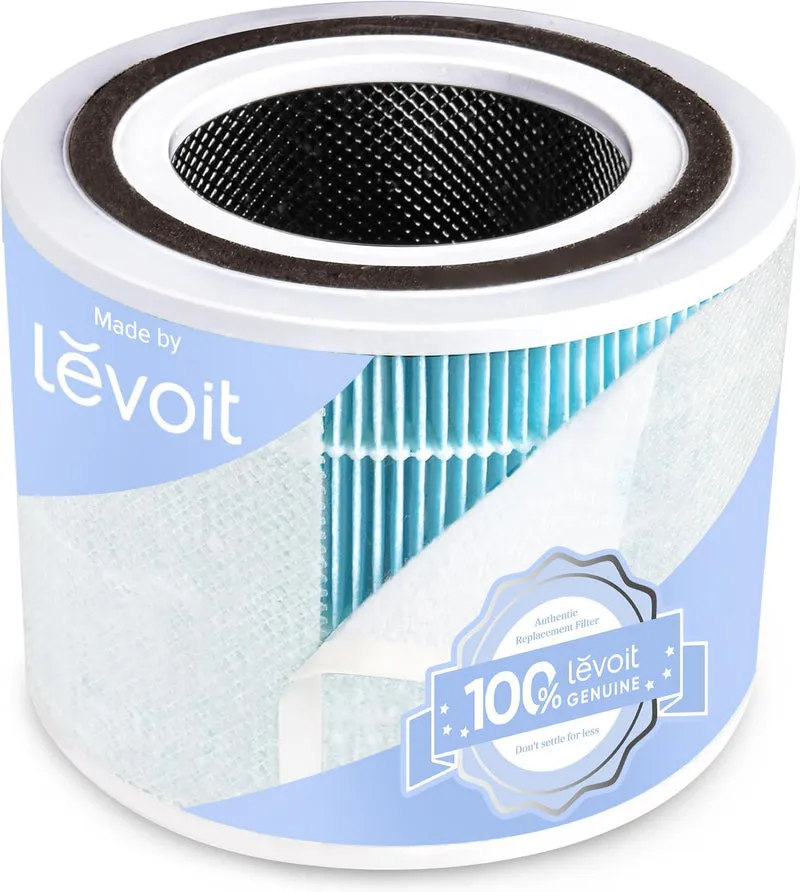
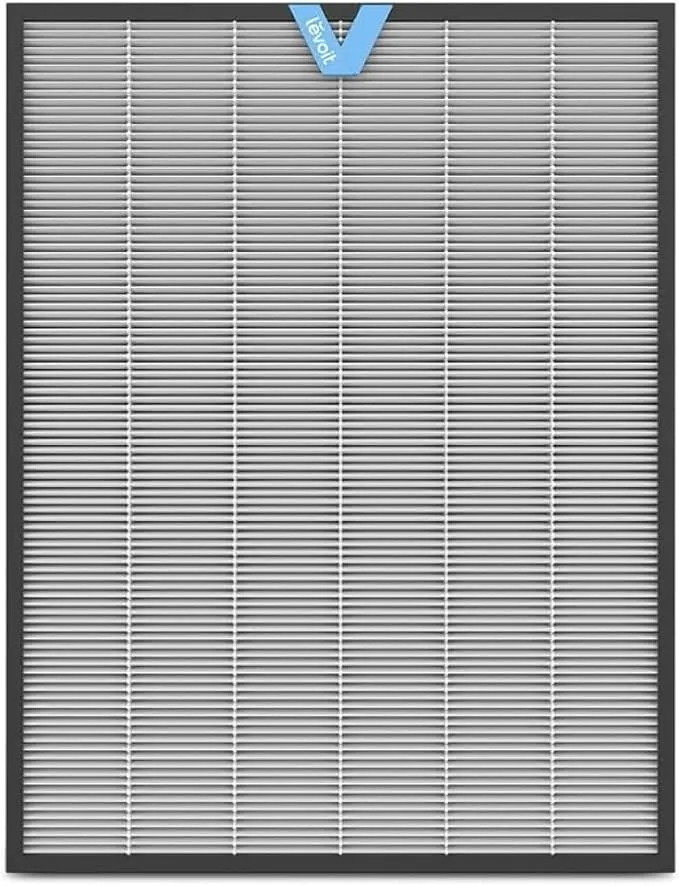
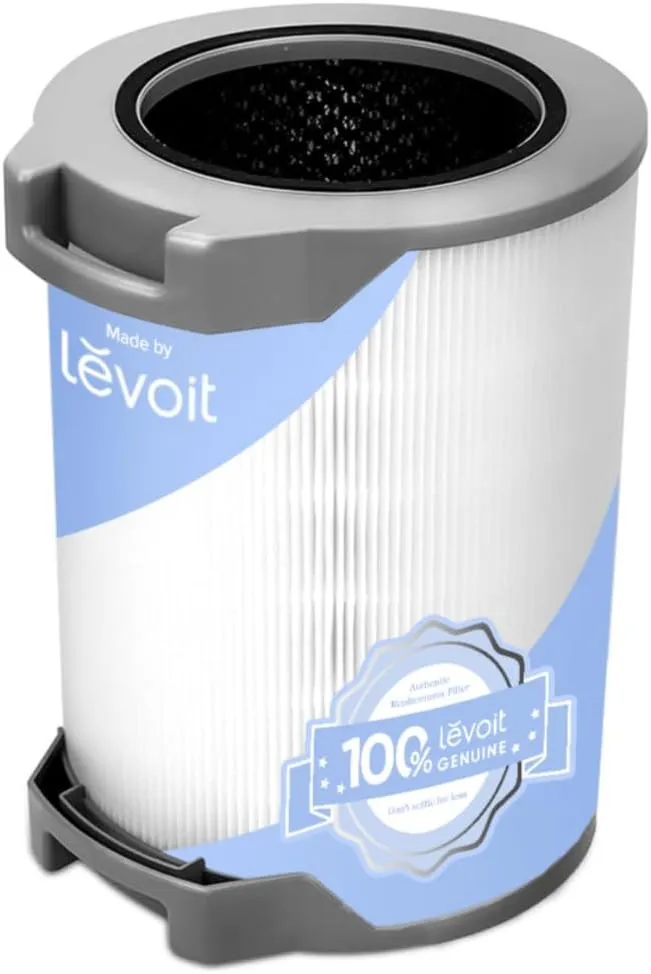
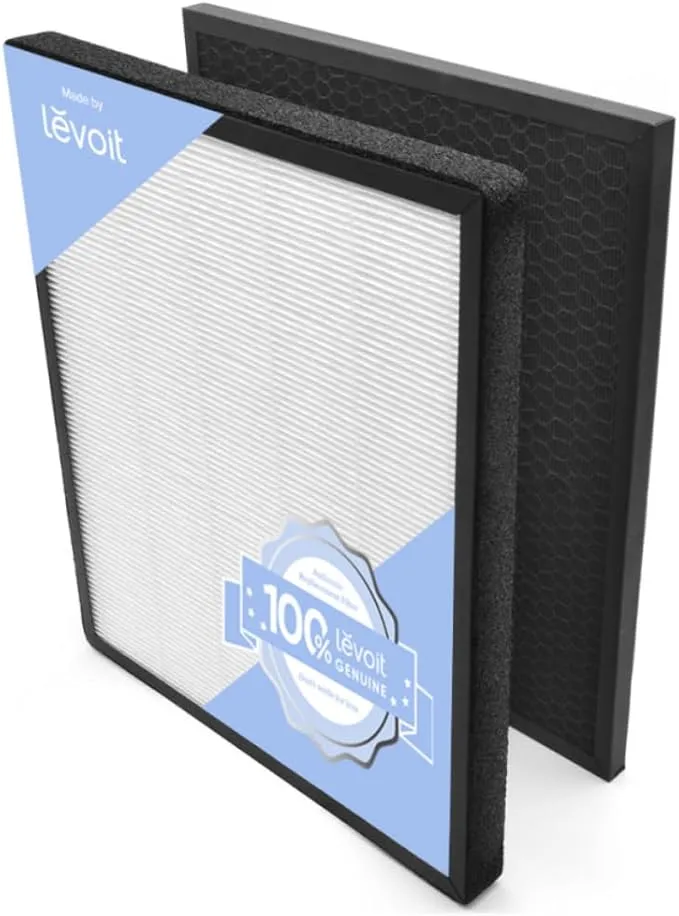
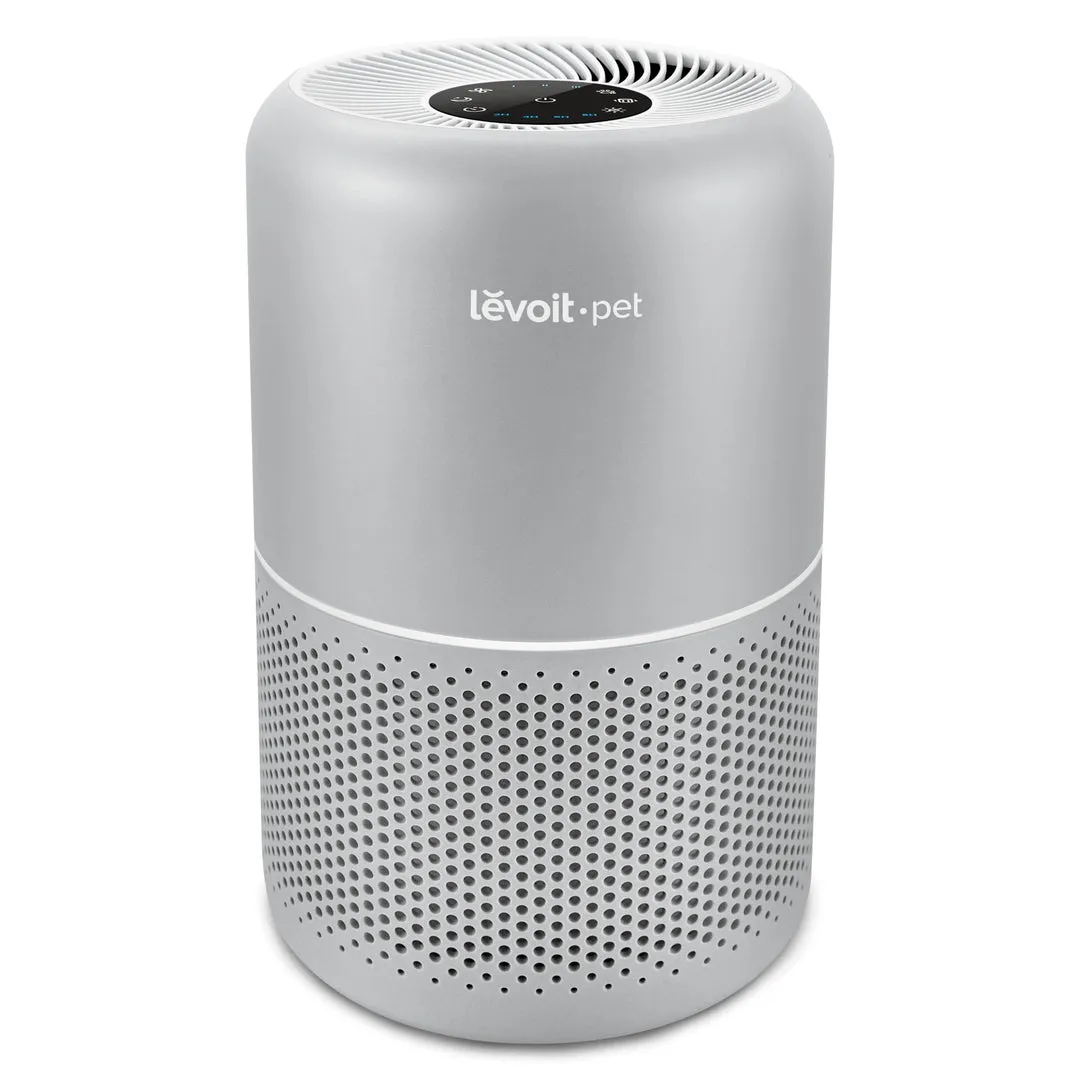
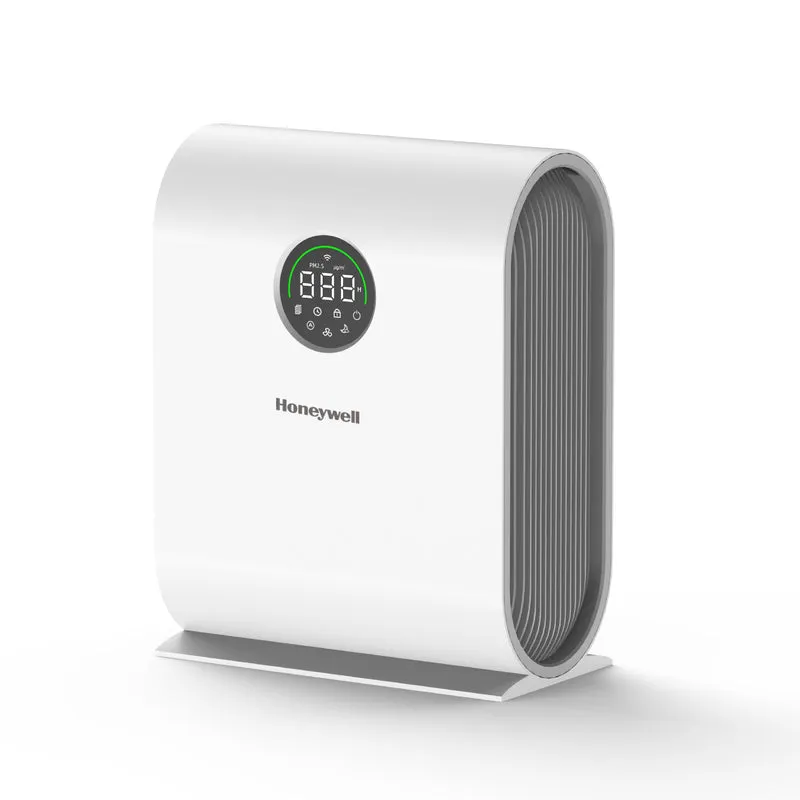
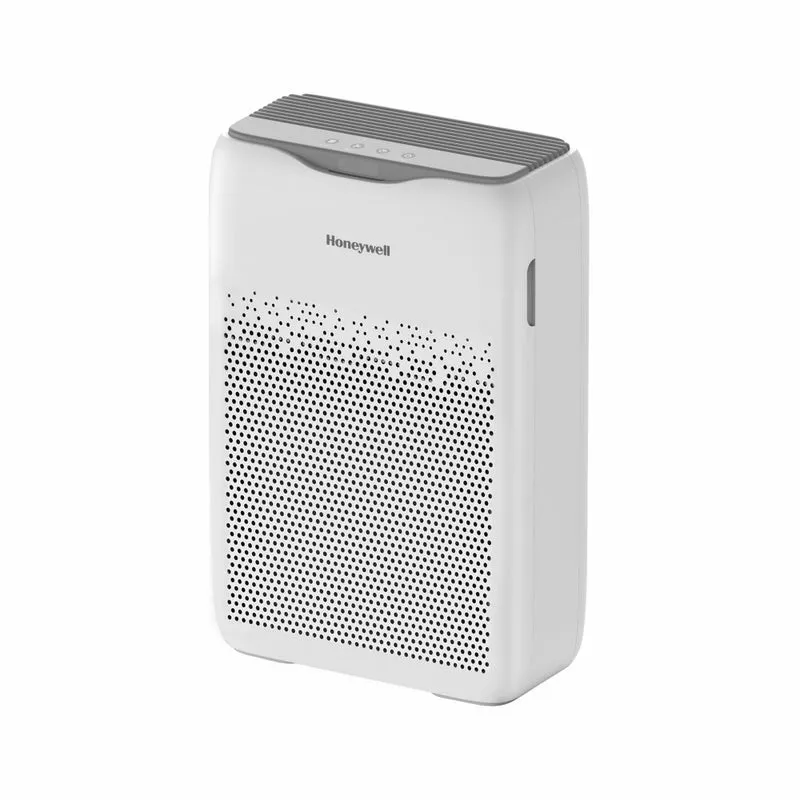
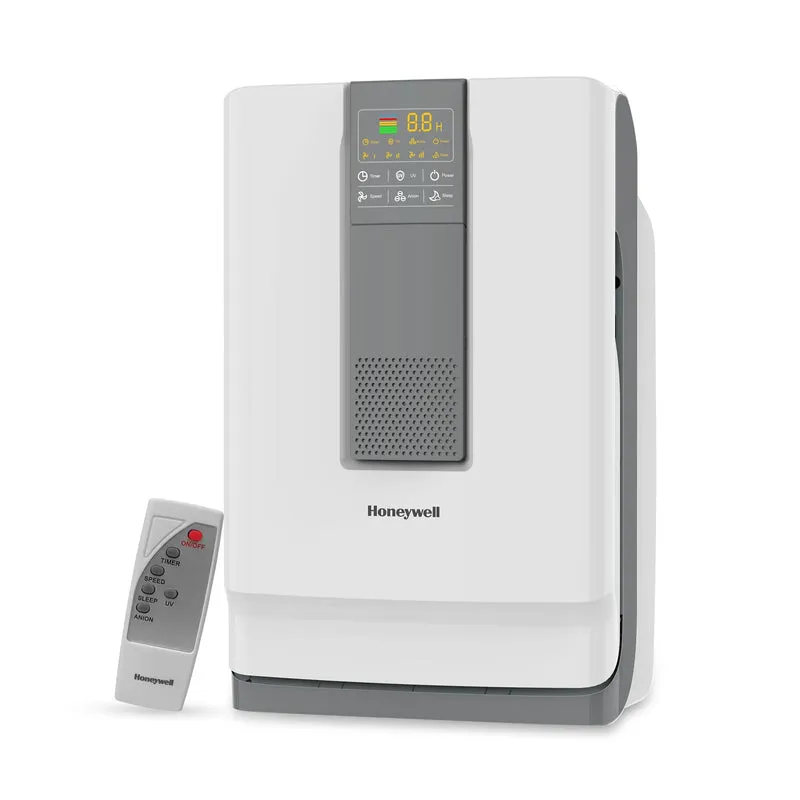
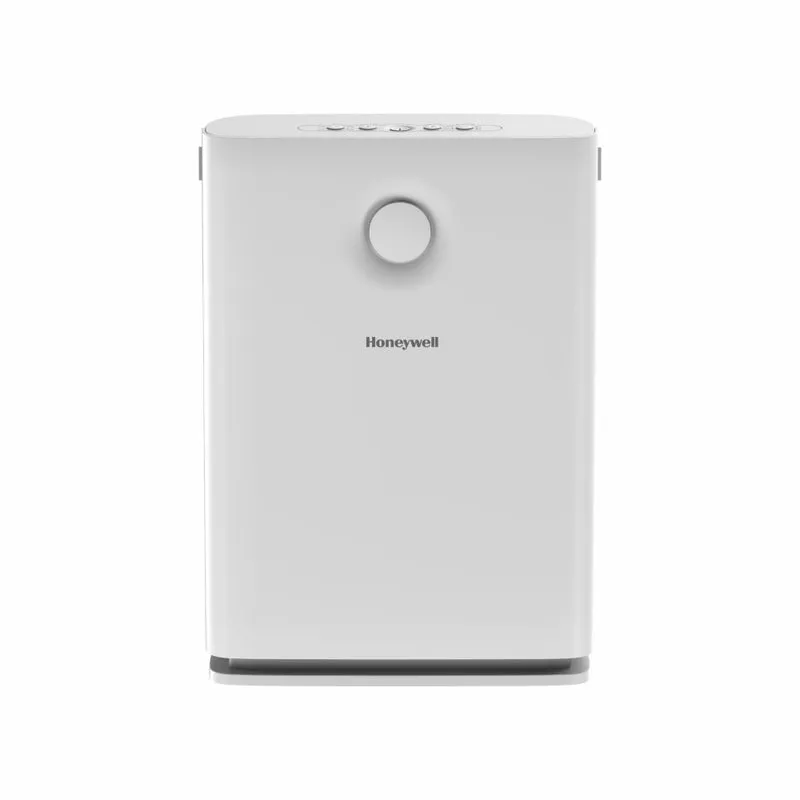
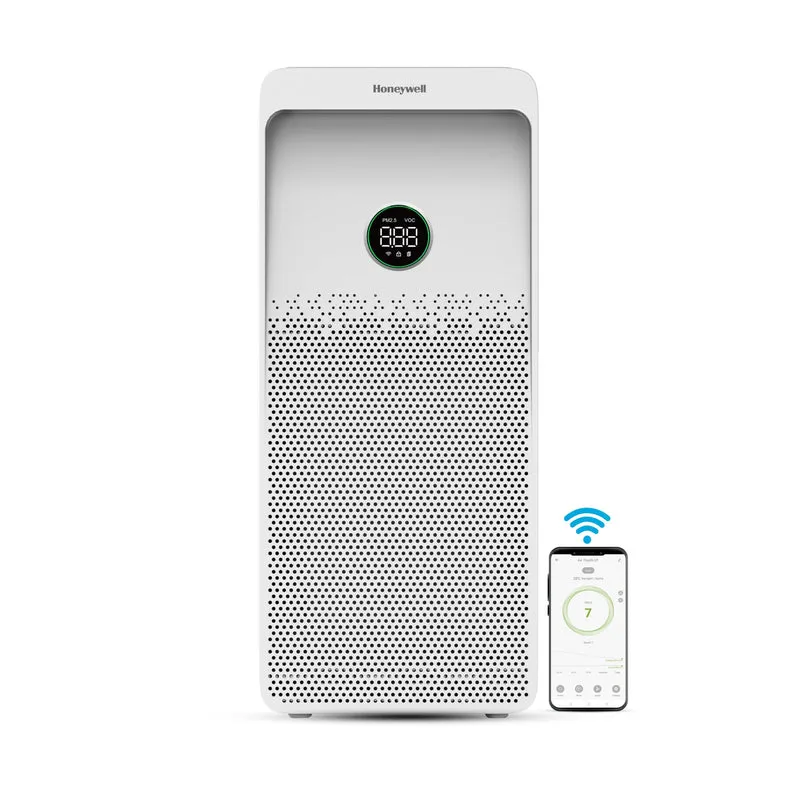
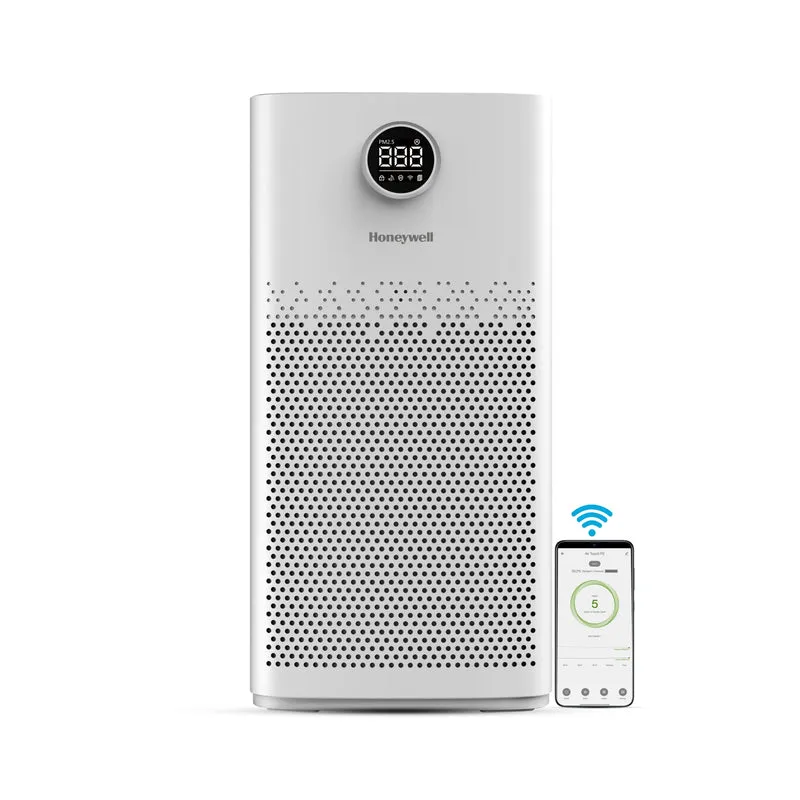
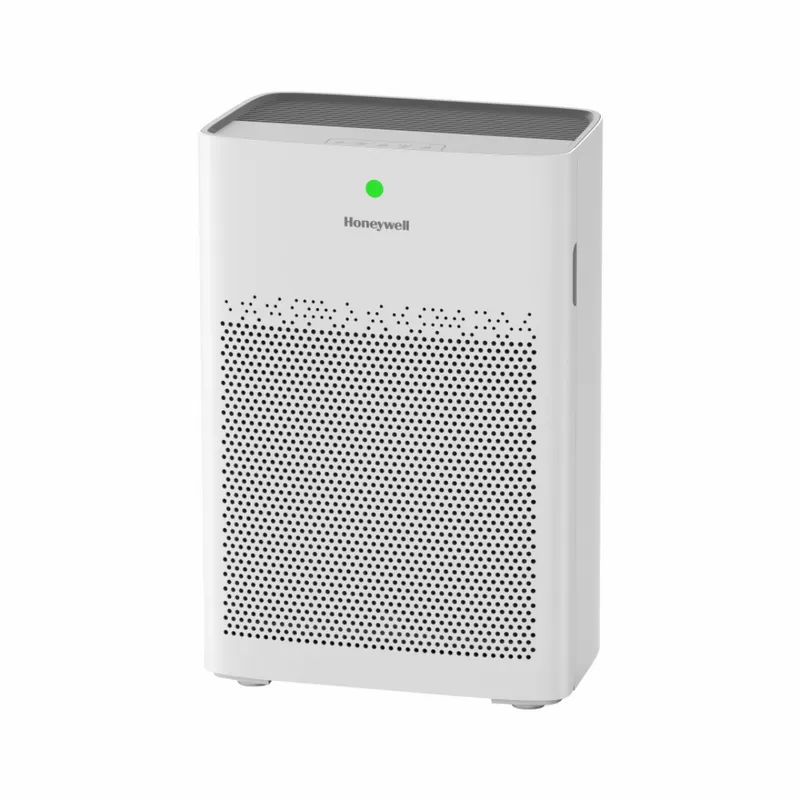
Cleanair-ae stocks purifiers, monitors, and replacement filters from Blueair, Honeywell, and Levoit, with delivery across Dubai, Abu Dhabi, and the broader UAE.
Pro Tip: After installing a purifier, run your PM2.5 monitor for 48 hours to verify the unit is actually reducing concentrations in the room. If readings do not drop, check placement, room size match, and filter condition.
Filtration and ventilation upgrade costs at a glance
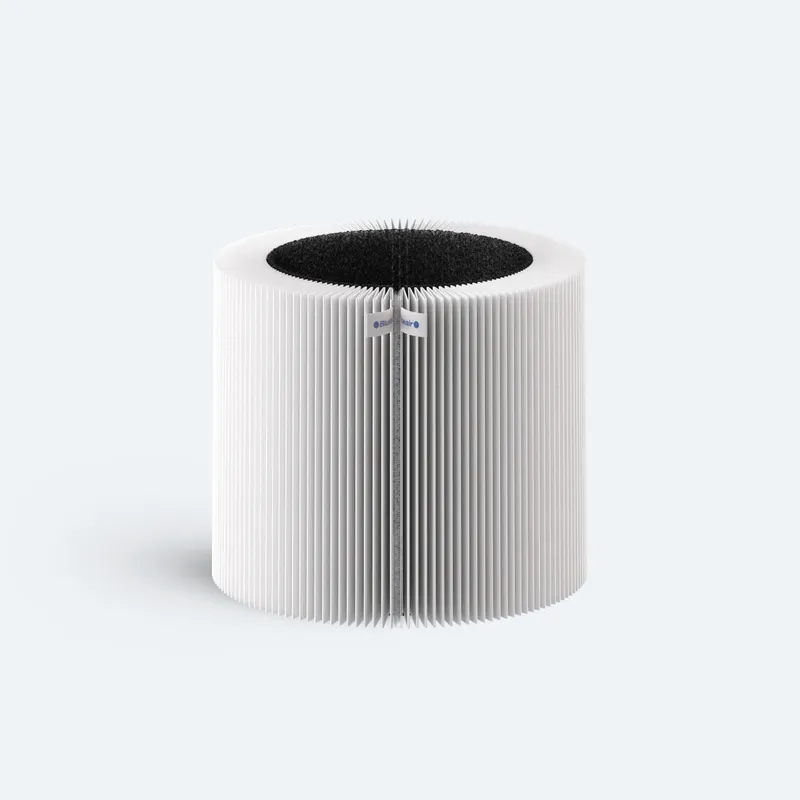
Replacement filters are the main recurring cost. A standard HEPA filter for a mid-range unit costs AED 80–200 and typically lasts 6–12 months. Activated carbon pre-filters, which handle VOCs and odours, run AED 40–100 and need replacement more frequently, often every 3–6 months. HVAC duct cleaning, where needed, is a one-off cost that varies by building size. Electricity draw for a portable purifier running continuously is modest, typically 20–60 watts for most residential units.
For those weighing purifiers against other options, the Cleanair-ae guide to air purifier alternatives covers eight non-purifier methods with cost comparisons.
UK air quality regulations relevant to indoor environments
The UK’s Health and Safety Executive (HSE) requires employers to provide adequate ventilation under the Workplace (Health, Safety and Welfare) Regulations 1992. The approved code of practice specifies that fresh air should not fall below 5–8 litres per second per occupant in most office settings. The UK government’s Building Regulations Part F sets minimum ventilation rates for new and substantially renovated dwellings. CIBSE guidance (TM40 and TM21) provides detailed indoor air quality benchmarks for CO2, PM2.5, and VOCs in non-domestic buildings. There is no single statutory indoor PM2.5 limit for existing UK homes, but the WHO 2021 guideline of 5 µg/m³ annual mean is the reference standard used in UK policy discussions. Landlords in England have legal obligations under the Homes (Fitness for Human Habitation) Act 2018 to address damp and mould that affect habitability.
Urban vs rural indoor air quality: what actually differs
Urban indoor environments in the UK and UAE face higher baseline PM2.5 and NO2 from traffic, construction, and industrial activity. Outdoor-to-indoor infiltration is faster and more persistent in urban buildings with older seals and higher air exchange rates. Rural indoor air quality is generally better for combustion-related pollutants, but biomass burning (wood stoves, open fires) can produce indoor PM2.5 concentrations that exceed urban averages during winter. Mould and biological pollutants are more common in rural buildings due to older construction and higher ambient humidity. In the UAE context, desert dust affects both urban and rural locations, but urban buildings with better-sealed facades and central HVAC tend to filter more of the coarse fraction, leaving fine PM2.5 as the dominant indoor concern.
Key takeaways
Poor air quality causes systemic harm across the cardiovascular, respiratory, and metabolic systems, and source control combined with ventilation and filtration is the most effective response.
| Point | Details |
|---|---|
| Source control first | Removing or reducing the pollutant at origin delivers the largest IAQ gains before any device is purchased. |
| PM2.5 is the priority metric | Monitor PM2.5 as the primary indicator; act when readings exceed 12 µg/m³ as an annual mean. |
| Filtration needs maintenance | HEPA filters require replacement every 6–12 months; a neglected filter reduces effectiveness significantly. |
| Vulnerable groups need priority action | Children, pregnant people, and those with chronic conditions are harmed at lower concentrations than healthy adults. |
| Measure, then improve | Install a PM2.5 or CO2 monitor before buying equipment to confirm what you are actually dealing with. |
A note from the Cleanair-ae editorial team
The evidence on how air quality influences wellbeing is clear enough that waiting for symptoms to appear is the wrong approach. Most people in UAE homes and offices are exposed to pollutant levels that accumulate risk quietly over years, particularly from cooking emissions, desert dust infiltration, and under-maintained HVAC systems. The practical steps in this article are ordered by impact, not by cost, because the cheapest interventions (source control, ventilation habits, filter maintenance) consistently outperform expensive equipment that is poorly matched or poorly maintained.
Cleanair-ae publishes practical guides and stocks purifiers, monitors, humidifiers, and filters for UAE residents and businesses. For personalised guidance on sizing and product selection, the Cleanair-ae team is available through the website.
Authoritative sources and further reading
- WHO: Air pollution overview — global burden, pollutant types, and health effects
- WHO: Ambient air quality and health fact sheet-air-quality-and-health) — premature death figures and pollutant breakdown
- WHO: Air quality, energy and health — PM2.5 systemic effects
- NIEHS: Air pollution and your health — cardiovascular, respiratory, neurological, and reproductive evidence
- OSHA: Indoor air quality guidance — workplace ventilation and occupational health standards
- Health Canada: Indoor air quality in office buildings — practical IAQ guidance including symptom triage and filtration standards
- Johns Hopkins Medicine: Air quality and health — consumer-focused clinical guidance on acute events
- Cleanair-ae: Air quality measurement guide for families — practical monitoring for UAE homes
- Cleanair-ae: Air purifier buying guide — sizing, CADR, and filter selection
Choose resources that report PM2.5, CO2, and VOC guidance specifically rather than general air quality overviews, as the thresholds and actions differ significantly by pollutant.