





















Uncategorised
Why air quality impacts productivity: the research case

Poor air quality directly reduces employee productivity by impairing cognitive function, slowing response times, and increasing absenteeism. A multi-country study led by Harvard T.H. Chan School of Public Health found that higher concentrations of PM2.5 and elevated CO2 levels were both associated with slower response times and reduced accuracy on cognitive tests among office workers. The effects appeared at pollutant concentrations common in ordinary office environments, not just in extreme conditions.
Key impacts on workplace performance include:
- Slower decision-making and reduced accuracy on complex tasks
- Impaired working memory and attention
- Increased fatigue, headaches, and presenteeism
- Higher absenteeism rates tied to respiratory and cardiovascular symptoms
- Reduced output in high-skill roles where cognitive performance drives results
“The study suggests that poor indoor air quality affects health and productivity significantly more than we previously understood.” — Jose Guillermo Cedeño Laurent, Harvard T.H. Chan School of Public Health
The US EPA estimates that poor indoor air costs the United States tens of billions of dollars each year in lost productivity and medical expenses. For UK businesses, the direction of that cost is the same, even if the precise figures differ by market.
Table of Contents
- Which indoor pollutants most affect employee performance?
- What does poor air quality cost your business?
- Why clean air is an economic investment, not just a compliance issue
- How to improve workplace air quality and sustain output
- Long-term effects of chronic exposure on workforce performance
- Case studies: measurable gains after air quality interventions
- Cleanair-ae: air quality products for workplaces and commercial spaces
- Key takeaways
Which indoor pollutants most affect employee performance?
Four pollutants account for the majority of cognitive and health impacts in office environments.
| Pollutant | Common sources | Effect on performance |
|---|---|---|
| PM2.5 (fine particulate matter) | Outdoor infiltration, printers, candles | Slower response times, reduced accuracy |
| CO2 (carbon dioxide) | Occupant respiration, poor ventilation | Impaired decision-making, reduced throughput |
| VOCs (volatile organic compounds) | Furniture, cleaning products, adhesives | Headaches, fatigue, concentration loss |
| Biological contaminants | HVAC systems, damp surfaces | Sick Building Syndrome symptoms |
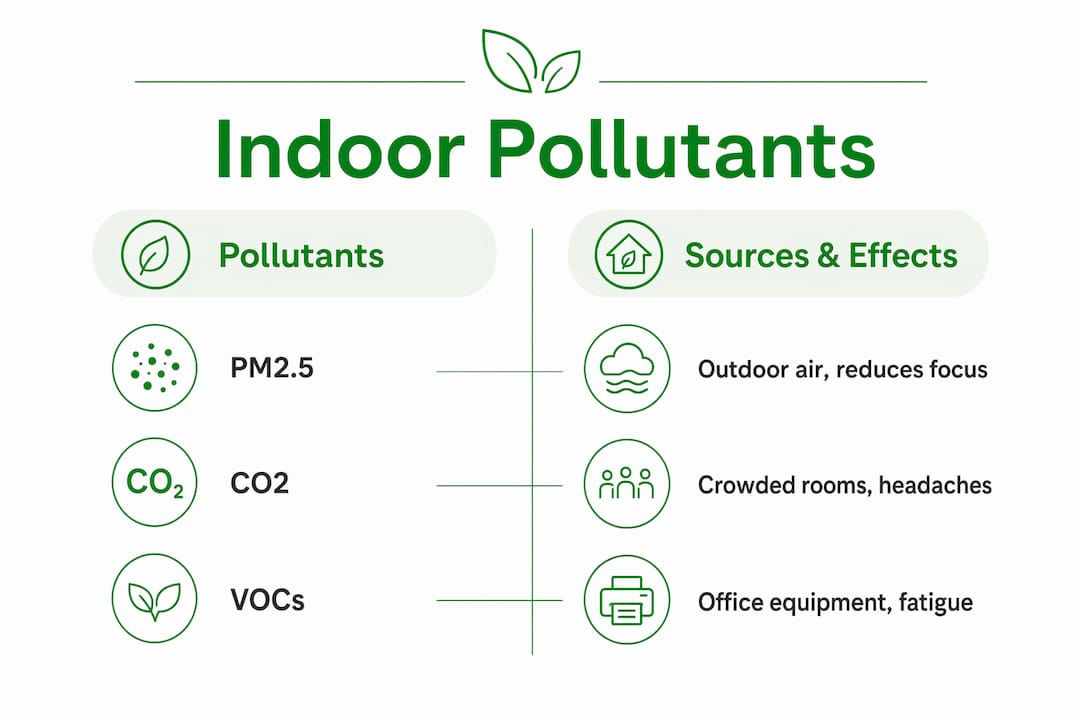
Indoor environments often accumulate these pollutants at higher concentrations than outdoors, because enclosed spaces limit dilution. A busy meeting room with poor ventilation can push CO2 above 1,000 ppm within an hour, a level associated with measurable drops in cognitive throughput. PM2.5 enters through windows, HVAC intakes, and internal sources such as laser printers and cooking areas.
The cognitive impacts vary by pollutant type:
- PM2.5: Linked to impaired selective attention and processing speed
- CO2: Affects strategy, working memory, and arithmetic performance
- VOCs: Associated with headaches and reduced concentration over sustained periods
- Biological contaminants: Drive absenteeism through respiratory illness and allergic responses
What does poor air quality cost your business?
Sick Building Syndrome is the most recognised cluster of symptoms tied to poor indoor air. Employees report headaches, fatigue, eye irritation, and difficulty concentrating, without a diagnosable illness to explain the pattern. The result is presenteeism: staff are at their desks but performing well below capacity.

Research in a pear-packing factory found that a 10 µg/m3 increase in PM2.5 caused a 6% decrease in worker productivity, even at concentrations below US air quality standard limits. That finding matters for office managers because it shows the productivity penalty begins before any regulatory threshold is breached. A 2025 OECD study covering over 2.5 million European firms found that a 1 µg/m3 increase in PM2.5 causes a 0.55% reduction in labour productivity in the same year.
Business consequences include:
- Lost workdays from respiratory and cardiovascular illness
- Reduced output from employees present but cognitively impaired
- Higher staff turnover where chronic discomfort goes unaddressed
- Increased facilities and medical costs over time
Why clean air is an economic investment, not just a compliance issue
IZA World of Labor research frames air quality improvements as a form of human capital investment, one where productivity gains offset the costs of intervention. The economic case is straightforward: if pollutant levels below legal thresholds still reduce output, then meeting minimum standards is not the same as protecting performance.
“Our research consistently finds that the value proposition of better ventilation and filtration extends to cognitive function and productivity of workers, making healthy buildings foundational to public health and business strategy.” — Joseph Allen, Harvard T.H. Chan School of Public Health
Productivity losses from air pollution occur below legal thresholds, which means businesses relying solely on compliance face a hidden operational risk. High-skill roles are disproportionately affected because cognitive performance drives output in those functions more directly than in manual tasks.
Pro Tip: Short-term spikes in CO2 and PM2.5, such as those during a crowded meeting, cause acute dips in cognitive performance that persist for the rest of the working day. Standard air quality averages miss these spikes entirely. Real-time monitoring catches them.
How to improve workplace air quality and sustain output
Practical improvement does not require a full building retrofit. The EPA recommends a combined approach by building operators and occupants to maintain healthy indoor conditions.
Priority steps for facilities managers:
- Upgrade filtration to HEPA or higher-rated filters in HVAC systems
- Increase fresh air ventilation rates beyond minimum building code requirements
- Install real-time CO2 and PM2.5 monitors in high-occupancy areas
- Schedule regular HVAC maintenance and filter replacement
- Reduce internal VOC sources by selecting low-emission furniture and cleaning products
- Improve air circulation in meeting rooms, particularly during and after large gatherings
Occupant-level actions:
- Open windows when outdoor air quality permits
- Avoid using aerosol products indoors
- Report visible mould, damp, or persistent odours to facilities management
- Use air cleaning technologies such as standalone air purifiers in areas where HVAC coverage is limited
Continuous monitoring is the step most organisations skip. Without real-time data, managers cannot identify which rooms, times of day, or activities generate the worst conditions. A monitor placed in a conference room will typically reveal CO2 spikes that correlate directly with the hours when staff report afternoon fatigue.

Long-term effects of chronic exposure on workforce performance
Chronic exposure to elevated PM2.5 and other indoor pollutants does more than reduce daily output. Over months and years, it contributes to cardiovascular and cerebrovascular disease, both of which increase long-term absenteeism and reduce the productive lifespan of employees. The OECD’s 2025 analysis found that air quality improvements in Europe over the period 2011–2022 may have accounted for around a third of labour productivity growth across that decade.
For businesses, the long-term picture includes higher insurance and healthcare costs, reduced retention among employees who associate their workplace with persistent ill health, and gradual erosion of cognitive capacity in senior staff whose roles depend on sustained analytical performance. The connection between clean air and wellness is cumulative: the longer the exposure, the harder the recovery.
Case studies: measurable gains after air quality interventions
The Harvard multi-country study tracked 302 office workers across six countries over 12 months. Workers in buildings with better filtration and higher ventilation rates consistently outperformed those in standard buildings on both the Stroop colour-based cognitive test and the arithmetic addition-subtraction test. Each interquartile increase in PM2.5 was associated with a 0.82% increase in Stroop response time and a 6.18% increase in interference time, meaning workers took longer and made more errors under higher pollution conditions.
The pear-packing factory study referenced earlier is notable because it isolated the productivity effect at sub-threshold pollution levels, removing the assumption that regulatory compliance equals operational safety. The OECD’s firm-level analysis, covering over 2.5 million companies across Europe from 2000 to 2022, confirmed the same direction of effect at scale: cleaner air produces measurably higher output per worker.
Cleanair-ae: air quality products for workplaces and commercial spaces

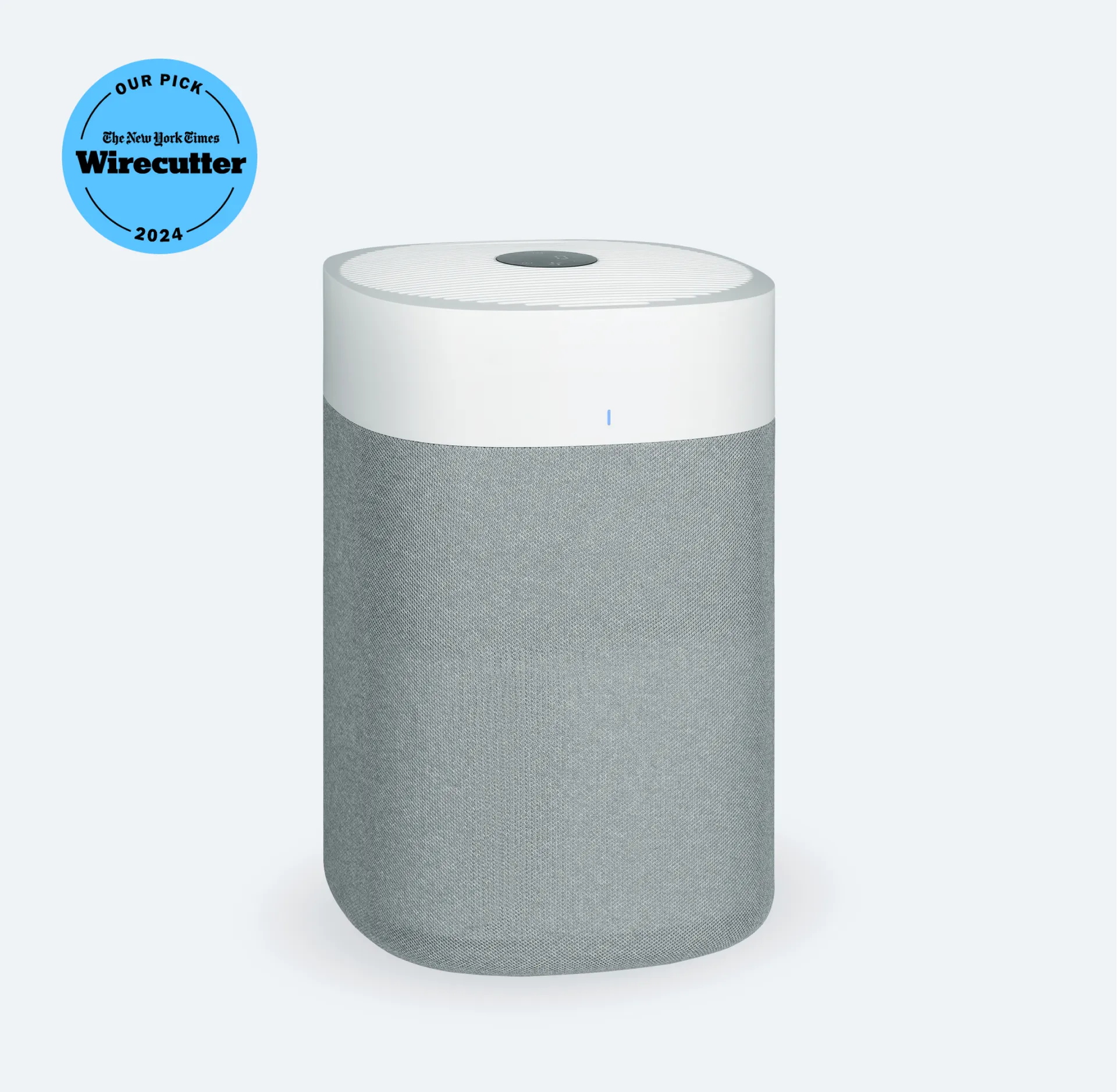
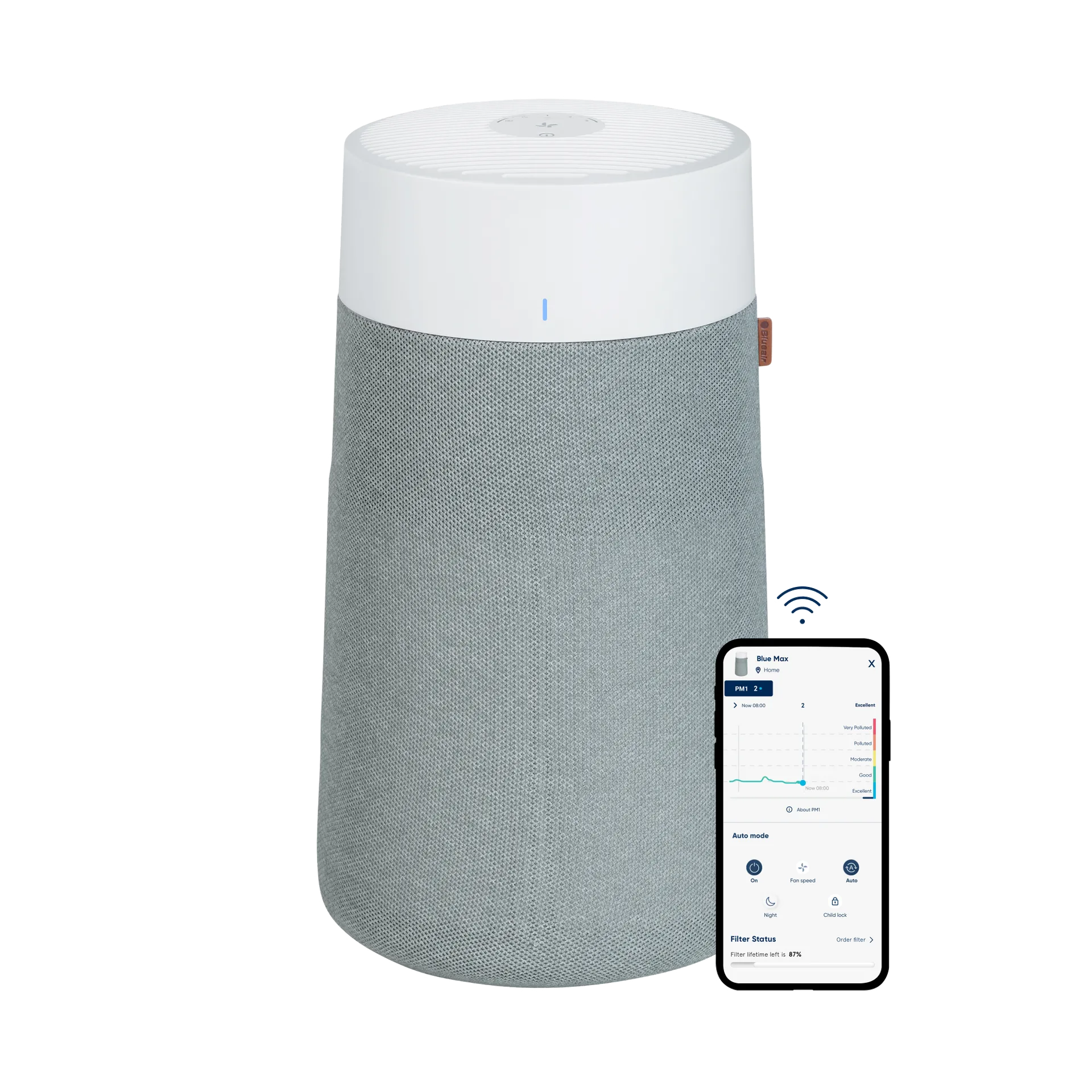
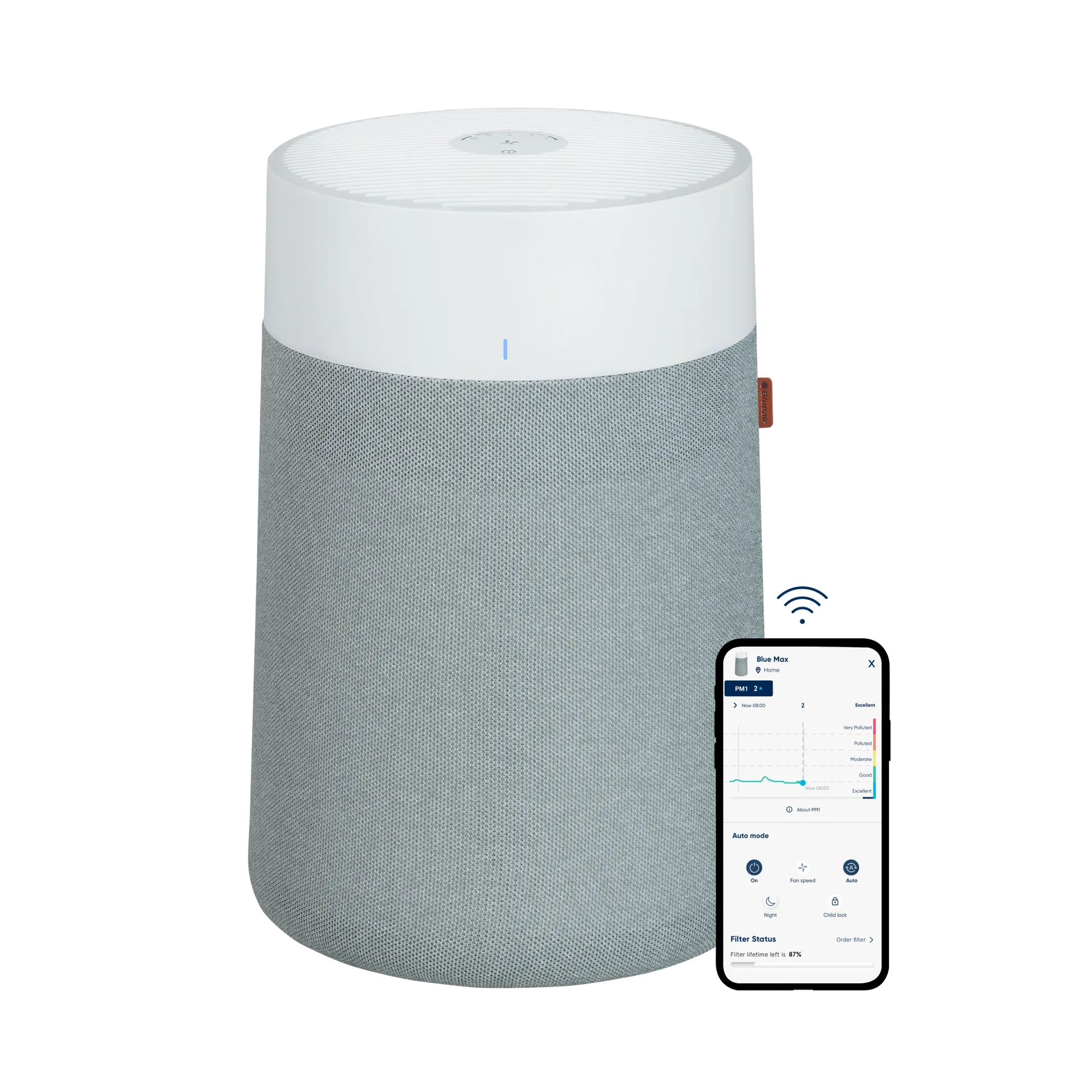
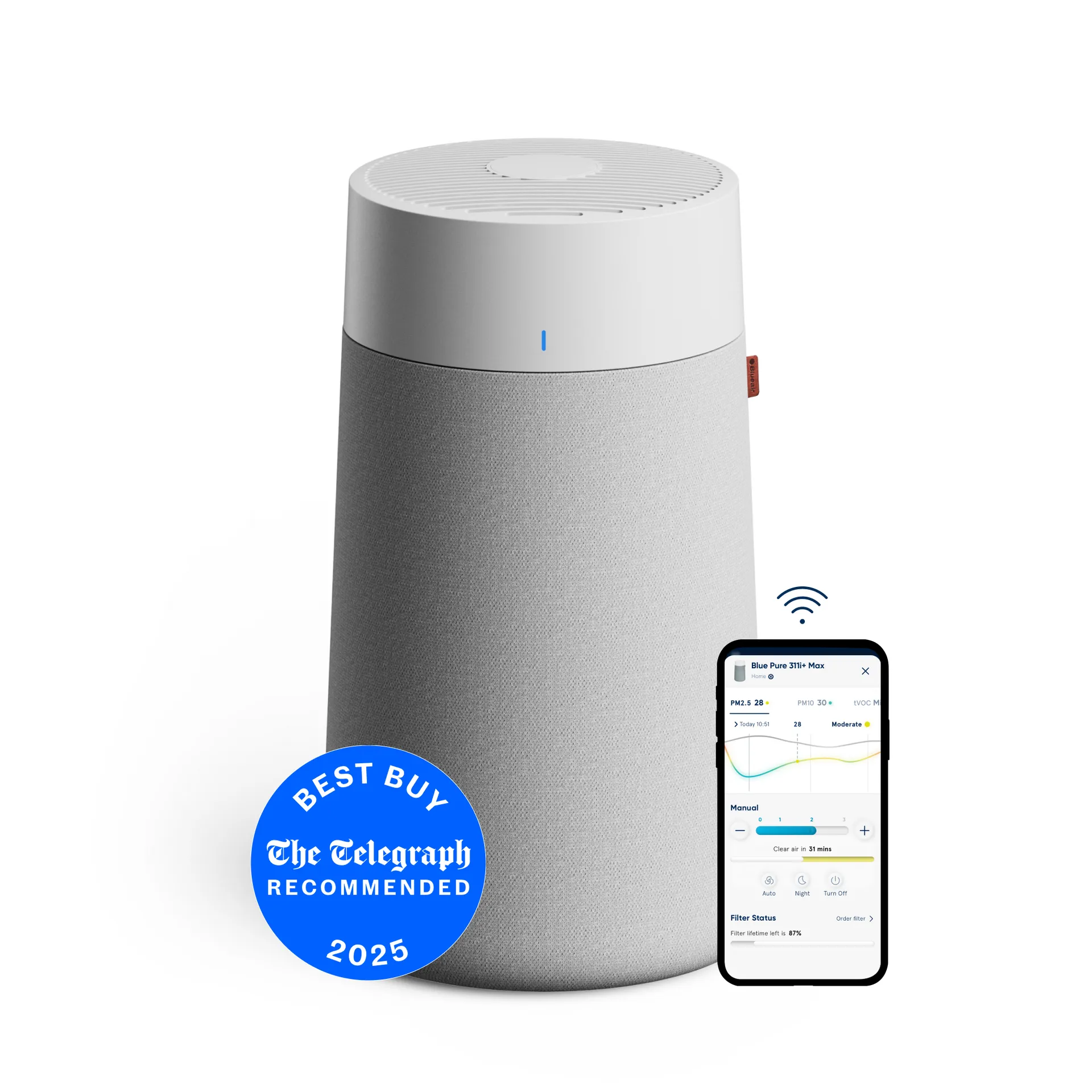
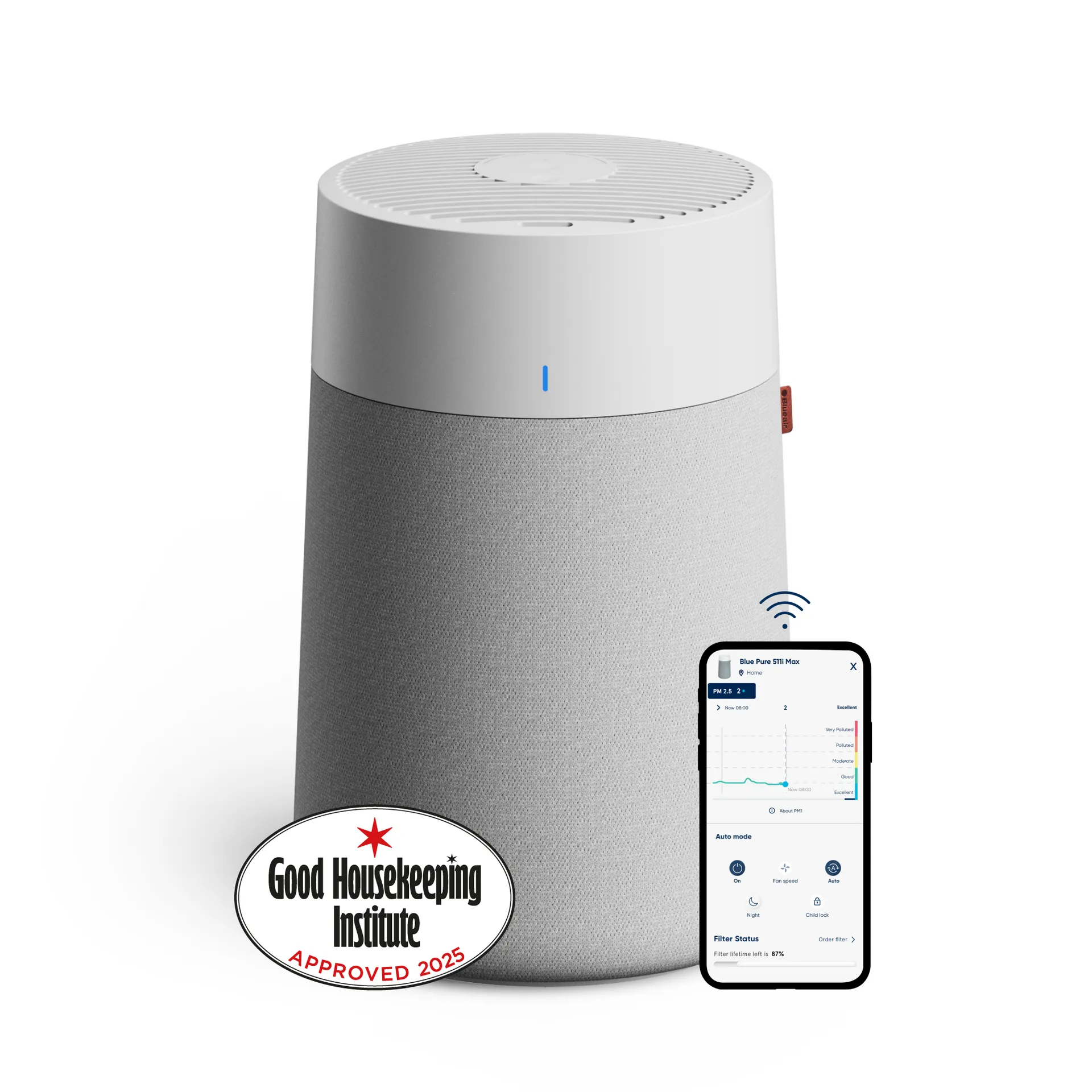
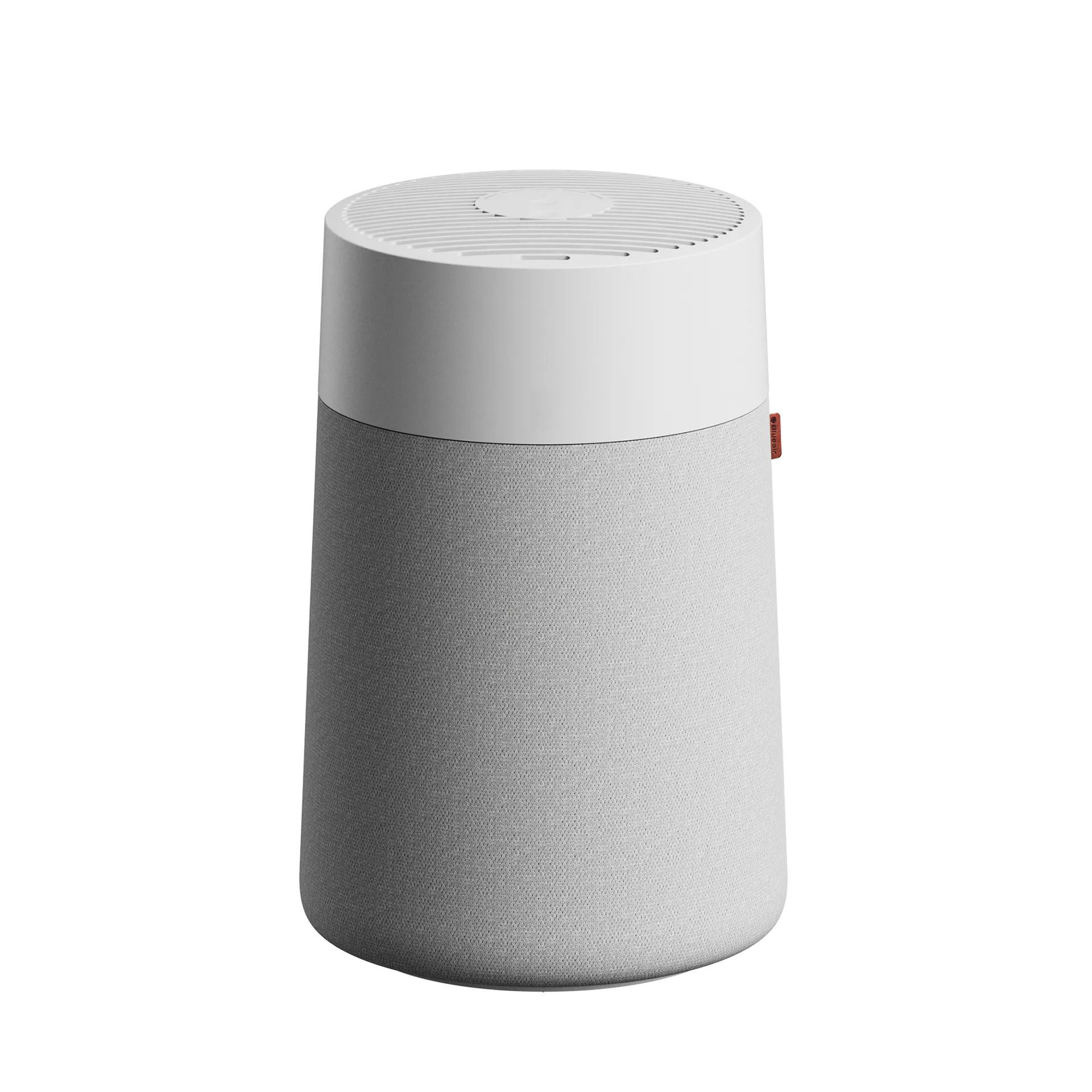
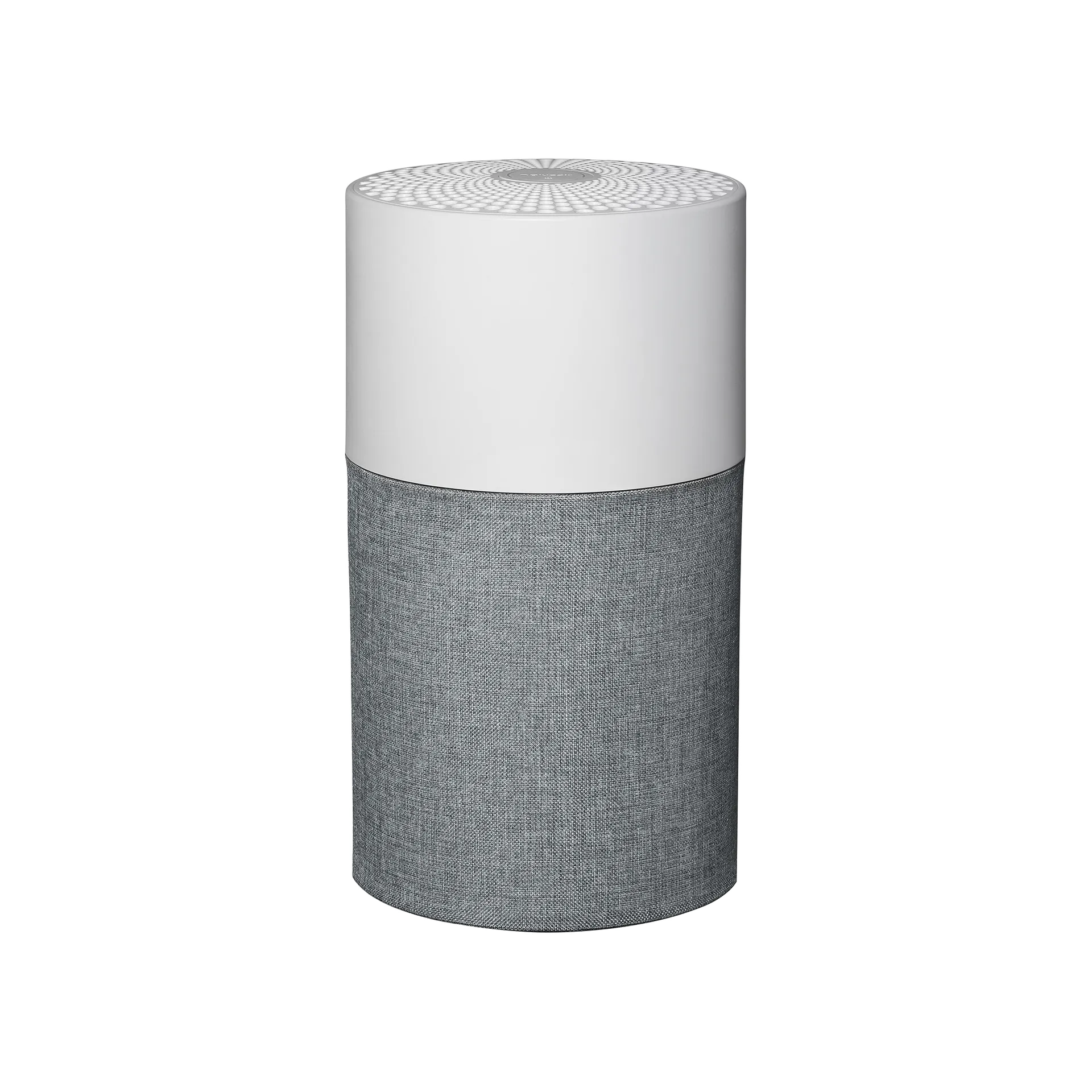
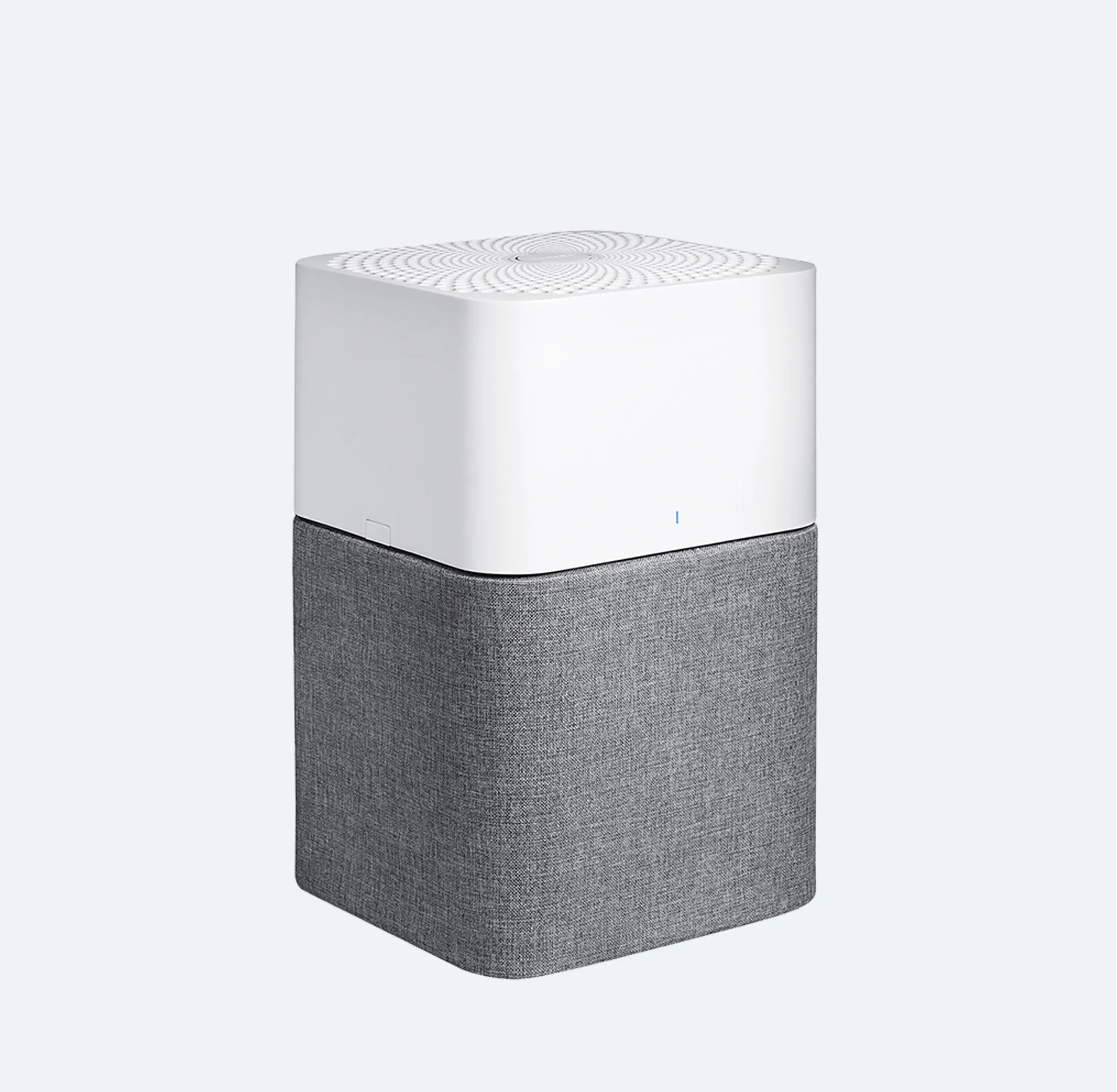
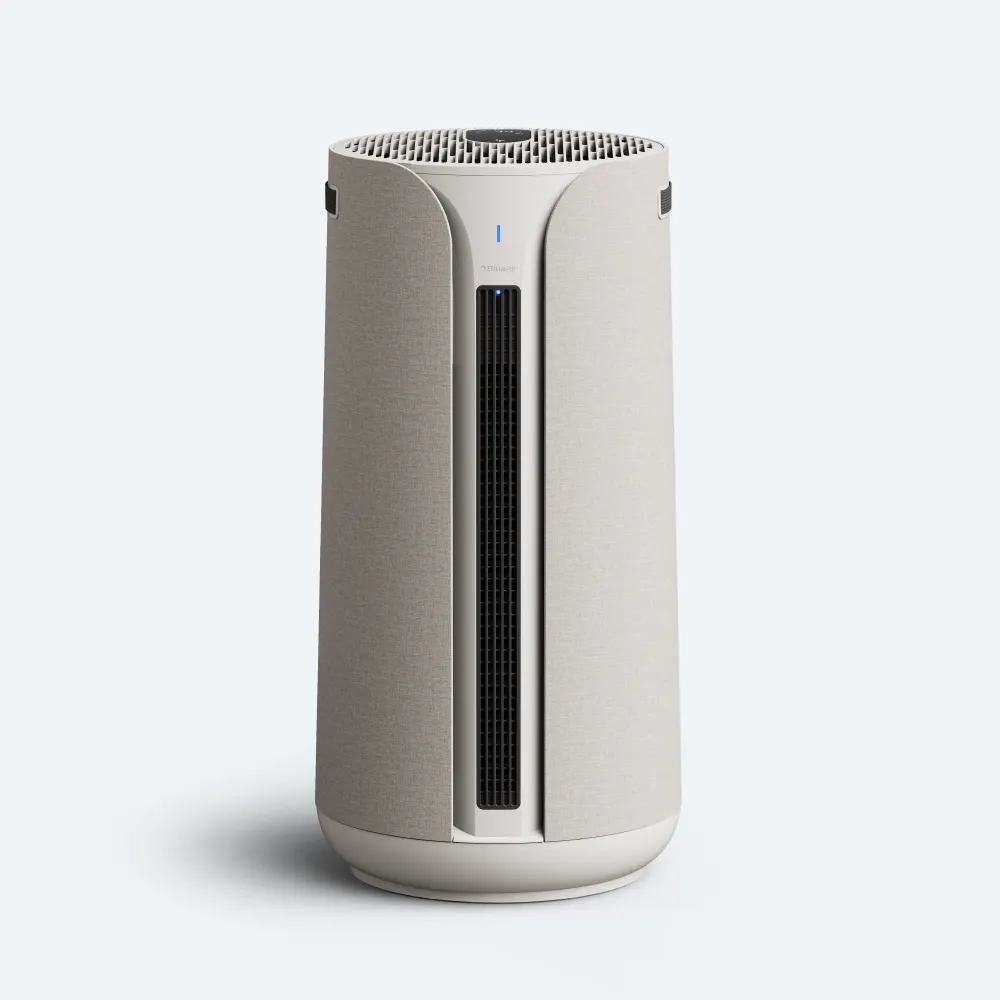
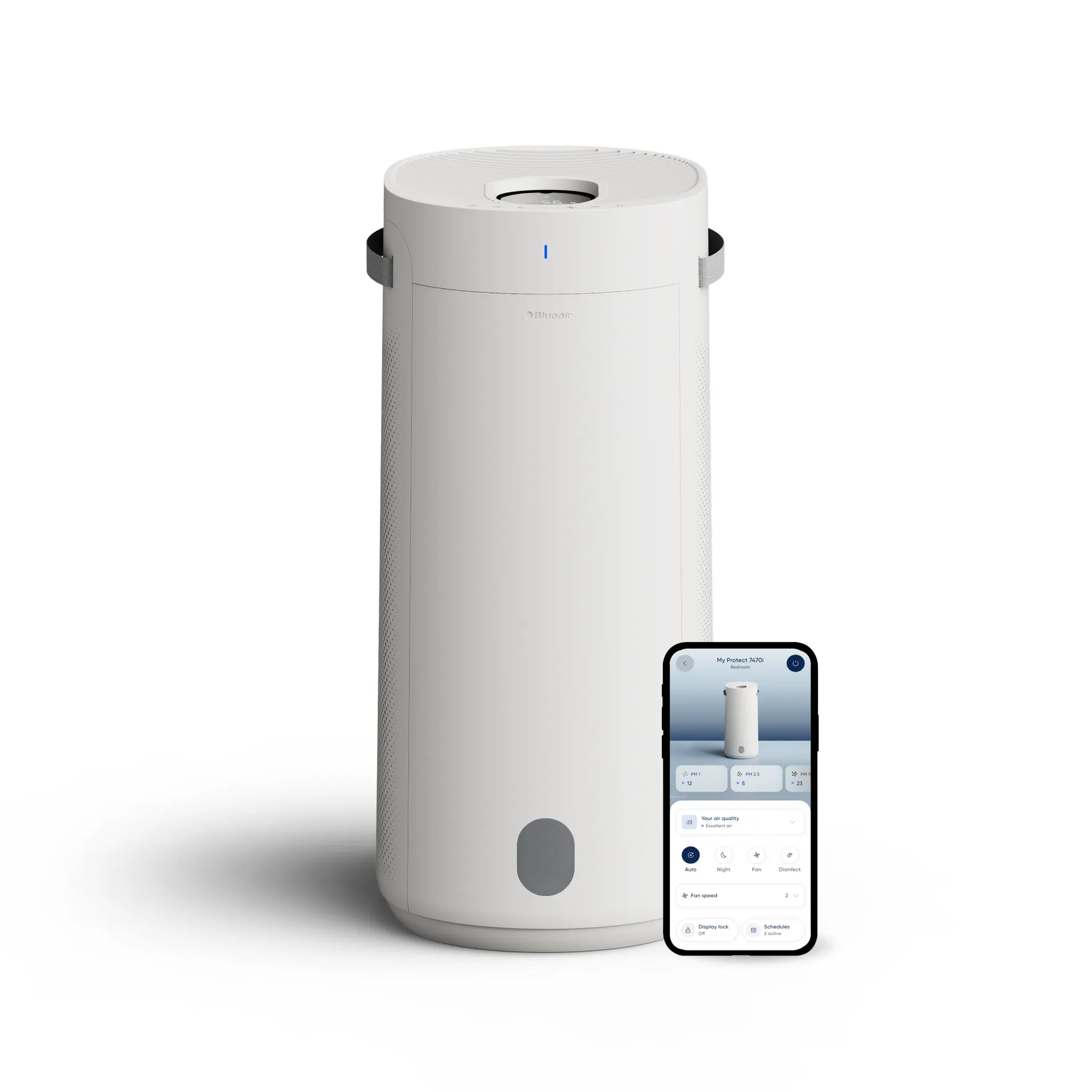
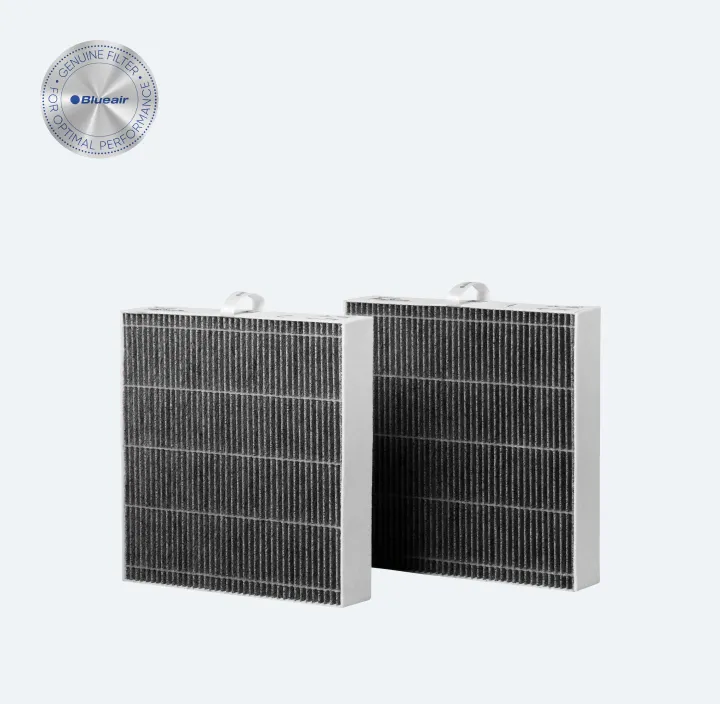
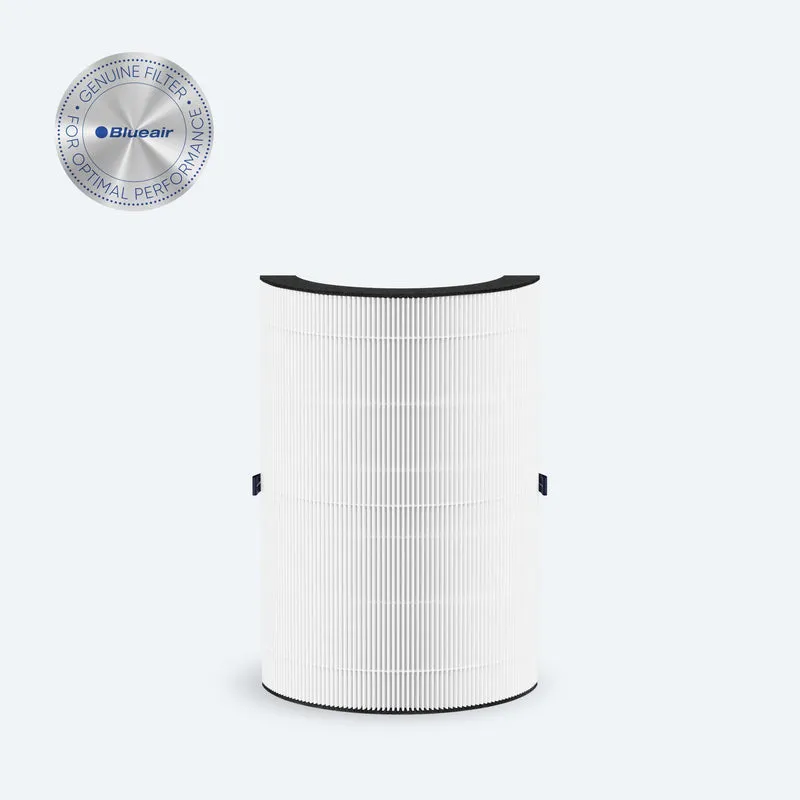
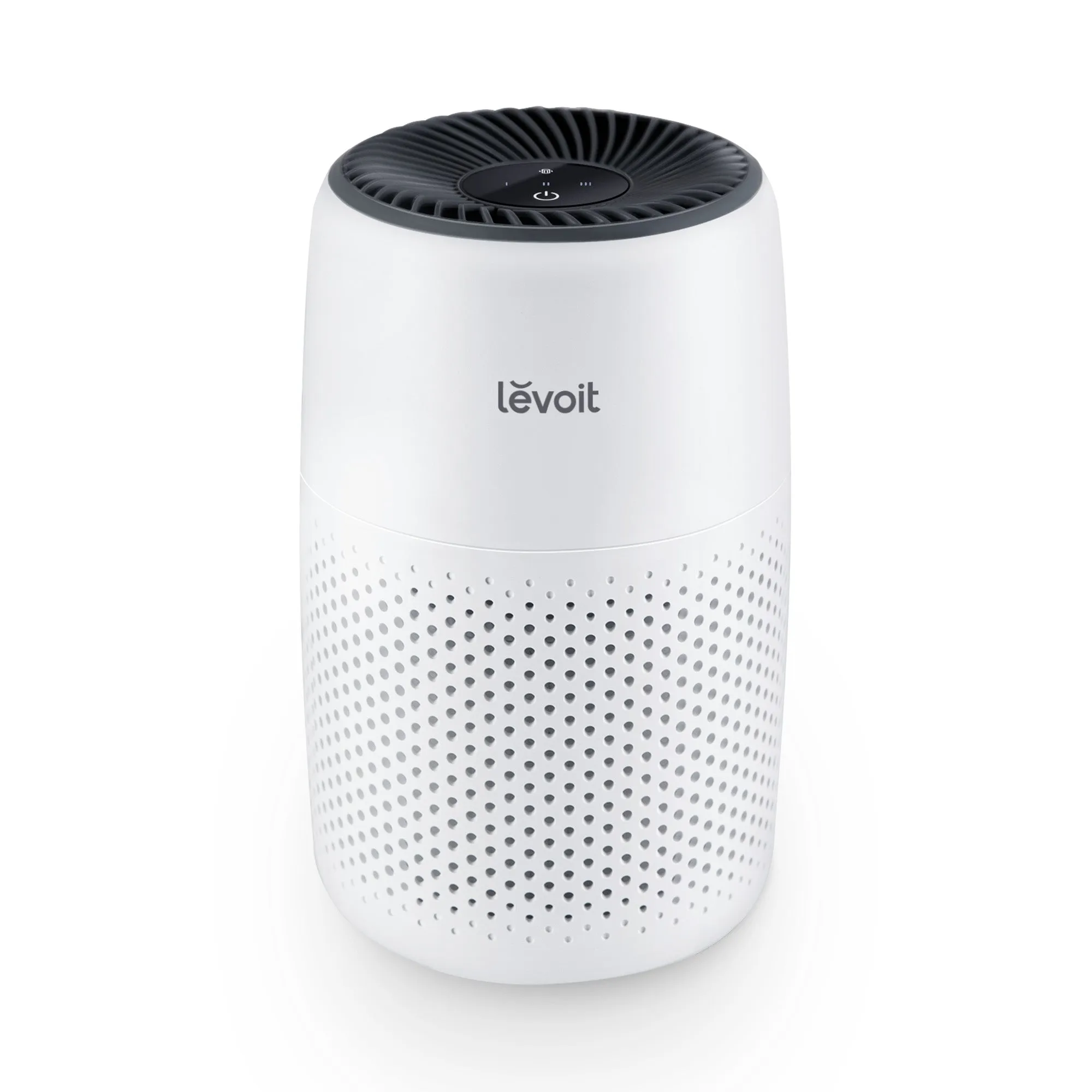
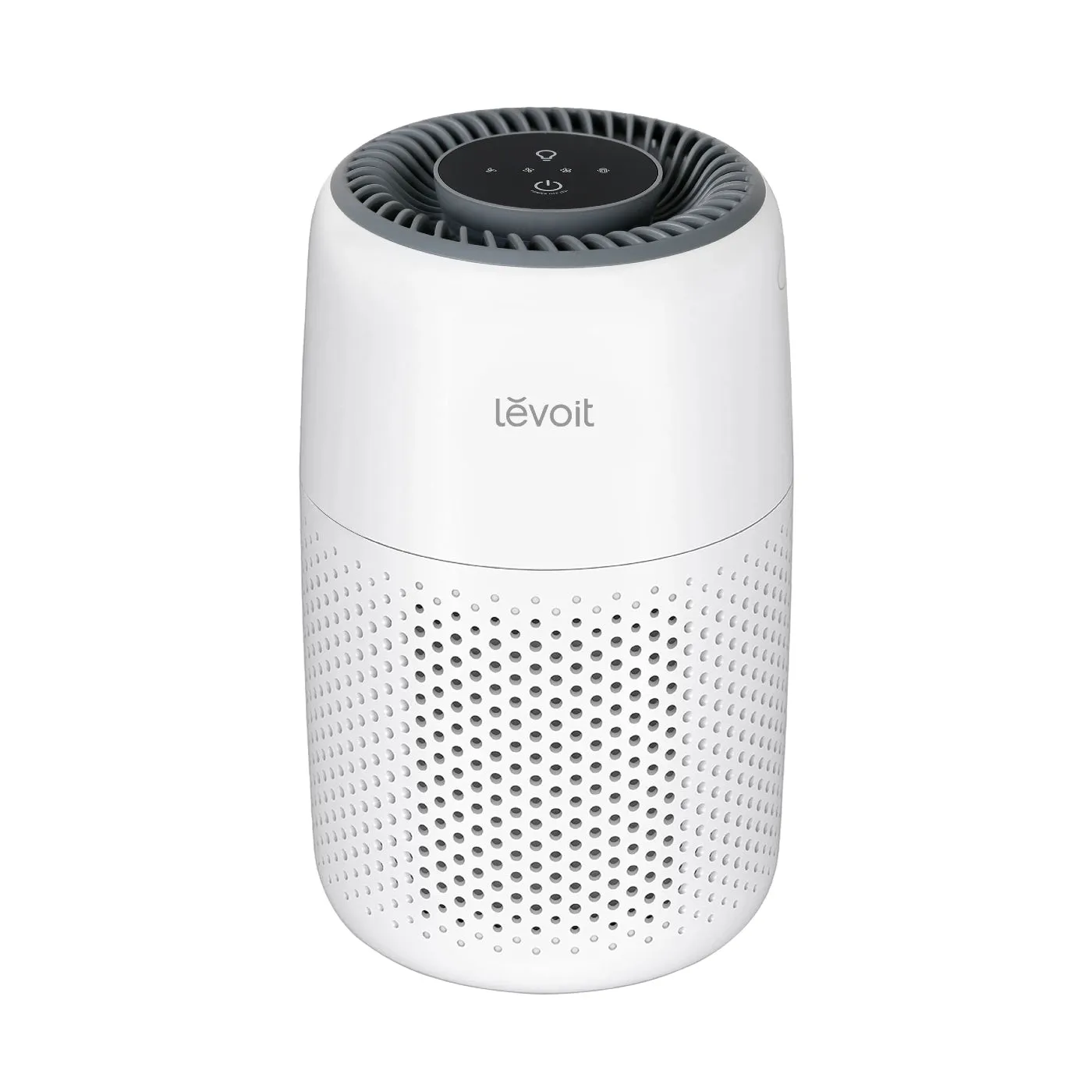
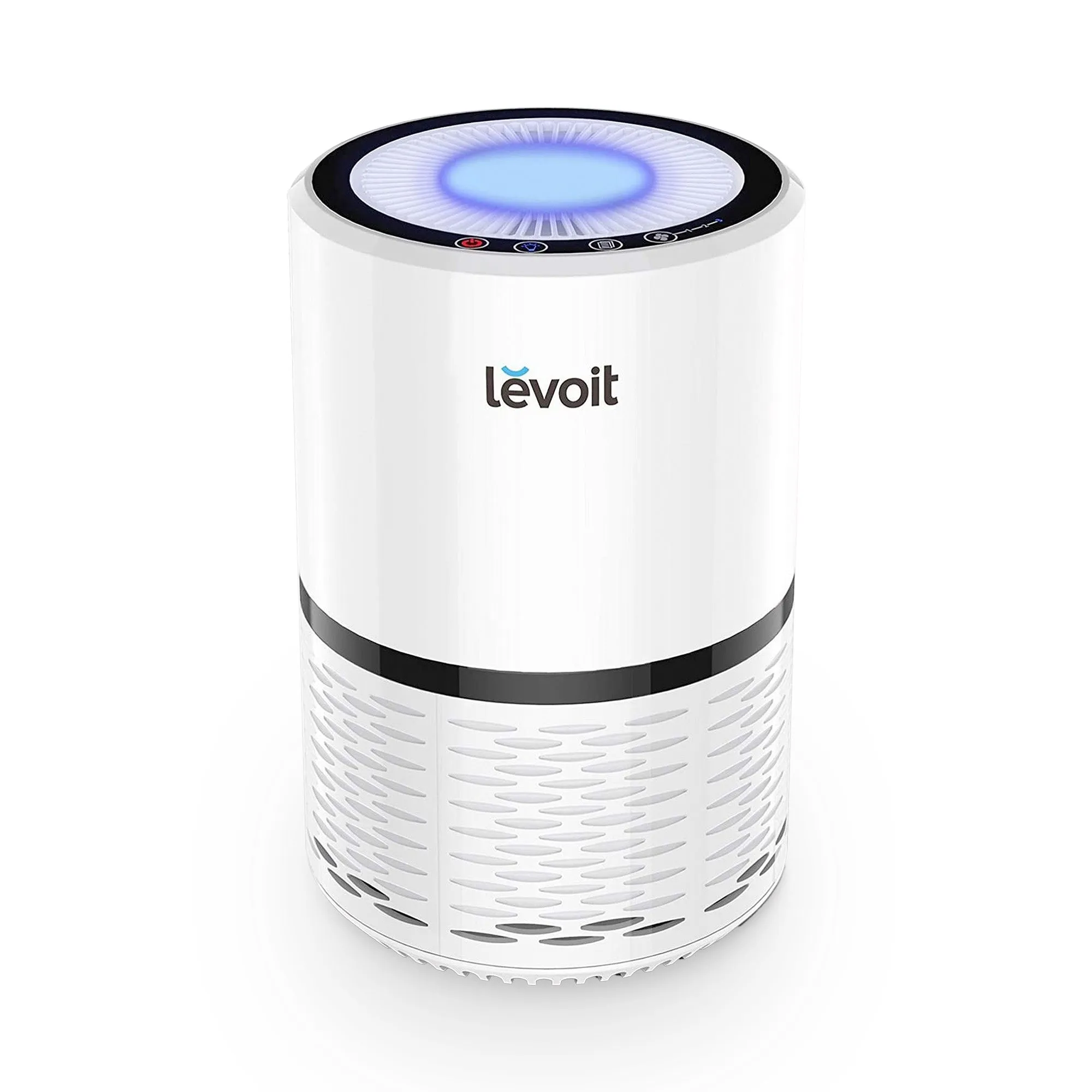
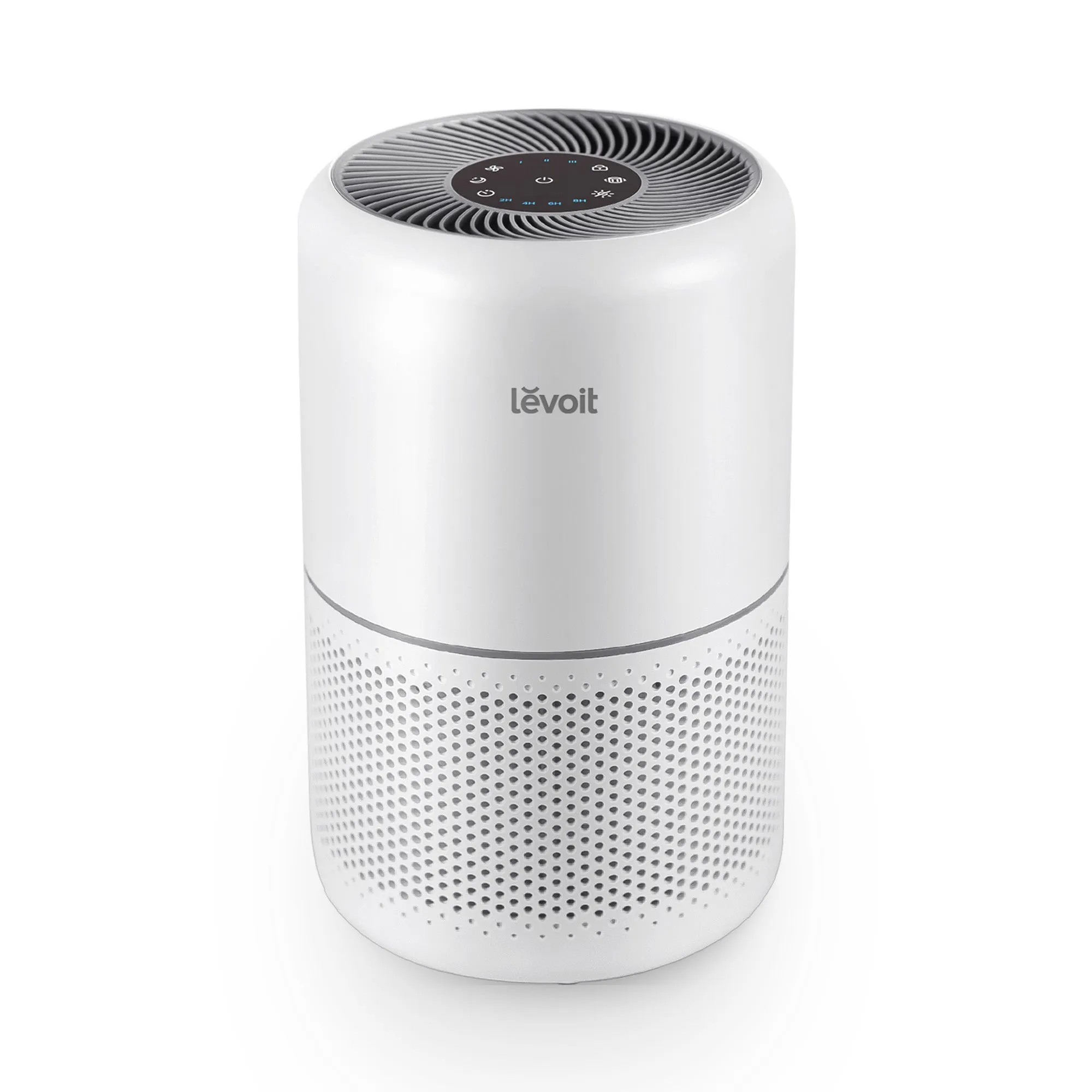
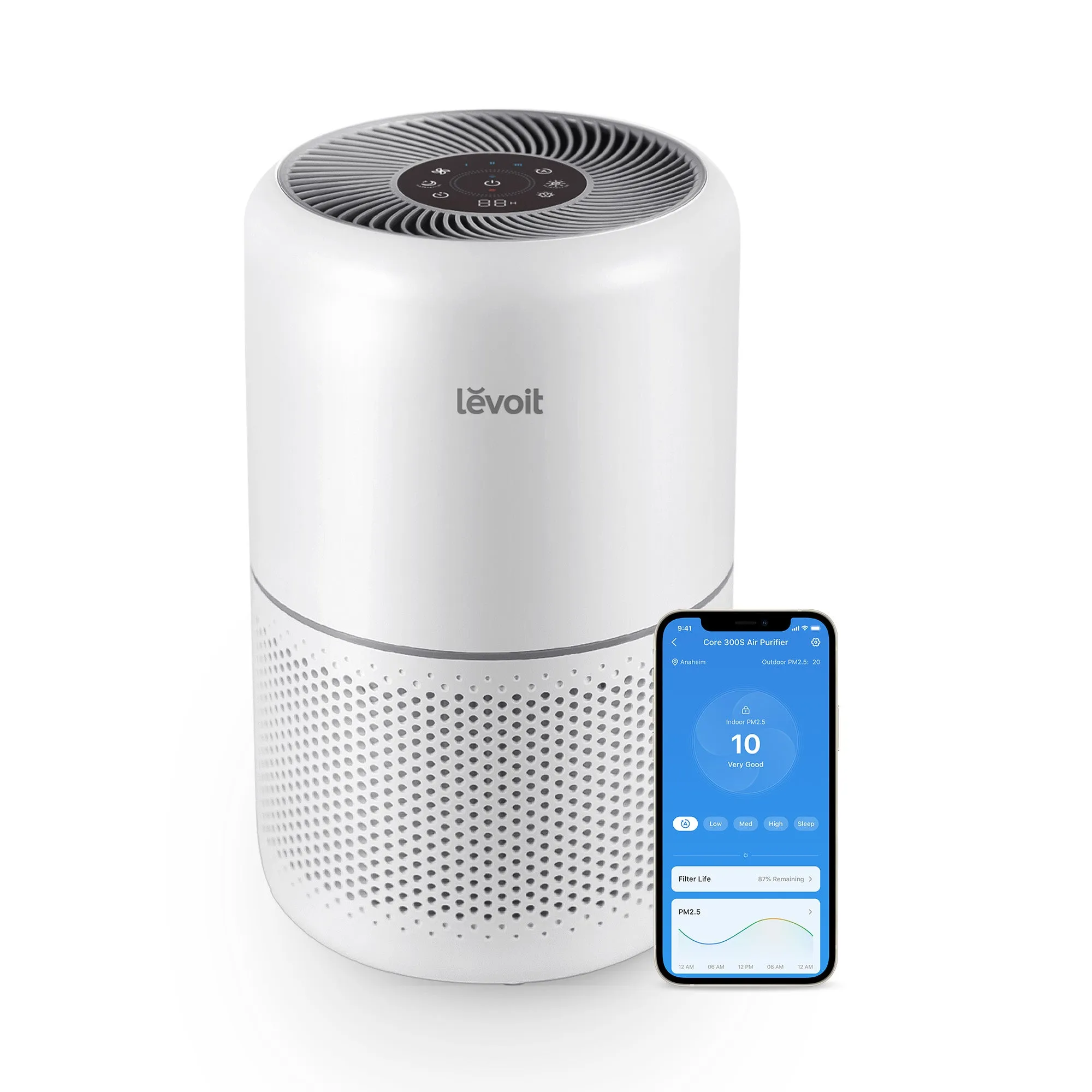
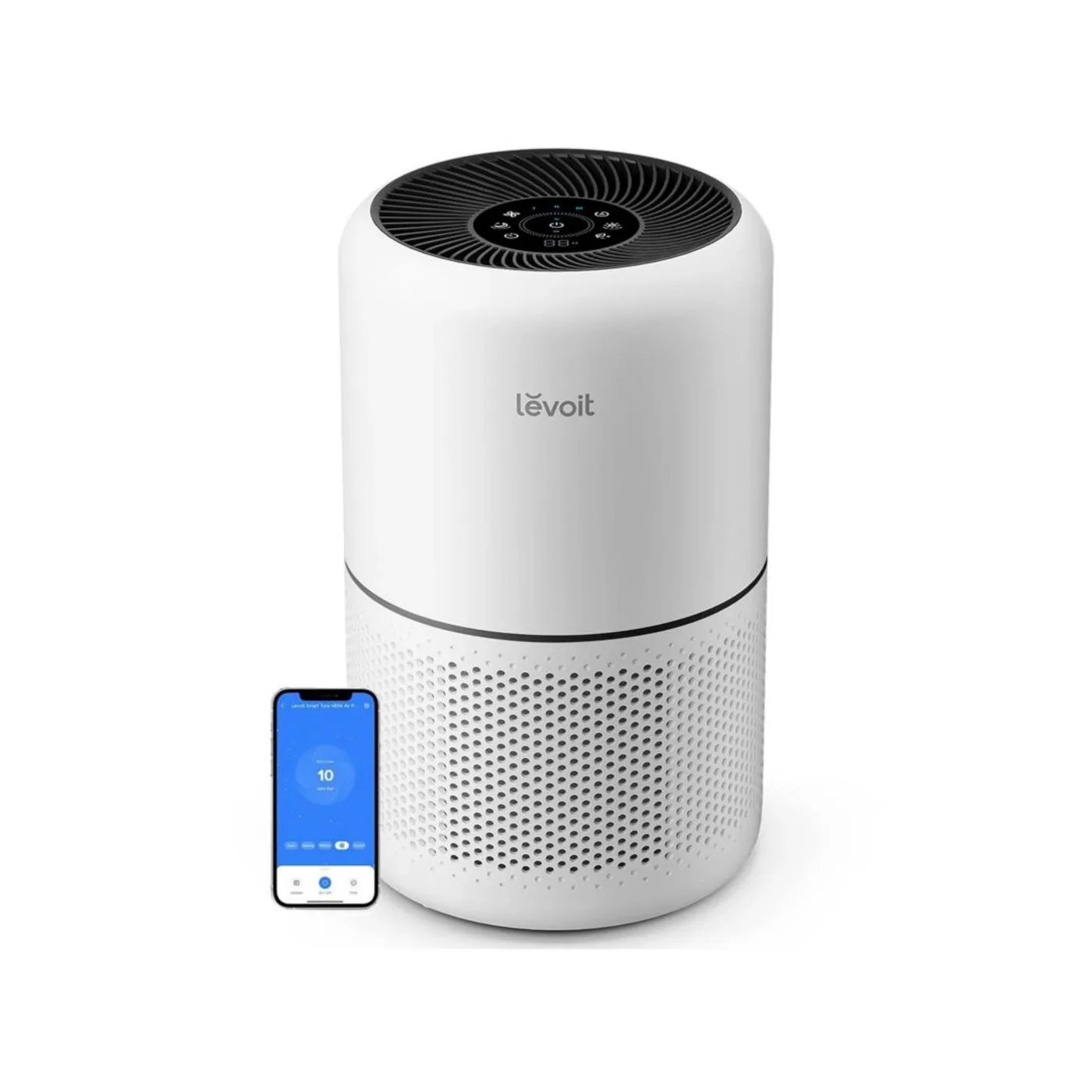
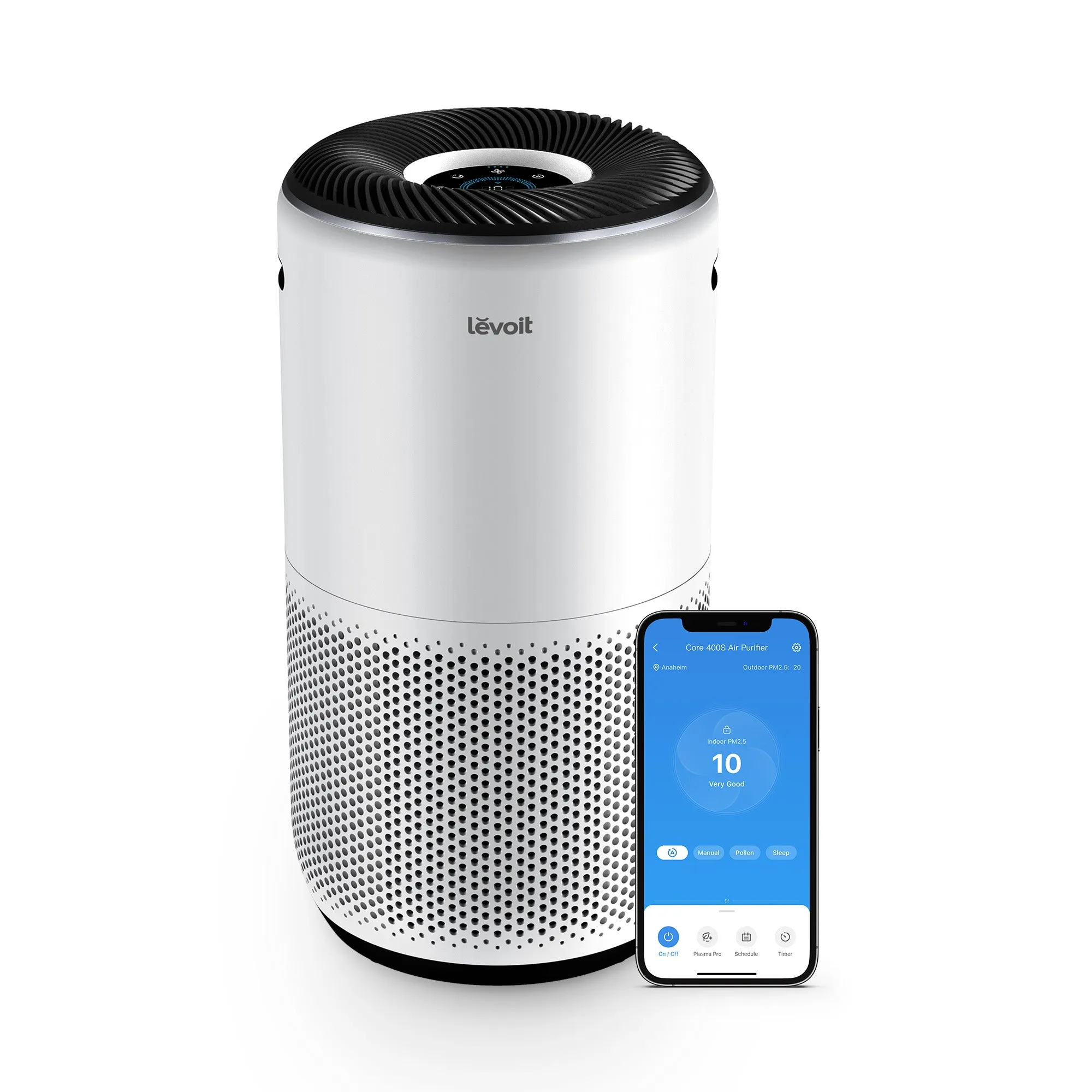
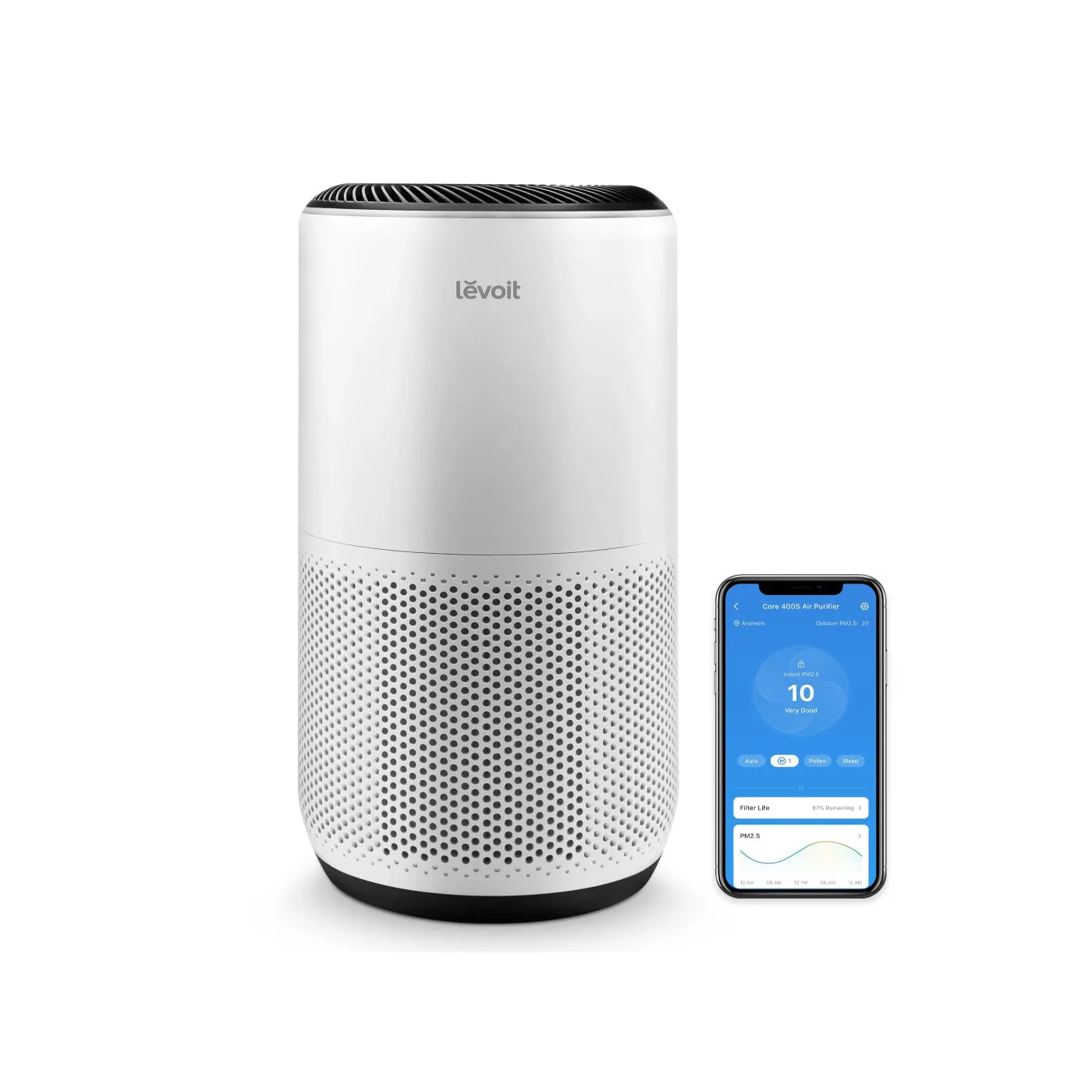
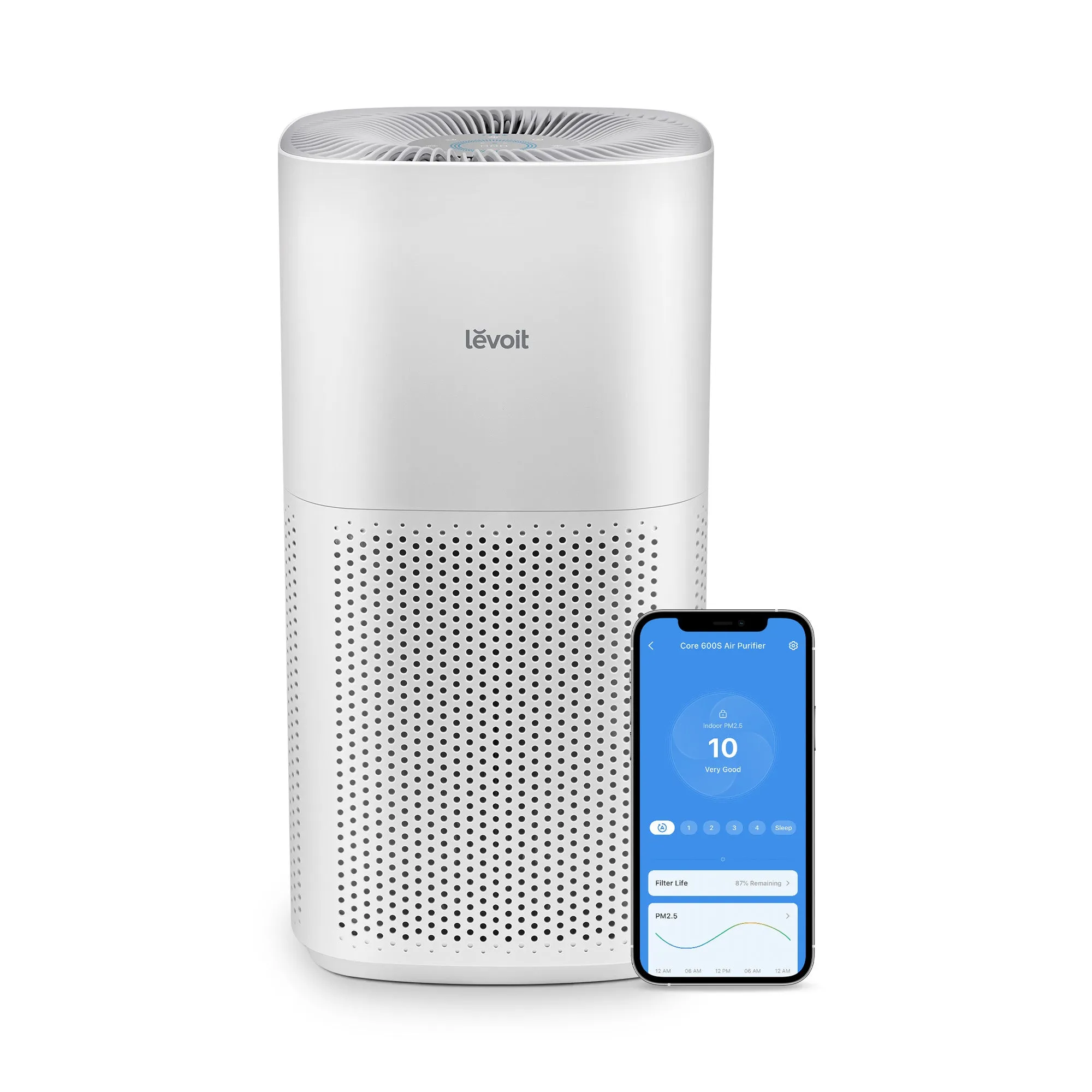
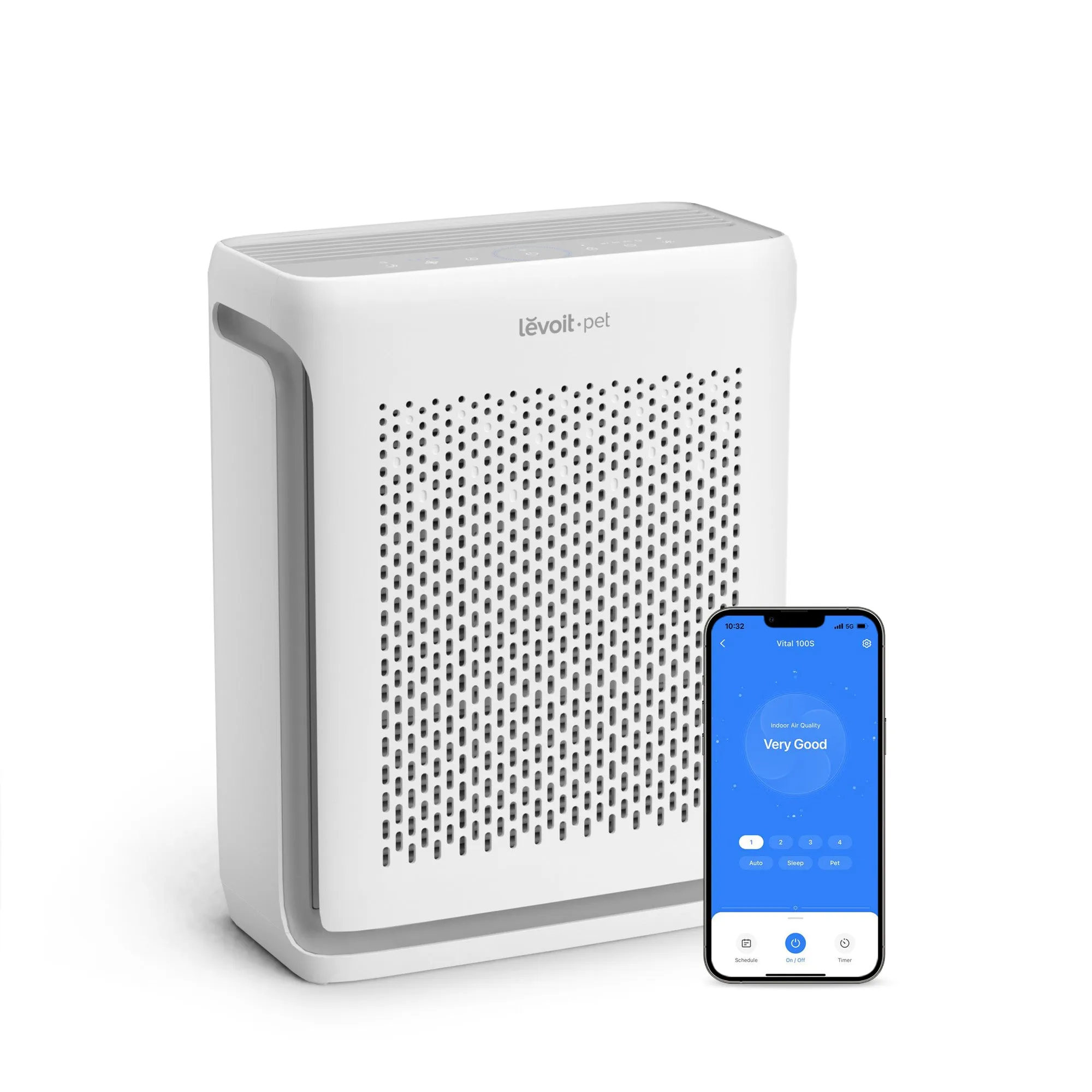
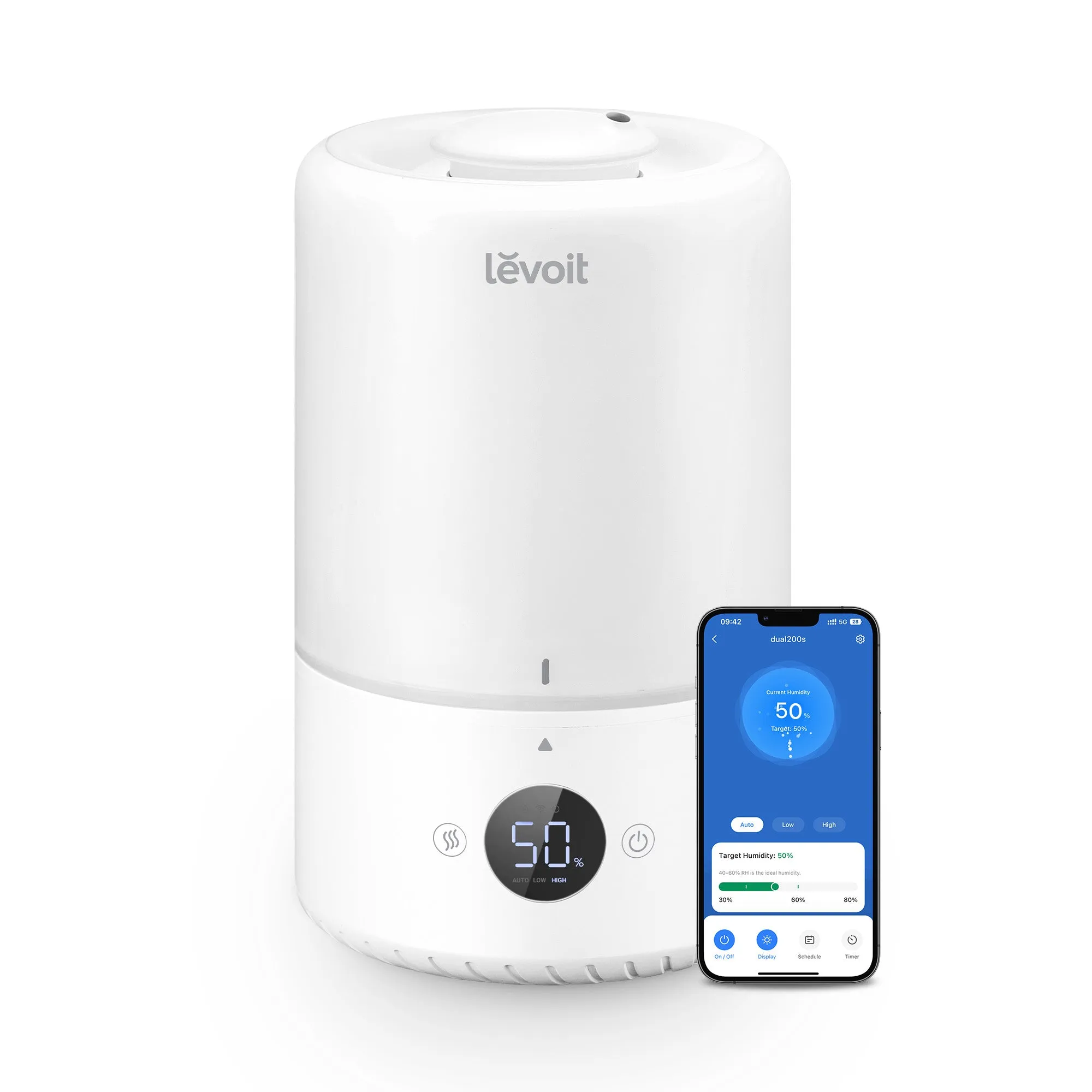
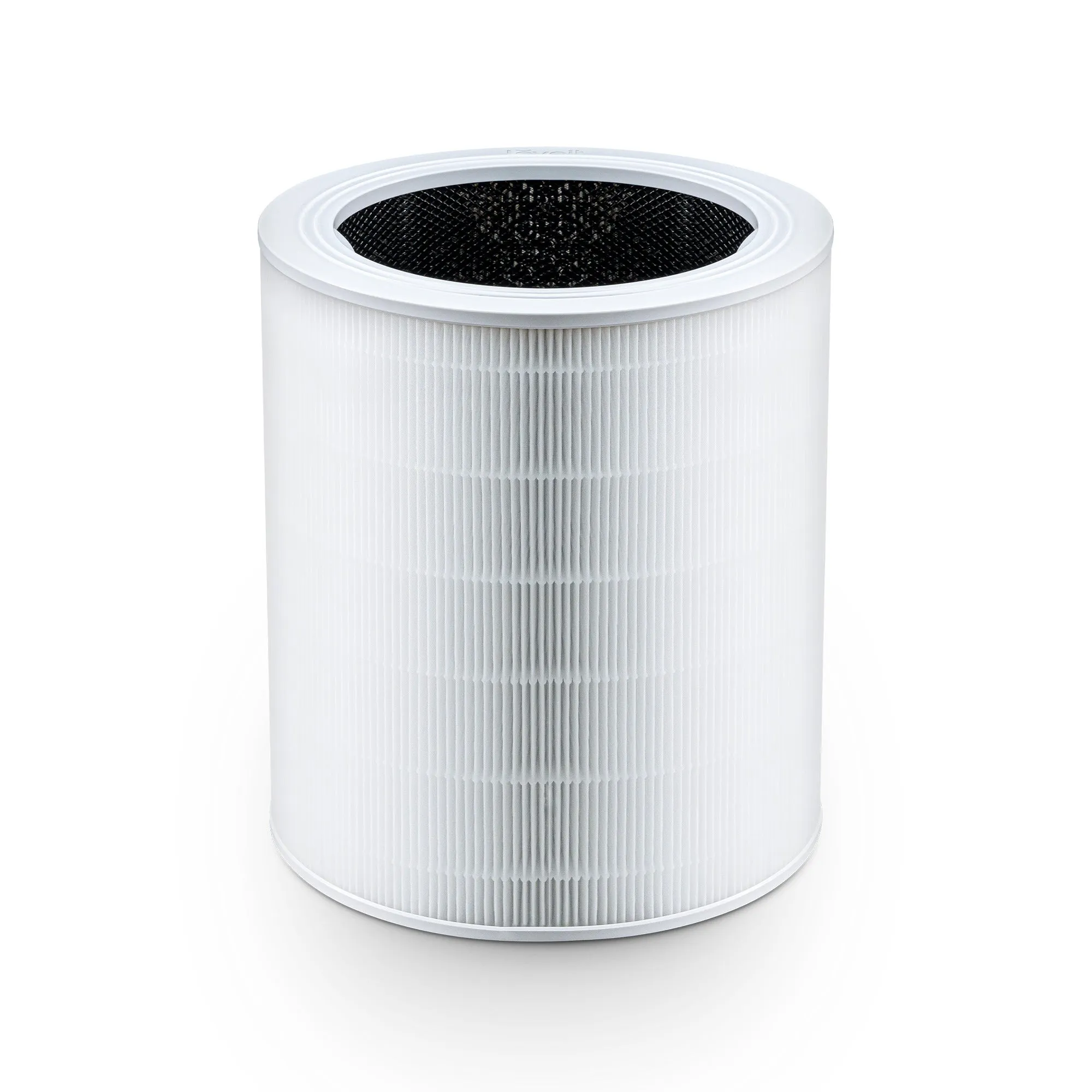
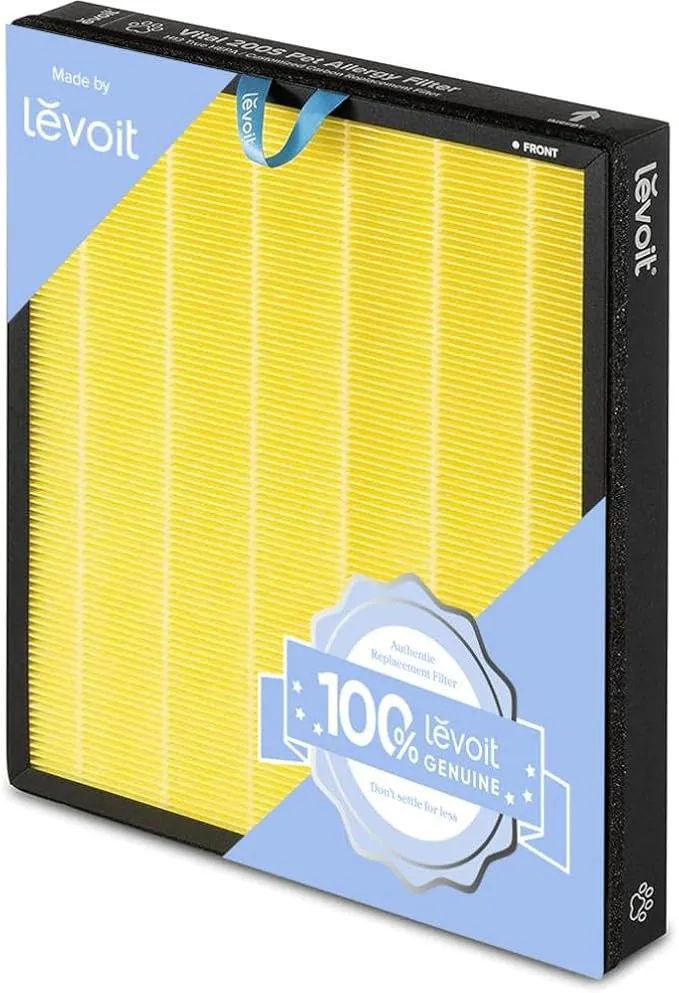
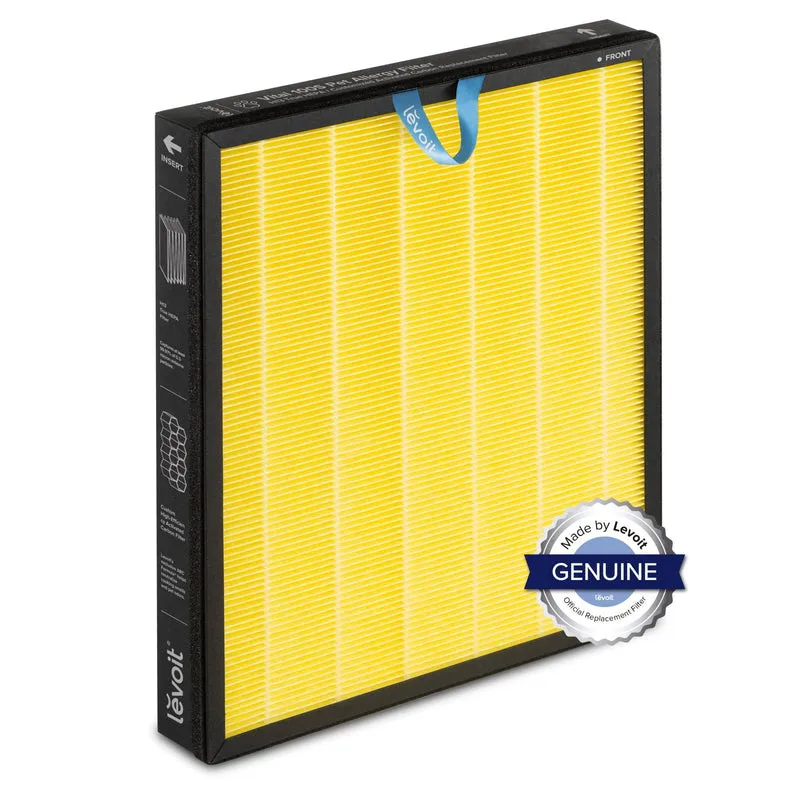
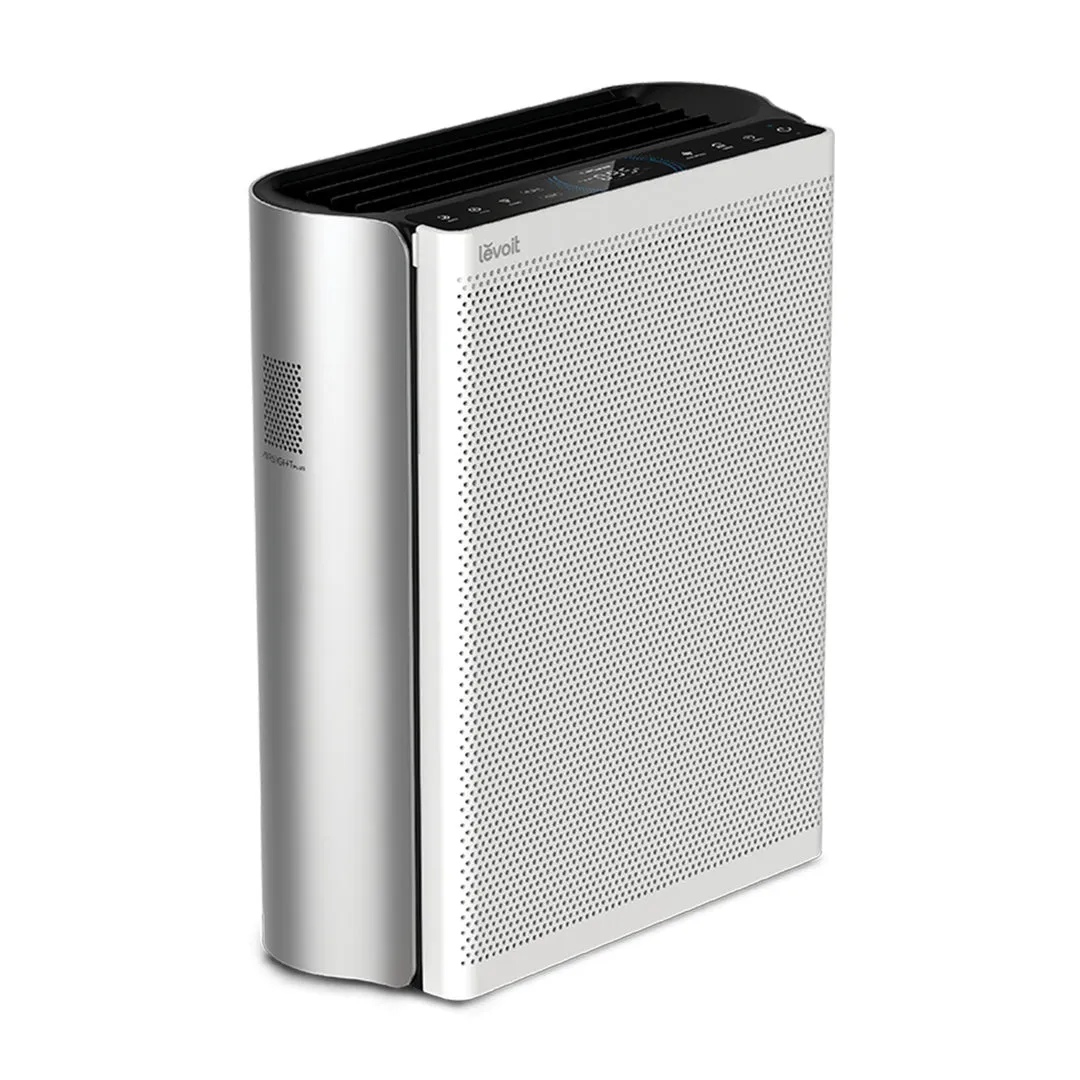
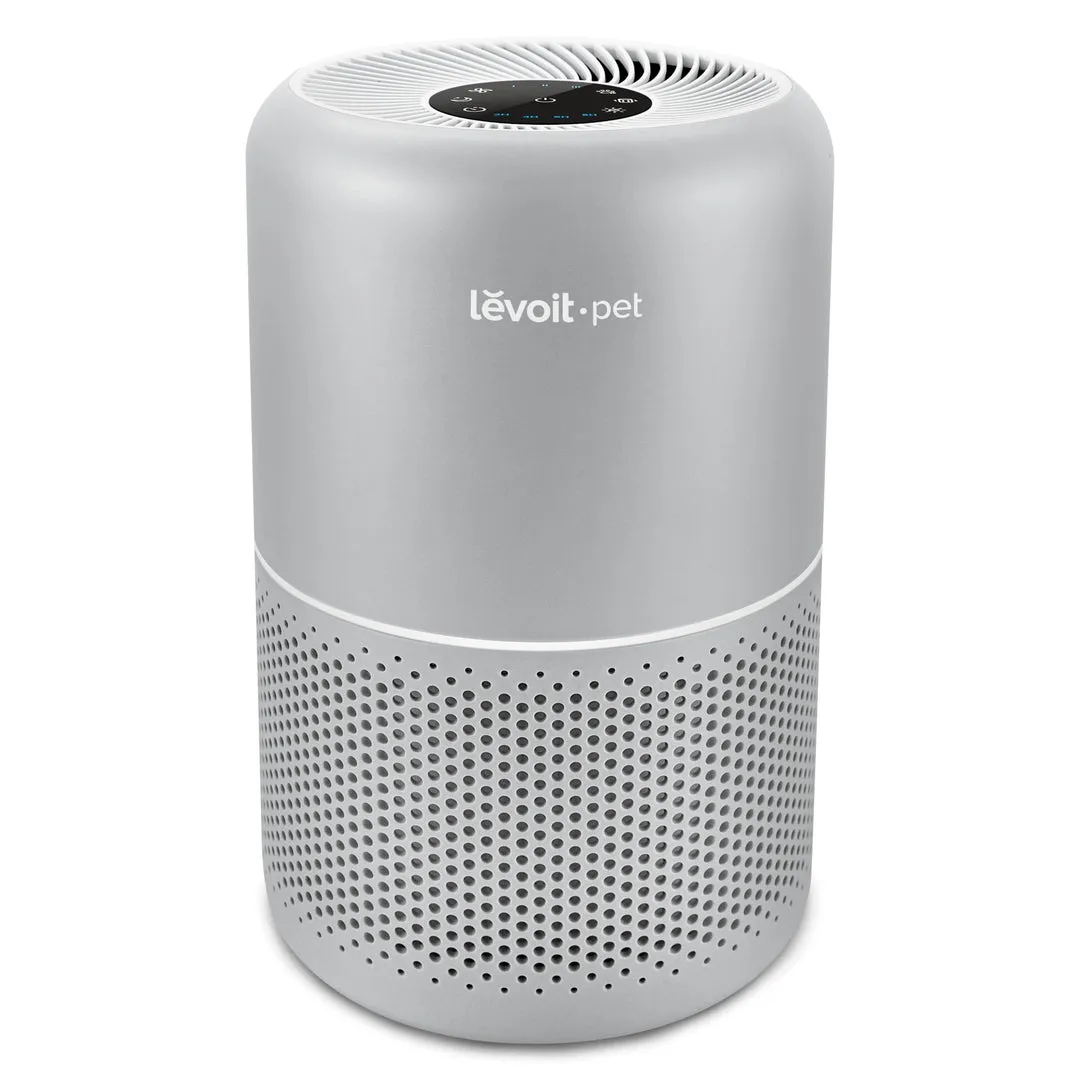
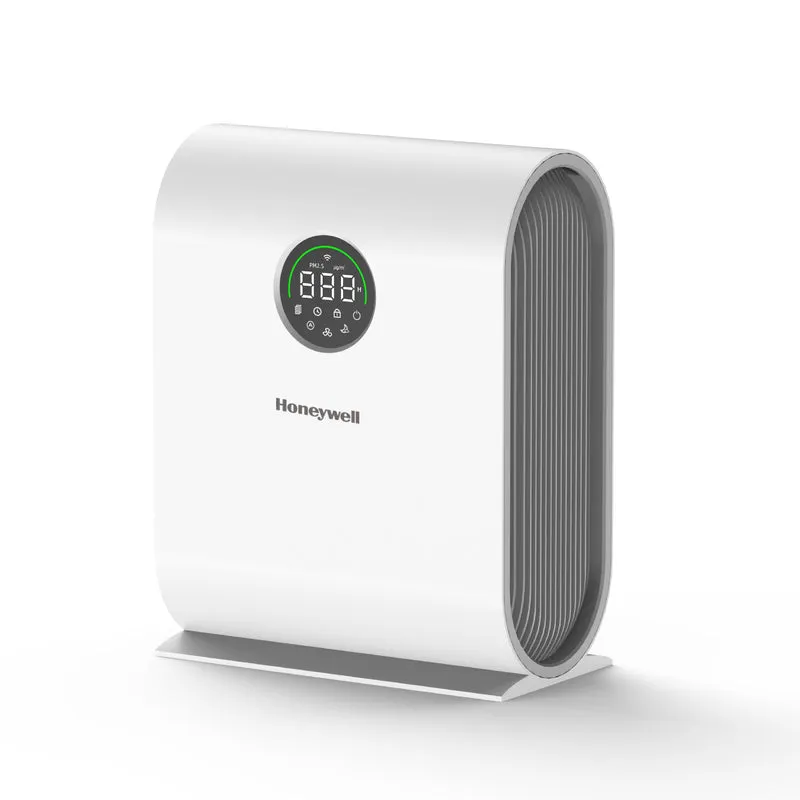
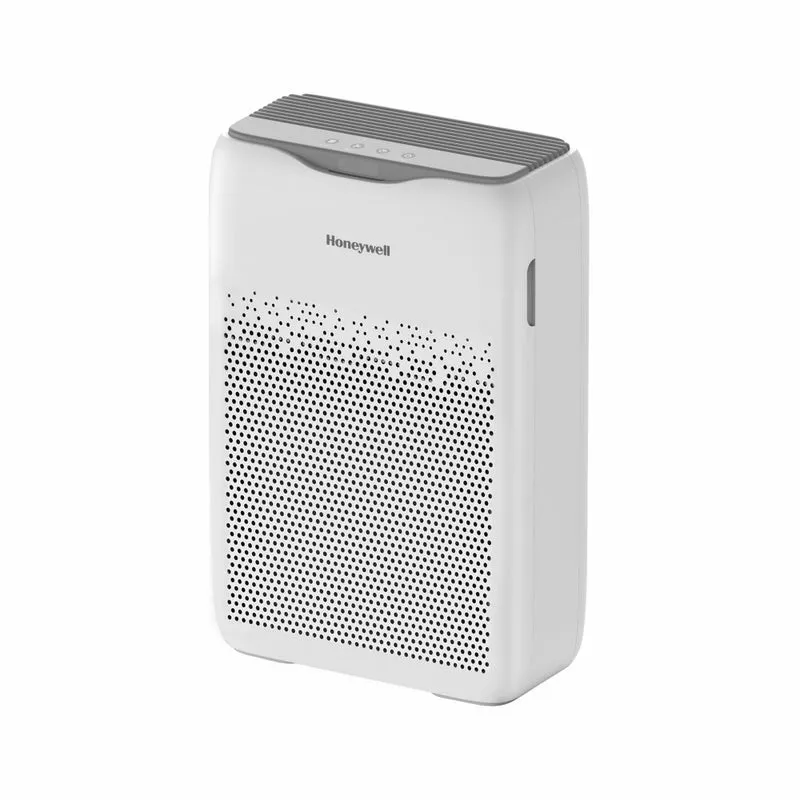
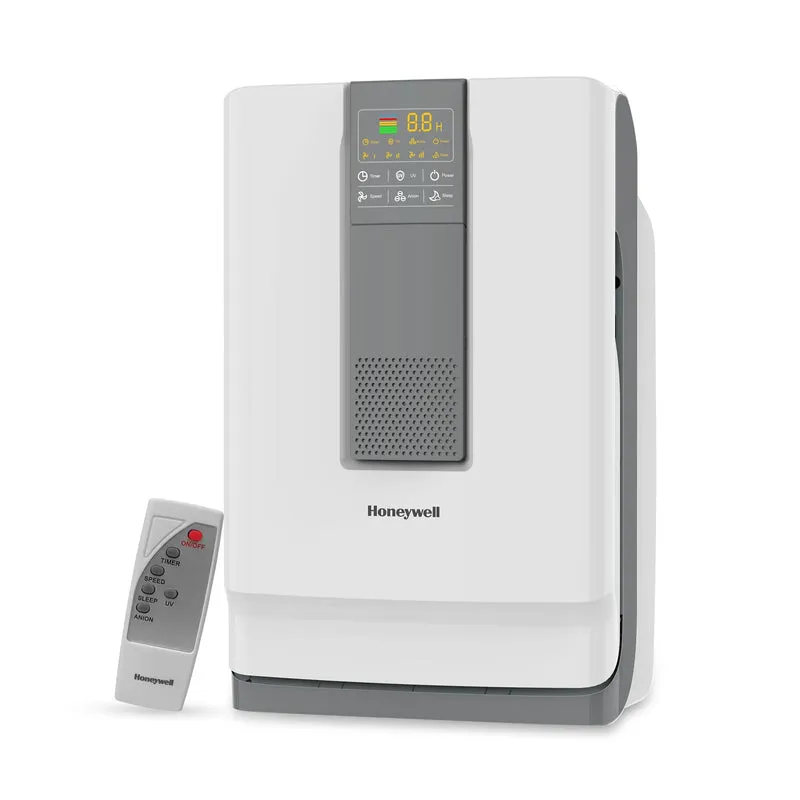
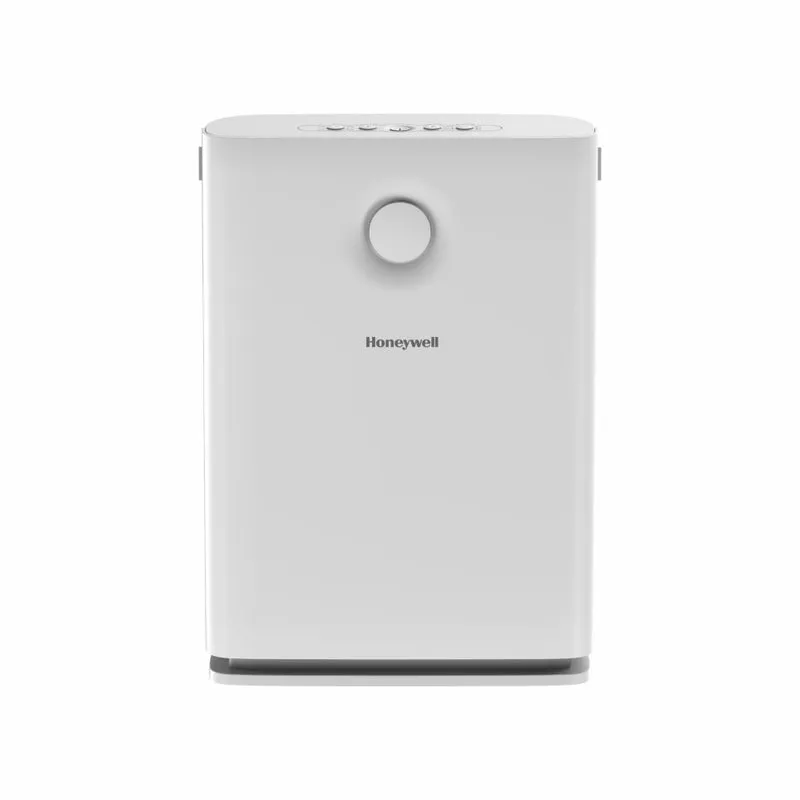
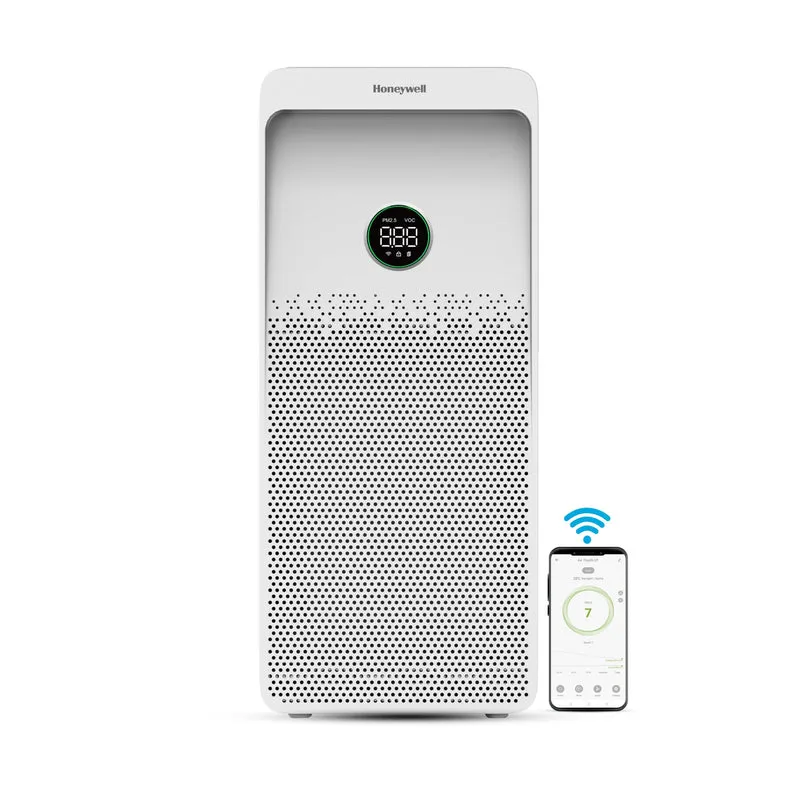
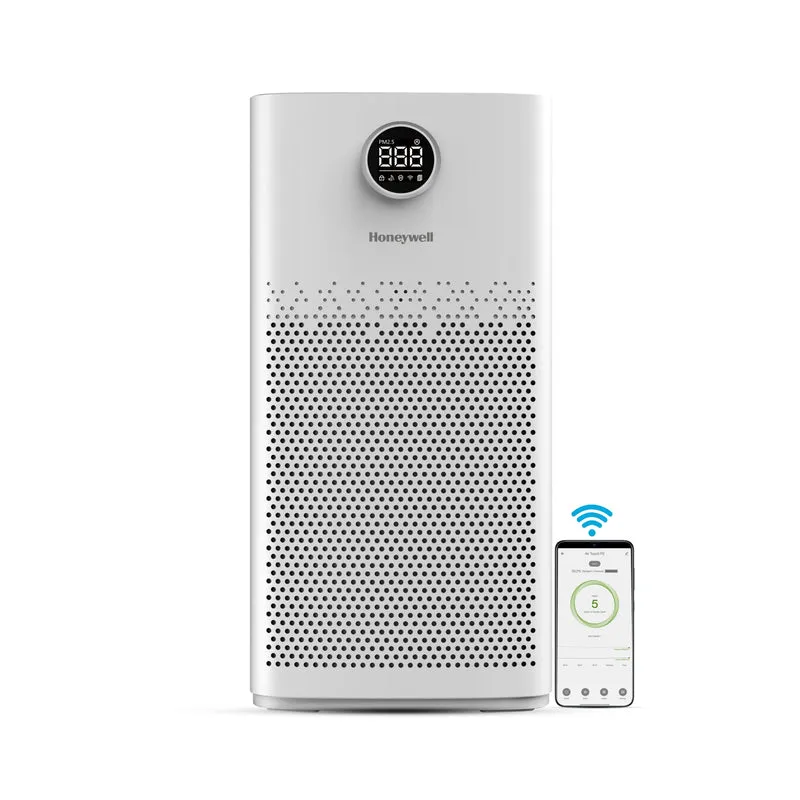
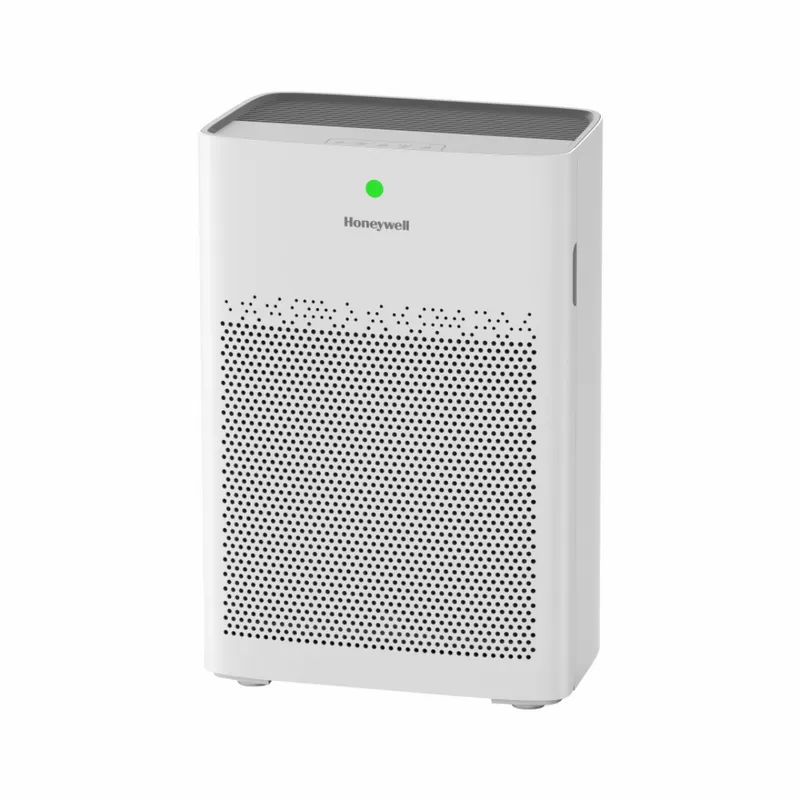
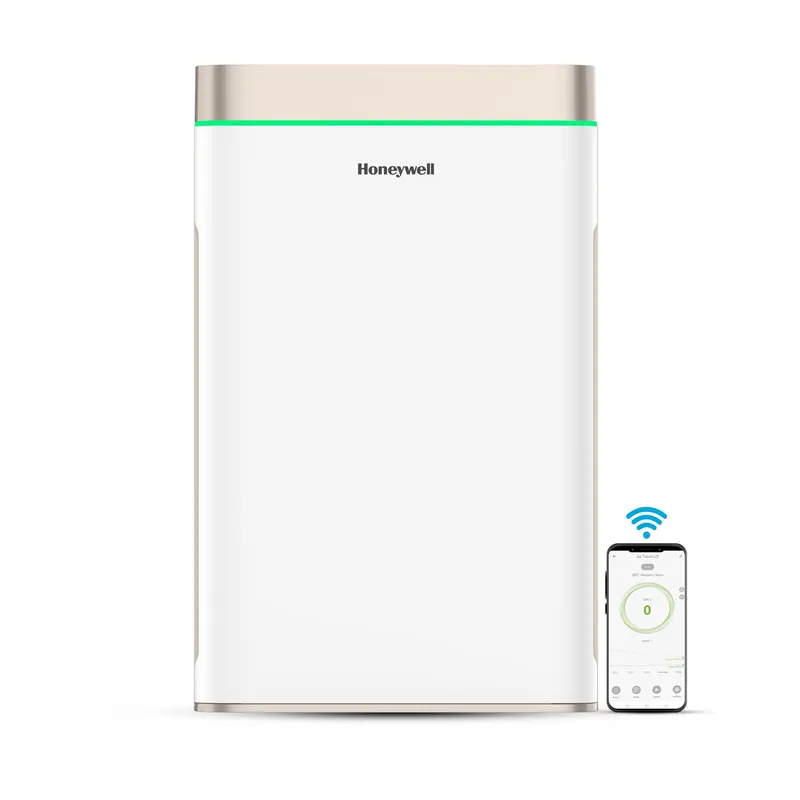
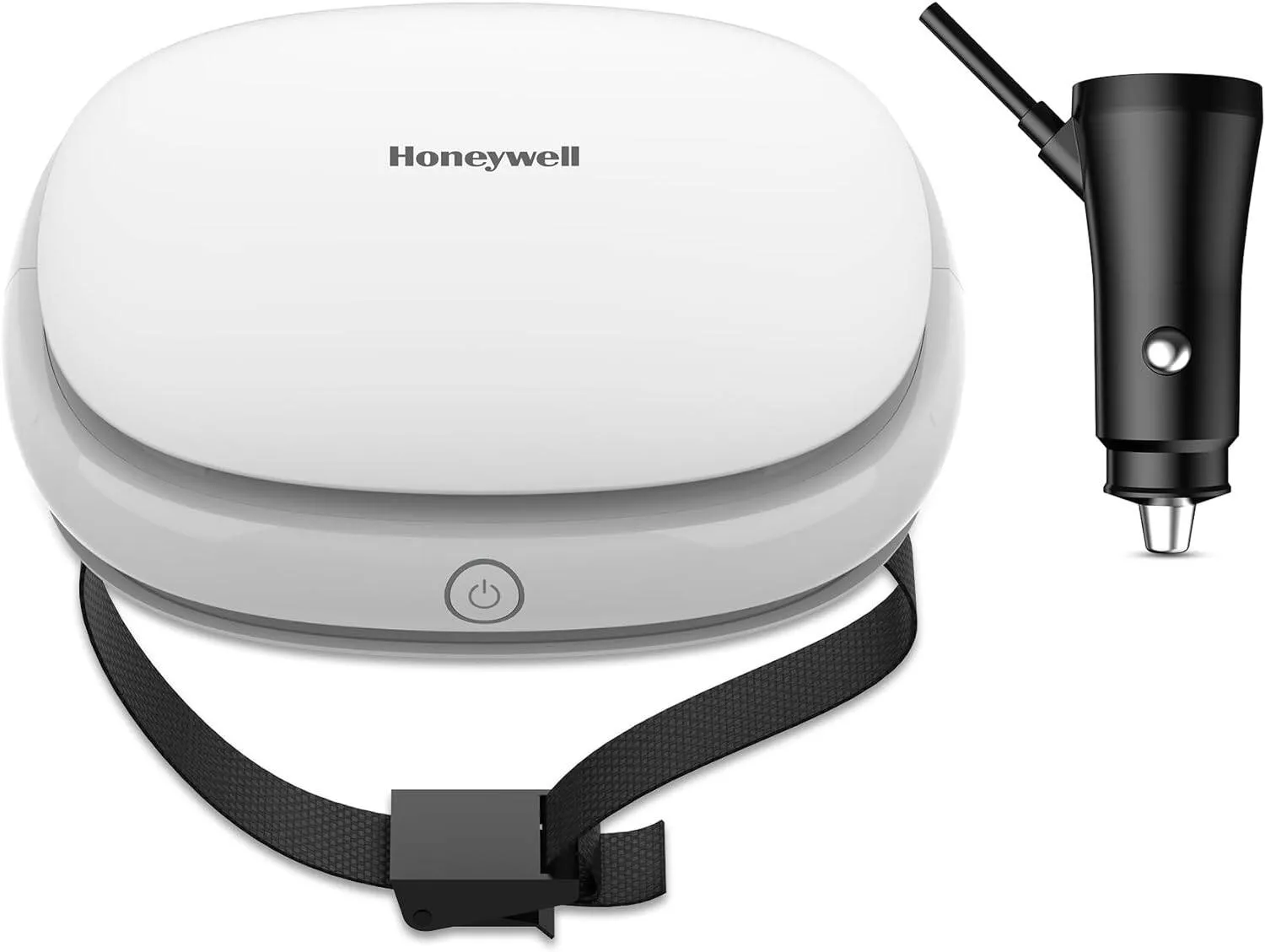
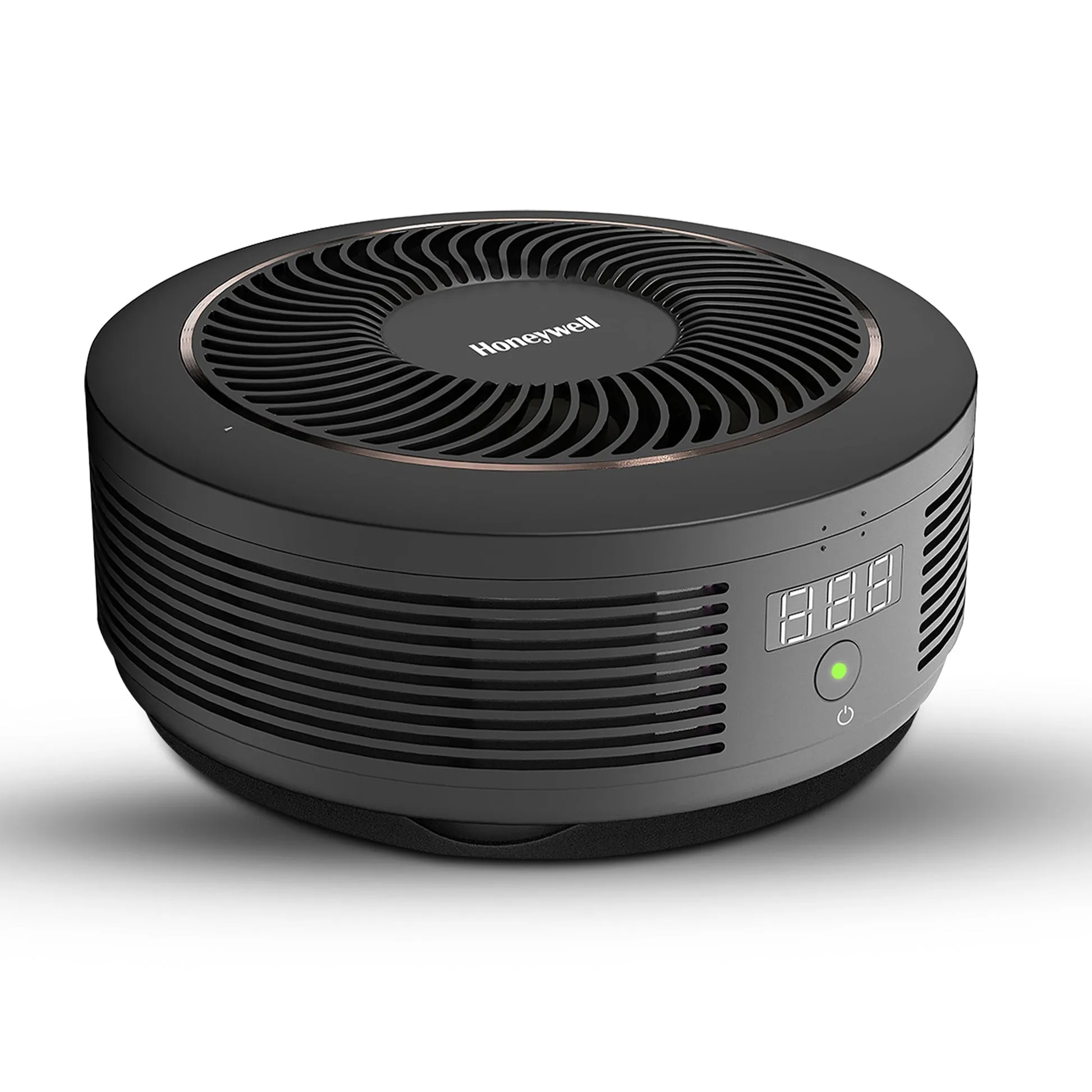
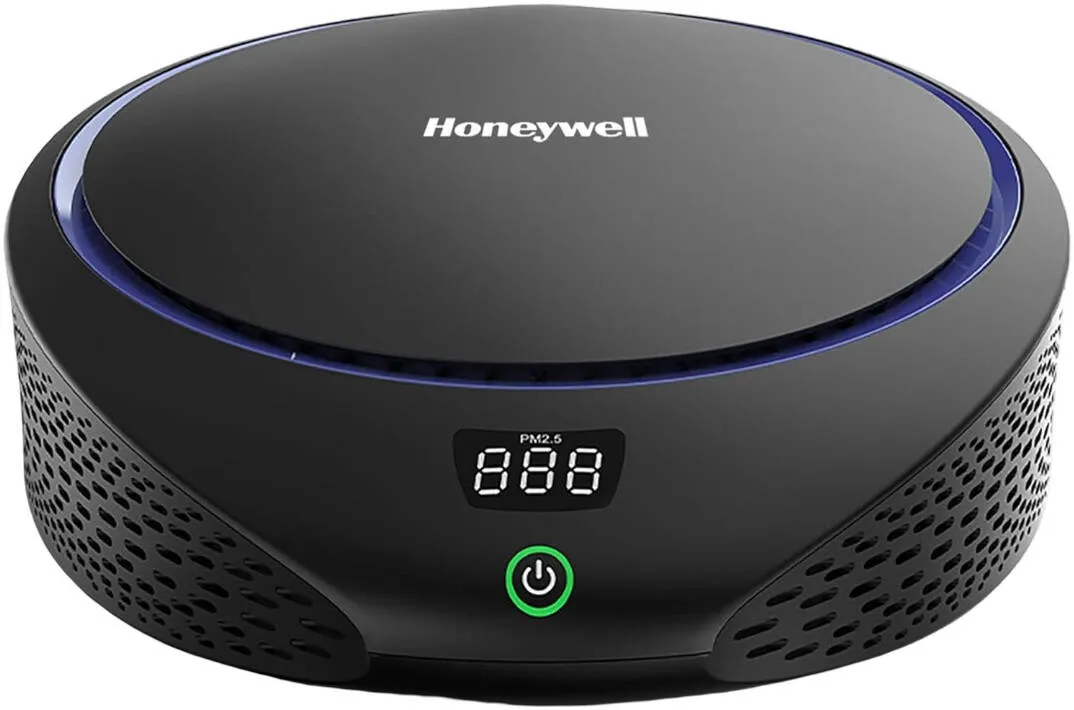
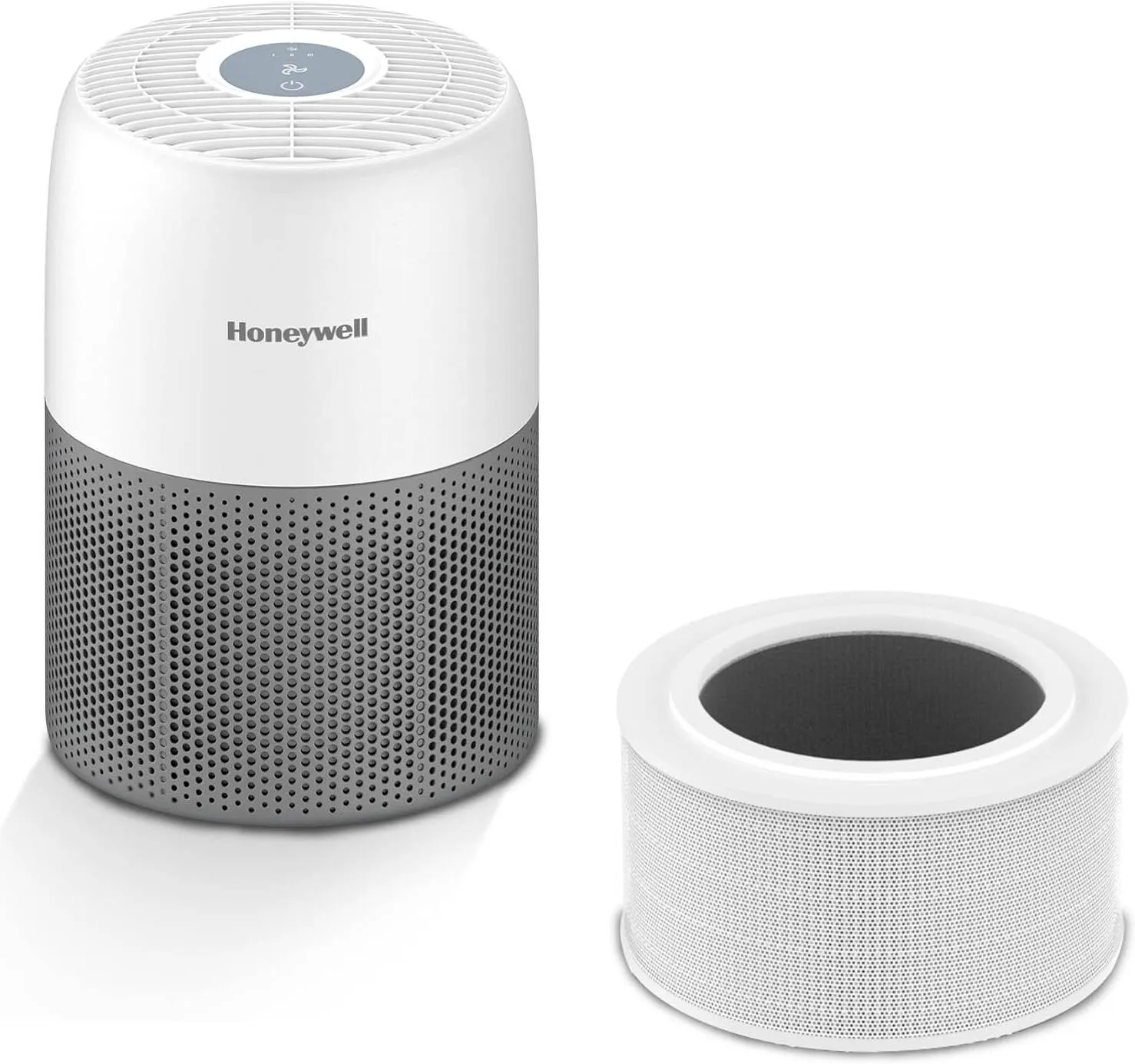
For businesses looking to act on the evidence above, Cleanair-ae supplies air purifiers, replacement filters, and related equipment suited to commercial and office environments across the UAE. The range includes units from Blueair, Honeywell, and Levoit, covering spaces from individual offices to open-plan floors. Products are available with fast delivery across Dubai and Abu Dhabi, with no minimum order requirement.
The air purifier buying guide on the Cleanair-ae website covers how to match unit capacity to room size, filter type to pollutant profile, and replacement schedules to usage patterns. For managers who want a starting point, that guide is the practical next step.
Key takeaways
Poor indoor air quality reduces cognitive performance and worker output at pollutant levels below legal thresholds, making active air quality management a direct business priority.
| Point | Details |
|---|---|
| PM2.5 and CO2 impair cognition | Higher concentrations slow response times and reduce accuracy on cognitive tests in office workers. |
| Sub-threshold productivity losses | A 10 µg/m3 PM2.5 increase caused a 6% productivity drop even below US air quality standard limits. |
| OECD scale evidence | A 1 µg/m3 PM2.5 increase causes a 0.55% reduction in labour productivity, confirmed across 2.5 million European firms. |
| Real-time monitoring is critical | Short-term CO2 and PM2.5 spikes during meetings cause day-long cognitive dips that averages do not capture. |
| Cleanair-ae for workplace solutions | Cleanair-ae supplies commercial-grade air purifiers and filters for offices across Dubai and Abu Dhabi. |