




Uncategorised
Why clean air supports wellness: your 2026 guide
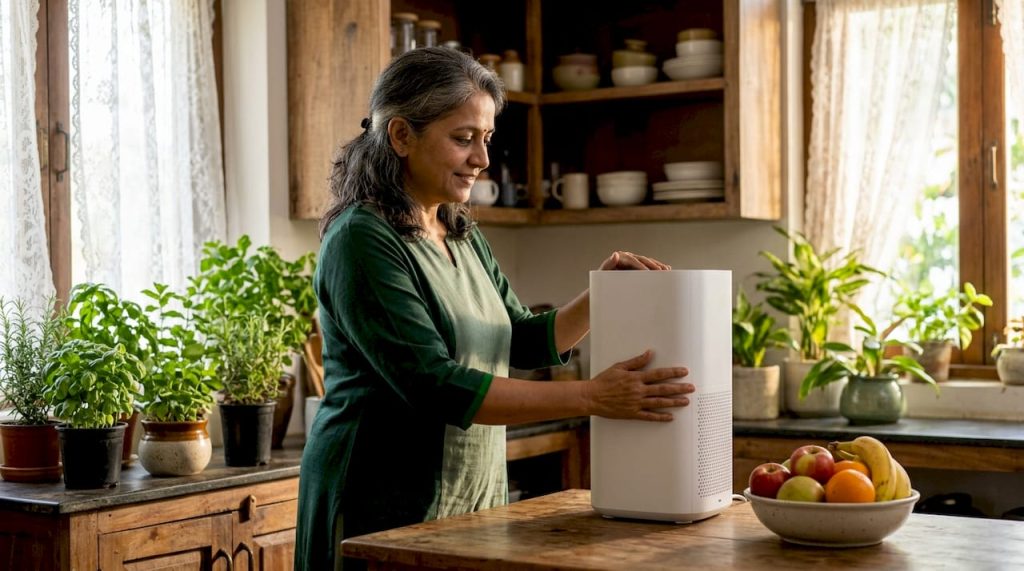
Clean air is defined as indoor and outdoor air with sufficiently low levels of pollutants to avoid measurable harm to the body’s respiratory, cardiovascular, and neurological systems. Most people associate clean air with avoiding smog or cigarette smoke, but the real threat is subtler. The American Lung Association confirms that indoor air can be more polluted than outdoor air, even in homes that look and smell clean. Understanding why clean air supports wellness means recognising that the air you breathe every hour shapes your body’s inflammation levels, brain function, and long-term health outcomes.
How does clean air improve respiratory and cardiovascular health?
Clean air directly reduces the biological load on your lungs and heart. When you breathe air containing fine particulate matter or ozone, those particles do not stay in your airways. The NIH confirms that pollutants travel from the lungs into the bloodstream, triggering systemic inflammation that affects the heart, brain, and raises cancer risk. This means air quality is a cardiovascular issue, not just a lung issue.
The benefits of clean air become measurable when you reduce that pollutant load consistently. A Texas A&M study using HEPA air purifiers alongside health education found that well-controlled asthma rose from 30% to 67% among participants, while poorly controlled cases dropped from 27% to 10%. Participants also reported feeling less bothered by symptoms in daily life. That is a direct, quantified improvement in quality of life from cleaner indoor air.
The American Lung Association’s State of the Air 2026 update adds further weight. Particulate matter and ozone exposure links to premature birth, increased lung disease risk, and heart disease, with the burden falling hardest on vulnerable groups including children, older adults, and people with pre-existing conditions. The health risks are not evenly distributed, which makes air quality management a matter of health equity as much as personal wellness.
Key pollutant sources driving these risks include:
- Gas stoves and cookers: Release nitrogen dioxide and fine particles during normal use.
- Tobacco smoke: One of the most concentrated sources of indoor particulate matter.
- Allergens: Dust mites, pet dander, and mould spores trigger chronic airway inflammation.
- Outdoor air infiltration: Ozone and traffic-related particles enter through gaps in windows and doors.
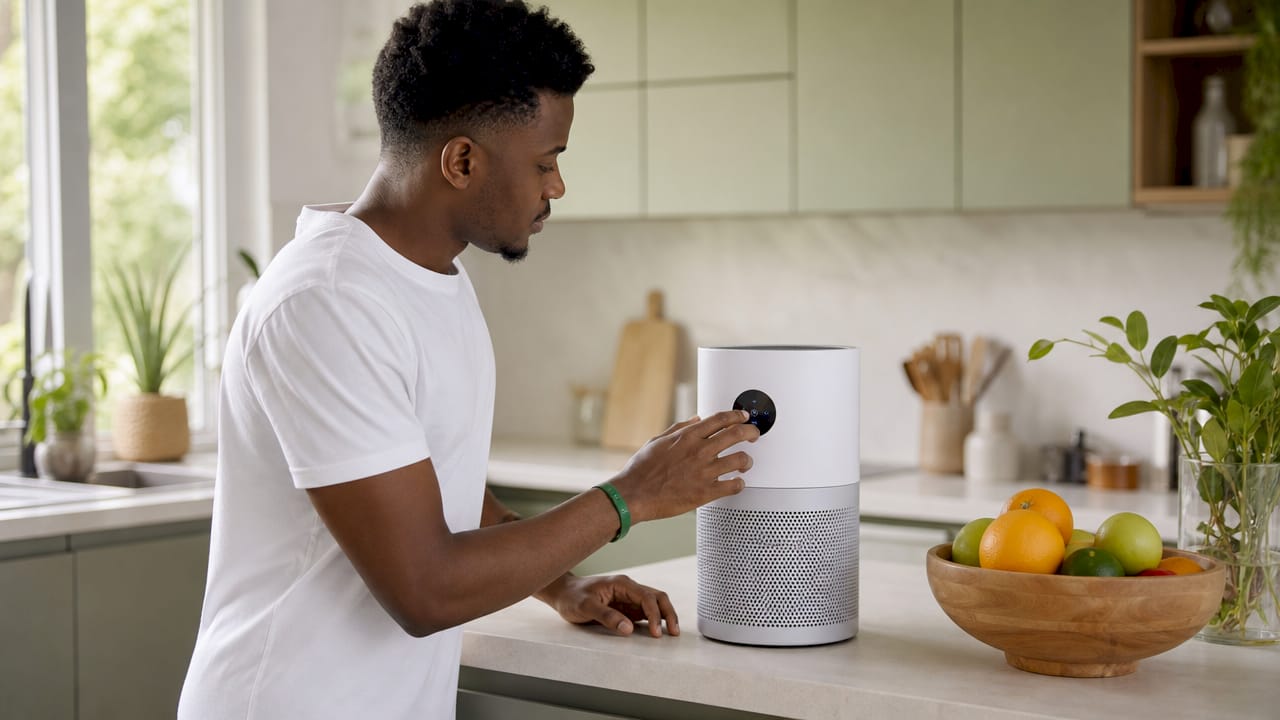
Pro Tip: Run a HEPA air purifier in your kitchen during and after cooking. Gas appliances release nitrogen dioxide even on low heat, and a purifier running for 30 minutes post-cooking removes the residual particle load.
What is the connection between clean air and cognitive and mental wellness?
Clean air and mental wellness are linked through a mechanism most people have never considered: background inflammation. When pollutants enter the bloodstream, they reach the brain. The NIH notes that neurological effects of pollutants include impaired cognition and increased risk of neurological conditions over time. Reducing that exposure protects brain health as directly as it protects lung health.
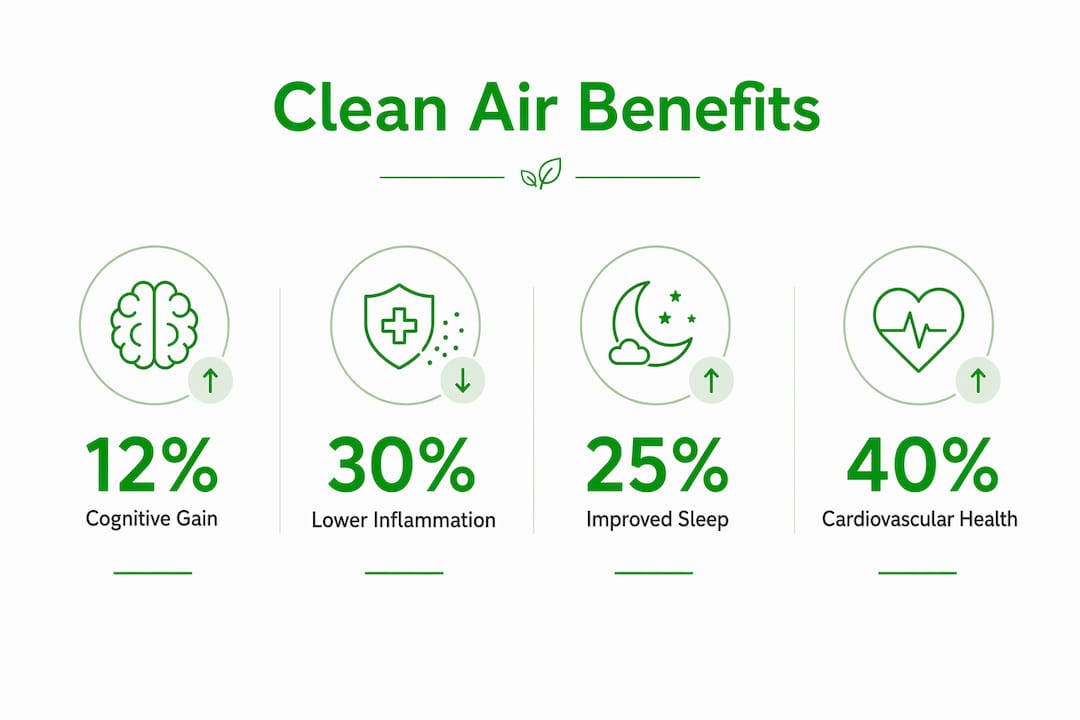
The cognitive evidence is now specific enough to act on. A 2026 secondary analysis published in Scientific Reports found that HEPA filtration improved executive function in adults aged 40 and over, with participants completing cognitive tests 12% faster after one month of air purification. Executive function covers planning, decision-making, and mental flexibility. These are the skills that determine how well you perform at work and manage daily life.
The research also shows nuance worth noting:
- Cognitive benefits vary by age, with adults over 40 showing the clearest gains.
- Exposure duration matters. One month of consistent filtration produced measurable results.
- Subgroup effects suggest that people with higher baseline pollutant exposure gain the most.
The psychological dimension of air quality is equally real. A 2026 MDPI paper on residential air environments found that clean, well-ventilated spaces contribute to psychological security and behavioural wellness outcomes. The paper frames wellness as an interplay between physical air conditions and how people perceive and experience their environment.
“Wellness depends on the interplay of physical air characteristics and psychological experience, not just particle removal.” — MDPI, 2026
Sleep quality connects here too. Poor indoor air quality raises background stress hormones and disrupts the restorative processes that occur during sleep. Cleaner air at night supports deeper, more consistent rest, which compounds the cognitive and emotional benefits over time.
Why is indoor air quality often overlooked?
Indoor air quality is overlooked because its pollutants are invisible and their effects accumulate slowly. There is no immediate signal when nitrogen dioxide rises after cooking or when mould spores increase after a humid week. The NIH identifies cooking, gas appliances, mould, and dust as daily pollutant sources that most households never actively manage.
The exposure pattern matters. Indoor pollutant release is typically episodic: a burst of particles when you fry food, a spike in volatile organic compounds when you use cleaning products. But the cumulative biological effect is continuous. Your immune system responds to each episode, and repeated low-level activation raises baseline inflammation across weeks and months. This is the hidden cost of poor indoor air quality that never shows up as a single dramatic health event.
Managing indoor air quality requires a combined approach. Source control alone, such as switching to an induction hob or improving ventilation, reduces emissions but does not eliminate residual particles. Air filtration alone captures what is already airborne but does not address the source. The most effective strategy combines both: reduce emissions at the source and filter what remains.
A practical starting point for any household:
- Identify your main sources. Gas appliances, candles, and synthetic cleaning products are the most common. The indoor pollution guide from Cleanair-ae covers the full list.
- Improve ventilation. Open windows when cooking and use extractor fans consistently.
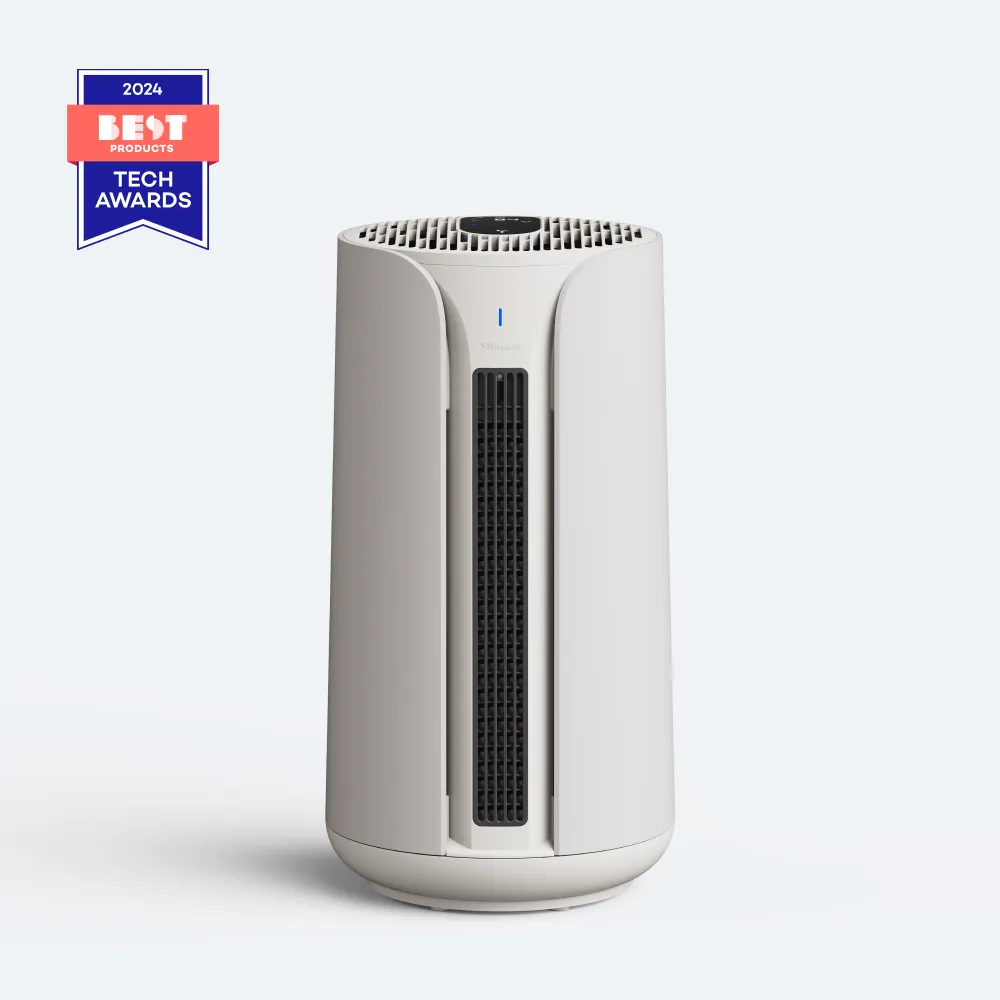
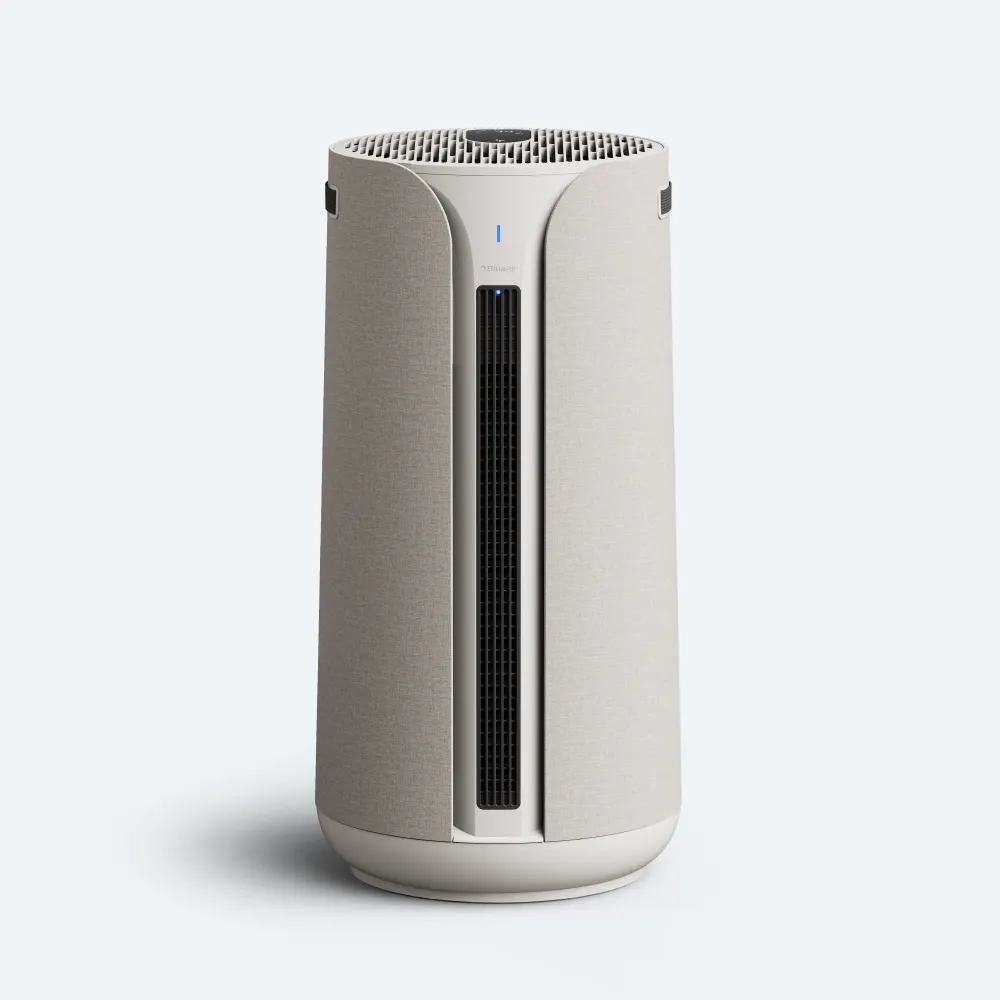
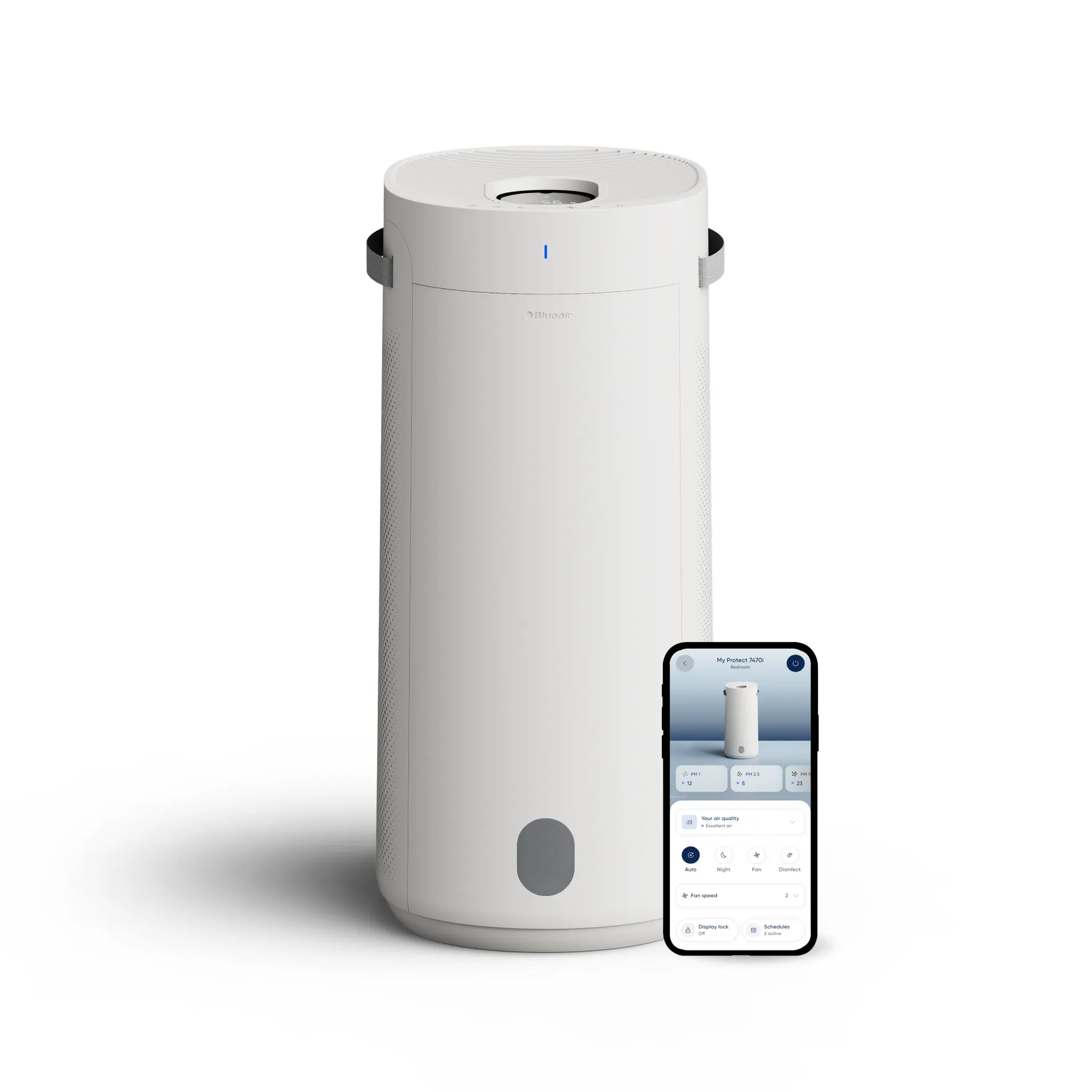
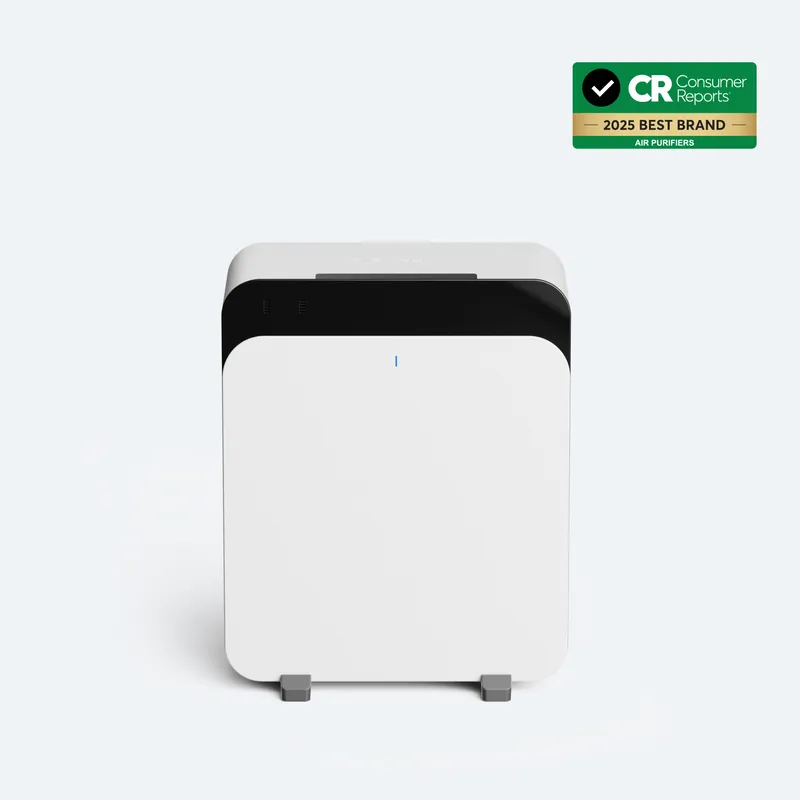
- Add filtration. Place a HEPA purifier in the rooms where you spend the most time, particularly bedrooms and kitchens.
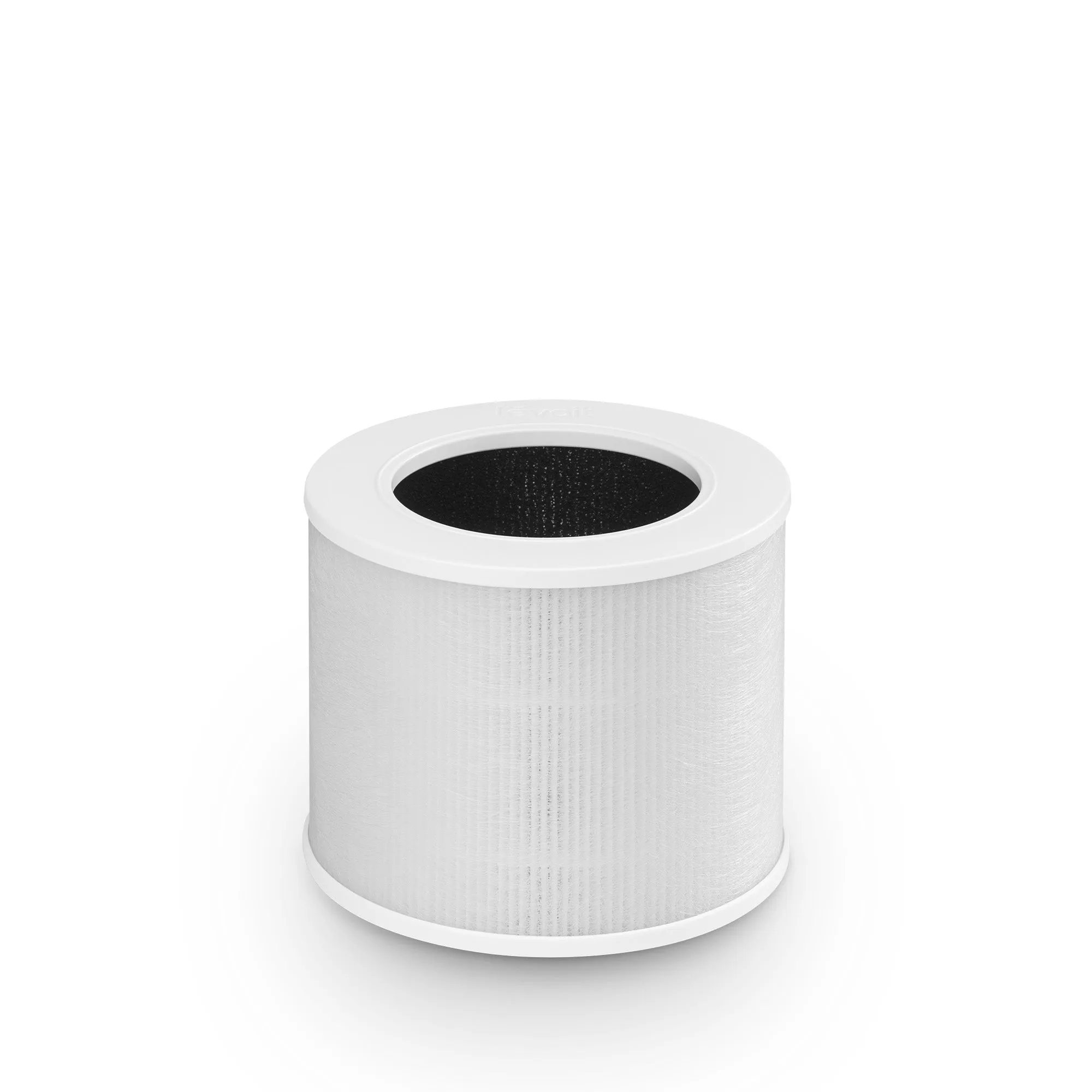
- Maintain filters. A clogged filter recirculates what it previously captured.
Pro Tip: Check your air quality checklist regularly. Cleanair-ae’s home air quality checklist gives you a structured way to audit each room without specialist equipment.
How does a clean air environment support overall quality of life?
The role of air quality in wellness extends beyond measurable health metrics. A clean, well-ventilated space changes how you feel in a room, your ability to concentrate, and your baseline stress level. The 2026 MDPI research frames this as the “healing environment” concept: physical air conditions and psychological perception work together to produce restorative effects.
The table below shows how different air quality factors connect to specific wellness outcomes:
| Air quality factor | Wellness outcome |
|---|---|
| Low particulate matter | Reduced systemic inflammation and cardiovascular strain |
| Controlled humidity | Lower mould risk and improved respiratory comfort |
| Adequate ventilation | Better cognitive performance and reduced fatigue |
| Odour-free environment | Lower psychological stress and improved sleep quality |
| Stable temperature | Reduced physiological stress response |
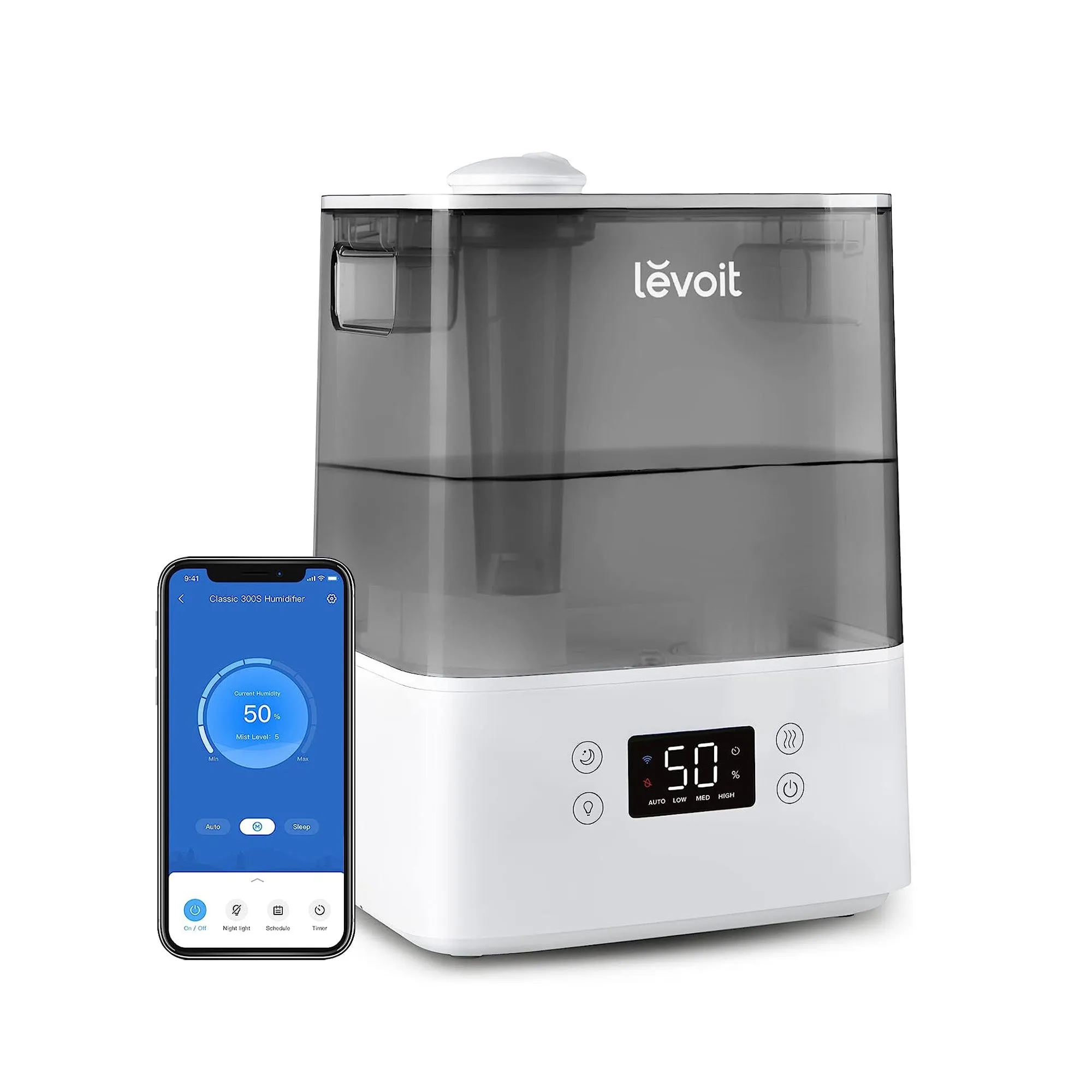
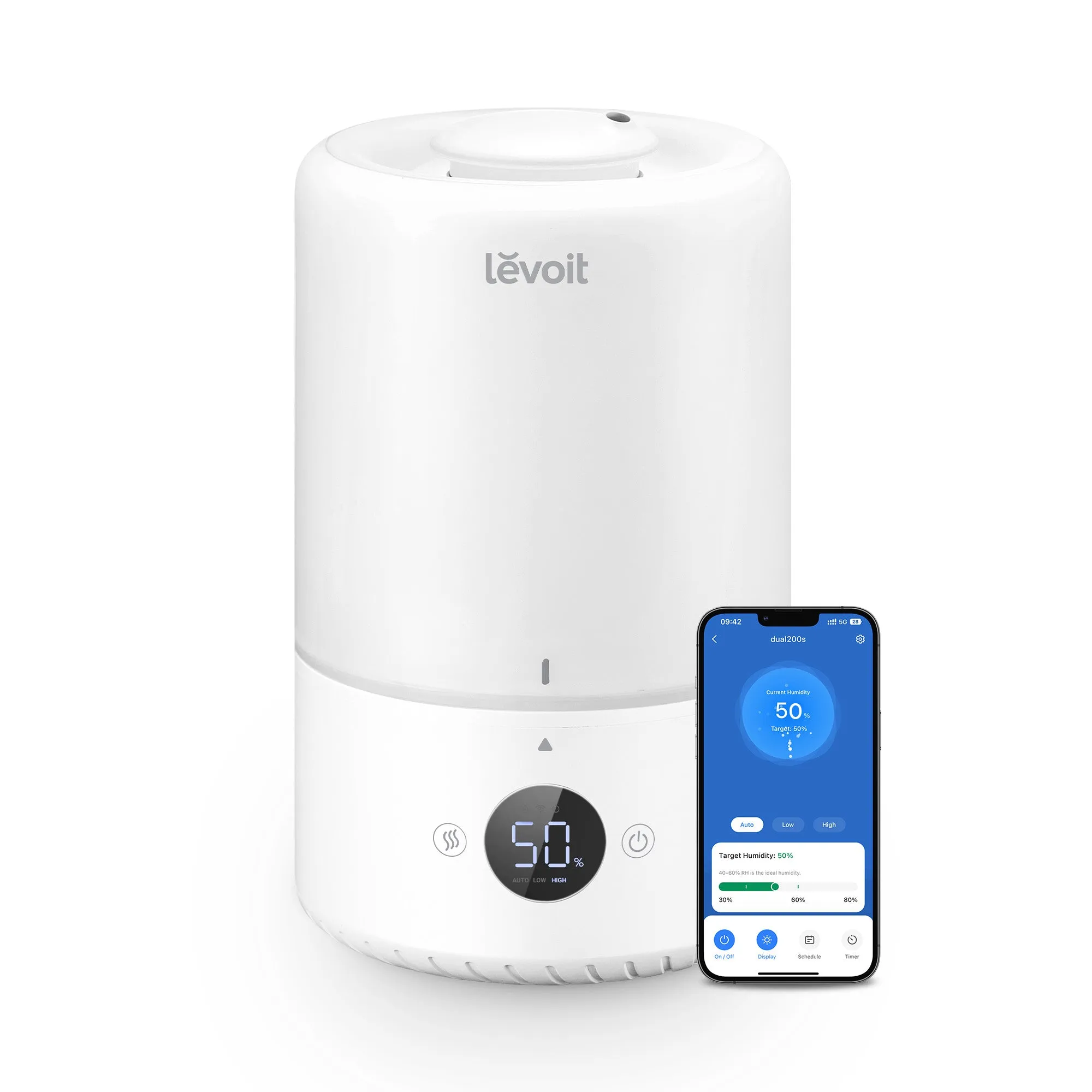
Humidity control deserves specific attention. Air that is too dry irritates airways and increases susceptibility to airborne viruses. Air that is too humid promotes mould growth. Both extremes add to the pollutant burden and undermine the benefits of clean air that filtration alone provides. Managing humidity alongside filtration gives you a more complete indoor environment.
The American Lung Association stresses that continuous exposure reduction compounds long-term health benefits. A single air purifier running for a week produces limited gains. The same purifier running consistently over months reduces your cumulative pollutant exposure in a way that translates into measurable health improvements. Consistency is the variable most people underestimate.
Pro Tip: Position your air purifier where you sleep, not just where you sit. You spend 7–9 hours in your bedroom each night. That is your highest-impact window for continuous clean air exposure.
Key takeaways
Clean air supports whole-body wellness by reducing the invisible pollutant load that drives systemic inflammation, cognitive decline, and respiratory disease across all age groups.
| Point | Details |
|---|---|
| Air quality affects the whole body | Pollutants enter the bloodstream and drive inflammation in the heart, brain, and lungs. |
| HEPA filtration produces measurable gains | Well-controlled asthma rose from 30% to 67% in a Texas A&M study using HEPA purifiers. |
| Cognitive benefits are real and age-specific | Adults over 40 completed cognitive tests 12% faster after one month of HEPA filtration. |
| Indoor sources are the primary risk | Cooking, gas appliances, mould, and dust are daily pollutant sources most people never manage. |
| Consistency compounds the benefit | Continuous exposure reduction over months produces health gains that short-term fixes cannot. |
The wellness impact of clean air is still being underestimated
I have spent years looking at how people approach their home environments, and the pattern is consistent. People invest in nutrition, exercise, and sleep hygiene, but they rarely think about the air they breathe for 16 or more hours a day indoors. The assumption is that if air looks clear and smells neutral, it is fine. The research says otherwise.
What strikes me most about the 2026 Scientific Reports findings is not the 12% cognitive improvement figure. It is the implication: adults over 40 are walking around with measurably impaired executive function because of air they consider acceptable. That is not a dramatic pollution event. That is the ordinary air in ordinary homes.
The other thing I have noticed is that people treat air quality as a one-time fix. They buy a purifier, run it for a month, and consider the problem solved. The American Lung Association’s position on continuous exposure reduction is the more accurate framing. Air quality management is a practice, not a purchase. The gains come from consistency, not from a single intervention.
My practical recommendation is to start with your bedroom and your kitchen. Those two rooms account for the majority of your daily pollutant exposure. A HEPA purifier in each, combined with better ventilation habits during cooking, will produce a noticeable change in how you feel within weeks. You do not need to overhaul your entire home. You need to address the rooms where exposure is highest and duration is longest.
— Wojciech
Air quality products and resources from Cleanair-ae
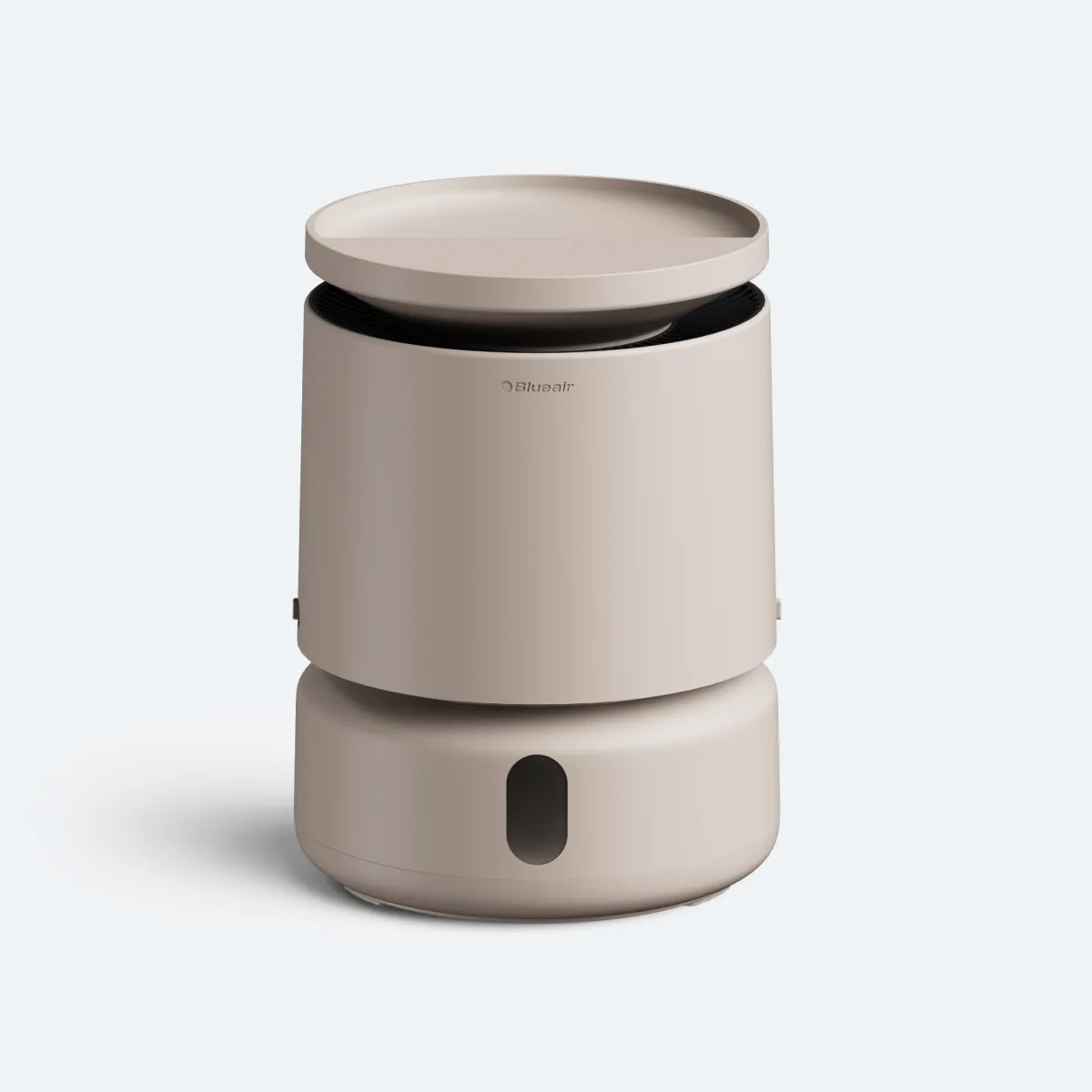
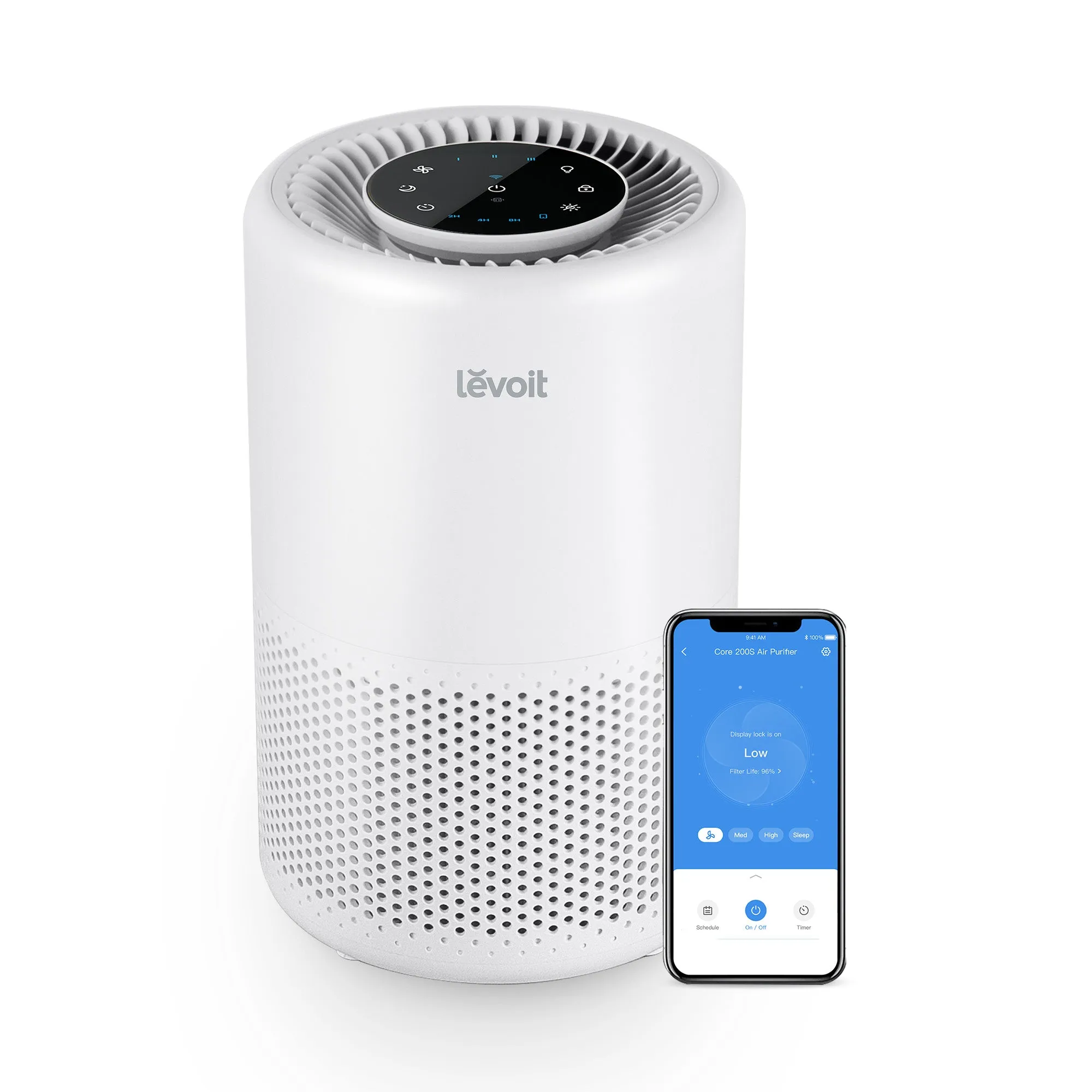
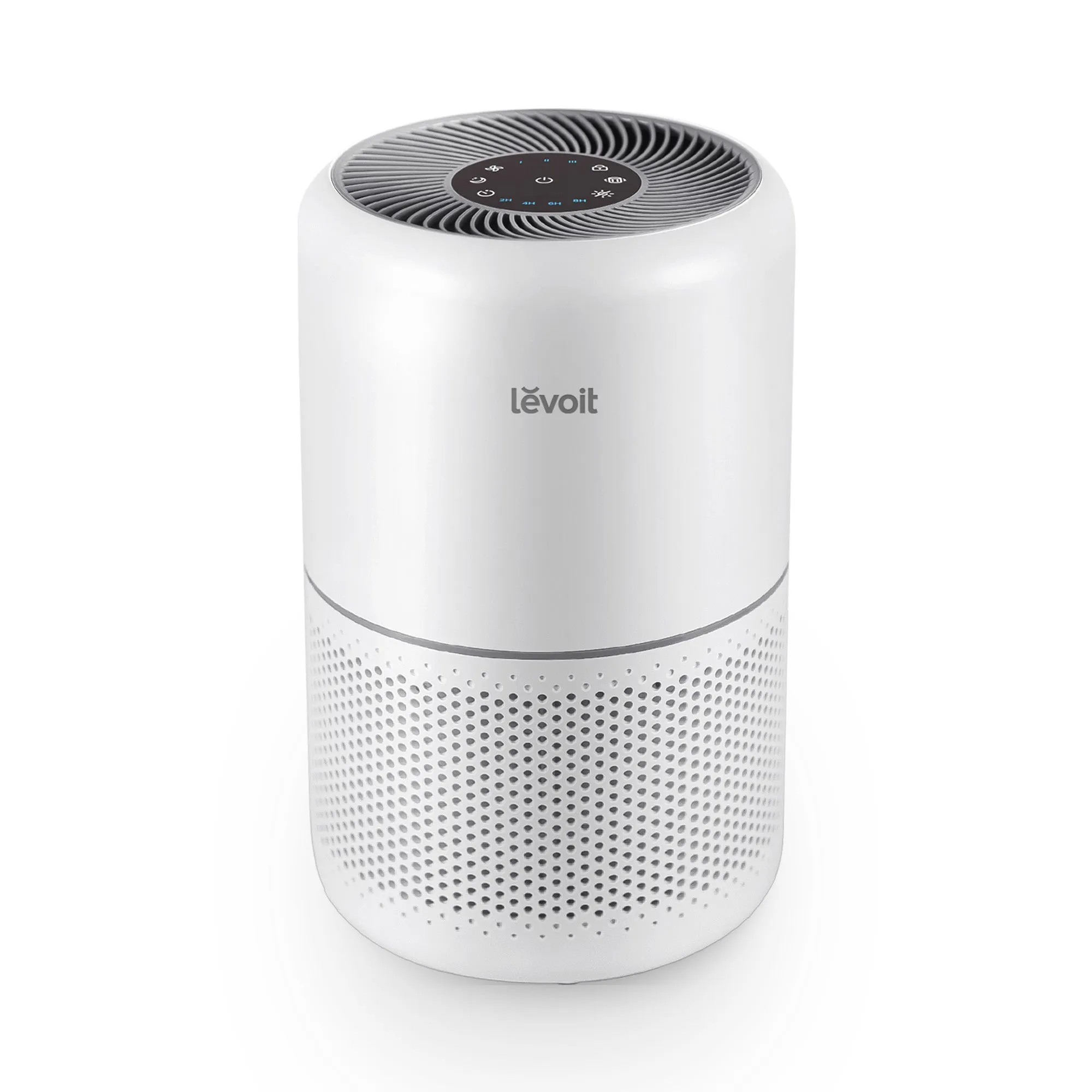
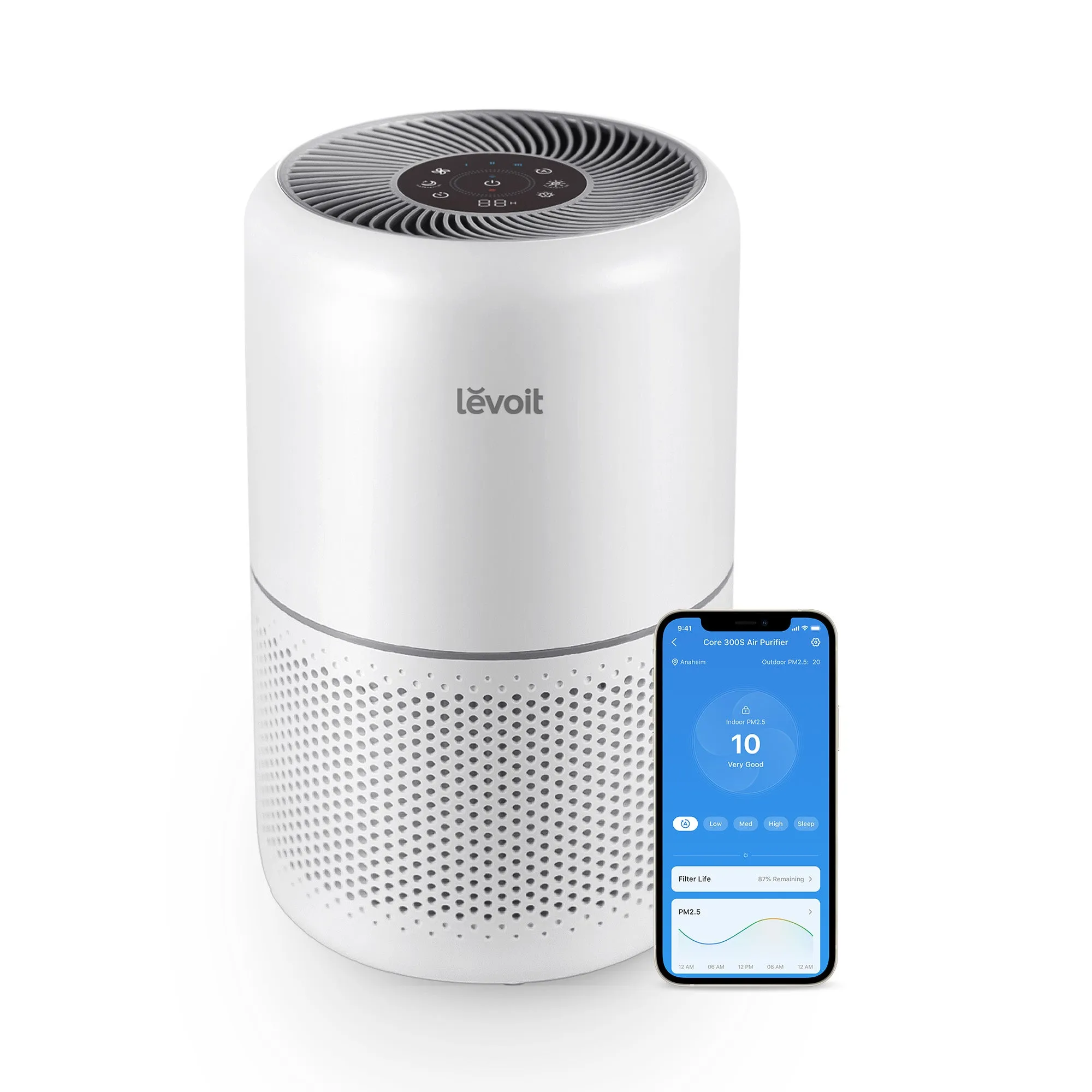
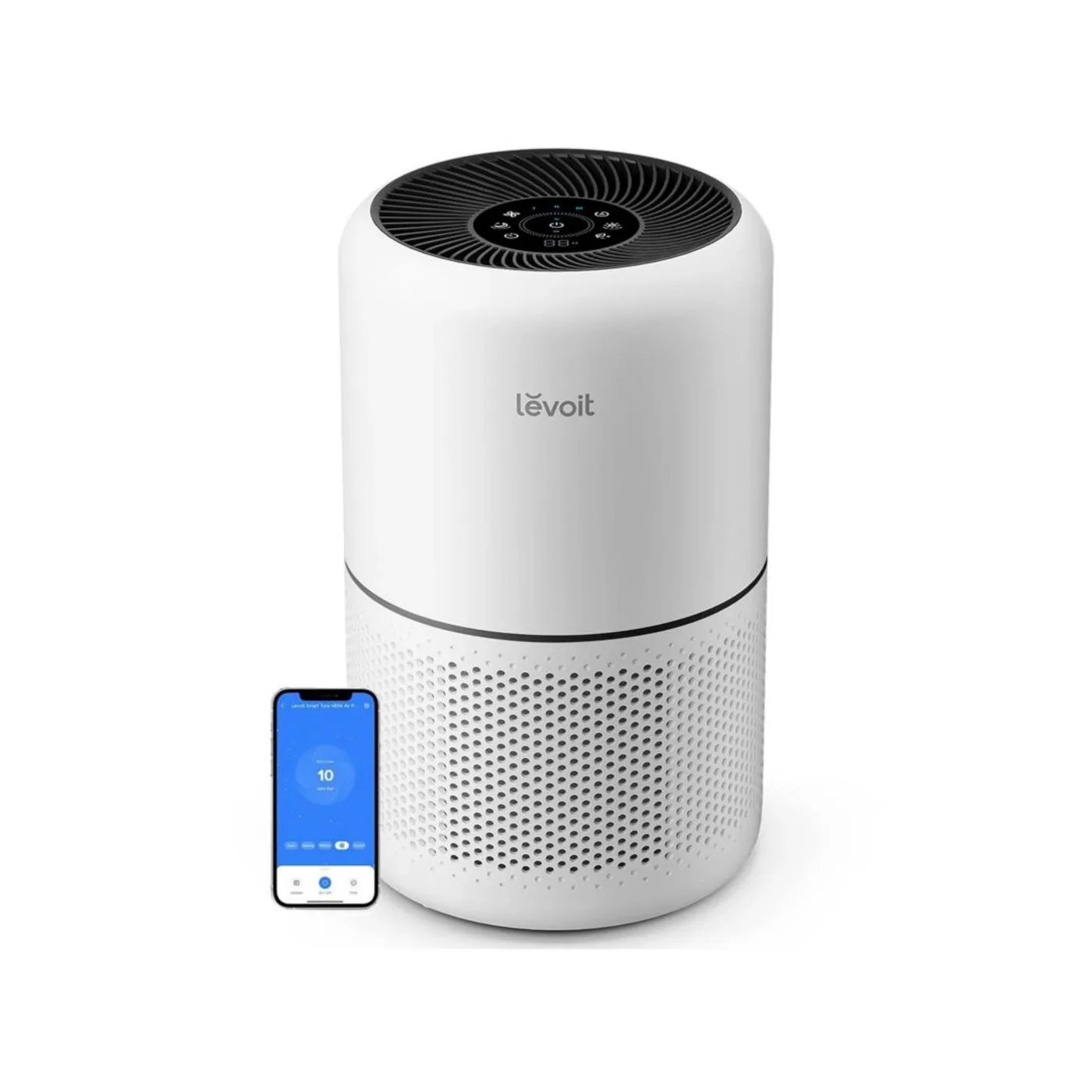
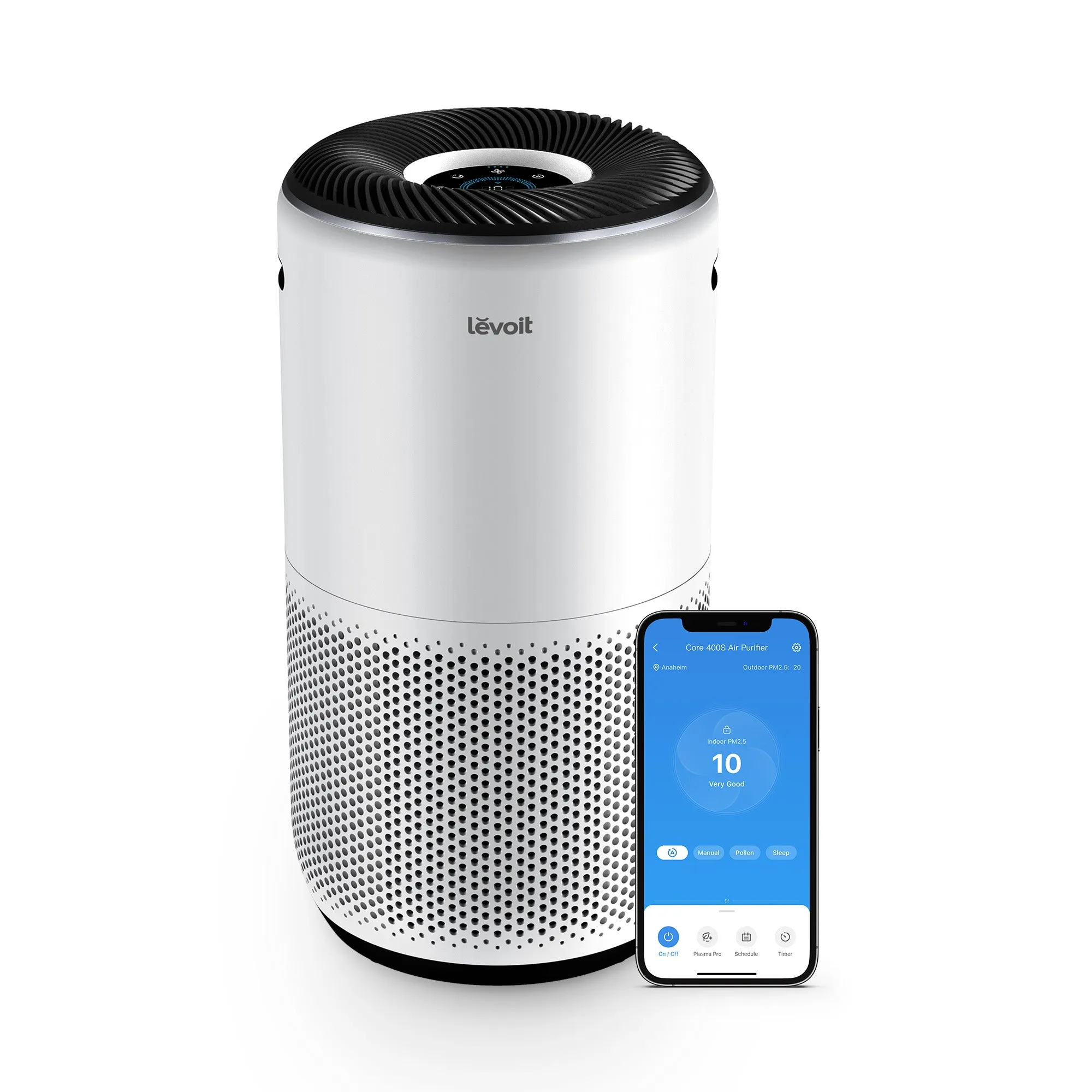
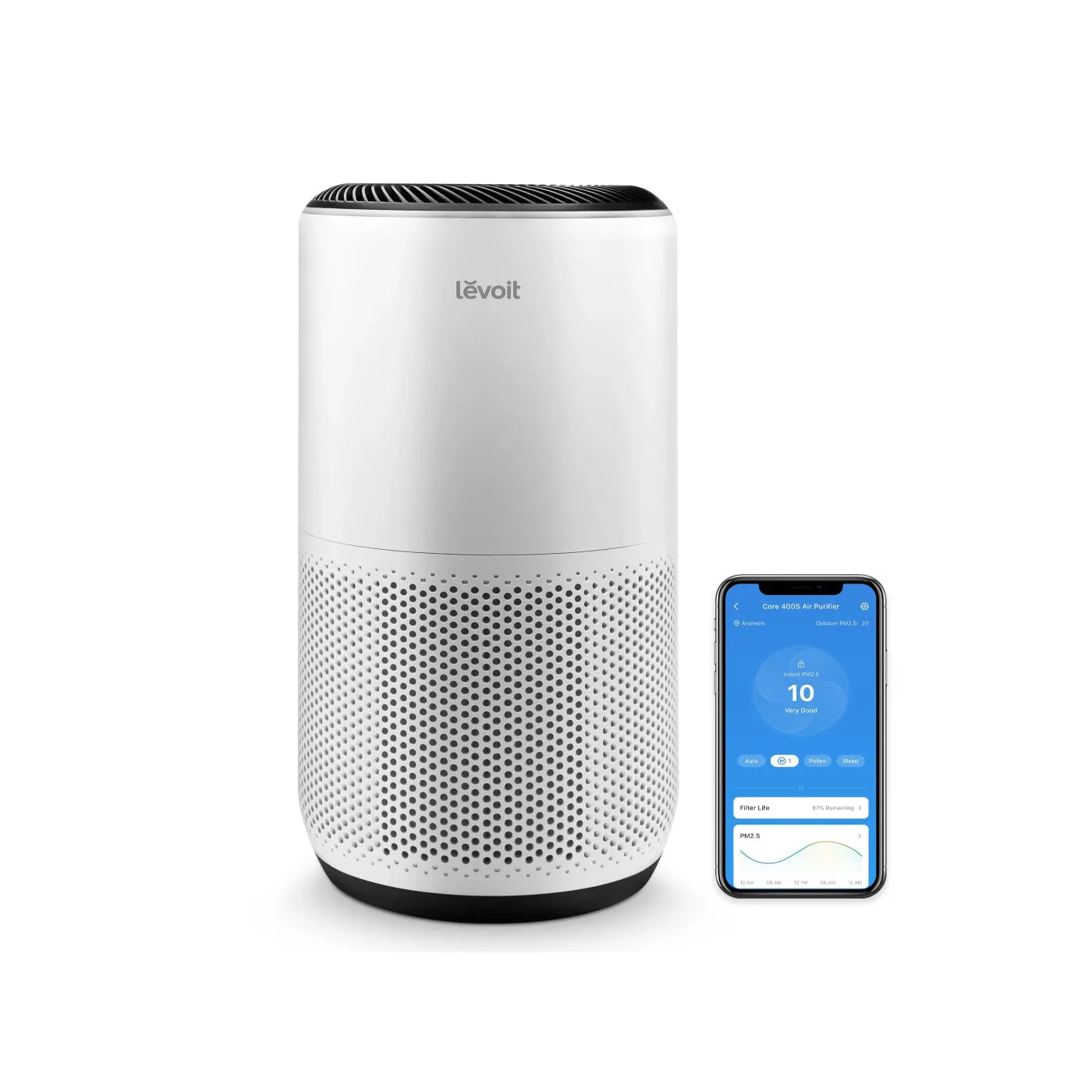
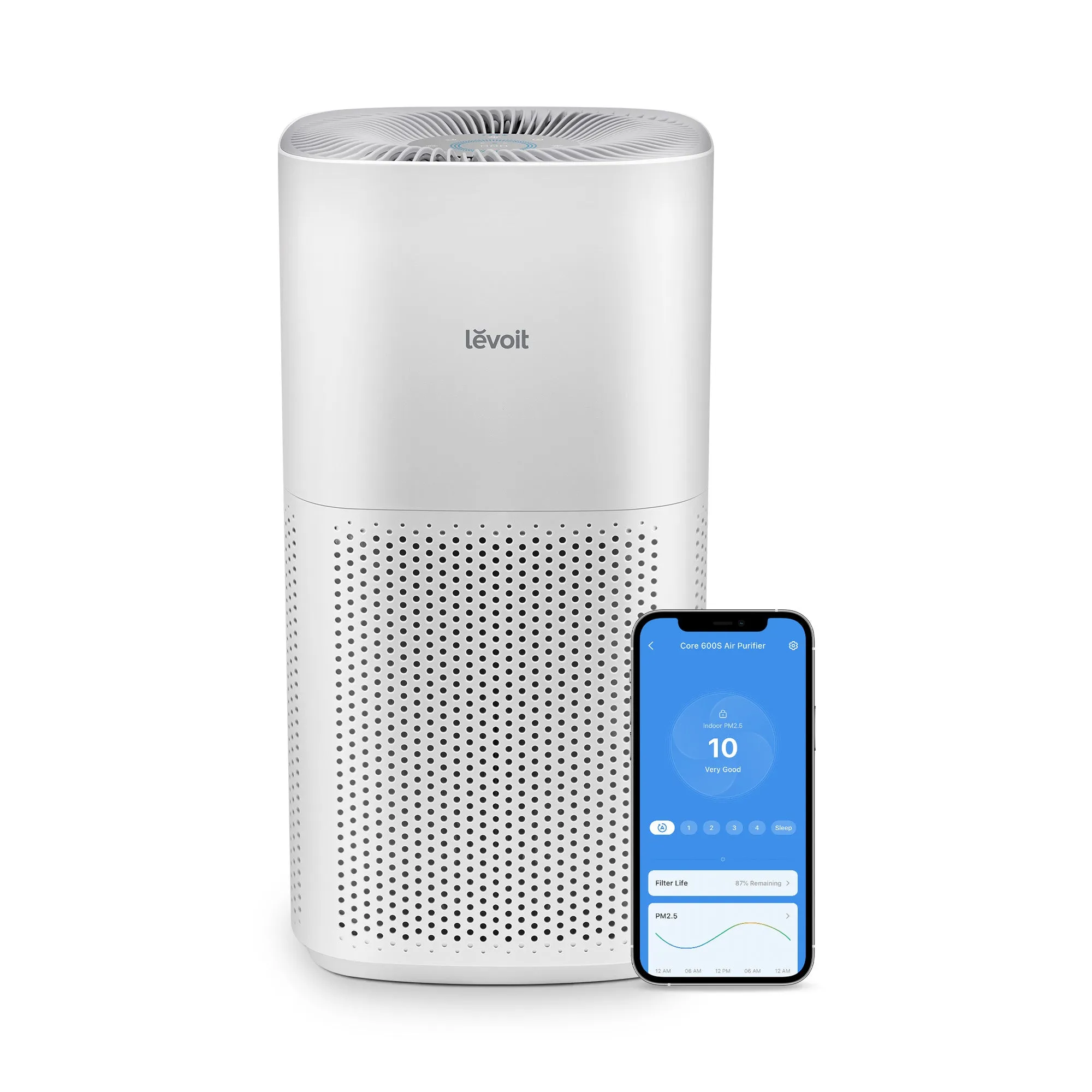
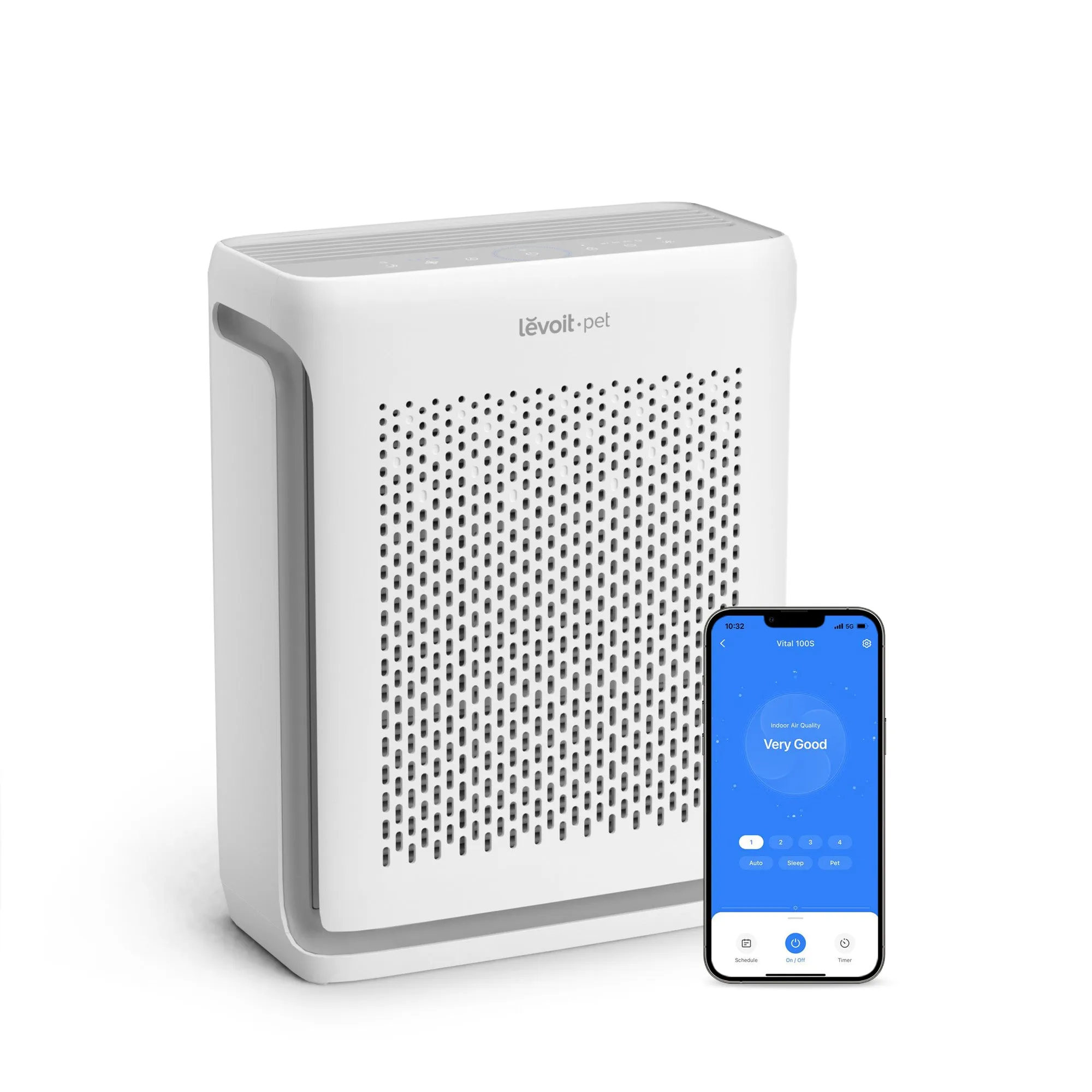
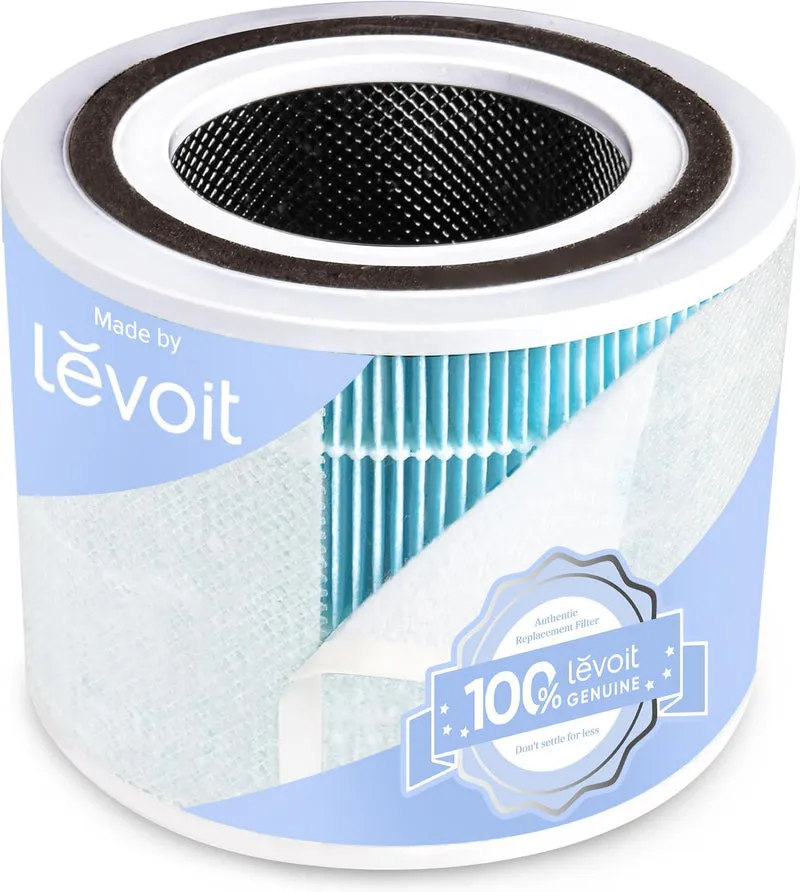
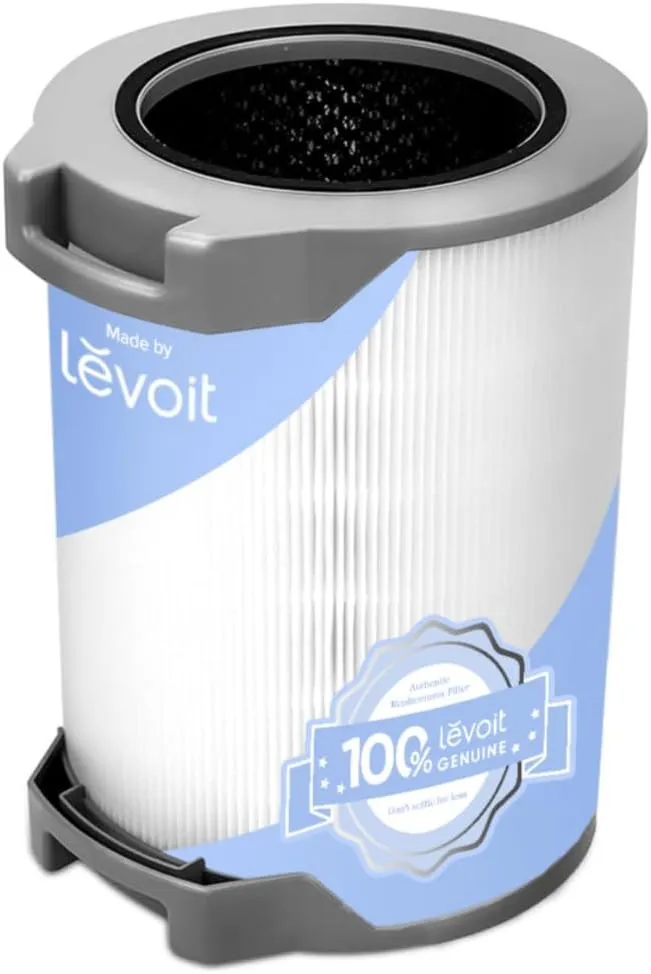
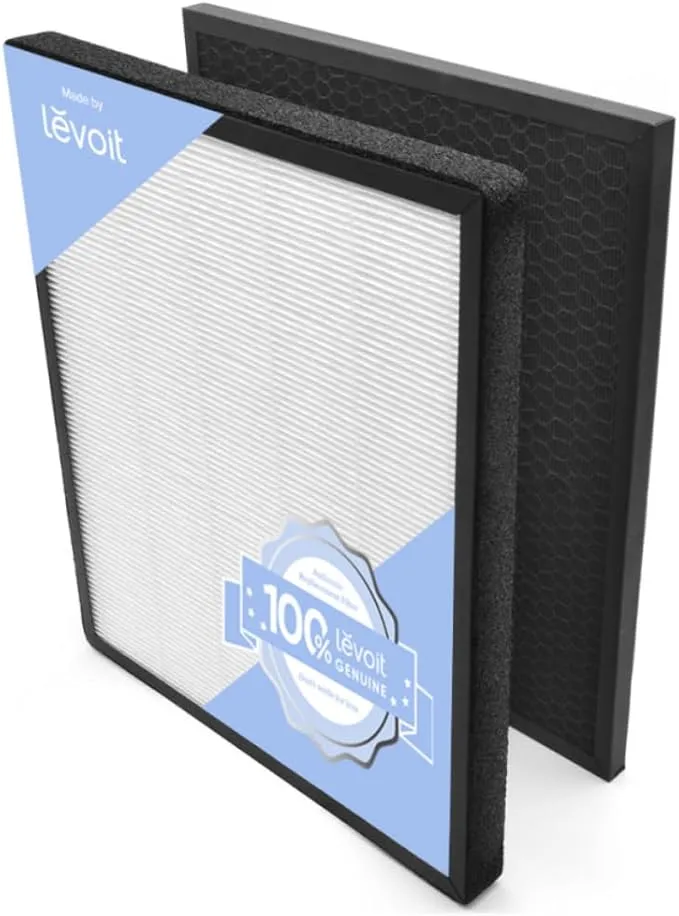
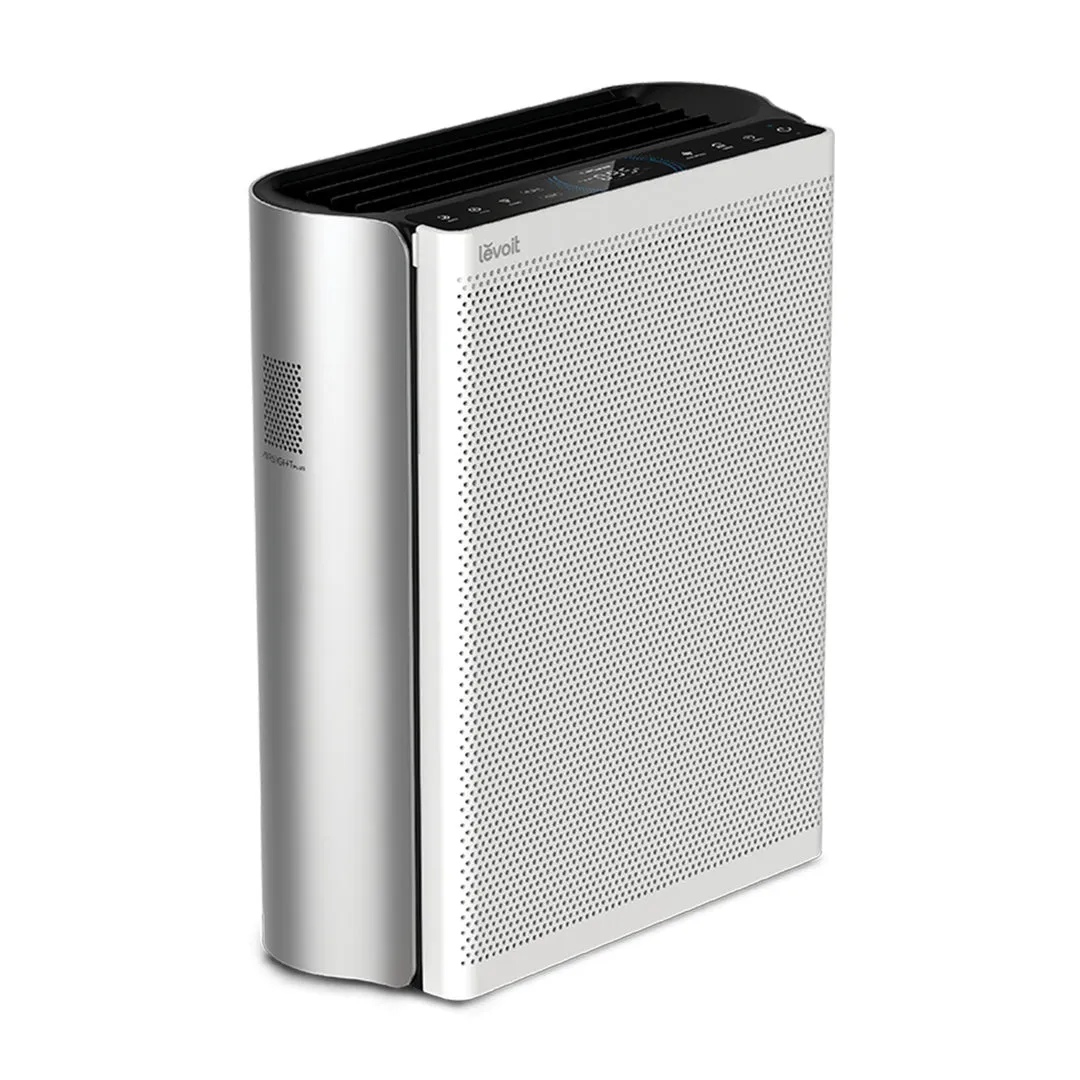
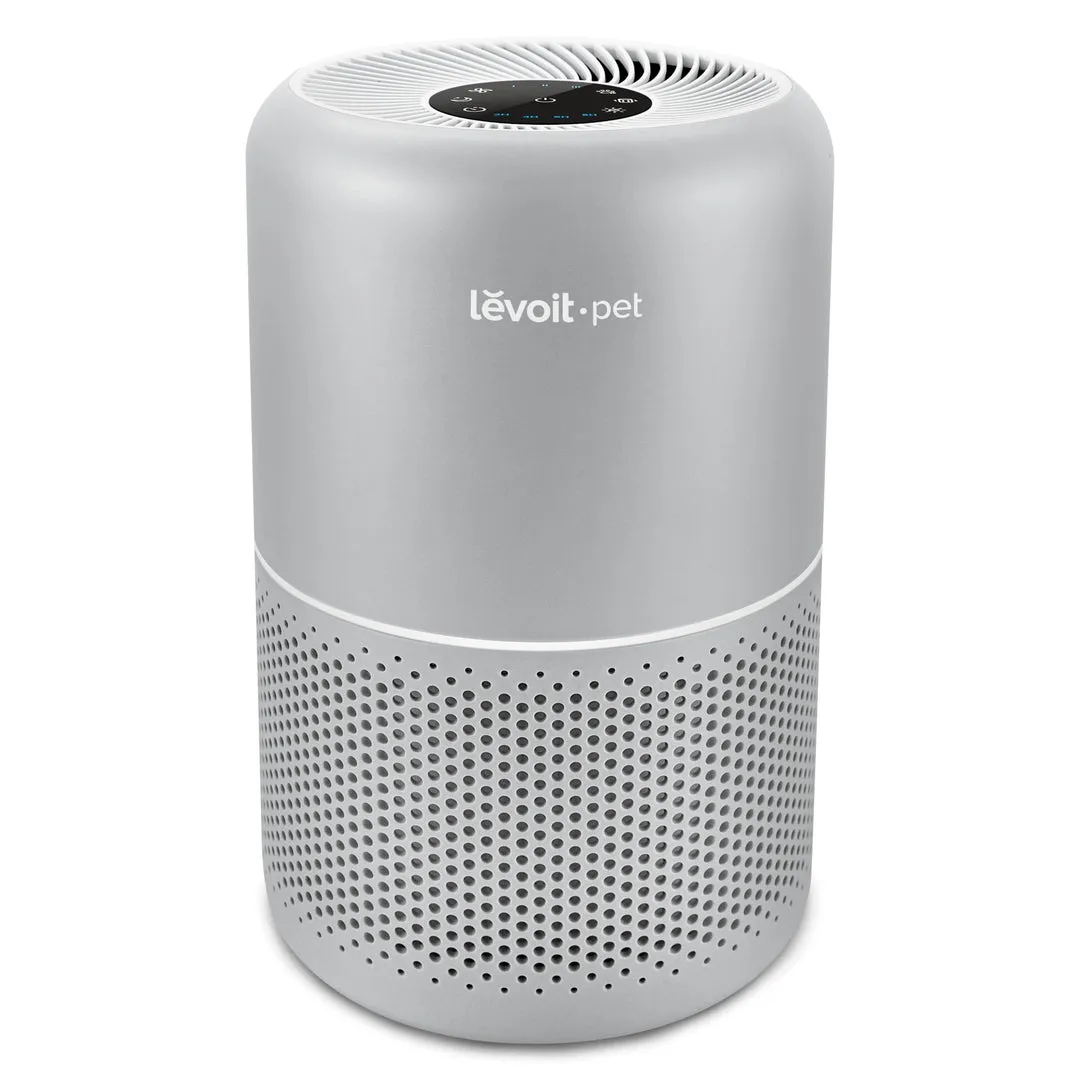
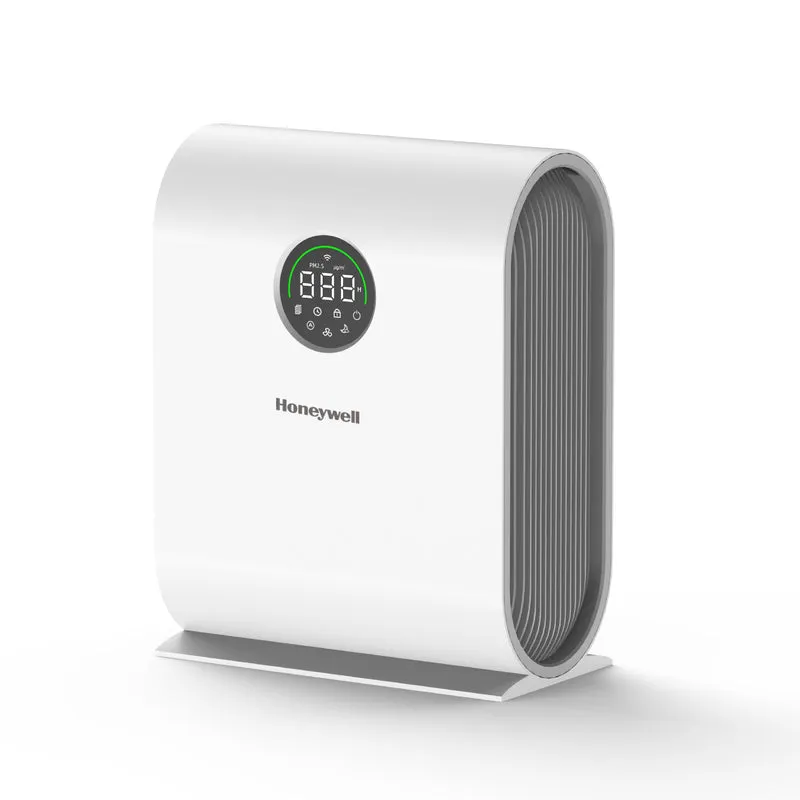
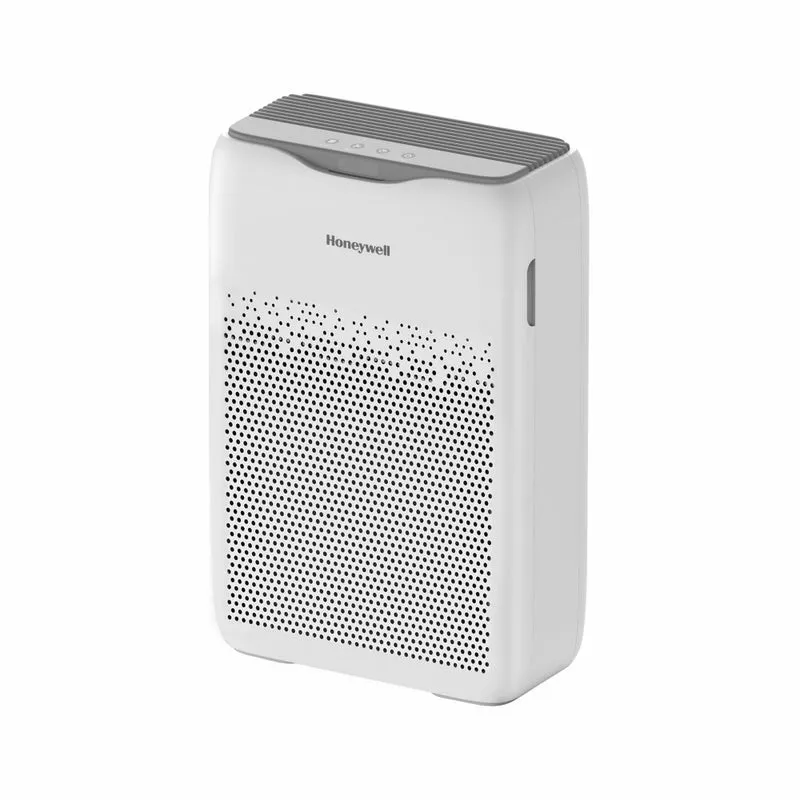
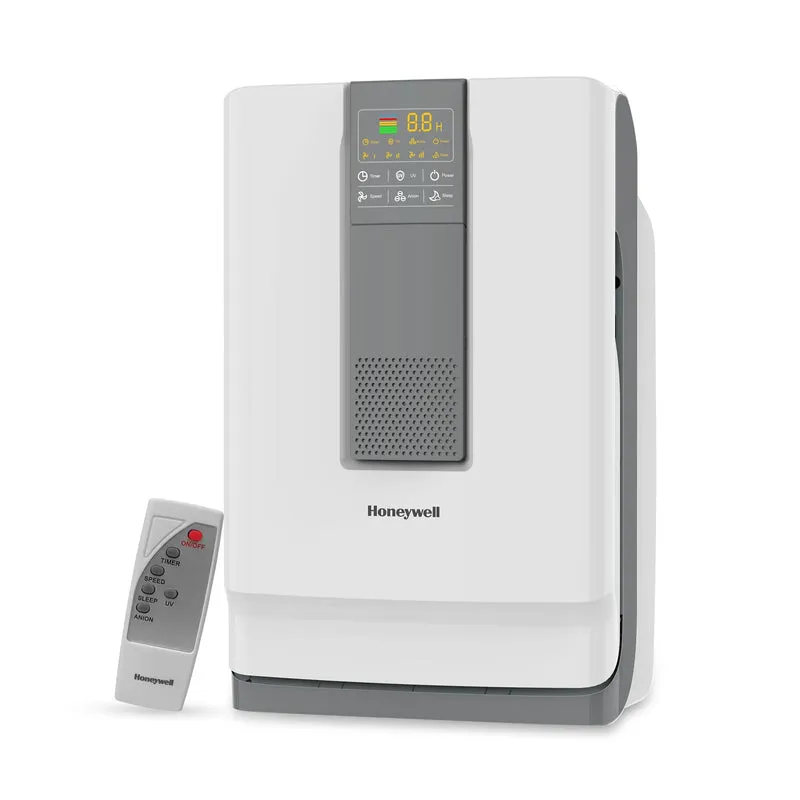
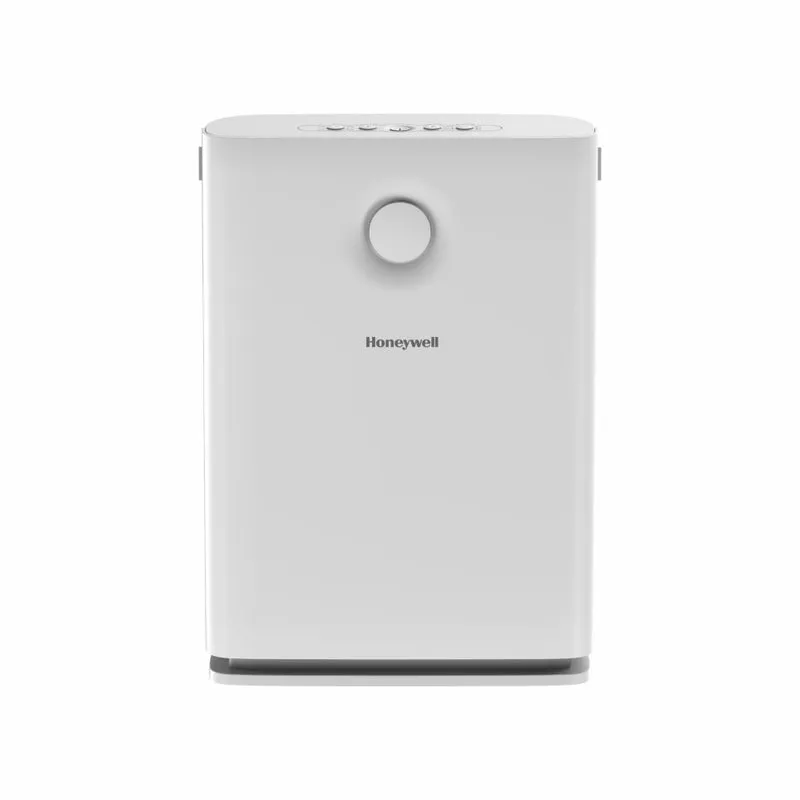
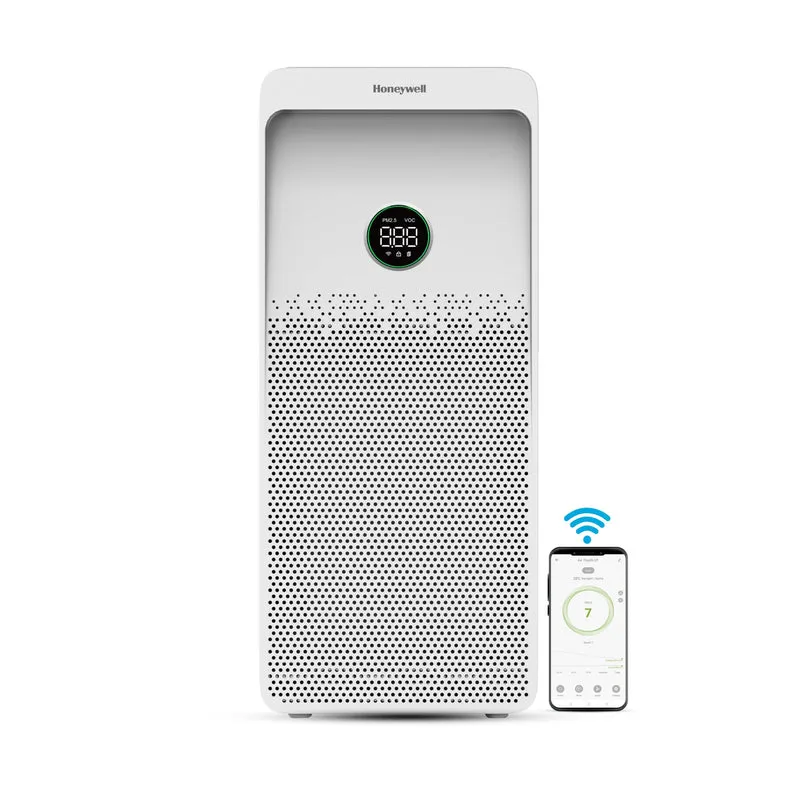
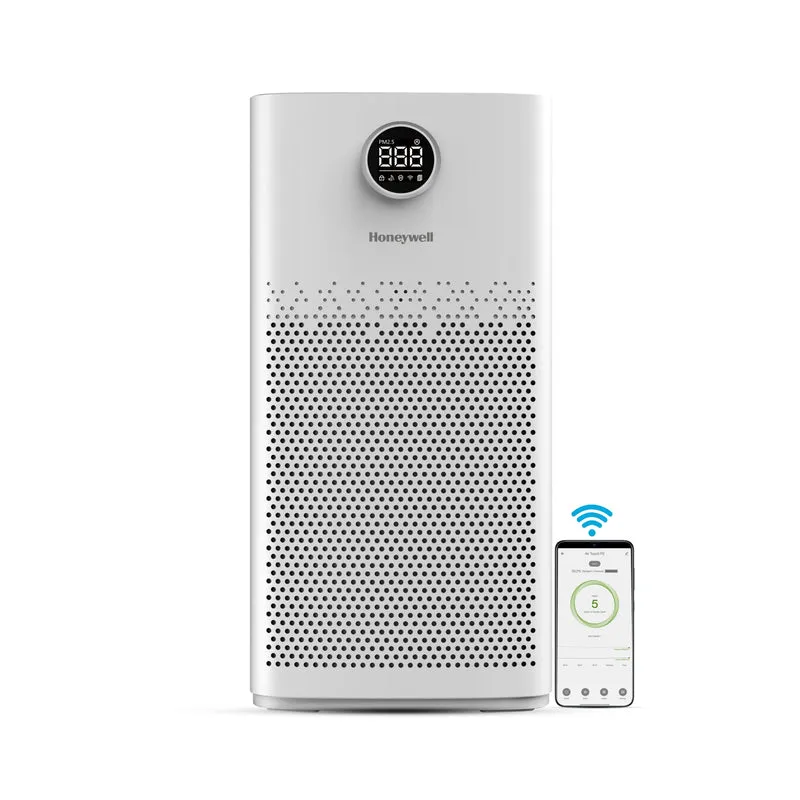
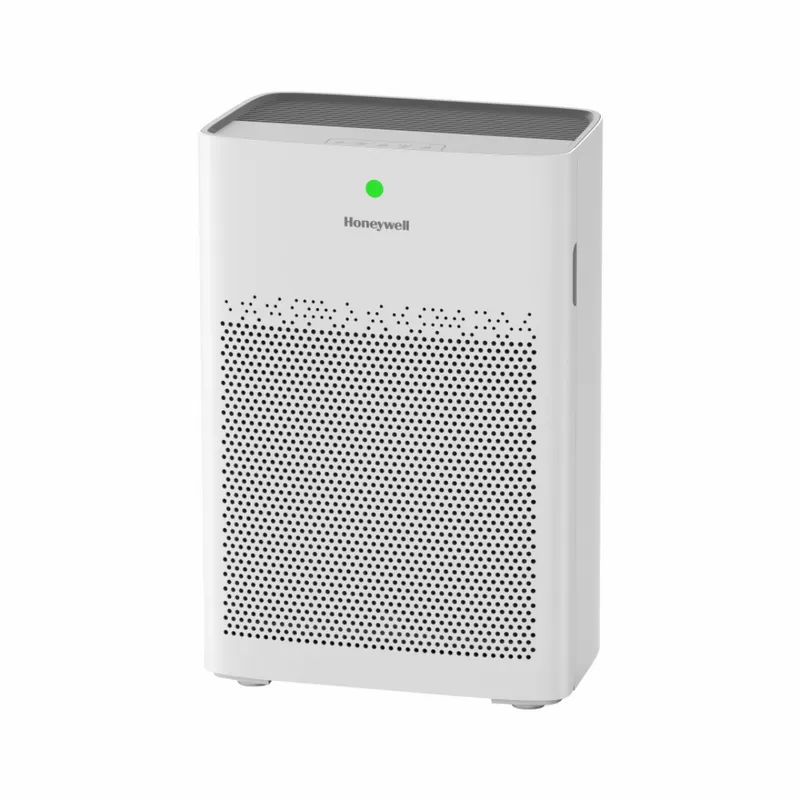
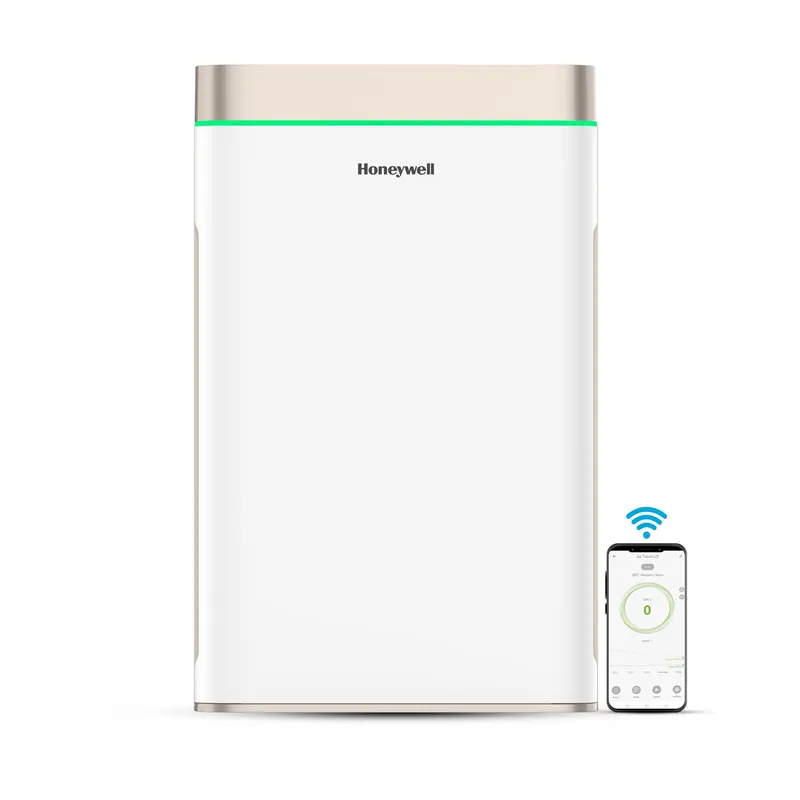
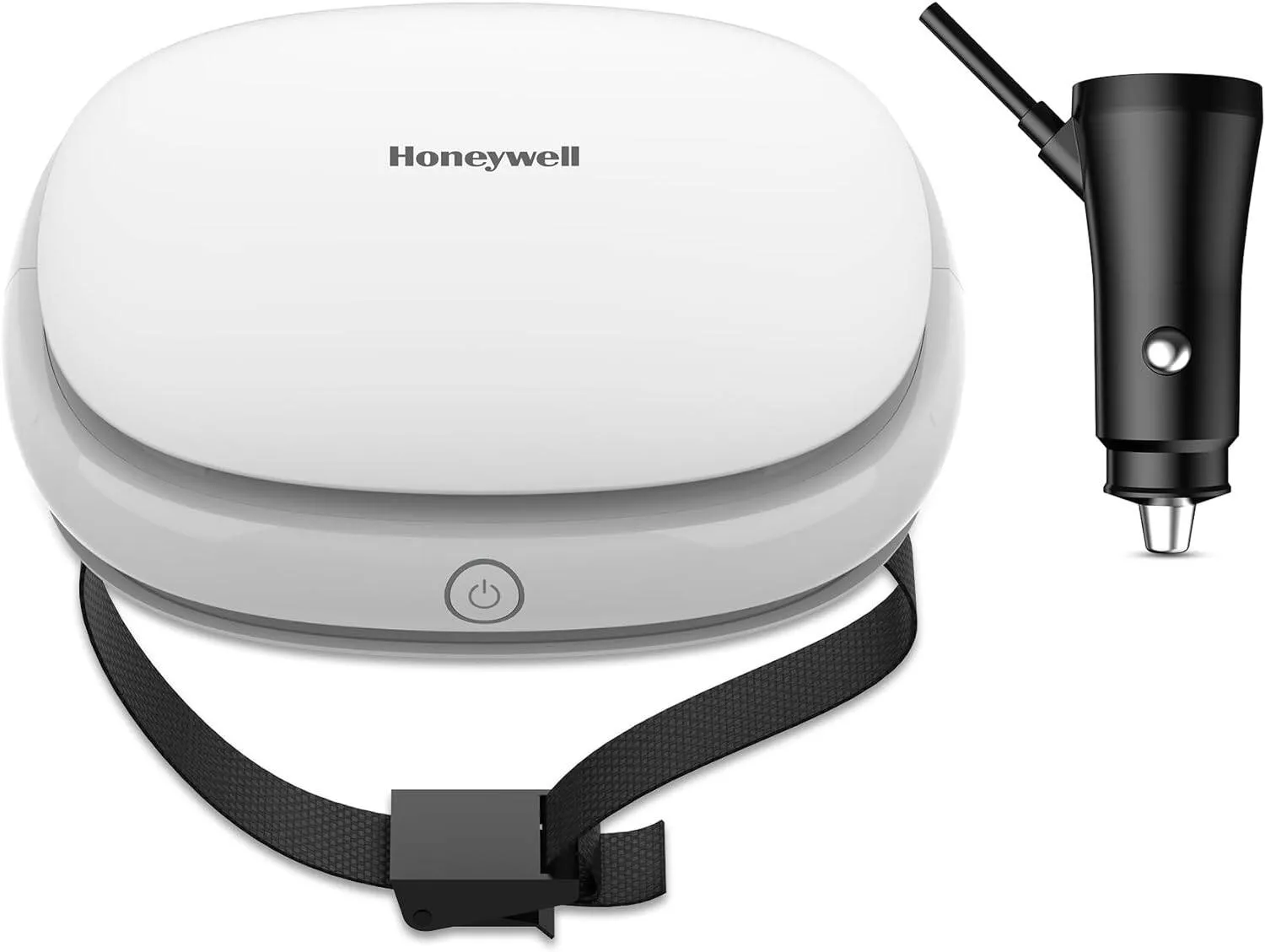
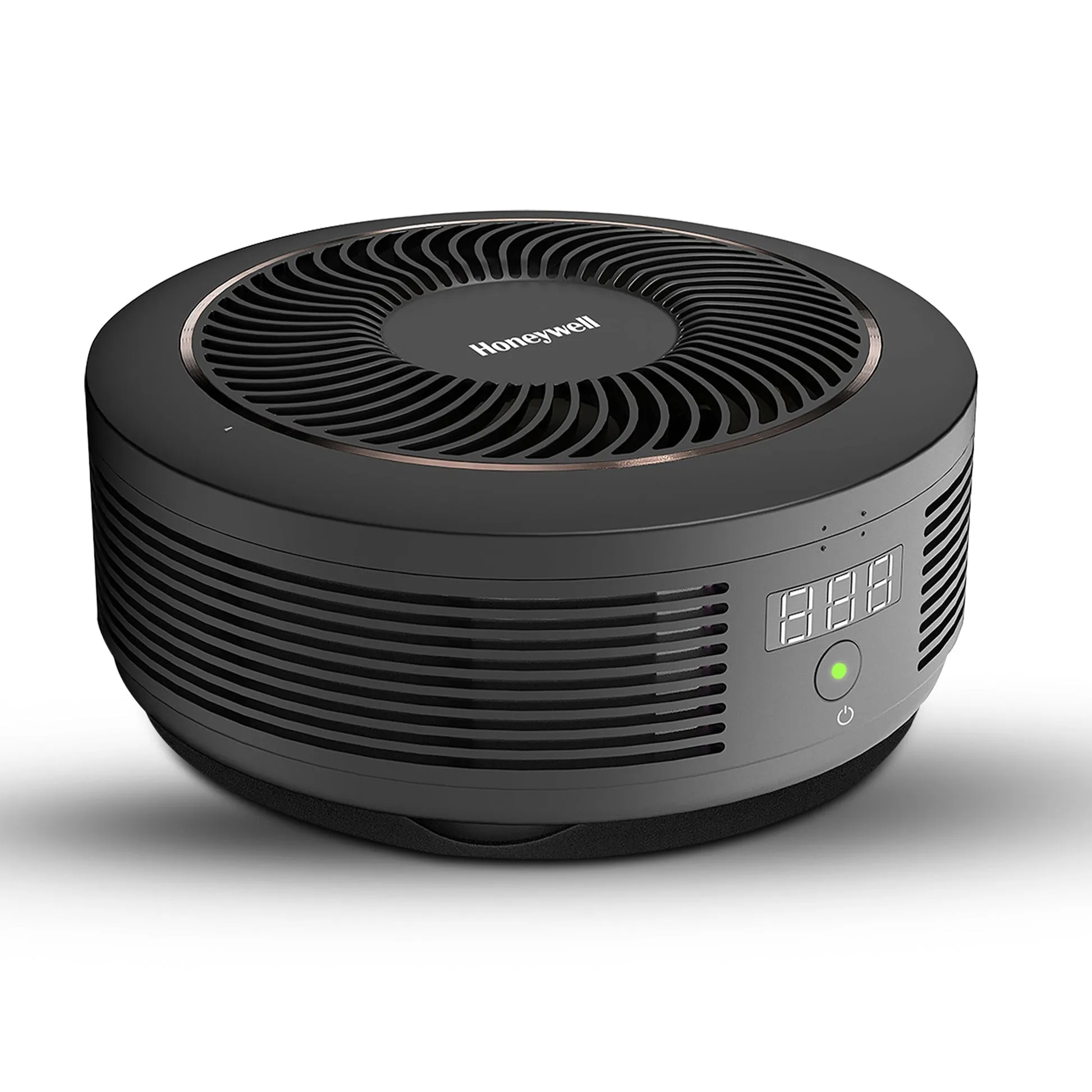
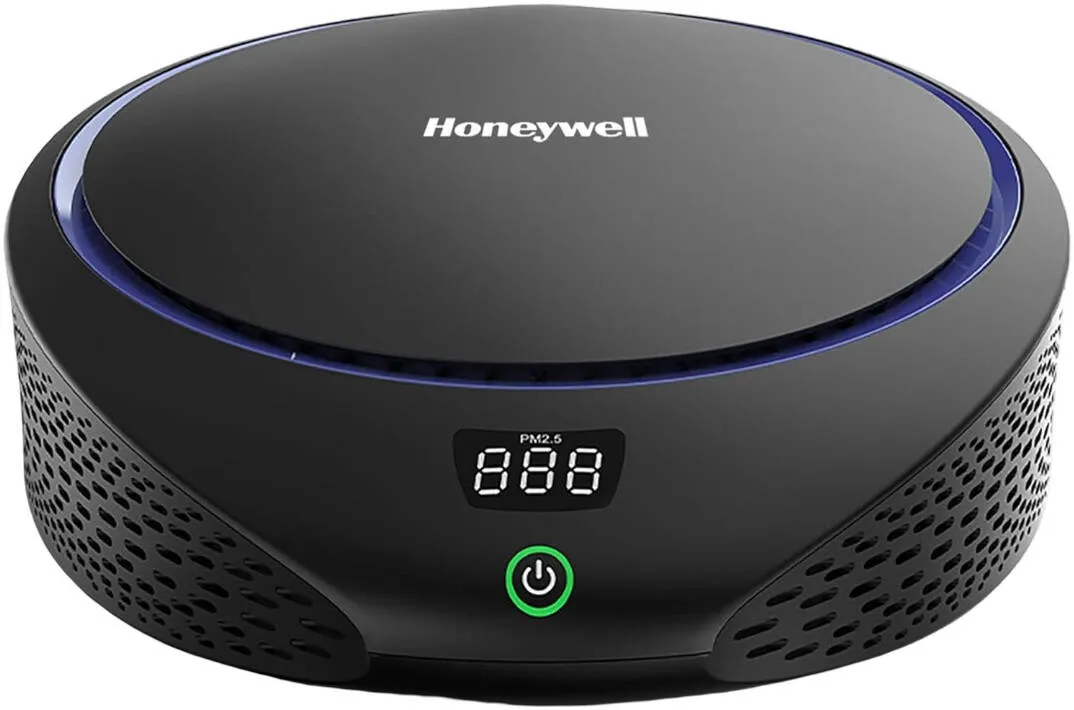
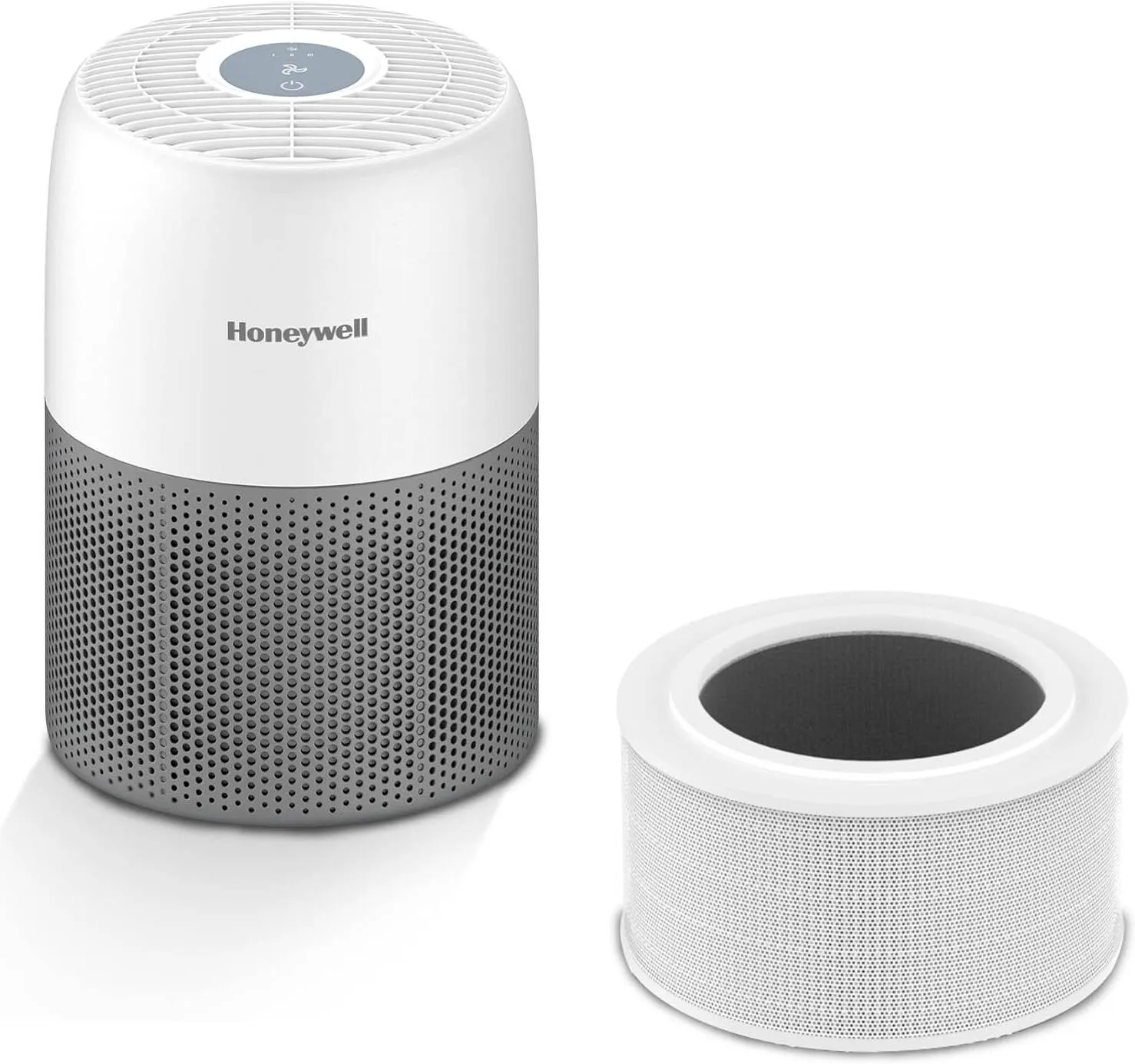
Cleanair-ae stocks a curated range of air purifiers, humidifiers, and filters from Blueair, Honeywell, and Levoit, with fast delivery across Dubai, Abu Dhabi, and the wider UAE.
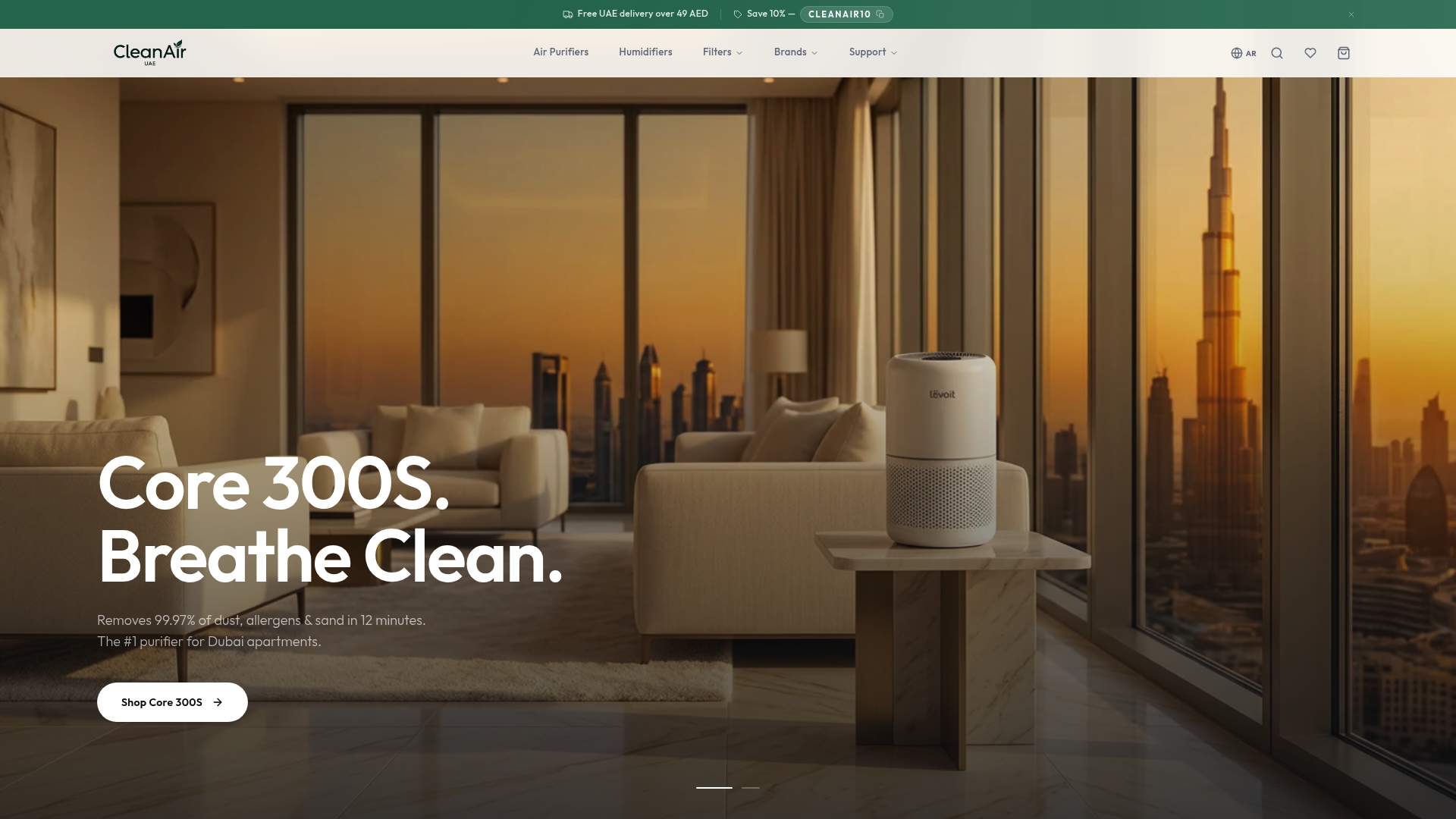
If you are ready to act on what the research shows, the 2026 air purifier buying guide on Cleanair-ae walks you through the key specifications to look for, including HEPA grade, room coverage, and filter replacement cycles. For those not ready to commit to a full purifier, the air purifier alternatives list covers eight proven methods for reducing indoor pollutants without a dedicated device. Both resources are updated for 2026 and reflect current product availability across the UAE.
FAQ
What does clean air actually do for your body?
Clean air reduces the pollutant load entering your bloodstream, which lowers systemic inflammation affecting the heart, brain, and lungs. The NIH confirms that indoor pollutants cause harm well beyond the respiratory system.
Does a HEPA air purifier really improve health outcomes?
Yes. A Texas A&M study found that HEPA purifiers combined with health education raised well-controlled asthma rates from 30% to 67%. Cognitive research published in Scientific Reports in 2026 also shows a 12% improvement in executive function in adults over 40 after one month of HEPA filtration.
How does indoor air quality affect mental health?
Poor indoor air quality raises background inflammation and disrupts sleep, both of which impair mood and cognitive performance. A 2026 MDPI study links clean, ventilated residential air to psychological security and improved behavioural wellness outcomes.
What are the most common indoor air pollutants?
The NIH identifies cooking emissions, gas appliances, mould, dust, and pet dander as the most frequent daily sources. These release particles and gases episodically, but their cumulative biological effect is continuous.
How often should I replace my air purifier filter?
Replacement frequency depends on the model and usage level, but most manufacturers recommend every 6–12 months for HEPA filters under normal residential use. A clogged filter loses effectiveness and can recirculate captured particles back into the room.