Uncategorised
Why commercial spaces need humidifiers: key facts

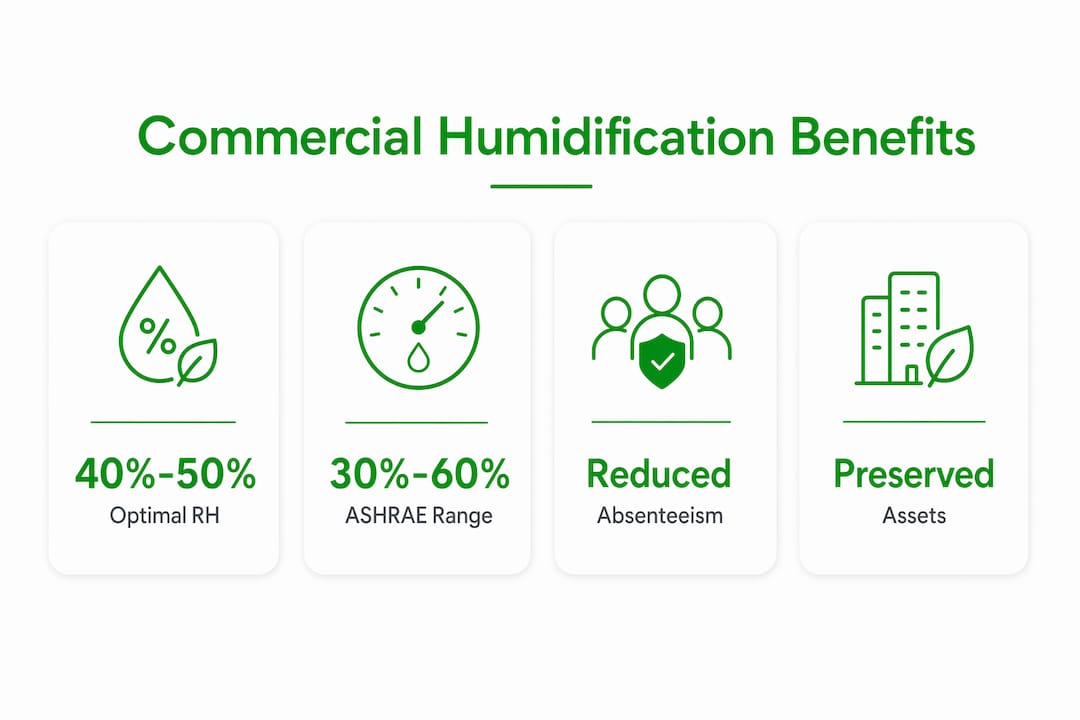
Commercial humidification is defined as the controlled addition of water vapour to indoor air to maintain relative humidity within a target range for occupant health, asset protection, and operational efficiency. ASHRAE Standard 55 sets the accepted benchmark at 30%–60% relative humidity (RH) for occupied commercial spaces during the heating season. Below 30% RH, static electricity increases, materials crack, and respiratory discomfort rises. Understanding why commercial spaces need humidifiers starts with recognising that humidity control is not a comfort upgrade. It is operational infrastructure, and the costs of ignoring it accumulate quickly.
Why commercial spaces need humidifiers: the core case
Dry air in commercial buildings creates three categories of measurable harm: occupant health decline, physical asset damage, and HVAC inefficiency. Each category carries a direct financial consequence. Brands such as Smart Fog and Condair have built their commercial product lines around solving all three simultaneously, which reflects how interconnected these problems are in practice.
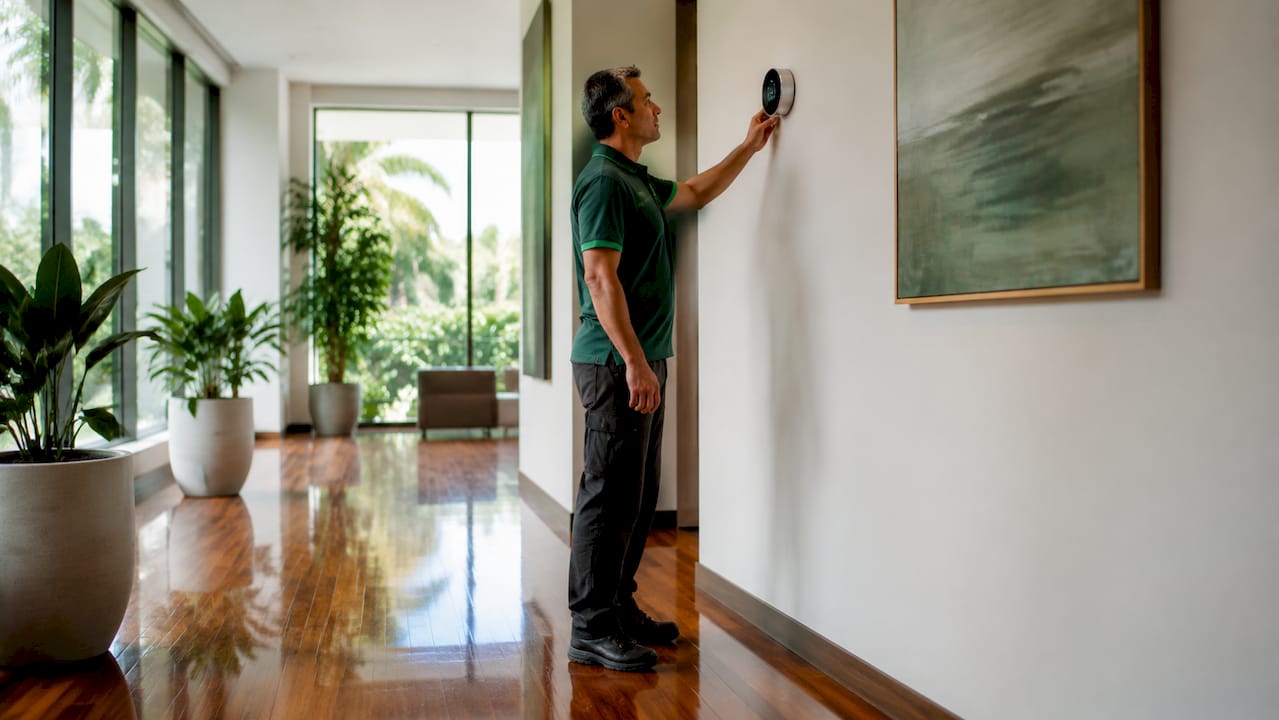
The importance of humidity control is often underestimated until visible damage appears. By that point, the harm is frequently irreversible. Proactive humidification prevents that outcome by keeping RH stable across the entire occupied floor plan, not just in one monitored zone.
How does dry air affect occupant health and productivity?
Dry air causes respiratory discomfort, dry skin, and eye irritation in building occupants. These symptoms are not trivial. They increase absenteeism, reduce concentration, and generate complaints that fall directly on facility management teams.
Maintaining RH at 40%–50% reduces these symptoms within 24–48 hours of normalising humidity levels. That is a measurable, fast-acting return on investment. Occupants report improved comfort, and the frequency of sick building syndrome complaints drops.
Static electricity is a secondary but significant issue. When RH falls below 30%, static shocks become frequent. Staff find them irritating, and the effect on morale in open-plan offices is real. Humidity control above 30% RH reduces static incidence significantly, which also protects the electronics those staff members use daily.
- Dry air increases respiratory complaints and eye irritation in office occupants
- Absenteeism rises when RH falls below 30% for extended periods
- Static shocks affect staff comfort and damage printers, computers, and peripherals
- Sick building syndrome symptoms correlate with low humidity environments
- Occupants in properly humidified spaces report better thermal comfort at lower thermostat settings
Pro Tip: Install calibrated hygrometers at multiple points across your floor plan, not just near the HVAC return. A single sensor gives you an average, not the full picture.
The benefits of humidifiers in offices extend beyond comfort. Productivity gains from reduced absenteeism and improved concentration represent a financial return that facility managers can quantify and present to building owners.
Does low humidity damage building assets and equipment?
Low humidity causes cumulative, often irreversible damage to wood furnishings, millwork, flooring, and electronic equipment. Hardwood floors crack and gap. Timber millwork shrinks and separates at joints. These are not cosmetic issues. Repair costs for premium commercial interiors run high, and replacement is sometimes the only option.
Electronic equipment is equally vulnerable. Dry indoor air causes static discharge events that degrade circuit boards, corrupt data storage, and shorten the operational life of servers, printers, and workstations. Server room failures triggered by static are a known risk in facilities that neglect humidity control.
The case for humidification as infrastructure rather than comfort equipment becomes clear when you list the assets at risk:
- Hardwood and engineered timber flooring
- Bespoke millwork, cabinetry, and joinery
- Office electronics including computers, printers, and servers
- Artwork and archival materials in galleries or reception areas
- Pharmaceutical stock and laboratory samples requiring stable conditions
Pro Tip: Document your asset inventory before specifying a humidification system. Knowing the replacement value of what is at risk makes the business case for investment straightforward.
Uneven humidity distribution creates a separate problem. Non-uniform RH across zones means some areas remain dry while others become over-humidified. Over-humidified zones risk mould growth, corrosion, and pest activity. Under-humidified zones continue to damage assets. Meeting an average RH reading does not constitute ASHRAE compliance if the distribution is uneven.
| Risk Factor | Low Humidity Effect | Correct Humidity Effect |
|---|---|---|
| Timber flooring | Cracking, gapping, shrinkage | Stable, no movement |
| Electronics | Static discharge, component failure | Protected, extended lifespan |
| Mould and pests | Dry zones suppress growth but wet zones attract | Uniform RH prevents both extremes |
| Staff comfort | Irritation, absenteeism | Improved comfort and retention |
What do ASHRAE standards require for commercial humidification?
ASHRAE Standard 55 requires commercial occupied spaces to maintain RH between 30% and 60% during the heating season. The standard is precise on one critical point: compliance is measured by uniform distribution across the occupied space, not by a single average reading.
This distinction matters operationally. A facility manager who monitors one central sensor and reports 45% RH may still be non-compliant if perimeter zones near windows or exterior walls are sitting at 22% RH. ASHRAE audits and building certification schemes assess zone-by-zone performance.
Poor system design introduces additional risks. Wet delivery methods, where mist or steam settles on surfaces before evaporating, violate mould prevention standards and create corrosion and slip hazards. Self-evaporative systems that release moisture as vapour rather than droplets are the preferred specification for commercial environments.
| Environment Type | Target RH Range | Precision Required | Key Risk if Non-Compliant |
|---|---|---|---|
| General office | 30%–60% | ±5% | Staff discomfort, static damage |
| Retail space | 35%–55% | ±5% | Product damage, customer comfort |
| Pharmaceutical facility | 40%–60% | ±1%–2% | Product defects, audit failure |
| Electronics manufacturing | 45%–55% | ±1%–2% | Electrostatic discharge, component loss |
| Laboratory | 40%–60% | ±1%–2% | Process instability, sample degradation |
Integration with the building’s HVAC system is not optional for commercial-scale humidification. Systems must be sized by total air volume and air exchange rate, accounting for external climate conditions. In the UAE, where outdoor air is hot and dry for much of the year, HVAC-integrated humidification is the only reliable method for maintaining stable indoor RH across large floor plates.
Which type of commercial humidifier is right for your building?
Commercial humidification systems fall into four main categories: steam, evaporative, ultrasonic, and high-pressure fog. Each suits different applications, scales, and water quality conditions.
- Steam humidifiers produce sterile vapour by boiling water. They are reliable and hygienic, making them suitable for healthcare and pharmaceutical environments. Running costs are higher due to energy consumption.
- Evaporative humidifiers pass air over a wetted medium. They are energy-efficient and self-limiting, meaning they cannot over-humidify a space. Suitable for general offices and retail.
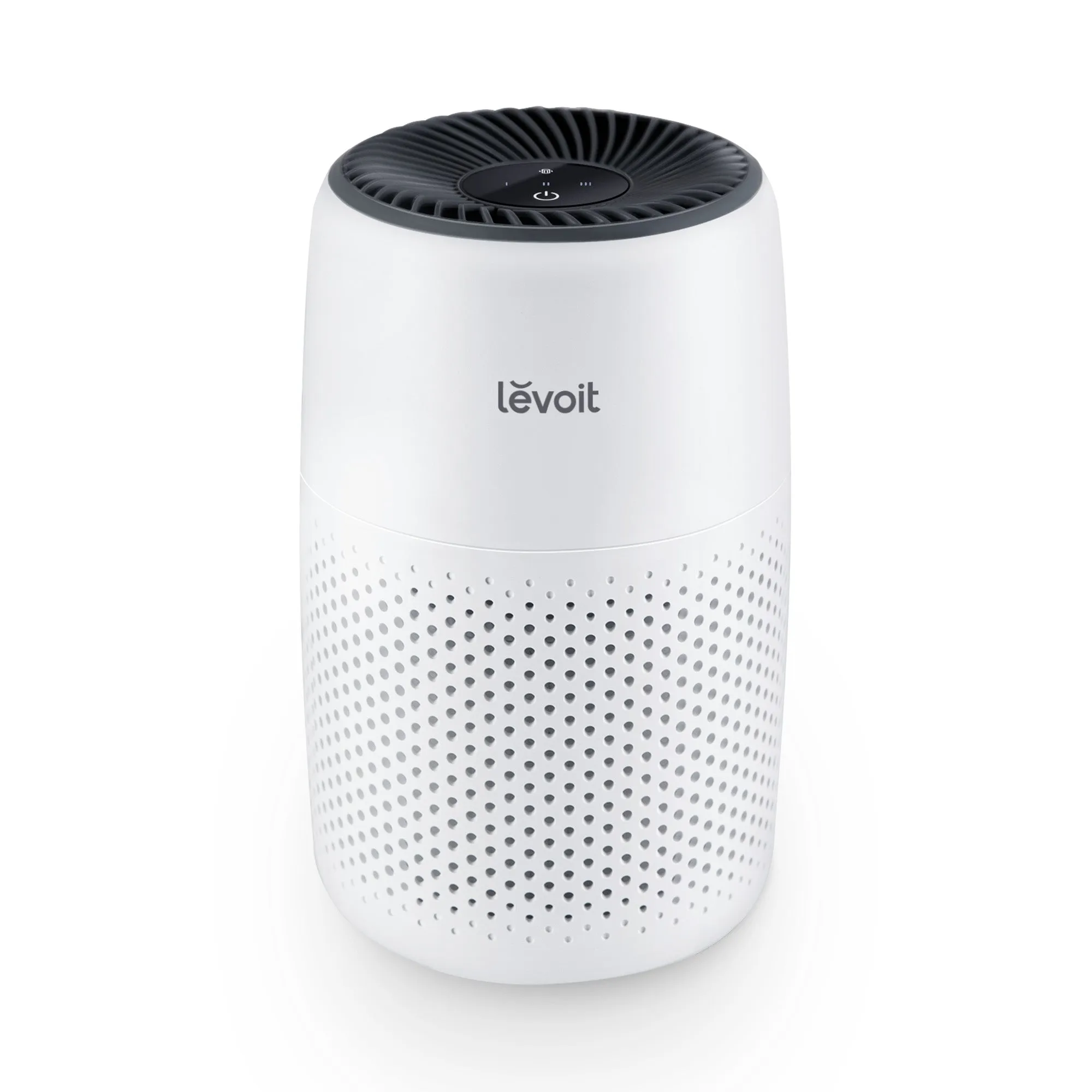
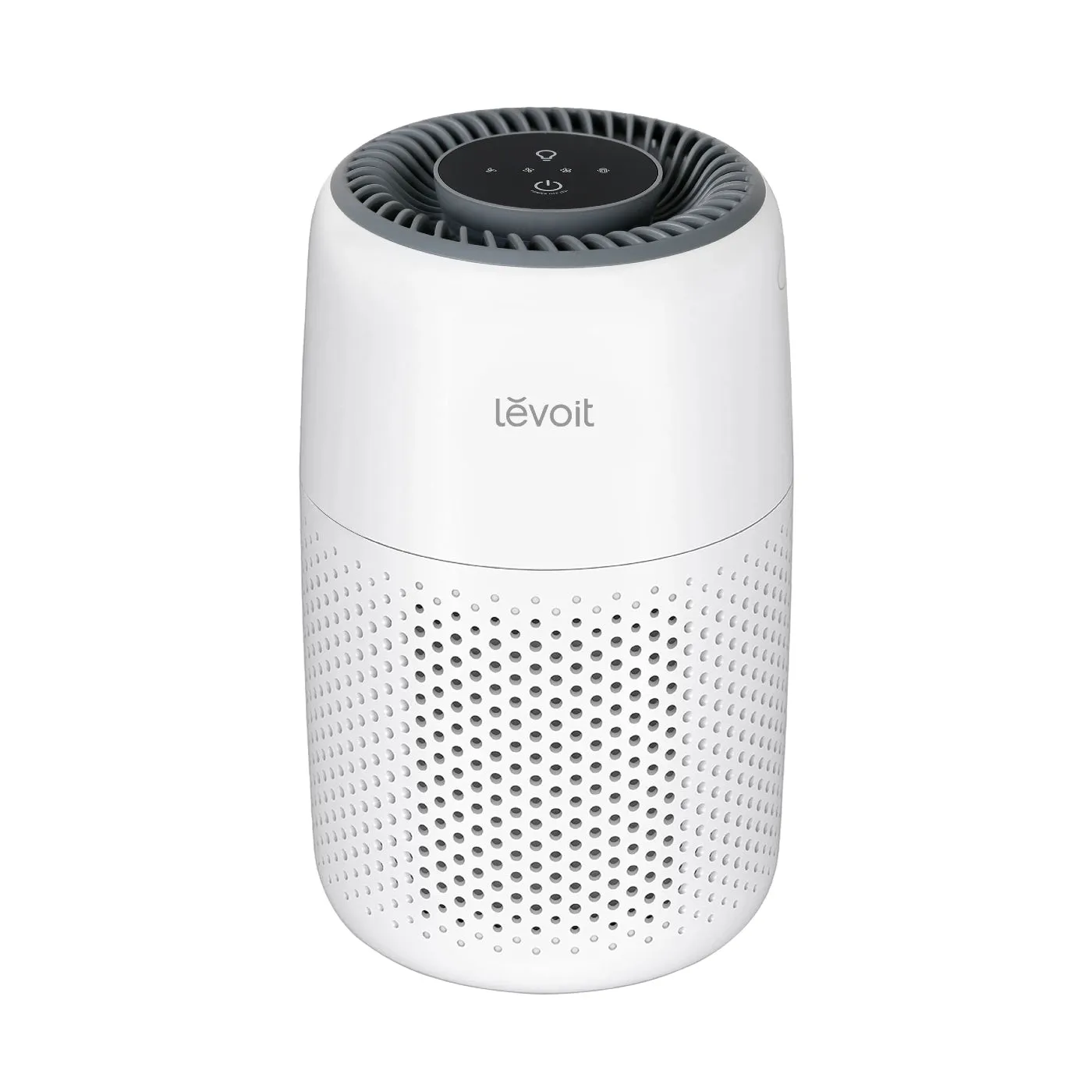
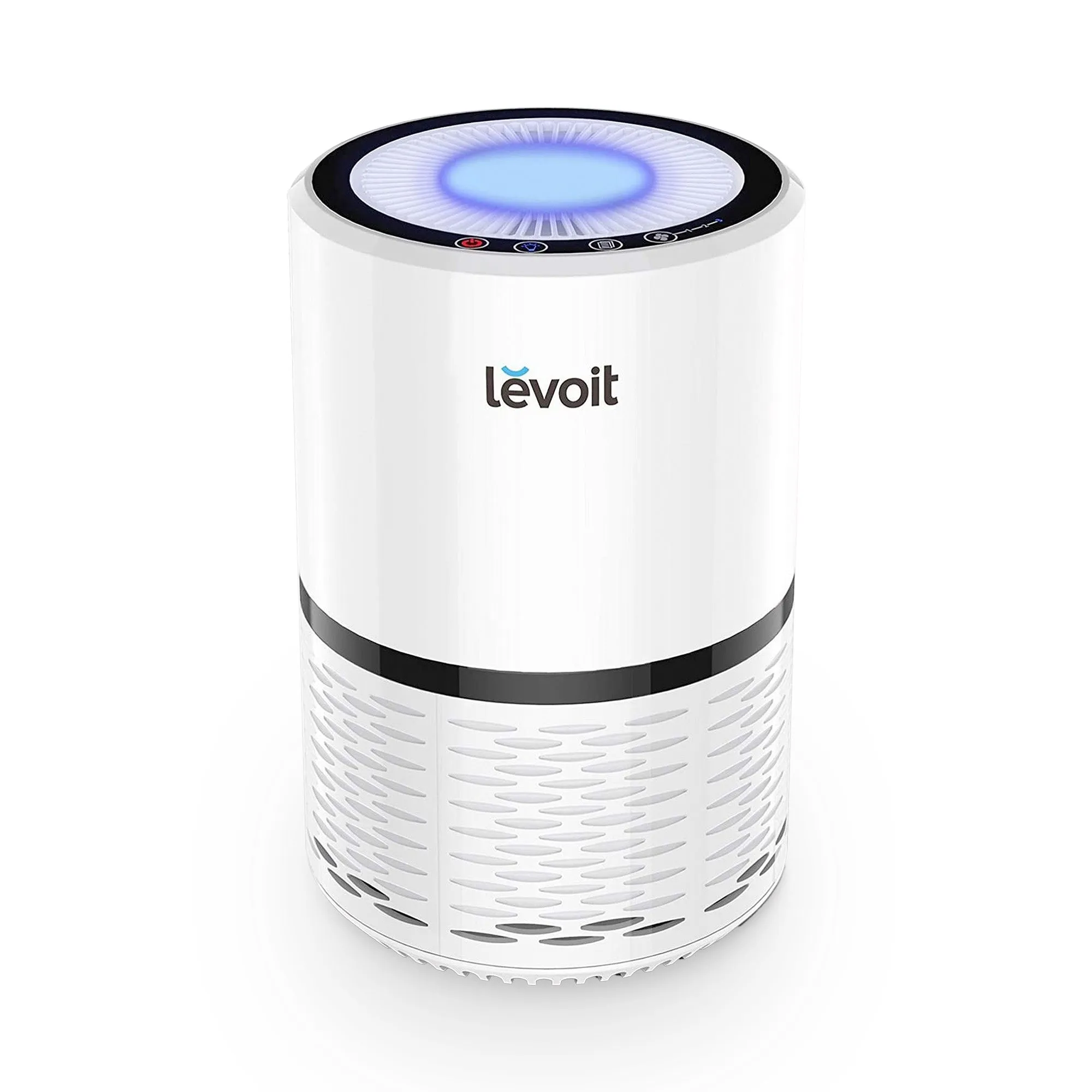
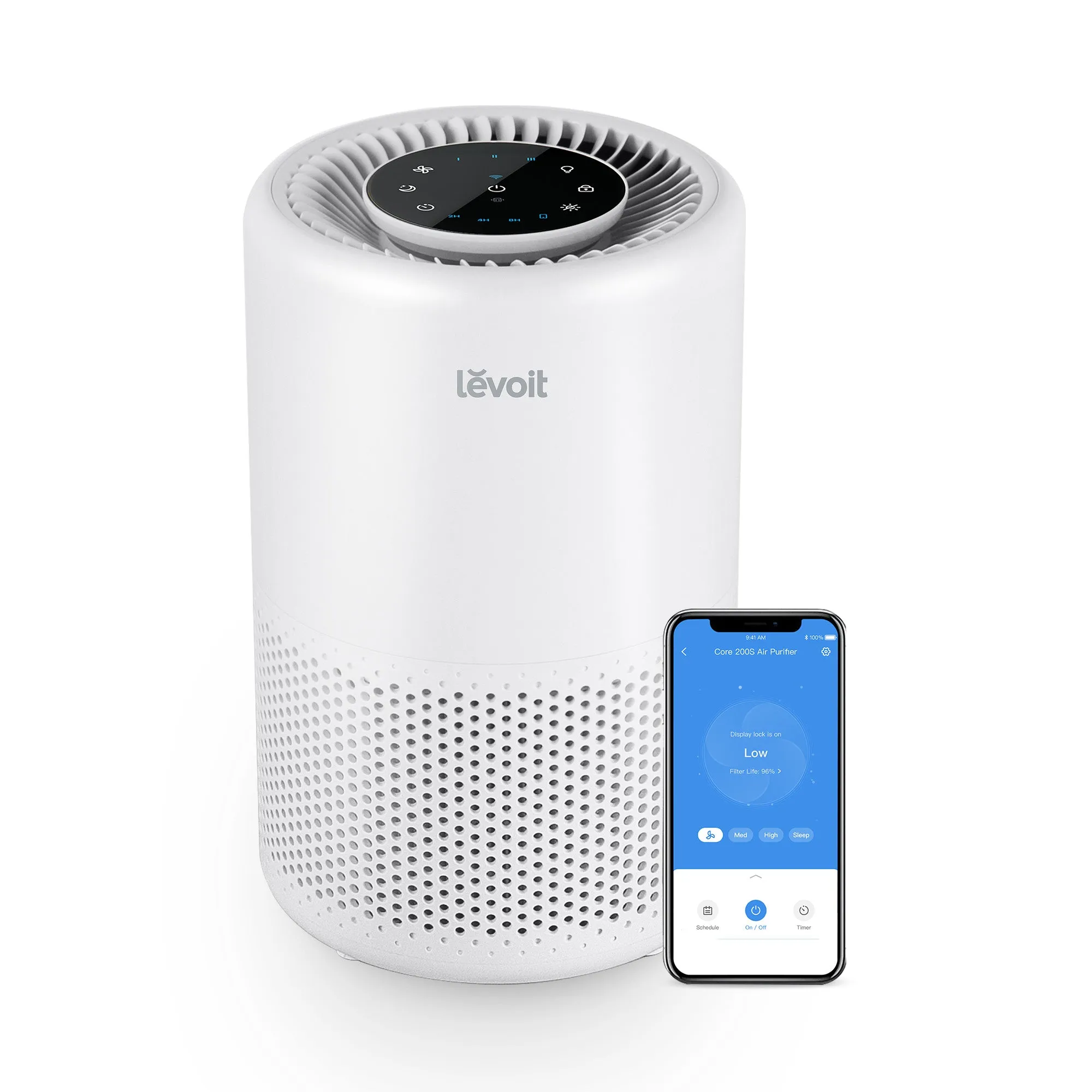
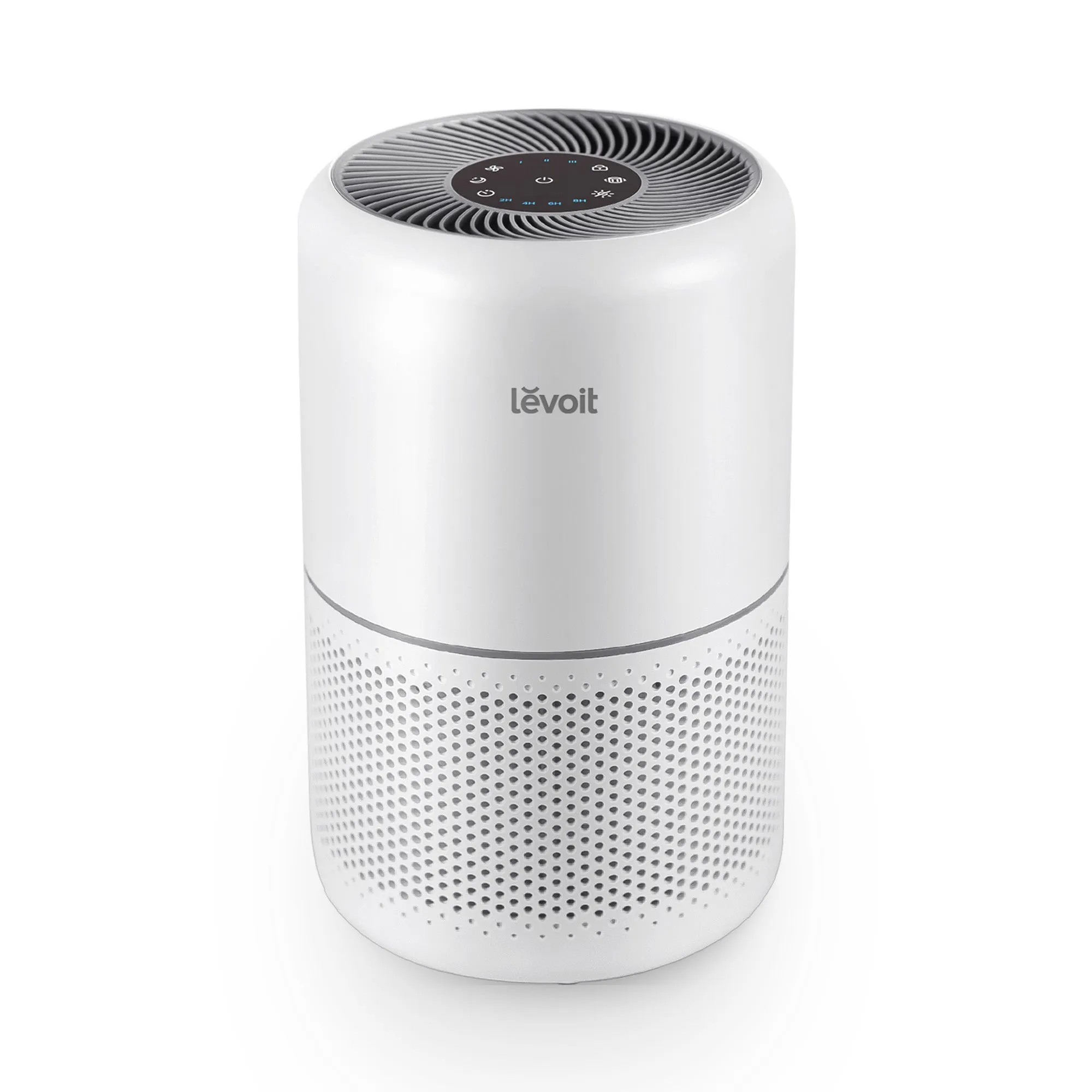
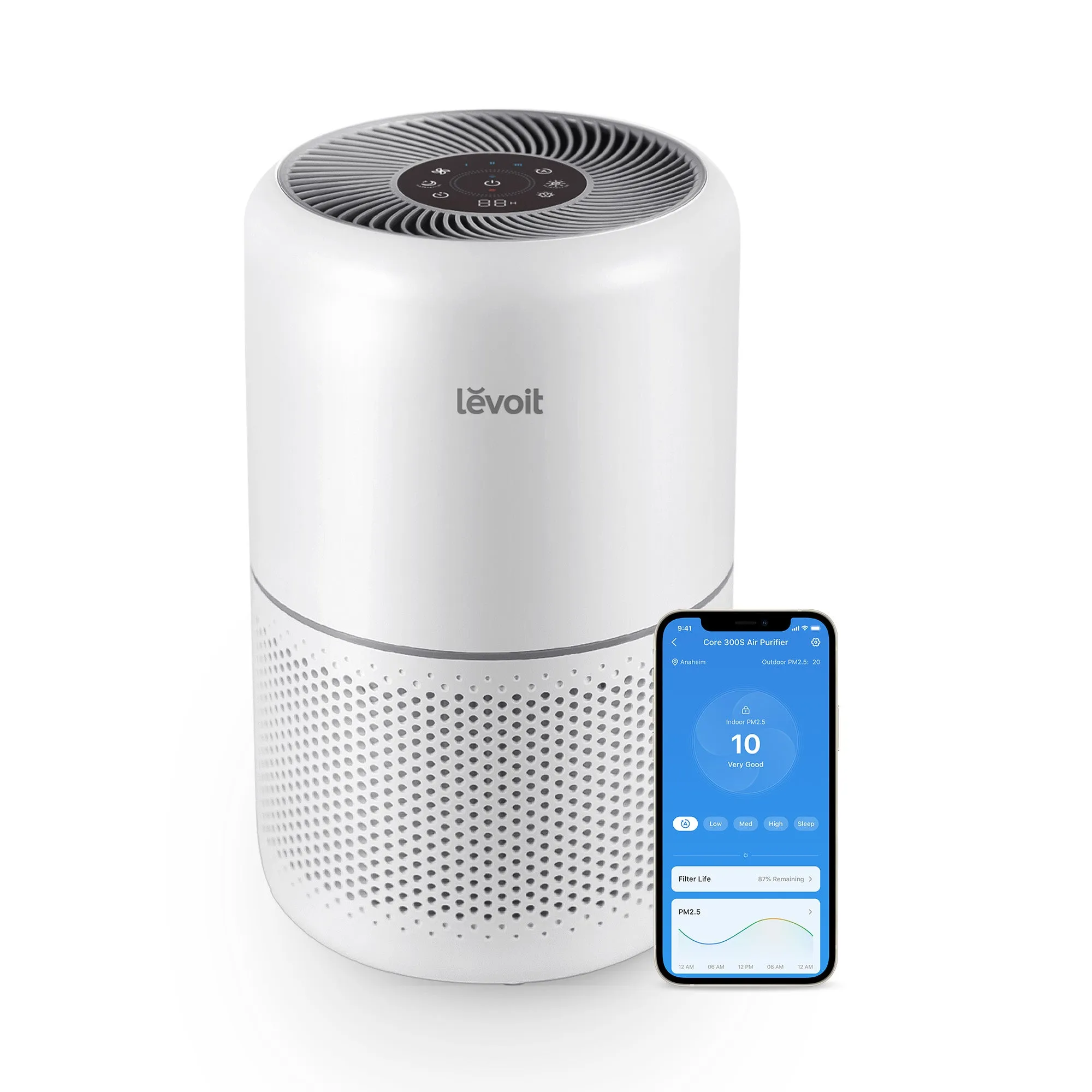
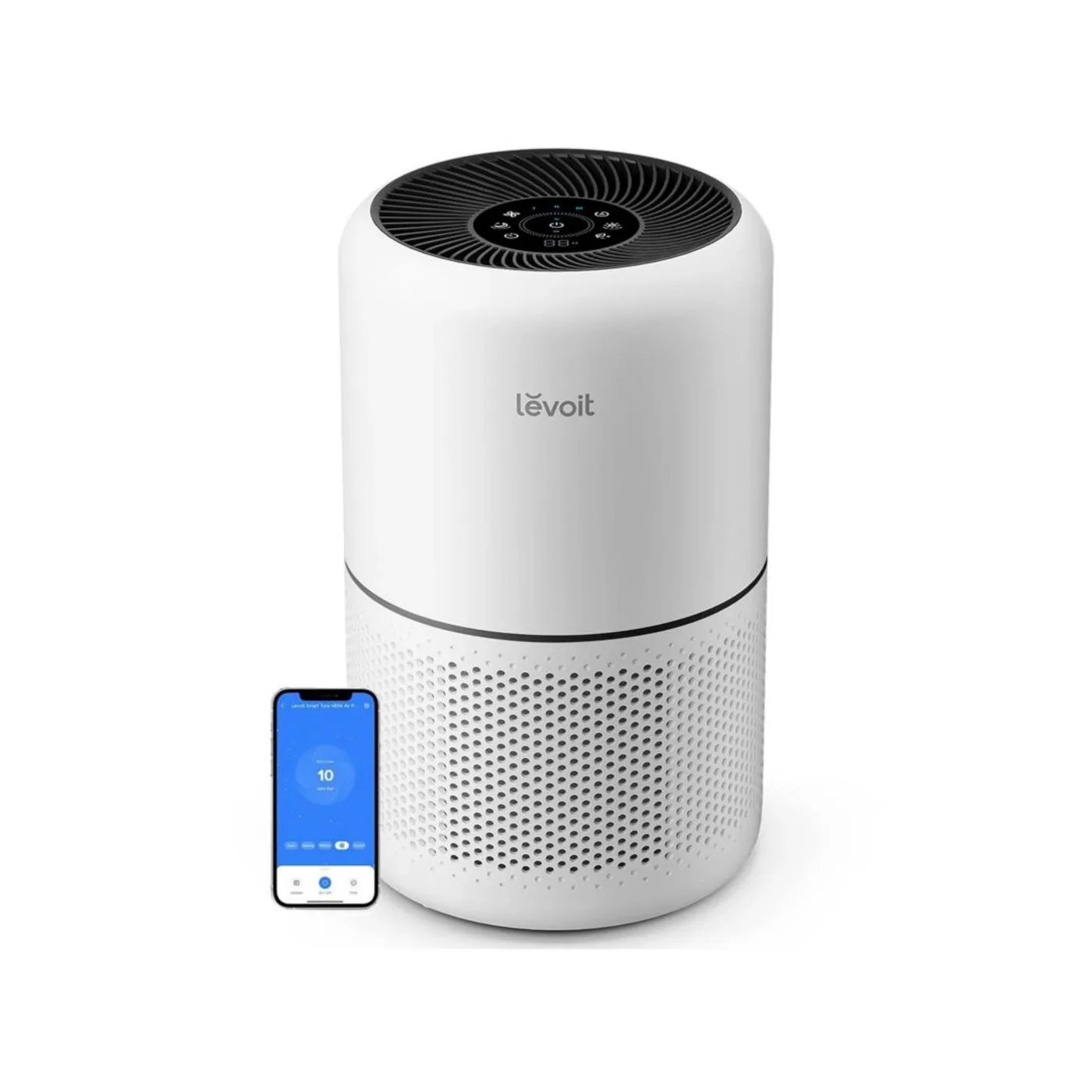
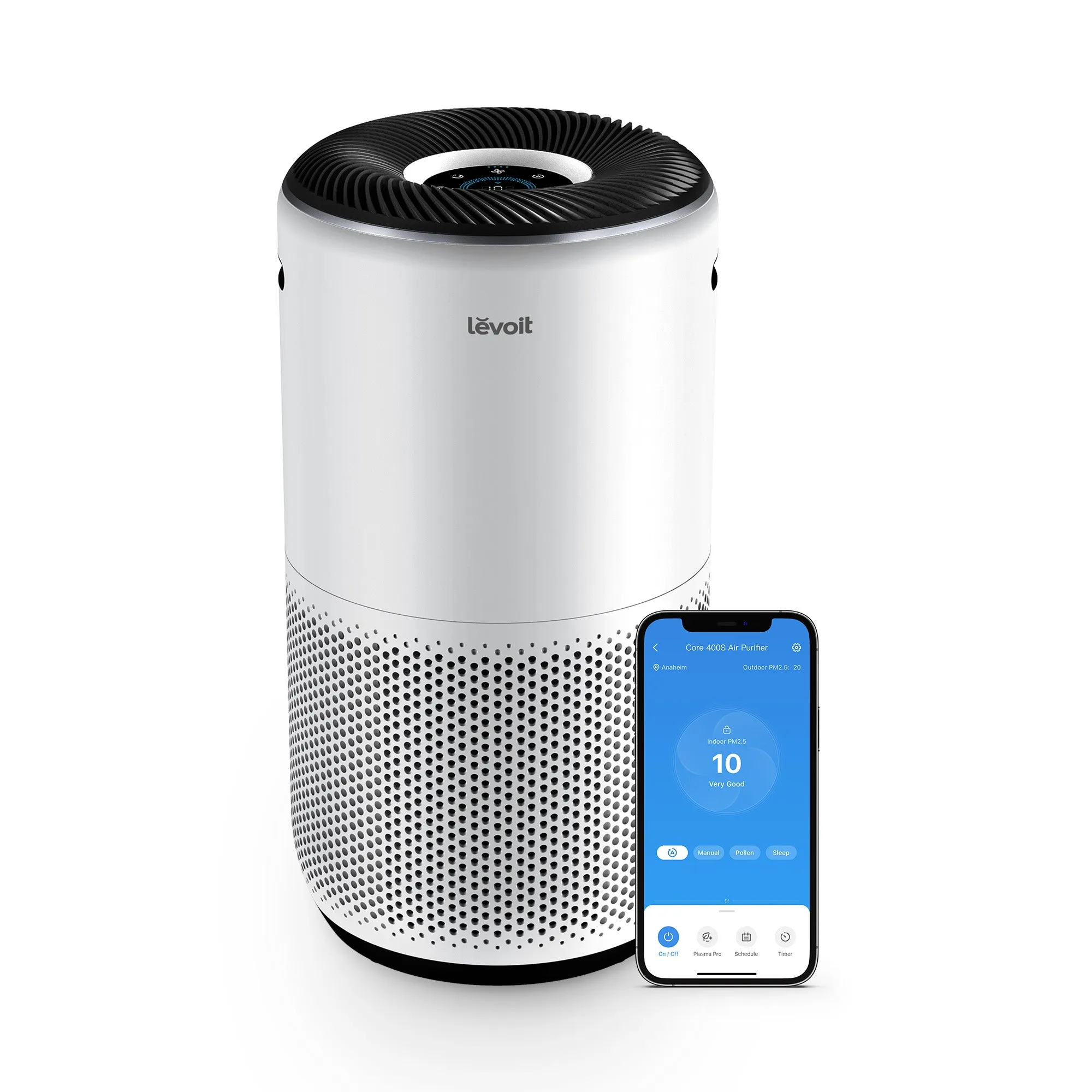
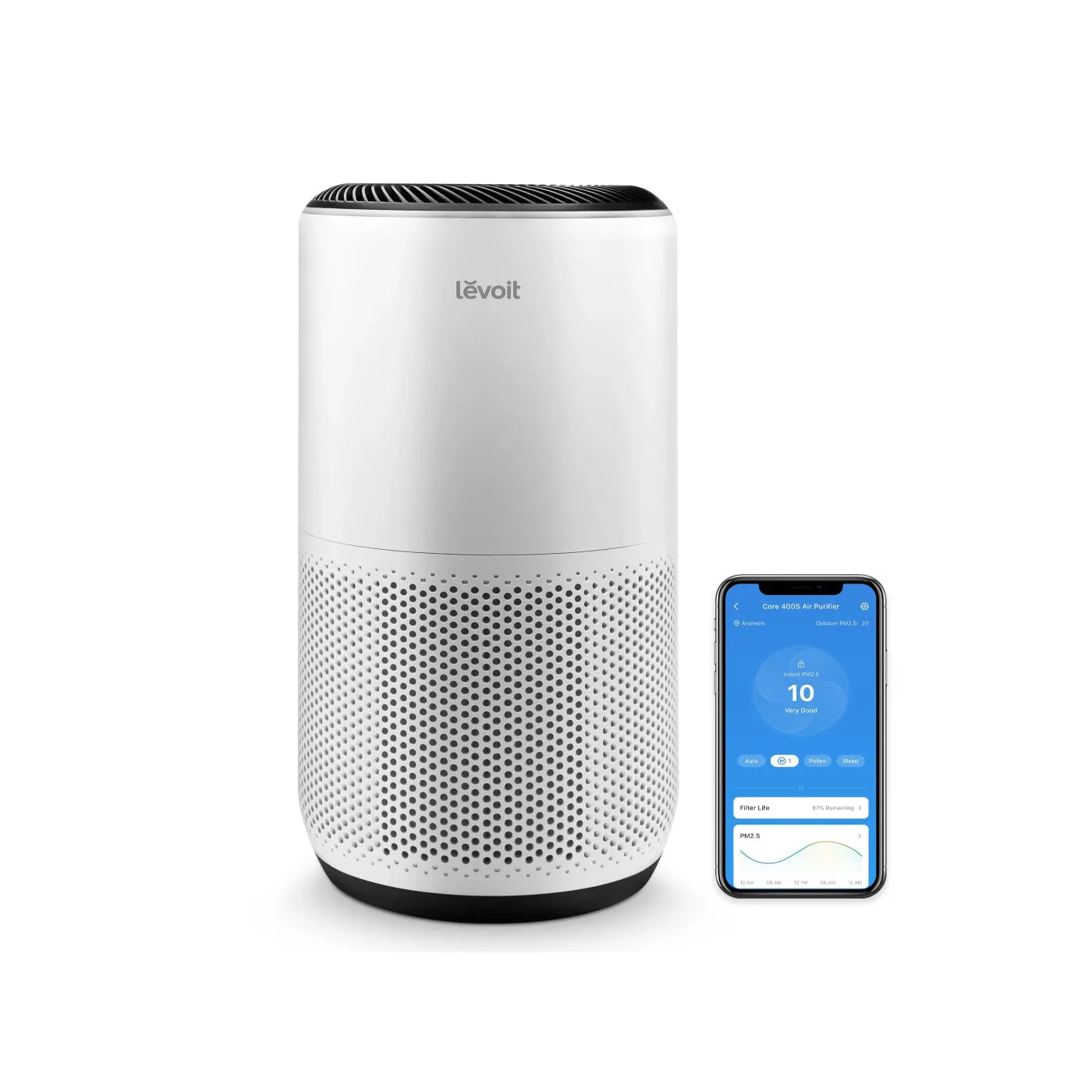
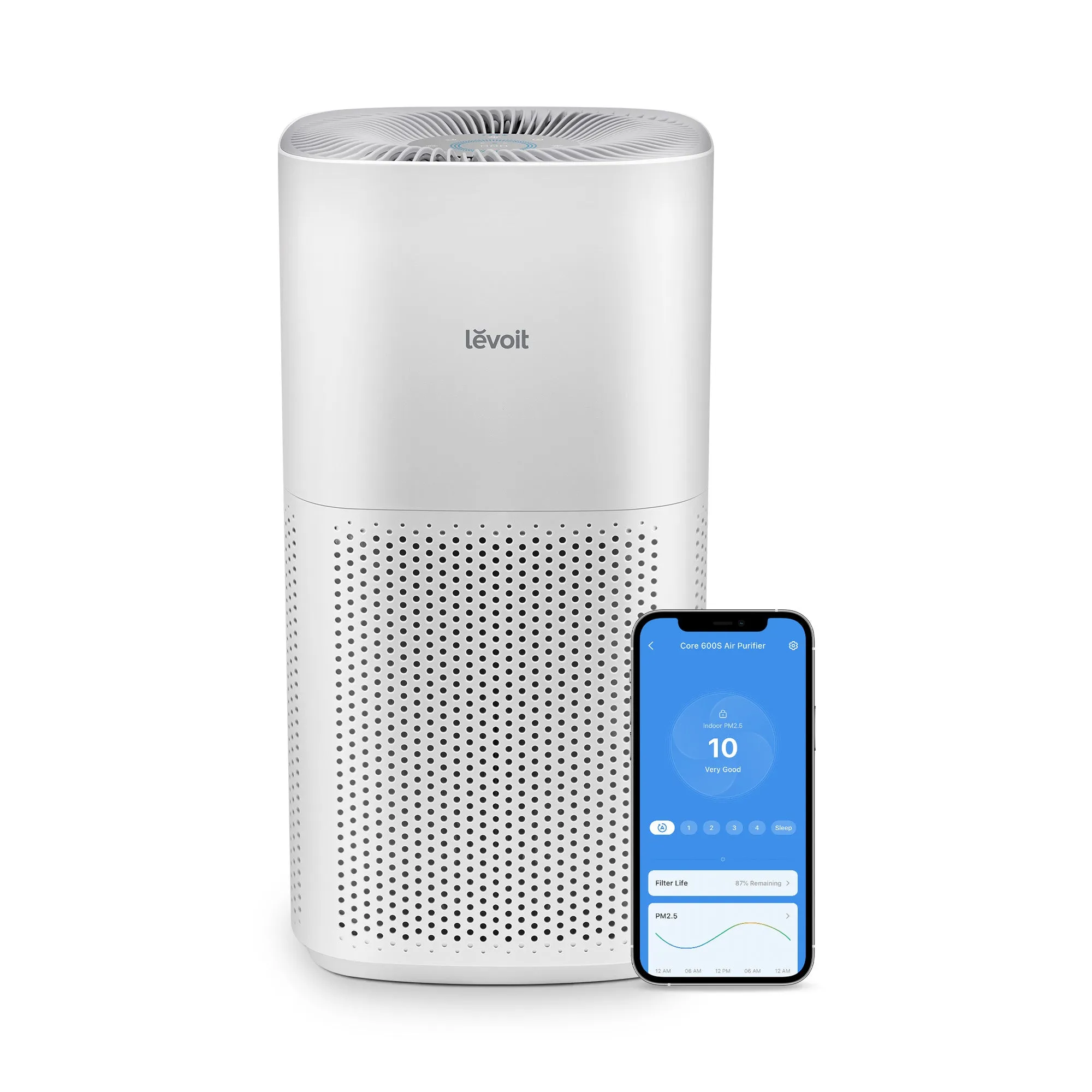
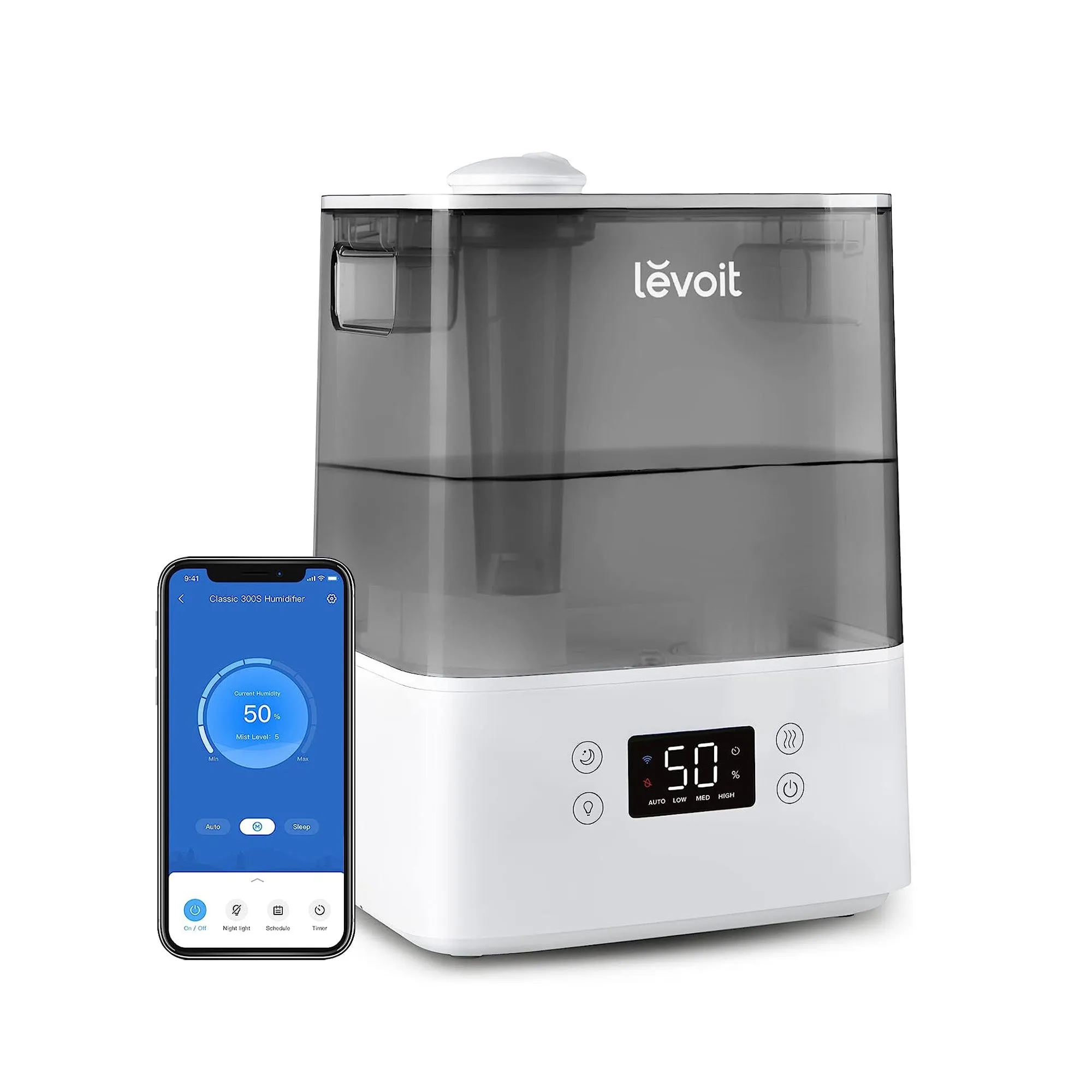
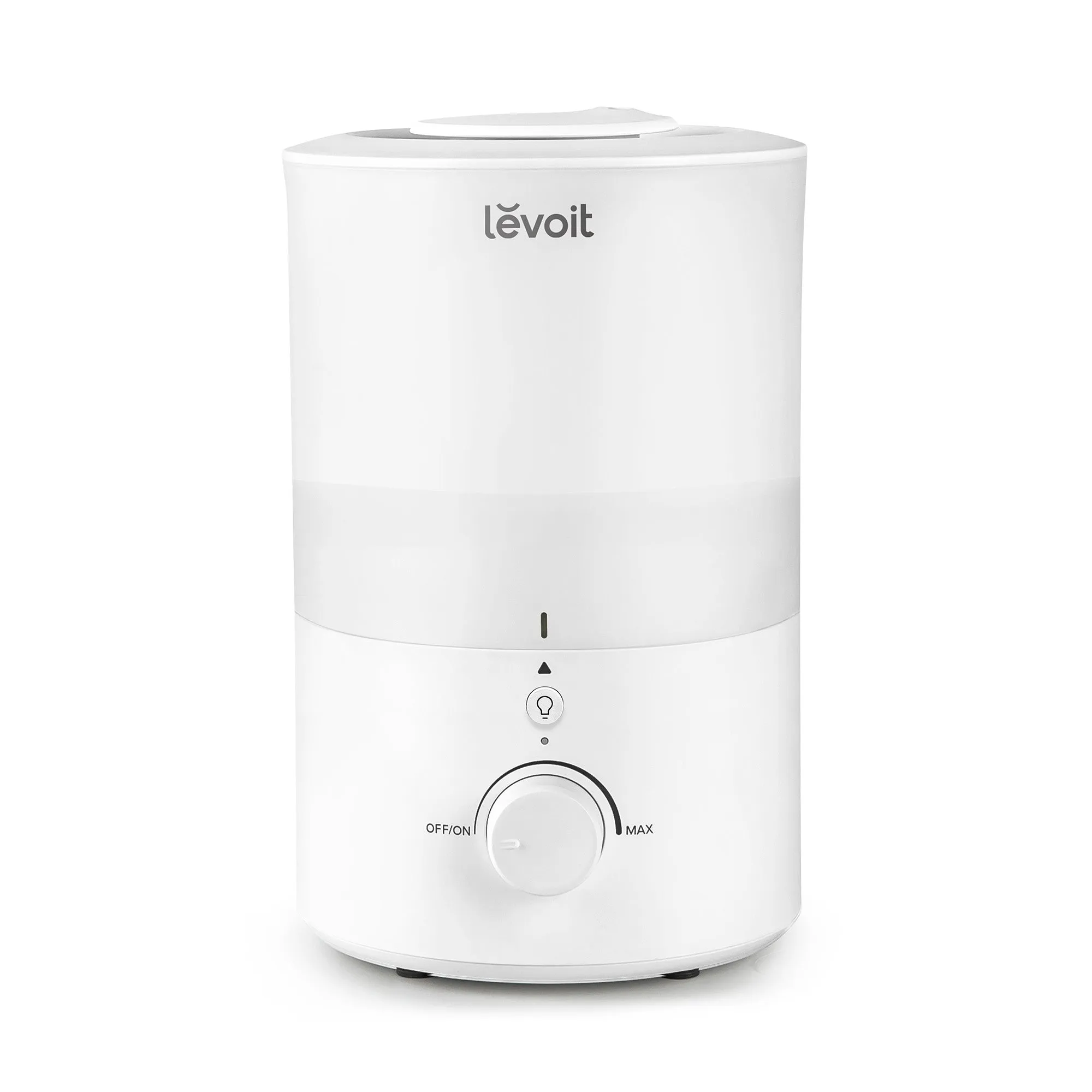
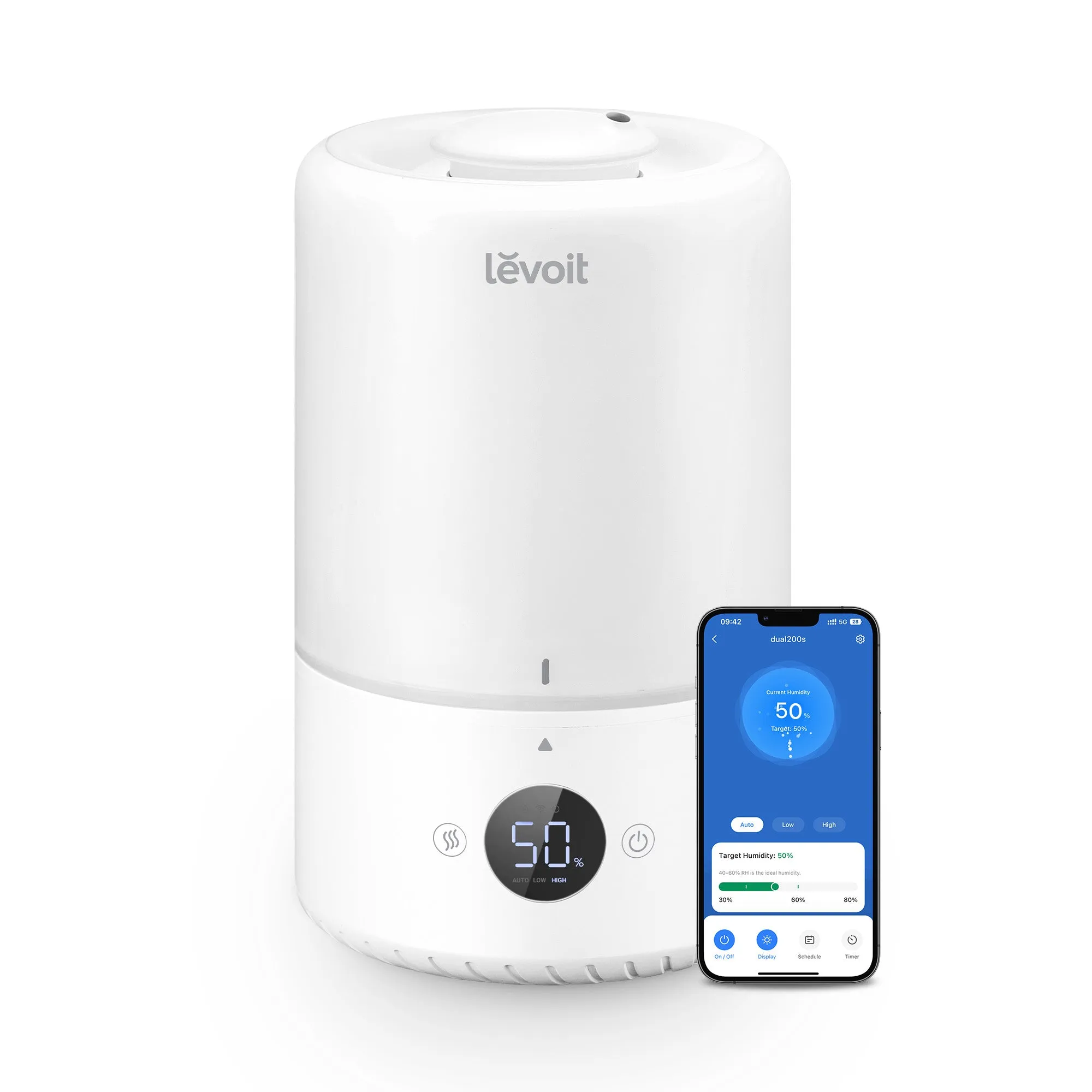
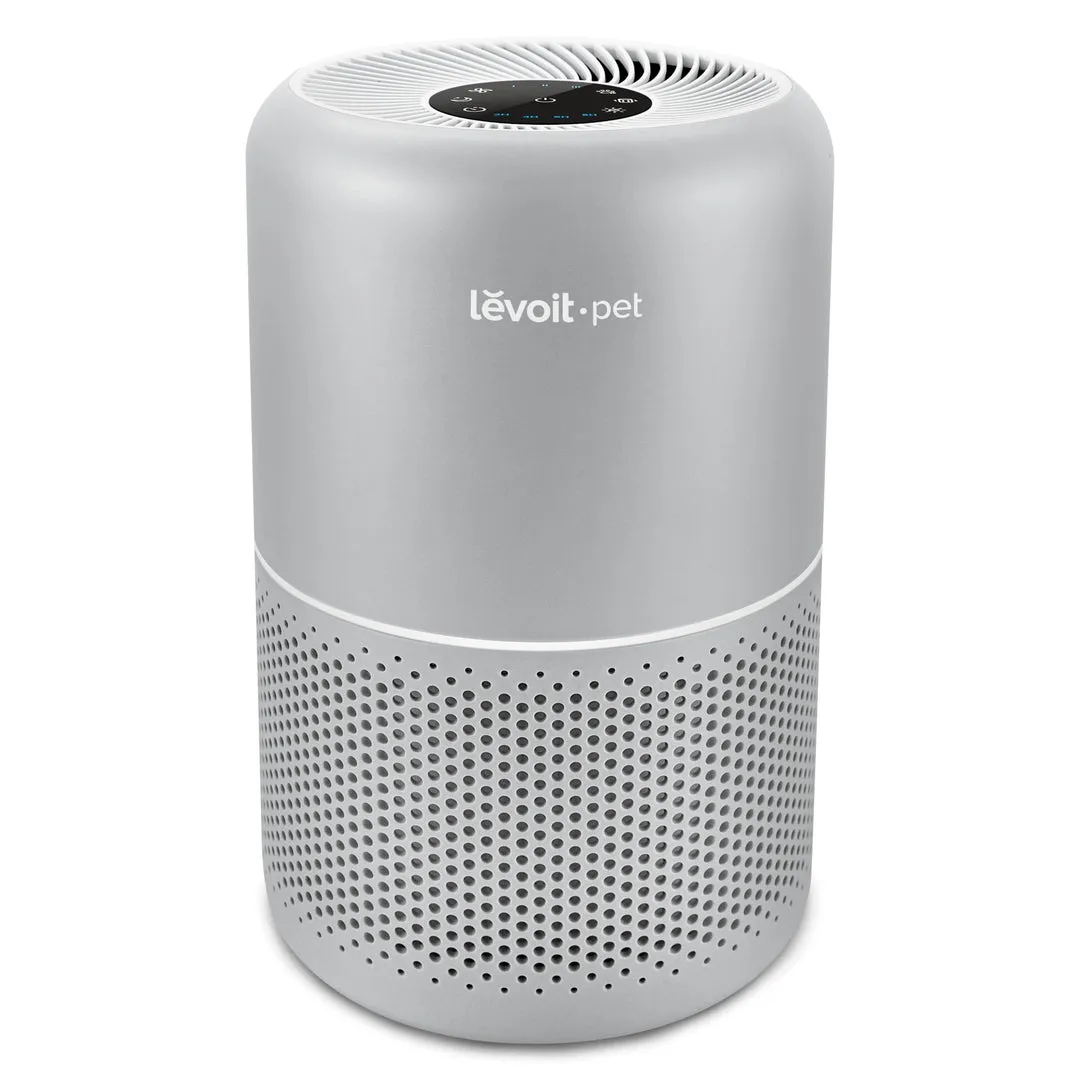
- Ultrasonic humidifiers use high-frequency vibration to produce a fine mist. Consumer-grade ultrasonic units from brands such as Levoit perform well in smaller commercial spaces. Large-scale commercial ultrasonic systems require treated water to prevent mineral deposits.
- High-pressure fog systems from manufacturers such as Smart Fog deliver sub-micron droplets that evaporate before settling. These suit large warehouses, manufacturing floors, and data centres.
Consumer-grade portable units are not appropriate for commercial floor plates above 100 square metres. They cannot maintain uniform RH, lack integration with building management systems, and require constant manual refilling. A properly sized commercial system integrates with HVAC, uses sensor feedback for automated control, and maintains stable conditions without manual intervention.
For critical environments such as pharmaceutical plants and semiconductor fabrication, precision control within ±1%–2% RH is required. Automated sensor networks with redundant monitoring are the standard specification. The cost of compliance failures in these environments, including batch losses and audit failures, far exceeds the investment in advanced humidification.
Does humidity control reduce energy and operational costs?
Dry air feels cooler than humid air at the same temperature. Occupants in dry buildings request higher thermostat settings, which forces HVAC systems to consume more energy. Humidifying air to 40%–50% RH reduces heating load by making occupants feel warmer at lower air temperatures.
The operational cost savings compound across several areas:
- Lower thermostat settings reduce gas and electricity consumption in winter months
- Fewer static-related equipment failures cut IT maintenance and replacement budgets
- Reduced absenteeism lowers the indirect cost of lost productivity
- Asset preservation delays capital expenditure on flooring, furniture, and equipment replacement
- Stable humidity extends the service life of HVAC filters and coils by reducing dust and particulate accumulation
Humidity control as infrastructure delivers returns across multiple budget lines simultaneously. Facility managers who present this case to finance teams find it easier to secure capital approval for commercial humidification projects.
Key takeaways
Commercial spaces require humidification because dry air causes measurable harm to occupants, assets, and energy budgets, and ASHRAE Standard 55 provides the compliance framework that makes this a facility management obligation, not a preference.
| Point | Details |
|---|---|
| ASHRAE compliance target | Maintain 30%–60% RH uniformly across all occupied zones, not just at a central sensor. |
| Occupant health impact | Normalising RH to 40%–50% reduces respiratory symptoms and absenteeism within 24–48 hours. |
| Asset protection | Low humidity causes irreversible damage to timber, electronics, and sensitive stock. |
| System selection | Commercial-grade, HVAC-integrated systems are required for floor plates above 100 square metres. |
| Energy savings | Proper humidification reduces heating load by making occupants feel warmer at lower temperatures. |
Humidity control is infrastructure, not an afterthought
I have reviewed enough commercial building specifications to know that humidification is almost always the last item added and the first item value-engineered out. That is a mistake with consequences that show up two or three years into a building’s operation, not on handover day.
The pattern I see repeatedly is this: a facility manager inherits a building with no humidification strategy, spends the first winter fielding complaints about dry air and static shocks, then discovers that the hardwood flooring in the reception area has started to gap. By the time a remediation project is approved, the repair bill exceeds what a properly specified system would have cost at fit-out.
What I would tell any facility manager starting a new project is to treat humidification the same way you treat fire suppression. You do not ask whether you need it. You ask which system is right for the building type, size, and occupancy. Work with your HVAC designer from the earliest stage. Specify sensor placement across zones, not just at the air handling unit. And insist on self-evaporative delivery methods. Wet mist systems create liability, not comfort.
The indoor air quality checklist approach works for smaller spaces, but commercial buildings need a full humidity strategy baked into the HVAC design. The facilities that get this right spend less on maintenance, retain staff more effectively, and protect their asset base. The ones that do not get it right spend years catching up.
— Wojciech
Commercial humidification solutions from Cleanair-ae
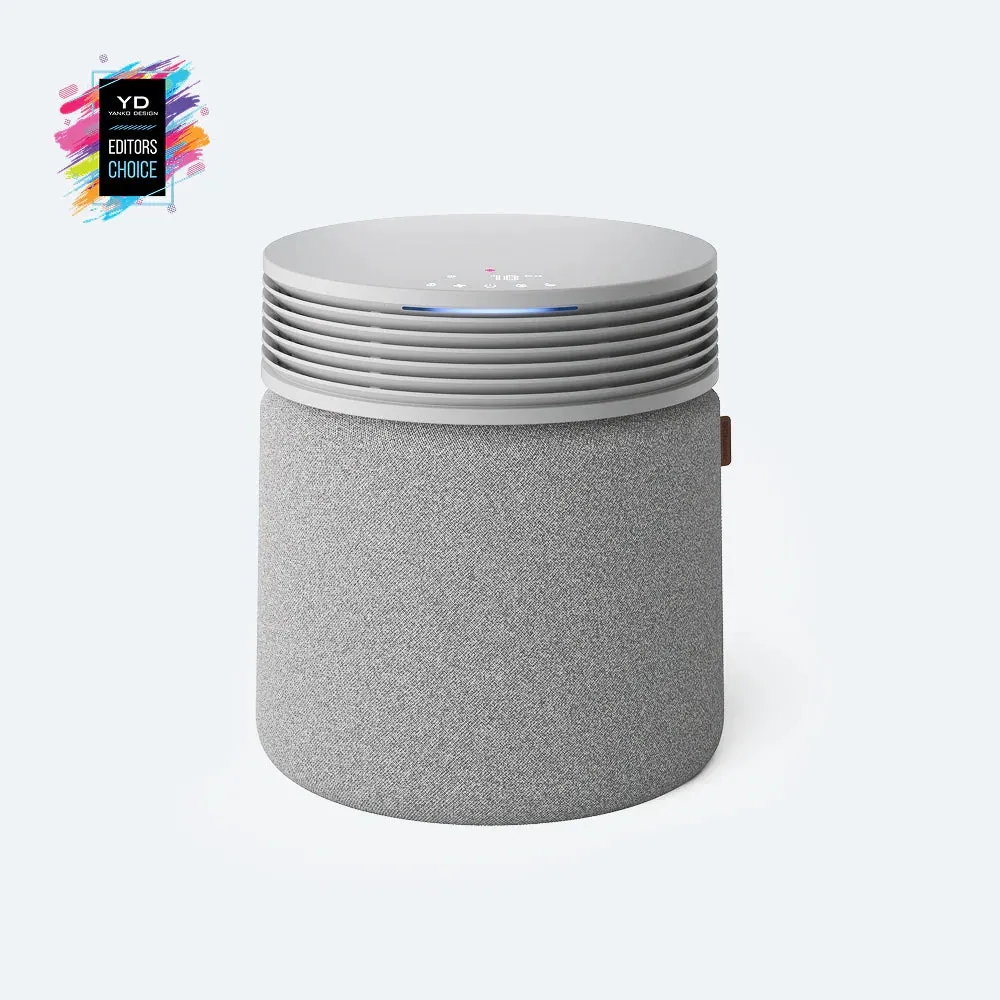
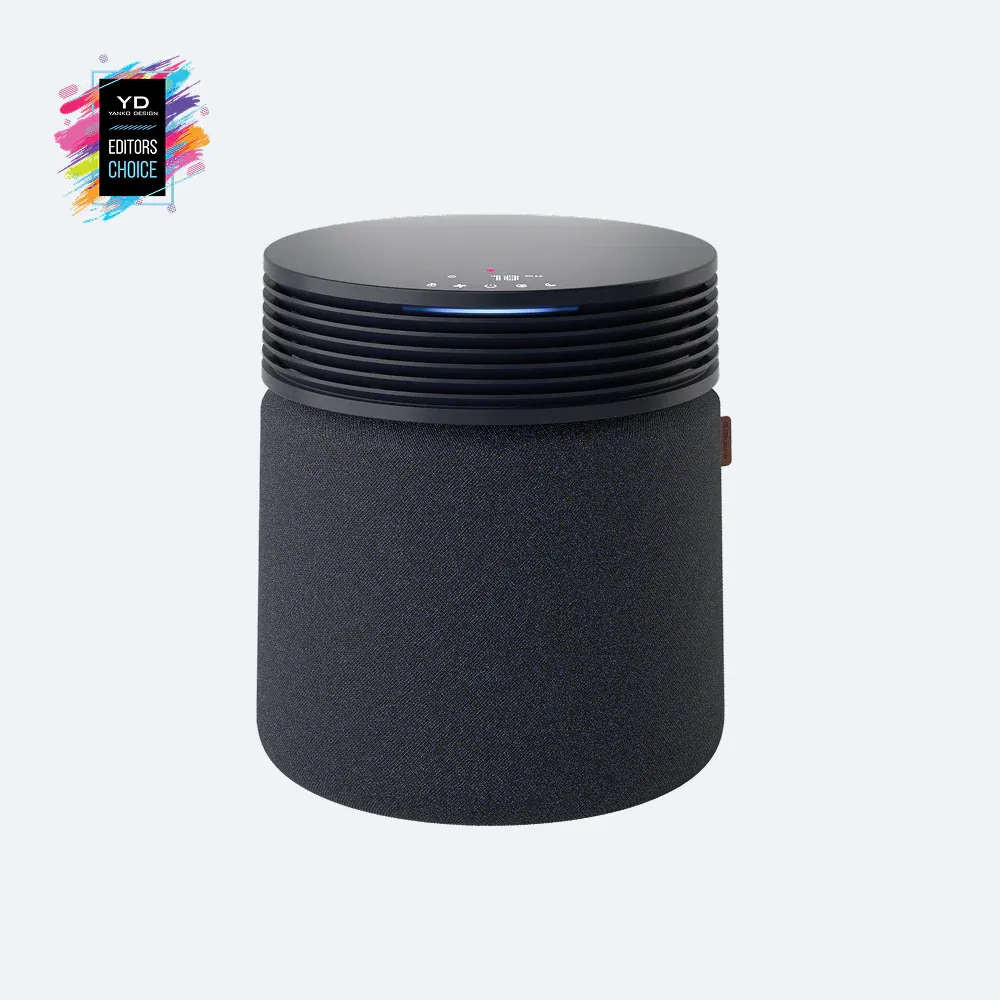
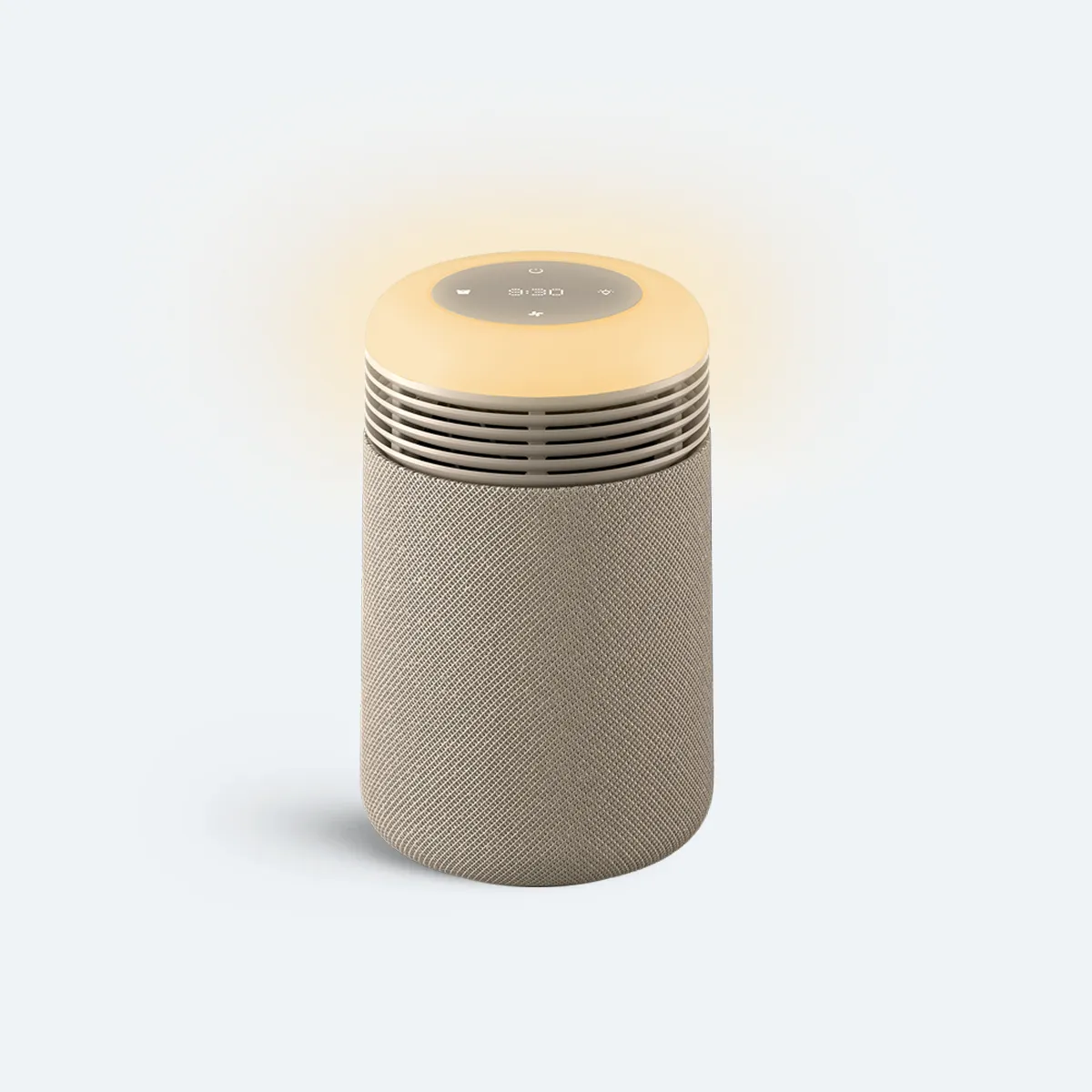
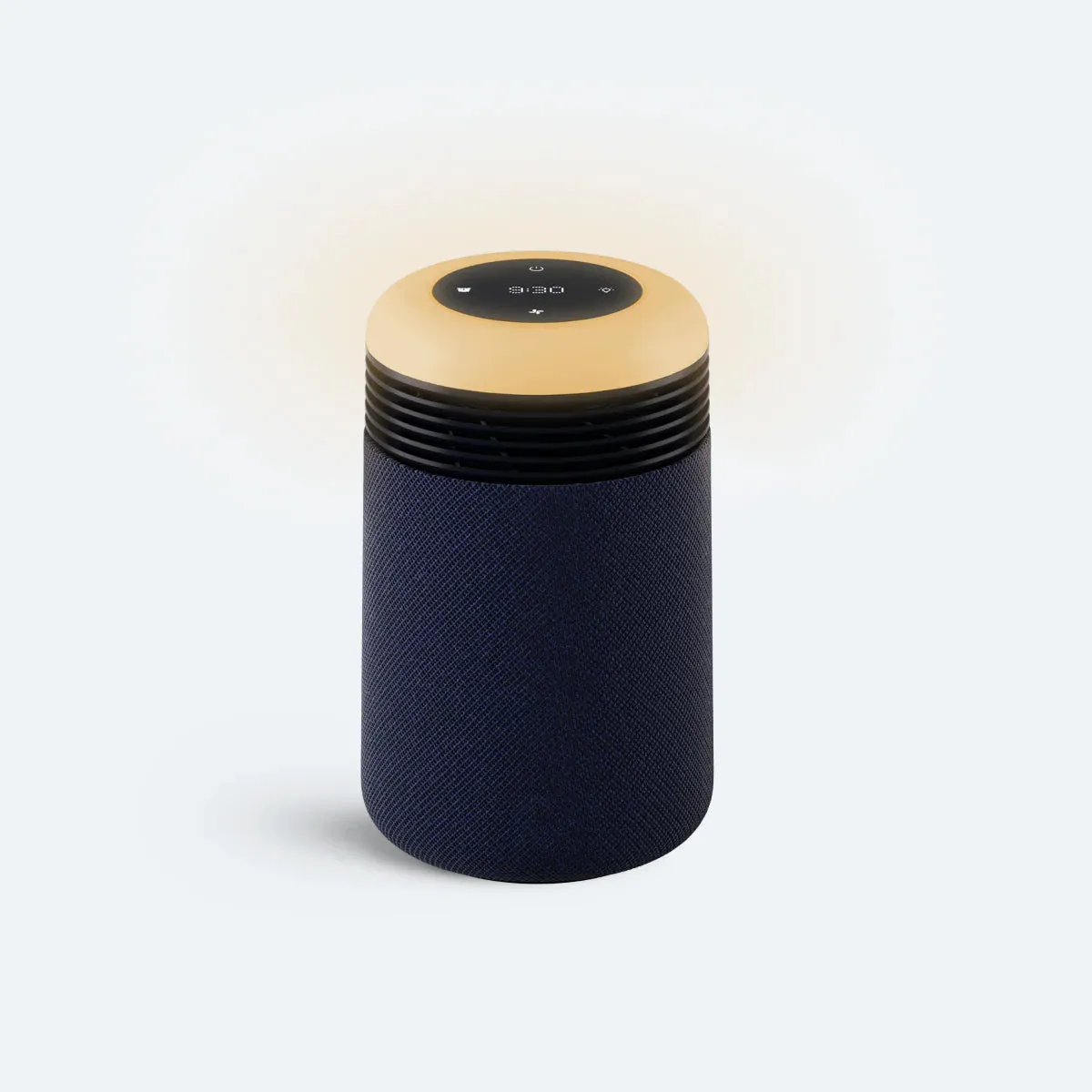
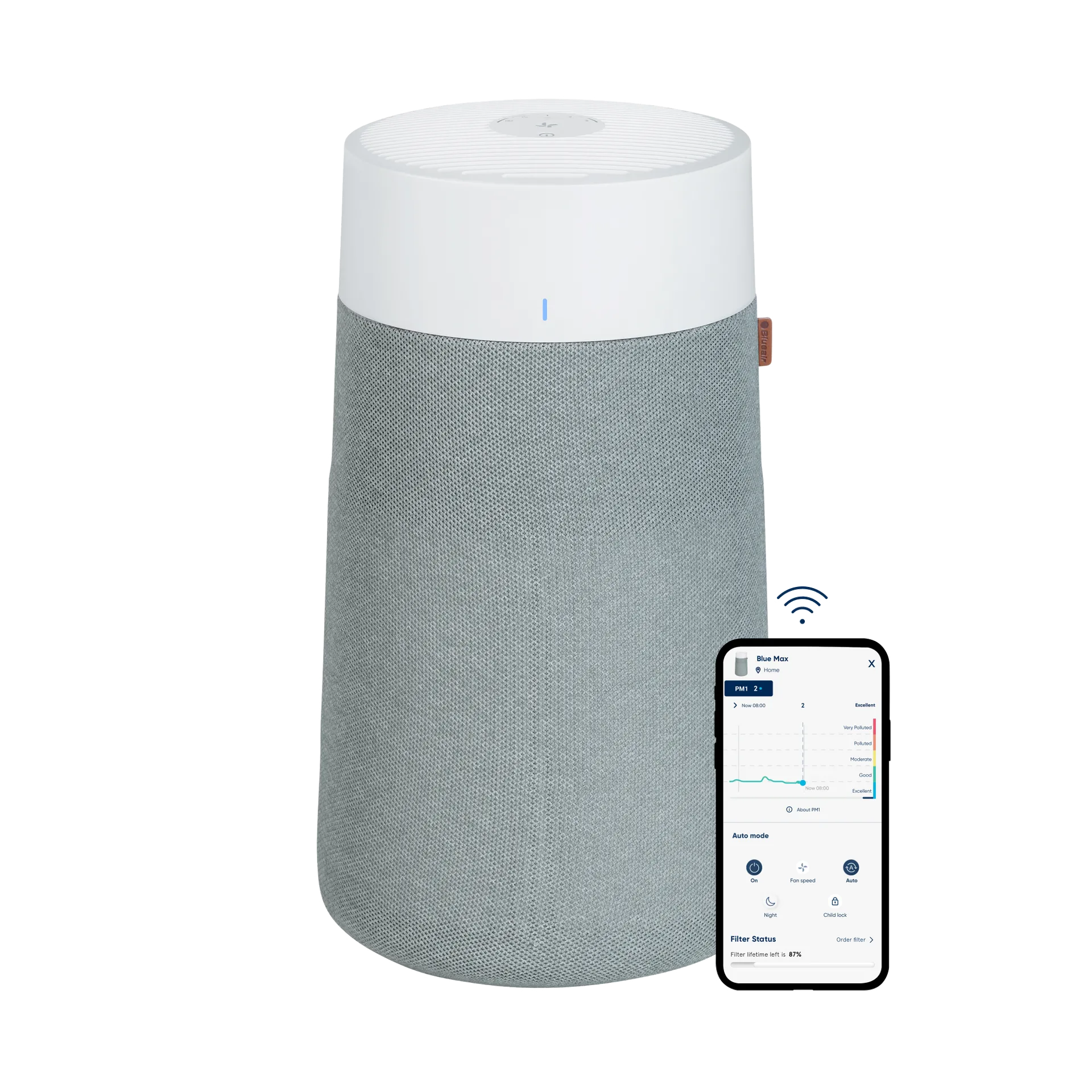
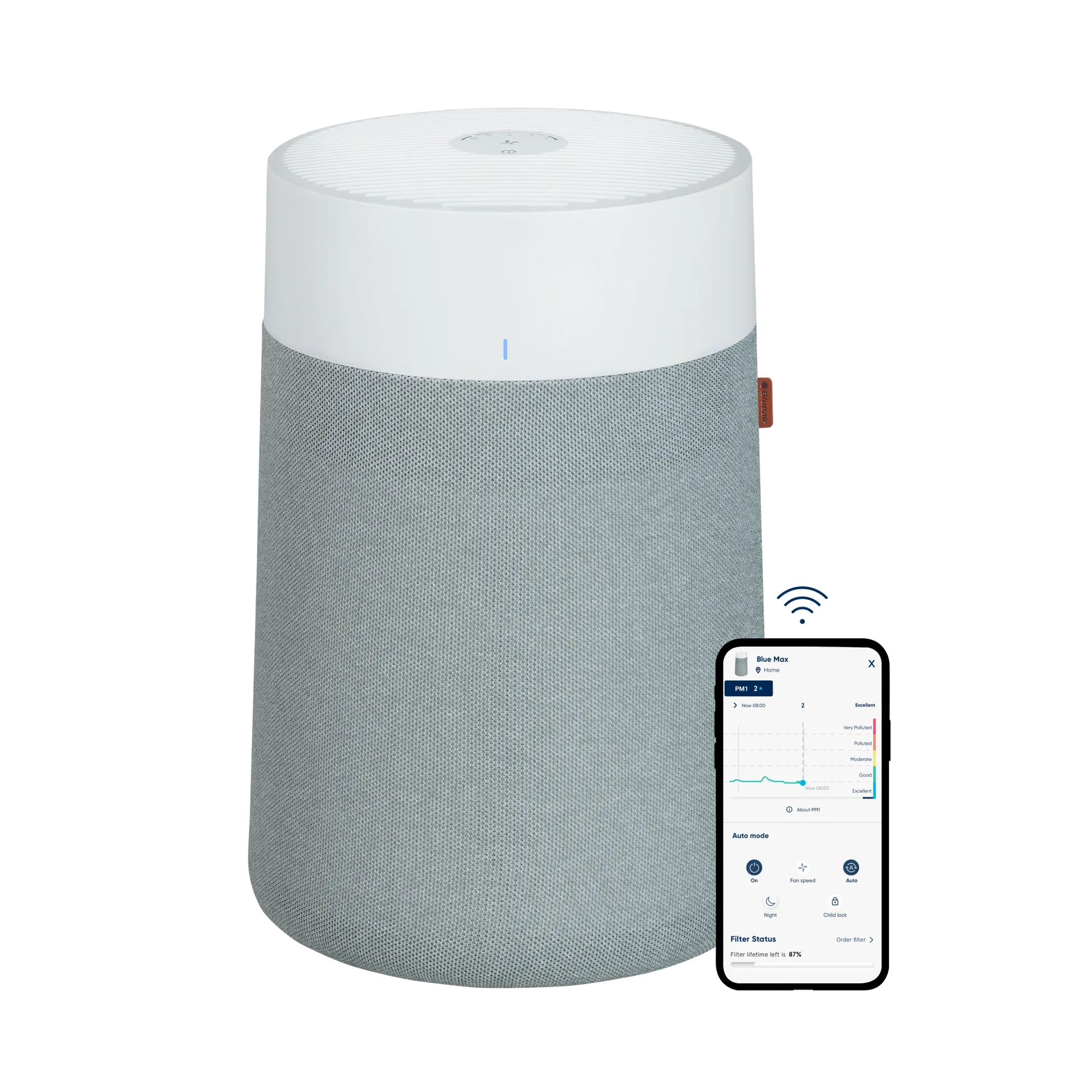
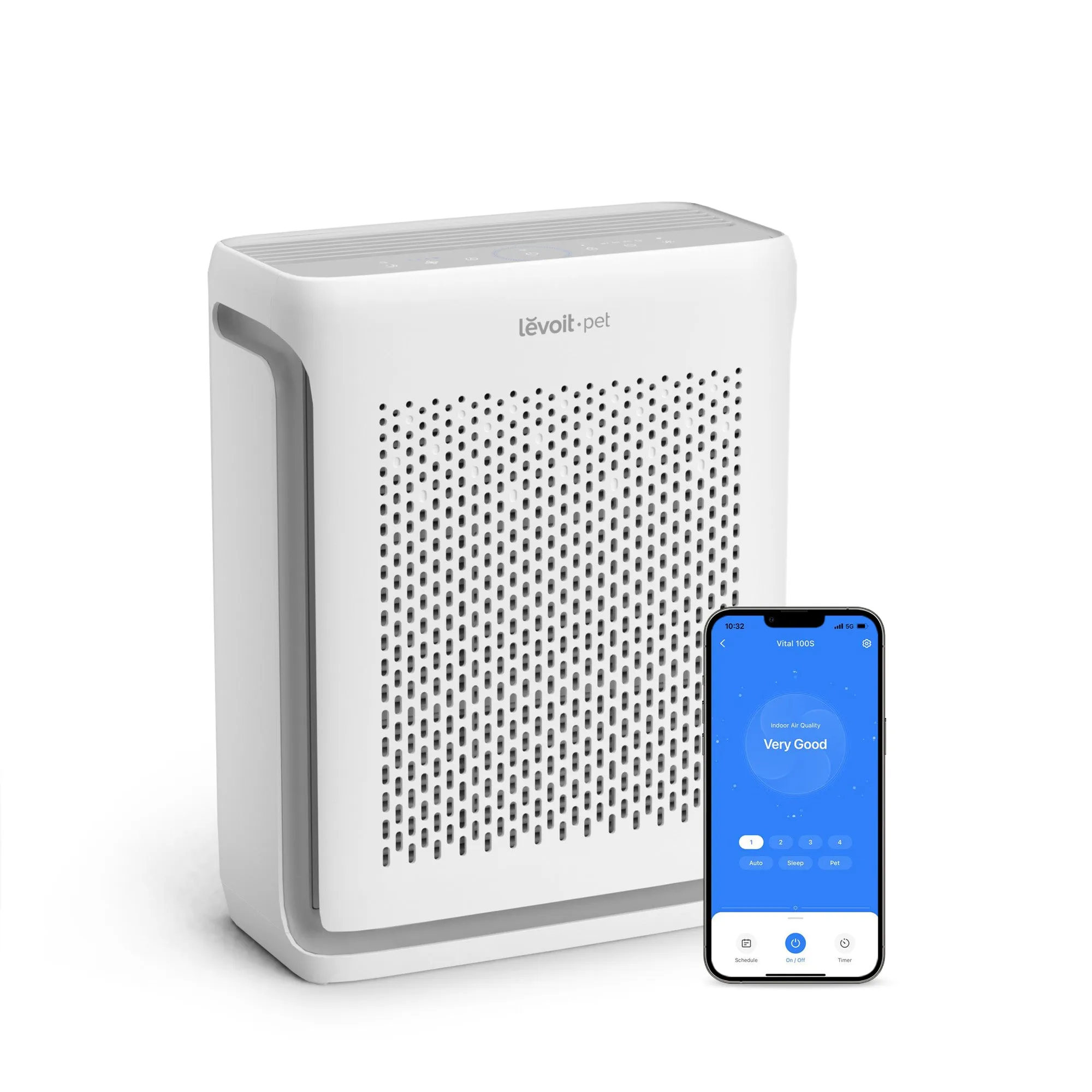
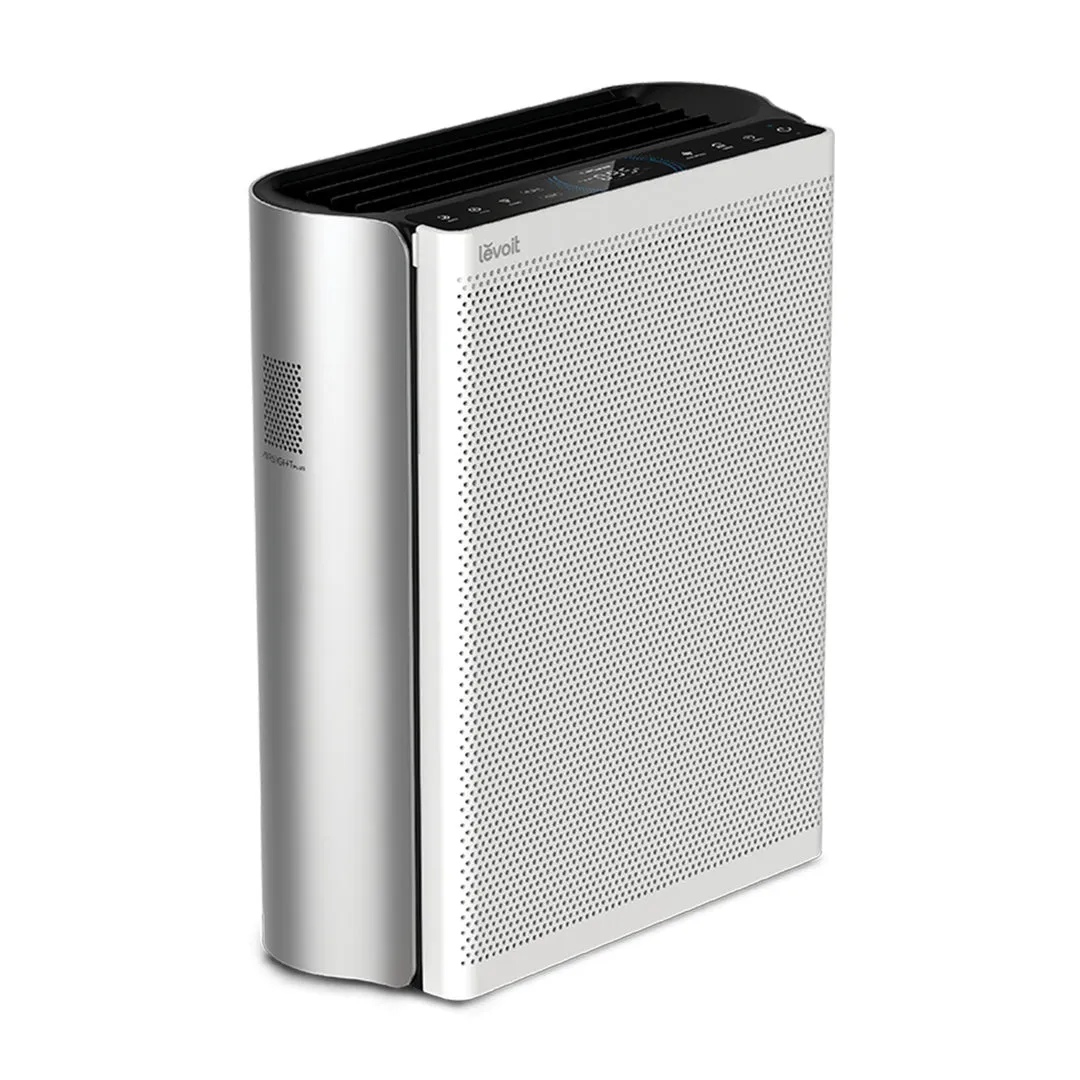
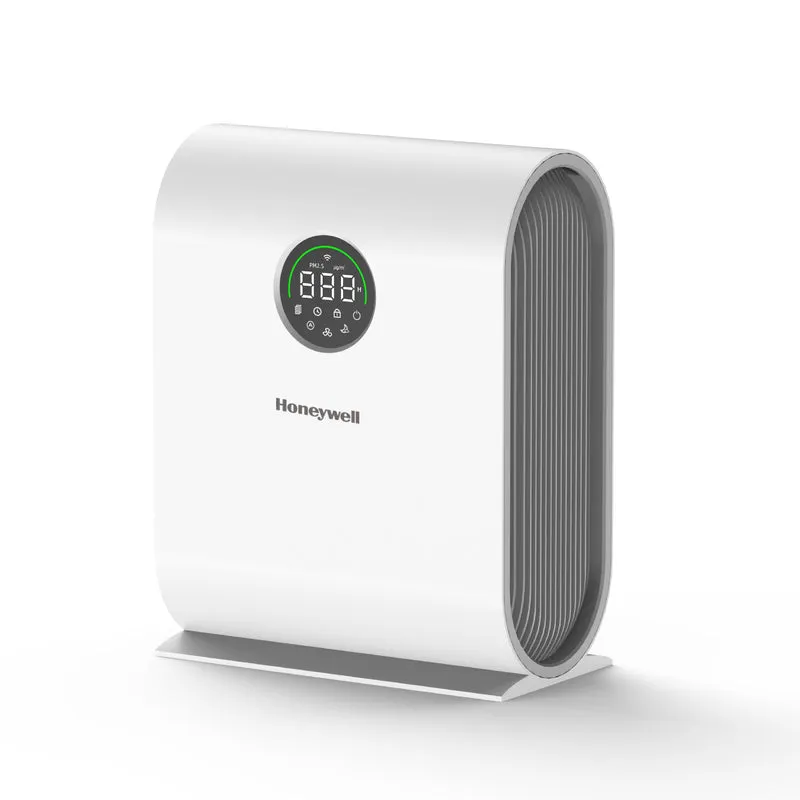
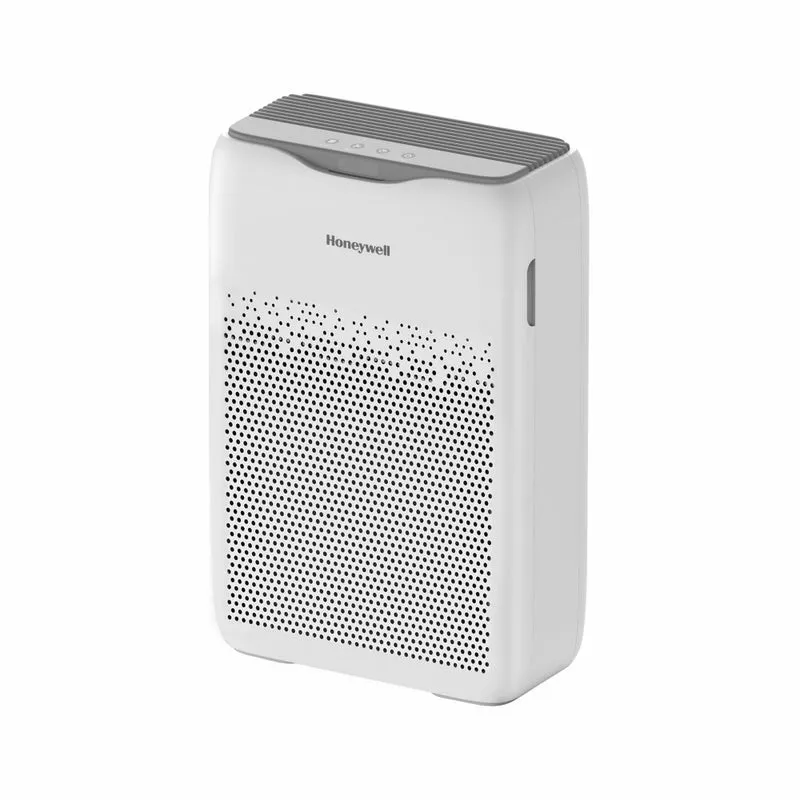
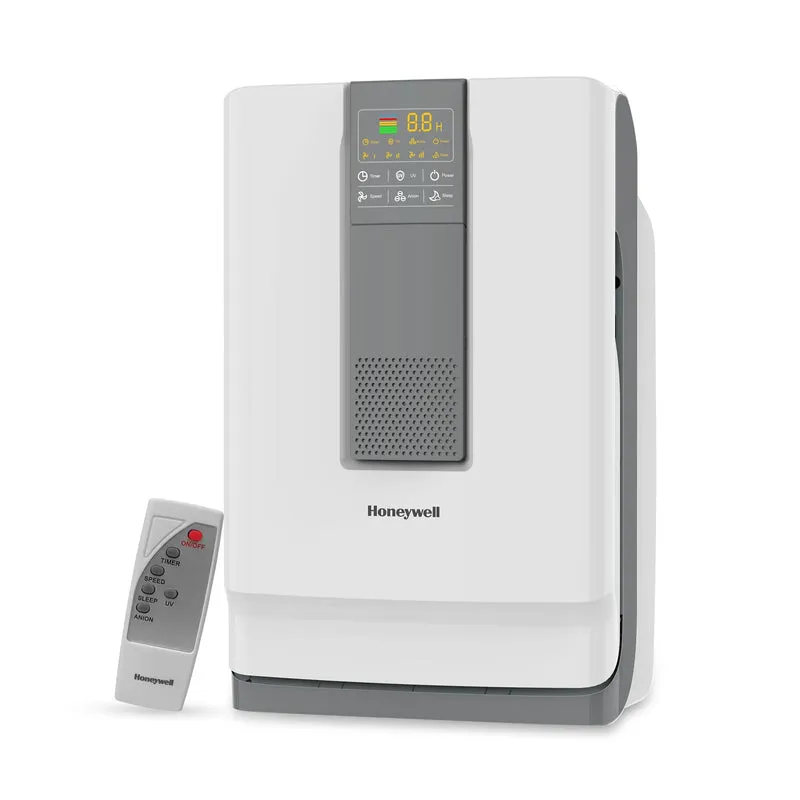
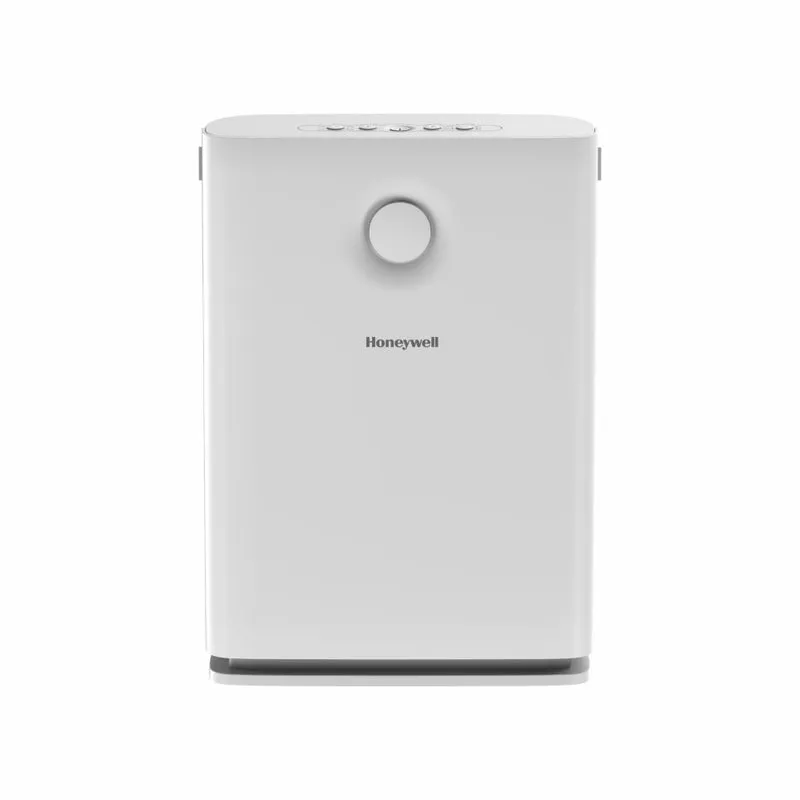
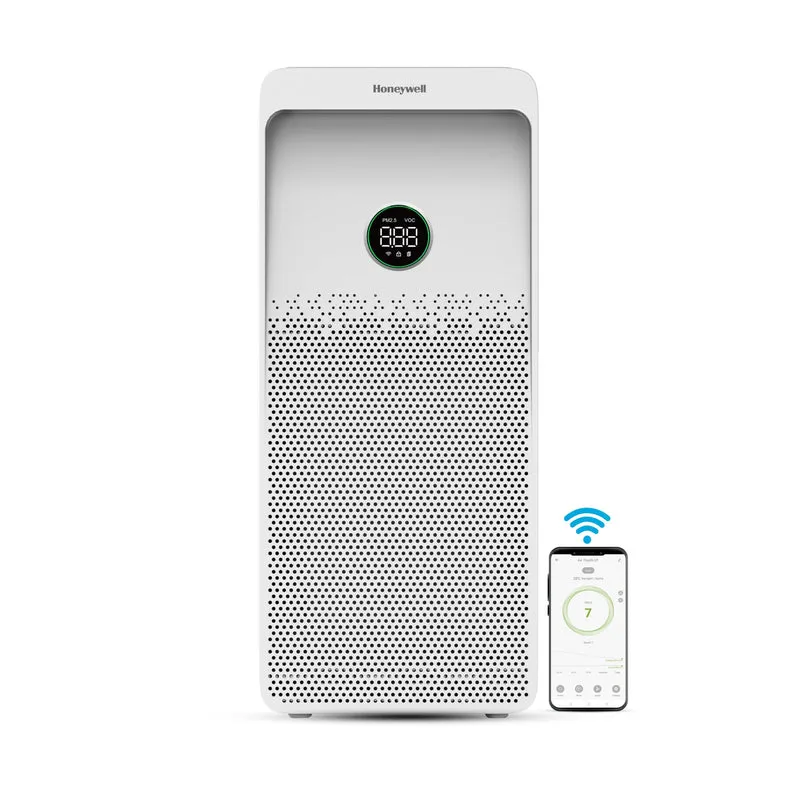
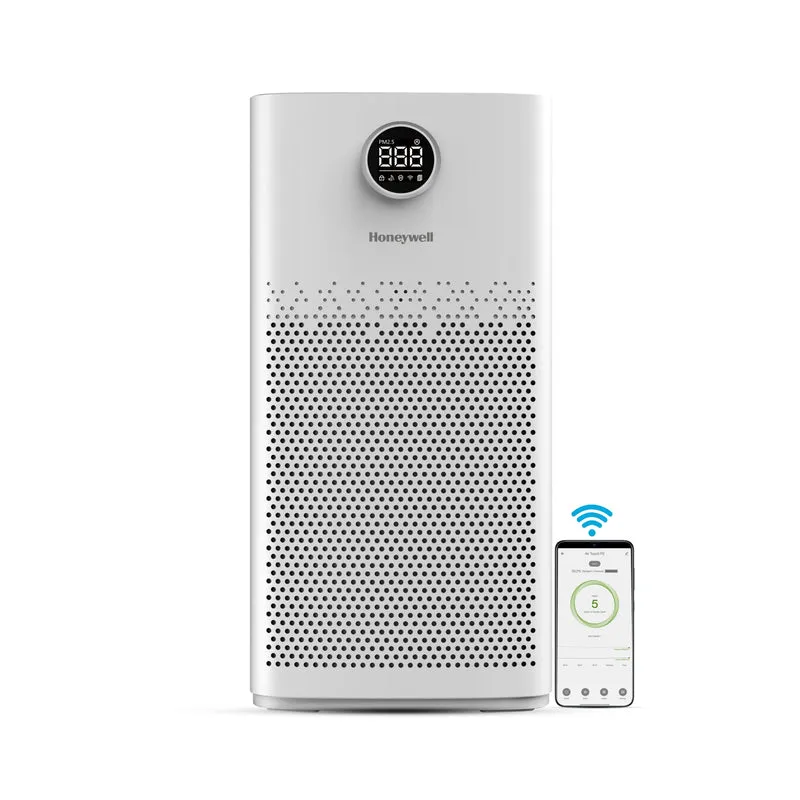
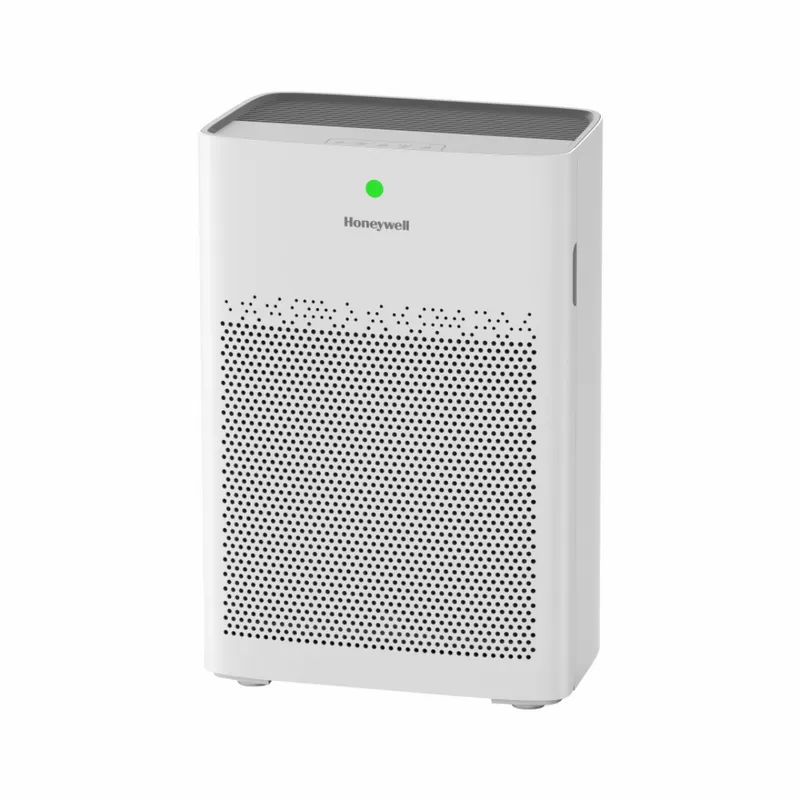
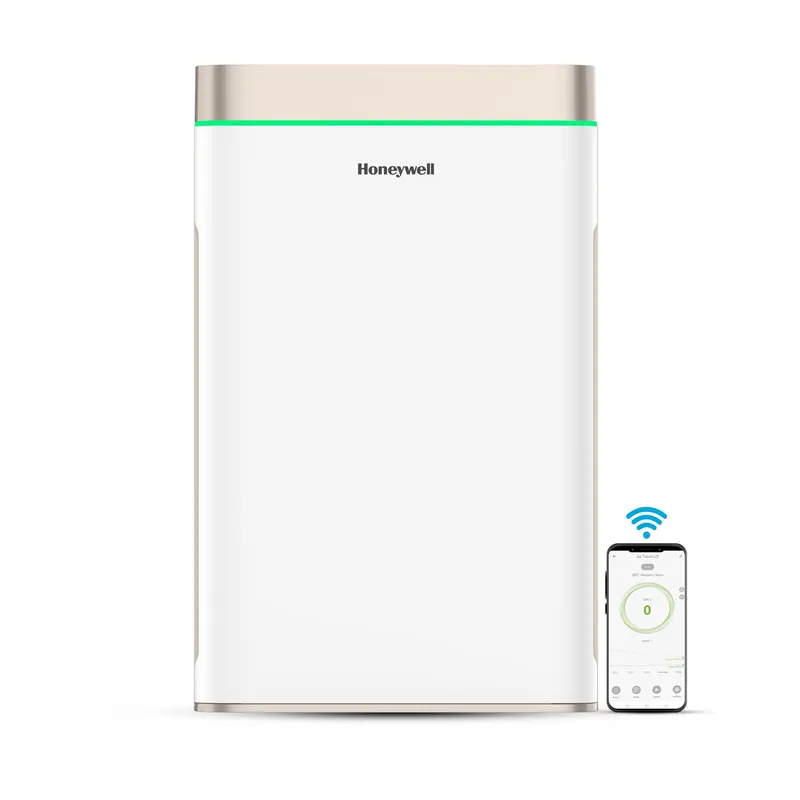
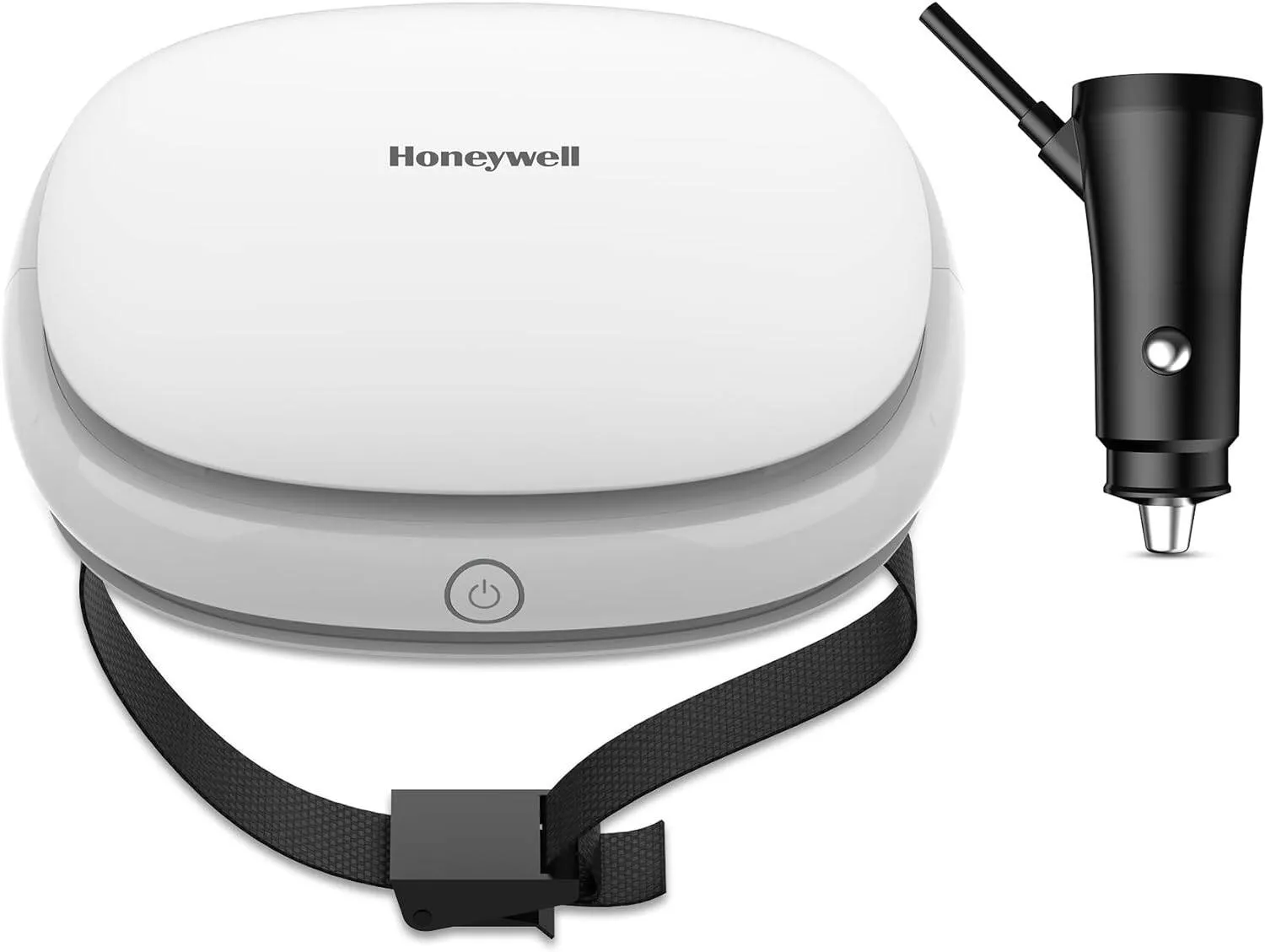
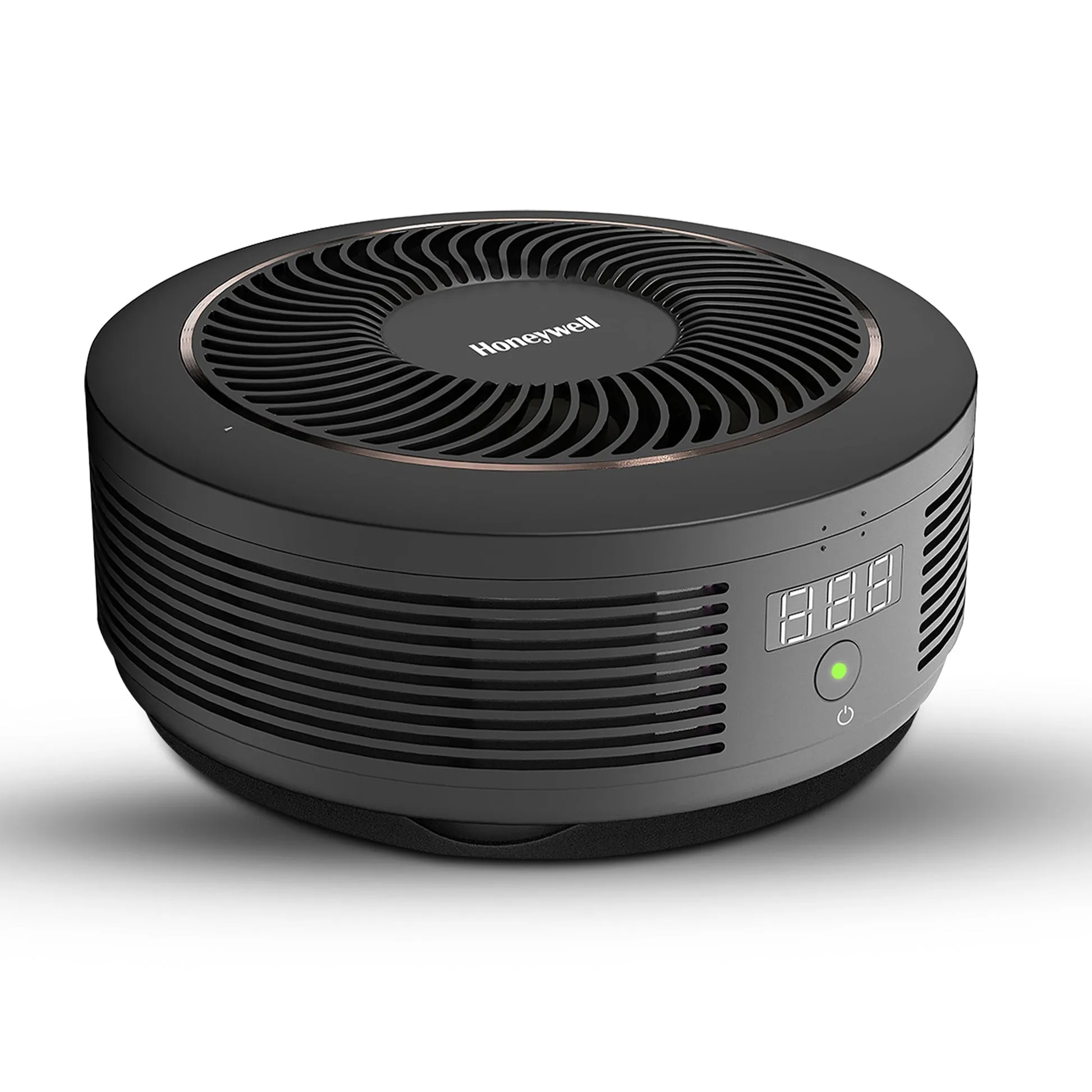
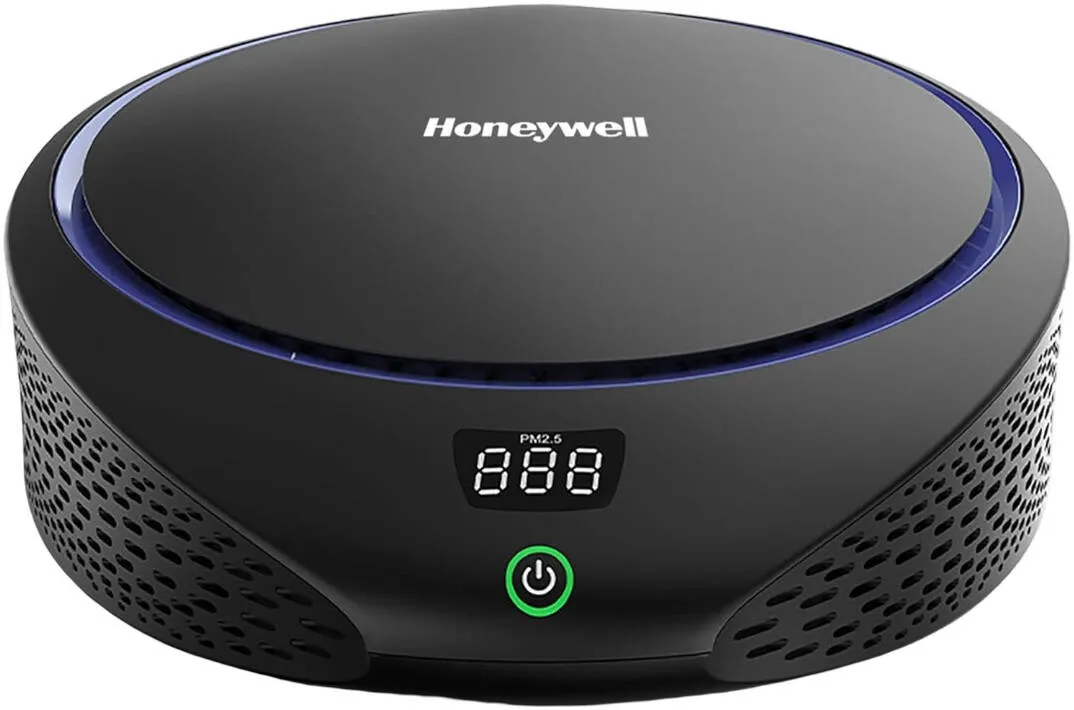
Cleanair-ae supplies a range of commercial and office-grade humidifiers suited to diverse business environments across Dubai, Abu Dhabi, and the wider UAE. Products from Levoit and Honeywell are available for smaller commercial spaces, with specifications covering ultrasonic and evaporative technologies.
For facility managers assessing options, the air purifiers vs humidifiers guide on the Cleanair-ae site clarifies which technology addresses which problem. Cleanair-ae offers free UAE delivery on orders over 49 AED, with fast despatch to commercial addresses across the Emirates. Browse the full range and filter by room size, technology type, and brand to find the right unit for your building.
FAQ
What humidity level is recommended for commercial offices?
ASHRAE Standard 55 recommends 30%–60% relative humidity for occupied commercial spaces. The target operating range for general offices is 40%–50% RH for optimal occupant comfort and asset protection.
How quickly do humidifiers improve air quality in offices?
Occupants typically report relief from dry air symptoms within 24–48 hours of humidity being normalised to 40%–50% RH. Static electricity incidence also drops rapidly once RH is maintained consistently above 30%.
Can a portable humidifier work for a commercial space?
Consumer-grade portable units are not suitable for commercial floor plates above approximately 100 square metres. They cannot maintain uniform RH distribution and lack integration with building management systems.
Why does humidity control matter for electronics and equipment?
Static discharge from dry air degrades circuit boards, corrupts storage, and shortens the lifespan of servers, printers, and workstations. Maintaining RH above 30% significantly reduces static-related equipment failures.
What is the risk of uneven humidity distribution in a building?
Uneven RH across zones means some areas remain too dry while others become over-humidified. Over-humidified zones attract mould and corrosion. Under-humidified zones continue to damage assets and cause occupant discomfort.