

Uncategorised
Why controlling indoor allergens improves UAE air quality
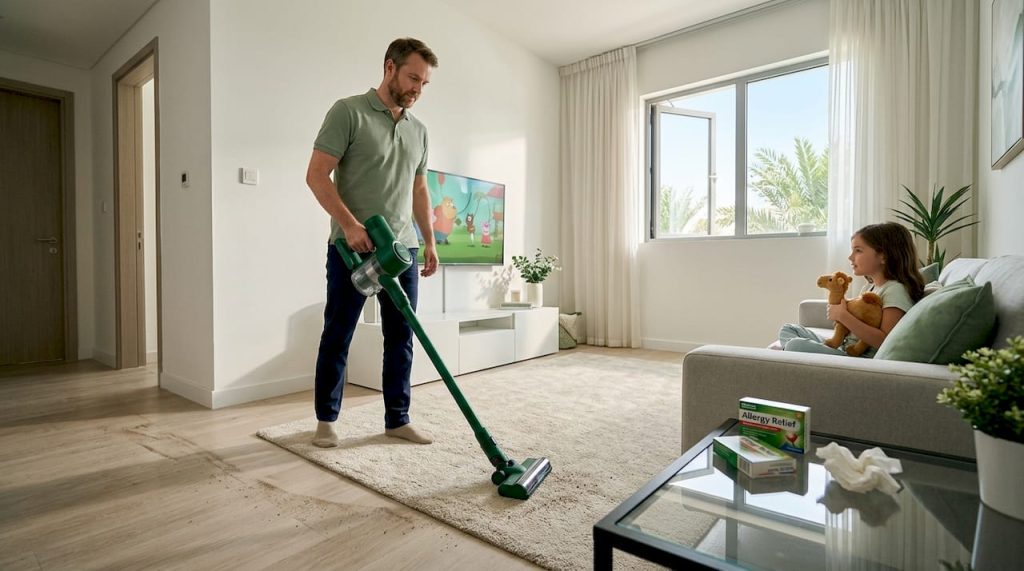
Keeping windows shut and running the air conditioning around the clock sounds like a sensible strategy for cleaner indoor air in the UAE. In practice, it can make things significantly worse. Sealed, climate-controlled spaces trap dust, dander, and mould spores in a closed loop, recycling them through every room. For residents and property managers dealing with persistent sneezing, congestion, or unexplained fatigue, the source is often right inside the home rather than out on the street.
Table of Contents
- Understanding indoor allergens and their impact in the UAE
- Health risks: Why controlling indoor allergens matters
- Evidence-based strategies to reduce indoor allergens effectively
- The science of filtration: Effective use of HEPA and ventilation
- Our perspective: Why indoor allergen control in the UAE is about mindset, not just technology
- Take the next step to a healthier, allergen-free indoor environment
- Frequently asked questions
Key Takeaways
| Point | Details |
|---|---|
| Allergens worsen UAE air | Indoor allergens are a major trigger for allergies and asthma, especially in UAE homes sealed against heat. |
| Prevention is possible | A combination of humidity control, HEPA filtration, and regular cleaning greatly reduces allergen levels. |
| Multi-step works best | Research proves that multi-component strategies are significantly more effective than single quick fixes. |
| Regular maintenance matters | Frequent AC duct cleaning and the right filter choices keep your UAE home air safer year-round. |
Understanding indoor allergens and their impact in the UAE
Indoor allergens are microscopic particles that trigger the immune system into an overreaction. The most common culprits found in UAE homes are dust mites, pet dander, mould spores, and cockroach particles. Each of these thrives under specific conditions, and unfortunately, the UAE provides ideal circumstances for all of them.
Dust mites prefer warm, humid environments with plenty of organic material to feed on. They colonise mattresses, cushions, carpets, and curtains. Mould spores settle anywhere moisture accumulates: bathroom ceilings, window seals, and especially inside air conditioning units that are not regularly serviced. Pet dander, even from animals that spend most of their time outdoors, travels indoors on clothing and surfaces. Cockroach allergens, less discussed but clinically significant, are a common hidden trigger in apartment blocks across the country.
The UAE context makes all of this considerably worse. During summer, one in three residents suffer allergies because of dust storms, high humidity that fosters mould growth, and the indoor accumulation that comes with sealed, air-conditioned homes. Outdoor haboobs force residents inside, but the fine particulate matter from sandstorms infiltrates buildings through gaps in doors and windows, adding a layer of inorganic dust on top of biological allergens.
| Allergen | Primary source | Favourable conditions in UAE |
|---|---|---|
| Dust mites | Bedding, soft furnishings | High humidity, warm indoor temperatures |
| Mould spores | AC units, bathrooms | Condensation, poor ventilation |
| Pet dander | Cats, dogs, birds | Sealed interiors, recirculated air |
| Cockroach particles | Kitchen and service areas | Urban density, warm buildings |
| Sandstorm dust | Outdoor infiltration | Frequent dust events, poor sealing |
Common symptoms include:
- Persistent sneezing and nasal congestion
- Itchy, watery eyes
- Skin rashes or worsening eczema
- Shortness of breath or wheezing
- Fatigue that does not resolve with rest
These are not simply seasonal inconveniences. Allergen exposure triggers reactions ranging from sneezing and congestion to sinus infections and acute asthma attacks that require immediate medical attention. For many residents, what appears to be a “dust allergy” is actually a year-round, multi-allergen sensitivity that worsens considerably during the summer months.
“The combination of sealed homes, heavily used air conditioning, and regular dust events creates one of the more challenging indoor allergen environments in the world. Awareness of what is actually circulating in the air is the first step.”
Health risks: Why controlling indoor allergens matters
Understanding the range of allergens present in UAE homes is useful. Understanding what they do to the body over weeks and months makes the case for action far more compelling.
Allergic rhinitis, the clinical term for what most people call hay fever, is among the most common consequences of sustained allergen exposure. It involves chronic inflammation of the nasal passages, resulting in persistent congestion, post-nasal drip, and disrupted sleep. Left unmanaged, it frequently progresses to sinusitis, a painful condition that requires antibiotic treatment and can recur multiple times in a single year.
The respiratory consequences are more serious still. Reducing exposure to indoor allergens such as dust mites, pet dander, mould, and cockroach particles directly reduces airway inflammation and the frequency of asthma exacerbations. For children and elderly residents, the stakes are higher. Young immune systems are still developing, making repeated exposure during formative years a risk factor for long-term sensitisation. Older adults, particularly those with pre-existing cardiovascular conditions, face compounded risk when asthma goes poorly controlled.
Key groups most affected in UAE households:
- Children under 12, whose airways are smaller and more reactive
- Elderly residents with reduced lung capacity
- Asthma patients, for whom every additional allergen load increases exacerbation risk
- Pregnant women, given the documented link between allergen exposure and respiratory complications
- Domestic workers and caregivers, who spend the most time indoors and often have the least control over their environment
The numbers reinforce why this is a public health concern, not merely a lifestyle preference. Allergic reactions from indoor allergens can escalate into asthma attacks requiring immediate treatment, and with high asthma prevalence in the UAE linked directly to environmental factors, the indoor environment is where intervention will have the greatest impact.
In a country where residents spend the majority of their time indoors, the quality of indoor air is, effectively, the quality of the air they breathe.
The economic cost matters too. Frequent visits to clinics, ongoing medication, lost workdays, and school absences all accumulate. Property managers who ignore allergen control risk tenant dissatisfaction, increased maintenance requests, and potential liability in commercial settings where air quality standards are regulated.
Evidence-based strategies to reduce indoor allergens effectively
Spotting the dangers is only half the battle; here is how to address indoor allergens in a way that is actually effective in UAE environments.
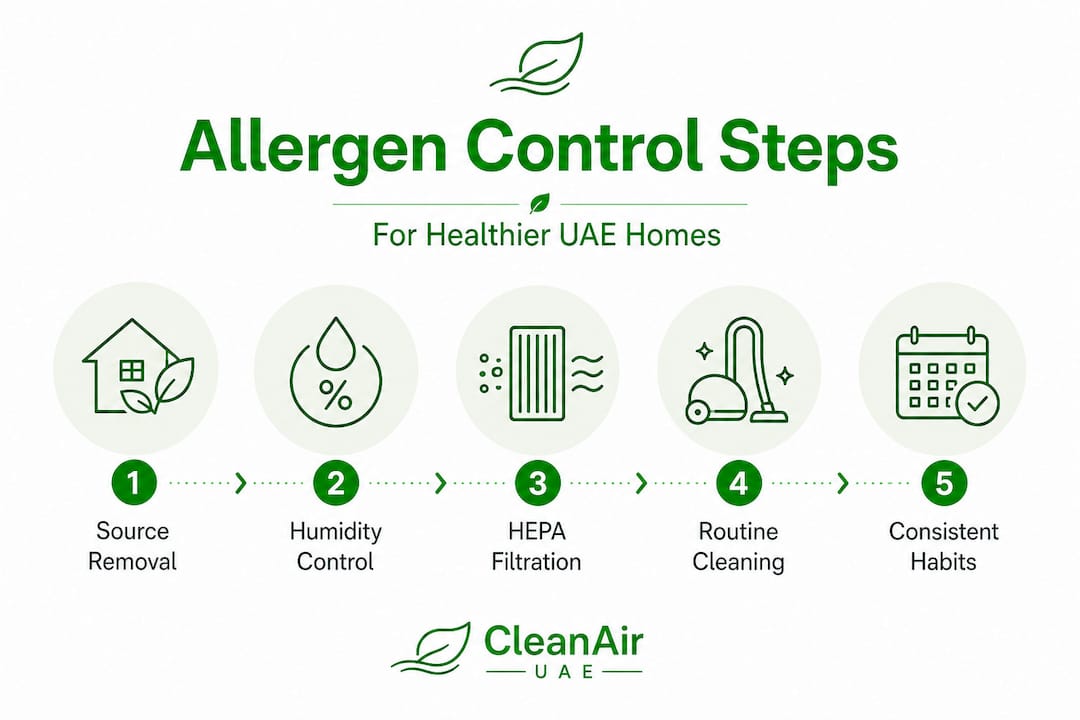
The most important finding from clinical research is that no single measure works well on its own. Multi-component interventions combining encasements, humidity control below 50%, HEPA vacuuming, and regular cleaning reduce allergen levels by 80 to 95% and symptoms by 25 to 50%. Relying on mattress covers alone, or running a single air purifier without addressing moisture, delivers results that are too limited to matter clinically.
Here is a practical, prioritised approach for UAE homes:
- Encase all bedding. Allergen-proof covers for mattresses, pillows, and duvets are the single highest-impact first step. Dust mites concentrate in sleeping areas, and encasements physically block both the mites and their faecal particles.
- Control indoor humidity. Keep levels consistently below 50%. UAE humidity spikes during summer and in coastal areas create perfect conditions for mould and mite proliferation. A quality dehumidifier is often essential, not optional.
- Schedule AC duct cleaning twice yearly. Ducts accumulate dust, mould, and biological debris rapidly in UAE conditions. Cleaning before and after the summer season reduces the volume of recirculated allergens substantially.
- Use HEPA-rated vacuum cleaners. Standard vacuum cleaners redistribute fine allergen particles into the air. HEPA models trap particles at the point of collection rather than releasing them.
- Address pest access points. Cockroach allergen is underestimated. Sealing gaps, managing food waste, and using targeted pest control removes a major allergen source without relying on chemicals that introduce new air quality problems.
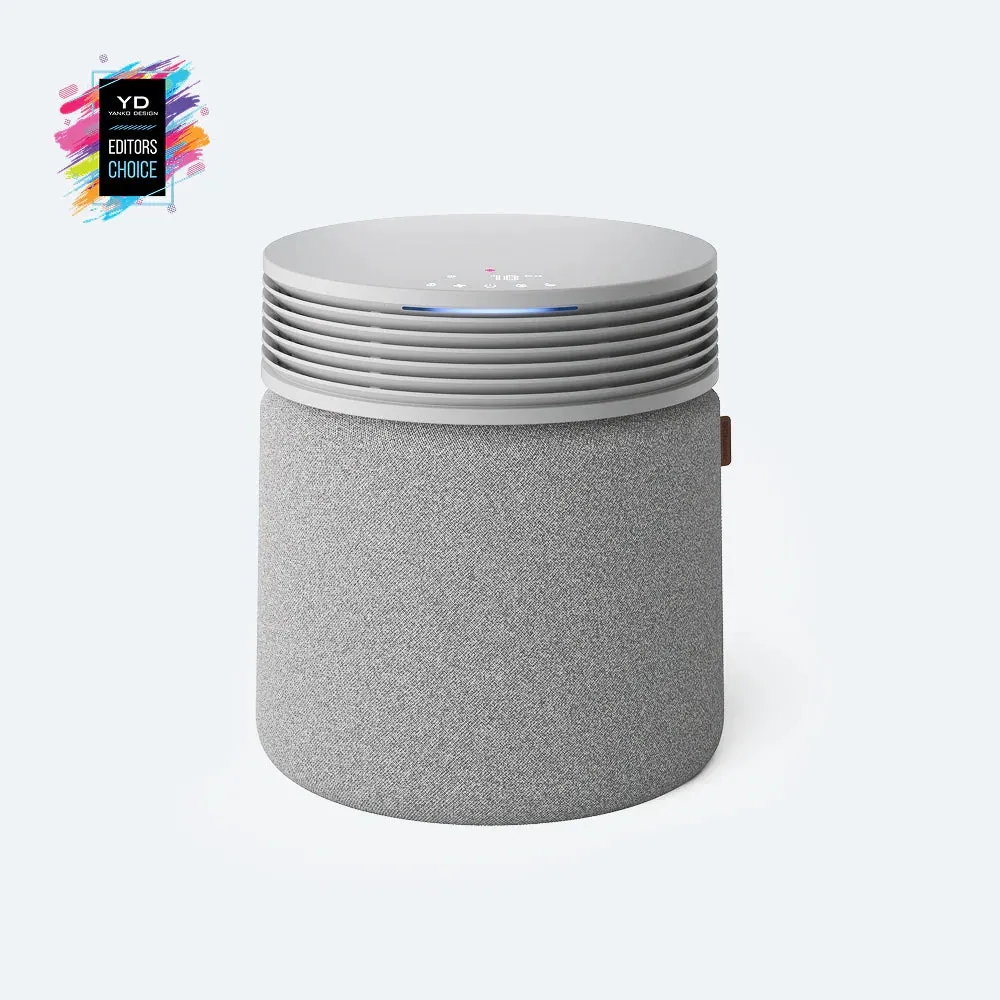
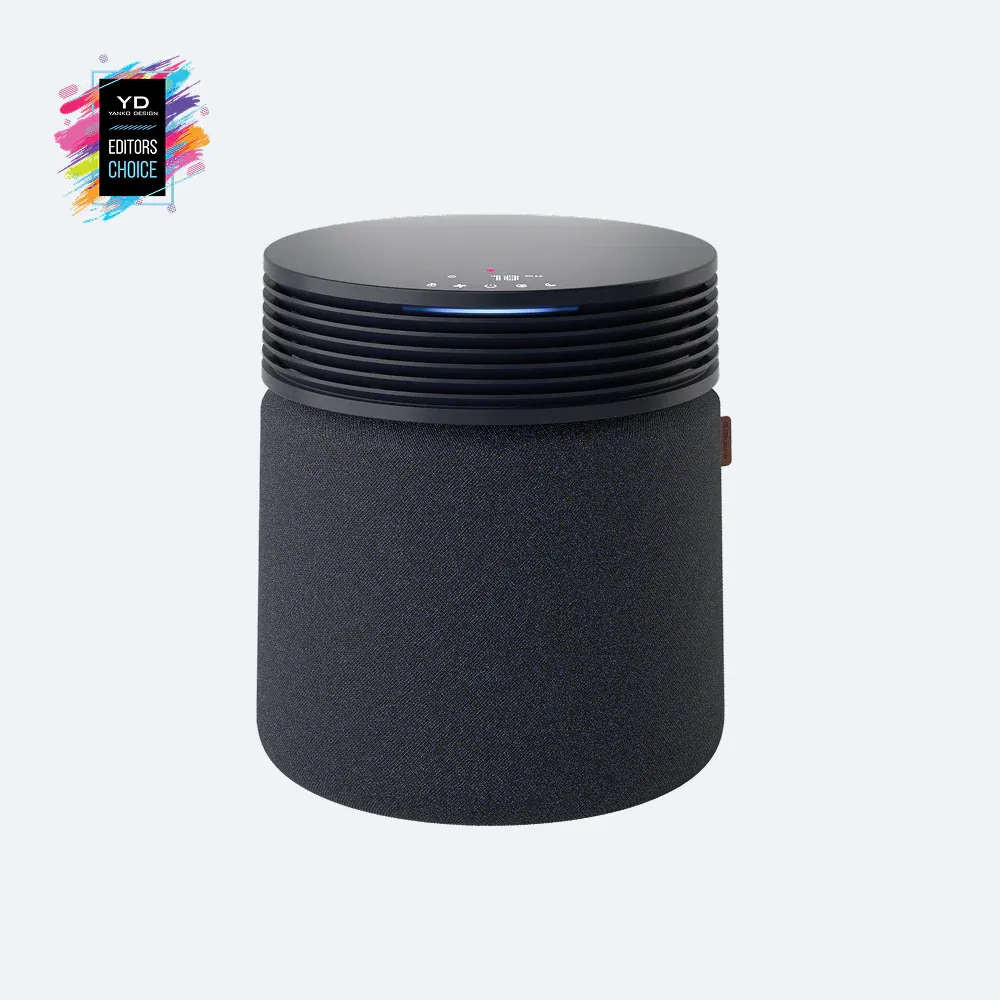
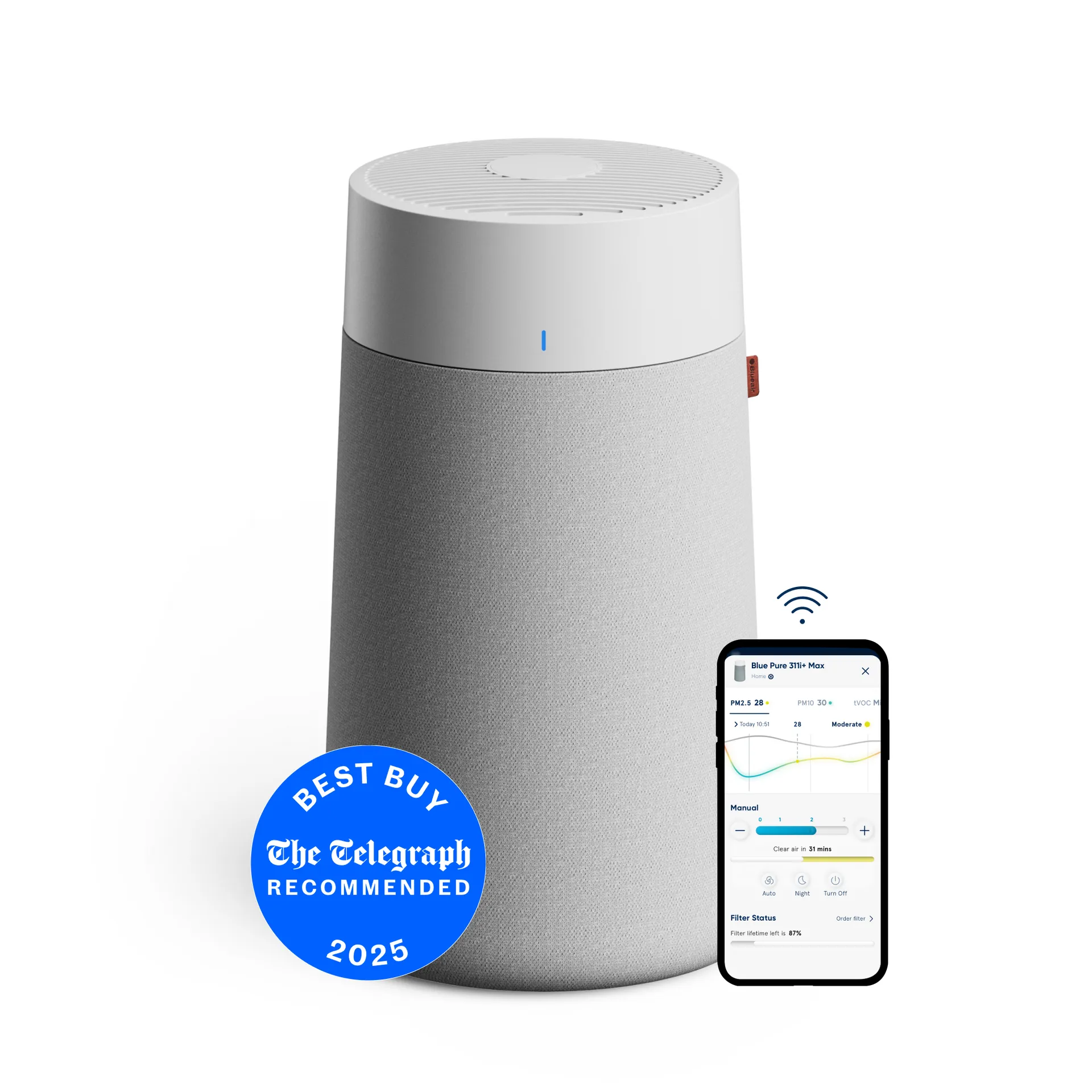
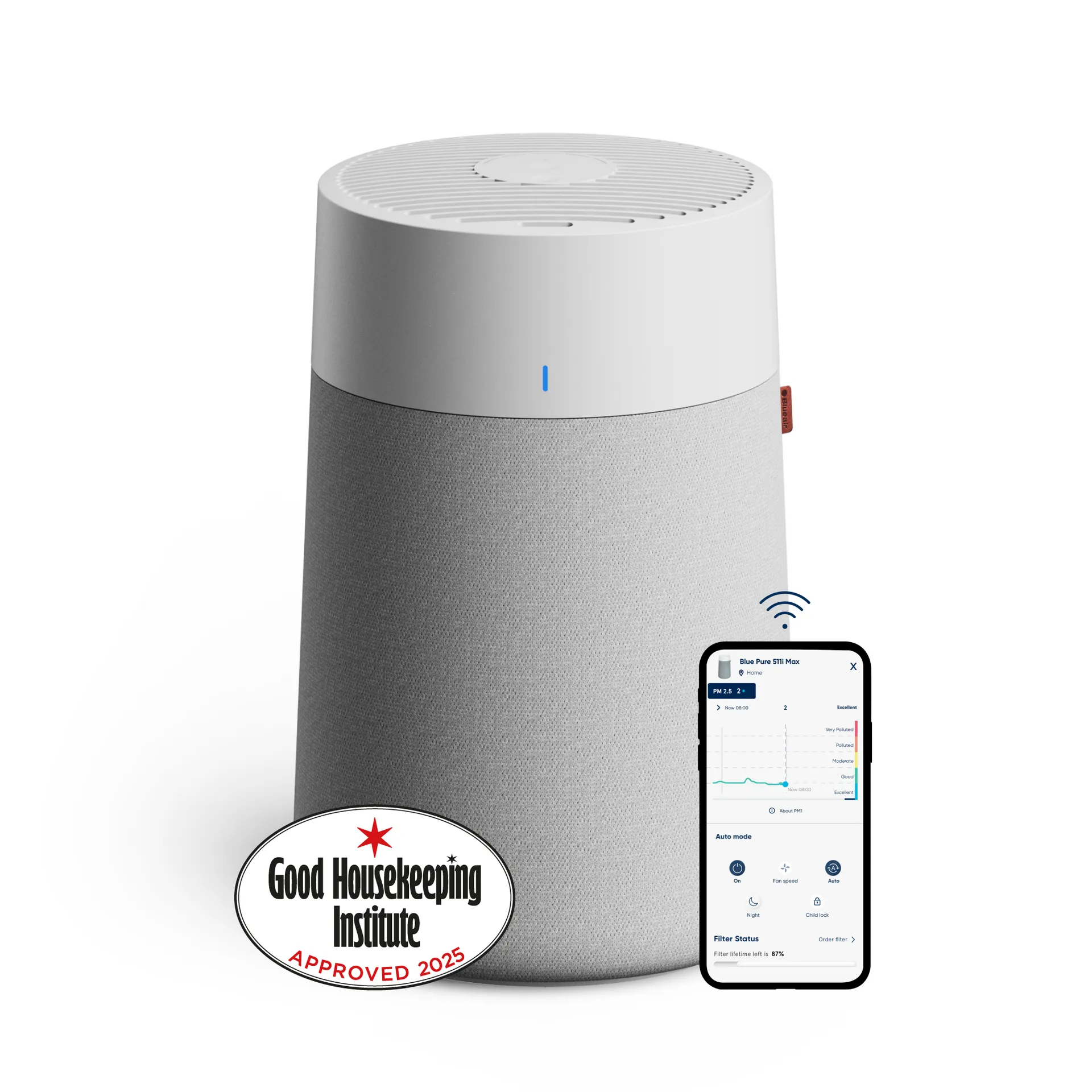
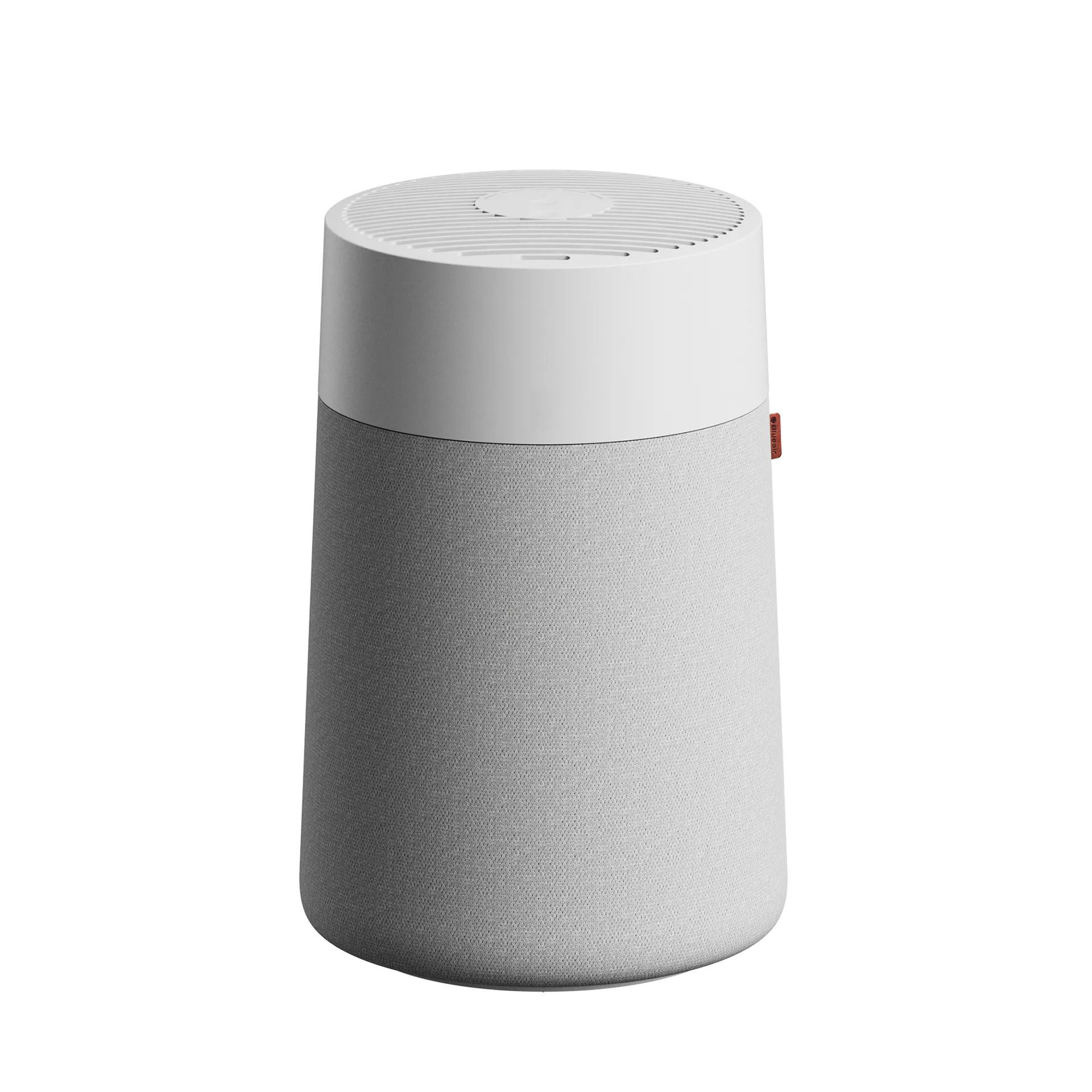
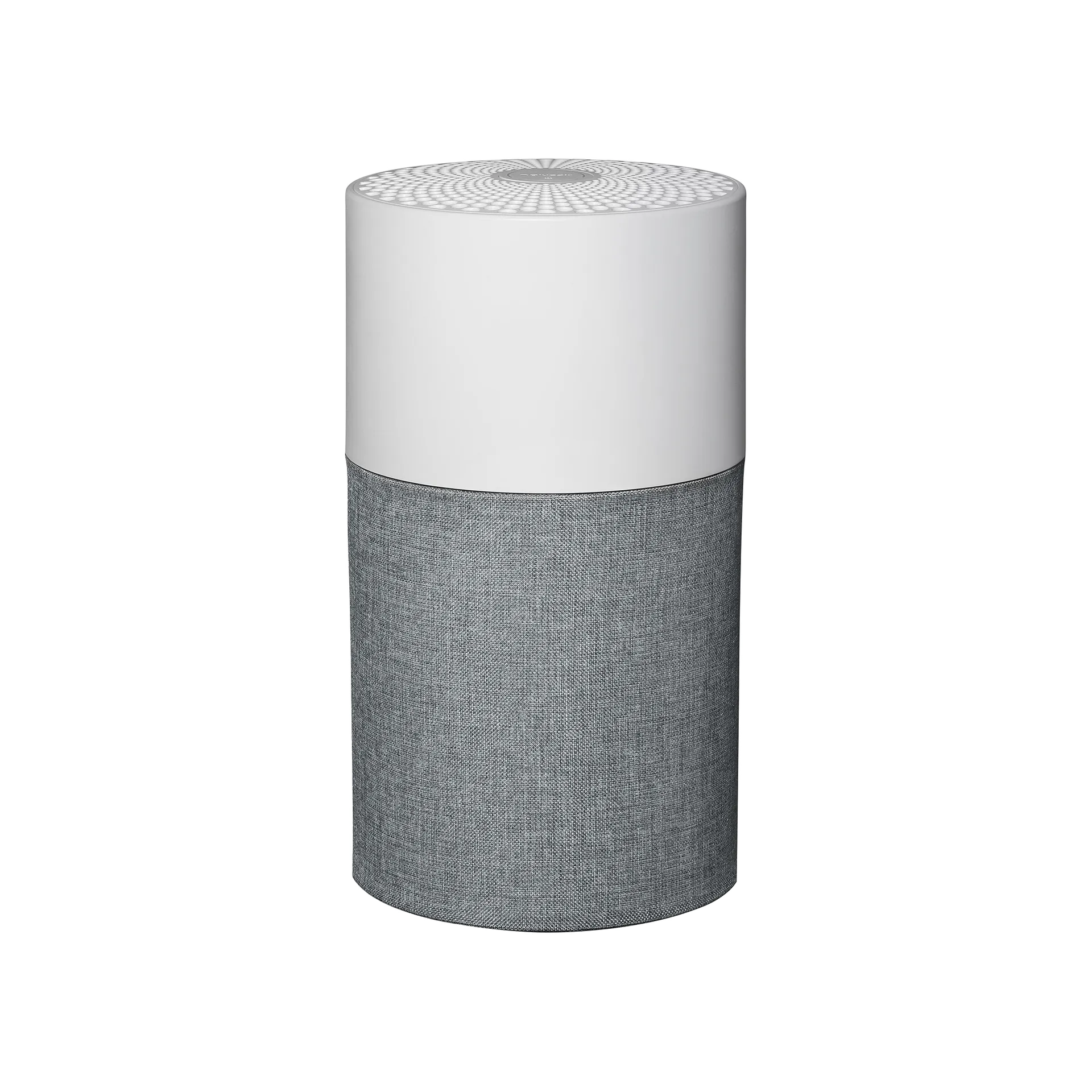
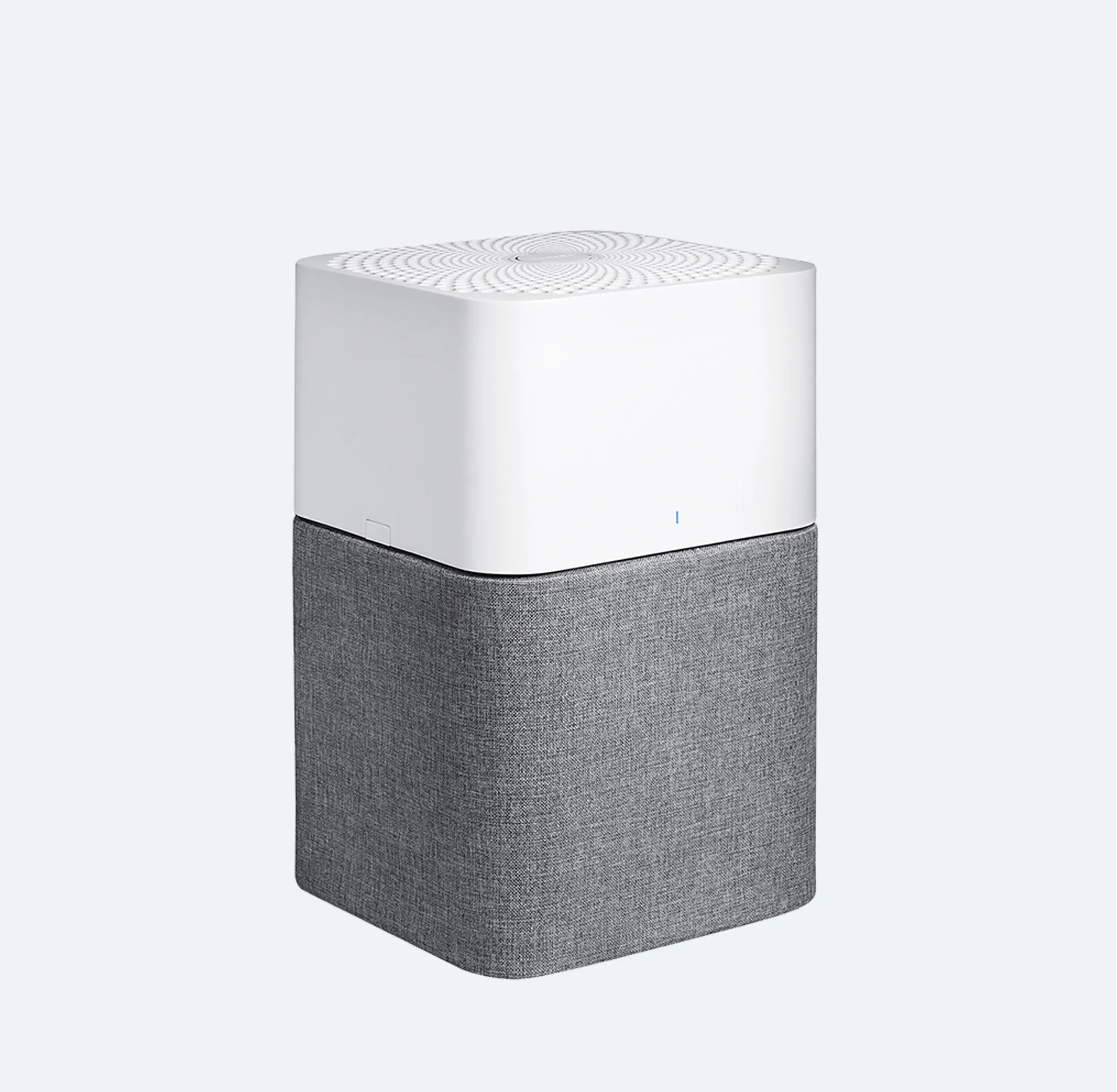
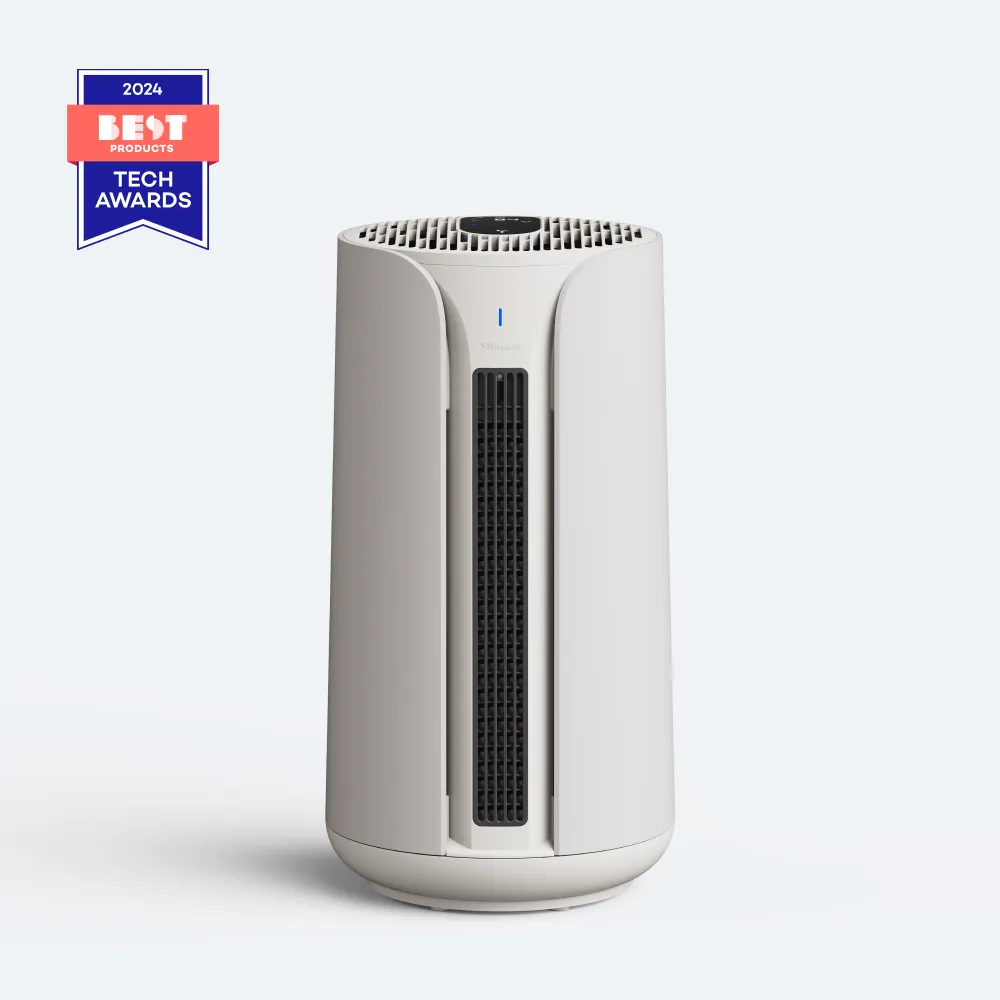
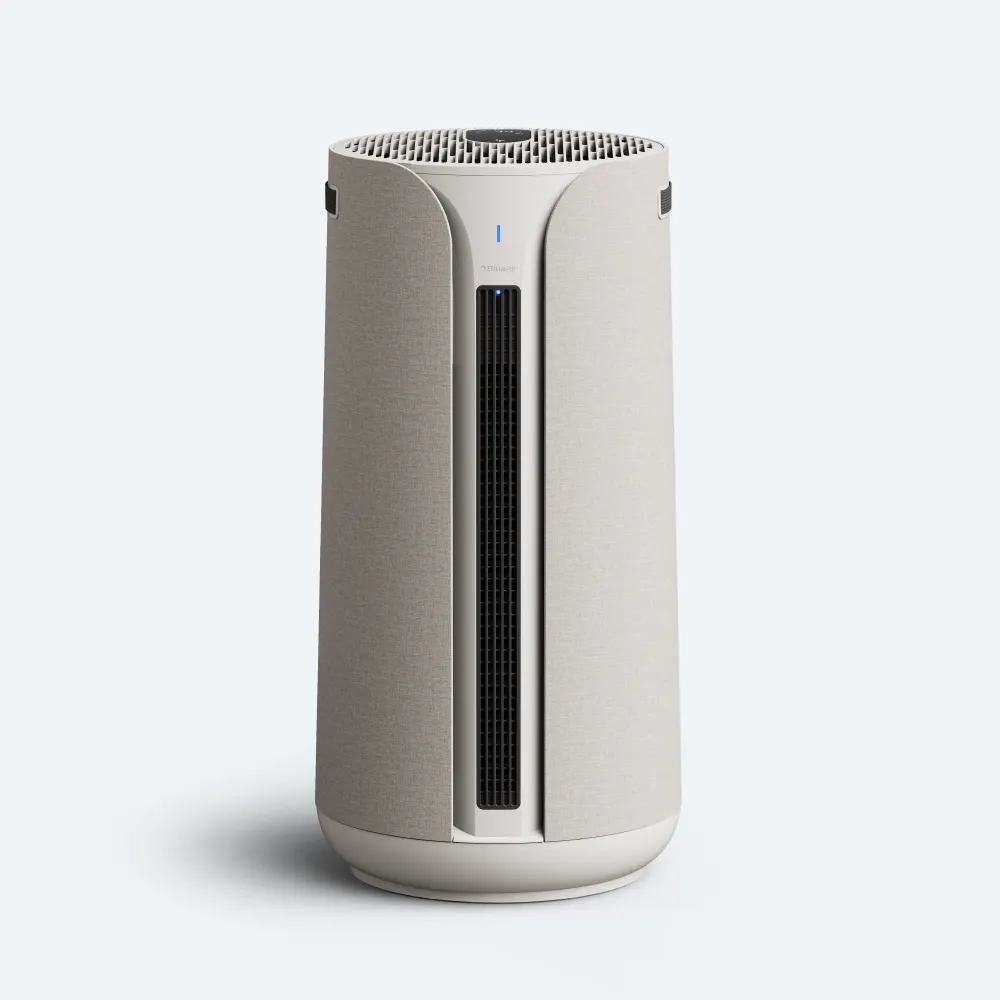
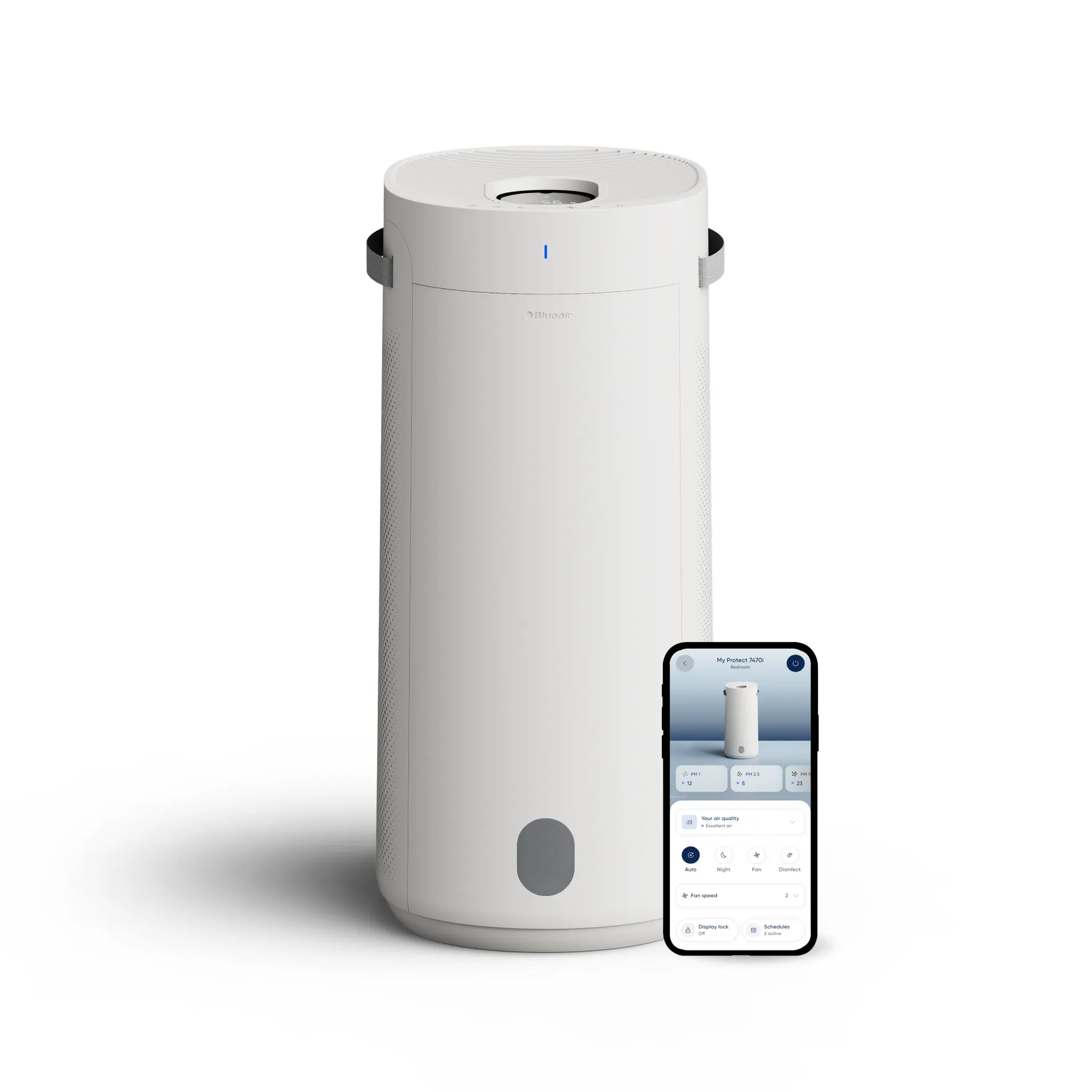
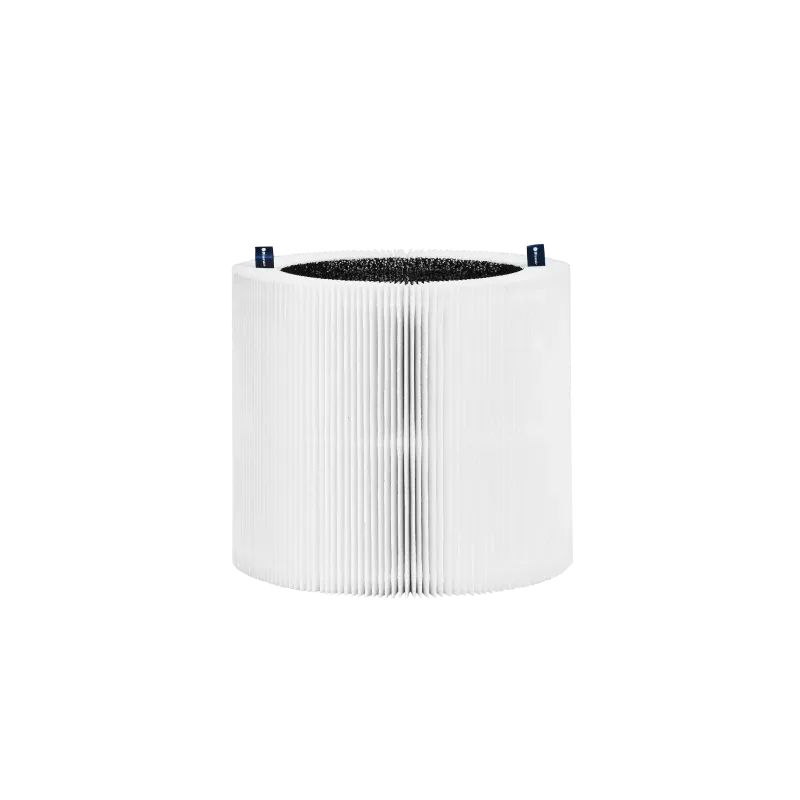
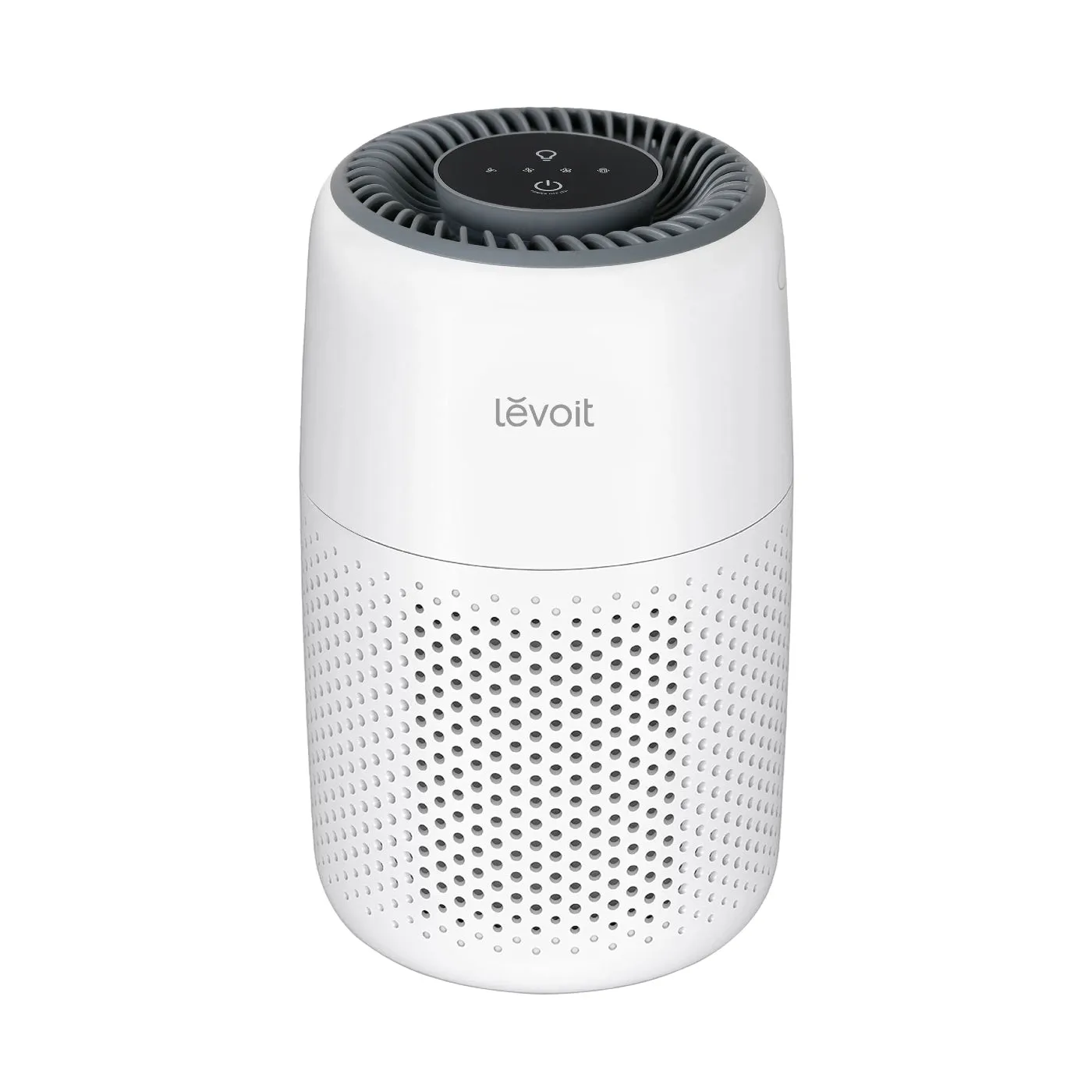
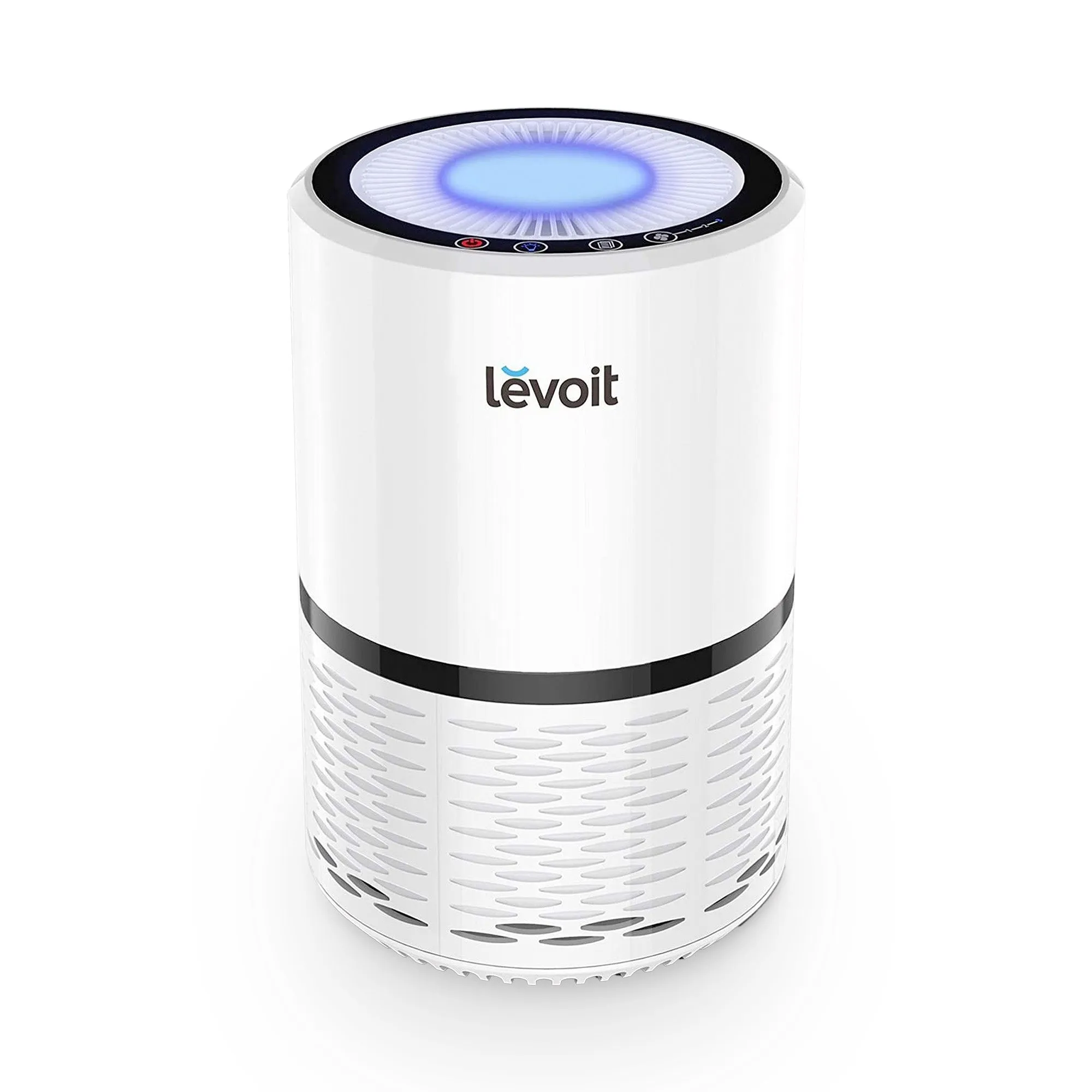
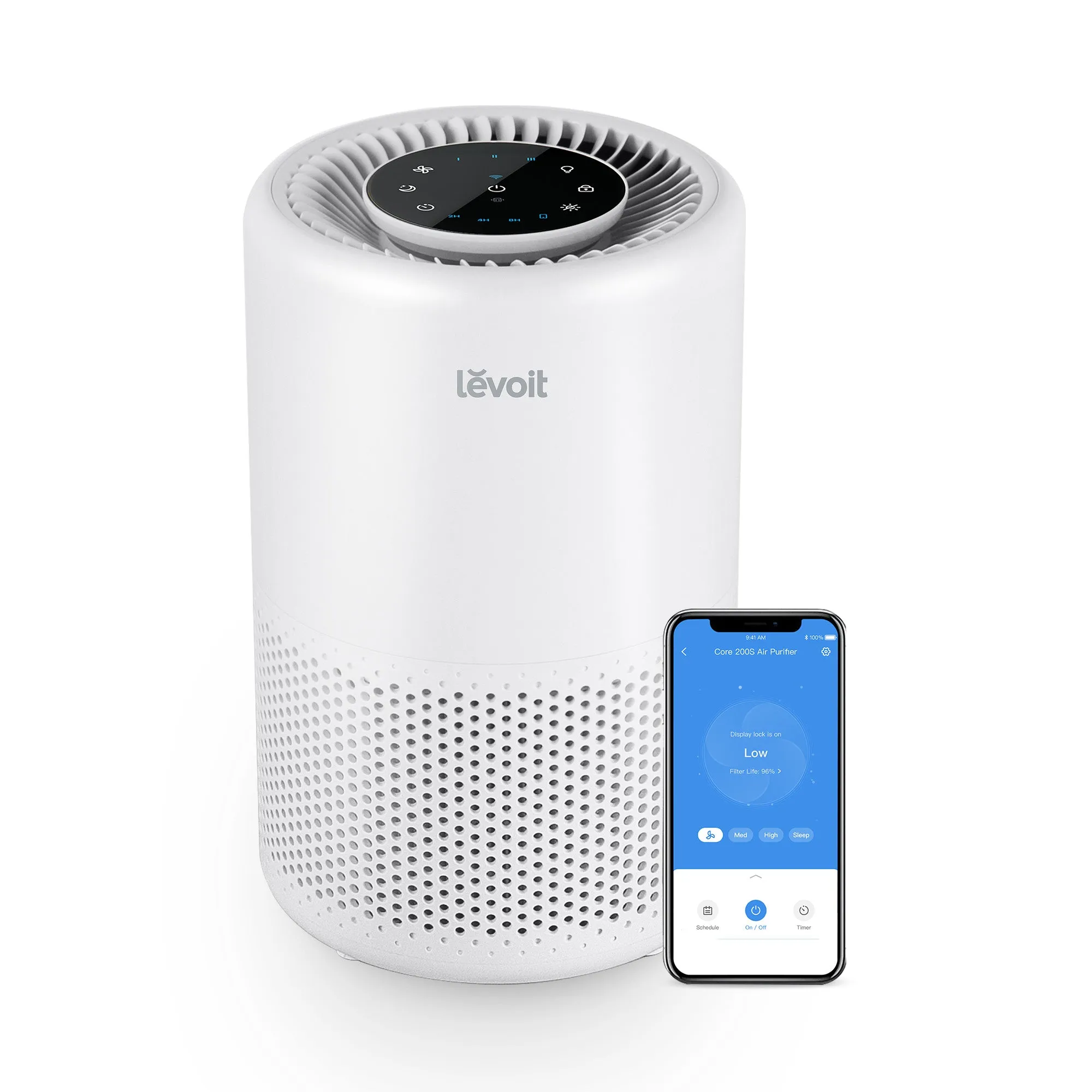
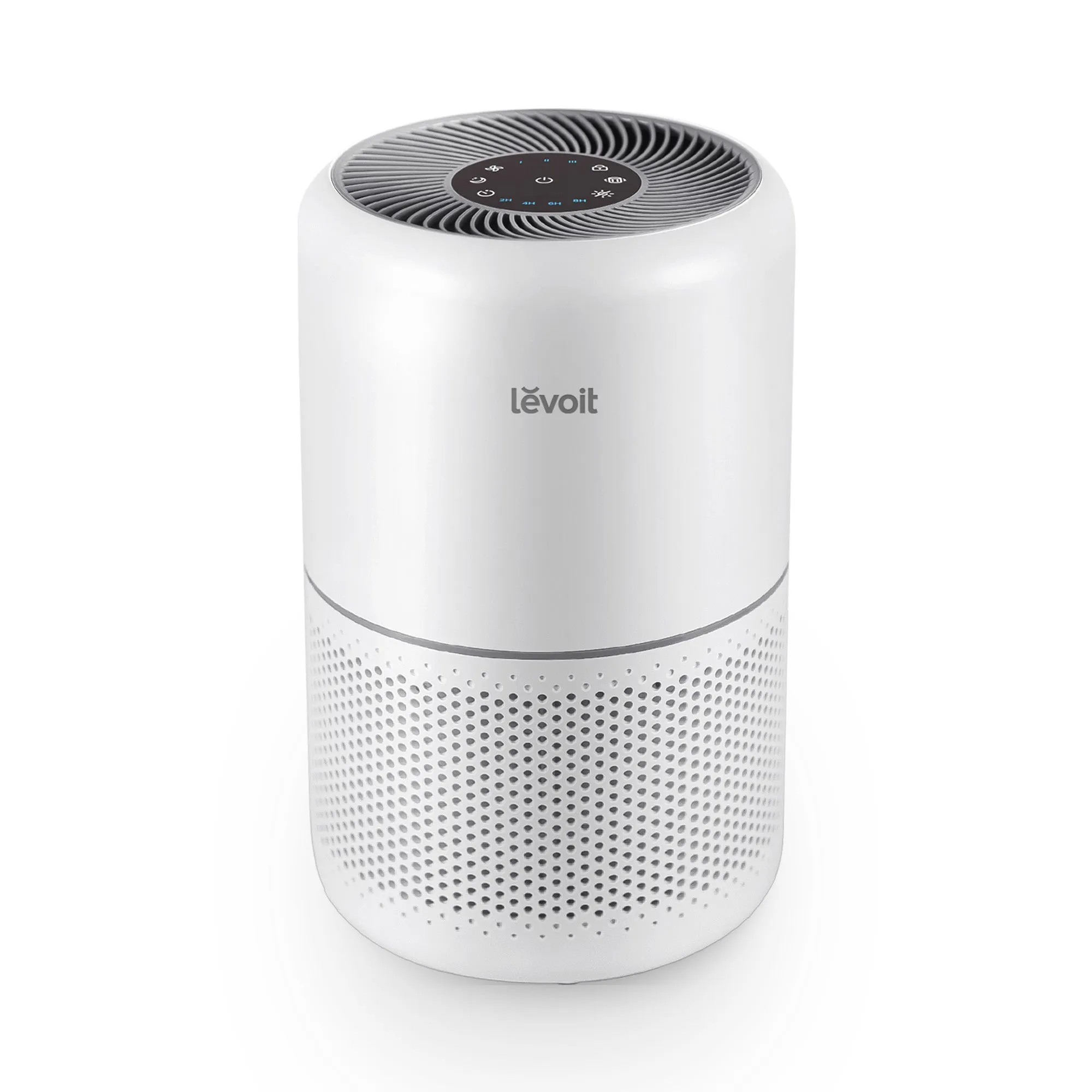
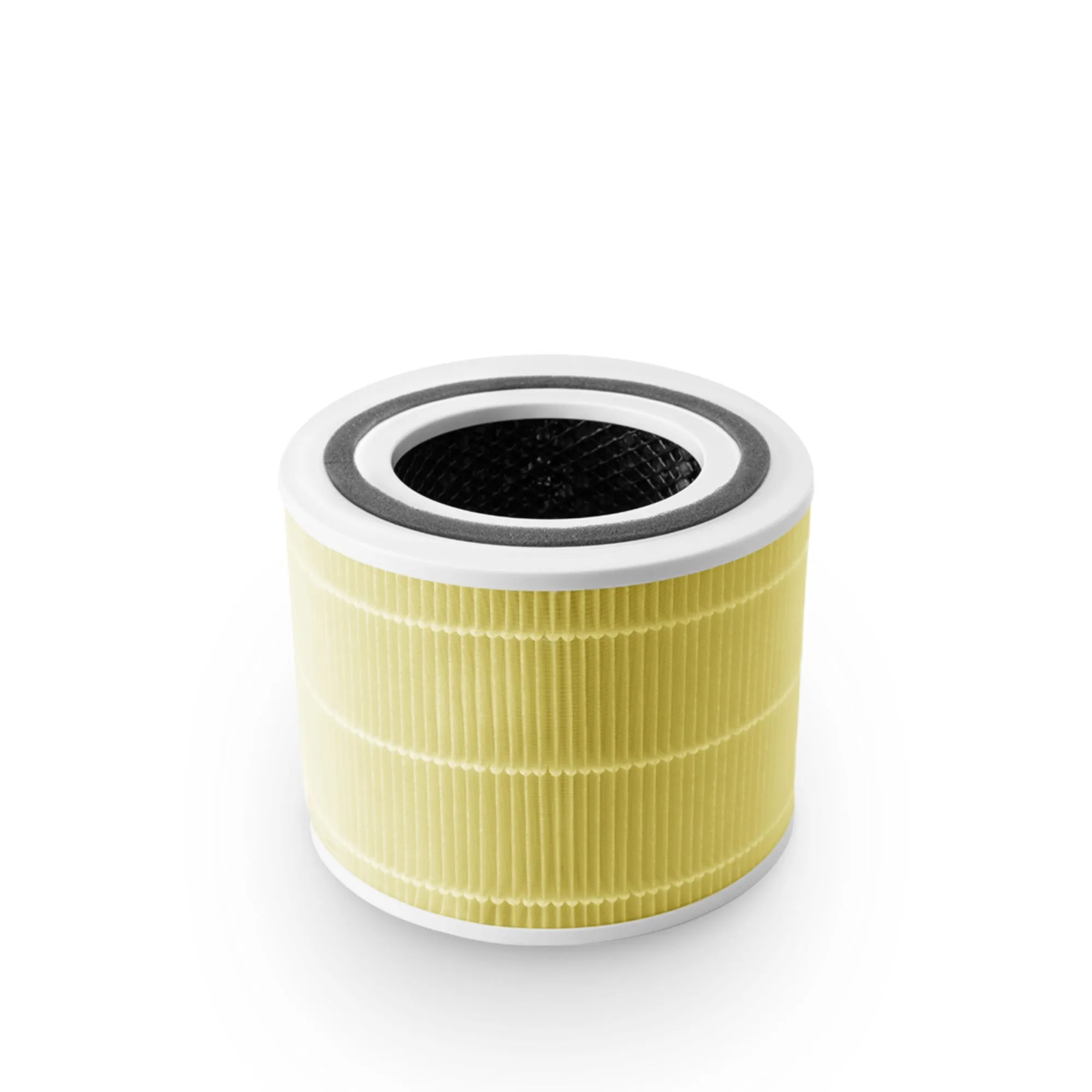
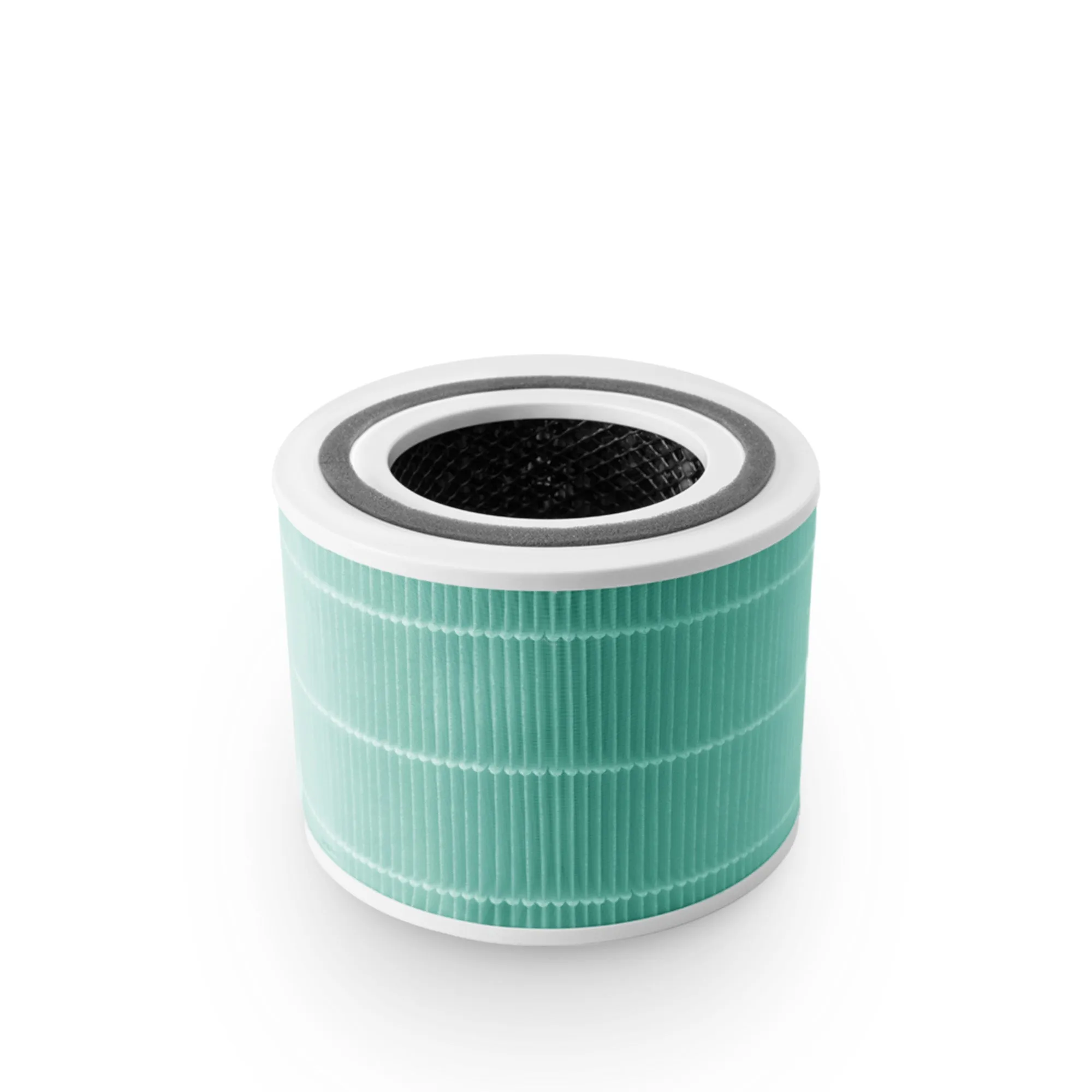
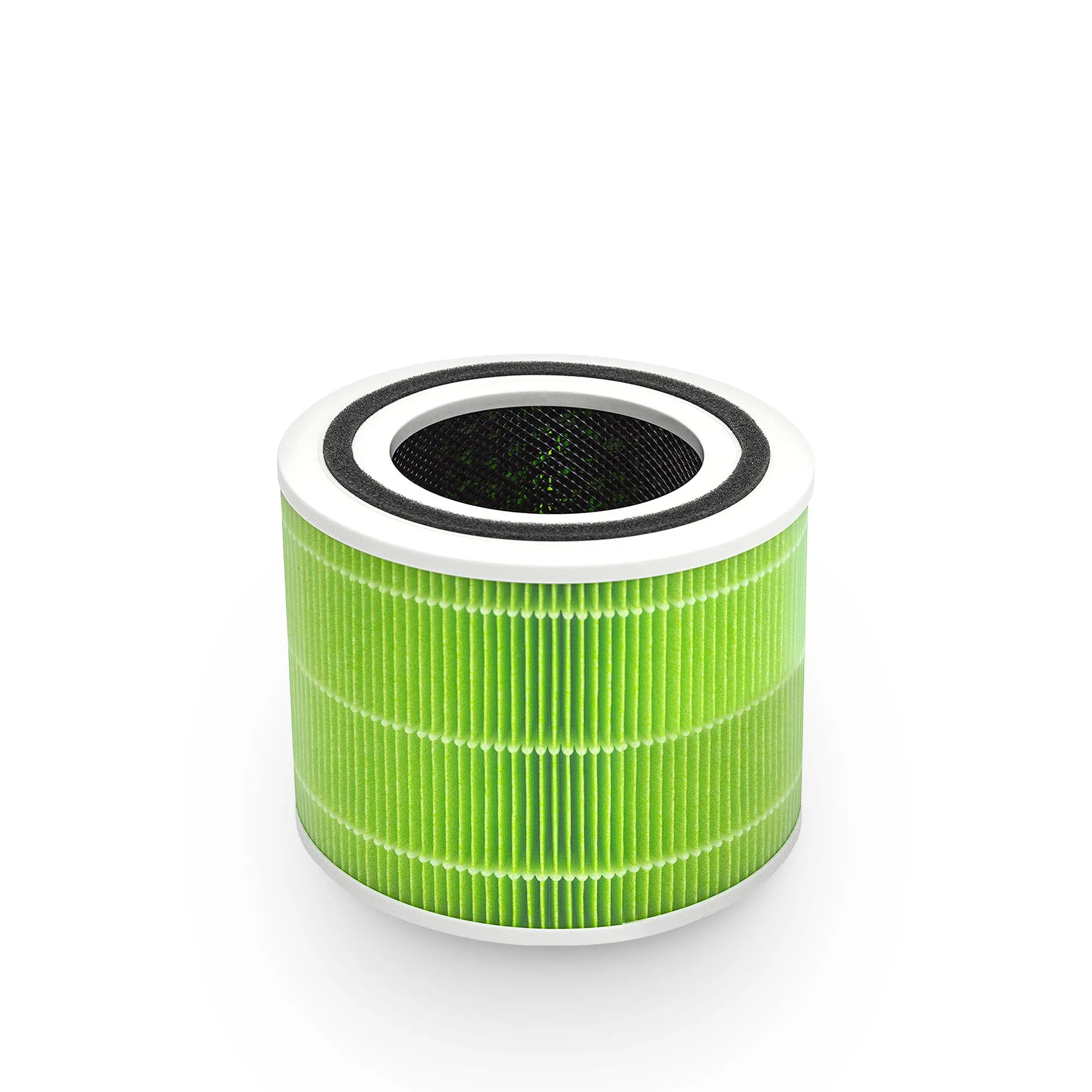
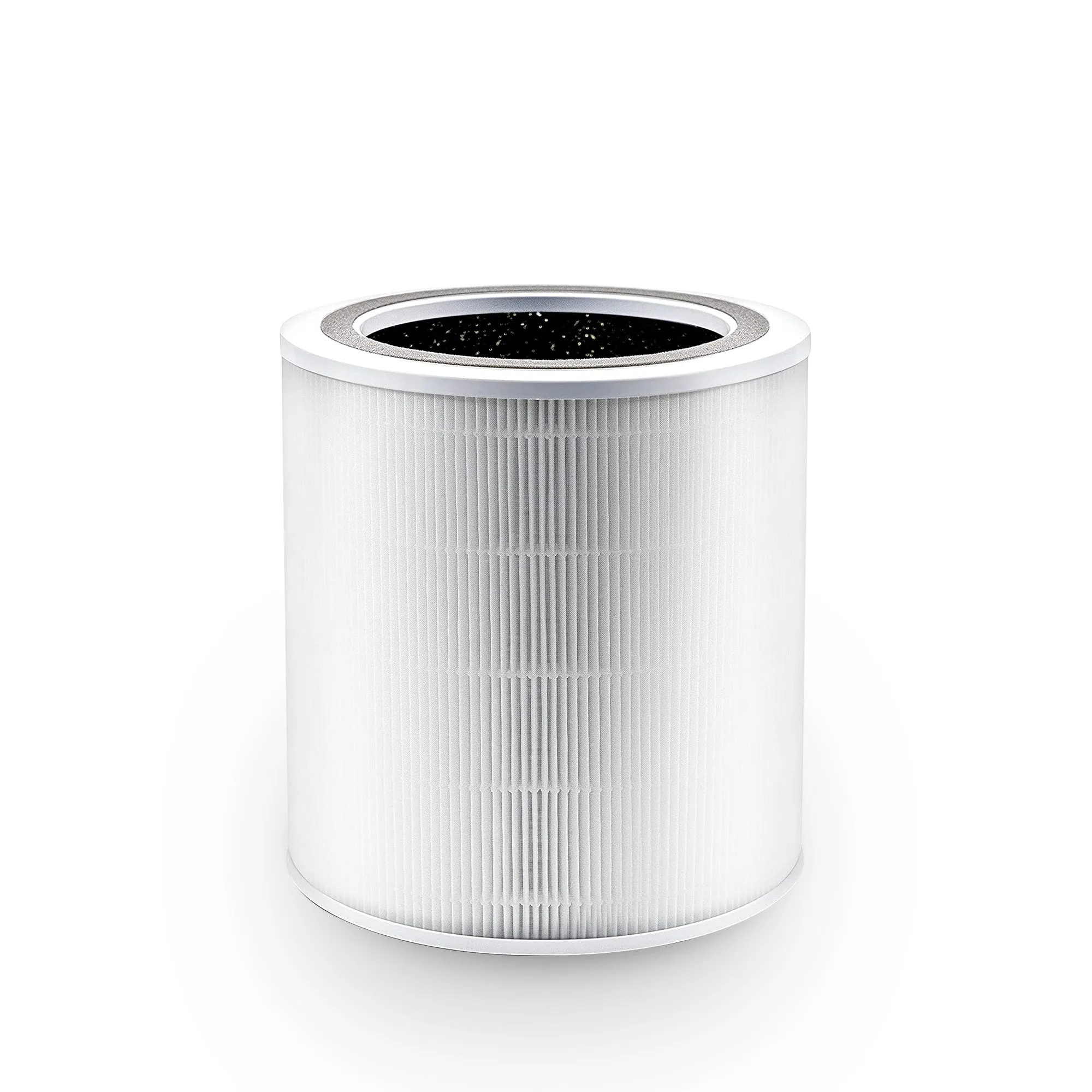
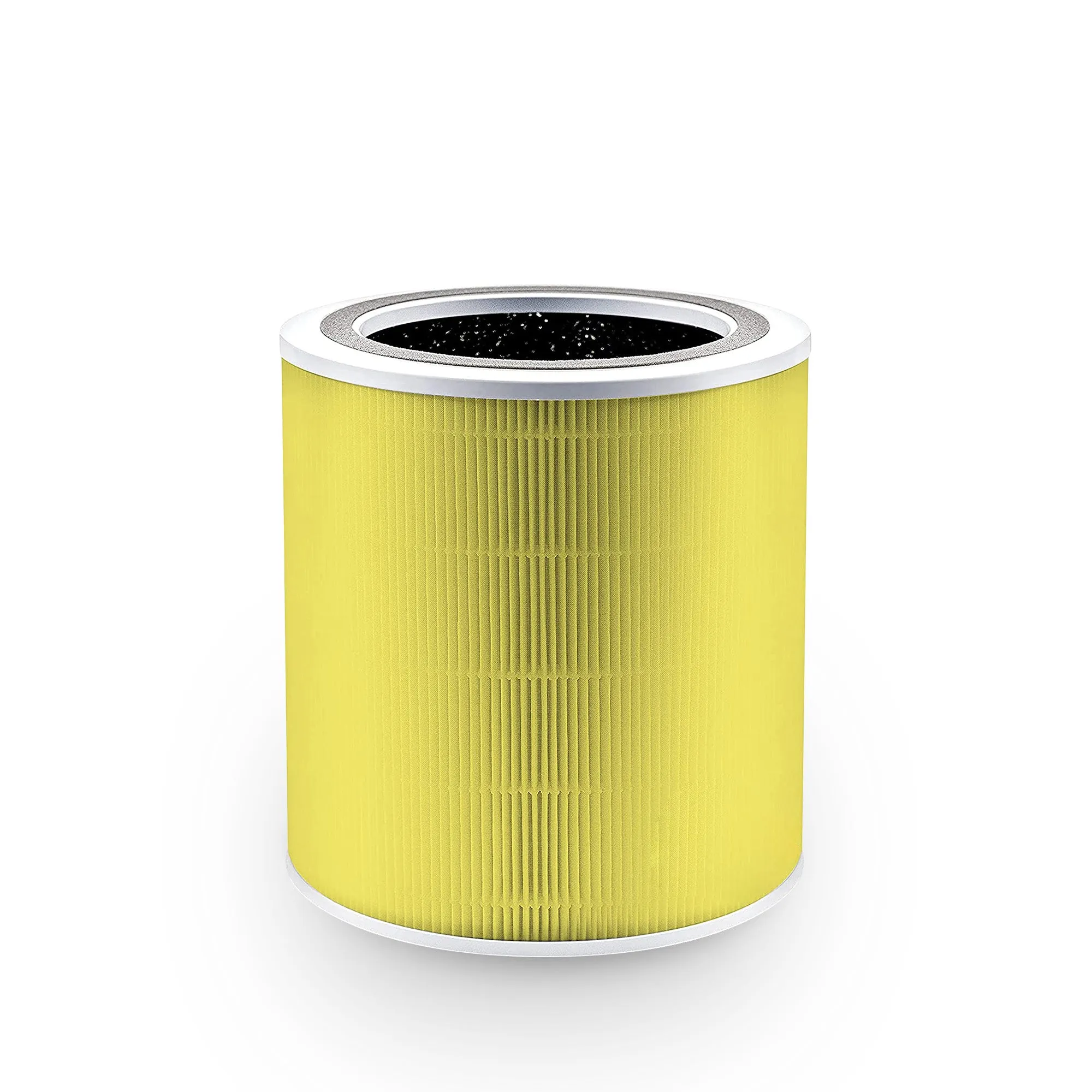
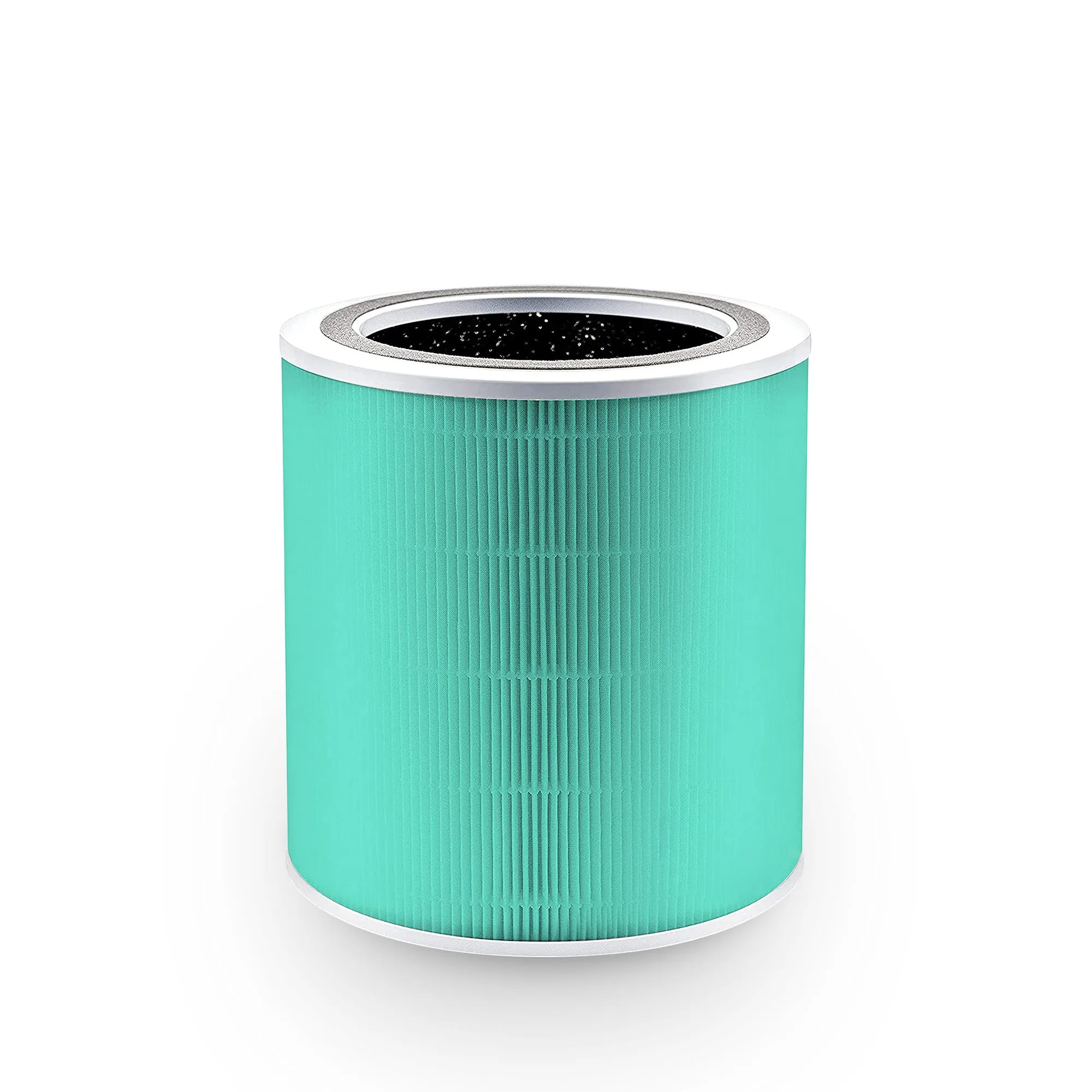
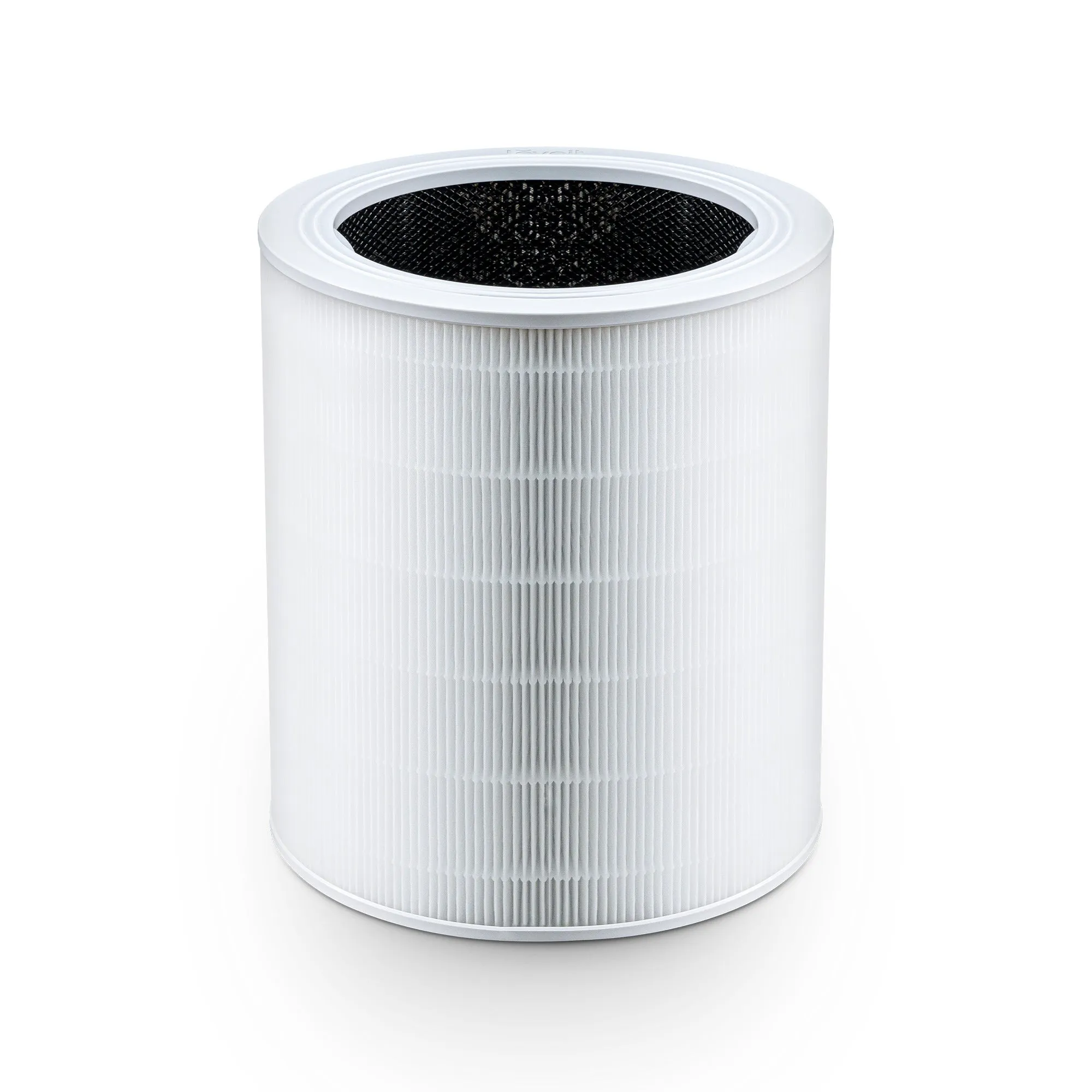
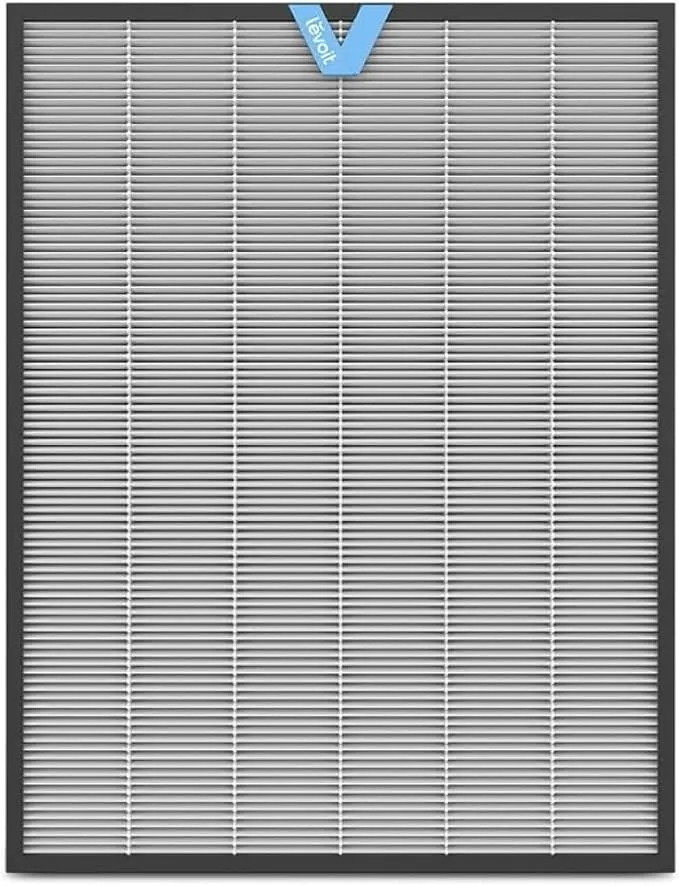
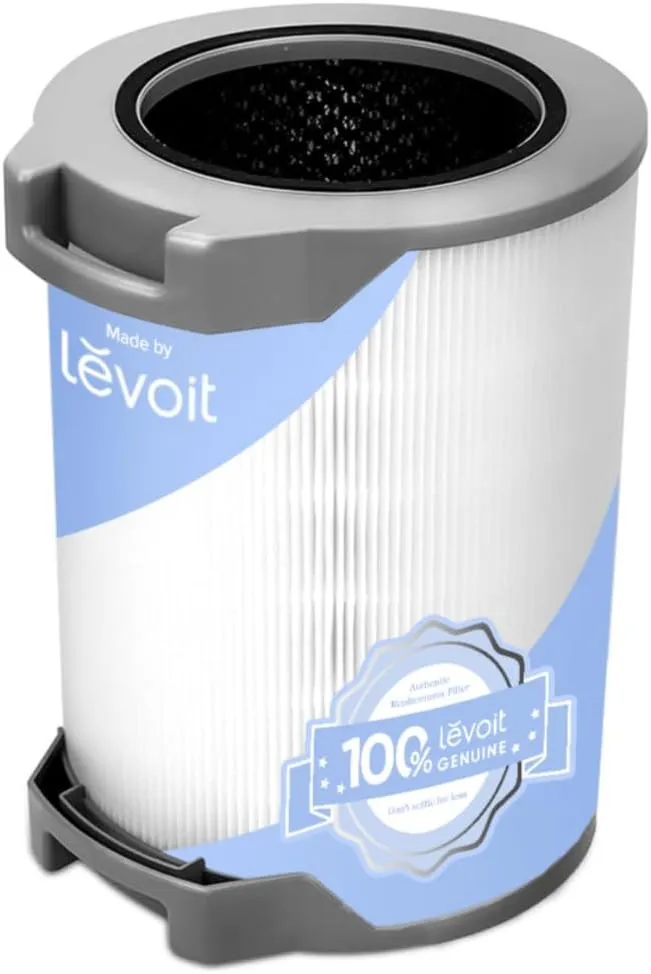
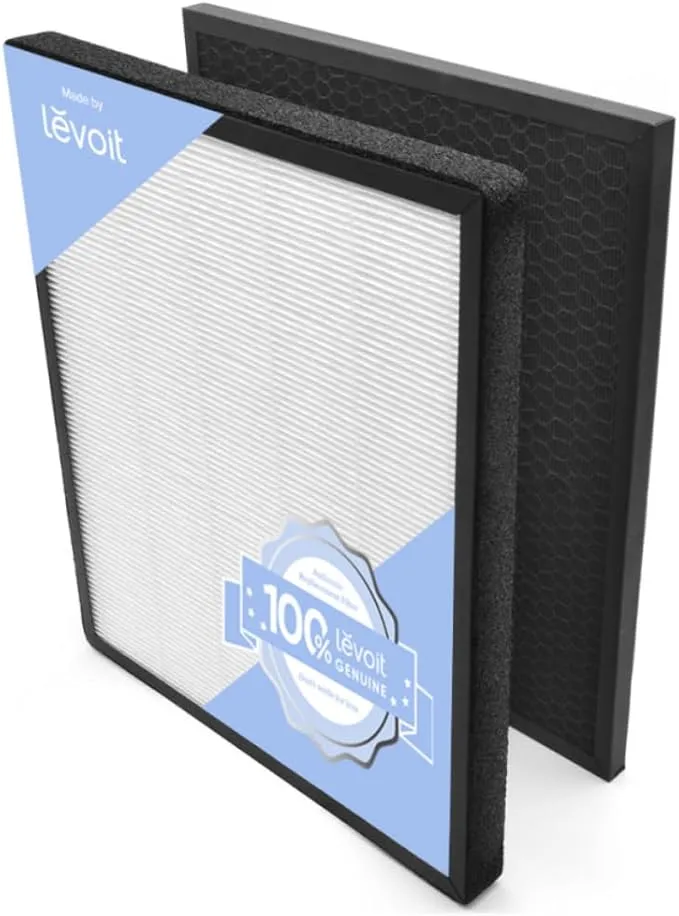
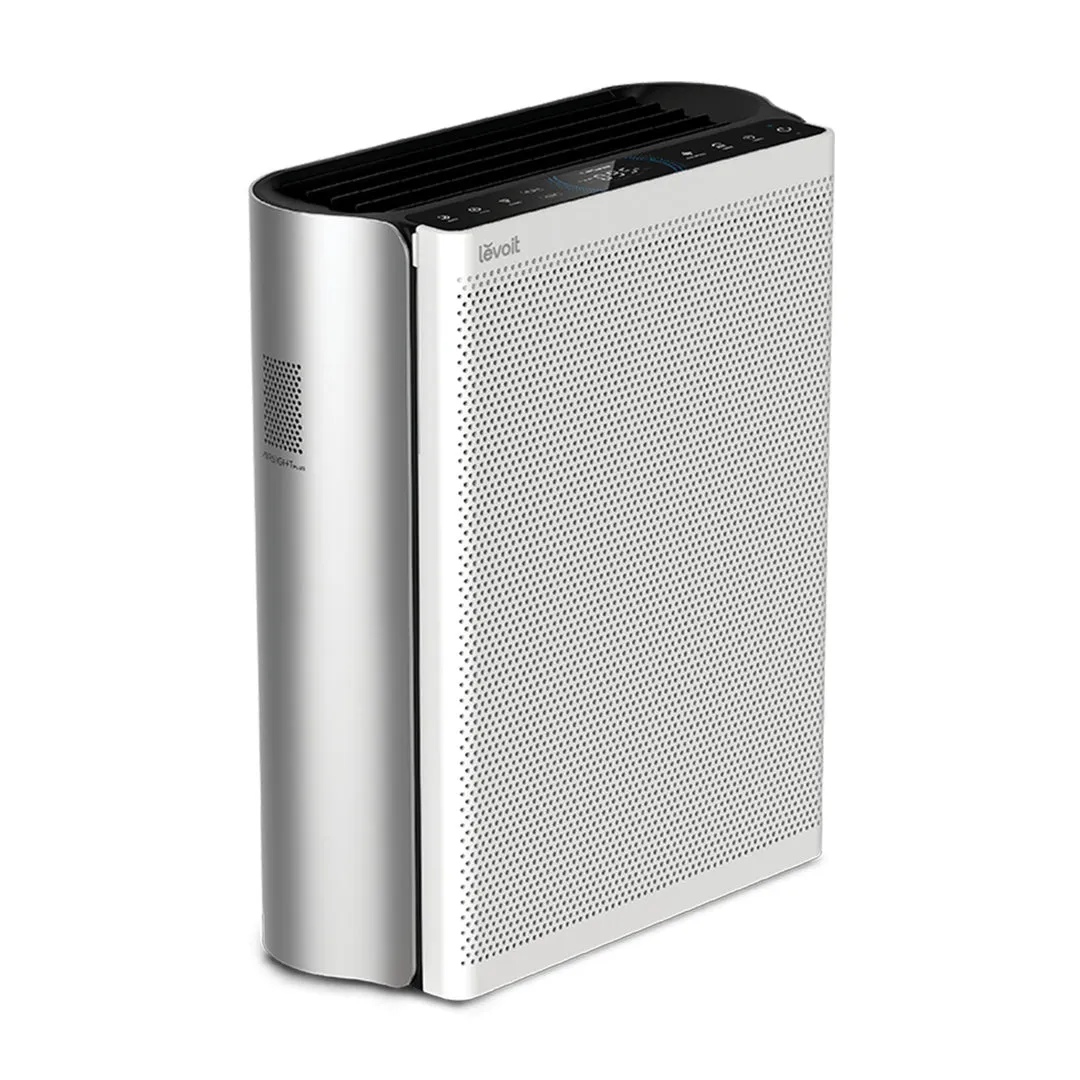
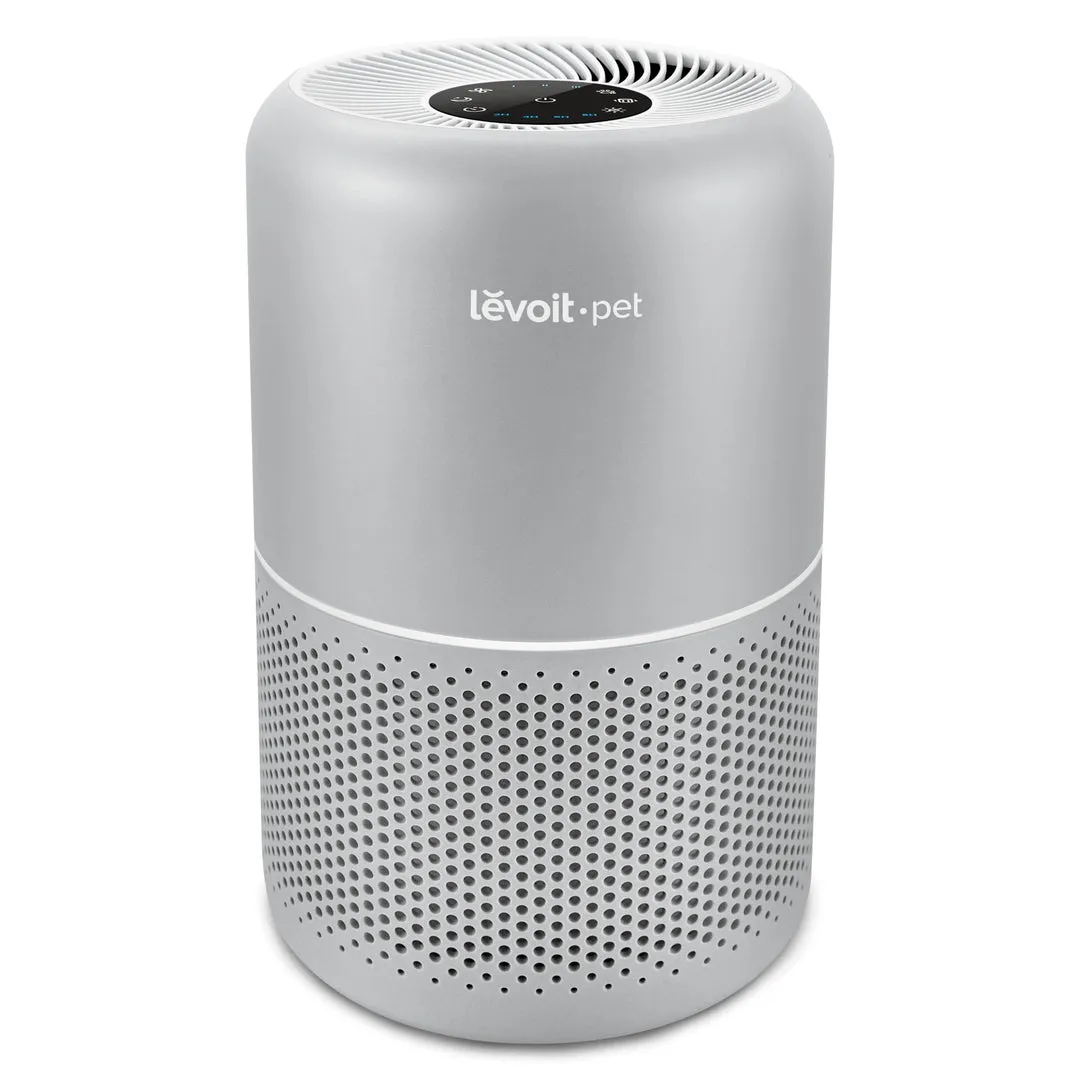
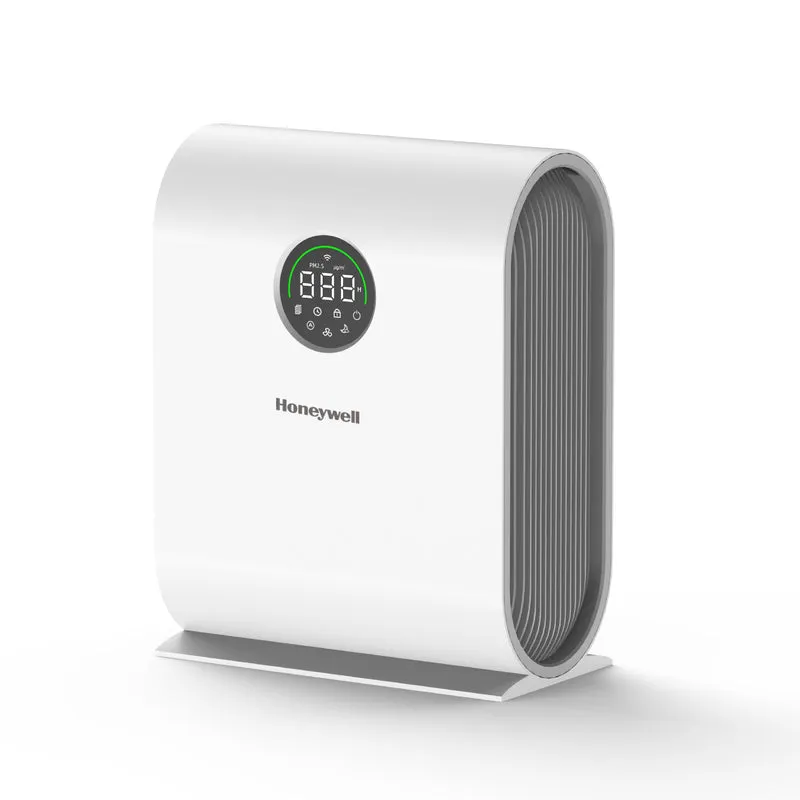
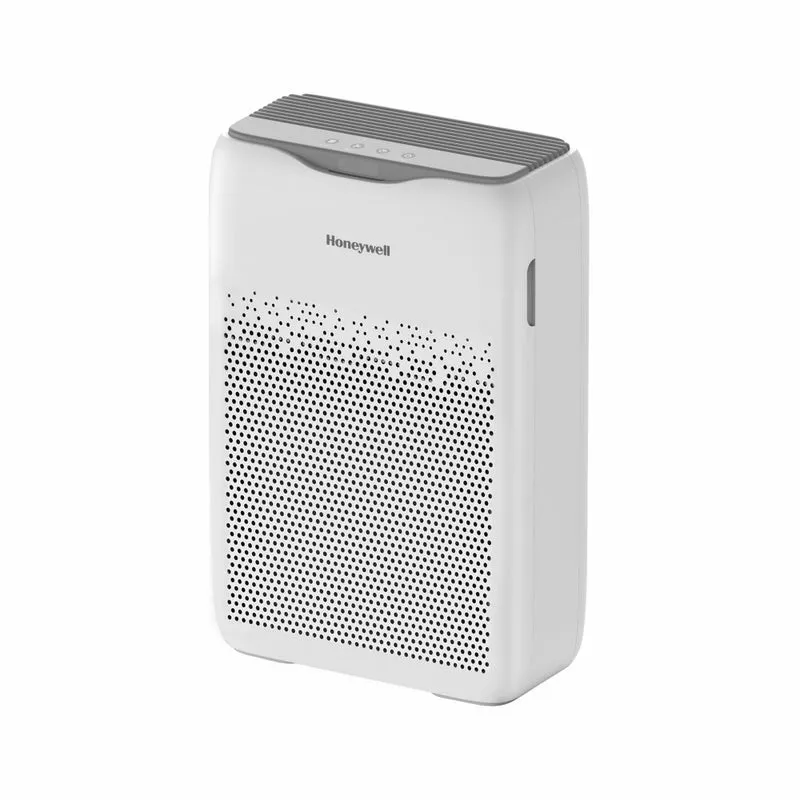
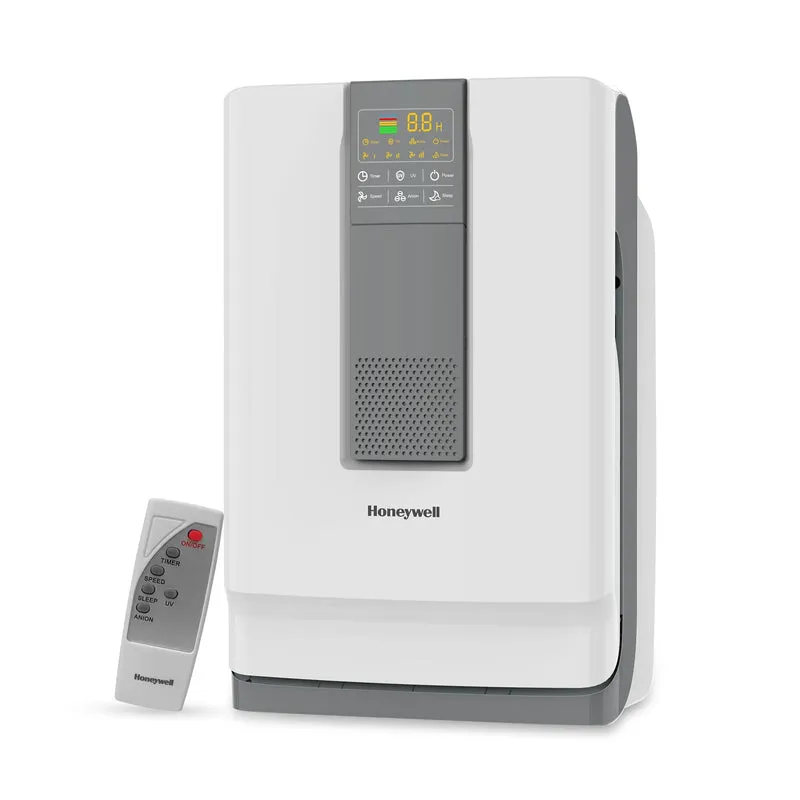
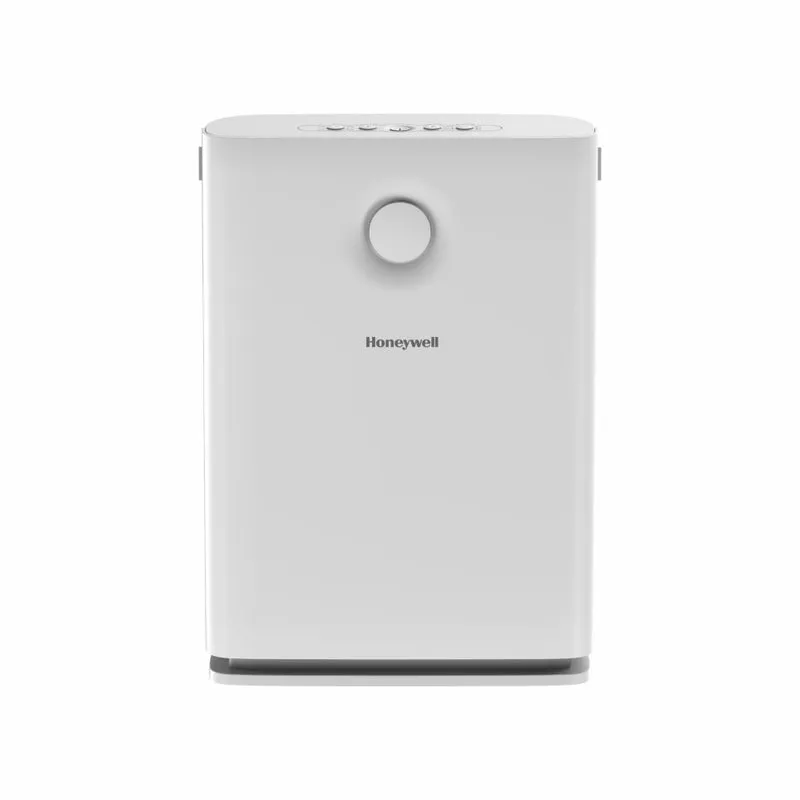
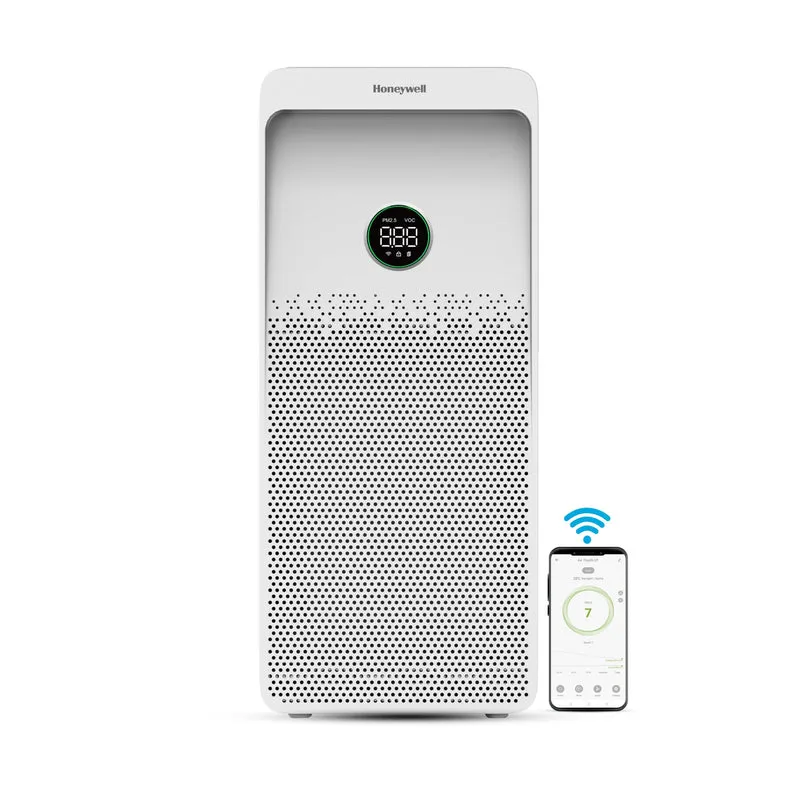
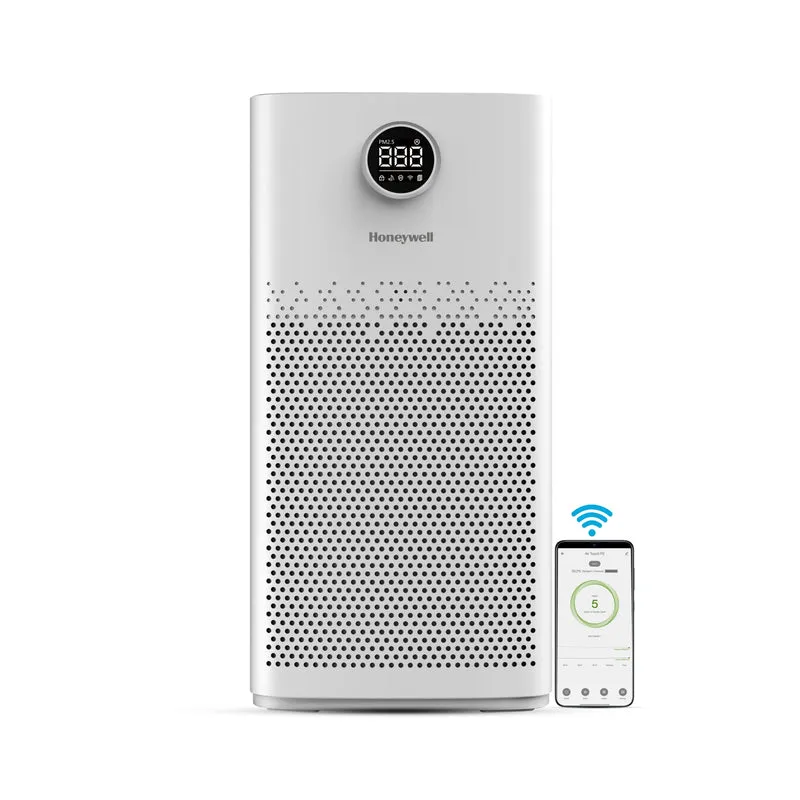
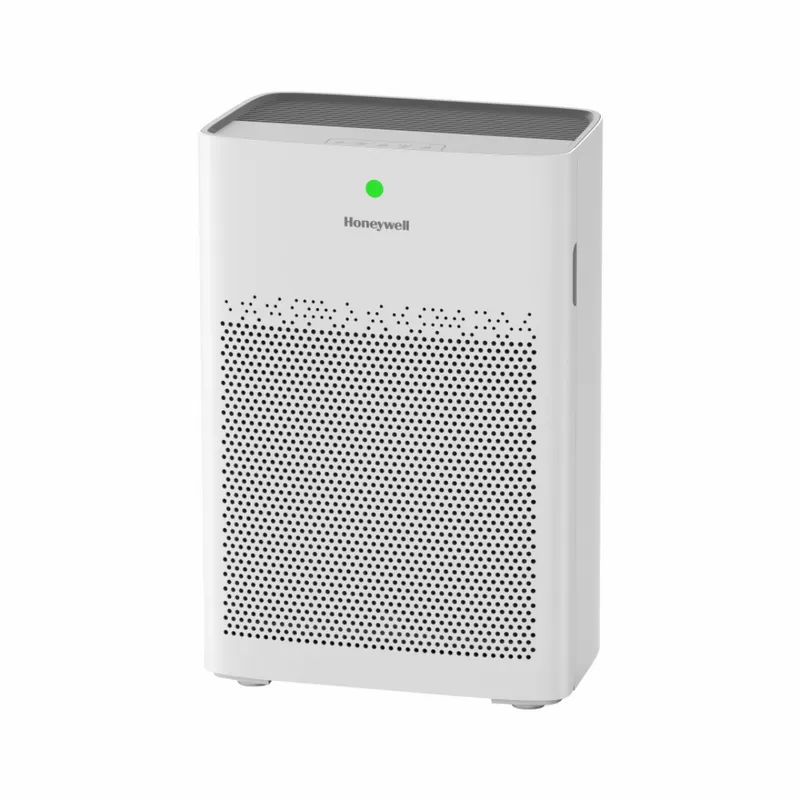
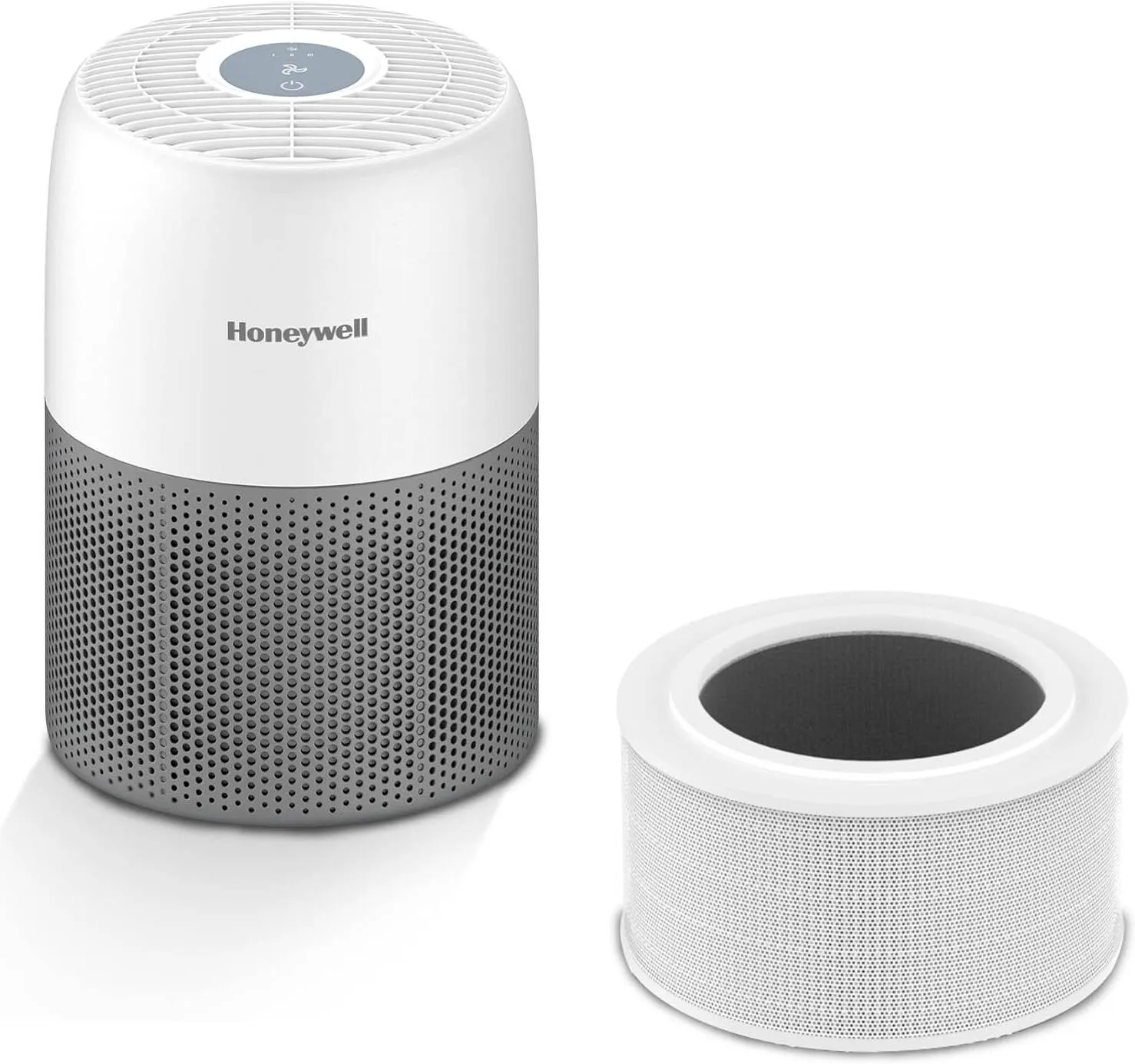
- Invest in air filtration at the point of air circulation. Standalone HEPA air purifiers in bedrooms and living areas filter particles that the AC system misses.
| Intervention | Allergen reduction | Relevant for UAE | Effort level |
|---|---|---|---|
| Bedding encasements | High | Yes | Low |
| Dehumidifier use | High | Critical | Low |
| HEPA air purifier | High | Yes | Low |
| AC duct cleaning | Moderate to high | Critical | Requires professional |
| HEPA vacuuming | Moderate | Yes | Moderate |
| Deep allergen cleaning | Moderate to high | Yes | Moderate to high |
Pro Tip: Set a recurring calendar reminder for duct cleaning in April and October, corresponding with the shift into and out of UAE summer. Pair duct cleaning with a full replacement of AC filters to avoid recontaminating freshly cleaned ducts immediately.
The science of filtration: Effective use of HEPA and ventilation
For those ready to implement advanced solutions, understanding the science behind filtration and ventilation is key.
HEPA stands for High Efficiency Particulate Air. A true HEPA filter captures 99.97% of particles at 0.3 microns and larger, covering dust mite debris, pollen, pet dander, mould spores, and a significant proportion of fine sandstorm particles. This is the particle size at which filters are least efficient due to airflow dynamics, making the 99.97% figure meaningful rather than a marketing approximation.
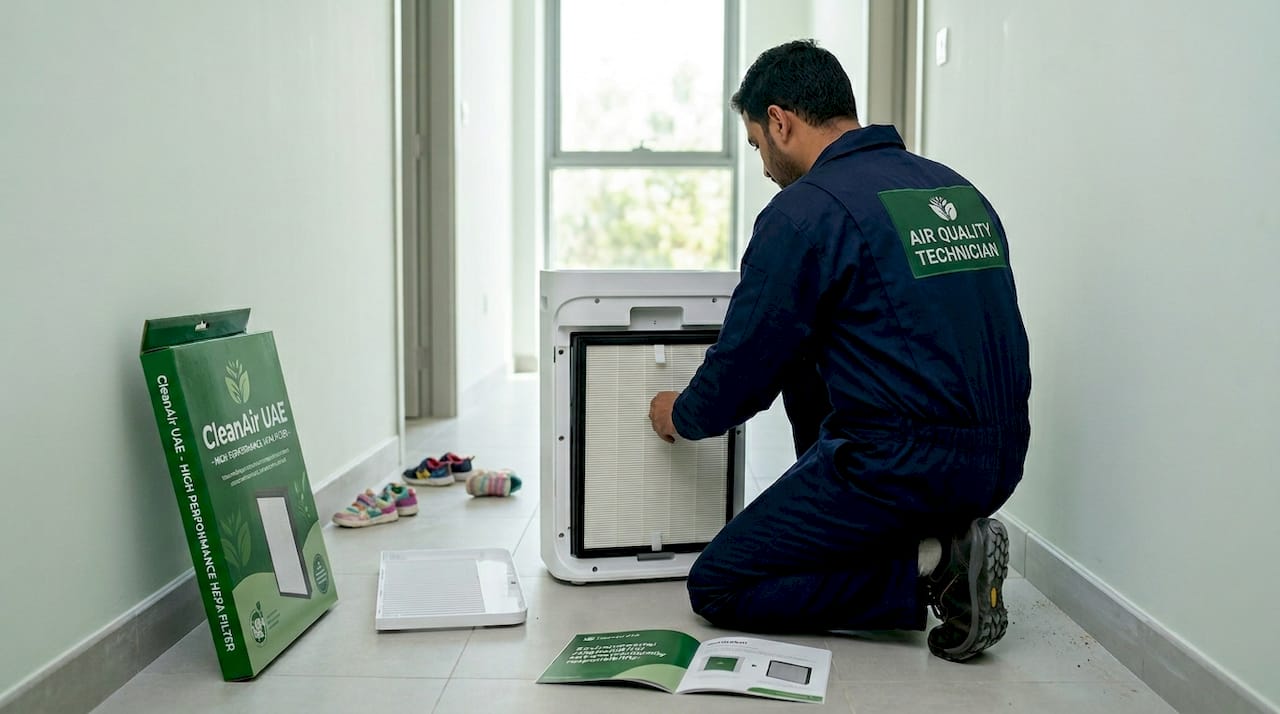
In UAE AC systems, standard fibreglass filters capture large debris but allow most allergen-sized particles to pass through freely. Upgrading to higher MERV-rated filters (MERV 11 to 13 for residential use) or integrating inline HEPA filter solutions within existing ductwork provides a substantial upgrade without replacing the entire AC system.
| Particle type | Size (microns) | HEPA capture rate |
|---|---|---|
| Dust mite debris | 0.5 to 50 | 99.97%+ |
| Mould spores | 1 to 30 | 99.97%+ |
| Pet dander | 0.5 to 100 | 99.97%+ |
| Pollen | 10 to 100 | 99.97%+ |
| Fine sandstorm dust | 0.1 to 10 | High (varies) |
| Cockroach particles | 0.5 to 50 | 99.97%+ |
Placement of standalone air purifiers matters considerably. Placing a purifier in the corner of a large room, or behind furniture, reduces its effective coverage area significantly. Position units centrally or adjacent to the main area of occupancy, with clearance on all sides for unobstructed airflow. Bedrooms are the highest priority given the eight or more hours spent sleeping in close proximity to allergen sources.
Pro Tip: Avoid running an air purifier on its lowest setting permanently. Use the highest setting for one to two hours after entering a room or after cleaning, then reduce to a maintenance setting. This clears the initial allergen load efficiently without unnecessary energy use.
Filter replacement is where many residents and property managers lose most of the benefit. A saturated HEPA filter does not simply stop working. It begins to release trapped particles back into the air and restricts airflow, reducing efficiency. Follow the manufacturer’s schedule or replace every six to twelve months in UAE conditions, where particle loads are considerably higher than in temperate climates.
Our perspective: Why indoor allergen control in the UAE is about mindset, not just technology
With this technical foundation, it is worth addressing the mindset gap that undermines most allergen control efforts in UAE homes and properties.
The most common pattern is this: a resident purchases a quality air purifier, places it in the living room, and expects results. They may notice modest improvement initially. But within weeks, symptoms return, because the purifier is addressing airborne particles while the mattress, curtains, AC ducts, and kitchen corners continue to load the environment with fresh allergens constantly.
Technology without behaviour change delivers a fraction of its potential. Source control, which means fixing moisture problems, managing pests, and removing allergen reservoirs, is the most effective category of intervention. Ventilation and filtration come after, as supporting layers rather than primary solutions.
The mindset shift required is from reactive to preventive. Most residents act when symptoms peak, during summer or during sandstorm season. The effective approach treats allergen control as an ongoing routine: monthly checks of AC filters, weekly vacuuming with a HEPA machine, consistent humidity monitoring, and seasonal professional duct cleaning. It is less glamorous than buying a new device and considerably more effective.
Property managers, specifically, are in a position to implement systematic change rather than responding to individual tenant complaints. Specifying allergen-resistant furnishing materials during refurbishment, including duct cleaning in service contracts, and providing guidance to tenants about humidity control are straightforward measures that reduce maintenance costs and improve retention.
The counter-intuitive insight here is that the cheapest interventions, bedding encasements and humidity control, deliver the highest returns. The most expensive purchase, a premium air purifier, works best as the final layer rather than the first response.
Take the next step to a healthier, allergen-free indoor environment
Controlling indoor allergens requires a layered approach: source removal, humidity management, HEPA filtration, and consistent maintenance. No single product replaces the full picture, but the right equipment makes each layer more effective.
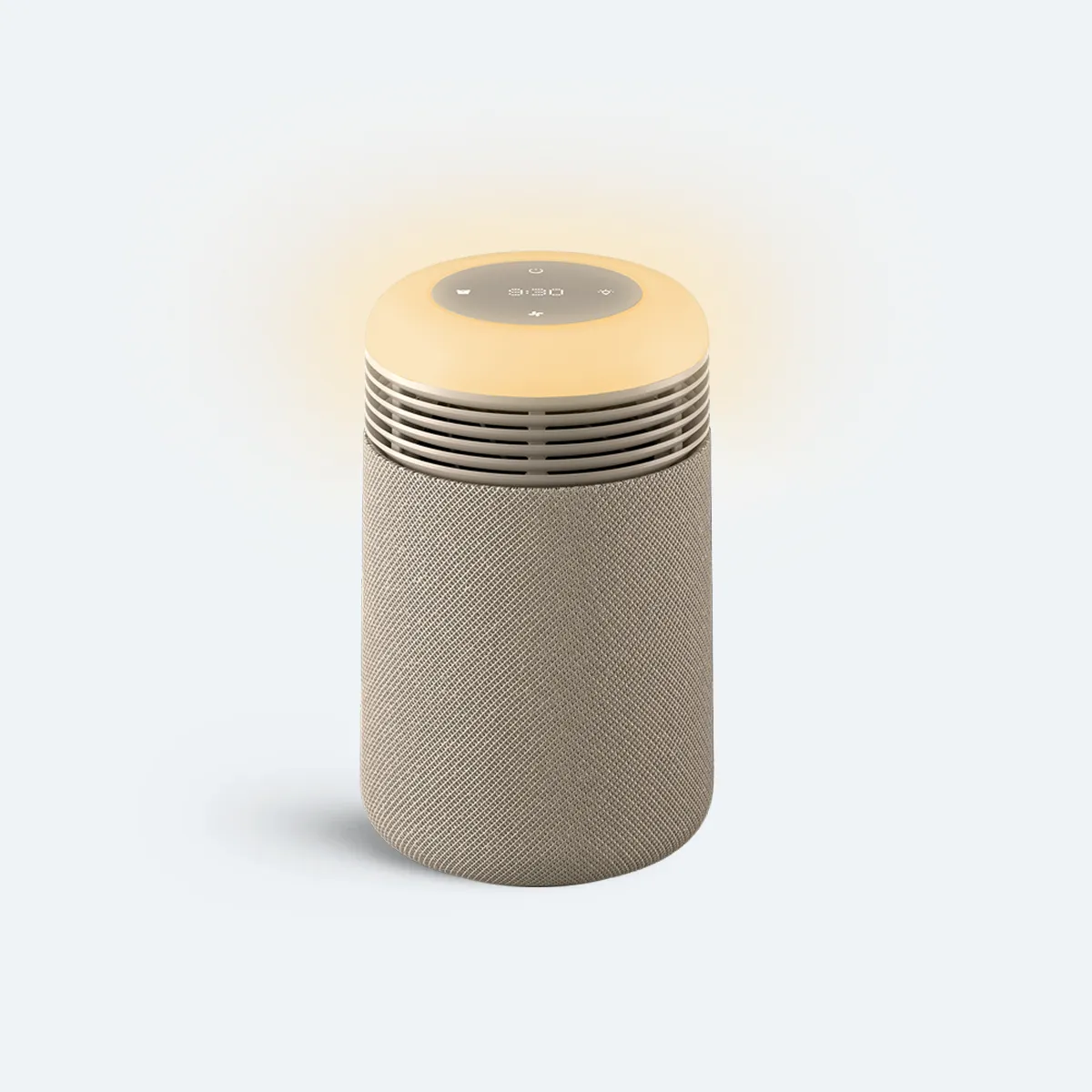
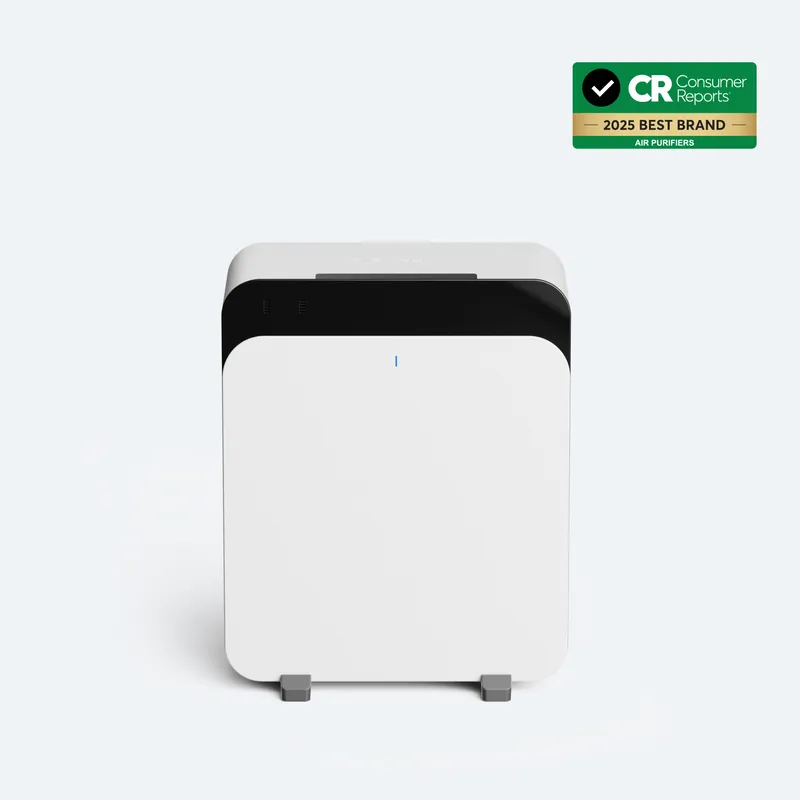
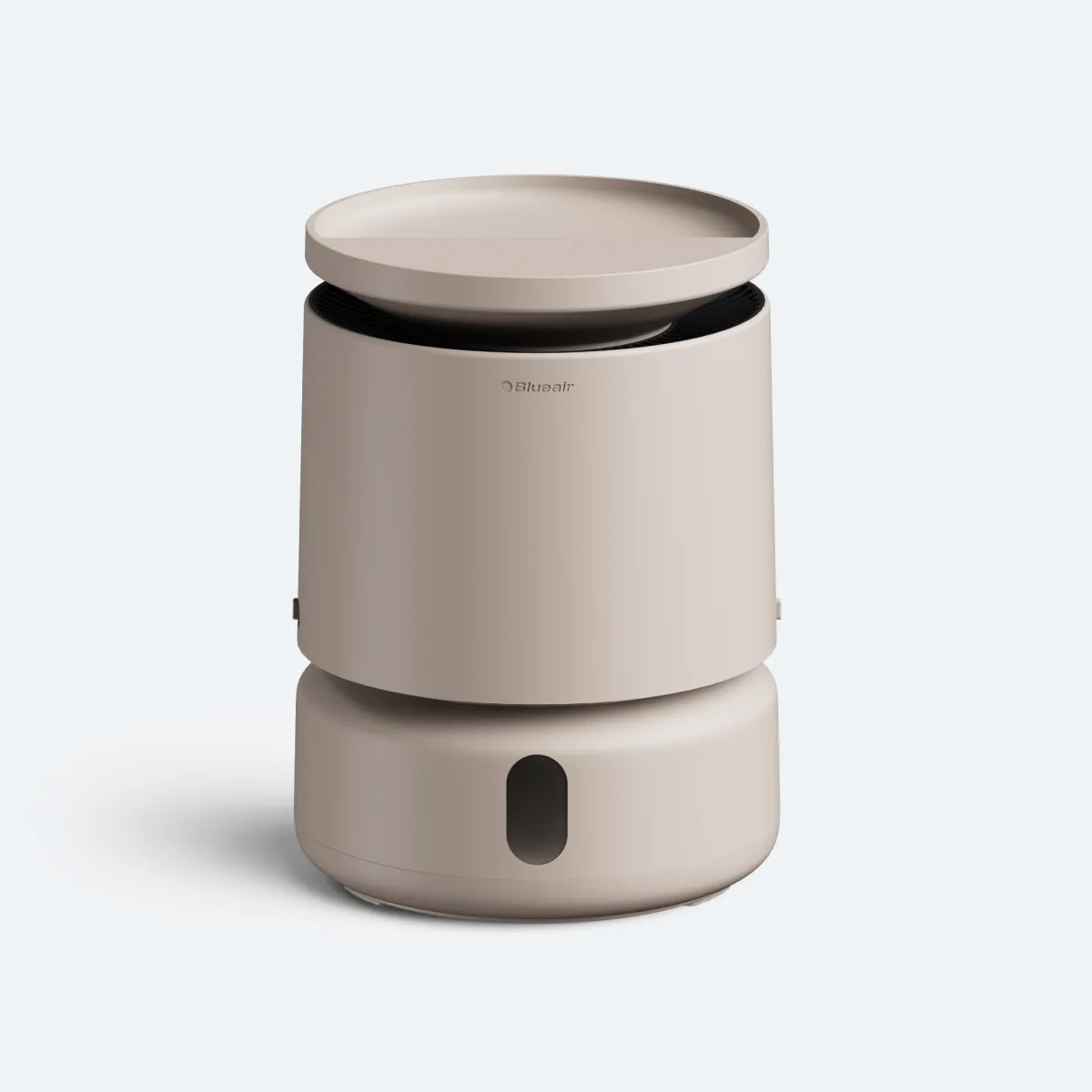
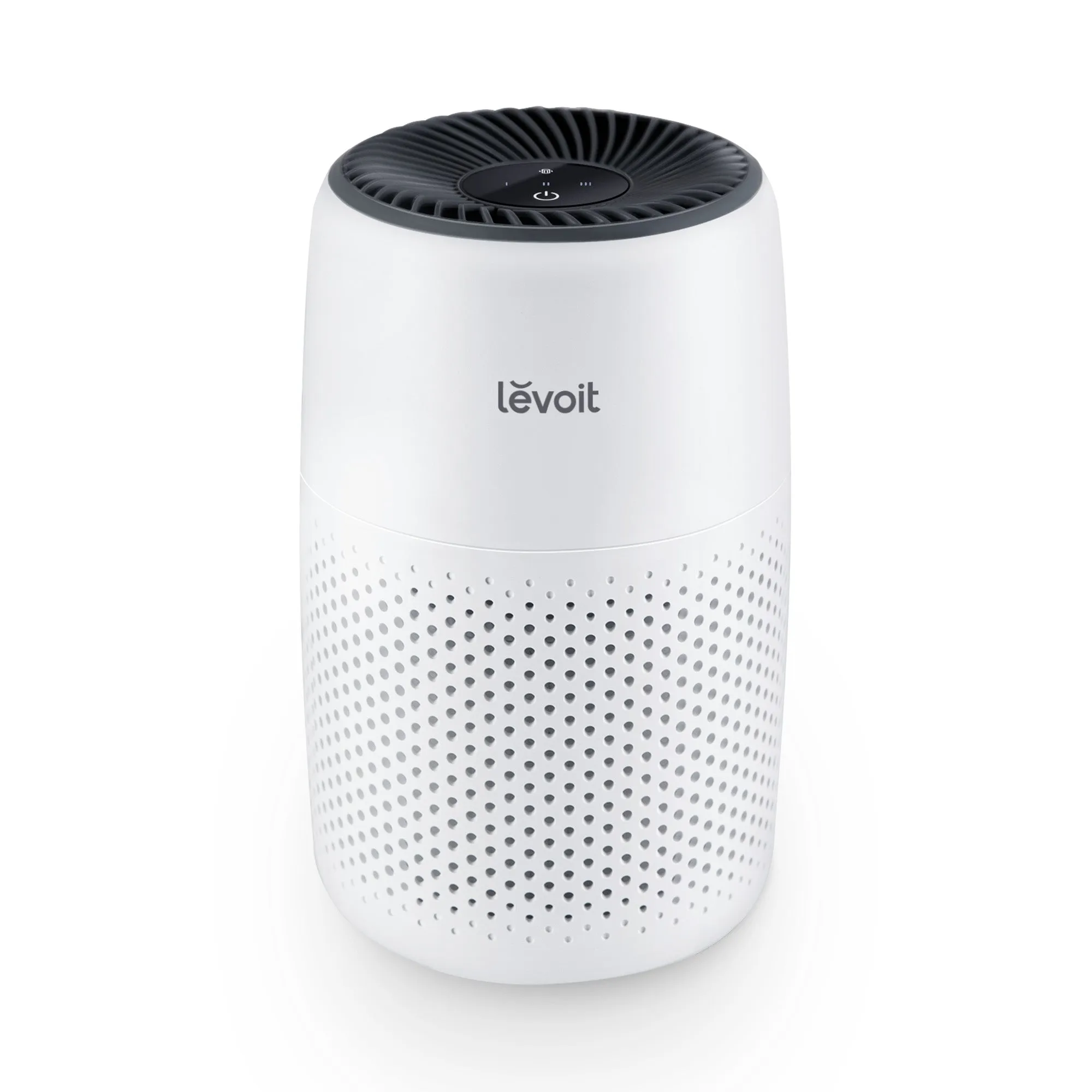
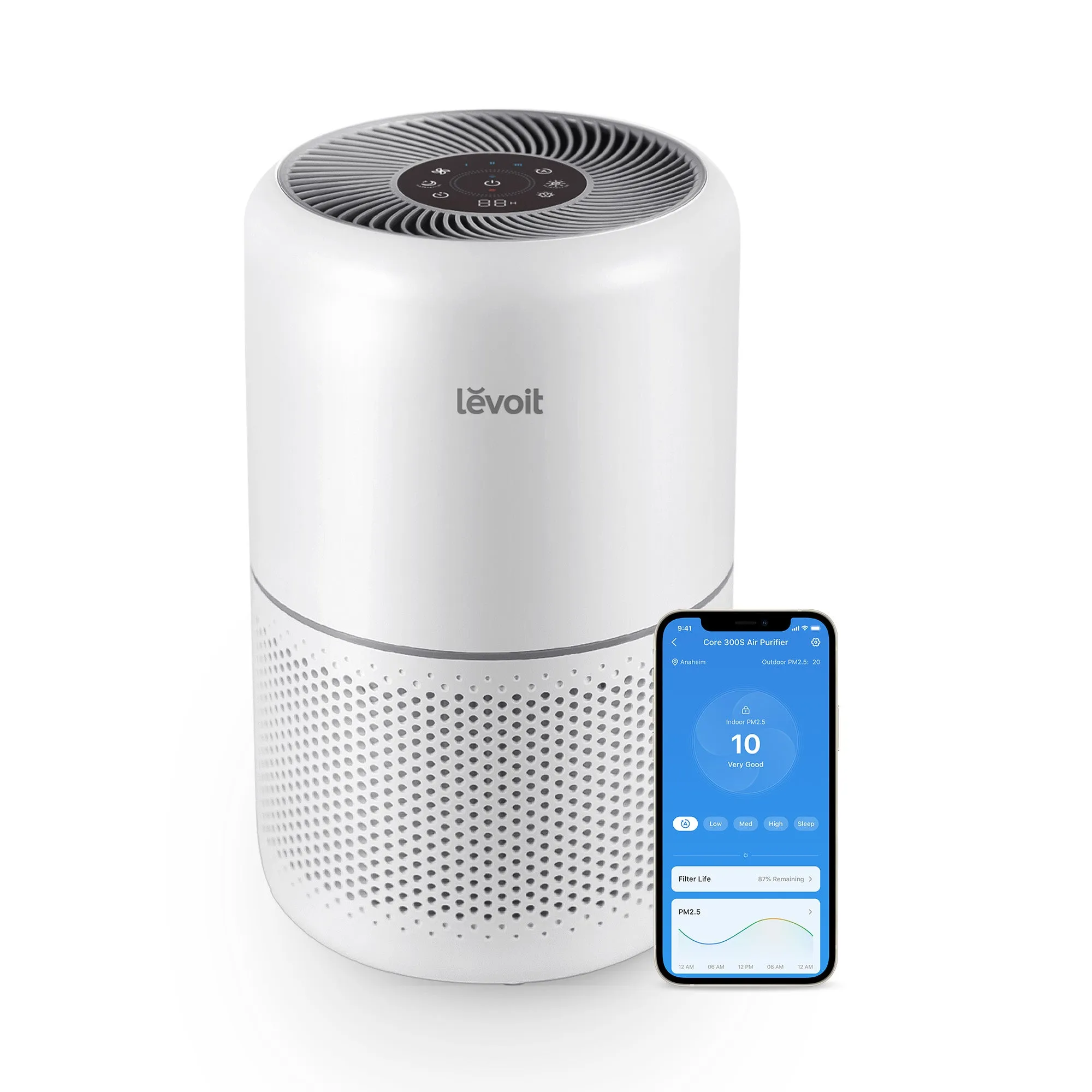
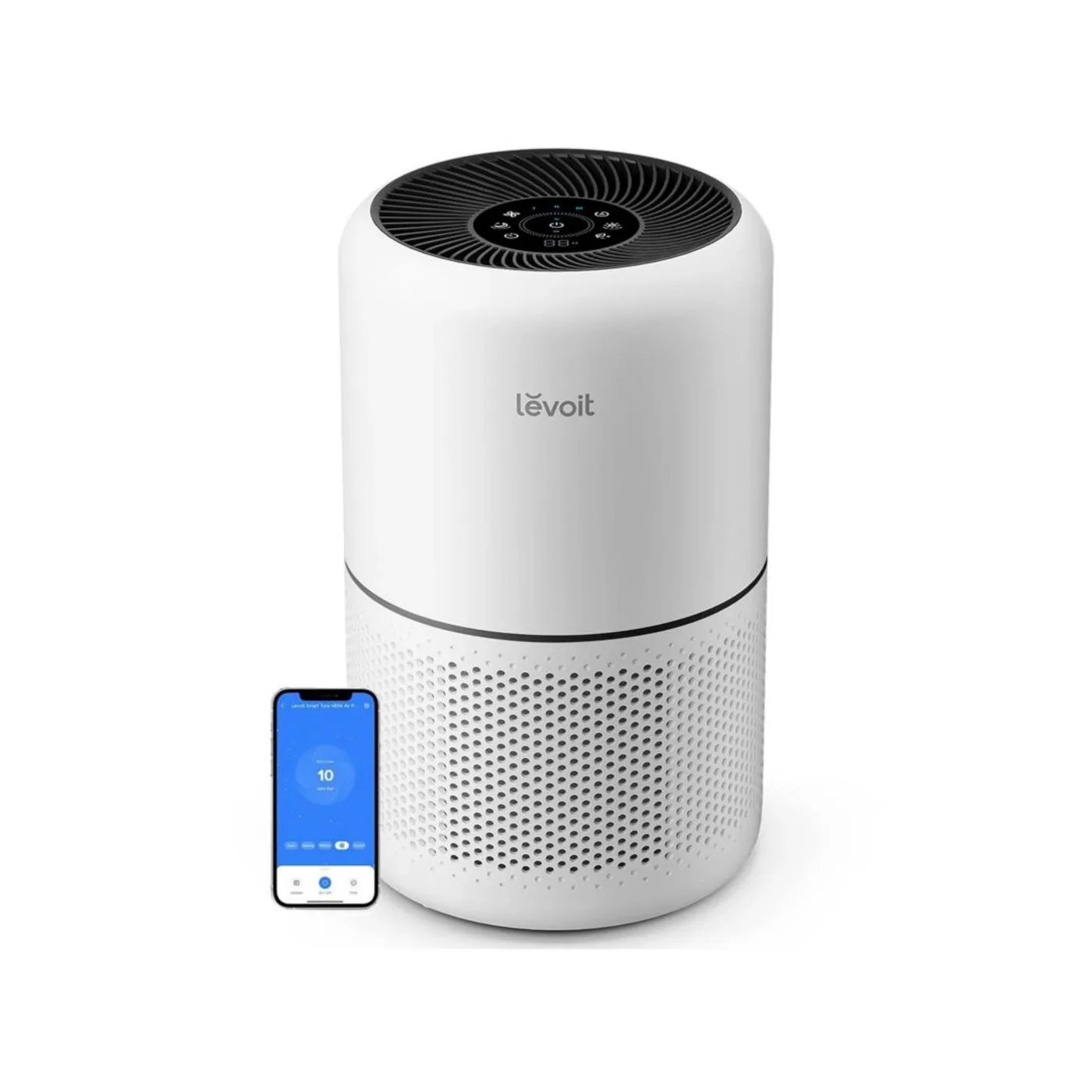
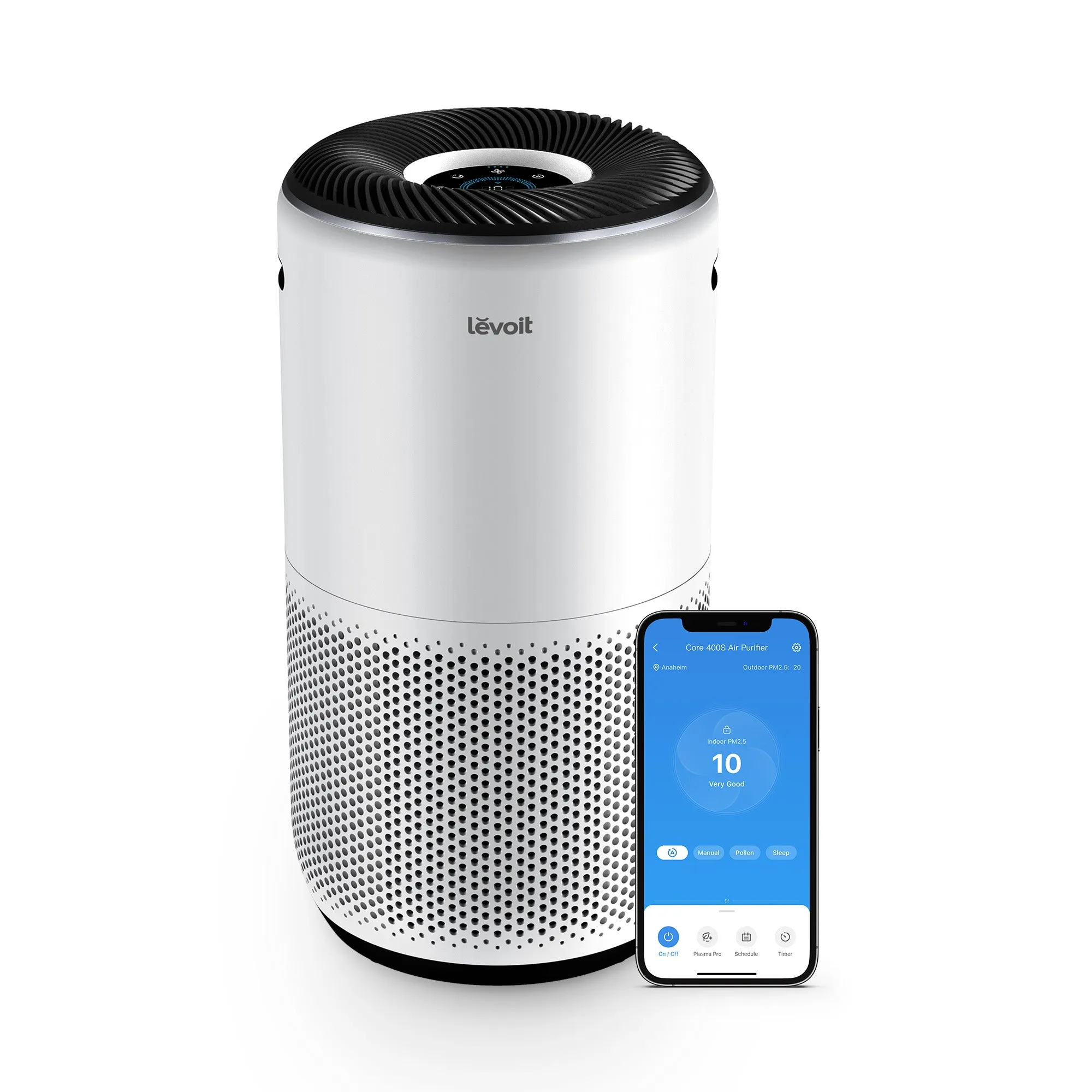
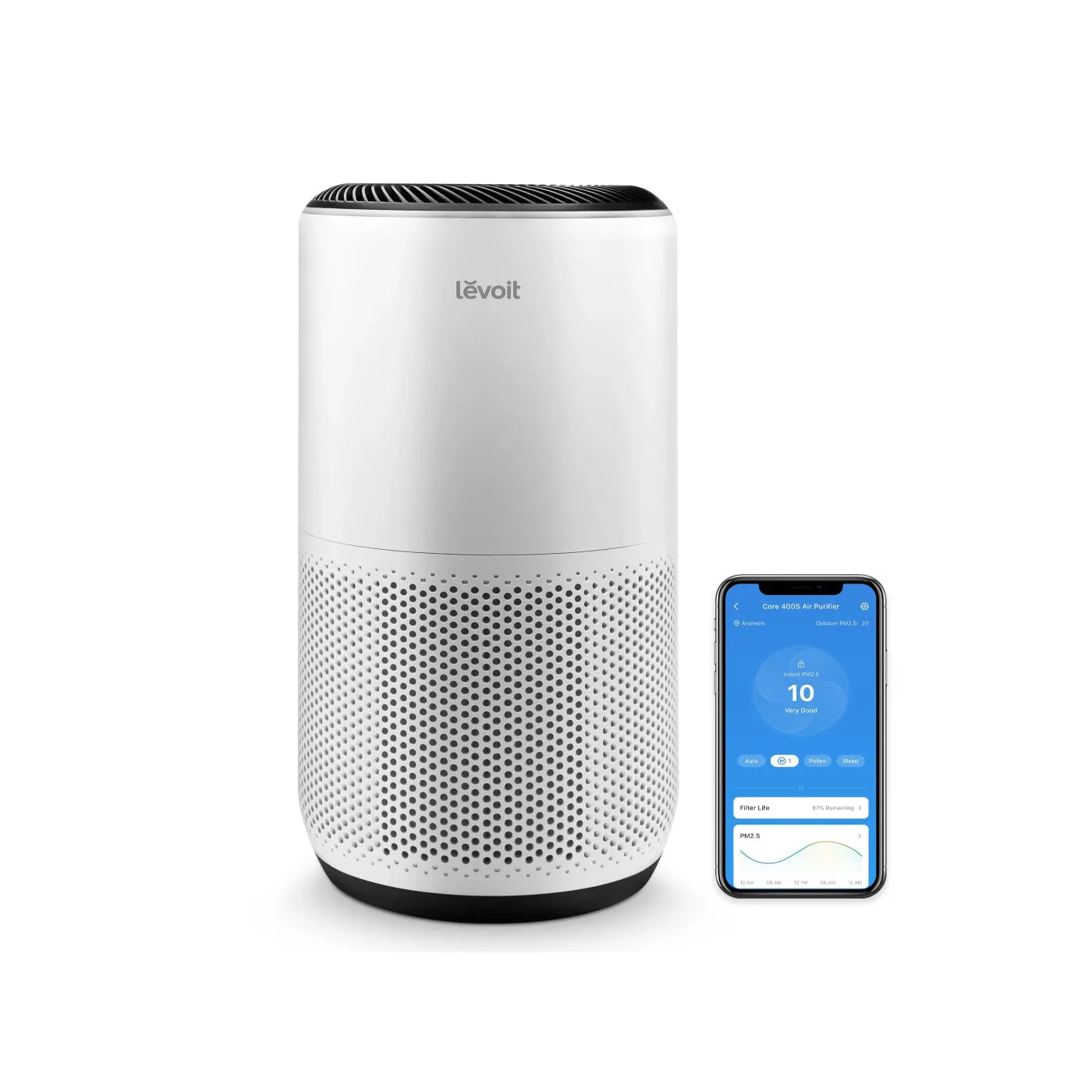
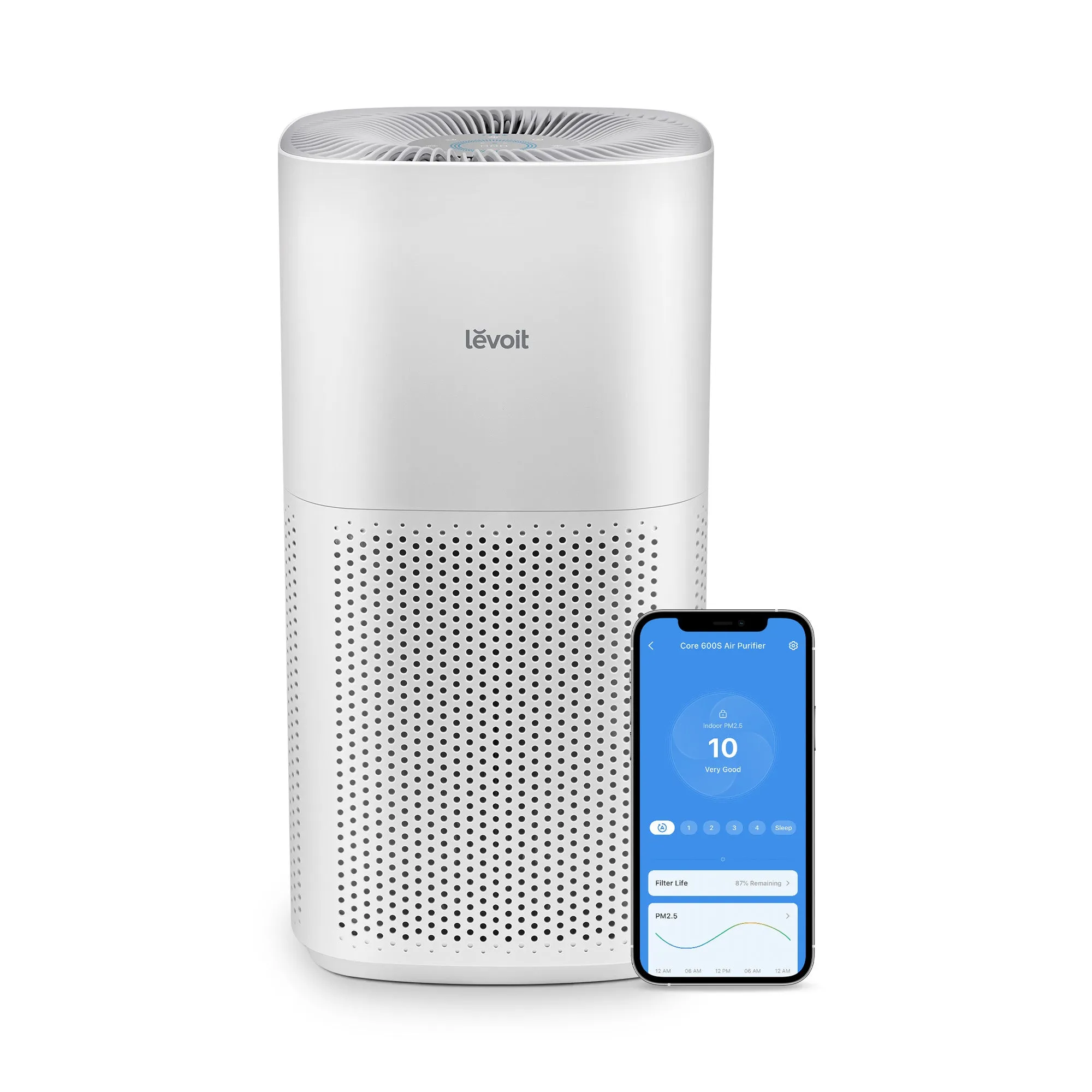
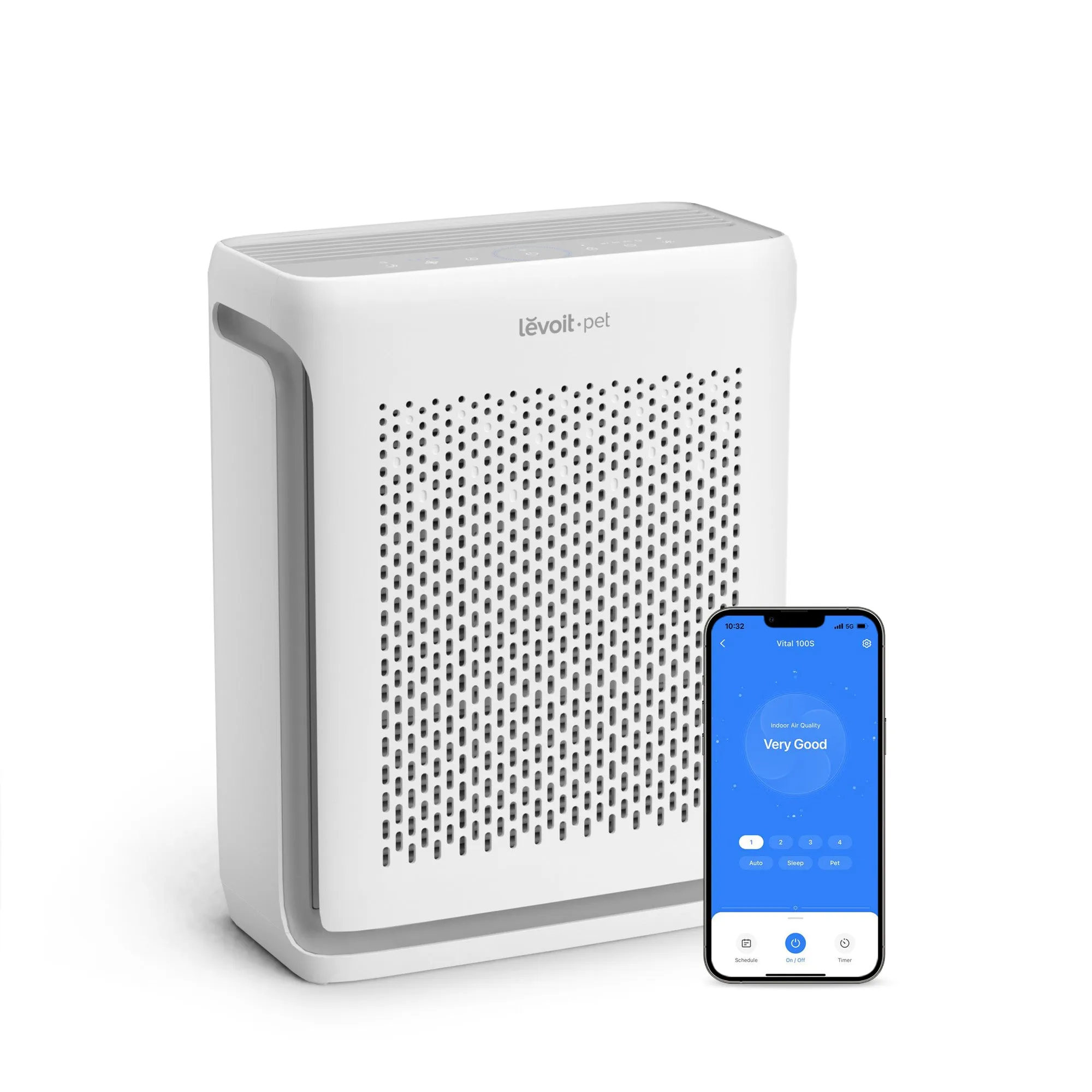
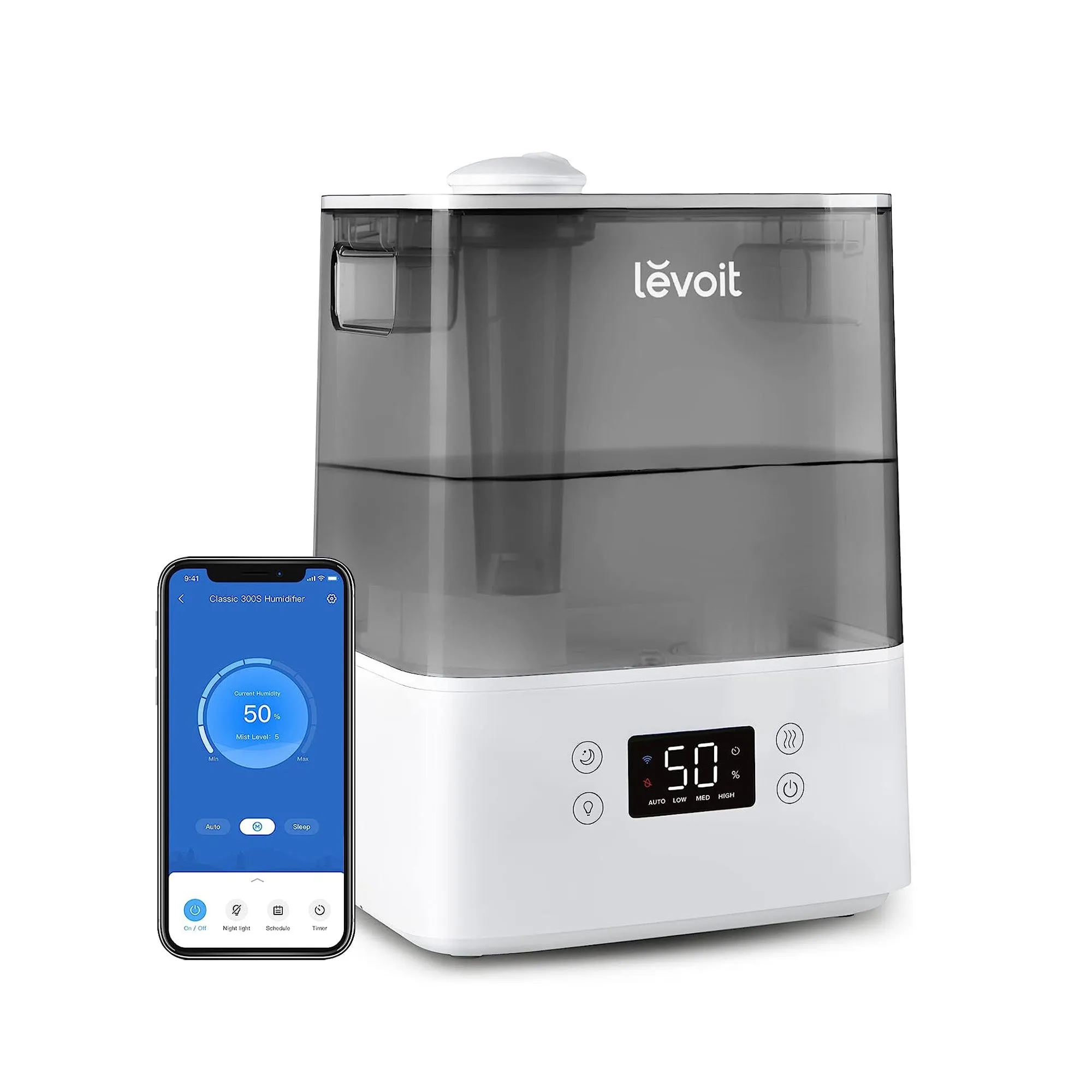
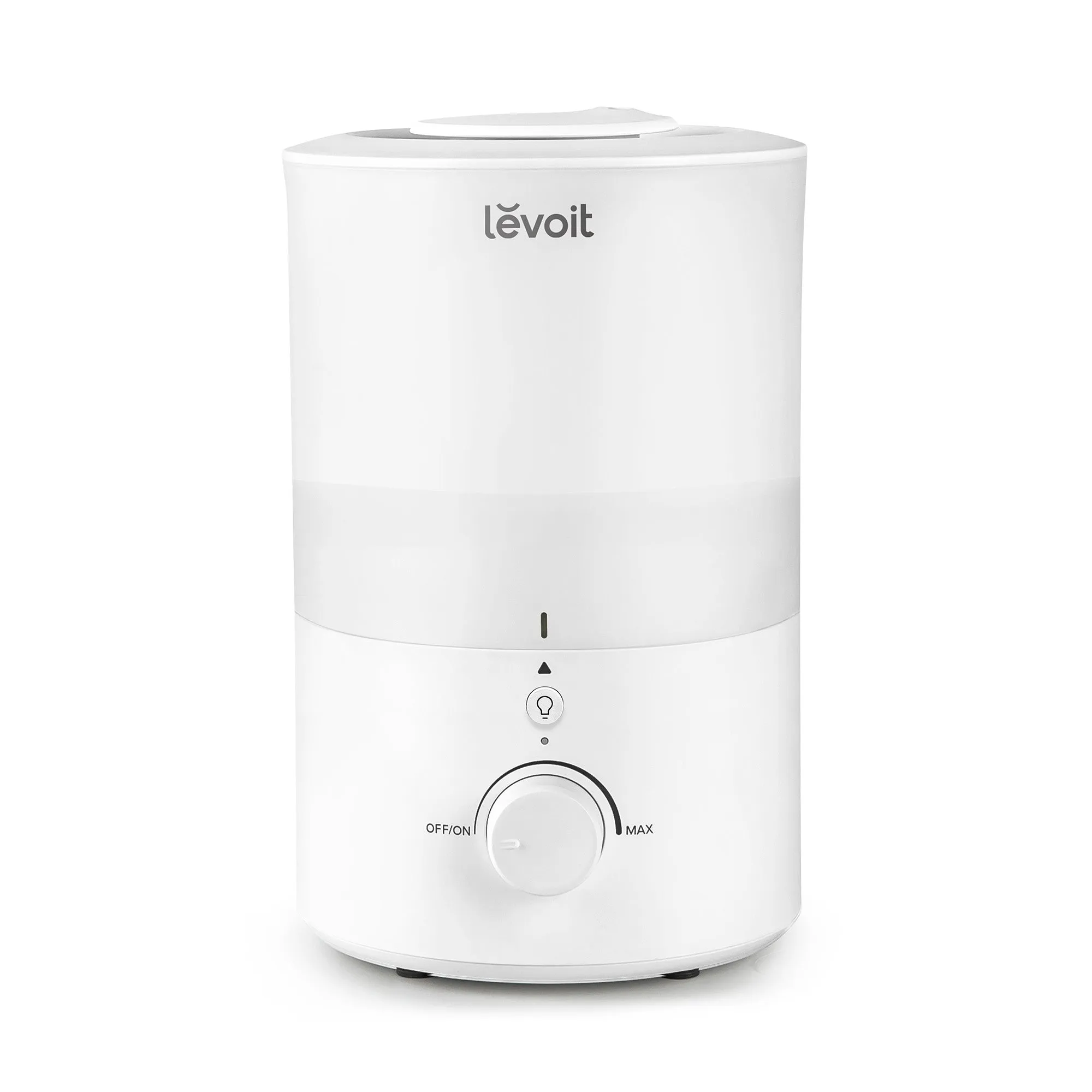
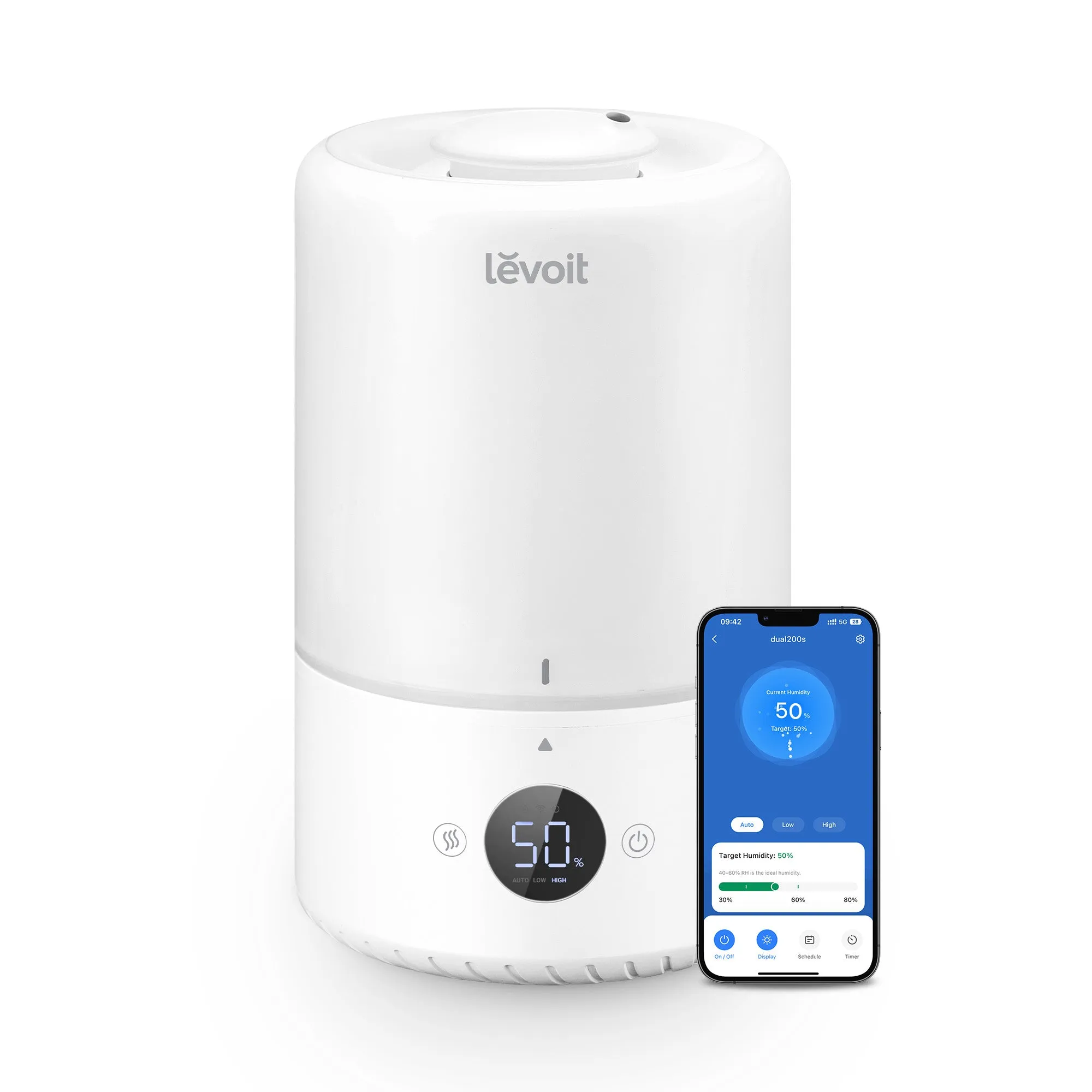
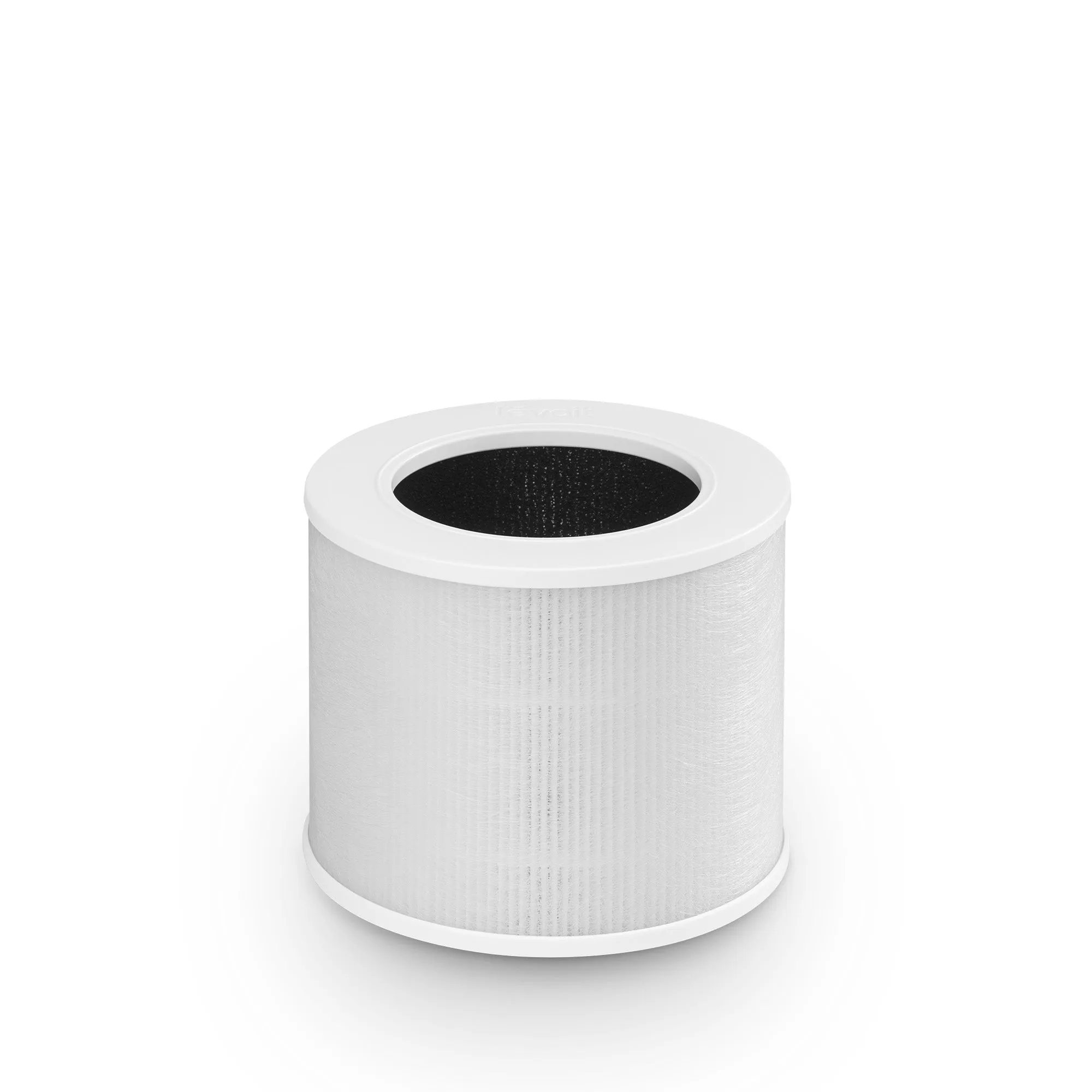
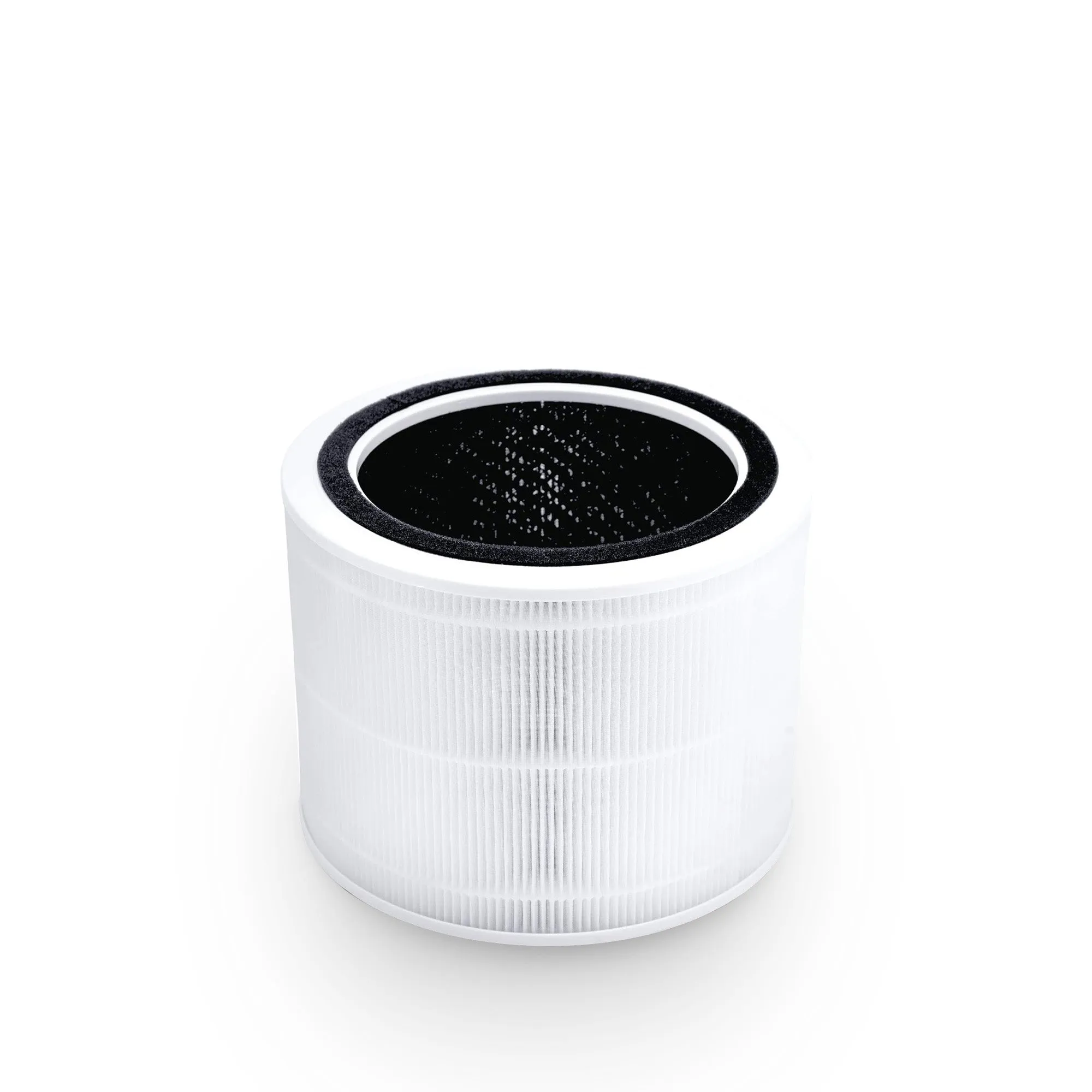
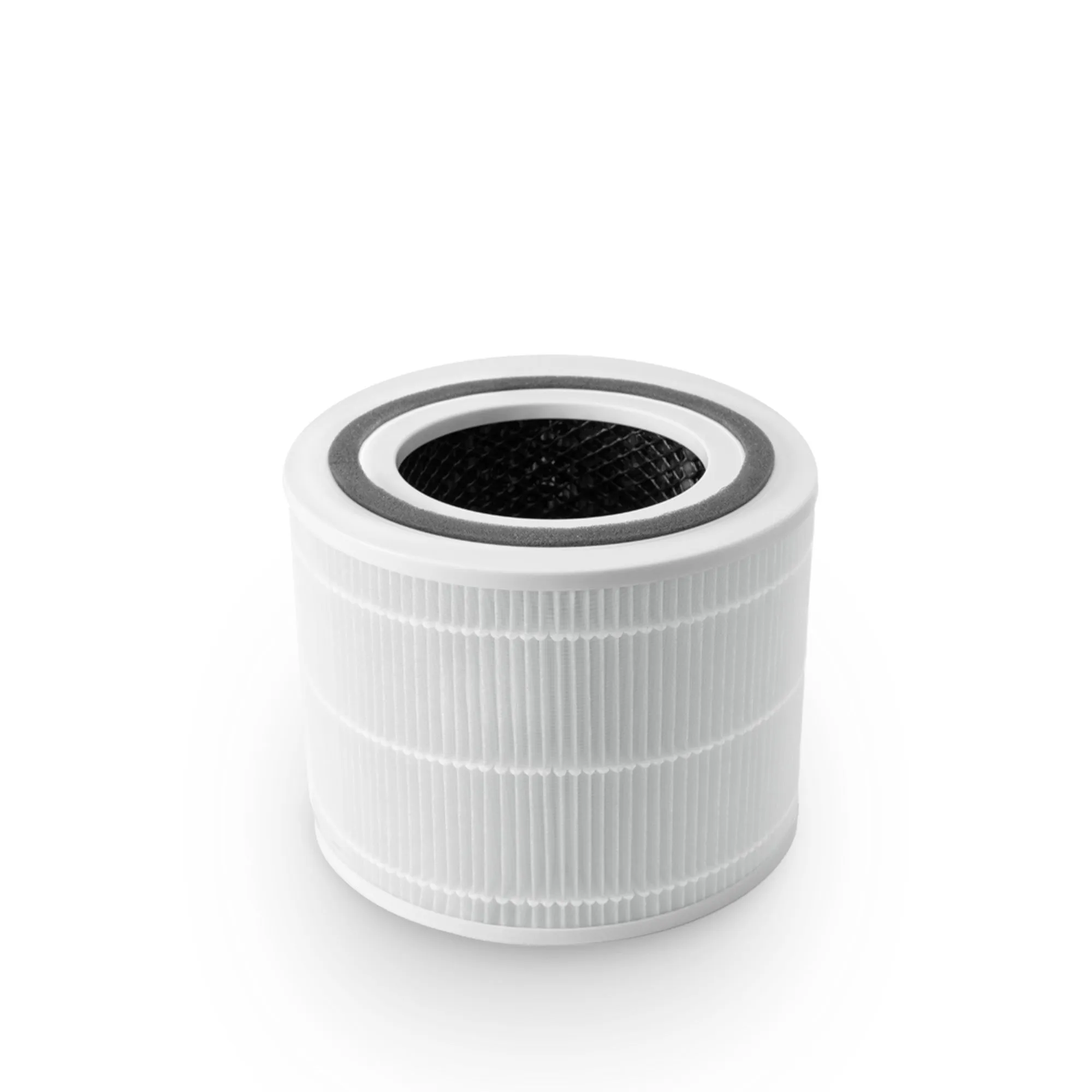
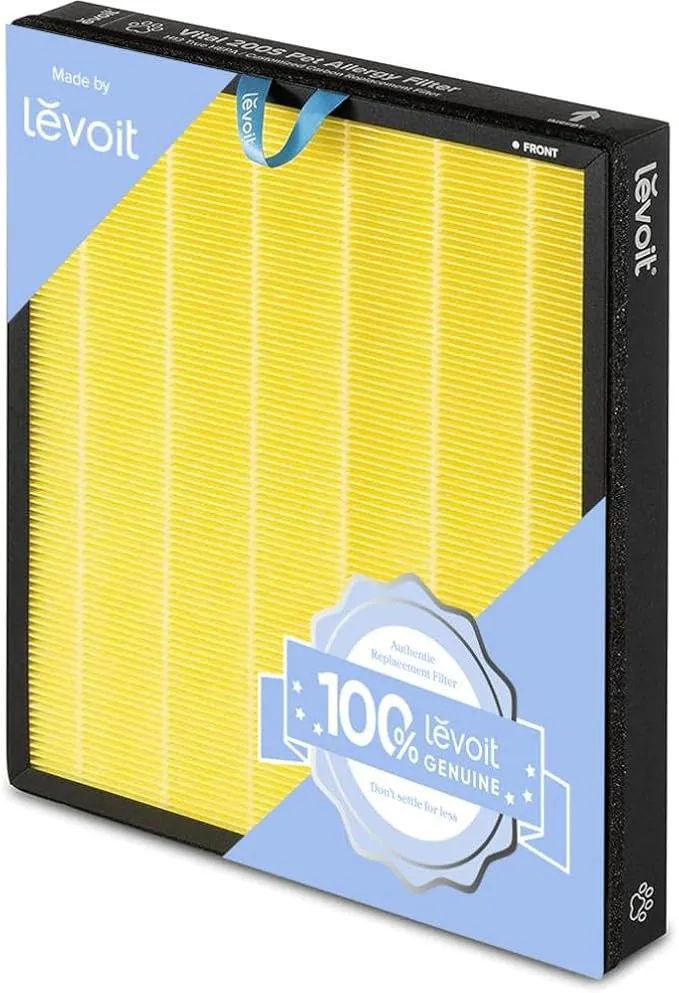
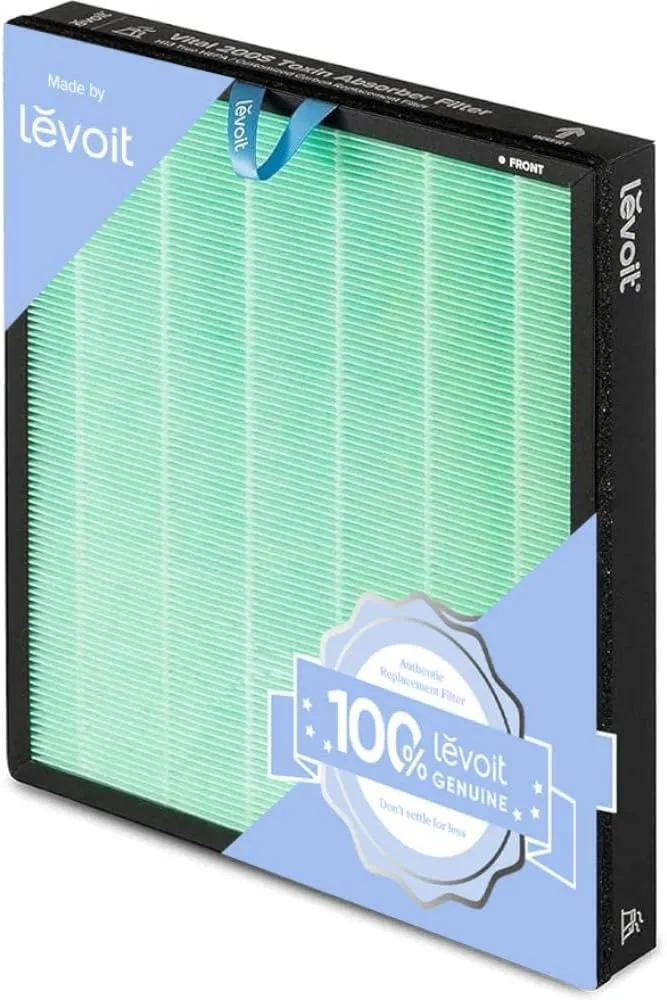
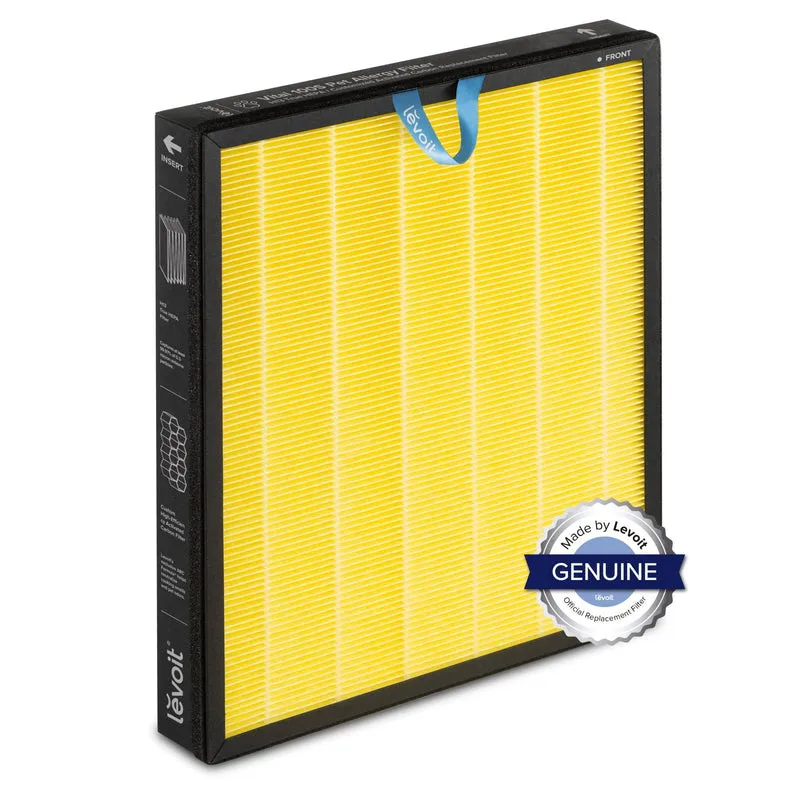
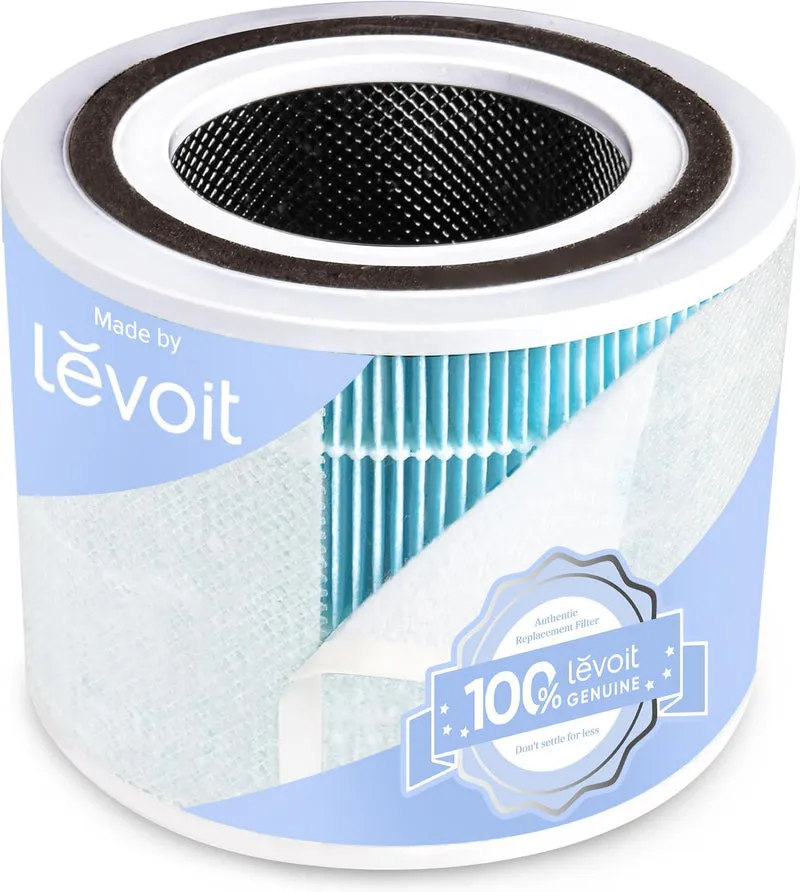
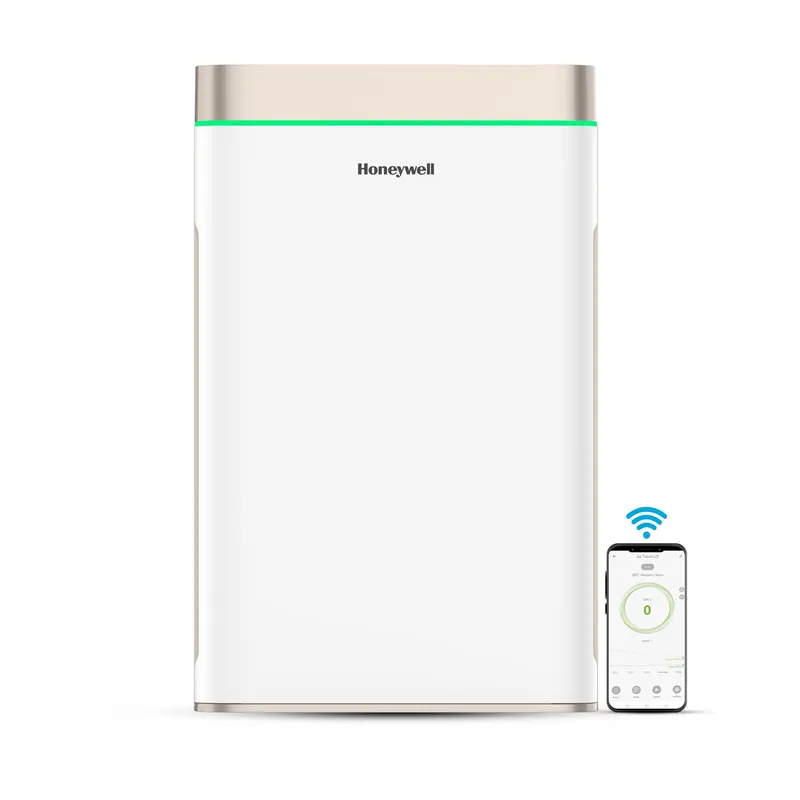
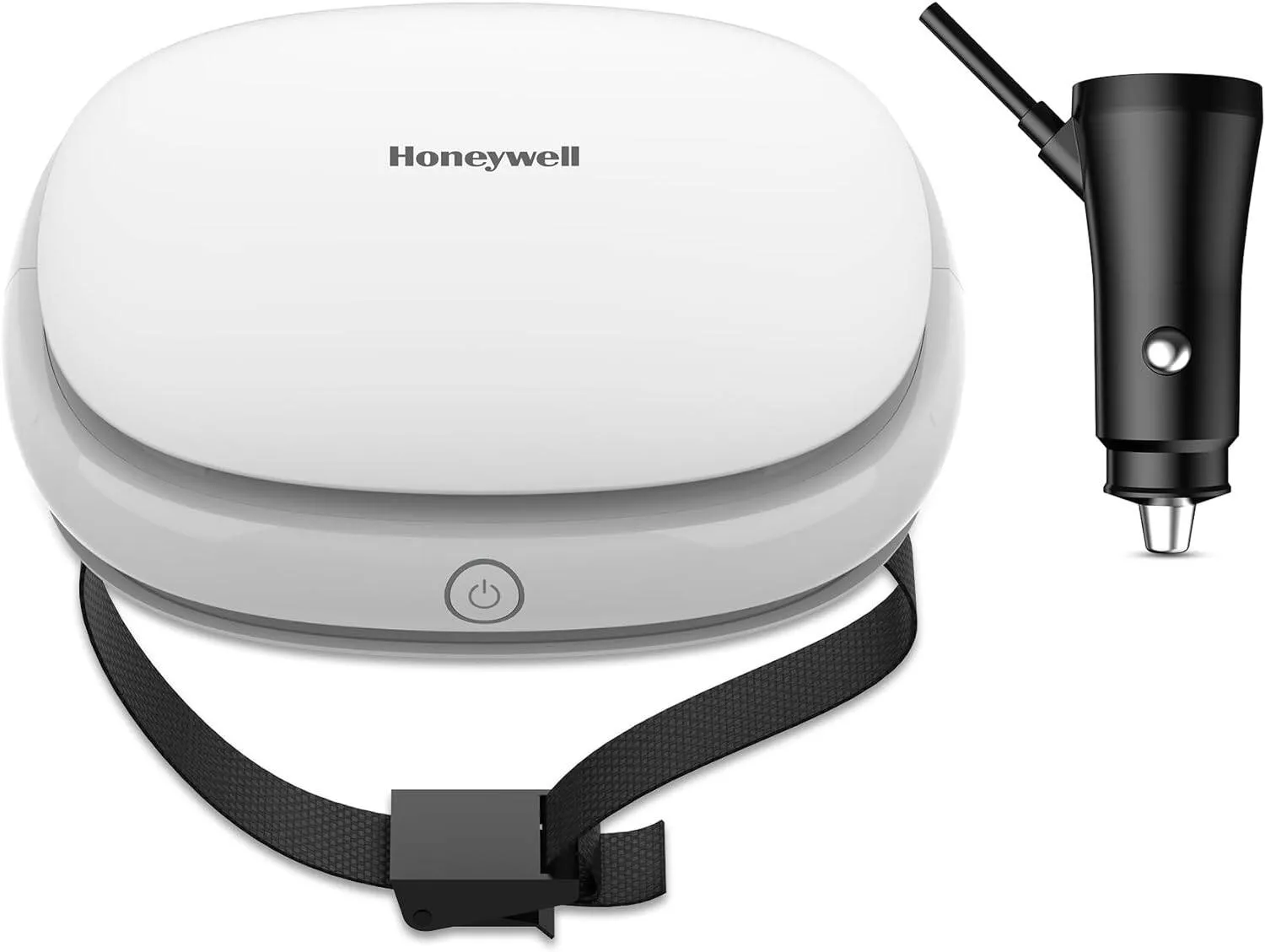
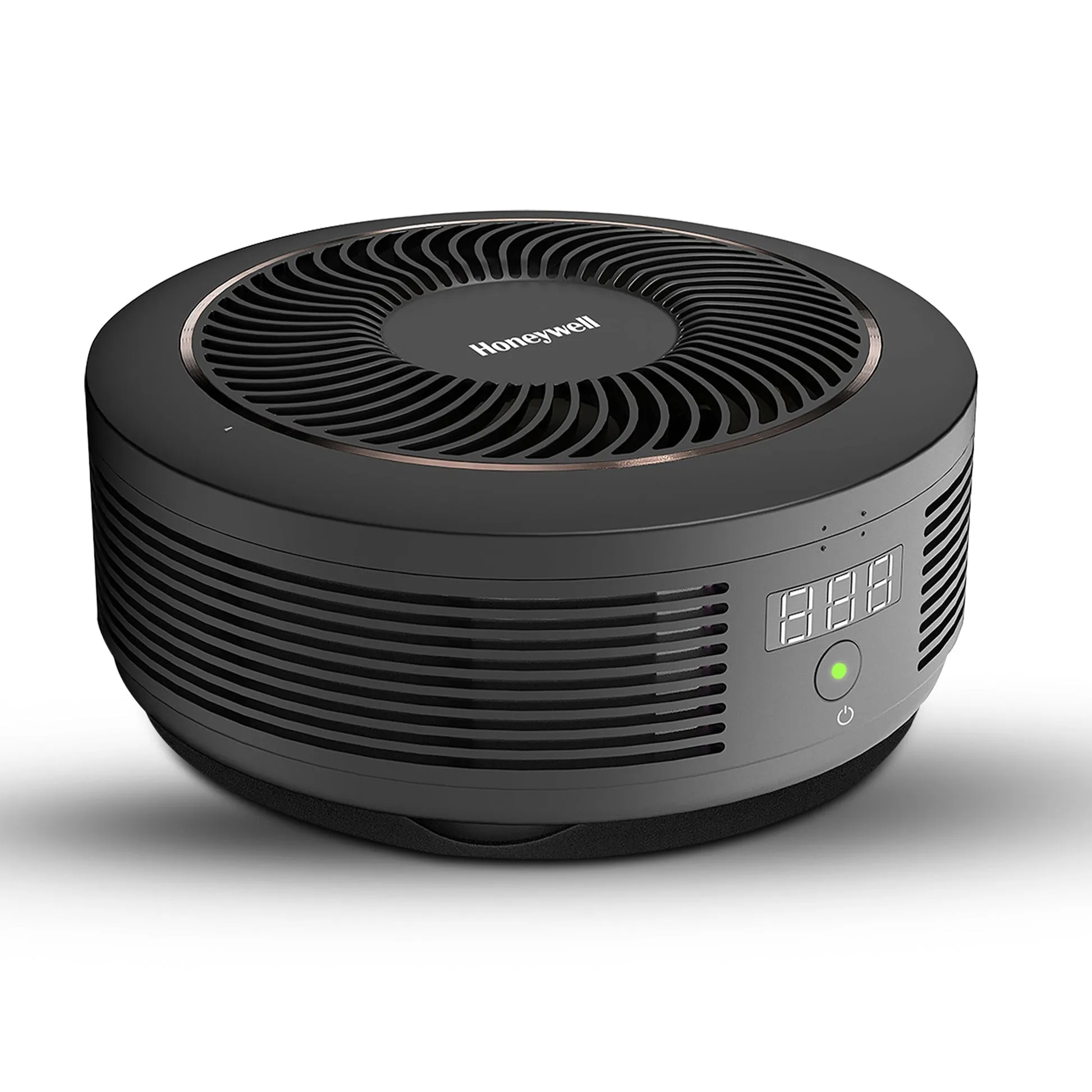
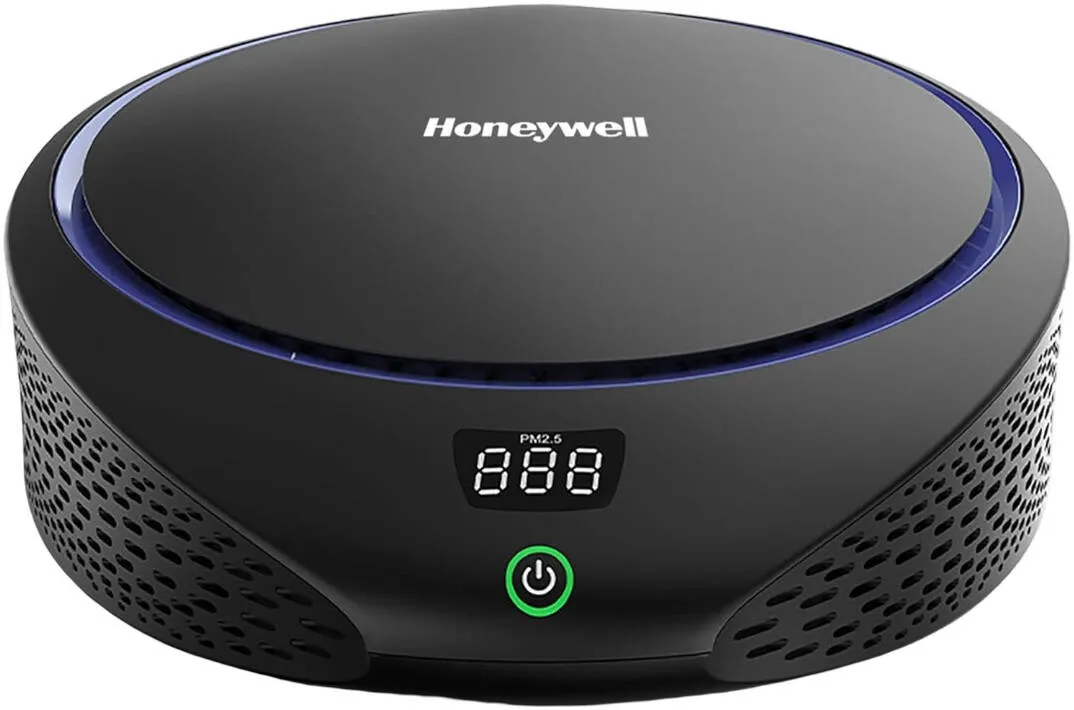
At Clean Air AE, a curated range of air purifiers, replacement filters, and dehumidifiers from Blueair, Honeywell, and Levoit is available with fast delivery across Dubai, Abu Dhabi, and the wider UAE. Whether the priority is a HEPA purifier for a bedroom, a whole-home humidification solution, or replacement filters for an existing system, the product selection covers each stage of a practical allergen control plan. Free UAE delivery is available on orders over 49 AED, making it straightforward to start or upgrade an existing setup without delay.
Frequently asked questions
What are the top indoor allergens in UAE homes?
The main indoor allergens are dust mites, pet dander, mould, and cockroach particles, with conditions worsened by dust storms and humidity that intensify allergen accumulation in sealed, air-conditioned spaces.
How often should AC ducts be cleaned in the UAE?
Ducts should be cleaned at least twice per year, with twice-yearly duct cleaning recommended specifically for UAE conditions due to humidity spikes and frequent sandstorms, ideally before and after the summer season.
Are air purifiers with HEPA filters effective in UAE homes?
Yes, HEPA purifiers capture 99.97% of allergen particles at 0.3 microns and are well-suited to closed, air-conditioned UAE environments where recirculated air carries high allergen loads.
Can I reduce allergens with just one solution, like mattress covers?
No, research confirms that multi-component interventions combining encasements, humidity control, and regular cleaning reduce allergen levels by 80 to 95%, whereas single measures alone produce insufficient results.
What humidity level is safest to reduce allergens indoors?
Maintaining indoor humidity below 50% is the recommended threshold, with humidity below 50% proven to suppress both dust mite proliferation and mould growth effectively in UAE home environments.