


Uncategorised
Why invest in clean air solutions: health and ROI
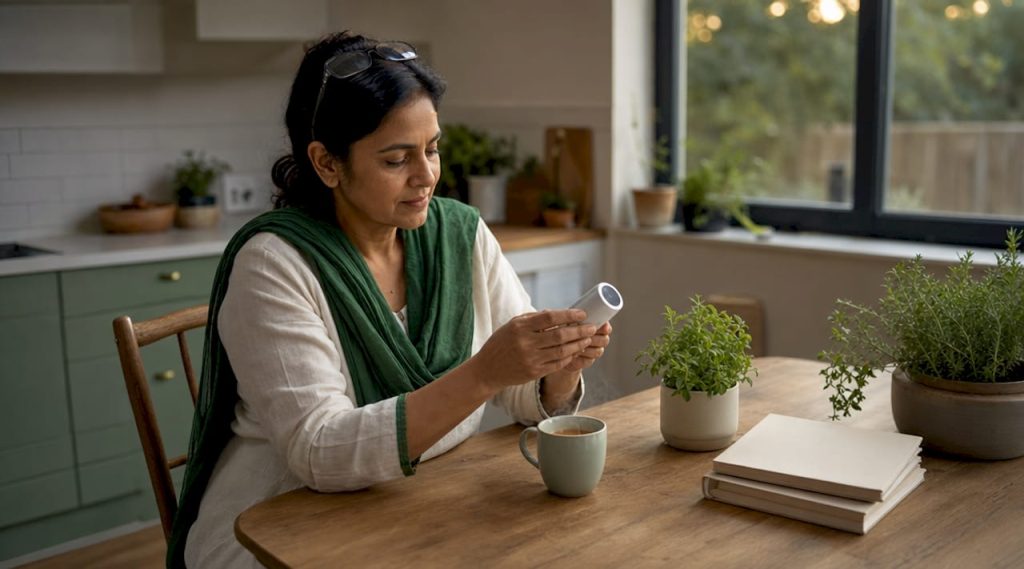
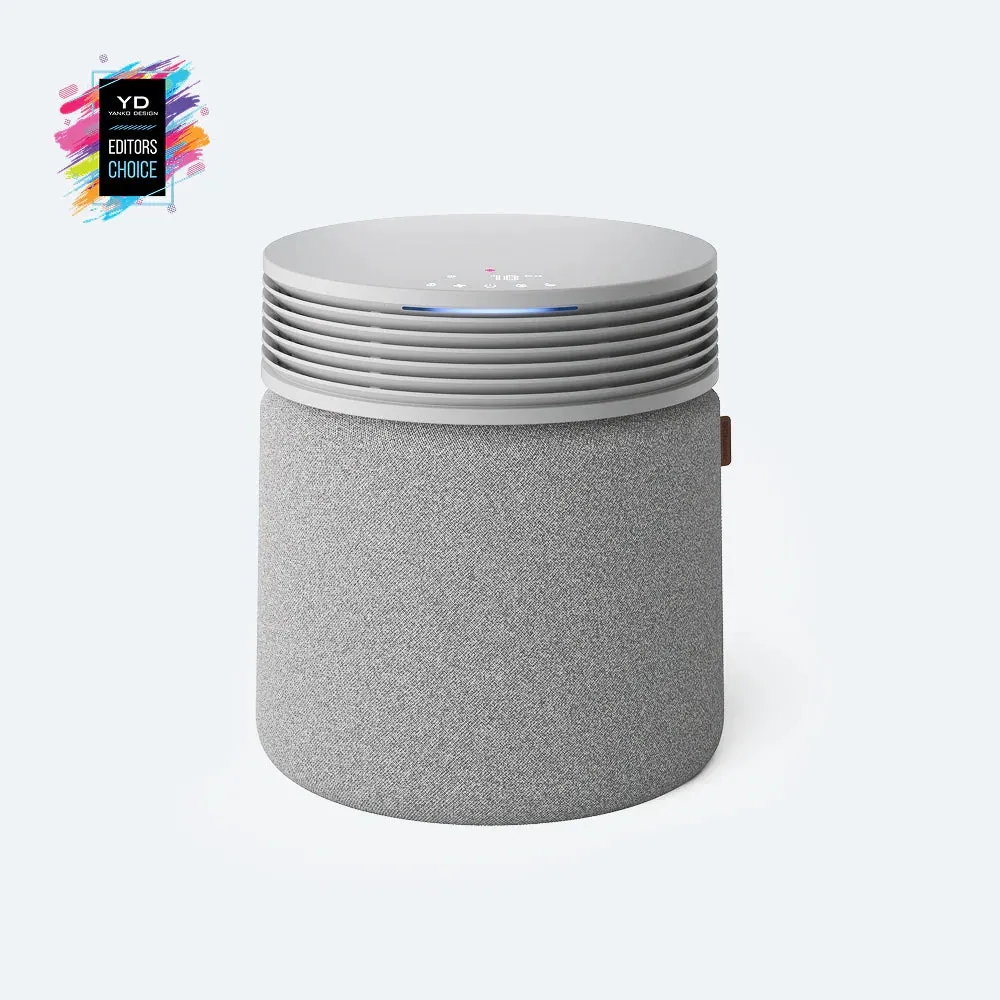
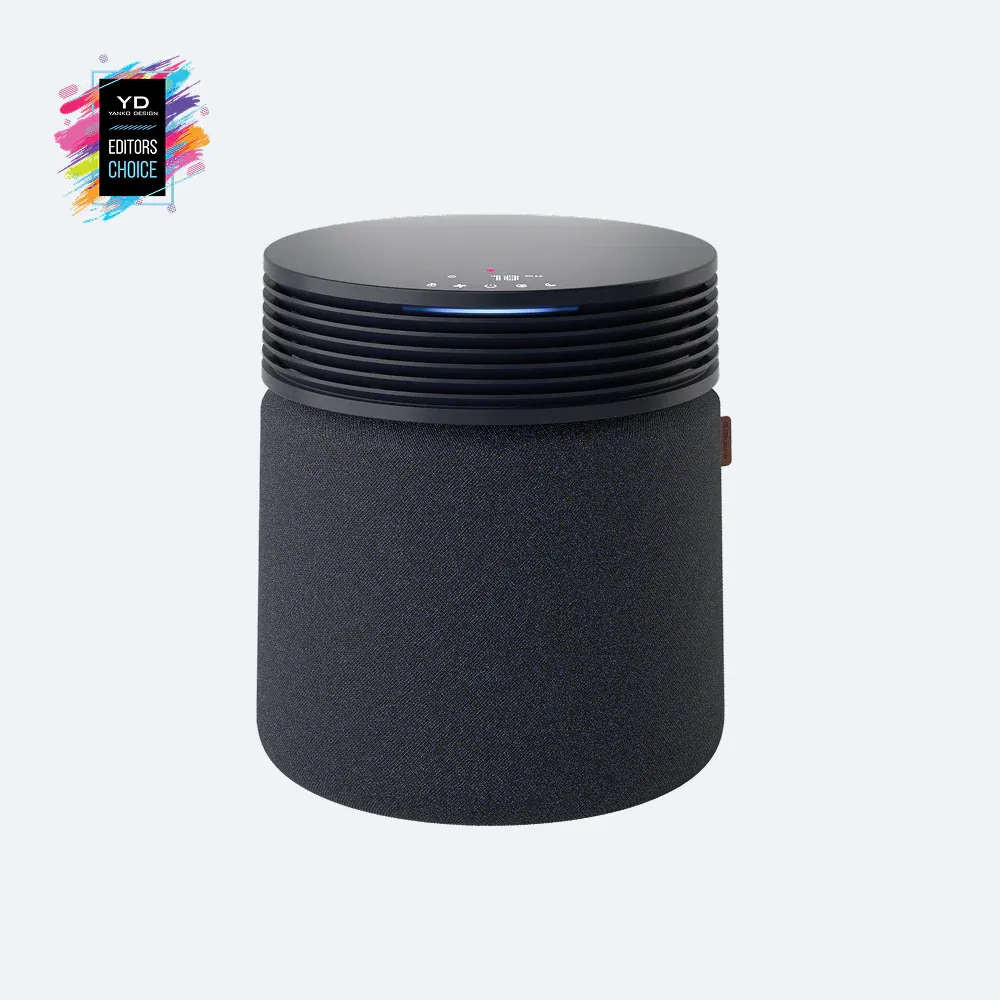
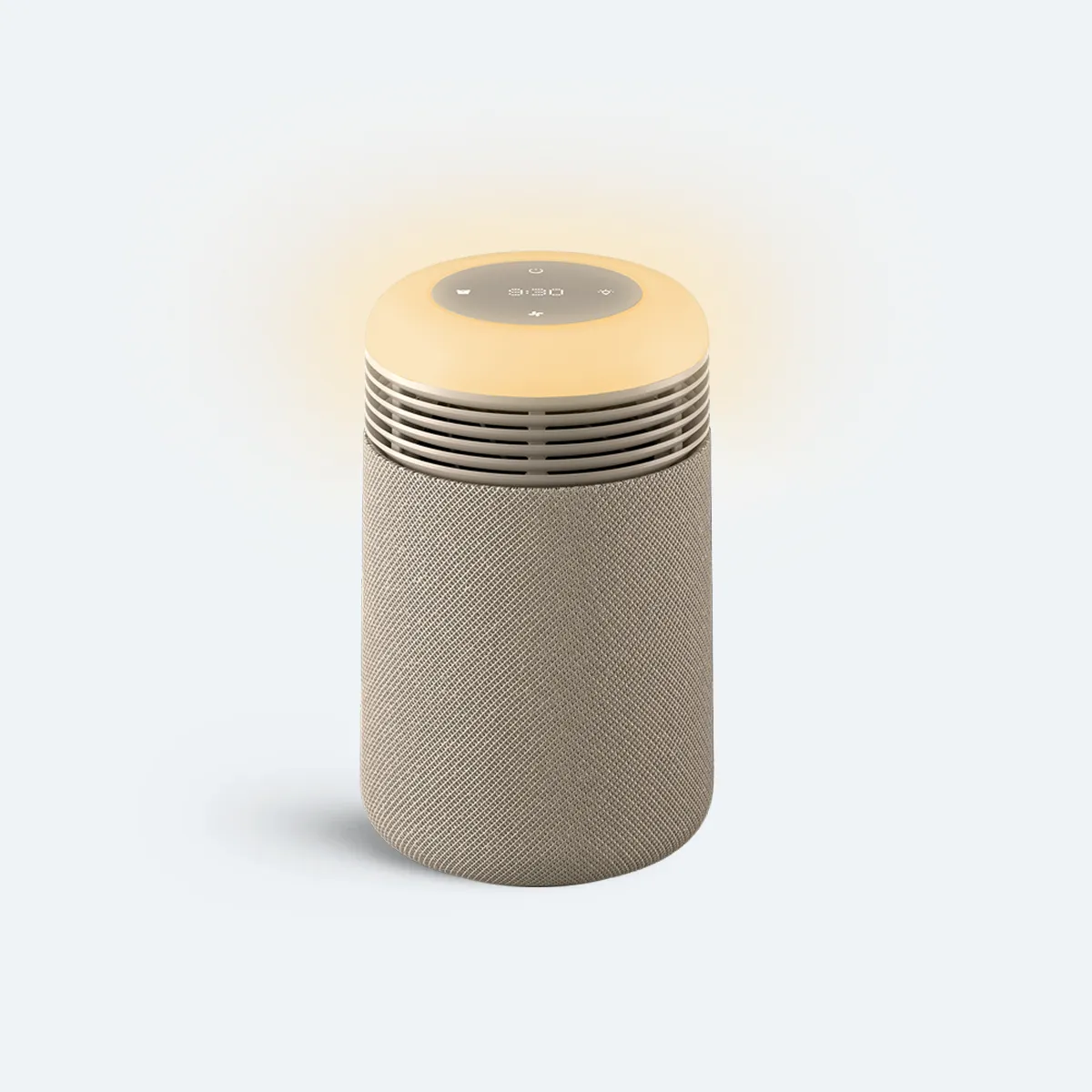
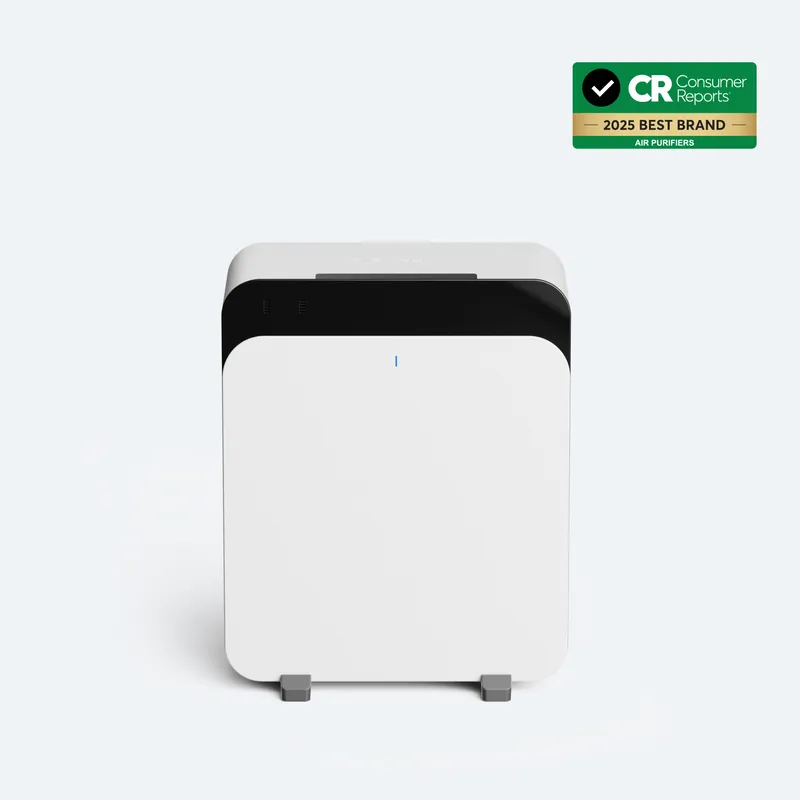
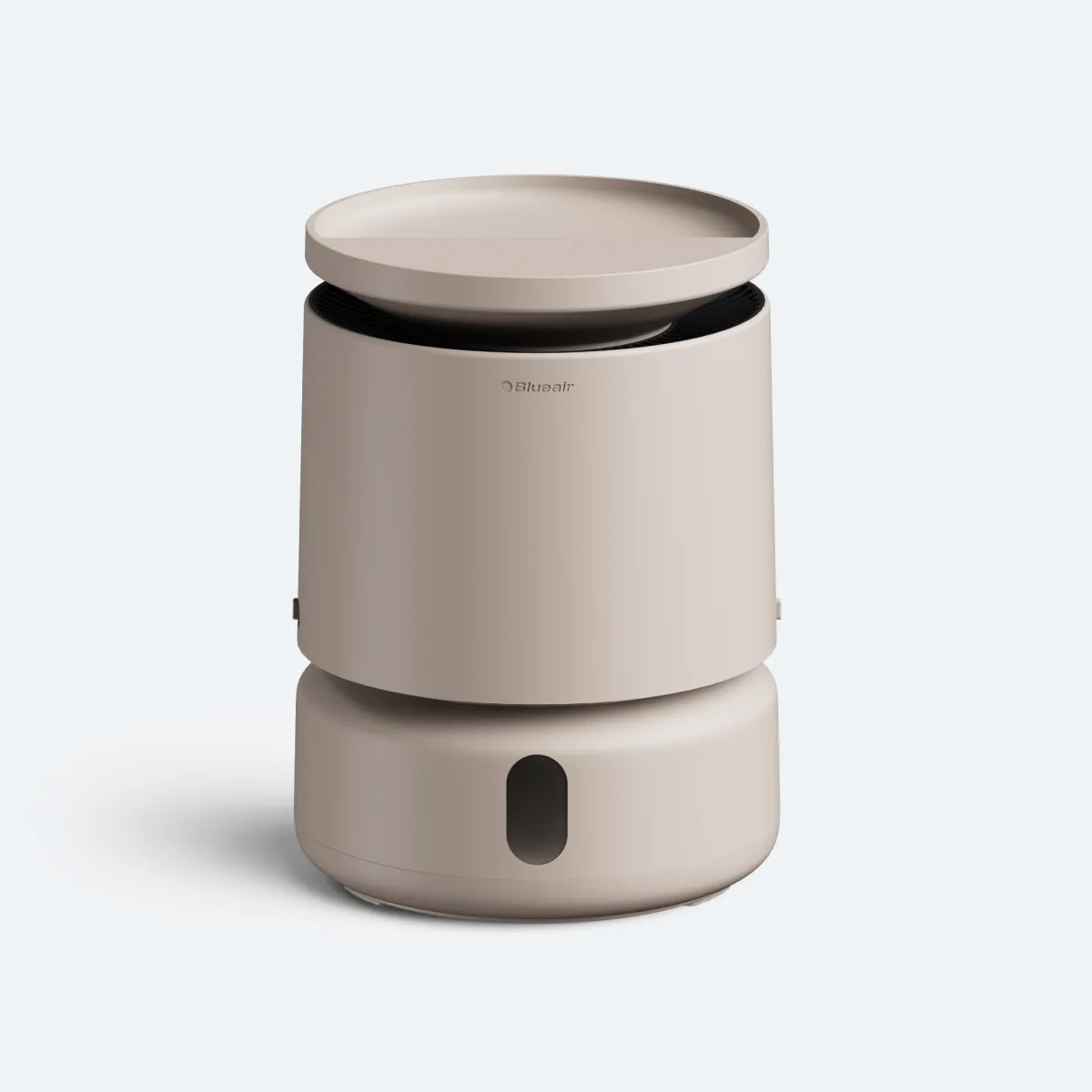
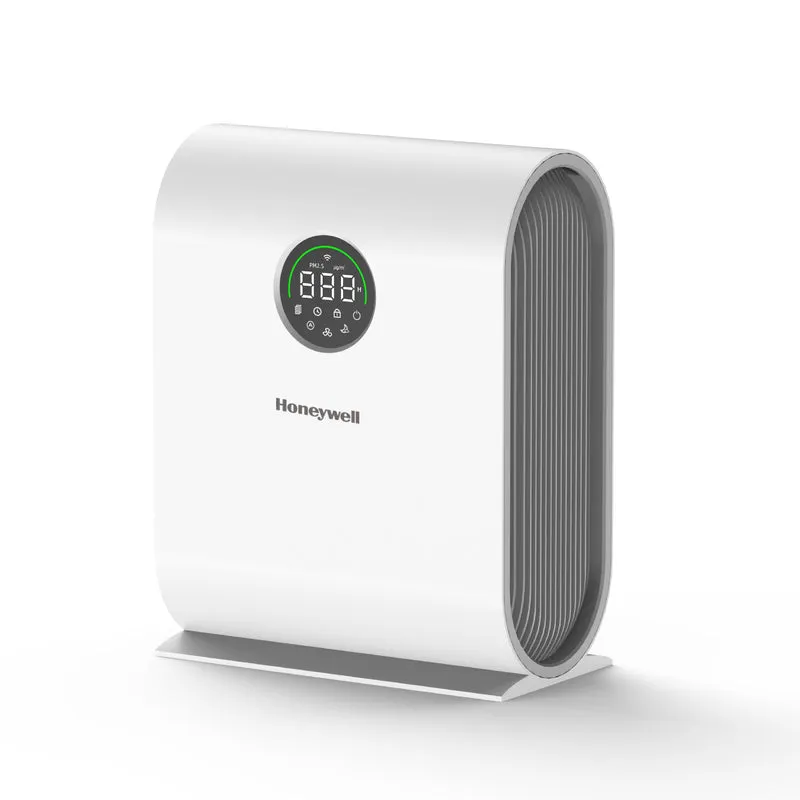
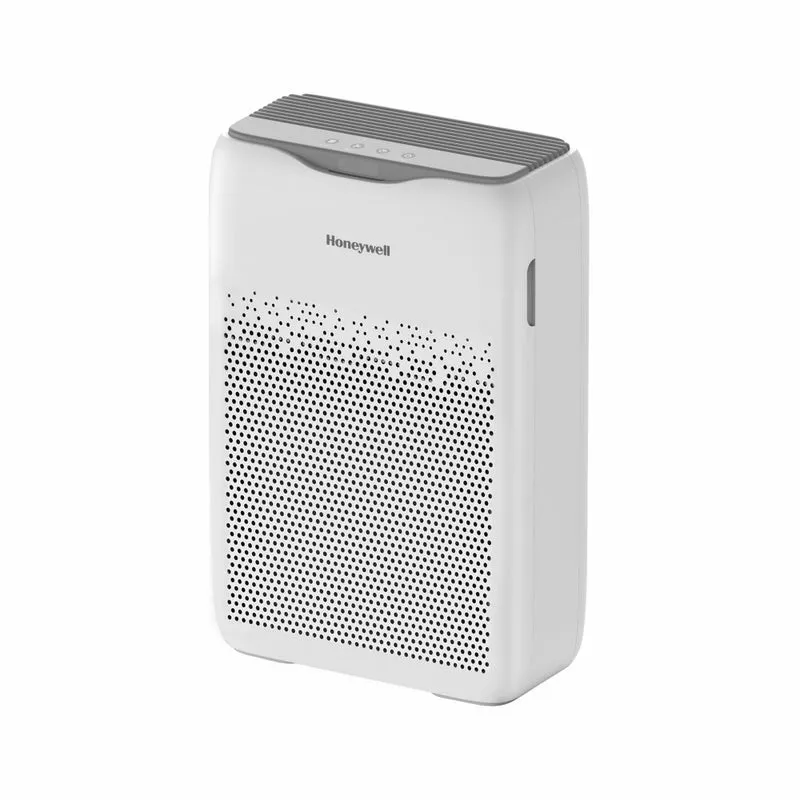
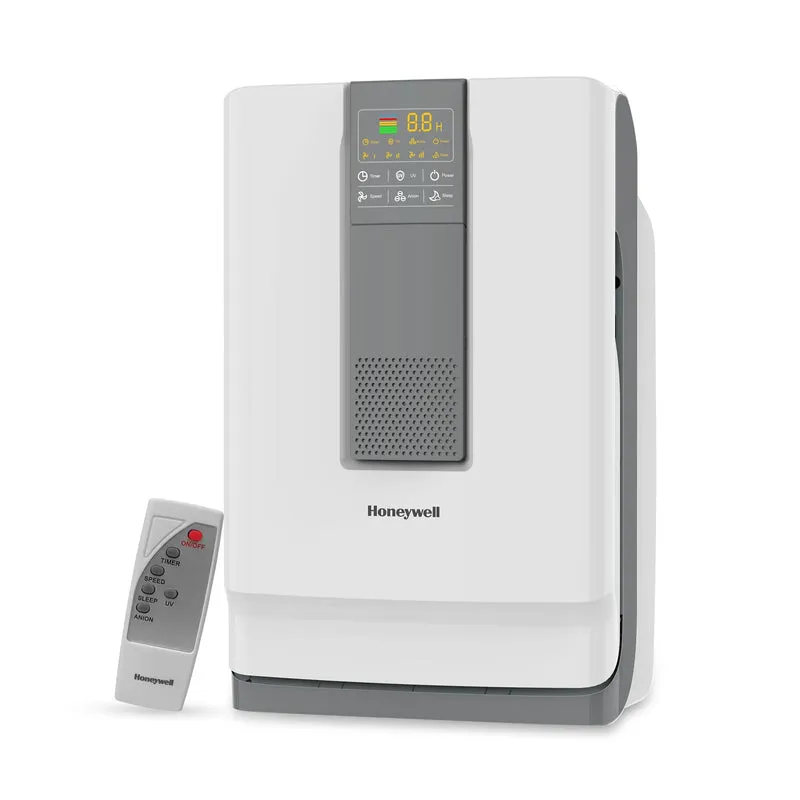
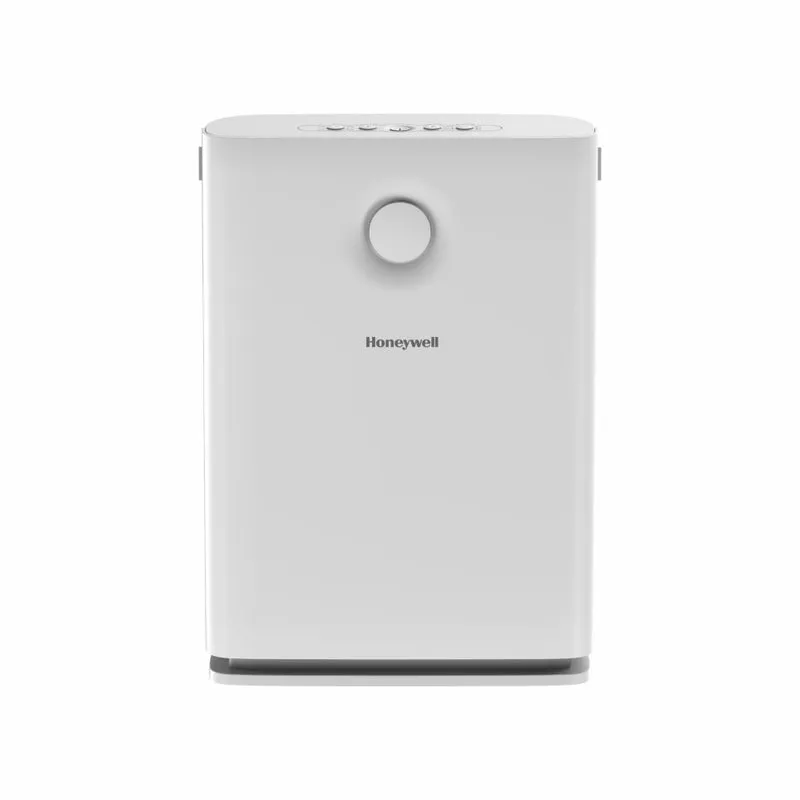
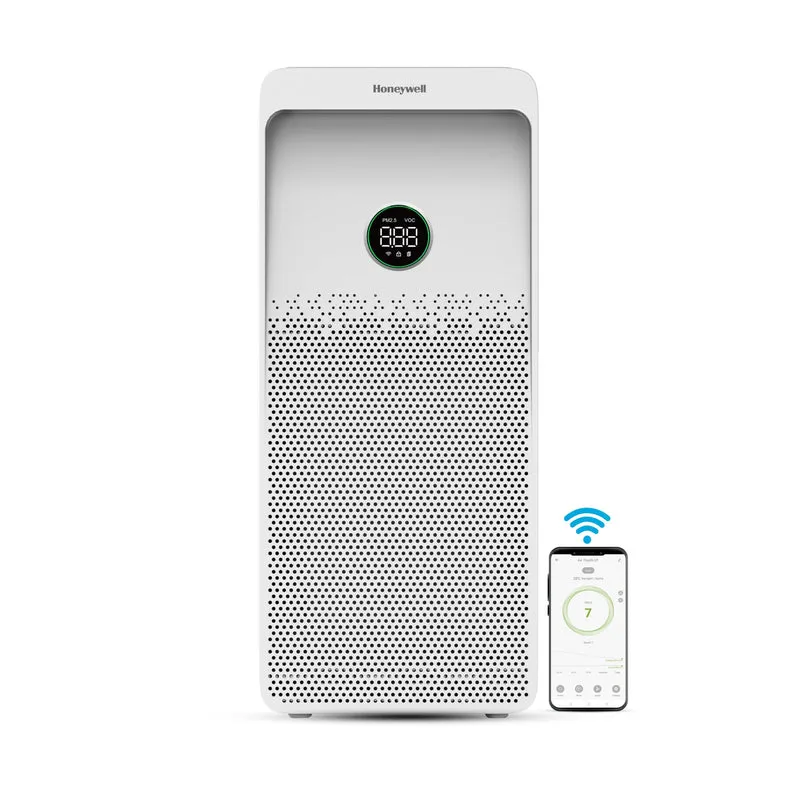
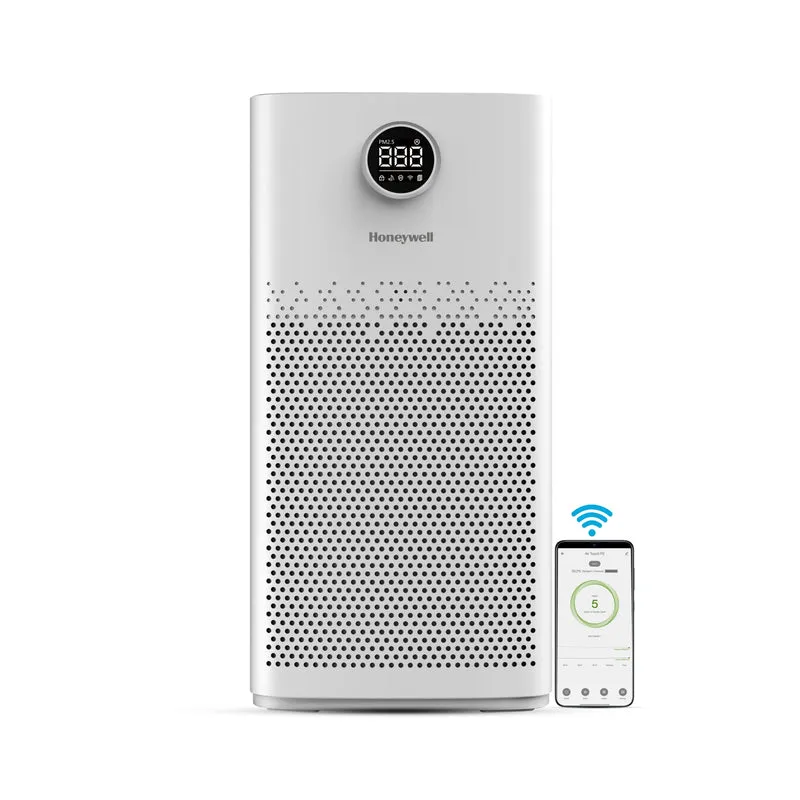
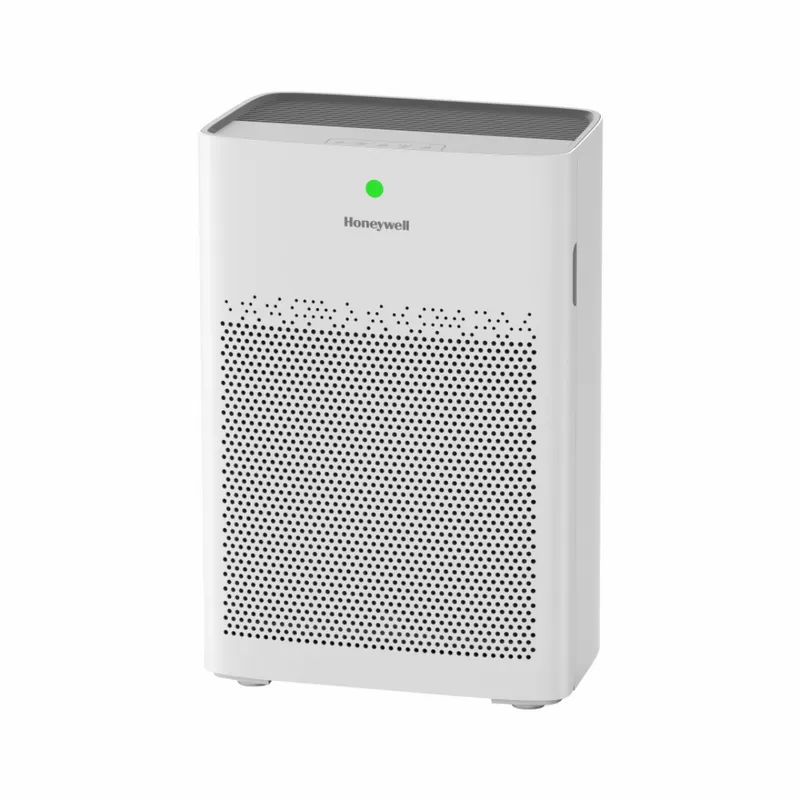
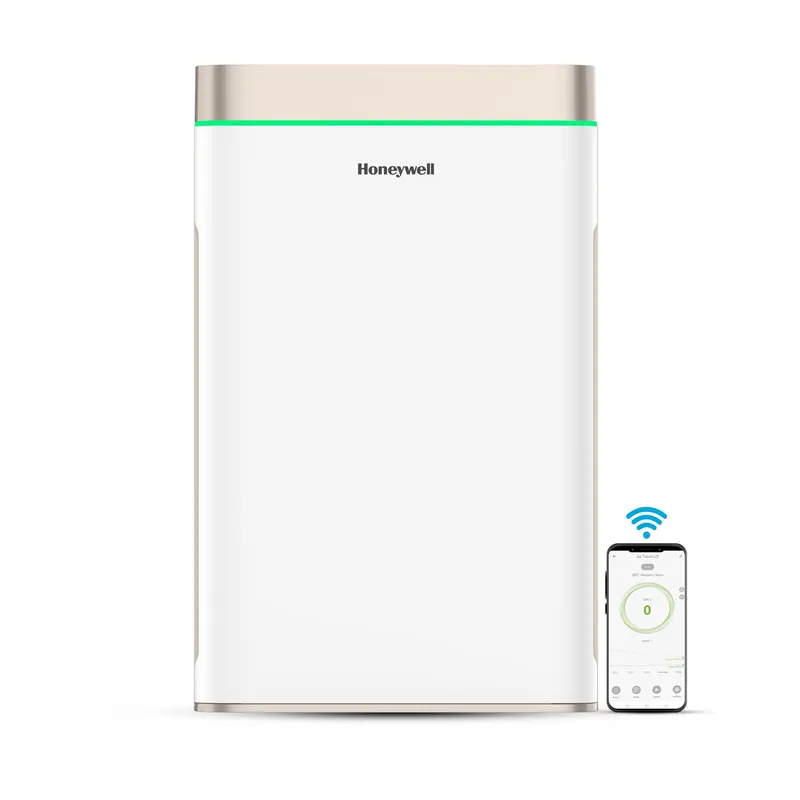
Clean air solutions are defined as technologies and practices that reduce airborne pollutants in indoor and outdoor environments, covering everything from HEPA air purifiers to ventilation upgrades and source control measures. The case for investing in them is no longer a matter of preference. 44% of Americans live in areas with unhealthy ozone or particle pollution, and indoor air is frequently more harmful than the air outside. For UAE residents and businesses spending the majority of their time indoors, the importance of clean air investment is direct and measurable. Brands such as Blueair, Honeywell, and Levoit now offer devices suited to everything from studio apartments to commercial offices, making the decision practical as well as principled.
Why invest in clean air solutions for your health?
Air pollution causes premature birth, lung disease, heart disease, and shorter lives. These are not edge-case outcomes. The American Lung Association’s 2026 report confirms that people of colour are 2.42 times more likely to live with unhealthy air exposure, which illustrates how unevenly the health burden is distributed. For any household or business in a high-density urban area, the risk is not abstract.
Indoor air deserves particular attention. Invisible indoor pollutants from gas stoves, mould, smoke, and pet dander affect health even when nothing can be seen or smelled. The NIH notes that these pollutants reach the bloodstream and affect multiple organs, not just the respiratory system. This matters because most people assume that staying indoors during poor outdoor air days is sufficient protection. It is not. For a detailed breakdown of the differences, the Cleanair-ae guide on indoor vs outdoor air quality covers the specific risks in each environment.
The cognitive benefits of cleaner air are now supported by clinical data. A 2026 HAFTRAP trial published in Scientific Reports found that adults aged 40+ improved cognitive task speed by 12% after one month of HEPA filtration at home. That is a measurable performance gain from a single device, properly placed. The same research confirms that cognitive benefits are most pronounced in older adults and other vulnerable groups, making clean air for health a priority for households with elderly members or young children.
Key health risks addressed by clean air technologies include:
- Respiratory disease: Particle pollution and ozone exposure accelerate lung function decline.
- Cardiovascular impact: Fine particulate matter enters the bloodstream and contributes to heart disease.
- Cognitive decline: Reduced air quality correlates with slower processing speed and memory impairment.
- Developmental risk: Children and pregnant women face heightened vulnerability to airborne toxins.
- Compounding indoor sources: Gas appliances, cleaning products, and building materials all contribute to indoor pollutant loads.
How do clean air investments deliver economic returns?
The economic case for clean air investment is backed by some of the strongest benefit-cost ratios in public policy. The US Clean Air Act returns benefits more than 30 times its costs, and India’s Gujarat clean air scheme delivers a 25:1 return. These figures come from the Clean Air Fund and OECD analysis, and they reframe clean air as an economic growth strategy rather than a regulatory burden.
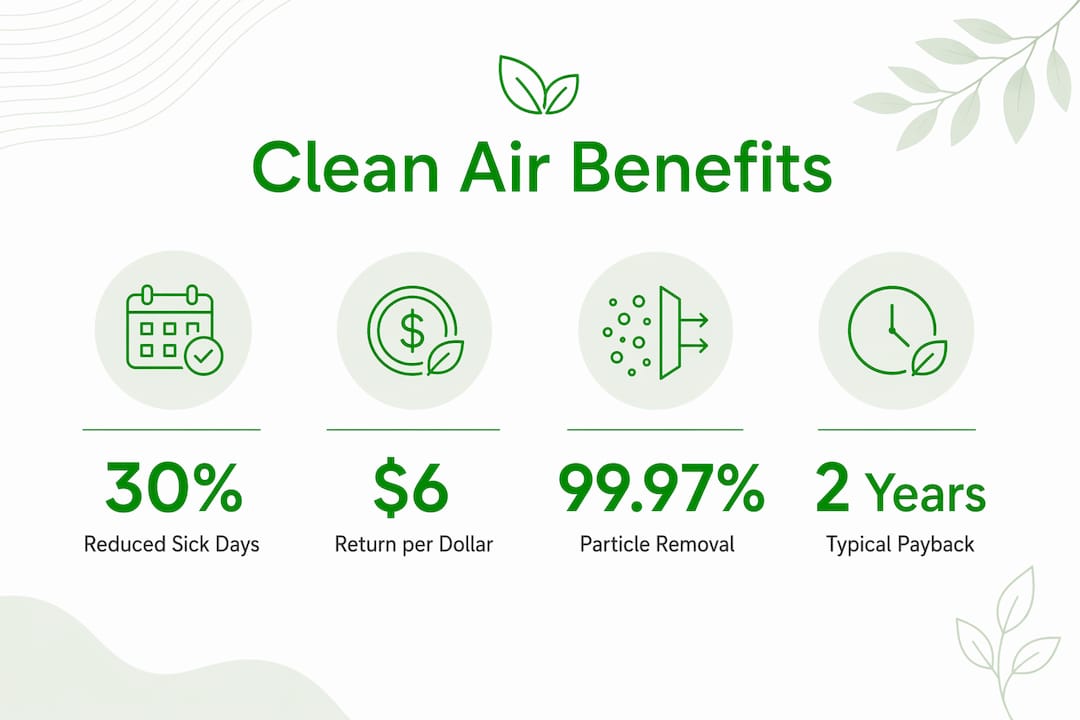
For businesses, the numbers are equally compelling at the building level. Indoor air quality improvements boost workplace performance by 10%, with economic benefits exceeding costs by nearly 60 times in some analyses. The typical payback period for IAQ optimisation in commercial buildings is within 24 months, according to 75F’s analysis of commercial building data. That is a faster return than most office refurbishment projects.

The global productivity cost of inaction is significant. 1.2 billion workdays are lost annually worldwide due to air pollution, a figure projected to reach 3.7 billion by 2060 without intervention. For a business with 50 employees, even a modest reduction in absenteeism and performance drag translates into thousands of hours of recovered productivity each year.
Here is a practical approach to building the business case for clean air investment:
- Baseline your current air quality. Use a calibrated monitor to measure PM2.5, CO2, and VOC levels before any intervention.
- Calculate your absenteeism cost. Multiply average sick days per employee by daily salary cost to quantify the current burden.
- Select appropriately sized equipment. Match device CADR ratings to room volume. Undersized units produce negligible results.
- Track performance metrics post-installation. Monitor sick day frequency, self-reported productivity, and air quality readings over 90 days.
- Review against payback targets. Compare equipment and running costs against documented productivity and health gains.
Pro Tip: Link your IAQ investment to HR data on absenteeism from the outset. Businesses that document baseline sick-day rates before installation recover their investment faster because they can demonstrate measurable change to finance teams.
What clean air technologies work, and how should they be combined?
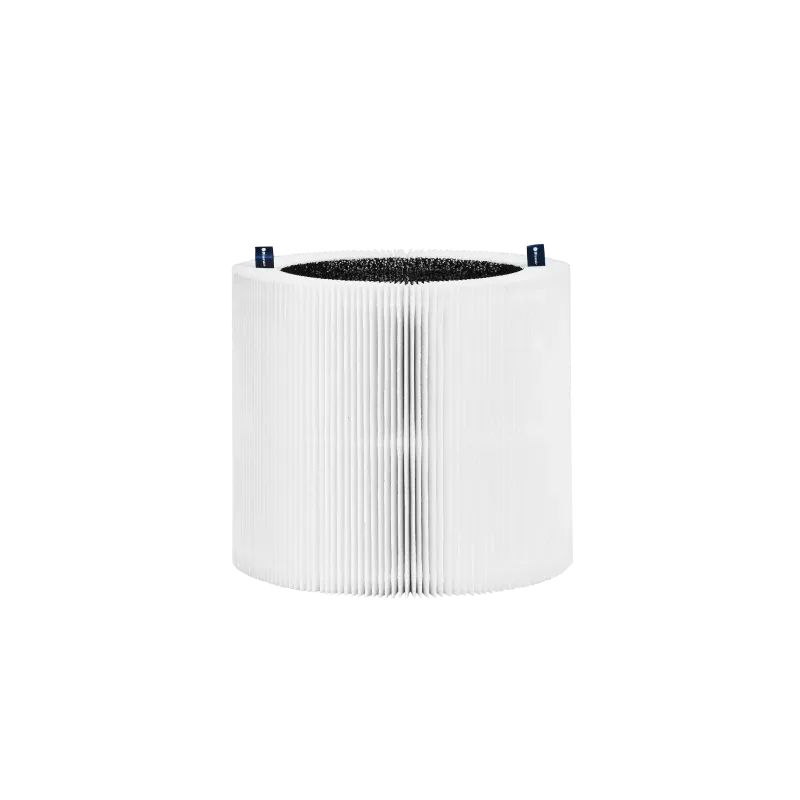
HEPA filtration is the most widely validated clean air technology for indoor environments. Devices from Blueair, Levoit, and Honeywell using true HEPA filters capture particles down to 0.3 microns with 99.97% efficiency under laboratory conditions. However, lab performance may not translate directly to real office or home environments, as the MDPI 2026 EDIAQI pilot study demonstrates. Room layout, airflow patterns, and pollutant sources all affect real-world outcomes.
The table below compares the main clean air technologies by function, strength, and limitation:
| Technology | Primary function | Strength | Limitation |
|---|---|---|---|
| HEPA filtration | Captures particles | High particle removal efficiency | Does not address gases or VOCs |
| Activated carbon filters | Adsorbs gases and odours | Effective against VOCs and smoke | Requires regular replacement |
| Ventilation upgrades | Dilutes indoor pollutants | Addresses all pollutant types | Energy cost; depends on outdoor air quality |
| Source control | Eliminates pollutant origin | Most cost-effective long-term | Requires behavioural change |
| UV-C air treatment | Inactivates biological agents | Effective against pathogens | Limited particle removal |
Real-world indoor air quality improvement depends on combining these approaches. Single devices or metrics are insufficient alone; source control, ventilation, and filtration must work together. Relying on CO2 readings as a proxy for overall air quality, for example, misses VOC and particulate exposure entirely. The Cleanair-ae guide on integrated air quality approaches covers how to combine these methods effectively for UAE conditions.
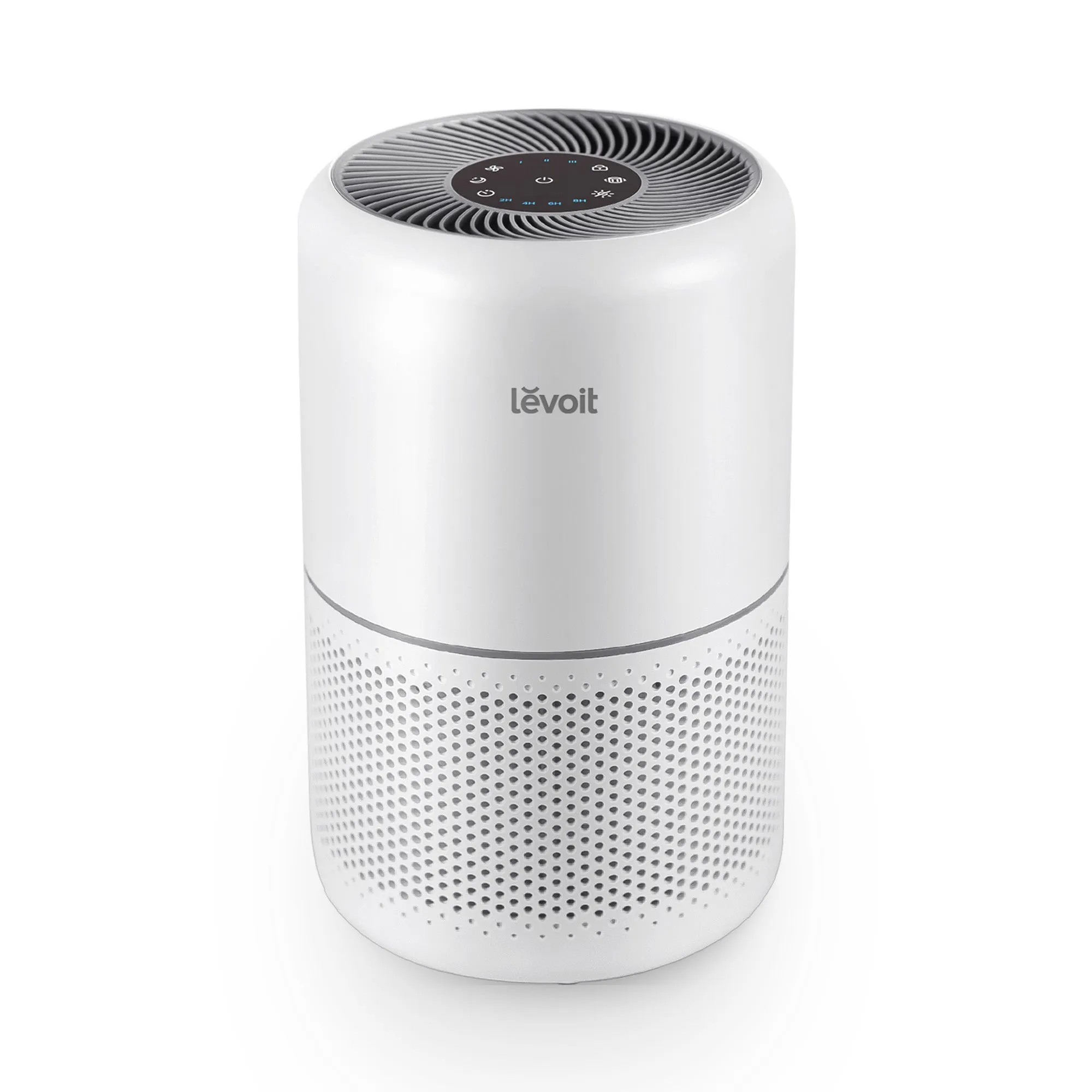
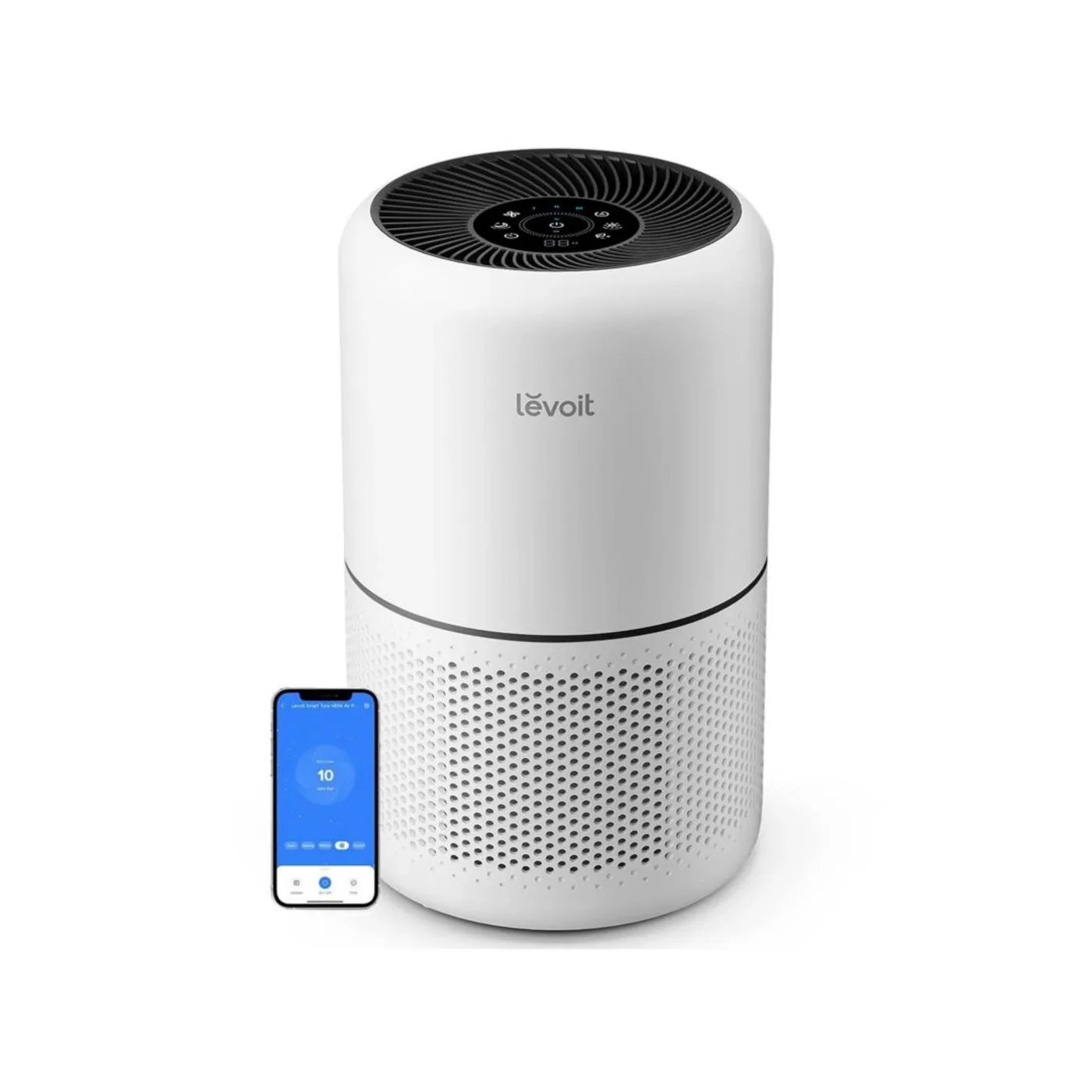
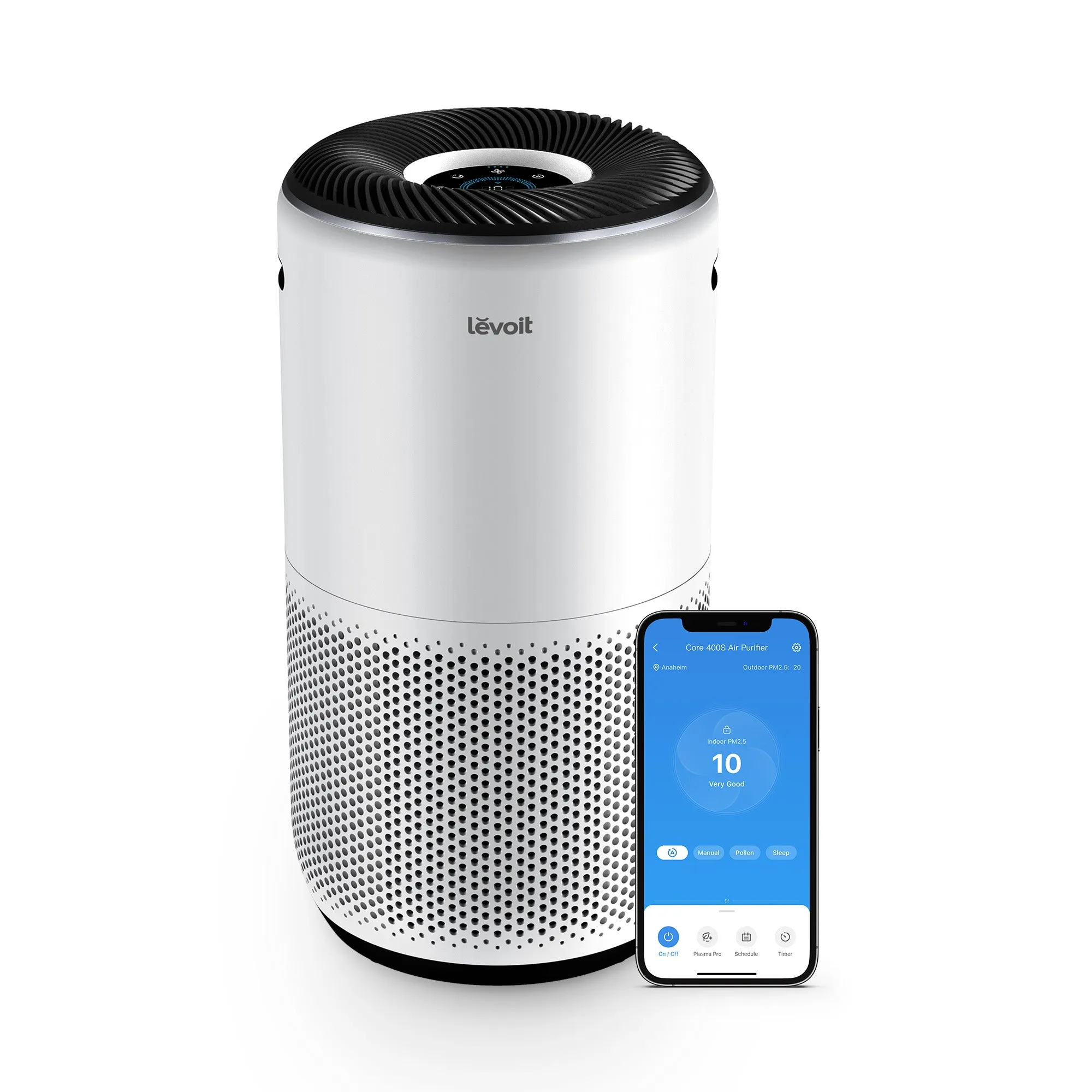
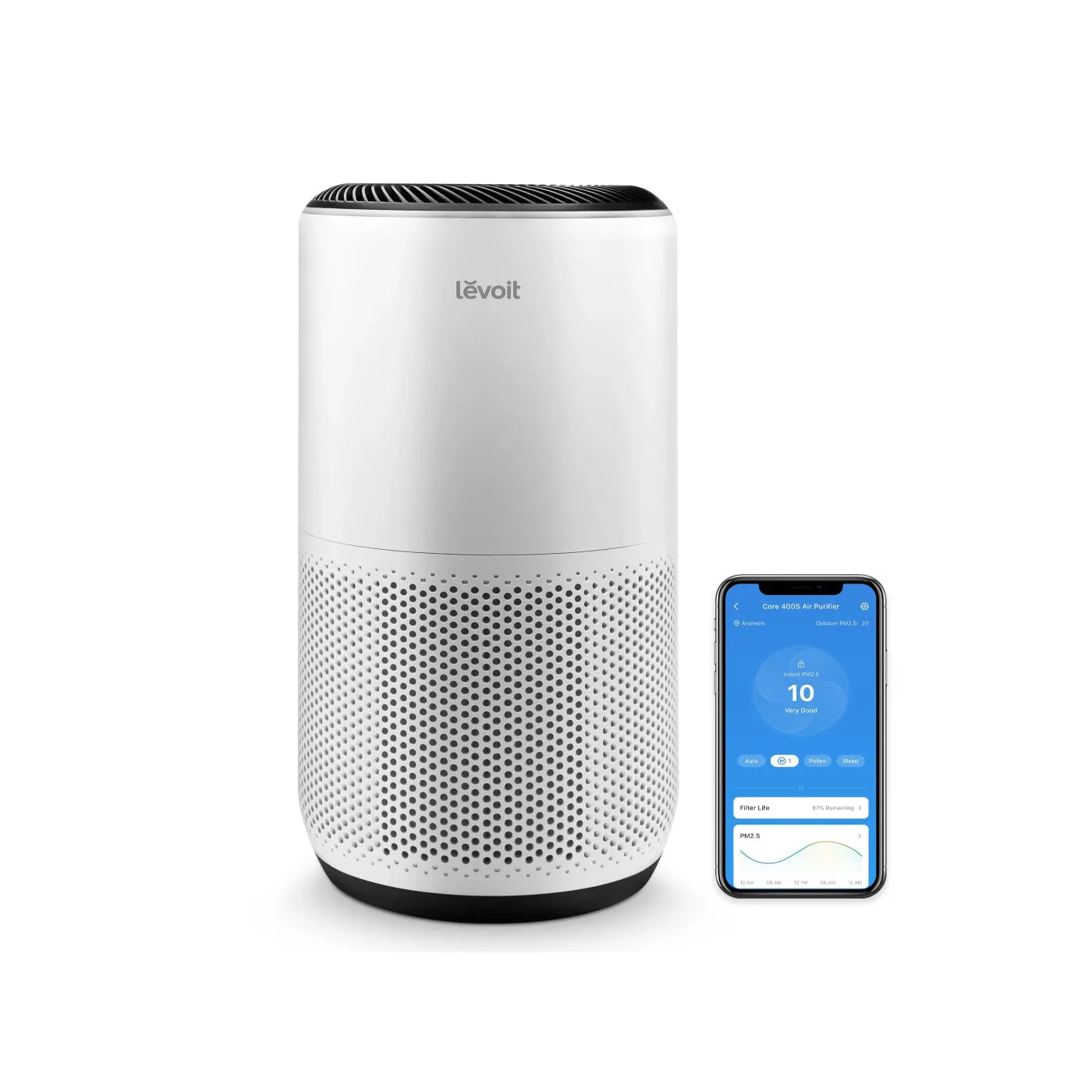
Pro Tip: Place air purifiers in the breathing zone, not in corners or behind furniture. A Levoit Core 400S positioned centrally in a 40 square metre room outperforms a higher-specification unit placed against a wall.
How can individuals and businesses improve air quality today?
Improving indoor air quality does not require a complete building overhaul. The most effective starting point is a structured assessment of current conditions, followed by targeted interventions. For individuals, this means identifying the dominant pollution sources in the home. For businesses, it means reviewing HVAC maintenance schedules alongside device placement.
Practical steps for both audiences:
- Audit pollution sources first. Gas cooking, synthetic furnishings, and inadequate ventilation are the most common indoor contributors in UAE residential and commercial spaces.
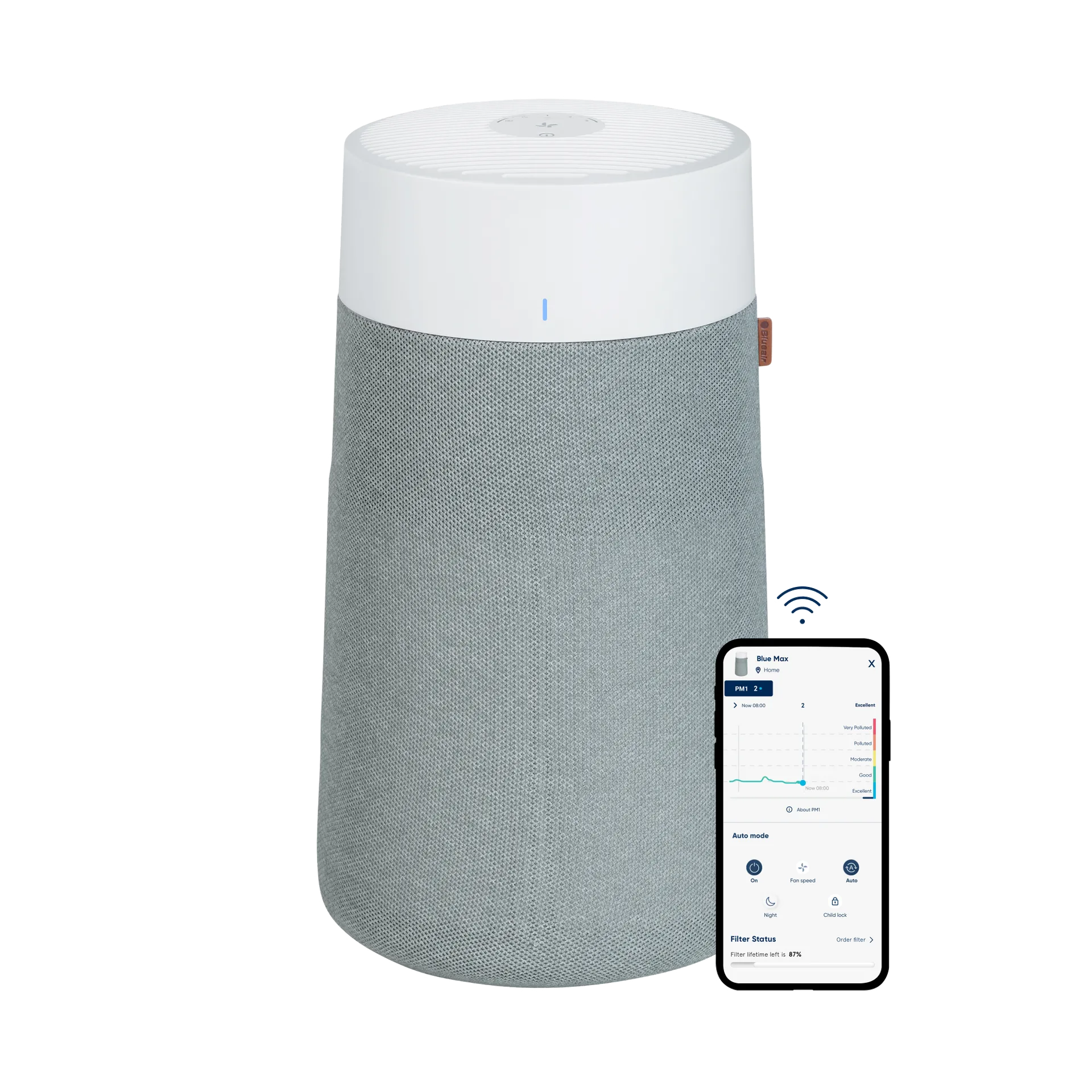
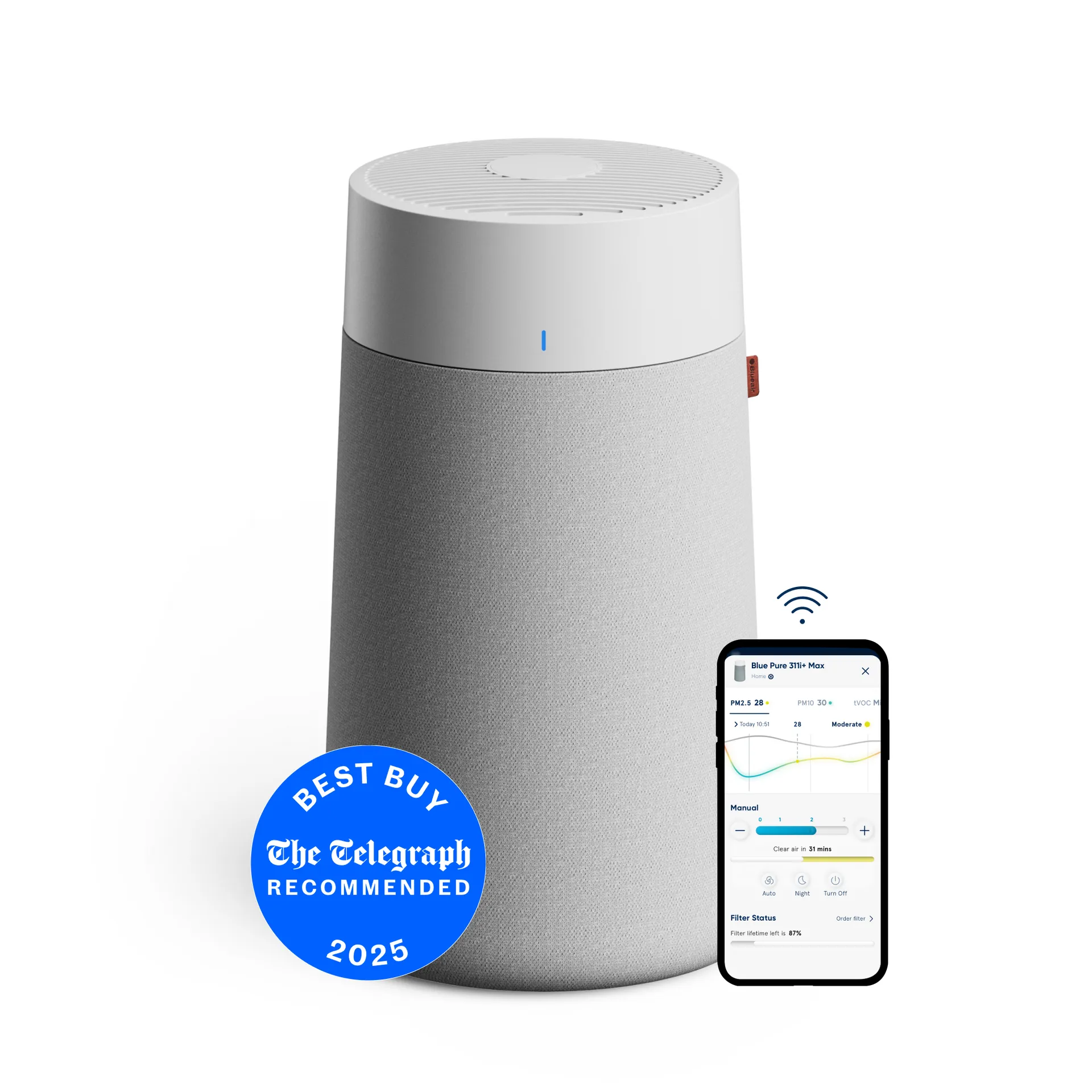
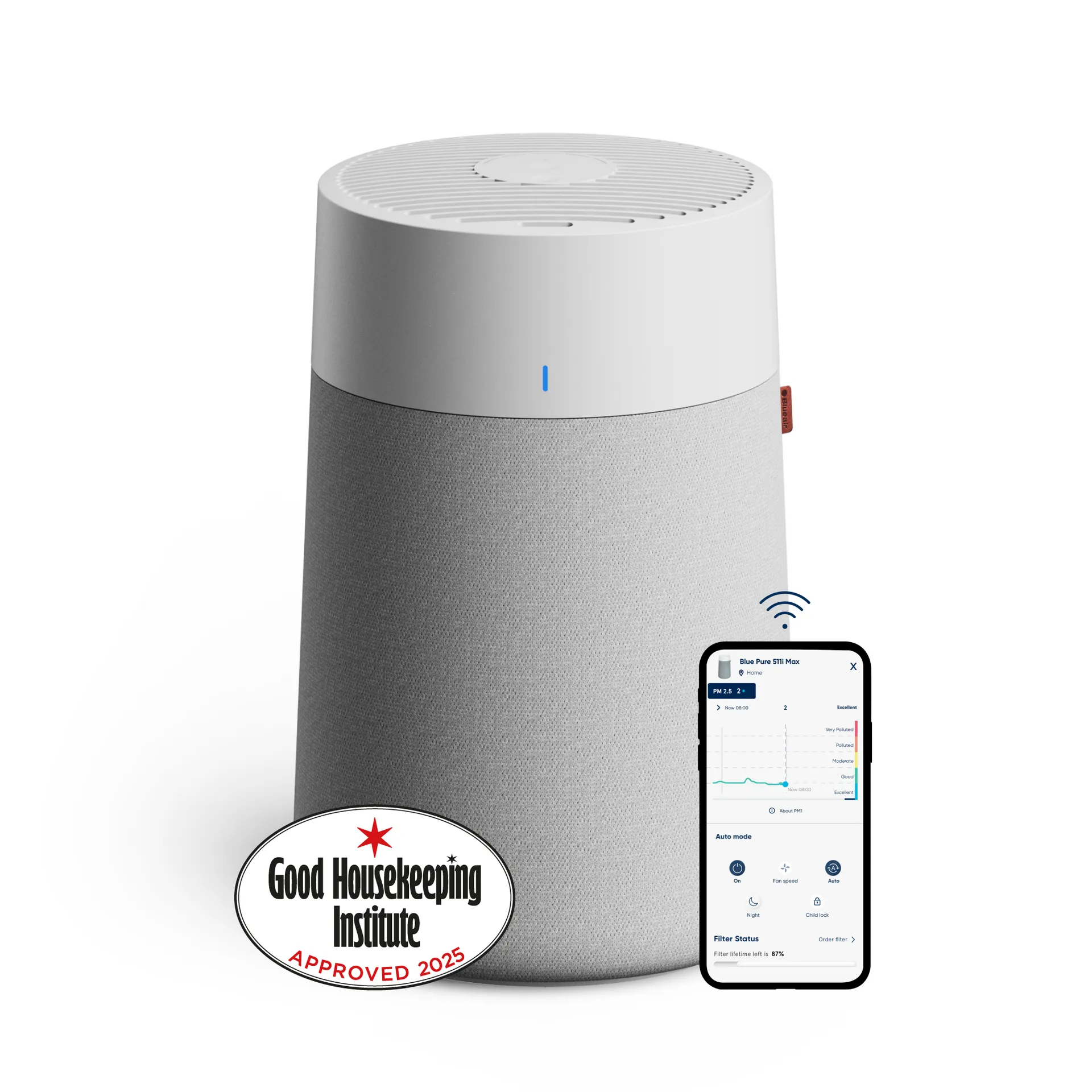
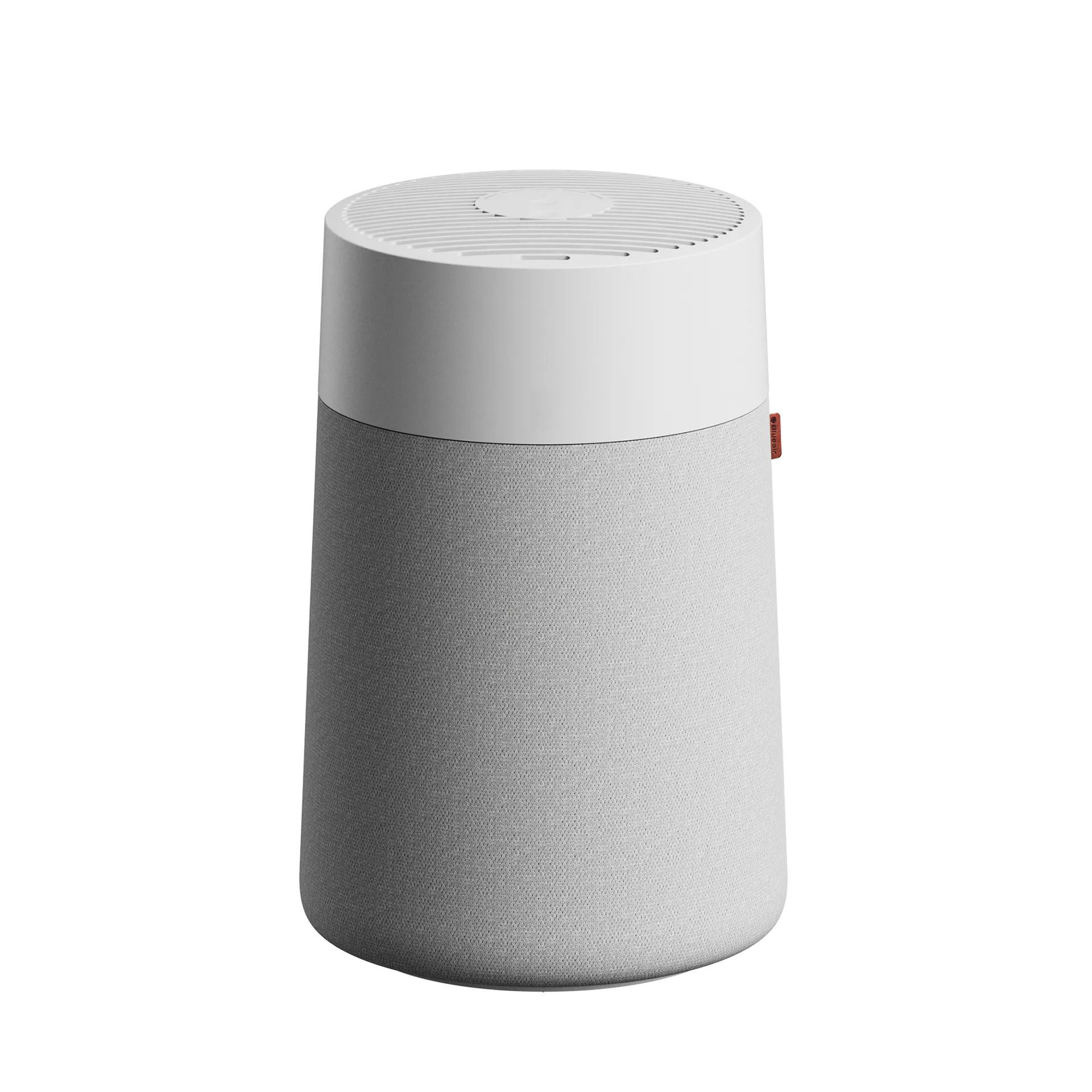
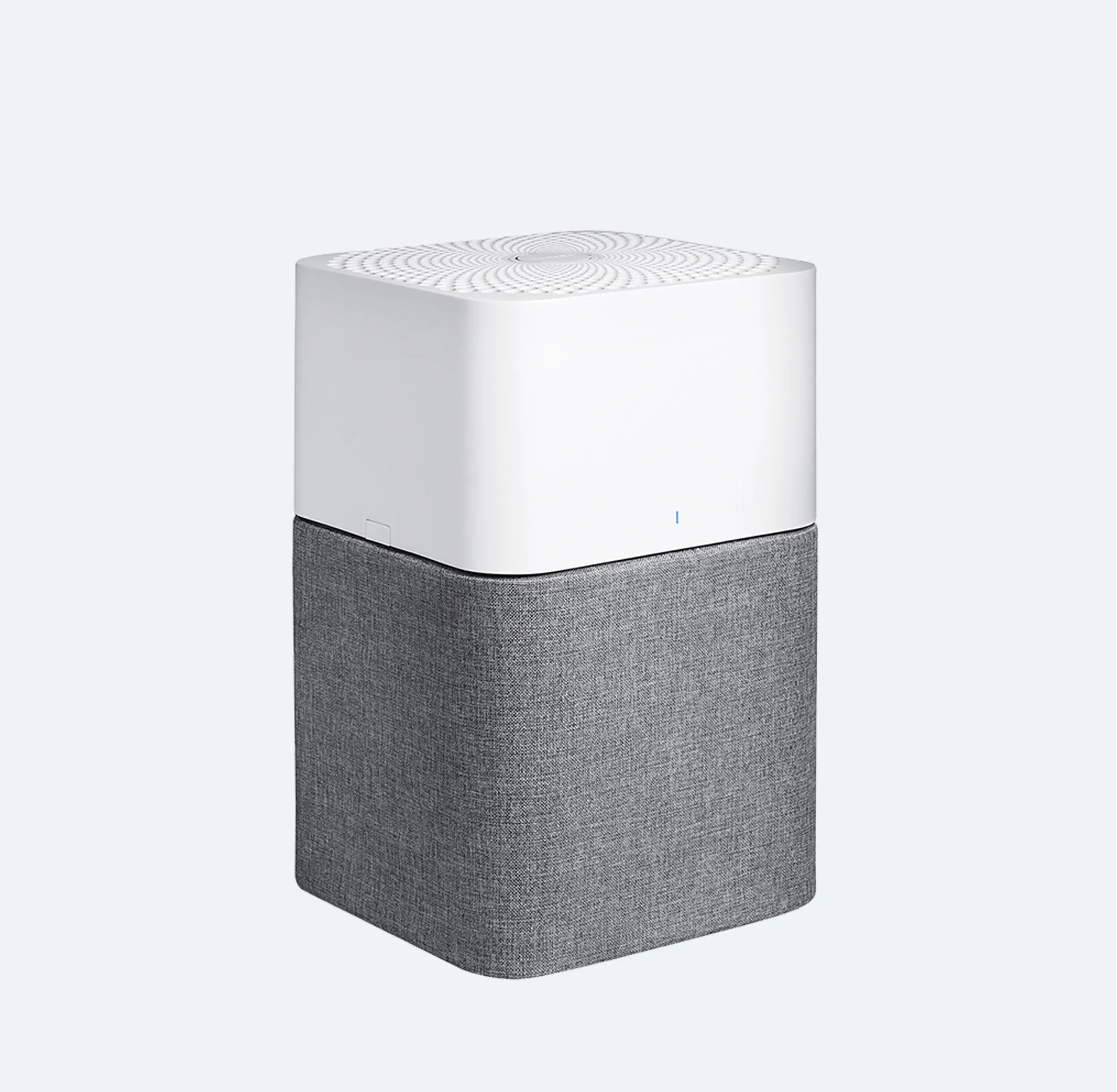
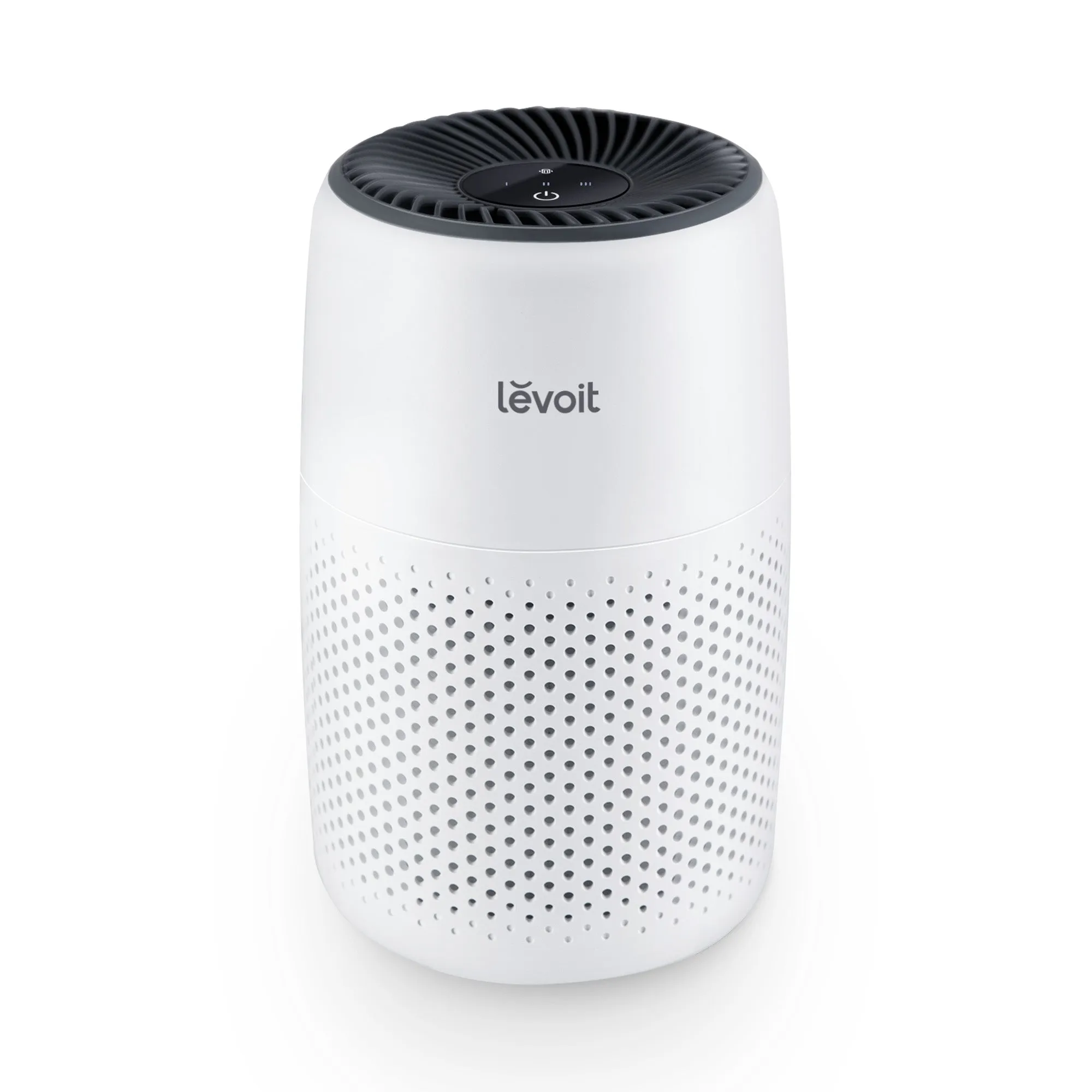
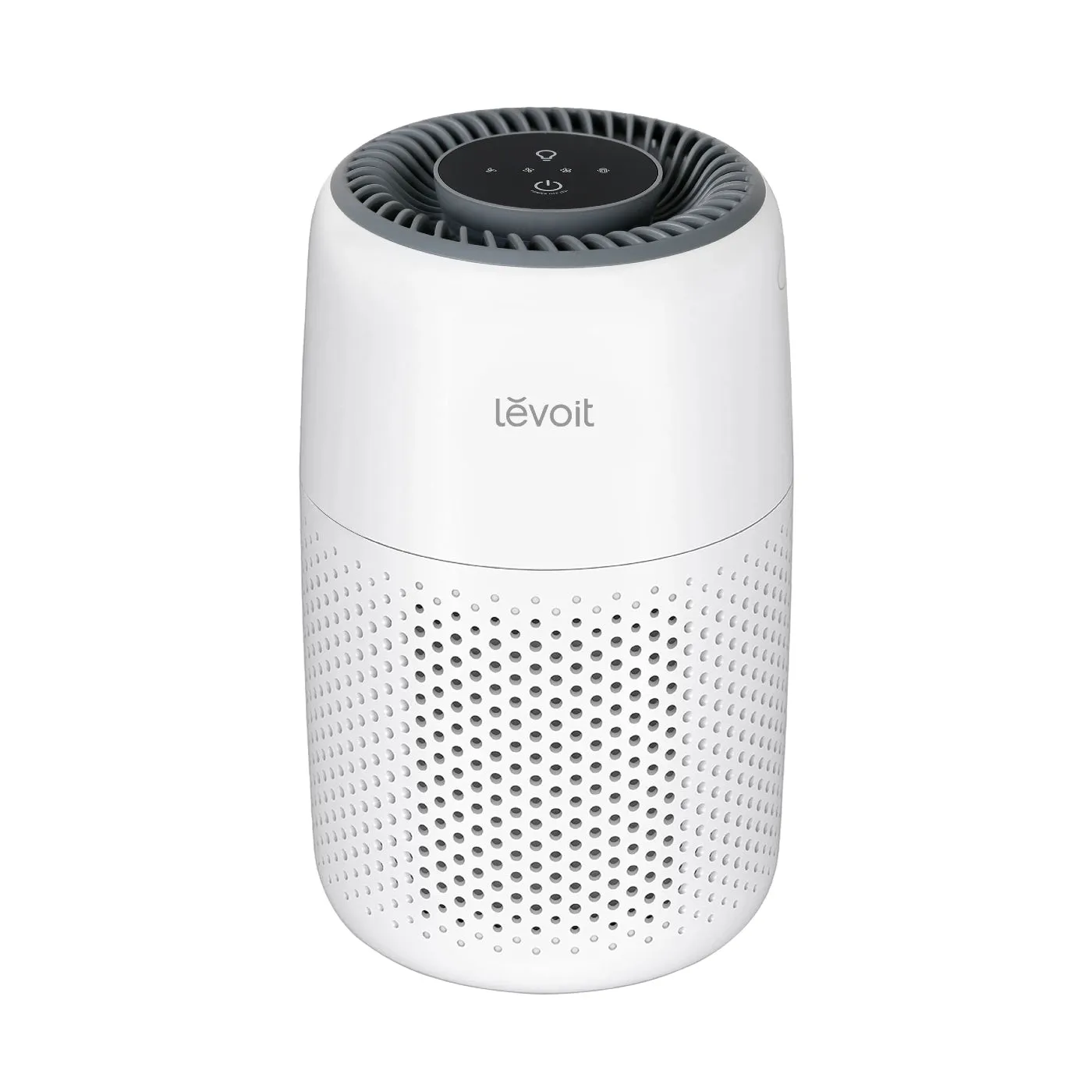
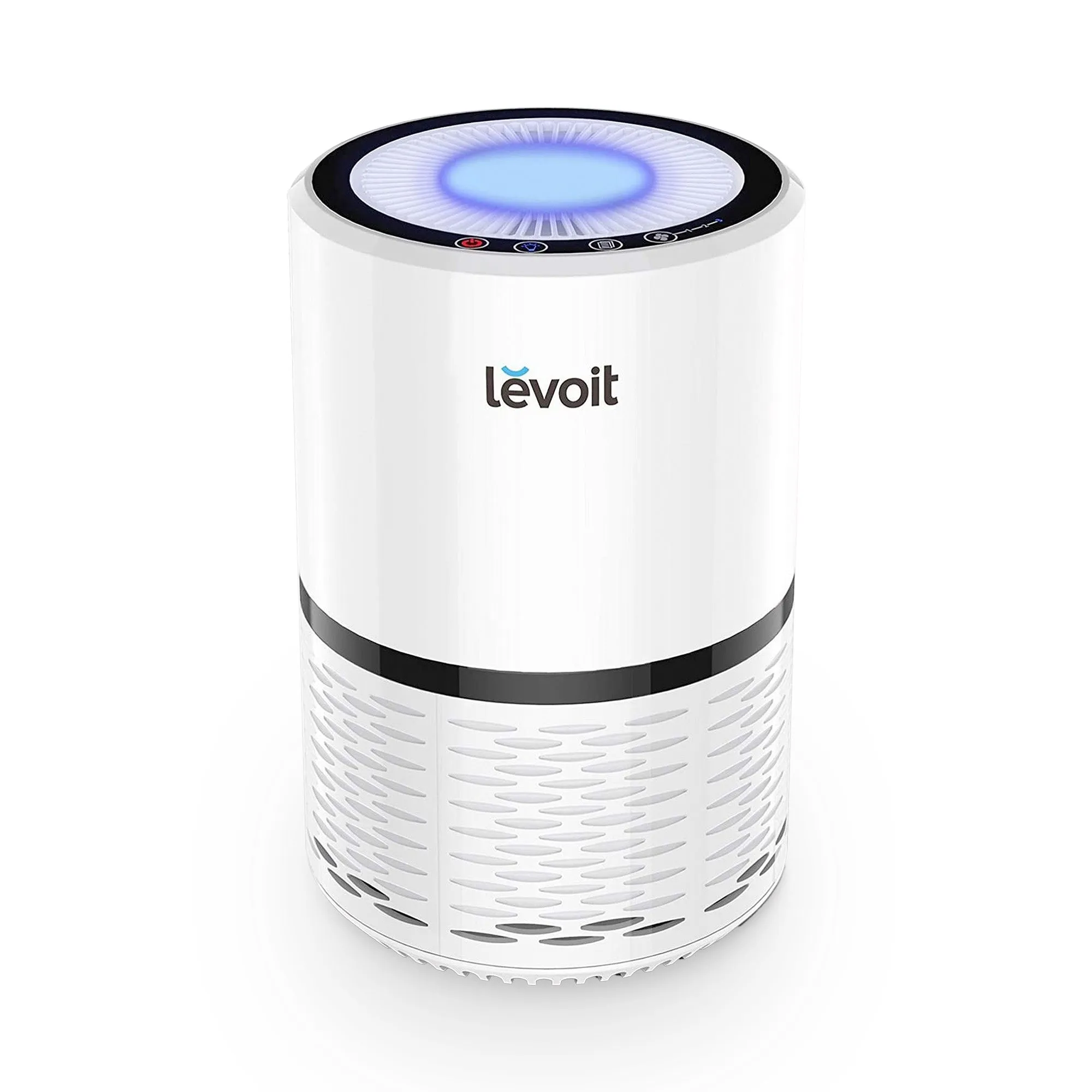
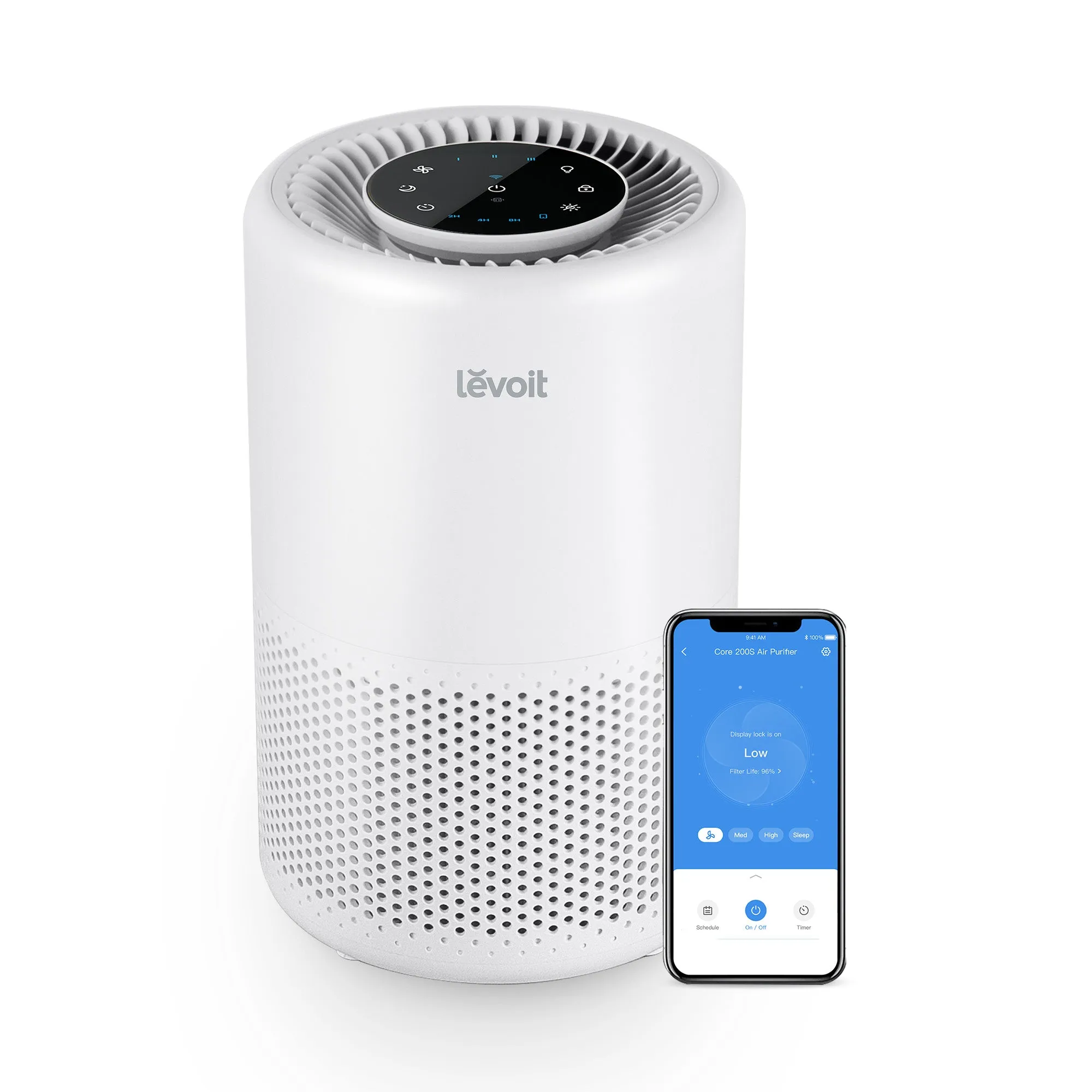
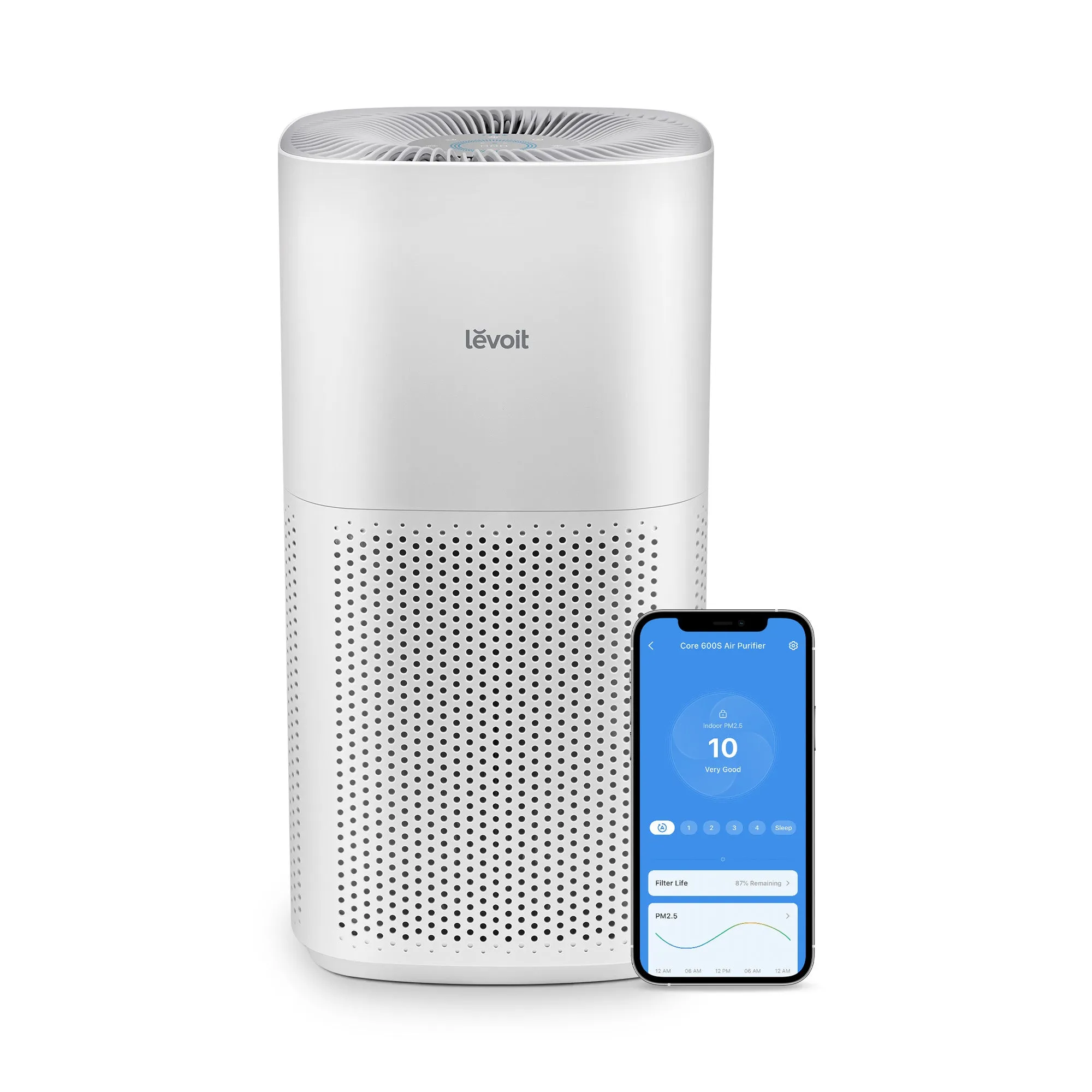
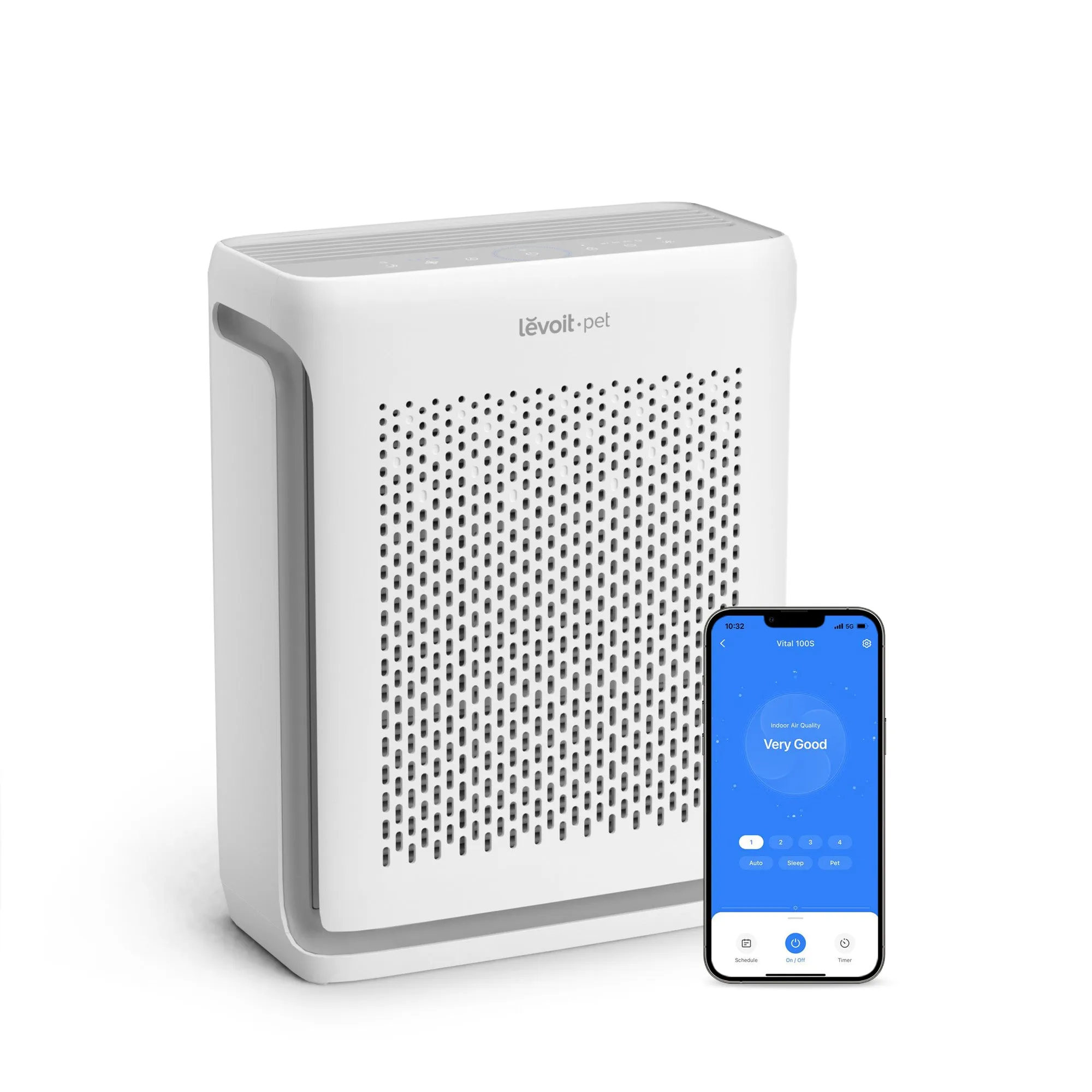
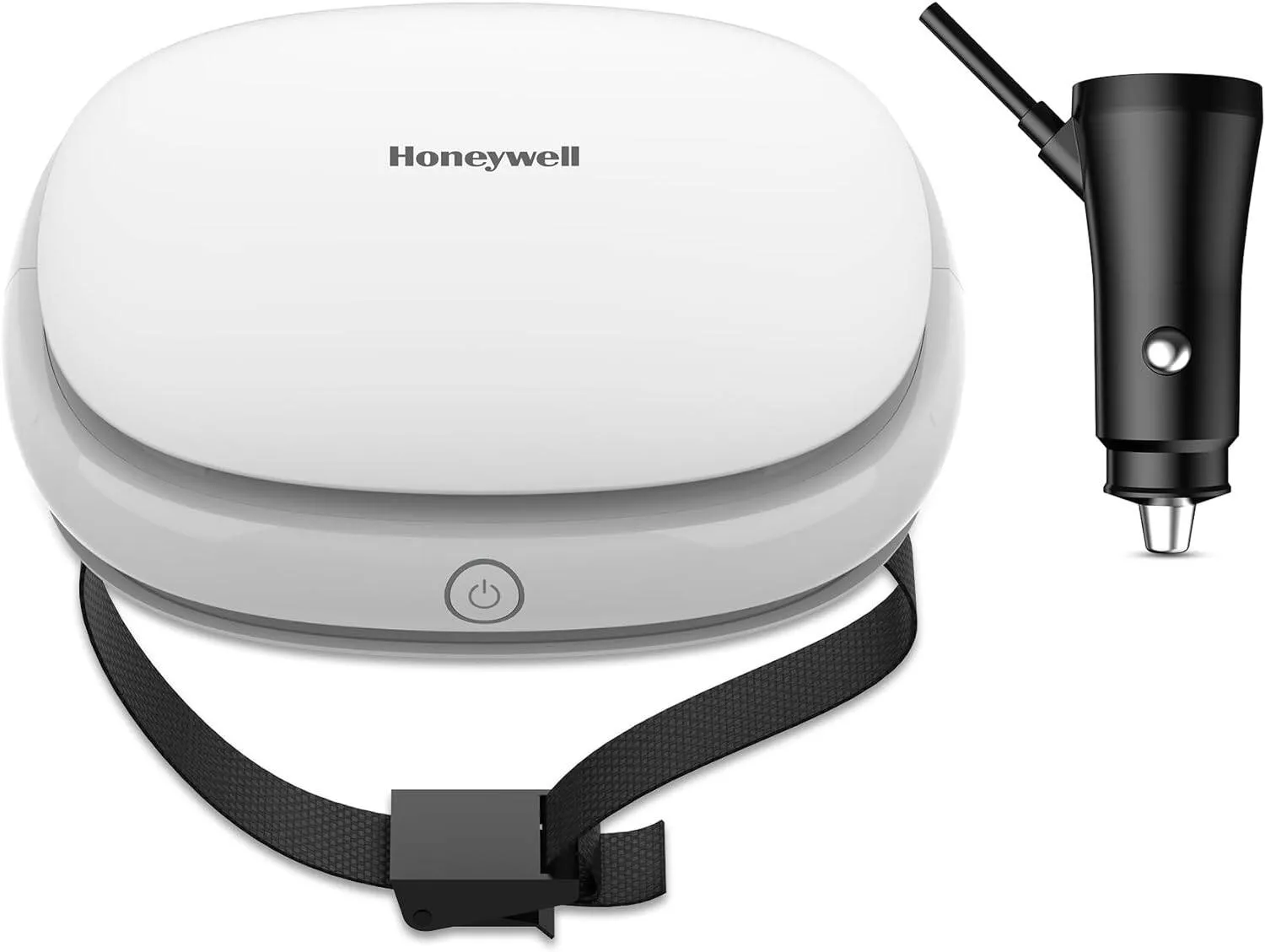
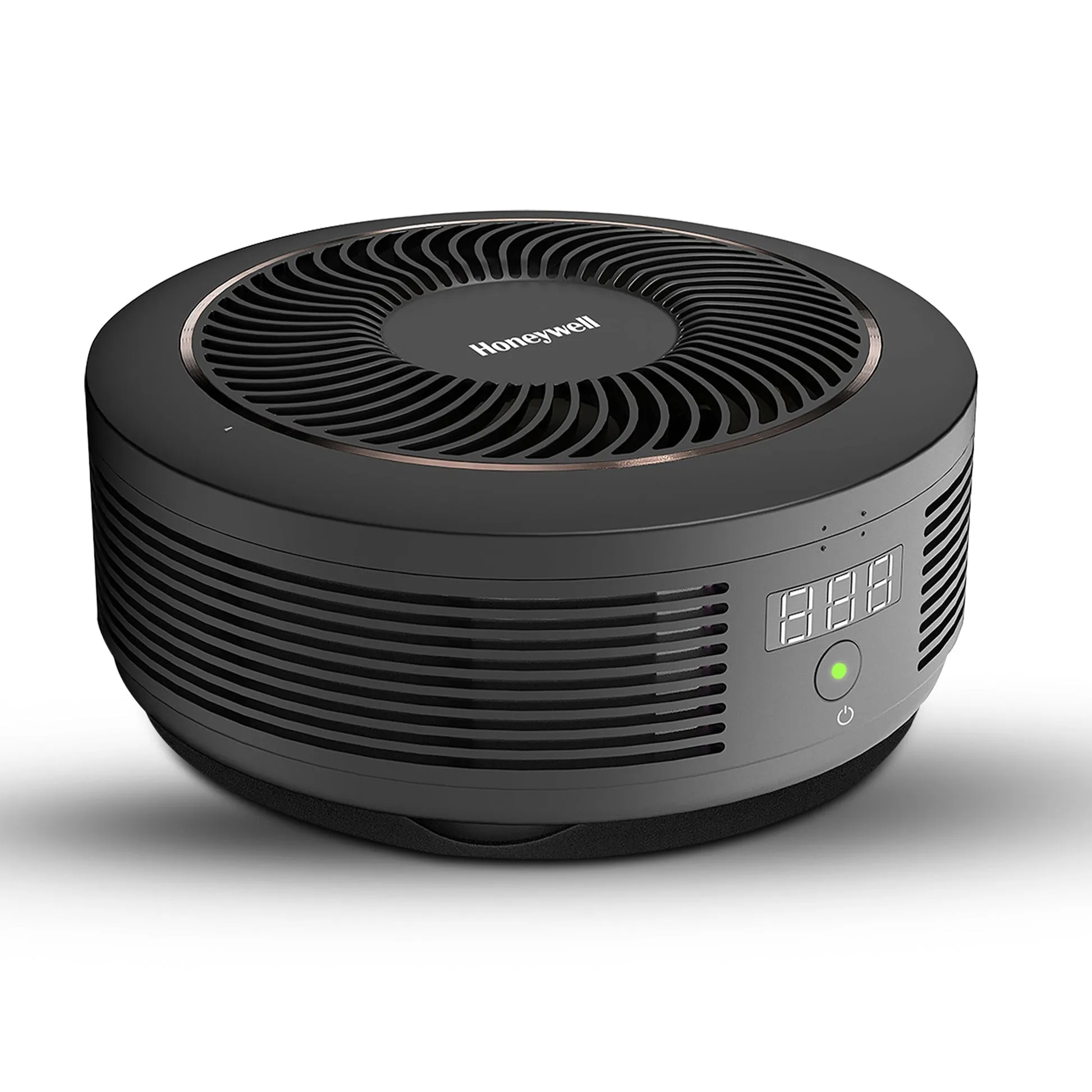
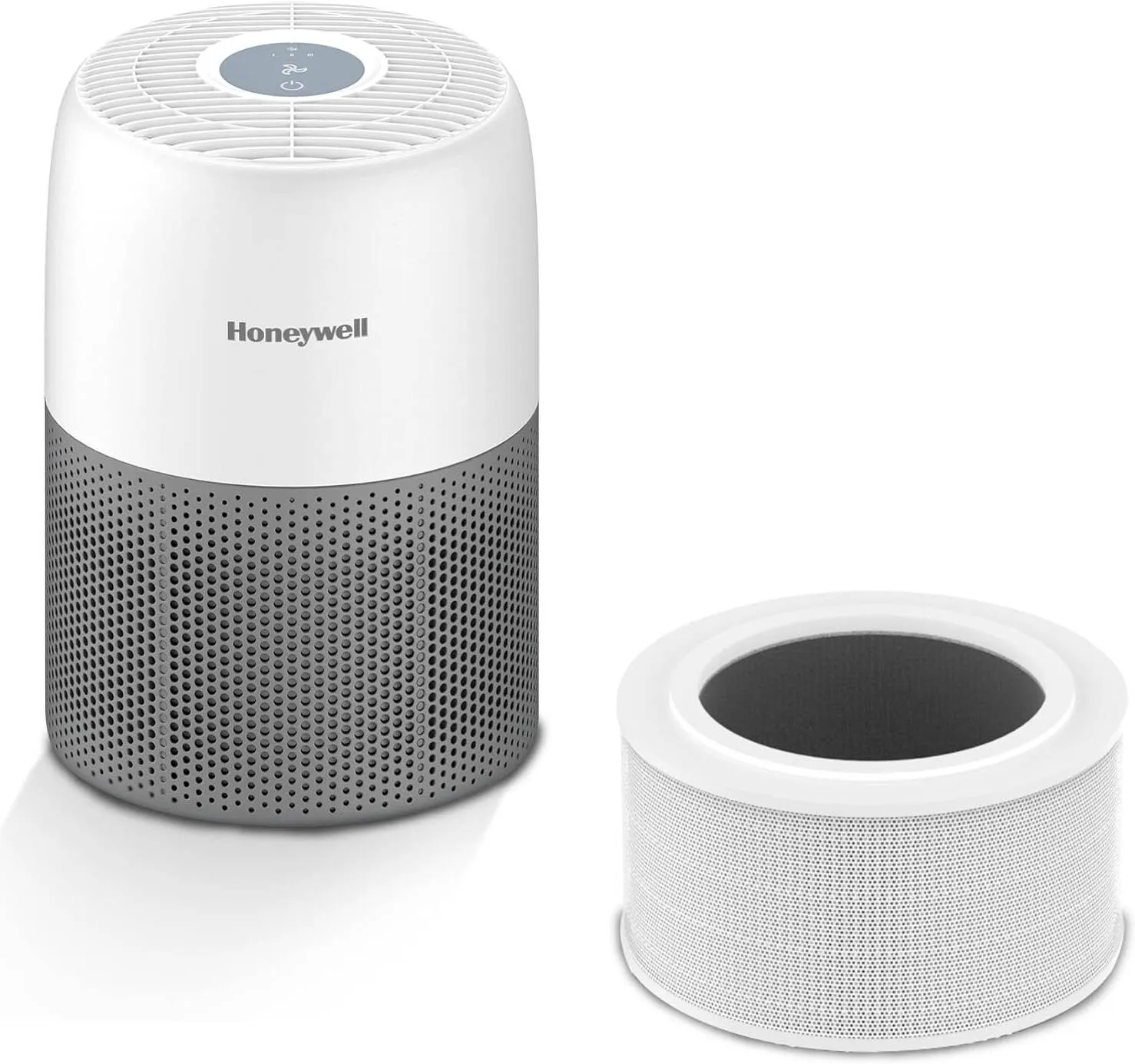
- Choose devices matched to room size. A Blueair Blue Pure 211i Max covers up to 55 square metres; a Levoit Core 200S suits rooms up to 18 square metres. Mismatched sizing is the most common reason purifiers underperform.
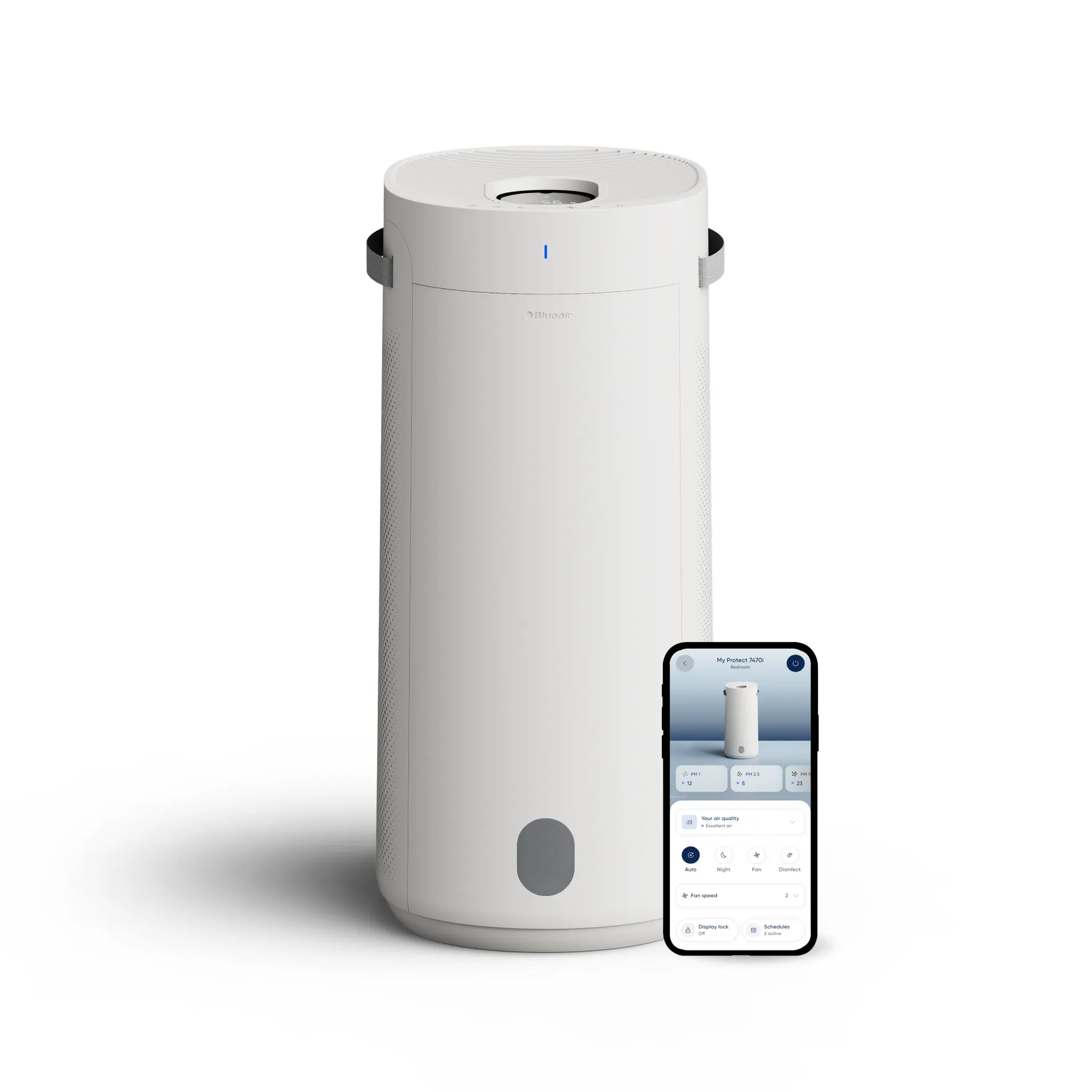
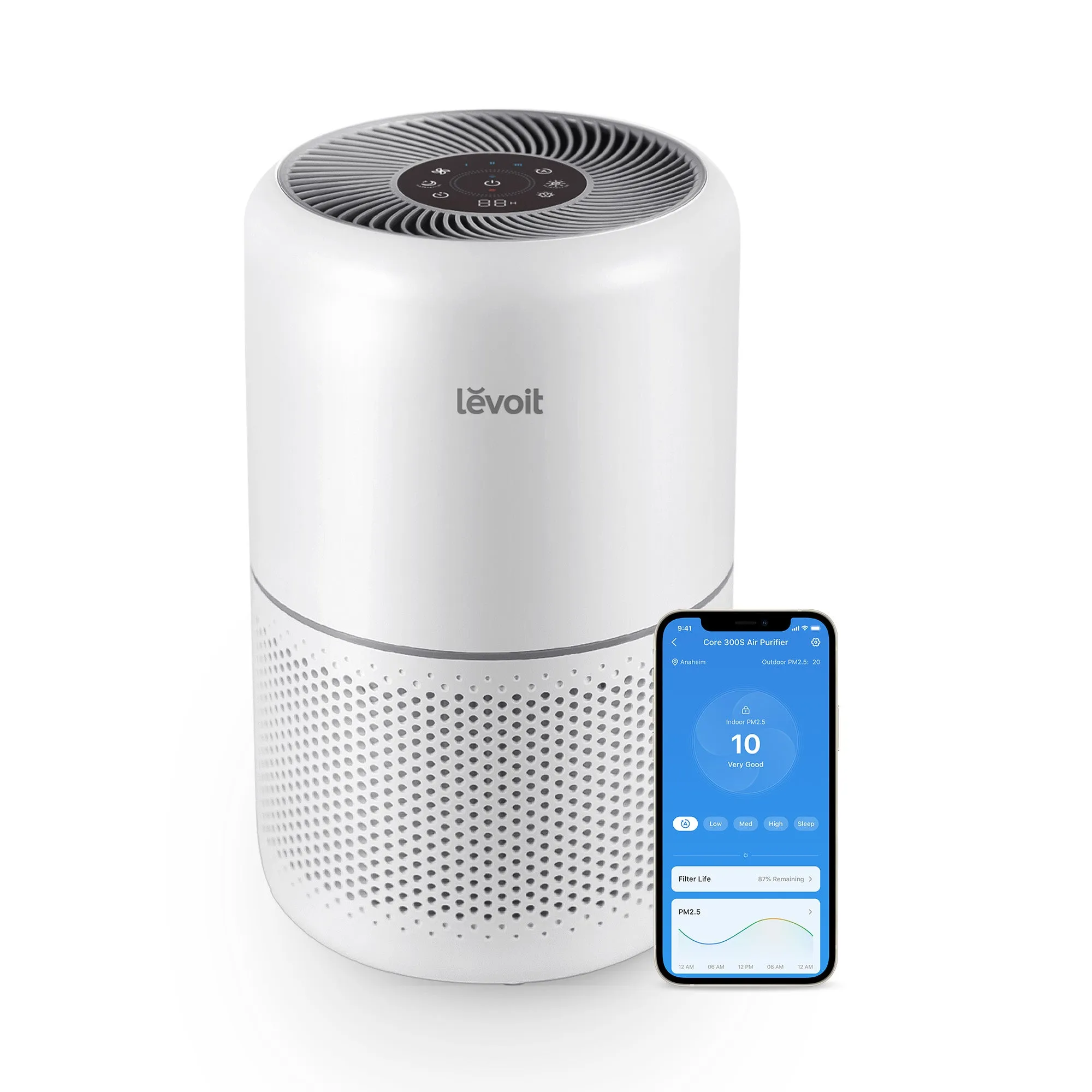
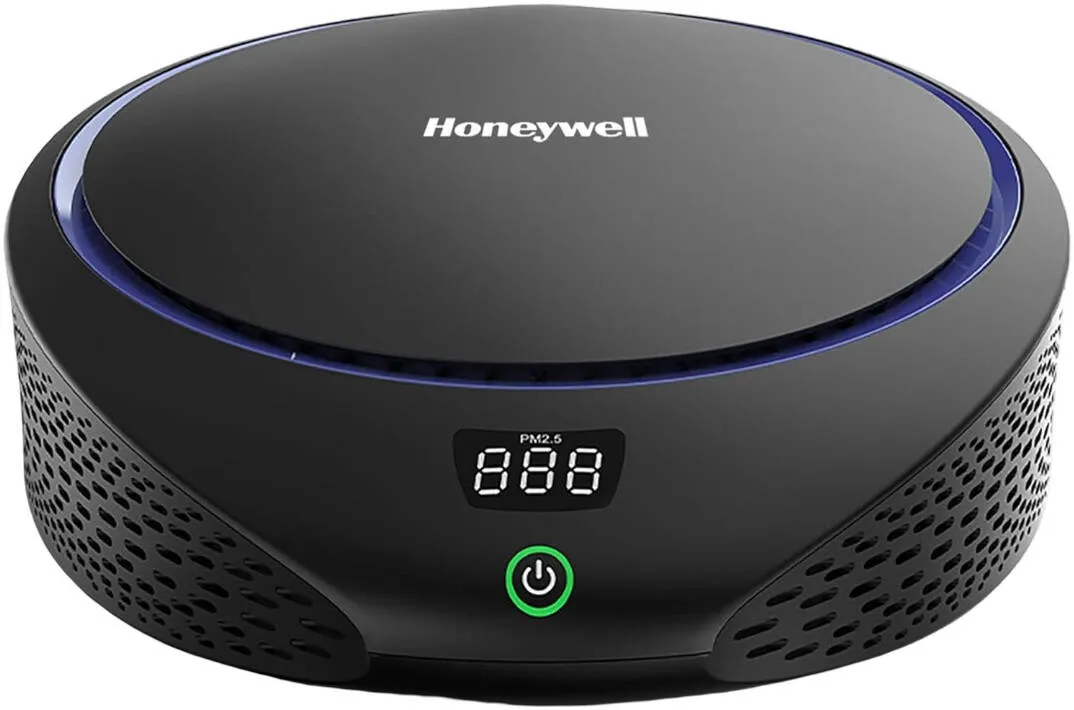
- Monitor continuously, not occasionally. Devices with built-in air quality sensors, such as the Honeywell HPA710 series, provide real-time feedback that guides filter replacement and ventilation decisions.
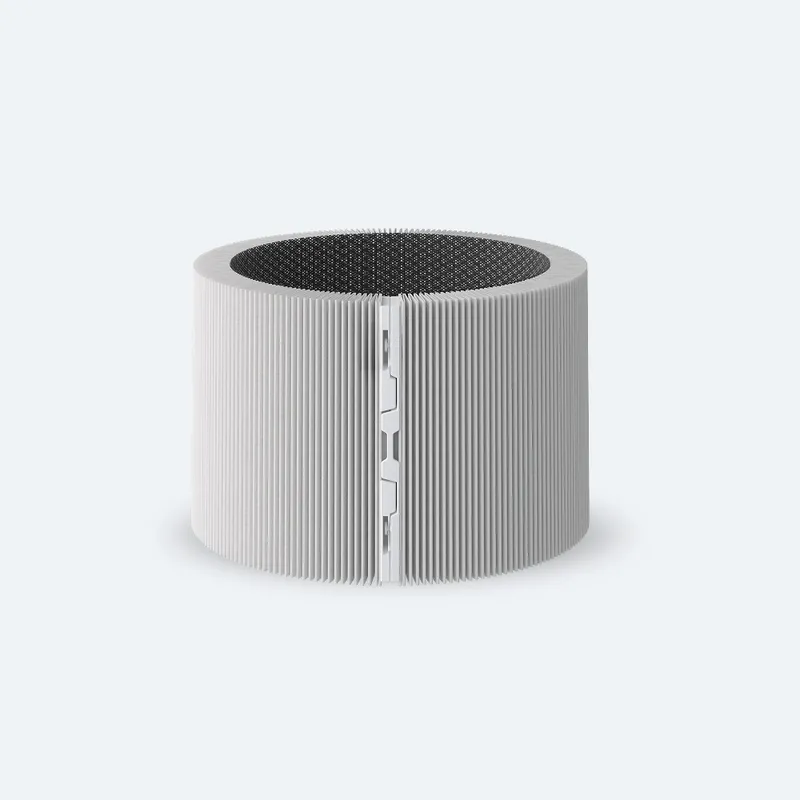
- Replace filters on schedule. A clogged HEPA filter reduces airflow and filtration efficiency, sometimes making air quality worse than no filter at all.
- Reduce sources alongside filtering. Switching from gas to induction cooking, using low-VOC paints, and increasing natural ventilation during cooler UAE mornings all reduce the pollutant load that devices must handle.
The indoor air quality checklist from Cleanair-ae provides a room-by-room framework for identifying and addressing the most common sources in UAE homes and offices.
Key takeaways
Investing in clean air solutions delivers measurable health and economic returns, making it one of the highest-value interventions available to both households and businesses.
| Point | Details |
|---|---|
| Health impact is systemic | Indoor pollutants reach the bloodstream and affect organs beyond the lungs, not just the respiratory system. |
| Cognitive gains are documented | HEPA filtration at home improved cognitive task speed by 12% in adults aged 40+ within one month. |
| Economic returns are strong | The US Clean Air Act returns benefits more than 30 times its costs; workplace IAQ investment pays back within 24 months. |
| Technology must be combined | HEPA filtration alone is insufficient; source control, ventilation, and correct device placement all contribute to results. |
| Sizing and placement determine outcomes | A correctly sized and positioned device in the breathing zone outperforms a higher-specification unit placed incorrectly. |
Clean air investment: what the data actually tells us
By Wojciech
Most conversations about clean air investment focus on the obvious: fewer sick days, better air readings, cleaner filters. What gets less attention is the cognitive dimension. The HAFTRAP trial result, a 12% improvement in cognitive task speed from one month of HEPA filtration, is the kind of finding that should change how businesses think about office environments. It is not about comfort. It is about output.
I have also noticed that businesses consistently underestimate the compounding effect of poor air quality on staff performance. The 1.2 billion lost workdays figure is a global aggregate, but the mechanism is local and personal. A single employee working in a poorly ventilated office with elevated PM2.5 is not dramatically ill. They are slightly slower, slightly more fatigued, and slightly more likely to take a sick day. Multiply that across a team over a year, and the cost is real.
The other overlooked factor is source control. Most buyers focus entirely on purifiers and ignore the pollutant sources that make purifiers necessary in the first place. Switching to induction cooking or increasing ventilation during cooler hours costs almost nothing and reduces the load on any filtration device significantly. The best investment in clean air is often not a device at all. It is a habit.
— Wojciech
Explore clean air solutions from Cleanair-ae
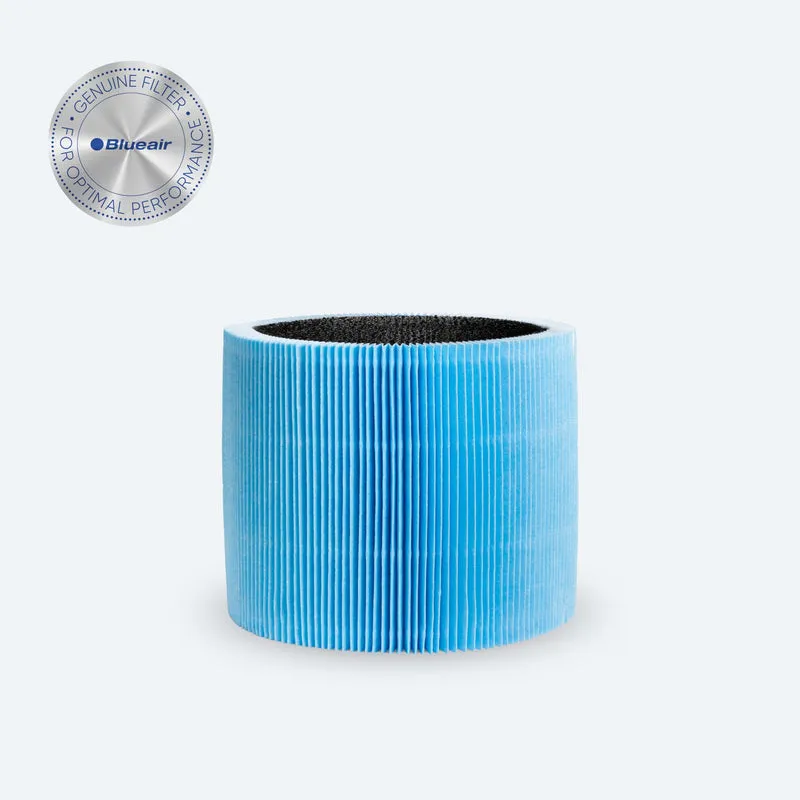
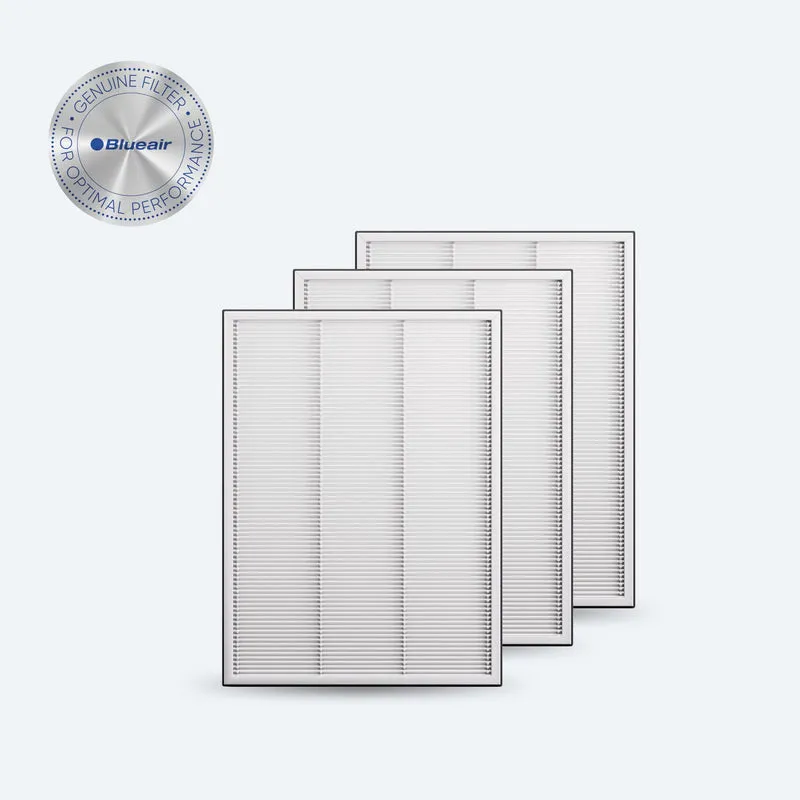
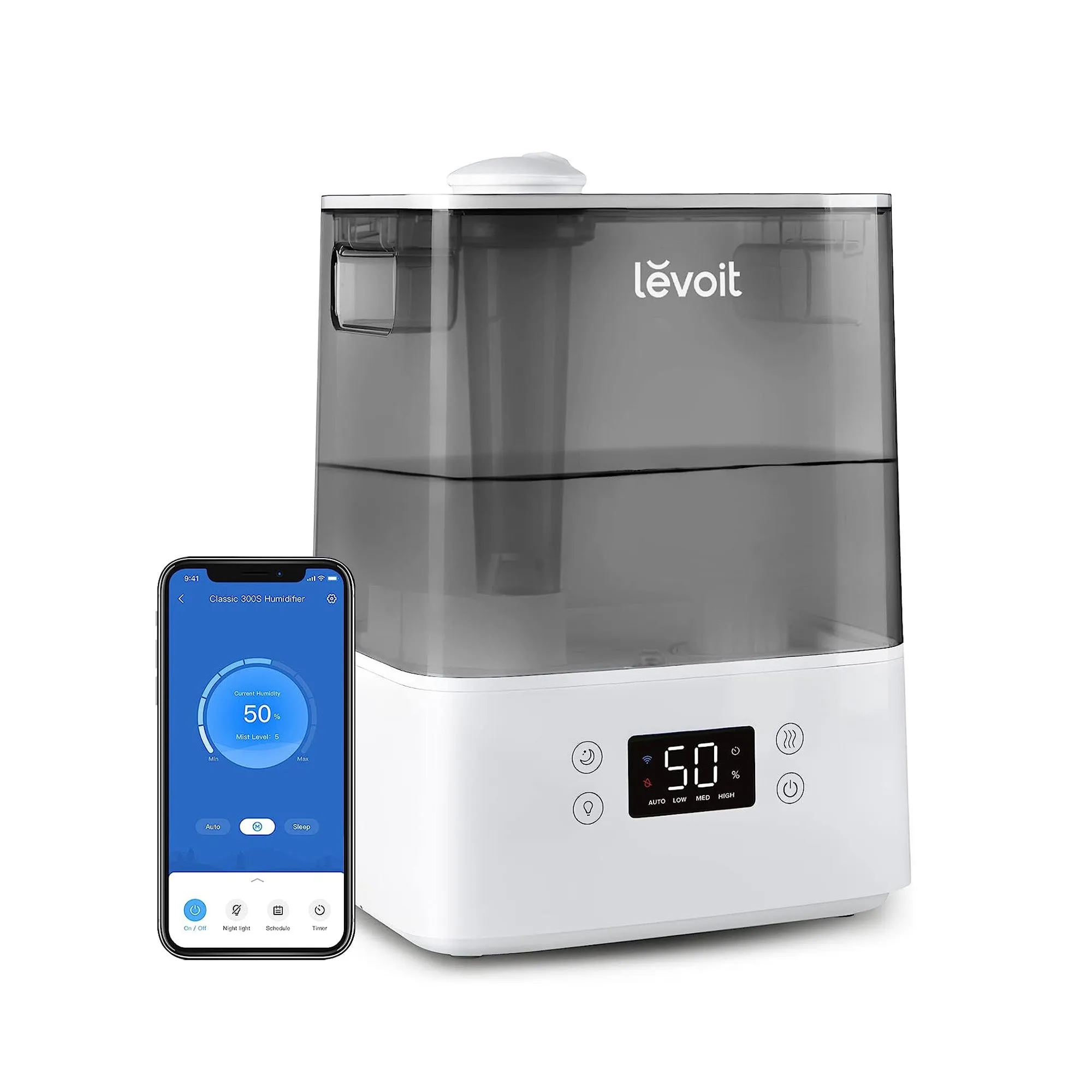
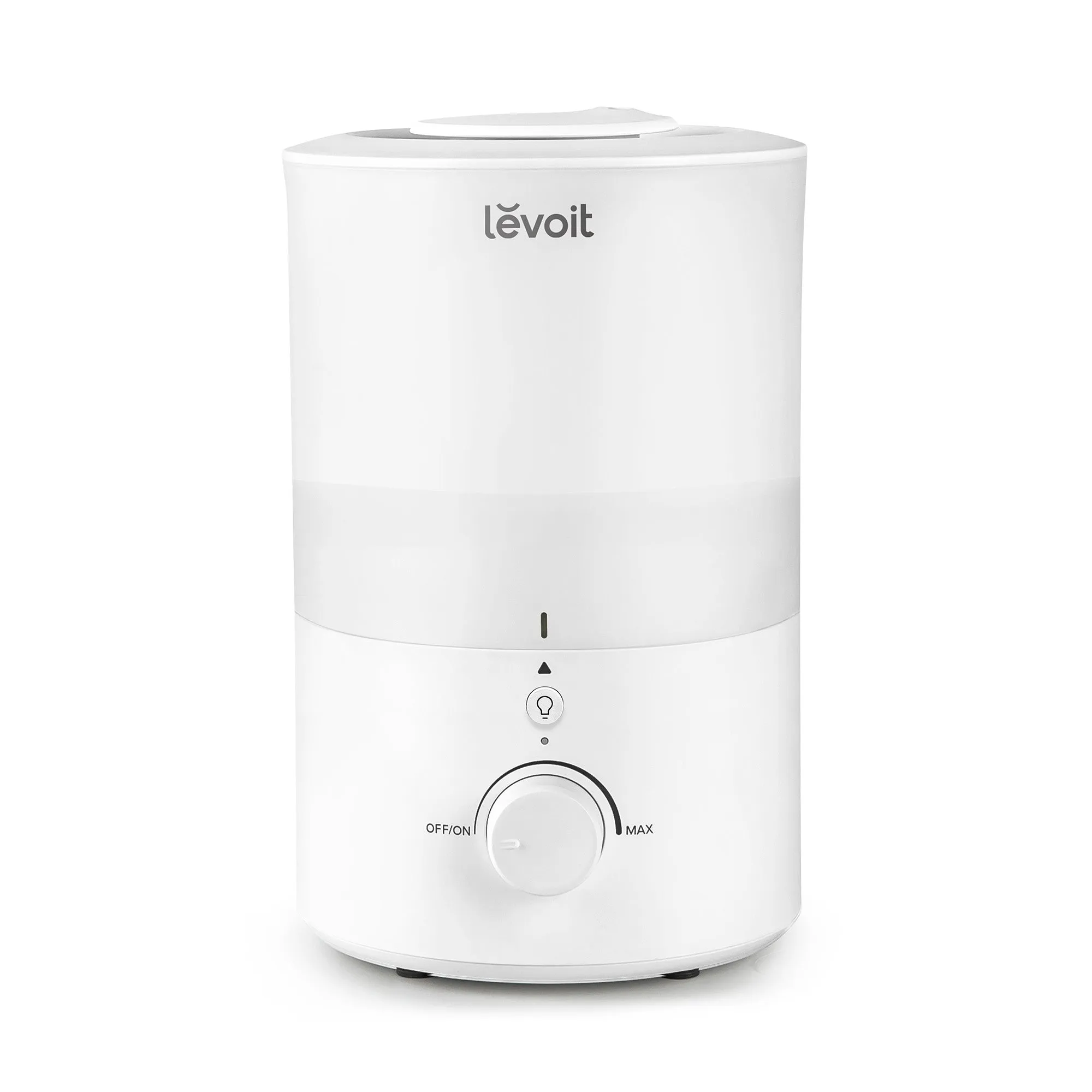
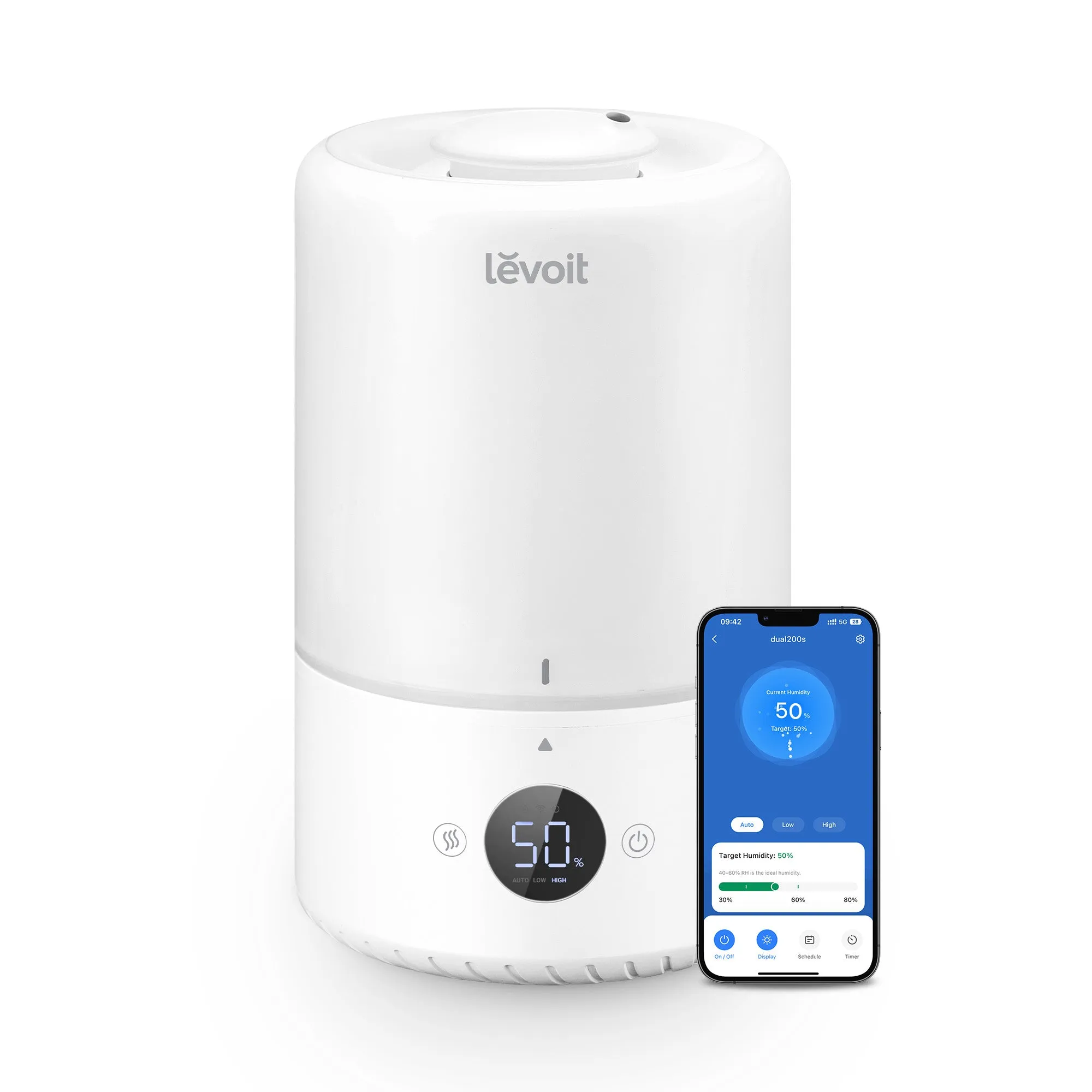
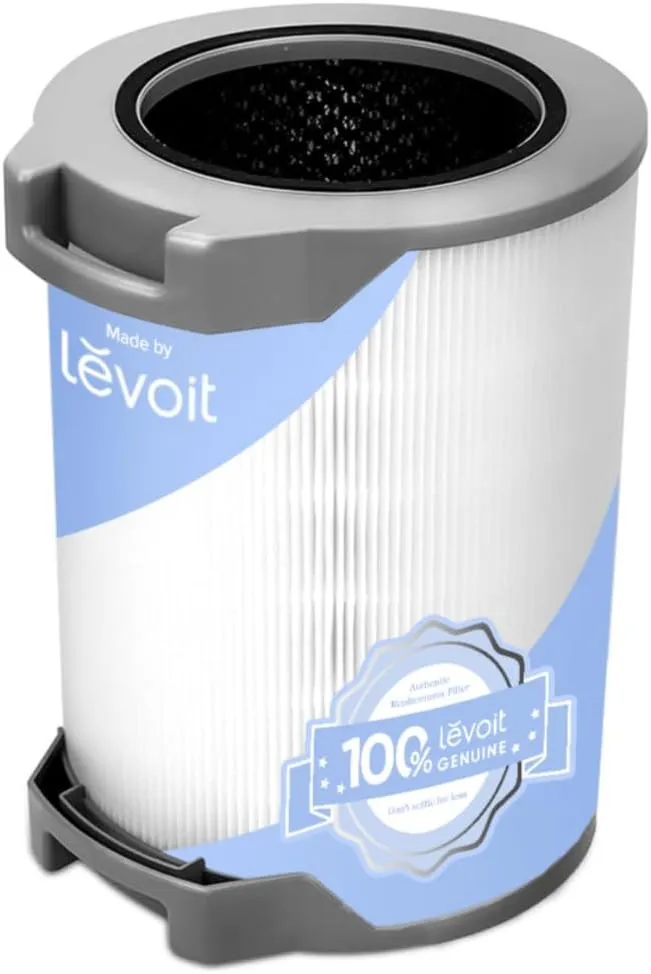
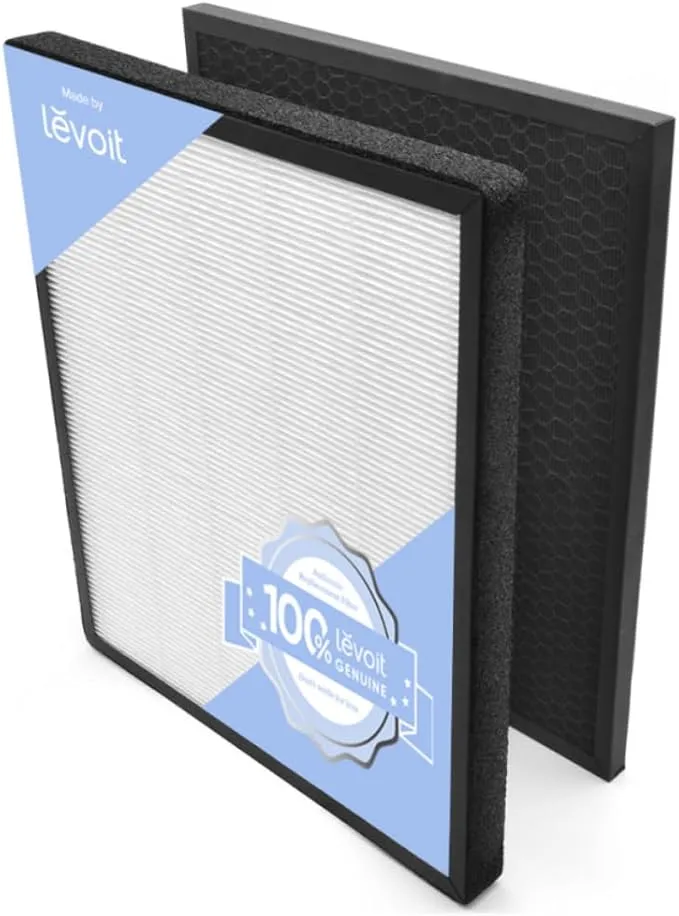
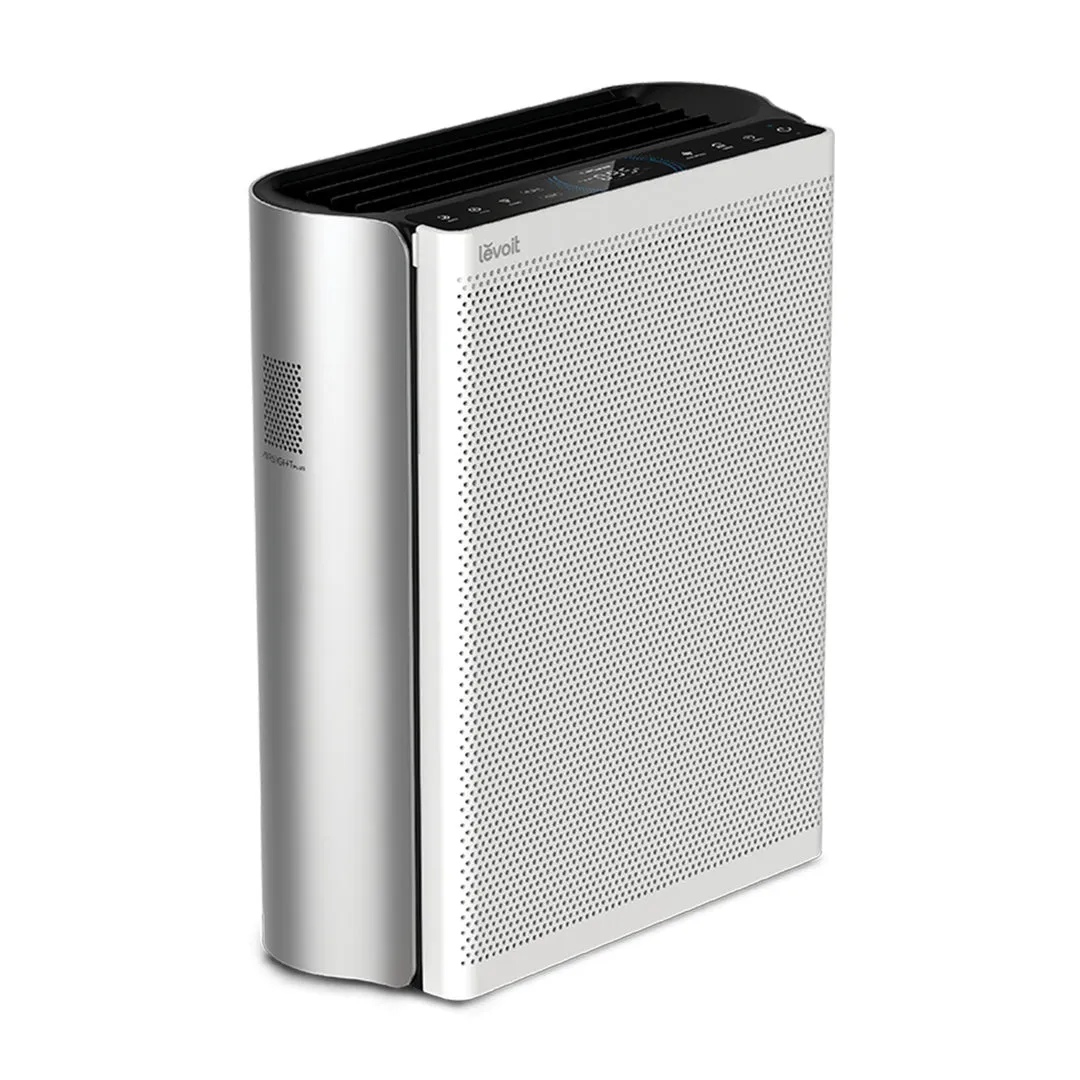
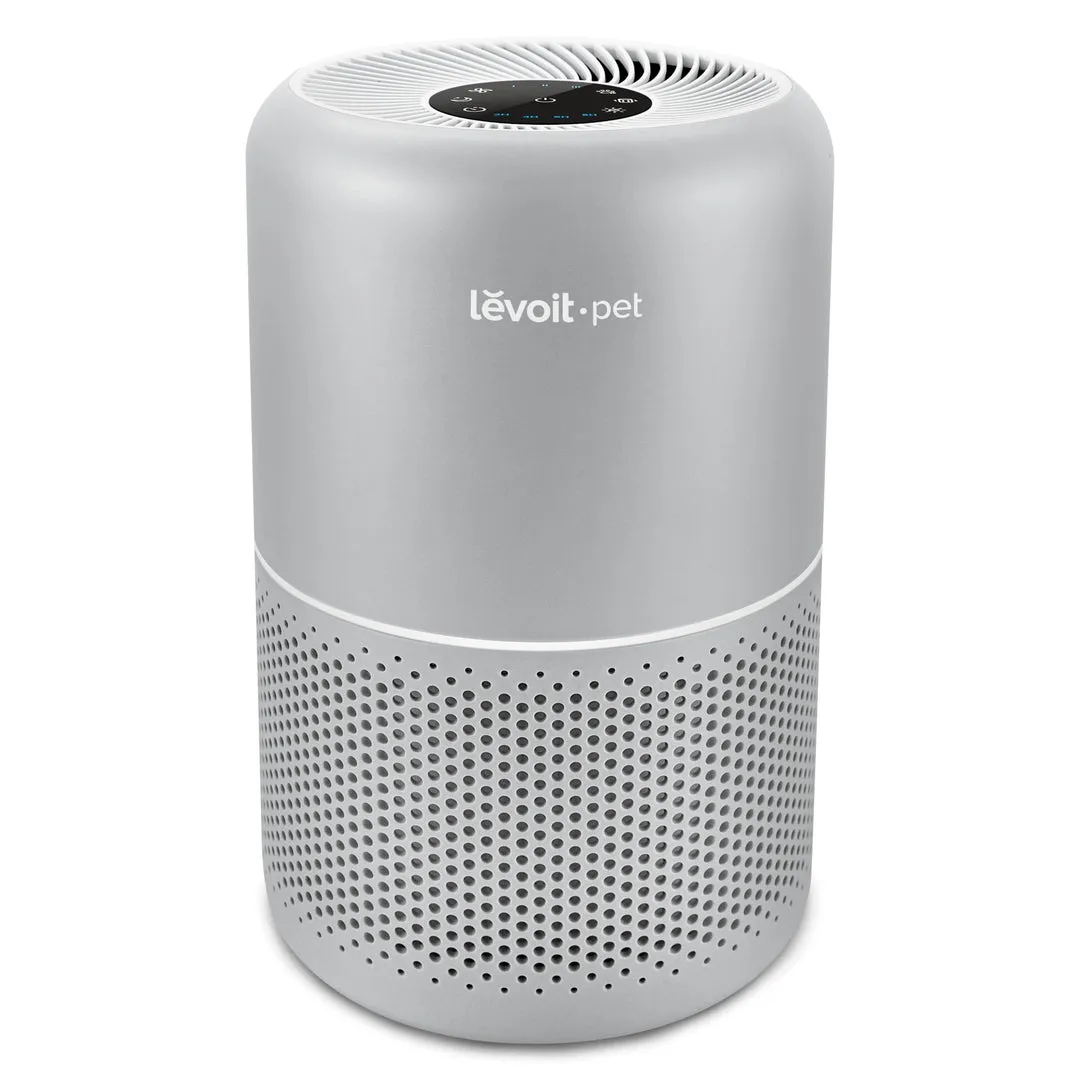
Cleanair-ae stocks a curated range of air purifiers, replacement filters, and humidifiers from Blueair, Honeywell, and Levoit, with fast delivery across Dubai, Abu Dhabi, and the wider UAE.
For those ready to act on the evidence in this article, the air purifier buying guide for 2026 covers device selection, sizing, and placement for both residential and commercial settings. If filtration alone does not suit your situation, the air purifier alternatives guide outlines eight additional methods for improving indoor air quality. Cleanair-ae also provides guidance on SME air purification choices for businesses looking to build a documented productivity case for their investment.
FAQ
What are clean air solutions?
Clean air solutions are technologies and practices that reduce indoor and outdoor airborne pollutants, including HEPA air purifiers, activated carbon filters, ventilation systems, and source control measures. They are used in residential, commercial, and industrial settings to protect health and improve air quality.
How does indoor air quality affect health?
Indoor air pollutants from gas stoves, mould, and synthetic materials reach the bloodstream and affect multiple organs, not just the lungs. The NIH identifies these invisible indoor pollutants as a significant health risk even when no odour or visible contamination is present.
What is the return on investment for clean air technologies?
Workplace IAQ improvements typically pay back within 24 months, with some analyses showing economic benefits exceeding costs by nearly 60 times. The US Clean Air Act provides a national-scale example, returning more than 30 times its costs in documented health and productivity benefits.
Which air purifier technology is most effective?
HEPA filtration is the most validated technology for particle removal, capturing 99.97% of particles at 0.3 microns under laboratory conditions. Real-world performance depends on correct sizing, placement, and integration with ventilation and source control rather than device specification alone.
Is clean air investment relevant for UAE residents specifically?
UAE residents spend a high proportion of time in air-conditioned indoor environments where pollutants accumulate without adequate ventilation. Dust, sand particulates, and indoor sources such as gas cooking make air quality improvements particularly relevant for both health protection and long-term wellbeing in the region.