




Uncategorised
Why maintain clean air year-round: a family health guide
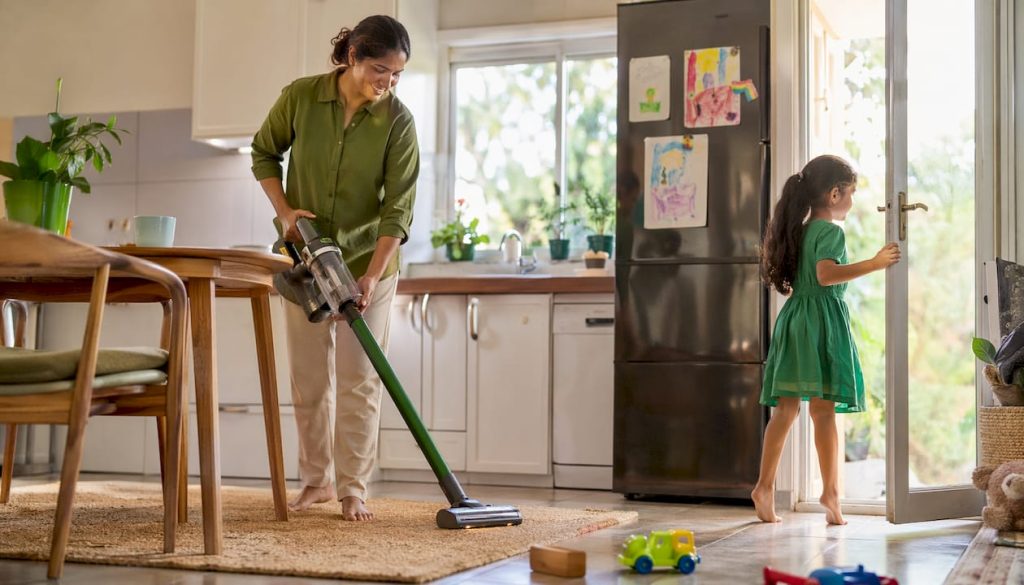
Maintaining clean air year-round means continuously managing indoor and outdoor pollutants to protect respiratory health, cardiovascular function, and overall well-being. Air quality is not a seasonal concern. Pollutants accumulate, shift, and re-enter your home every single day, regardless of the weather outside. Air pollution causes approximately 6.6 million deaths globally each year, with 84% of those deaths linked to noncommunicable diseases such as heart disease, stroke, and lung cancer. That figure makes poor air quality one of the most consequential and preventable health risks facing families today.
Why maintain clean air year-round: the health case
Poor air quality does not produce visible symptoms immediately, which is precisely what makes it dangerous. Exposure accumulates over months and years, quietly increasing the risk of serious disease.
The diseases most strongly associated with prolonged air pollution exposure include:
- Heart disease and stroke: Fine particulate matter enters the bloodstream and triggers inflammation in blood vessels.
- Lung cancer: Long-term exposure to carcinogenic particles, including those from cooking fumes and vehicle exhaust, raises cancer risk significantly.
- Chronic obstructive pulmonary disease (COPD): Repeated exposure to indoor and outdoor pollutants accelerates lung tissue damage.
- Respiratory infections: Polluted air weakens the respiratory tract’s natural defences, making infections more frequent and severe.
Children, pregnant women, older adults, and people with pre-existing conditions face disproportionately higher illness and mortality rates from polluted air. A child’s lungs are still developing, meaning early exposure causes lasting structural damage. Pregnant women exposed to high pollution levels face elevated risks of preterm birth and low birth weight.
“The health burden of poor air quality is not evenly distributed. Social determinants such as poverty and limited healthcare access amplify vulnerability, meaning the families with the fewest resources often suffer the most from polluted air.”
Short-term exposure causes headaches, eye irritation, and fatigue. Long-term exposure reshapes organ function. Both matter, and psychosocial stressors compound the harm by reducing the body’s capacity to recover from pollution-related damage.
How do indoor and outdoor pollution sources affect year-round air quality?
Most families assume outdoor air is the primary threat. The reality is more complicated, and understanding it changes how you approach indoor air quality management entirely.
Indoor pollutants originate from sources that operate daily, regardless of season. The most common include:
- Cooking fumes: Gas hobs and frying release nitrogen dioxide, carbon monoxide, and fine particulate matter directly into living spaces.
- Cleaning products: Aerosol sprays and solvent-based cleaners emit volatile organic compounds (VOCs) that linger in the air for hours.
- Pets: Dander, saliva proteins, and fur shed continuously, accumulating in soft furnishings and circulating through HVAC systems.
- Building materials: Older flooring, adhesives, and insulation can off-gas formaldehyde and other VOCs over years.
- Ventilation habits: Keeping windows closed to manage temperature traps pollutants indoors and allows concentrations to rise.
Outdoor air quality varies by day, season, and local conditions. Sandstorms in the UAE, pollen surges in spring, and traffic pollution peaks during commuting hours all push pollutants indoors through gaps, ventilation intakes, and open windows. Indoor pollutant levels can climb to three to four times higher than outdoor levels during winter, when homes are sealed and fresh air circulation drops sharply. That concentration effect means families breathe more pollutants per cubic metre of air than they would standing outside.
Seasonal shifts also change the type of pollutant you face. Spring brings biological allergens. Summer increases ground-level ozone formation. Autumn stirs mould spores from decaying organic matter. Winter seals in combustion byproducts and VOCs. No single season is safe, which is why indoor pollution sources require continuous attention rather than reactive fixes.
Which strategies effectively maintain clean air all year?
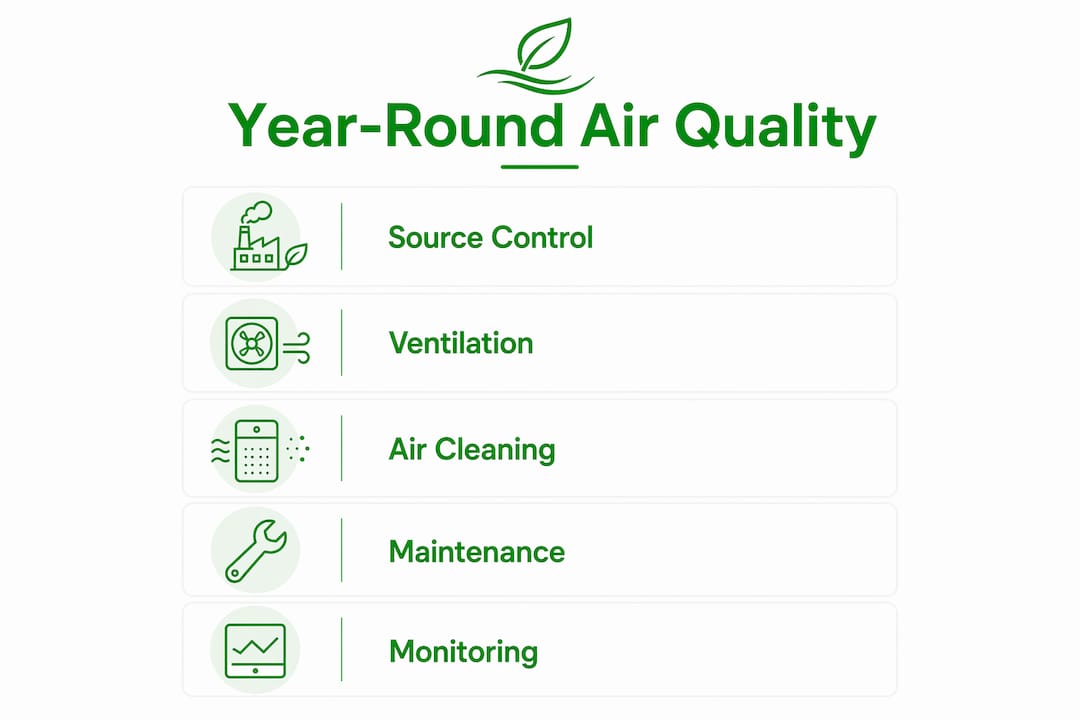
Source control, ventilation, and air cleaning form the three essential pillars of effective year-round air quality management. Relying on any single measure leaves significant gaps.
| Pillar | What it does | Practical example |
|---|---|---|
| Source control | Reduces pollutants at origin | Switch to unscented, low-VOC cleaning products |
| Ventilation | Dilutes and removes indoor pollutants | Use extractor fans during cooking; open windows when outdoor AQI is low |
| Air cleaning | Captures particles and gases that remain | Run a HEPA-grade air purifier continuously in living areas |
Source control: the first line of defence
Source control is the most cost-effective pillar because it prevents pollutants from entering the air in the first place. Replacing solvent-based cleaners with water-based alternatives, fitting extractor hoods over hobs, and choosing low-emission furnishings all reduce the baseline pollutant load your purifier must handle.
Ventilation: managing airflow deliberately
Ventilation works best when it is timed and targeted. Opening windows during early morning hours, when outdoor traffic pollution is lower, brings in fresher air without introducing peak-hour exhaust. HVAC systems benefit from seasonal filter adjustments that can reduce energy costs by up to 15% while maintaining filtration performance. Higher-rated filters capture smaller particles during high-allergen seasons; standard filters suffice when outdoor air quality is better.
Air cleaning: continuous filtration
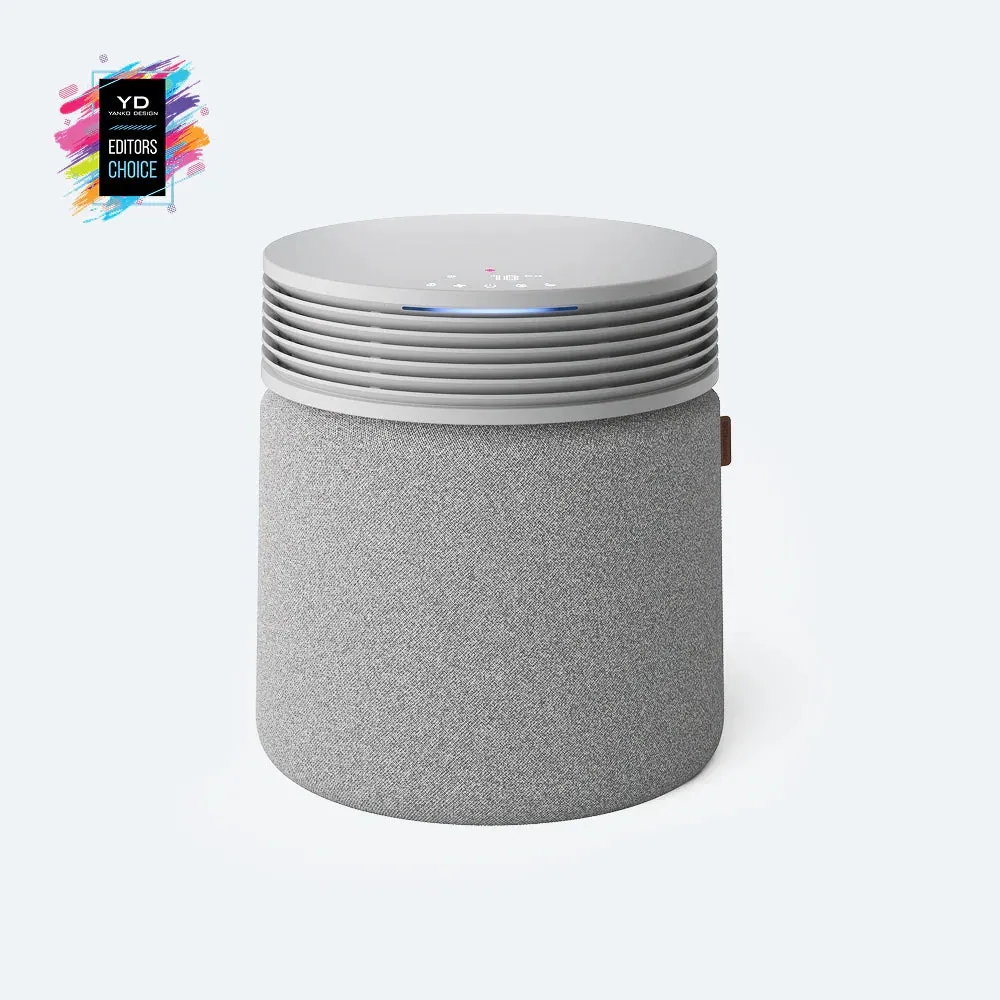
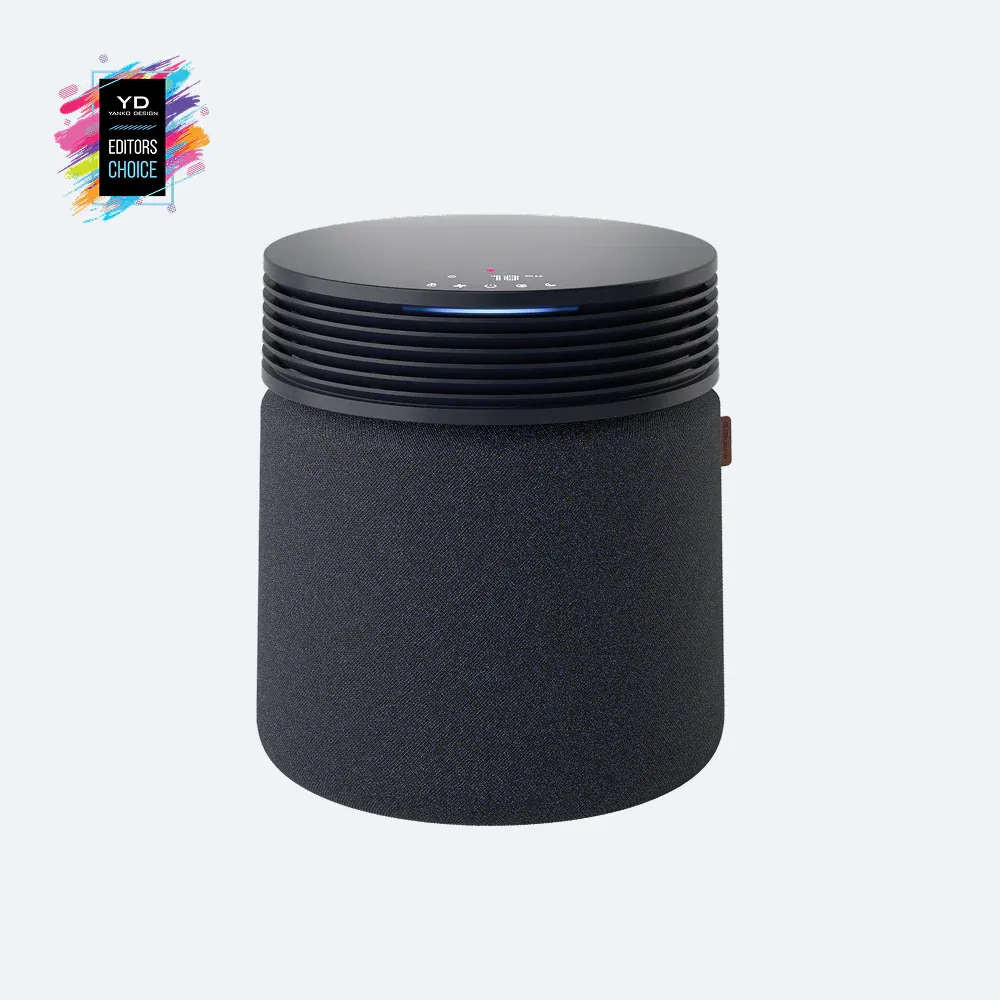
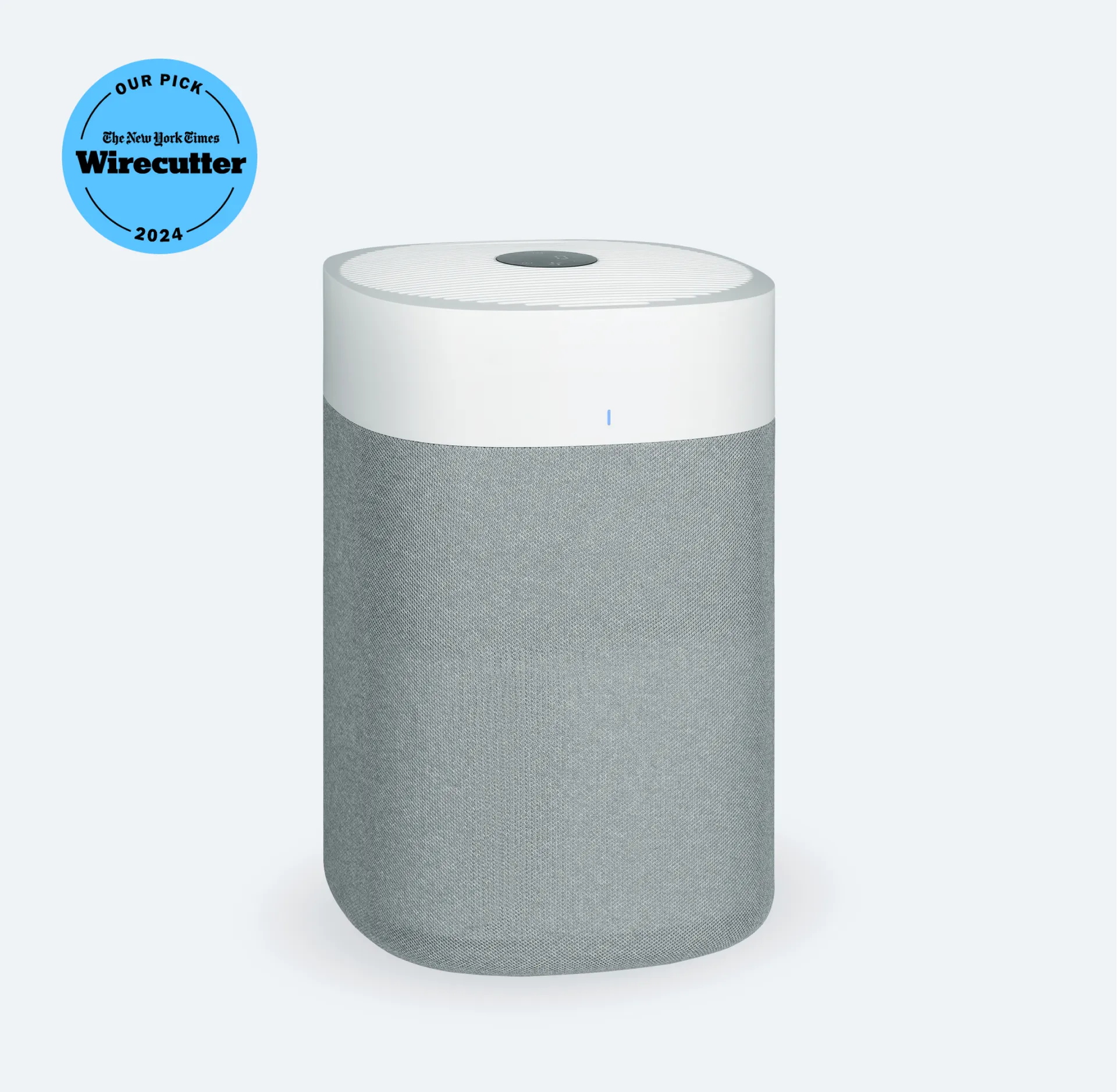
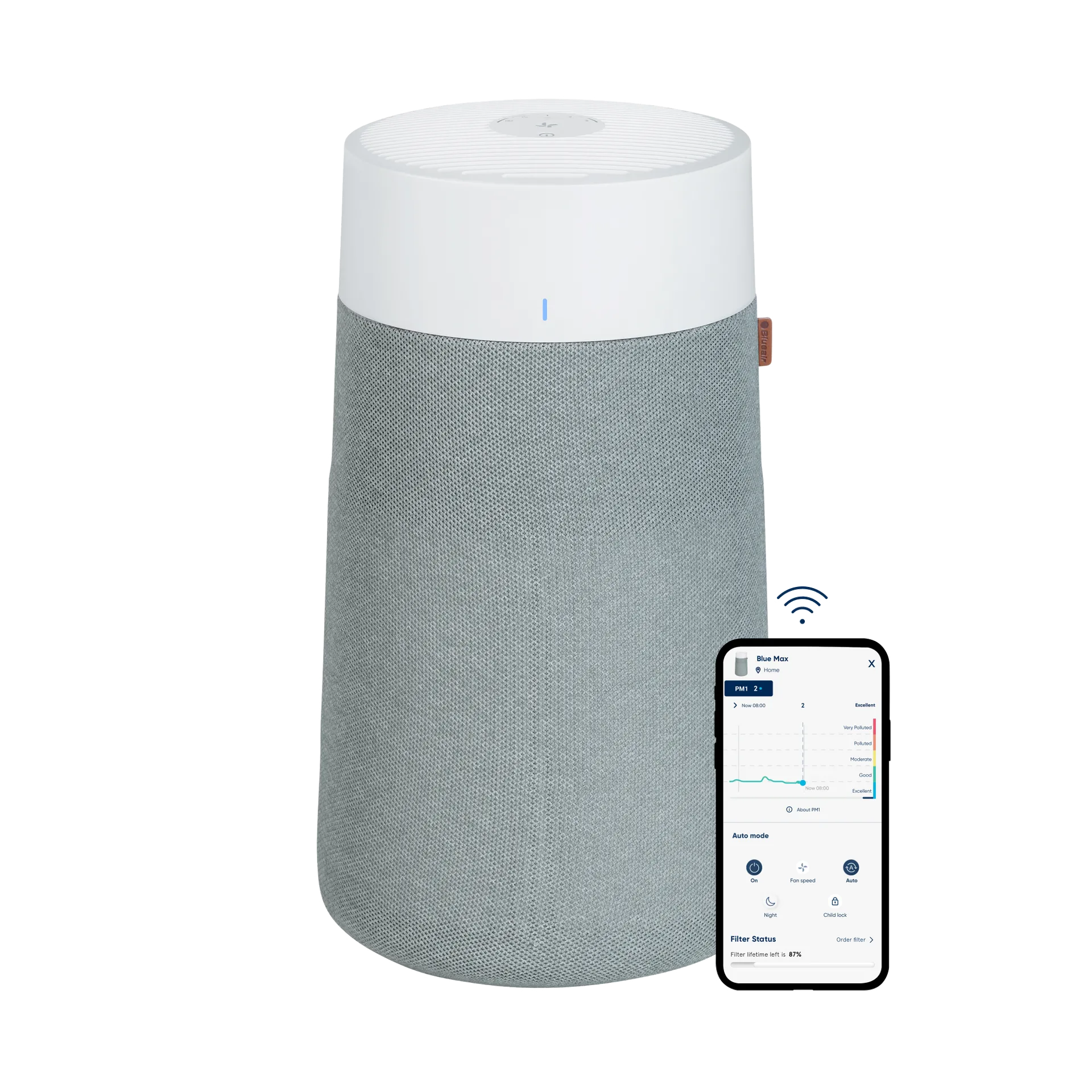
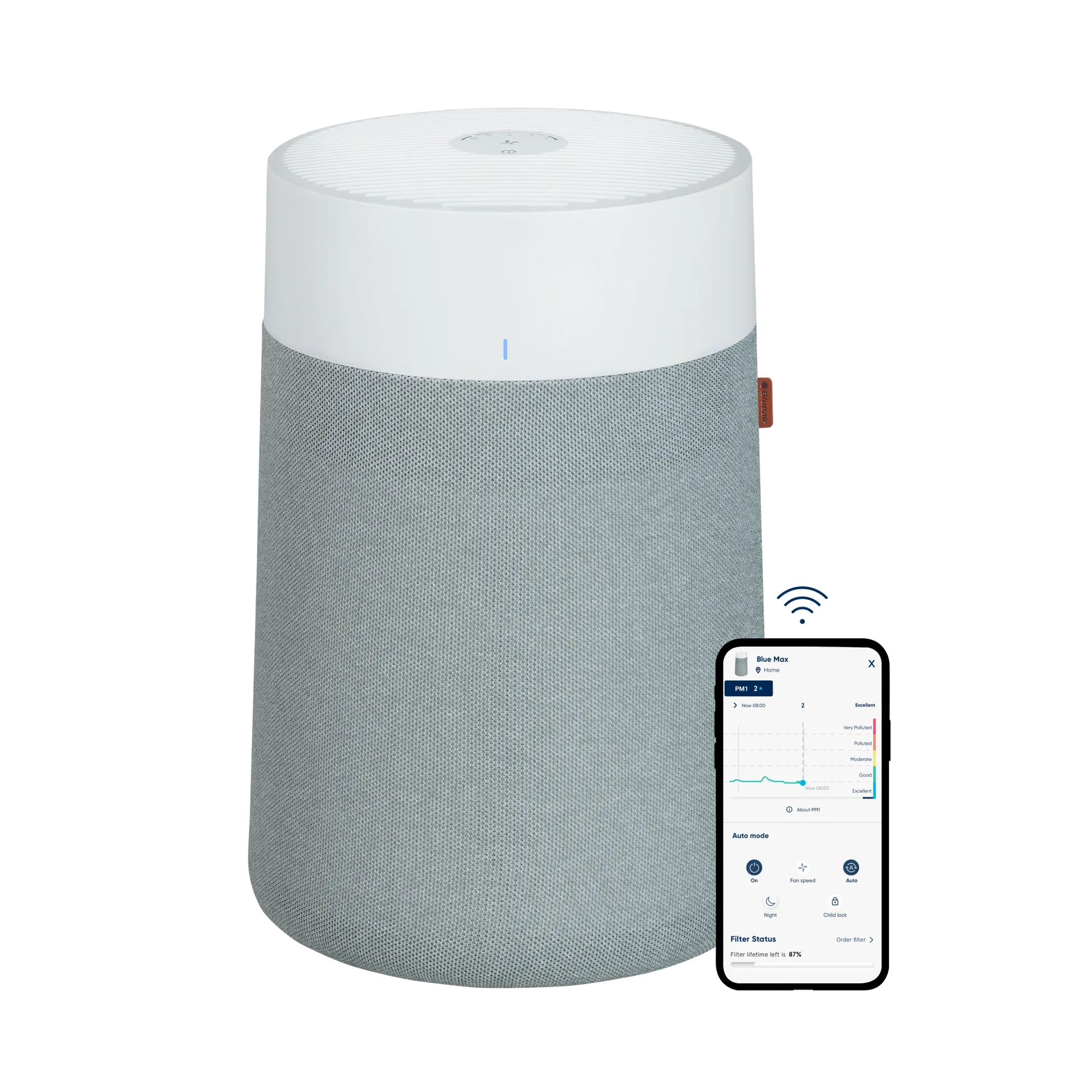
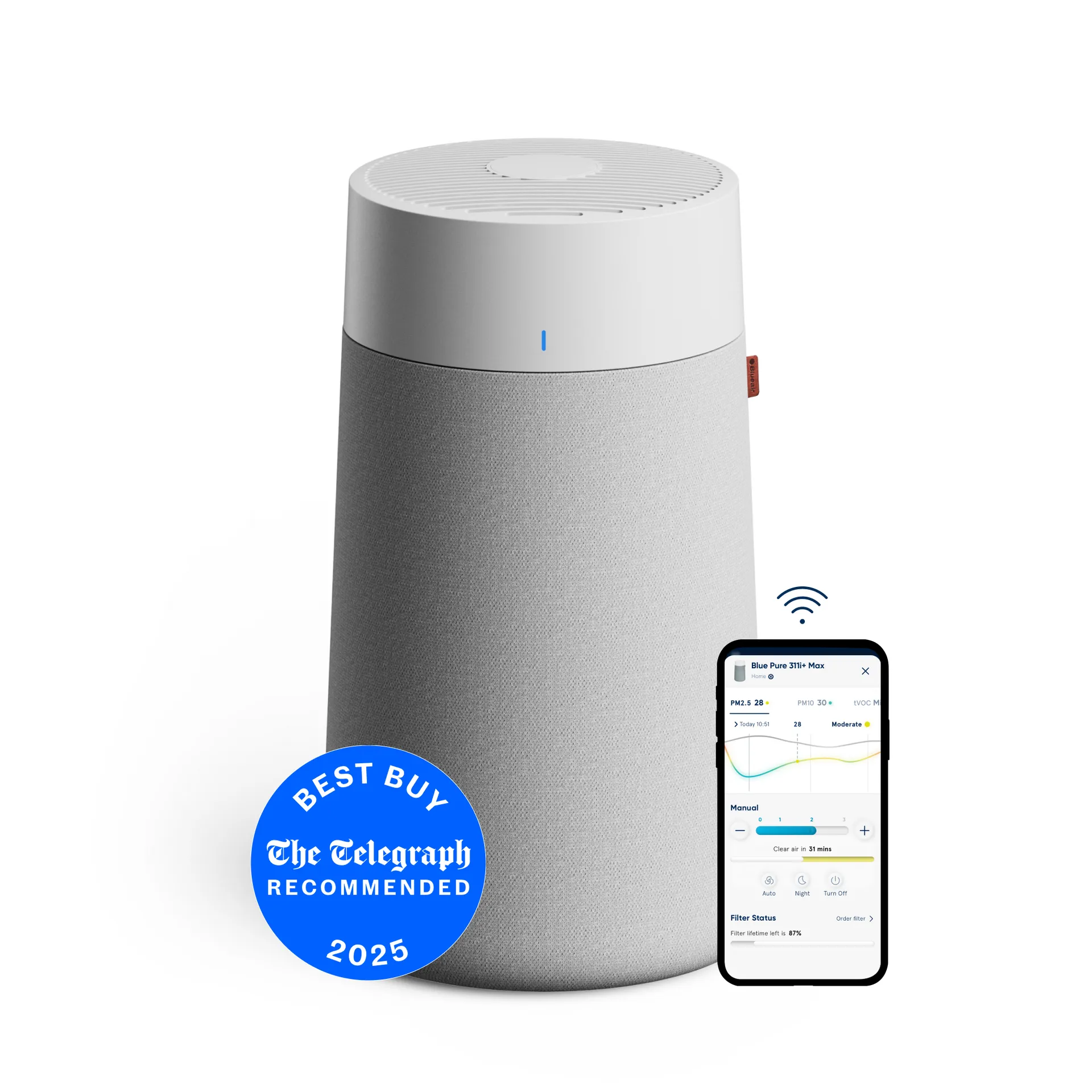
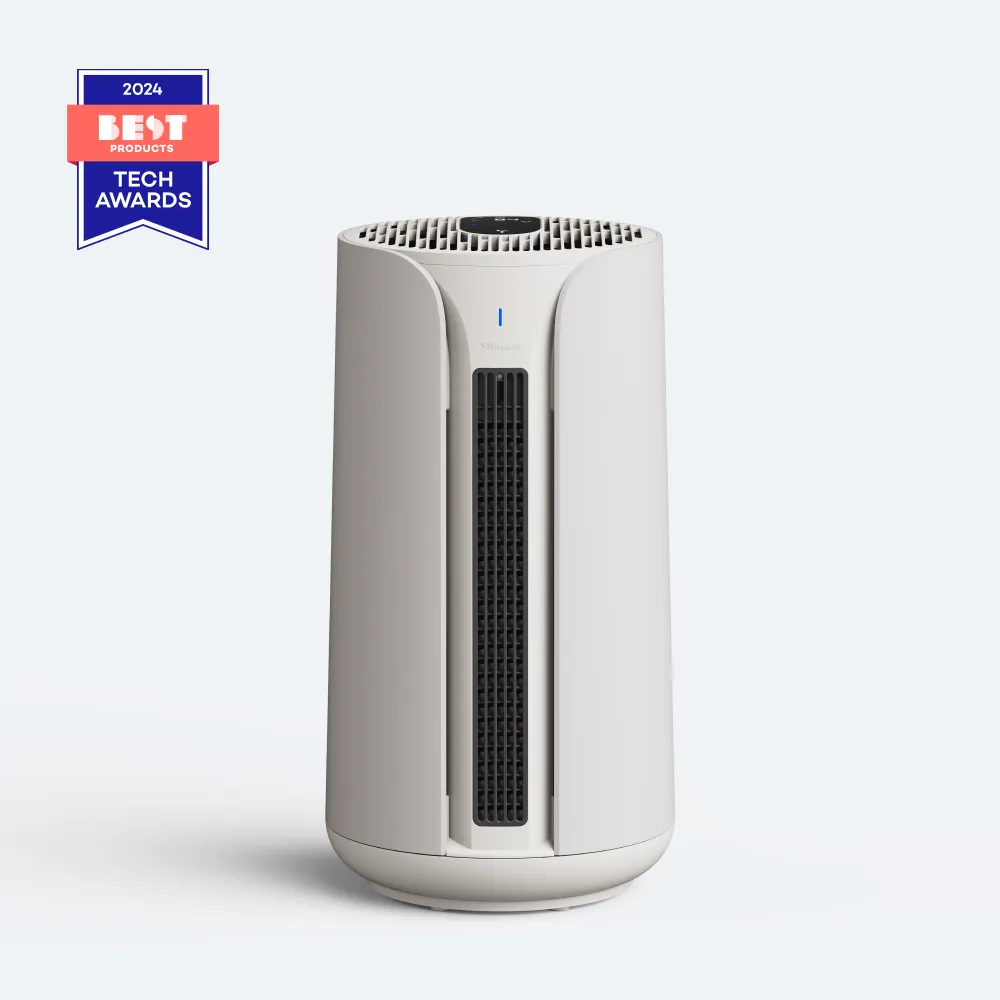
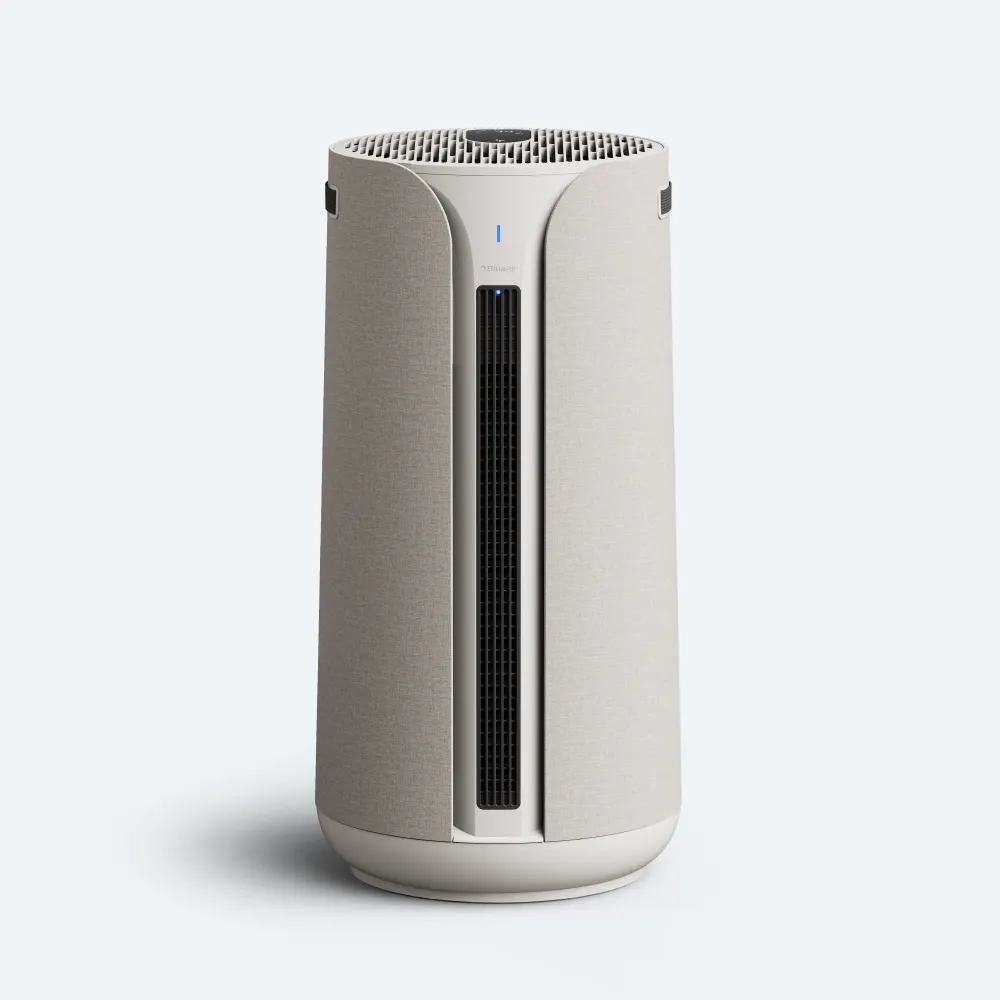
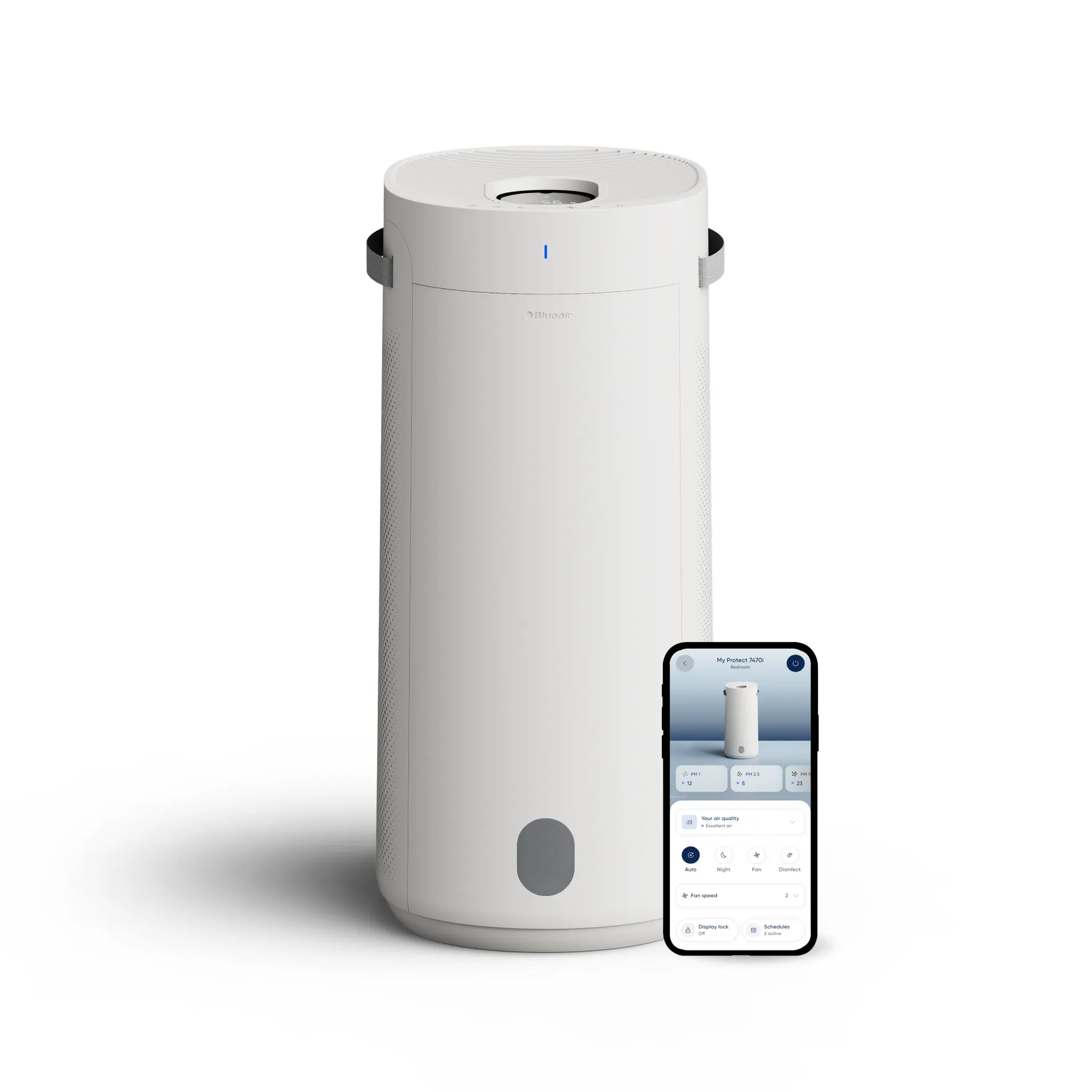
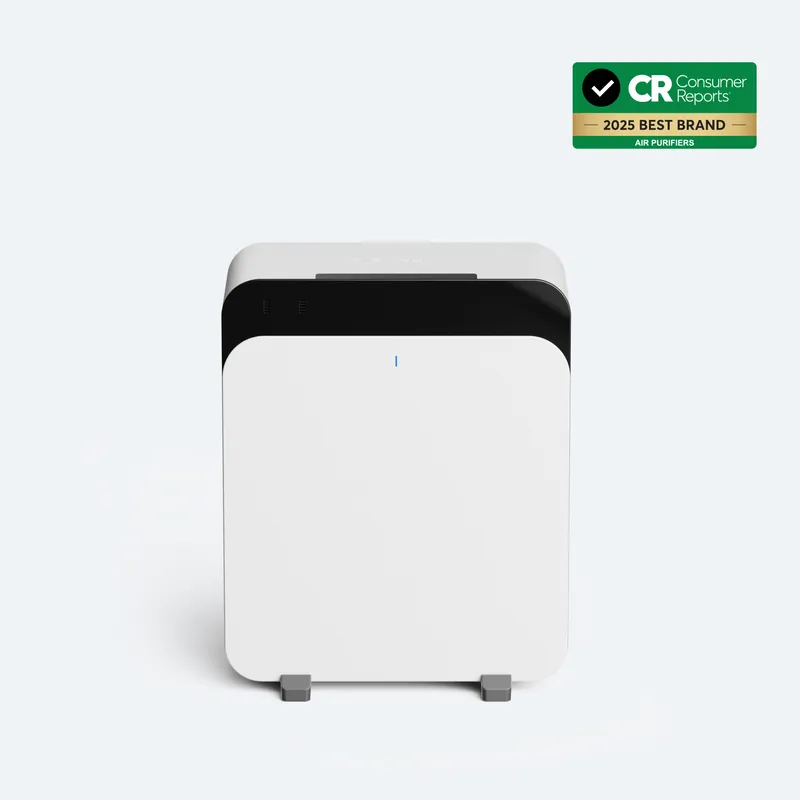
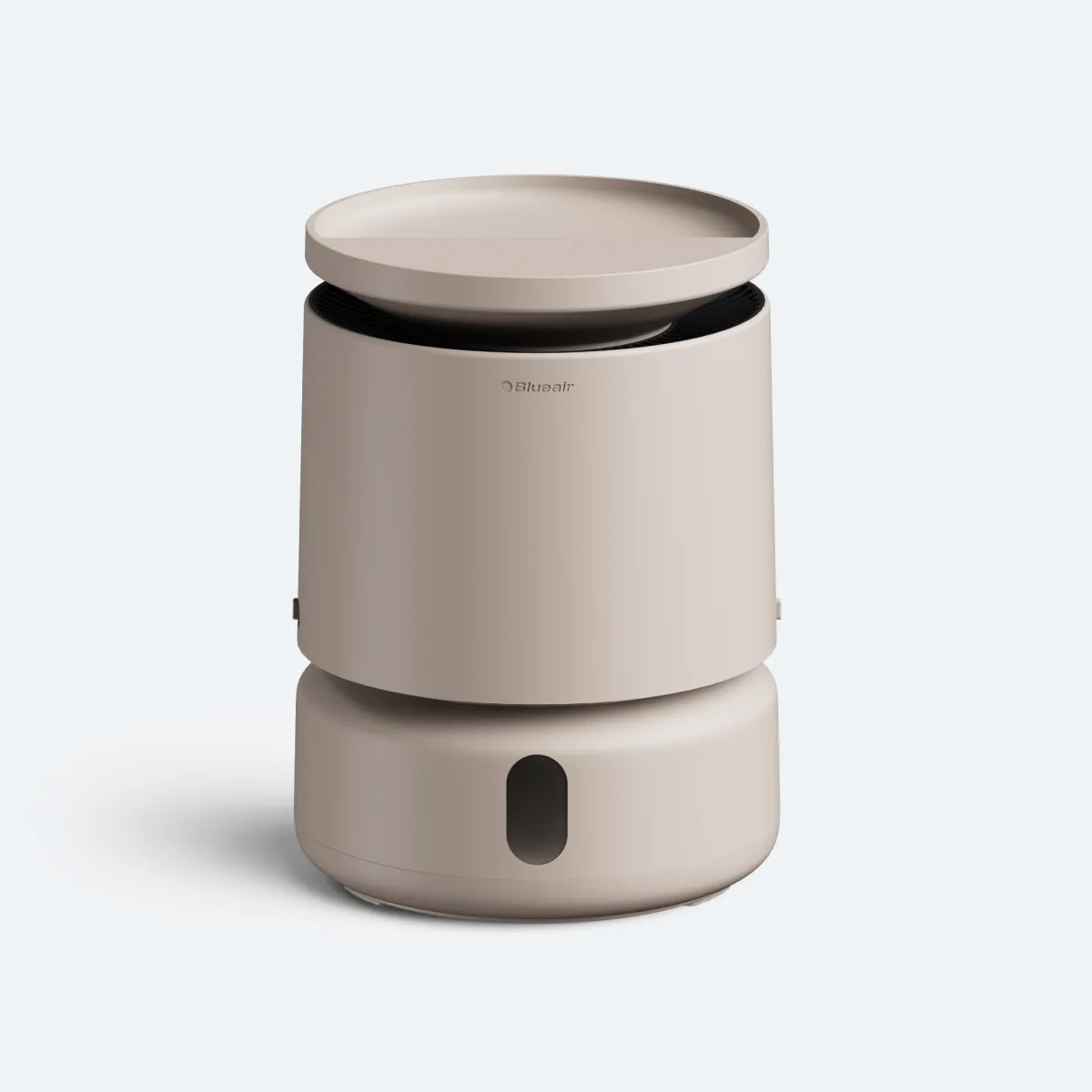
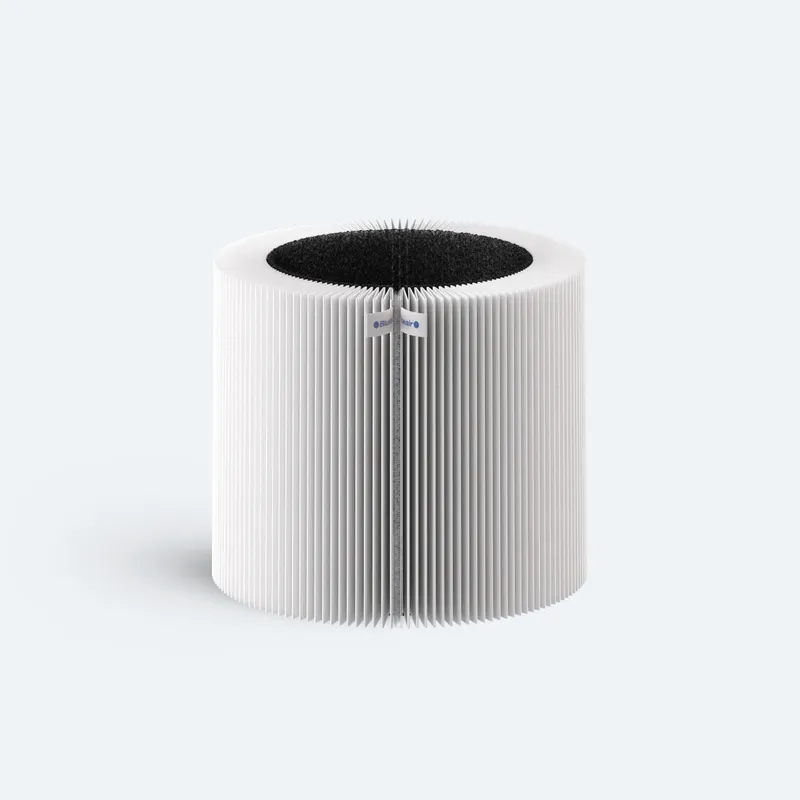
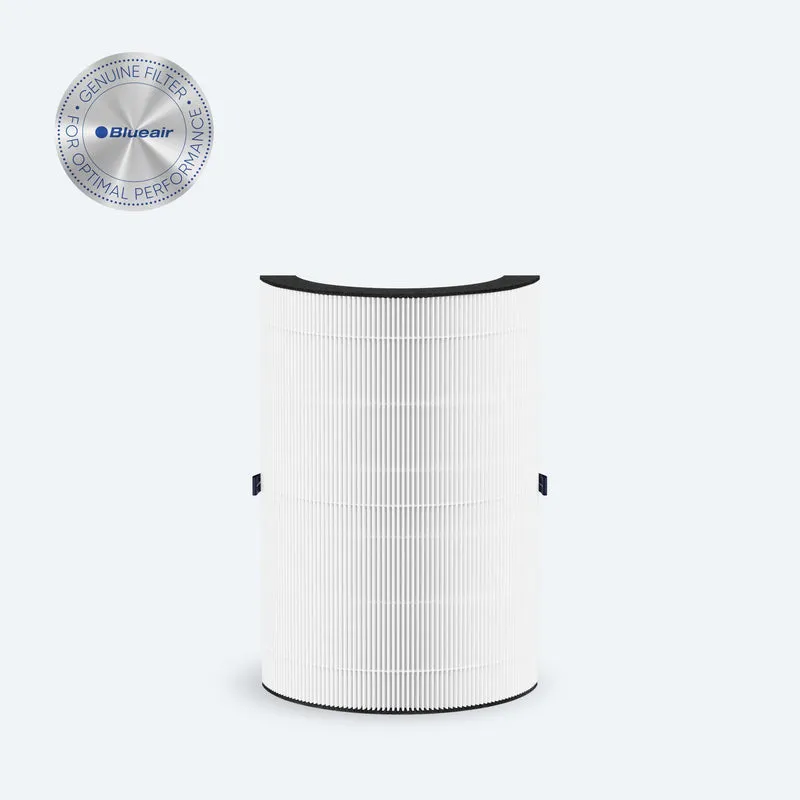
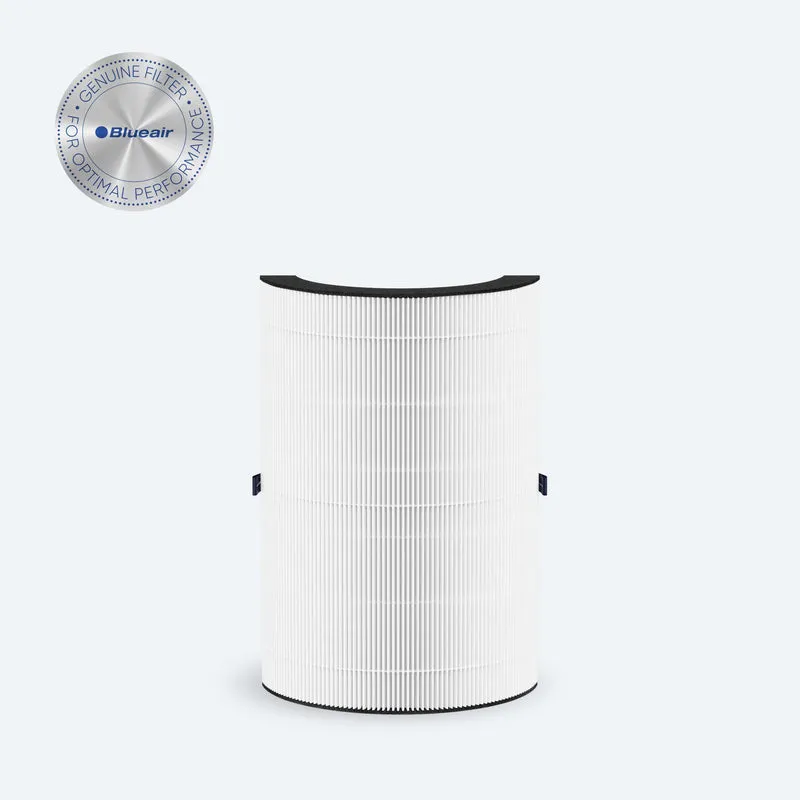
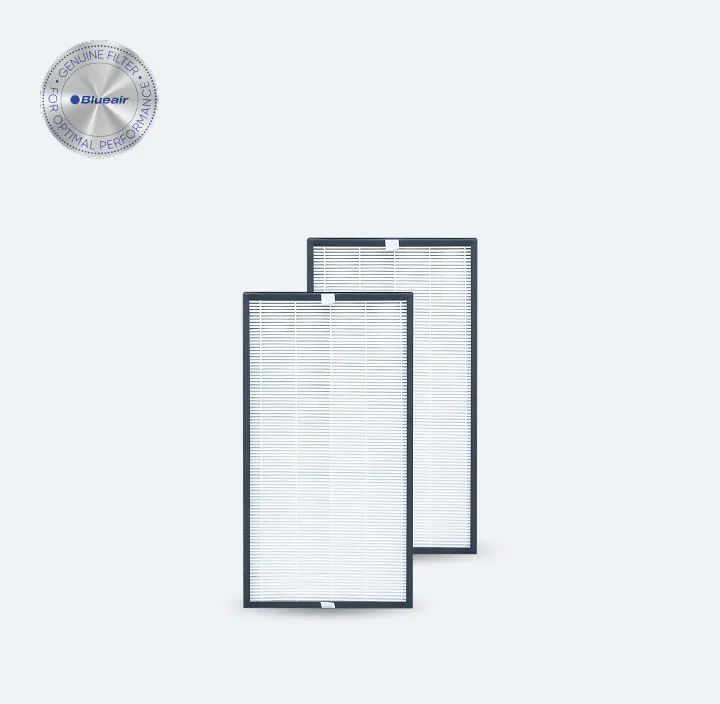
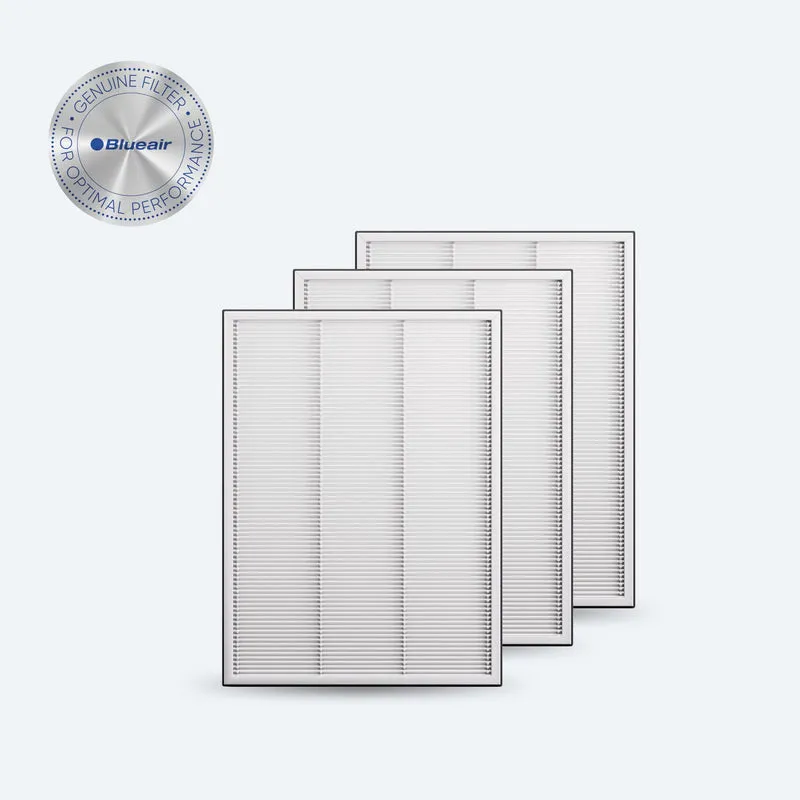
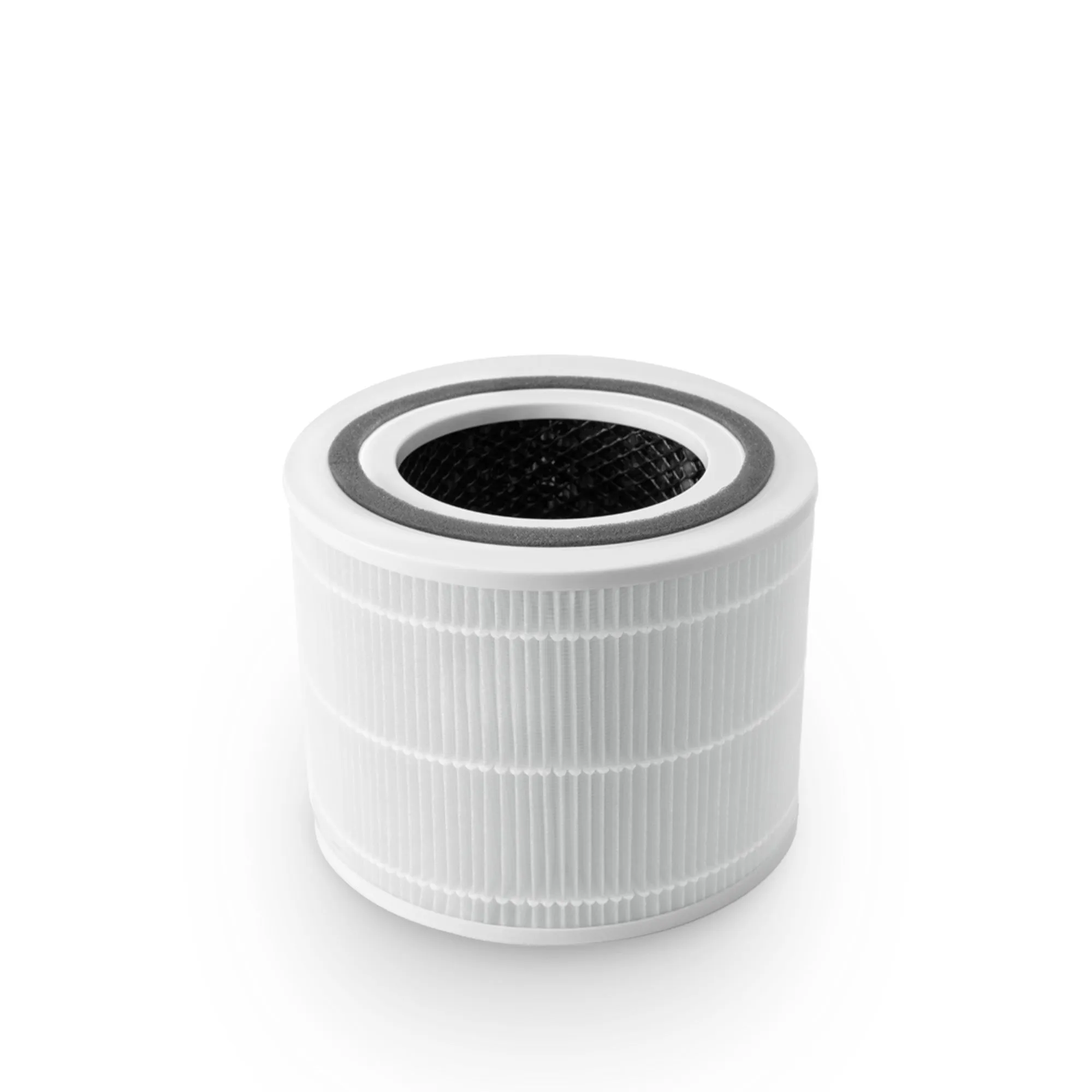
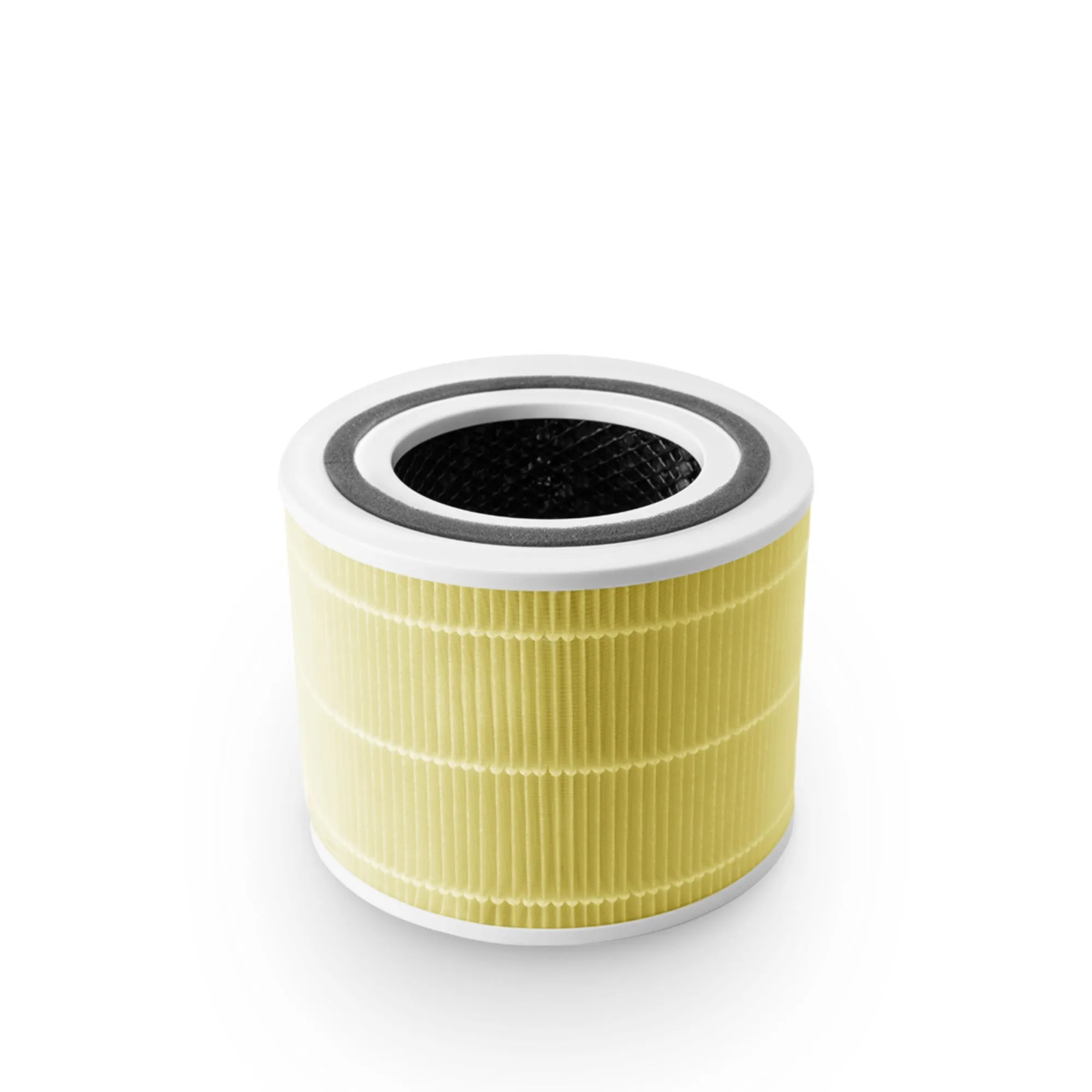
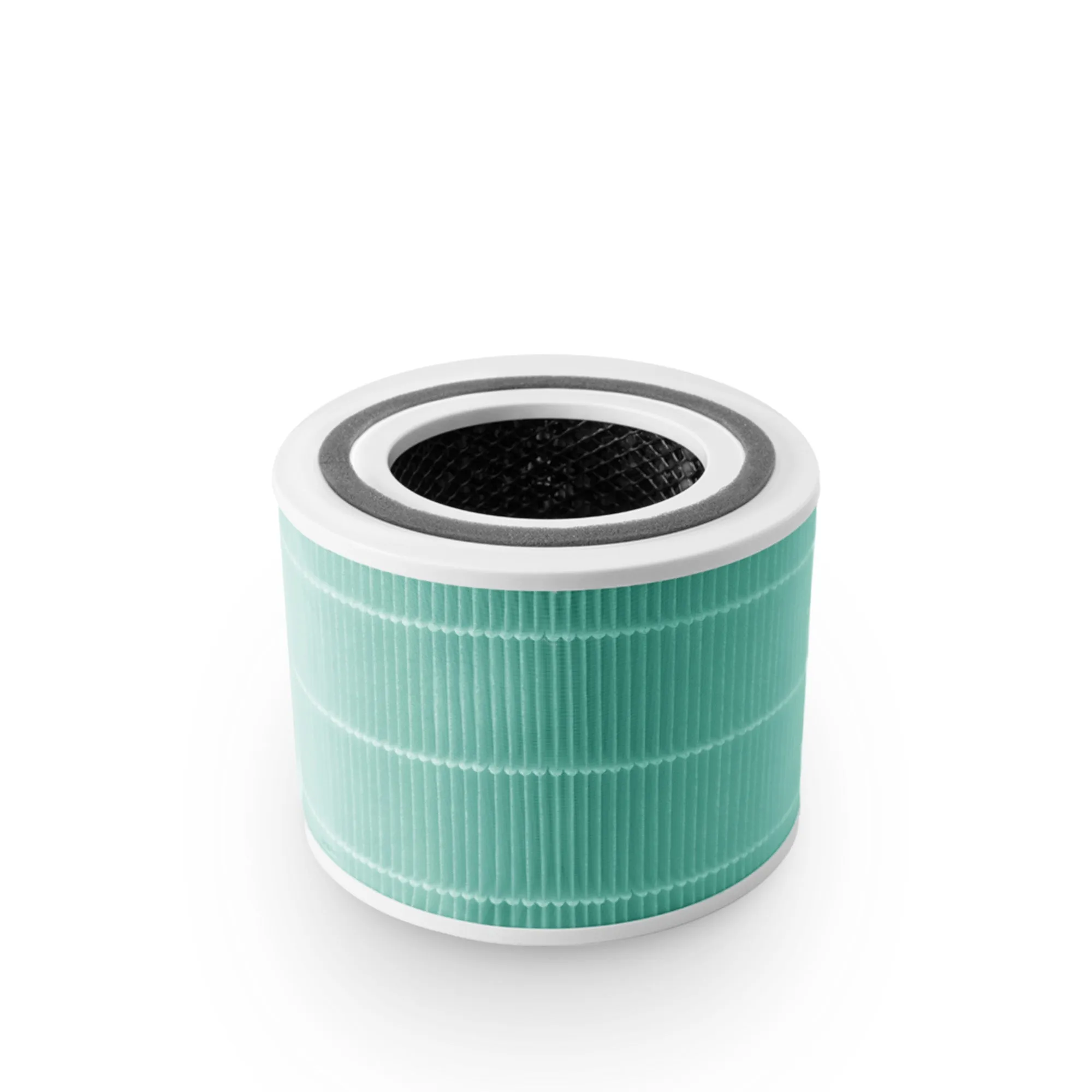
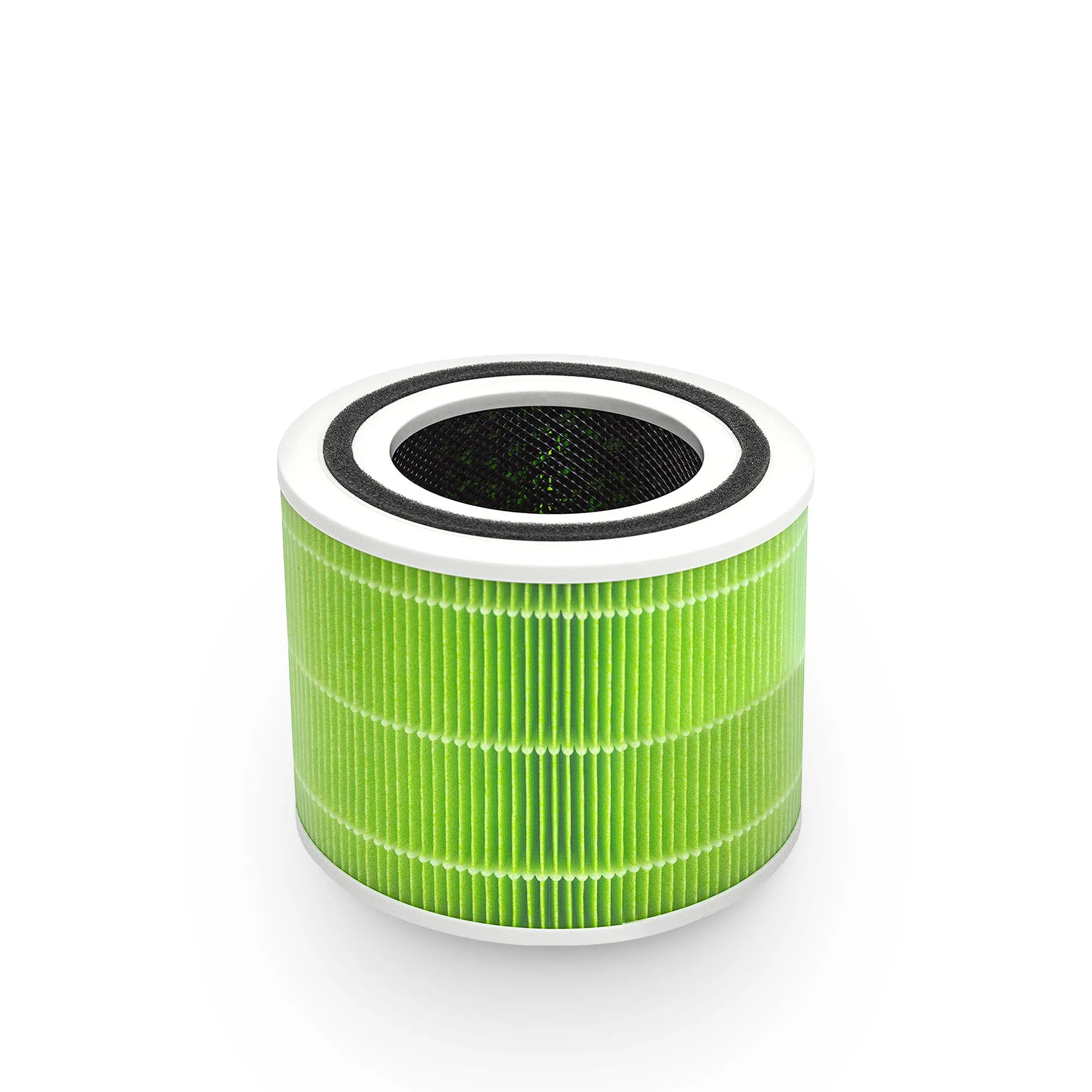
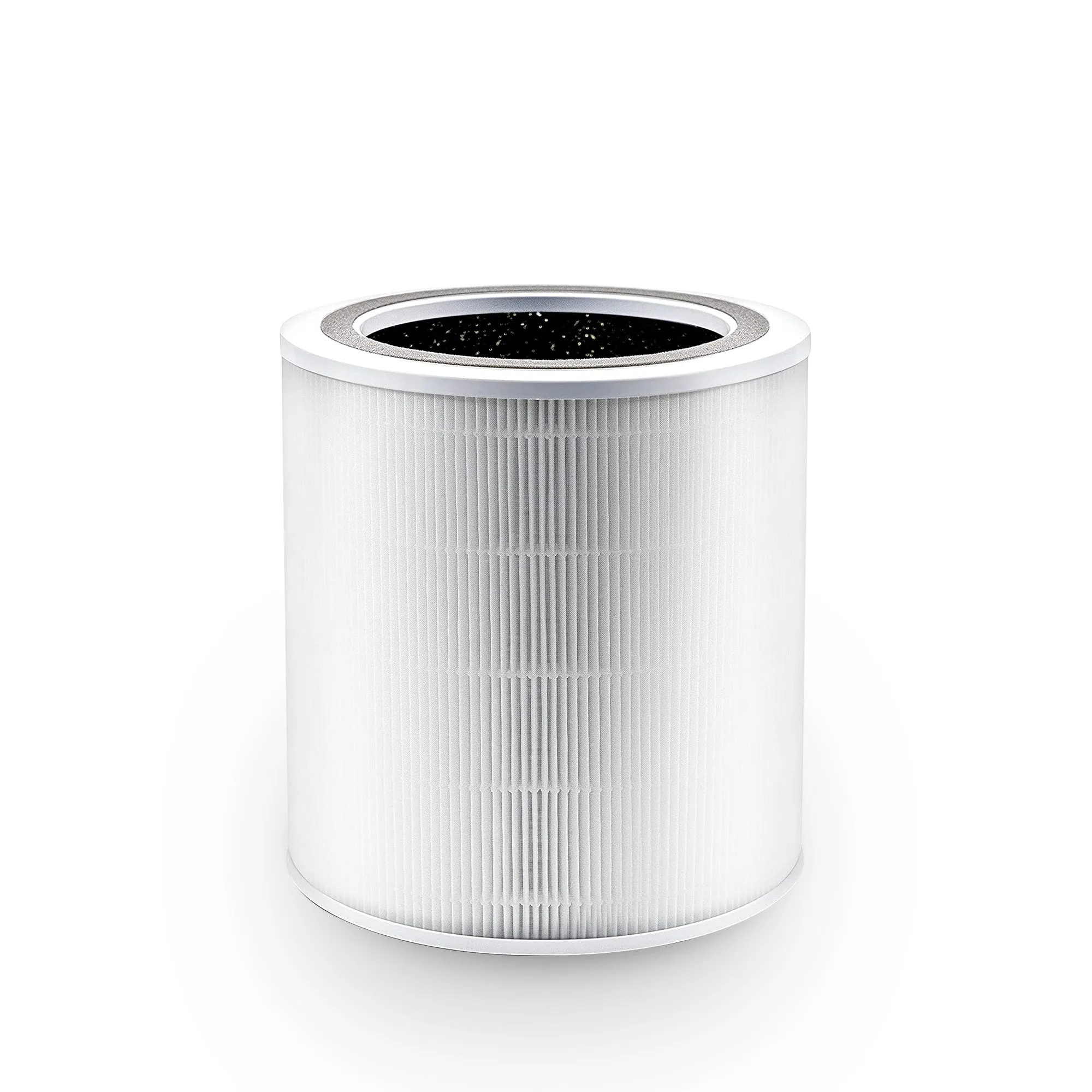
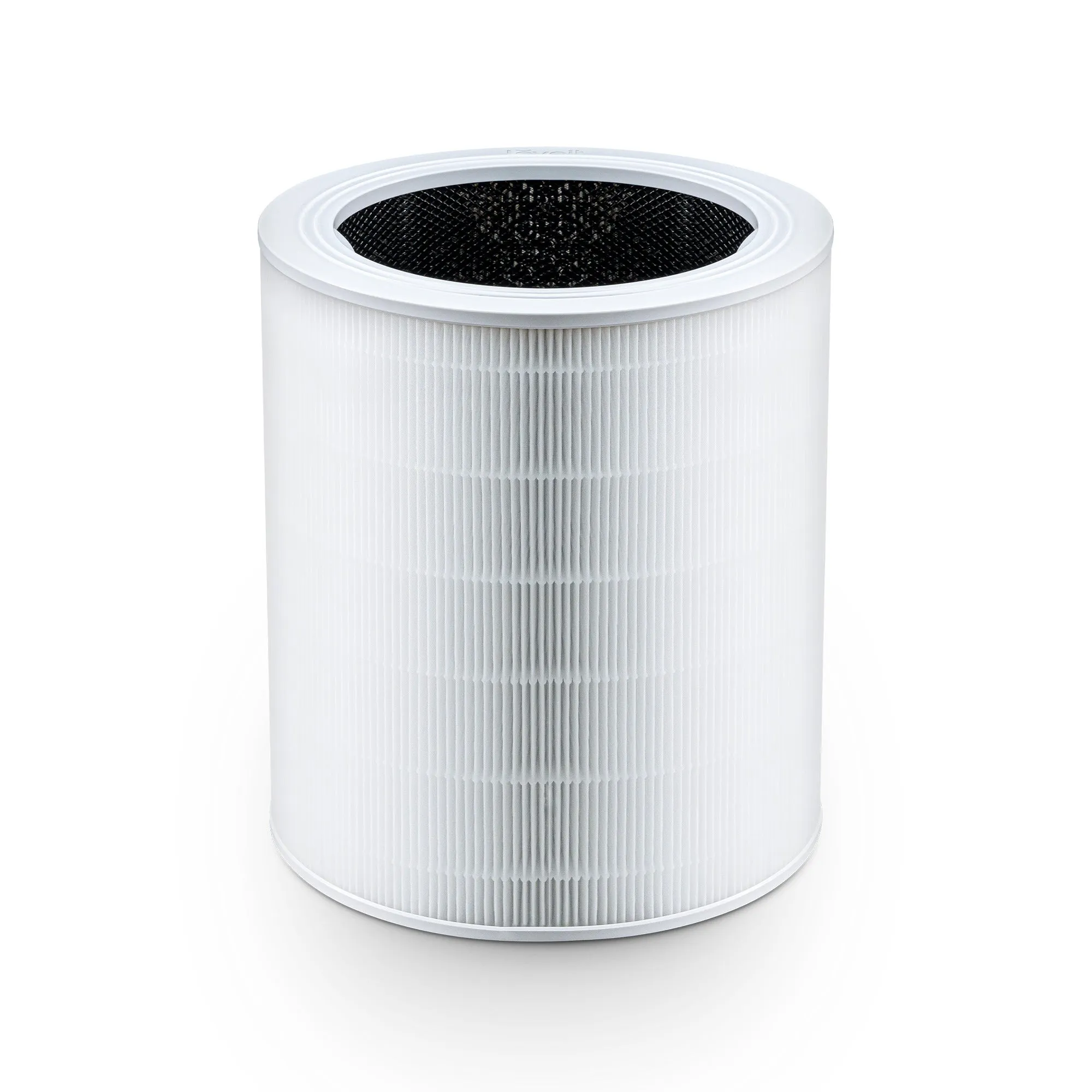
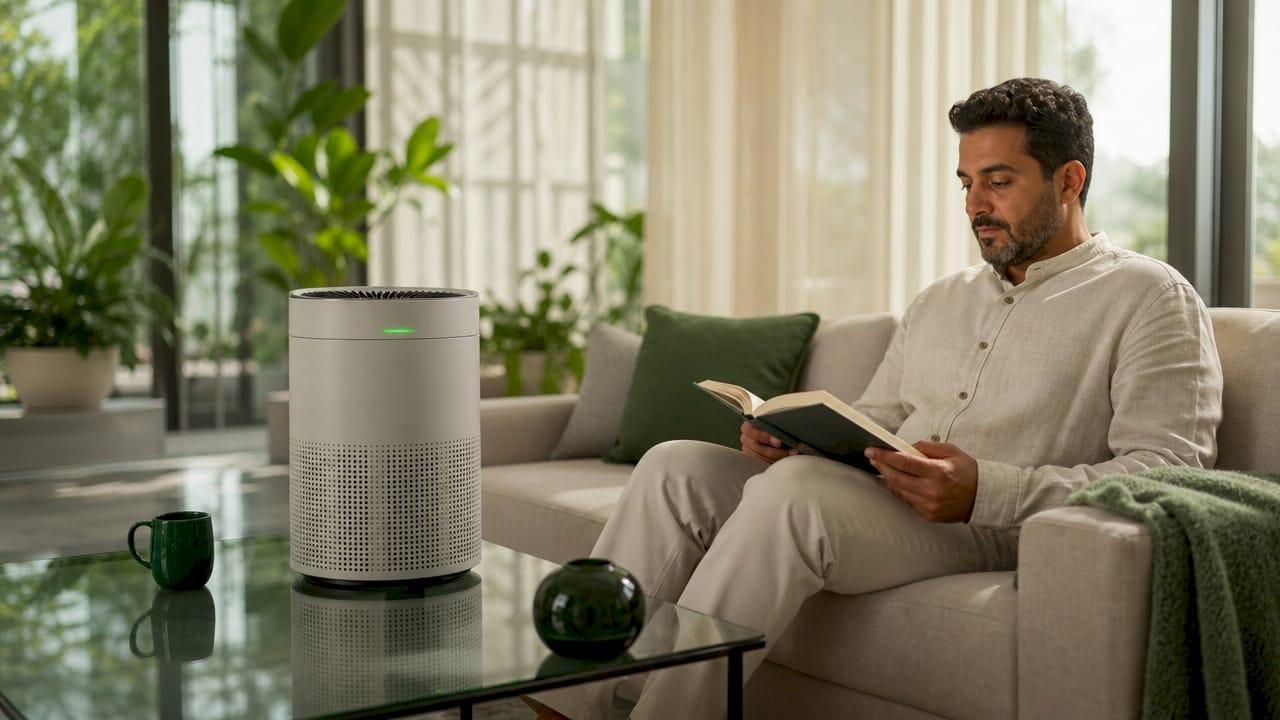
HEPA-grade air purifiers capture particles as small as 0.3 microns, including fine dust, pollen, pet dander, and many bacteria. Running an air purifier continuously is more effective than intermittent use because pollutants re-enter the air constantly from everyday activities. Switching a purifier off overnight allows particle levels to rebuild, undoing hours of filtration. Controlling indoor humidity between 40% and 60% also prevents mould growth, which is a significant year-round pollutant source. A dehumidifier or humidifier, depending on your local climate, supports this target alongside your purifier.
Pro Tip: Place your air purifier in the room where your family spends the most time, at least 30 centimetres from walls and furniture, to allow unrestricted airflow and maximum Clean Air Delivery Rate.
What are the most common air quality maintenance mistakes?
Most households that invest in air purifiers still make avoidable errors that reduce their effectiveness significantly.
- Intermittent use: Switching a purifier off when the room appears clean defeats the purpose. Indoor air quality is dynamic; pollutants re-enter continuously from cooking, movement, and ventilation. Continuous operation is the standard for effective protection.
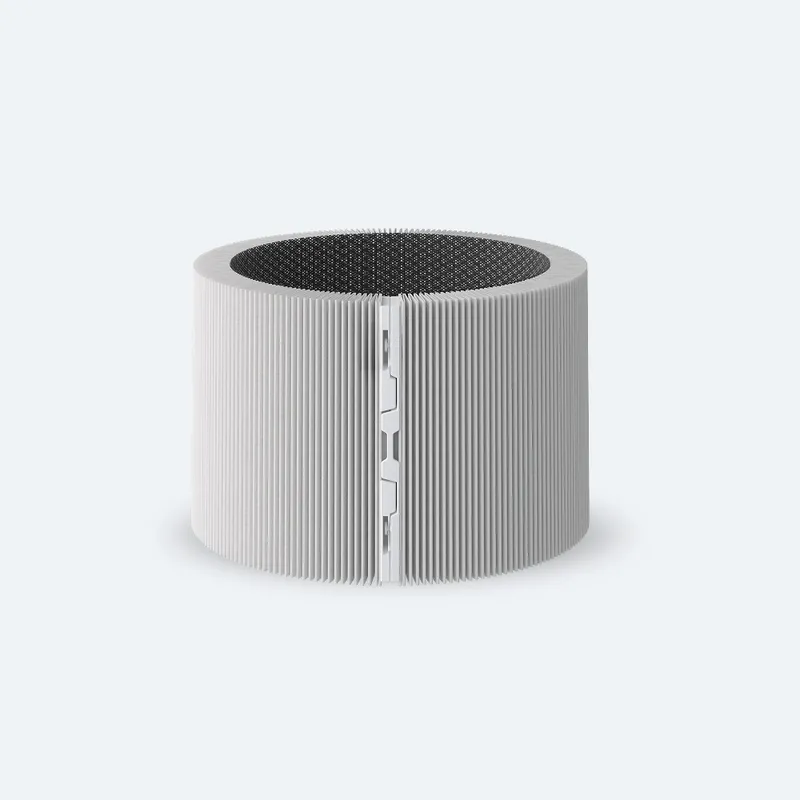
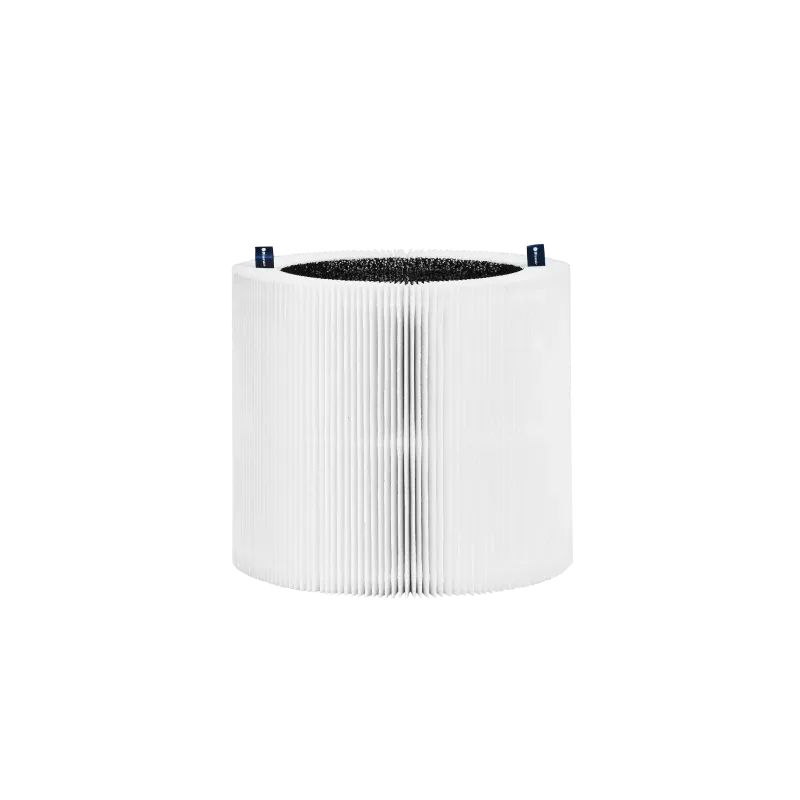
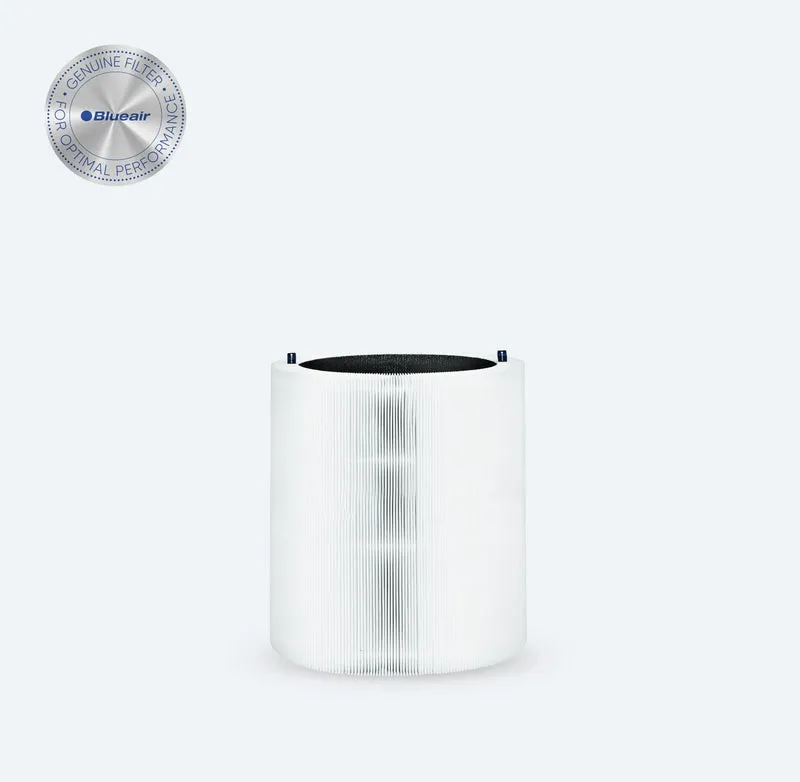
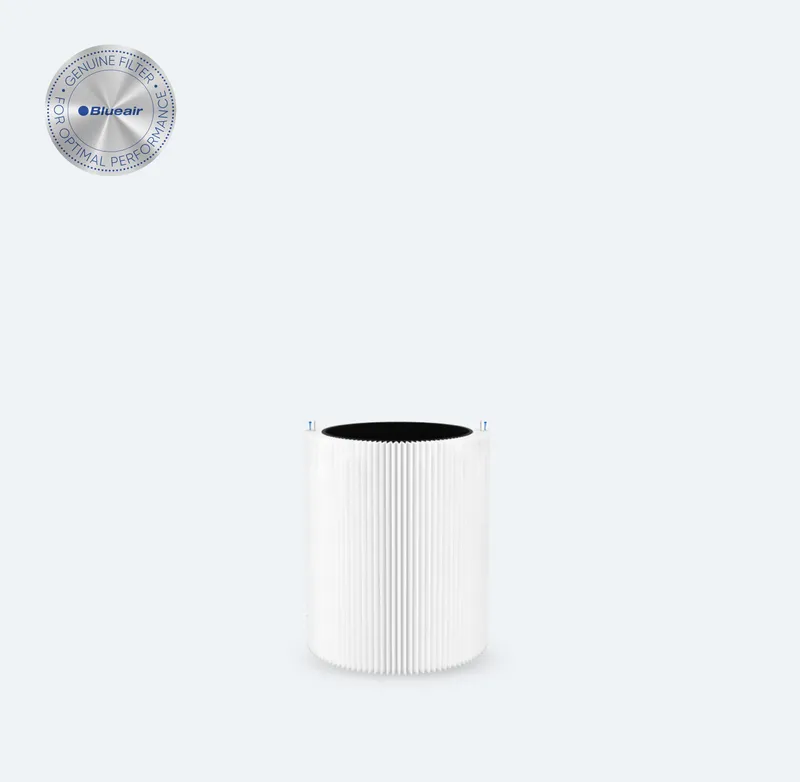
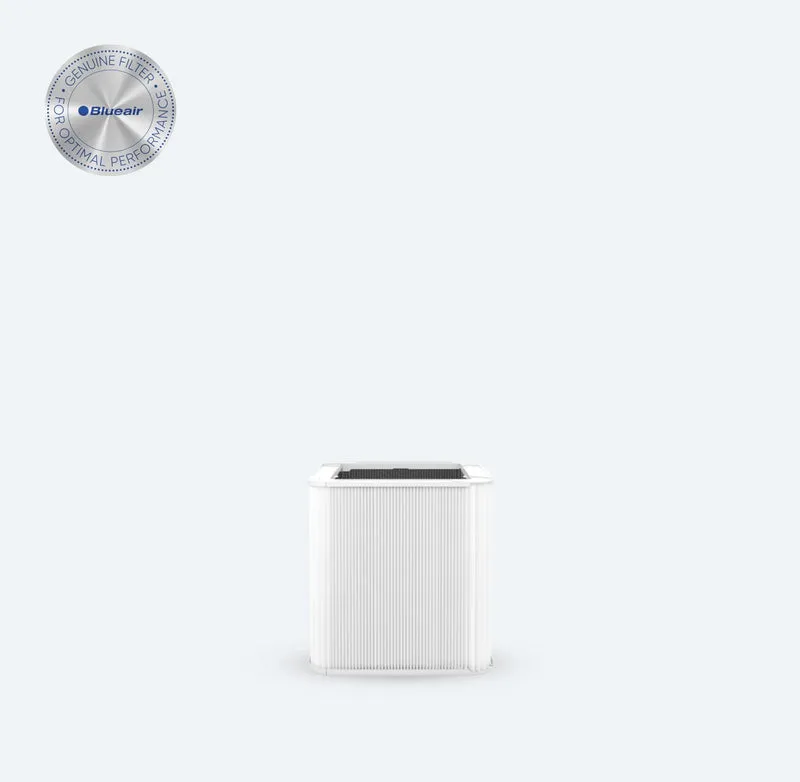
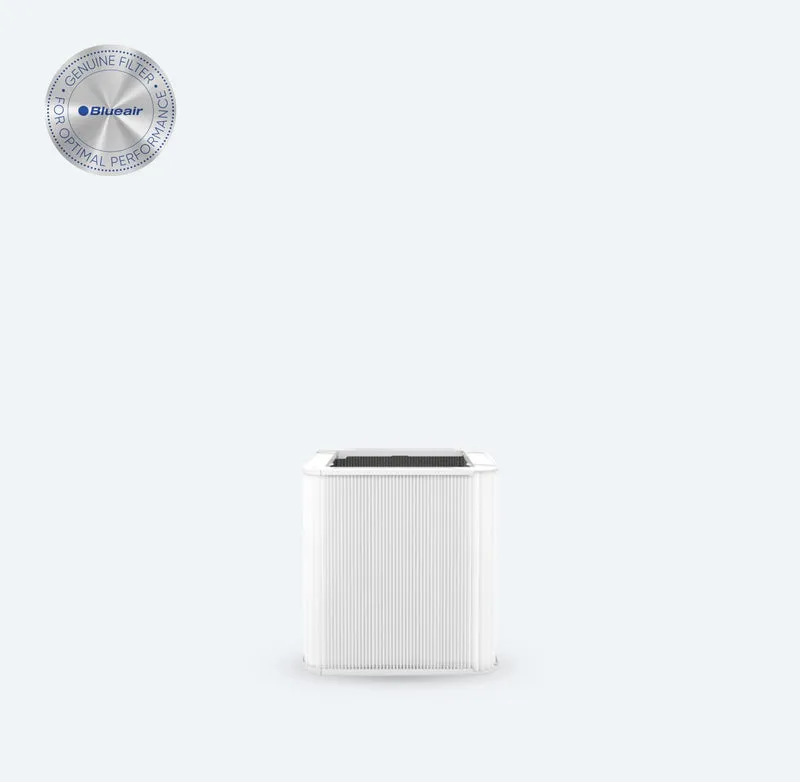
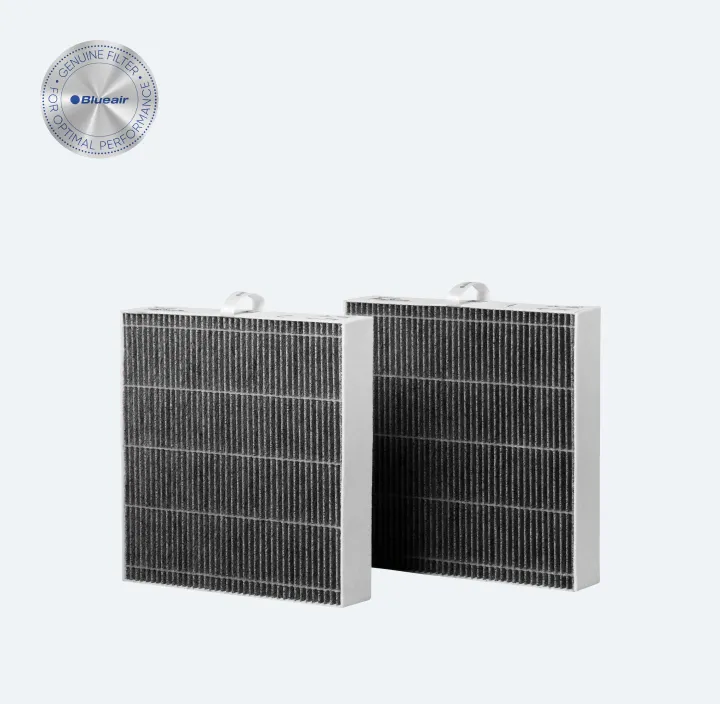
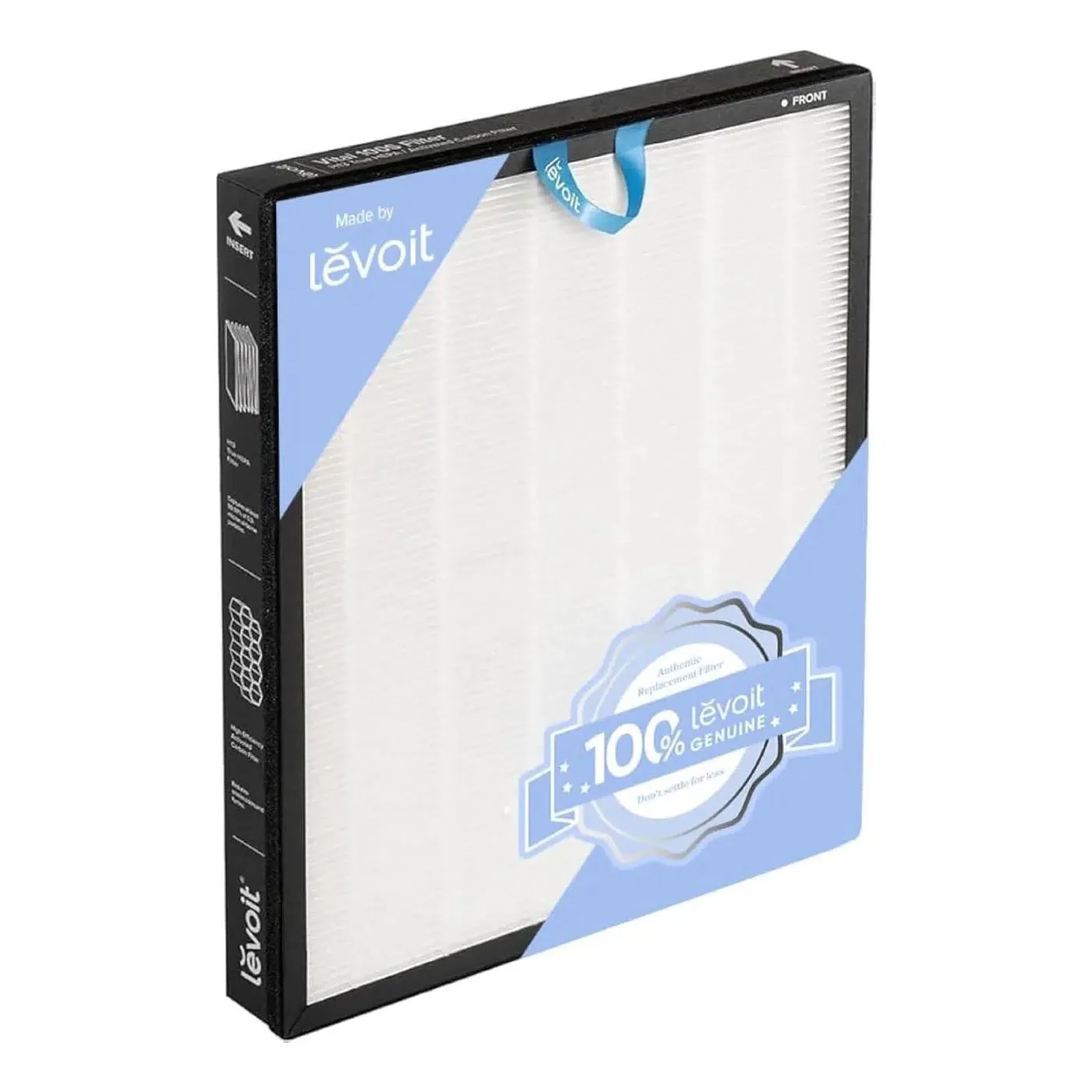
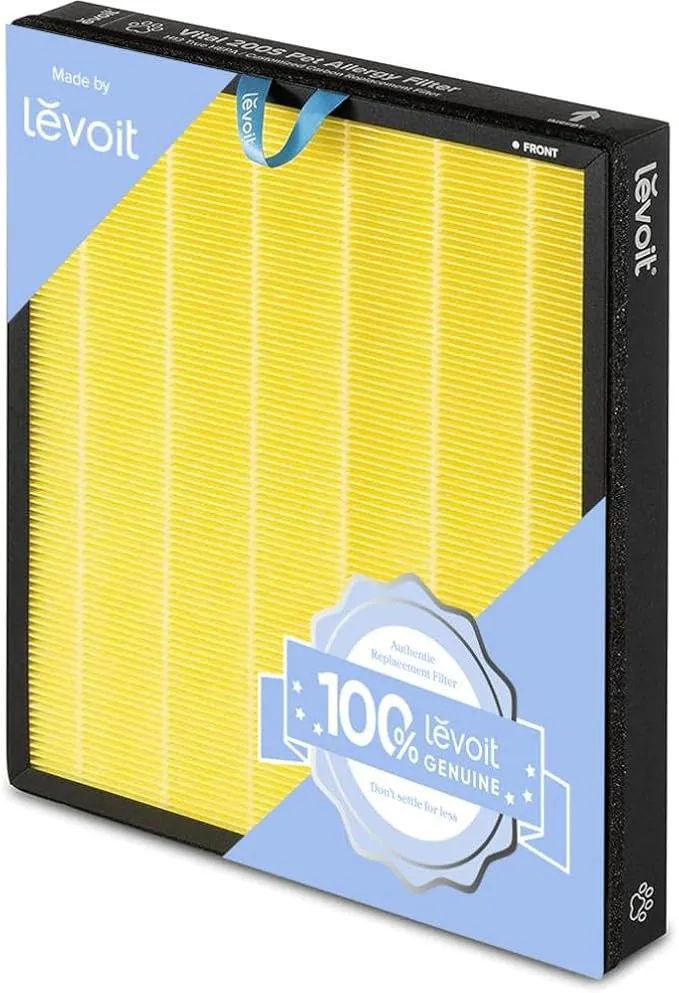
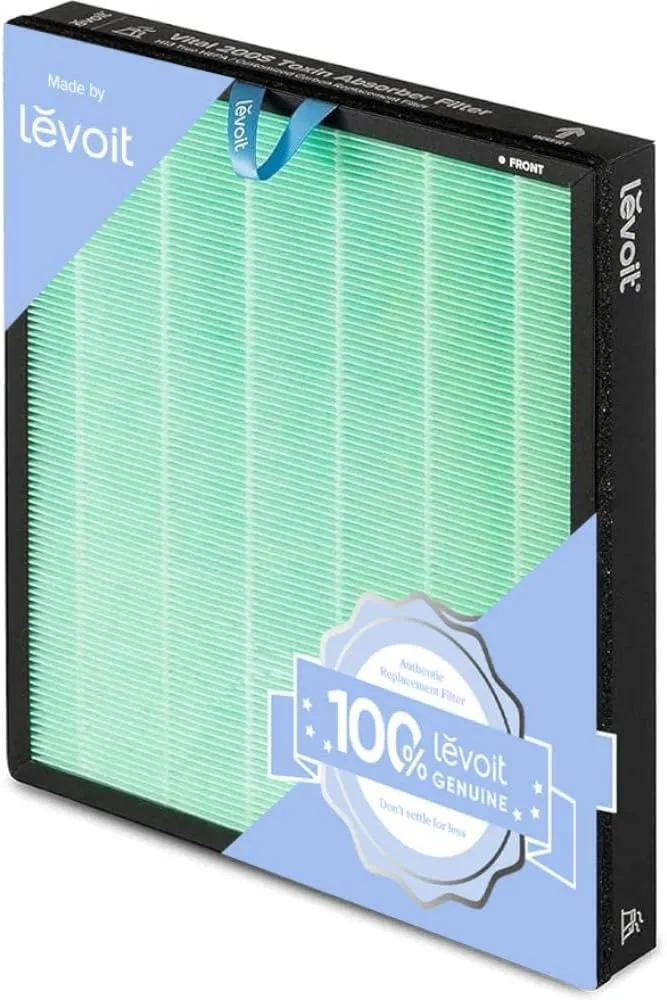
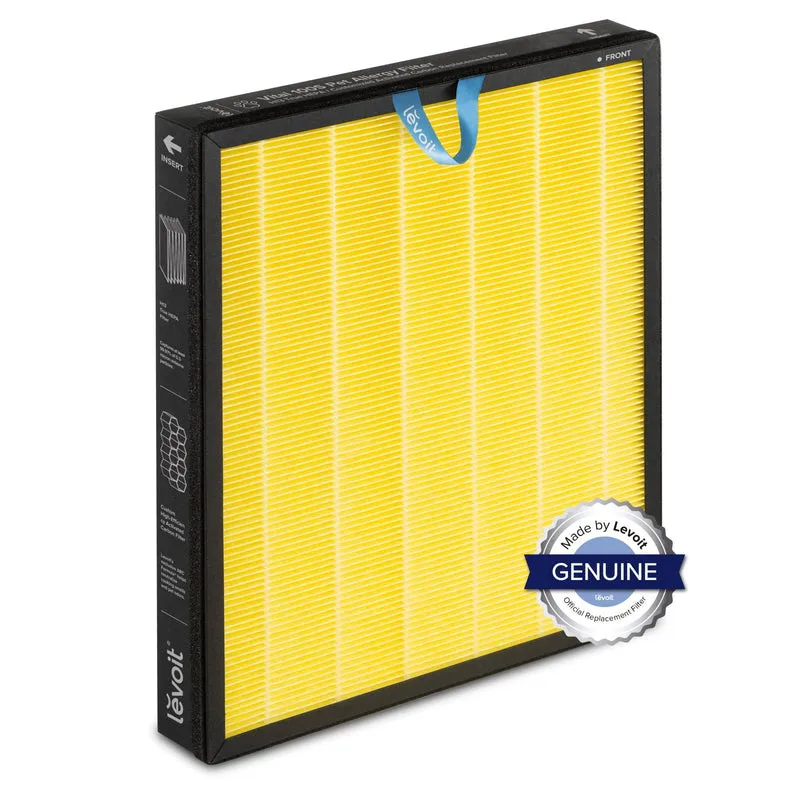
- Neglected filter maintenance: A clogged filter restricts airflow and reduces filtration efficiency. Blocked filters and poor placement measurably reduce the Clean Air Delivery Rate, the key metric for purifier performance. Check manufacturer guidelines and replace filters on schedule.
- Poor device placement: A purifier tucked into a corner or behind furniture cannot circulate air effectively. Central placement in the room, away from obstructions, is the correct position.
- Single-solution reliance: An air purifier alone cannot compensate for a home with uncontrolled pollution sources and no ventilation strategy. All three pillars must work together.
- Seasonal complacency: Families often reduce air quality efforts during seasons that feel low-risk. Spring pollen, summer ozone, and autumn mould spores mean no season is genuinely safe.
Pro Tip: Set a recurring calendar reminder every 3 months to check your purifier’s filter status and wipe down the intake grille. Consistent maintenance takes under 10 minutes and preserves performance year-round.
Use the indoor air quality checklist from Cleanair-ae to audit your home systematically and identify which of these mistakes apply to your current setup.
Key takeaways
Maintaining clean air year-round requires combining source control, ventilation, and continuous air filtration. No single measure is sufficient, and no season is without risk.
| Point | Details |
|---|---|
| Air pollution is a year-round threat | Pollutant types shift by season but never disappear, requiring continuous management. |
| Vulnerable groups face greater risk | Children, older adults, and pregnant women suffer disproportionate harm from sustained exposure. |
| Three pillars work together | Source control, ventilation, and air cleaning must all be active for lasting protection. |
| Continuous purifier use matters | Running a HEPA purifier 24/7 prevents pollutant reload and maintains consistently low particle levels. |
| Filter and placement care is non-negotiable | Neglected filters and poor positioning reduce Clean Air Delivery Rate and waste energy. |
What I have learned from watching families manage air quality
By Wojciech
Most families treat air quality like a smoke alarm. They install something, feel reassured, and then forget about it until a problem appears. That pattern is the single biggest barrier to genuinely clean air at home.
What I have observed consistently is that the households with the best air quality outcomes are not the ones with the most expensive equipment. They are the ones with the most consistent habits. A mid-range HEPA purifier running continuously, with filters changed on schedule and windows opened strategically, outperforms a premium device that runs intermittently and never gets serviced.
The seasonal blind spot surprises people most. Families who are diligent in spring, when pollen is visible and symptoms are obvious, often relax entirely in autumn or winter. That is precisely when sealed homes concentrate combustion byproducts and VOCs to their highest annual levels. The threat becomes invisible, so the response disappears too.
My honest view is that air quality maintenance should sit alongside other non-negotiable household routines, not alongside optional wellness upgrades. The evidence on health outcomes is clear enough that treating it as optional is a significant risk, particularly for families with young children or anyone with a respiratory condition. Start with the basics, stay consistent, and adjust by season rather than by symptom.
— Wojciech
Air quality products and guides from Cleanair-ae
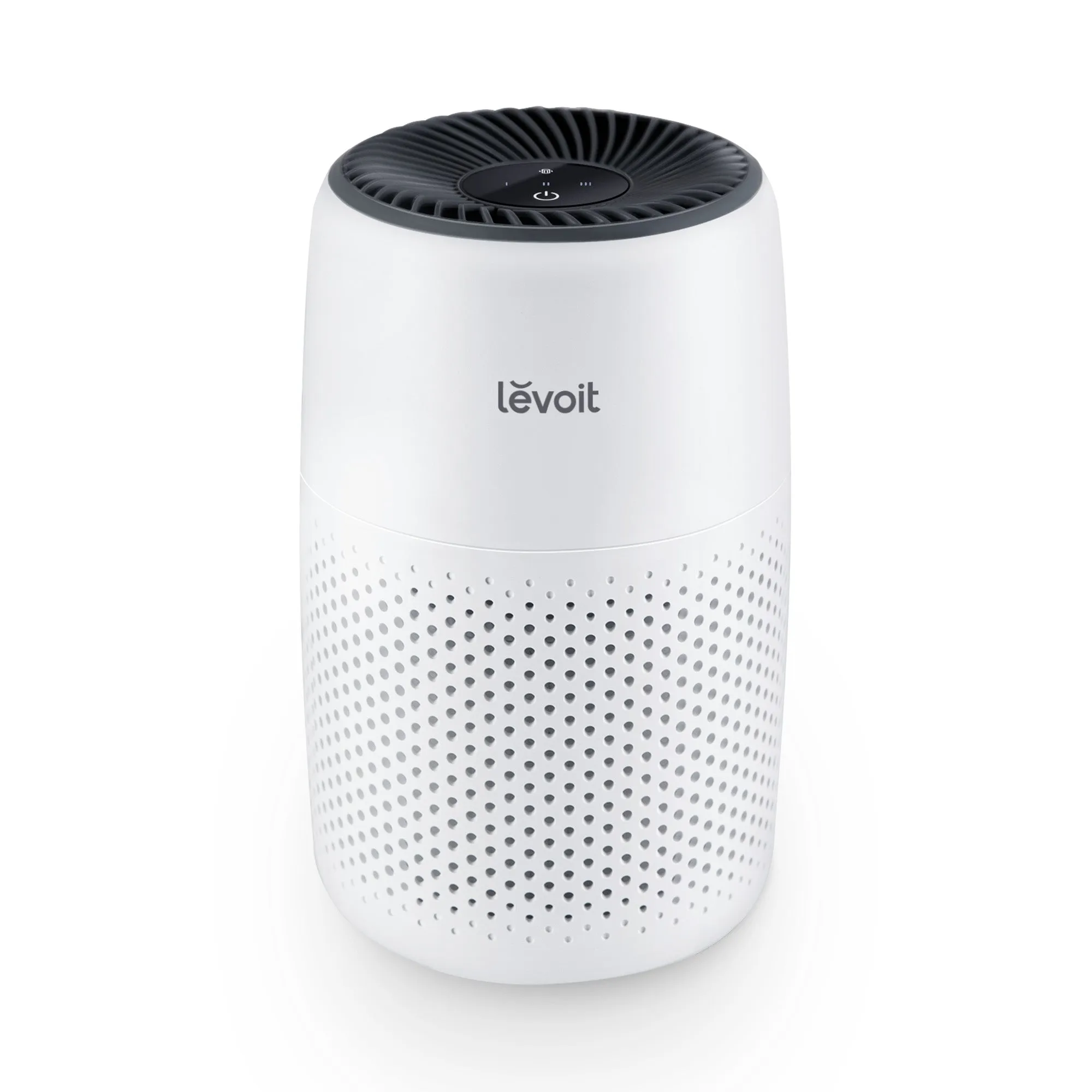
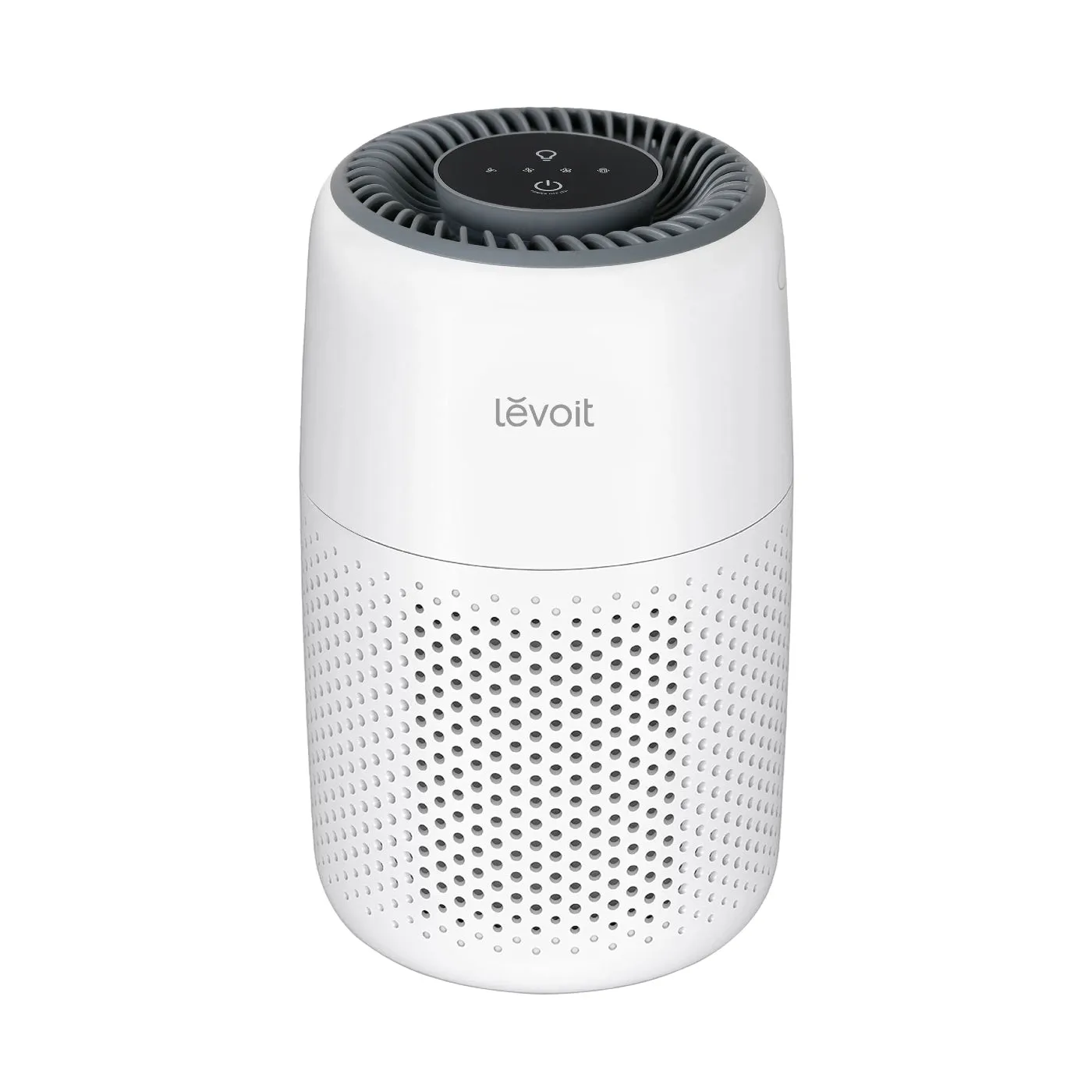
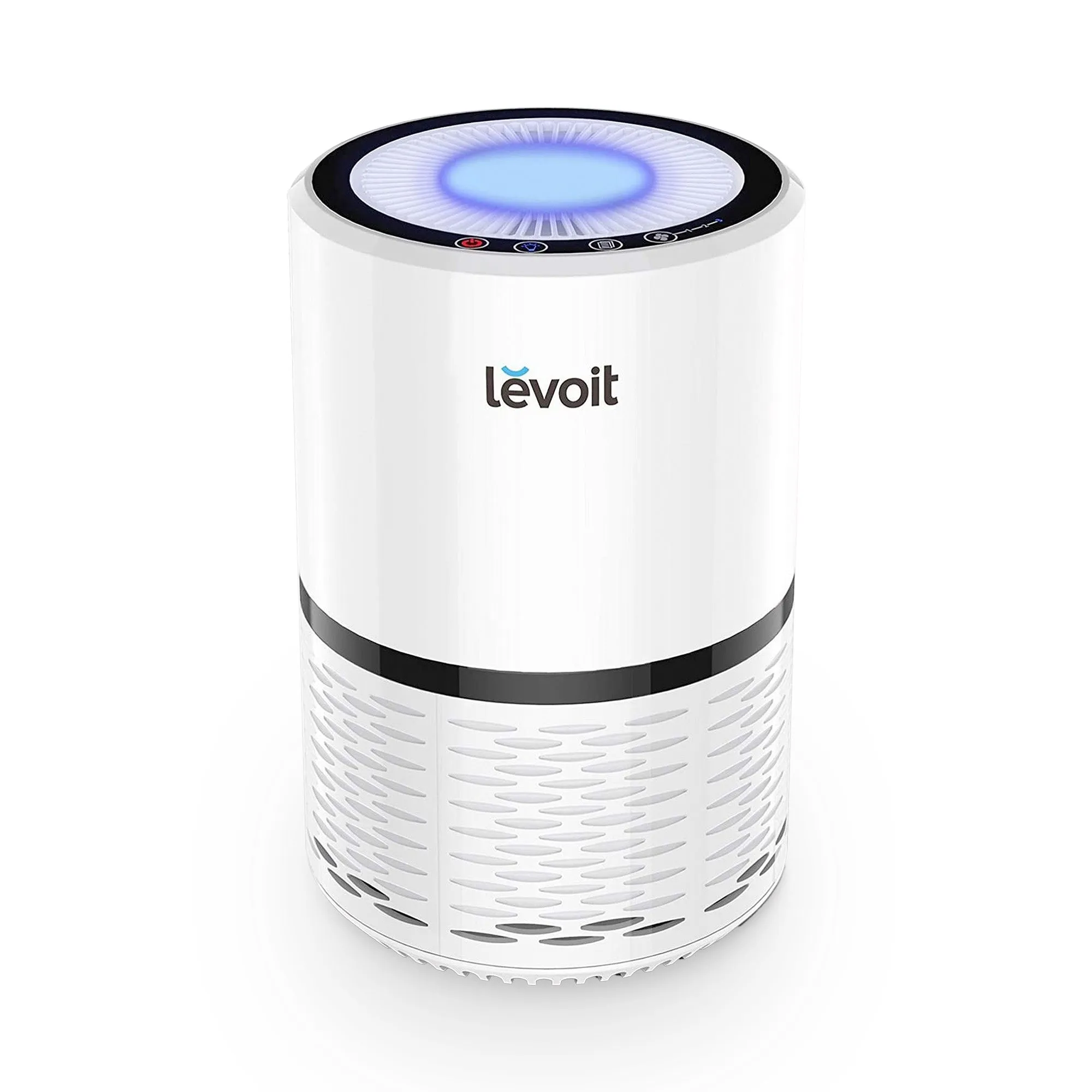
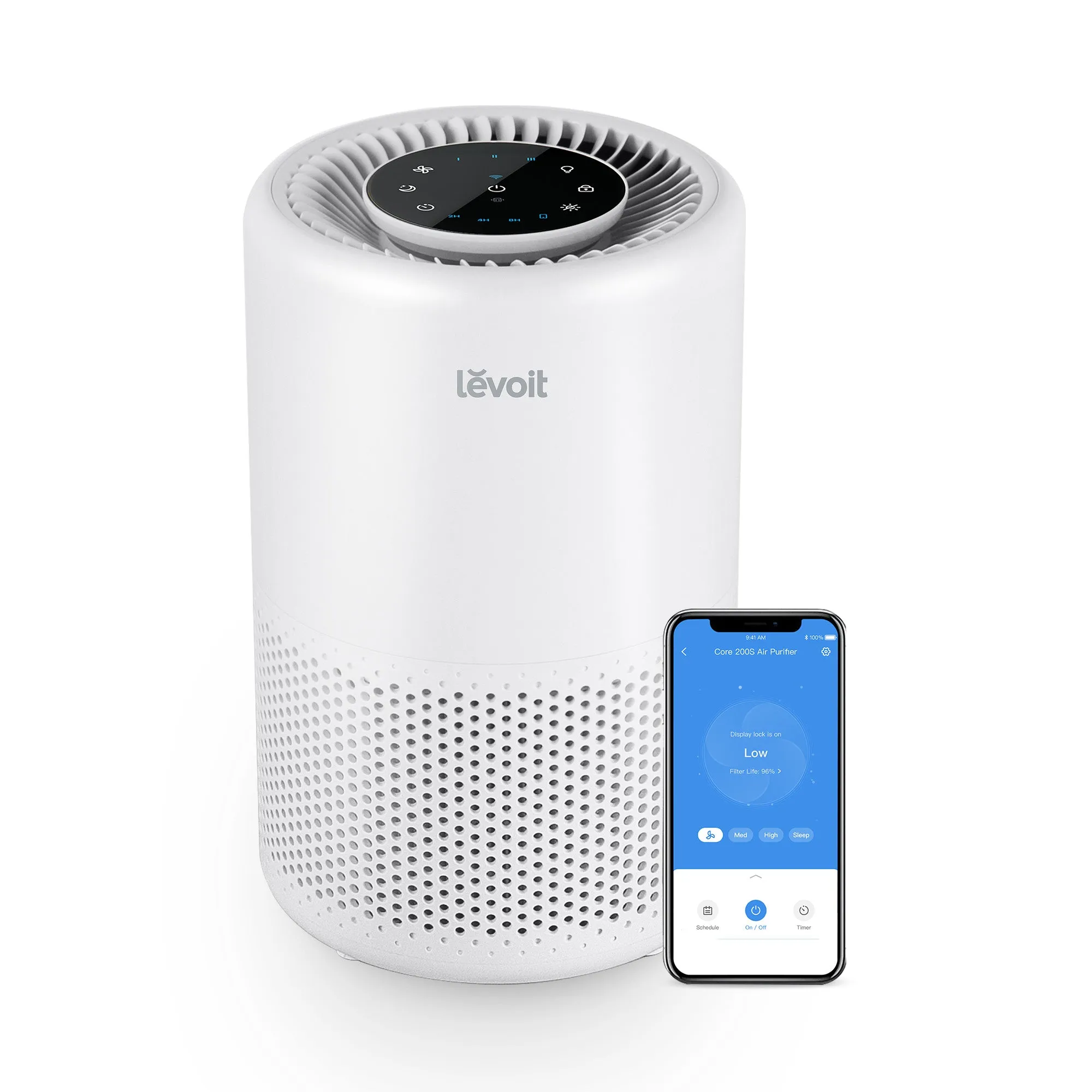
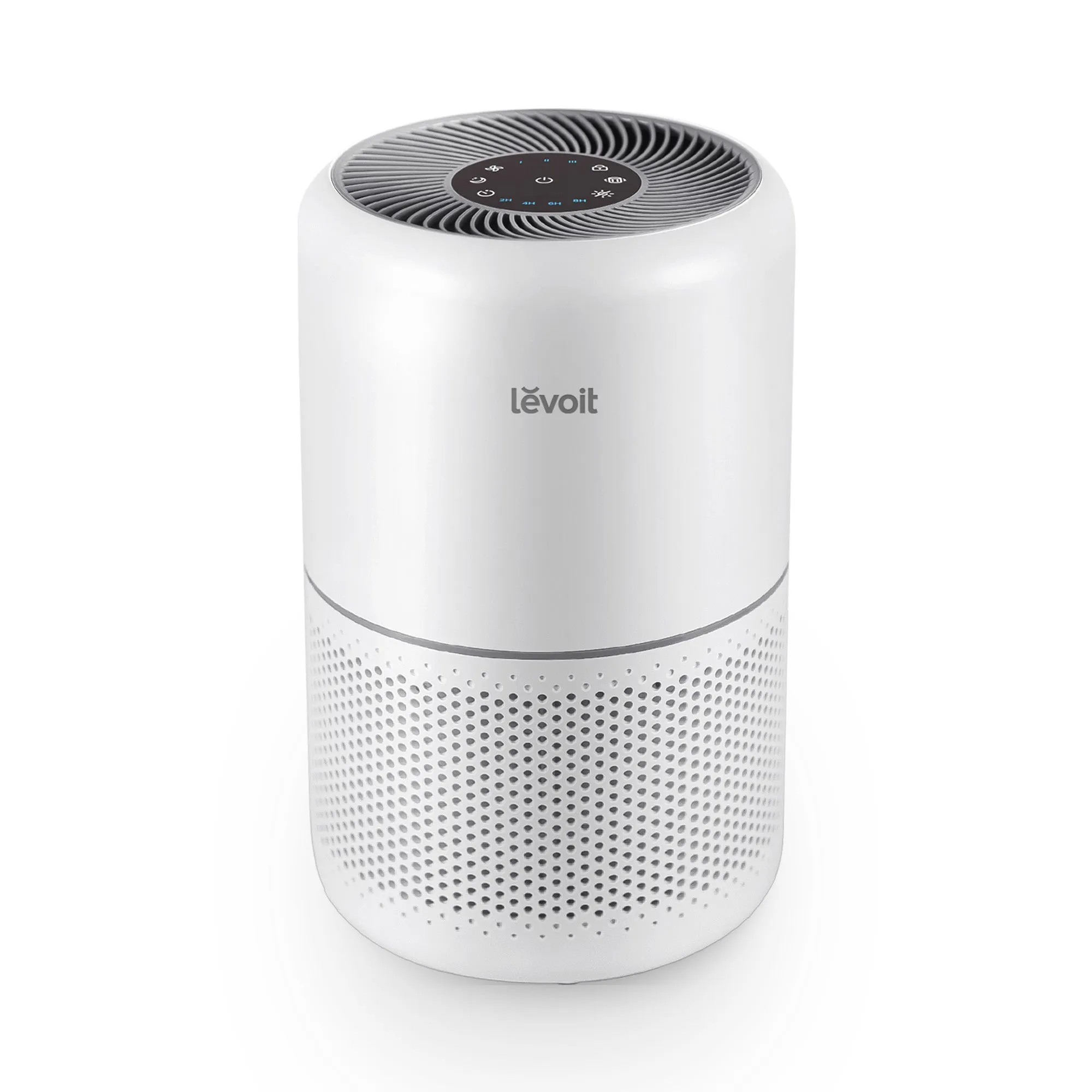
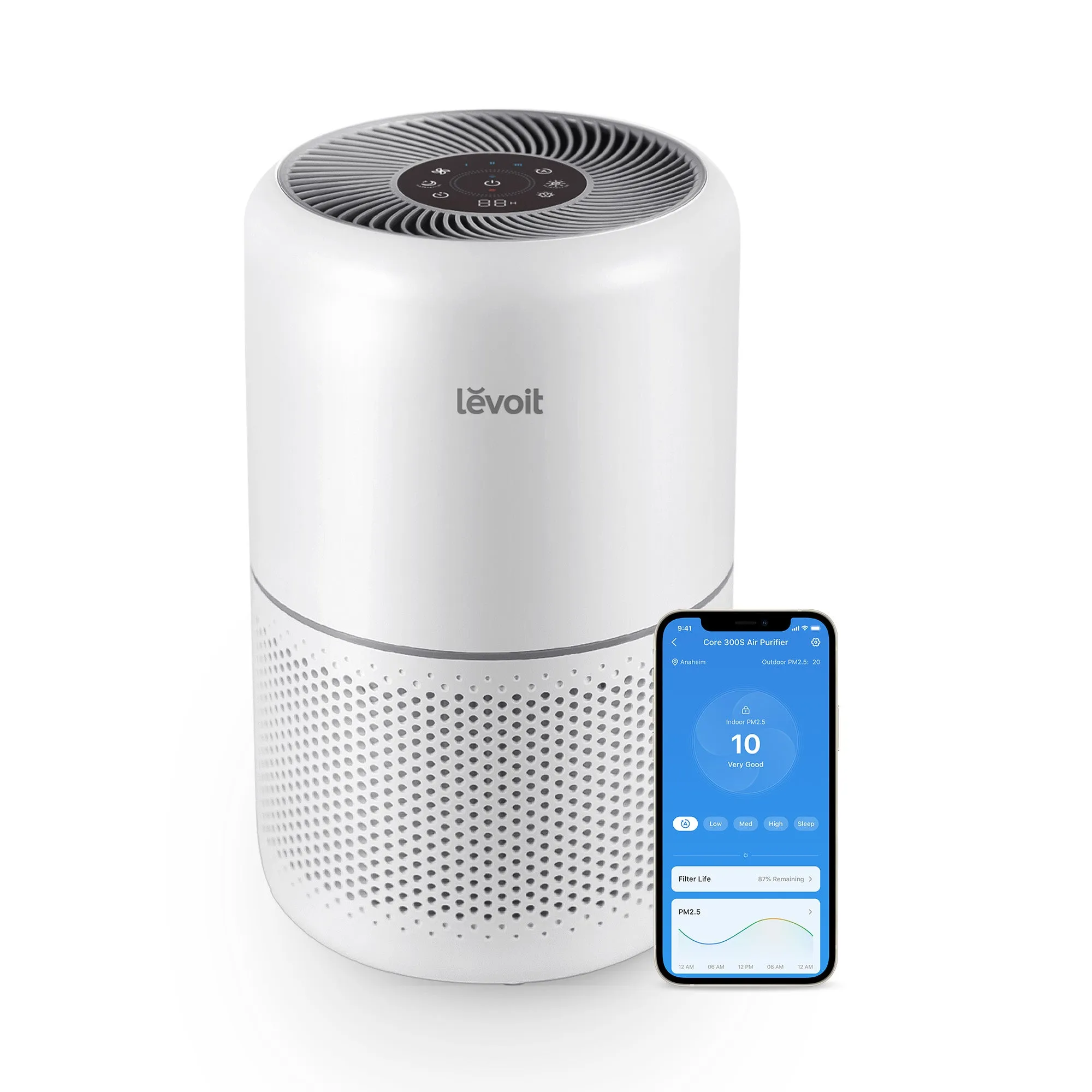
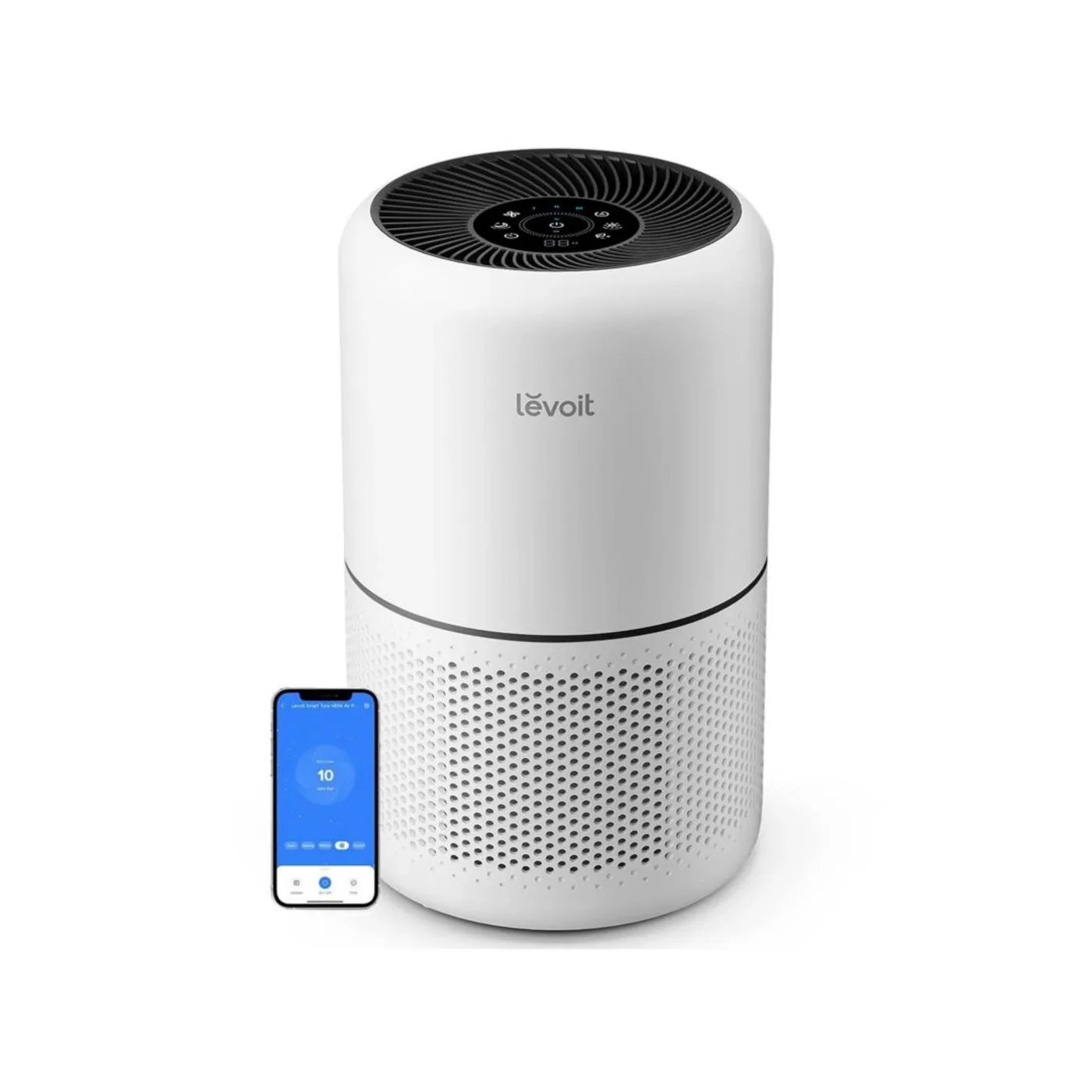
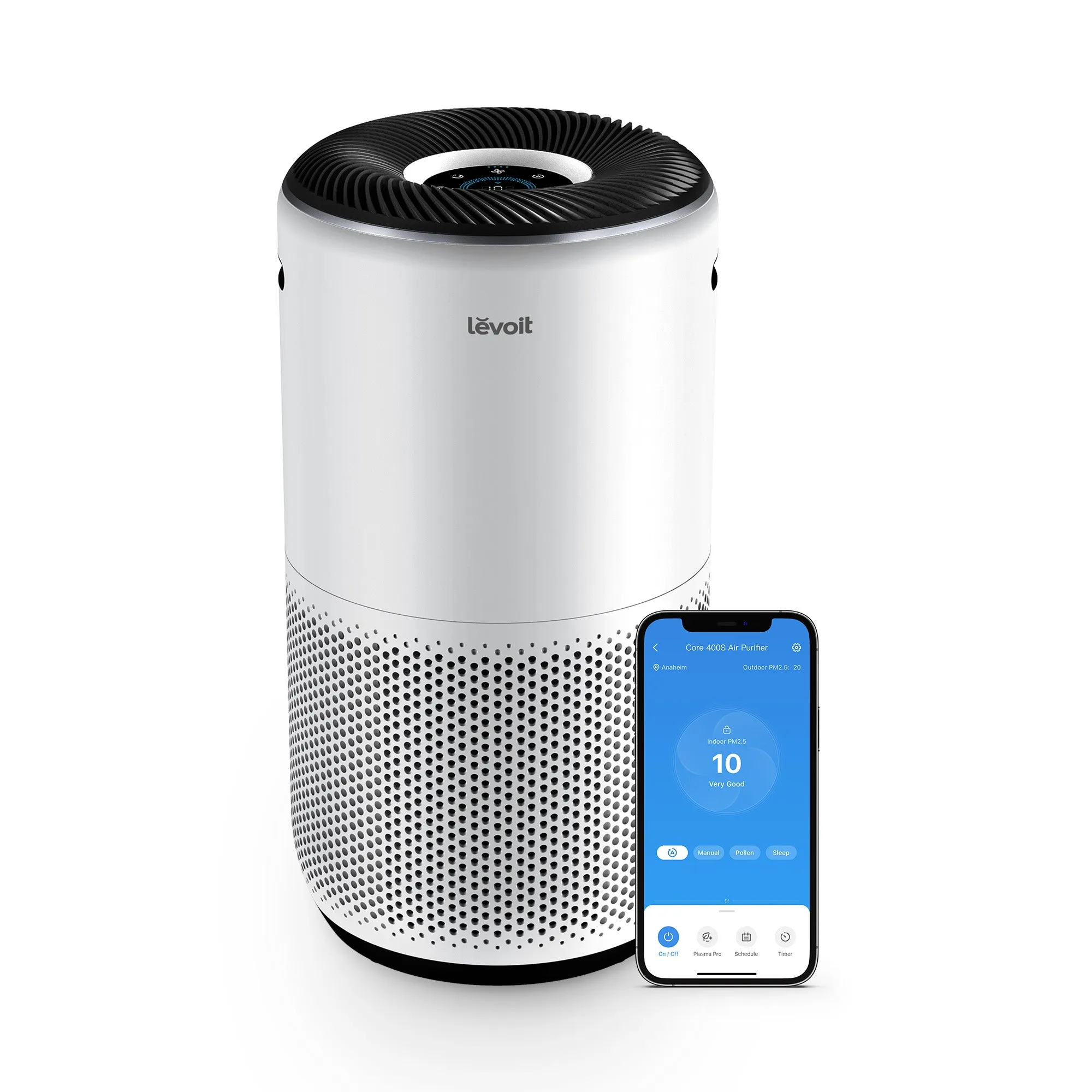
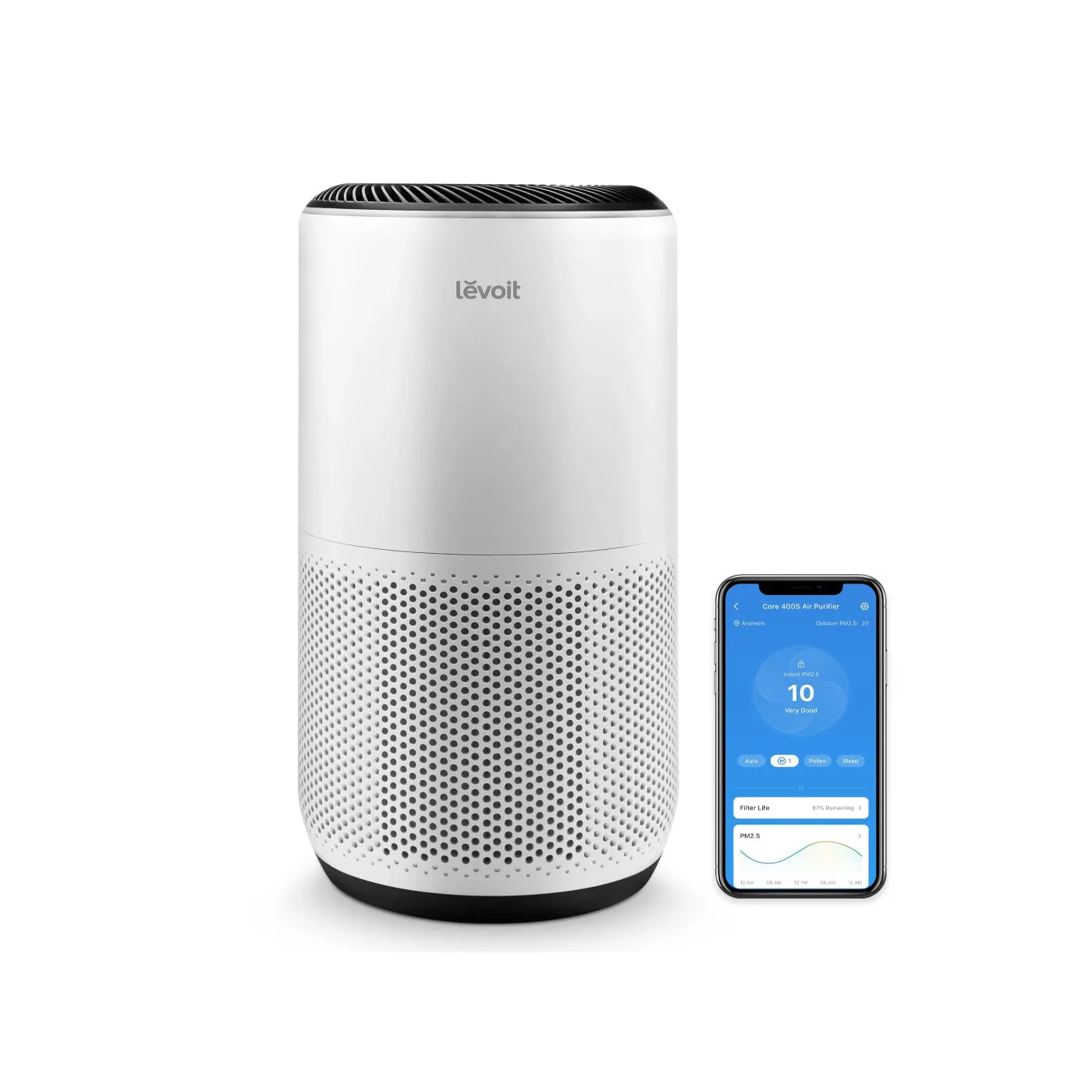
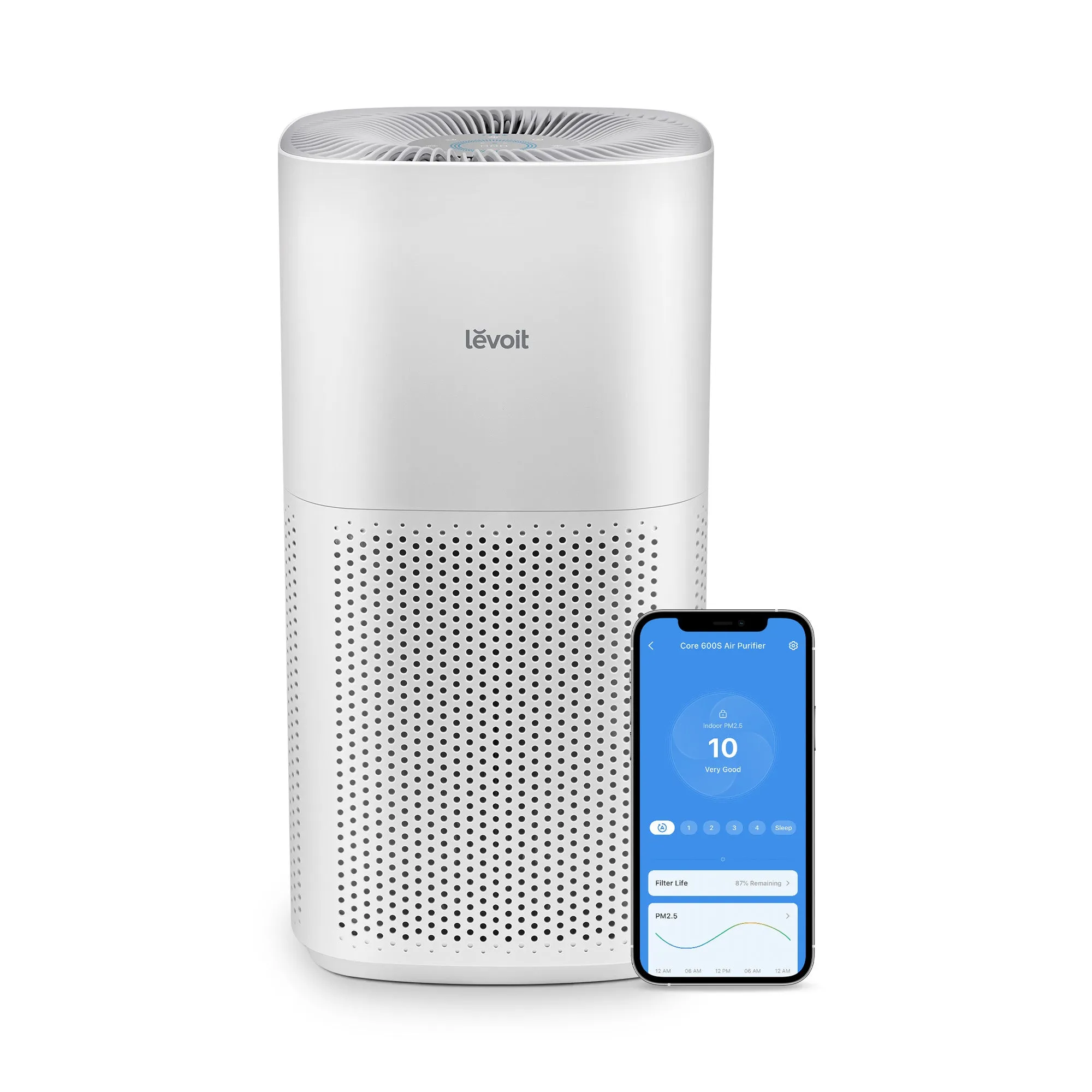
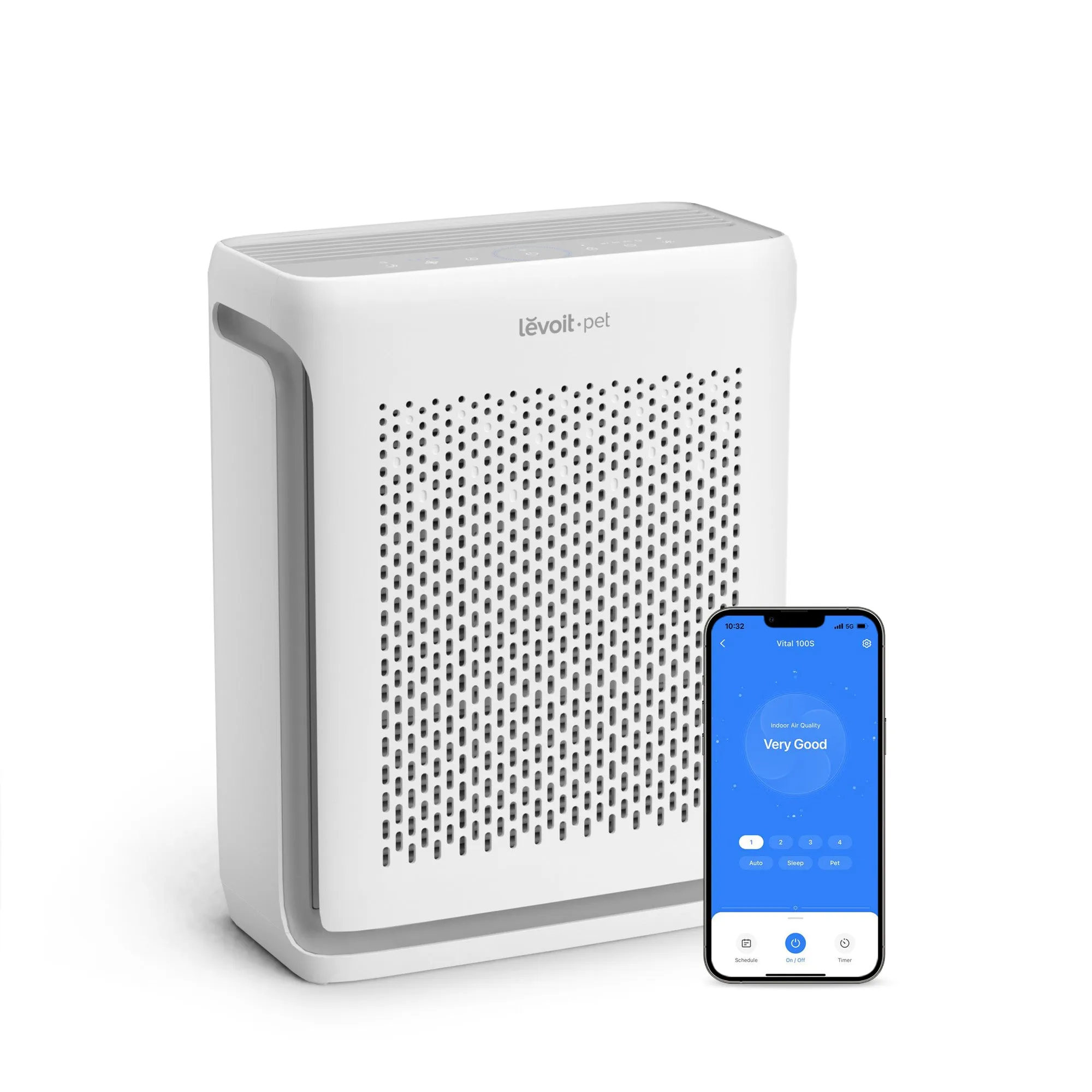
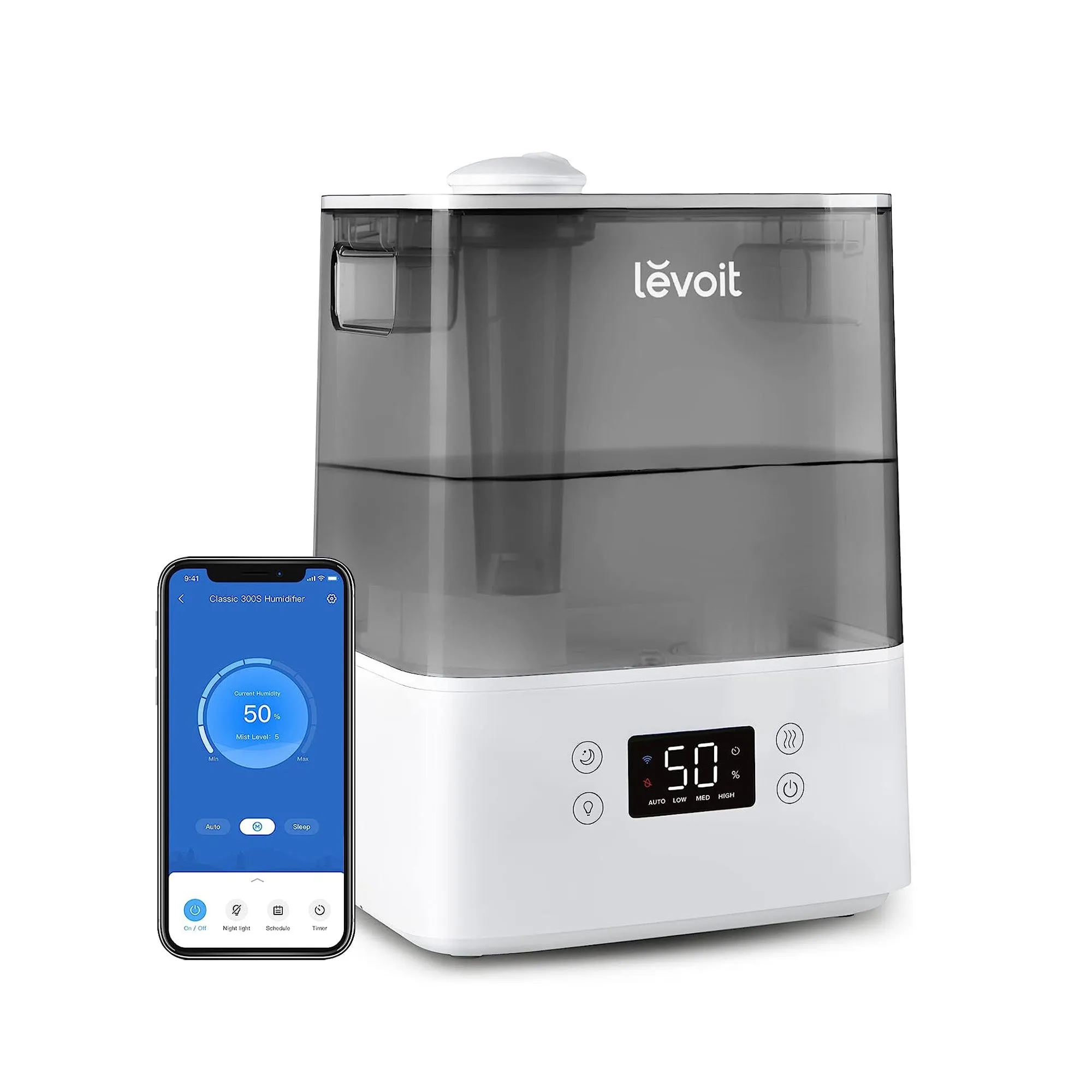
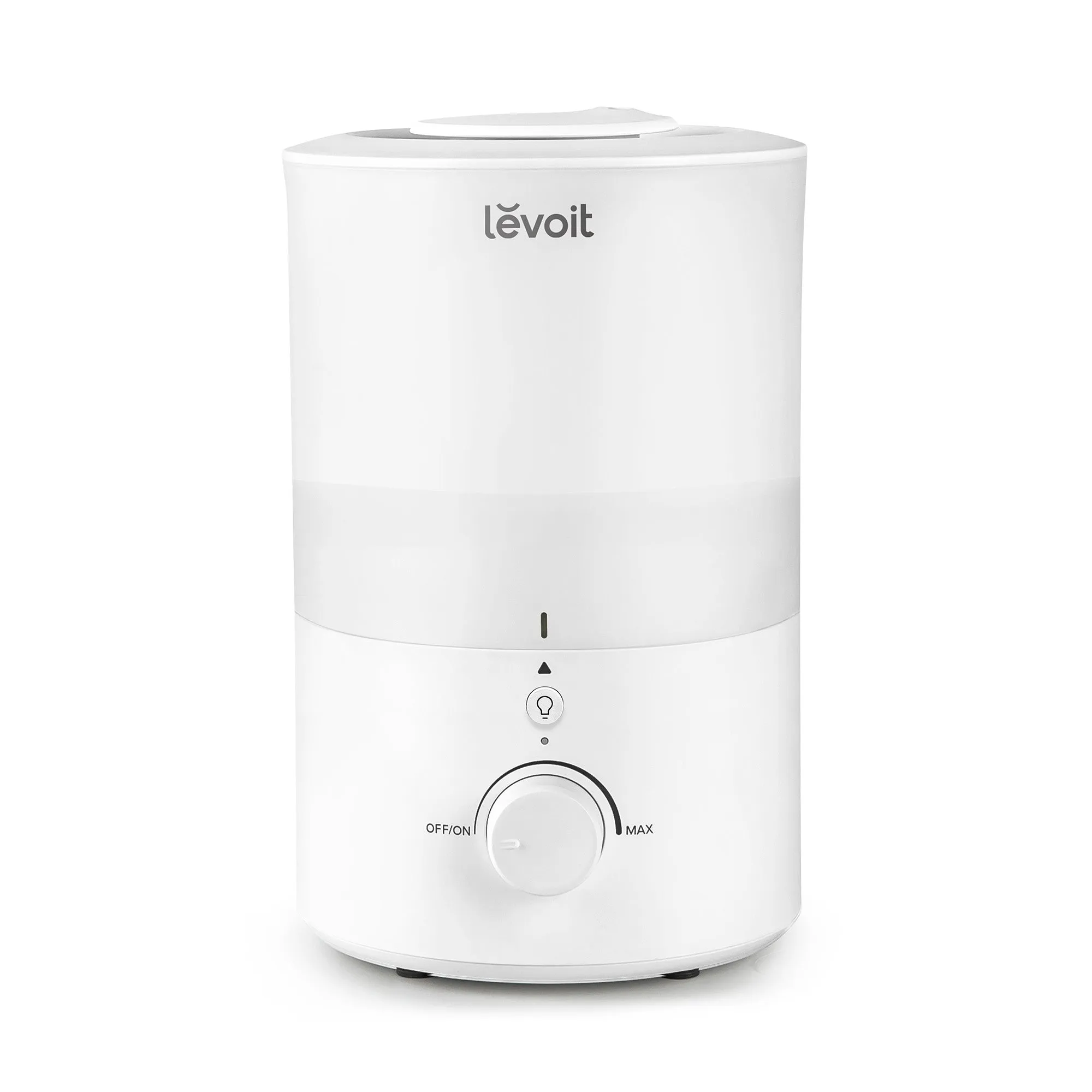
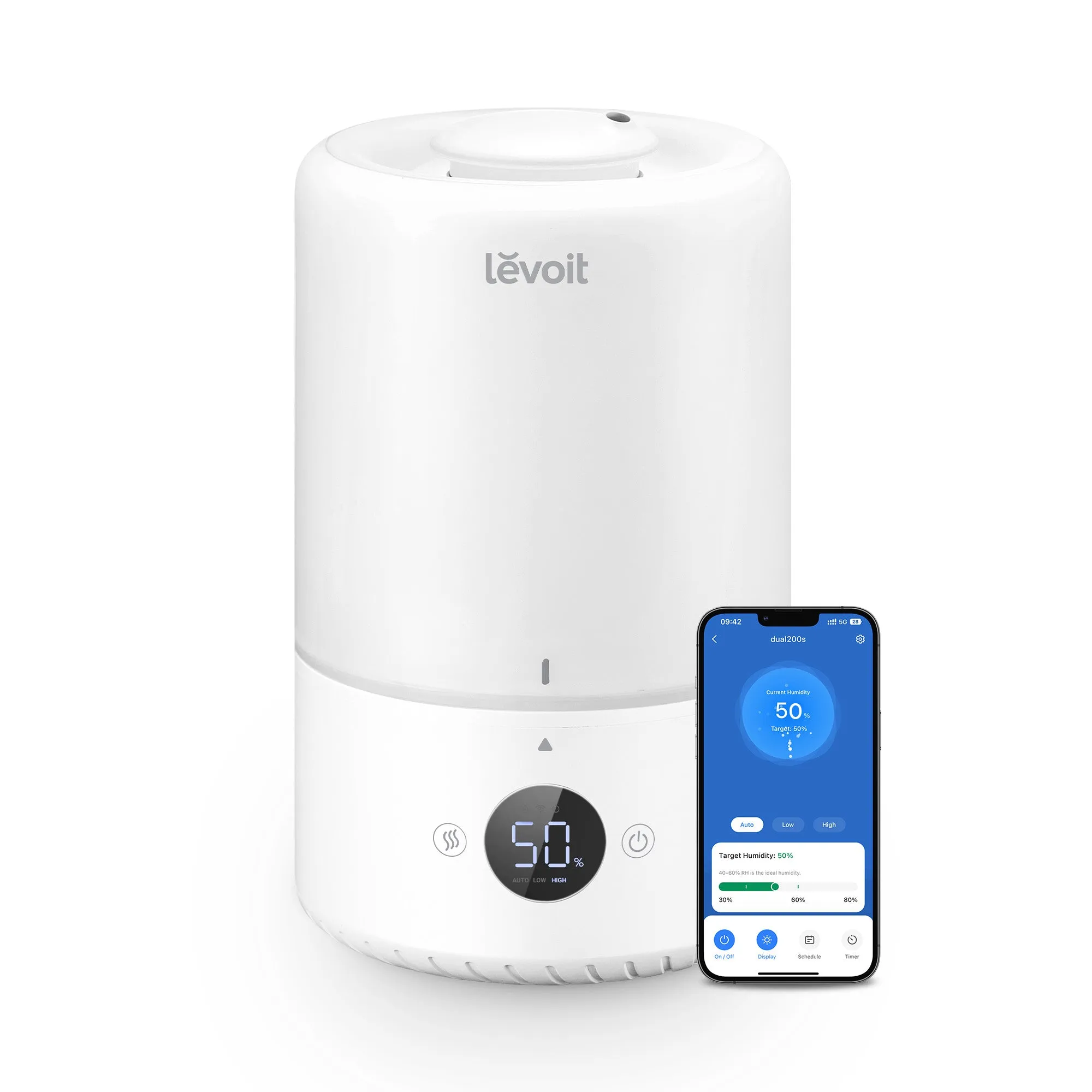
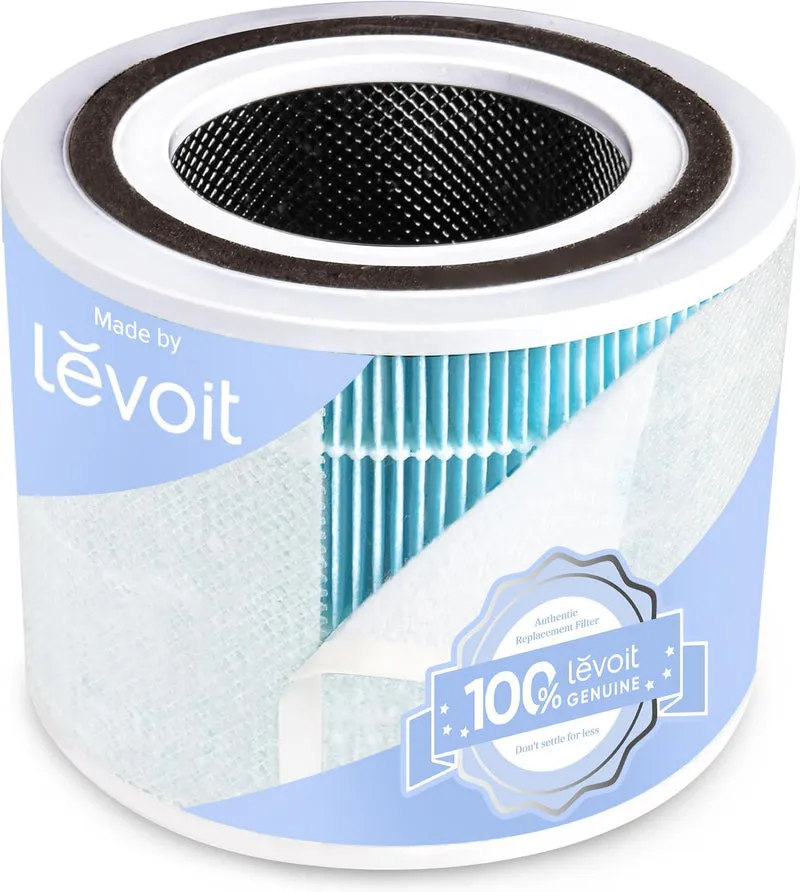
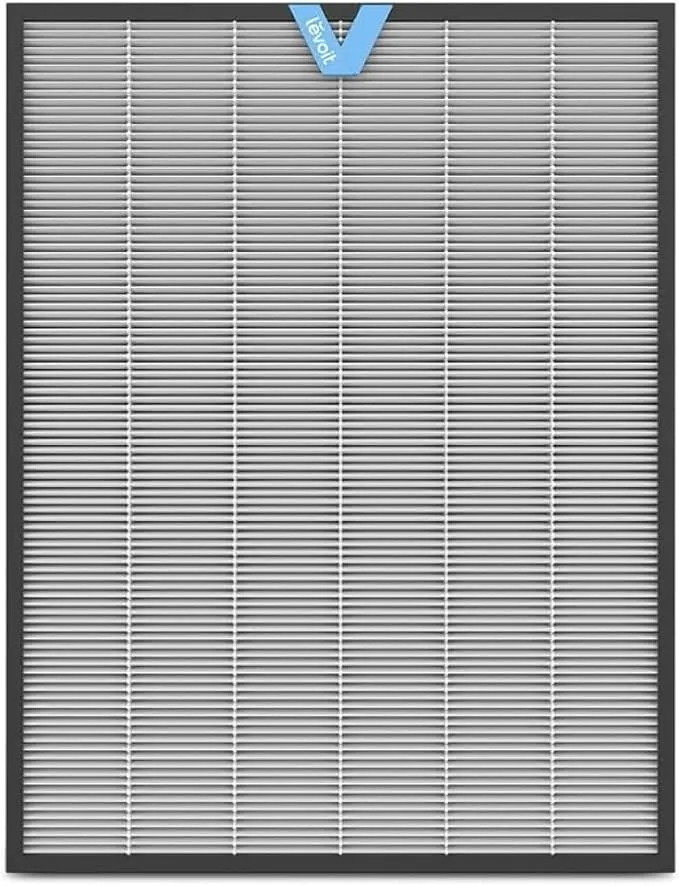
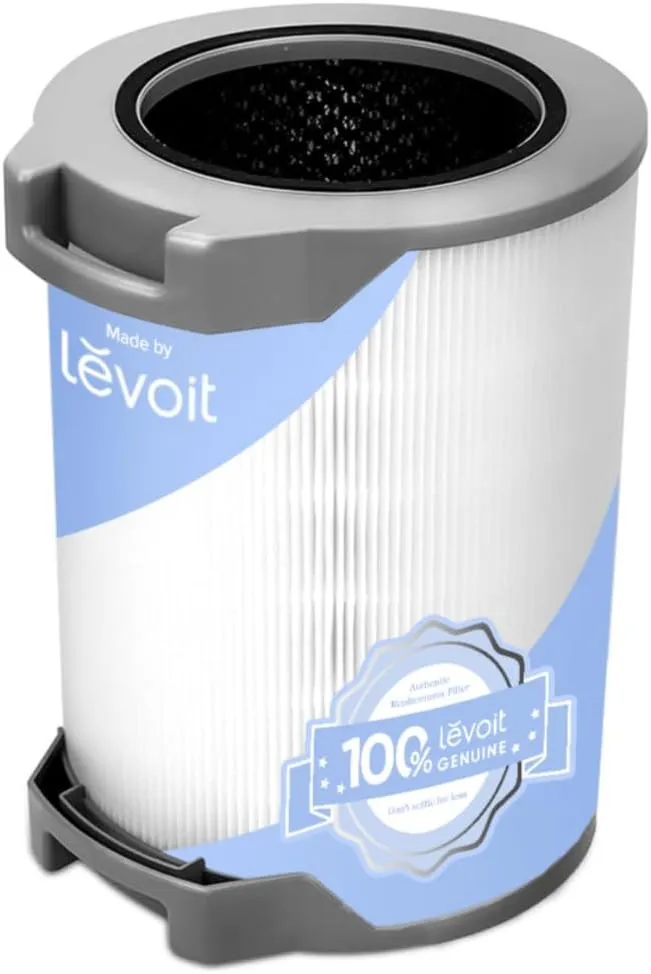
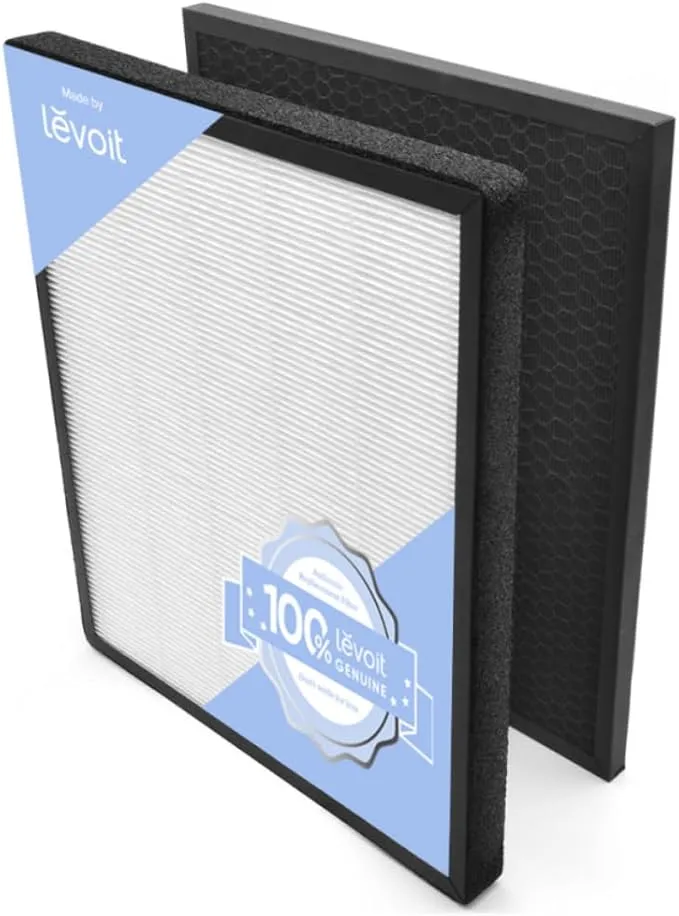
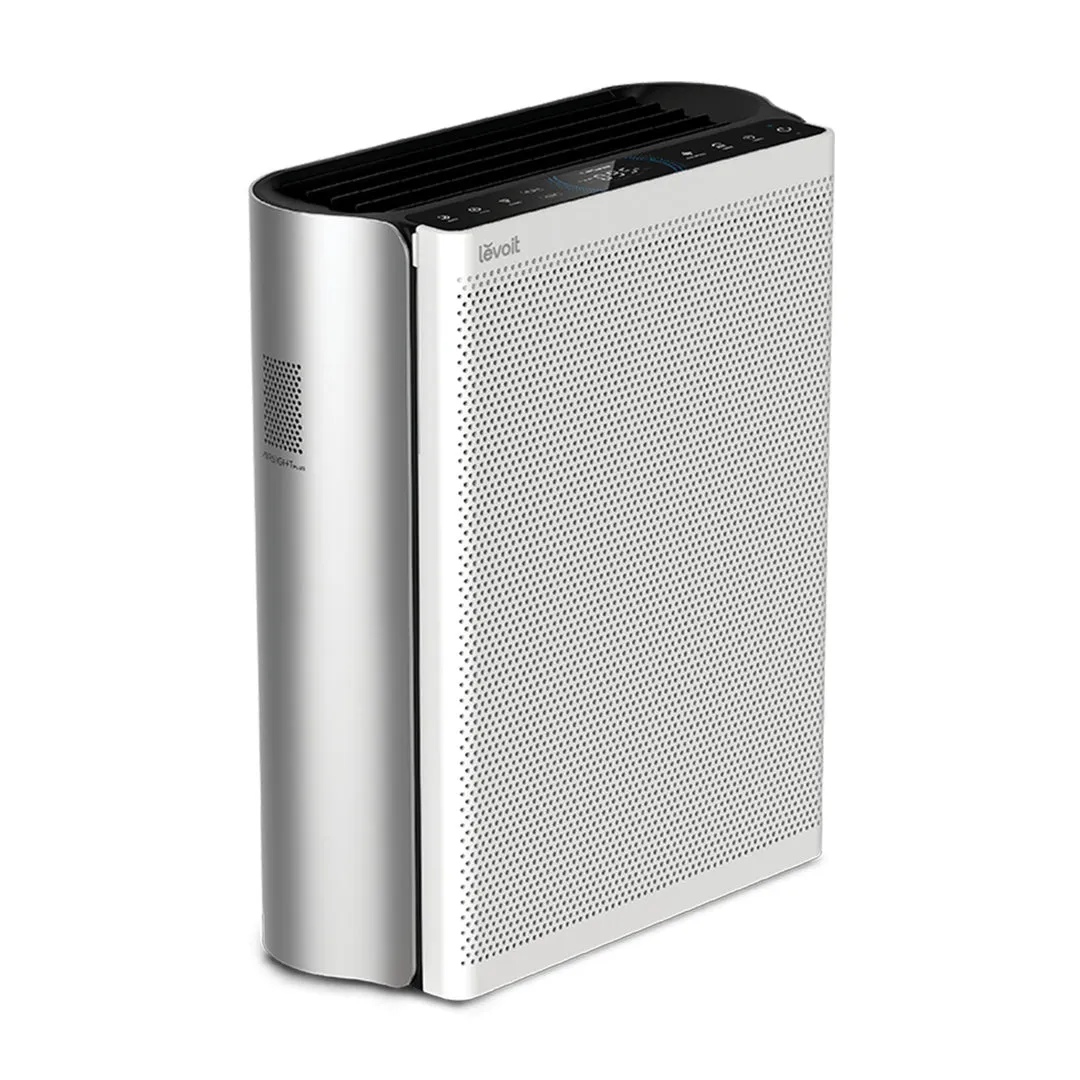
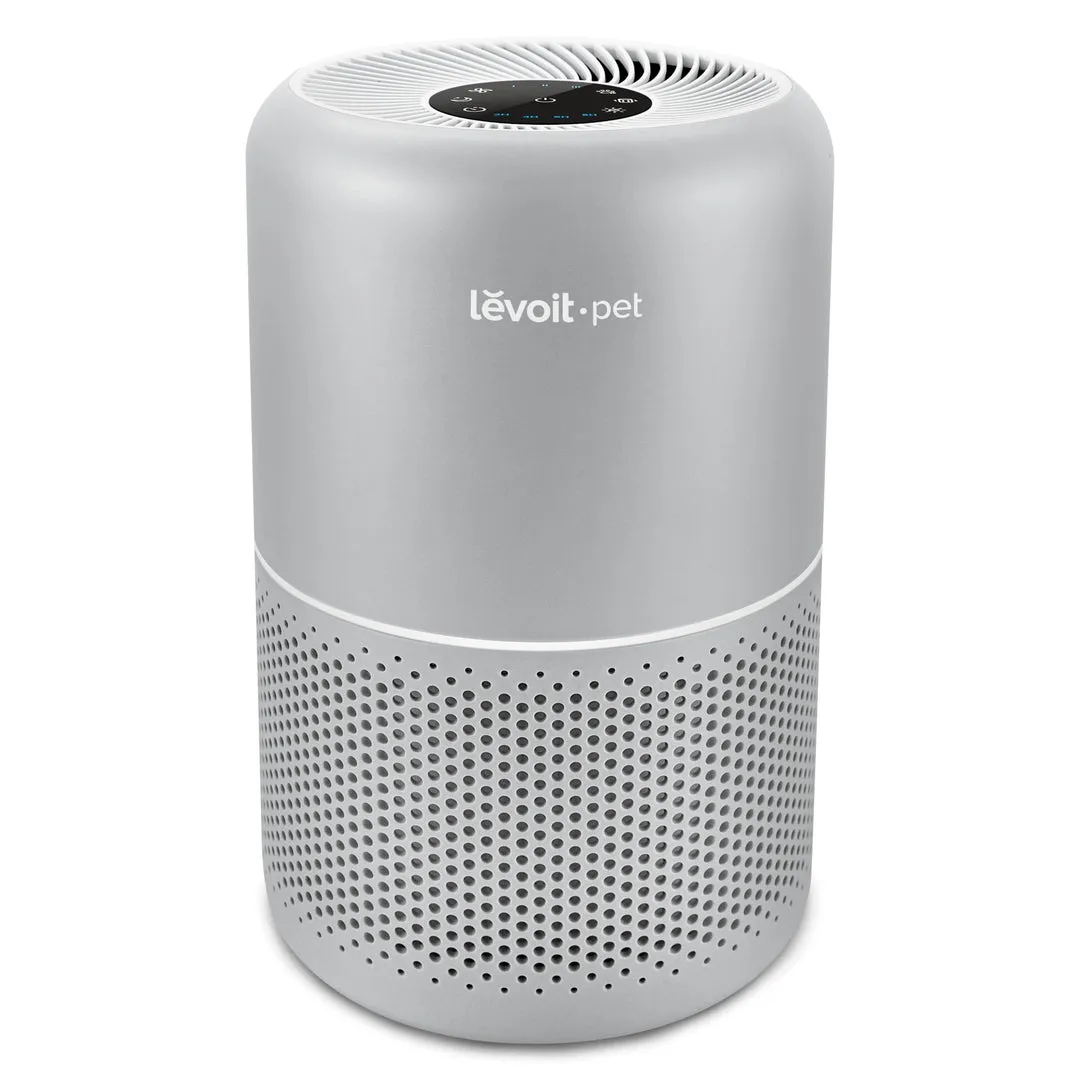
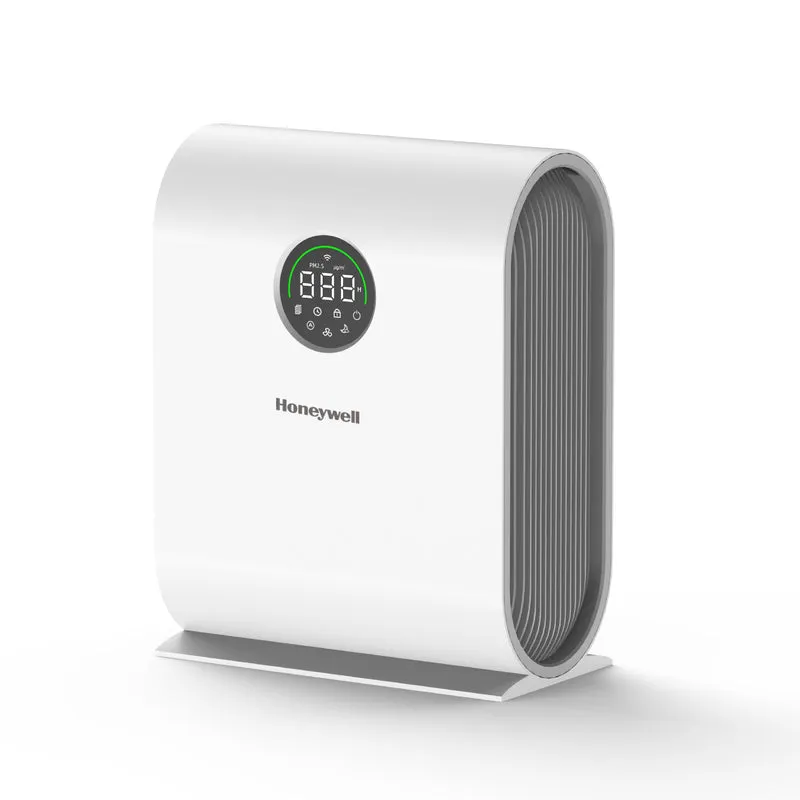
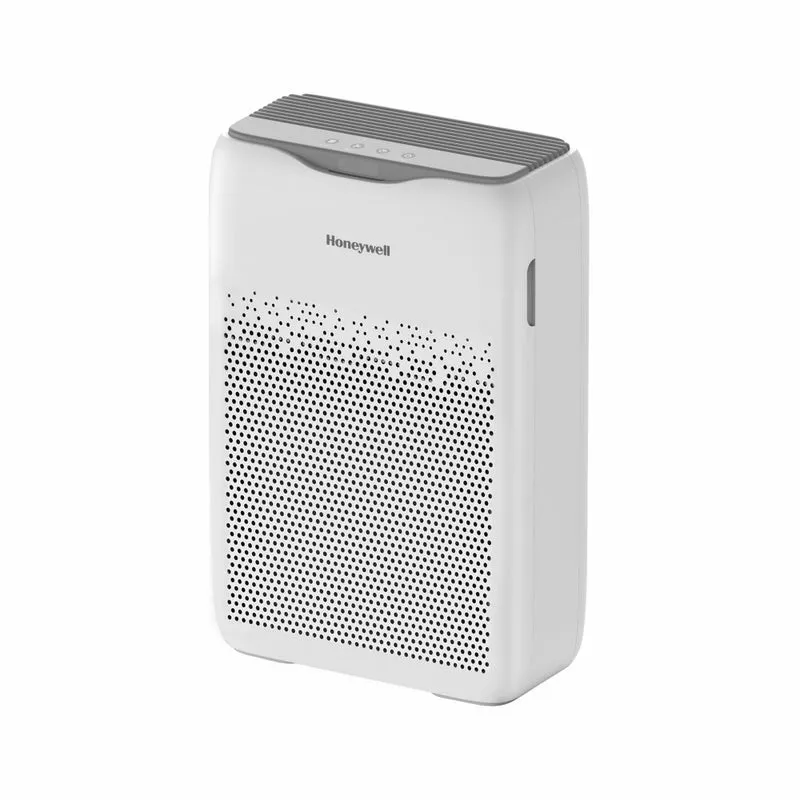
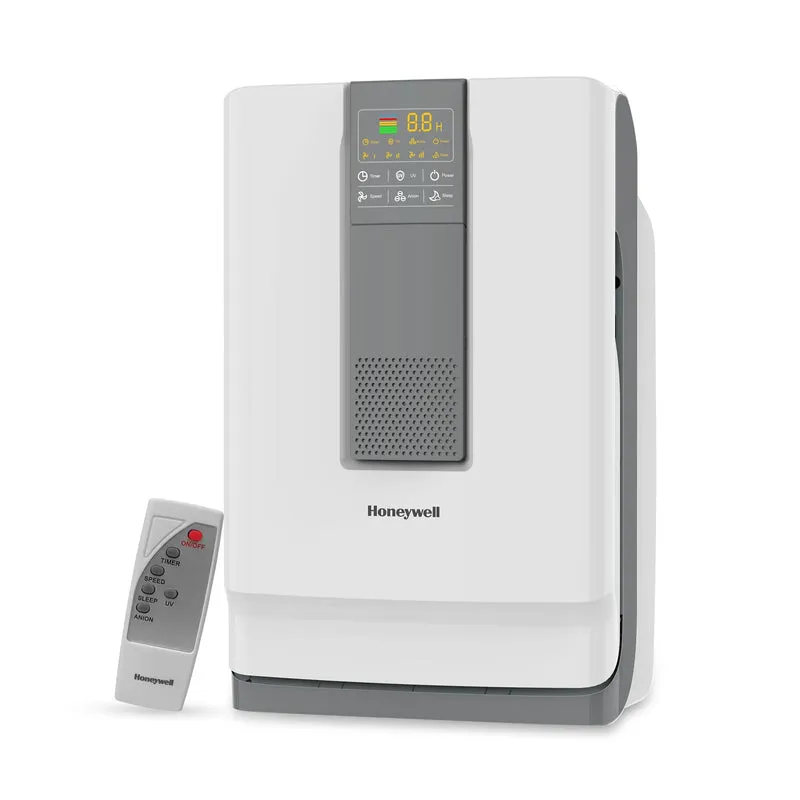
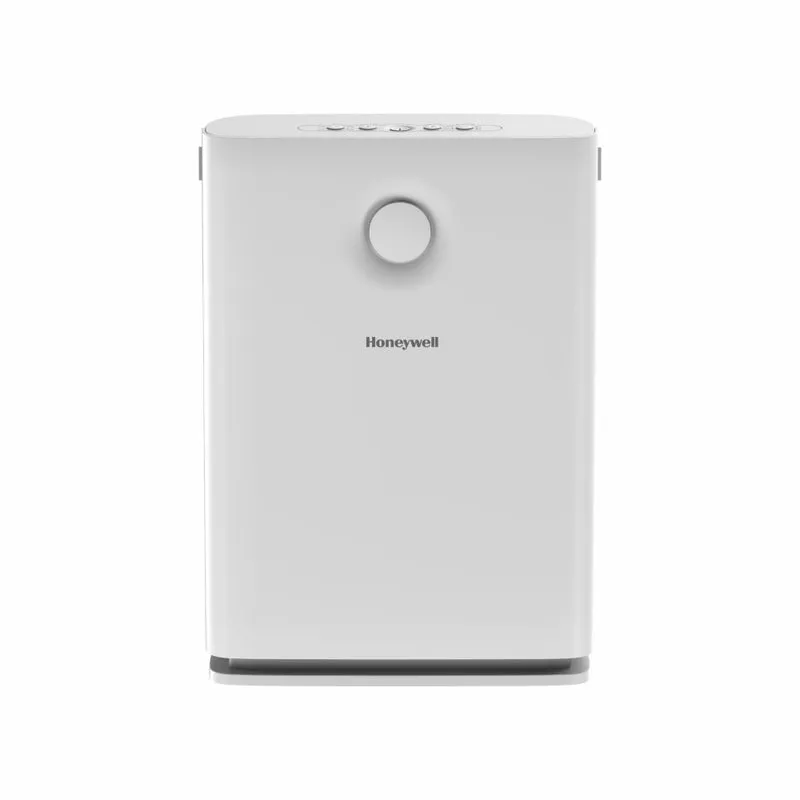
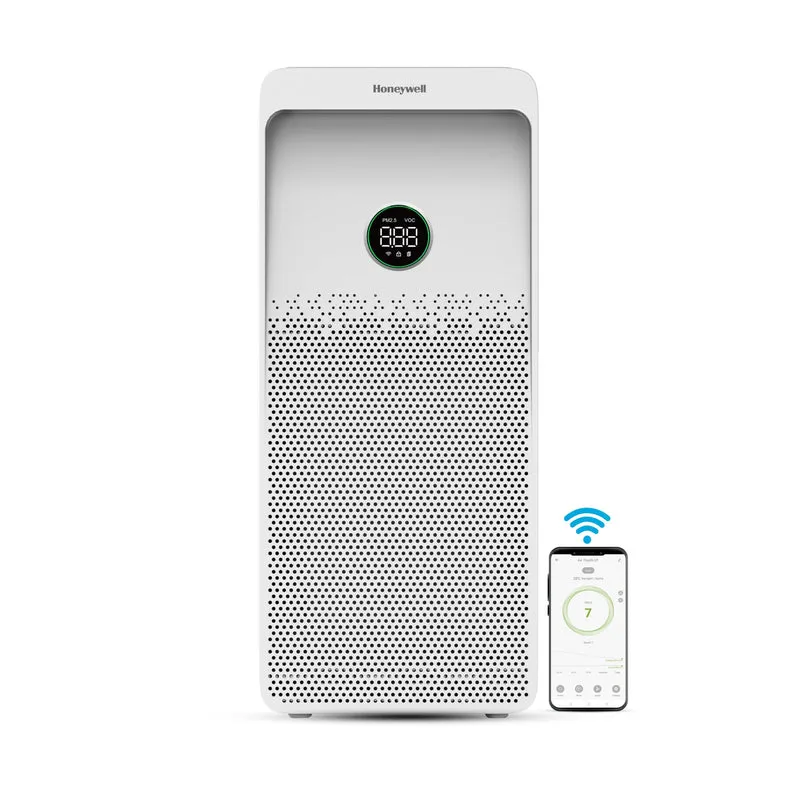
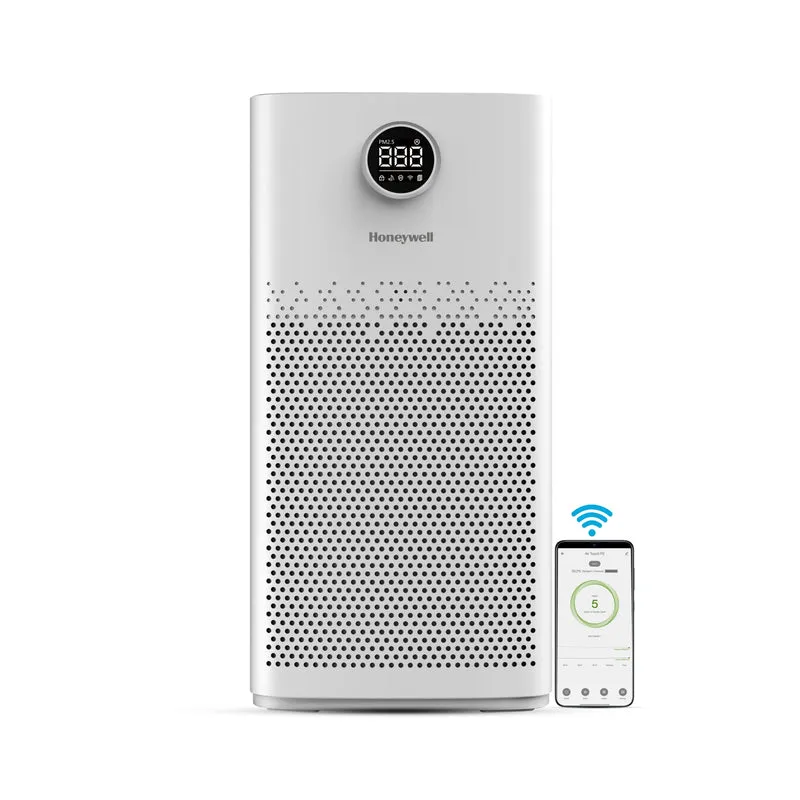
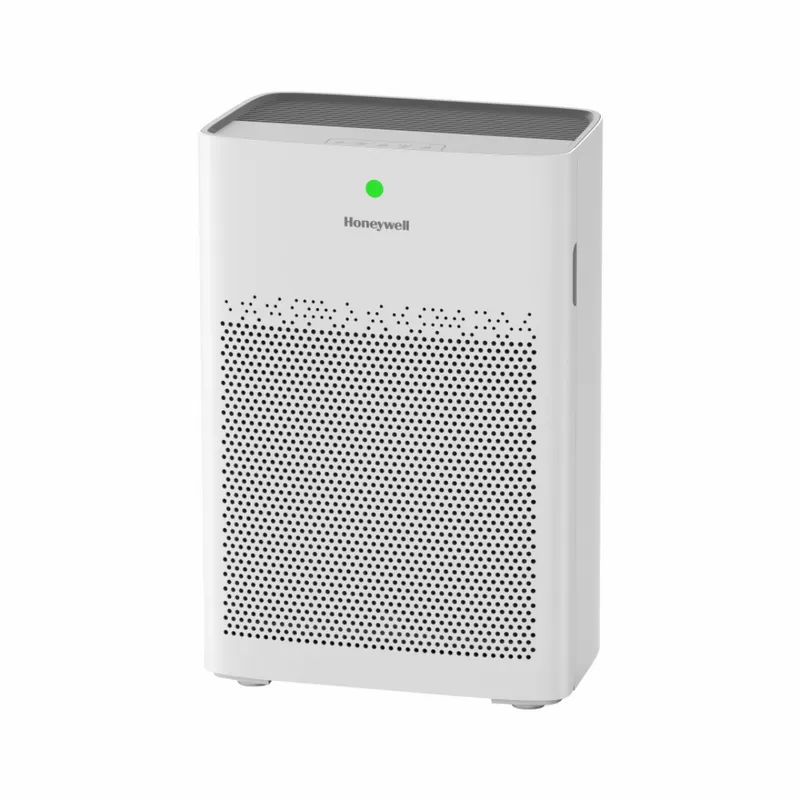
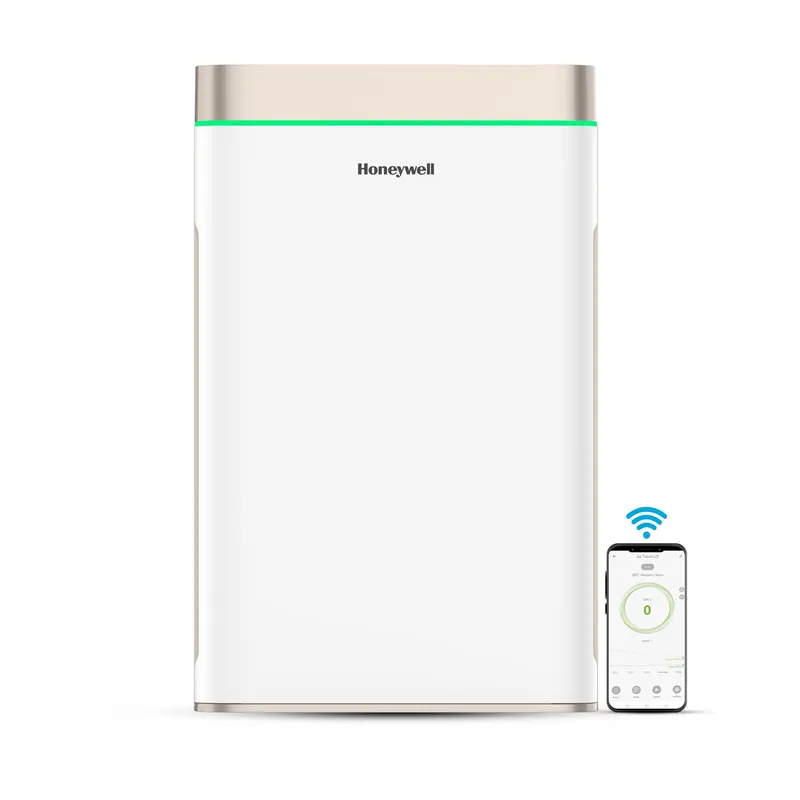
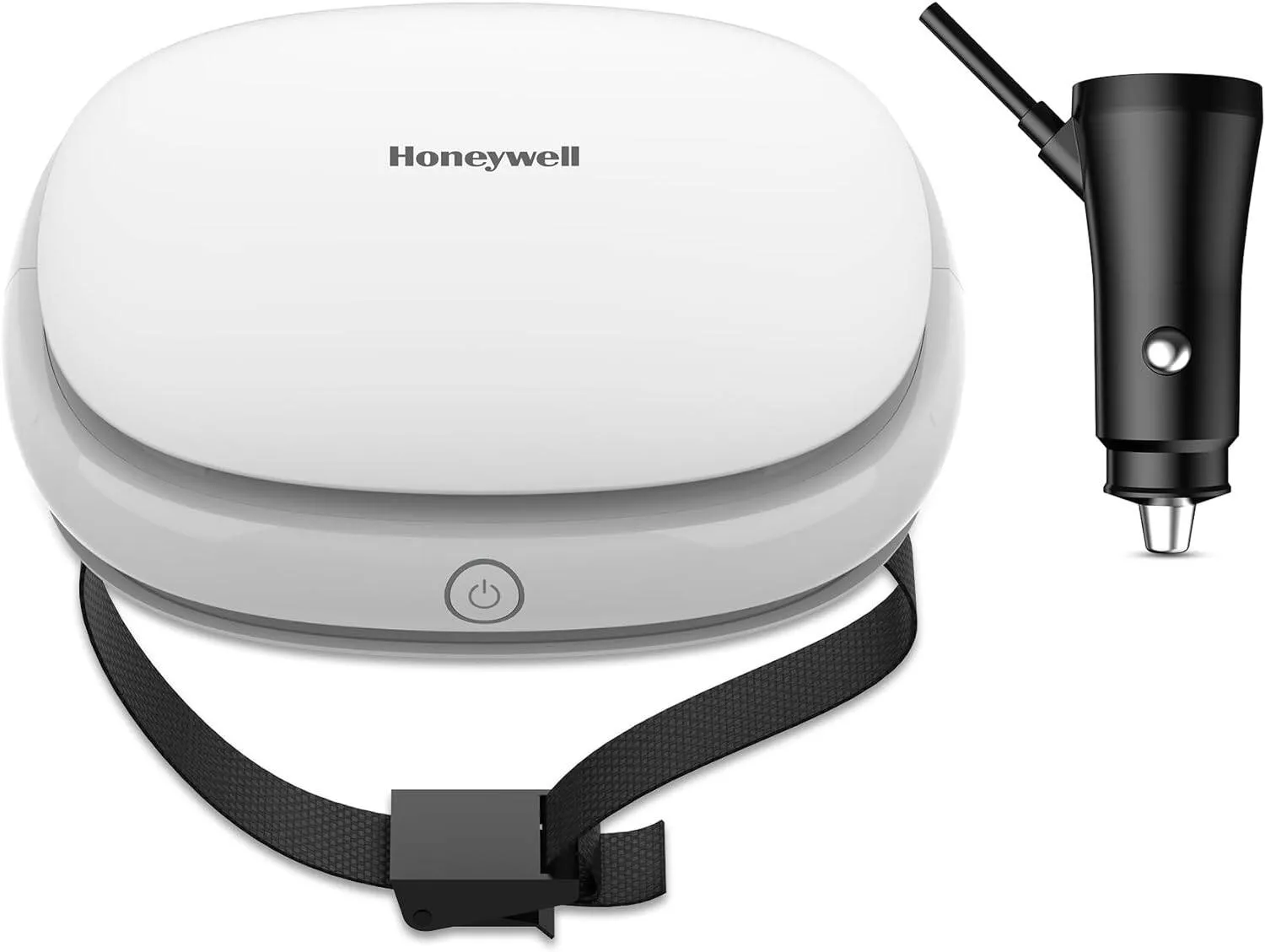
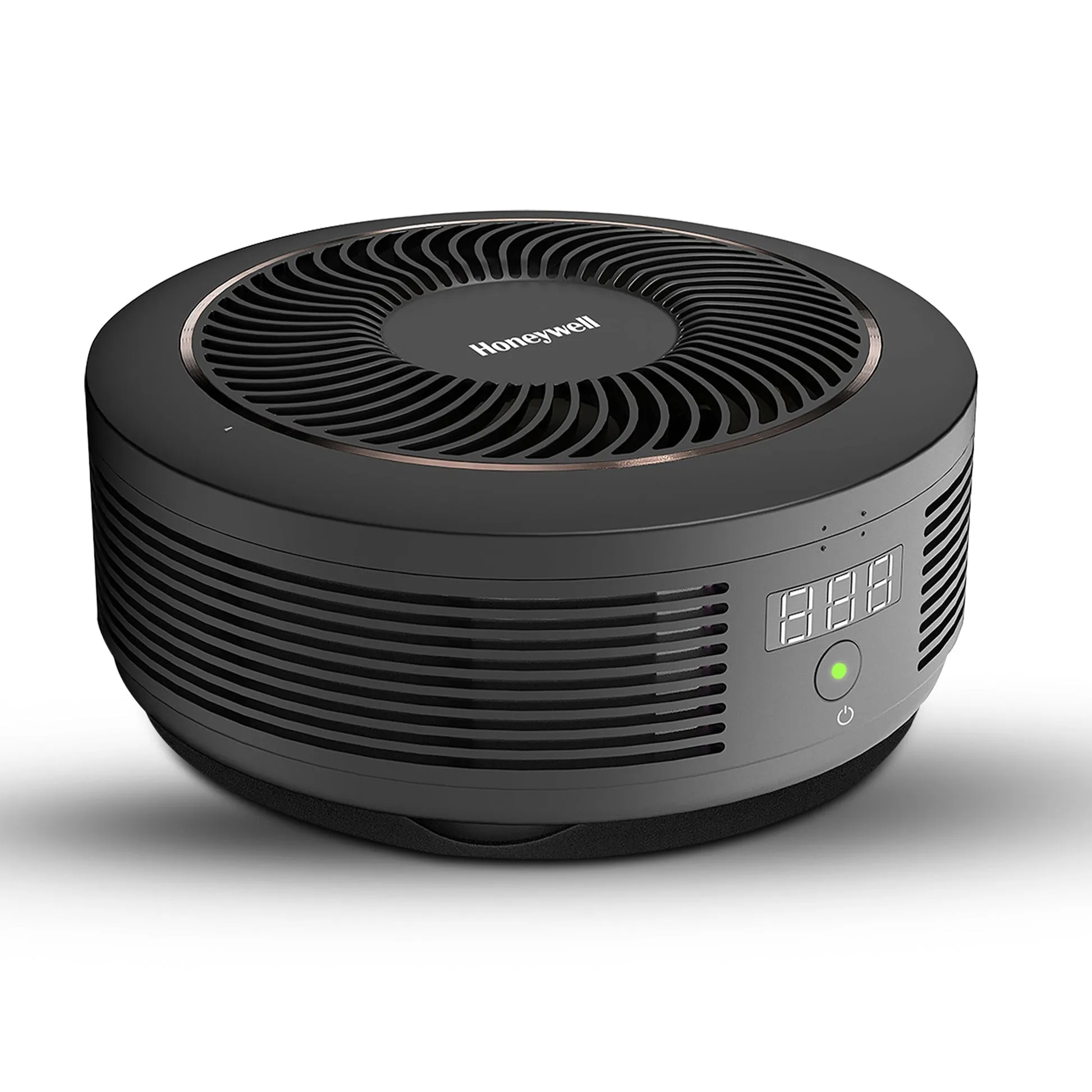
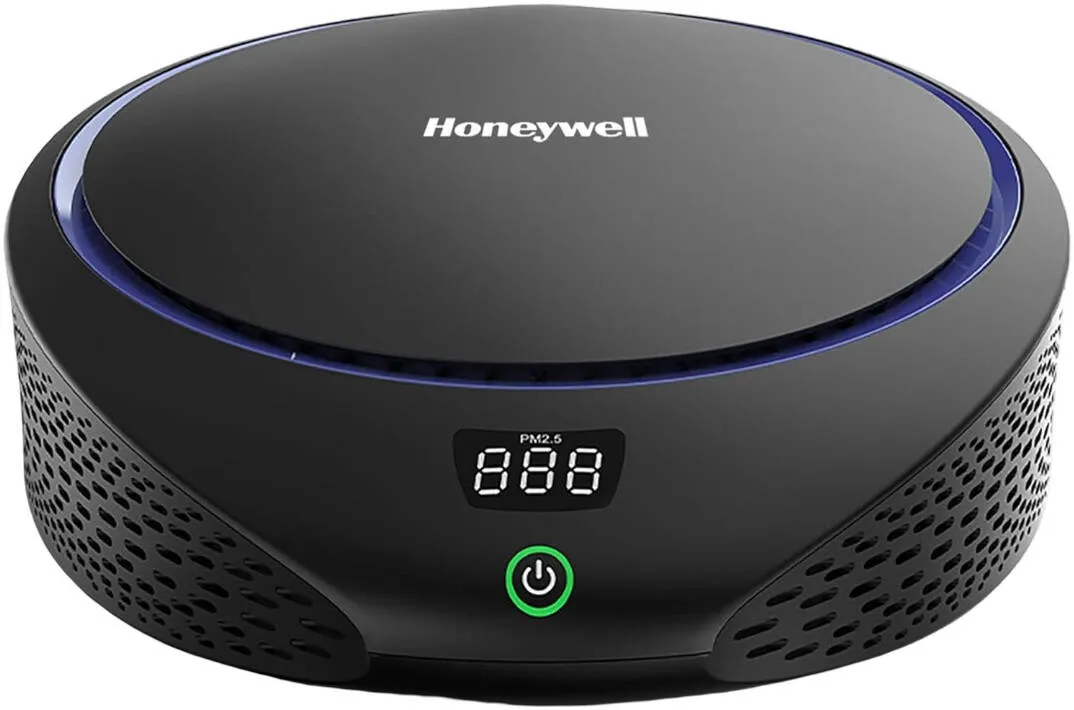
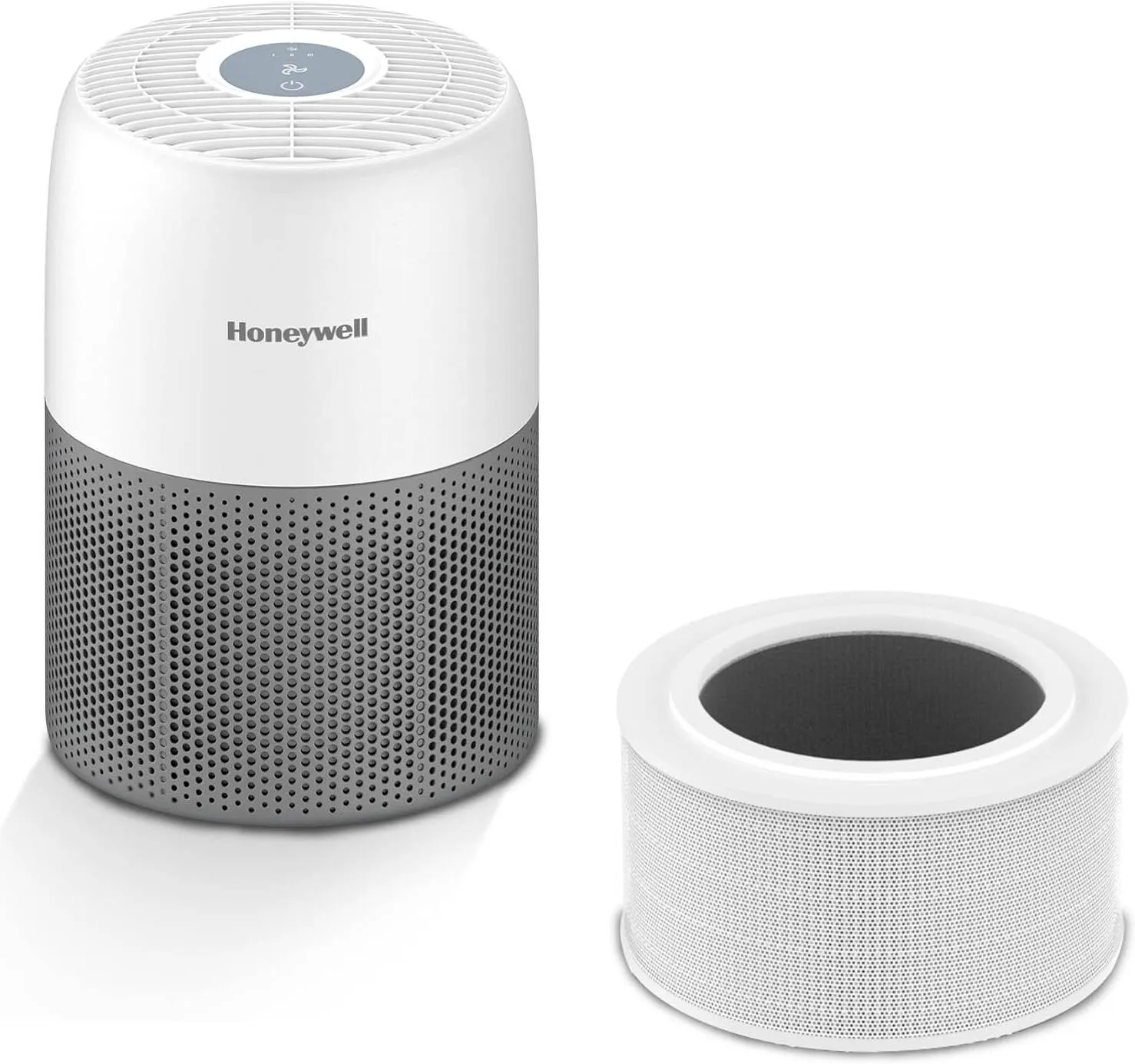
Cleanair-ae stocks a curated range of air purifiers, humidifiers, filters, and accessories from brands including Blueair, Honeywell, and Levoit, all available with fast delivery across Dubai, Abu Dhabi, and the wider UAE.
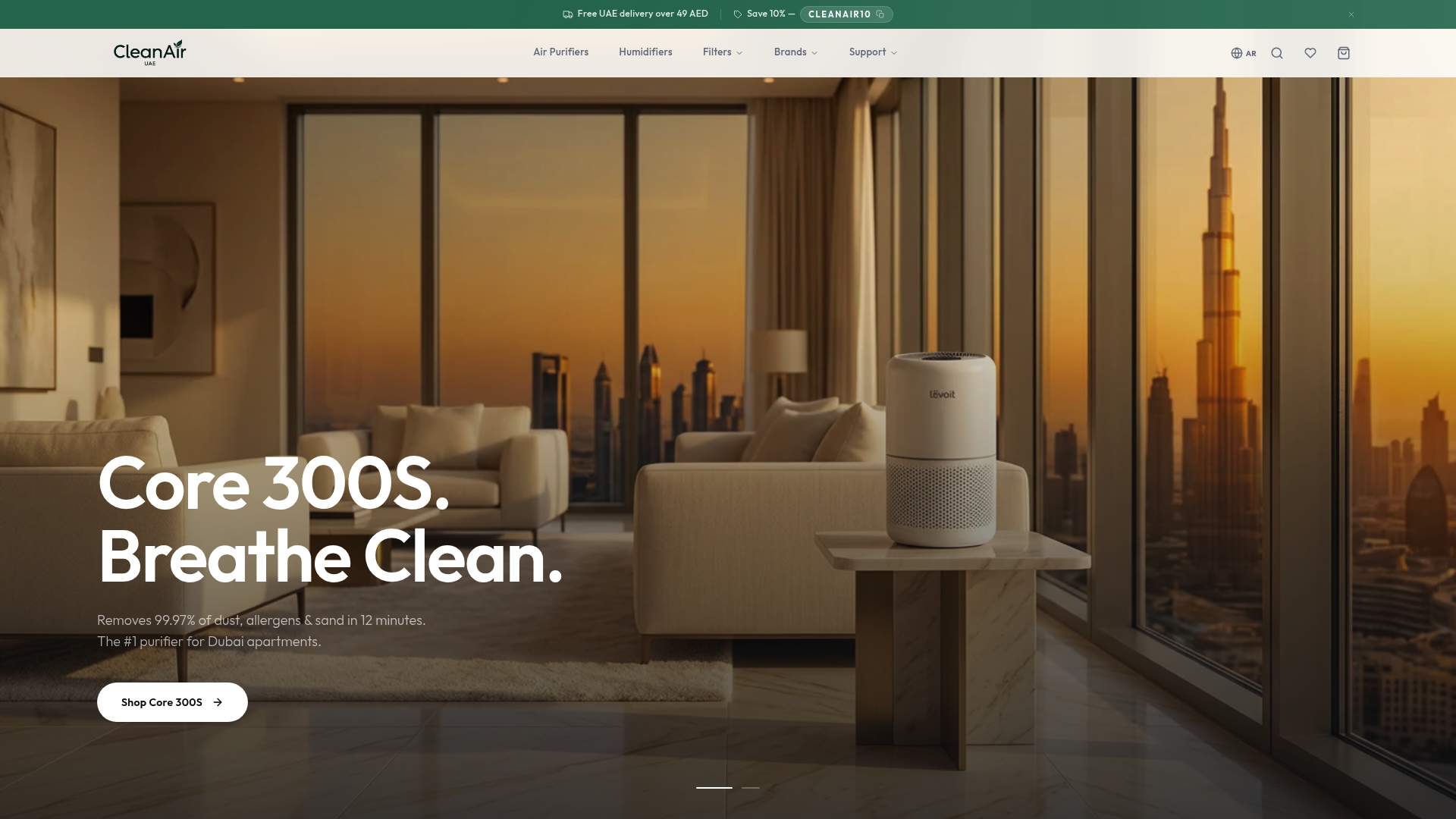
The air purifier buying guide for 2026 covers filter ratings, room coverage, and seasonal considerations to help you select the right unit for continuous use. For households managing humidity alongside particulate matter, the guide on air purifiers vs humidifiers clarifies which device addresses which problem. Cleanair-ae also lists air quality accessories for 2026 that complement purifiers and support a complete year-round strategy.
FAQ
What is the main reason to maintain clean air year-round?
Air pollution causes approximately 6.6 million deaths annually, with pollutant types shifting by season rather than disappearing. Year-round management prevents continuous low-level exposure from accumulating into serious disease.
How often should I replace my air purifier filter?
Most HEPA filters require replacement every 6–12 months, depending on usage and local air quality. Neglected filters reduce Clean Air Delivery Rate measurably, so following the manufacturer’s schedule is the minimum standard.
Is indoor air quality worse in winter?
Indoor pollutant levels can reach three to four times higher than outdoor levels during winter, when homes are sealed and ventilation drops. Combustion byproducts and VOCs concentrate rapidly in poorly ventilated spaces.
Do I need to run my air purifier all day?
Continuous operation is the most effective approach. 24/7 purifier use prevents pollutant levels from rebuilding between cycles, which intermittent use cannot achieve.
Which groups are most at risk from poor air quality?
Children, pregnant women, older adults, and people with pre-existing cardiovascular or respiratory conditions face the highest risk. Social factors such as poverty and limited healthcare access further amplify harm from sustained pollution exposure.