
Uncategorised
Why maintain indoor humidity: a homeowner’s guide

Maintaining indoor humidity within the correct range is the single most effective step you can take to protect your health, your home, and your comfort. Relative humidity (RH) is the standard industry term for the amount of moisture in the air expressed as a percentage of the maximum it can hold at a given temperature. The EPA recommends keeping indoor RH between 30% and 50% to reduce biological hazards such as mould, dust mites, and bacteria. Understanding why maintain indoor humidity matters gives you the knowledge to act before problems appear, not after.
What are the recommended indoor humidity levels and why do they matter?
The three main authorities on indoor air quality each set slightly different targets, and each target reflects a different priority.
The EPA focuses on biological load. Its recommended range of 30–50% is designed to suppress mould, dust mites, and airborne bacteria. ASHRAE, the American Society of Heating, Refrigerating and Air-Conditioning Engineers, sets a broader range of 30–60%, weighted towards thermal comfort and building performance. A practical working target of 40–55% satisfies both standards simultaneously, covering health protection and comfort in one band.
The table below shows how the three thresholds compare.
| Authority | Recommended RH range | Primary focus |
|---|---|---|
| EPA | 30–50% | Biological hazard reduction |
| ASHRAE | 30–60% | Thermal comfort and building performance |
| Practical target | 40–55% | Combined health and comfort |
The biological case for the upper limit is clear. Dust mites thrive above 55–60% RH, and mould spores can germinate within 24–48 hours once RH stays above 60% at favourable surface temperatures. That is why 60% is treated as a hard ceiling, not a guideline.
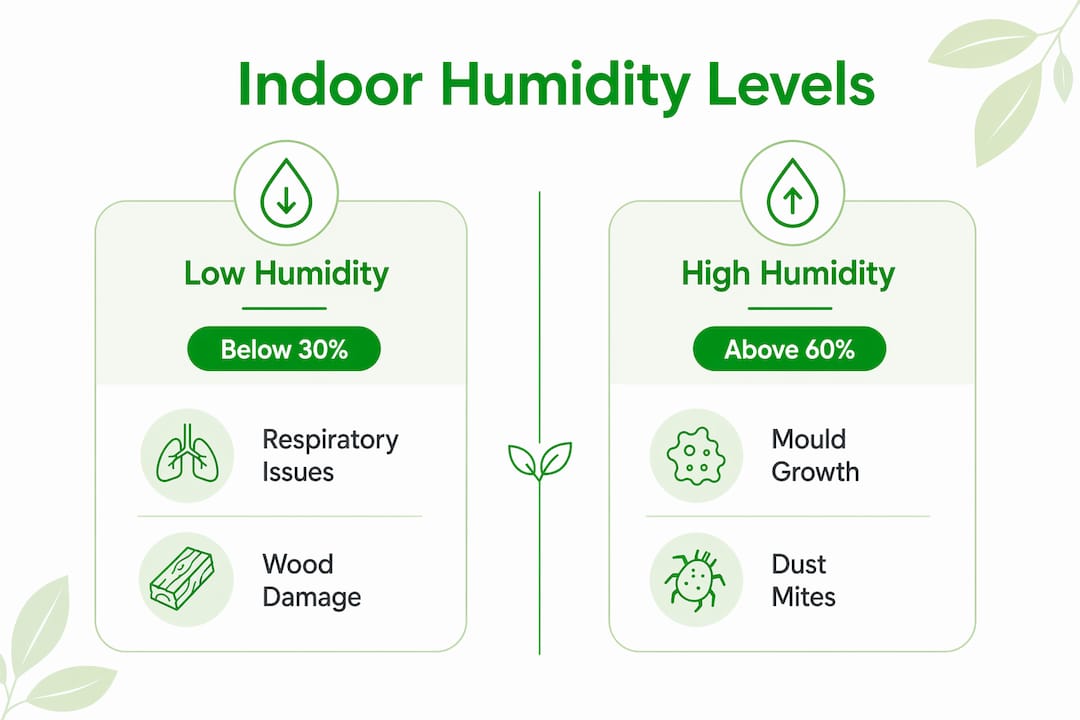
The lower limit matters just as much. Humidity below 30% correlates with respiratory tract irritation, dry skin, increased static electricity, and damage to wood, leather, and paper. Dry air also allows airborne viruses to survive longer on surfaces. Maintaining 40–60% RH may reduce influenza virus survival on surfaces, which is a meaningful benefit during winter months.
Key biological thresholds to keep in mind:
- Below 30% RH: dry skin, irritated airways, static electricity, material damage
- 30–50% RH: EPA’s safe zone for biological hazard control
- 40–55% RH: practical combined target for health and comfort
- Above 60% RH: dust mites activate, mould germination risk rises sharply
How do seasonal and climate changes affect indoor humidity?
Indoor humidity does not stay constant. It shifts with outdoor temperature, ventilation habits, and how well your building holds heat. Managing it well means adjusting your targets by season, not setting one number and forgetting it.
In winter, cold outdoor air carries very little moisture. When that air enters your home and warms up, its relative humidity drops sharply. The result is dry indoor air that sits well below 30% RH without any intervention. Running a humidifier corrects this, but there is a ceiling. ASHRAE advises keeping winter RH at 30–35% when outdoor temperatures are very low. Pushing humidity higher causes condensation on cold window glass and wall cavities, which creates the conditions for hidden mould growth.
In summer, the problem reverses. Outdoor air is warm and moisture-laden. Without adequate ventilation or air conditioning, indoor RH climbs above 60% quickly. This is when dehumidification becomes the priority, and when the role of dehumidifiers in a home becomes most apparent.
Seasonal adjustments to follow:
- Winter (cold outdoor temperatures): target 30–35% RH indoors; use a humidifier and check windows for condensation weekly.
- Spring and autumn: target 40–50% RH; monitor with a hygrometer and ventilate when outdoor conditions allow.
- Summer (hot, humid climate): target 45–55% RH; run air conditioning or a standalone dehumidifier to keep moisture below 60%.
- Year-round in the UAE: outdoor humidity is high for much of the year; dehumidification and air conditioning are the primary tools.
Pro Tip: Place a digital hygrometer in the room where you spend the most time. Check it each morning for a week before buying any equipment. You may find your home already sits within range, or that only one room needs attention.
Building construction also plays a role. Older buildings with poor insulation allow more moisture exchange with the outdoors. Newer, well-sealed buildings trap moisture from cooking, bathing, and breathing, which pushes RH upward. Neither building type manages itself. Both require active humidity control to stay within the healthy range.
What are the effects of improper indoor humidity on health and home materials?
Low and high humidity cause distinct, measurable problems. Knowing which symptoms point to which extreme helps you diagnose your home accurately.
Effects of low humidity (below 30% RH)
Dry air affects the body first. The mucous membranes lining the nose and throat dry out, reducing their ability to filter airborne particles. This makes respiratory infections more likely and worsens existing asthma and allergy symptoms. Skin loses moisture faster, leading to cracking and irritation. Static electricity builds up on carpets, furniture, and electronics, which is both uncomfortable and damaging to sensitive devices.
Materials suffer too. Humidity below 30% causes wood to contract, which leads to gaps in flooring, cracking in furniture joints, and warping in wooden door frames. Leather dries and cracks. Paper becomes brittle. These effects accumulate slowly, making them easy to attribute to age rather than air quality.
Effects of high humidity (above 60% RH)
High humidity creates a biological problem indoors. Mould spores germinate within 24–48 hours when RH stays above 60% at suitable surface temperatures. Mould releases spores and mycotoxins that aggravate asthma, trigger allergic reactions, and cause persistent respiratory symptoms. Dust mites, which are a leading cause of perennial allergic rhinitis, reproduce rapidly in humid conditions.
Sleep quality also suffers. High humidity above 50% can disrupt deep slow-wave sleep by impairing the body’s ability to regulate temperature. Poor sleep compounds the health effects of poor air quality, creating a cycle that is difficult to break without addressing the root cause.
“Humidity swings stress building materials more than slight deviations from the ideal range. Consistency in indoor RH is more protective than chasing a precise number.”
The benefits of indoor humidity management are clearest when you compare a home held steadily at 45% RH against one that swings between 25% and 65% across a single week. The stable home shows less material damage, fewer allergy flare-ups, and better sleep outcomes.
How can homeowners and renters monitor and control indoor humidity?
Accurate measurement comes first. A digital hygrometer costs very little and gives you a real-time RH reading. Place one in the bedroom, one in the living area, and one near any known moisture sources such as a kitchen or bathroom. Three readings give you a picture of your home’s humidity profile, not just a single data point.
Once you know your baseline, choose the right tool for the problem.
- Humidifier: adds moisture to dry air; most useful in winter or in air-conditioned spaces where cooling strips humidity out.
- Dehumidifier: removes excess moisture; most useful in summer, in basements, or in any room that feels clammy.
- Ventilation: opening windows when outdoor RH is lower than indoor RH is free and effective; avoid this when outdoor air is more humid than your target.
- Moisture source control: fitting extractor fans in kitchens and bathrooms, covering pots while cooking, and drying laundry outdoors all reduce the moisture load your home must manage.
Air conditioning is not a complete solution on its own. If your AC maintains temperature but the air still feels clammy, the system lacks the capacity to remove the latent moisture load. A standalone dehumidifier resolves this without requiring a new AC unit.
Pro Tip: Aim for stability rather than a precise number. Keeping RH within a 10-point band, such as 40–50%, consistently produces better outcomes than hitting 45% on one day and 62% the next.
Consistency in indoor RH matters more than precision. Frequent fluctuations stress wood, plaster, and furniture joints far more than a steady reading that sits slightly outside the ideal band. Set your humidifier or dehumidifier to maintain a range, not a single target. For allergy sufferers, pairing humidity control with air quality solutions for allergies gives the most complete protection.
Key takeaways
Maintaining indoor RH between 40% and 55% consistently protects health, prevents material damage, and satisfies both EPA and ASHRAE guidance simultaneously.
| Point | Details |
|---|---|
| Target RH range | Keep indoor humidity at 40–55% to satisfy both EPA and ASHRAE standards. |
| Upper limit is firm | Mould spores germinate within 24–48 hours above 60% RH; treat this as a hard ceiling. |
| Seasonal adjustment | Lower winter targets to 30–35% to prevent condensation and hidden mould on cold surfaces. |
| Stability over precision | Consistent RH within a 10-point band causes less material damage than frequent swings. |
| Measure before buying | Use a digital hygrometer to identify your actual problem before purchasing equipment. |
Why chasing the “perfect” number misses the point
I have spoken with homeowners who bought expensive humidifiers, set them to exactly 45% RH, and still experienced dry skin and cracked wood floors throughout winter. The problem was not the equipment. It was the assumption that one number, held in one room, solves the whole house.
What I have found consistently is that the building matters as much as the device. A well-sealed flat in a high-rise behaves completely differently from a detached villa with single-glazed windows. Generic guidance does not account for that. The EPA’s 30–50% recommendation is a starting point, not a prescription.
The other mistake I see regularly is ignoring the seasonal shift. Homeowners in the UAE focus on dehumidification in summer, which is correct, but then forget that heavily air-conditioned interiors in winter can become surprisingly dry. The AC strips moisture continuously. Without a humidifier running alongside it, indoor RH can drop below 30% even in a warm climate.
My practical advice: measure for a full week before doing anything. Note the morning and evening readings. Look for patterns tied to cooking, showering, or running the AC. That data tells you more than any generic guideline. Then buy one device, place it where the problem is worst, and monitor the result. Add equipment only when the data says you need it.
— Wojciech
Humidity and air quality products from Cleanair-ae
Getting indoor humidity right is straightforward once you have the right equipment and the right information.

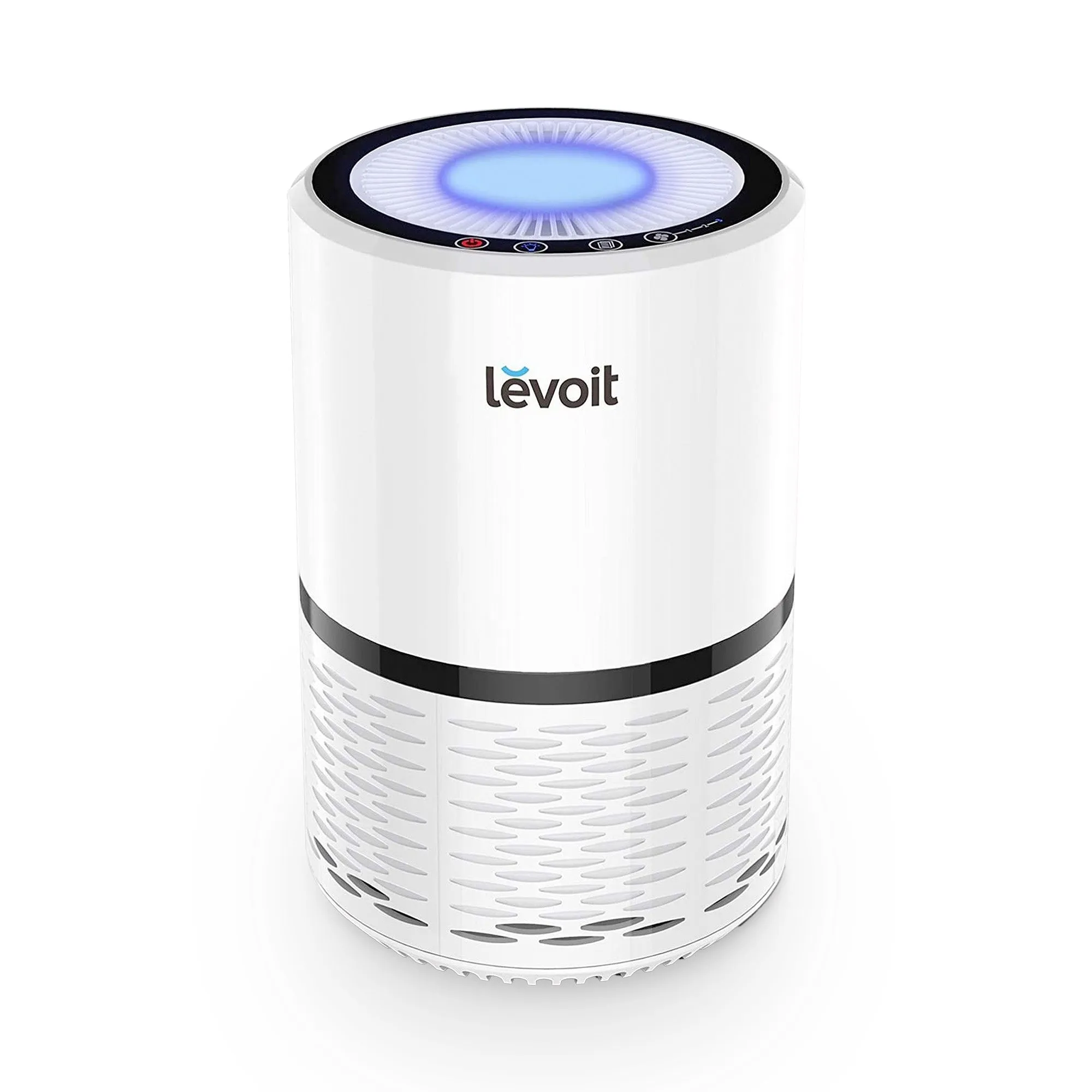
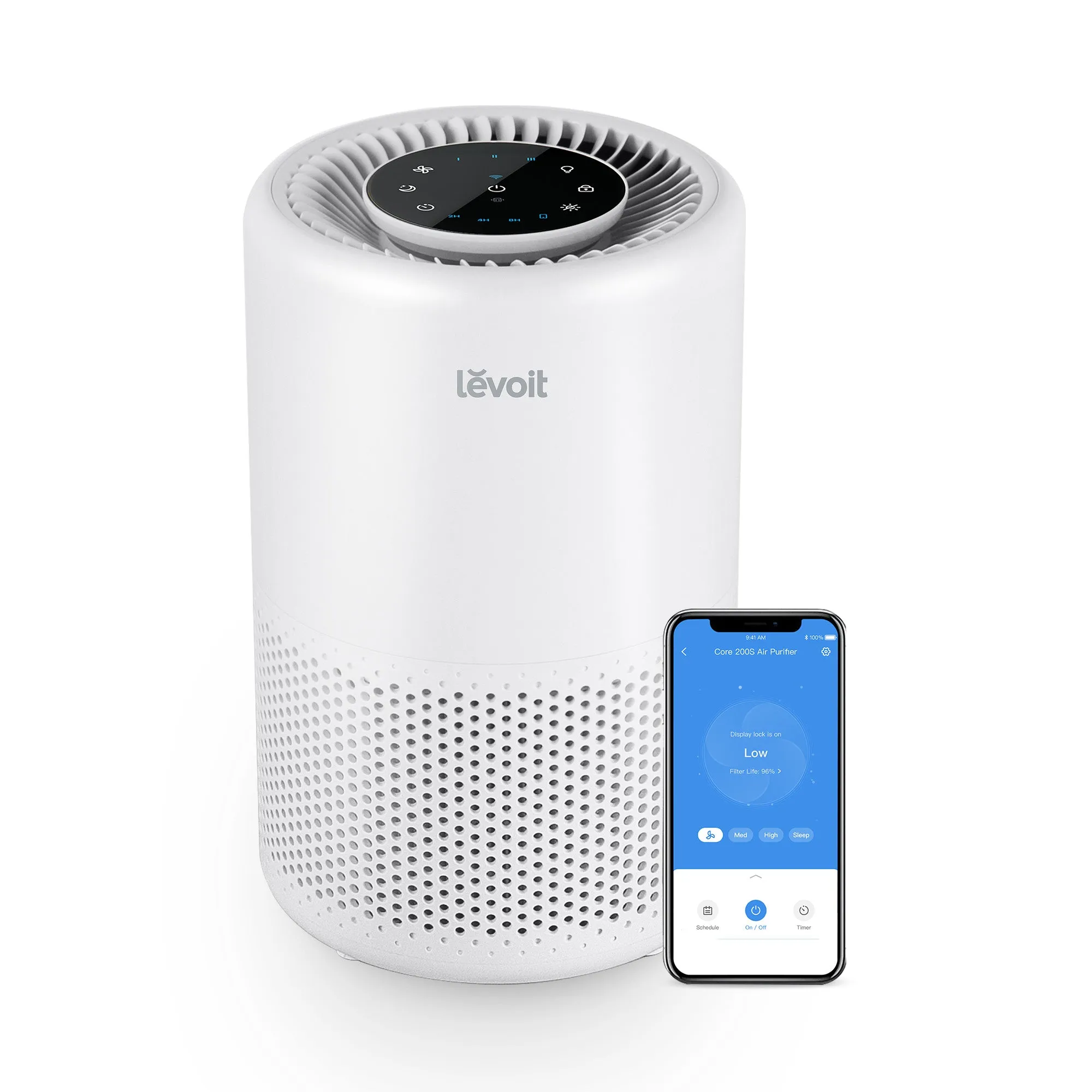
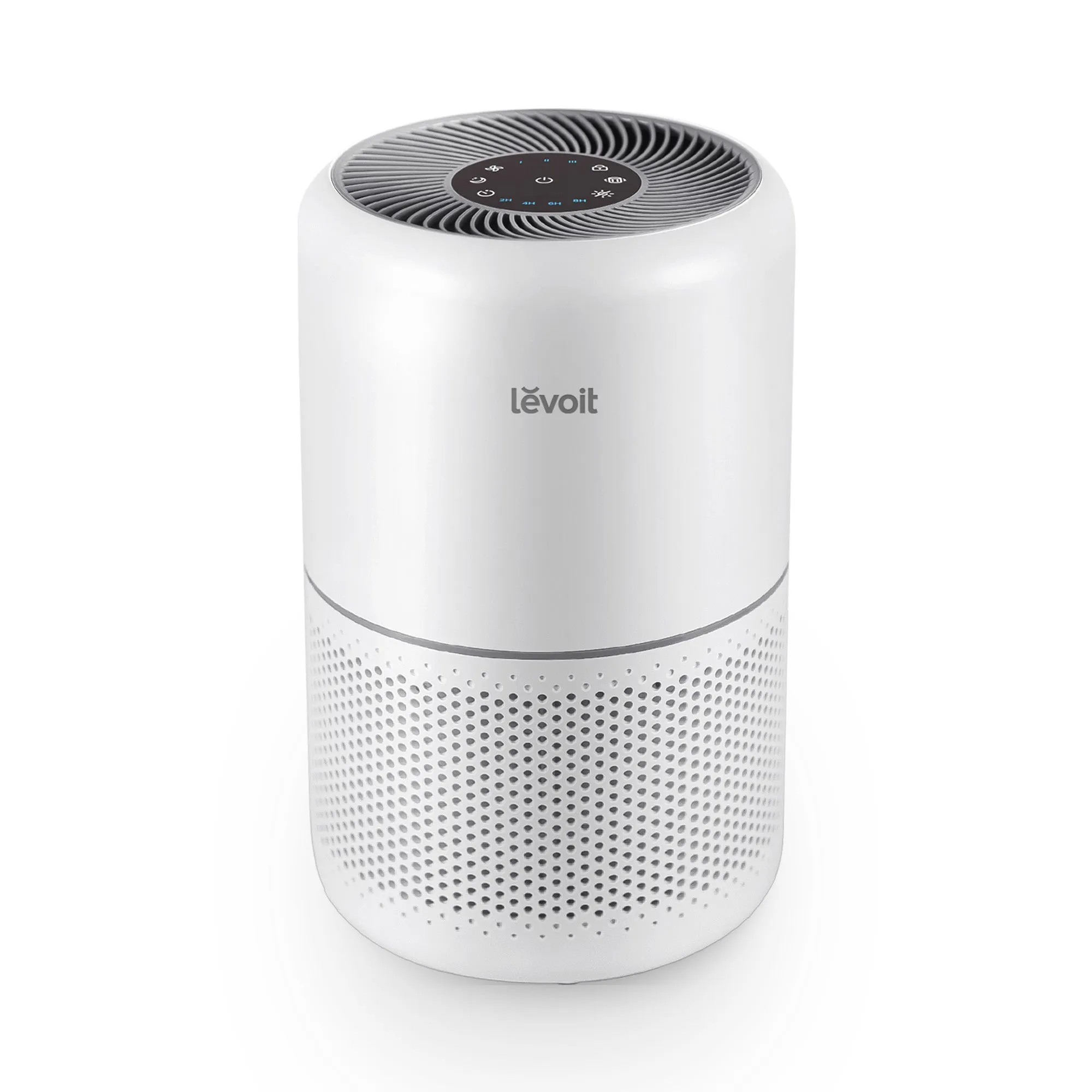
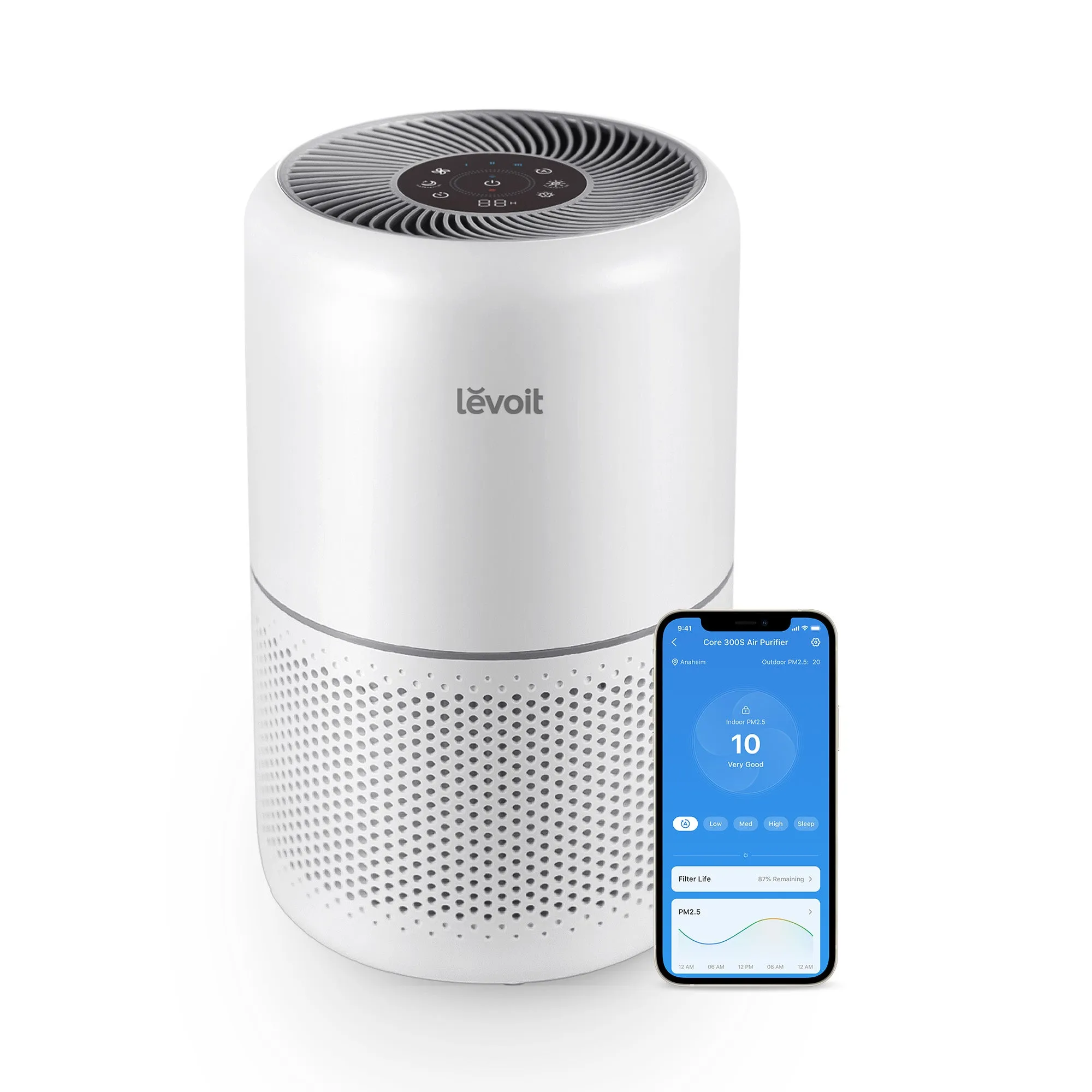
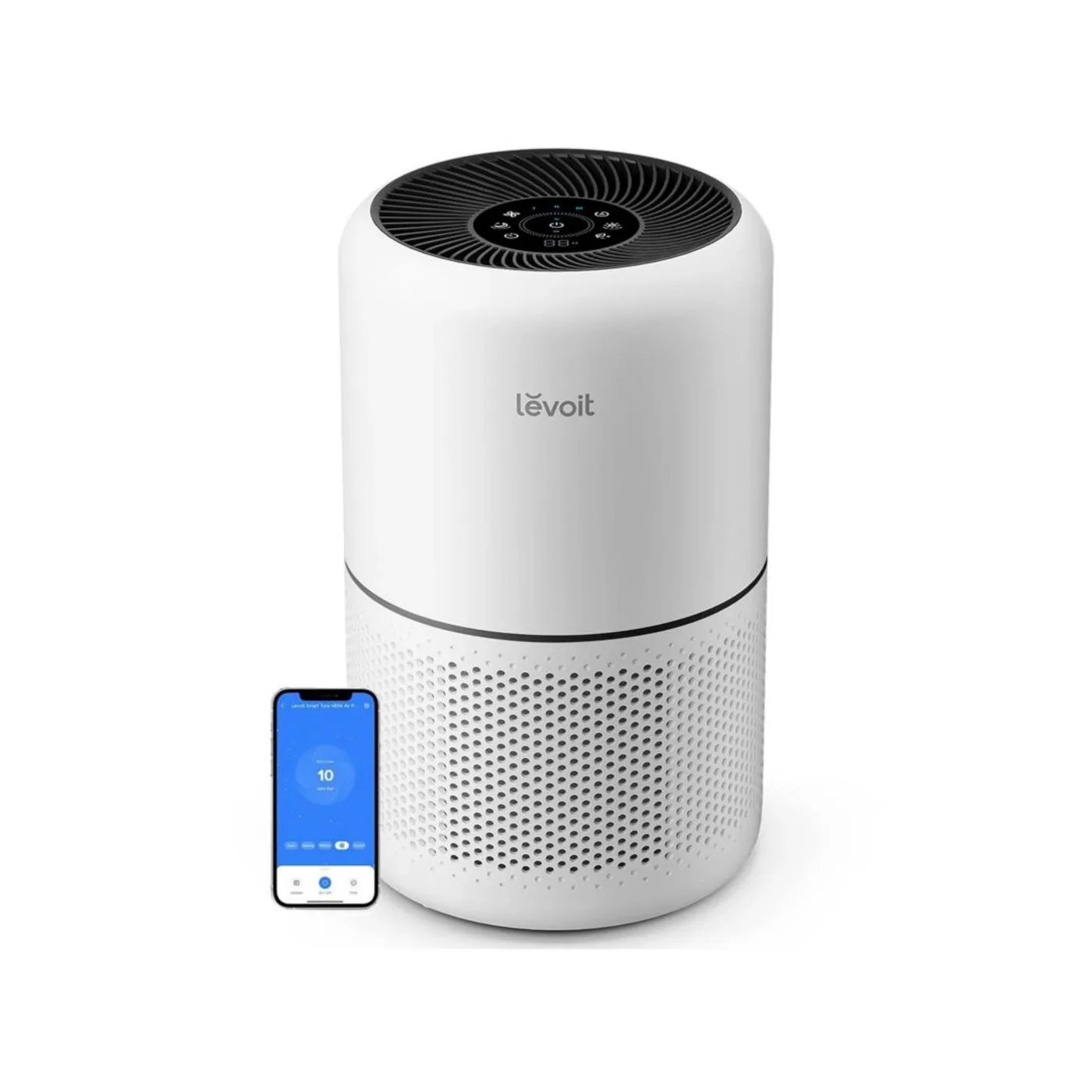
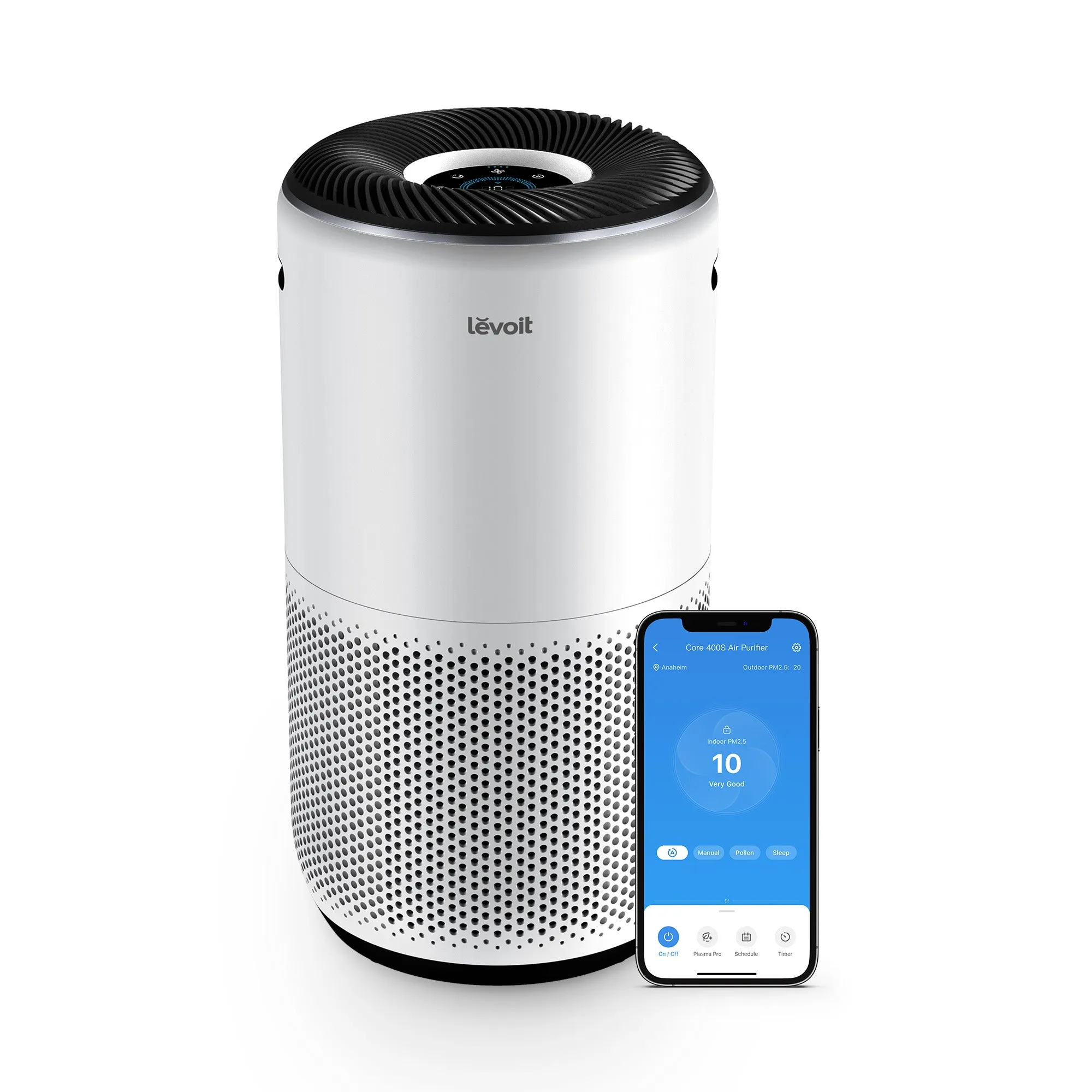
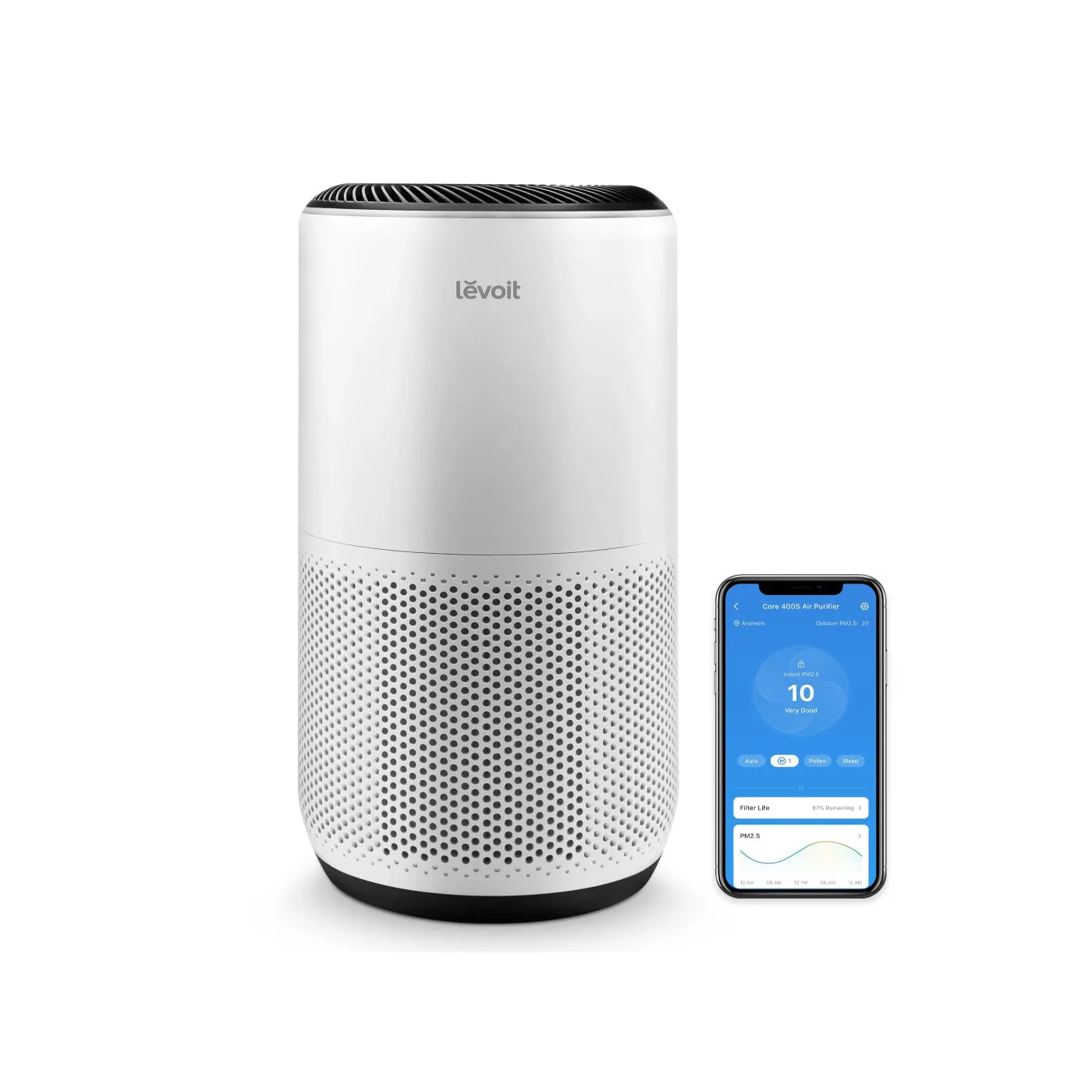
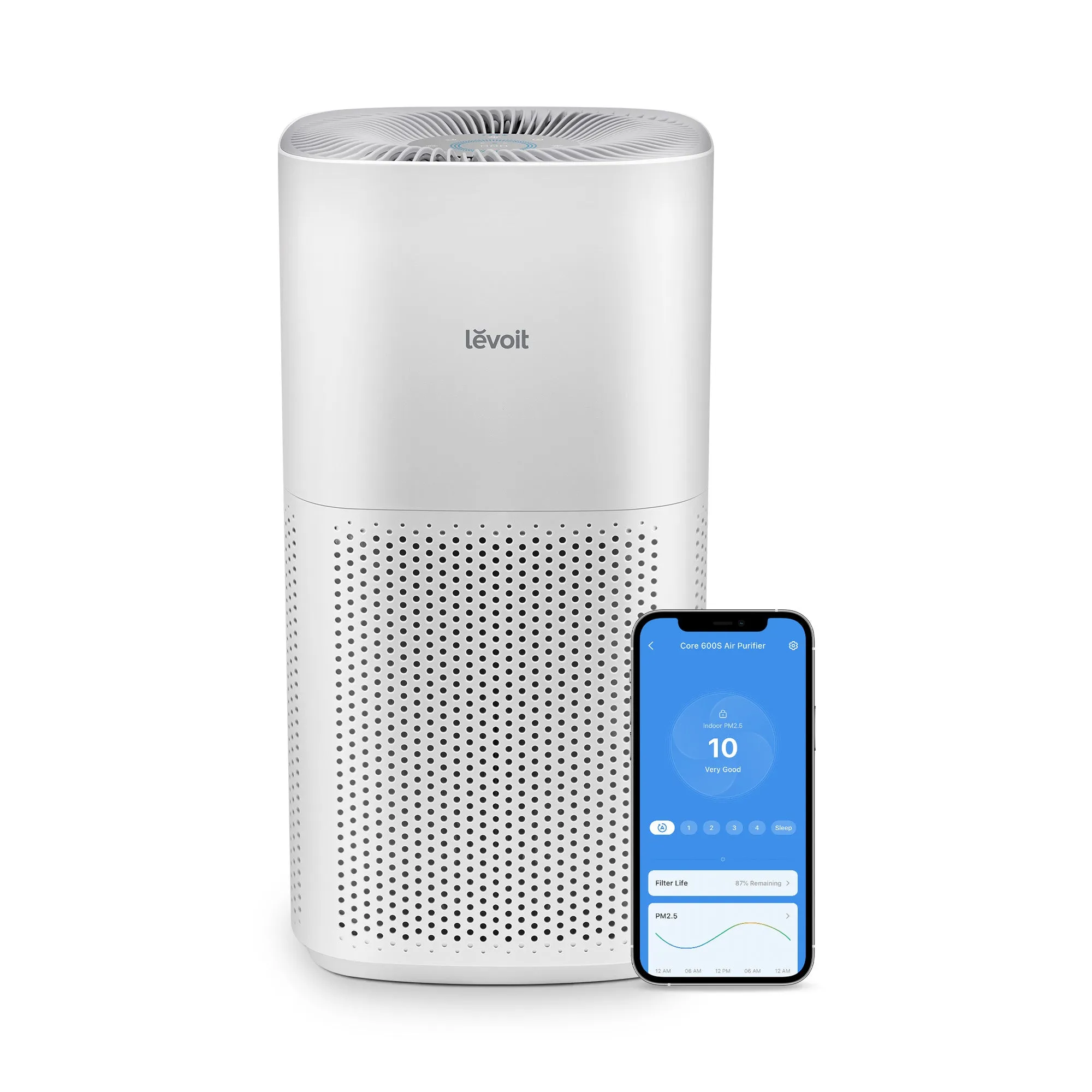
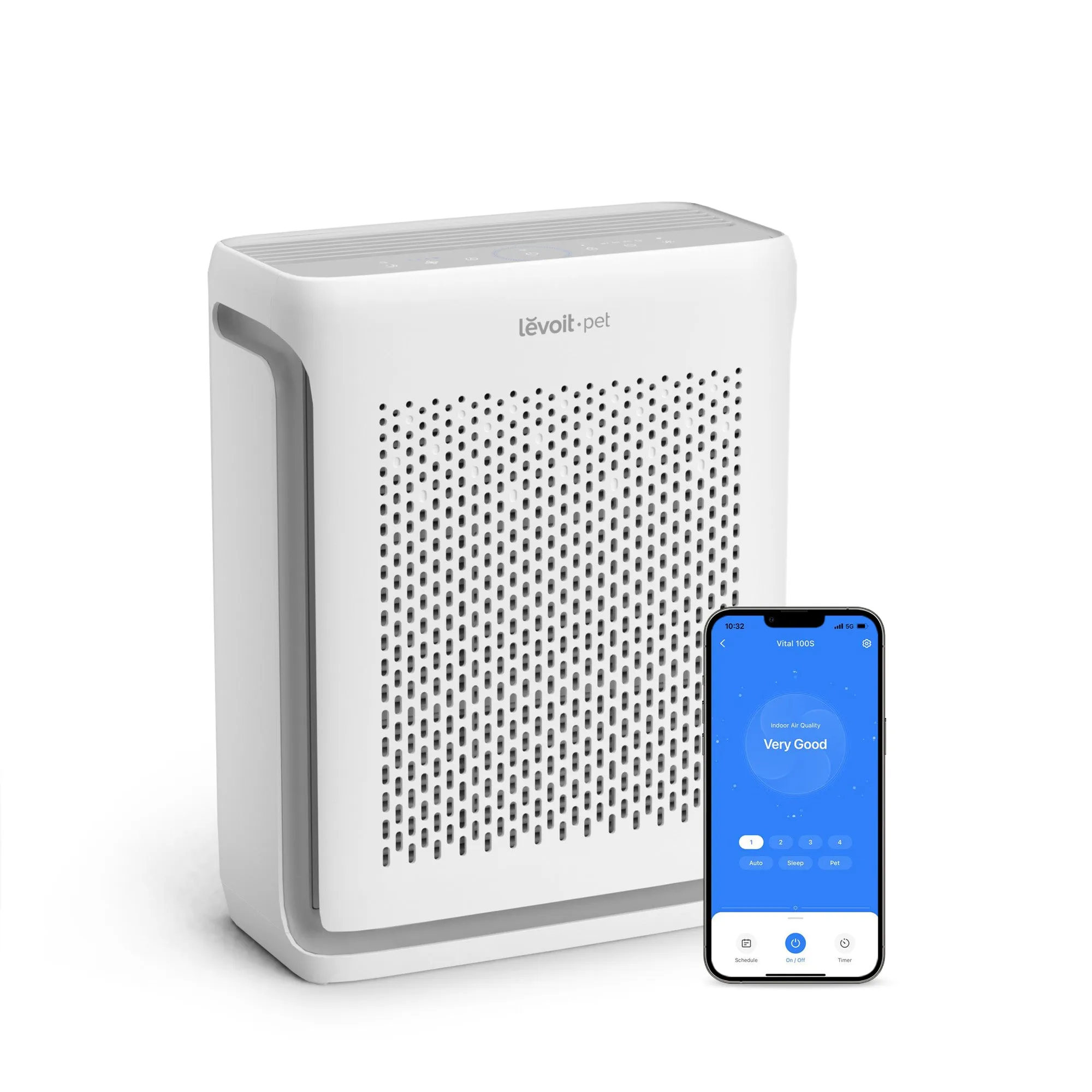
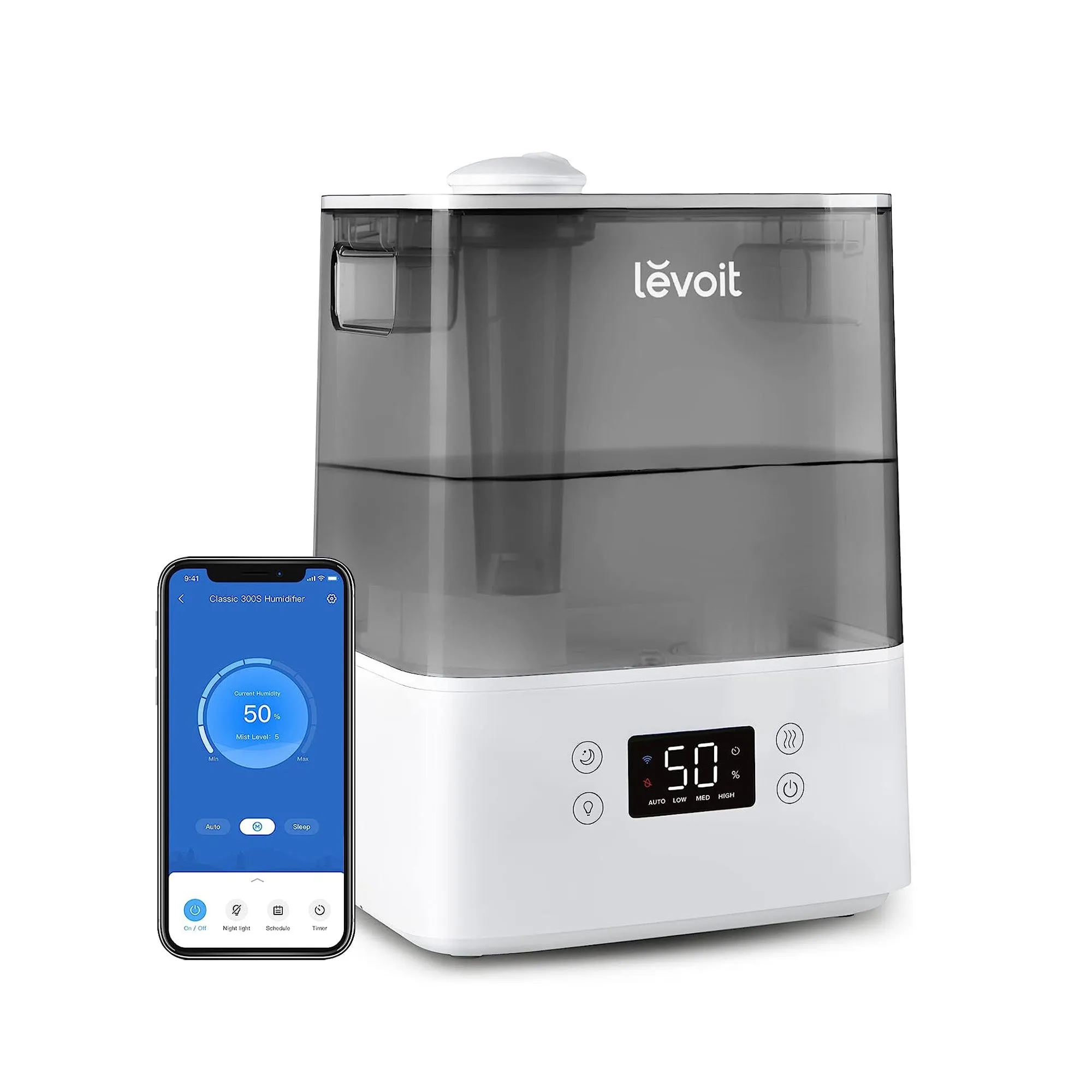
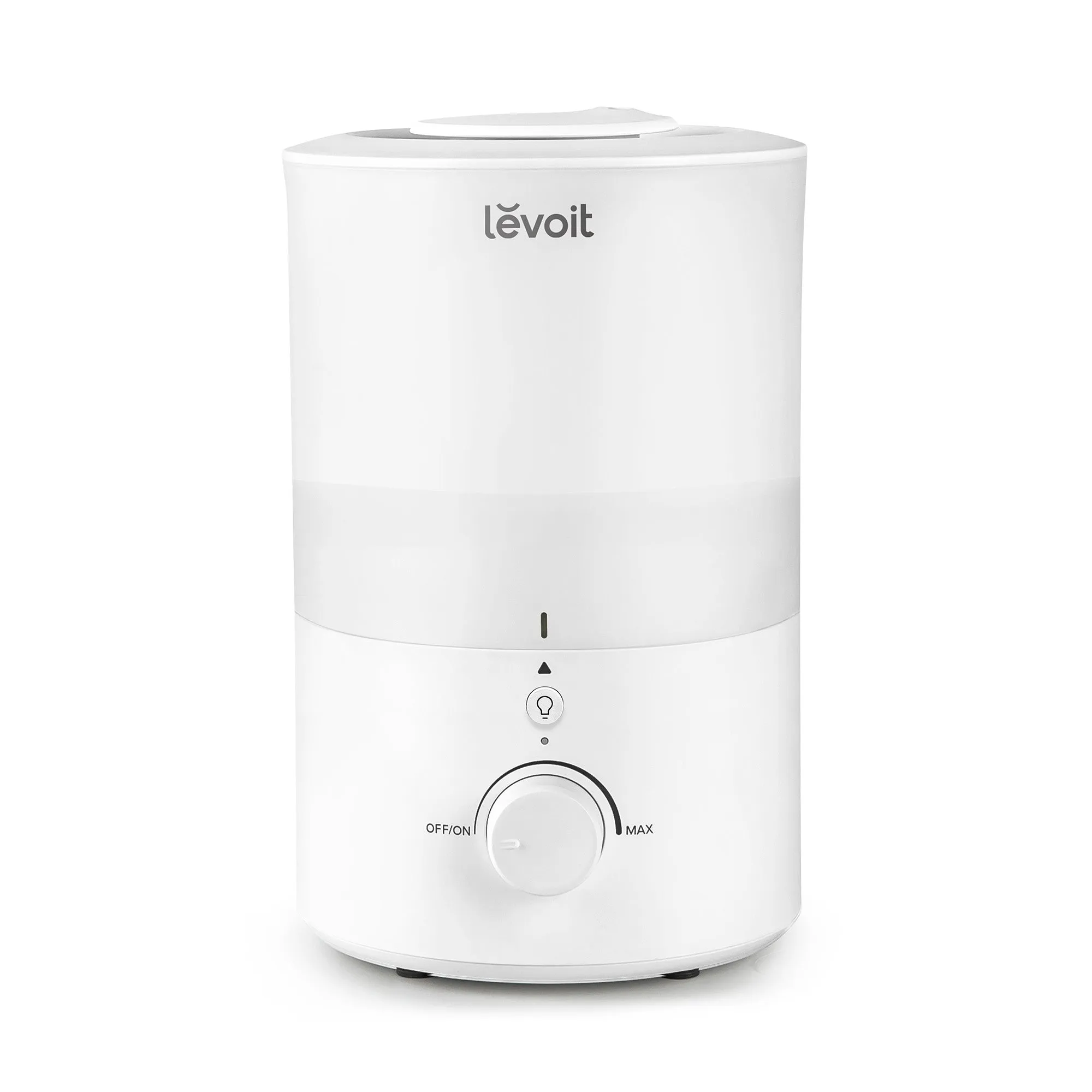
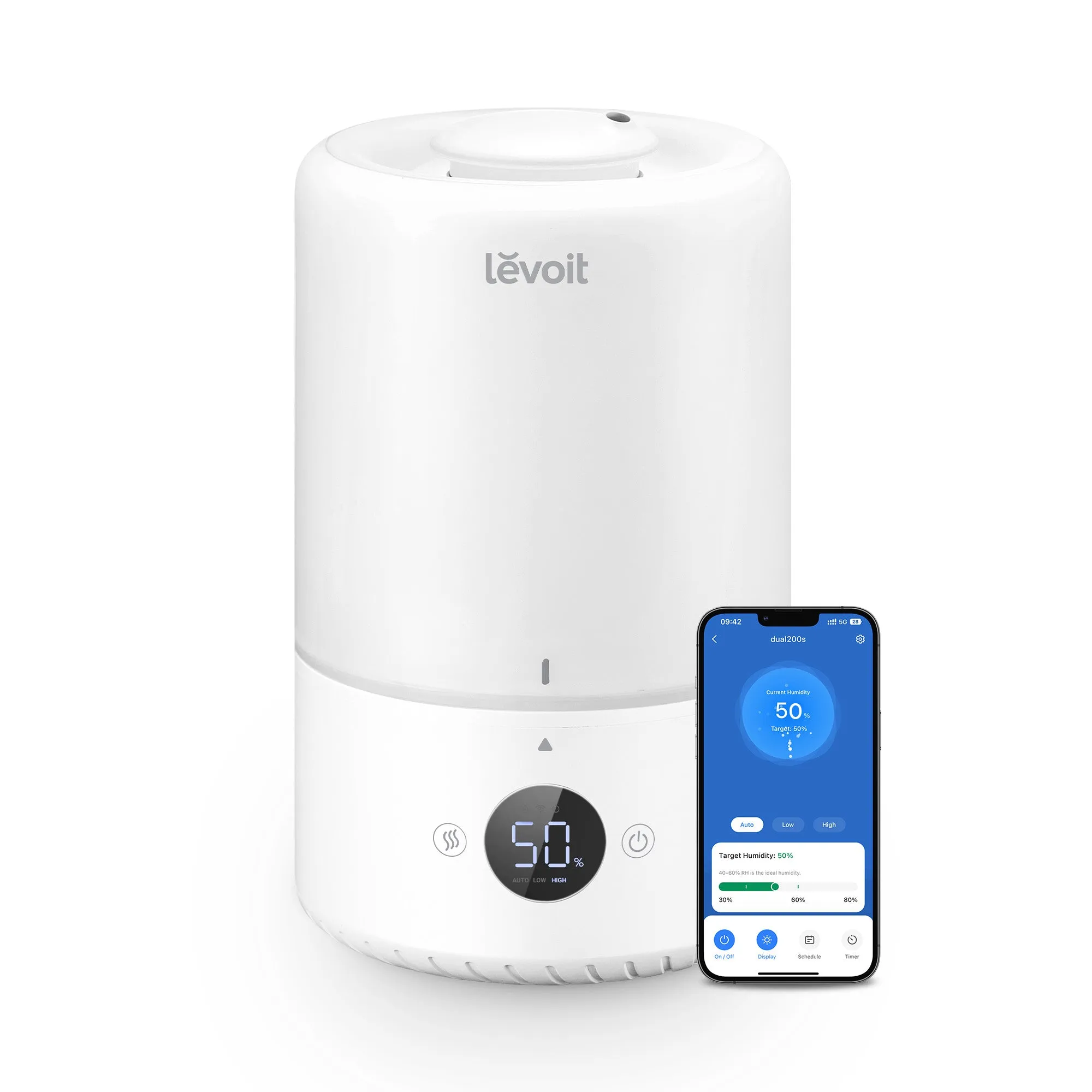
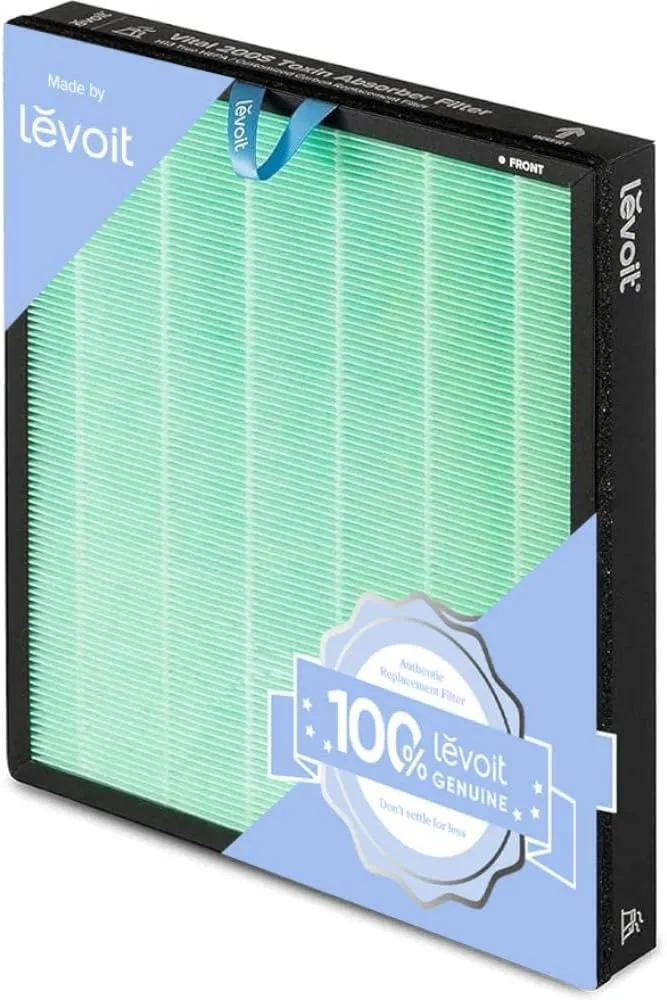
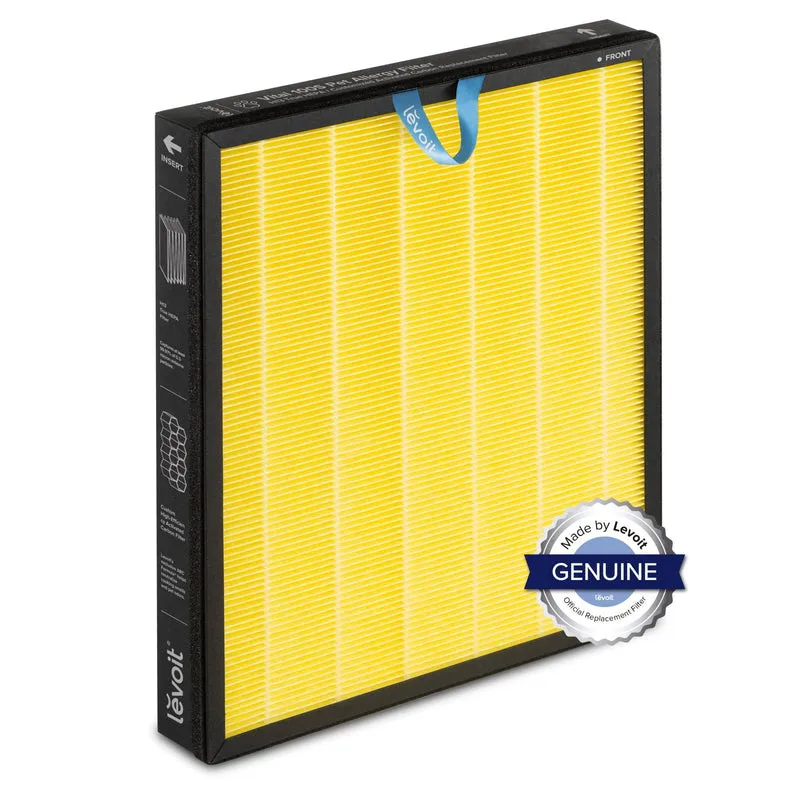
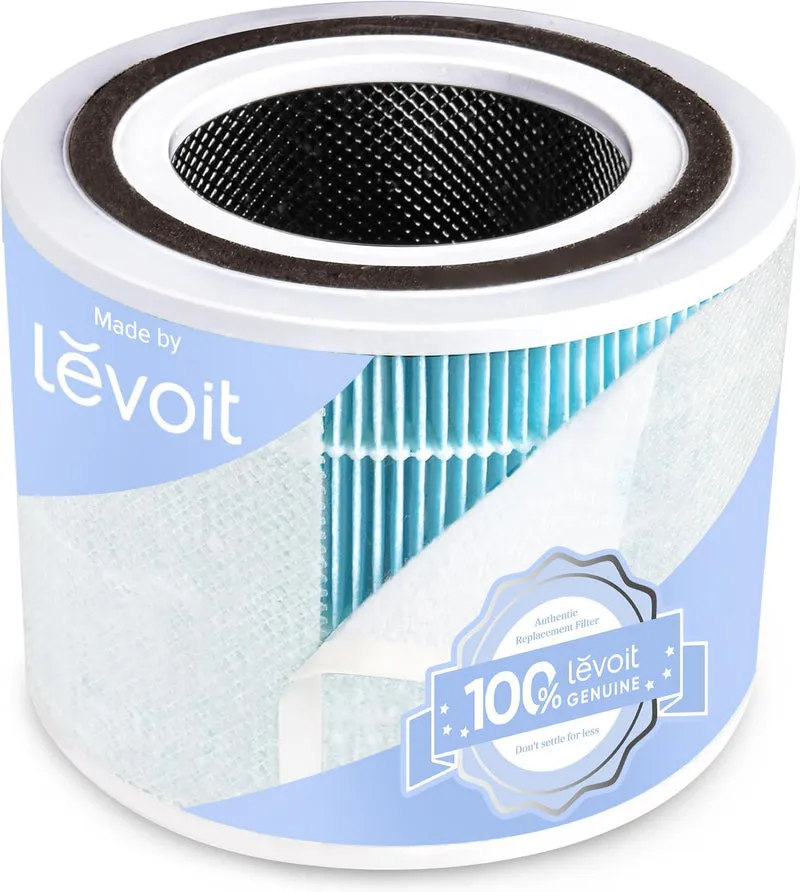
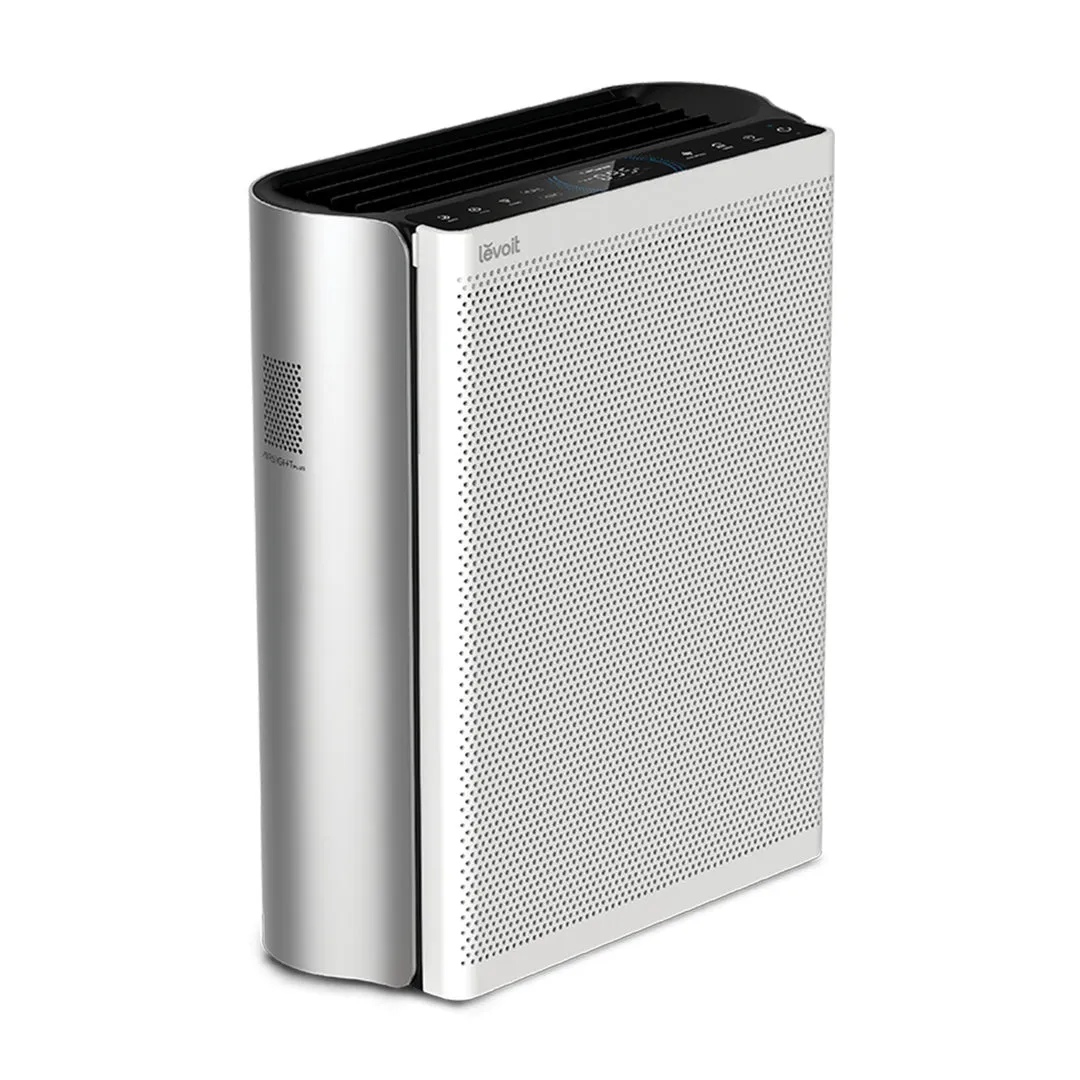
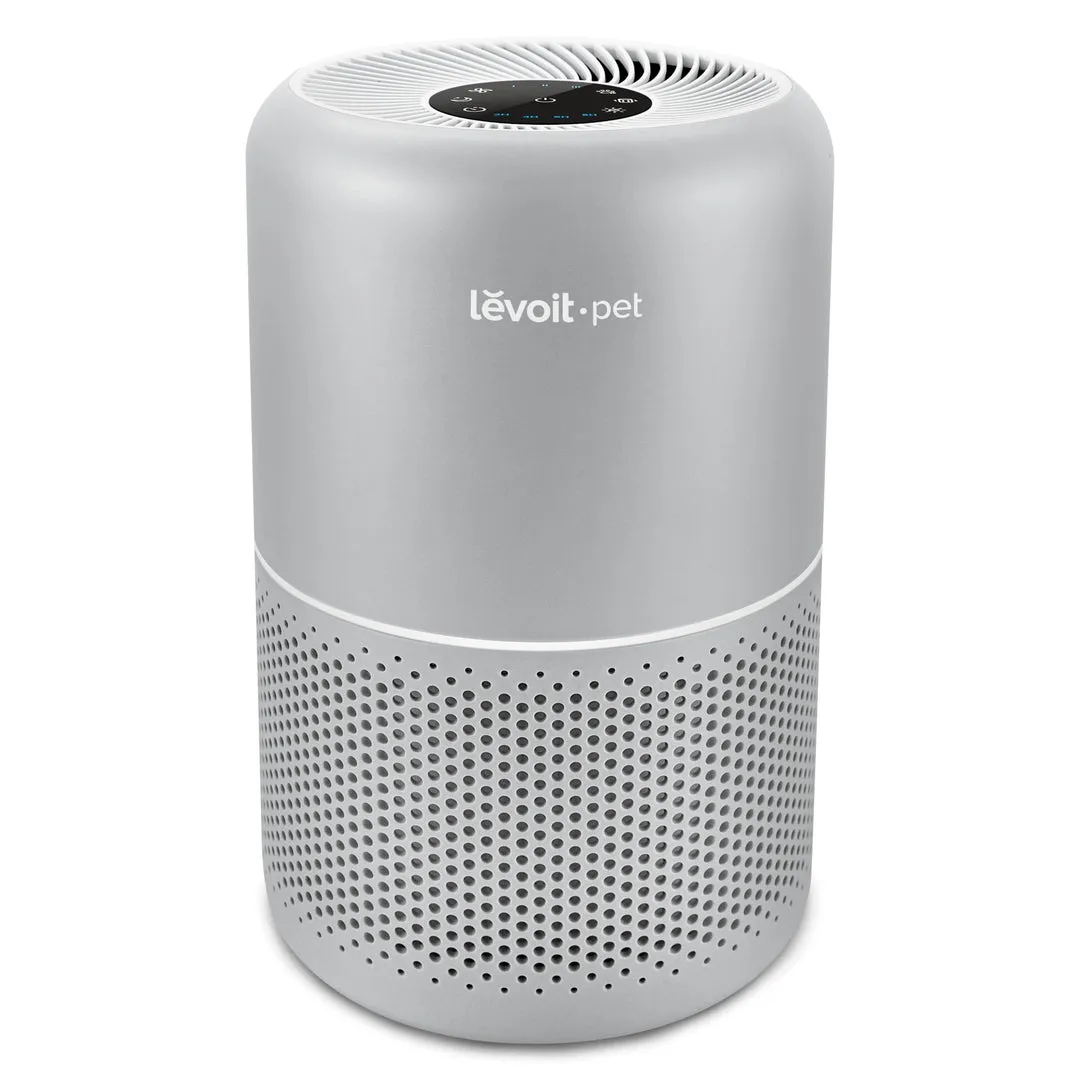
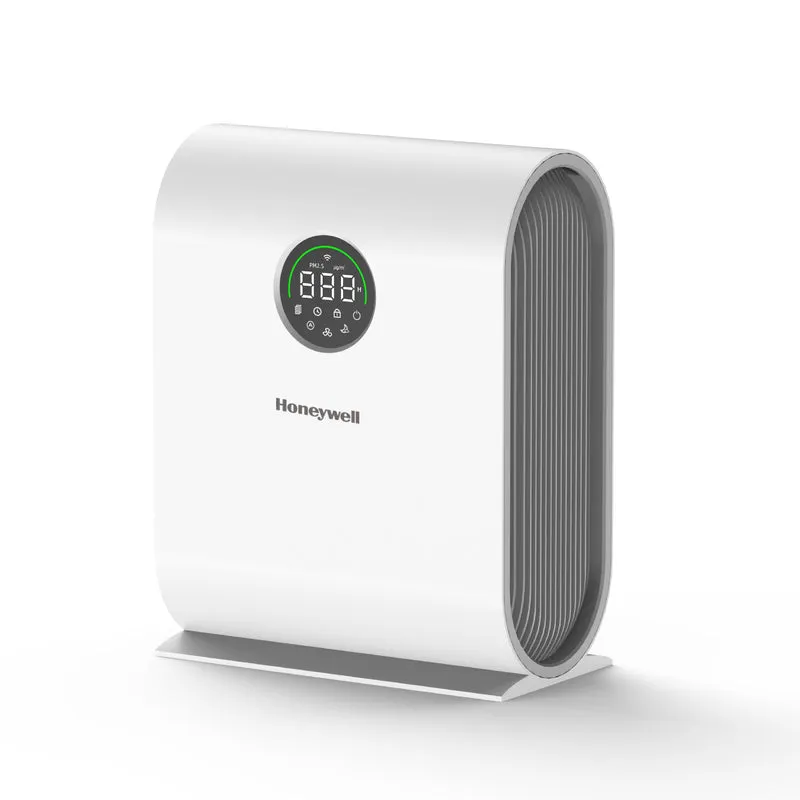
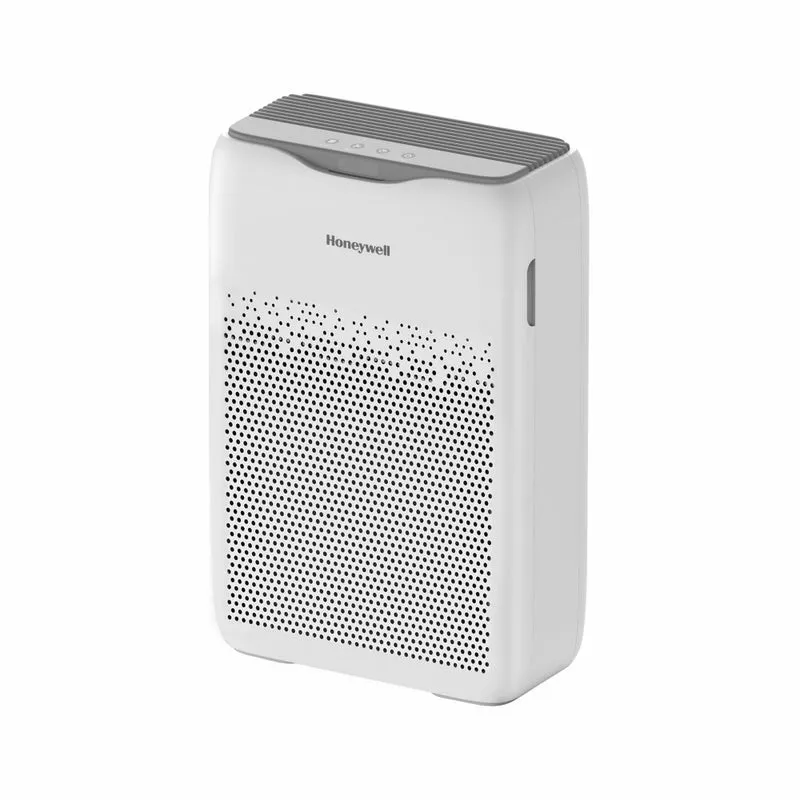
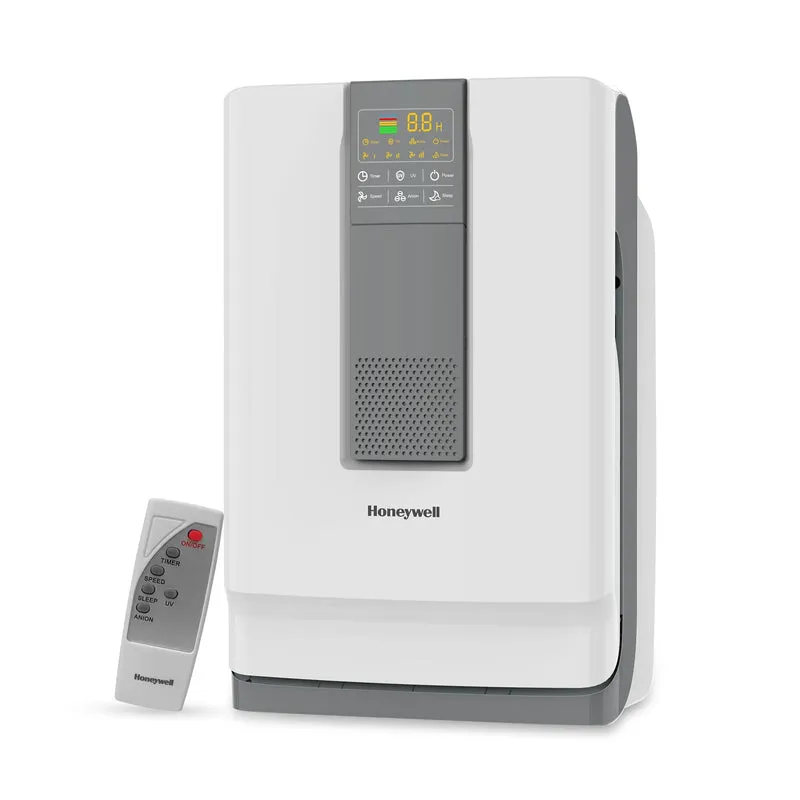
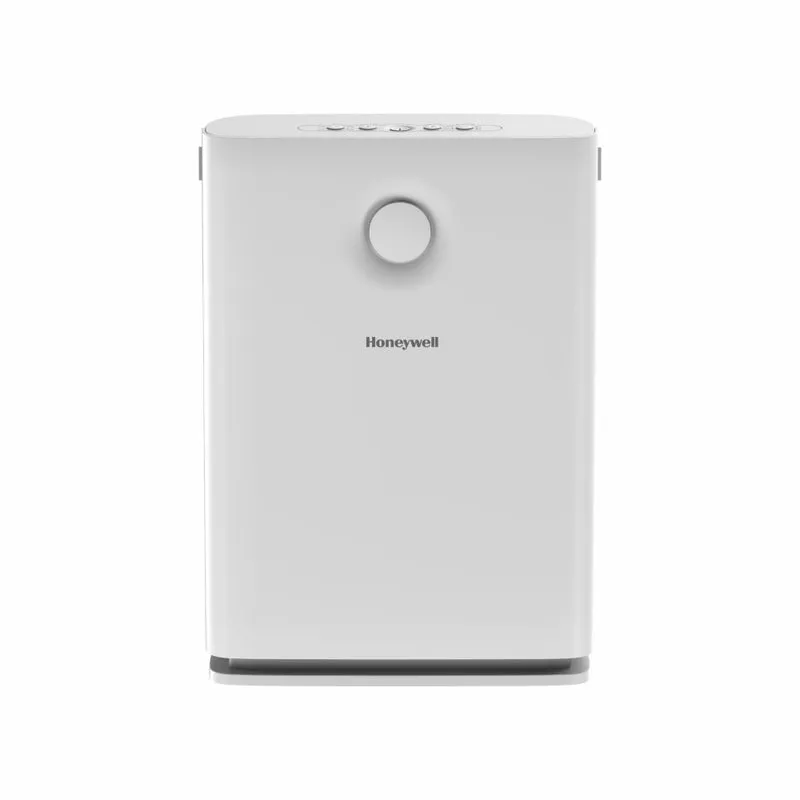
Cleanair-ae stocks humidifiers, dehumidifiers, and air purifiers from Blueair, Honeywell, and Levoit, with fast delivery across Dubai and Abu Dhabi. Whether your home runs dry in winter or feels clammy in summer, the 2026 air purifier buying guide covers how to select the right combination of devices for your space. For homes where excess moisture is the primary concern, the dehumidifier guide for humid homes walks through sizing, placement, and seasonal use. Browse the full range at cleanair-ae.com and use the support team to match a product to your specific room size and climate.
FAQ
What is the ideal indoor humidity level?
The EPA recommends 30–50% relative humidity indoors. A practical target of 40–55% satisfies both EPA and ASHRAE standards for health and comfort.
What happens if indoor humidity is too low?
Humidity below 30% causes respiratory irritation, dry skin, static electricity, and damage to wood, leather, and paper materials.
How quickly does mould grow at high humidity?
Mould spores can germinate within 24–48 hours when indoor RH stays above 60% at suitable surface temperatures, making the 60% ceiling a firm preventative limit.
Does air conditioning control indoor humidity?
Air conditioning reduces humidity as a side effect of cooling, but an undersized system may maintain temperature while leaving indoor air clammy. A standalone dehumidifier resolves this.
How do I measure indoor humidity accurately?
A digital hygrometer placed in the main living area gives a reliable real-time reading. For a full picture, use one in the bedroom and one near moisture sources such as the kitchen or bathroom.