
Uncategorised
Why regulate humidity levels in your home
Regulating indoor humidity levels protects health, preserves your home, and keeps you comfortable year-round. The ideal humidity range for indoor spaces is maintained within recommended comfort and health guidelines endorsed by the US EPA and the WELL Standard. Outside that band, problems accumulate quickly.
Why humidity regulation matters:
- Health protection. Very low humidity levels can dry out mucous membranes, raising infection risk. High humidity levels encourage mould, dust mites, and bacteria.
- Comfort. Too dry and skin cracks; too humid and the air feels heavy and oppressive.
- Building integrity. Excess moisture causes condensation, structural decay, and hidden mould growth behind furniture and walls.
- Air quality. High RH increases formaldehyde emissions from building materials by 1.8 to 2.6 times.
Table of Contents
- What causes indoor humidity to fluctuate?
- What happens when indoor humidity drops too low?
- What problems does excess indoor humidity cause?
- How to maintain the right humidity level at home
- What UK research says about humidity and health
- How humidity regulation affects your energy bills
- How humidity affects UK home materials and structure
- Health conditions most affected by indoor humidity in the UK
- Key takeaways
What causes indoor humidity to fluctuate?
Indoor humidity rarely stays constant. Several factors push it up or down throughout the day and across seasons.
Internal moisture sources:
- Cooking, boiling, and steaming add significant water vapour.
- Showering raises bathroom humidity sharply within minutes.
- Drying clothes indoors is one of the most common causes of elevated moisture in UK homes.
- Human respiration contributes a steady background level.
Building characteristics play an equally large role. Airtight, well-insulated homes retain moisture efficiently, which is useful in winter but can cause excess humidity if ventilation is inadequate. Poorly insulated walls create cold surfaces where condensation forms even when ambient RH feels comfortable.
Seasonal shifts matter too. UK winters bring cold, dry outdoor air that reduces indoor humidity when windows are opened, while mild, damp conditions in spring and autumn can push indoor moisture higher. Heating systems warm the air without adding moisture, which lowers relative humidity and can make indoor air feel uncomfortably dry by January or February.
What happens when indoor humidity drops too low?
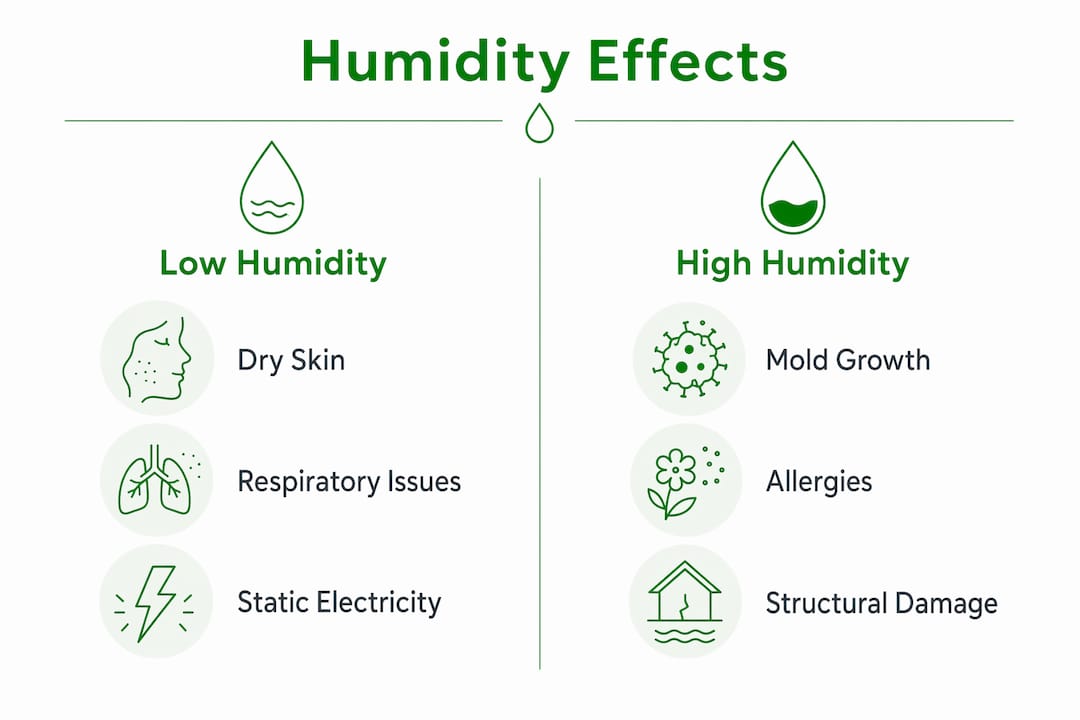
When RH falls below 30%, the body’s first line of defence against airborne pathogens weakens. Mucous membranes in the nose and throat dry out, reducing their ability to trap and expel viruses and bacteria.
Health effects of low humidity:
- Dry, itchy skin and chapped lips.
- Irritated eyes, nose, and throat.
- Increased susceptibility to respiratory infections.
- Worsened symptoms for asthma and eczema sufferers.
Environmental effects:
- Wooden furniture, flooring, and musical instruments can crack or warp.
- Static electricity builds up, damaging electronics and causing discomfort.
Threshold to watch: The WELL Standard flags 30% RH as the lower limit for occupant health and comfort. UK homes running central heating through winter frequently dip below this level without occupants realising it.
What problems does excess indoor humidity cause?
High humidity creates a different set of risks, and they compound over time. Condensation on cold surfaces triggers mould growth even when the ambient air feels comfortable, particularly in poorly insulated homes.
Health risks above 60–70% RH:
- Mould spores and dust mite populations increase, aggravating asthma and allergies.
- Bacteria thrive in warm, damp conditions.
- Respiratory distress calls increase as humidity rises, particularly above 26°C indoors.
Structural risks:
- Condensation causes timber decay, corrosion of metal fixings, and damage to plasterwork.
- Persistent damp weakens insulation and reduces its effectiveness.
- Hidden mould behind furniture or inside wall cavities can go undetected for months.
Chemical risk: Excess humidity raises formaldehyde emissions from common building materials by 1.8 to 2.6 times, adding a chemical hazard to the biological ones.
How to maintain the right humidity level at home
Keeping RH within the 30–50% band requires a combination of ventilation, equipment, and monitoring. No single method covers every situation.
Practical steps:
- Ventilate with awareness. Opening windows reduces indoor humidity in most UK conditions, but if outdoor air is already saturated, it can worsen the problem. Check conditions before ventilating.
- Use a dehumidifier in damp rooms, particularly kitchens, bathrooms, and basements. The role of dehumidifiers in managing excess moisture is well established for UK homes.
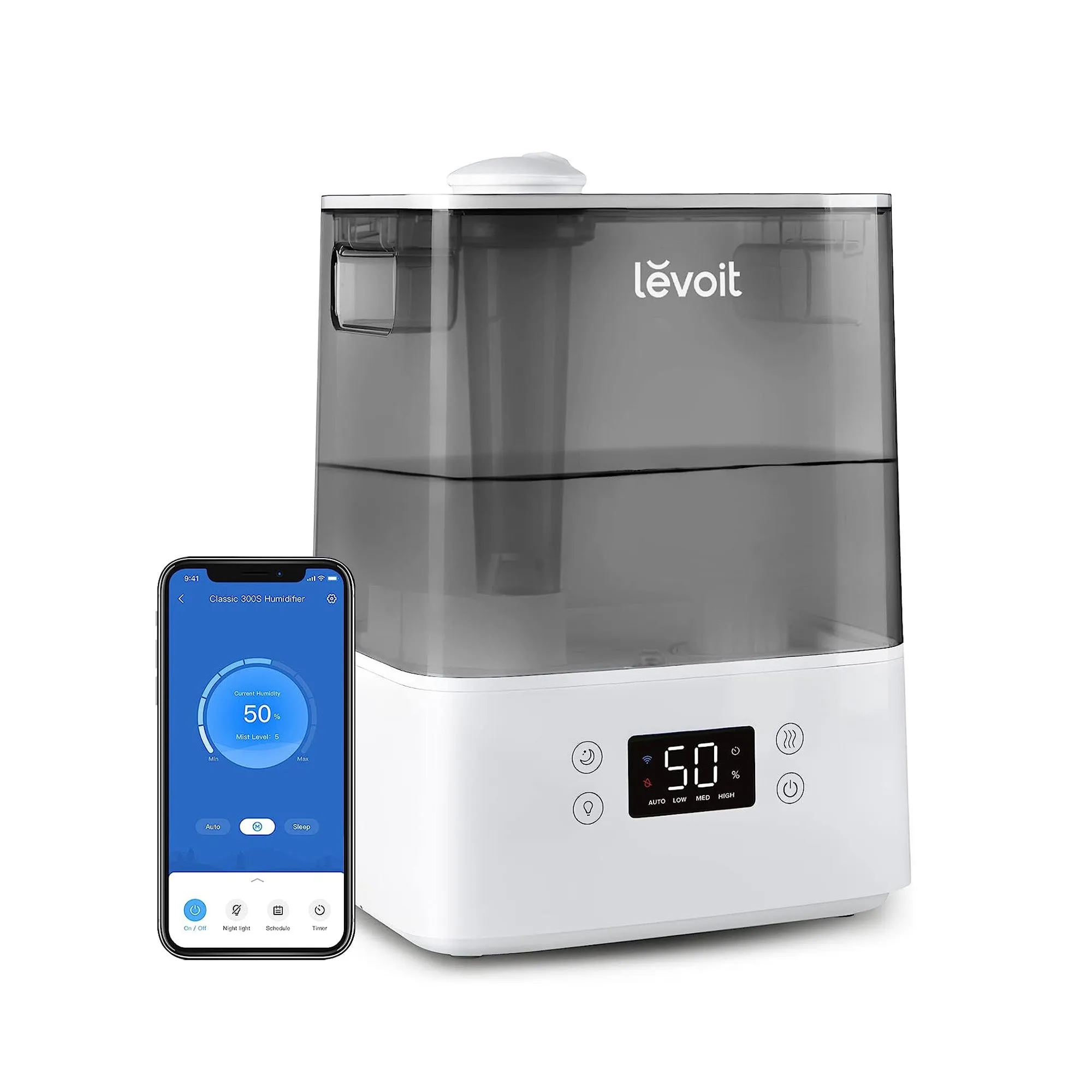
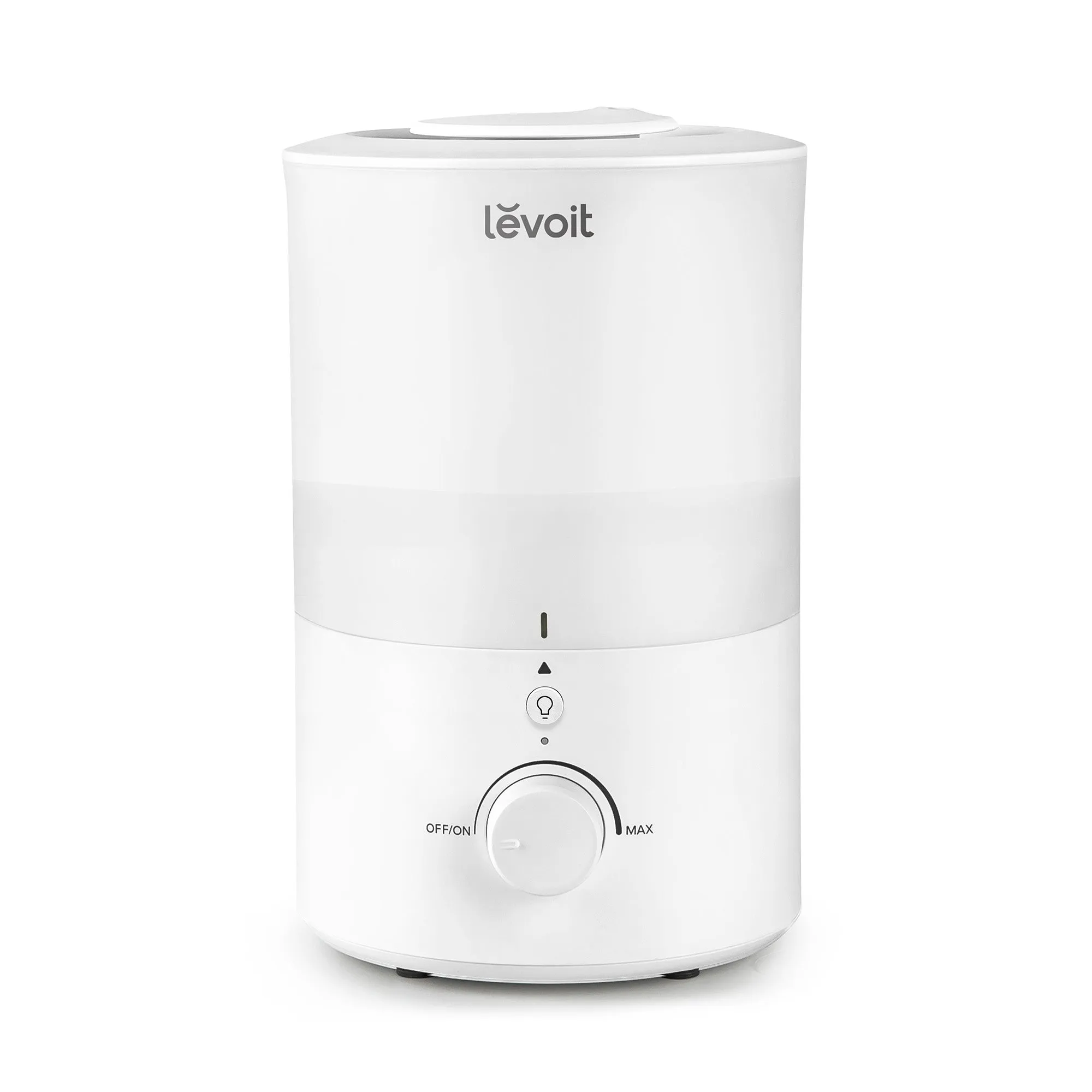
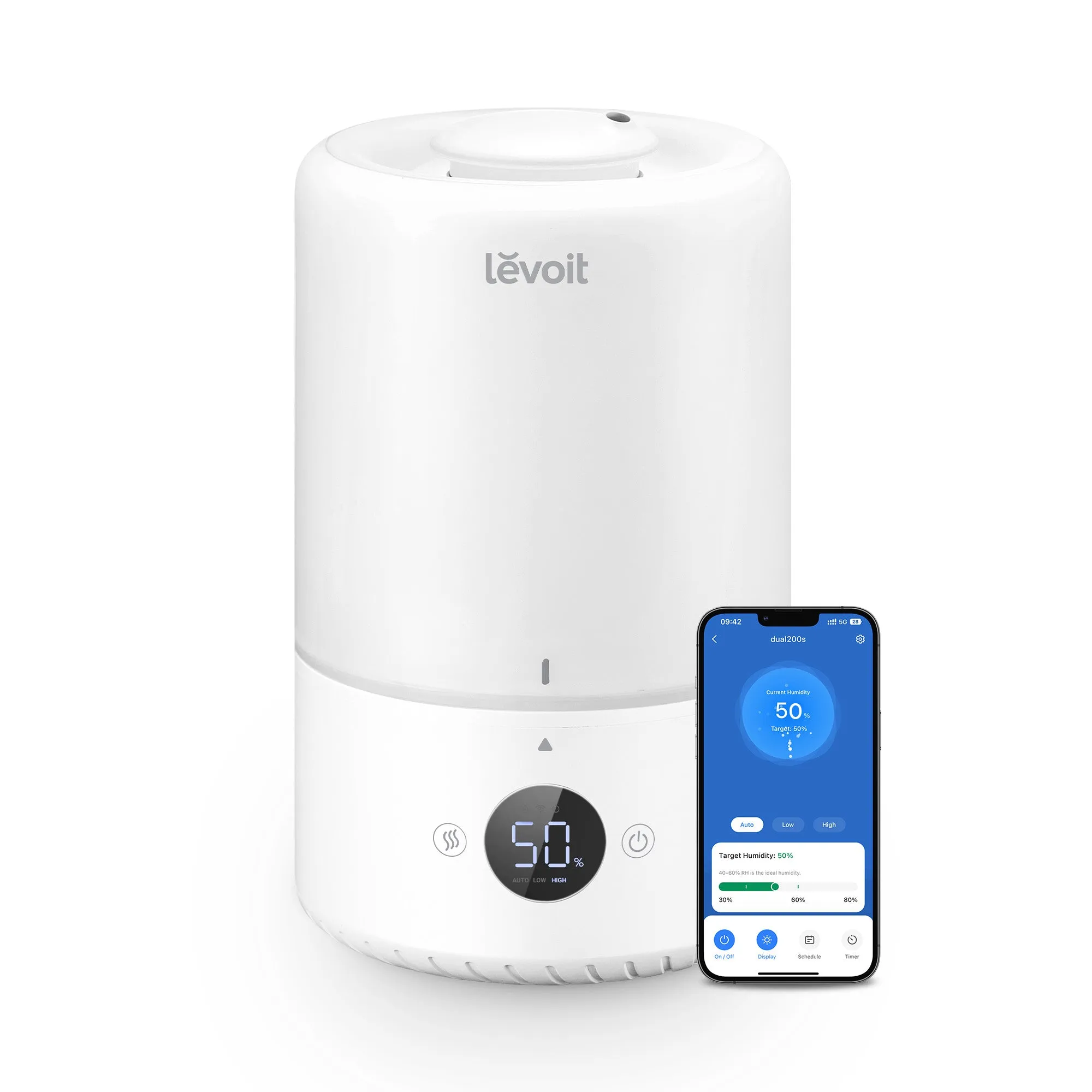
- Use a humidifier in winter when heating dries the air. Clean it regularly. Poorly maintained humidifiers can become sources of bacteria and mould, undermining the benefit entirely.
- Improve insulation to raise surface temperatures above the dew point, preventing condensation on walls and windows.
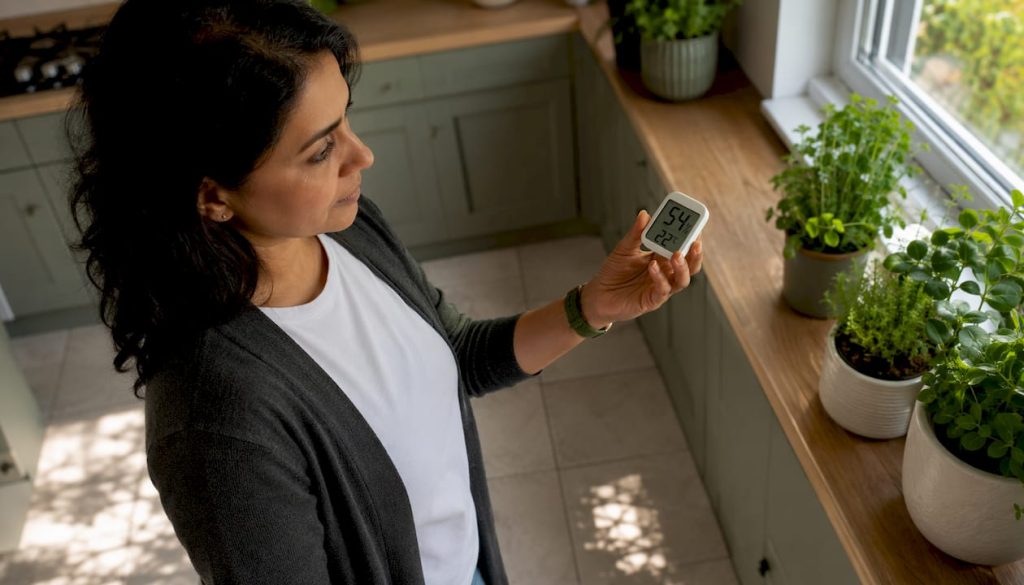
- Monitor with a hygrometer. A basic digital hygrometer costs very little and gives you an accurate, real-time reading of indoor RH.
Pro Tip: In UK winters, aim for a modest increase in RH during UK winters rather than pushing it to higher levels. European standard EN 16798-1 recommends limited humidification in cold climates to avoid excess moisture accumulating in wall structures.
What UK research says about humidity and health
The Met Office confirms that humidity directly affects the body’s ability to regulate temperature. In high humidity, sweat cannot evaporate efficiently, raising the risk of heat stress. In very low humidity, mucosal barriers dry out and infection risk climbs.
Key findings relevant to UK homes:
- Maintaining 40–60% RH may reduce virus survival indoors by encouraging formation of antiviral compounds, though this should supplement ventilation and hygiene, not replace them.
- Proper ventilation is the primary tool for moisture control, but poor design can introduce outdoor pollutants or cause moisture problems in building structures.
- REHVA guidance recommends raising winter indoor humidity modestly, from the typical 10–20% RH seen in UK homes during cold months, to 20–30% RH, without risking condensation.
Research note: Building envelope quality sets the safe upper limit for indoor humidity. Without adequate insulation, raising humidity risks structural damage before occupants gain any health benefit.
How humidity regulation affects your energy bills
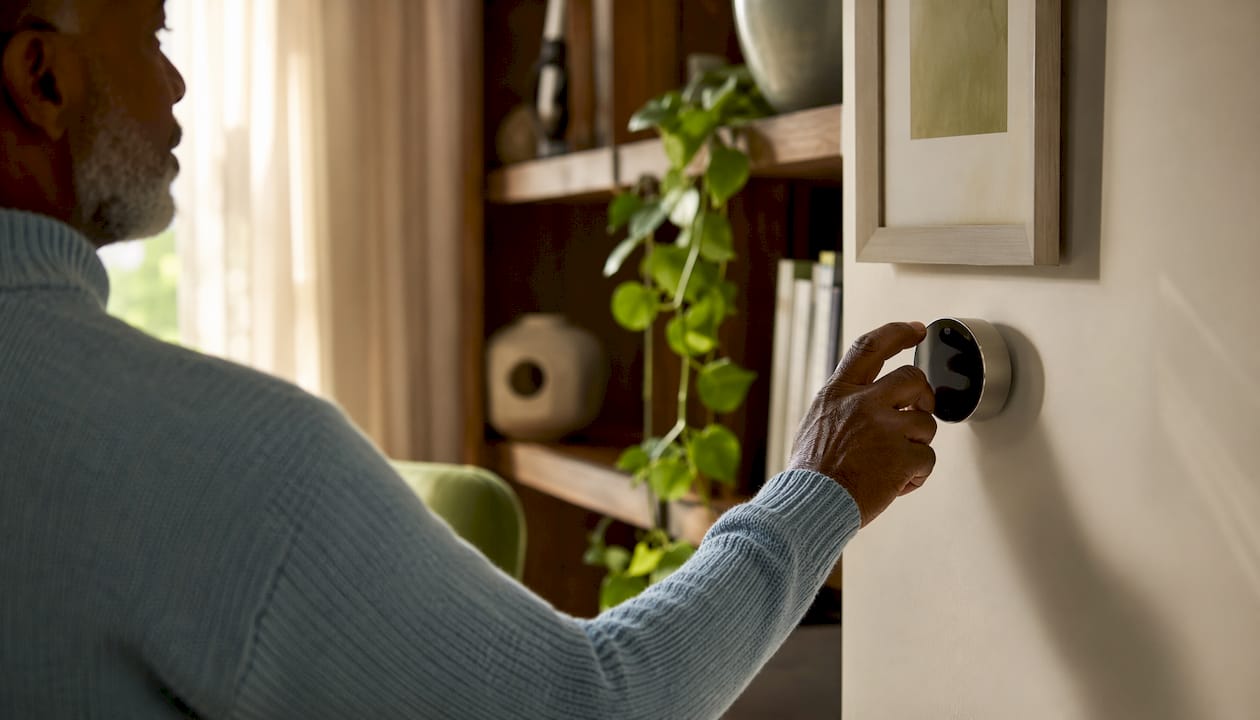
Humidity and heating costs are directly linked. Humid air at a given temperature feels warmer than dry air at the same temperature, a property known as apparent temperature. Maintaining RH in the 40–50% range during winter means a room at 19°C can feel as warm as a drier room at 21°C or 22°C, allowing the thermostat to be set lower without a loss of comfort.
Conversely, excess humidity forces heating systems to work harder because damp air transfers heat away from surfaces more readily. Dehumidifying before heating, rather than heating damp air, is the more energy-efficient sequence. Insulation improvements that prevent condensation also reduce heat loss through walls, compounding the energy saving.
How humidity affects UK home materials and structure
UK homes face particular structural risks because of the combination of older building stock, variable insulation standards, and a damp climate. Timber-framed walls, solid brick construction, and single-glazed windows all create cold surfaces where moisture condenses readily.
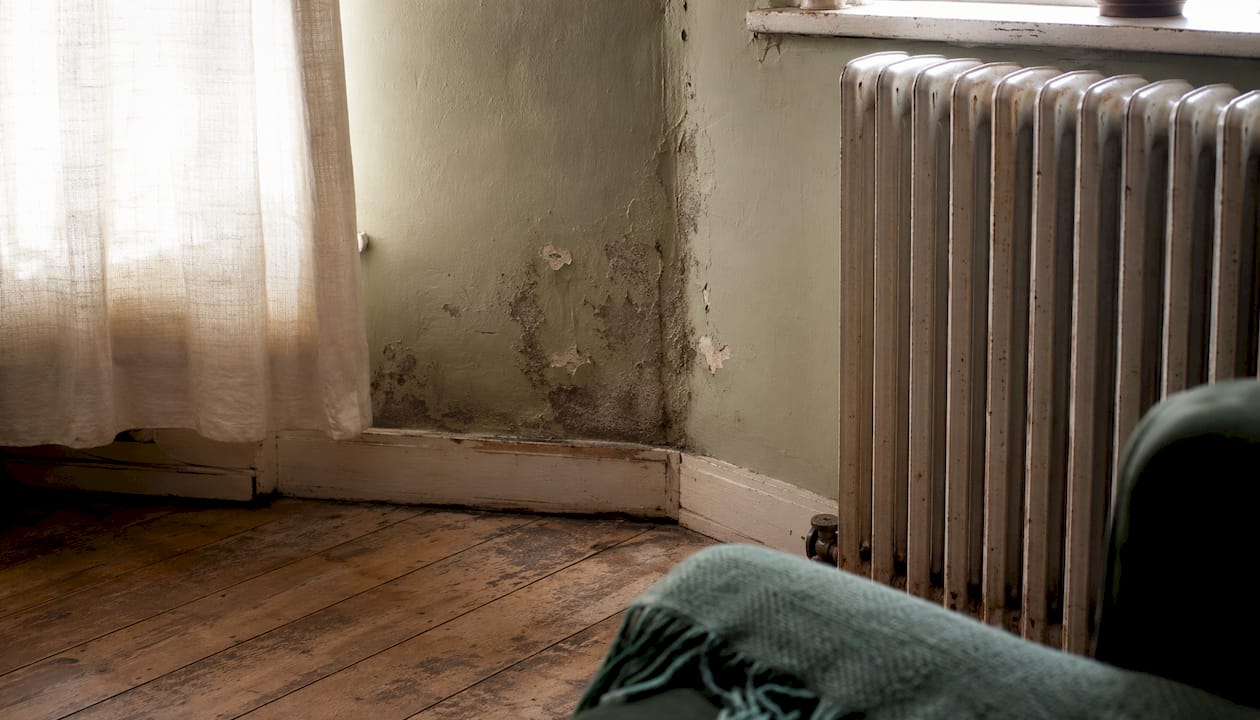
Sustained RH above 70% causes timber to absorb moisture, swell, and eventually rot. Metal fixings corrode. Plaster salts migrate to the surface, causing staining and spalling. Carpets on concrete floors absorb moisture and become breeding grounds for biological growth. Thermal insulation quality fundamentally determines how much humidity a home can safely tolerate. A well-insulated home can maintain 50% RH comfortably; a poorly insulated one may see structural problems at 40% if cold bridges are present.
Health conditions most affected by indoor humidity in the UK
Several common conditions in the UK population are particularly sensitive to indoor humidity variations. Understanding the humidity and health connection helps prioritise which households need tighter control.
Conditions worsened by low humidity (below 30% RH):
- Asthma. Dry air irritates airways and can trigger bronchospasm.
- Eczema. Low humidity accelerates skin moisture loss, worsening flares.
- Rhinitis. Dry nasal passages become inflamed and more vulnerable to allergens.
- Recurrent respiratory infections. Impaired mucosal clearance increases susceptibility.
Conditions worsened by high humidity (above 60% RH):
- Asthma and allergies. Dust mite and mould populations rise sharply, both potent triggers.
- COPD. Research links extreme humidity levels to increased exacerbations and reduced physical activity in COPD patients.
- Sleep disturbances. Studies indicate sleep quality deteriorates as both temperature and humidity rise, even below 26°C.
Elderly residents, young children, and those with cardiovascular conditions face compounded risks at both extremes, making consistent humidity monitoring particularly worthwhile in households with vulnerable occupants.
Key takeaways
Regulating indoor humidity within 30–50% RH protects health, prevents structural damage, and reduces energy costs in UK homes.
| Point | Details |
|---|---|
| Target range | Keep indoor RH between 30–50% for health, comfort, and building protection. |
| Low humidity risk | Below 30% RH, mucosal barriers dry out and infection susceptibility rises. |
| High humidity risk | Above 60–70% RH, mould, dust mites, and bacteria proliferate rapidly. |
| Chemical hazard | Excess humidity increases formaldehyde emissions from building materials by 1.8 to 2.6 times, adding a chemical hazard to the biological ones. |
| UK winter adjustment | In cold months, target 20–30% RH to improve comfort without risking condensation in wall structures. |
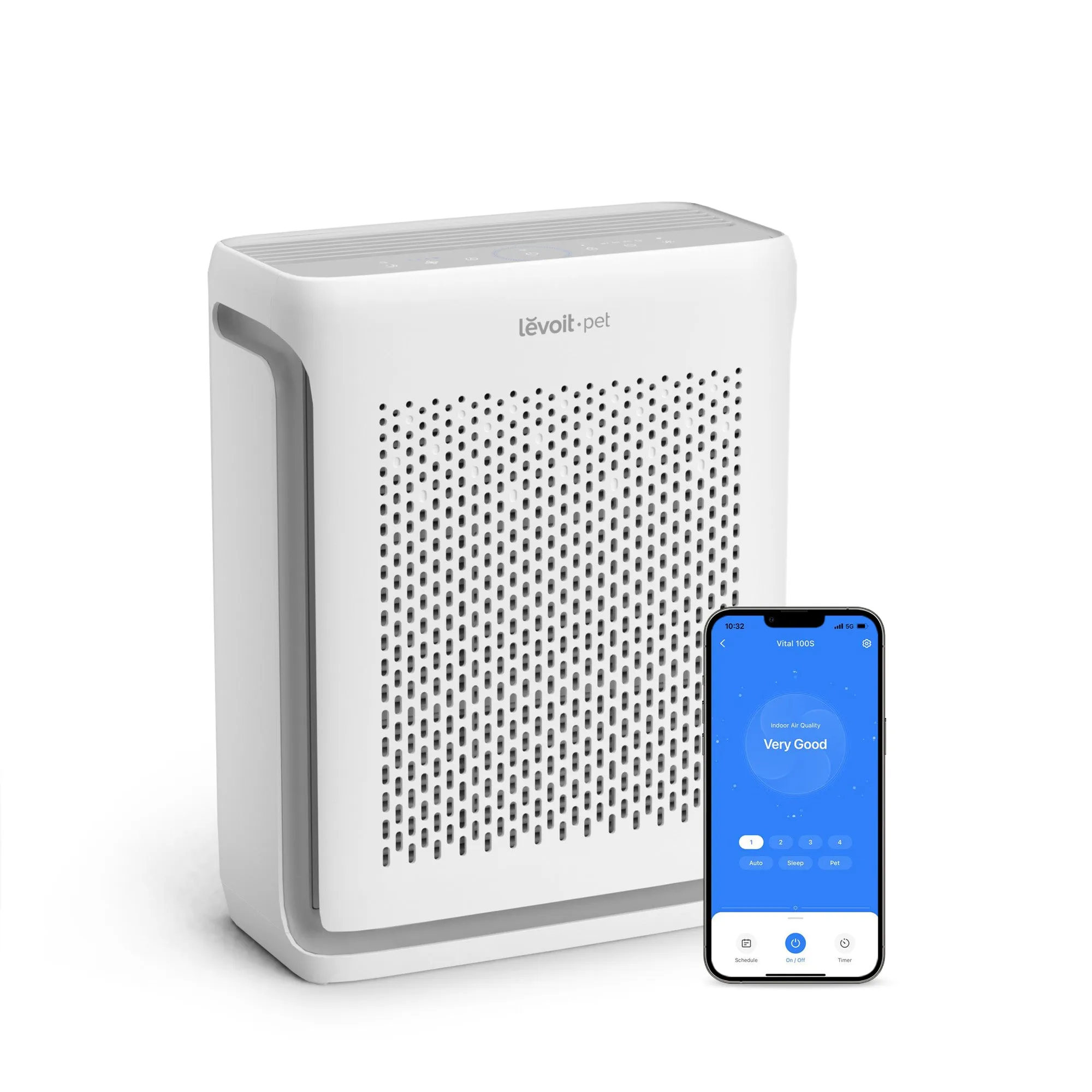
Cleanair-ae stocks a range of humidifiers, dehumidifiers, and air quality accessories suited to UK home conditions. Whether you need to raise winter RH or bring summer moisture under control, the air purifier buying guide covers the full range of options to help you choose the right equipment.